10 Ways to Explore Berkeley Plantation in Charles City, Virginia

| | | | | | |

Our family loves visiting presidential sites and learning more about America’s history, so when we made plans to visit the Williamsburg, Virginia area we started researching new-to-us spots to explore. At the top of our list was Berkeley Plantation, the birthplace of Benjamin Harrison V (member of the Continental Congress, signer of the Declaration of Independence and three time governor of Virginia) and William Henry Harrison (the 9th American President), and the ancestral home of his grandson Benjamin Harrison (the 23rd American President).
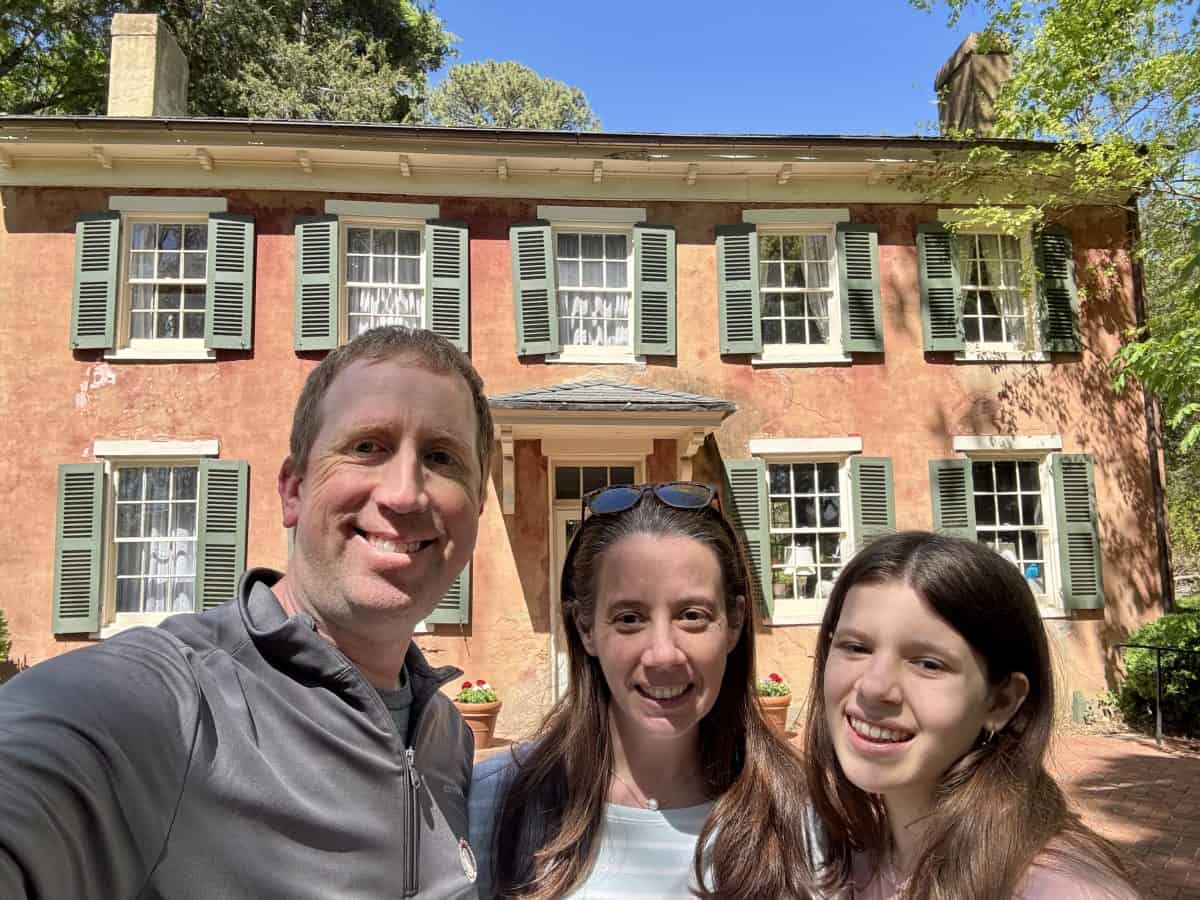
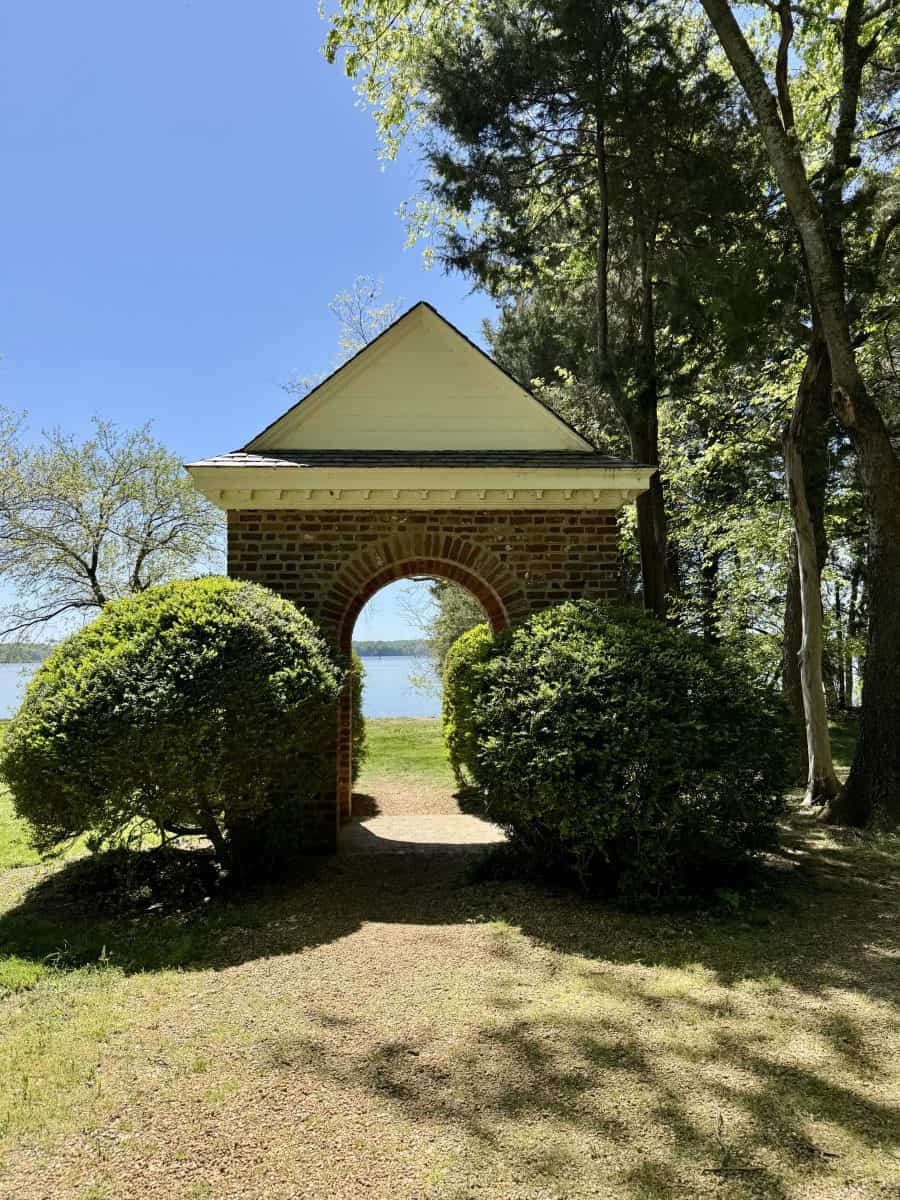
posing outside the back side of the Guest House at Berkeley Plantation in VA

The original property included 8,000 acres and three miles of riverfront on the James River in Virginia. Benjamin Harrison III purchased the property in 1691 and then deeded it to his son, Benjamin Harrison IV, who had the Georgian style main manor house built in 1726. One of the oldest brick homes in Virginia, it took five years to build with over 300,000 bricks. The plantation and shipyard had over 100 enslaved people working on it at one time. The positioning of the main house was on top of a hill that afforded the owners sweeping views of the James River. The house has a basement (once used as a jail, now a museum exhibit open to the public) and three floors, each with four rooms (the main floor is open for guided tours). Several presidents visited the estate including George Washington, Thomas Jefferson, James Madison, James Monroe, John Tyler, Zachary Taylor, and Abraham Lincoln.
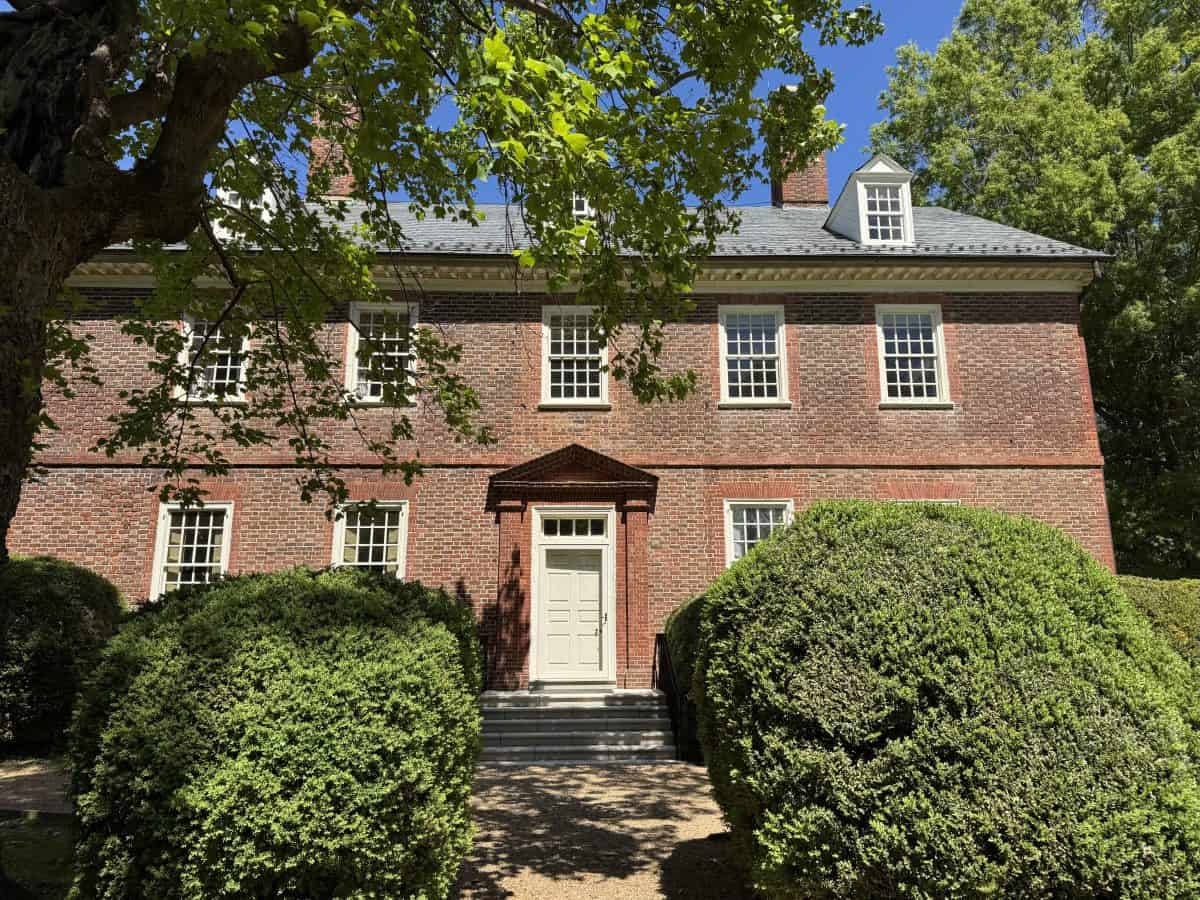
Manor House at Berkeley Plantation in VA

Benjamin Harrison VI lost the estate to bankruptcy and it was purchased by the Stock family, who lived there until 1907, when John Jamieson purchased it. The Jamieson family spent decades authentically restoring the property, and, in the 1940s opened the property for public tours. This year, 2026, the Berkeley Plantation is celebrating its 300th anniversary; it’s a great time to visit. the estate and learn about the families who lived here and their impact on American history.
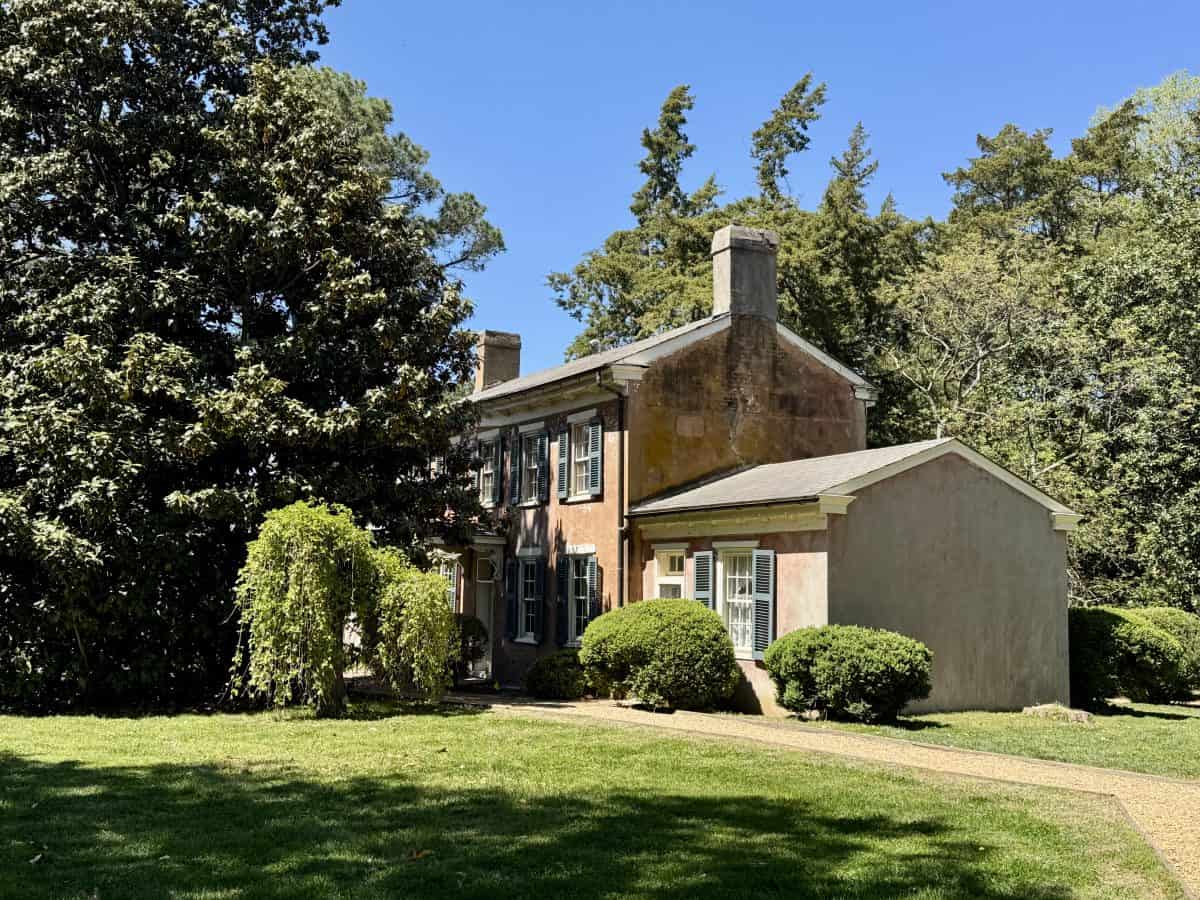
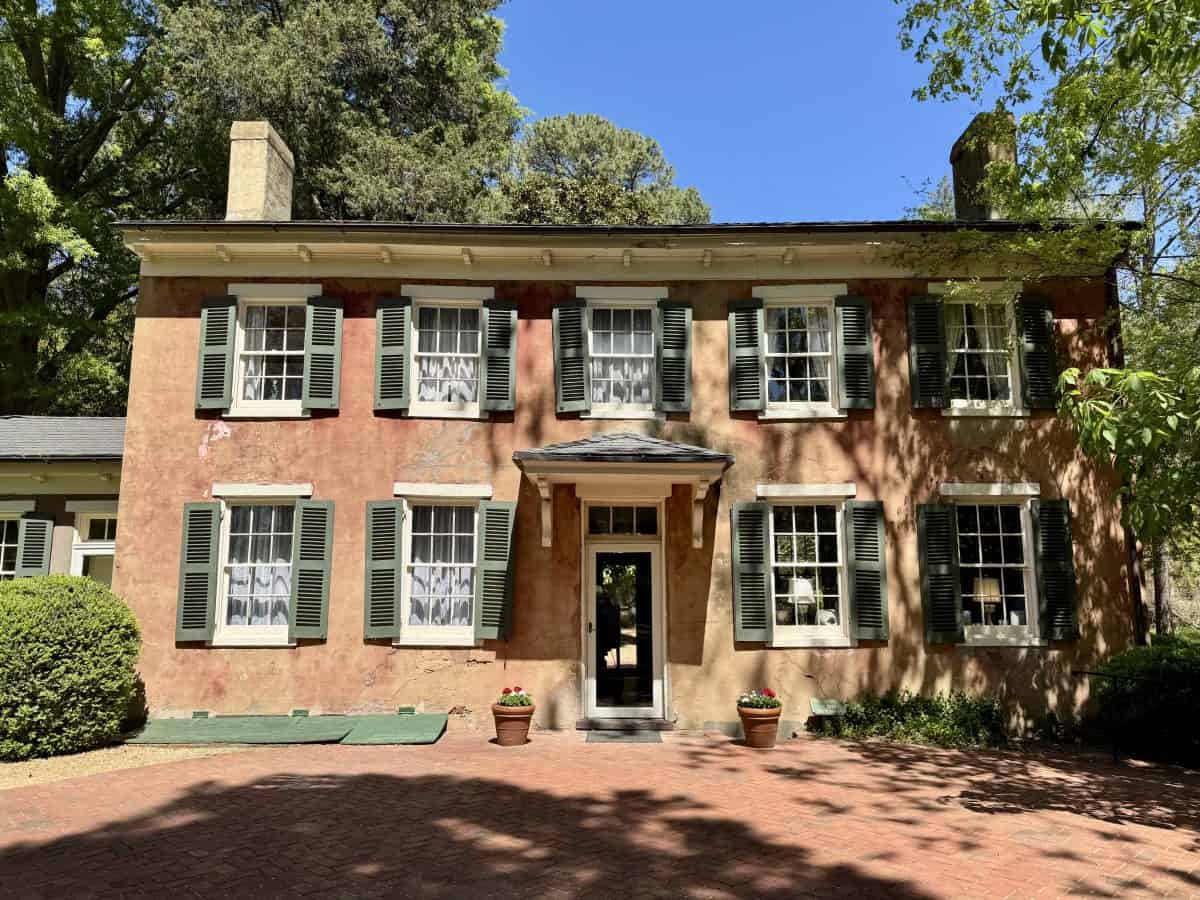
Travel Tips:
  • Berkeley Plantation is open mid March through December each year, with extended hours and more tours until early November; check here for up to date information on hours and admission fees. Children under age six receive free admission.
  • Cars must travel down a half mile rocky dirt road after the entrance to the estate. Plenty of free parking on either side of the loop at the end of the road, under trees. See information on directions here.
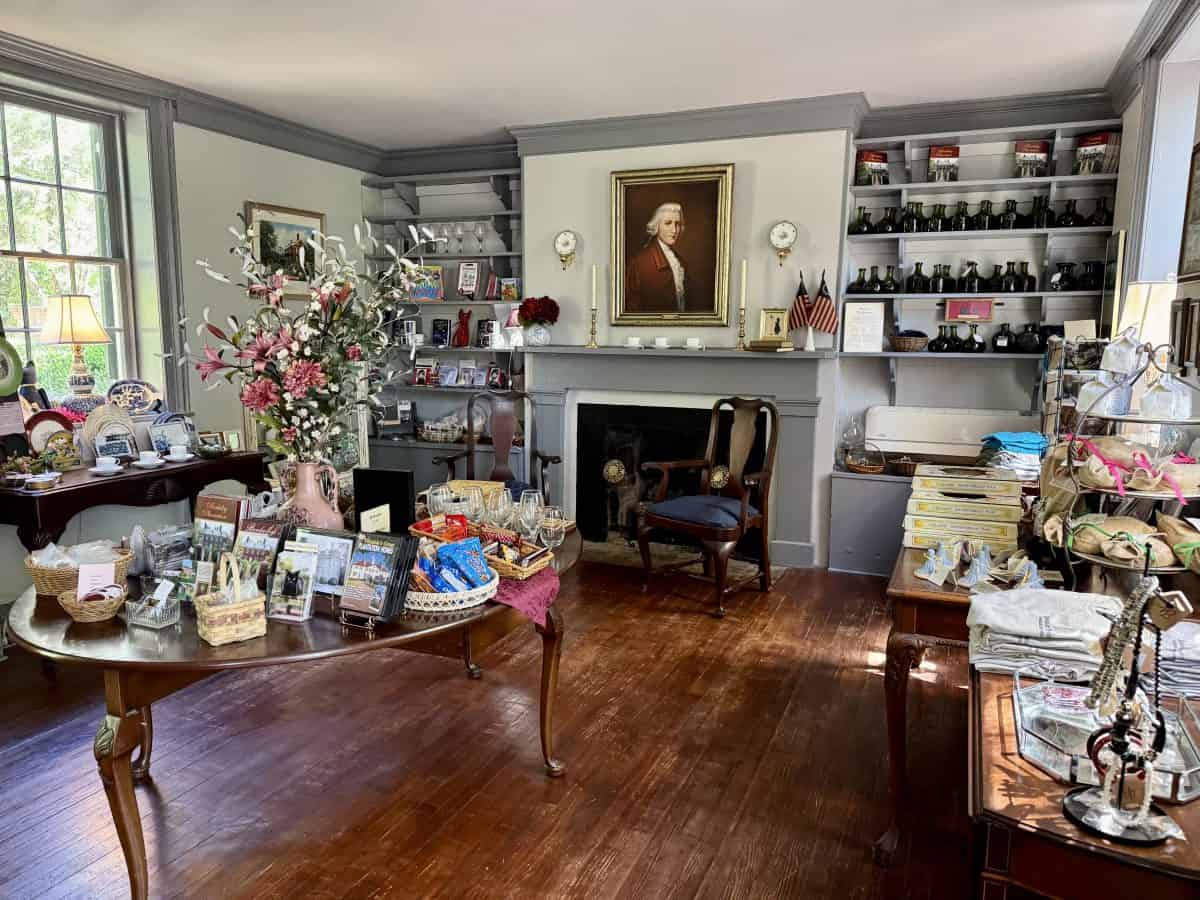
  • Check in for admission and tours is located inside the Guest House, to the left of the Manor House (plenty of clear signage around the property). The Guest House also has a small gift shop with souvenirs, housewares, and snacks and cold drinks.
  • The estate grounds are handicap accessible with designated stone paths. However, the Manor House, Guest House, Basement Museum, and Kitchen Dependency are not handicap accessible. Bring a stroller for the toddler crowd and wear sneakers to walk the property. Bring bug spray in warmer months.
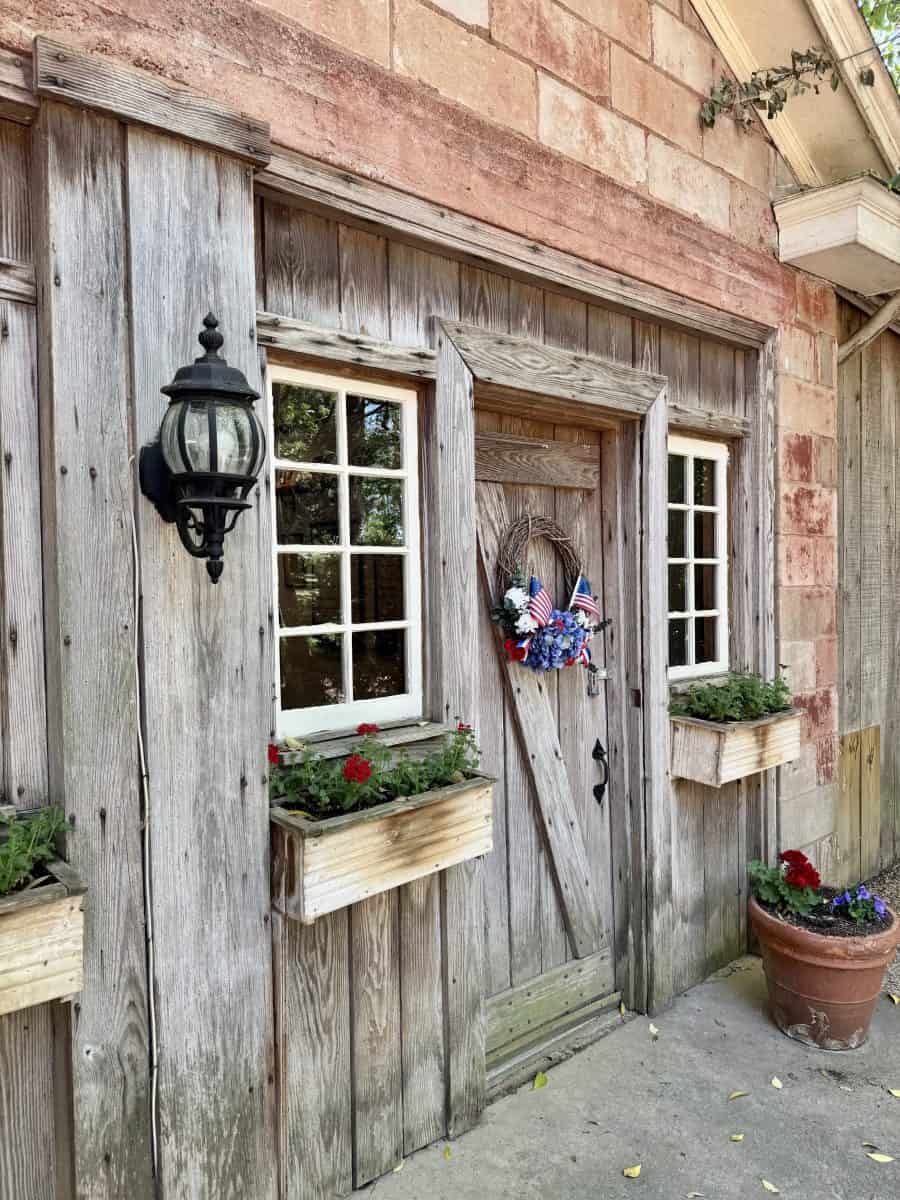
  • Restrooms are located inside the Coach House (behind the Guest House)
  • No dining facilities on site; check here for local options.
  • Check here for the calendar of programs and special events, including the 300th celebratory events in 2026, and the annual fall corn maze and holiday decorations every December.
  • Plan on 45-60 minutes for a guided tour and at least another 90 minutes to walk the property and see other buildings.
  • Note: there is no photography allowed in the Manor House or Basement Museum.

10 Ways to Explore Berkeley Planation:

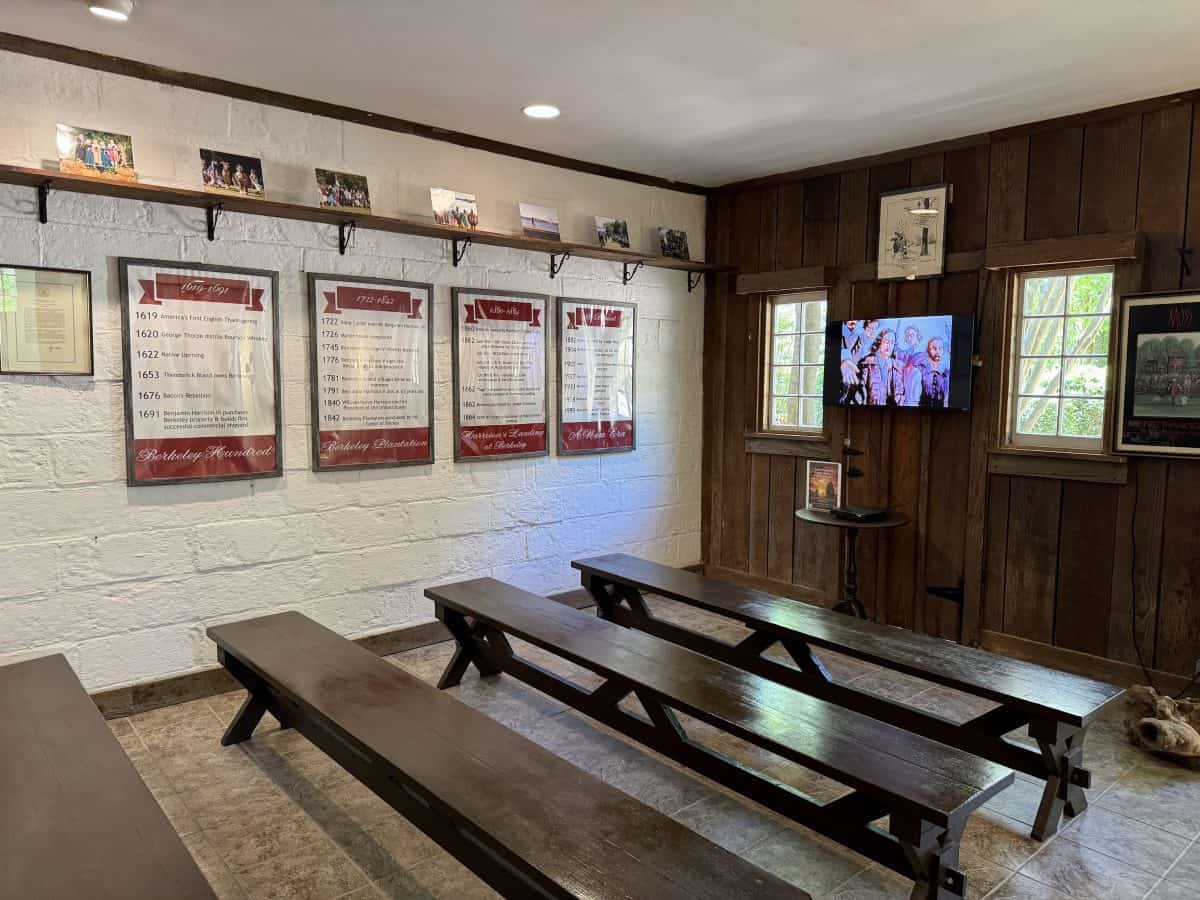
  1. View the 10 minute introductory video in the Coach House.
  2. Follow the family tree and lineage of Richard Lygon and Margaret Greville to see who lived on the property and when 10 presidents either lived on or visited the property in the Coach House.
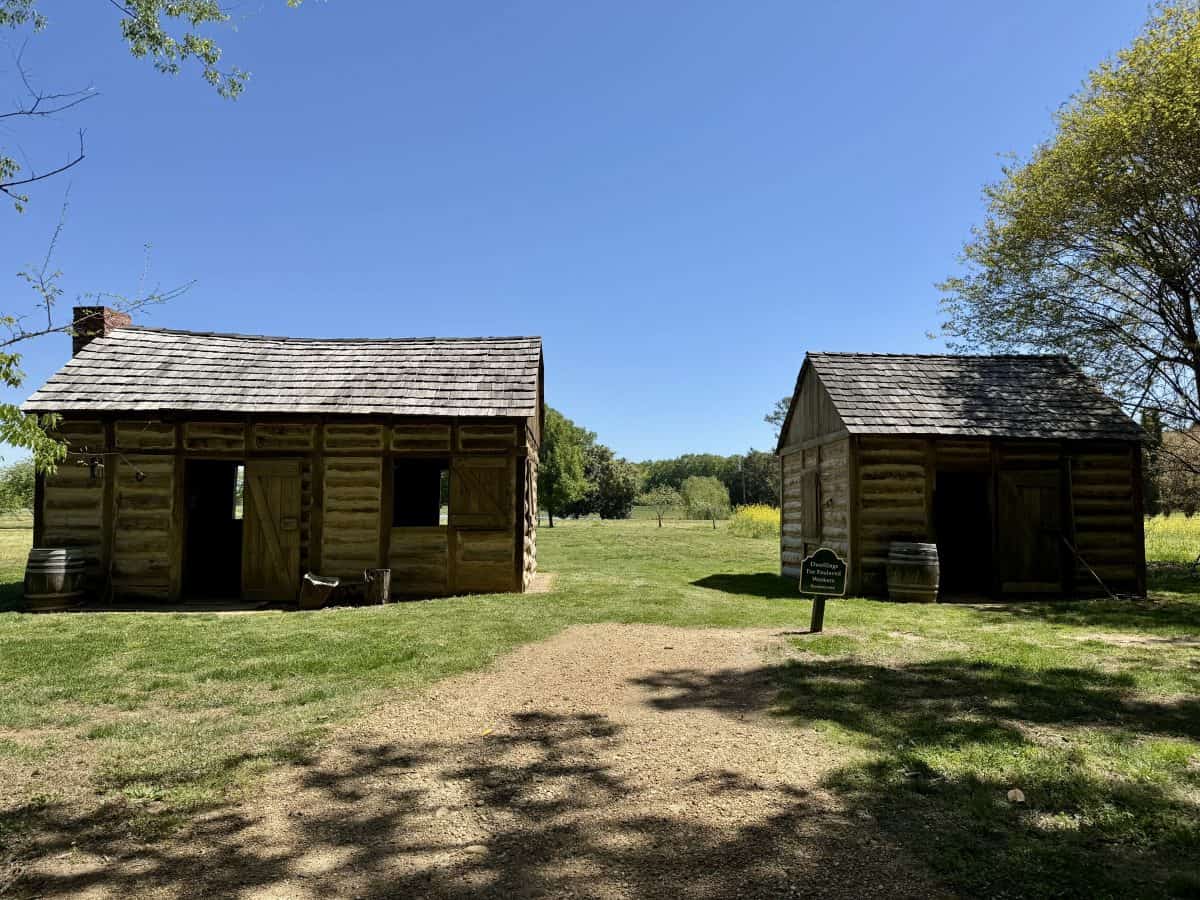
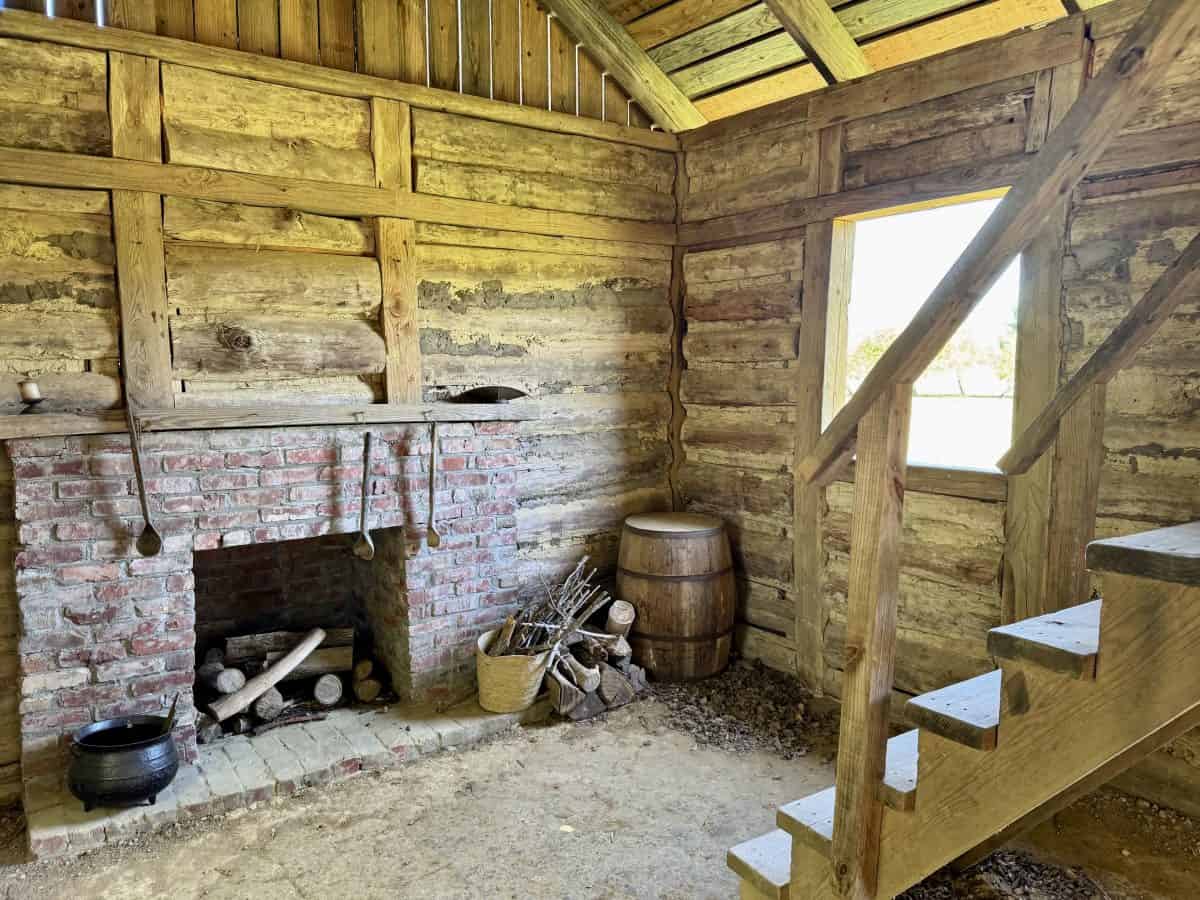
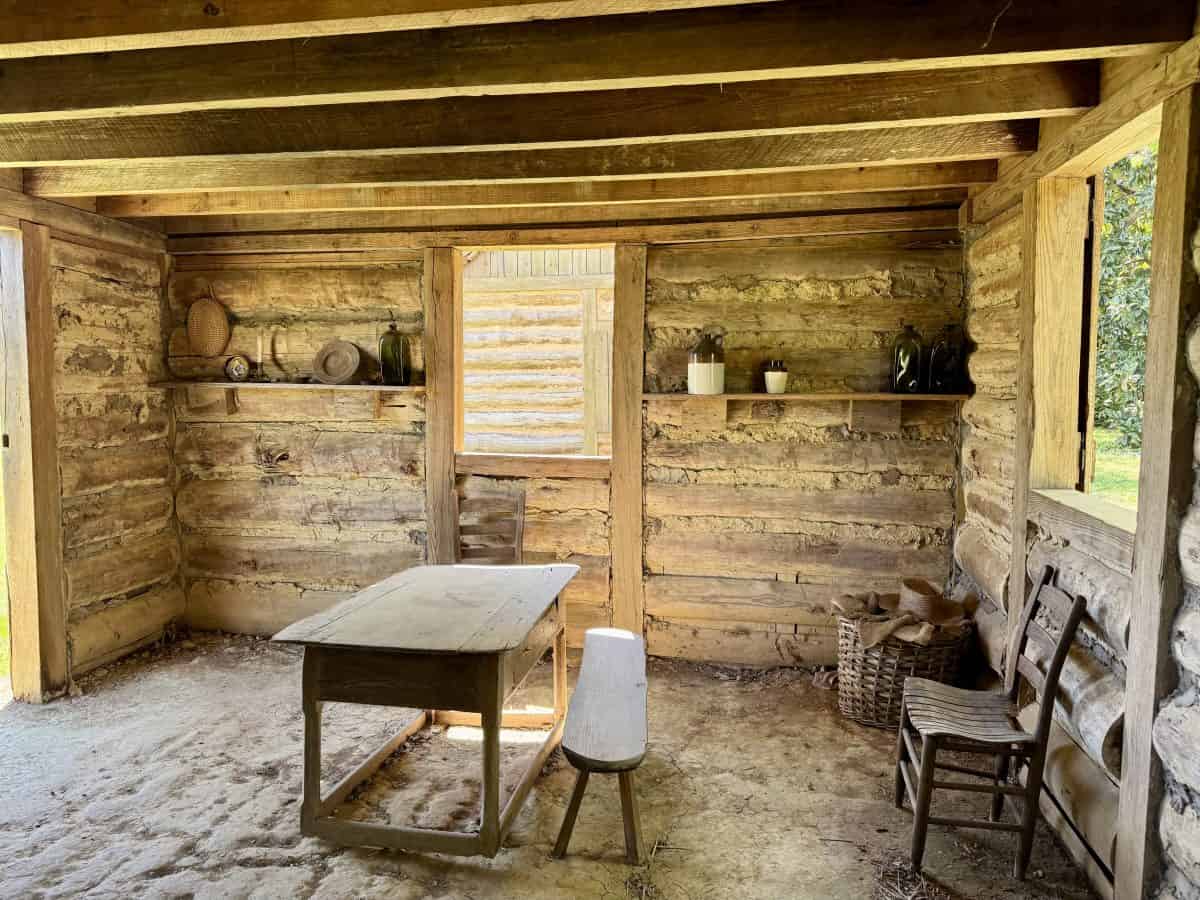
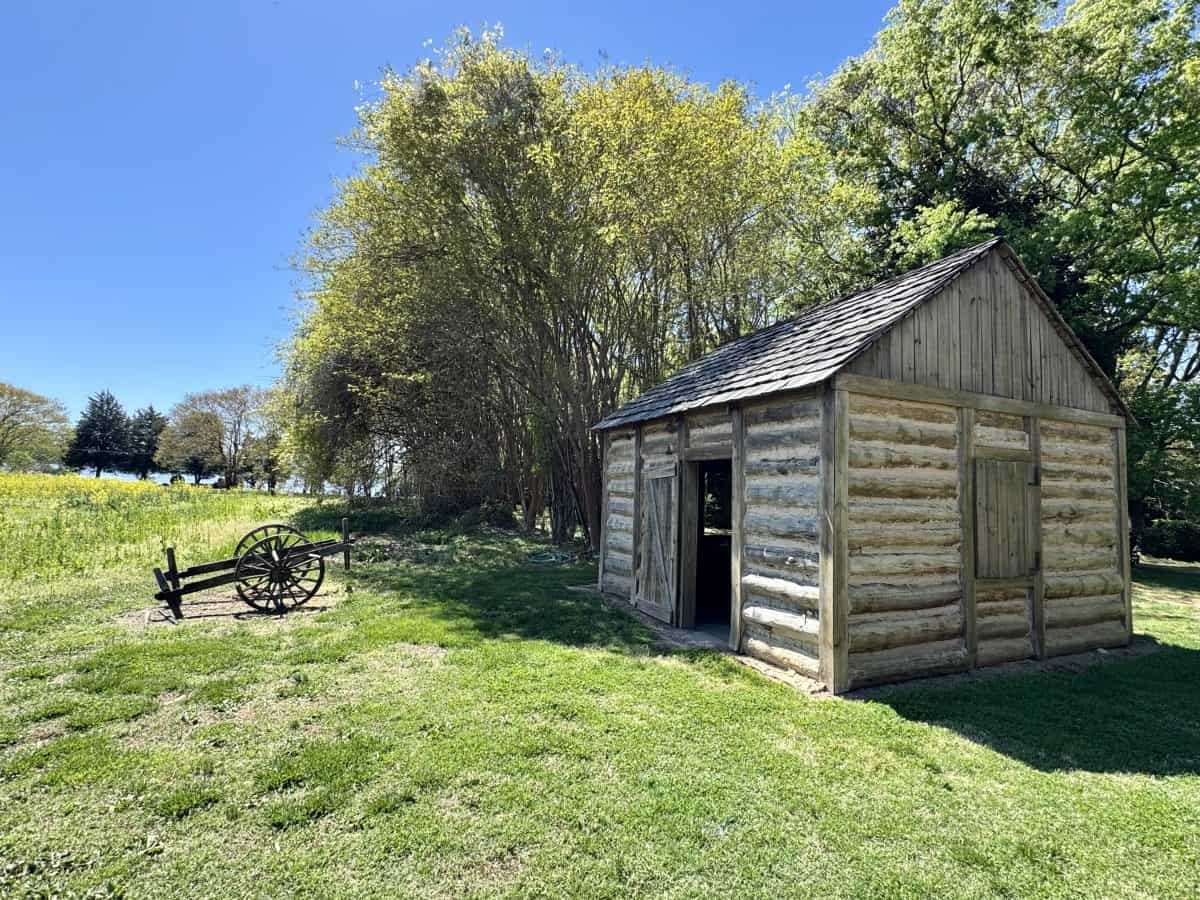
  3. See the axes used to harvest timber and hanging tobacco in the Slave Houses.
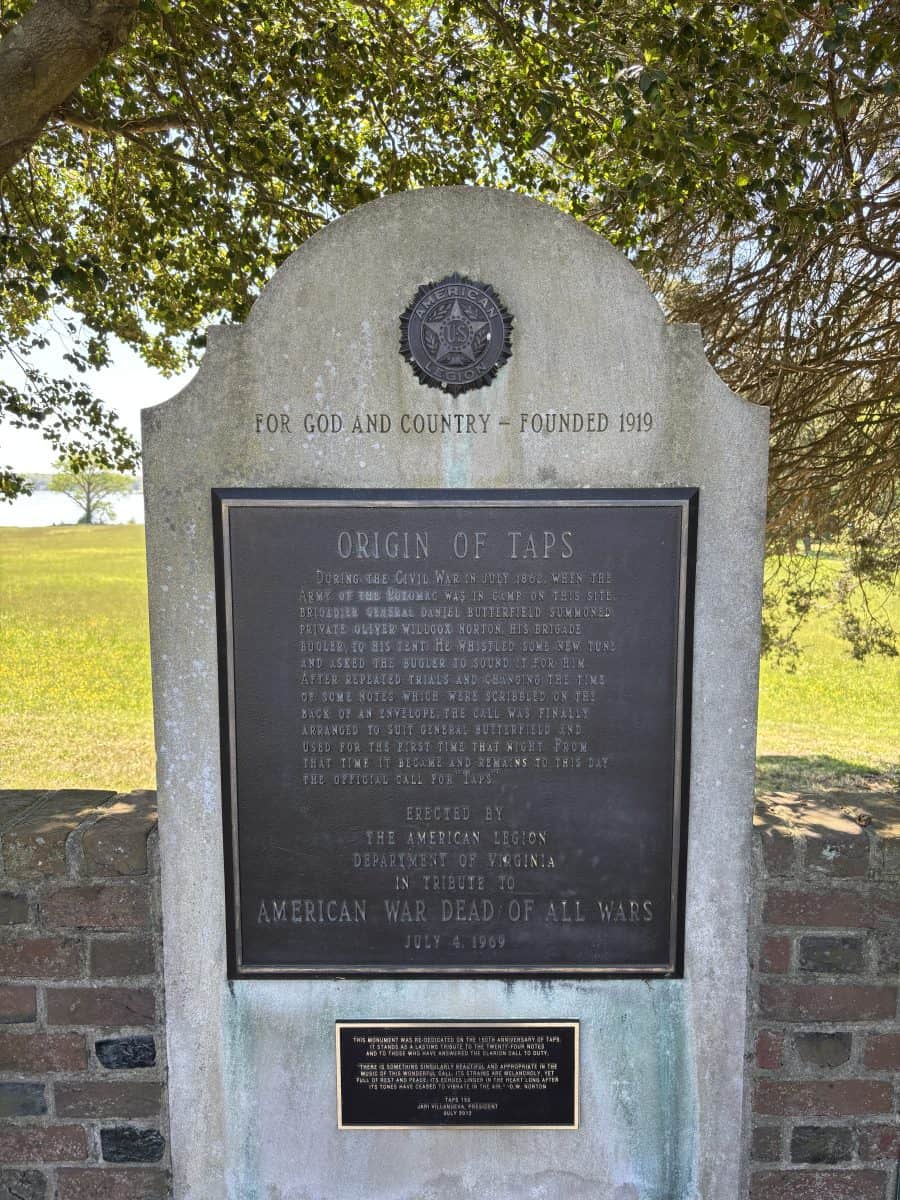
  4. Listen to Taps being played at the Taps Monument. Taps was composed on the property in 1862 by Oliver Willcox Norton and the original bugle used to play it can be seen in the Basement Museum exhibits.
  5. Pay your respects at the Harrison Jamieson cemetery where Benjamin Harrison V and his wife Elizabeth Bassett Harrison, Malcolm Jamieson and his wife Grace, and an enslaved woman named Yellow Sarah are all buried.

Would you like to save this?
We'll email this post to you, so you can come back to it later.

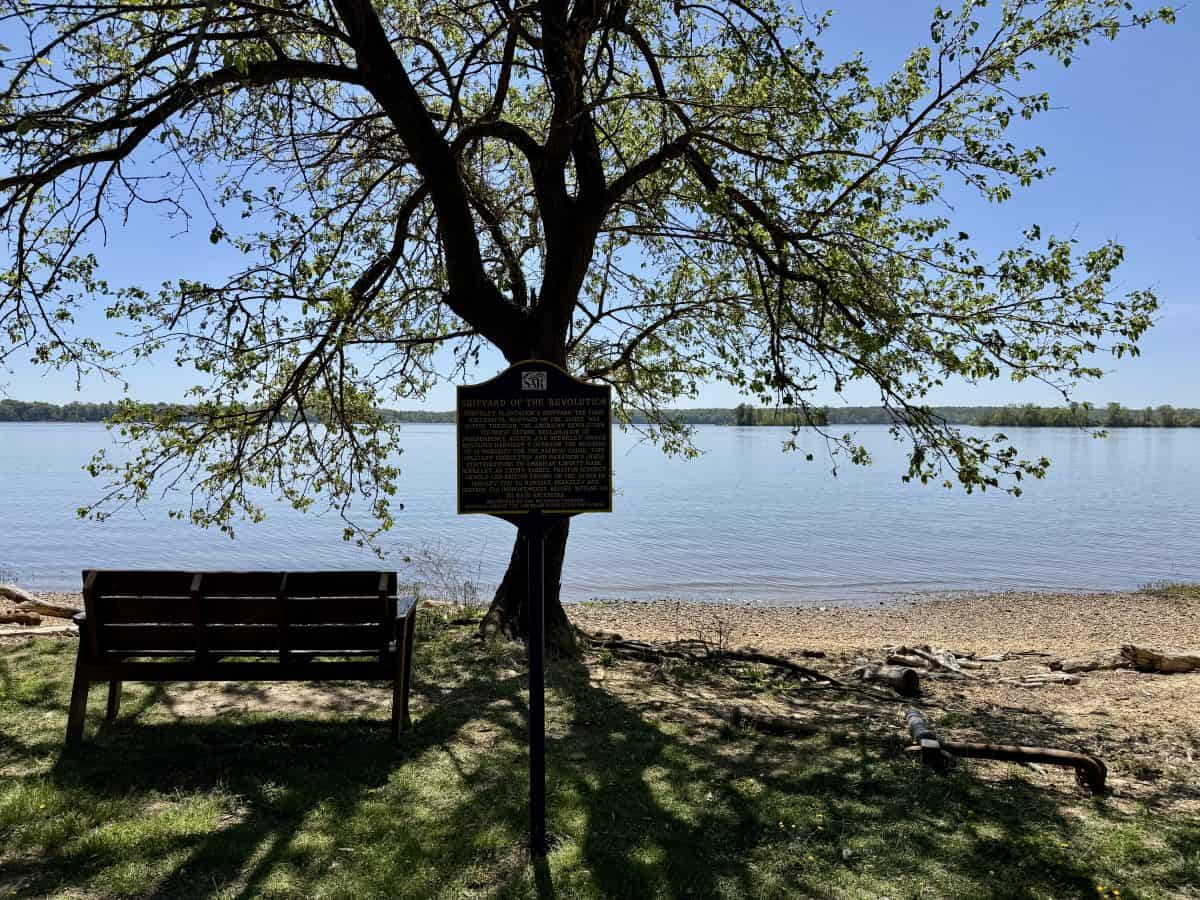
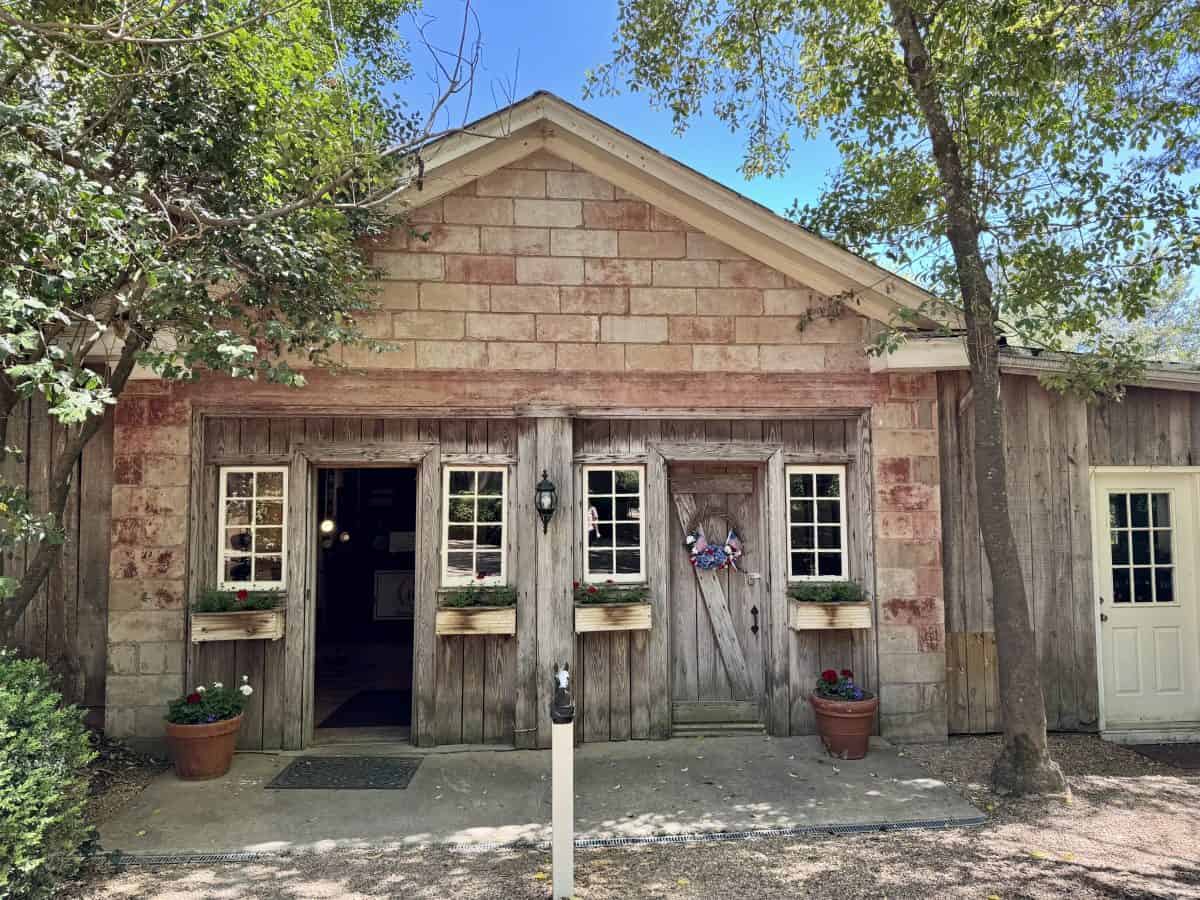
James River at Berkeley Plantation in VA
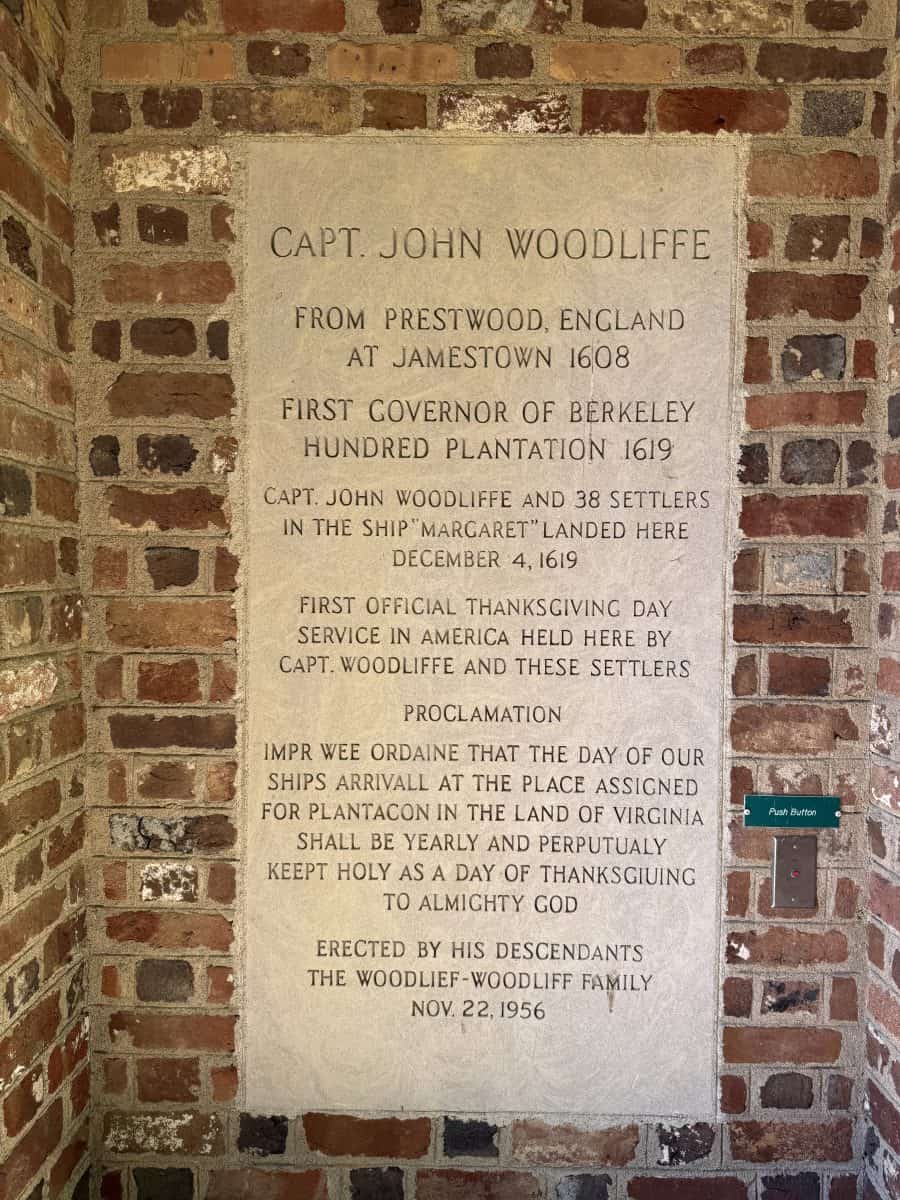
  1. Walk the quarter mile path down to the riverfront to see the Thanksgiving Monument (push the audio button to hear about the first official Thanksgiving Day service in America in 1619) and learn about the shipyard, the first on the James River, which produced 18 warships.
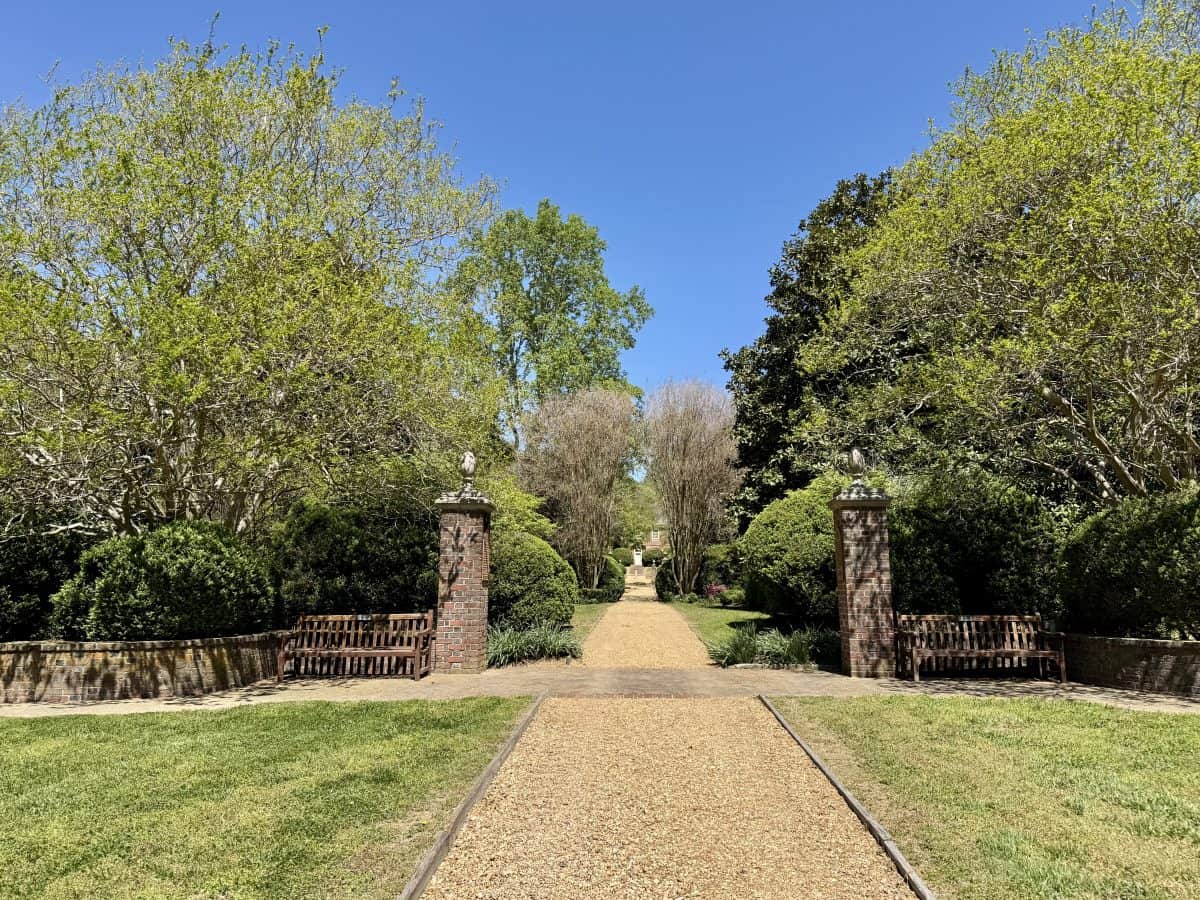
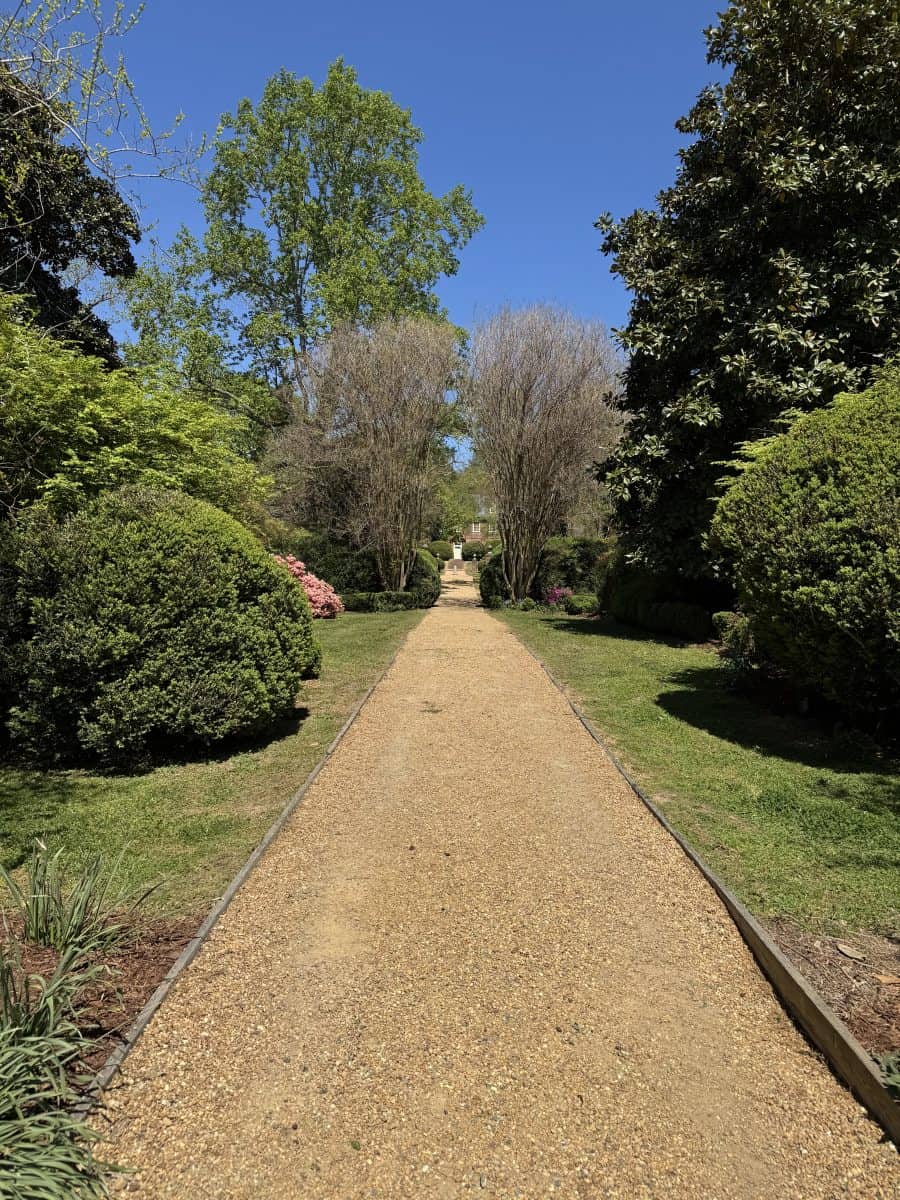
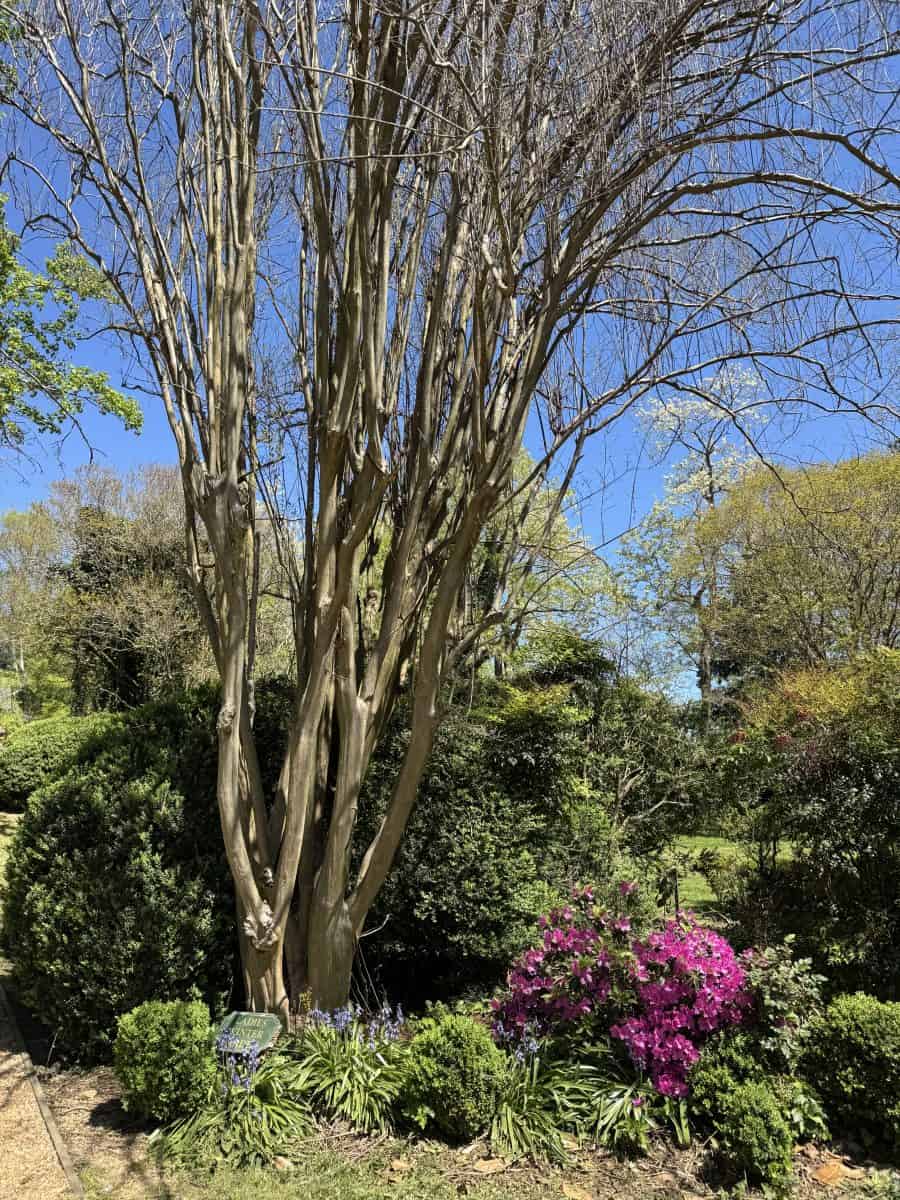
  2. Walk through some of the 10 acres of formal gardens including Boxwood Gardens, the Ladies Winter Garden, and Rose Gardens; when we visited in spring, roses, and were in bloom.
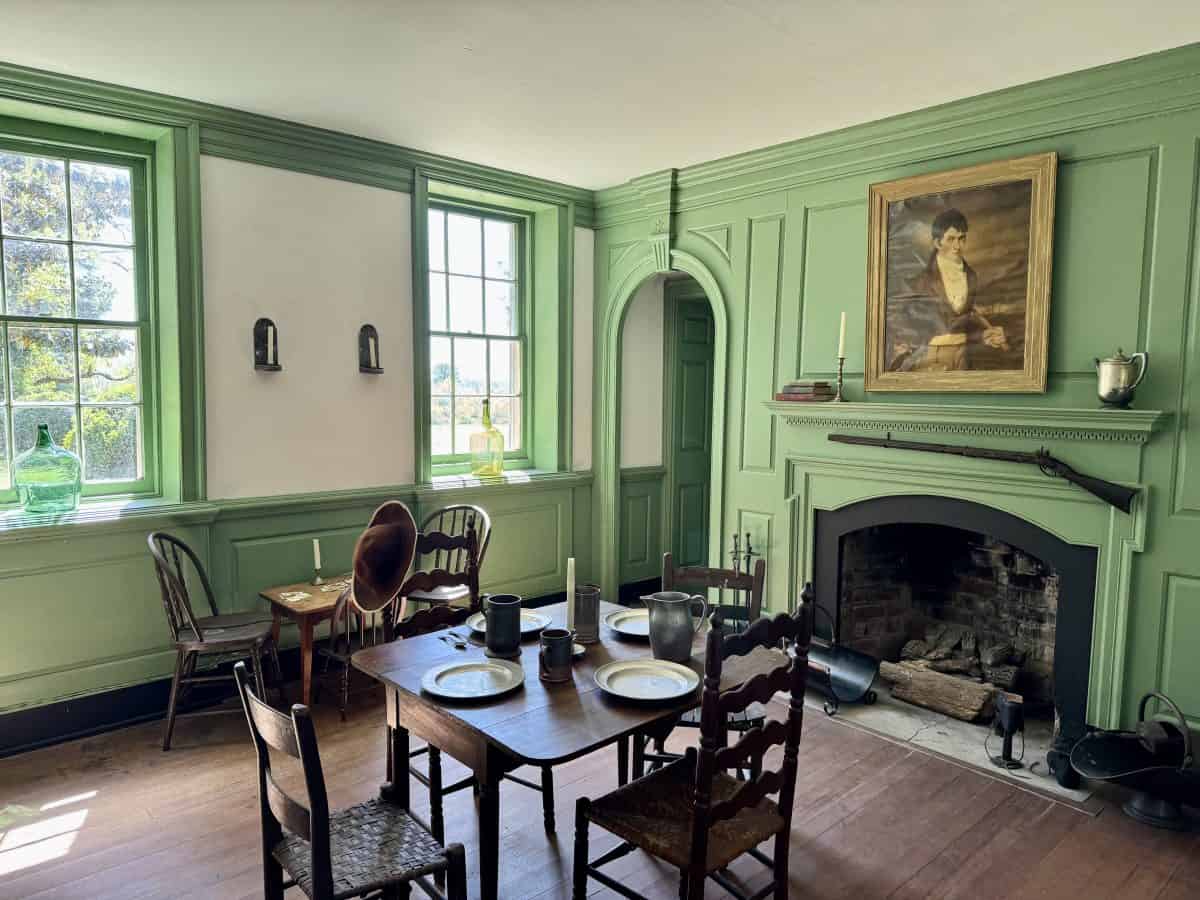
  3. Play I Spy while touring the first floor of the Manor House. Look for the various candelabras and candlelights, framed sheet music from the presidential campaign of William Henry Harrison, and the silver tea set in the North and South Great Rooms; place settings and the gong to call people to dinner in the Dining Room; and the chamber pot in the gentleman’s office. All furniture inside the Manor House is authentic to either the Harrison and Jamieson families.
  4. Head down to the Basement Museum and see collections of projectile points and archaeologist digs that uncovered Native American, Colonial, and Civil War artifacts, a video about the first Thanksgiving, an 18th century broom maker, a loom for making fabrics, a painting of Benedict Arnold encamped on the property in January 1781, and a corn sheller. Note: The Basement Museum is not handicap accessible and photography is not allowed.
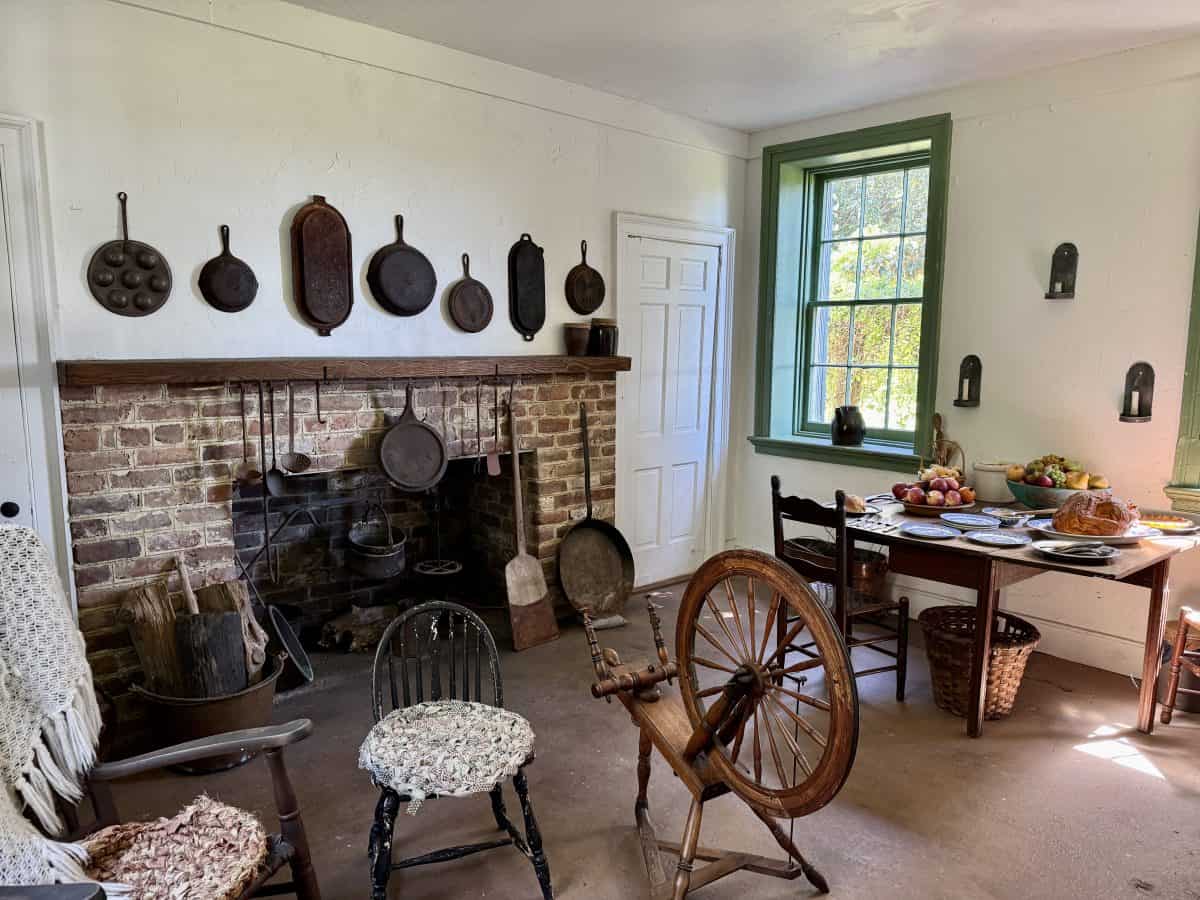
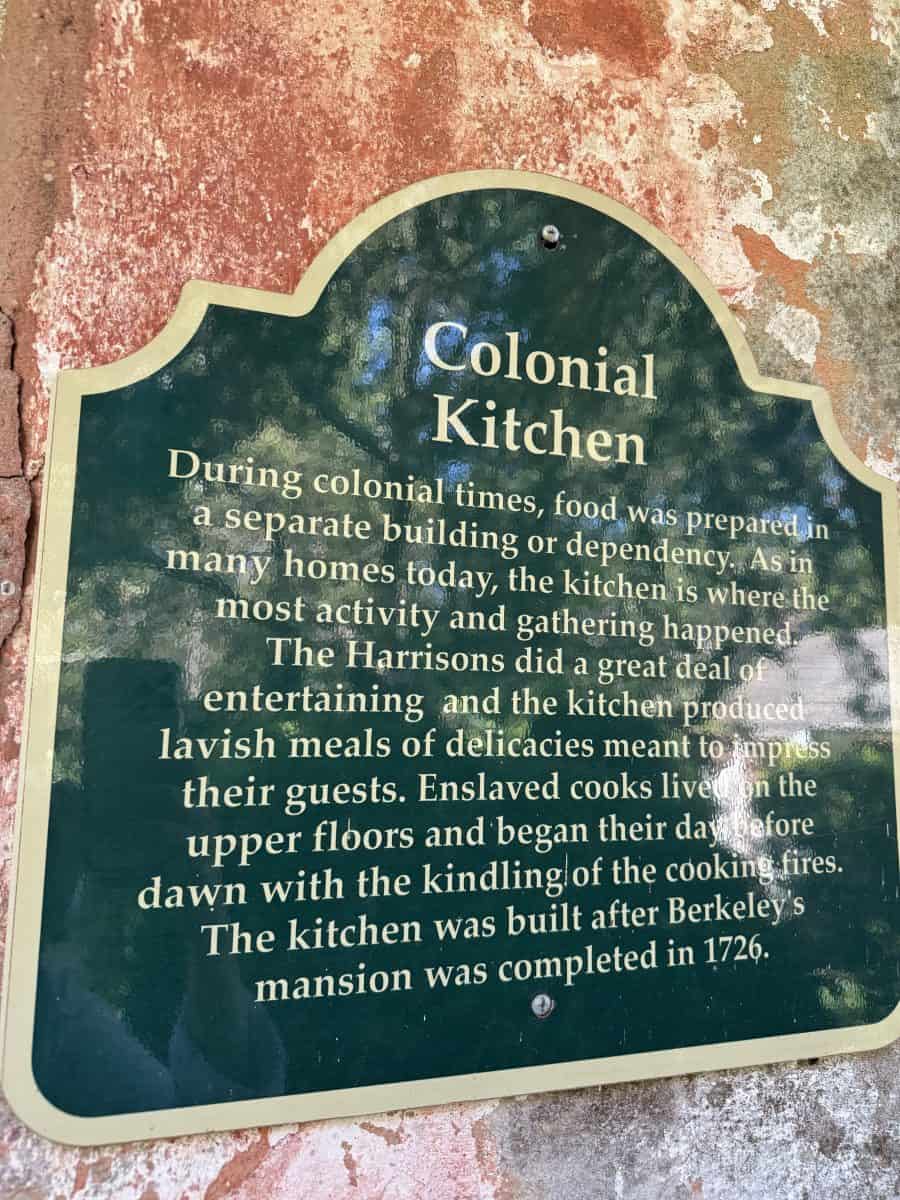
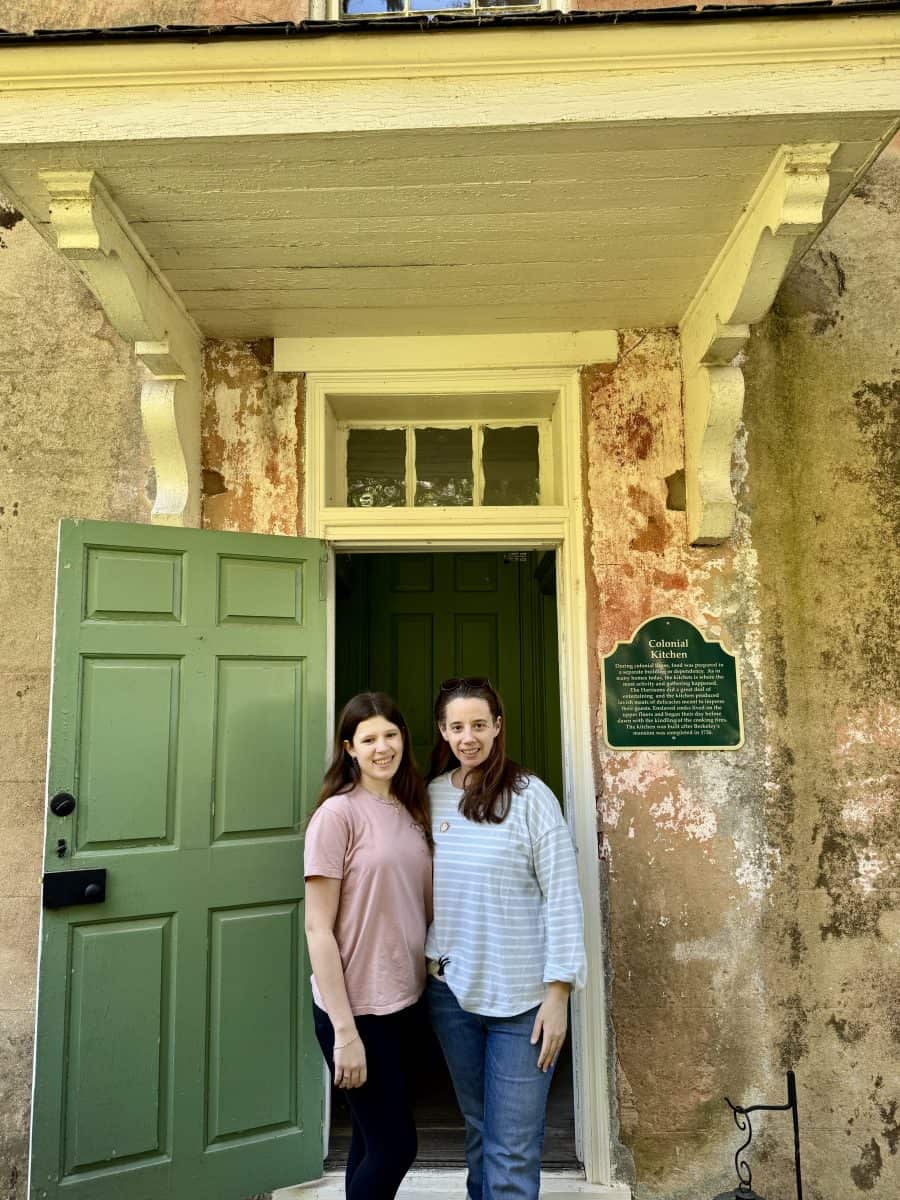
  5. Walk through the Kitchen Dependency and see the gun over the hearth, the birdcage, kids table with playing cards, spinning wheel, and the collection of baking pots and dishes over the hearth. 
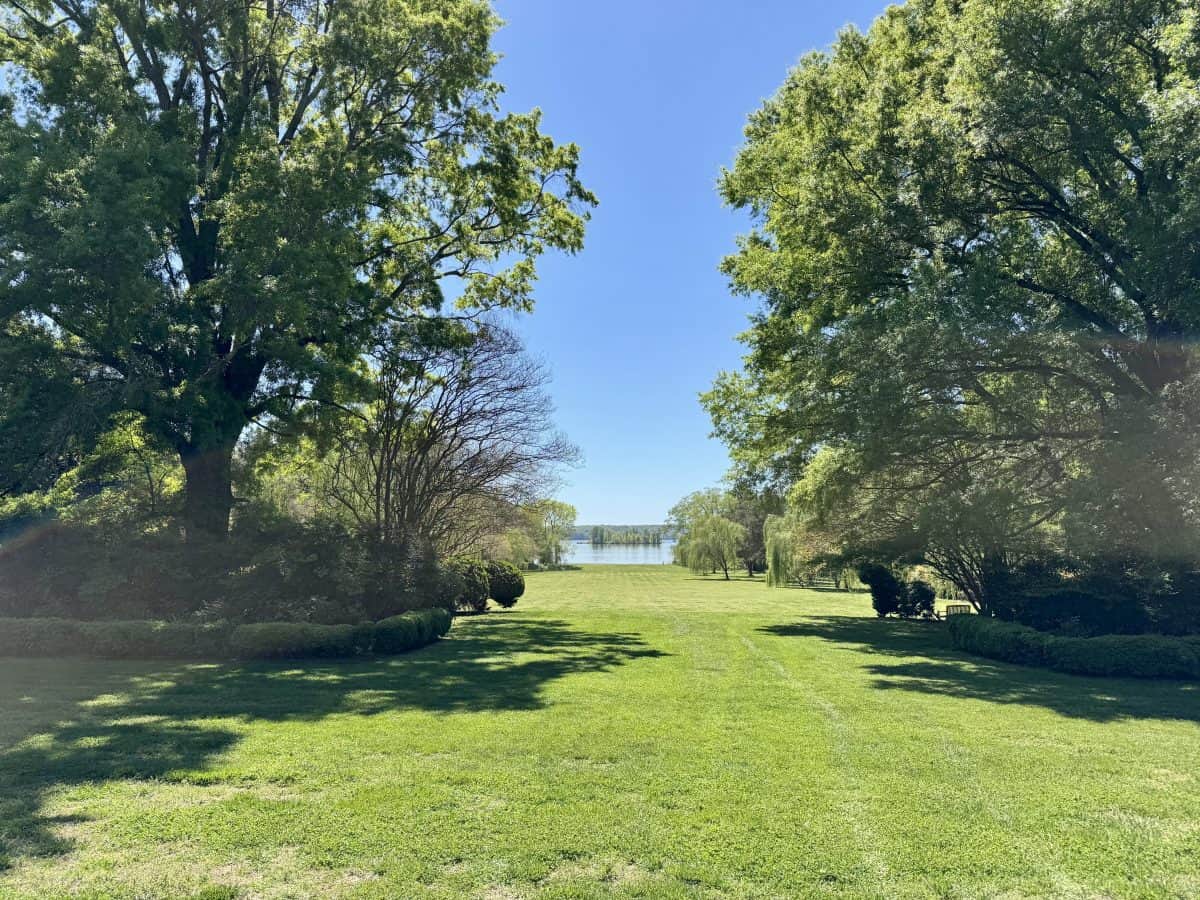
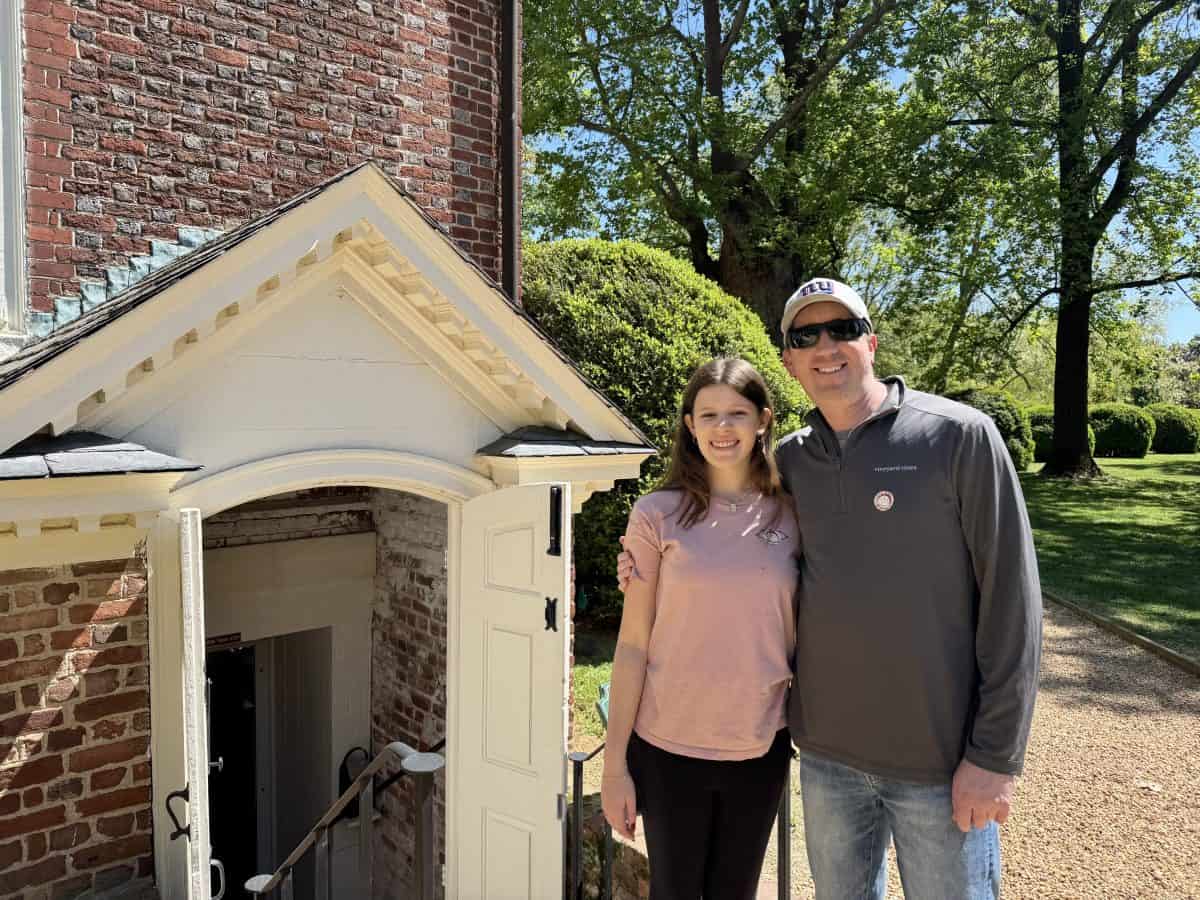
outside the Basement Museum at Berkeley Plantation in VA

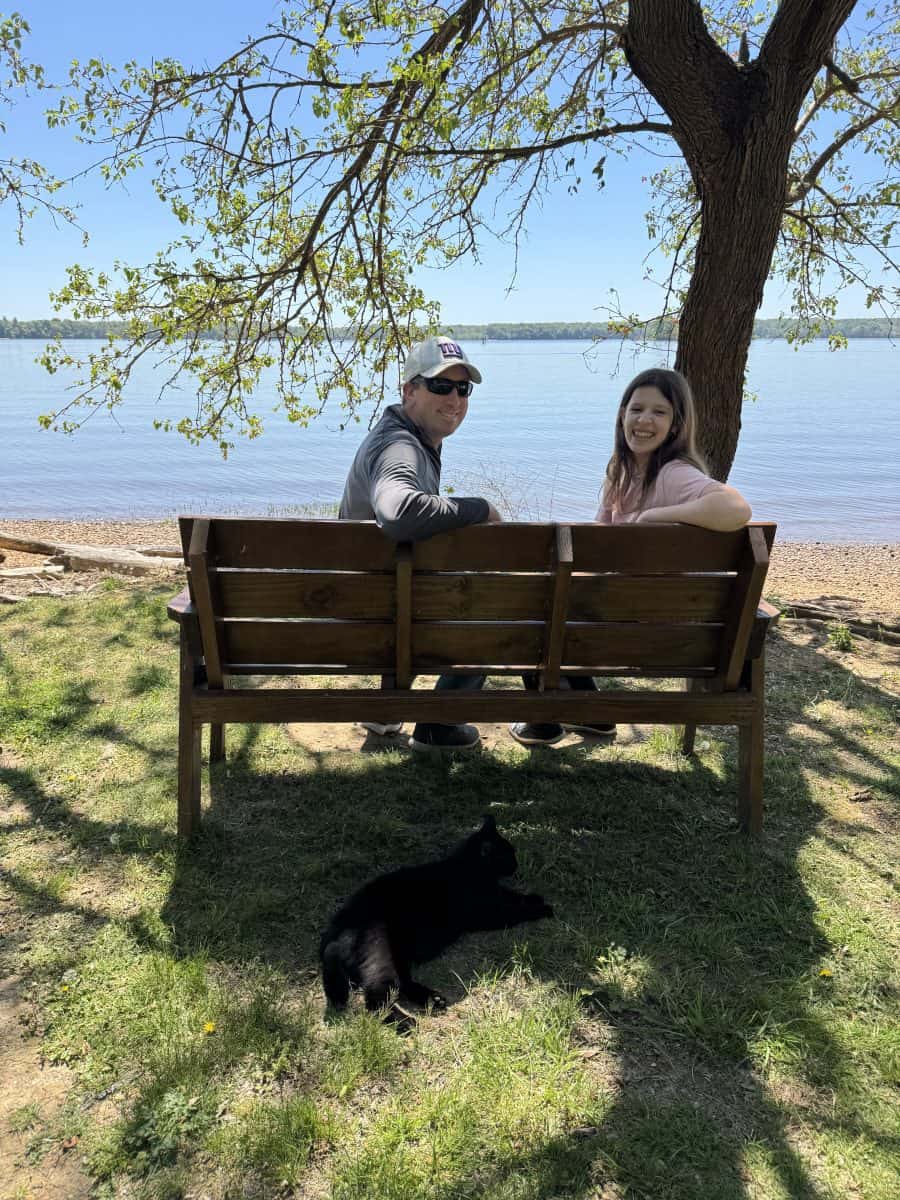
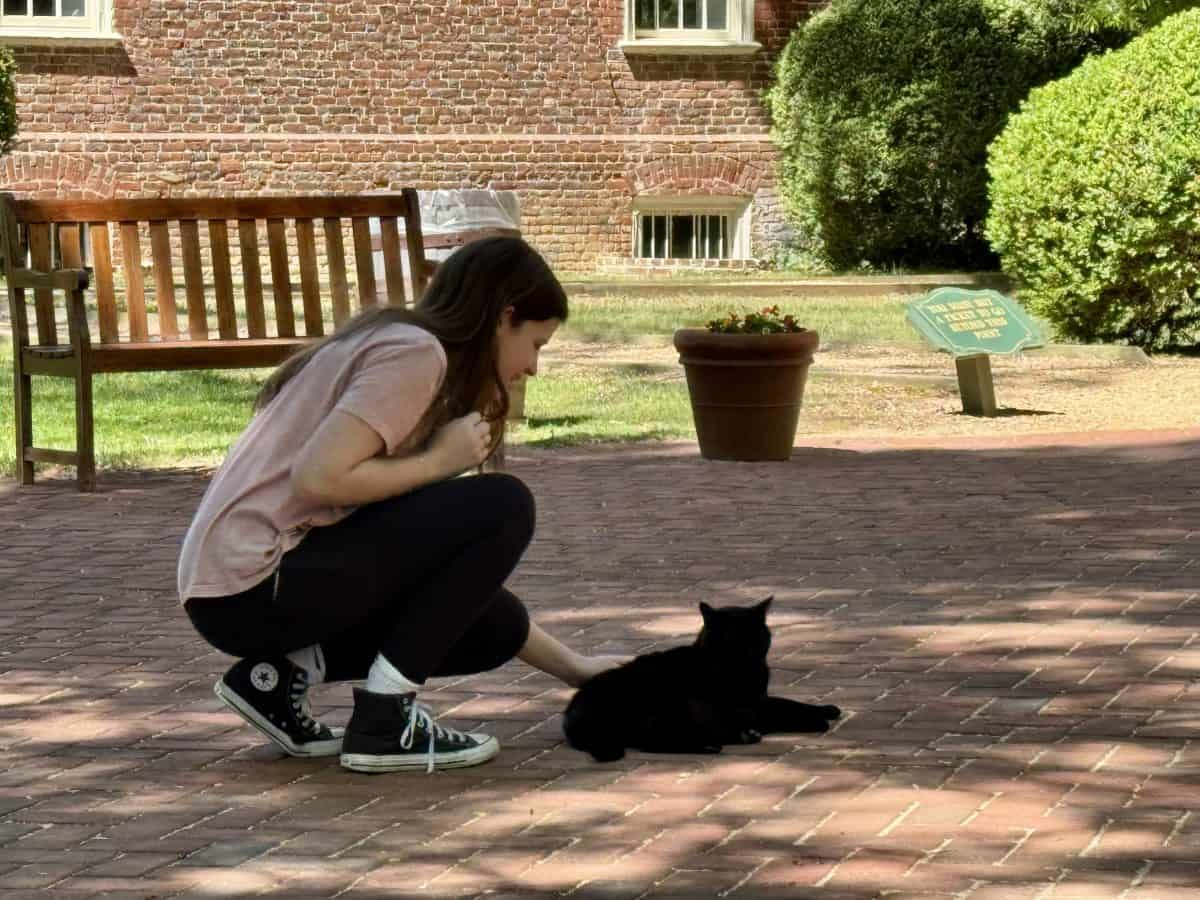
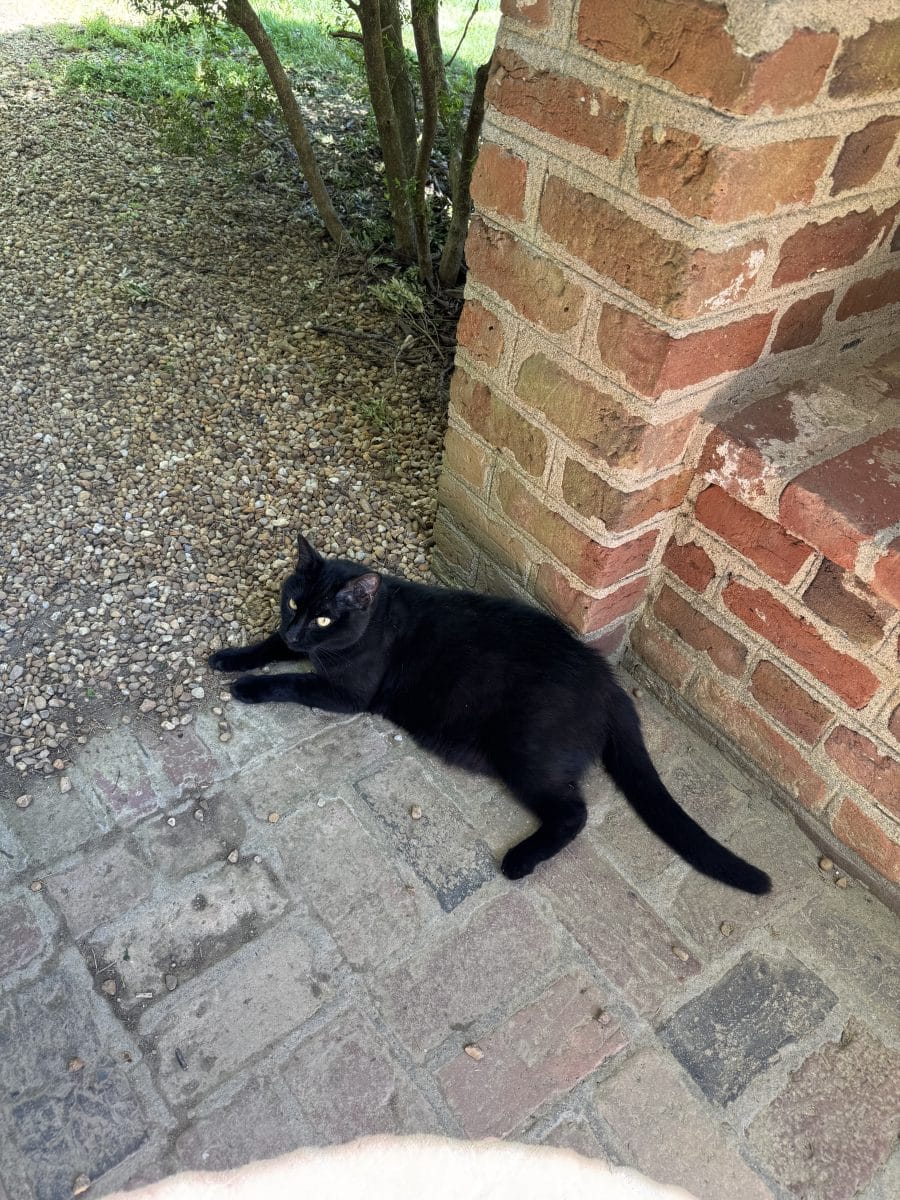
Bonus: Keep an eye out for George, the “mascot” of the plantation. The friendly black cat wanders the property each day (helping to keep the mice population in check) and loves to receive attention from visitors. 
Looking for other historical sites nearby? Check out our features of Colonial Williamsburg, the American Revolution Museum at Yorktown, Historic Yorktown, Jamestown Settlement, and Historic Jamestowne. Thomas Jefferson’s Monticello and James Monroe’s Highland are both in Charlottesville’s, an easy day trip from Charles City. And follow along on our adventures on Instagram and Facebook.

Disclosure: Our family was given a media pass to explore Berkeley Plantation; all opinions expressed are my own. 

Similar Posts

  • | | | |

    10 Ways to Explore Hagley Museum and Library in Wilmington, Delaware

    On a recent trip to beautiful Wilmington, Delaware, we had the opportunity to learn all about the history of the du Pont family and the DuPont Company, one of the first- and largest- supplier of black powder. One of the best ways to learn about the company and prominent Delaware family is to explore the property that includes both the home of the du Pont family and the gunpowder manufacturing site for the DuPont Company:  Hagley Museum and Library.

  • | | | | | | |

    Acadia National Park, Maine

    I may not be a huge hiker or camper, but I am a huge fan of the water, especially the ocean water, and love any view that involves water or mountains. I’m also a HUGE fan of the National Parks Service system and have been visiting historic sites, monuments, museums, and parks for years, learning all about our country’s history and collecting stamps for my National Parks Passport. So, it seemed logical to put Acadia National Park in Maine on my bucket list. This summer, I helped to plan a family reunion in York, Maine (post coming next week) and I seized the location and added a visit to Acadia National Park.

    Acadia National park is a 47,000 acre park (the only National Park located in New England) It’s located on Mount Desert Island, right next to the beautiful village of Bar Harbor. Acadia is unique in the sense that there is no one, defined entrance and exit site. There are multiple spots to enter and the park weaves in and out of the community. There are sections that require a park pass, which for 2017, was a $25 fee for a week pass for a noncommercial vehicle. Lucky for us, the Every Kid in a Park program allows fourth graders, and their families, to receive entrance to all National Parks all year long, so we got in for free! There is SO much to do in Acadia, it would take days to cover it all. Here are some of my family’s top spots:

  • | | |

    Mystic Aquarium in Connecticut

    Frequently awarded a top aquarium in New England by Trip Advisor and visited by over 700,000 people in 2017, Mystic Aquarium is a “must see” if you’re visiting the southeastern part of Connecticut. On a recent spring break trip, my family stopped for the afternoon and got up close and personal with all sorts of creatures!

    Conveniently located right next to Interstate 95, it’s easy to get to with ample free parking. The aquarium is open all year, with plenty of exhibits both indoors as well as outdoors so the weather shouldn’t have too much impact on your visit. In addition to the permanent exhibits, the aquarium hosts a variety of special, seasonal events.

  • | | | | |

    Springfield Armory NHS Springfield, Massachusetts

    I’ve visited Springfield, Massachusetts many times to meet up with my husband’s relatives and to explore some of the many family friendly activities (like the Dr. Seuss Museum and the Basketball Hall of Fame- tips coming at the end of the week) the city has to offer.  However, until recently, I haven’t had the chance to explore the Springfield Armory, part of the National Parks Service.  Since my family has been learning a lot about the the beginning of America’s formation (see my posts on Saratoga National Historic Site, Minute Man National Historic Park, and Fort Stanwix), I figured visiting the Armory would be the perfect complement.

    Armories were places to create weapons and arsenals were places to store those weapons. After the Revolutionary War, George Washington proposed having armories built on the east coast so that the United States did not have to rely on other countries for production. He designated Springfield in Massachusetts and Harper’s Ferry in West Virginia ideal locations for armories.

  • | | |

    30 Ways to Enjoy the Woodloch Resort this Fall

    Our visit to Woodloch is easily one of our favorite adventures of 2020. We visited in 2012 and vowed to return when the kids were older and could better enjoy all of the amenities. We finally got our chance this past week and enjoyed a beautiful fall weekend in the Poconos. Established in 1958 by the Kiesendahl family, Woodloch Pines is a resort in the northwest section of the Poconos in Pennsylvania. The 350 acre property has grown over the years to now include a lakeside resort with 160 rooms and suites, times shares and private homes, a championship 18 hole golf course, a luxury spa, and a seemingly infinite amount of ways to have fun.

    A visit to Woodloch focuses on family “togetherness”- most activities encourage families to work together, laugh together, and play together. There is a genuine sense of community that the staff brings to every meal, activity, and celebration. Members of the Kiesendahl family visit with guests at every meal (look out for the crazy patterned suits!). Every staff member we encountered greeted us with a warm welcome, an invitation to join in on the fun, and a sincere desire to be inclusive. We witnessed several, multi generational families vacationing together and overheard so many conversations that started with “Last year, when we did this..” or even better, “When I was your age and we played this game….”. It is clear that many, many families return to Woodloch every year to make memories, and we’re hoping to become one of those families.

  • | | | | | |

    10 Things to Do at Colonial Williamsburg in Virginia

    Colonial Williamsburg is the largest living history museum in the world. Recreating life in the 1770s, the 300 acre complex includes over 40 historic trade shops, homes, community space, and taverns. The complex is one mile long and a half mile wide and is divided into four key areas: The Visitor Center, Palace Green, Capitol, and Market Square. Palace Green, Capitol, and Market Square areas include historic sites, trades buildings, as well as lodging, shopping, and dining options.

Leave a Reply

Your email address will not be published. Required fields are marked *