12 Ways to Explore the American Revolution Museum at Yorktown

| | | |

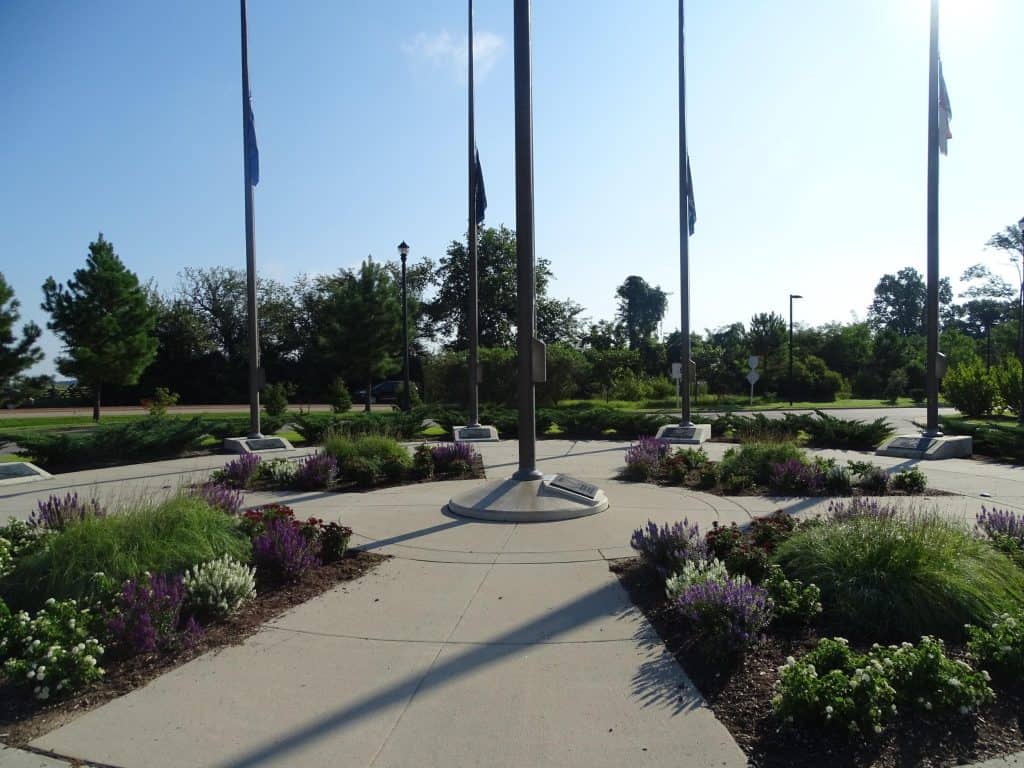
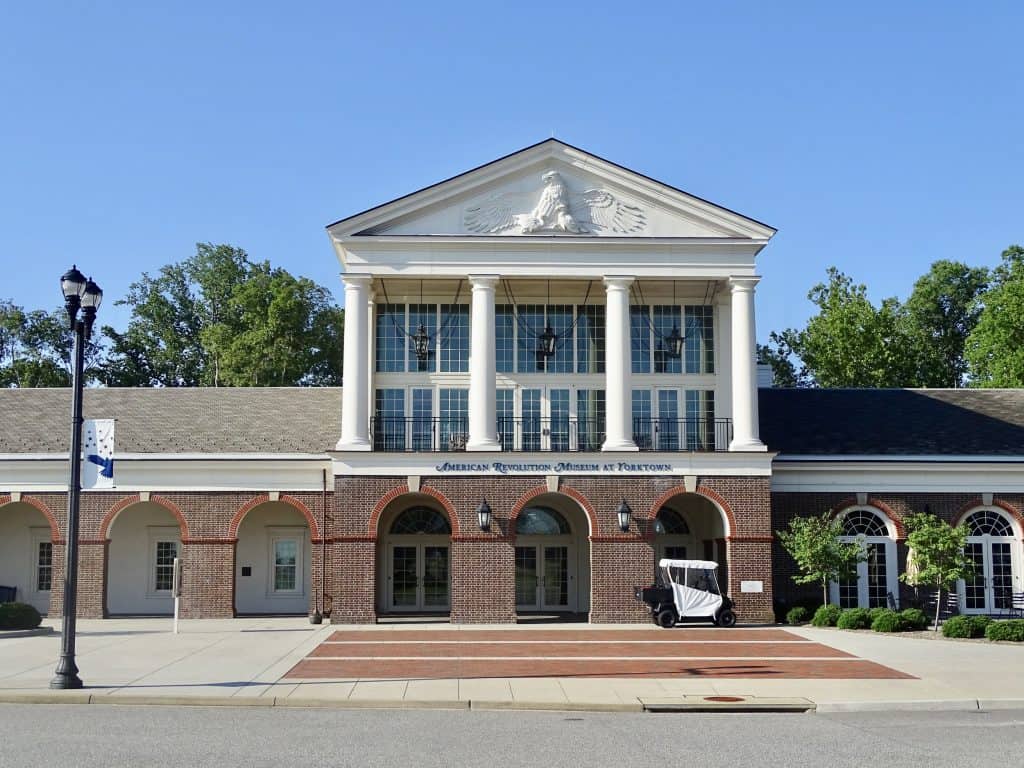
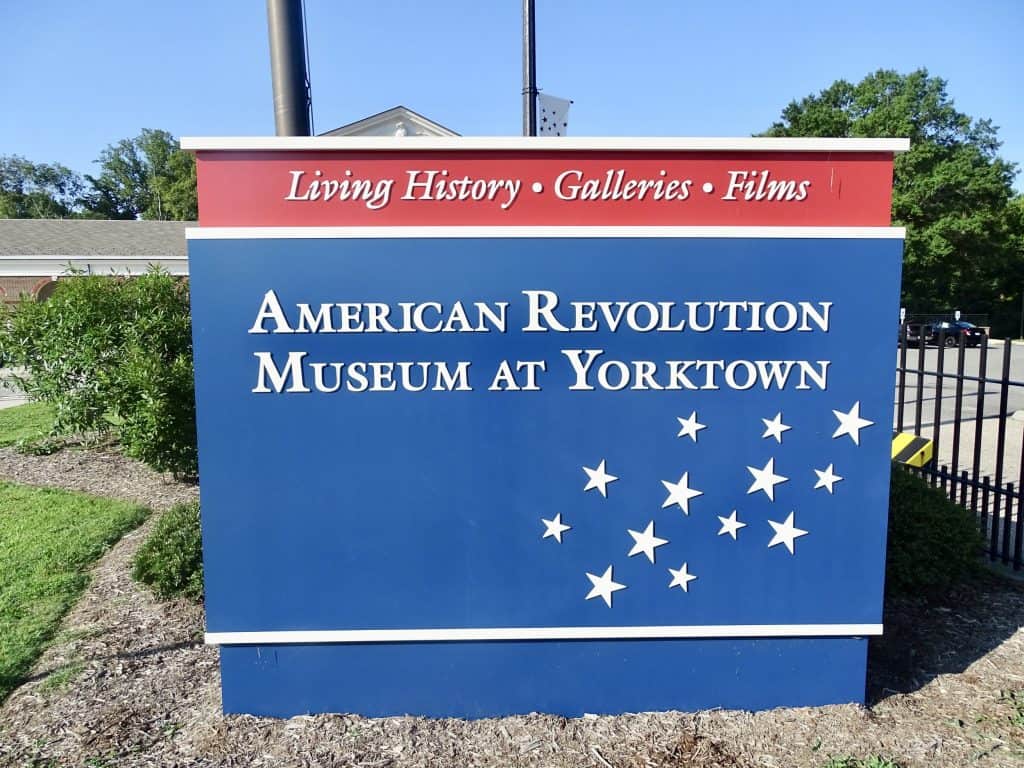
Adjacent to the Colonial National Historical Park which includes the Yorktown Battlefield, the American Revolution Museum at Yorktown brings to life one of the most consequential battles of the American Revolution. In October of 1781, American General George Washington and French General Comte de Rochambeau cornered British troops, forcing General Cornwallis to surrender at Yorktown. Yorktown, a small town on the banks of the York River, is close to Williamsburg and Jamestown. The three towns are known as the “Historic Triangle.”

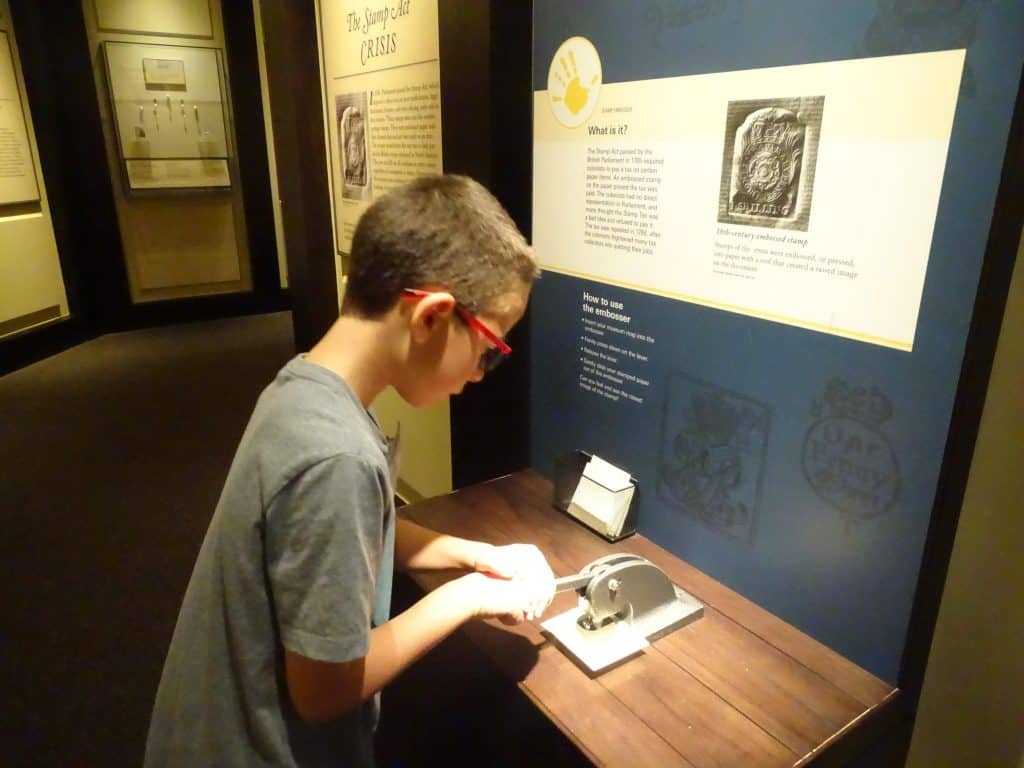
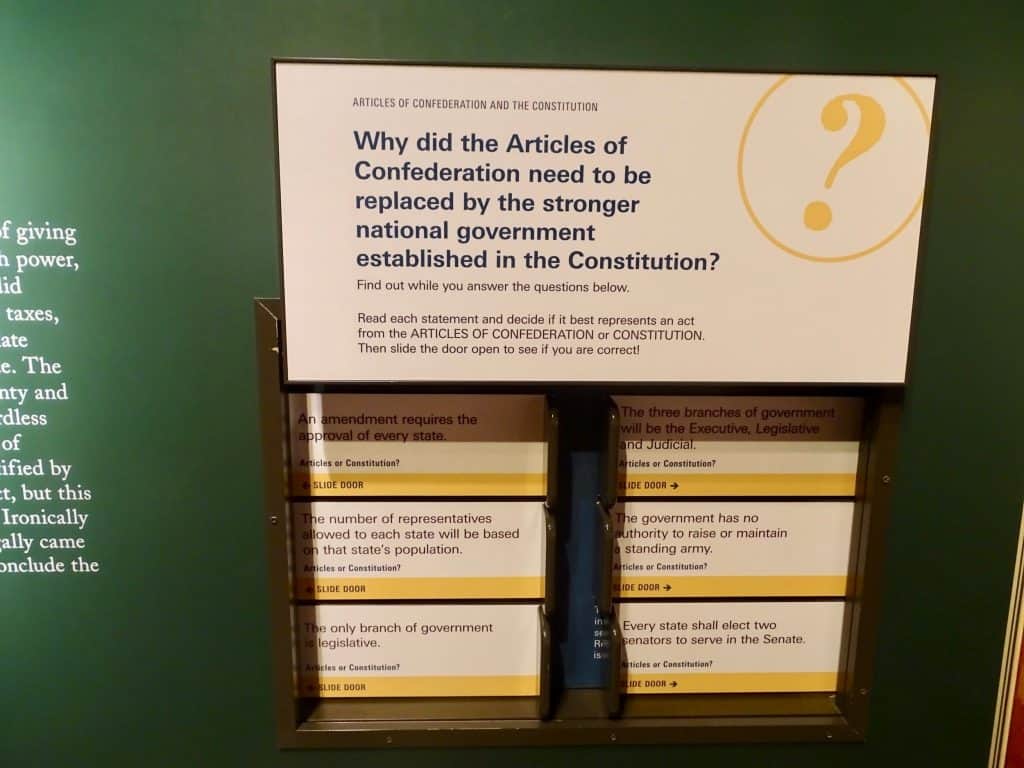
The American Revolution Museum opened in the spring of 2017 with a 22 acre site that includes indoor and outdoor exhibits, classrooms, media rooms, a large gift shop, and cafe. The museum is family friendly, inviting, and encourages engagement. Most exhibits are interactive, whether they invite visitors to touch artifacts, take a quiz and check answers by sliding screens, touch screens that encourage guessing or hypothesizing, or with telephones that play recorded narratives. There are also several spaces to sit and watch short films or more in depth displays.  Be sure to leave plenty of time to explore the reproduction farm- there are several interpreters who will engage and include visitors in various demonstrations. During off season winter months, guides provide information inside the museum before brief tours of the outdoor areas.
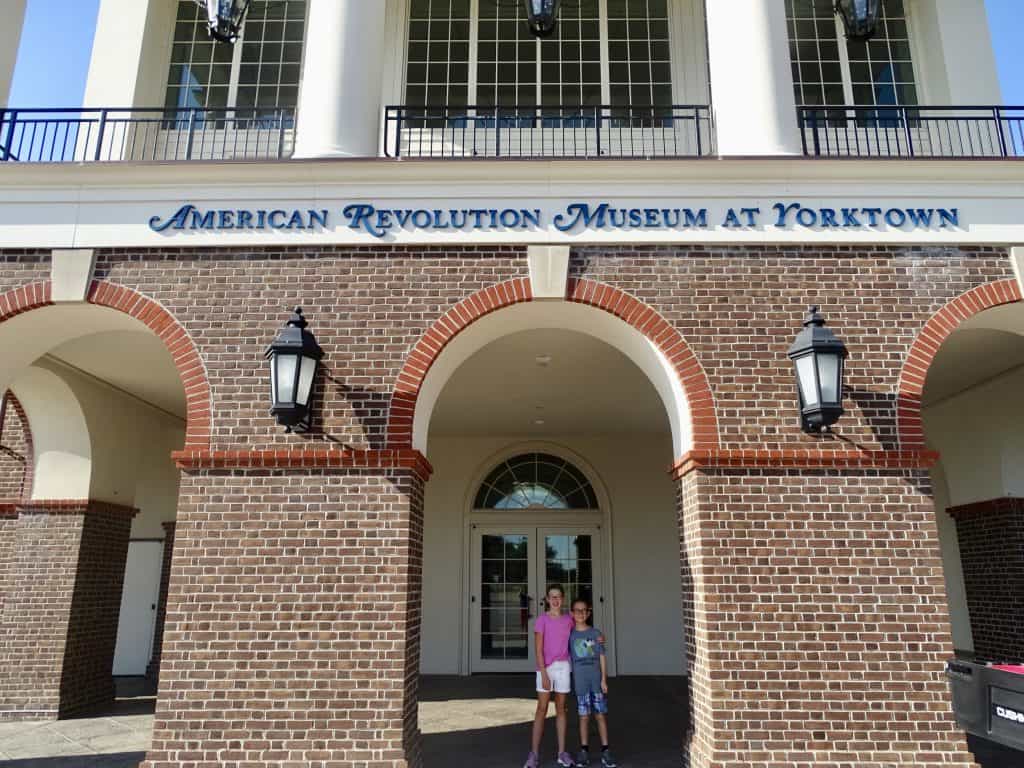
Traveling with Kids:

  • The museum is open 363 days a year (closed on Christmas Day and New Year’s Day). Consider purchasing tickets ahead of time. There are a wide variety of combination tickets that include visits to Jamestown and Williamsburg- check here for more information. I recommend the America’s Historic Triangle ticket for flexibility and a slower pace to really enjoy all five sites.

  • There is plenty of free parking and the entire museum is handicap and stroller accessible.

  • There are plenty of restrooms located throughout the museum and even outside near the farm.

  • A large gift shop is located near the exit and does not require admission to the museum to visit. Kids will love the wide variety of Revolutionary Era inspired toys and games.

  • A cafe on site offers sandwiches, salads and pizzas throughout the day, in addition to drinks and snacks. More info here. There are both indoor and outdoor dining spaces.

  • Plan to spend at least three hours to explore the indoor museum and outdoor farm. Consider attending a special program, such as a Family History Workshop- more info here.

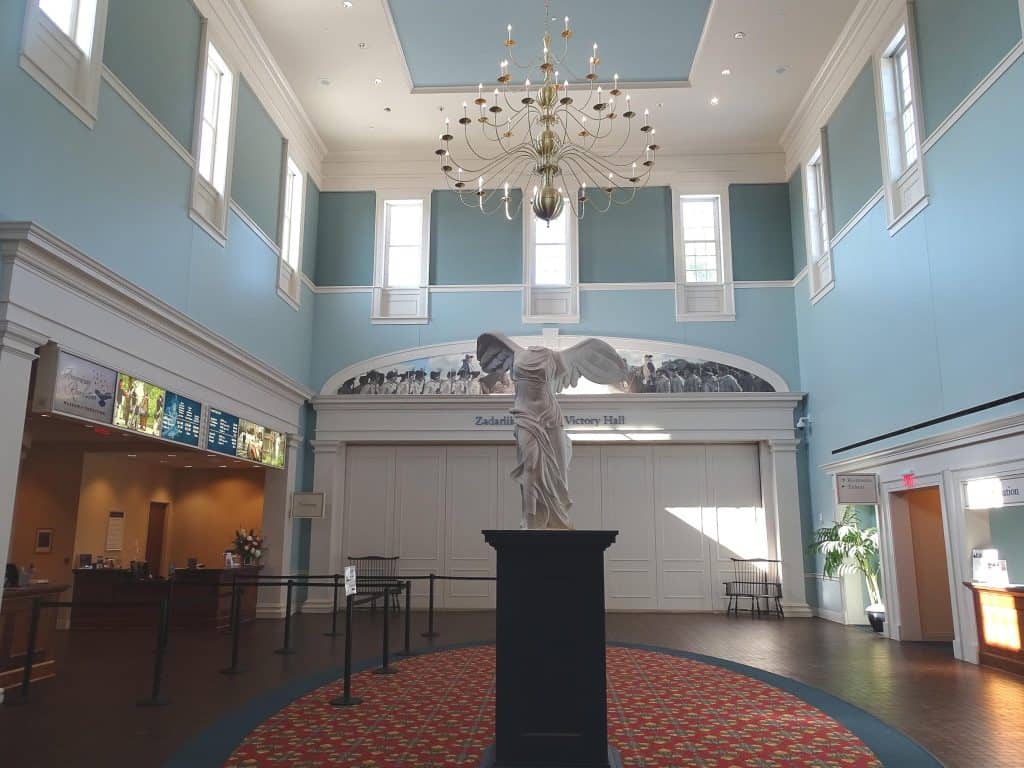
12 Activities To Do at the American Revolution Museum:

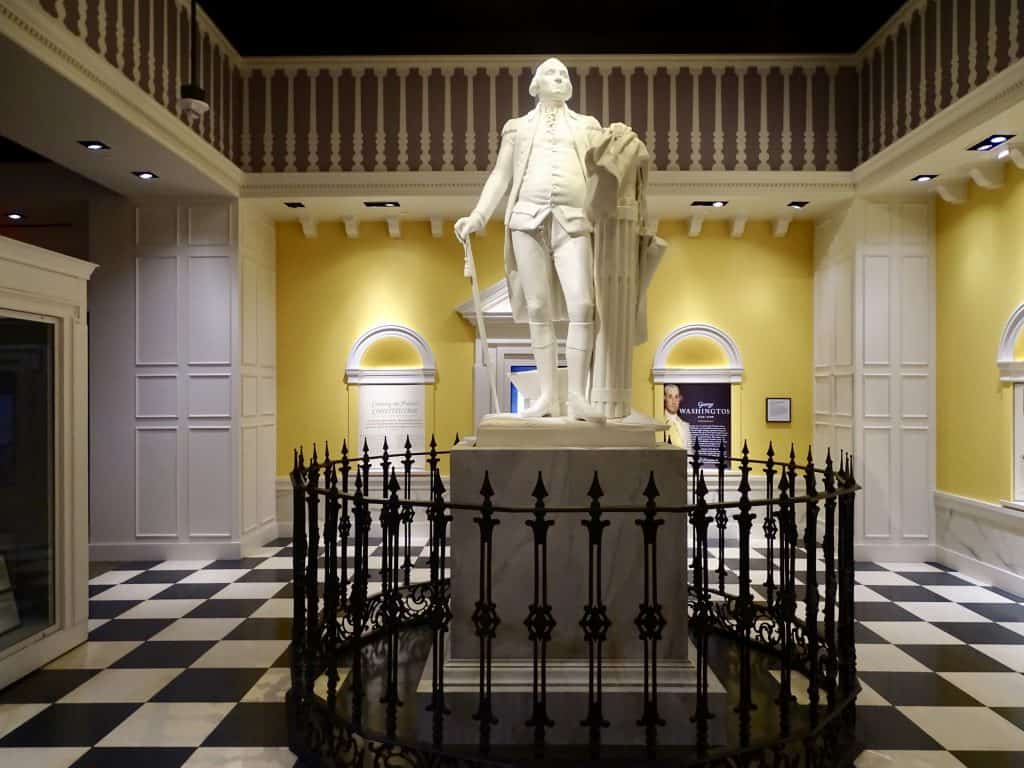
Indoor Museum: Almost 500 artifacts are on display in chronological galleries.
1. Start with the 18 introductory film “Liberty Fever”, shown every half hour. Note: the film is quite loud and often depicts war and death and might not be suitable for young children.
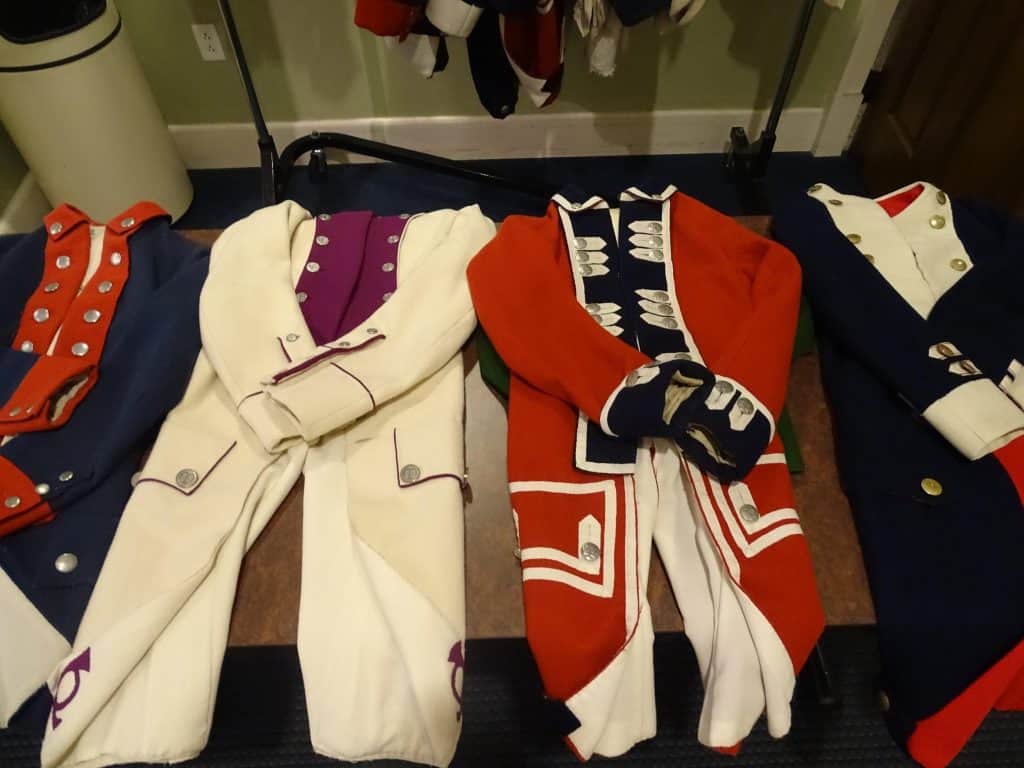
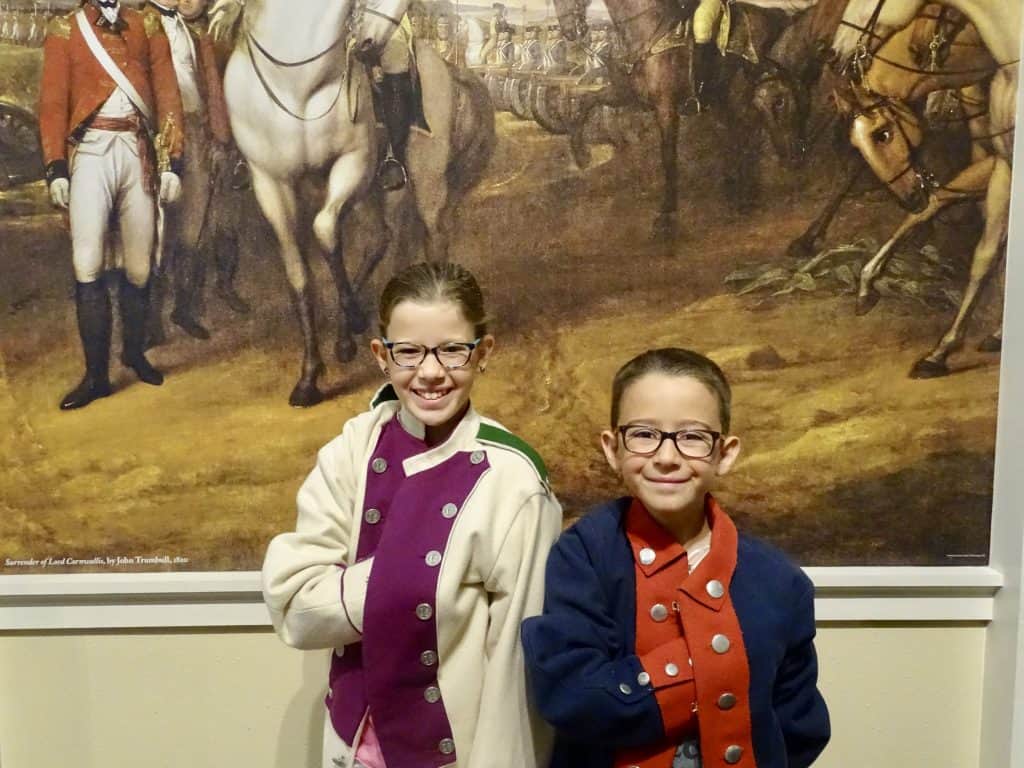
2. Distinguish the different uniforms of soldiers from various colonies by colors.
3. Compare maps from British Colonial America in 1763 to modern day America.
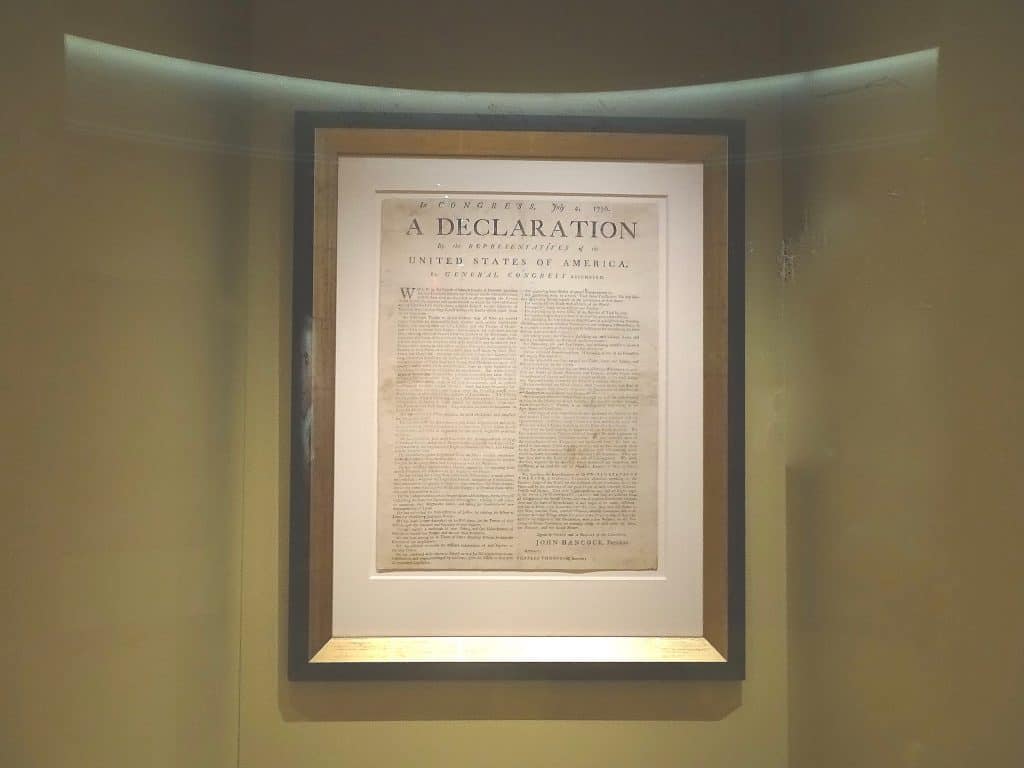
4. Read an original copy of the Declaration of Independence.
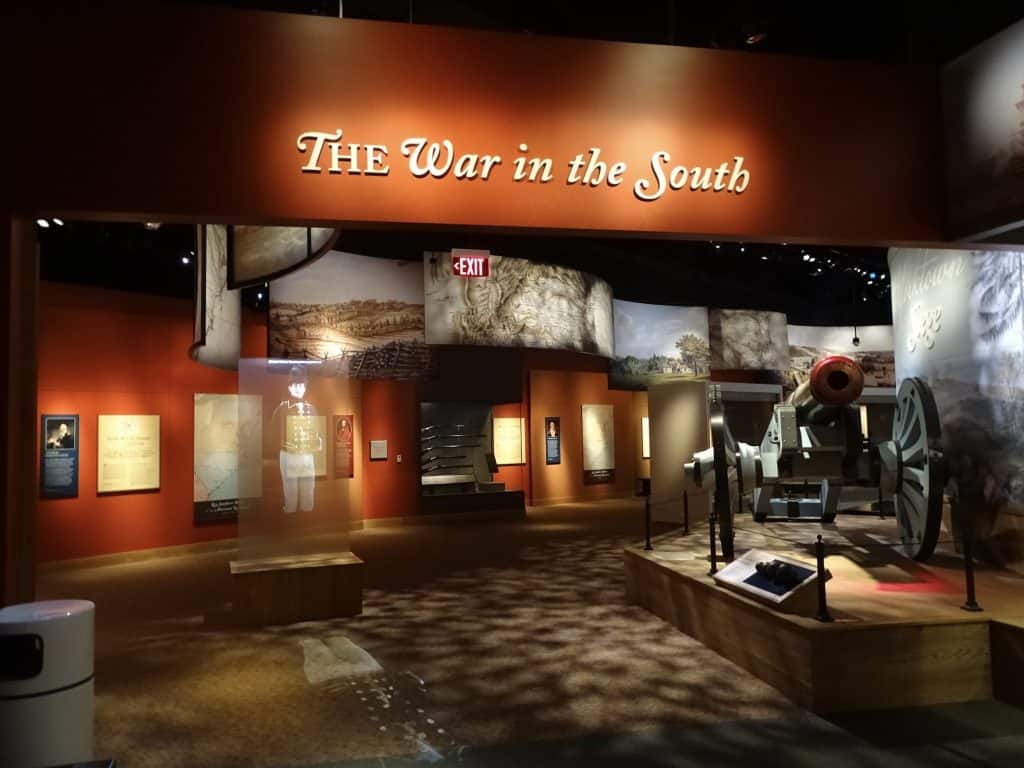
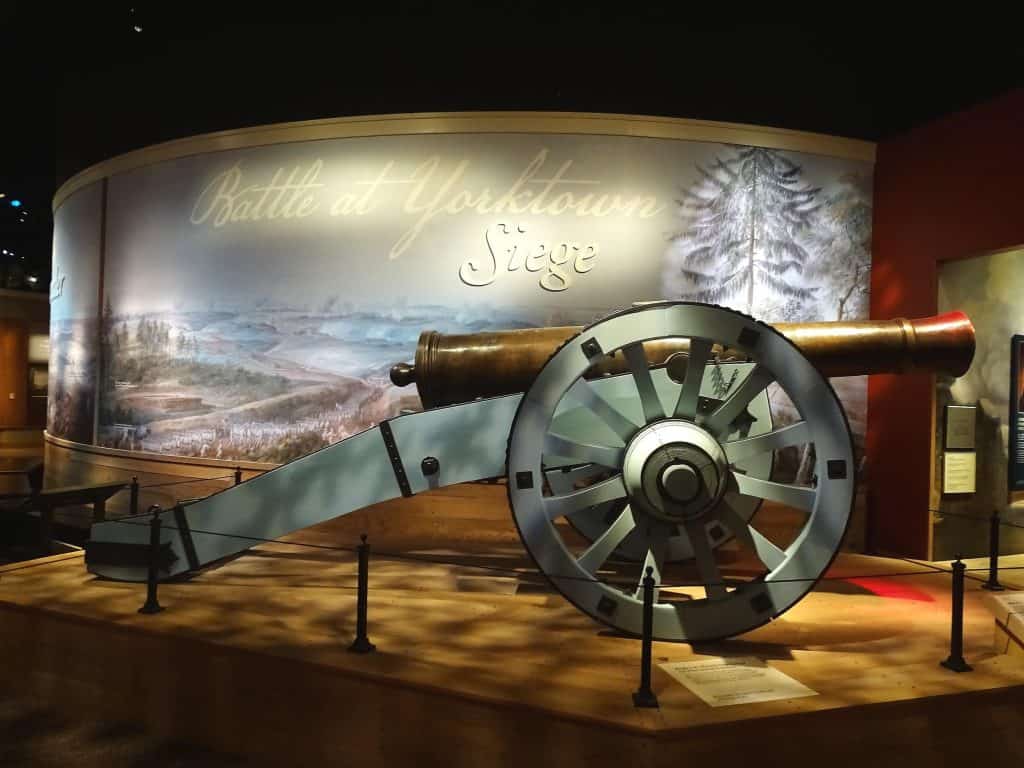
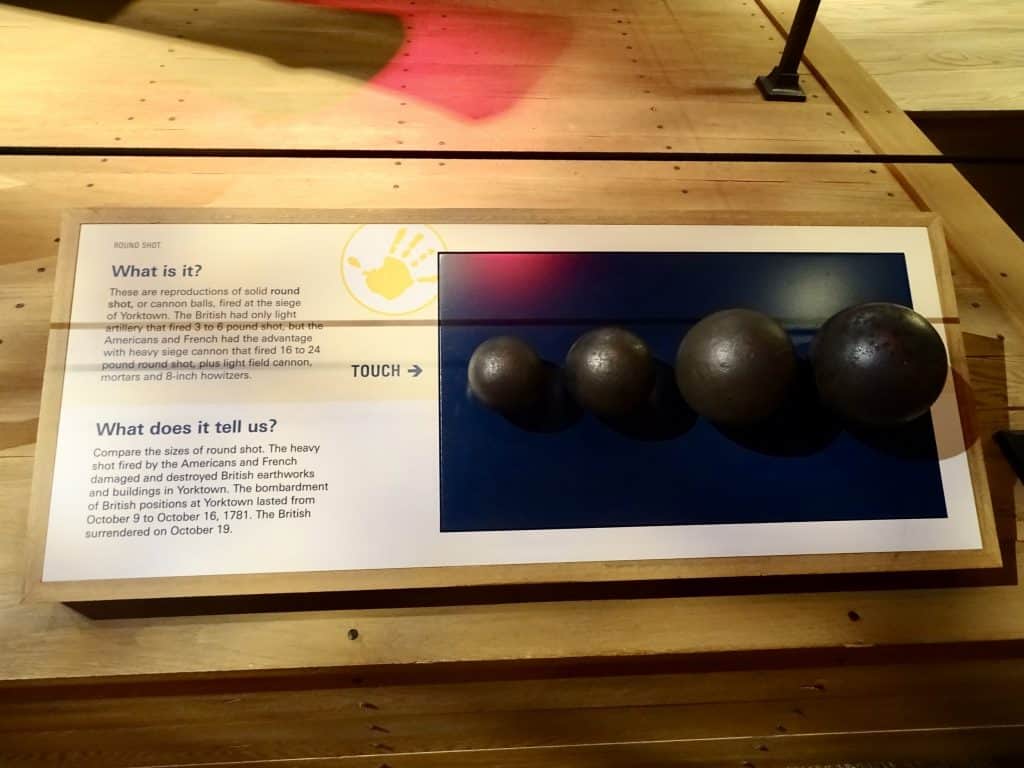
5. Compare the size of the round shots (cannon balls) fired from a French Siege Gun used in the Battle at Yorktown.
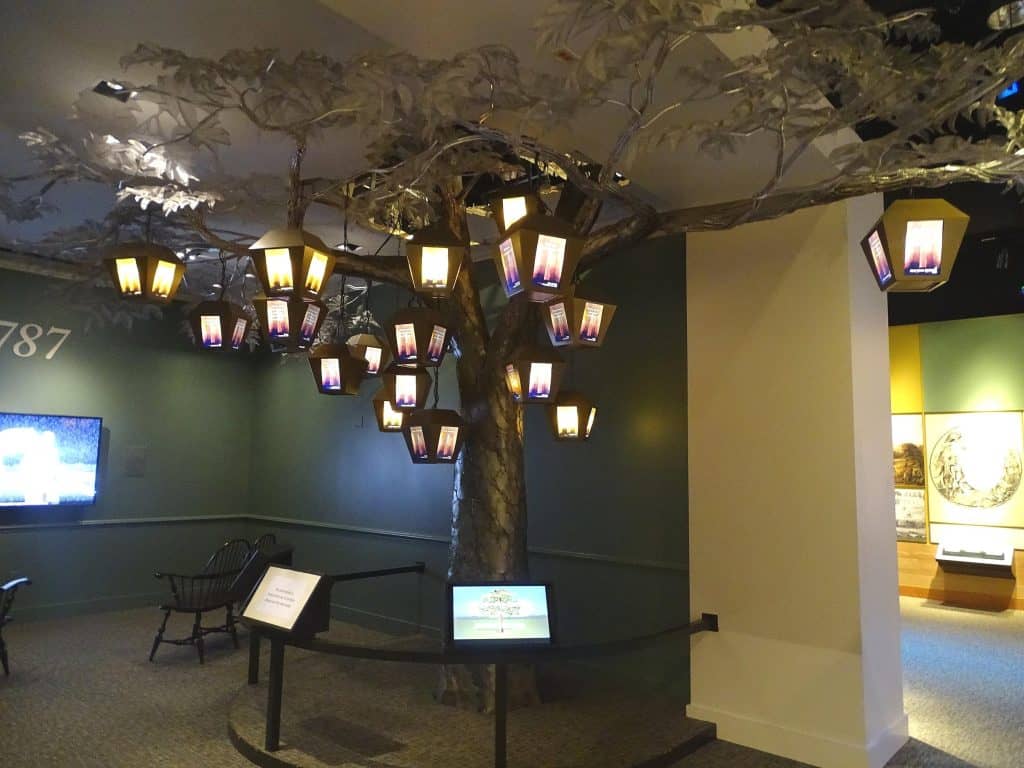
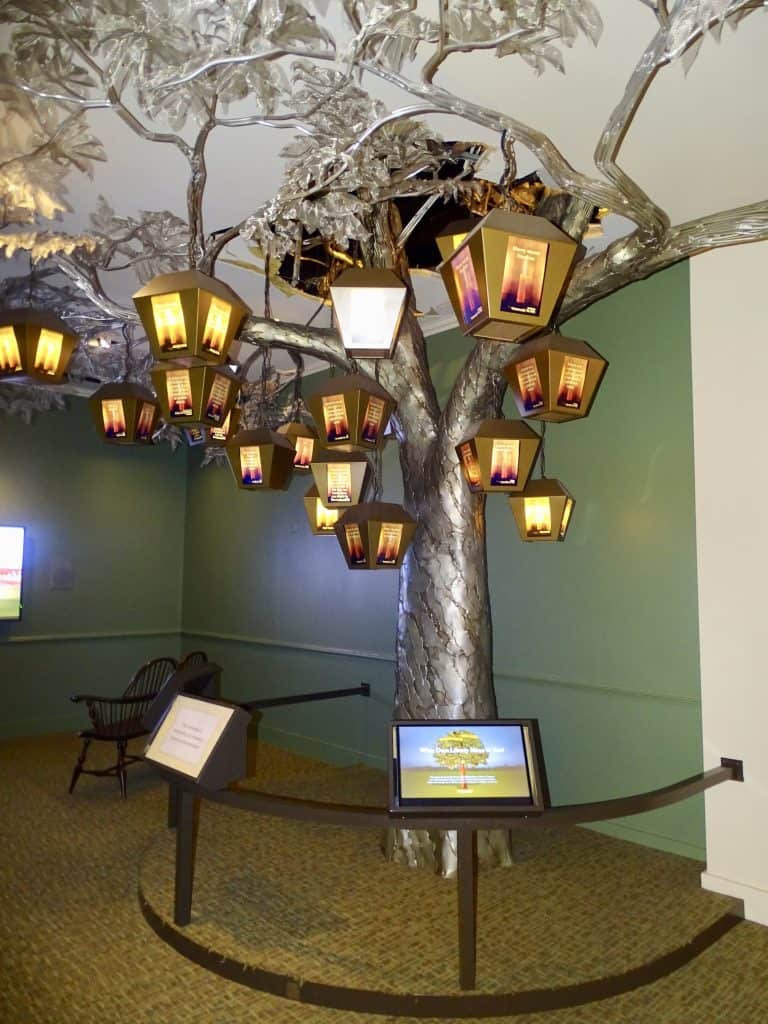
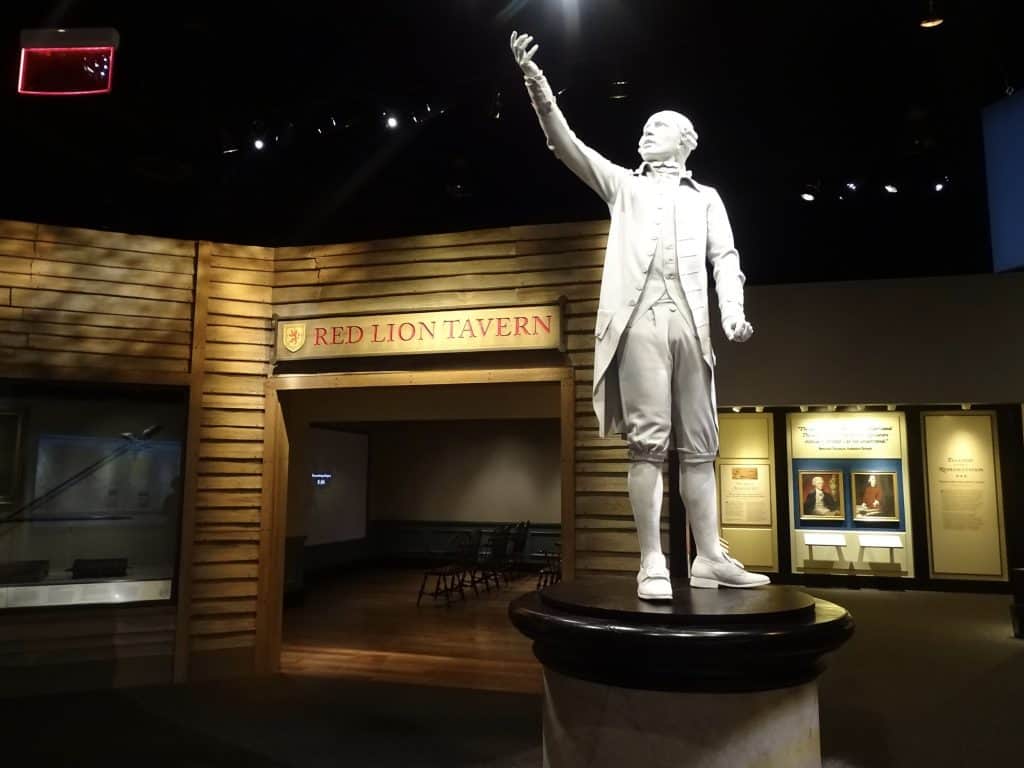
6. Display a personal definition of the word “liberty” on an electronic lantern hanging from a “Liberty Tree.”
Would you like to save this?

We'll email this post to you, so you can come back to it later.

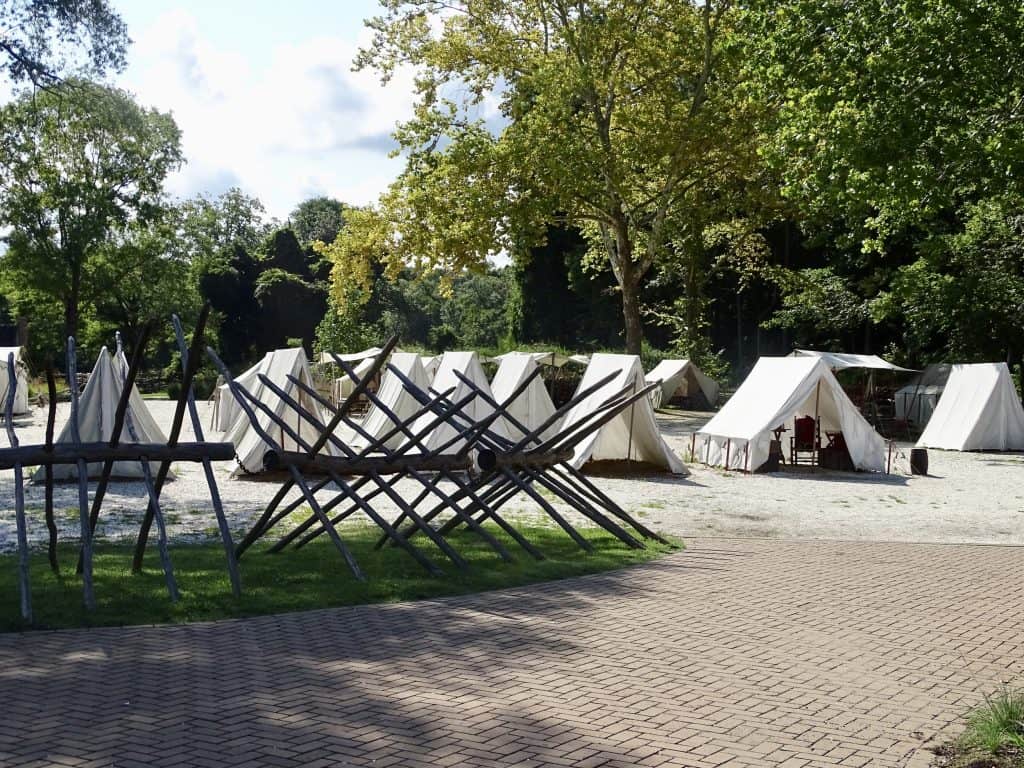
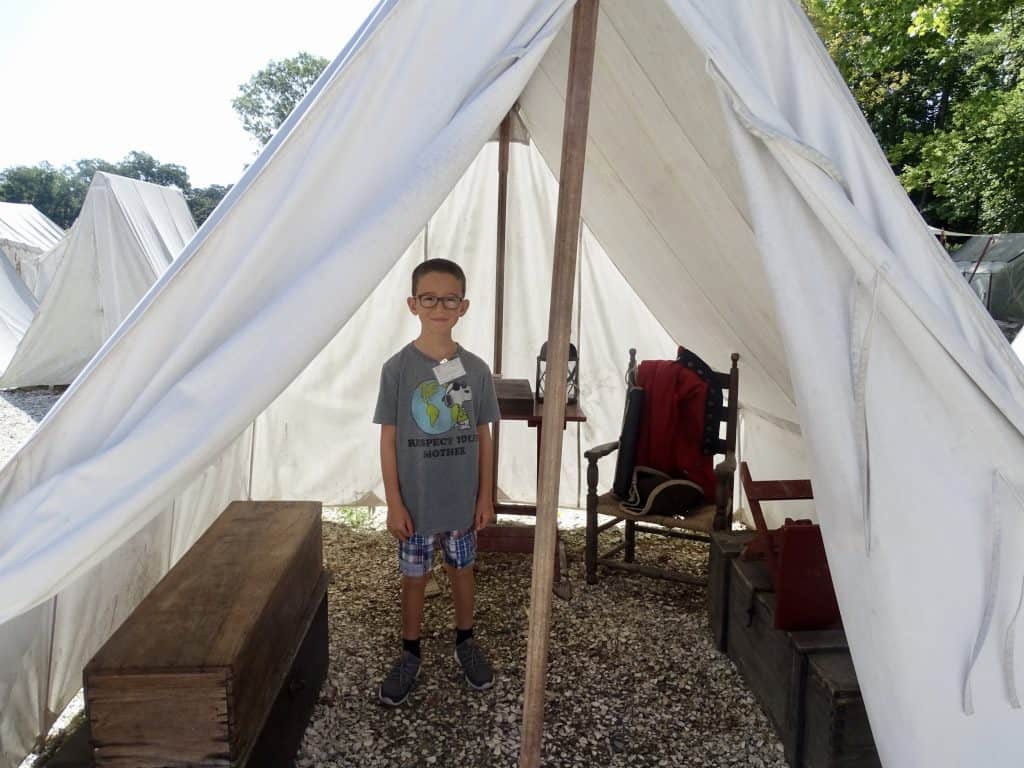
Outdoor Continental Army Encampment: Experience the daily life of a soldier
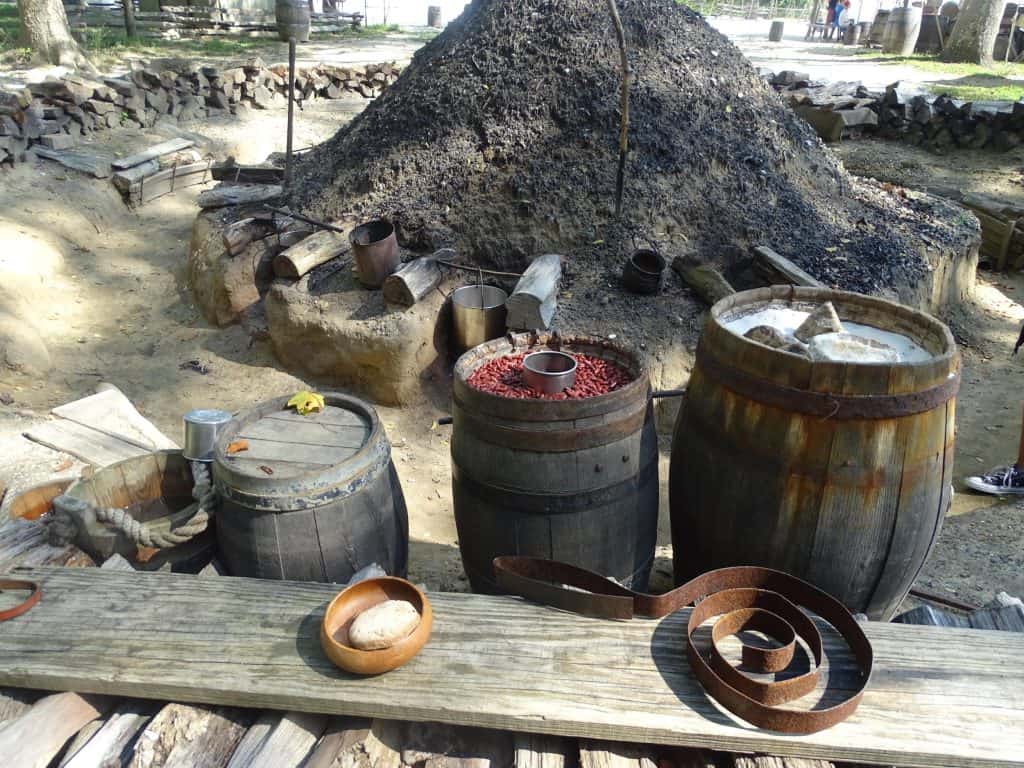
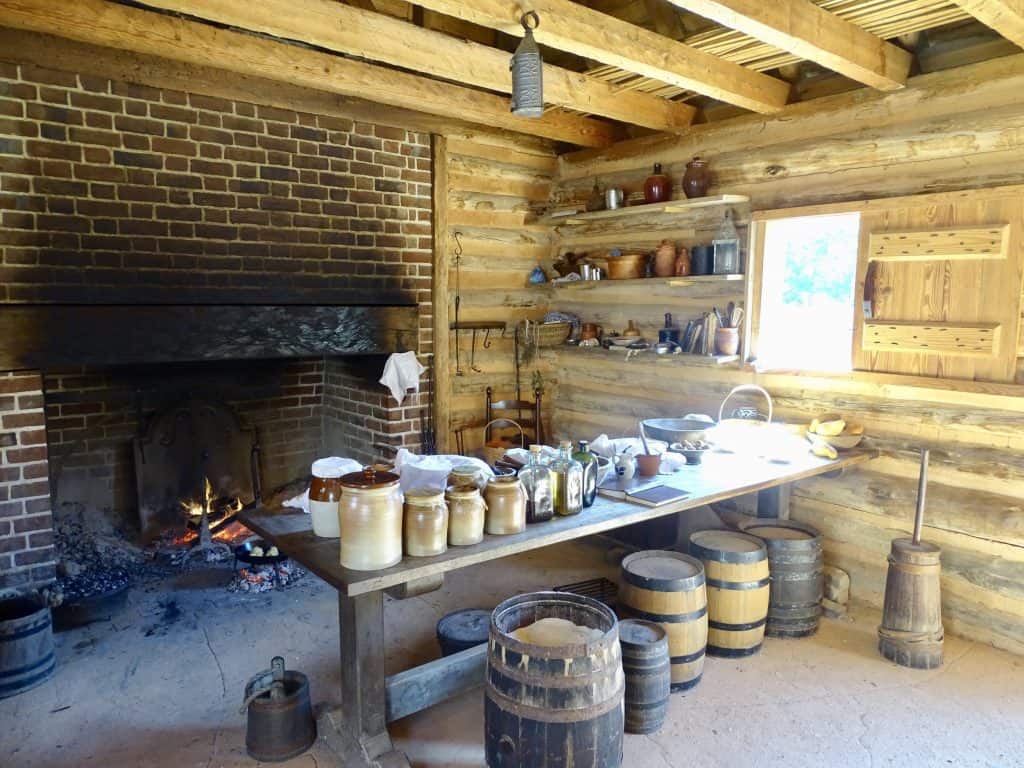
7. Feel the heat of the outdoor kitchen where food is cooked all day by soldiers- check out their daily ration of food. 
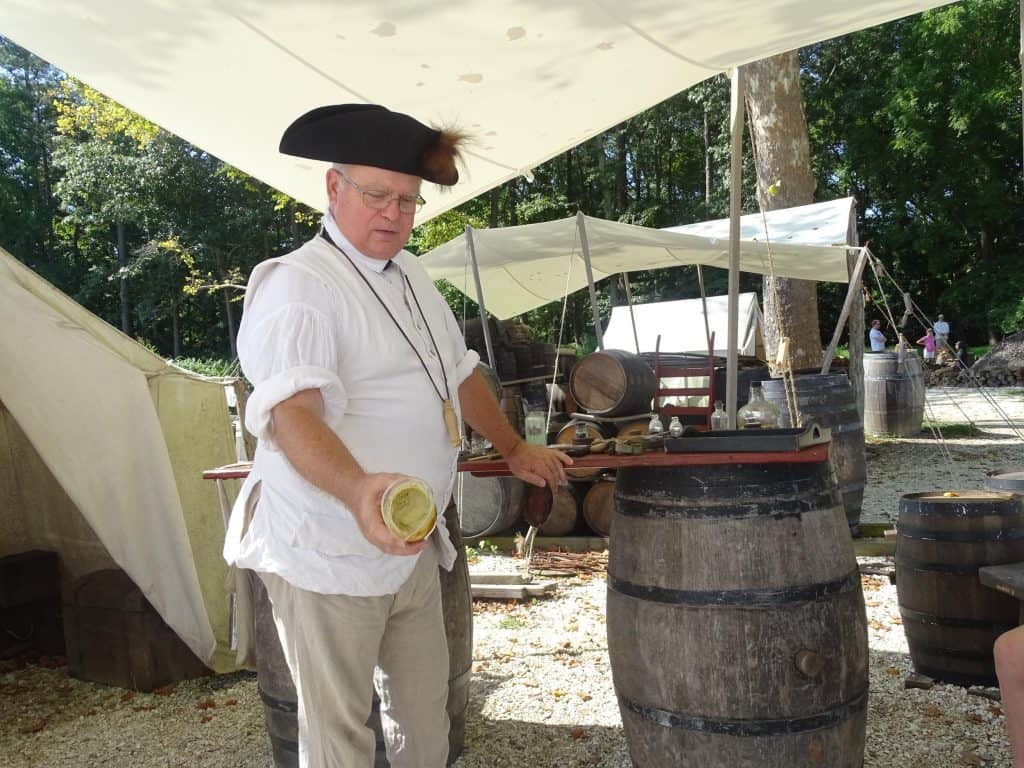
8.  Learn about the medicine and treatments a regimental surgeon used- a surgeon was in attendance at every camp.
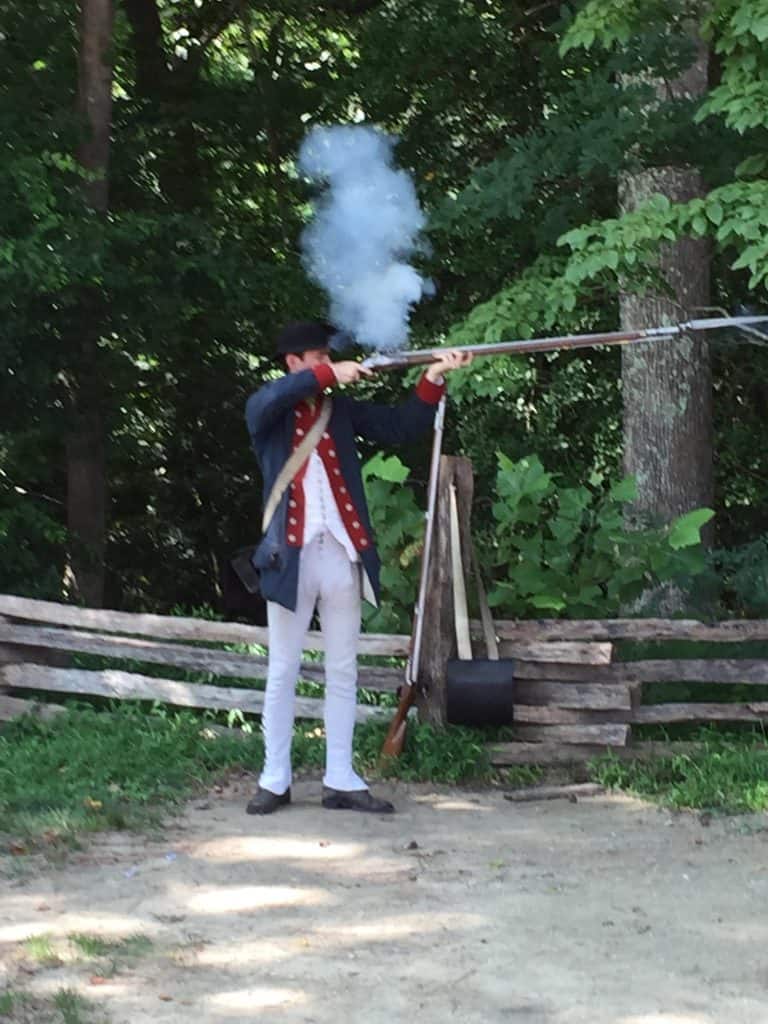
9. Hear the firing of a musket and learn about the process of loading and firing it in the amphitheater.
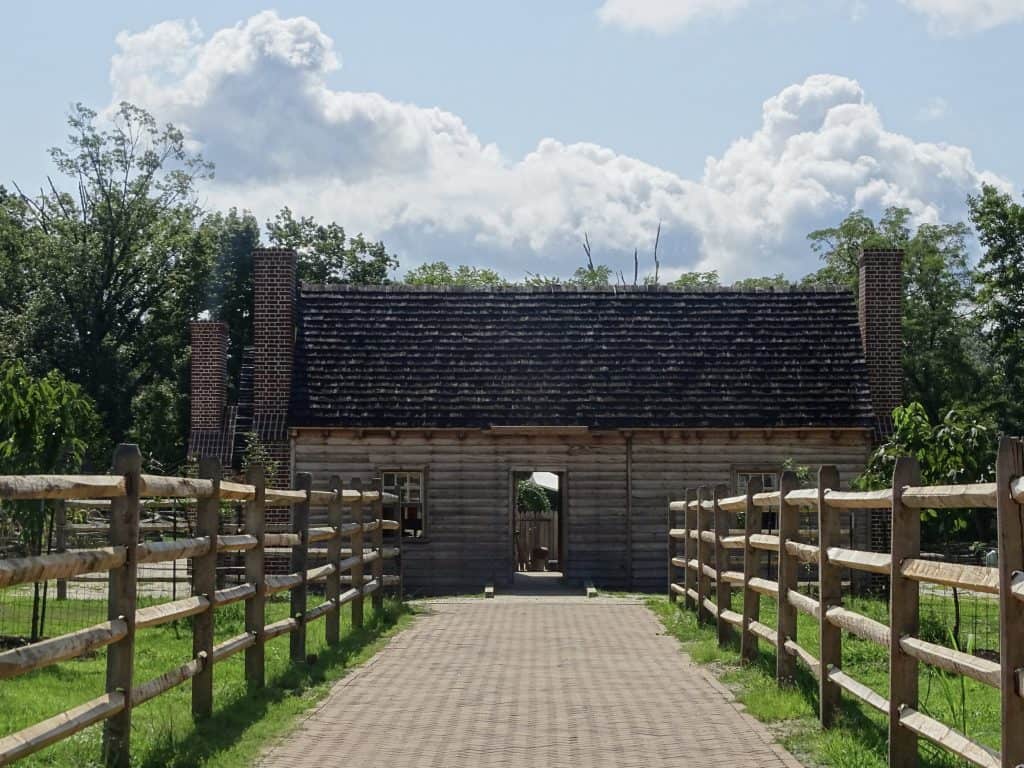
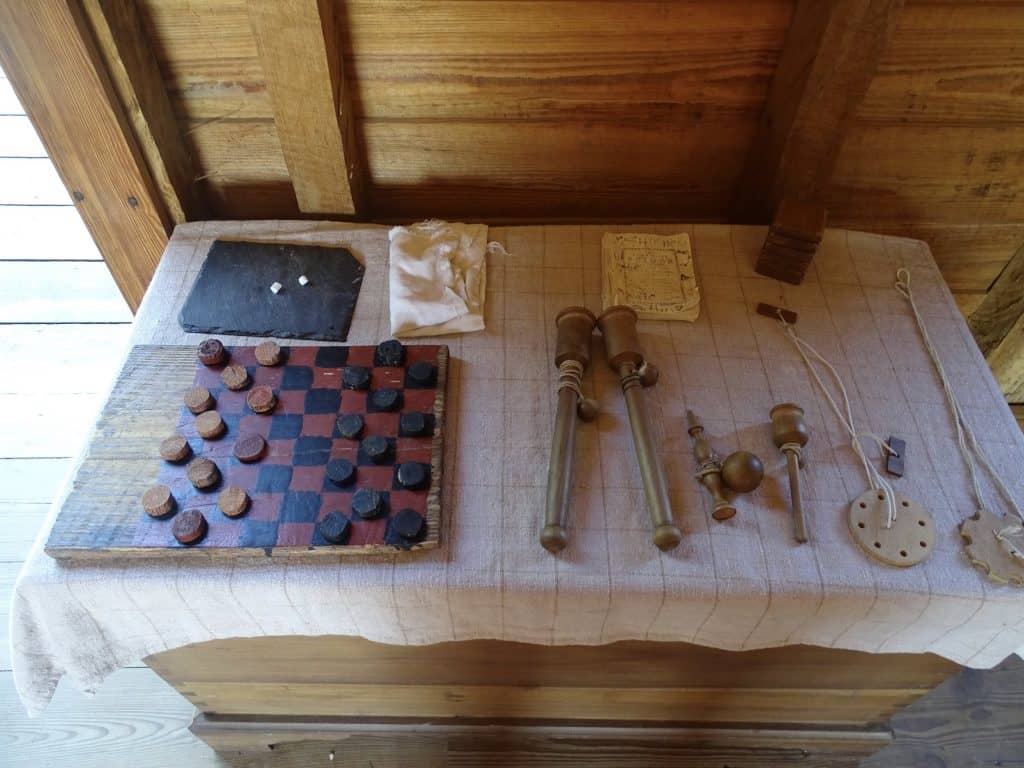
Outdoor Reproduction Farm (the home of Edward Moss, a local farmer during the Revolutionary War who probate inventory after his death lists the possessions reproduced for the farm)
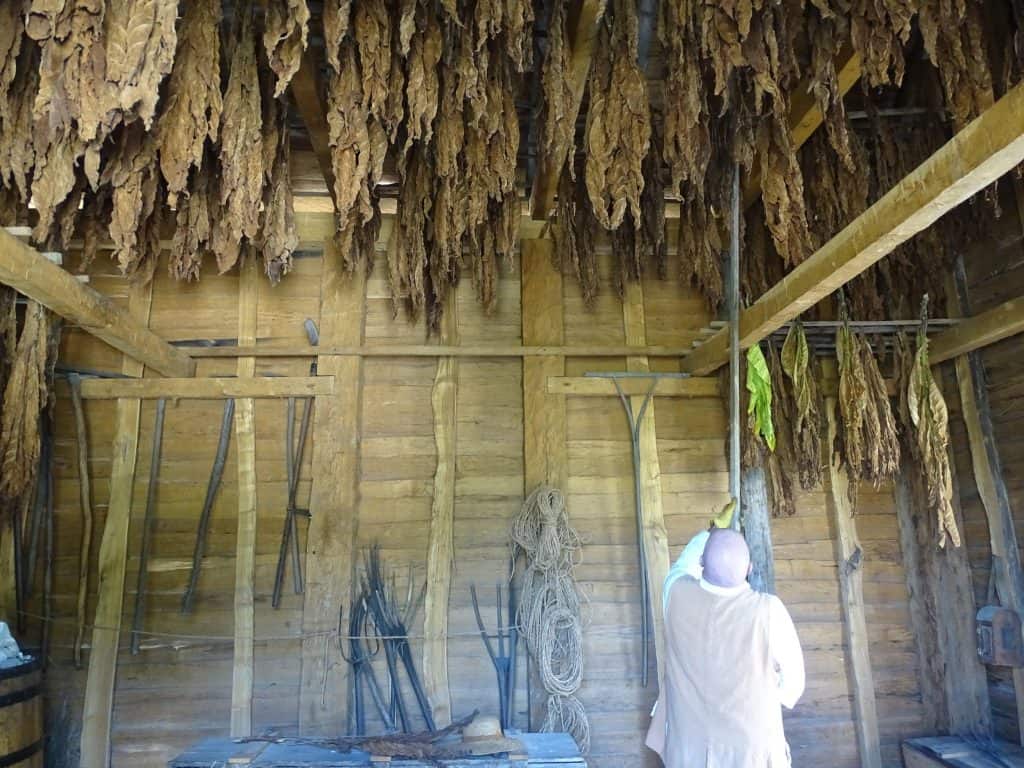
10. Smell the tobacco hung in the barn- tobacco was the #1 produced crop in American at the time.
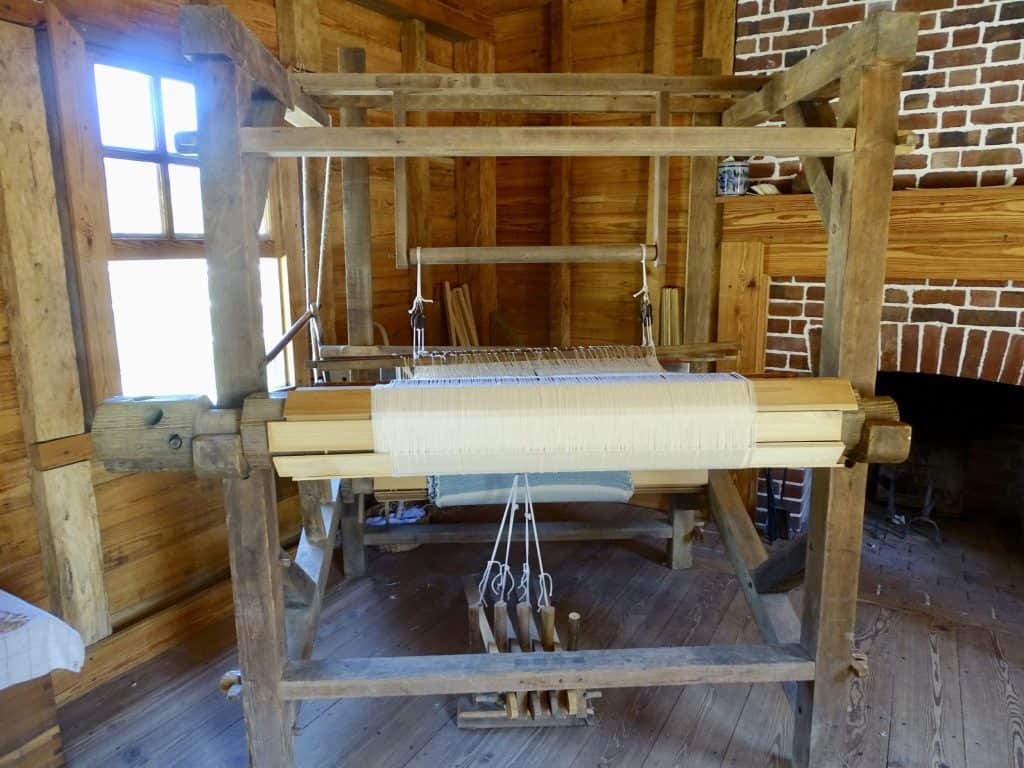
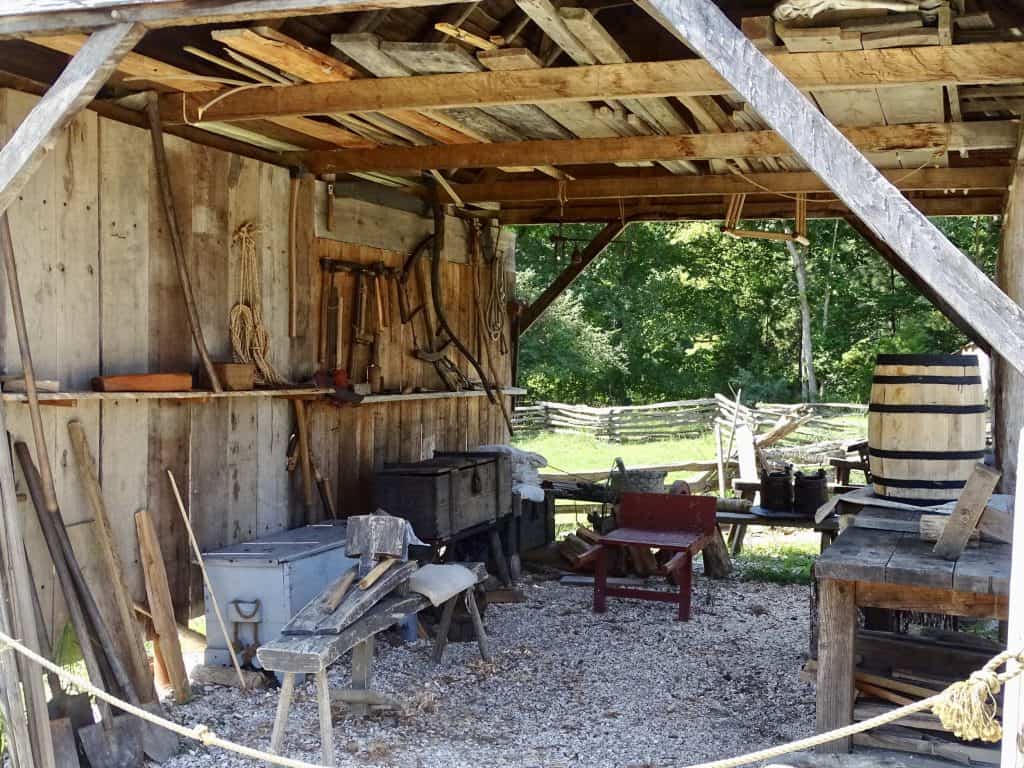
11. Watch as interpreters demonstrate how to use various woodworking tools in the utility shed.
12. Count the number of vegetable and fruits planted throughout the farm.
Bonus:
13. “Shift your gaze to see the American Revolution through the eyes of the African Americans” who had an impact on the history of America in the rotating exhibit Forgotten Soldier. On display through March of 2020, the exhibit showcases personal accounts of life during Revolutionary times and curated artifacts from a variety of museums and institutions including the US National Archives. Admission is included in museum fee. 
14. . Attend a special presentation in the Education Center, on a variety of topics related to the museum. Check here for daily options.
For more suggestions on ways to explore the Williamsburg, Jamestown, Yorktown “Historic Triangle”, check out historyisfun.org. The Jamestown-Yorktown Foundation is full of tips, itineraries (based on length of stay), and special events.

Sign up for our weekly emails to see our other adventures in the area.

Disclosure: My family received a media pass to explore the museum. All opinions expressed are my own.

Similar Posts

  • | | | | | | |

    Acadia National Park, Maine

    I may not be a huge hiker or camper, but I am a huge fan of the water, especially the ocean water, and love any view that involves water or mountains. I’m also a HUGE fan of the National Parks Service system and have been visiting historic sites, monuments, museums, and parks for years, learning all about our country’s history and collecting stamps for my National Parks Passport. So, it seemed logical to put Acadia National Park in Maine on my bucket list. This summer, I helped to plan a family reunion in York, Maine (post coming next week) and I seized the location and added a visit to Acadia National Park.

    Acadia National park is a 47,000 acre park (the only National Park located in New England) It’s located on Mount Desert Island, right next to the beautiful village of Bar Harbor. Acadia is unique in the sense that there is no one, defined entrance and exit site. There are multiple spots to enter and the park weaves in and out of the community. There are sections that require a park pass, which for 2017, was a $25 fee for a week pass for a noncommercial vehicle. Lucky for us, the Every Kid in a Park program allows fourth graders, and their families, to receive entrance to all National Parks all year long, so we got in for free! There is SO much to do in Acadia, it would take days to cover it all. Here are some of my family’s top spots:

  • | |

    10 Lessons We Learned from Exploring National Parks

    We just wrapped up a pretty great summer that included an awesome (in the real denotation of that word) road trip from Nevada to Connecticut. We explored nine National Parks, bringing our total to 12 National Parks (read about our adventures at Acadia and Great Smoky Mountains). We wrote a post about why we love National Parks a few years ago and have since added more reasons to explore NPS sites.

    In the coming weeks, we will share guides to all nine parks we explored this summer (Zion, Bryce Canyon, Capitol Reef, Canyonlands, Arches, Rocky Mountains, Mount Rushmore, Wind Cave, and Badlands). But first, we thought we’d start with some of lessons we learned and how they translate outside of the parks, too:

  • | | | | |

    Touring the United Nations in New York City

    Over one million people visit the United Nations, located on the banks of the East River in Manhattan, each year. The charter for the United Nations, a name proposed by President Roosevelt in 1942, was signed in 1945 with 51 countries as founding members. Today, there are 193 member states and countries must apply for admission. New York became the permanent home of the United Nations in 1949 and construction on the complex was finished two years later. The United Nations is a meeting place for all members to “settle disputes, prevent future conflicts, find solutions to global issues, and protect all humanity”.  Public tours include opportunities to visit three or four of the six main organs of the UN, as well as many displays and art installations.

  • | | | | |

    Nat’l Museum of Dance & Hall of Fame, Saratoga Springs NY

    Day 2 in my weeklong posts on Saratoga Springs, New York.

    As a child, I spent fourteen years in ballet and tap classes. I even considered going to Skidmore College because I was so passionate about wanting to dance, but ultimately decided to follow a different career path to teaching. However, my love for dance has never ceased. So when I was planning a family trip to Saratoga Raceway and saw that the National Museum of Dance and Hall of Fame was five minutes away from the track, I knew we needed to make a stop. After spending the morning at Saratoga National Historic Site (read about my tips here) it was a quick 15 minute drive into town to the museum.

    The museum and Hall of Fame are located inside the Saratoga Spa State Park, which is home to performing arts centers, museums, pools, a golf course, and a resort and spa.  From the outside, I must admit I thought the museum looked a little dated. However, once inside, I noticed that is beautifully maintained and full of really fun, unique exhibits. It’s definitely worth a stop for a couple of hours before you head to the race track.  Bonus: Admission is free on Tuesday, when we visited. The museum is closed Sunday and Monday.

  • | | | |

    Boston Symphony Orchestra in Boston, Massachusetts

    Founded by Henry Lee Higginson, the Boston Symphony Orchestra (BSO) was first located at the site of the current Orpheum Theater and then moved to its current location in 1900. Higginson spent significant time studying European orchestras before creating the BSO in 1881 and the Boston Pops in 1885. Higginson wanted to mimic the Coliseum in Greece, as Boston was considered the Greek “Athens” of America, and included 16 Greek statues of figures related to the arts around the hall.

  • | | |

    Holiday Gift Guide 2019

    It’s the most wonderful time of year- a time for thanksgiving, celebrations, and gift giving! Since my children were born, my husband and I have made a conscience effort to “gift” our children with experiences over tangible items. The material possessions we do gift them are purposeful- educational, enriching, and challenging. The past two years we have shared some suggestions (you can read my 2018 and 2017 gift guides) and this year we’d like to continue the tradition with some new ideas for the children in your life. And read to the end, we’ve got a GIVEAWAY TO LEGOLAND DISCOVERY CENTER!

Leave a Reply

Your email address will not be published. Required fields are marked *