
10 Things to Do at Colonial Williamsburg in Virginia
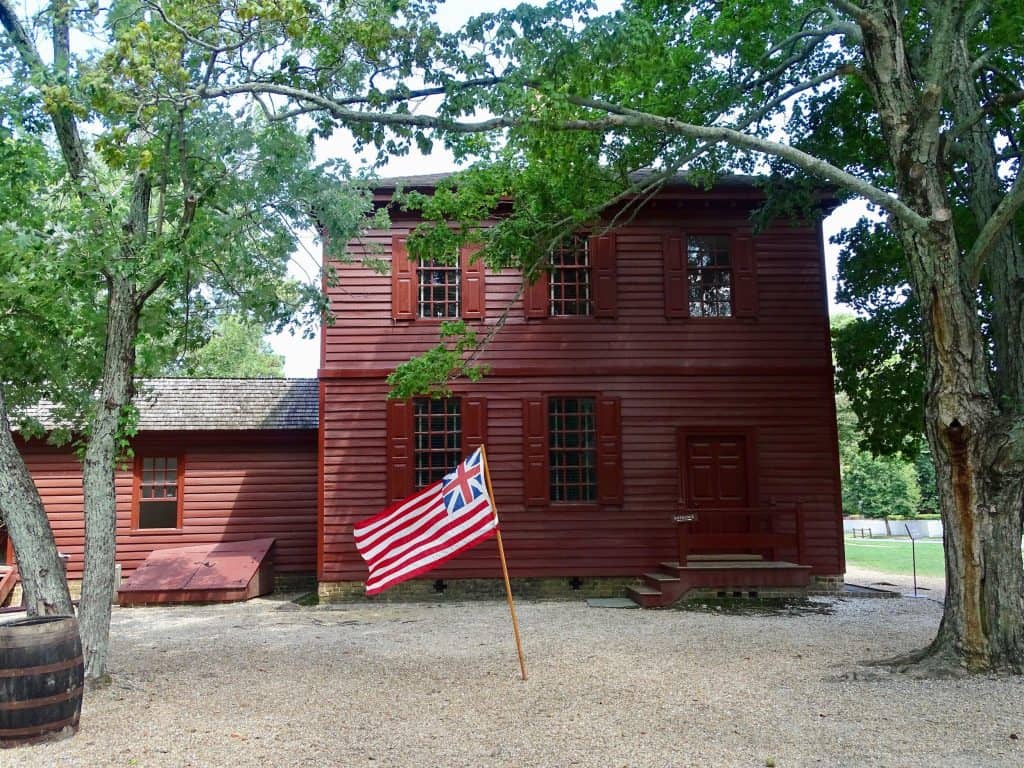
Colonial Williamsburg is the largest living history museum in the world. Recreating life in the 1770s, the 300 acre complex includes over 40 historic trade shops, homes, community space, and taverns. The complex is one mile long and a half mile wide and is divided into four key areas: The Visitor Center, Palace Green, Capitol, and Market Square. Palace Green, Capitol, and Market Square areas include historic sites, trades buildings, as well as lodging, shopping, and dining options.


Travel Tips:
- Consider purchasing an America’s Historic Triangle pass that allows unlimited admission for seven consecutive days to Colonial Williamsburg, the American Revolution Museum at Yorktown, Yorktown Battlefield, Jamestown Settlement, and Historic Jamestowne. Guests could easily spend a full day at most of these locations. The ticket offers great savings over individual tickets and allows visitors to skip (often) lengthy admission lines. More information on tickets here. More information on promotions and discounts here.
- Download the Colonial Williamsburg Explorer app for daily updates, schedules, maps, and other important information.
- Take a look at this index of itineraries- it’s well organized by interest (Jane Austen lovers, royal family followers, Hamilton fans, and a first timer’s visit) and is helpful in prioritizing can’t miss events and spots.
- Research parking information here. It’s usually best to park at the Visitor Center and walk or take the shuttle. Wear sneakers or strong walking shoes as guests will have to access most locations by foot.
- Shuttle information can be found here. Guests can pick up the (complimentary, with ticket purchase) shuttle bus at the Visitor Center and hop off at various stops throughout the Historic Area, including the Governor’s Palace, the Capitol, the Taverns, Market House, the Lodge, the art museums, and Merchants Square. Information on the Williamsburg Area Transit Authority system that can bring guests to nearby Yorktown and Jamestown sites can be found here.
- There are several restroom locations throughout the main complex, including the art museums, Capitol, Governor’s Palace, Visitor Center, and near several trade shops. See specific restroom locations here.
10 Ways to Have Fun at Colonial Williamsburg:
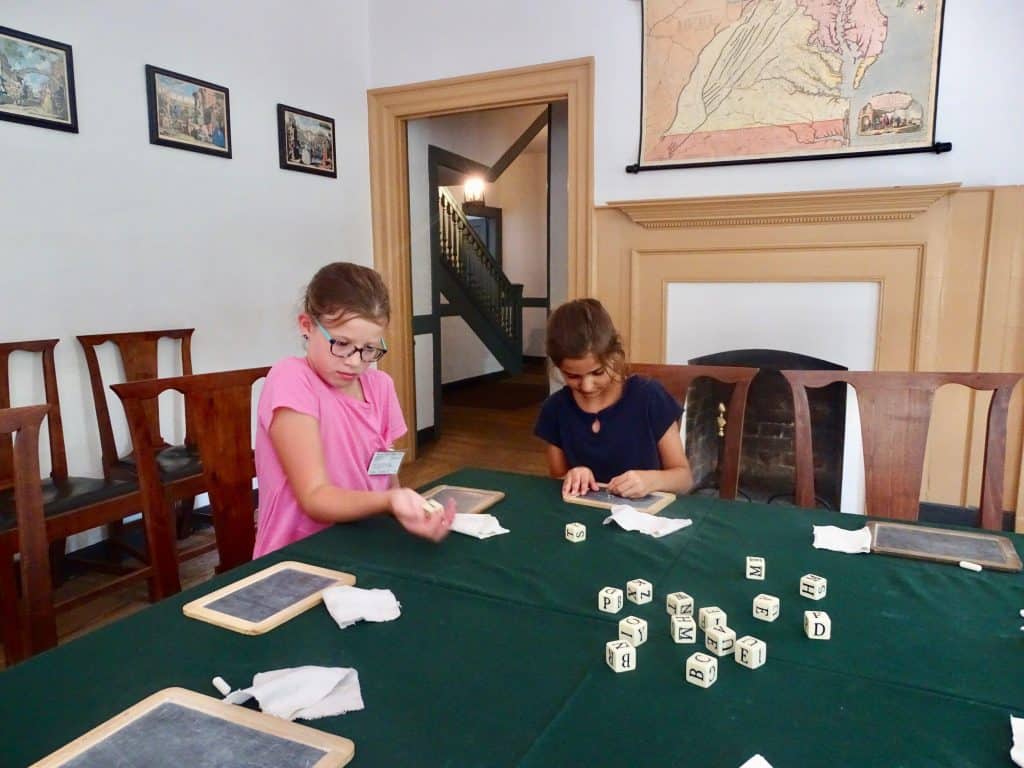
1. Check the daily bulletin for daily activities and the weekly overview. Bulletins are available at all entrances, ticket windows, hotels, museums, and major shops. Each day there are over two dozen demonstrations, lectures, guided tours, interactive workshops, and more. Most programs are included in the admissions fee, but some do require a reservation. The daily bulletin also indicates programming that will be of special interest to children. Nightly activities include ghost tours, lantern tours, and musical performances. Check here for a sample daily bulletin.
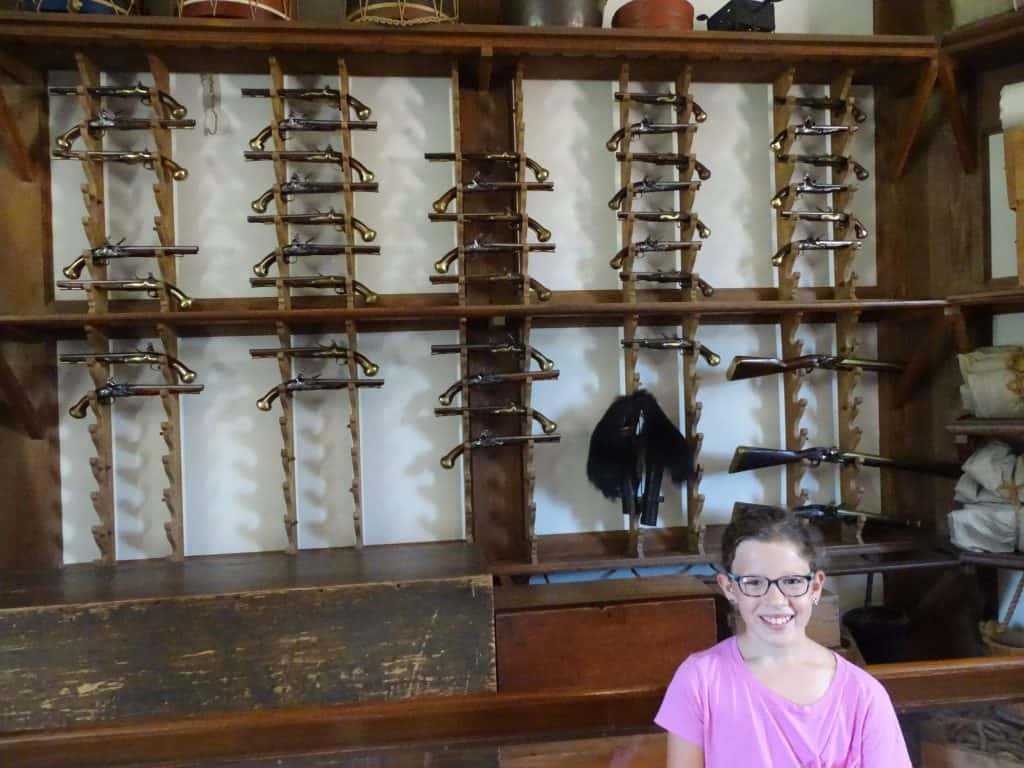
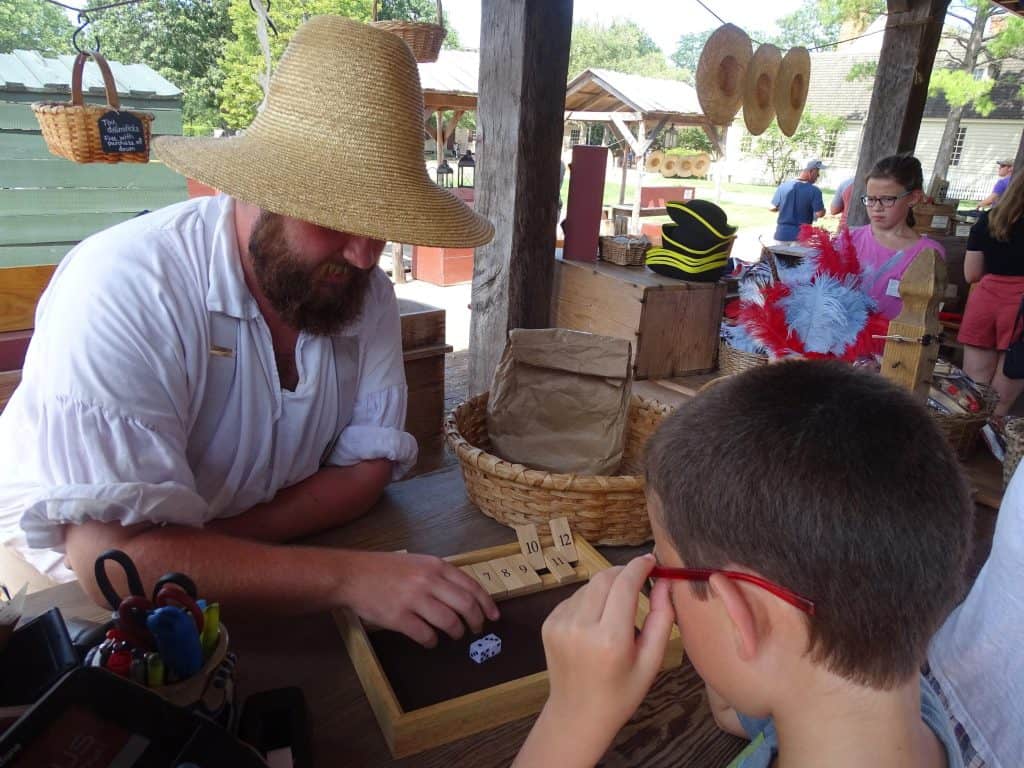
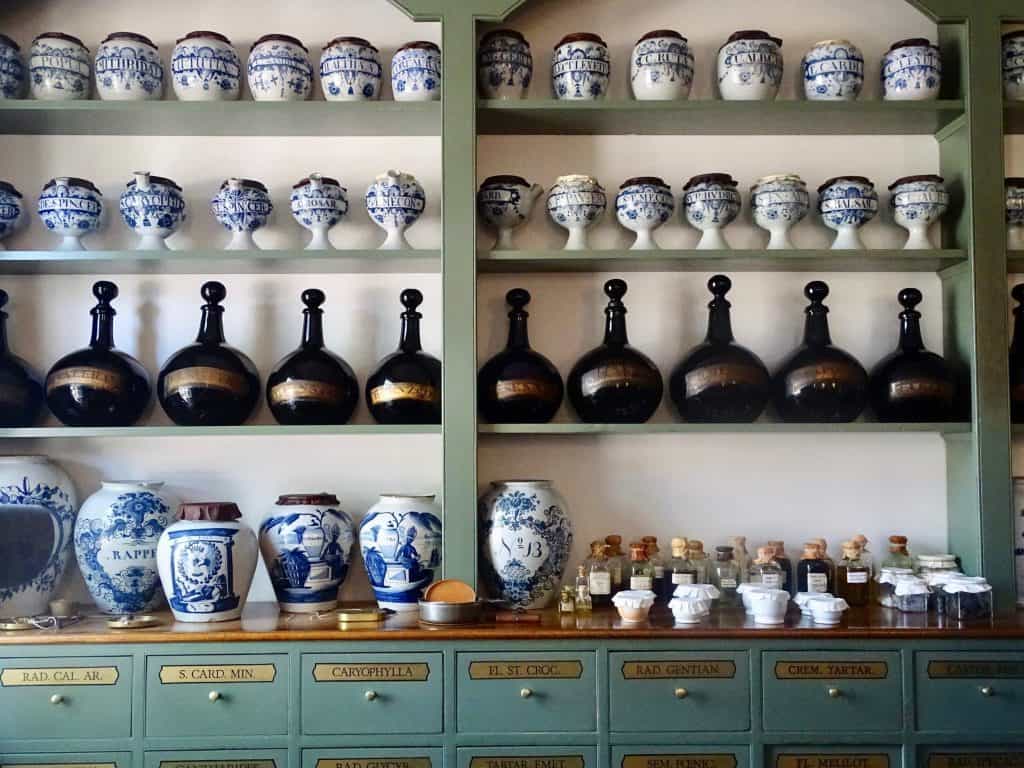
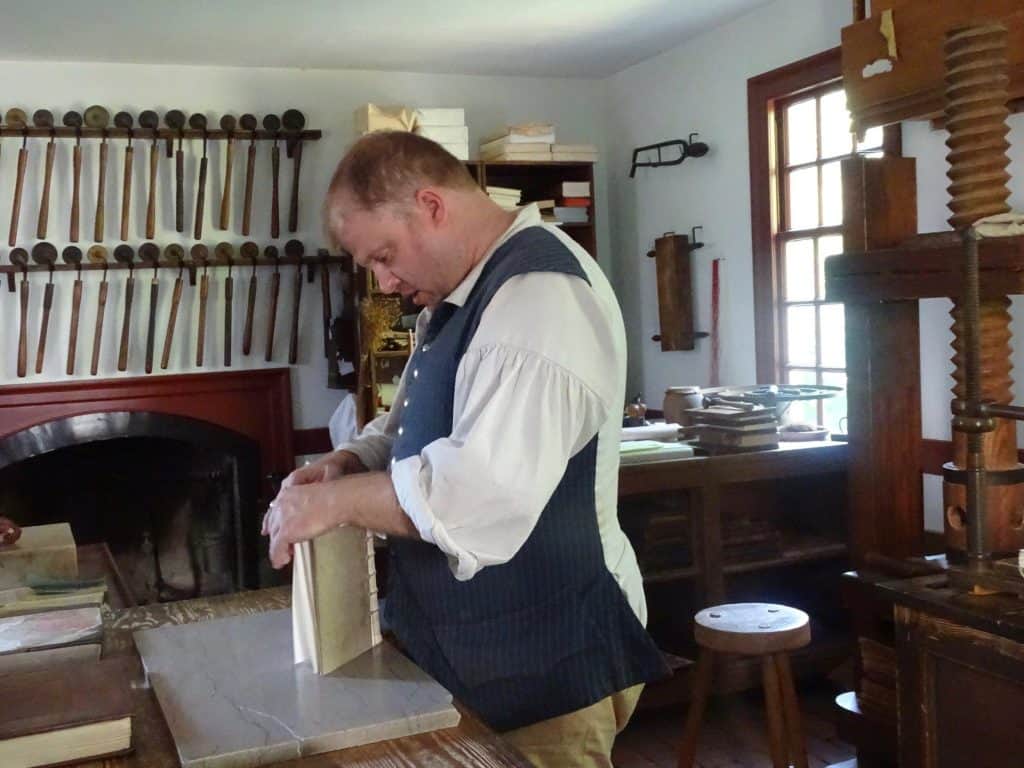
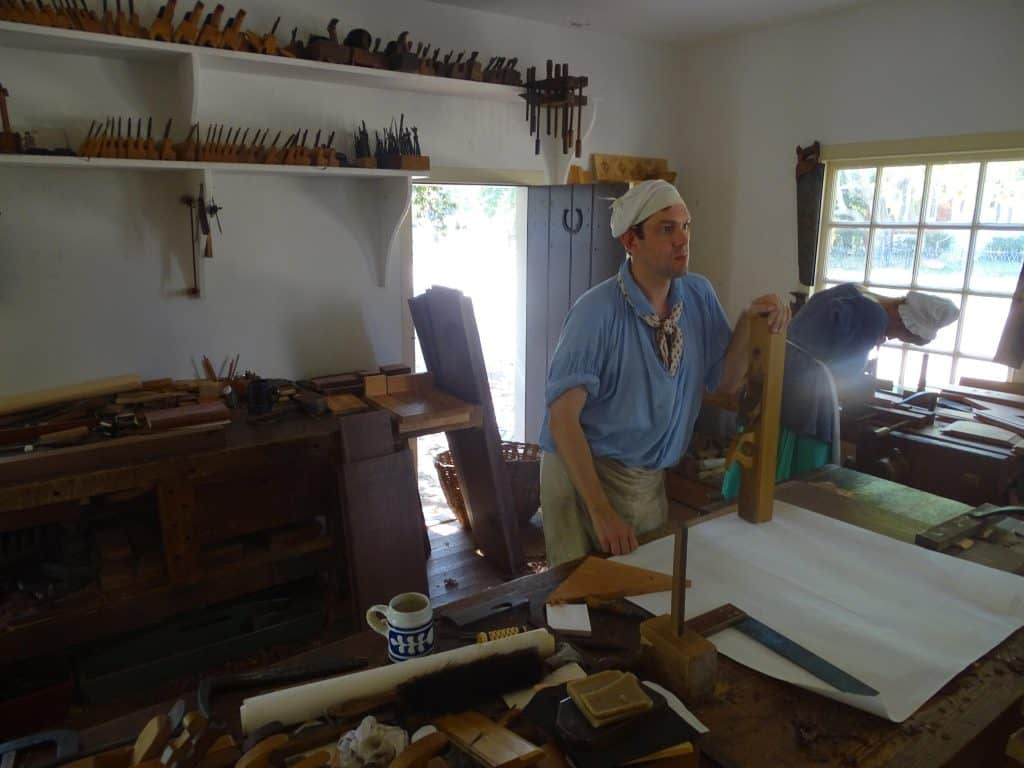
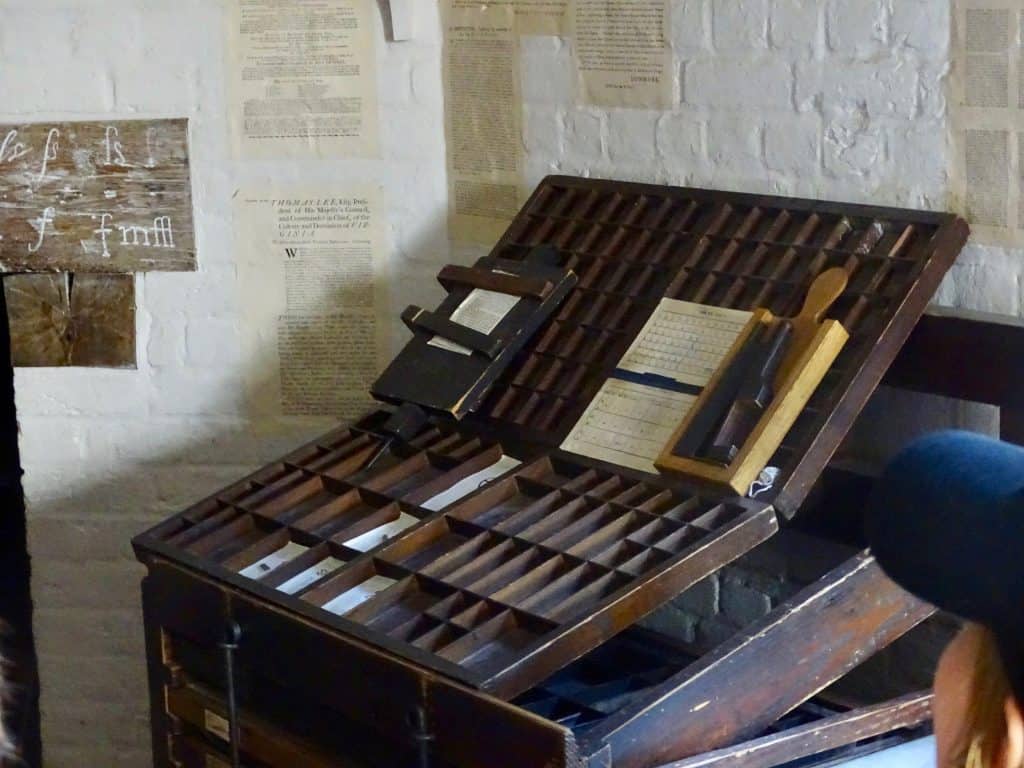
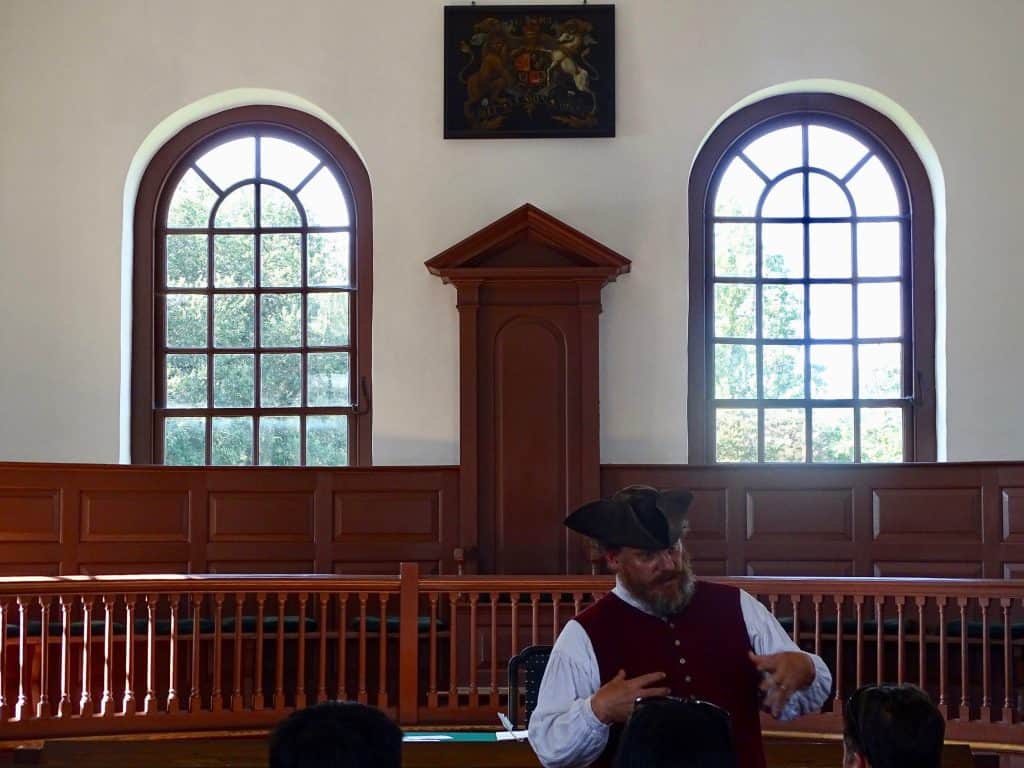
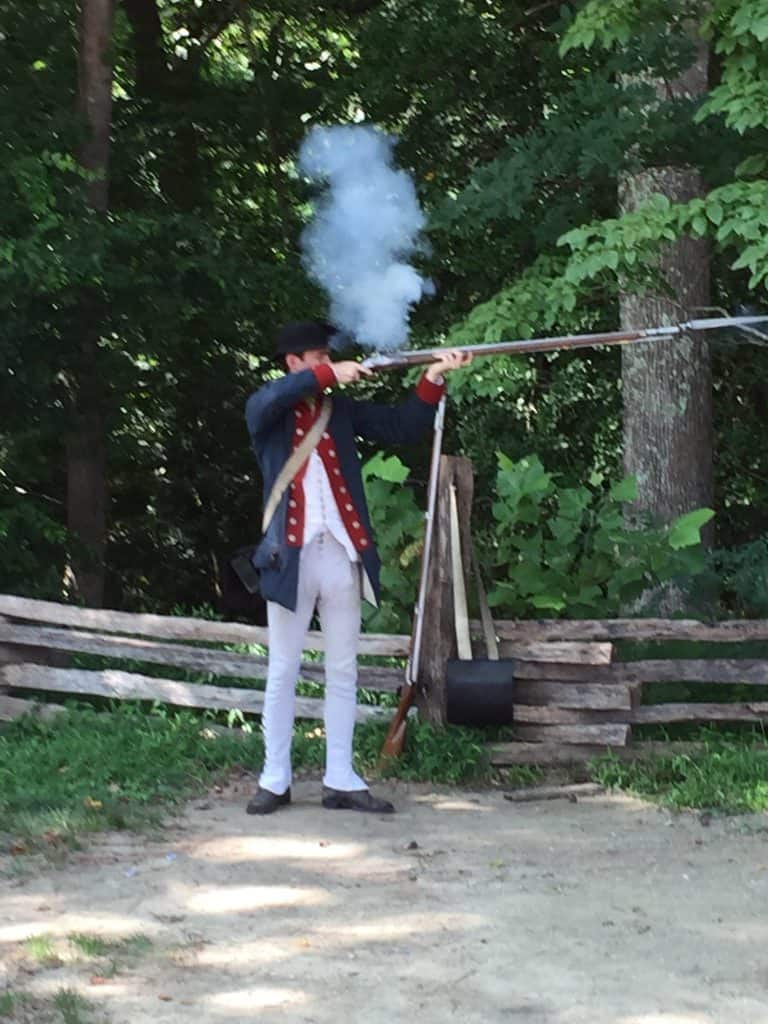
2. Visit as many of the 30+ trade shops as possible. Live interpreters greet visitors and explain the workings of machinery and common jobs during the 1770s. Some of our favorites include the Printing Office, Wigmaker, Shoemaker, and the Public Armoury. Check the daily bulletin for larger, live demonstrations.
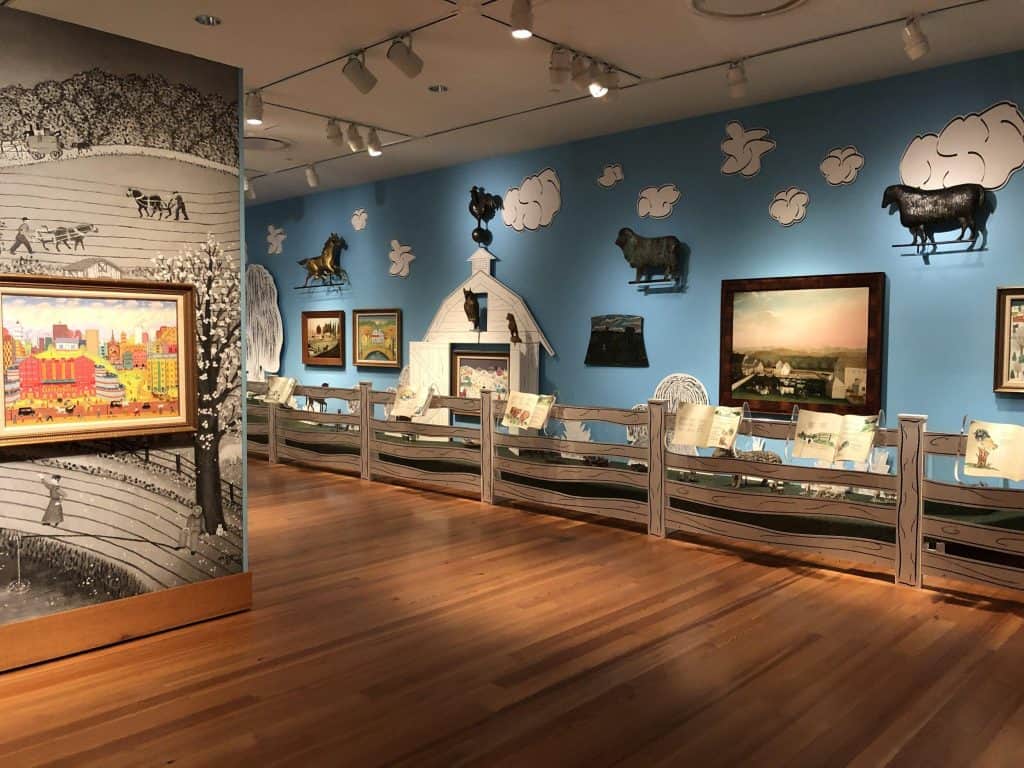
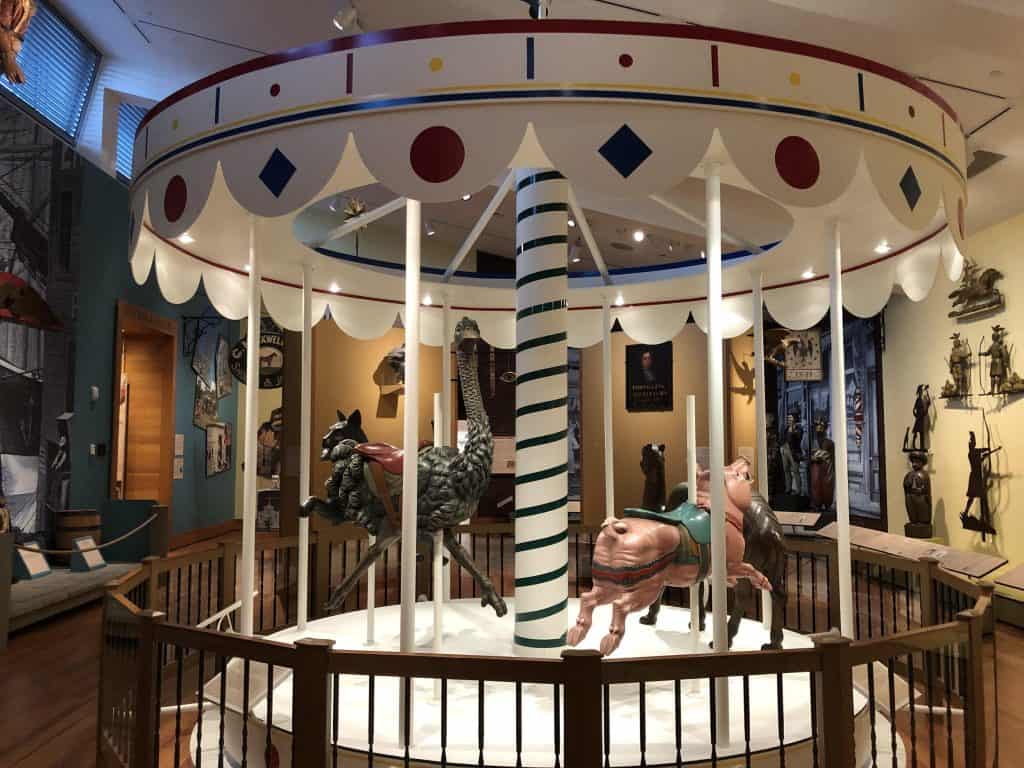
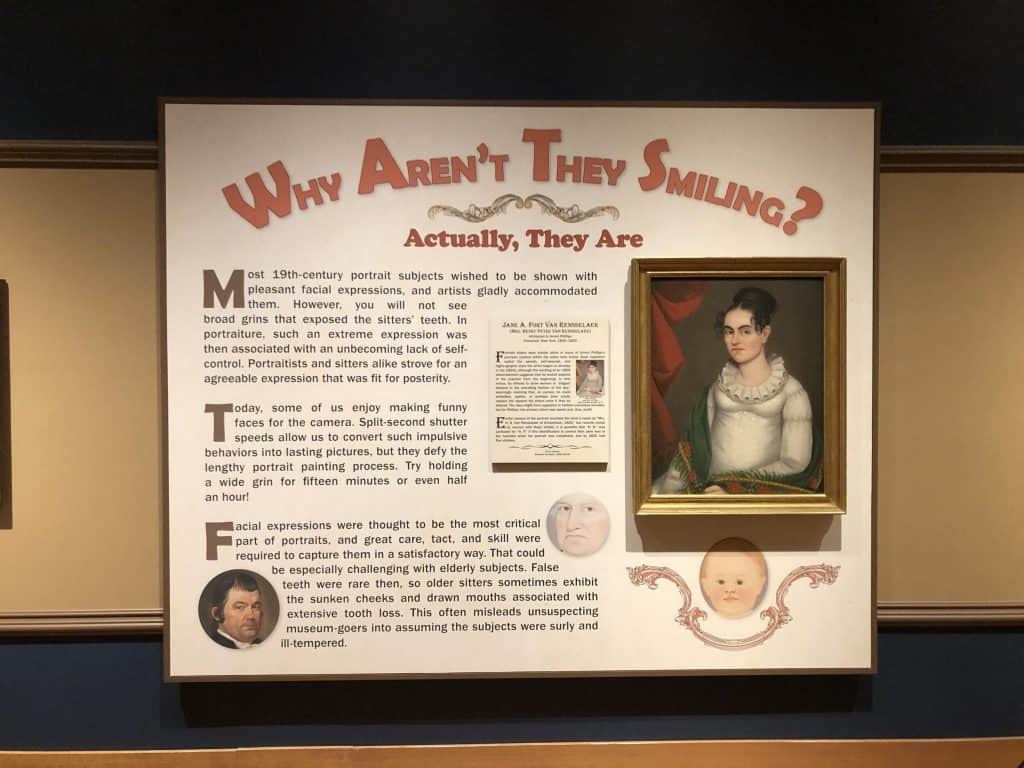
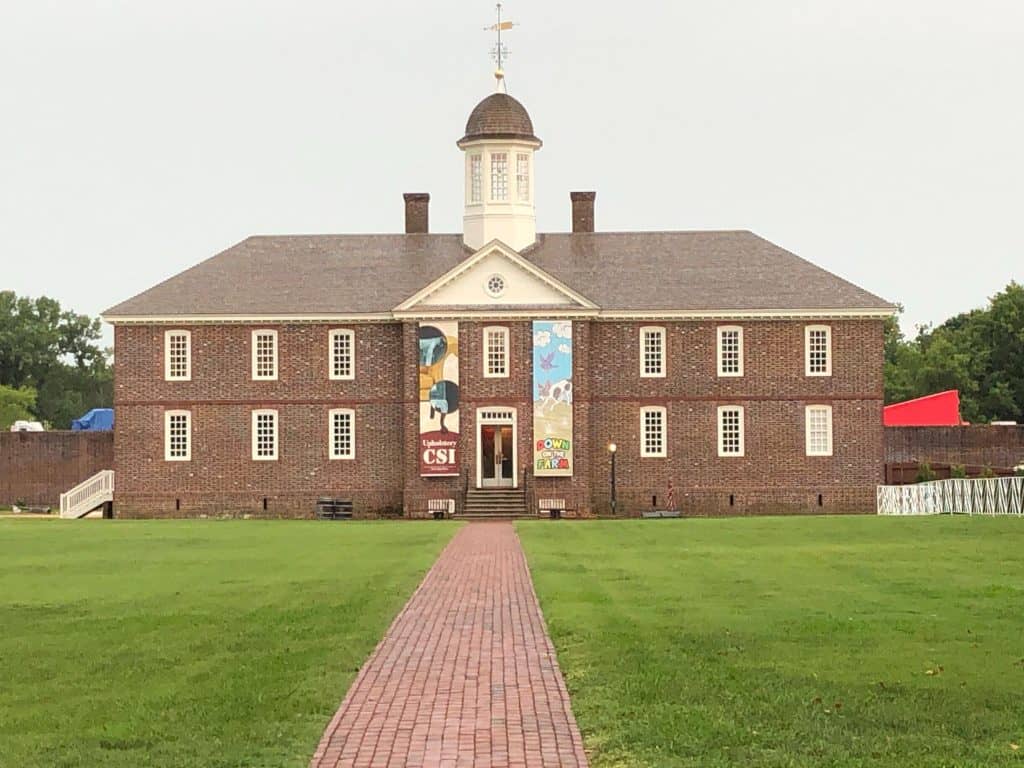
3. Learn about the art of the period in two art museums: The Dewitt Wallace Gallery focuses on decorative arts and the Abby Aldrich Rockefeller Gallery exhibits folk art. Of particular interest to families will be the collection of porcelain, stoneware, and Earthware; ship paintings and presidential portraits; Down on the Farm exhibit geared towards children; and the carousel. Consider taking a docent led tour; we especially liked Busting Myths. Traveling with Kids: No strollers allowed in the galleries, but the museum is handicap accessible. Avoid bringing backpacks and bags- larger items will need to be stored in (free) lockers. There is parking available in the lots across the street (two hour limit). Plan to spend 60-90 minutes exploring the galleries.
4. Stop by the Public Hospital, which was open from 1173 through 1885 and was “devoted to the care and treatment of the mentally ill.” The recreated hospital is now open to guests, who can tour an 18th century cell, 1845 apartment, and several exhibition spaces.
5. Watch the Fife and Drum parade, a reenactment of the red and blue uniformed soldiers who marched through the streets of Williamsburg. Today, both boys and girls, dressed in authentically reproduced uniforms and playing instruments, are allowed to participate. There is a daily evening march and a mid day march on Saturdays.
6. Explore some of the 30 historic gardens spread out through the village. The Williamsburg Arboretum includes 18 century trees and shrubs. Guests can take a self guided tour of both the Williamsburg Arboretum and the Bassett Trace Nature Trail.
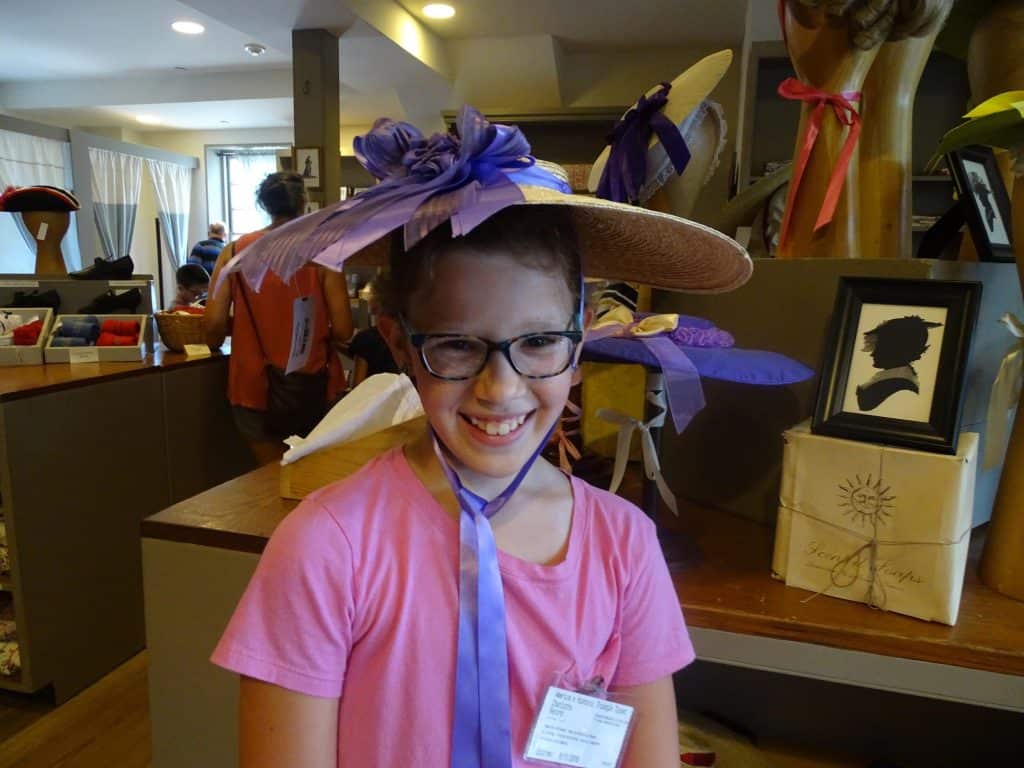
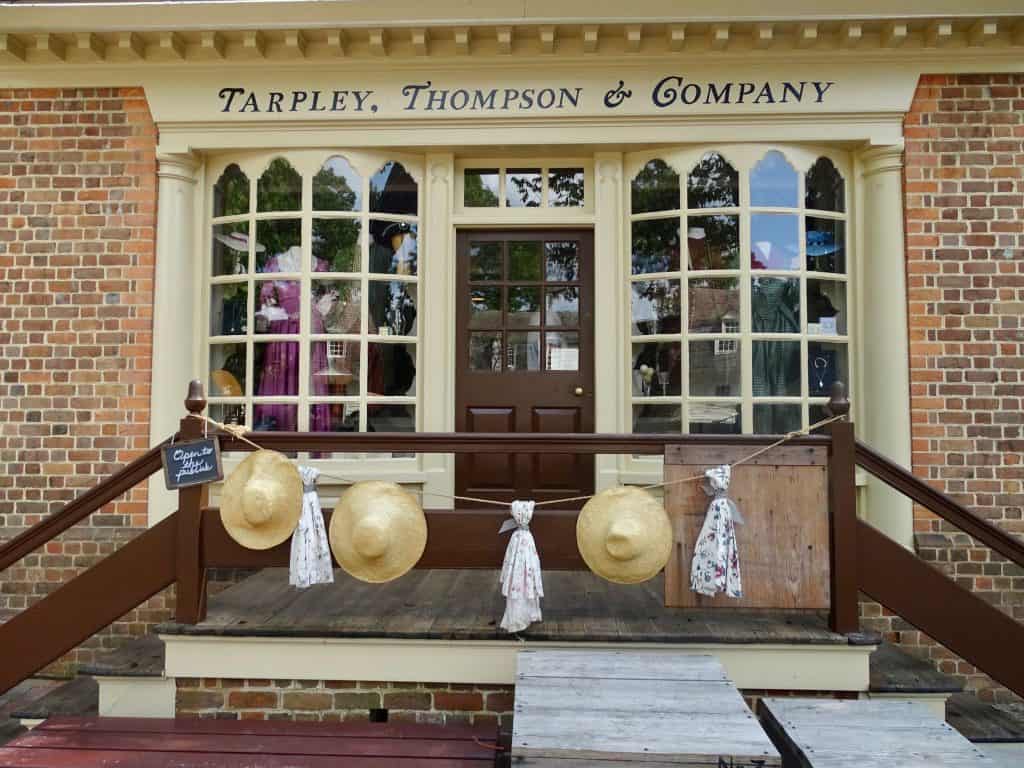
7. Shop for authentic reproductions of period decor. Merchants Square offers a wide variety of home decor pieces. The Historic Area has several shops that include children’s clothing, toys, and games; a post office; apprentice store with handcrafted items; and the Golden Ball for jewelry. More information on shopping and an index of stores here.
Would you like to save this?
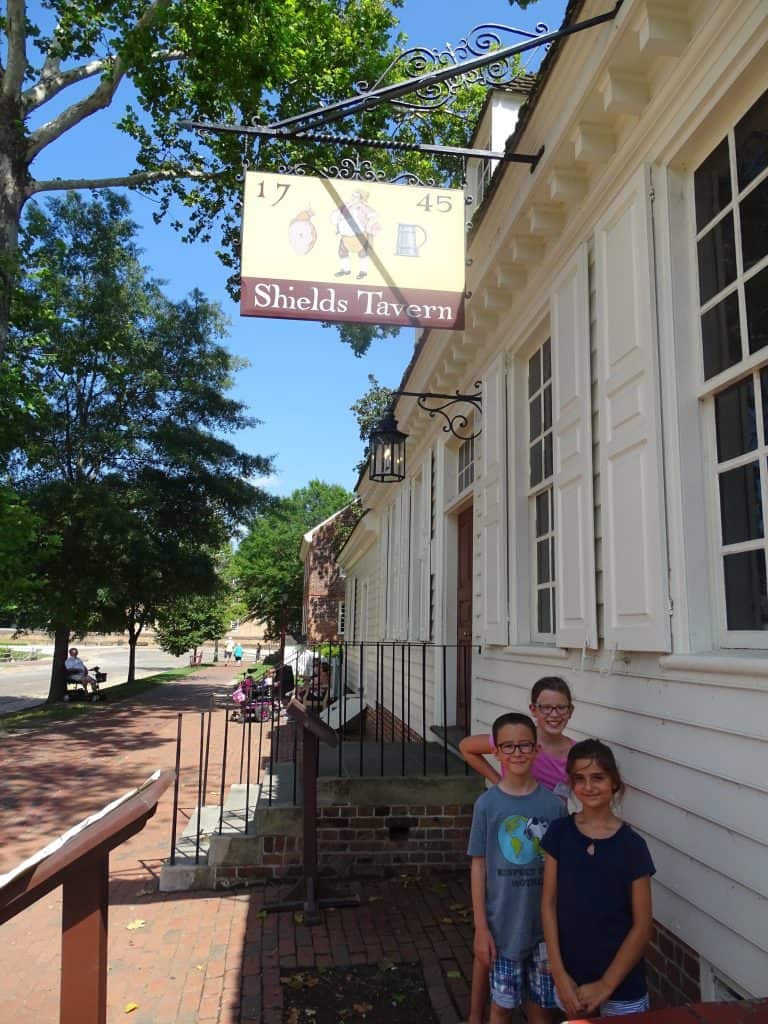
8. Eat at one, or several, dining options throughout the Merchant’s Square area. Check here for a full list of dining options. We had a wonderful dinner at Shields Tavern which is very family friendly.
9. Rest weary feet with a horse drawn carriage ride through the Historic Area. Make a reservation early in the day at the Lumber House Ticket Office, located across from the palace Green. Options include open air carriages and a stage wagon.
10. Consider visiting during the “off season.” While the majority of programming occurs in the spring and summer months, the holiday season is a magical time at Colonial Williamsburg. Read more information about holiday events and experiences here. And check out Haunted Williamsburg activities here.

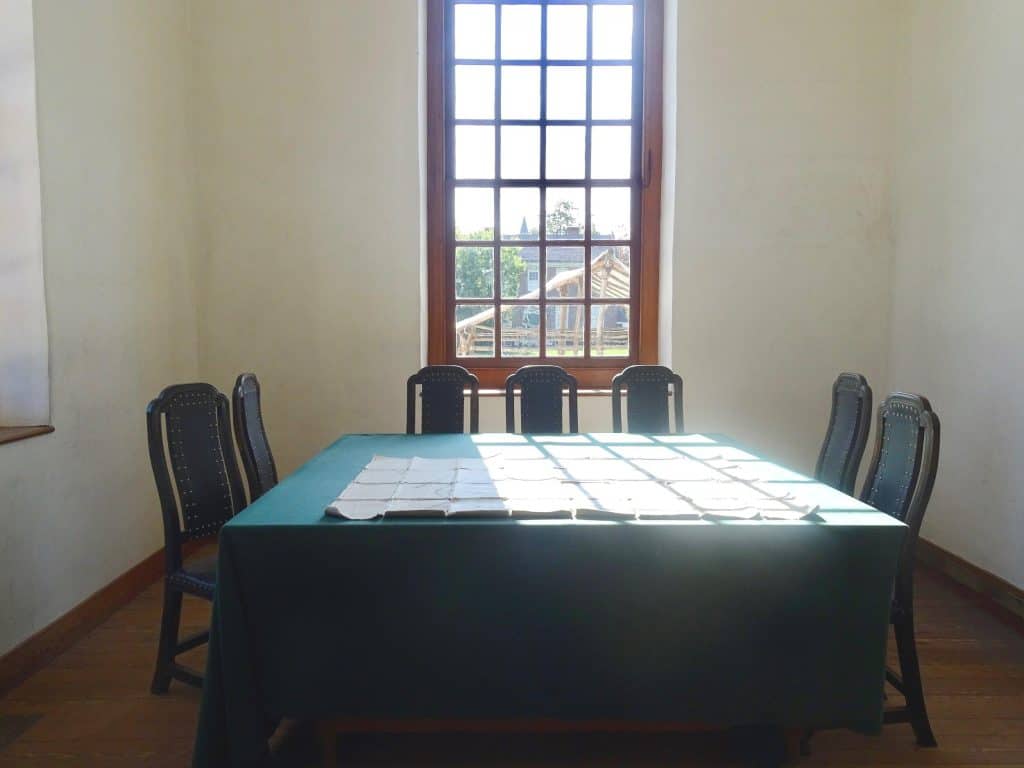
Bonus for adults: The Williamsburg Tasting Trail includes 12 wine vineyards, breweries, and distilleries across the Williamsburg, Jamestown, Yorktown area.
Lodging at Colonial Williamsburg: There are several options for staying on property.
- Williamsburg Inn is the 5 star property of the collection with world class amenities, decor, and service.
- Williamsburg Lodge includes a conference center and spa, and several suites that are perfect for families. It’s also part of the Marriott brand of hotels.
- Williamsburg Woodlands offers plenty of amenities for families and is adjacent to the Visitor Center (just park the car and leave it there for the entire stay!)
- Griffin Lodge is surrounded by nature and beautiful views of ponds and the Bassett Trace Nature Trail.
- Colonial Homes are a unique opportunity to stay in a reproduced private home with all the modern amenities.
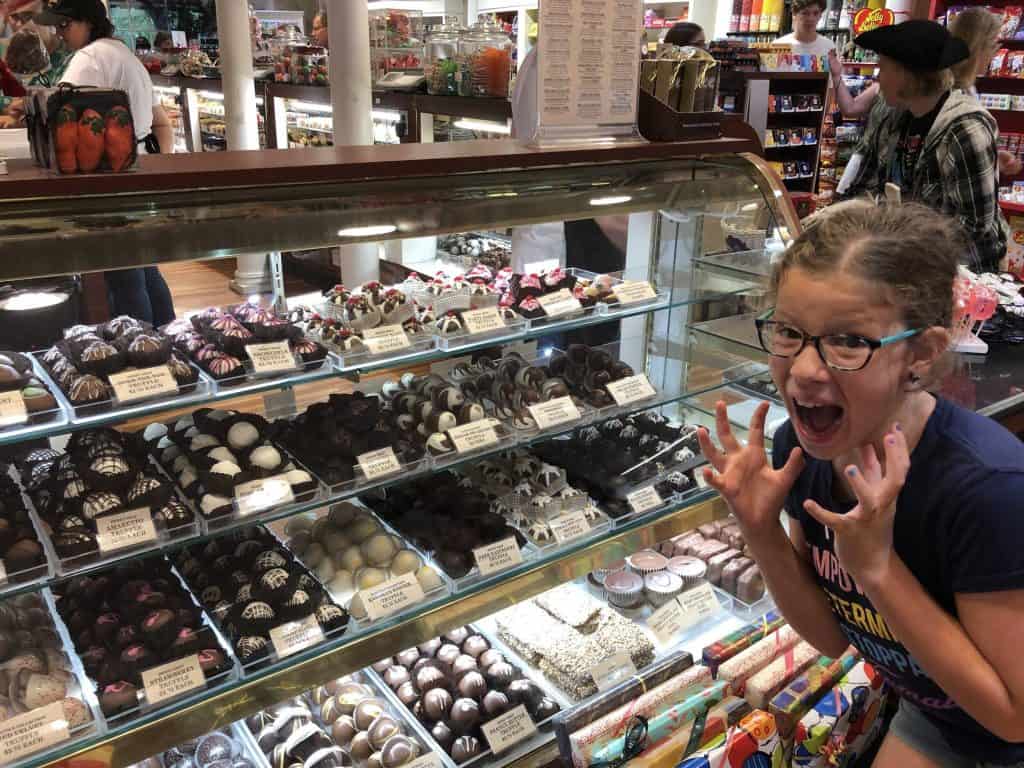
Dining at Colonial Williamsburg: There are dozens of dining options for every palate and interest. See the complete list, which includes price ranges, hours of operations, and menus here. We recommend making reservations ahead of time and definitely stopping at Wythe Candy Shop.
For more fun in the Williamsburg area, check out our posts on the American Revolution Museum at Yorktown, Yorktown Battlefield, Yorktown, Historic Jamestowne, Jamestown Settlement, and Busch Gardens.
And follow along on our adventures on Instagram, Twitter, Facebook, and Pinterest.
Disclosure: Our family was given a media pass to explore Colonial Williamsburg. All opinions expressed are my own.




I am amazed at how Williamsburg has changed and the array of ways you can really experience the life in 1770. I love the different number of horse drawn carriage rides you can take! And the development of the property. This is another addition to my “to do list” for after the pandemic. Thank you so much!
I am amazed at how Williamsburg has changed and the array of ways you can really experience the life in 1770. I love the different number of horse drawn carriage rides you can take! And the development of the property. This is another addition to my “to do list” for after the pandemic. Thank you so much!
I am amazed at how Williamsburg has changed and the array of ways you can really experience the life in 1770. I love the different number of horse drawn carriage rides you can take! And the development of the property. This is another addition to my “to do list” for after the pandemic. Thank you so much!
This was very insightful with great ideas! My family was looking for a little fun trip this summer that was driving distance!! I think this is where we’re going! Thank you
This was very insightful with great ideas! My family was looking for a little fun trip this summer that was driving distance!! I think this is where we’re going! Thank you
This was very insightful with great ideas! My family was looking for a little fun trip this summer that was driving distance!! I think this is where we’re going! Thank you
What a great trip. I look forward to reading more posts.