10 Ways to Explore Jamestown Settlement
| | | | | |

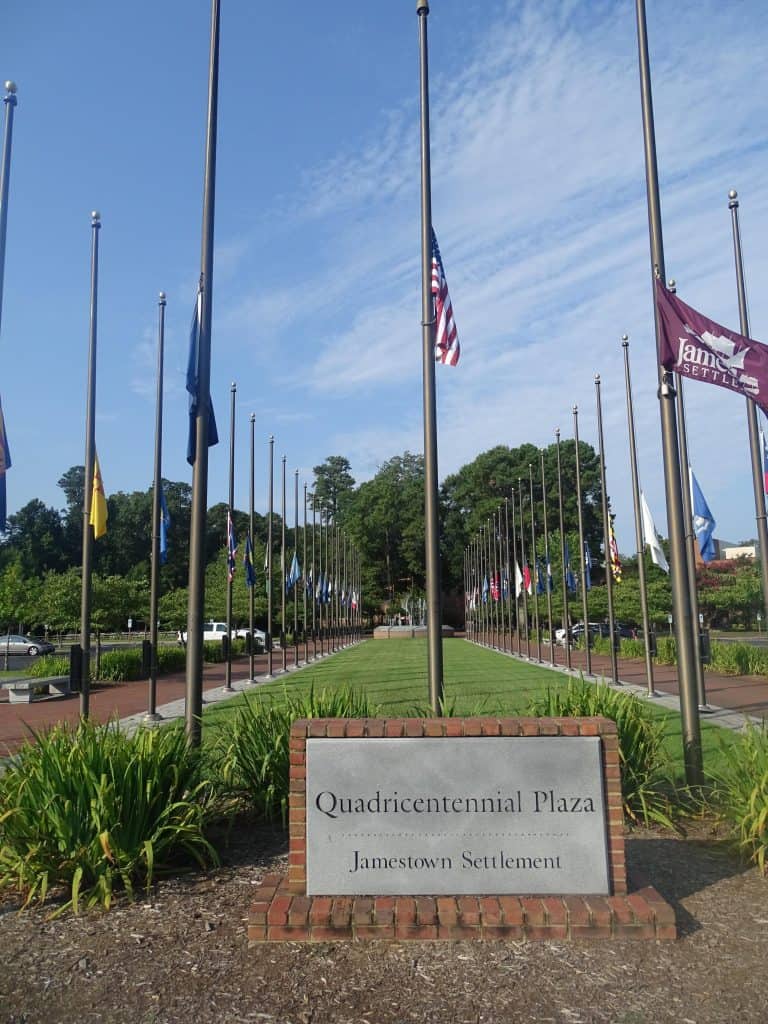
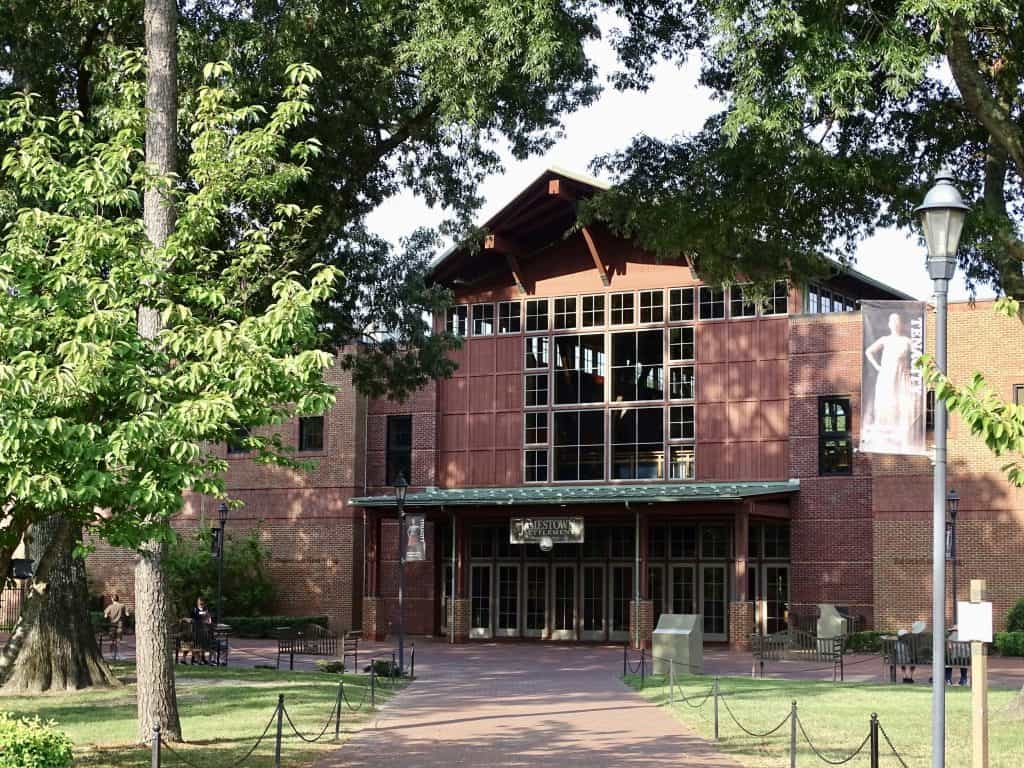
Originally opened in 1957 as the Jamestown Festival Park, Jamestown Settlement was revitalized with new exhibits and an expanded museum in 2007, ahead of Queen Elizabeth’s visit to celebrate the Quadricentennial of Jamestown.

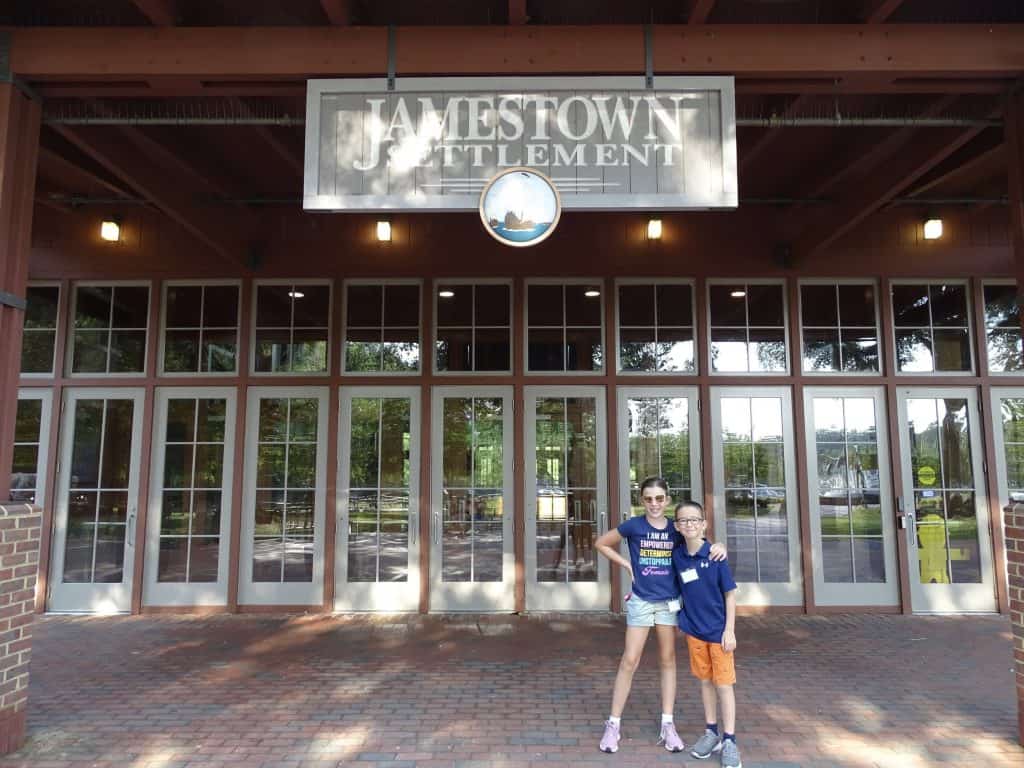
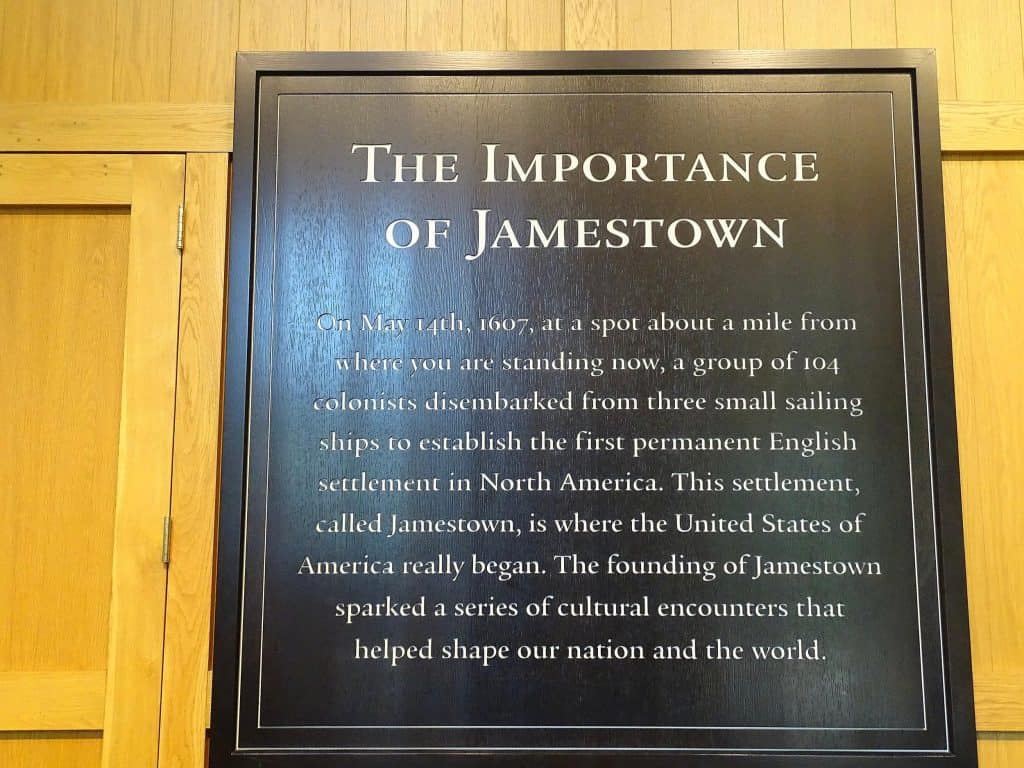
Jamestown Settlement, named in honor of King James of England, is a living history museum that includes a museum, Indian village, three reproduction ships, and a fort, all with interpreters offering stories and experiences from 1607, when 104 colonists created the first permanent English settlement in North America. Jamestown is part of the “Historic Triangle” which includes Yorktown and Williamsburg, All three locations are family friendly and offer several hands on ways to explore colonial life.

The Jamestown-Yorktown Foundation, which oversees Jamestown Settlement, is a great resource for information; visitors will especially find the itineraries section helpful.

Traveling with Kids:

  • The museum is open 363 days a year (closed on Christmas Day and New Years Day)

  • Consider purchasing a ticket that includes admission to other sites in the “Historic Triangle” such as the American Revolution Museum at Yorktown and Colonial Williamsburg. I highly recommend the America’s Historic Triangle ticket for its flexibility and discounted pricing to explore 5 locations.

  • The museum and access to the village and boat dock is handicap and stroller accessible.

  • Restrooms are located in the Visitor Center and the Riverfront Amenities Pavilion by the water and ships.

  • There are three gift shops:  smaller ones are located at the end of the indoor galleries and on the second floor, and a larger gift shop is located near the exit to the complex in the Visitor Center.

  • A cafe is located to the left of the Visitor Center and sells a variety of hot and cold meals and snacks- including several gluten free items and a kids menu. Full menu here.

  • Wear sneakers for exploring the village and climbing aboard the ships.

  • Food, drinks, and photography are not allowed in the museum.

  • Plan on three to four hours to fully explore the complex: two hours for the museum and film and an hour or two to walk to and explore the village, fort, and ships.
10 Ways to Explore Jamestown Settlement:

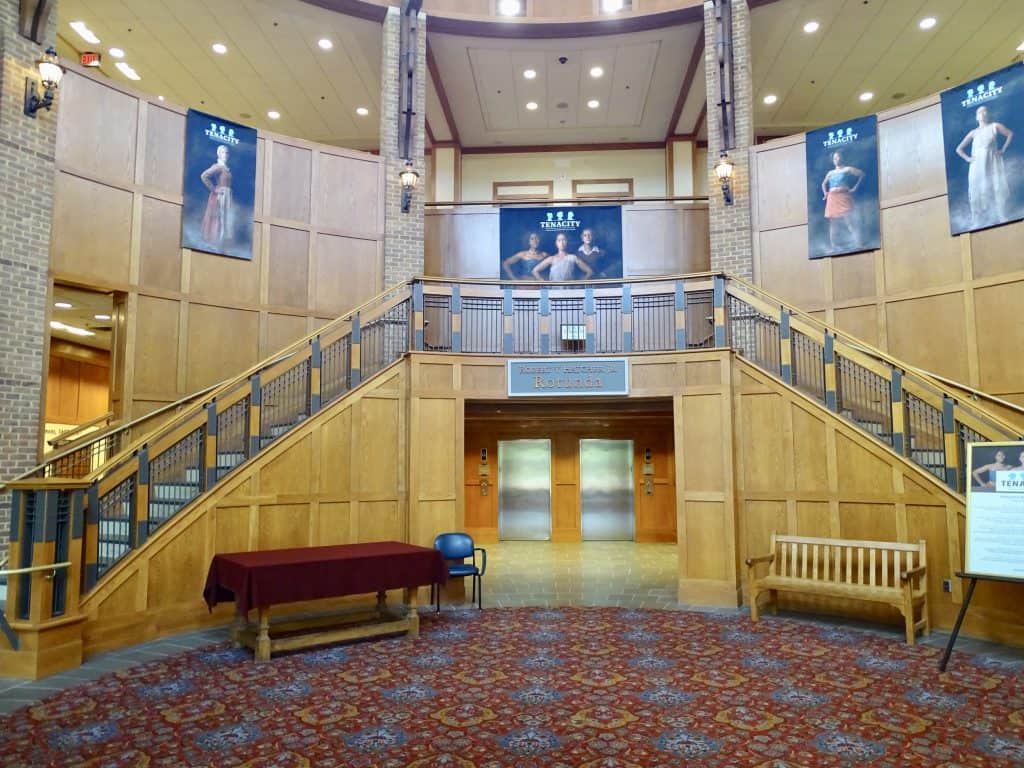
Museum: Note: Exhibit photos from the museum foundation are used with permission.
1. Watch the 24 minute introductory video “1607: A Nation Takes Root” shown every half hour.
2. Use the interactive screens throughout the museum to match cultures with clothing and take true or false quizzes about the history of the Powhatan people.
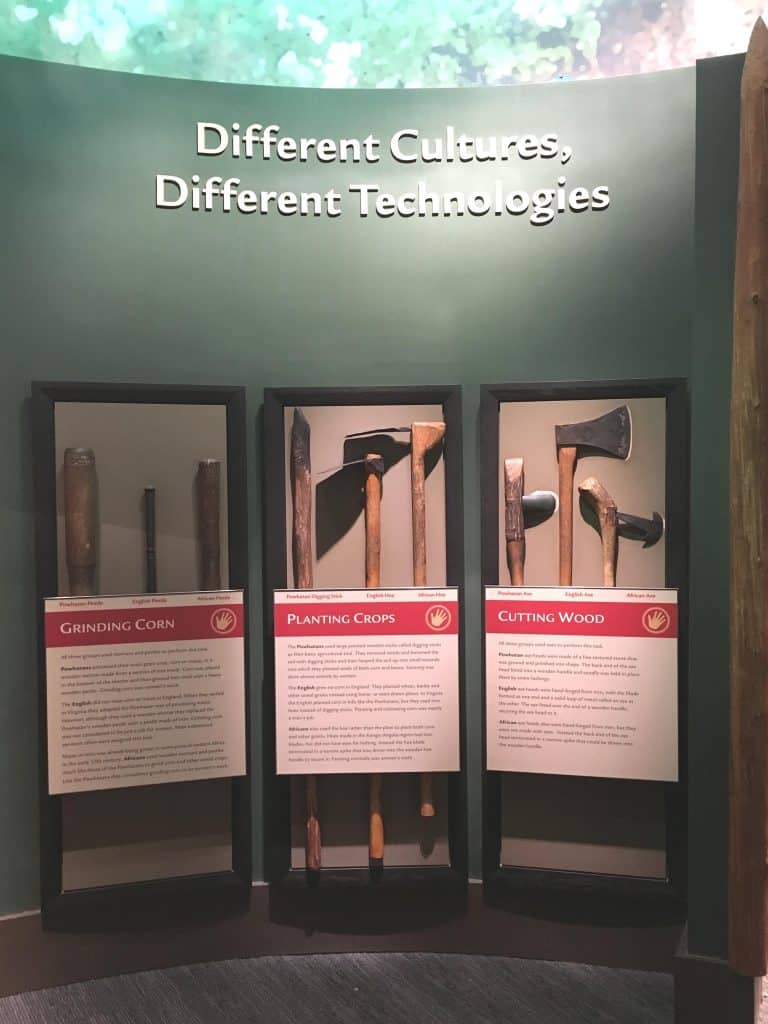
3. Compare the life for Africans coming to Jamestown to the lives of the English coming from London. Compare the tools of the Powhatan, English, and Africans used for different tasks like planting crops.
4. Read the proceedings of Virginia’s First General Assembly in July 1619.
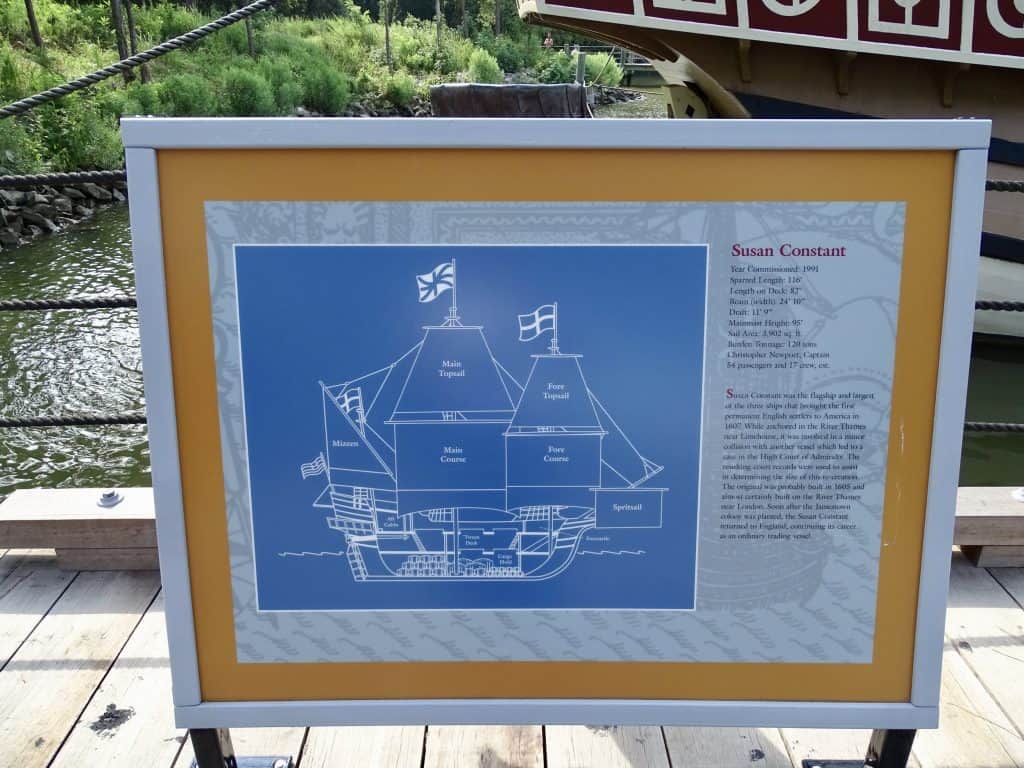
5. Climb inside a small portion of the reproduced Susan Constant, the largest of the three Virginia Company ships that came to Jamestown.
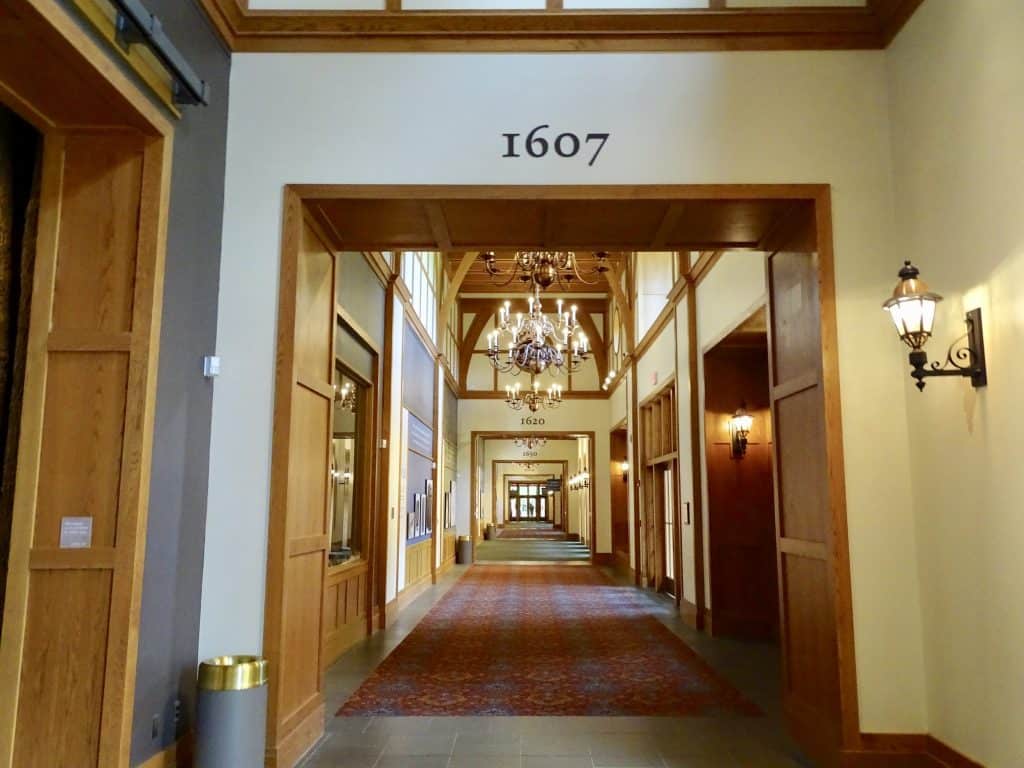
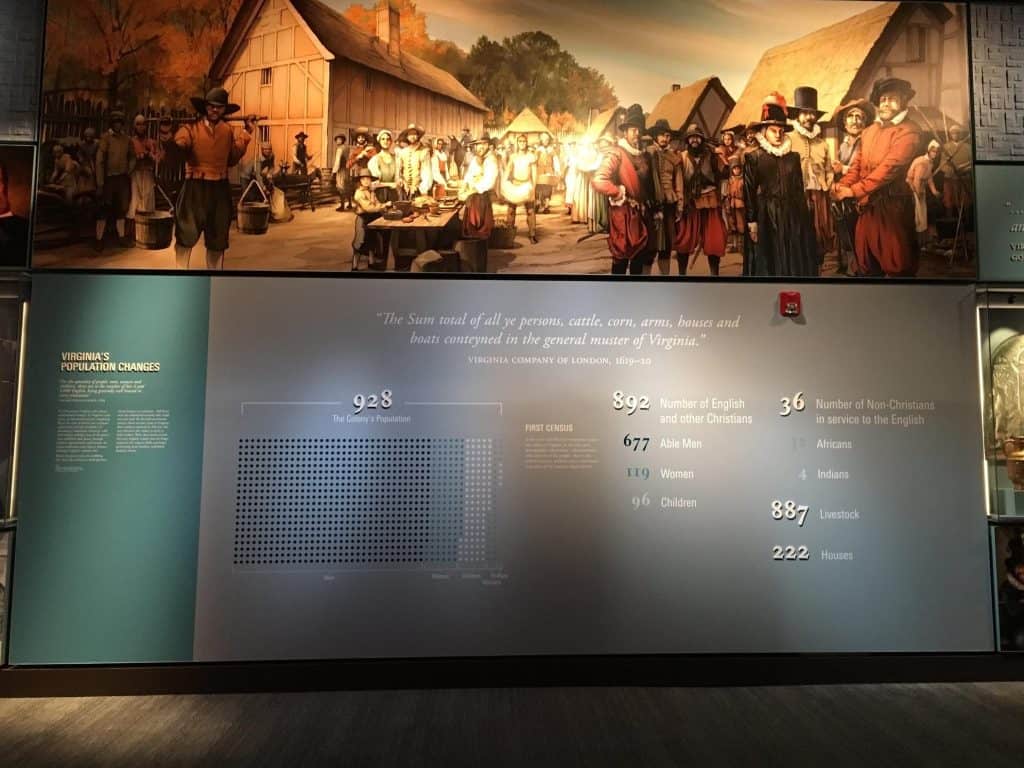
6. Tally the first census taken in 1620: men, women, children, livestock, and other categories used to identify groups of people.
7. Experience the story of “Bacon’s Rebellion” through a 15 minute film that includes special effects such as smoke, gunfire, and shooting arrows. Note: this film may scare younger children.
Kids will want to compare the way of life for the Powhatan tribe, English settlers, and the Africans.
Would you like to save this?

We'll email this post to you, so you can come back to it later.

Powhatan Indian Village:
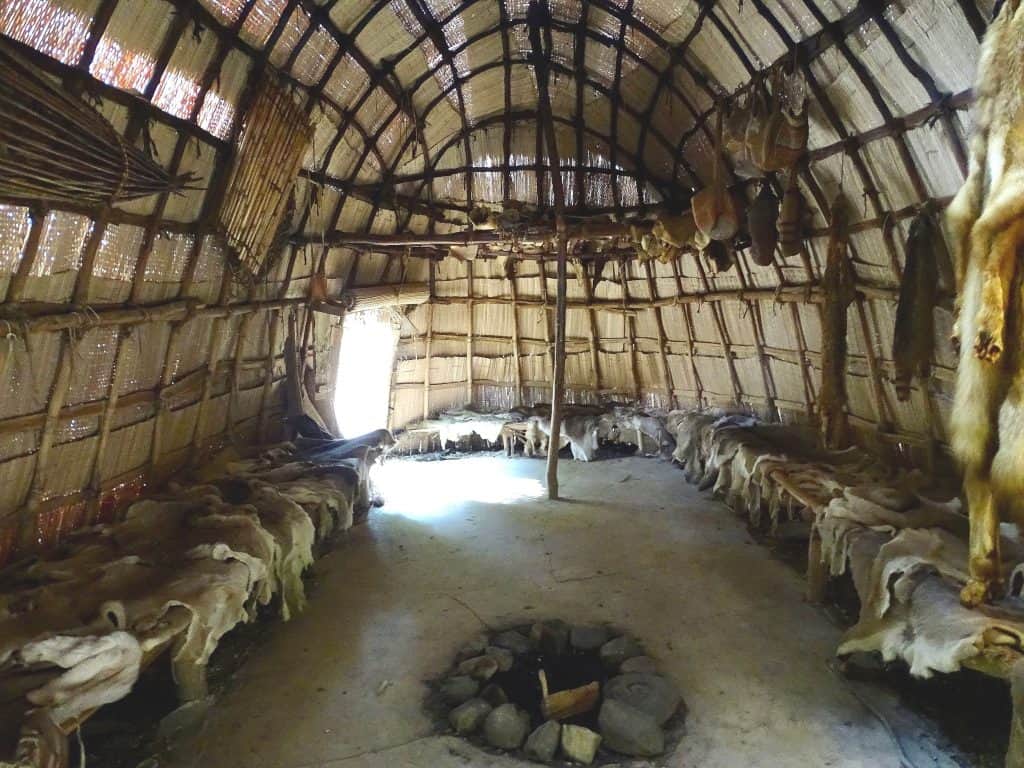
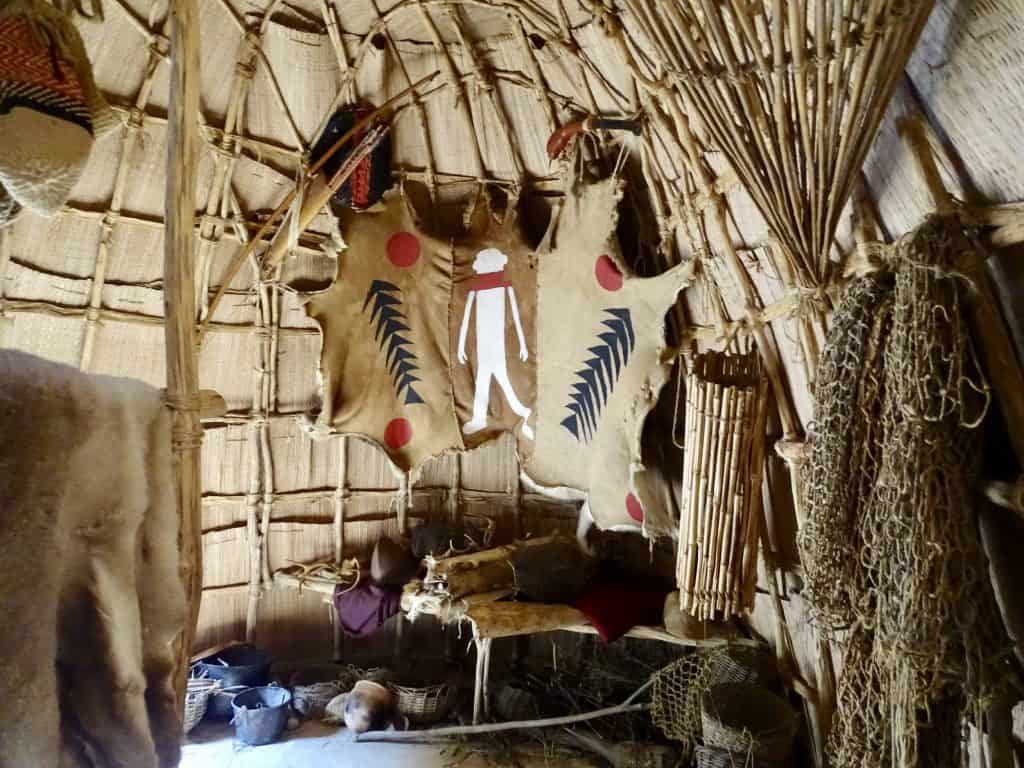
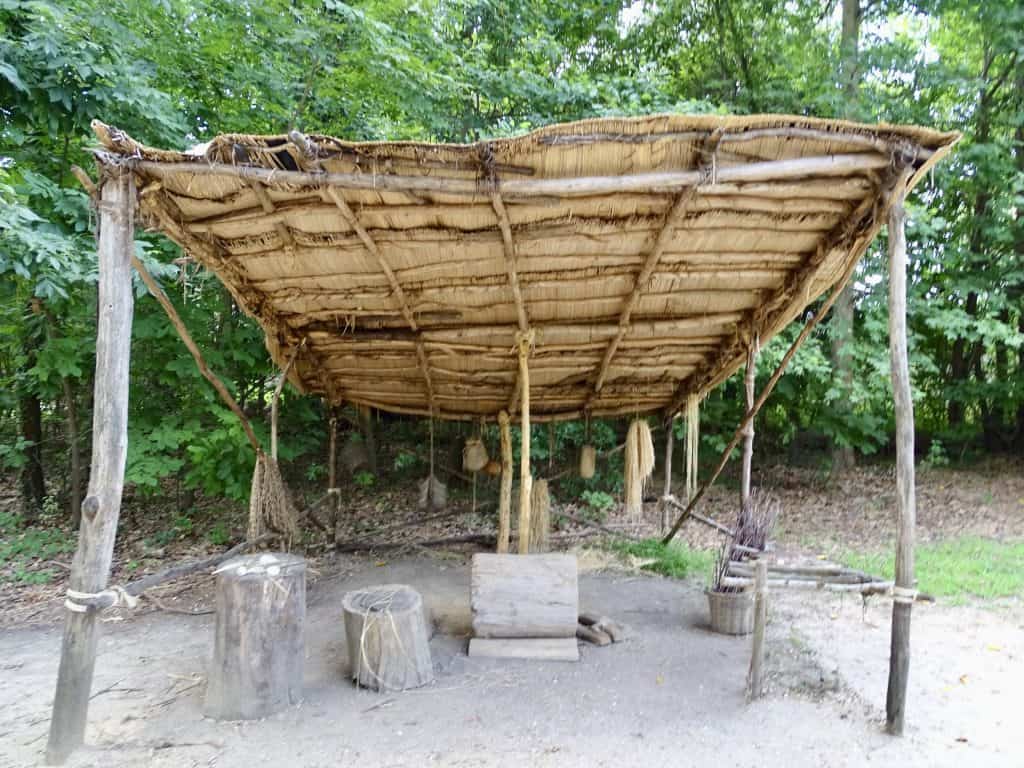
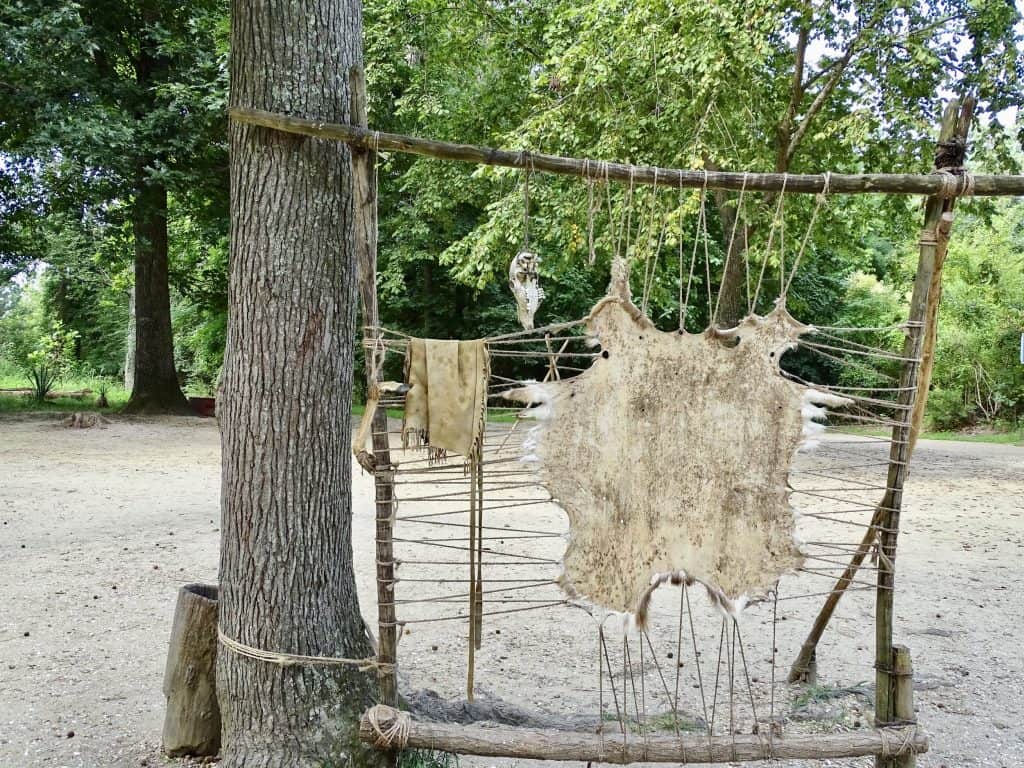
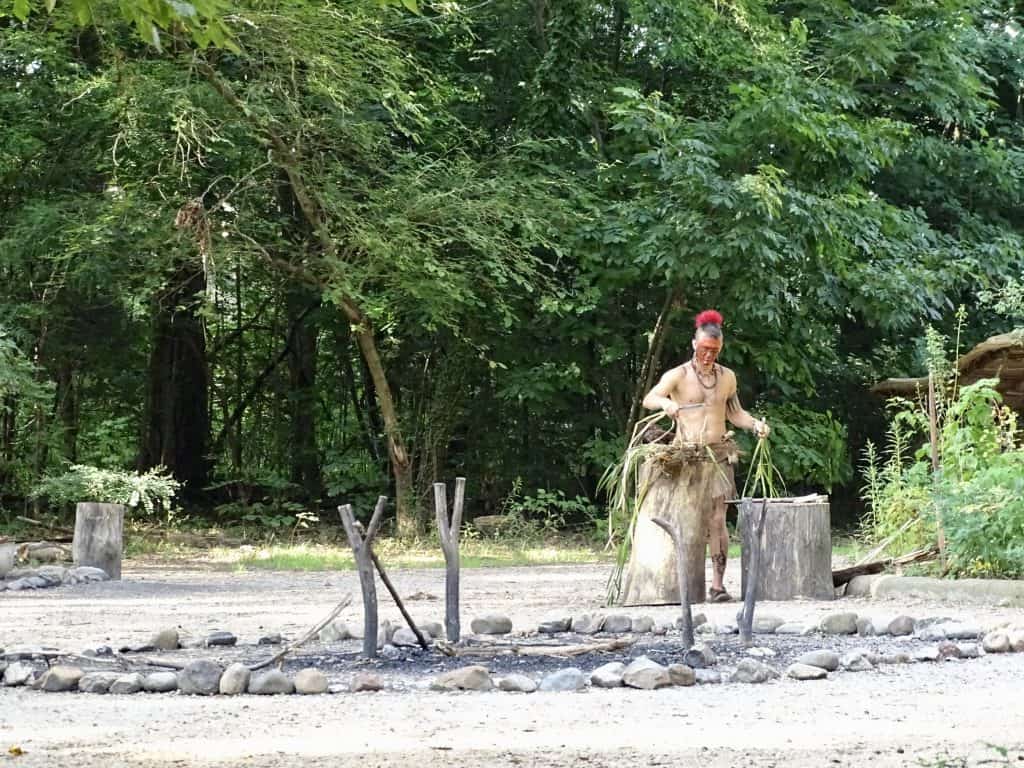
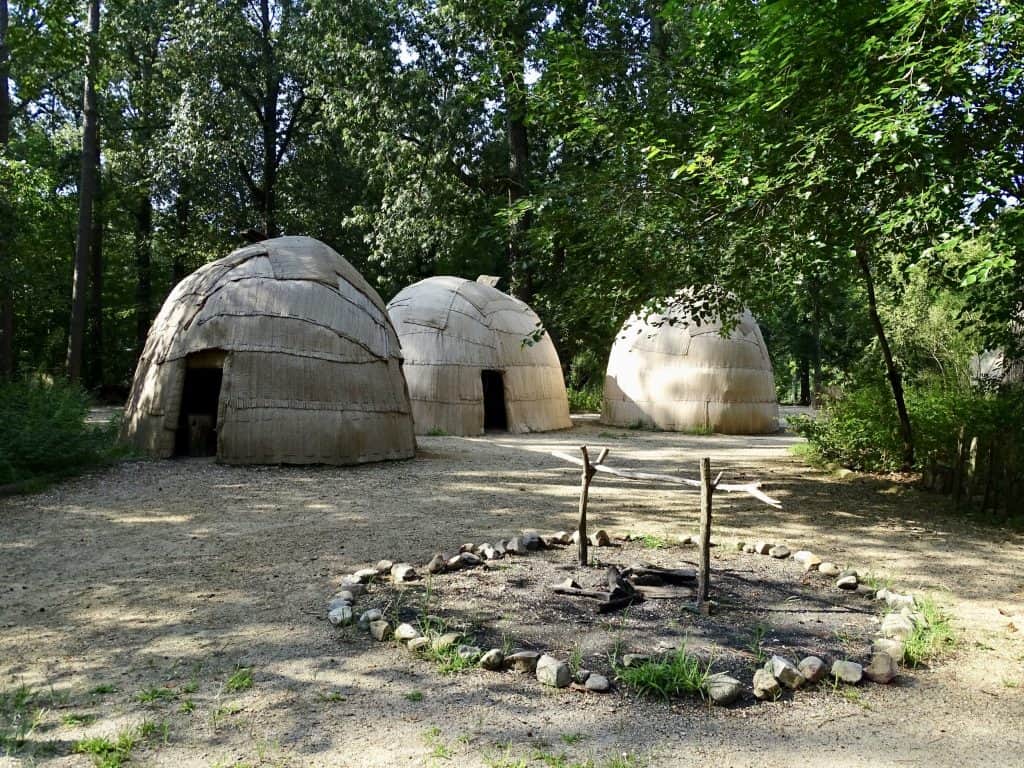
8. Explore five recreated reed covered huts and a ceremonial circle. Learn how the huts are made and how Powhatans would hunt for food and preserve all parts of the animal. Costumed interpreters offer demonstrations on tool making and cooking.
Kids will want to grind corn and play corncob darts.
Waterfront:
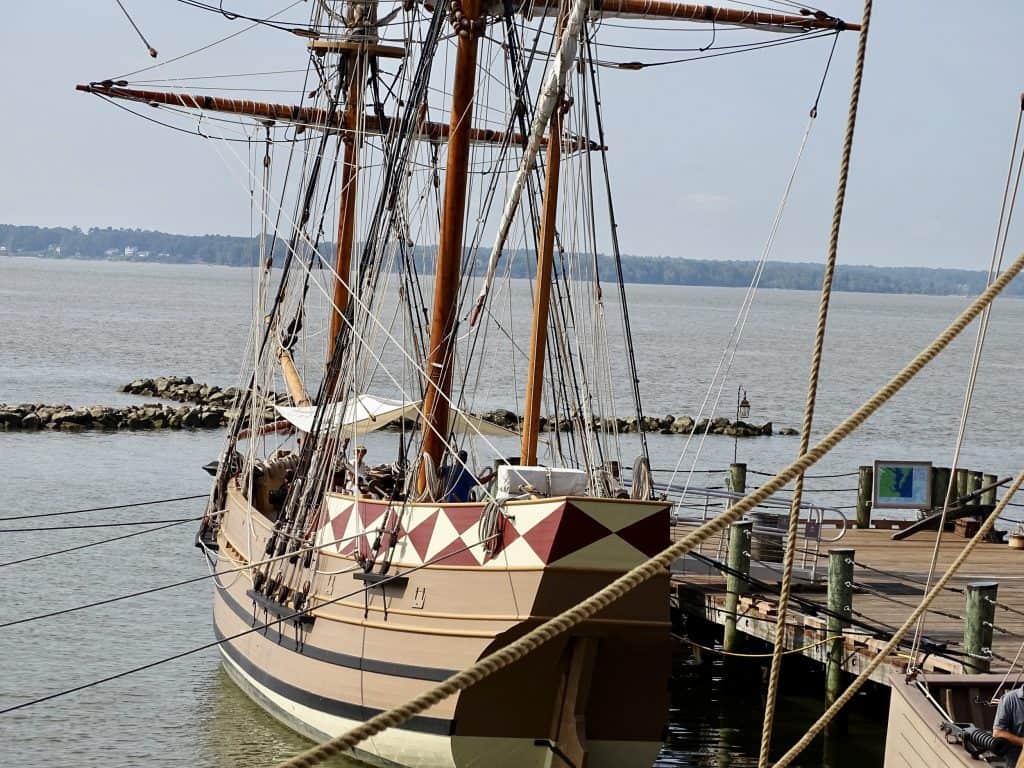
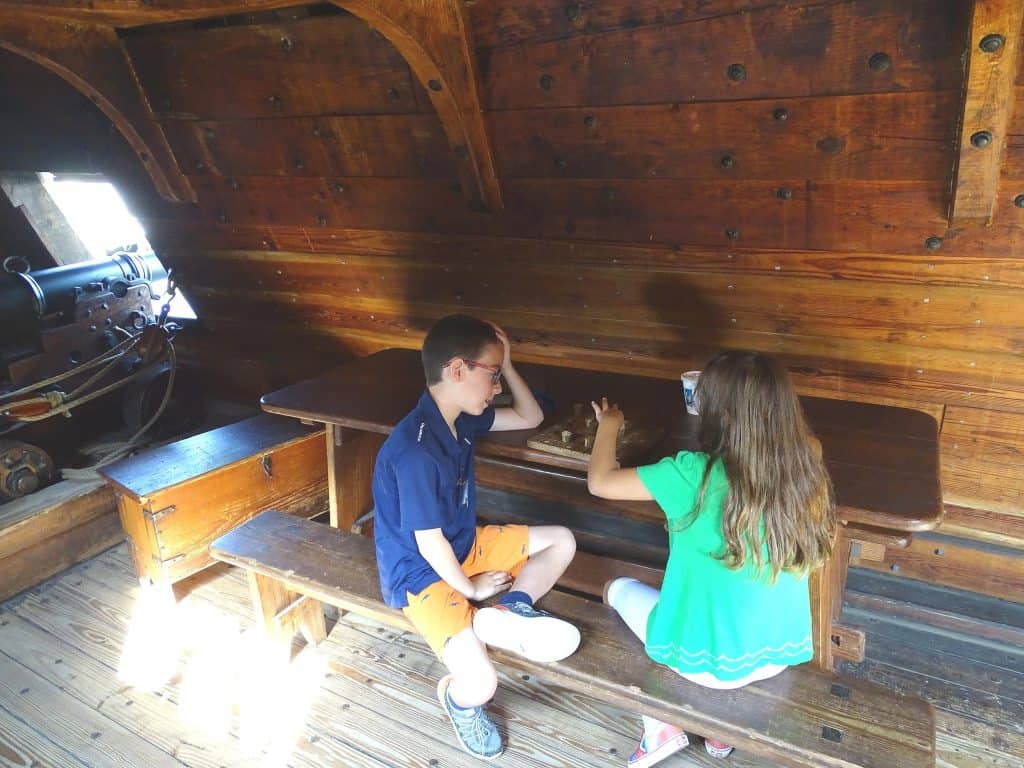
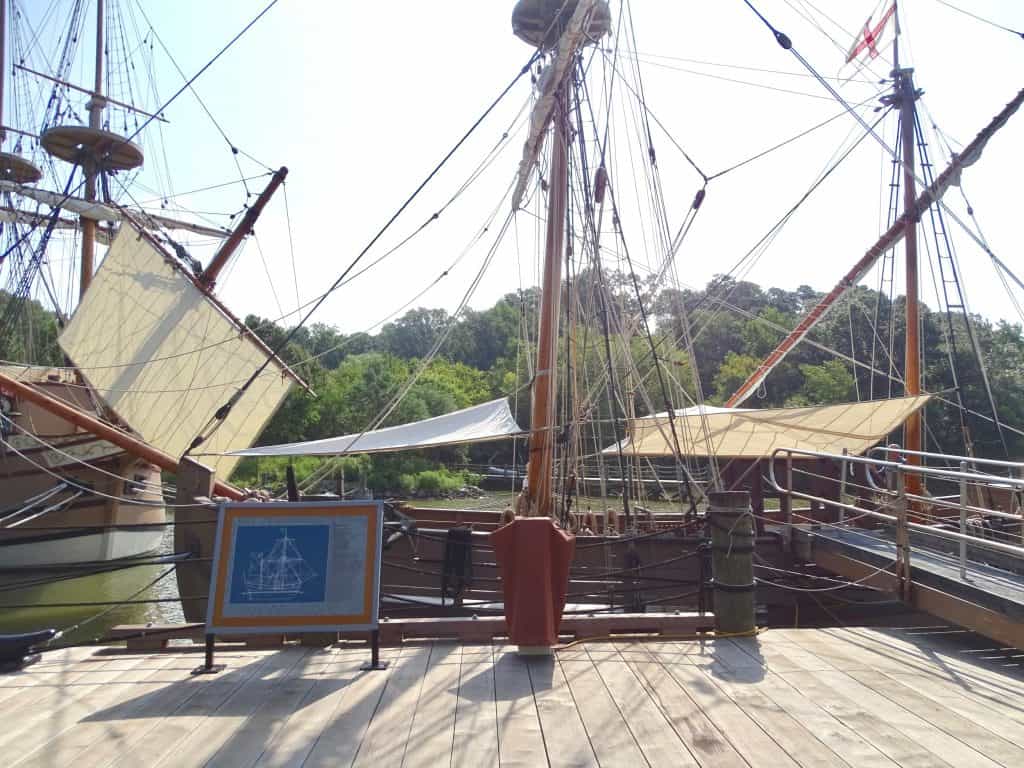
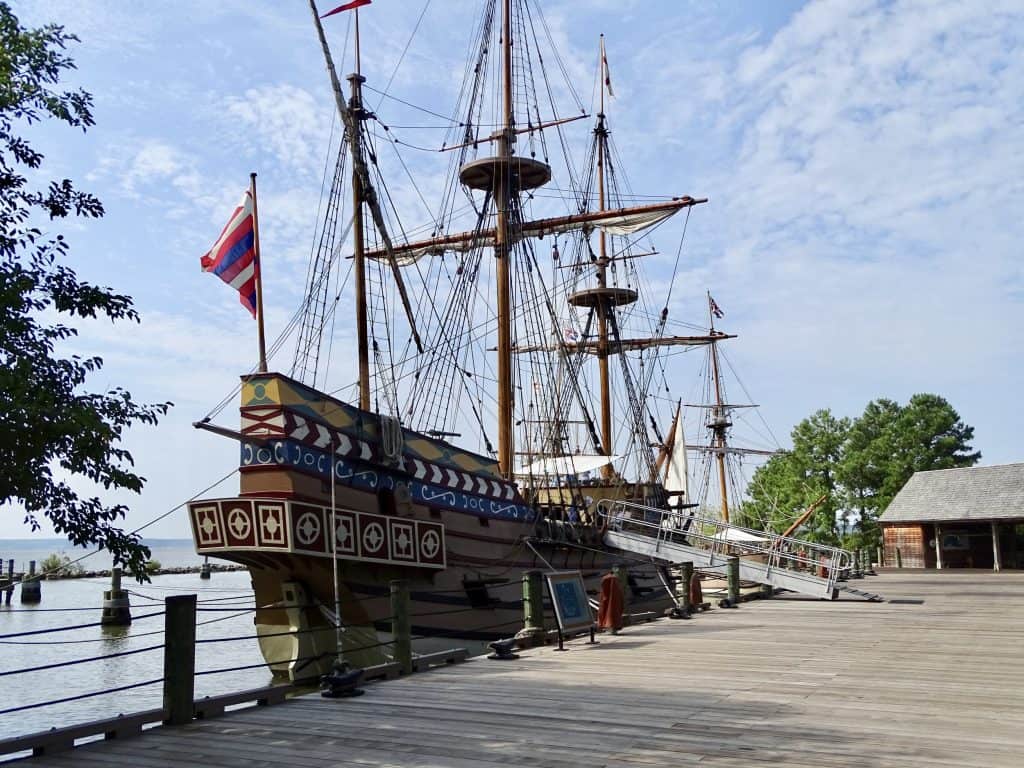
9. Climb aboard reproductions of the Susan Constant, Godspeed, and Discovery, the three ships of the Virginia Company which brought the first permanent English colonists to Jamestown in 1607. The ships were built in 1991 and occasionally set sail for events and educational programs. Costumed interpreters provide engaging details about the original voyage and life aboard the ships.
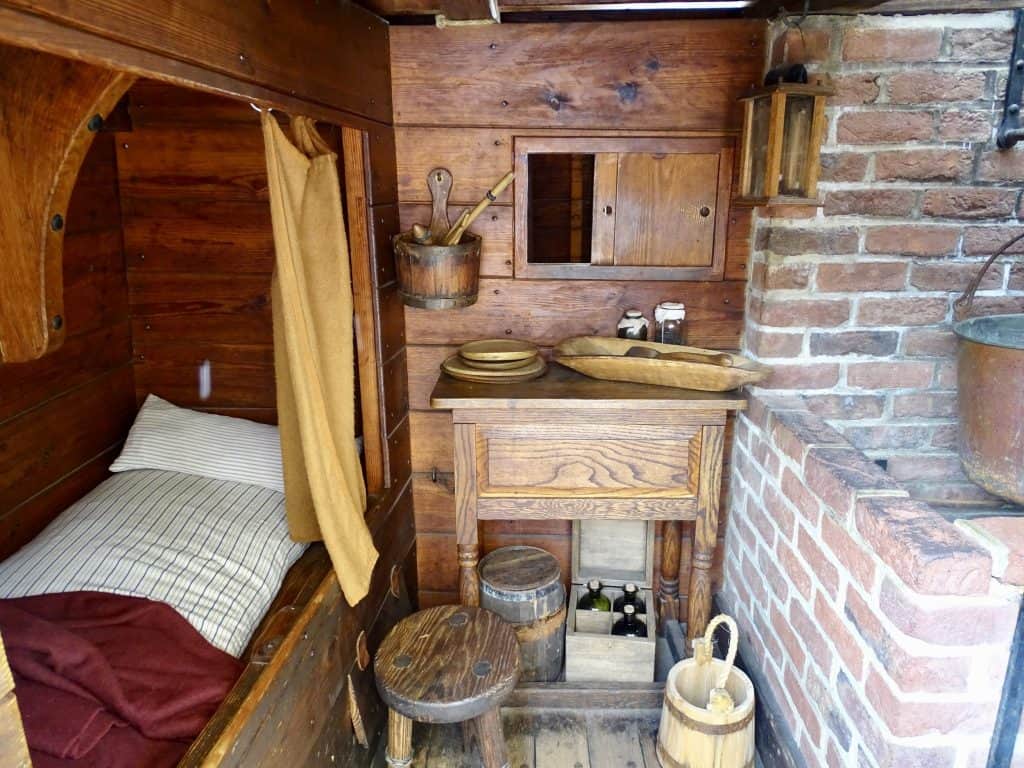
Kids will want to climb the upper and lower decks and check out the size of the sleeping quarters- watch your head!
James Fort:
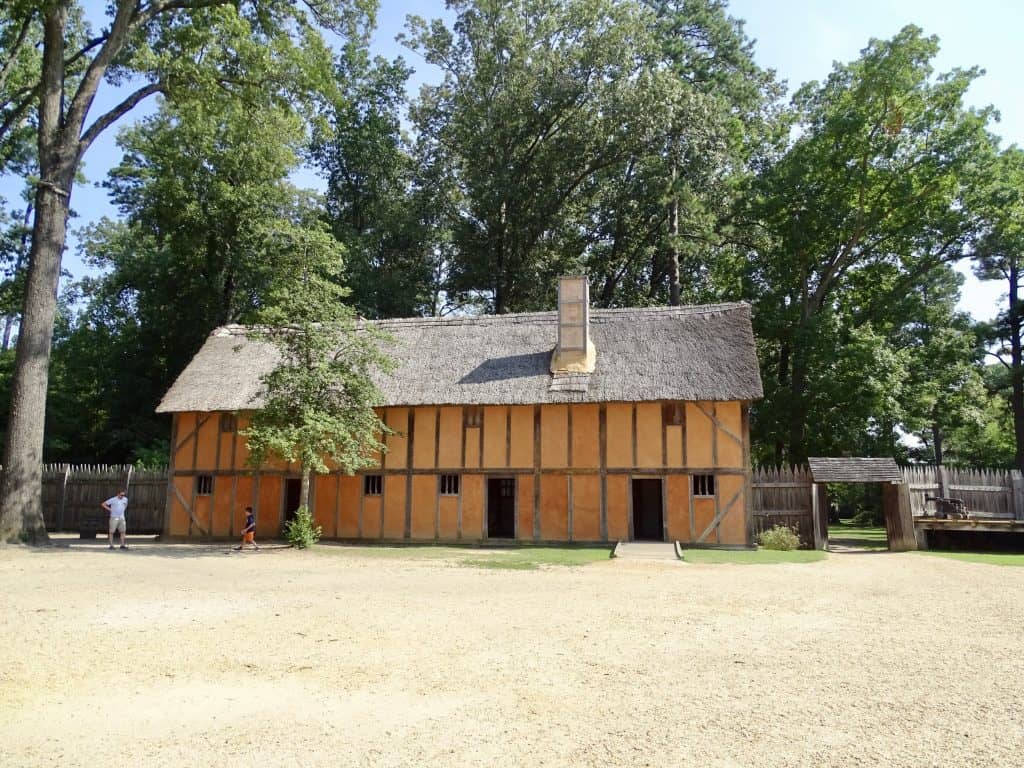
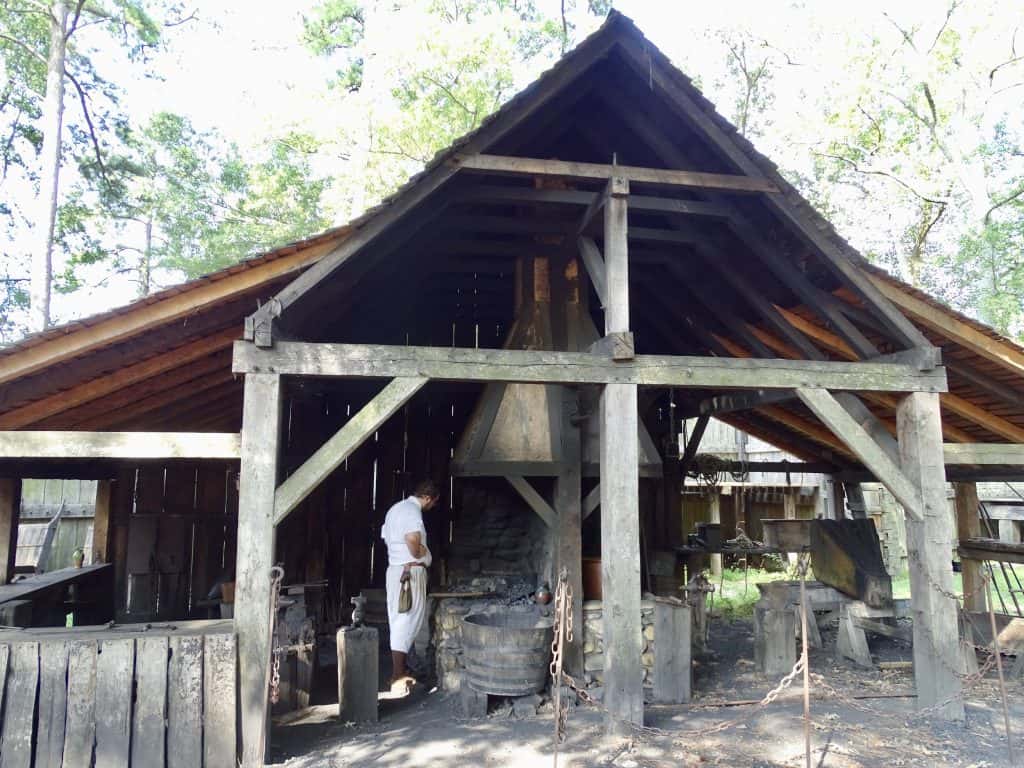
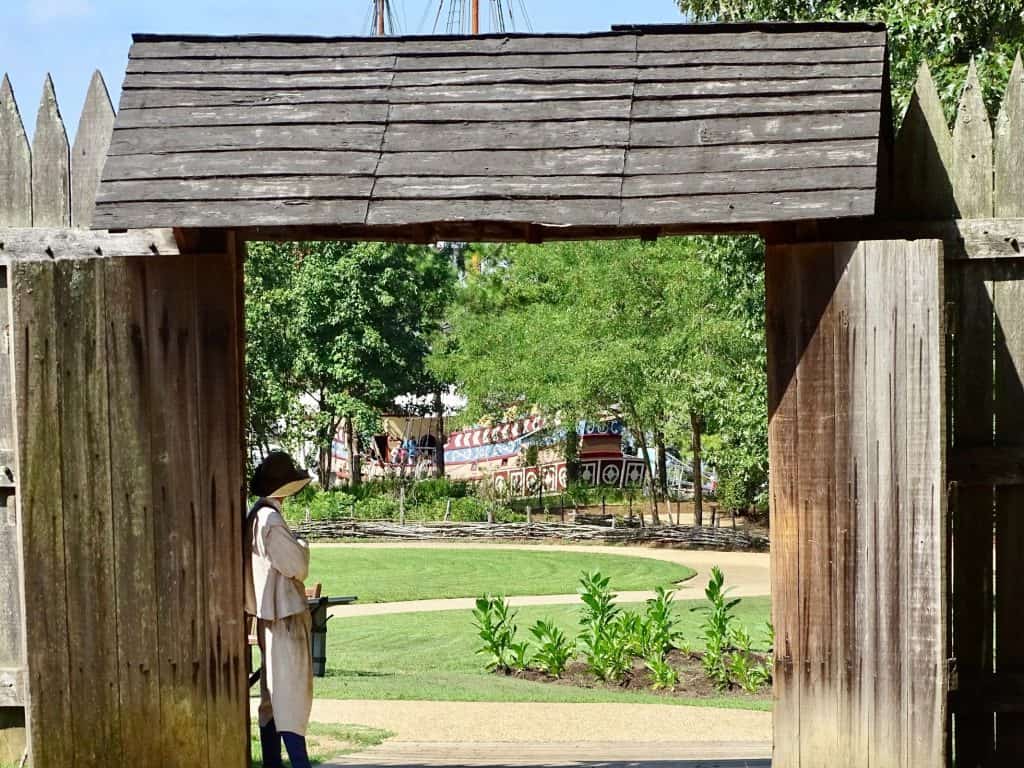
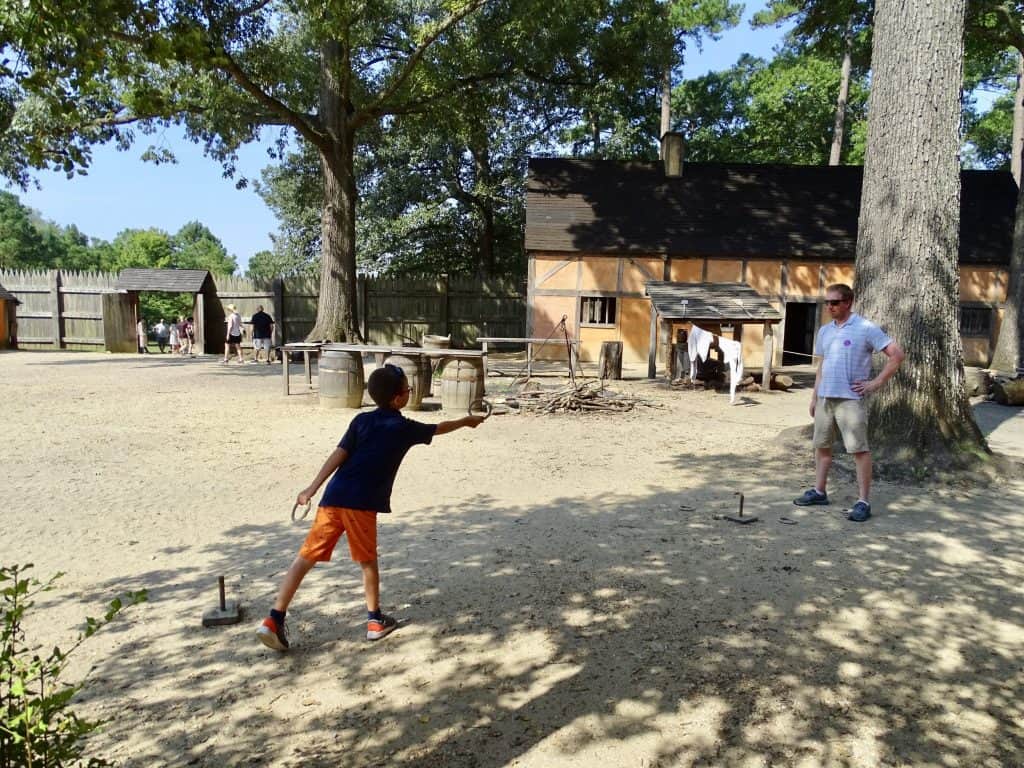
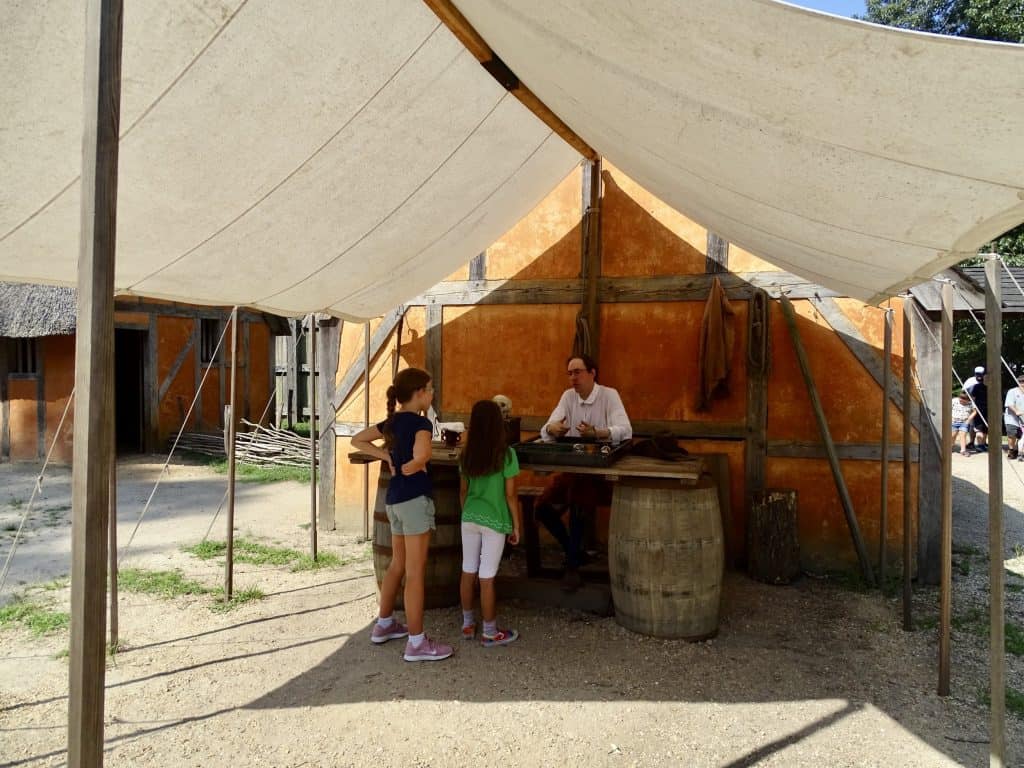
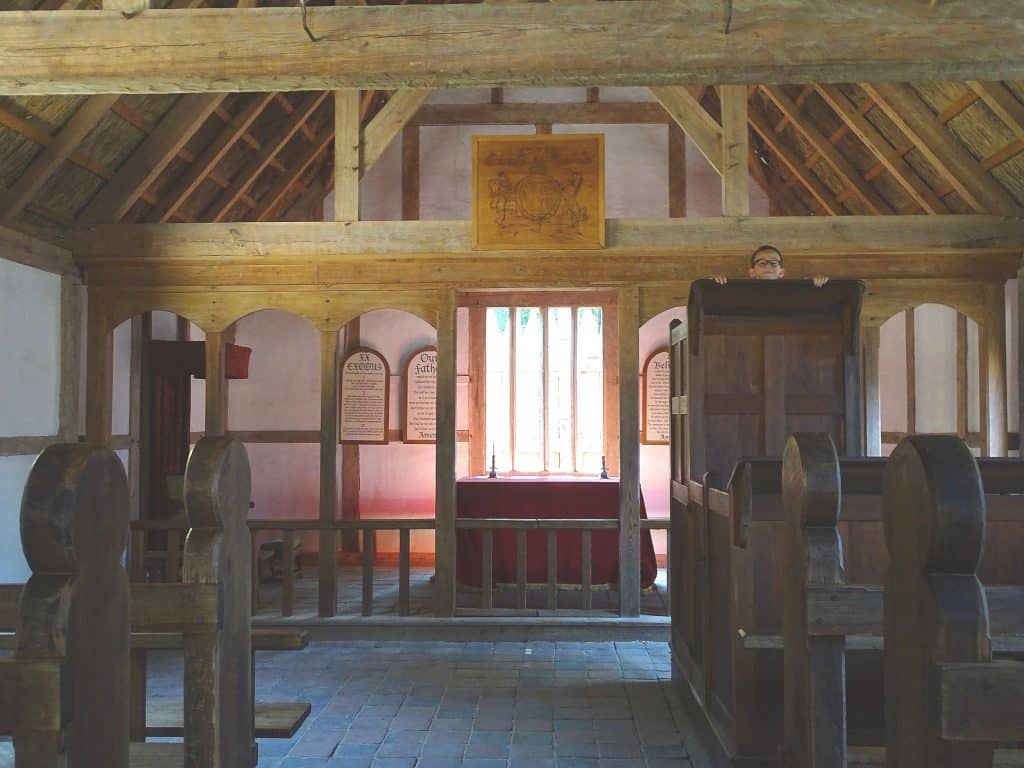
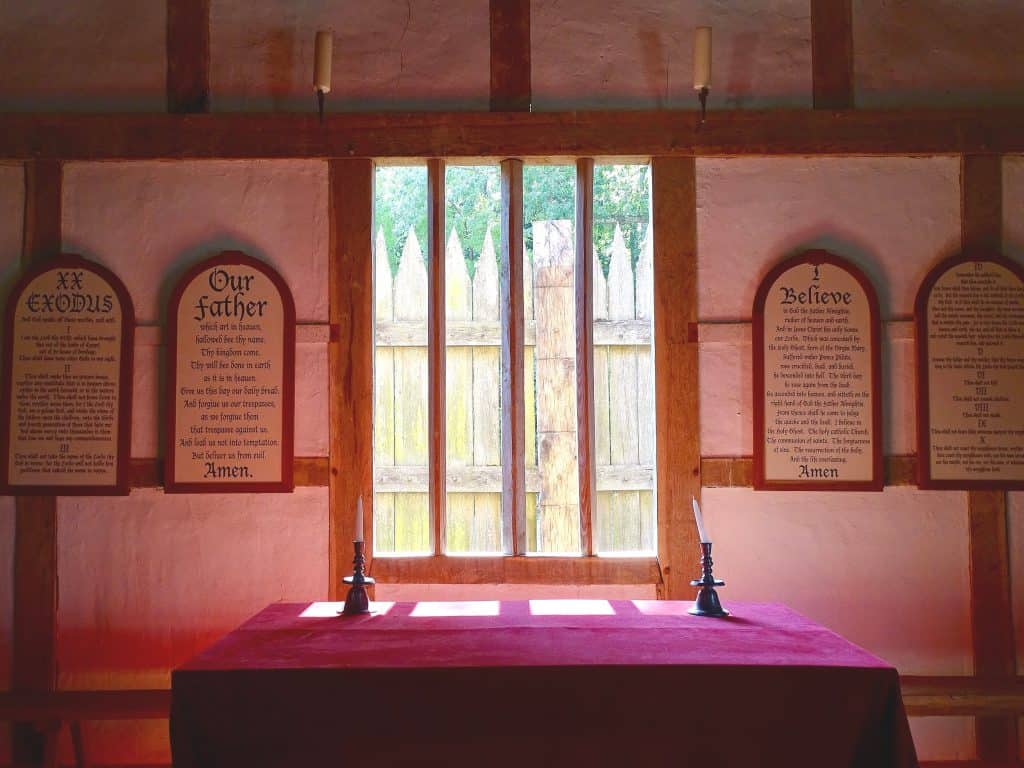
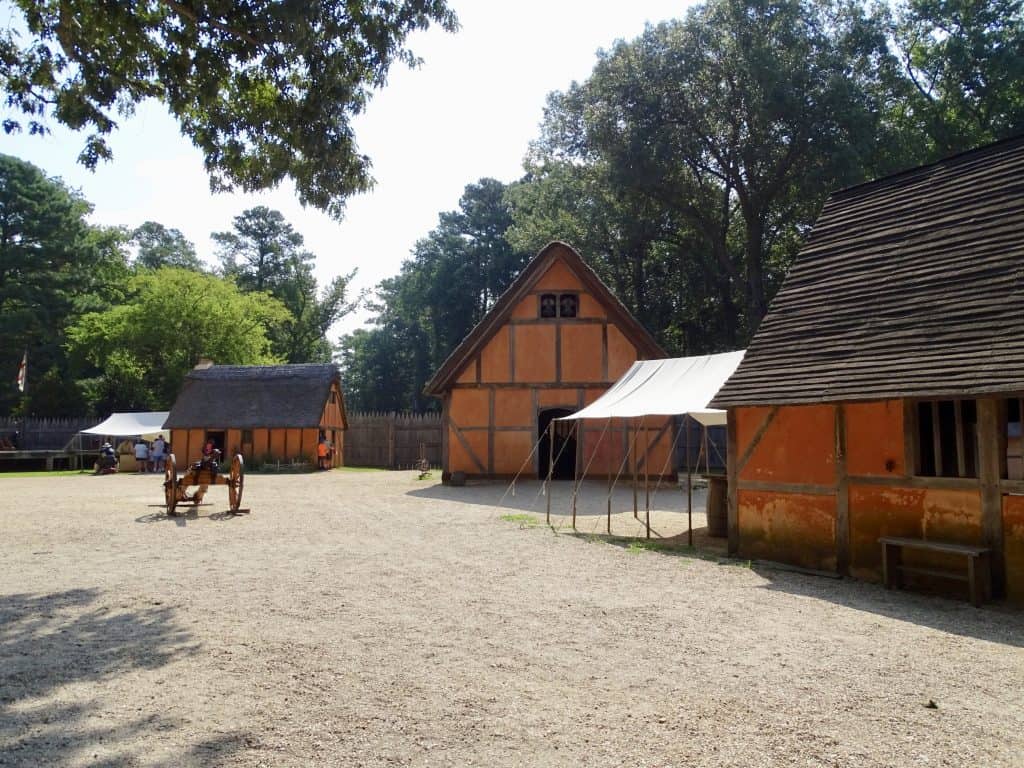
10. Spend time exploring the “fort” which recreates life during the early 1600s. The fort includes several structures depicting a church, governor’s house, barracks, and blacksmith to name a few. Costumed interpreters offer demonstrations and presentations on daily life in the fort and explanations of the buildings and artifacts.
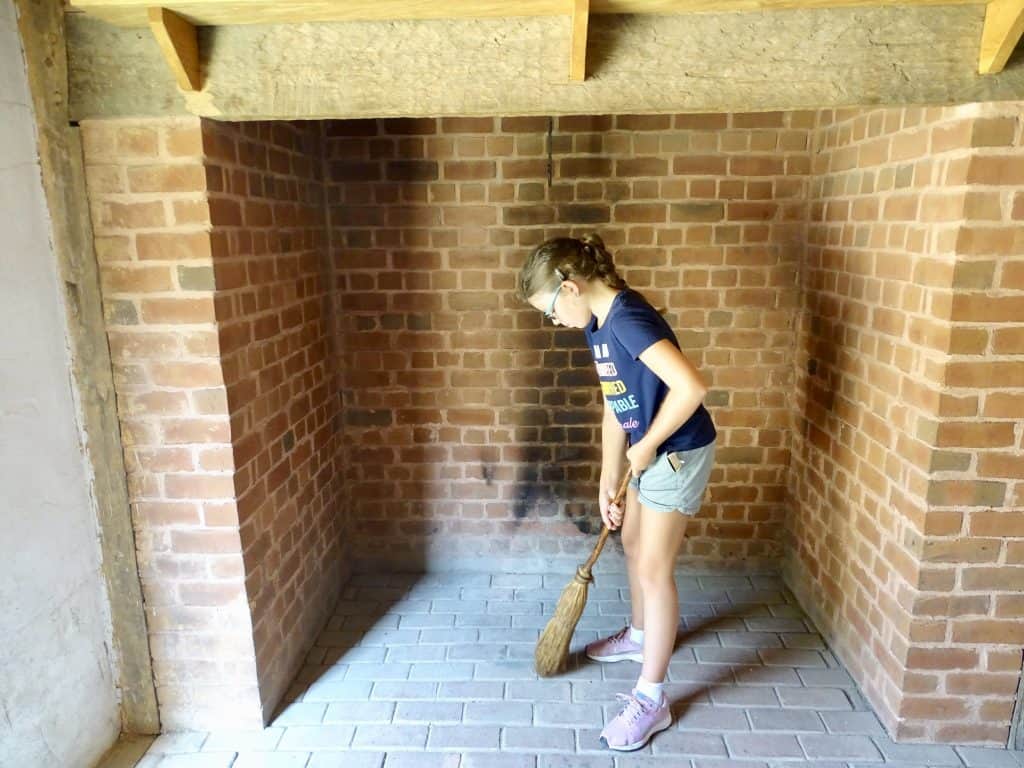
Kids will want to play a round of horseshoes, give a sermon from the pulpit, and “clean up” in the kitchen.
For more historical fun in the area, check out our adventures at the American Revolution Museum at Yorktown.

Disclosure: My family was given a Historic Triangle pass to visit Jamestown Settlement. All opinions expressed are my own.

Similar Posts

  • | | | | |

    10 Things to Do at the Institute for American Indian Studies

    Located in Washington, Connecticut in the heart of Litchfield County, the Institute for American Indian Studies celebrates the largely unknown Indigenous history of New England. Opened in 1975, the 15 acre complex includes indoor exhibits, an outdoor replicated Algonkian Village, hiking trails, and even a Wigwam Escape Room experience. The Algonkian people inhabited much of the northeastern United States up until the 1700s and includes over 100 distinct groups and communities. The museum is very hands on and docents are eager to share anecdotal stories and explain the significance of artifacts on display. (Definitely ask for an atlatl demonstration!)

  • | | | |

    Five Ways to Explore the Woods Hole Science Aquarium on Cape Cod

    The Woods Hole Science Aquarium is part of the Woods Hole Oceanic Institute (WHOI), which is a nonprofit education facility that focuses on marine science and engineering. The WHOI has a campus spread out throughout the village of Woods Hole and it includes a Visitor Center and Discovery center, both of which are open to the public and offer a variety of programs and events. Opened in 1875 and welcoming over 80,000 visitors every year, the Woods Hole Science Aquarium is the oldest public aquarium in America and home to 140 species of marine life who live in the Atlantic and Northeast waters, including harbor seals.  The aquarium also has a rehabilitation program for sea turtles.

  • | | | | |

    Lowell National Historical Park in Lowell, Massachusetts

    The city of Lowell, Massachusetts, located just 30 miles north of Boston, was built as a factory city (because of its location next to the Merrimack River and Pawtucket Falls) and became synonymous with the American Industrial Revolution. Named for Francis Cabot Lowell, who is partially credited for creating the power loom, city locals began funding and building water-powered mills in the area in the early 1800s. By 1880 Lowell had over 100 mill buildings, 18 textile corporations, 2 machine shops, and a booming population (it was the second largest city in Massachusetts in the mid 1800s), employing over 10,000 workers in the mills. 

    However, newer technological advances in more northern cotton mills took away from the businesses in Lowell and production started to decline. By the 1950s, all of the original mills and most of the textile companies closed and the buildings fell into disrepair until local citizens and businesses worked together to form the Lowell Heritage State Park in 1974. Four years later, Congress designated the space as Lowell National Historical Park and the park has continued to expand its historical exhibits, research, tours and programs for the public.

  • | | | |

    Smithsonian American Art Museum and National Portrait Gallery in Washington, D.C.

    Disclaimer: I have chosen to continue my weekly blog posts sharing our recent adventures exploring America. Our family has been safely quarantined for over a month and we will continue to do so until it safe to head out on our next adventure. The travel tips and recommendations we share were current at the time of visitation in 2019-2020. We recommend helping our country (and world) by staying home and planning for future adventures. We hope these posts bring you inspiration and motivation to plan your next trip!

    One of the oldest buildings in Washington DC and now a National Historic Landmark building, The Donald W. Reynold Center for American Art and Portraiture is home to both the Smithsonian American Art Museum and National Portrait Gallery. The complex first opened to the public in 1968 and completed renovations in the early 2000s. Both institutions, overseen by the Smithsonian Institute, are housed in the same complex. The Portrait Gallery has over 23,000 pieces of art in its collection and began officially commissioning portraits of presidents, beginning with George H.W. Bush. The American Art Museum is home to one of the largest collection of American art in the world and includes The Luce Foundation Center for American Art, housed on the 3rd floor. The Luce collection has more than 3,000 pieces of art in mediums from paintings to sculptures to medals to jewelry.

  • | | | | | | | | | | | |

    Our Summer 2020 Recap

    Summer 2020 wasn’t exactly what we were expecting, and it definitely wasn’t what we had been planning for a LONG time. June marked a milestone birthday for me and we had planned on celebrating with a big trip to places that have been on our bucket list for many year. Luckily, we rescheduled this trip for next summer- so cross your fingers and stay tuned!

    Each summer, we make individual “Bucket Lists” of things we want to do. Some common goals that the four of us shared are part of the highlights below. We’re grateful we were able to accomplish so much and fully recognize how fortunate we are. Here are the highlights:

    Once the pandemic hit, we knew we’d have to shift our perspective and our travel plans. Our major goals for any trip include: staying safe and healthy; doing our best to keep others safe and healthy; respecting local and state guidelines and regulations; learning new things; having fun.

  • | | | | | | | | | | | |

    10 Reasons Why I Love the National Parks Service System

    Seven years ago I planned my first major road trip. My children were toddlers and we were planning on traveling almost cross country to visit good friends who were temporarily relocated to Albuquerque, New Mexico. Sharing my itinerary with my Uncle Bob, he asked if I planned on visiting any National Parks. I knew of the National Park Service system, but didn’t know much information about the various locations. Uncle Bob pulled out a worn, tattered, small blue spiral book and about an hour went by before I spoke again. (Full disclosure: Uncle Bob is a good storyteller and he does have a TON of travel experience.) His National Parks Passport book was filled with stamps dating back to the early 1970s. It was the perfect memento of his travels and I knew I had to start my own passport book.

    Since 2012, I have collected dozens of passport stamps from various stops in the National Park Service system. There are over 400 locations in the United States and American owned islands. These locations include parks, monuments, battlefields, historic sites, lakeshores, seashores, recreation areas, scenic rivers and trails, and even the White House. With every stop, I became a bigger and bigger fan of the National Parks system. Here are my top 10 reasons why:

3 Comments

  1. So much more than when our family visited! It seems so interesting out and great for children of men ages.Great job👍

  2. So much more than when our family visited! It seems so interesting out and great for children of men ages.Great job👍

  3. So much more than when our family visited! It seems so interesting out and great for children of men ages.Great job👍

Leave a Reply

Your email address will not be published. Required fields are marked *