
Touring the Wang Theatre at Boch Center in Boston
On a recent trip to Boston (we’ve got dozens of posts featuring popular Boston attractions), we finally had the chance to tour of Boston’s most famous venues: The Wang Theatre at the Boch Center.
The Wang Theatre at the Boch Center opened in 1925 as the Metropolitan Theater in the heart of downtown Boston. Over 100 artists came from Italy to complete the painting and sculpture work throughout the theater (look for the lead artist’s, Louis Amorosi, name inscribed in the corner of the ceiling). The fourteen floor building opened as a movie theater with over five thousand seats (the theater routinely oversold tickets and if a patron got up from their seat to use the restroom or buy refreshments, someone quickly took it). The theater stayed open all day for guests to patronize the art exhibits, play games, and socialize.

In the 1960s, the theater was bought and changed names to The Boston Music Hall, with an emphasis on showcasing music and concerts- the first concert was the Beach Boys! In 1982, the building was sold again to the Tufts Medical Center, and today, the Wang Theater remains the only major musical theater housed inside a medical center. It is named for Dr. An Wang who helped save the space. Dr. Wang is credited with inventing the computer (long before Steve Jobs and Bill Gates) by founding the Wang Laboratories company in Lowell, Massachusetts. Dr. Wang donated four million dollars to help restore the building to its original beauty, including modernizing the original elevators (The Wang was the first theater in Boston to have elevators).

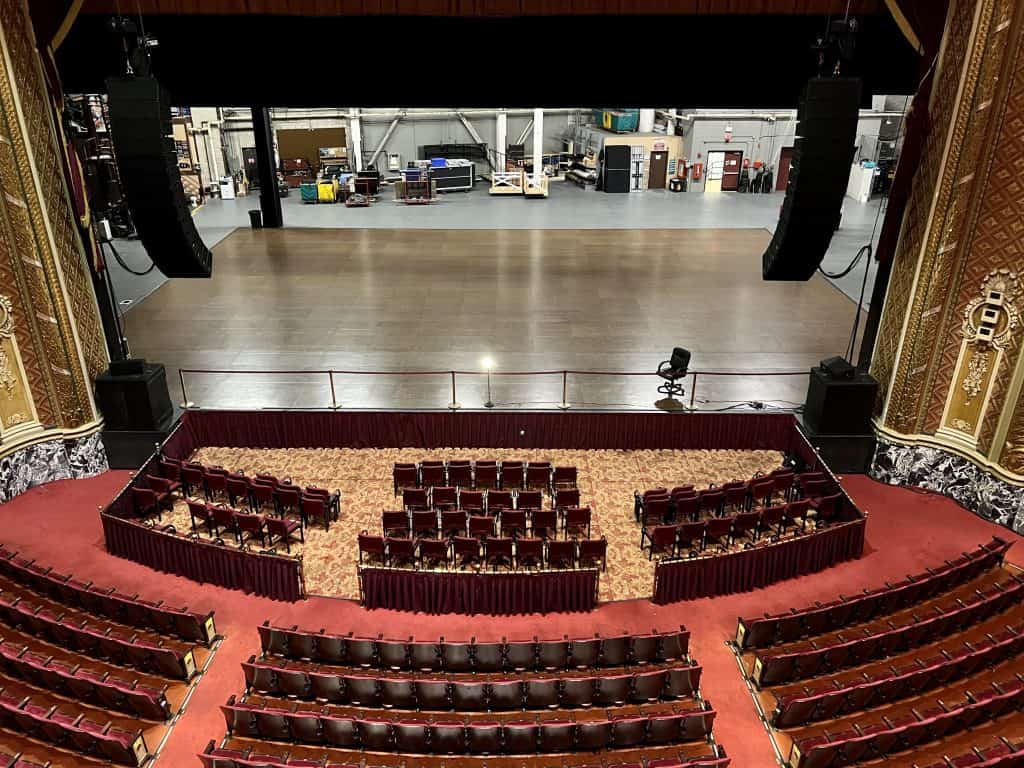
Today, the Wang Theatre, with 3,500 seats and one of the largest stages in America, hosts productions close to 200 days a year, with a heavy emphasis on family friendly programs and the recent addition of more dance and comedy acts. The organization is in the process of building the Folk Americana Roots Hall of Fame that highlights Boston’s rich and storied musical history, with exhibits throughout the Boch Center. Some exhibits can only be viewed while on the tour, but some exhibits are accessible before shows and during intermission.


Would you like to save this?
Travel Tips:

Ten Stops on the Tour of the Wang Theatre:
- The ticket center and Main Lobby– look up at the beautiful ceilings hand painted by Italian artists.
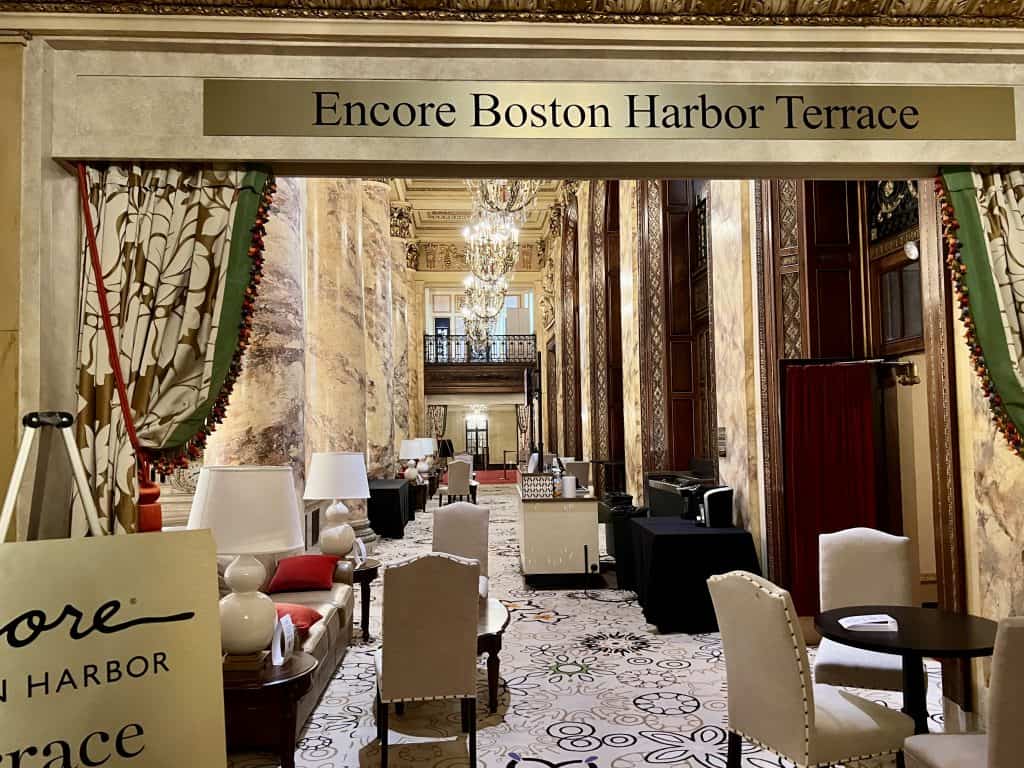
- The Grand Lobby, modeled after Paris’s Garnier Opera, with two, original chandeliers, each weighing over one thousand pounds! The chandeliers can be raised and lowered to be cleaned and replace lightbulbs.
- The Boston: A Music Town exhibit on the 3rd floor mezzanine that spans an entire hallway and showcases seven genres of music: folk, country, classical, bluegrass, jazz, R&B/hip hop, and rock. Displays include musicians’ instruments, apparel, records, and memorabilia from concerts and tours.
- The theater, with 3,500 seats on seven levels of seating. Be sure to look up at the 12 restored paintings (on canvases) that were restored in the 1980s restoration project and reafized to the ceiling and side panels of the theater. Two of the panels were destroyed and when they were recreated, the restoration company added (with permission!) the face of the longest Wang Theater Director and the faces of the restorators.
- The Platinum Salon on the lower level. In the 1930s-1950s, the Salon was a Dance Hall; now is another exhibit of the Folk Americana Roots Hall of Fame entitled “Cultural Heroes. The exhibit includes seven sculptures of Civil Right musicians: Bessie Smith, Woody Guthrie, Billie Holiday, Huddie Ledbetter, Marian Anderson, Josh White, and Paul Robeson. The Platinum Salon also has a Lego reproduction of the Wang theater (ten thousand legos!)
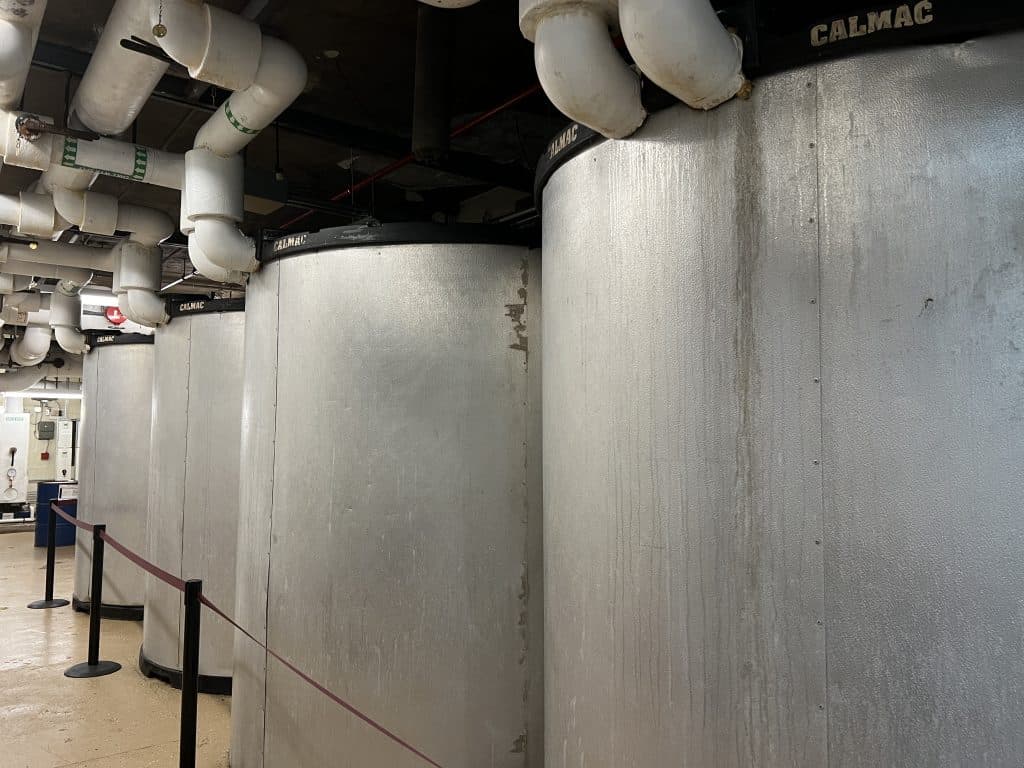
- The Ice Room filled with 18 Thermal Energy Storage tanks that are filled with cool water that is pumped to fans (in use since 1925) to cool the theater.
- The Choral Dressing Room, the largest dressing room in the theater.
- The backstage Hall of Signatures covered in signatures of the casts of past shows.
- The double VIP Room with rotating exhibits of the Folk Americana Roots Hall of Fame. In the summer of 2023 the exhibit featured the life and guitar of Arlo Guthrie, son of Woody Guthrie. It includes an AI HoloConnect that allows visitors to interact with Guthrie and ask virtually any questions. An exhibit featuring Bruce Springsteen is planned for 2024. Check here for information on rotating exhibits.
- The stage of the theater, one of the largest in North America.






Looking for other adventures in Boston? Check out our index of over two dozen posts here. Looking for tours of other music venues? Check out our posts featuring the Boston Symphony, Radio City Music Hall in New York City, Carnegie Hall in New York City, Met Opera House in New York City, and The Bushnell Performing Arts Center in Hartford, Connecticut. And follow along on our adventures on Instagram, Pinterest, Facebook, and Twitter.
Disclosure: Our family was given a media pass for a tour; all opinions expressed are my own.




That architecture is amazing!
Wow looks so grand! Love the ceilings, we have a theatre like this where I’m from too and it’s so cool to explore. 🙂
What a beautiful old place this is! The memorabilia looks so interesting as well. What a fun thing to do with your family.
I love that this beautiful place has been maintained for all to see, especially with the memorabilia too!
I’ve been to Boston before but didn’t know about this theater! It looks beautiful!
I would never have imagined seeing your daughter solo, on stage, at the Wang!!!