The Portland Observatory in Portland, Maine

| | |

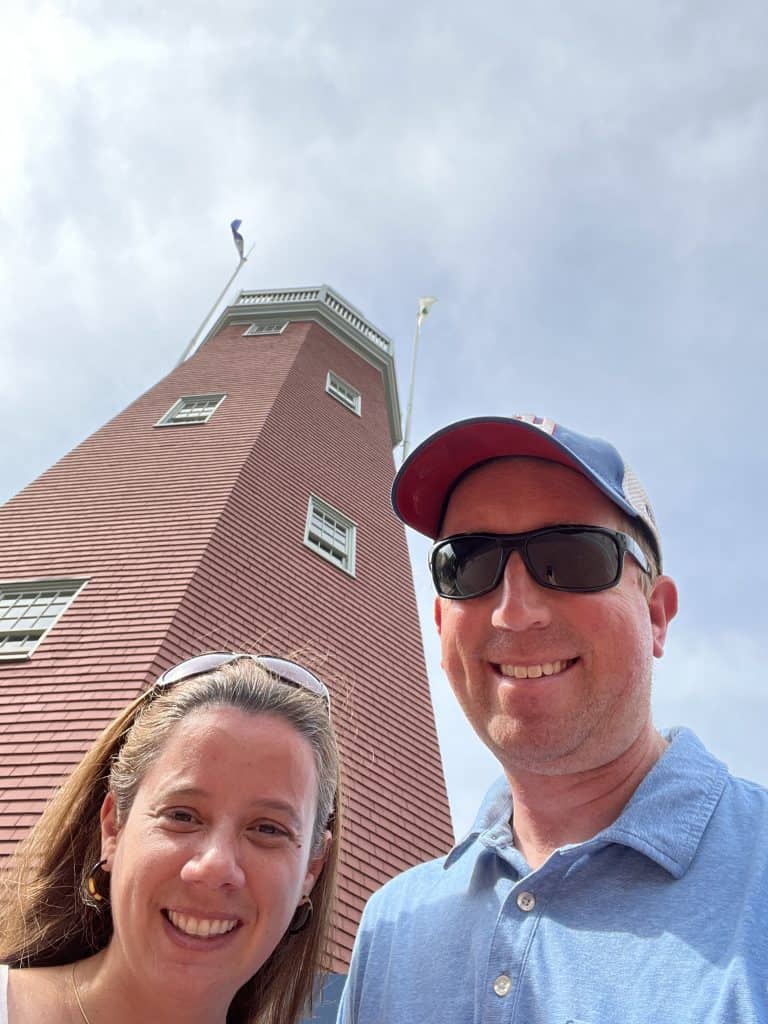
Earlier this summer, we enjoyed a few days in Portland, Maine, a beautiful seaside city on Casco Bay. One of the highlights of our visit was a guided tour of the Portland Observatory.

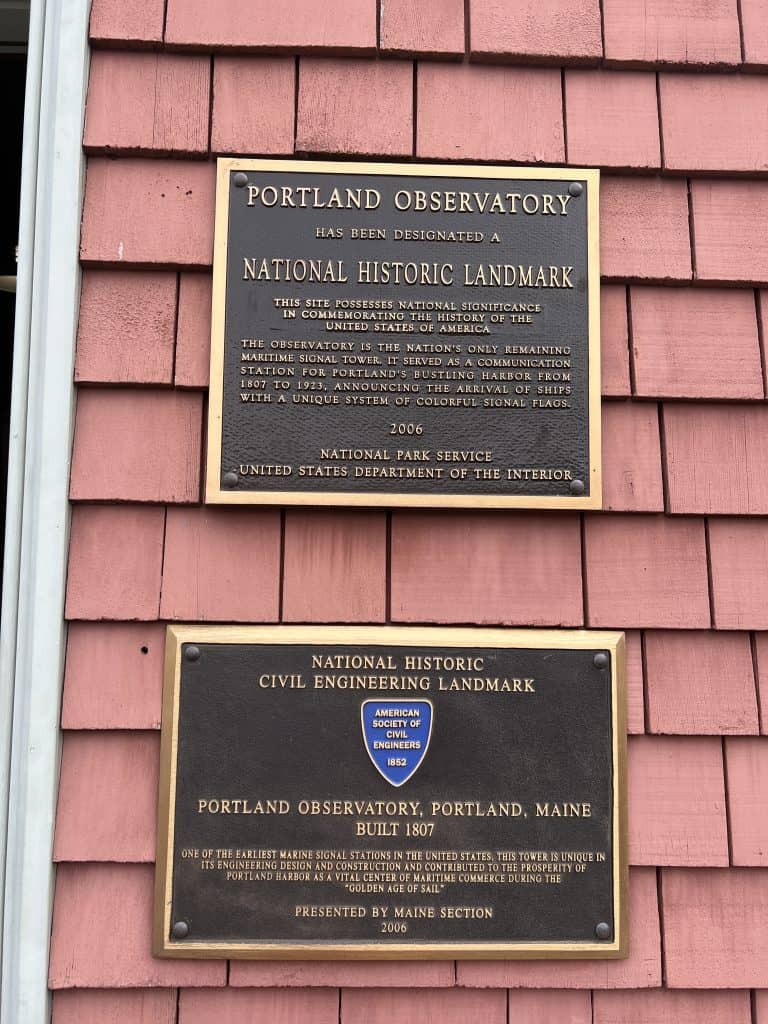
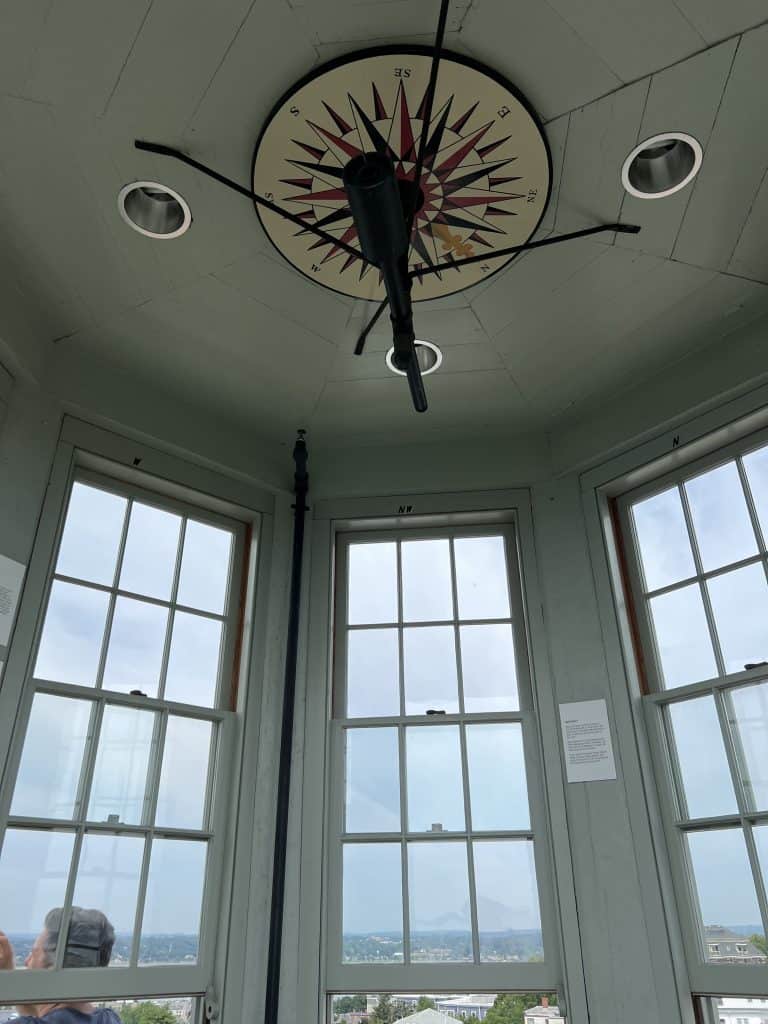
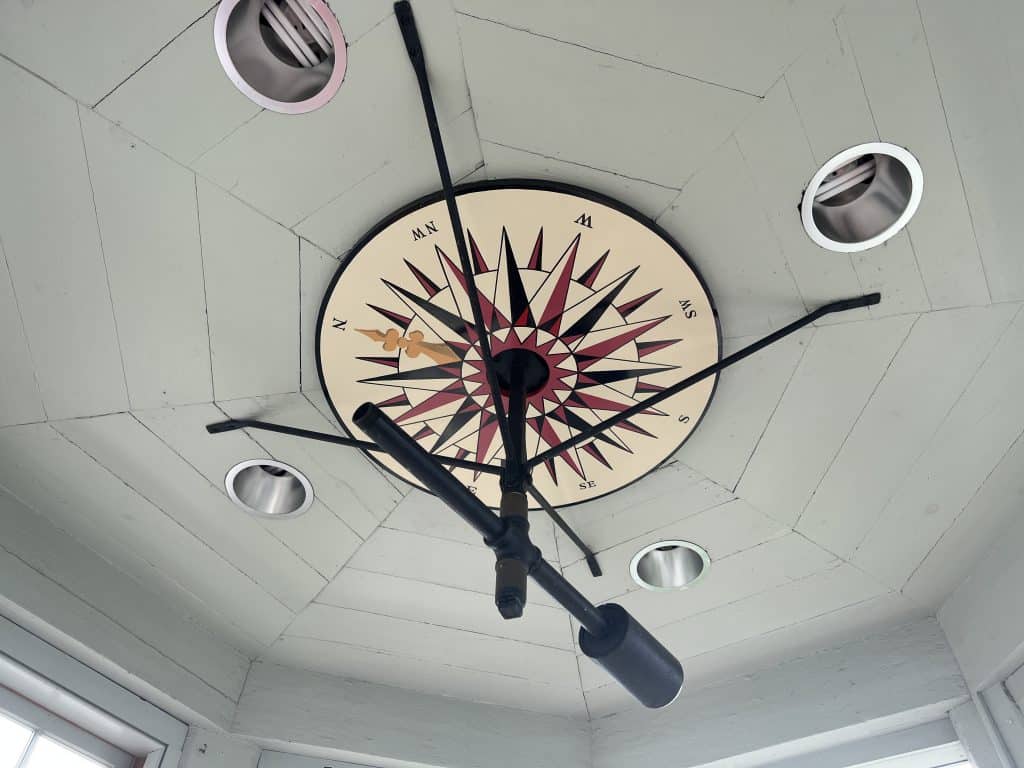
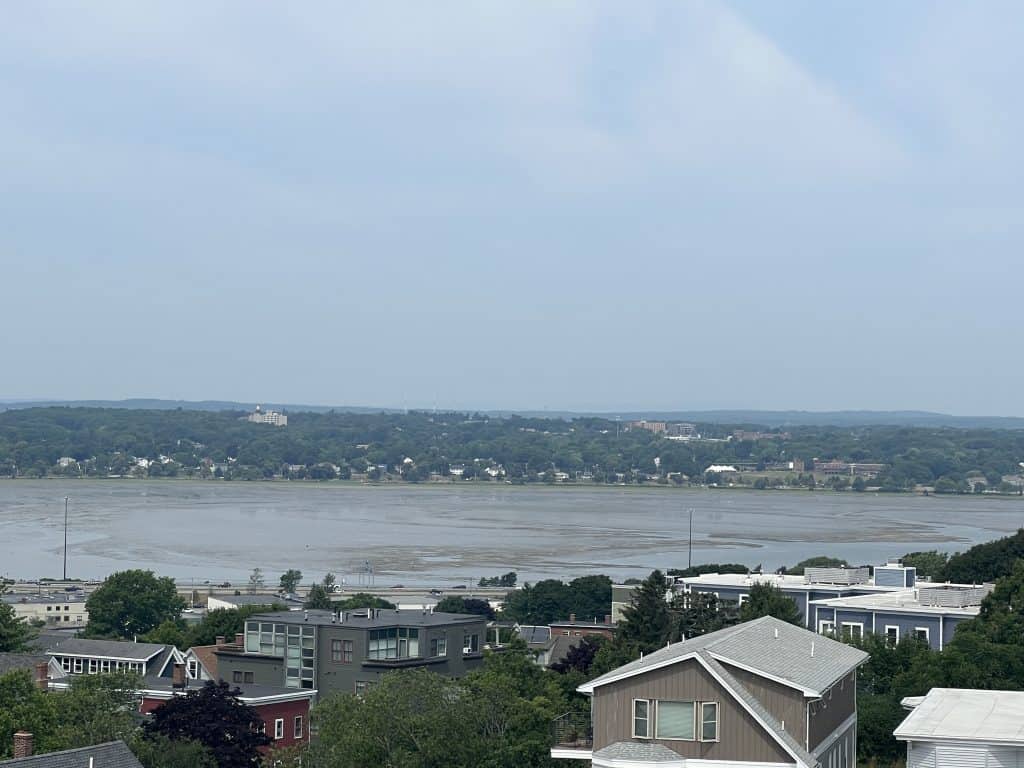
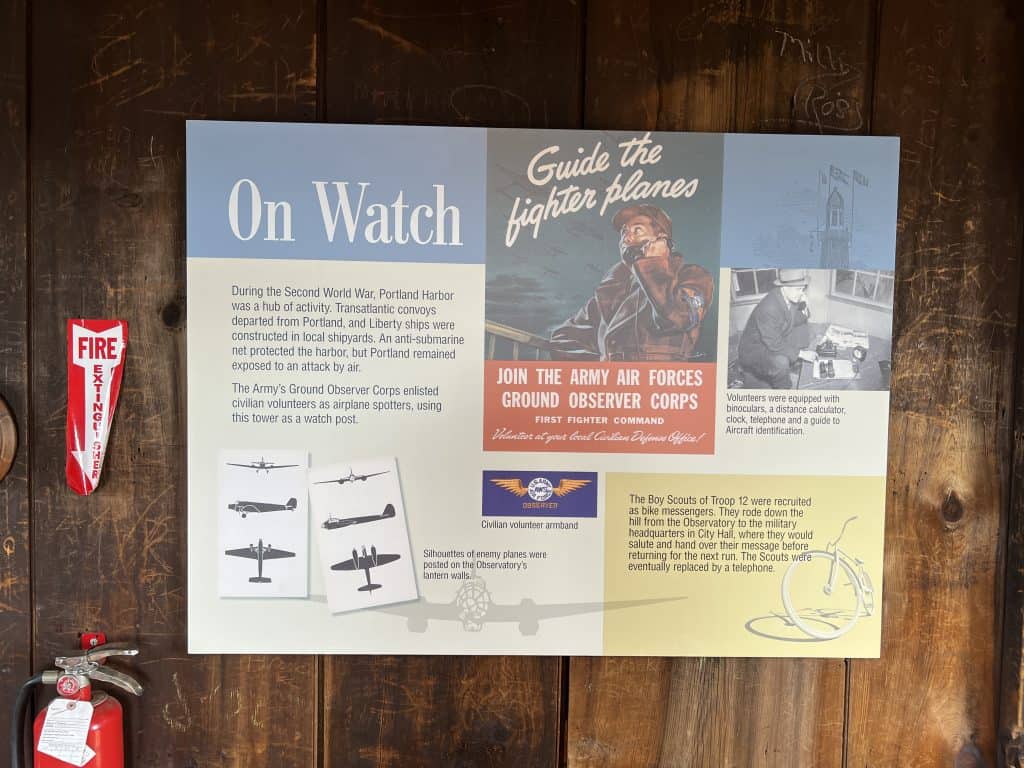
Built in 1807 by Captain Lemuel Moody and one of the oldest marine signal stations in America, the seven floor tower was used commercially until 1923 when it was abandoned. It is not technically considered a lighthouse because, although it does light up at night from the interior rooms, it does not emit light outward. In the late 1930s, the tower was used as a lookout in World War II. The location of the observatory, and the unique octagonal shape, offered numerous views of the harbor. The Observatory went through several restorations throughout the 20th century and finally opened as a museum in 2007. 
Travel Tips:

  • Open from Memorial Day weekend through mid October. Information on admission rates (AAA discounts and family rates) here
  • Special events include Sunset Tours and Lantern Tours in December.
  • Guided tours run for 45 minutes and start every half hour. The museum is not air conditioned. 
  • The museum is not handicap accessible and strollers are not allowed;  it’s 104 steps from the street to the top.
  • Public restrooms are available across the street at the fire station.
  • On the street parking (pay close attention to the signs) is available. More information on parking here

Would you like to save this?

We'll email this post to you, so you can come back to it later.

Guided tours are offered several times a day and include climbing 104 steps to six floors and the final observatory balcony. Each floor includes distinct exhibits:

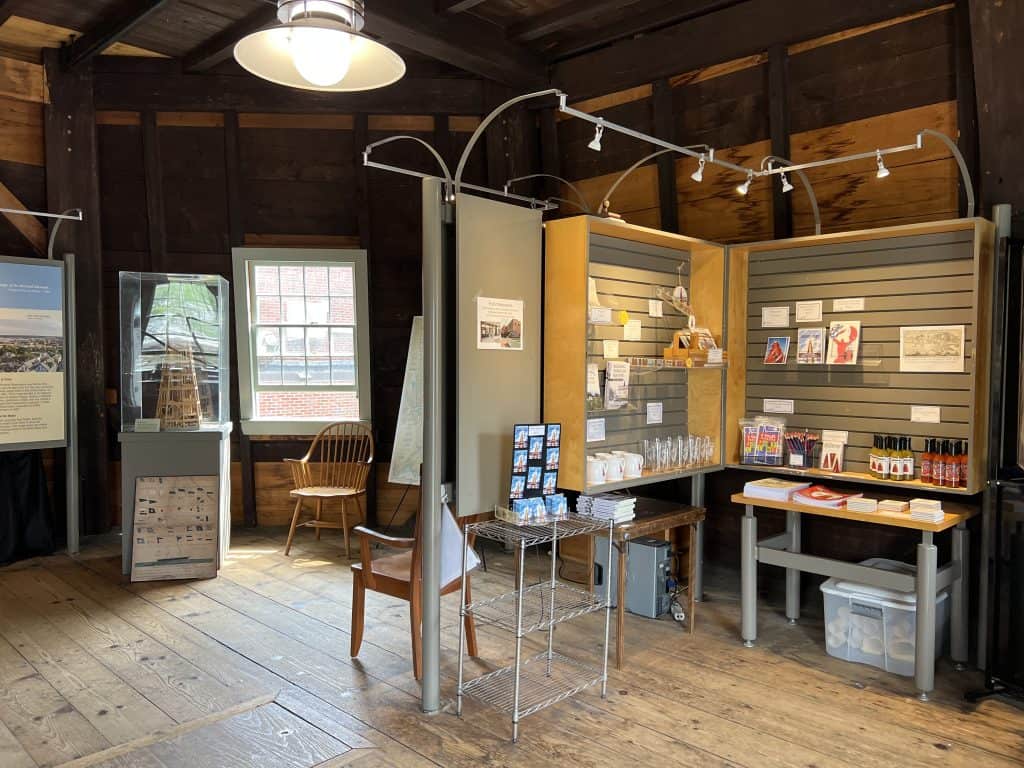
  • 1st floor: The admission desk and small gift shop with local artists and souvenirs from Portland.
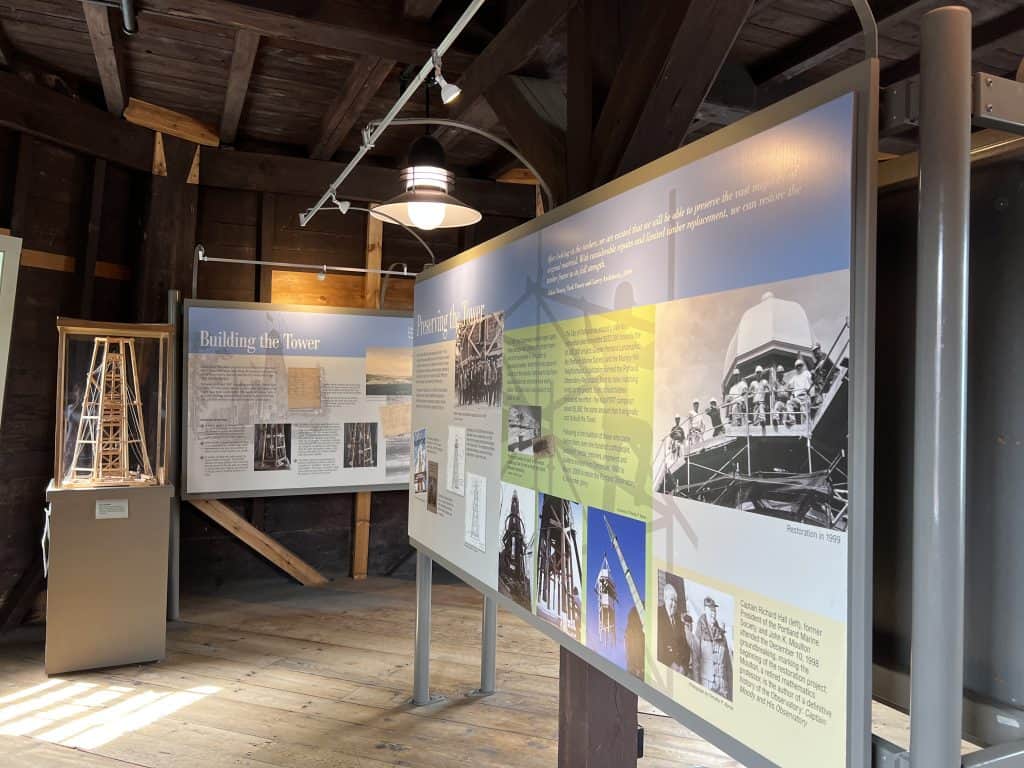
  • 2nd floor: A scaled model of the construction of the observatory and historical timeline of its construction.
  • 3rd floor: A telescope identical to the one used in the tower and display of silhouettes of vessels coming into port and the identification flags for various ships.
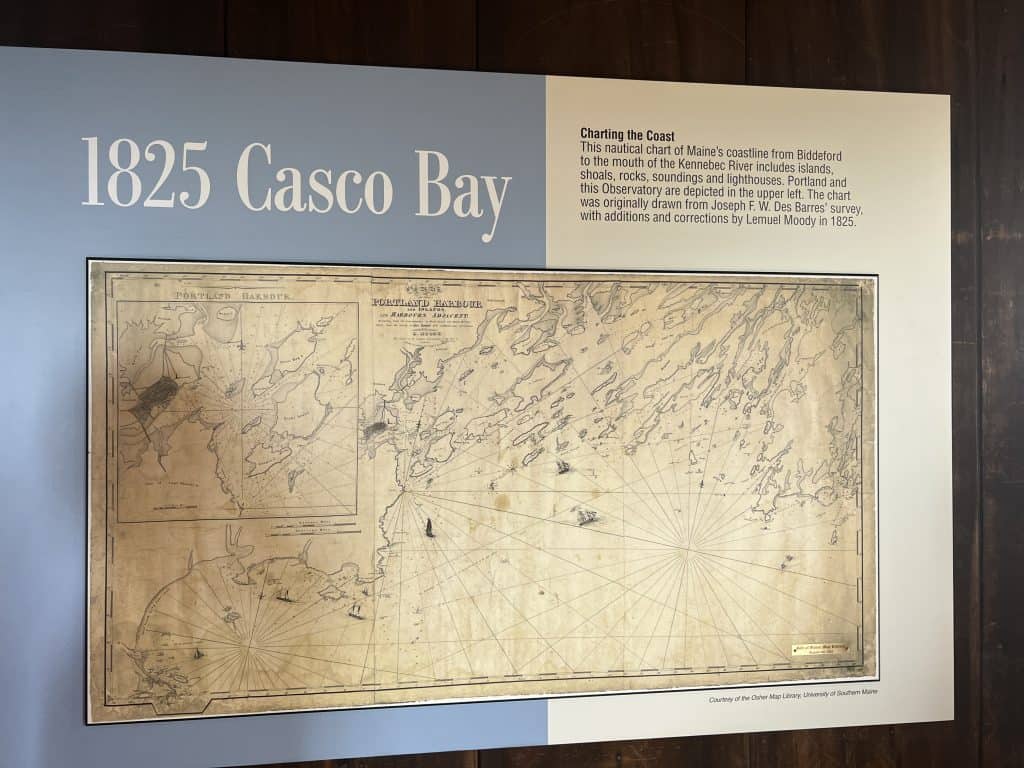
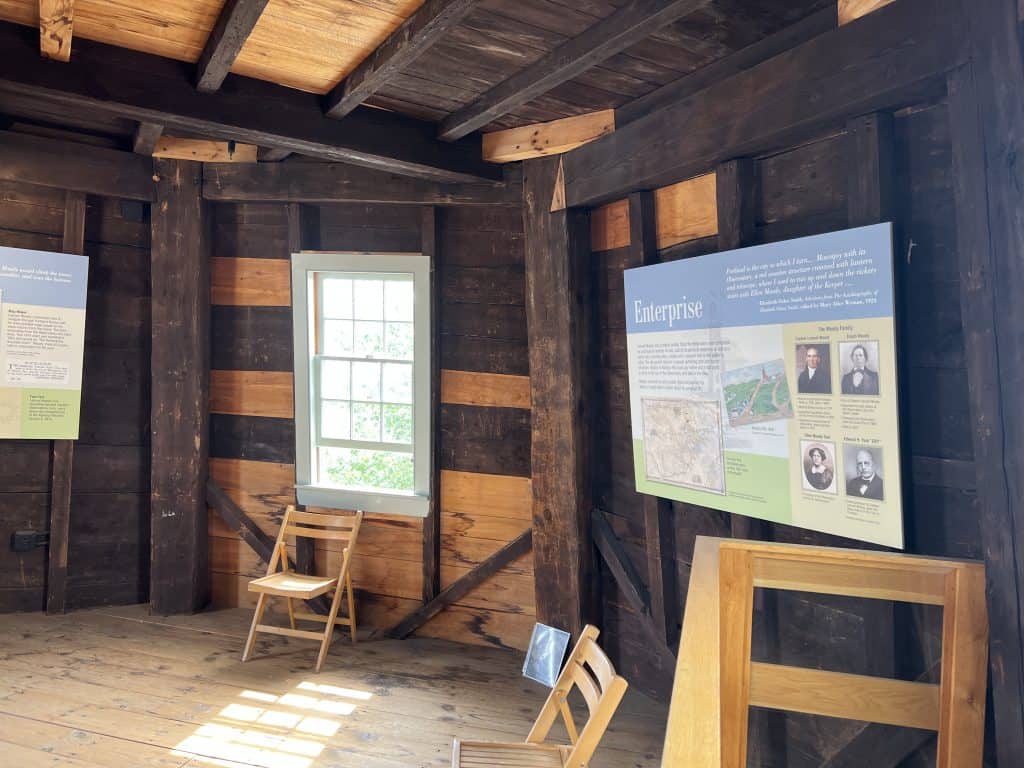
  • 4th floor: An exhibit featuring the biography of Lemuel Moody, the builder, and his hand drawn maps of Casco Bay. He built the tower, family home, stables and recreational spaces and charged local residents to spend recreational time on the property.
  • 5th floor: The timeline and history of the Great Fire of July 4, 1866 fire that destroyed most of the city.
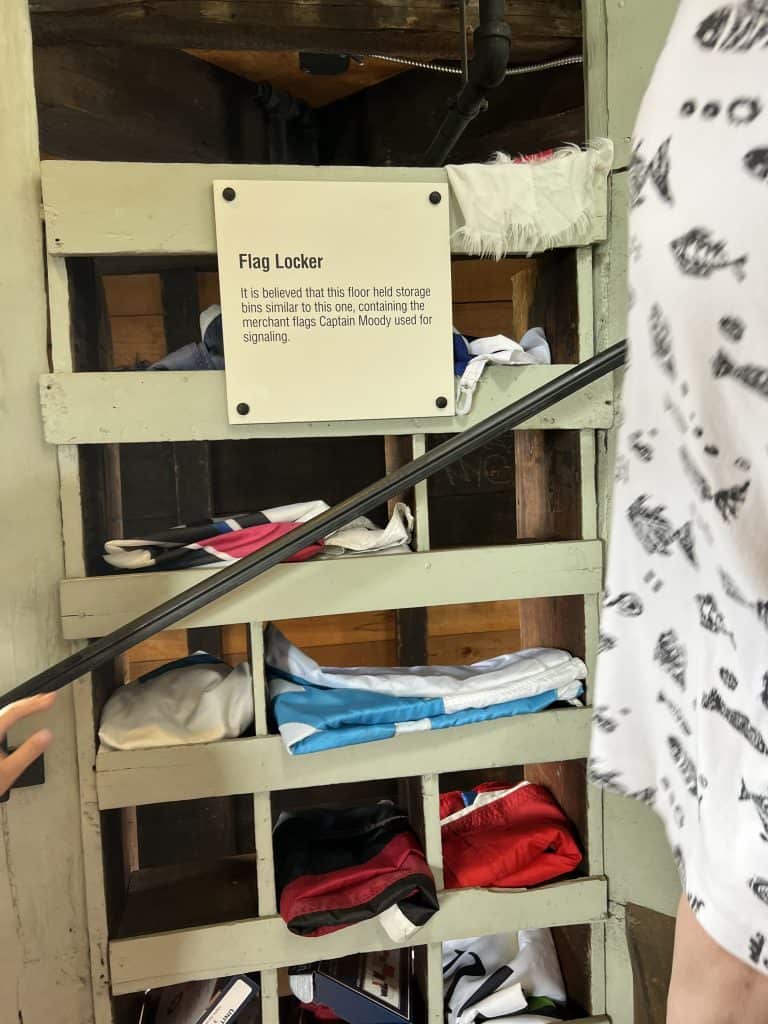
  • 6th floor: Sixty five feet from the ground, the main display is the flag locker which stored all of the flags for the various ships. Learn about the various coding system for ships.
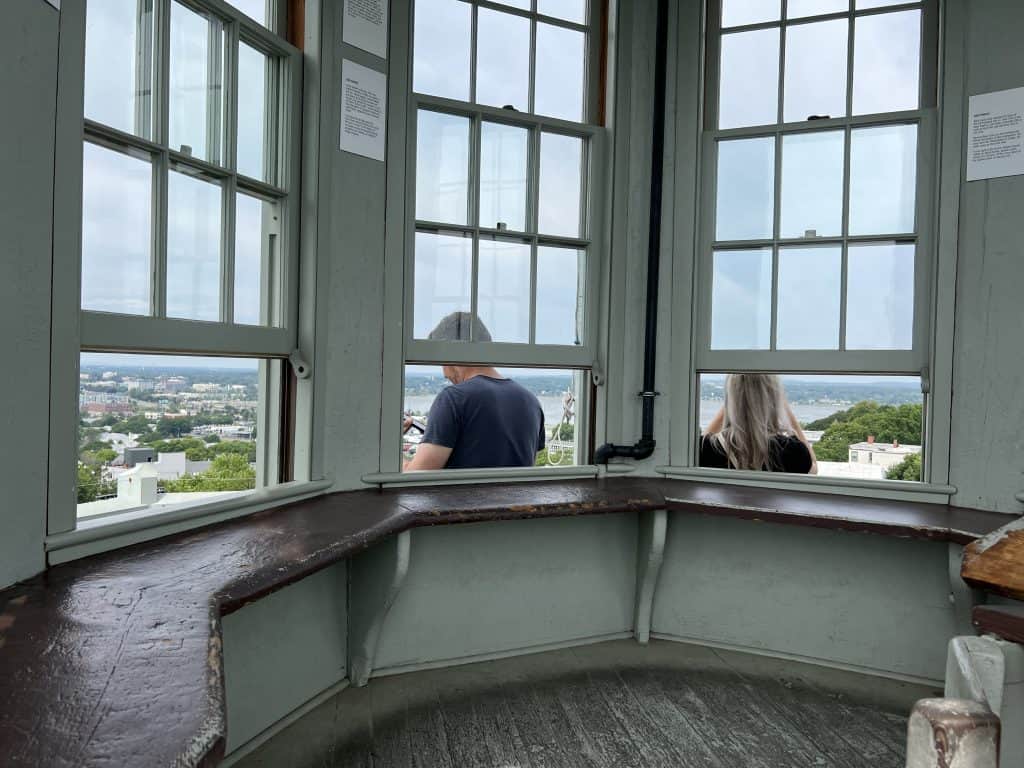
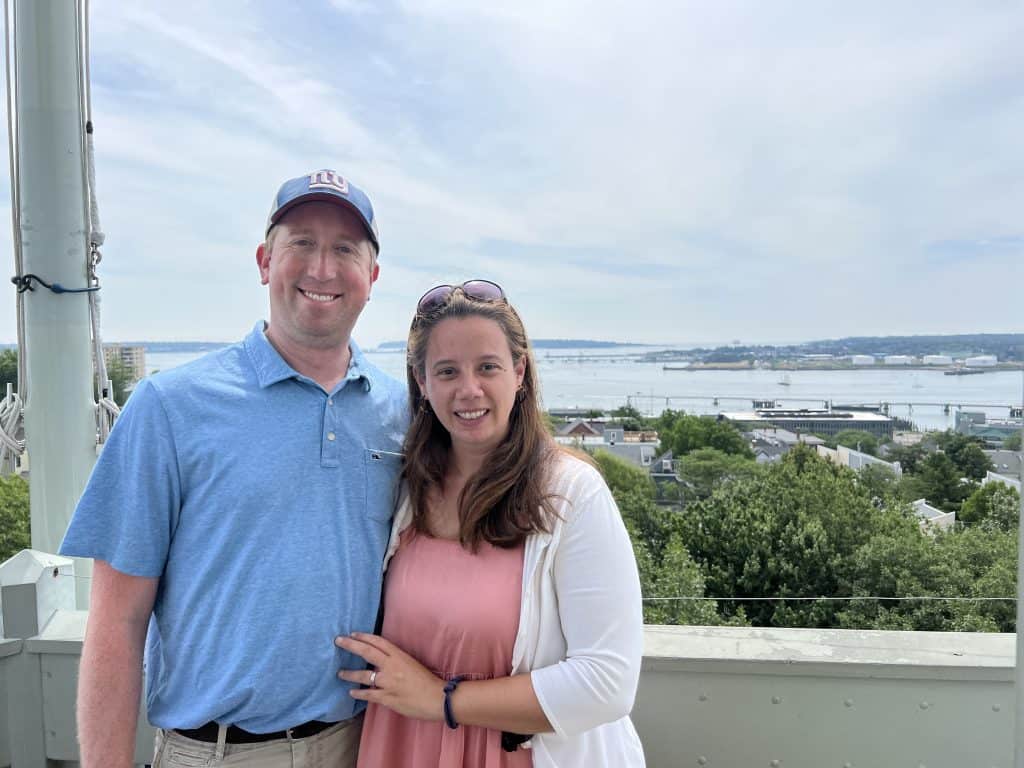
  • 7th floor: Visitors have now climbed is 104 steps up from the sidewalk. Take a seat on the interior benches to observe the views or climb out  onto the balcony to see great views of Casco Bay and beyond.
Looking for more fun in Portland?  Check out our post featuring the nearby Victoria House. And follow along on our adventures on Instagram, Facebook, Pinterest, and Twitter

Similar Posts

  • | | |

    Playing “I Spy” While Touring Eagle’s Nest at the Suffolk County Vanderbilt Mansion and Planetarium on Long Island

    Eagle’s Nest is the Long Island summer home of William K. Vanderbilt II, the great grandson of Cornelius Vanderbilt, and his wife Rosamond. What began as a small, seven room “English Cottage” on 43 acres in the early 1900s grew into a 24 room Spanish Revival mansion with several additional museum galleries filled with the private collections of William’s world travels. An avid hunter, fisherman, and traveler, William eventually opened the museums to the public and even donated his estate, including Eagle’s Nests and its furnishings, to Suffolk County to be turned into a public museum after his death in 1944 for the public to enjoy.

  • | | |

    Fort Adams in Newport, Rhode Island

    This is the 3rd post in a series detailing my recent visit to Newport, Rhode Island. To read about celebrating the holiday season in Newport, click here and to read about the International Tennis Hall of Fame, click here.

    Fort Adams has the honor of being both the largest fort in the United States and the only fort never attacked. Although, because it was never attacked or “officially in use”, it is not part of the National Parks program like many other forts throughout America. Fort Adams, located in Newport, Rhode Island, is one of twenty fortresses built after the War of 1812, took over 30 years (from 1820-1850) to complete, and is named after the second American President, John Adams. It was most effectively used as a training facility for West Point graduates before their official postings.

    The entire complex is a state park and open to the public, free of charge.  The public is welcome to use the restrooms, walk (leashed) dogs, fish, picnic, and even use the public beach. Sail Newport, housed on the property, rents sailboats and also gives lesson.

    On a recent visit to Newport, my family took the 90 minute, guided tours. We loved it. All of us, adults and children alike, found it interactive, informative, and even a little scary.  Steve Marino, our tour guide, made sure to engage our children throughout the tour.  You’ll need to start in the Visitor’s Center to purchase tickets. They offer a AAA discount. There are restrooms and a gift shop with snacks, drinks, and souvenirs. Strollers are allowed on most aspects of the tour, and you can leave strollers outside some “indoor” and tight spaces. 

  • | | |

    12 Ways to Explore theNew England Air Museum in Connecticut

    Located in the same area as Bradley International Airport and the National Guard base, the New England Air Museum has 90,000 square feet of exhibition feet spread across 3 hangars, and an additional outdoor space, to display 60 of the 110+ aircrafts in the museum’s collections. The museum library includes a collection of over 6,000 aviation related books, over 10,000 aviation manuals, and thousands of pieces of artwork, drawings, blueprints, and photographs.

    The museum has tons of open space to spread out and explore the 60+ aircrafts at a leisurely pace. Guests are able to peer through, look under, and sit in many of the aircrafts. However, what is most impressive, and truly priceless, are the docents, many of whom are veterans who flew the aircrafts on display. They are eager to share their adventures and explain how the aircrafts work, and they are incredibly patient with children.

  • | | | | | | | |

    Playing ‘I Spy” in Gettysburg, Pennsylvania

    Gettysburg, Pennsylvania, a town of less than 10,000 people, is the site of the largest Civil War battle ever fought, lasting three days in early July 1863. Over 51,000 soldiers were captured, wounded, or killed. The Battle is considered the turning point of the American Civil War, as the Union won the battle over Robert E. Lee and the Confederate army.

    Each year, over three million people visit Gettysburg to learn about American history; to explore the museums, shops, and restaurants; and to enjoy the outdoors- there are over 31 miles of hiking trails. Many locations around town honor the people who fought in the battle and the civilians who supported them during and after the battle. The town also has strong ties to former Presidents Lincoln and Eisenhower.

  • | | | |

    Yale Peabody Museum of Natural History in New Haven, CT

    New Haven, Connecticut is practically in my backyard. My husband and I frequently head to New Haven for date night with friends; there are so many great restaurants. I’ve also taken some professional development courses as a teacher at Yale University and have attended performing arts shows and concerts at some of the local theaters. However, we don’t bring the kids to New Haven as often as we should. I keep a running list of places to visit, and on a recent free morning, we decided to explore the Yale Peabody Museum of Natural History.

  • | |

    10 Lessons We Learned from Exploring National Parks

    We just wrapped up a pretty great summer that included an awesome (in the real denotation of that word) road trip from Nevada to Connecticut. We explored nine National Parks, bringing our total to 12 National Parks (read about our adventures at Acadia and Great Smoky Mountains). We wrote a post about why we love National Parks a few years ago and have since added more reasons to explore NPS sites.

    In the coming weeks, we will share guides to all nine parks we explored this summer (Zion, Bryce Canyon, Capitol Reef, Canyonlands, Arches, Rocky Mountains, Mount Rushmore, Wind Cave, and Badlands). But first, we thought we’d start with some of lessons we learned and how they translate outside of the parks, too:

6 Comments

  1. As a former sailor, I always enjoy stories about lighthouses along the New England coast. I never made it as far as Casco Bay, thought it remains on my bucket list. Thanks for the pictures – so inspiring.

  2. This is one more thing in Portland to add to the list of interesting things to see in the city that holds many surprises for a great getaway. Thanks again .

  3. As a New Englander, I definitely haven’t spend enough time in Maine yet! I will definitely be adding the Portland Observatory to my list to visit later this fall. Happy to hear they’re open through mid October.

  4. I have never been to Portland, but it’s definitely on my list. I would love to visit the observatory, it looks like an interesting activity to do.

Leave a Reply

Your email address will not be published. Required fields are marked *