Boston Symphony Orchestra in Boston, Massachusetts
| | | |

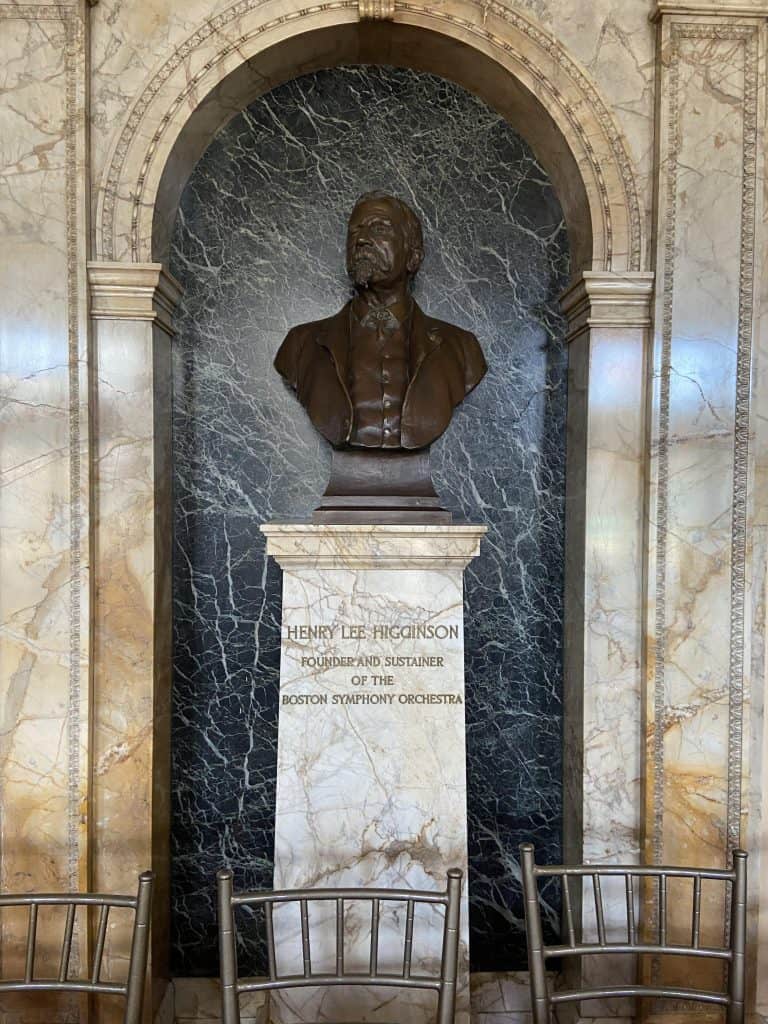
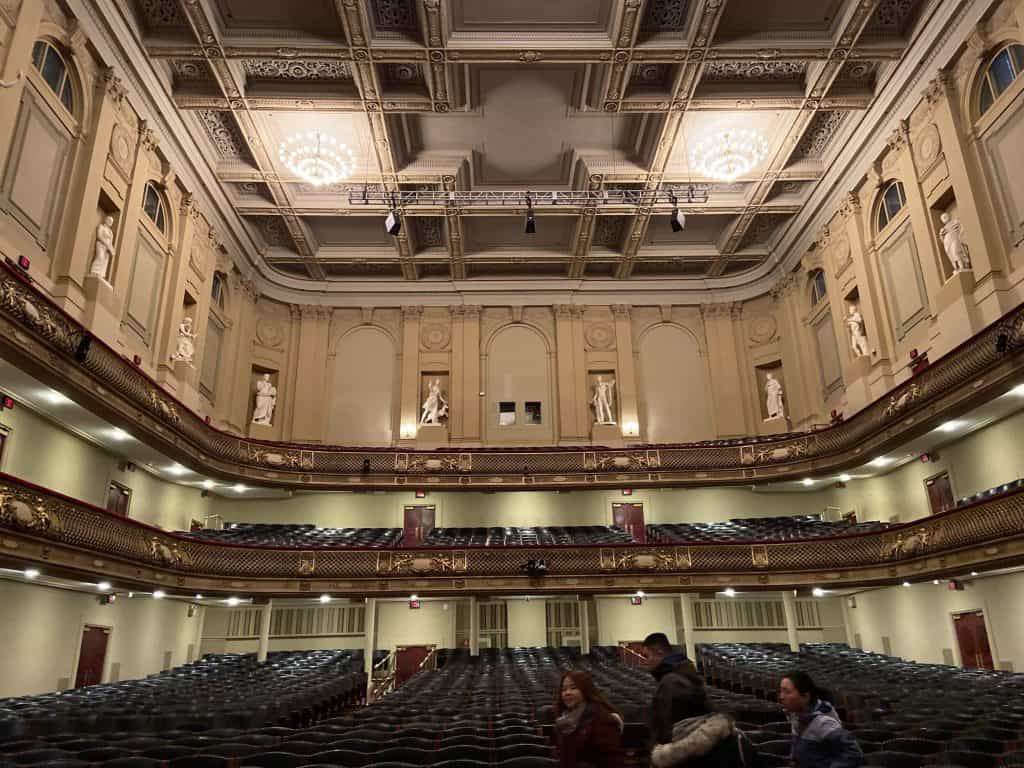
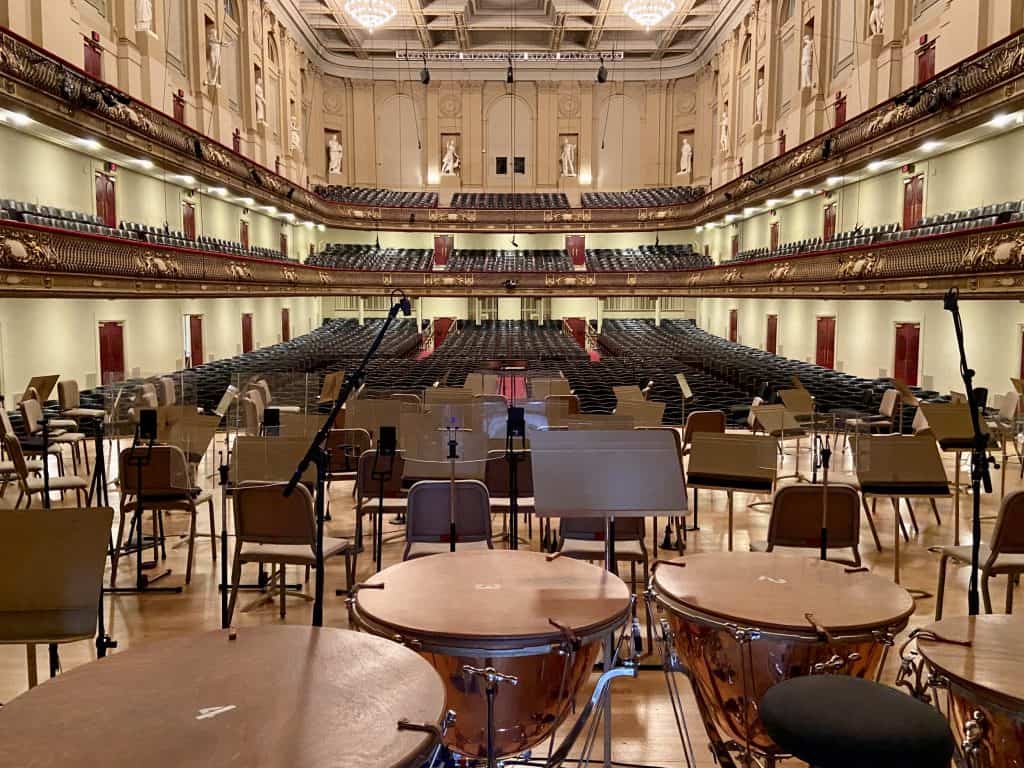
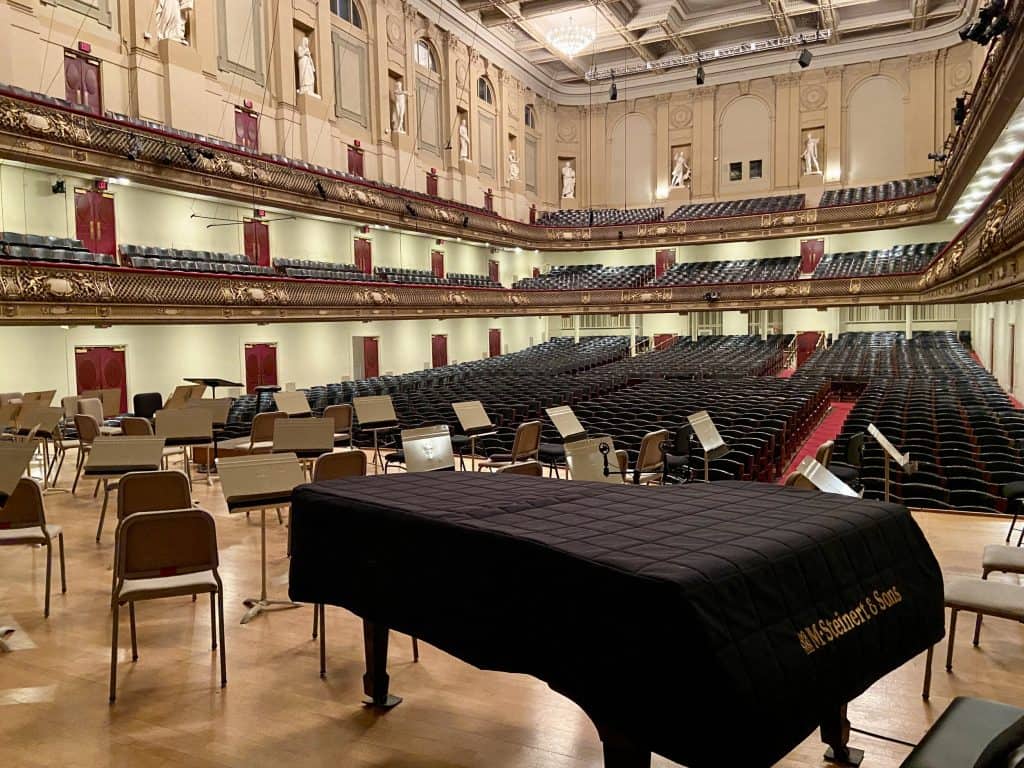
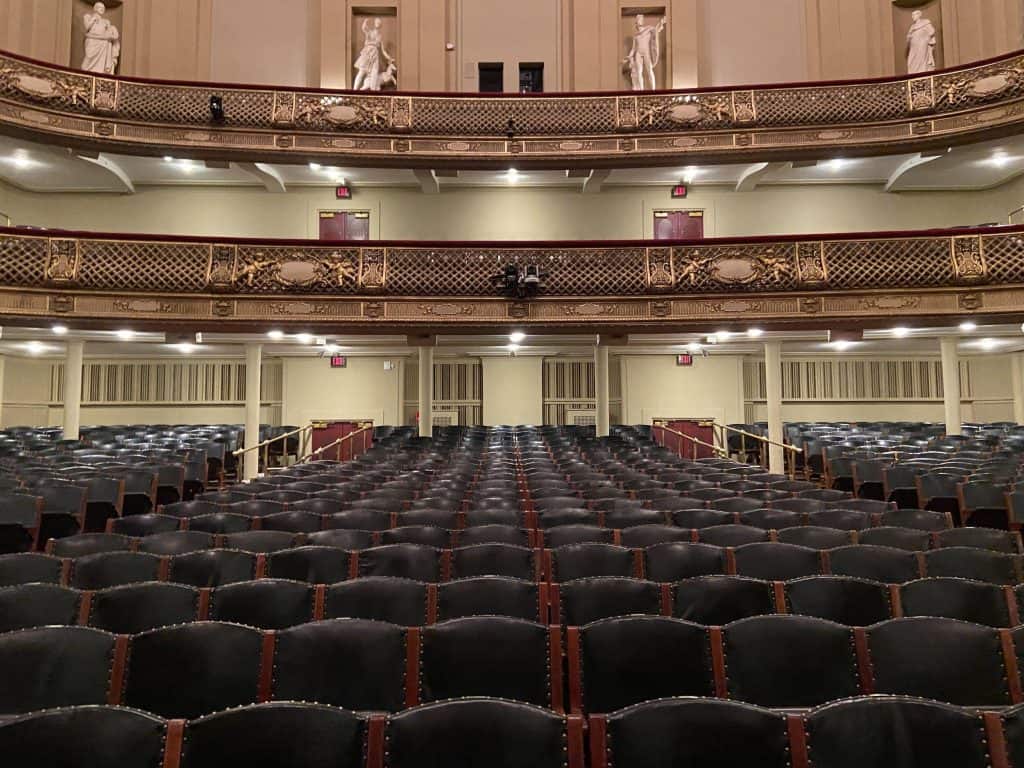
Founded by Henry Lee Higginson, the Boston Symphony Orchestra (BSO) was first located at the site of the current Orpheum Theater and then moved to its current location in 1900. Higginson spent significant time studying European orchestras before creating the BSO in 1881 and the Boston Pops in 1885. Higginson wanted to mimic the Coliseum in Greece, as Boston was considered the Greek “Athens” of America, and included 16 Greek statues of figures related to the arts around the hall.

Today, the BSO is considered the most acoustically sounding hall in North America, and one of the top three halls in the world. The 105 member BSO is in season from September through early December and late January through early May and the Boston Pops is in season in December and May. The entire BSO moved to Tanglewood in the Berkshires section of Massachusetts for the summer.  The Boston Pops consists of the same roster as the BSO minus the first chairs of each section, which make up their own touring group, the Chamber Players.  

Travel Tips:

  • FREE tours are available on select weekdays and Saturdays afternoons. See exact dates and times and register for a tour here. Weekday tours begin at the lobby entrance (on Massachusetts Avenue) and Saturday tours begin next to the BSO Symphony Shop (on Huntington Avenue).

  • There are several parking garages near the BSO. More information on parking here.

  • Tours are handicap accessible & strollers are allowed. Restrooms are located near where the tour begins.

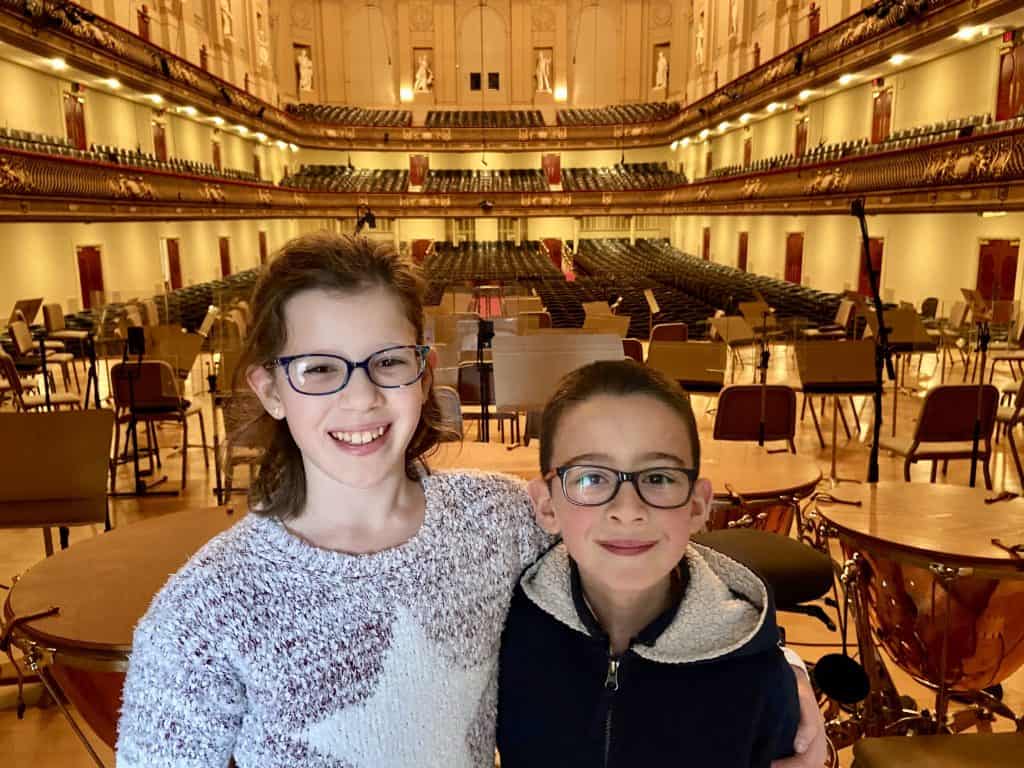
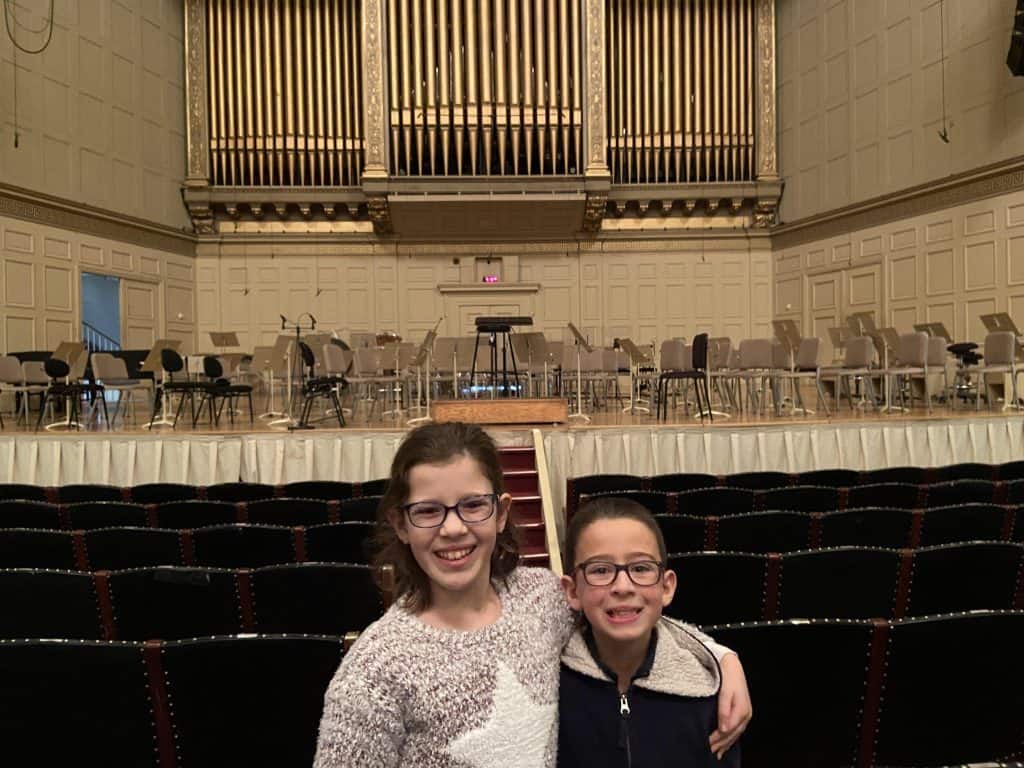
  • I would not recommend the tour for the toddler set; however, my middle school aged children loved it and we all found Elizabeth, our tour guide, to be incredibly knowledgeable, friendly, and patient.

  • Tours last approximately 75 minutes.

Highlights of the tour include:

  1. Hearing about the life and legacy of Henry Lee Higginson, the founder of the BSO

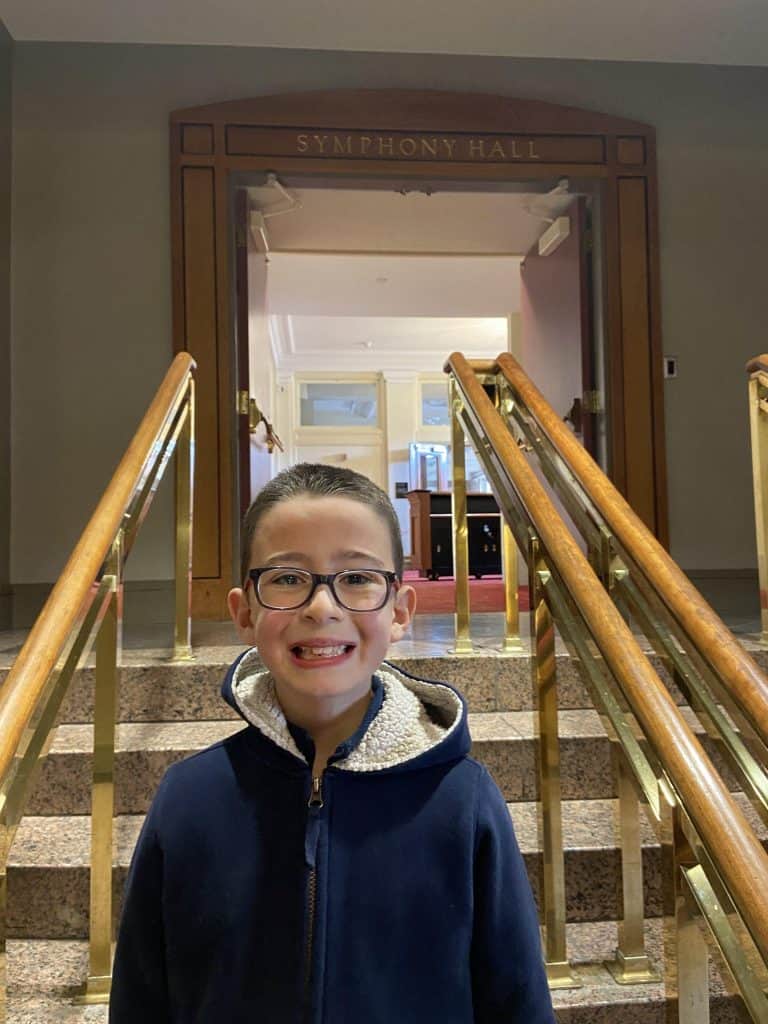
  2. Seeing the inside of the hall, and sitting in the first few rows of the orchestra

  3. Listening to the sequencer recording of the Hutchings organ, built in 1900 and rebuilt in 2004. The organ chamber is 40 feet high, 13 feet deep, and runs the width of the Hall. The organ itself is the size of a six room house!

  4. Studying the physics behind why BSO is considered one of the top three acoustically sound halls in the world. (The ceiling! The lattice! The floors!)

  5. Learning the differences between the BSO and the Boston Pops.

Would you like to save this?
We'll email this post to you, so you can come back to it later.

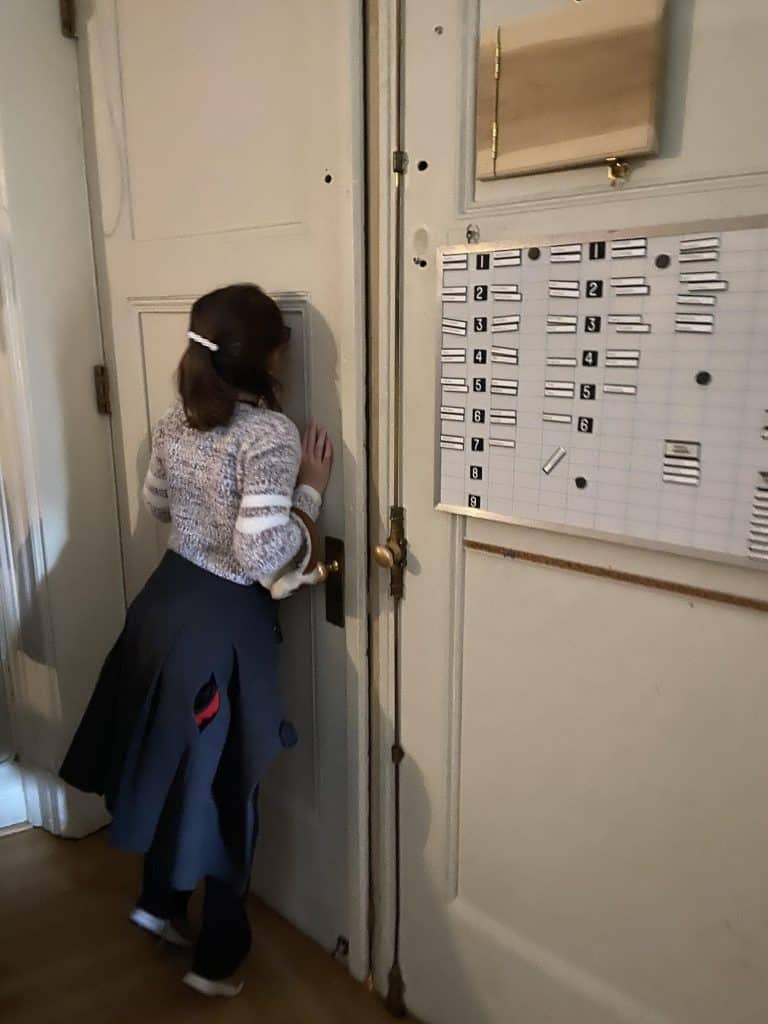
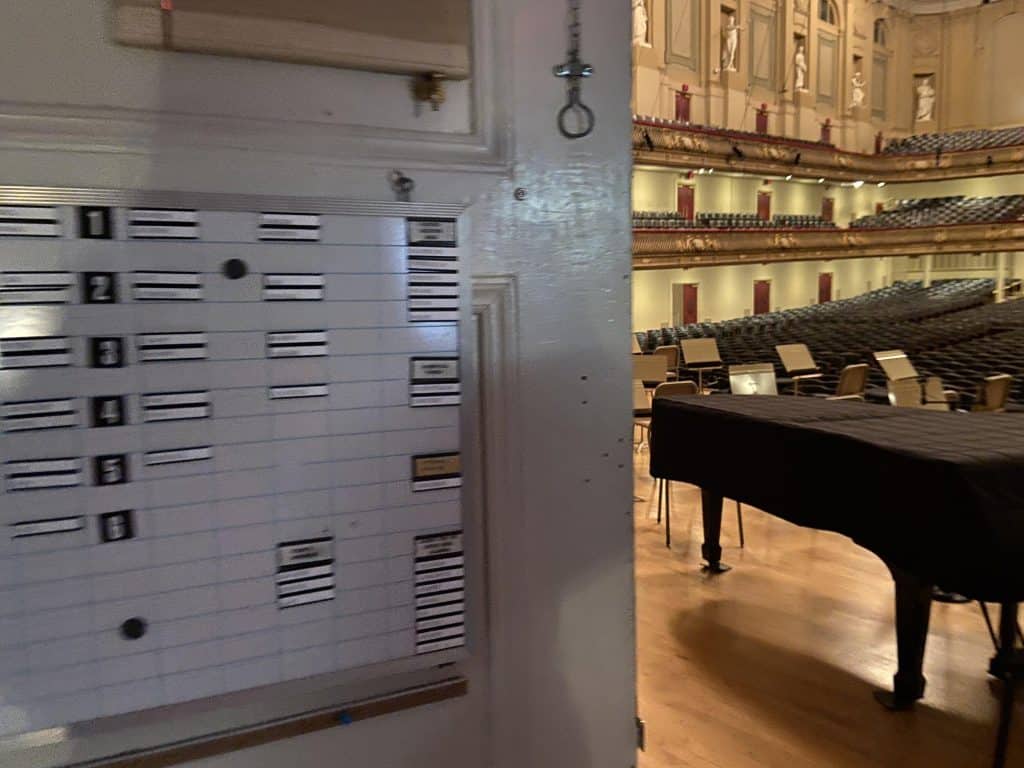
6. Looking through the “peep holes” in the door to the stage.
7. Touring the green room and dressing rooms of the musicians.
8. Peeking into the recording studios (where every performance is recorded)
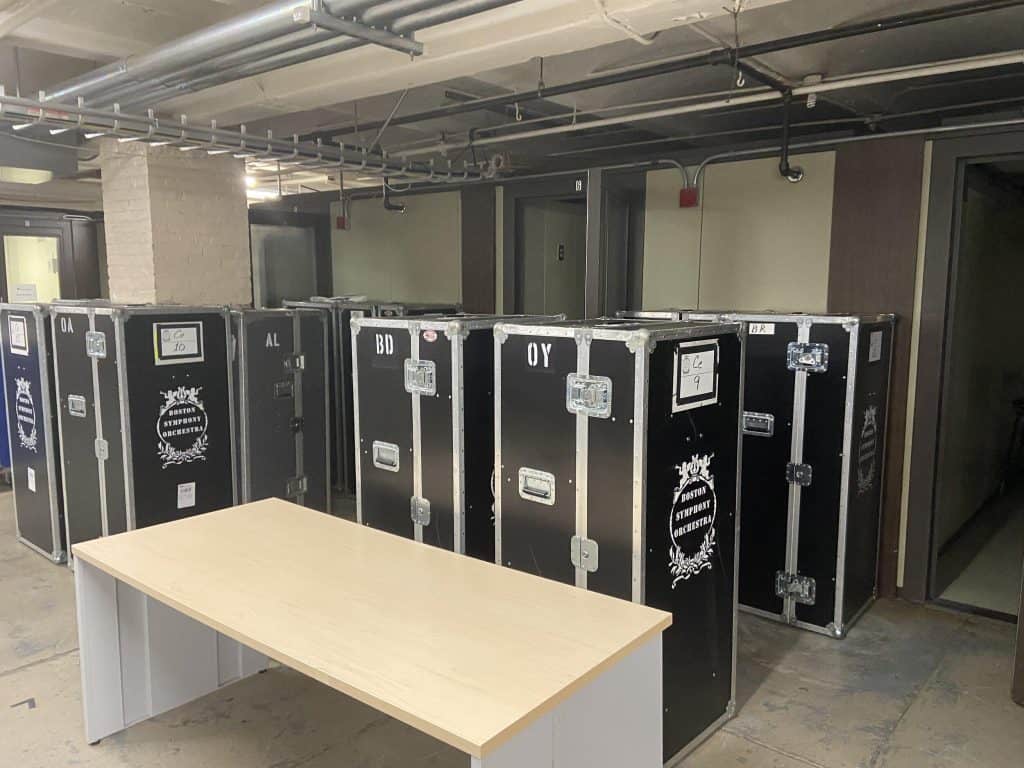
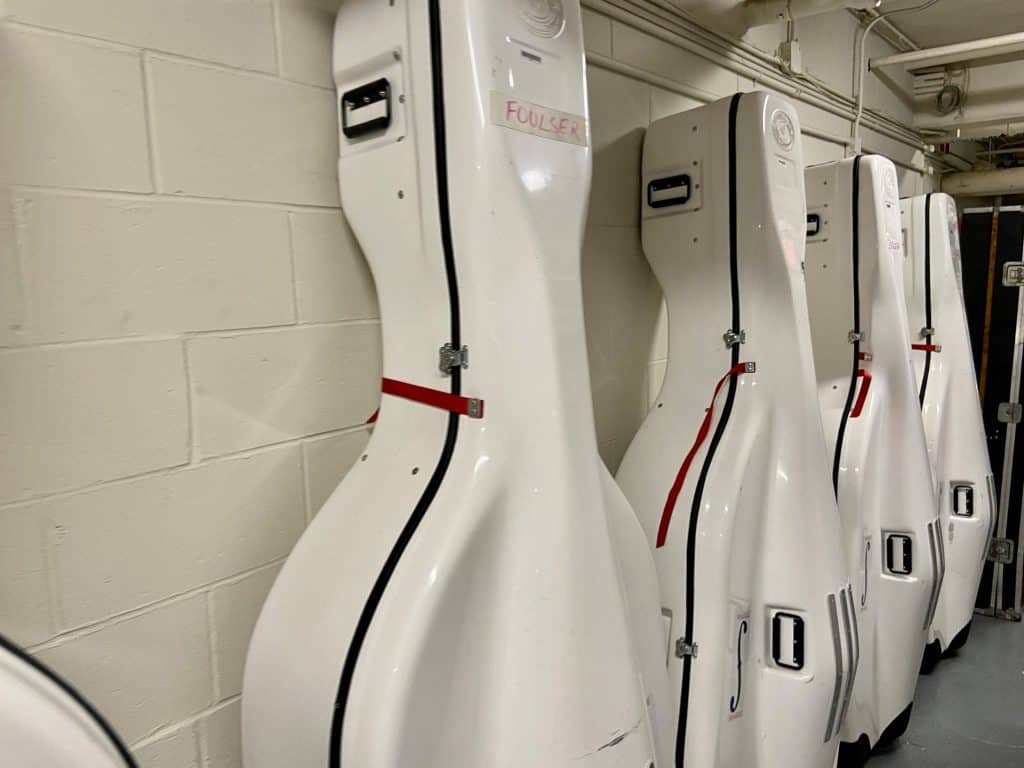
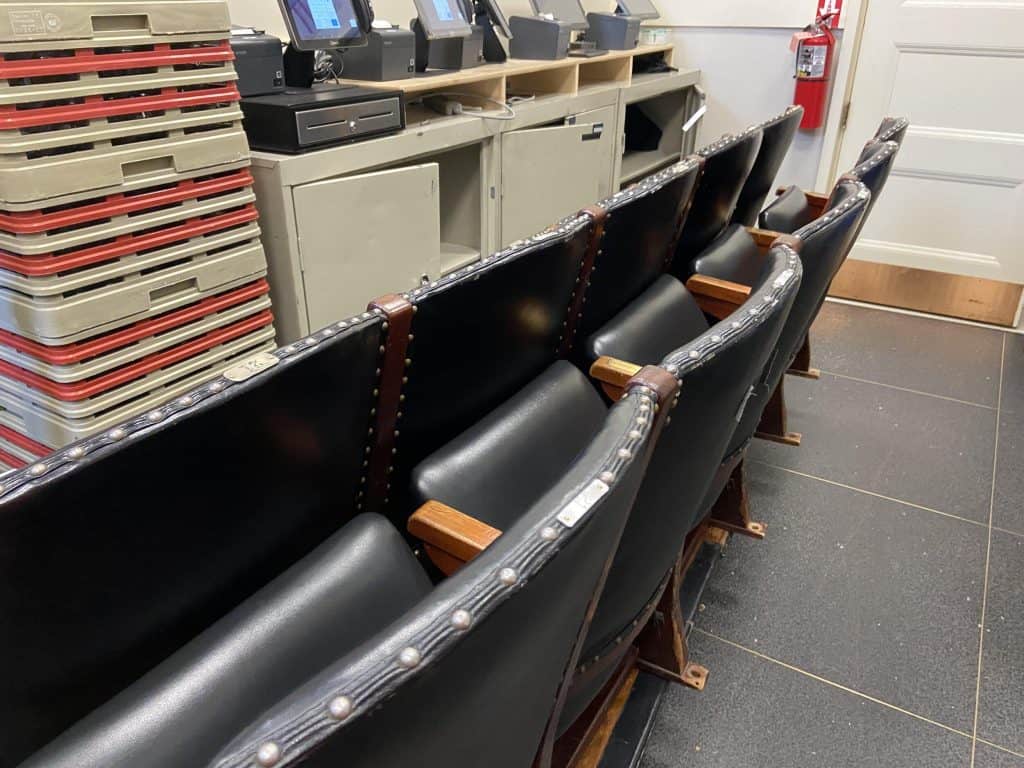
9. Visiting the basement, where offseason chairs are stored.
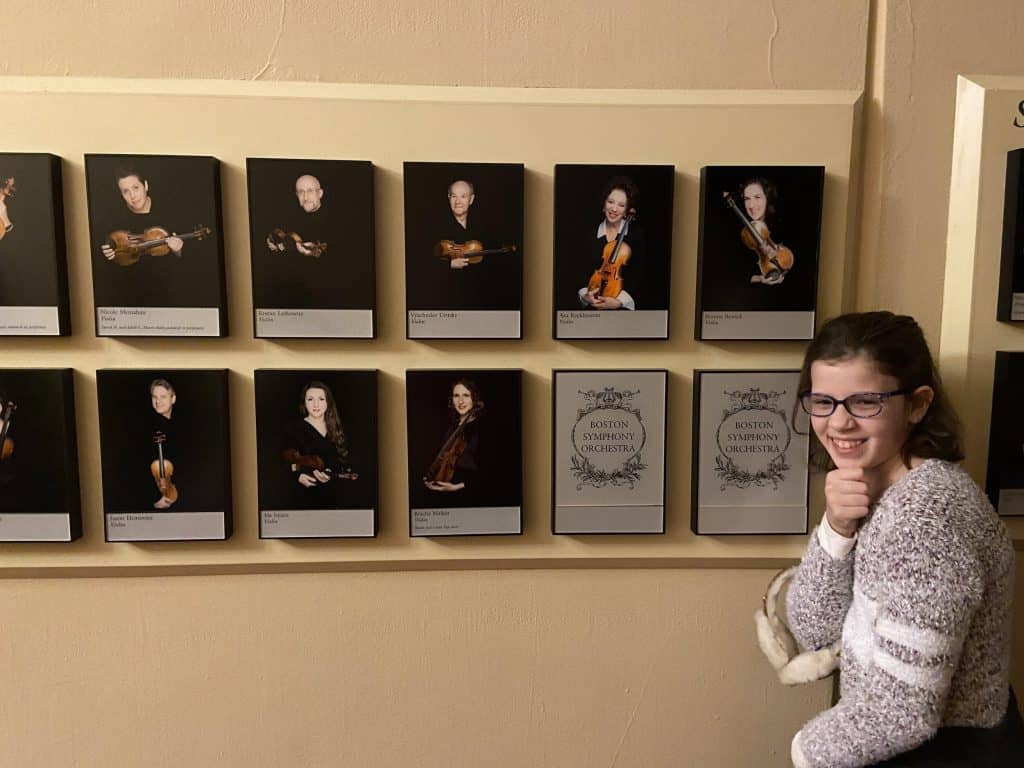
10. Reading the portrait displays of current BSO musicians and looking for empty boxes, which signifies a job opening!
Looking for tours of other music venues? Check out our posts featuring the Boston Symphony, Wang Theatre in Boston, Radio City Music Hall in New York City, Carnegie Hall in New York City, Met Opera House in New York City, and The Bushnell Performing Arts Center in Hartford, Connecticut. And follow along on our adventures on Instagram, Pinterest, Facebook, and Twitter.

Looking for more fun in Boston? Check out our adventures at the Boston Tea Party Ship and Museum, Boston Historic Park, Charleston Navy Yard and USS Constitution and Museum, Massachusetts State House, Museum of Fine Arts, Isabella Stewart Gardner Museum, and Legoland Discovery Center. And for our list of 20 places we love in Massachusetts, go here.

Similar Posts

  • | | |

    Playing “I Spy” at the Vermont State Capitol

    Vermont, the 14th state in the union, chose Montpelier as the state capital because of its central location and accessibility to the nearby Winooski River. The first State House, a traditional wooden meetinghouse, was open from 1808-1835, and then moved and expanded to a nearby, larger space from 1836-1856, until a fire destroyed most of the State House in January of 1857. The third, and current, State House was completed in 1859, built in an Italian Renaissance revival style, with all features made from masonry and cast iron; only the dome (57 feet high and covered in gold leaf) is made of wood. (Even the doors and staircase railing were painted to look like mahogany!)

    The Vermont Senate Chamber, which has 30 members, is the oldest senate chamber in America that is still actively used and still has all of the original furniture and lighting from 1859 (except for two filing cabinets and a computer). The 150 member House Chamber is the largest room in the State House. Vermont legislators have no private offices at the State House; they conduct business at their chamber desks or in groups in large committee rooms on the first floor. And unlike most state Capitols, there is no rotunda inside the Vermont State House, the dome is an exterior ornament. 

    Hubbard Park, located behind the State House, is home to walking trails, a fitness trail, an interpretive trail, a 54 foot stone tower, and picnic shelters. The State House complex welcomes visitors all year and encourages exploration of its grounds.

  • | | | | |

    Ocean Edge Resort on Cape Cod in Massachusetts

    I grew up less than an hour from Cape Cod, which is located south of Boston- it’s the “flexed arm” in the Massachusetts state outline. We often took day trips to various villages and beaches on the Cape but rarely stayed on site overnight. I didn’t know what I was missing out on until our recent visit to the Ocean Edge Resort.

    Located in Brewster, Massachusetts, in the middle of the Cape, Ocean Edge Resort is a world class resort spread over 400+ acres with its own private beach, 18 hole golf course, 9 tennis courts, 5 pools, and endless amounts of family fun. During the popular summer season, the resort offers daily programming in sports, fitness, dining, and kid friendly activities. There’s a seasonal shuttle throughout the complex so guests can simply “pahk the cah” (you are in Massachusetts, of course) and immediately get into vacation mode.

  • | | |

    National Building Museum in Washington DC

    The National Building Museum, located in downtown Washington DC, opened in 1985 after over a century of previous functions. Built in the late 18th century as the headquarters for the US Pension Bureau and as a honor to the men who fought in the Civil War, the space later hosted hundreds of celebratory functions in the nation’s capitol, including many presidential inauguration balls. It took over 15 million bricks to build the structure which includes a Great Hall, over a dozen gallery rooms, classrooms, meeting spaces, offices, and 234 busts (look up!) and 144 Doric style columns on the first and second floor.

  • | | | | | | |

    City Guide: Eight FREE Things to Do in Durham, North Carolina

    On a recent road trip, we enjoyed a weekend exploring Durham, North Carolina. The “City of Medicine” of almost 300,000 people is known for being the home of Duke University and home of what was once the world’s largest tobacco company (W. Dukes and Sons). Formerly known as the “Bull City” because of the Bull Durham brand of the Blackwell Tobacco Company (which became the American Tobacco Company) that used a bull as its logo, Durham is located in the central part of North Carolina and is less than 30 minutes from the popular Chapel Hill area and the state Capitol of Raleigh. There are dozens of family friendly museums, attractions, outdoor activities to enjoy throughout Durham; this list is just a small gathering of some activities we enjoyed, all FREE all year!

  • | | | | |

    National Museum of the American Indian in Washington DC

    We recently visited the National Museum of the American Indian in New York City (read about our adventures here) and less than a week later we were in Washington DC and spent a few hours (and a yummy lunch!) at the Washington Museum. You can also read about our adventures at several other Washington DC museums here.

  • | | |

    10 Greats Spots for Walking in Newport, Rhode Island

    Known as “the City by the Sea”, Newport, Rhode Island, is also known for its Gilded Age mansions that were the “summer cottages” of business tycoons of the early 1900s. Today, visitors can tour many of the mansions, learn about the rich history of the area in local museums, and sample a wide variety of cuisine with hundreds of shopping and dinning options. My family is fortunate to live within a day trip’s drive and we often visit Newport for the day and for long weekends. You can read our City Guide from a couple of years ago (we’ll be updating it soon) and our post featuring holiday fun in Newport.

One Comment

  1. The tour was amazing and the information thorough and interesting. We were very impressed with our tour guide. She took us throughout the symphony and all the spaces below and in back of the stage. There’s a great deal for school-age children to enjoy. I would put it on any list of high spots for Boston.

Leave a Reply

Your email address will not be published. Required fields are marked *