Exploring Colonial Michilimackinac in Mackinaw City, Michigan
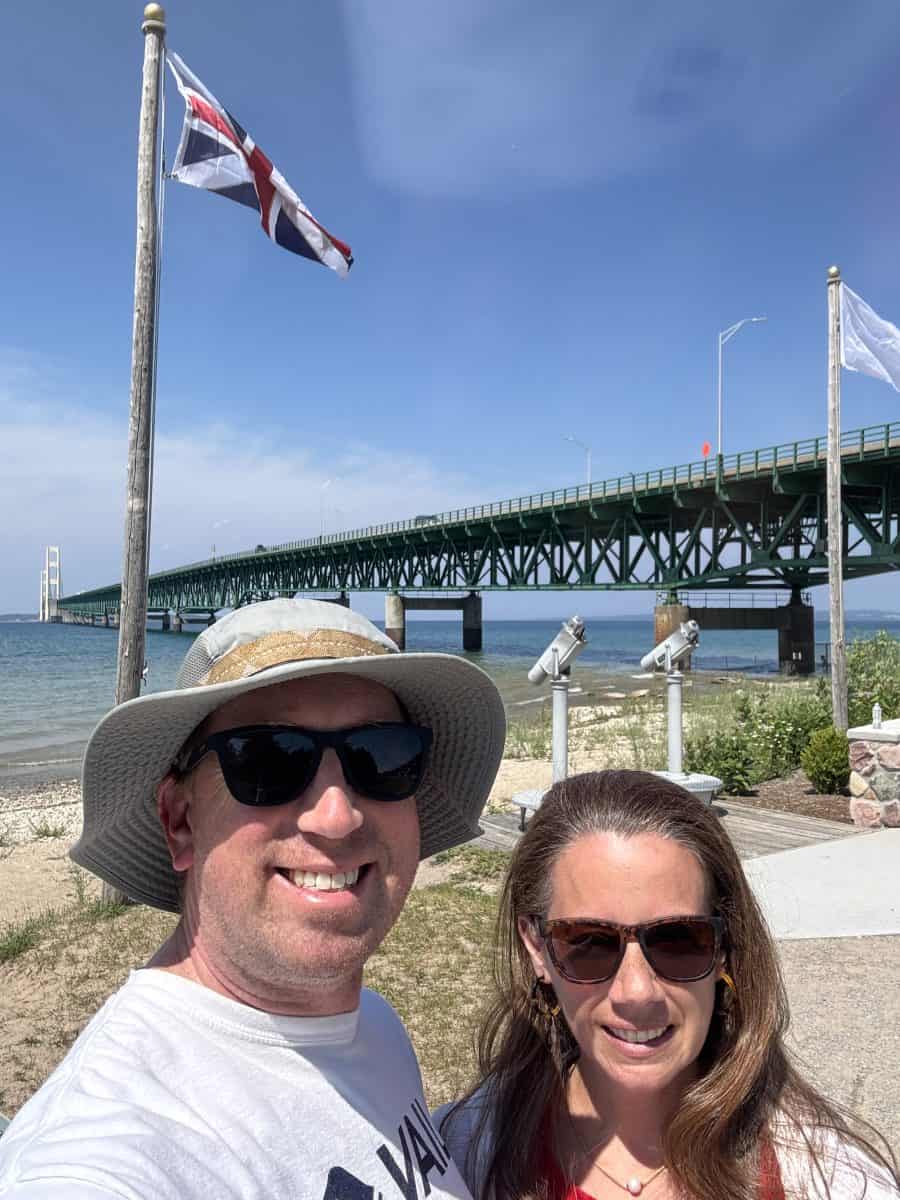
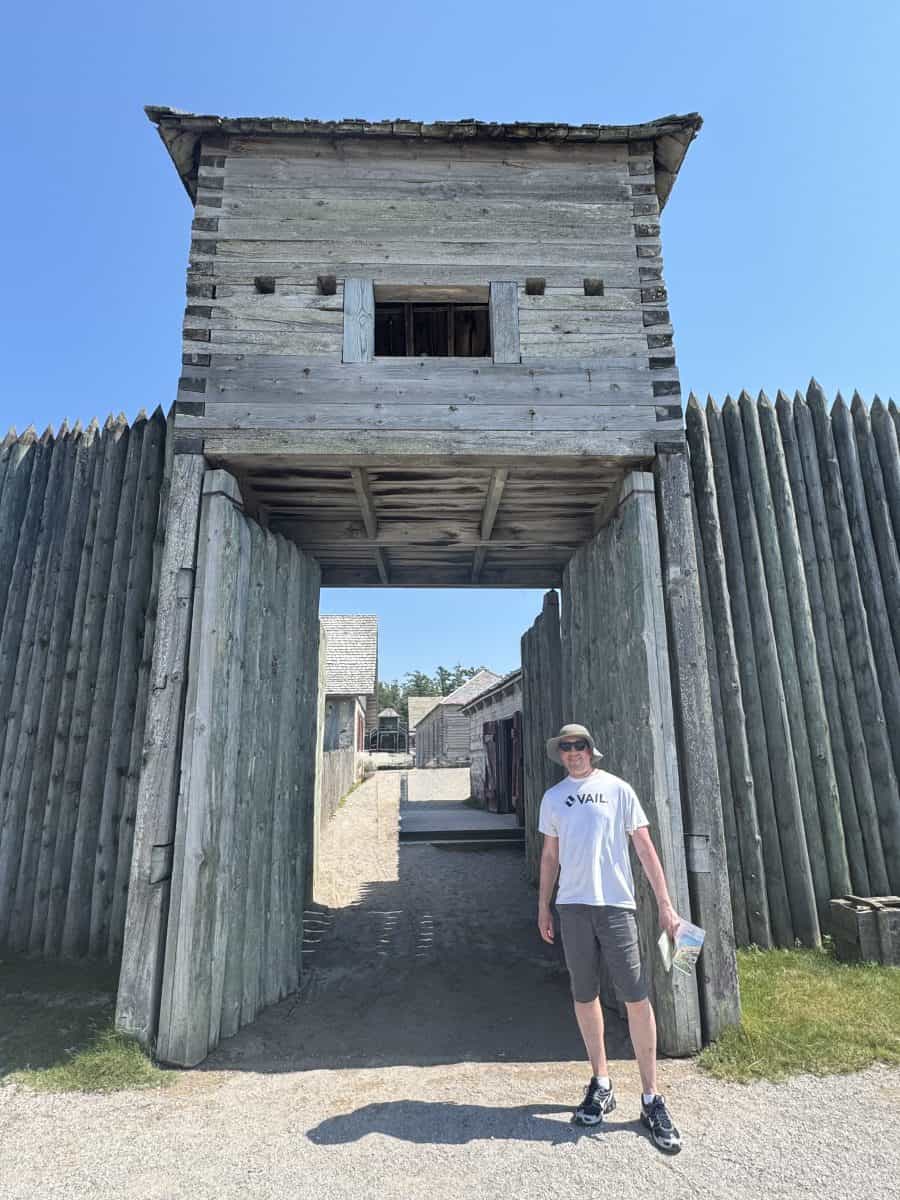
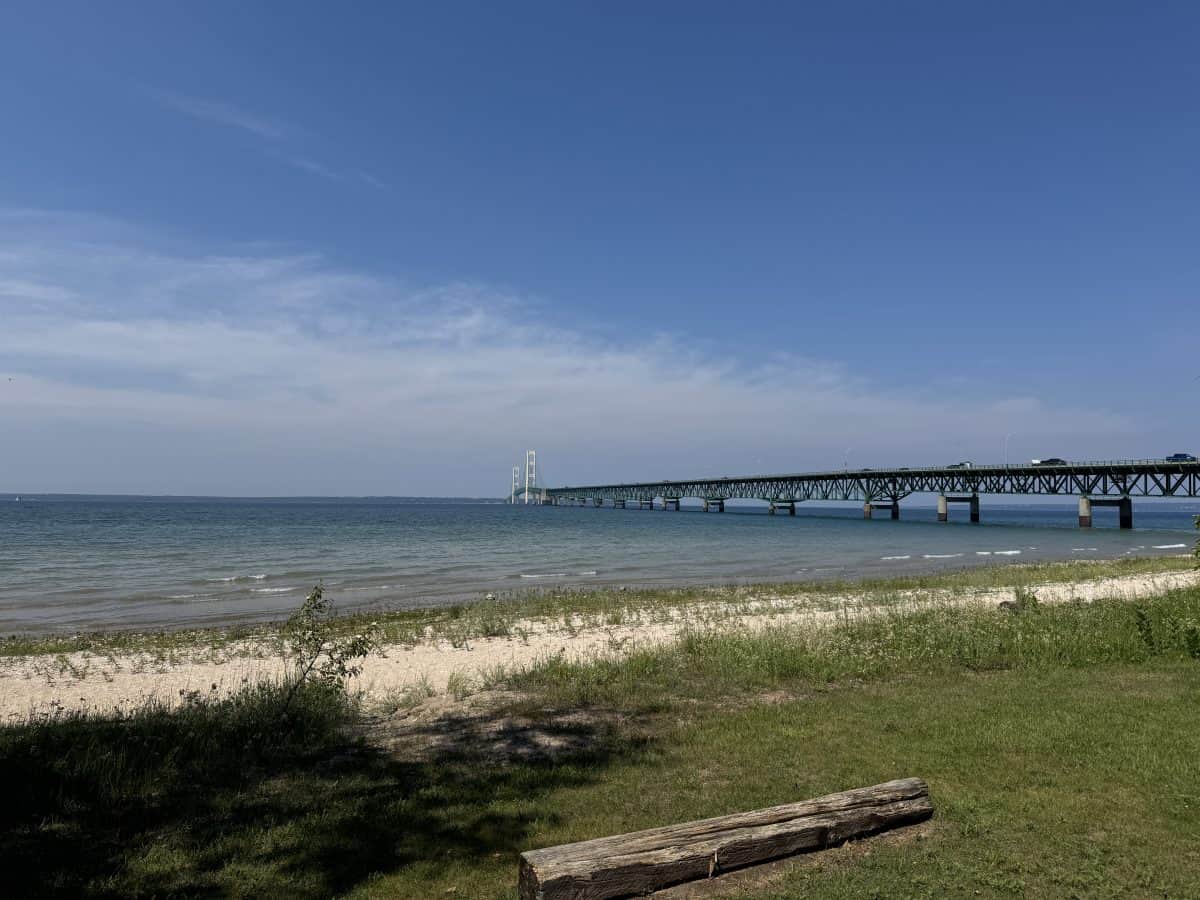
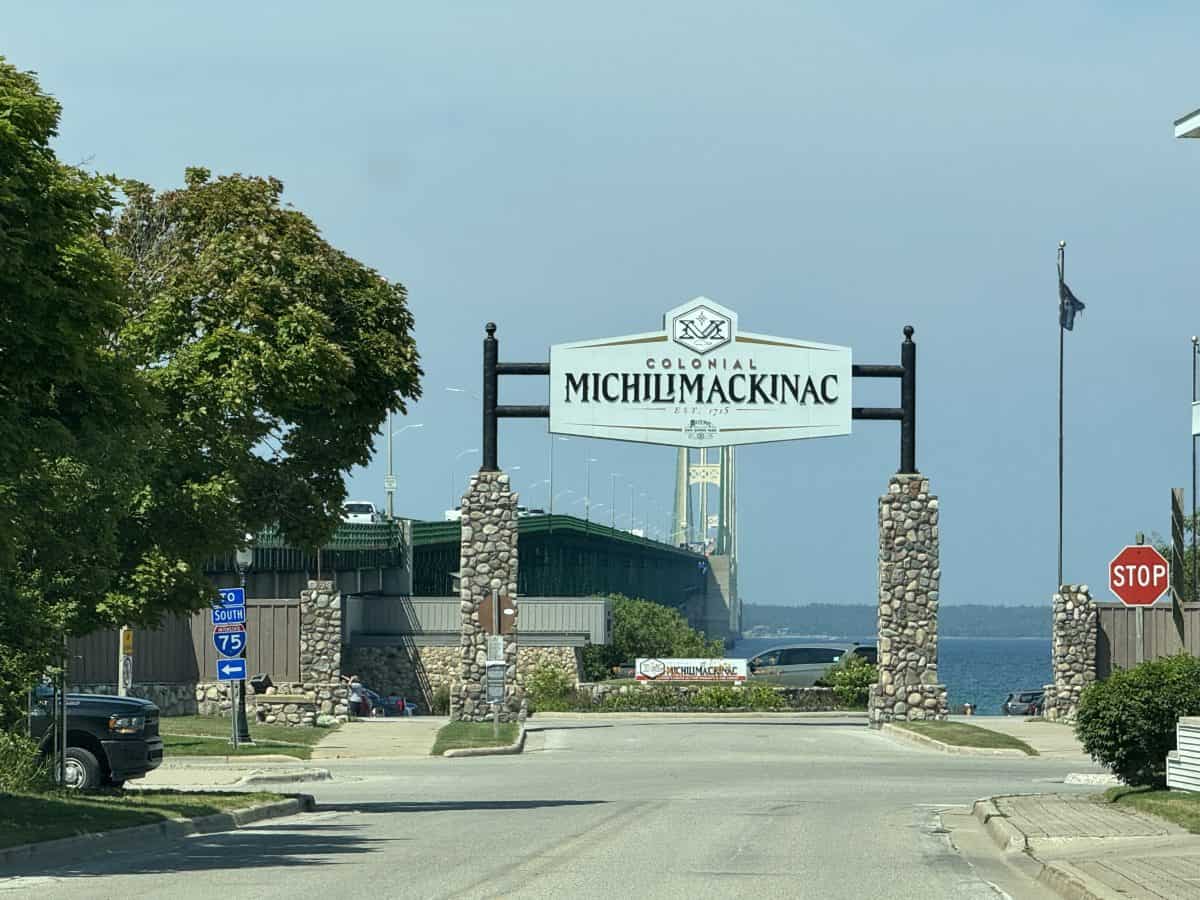
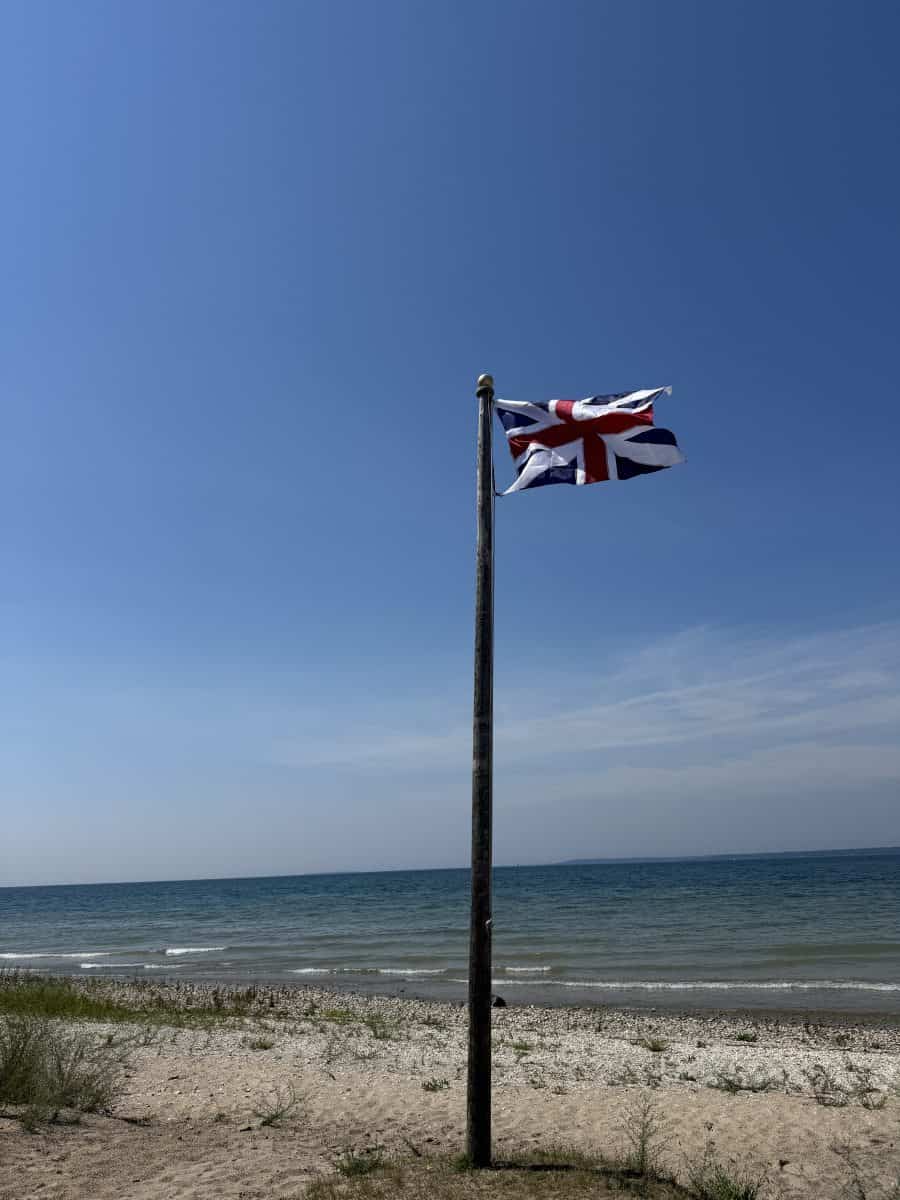
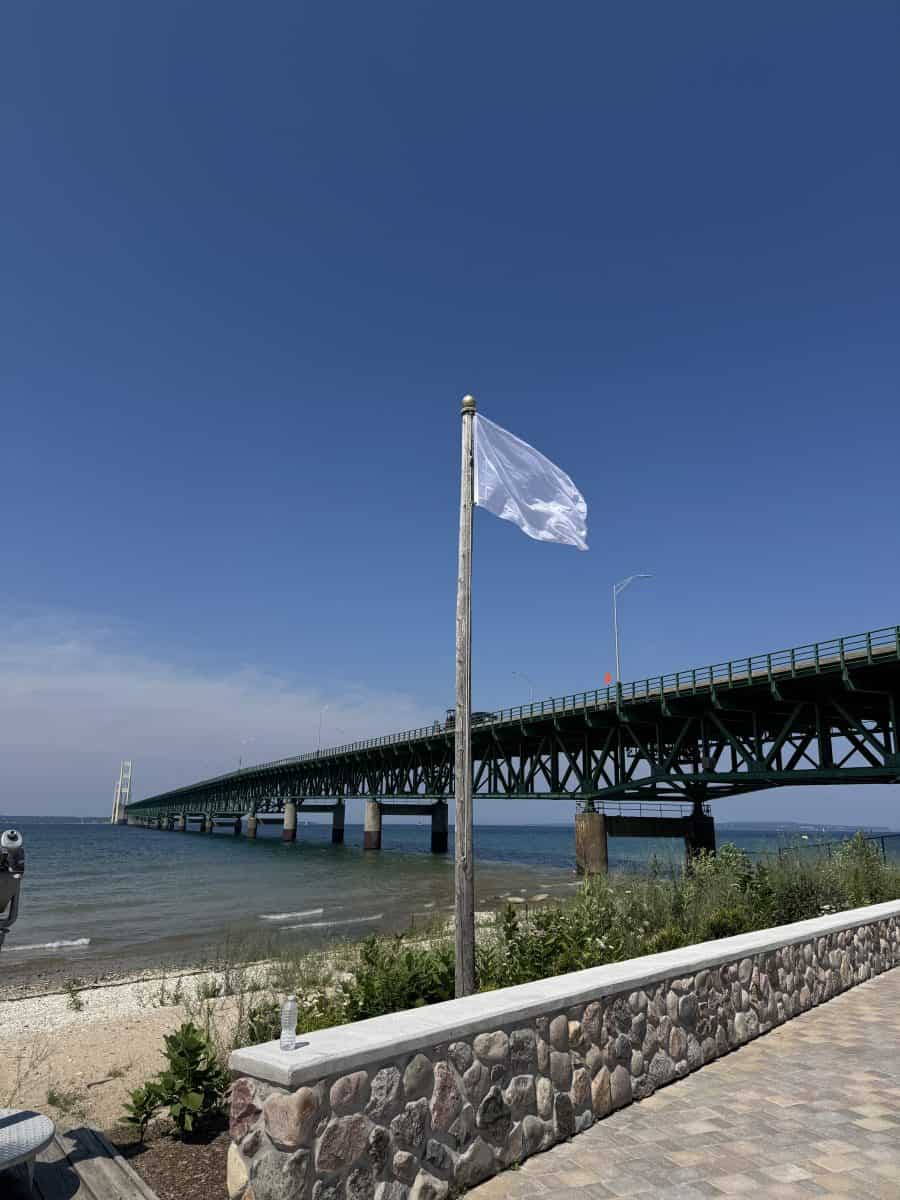
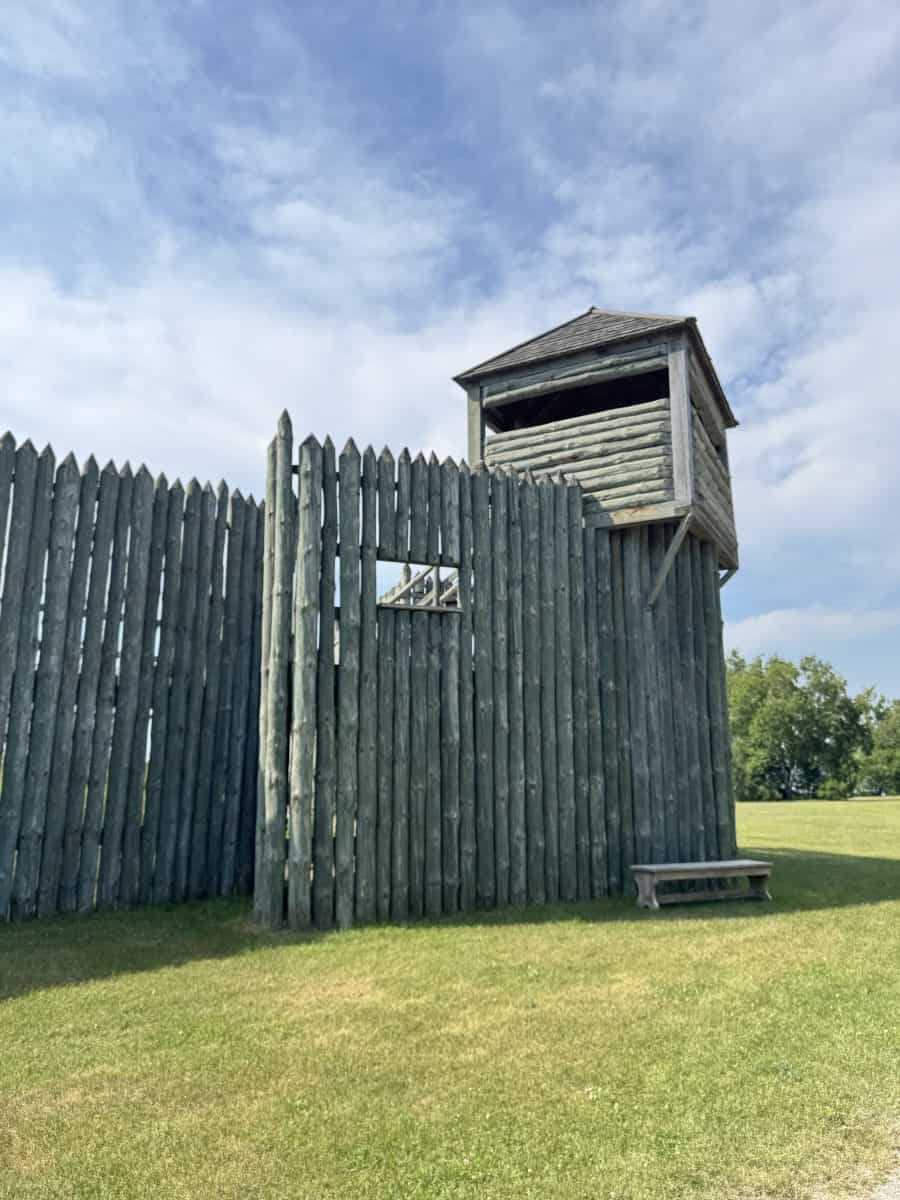
A visit to Colonial Michilimackinac in Mackinaw City, Michigan, is like traveling through a time machine to 1776, when British forces were overtaking land in northern Michigan and the American Revolution was beginning. Located on the shores of Lake Michigan and the Straits of Mackinac and next to the Mighty Mac Bridge (bringing travelers to St. Ignace in the Upper Peninsula of Michigan), the area was originally occupied by the Ottawa traders. French soldiers came to the area, an ideal spot for fur trading, refueling, and getting new supplies between the northern and southern areas. They built the original fort in 1715 and the area thrived throughout the mid 18th century. After the British defeated the French in the French and Indian War, they seized the fort in 1761 and gained control of the trade industry in the area.

In 1781, British troops moved their entire community, and some of their structures and supplies, to nearby Mackinac Island and ordered that everything that remained at the fort be burned and destroyed. Almost a century later, in the 1870s European settlers arrived in the area and established a post office and railroad system, adding two lighthouses before 1900.
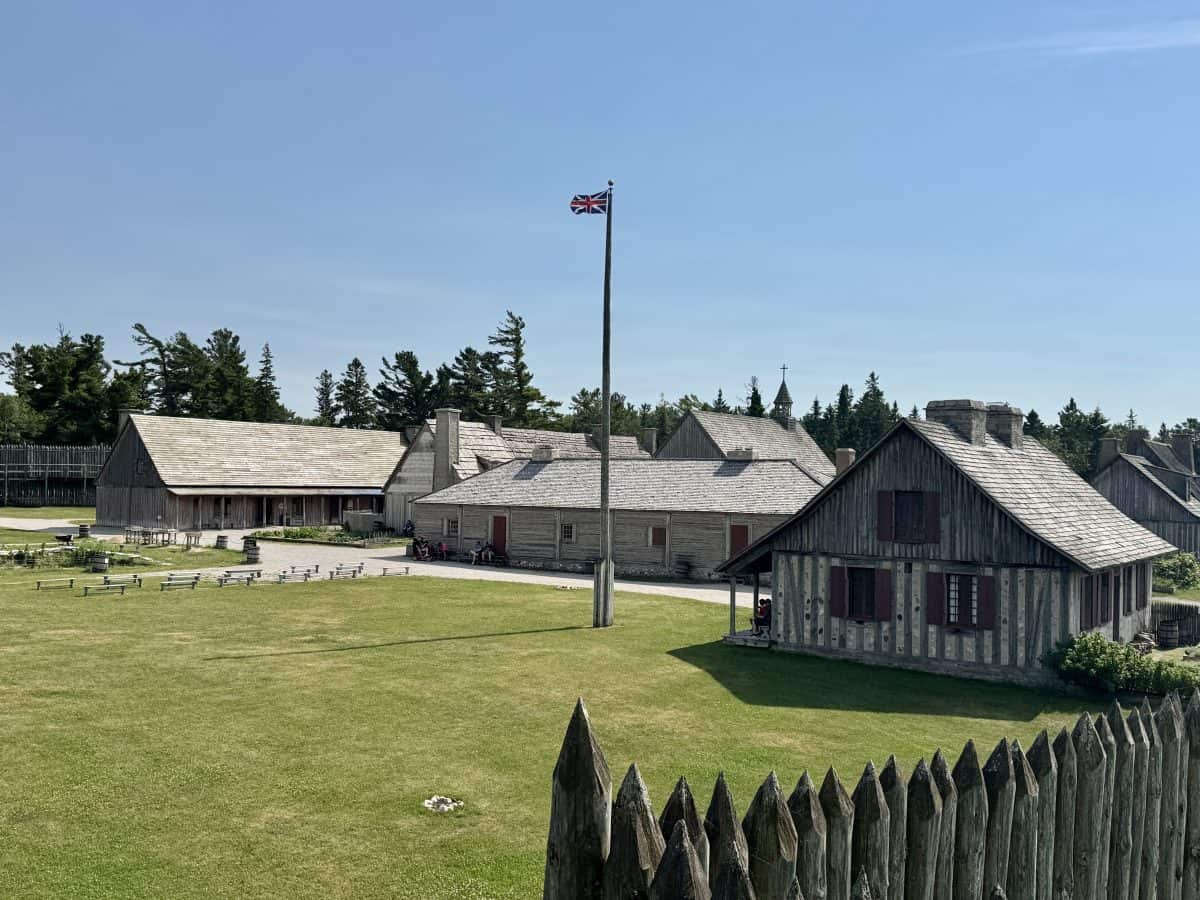
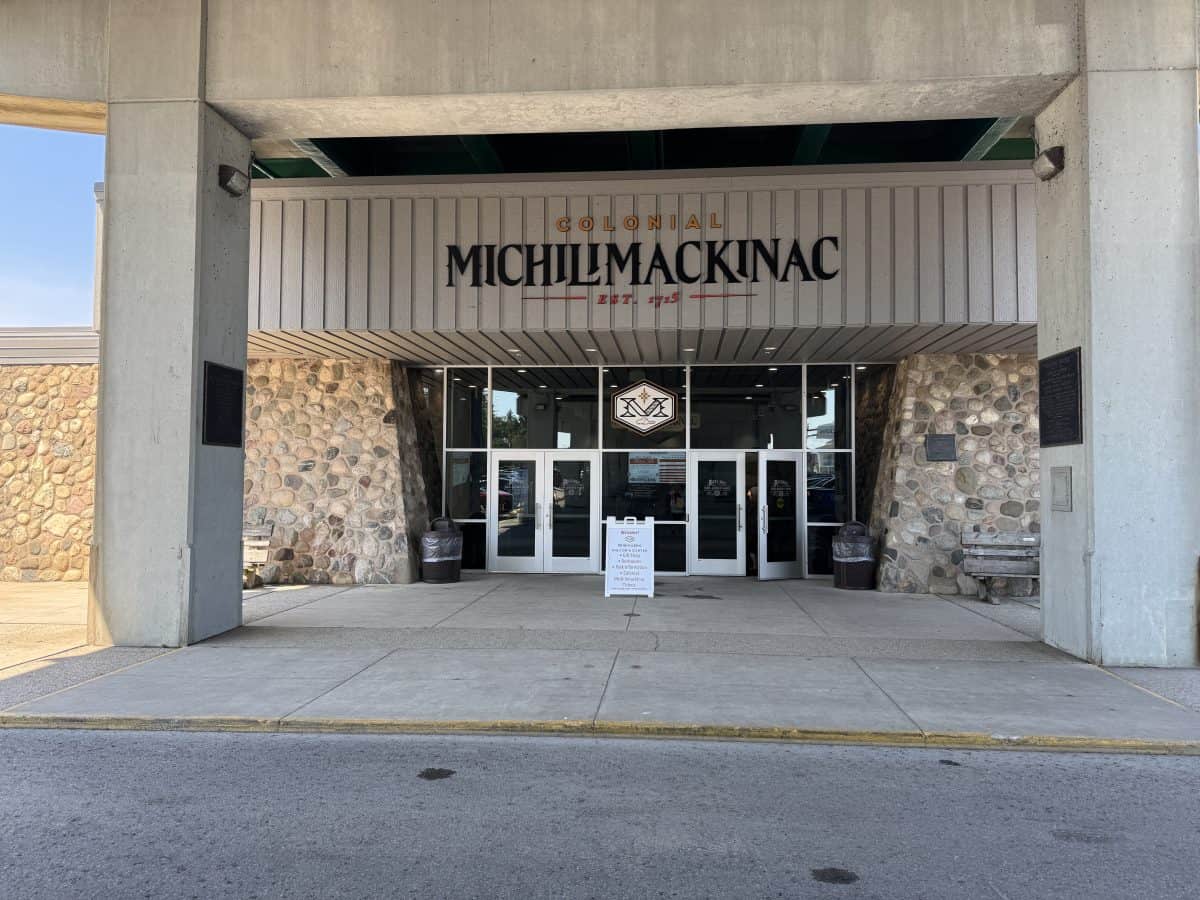
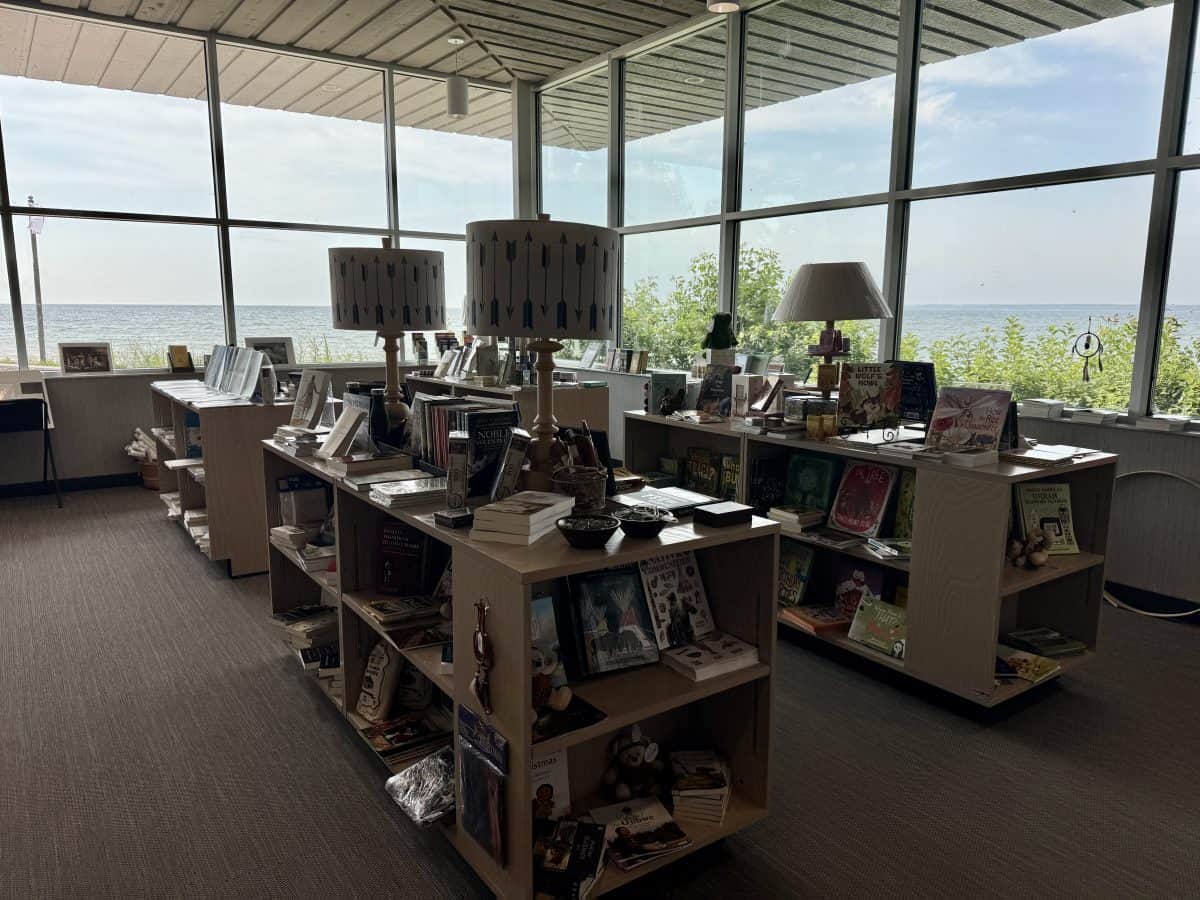
In the early 20th century the state of Michigan designated the 37 acre area a state park and it became a popular summer campsite. A few decades later, the general fort perimeter was reconstructed and a small museum opened to the public. In the late 1950s archaeologists began excavating thousands of buried artifacts, including underground structures, and as of the mid 2020s, approximately 65% of the fort has been excavated. By the 1970s, the campground closed and a formal Visitor Center opened and preservation of the fort became permanent. The Visitor Center was recently renovated in 2025 and now includes a larger gift shop and amenities for visitors.
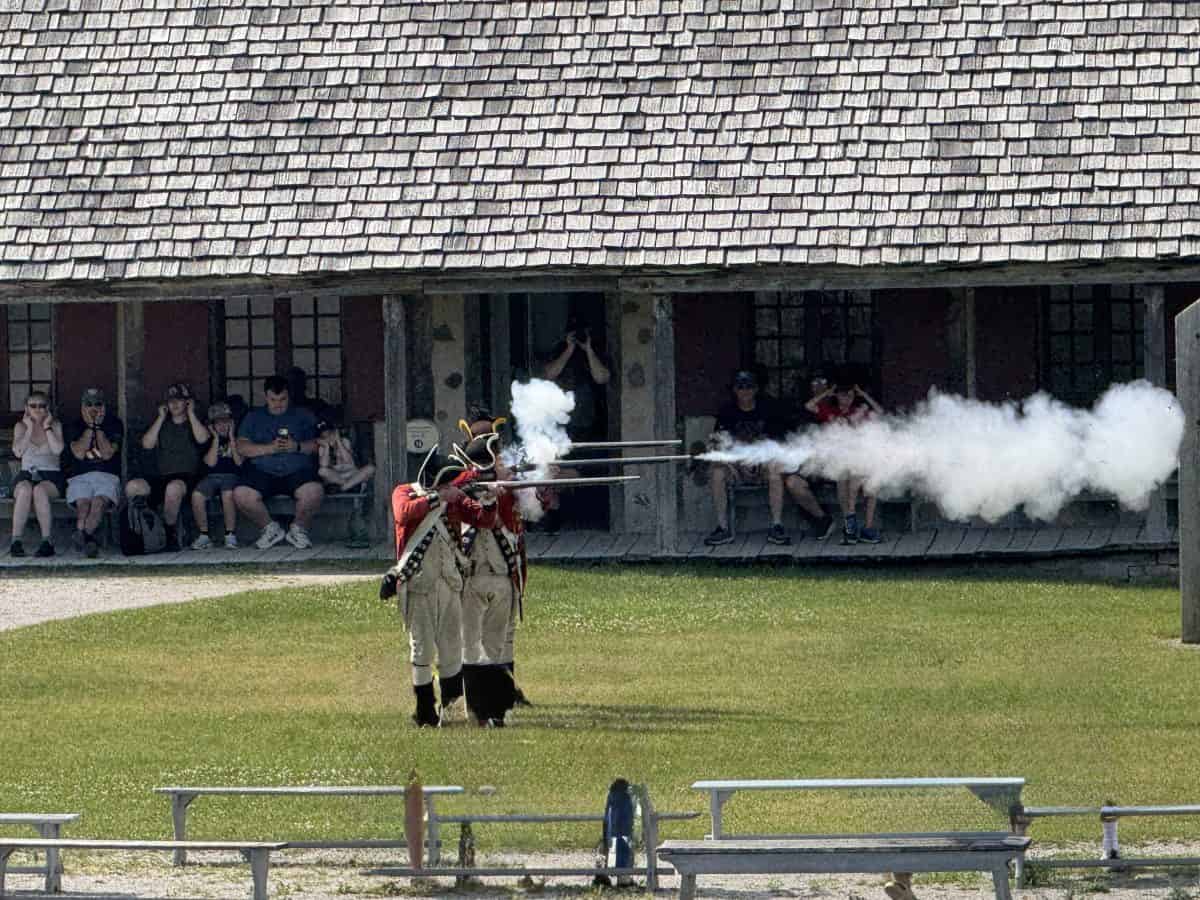
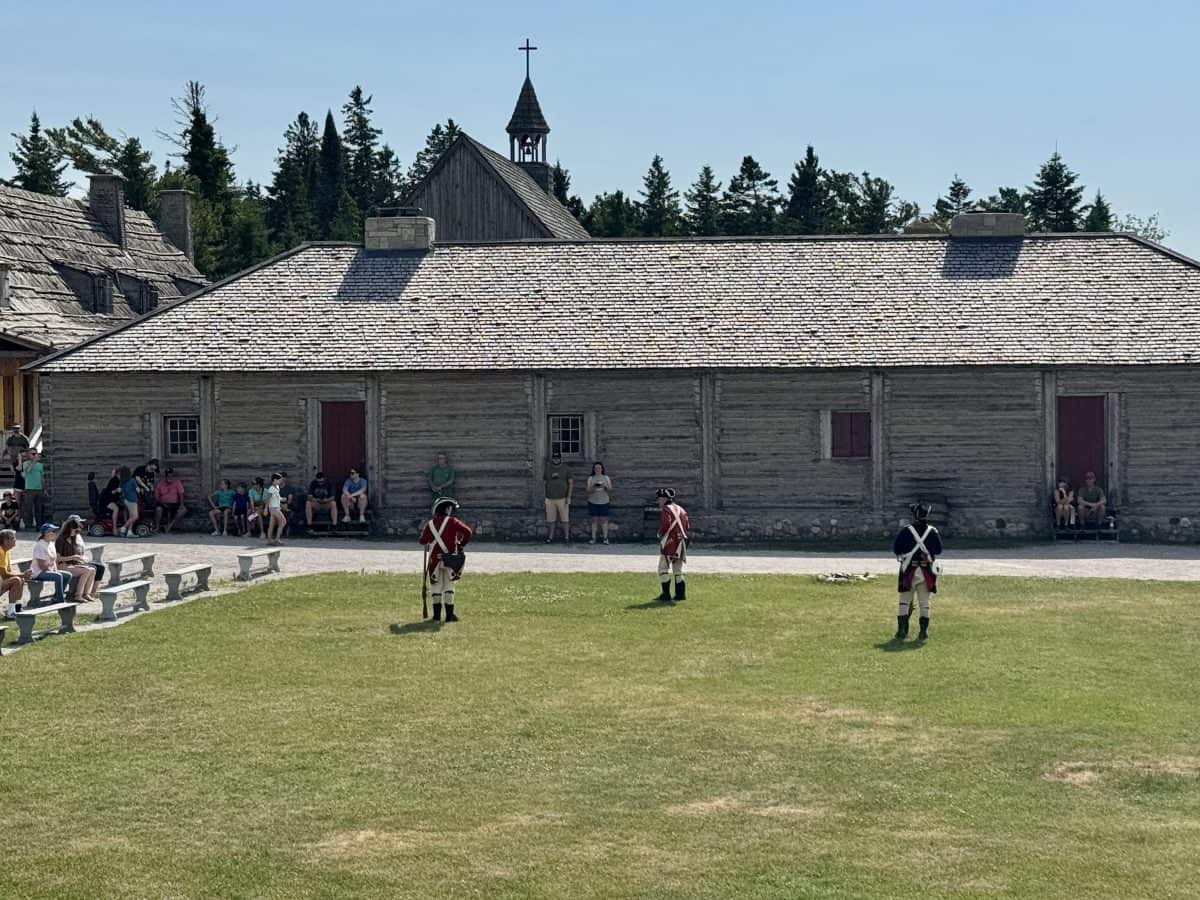
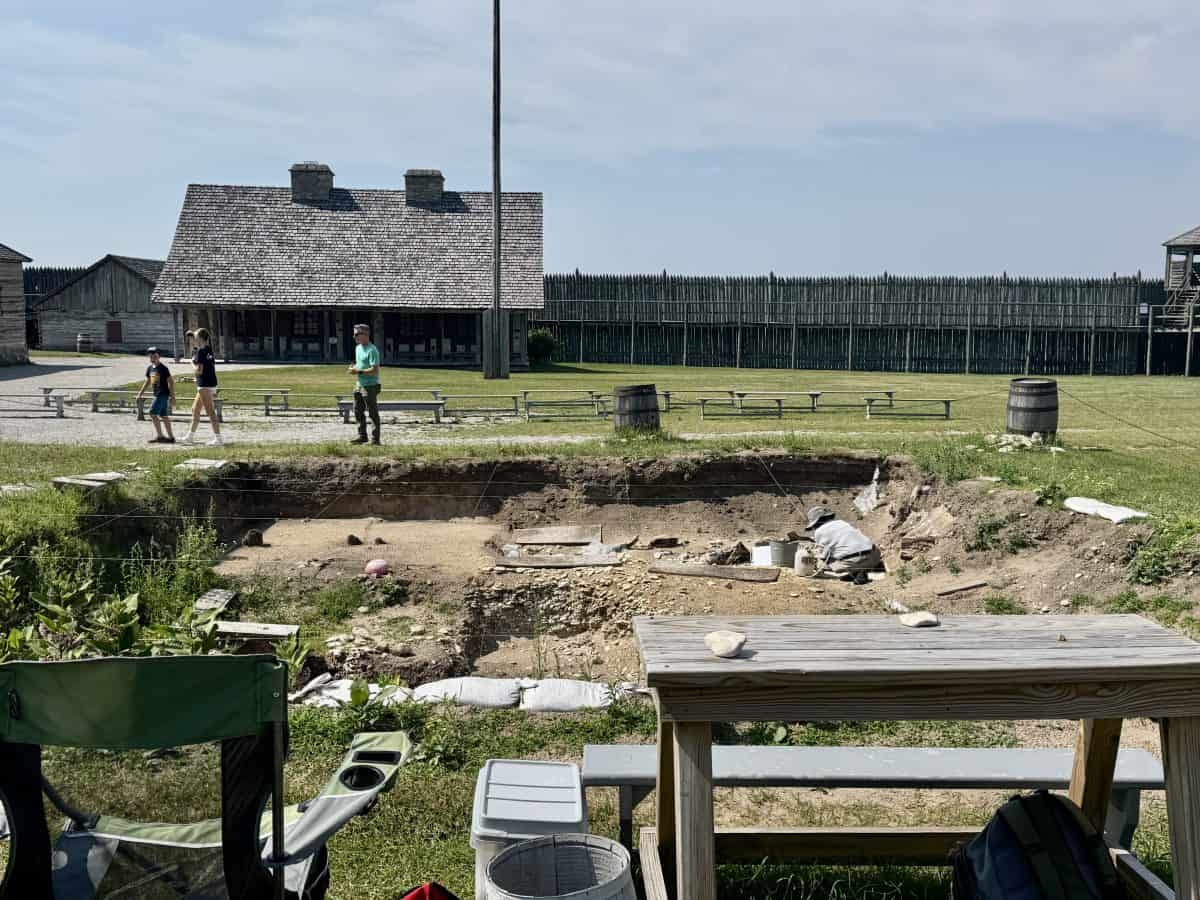
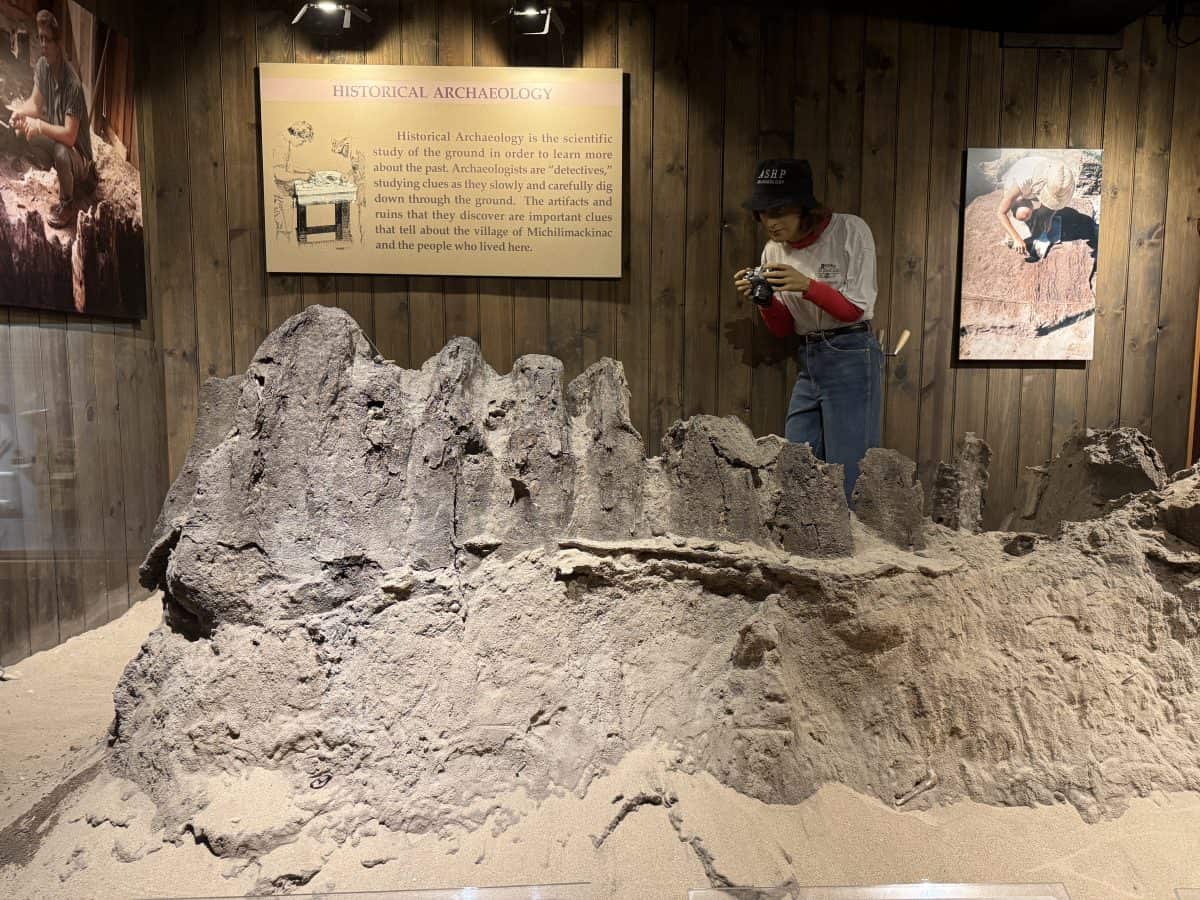
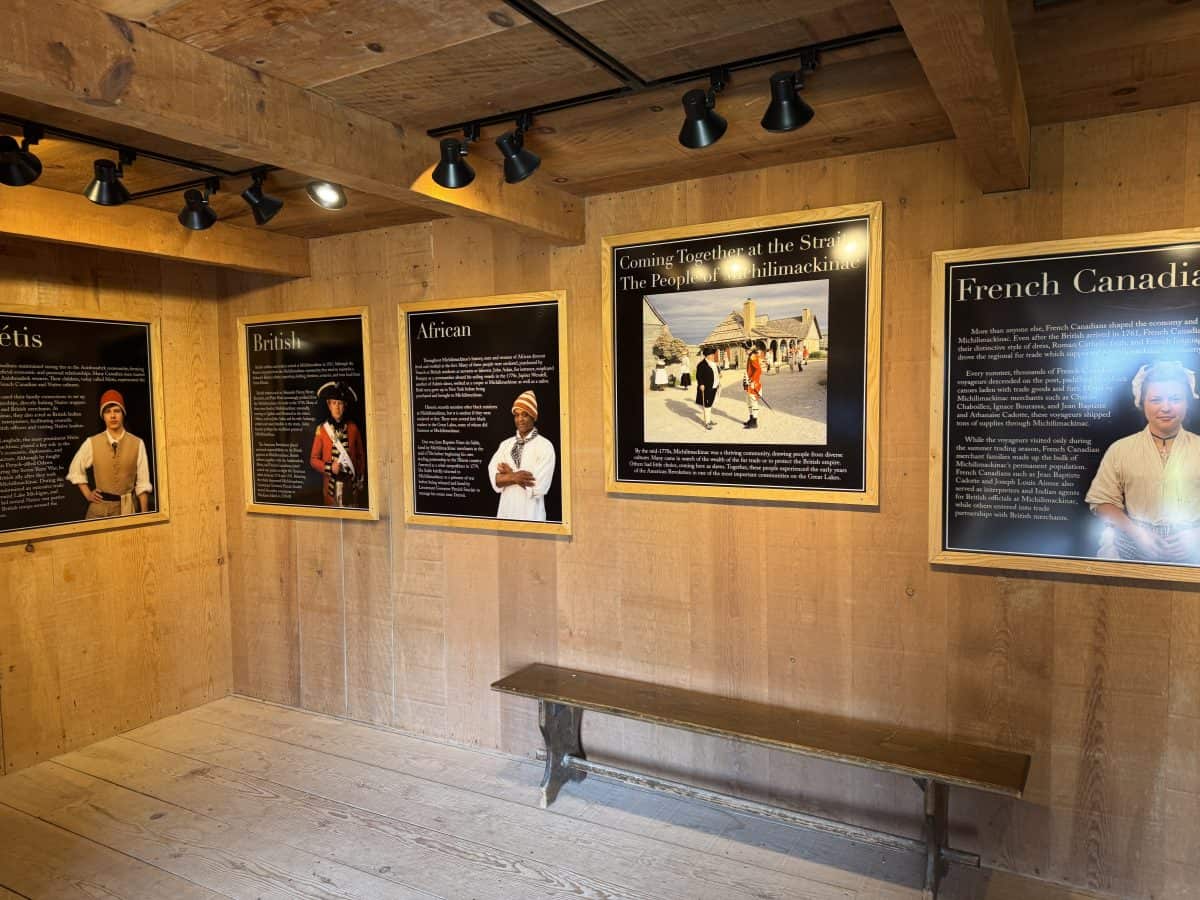
Since the summer of 1959, Colonial Michilimackinac has been the longest, ongoing archaeological program in the United States, with archaeologists working throughout the season uncovering artifacts and even structures of what once stood in the fort. There are also interpreters representing Anishnaabek traders, British soldiers and French Canadian merchants who engage with visitors, answering questions, telling stories (based on verified documentation of what happened at the fort!), and reenacting weapons firing and trade skills. The entire complex is very family friendly and makes learning about history engaging and fun!
Travel Tips:
15 Ways to Explore Colonial Michilimackinac:
Would you like to save this?
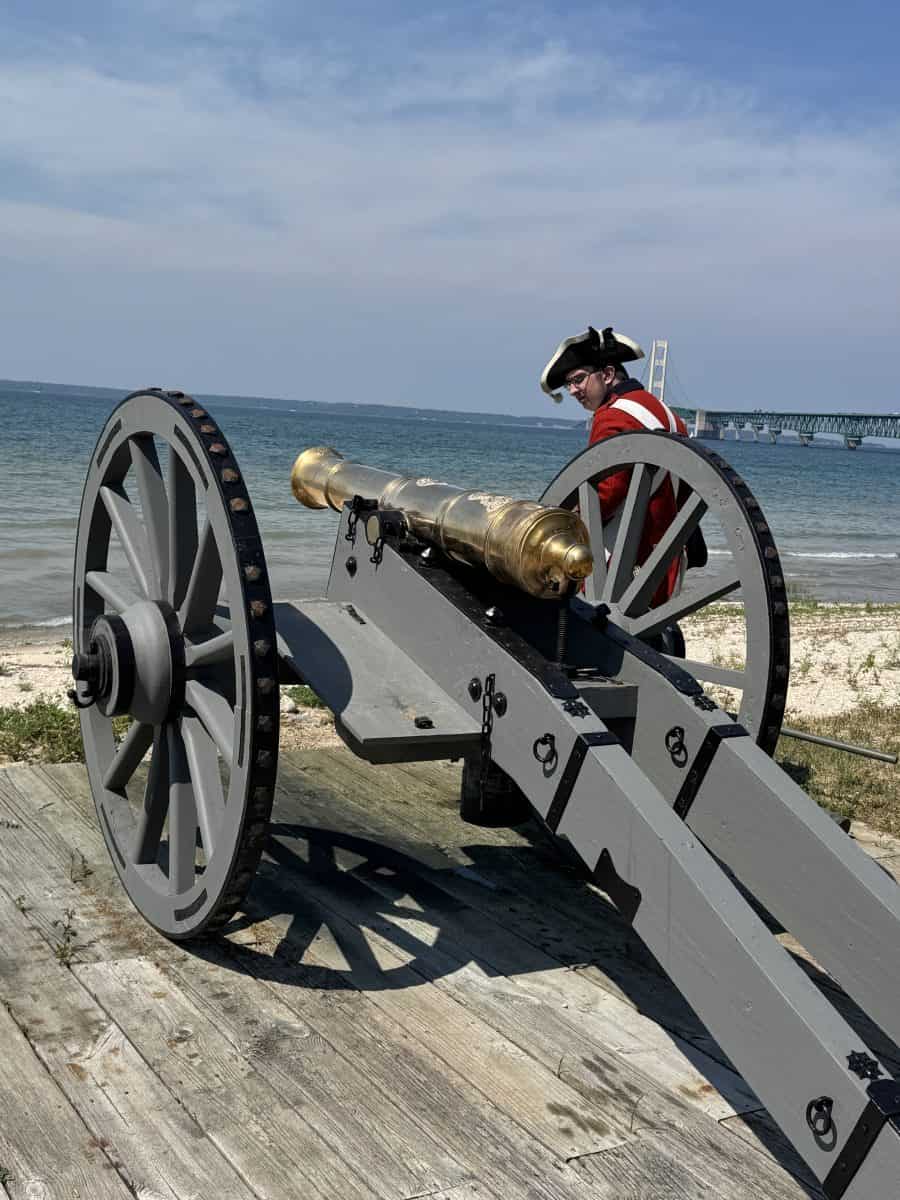
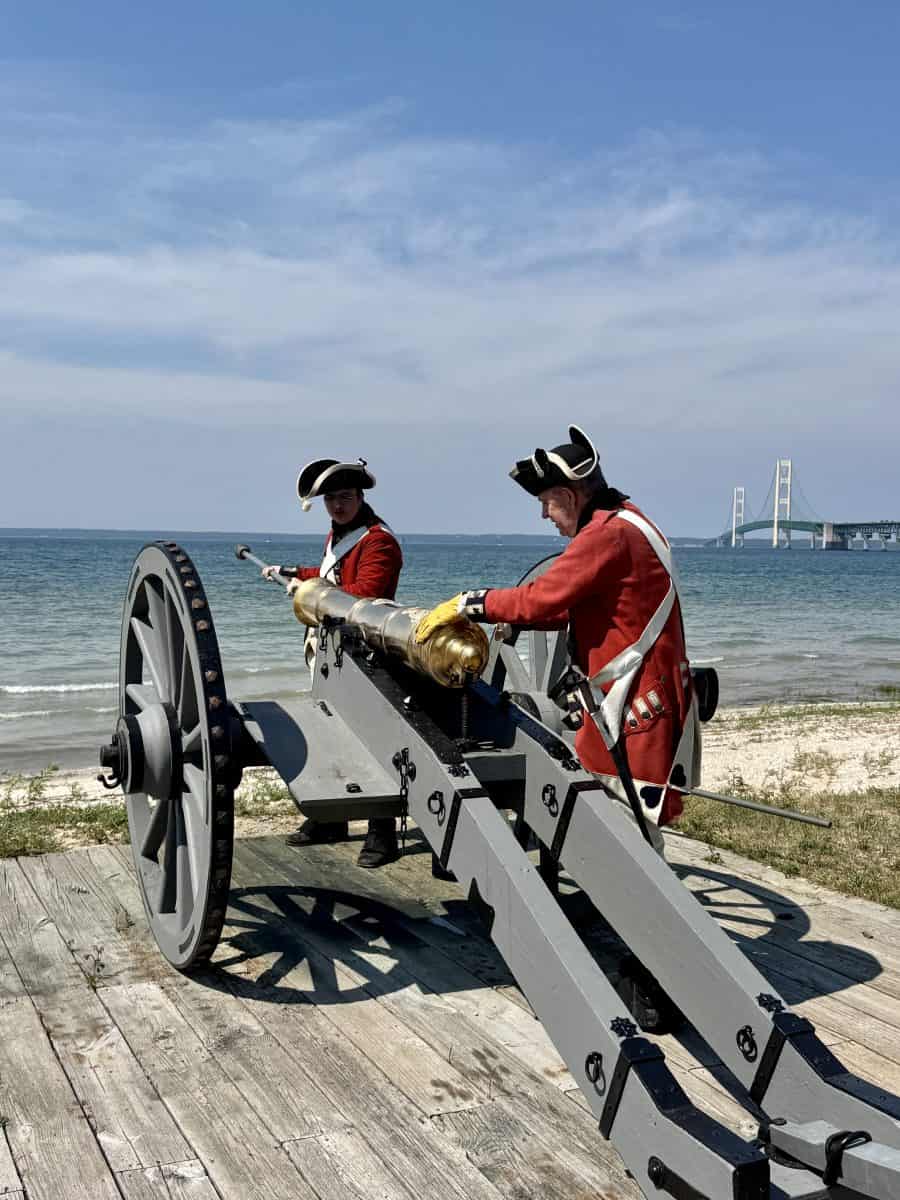
- Check the daily schedule for live demonstrations and programs: Each day the Fort and its live interpreters perform a morning cannon salute, artificially firing demonstrations, musket firing demonstrations, and special programs featuring people who lived and worked in the fort.
- Watch as archaeologists continue their ongoing excavation of the Fort: The dig is one of the longest ongoing excavations in America, dating back to 1959. Teams of archaeologists work throughout the entire season; when we visited in summer 2026, the team was in the middle of the Fort. Learn more here.
- Watch videos throughout the fort: an overview video entitled Crossroad of the Great Lakes in the Storehouse and Attack! At Michilimiackinac in the Southwest Rowhouse, which recreates the 1763 capture of the fort.
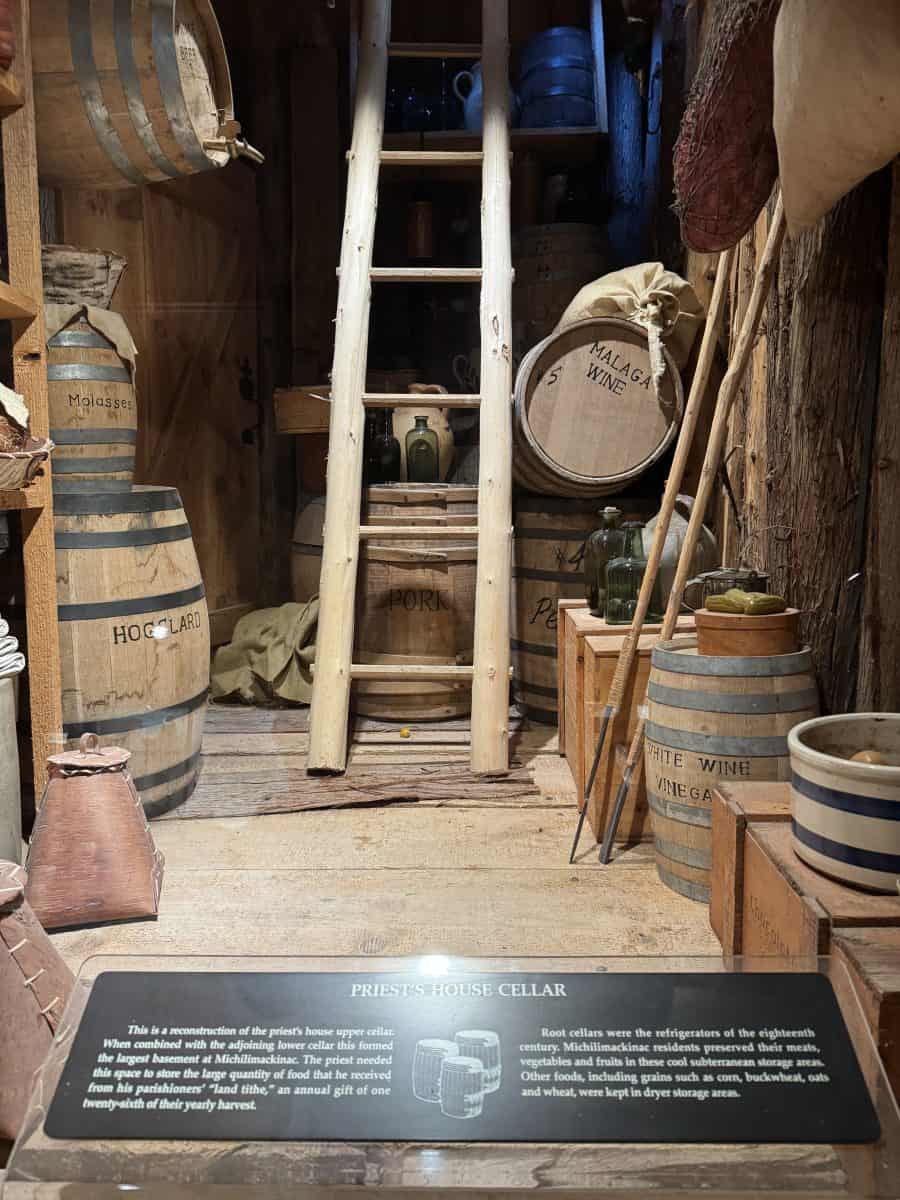
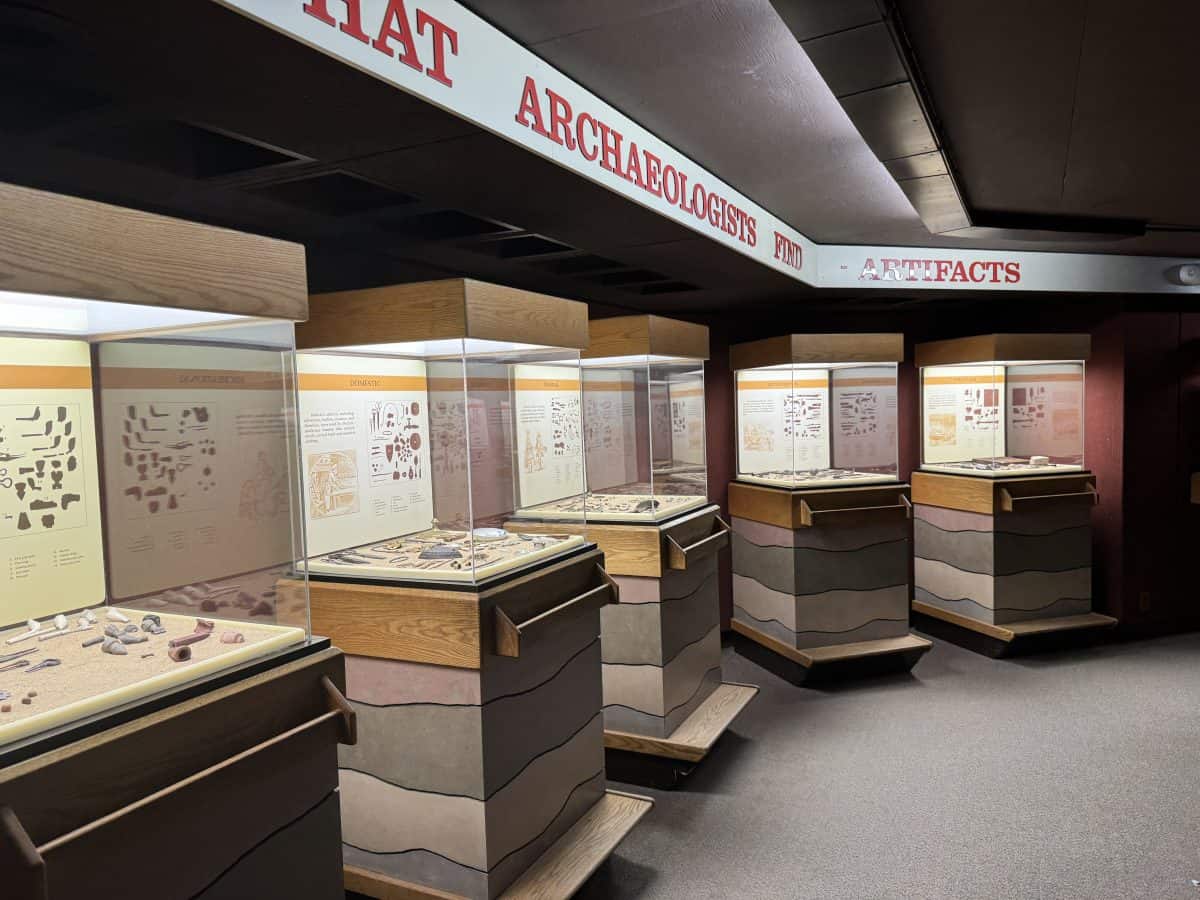
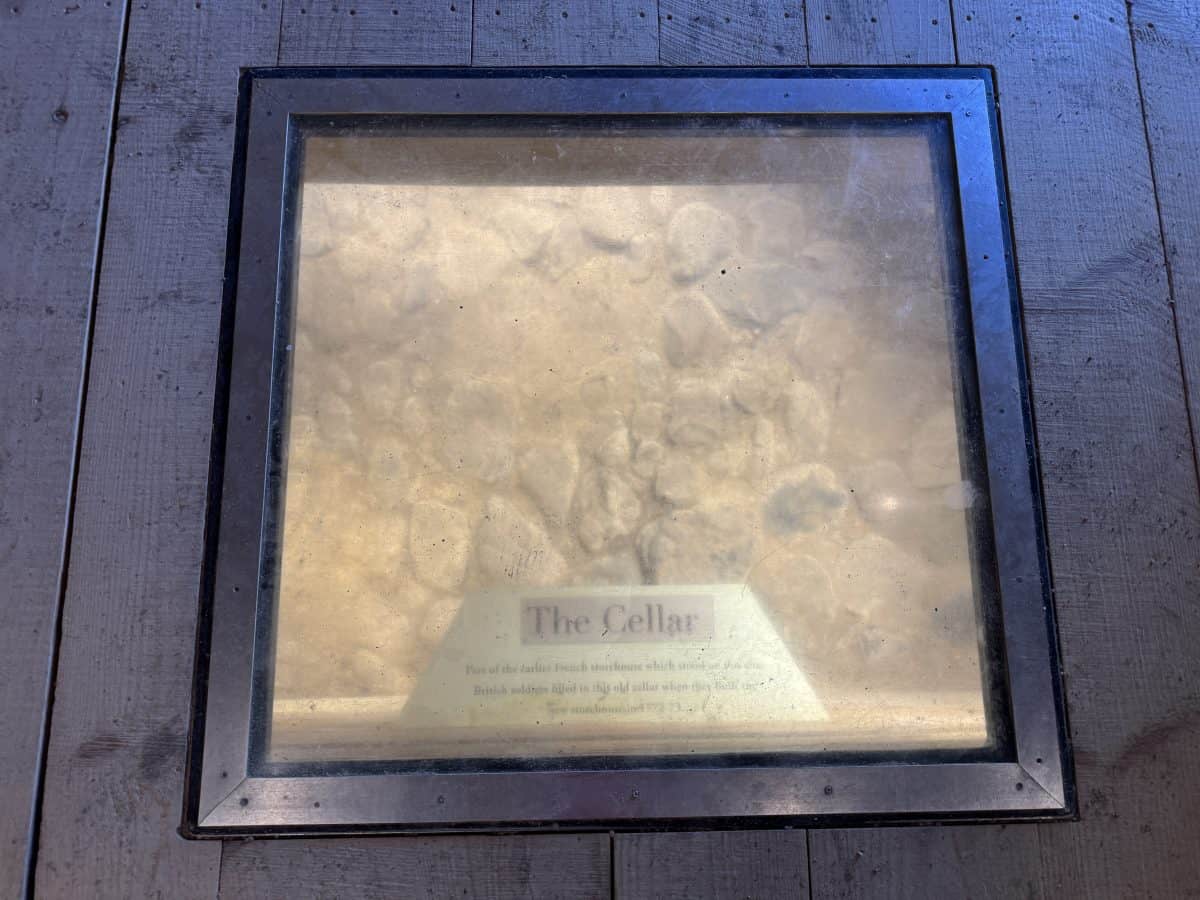
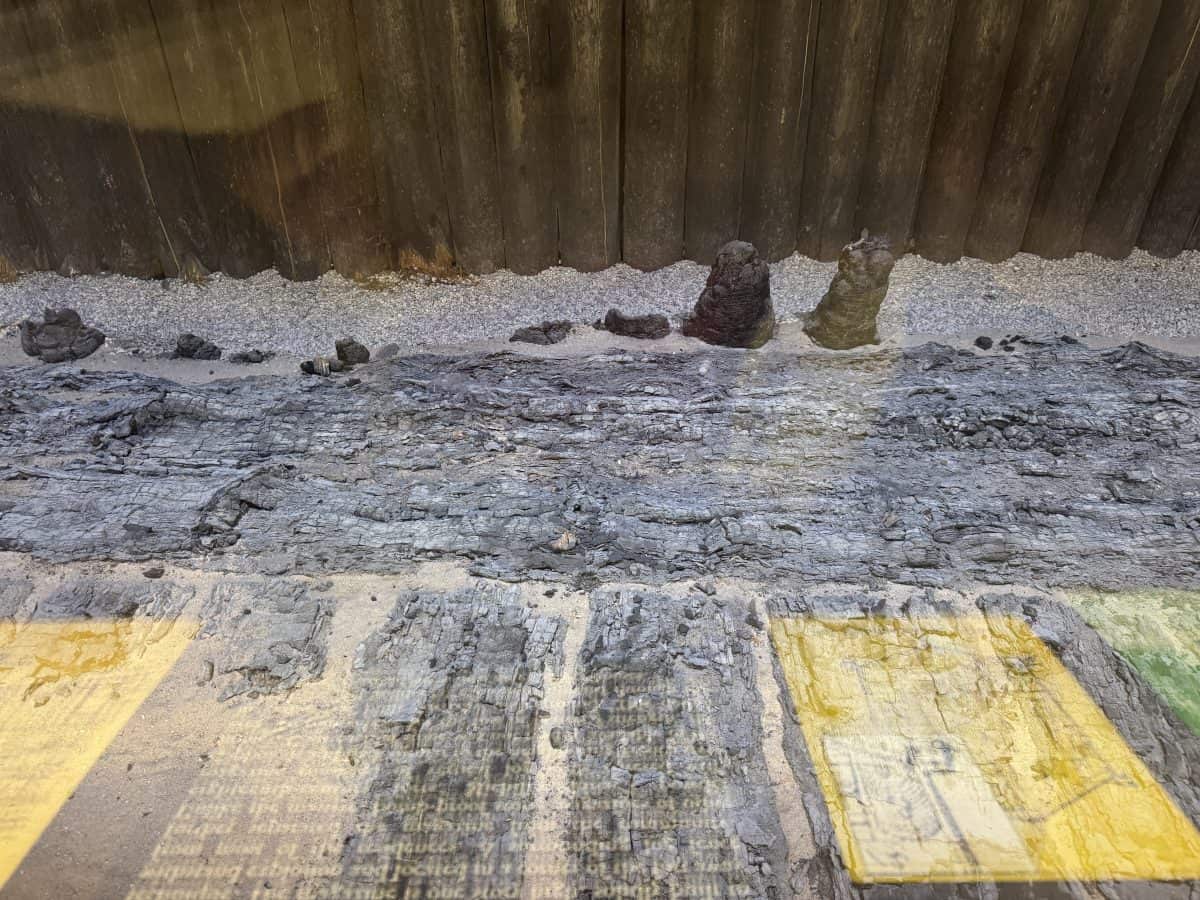
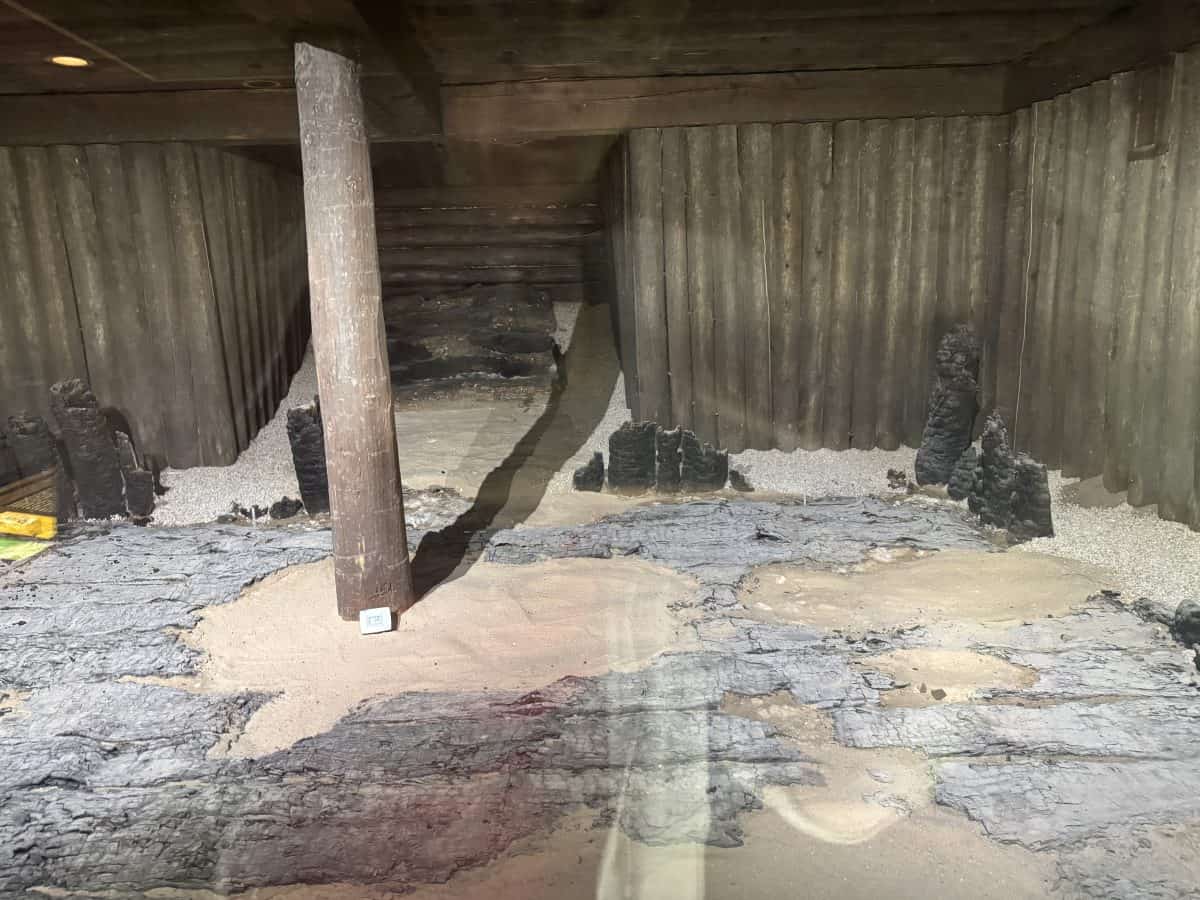
- Peek down into the original root cellar in the Northwest Rowhouse #7 used as a warehouse and living house. Go underground to the Treasurers from the Sand exhibit, which describes how archaeologists safely uncover and preserve artifacts.
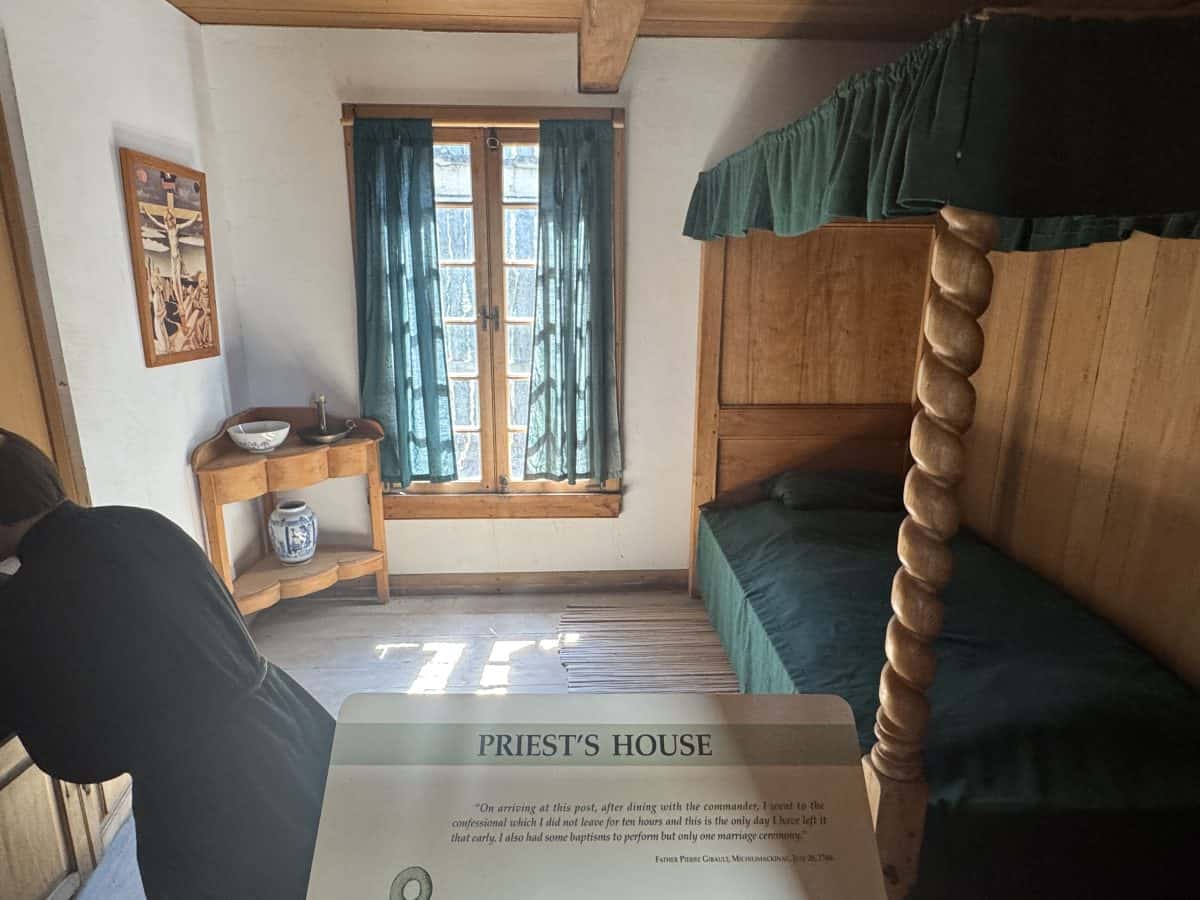
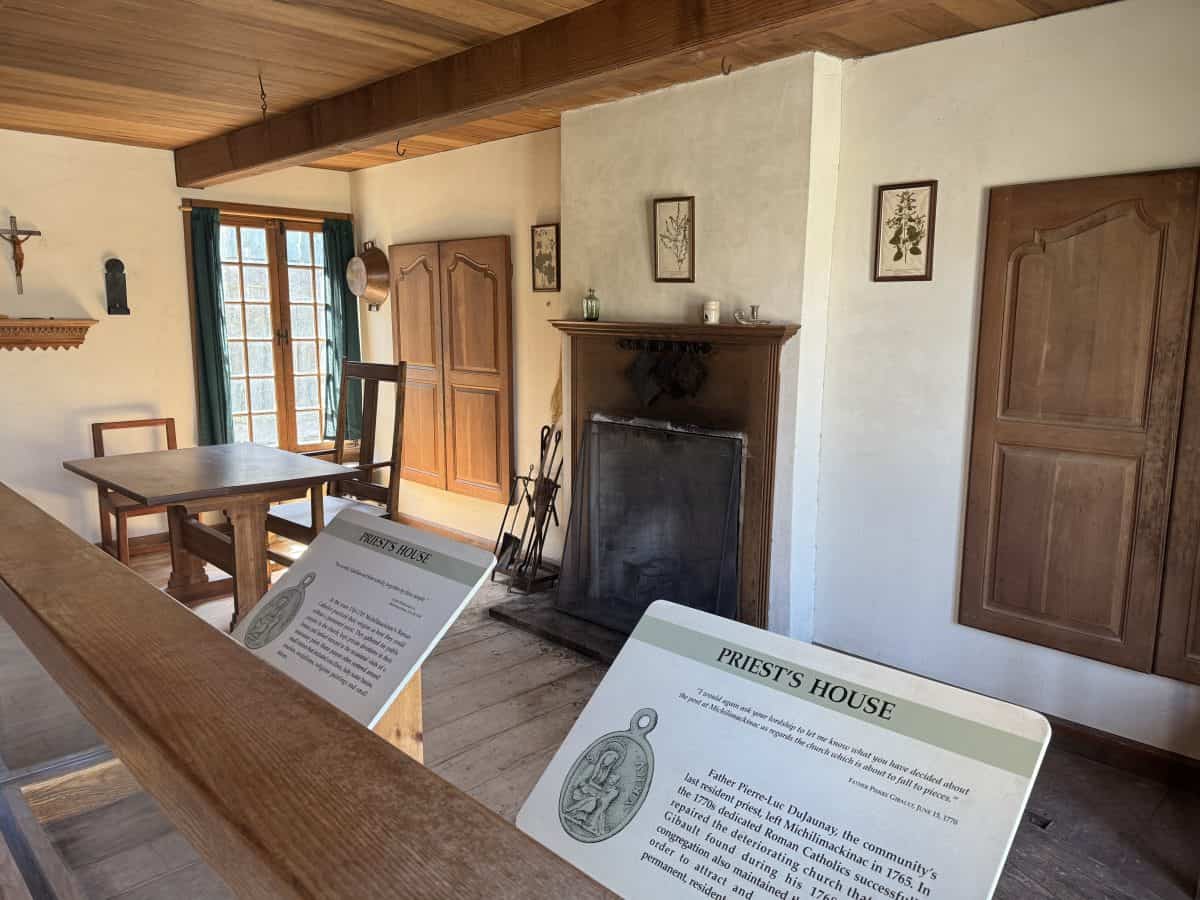
- Count the number of Roman Catholic priests (seven in total) who lived in the Priest’s House from 1765 through 1781 and look for signs of other religions of the Anishinaabe people and British soldiers.
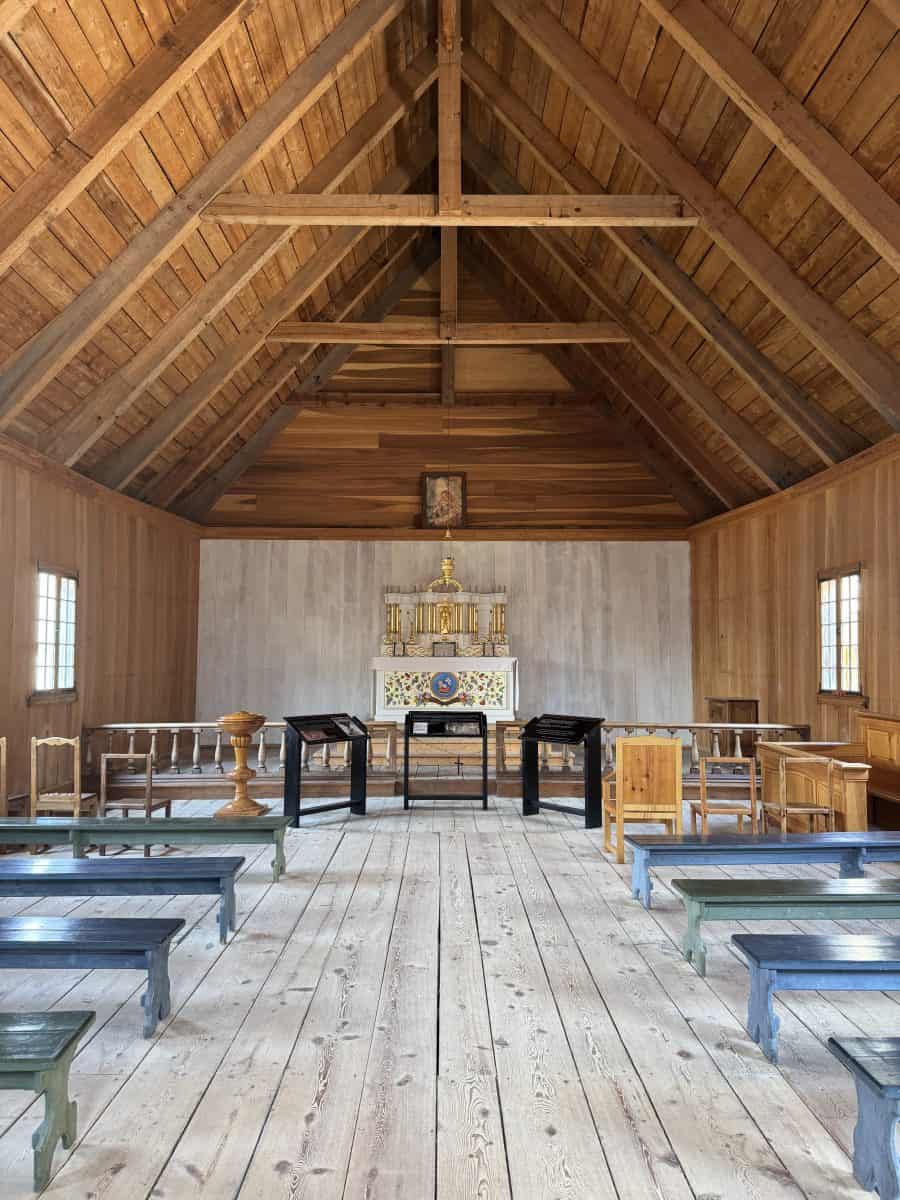
- Step inside the Reconstructed Church from 1742, with a baptismal font and confessional.
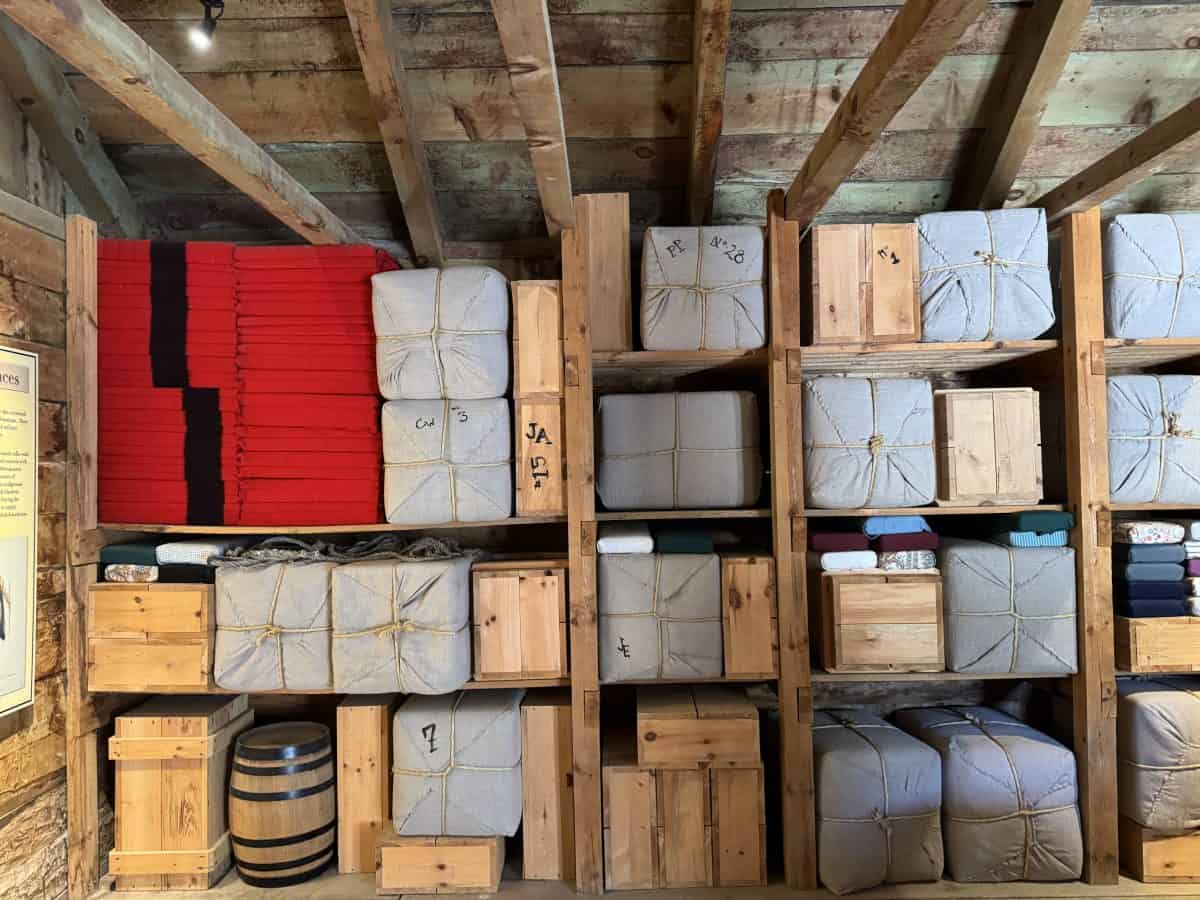
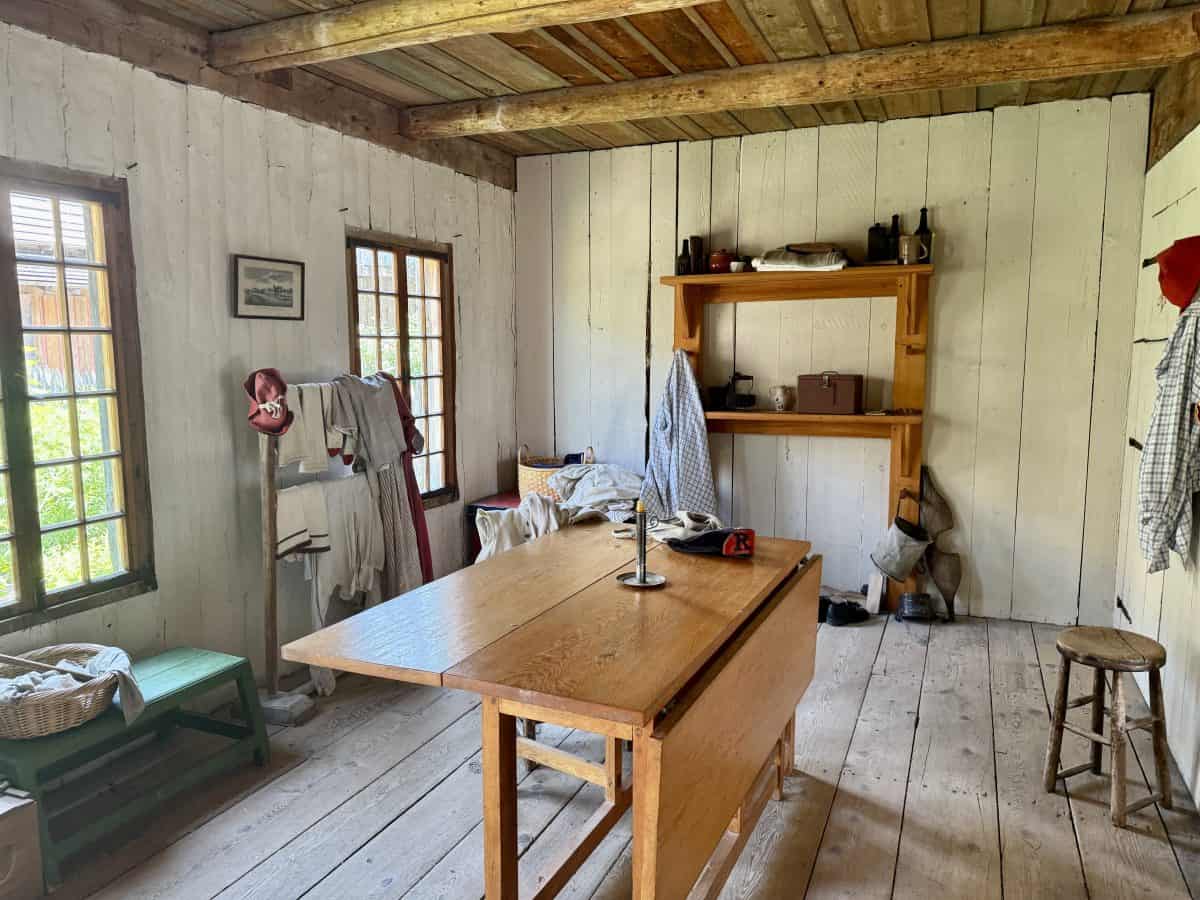
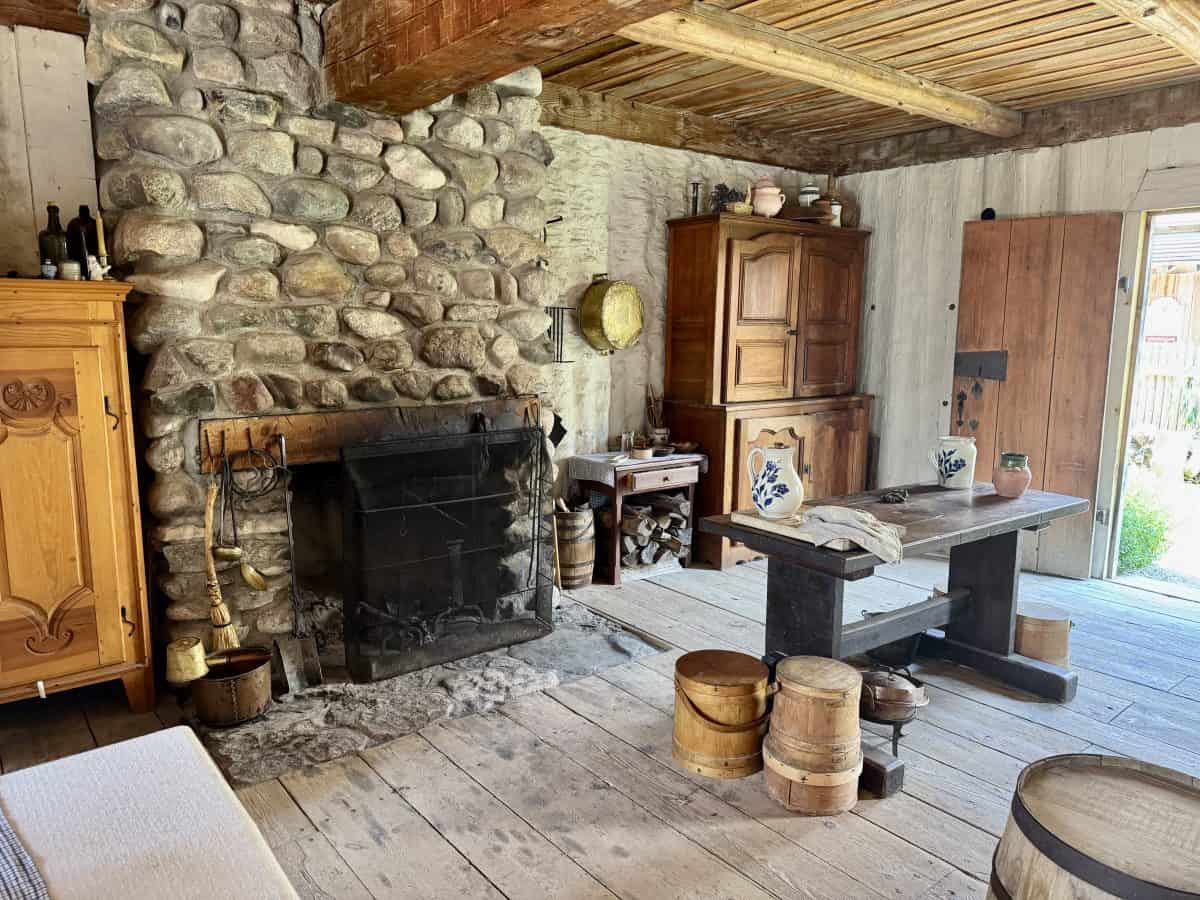
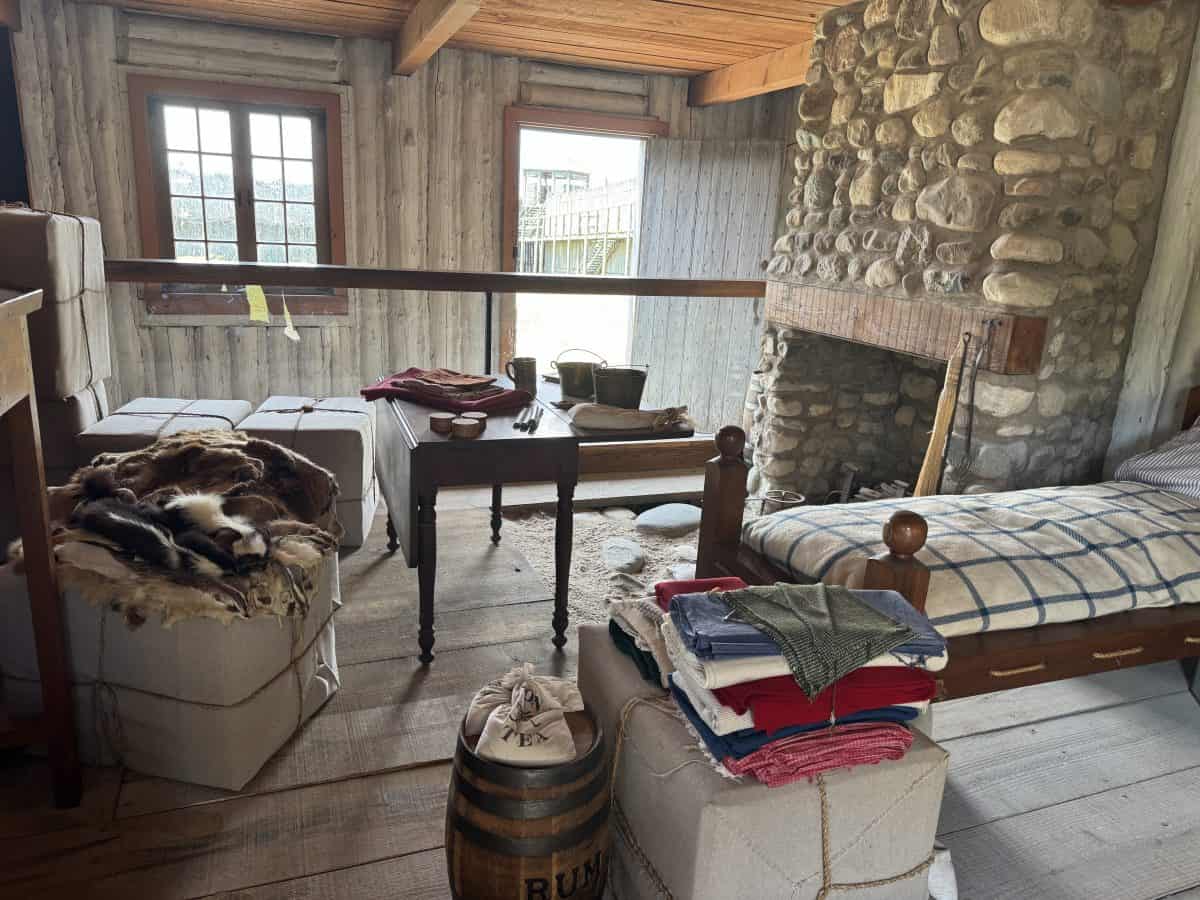
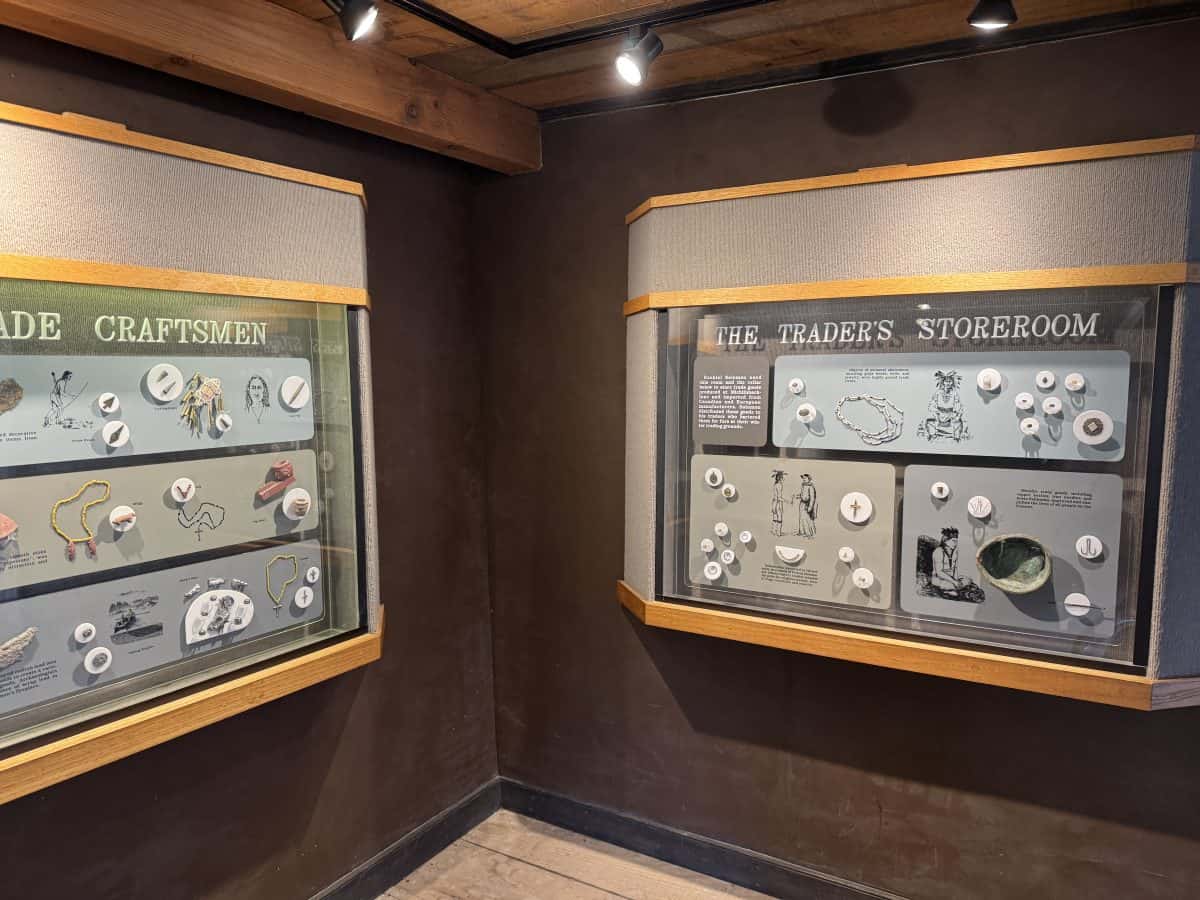
- Guess which items were personal possessions of the soldiers and which items were issued by the military in the Merchant’s House and Soldier’s House exhibit in the Southwest Rowhouse. Some items were more worthy of financial and social status than others.
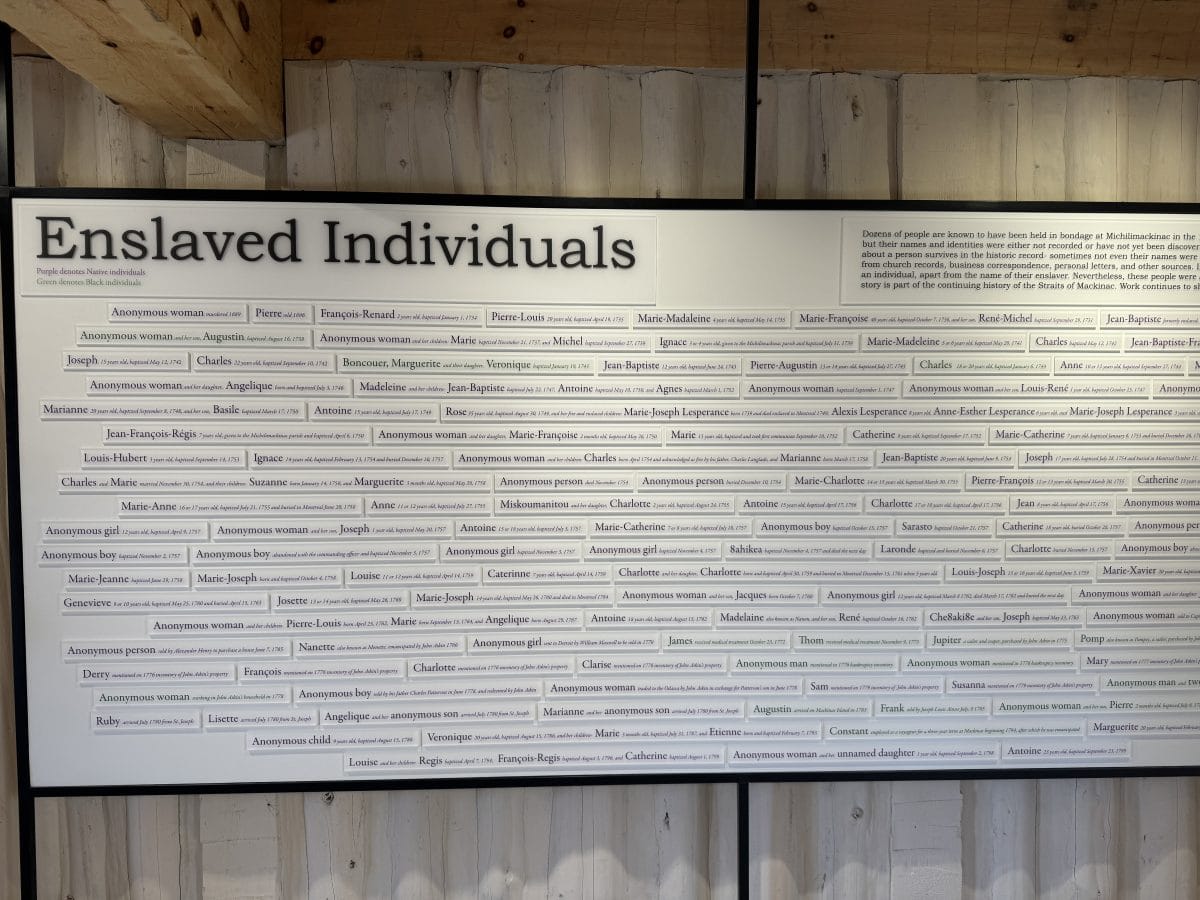
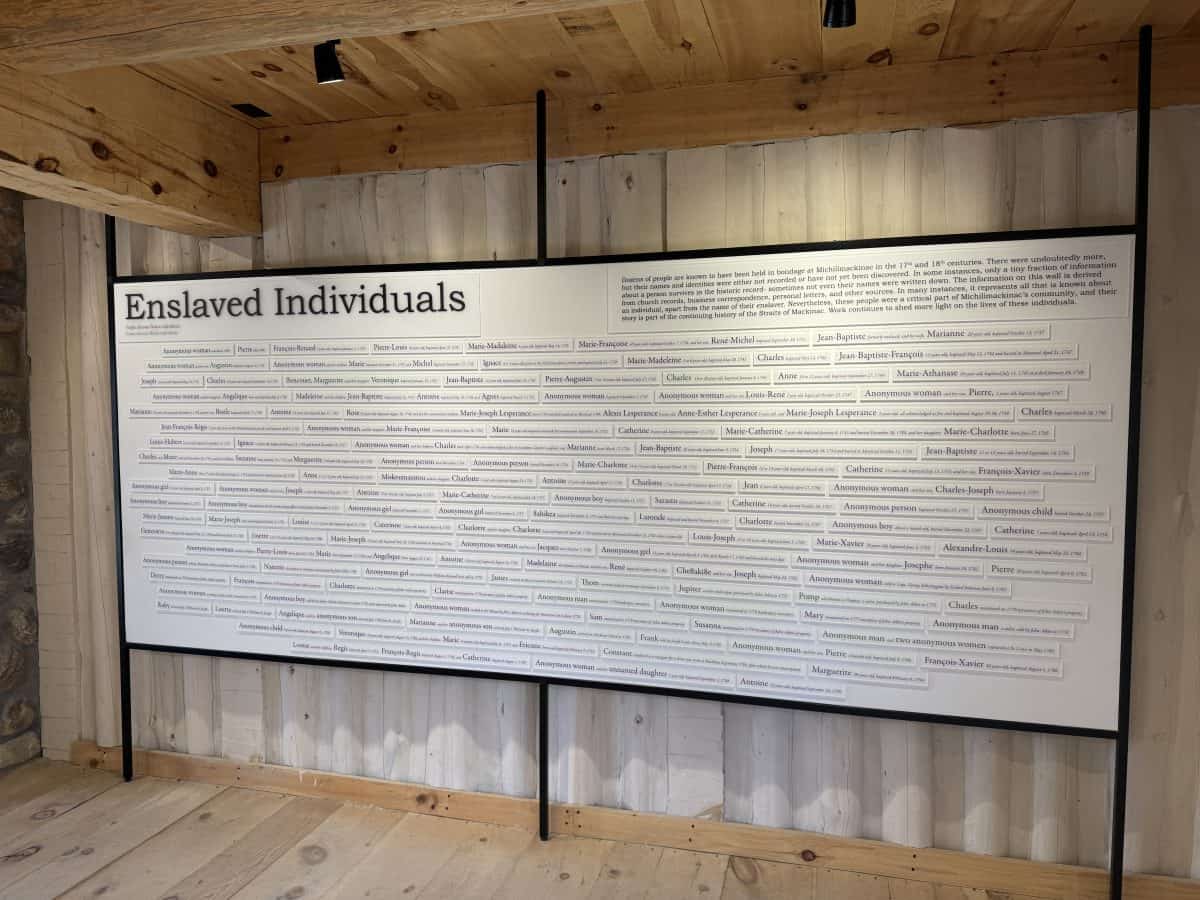
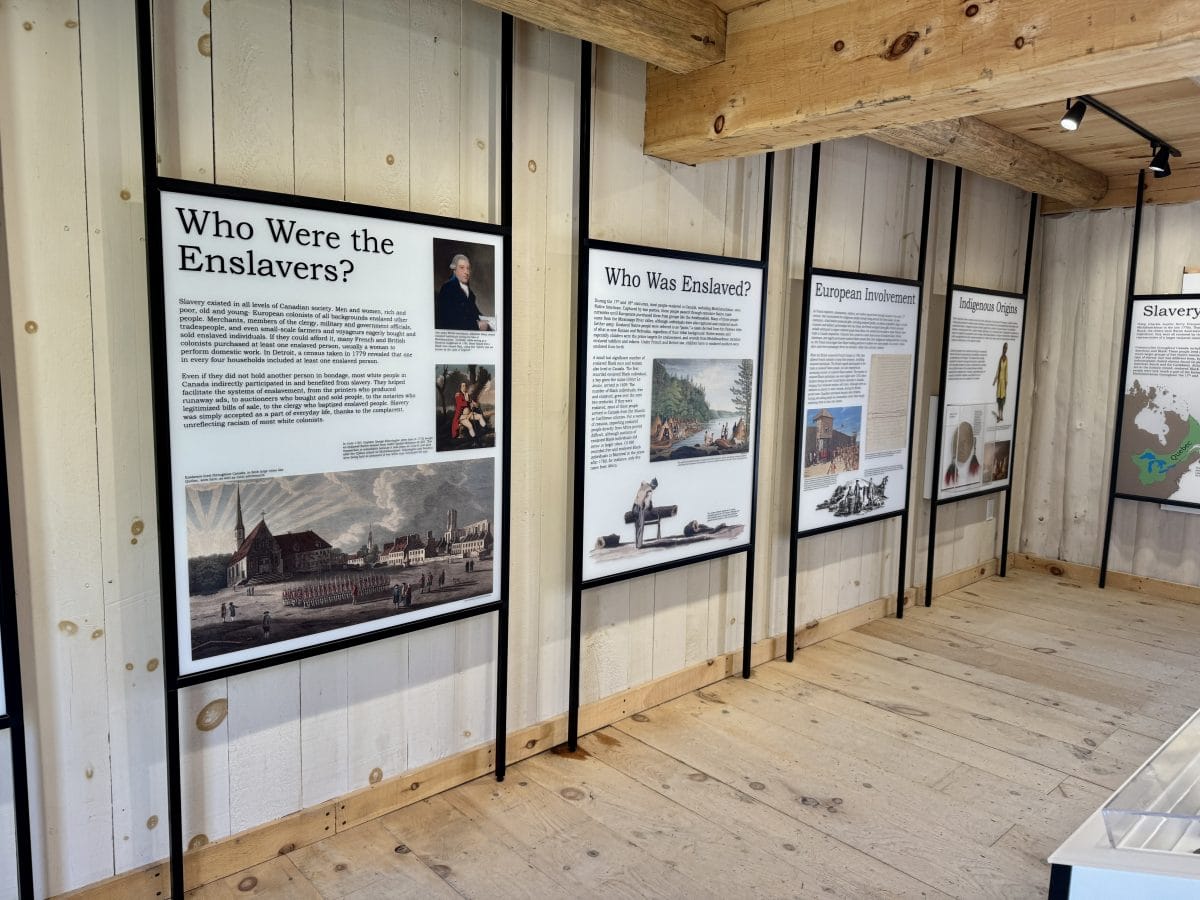
- Read through the color coded lists of Native (purple) and Black (green) enslaved people and their treatment in society in the Slavery at the Straits exhibit in the Southwest Rowhouse. Take note of the dates of the first enslaved persons and the last enslaved person recorded on the wall.
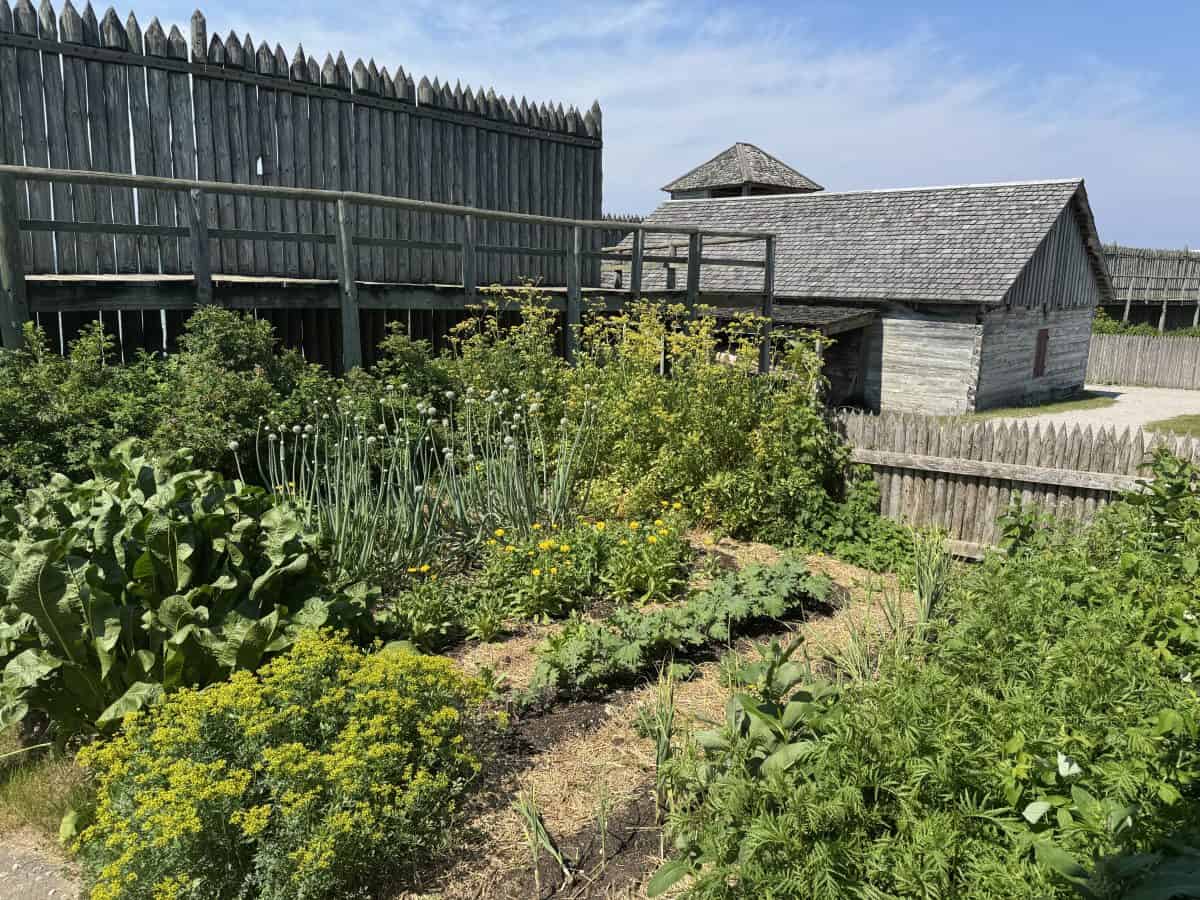
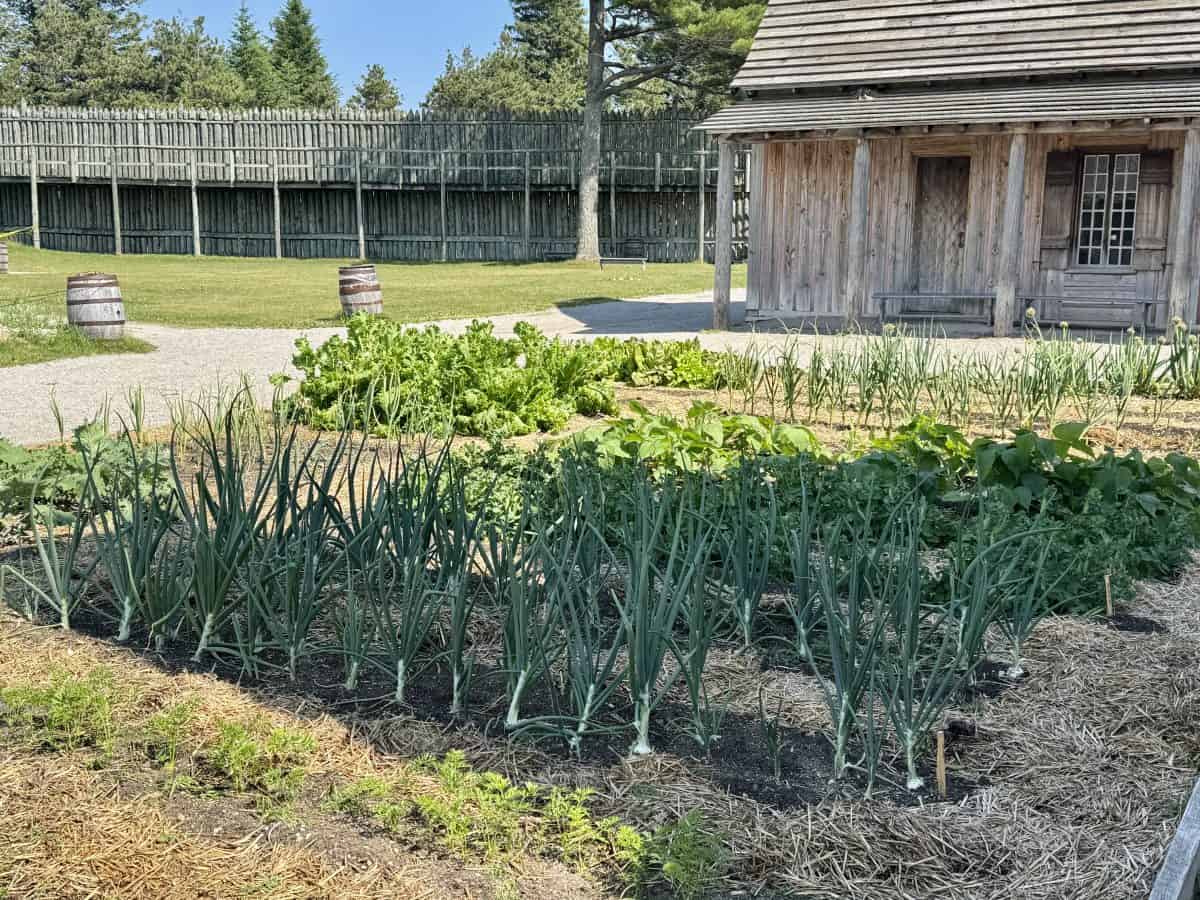
- Sample seasonal produce from the vegetable gardens, with permission from the docents.
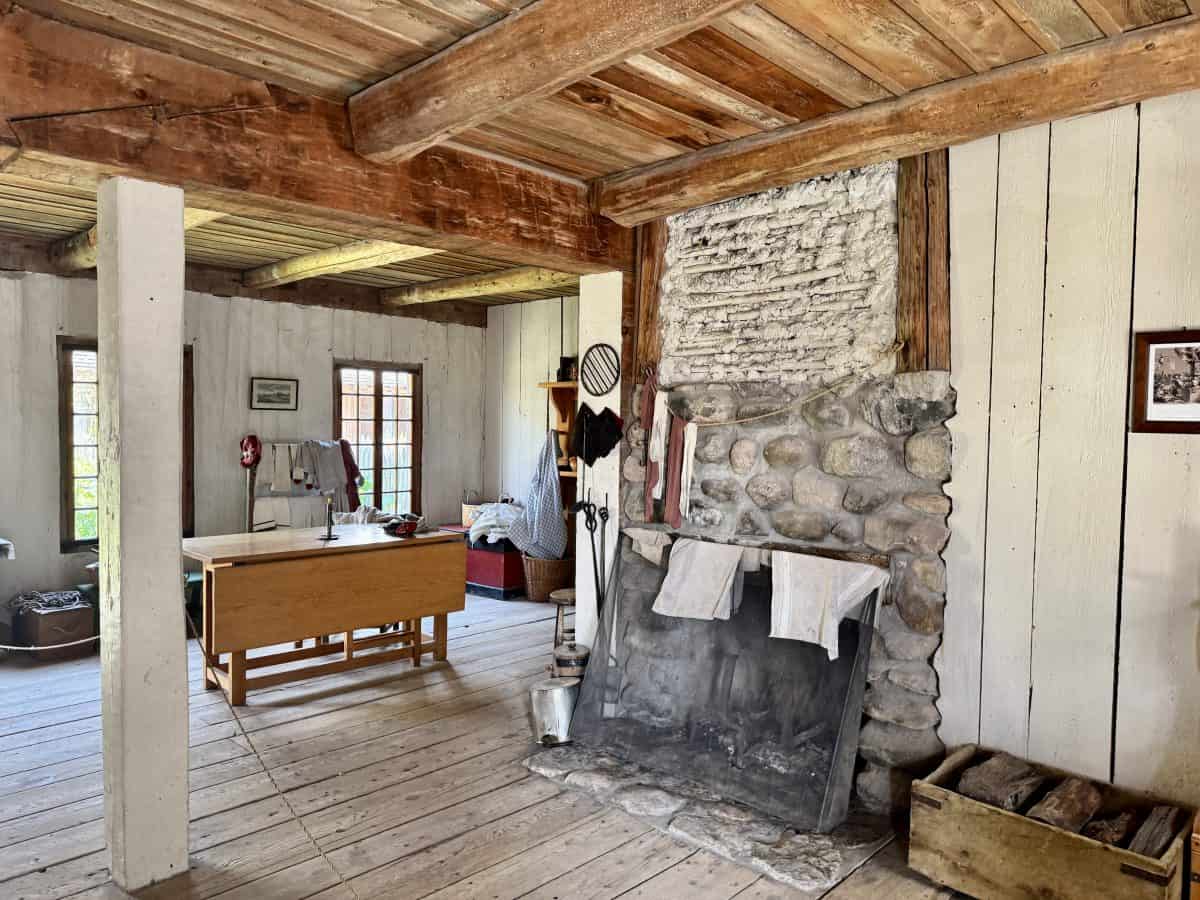
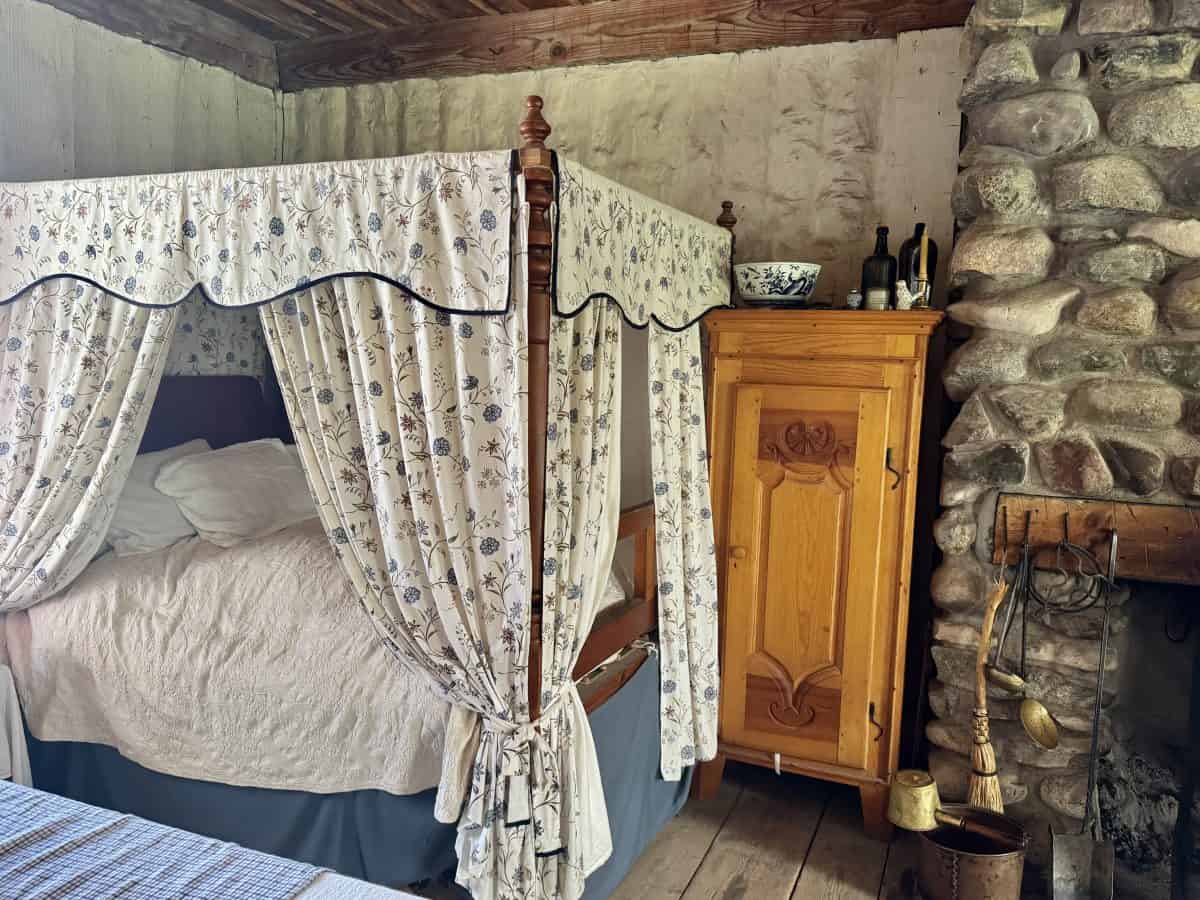
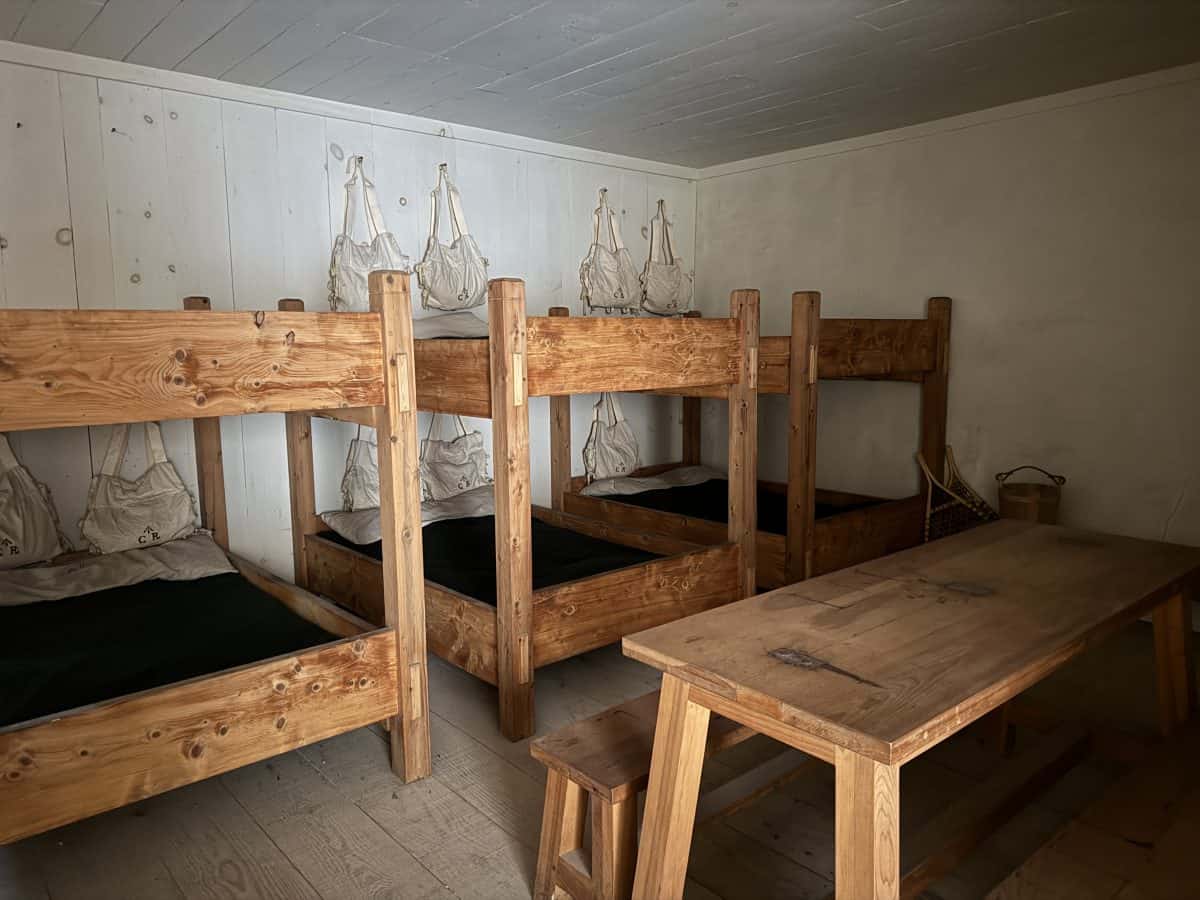
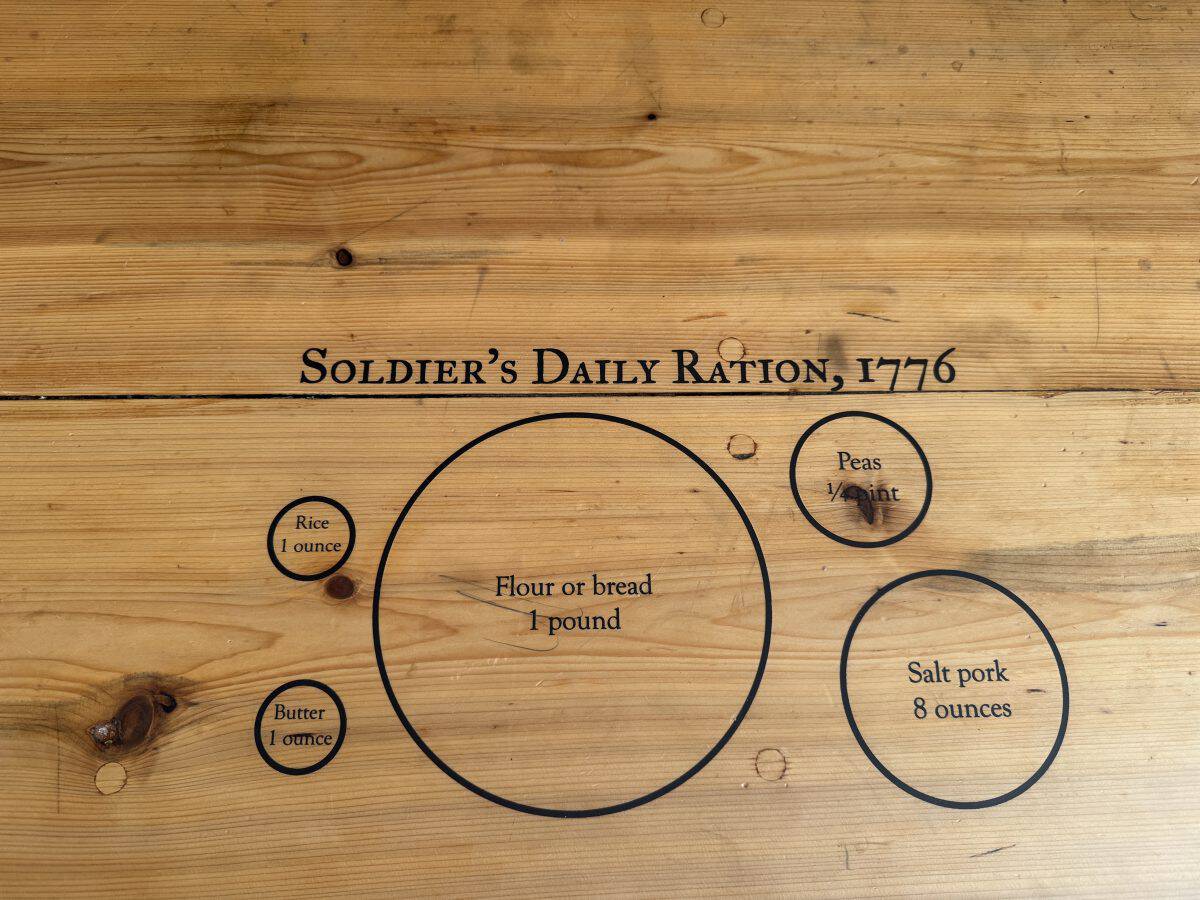
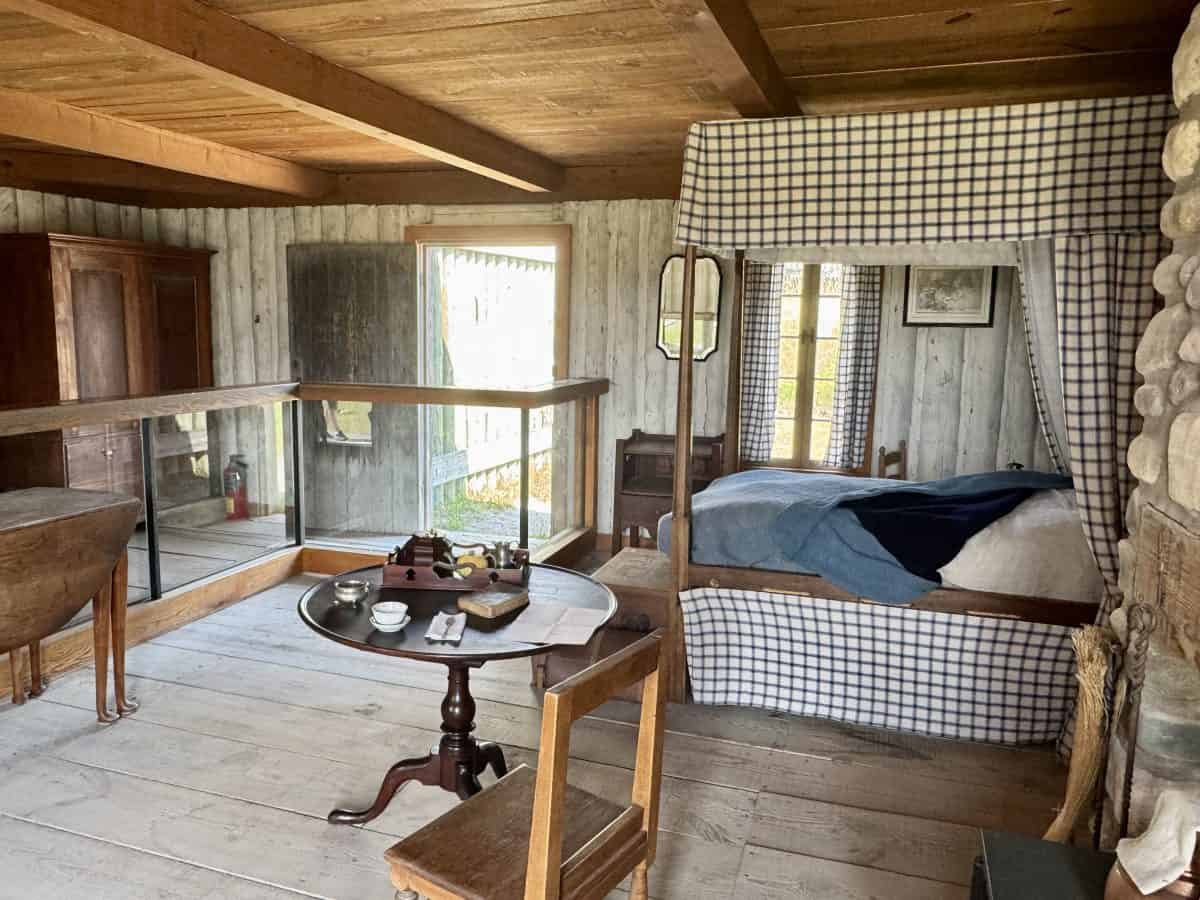
- Reimagine what life was like as a British soldier in the Redcoats on the Frontier exhibit: Match items with where they were used in the barracks, try on a soldiers’ uniform and even lie in a bed to feel what it was like for a British soldier. Take note of the daily rations for the day; usually soldiers just received one meal a day at 1pm.
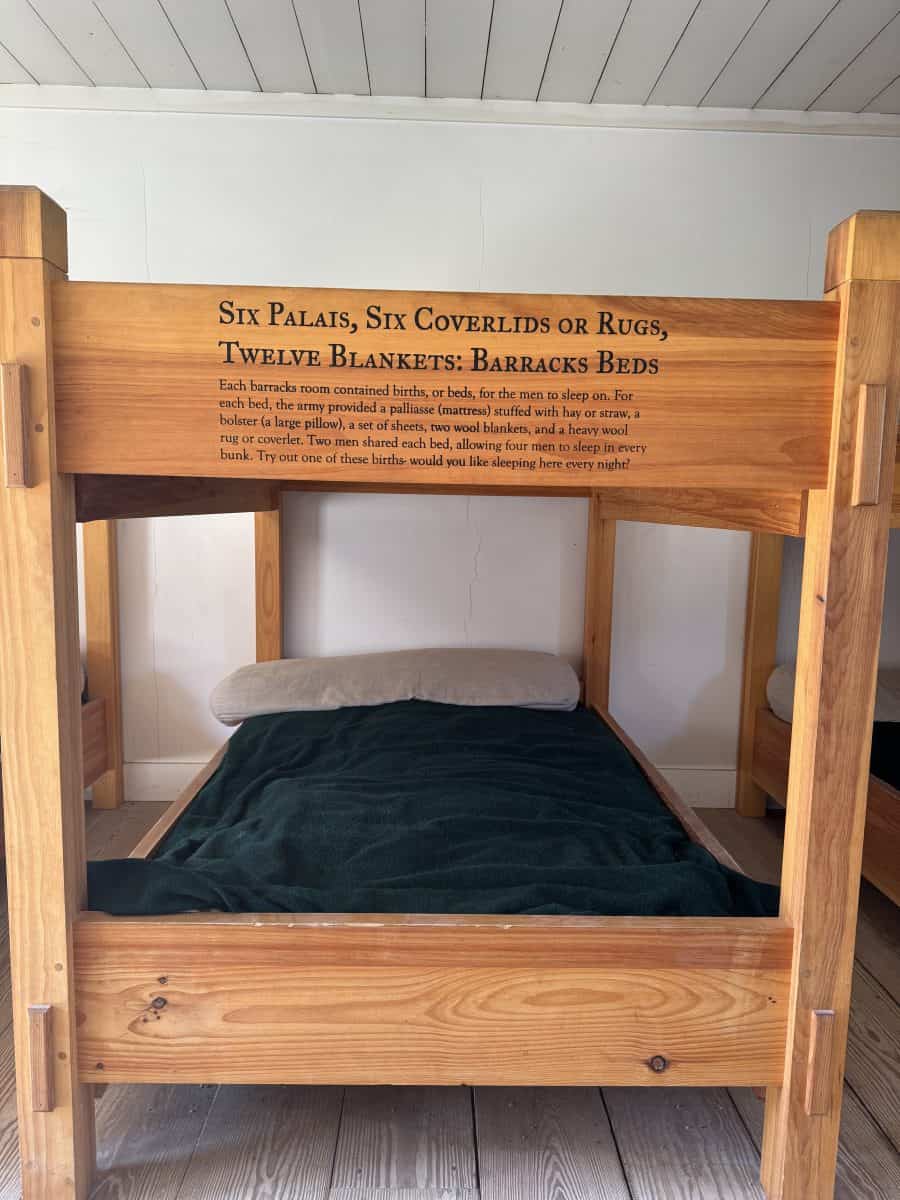
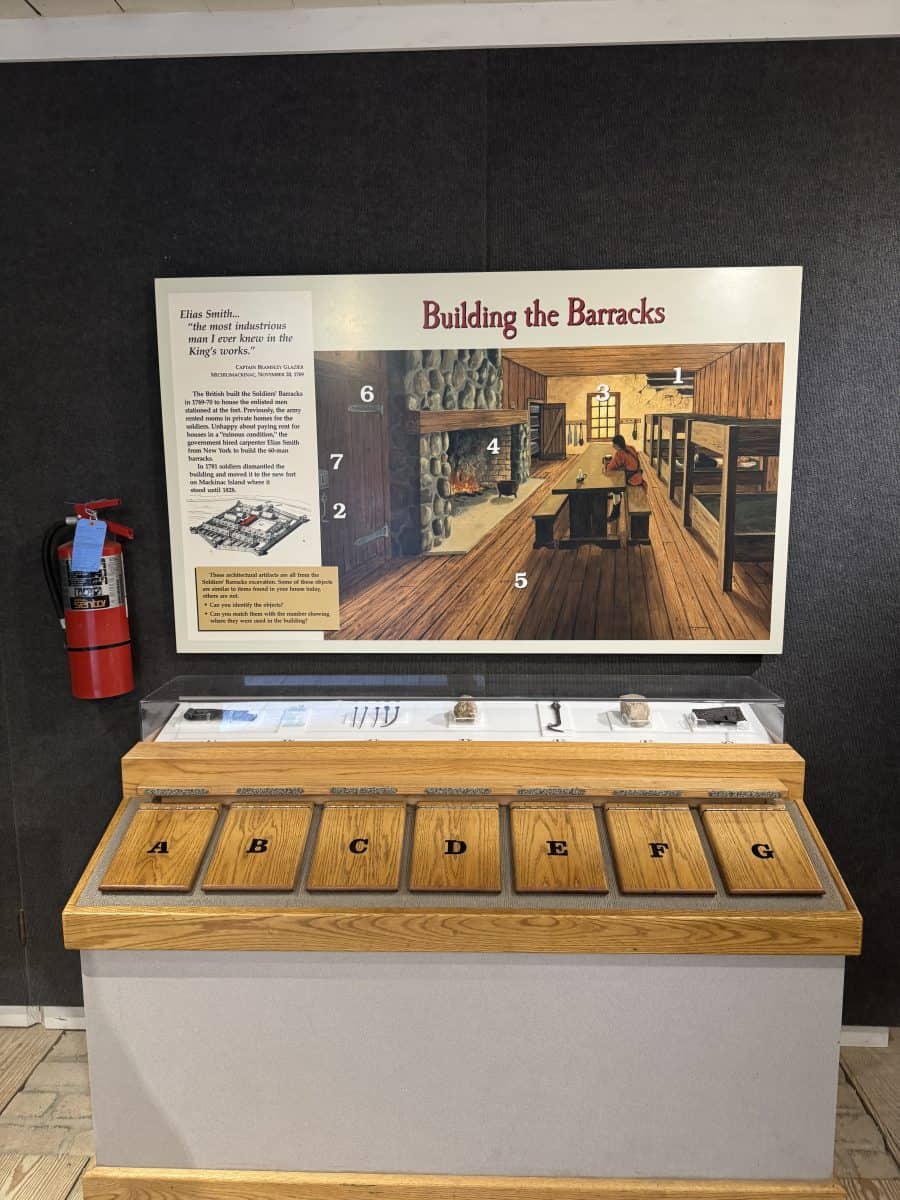
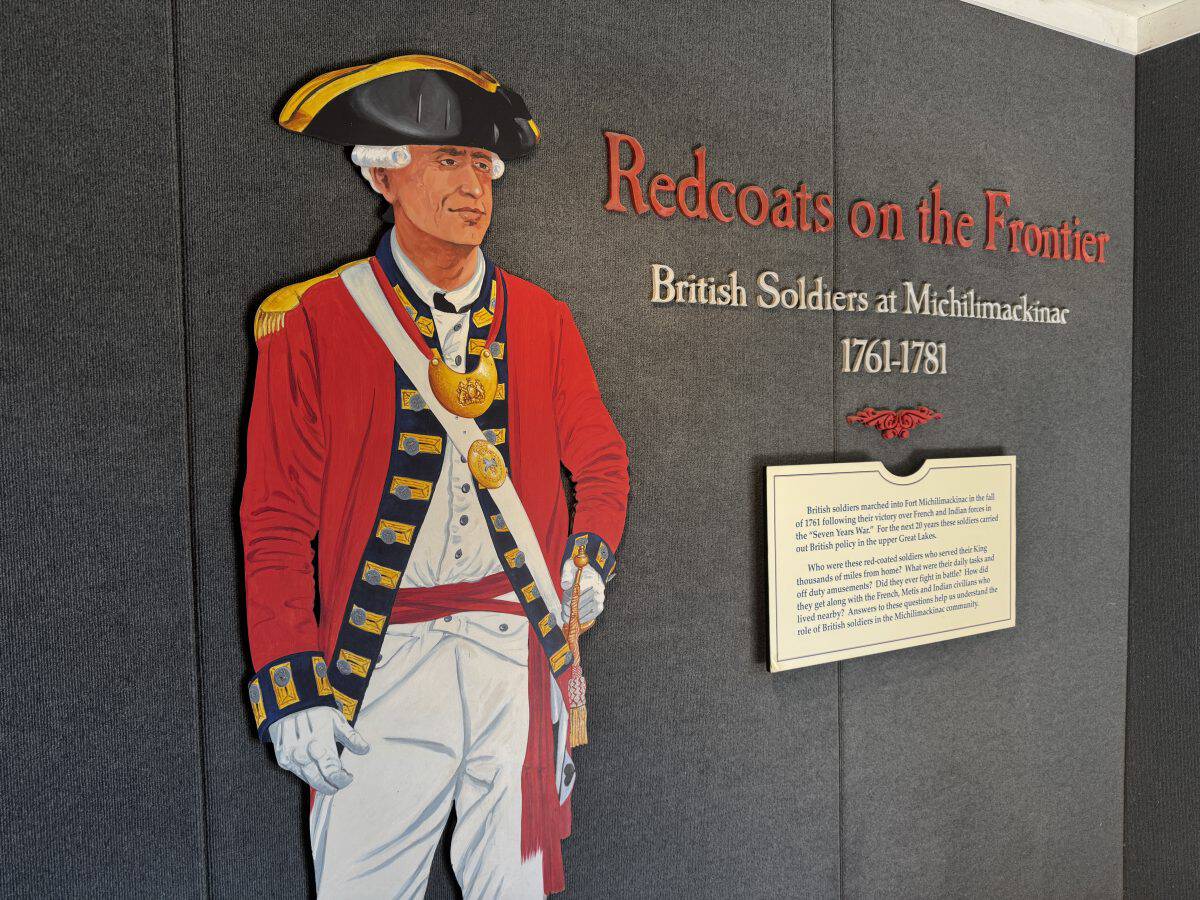
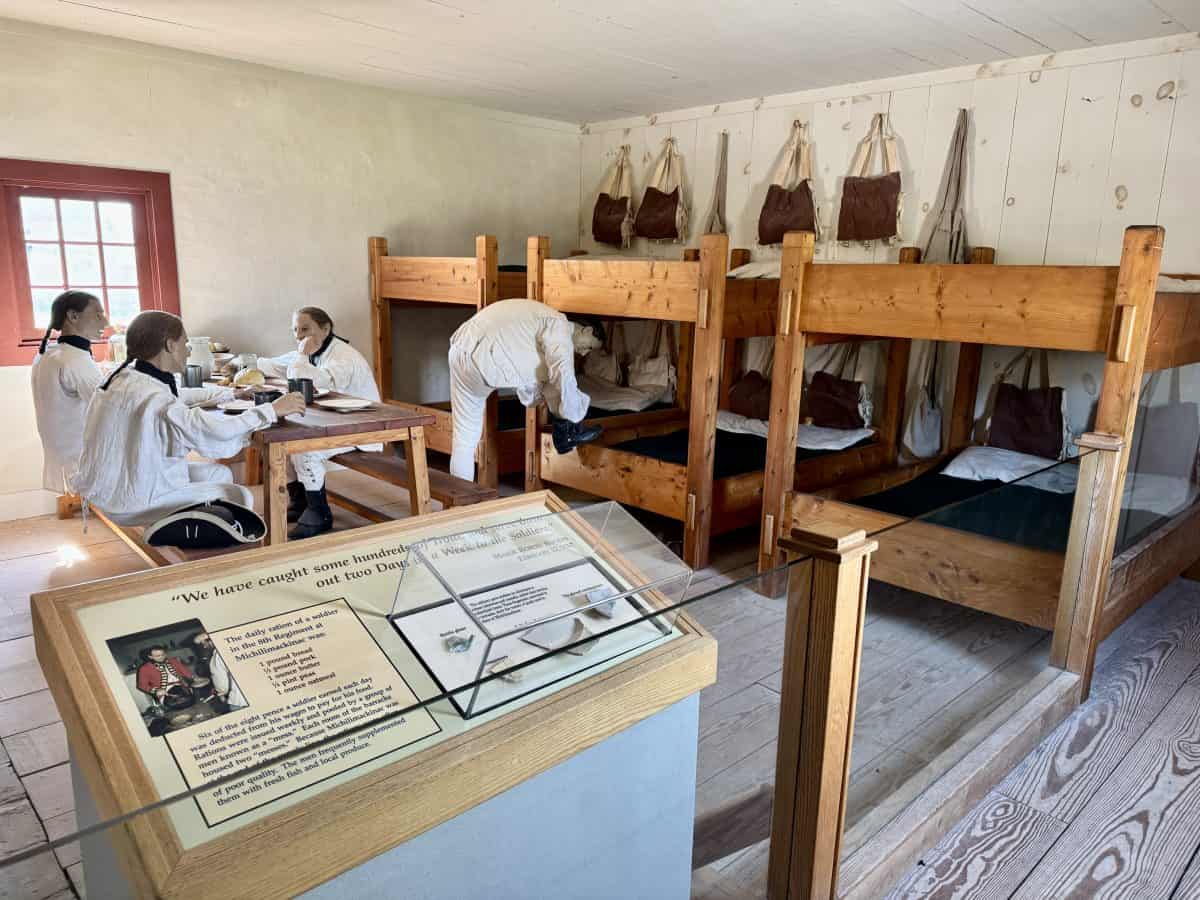
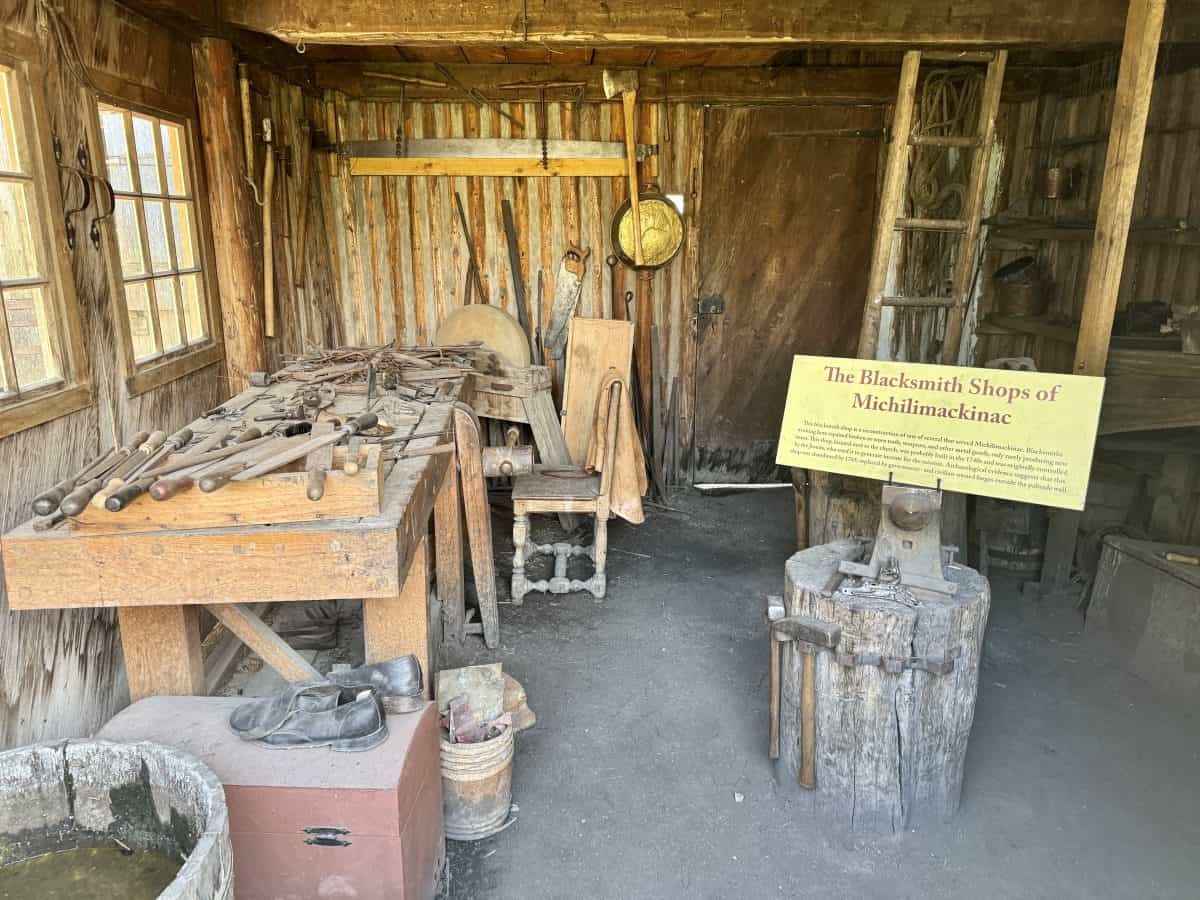
- Watch as broken tools and weapons are repaired in the 1740s Blacksmith Shop.
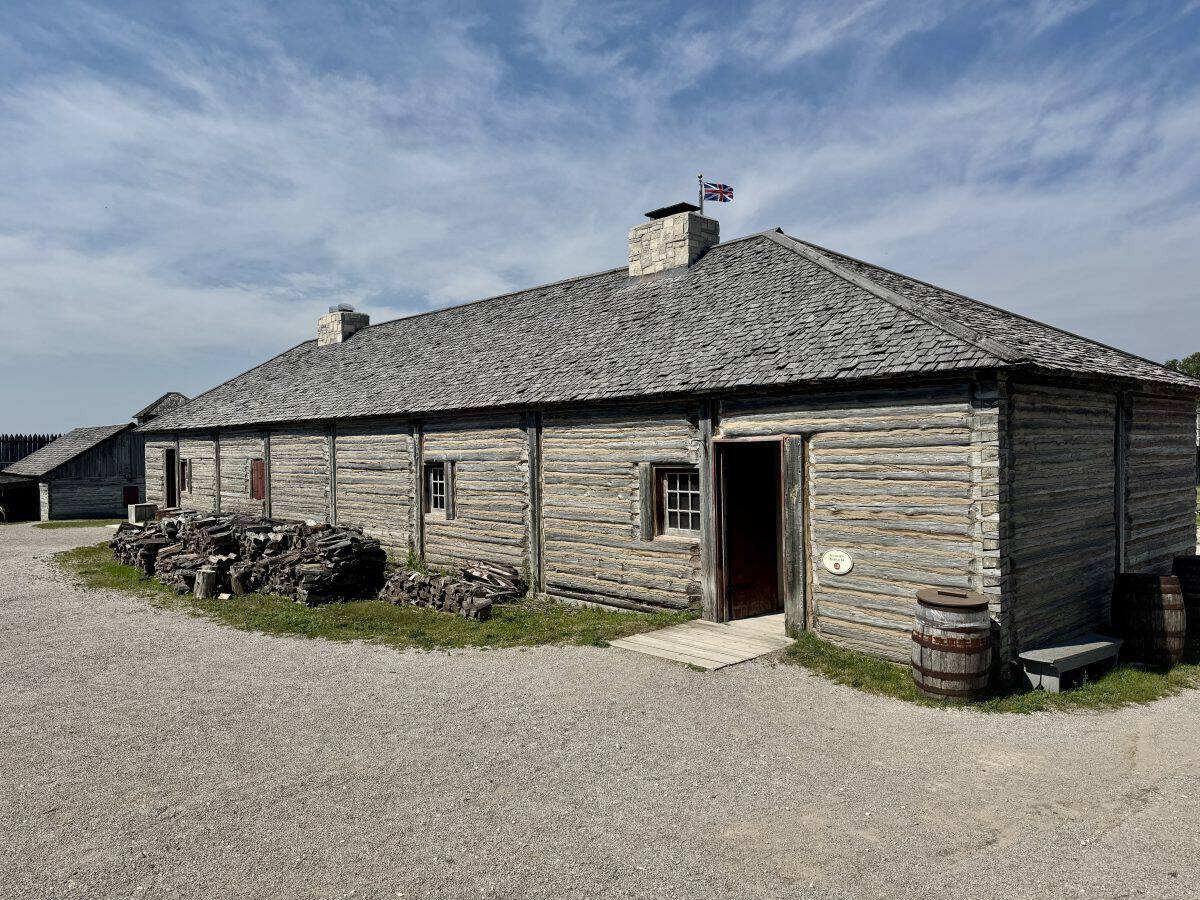
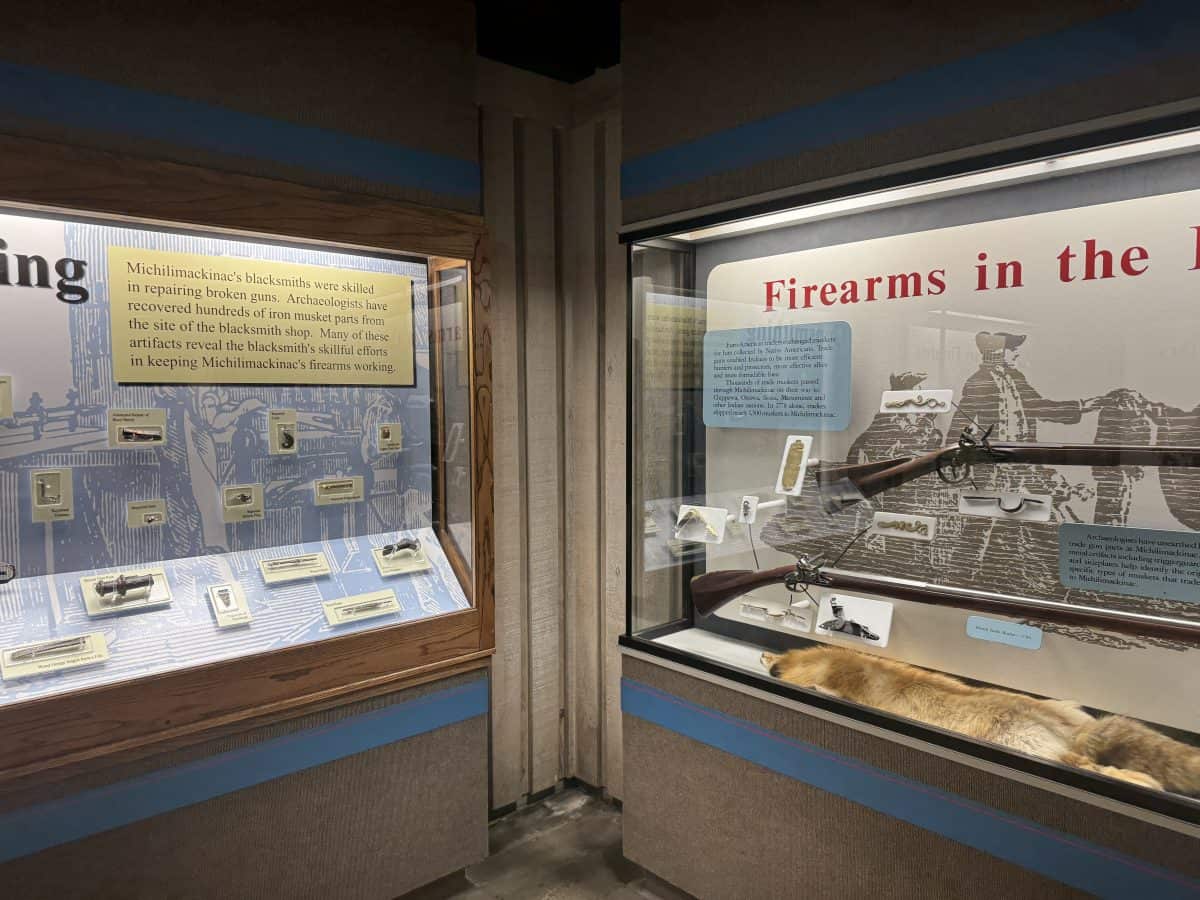
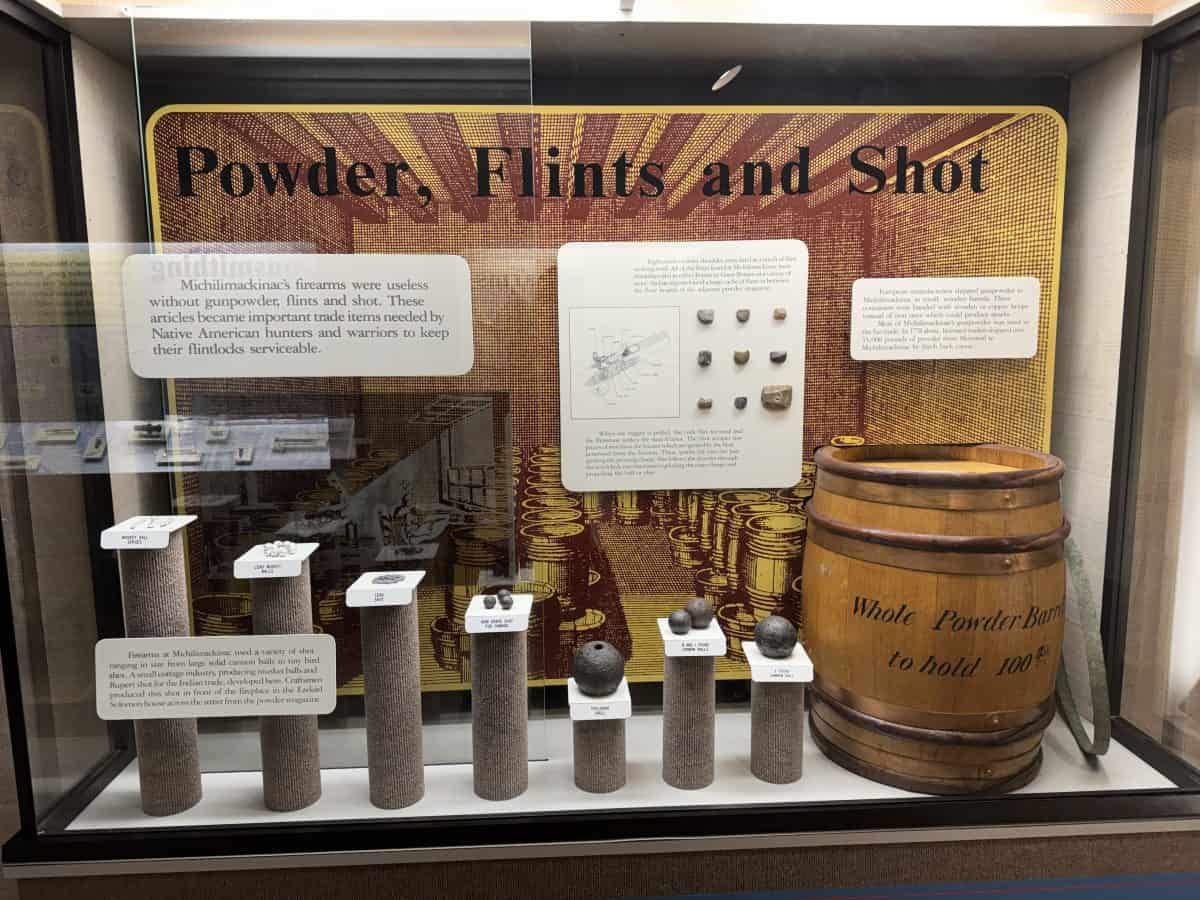
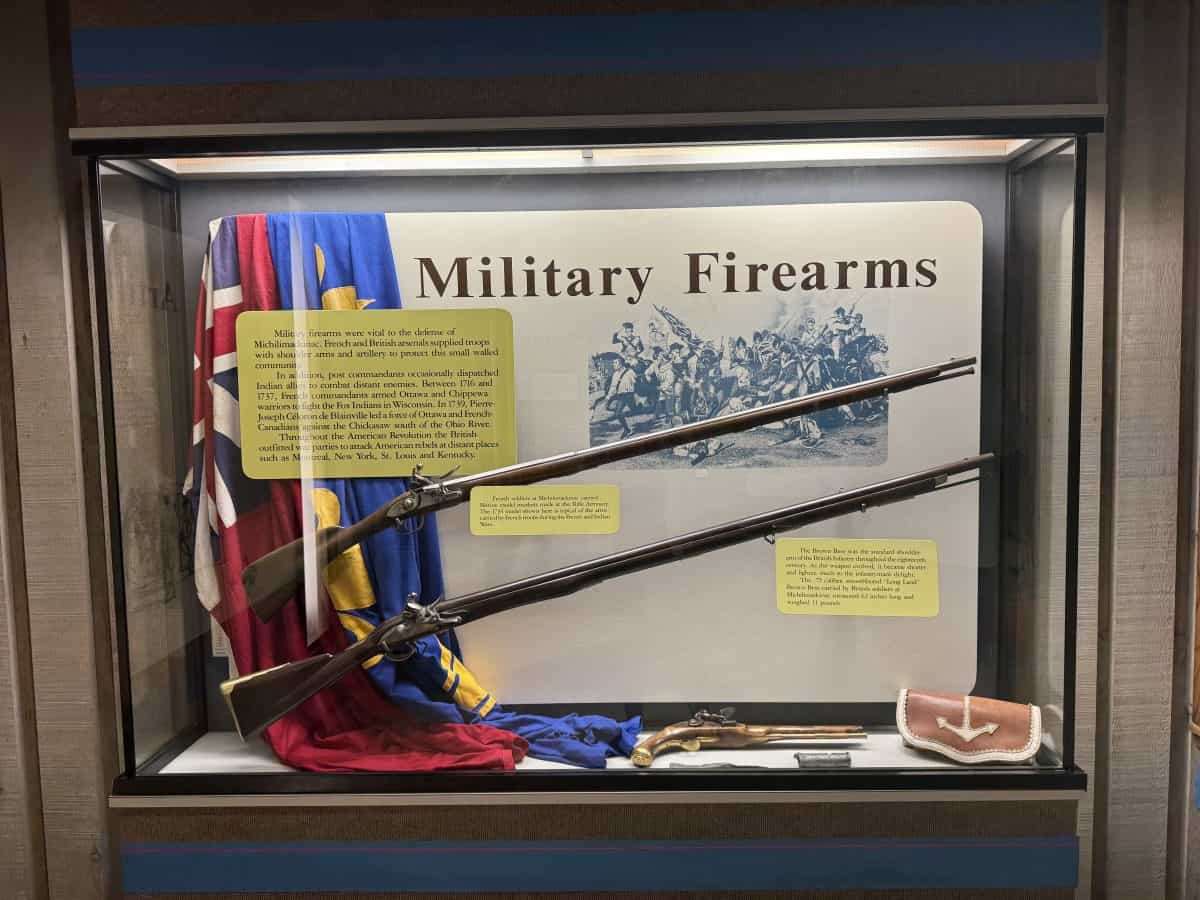
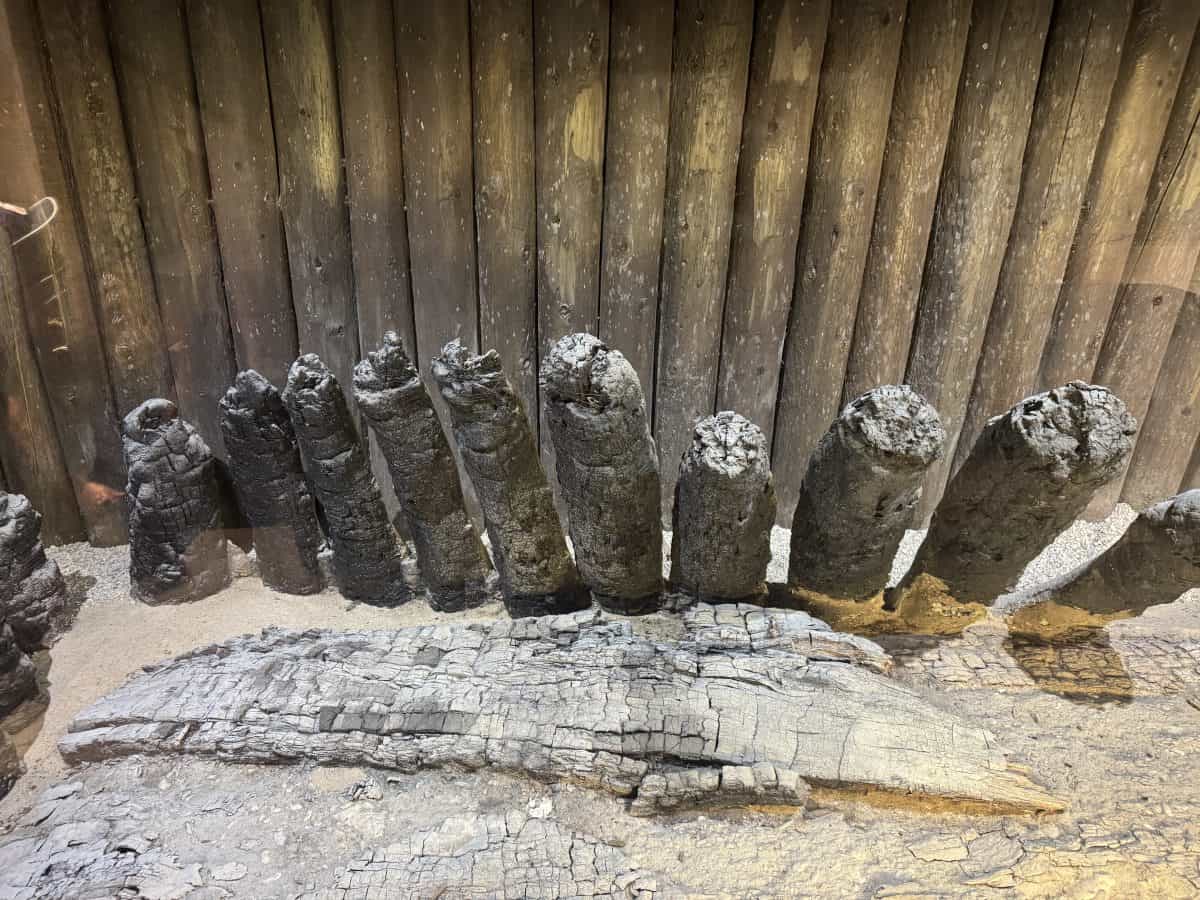
- Head underground to see the uncovered ruins of the original fort powder magazine storage in the Southwest RowHouse. The Firearms in the Frontier exhibit explains the history of gun smithing and artillery.
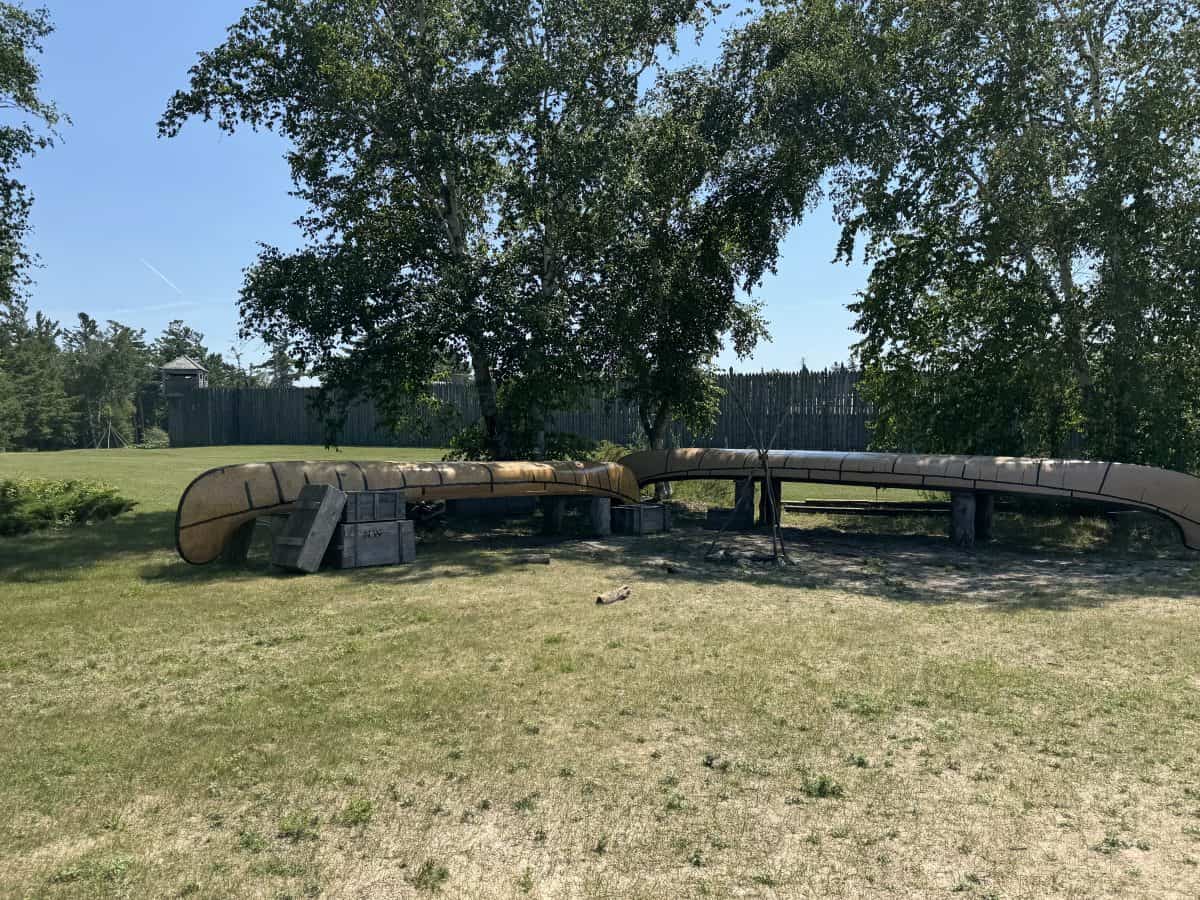
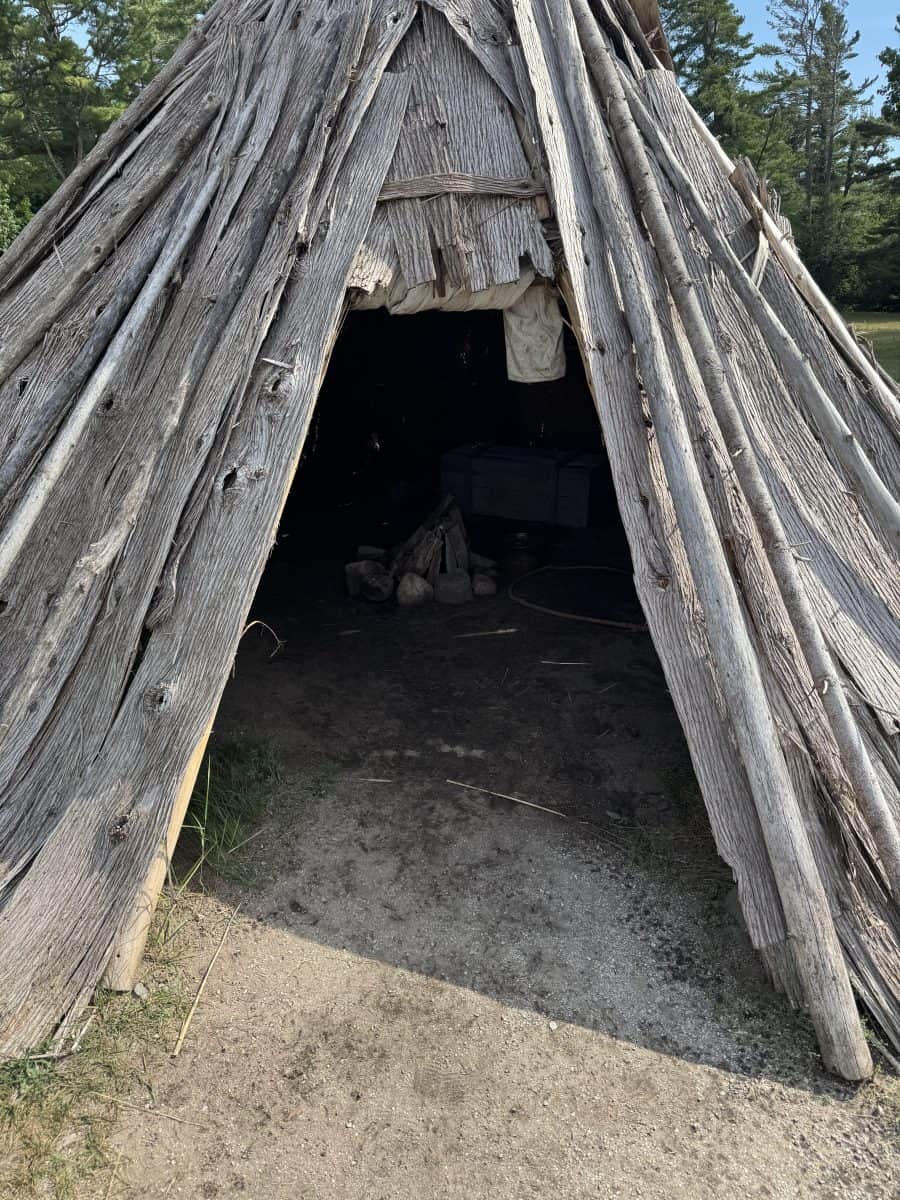
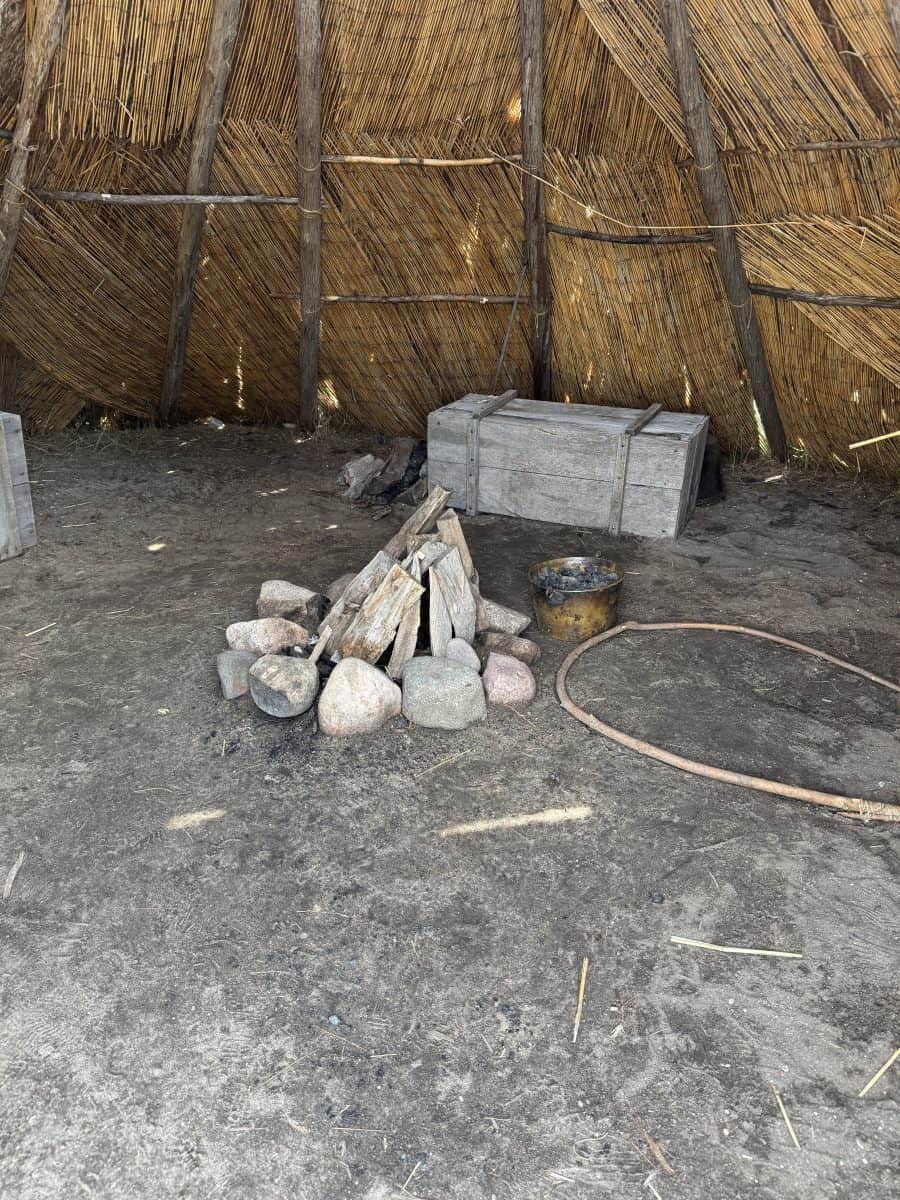
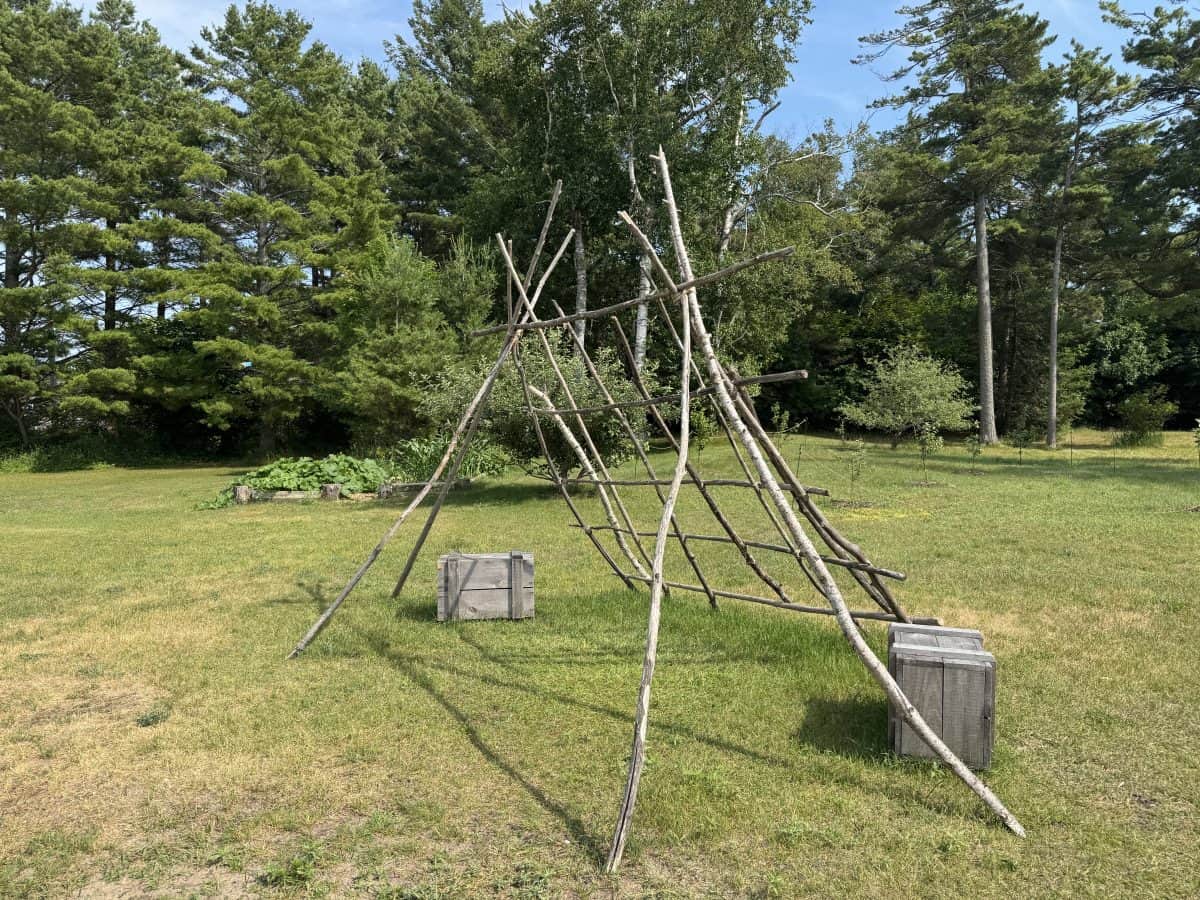
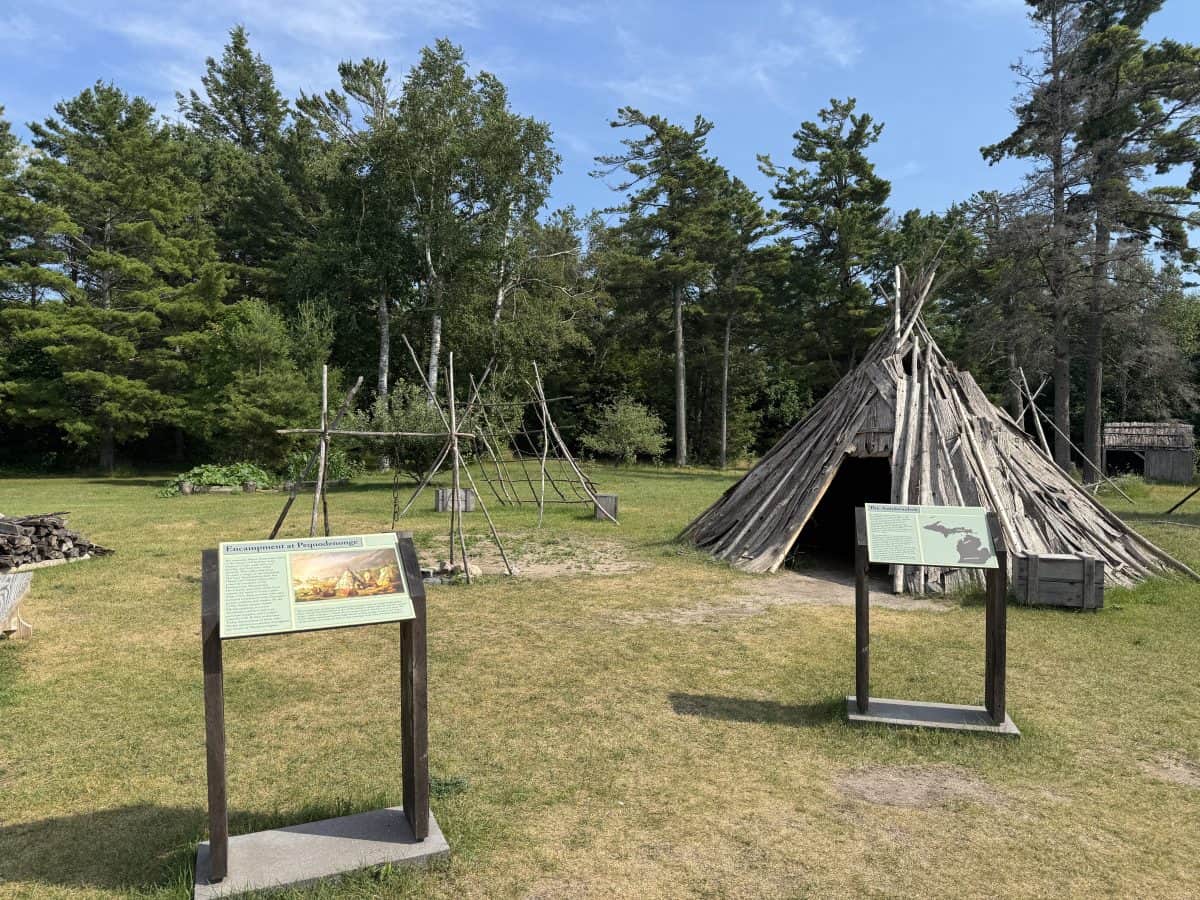
- Walk through the Native American Encampment, just outside the fort’s gates, and see reconstructed structures of the Odawa, Potawatomi, and Ojibwe tribes. There are also displays of items used in hunting and making canoes.
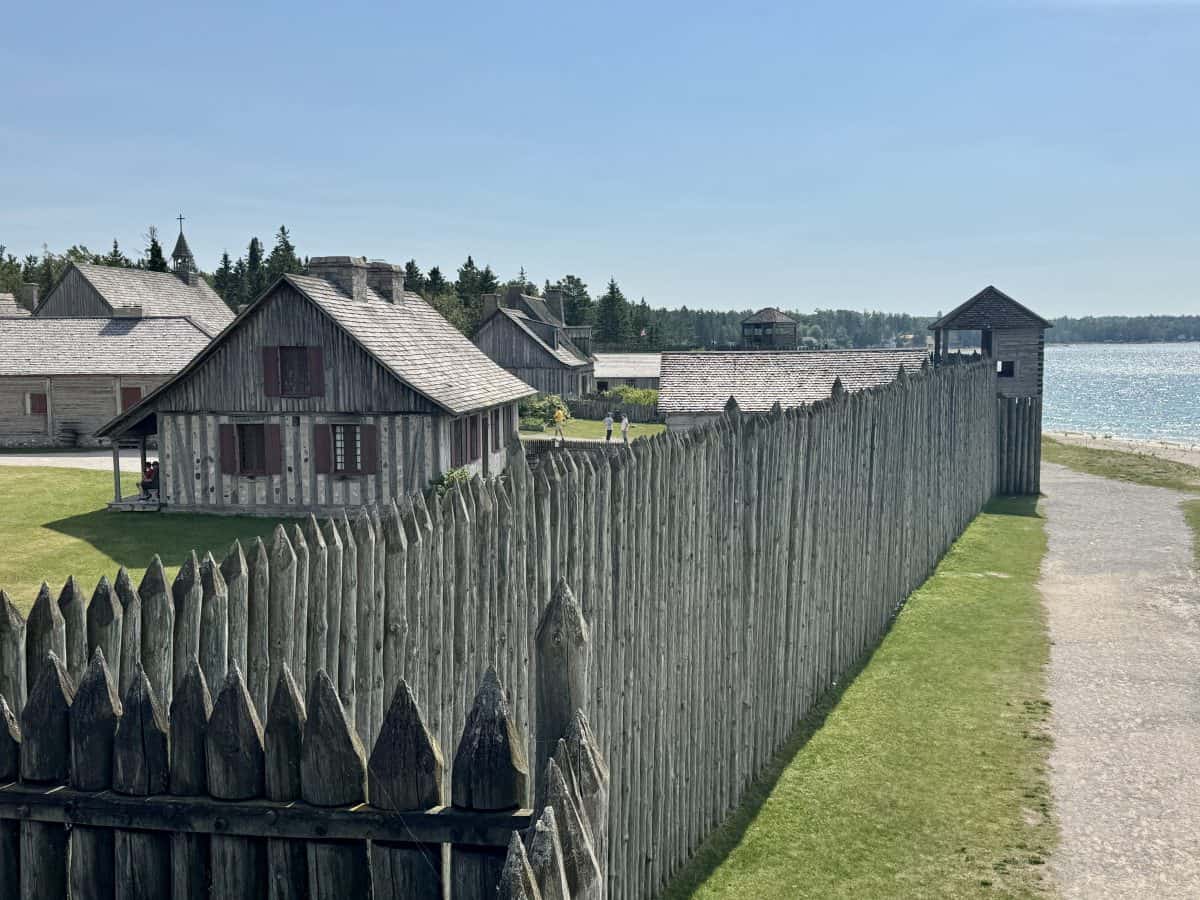
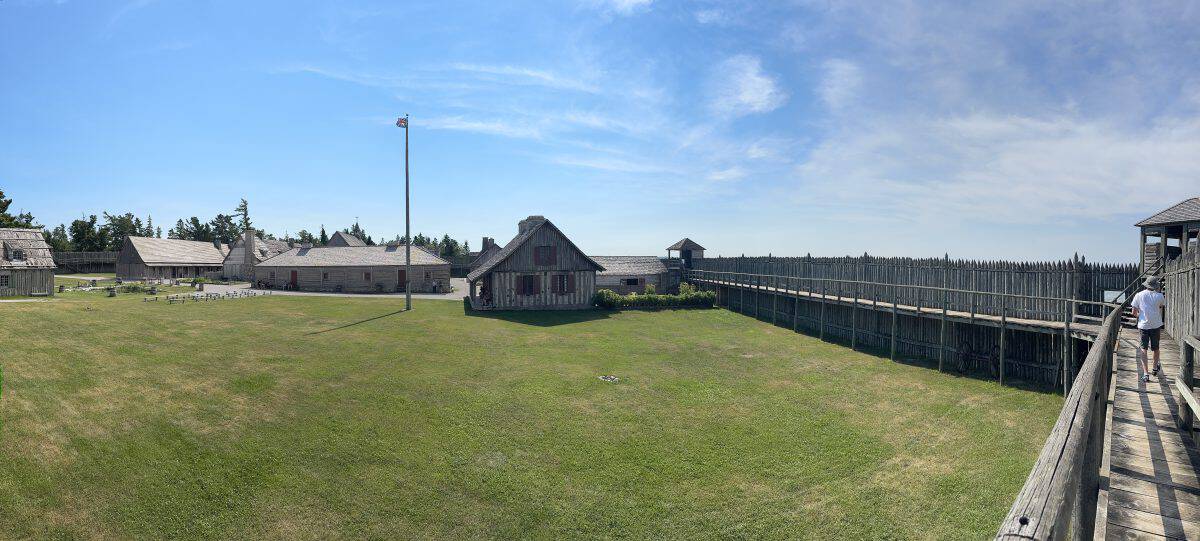
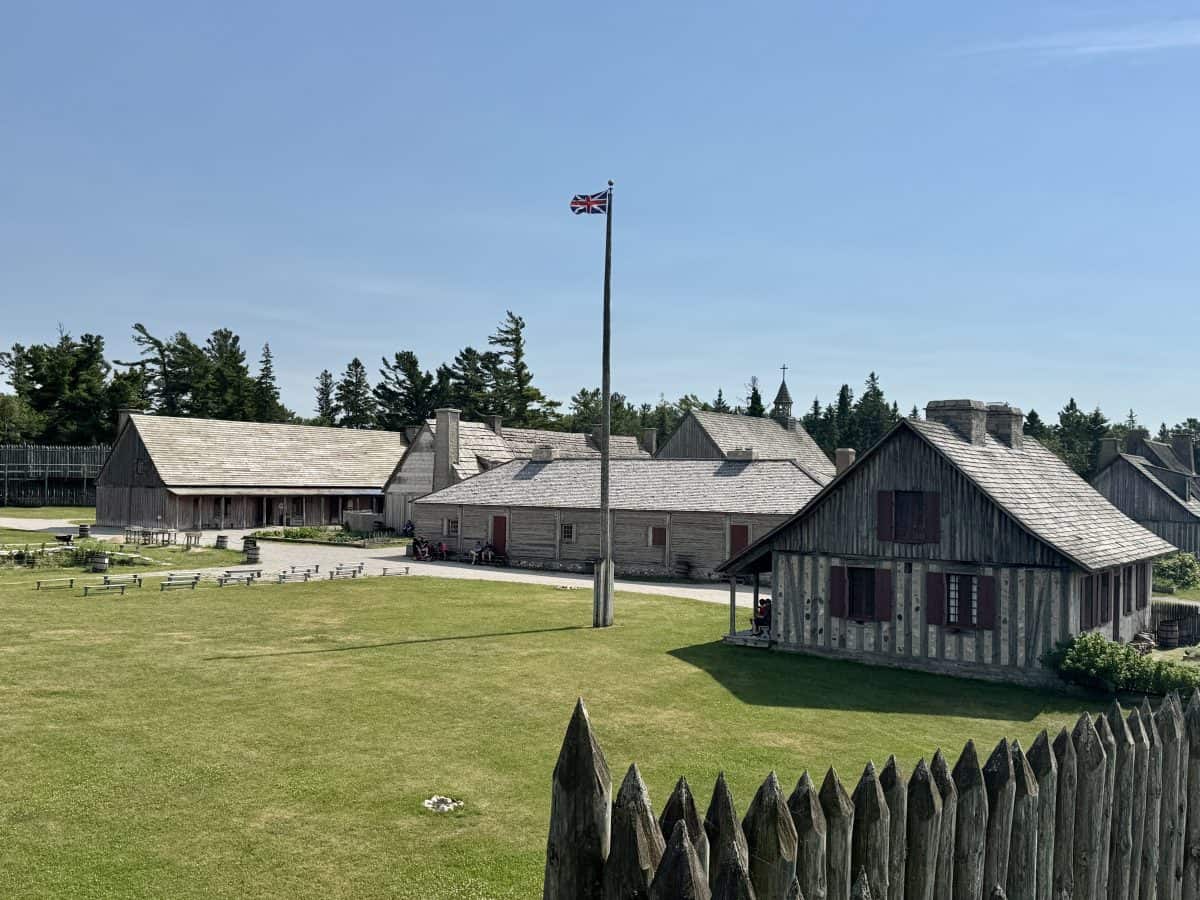
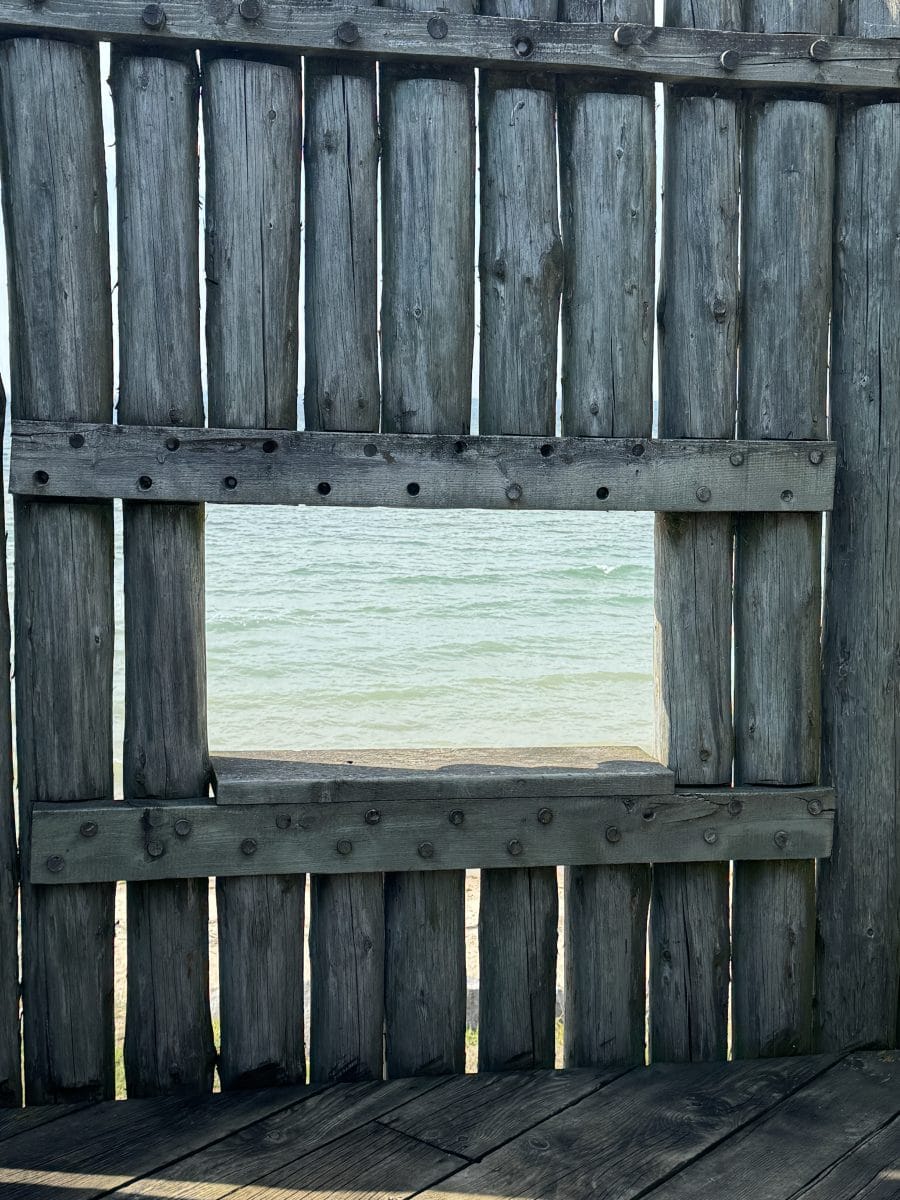
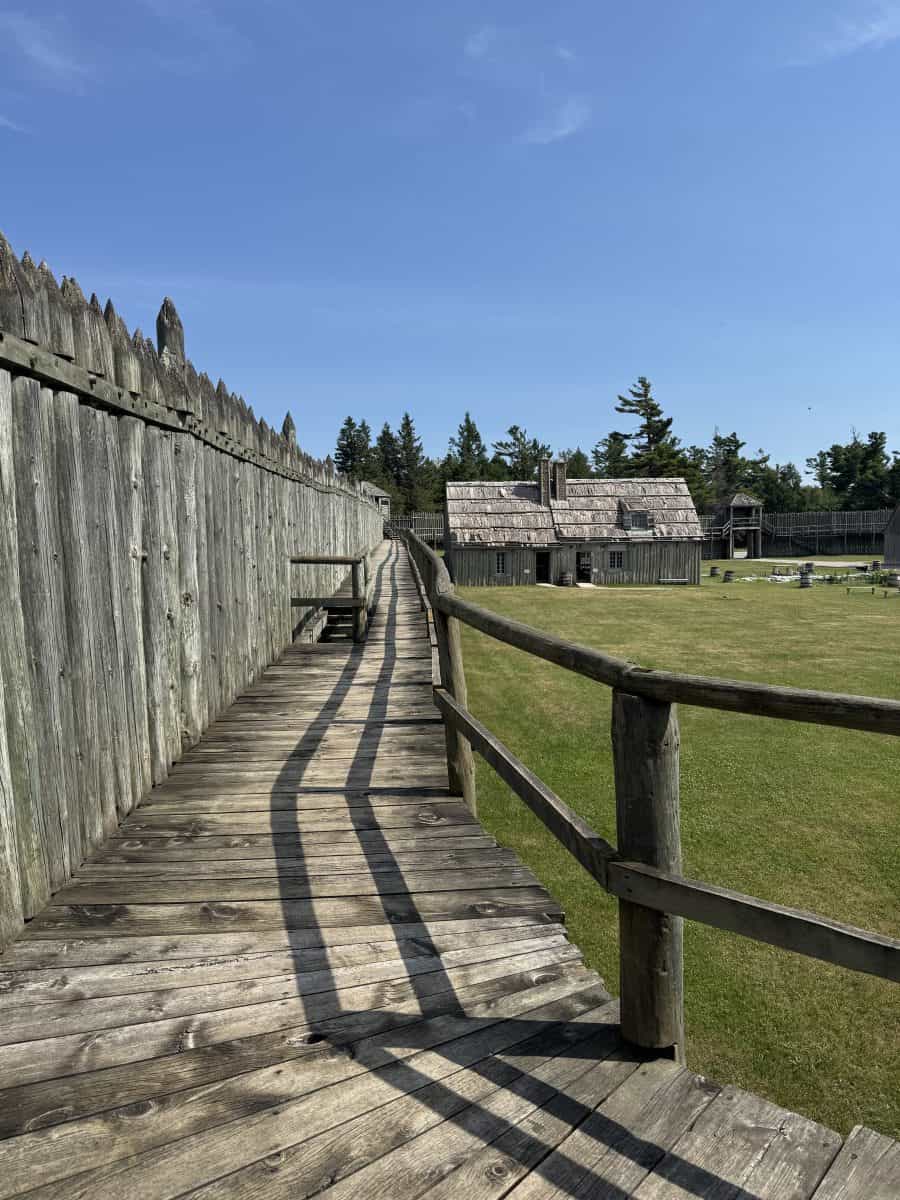
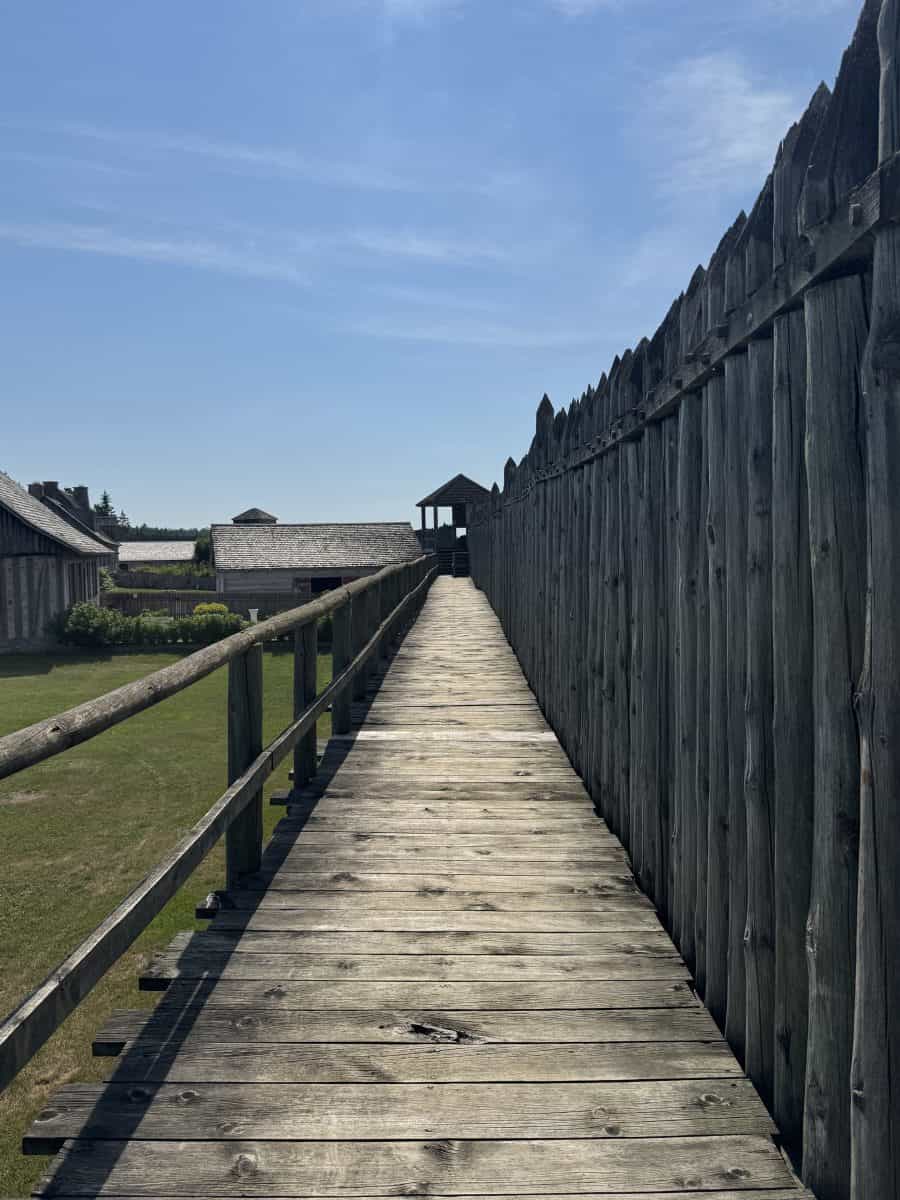
- Walk the upper boardwalks of the Fort, called the Chemin de Ronde, for views of the entire complex, the Mighty Mac Bridge to St. Ignace, and the Straits of Mackinac.
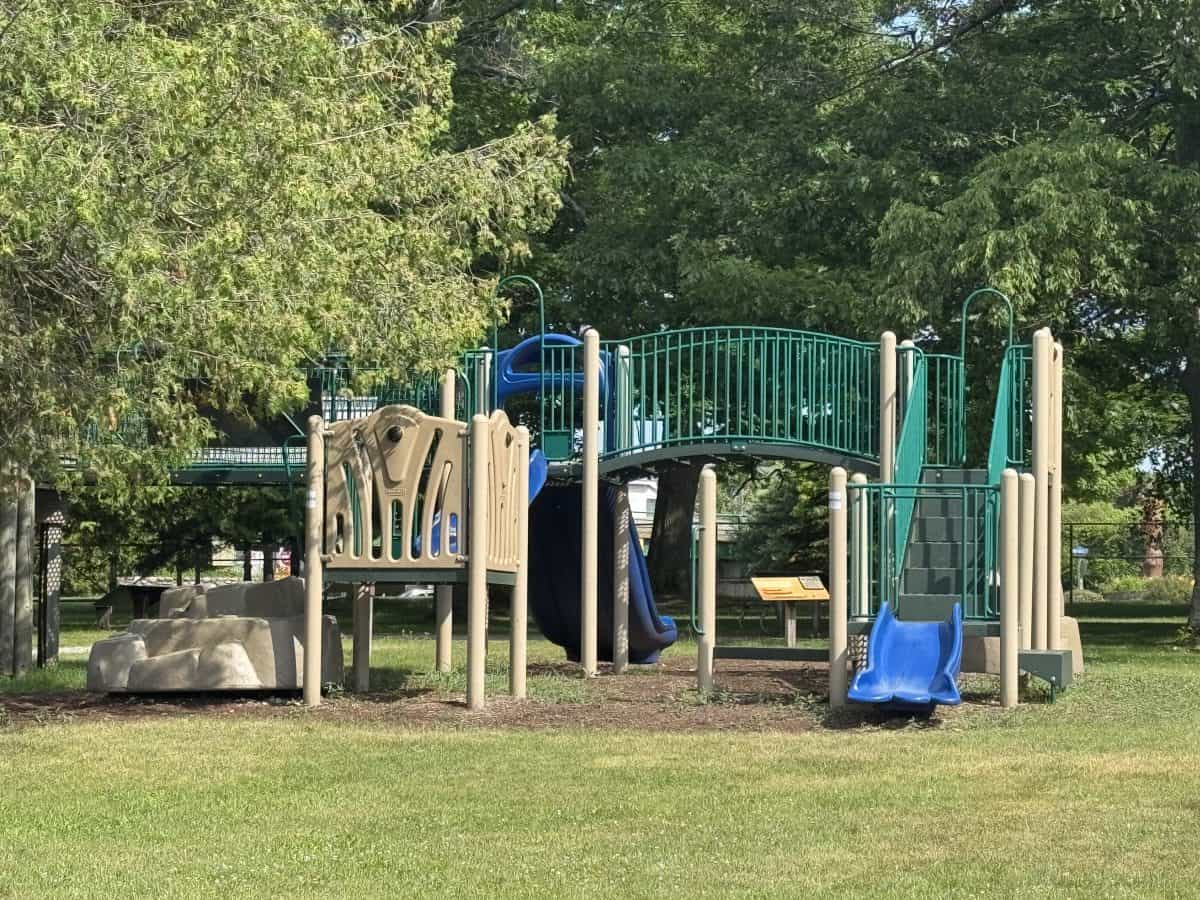
- Climb and explore the playground near the entrance to the fort.
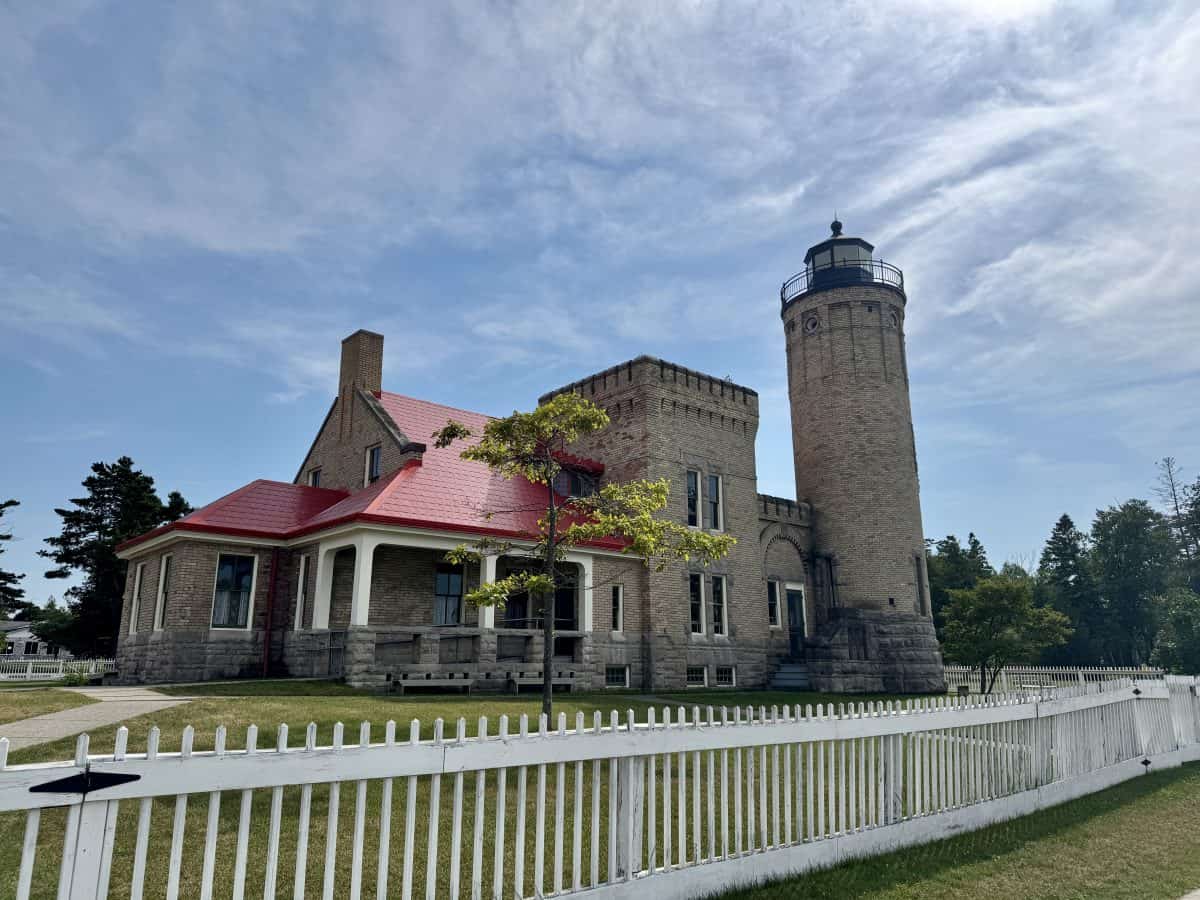
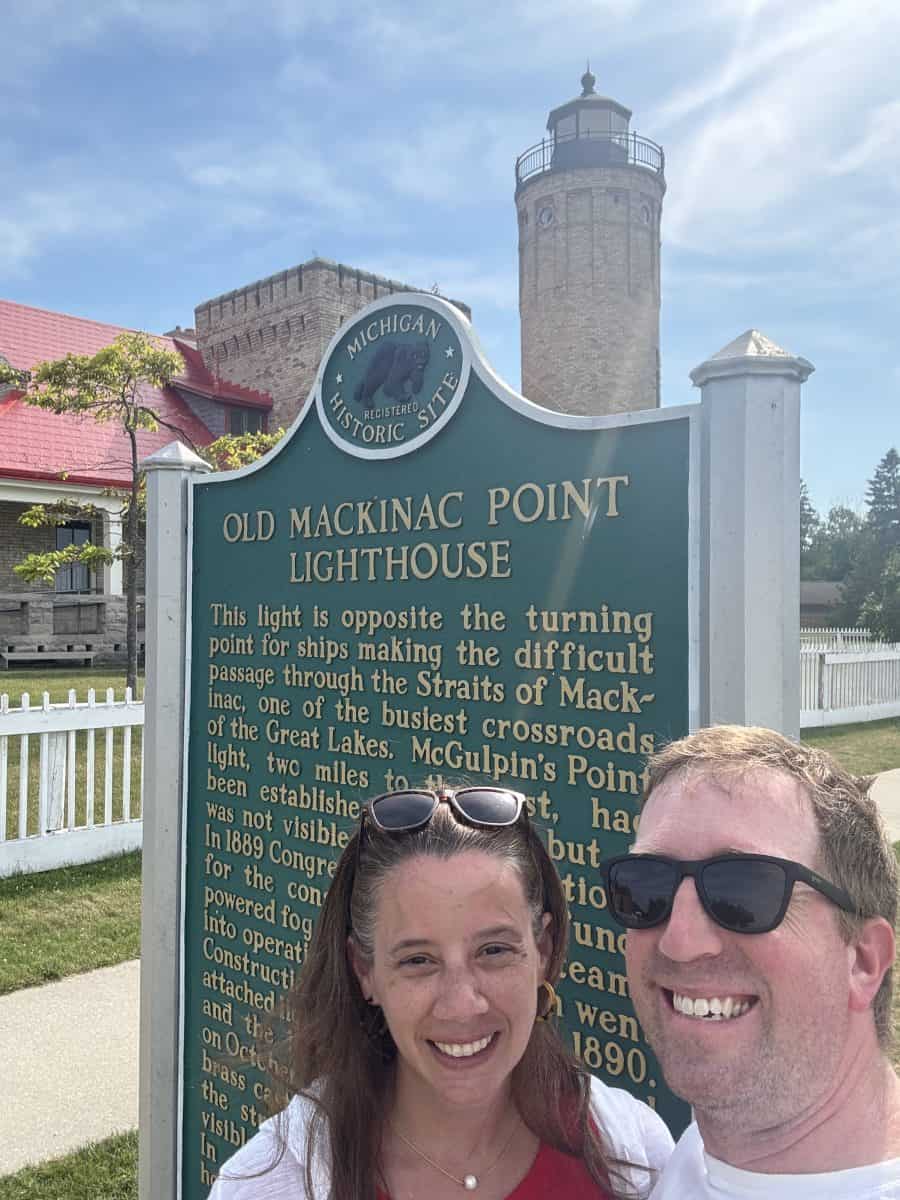
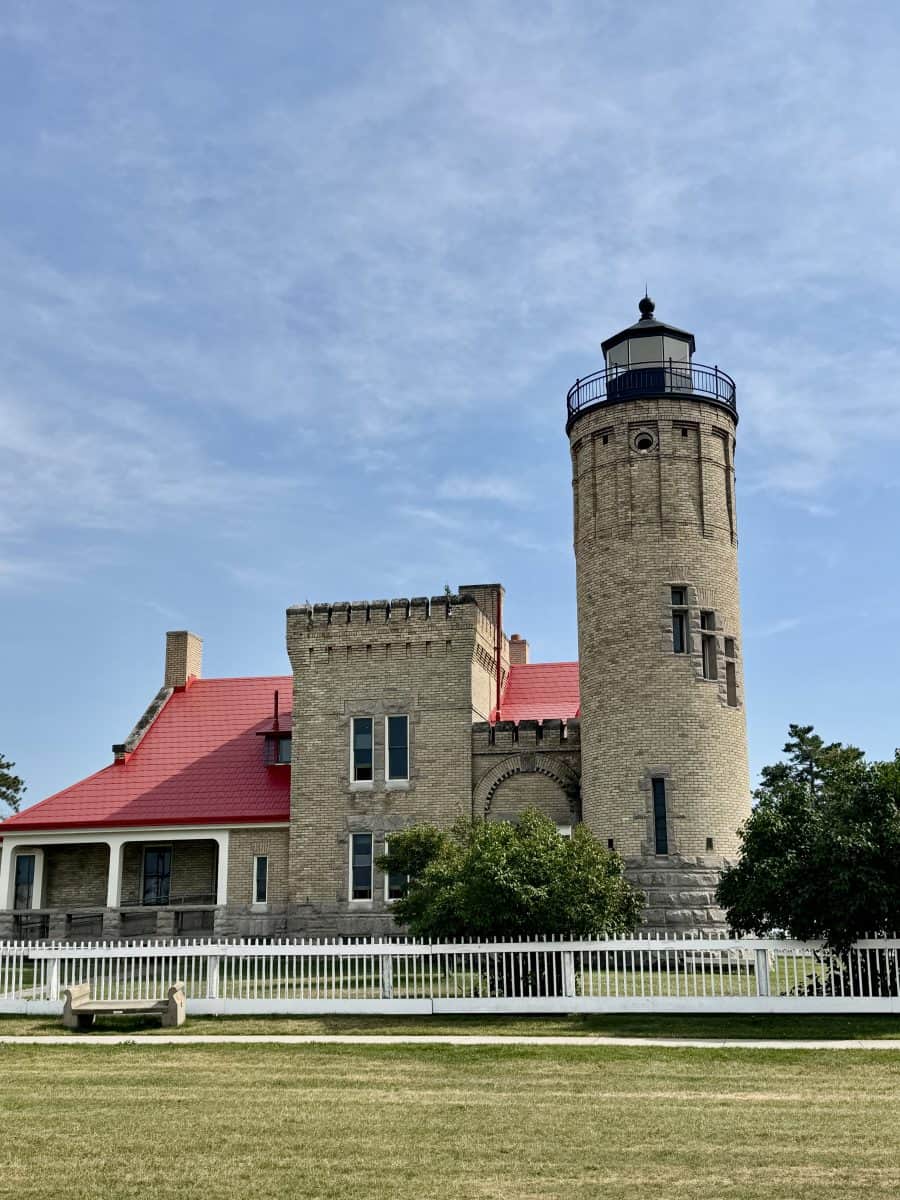
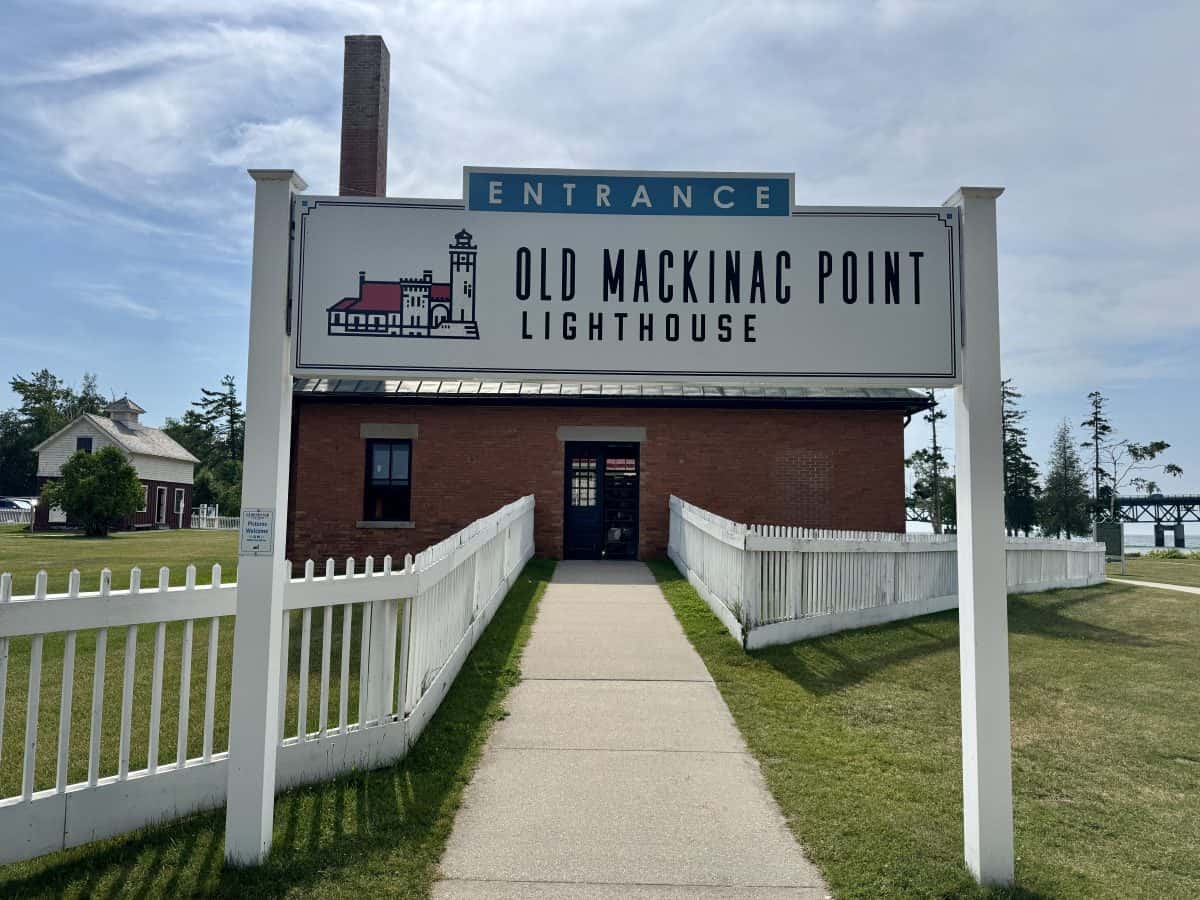
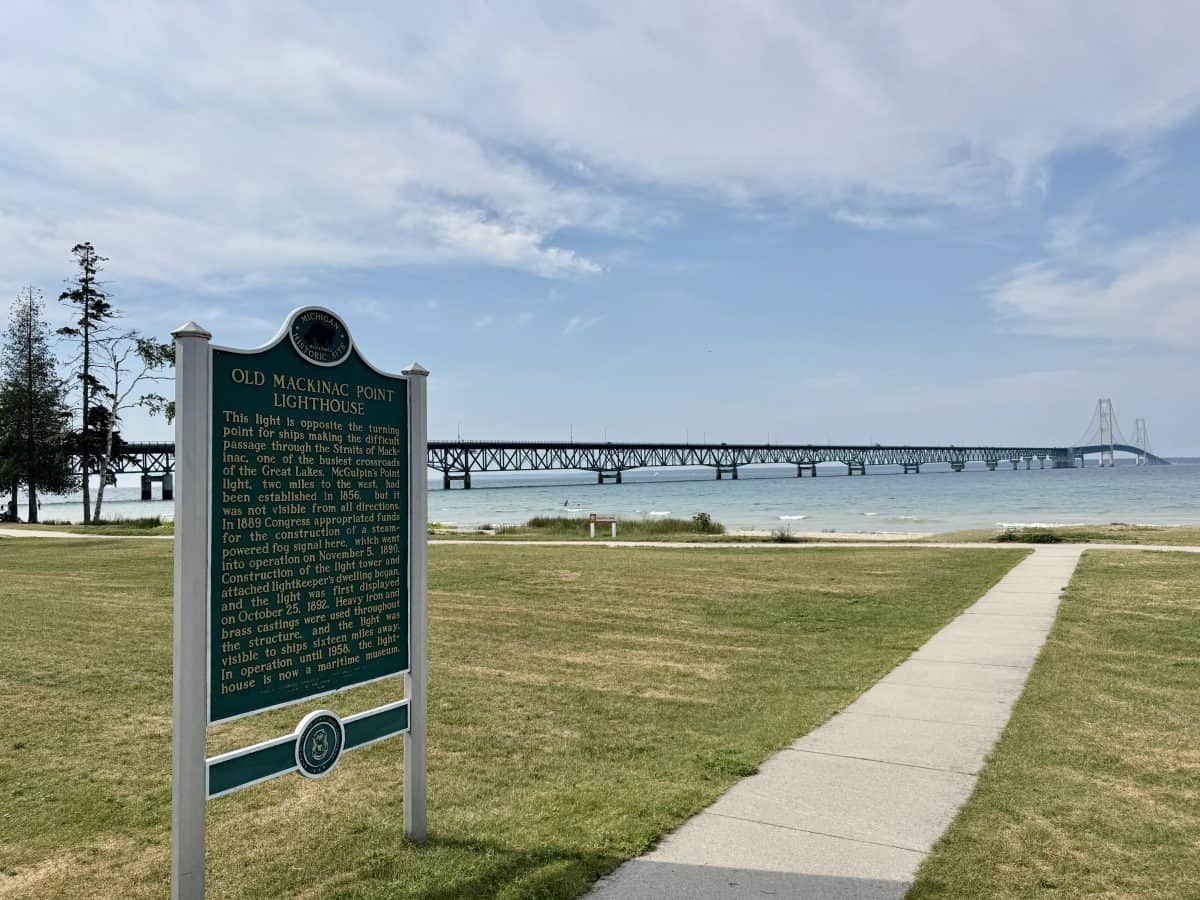
Bonus: Walk through the waterfront state park (lots of green space, a public beach, and benches for resting) to the Old Mackinac Point Lighthouse, built in 1889 to help guide ships through the waters of the Straits of Mackinac until its closing in 1957. Ticketed admission includes touring the second floor of the house, the lighthouse tower, the Shipwreck museum with a featured movie, the Barn, and The Fogg Signal Building. Enter through the Fogg Signal Building. Note: The Lighthouse Complex is open from May through early September.
Looking for other nearby fun? See our feature of the Grand Hotel on Mackinac Island and more fort tours around the country here. And follow along on our adventures on Instagram, Facebook, and Pinterest.
Disclosure: We were given a media pass to tour Colonial Michilimackinac. All opinions expressed are my own.