Playing “I Spy” at Victoria Mansion in Portland, Maine

| | |

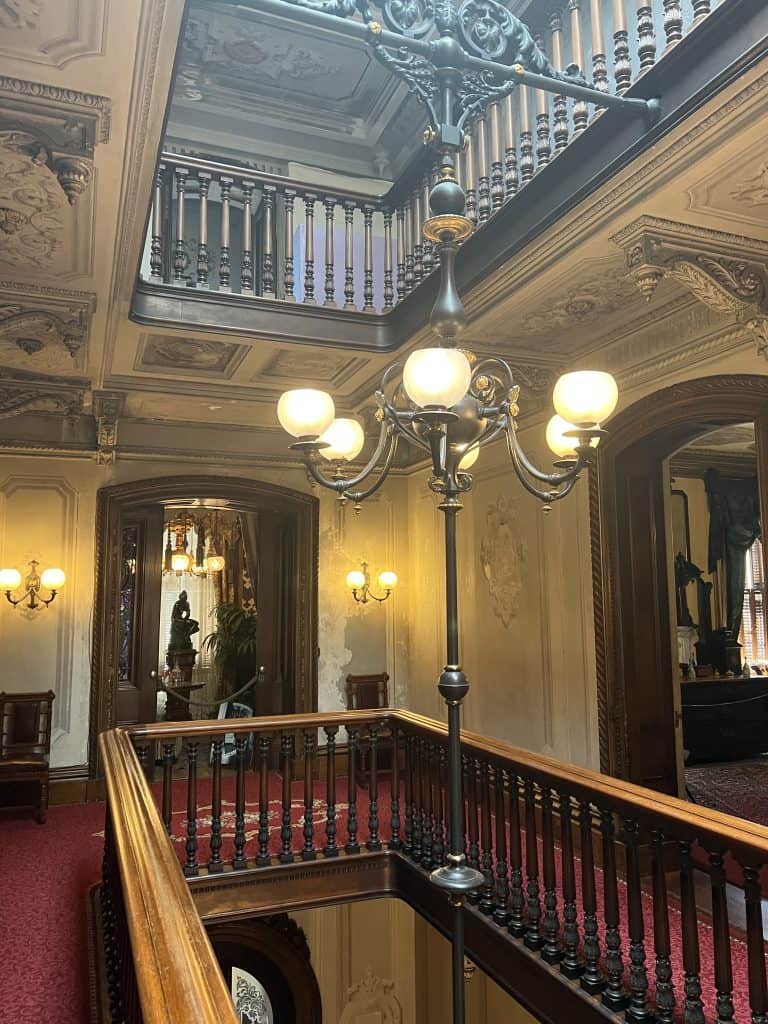
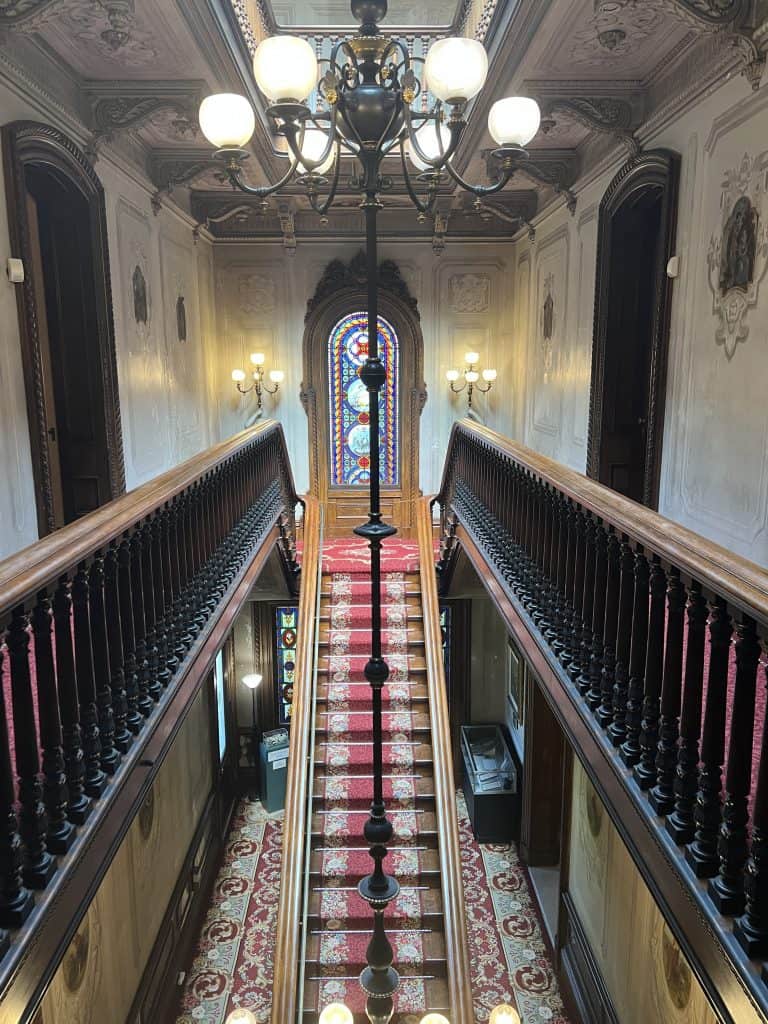
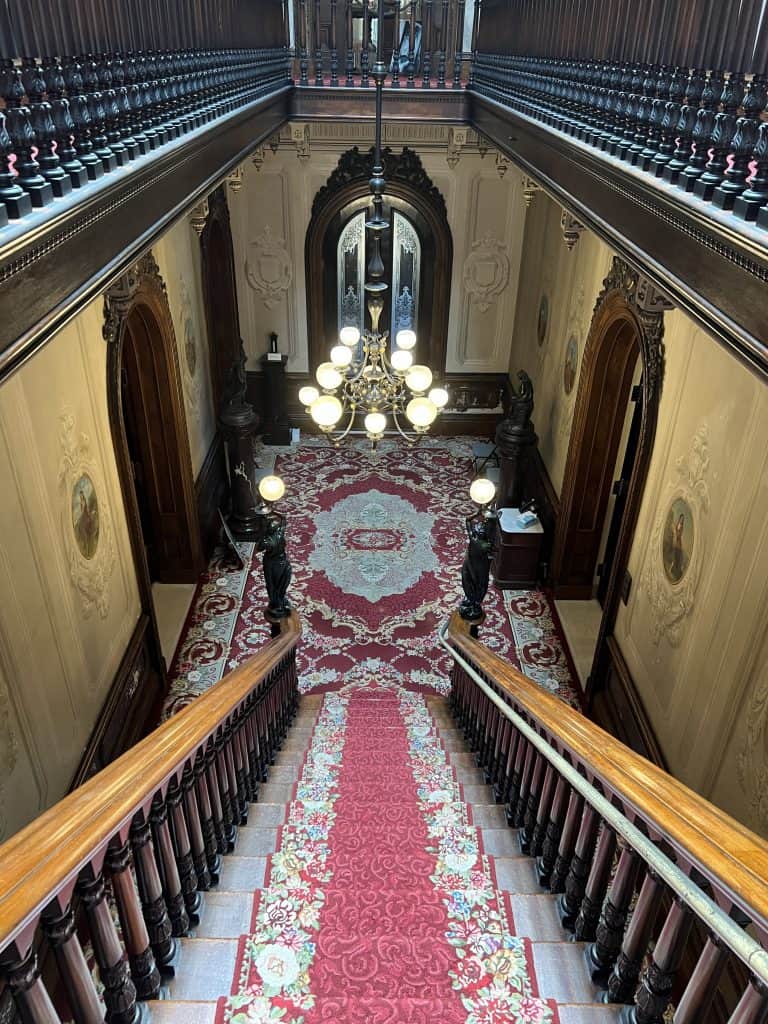
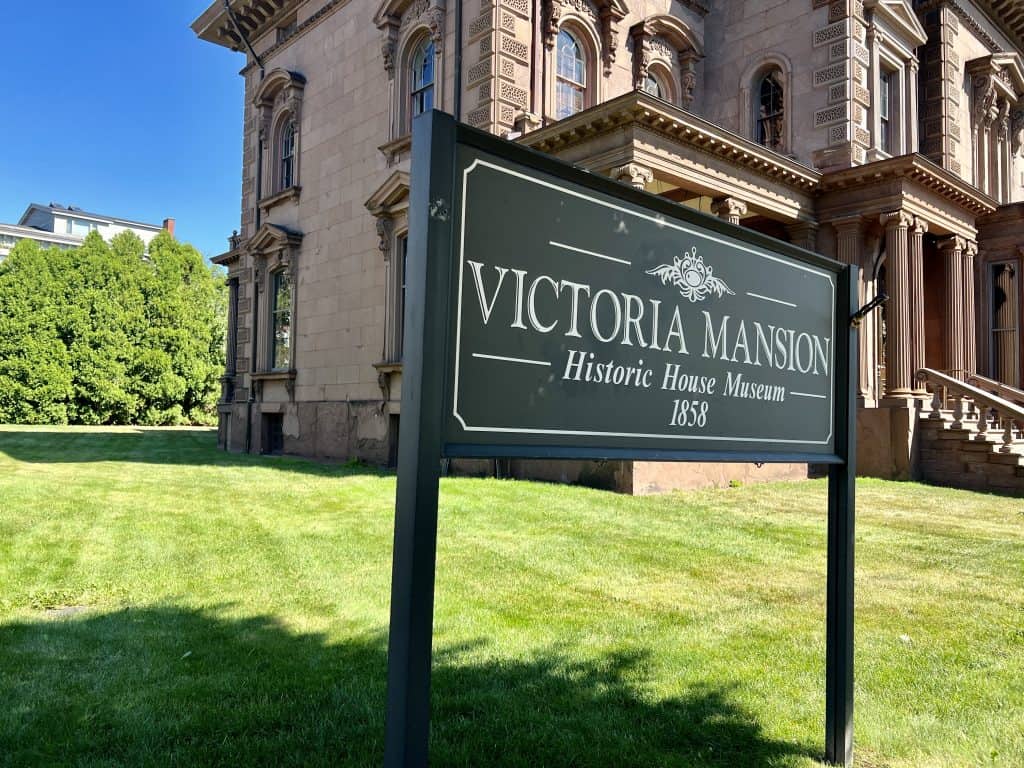
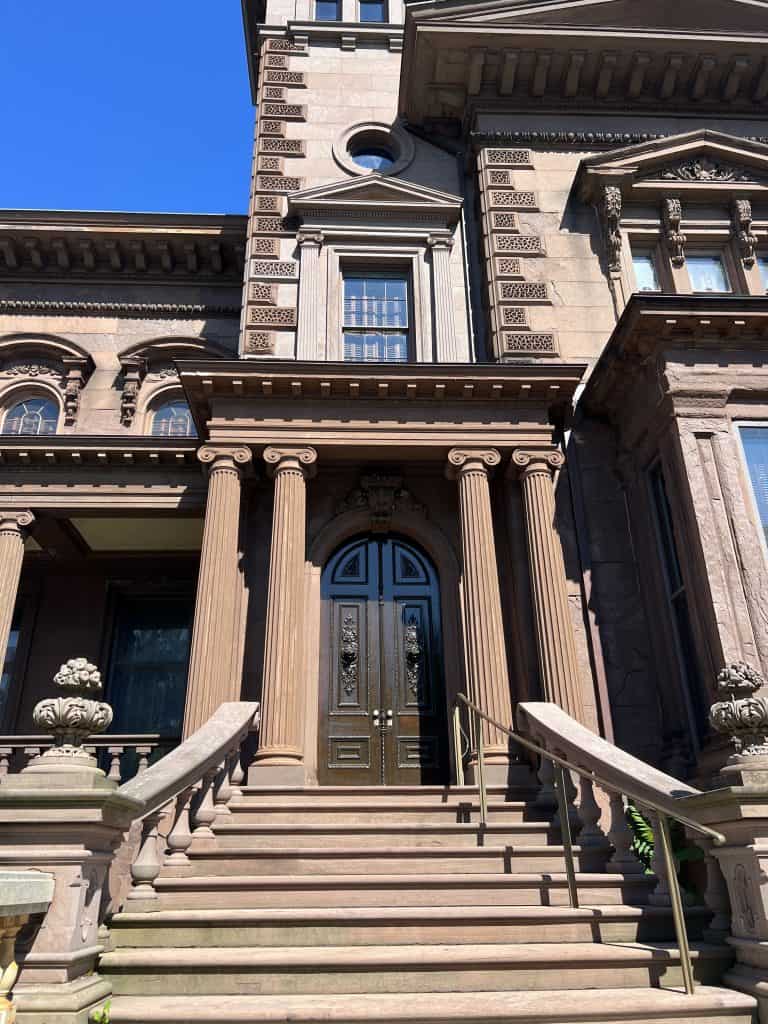
Ruggles Sylvester Morse and his wife Olive Ring Merrill Morse were prominent New Orleans hotel proprietors in the 1850s when they decided to leave the summer heat of the South and build a house in Portland, Maine. The house, built in the Italian Villa style, was finished in 1860 and the couple lived there until Morse passed away in 1893. Olive sold the mansion, and all its contents, to J.R. Libby, who lived there with his wife and five children until the parents died in the early 1920s. After the Great Depression of the 1930s, the children could not afford the upkeep and taxes on the mansion and abandoned it. William Holme, a local teacher and historian who loved the Queen Victorian era, bought it to be preserved as a museum, named after Queen Victoria. 

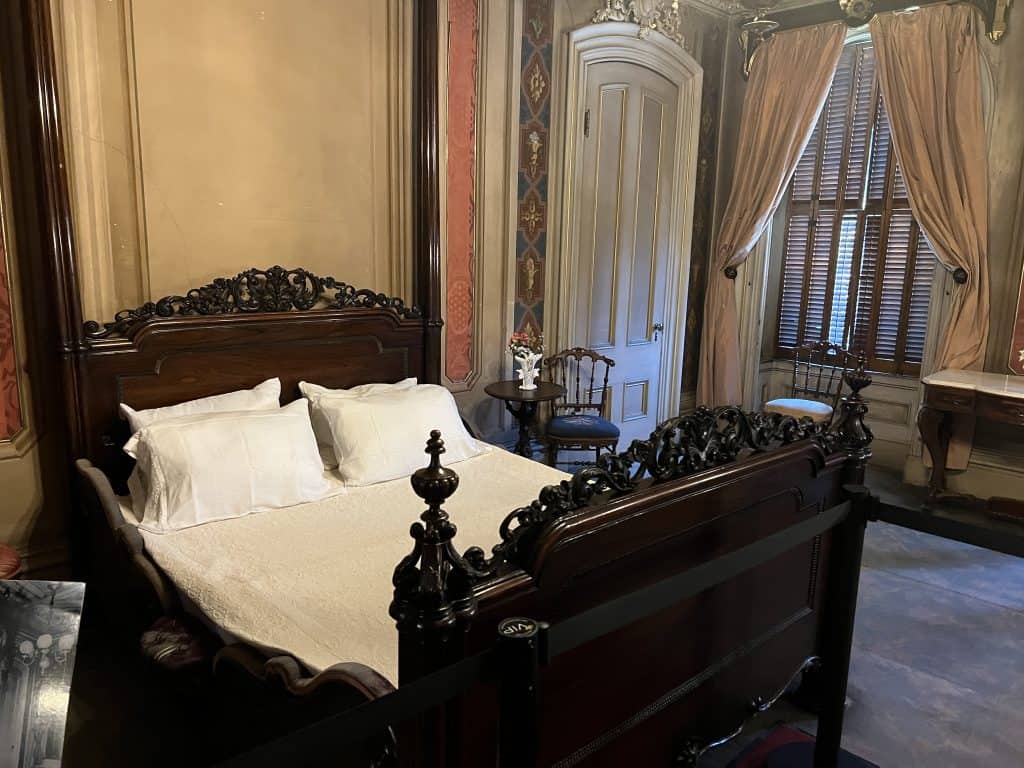
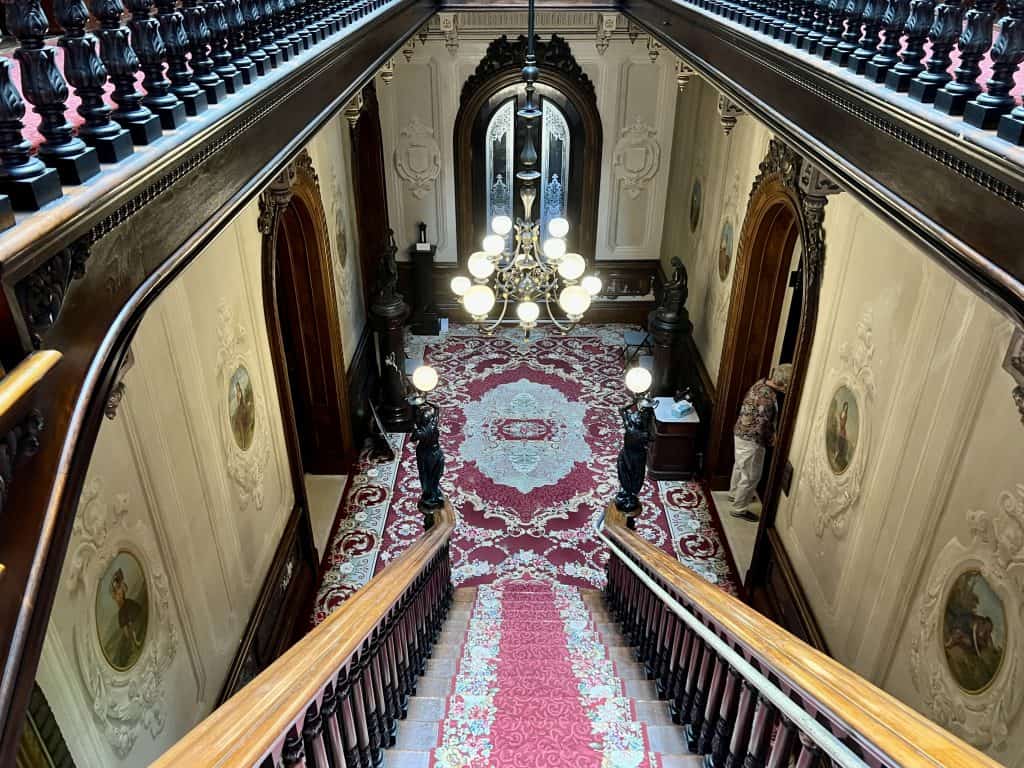
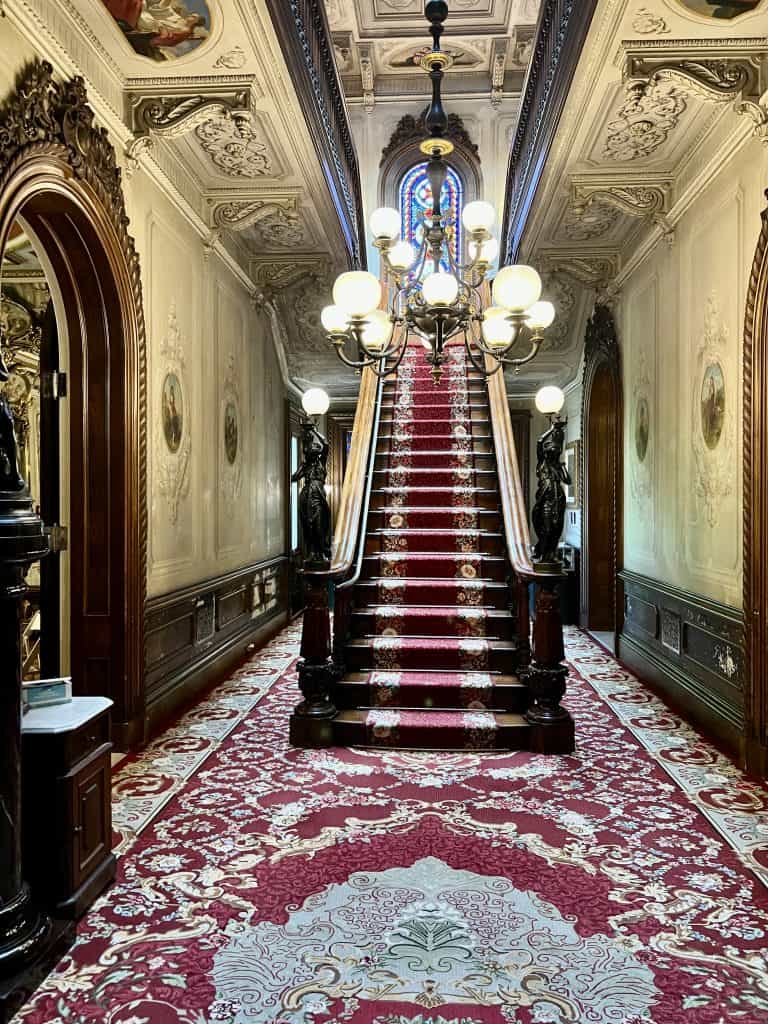
The Victoria Mansion Museum opened in 1941 to the public, who are welcome to tour two of the four floors of the mansion. Each room has been restored to its original, mid 1860s glory, with authentic furnishings purchased by the Morse family. 
Travel Tips:
  • The museum is open from May 1st through the end of October for 45 minute guided tours. Check here for information on admission fees, discounts, and tour hours.  There are select dates when self guided tours are offered- check here for more information. Tickets for guided outs often sell out early in the day, so we recommend purchasing tickets ahead of time online. 
  • The museum is also open on weekends in December for special holiday programs.
  • Two hour on street (free) parking is available on surrounding streets- check out this map.
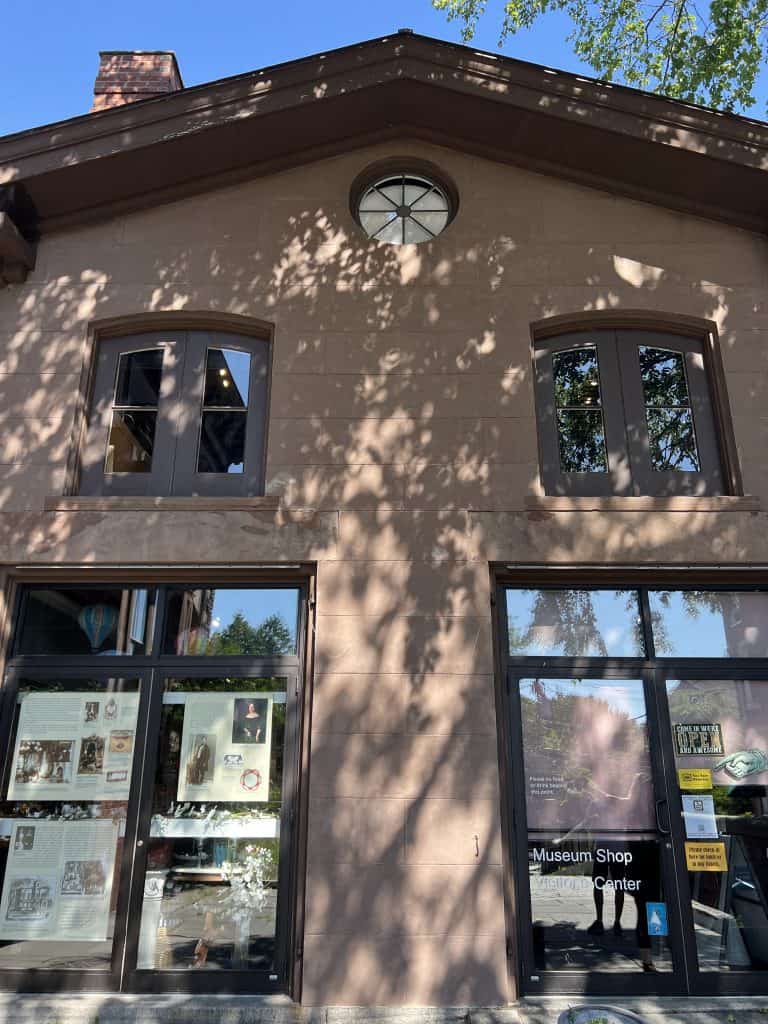
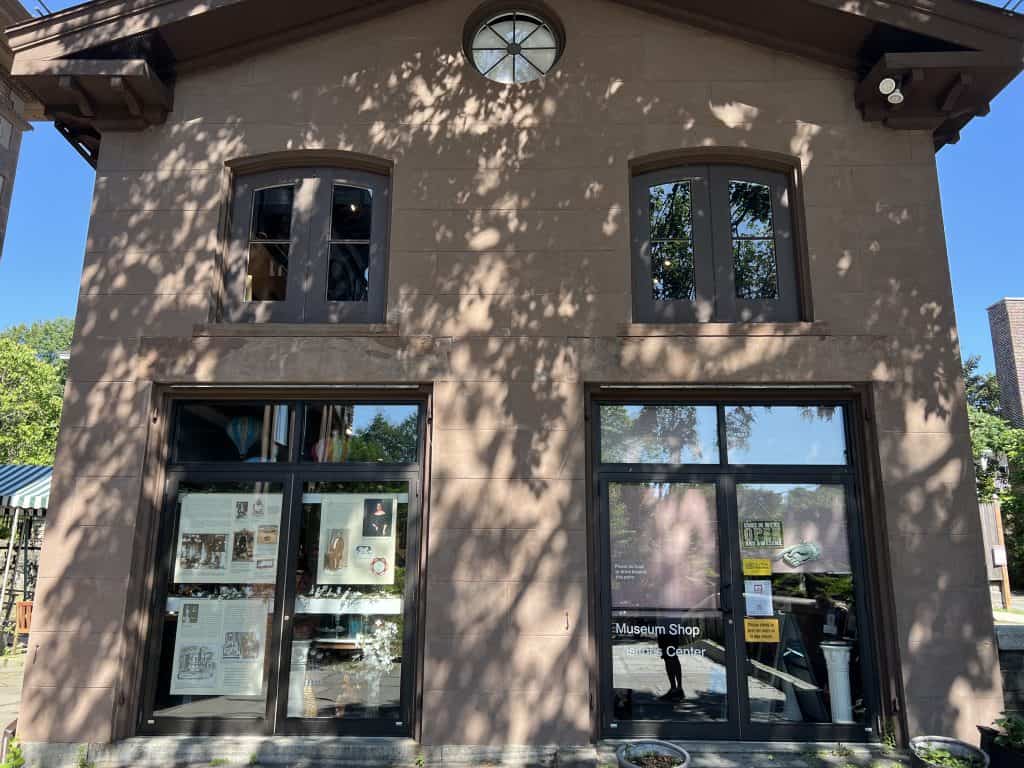
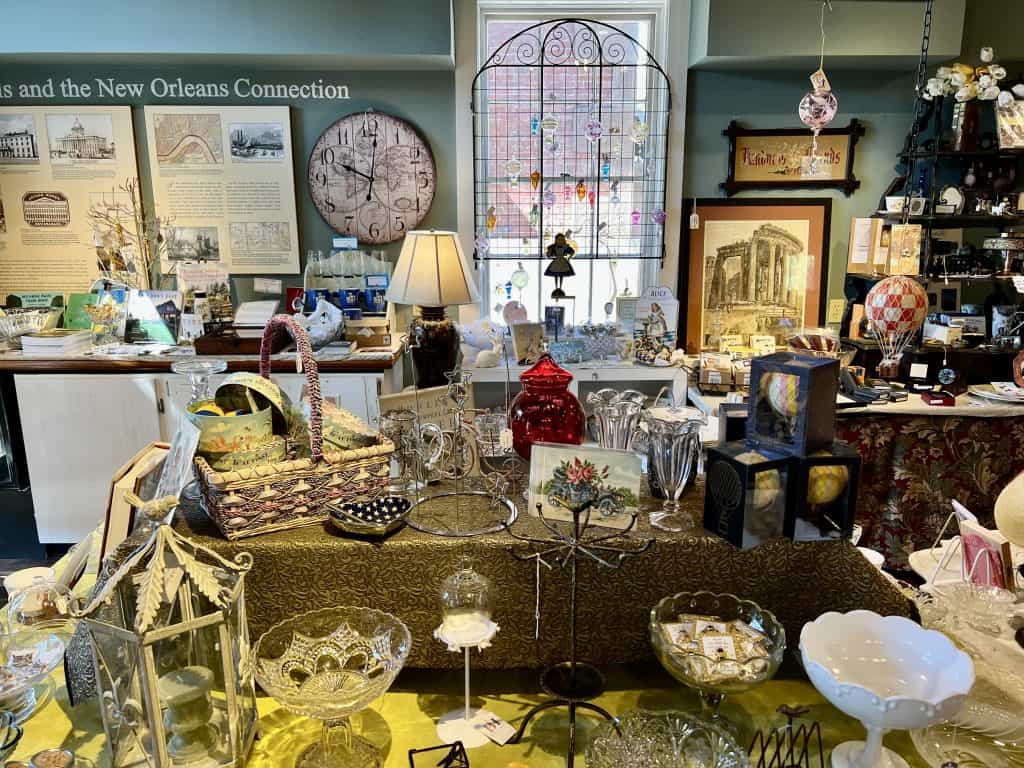
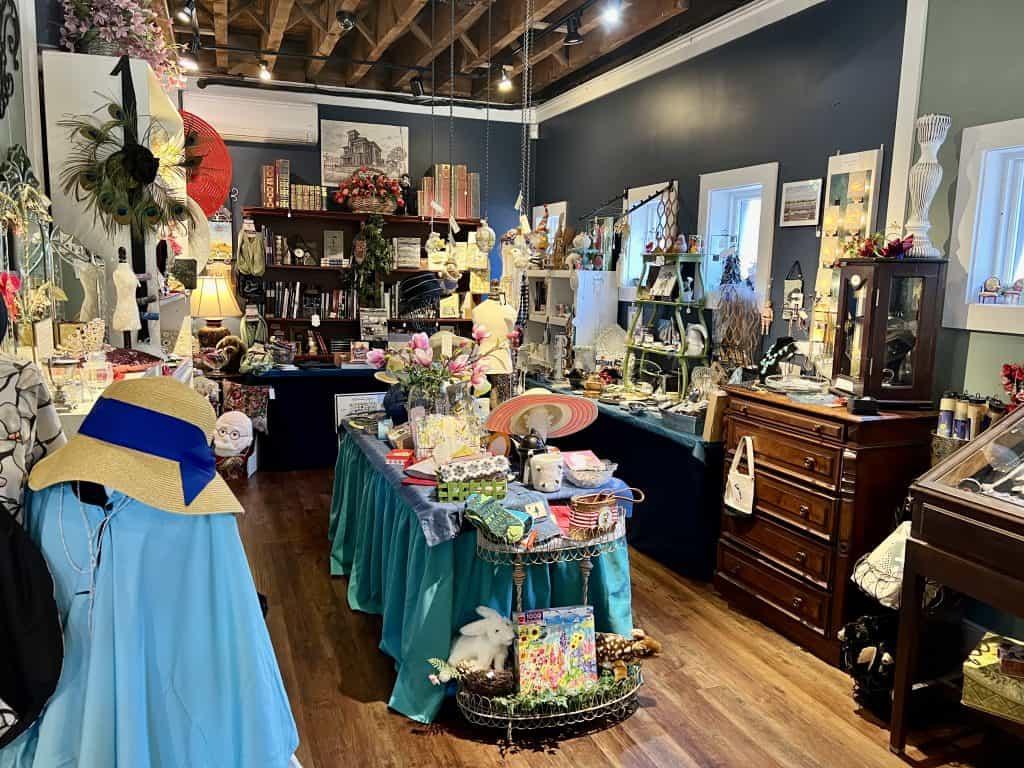
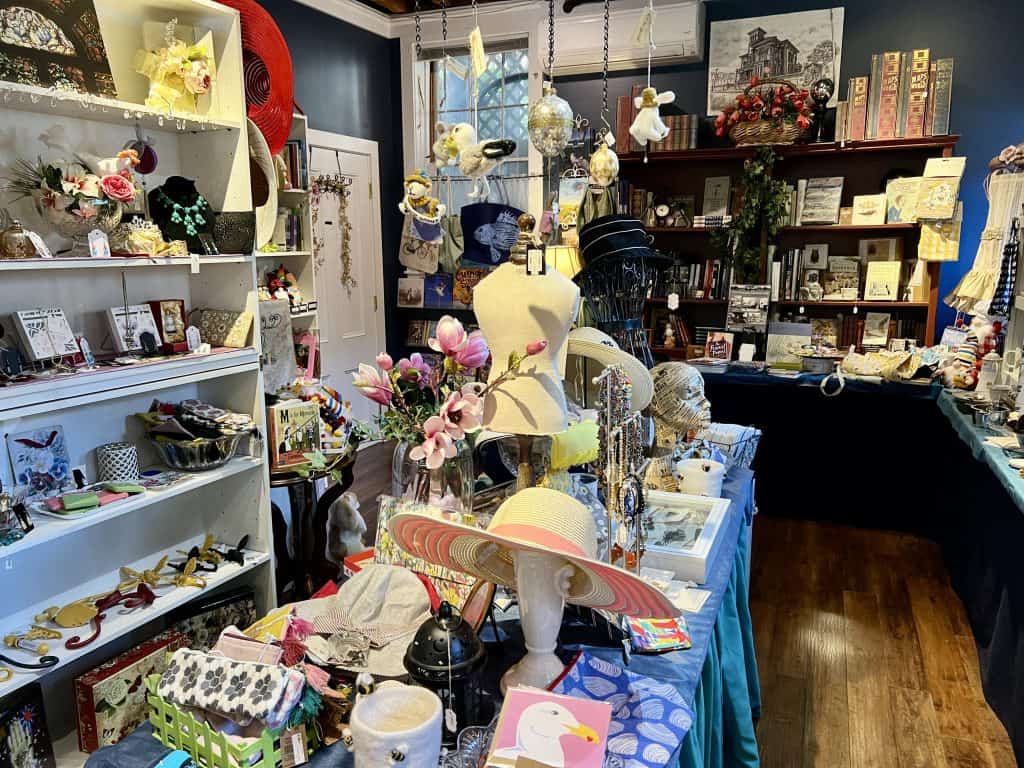
  • Guests should check in at the Museum Shop and Visitor Center located behind the mansion. The gift shop offers a variety of gifts and mementos.
  • Restrooms are located behind the gift shop.
  • The mansion is only handicap accessible on the first floor. A digital tour of the second floor is available for guests who cannot climb the staircase.
  • No dining facilities on site, but the museum offers this list and here is a great index of restaurants
  • Plan on one hour for the tour and time in the museum shop.

Playing “I Spy” at the Victoria Mansion:

Would you like to save this?

We'll email this post to you, so you can come back to it later.

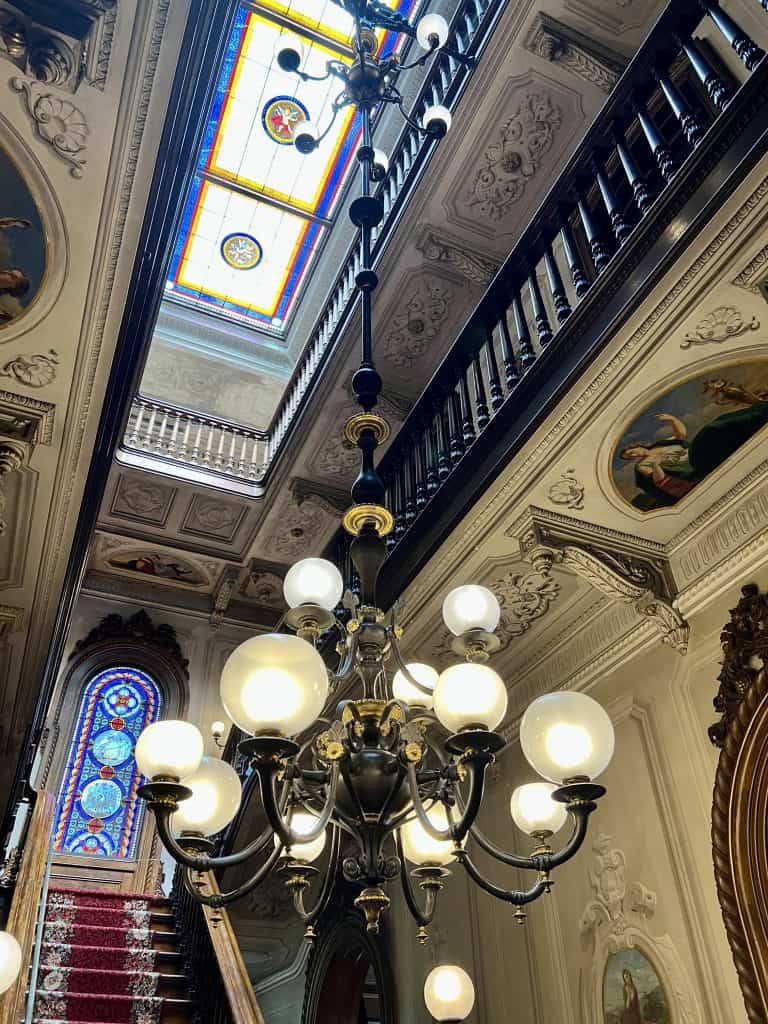
  1. Three of the four cardinal virtues (fortitude, prudence, and justice) displayed in the entrance hall ceiling. The fourth virtue, temperance, was exempt because the family did drink alcohol.
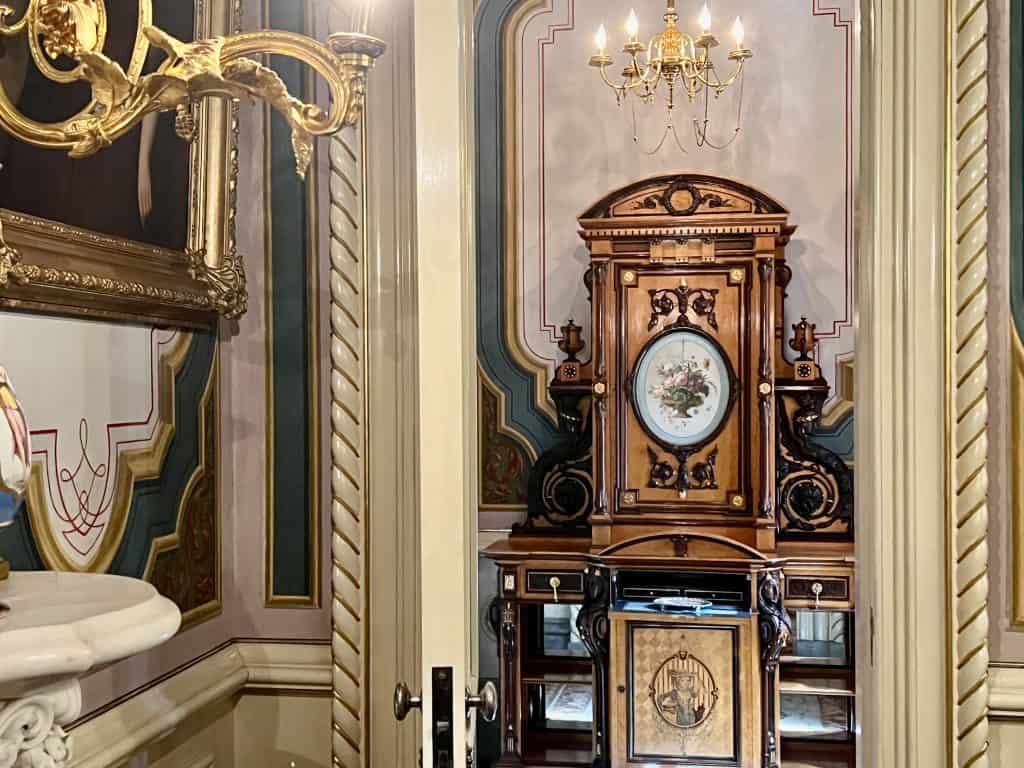
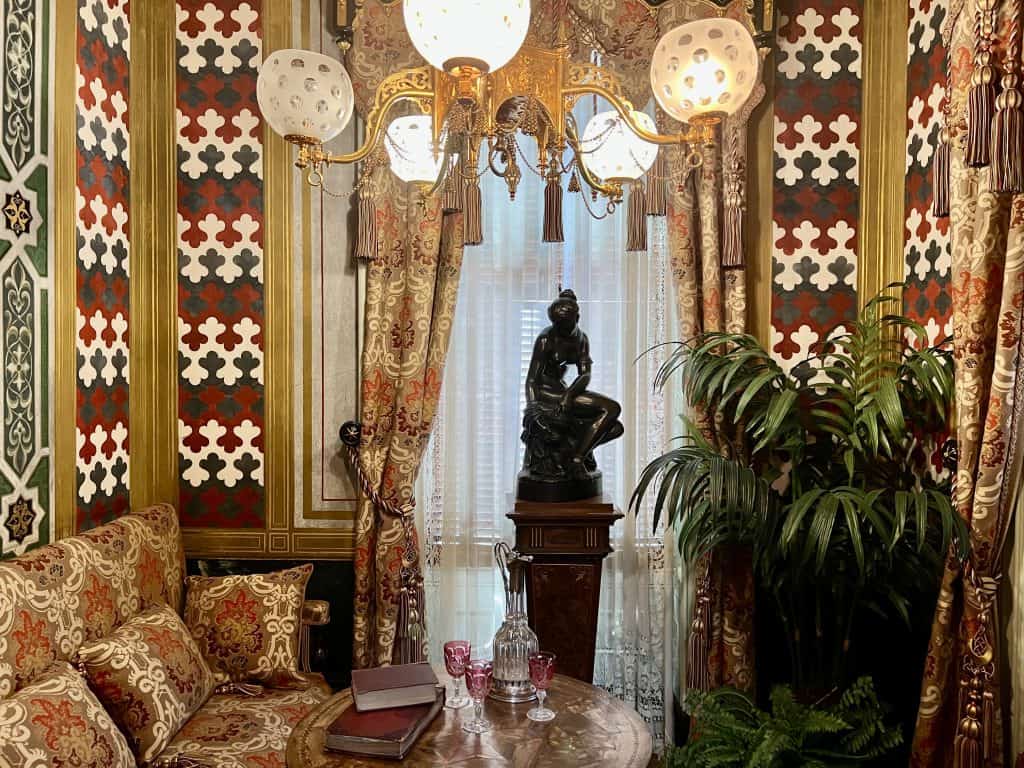
  2. The Gustave Herter cabinet that Morse used to store liquor in the Reception Room. Herter decorated much of the home.
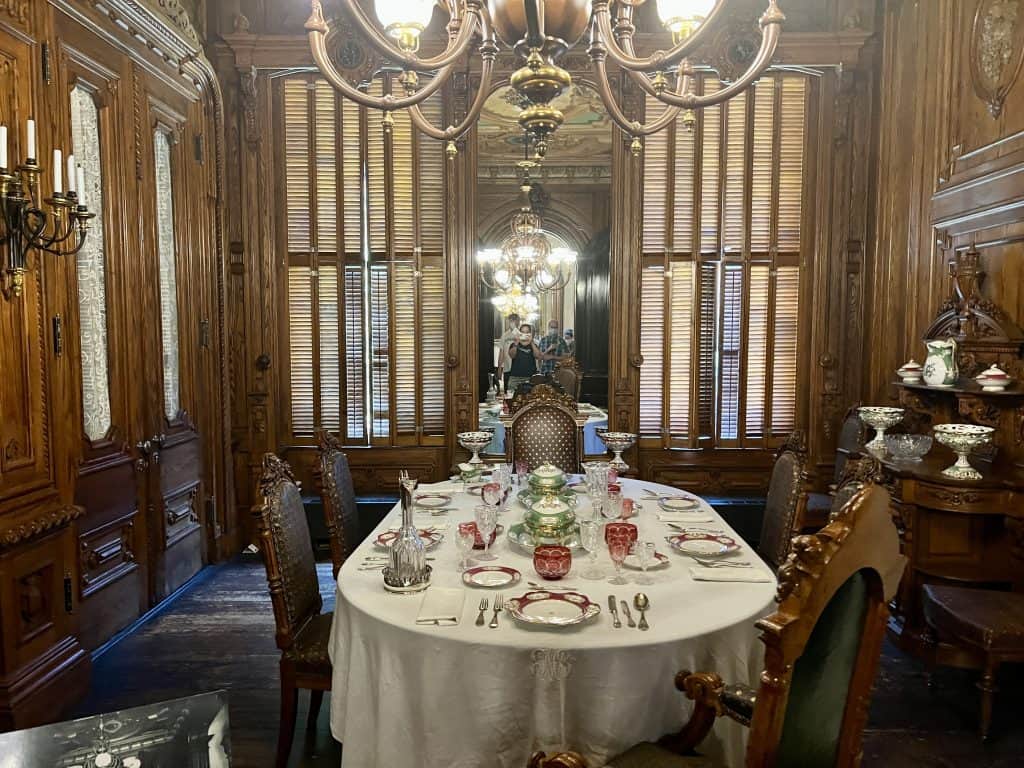
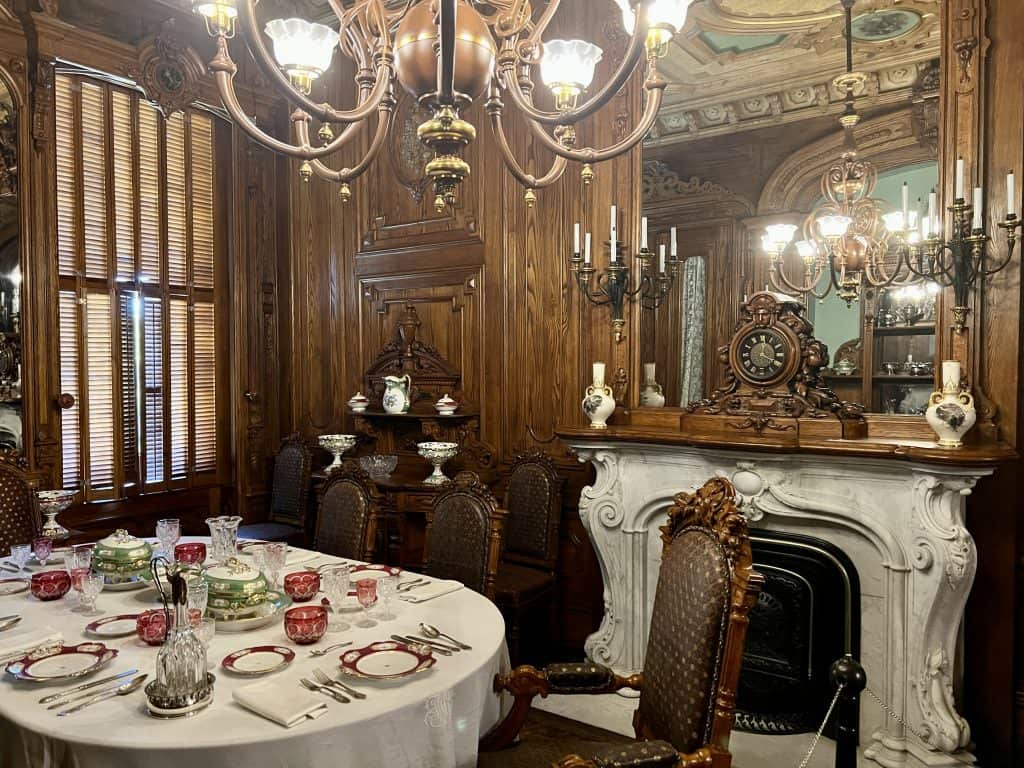
  3. The number of utensils at each place setting on the dining room table. 
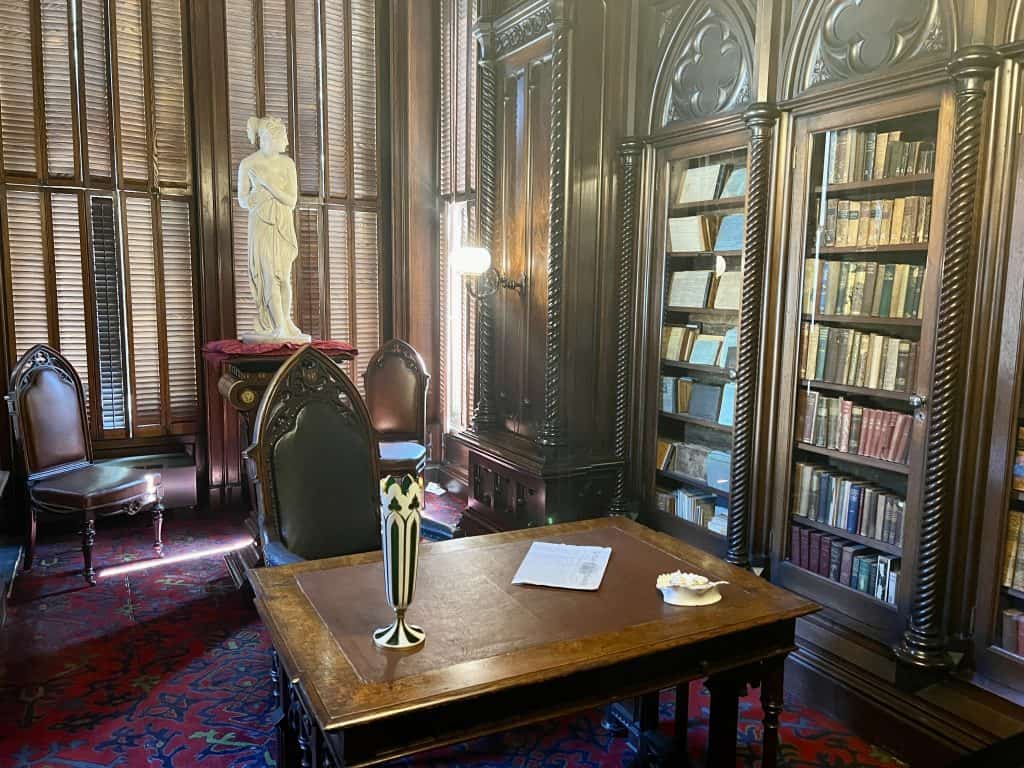
  4. The total number of books in Morse’s collection on display in the library.
  5. The material used to make thresholds for each room entrance: a wooden threshold indicated that the space was private; a marble threshold meant the space was public.
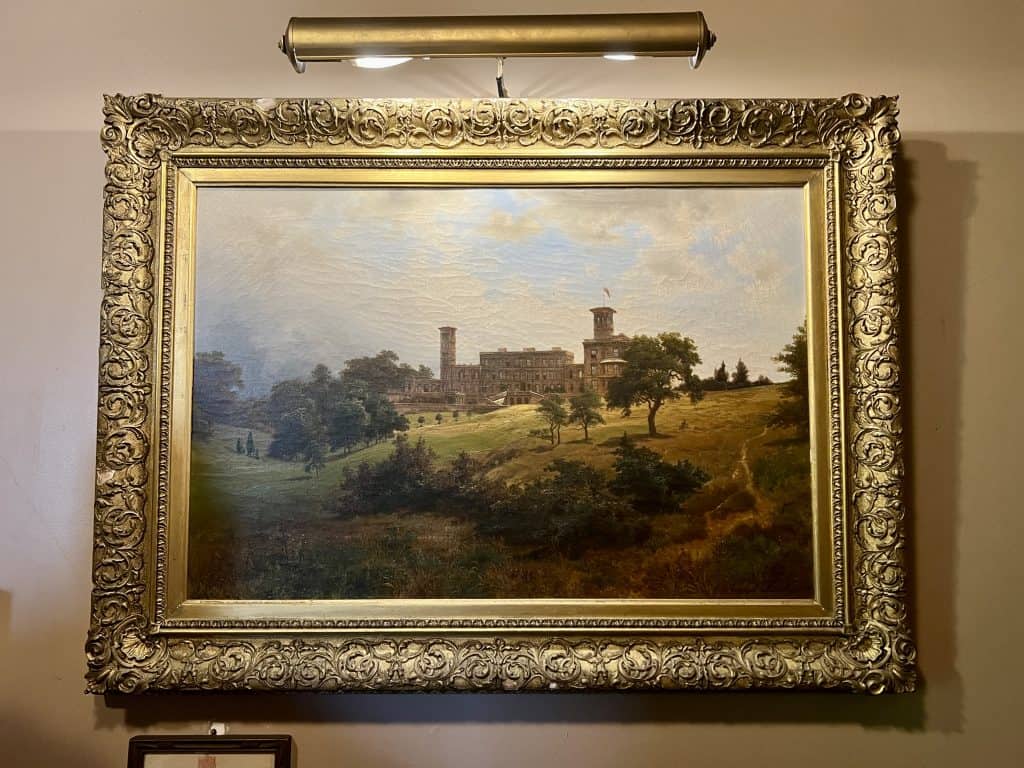
  6. The painting of Queen Victoria’s house, sent by King George to William Holmes, on display in the hallway outside the library.
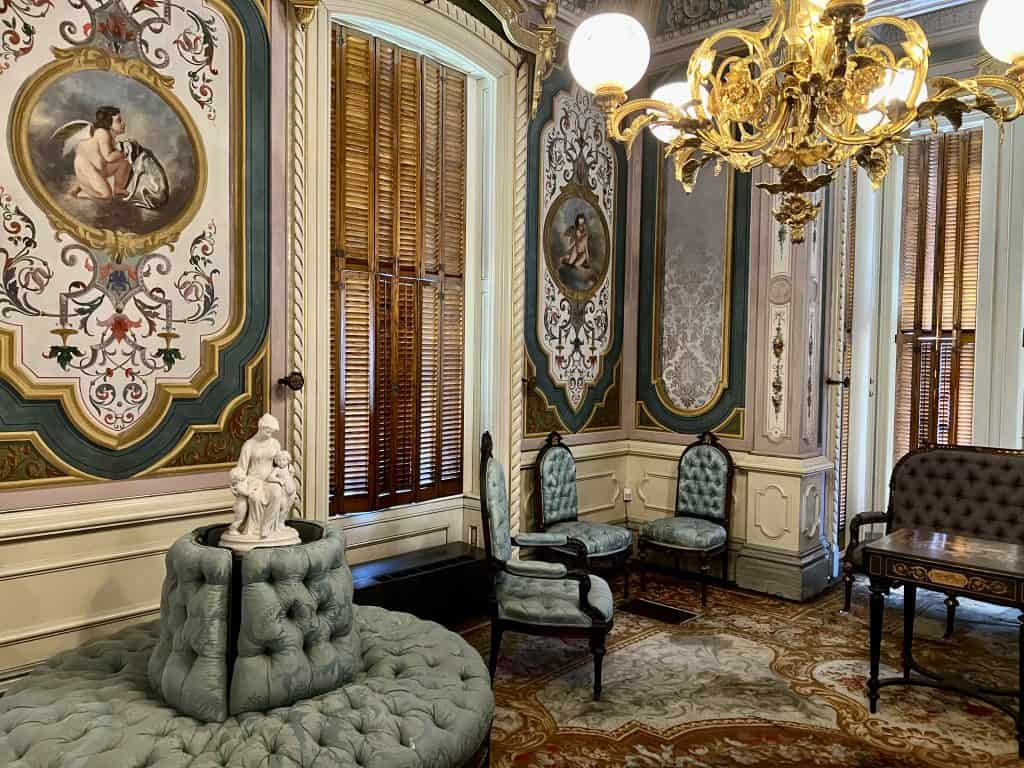
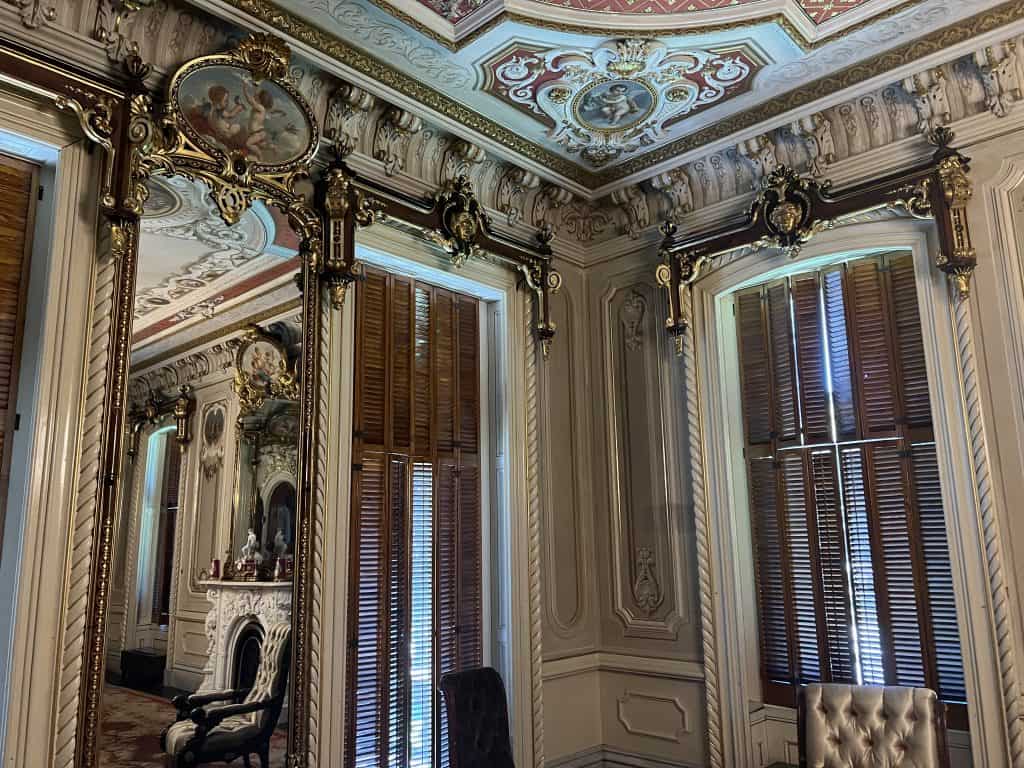
  1. The variety of cherubs in the parlor room.
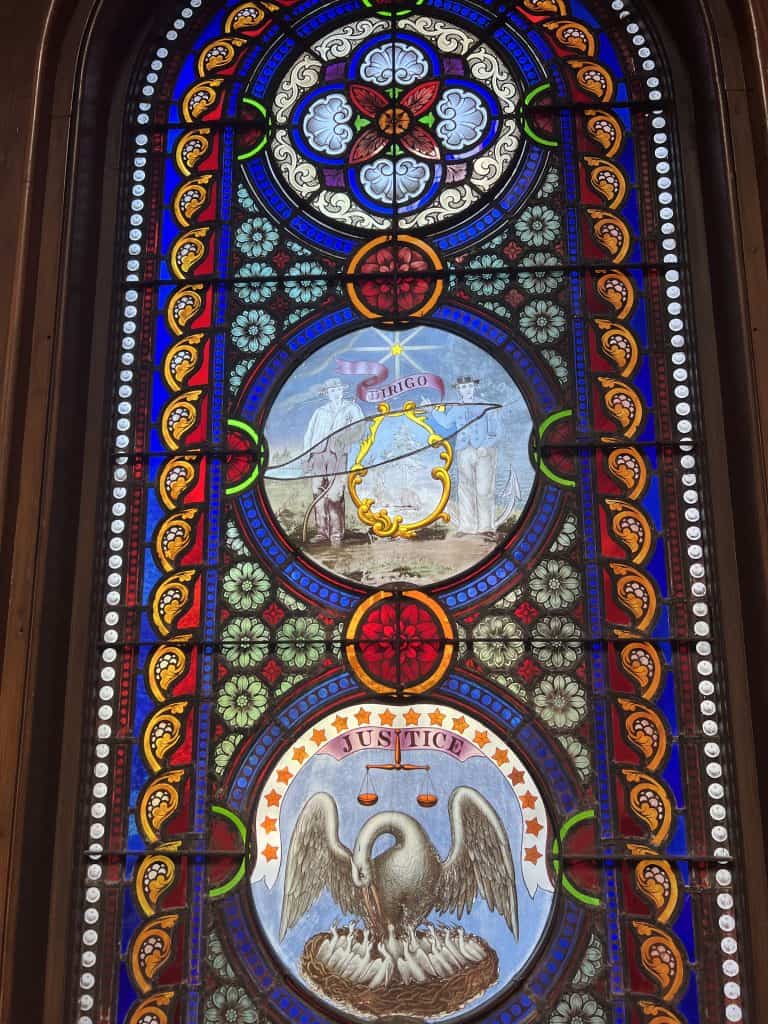
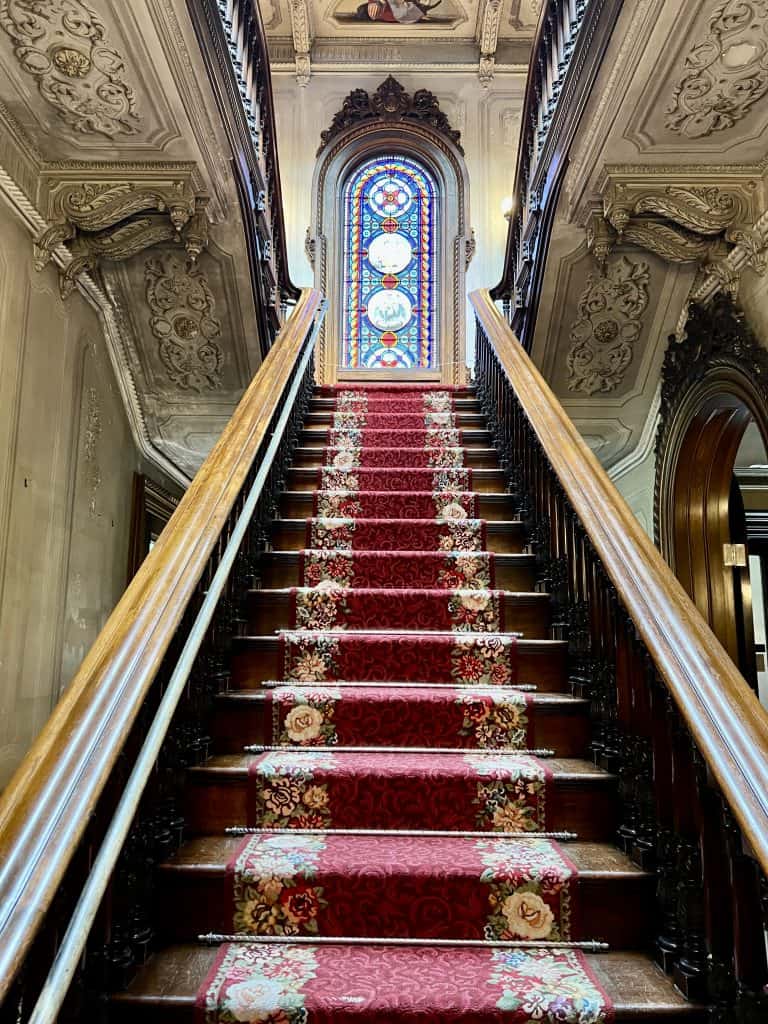
  2. The state seals of Maine and Louisiana carved into stained glass windows at the top of the stairs.
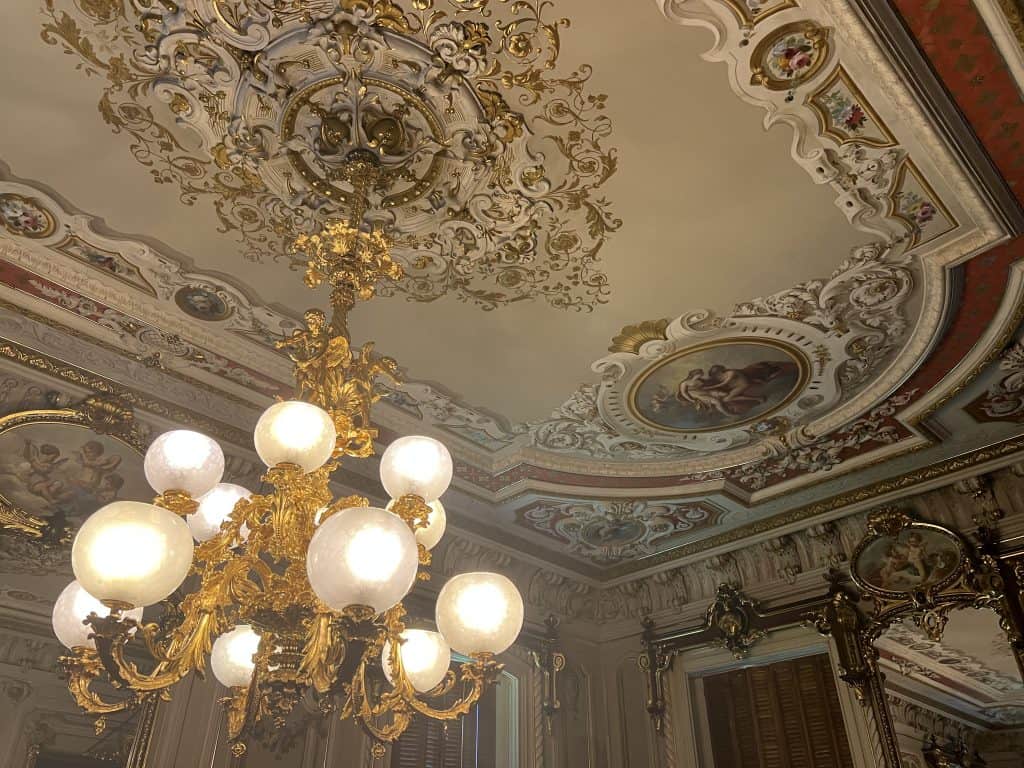
  3. Drawings of all four seasons depicted in the ceiling murals in the Green Bedroom.
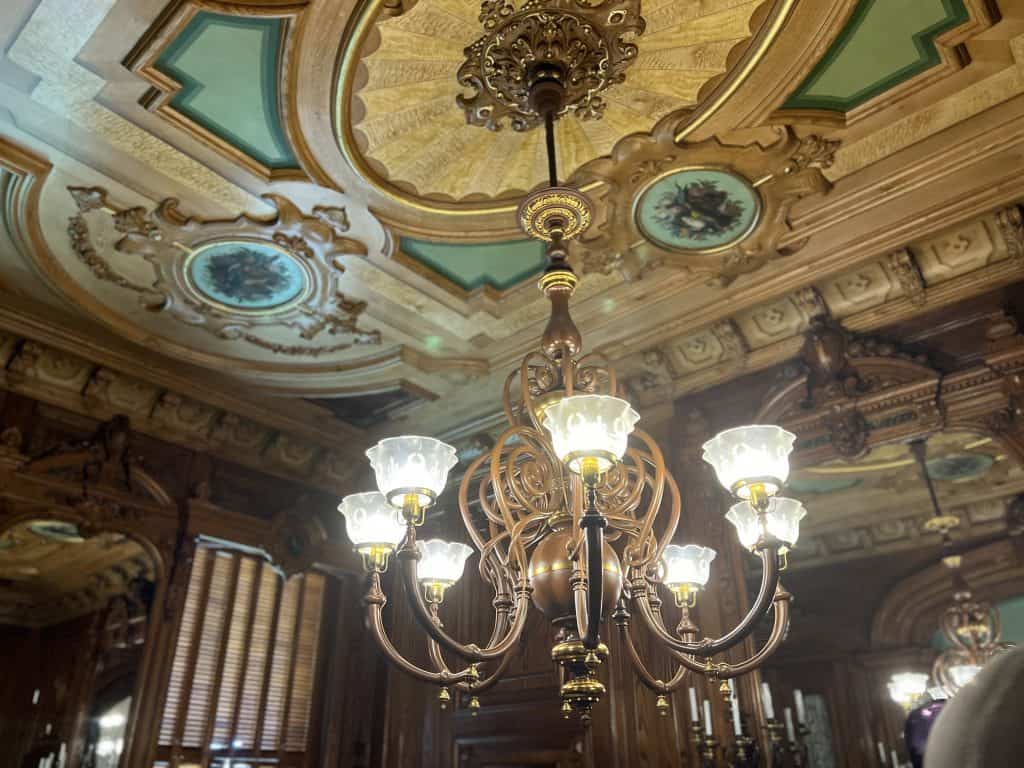
  4. The gas chandelier that must be lowered to be lit in the Turkish Smoking Room.
  5. The call bell (each room has its own call bell, with its own distinct sound) for the staff in Mrs. Morse’s Sitting Room.
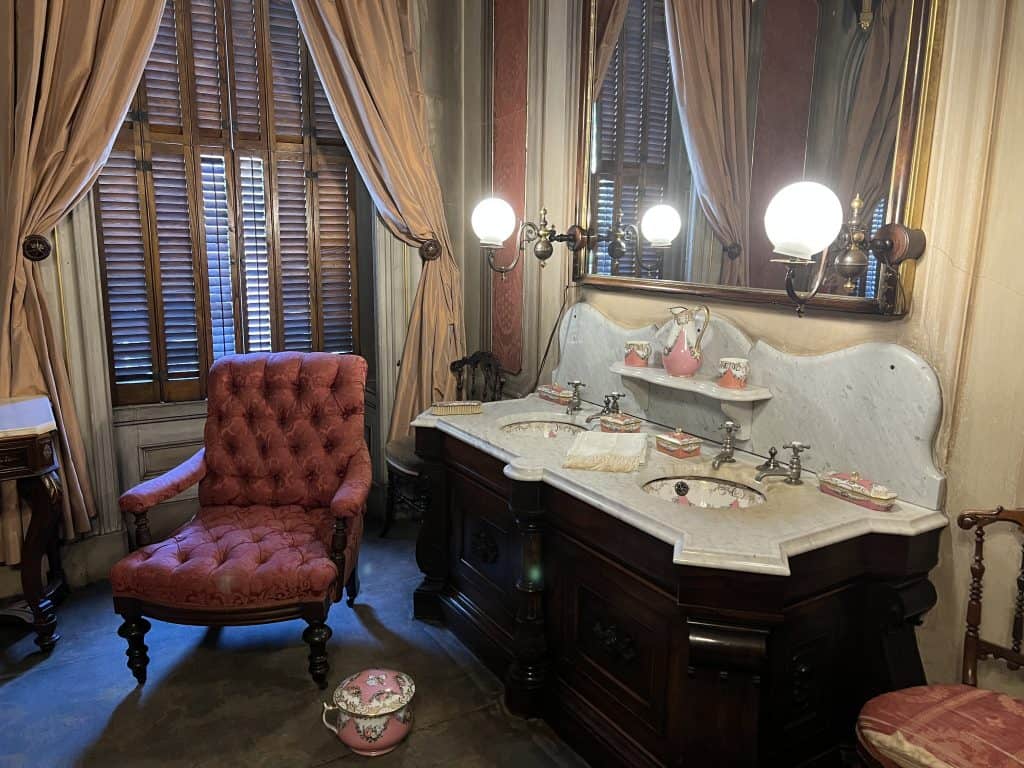
  6. The porcelain chamber pot in the Red Bedroom, used for guests (and check out the double sinks!)
Looking for more private homes we have toured? Check out our index of posts here and post here. And follow along on our adventures on Instagram, Pinterest, Twitter, and Facebook

Disclosure: My family was given a media pass to Victoria Mansion; all opinions expressed are my own.

Similar Posts

  • | | | | |

    Fort Sumter National Park in Charleston, SC

    There is plenty of architecture, southern cuisine, and water views to check out in Charleston, South Carolina but no trip would be complete without reliving a major turning point in our country’s history.

    Fort Sumter National Monument is the only structure on the man-made island, which was created in the early 1800s as a defense for the city of Charleston. In April of 1861, the Confederate army bombed the still incomplete Fort, signaling the start of the Civil War.

    Operated by the National Parks Service and Fort Sumter Tours, access to the island is by tour boats docked at both Liberty Square or Patriot’s Point. I would leave from the Liberty Square Visitor Center so you can spend some time checking out displays which chronicle the history of the fort and check out a small gift shop. Make sure you stamp your National Parks PassportNote: There are restrooms located at both locations and I would recommend using them before boarding the boat to the island. The Visitor’s Center at Liberty Square is located on the second floor, but there is an elevator.

    The 40-minute narrated boat ride to the fort explains many details about the start of the Civil War.  Once you’re on the island, you can explore the fort on your own. There are park rangers stationed at various points to give short lectures and to answer any questions. There are also placards that give detailed information about structures and objects.  I would plan on spending 45-60 minutes at the fort. When you go, be sure to look out for:

  • Packing a Suitcase

    You’ll hear me say it often on this site: Be prepared. I truly believe you can never be too prepared, or plan too much. And while it’s been a personal resolution (since, about, oh… 2002) to try and be spontaneous, I have a lot of evidence to support planning ahead of a trip.

    I’ve written about how to pack the car, but if you’ll allow me to micromanage you just a little bit more, I’ve got a few suggestions on how – and what – to pack in a suitcase when traveling with the kids.

  • | | | |

    Playing “I Spy” at the Connecticut State Capitol

    Visiting state capitol buildings is one of the first things we do when visiting the capital city. It’s a little ironic that it took our family, who has lived in Connecticut for almost 20 years, this long, but we recently, finally made it to the CT Capitol for a tour.

    Connecticut was founded in 1662 and is known as the Constitution State, as it was the first state to adopt a constitution.  Built in 1878, the Connecticut Capitol building, located in downtown Hartford, was designed by Richard M. Upjohn to replicate a Victorian Gothic style. The building overlooks Bushnell Memorial Park’s 41 acres in the heart of Hartford and was restored in the 1980s to the original colors and design. The addition of the Legislative Office Building (LOB), which opened in 1988, allowed for office space for Connecticut’s 151 Representatives (each representing approximately 25,000 constituents)  and 36 State Senators (each representing approximately 90,000-100,000 constituents). The “LOB” also allows for more public meeting spaces and opportunities for state officials to meet as committees and with public interest groups. The first and second floors of the LOB and the first floor of the Capitol are both open to the public; upper level floors house private offices and chambers and guests must be accompanied by officials. 

  • | | | | |

    National Museum of the American Indian in Washington DC

    We recently visited the National Museum of the American Indian in New York City (read about our adventures here) and less than a week later we were in Washington DC and spent a few hours (and a yummy lunch!) at the Washington Museum. You can also read about our adventures at several other Washington DC museums here.

  • | | | | | | | | | | | | |

    10 Art Museums With Virtual Activities for Kids

    You might be surprised to learn that my family, children included, like visiting art museums. Art museums have come a long way from just “silently standing and looking at paintings some old guy or girl made a million years ago.” Today, so many art museums are finding new ways to engage children and welcome families into their galleries. We wrote about the many benefits of taking children to art museums last year in this post featuring the Guggenheim in New York City. A huge bonus? Most of these museums, and other art museums, offer FREE admission for children, usually ages 16 and under.

  • | | | |

    StoryLand in Glen, New Hampshire

    Opened in 1954, StoryLand is a nursery rhyme themed amusement park that will take you back in time. Story Land is located in Glen, New Hampshire, a small community in the town of Bartlett in the beautiful White Mountains. It’s a short, ten minute drive to the town of  North Conway (a popular skiing destination) with many family friendly things to do. StoryLand is fun for the whole family, but it especially caters to younger children in size, calmer rides (with a few exceptions for the thrill seekers), and plenty of interactive shows and meets and greets. Even on a busy day, you won’t wait more than 30 minutes for a ride (and that’s an unusually long time)

7 Comments

  1. As a New Englander, I am shocked I didn’t know this mansion existed! It looks like a fun stop for any traveler. It reminds me a little of the Newport Mansions too! I will definitely be adding this to my list.

  2. Those photos are so beautiful, what a cool place to visit in Portland! I can definitely see the references to Italian villas, and “I Spy” sounds like a really fun game to guide your exploration.

  3. What a fun idea! Victoria Mansion Museum looks like an awesome place to visit and it’s so beautiful. Added to my Maine bucket list.

  4. This is such a fascinating peek into the past! I love how the Victoria Mansion has preserved so many original details—it must feel like stepping right into the 1860s. The ‘I Spy’ element adds a fun twist too, especially for families. Definitely bookmarking this for my next trip to Maine!

Leave a Reply

Your email address will not be published. Required fields are marked *