41 Ways to Have Fun at the Carnegie Science Center in Pittsburgh, PA

| | |

The most visited museum in Pittsburgh, the Carnegie Science Center is home over two dozens exhibits and 100 interactive activities spread across four floors, welcoming over half a million visitors each year. On our recent visit to Pittsburgh, we enjoyed a whole afternoon exploring the Carnegie Science Center and testing our knowledge and understanding of everything from engineering to astronomy and space exploration to geology, biology, and marine life to health sciences.
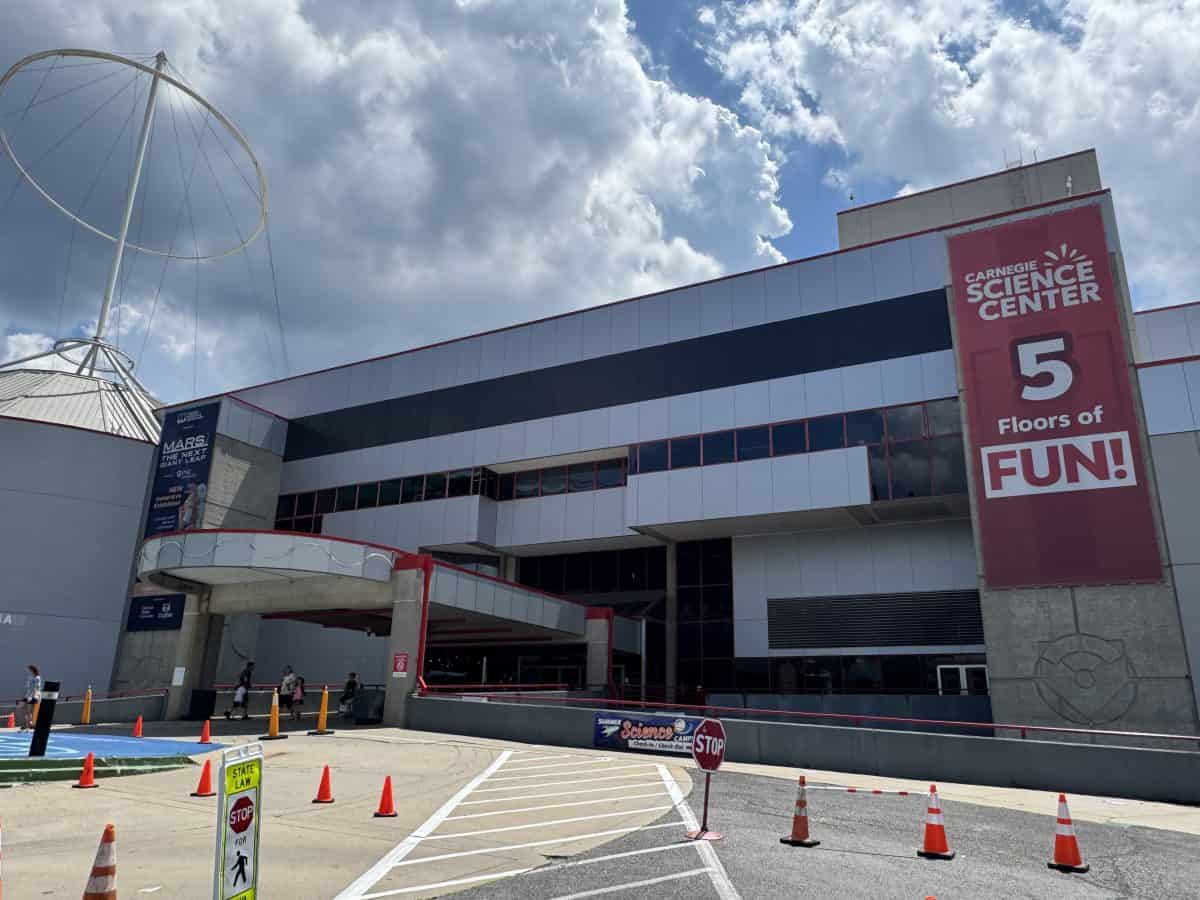
main entrance to the Carnegie Science Center in Pittsburgh, PA

One of the four Carnegie Museums in Pittsburgh, the Carnegie Science Center opened in 1991. Originally the Buhl Planetarium and Institute of Popular Science, the museum, opened in 1939, housed a planetarium and several interactive exhibits (some of the world’s first!) celebrating science and technology. In the 1980s, the museum needed a larger space for expansion and when a merger with the Carnegie Institute was confirmed the museum moved the Planetarium and exhibits (including the famous miniature Railroad and Village) to a new facility on the banks of the Ohio River.  The museum is super family friendly and engaging for visitors of all ages any time of the year!

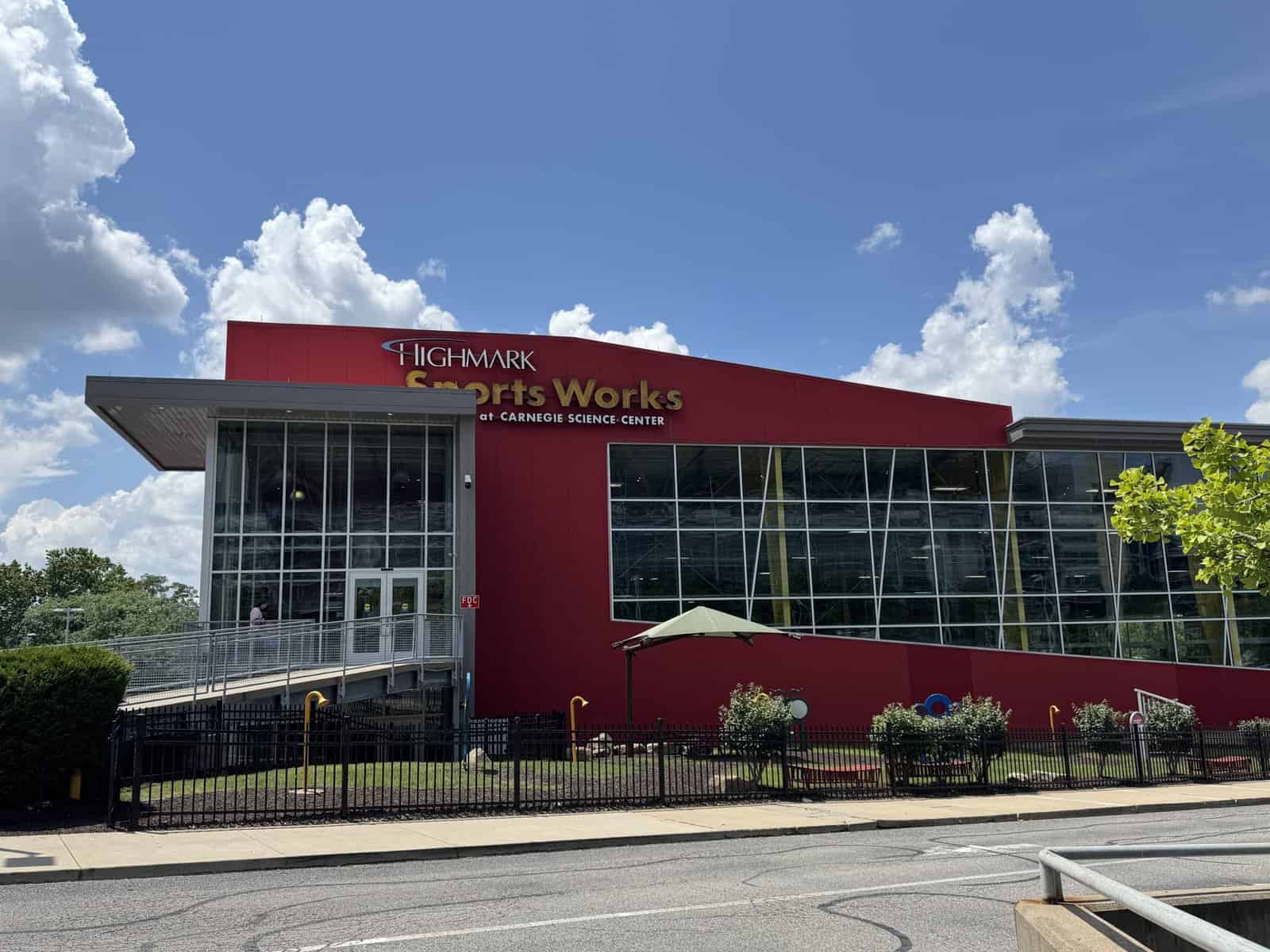
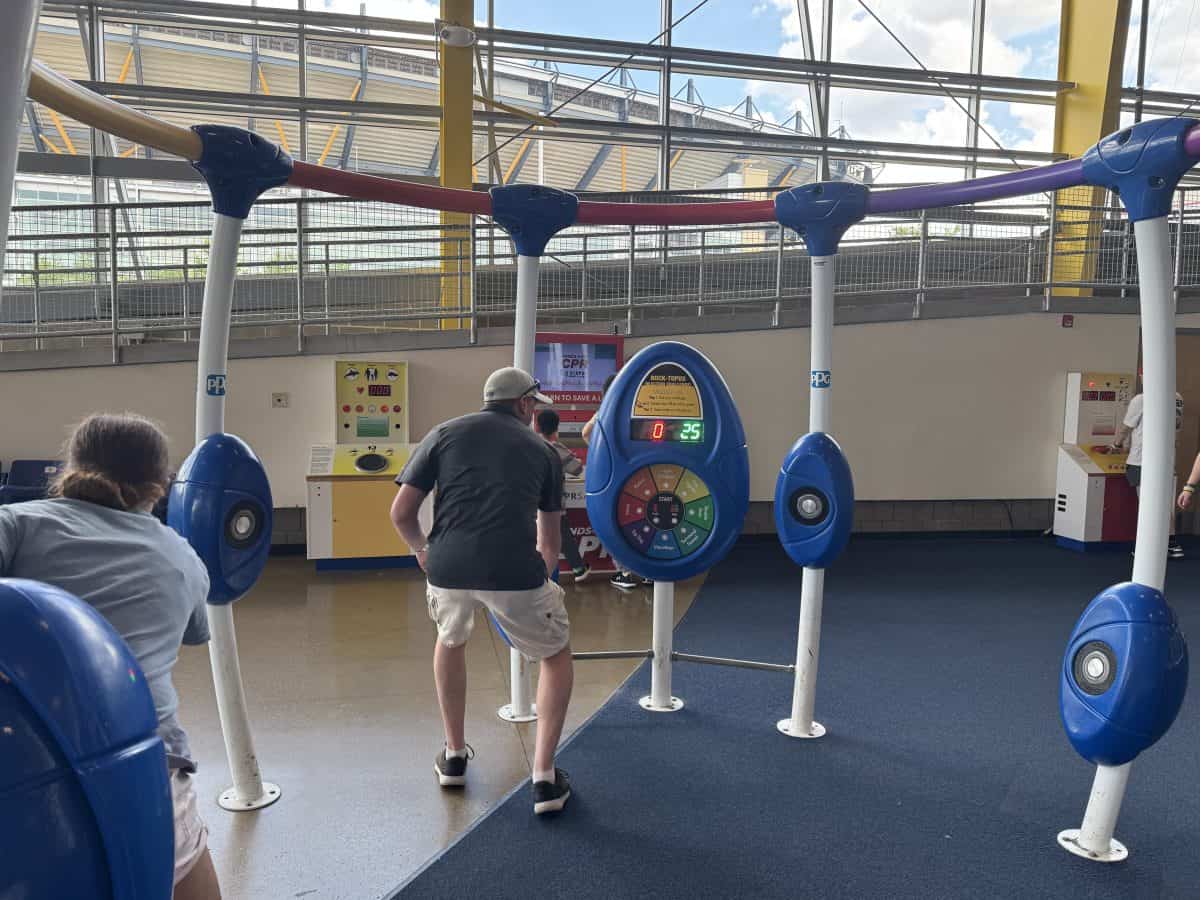
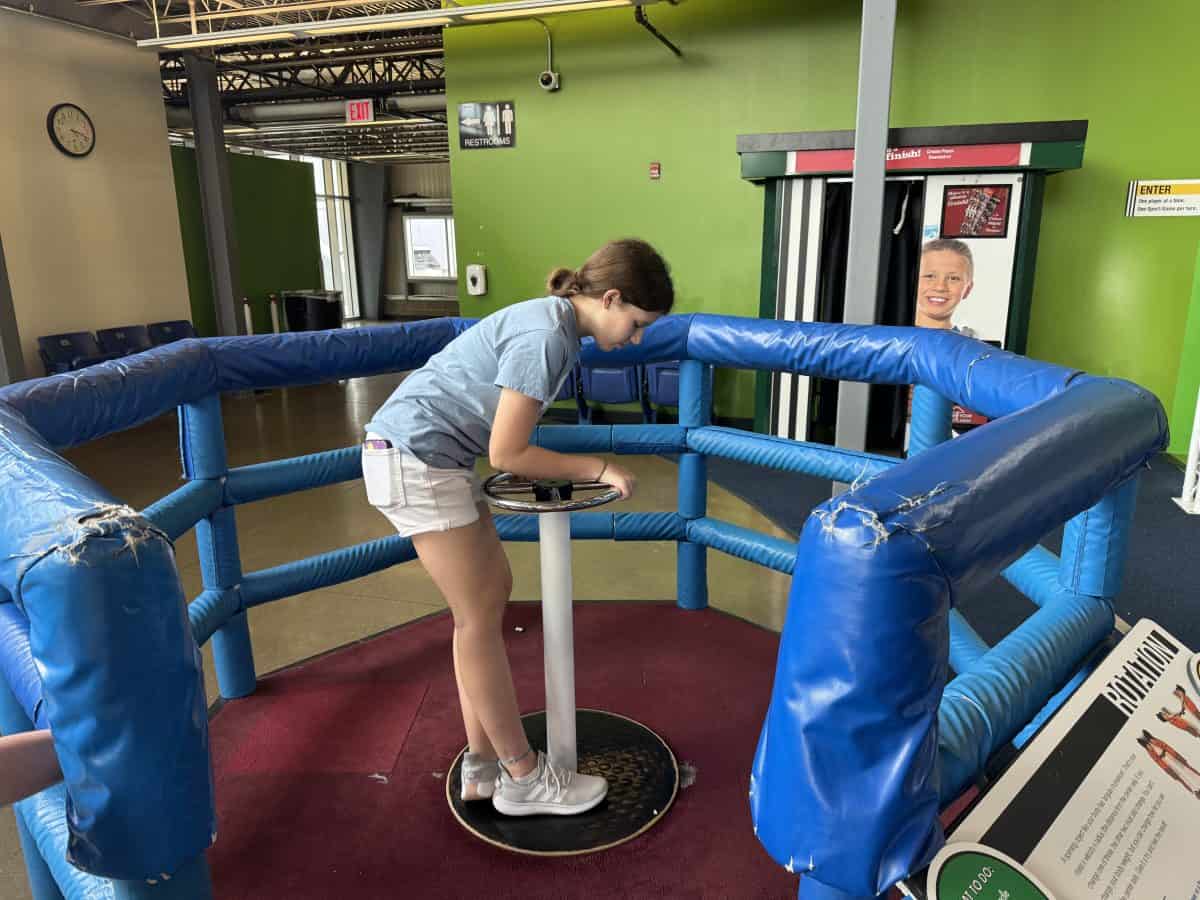
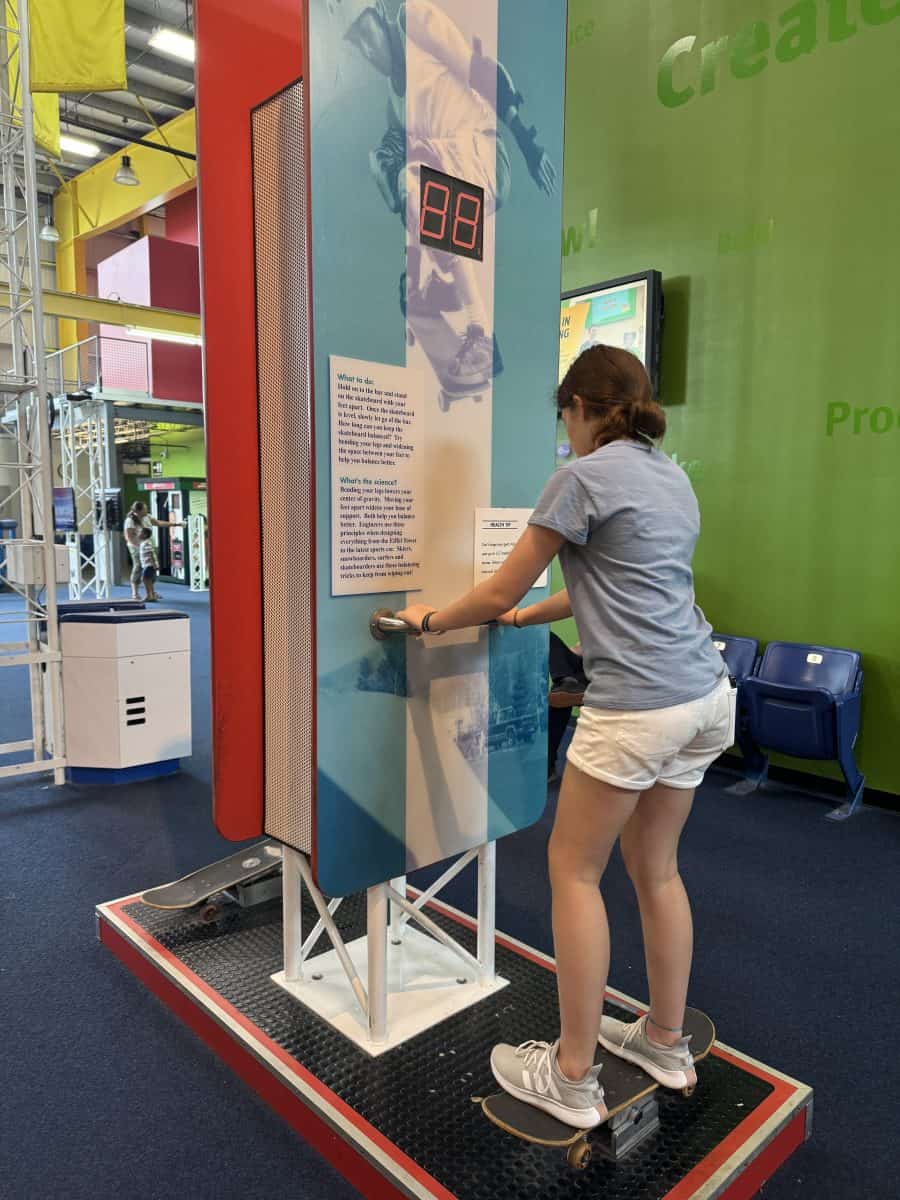
Be sure to leave time to explore the Highmark SportsWorks exhibit, which opened in 2008. Housed in an adjacent 12,000 square foot building, there are over two dozen activities, organized in three areas: Lifeworks, Physics of Sports, and Sports Challenges

entrance to SportsWorks at the  Carnegie Science Center in Pittsburgh, PA

Travel Tips:

  • The museum is usually open from 10am-5pm seven days a week but closes during major events at Acrisure Stadium (such as Steelers home football games); get up to date information on hours here, information on ticket pricing and timing for both the museum and various shows here, and information on special promotions and discounts here.
  • Paid parking ($6/visit to the museum) is available in two lots in front of the museum and SportsWork building- read more information about parking and public transportation here
  • Restrooms are located on each floor and lockers are available on the first floor near the admissions desk. 
  • The entire museum is handicap accessible via an elevator and ramps; bring the stroller for the toddler crowd- see more information about accessibility here and sensory maps and an Adventure Guide here
  • The XPLOR museum gift shop is located inside the main entrance and has tons of exhibit related and themed gifts and souvenirs. 
  • The Riverview Café on the lower level offers made-to-order grill food, pizzas, sandwiches and salads, as well as plenty of snacks and drinks. There is a large cafeteria style seating and visitors are welcome to bring in their own food to enjoy in the dining area. 
  • The Rangos Giant Cinema, Buhl Planetarium, and three theaters that all offer a wide variety of shows, programs and special events. Check the daily calendar here.  
  • Plan to spend 2-3 hours exploring the main museum building, plus more time for the submarine (closed due to extreme heat when we visited) and at least an hour in the SportsWorks Building. See the museum map here
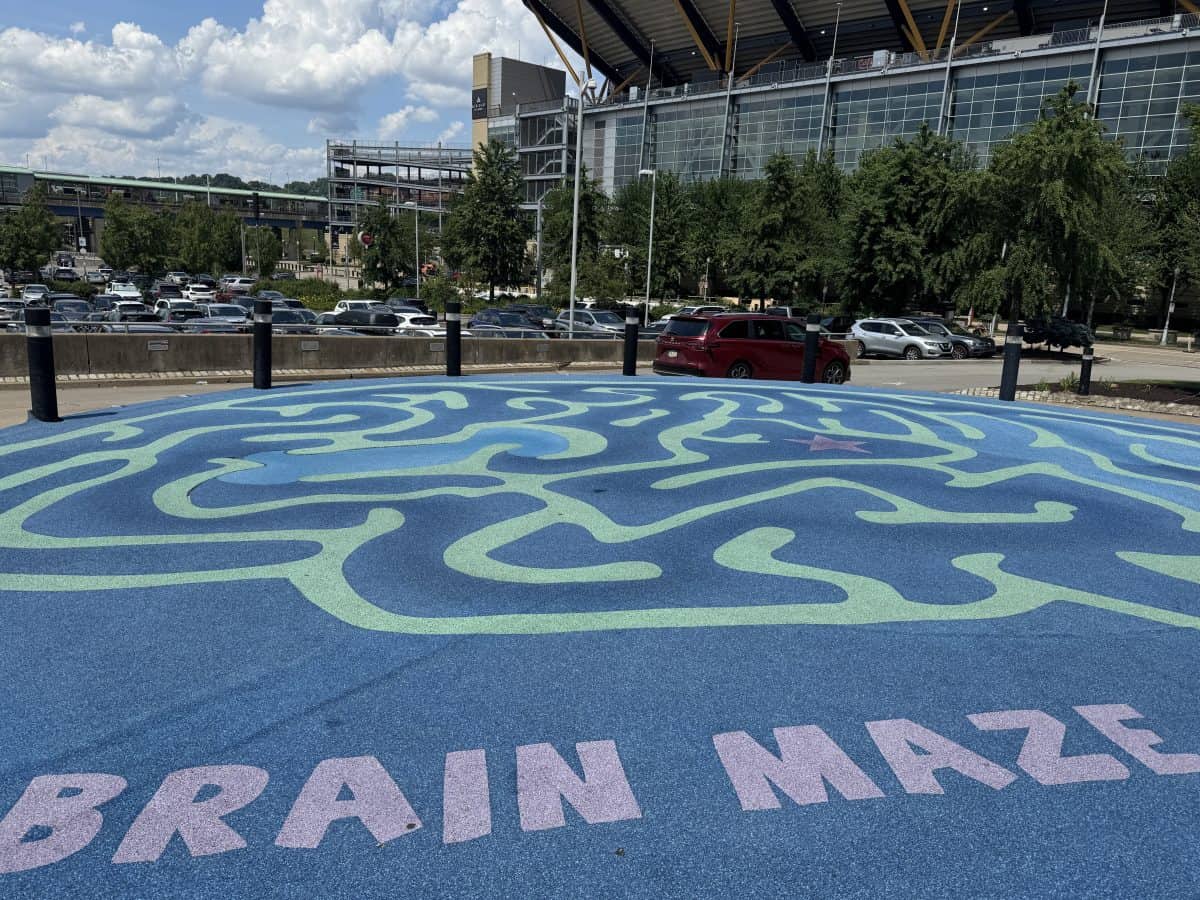
Brain Maze outside the Carnegie Science Center in Pittsburgh, PA
XPLOR store inside the Carnegie Science Center in Pittsburgh, PA

41 Ways to Have Fun at the Science Center:

  1. Create your own lego structure, or model a famous site, at an open station in the Bricksburgh Exhibit on the 4th floor. The exhibit also includes stations to build and race your own car or obstacle course, create a 3D maze for balls on a tilt-table, and construct an earthquake proof building. 
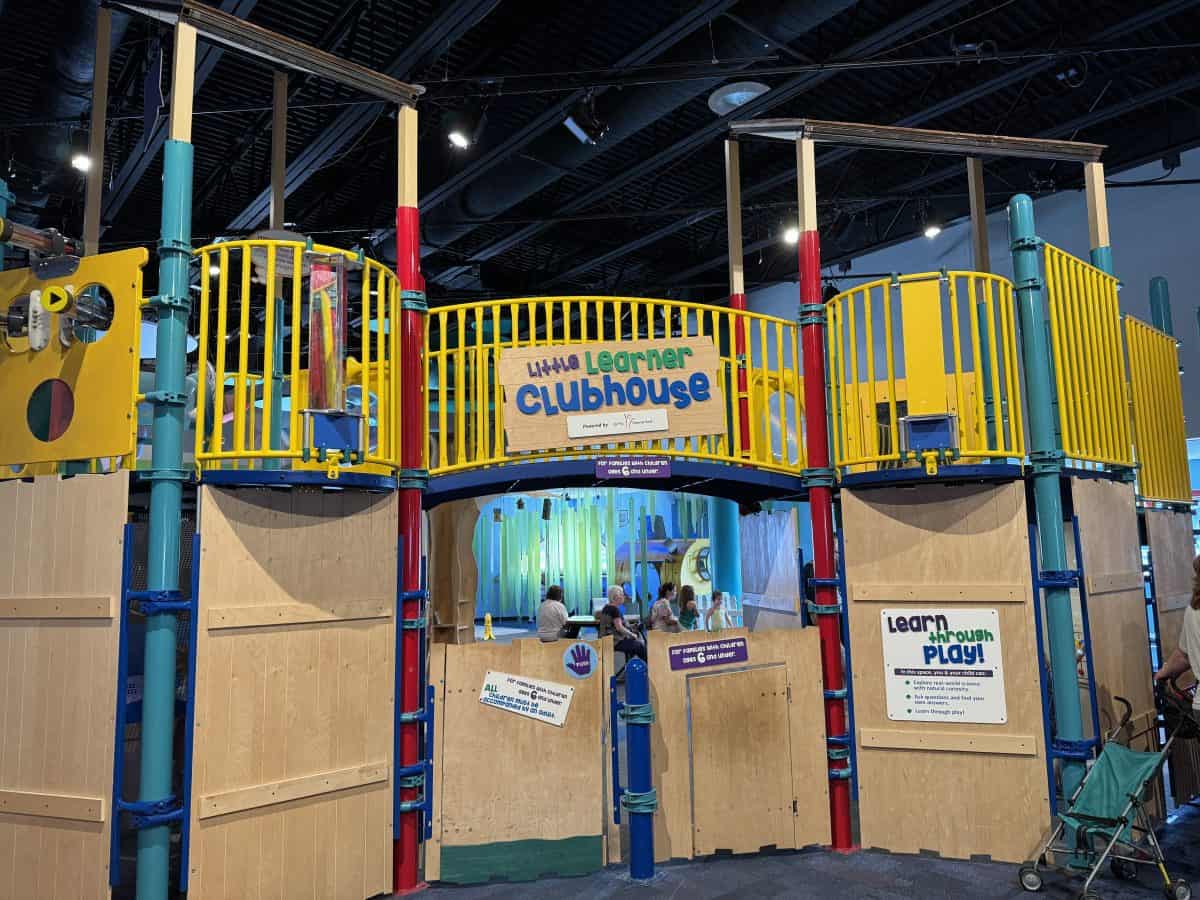
  2. Let the preschool crew (under age 7) run free in the Little Learner Clubhouse on the 4th Floor. The exhibit includes water tables, an indoor playground, a book nook, a pretend garden, and a multi sensory display with over 200 buttons. There’s even a special section for babies. 
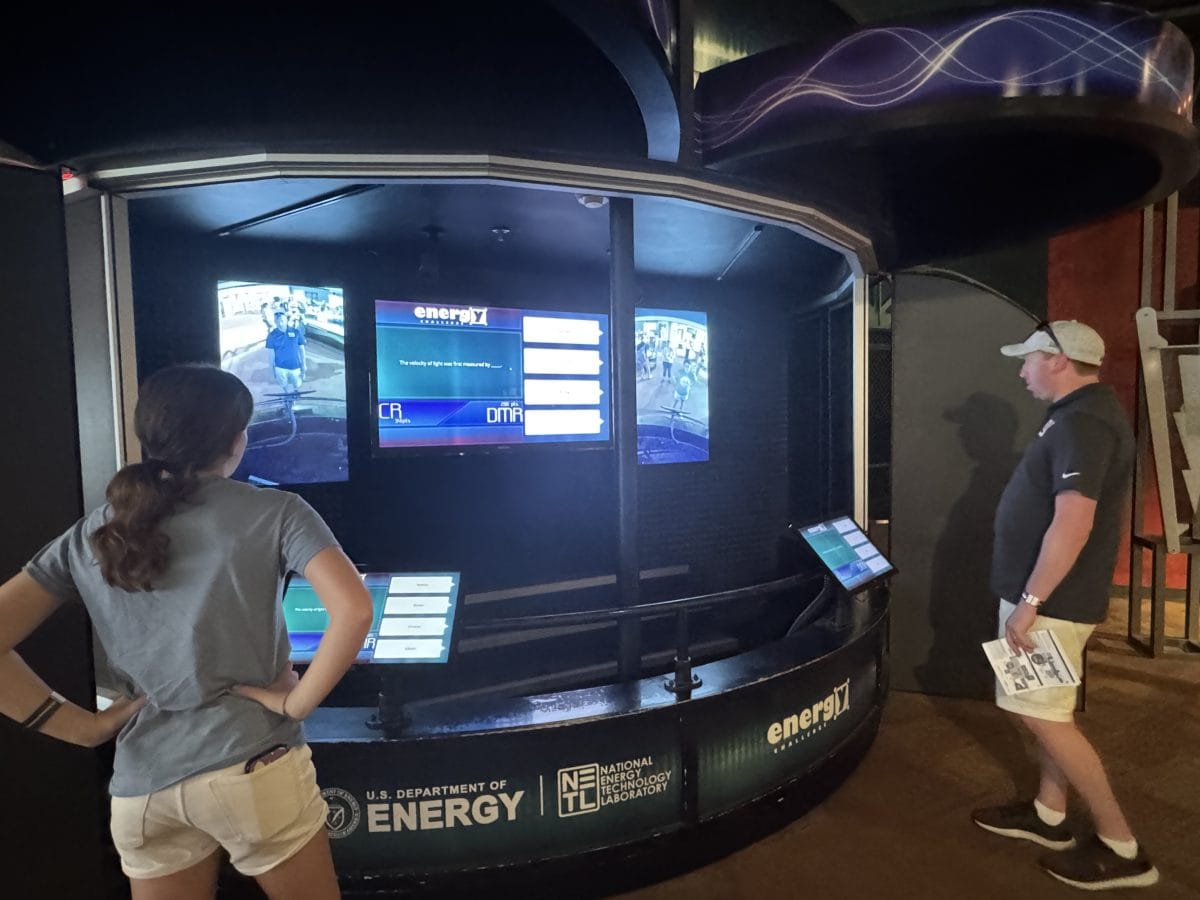
  3. Complete in a timed test about energy consumption amongst appliances in the Energy Challenge in the Energy Zone on the 4th Floor.The exhibit also has circuit stations, an electrified dollhouse (see which appliances use the most energy), and the chance to produce an electric current to launch a ring up a metal pole.
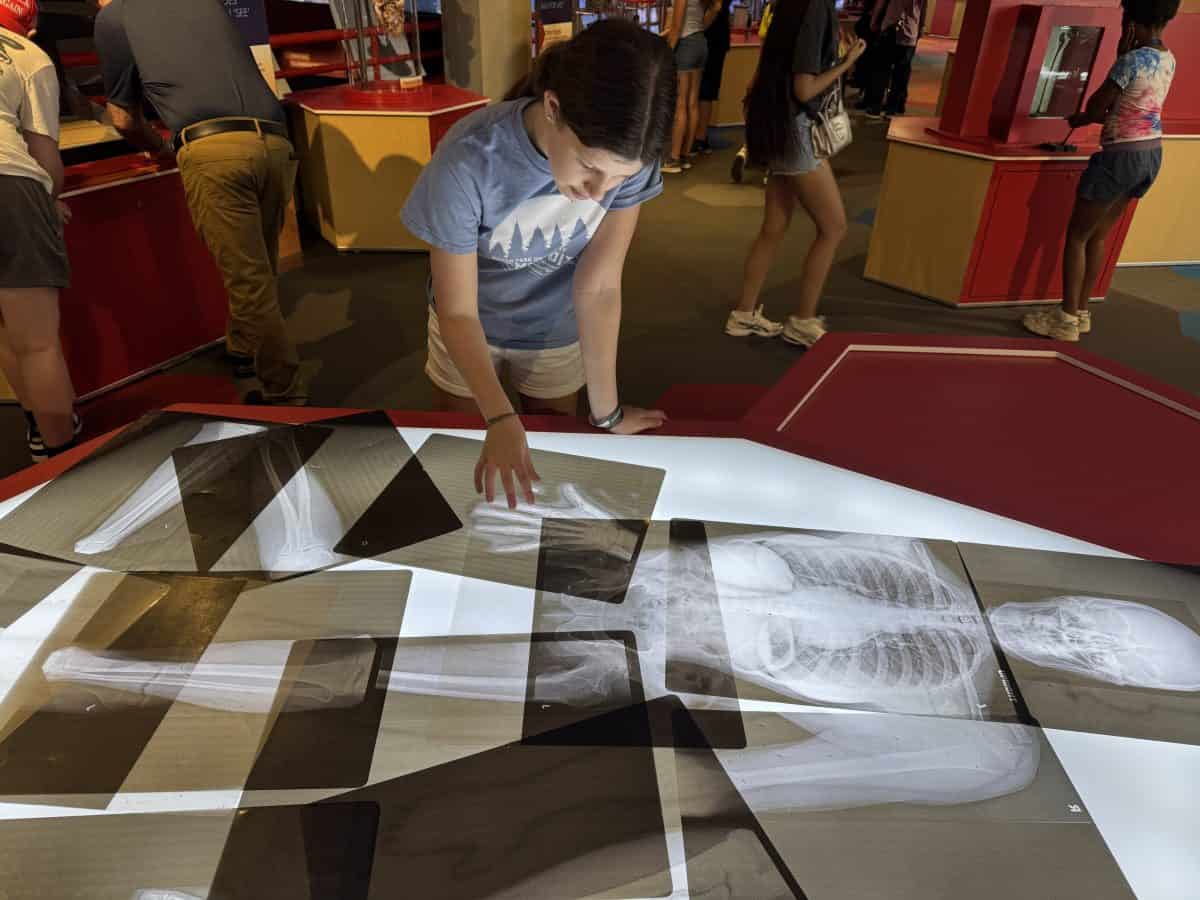
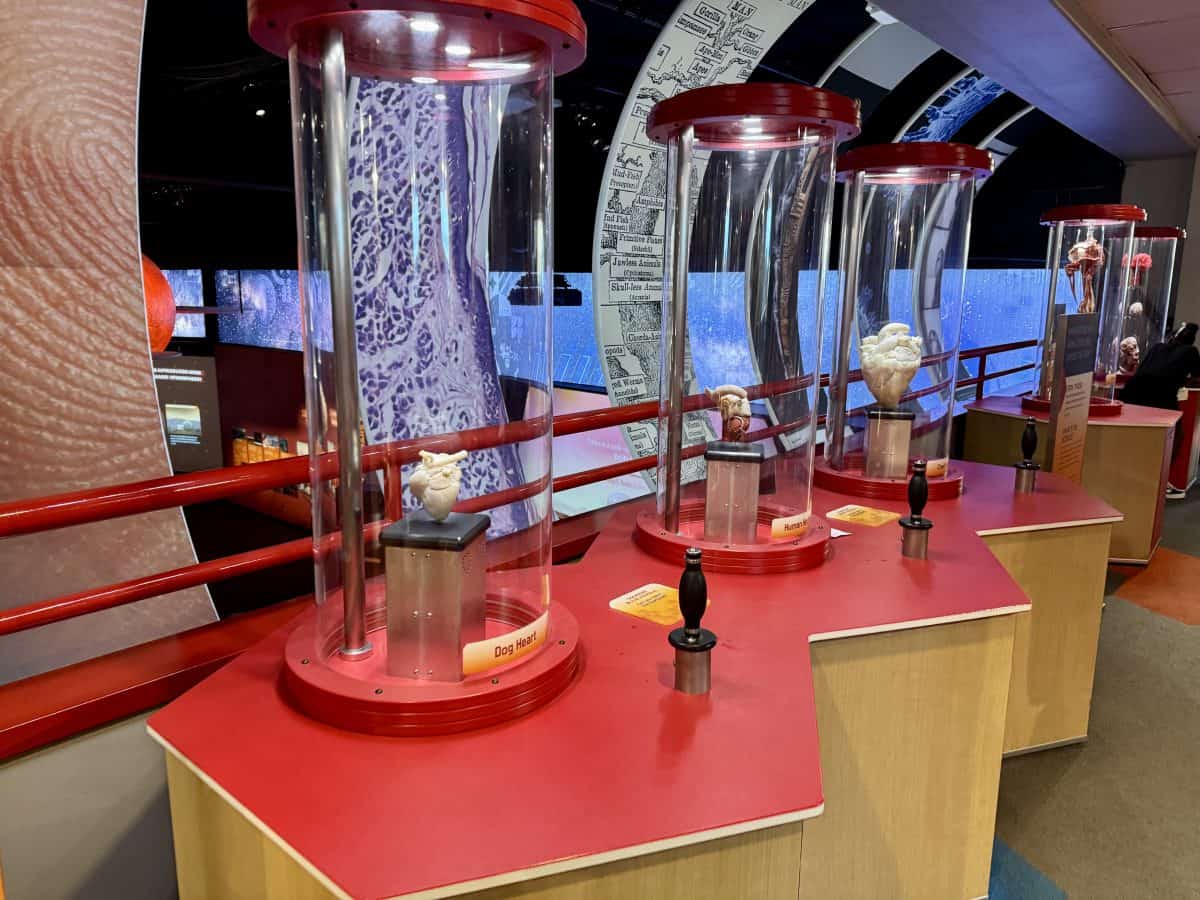
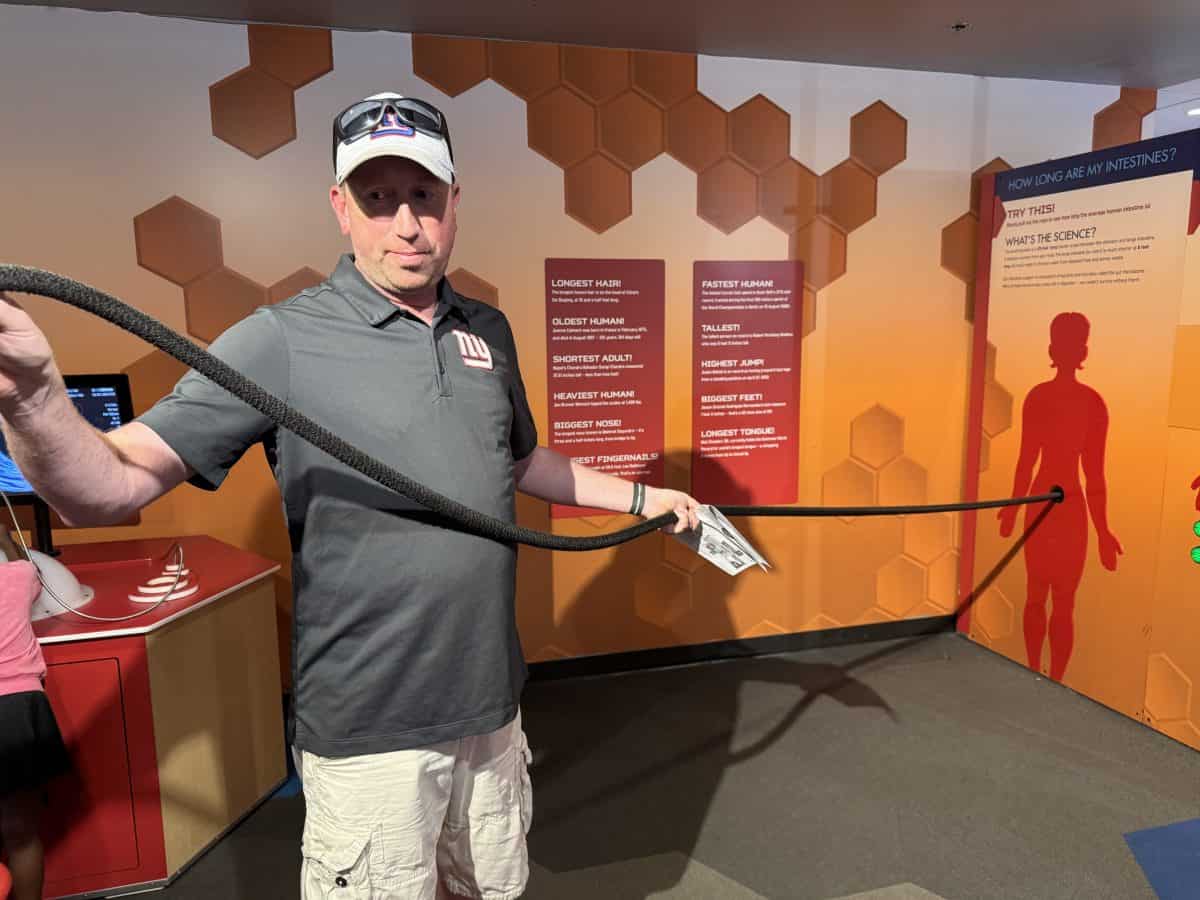
  4. Lay out x-rays to create a full skeleton, compare the size of a human heart to a dog’s heart and a cow’s heart, learn how human noises like farting are created read about world records, pull the rope to see the length of the small intestine in the BodyWorks exhibit on the 3rd Floor.
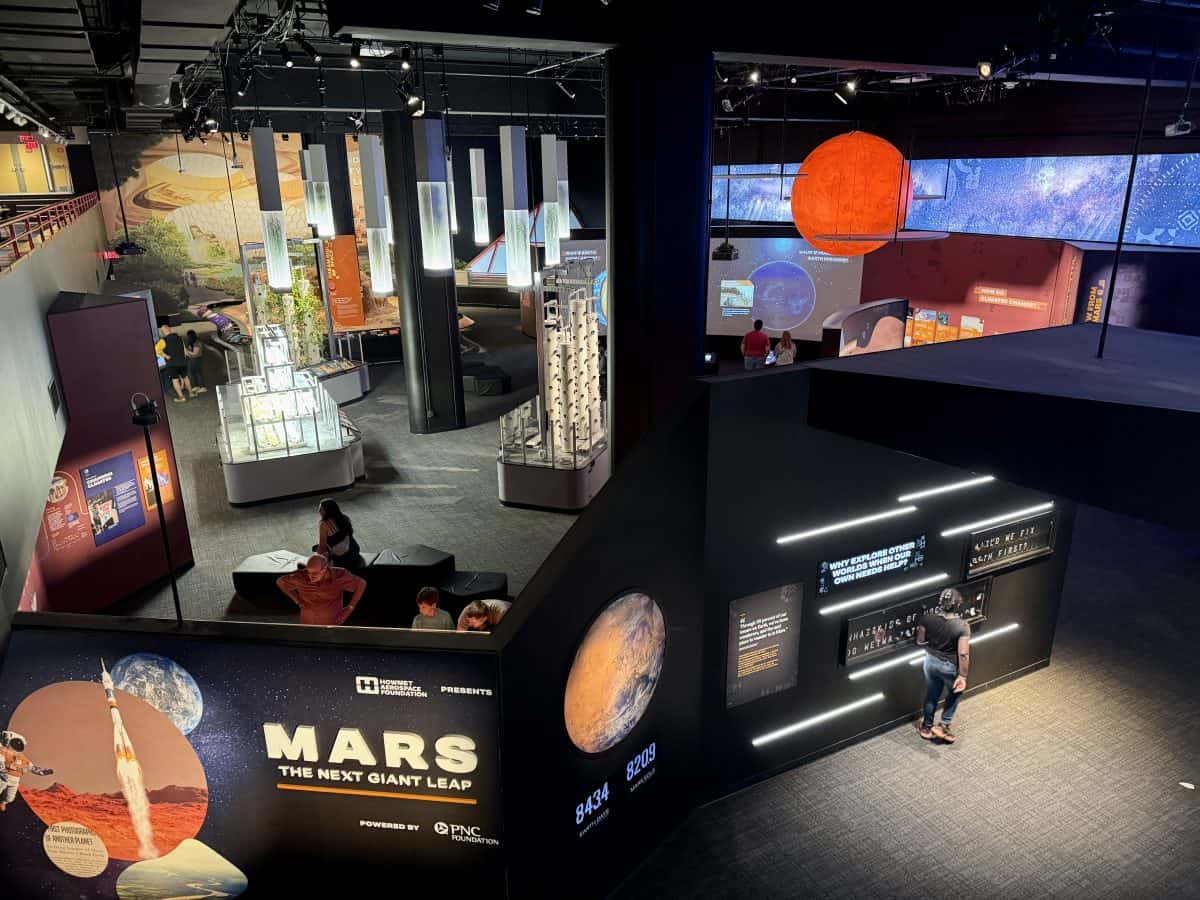
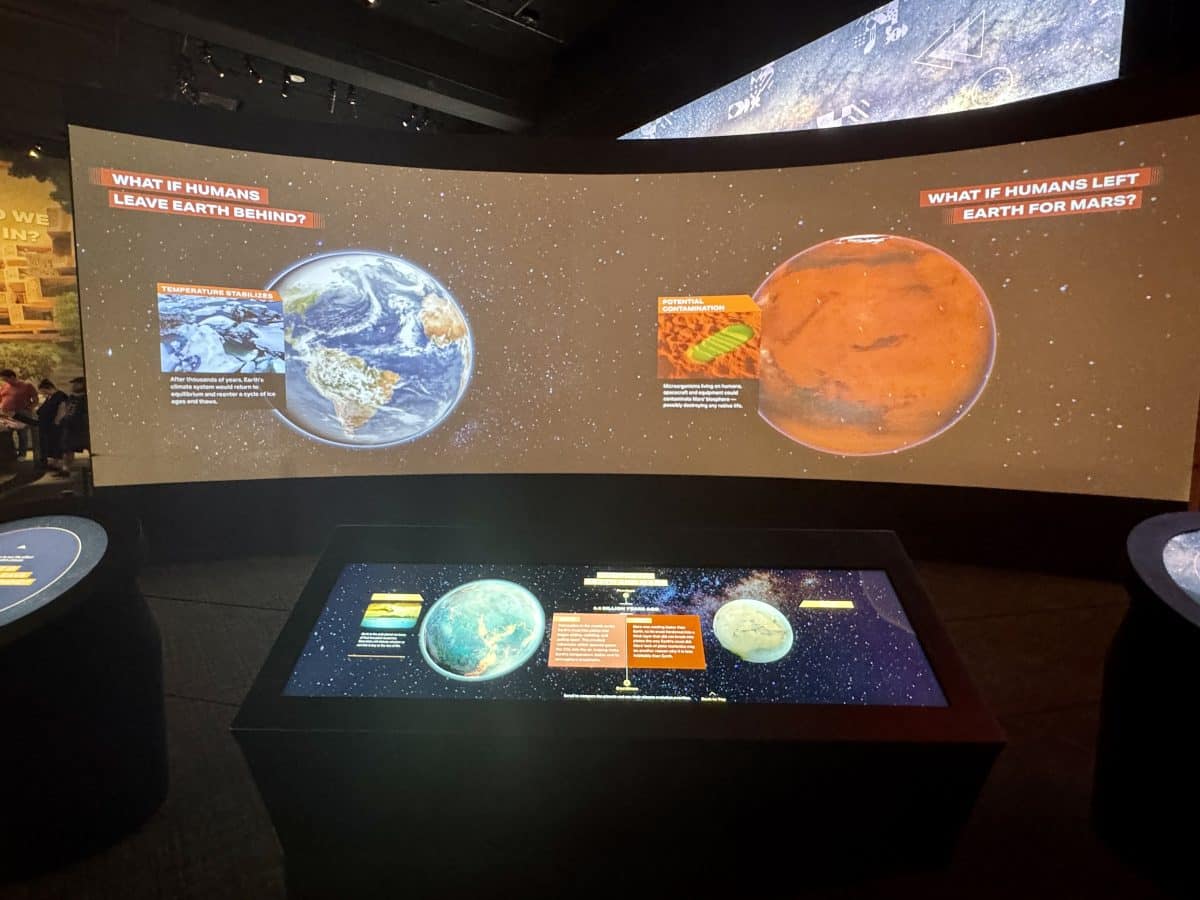
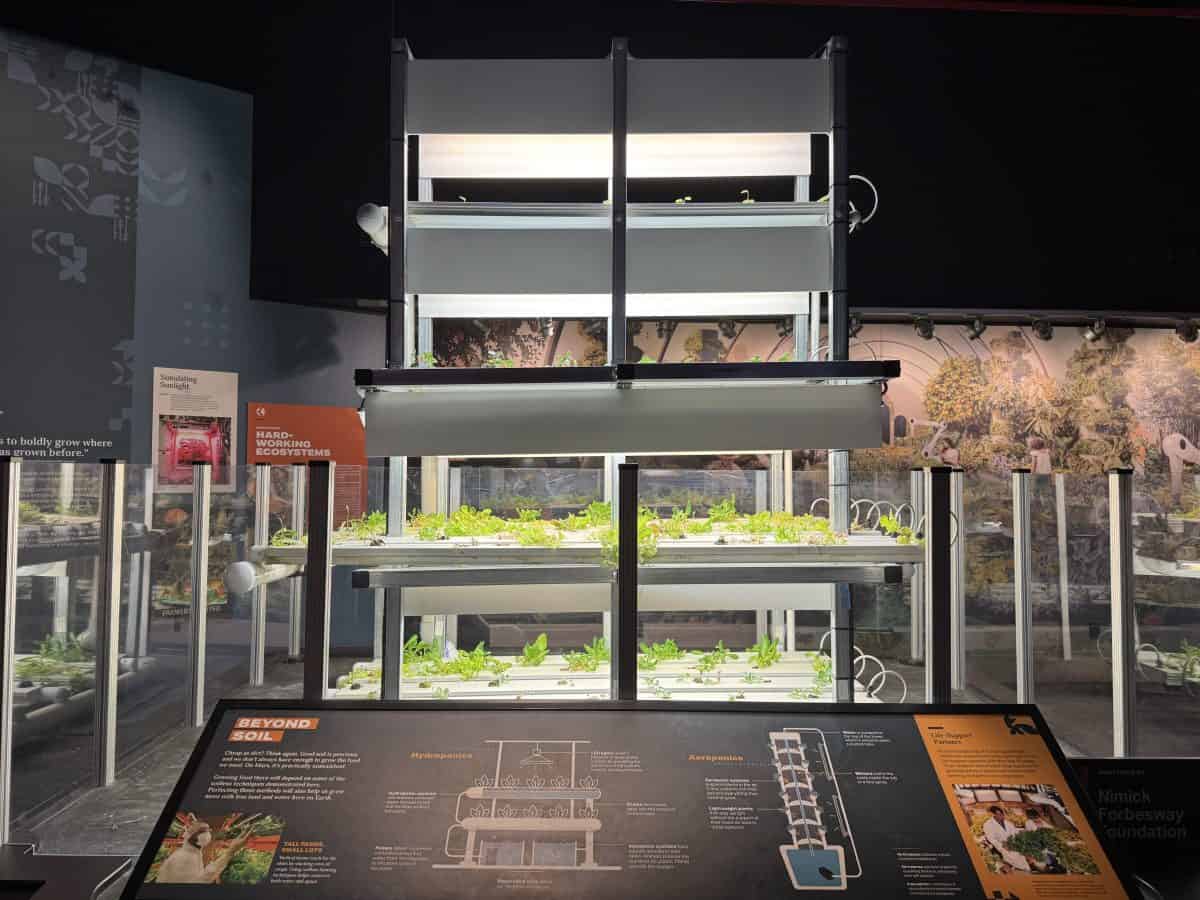
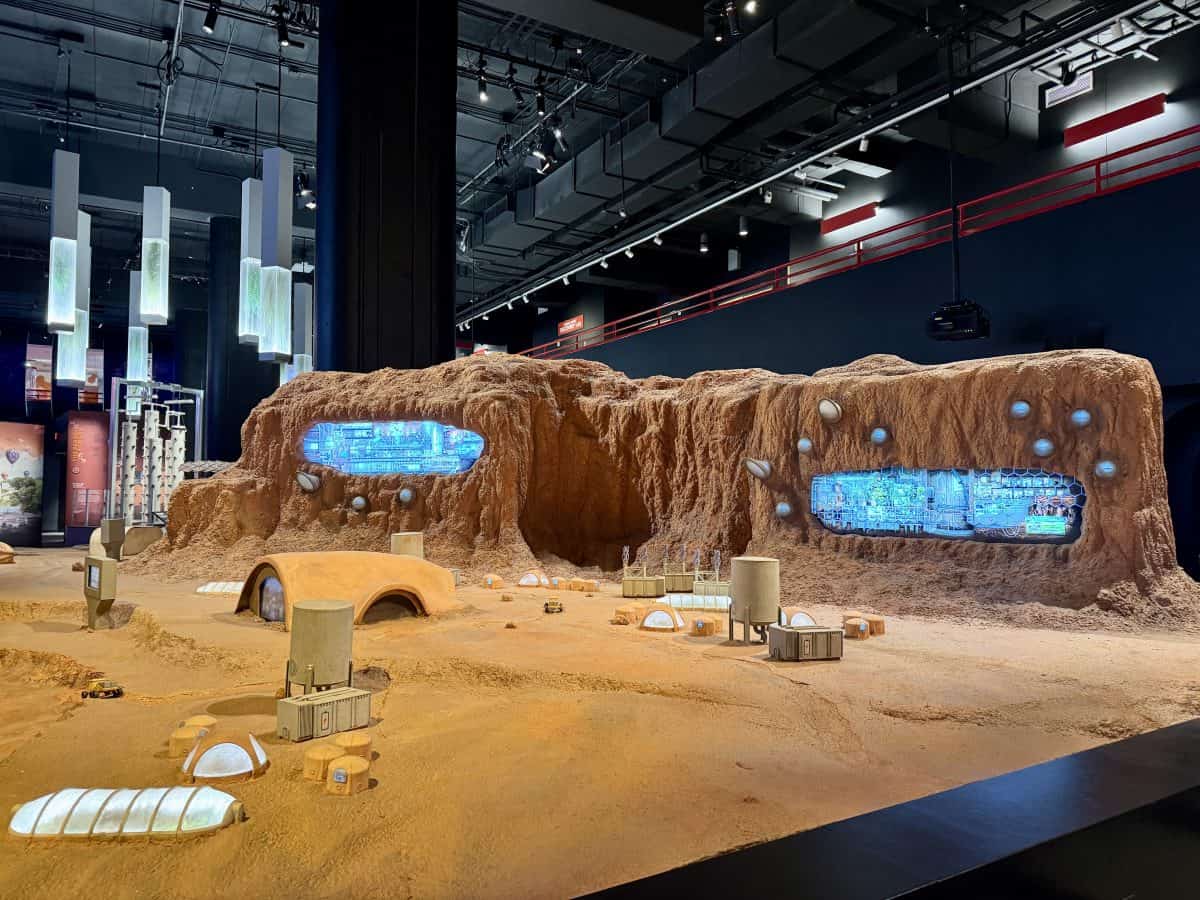
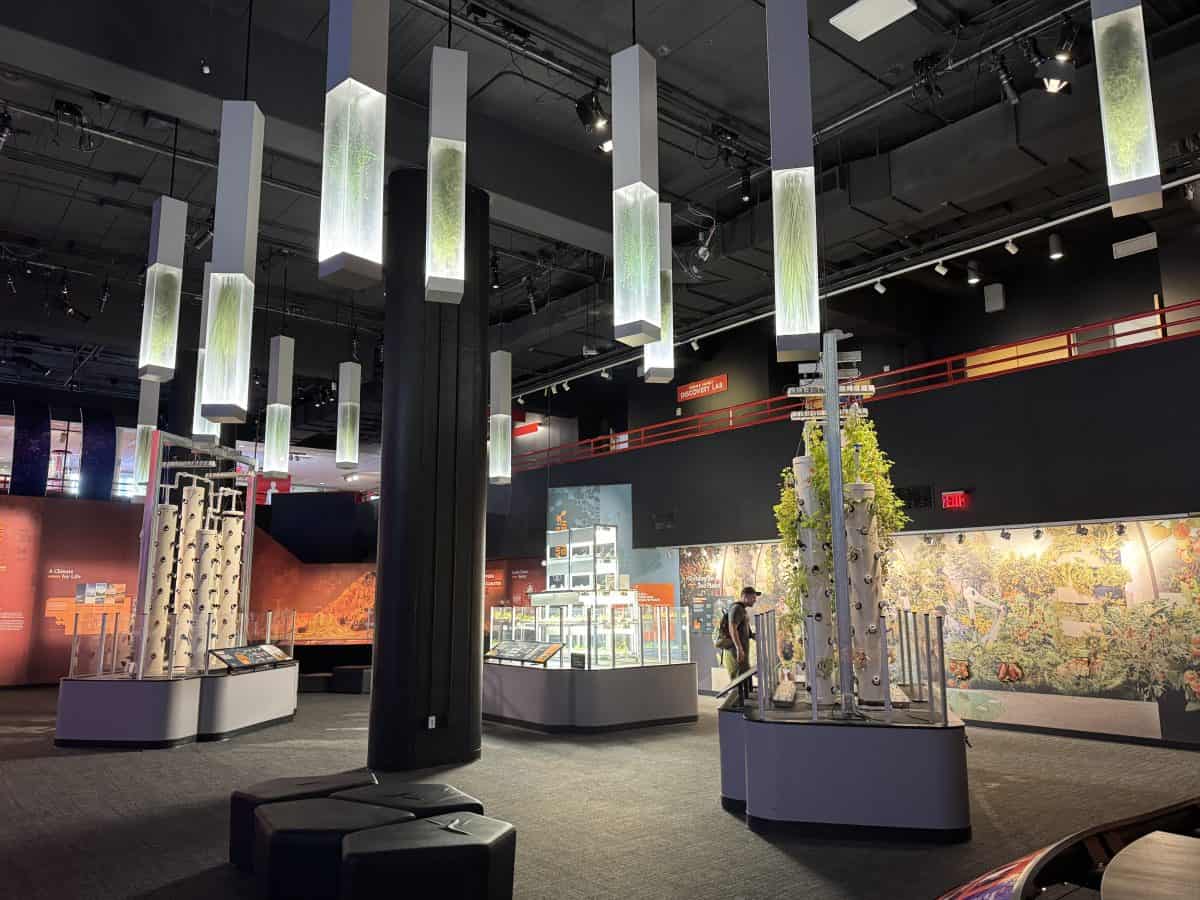
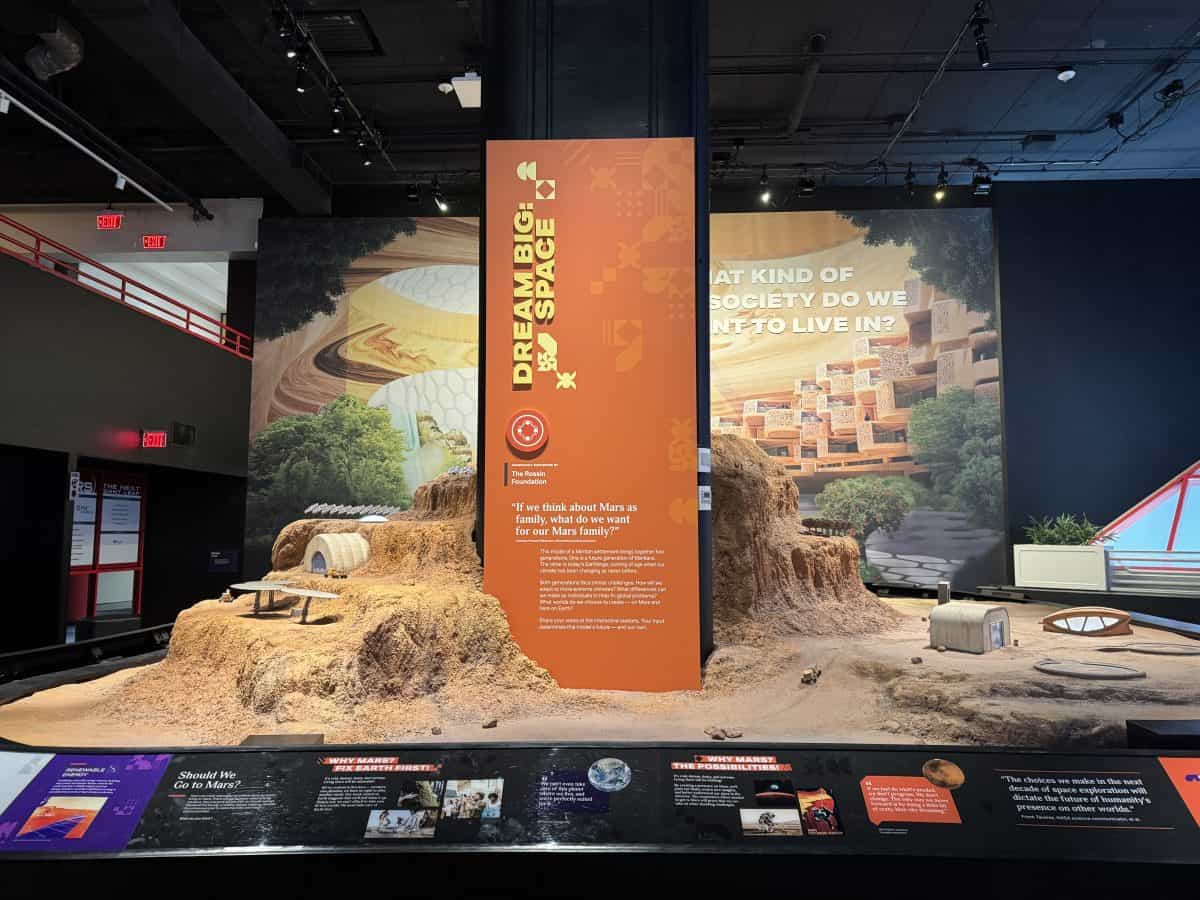
  5. See growing hydroponics and aeroponics systems and vertical gardens in the Mars: The Next Giant Leap exhibit on the 2nd Floor.  The massive exhibit also includes hands-on opportunities to learn about changing climates and comparing life on Earth and Mars. The massive diorama entitledThe Settlement which models what life on Mars might look like and includes touch screens that allow people to choose various components of living Mars and how one decision impacts other lifestyle opportunities. 
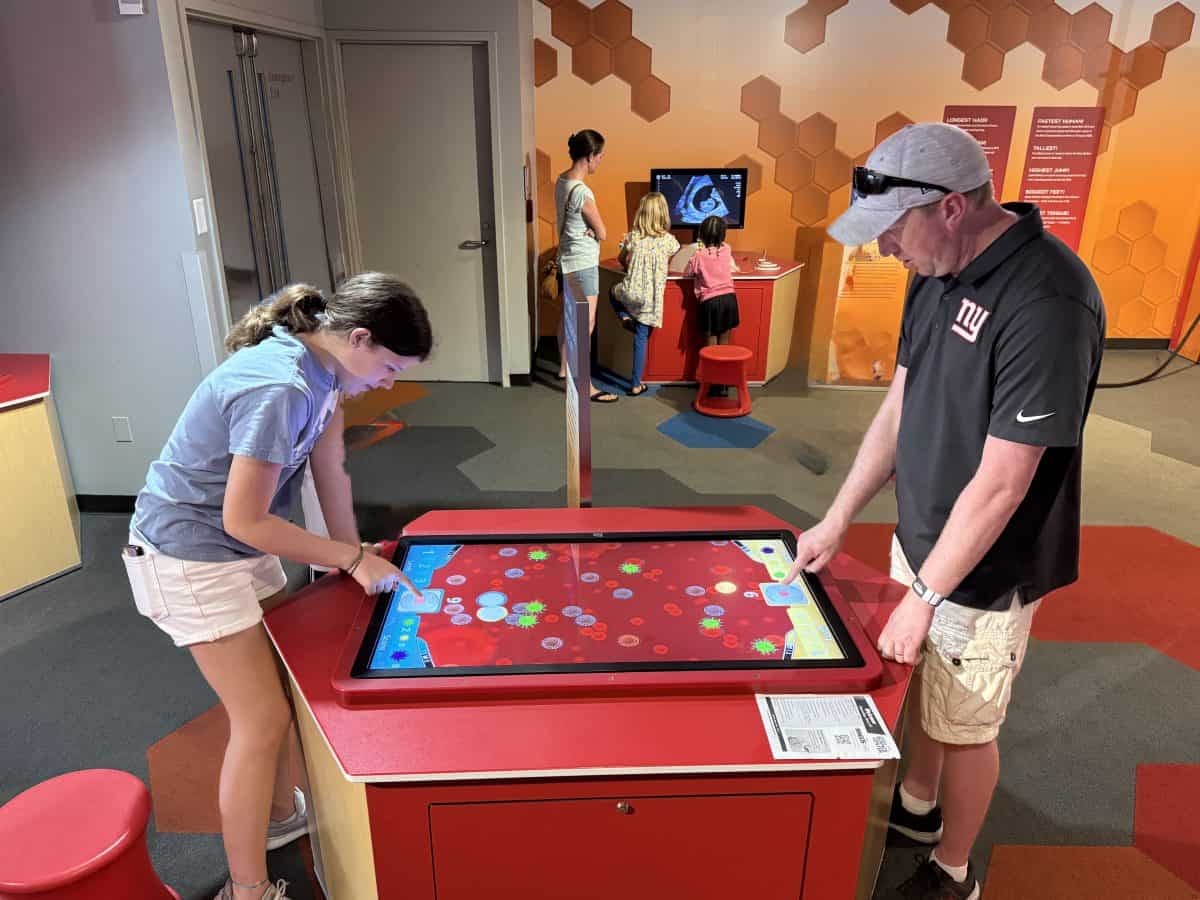
exhibit at the Carnegie Science Center in Pittsburgh PA

Would you like to save this?
We'll email this post to you, so you can come back to it later.

Mars exhibit at the Carnegie Science Center in Pittsburgh, PA
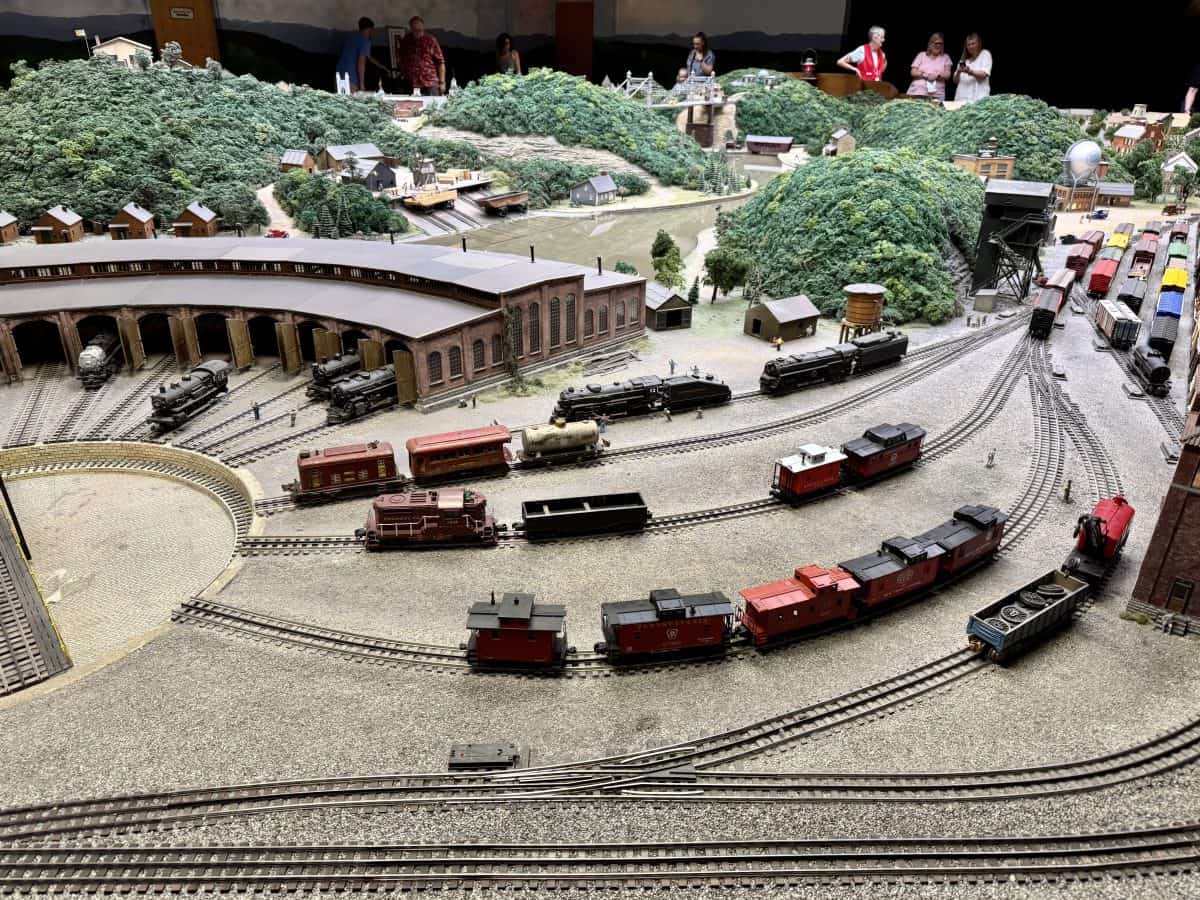
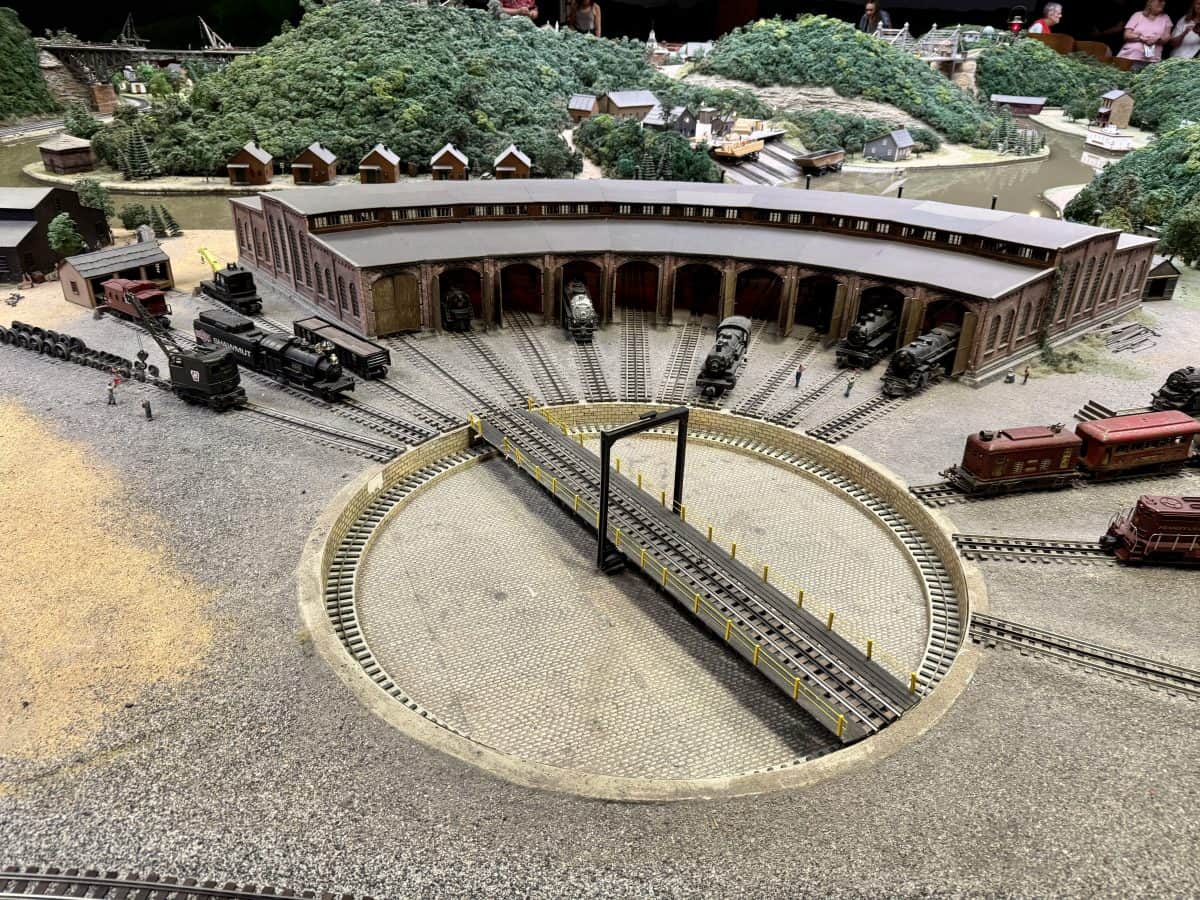
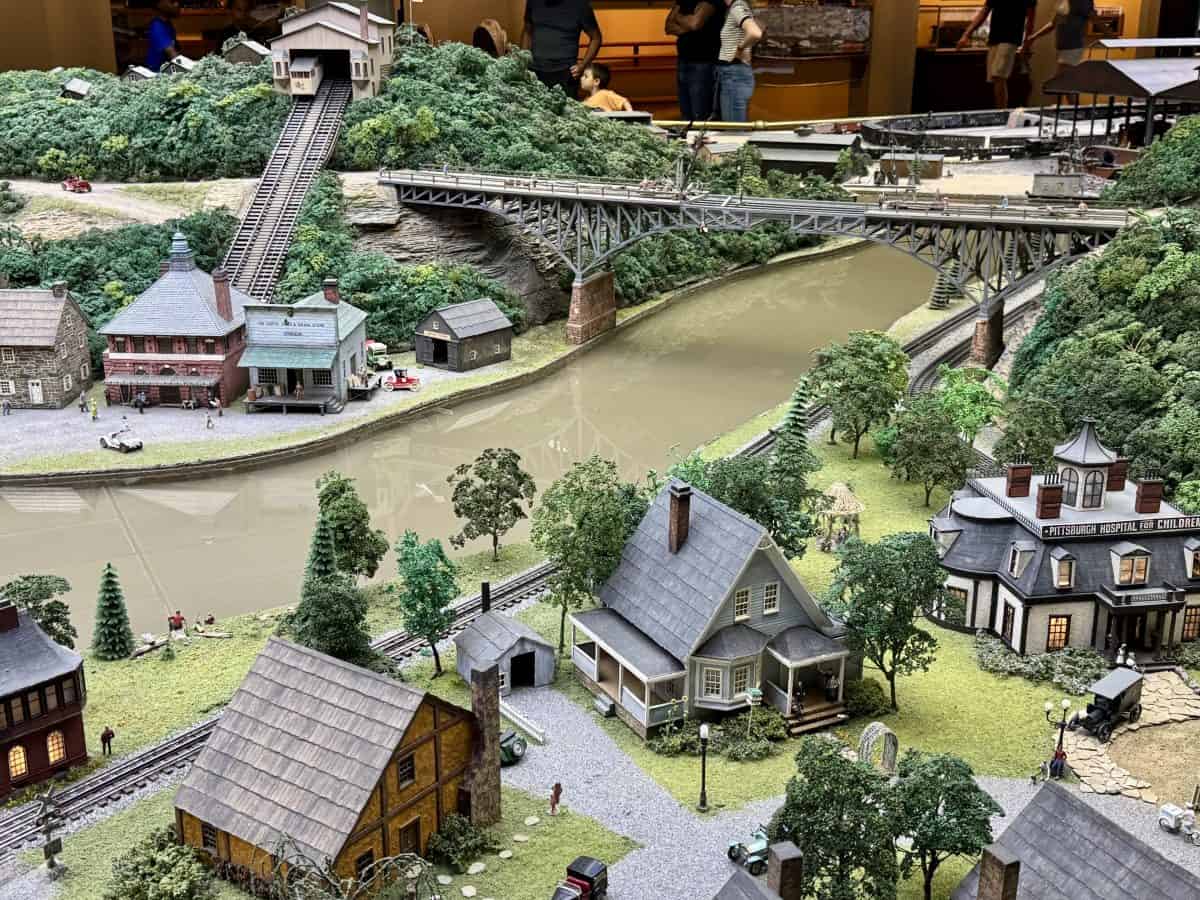
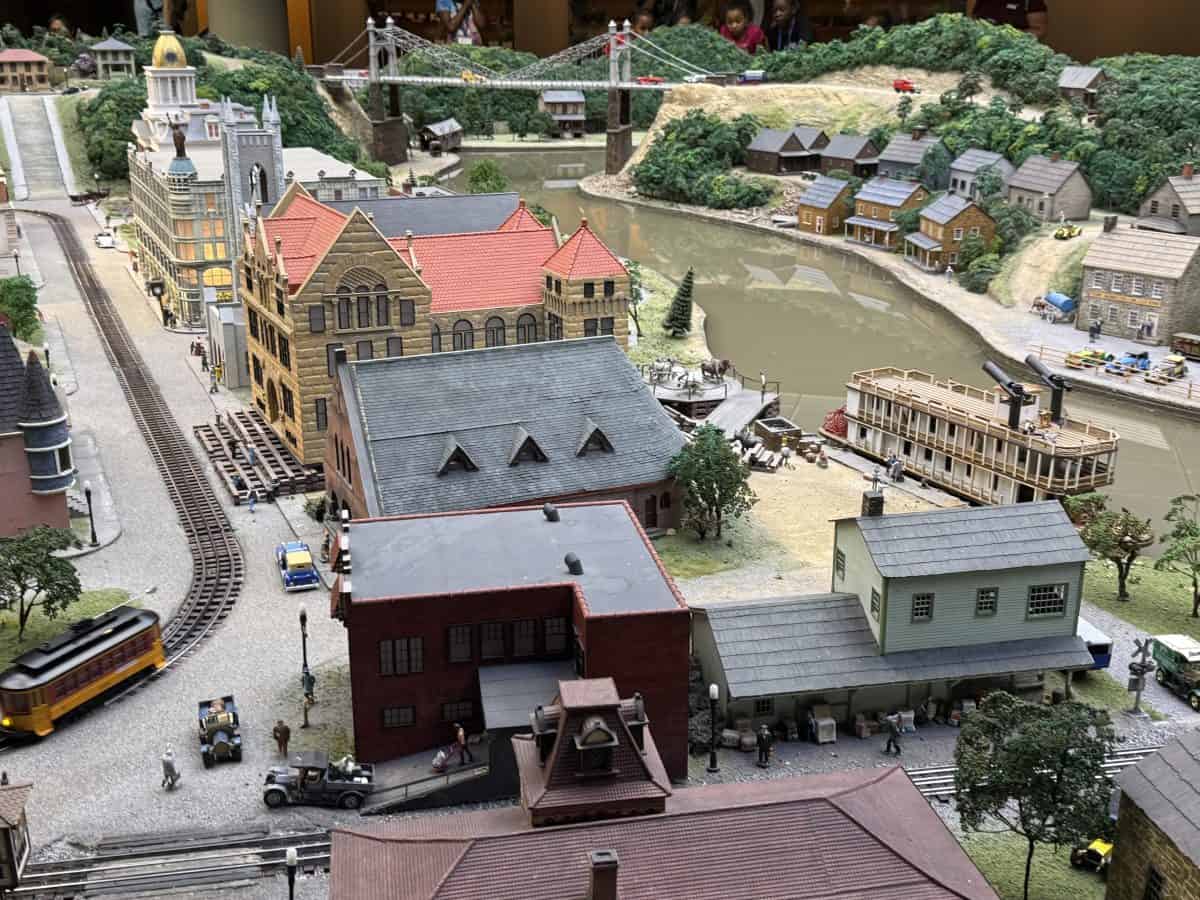
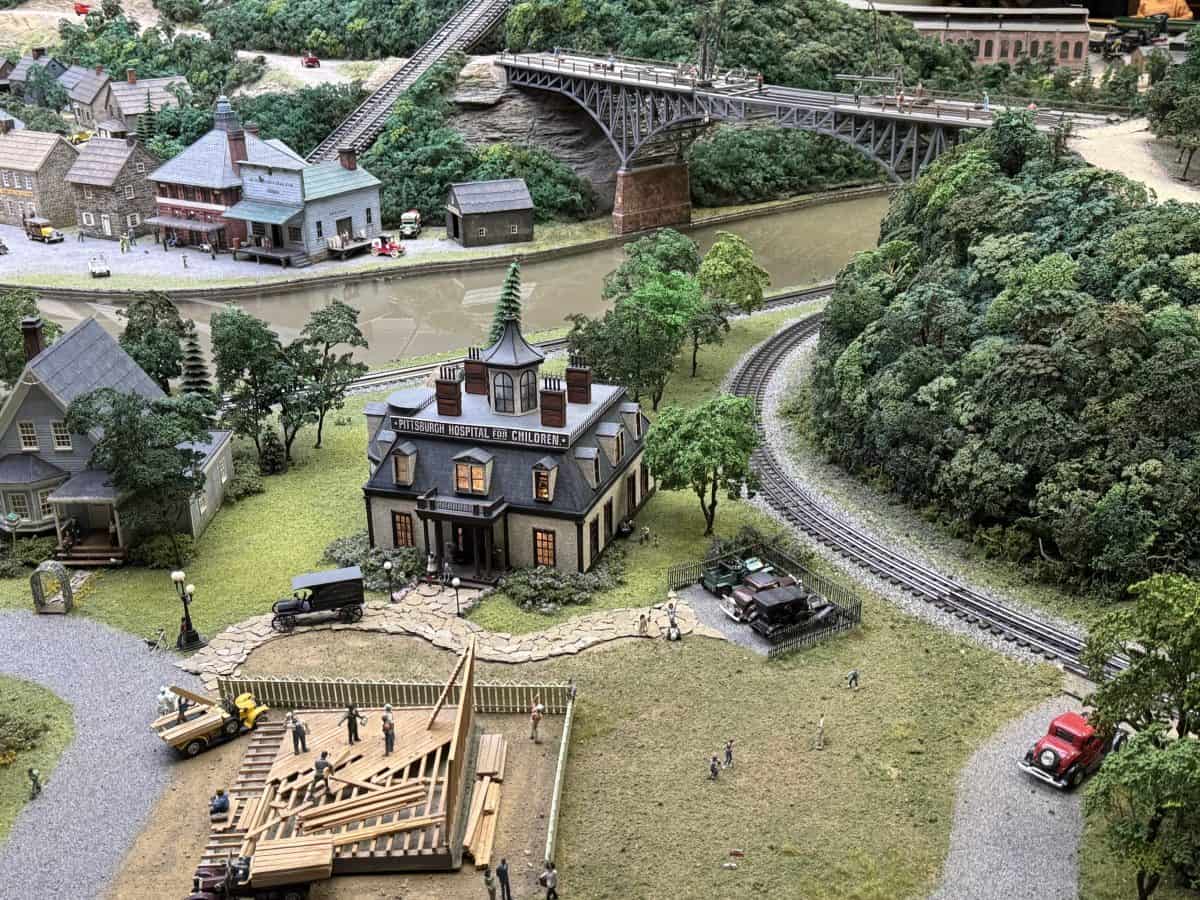
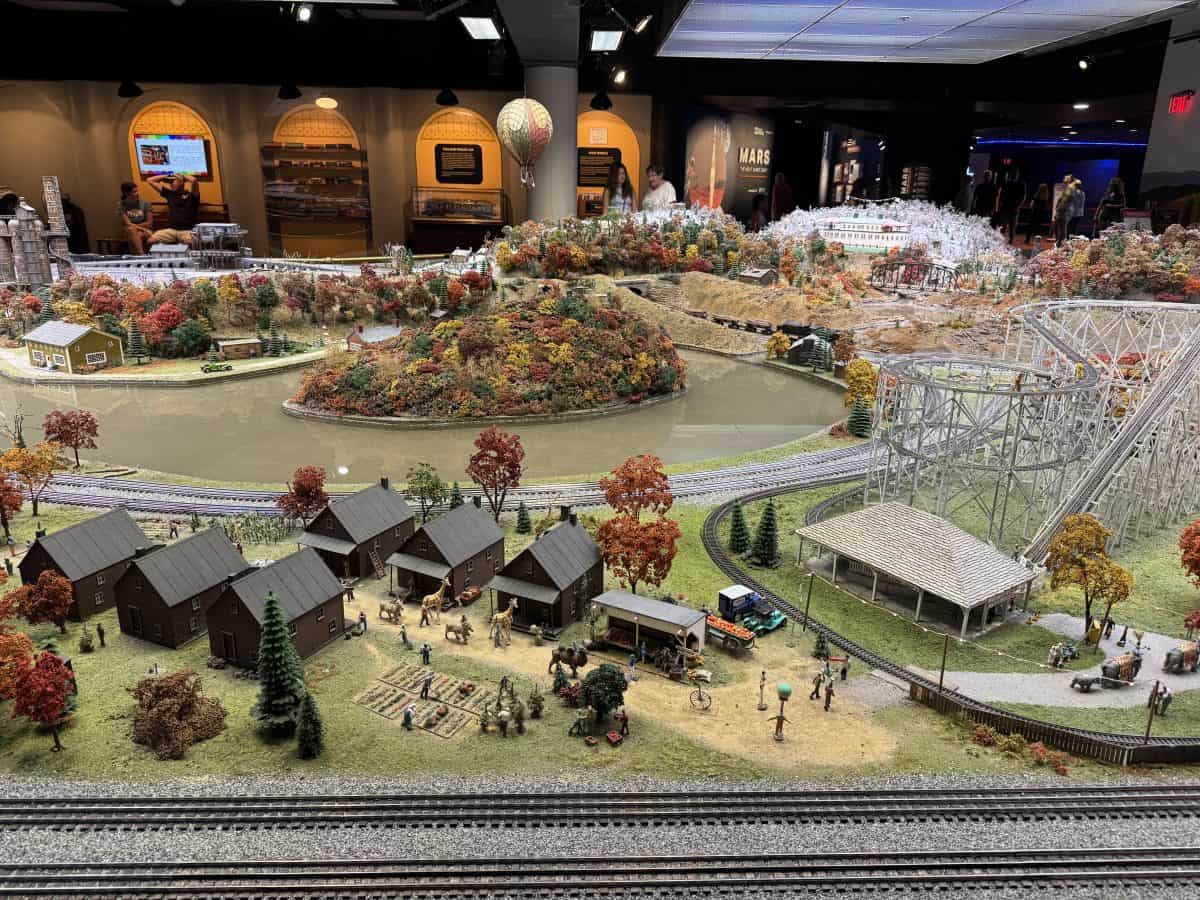
  1. Look very closely for 18 butterflies hidden throughout the Miniature Railroad and Village on the 2nd Floor. Originally opened in 1854 in the Buhl Plantarium, the village is 83 feet by 30 feet and took 18 months to create. There are hundreds of animated scenes (in all four seasons) depicting famous Pittsburgh neighborhoods, businesses and events during the early 20th century, and each year, the public can vote on a model to be added to the display. 
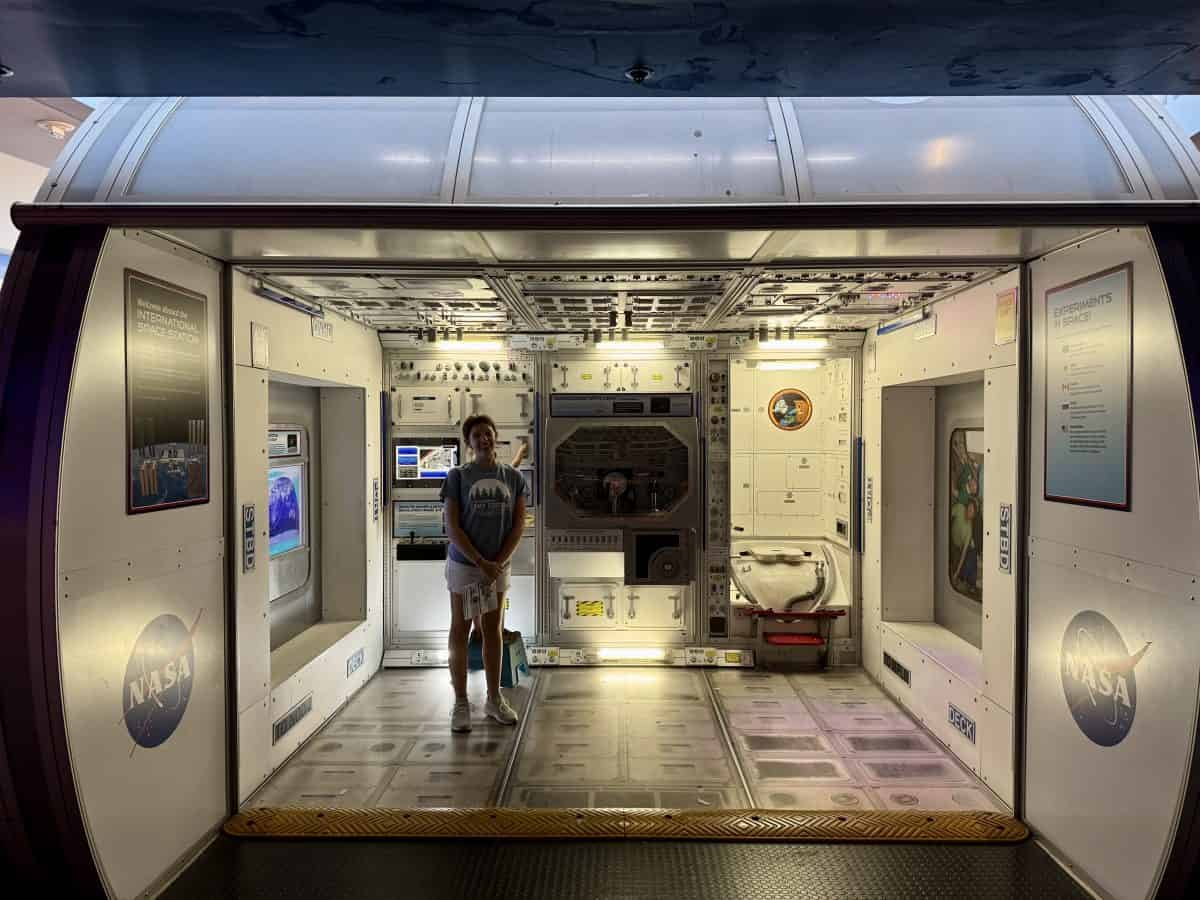
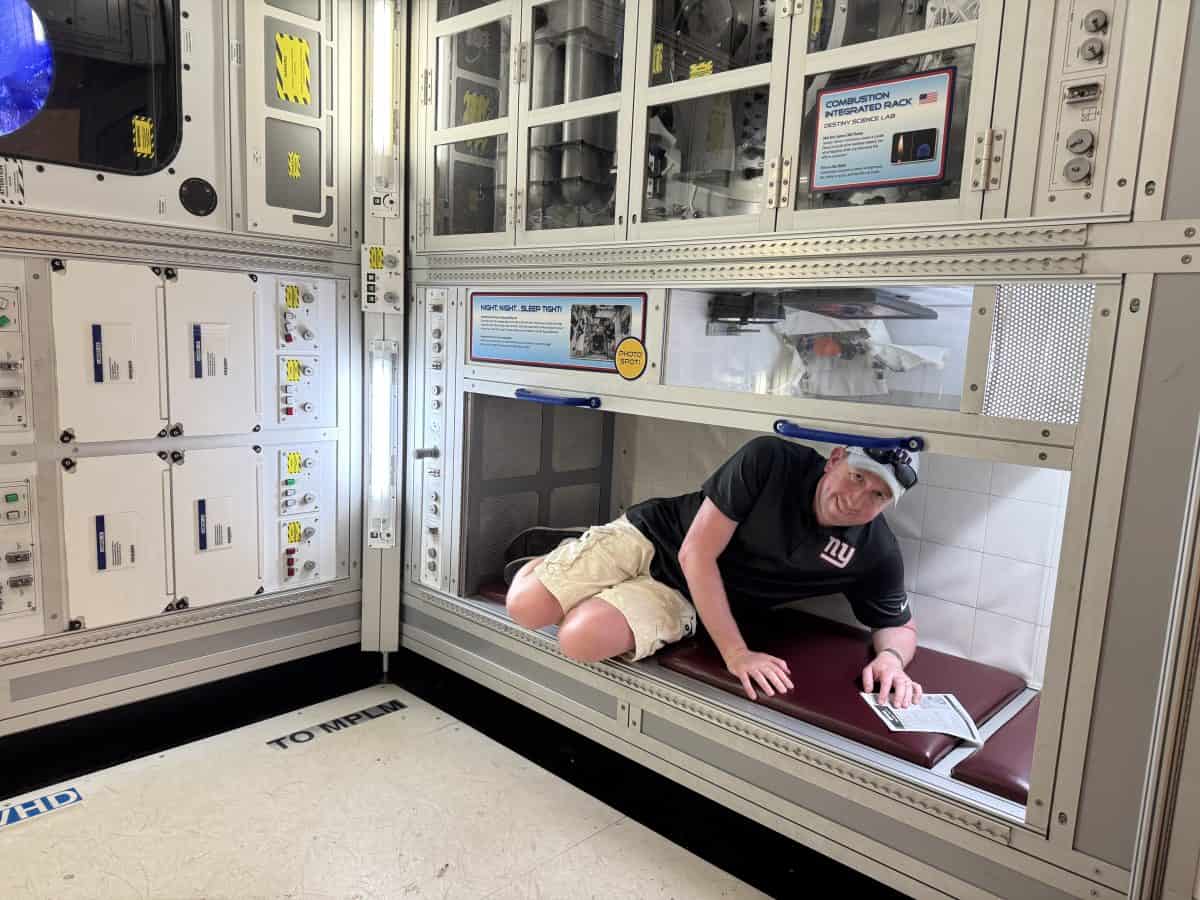
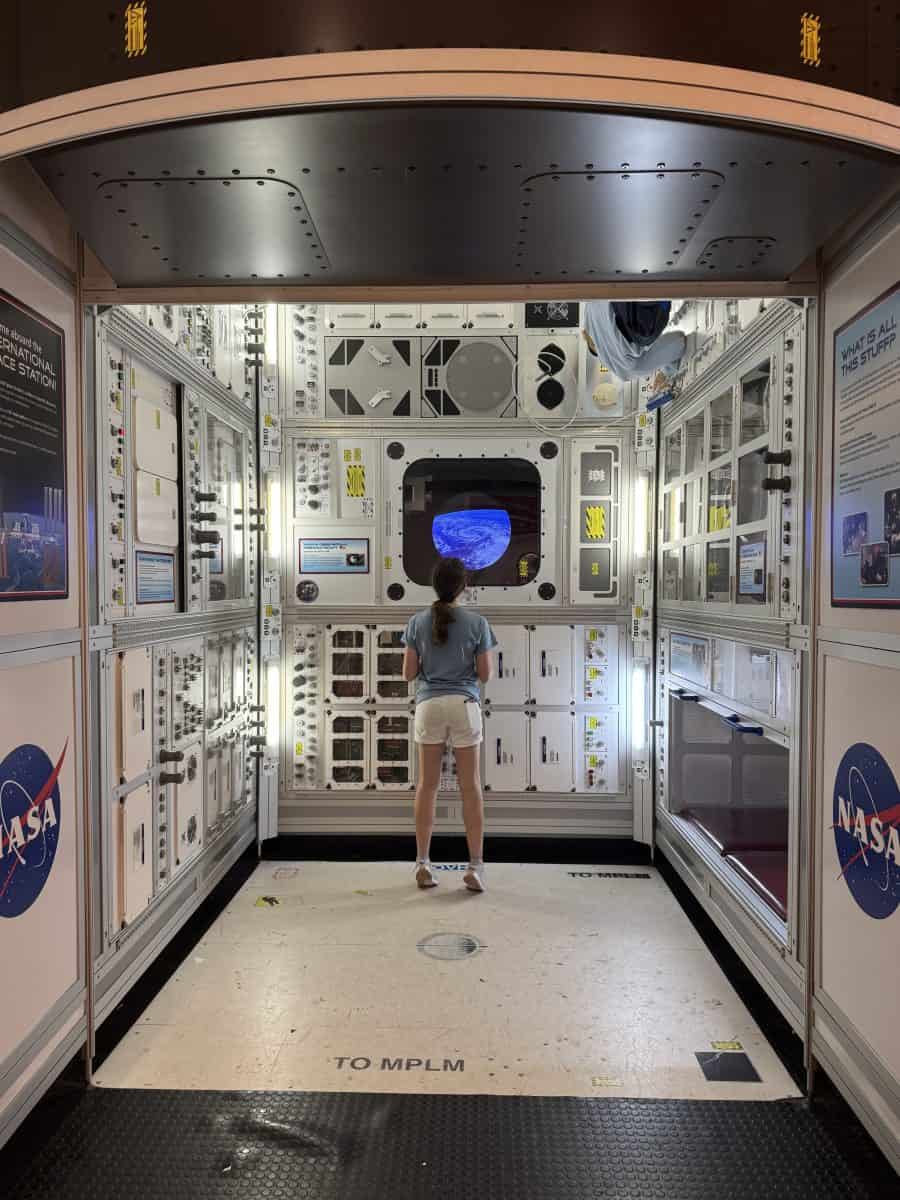
  2. Lie down in a bunk bed and sit on a toilet in a full scale replica model of two segments of the International Space Station in SpacePlace on the 1st and 2nd Floors.
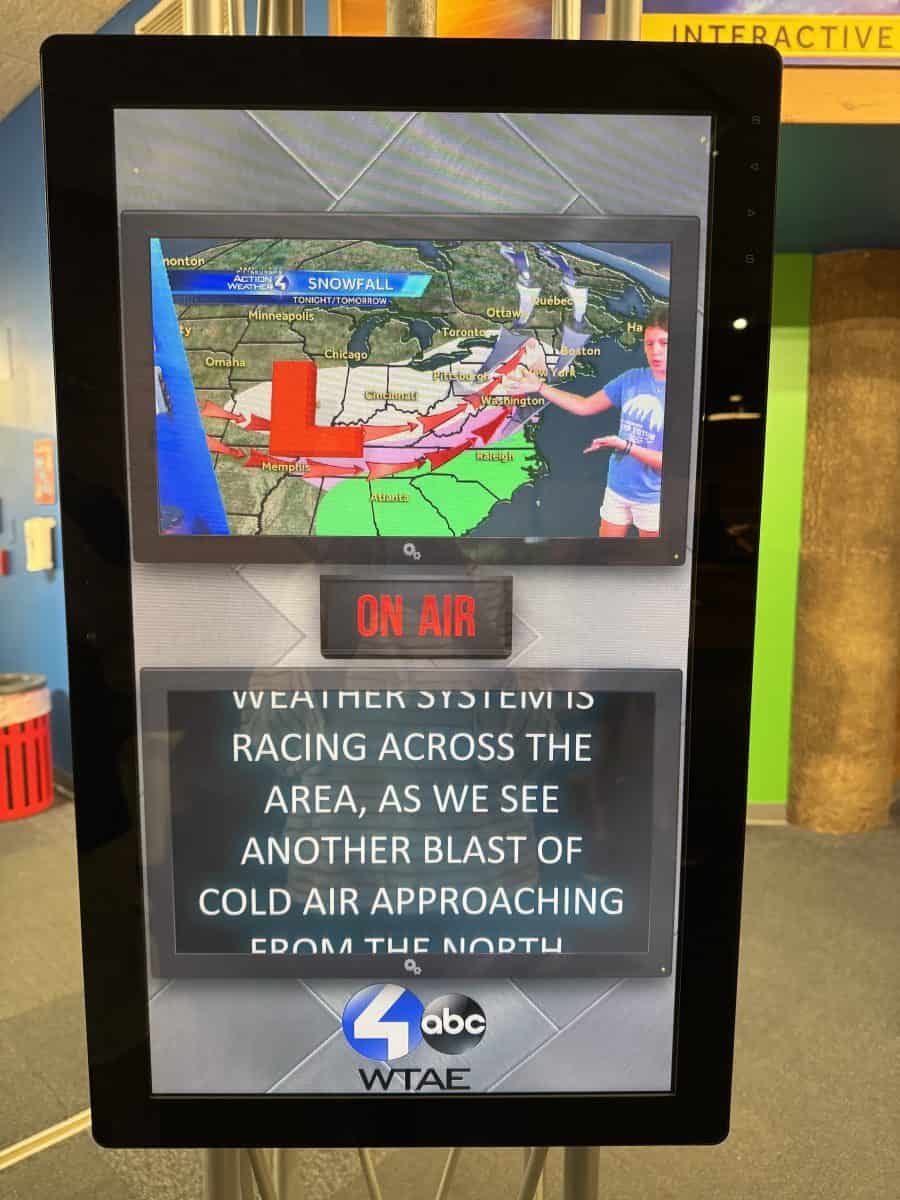
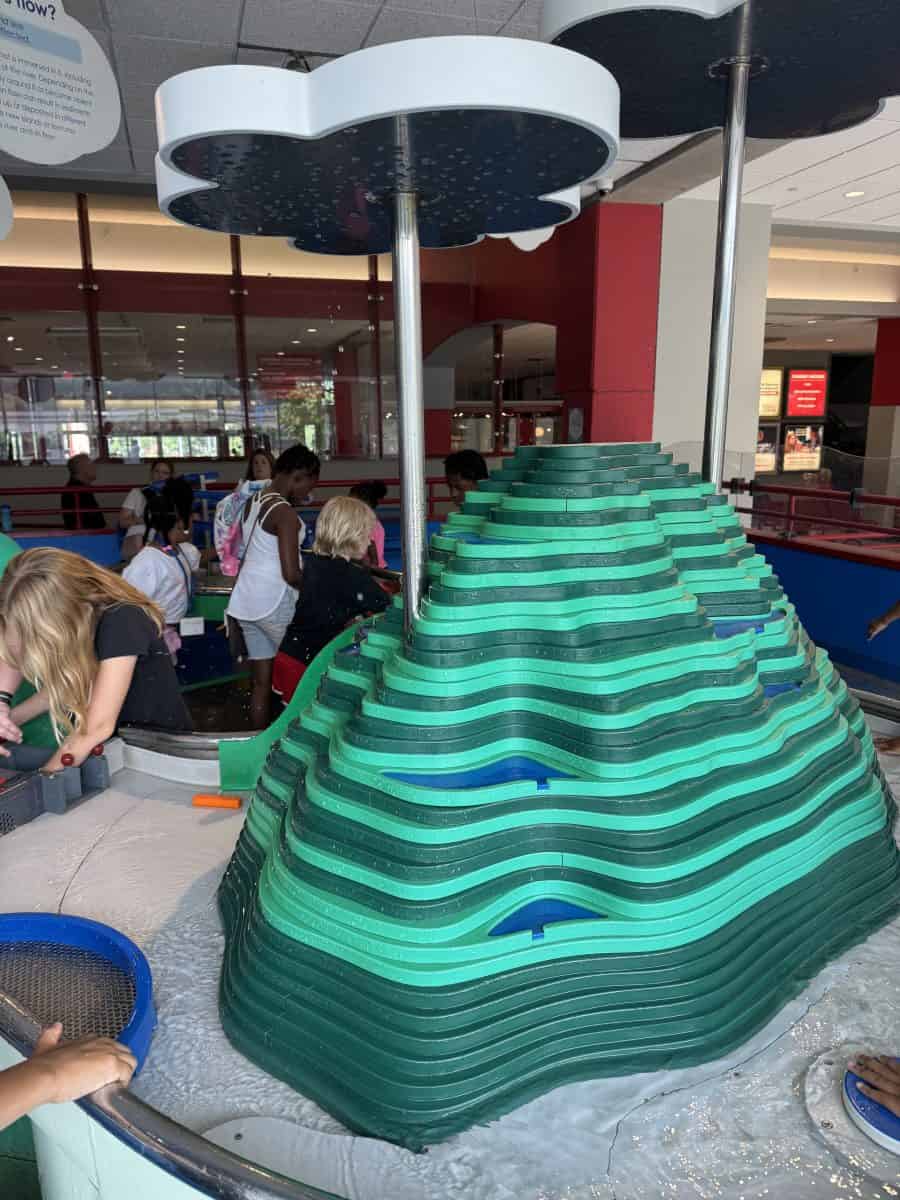
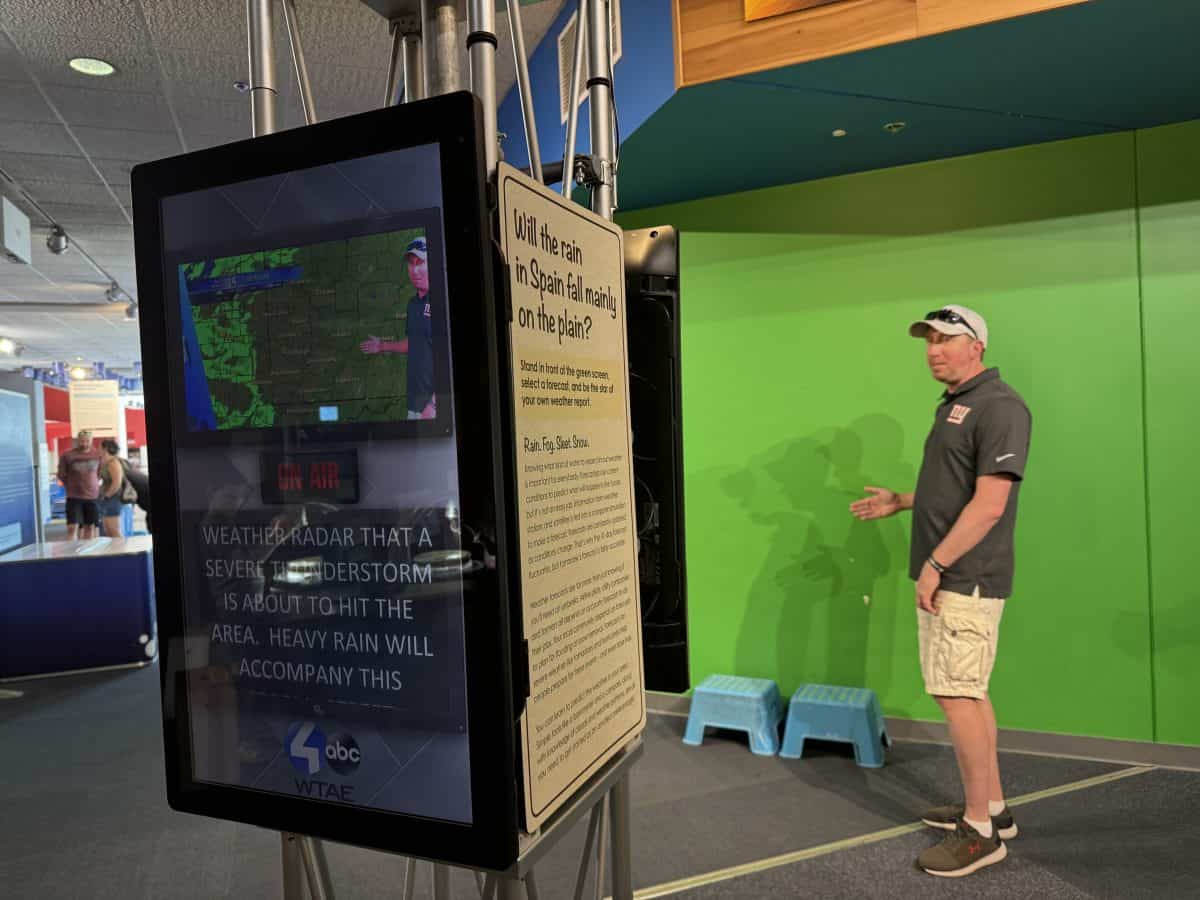
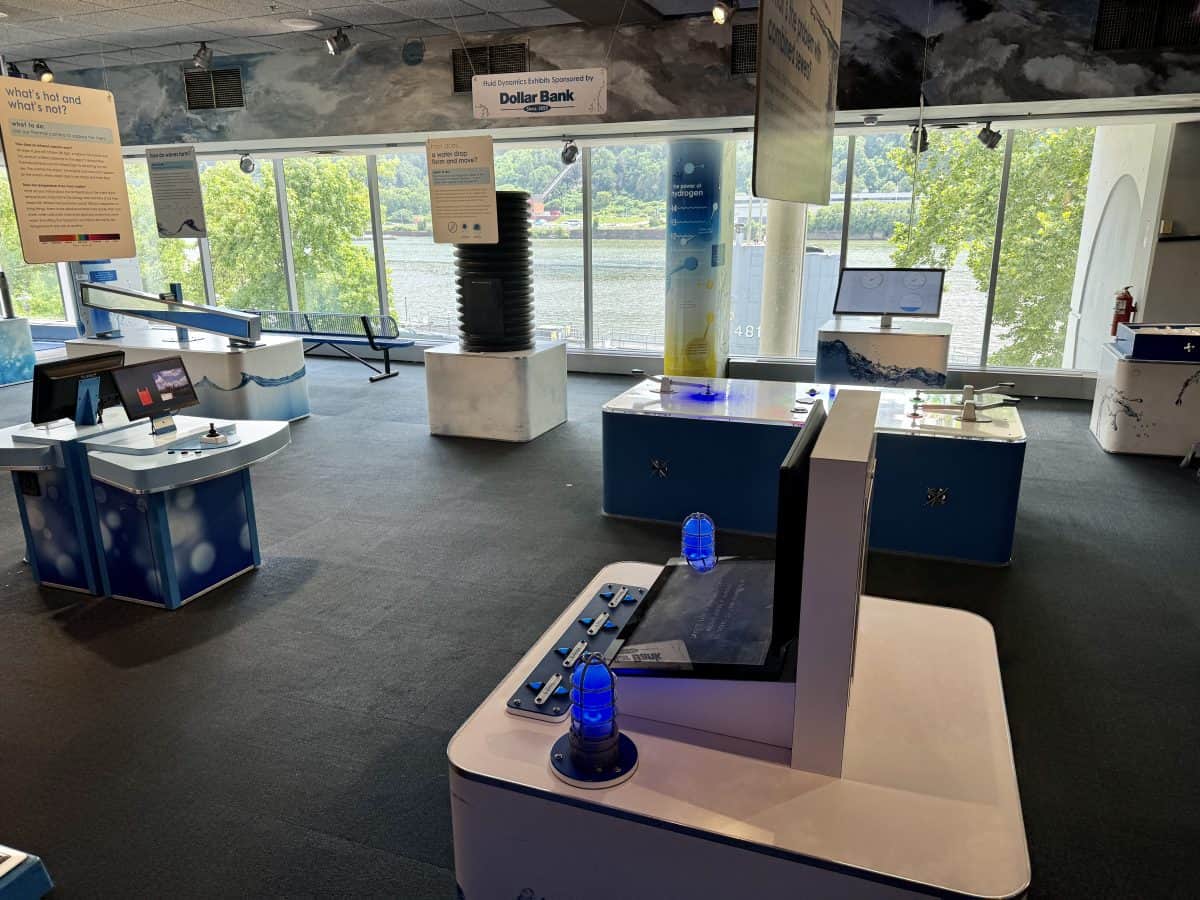
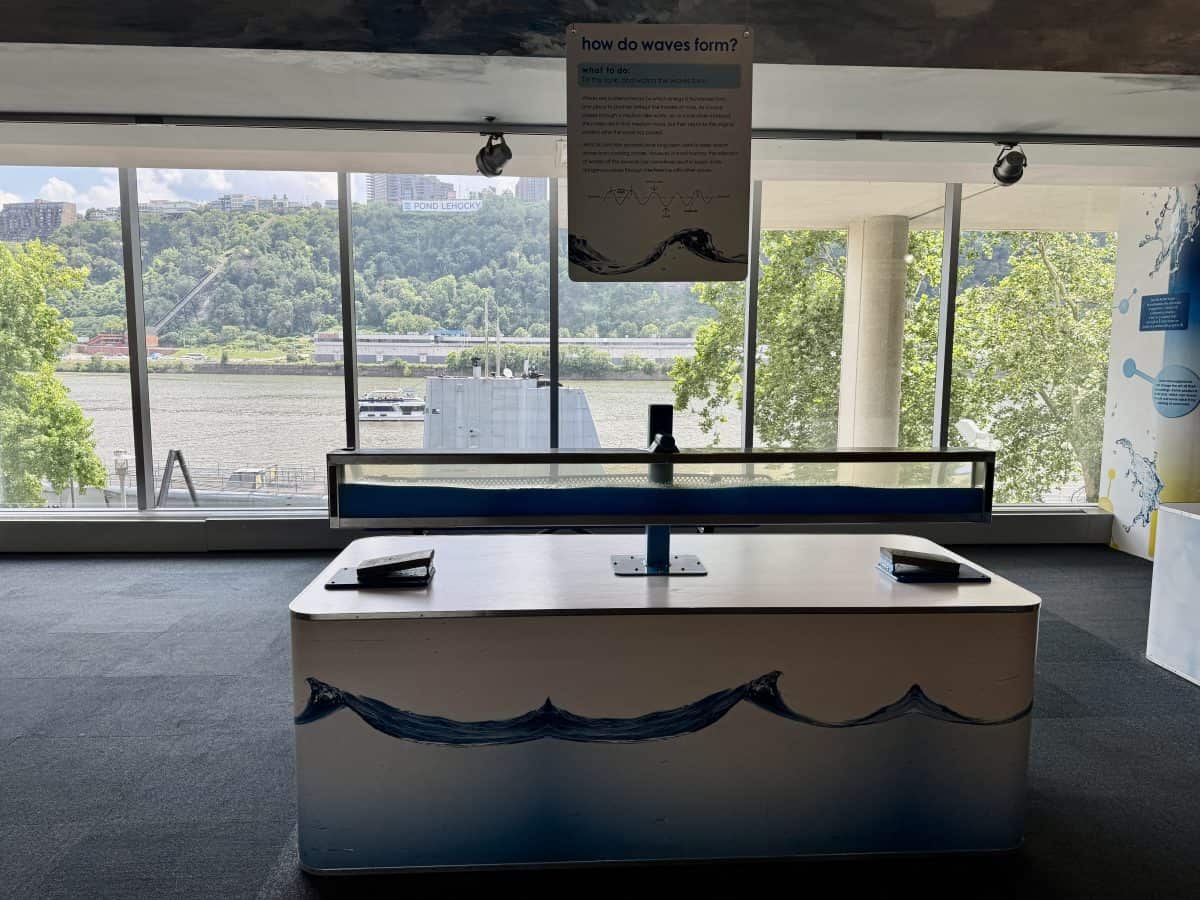
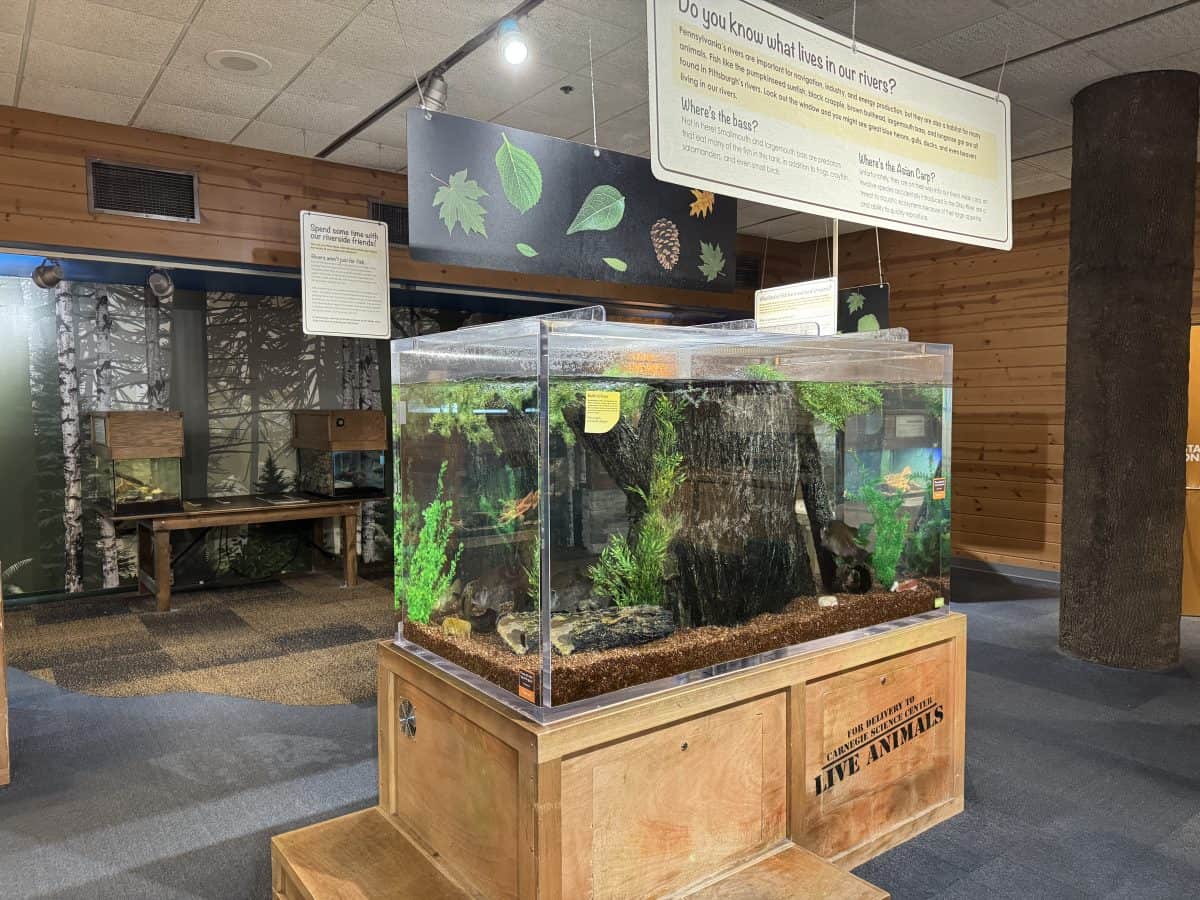
  3. Splash in the Water Cycle River Table, learn how to form waves, see tanks of turtles and snakes and beetles, and broadcast a weather report ALL in the H2Oh! exhibit on the 1st Floor.
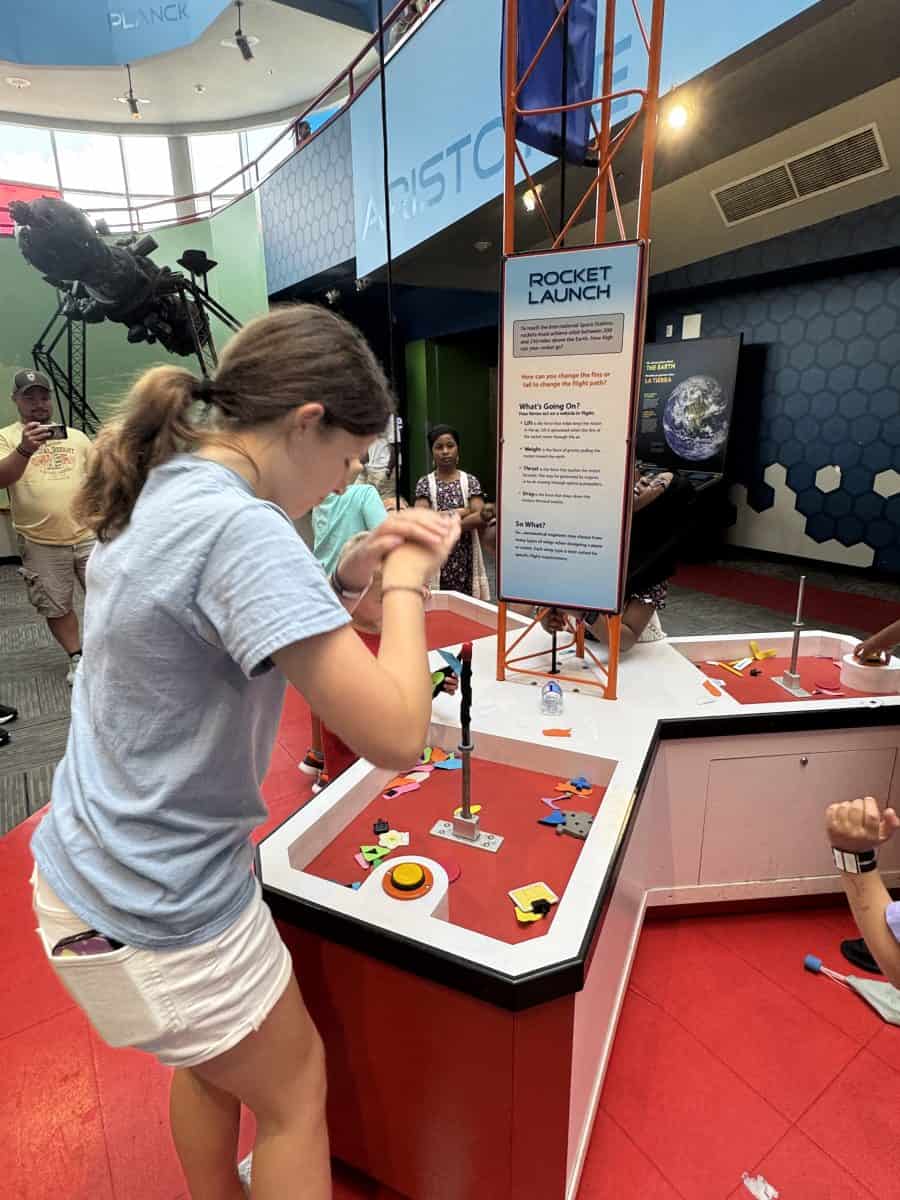
  4. Launch an air rocket, play air hockey, and drop parachutes from above ramps in the Peirce Gallery inside SpacePlace on the 1st Floor. 
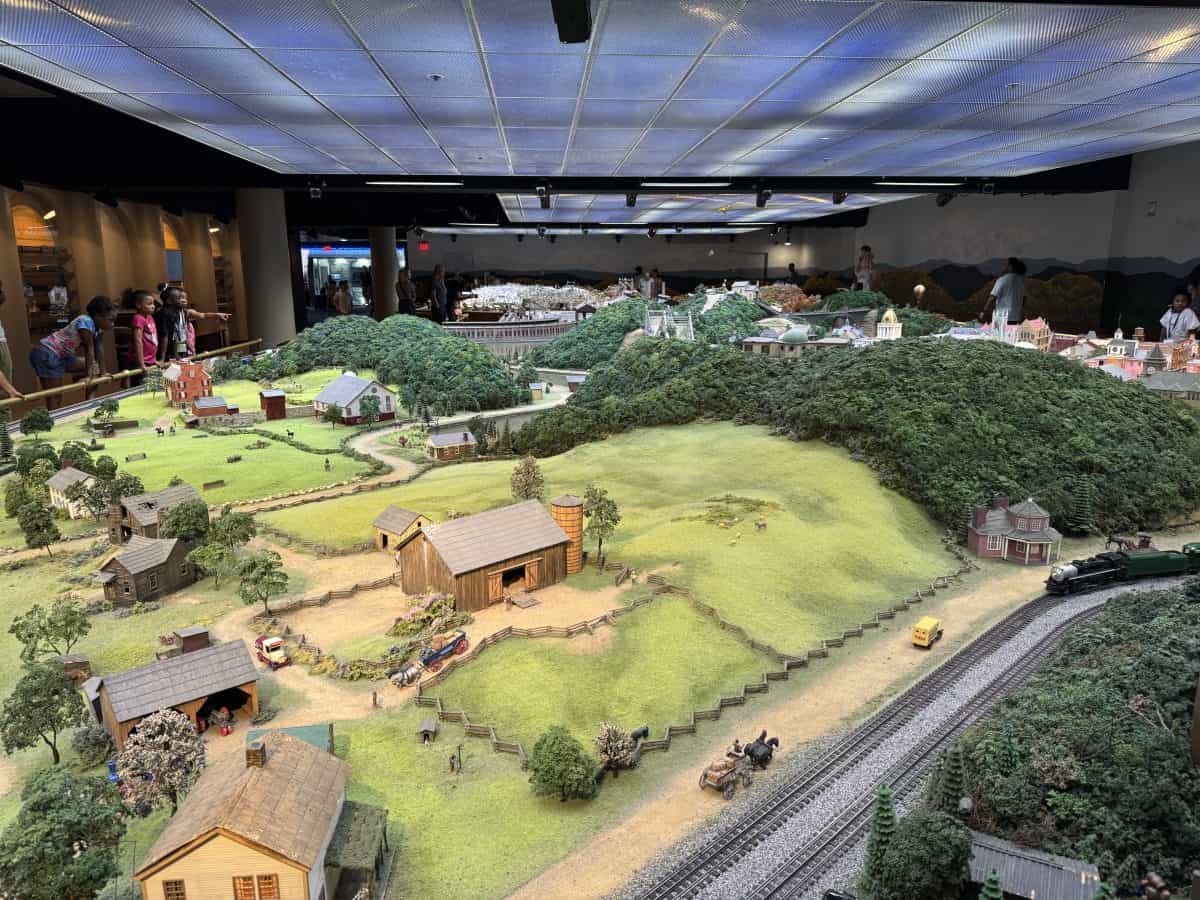
Miniature Village and train exhibit at the Carnegie Science Center in Pittsburgh, PA
  1. Be a human yoyo, bouncing up and down 25 feet in the air using cable tethered handles in You-Yo in SportsWorks.
  2. See if you can match the heartbeat of various animals (slower and faster than a human’s heartbeat) in Keep the Beat in SportsWorks.
  3. Time your reaction skills by playing on the world’s largest “bubble hockey” table in Big Hockey in SportsWorks.
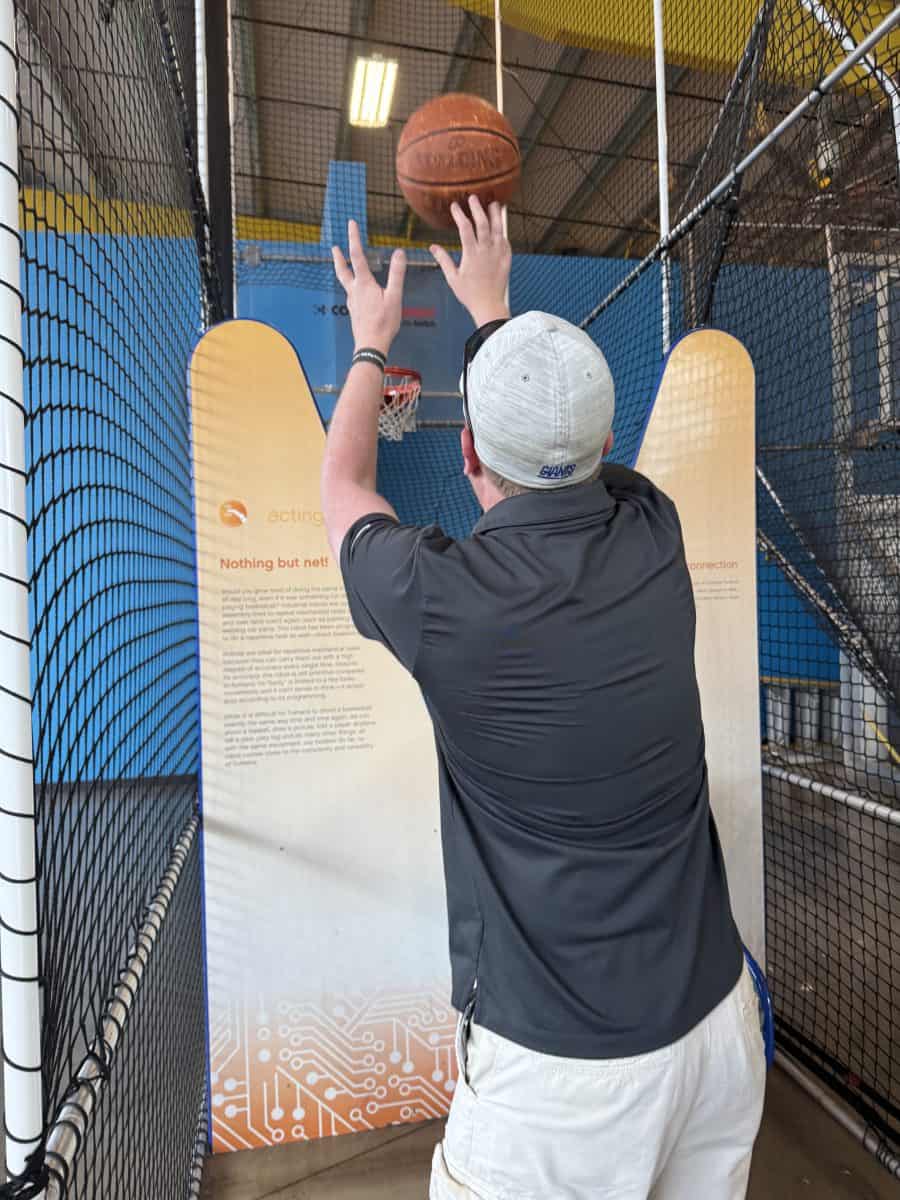
  4. Practice basketball free throws, soccer kicks, baseball hitting, and Olympic sprints in Sports Challenges in SportsWorks.
  5. Take a self guided tour of the USS Requin, a 311 foot submarine used to patrol the East Coast during the Cold War, parked on the banks of the Ohio River. Commissioned in 1945, it was in service until the late 1960s with a crew of 10 officers and up to 90 enlisted men, and was then a reserved training ship until it was moved from Florida to Pittsburgh in 1990. Note: the Requin’s opening is weather dependent- check online and ask staff about hours of operation. It was closed, due to heat, when we visited so we did not have the opportunity to tour the submarine.
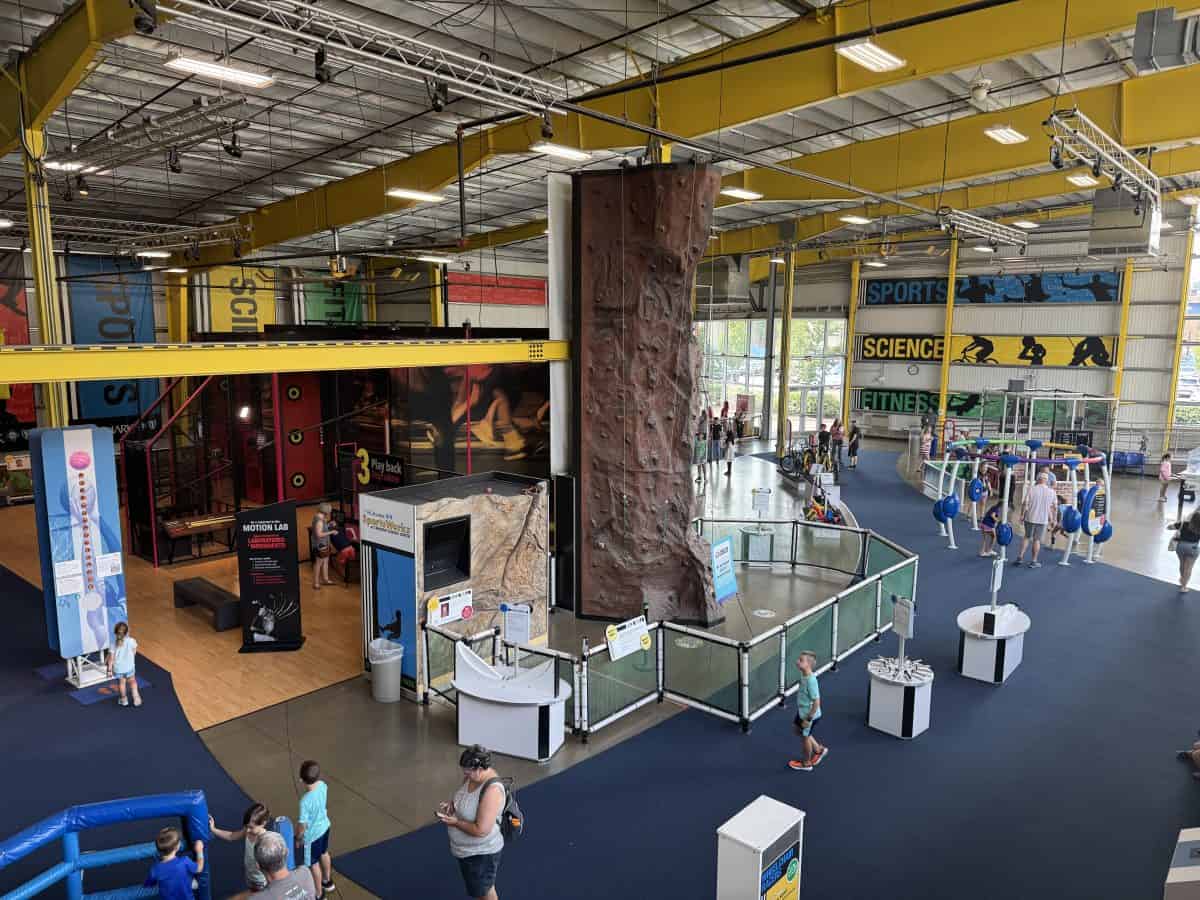
SportsWorks at the Carnegie Science Center in Pittsburgh, PA

USS Requin at the Carnegie Science Center in Pittsburgh, PA

Looking for other adventures in Pittsburgh? See our feature of the Heinz History Center, the Pittsburgh Children’s Museum, the Andy Warhol Museum, the Frick Pittsburgh Museums and Gardens, our tour of Acrisure Stadium, our feature of the Pittsburgh Zoo and Aquarium, and full City Guide here. And follow along on our adventures on Instagram, Facebook, and Pinterest.


Similar Posts

  • Mark Twain House & Museum in Hartford, Connecticut

    Sometimes, we travel out of state so much, my family forgets to visit all of the great spots right in our own “backyard.” With that in mind, we decided to check out a popular spot in Hartford: The Mark Twain House & Museum. For our tips on visiting the nearby Connecticut Science Center, read our post here.

    American author Samuel Clemens, better known as Mark Twain, moved around the country, but spent 17 years raising his three daughters in the Nook Farm neighborhood of Hartford. The late 1800s was a time when Hartford was a thriving industrial city and Nook Farm was one of the most exclusive neighborhoods in the city. Fellow author Harriet Beecher Stowe lived next door (and penned Uncle Tom’s Cabin 20 years before Twain came to town). During the family’s time in Hartford, Clemens wrote dozens of his most popular novels and stories including The Adventures of Tom Sawyer, The Adventures of Huckleberry Finn, and A Connecticut Yankee in King Arthur’s Court.

  • | | |

    10 Ways to Explore the Long Island Aquarium in New York

    One of the most popular attractions on Long Island, New York (less than 90 minutes from Manhattan), the Long Island Aquarium is home to 565 species and over 5,000 individual animals. The aquarium opened in 2000 and has expanded across three acres with over 100 indoor and outdoor exhibits and 48 aquatic habitats. Some of the most popular attractions include one of the largest all living coral reef displays in the Western Hemisphere, the Penguin Encounter, a 120,000 gallon shark tank, and shows featuring sea lions, African penguins, and Marmosets.  The entire aquarium is designed to recreate the Lost City of Atlantis, and little children will LOVE all of the hidden spots and tunnels to crawl through and explore throughout the exhibit spaces.

  • | | | | | |

    Newport, Rhode Island

    Growing up on the South Shore of Massachusetts, and having an avid sailor for a father, my family took many a day trip to visit Newport, Rhode Island. I can remember touring the mansions as a child, admiring the boats at the Newport Boat Show with my dad, and enjoying the beaches, restaurants, and various outdoor recreational activities during the summer. As an adult, I have returned to Newport many time, with my husband for a weekend getaway and with girlfriends as an escape from the duties of motherhood. Recently,  my family spent Thanksgiving weekend celebrating the start to the holiday season in the “City By the Sea.” You can read all about our holiday celebrations here.

    However, you would need months (possibly years)  to explore every place in the city, so I think Newport should be on everyone’s list; better yet, if you live within a few hours, it’s worth making visits each season. The city is filled with visitors during the summer months and you absolutely should visit during the summer. However, there is also plenty to do during the winter.

    If you need help planning a visit to Newport, DiscoverNewport.org is the perfect planning tool. It’s extremely easy to navigate and full of ideas based on your preferences for activities, food, accommodations, and budget. There is also a massive directory for weddings planning. The online calendar was up to date and quickly linked me to websites and phone numbers. It also covers more than “just” the city of Newport, by including both Newport and Bristol Counties. I’ve organized suggestion based on two popular areas of town:

  • | | | | | |

    Exploring the New Hampshire Historical Society in Concord, NH

    While visiting the New Hampshire state capitol of Concord recently, we enjoyed a tour of the New Hampshire Historical Society, which celebrates the rich history of the Granite State.

    Celebrating its 200th birthday in 2023, the New Hampshire Historical Society was a gift of Edward Tuck, son of a wealthy businessman who founded the Dartmouth Business School, to the state of New Hampshire. Tuck gave most of his lifetime of fortune back to various charities in New Hampshire and ultimately wanted to build (what he called) a “temple” to the Granite State near the State House. Finished in 1911, the building takes up an entire city block and is diagonal to the State House in downtown Concord. Over the past century, several renovations have been made to the building to make it more energy efficient and accessible for all visitors. 

    The building was built in a Greek revival style, including the ceiling and walls of the rotunda, which are made of Siena marble from a quarry in Italy that was owned by the monks of the Old Convent and shipped to America. The floors and staircase are made of Hauteville marble from France. Make sure to stand in the middle of the atrium and look up at the Oculus and have children complete our “I Spy” game while touring the exhibits.

  • | | | | |

    Seven Ways to Explore the Boston National Historical Park and The Old State House in Boston, Massachusetts

    The Old State House, built in 1713, is the oldest building in Boston. It has been restored several times since it was saved by demolition in 1881. In addition to being the State House, the building also served as City Hall in the mid 1800s.  It’s famous for overlooking the Boston Massacre and being the site of the first reading of the Declaration of Independence in Boston. In 1903 a branch of the subway was installed. 

    With your admission ticket, each guest receives a lanyard and card and assigned historical figure from the Revolution Era. Each card includes biographical information, social rank, and age. Use this information at several exhibits throughout the museum.

Leave a Reply

Your email address will not be published. Required fields are marked *