Exploring the Dumbarton Oaks Museum and Gardens in Washington, D.C.

| | | |

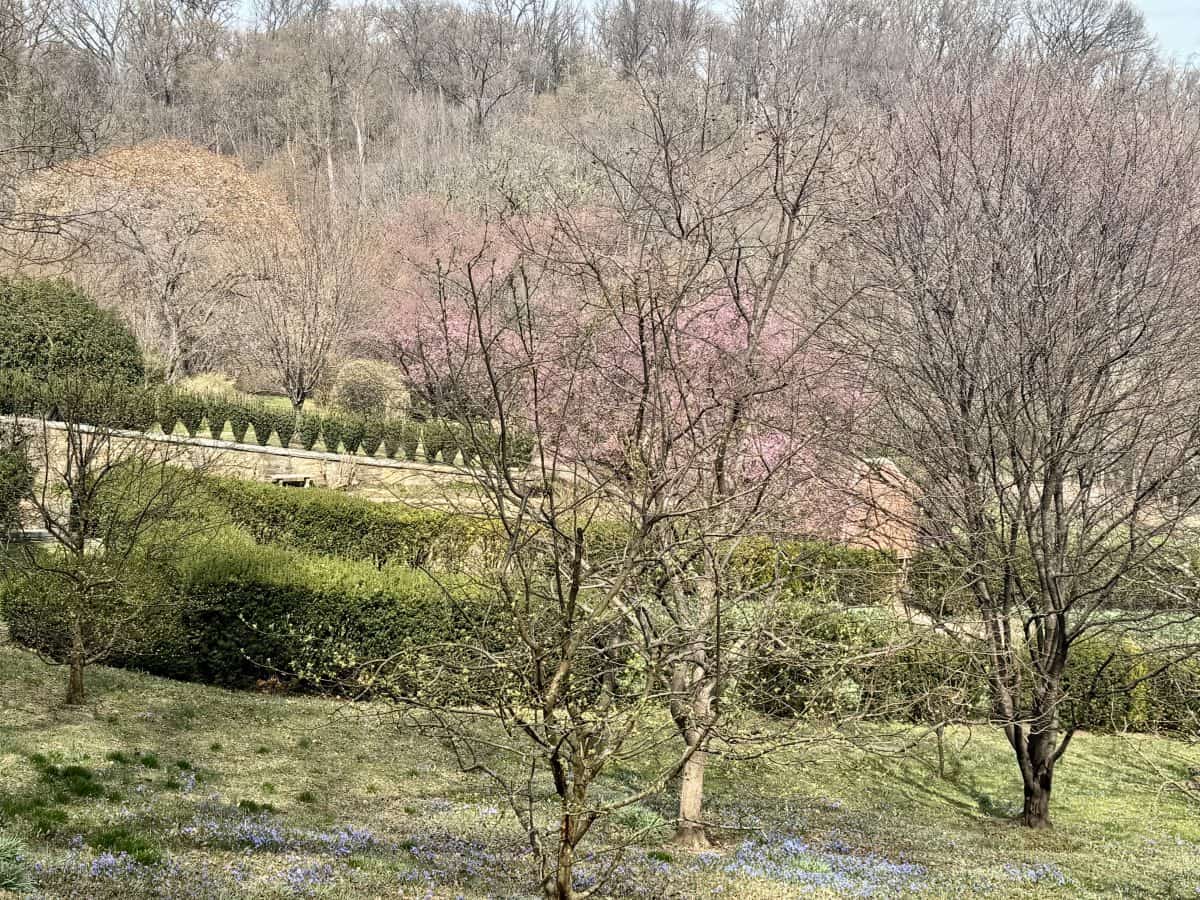
We just returned from a weekend in Washington DC (we frequently visit the nation’s capital as it is a short-ish drive from our home in Connecticut and we have several family members and friends who live in the area) and we discovered a new-to-us museum and gardens in the Georgetown area of DC: Dumbarton Oaks. We visited the museum and gardens at the very beginning of the spring season, just as everything has started to come alive and bloom. 
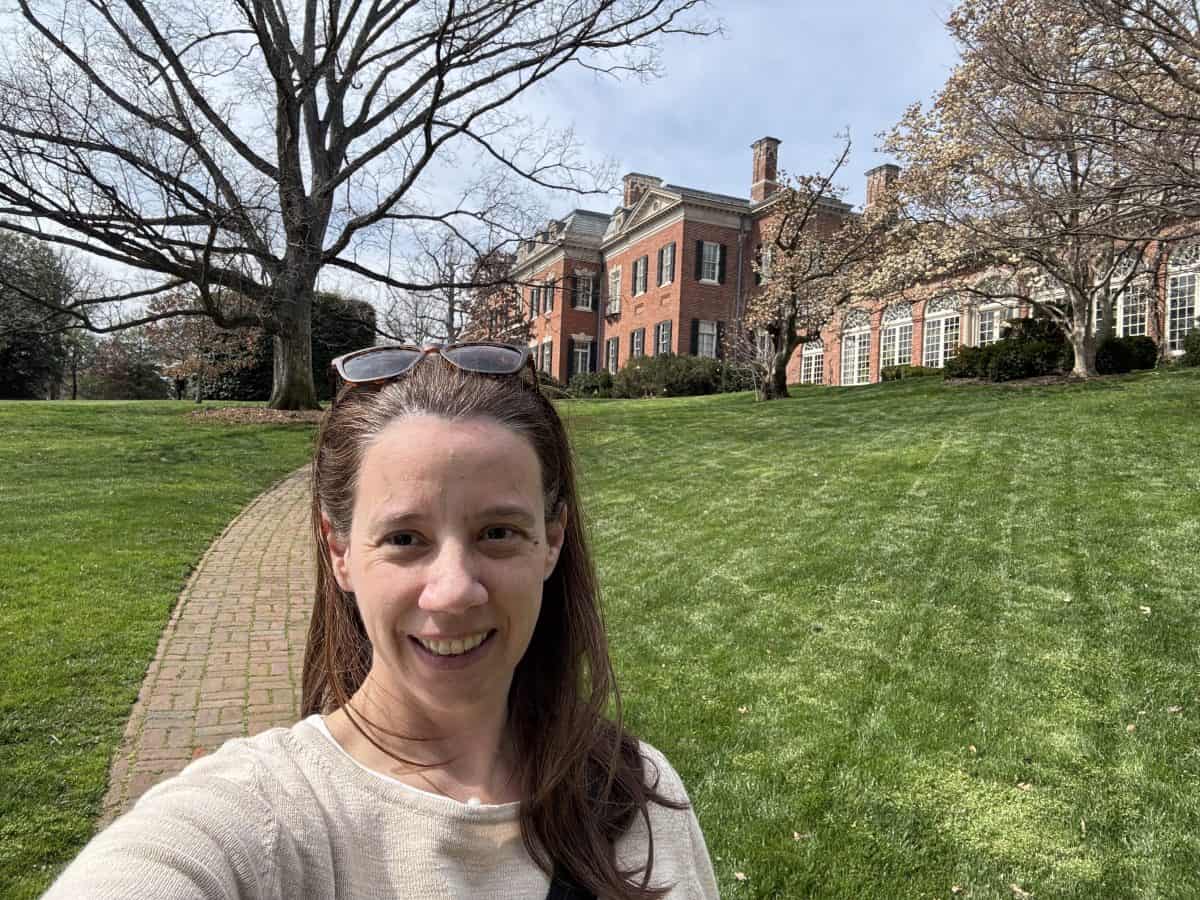
at the gardens at Dumbarton Oaks Gardens in Washington, DC

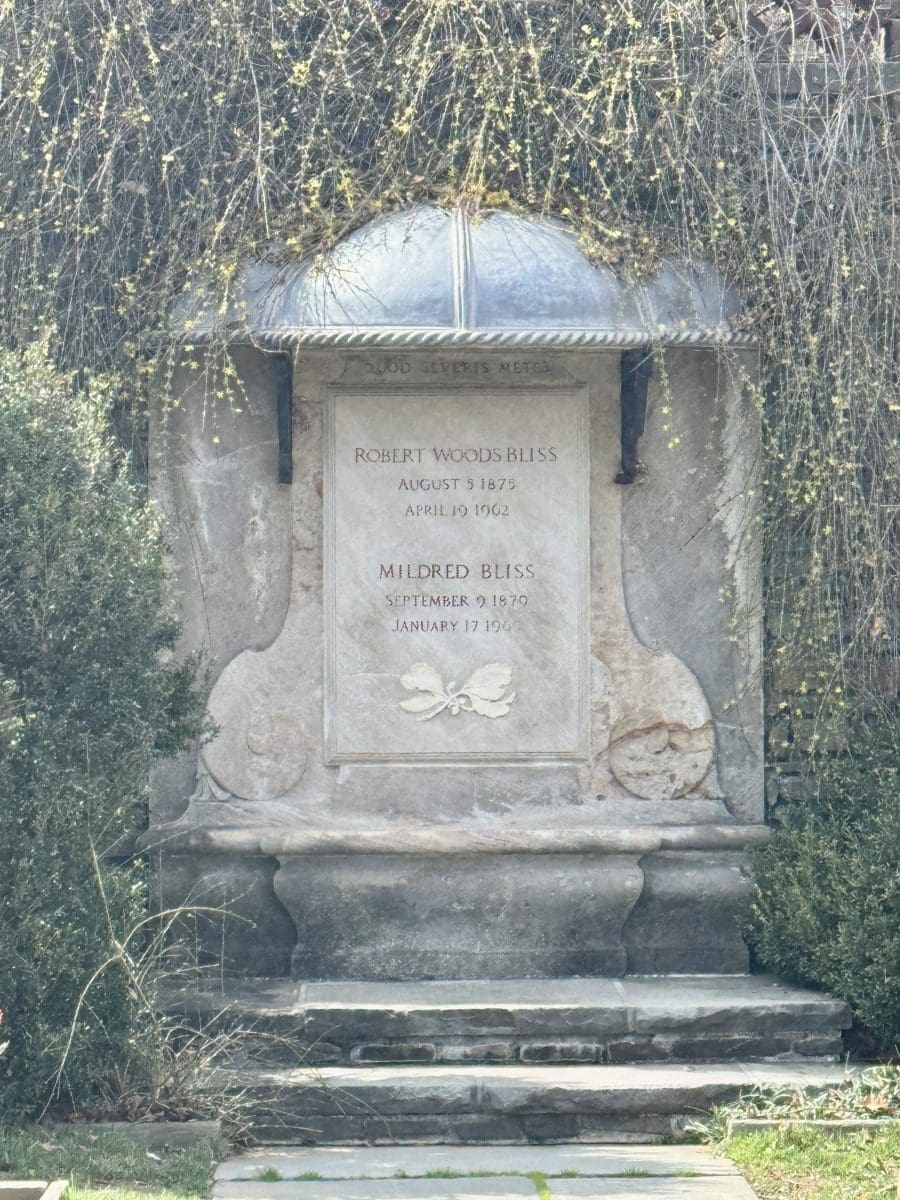
The Dumbarton Oaks property was originally owned by a Colonel Ninian Beall, who named it after a place in his native country of Ireland. A century later, in early 1800, the main house was built by William Dorsey. Several families lived there until it was bought by philanthropists Robert and Mildred Bliss. Robert and Mildred purchased the now 53 acre property in 1920 and redesigned the grounds and gardens over the course of many years with landscape gardener Beatrix Farrand. In 1940, they donated the property and their private art collections to Harvard University to create a research institute focused on Byzantine and Pre-Columbian Studies and Landscape Studies. 

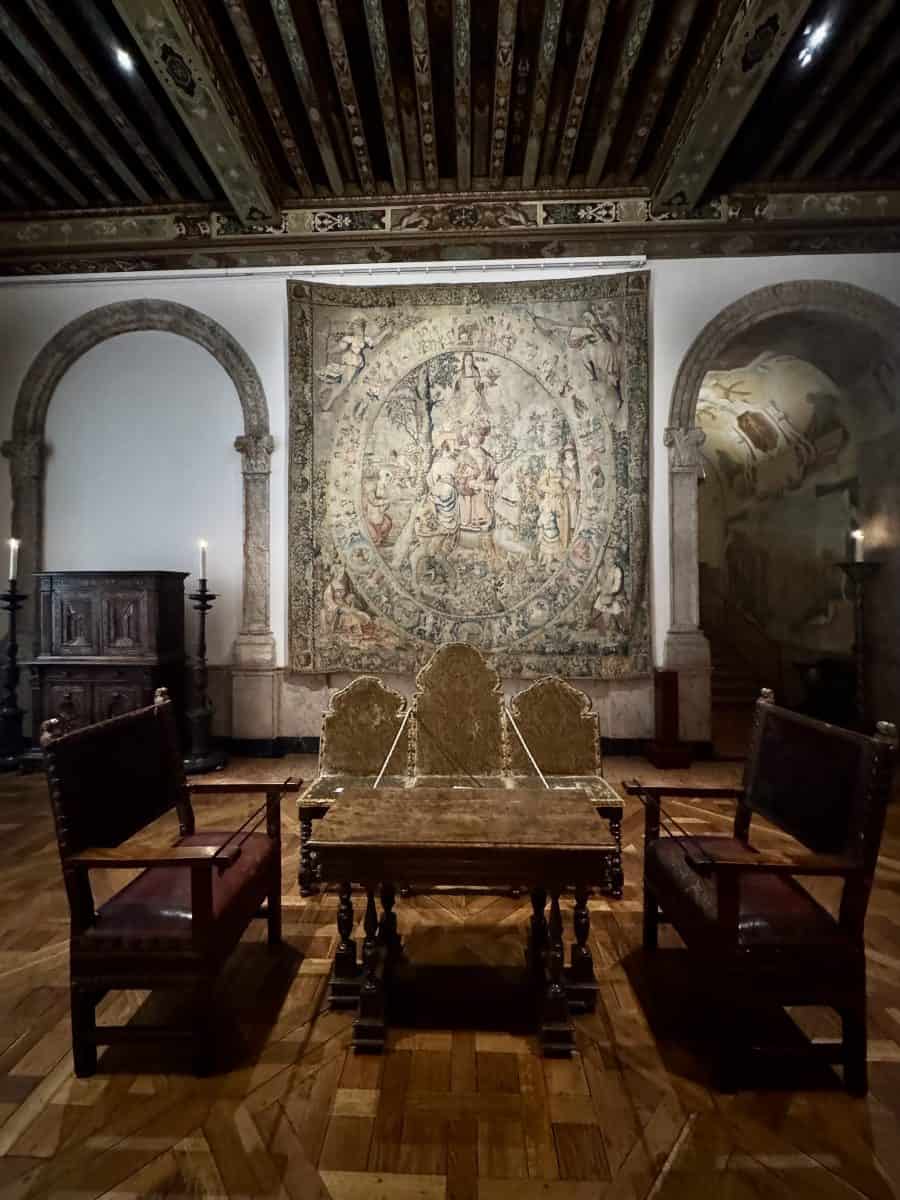
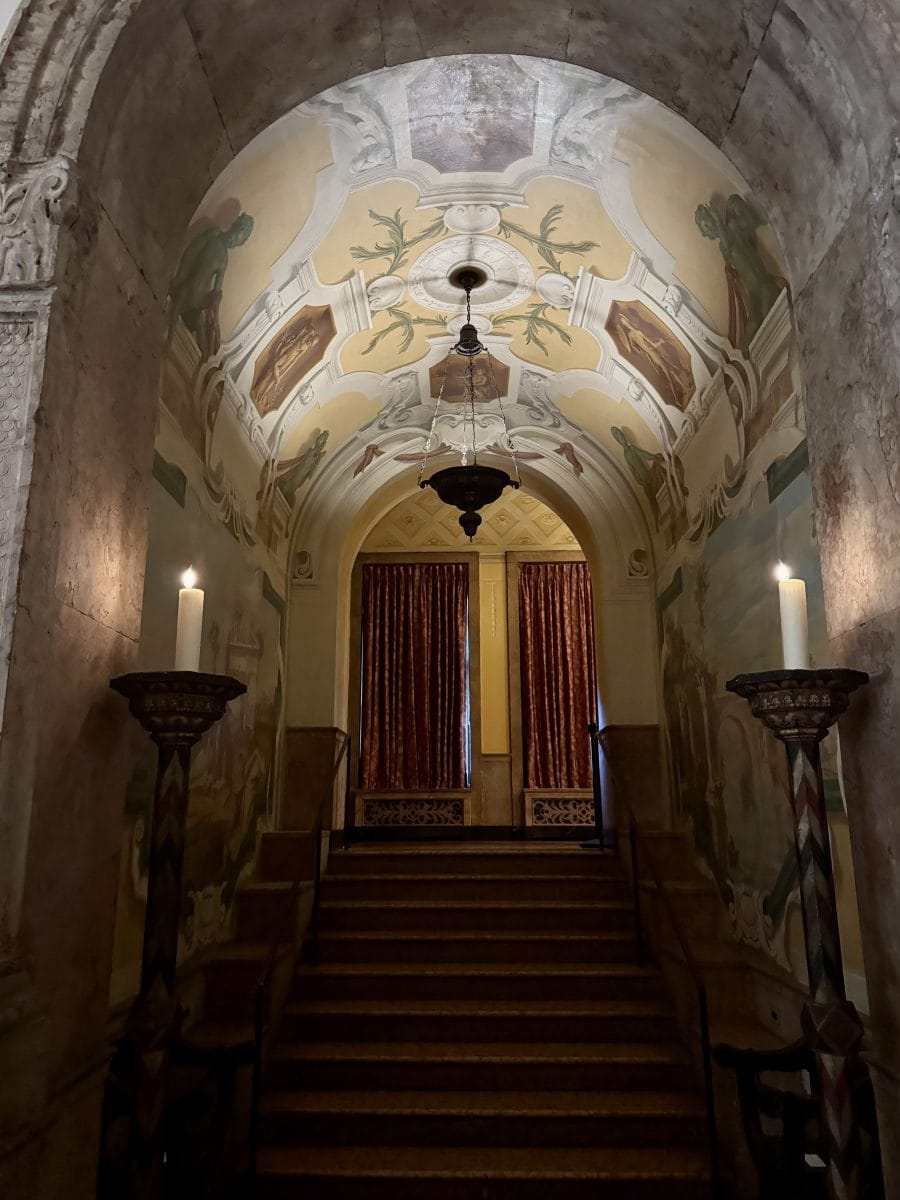
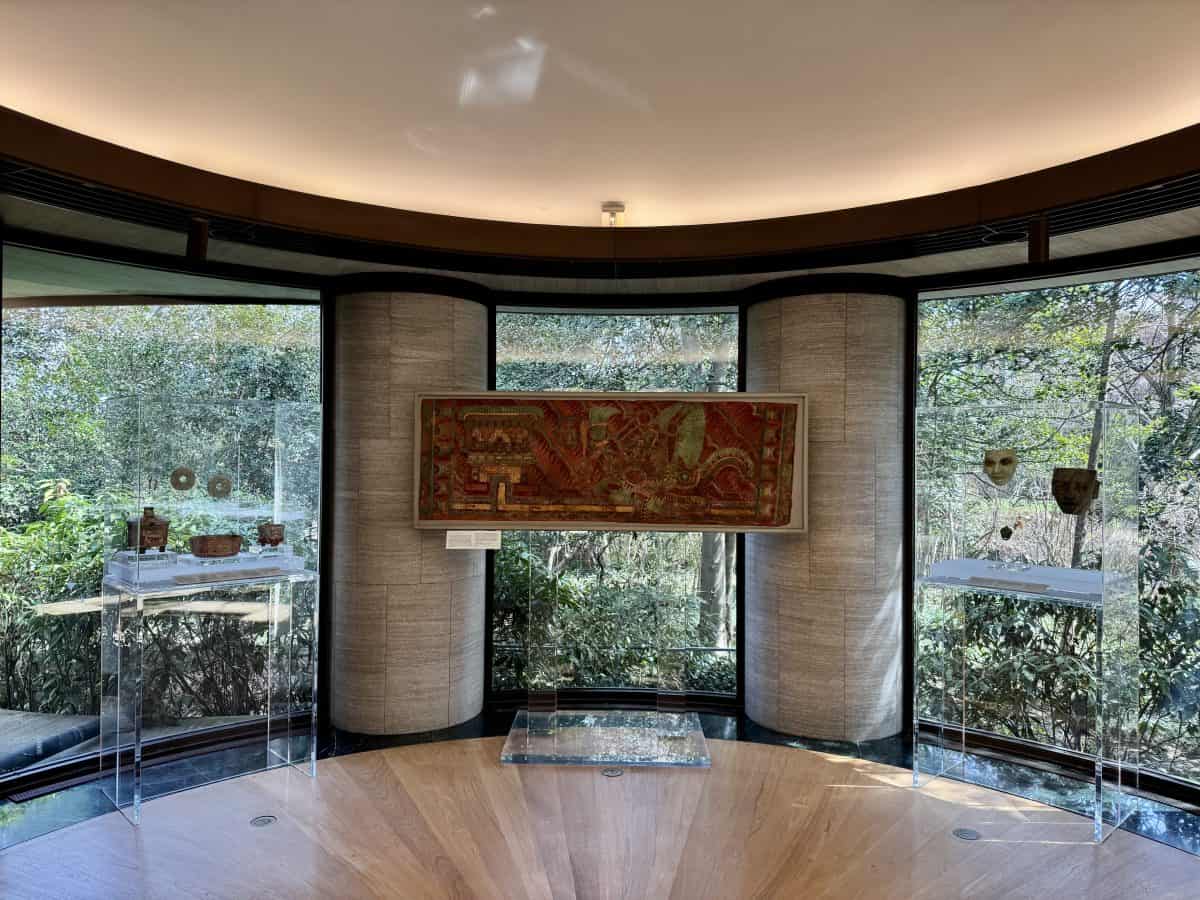
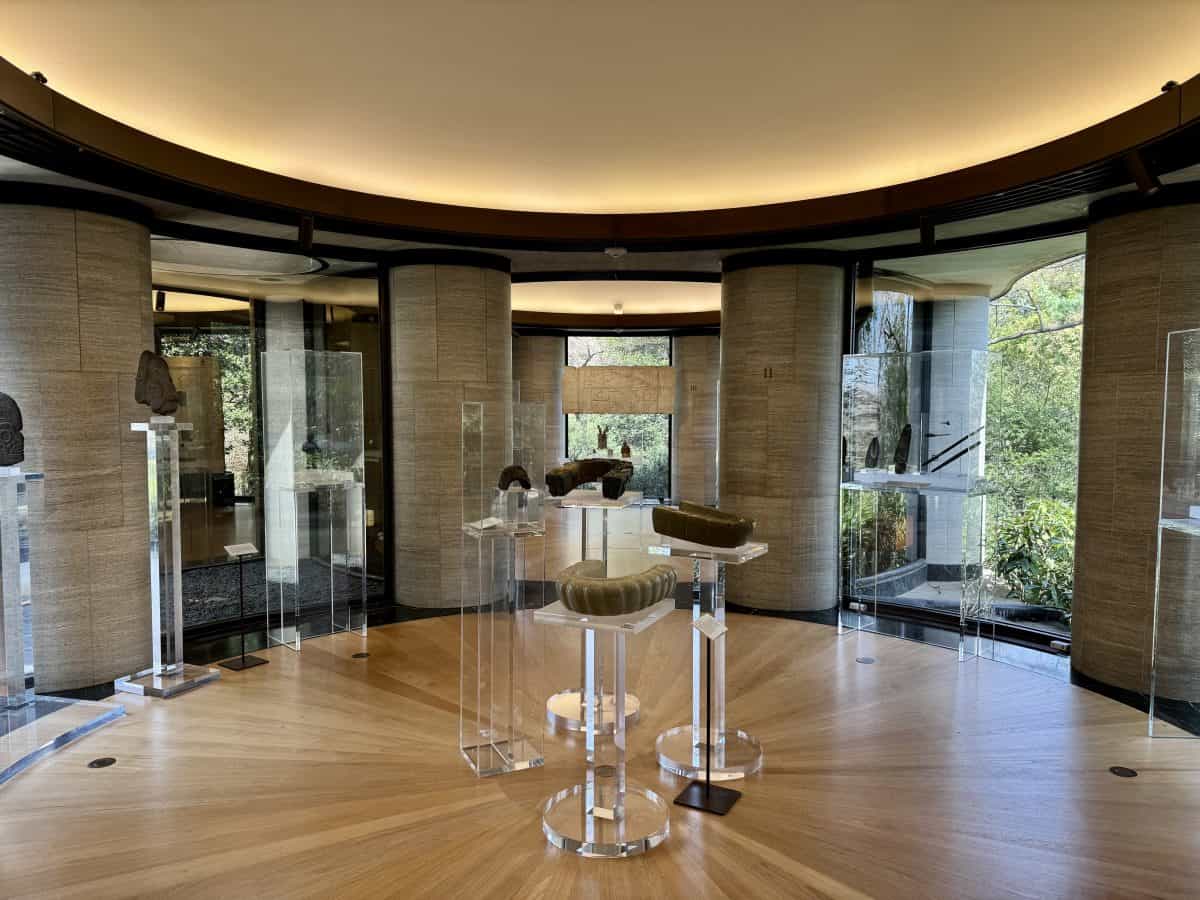
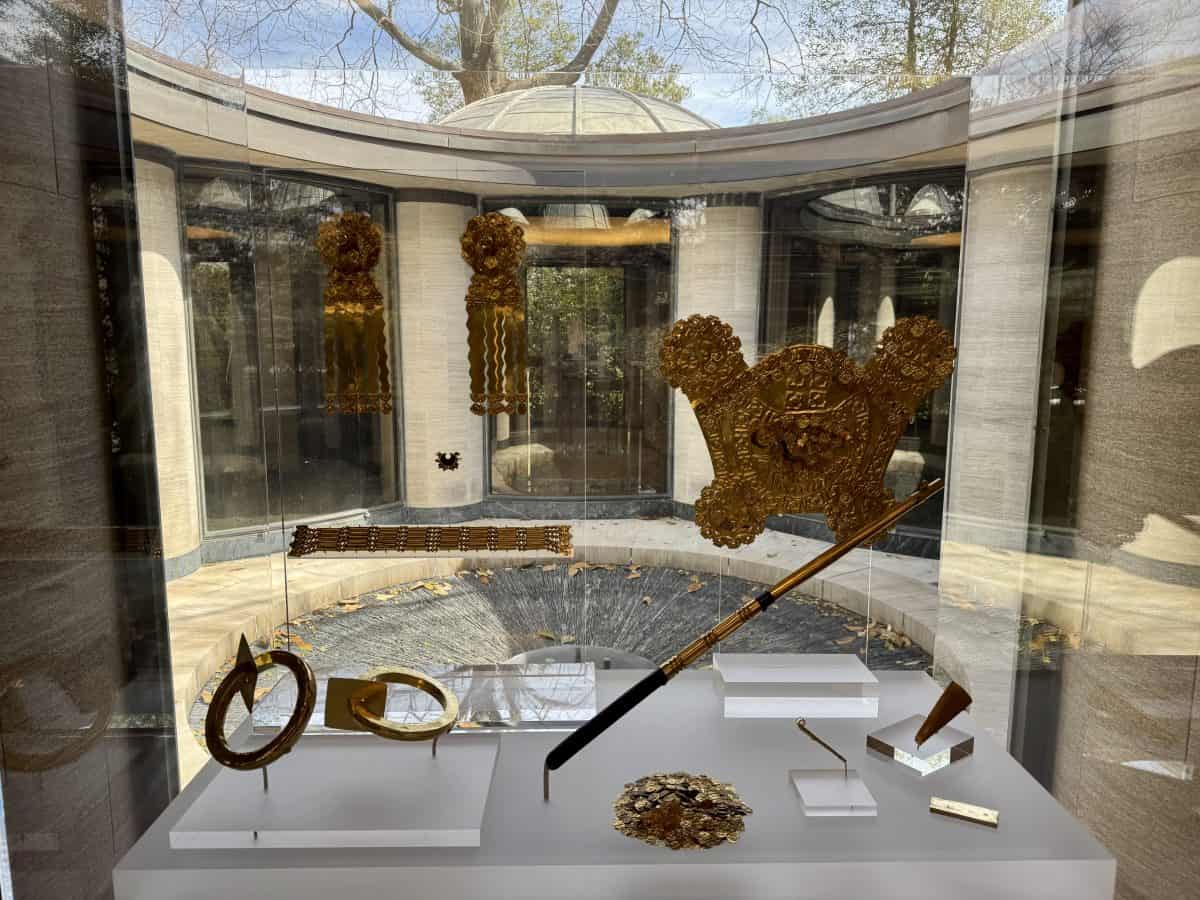
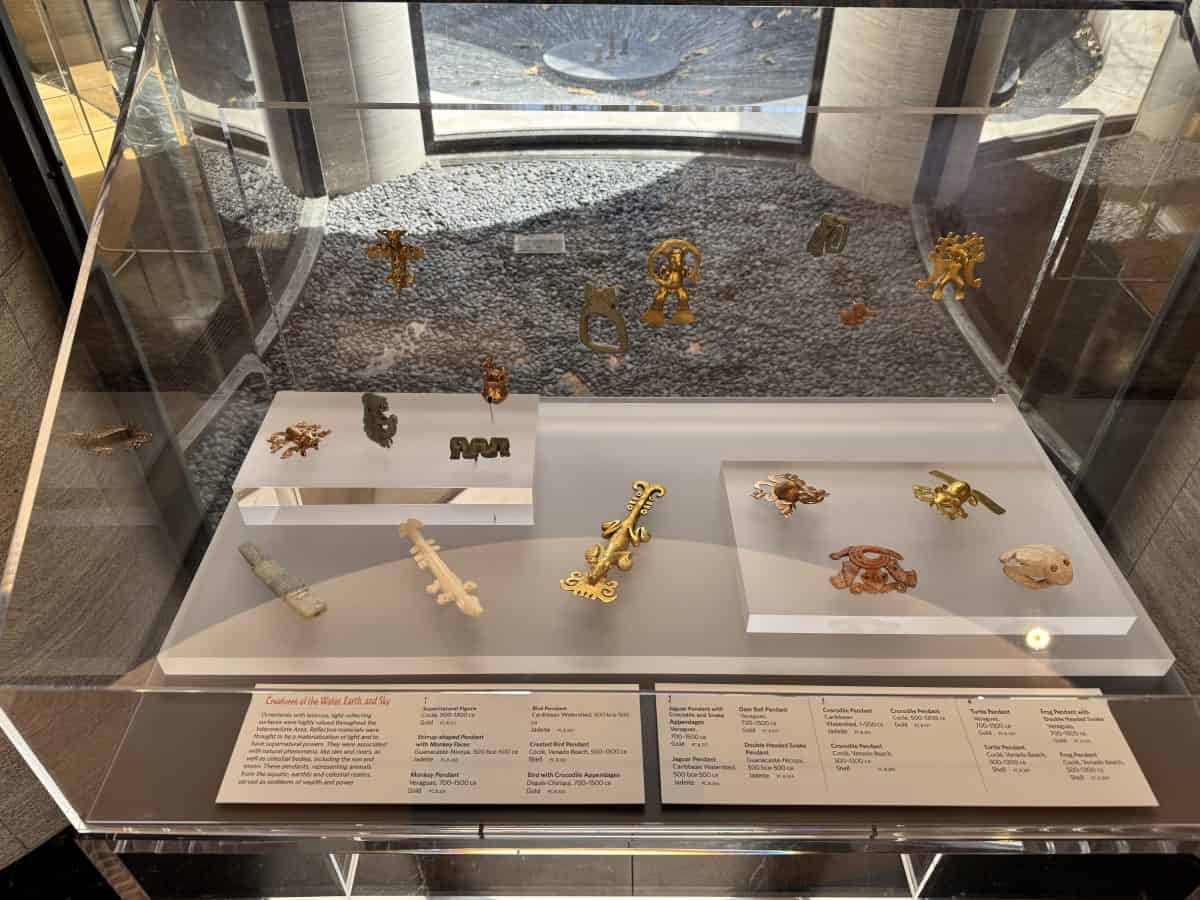
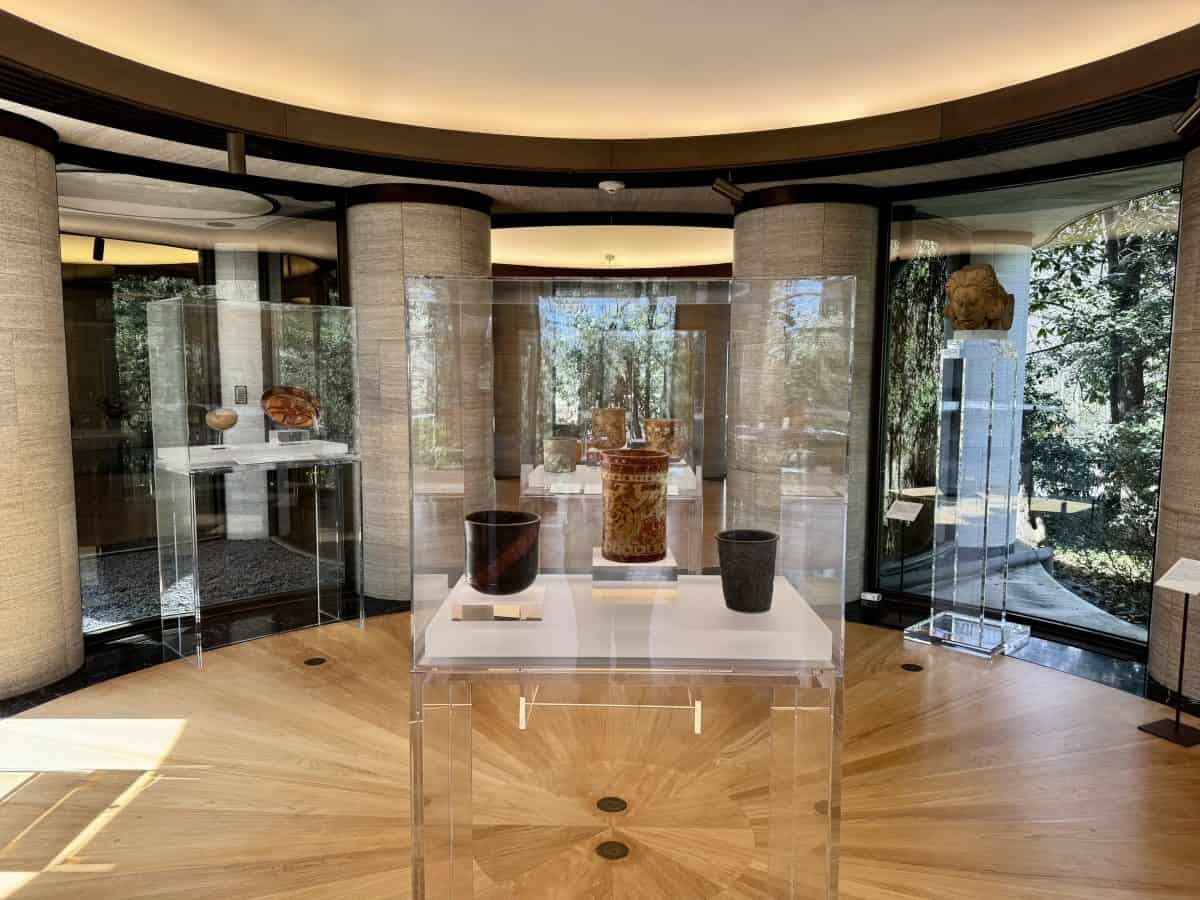
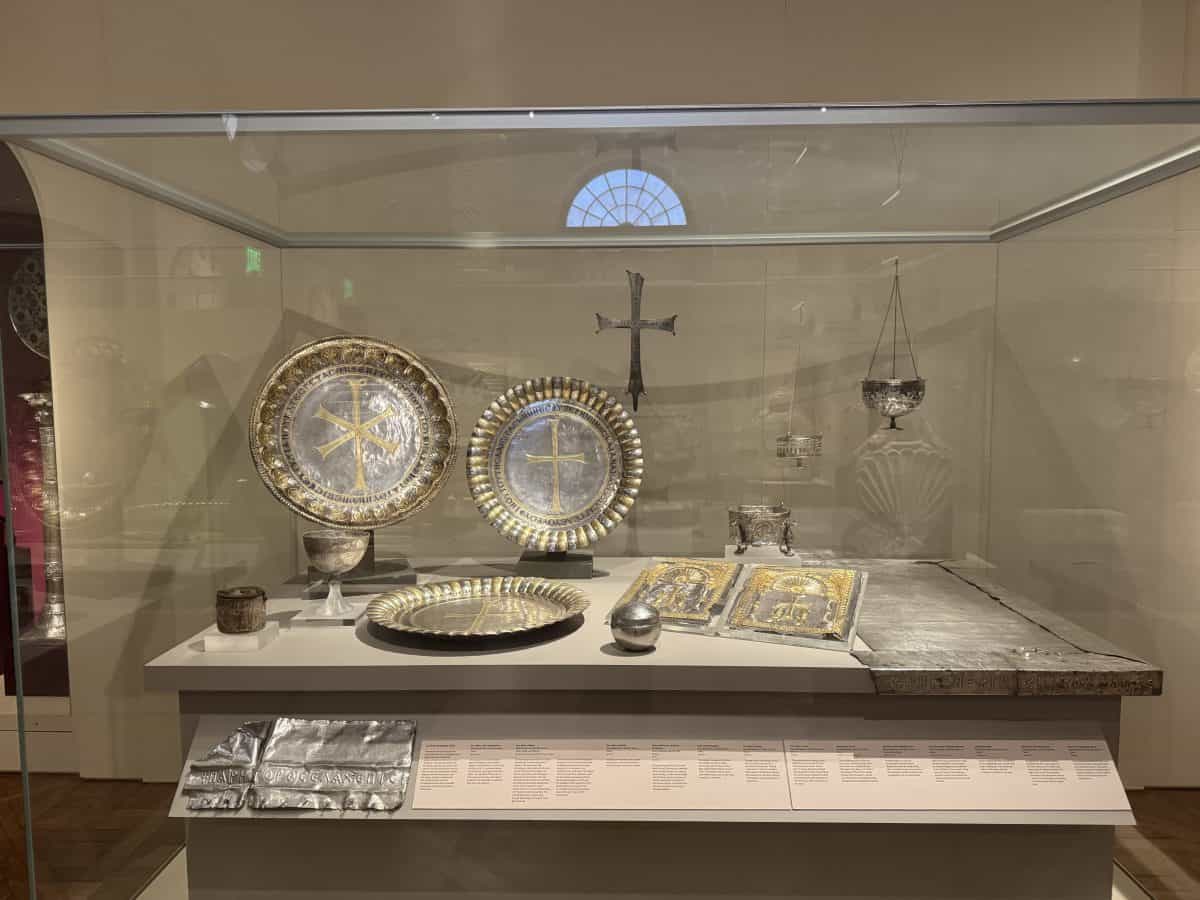
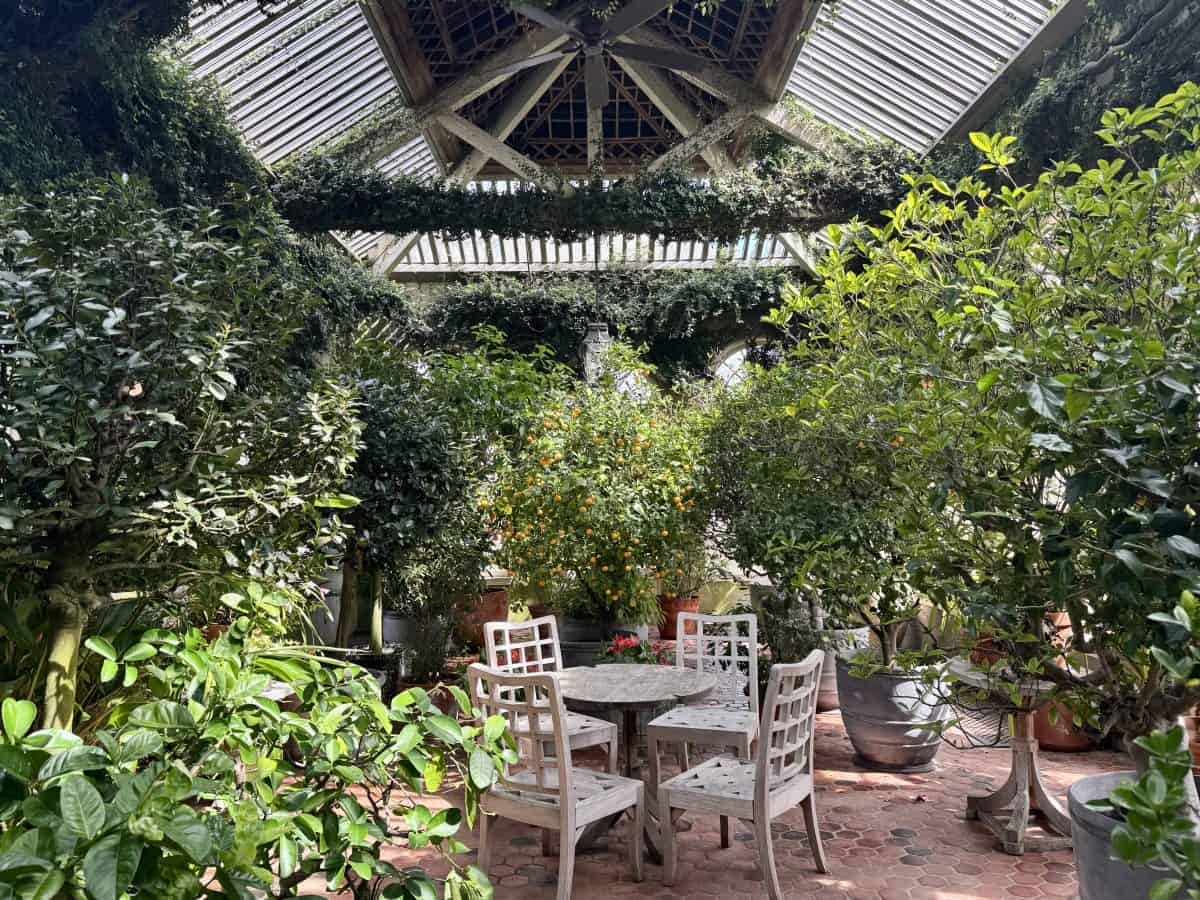
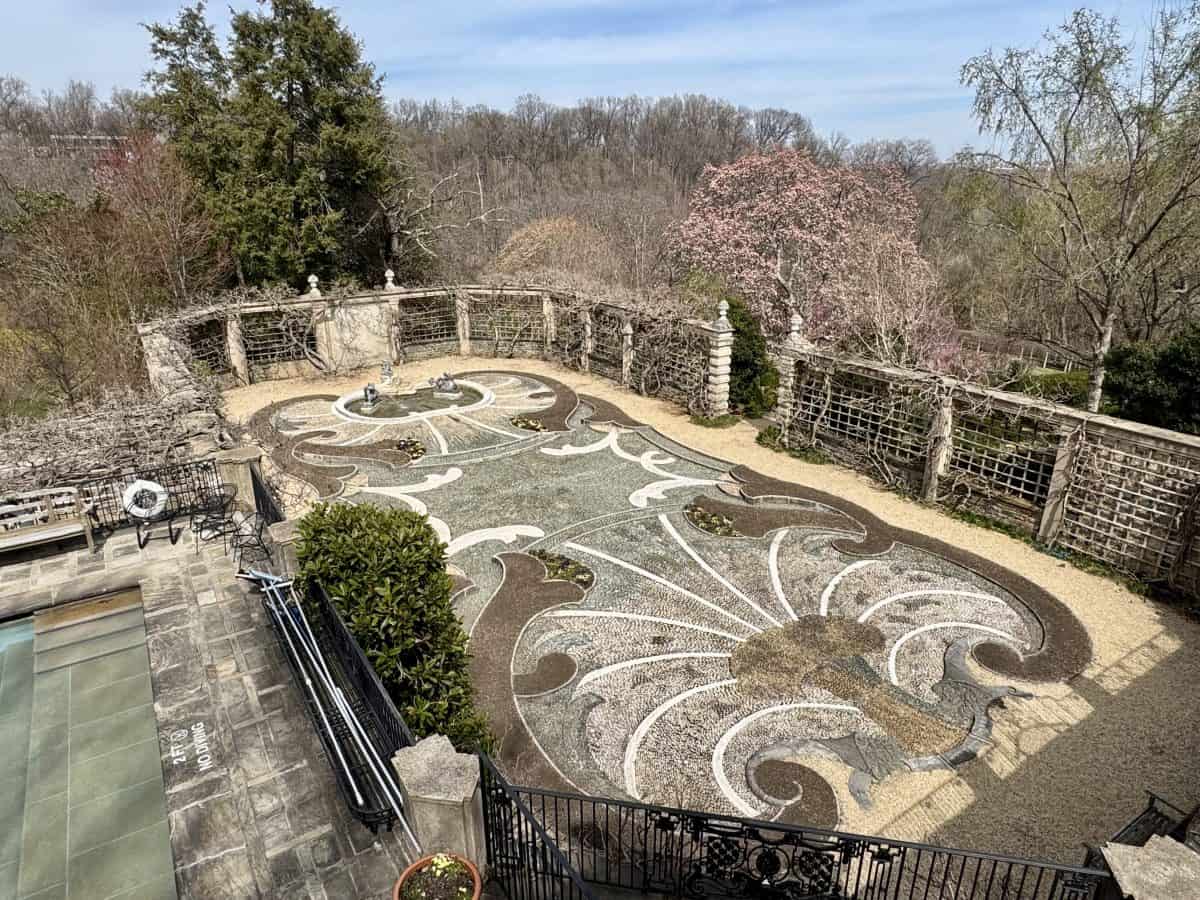
The museum displays a vast collection of Byzantine and Pre-Columbia art, including tapestries, paintings, furniture and artifacts, jewelry, and coins and medallions from the Blisses’ private collections. There are sixteen acres of gardens, orchards, meadows, and paths to explore around the property- see the interactive map here and the overview map here. Be sure to stop inside the Orangery, which protects orange trees and smaller plants during colder winter months.  We recommend timing your visit to coincide with free, daily guided tours of either the museum or the gardens- or both! The docents are knowledgeable, enthusiastic, and engaging.
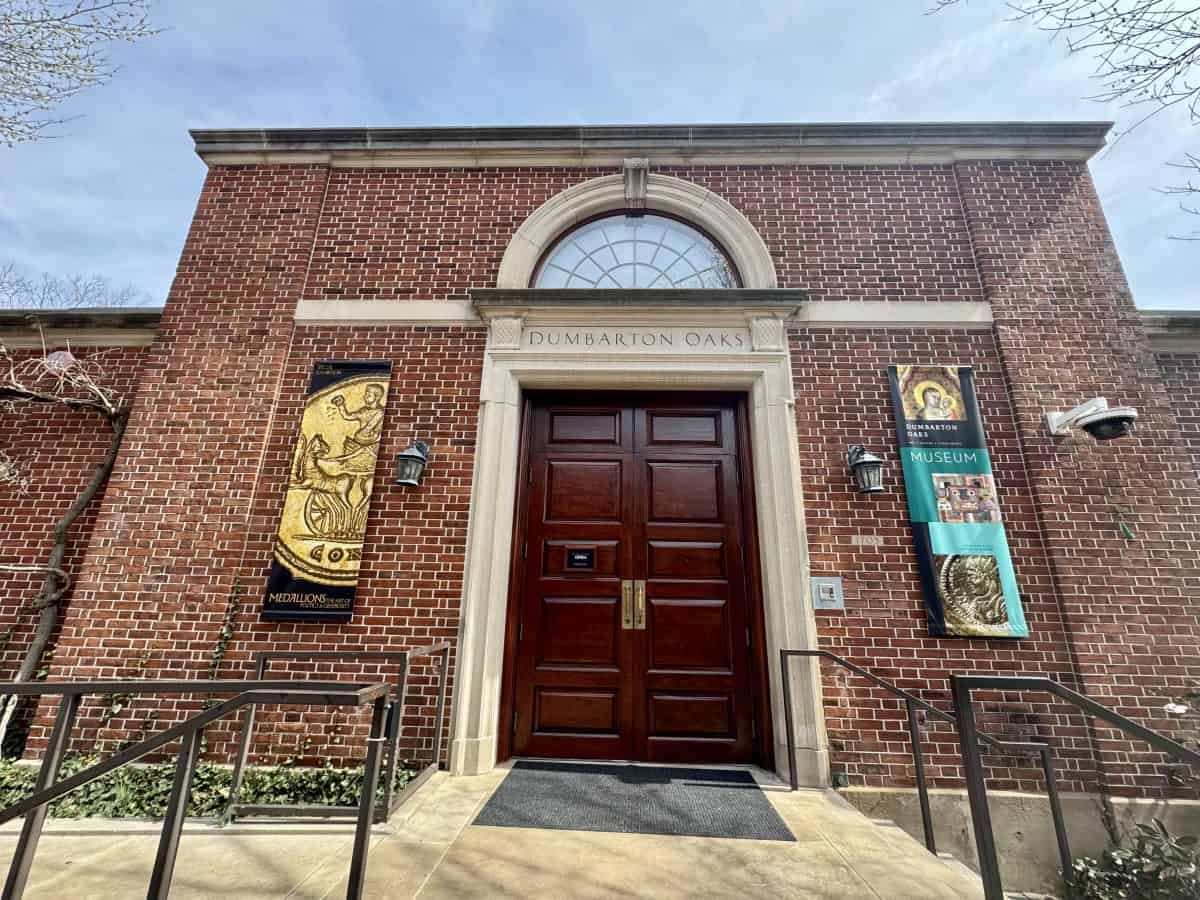
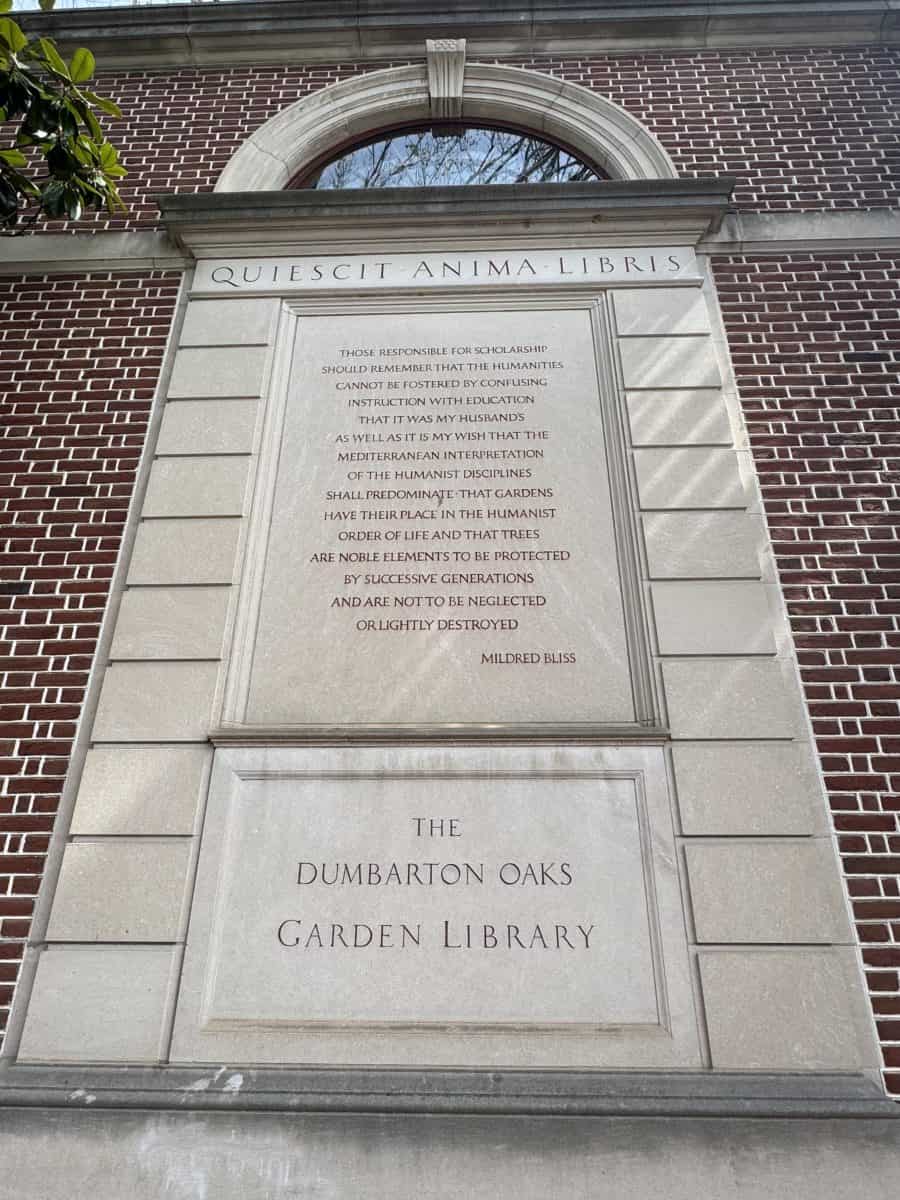
entrance to the museum at Dumbarton Oaks Gardens in Washington, DC

Travel Tips:

  • The museum (located at 1703 32nd NW Street) is open Tuesday through Sunday from 11:30am-5:30pm and is free to visit– no timed entry is necessary.
  • The gardens (entrance located around the corner from the museum at the corner of 31st and R Streets NW) are open Tuesday through Sunday from 2pm-6pm from March through October and require the purchase of timed tickets. The gardens are free to visit in November and December from 2pm-6pm and are closed in January and February. See information on purchasing garden tickets here
  • There is no designated parking available for Dumbarton Oaks, but metered, two hour street parking is available on surrounding streets (free on Sundays).  See more information on public transportation here
  • Museum exhibits are handicap accessible via ramps and elevators; the gardens are a little harder to traverse for people with mobility concerns- see updated accessibility information here. Restrooms are available in the museum.
  • No dining options available on site; see good indexes of Georgetown dining options (within walking distance) here and here
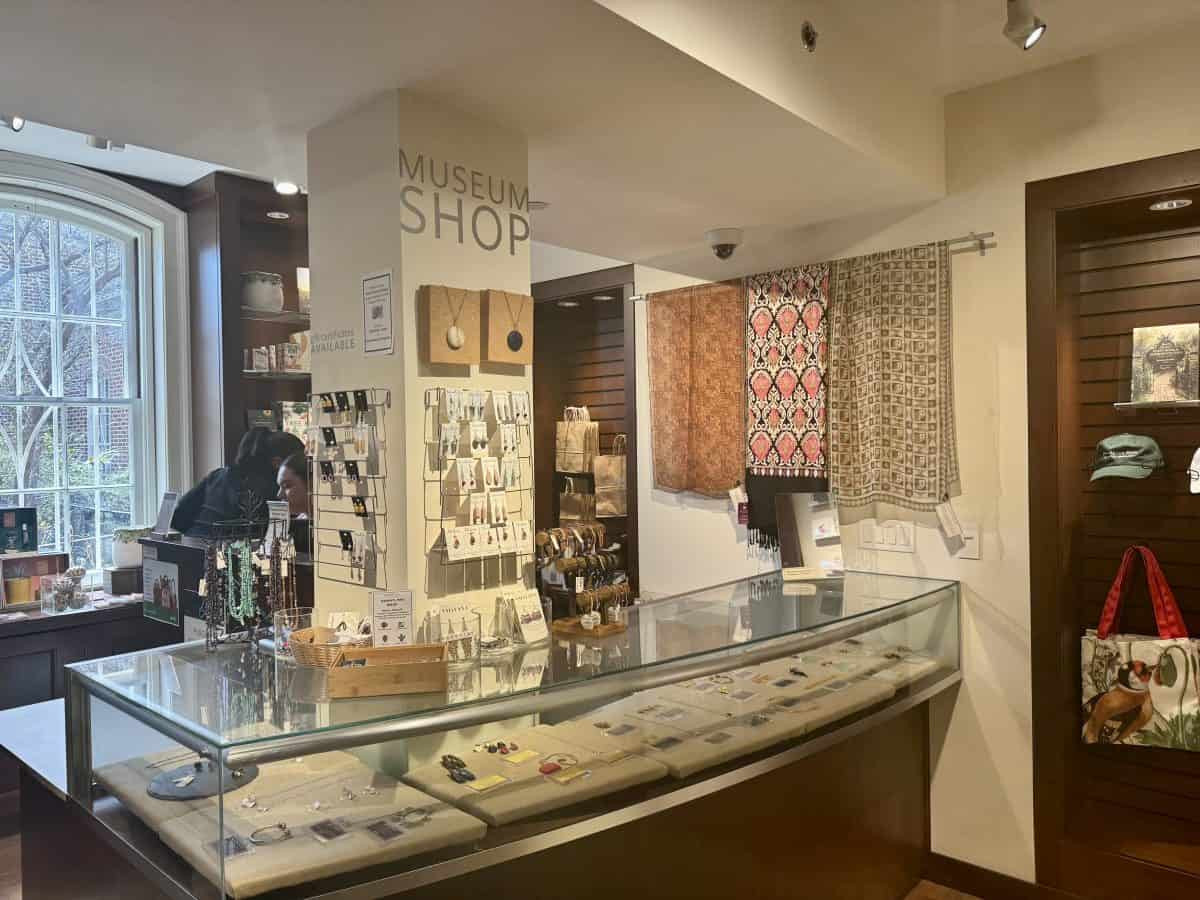
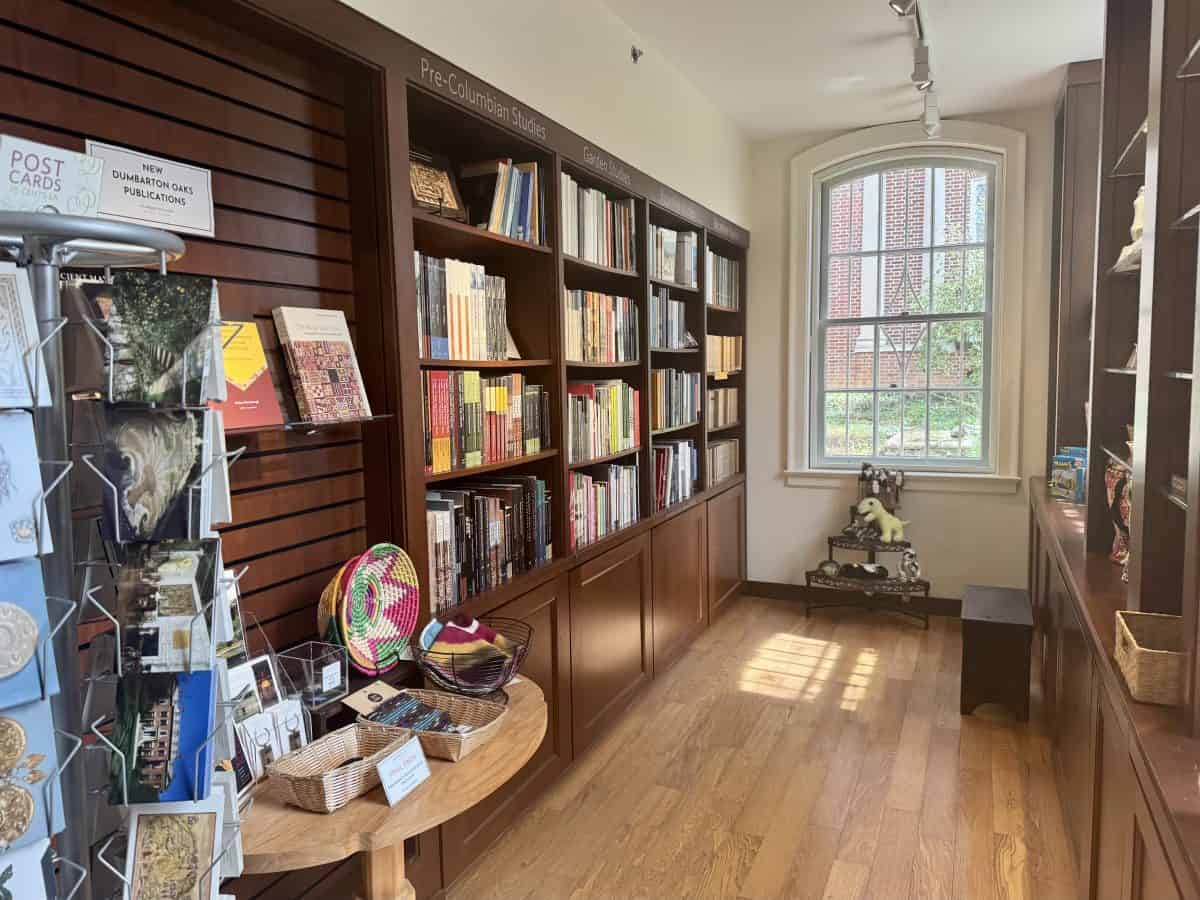
  • The Museum Shop is located inside the museum and is open from 1pm-5pm and offers a curated collection of apparel, souvenirs, jewelry, and books.
  • See the calendar of special programs, concerts, and events here and information on free, guided tours here.  The upcoming Family Day in April promises several engaging, family friendly activities.
  • Plan on an hour to tour the museum exhibits indoors and an hour to tour the gardens. See a good map of both properties here

Nine Spots at Dumbarton Oaks that Kids Will Enjoy:

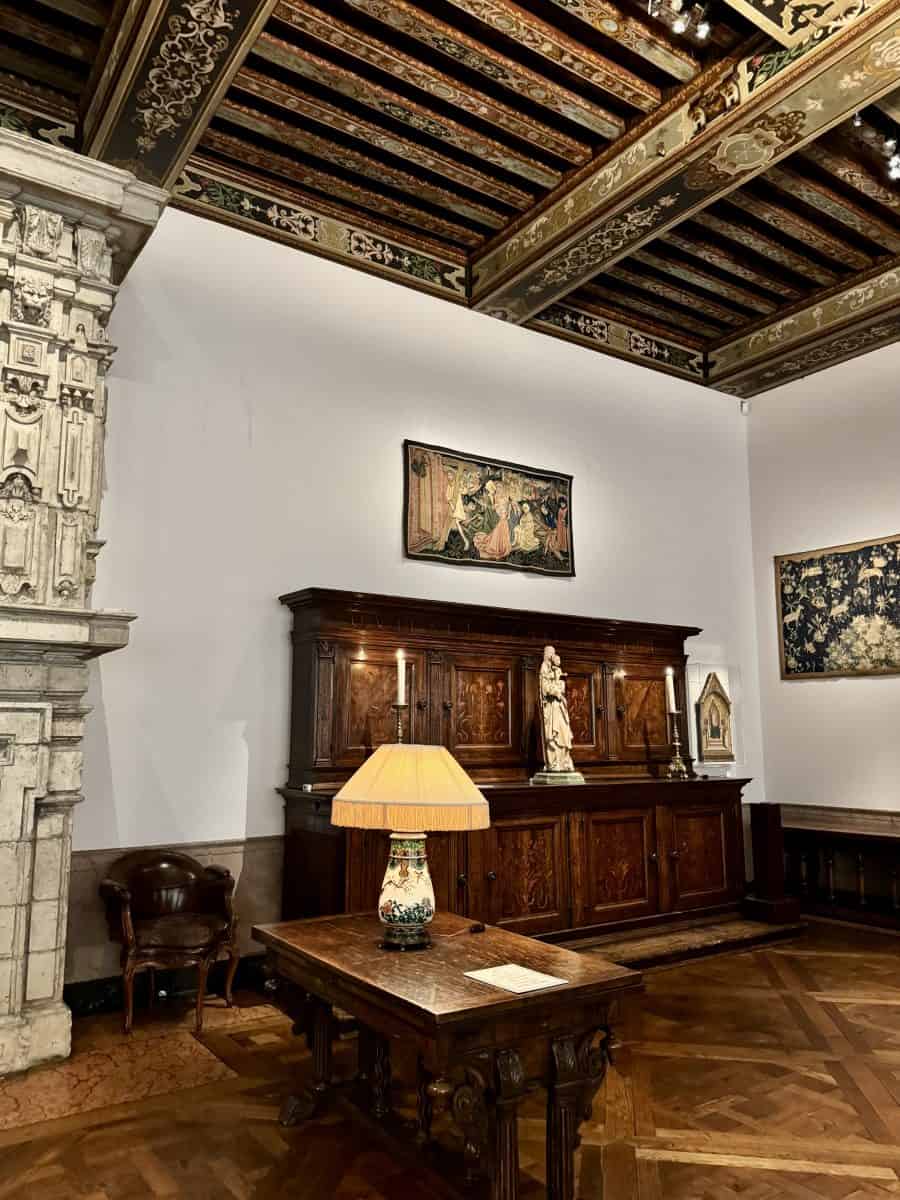
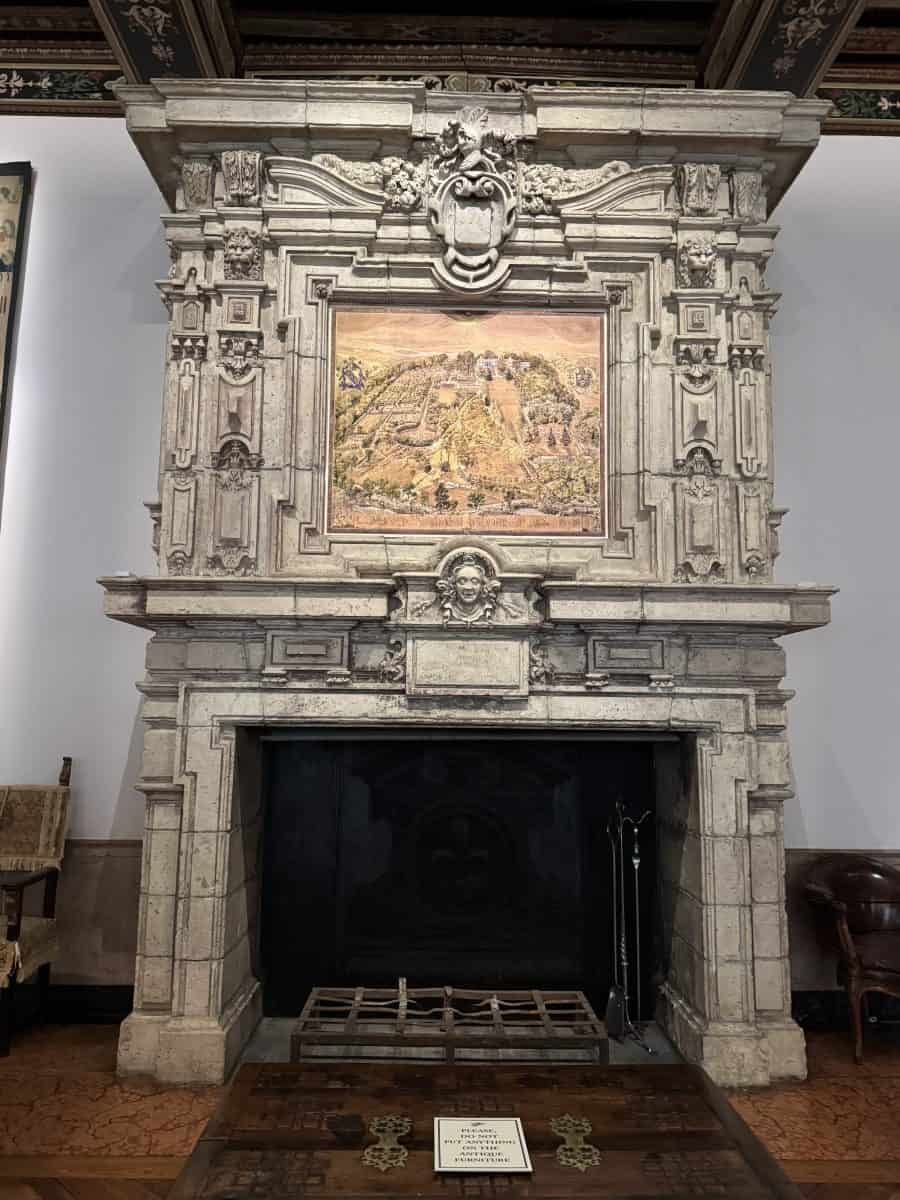
  1. The Music Room, which includes a massive fireplace, several large Byzantine tapestries, and a 1926 Steinway piano. Be sure to look up at the ceiling!
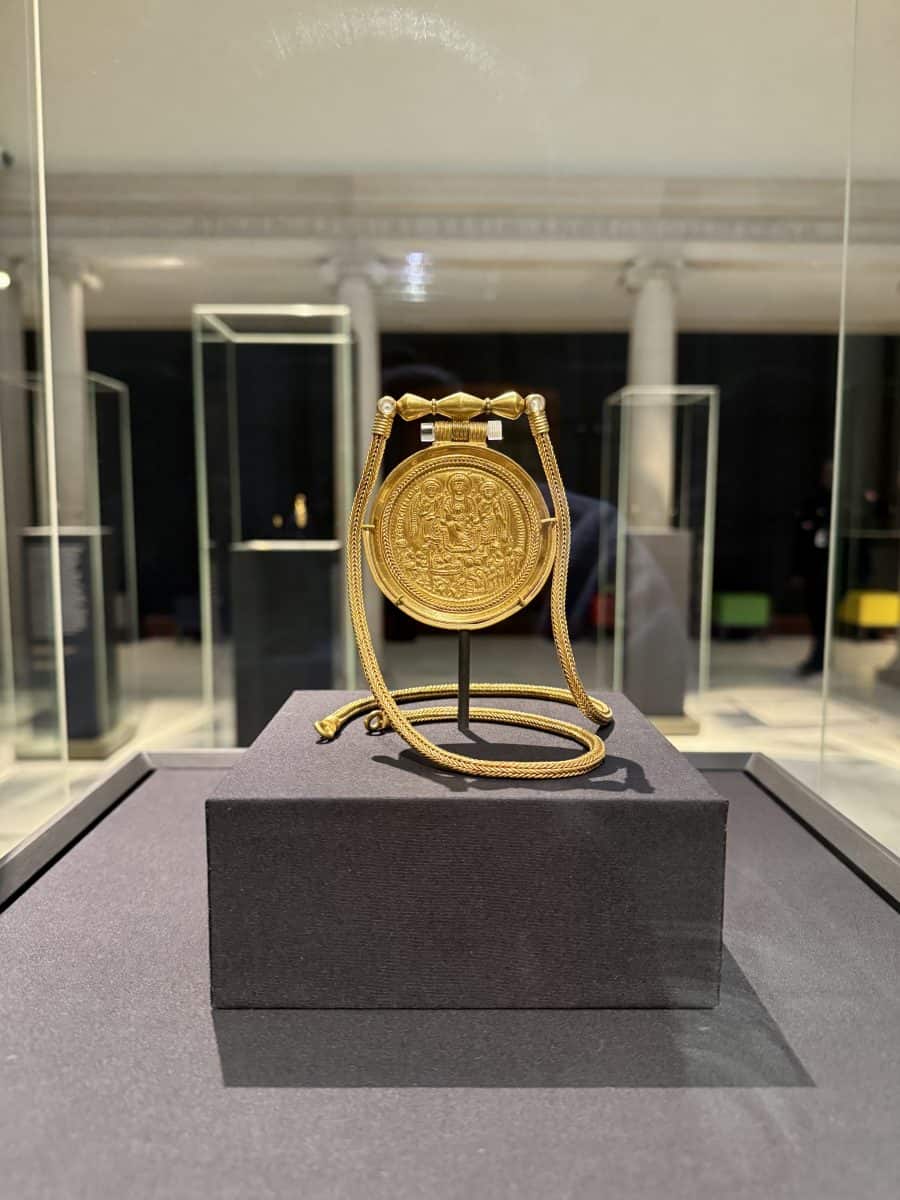
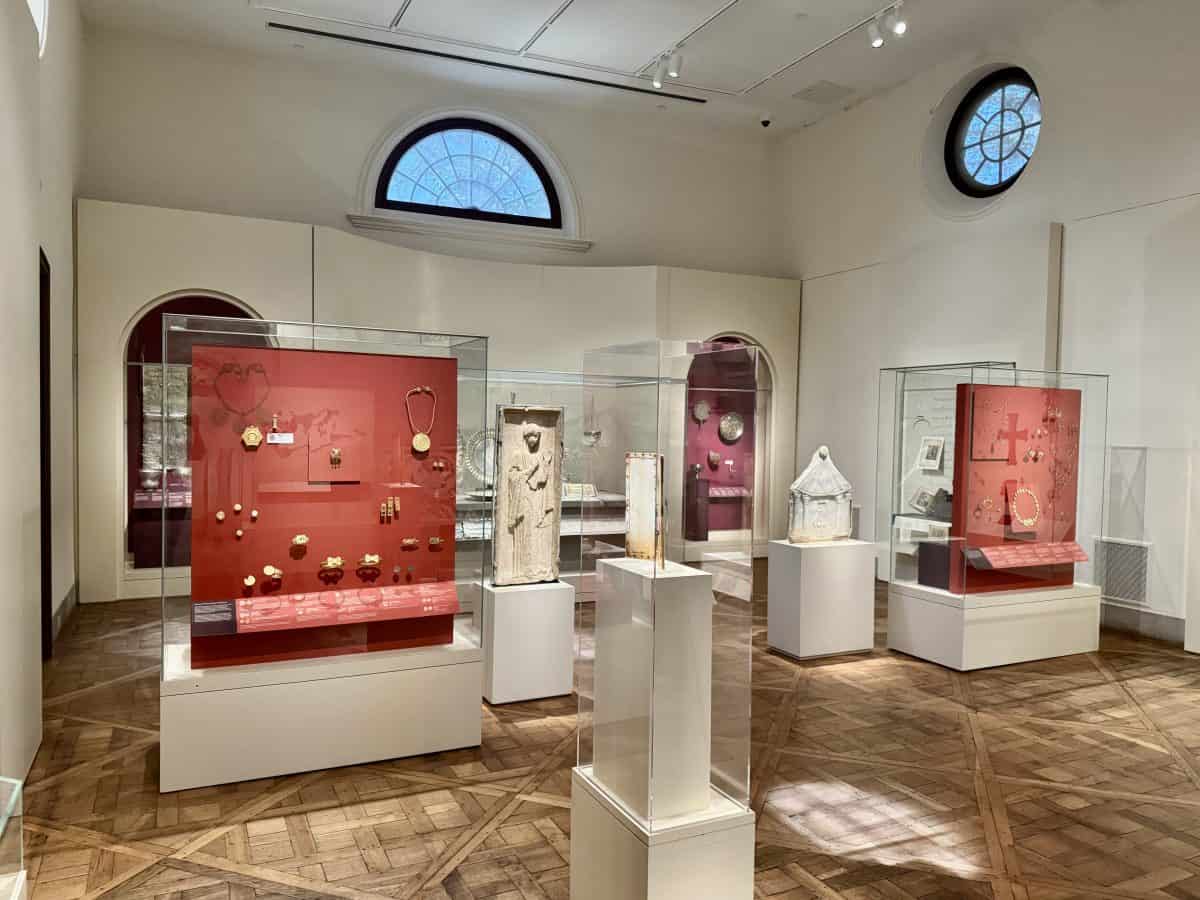
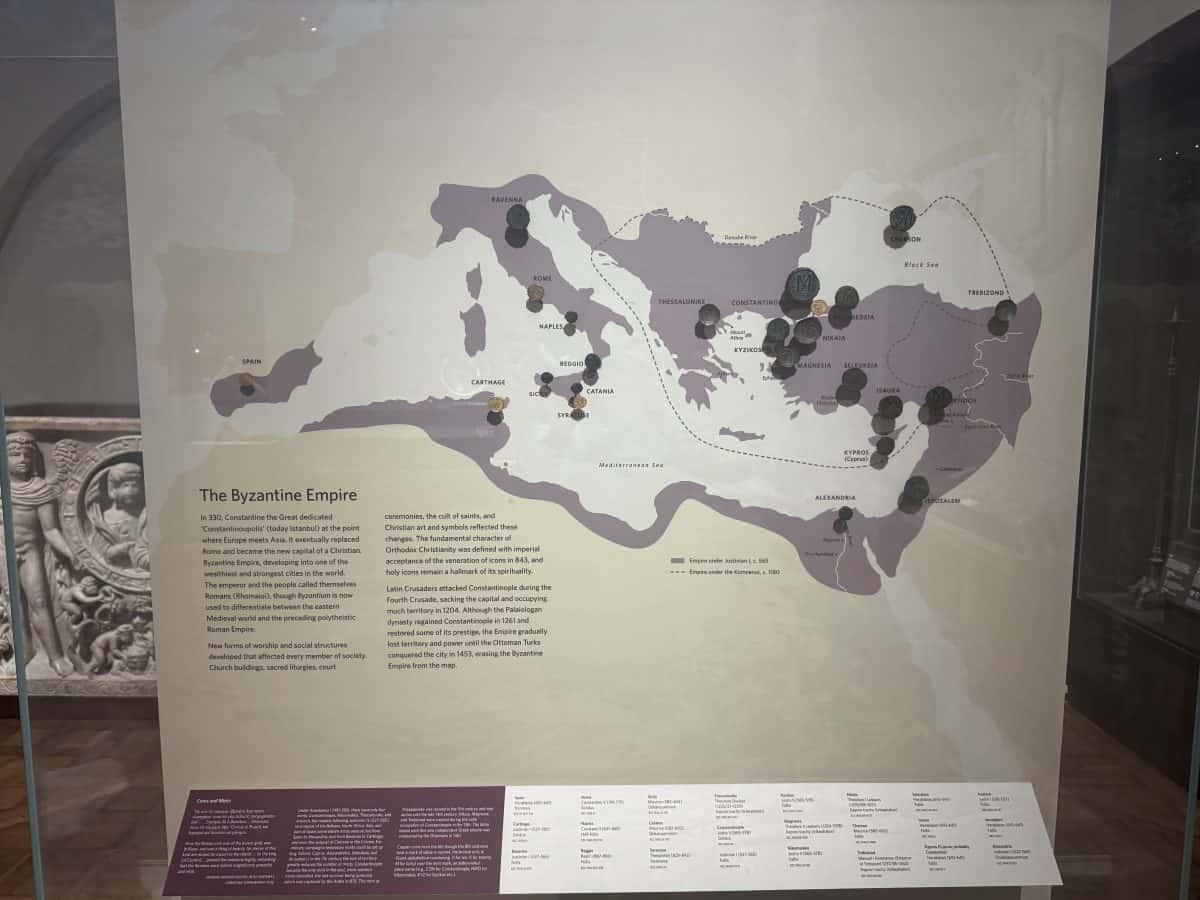
  2. The Byzantine Gallery, which includes impressive items of interest like lamps, chalices, platters, crosses and even book covers made from silver. Kids will also enjoy seeing coins and mints of various eras and the corresponding map of the Byzantine Empire. 
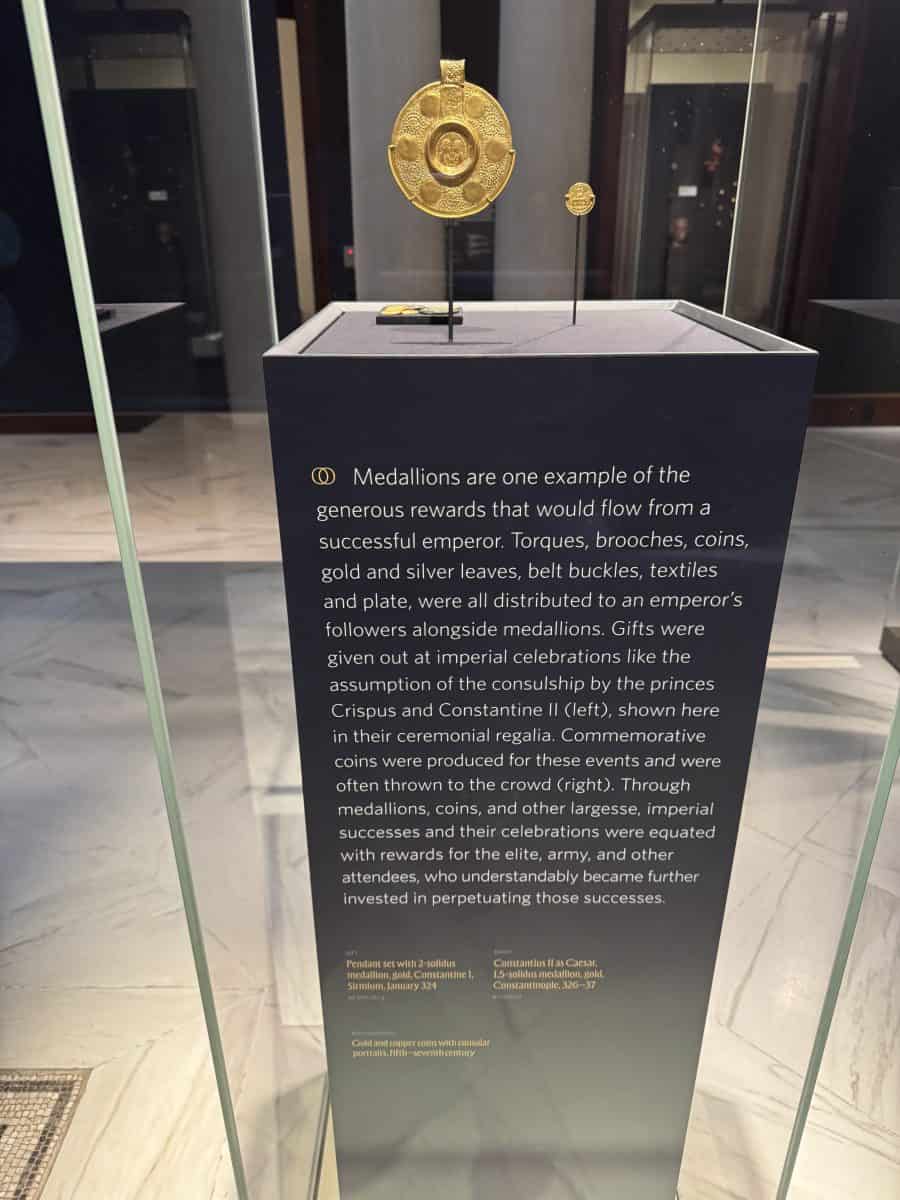
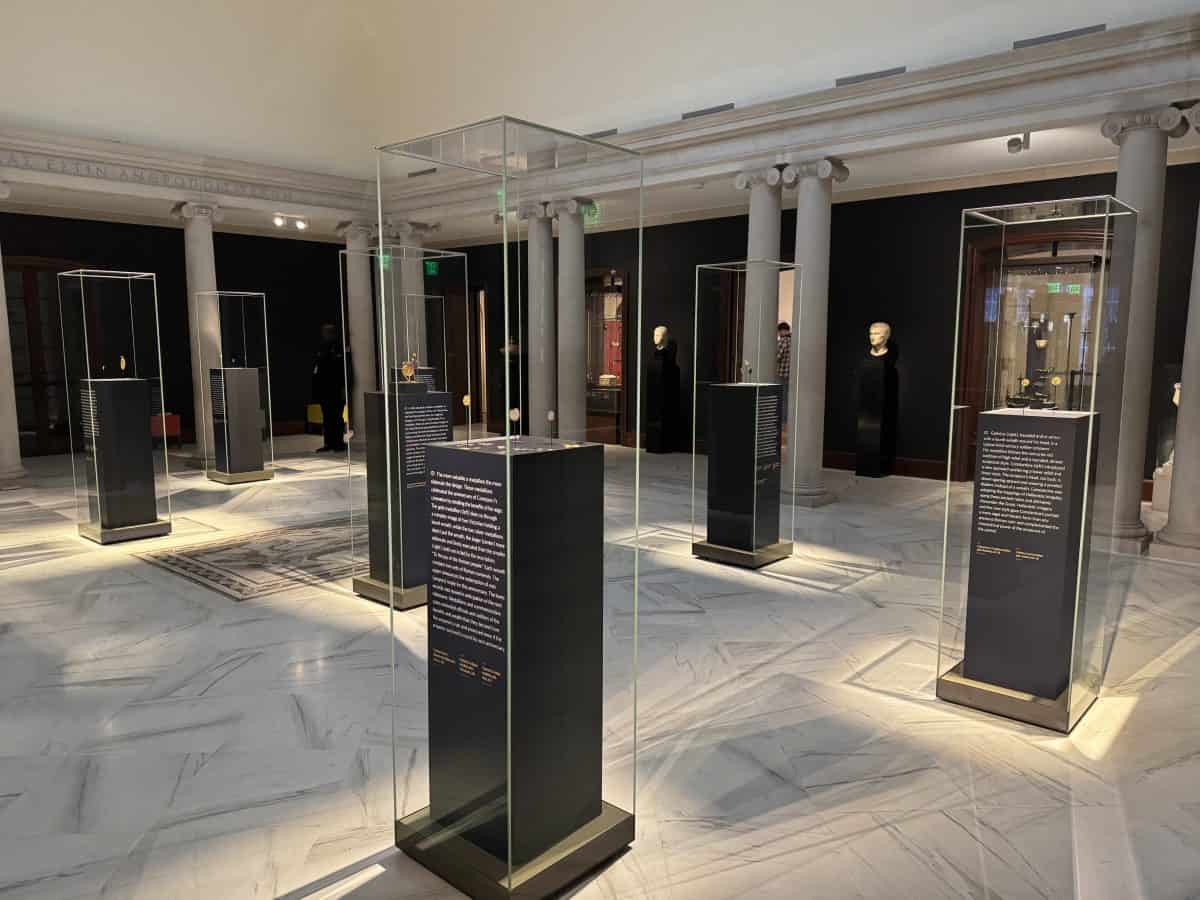
  3. The Courtyard Gallery, which currently displays the exhibit Medallions: The Art of Politics and Generosity includes dozens of medallions- the more elaborate the design, the more valuable the medallion. There are medallions honoring  the baptism of an emperor’s son, military victories, and even rewards for the emperor’s followers. 
  4. The Textile Gallery, which displays a massive floor mosaic depicting hunting scenes. 
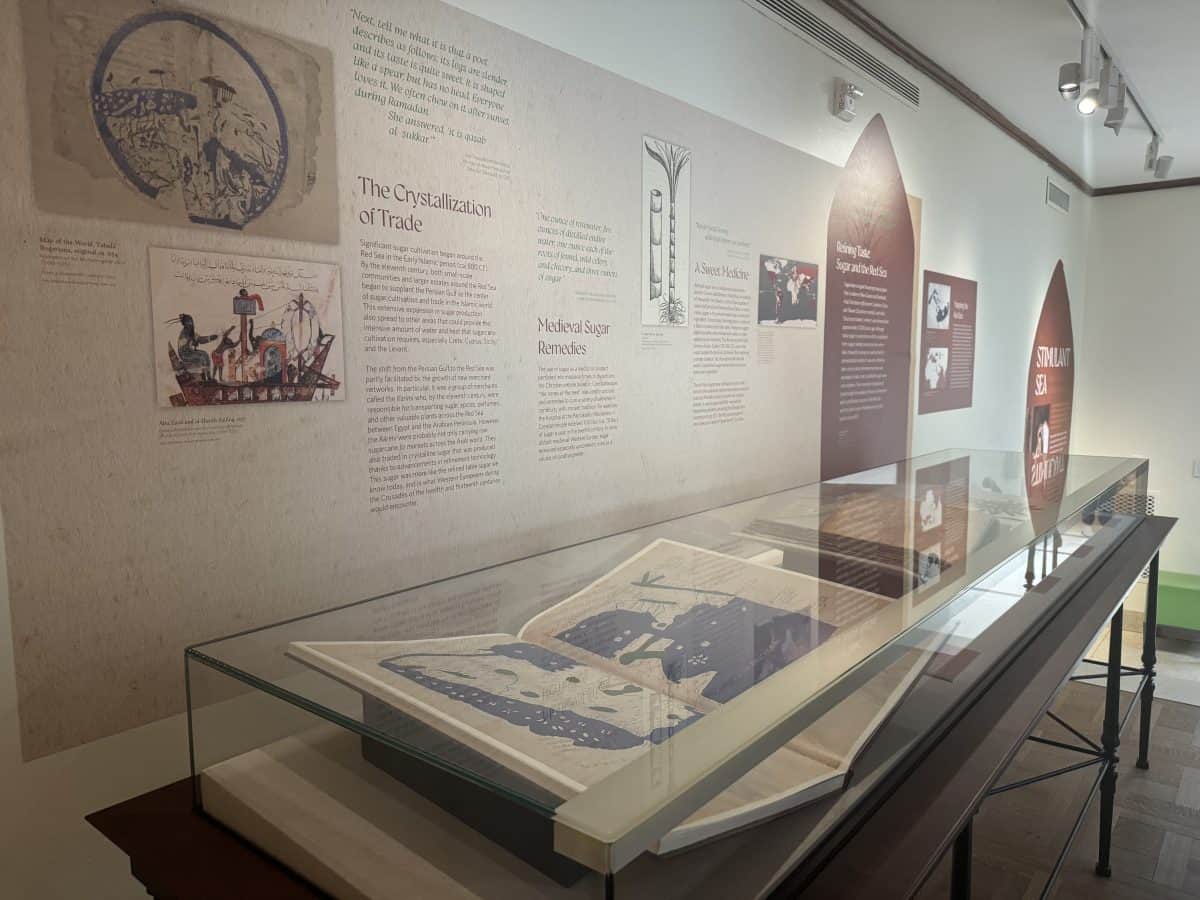
  5. The Acquisition of Taste exhibit, which explains the production of growing sugar and coffee beans and has a replica diagram of a sugar plantation. 

Would you like to save this?

We'll email this post to you, so you can come back to it later.

The Music Room at Dumbarton Oaks Gardens in Washington, DC
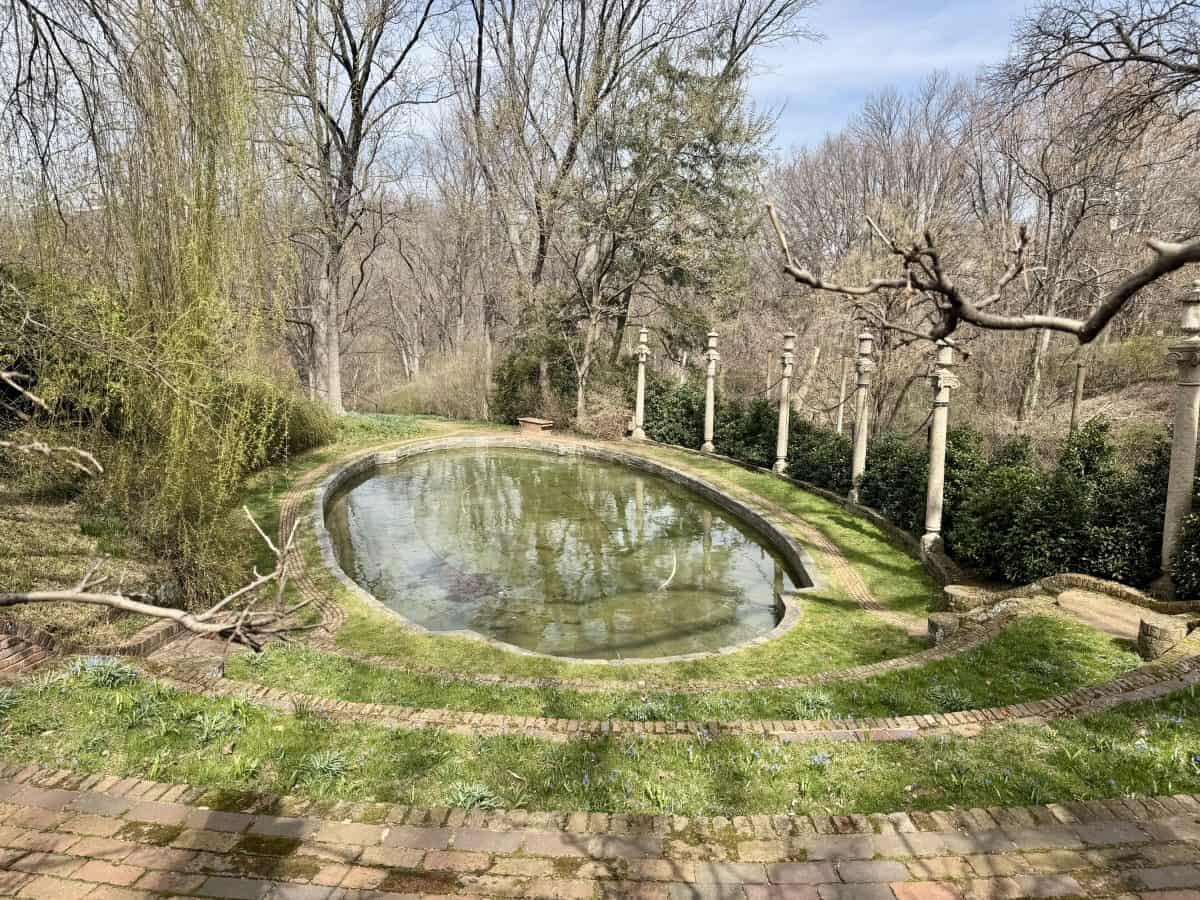
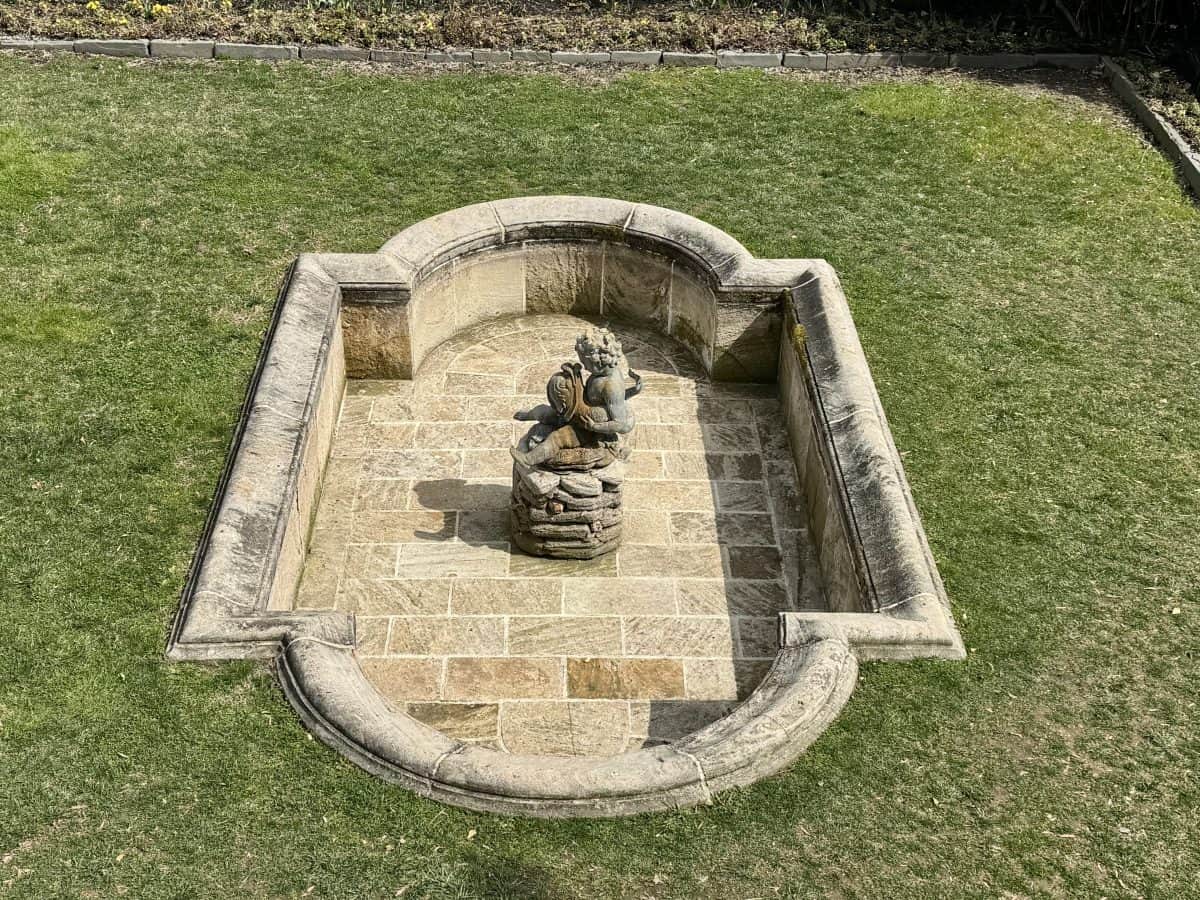
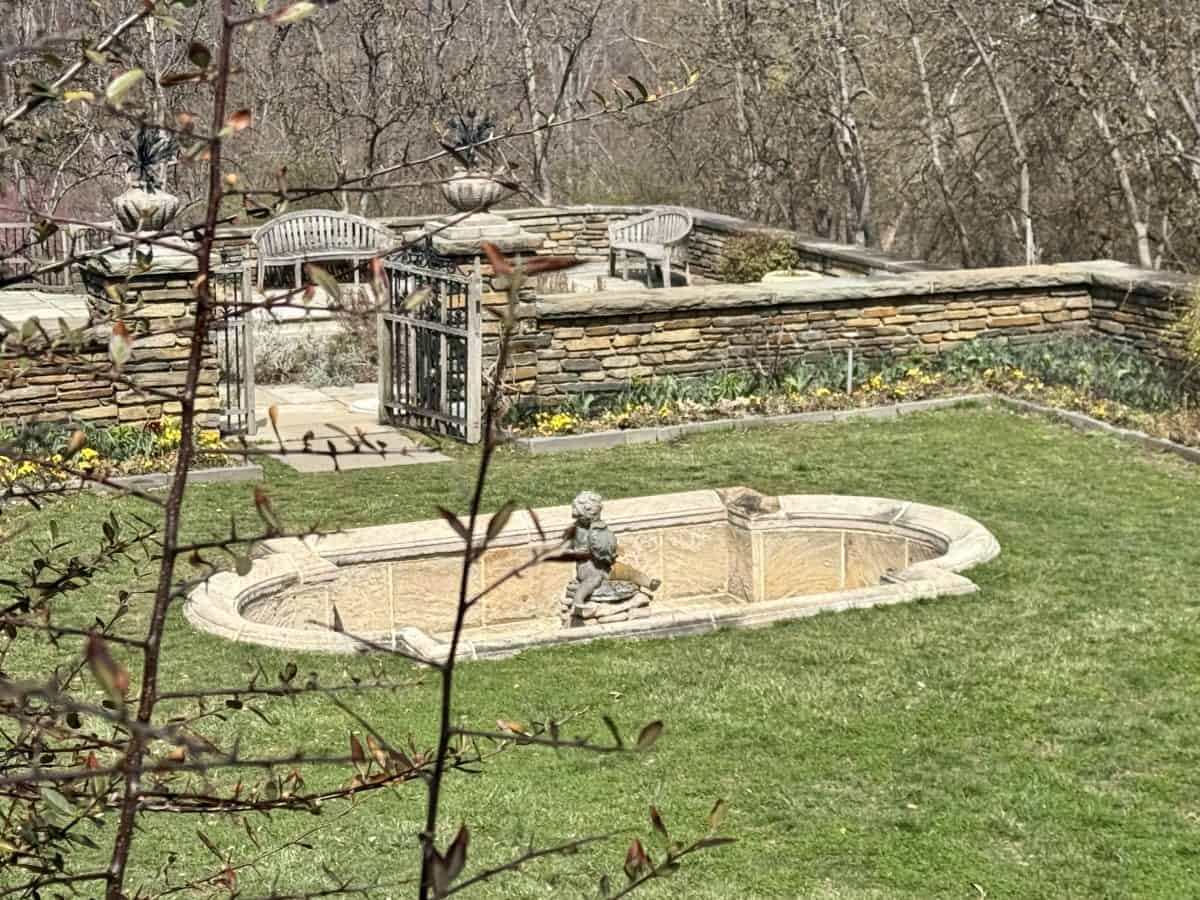
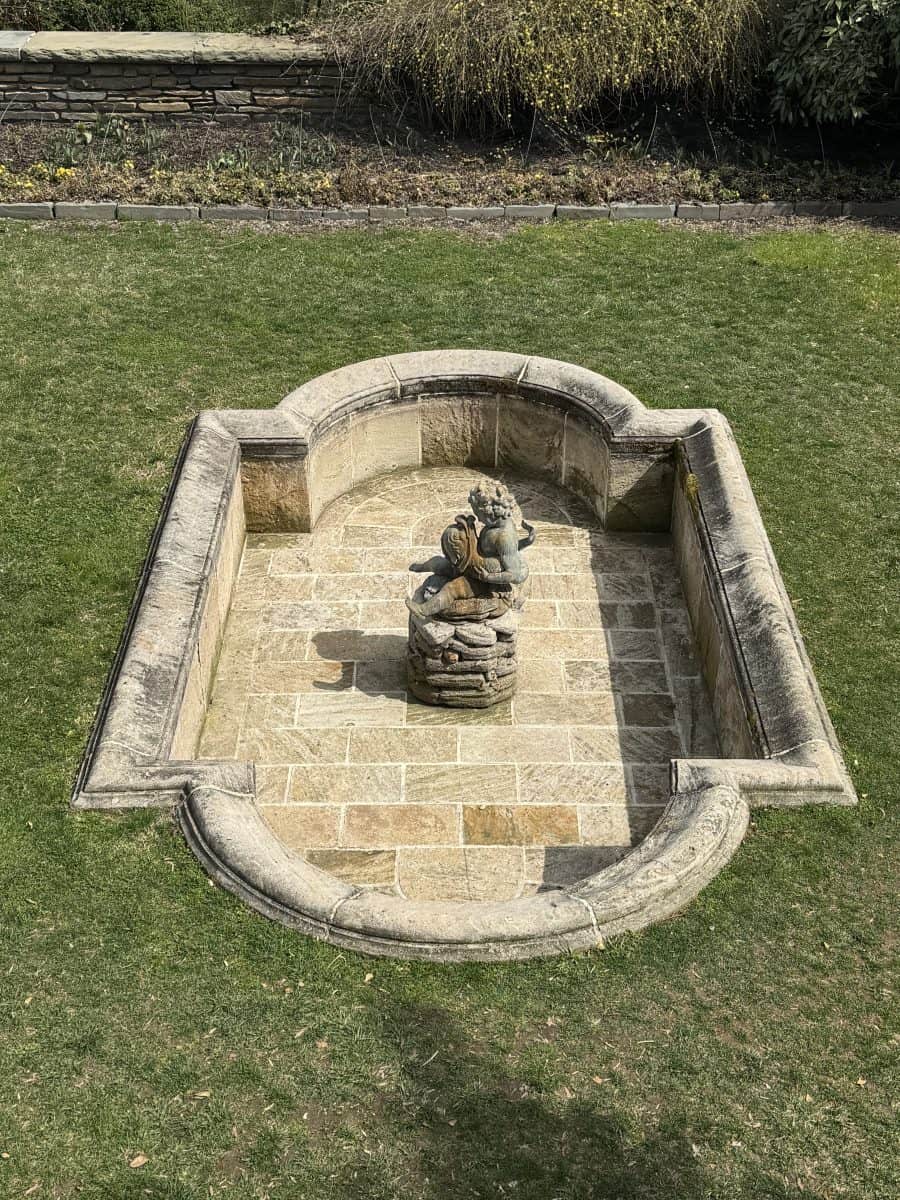
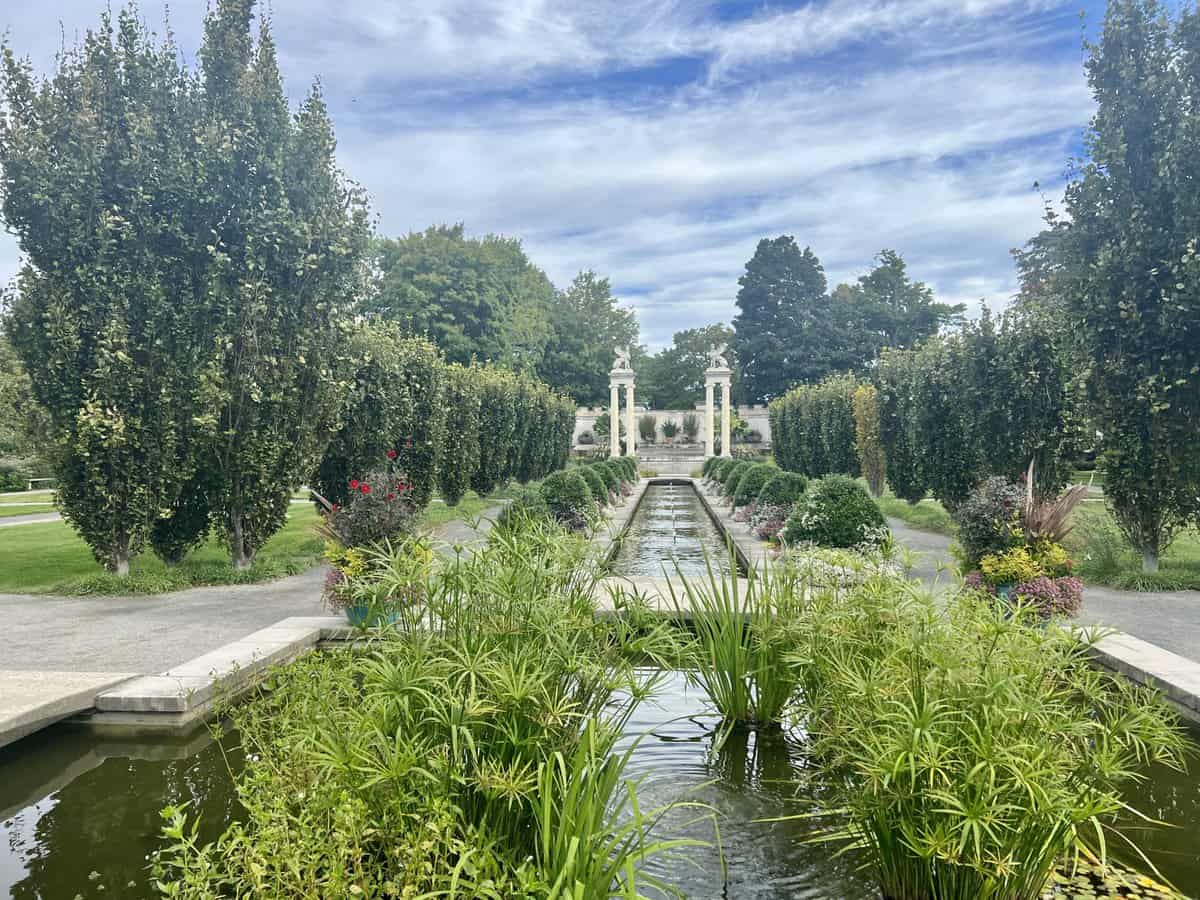
  1. The Fountain Terrace overlooking two elliptical pools, dating back to the 1920s.
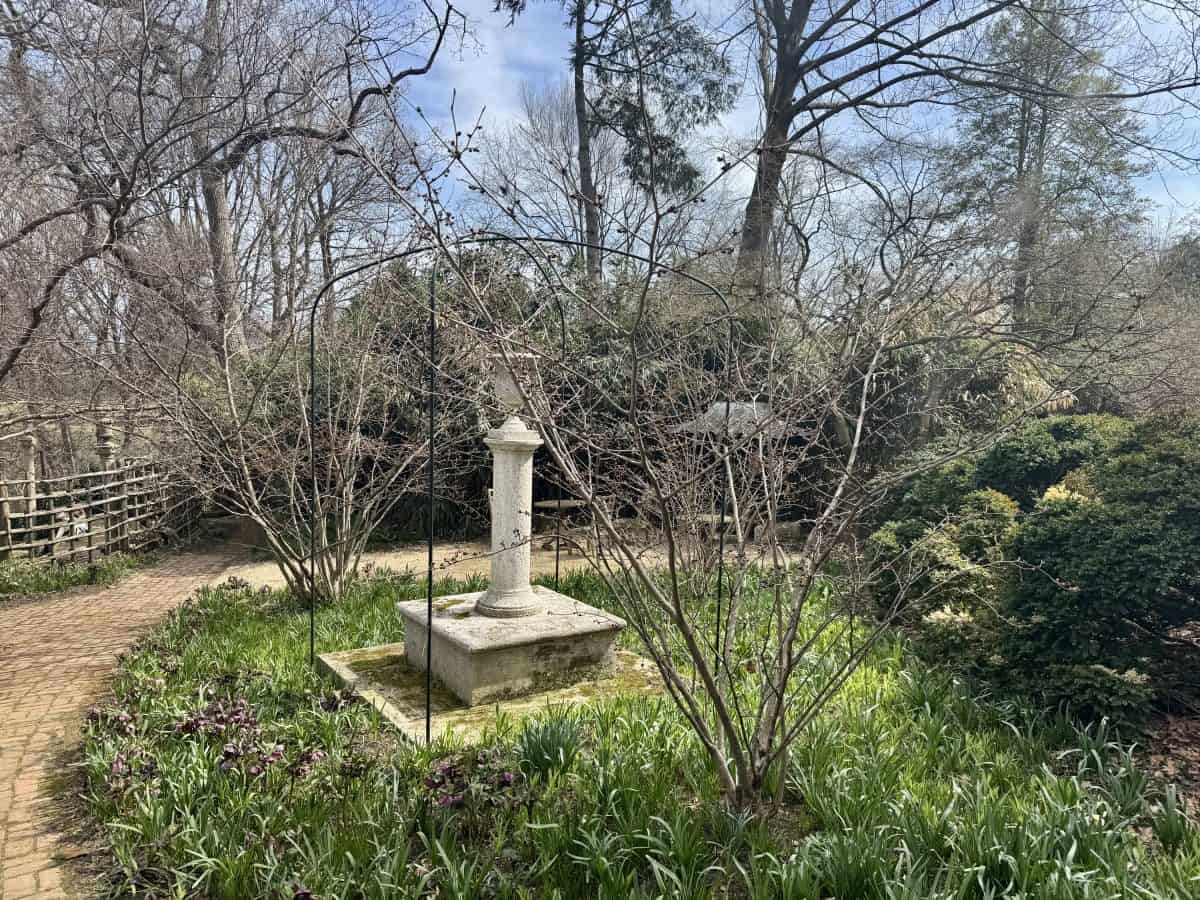
  2. The Kitchen Garden, when in bloom, which grows a variety of fruits, vegetables, and herbs. 
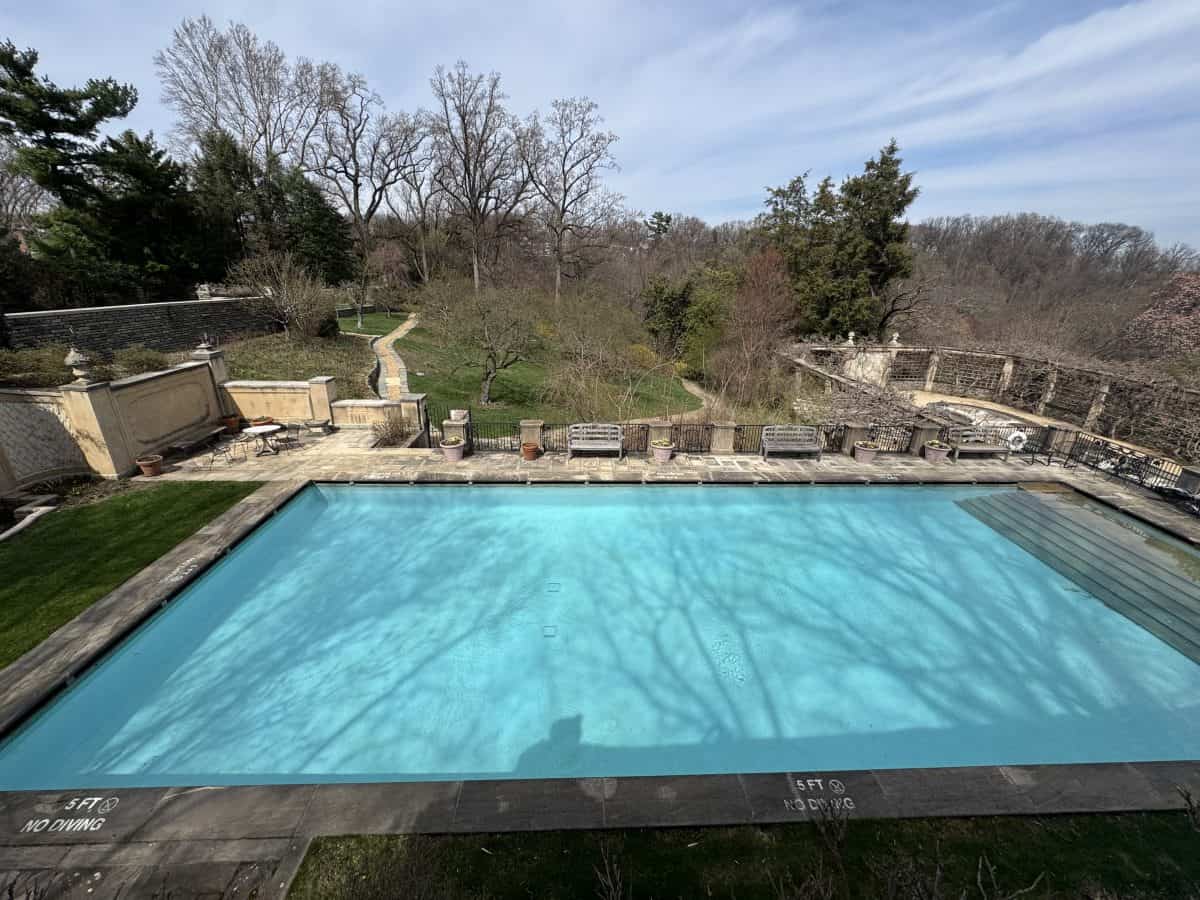
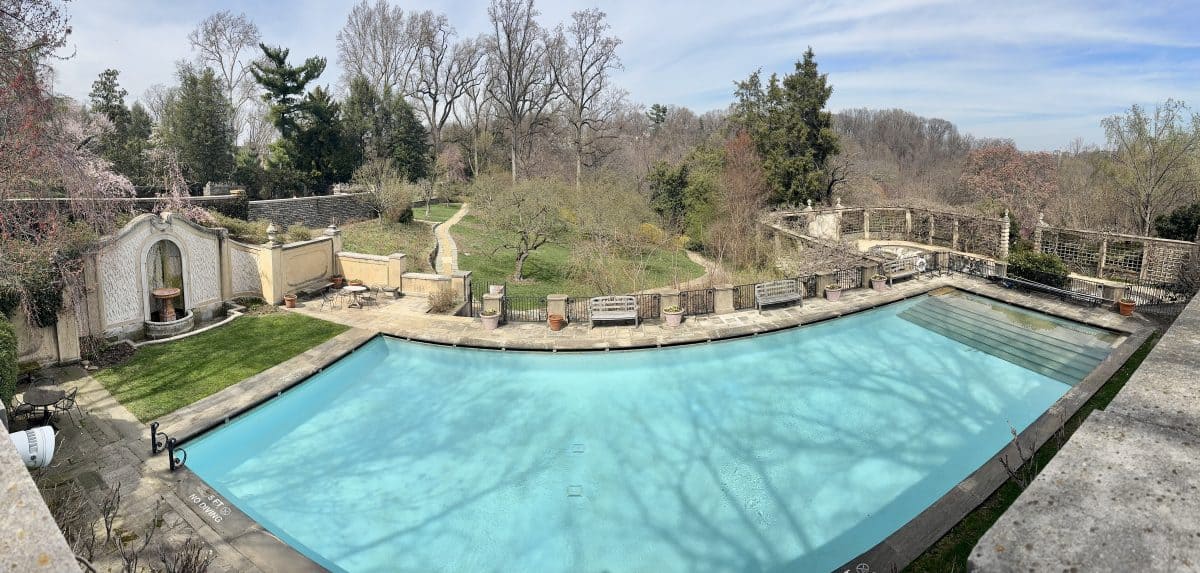
  3. The Swimming Pool and Loggia, open to Dumbarton fellows during the summer. Be on the lookout for the verse from poet laureate Joseph Auslander’s poem Reprieve carved into the wall on the steps leading from the pool to the orchard. The Lover’s Lane Pool is a perfect oval shaped shallow pool with many hidden spots to sit and enjoy the sounds of the water and rustling trees.
  4. The Orangery, the oldest building on the property dating back to 1812, which serves as a winter reprieve for some of the citrus plants during the cold winter months.
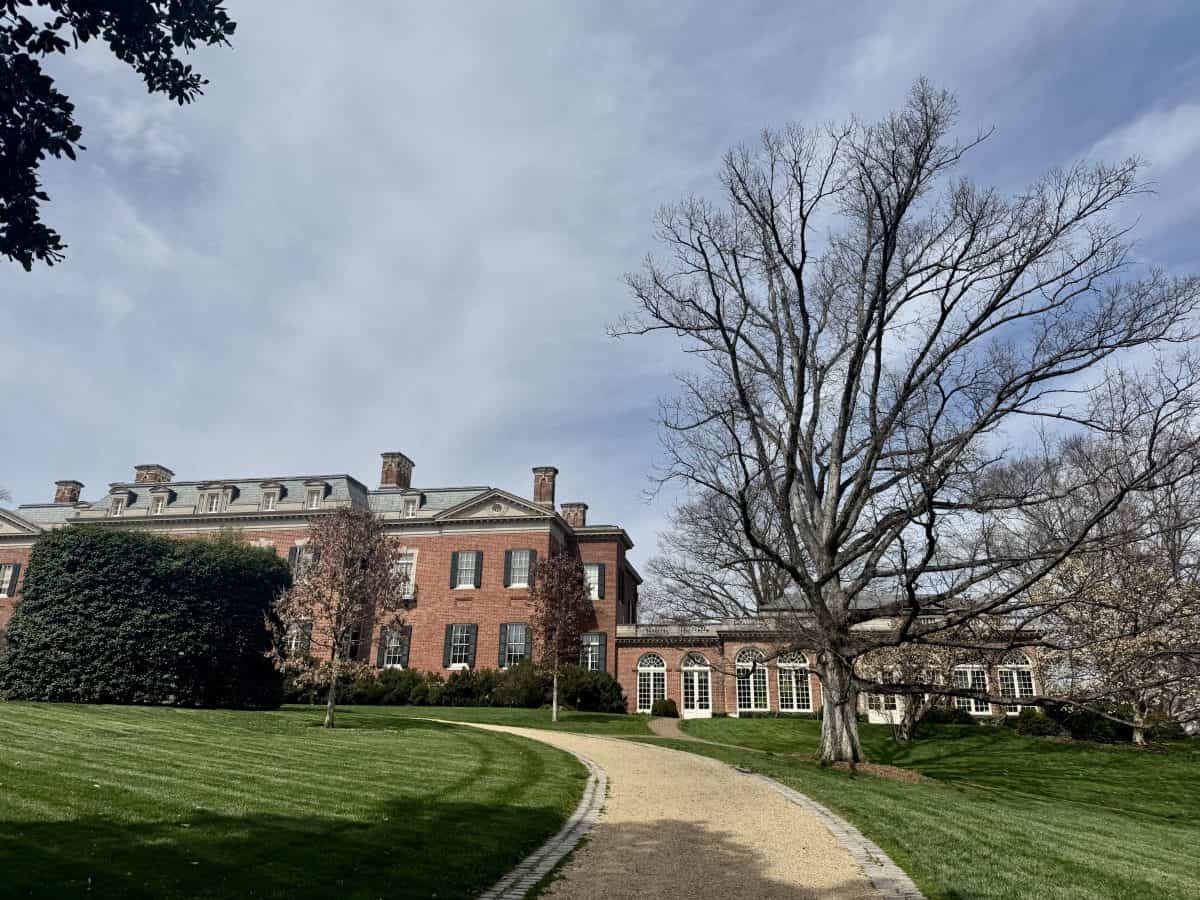
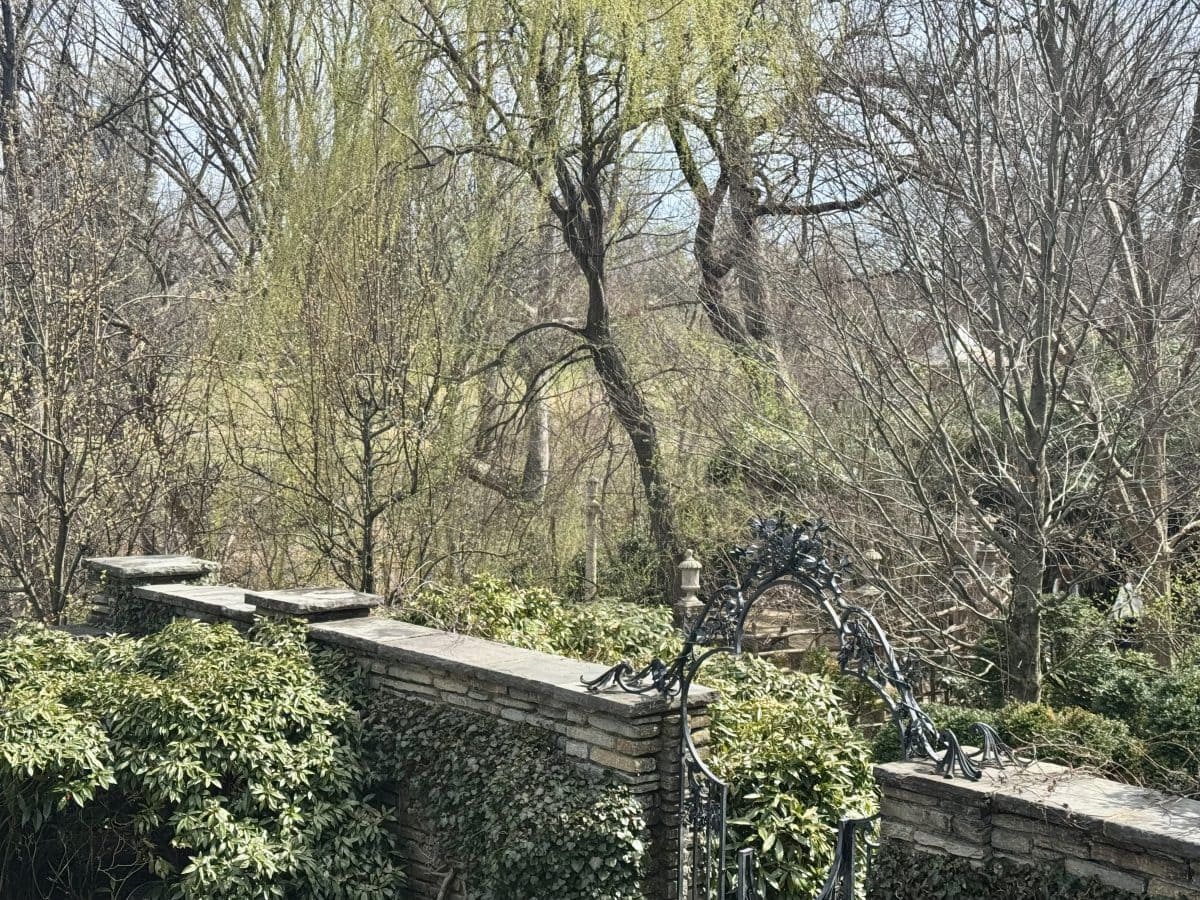
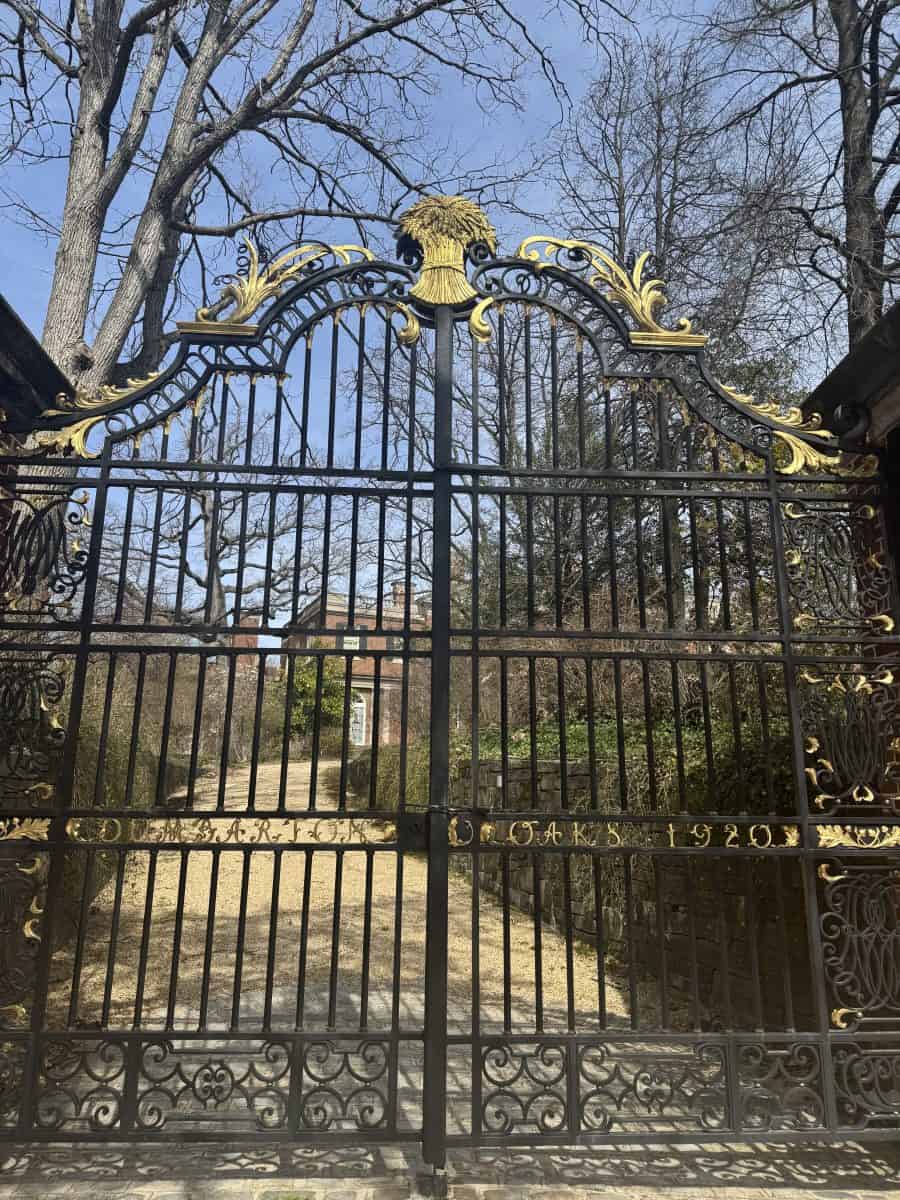
mansion inside garden entrance to Dumbarton Oaks Gardens in Washington, DC
inside the Greenhouse in front of an orange tree at Dumbarton Oaks Gardens in Washington, DC

pool at Dumbarton Oaks Gardens in Washington, DC

Looking for other adventures in Washington DC? See our City Guide here and our index of all of our features here. And follow along on our adventures on Instagram, Facebook, and Pinterest.

Disclosure: I was given a media pass to explore the museum and gardens; all opinions expressed are my own.

Similar Posts

  • | | | | | |

    10 Ways to Explore the Connecticut River Museum

    The Connecticut River runs over 400 miles from the Connecticut Lakes near the Canadian border down through Vermont, New Hampshire, Massachusetts, and Connecticut to Long Island Sound in Old Saybrook. The Connecticut River Museum began as a volunteer organization in the 1970s, housed in a 1870s Steamboat Warehouse, and has since expanded into a museum with an impressive collection of artifacts and art, a replica sailing ship, a combat submarine, and a calendar filled with special events, programs, and workshops.

    The museum is spread out over three floors of exhibits: a rotating exhibit on the 3rd floor and permanent exhibits on the first and second floors. There is also a small display in the boathouse room. We found the exhibits engaging and informative and appropriate for upper elementary aged students and older. Toddlers might have a hard time not touching everything and won’t be able to read all the informative signage; however, ALL ages will LOVE the train show (so bring kids of all ages to the train show and hold on to toddlers closely).

  • | | | | | |

    10 Things to Do at Spyscape in New York City

    It’s one of our holiday traditions to make it into Manhattan for some holiday fun. We always enjoy seeing the lights, decorated windows and, of course, the trees. Each year, we also pick one new activity to do. This year, it was Spyscape. I can guarantee we’ll be going back.

  • | | | | |

    Fort Sumter National Park in Charleston, SC

    There is plenty of architecture, southern cuisine, and water views to check out in Charleston, South Carolina but no trip would be complete without reliving a major turning point in our country’s history.

    Fort Sumter National Monument is the only structure on the man-made island, which was created in the early 1800s as a defense for the city of Charleston. In April of 1861, the Confederate army bombed the still incomplete Fort, signaling the start of the Civil War.

    Operated by the National Parks Service and Fort Sumter Tours, access to the island is by tour boats docked at both Liberty Square or Patriot’s Point. I would leave from the Liberty Square Visitor Center so you can spend some time checking out displays which chronicle the history of the fort and check out a small gift shop. Make sure you stamp your National Parks PassportNote: There are restrooms located at both locations and I would recommend using them before boarding the boat to the island. The Visitor’s Center at Liberty Square is located on the second floor, but there is an elevator.

    The 40-minute narrated boat ride to the fort explains many details about the start of the Civil War.  Once you’re on the island, you can explore the fort on your own. There are park rangers stationed at various points to give short lectures and to answer any questions. There are also placards that give detailed information about structures and objects.  I would plan on spending 45-60 minutes at the fort. When you go, be sure to look out for:

  • 20 Ways to Have Fun at the Pittsburgh Children’s Museum

    One of the most impressive children’s museums we have ever visited (and our children aren’t even school age anymore!), the Pittsburgh Children’s Museum is a MUST visit for any family exploring (or living) in Pittsburgh, Pennsylvania. We had planned on a quick stop during our recent week in Pittsburgh and ended up spending over two hours exploring all the exhibits .

  • | | |

    Please Touch Museum in Philadelphia, PA

    The Please Touch Museum is one of the most popular spots for kids of all ages in Philadelphia- up to 5,000 people visit each (busy) day! The museum is located inside Memorial Hall, site of the Art Gallery for the 1876 Centennial Exhibition celebrating America’s 100th birthday. There is over 60,000 square feet of exhibits open to the public and various classrooms and meeting spaces. The museum is best for ages ten and under, but there are many exhibits even older children will enjoy. The best part? Visitors are encouraged to “touch” everything!

  • | | | |

    Food Trail #1: Cupcake Trail in Coastal Southwestern Connecticut

    We are so excited to share the first in a new series for Coast2CoastwithKids: Food Trails. A couple of years ago, we found this great list of ice cream shoppes located in the greater Mystic, Connecticut area. It inspired us to research similar types of themed “tours” through Connecticut; we’ve seen these ideas when researching cities to visit and we wanted to create our own mini versions.

    Due to the ongoing pandemic, and the rise in cases, we have been staying close to home, and mainly outdoors, which has allowed us the time to try hiking (here and here). We think these food trail will be a great way to spend an afternoon (or full day) as a family, try new foods (or new flavors of old favorites), and support local businesses. First up, we’re sharing 8 places to enjoy cupcakes from Norwalk to Fairfield (lower Fairfield County), where all items are homemade daily on premises.

2 Comments

  1. Great post with beautiful picture. I am looking forward to travelling more soon and seeing the DC area is always a pleasure .

Leave a Reply

Your email address will not be published. Required fields are marked *