
10 Ways to Explore the Florence Griswold Museum in Lyme, Connecticut
We enjoy visiting art museums with our children. Some people may think art museums are not an ideal spot to bring children, but there are a whole variety of reasons why you should- read them in this post. We’ve recently been researching local museums in Connecticut and were pleased to see that the Florence Griswold Museum in Old Lyme is open and taking very good steps to honor pandemic restrictions and keep everyone safe and healthy.
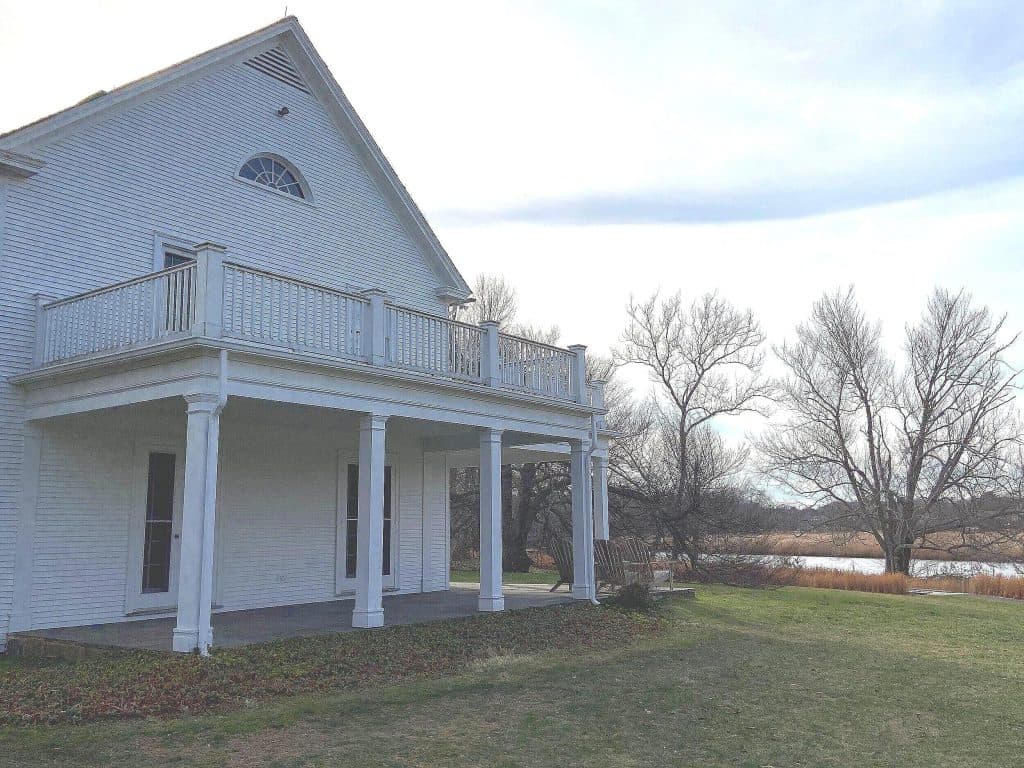
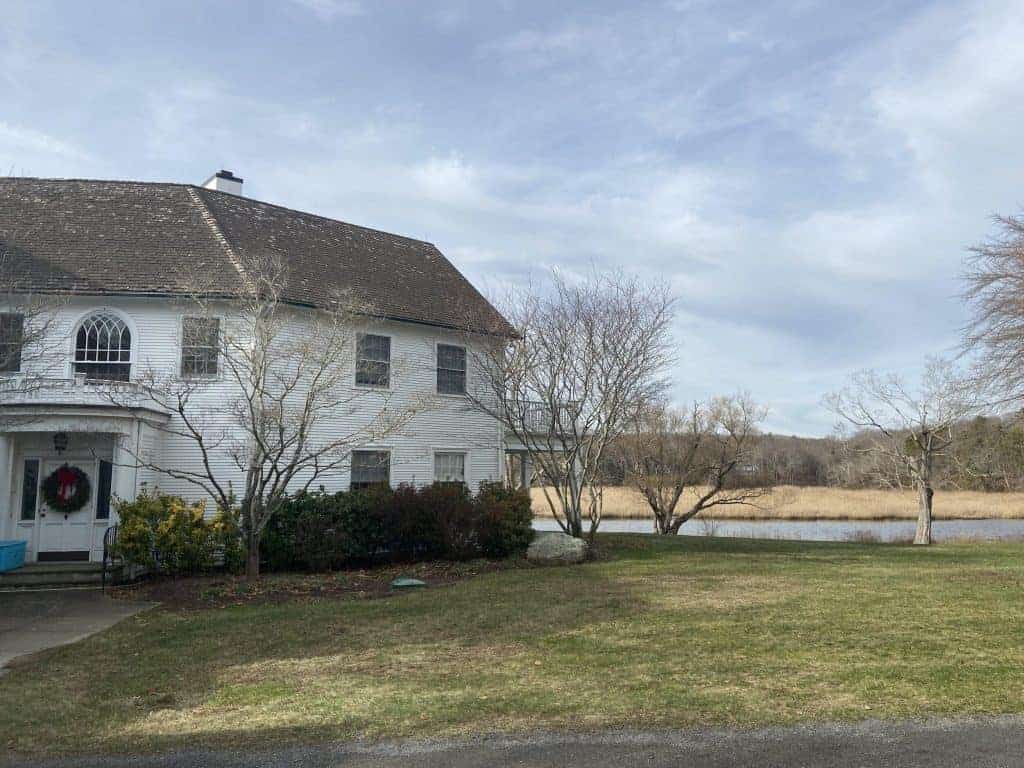
Home to military sea captain Robert Griswold and his family in the middle 1800s until Florence Griswold’s death in 1937, the 12 acre estate includes art galleries, the main mansion, three additional structures with exhibits, an artist trail, gift shop, and seasonal cafe. The Griswold family harvested a large collection of gardens, producing much of the food the family ate, and later served to guests. Griswold inherited the home from her family and began welcoming boarders in 1899 as a way of making money. Up to 18 artists, who became known as the Lyme Art Colony, would stay in the home at one time. Famous guests include President Woodrow Wilson and his first wife, an aspiring artist. Old Lyme became known as one of the biggest Impressionist art colonies in America, in large part to the Griswold campus. Today, it is open to visitors and welcomes families to explore what life was like for the artists in the early 20th century.

Travel Tips:
The museum is open Tuesday through Sunday, and the Studio and Landscape Center are staffed during summer hours. Check here for more information on hours and admissions.
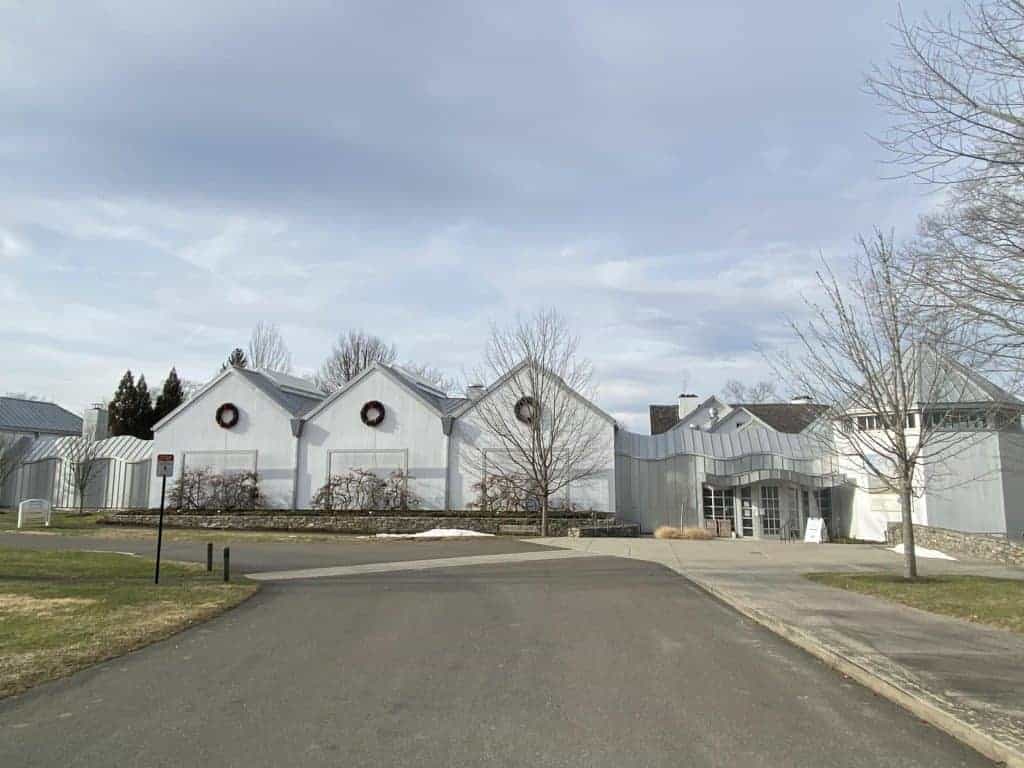
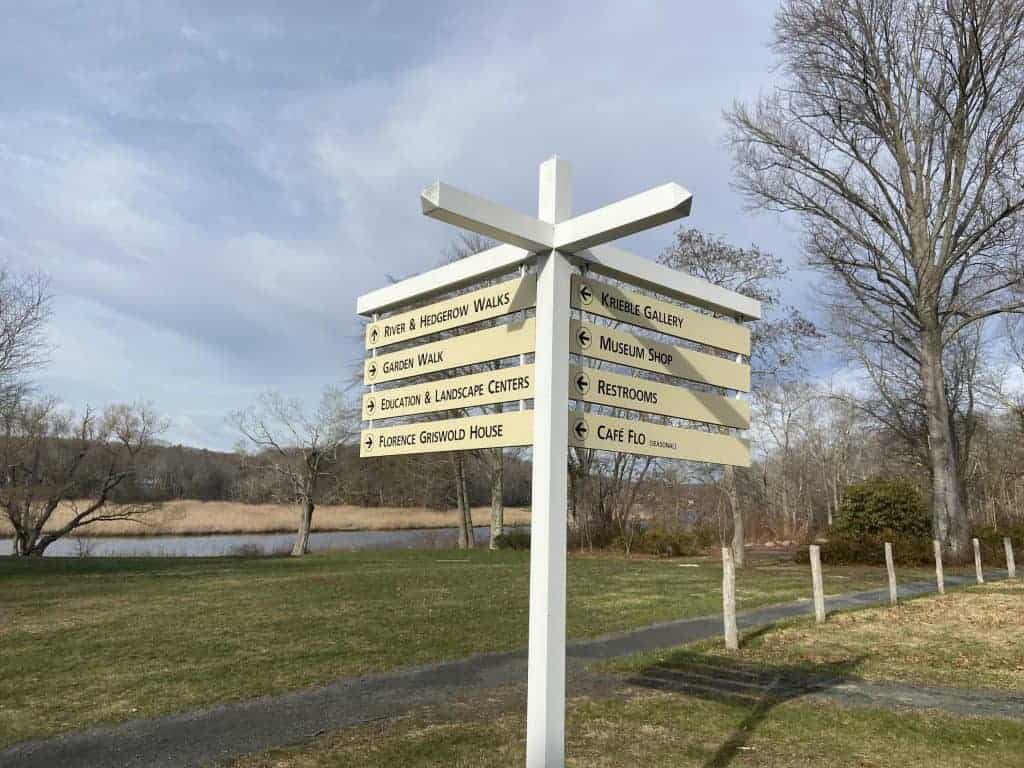
There is plenty of parking to the left of the main Krieble Gallery building.
Cafe Flo, which features a variety of snack and lunch options, is open late spring through late fall.
Restrooms are located in the lobby of the Krieble Gallery.
The Krieble Gallery, Landscape Center, Education Center, and first floor of the House are handicap accessible. Strollers are allowed.
A small gift shop, selling housewares, books, apparel, and items geared toward children, is located next to the admission desk.
The museum offers plenty of activities geared towards children and special events– check the website for updates. The Wee Faerie Village is quite magical and a very popular fall event.
Plan on spending 2-3 hours exploring the entire complex, more for special programs or events.
10 Ways to Explore the Florence Griswold Museum:
1. After checking in at the admissions desk, head to the Orientation Theatre to watch the 13 minute orientation video that provides an overview of the Griswold family, property, and the Lyme Art Colony. Note: this area is currently closed for winter 2021 due to pandemic restrictions.
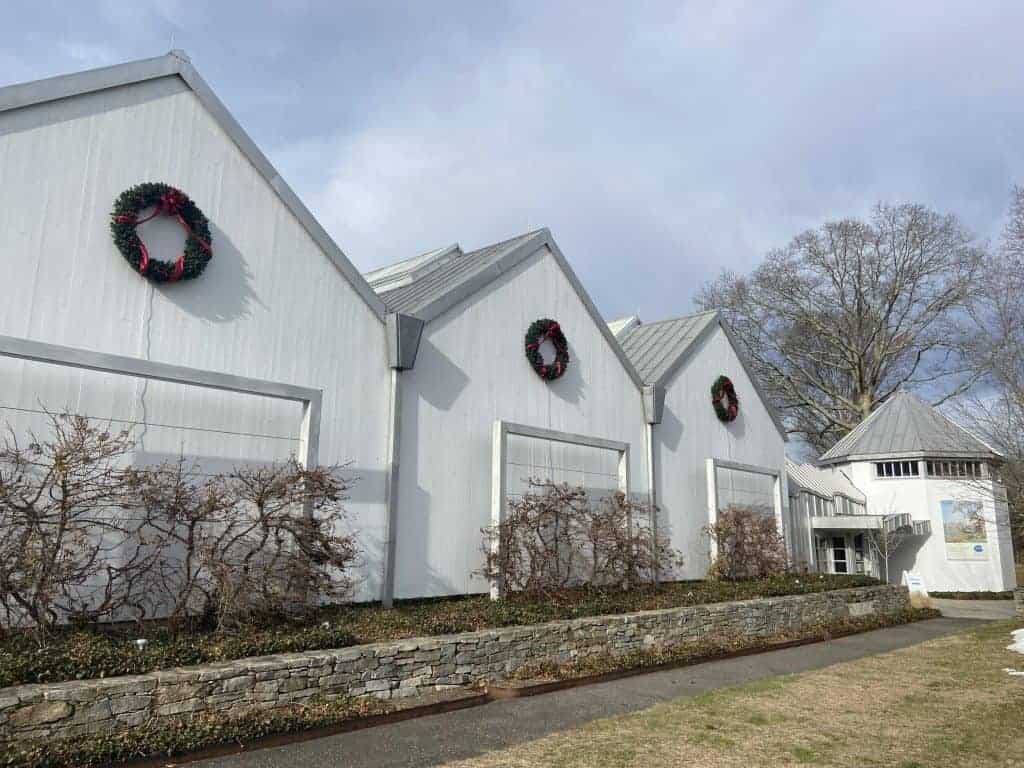
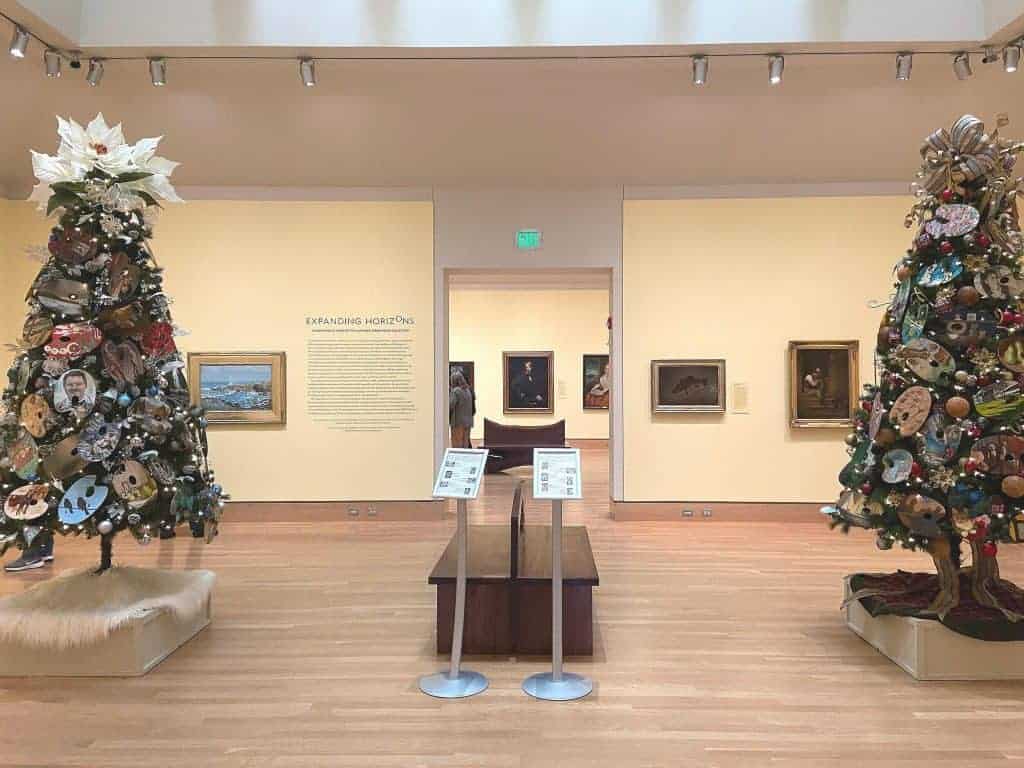
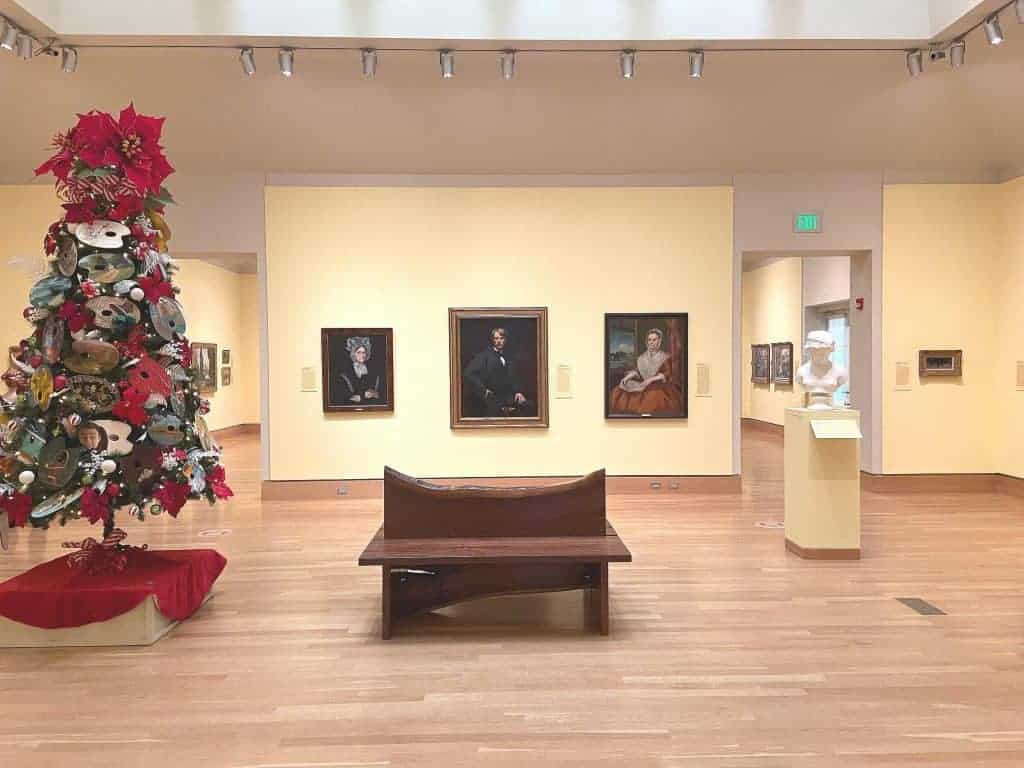
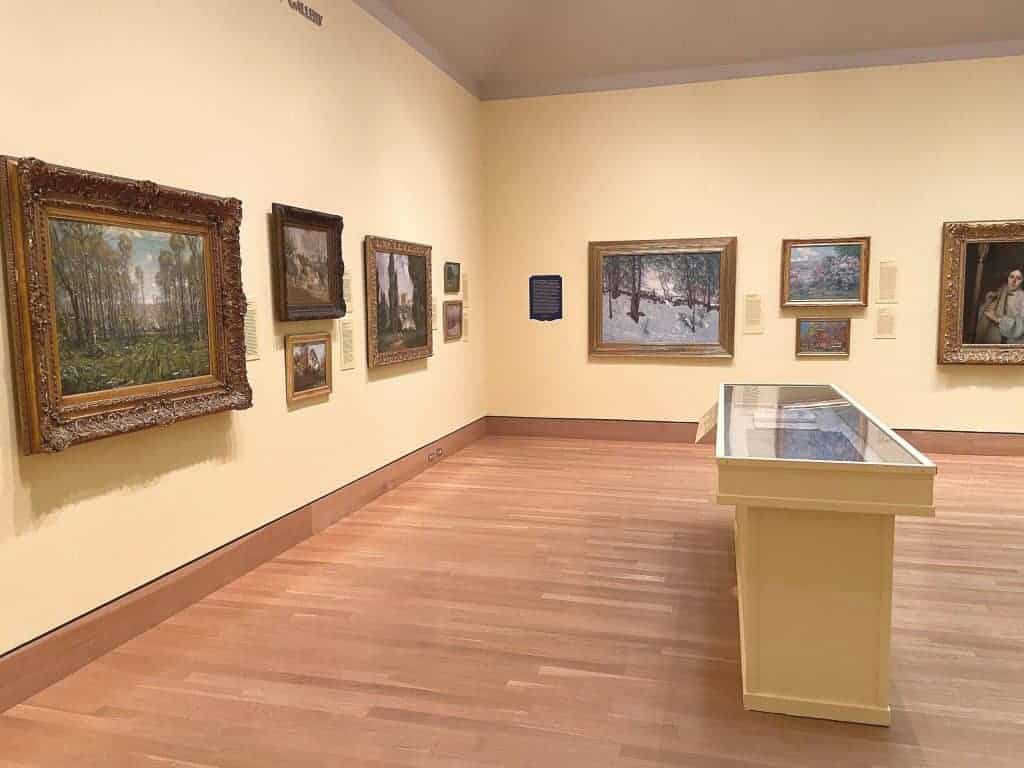
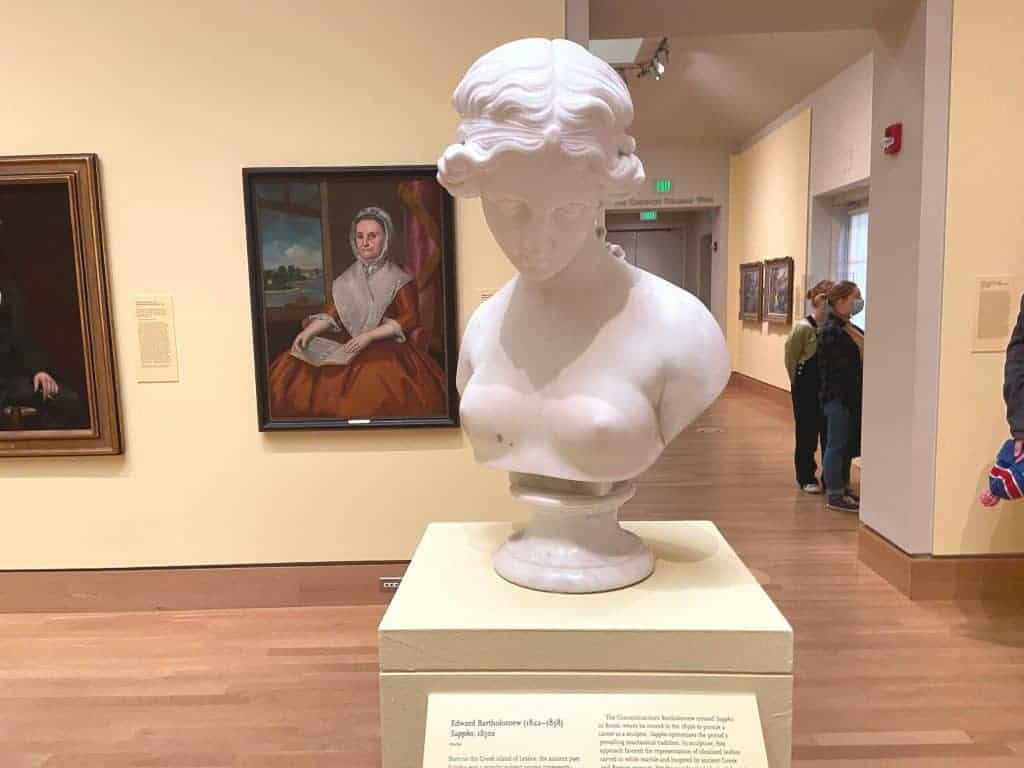
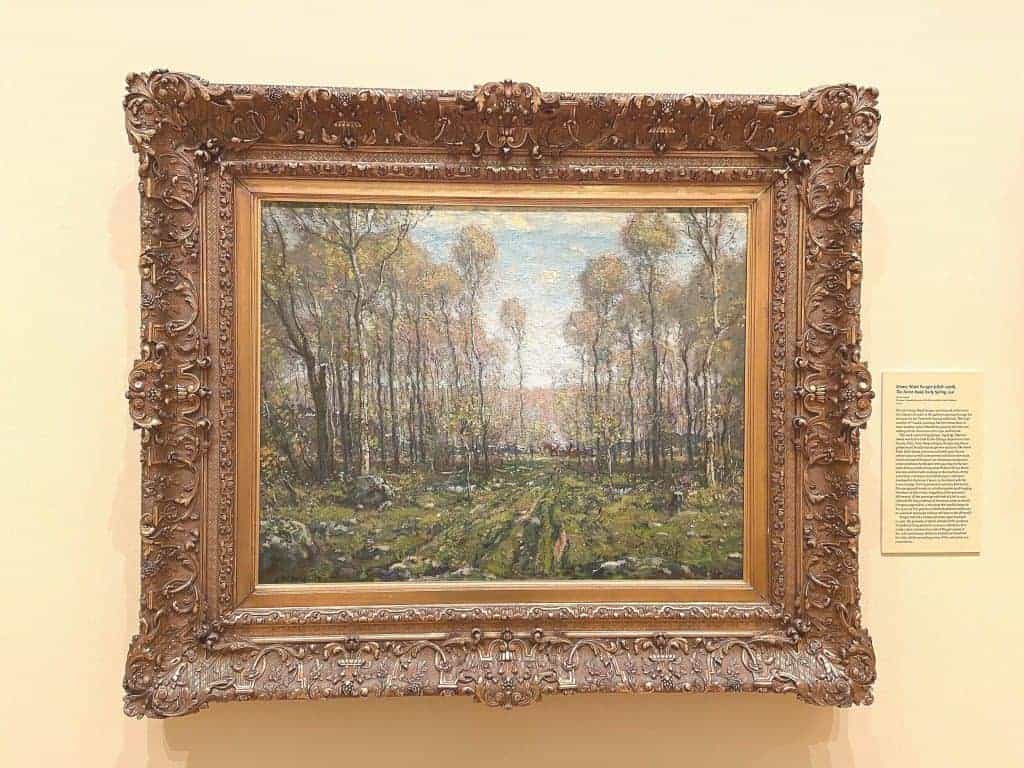
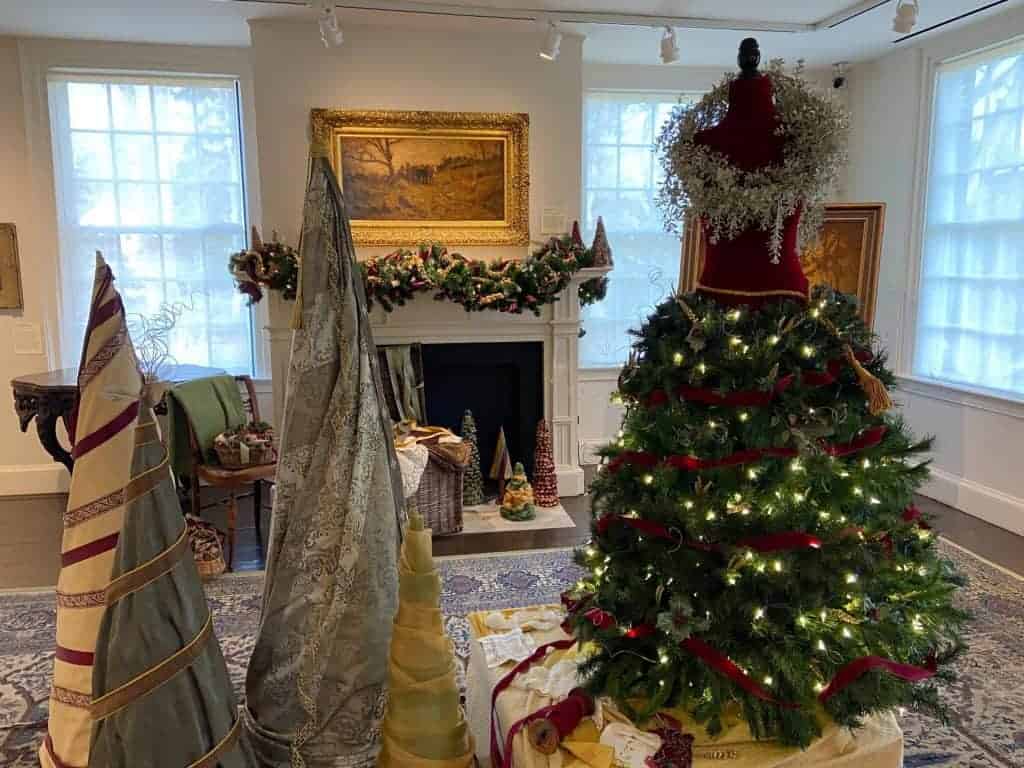
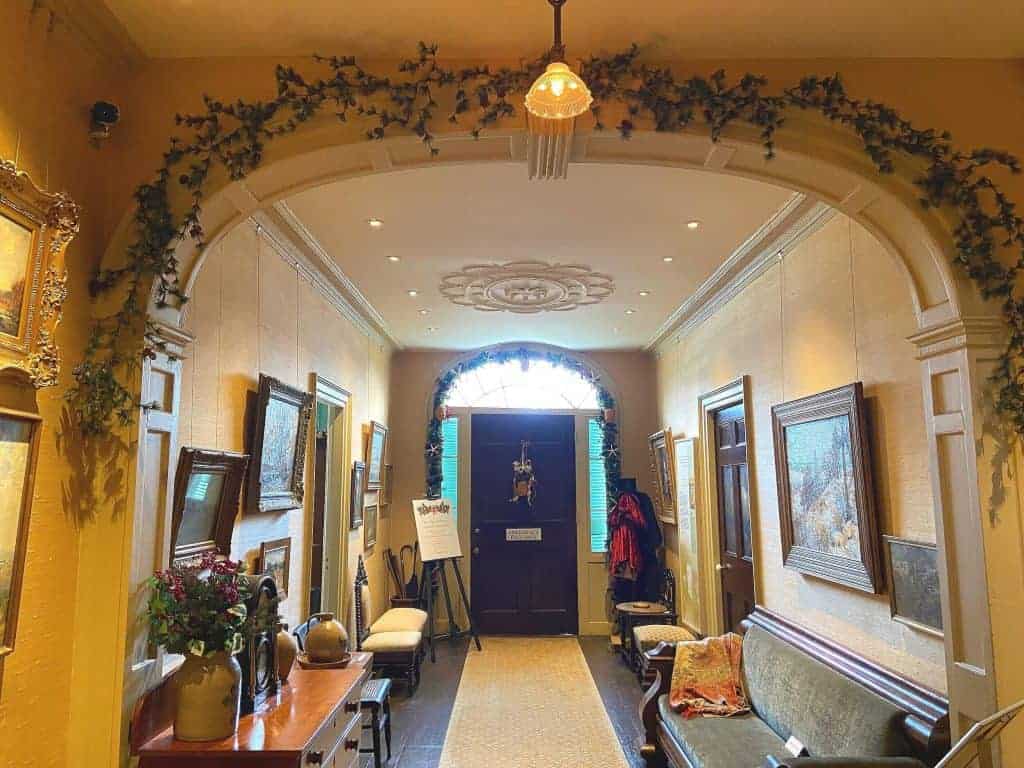
2. Check out some of the paintings and sculptures from the permanent collection, spanning from the late 1700s through present day, on display throughout the Krieble Gallery. Most of the art exemplifies American Impressionism and highlights local landscapes. There are both permanent and rotating exhibits; on display through the spring of 2021 are exhibits focused on the Centennial of the Lyme Art Association and Hartford Steam Boiler Collection. Rotating exhibits change every quarter, and a past index of exhibits can be found here and an index of online exhibits can be found here. Art painted by the members of the Lyme Art Colony are also on display throughout the main house. Kids will want to grab a collection of Can You Find Me? cards to complete a scavenger hunt. When we visited in December 2020, we were lucky enough to see the famous Christmas tree decorated with 224 palette ornaments designed and painted by local artists.
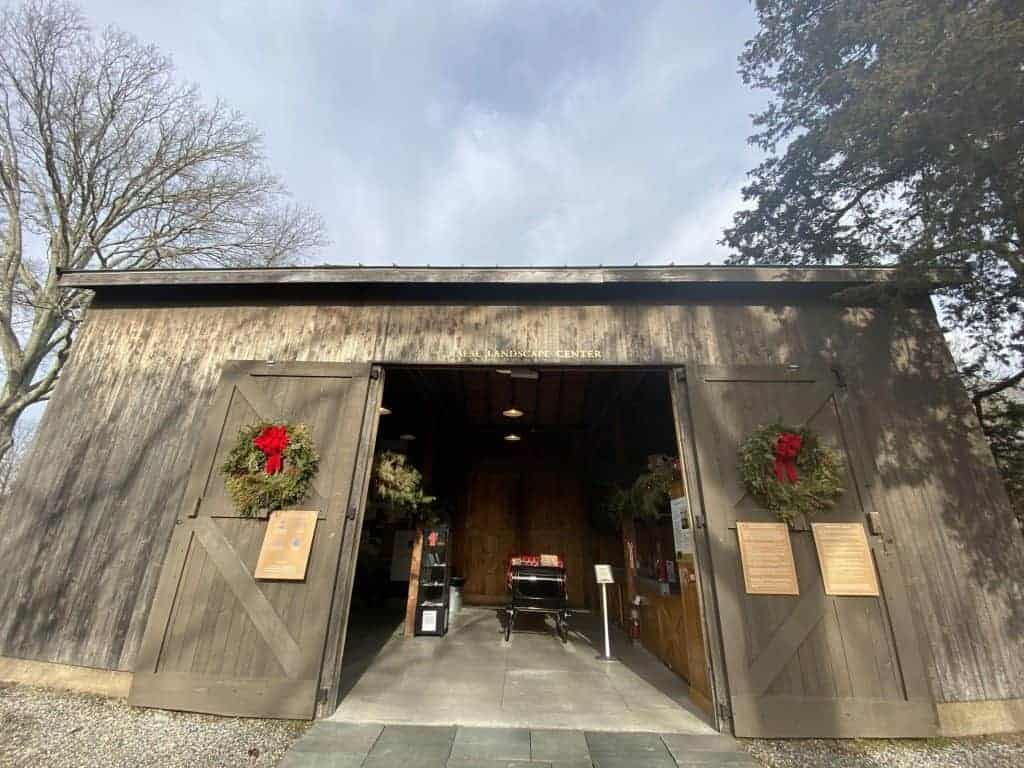
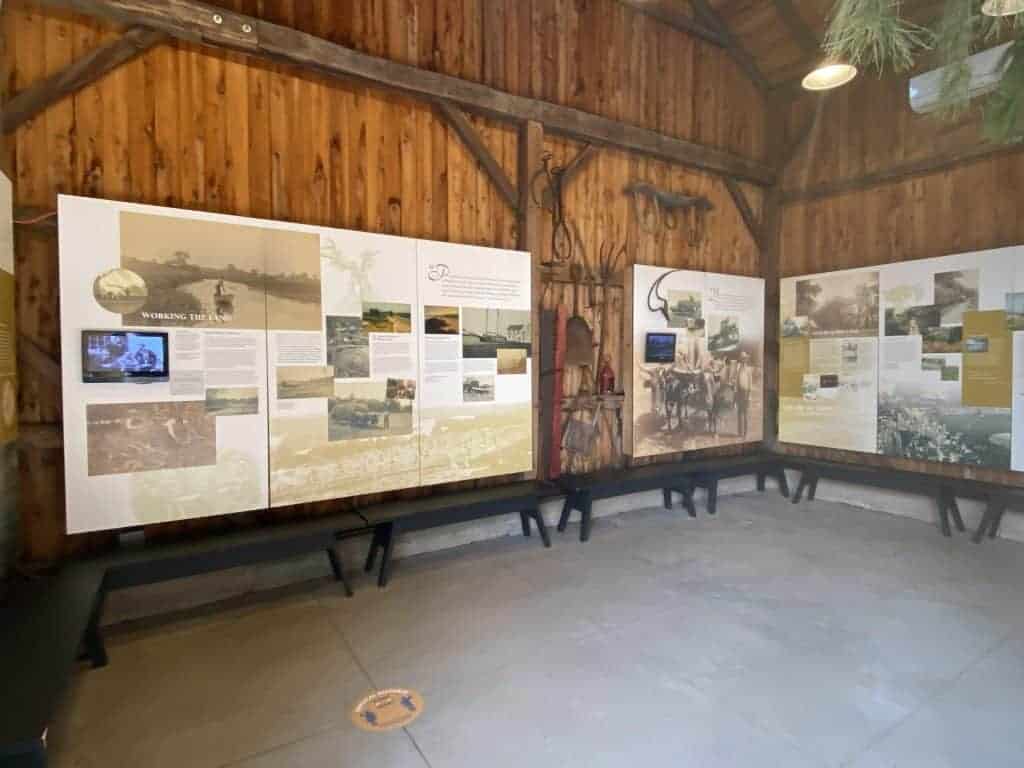
3. Figure out the purpose of the various tools on display in the Rafal Landscape Center. The 19th century barn sits on the base of the barn that was used by the Griswold family and includes a silent film from the 1920s, reproductions of historical photographs and paintings, and explanations of various farming tools.
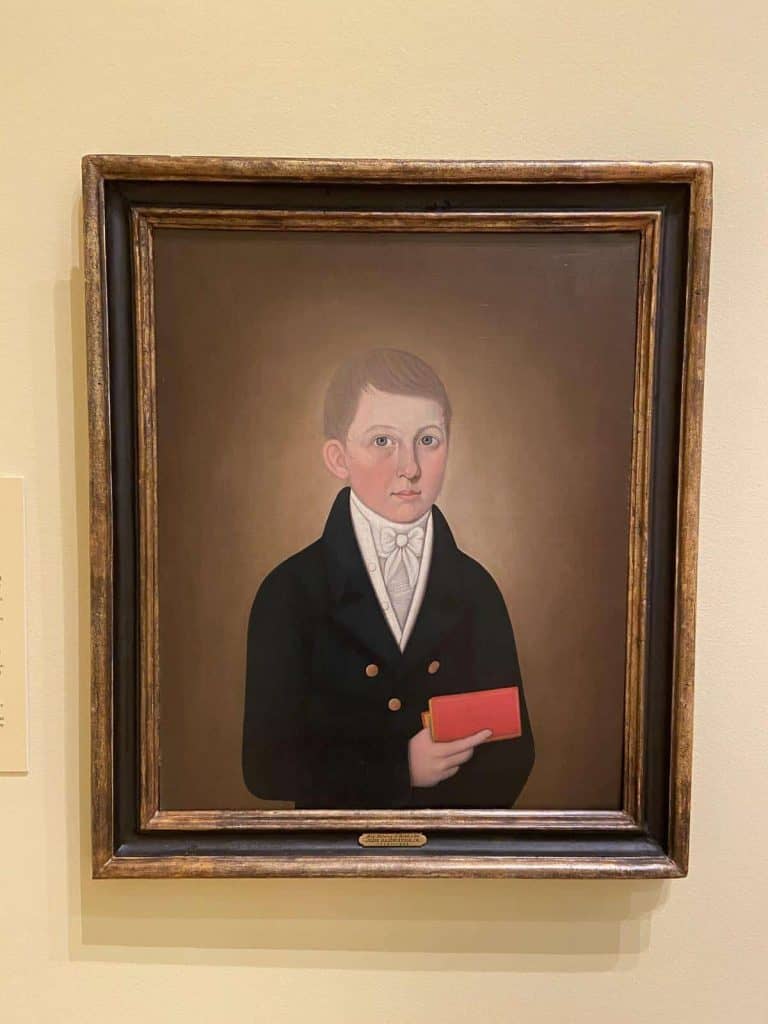
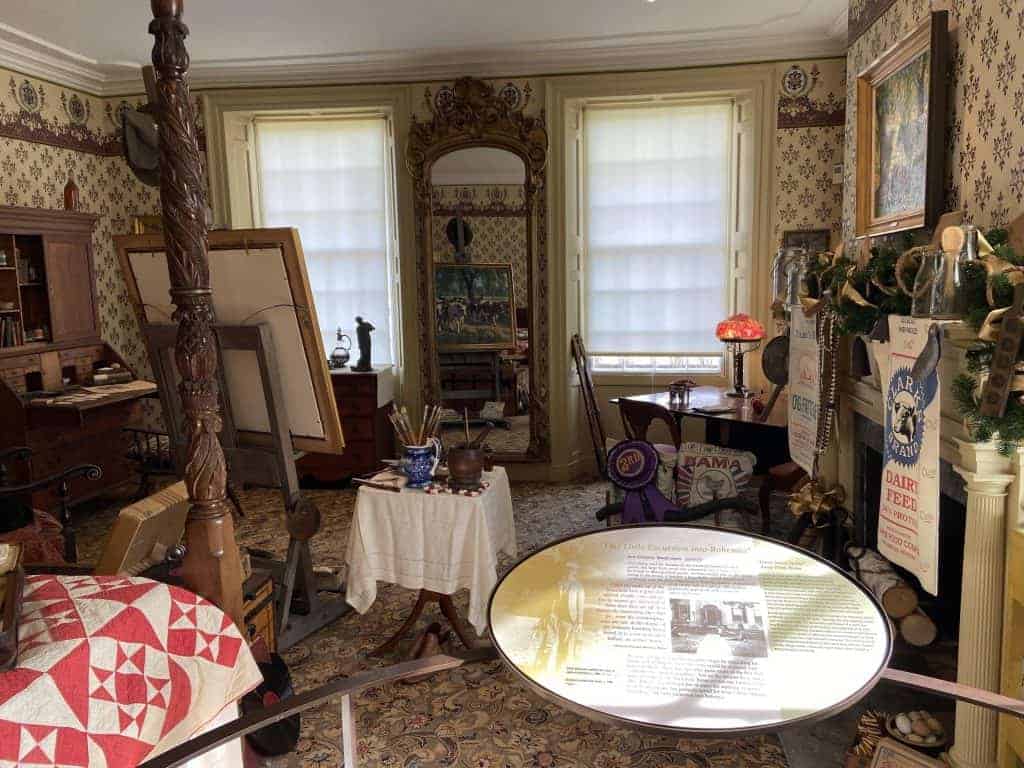
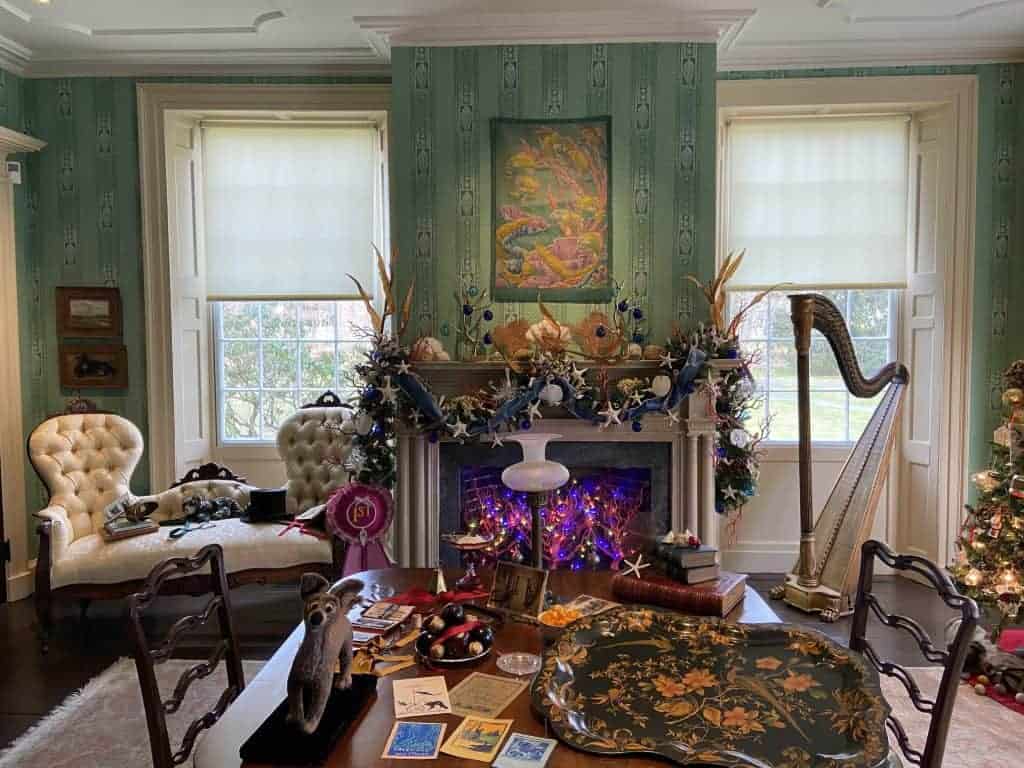
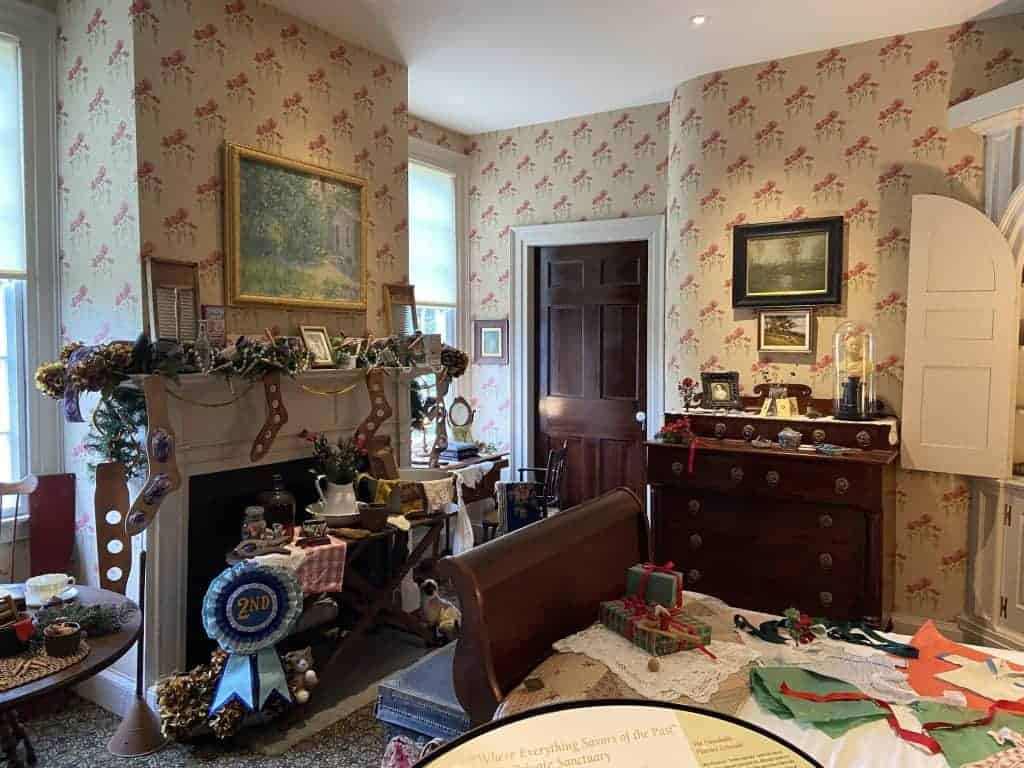
4. Decide which bedroom in the house you would have wanted to stay in if you were a visiting artist. The main house included almost a dozen bedrooms, in addition to parlor rooms, and a large dining room. Kids should ask a docent for a scavenger hunt to complete inside the house.
Would you like to save this?
5. Choose a favorite wall or door panel in the dining room of the house. As a way to thank Griswold for her hospitality, artists would paint parts of the wood panels and doors (but never the bottom row, as servants would frequently kick, and mark up, the lower portions to open and close doors).
6. Create an art project at the Hartman Education Center. The studios inside the education center are used for school groups and workshops, but open to the public from April through December. On weekends, visitors can complete various art projects, which are included in admission fees.
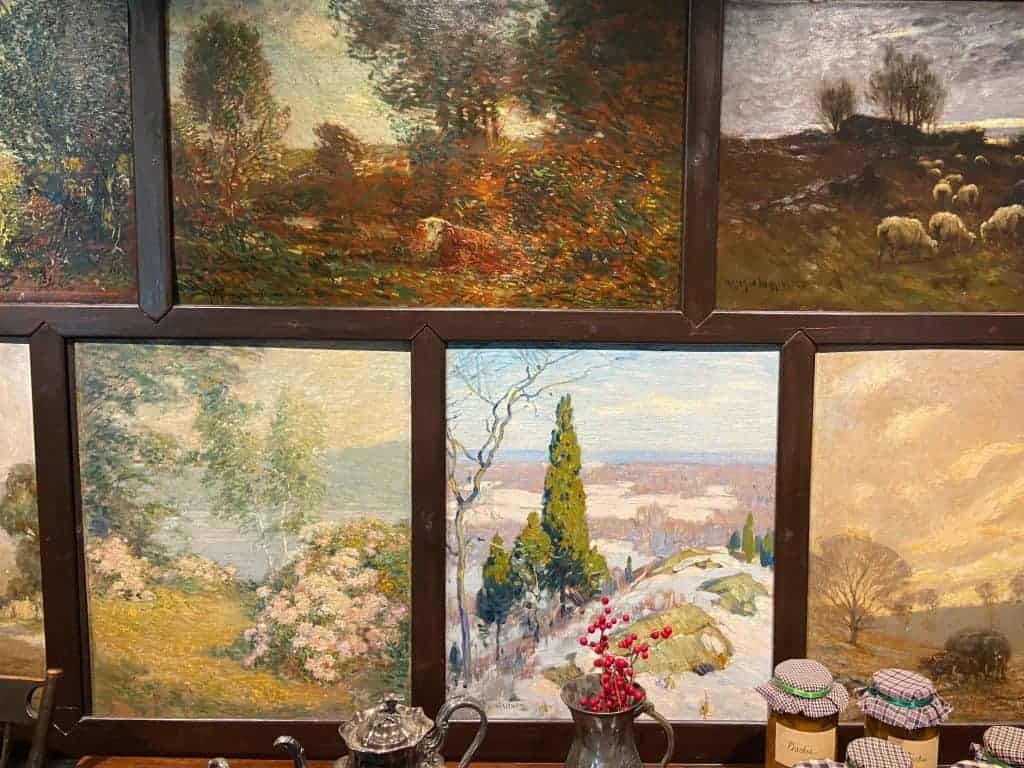
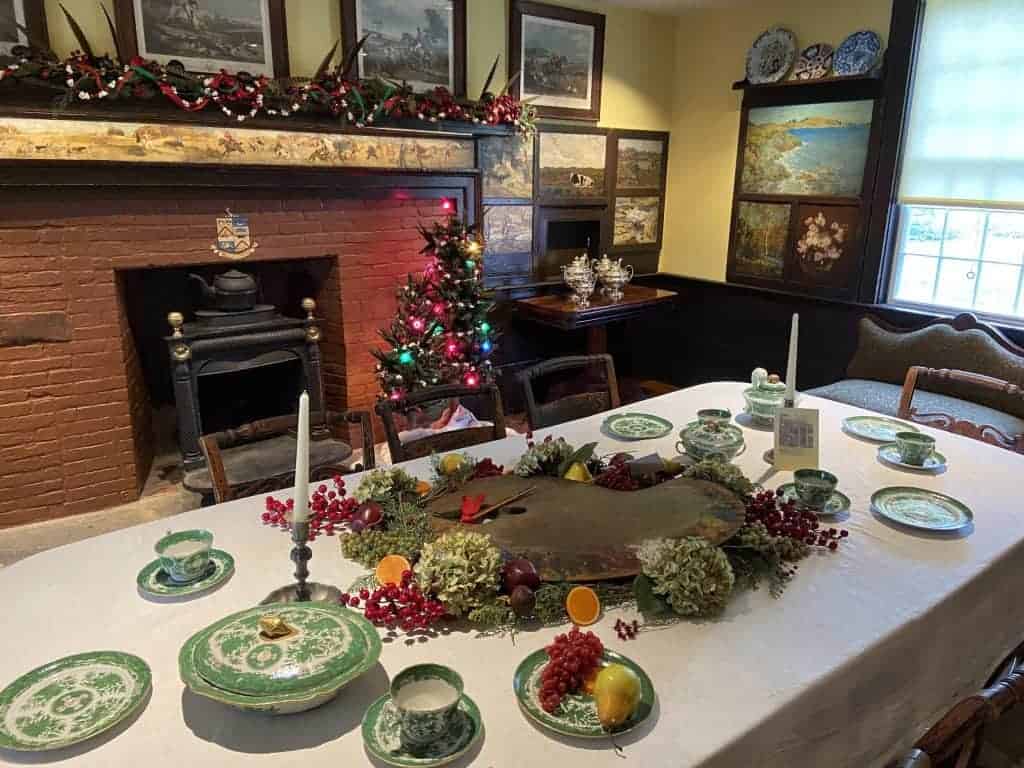
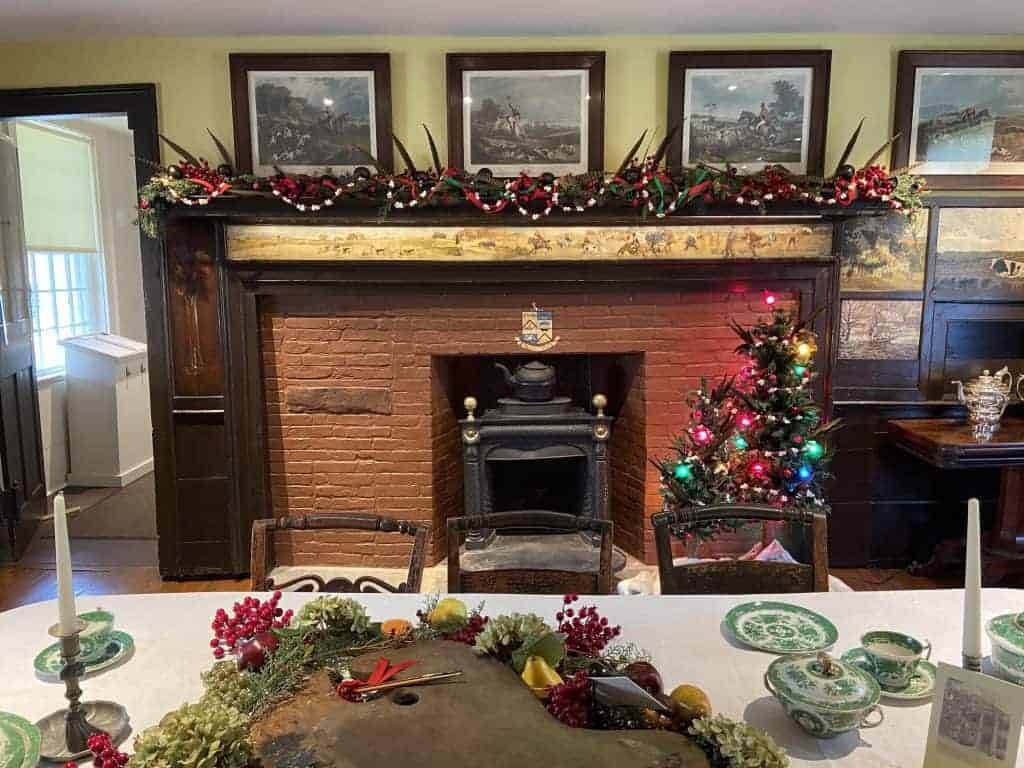
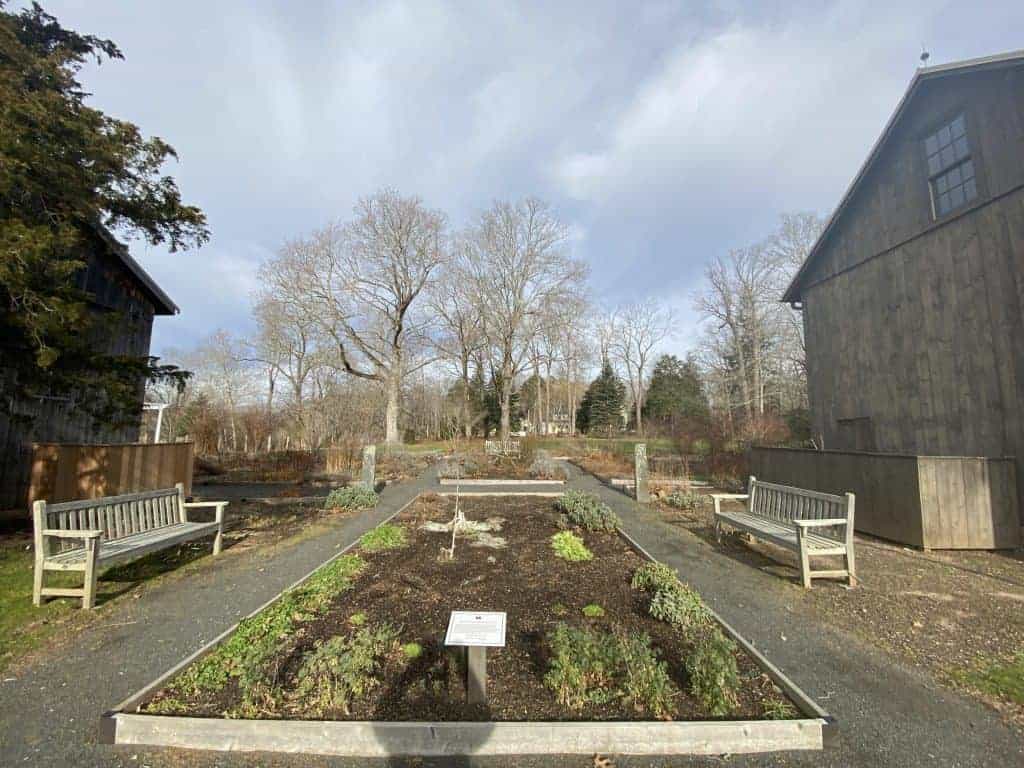
7. See what is in season and growing in the various gardens in the Garden Walk. The short loop around the Landscape Center includes separate gardens for herbs; fruits such as strawberries; vegetables such as potatoes, corn, and lettuce; roses; and other flowers. Many of these fruits and vegetables still grow in abundance each year and are served in Cafe Flo.
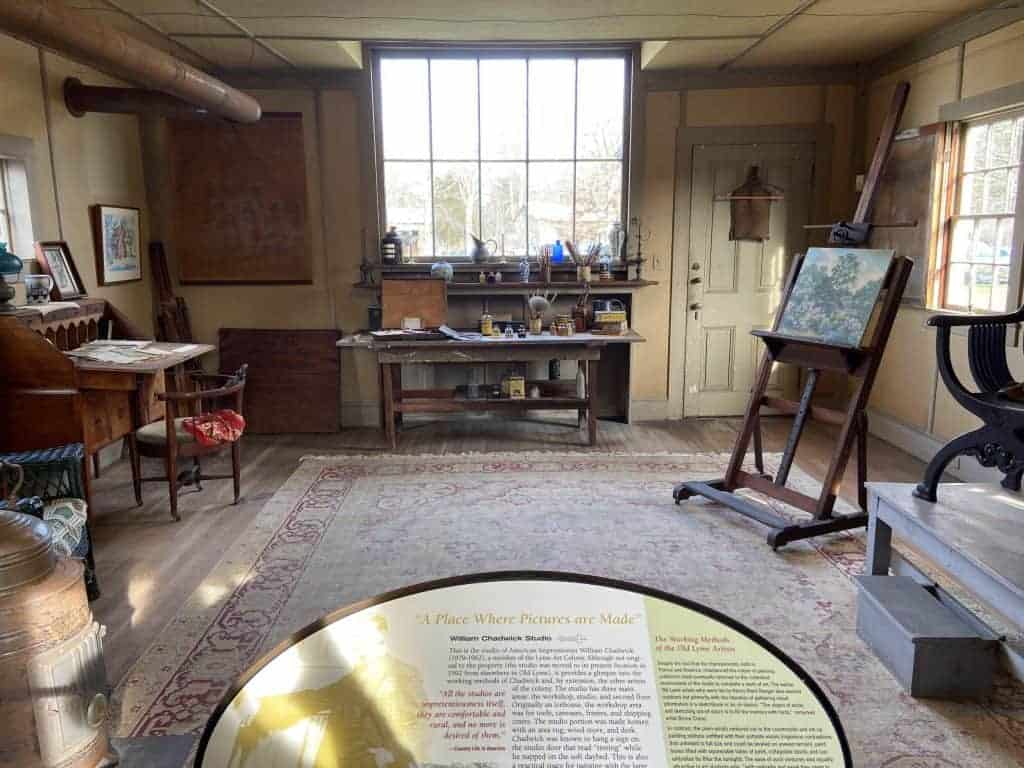
8. Peek inside the Chadwick Studio, where William Chadwick painted many of his impressionist works. Chadwick built the studio, which also houses a storage loft and framing workshop, himself and it was later donated by his family and moved from his home to the museum complex.
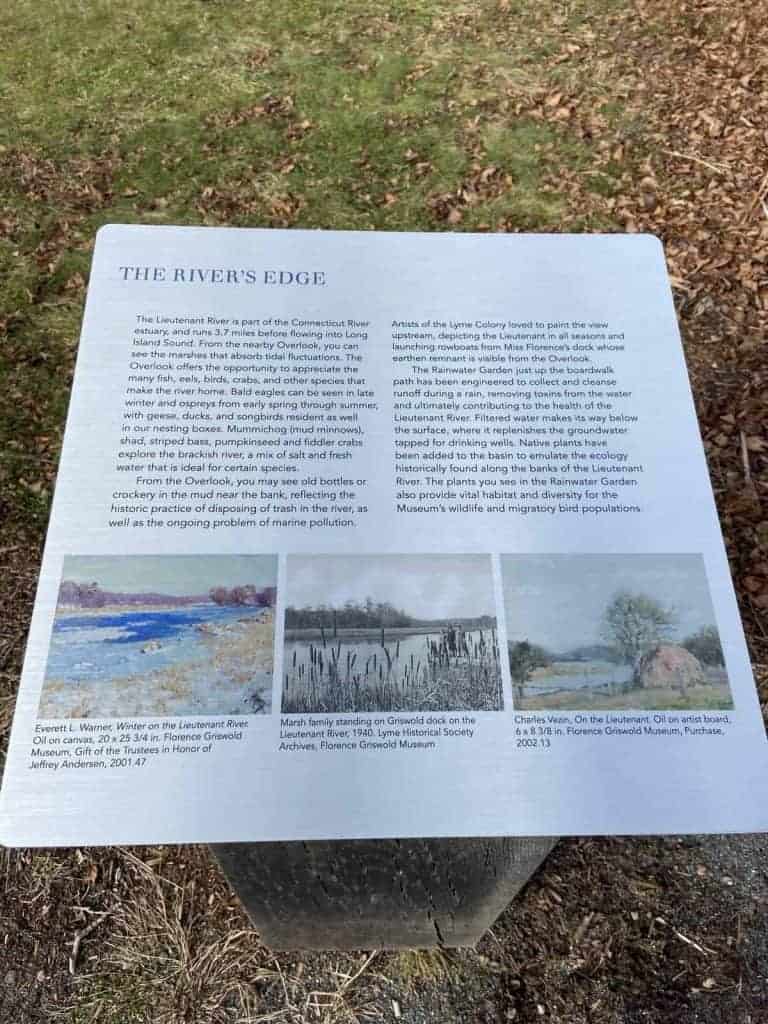
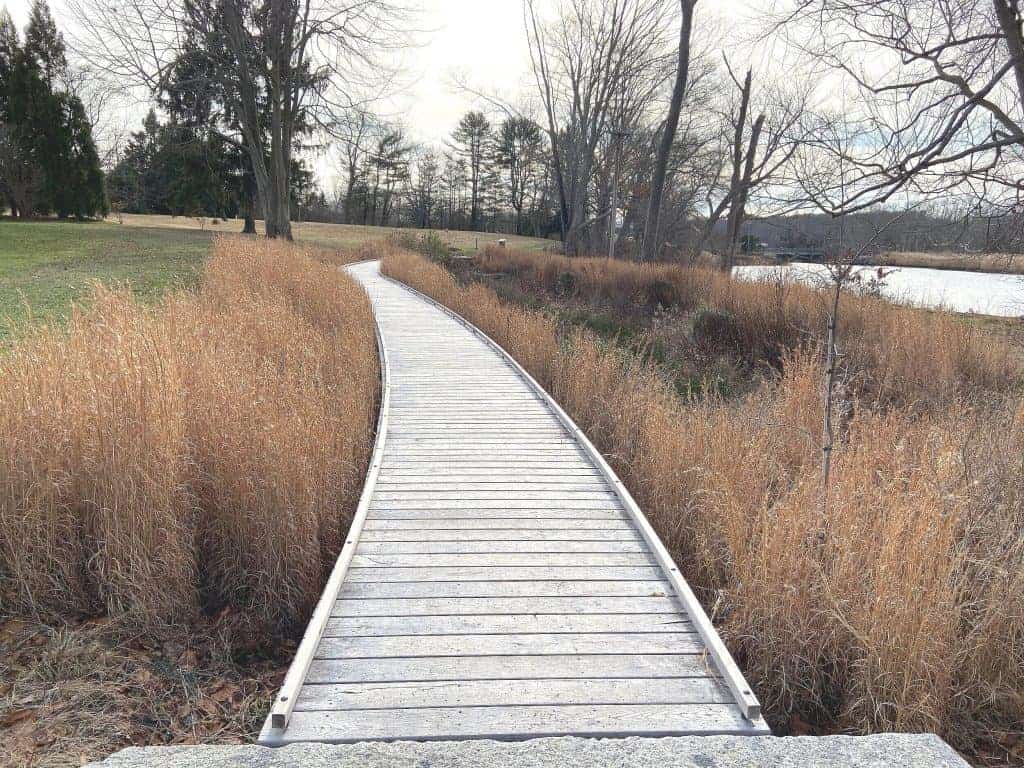
9. Take a walk on one of three trails on the property. The River Walk follows a path around the backside of the property along the Lieutenant River, with a wooden boardwalk and views of osprey nests. The Hedgerow Walk follows a path along the northern part of the property behind the gardens and orchard and to the front of the Griswold house. The Woodland Walk is a path through the woods and behind the former site of painter William S. Robinson’s studio.
10. Find a special souvenir in the gift shop. There are plenty of family friendly gifts, including puzzles, card games, ornaments, and housewares.
For more fun in Connecticut, check out our top 30 list of things to do and our list of 32 places where we love to eat. For more of our adventures at art museums, check out this index of posts. And follow along on our adventures on Instagram, Twitter, Facebook, and Pinterest.
Disclosure: We were given a media pass to explore the museum. Given pandemic restrictions, all guests must make a reservation to visit the museum. We felt incredibly safe visiting, as there were a limited number of people in the museum and there was plenty of room to spread out through the various exhibition spaces. Please check online for the most up to date information before visiting. All opinions expressed are my own.




You have described so many interesting ways to enjoy this museum! Since Lyme is right off Rt. 95 it would be a good stop for something different and your explanations make it easy to see everything. Thank you!
We often drive 95N to visit New England. You have inspired us to stop and visit. I had no idea of the popularity of impressionists in the Lyme area of CT at that time. Thank you for an excellent review!
J. Coco/VA
We often drive 95N to visit New England. You have inspired us to stop and visit. I had no idea of the popularity of impressionists in the Lyme area of CT at that time. Thank you for an excellent review!
J. Coco/VA
We often drive 95N to visit New England. You have inspired us to stop and visit. I had no idea of the popularity of impressionists in the Lyme area of CT at that time. Thank you for an excellent review!
J. Coco/VA