Six Ways to Explore the Frick Museums and Gardens in Pittsburgh, Pennsylvania

This summer, we enjoyed a wonderful few days exploring Pittsburgh, Pennsylvania’s second largest city, located in the western part of the state. One of the highlights of our visit was the opportunity to explore The Frick Pittsburgh Museums and Gardens, the former home of Henry Clay Frick, founder of the H.C. Frick & Company, one of the largest coke producing companies in the world during the early 20th century. Frick’s company supplied fuel for the iron and steel industries and Frick became business partners with Andrew Carnegie and later became the chairman of the Carnegie Steel Company.
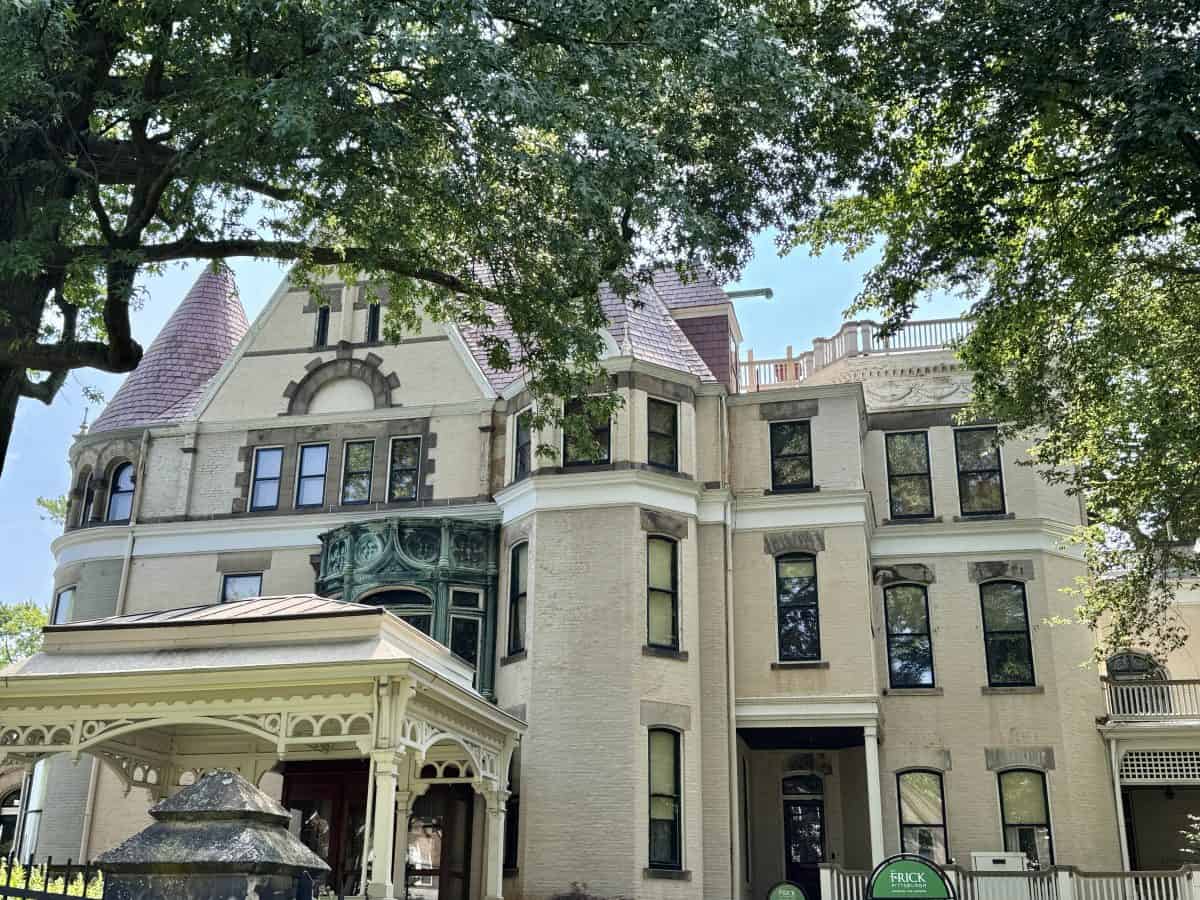
Henry Clay Frick and his wife Adelaide Howard Childs Frick purchased a two story, 11 room Italian style home on Pennsylvania Avenue, known as Millionaires Row in Pittsburgh, just a few months after they married in 1882. The Fricks commissioned a two year renovation of the home that doubled its size to a four story, 23 room French chateau mansion.They lived in the mansion, named Clayton after Frick’s childhood home with their four children, Childs, Martha, Helen, and Henry Jr, in 1905, furnishing the mansion with their collection of artwork from their travels around the world.

Henry Clay Frick bequeathed Clayton to the city upon his death in 1919 and it officially opened to the public in 1935. His daughter Helen wanted to preserve the 10 acre estate and its furnishings (over 90% of the furnishings and items on display in Clayton belonged to the Fricks) and established an endowment for the museums.
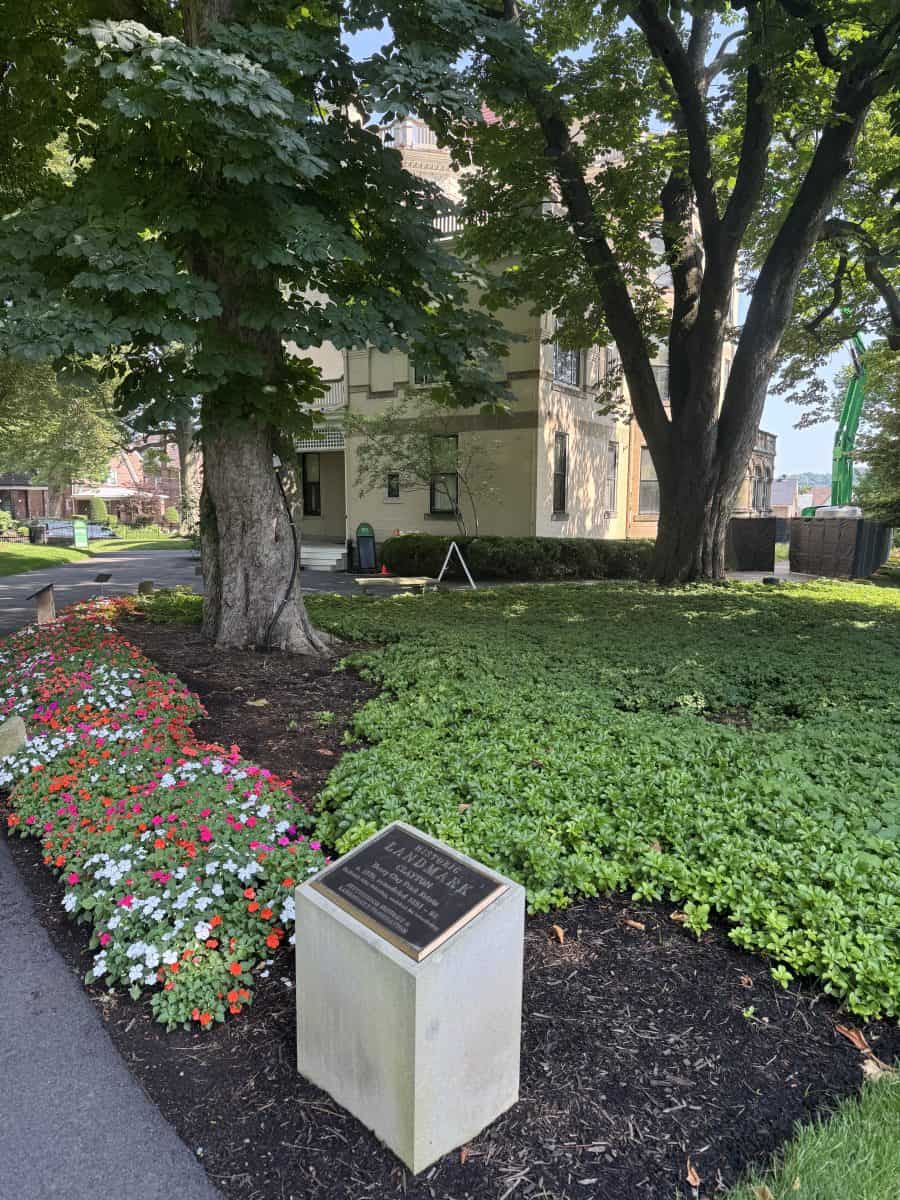
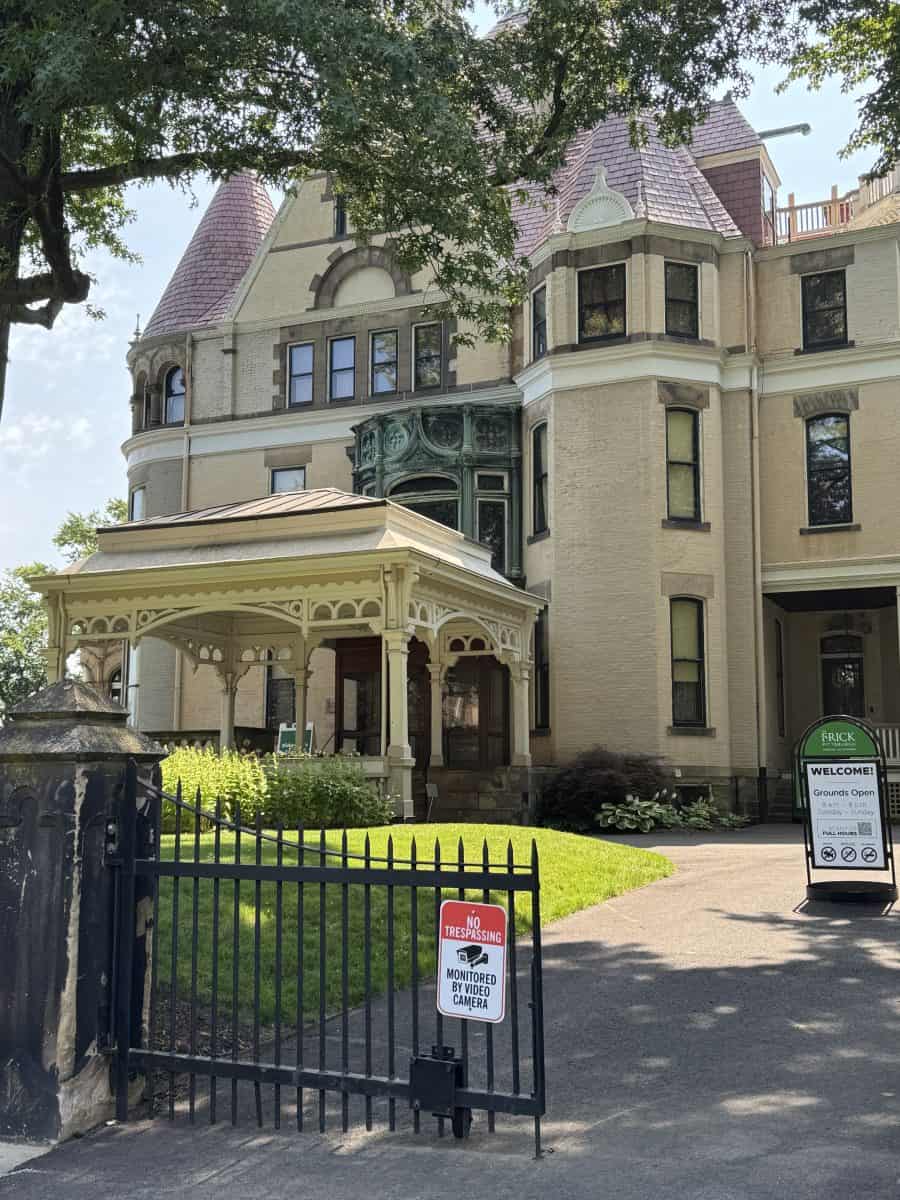
National Historic Landmark at Clayton at the Frick Pittsburgh Museums and Gardens in Pittsburgh, PA

Today, Clayton remains the only fully preserved Gilded Age mansion in Pittsburgh. Visitors are welcome to tour Clayton, explore museum exhibits featuring items from the Frick family’s private collections, and enjoy the beautiful grounds. The property is family friendly and engages children with several hands-on activities and family focused programs and events. 
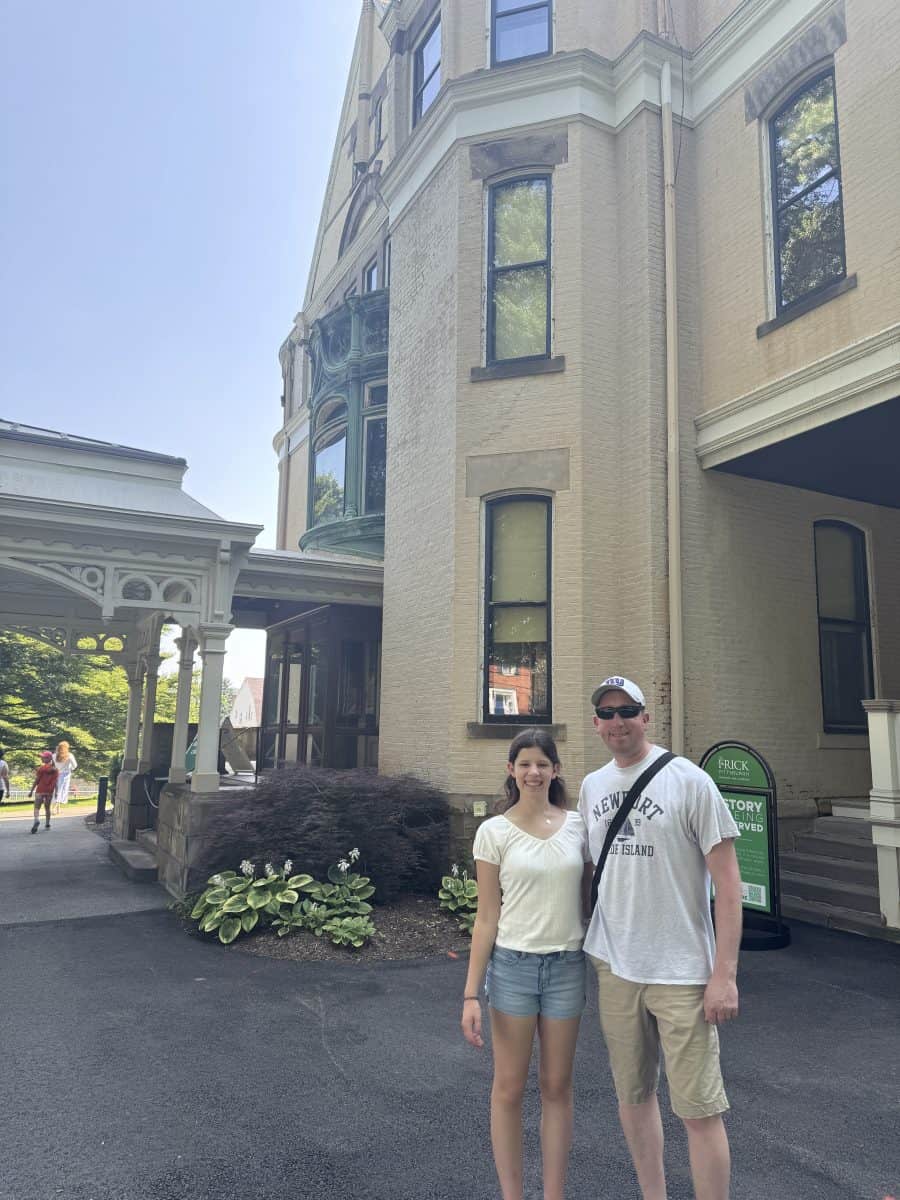
outside Clayton at the Frick Pittsburgh Museums and Gardens in Pittsburgh, PA

Travel Tips:

  • The gardens, Frick Art Museum, and portions of the Car and Carriage Museum are free to visit and open Tuesday through Sunday with varying hours. Check here for the most up to date information on hours and admission fees for tours and special events. 
  • The Frick offers a wide variety of themed tours of Clayton House (we highly recommend the Gilded, not Golden tour), the Art Museum, and the Car and Carriage Museum– see the full list here and make reservations ahead of time
  • Check the daily calendar for tours and activities and here for special programs and events. We’ve heard that the holiday tours are especially popular. 
  • There is plenty of free parking in the lot on Reynolds Street, adjacent to the Grable Visitor Center. Information on public transportation to The Frick here
  • Bring the stroller for the toddler crew for walking the grounds (strollers are not allowed in Clayton or the museum exhibits). More information on accessibility here
  • Restrooms are available in the Grable Visitor Center, Art Museum, and Car and Carriage Museum. There is also an Infant Care Room located in the Grable Visitor Center.
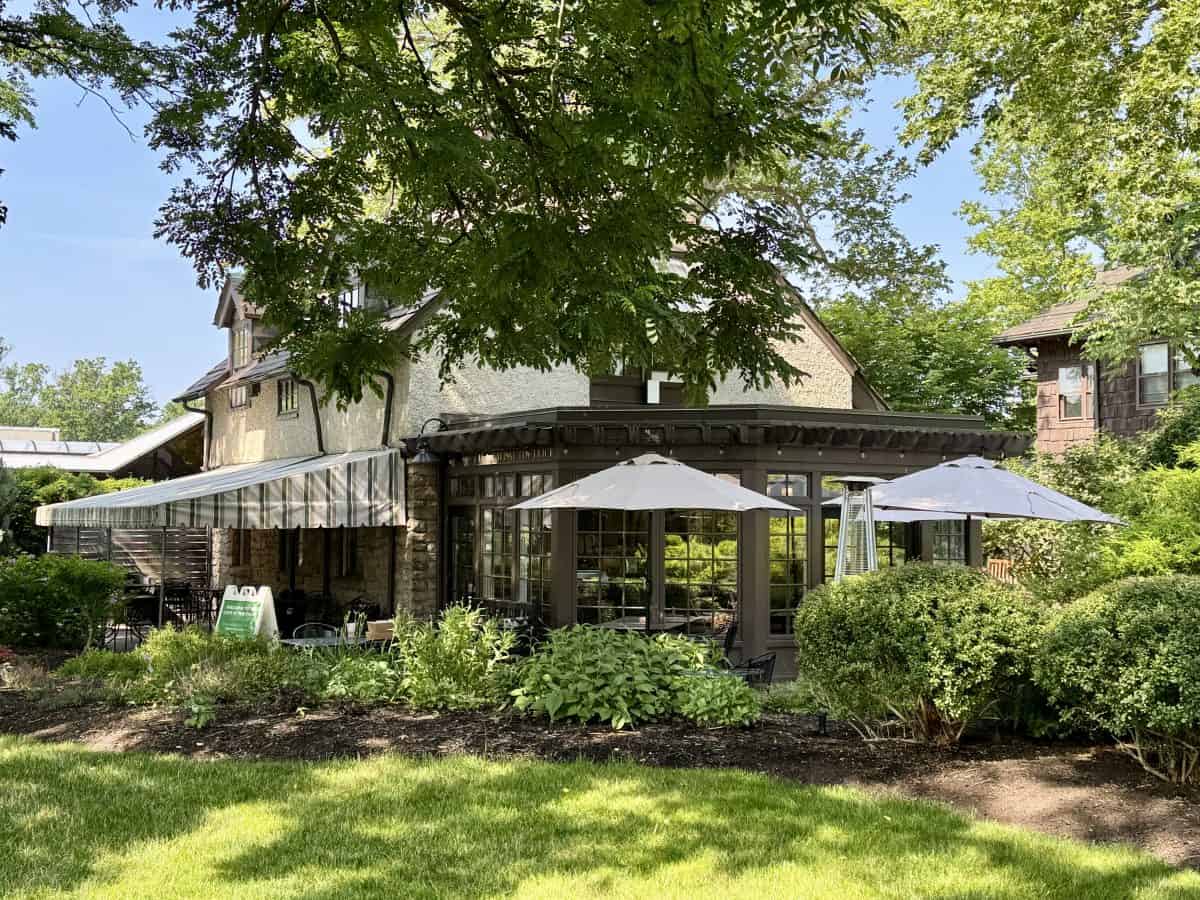
  • The Cafe at the Frick  (open from 9:30am-3pm) offers a variety of specialty drinks, homemade snacks, and breakfast and lunch options; there are about a dozen indoor and outdoor seating options. 
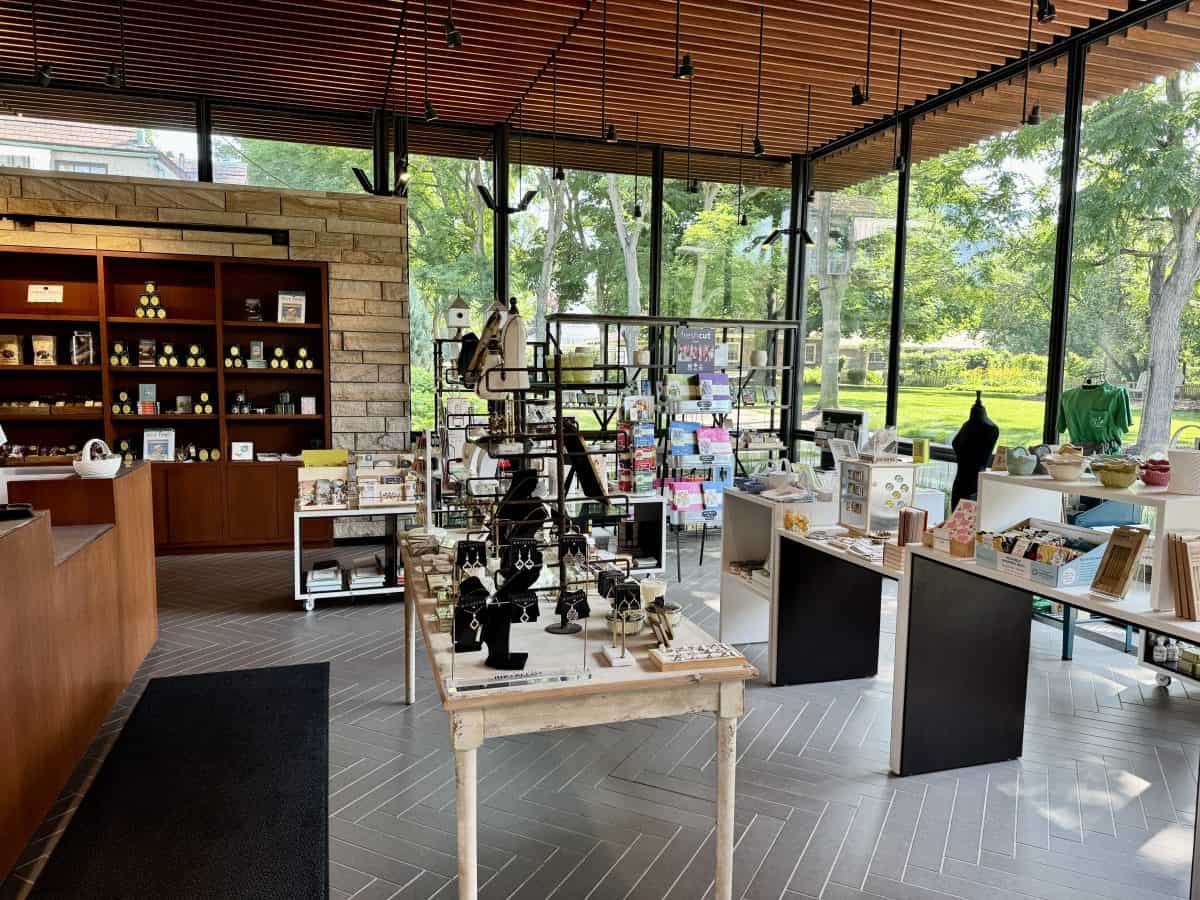
  • The Frick Museum Store, located inside the Grable Visitor Center, offers a curated collection of gifts, books, children’s toys and activities, all reflective of the time period of The Frick family. 
  • Plan on three to four hours for a guided tour of Clayton House, time to explore the Greenhouse, and time to tour the Carriage and Car Museum and Art Museum. See the property map here
The Cafe at the Frick Pittsburgh Museums and Gardens in Pittsburgh, PA

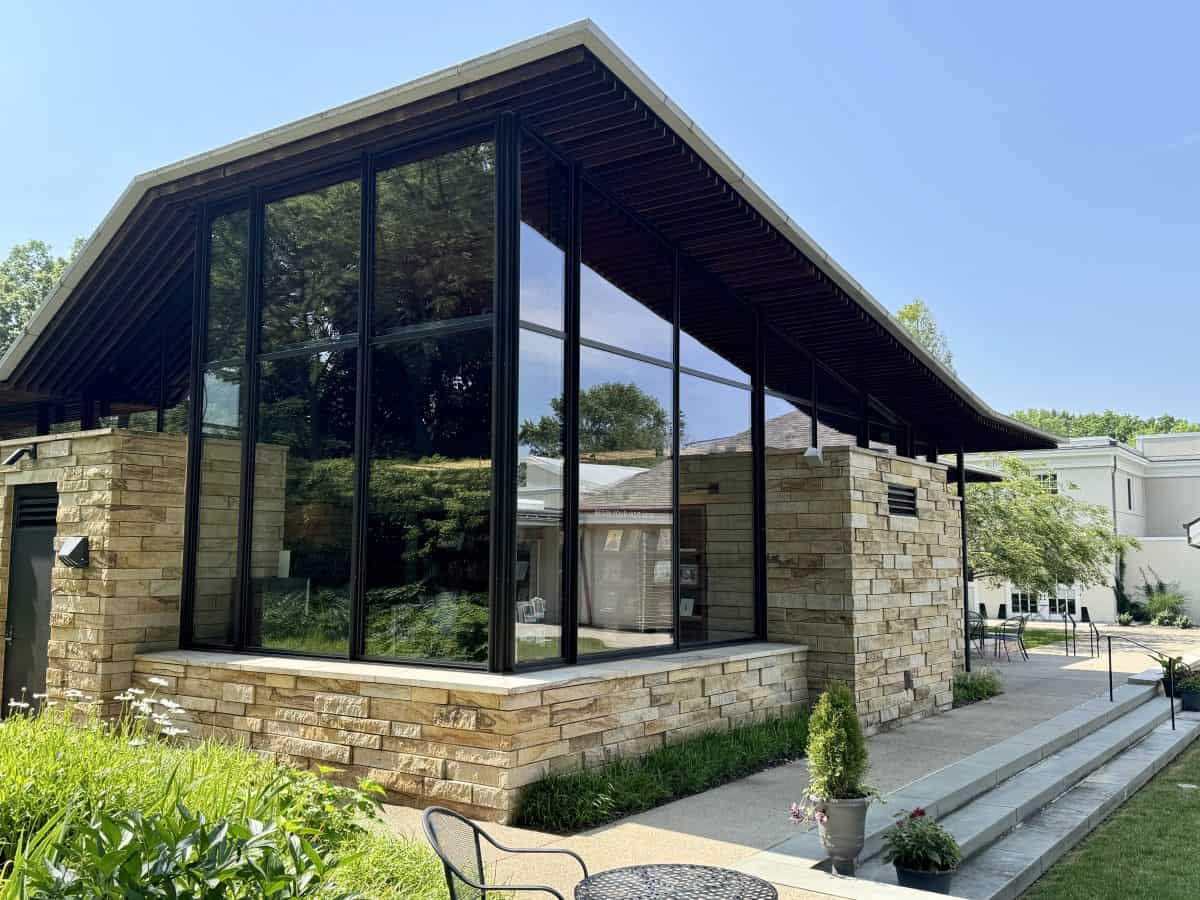
Visitor Center at the Frick Pittsburgh Museums and Gardens in Pittsburgh, PA

Six Ways to Explore the The Frick:

  1. Tour Clayton House, the 19th century home to Henry Clay Frick and Adelaide Howard Childs Frick and their four children from 1882 to 1905. The 23 room restored mansion is accessible via guided tours (offered multiple times during the day) that recreates life for the Frick family in 1892, focusing on both the technological advancements and the environmental impacts and social unrest throughout the Pittsburgh, one of the most thriving cities in American throughout the 19th and early 20th centuries. Tours include exploration of several rooms on two floors of the mansion, and engaging stories about the Frick family and their local friends and business associates.  Note: photos are not allowed inside Clayton.
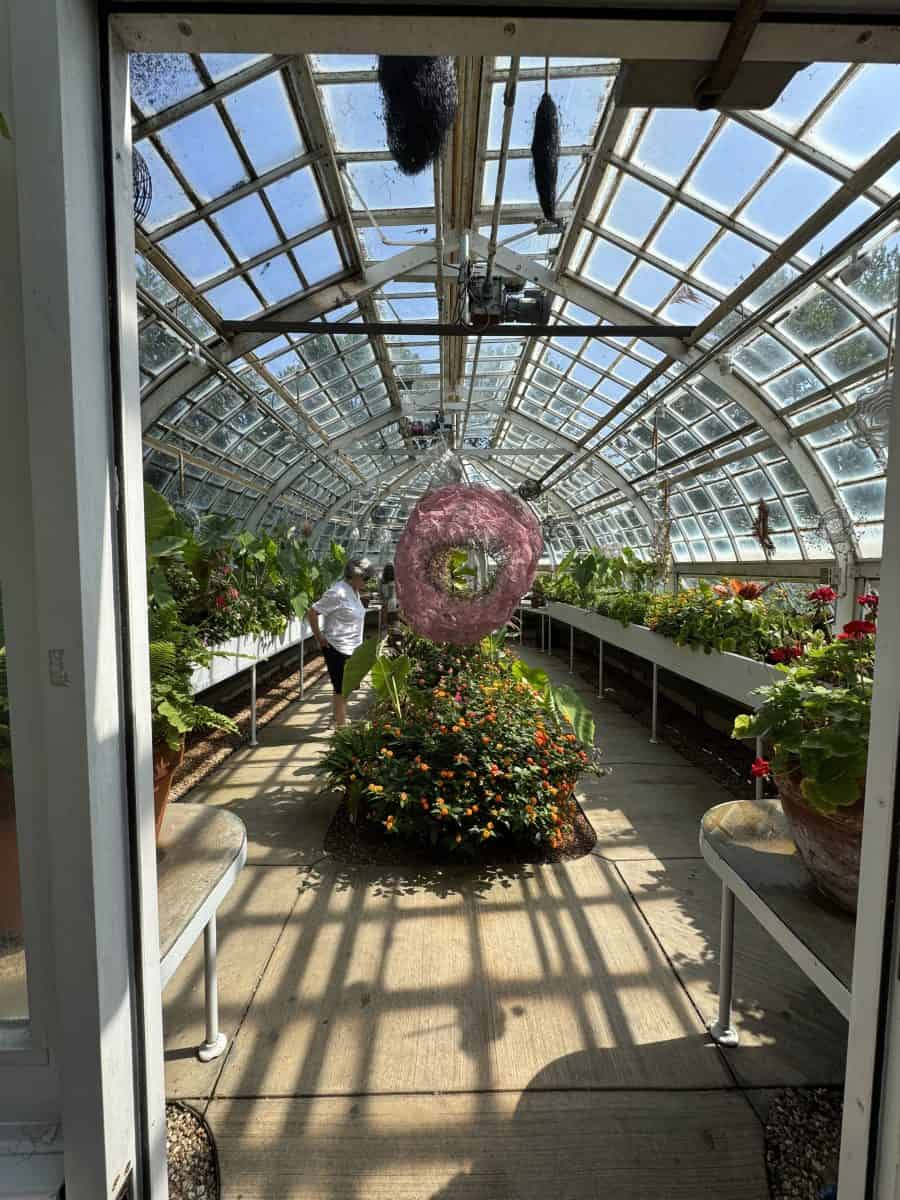
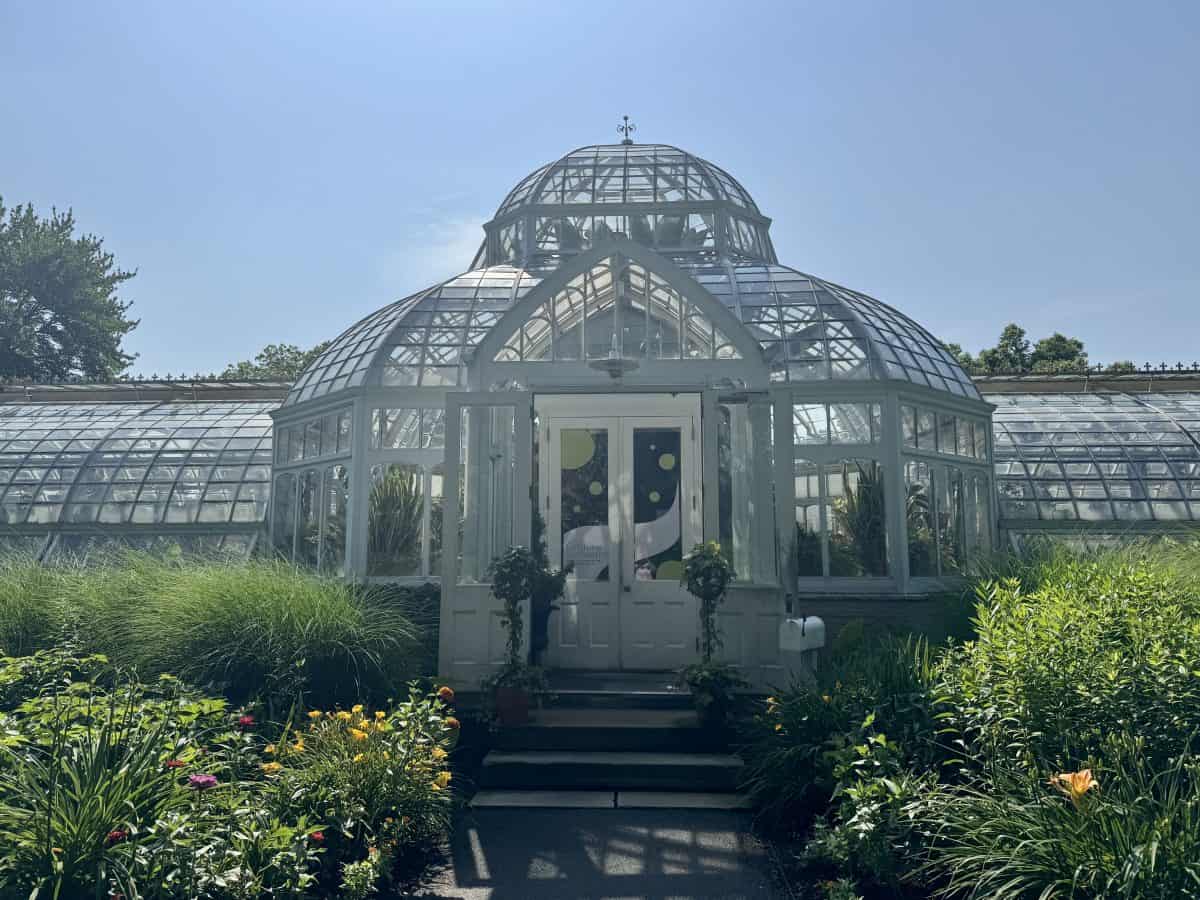
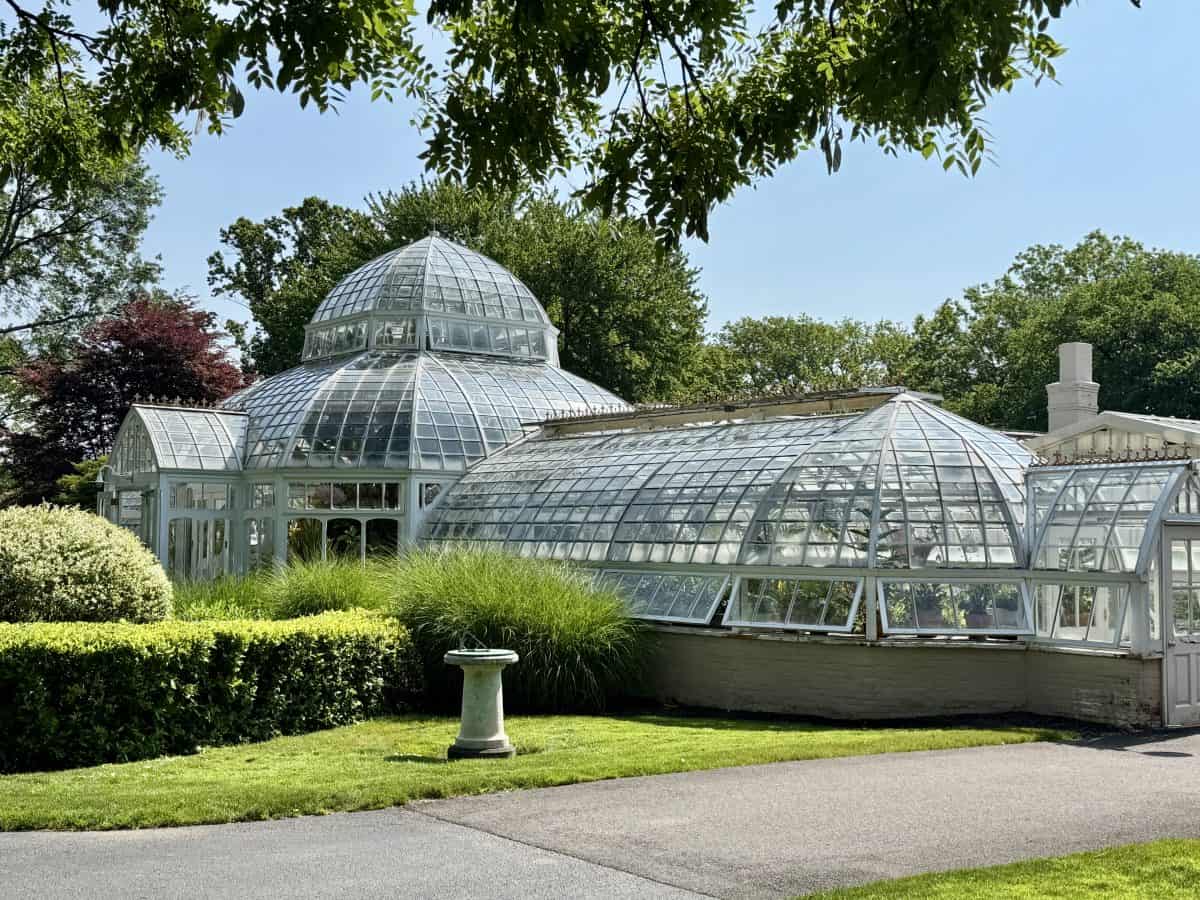
  2. Smell, see, and even touch (gently!) dozens of varieties of flowers in the Greenhouse. The original 1880s greenhouse was used by the Frick family to grow flowers and plants for year round enjoyment in their home, and to preserve seedlings for the property’s numerous gardens. The current greenhouse, restored to replicate the Victorian era, is located just across the path from the Cafe and is used to grow vegetables used in the Cafe’s menu. The Greenhouse is also home to rotating exhibits; currently on display through spring 2026 is Catching Sunbeams from the Porch Swing of Wisteria Castle, a collection of metal mesh and wire sculptures by Pittsburgh based artists Atticus Adams.
  1. Walk the path through the 10 acre property and see gardens thriving with a wide variety of flowers in the spring and summer, and a variety of maple and pine trees that line the perimeter of the property along Penn Avenue, South Homewood Avenue, and South Lexington Avenue.
  2. Use your smartphone to scan QR codes on the Duquesne SoundWalk placards displayed throughout the property and listen to recreations of various sounds that transport visitors back to the 1890s. In collaboration with the Mary Pappert School of Music at Duquesne University, the 17 site SoundWalk includes popular music that the Frick family enjoyed, automobile horns, trains passing through the area, and music from the Orchestrion inside Clayton. See the full SoundWalk map here.
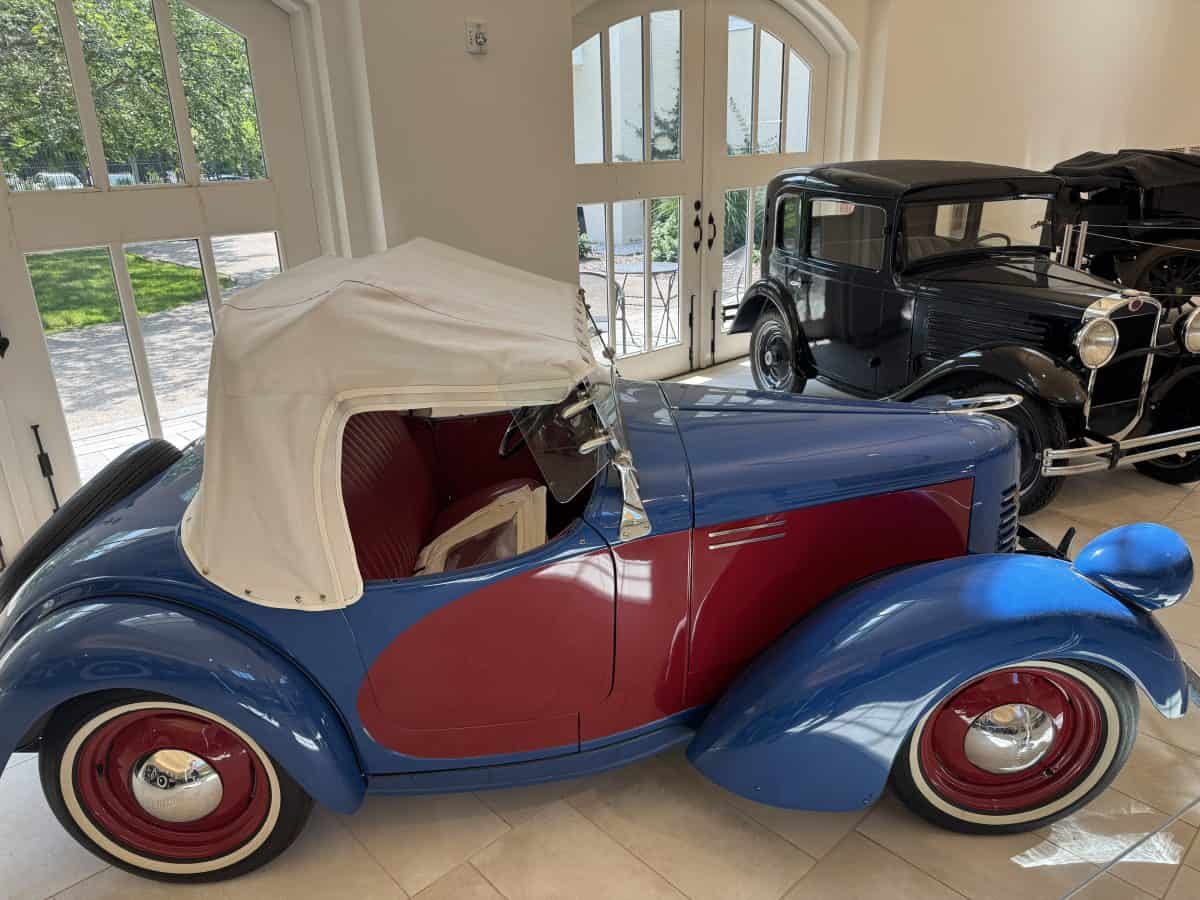
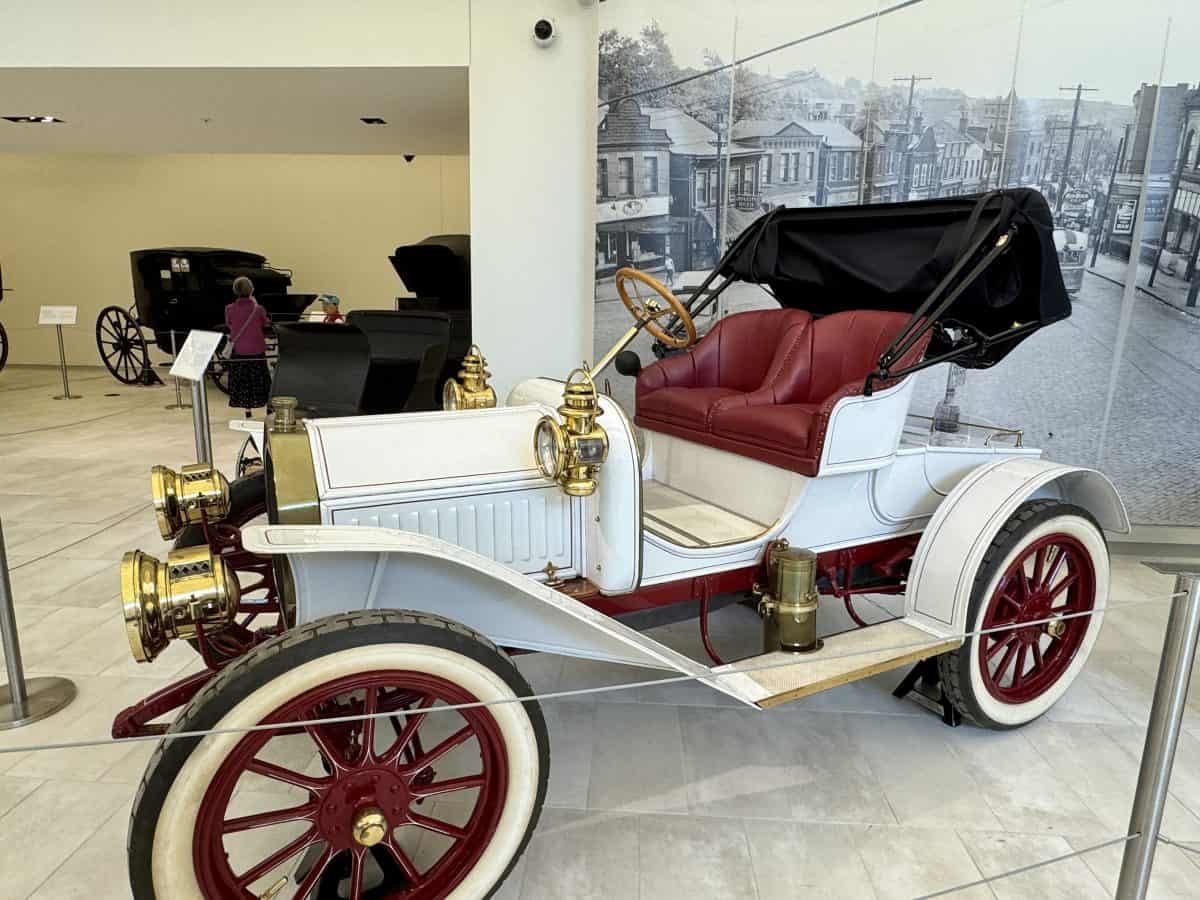
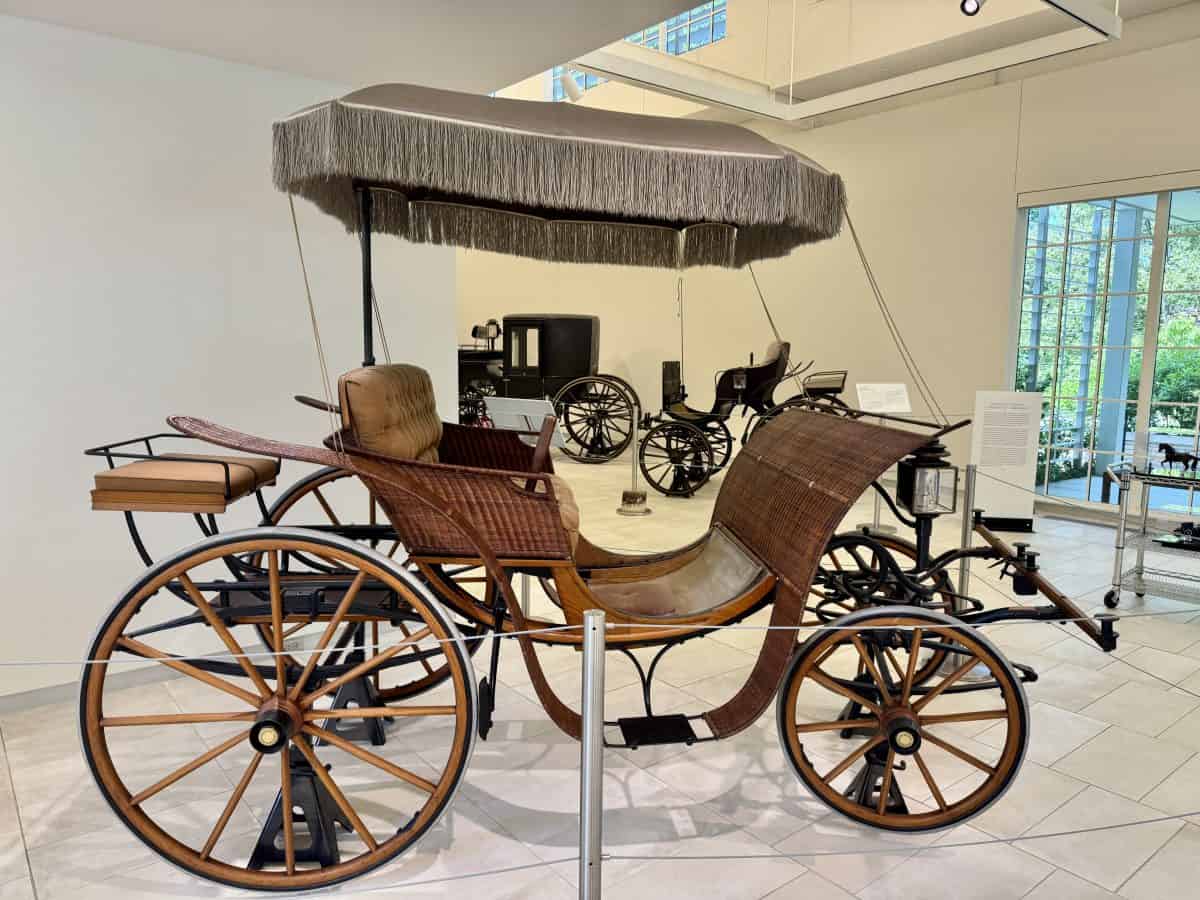
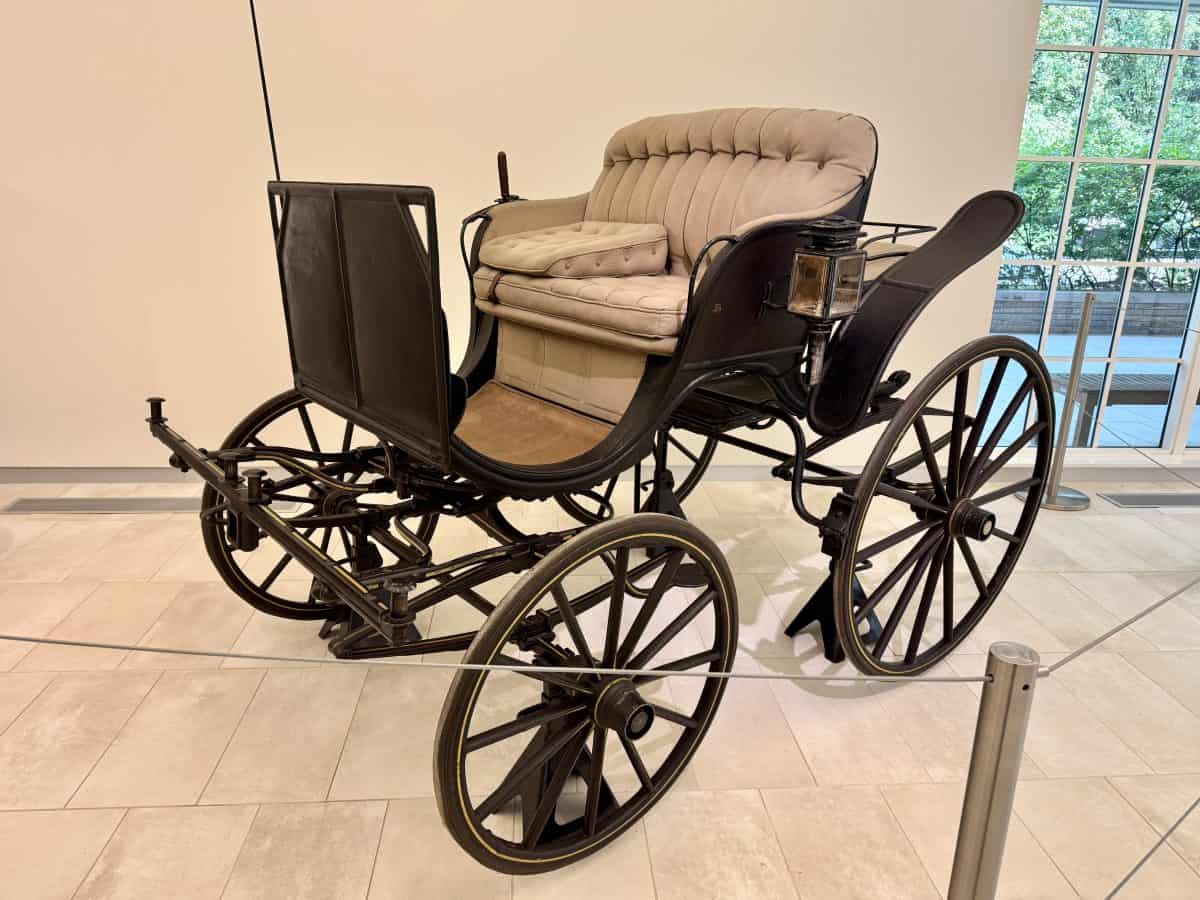
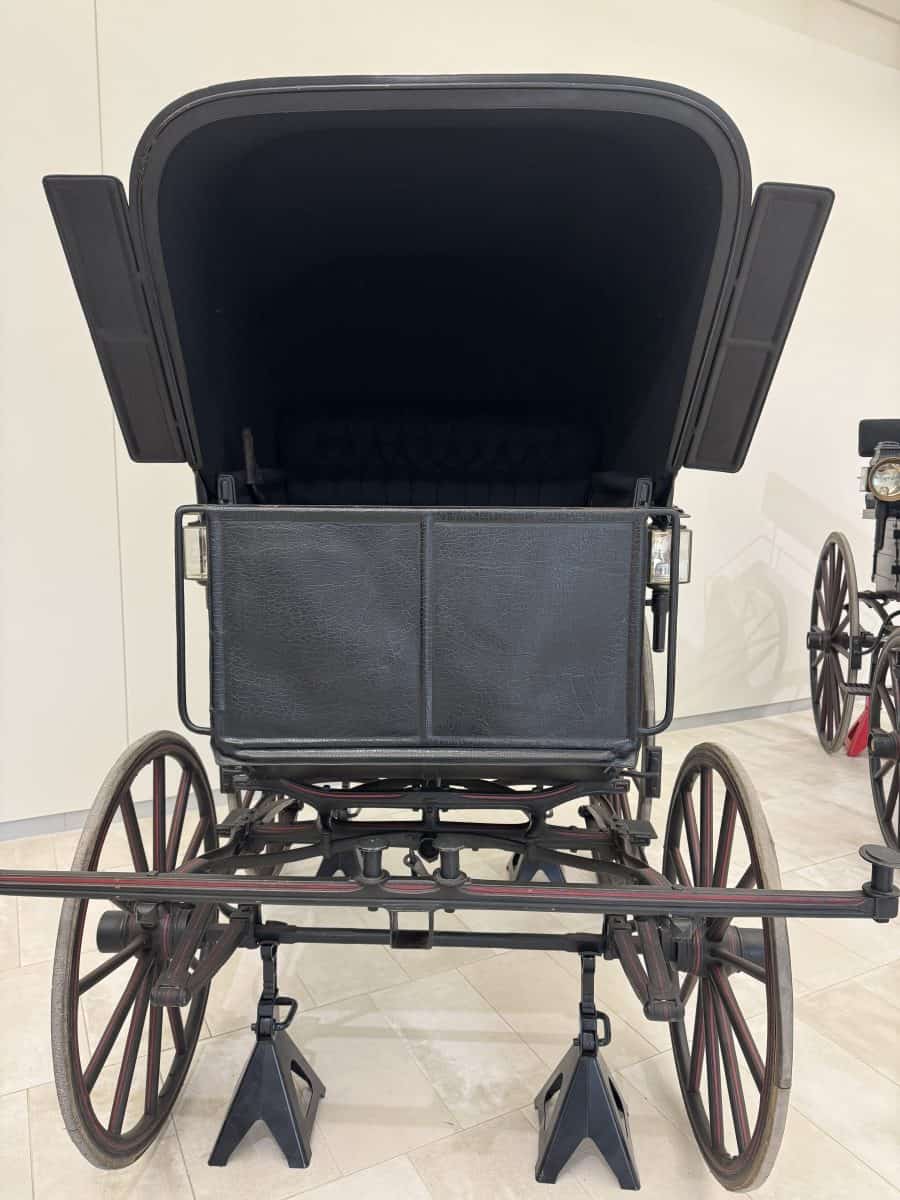
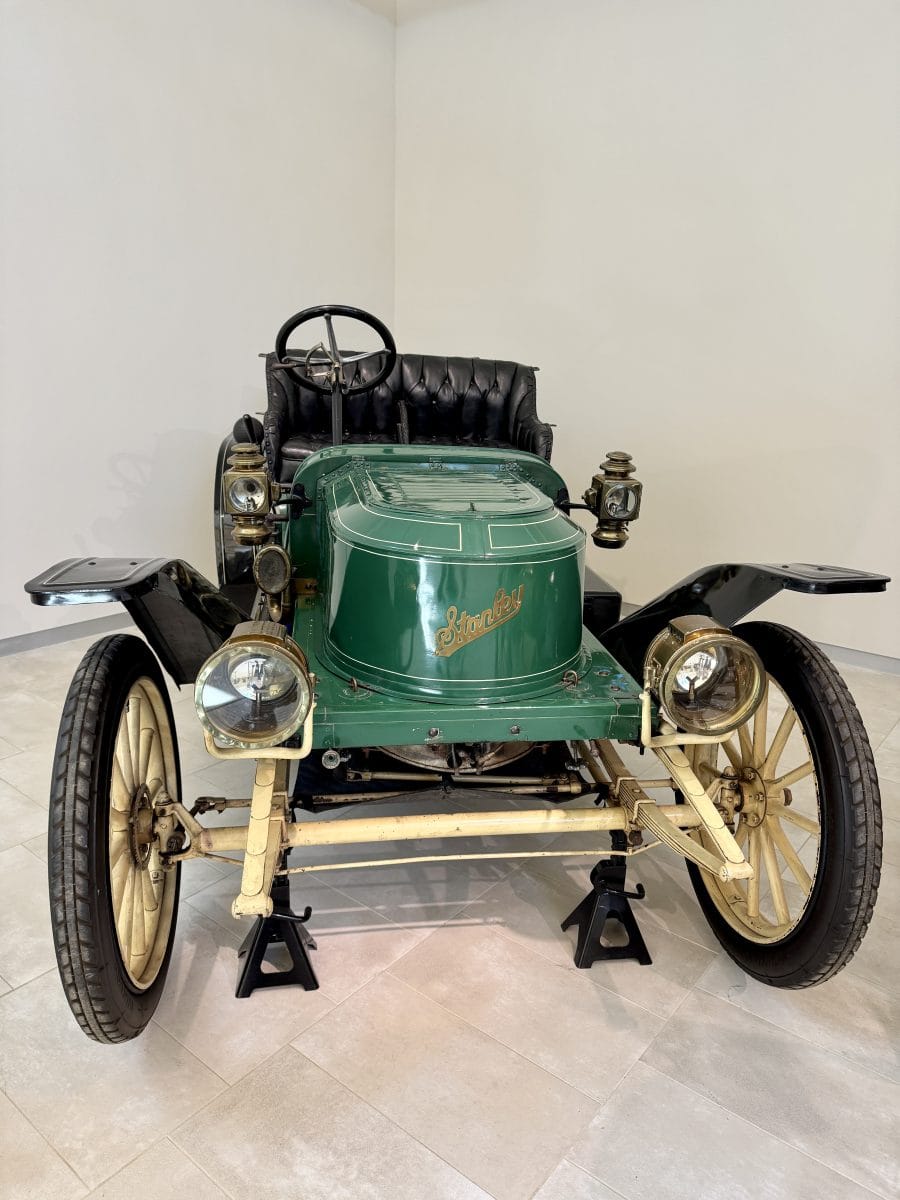
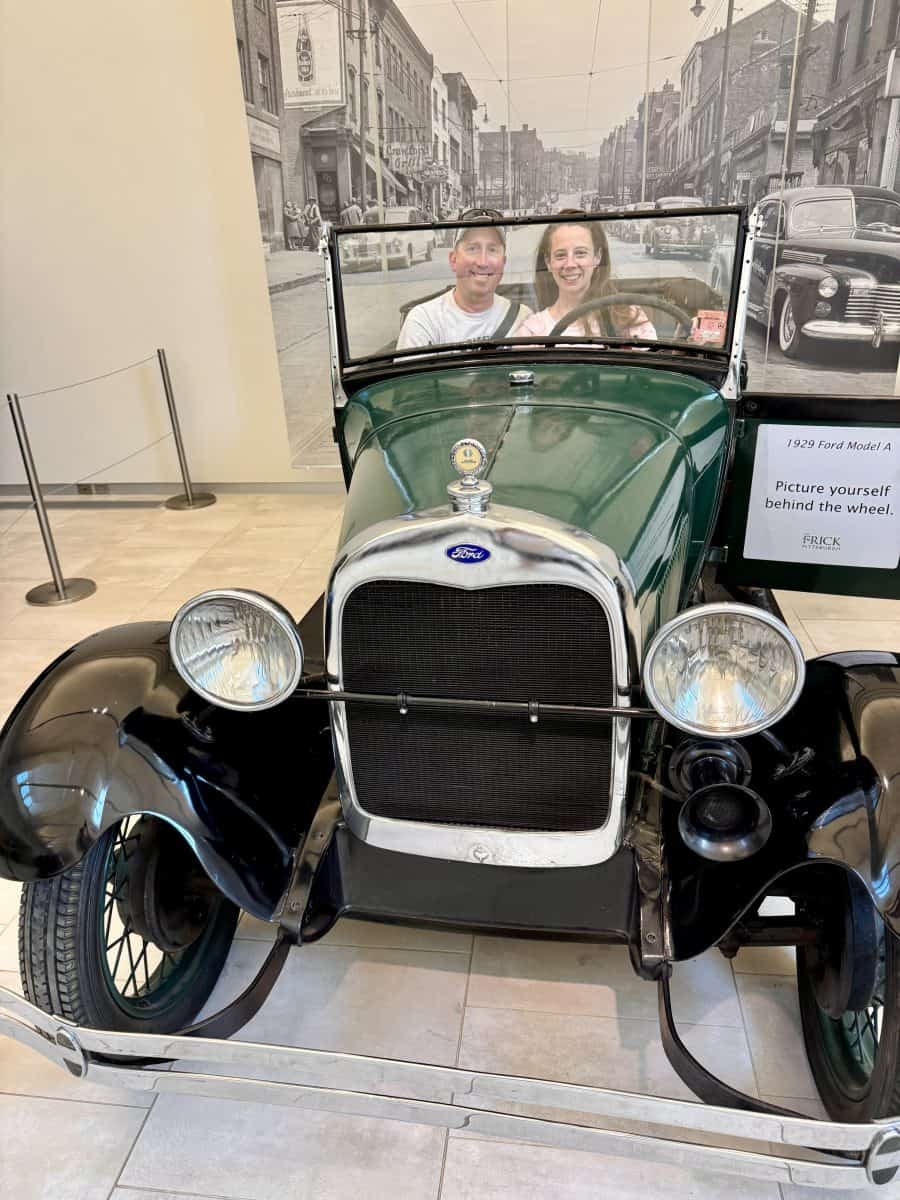
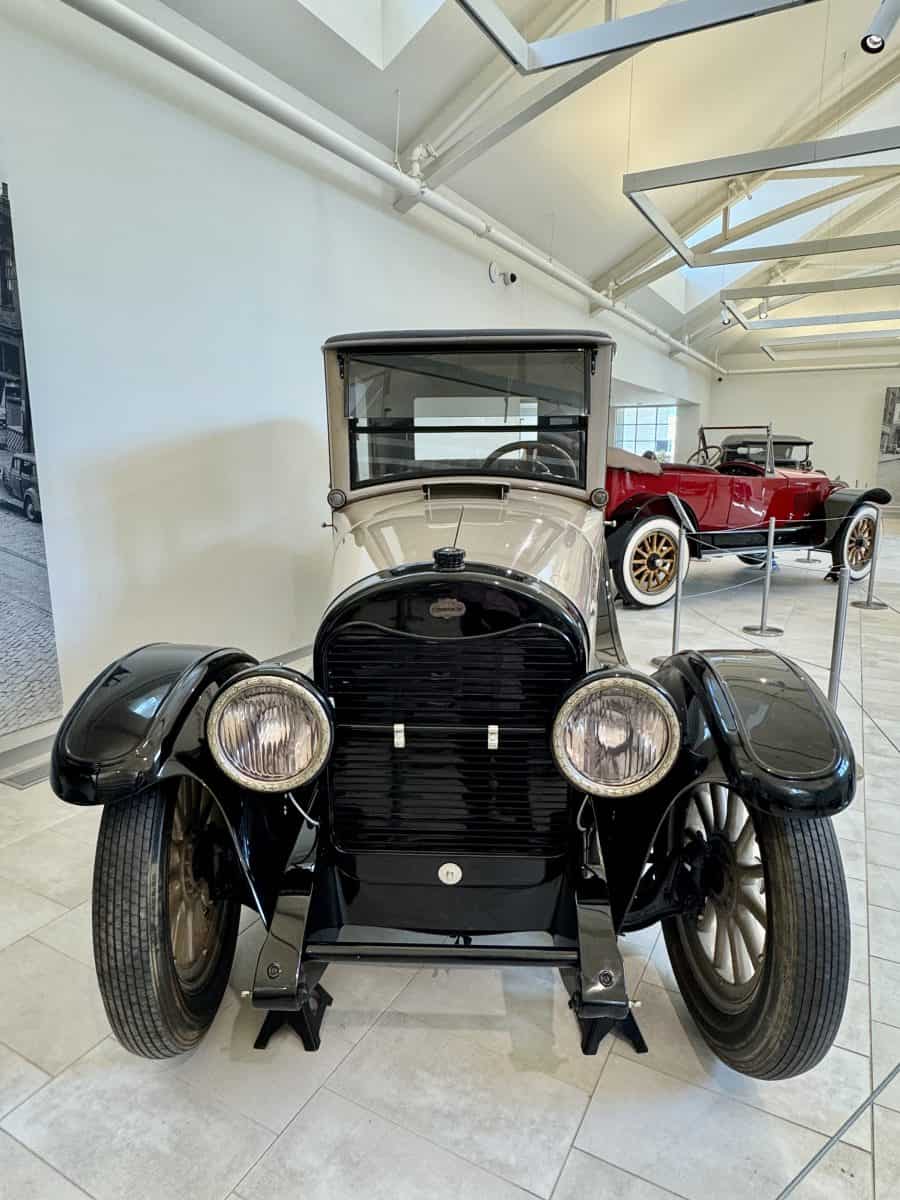
  1. Sit inside a 1929 Ford Model A in the Carriage and Car Museum. The museum displays about a dozen cars and eight carriages, about half of the Fricks’ collection dating back to the late 1800s and some of the first horseless carriages ever built. The museum showcases Pittsburgh’s contributions to the automobile industry and also has a designated kids area with toys and an activity table. Free tours are offered on weekend afternoons.  
  2. See a variety of Helen Clay Frick’s personal collection of early Italian Renaissance and 18th century French paintings, sculptures and bronzes, tapestries, and fine and decorative arts in the Art Museum. Originally opened in 1970, the  Art Museum underwent a renovation in summer 2025 and recently reopened. The museum galleries include items from its permanent collection as well as rotating exhibits. Note: When we visited The Frick in summer 2025, the Art Museum was closed for renovations.
Other areas of the property include the Playhouse, built for the Frick children in 1892 but now used as an Administrative Building, and the Education Center, used for workshops and large group gatherings. 
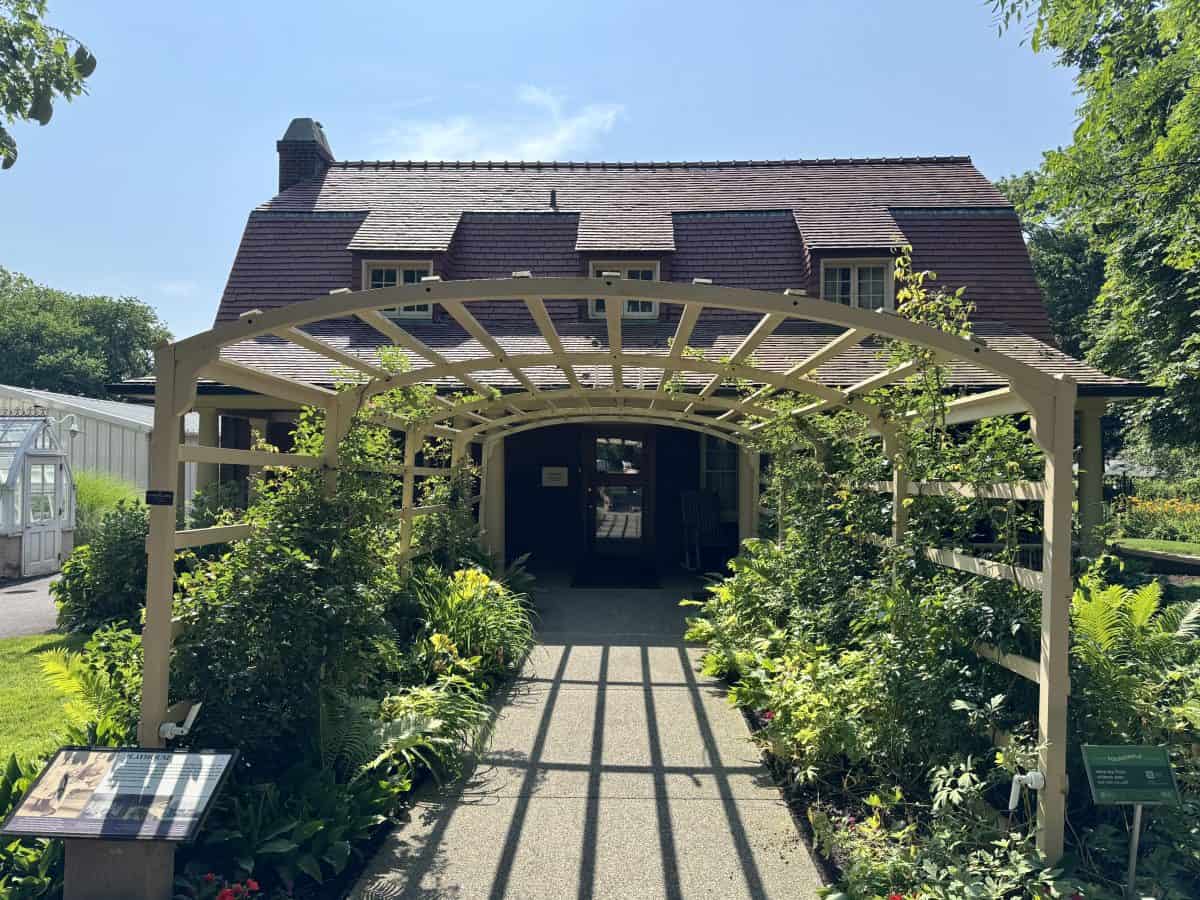
old Playhouse at the Frick Pittsburgh Museums and Gardens in Pittsburgh, PA

Looking for other adventures in Pittsburgh? See our features of the Pittsburgh Zoo and Aquarium, the Heinz History Center, the Carnegie Science Museum, Acrisure Stadium, and our full City Guide

Disclaimer: Our family was given a media pass to explore The Frick; all opinions expressed are my own. 

Would you like to save this?

We'll email this post to you, so you can come back to it later.

Similar Posts

  • | | | | |

    Springfield Armory NHS Springfield, Massachusetts

    I’ve visited Springfield, Massachusetts many times to meet up with my husband’s relatives and to explore some of the many family friendly activities (like the Dr. Seuss Museum and the Basketball Hall of Fame- tips coming at the end of the week) the city has to offer.  However, until recently, I haven’t had the chance to explore the Springfield Armory, part of the National Parks Service.  Since my family has been learning a lot about the the beginning of America’s formation (see my posts on Saratoga National Historic Site, Minute Man National Historic Park, and Fort Stanwix), I figured visiting the Armory would be the perfect complement.

    Armories were places to create weapons and arsenals were places to store those weapons. After the Revolutionary War, George Washington proposed having armories built on the east coast so that the United States did not have to rely on other countries for production. He designated Springfield in Massachusetts and Harper’s Ferry in West Virginia ideal locations for armories.

  • | | | | |

    Nine Ways to Explore Nemours Estate in Wilmington, Delaware

    Nicknamed the “Versailles of the Brandywine Valley”, Nemours Estate is the 77 room mansion that Alfred I. duPont built for his second wife, Alicia, between 1909-1910. Nemours is also home to the largest French formal garden in North America. (Guests can learn all about the 10 design elements of a French garden on the tram tour). Alfred I. duPont was the great grandson of E. I. du Pont, founder of the DuPont Company, which began in Wilmington in the early 1800s.

  • | | | | | | | | | | |

    Nine Ways to Explore Dallas, Texas in the Spring

    There are SO many places to explore in Dallas- my family could have stayed for a year and still not have seen everything! Unfortunately, we couldn’t stay that long, but we vow to return soon! I did most of my research on VisitDallas.com, which has great lists and suggestions. Click here to request a print copy of the Visitor’s Guide.  If you’re planning on exploring multiple spots on my list, consider purchasing a CityPass, which will give you discounts and allow you to skip many lines. More info here. While many locations having parking lots and there are several metered options on main roads, consider riding with DART, Dallas’ public transportation system. Learn more about it here. Like I mentioned, there was too much to do while we were in town to cover the entire city, but I wanted to share some spots we enjoyed:

  • |

    Touring the US Naval Academy in Annapolis, Maryland

    Founded in 1845 by George Bancroft, Secretary of the Navy, the US Naval Academy, located in the heart of Annapolis, Maryland, is the college that trains officers for both the Navy and Marine Corps. What started as a 10 acre campus with 50 students and 7 faculty members has expanded to a 338 acre campus with over 600 faculty (half civilian and half military) and 4,500 students called Midshipmen (women are called Female Midshipmen), copied from the British naval ranking. Women were first admitted in 1976 and today, represent approximately 30 percent of Midshipmen. Each year, the Academy accepts approximately 1200 students, approximately 10% of applicants. All Midshipmen are on scholarship and are required to serve a minimum of five years in the Navy or Marine Corps following their four year college experience, culminating with a Bachelors of Science degree. 

    Over 80,000 people take guided tours each year, and over two million people visit the Academy each year. Our guided walking tour is one of the BEST tours we have ever taken and we think it is a must see and do when you’re exploring Annapolis, or driving through to Washington DC or Baltimore, Maryland, both a half hour away.

  • | | | | |

    Lowell National Historical Park in Lowell, Massachusetts

    The city of Lowell, Massachusetts, located just 30 miles north of Boston, was built as a factory city (because of its location next to the Merrimack River and Pawtucket Falls) and became synonymous with the American Industrial Revolution. Named for Francis Cabot Lowell, who is partially credited for creating the power loom, city locals began funding and building water-powered mills in the area in the early 1800s. By 1880 Lowell had over 100 mill buildings, 18 textile corporations, 2 machine shops, and a booming population (it was the second largest city in Massachusetts in the mid 1800s), employing over 10,000 workers in the mills. 

    However, newer technological advances in more northern cotton mills took away from the businesses in Lowell and production started to decline. By the 1950s, all of the original mills and most of the textile companies closed and the buildings fell into disrepair until local citizens and businesses worked together to form the Lowell Heritage State Park in 1974. Four years later, Congress designated the space as Lowell National Historical Park and the park has continued to expand its historical exhibits, research, tours and programs for the public.

  • |

    The Best Disney World Dining Recommendations for 2023

    Last week, we shared an updated (for 2022) post featuring our tips for making successful Disney World dining reservations. Over the years, we have learned many ways to make your trip to Disney World as smooth as possible (spoiler: it takes some planning, some luck, and some flexibility).

    This week, we’re sharing an updated list of our favorite dining spots at Disney World (our original list can be found here and we do have some repeats!). We’ve been to Disney World four times and have a few spots we visit on every trip and some spots that have become newer favorites. We hope you’ll check these restaurants out on your next visit to Disney World, and would love for you to leave us a recommendation for a spot for our next visit.

Leave a Reply

Your email address will not be published. Required fields are marked *