Exploring the Andy Warhol Museum in Pittsburgh, PA

| | | |

The city of Pittsburgh, Pennsylvania is the birthplace of, and home to, many influential people in American history, including famed artist Andy Warhol. A museum honoring the influential pop artist, film director, and producer opened in 1994 in the heart of Pittsburgh. 

The Andy Warhol Museum showcases the largest collection of Warhol’s works and personal memorabilia, and is also the largest single-artist museum in North America. The museum’s collection includes over 8,000 paintings, sculptures, prints, books, films, and photographs. One of four Carnegie Museums, the Andy Warhol Museum has seven floors that celebrate the work, and life, of Warhol with several interactive exhibits that art enthusiasts of all ages will enjoy.  
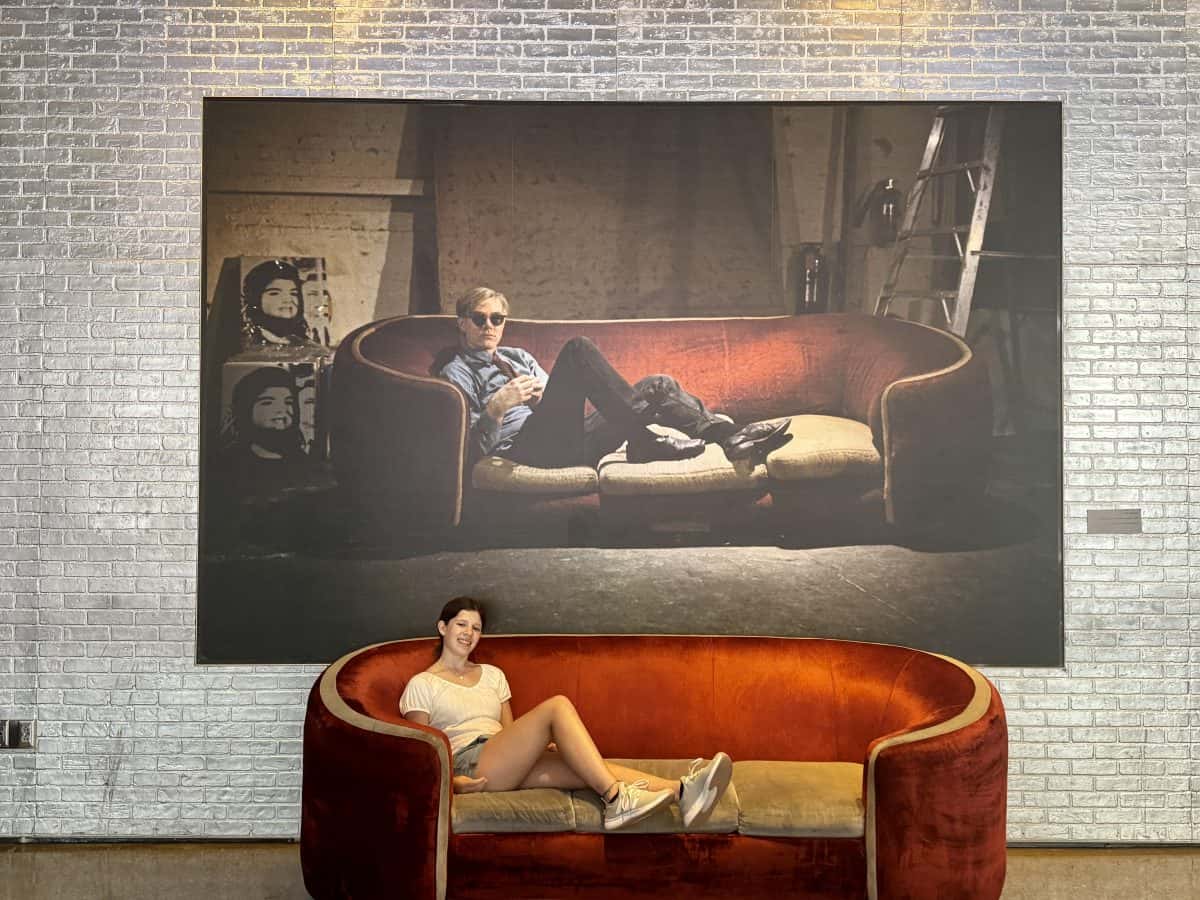
sitting on the couch at the Andy Warhol Museum in Pittsburgh, PA

Travel Tips:

  • The museum is open from 10am-5pm Wednesday through Monday, with extended hours on Friday nights-, check here for up to date information on hours and tickets.
  • There is a parking lot across the street from the museum at the corner of Sandusky and East general Robinson Streets, with a $8/day fee (in summer 2025).
  • Restrooms are located on the second and basement floors; the entire museum is handicapped accessible via an elevator; coat and bag check are available near the admission desk on the first floor.
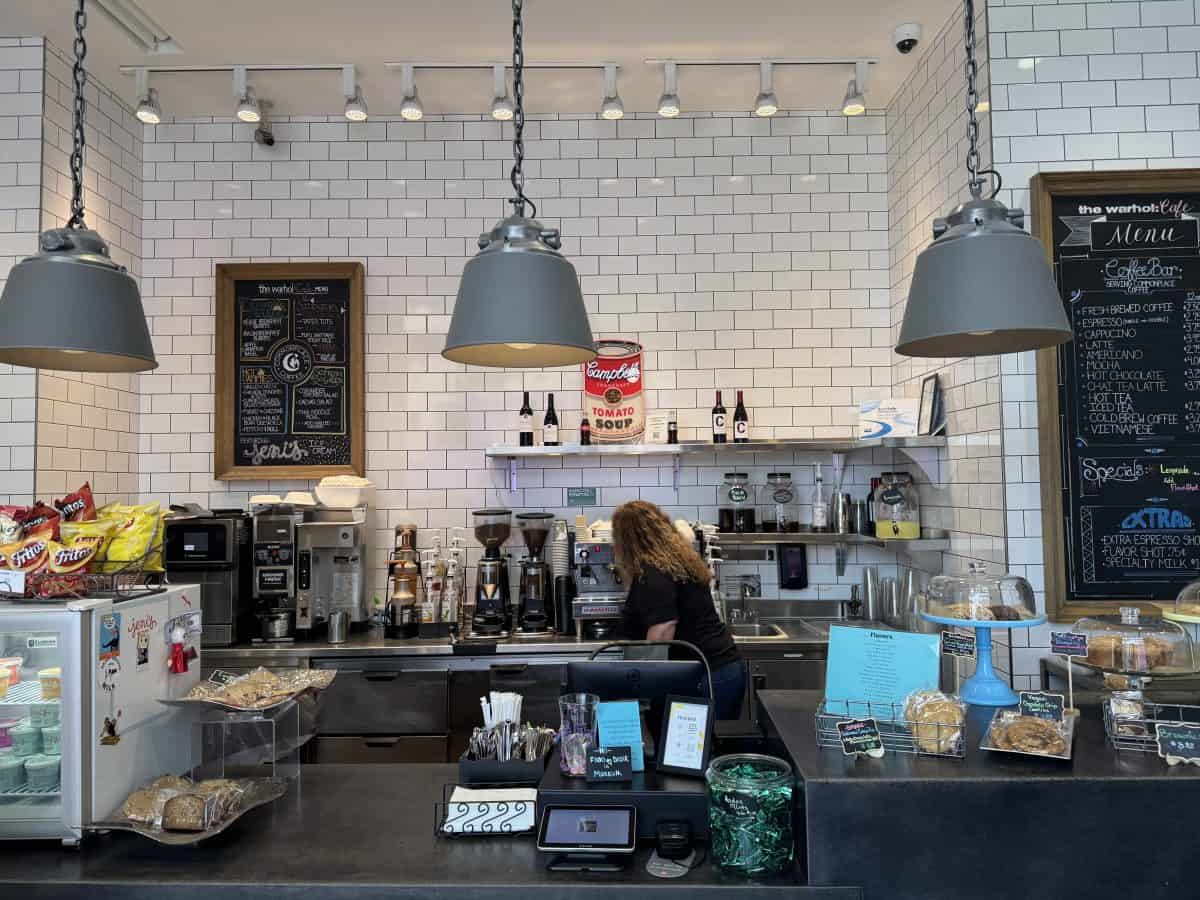
  • The Warhol Café located on the first floor offers prepared sandwiches, salads, snacks, and freshly made hot and cold drinks.
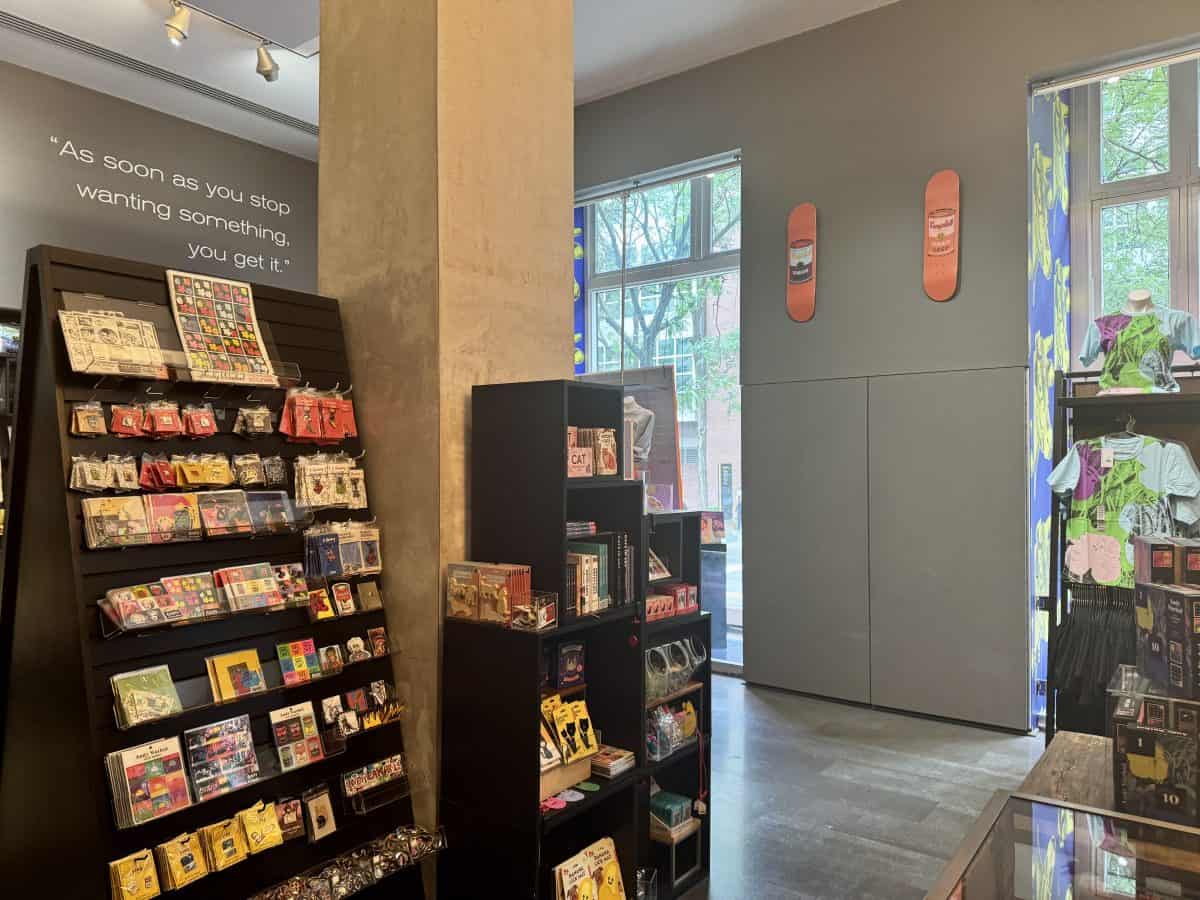
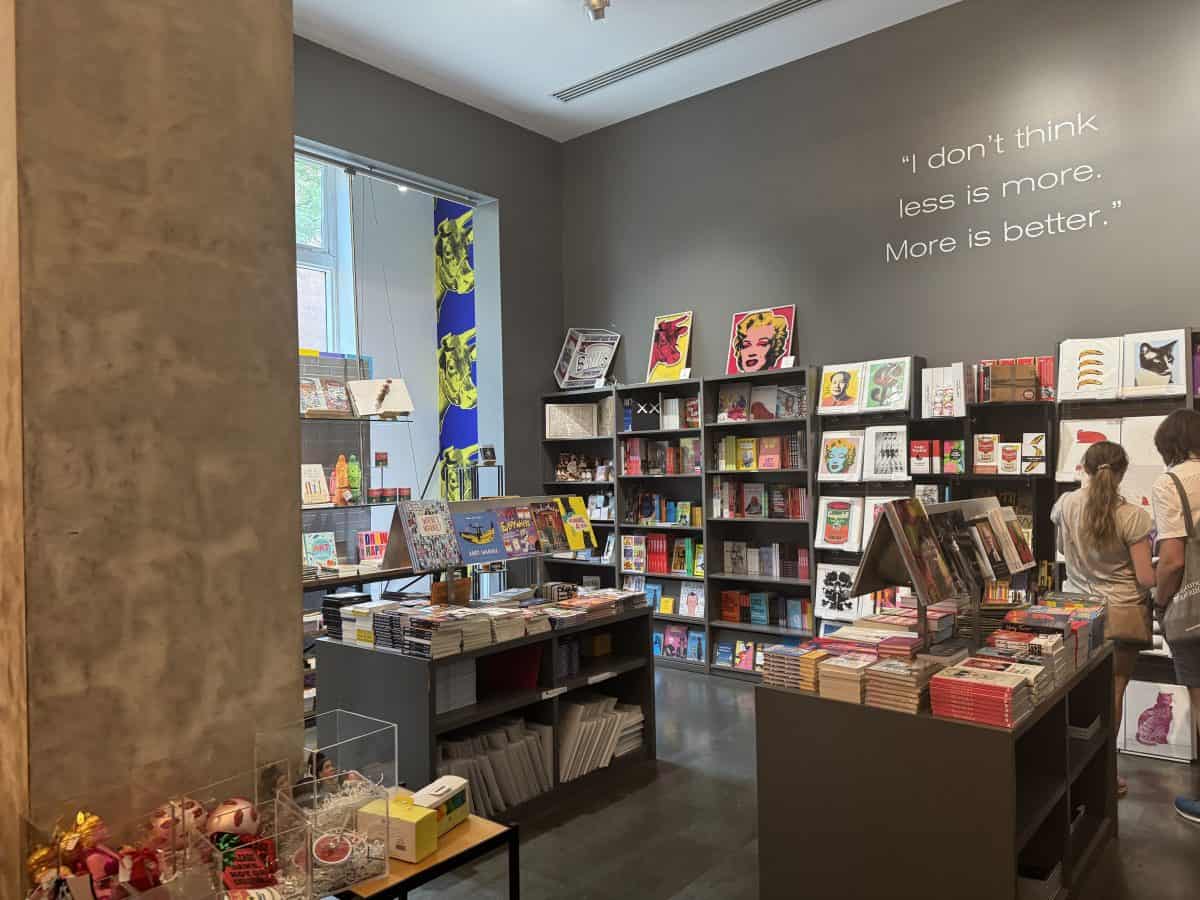
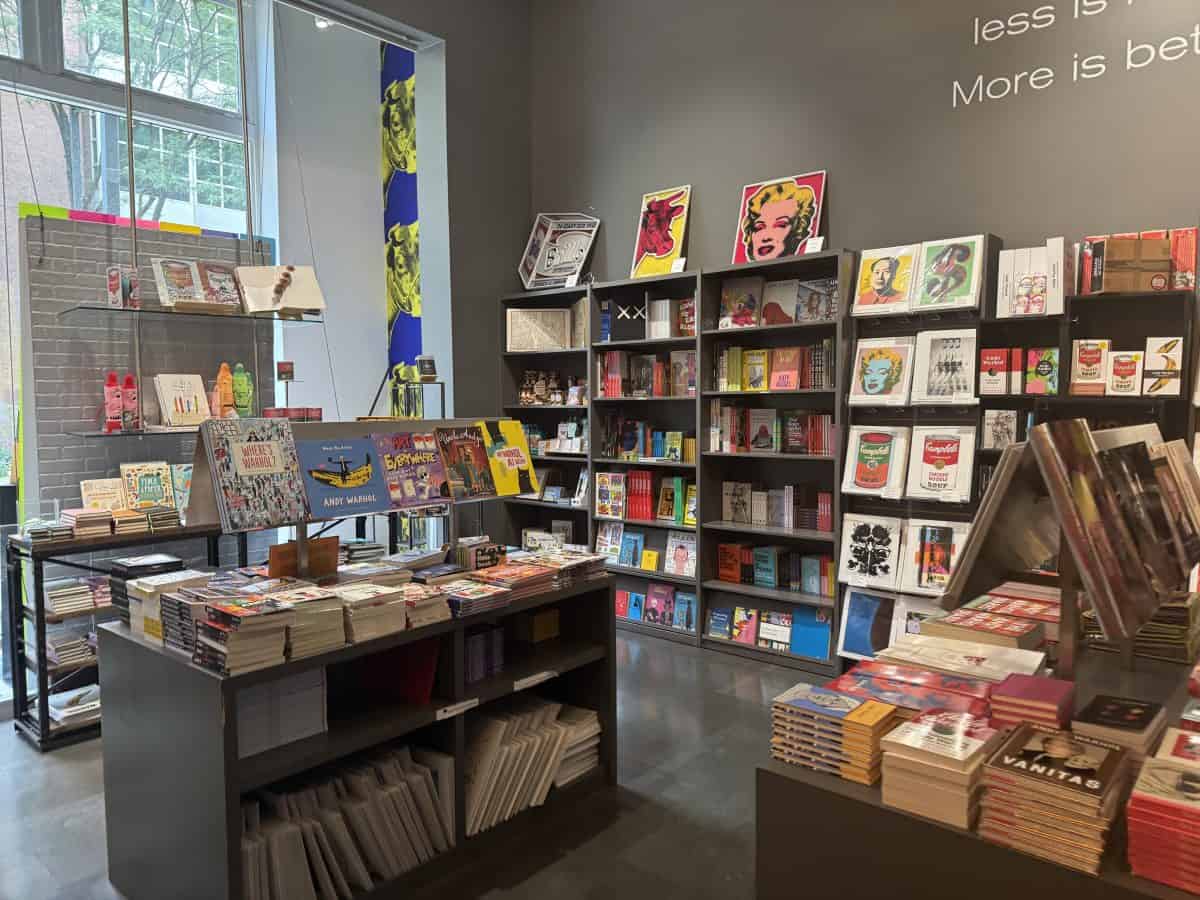
  • The Warhol Shop is located on the first floor and offers a wide variety of Warhol and pop art themed gifts, art work, souvenirs, and a large book section of Warhol’s work.
  • The museum offers a wide variety of programs and special events– see the full calendar here
  • Plan on 90-120 minutes to explore all seven floors of exhibits (we recommend starting at the top seventh floor). See an exhibit map here and the Digital Guide and Bloomberg Connects app here.

Highlights of each floor of the Warhol Museum:

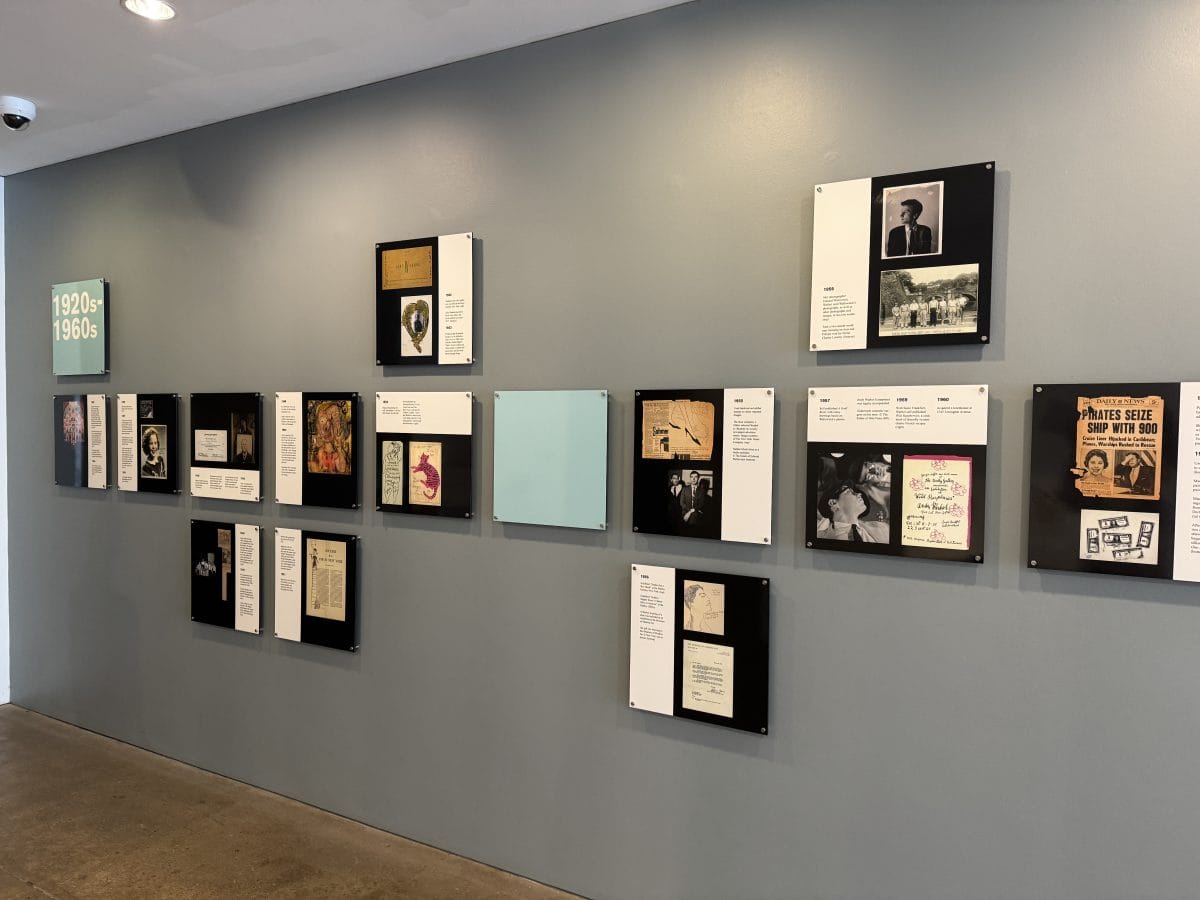
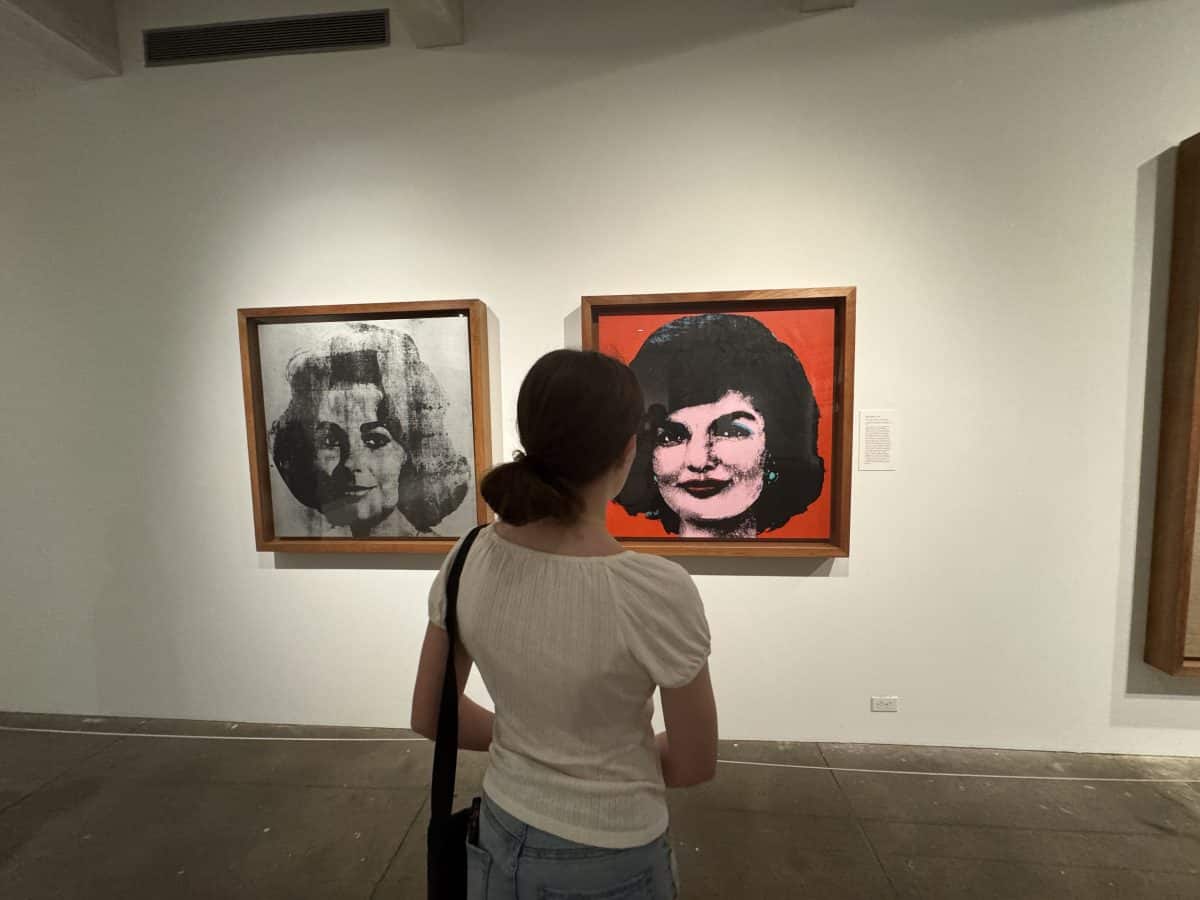
7th floor (the 1950s): Learn all about Andrew Warhol’s early life, growing up in Pittsburgh in the 1930s and 1940s. Andy worked to help support his family before attending college and moving to New York City to become a successful artist. He refined the process known as “blotted lines”. In the late 1950s he started painting “Pop Art” which was a popular movement in Britain. He enlarged images from magazines and hand painted them on canvases.

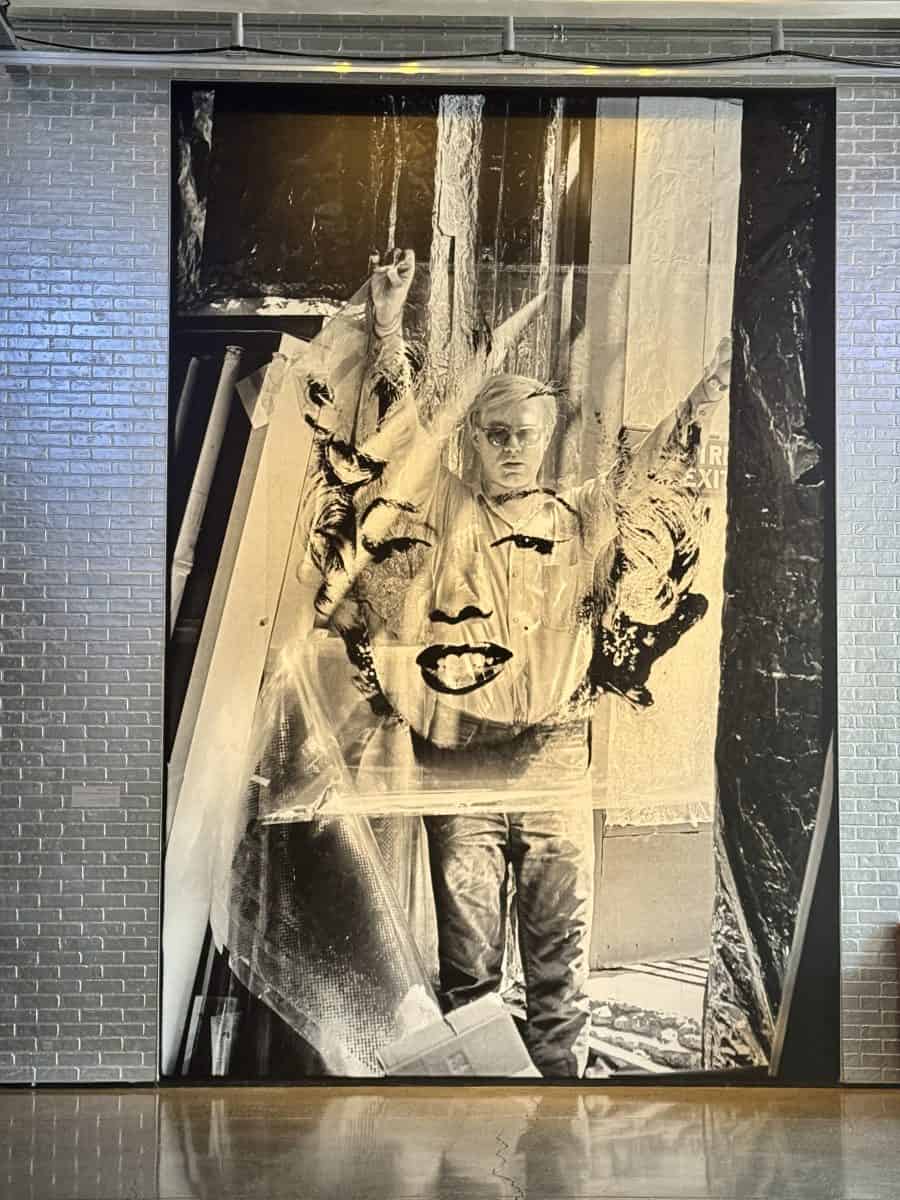
6th floor (the 1960s): Andy worked a lot with silkscreens and the exhibit on this floor showcases his silkscreen printing. Warhol announced he would retire from painting in 1965 and focused his energies on film making. Over his lifetime, he produced over 650 films of various lengths and subjects. Visitors can also make their own slow-motion portrait film in the Screen Test Machine.

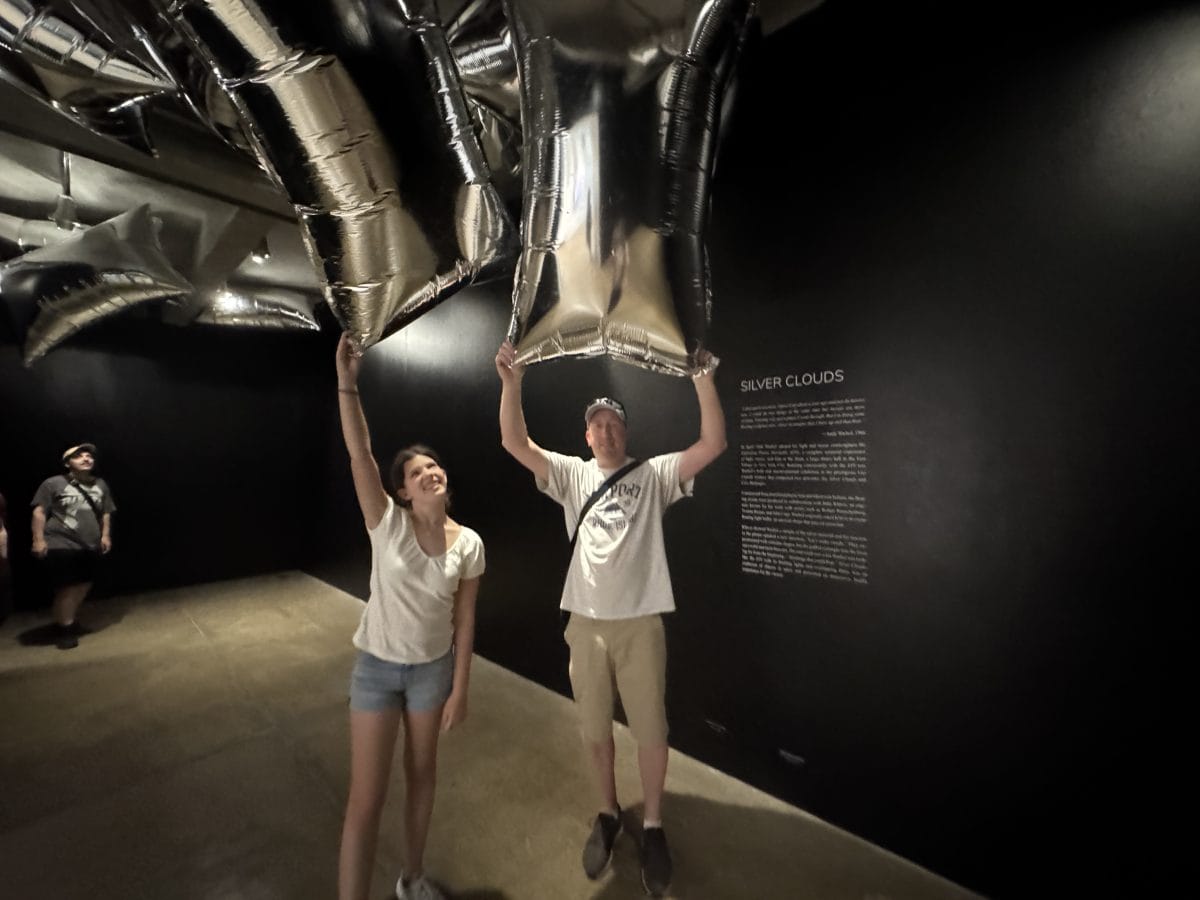
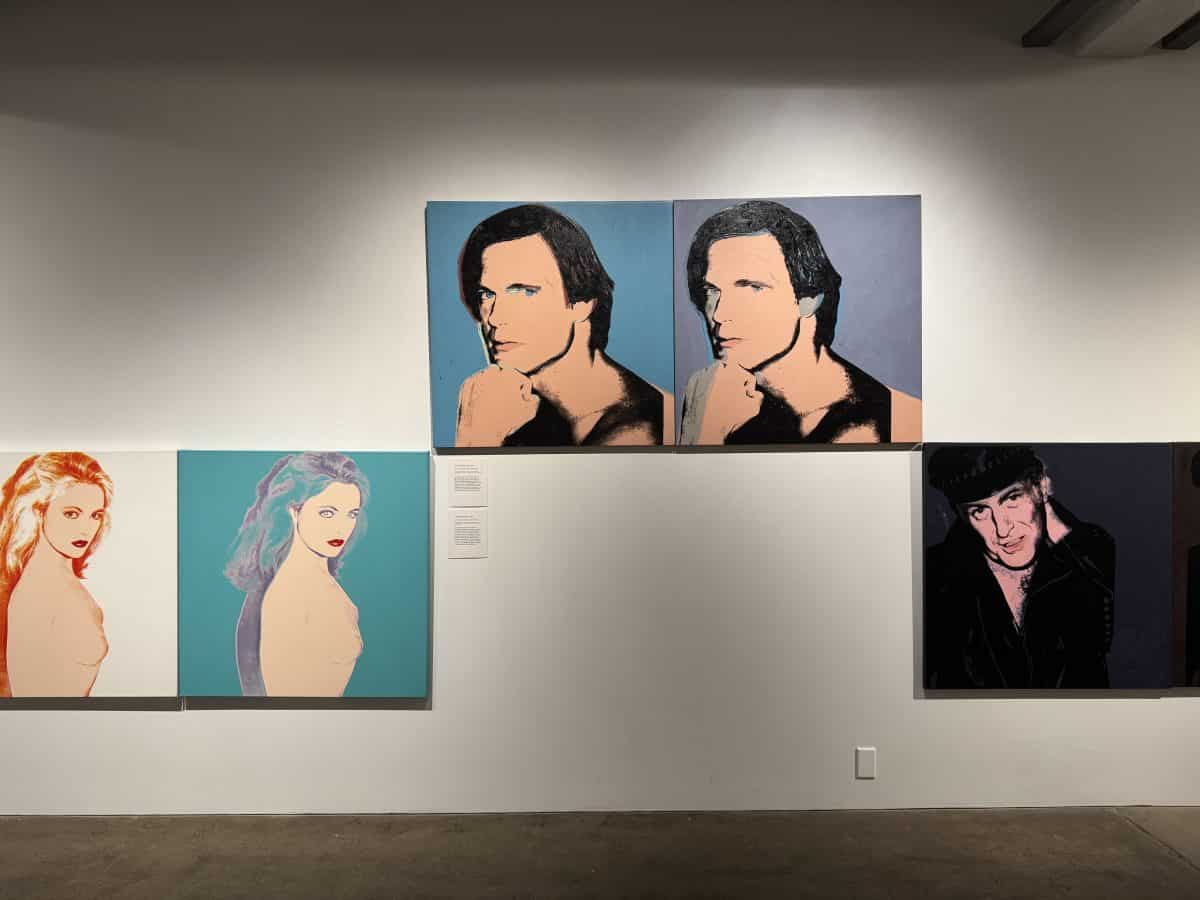
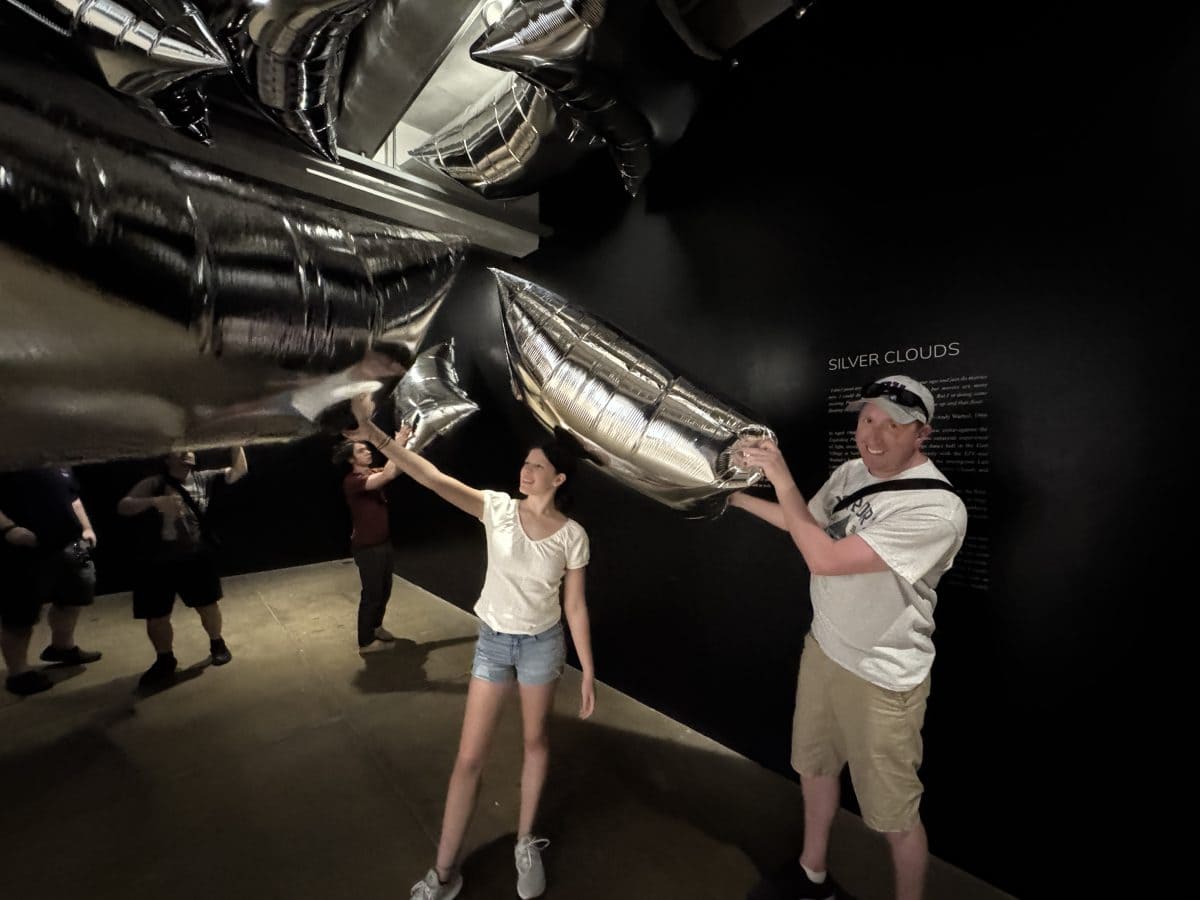
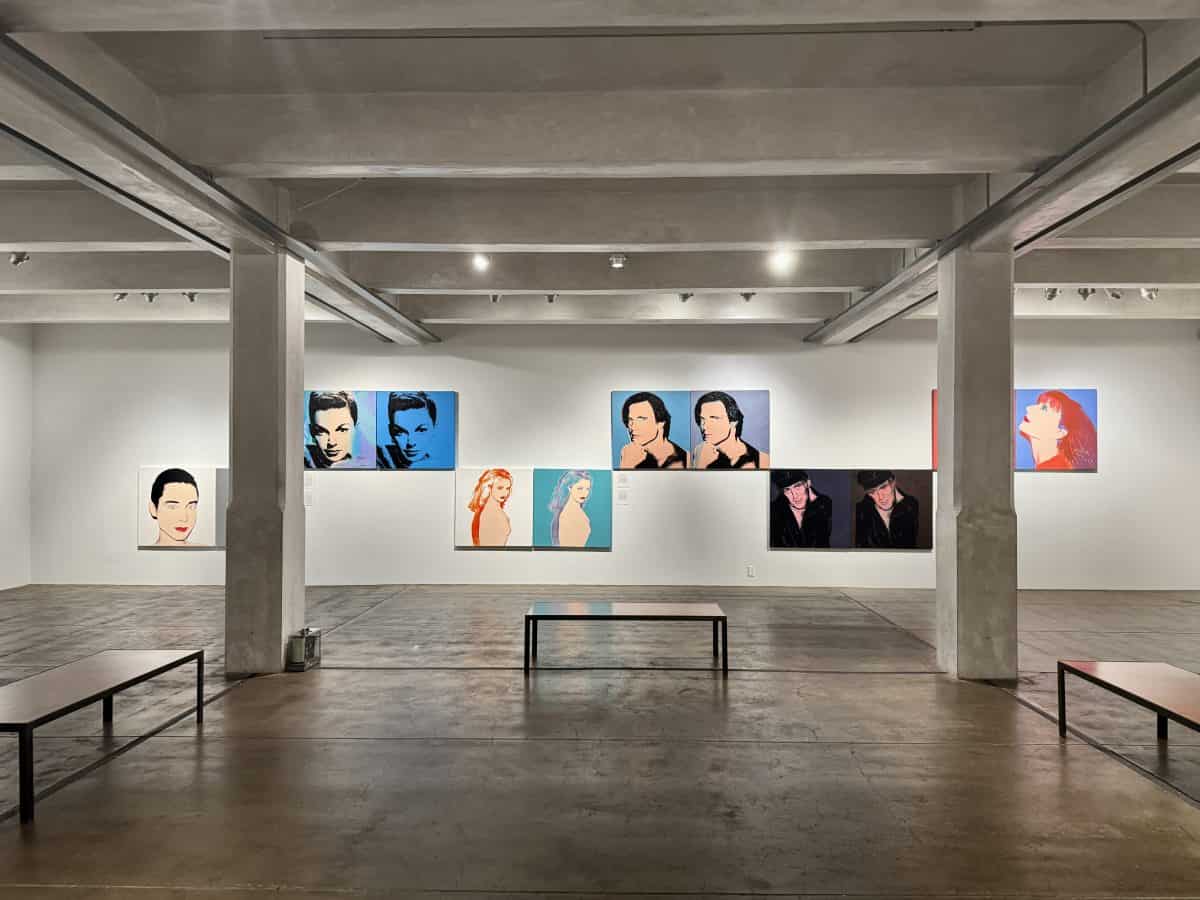
5th floor (the 1970s): Engage with the Silver Clouds, a floating, metallic sculpture. Many of Warhol’s works evoke the portraits of the 1970s exhibit that opened in the Whitney museum in NYC. Check out the exhibit about Warhol’s Ladies and Gentlemen series from 1974-1975, one of his largest commissions.
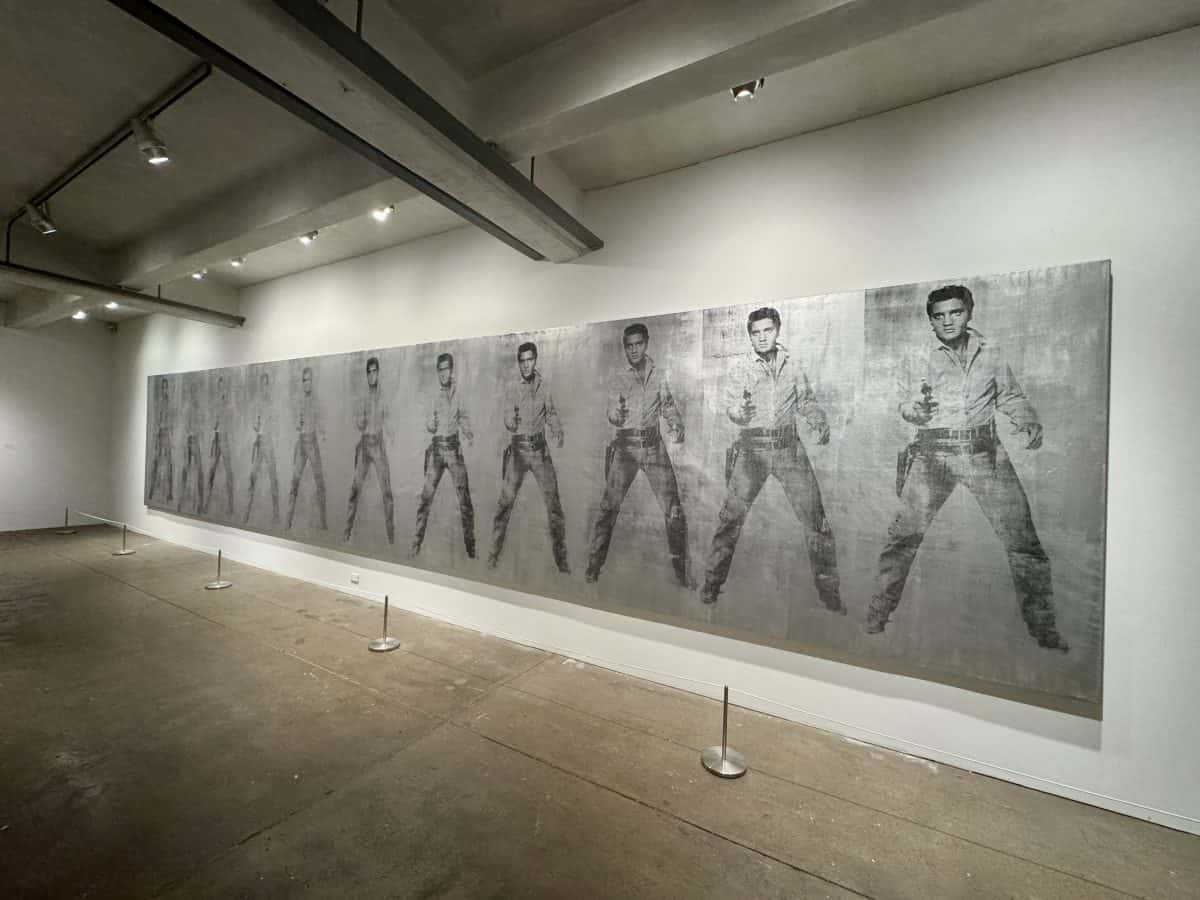
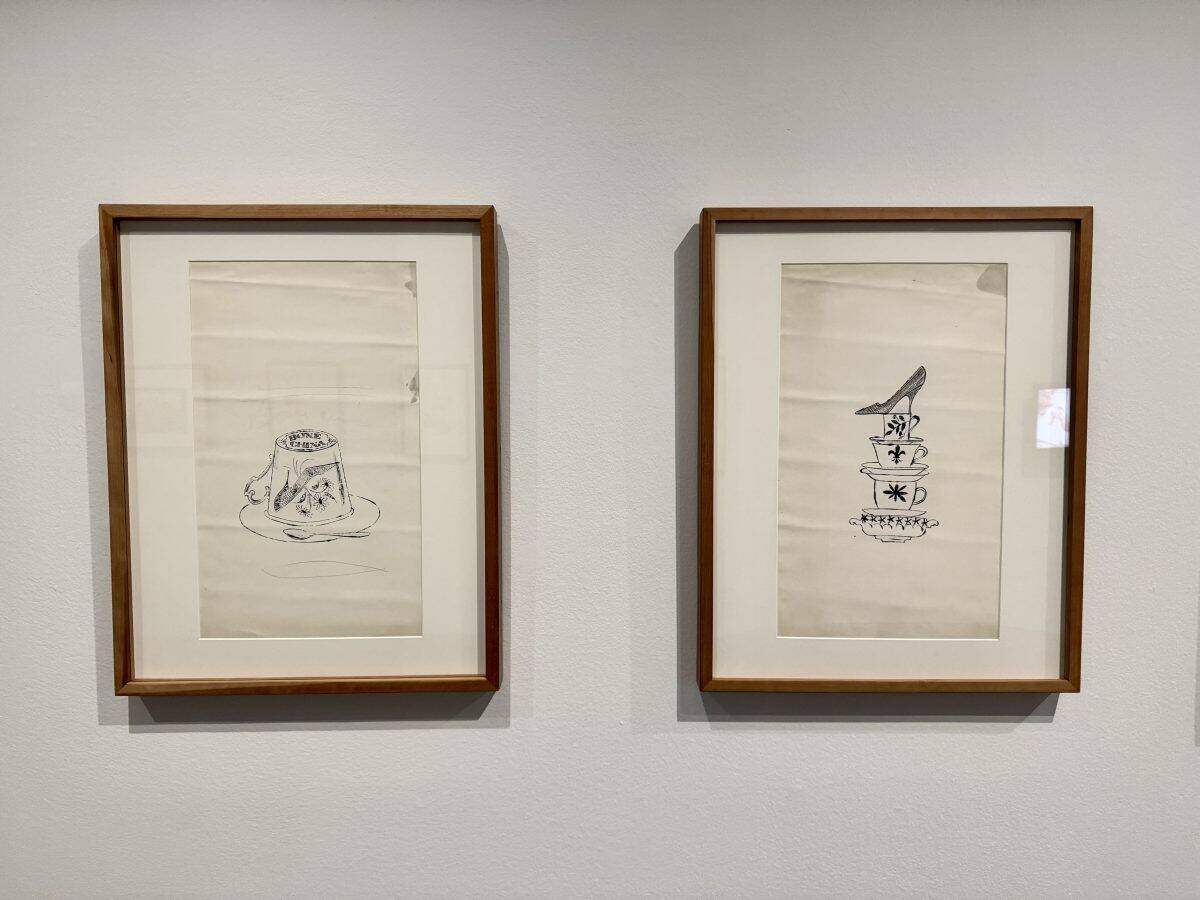
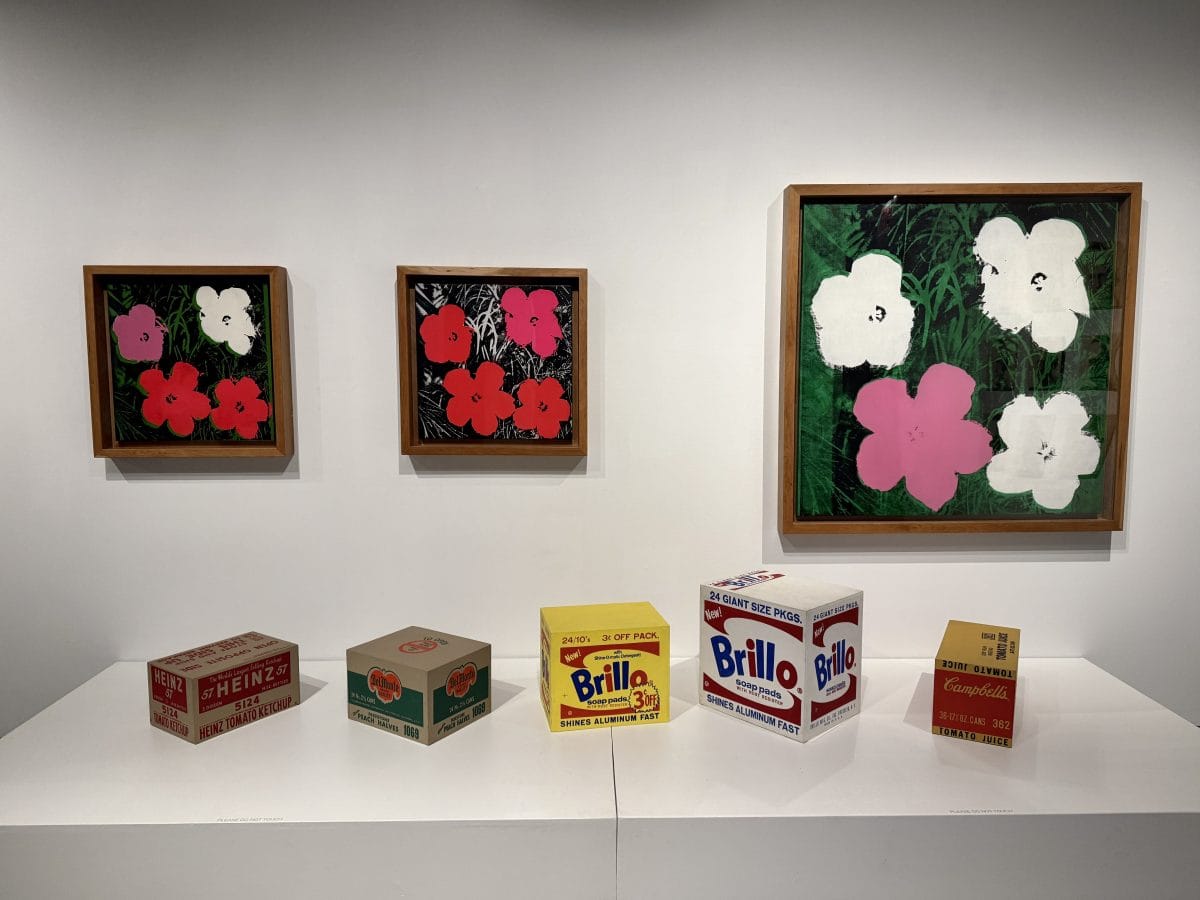
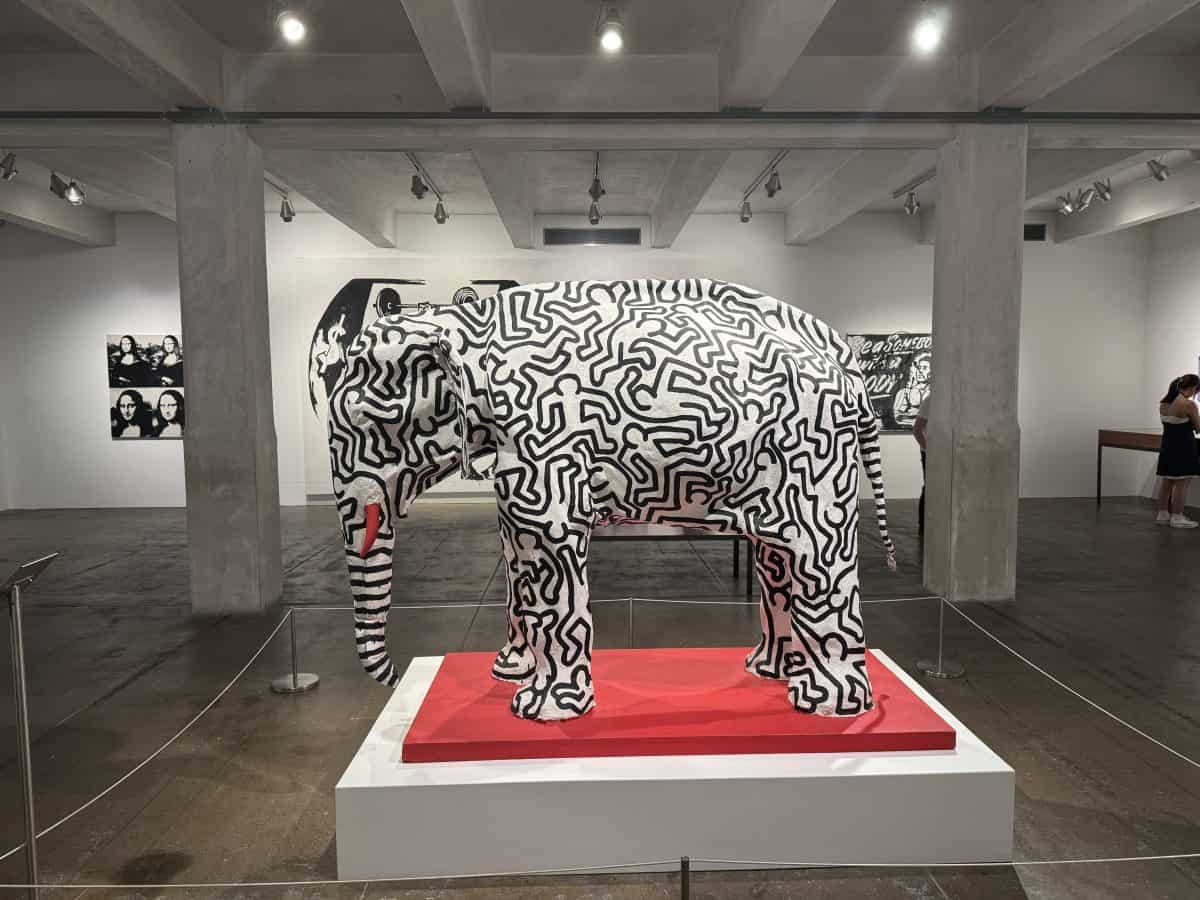
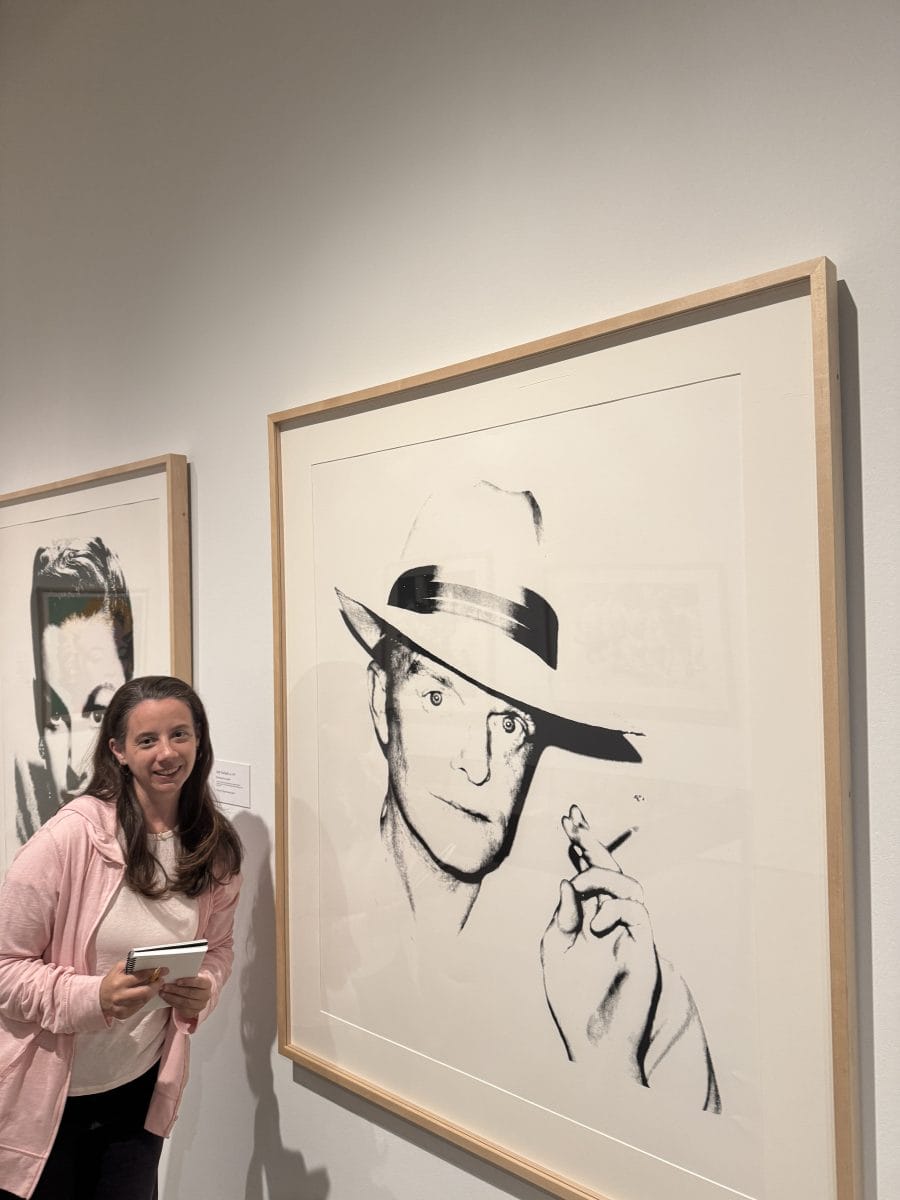
artwork by Andy Warhol at the Andy Warhol Museum in Pittsburgh, PA

Would you like to save this?

We'll email this post to you, so you can come back to it later.

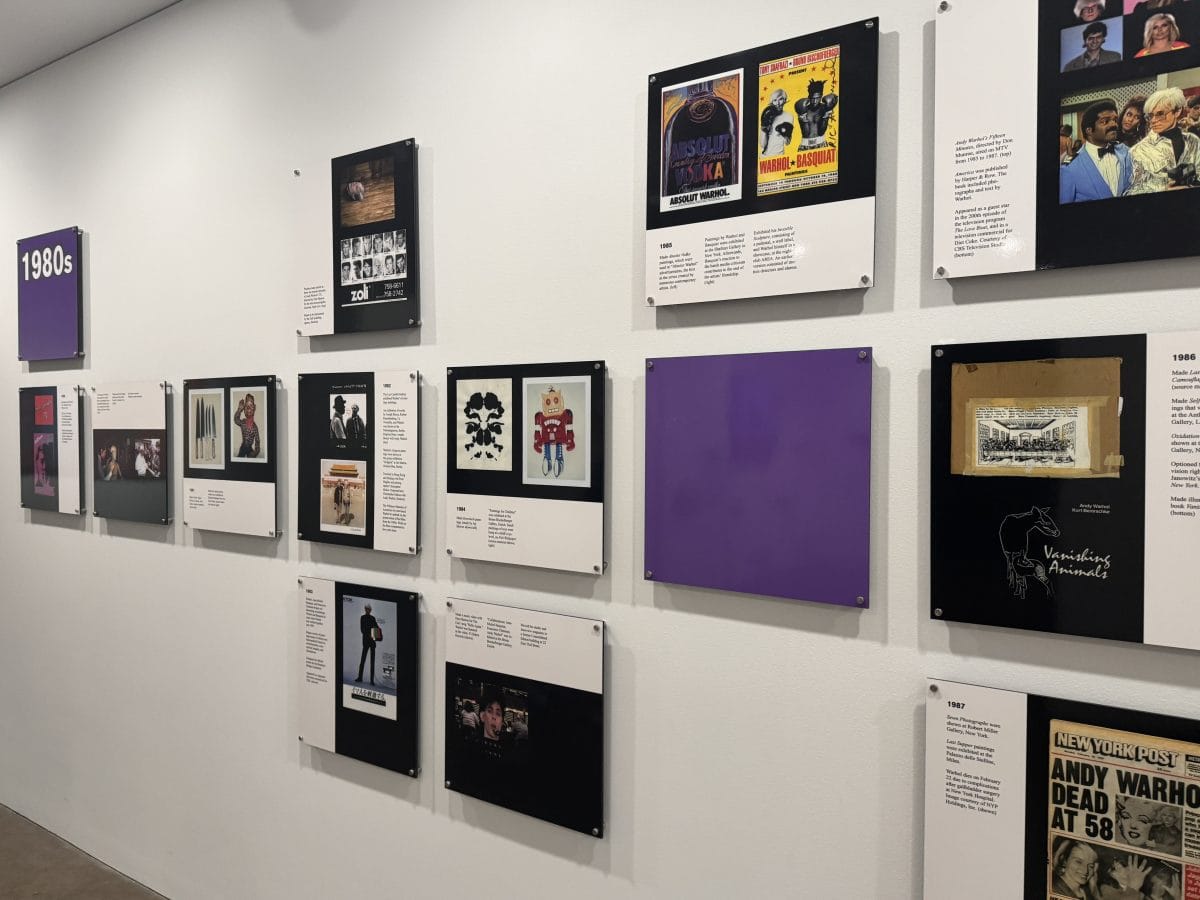
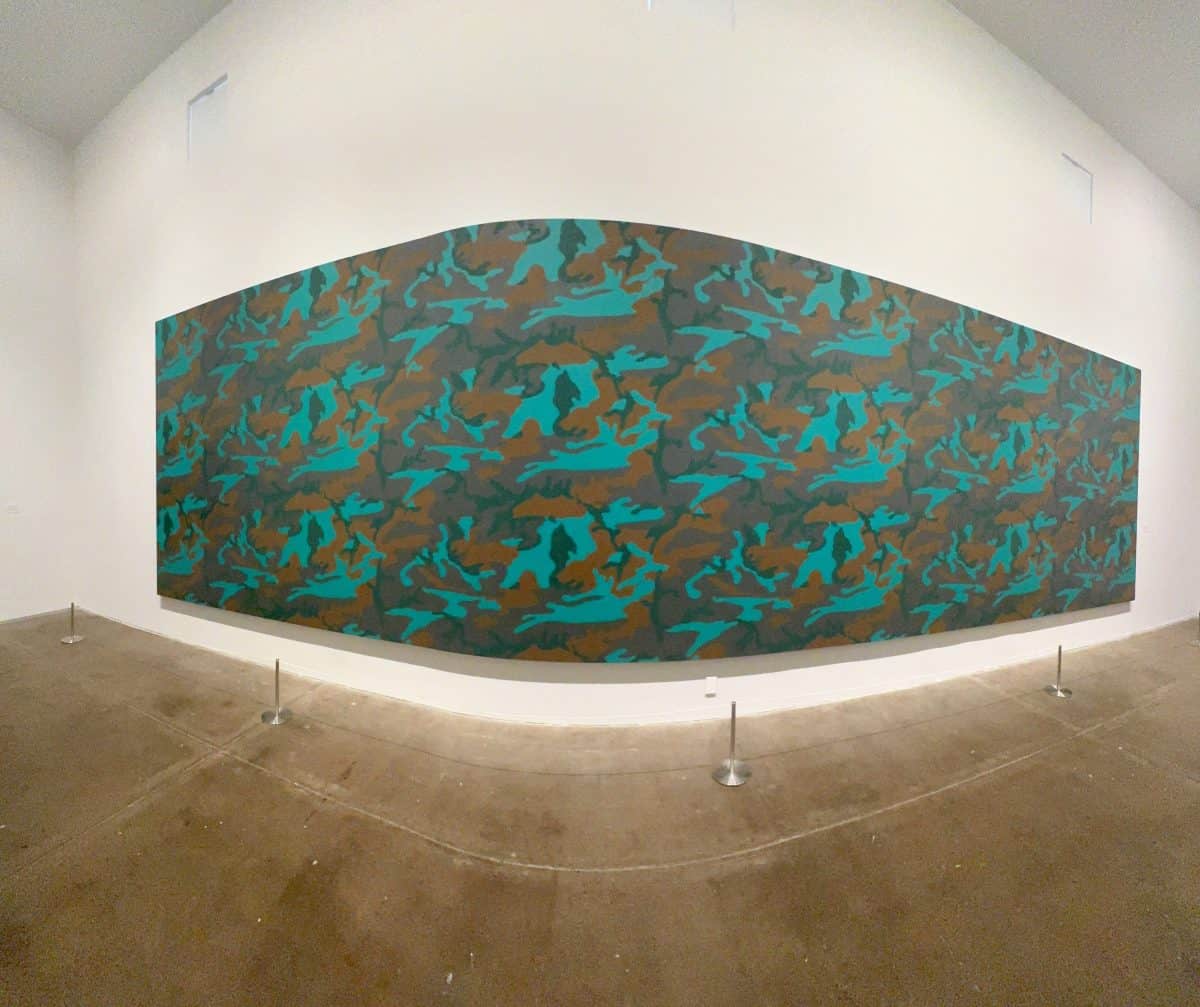
4th floor (the 1980s):  Check out the massive Camouflage acrylic and silk screening on line from 1986 that spans most of the length of the room and Warhol’s collaboration with Jean-Michel Basquiat entitled “In Focus”, which utilizes ten large punching bags. There is also a film and video gallery with touch screens that invite visitors to view over 100 selections of Warhol’s film, video, and television works.

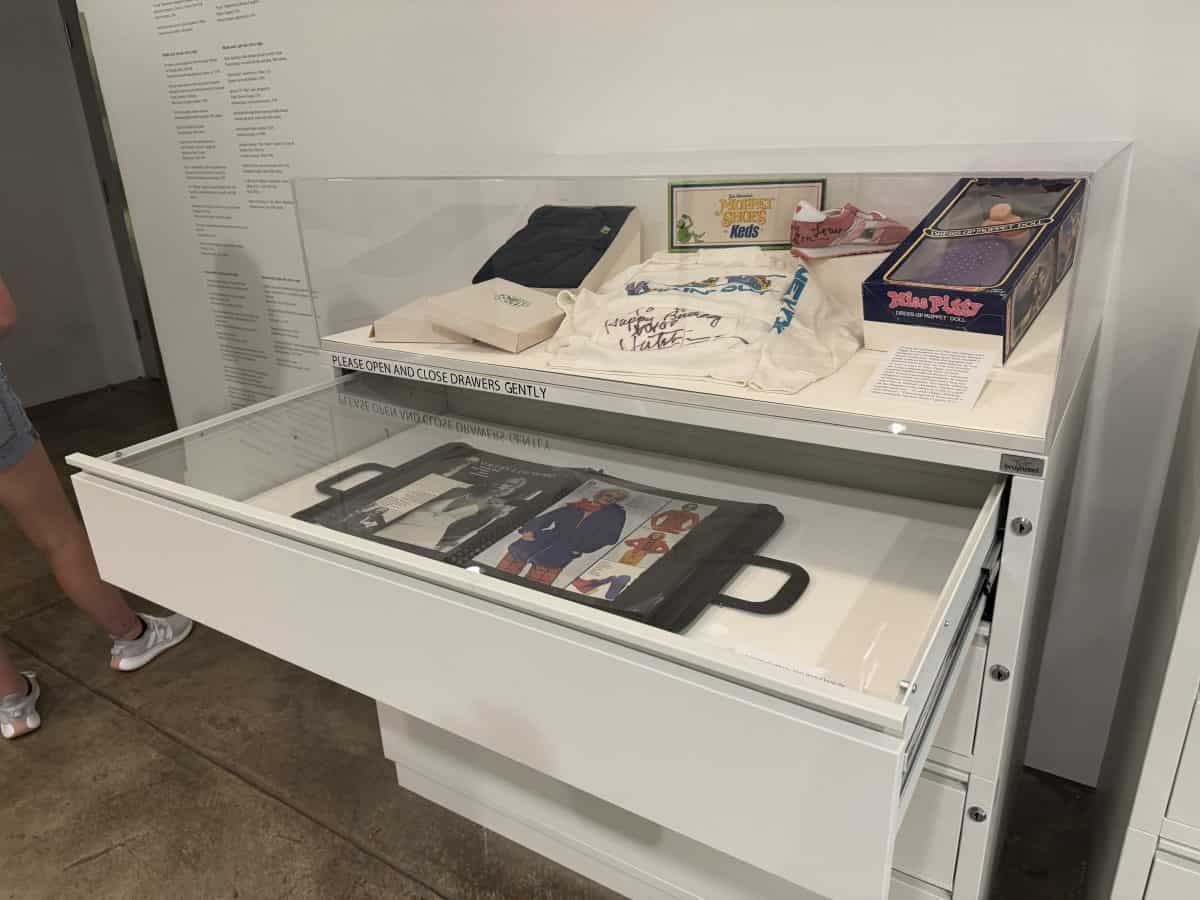
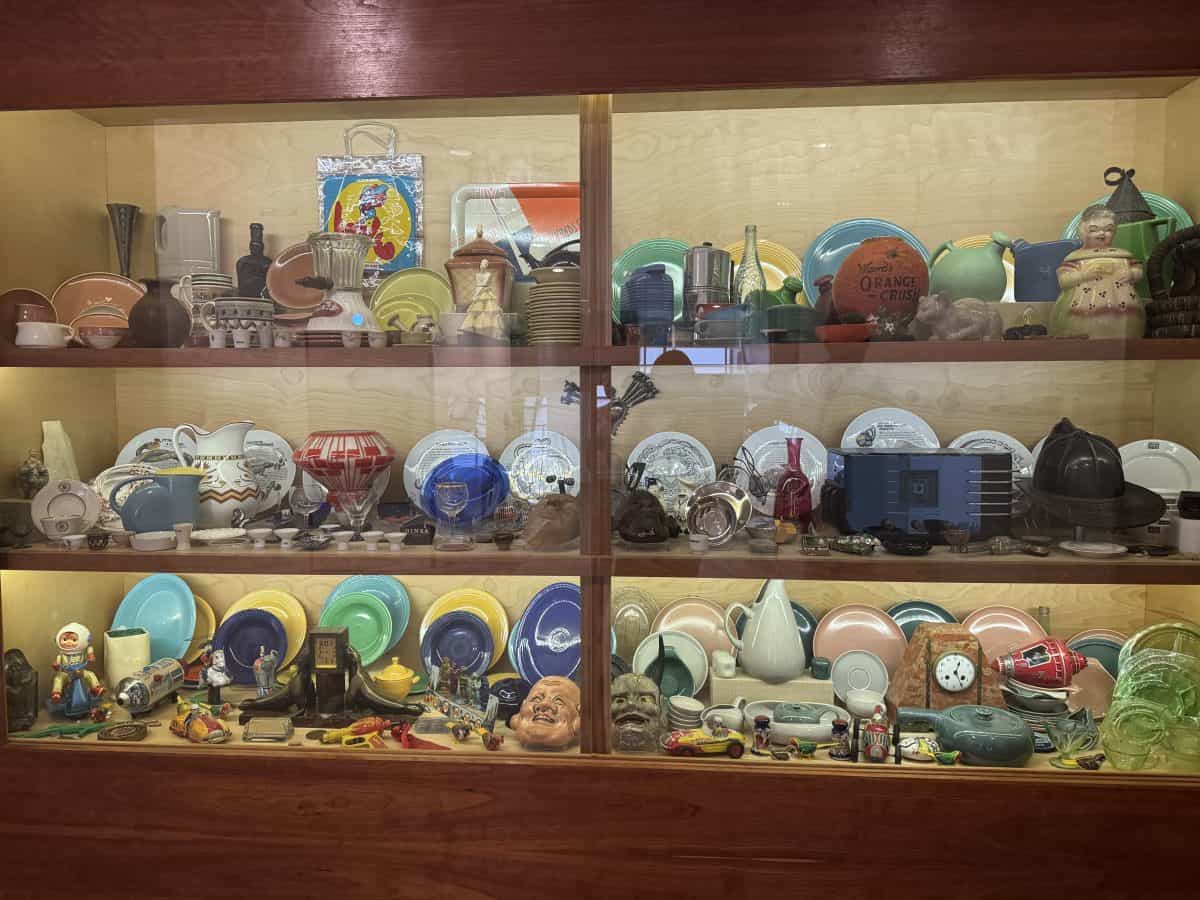
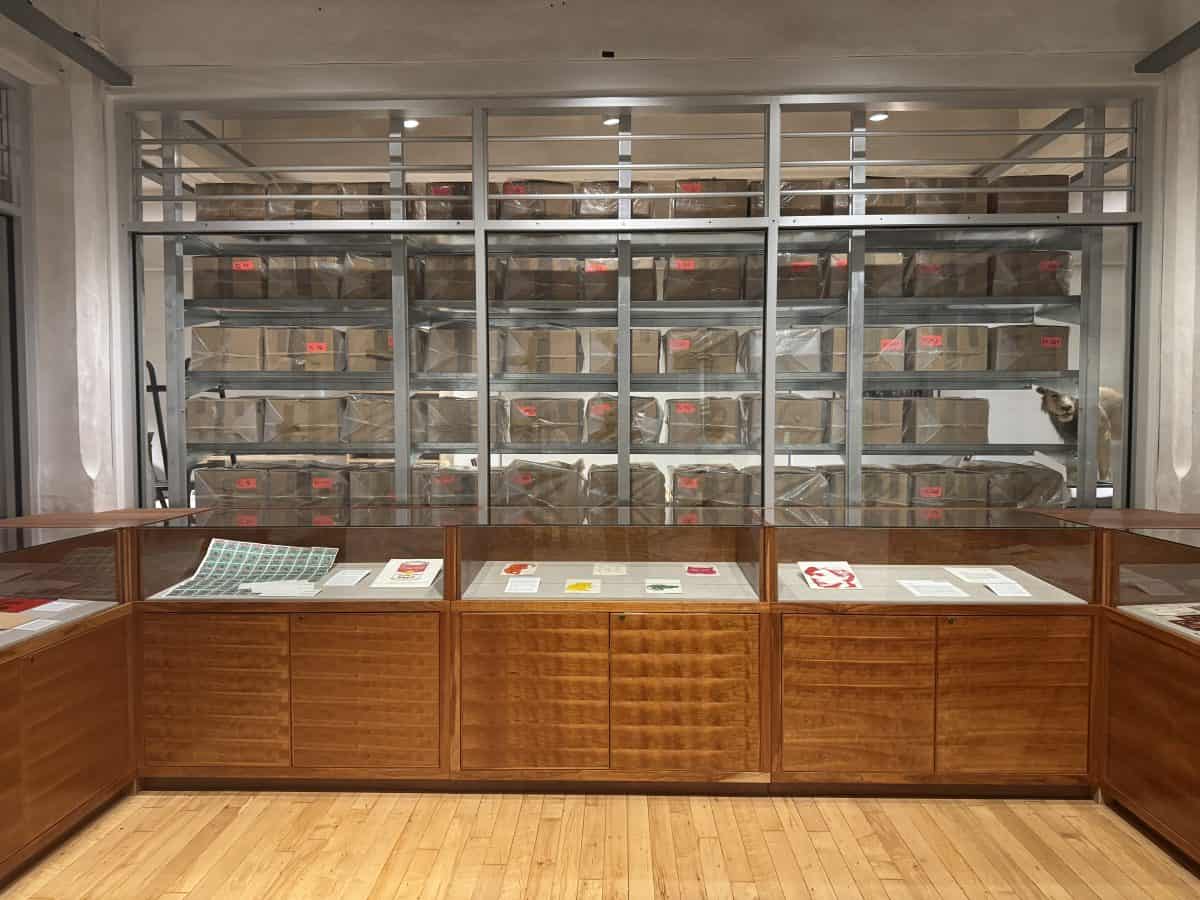
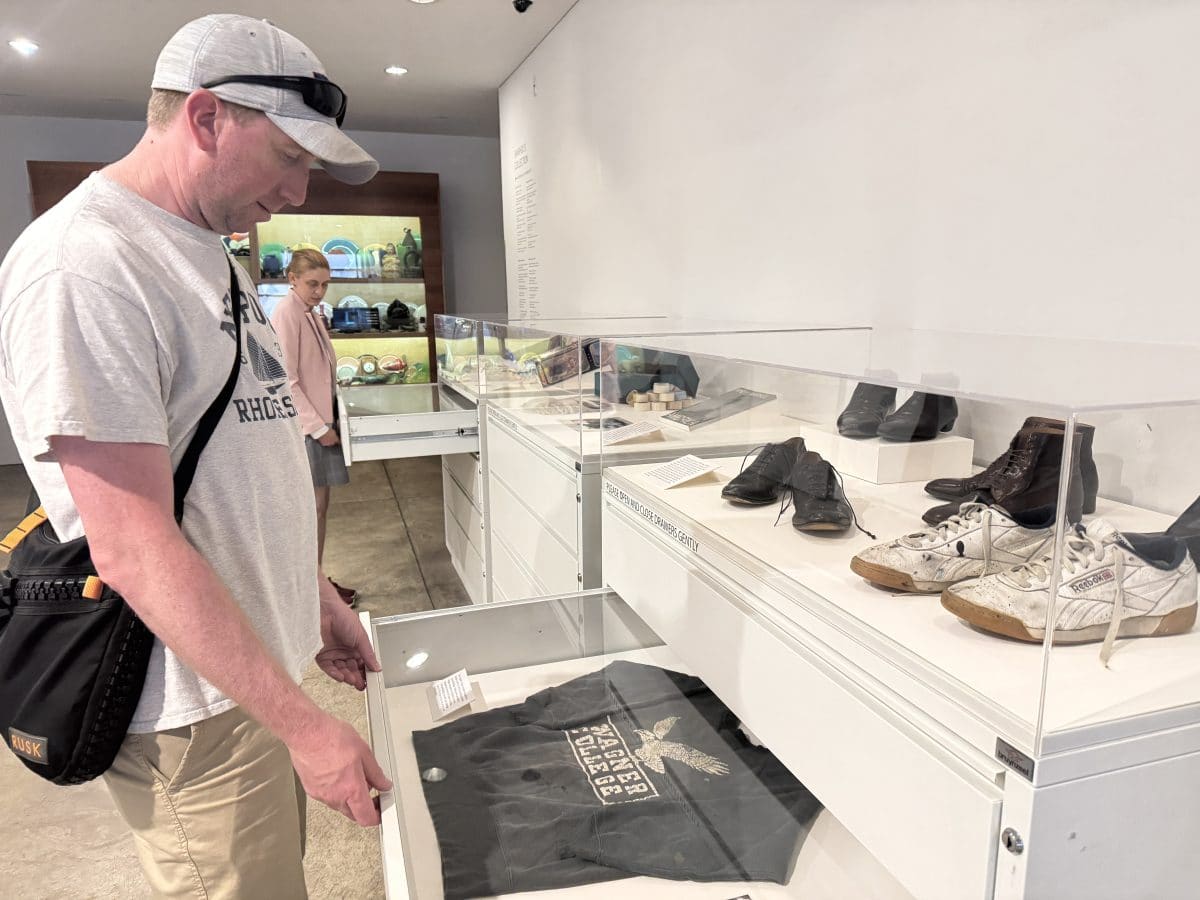
3rd floor (Archives Study Center): Home to 500,000 objects including photographs, scrapbook, audiotapes, magazines, clothing, and furnishings from Warhol’s life, visitors can pull out some of the drawers in the display cases and see artifacts up close. 

2nd floor: The second floor is used for rotating and special exhibits- see the current list here

1st floor: View the 30 minute 15 Minutes Eternal film that chronicles Warhold’s personal life and career as told by close friends and family members, as well as video clips of interviews with Warhol himself. 

Underground level: The Factory is a hands-on studio, with a rotating calendar of activities for visitors and a play area for children. Visitors can create take-home souvenirs like tote bags and t-shirts for a nominal cost. Note: We missed the opportunity to explore the Factory, as it closes earlier than the rest of the museum. 
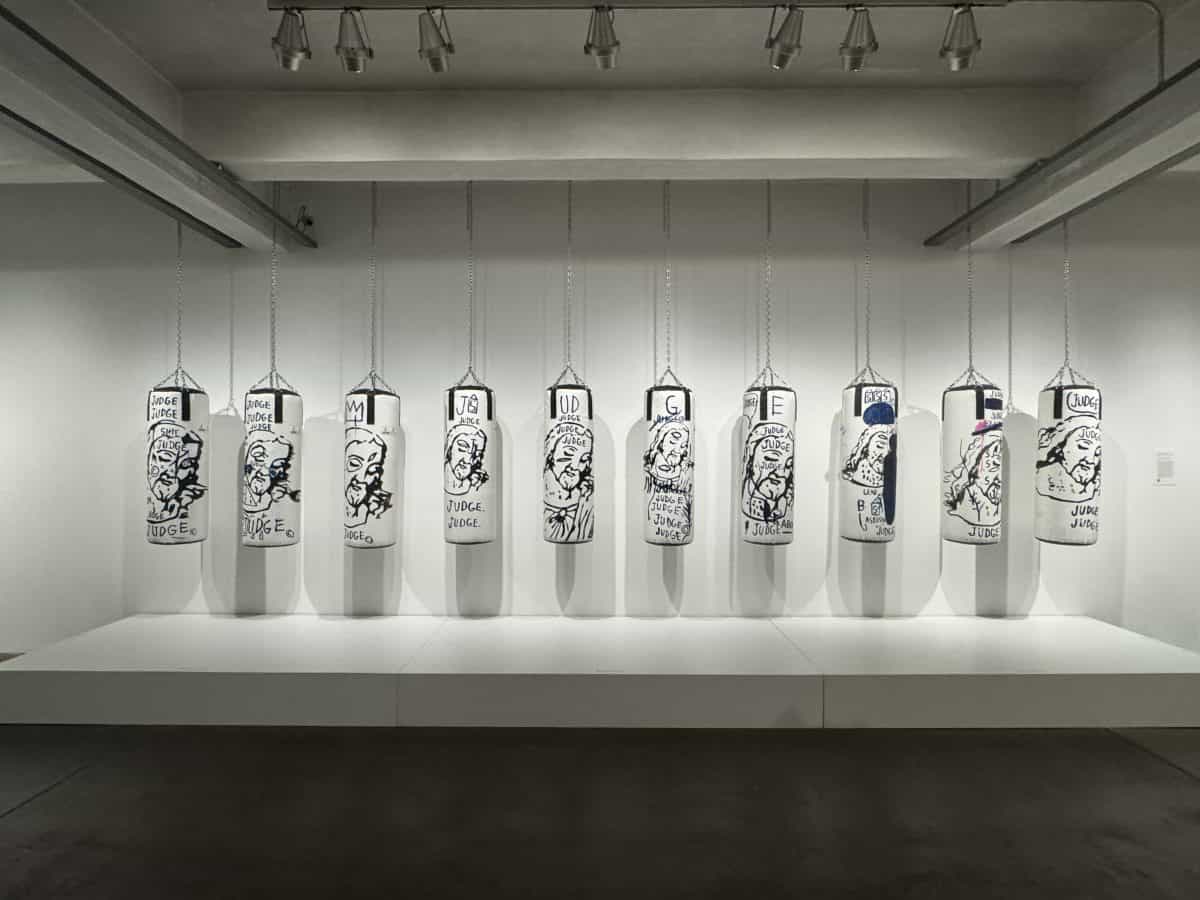
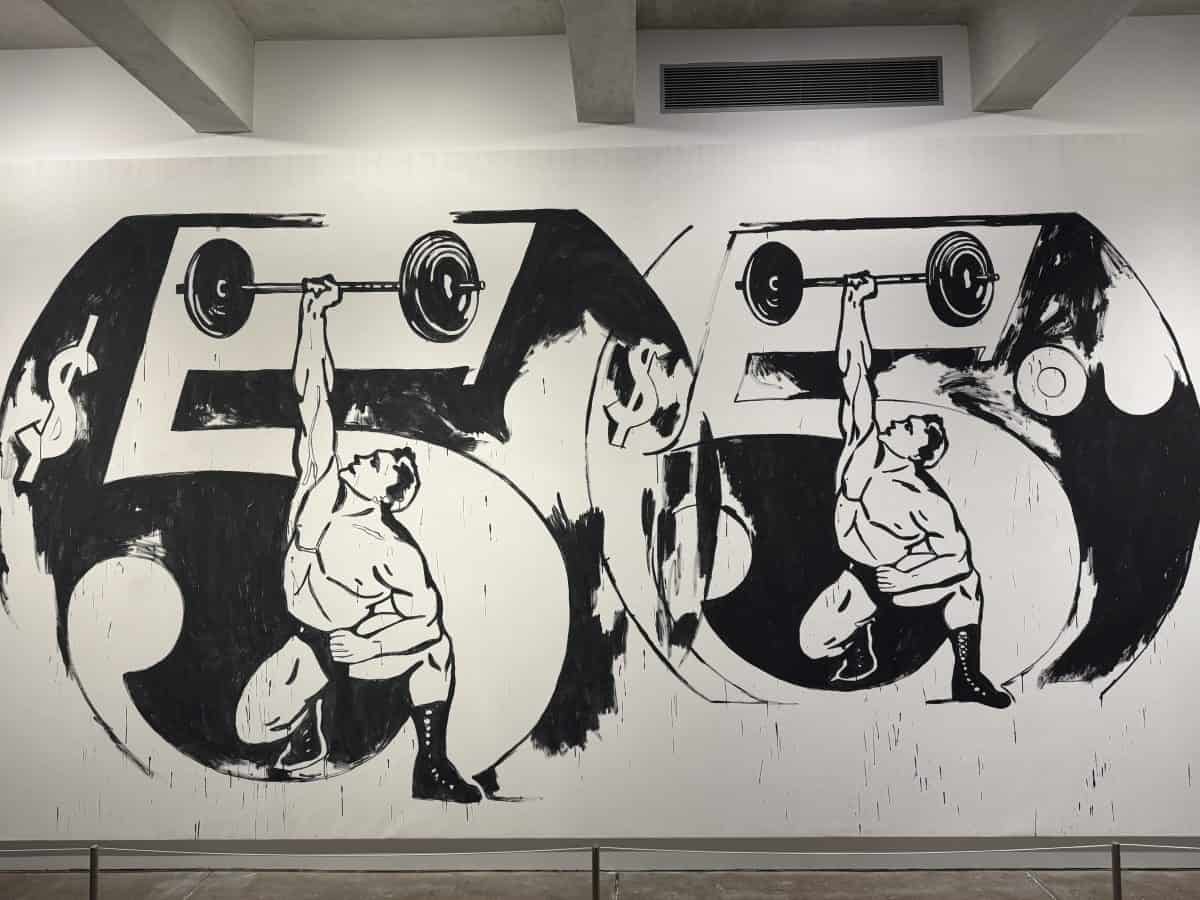
Warhol’s collaboration with Jean-Michel Basquiat entitled “In Focus”, which utilizes ten large punching bags artwork at the Andy Warhol Museum in Pittsburgh, PA
 Camouflage acrylic and silk screening on line from 1986 by Andy Warhol on display at the Warhol Museum in Pittsburgh

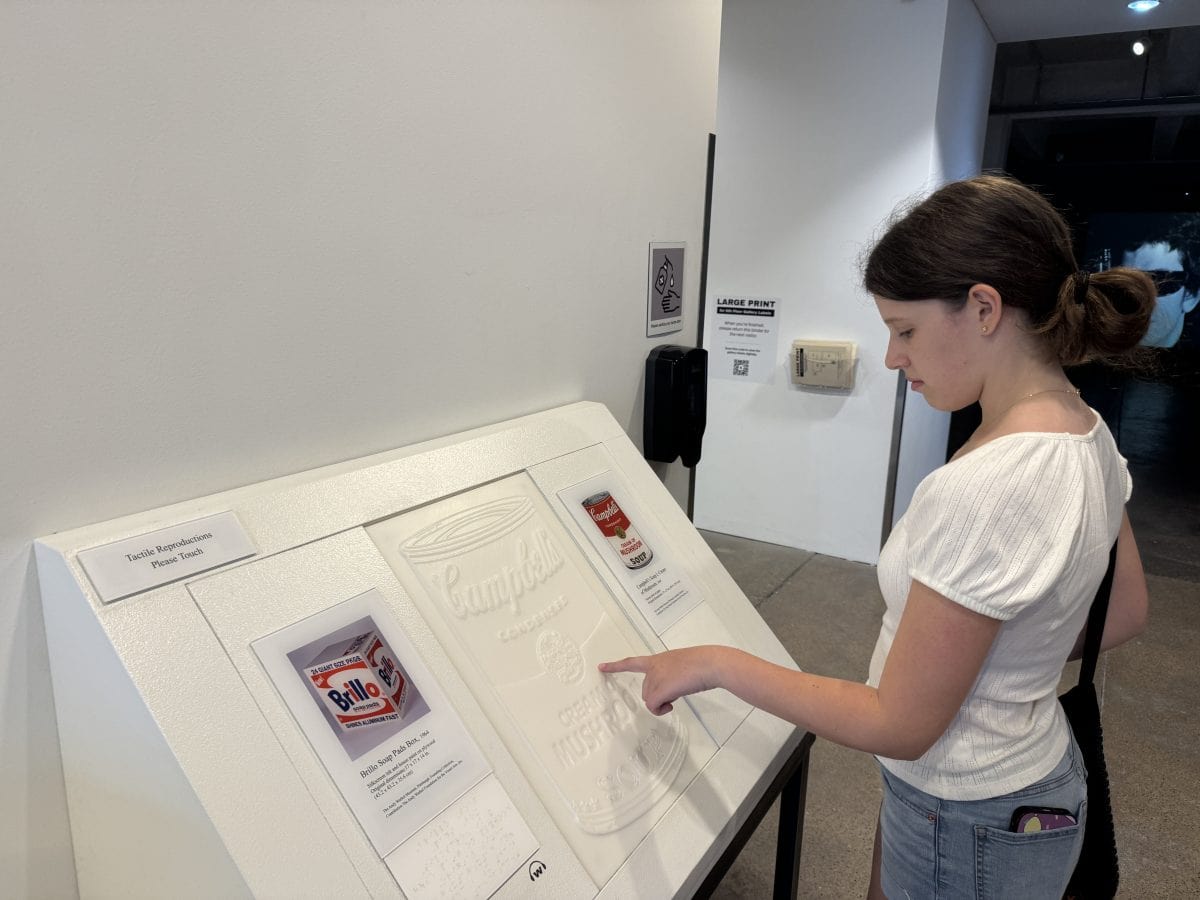
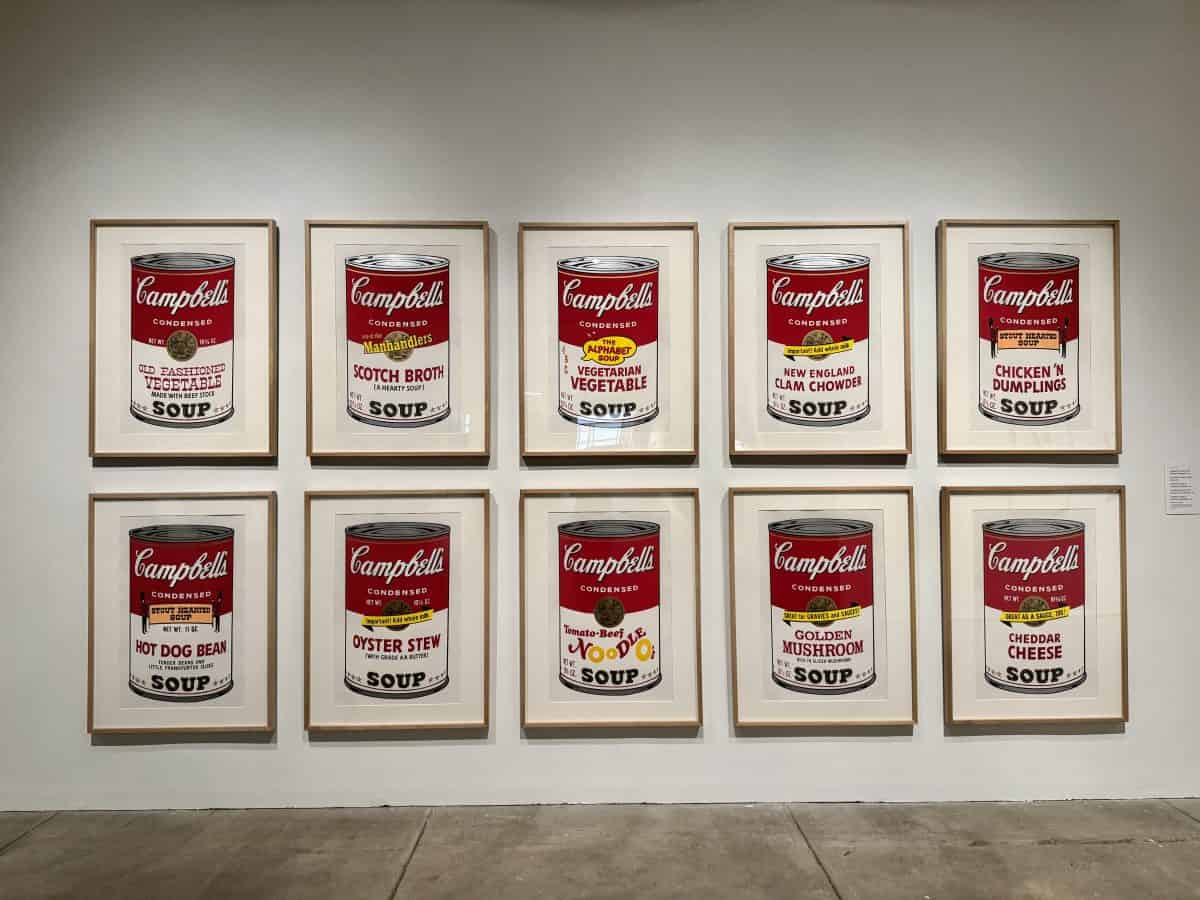
Campbell Soup artwork at the Andy Warhol Museum in Pittsburgh, PA

Looking for other adventures in Pittsburgh? See our full features of The Frick Pittsburgh Museums and Garden, the Pittsburgh Children’s Museum, the Pittsburgh Zoo and Aquarium, the Carnegie Science Center, Acrisure Stadium, the Heinz History Center, and our full Pittsburgh City Guide.

Disclosure: Our family was given a media pass to explore the museum; all opinions expressed are my own. 
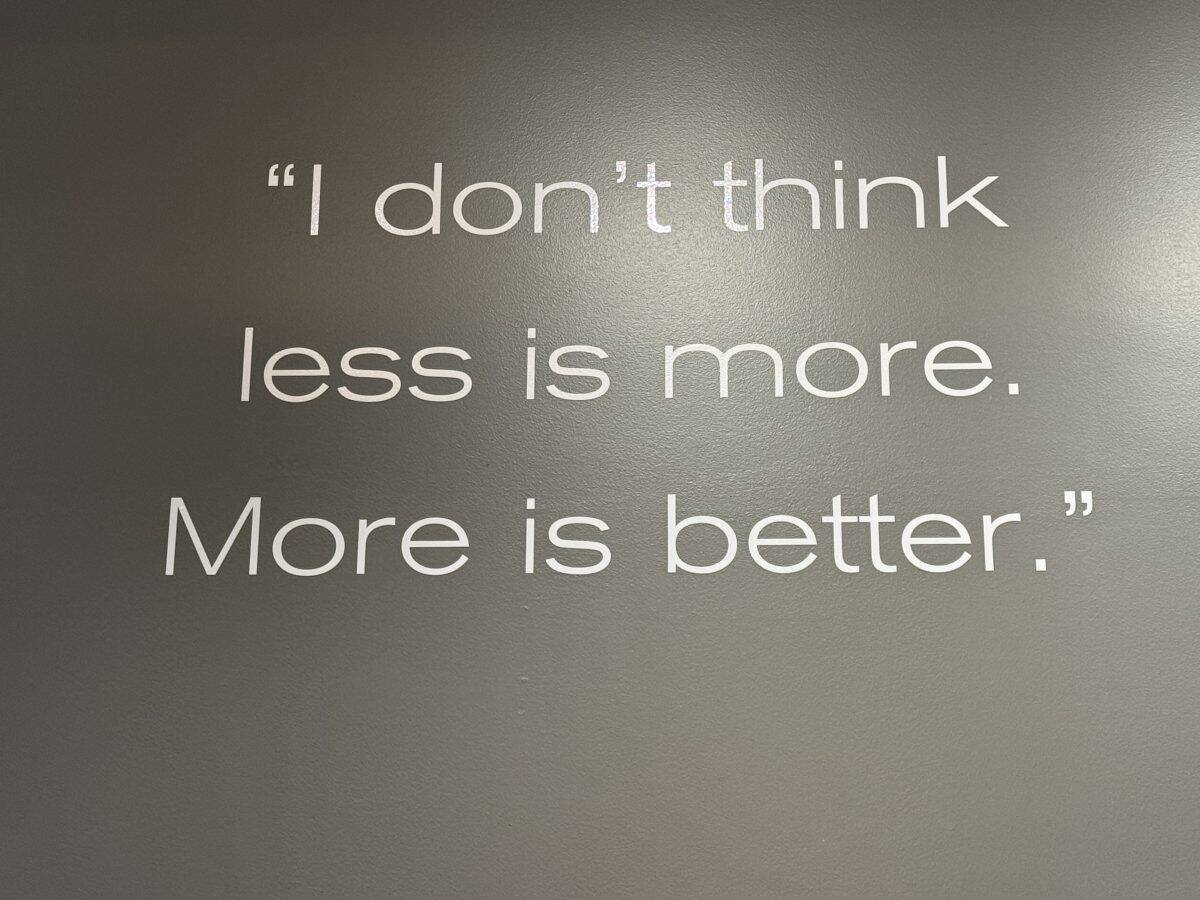
sign at the Andy Warhol Museum in Pittsburgh, PA

Similar Posts

  • | | | |

    Playing “I Spy” at The Bushnell Performing Arts Center in Hartford, Connecticut

    Named after local civic visionary Horace Bushnell, The Bushnell Performing Arts Center opened as Bushnell Memorial Hall in 1930, less than two years after the groundbreaking ceremony,  and was fully restored in 2005 for its 75th anniversary. Known as a presenting center (because all sets and costumes are brought in for each show), The Bushnell is home to the 2,799 seat Mortensen Hall, the 907 seat Belding Hall, which opened in 2001, and several small halls and suites for concerts, lectures, weddings, corporate events, and performances.

  • | | |

    Five U.S. Travel Books Kids Will Love

    Our children have always enjoyed reading and will spend hours a day reading, no matter where we are. Fortunately, they can read in the car and we often make a big Barnes and Noble order before a road trip. And while they mainly stick to fictional series, they do like to take a break for a puzzle or a game, or ask us trivia. 

    This week, we’re sharing some of our favorite travel books. You’ll notice a common theme of the National Park system, one of our favorite destinations on any road trip. (You can read about some of the dozens of posts featuring National Parks and National Park service sites here). And be sure to check out the special giveaway at the bottom of the post.

  • | | |

    Food Trail #7: Bakeries in Milford, Connecticut

    Milford, Connecticut, a small city located on the edge of New Haven County along the Coastal Connecticut I95 corridor, is home to over a dozen named beaches (5 are open to the public), a state park, great shopping and restaurant hubs, and plenty of yummy bakeries. For our seventh food trail (check out #1, #2, #3, #4, #5, and #6), we started on the south side and made our way north, stopping at seven bakeries serving up plenty of homemade pastries, desserts, salads, sandwiches, full meals, and drinks. Here are our top picks:

  • | | |

    15 Ways to Explore the Crane Estate on Castle Hill in Ipswich, Massachusetts

    On a recent visit to the North Shore of Massachusetts, we explored one of the most beautiful Gilded Age estates, the Crane Estate, set high on a hill above one of the most beautiful beaches, Crane Beach, in Ipswich, Massachusetts. The estate has been carefully restored and preserved by the Trustees, who oversee more than 100 properties throughout Massachusetts. 

    The Crane Company, founded by Richard Teller Crane, in 1855 was well known for their brass fixtures and bells, most famously used to help build the Golden Gate Bridge in San Francisco.  Later, his son, Mr. Richard T. Crane, who focused the company on manufacturing various bathroom fixtures, purchased Castle Hill and began renovating and expanding the property. The Cranes, who were based in Chicago, had summer homes in London, England and Jekyll Island, Georgia. The first home on the Ipswich property was built in 1912 but later torn down as it was properly outfitted to withstand the elements of the nearby ocean. The current estate, with 59 rooms, was built in a timeless English style similar to the Cranes’ London estate and finished in 1929. Over the years, the Cranes restored over 3,500 acres in Essex Bay, Choate Island, and Ipswich. The estate also includes the 700 acre Crane Wildlife Refuge, made up of Castle Neck (which borders Crane Beach), five islands, and salt marshes.

  • | | | | |

    Why You Should Take Kids to Fancy Restaurants

    Readers often ask me what we do for dining when we travel and if we ever bring our children to “fancy” restaurants. When I reply “Sure, all the time”, my response is usually met with surprise and the follow up question, “why?” My answer involves a whole list of reasons why we do explore upscale establishments and a whole bunch of tips for a positive experience. When we were in New York City this past weekend (we head into the City every couple of months and have dozens of posts on things to do that you can find here), we had a wonderful lunch at Fogo de Chao Brazilian Steakhouse and I was reminded of many of these reasons and tips.

  • Playing “I Spy” at the Colorado State Capitol

    Visiting about a state’s history is one of our favorite activities and whenever we’re in a capital city, we make time to tour the state Capitol complex. The buildings are architecturally beautiful and the guides are usually enthusiastic, knowledgeable, and engaging. To date, we have toured capitol buildings in Massachusetts, Rhode Island (#5), New York, Pennsylvania, Virginia, and Arkansas (#6). On our summer 2021 road trip, we spent the day in Denver (we were in town primarily to see the Rockies) and made time for a tour of the Capitol.

    At one time, Denver was the second largest city in the West (behind San Francisco) and was part of the Gold Rush of the 1860s. Originally, what is now considered the state of Colorado was part of the Kansas, Nebraska, Utah, and New Mexico territories. In 1861 Colorado was declared a territory and became the 38th state in America. At first, Colorado City and then Golden were declared state capitals until 1867 when Denver became the permanent state capital. Construction on the Capitol building started in 1886, was completed enough for the building to be occupied in 1893, and then fully operational in the early 1900s. The building was designed on an axis in the form of a Corinthian Cross and closely resembles the design of the Capitol in Washington, D.C.

Leave a Reply

Your email address will not be published. Required fields are marked *