Touring La Citadelle de Québec

| |

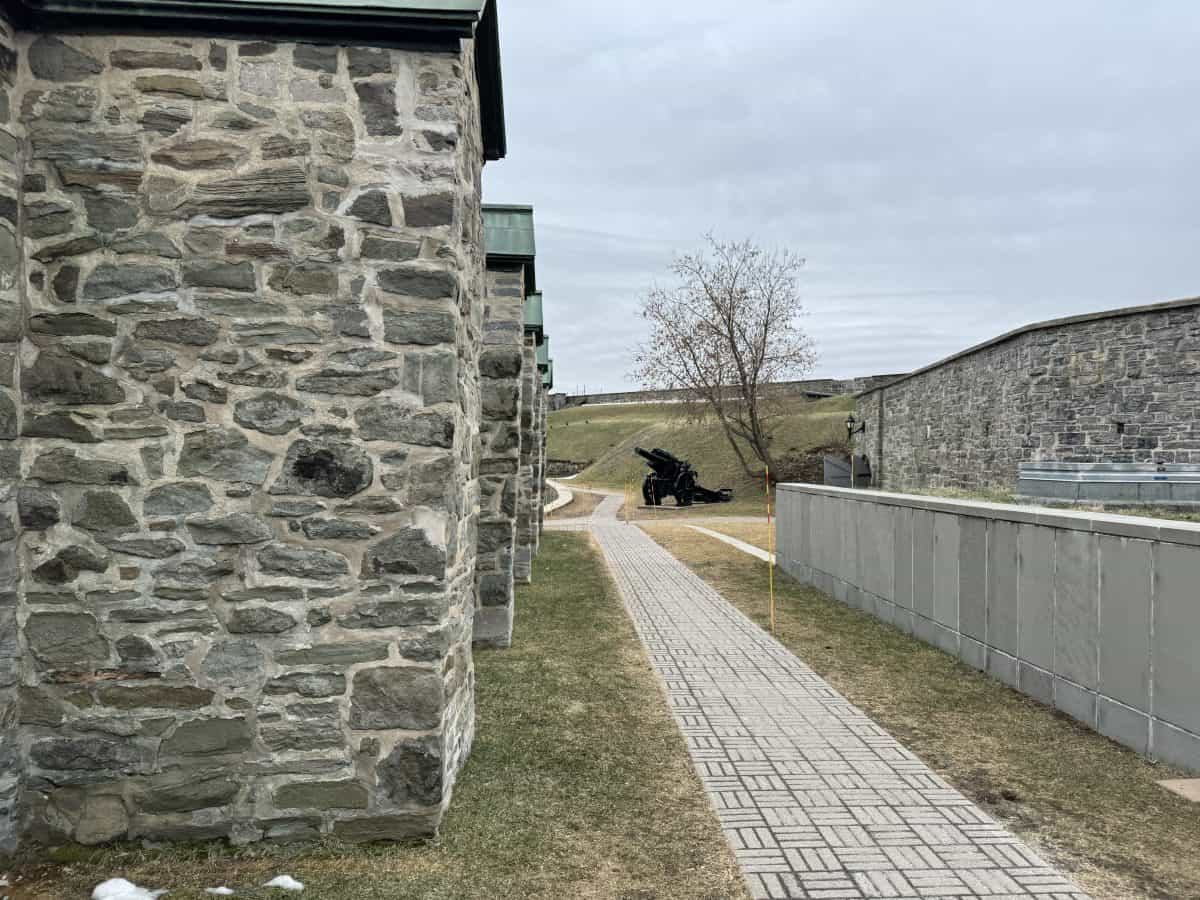
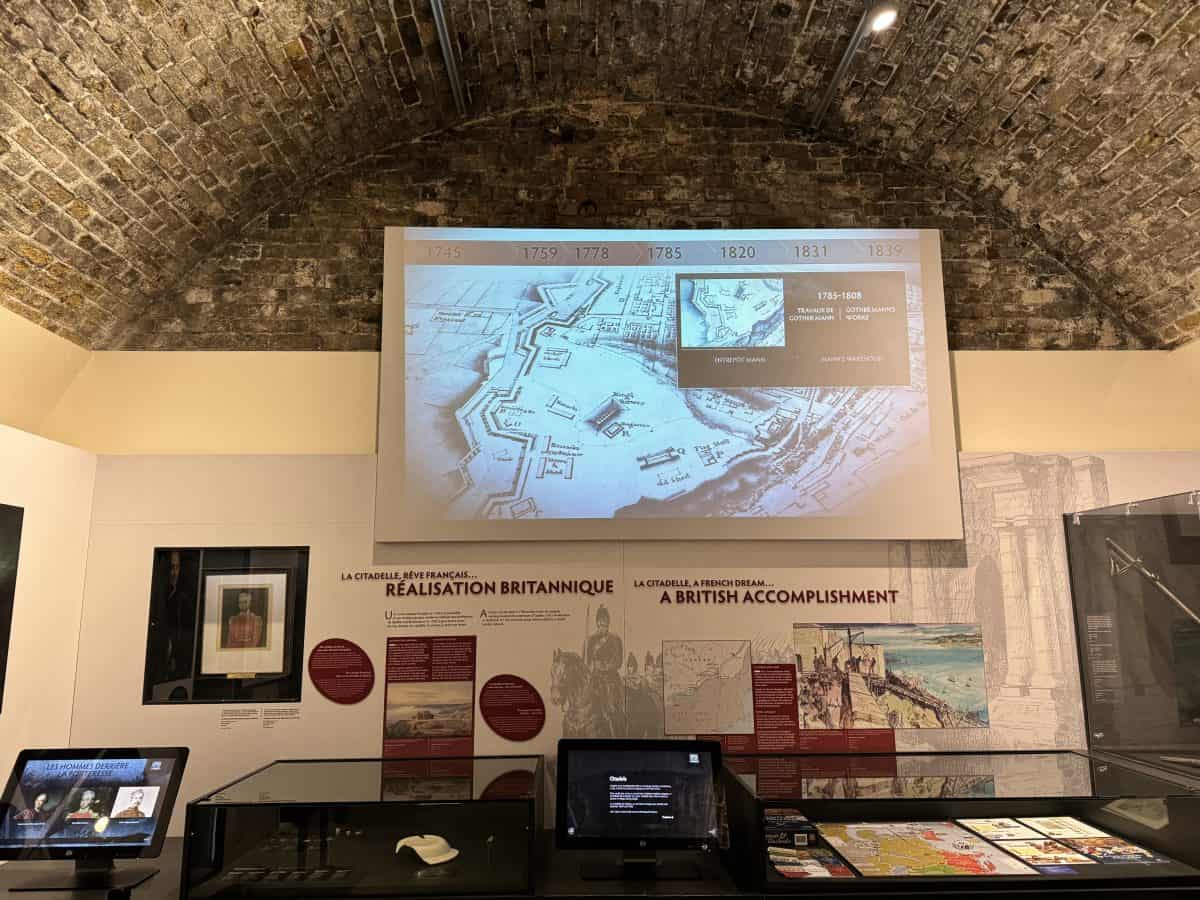
The biggest military base in North America, La Citadelle was built by the British from 1820-1831  on Cape Diamond, the city’s highest point. La Citadelle was built to control who had access to the northern parts of Canada and to protect Quebec from future American invasions, after the invasion during the War of 1812.  La Citadelle, which is the Italian word for “city”, is star-shaped, with “bashtons” (pointy tips of the star) and Curtain walls.  Citadelle has been inhabited by the military since 1693 and has been the home of the Royal 22e Régiment since 1920.

Today, La Citadelle is still an active military base, although many of the 2,000 soldiers choose to stay at CFB Valcartier, which is north of Québec. La Citadelle has also been the second official home (the first being in Ottawa) and office of Canada’s governor general since 1872.  It is recognized as a National Historic Site of Canada and is on UNESCO’s World Heritage List.  Visitors are welcome to explore some parts of the grounds independently and may attend a guided tour of several building of La Citadelle.

Note: The famous Changing of the Guard ceremony, which featured members of the 22nd Regiment changing duties after 24 hours of watch at the Citadelle’s entrance, has been replaced by a daily (Wednesday through Sunday) “Music in Red” musical performance at 10am by the Royal 22nd Regiment Band. There are plans to eventually reinstate the public Changing of the Guard ceremony- check here for up to date information. 
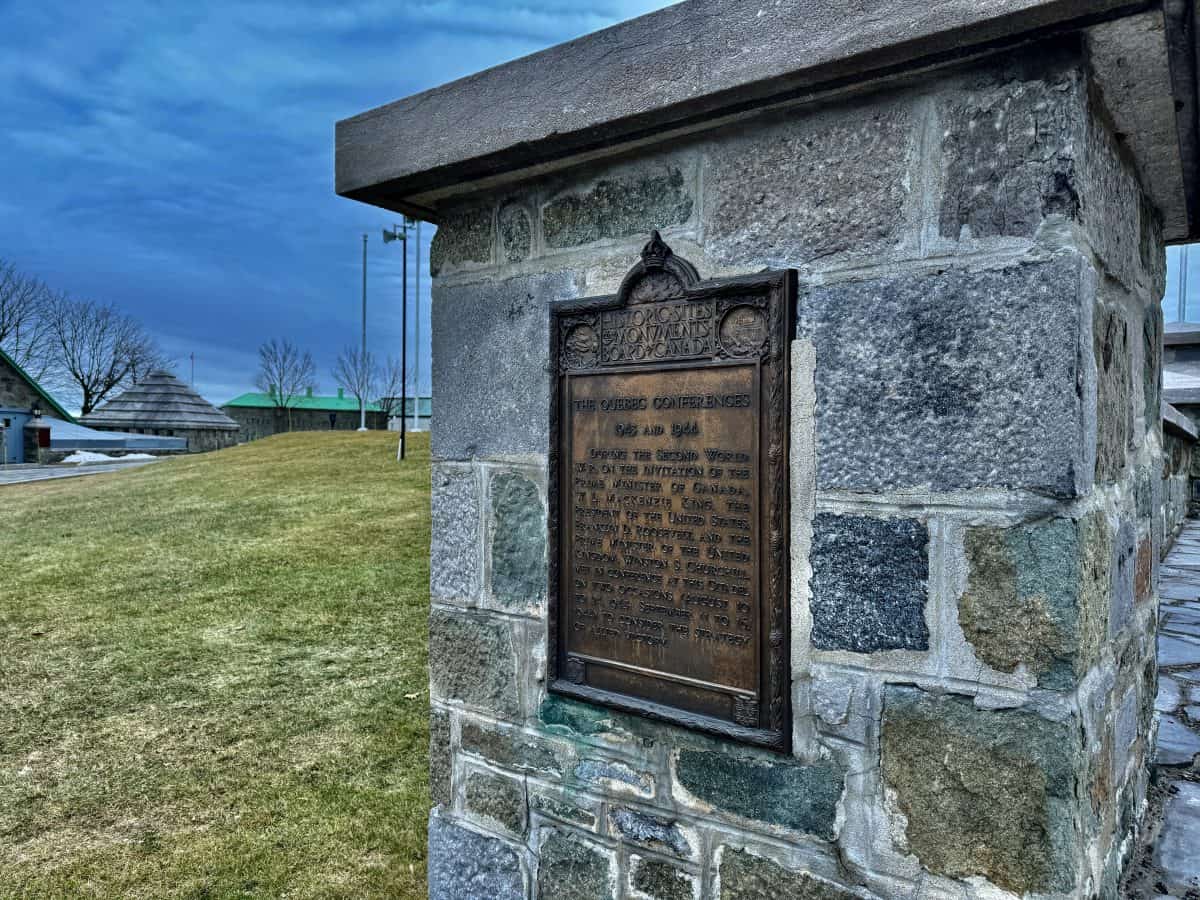
Travel Tips:

  • Visitors are welcome to walk the perimeter of the fort, but must have a paid tour ticket to explore the fort and indoor museum exhibits. Information on tour times (typically every hour from 10am-4pm seven days a week) and admission fees here. Kids ages ten and younger are free.
  • Tours are mainly outdoors, so be sure to dress for the weather.
  • There is a small parking lot near the entrance for tours- two hours maximum stay. More information on parking and public transportation here.
  • Restrooms are located across from the admission area and at the end of the indoor museum exhibits. 
  • There is a Boutique gift shop, located between the admission desk and museum exhibits, which sells souvenirs.
  • No dining facilities on site, but a small cafeteria room with a few tables and vending machines. There are outdoor picnic tables. La Rue Saint-Jean is less than a ten minute walk and has tons of great dining options– our favorites are Paillard for a quick service bakery, Les Trois Garçons for burgers, and Bistro Hortus for a delicious brunch or dinner.
  • Plan on one hour for a guided tour and another 30-40 minutes to explore the museum exhibits. Check out other special activities and events at La Citadelle here.
  • Note that the officers fire a cannon each day at noon (traditionally, the cannon is fired in the morning, noon, and evening) and it’s quite loud- so be sure to warn little kids and stay inside!

Ten Stops on the Tour of La Citadelle

  1. Salute the display of two flags: the Regimental Camp flag and the Canadian Armed Forces flag. 
  2. Note the names of countries and battles displayed on the corners of the buildings- they represent battle honors given to the Royal 22e Régiment in engagements since World War I. 
  3. See the Sherman emergent tank used in World War II and the Korean War, a gift from the 12e Régiment blindé du Canada to the Royal 22e Régiment  
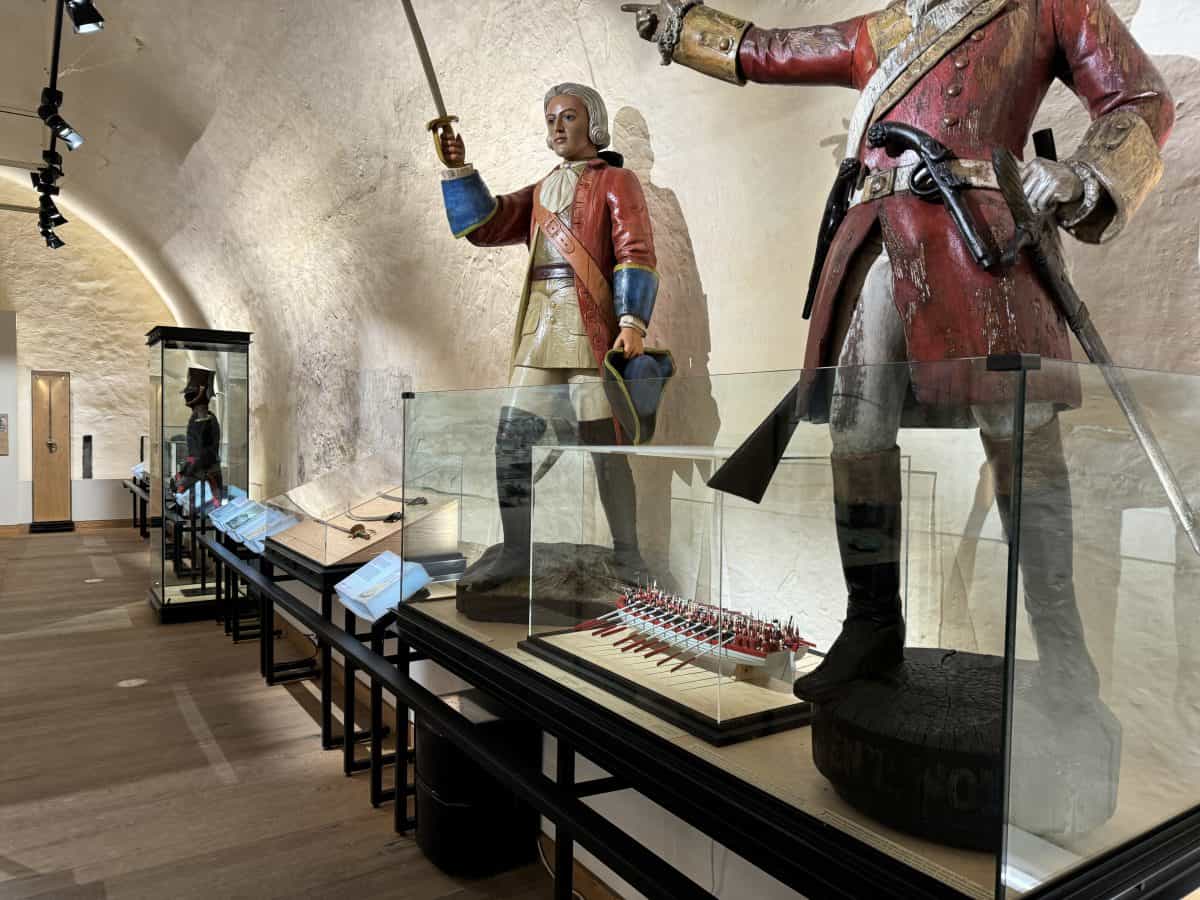
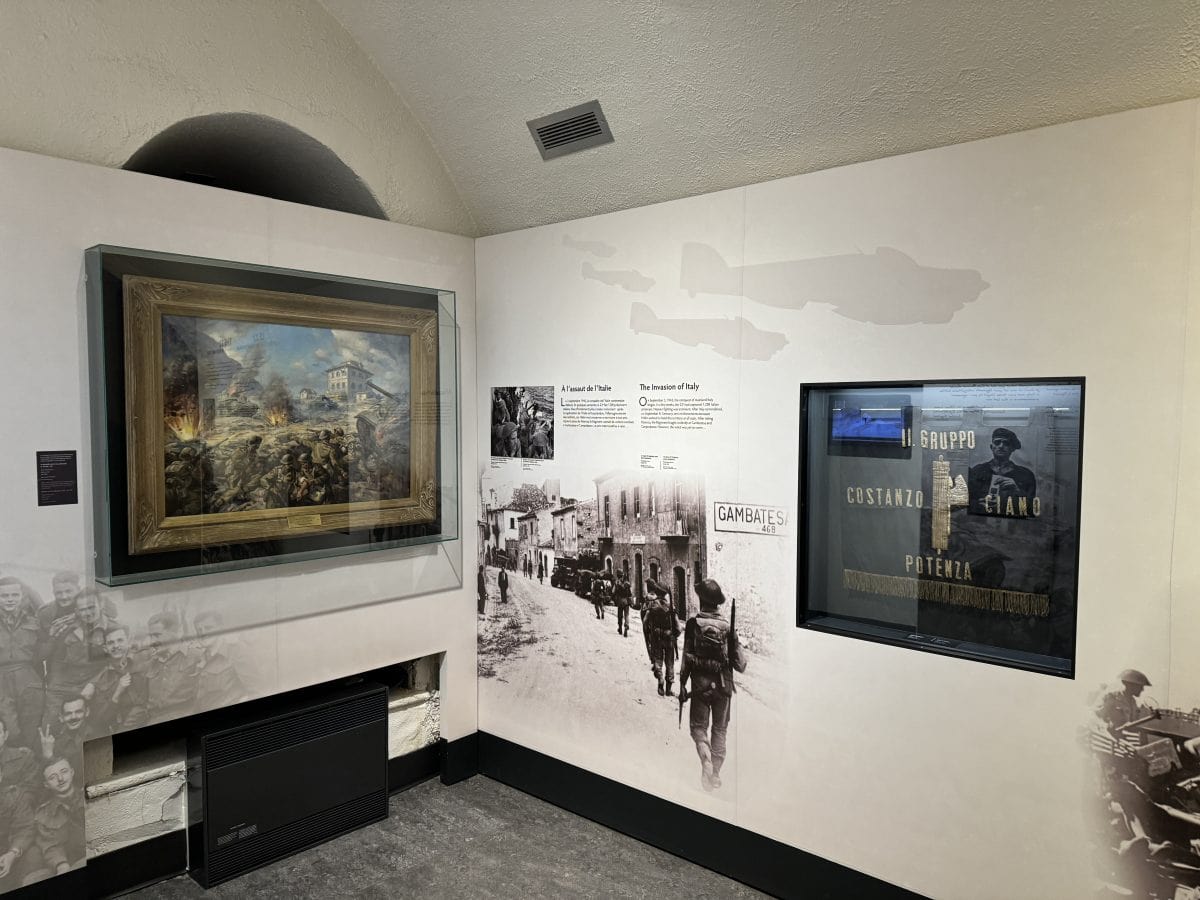
  4. Check out the collection of muskets and cannons in the GunPowder Magazine Building, which now houses indoor museum exhibits. Follow the timeline of French Canadian military engagement, and watch the short video that reenacts the firing of a musket.
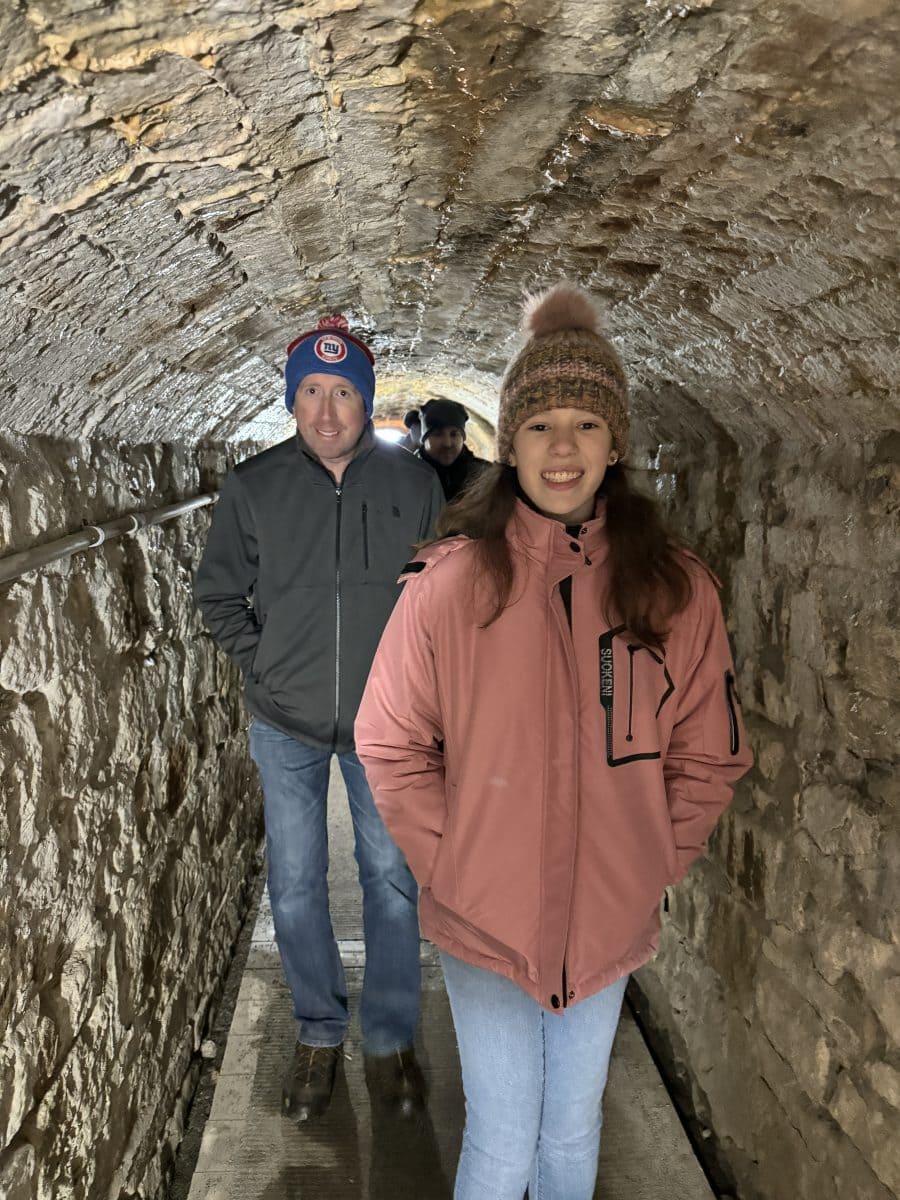
  5. Watch your head and duck traveling down the long tunnel to the Shooting Gallery.

Would you like to save this?

We'll email this post to you, so you can come back to it later.

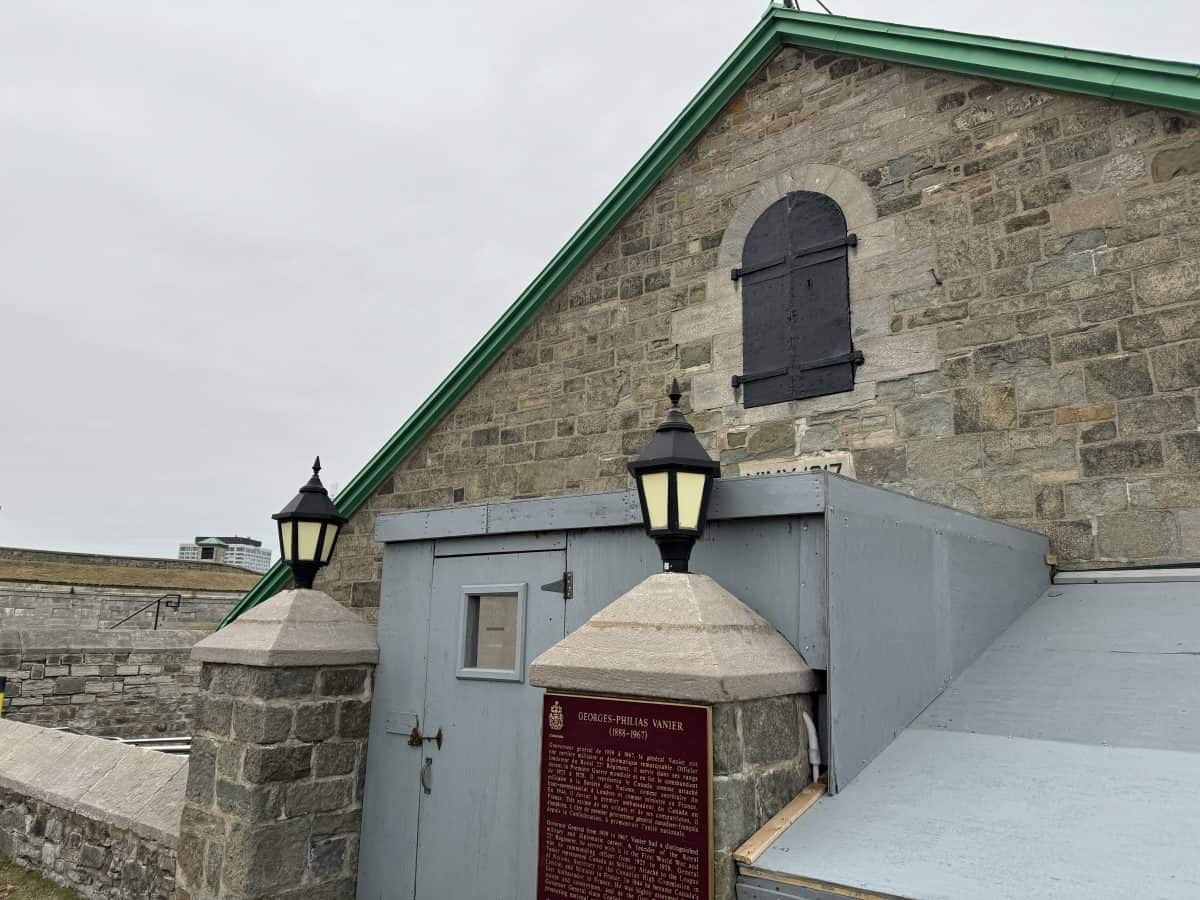
  1. Look at the crest outside the Old Hospital, now used as administrative offices. The crest includes the golden beaver (Canadian mascot), the British Crown, and the motto Je Me Souviens, “I Remember.”
  2. See the famous Chateau Frontenac in the near distance from the edge of the fortress, 100 meters high. The view also includes the St. Lawrence River and L’Île d’Orléans.
  3. Walk through the Old Military Prison, where soldiers who committed petty crimes (most often drunkenness) were imprisoned. Today, the first floor houses indoor exhibits showcasing various uniforms and medals, and visits from Queen Elizabeth and the royal family. 
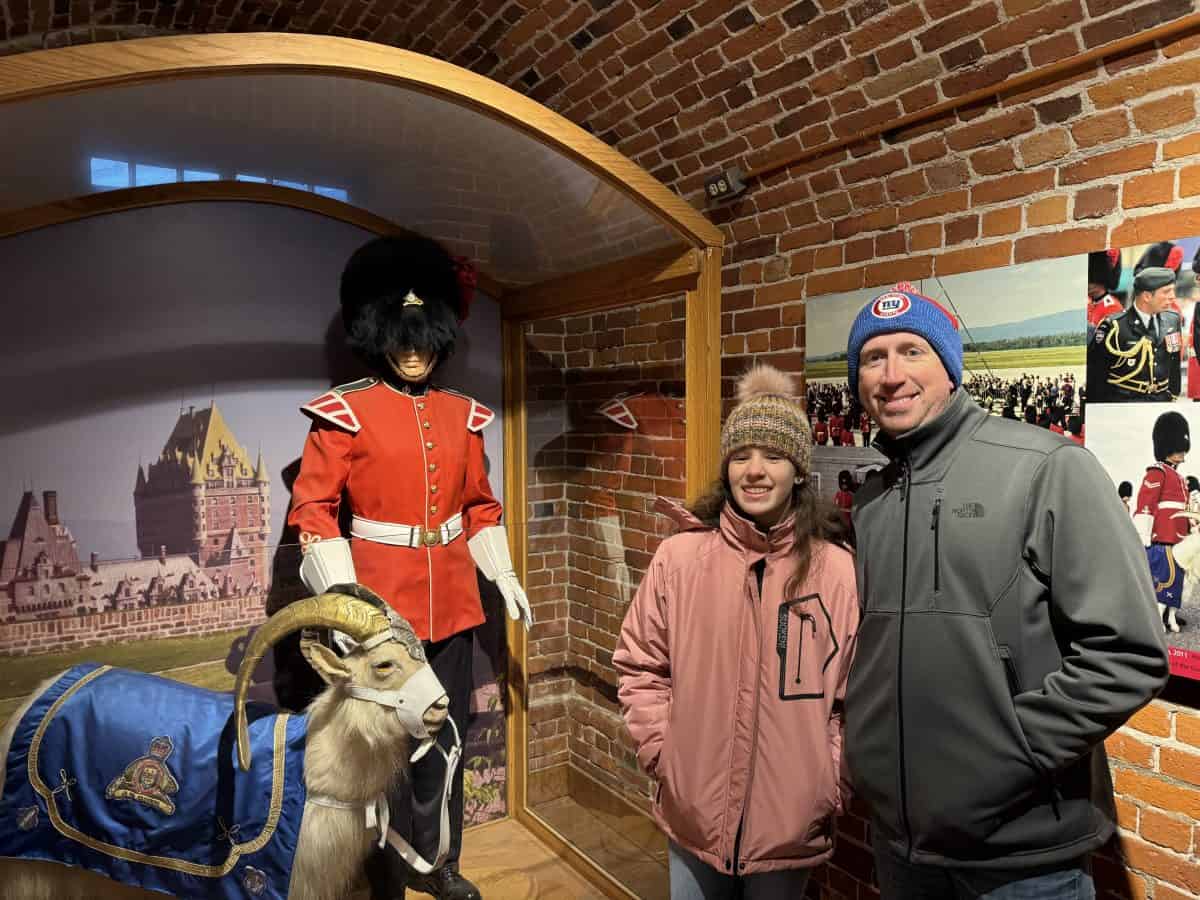
  4. Learn about the regiment mascot, Batisse. Legend has it the King of Persia gave Queen Victoria two goals as a gift in 1840, which became the regiment pet. The regiment has had a Batisse mascot who participates in all major events ever since, and a goat is even featured on the Citadelle logo. 
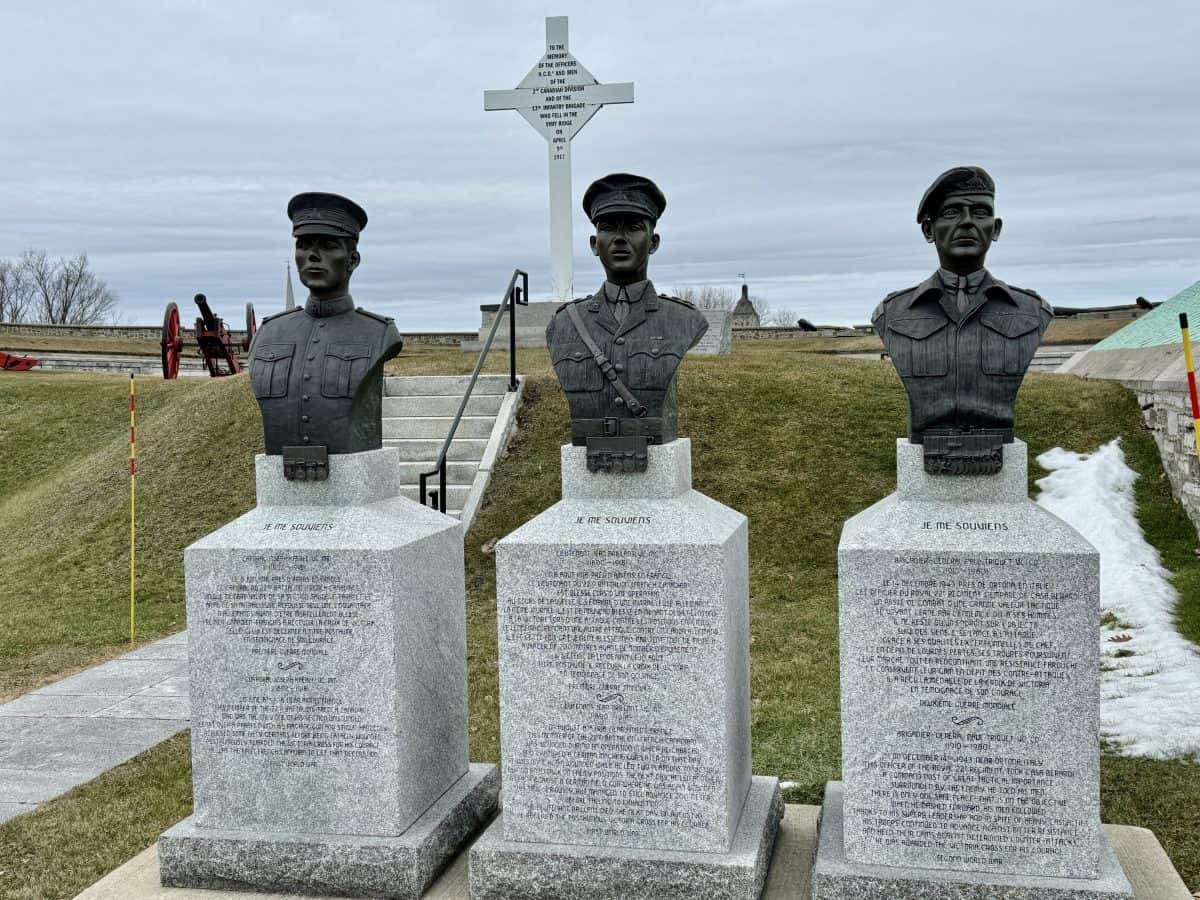
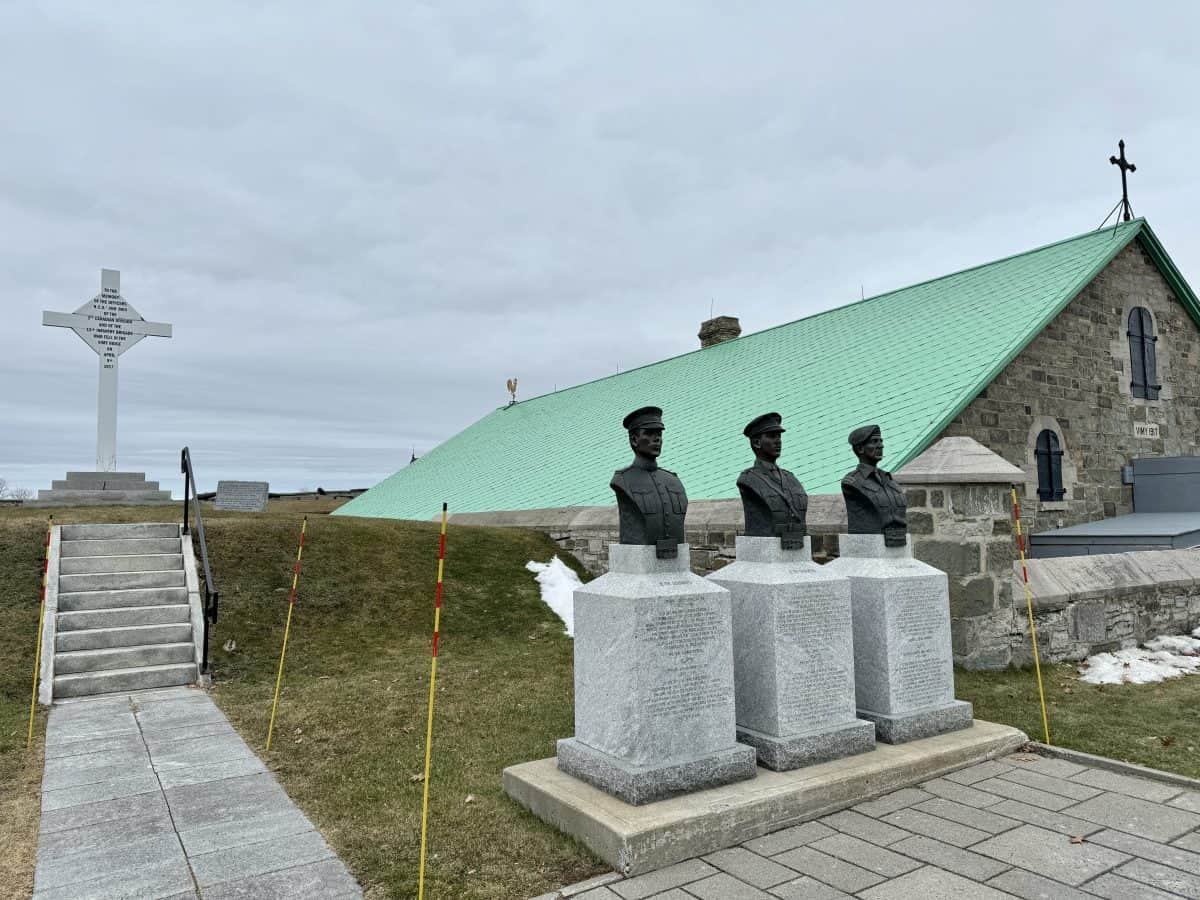
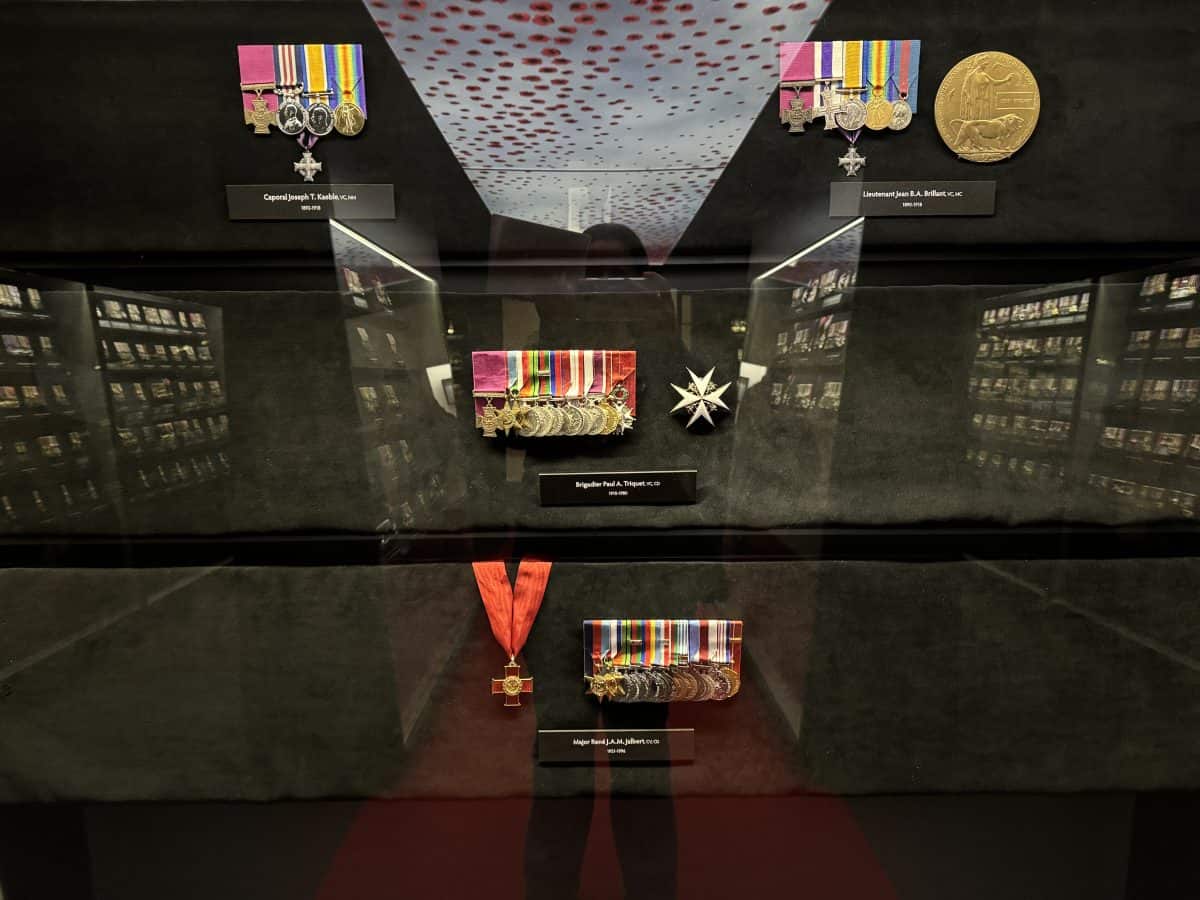
  5. Pay honor at the memorial/ saluting area. Officers must salute the statues of the only three soldiers to earn the Victoria Cross honor (two WWI soldiers earned it posthumously and one WWII soldier earned it while still alive.)

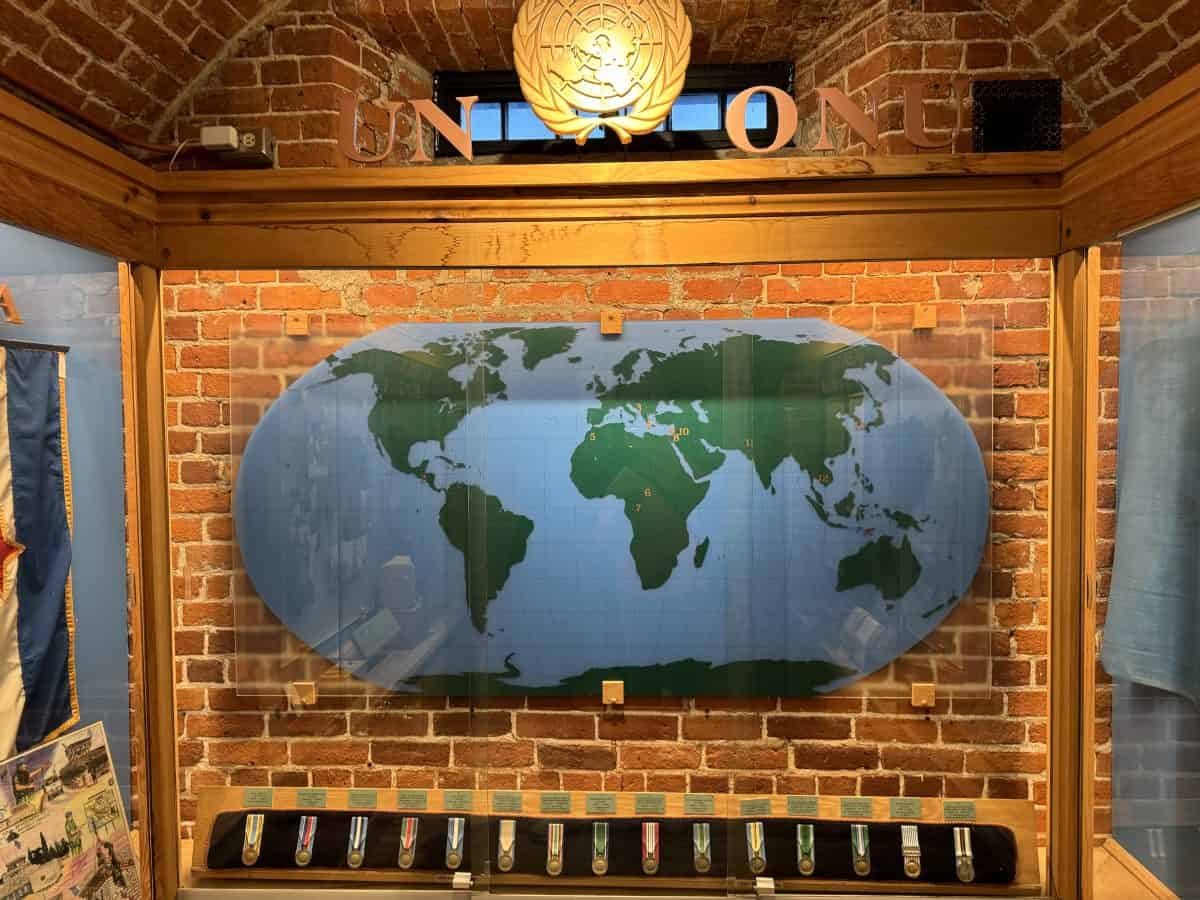
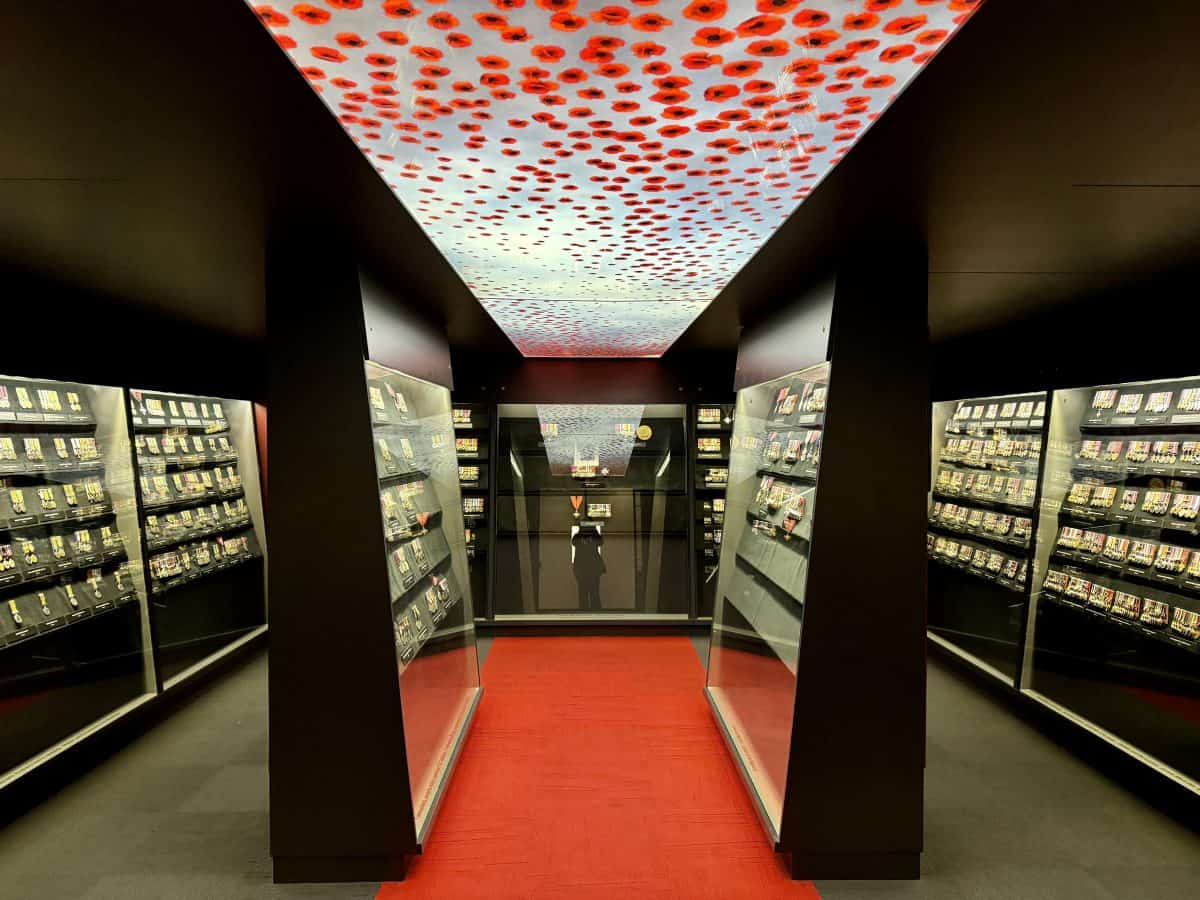
Be sure to leave time to explore the indoor museum exhibits before or after the fortress tour. Make sure kids grab a Find and Seek activity booklet to complete. There are also hands-on exhibits, the permanent “Je me souviens” exhibit, the opportunity to dress in uniform, and an Honour and Memory exhibit, which features over 300 medals and decorations of Régiment members and their biographies.
Looking for other adventures in Québec? Check out our posts featuring the Musée de la Civilisation, the Morrin Centre, Le Monastère Des Augustines, the Assemblée Nationale du Québec, the Plains of Abraham Museum, and the Auberge Saint Antoine hotel. And follow along on our adventures on Instagram, Facebook, Pinterest, and X.

Disclosure: Our family was given a media pass to tour the Citadelle; all opinions expressed are my own. 

Similar Posts

  • | | | | |

    Lowell National Historical Park in Lowell, Massachusetts

    The city of Lowell, Massachusetts, located just 30 miles north of Boston, was built as a factory city (because of its location next to the Merrimack River and Pawtucket Falls) and became synonymous with the American Industrial Revolution. Named for Francis Cabot Lowell, who is partially credited for creating the power loom, city locals began funding and building water-powered mills in the area in the early 1800s. By 1880 Lowell had over 100 mill buildings, 18 textile corporations, 2 machine shops, and a booming population (it was the second largest city in Massachusetts in the mid 1800s), employing over 10,000 workers in the mills. 

    However, newer technological advances in more northern cotton mills took away from the businesses in Lowell and production started to decline. By the 1950s, all of the original mills and most of the textile companies closed and the buildings fell into disrepair until local citizens and businesses worked together to form the Lowell Heritage State Park in 1974. Four years later, Congress designated the space as Lowell National Historical Park and the park has continued to expand its historical exhibits, research, tours and programs for the public.

  • | | |

    Playing “I Spy” at the Lightner Museum in St Augustine, Florida

    One of the surprise hits of our recent trip to St Augustine, Florida was our visit to the Lightner Museum. We had heard it was beautiful, but we were unsure if it would be family friendly. Secret’s out: it is! (Just keep the toddler crew contained in a stroller when exploring the glass rooms).

    The Lightner Museum is housed in the former Alcazar Hotel, which was commissioned by Henry Flagler, a prominent oil and railroad tycoon who is credited with designing and building much of St Augustine. The hotel was completed in 1888 by the same firm who designed the New York Public Library and was open until the early 1930s. The hotel included a three story ballroom, sulfur baths, and the largest indoor pool in the world (at the time). Many of the remains of these parts of the hotel can still be seen in the museum today.

  • 10 Places to Learn About George Washington in the Northeast

    America’s first president, George Washington, has hundreds of schools, buildings, institutions, and memorials dedicated in his honor. There are also dozens of historical sites associated with Washington  preserved all  throughout America. We recently realized that we’ve explored many historical spots connected to Washington and thought it would make a good “trail” of sorts to share with our readers. So this week, we’re sharing 11 locations throughout the Northeast dedicated to George Washington- all of which are kid friendly and offer lots of hands-on learning about our nation’s first president and the creation of America. 

  • | | | | | | | | |

    10 Ways to Have Fun in the Berkshires in Massachusetts

    The Berkshires, compromised of over 30 towns and villages, is located in the most western part of Massachusetts. It includes towns ranging from Sheffield and Great Barrington in the southern part of the state, bordering Connecticut, to the towns of Wiliamstown and North Adams in the northern part of the state, bordering Vermont. The region is popular year round for outdoor activities, performing arts venues, galleries, museums, and historic homes and landmarks. The Berkshires have been home well known figures such as authors Edith Wharton, Nathaniel Hawthorne, Herman Melville, and activist W.E.B. DuBois. Dubbed the “Inland Newport” during the Gilded Age of the 20th century, the area became well known for its over 75 estates, in addition to its thriving farming industry. Today, there are many spots to learn about the important history of the area and many preserved outdoor spaces to enjoy nature all year long.

  • | | |

    Gulliver’s Gate in New York City

    Gulliver’s Gate opened in May 2017 and is quickly becoming one of the top Trip Advisor-rated spots in New York City. It’s located on right in Times Square, but you’ll feel like you’re in another world- a world where everything and everyone is miniature! The space is clean and airy, with plenty of room to move and explore. The exhibit takes up the entire second floor, the size of a full city block. We visited in the morning (the exhibit is open from 10am-8pm) when it was quiet and we had up-close-and-personal viewing spots for each display. By 11am, a crowd had started, and the staff mentioned afternoons are always busier than mornings. Plan on spending about 90 minutes to two hours to explore the entire exhibit.

  • | | | |

    AT&T Stadium, home of the Cowboys, in Arlington, Texas

    Full disclosure: We’re NY Giants fans. Like, season-ticket-holder NY Giants fans. So when our friends and family heard we were going to visit the home of our arch rivals, the Dallas Cowboys, they asked if they should have bail money on hold. Not to worry – real Giants fans keep it classy! Plus, we’d heard how beautiful and enormous (if you can use those words to describe a sporting venue) AT&T Stadium is, so we had to check it out for ourselves. Our son still insisted on frowning or “booing” in every photo.

6 Comments

  1. Just an amazing description of a historically significant place in history of Canada. Great detail and interesting facts to note for children as well as adults.

  2. I’d never heard of La Citadel but it sounds fascinating. It’s v helpful you included the 10 different stops as sometimes there’s a lot to see in historic places and it’s great to know the significance of the different sections!

  3. I love historic places like this. It’s fascinating to learn how these amazing forts were built and the history of the men who served in them.

Leave a Reply

Your email address will not be published. Required fields are marked *