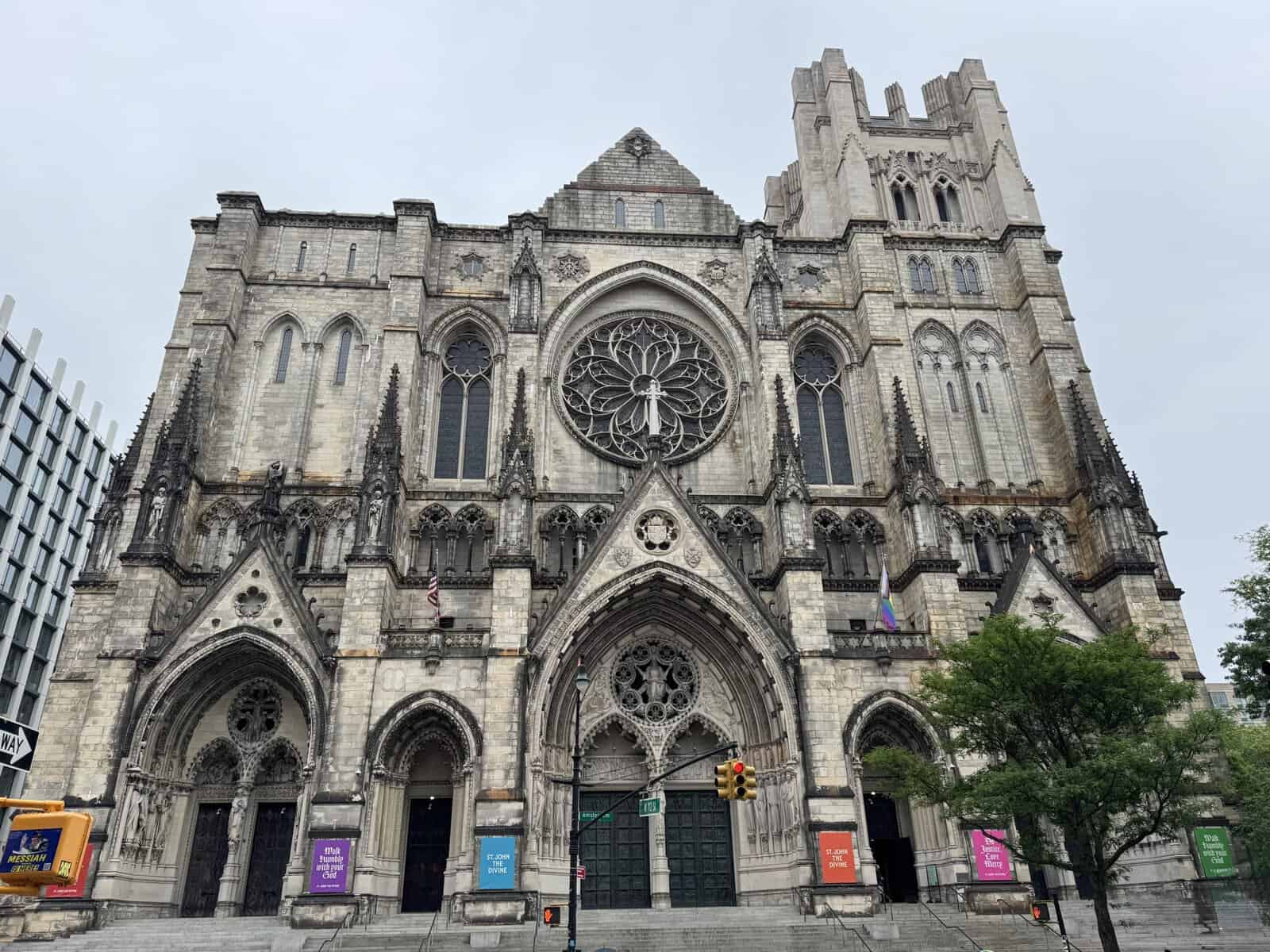
National Baseball Hall of Fame & Museum
The major impetus for the road trips my family has become known for is our love of baseball. To date, we’ve seen 22 of the 30 Major League baseball parks and we’re on track to visit two more in 2018. We love baseball. You can read my tips about bringing kids to baseball parks here. So when we planned a trip to visit friends near Utica, New York we decided to make a short detour to visit the village of Cooperstown, New York, home of the National Baseball Hall of Fame and Museum. Independently owned, the National Baseball Hall of Fame elected its first class in 1936 and the original Hall of Fame (which sits on the property of the current museum) opened in 1939. It was built in Cooperstown because of a now debunked theory that Abner Doubelday invented the sport in Cooperstown in 1839.
The museum is quite popular, welcoming about 275,000 visitors each year; on a typical summer day, the museum sees over 2,000 visitors. Many nearby attractions are only open in season (in April-May and September-October with limited hours, and full time June-August), which would make a summer visit appealing. However, if you really want to linger and get up close to every display and plaque in the Hall of Fame (and still have lots of lodging and restaurant choices), come in the quiet off season. I imagine mid and late October would be especially beautiful with the foliage.


Traveling with Kids:
- Kids ages six and under are free. There are various discounts for senior citizens and the military, as well as a combo ticket which includes other local museums (open during the spring/summer).
- Wear comfy shoes- you’ll be walking a lot and there are not a lot of places to sit. The museum covers three floors, and there is an elevator. Strollers are allowed and there is a coat check located near the Hall of Fame.
- Make sure your child grabs a scavenger hunt and pencil when you check in; there are ten items they’ll need to find throughout the exhibits. Once complete, they can turn in the sheet in the gift shop for a pack of baseball cards and a sample of Big League Chew bubble gum.
- All of the displays are “child proof” (in my opinion), making it easy for young children to explore freely without parents worrying about them touching any important memorabilia. (Exception: The Art of Baseball exhibit on the first floor- keep a closer eye on little ones here.)
- Restrooms are located on each floor.
- Check the “Daily Line Up” of programs, which changes each day. On the day we visited, we went on a 20 minute gallery tour of the Hall of Fame plaques and checked out the open hour in the Learning Center, where children could try on replica uniforms and equipment.
- Plan to spend about two to three hours to explore all of the exhibits. You can leave and come back within the same day- just have your hand stamped.


Ten Can’t Miss Spots in the Baseball Hall of Fame and Museum:
1. The Locker Room, displaying uniforms, memorabilia, and statistics on each of the 30 teams. A hint as to the team we root for (and the team we root against) is in the photo below.
2. Taking the Field, with an interactive board where you can guess the call of various plays.
3. Pride & Passion, detailing the African American baseball experience.
4. Viva Baseball, highlighting Latino baseball players.
5. Diamond Dreams, tracing women’s role in baseball.


Would you like to save this?
6. Whole New Ballgame, describing medical advances in sports, the origins of famous baseball movie quotes, the baseball strike of 1994, and baseball themed toys and memorabilia.
7. Hall of Fame Library, displaying information about radio announcers, a segment on Homer Simpson of Simpsons cartoon fame, and a display encompassing some of the over 150 baseball themed films.
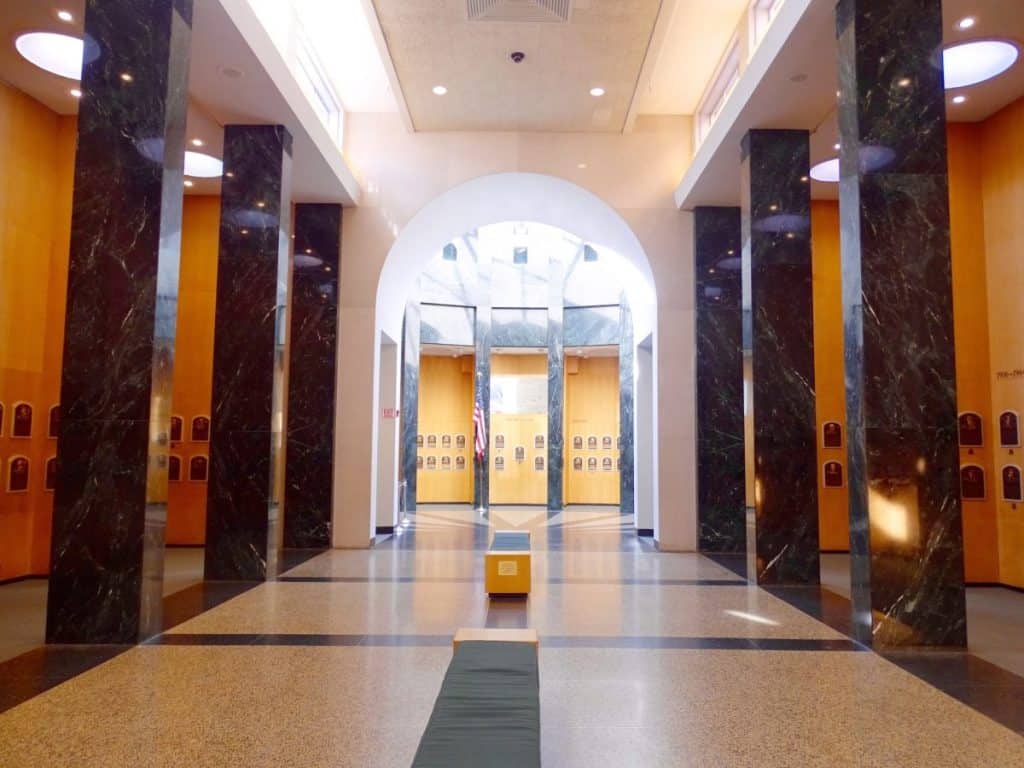
8. The Hall of Fame, honoring over 300 inductees, including 205 players. Spend some time here finding your favorite players. Insider scoop: each inductee visits before the Induction Ceremony and signs the mounting for the plaque- check out one of the 2018 inductee signatures below.

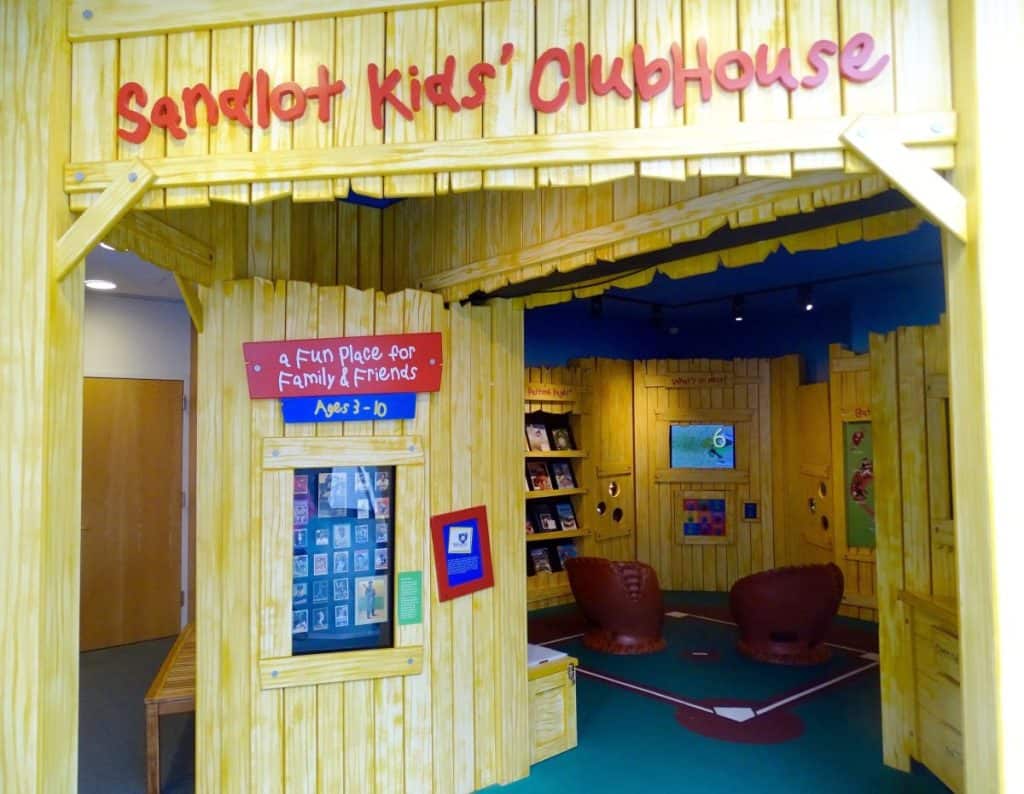
9. The Sandlot Kids’ Clubhouse, where the kids can read a book, catch a short cartoon about baseball, and relax in comfy baseball glove chairs.
10. The Gift Shop: Scope out apparel, gifts, memorabilia, and equipment.

Exploring the Area:
- There is limited street parking directly in front of the museum, with a two hour limit. Especially in peak season, and even in the off season, it’s better to park one block away at the Doubleday Field lot (free in the off season) or about a mile away at one of three trolley lots.
- The Cooperstown Trolley will bring you around town, with stops at the National Baseball Hall of Fame and Museum, The Farmer’s Museum, and Fenimore Art Museum. It runs during peak season, Memorial Day weekend through Labor Day weekend.
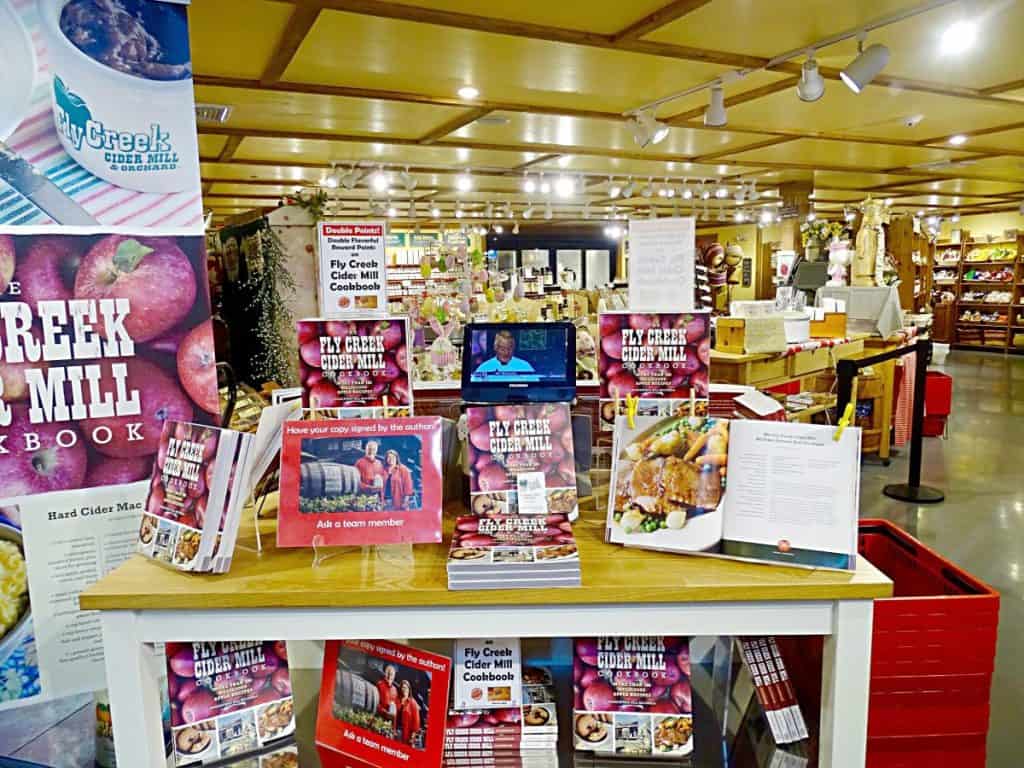
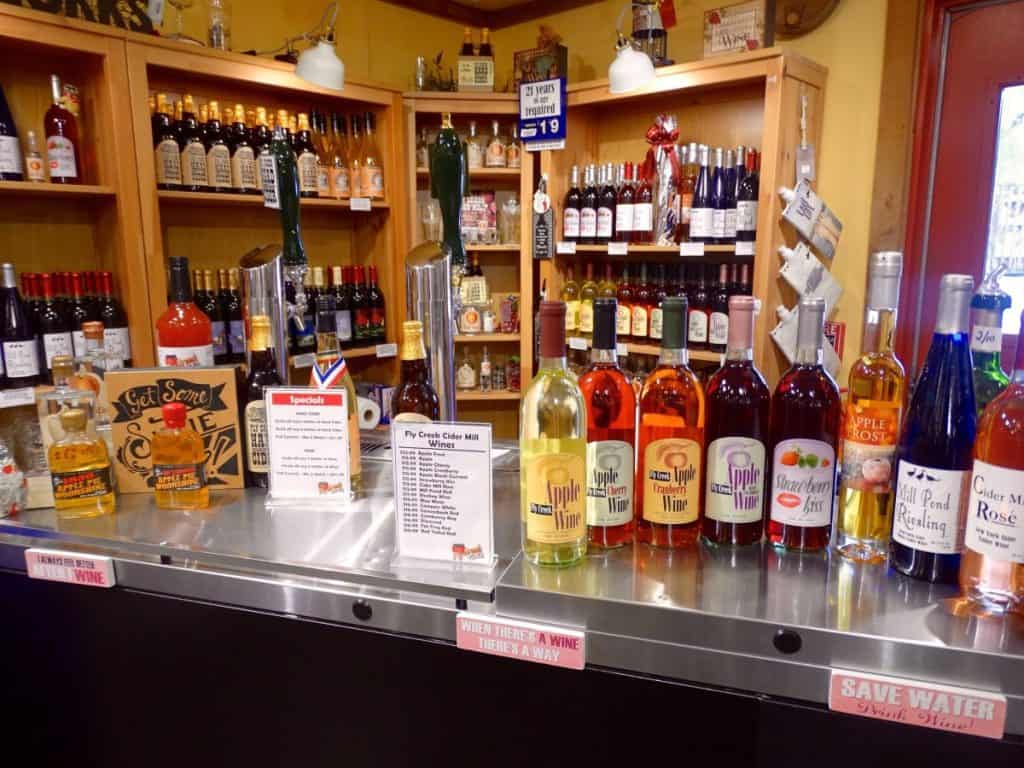
- Make time to visit Fly Creek Cider Mill, located a five minute drive from Cooperstown. Part mill museum, part fudge shop, part country store, part gift shop, it also has a restaurant, TractorLand, and a pond filled with geese and ducks to keep everyone entertained. We visited in the rain, during winter, with snow on the ground, so we couldn’t get to all of the sites. We did taste dozens of yummy dips, sauces, fudge, and cider- and bought just about as many items home. I was pleased to see they had some gluten free options so no one was left out. It’s on my list for visit during the later summer when we next plan on being in the area.
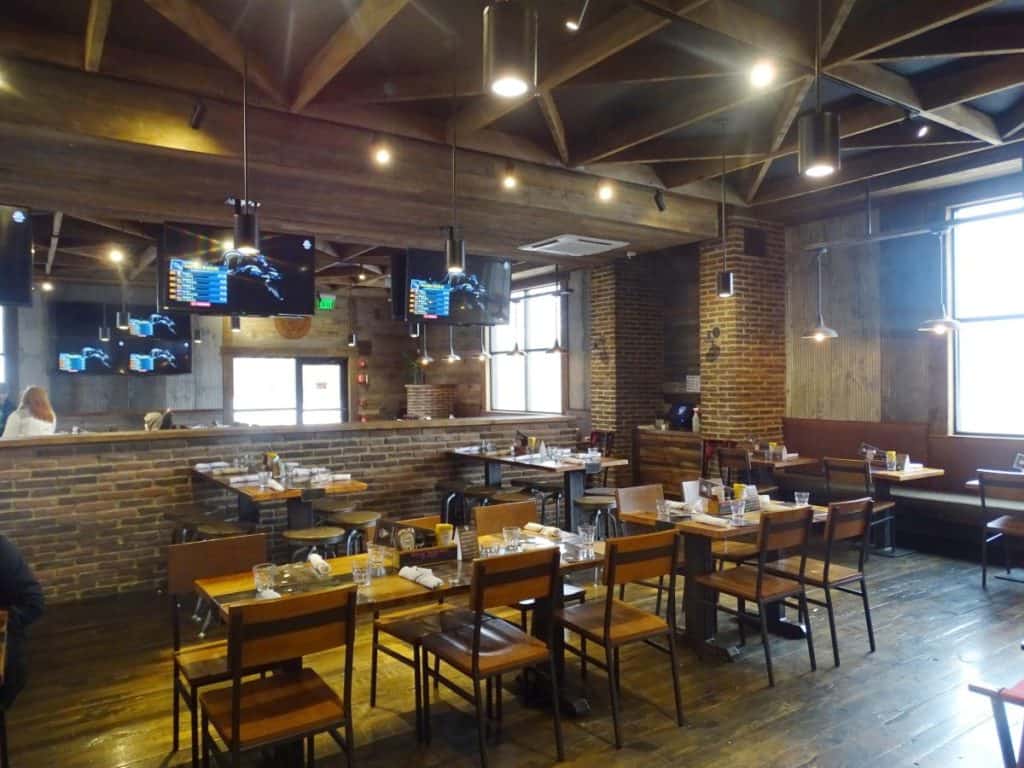
- Eating with the locals: Based on recommendations from the locals, there were plenty of options for meals. We went with Upstate Bar and Grill, and were very happy with that choice. Delicious food, plenty of gluten free options, and lots of choices for kids. They even brought crayons and coloring books to our table while we waited for our food.
If you enjoy sports halls of fame, check out our list of 10 Halls of Fame in America you can visit. And if you liked this post and want to follow along on our adventures, please “like” us on Facebook and follow us on Twitter and Instagram.
Full Disclosure: I was given a press pass by GoCooperstown to visit the National Baseball Hall of Fame and Museum. All opinions are my own.