Playing “I Spy” While Touring the Hamilton Grange National Monument in New York City

| | | | | | |

The island of Manhattan has a dozen National Park sites that hold historical significance and one of the most popular sites (thanks to the Broadway show Hamilton) is Alexander Hamilton’s Grange National Monument, the only home Hamilton owned, located in uptown Manhattan. We recently spent the morning touring the property and learning all about Alexander Hamilton’s family and career.
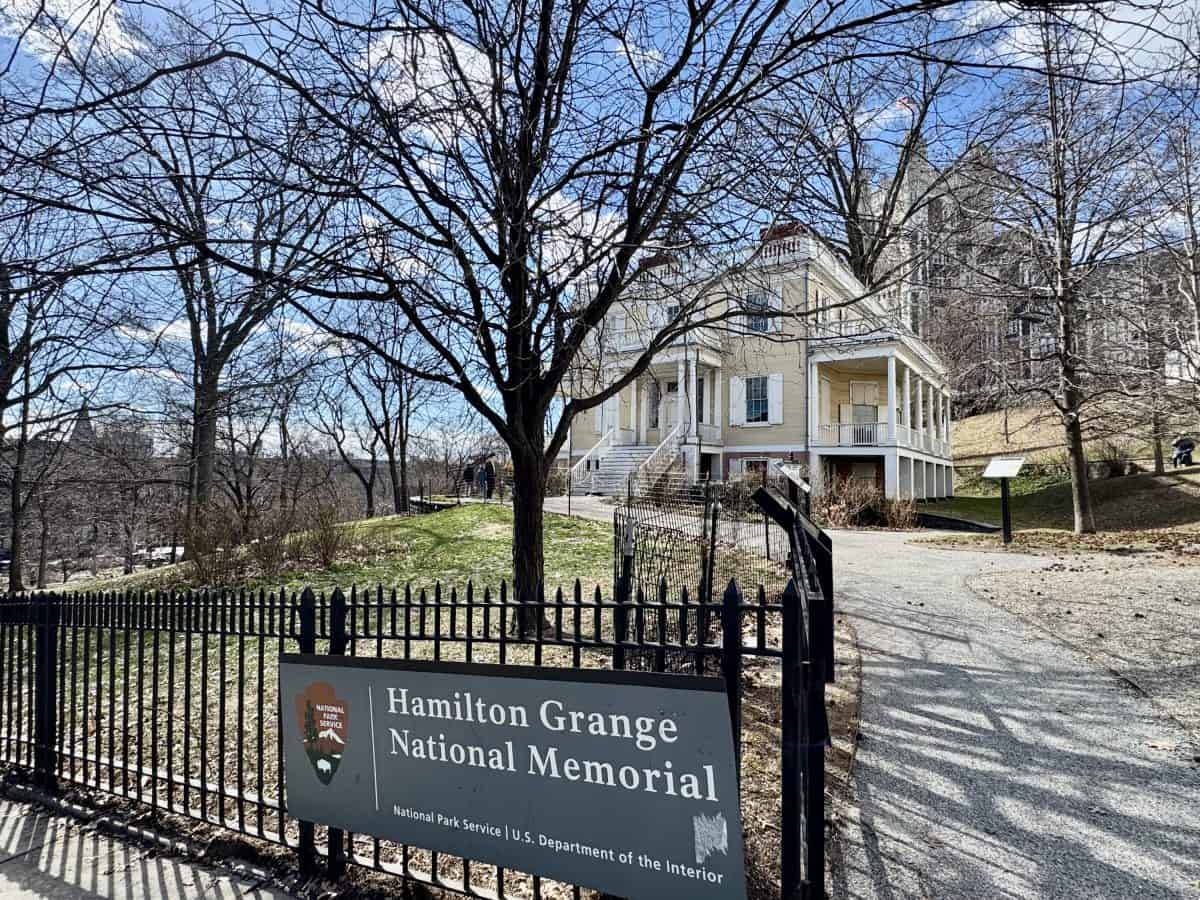
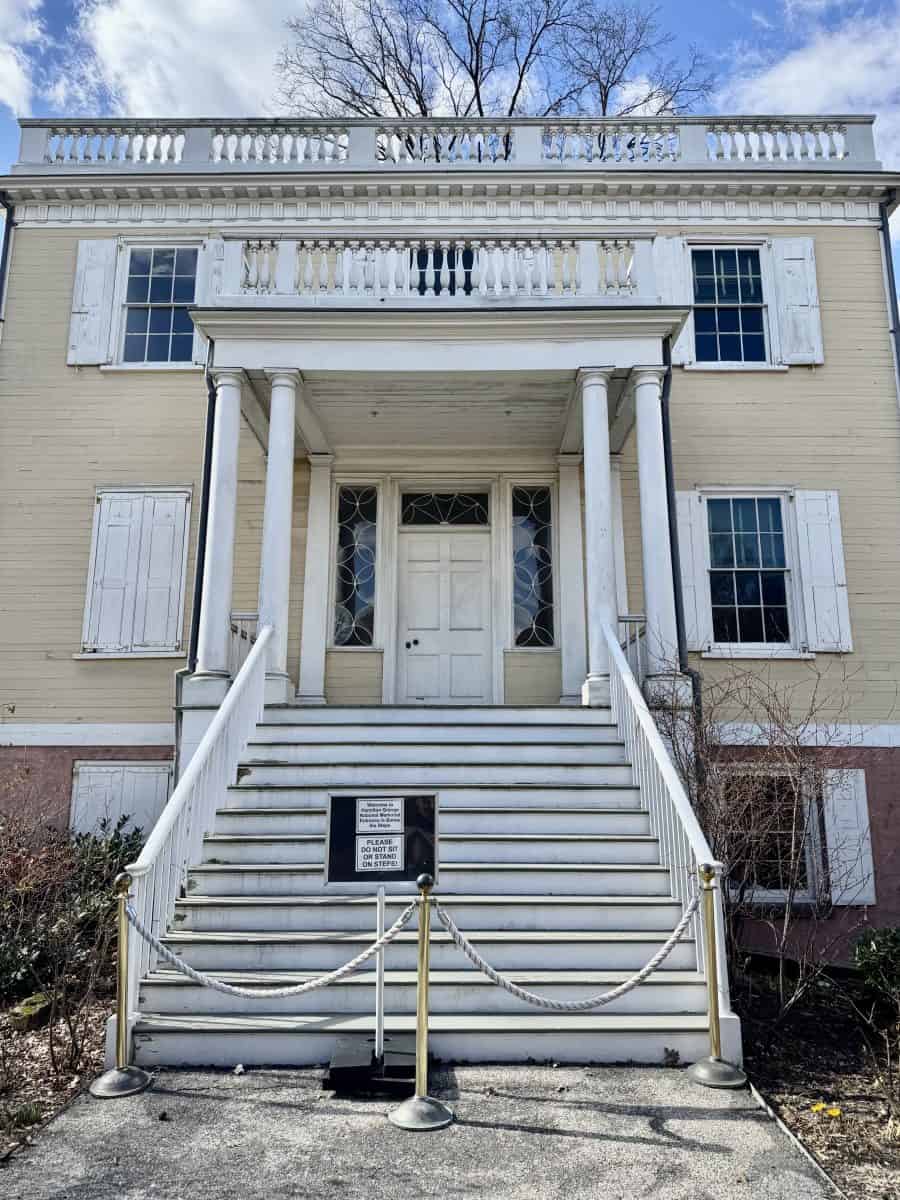
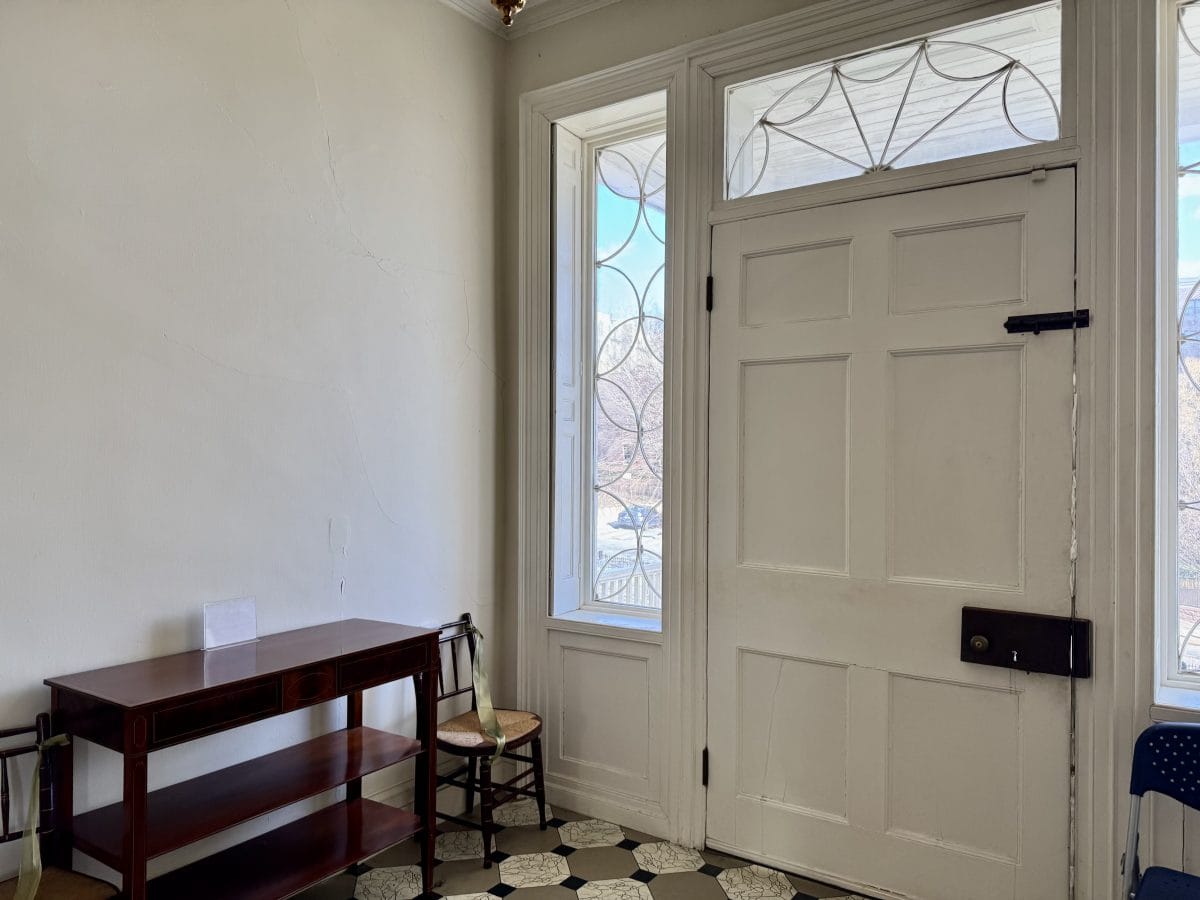
entrance to the Hamilton Grange National Monument in New York City

The Grange, inspired by Hamilton’s father’s family home in Ireland, was built in 1802 as a “summer home” for Hamilton and his family, built outside of downtown New York City to avoid the Yellow Fever disease that had been spreading, in a Federal style of architecture. Hamilton only enjoyed the home for two years before his death in 1804.

In 1833 his wife Eliza sold the property; it was used for a variety of purposes until 1889 when it was moved down the street to a church property to make way for the formal grid for New York City streets. The home was used as a chapel while the church was being built and was later donated to the National Park Service in 1962. In 2008 the house was moved, in one piece, to St. Nicholas Park, and after three years of restoration, was reopened to the public in 2011. 
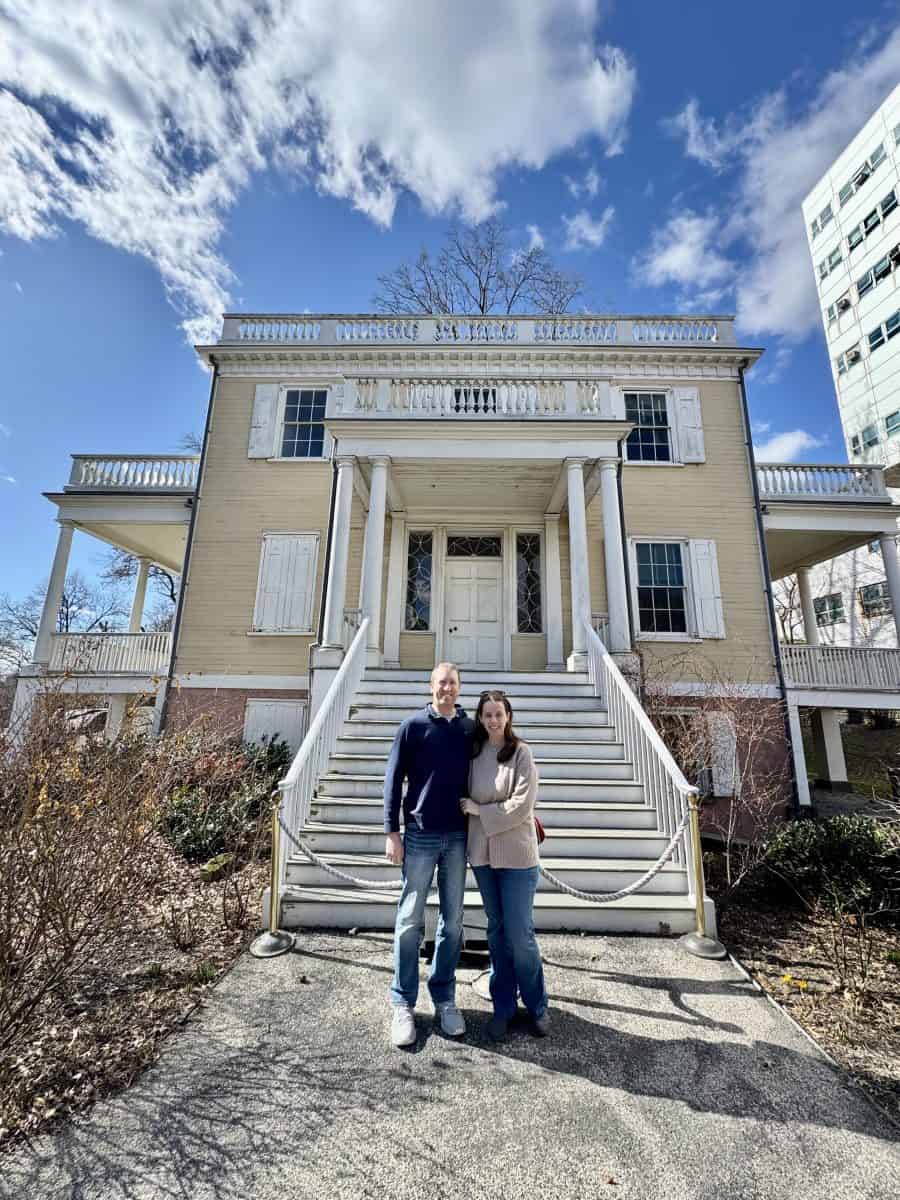
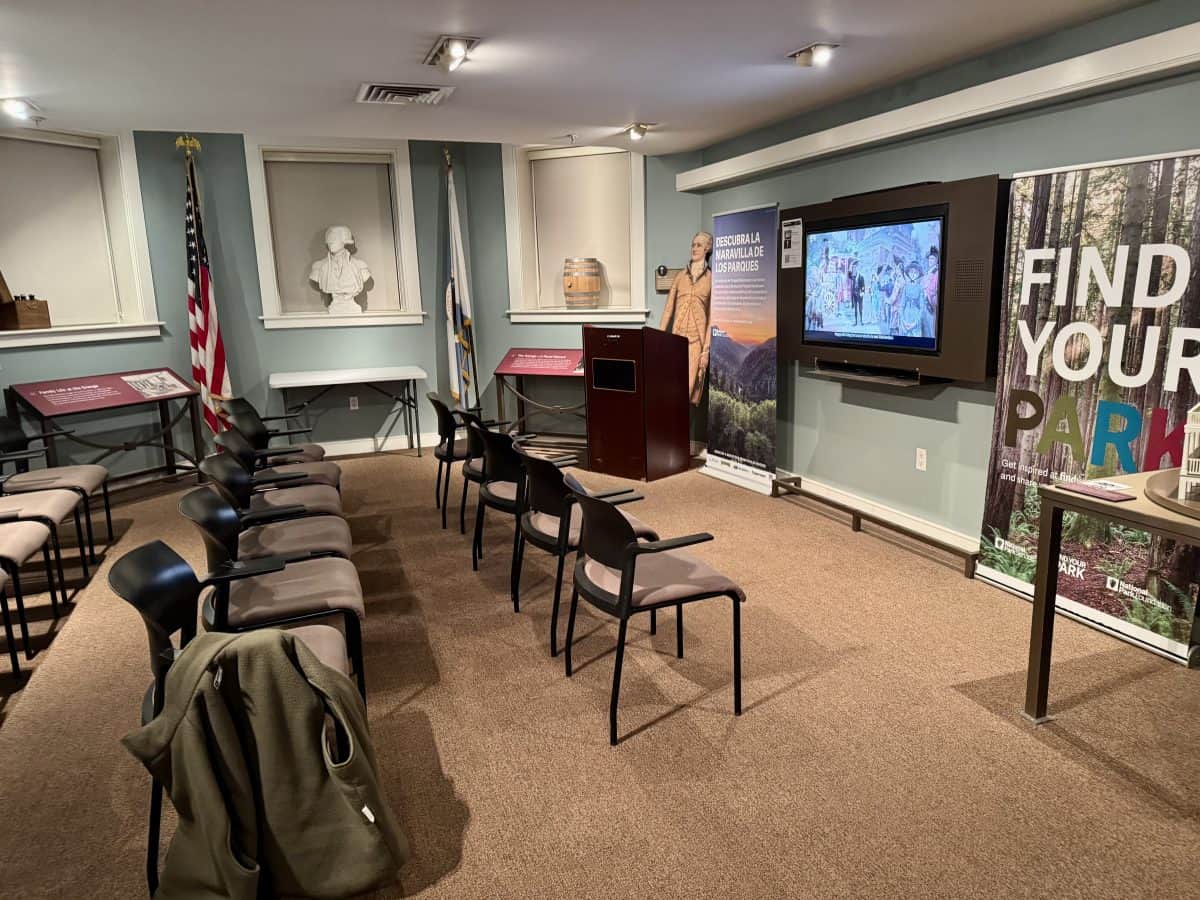
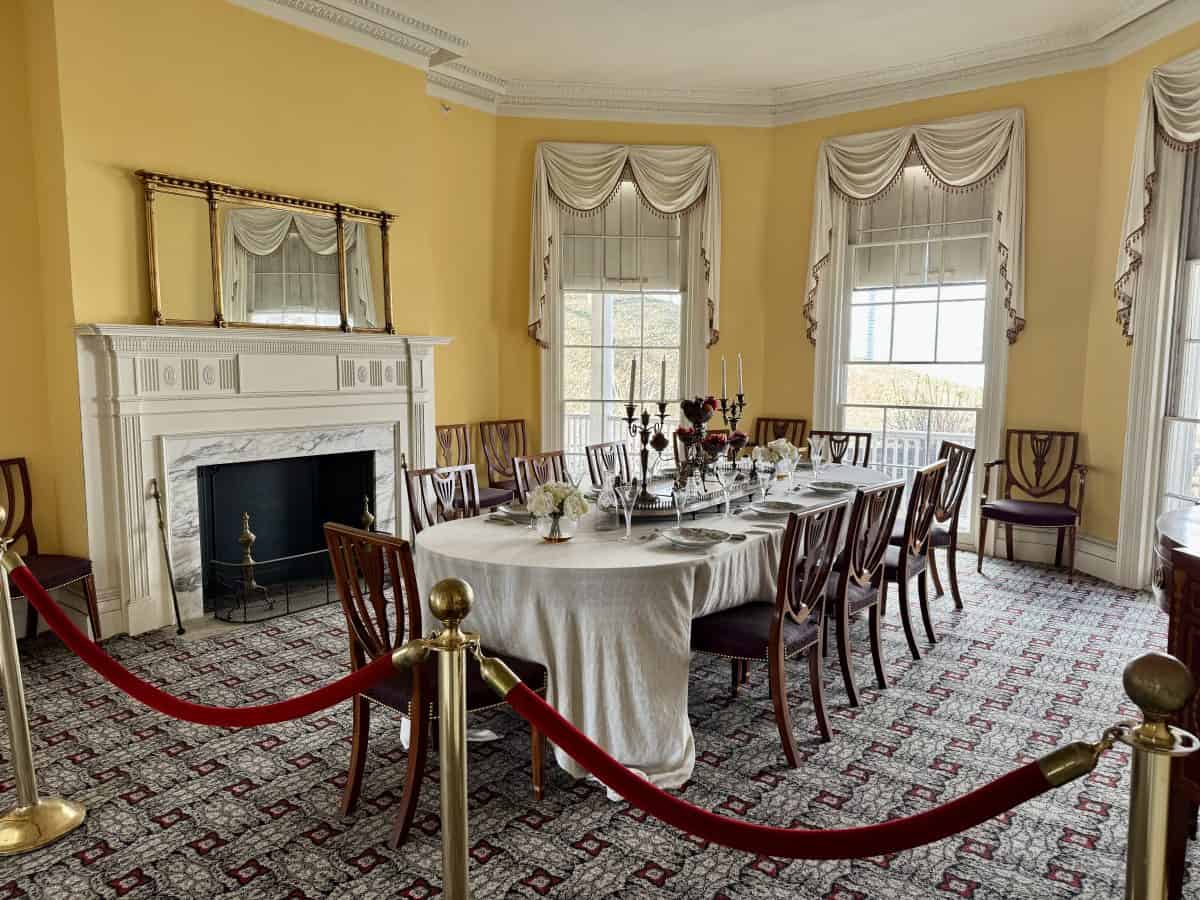
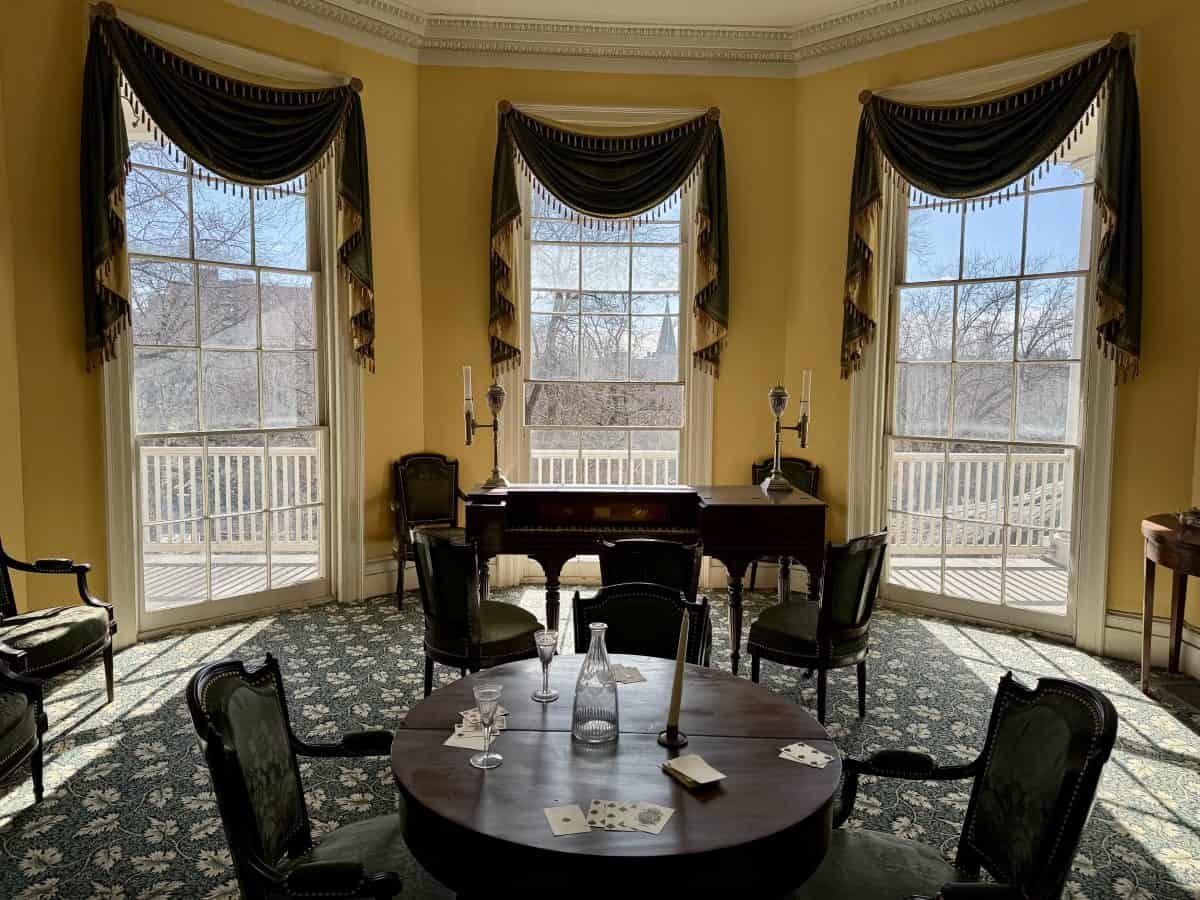
Guided tours include exploring the living room, dining room, and study on the first floor, which include several artifacts original to the Hamilton family and many other period replica pieces. The second floor (not open to the public) includes five rooms that were part of the original configuration. The servants quarters and kitchen are located in the basement, which was reconfigured as the Visitor Center.
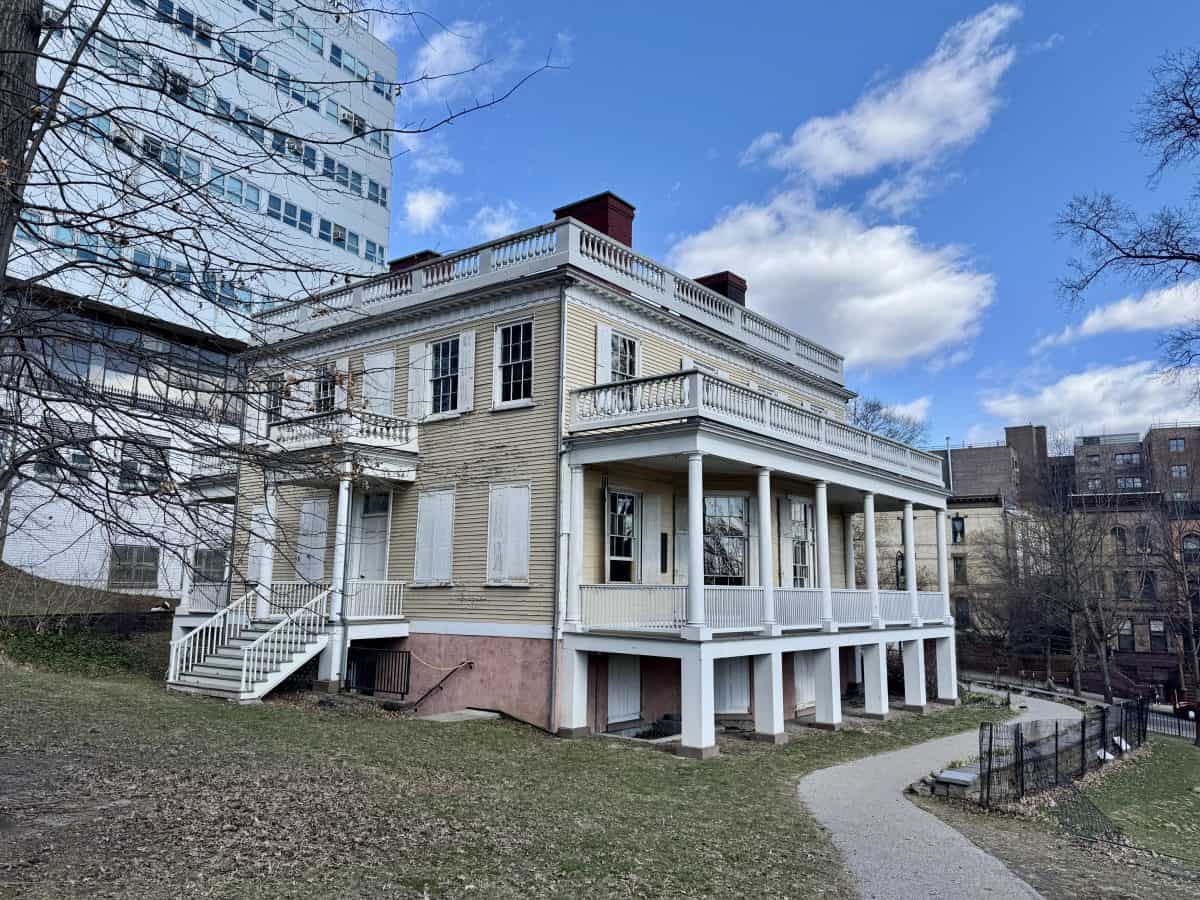
side view of the Hamilton Grange National Monument in New York City

Travel Tips:

Would you like to save this?
We'll email this post to you, so you can come back to it later.

  • The Grange is free to visit and open Wednesday through Sunday year round. Free, guided tours are available three times a day during the week and hourly on weekends. Check here for up to date information on hours and tours. 
  • No designated parking for the Grange, as it is located inside Saint Nicholas Park, but metered street parking is available on surrounding streets, as well as garages. See more information on parking and public transportation options here.
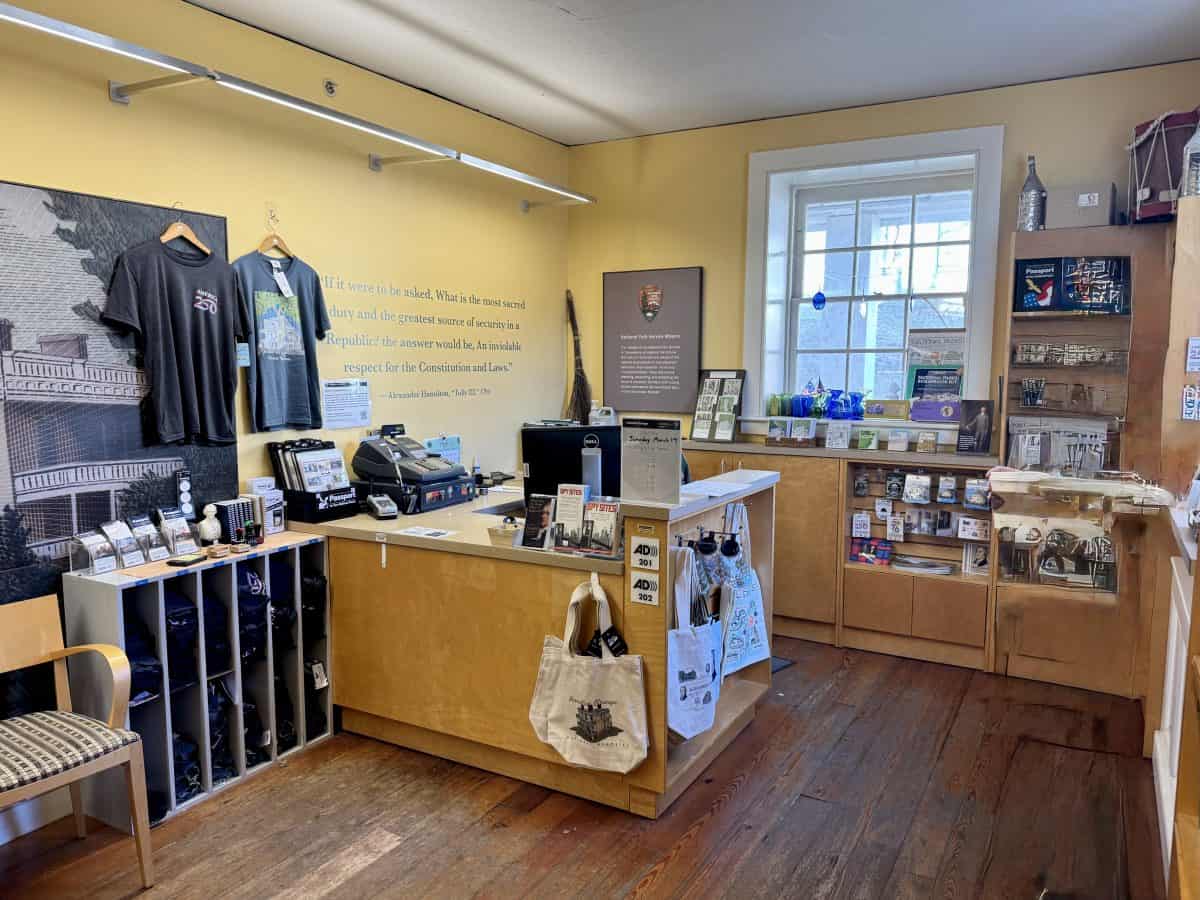
  • Restrooms, lockers to store coats and bags, and a small gift kiosk are available in the Visitor Center.
  • There is an audio tour option in the Visitor Center and the first floor is handicap accessible via a chair lift. More information on accessibility here
  • See the calendar of special events and programs here.
  • Get your National Passport stamps in the Visitor Center and make sure kids complete a Junior Ranger booklet to earn a badge. 
  • No dining options on site; see local spots here.
  • Plan on 20-30 minutes to explore the Visitor Center exhibits and 30 minutes for a guided tour of the main floor of the house.

Playing I Spy While Touring the Hamilton Grange:

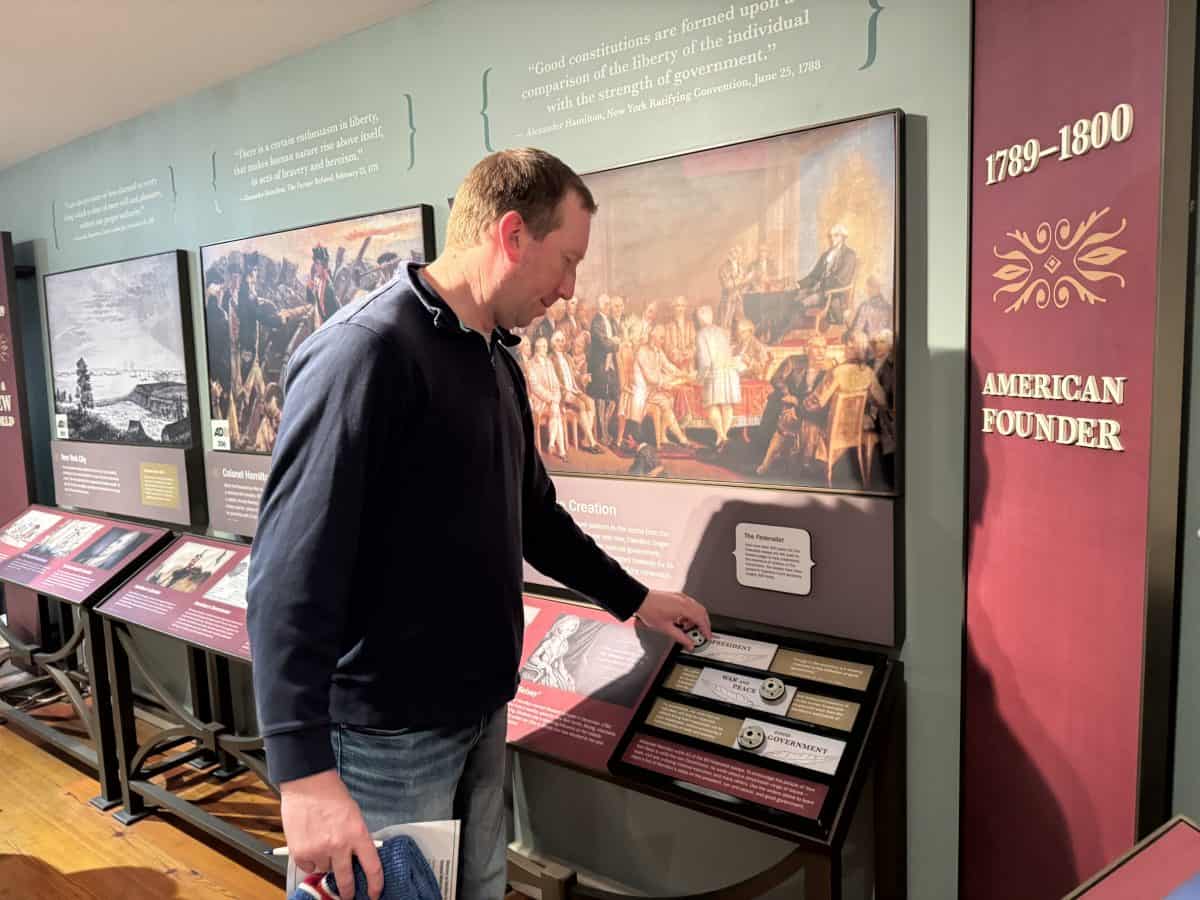
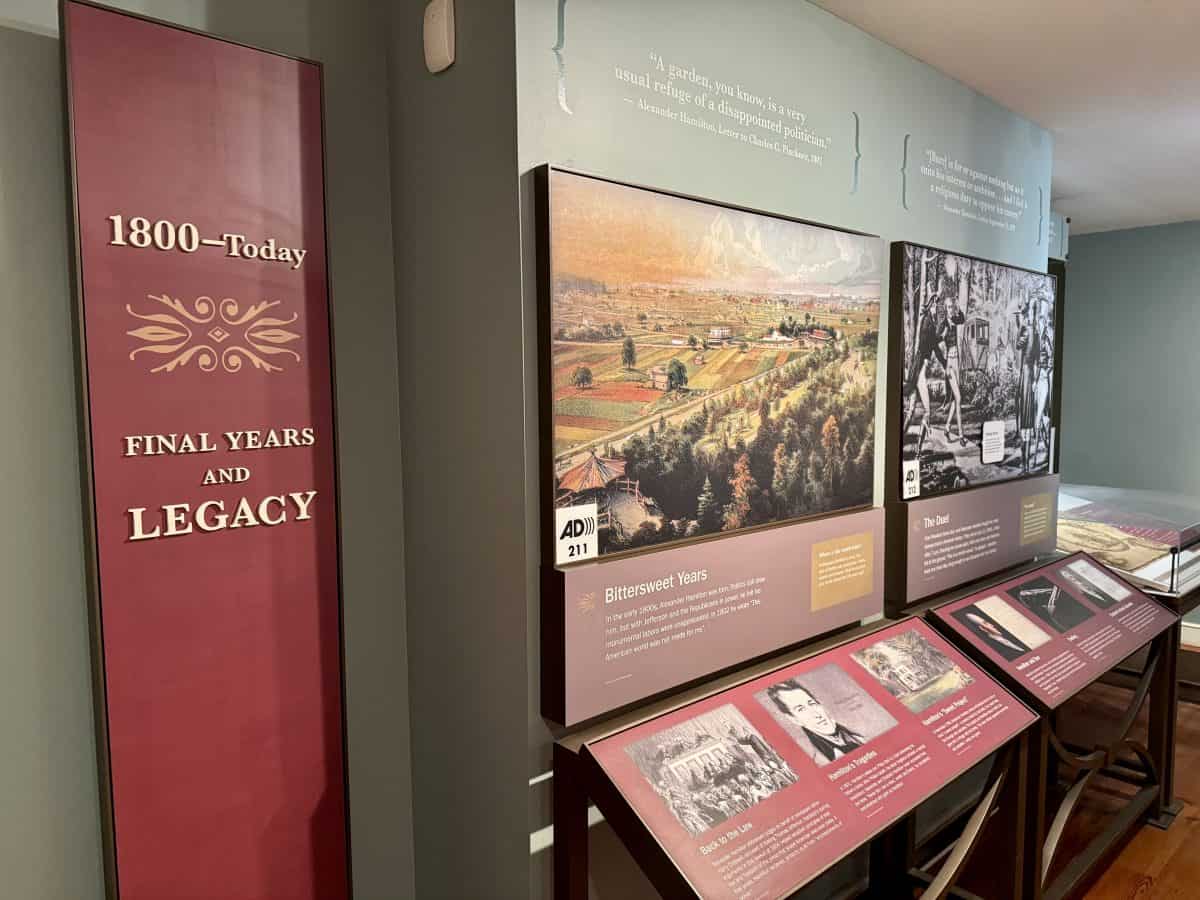
  1. Start with the timeline of Alexander Hamilton’s life and career in the Visitor Center exhibit hall- follow the decades of his life and learn about his achievements and writings.
  2. Watch one of the introductory films in the Visitor Center, including the life of Alexander Hamilton and the process of moving the Grange. Each film is under 15 minutes.
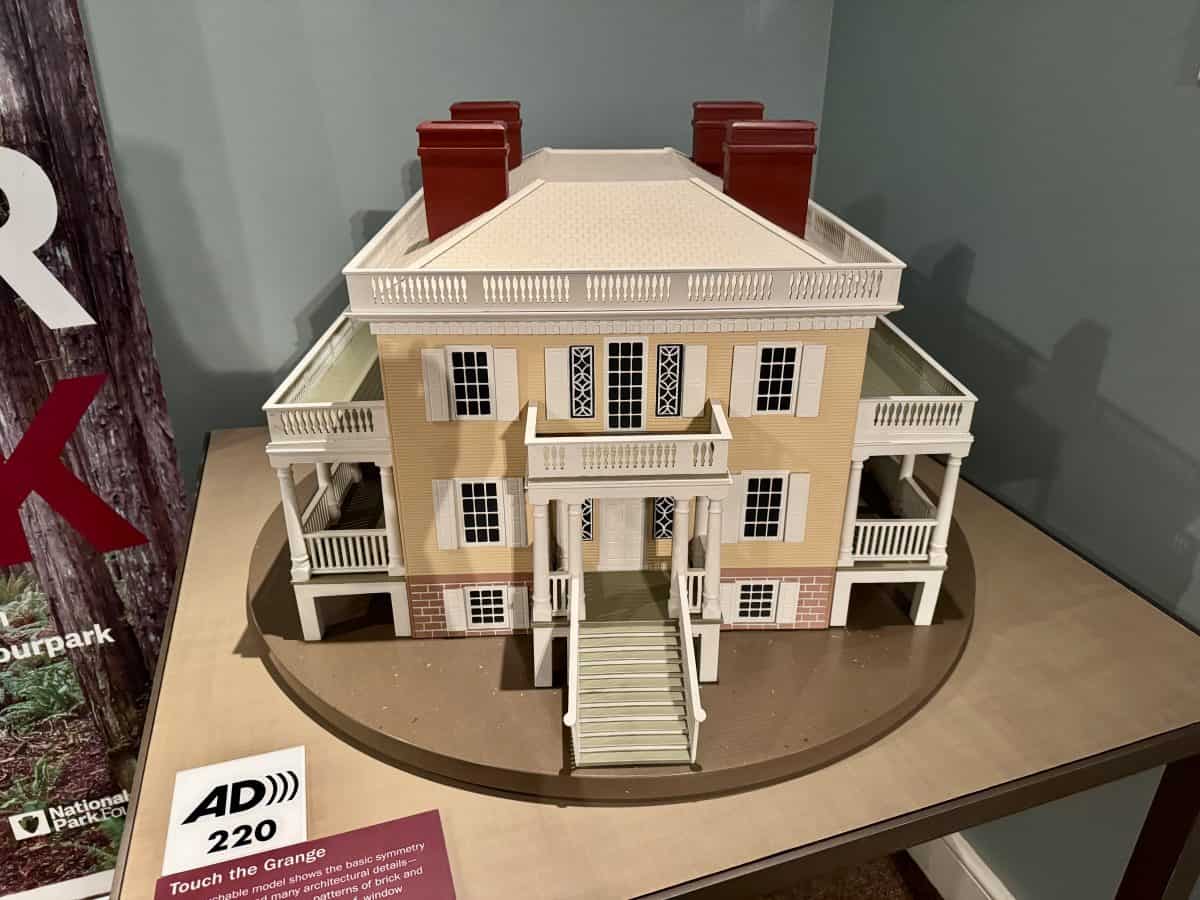
  3. Peek inside the touchable replica of the Grange in the Visitor Center.
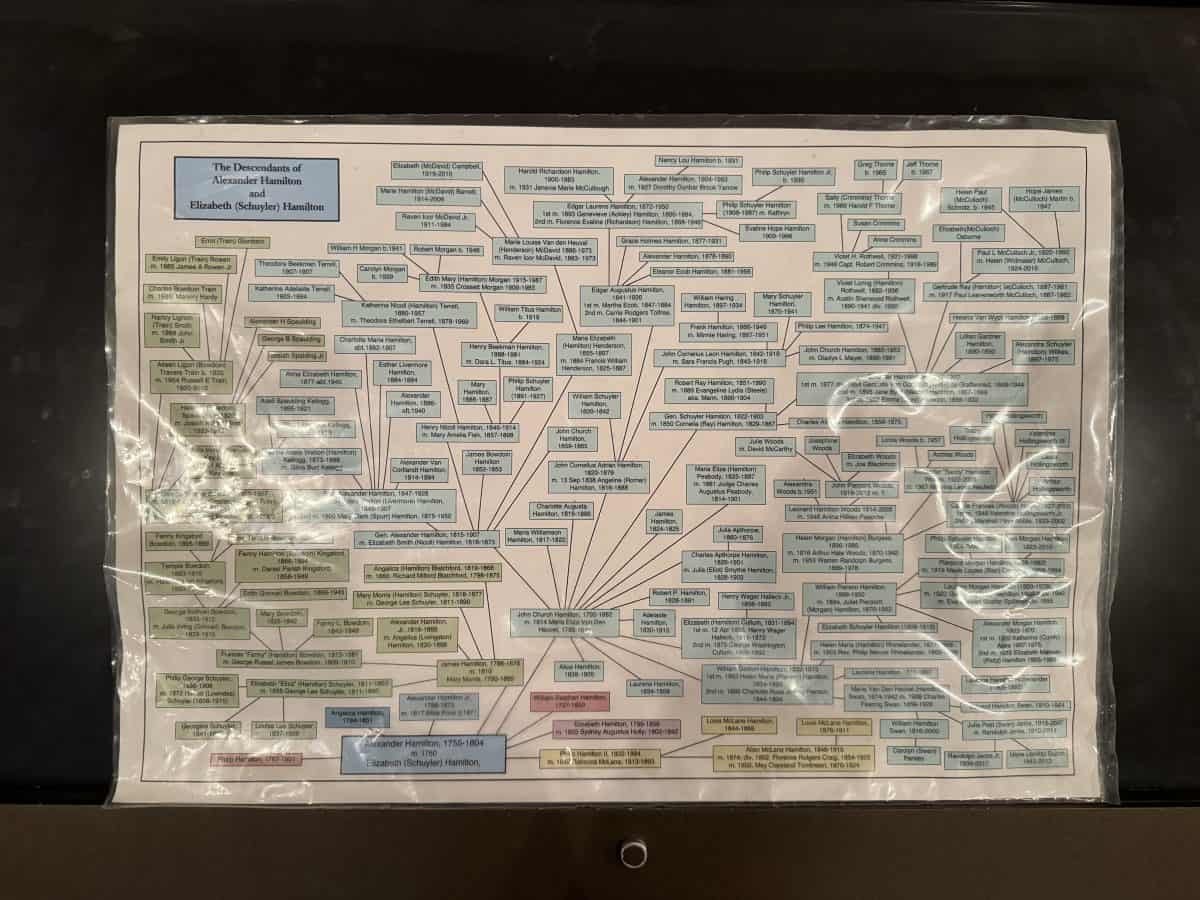
  4. Follow the Hamilton family tree and see all of Alexander and Eliza’s descendants.
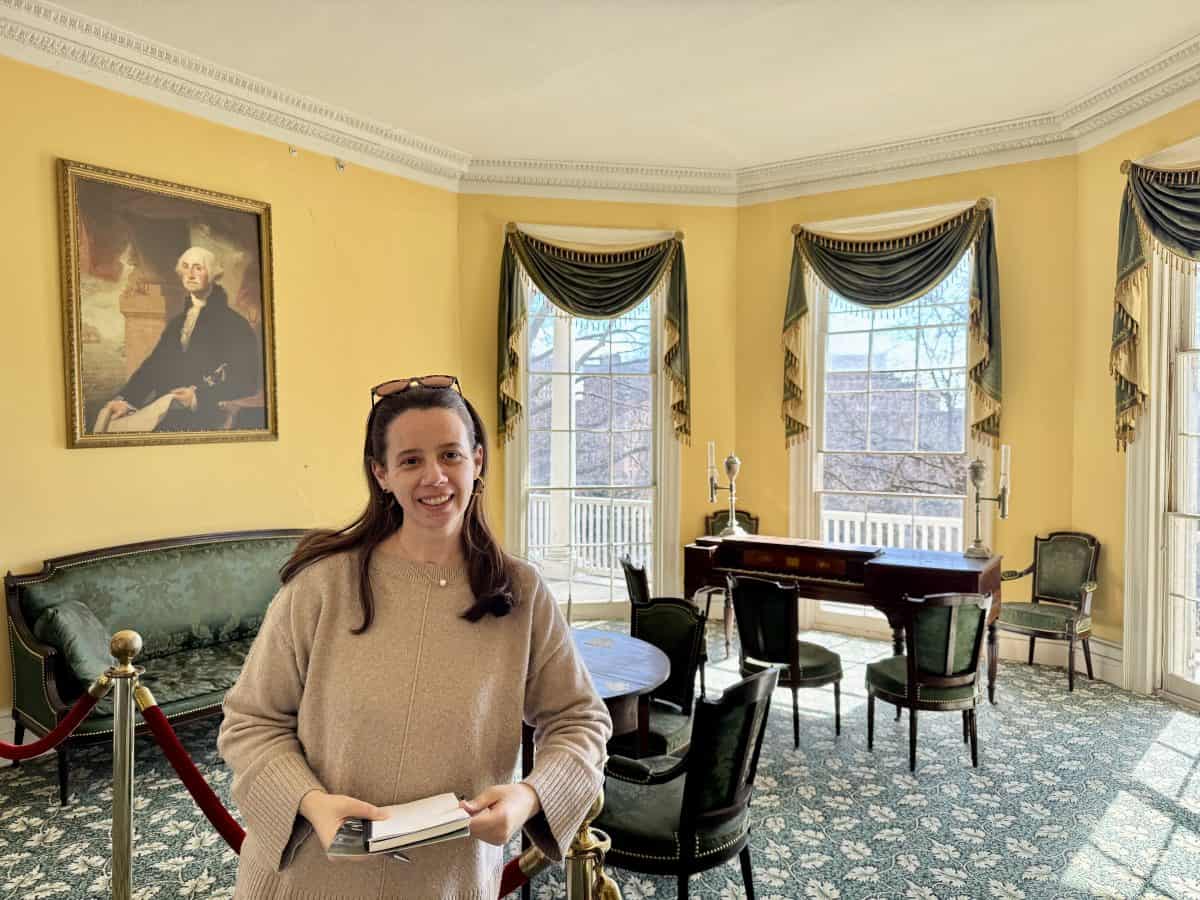
  5. Look for the piano forte, which belonged to Angelica, in the Parlor Room.
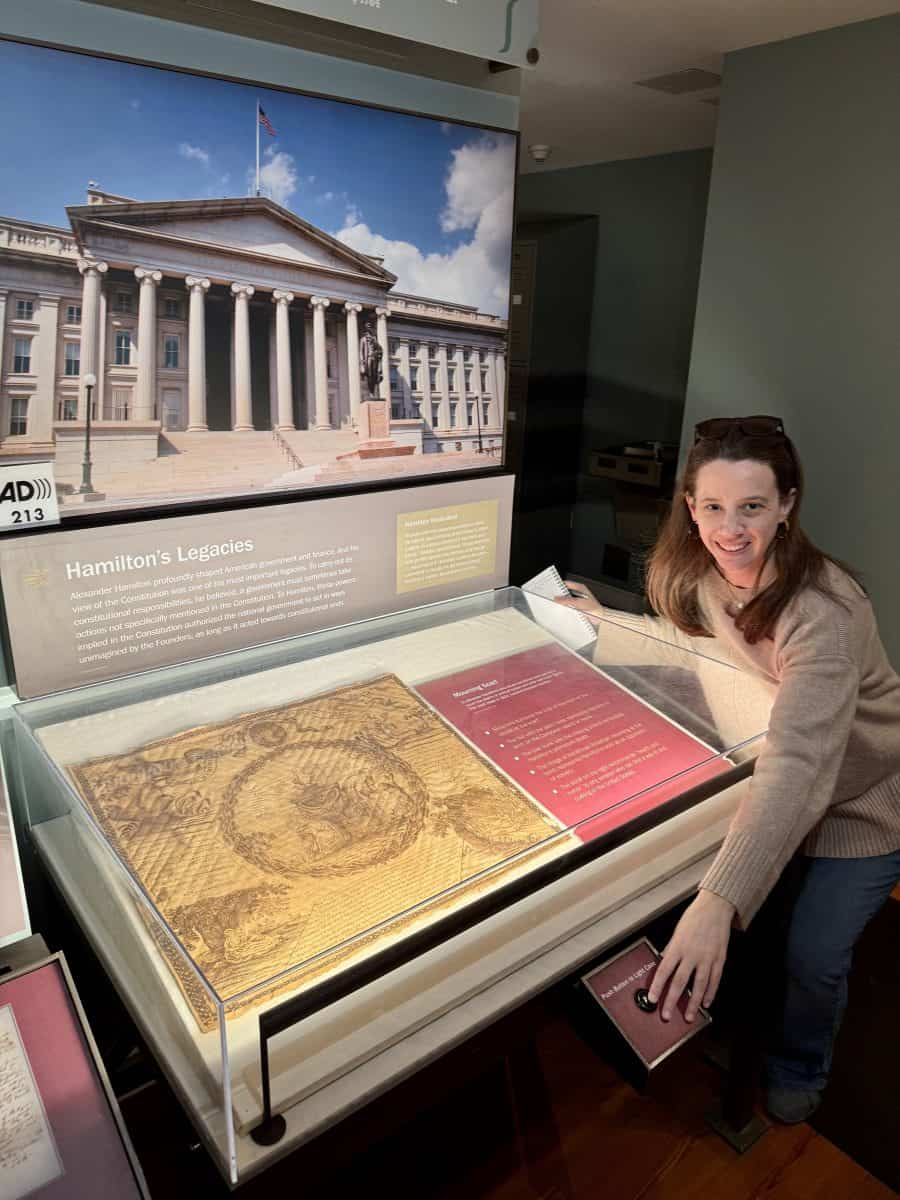
  6. Light up the mourning scarf (tradition of the time period) that honors the life of Alexander Hamilton in 1804 in the Visitor Center.
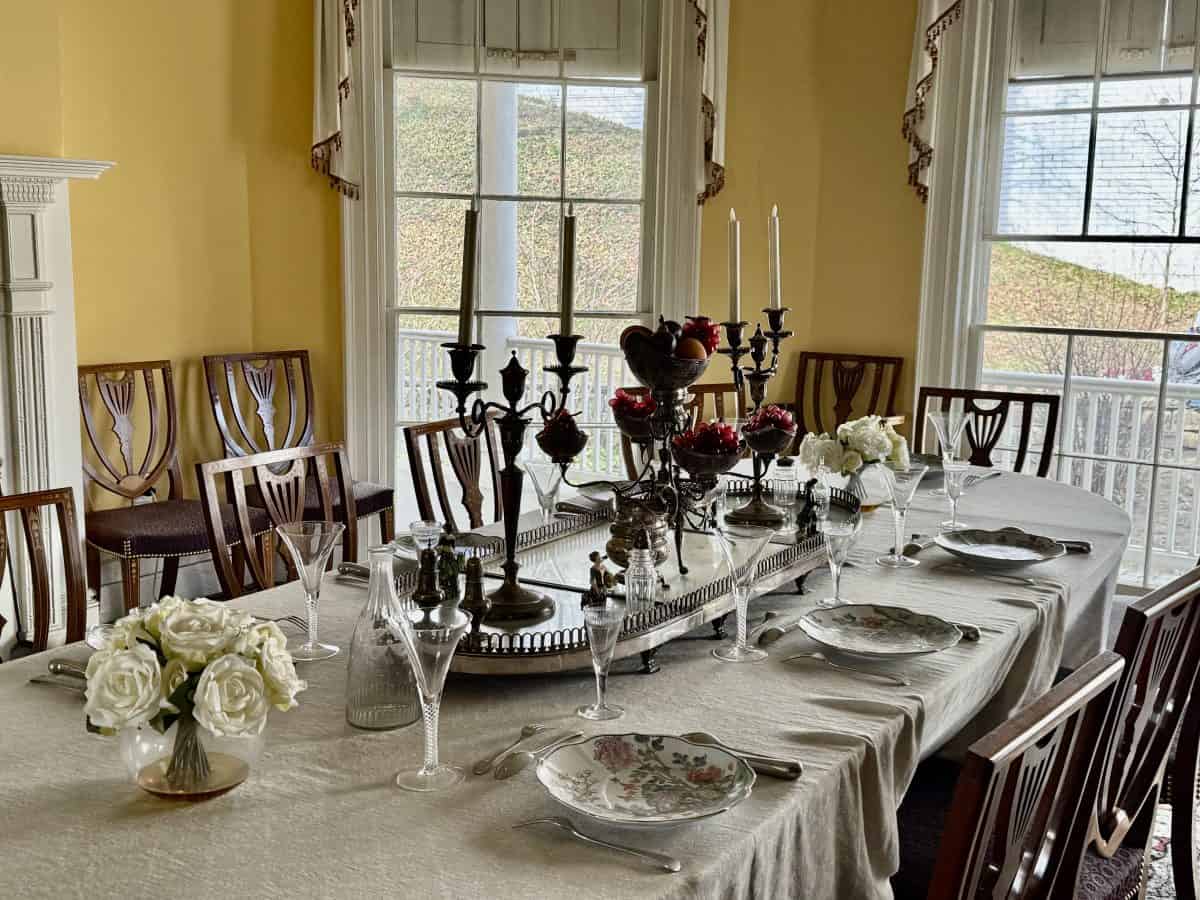
  7. Find the upside down silverware on the dining room table (flipped upside down as a means of showing off providence and wealth). 
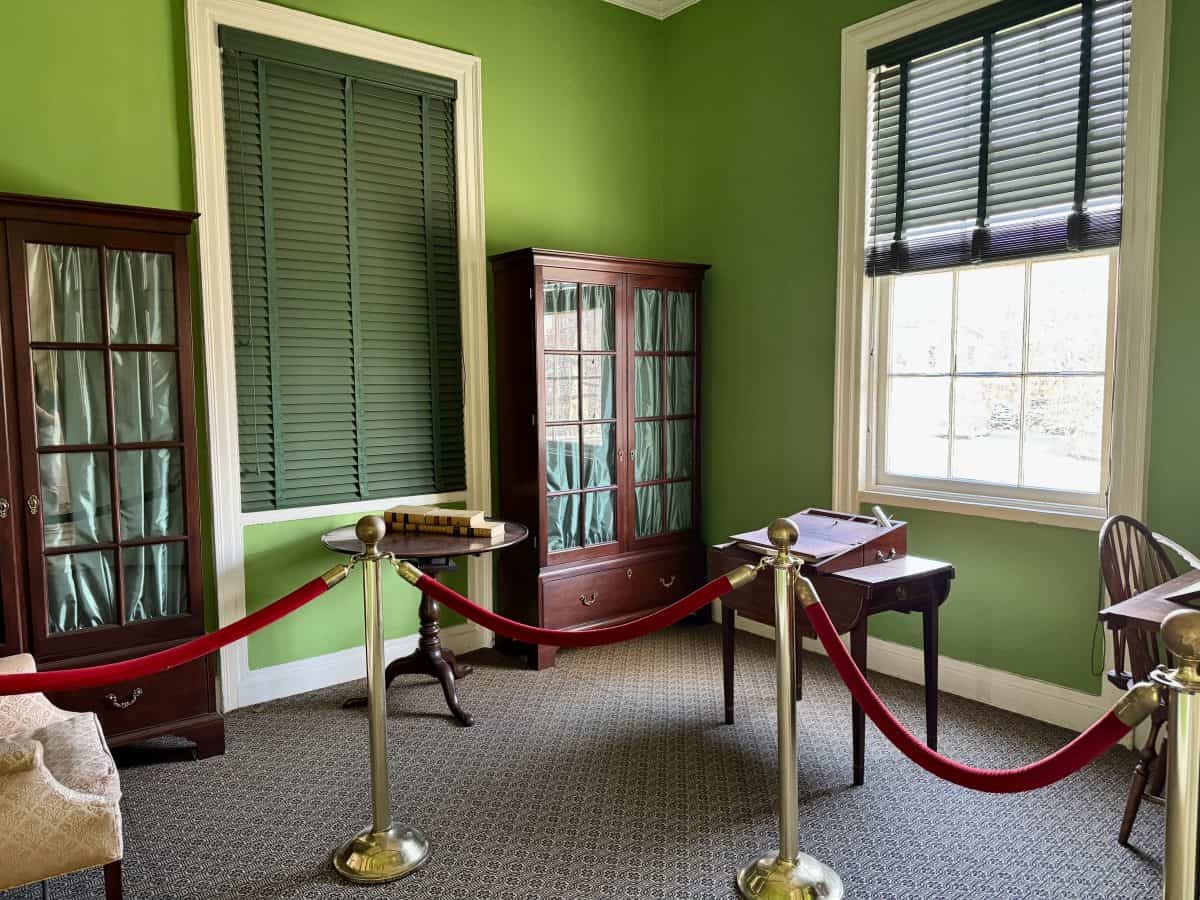
  8. Look for the actual books from Alexander Hamilton’s collection on display in his study– they are the only authentic artifacts in the room. 
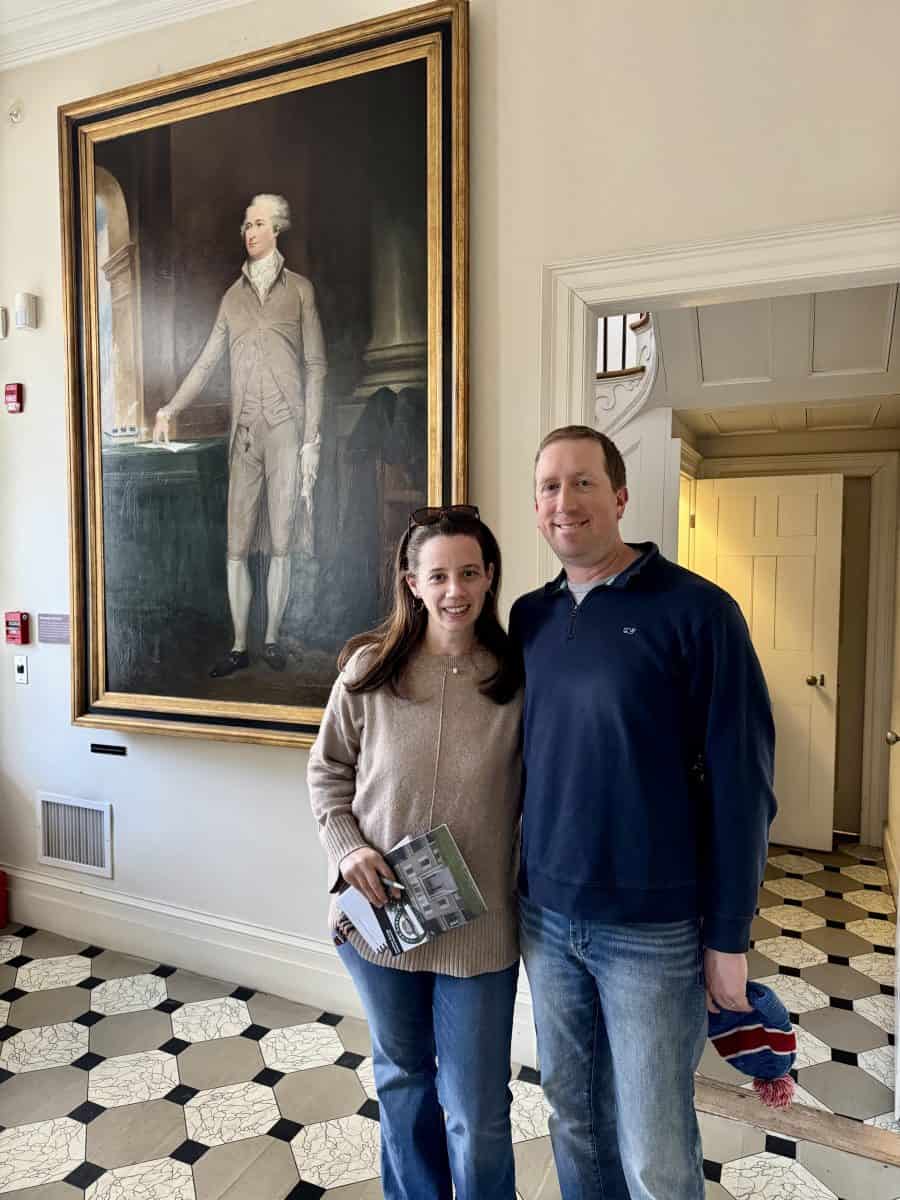
  9. Compare your profile to the marble bust and massive portrait painting, both on display in the main foyer
  10. Walk around the property and St. Nicholas Park (which included a playground at the foot of the hill).
dining room table at the Hamilton Grange National Monument in New York City

Looking for other National Park sites in New York City? See our features of Federal Hall National Monument, African Burial Ground National Monument, Ellis Island, St Paul’s Chapel, and the Statue of Liberty, and our full Manhattan City Guide

Similar Posts

  • | | | |

    Isabella Stewart Gardner Museum in Boston, MA

    A New Yorker married to a Bostonian in the late 1860s, Isabella Stewart Gardner and her husband, John, travelled extensively and were inspired by the art they saw throughout the world. Gardner began collecting art and built a home, which she named Fenway Court, in Boston in the early 1900s. Today, all three floors of the Palace, as it is now referred to, are opened to the public, as part of the Isabella Stewart Gardner Museum. Some of Gardner’s collection of 7500 pieces of art, 1500 books, and 7000 artifacts are on display throughout the Palace and the new Renzo Pino Wing, which houses a reception area and services, administrative offices, Calderwood Hall, Bertucci Education Studio, the Living Room, Cafe G, and museum store.

  • | | |

    11 Ways to Explore the Suffolk County Vanderbilt Museum on Long Island

    One of the only remaining “Gilded Age Gold Coast” mansions on Long Island in New York, the Suffolk County Vanderbilt Museum is the former estate of William K. Vanderbilt and his third wife, Rosamond. The great-great grandson of shipping and railroad tycoon Cornelius Vanderbilt, William purchased the 43 acre property in Centerport on Long Island in 1908 and began with a  small “English Cottage”. Over the next two decades, he expanded the property and grew the “cottage” into a 24 room Spanish Revival mansion named “Eagle’s Nest” along with several museum buildings. Vanderbilt chose the Northport Bay location because it is the deepest port closest to Manhattan where Vanderbilt could moor his boats. William and Rosemond lived on the property from May through October, although they also commuted into their home in Manhattan. 

  • | | |

    The Rimrock Resort in Banff, Alberta Canada

    This past summer, we enjoyed a magical week in Banff National Park in Alberta, Canada, including a stay at the Rimrock Resort in the heart of the town of Banff.

    I have been reading about Banff for years and it was truly a bucket list spot for us. Banff National Park, Canada’s first National Park, covers over 2500 miles and runs from Lake Louise in the northern part of the park to the town of Banff in the southern part of the park. The town of Banff, with a permanent population of 8,000 people, is the first incorporated municipality within a National Park; the area welcomes over four million visitors each year. There’s tons to see and do- see our complete City Guide here-  and wonderful resorts the whole family will enjoy.

  • | | |

    Five Ways to Explore the Jupiter Inlet Lighthouse & Museum in Jupiter, Florida

    We’ve explored Palm Beach County, Florida many times when visiting family in Delray Beach. This past trip, we finally had time to stop at the Jupiter Inlet Lighthouse and Museum that we’ve passed several times and enjoyed exploring the ever expanding complex.

    Operated by the Loxahatchee River Historical Society, the first lighthouse museum opened in 1973 and now welcomes over 800,000 visitors to the complex each year. The nonprofit manages the 1860 Jupiter Inlet Lighthouse and Oil House, 1892 George Washington Tindall House, 1929 Lighthouse Keeper’s Workshop, and 1940 Naval Housing Building (currently closed due to nearby bridge construction). The lighthouse and museums are located on a complex, owned by the town of Jupiter, which also include large sports fields, nature trails, and a large playground. 

  • | | | | |

    Yankee Candle Village in South Deerfield, Massachusetts

    I’ve been obsessed with Yankee Candles for a long time. Anyone who knows me would probably say I have the most sensitive nose they have seen. It’s true: I need my environment to smell good. So whether it’s fall (Macintosh or Spiced Pumpkin), the holiday season (Christmas Cookies or Homes for the Holidays), or summer (Blueberry or Lush Berries), I always have a Yankee Candle burning in my home (and yes, I have the car jar fresheners for my car- French Vanilla is my favorite).

    I made a brief stop at the Yankee Candle Village in South Deerfield, Massachusetts years ago (I had a shortage of Macintosh and fall was approaching, if I remember correctly) but could not stay to explore the village. So, it went on my travel list, and this past week my family had the opportunity to visit.

    The Massachusetts Yankee Candle Village (there is also a location in Williamsburg, Virginia) is located thirty minutes north of Springfield.  The campus opened in 1982 with a 5,000 square foot building; now there’s over 90,000 square feet of fun to explore. The village welcomed over 500,000 visitors from over 50 countries in 2017, and many of them made a visit during the popular fall foliage and holiday season time.

Leave a Reply

Your email address will not be published. Required fields are marked *