
Playing I Spy while touring the Greenbrier Resort in West Virginia
This past summer, we had the good fortune to spend a couple of days at The Greenbrier in White Sulphur Springs, nestled in the Allegheny Mountains of West Virginia. The resort had been on my bucket list for years and it definitely lives up to the hype!
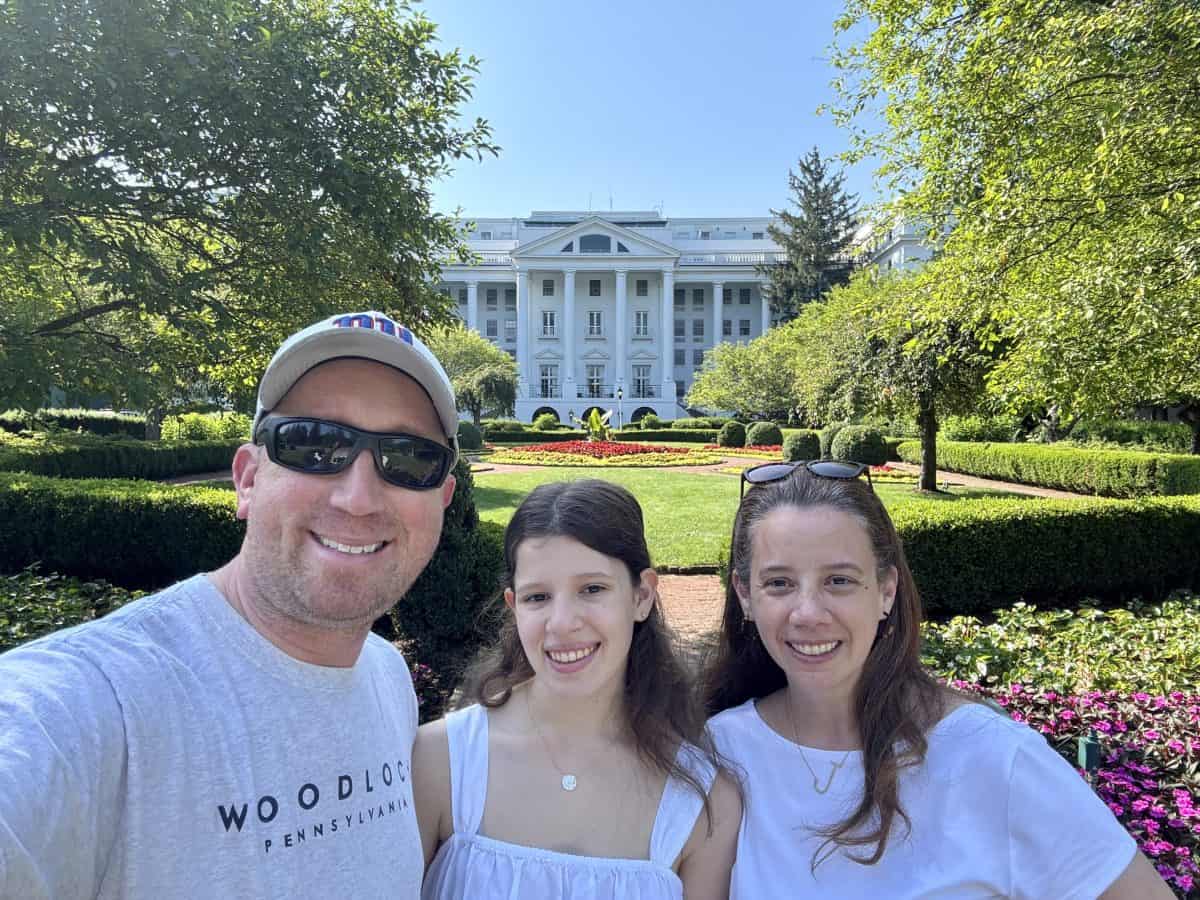

“America’s Resort” is located on 11,000 acres and has hundreds of lodging options (rooms, suites, cottages, and full homes), almost two dozen dining options, almost three dozen shops, a massive spa, four golf courses, hiking trails, a casino, a declassified bunker built to protect the US government in case of war, and nearly 50 daily activities and programs. Over two dozen American presidents have stayed at the Greenbrier (named for the prickly vines that grow in abundance in the area) and many families make multigenerational, annual trips to the Greenbrier (we’re planning on returning for Christmas in a few years!). You can read more about specific lodging, dining, and shopping options in our full feature here.
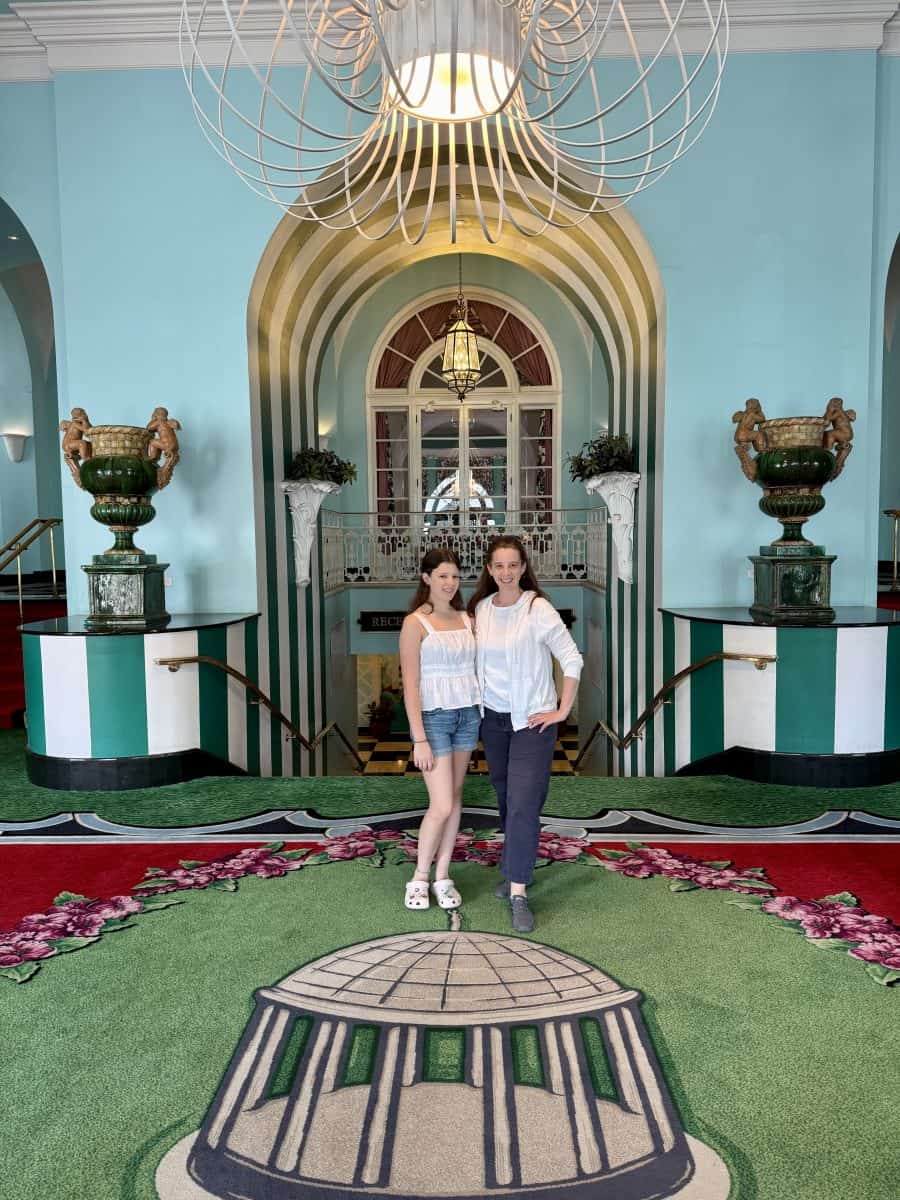
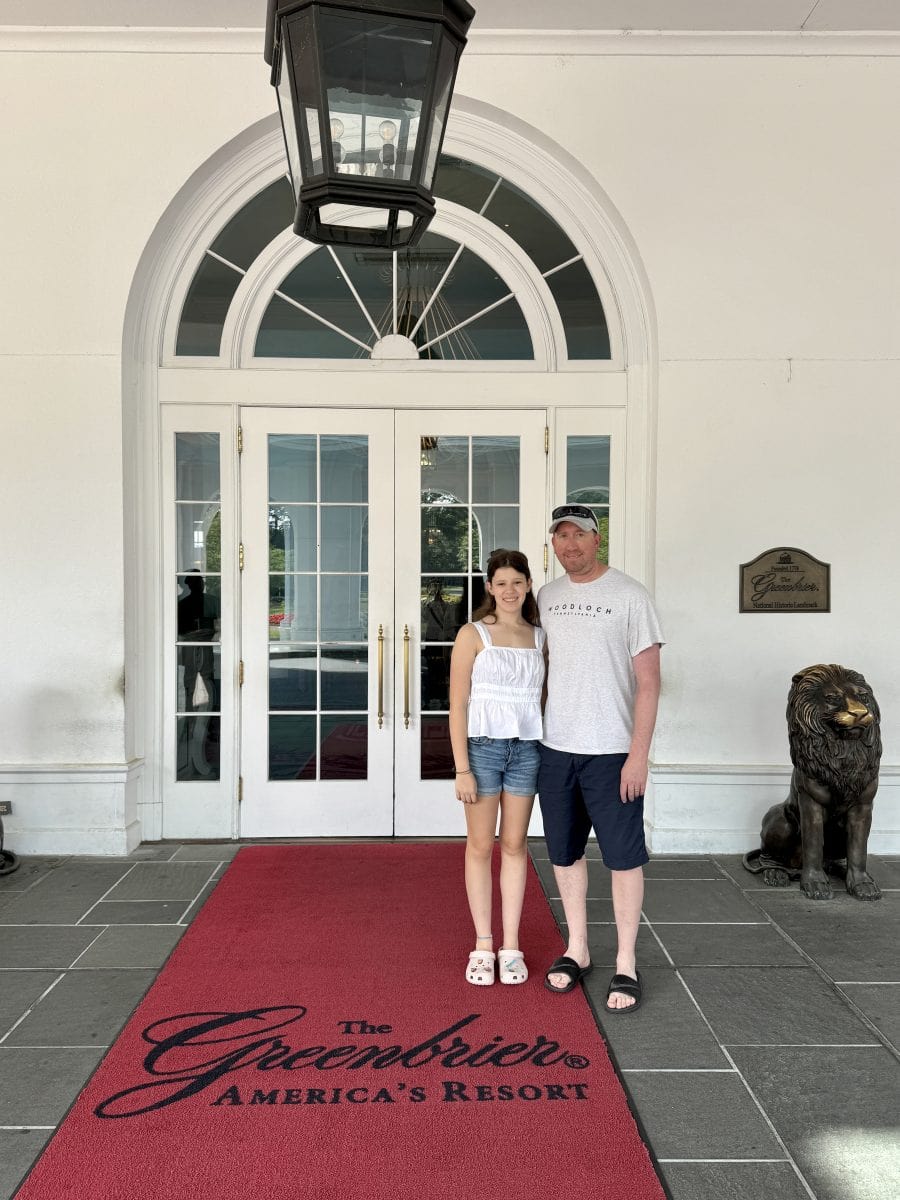
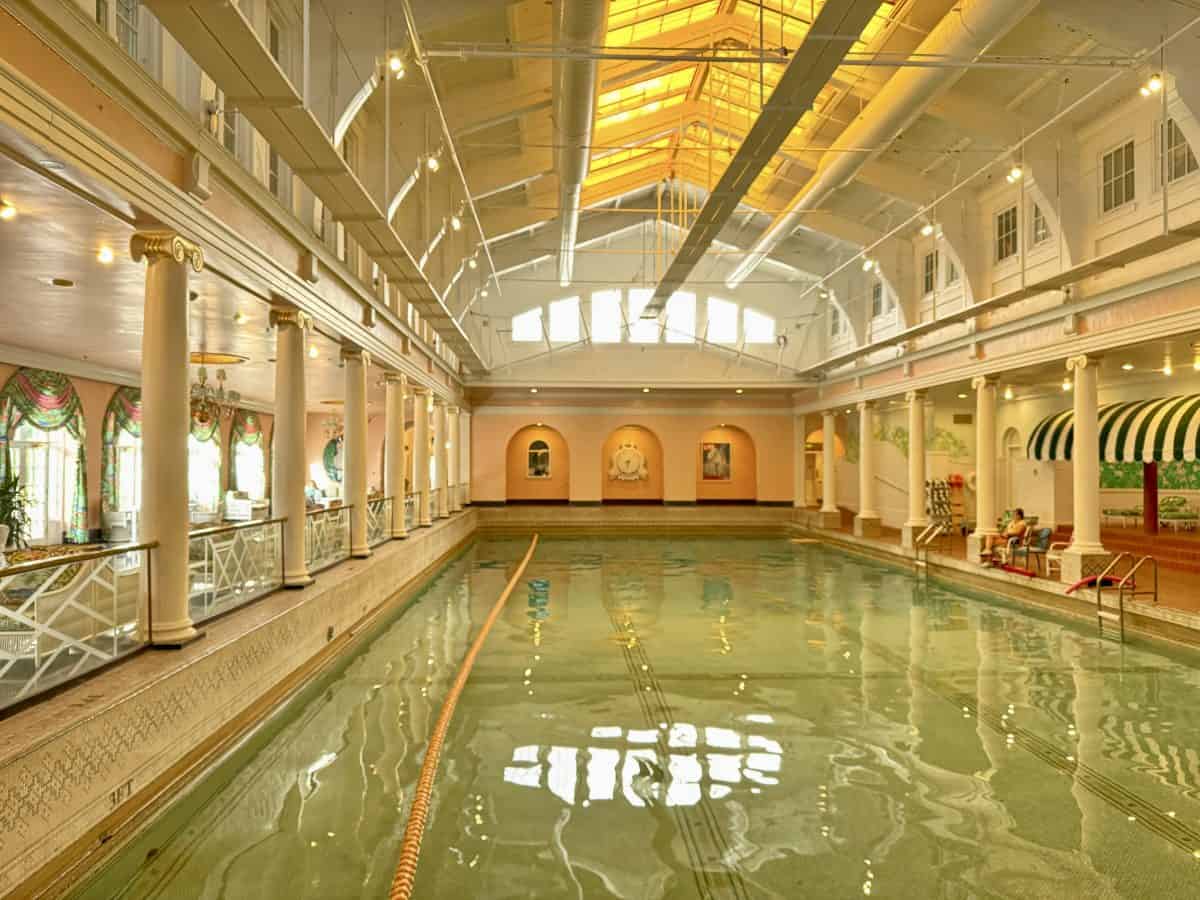
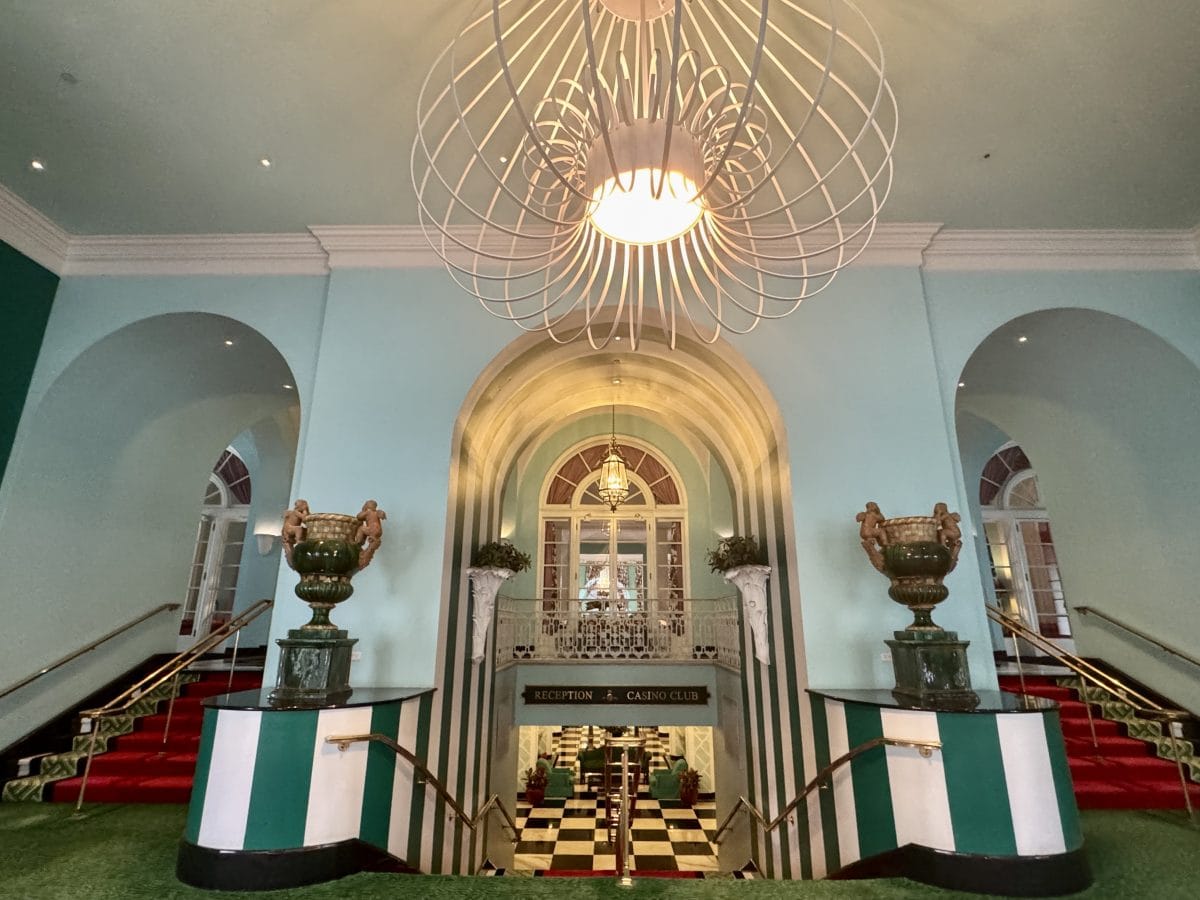
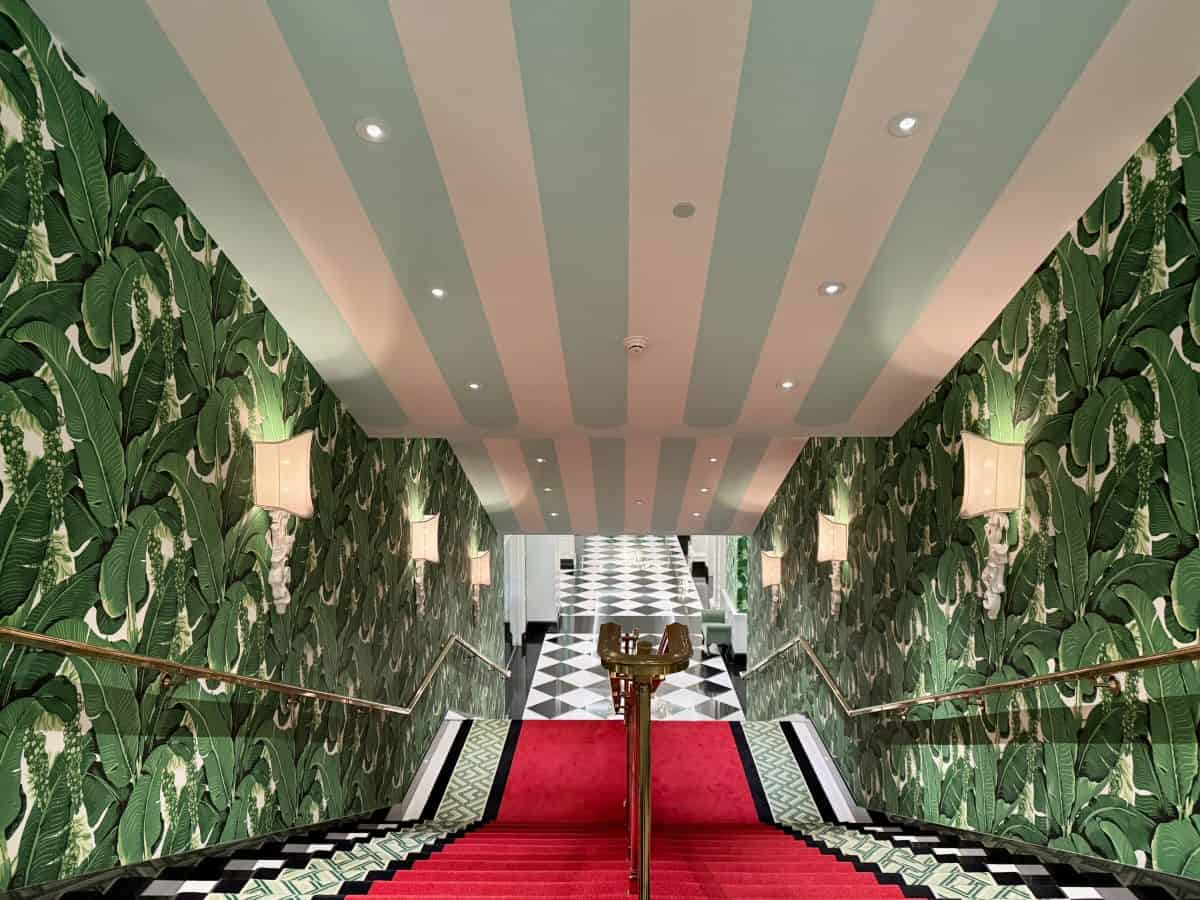
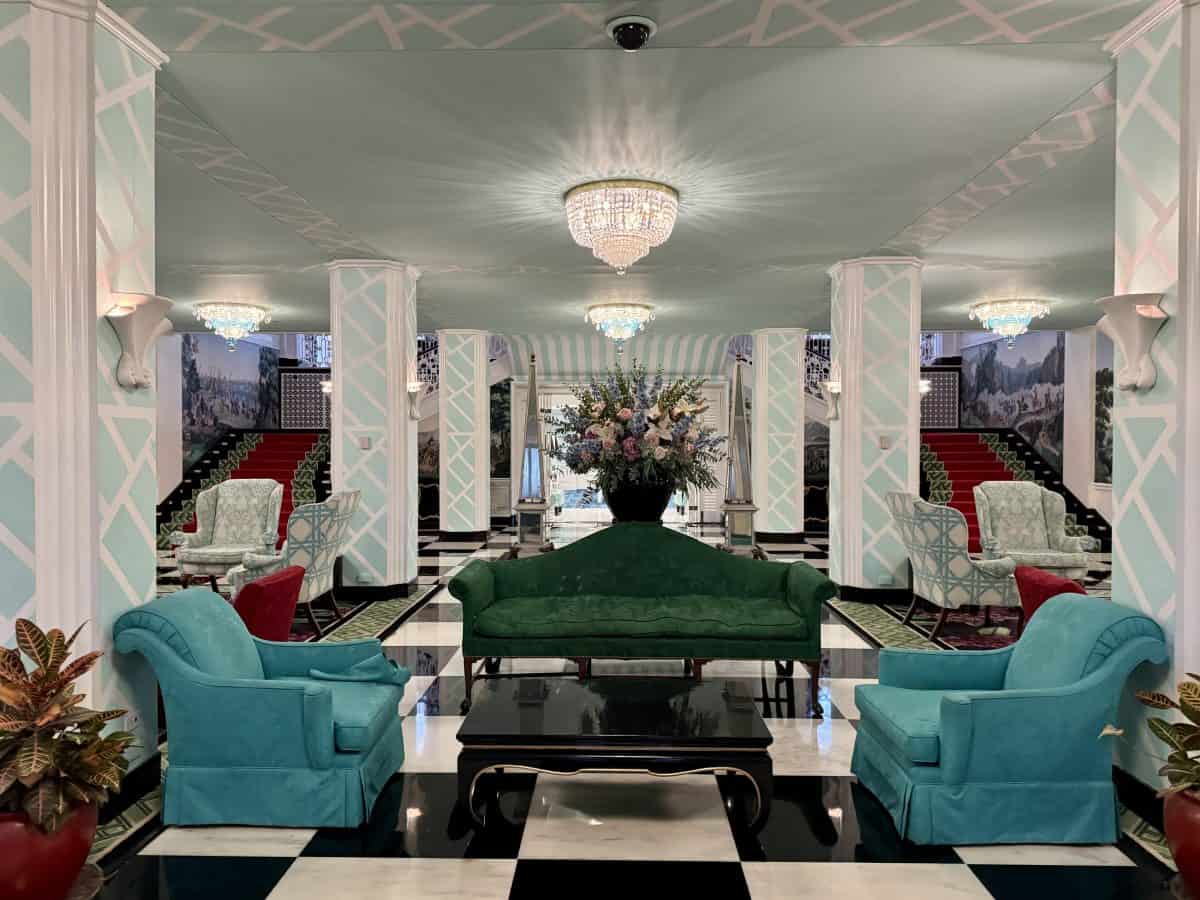
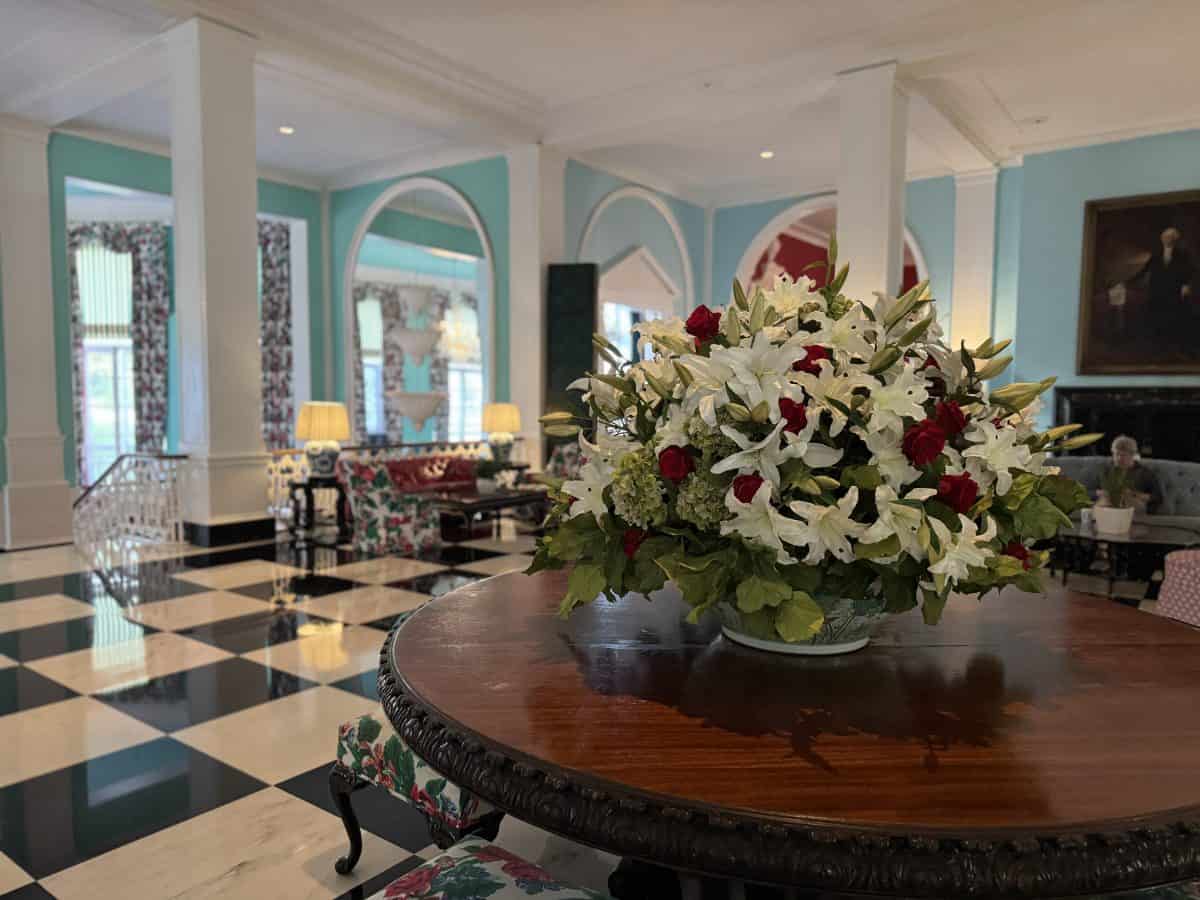
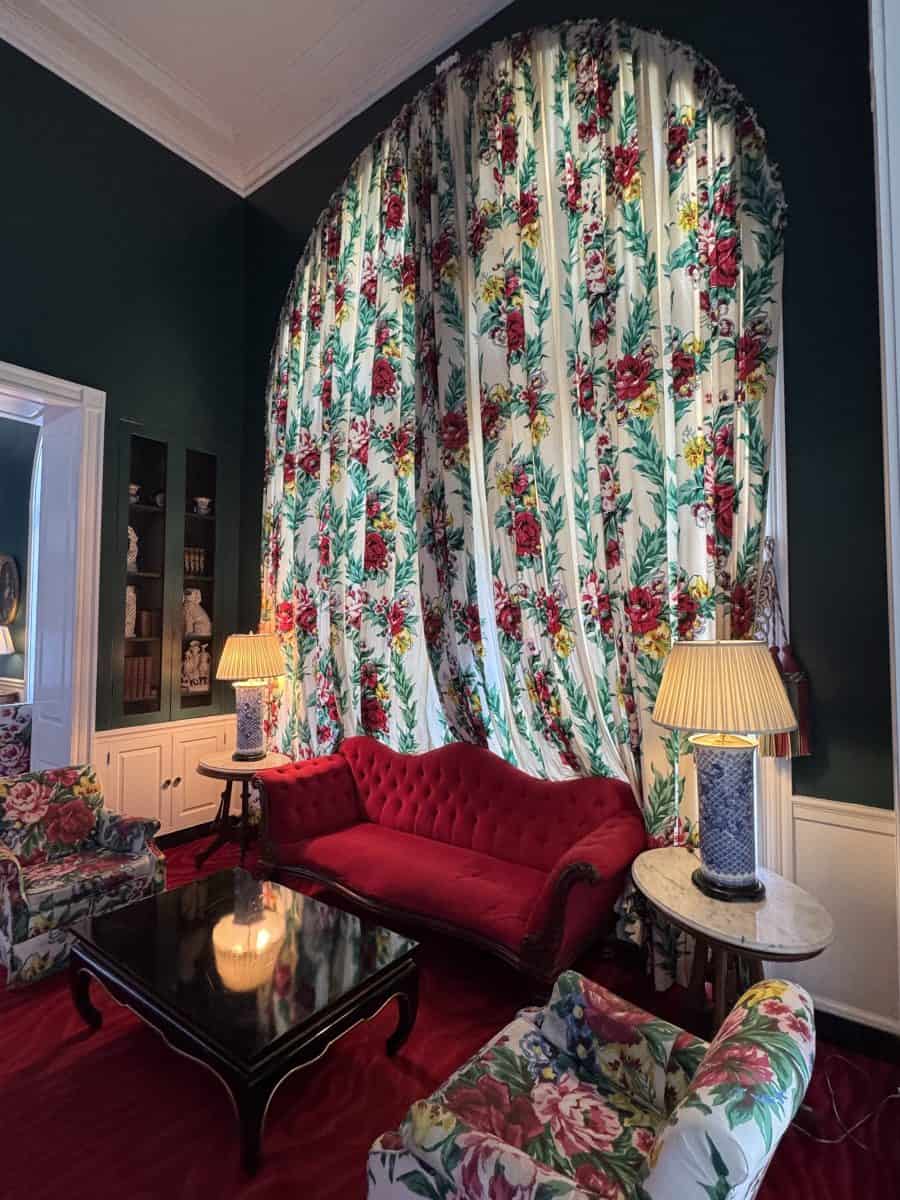
A brief history of the resort: The area was originally popular in the 1700s for its healing sulphur springs. Over the 18th and early 19th century, cottages were built for lengthier stays. A formal resort was built and then property was used as a military hospital during the Civil War. In 1869 the Chesapeake and Ohio Railroad Company brought midwesterners to the resort area and several people owned the resort property, including the US government who used it to welcome high profile international diplomats. Post World War II, the C&O Railway Company bought the resort and the seven thousand acres surrounding it, expanding it to a year round resort with a popular golf course and a one hundred meter pool. Famed designer Dorothy Draper, known for her bold prints and stripes, big flowers, and black and white checkered floors, was hired to completely redesign the resort in the 1950s. Since then, several renovations and additions have expanded the property, including residential wings and formal gardens added in the 1950s and 1970s and the addition of the bunker in 1962, which was later declassified and opened to the public in 1995. A local resident (and former West Virginia governor) bought the resort in 2009 and completed several more additions, including a casino, tennis facility, and chapel. Read more about the history of the resort here.
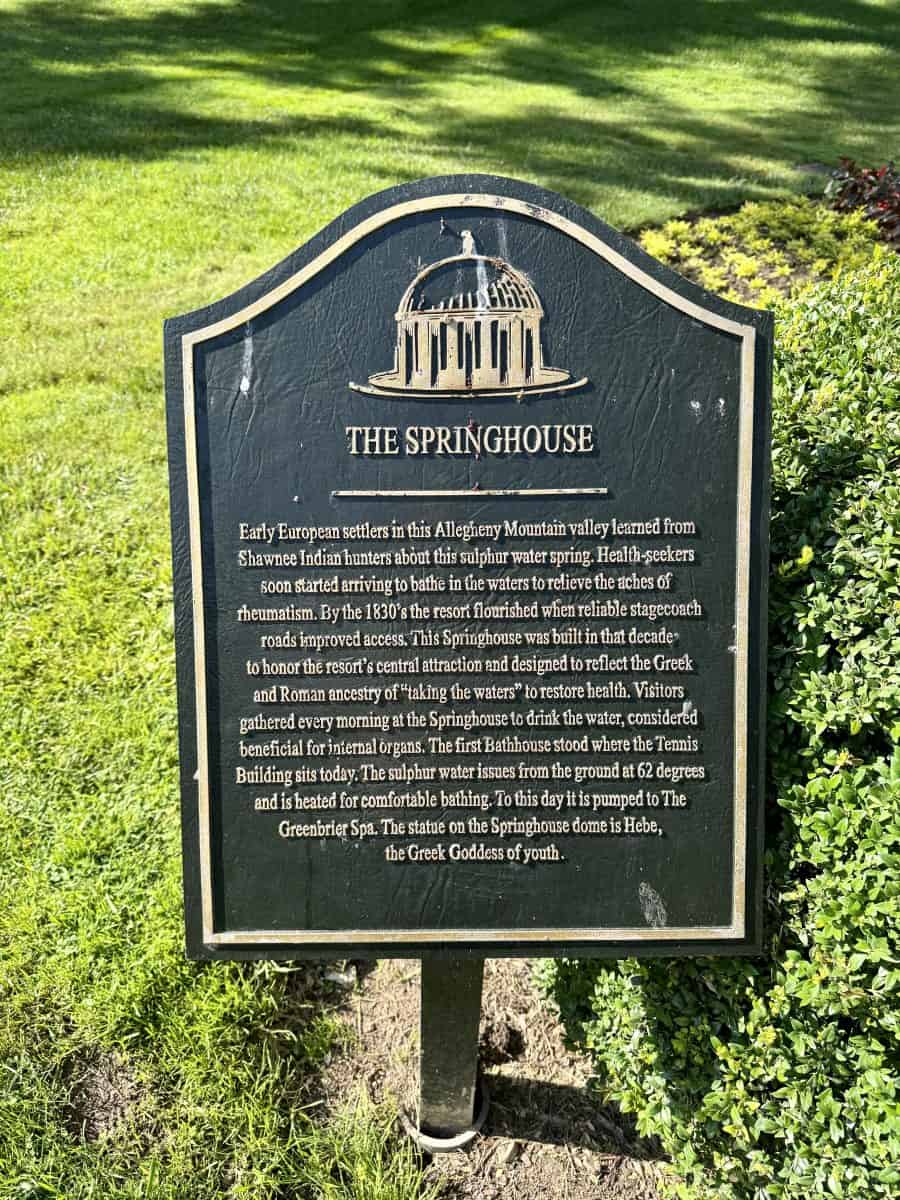
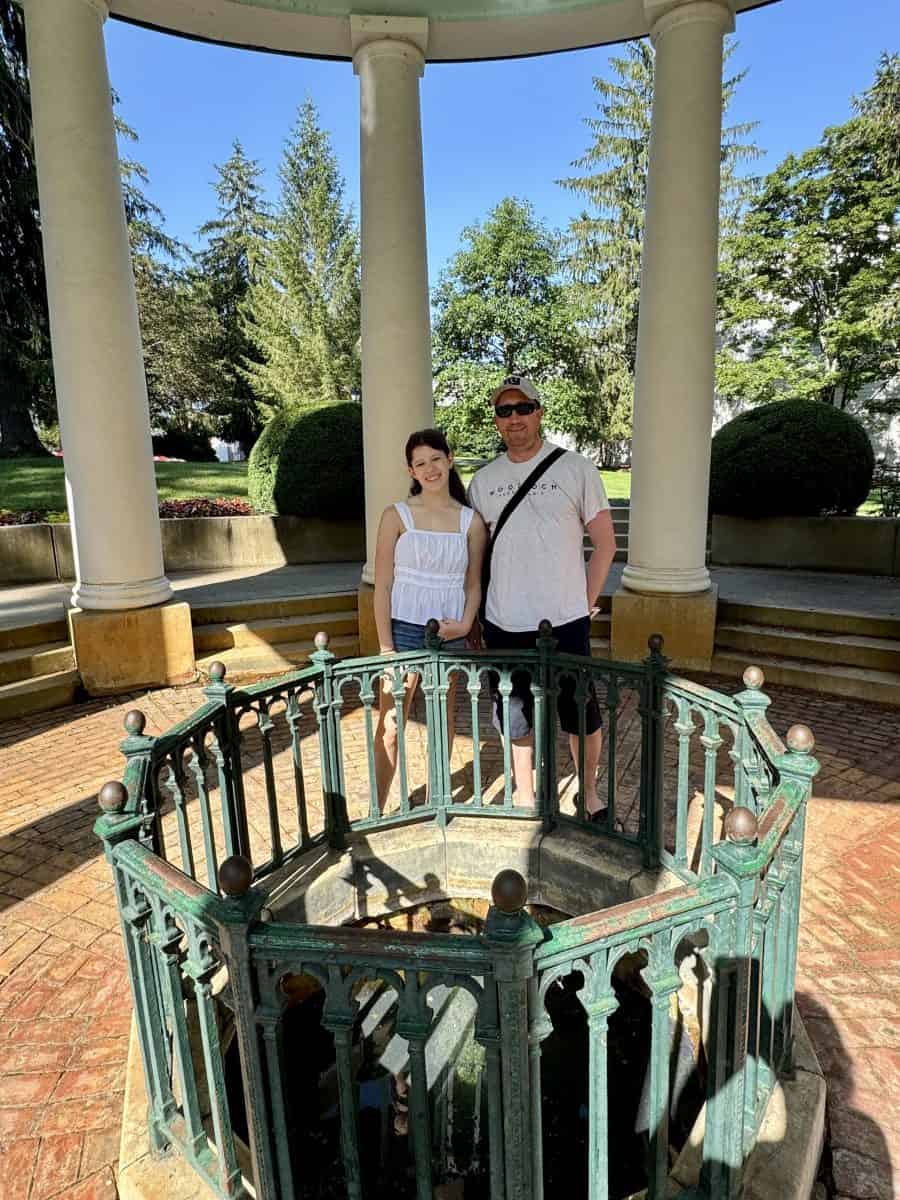
This week, we’re sharing some of the beautiful design, unique architecture, and fun trivia we learned while touring the resort. Guided tours are offered several times a week, though guests can also take their own self guided tour. Be sure to take note of the hallmarks of Draper’s design, and the frequent decor that includes the famous hot springs and the rhododendron, the West Virginia state flower.

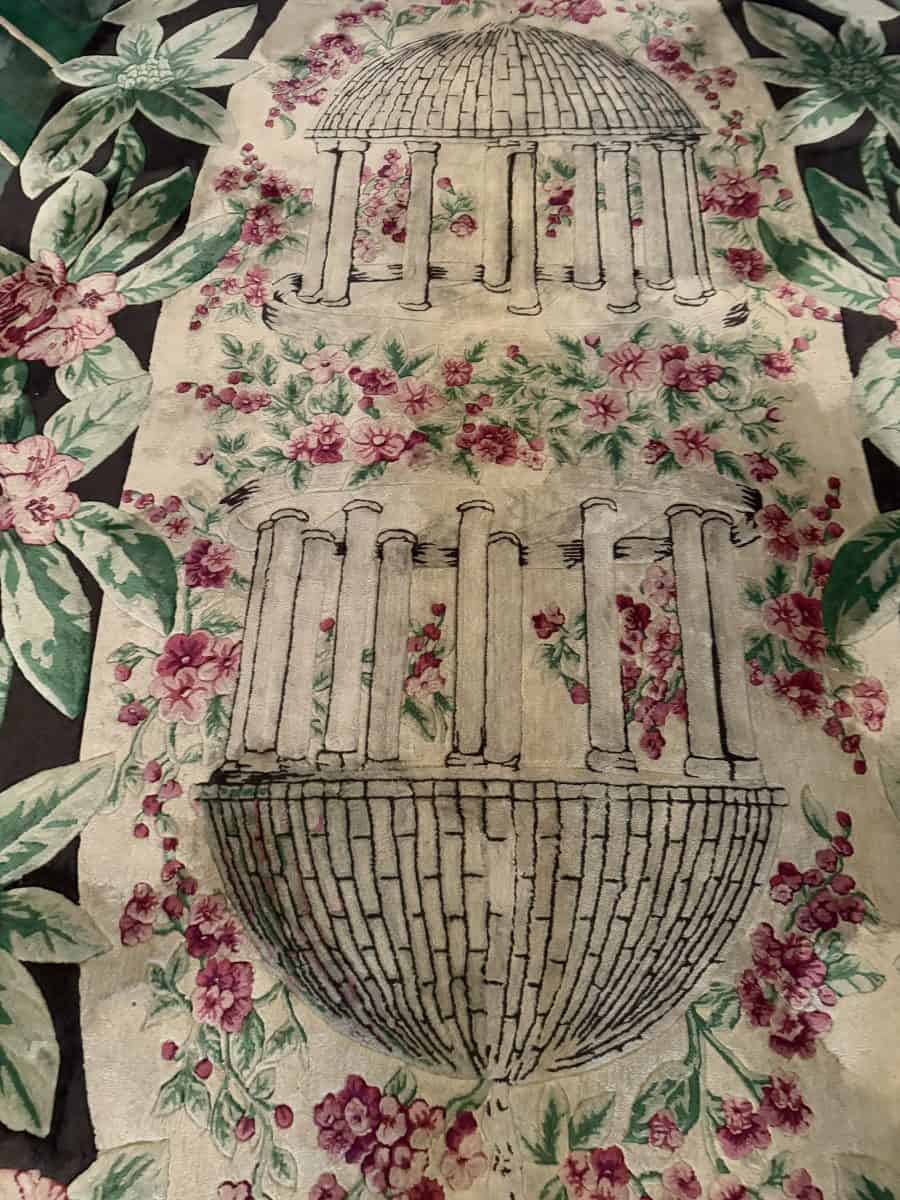
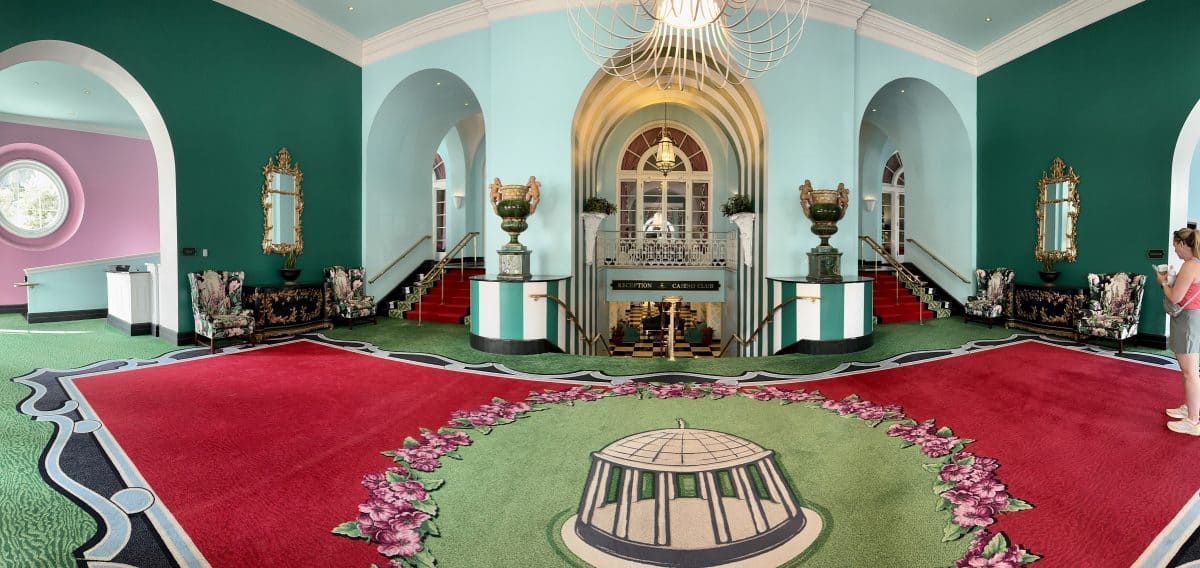
Playing I Spy at The Greenbrier:
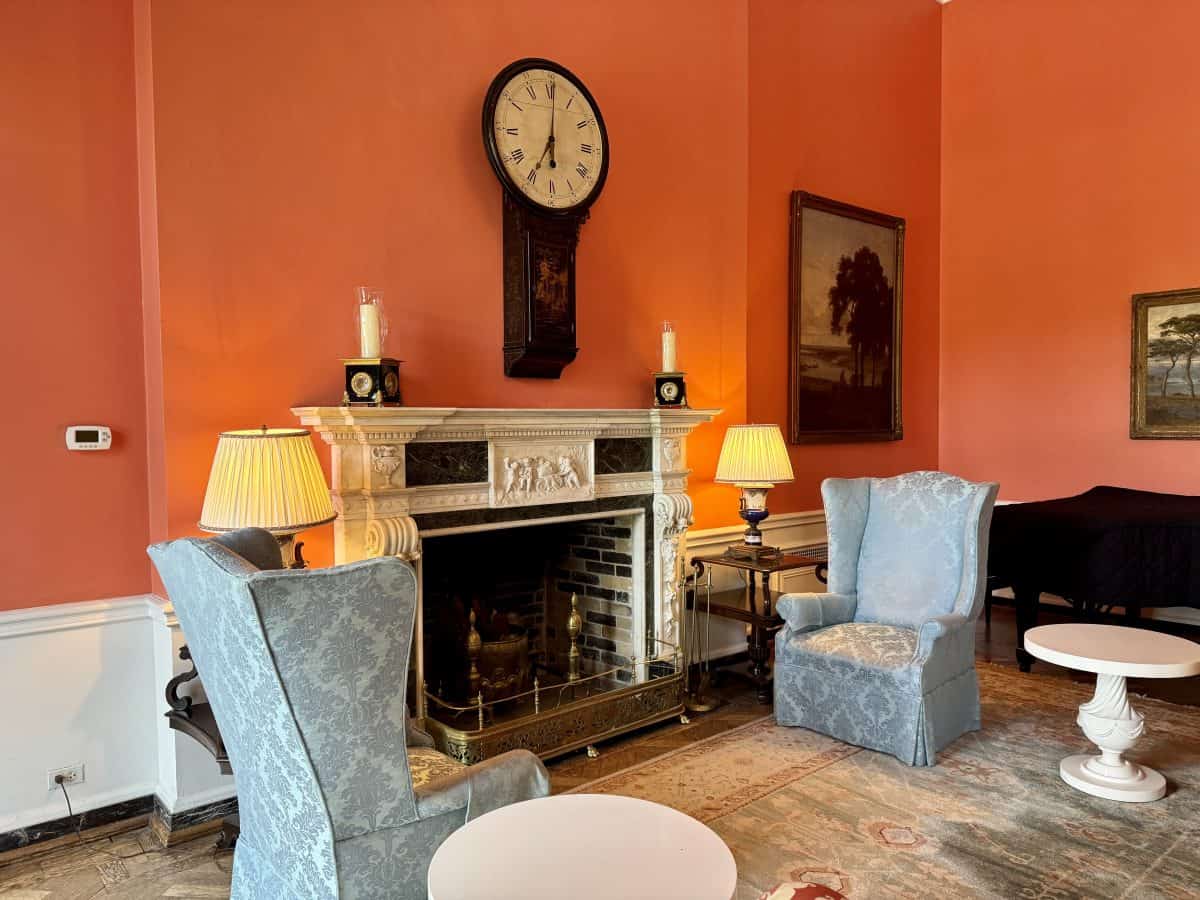
- The only remaining working wood burning fireplace in the lobby.
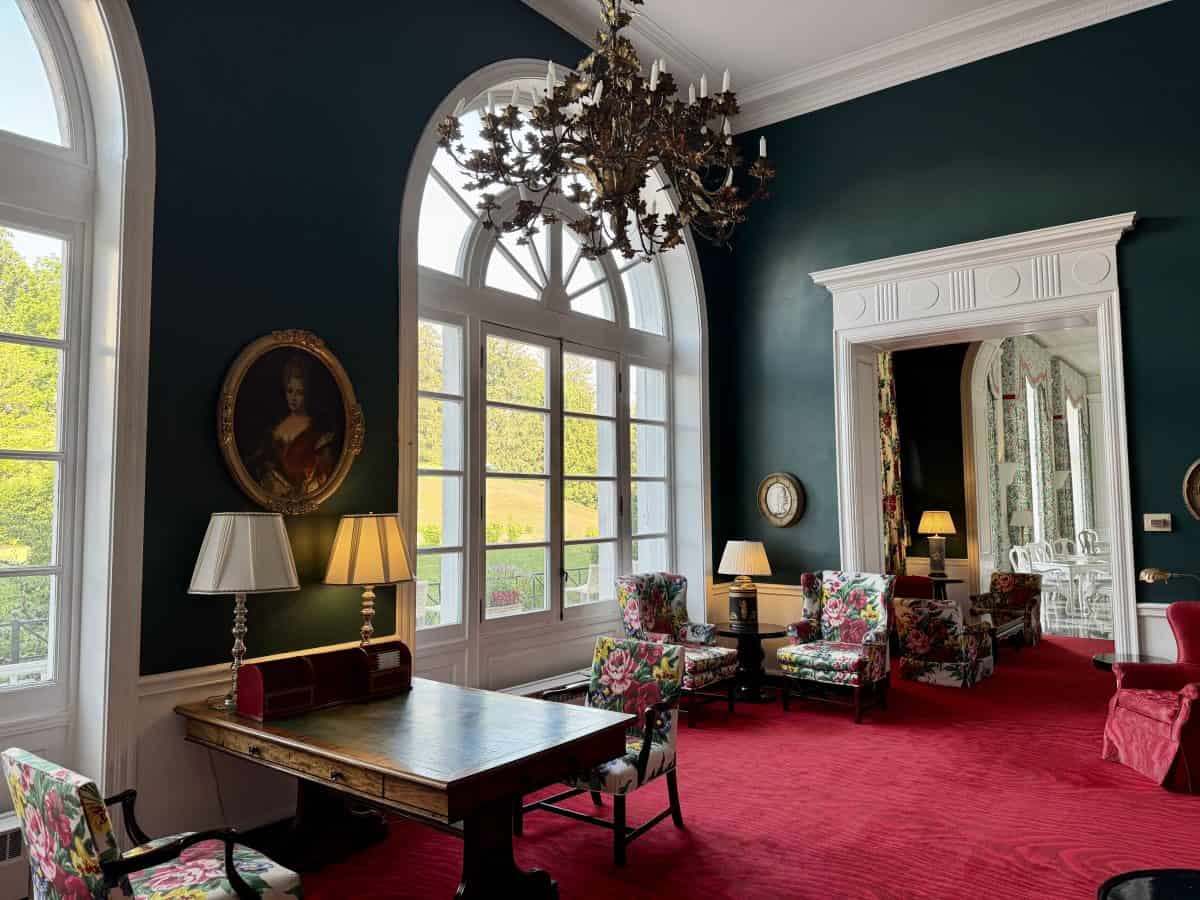
- The desk Dorothy Draper used to write correspondence (Victorian Writing Room)
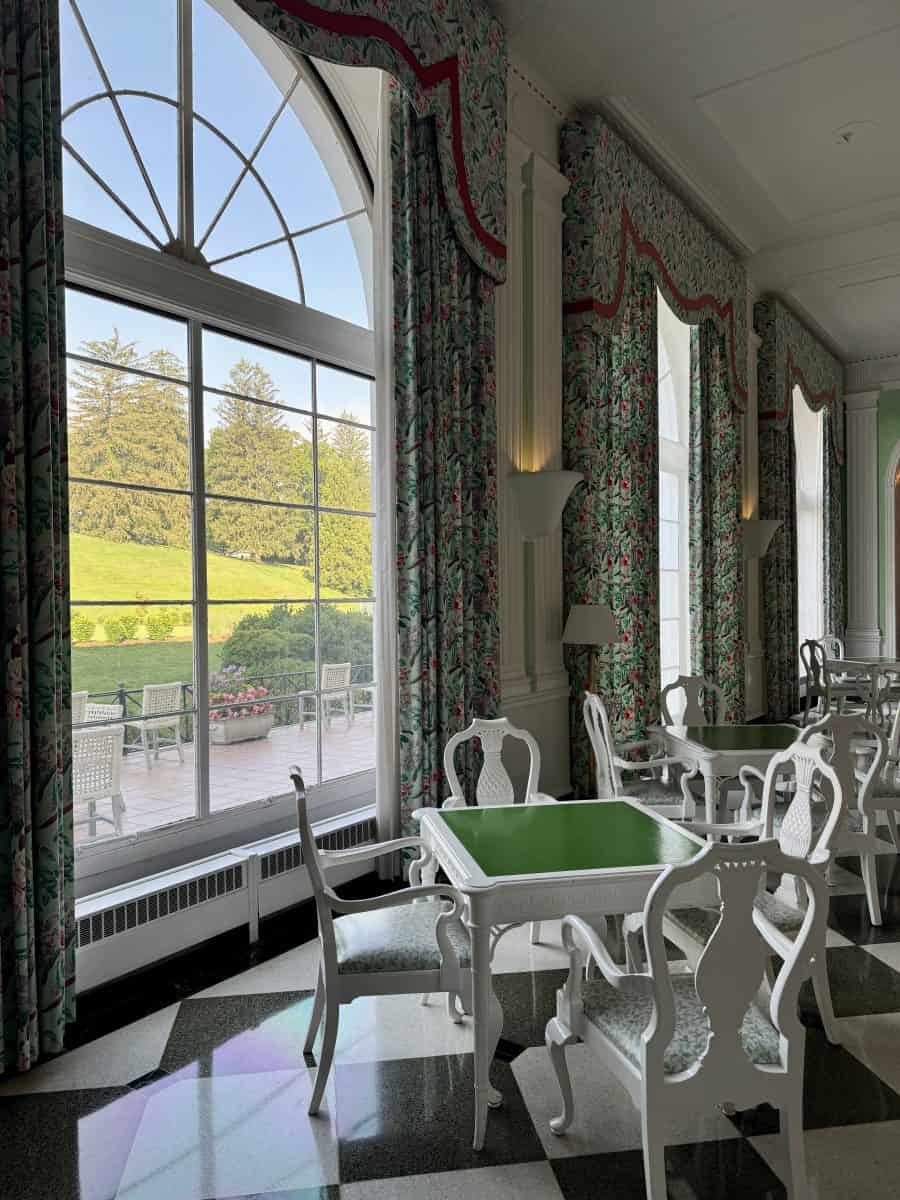
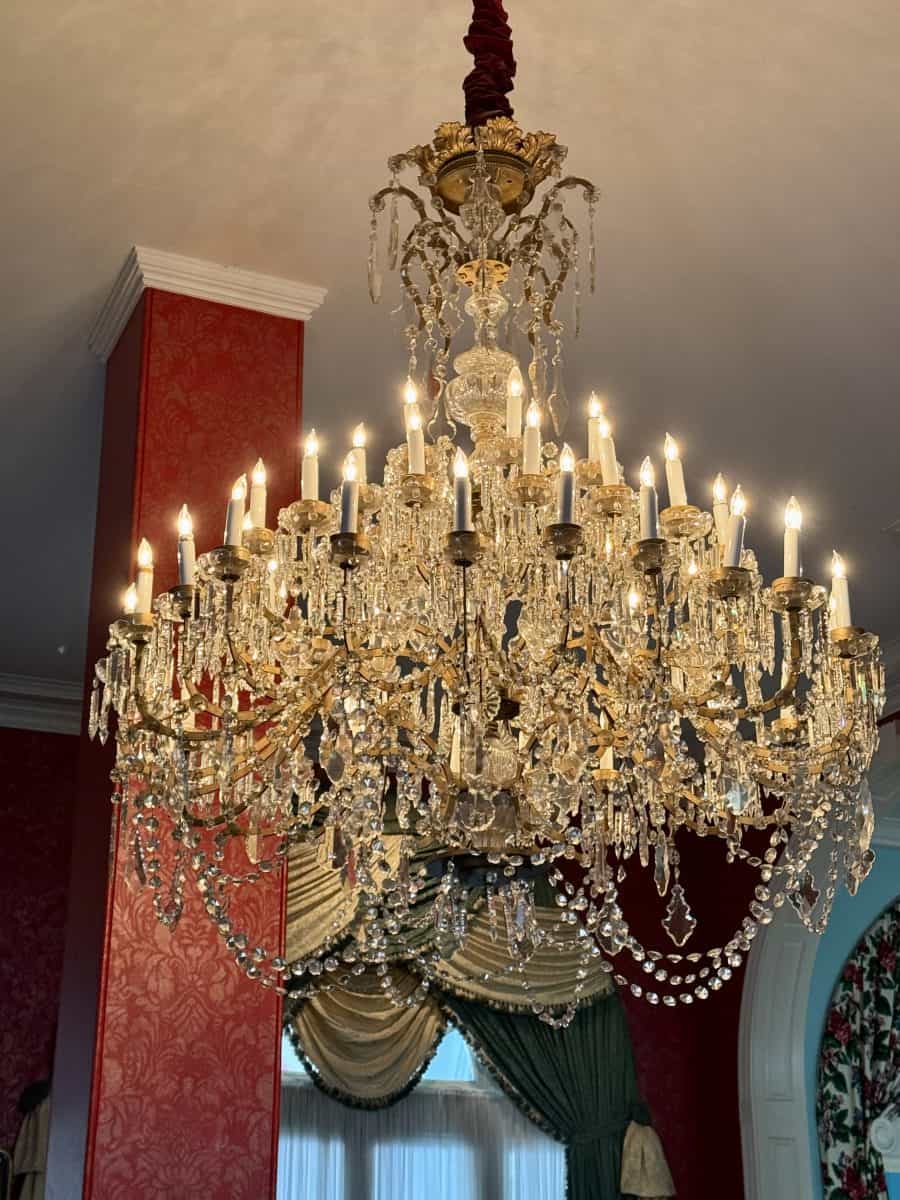
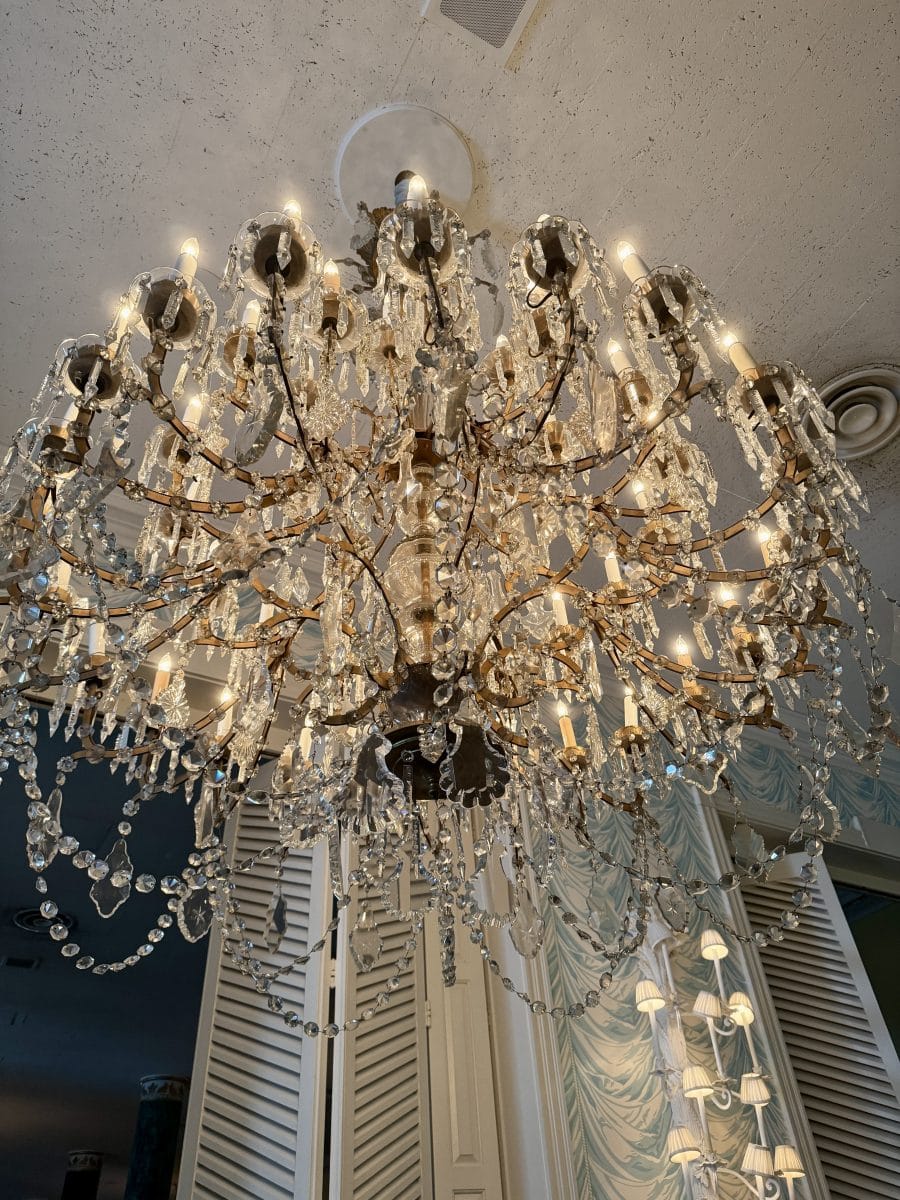
- Two chandeliers donated by actress Debbie Reynolds, that were used on the set of the original Gone with the Wind film (Lobby Bar and Tea Garden Room)
- The sculpture of a young Dorothy Draper carved into the mantle of the fireplace.
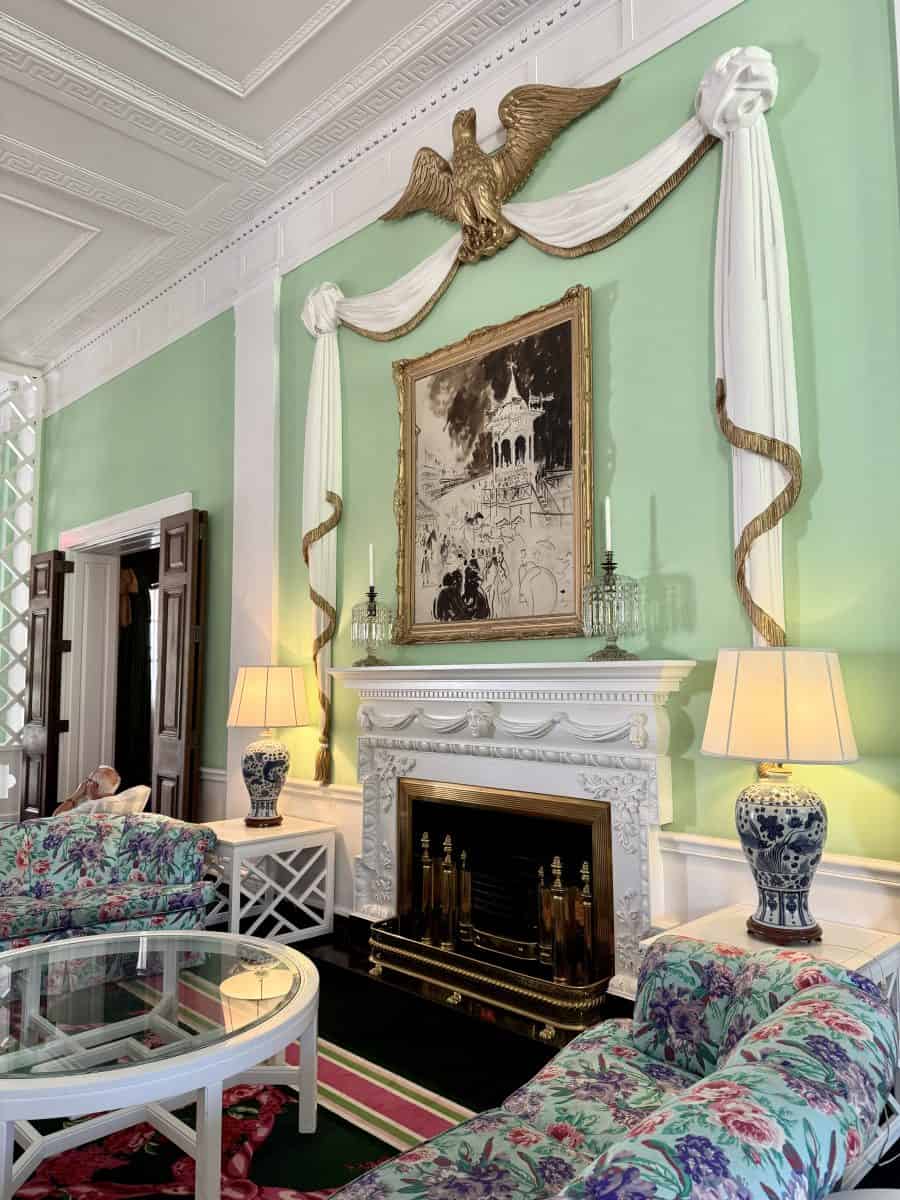
- The painting (painted with octopus ink!) of the Cherokee Steeple Chase, the only horserace held on the property, in the 1870s in the Trellis Lobby
- The original 1913 wood floor in the Cameo Ballroom (named for all of the cameo etched on the ceiling). The room also has a chandelier that weighs between 800-900 pounds.
Would you like to save this?
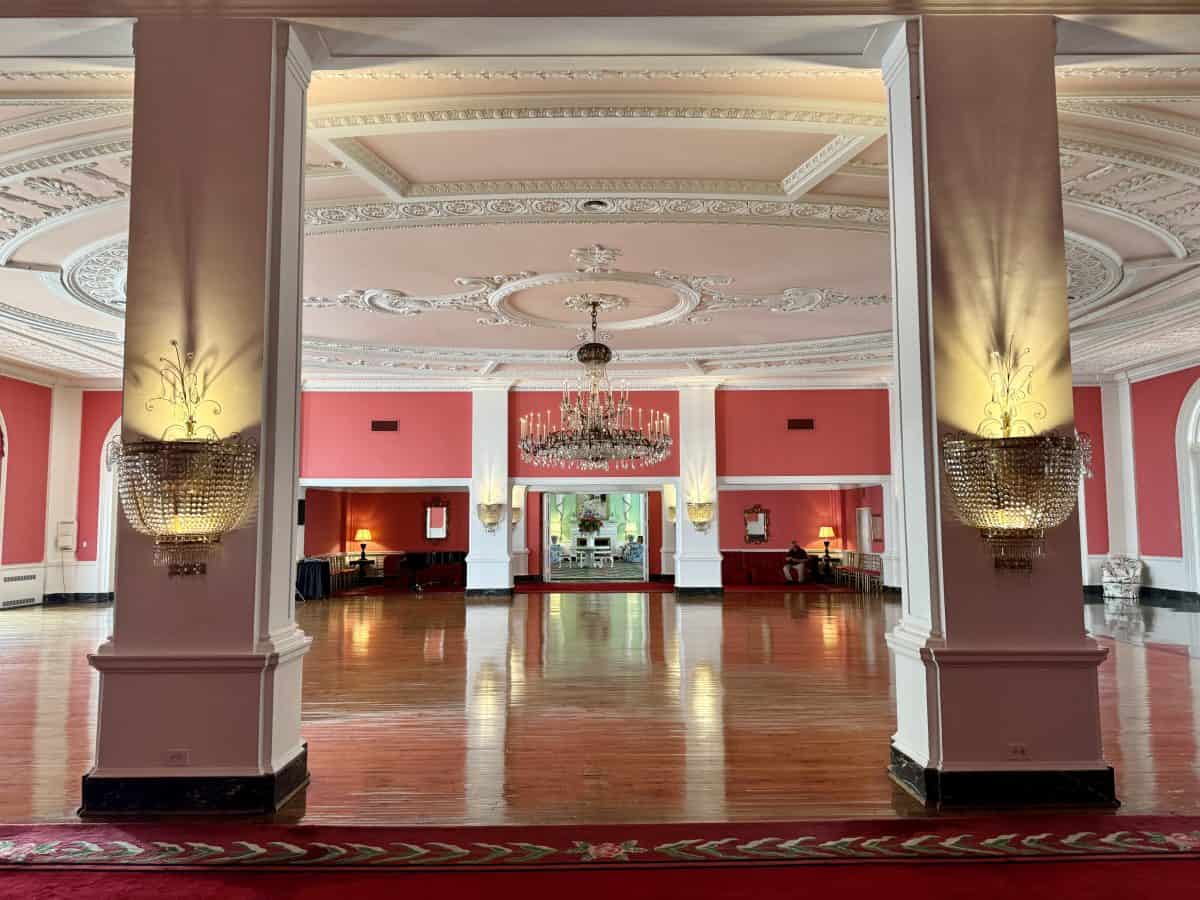
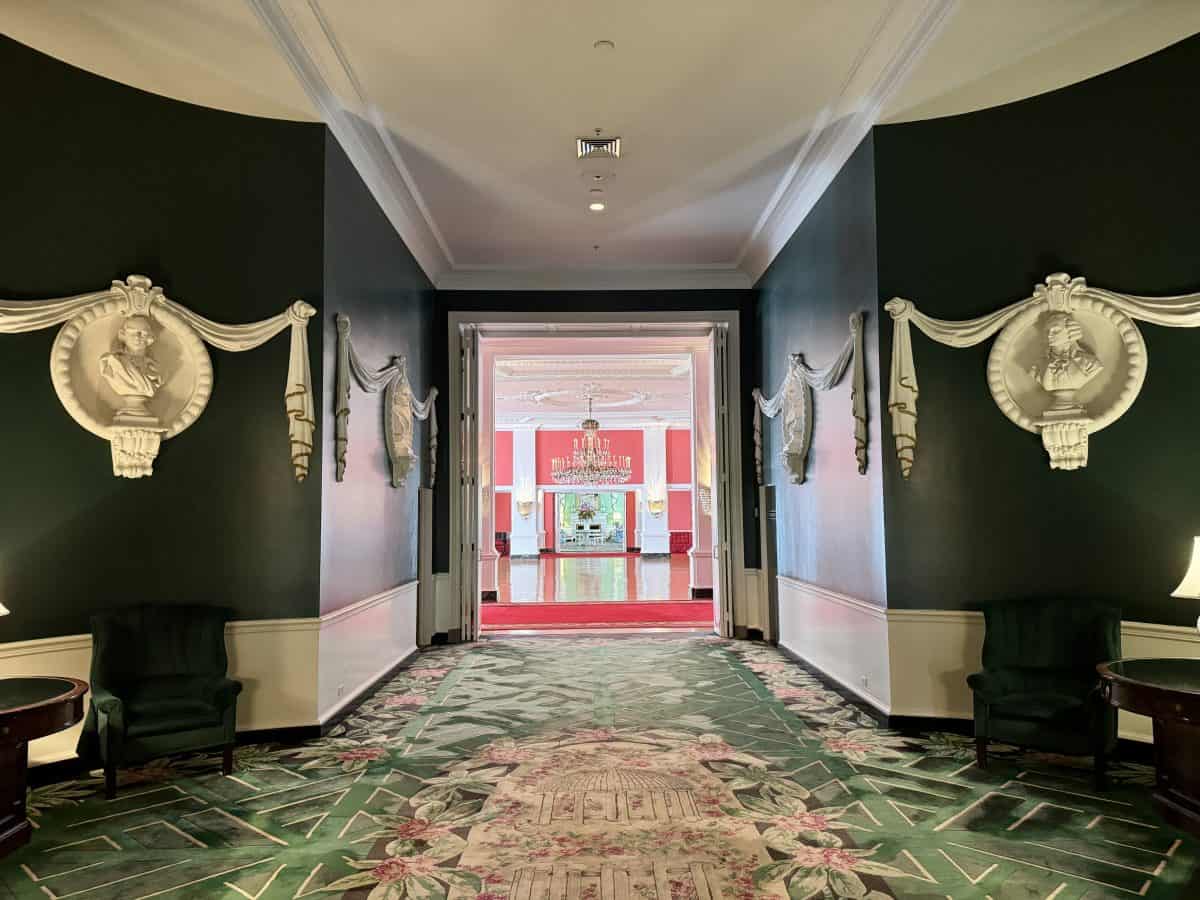
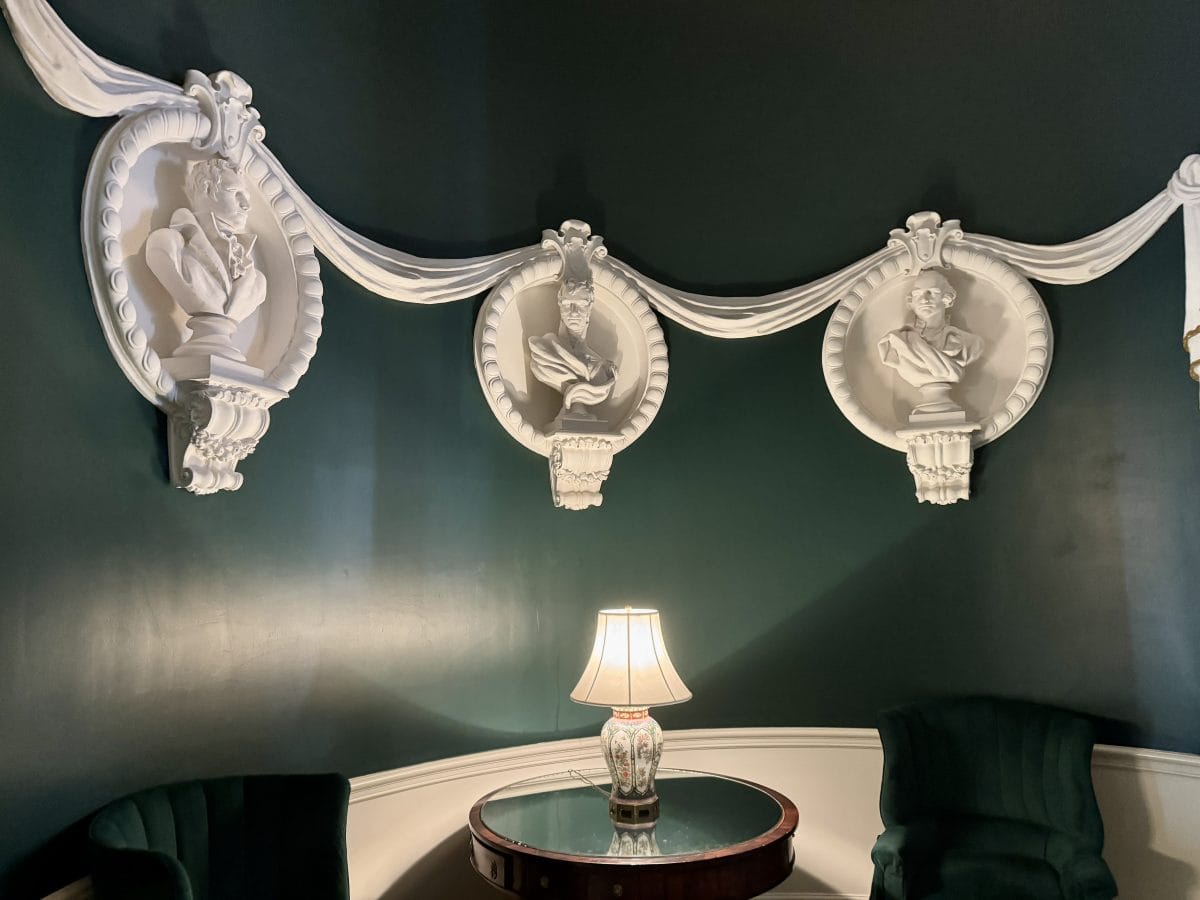
- The busts of the first 10 American presidents which line the hallway of the North Wing. Notice the carpet with the Greenbrier emblem of the hot springs and the rhododendron, the state flower.
- The copy of a portrait of Princess Grace of Monaco (the original hangs in a museum in Monaco), who vacationed three times at the Greenbrier in the North Parlor (also known as the “Princess Grace Parlor.” The flooring is wood from an older structure on the property dating back to 1922.
- The love box in the North Parlor. Legend has it that visitors to the resort would leave notes for loved ones in an opening in the clock above the mantle, but the space became so full of notes it would damage the clock, so staff put a box on a table next to it for people to leave notes. Be sure to check out the views of the front of the property from the room.
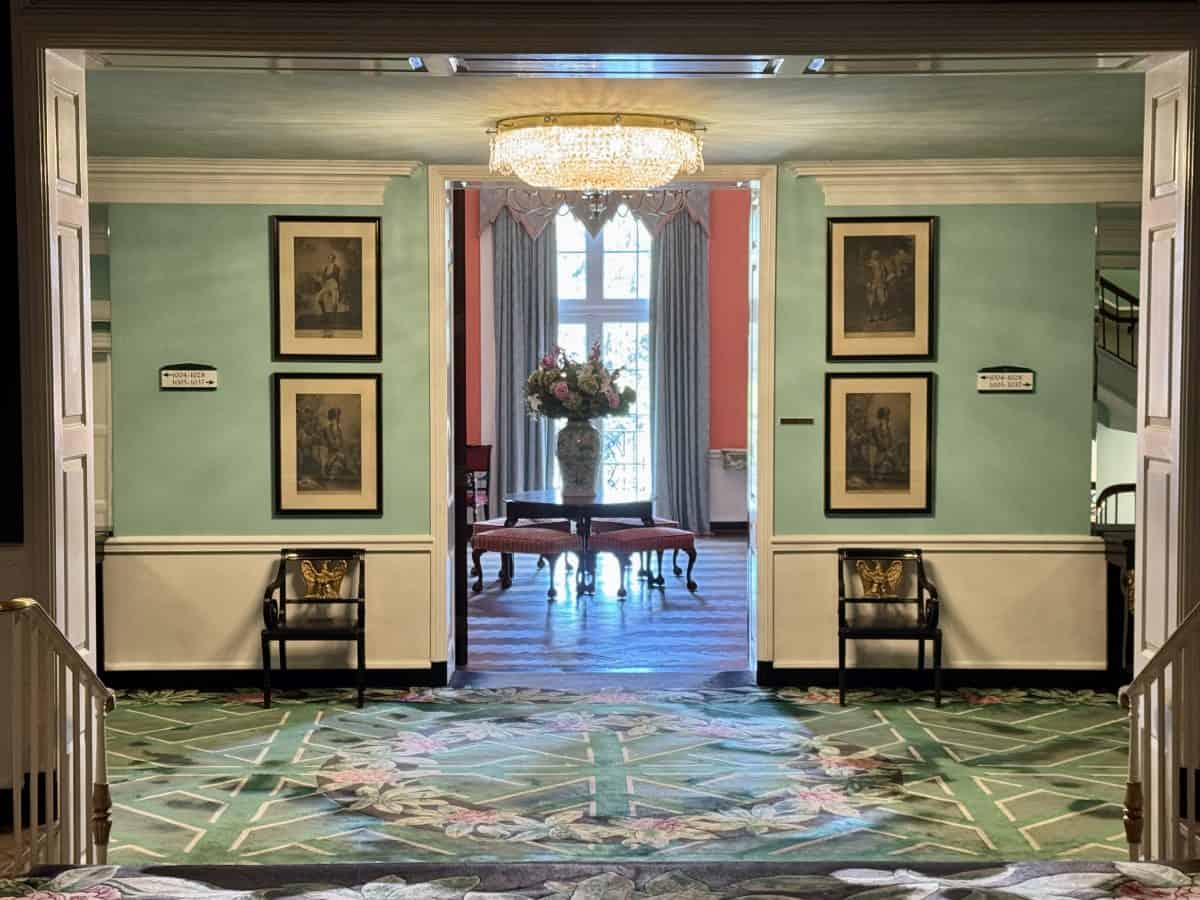
- The clock that never changes time (Dorothy Draper believed that “time stands still at the Greebrier”) in the Clock Lobby.
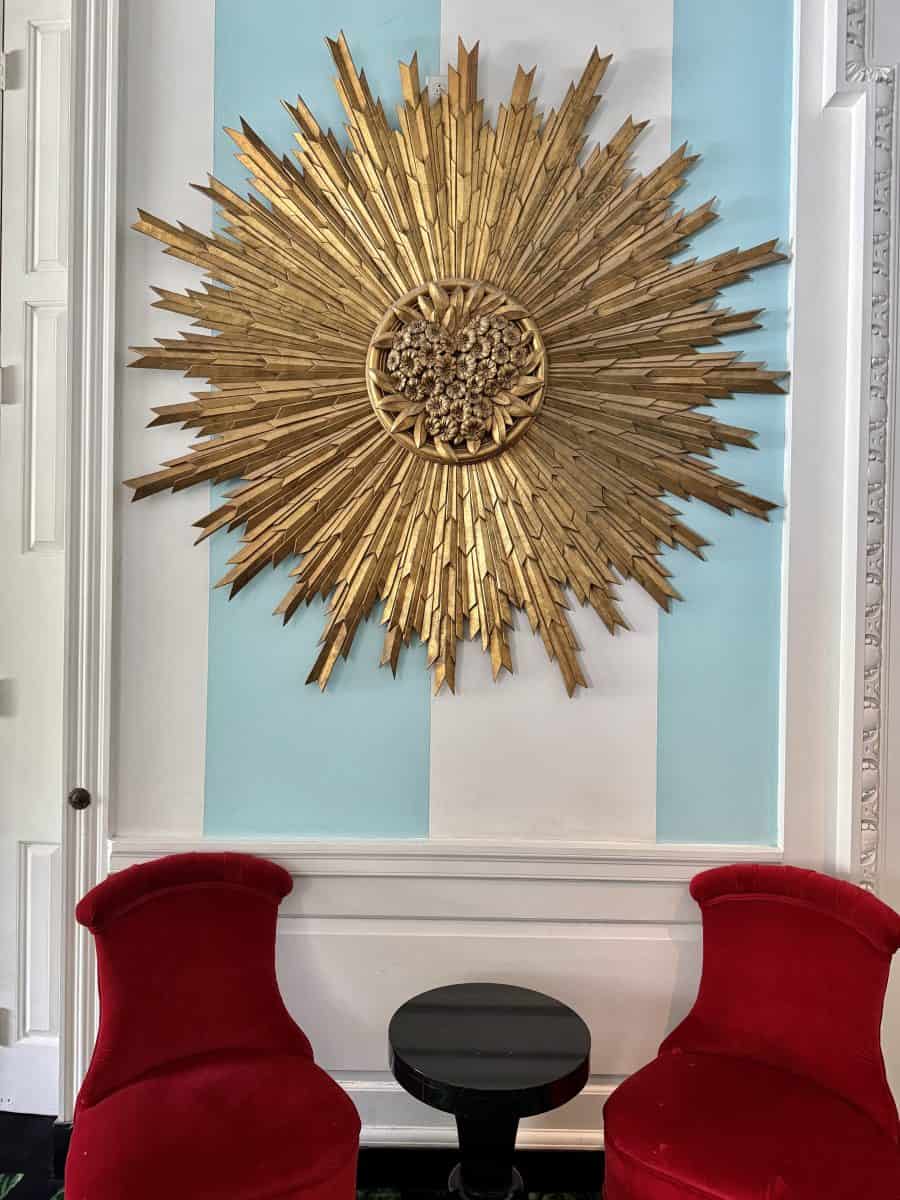
- The massive sundial in the Clock Lobby, a personal gift to the resort from Carlton Varney, Dorothy Draper’s apprentice.
See our full resort guide to The Greenbrier here, and features of some of our other favorite resorts here.



Thanks for sharing!