
Five Ways to Explore the South Street Seaport Museum in New York City
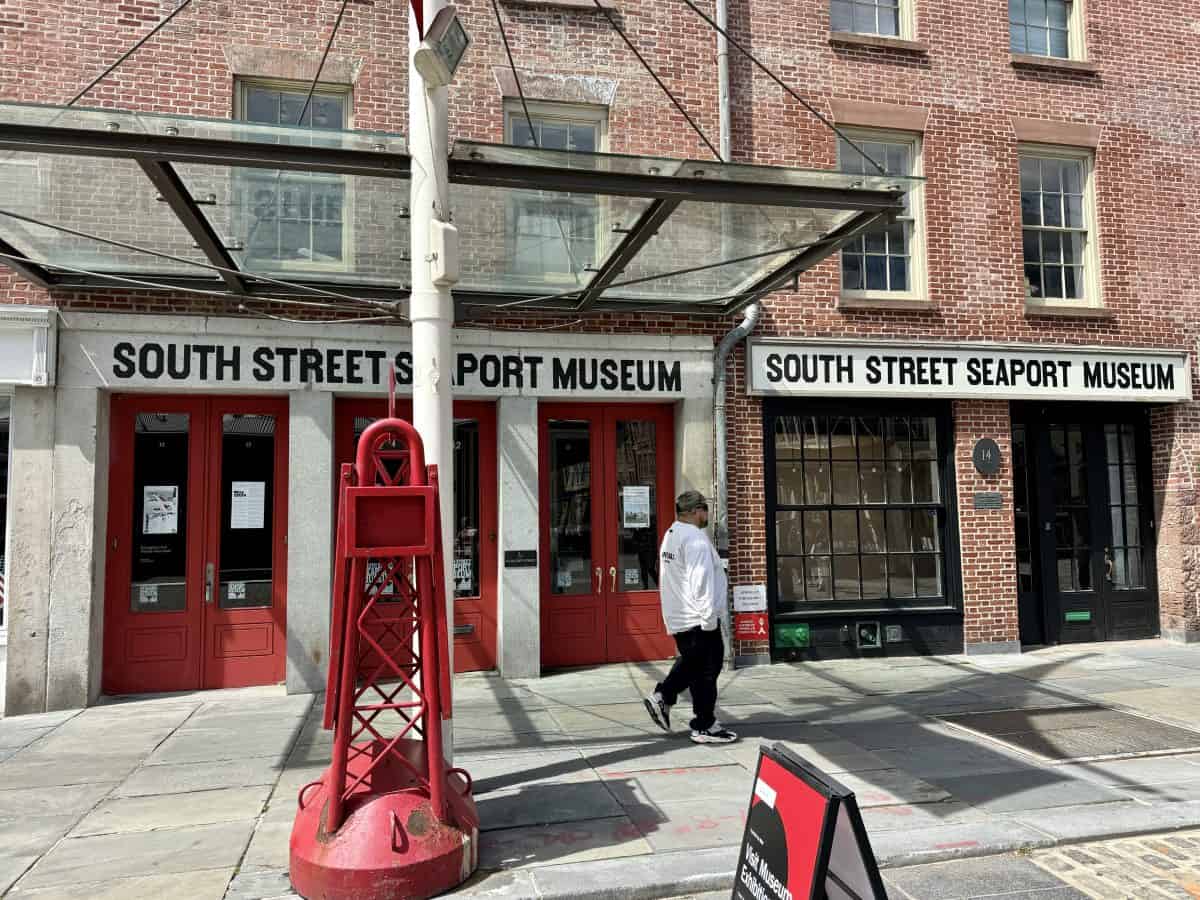
Founded in 1967, the South Street Seaport Museum honors the legacy of one of the busiest seaports in the world, New York. Located in the heart of the historic Seaport District in downtown Manhattan overlooking the East River and the Brooklyn Bridge, the museum campus includes indoor exhibits, a fleet of vessels docked at adjacent Pier 16, a print shop, and tons of weekly and seasonal programs, sailing excursions, and family friendly activities.
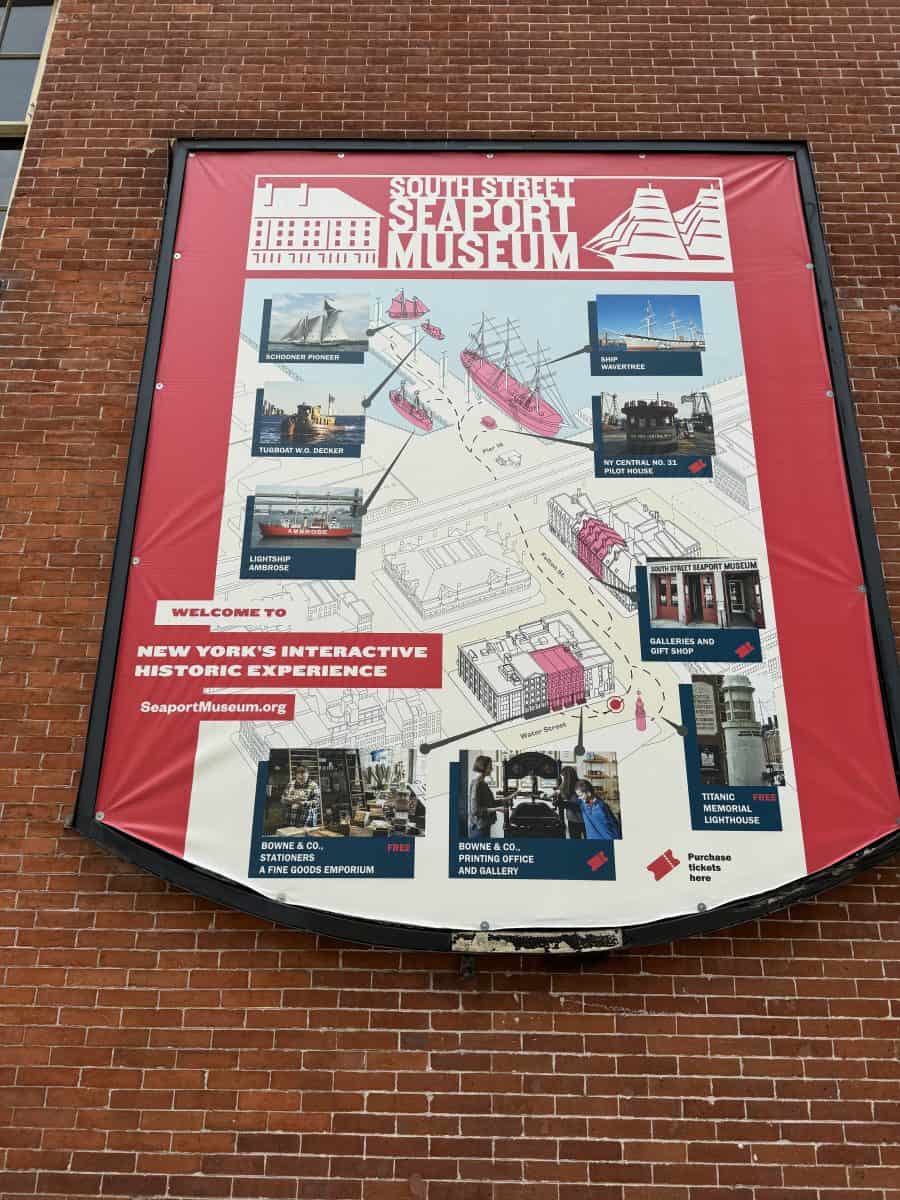
The museum’s fleet includes the 1930 tug boat W.O. Decker (offering 75 minute, weekend afternoon boat rides throughout New York Harbor- and a great option for families with kids!), the 1885 schooner Pioneer (offering daytime, sunset, and sea chantey singing sails through New York Harbor from late May through early October), the 1885 Tall Ship Wavertree (visitors can explore on self guided tours), and the 1908 lightship Ambrose (guided tours included in admissions).
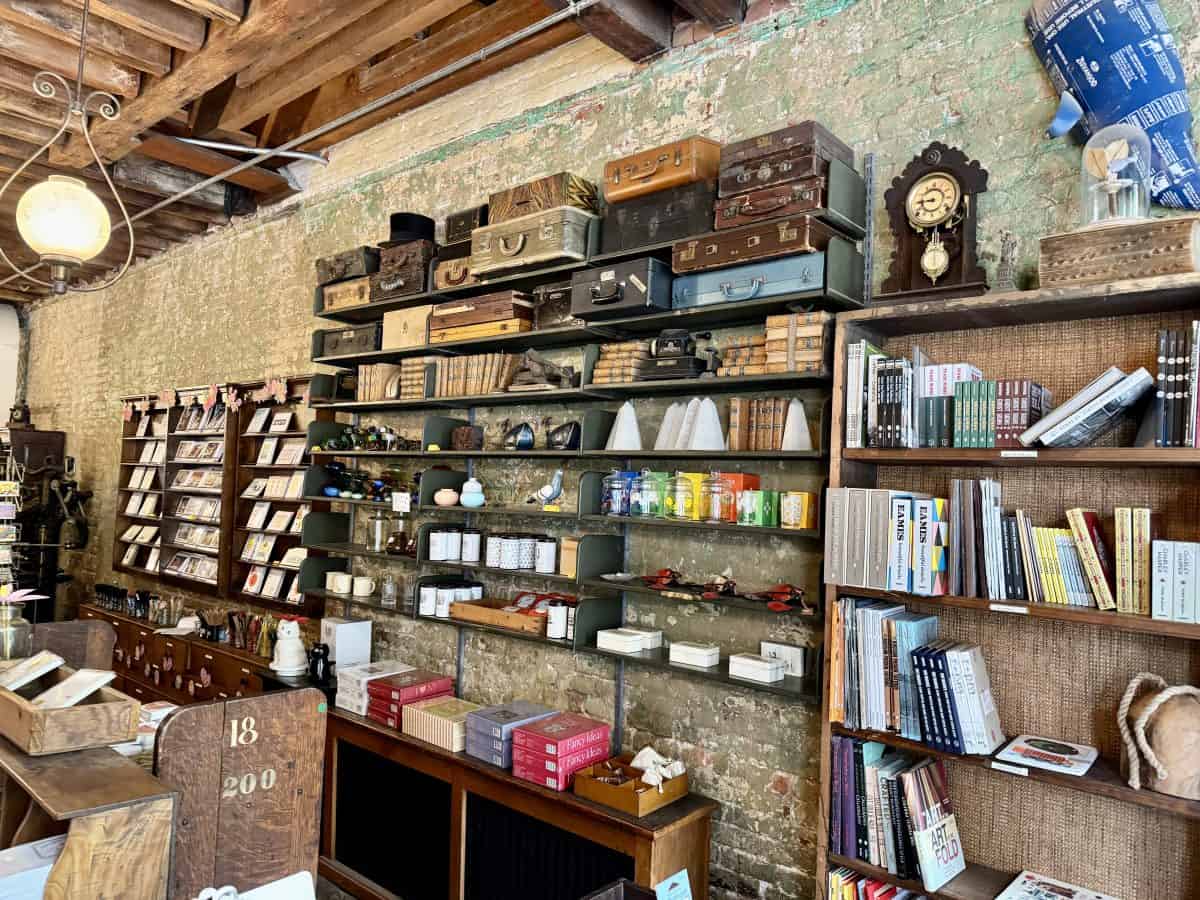
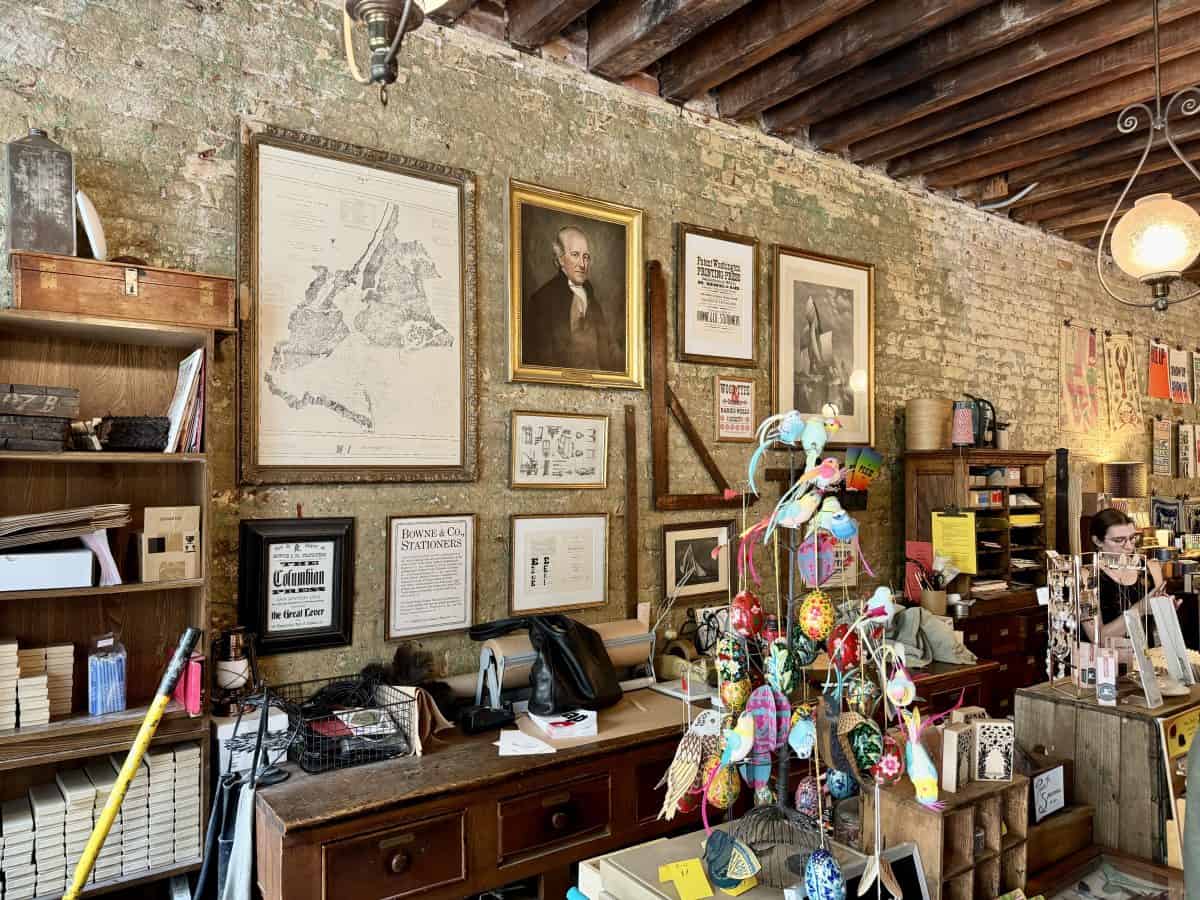
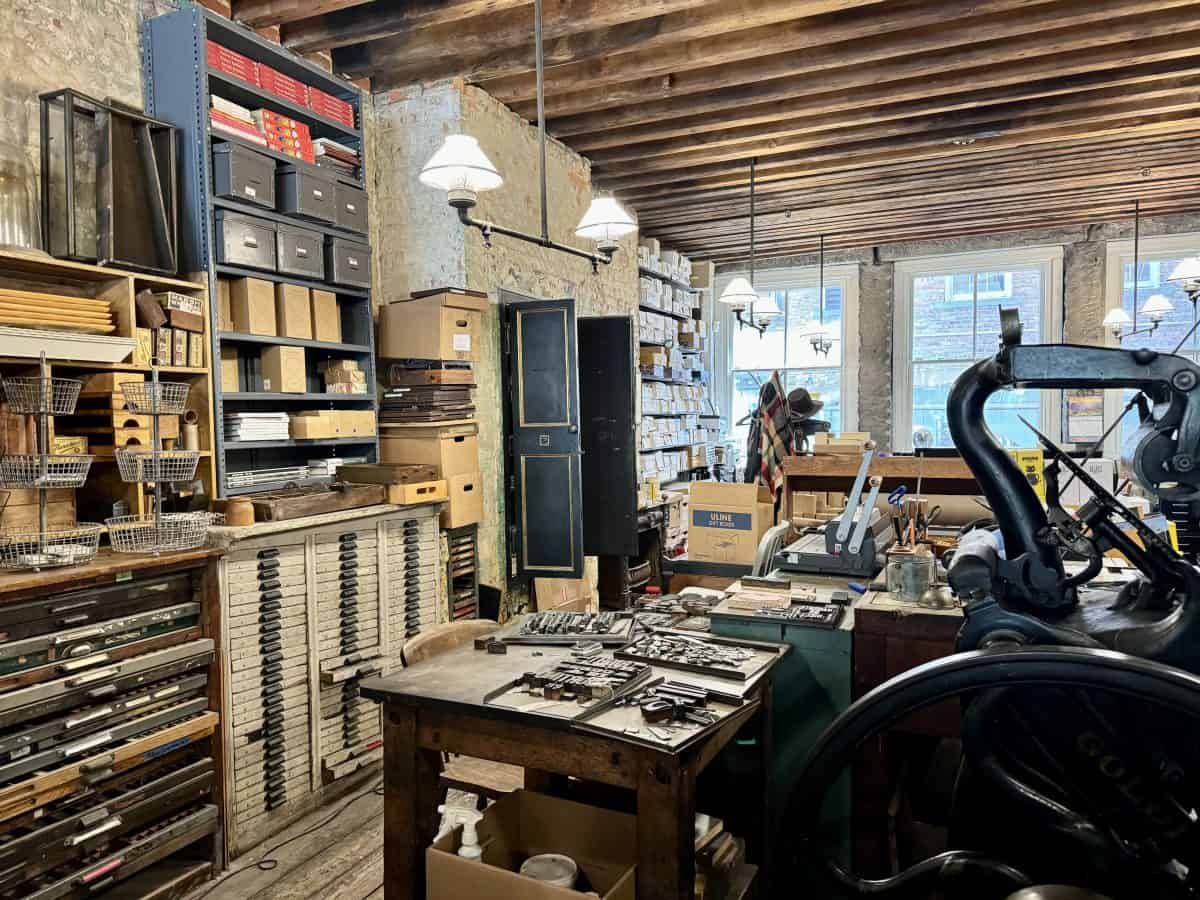
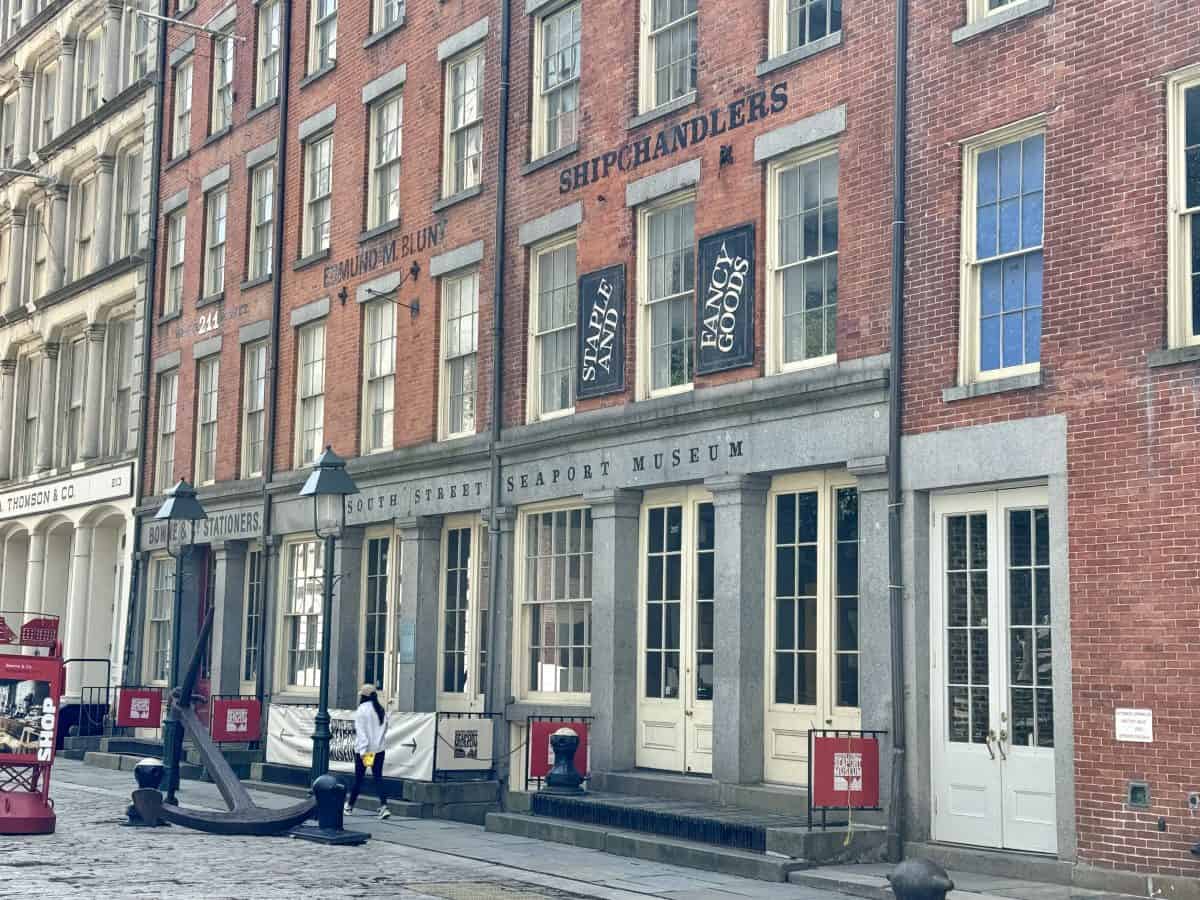
The museum’s collection includes close to 80,000 pieces of art and artifacts documenting the nautical history of New York City as a major port in America. Rotating exhibits showcase items from the collections in an exhibition space located on Fulton Street. Be sure to walk around the corner to Water Street to check out the 19th century style Bowne & Co. Stationers, one of the oldest printing firms in America. The shop opened in 1975, the Bicentennial of the Bowne & Co company, in a location that was ideal for the busy maritime industries, which needed printed materials for their businesses.
The museum campus is a wonderful way to learn about New York’s thriving maritime history. Be sure to check the weekly programs and family friendly activities as well as special themed events throughout the popular spring, summer, and fall seasons.
Travel Tips:
Five Things to Do throughout the Museum Campus:
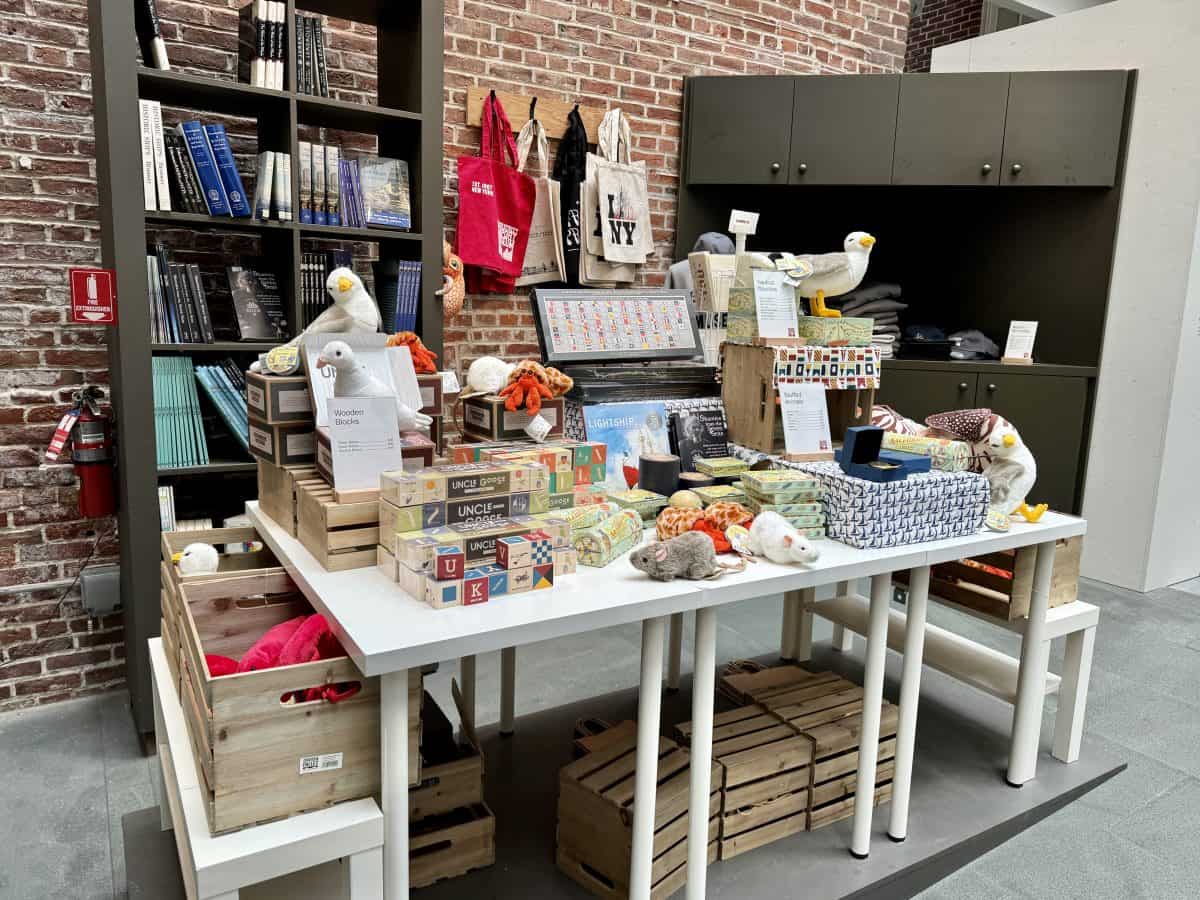
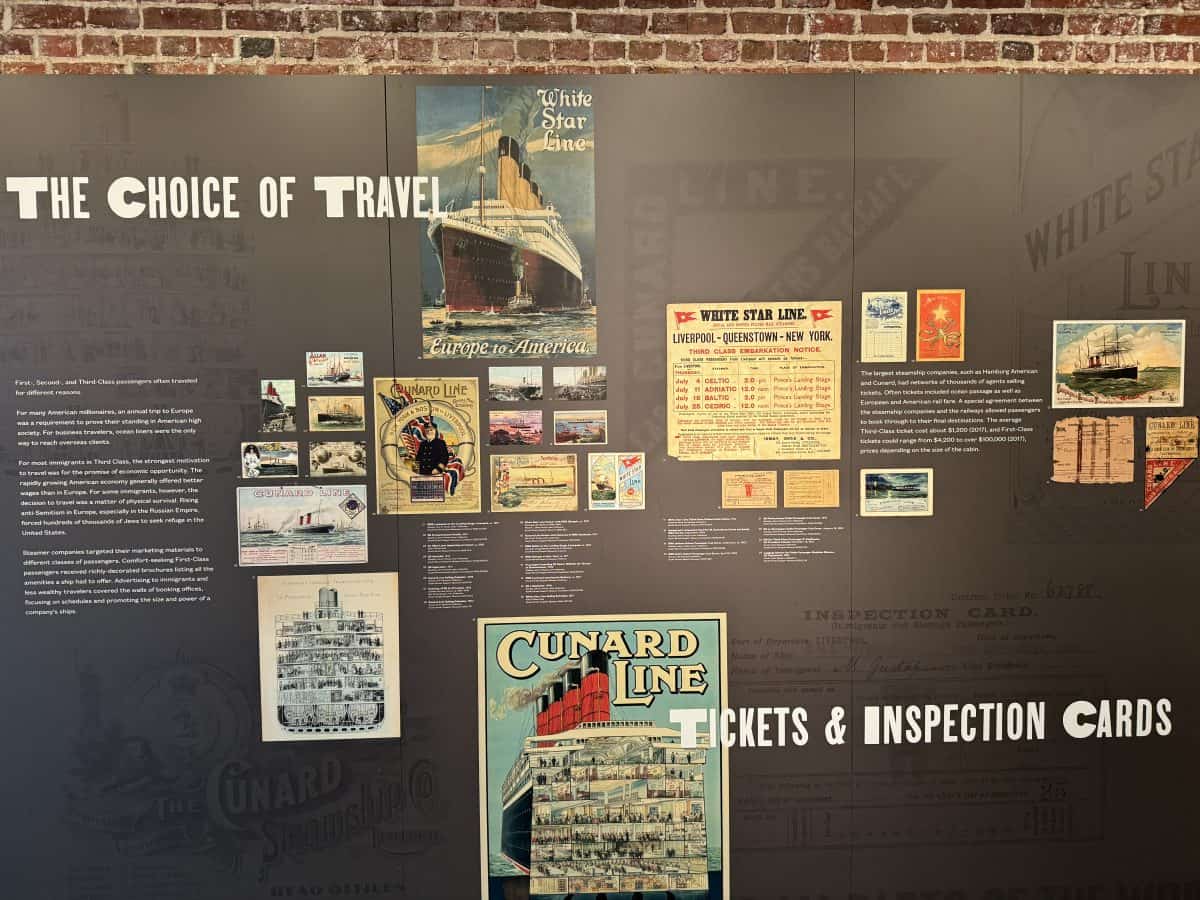
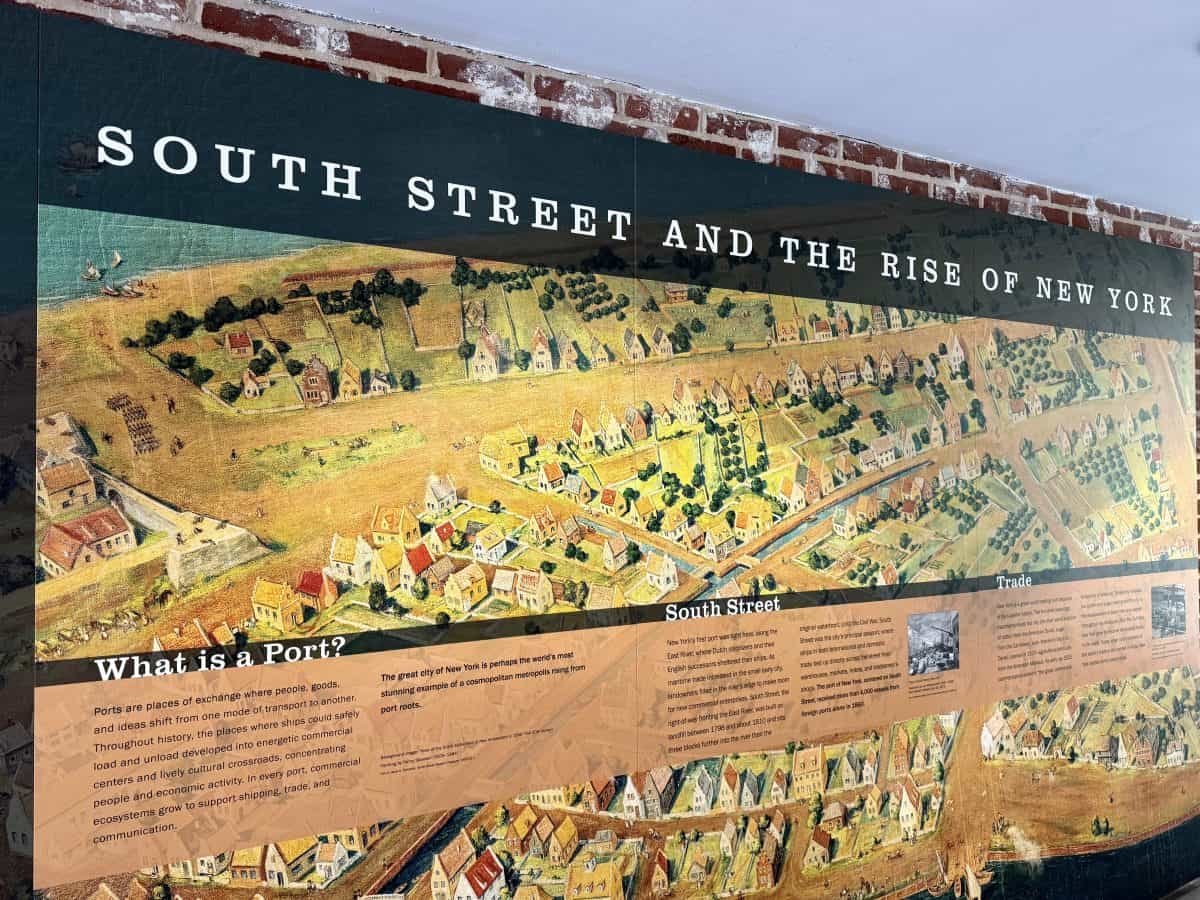
- Start at the indoor museum gallery, located at 12 Fulton Street, where visitors also check in for admissions. Exhibits include the history of the Seaport and South Street and a comparison of first and third class passengers aboard ocean liners (and see some of the artifacts from the ships including dining menus). There is also a small gift kiosk and docents on site to help with exploring the campus.

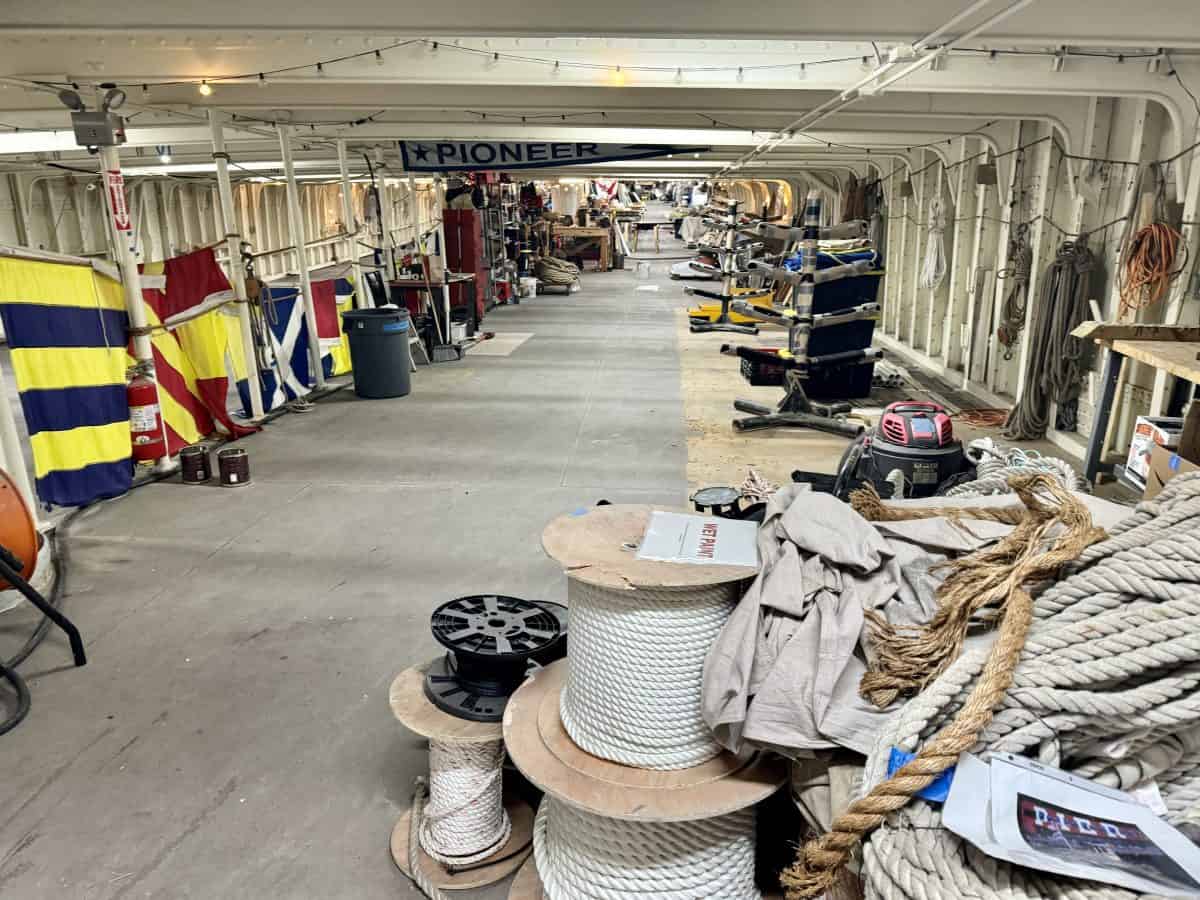
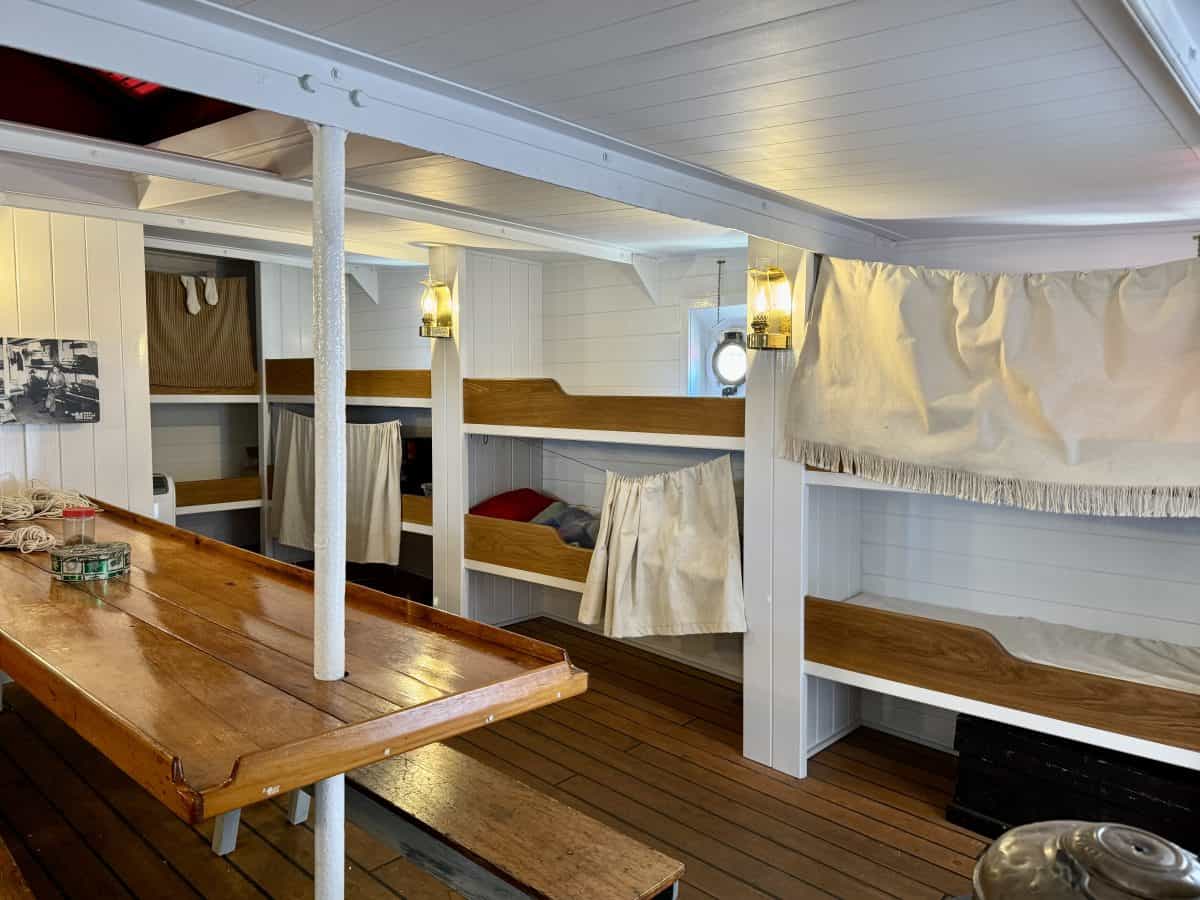
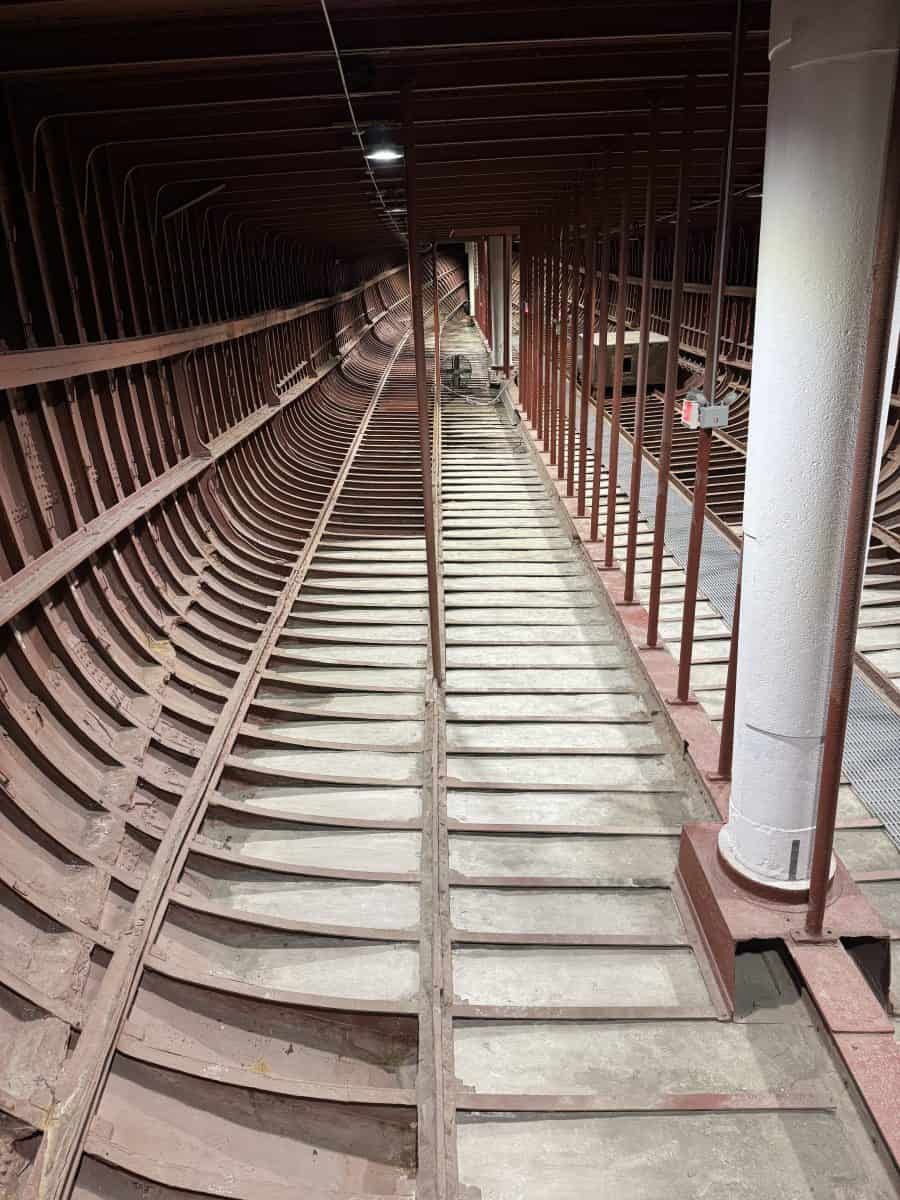
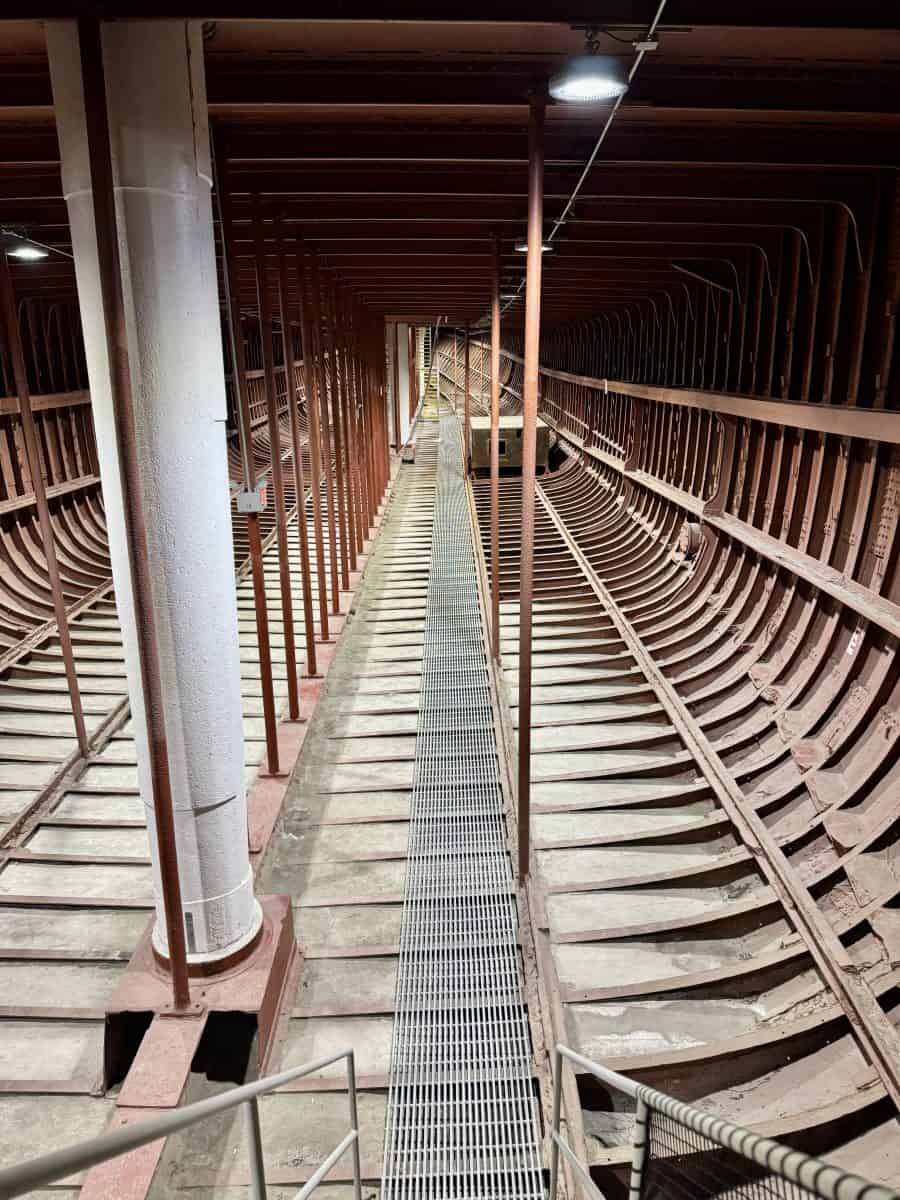
- Explore the 1885 cargo ship Wavertree, docked on Pier 16 (across the street from the museum). Museum admission includes self guided tours of Wavertree, which was built in England in 1885. The Wavertree used for almost 25 years to transport jute between Scotland and Bangladesh before being damaged in a storm and used as a floating warehouse. It was then “saved” by a ship preservationist and purchased for the Seaport Museum in 1970. There are docents throughout the ship who provide historical anecdotes about the ship and its crew and explain how the ship operates. Visitors can climb down to the twin decks (used for storage and repair workshops) and the cargo hold (check out how long it is!), walk through the Forecastle (the crew’s quarters) and climb up to the Quarter Deck for great views of the harbor (and a chance to turn the ship’s wheel).






Would you like to save this?

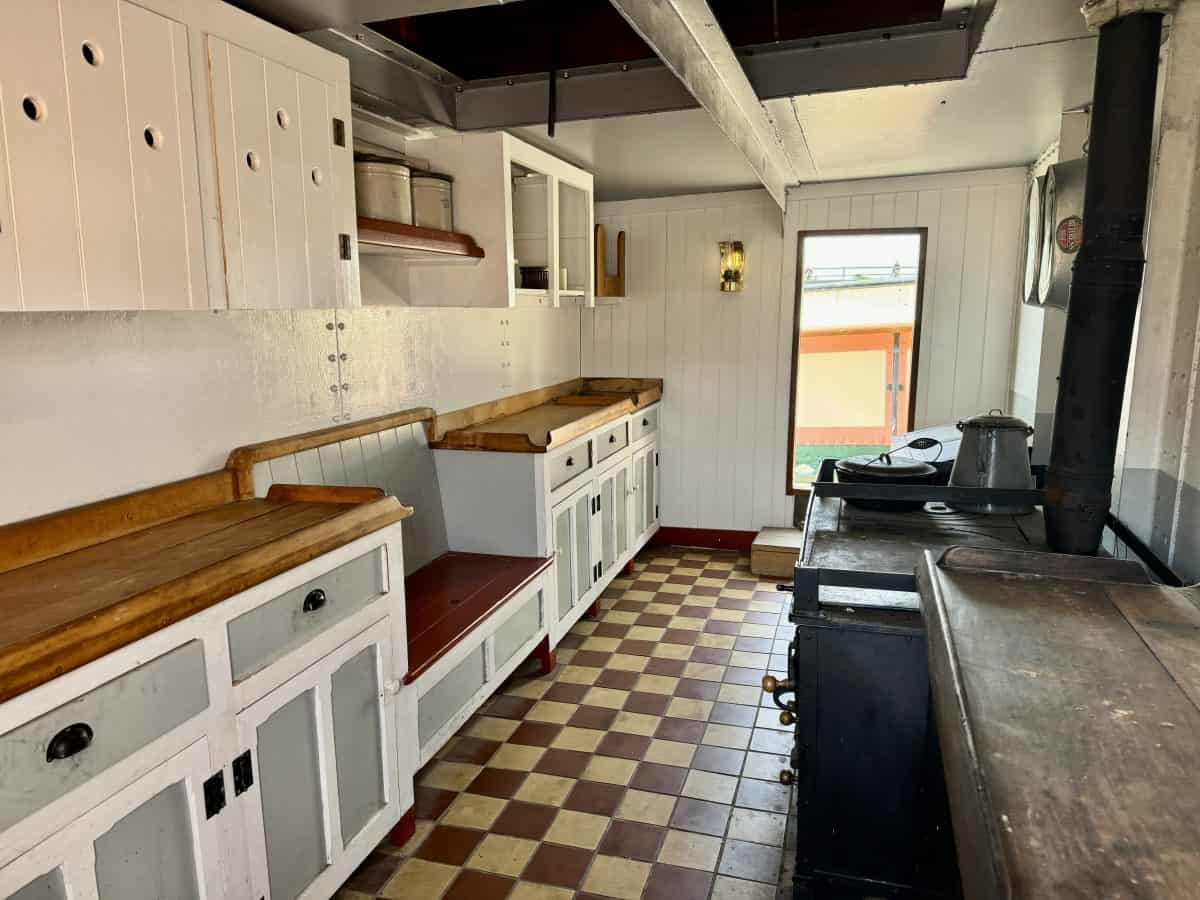
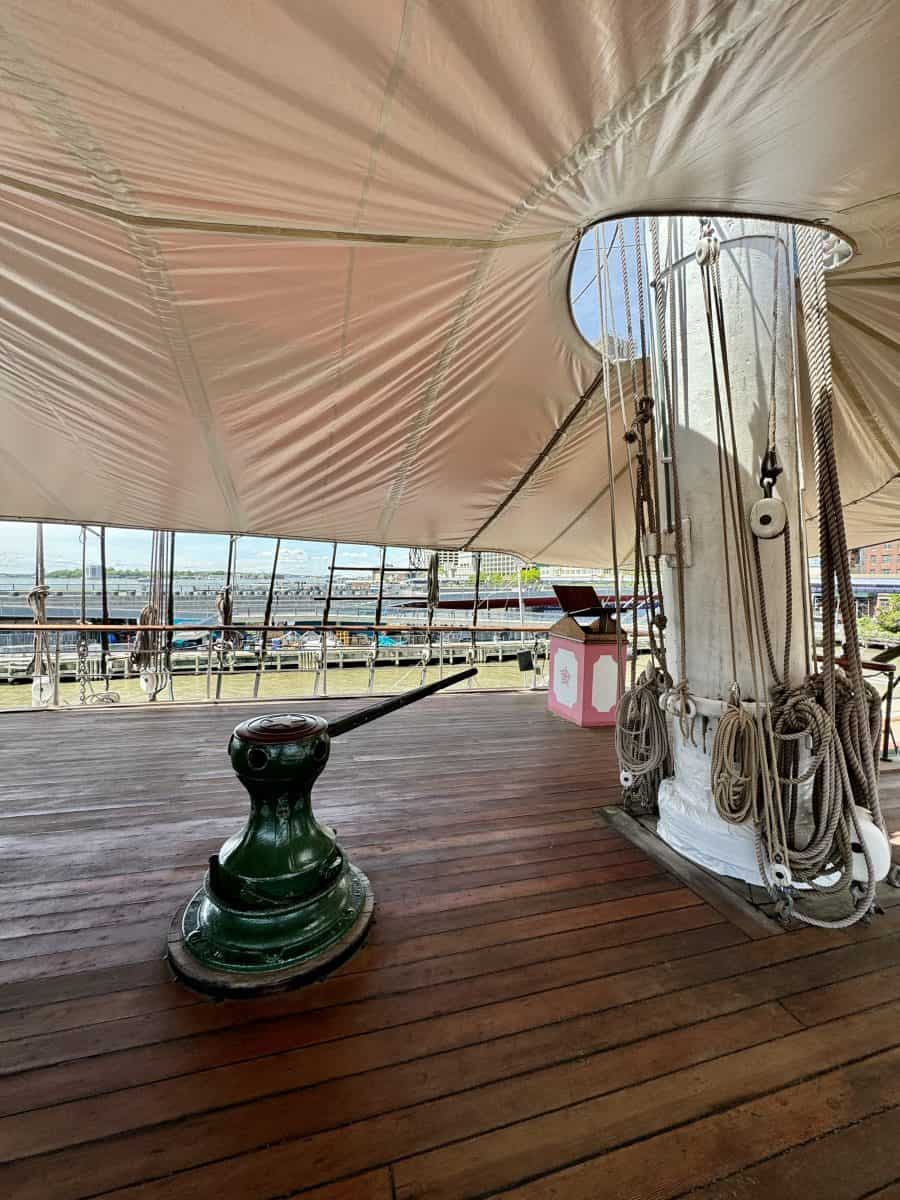
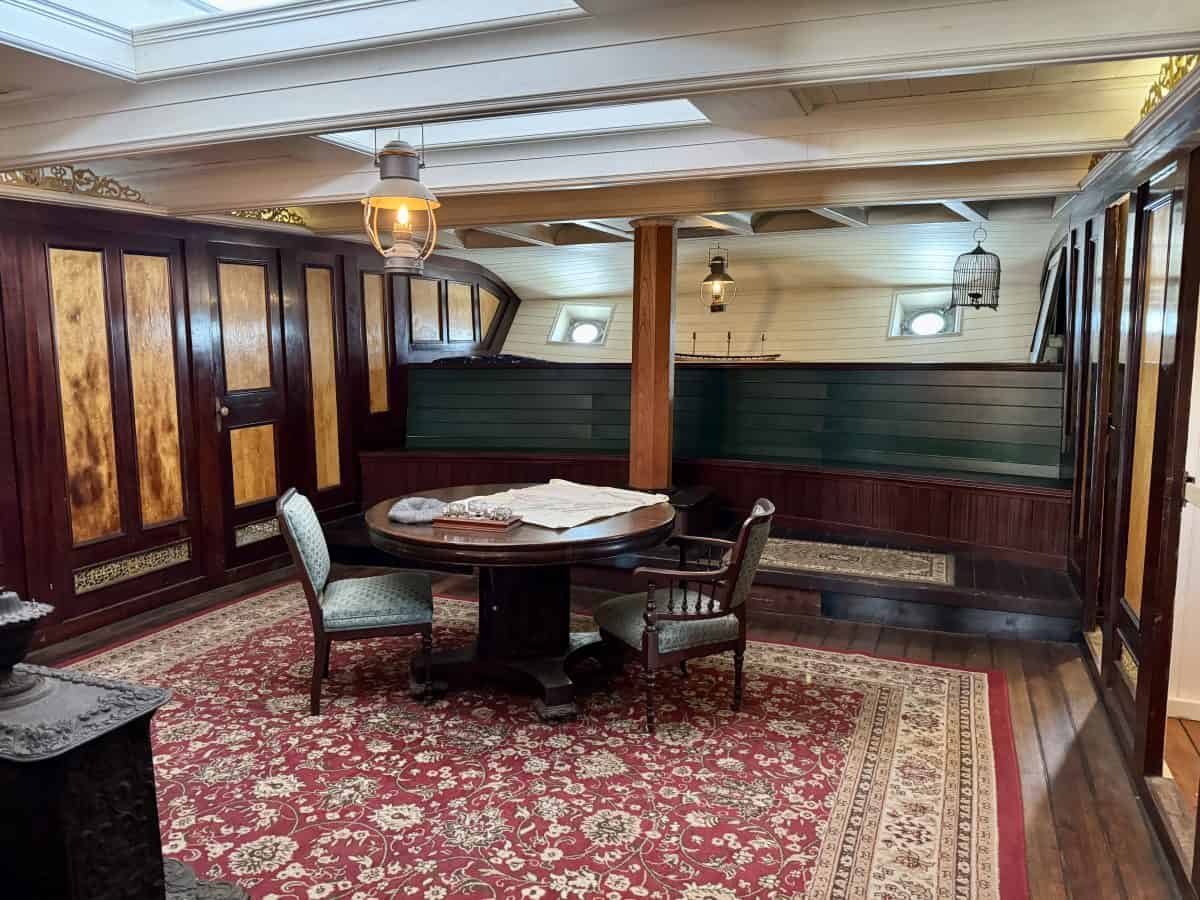
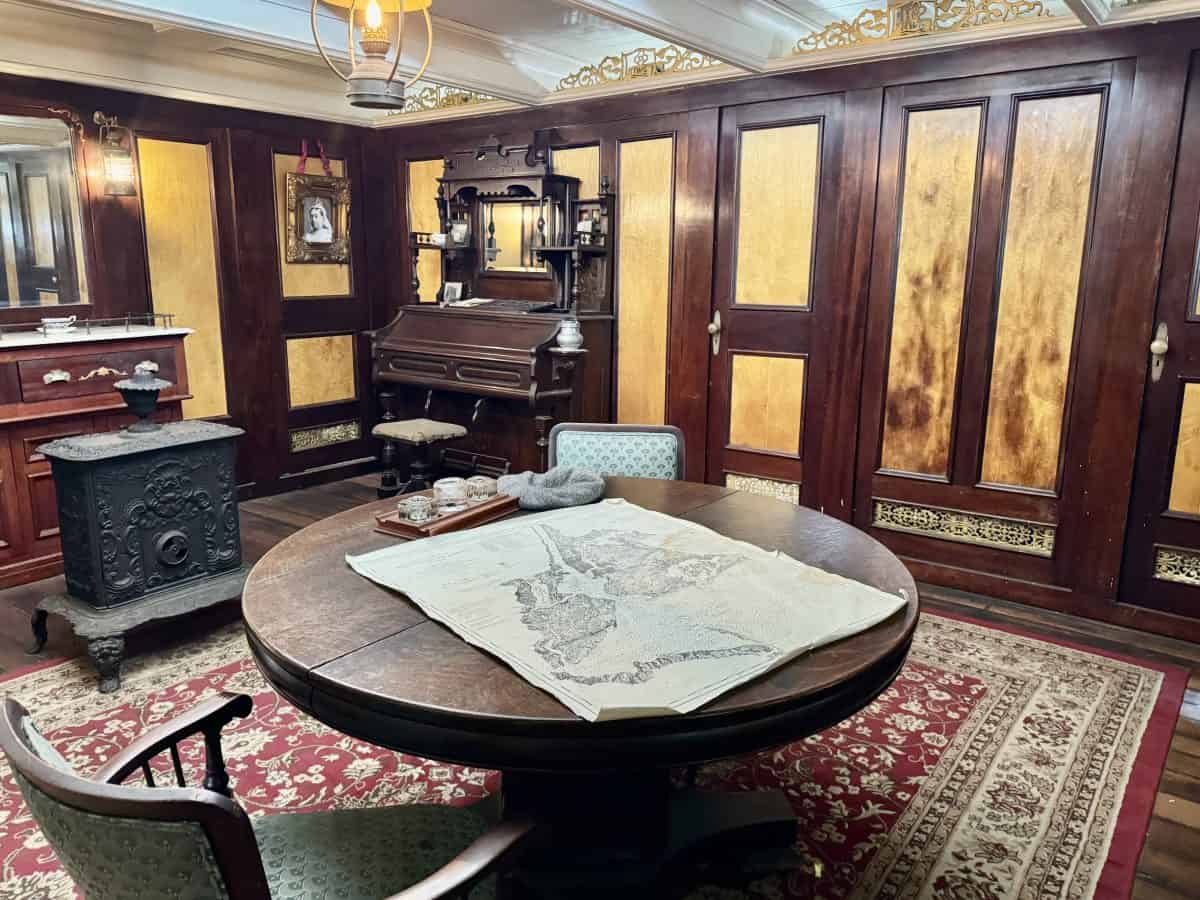
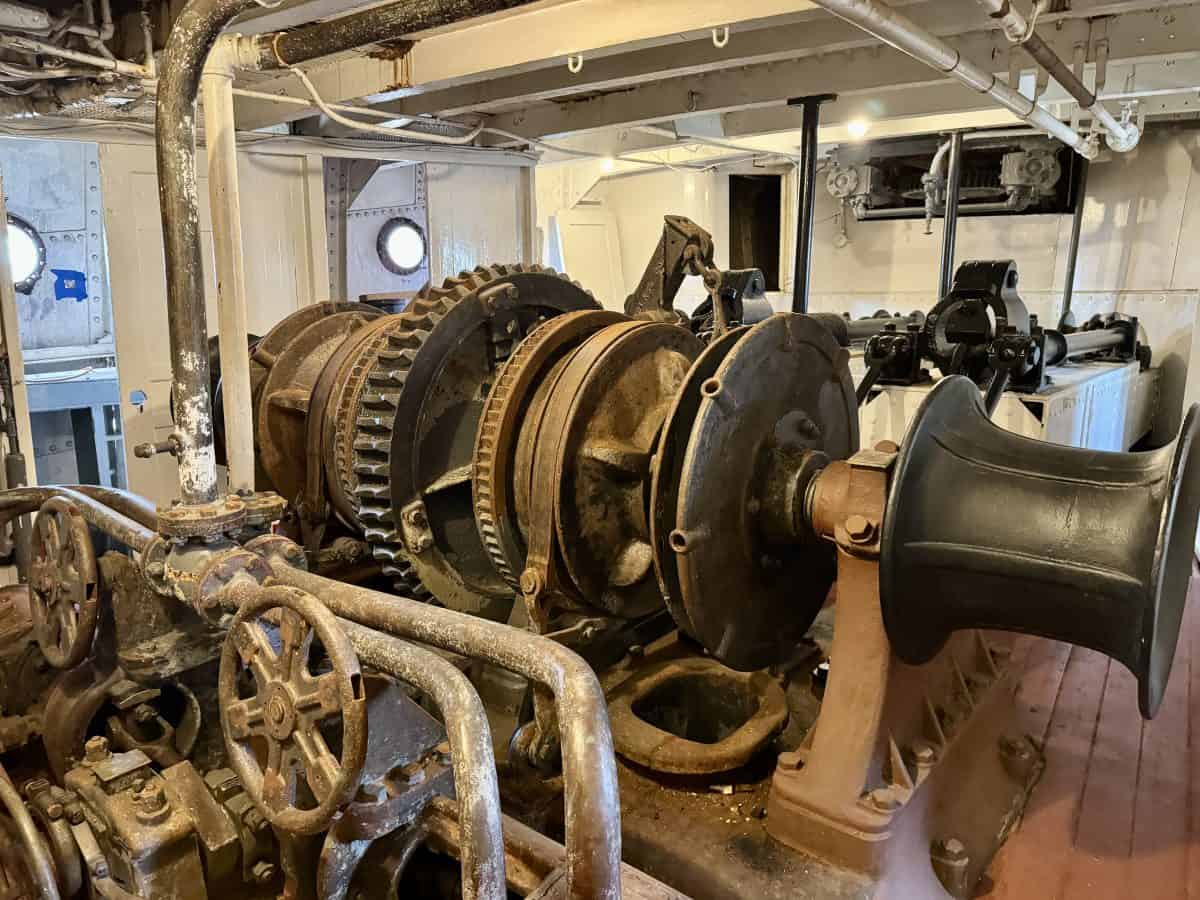
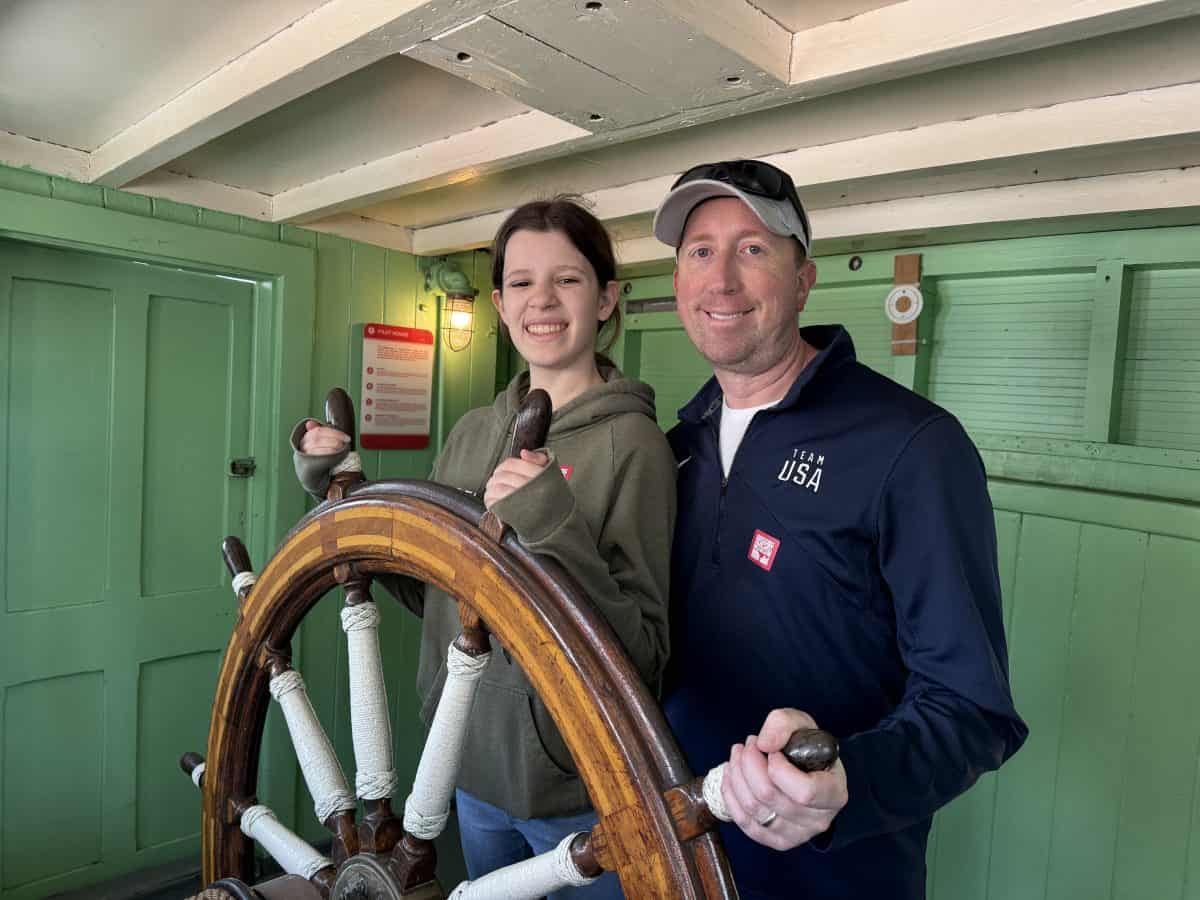
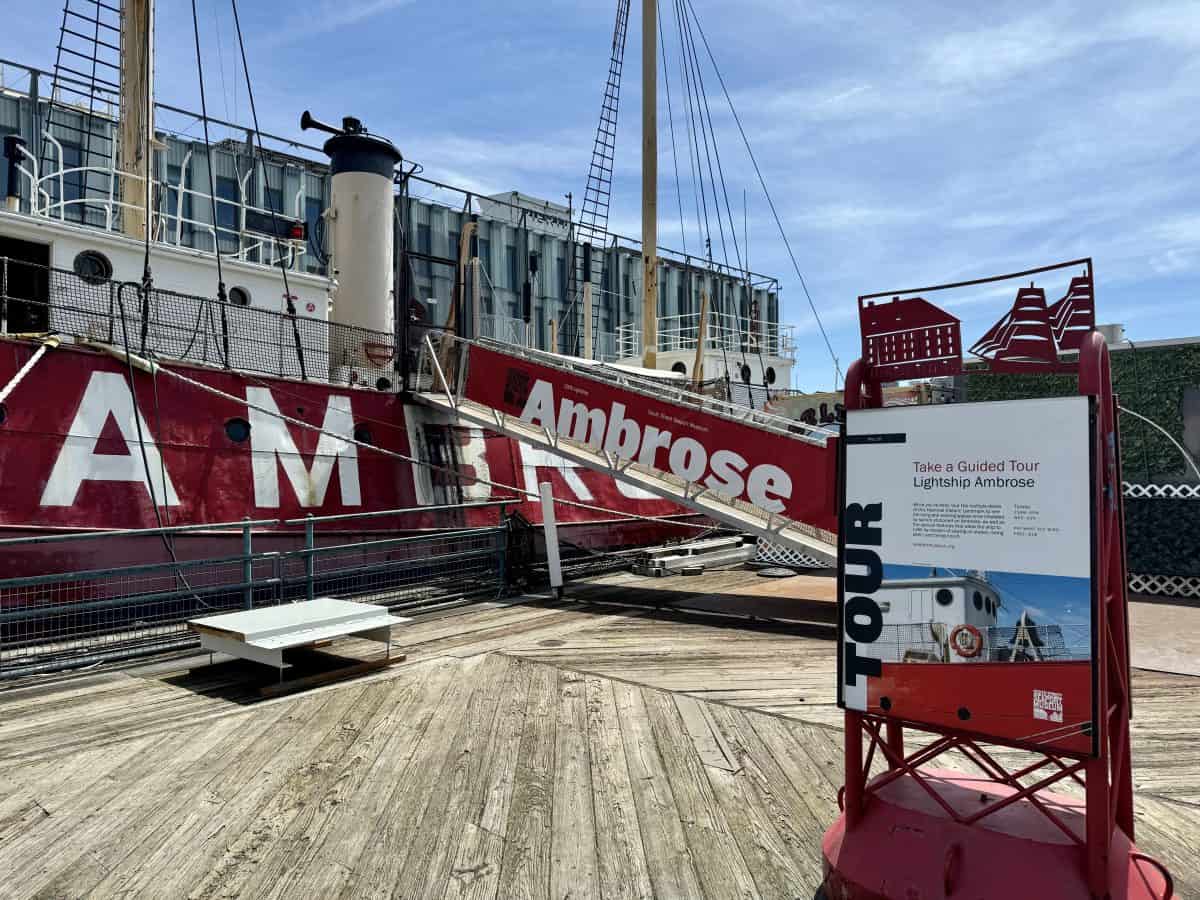
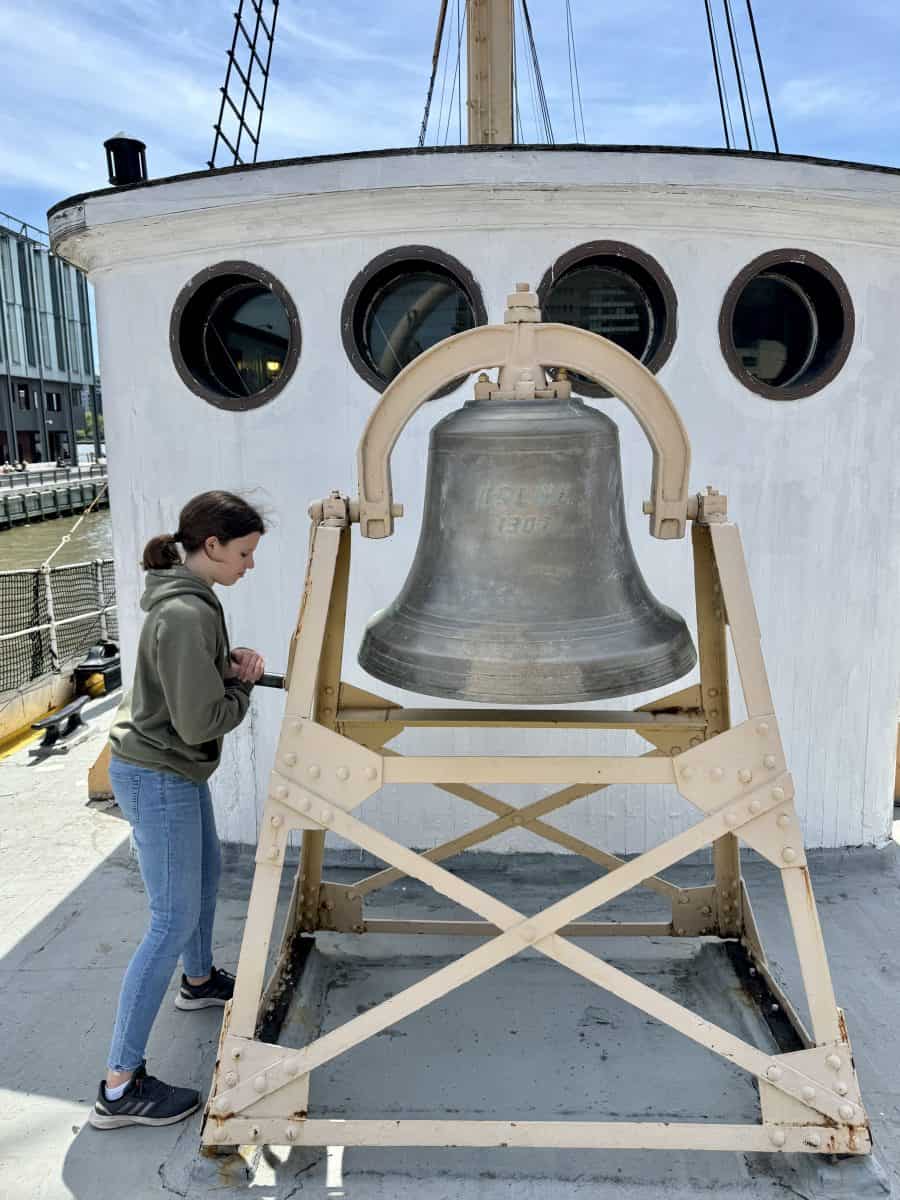
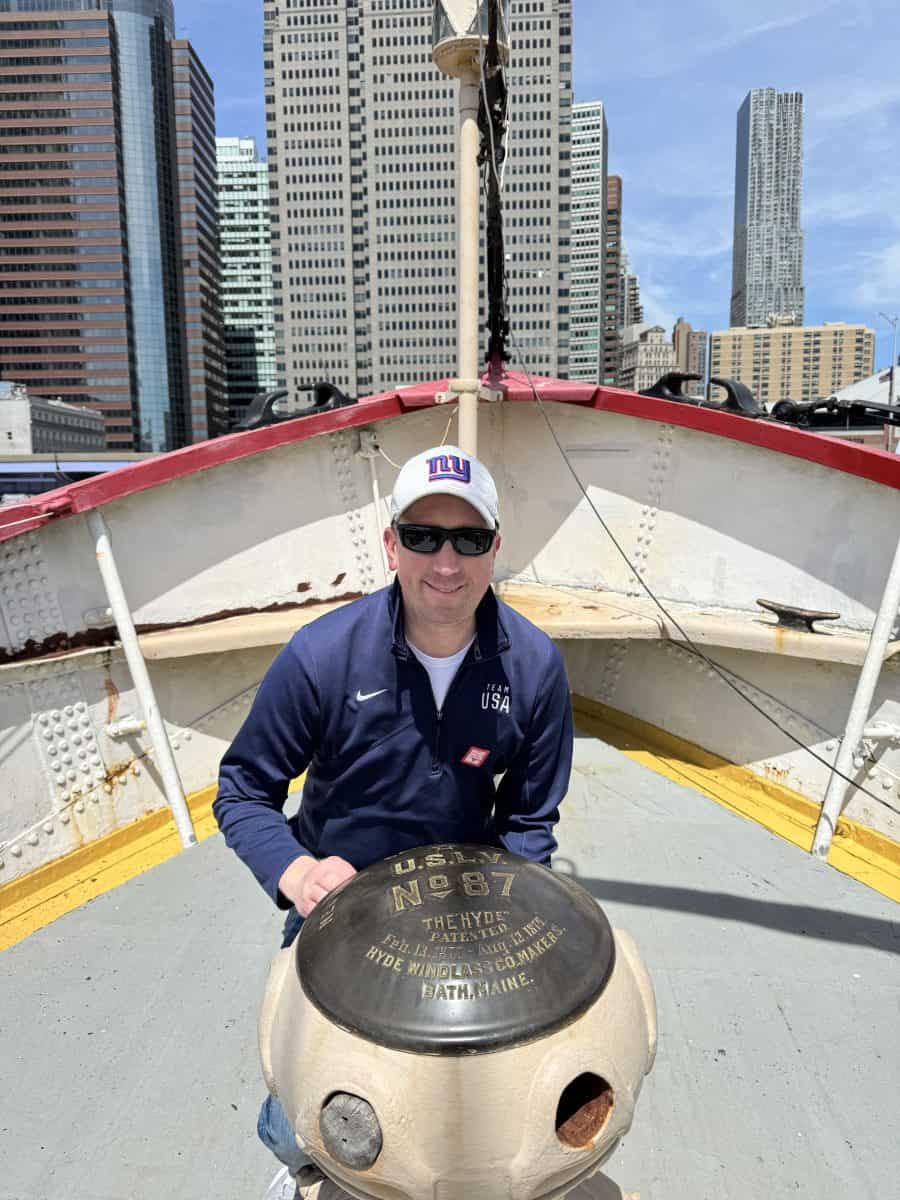
- Take a 30 minute, guided tour of the Ambrose, also docked on Pier 16. Officially known as US Light Vessel #87, the Ambrose, named after John Ambrose, was built as a “floating lighthouse” to help guide ships from the Atlantic Ocean into the New York City Port. The Ambrose, in service from 1908 until 1932, had a crew of 14 that helped ships, some of which carried over six million immigrants into Ellis Island. The US Coast Guard donated the Ambrose to the Seaport Museum in 1968. While on board, visitors can learn about how the Capstan (used to lift heavy objects) works and ring the bell on the Main Deck, go inside the Wheelhouse (Pilot House) to spin the ship’s wheel, check out the Engine Room and learn about the diesel engine that was installed in the 1930s to make the ship more efficient, and sit in the Officers’ Quarters to plot a ship’s course on the maps. Note: the Ambrose is scheduled for restoration in 2025 and will be out of commission for most of the year.



- Check out the Pearl Street Playground, located across the street from the entrance to the Seaport. There are climbing structures, slides, benches and a sand pit with toys.
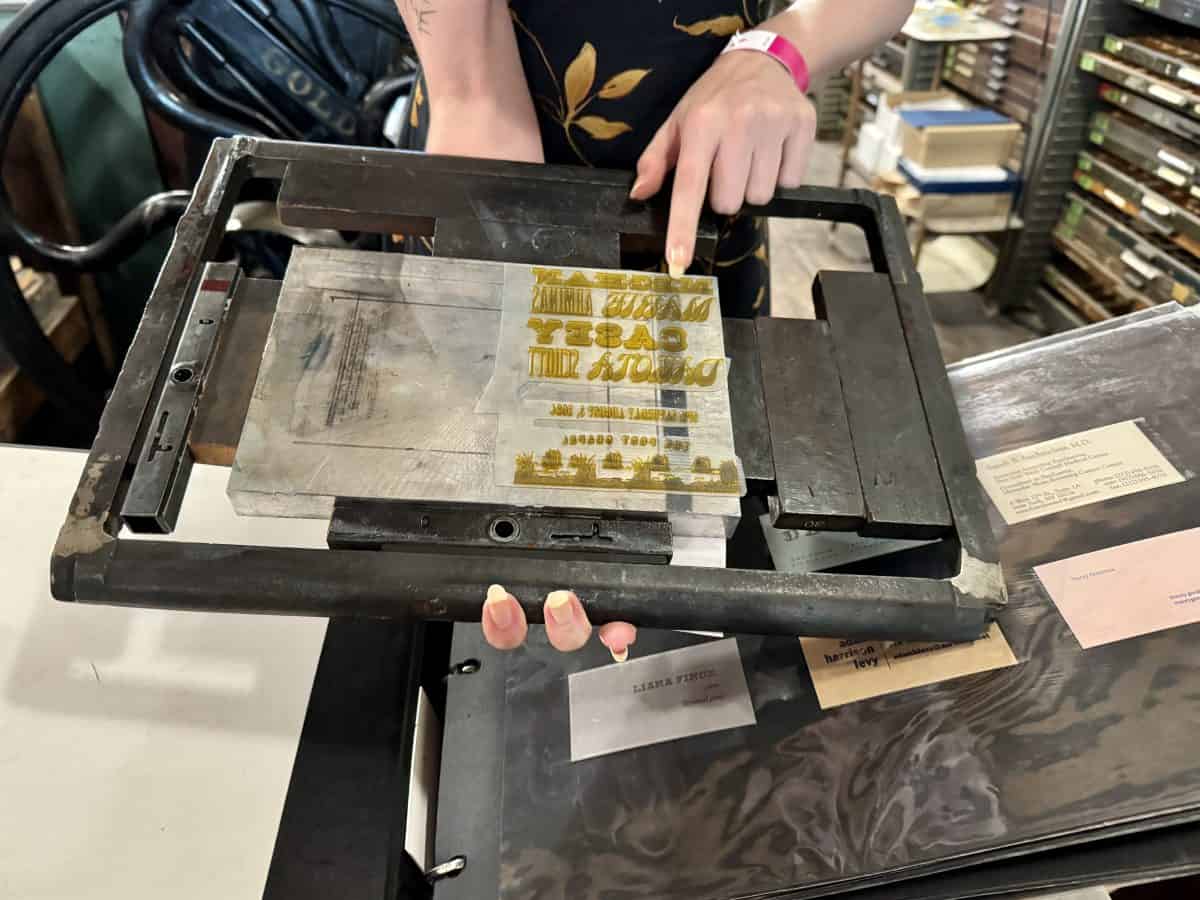
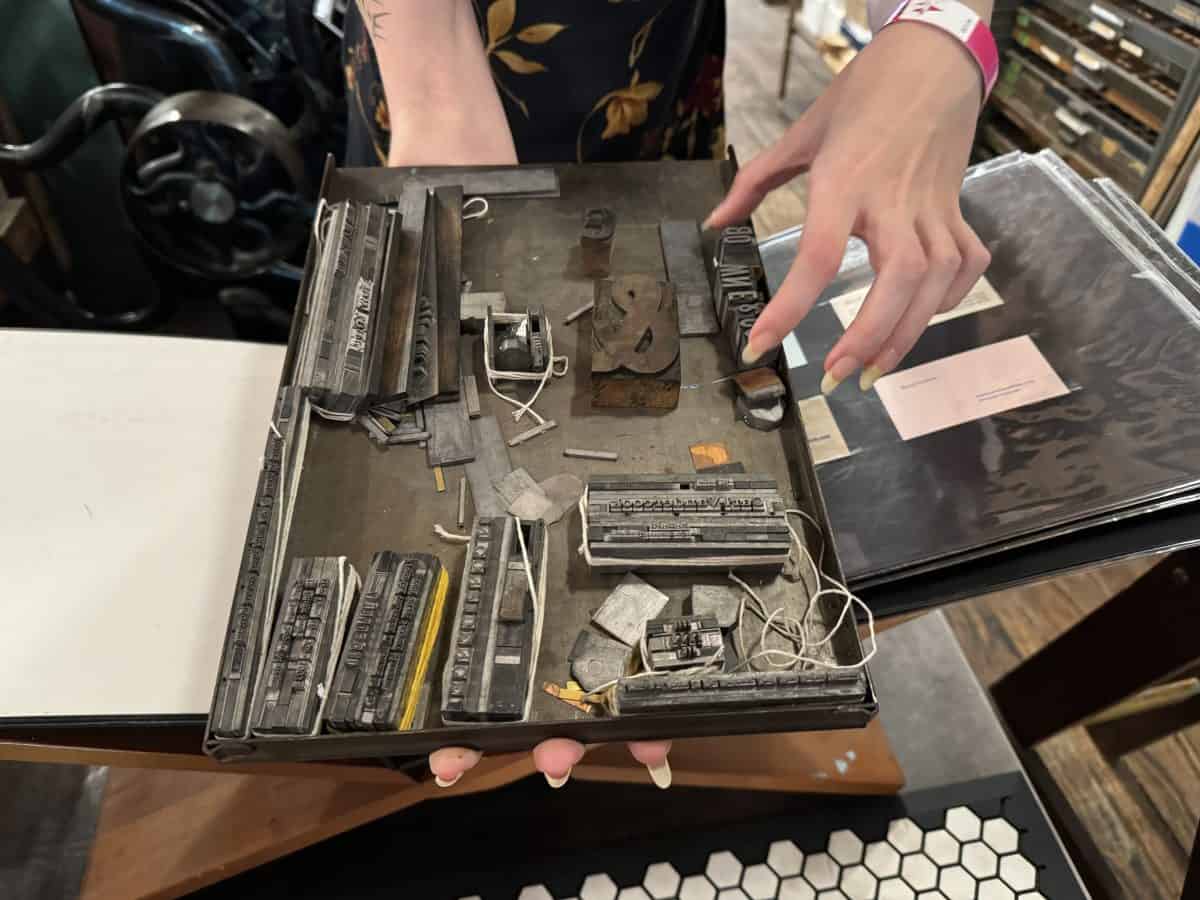
- Watching a letterpress printing demonstration in the Bowne and Co. Stationers shop. Located on Water Street before the Seaport entrance, the print shop, also home to the museum gift emporium, has 30 presses in its collection and currently uses two for personalized stationery: a 1858 Columbia press and a 1901 Golding press. On the first Thursday of the month, the shop hosts a free Fresh Prints workshop, open to the public, and on the last Saturday of the month, the shop hosts a Print Your Own Stationery workshop (fee applies). Note: Visitors do not need museum admission to visit the Bowne and Co. Stationers shop.




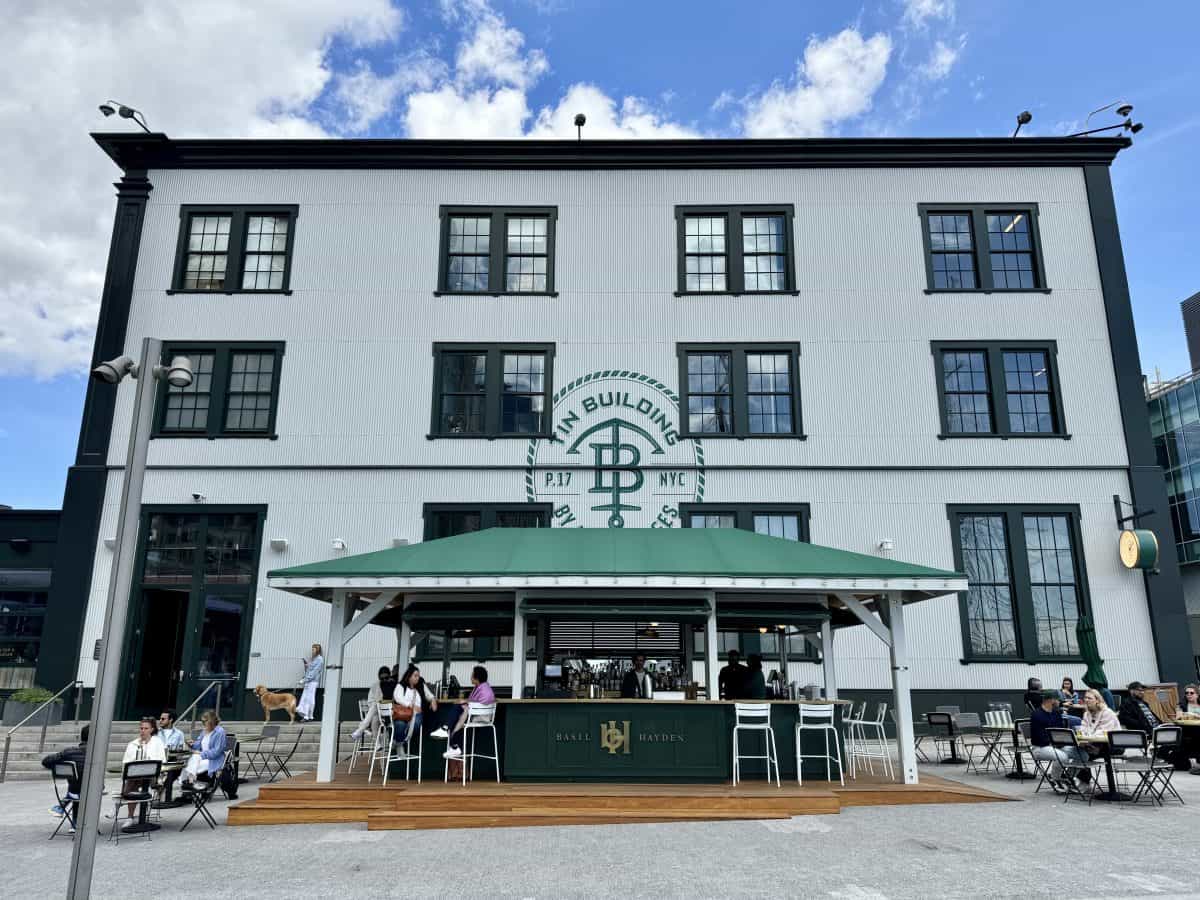
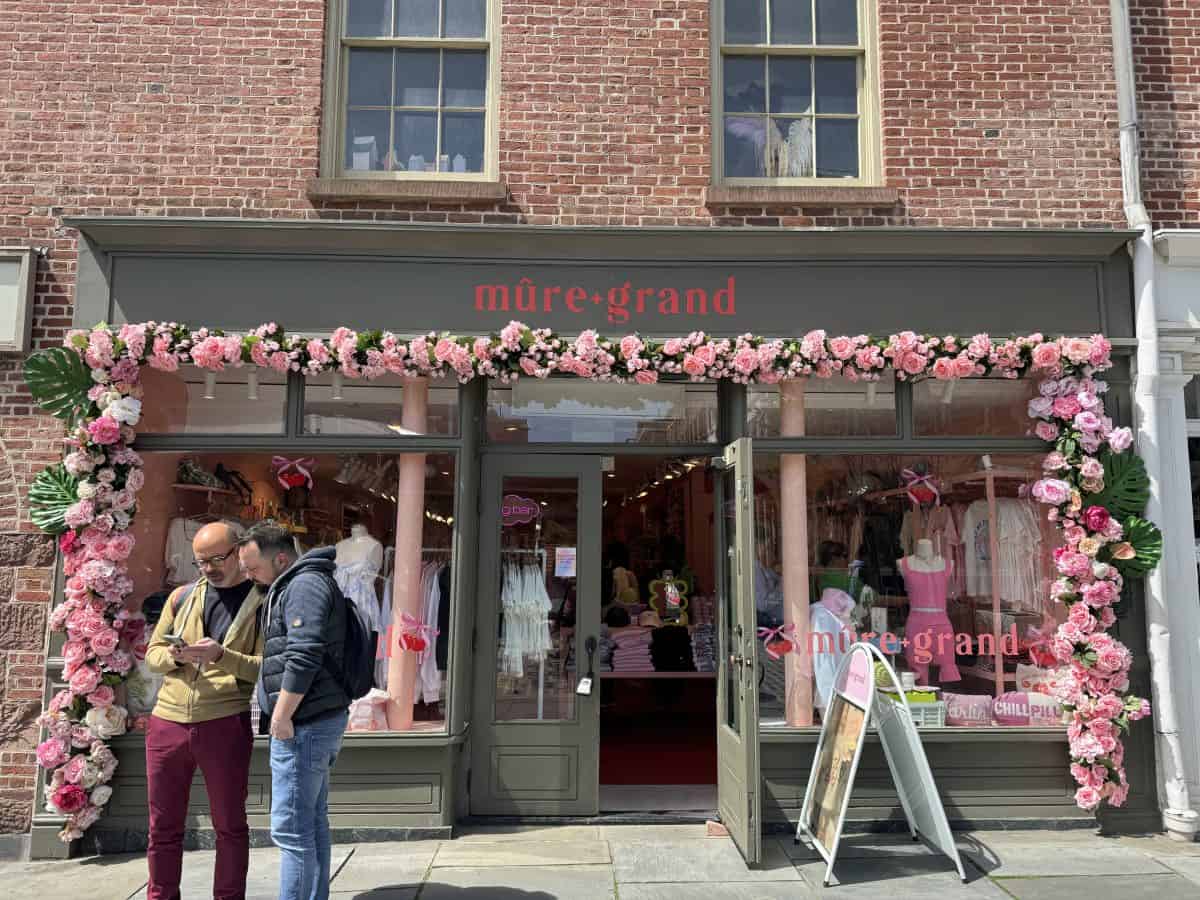
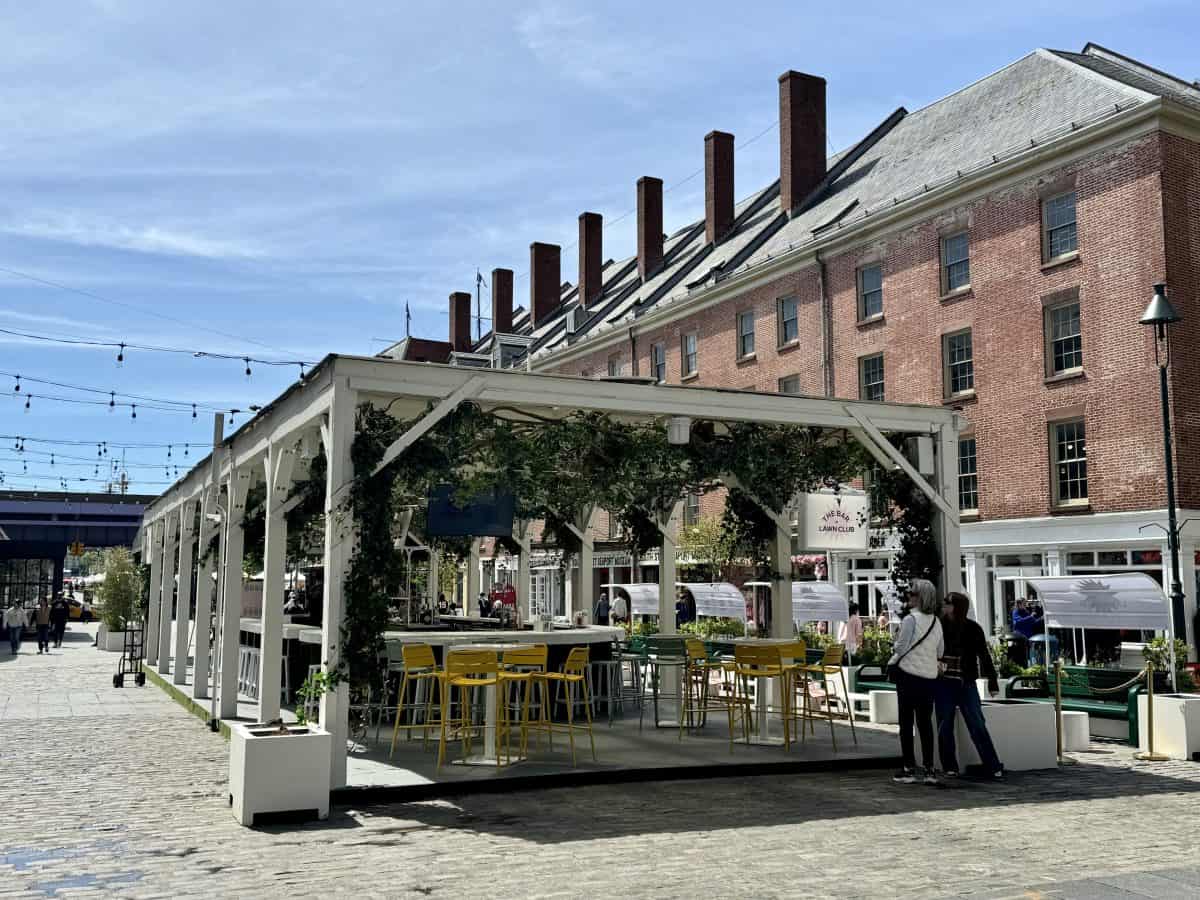
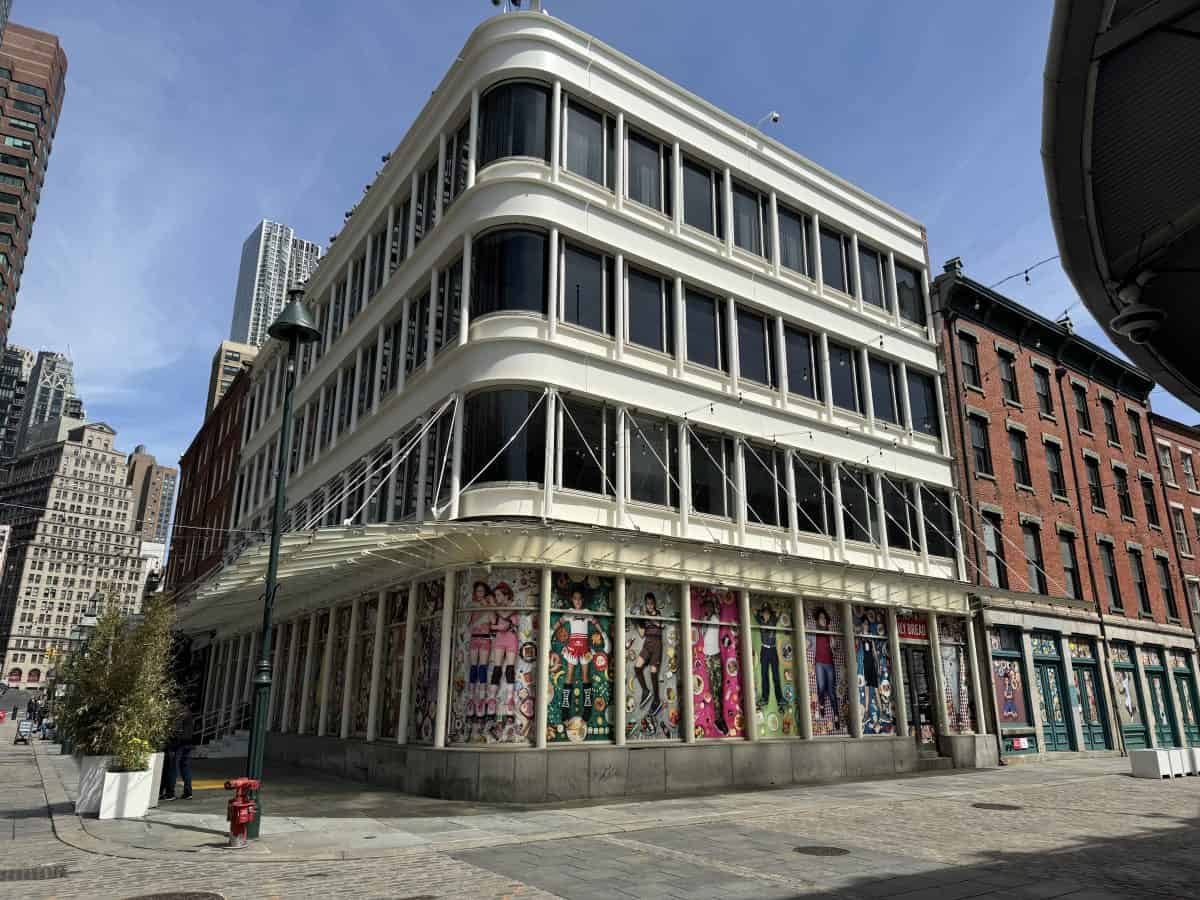
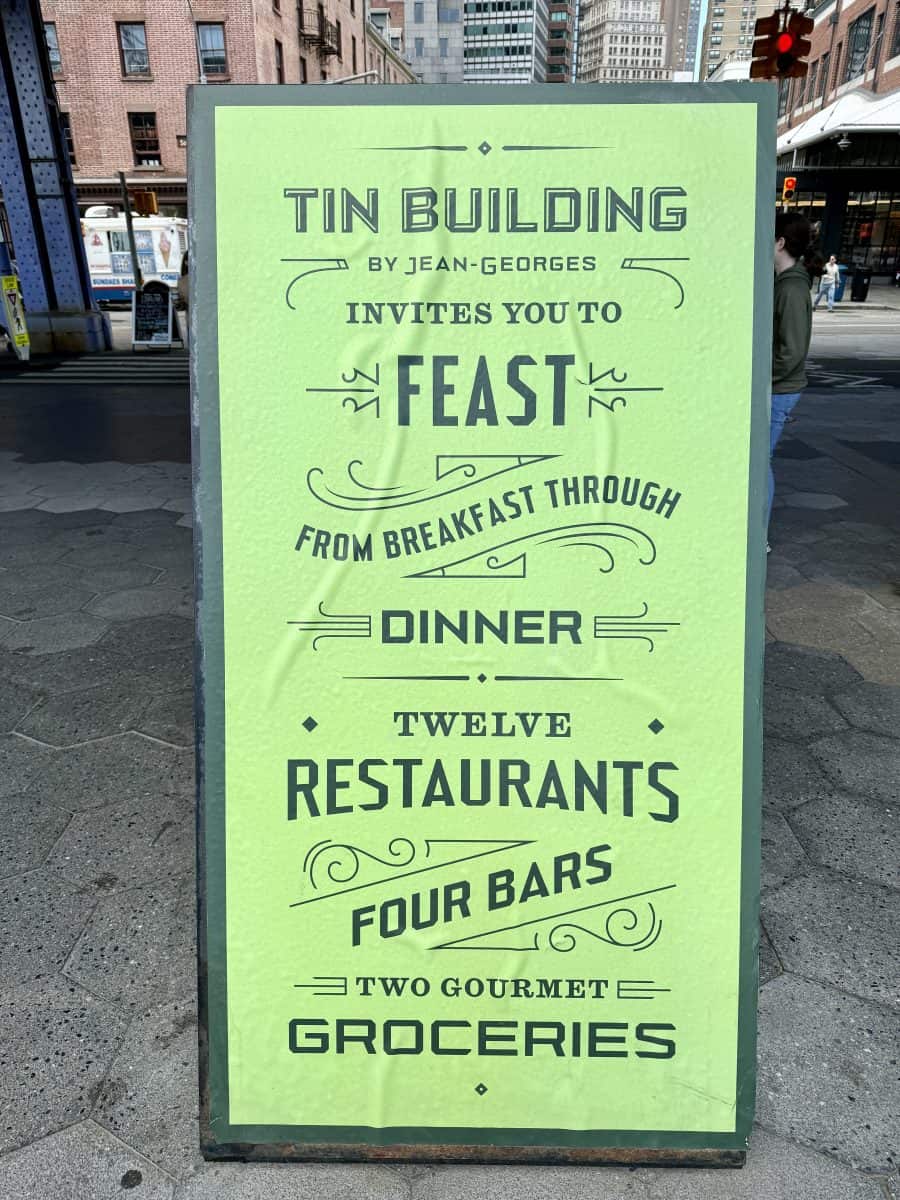
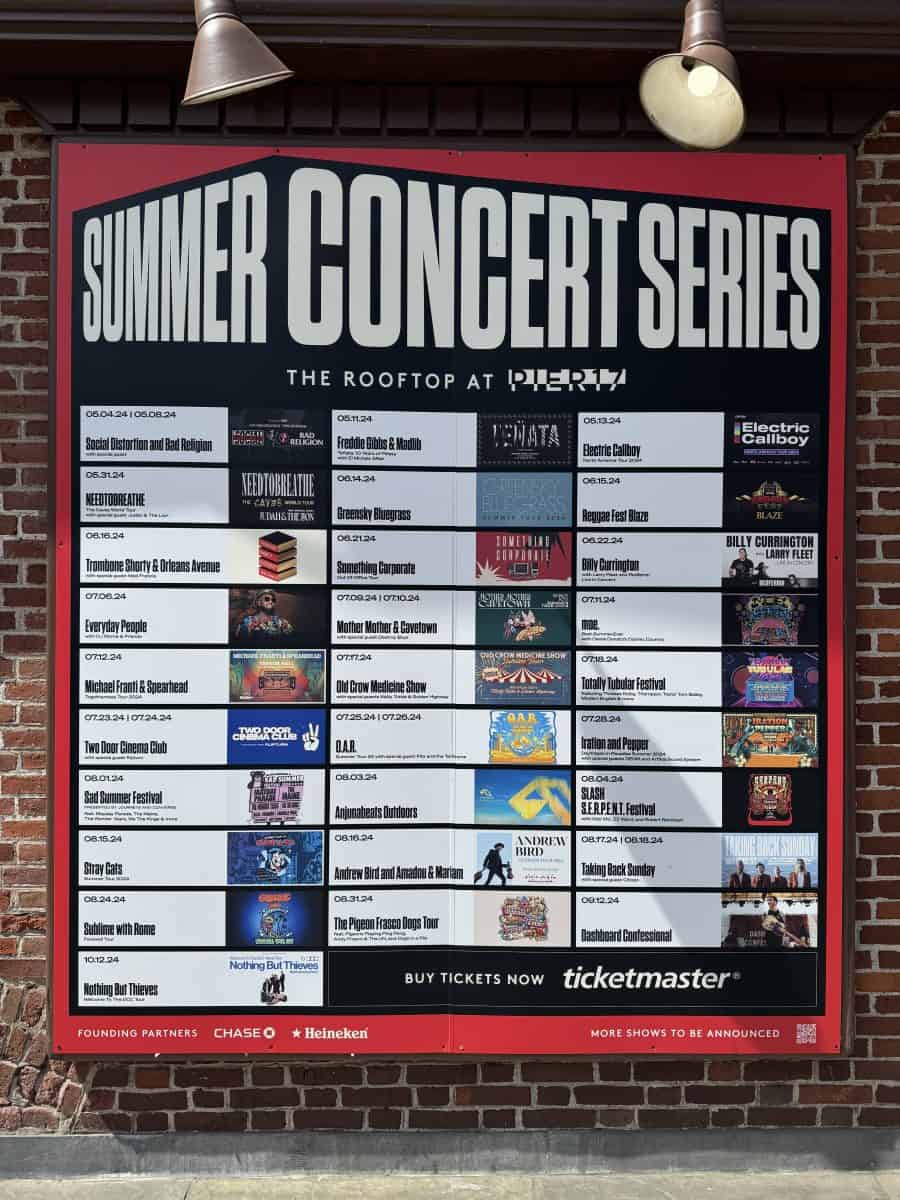
Leave time to explore other parts of the Seaport, including the Tin Building (tons of restaurants and shops), IPIC (for movies), weekly outdoor pop up markets, and various restaurants. Check the calendar for weekly programs and events.


Looking for other adventures in the downtown Financial District? Check out our posts featuring Federal Hall National Memorial, Fraunces Tavern Museum, Ellis Island, the Statue of Liberty National Monument, the National Museum of the American Indian, and Eataly. And follow along on our adventures on Instagram, Pinterest, Facebook, and X.
Disclosure: Our family was given a media pass to explore the campus. All opinions expressed are my own.



Thank you for this! I’m obsessed with this stuff, and have breezed through this part of NYC, but never gotten to SLOW DOWN in it. Now I know exactly what to see and do!!
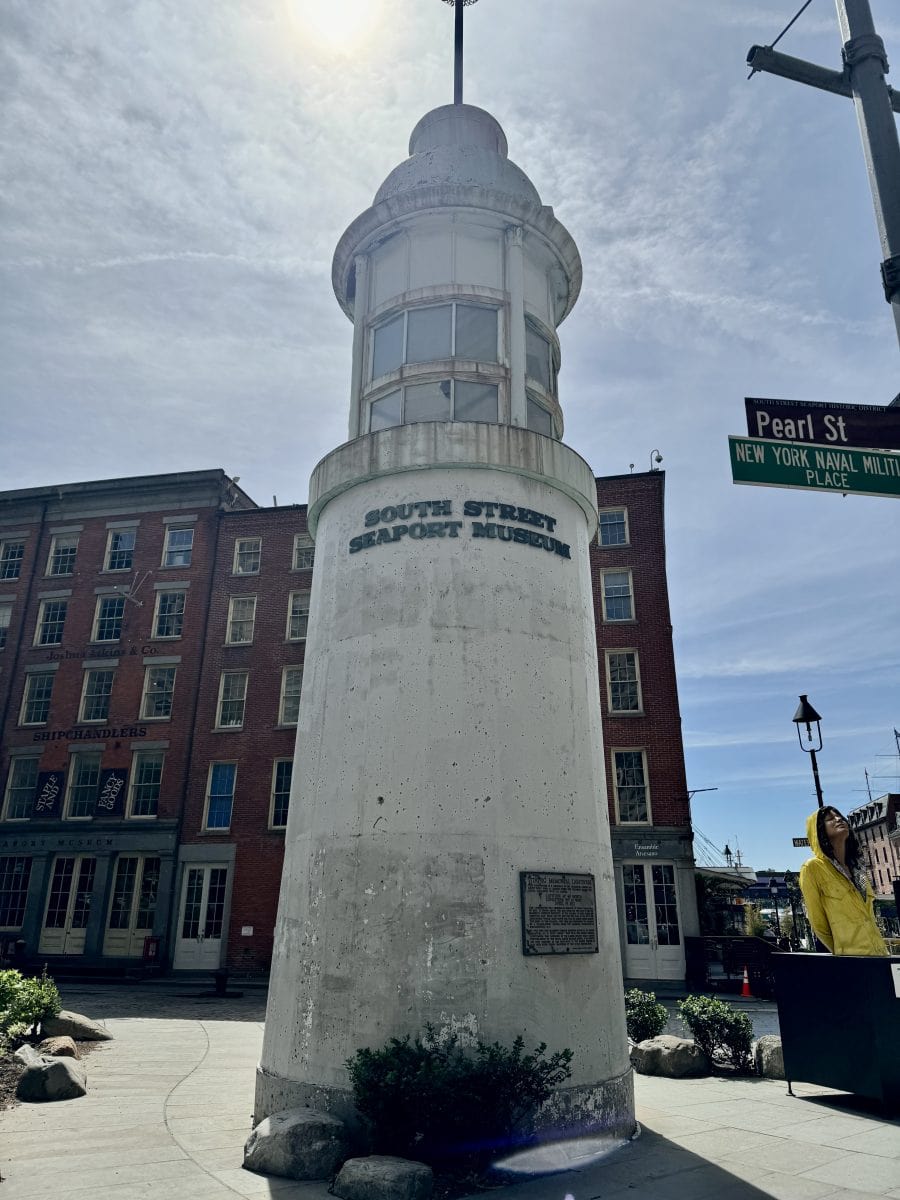
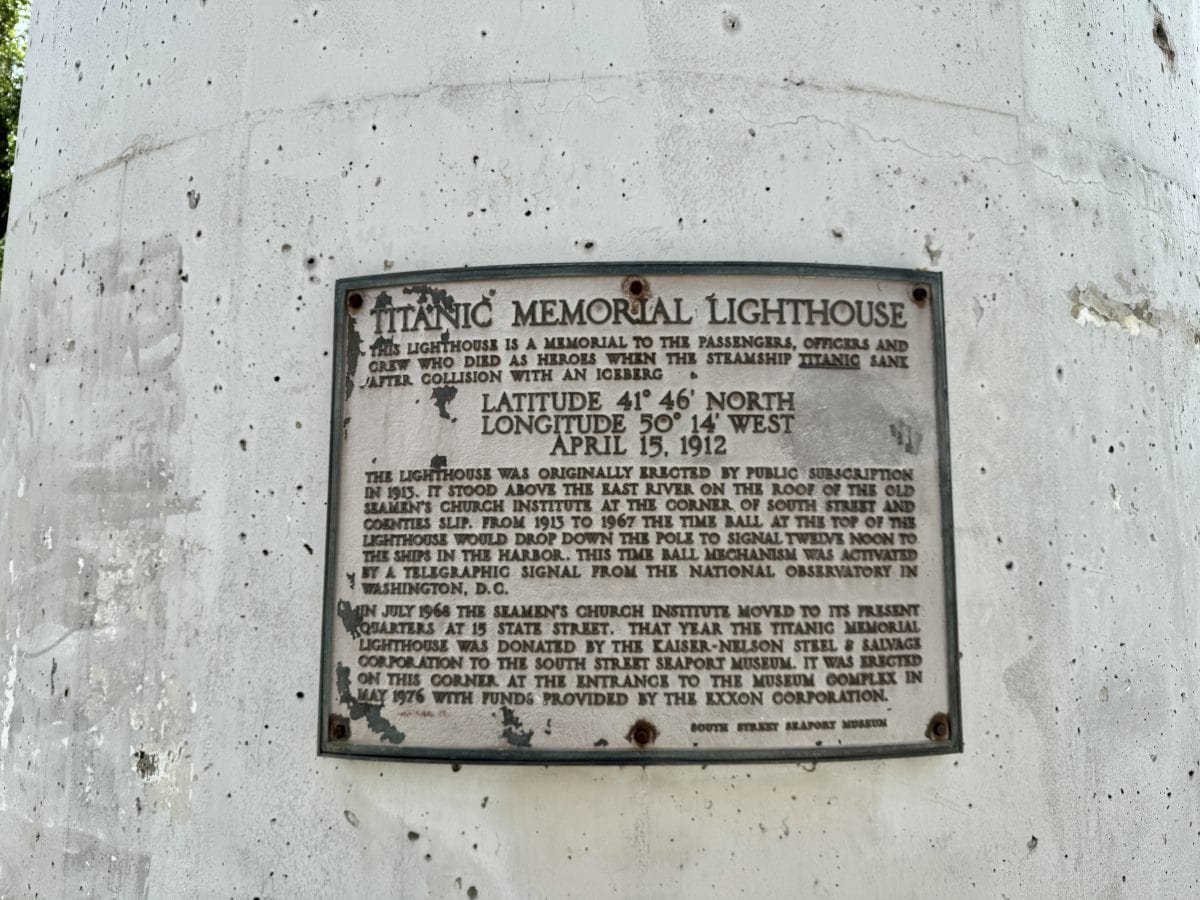
How interesting, I love visiting small museums like this. I love the light house monument dedicated to the Titanic passengers and crew. I’m adding this to my list of things to do in NYC next trip.
This sounds like a unique museum for NYC–I love learning more about maritime history.
My son would LOVE this museum. Saving for our next trip to NYC!
Great post! I am planning a trip to NYC soon and will add this to the list of places to check out!
Sail on the 1885 Schooner Pioneer sounds like one of the best museum offers ever! Definitely adding South Street Seaport Museum to my NYC bucket list! Thanks for sharing!
I will be traveling to New York later this year and will make sure to add this to my list. Especially looking forward to Tin Building, as I’m a Jean Georges fan.
so many great spots to eat at the Seaport!