
Five Whaling Museums in the Northeast Kids Will Love
For our family, there are two necessary ingredients for a perfect adventure: water and history. We love being by, on, and even IN the water (ocean water is our favorite) and we love studying history. Even better, we love when we can combine them and learn a little nautical history. A couple of years ago, we featured this post with over a dozen attractions dedicated to boats and the boating industry and it received a lot of great feedback. This week, we’re sharing five whaling museums in the Northeast that include the important history of the whaling industry. The northeast has a rich history of whaling, and some ports were once known as the Whaling Capitals of the World. All five spots offer plenty of hands-on ways to engage the entire family.
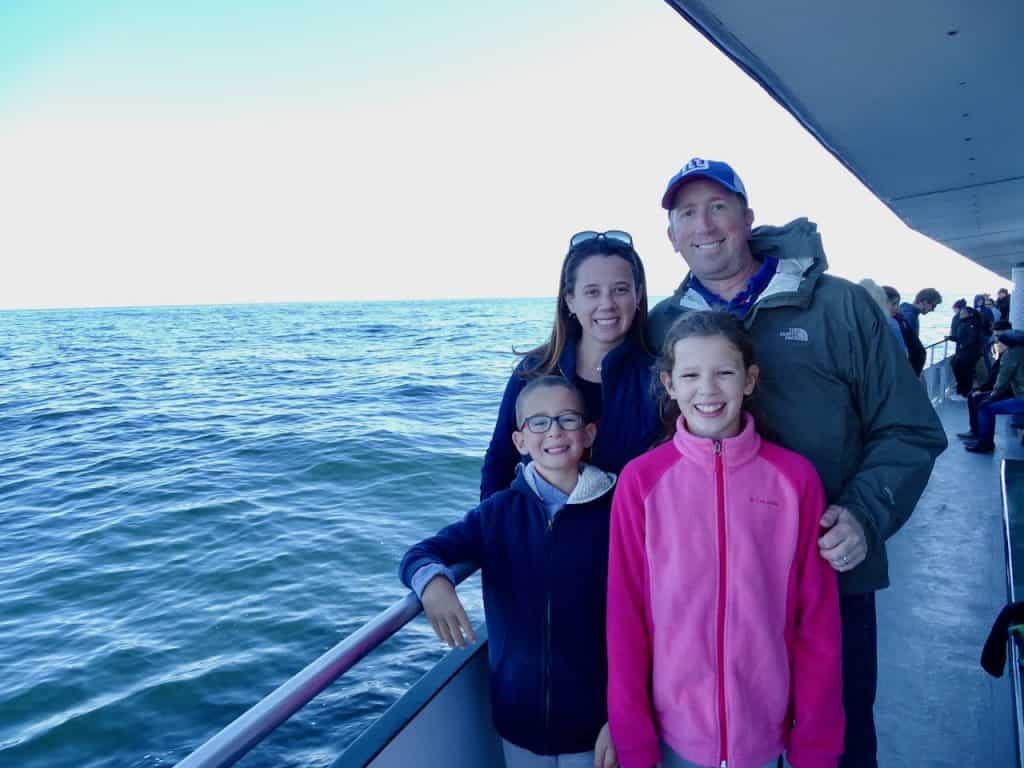
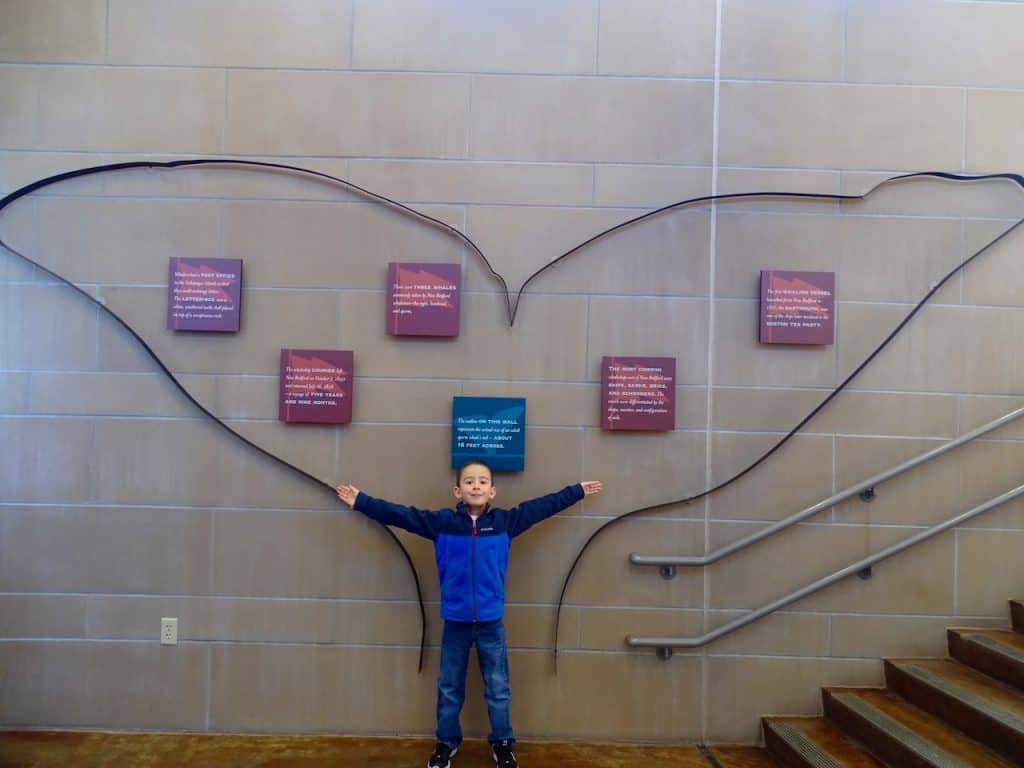
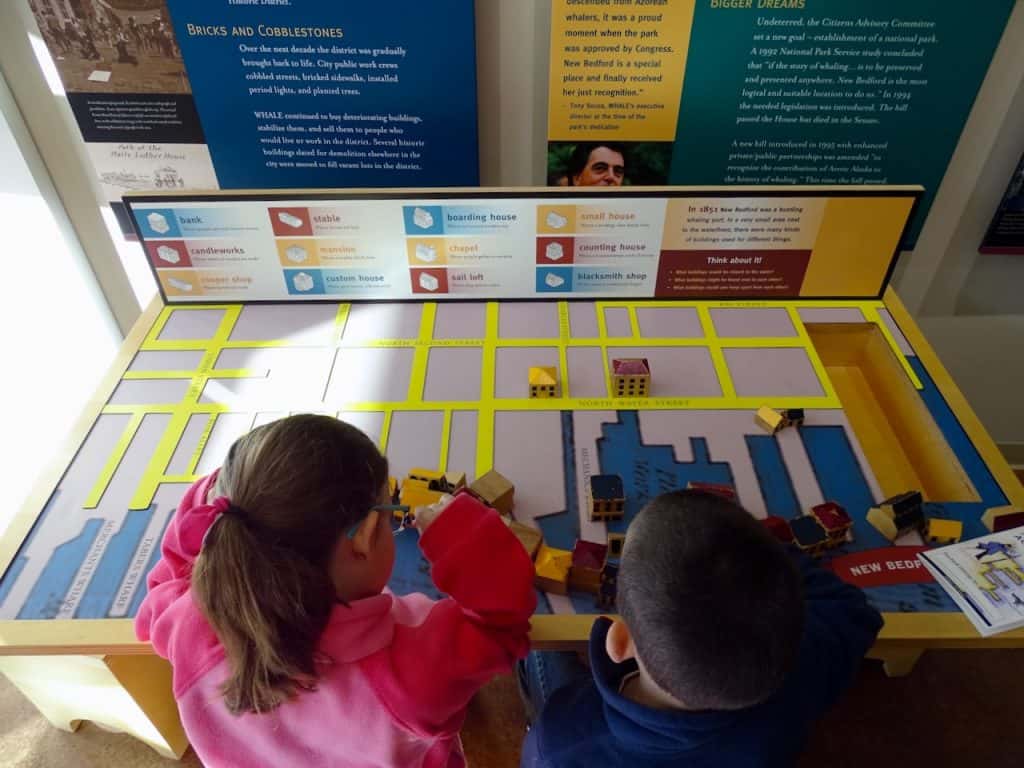
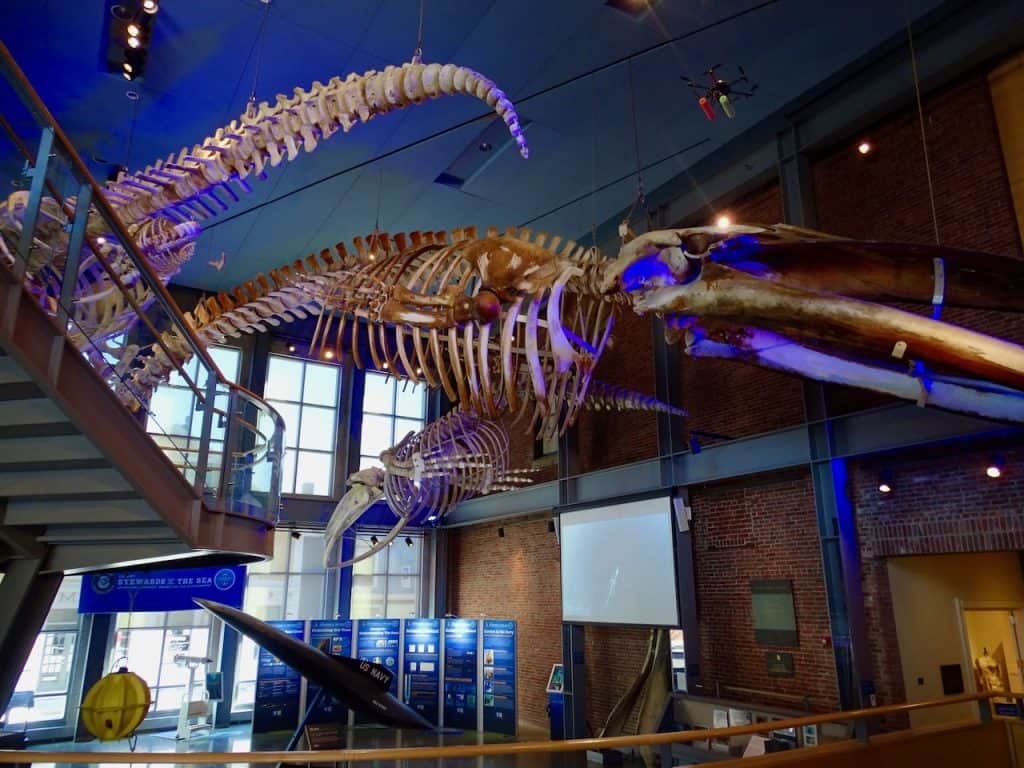
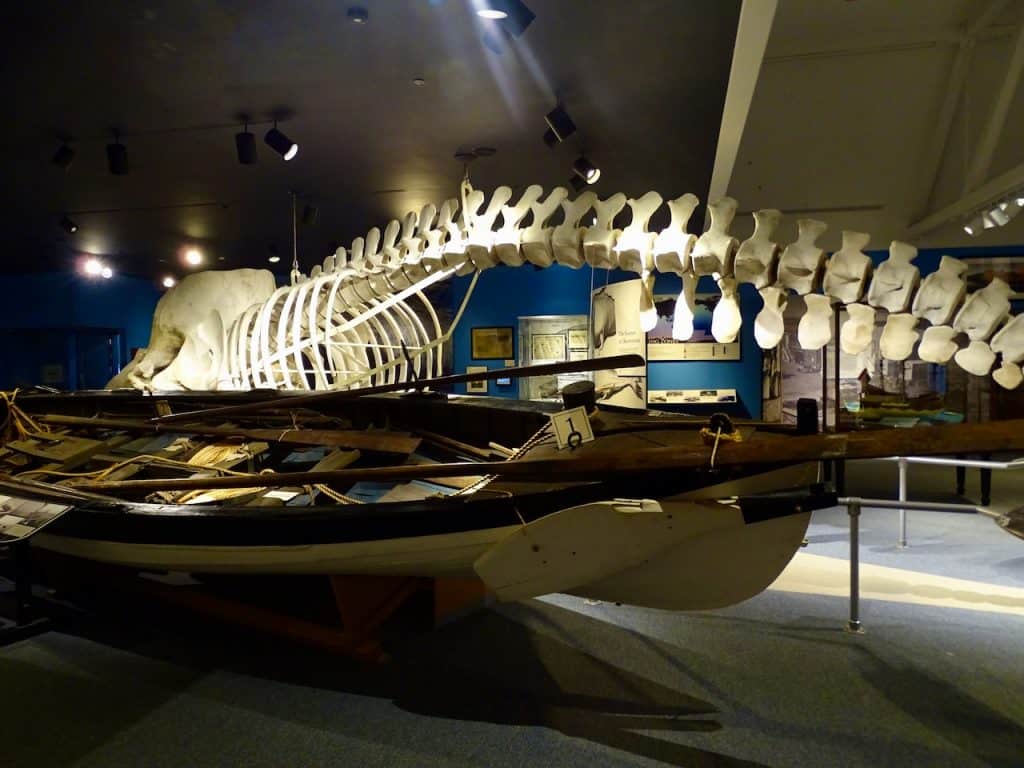
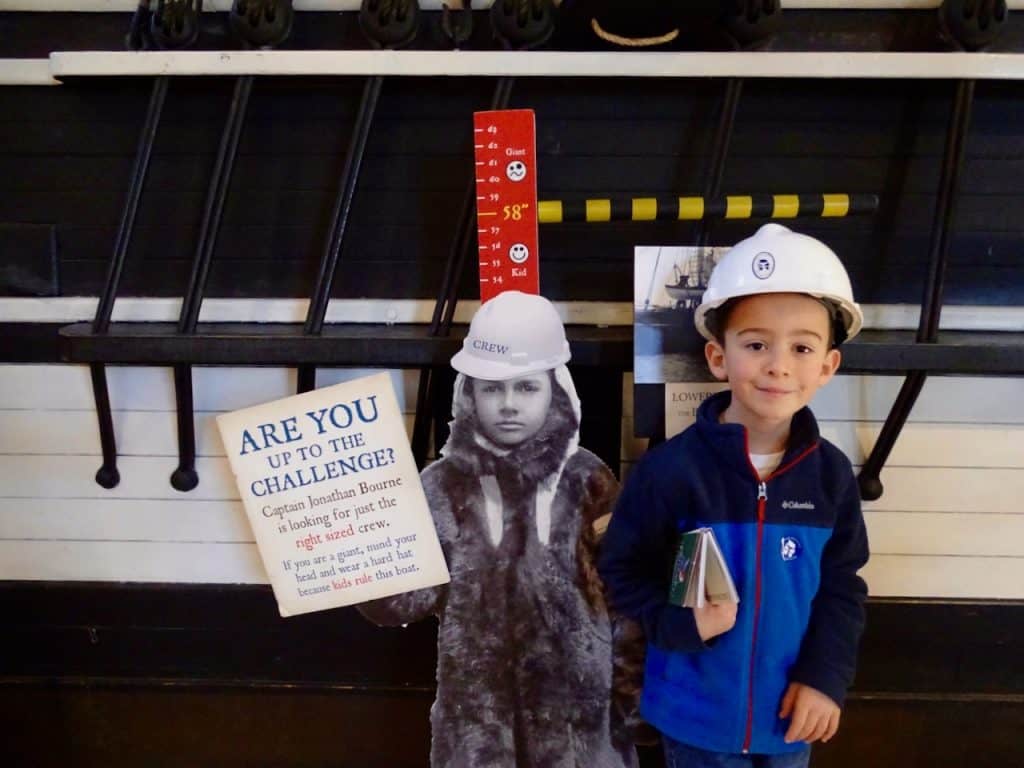
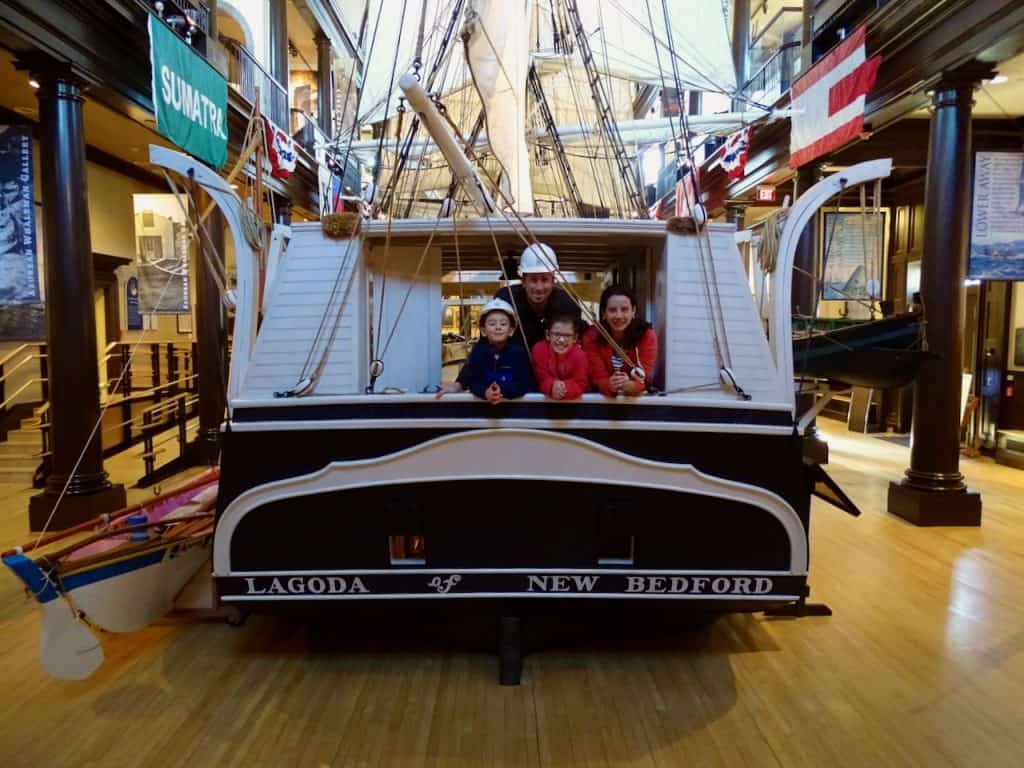
- The New Bedford Whaling Museum in New Bedford, Massachusetts is the perfect place to start; New Bedford is known as the whaling capital of the world. At the height of the whaling industry in the mid 1850s, New Bedford employed over 10,000 sailors on over 300 ships. The museum is housed in a building originally built as a bank in 1803, and converted into a museum in 1903.
Kids will especially love the whale skeletons, climbing aboard the Lagoda ship model, and the Casa dos Botes Discovery Center
Travel Tips: The museum is open every day from 9am-5pm- information on rates and discounts here; the museum is handicap accessible and strollers are allowed; backpacks and bags must be stored in complimentary lockers in the lobby; there is metered 2 hour street parking, but a better bet is either the Elm Street or Zeiterion PAC Parking Garages; The gift shop sells beautifully themed mementos, housewares, and gifts; There are daily free tours of the museum at 11am; Check out the free audio tour here; Plan on 3-4 hours to fully explore the museum- more time for special programs and events.
Read our full post here and read our New Bedford City Guide here.
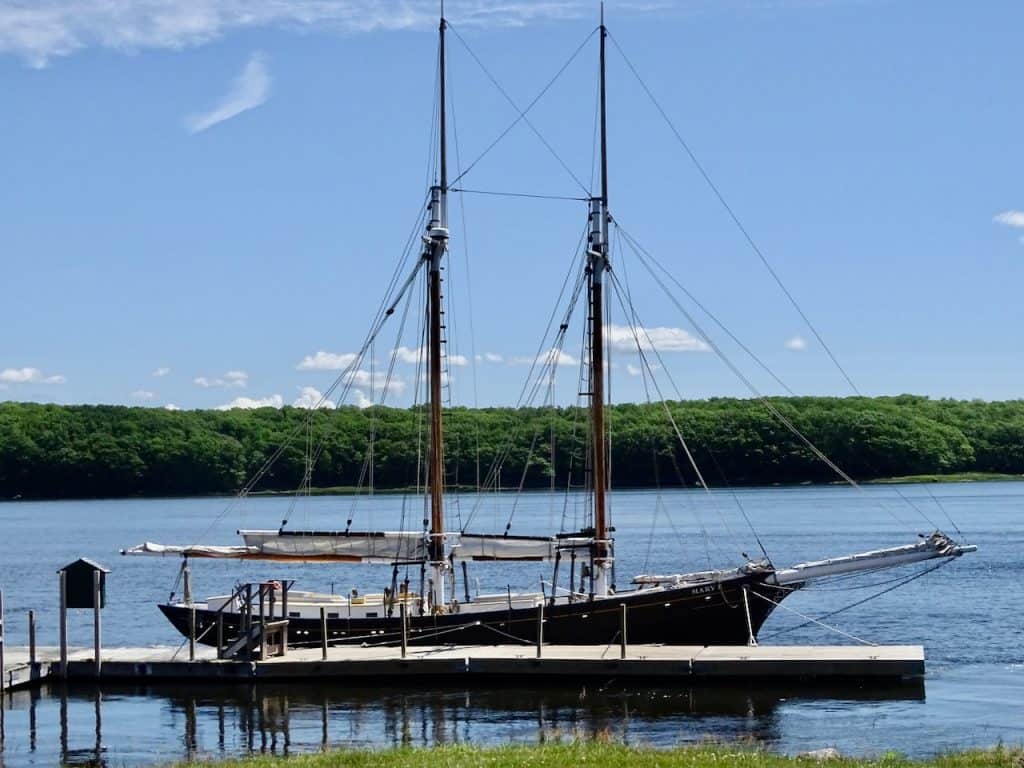
- The Maine Maritime Museum in Bath, Maine is located a half hour north of Portland and just over a half hour south of Augusta. The state of Maine holds the record for building the most ships in the country and Bath has built more ships than any other area in Maine since the 1740s. The museum showcases the history of the ship building, boating, fishing, and lobstering industries. The complex is spread over 20 acres on the banks of the Kennebec River, one mile away from Bath Iron Works. The upcoming 2023 Gulf of Maine EcoArt exhibit entitles “SeaChange” sounds epecially exciting.
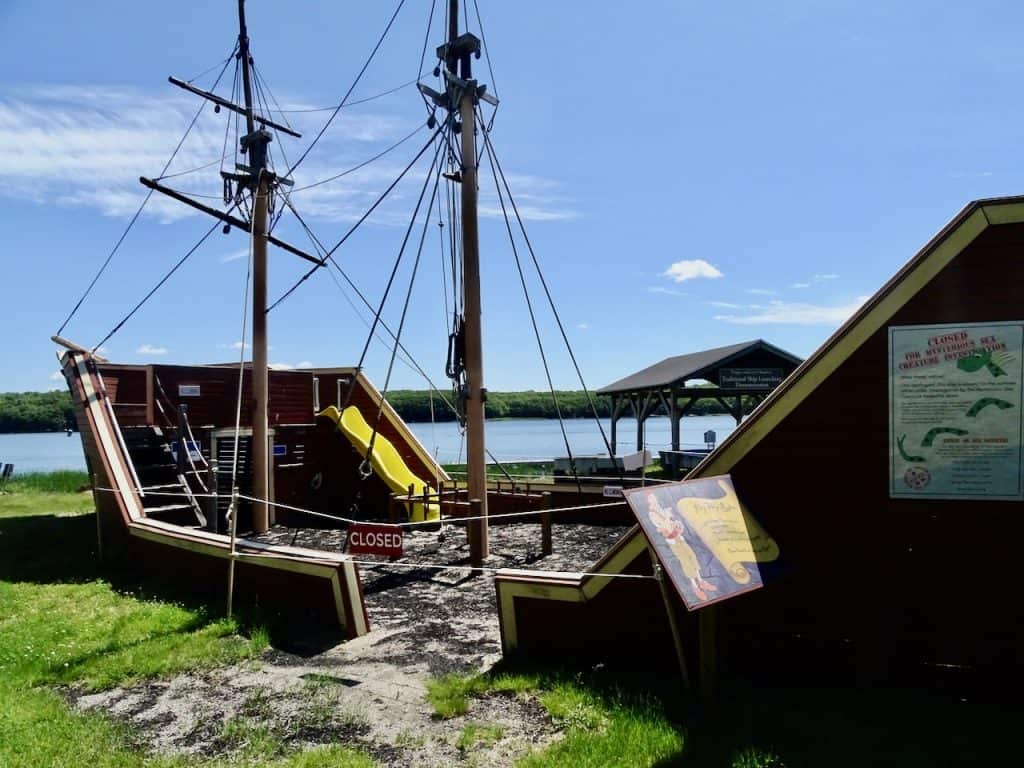
Kids will especially love the blacksmith demonstrations, the Frozen Kingdom and Tugboat interactive exhibits, and the outdoor pirate ship playground.
Travel Tips: The museum is open 362 days a year from 9:30am-5pm (extended summer hours)- information on admissions here; Plenty of free parking in front of the main entrance; Most of the complex is handicap accessible (some of the shipyard buildings have a second floor that are not handicap accessible); Bring a stroller for the toddler crew for the shipyard; There is a gift shop located in the main museum; The Sail Shed is open Thursday- Sunday and offers lunch items and snacks; Check here and here for information on special events, lighthouse and nature cruises and tours; Plan on 2.5-3 hours to fully explore the museum and buildings. Leave additional time for a boat cruise.
Read our full post here and read our feature on the nearby Samoset Resort here.



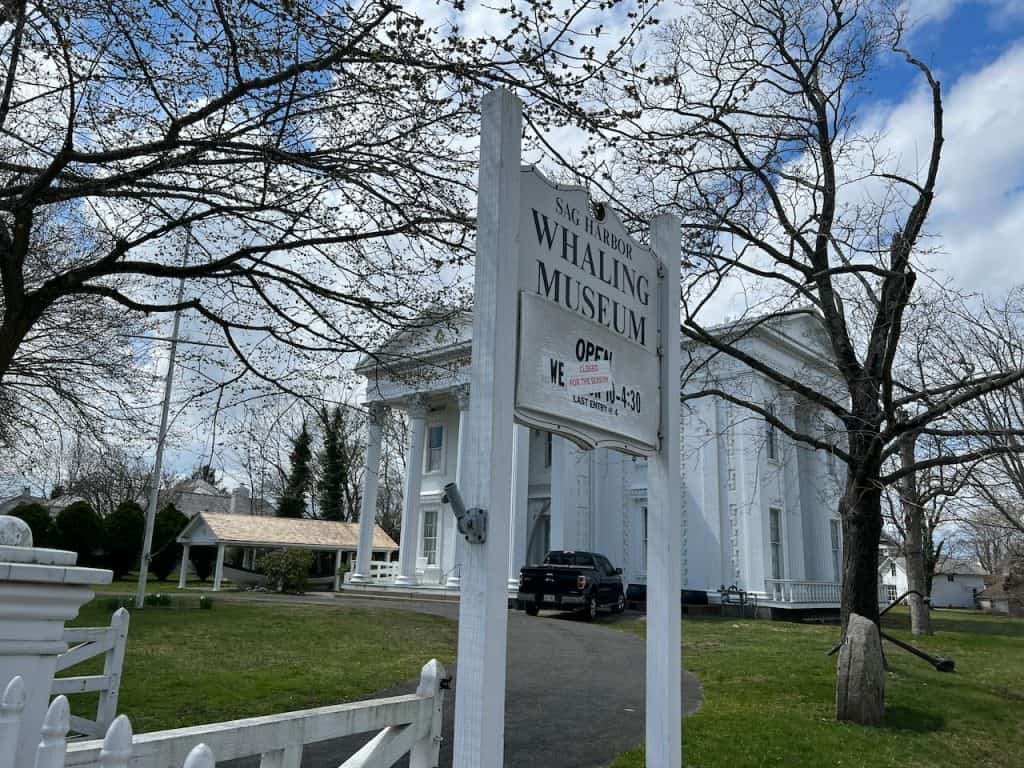
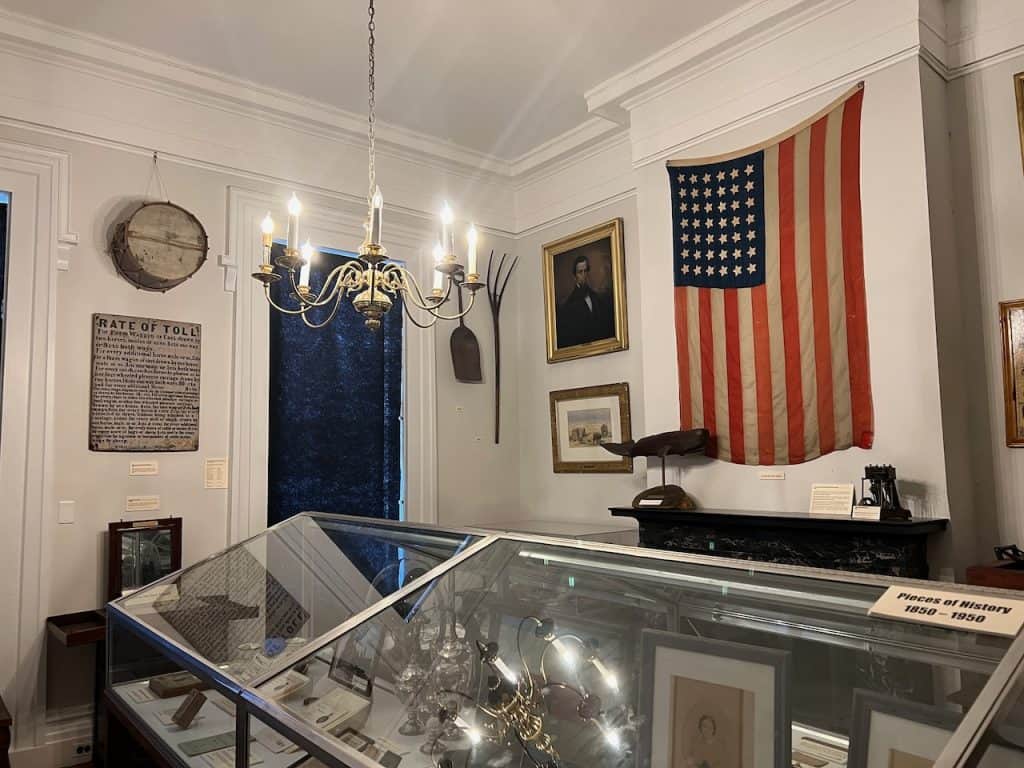
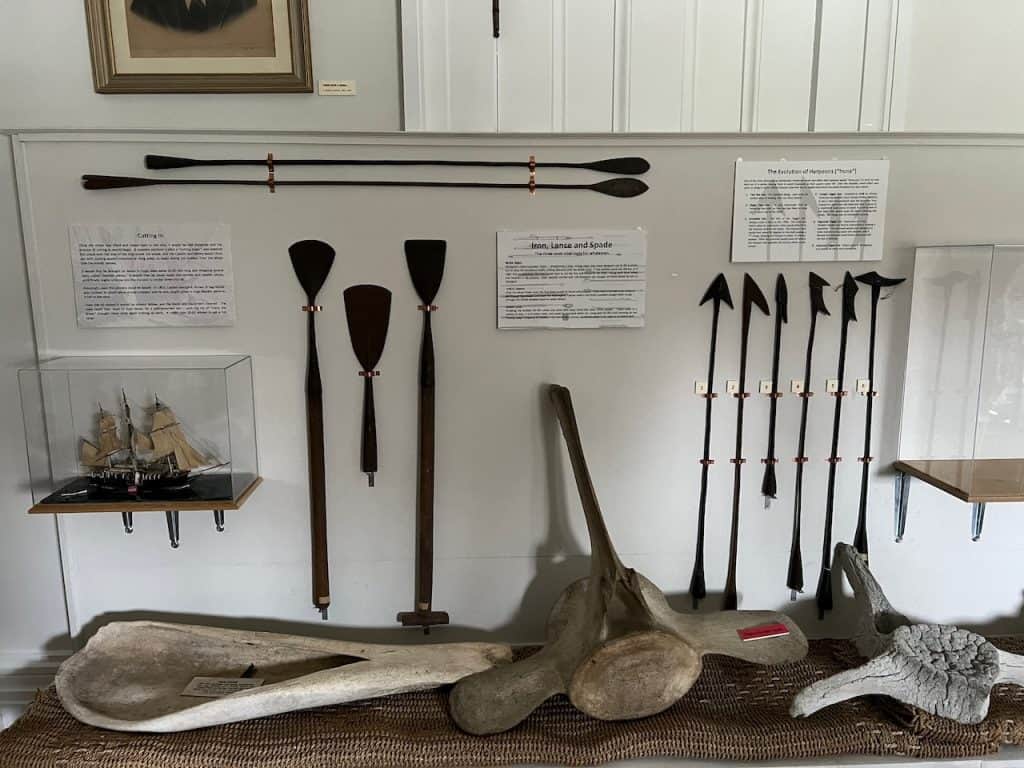
- The Sag Harbor Whaling Museum in Sag Harbor, New York is housed in the former 1845 home of the Benjamin Hunting family, one of the prominent whaling families of Sag Harbor. The museum opened in 1936 and is spread throughout four rooms of the first floor (the Masonic Temple and offices are on the second and third floors). Sag Harbor was a large whaling port in the 1700s and early 1800s. Permanent exhibits showcase the history of the Sag Harbor whaling industry include many authentic artifacts, furniture, an authentic Giraffe paint, and tower clock gears. Post 1850s Sag Harbor focused more on manufacturing and factories.
Kids will especially love the whaling tools (irons, lances, and spades) and the scrimshaw.
Travel Tips: The museum is typically open from May 1st through mid October from Thursday through Monday; There is street parking and a parking lot behind the building; There are restrooms and a small gift shop kiosk located near the admission desk; The entire museum is handicap accessible; Plan on one hour to explore all four exhibit rooms.
Read our full city guide to Sag Harbor here
Would you like to save this?

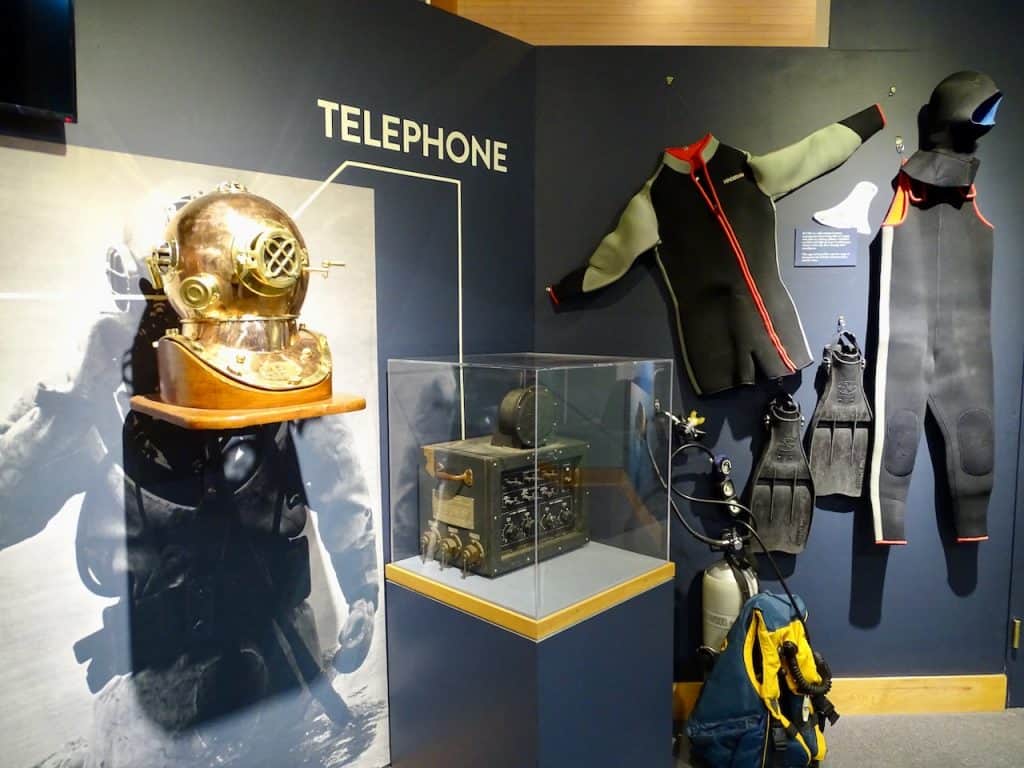
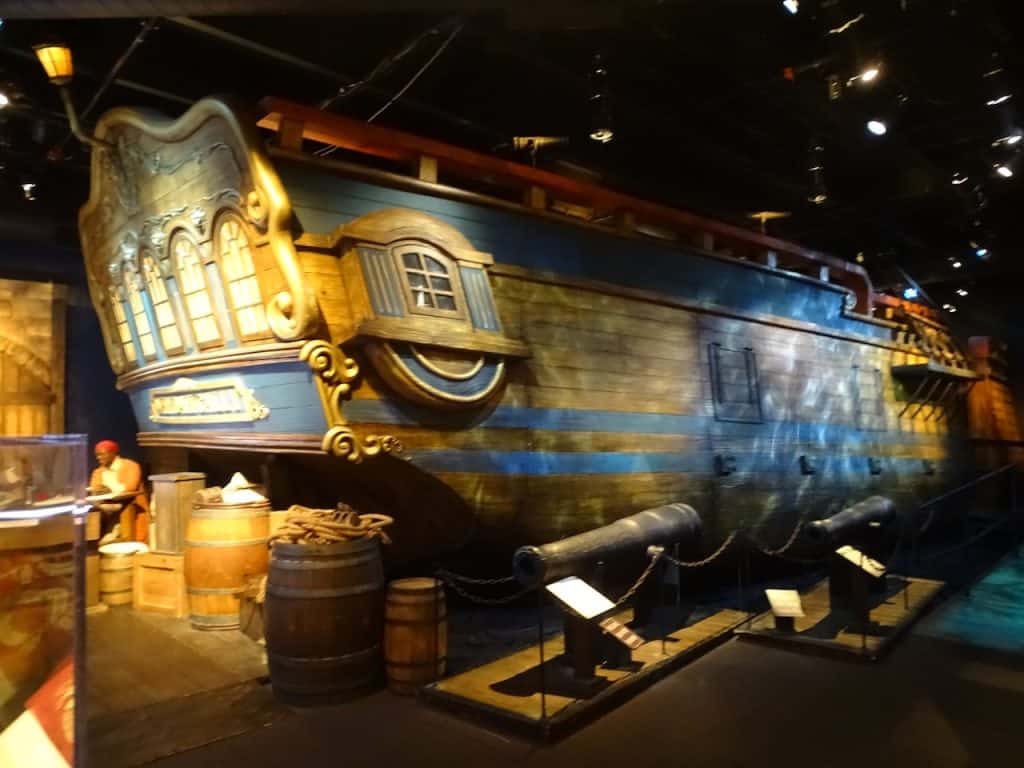
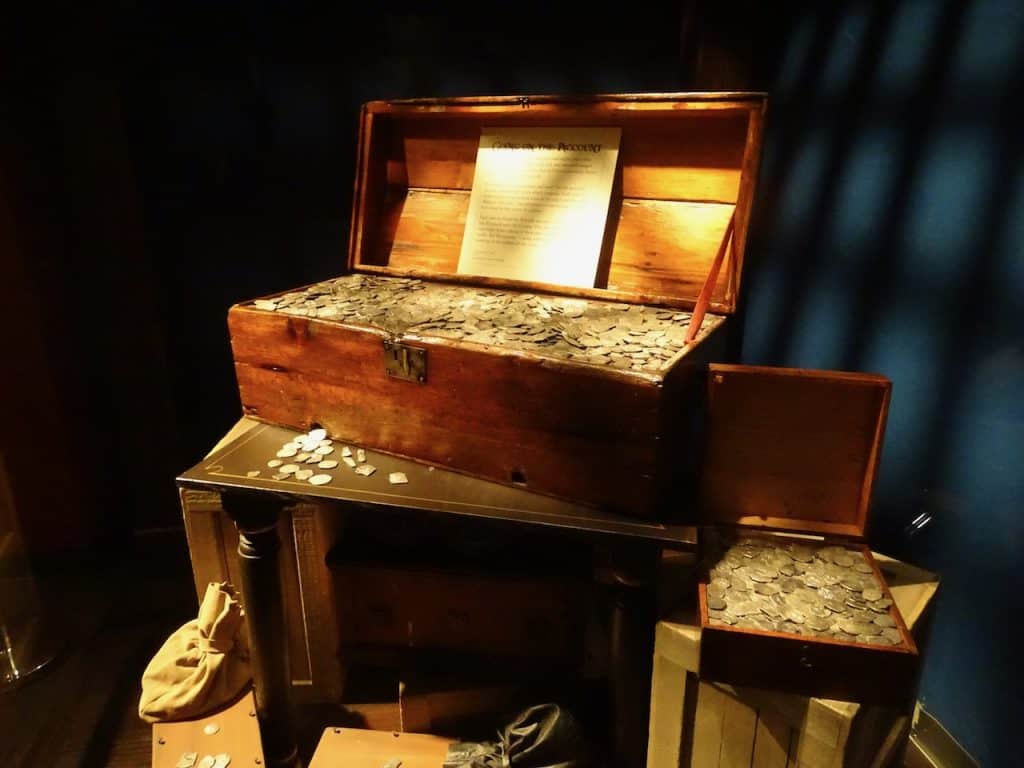
- The Whydah Pirate Museum in West Yarmouth (Cape Cod), Massachusetts showcases the ruins of the Whydah ship and the only full pirate treasure ever discovered in the world. The Whydah, a slave ship eventually overtaken by pirates, was built in 1715 in London and sailed to West Africa before heading to America. Captured by Sam Bellamy and fellow pirates, a Nor’Easter sank the ship off the shores of Cape Cod during the early morning hours of April 27, 1717. Only 2 of the 146 men (130 pirates and 16 prisoners) on the ship survived. In 1984, Barry Clifford discovered the wreckage off the coast of Wellsfleet, Massachusetts. Archaeologists and divers search through the wreckage between June and October each year searching for more treasures and bring artifacts back to the lab for cleaning, preservation, and display at the museum.
Kids will especially love the pirate tools, watching through replica parts of the ship, hoisting the Jolly Roger, and practicing their knot tying skills.
Travel Tips: The museum is closed January through mid February- check here for hours and rates; Guests are able to leave and return same day; Make sure each child grabs a treasure map and marker to find all the items listed- they can earn a prize at the end of the tour; The museum offers an audio, hand held tour for an additional cost; The museum is handicap accessible; No need for a stroller; Restrooms and a gift shop are located at the end of the self guided tour; Plan on 60-90 minutes to fully explore the museum, but leave more time to linger in the Sea Lab depending on the daily activities.
Read our full post here.




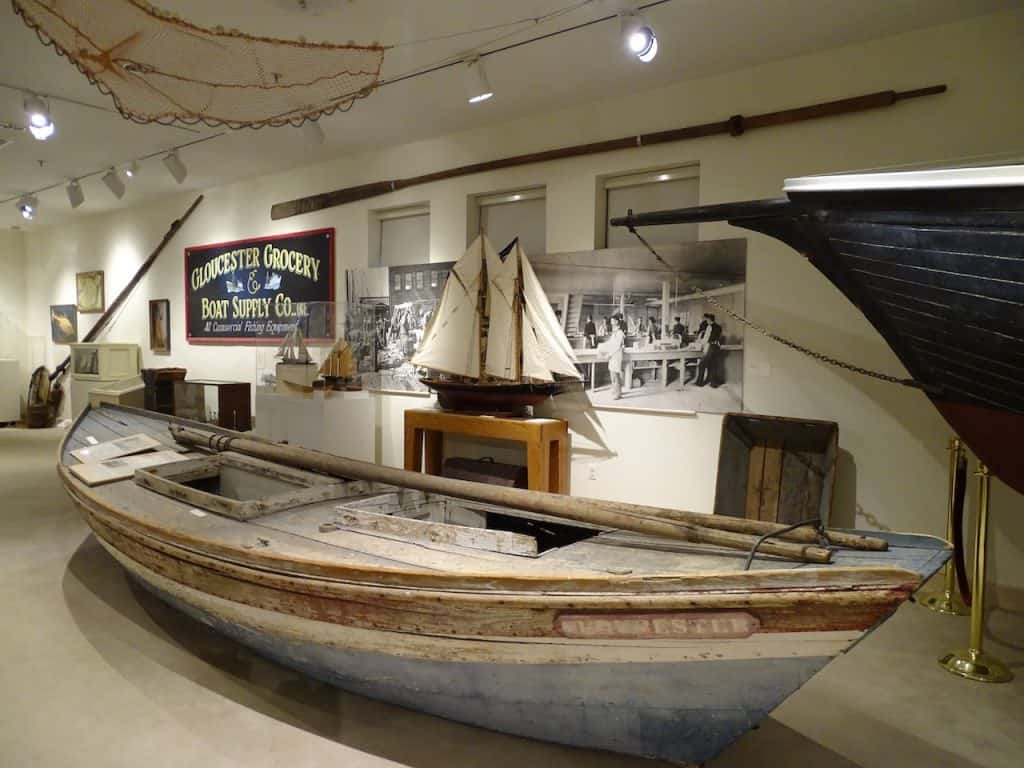
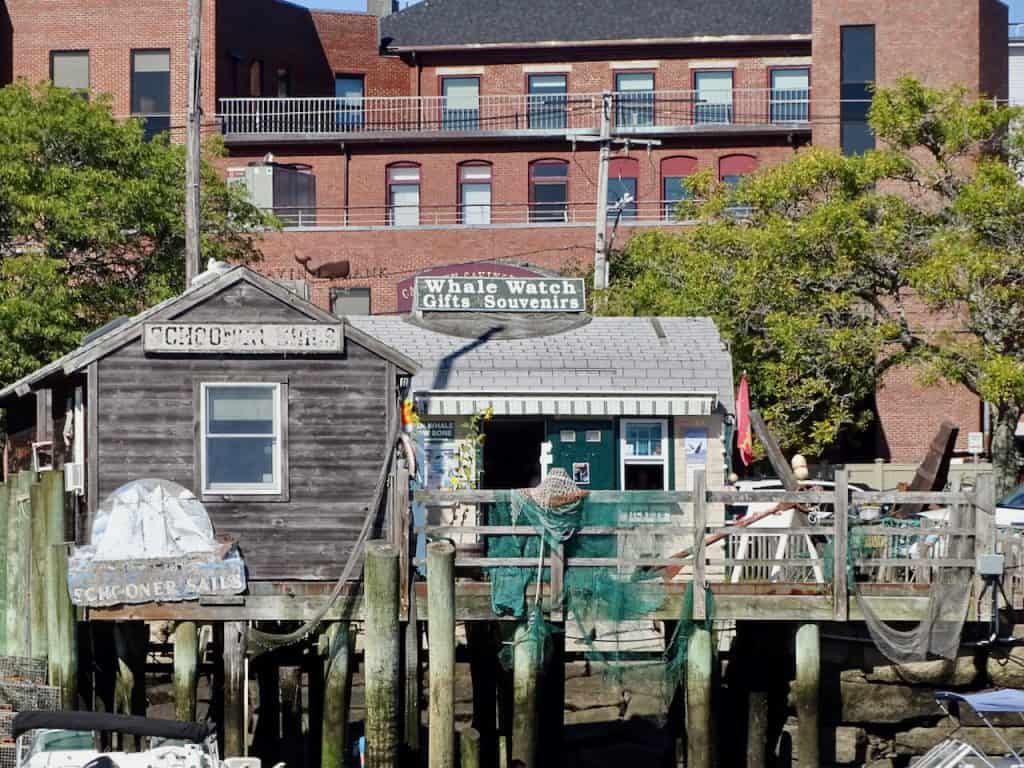
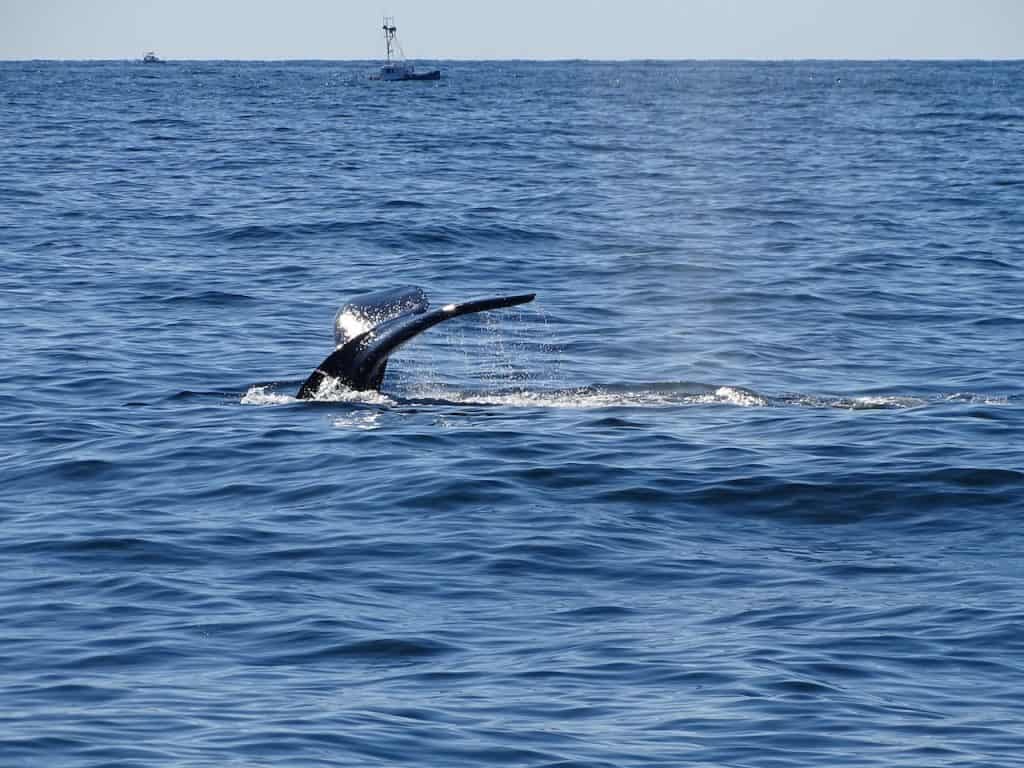
- The Cape Ann Museum and Seven Seas Whale Watch tours in Gloucester, Massachusetts are two separate attractions, but paired together, offer a wonderfully rich and engaging history of the area, which has deep connections to the whaling industry. Known as “America’s oldest seaport”, Gloucester was the largest fishing port in America in the second half of the 19th century, and one of the top five ports in the world at that time. In addition to its contributions to the fishing industry, Gloucester also produced granite in nearby quarries as well as a thriving art community. The Cape Ann Museum celebrates the extensive art community of the area throughout the past three centuries. The 7Seas tours are one of the most popular activities in Gloucester. Three to four hour tours (offered twice a day April through October) explore the Stellwagen Bank National Marine Sanctuary region and promise the site of whales (usually, over a whales!).
Kids will especially love the Activity Center on the lower floor (book nooks, a little house, a replica canoe, and plenty of arts and crafts activities), the diorama of the Gloucester Harbor, the Fresnel Lens (the light from the south tower lighthouse on Thatcher Island) and the “Character Cards” at the museum and seeing whales up close on the whale watch tour.
Travel Tips: The museum is fully handicap accessible and has plenty of restrooms. Children will be most interested in the Activity Center on the lower level, but older kids will enjoy many highlights throughout the museum. I would not bring the toddler crew just yet. The museum participates in reciprocity programs- check here for the list- and is open throughout the year, except Mondays, check here for hours. There is a coat room and lockers for bags and backpacks, as well as a gift shop, located next to the admission desk. Docent led tours are offered twice a day and are included in the admission fee. We highly recommend taking a docent led tour. For the whale watch, dress warmly and wear comfortable shoes. Guests may bring bags with clothing and snacks. The on board snack bar sells candy, snacks, drinks, and beer. There are restrooms on board the ship. There are two levels for sitting: the lower level has indoor tables and benches as well as outdoor benches and the upper level is open air with perimeter benches. In case of seasickness, stay outside towards the back of the boat.
Read our full City Guide to Gloucester here.



Other whaling museums in the Northeast we hope to visit in the future? The Whaling Museum on Nantucket Island and the Whaling Museum and Educational Center of Cold Spring Harbor, New York.





Those whale bones from the New Bedford museum look so cool! Whales low key terrify me but these museums look like they might help me overcome my fear just a bit. Thanks for sharing!
Your kids are at a fun age. Such fun and intriguing museums with lots to keep little ones and older people entertained.
My husband loves whales, so I think he would be super into visiting all of these museums! Thanks for sharing, I’ll save these for the next time we’re on the East Coast!
Oh, my son would absolutely love this trip! Looks like such a fun time. Thanks for sharing such helpful information.
I don’t travel with children anymore, although I may with the grand kids eventually! However, I think I would enjoy the skeletons at the New Bedford Whaling Museum! I have a little interest in Pirates too so the Whydah Pirate Museum a potential itinerary add for me too. I’ll be making a note incase I ever find myself in this part of the world.
great! kids of all ages will love both spots!
We recently visited the whaling Museum in New Bedford and was so surprised. We spent 2 1/2 hours and really didn’t see everything but enjoyed it so much. There was a lot more than just learning about whaling.
There were many children enjoying all the museum offered. I recommend it highly.
I love the pictures great job all around.