Exploring West Point Military Academy in West Point, New York

| | | |

Established in 1802, West Point is America’s oldest, continuously occupied military post and home to the United States Military Academy of over 4,000 cadets. Located in the town of West Point in the heart of the Hudson Valley, an hour north of Manhattan and about two hours south of Albany, the site for the campus was chosen for its high ground above a sharp bend of the Hudson River, connecting New York City to the south and all the way north to Canada.
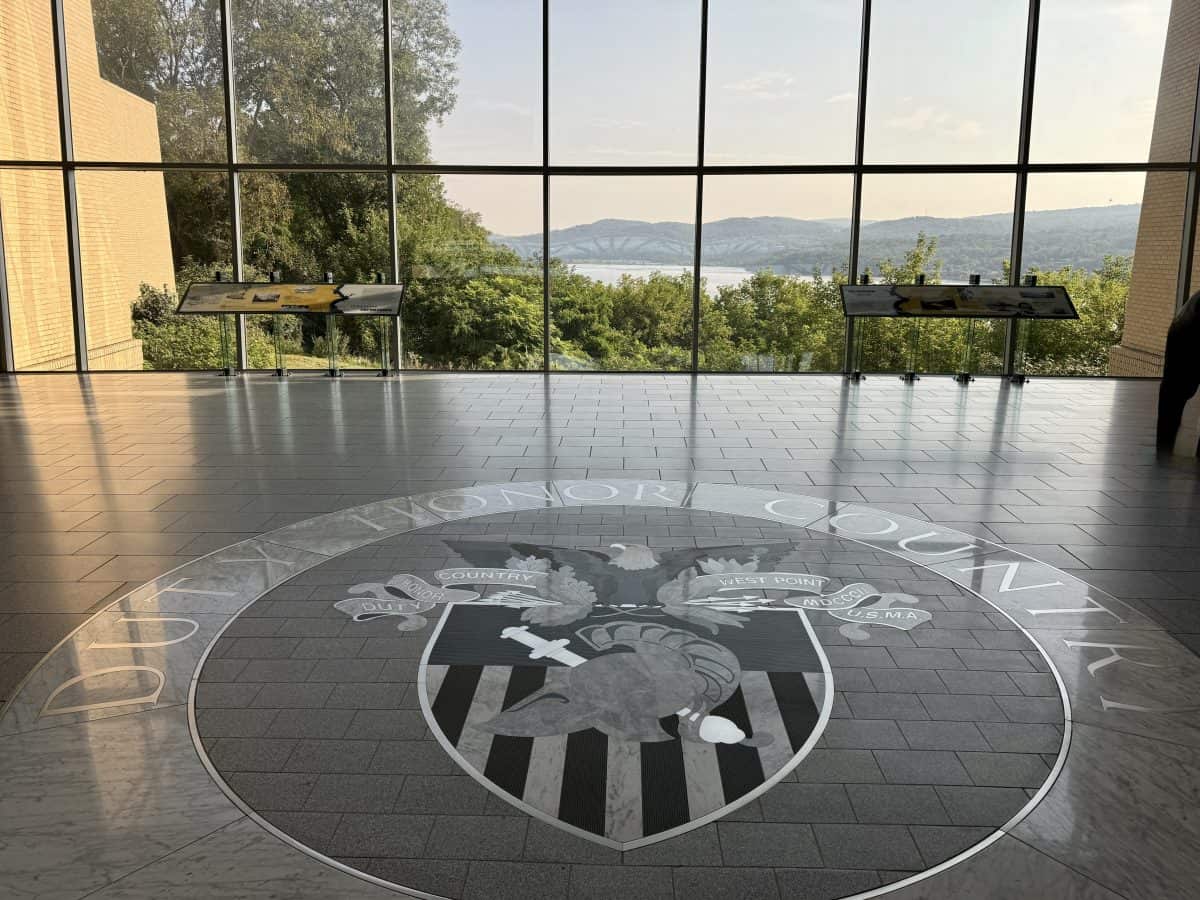
Visitor Center of West point Military Academy

The West Point campus is a self contained community, including its own post office and all necessary facilities for its 4,000 cadets. The first class of male cadets graduated in 1802, and women, admitted to West Point starting in 1976, now make up over 24% of each class. All cadets must be between the ages of 17 and 23, with near perfect SAT scores, at the top of their class both academically and physically, and have received nomination to the academy from an elected official. Once “admitted”, cadets must complete eight weeks of basic training over the summer before they are officially accepted into West Point for four years of training and education at no cost to them. Cadets graduate with a Bachelors of Science degree and the rank of Second Lieutenant in the Army. They must serve five years of active duty and then three years of reserve duty. 

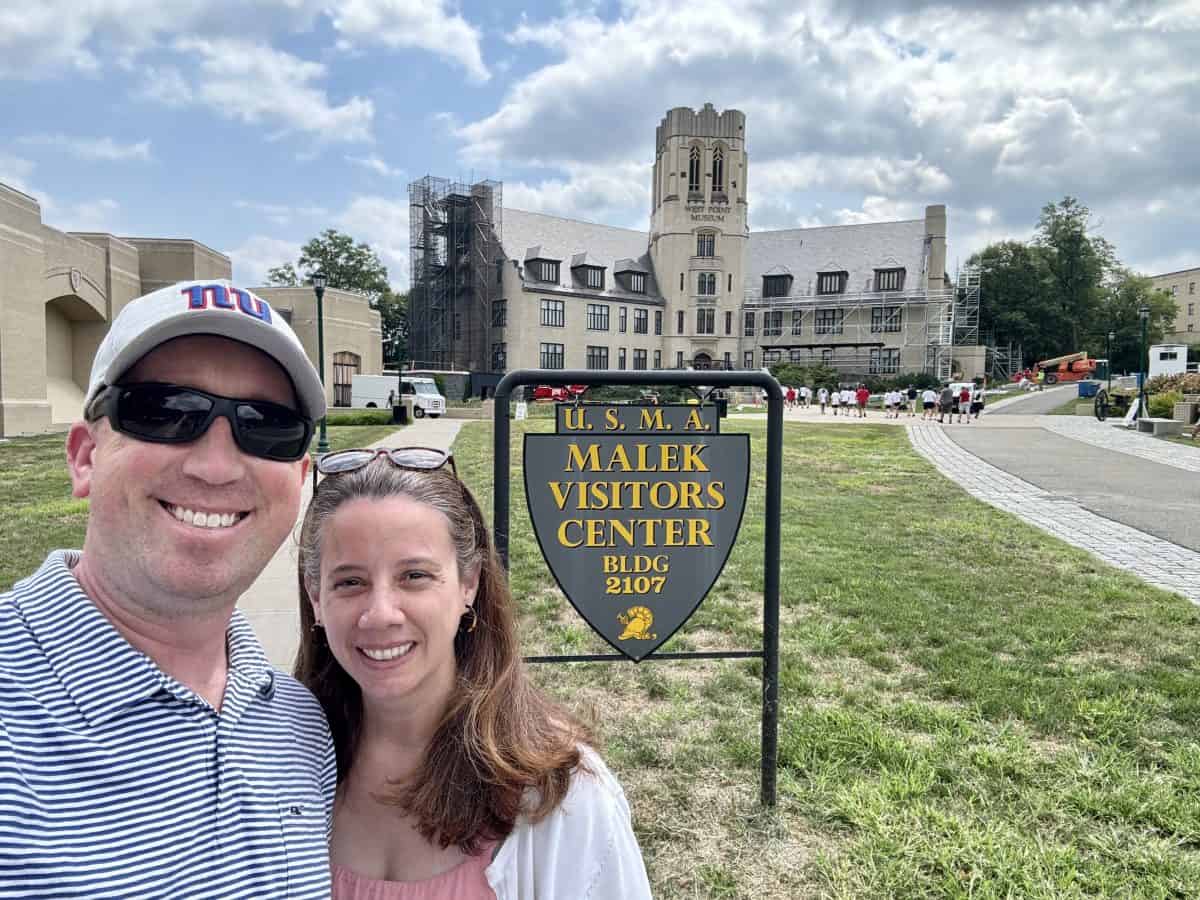
A note about security and access: Visitors to West Point are welcome to park in front of the Pershing Center, just outside the main gate to West Point, Thayer Point. 
entrance to West Point Military Academy in New York

Travel Tips:

  • Tours for the West Point campus are available seven days a week with the 75 minute guided West Point Story tour. The two hour History and Tradition Cemetery Tour includes more walking and a visit to the cemetery, but is only offered during the summer months and some spring and fall weekends. 
  • Visitors must make reservations for tours ahead of time online– the system requires personal information including information on your license. Visitors must show matching identification with tour tickets when checking in. All logistics and information on tours can be found here.
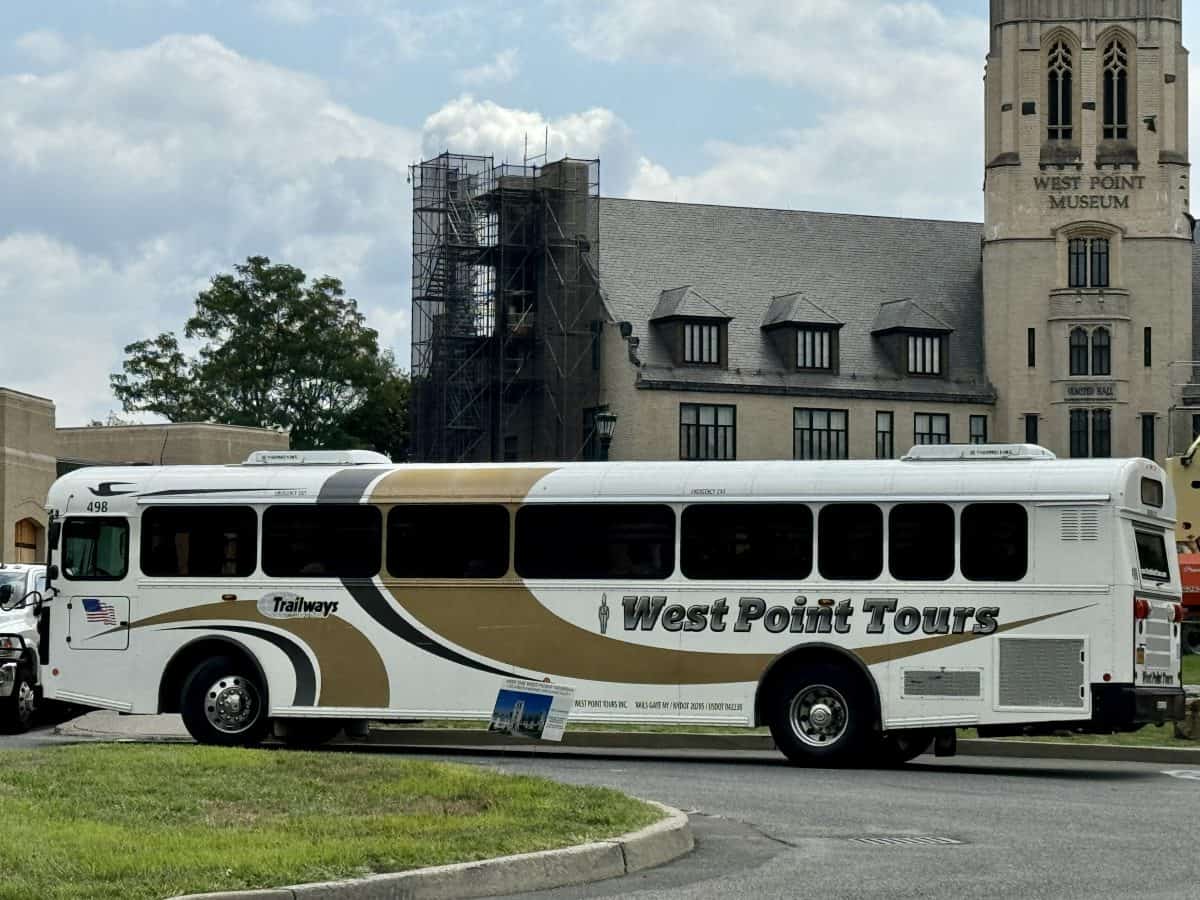
  • Registered tour guests should wait for tour buses on the path to the Visitor Center, next to the parking lot. Tour buses start boarding 10-15 minutes before tours start and tour guests do NOT need to check into the Visitor Center (but are welcome to explore the Center and exhibits)
  • Plenty of free parking in front of the Fredric V. Malek West Point Visitor Center, which is adjacent to the West Point Museum and open from 9am-4:30pm
  • The West Point Museum is open Tuesday through Sunday from 9:30am-4:15pm.
  • Tours, the Visitor Center, and West Point Museum are all handicap accessible. 
  • Restrooms are located in the Visitor Center and West Point Museum- no access to restrooms while on tour.
  • No dining facilities open to the public on site, but there are several options in town- check here for an index.
  • There is an Army West Point Gift Shop inside the Visitor Center and a gift shop inside the West Point Museum on the main floor.
  • Visitors are also welcome to explore the West Point Cemetery, open from sunrise to sunset.
  • Plan on 75 minutes for the tour; another 30-45 minutes for the West Point Experience exhibit inside the Visitor center, and 90 minutes to tour the West Point Museum.
  • Note: Parts of the campus were under construction and renovation during our August 2024 visit and are reflected in some photos.
map of West Point Military Academy in New York

Points of Interest on the West Point Story Tour:

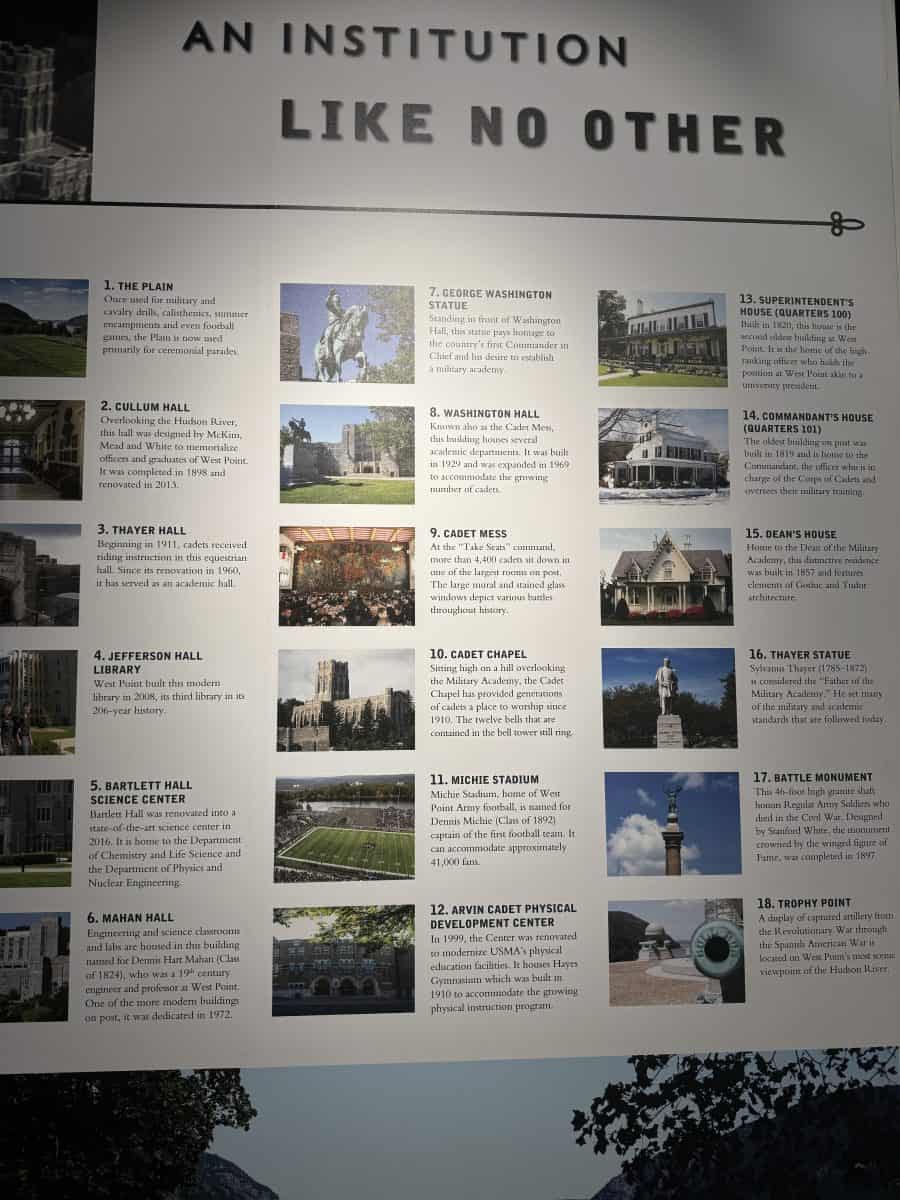
  1. Michie Stadium: Currently under renovation (so we drove by and didn’t actually go into the stadium), Michie Stadium, named for Dennis Michie- the team’s first football captain, is the home to the West Point Army football and lacrosse teams and has over 40,000 spectator seats (as of 2024). All cadets must participate in a formal, intramural or club sport while at West Point. West Point has 25 Division I teams and state of the art athletic facilities for every team and sport, with over 500,000 square feet of training facilities.

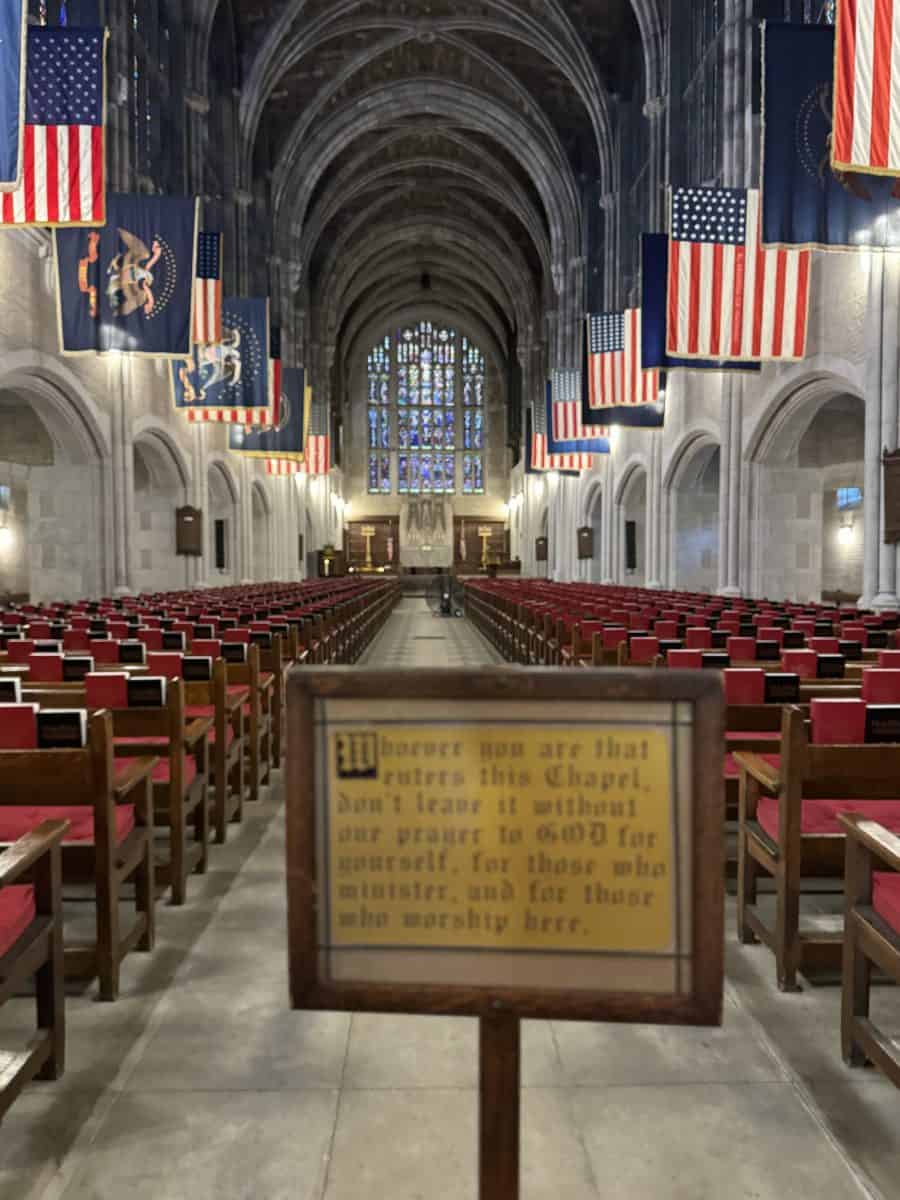
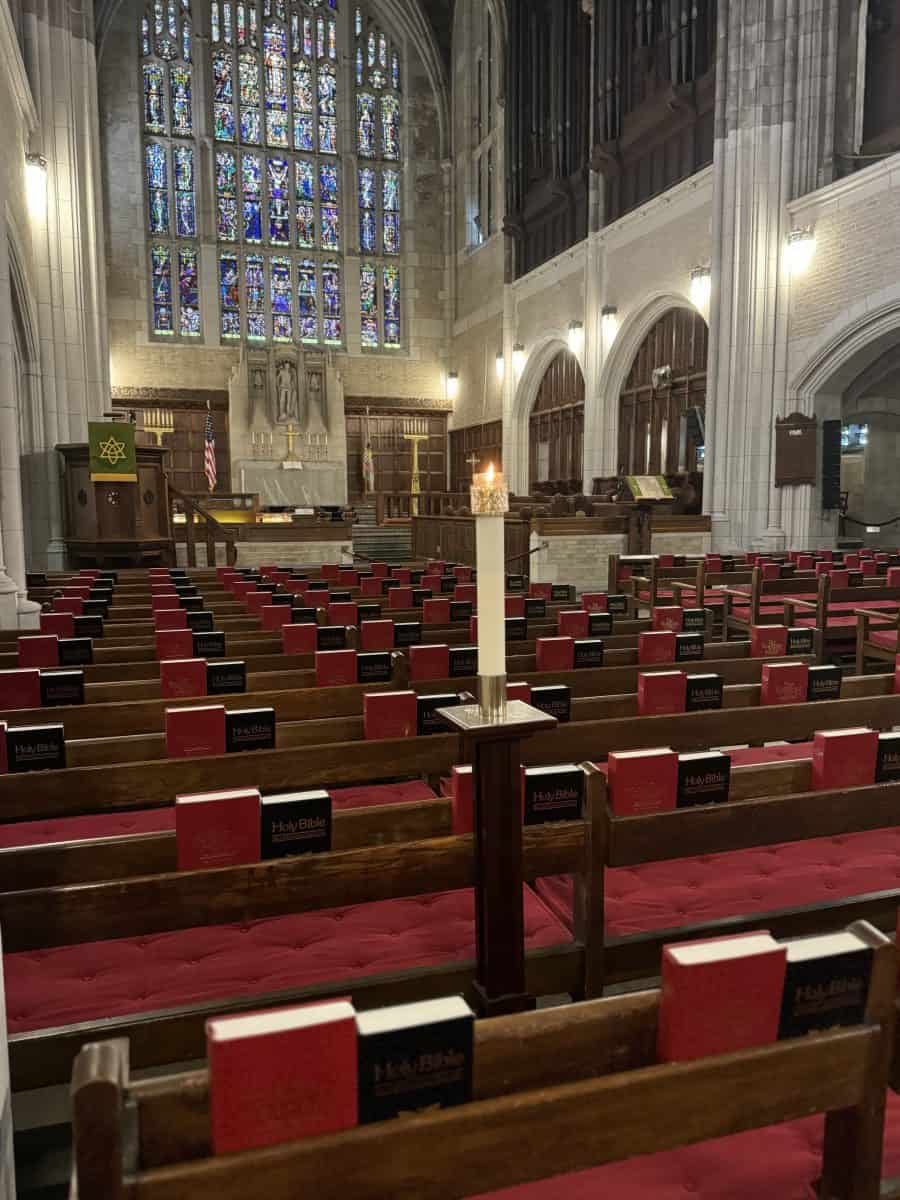
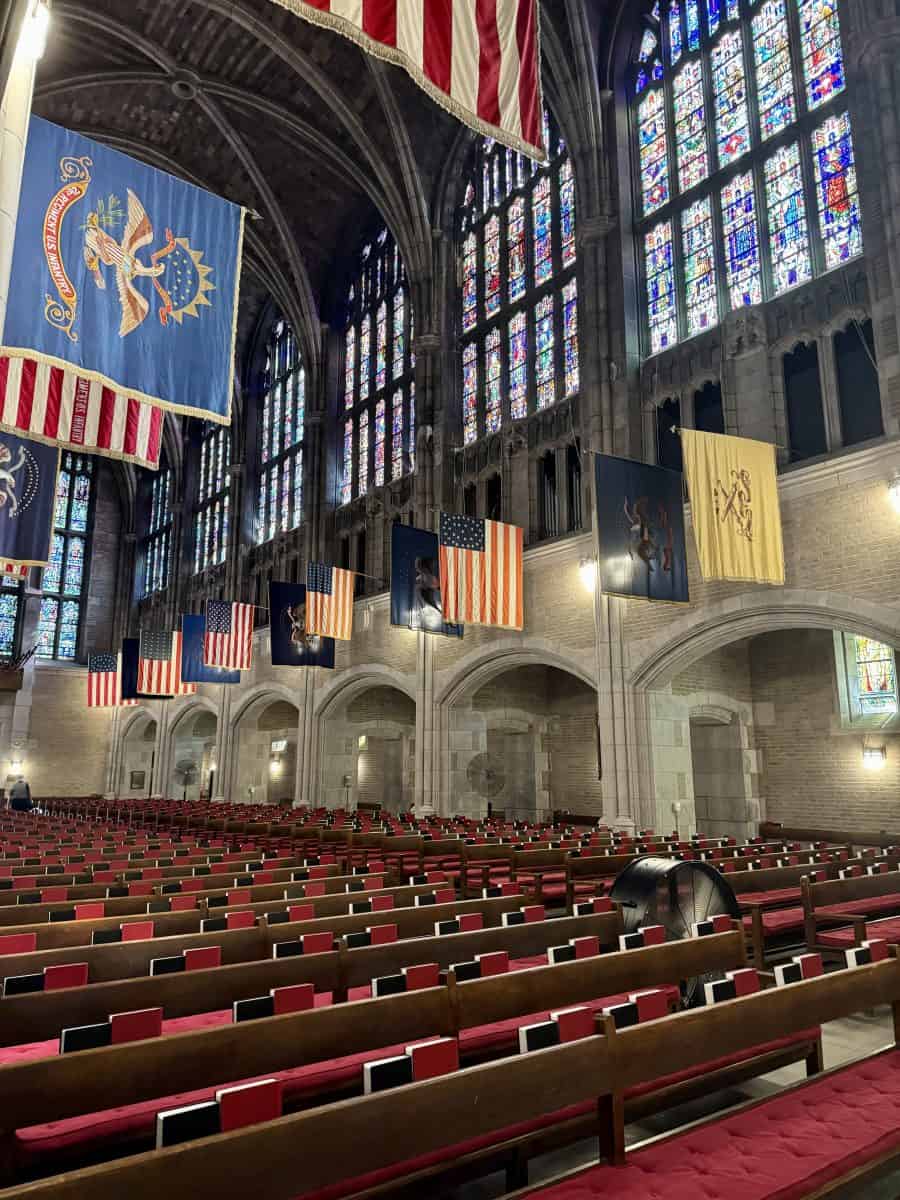
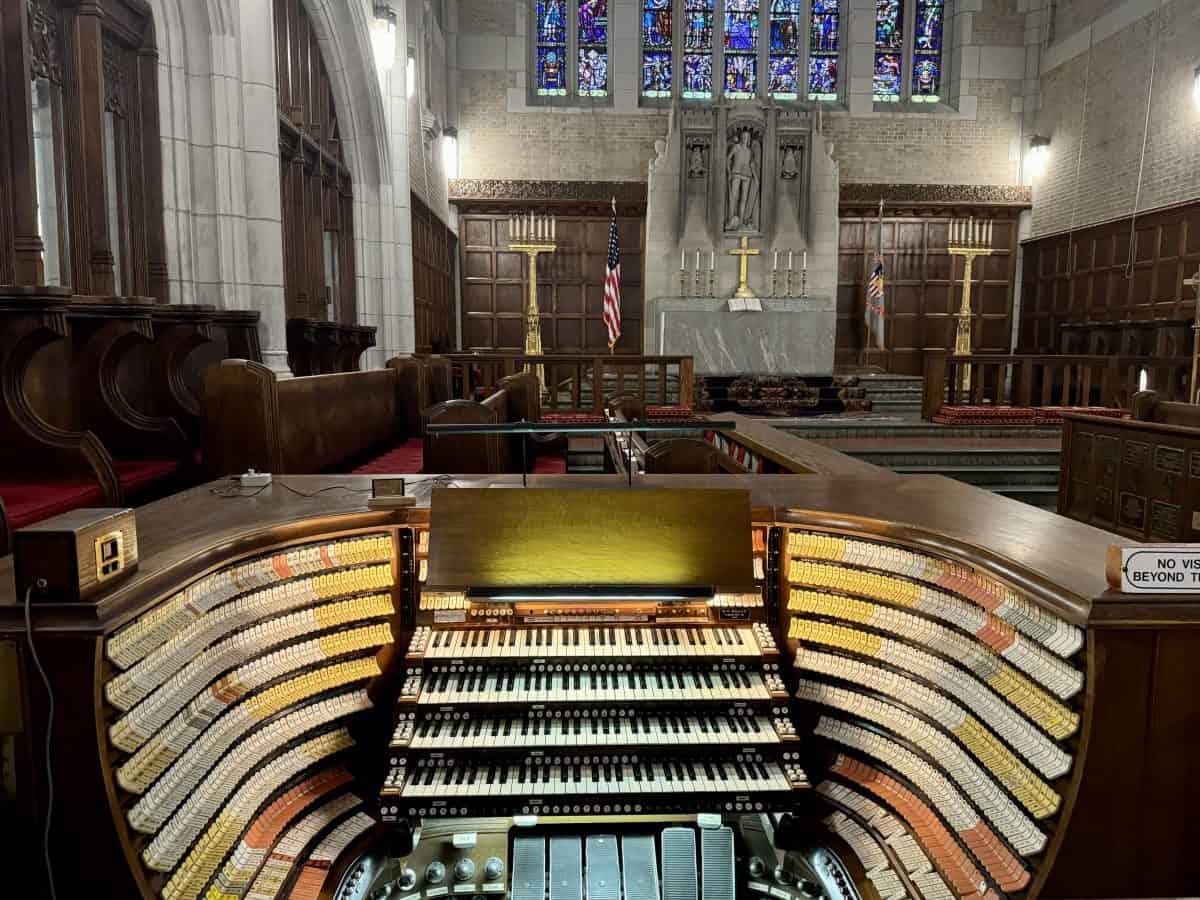
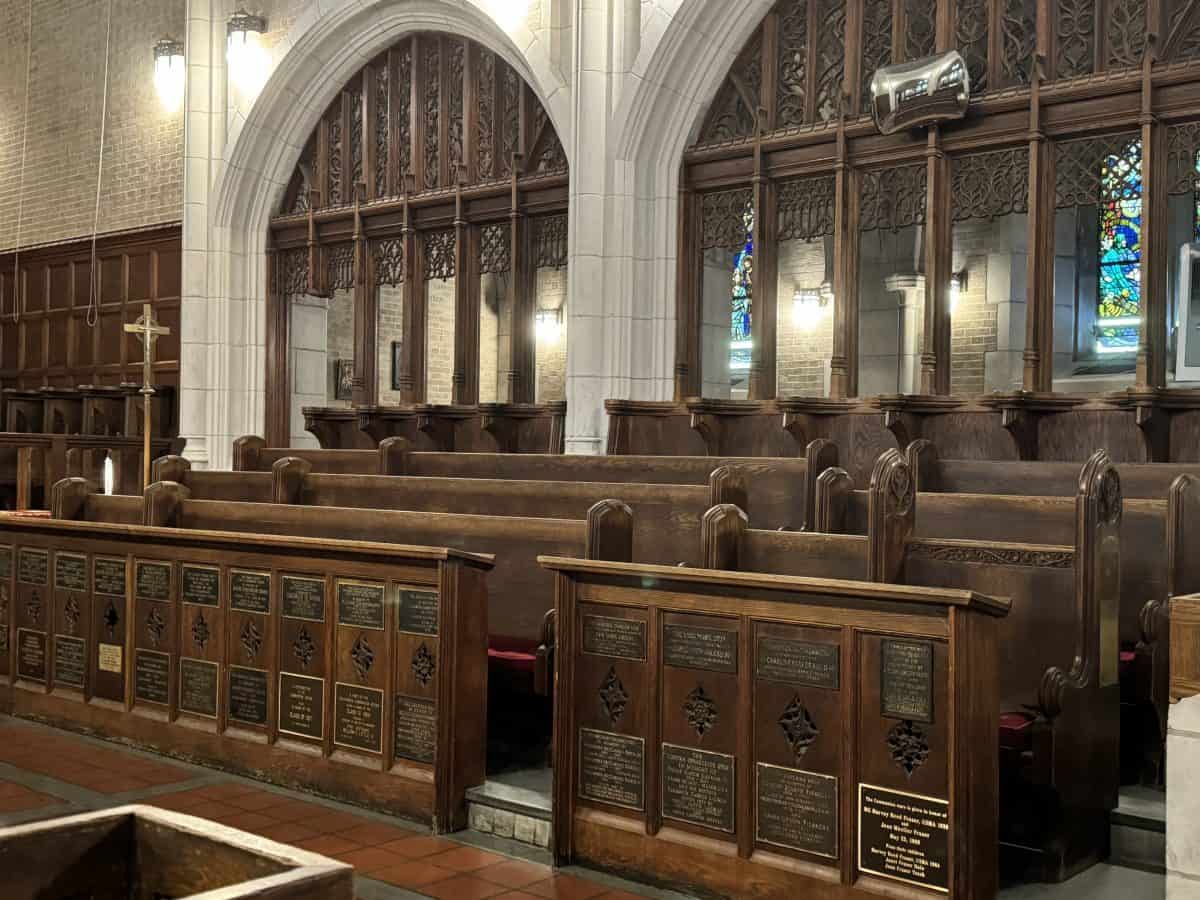
  1. Cadet Chapel: One of five houses of worship on campus, the Cadet Chapel was built in 1910 with stone quarried on site, completed in just two years, and seats close to one thousand people. The chapel boasts over 23,500 pipes (spread out in multi tiers around the chapel), dozens of stained glass windows (etched with the graduation year of the class that sponsored the window), a perpetually lit candle in the middle of a pew (in memory of Prisoners of War), and (replica) flags carried in various battles around the country and world. Be sure to check out the signature plates of the Superintendents of the Army, who sit in the front pew. The chapel hosts a Protestant mass each Sunday, open to the public, and also hosts up to ten weddings a day in peak summer months (usually right after graduation) for cadets and their spouses. 

cadet Chapel at West Point Military Academy in New York
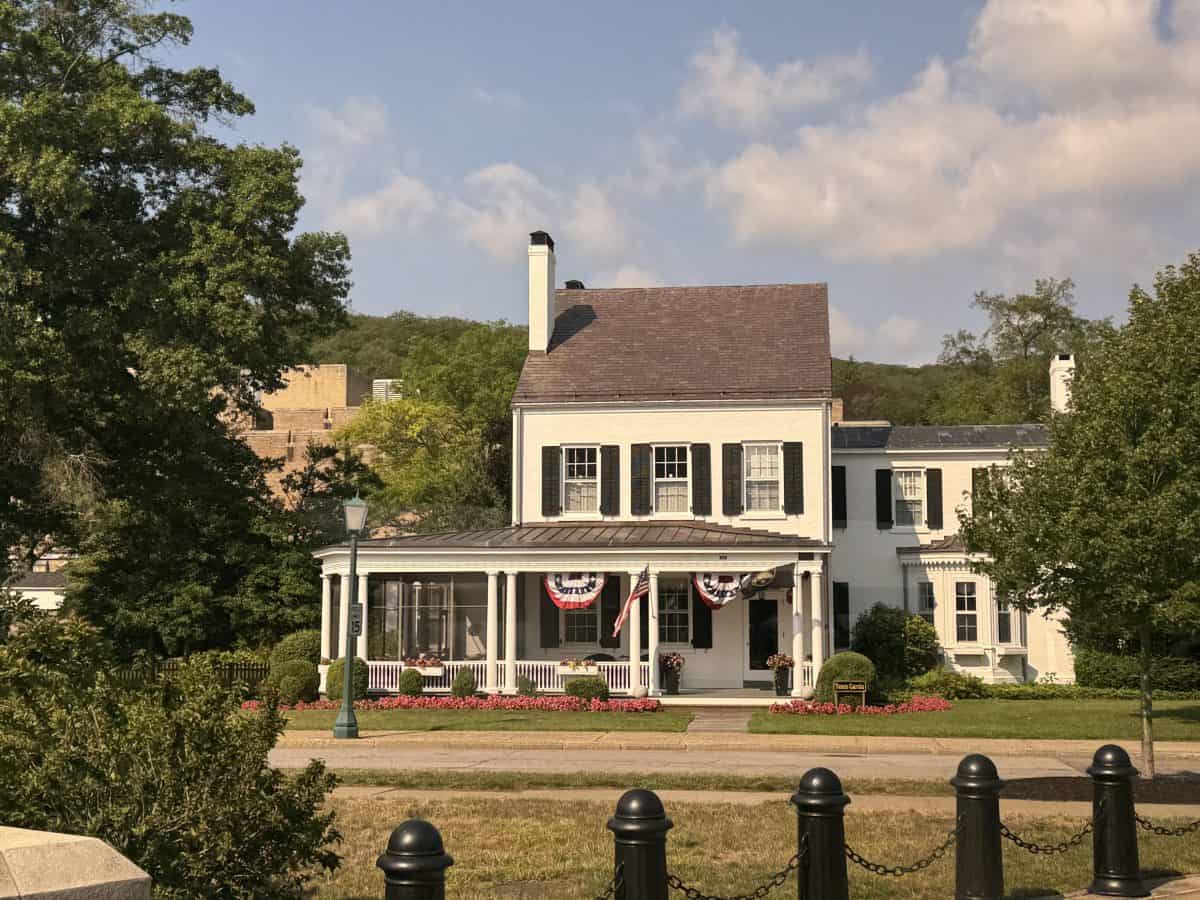
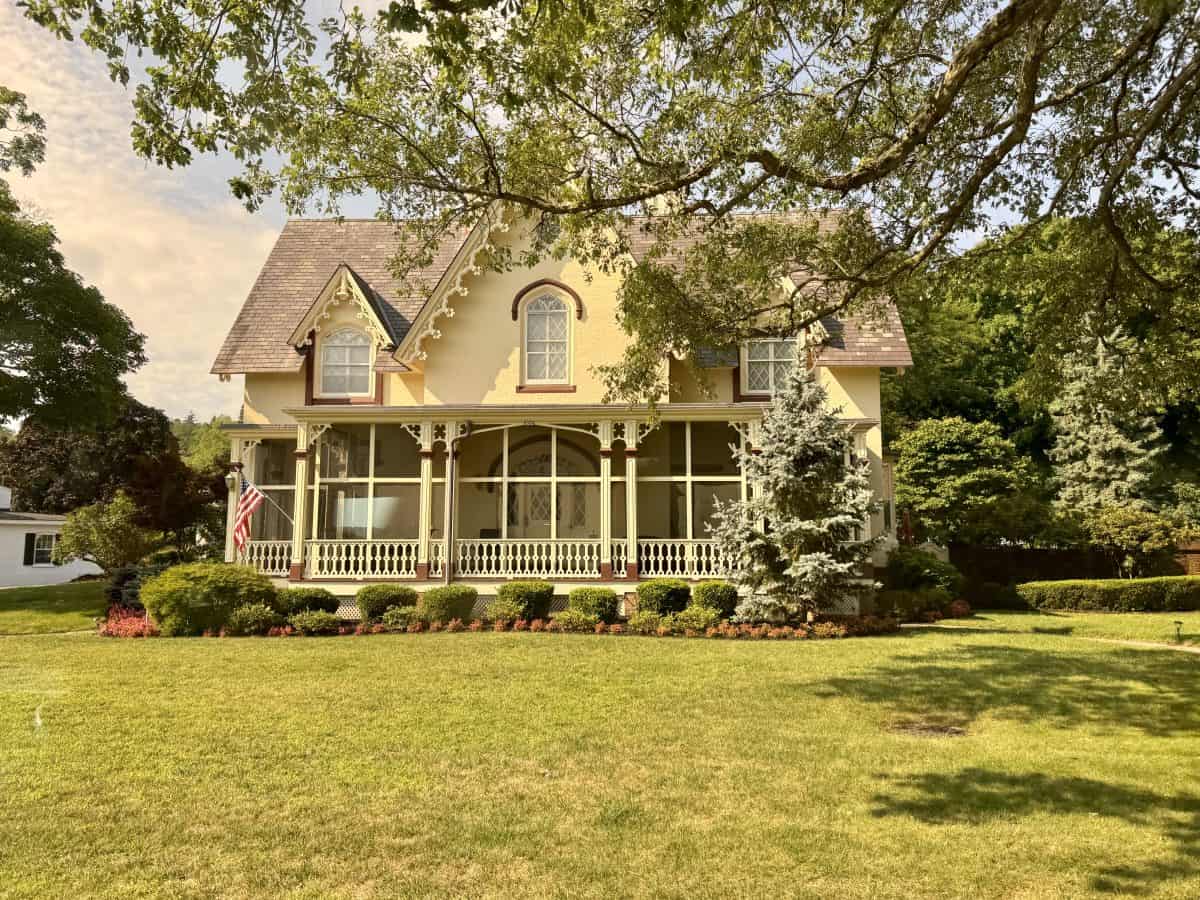
  1. Professors Row: West Point has over 500 professors, several of whom live on campus. Three of the most popular homes are the 1857 gingerbread house, home of the Dean; the 1820 Superintendent’s Quarters, home to the highest ranking officer on campus; and the Commandant’s House, dating back to 1819, home of the officer in charge of the Cadets’ training.
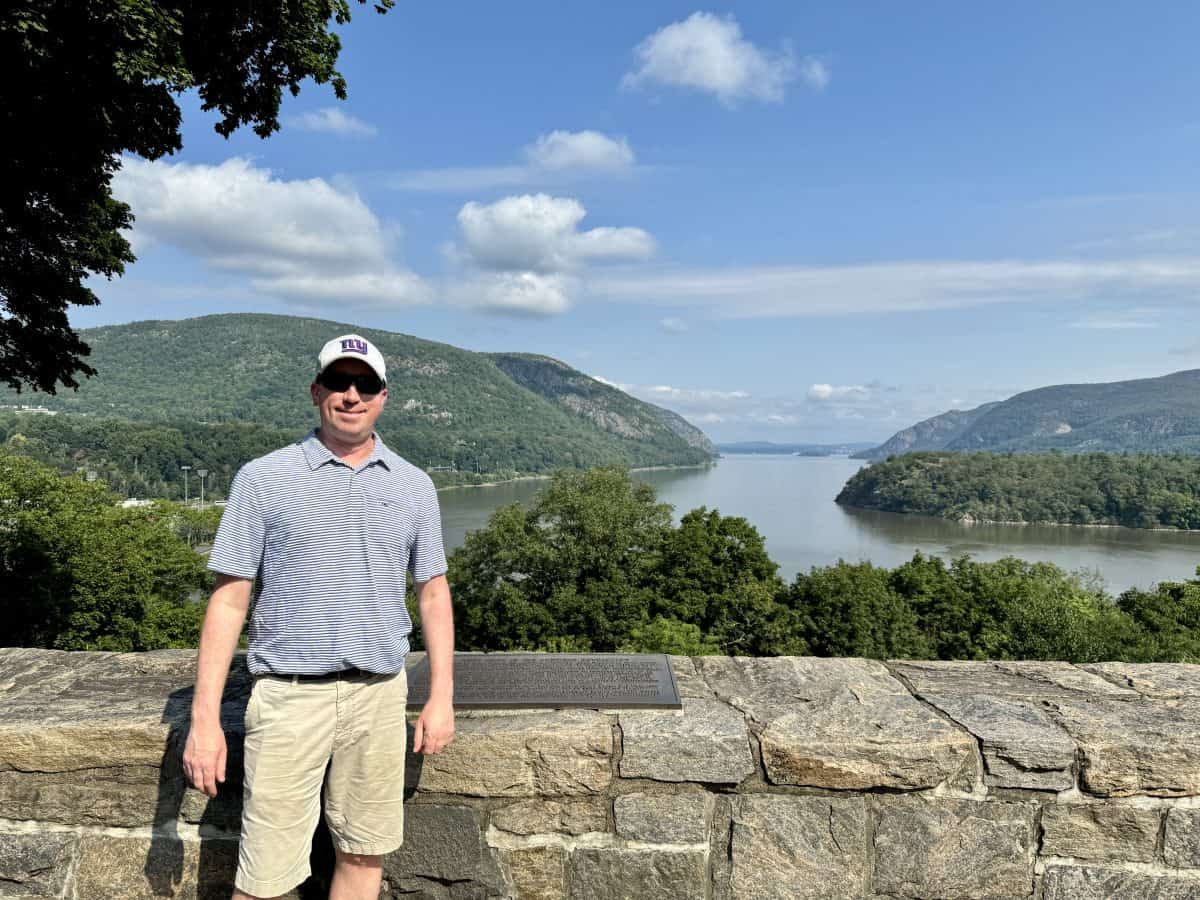
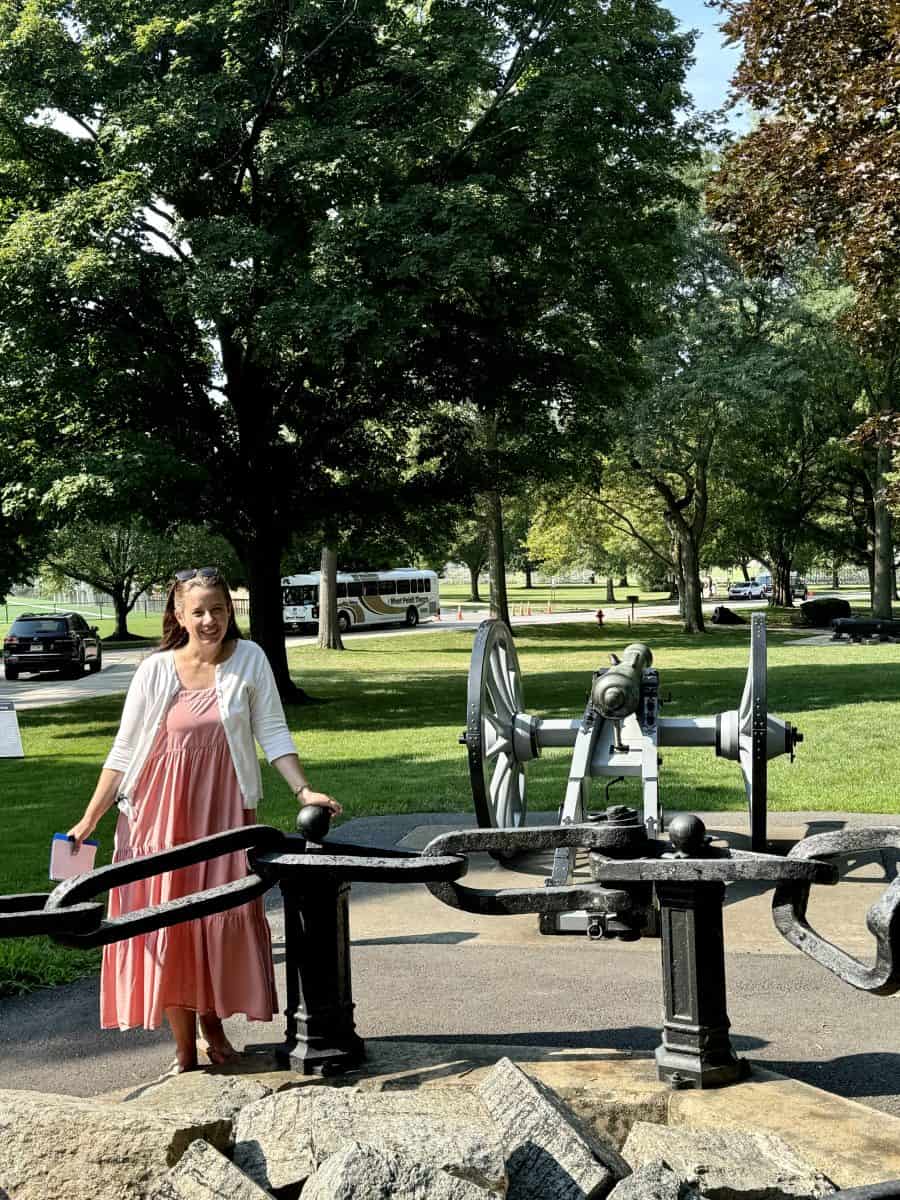
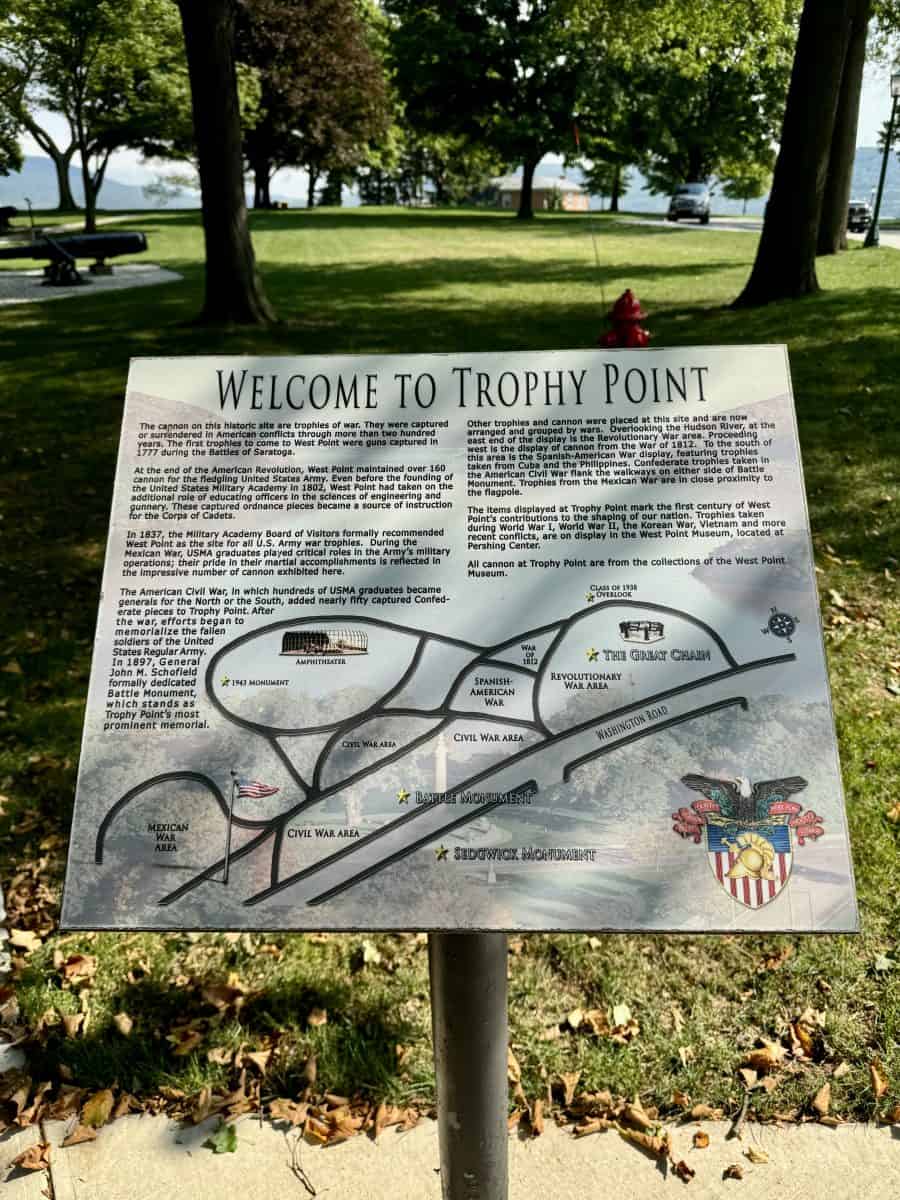
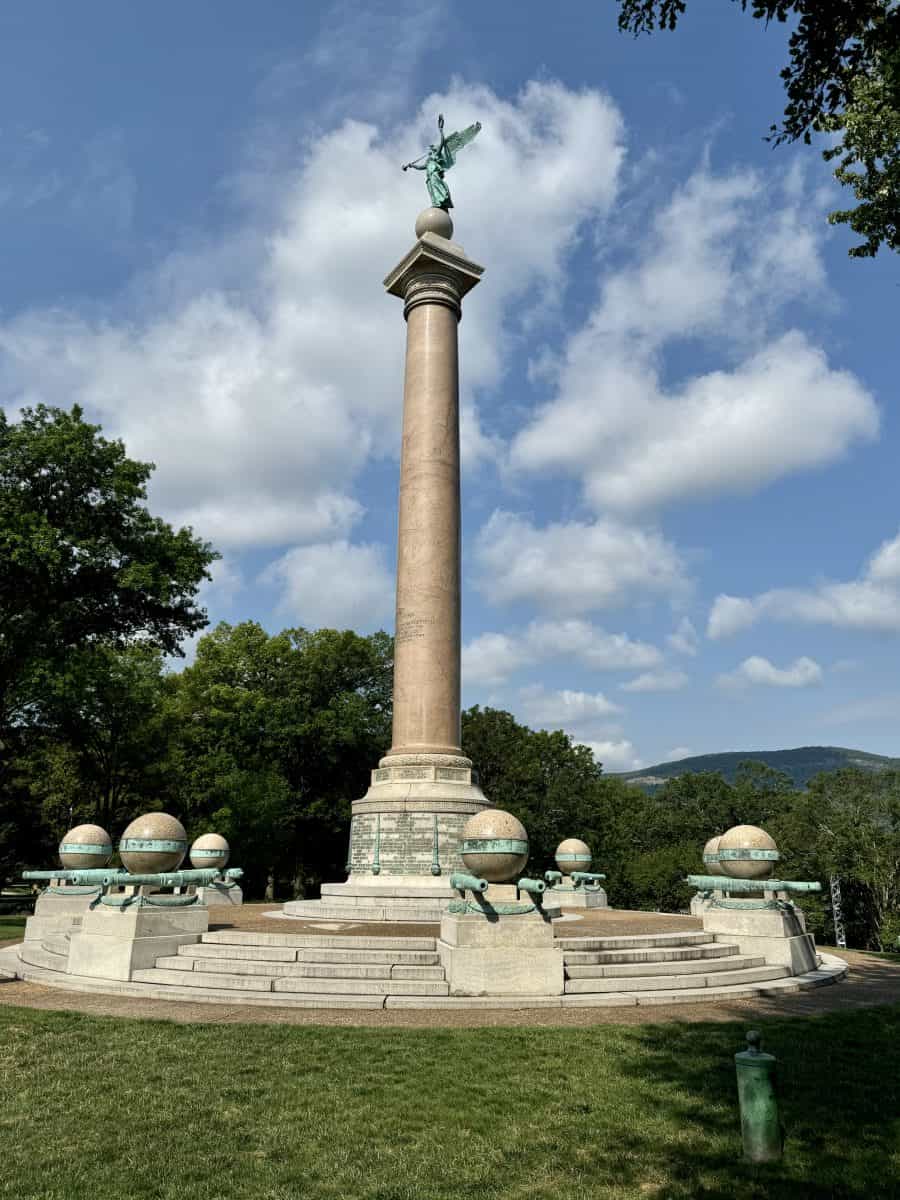
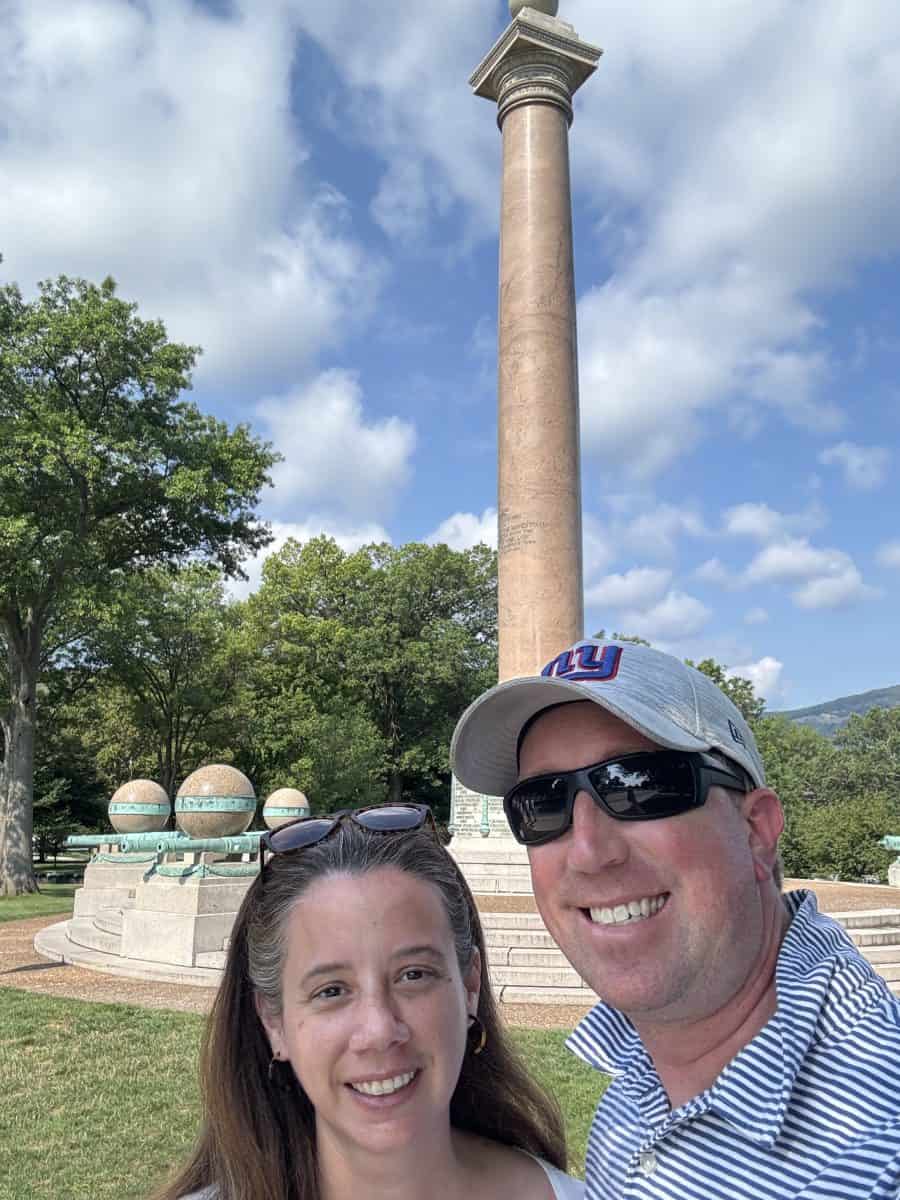
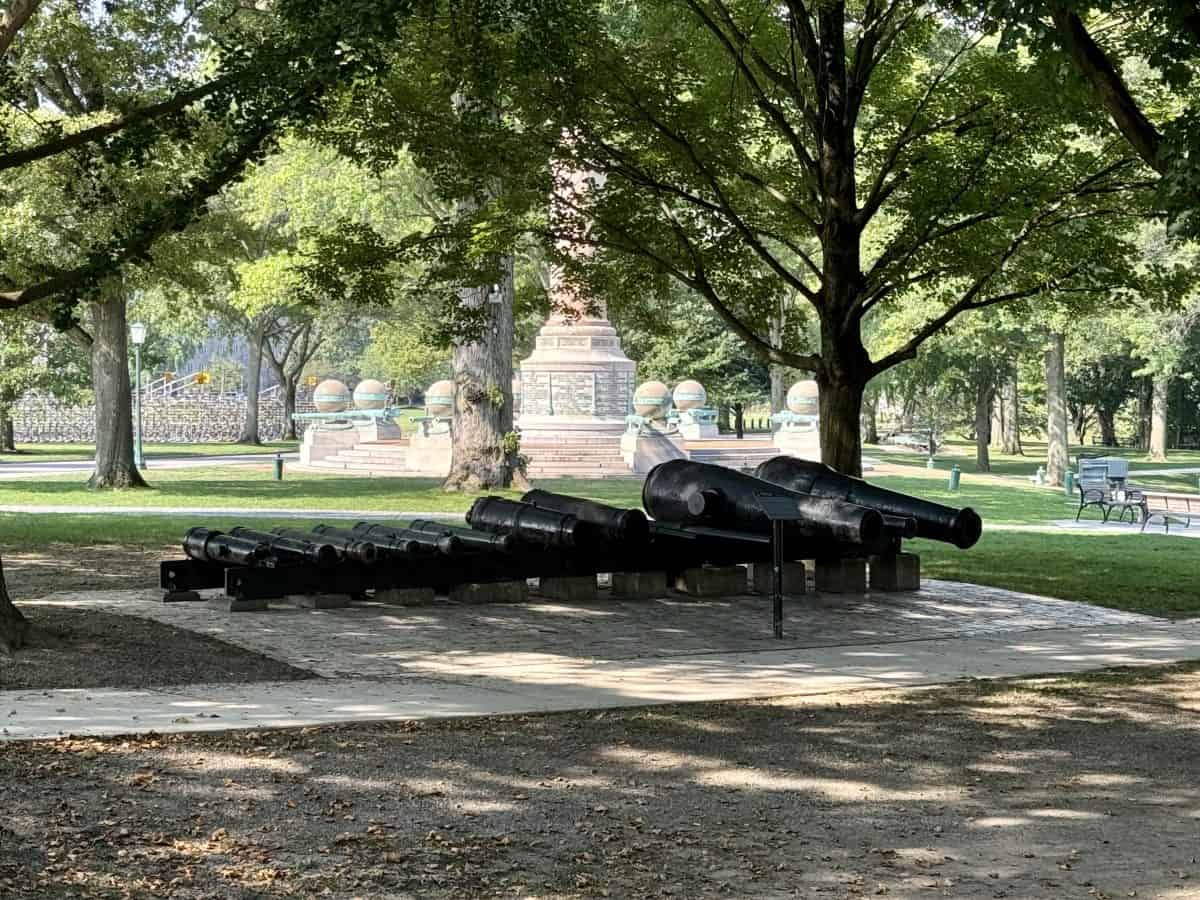
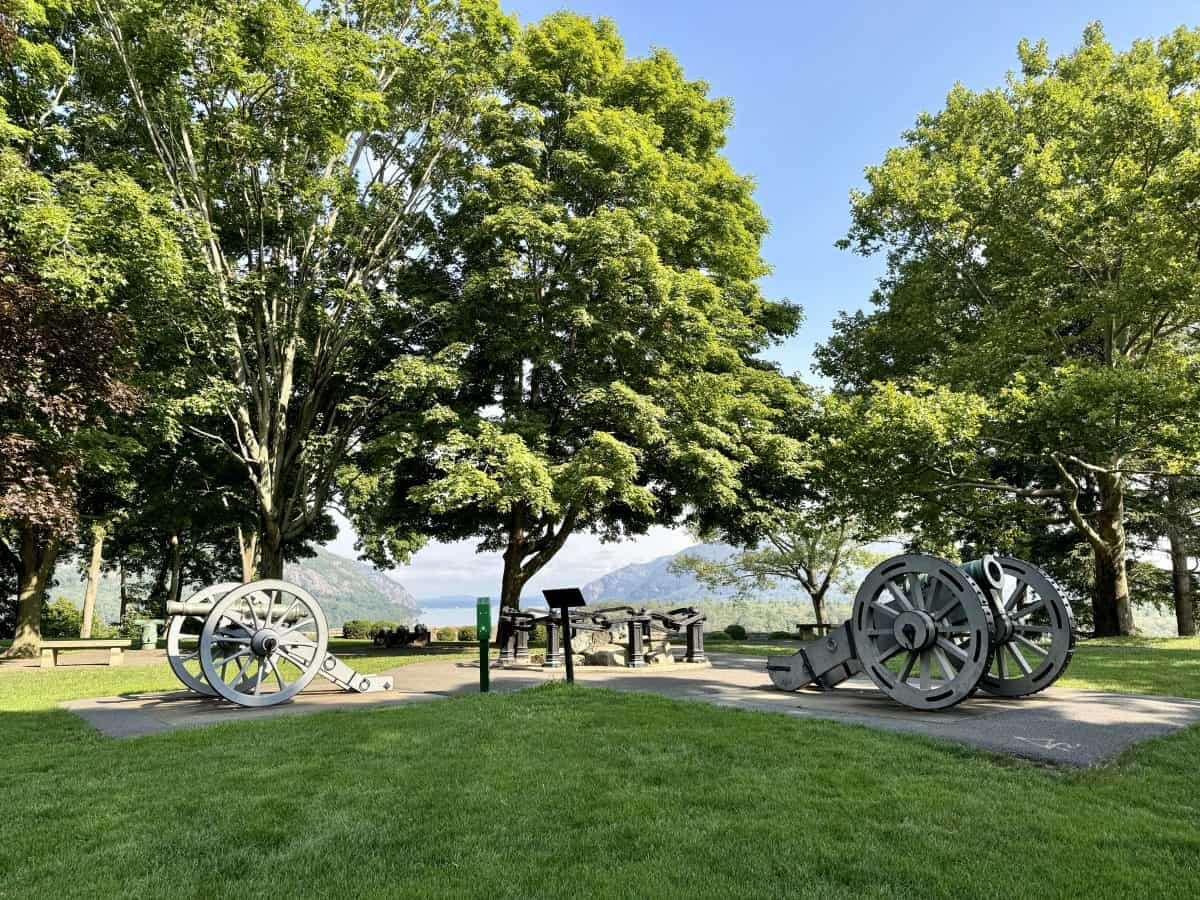
  1. Trophy Point: The beautiful green spaces overlooking the Hudson River also display various monuments, memorials, and artillery dating as far back as the Revolutionary War. The largest piece of polished granite in the Western Hemisphere is the 46 foot high Battle Monument dedicated to the lives lost during the Civil War, known as the “West Pointers War”, as 55 of the 60 battles were led on both sides by West Point graduates. The monument includes the names of all the battles and officers who died during the battles. Another popular display is original chain links used to block ships from going up the Hudson River.  An interactive map of monuments can be found here.

Would you like to save this?
We'll email this post to you, so you can come back to it later.

Trophy Point at West Point Military Academy in New York
Overlook of Hudson River at West Point Military Academy in New York

Trophy Point at West Point Military Academy in New York
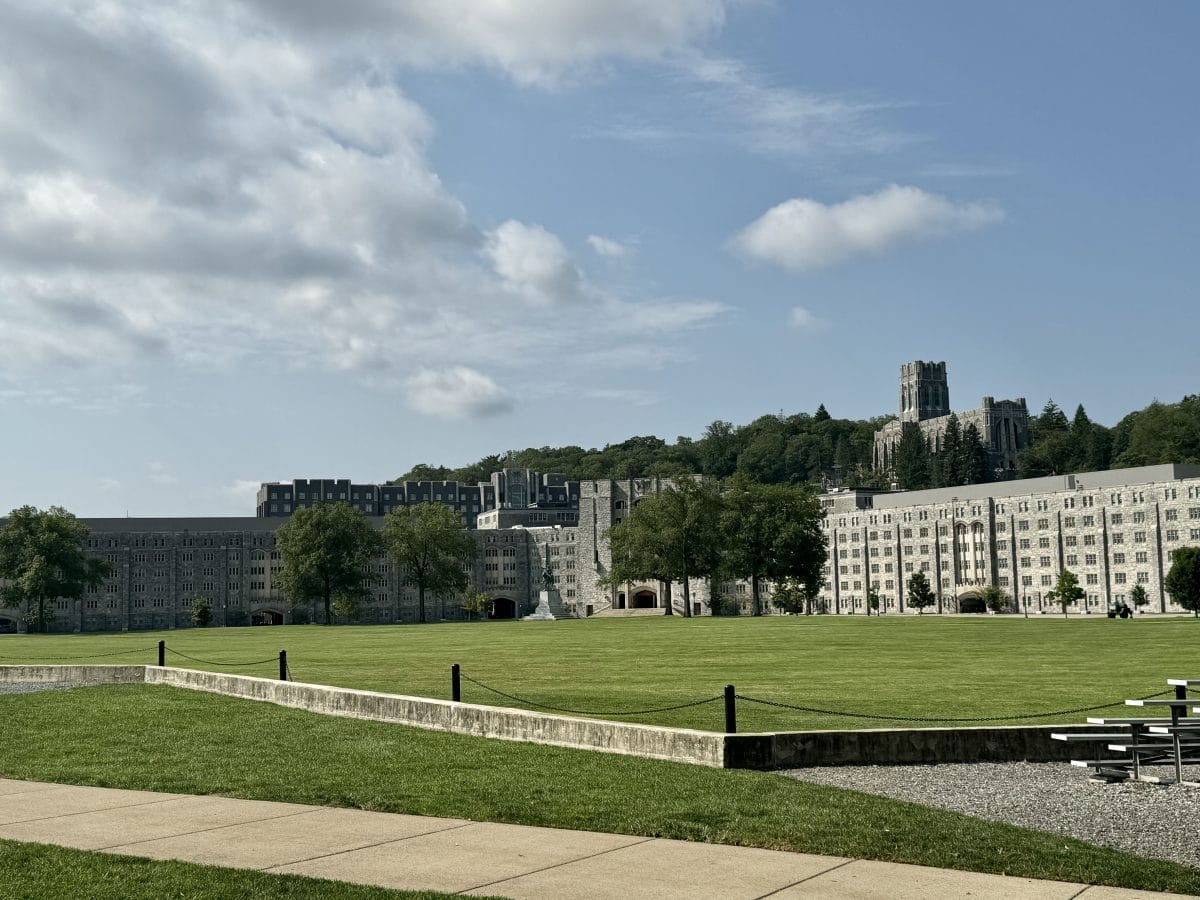
  1. The Plain: A registered National Historic Site because George Washington once had his summer camp on site, the Plain is the open space in the middle of the barracks (where cadets are housed while at the Academy) and the Mess Hall, where over 4,000 cadets each every meal together, at one time, family style, in under an hour. The Plain was used for drills and even footballs decades ago, but today, it is primarily used for the 8-10 massive parades and class activities. The Plain is also the location where cadets who receive infractions must work off the demerit by marching for four hours straight in full attire, with equipment. Cadets who receive more than 100 hours of marching are called “Yardbugs”- President Dwight D. Eisenhower was a Yardbug!

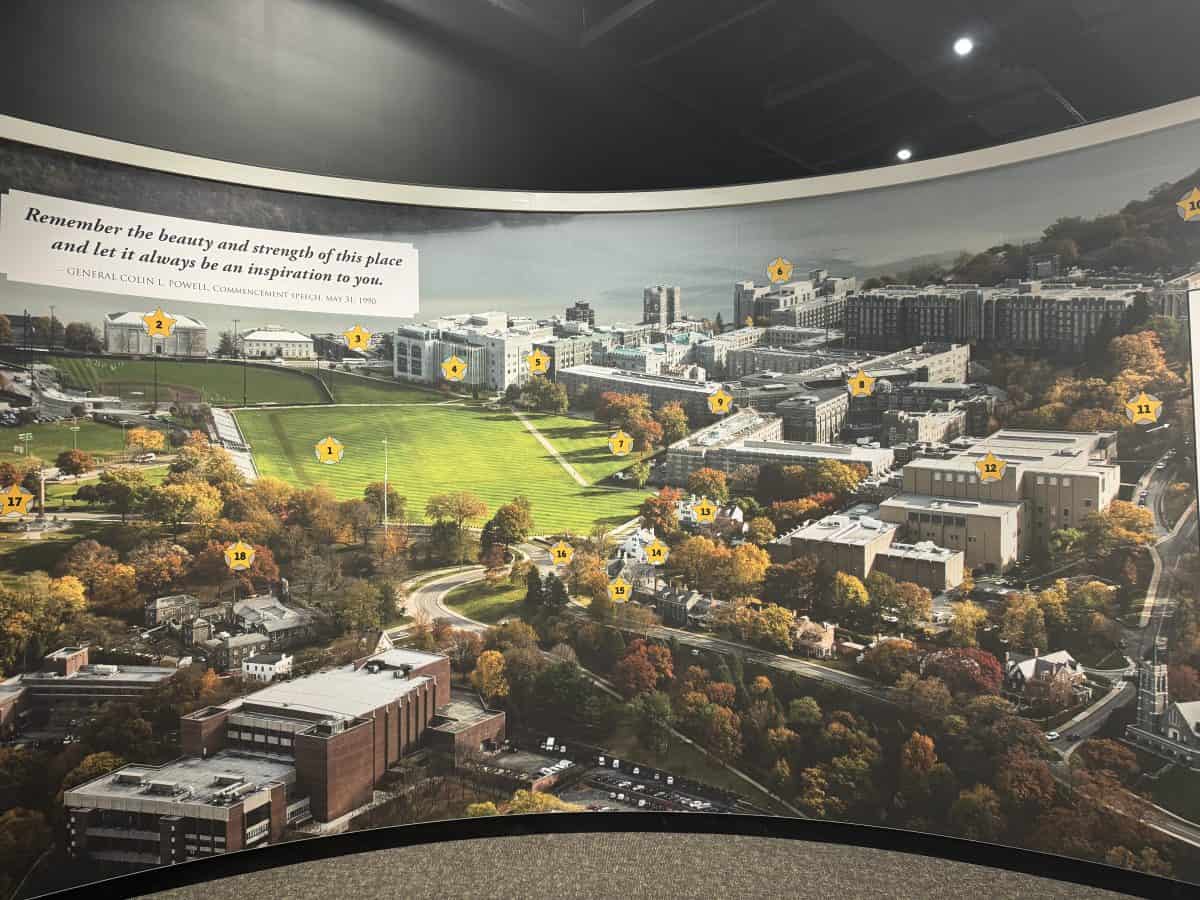
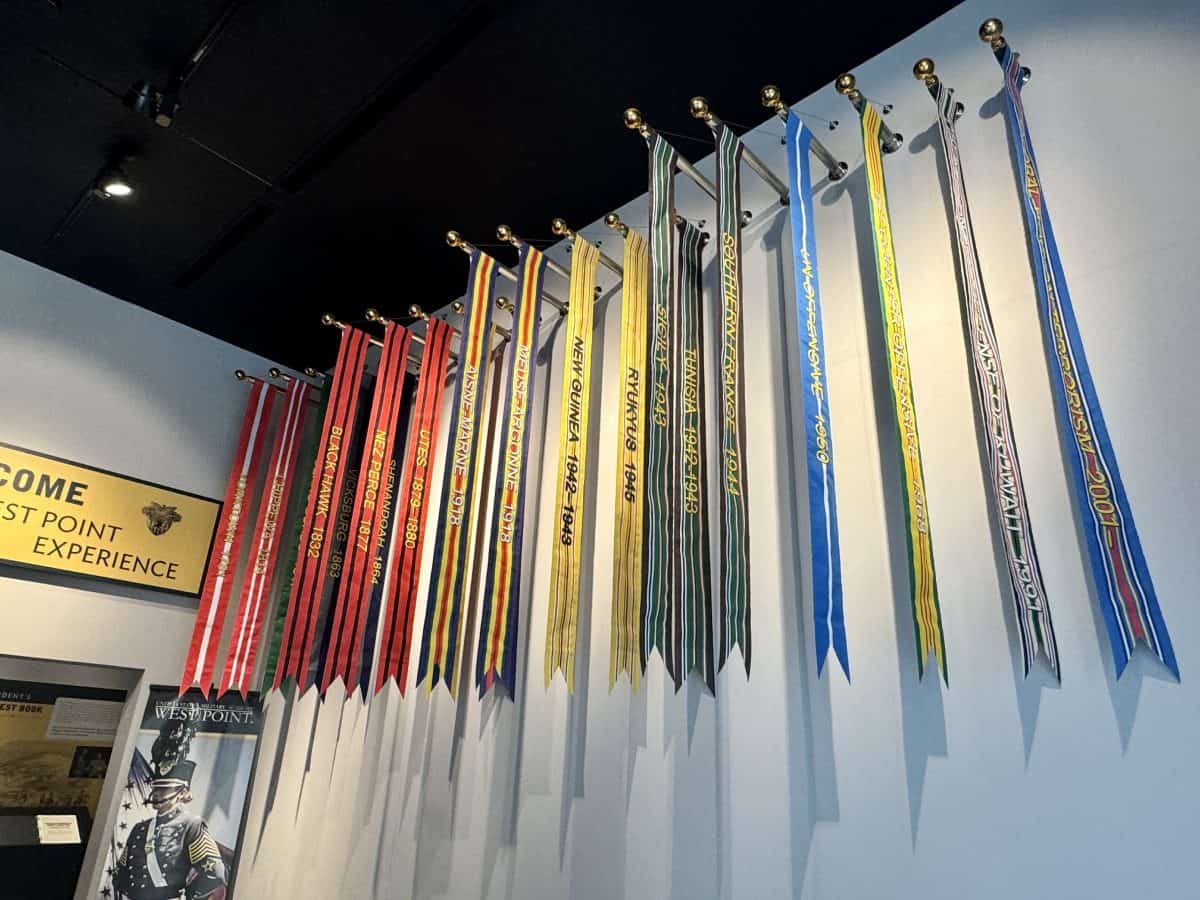
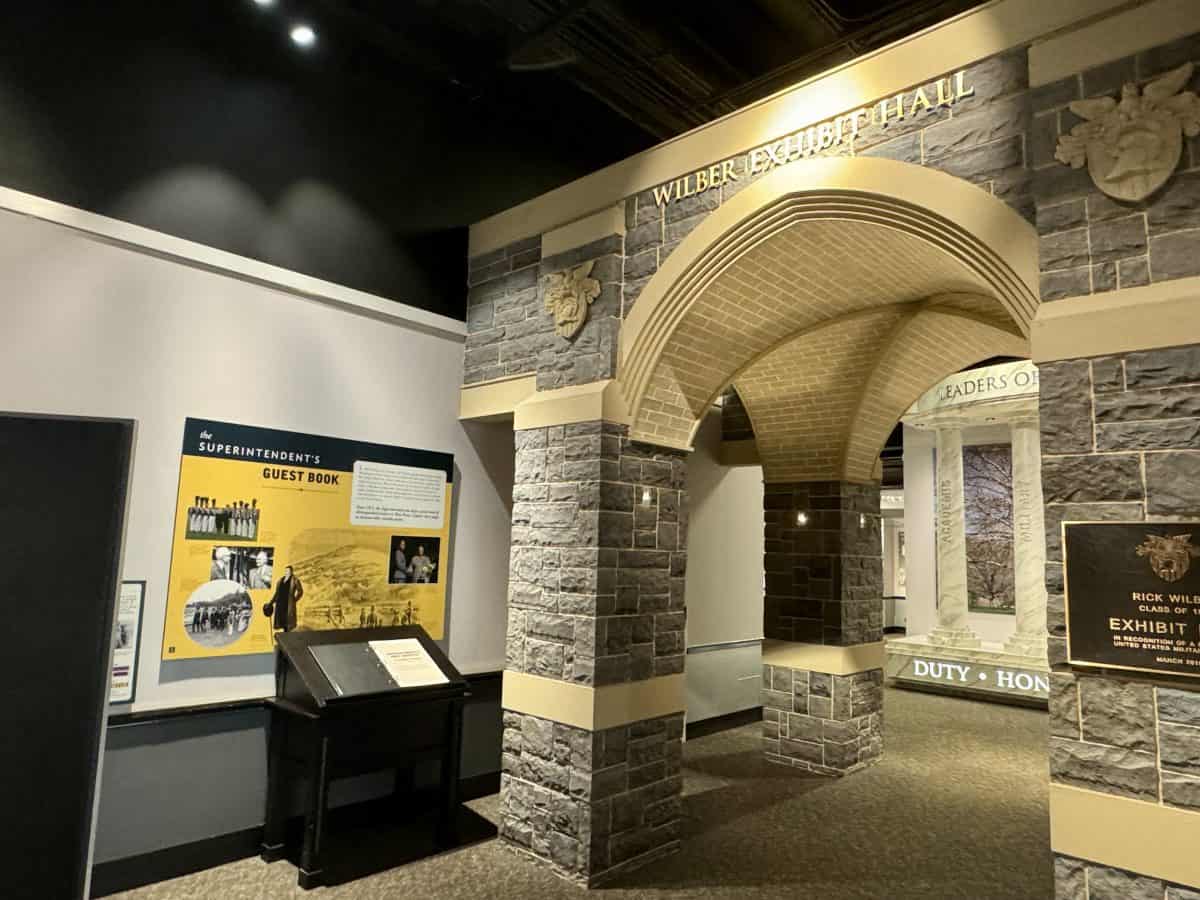
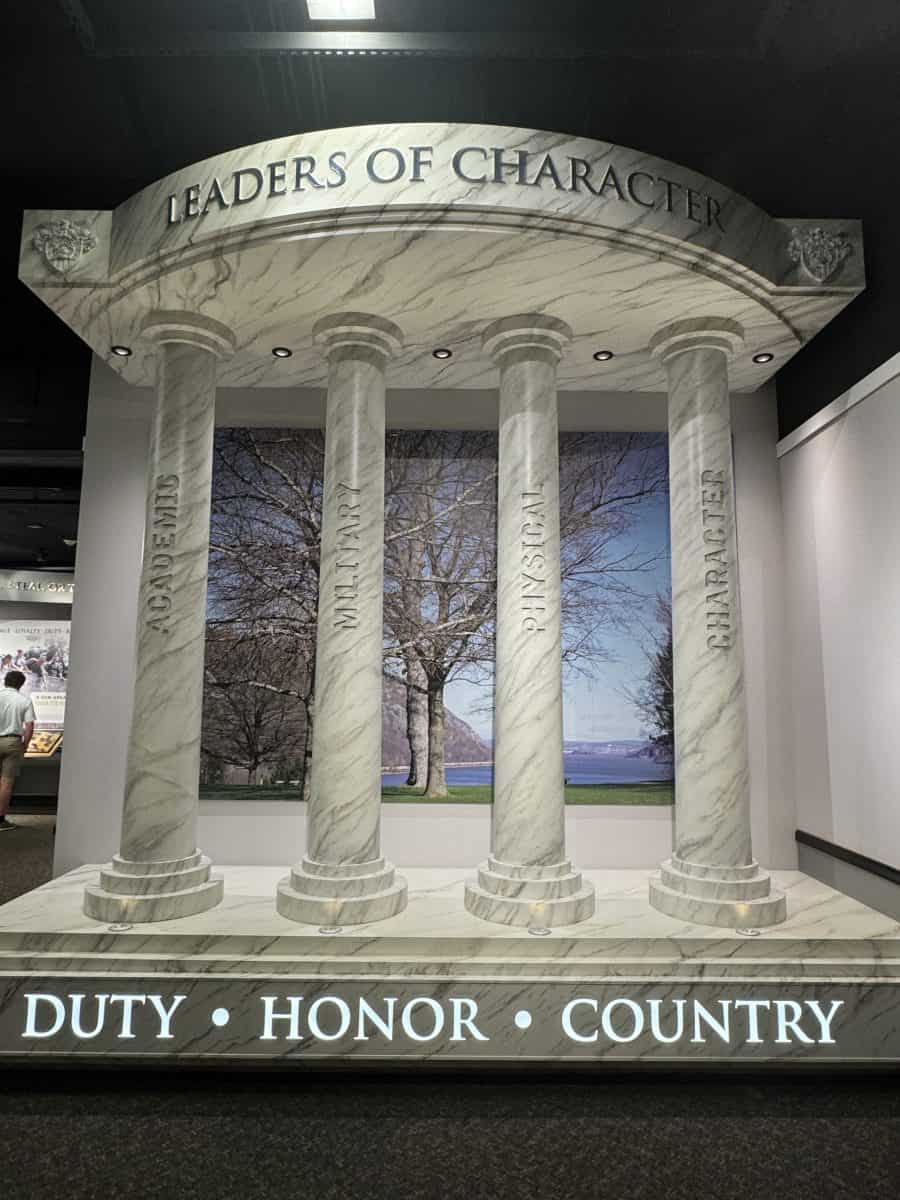
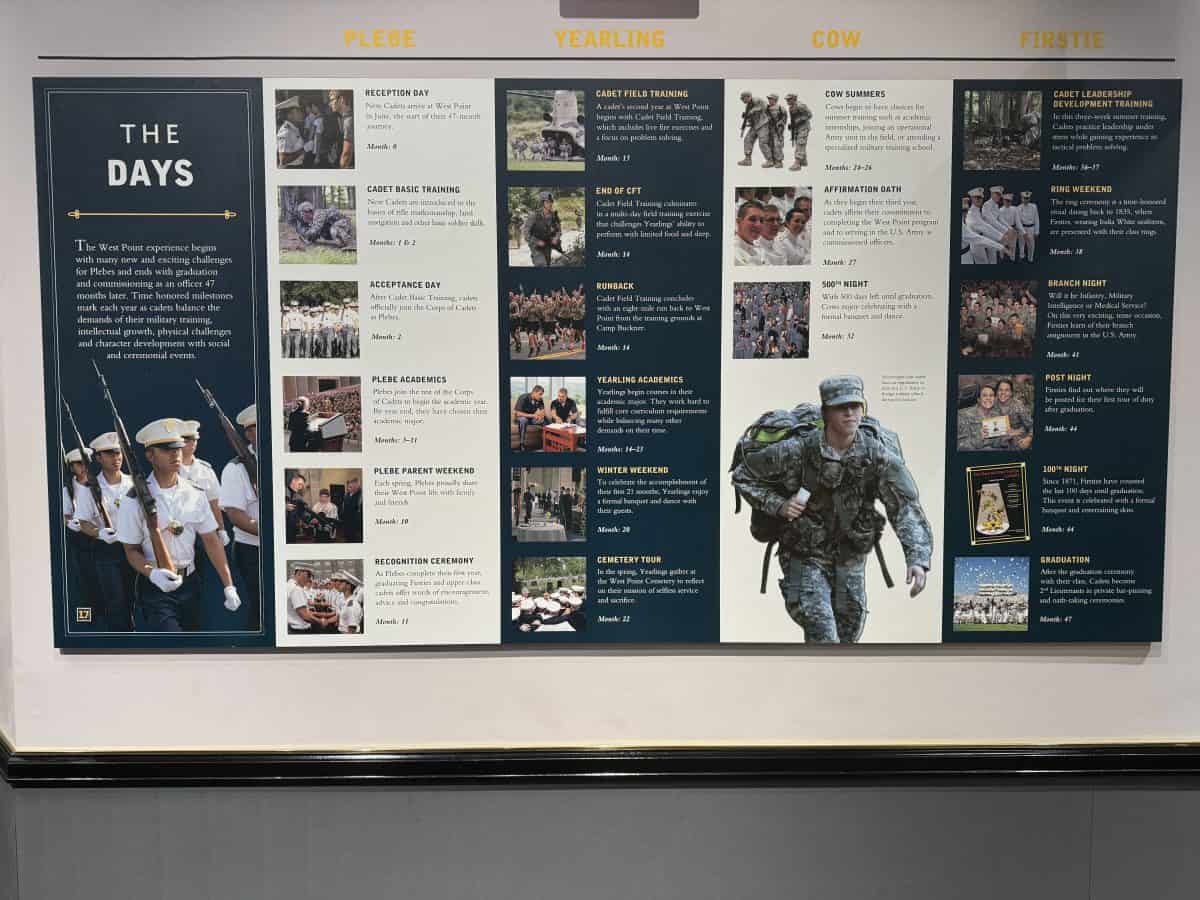
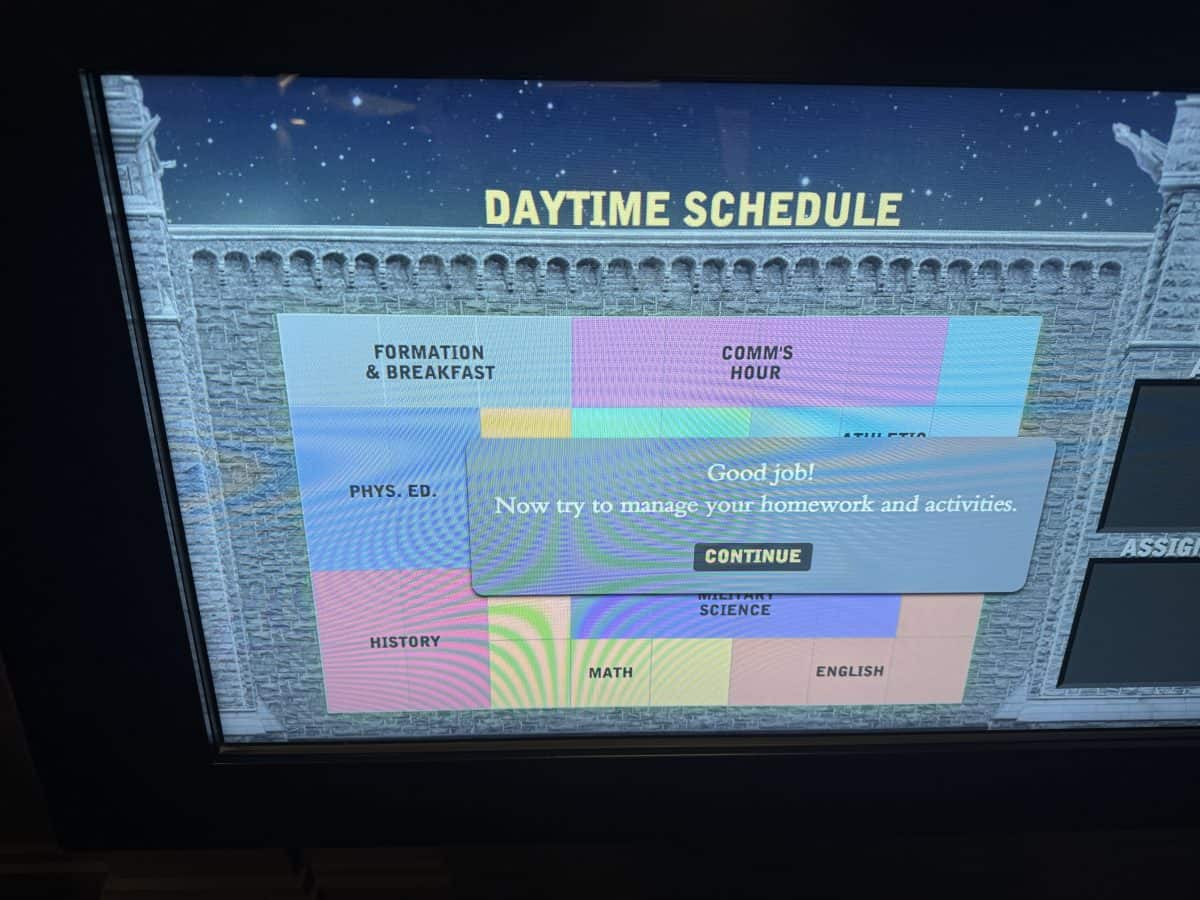
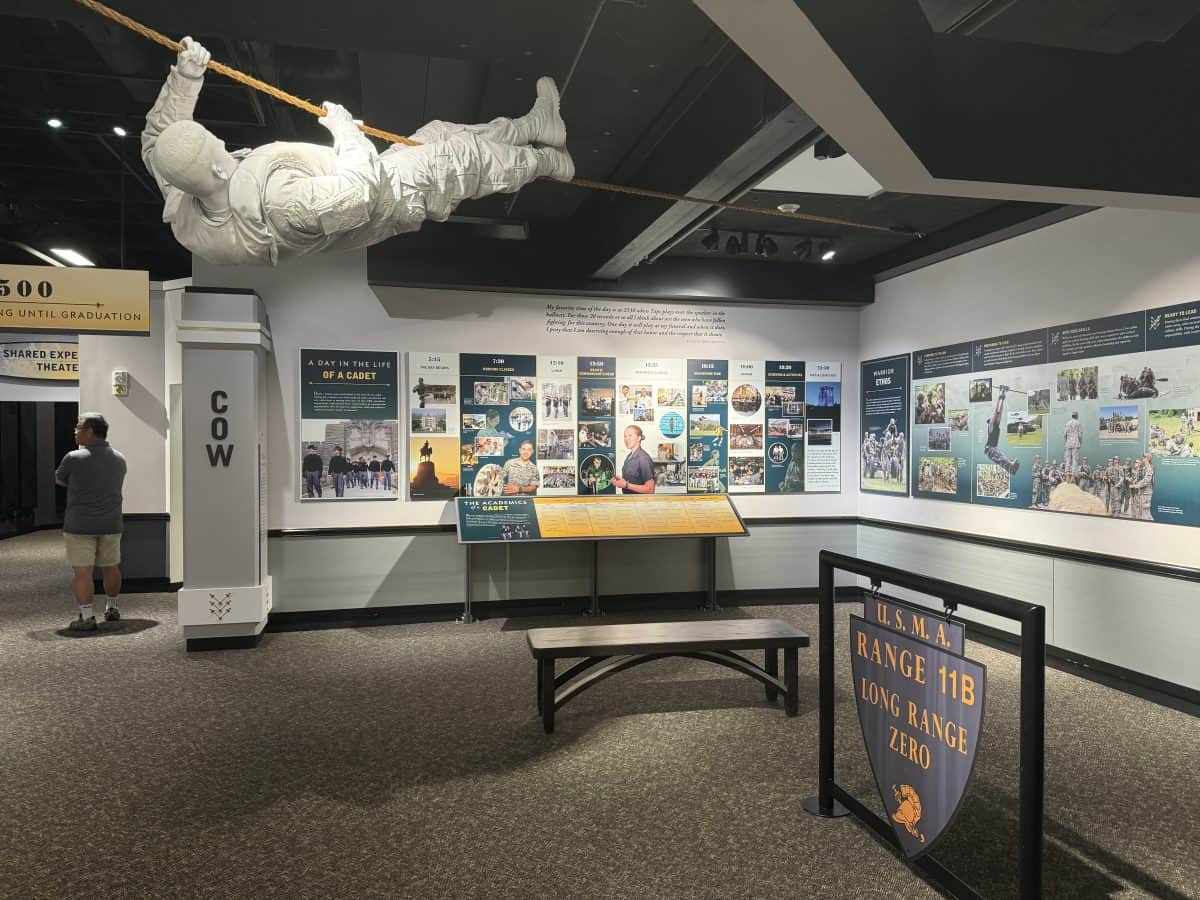
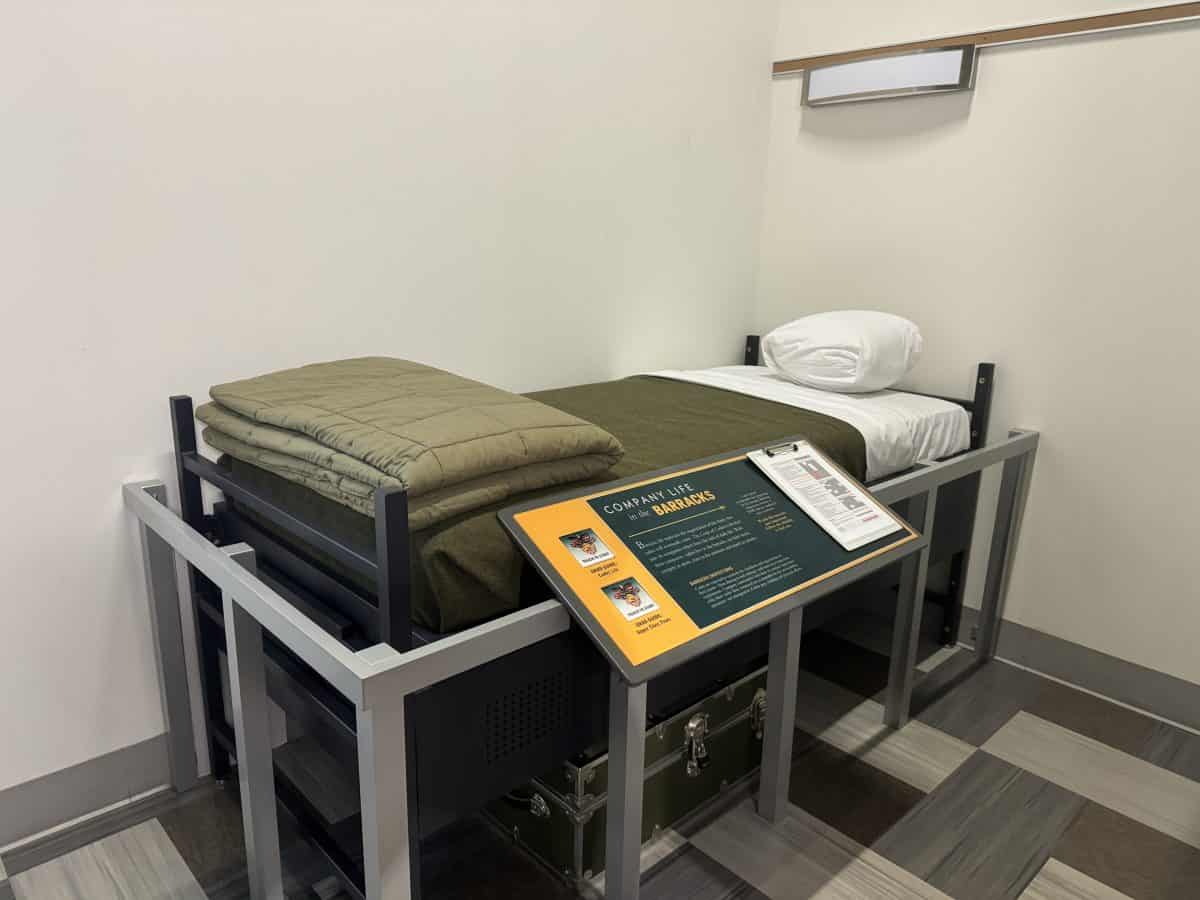
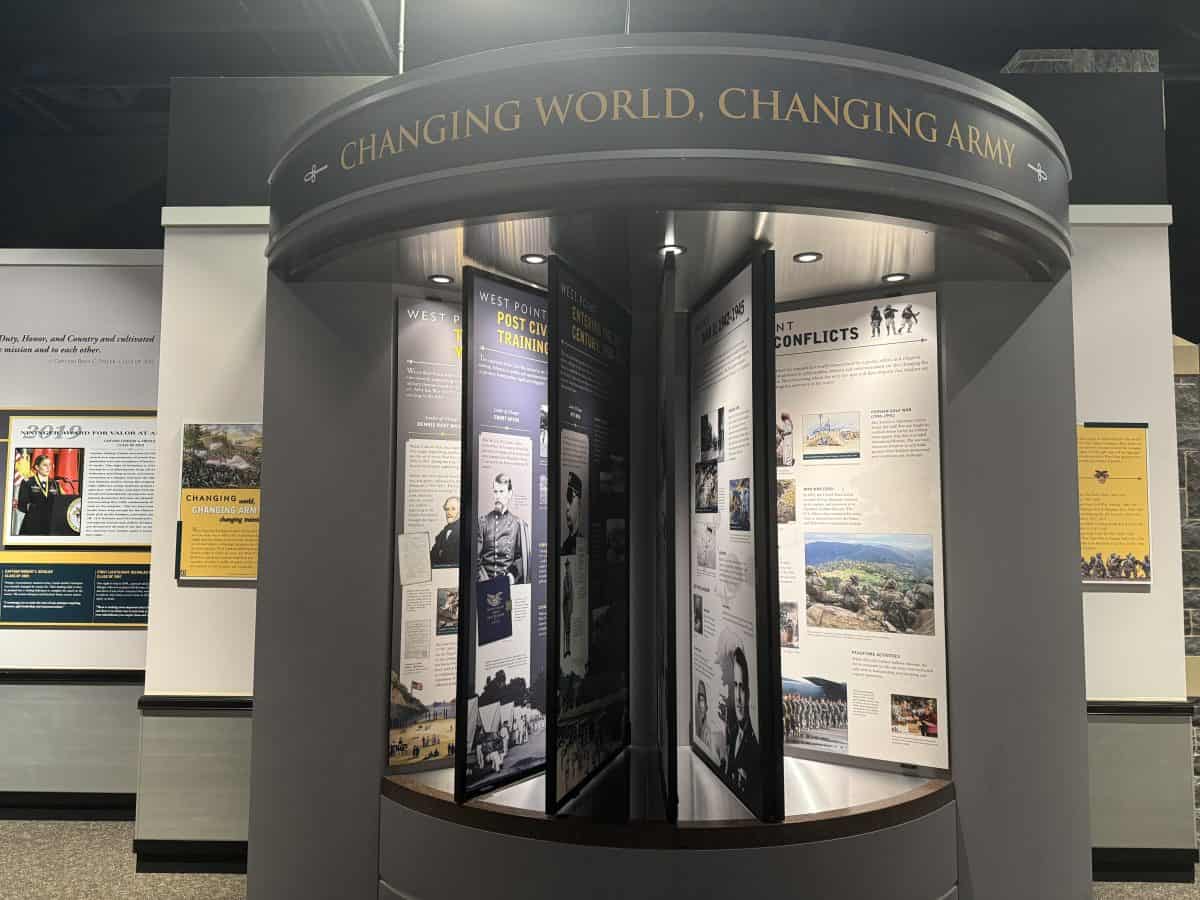
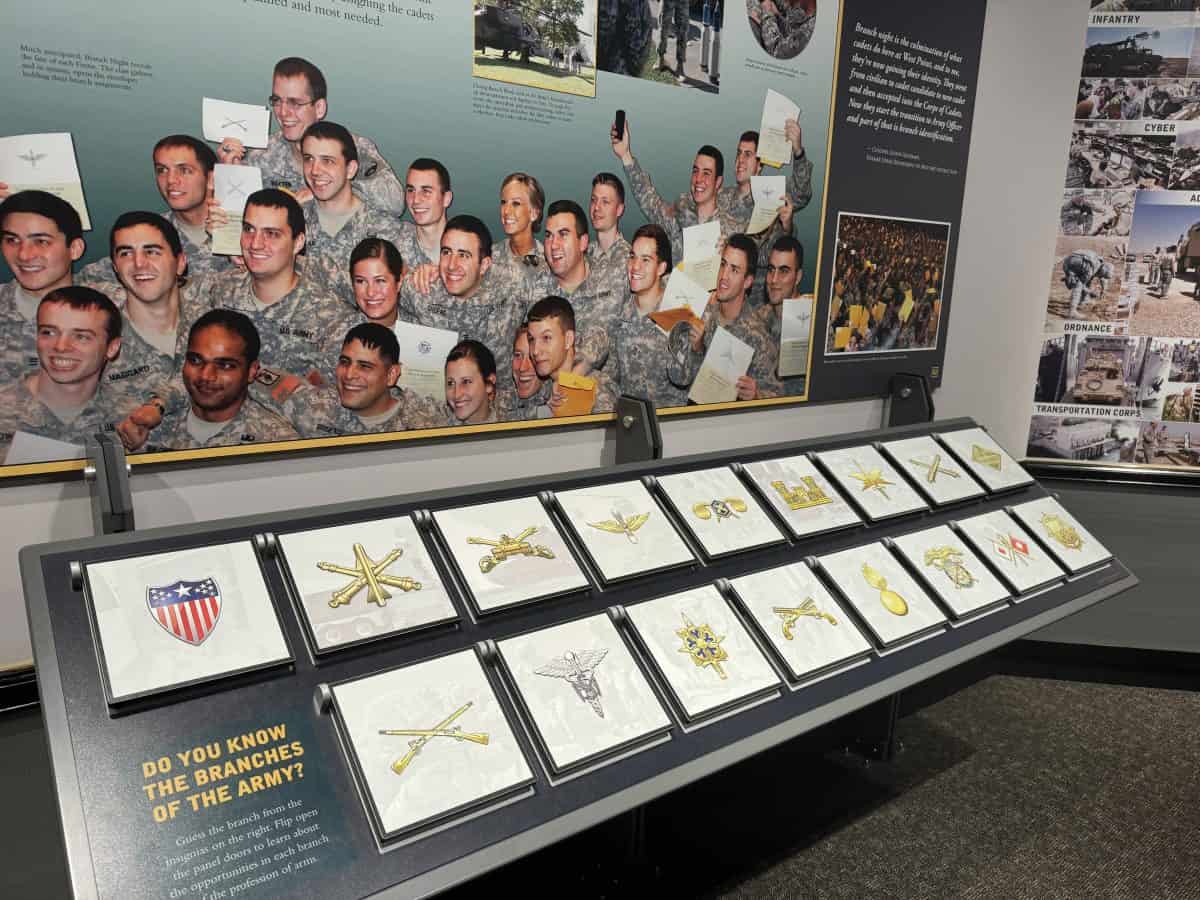
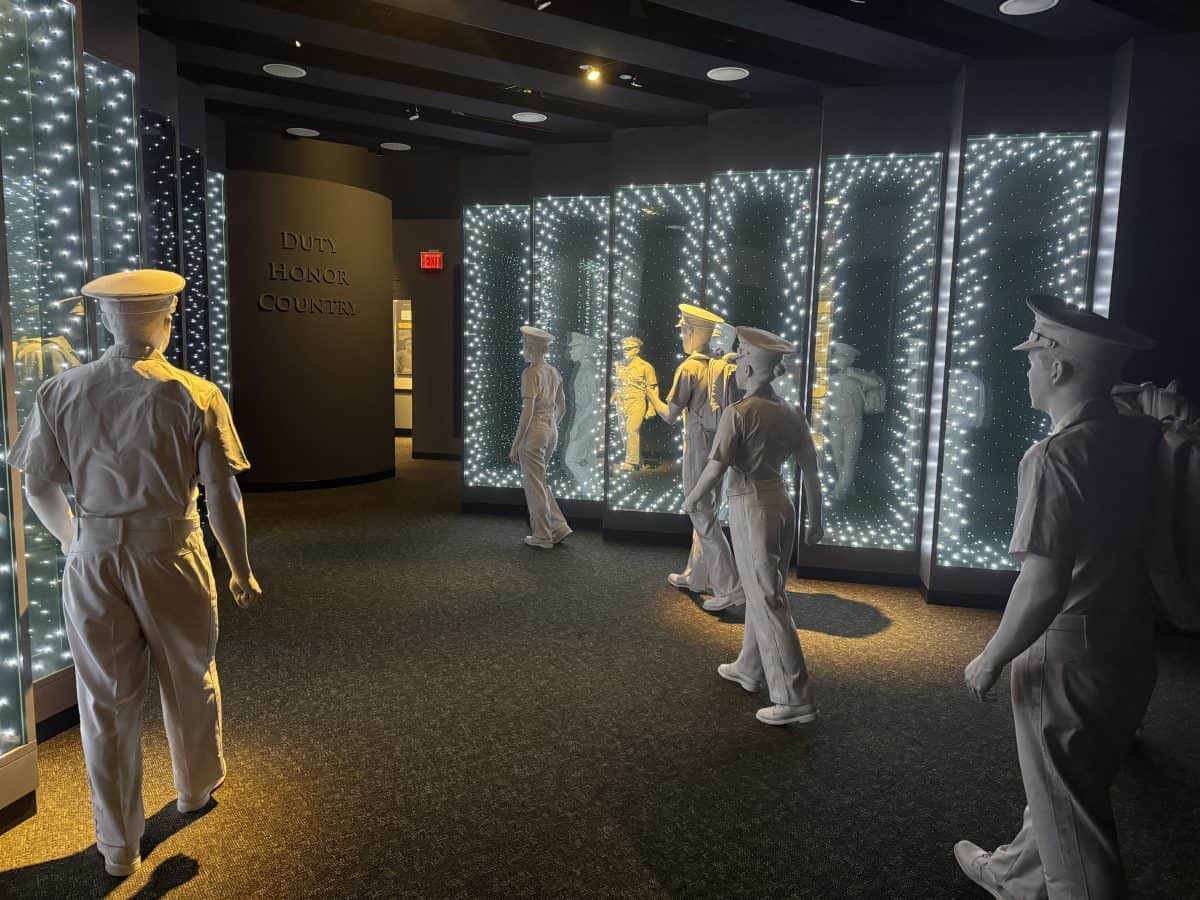
The West Point Experience is an interactive exhibit located inside the Visitor Center and is free to visit from 9am-4:30pm every day (closed on Thanksgiving, Christmas, and New Year’s Day). The exhibit takes visitors through a Cadet’s 47 month education at West Point with almost two dozen different displays, including the steps to basic training, challenges Plebes must complete (go ahead and try for yourself!), a replica barracks room, quizzes about the 12+ symbols of the branches of the army, and a large map with information about the 18 points of interest on the West Point campus. There are also two small theaters that show shorts films about the Academy. 
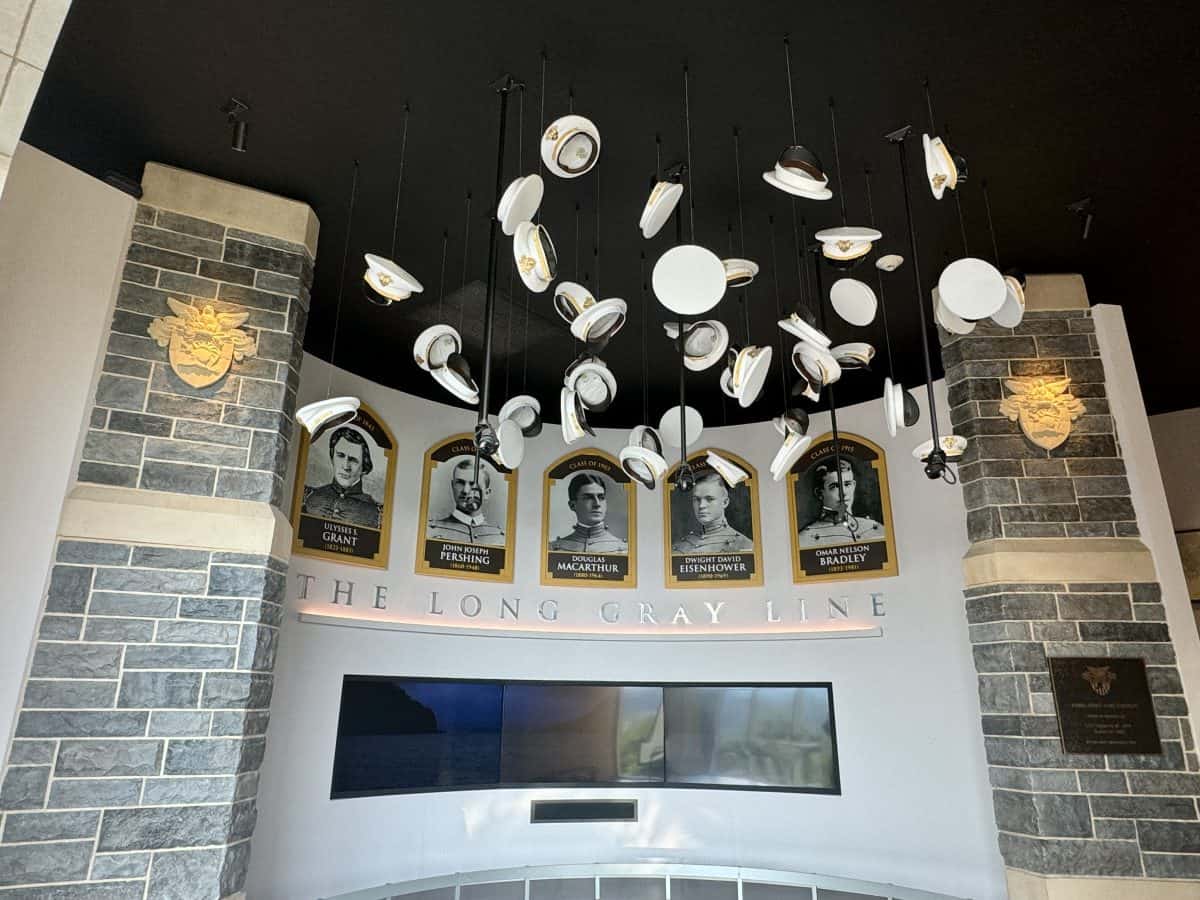
West Point Experience at West Point Military Academy in New York

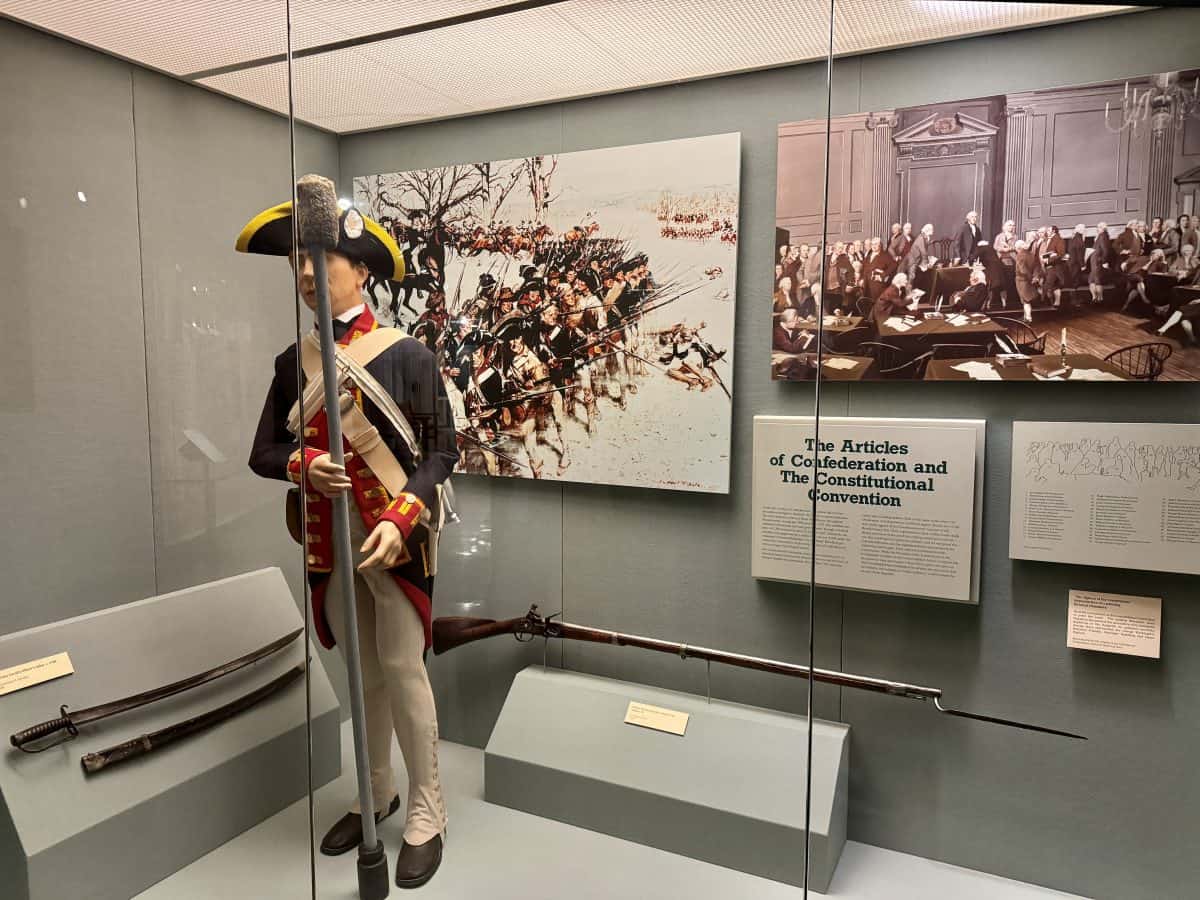
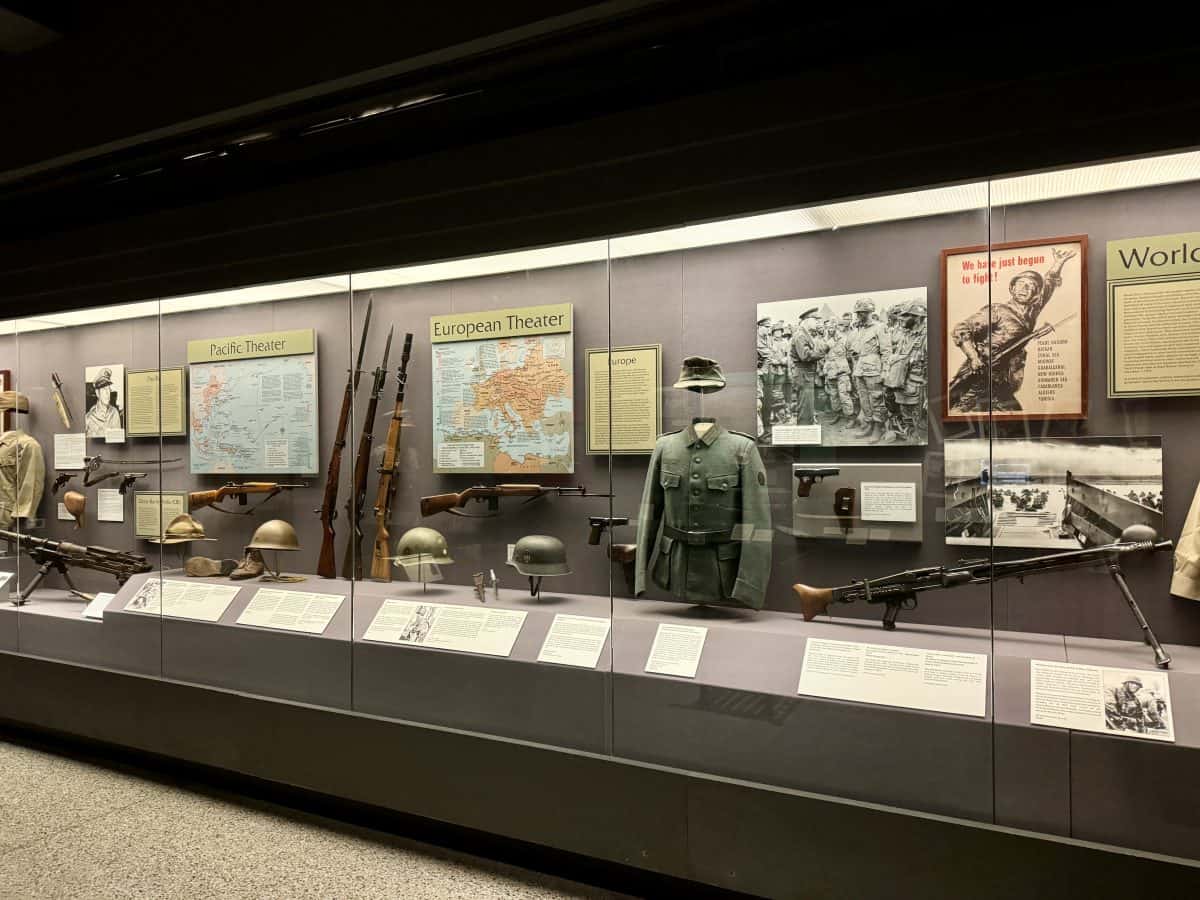
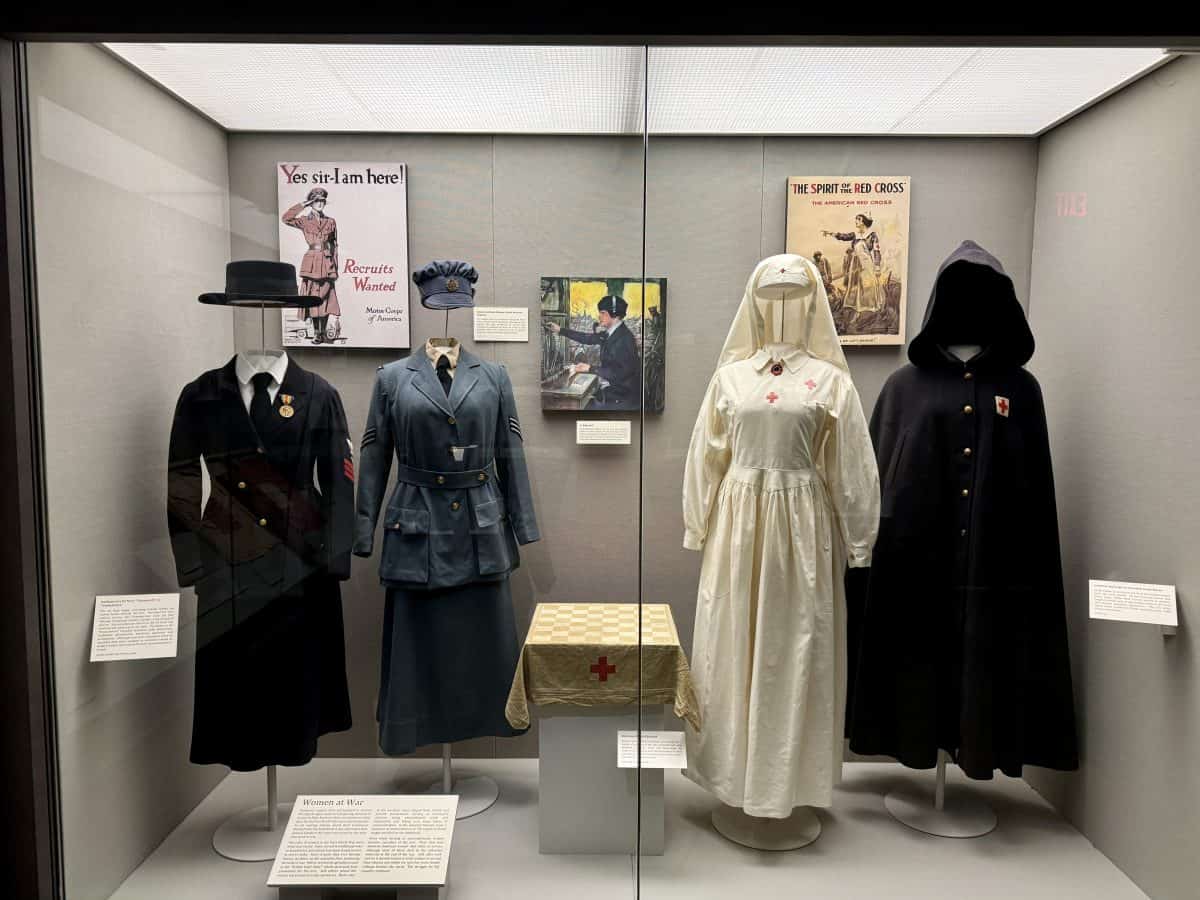
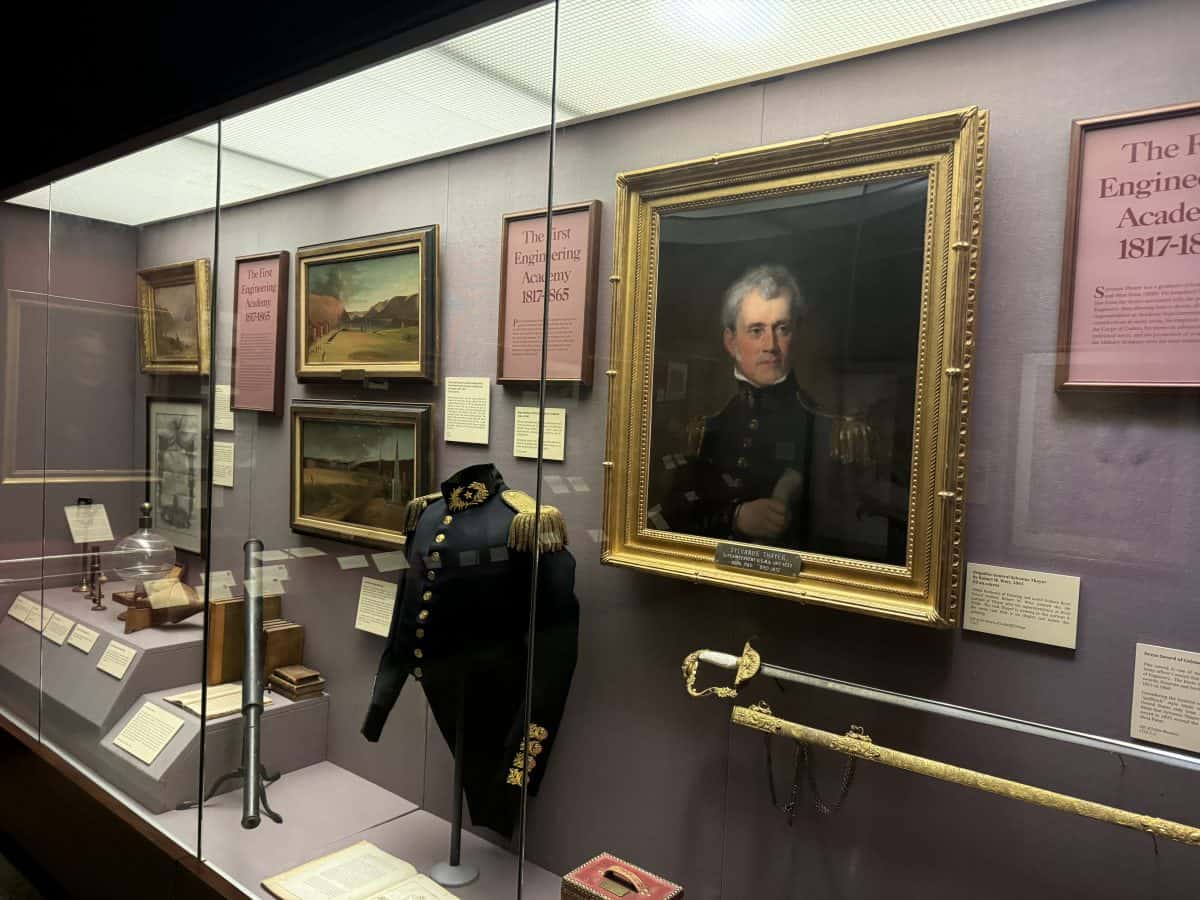
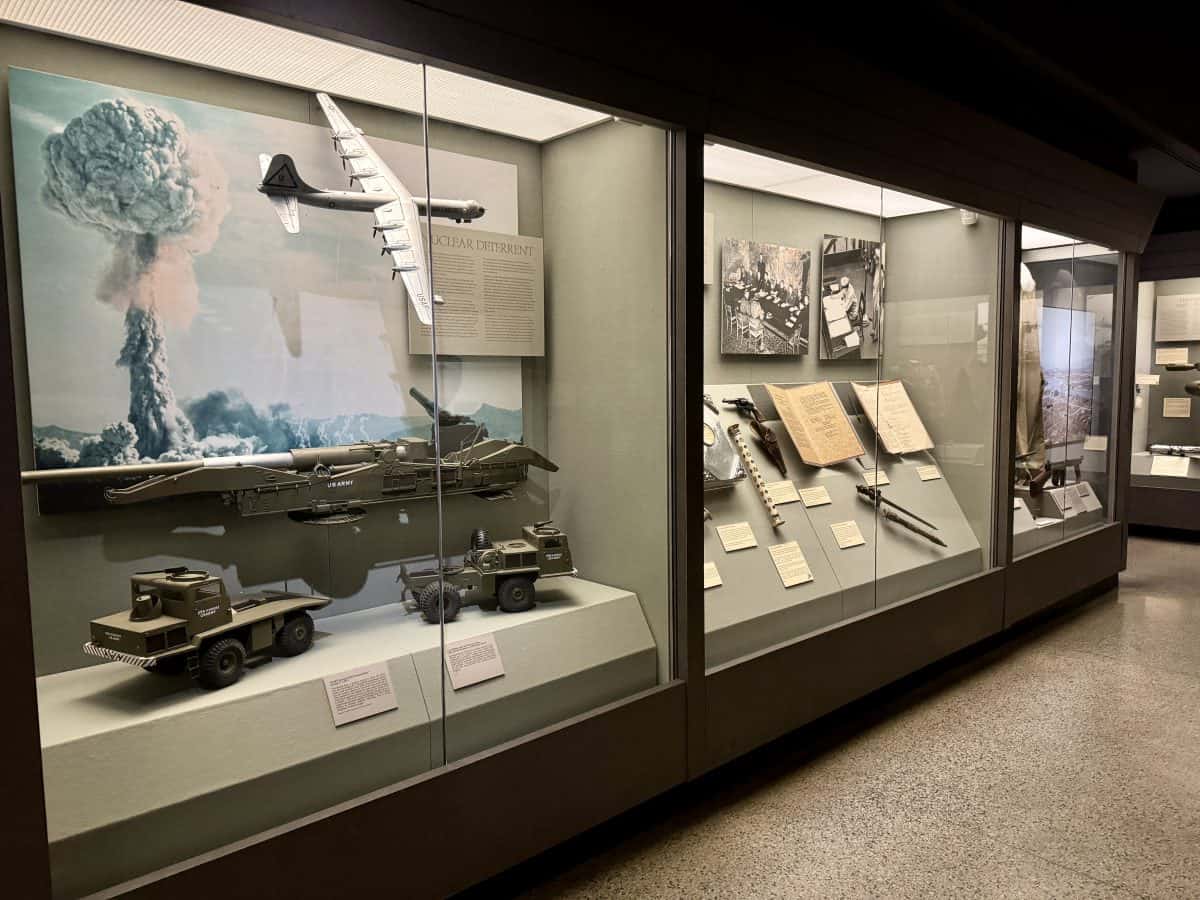
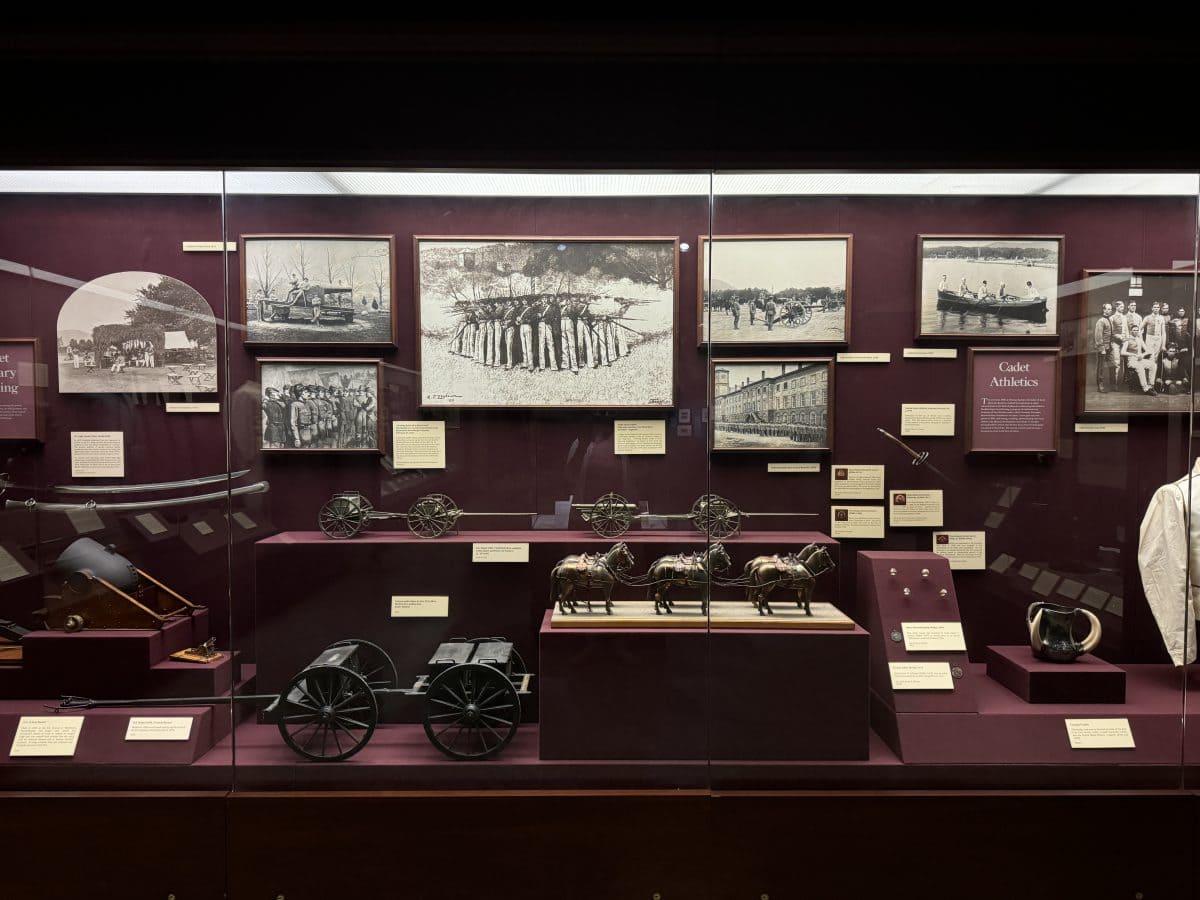
West Point Museum, adjacent to the Visitor Center, offers three floors of exhibits. The museum, which opened to the public in 1854, has the largest collection of military arms, flags, uniforms, accouterments, and paintings in America. Highlights in the museum exhibits include:

  • History of US Army Gallery (2nd floor): A historical timeline with uniforms and weapons, maps of expanding US territories from the American Revolution to 2023.
  • American Wars Gallery (2nd floor): Several of the original flags from various regiments and wars, dating back to the Civil War. 
  • History of Warfare Gallery (1st floor): Dioramas of several ancient wars and artifacts such as daggers, dating back to 9000 B.C; women’s role in war, and equipment used in chemical warfare. 
  • West Point Gallery (1st floor): more of the links of chains used in the Hudson River to block British ships, and replica muskets and swords to hold.
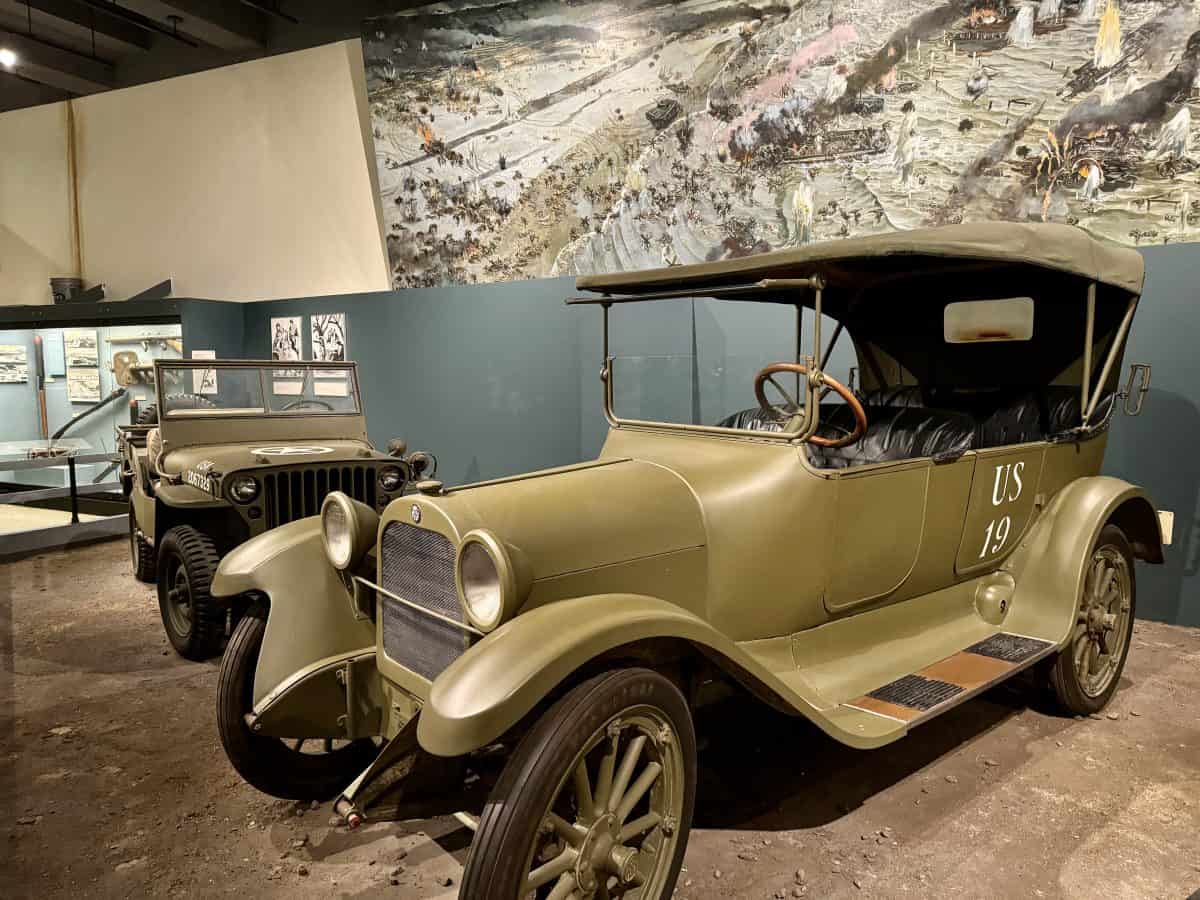
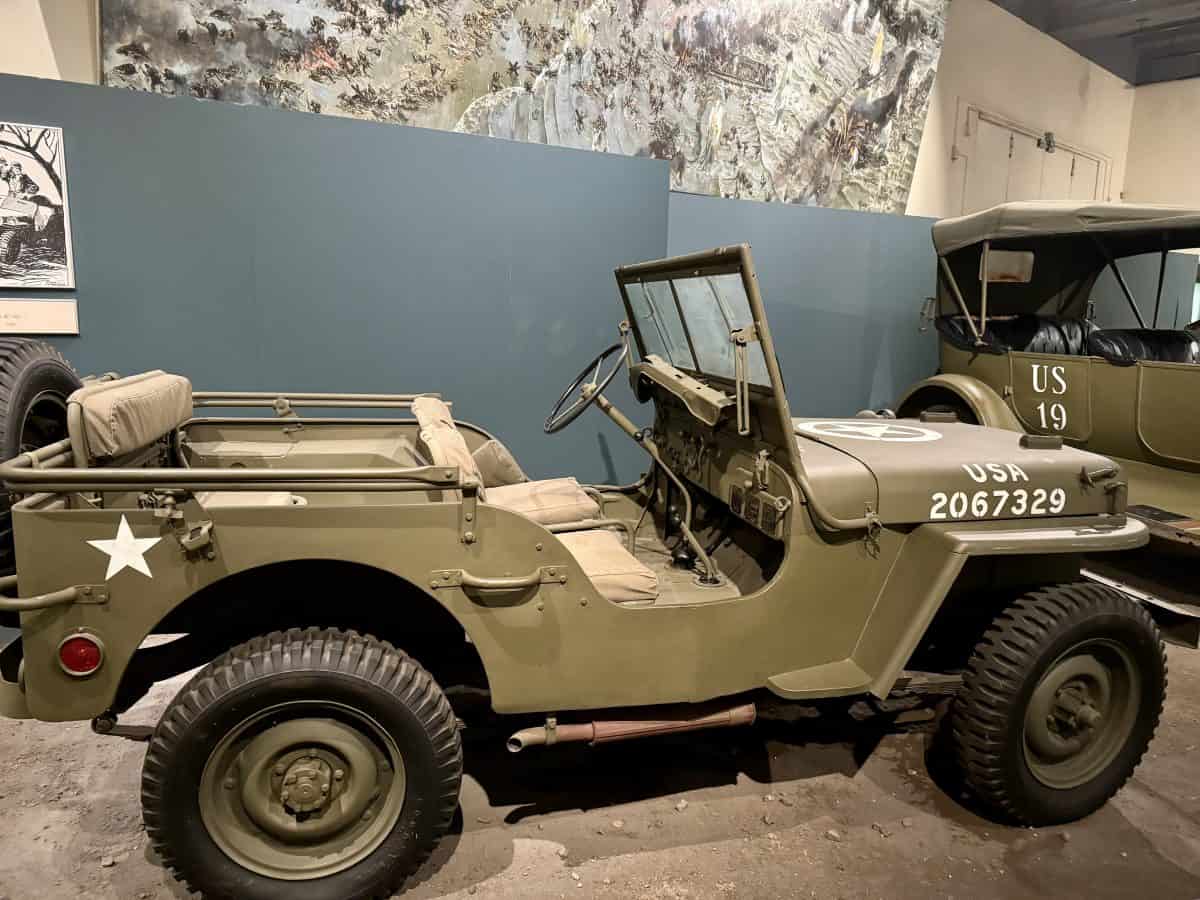
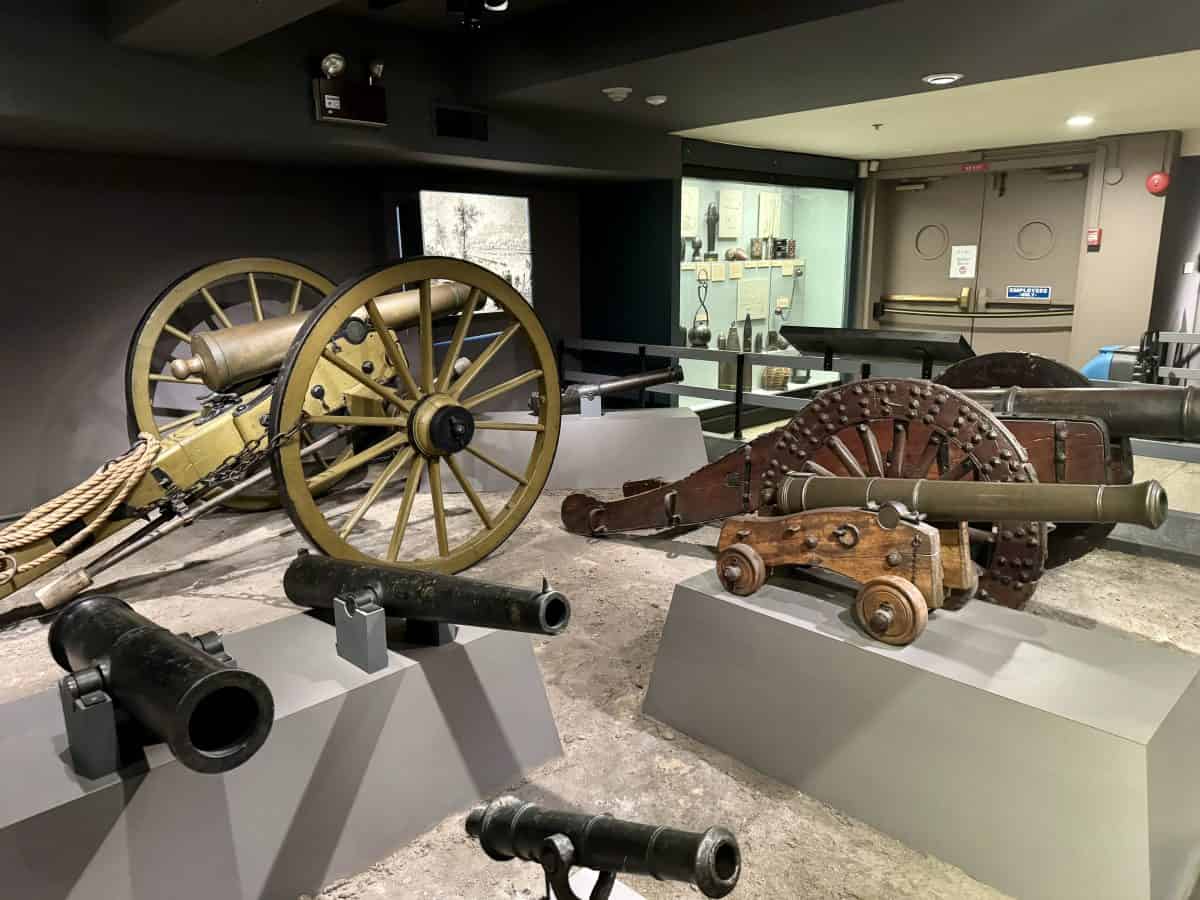
  • Large Weapons Gallery (lower level): Vehicles including a WWII Jeep, 1916 Dodge Passenger car, and 1917 Six Ton Special Tractor; automatic machine guns and hand grenades; a “fat man” atomic bomb case.
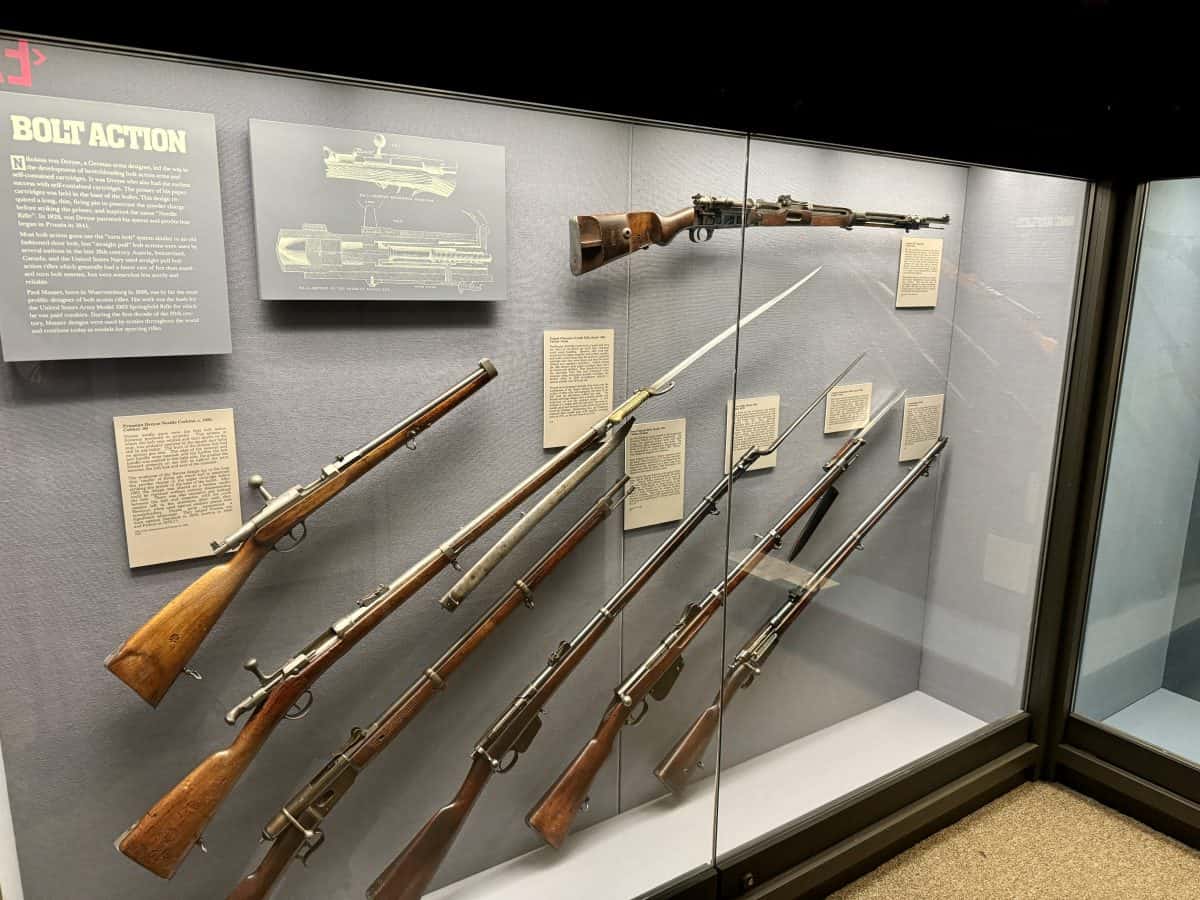
  • Small Weapons Gallery (lower level): displays of clubs, axes, knives, guns, pole arms, and rifles. 
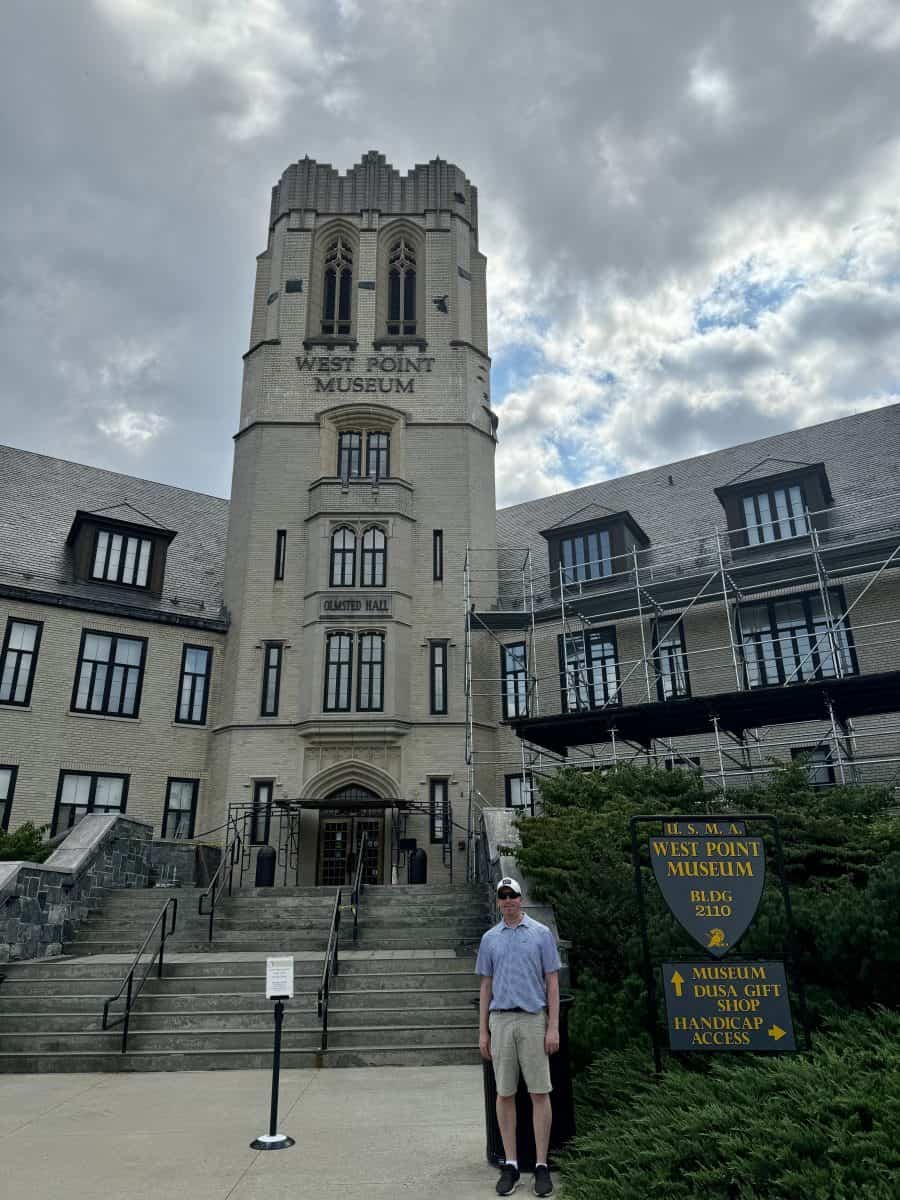
entrance to the museum at West Point Military Academy in New York

Looking to tour other military campuses and museums? Check out our features of the US Naval Academy in Annapolis Maryland and the US Marine Corps Museum in Fredericksburg, Virginia. 
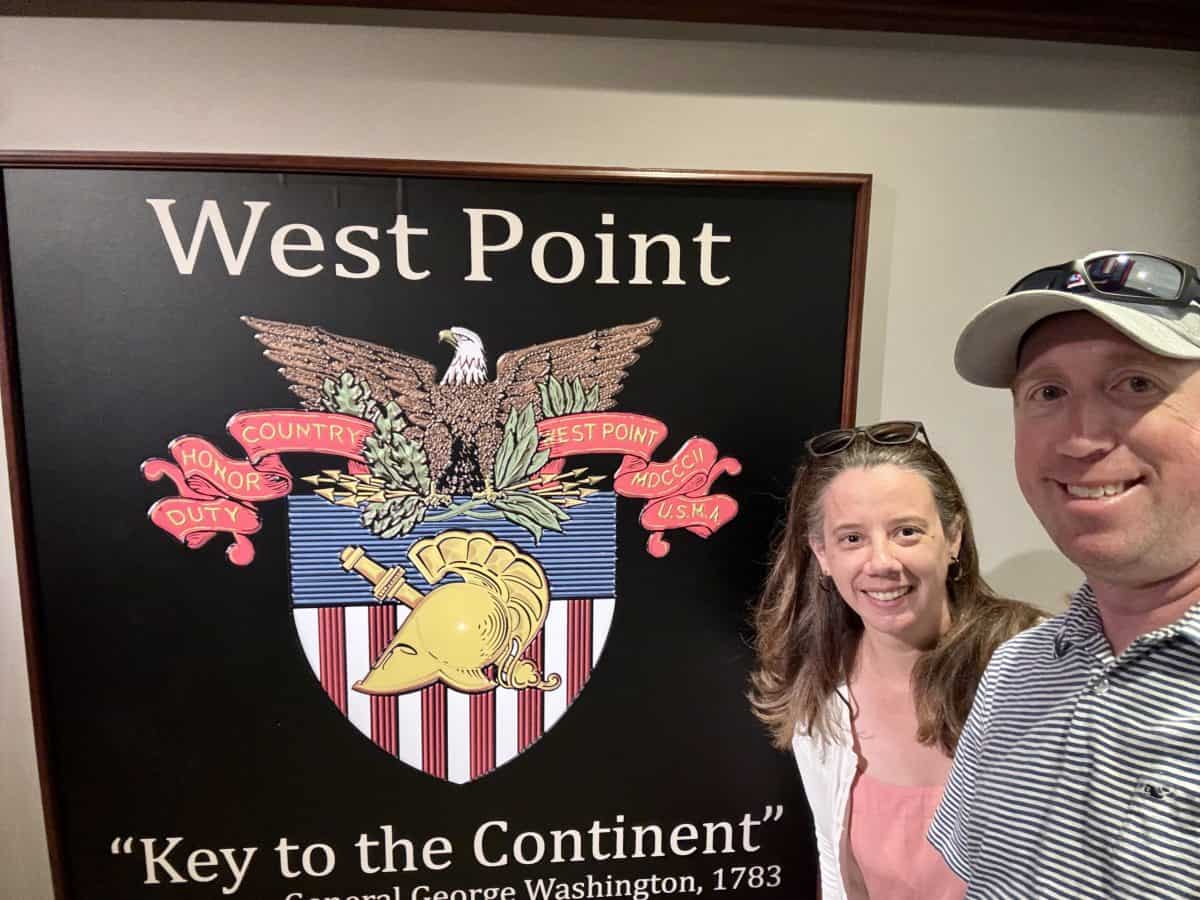
West Point Military Academy in New York

And follow along on our adventures on Instagram, Facebook, Pinterest, and X

Similar Posts

  • | | | | |

    8 Ways to Explore the Ben & Jerry’s Factory in Waterbury, Vermont

    Started in 1978 in a renovated gas station in Burlington, Vermont, Ben & Jerry’s Ice Cream has become one of the most popular ice cream brands in the world, now with over 500 Scoop Shops worldwide (more than 200 in the United States alone!) and almost 100 varieties of ice cream.

    Ben and Jerry’s has three factories which produce their famous ice cream: two in Vermont (Waterbury and St. Albine’s) which distribute ice cream throughout the United States, and one factory in Hellendoorn in Holland, which distributes ice cream throughout Europe. The first factory opened in Waterbury in 1985 and guided tours began in 1986. The Waterbury Factory, the only factory open to the public, produces 300,000-400,000 pints a day and welcomes close to a quarter million people each year (up to 800 people on a busy summer day!). Even cooler?  Every employee is allowed to take home 3 pints a DAY!

  • | | |

    10 Tips for Having Fun at SplashDown Beach in Fishkill, New York

    Our first visit to SplashDown Beach was a couple of years ago when we were exploring Dutchess County (read our full City Guide here). Our whole family LOVED the waterpark! After a recent, super fun visit to the park’s nearby sister resort Rocking Horse Ranch, the resort invited us back to Splashdown Beach and told us to bring a few friends. Everyone enjoyed a picture perfect summer day!

    SplashDown Beach, located in Fishkill in the heart of Hudson Valley in New York, first opened in the mid 1980s as a spot for locals with young children to cool off during hot summer months.  The Turk family, founders and owners of the popular, all inclusive, nearby Rocking Horse Ranch, bought the park in the early 2000s and expanded the 13 acre property to include rides and attractions for all ages. Today, the waterpark has almost two dozen rides, multiple pools, plenty of dining options, and tons of space to spread out and soak up the sun.

  • | | | | |

    National Park Guide: Arches National Park in Utah

    Arches National Park in Moab, Utah, one of the most popular National Parks in America with two million visitors each year, is home to over 2,000 cataloged arches formed by erosion and weathering over the past 65 million years. Learn more about how the arches were formed here. Today, the park covers over 76, 000 acres and, in addition to the arches, is home to almost 500 species of plants, almost 200 species of birds, 50 species of mammals, 21 species of reptiles, and 6 species of fish (yes- fish!)

    We visited in June of 2021, during the still on going COVID pandemic, and there were some restrictions, mainly with the Visitor’s Center and programs. We highly recommend visiting early in the morning (being inside the park by 6am early), spending the morning hiking, and then leaving the park for lunch and a rest during peak afternoon sun. Later afternoon and evening will provide cooler temperatures and smaller crowds. Be careful to stay away from cactus and yucca plants, both of which are prevalent throughout the park. Both plants have sharp tips that can poke and easily puncture skin.

  • | | |

    10 Ways to Have Fun at Jiminy Peak Resort in the Berkshires

    We just returned from a beautiful (almost) fall weekend in the Berkshires. We’ll have several upcoming posts about things to do, places to explore, and where to eat in the Berkshires (we’ve already posted about Hancock Shaker Village and Naumkeag). We were fortunate to be invited to stay the Jiminy Peak Mountain Resort and spend time checking their resort amenities and activities. Opened in 1948, Jiminy Peak is the largest ski and snowboard resort in southern New England and offers year round family fun. We were impressed by the initiatives the resort takes to preserve the environment and maintain their energy independence. The resort uses only renewable sources for all their electrical power- the only resort in North America to do so!

  • | | | |

    Seven Ways to Explore Biltmore in Asheville, North Carolina

    This past December, we had the good fortune to stay in Asheville, North Carolina and spend Christmas at Biltmore, one of the most magical places to celebrate the holiday season. Biltmore had been on our must-visit list for years and we’re so grateful we had the chance to visit. We’ve already shared our adventures touring the main mansion and all the activities to enjoy at Antler Hill Village on the blog. This week, we have one final, comprehensive post that includes the entire estate.

  • | | | | | | |

    Acadia National Park, Maine

    I may not be a huge hiker or camper, but I am a huge fan of the water, especially the ocean water, and love any view that involves water or mountains. I’m also a HUGE fan of the National Parks Service system and have been visiting historic sites, monuments, museums, and parks for years, learning all about our country’s history and collecting stamps for my National Parks Passport. So, it seemed logical to put Acadia National Park in Maine on my bucket list. This summer, I helped to plan a family reunion in York, Maine (post coming next week) and I seized the location and added a visit to Acadia National Park.

    Acadia National park is a 47,000 acre park (the only National Park located in New England) It’s located on Mount Desert Island, right next to the beautiful village of Bar Harbor. Acadia is unique in the sense that there is no one, defined entrance and exit site. There are multiple spots to enter and the park weaves in and out of the community. There are sections that require a park pass, which for 2017, was a $25 fee for a week pass for a noncommercial vehicle. Lucky for us, the Every Kid in a Park program allows fourth graders, and their families, to receive entrance to all National Parks all year long, so we got in for free! There is SO much to do in Acadia, it would take days to cover it all. Here are some of my family’s top spots:

6 Comments

  1. I have never visited and it wasn’t really even on my radar as a tourist spot but this is a really great informative guide! Well done

  2. West Point looks like such an impressive place to visit! Love the tips on what to see and do around the campus—definitely adding it to my list. Thanks for sharing!

Leave a Reply

Your email address will not be published. Required fields are marked *