Exploring the New Hampshire Historical Society in Concord, NH

| | | | | |

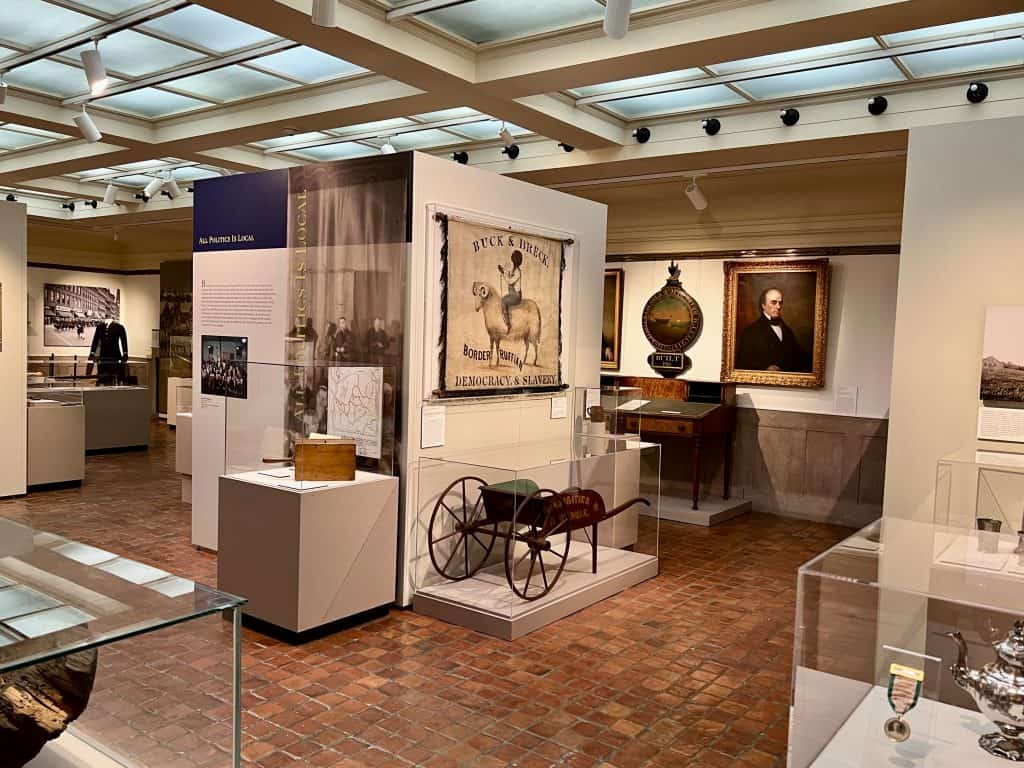
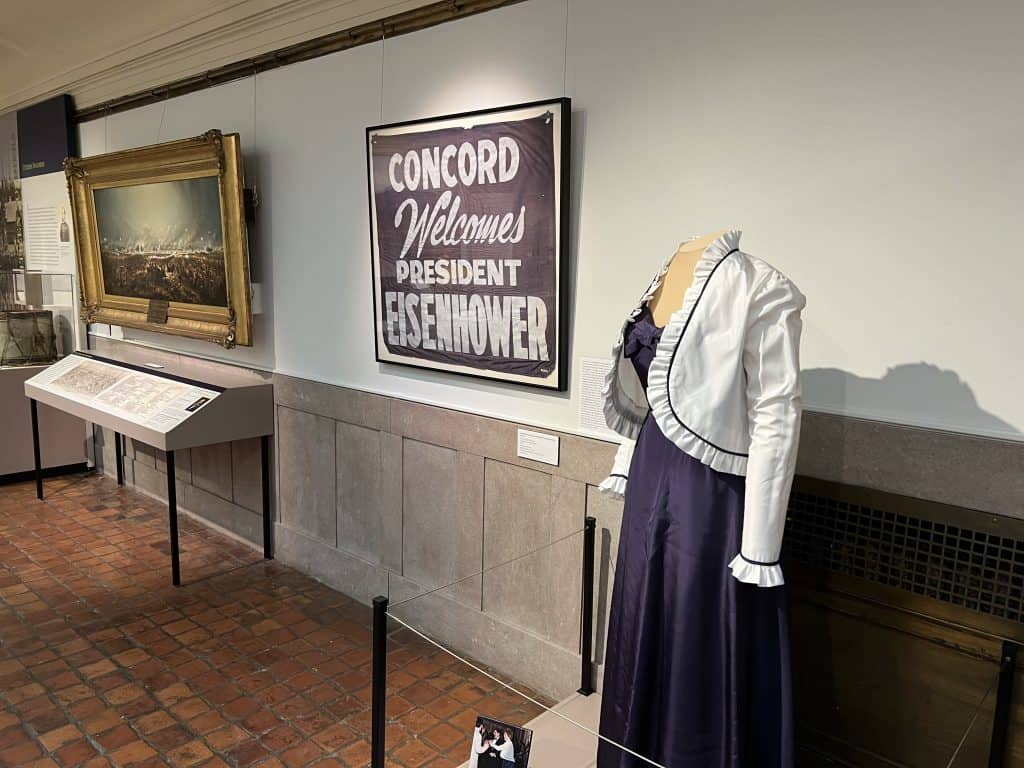
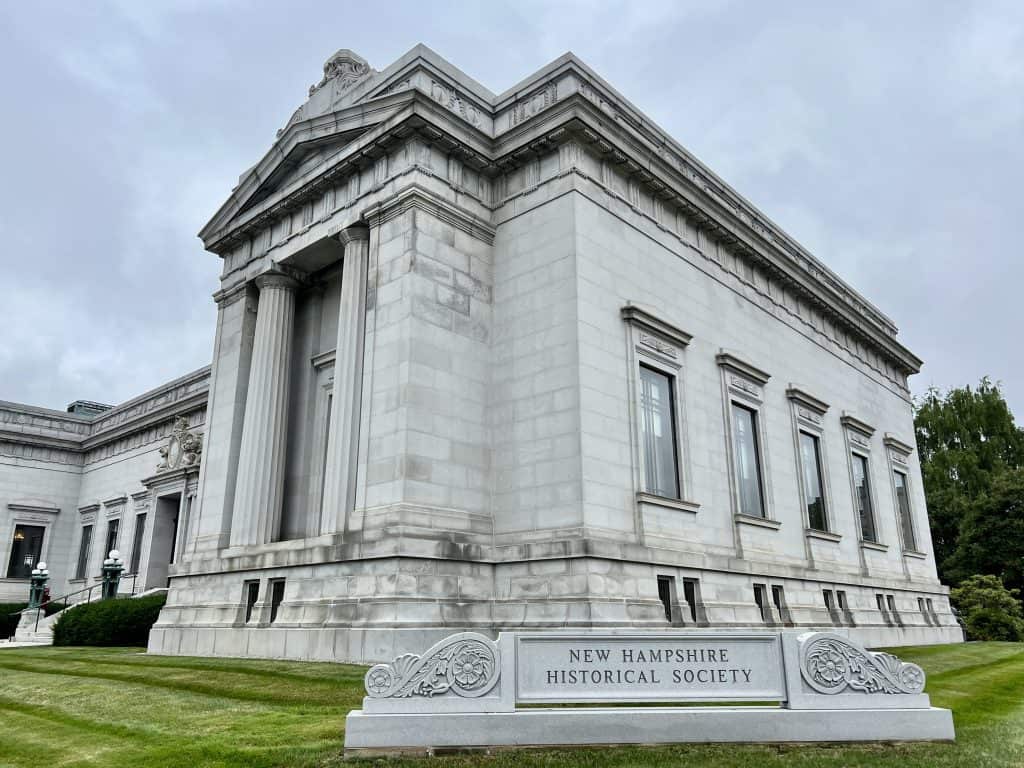
While visiting the New Hampshire state capitol of Concord recently, we enjoyed a tour of the New Hampshire Historical Society, which celebrates the rich history of the Granite State.

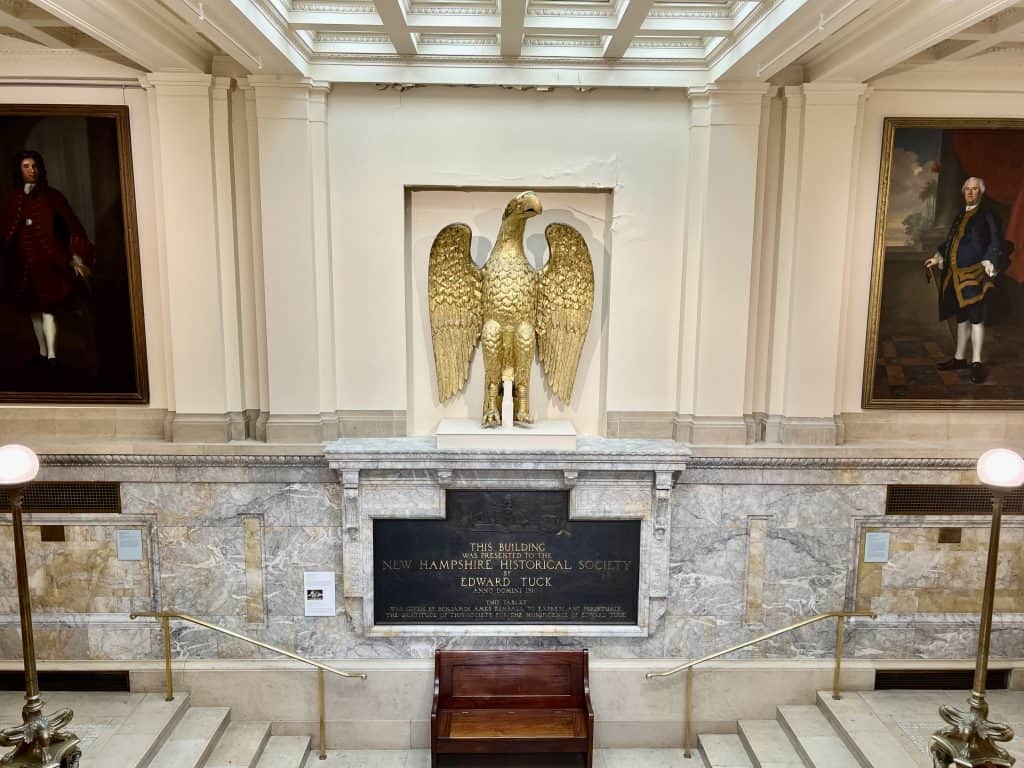
Celebrating its 200th birthday in 2023, the New Hampshire Historical Society was a gift of Edward Tuck, son of a wealthy businessman who founded the Dartmouth Business School, to the state of New Hampshire. Tuck gave most of his lifetime of fortune back to various charities in New Hampshire and ultimately wanted to build (what he called) a “temple” to the Granite State near the State House. Finished in 1911, the building takes up an entire city block and is diagonal to the State House in downtown Concord. Over the past century, several renovations have been made to the building to make it more energy efficient and accessible for all visitors. 

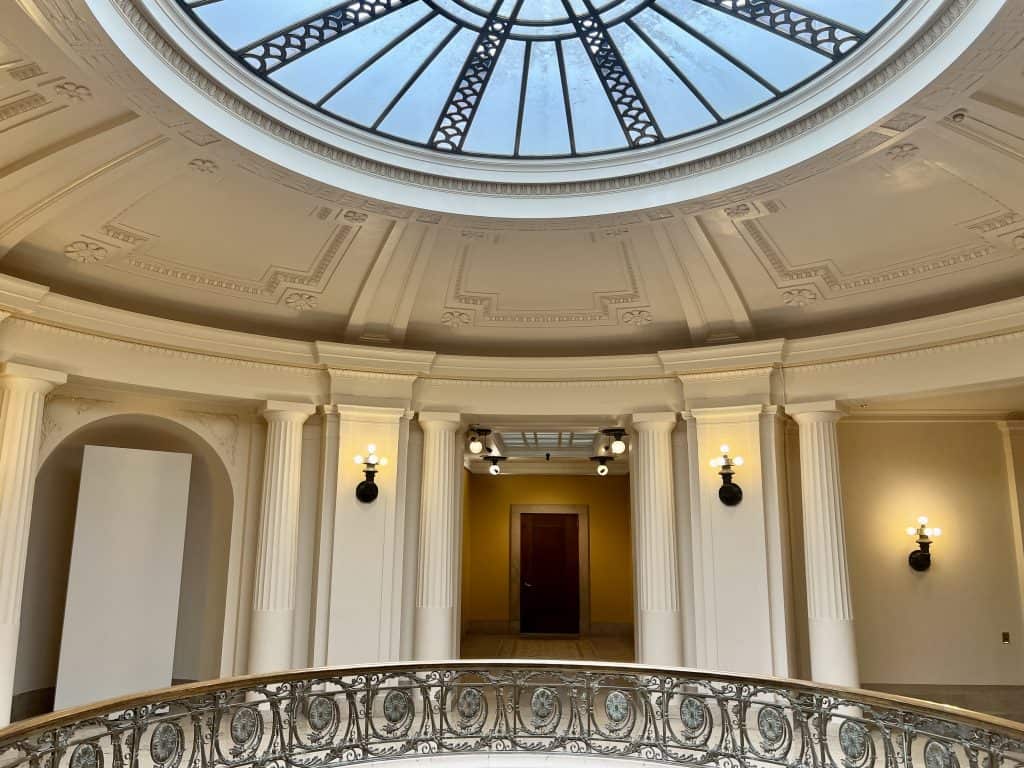
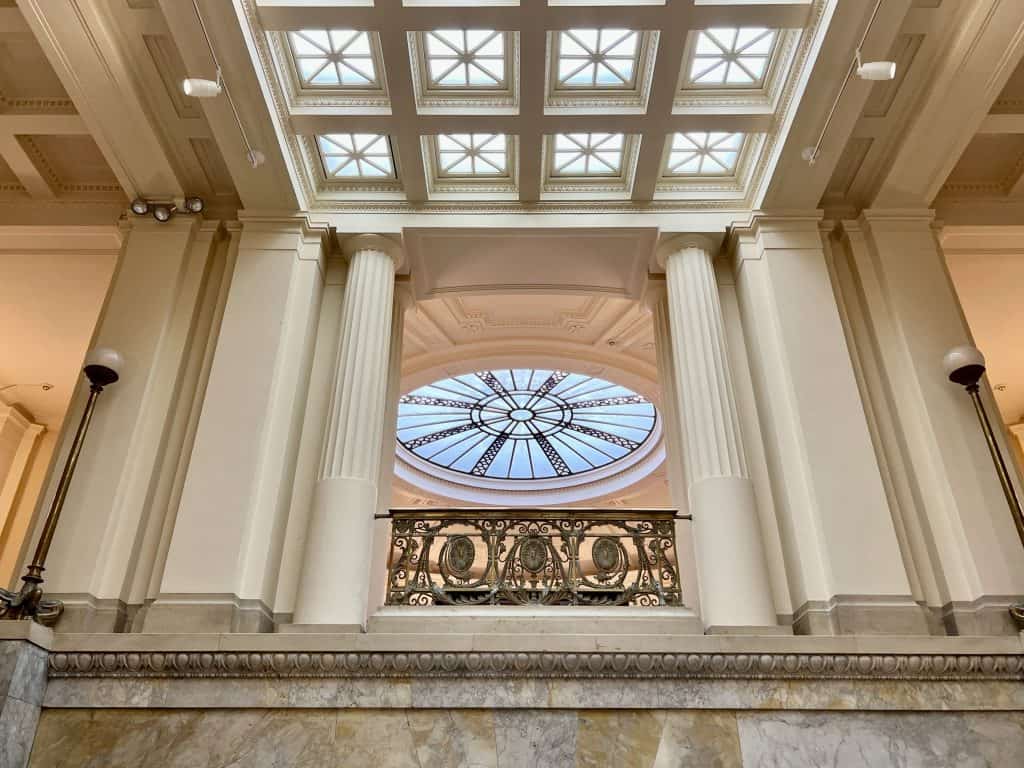
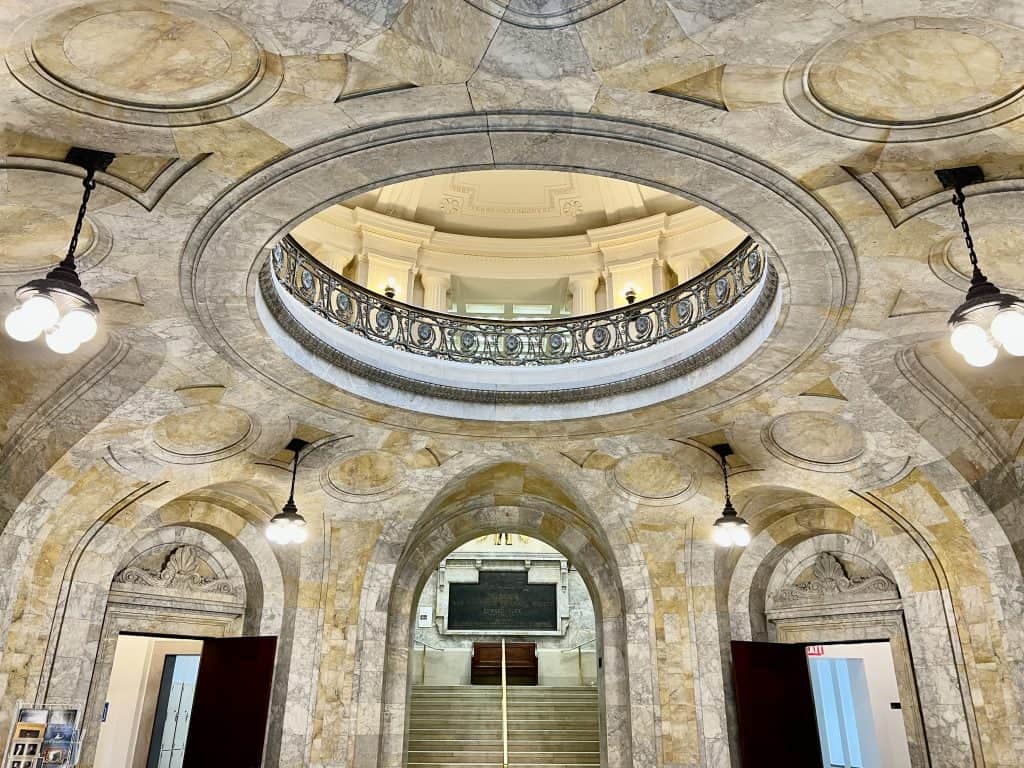
The building was built in a Greek revival style, including the ceiling and walls of the rotunda, which are made of Siena marble from a quarry in Italy that was owned by the monks of the Old Convent and shipped to America. The floors and staircase are made of Hauteville marble from France. Make sure to stand in the middle of the atrium and look up at the Oculus and have children complete our “I Spy” game while touring the exhibits.
Travel Tips:

  • The Society is open Tuesday through Saturday from 9:30-5pm; Check up to date hours, reservations for guided tours, and admission fees (kids under 18 are free!) here.
  • There is metered ($1/hr) street parking available on many side streets in the downtown area- check here for more information.
  • Restrooms are located on both the first and second floor, and the building is handicap accessible via an elevator. 
  • No dining facilities on site; check here and here for good indexes of Concord restaurants.
  • Be sure kids check out the Artifact Detective scavenger hunt while touring the Historical Society and the 603 History Hunt, a statewide scavenger hunt. 
  • Plan on 60-80 minutes for a tour of the Society. 

Playing “I Spy” at the NH Historical Society:

Would you like to save this?

We'll email this post to you, so you can come back to it later.

  1. The 500 pound eagle, covered in gold, that was displayed on top of the State House from 1818-1957. 
  2. The Revolutionary War flag, the only national flag created by Benjamin Franklin that still exists today. 
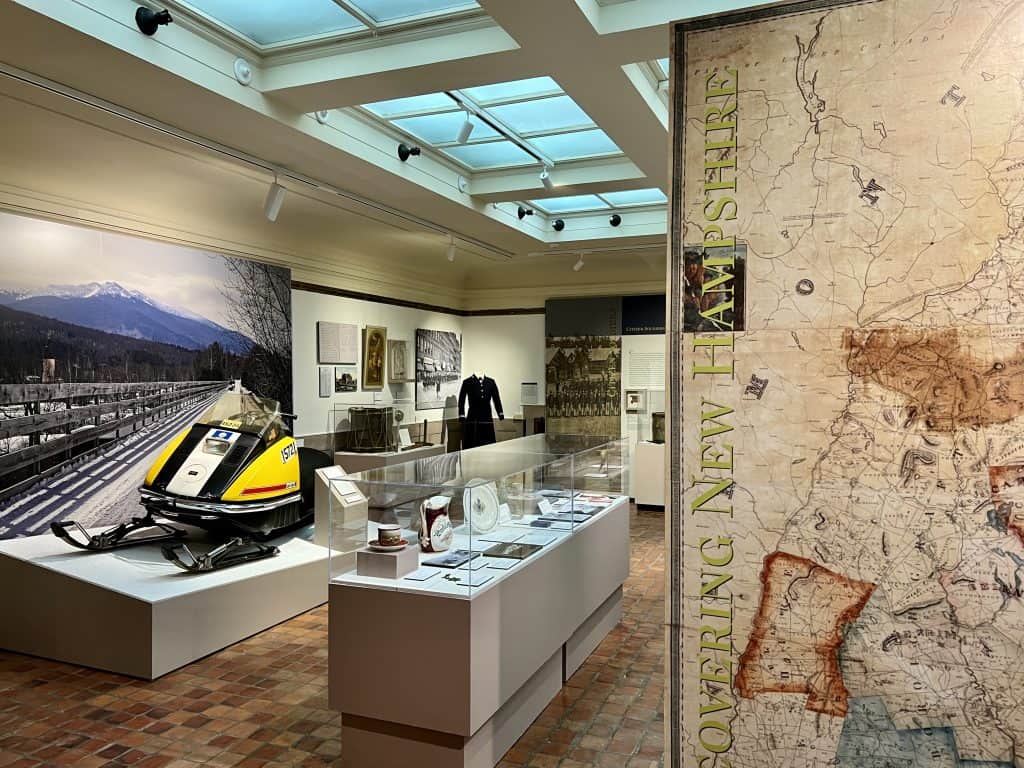
  3. The enlarged copy of the Carrigain map of New Hampshire, credited with being the first map that included every town in the state. Former Secretary of State Philip Carrigain finished creating the map in 1816 (he started in 1803!)  and also insisted that every selectman walk the entire perimeter of their town every ten years. 
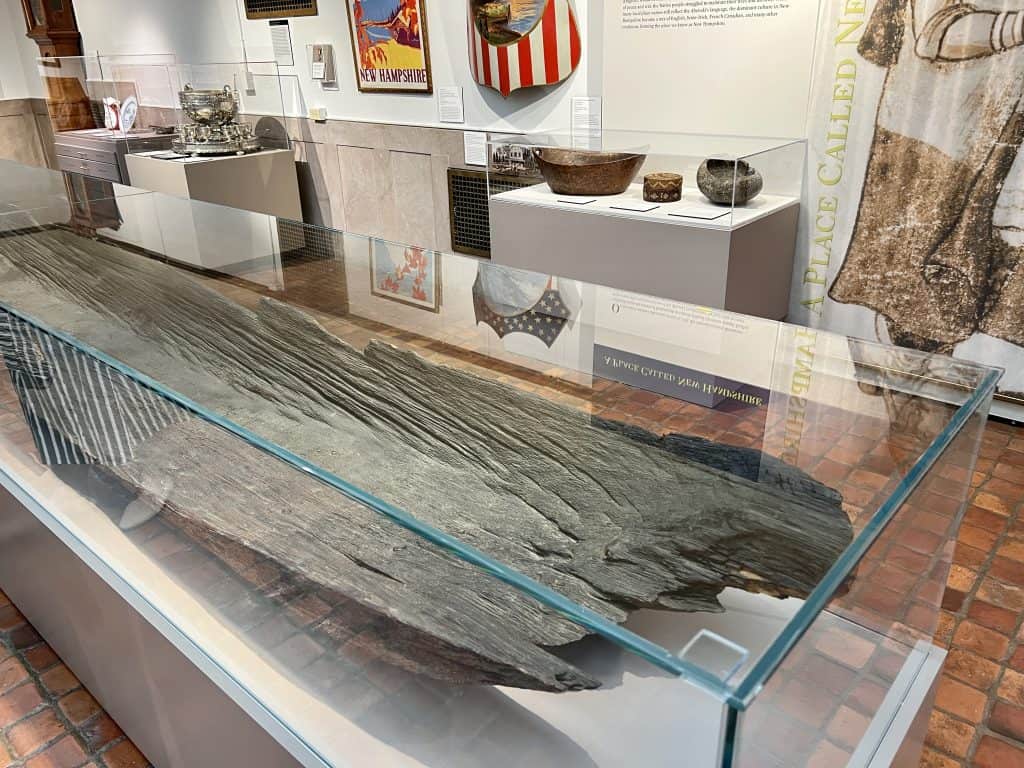
  4. A 500 year old dugout canoe, most likely made by the Abernaki tribe, who lived on the land that is now called New Hampshire for over 12,000 years.
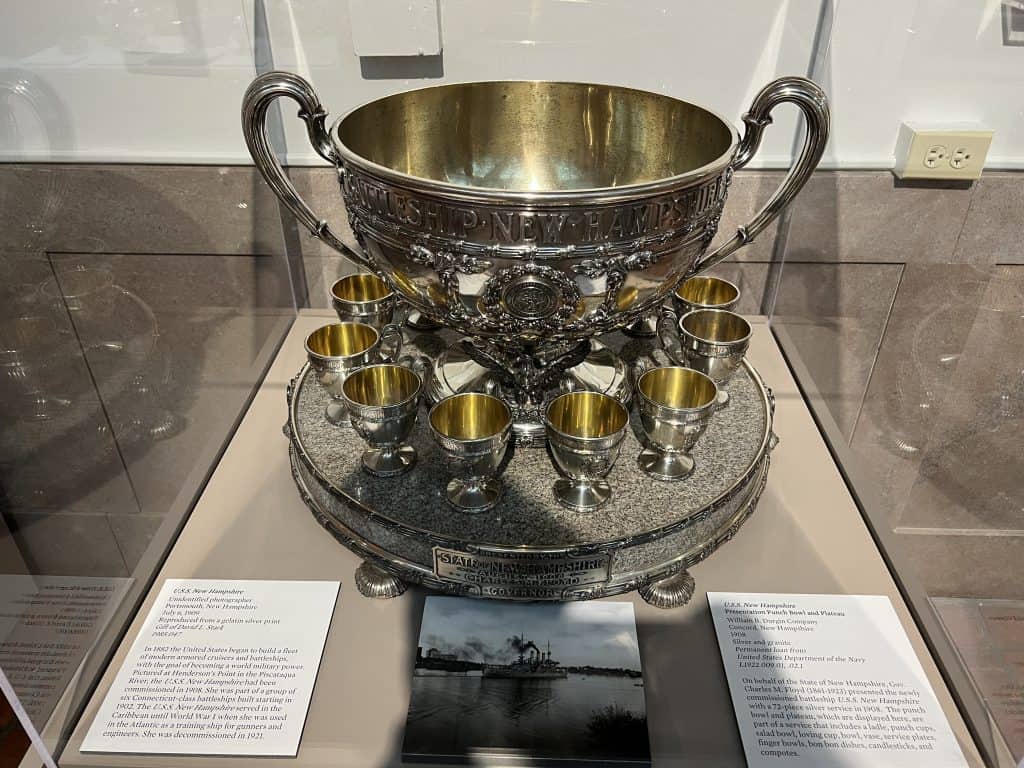
  5. Some of the 70 pieces to a punch bowl set from the USS New Hampshire battleship. The fancy set was used not by sailors, but by dignitaries who visited the ship when it sailed to England to host parties. 
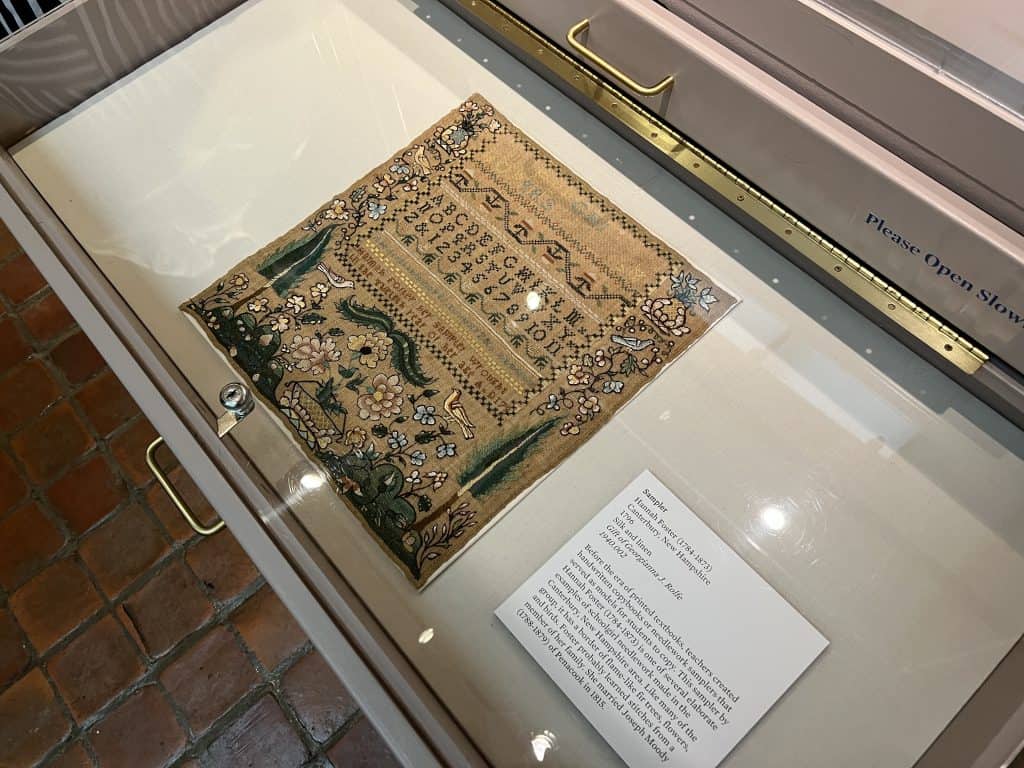
  6. A sampler sewn by 12 year old Hannah Foster in 1800, displayed by her parents in the family home to entice suitors to marry Hannah. Bonus: see if you can figure out which letter is missing and wasn’t commonly used in the alphabet until the early 1800s. 
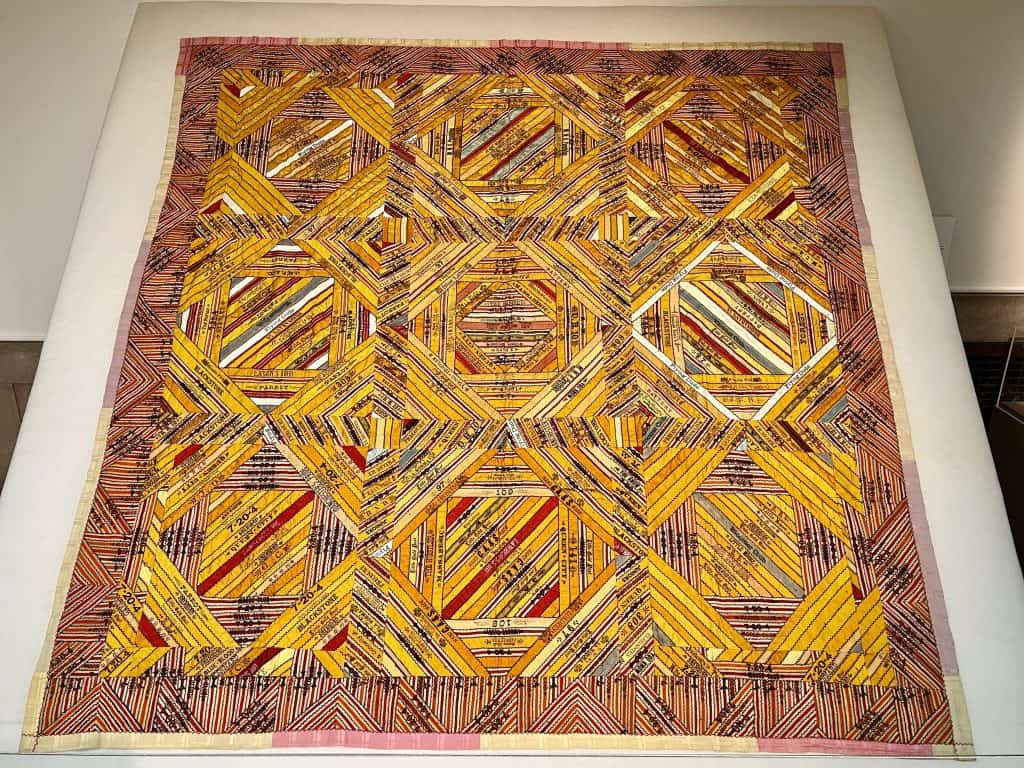
  1. A massive quilt made entirely from cigar ribbons. A  local cigar ribbon factory employee brought home pieces daily and it took him ten years to complete the quilt. 
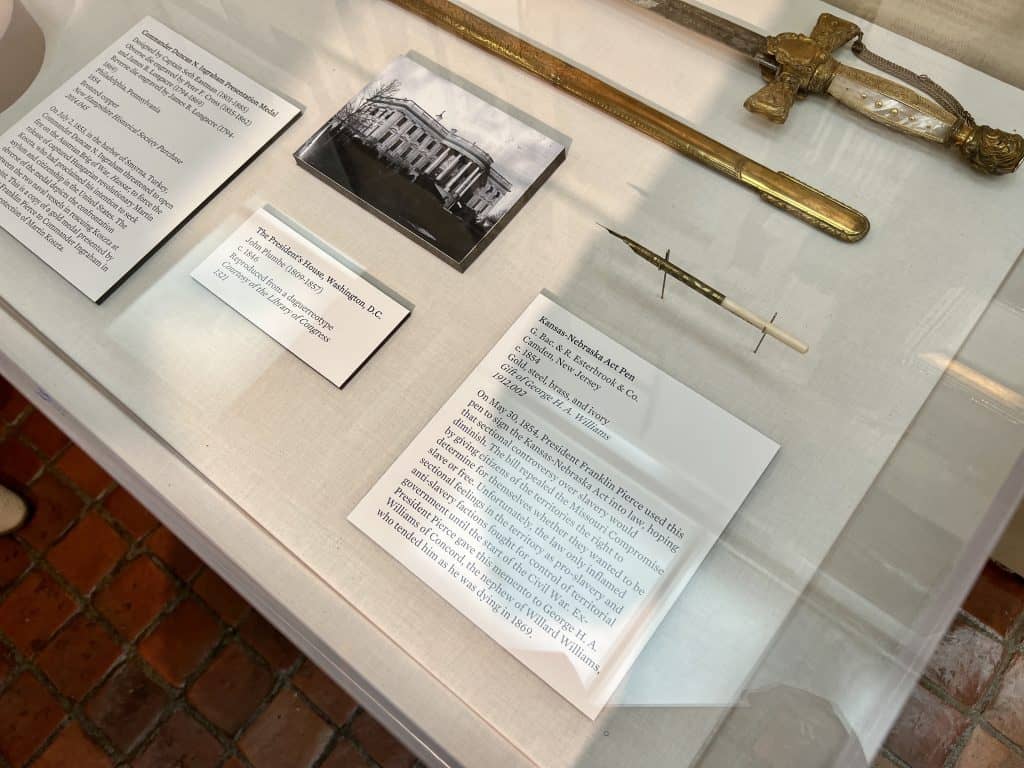
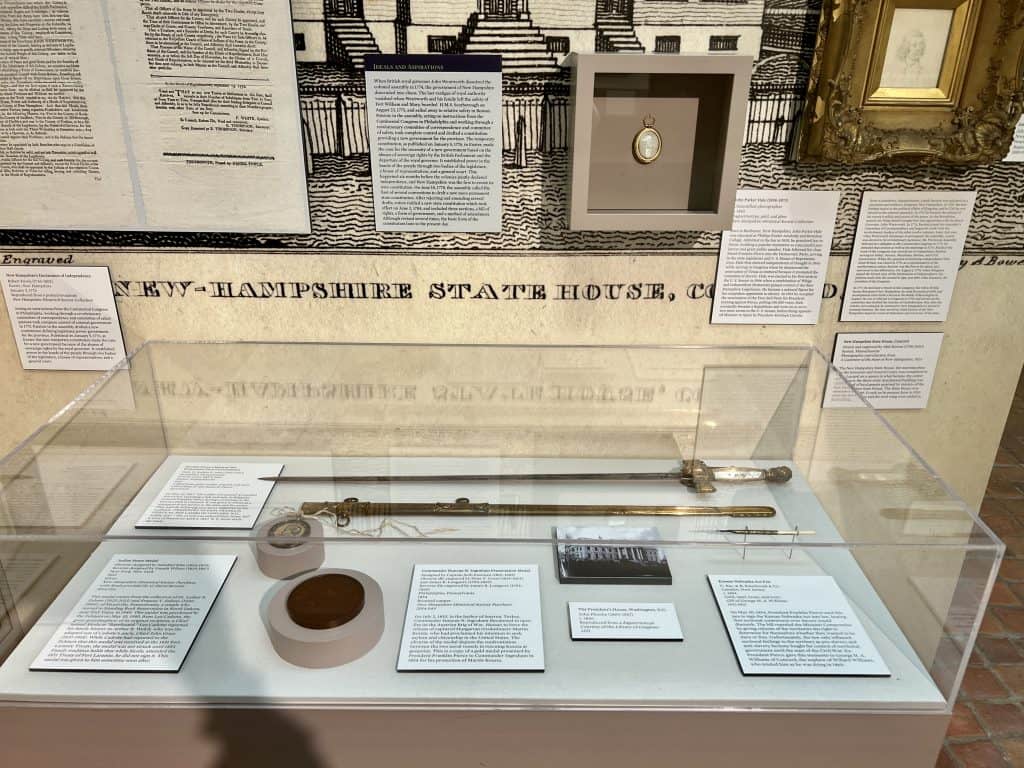
  2. The pen President Franklin Pierce used to sign the Kansas- Nebraska Act.
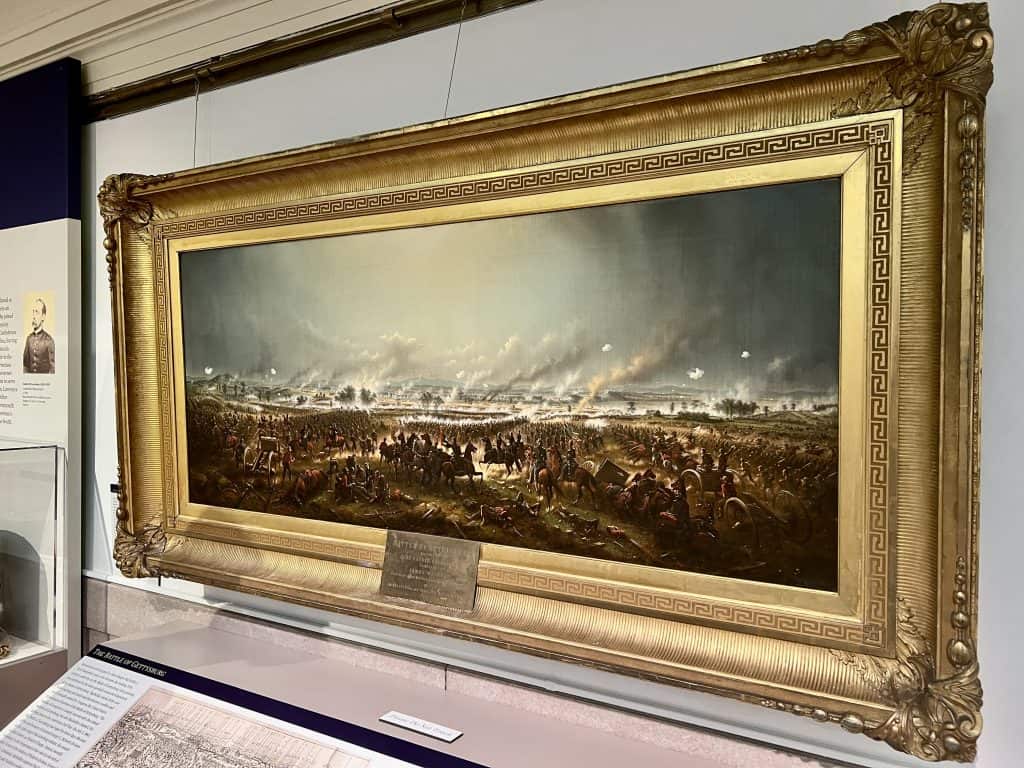
  3. The oil on canvas painting by James Walker, commissioned by Chief Historian of the Battle at Gettysburg John Badger Bachelder. The painting is so intricate with precise locations of thousands of soldiers and battle figures that there is a key with detailed identifications. 
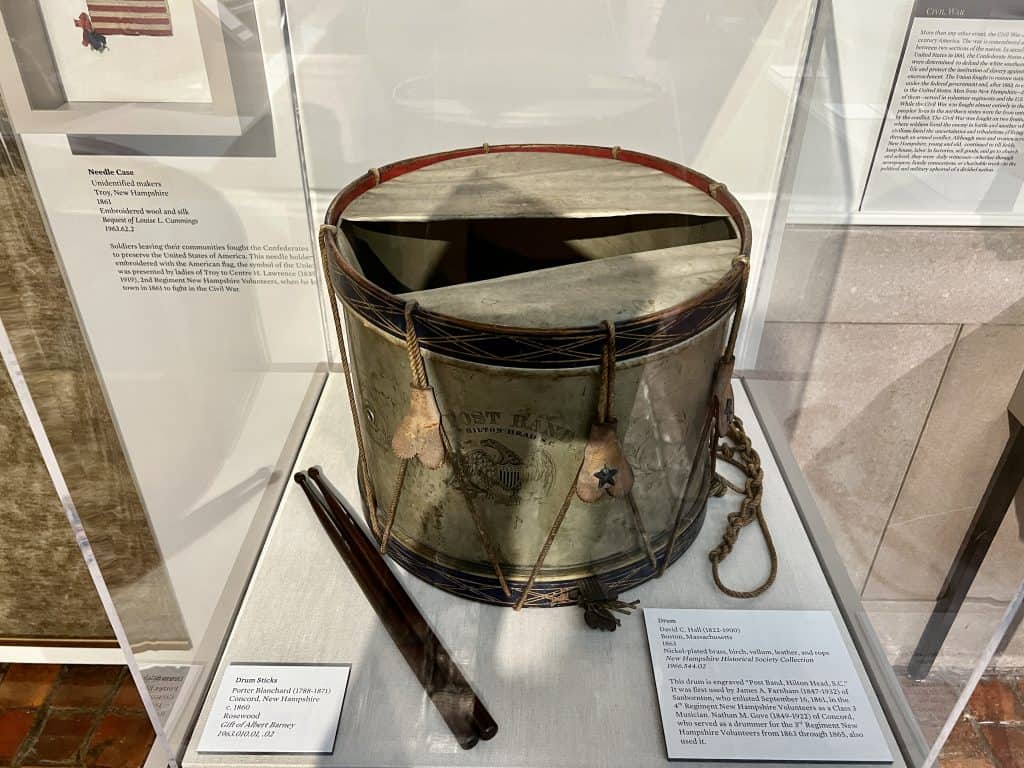
  4. The drum used by Nathan McGrove, of Concord, in the third regiment in the Civil War.
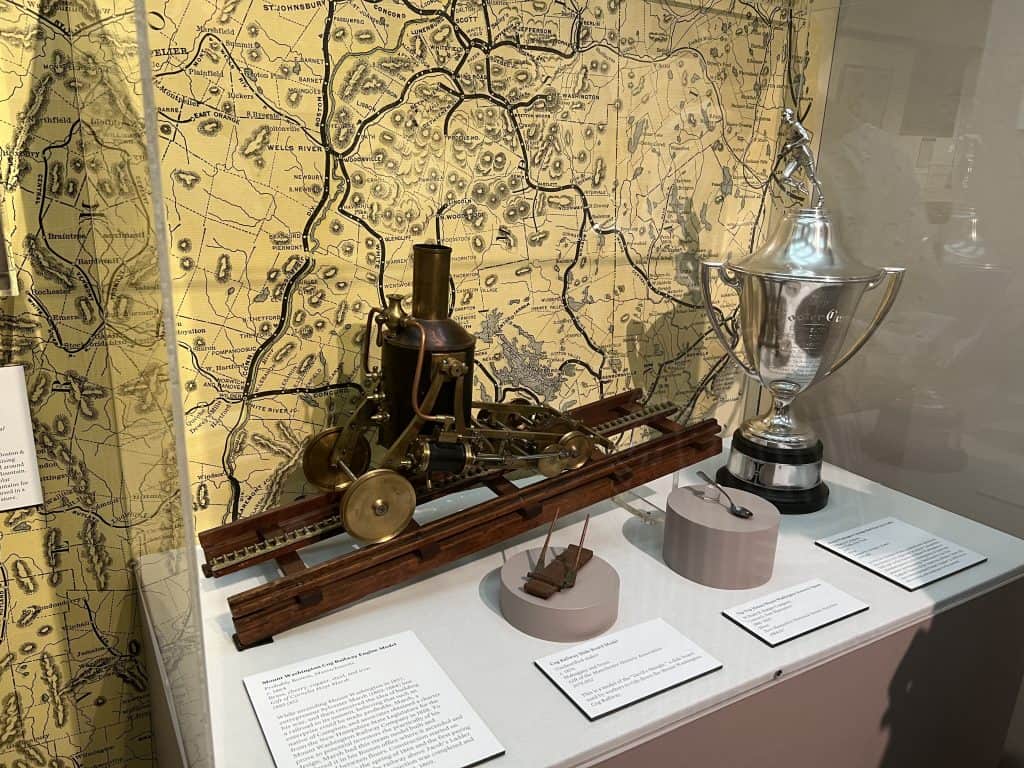
  5. The model for the Cog Railway Engine which takes visitors from the western side of Mount Washington to the peak. Visitors can also drive their personal vehicles up the VERY steep Auto Road to the top. 
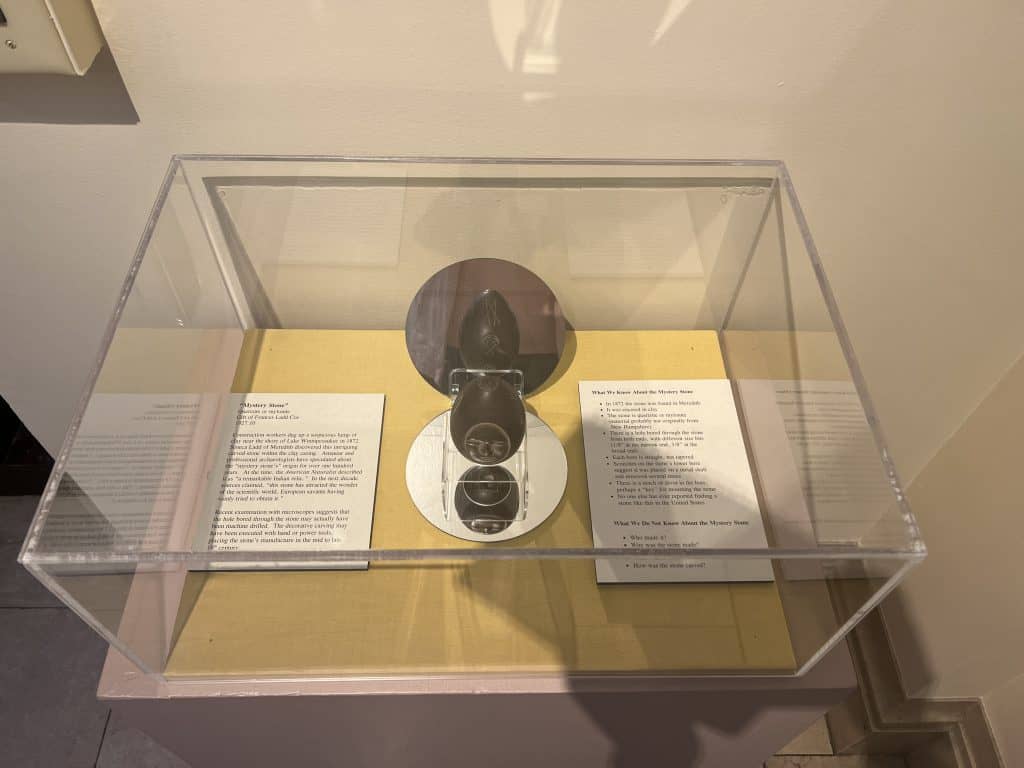
  6. The most requested item in the Society’s collection: The Mystery Stone! Historians don’t know where it came from, who , or even how old it is. 
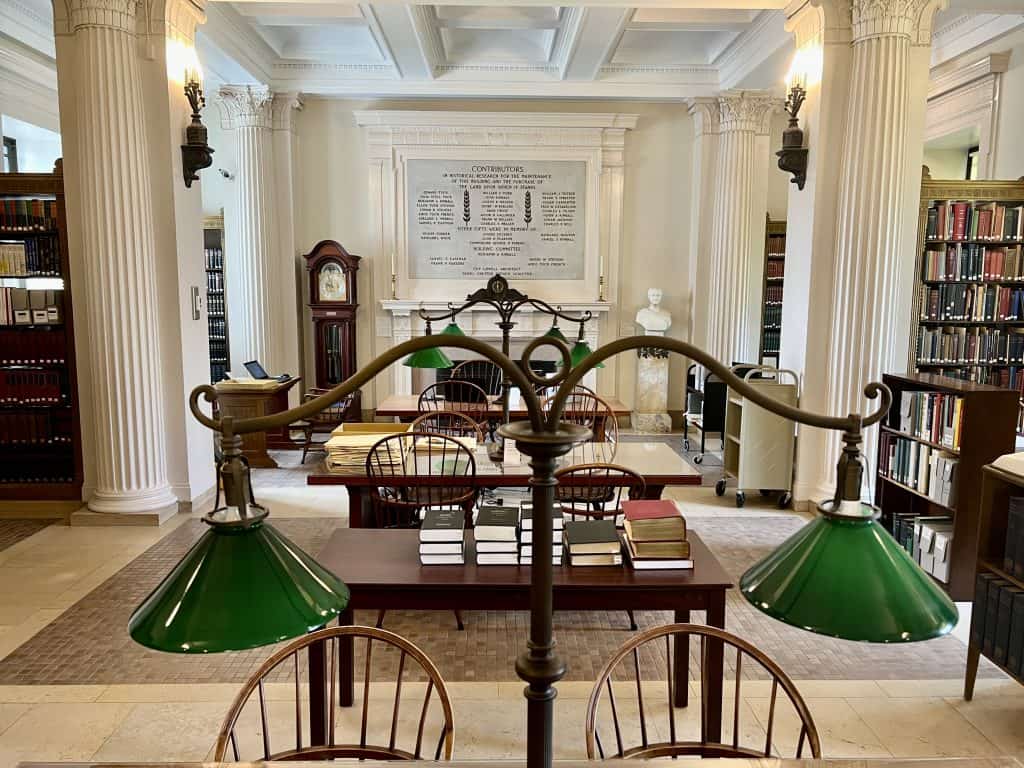
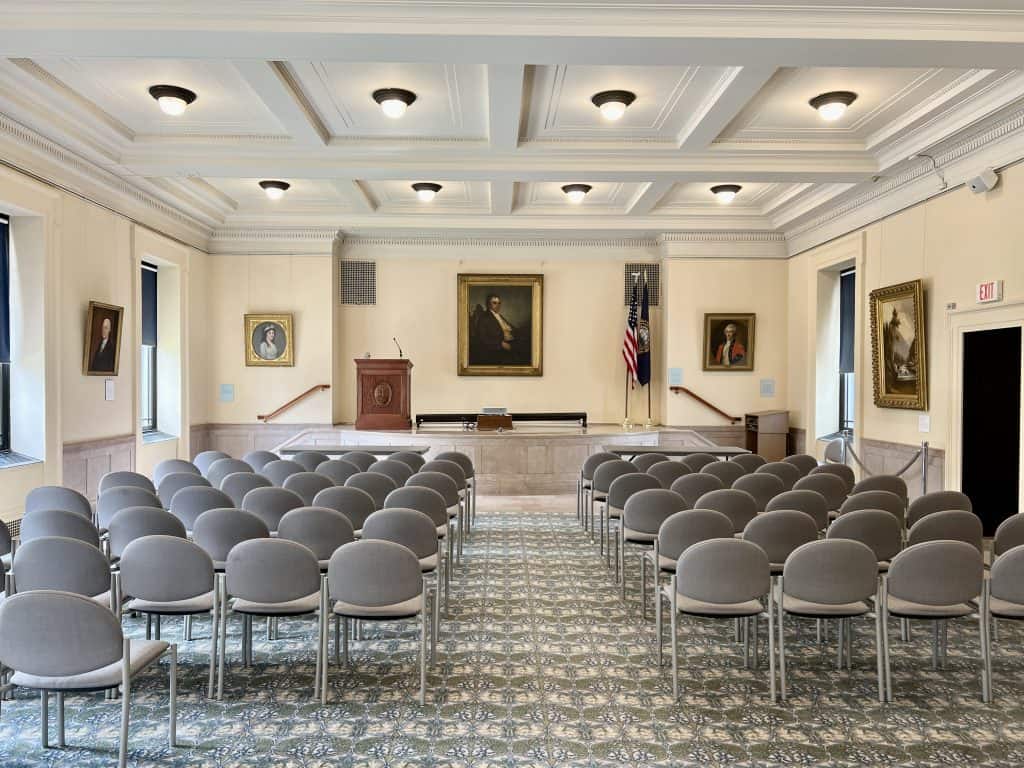
Bonus: Make sure to peek inside the first floor auditorium to see some of the artwork and the Reading Room Library, which counts over 50,000 books in its collection (and a unique bust of Mary Baker Eddy).  
Looking for other adventures in Concord? Check out our post featuring the Canterbury Shaker Village, the Pierce Manse, and the McAuliffe Shepard Discovery Center. And follow along on our adventures on Instagram, Pinterest, Facebook, and Twitter.

Disclosure: Our family was given a media pass to tour the Society; all opinions expressed are my own.

Similar Posts

  • | | | | |

    Nat’l Museum of Dance & Hall of Fame, Saratoga Springs NY

    Day 2 in my weeklong posts on Saratoga Springs, New York.

    As a child, I spent fourteen years in ballet and tap classes. I even considered going to Skidmore College because I was so passionate about wanting to dance, but ultimately decided to follow a different career path to teaching. However, my love for dance has never ceased. So when I was planning a family trip to Saratoga Raceway and saw that the National Museum of Dance and Hall of Fame was five minutes away from the track, I knew we needed to make a stop. After spending the morning at Saratoga National Historic Site (read about my tips here) it was a quick 15 minute drive into town to the museum.

    The museum and Hall of Fame are located inside the Saratoga Spa State Park, which is home to performing arts centers, museums, pools, a golf course, and a resort and spa.  From the outside, I must admit I thought the museum looked a little dated. However, once inside, I noticed that is beautifully maintained and full of really fun, unique exhibits. It’s definitely worth a stop for a couple of hours before you head to the race track.  Bonus: Admission is free on Tuesday, when we visited. The museum is closed Sunday and Monday.

  • | | | | |

    Touring the Met Opera House in New York City

    On a recent trip to New York City, we enjoyed a tour of the largest opera house in the world, the Metropolitan Opera House. Now part of the Lincoln Center for the Performing Arts, the Metropolitan Opera was founded in 1883 and the first opera house was located at Broadway and 39th Street. As the Met Opera grew in popularity, it needed more space and joined other organizations to form The Lincoln Center for the Performing Arts, a 16.3 acre complex on the Upper West Side of Manhattan. Lincoln Center first opened in 1962 with the New York Philharmonic, adding the New York City Ballet in 1964 (in the Koch Theater) and then the inauguration of the Opera House in 1966. Across the complex, Lincoln Center is home to 30 indoor and outdoor facilities, including water features and a grassy hill across from the Juilliard School.

  • | |

    Touring the Morrin Centre in Québec

    On our recent visit to Québec, we had the opportunity to explore several historical attractions and learn about many parts of Québec’s history. One of the most unique spots in the city (and actually, that we have ever toured) is the Morrin Centre, one time jail, one time university, and now part museum and part library.

    The original building opened as a jail in 1812, the first common jail of Québec and the site of 16 public hangings. However, the jail was not considered a successful one as, over 60+ years, over 100 inmates escaped, and less than half were recaptured. 

  • | | | | | | | |

    City Guide: Sag Harbor, New York

    The village of Sag Harbor, located on the northern part of the South Fork of Long Island, is typically home to under 3,000 year round residents but swells during peak summer months, as the area is a popular vacation spot. Considered part of “The Hamptons” (which includes the towns and villages of Westhampton, South Hampton, Sagaponack, Sag Harbor, East Hampton, Amagansett, and Montauk), the area is under two hours from the hustle and bustle of Manhattan (or a short ferry ride from Fairfield County, Connecticut). Sag Harbor became a US port of entry in 1789 with a growing population involved in servicing whalers and West Indian trade ships. and became a thriving whaling industry in the 1800s. There are many historic homes, museums, outdoor recreational areas, and dining and retail options throughout Sag Harbor and the surrounding towns that the whole family will enjoy.

  • | | | | | | | | | | | | | | | | |

    Why I Love Staying at Marriott Hotels

    Airbnb and Homeaway are popular ideas when it comes to housing while traveling and I love the idea of staying in a neighborhood and really becoming part of a community. I also know several people who love hitting the road in their camp or trailer, or even camping in an old fashioned tent, communing with nature. For me, and my husband and young(er) children, it’s less hassle and gives me more of a “vacation” versus “trip” feel to stay in a hotel when we’re traveling as a family. I like the idea of someone making my bed with fresh sheets each day, whipping up breakfast, and helping me navigate around a new place.

    My family has become loyal fans of the Marriott company. You’ll read specifics about my favorite Marriott properties in some of my posts, but my favorite brand of the company is the Residence Inn. Residence Inns are designed to feel more like a home than a “regular” hotel room. Plus, they’re consistent in many ways I appreciate:

Leave a Reply

Your email address will not be published. Required fields are marked *