12 Ways to Explore the American Revolution Museum at Yorktown

| | | |

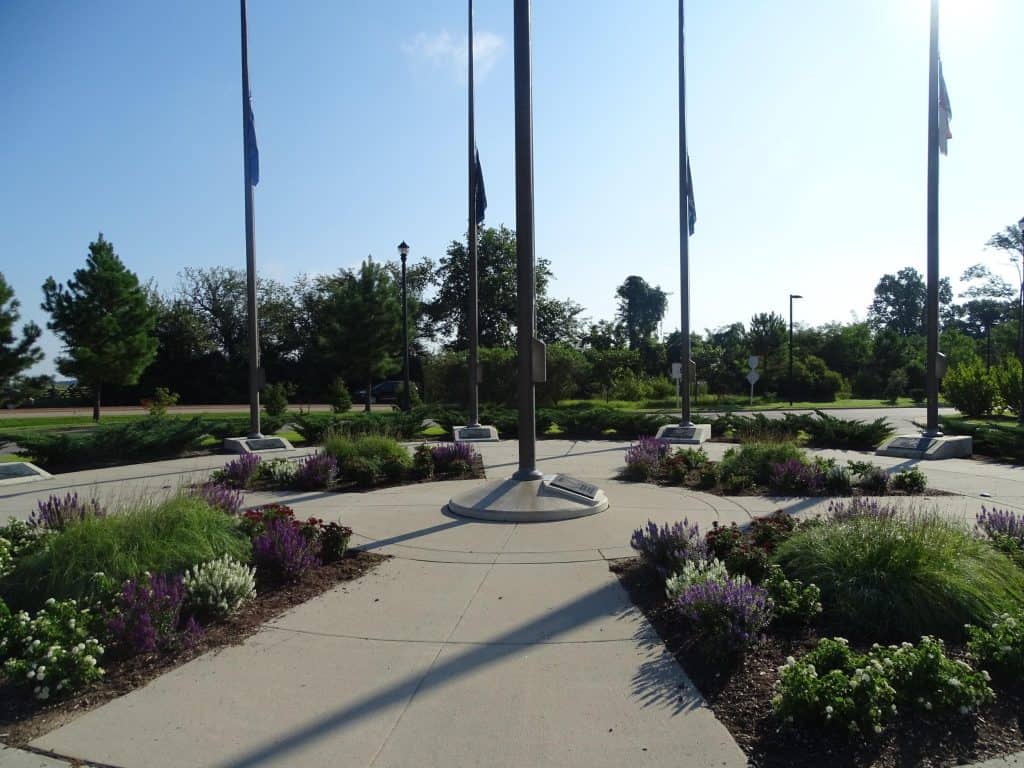
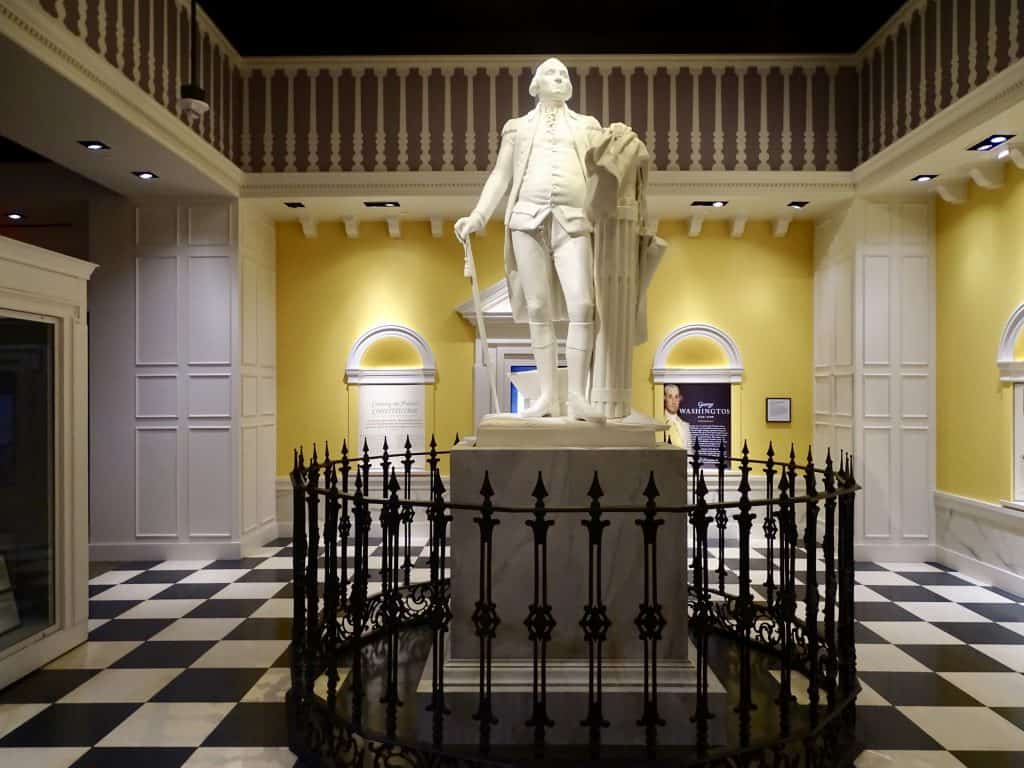
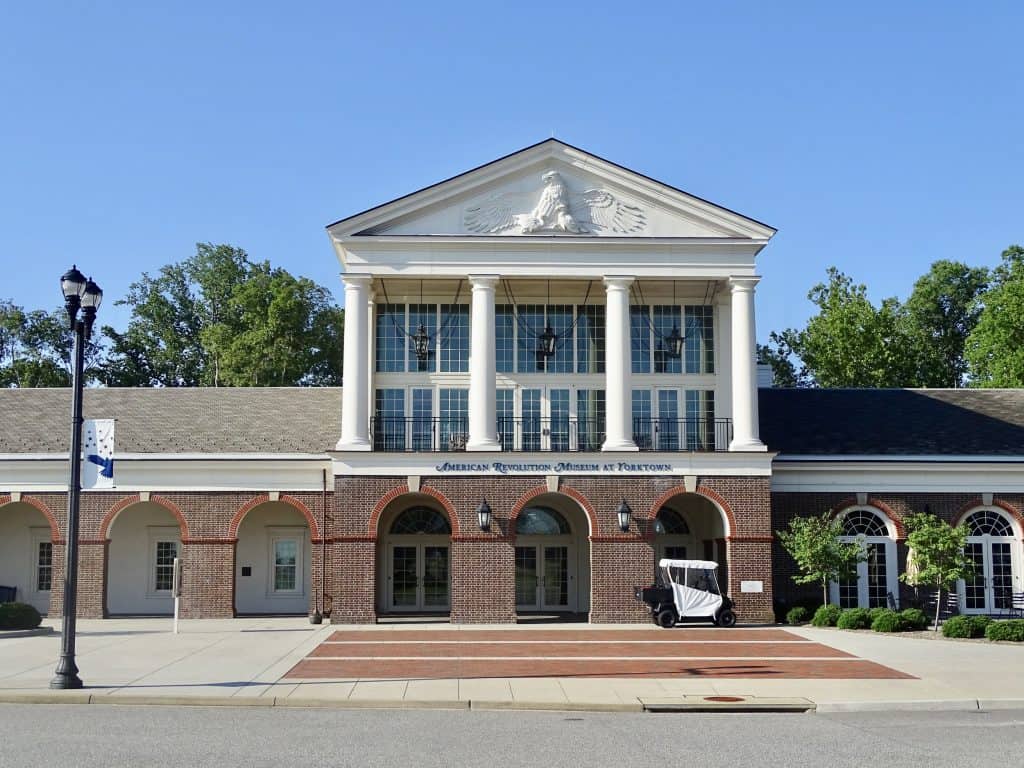
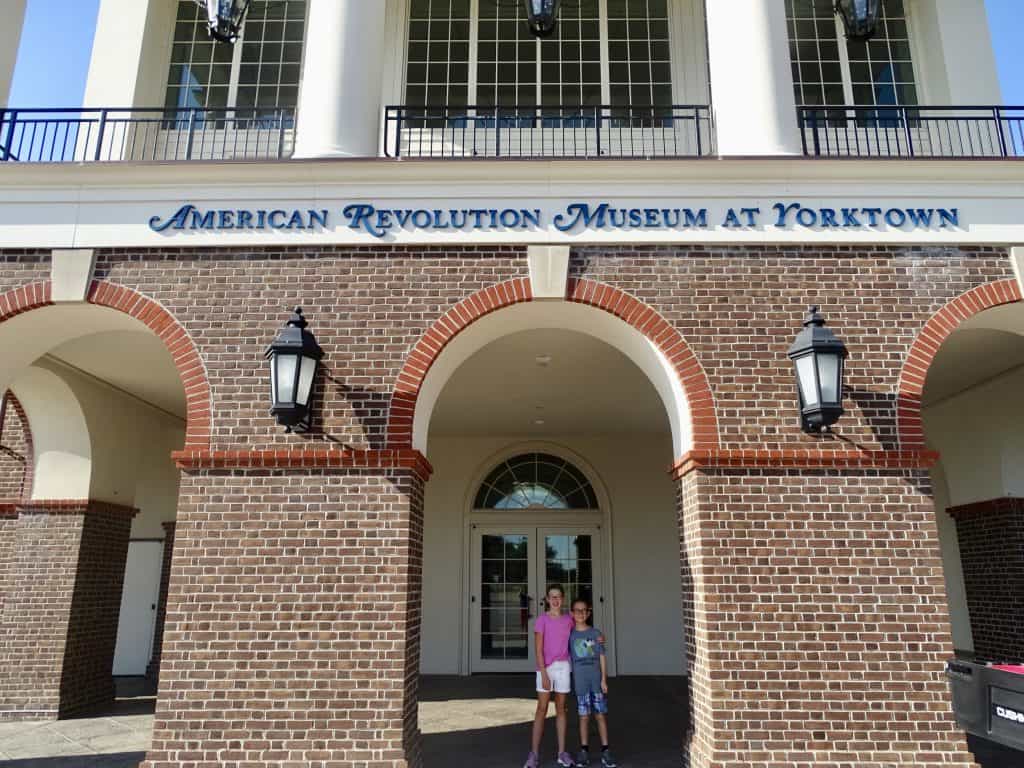
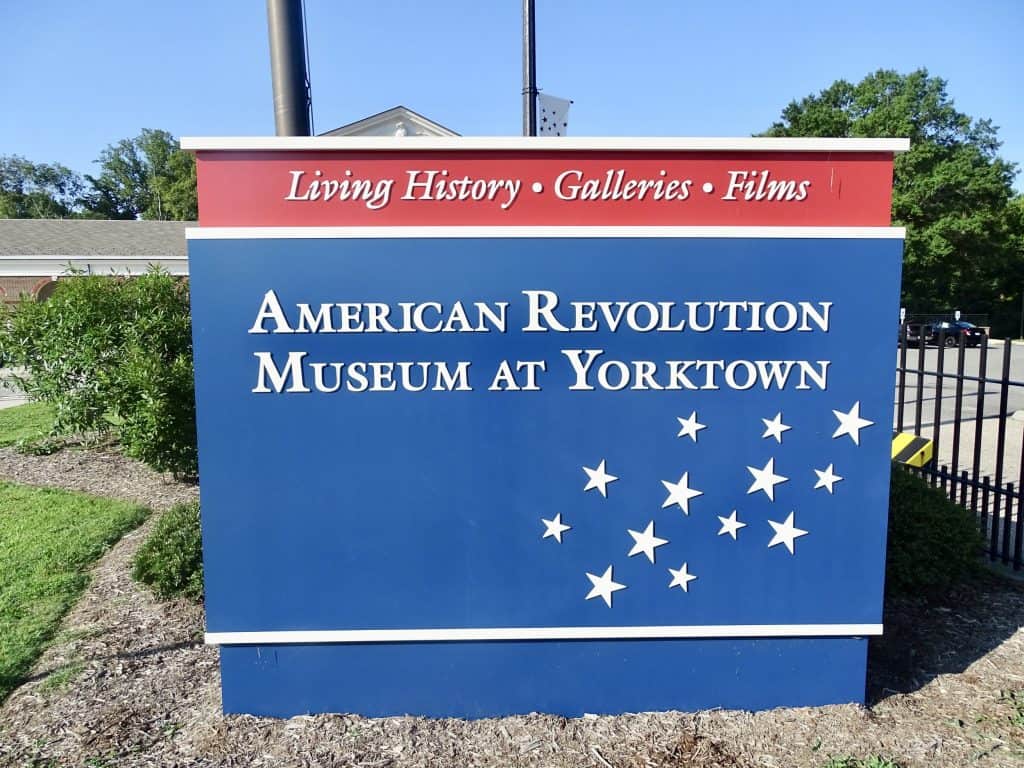
Adjacent to the Colonial National Historical Park which includes the Yorktown Battlefield, the American Revolution Museum at Yorktown brings to life one of the most consequential battles of the American Revolution. In October of 1781, American General George Washington and French General Comte de Rochambeau cornered British troops, forcing General Cornwallis to surrender at Yorktown. Yorktown, a small town on the banks of the York River, is close to Williamsburg and Jamestown. The three towns are known as the “Historic Triangle.”

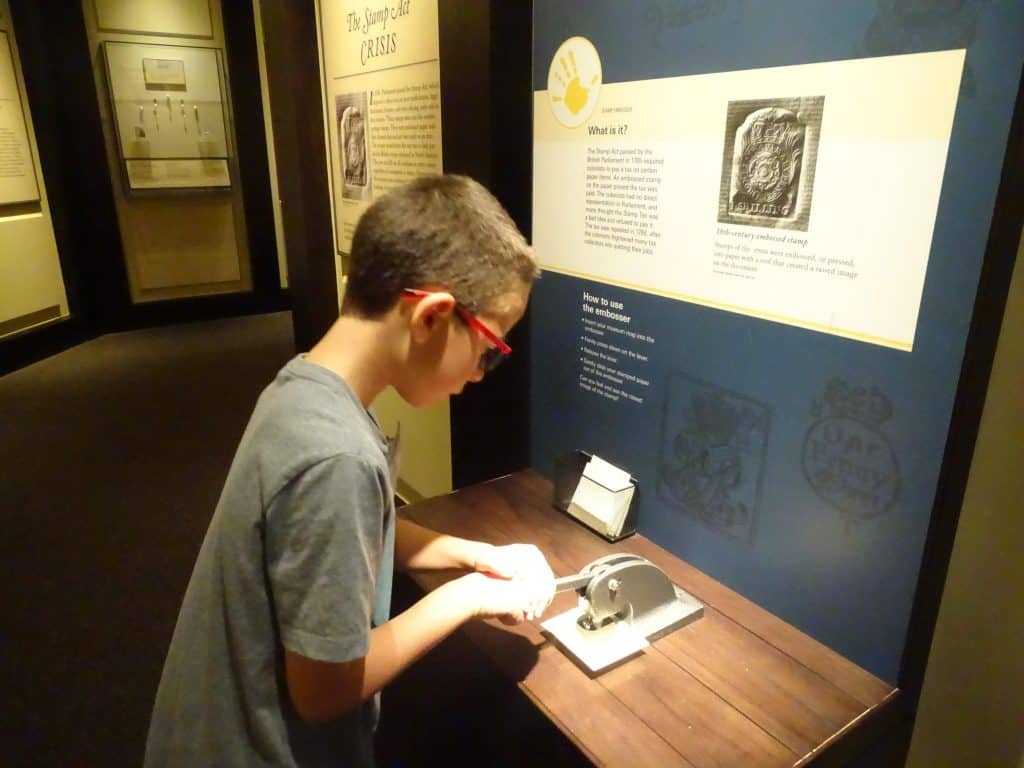
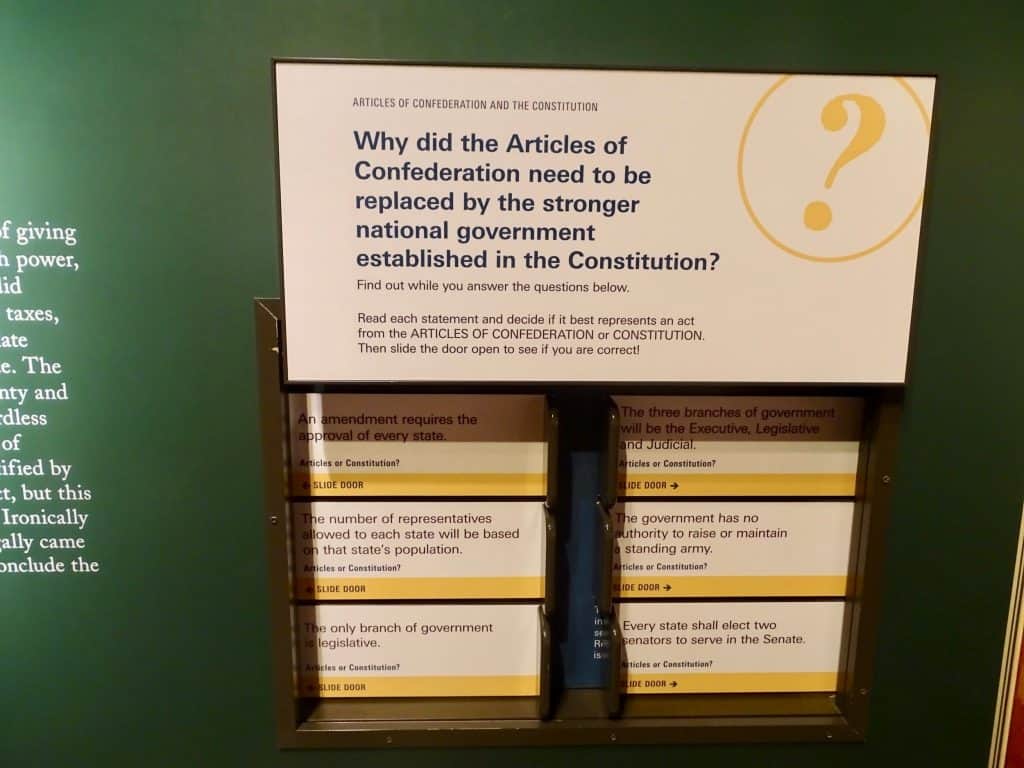
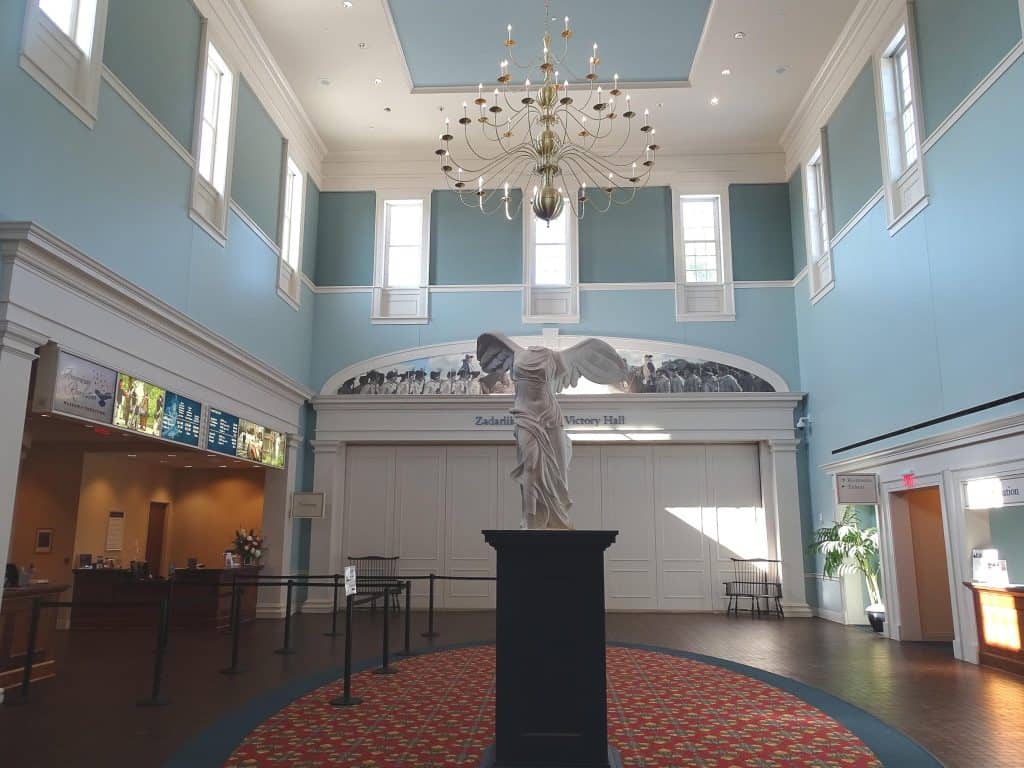
The American Revolution Museum opened in the spring of 2017 with a 22 acre site that includes indoor and outdoor exhibits, classrooms, media rooms, a large gift shop, and cafe. The museum is family friendly, inviting, and encourages engagement. Most exhibits are interactive, whether they invite visitors to touch artifacts, take a quiz and check answers by sliding screens, touch screens that encourage guessing or hypothesizing, or with telephones that play recorded narratives. There are also several spaces to sit and watch short films or more in depth displays.  Be sure to leave plenty of time to explore the reproduction farm- there are several interpreters who will engage and include visitors in various demonstrations. During off season winter months, guides provide information inside the museum before brief tours of the outdoor areas.
Traveling with Kids:

  • The museum is open 363 days a year (closed on Christmas Day and New Year’s Day). Consider purchasing tickets ahead of time. There are a wide variety of combination tickets that include visits to Jamestown and Williamsburg- check here for more information. I recommend the America’s Historic Triangle ticket for flexibility and a slower pace to really enjoy all five sites.

  • There is plenty of free parking and the entire museum is handicap and stroller accessible.

  • There are plenty of restrooms located throughout the museum and even outside near the farm.

  • A large gift shop is located near the exit and does not require admission to the museum to visit. Kids will love the wide variety of Revolutionary Era inspired toys and games.

  • A cafe on site offers sandwiches, salads and pizzas throughout the day, in addition to drinks and snacks. More info here. There are both indoor and outdoor dining spaces.

  • Plan to spend at least three hours to explore the indoor museum and outdoor farm. Consider attending a special program, such as a Family History Workshop- more info here.

12 Activities To Do at the American Revolution Museum:

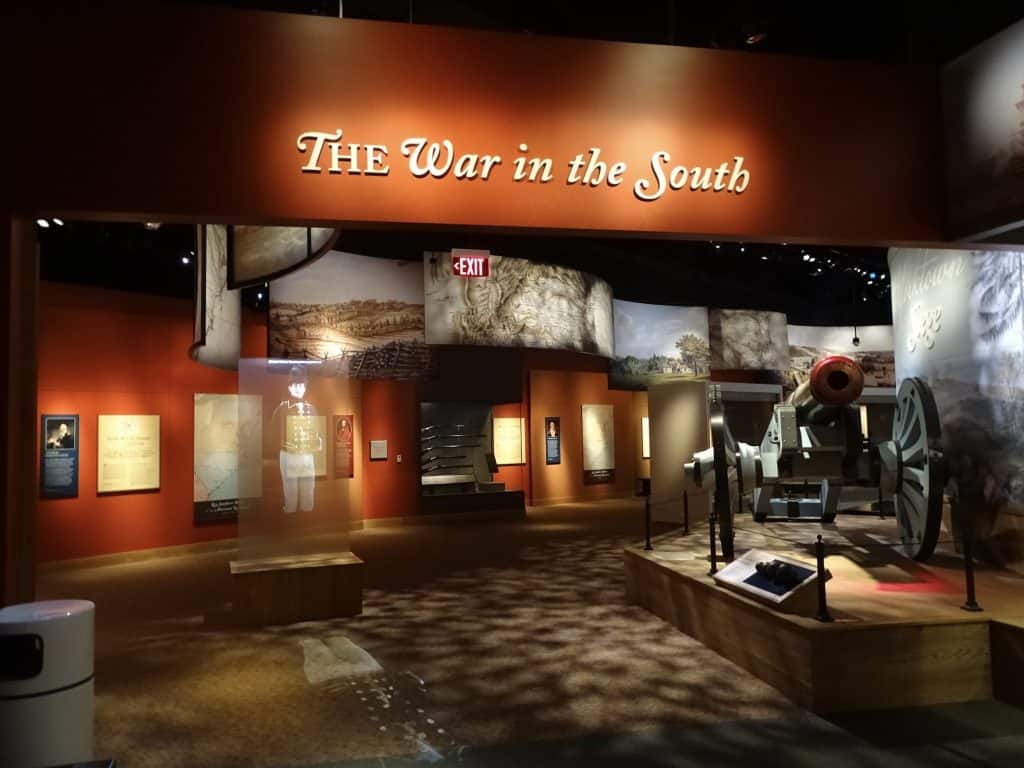
Indoor Museum: Almost 500 artifacts are on display in chronological galleries.
1. Start with the 18 introductory film “Liberty Fever”, shown every half hour. Note: the film is quite loud and often depicts war and death and might not be suitable for young children.
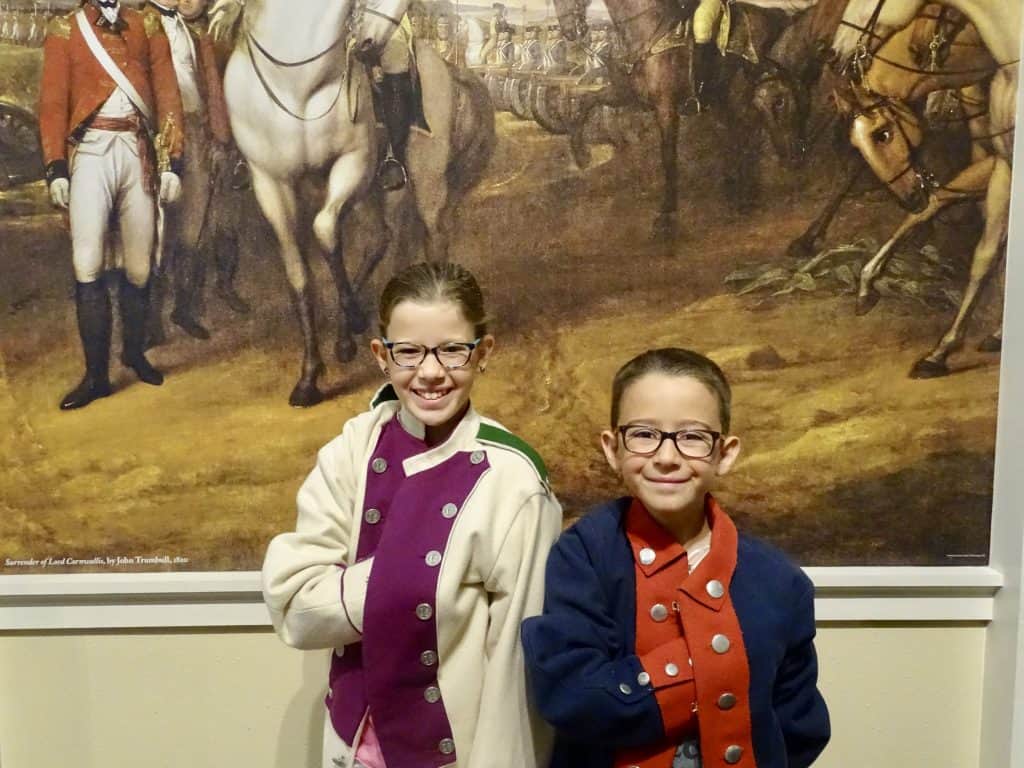
2. Distinguish the different uniforms of soldiers from various colonies by colors.
3. Compare maps from British Colonial America in 1763 to modern day America.
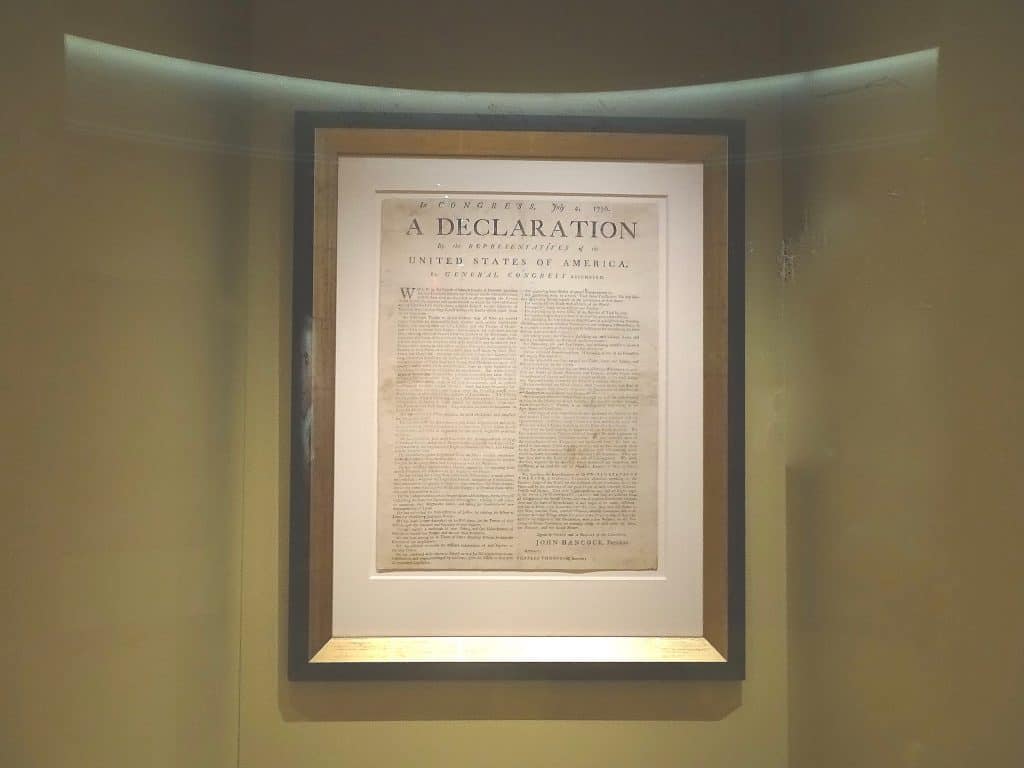
4. Read an original copy of the Declaration of Independence.
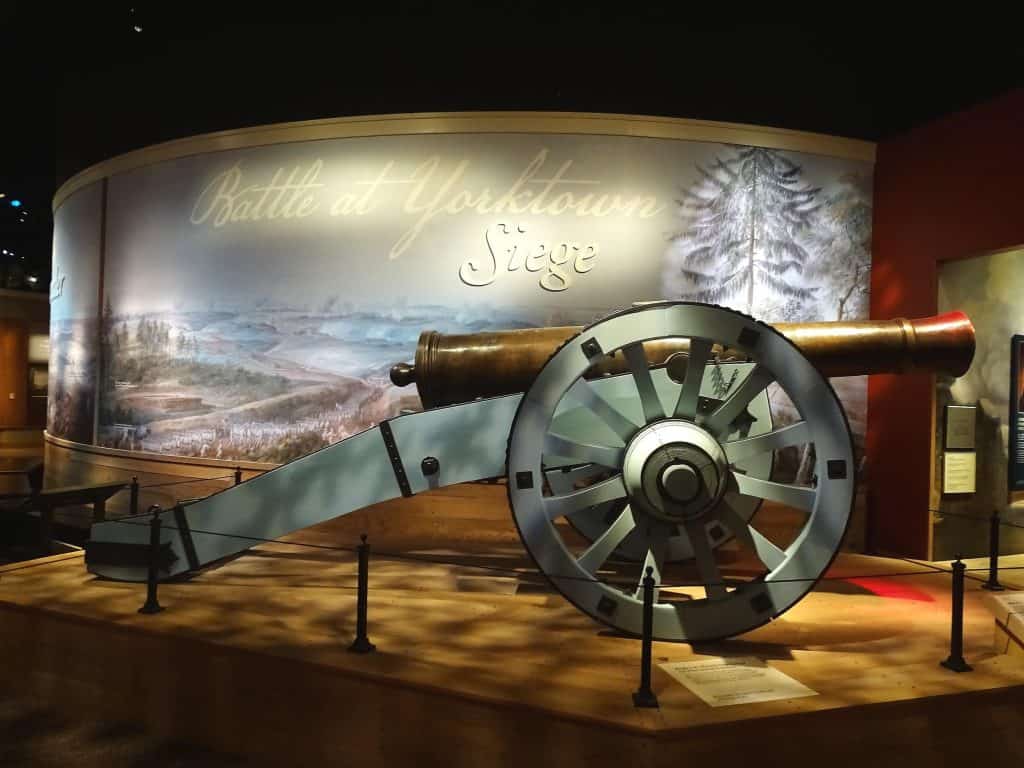
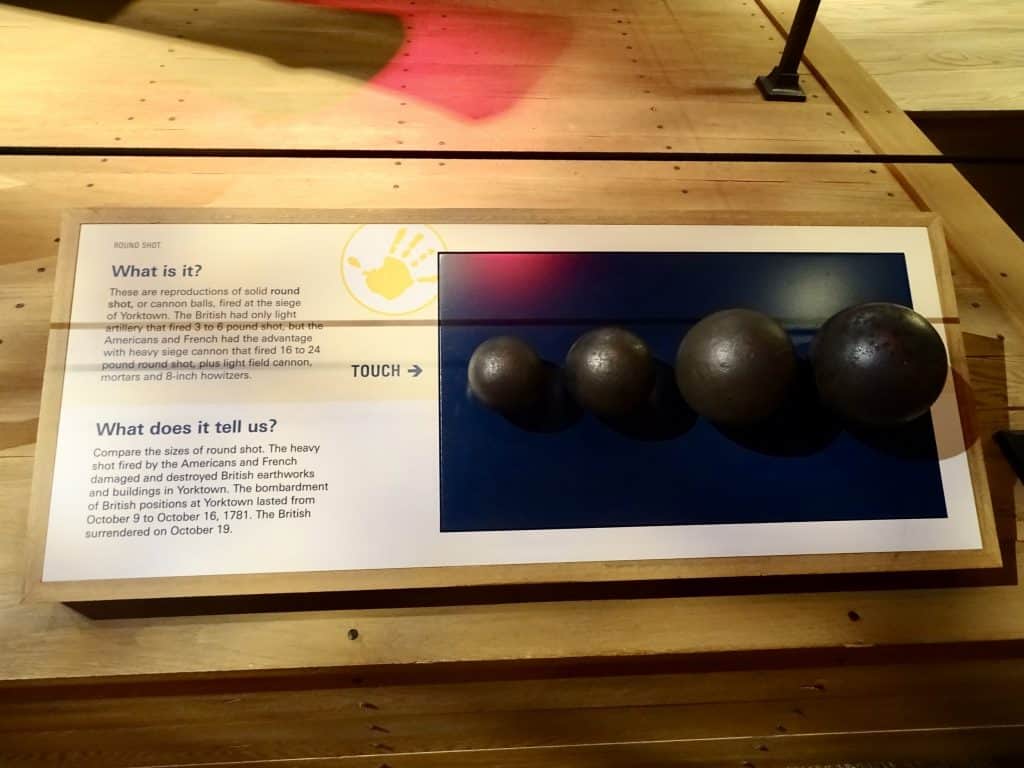
5. Compare the size of the round shots (cannon balls) fired from a French Siege Gun used in the Battle at Yorktown.
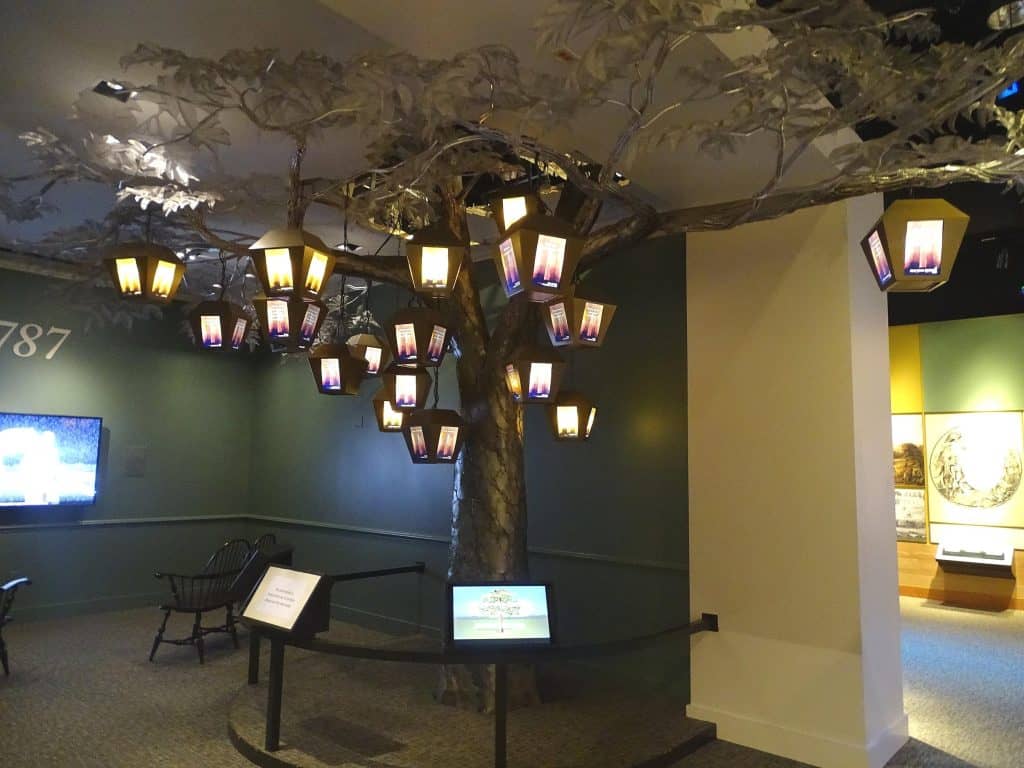
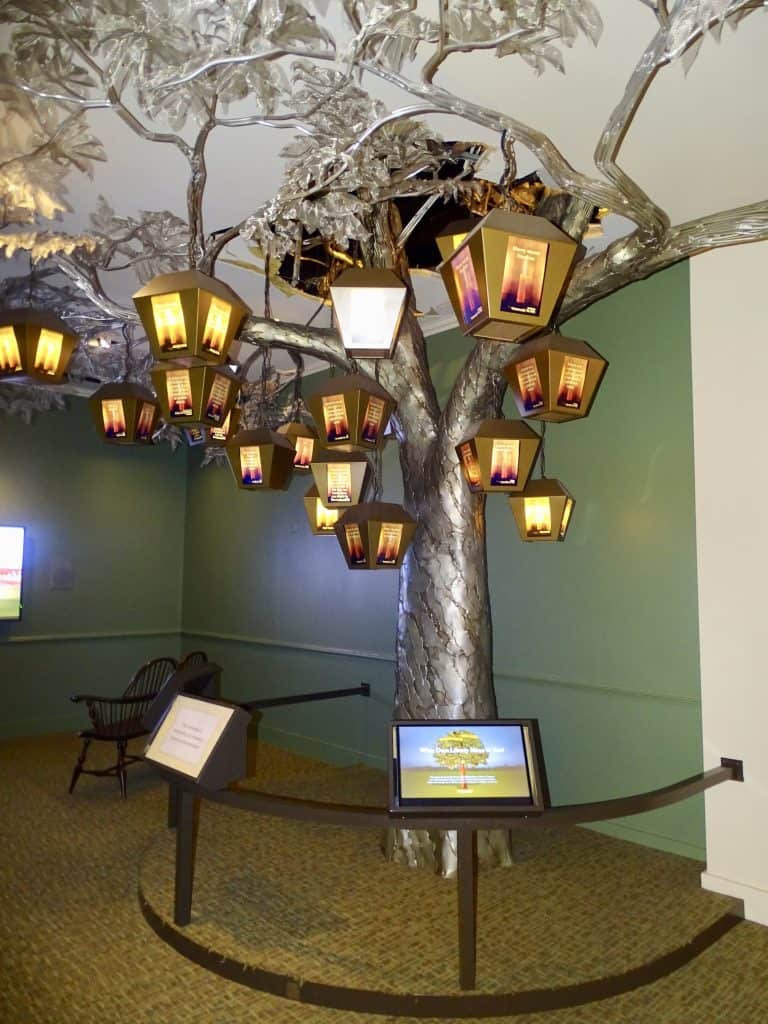
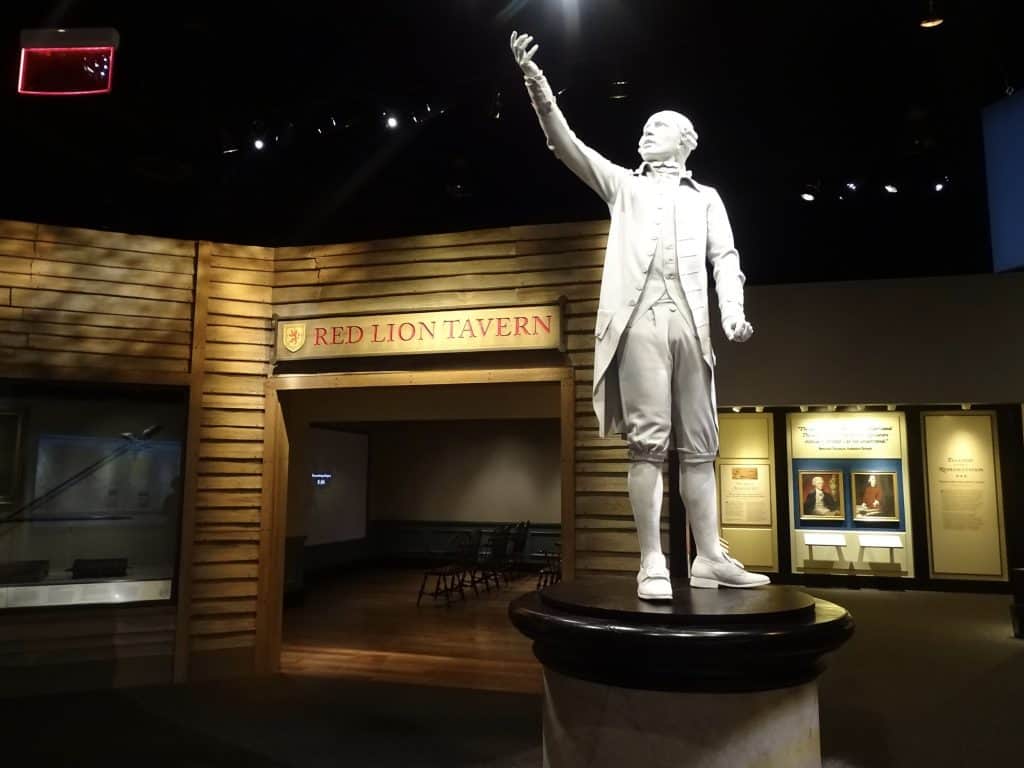
6. Display a personal definition of the word “liberty” on an electronic lantern hanging from a “Liberty Tree.”
Would you like to save this?

We'll email this post to you, so you can come back to it later.

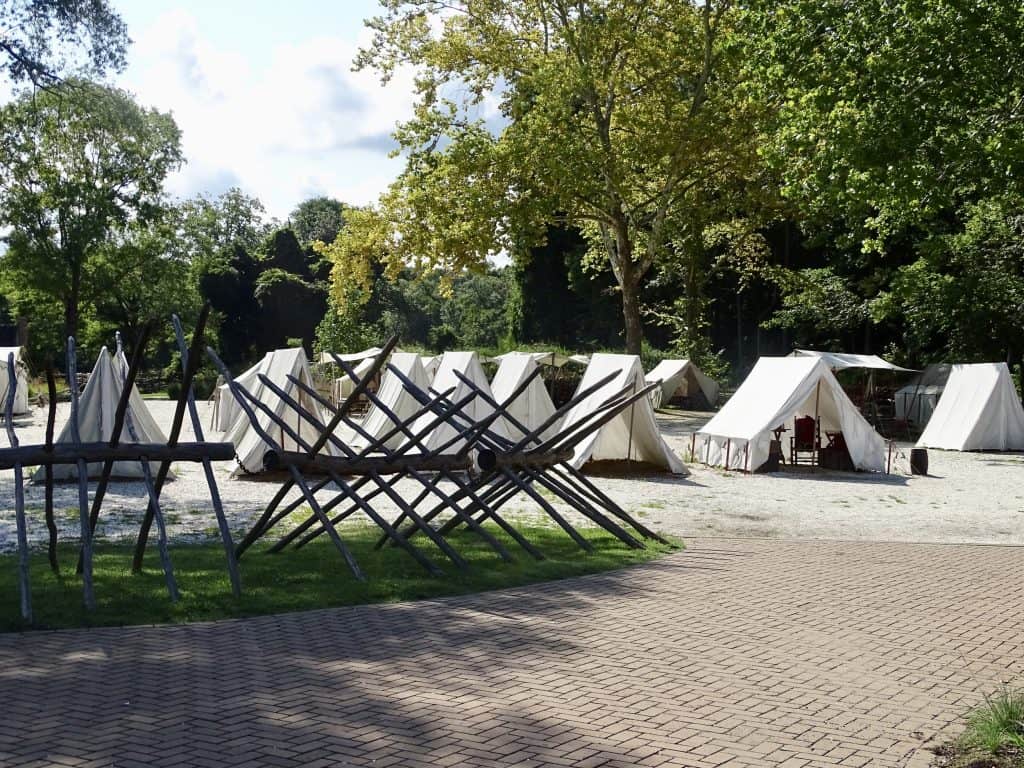
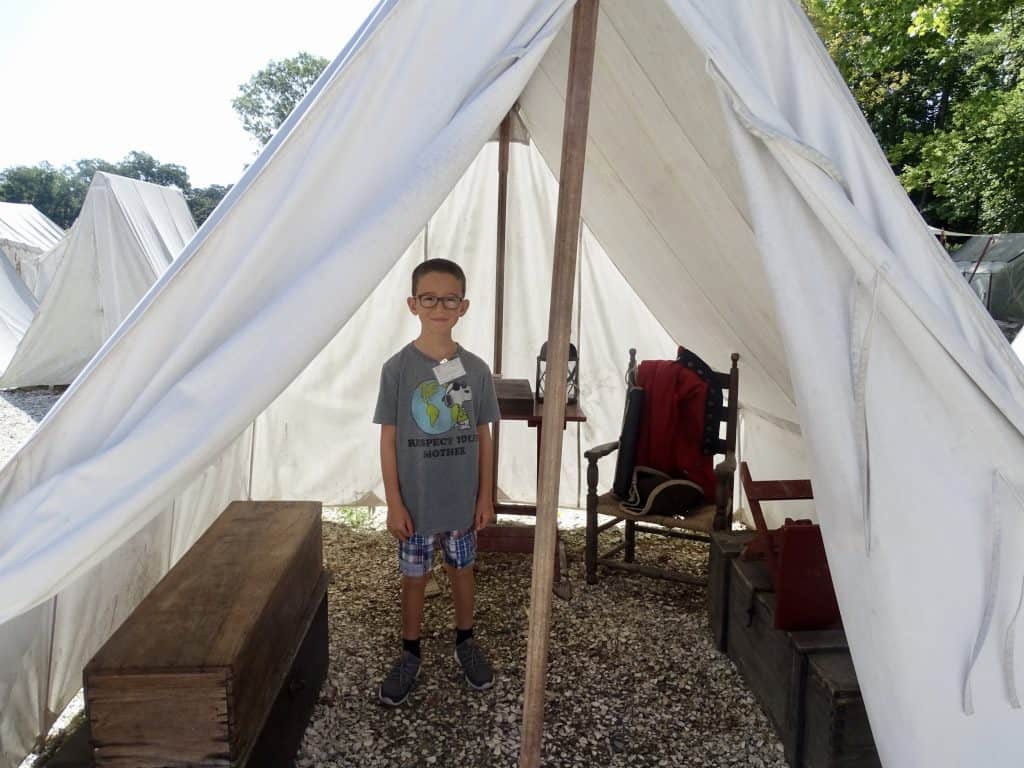
Outdoor Continental Army Encampment: Experience the daily life of a soldier
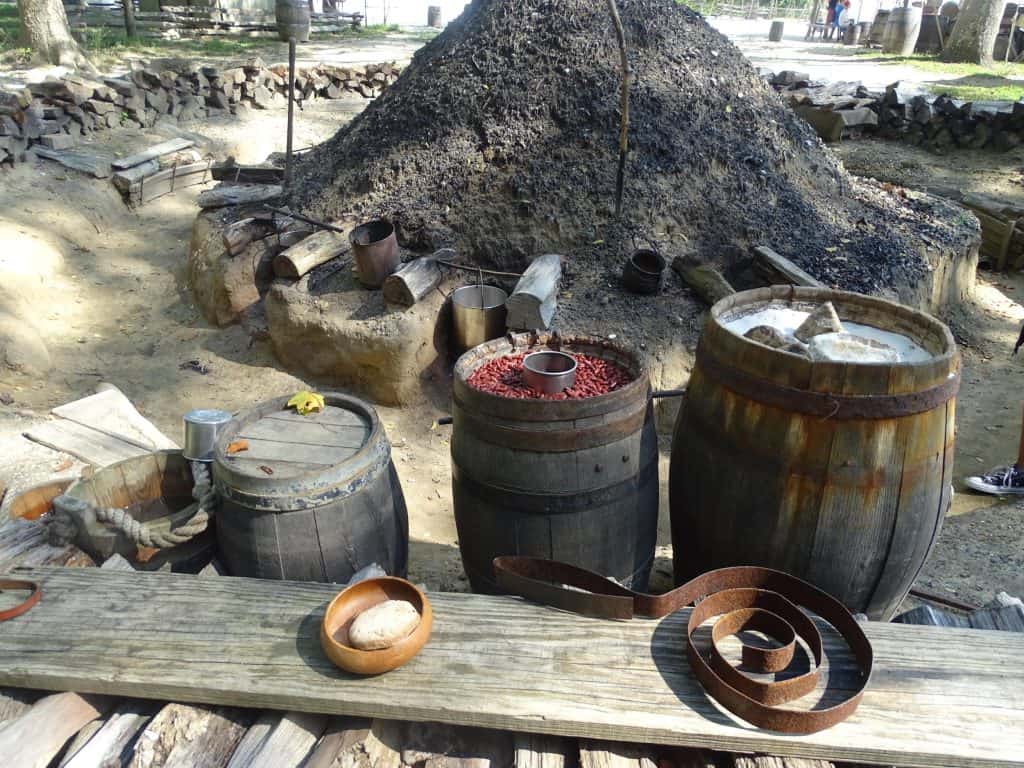
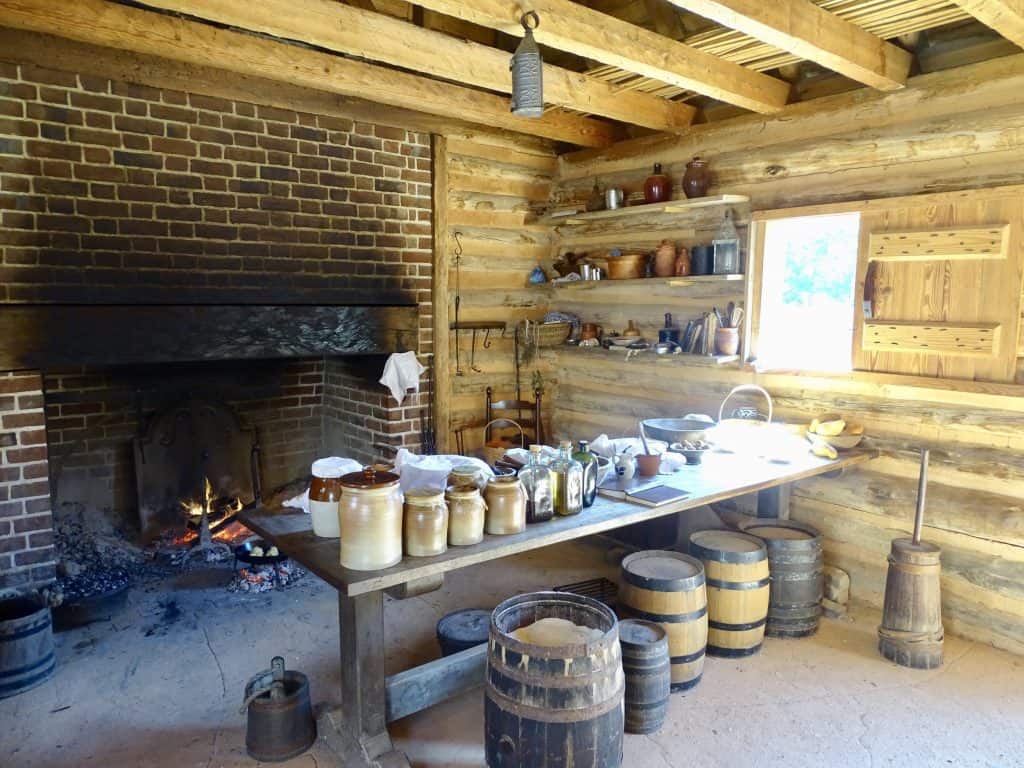
7. Feel the heat of the outdoor kitchen where food is cooked all day by soldiers- check out their daily ration of food. 
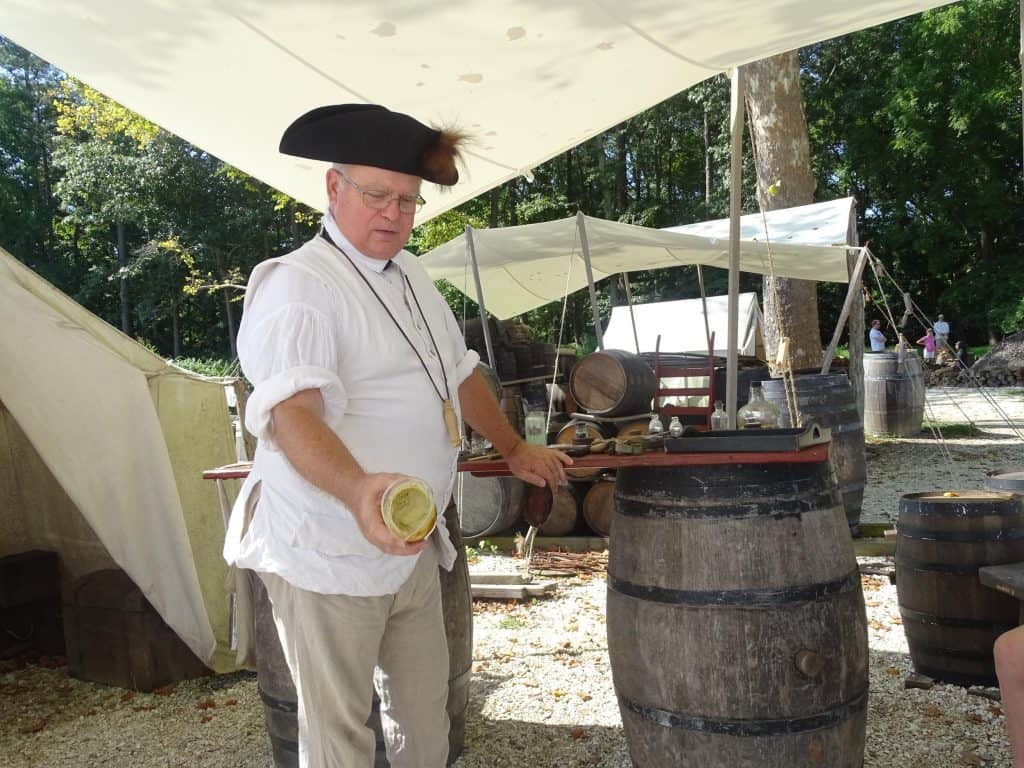
8.  Learn about the medicine and treatments a regimental surgeon used- a surgeon was in attendance at every camp.
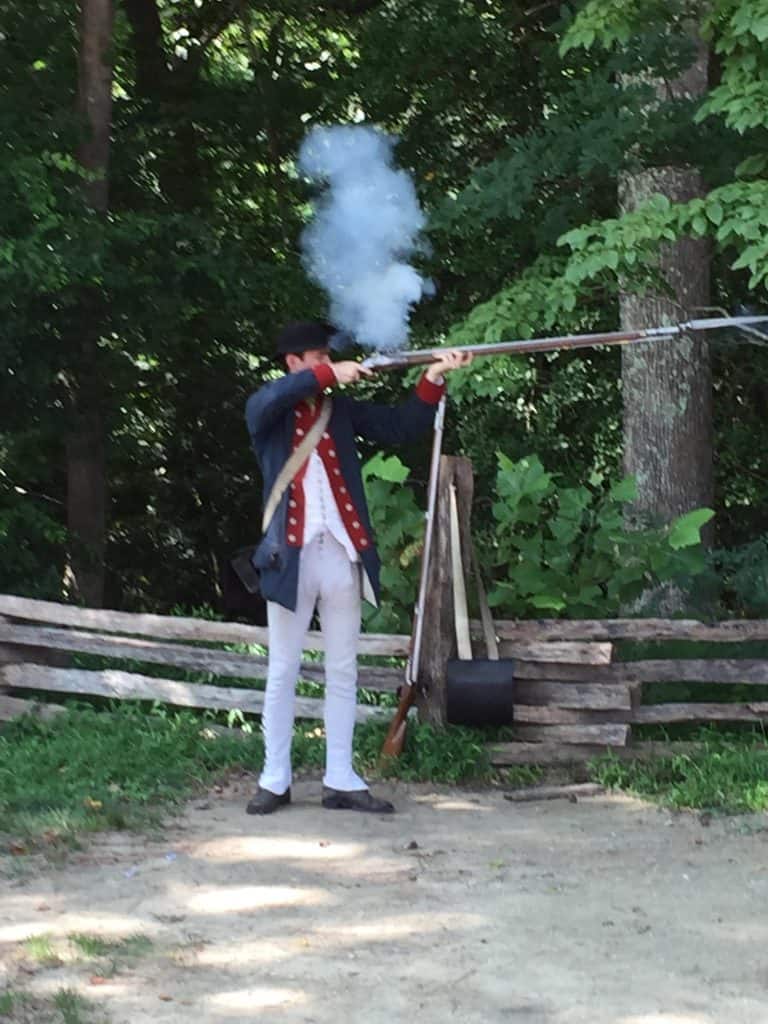
9. Hear the firing of a musket and learn about the process of loading and firing it in the amphitheater.
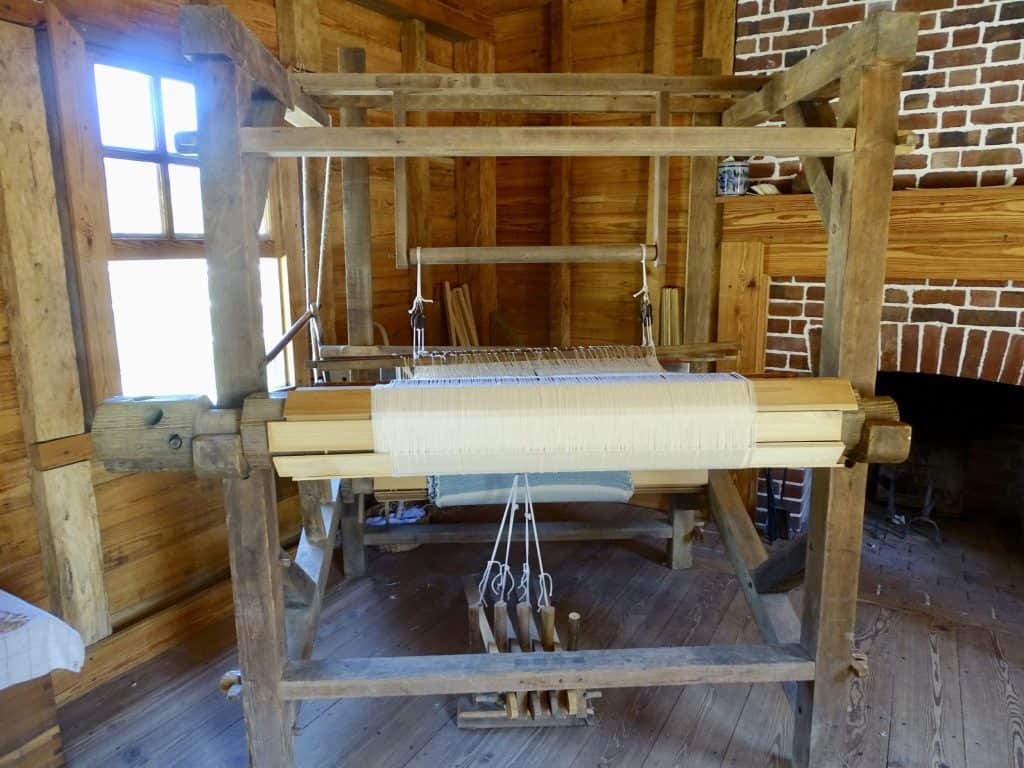
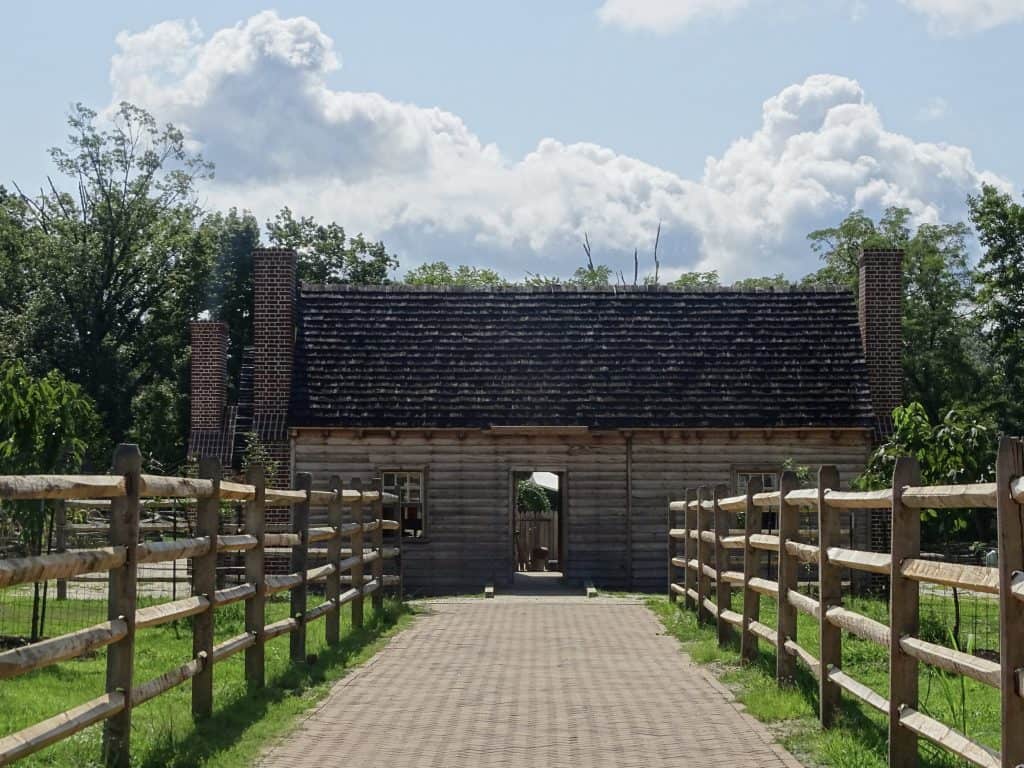
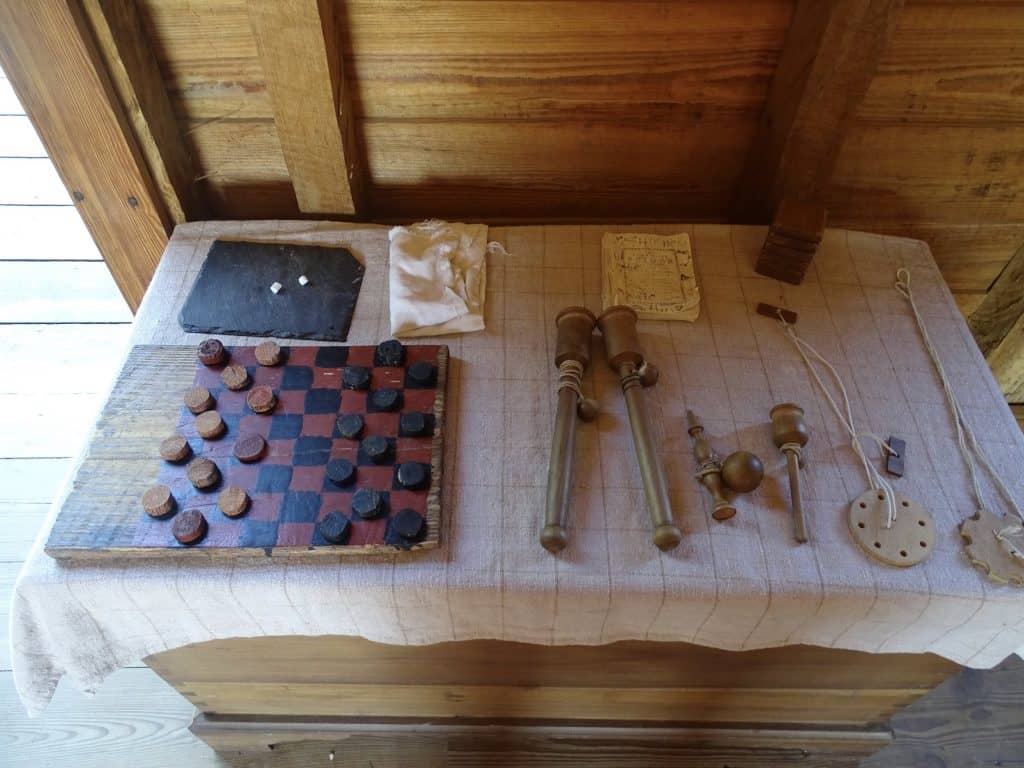
Outdoor Reproduction Farm (the home of Edward Moss, a local farmer during the Revolutionary War who probate inventory after his death lists the possessions reproduced for the farm)
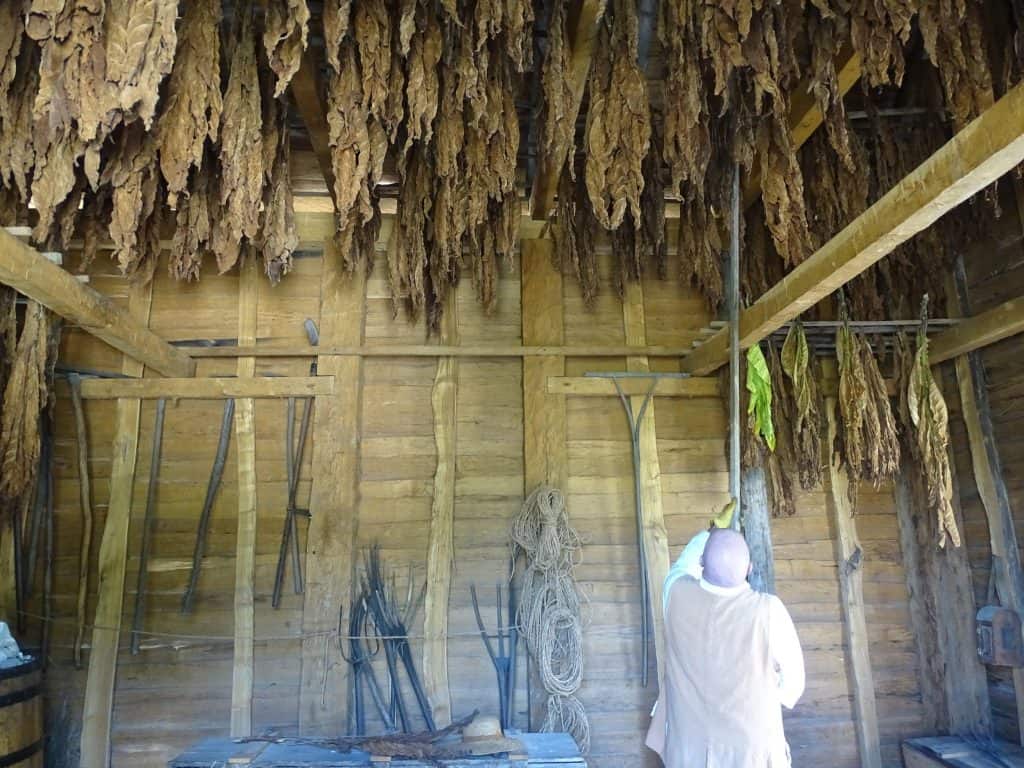
10. Smell the tobacco hung in the barn- tobacco was the #1 produced crop in American at the time.
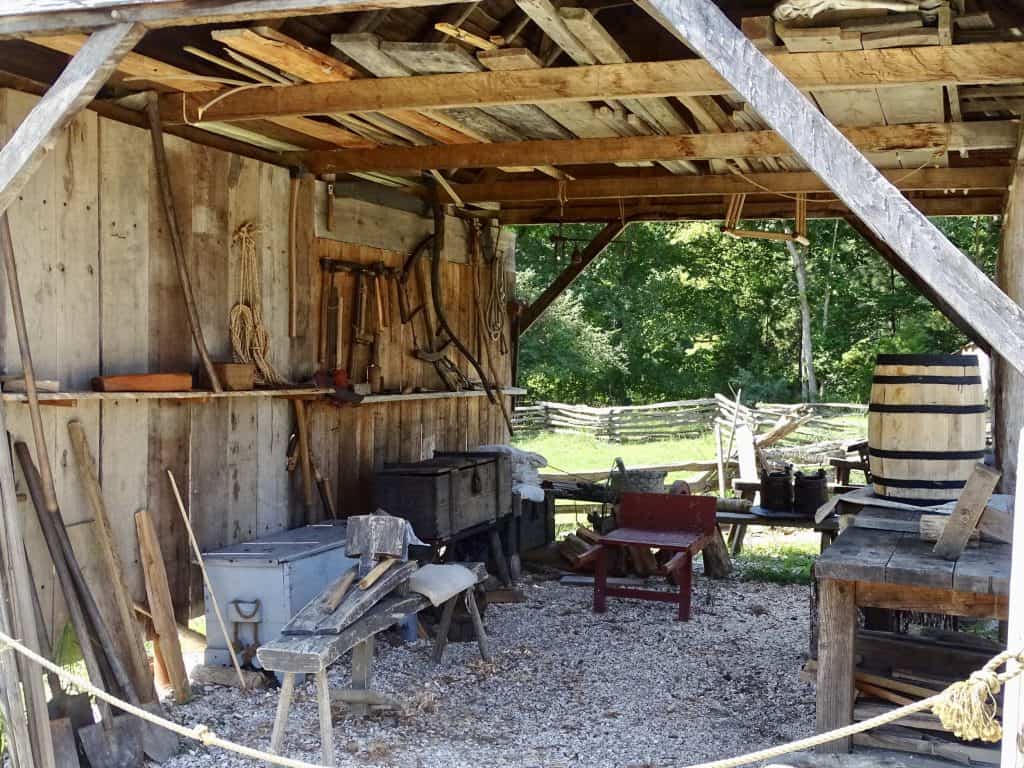
11. Watch as interpreters demonstrate how to use various woodworking tools in the utility shed.
12. Count the number of vegetable and fruits planted throughout the farm.
Bonus:
13. “Shift your gaze to see the American Revolution through the eyes of the African Americans” who had an impact on the history of America in the rotating exhibit Forgotten Soldier. On display through March of 2020, the exhibit showcases personal accounts of life during Revolutionary times and curated artifacts from a variety of museums and institutions including the US National Archives. Admission is included in museum fee. 
14. . Attend a special presentation in the Education Center, on a variety of topics related to the museum. Check here for daily options.
For more suggestions on ways to explore the Williamsburg, Jamestown, Yorktown “Historic Triangle”, check out historyisfun.org. The Jamestown-Yorktown Foundation is full of tips, itineraries (based on length of stay), and special events.

Sign up for our weekly emails to see our other adventures in the area.

Disclosure: My family received a media pass to explore the museum. All opinions expressed are my own.

Similar Posts

  • | | | | | | | |

    City Guide: St Augustine, Florida

    Located in the northern part of Florida, St Augustine has the distinction of being known as the oldest continually occupied European settlement in North America. It was founded in 1565 by Pedro Menendez and his soldier and colonists, fifty years after Ponce de Leon claimed the area now known as Florida for Spain in the early 1500s. St. Augustine was under Spanish rule until 1763 when Britain took over for 20 years, followed again by Spain until the United States took over in 1821. Florida later became a state in 1845. The St. Augustine area became popular with tourists in the 1820s as a spot to escape cold northern winters, and the popularity grew when Standard Oil co-founder Henry Flagler founded the Florida East Coast Railway and began building hotels, churches, and a hospital throughout the area. Today, St. Augustine is a popular spot to be immersed in rich history and culture and the city offers plenty of family friendly adventures. 

  • | | |

    Exploring the Annapolis Maritime Museum

    On a recent visit to Annapolis (check out our post featuring one of the BEST tours we have ever taken- the historical walking tour of the US Naval Academy.) we stopped at the Annapolis Maritime Museum to learn about the nautical history of the area. (Looking for other great, seaside spots? Check out our posts featuring New Bedford, Massachusetts; Gloucester, Massachusetts; and Newport, Rhode Island).

    What was once the home of the McNasby Oyster Company throughout most of the 20th century, the property became the Eastport Historical Committee and Barge House Museum in the 1980s and then developed Annapolis Maritime Museum in 2000 with expansions less than a decade later. The museum showcases the history of  the local watermen (the term for men who ) and the harvesting, and over-harvesting of oysters. By the start of the 21st century, less than one percent of oysters were left  and today there is a massive restoration project to save the oysters, with the goal to reharvest 10 BILLION oysters by 2035.

  • | | | | |

    10 Family Friendly Ways to Explore Jamestown Settlement and Chippokes Plantation State Park in Virginia

    One of the most popular living history museums in America, Jamestown Settlement tells the story of the first permanent English settlement in 1607 and the cultures that converged there. It originally opened as a museum in 1957 and was expanded in 2007, in commemoration of its Quadricentennial. Named in honor of King James I of England, the complex includes immersive indoor and outdoor exhibits, and daily interactive demonstrations.

  • | | |

    Nine Tips for Visiting Quassy Amusement Park in Middlebury, CT

    We recently kicked off summer 2024 by spending the day with our daughter and a few of her friends at Quassy Amusement Park and Waterpark, located in Middlebury Connecticut.

    Named after Lake Quassapaug, the property where the park sits now was originally a hotel and summer resort in the late 1800s. In the mid 1910s, local businessmen bought the property and added several attractions, growing the property into an amusement park by the 1950s. Each decade, the park expanded with new rides and the addition of the waterpark in the early 2000s. Today, Quassy offers close to two dozen rides in the amusement park, and almost a dozen water slides in the waterpark.

  • | | | | | |

    City Guide: 18 Places Kids Will Love in Washington D.C.

    Washington D.C., our nation’s capital city, is full of family friendly attractions, historical sites and museums, cultural events, and open spaces to appreciate nature. Many sites are free to explore, thanks to the Smithsonian Institute, and many sites have only a nominal charge.  This week, we’ve updated our City Guide and pulled ALL of our features of DC attractions in one spot with travel tips. We know the summer vacation is a popular time to explore Washington DC, and we hope, whenever you and your family visit, you’ll check out some of these sites and have a stronger appreciation of our nation’s rich history.

  • | | | |

    New York Public Library, New York City

    My children are OBSESSED with reading (good problem to have, I know). They can’t get enough of books. Exactly one year ago, we were in New York City to see a Broadway play for my daughter’s birthday. We were exploring Bryant Park and saw the New York City Library. We had an hour before the show and it was too cold to “walk around the city” so we decided to check out the library. We ended up spending most of our time in the children’s room, but I made note of the tour group that passed us and vowed to return. We did, exactly one year later.

    The Stephen A. Schwarzman Building of the New York City Library opened in 1911 and probably the most well known of the 92 properties in the library system. It’s one of four research centers, in addition to the 88 circulation branches located throughout Manhattan, the Bronx, and Staten Island. Some areas of the library are open to the general public and some are reserved for credentialed people who visit to complete research. The library offers audio tour for a nominal fee at any time the library is open, but also offers free, guided tours tour twice a day. Check in at the docent desk in Astor Hall. Make sure you check times and get there early, as tour spaces are limited.

Leave a Reply

Your email address will not be published. Required fields are marked *