
14 Private Homes We Toured in 2019
2019 has been a busy travel year for us. We’ll have a full recap of highlights at the end of December, but when we started thinking about all the places we’ve explored, we found some common themes. We’ve explored 15 private homes since January of last year and we’ve loved every single one. You’ll notice two other themes- we covered most of the Revolutionary War and Civil War this year, and we love visiting National Park Service sites (read why here!). Here’s the list with some travel tips and the “coolest” things our children loved about each spot. Click the links to get more details and travel tips from our visits.
Massachusetts:
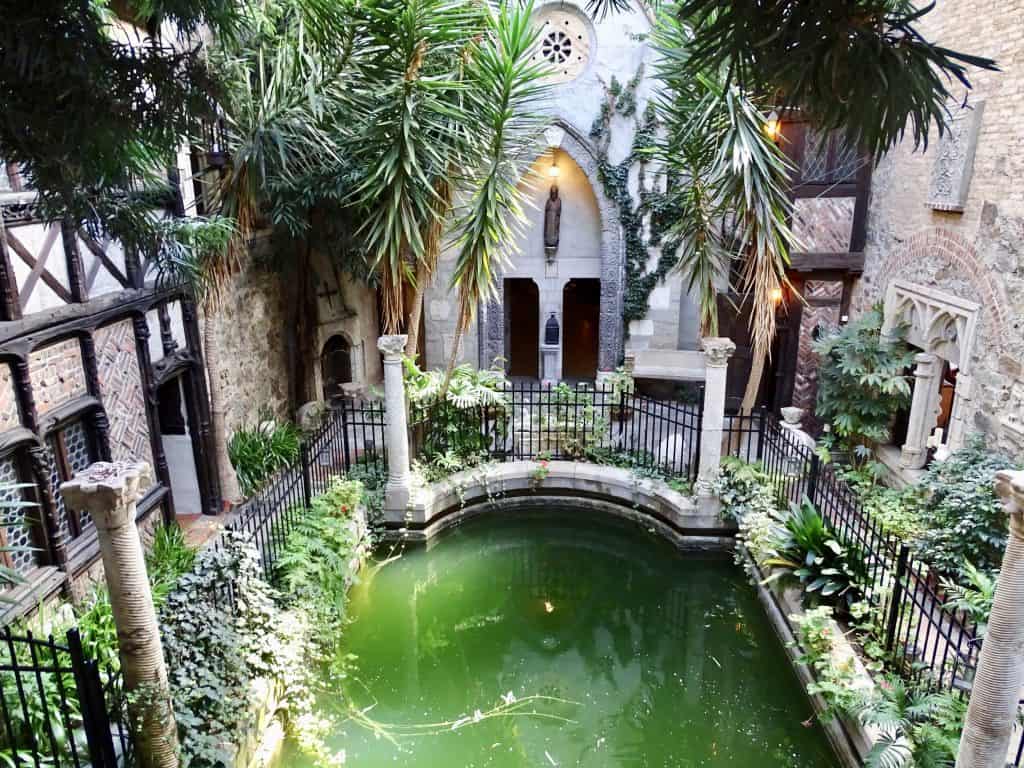
1. Hammond Castle in Gloucester, Massachusetts was the home of scientist John Hammond. An admirer of medieval and gothic design, he built the home in the 1920s with those designs in mind and later turned the home into a public museum. Open for tours May through September, the home includes the chance to walk on the draw bridge, see Walt Disney’s guest bedroom, and see some of the best views of the ocean in town!
Highlights: The pool in the courtyard, the massive dining room with a 65” foot ceiling, and the “whisper” dome ceiling in the library.
Get the full scoop here.
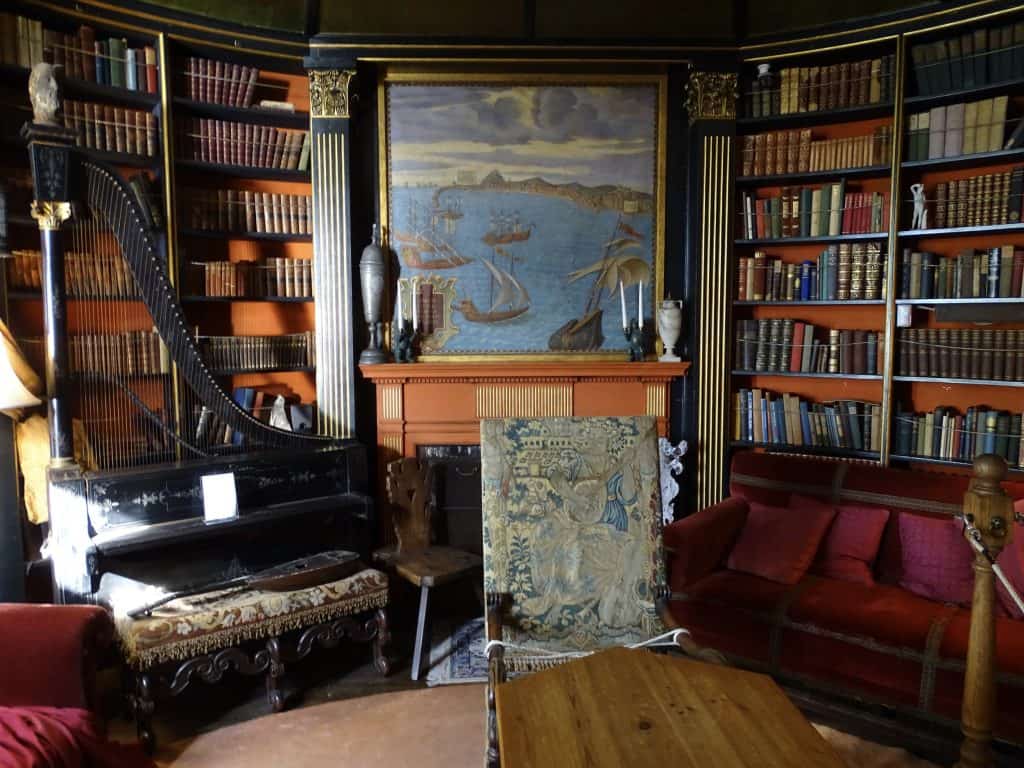
2. Beauport, the Sleeper-McCann House in Gloucester, Massachusetts was the home of interior designer Henry Davis Sleeper in the early 1900s. The 42 room house and gardens have breathtaking views of the Atlantic Ocean. Many of the rooms are open to the public via tours (offered May through October) and offer the chance to see some of the 10,000+ objects that are original to the home.
Highlights: Completing the scavenger hunt, finding 19 different George Washington Portraits and busts in the rooms, and choosing a favorite dining room (there are five!).
Get the full scoop here.


3. Sargent House in Gloucester, Massachusetts was the home of women’s right advocate Judith Sargent Murray. Originally built in the 1700s, several rooms are open to the public on tour May through October including parlors and bedrooms. Exhibition spaces display paintings and period furniture.
Highlights: The collection of shoes and witch bottles (dating back to the 1700s!) found in the walls of the home.
Get the full scoop here.


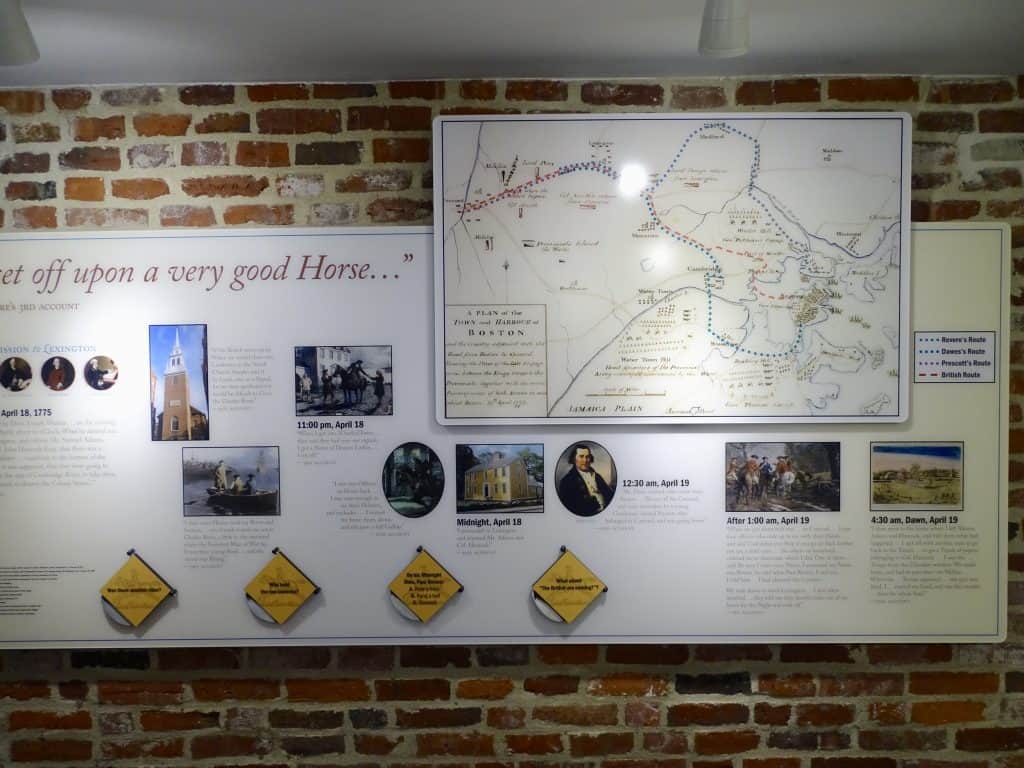
4. Paul Revere House in Boston’s North End was the home of Paul Revere in the late 1770s. It is the only remaining example of 18th architecture still standing in Boston today. Self guided tours are available year round and includes the opportunity to see bedchambers and the kitchen. Docents stationed in some of the rooms offer anecdotes and point out unique details.
Highlights: Table settings from the 1700s and the low ceilings (watch your head!)
Get the full scoop here.

New York:
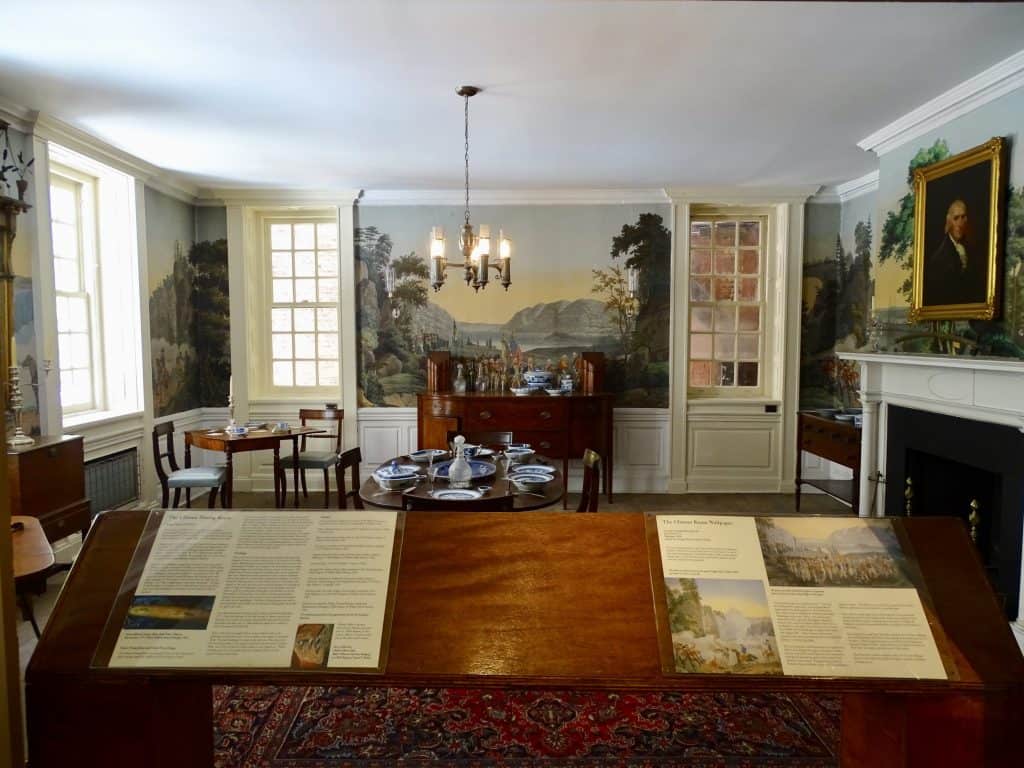
5. Fraunces Tavern in New York City was purchased by Samuel Fraunces in 1762 and used as a tavern and place for social and political gatherings, including George Washington’s farewell address to the Continental Army in December of 1783. Today, the museum is located on the second and third floors above a still operational tavern (open for lunch, brunch, and dinner). The museum is open seven days a week in the afternoon, and guided tour are available on the weekend. Highlights: The hall of flags (over 40!), tea dating back to the late 1700s (be sure to smell it!), oyster shells from the 1700s excavated on site (don’t smell them), and a lock of George Washington’s hair.
Get the full scoop here.

Pennsylvania:
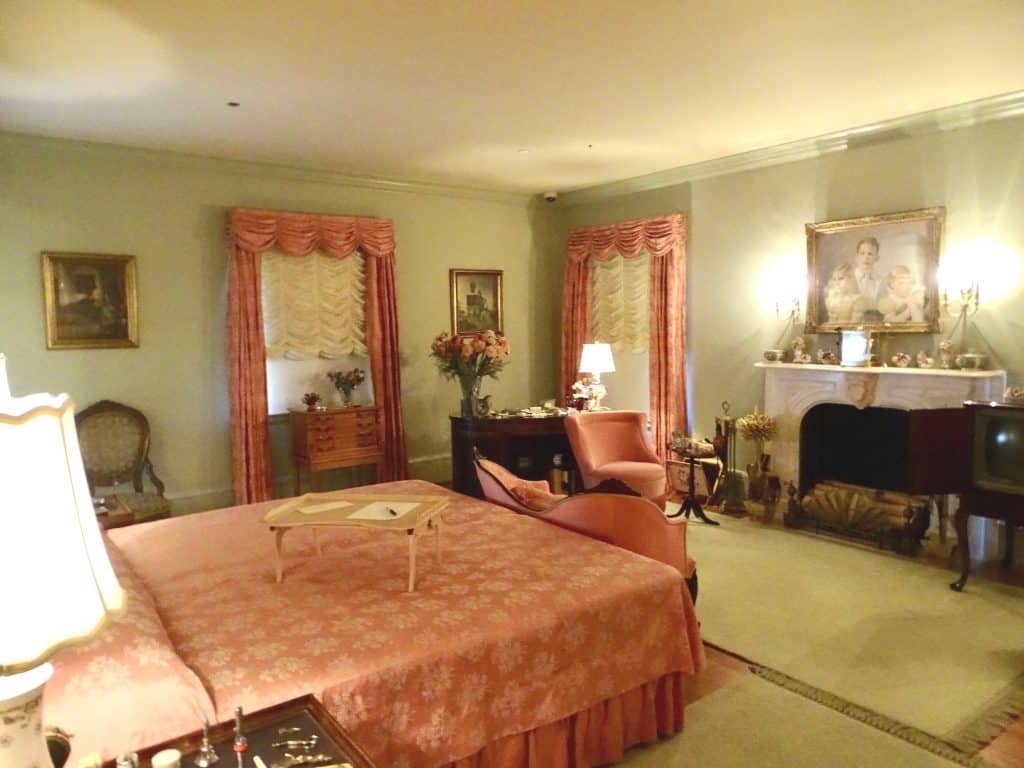
6. Eisenhower National Historic Site in Gettysburg, Pennsylvania was the “Weekend White House” of America’s 34th President Dwight D. Eisenhower and his wife, Mamie ,in the 1950s. The house is overseen by the National Park Service and is located near the Gettysburg National Battlefield. Visitors must take a shuttle bus from the Battlefield’s Visitor Center to the home. Park rangers provide background information about the home and then visitors can explore most rooms of the house independently.
Highlights: The helicopter landing space, putting green, the pink master bedroom and bathroom, and the Italian marble fireplace that was once in the White House.
Get the full scoop here.

Would you like to save this?
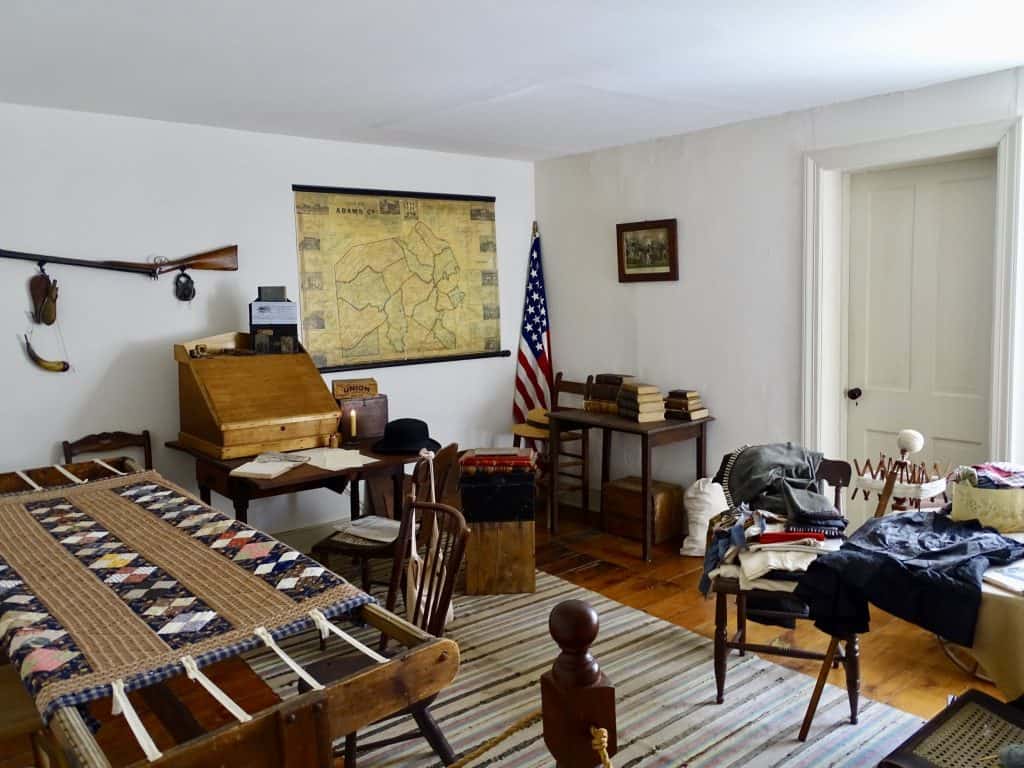
7. The Shriver House in Gettysburg, Pennsylvania was the home of George Washington Shriver, his wife Hattie, and their two daughters. Shriver was set to open a saloon and bowling alley when he was ordered to report to fight in the Civil War. The home is now staged to accurately reflect what the house looked like during the Battle at Gettysburg in June and July of 1863. Guided tours are offered April through December.
Highlights: Period toys and games the girls used, the red flag over the front door (to warn soldiers that wounded soldiers were being nursed on site), and the six bullet holes in the wall along the exterior of the house, dating back to that fateful battle.
Get the full scoop here.

8. Benjamin Franklin Museum in Philadelphia, Pennsylvania sits on the property where Franklin’s home originally stood in the late 1700s and early 1800s. Today, steel frames ghost the outline of the original home. The property includes a lower level museum, a print shop (which offers live demonstrations each day), an archeology exhibit, and a (still operational) post office.
Highlights: Finding Skuggs the Squirrel throughout the museum, interactive touch screens, and solving Magic Squares games.
Get the full scoop here.


9. The Betsy Ross House in Philadelphia, Pennsylvania was not actually owned by Ross, but is named in her honor as it was the spot where George Washington called upon her to create the (now) famous flag. It became a museum in the late 1800s and is now open to the public for self guided tours. Live actors, dressed in period costumes, explain some of the history of the time period and offer stories about Ross’s personal life.
Highlights: The kitchen (no stove! no oven! no refrigerator!) and learning about Ross’ ability as a seamstress (she sewed hundreds of flags!)
Get the full scoop here.


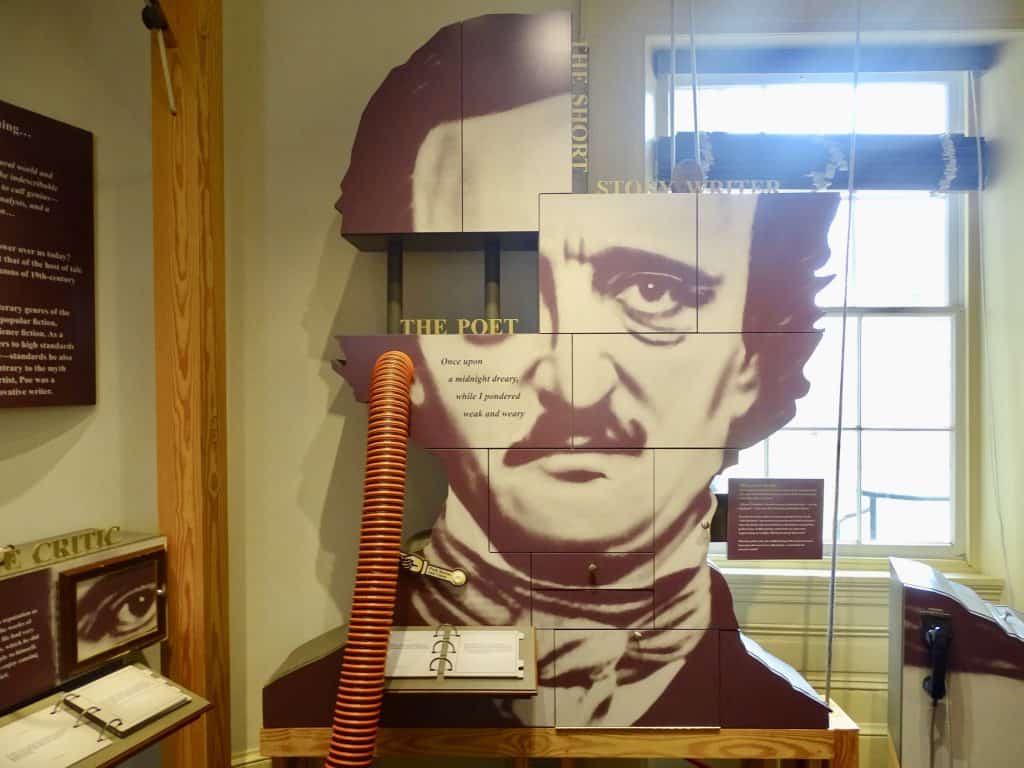
10. The Edgar Allen Poe National Historic Site in Philadelphia was one of five homes that Poe shared with his wife in the 1840s. Operated by the National Park Service, the home is open for self guided tours on the weekends. Poe wrote some of his most famous pieces while living here, including Fall of the House of Usher, The Tell Tale Heart, Black Cat, and The Pit and the Pendulum.
Highlights: Completing the Junior Ranger booklet, reading Poe’s poetry, and touring the basement of the original home. Get the full scoop here.

Virginia:
11. Mount Vernon was the home of George and Martha Washington and their families for over 50 years in the 1700s. Today, it’s the most popular home in America, with over a million visitors each year. The once 8,000 acre, five farm estate now includes an orientation center, Education Center, museum, mansion, tomb, Pioneer Farm, wharf, slave cabins, Distillery, and Gristmill all open to the public. Plan on a full day to explore everything.
Highlights: Kids will most enjoy the Education Center and Museum, both of which have tons of interactive exhibits and plenty of hands on learning.
Get the full scoop here.


12. James Monroe House in Fredericksburg was the home of America’s 5th president while he lived in town practicing law, and becoming involved in local and state politics. Today, the home has been turned into a museum, with self guided tours of several rooms of furniture Monroe used in the White House.
Highlights: Scavenger hunt, sorting games, the reading nook, and the collection of china used by the family.
Get the full scoop here.


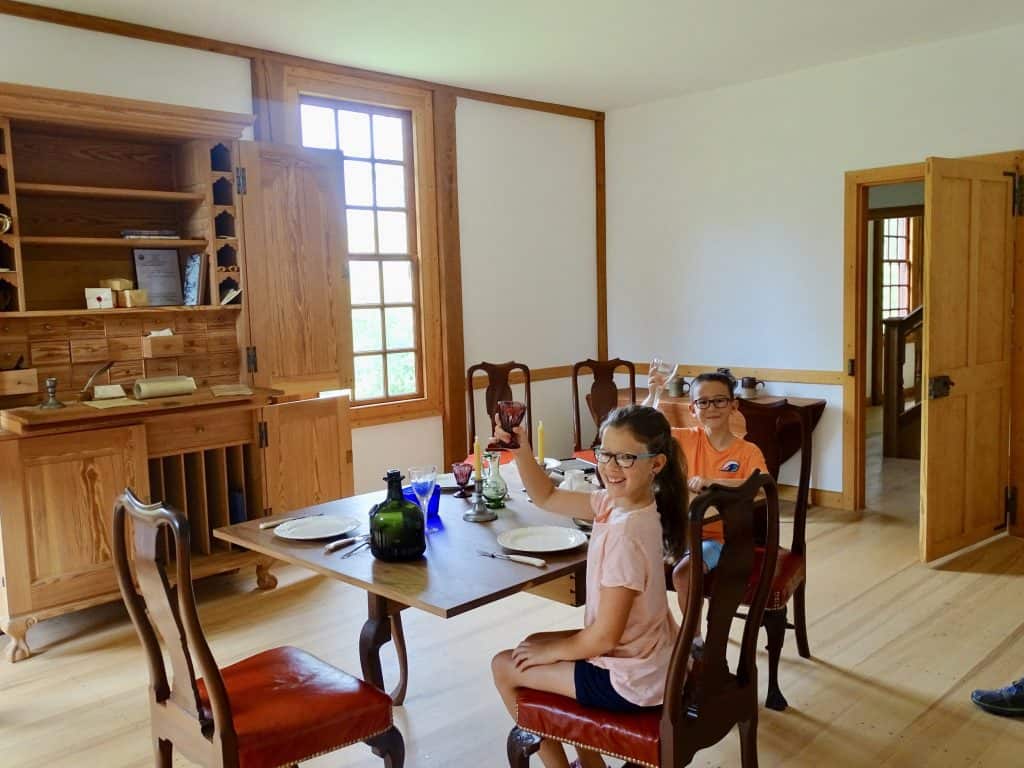
13. Ferry Farm in Fredericksburg was the childhood home of George Washington (we’ve been on a Washington kick this year!), purchased by his father in 1738. The home was left to ruins until archeologists uncovered the foundation in 2008. After a decade of recreation, it opened to the public last year. The recreated home has the modern convenience of heating and air conditioning. Guided tours allow guests to touch everything, and sit on the chairs and BEDS! There is also a small exhibit in the main visitor center. Ferry Farm is closed in January and February.
Highlights: Reading the Rules of Civility, walking through the gardens, watching the archaeologist work on site, and sitting while on the tour.
Get the full scoop here.

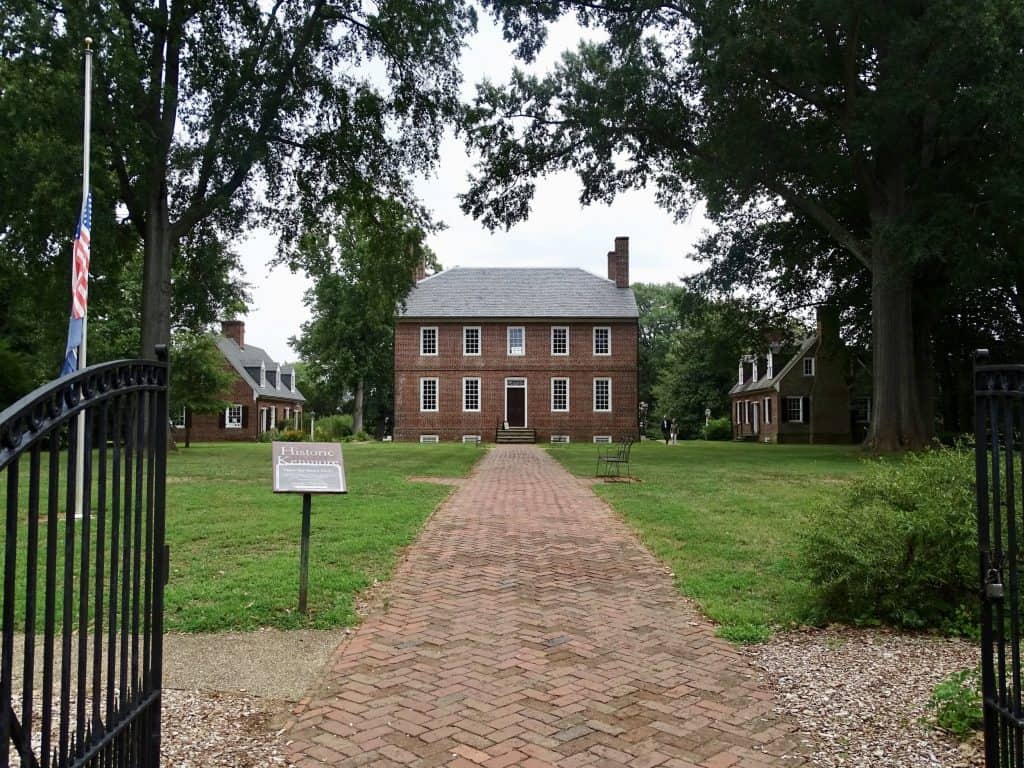
14. Kenmore in Fredericksburg was the home of George Washington’s sister, Betty, and her husband Fielding Lewis. It took 80 servants five years to build the home, completed in 1775. Three families lived in the home after Lewis’ death until the Daughters of the American Revolution saved it from destruction in the early 1900s. Now, 30 minute guided tours of the first floor are offered throughout the day. Tours also include an exhibition space in the Visitor Center and an overview of the family’s history.
Highlights: Beautiful stucco ceilings and wall murals, 12 fashion plates with wardrobe suggestions, and the replica kitchen.
Get the full scoop here.




Beautiful locations. Thanks for sharing.
http://www.rsrue.blogspot.com
Beautiful locations. Thanks for sharing.
http://www.rsrue.blogspot.com
Beautiful locations. Thanks for sharing.
http://www.rsrue.blogspot.com
Great summary of where to get the most out of variety of places. Blog also sparks interest of adults and children alike. Many more interesting things to see than I I would’ve found on my own. Thanks for sparking my interest.
Great summary of where to get the most out of variety of places. Blog also sparks interest of adults and children alike. Many more interesting things to see than I I would’ve found on my own. Thanks for sparking my interest.
Great summary of where to get the most out of variety of places. Blog also sparks interest of adults and children alike. Many more interesting things to see than I I would’ve found on my own. Thanks for sparking my interest.