10 Ways to Explore the South Bend Chocolate Factory in Indiana

| | |

This past summer, on our epic road trip through Michigan, we had an overnight stop in South Bend, Indiana. When researching how to spend a free afternoon, we read several positive reviews of the South Bend Chocolate Factory; when we heard we could tour the factory, collect a generous goody bag of samples, and enjoy several exhibits, we knew it was the place to see!

Founder Mark Tarner grew up working in his family’s grocery store in Indiana in the 1960s and 1970s. In the early 1990s, Mark founded the South Bend Chocolate Company, originally making chocolate products for the nearby University of Notre Dame. As the company grew, Mark added the first chocolate cafe in 1994 and several additional stores throughout Northern Indiana throughout the beginning of the 21st century. Today, there are 16 company owned stores in Northern Indiana and three franchise locations in Michigan and Ohio.
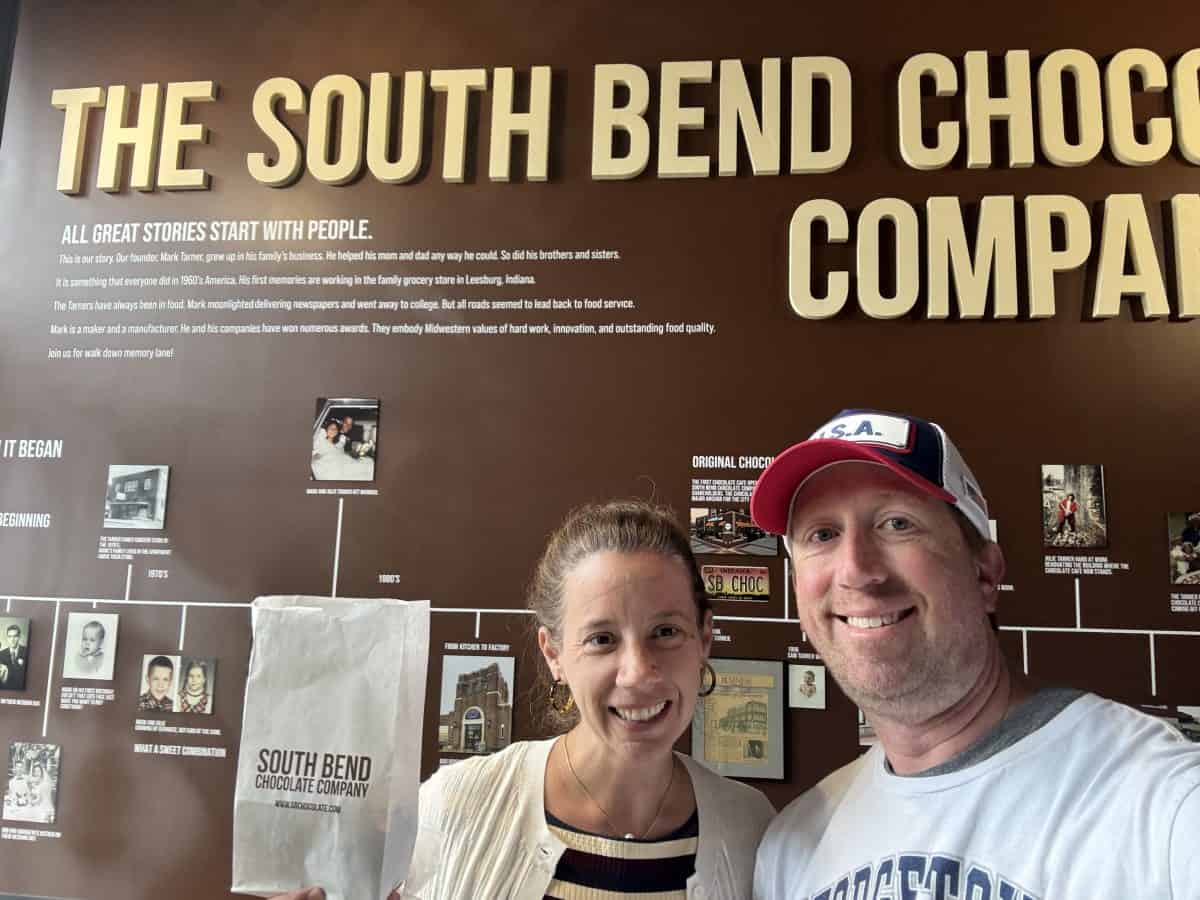
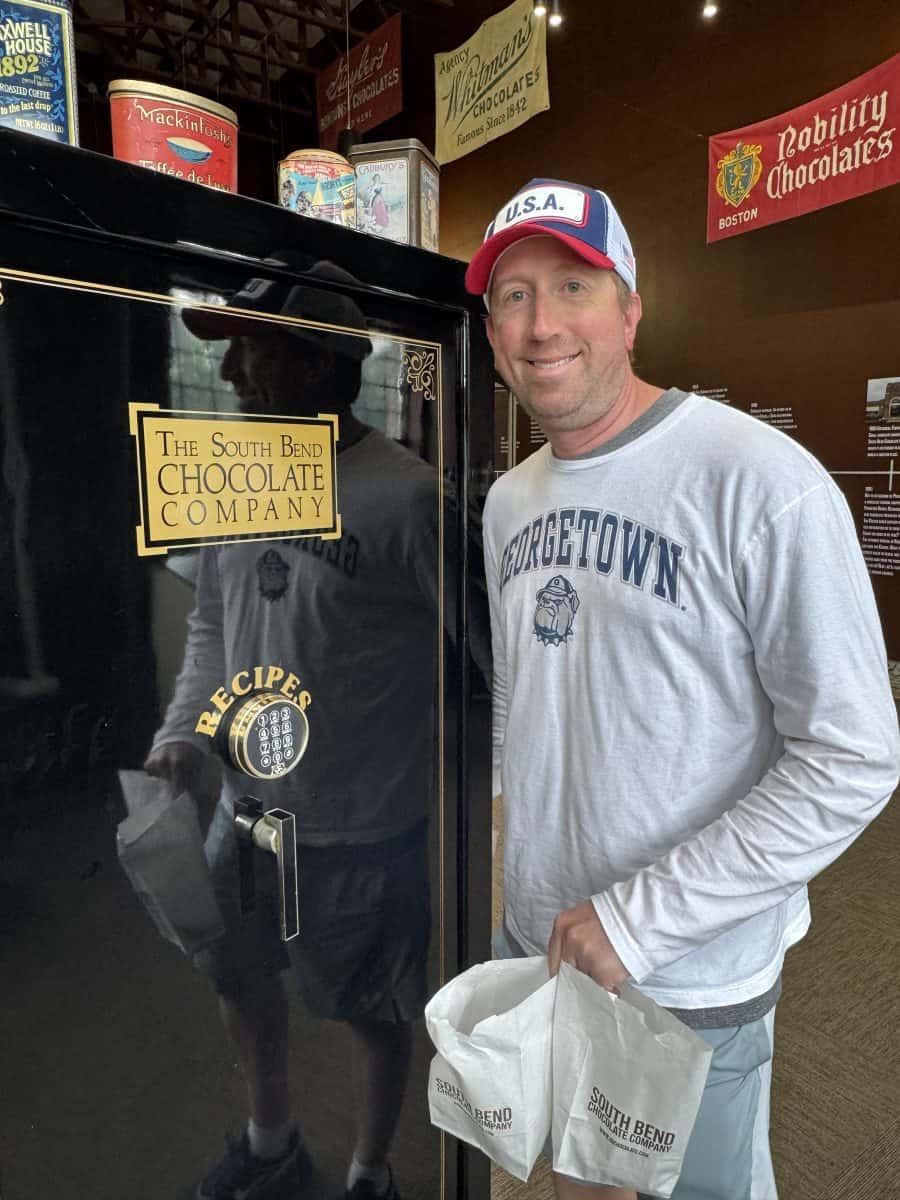
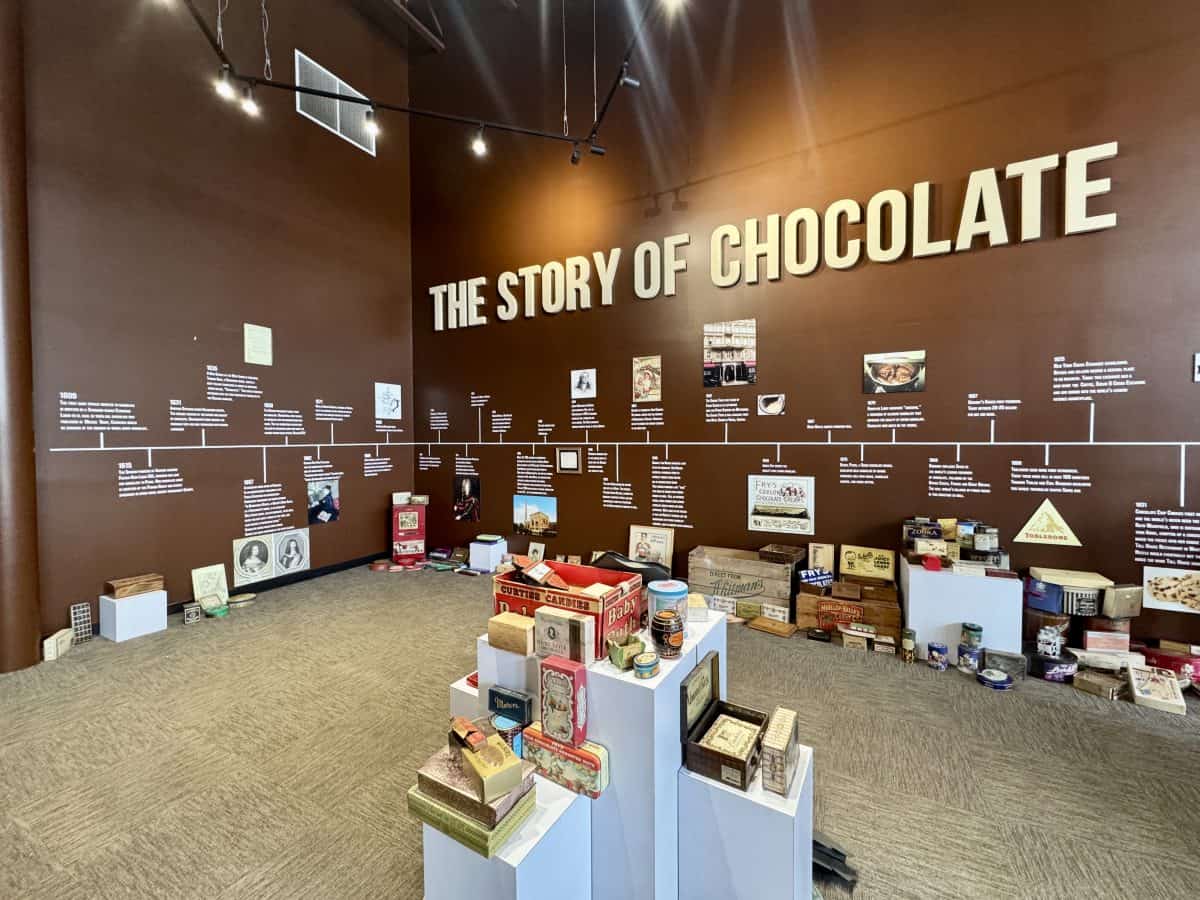
posing in front of the timeline at the South Bend Chocolate Factory in South Bend, IN

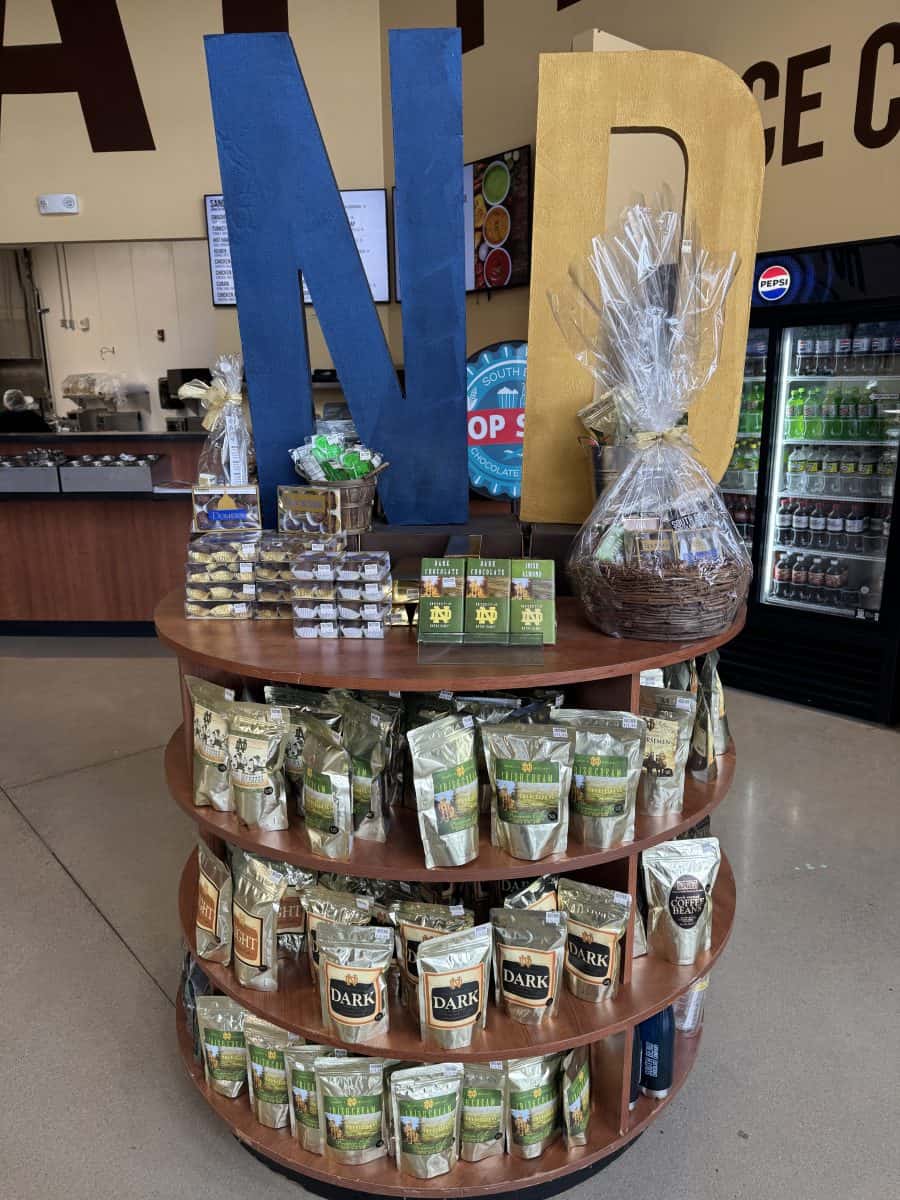
The flagship South Bend Chocolate Company store in South Bend, which opened to the public in 2024, is one of America’s largest candy stores in America, selling over 500 different chocolates and sweets products. The company is most famous for their turtles and toffees and all items are made on site. A tour of the South Bend Chocolate Factory (and frequent visits to the cafe and store) 

Coast2Coast Award: The tour of the South Bend Chocolate Factory has, by far, the best “sample goody bag” we have ever had on a food tour (and we’ve been on many tours!)
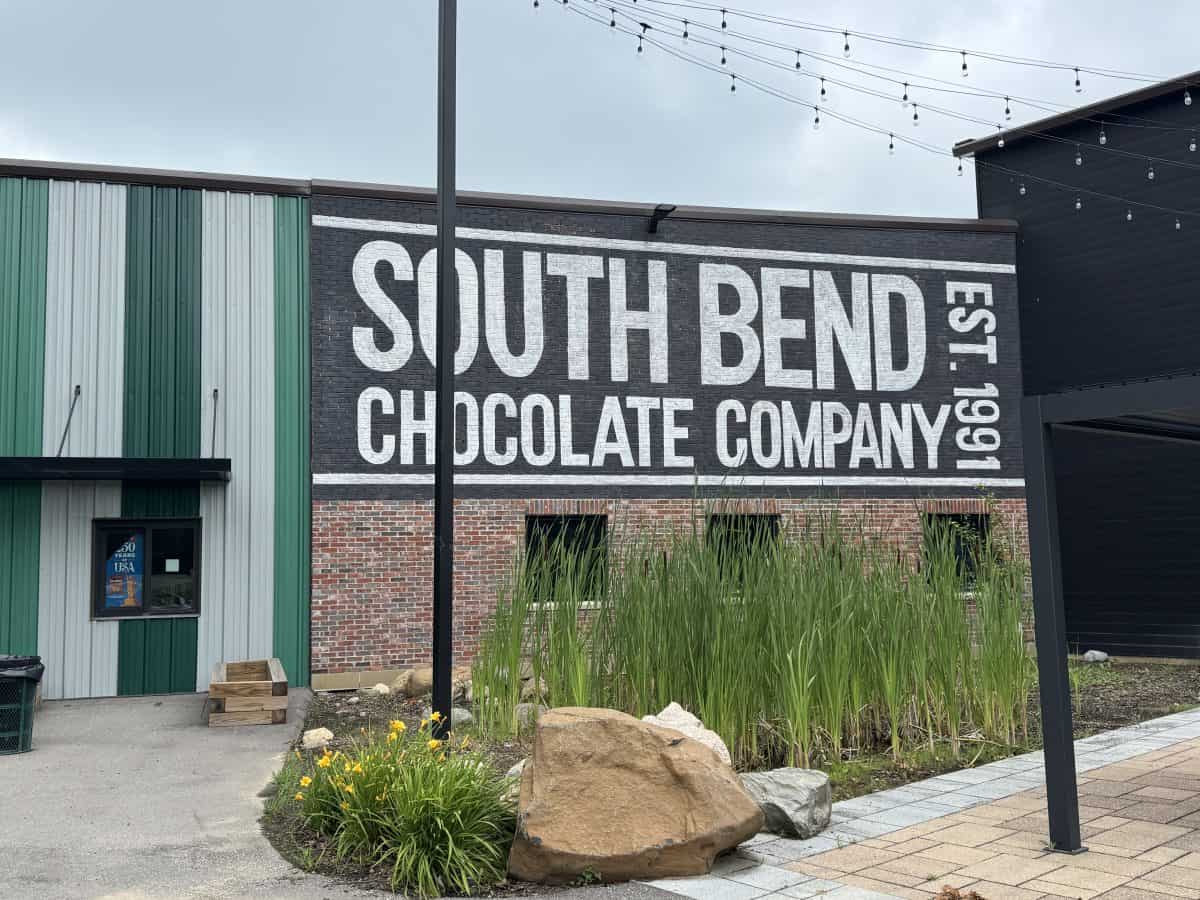
sign for South Bend Chocolate Factory in South Bend, IN

Travel Tips:

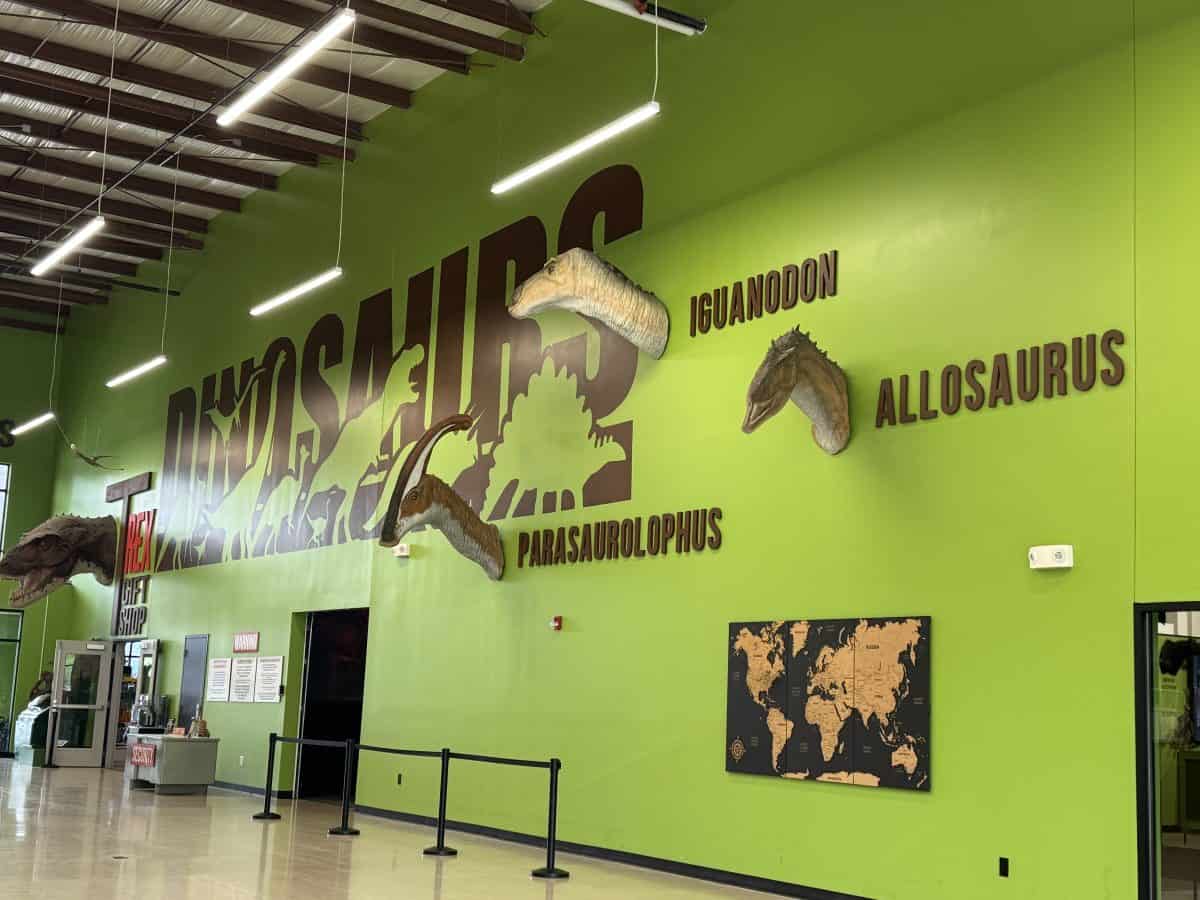
  • The South Bend Chocolate Company Museum and Factory are located in the same building as the Indiana Dinosaur Museum. 
  • The museums and factory are open from 10am-5pm weekdays and 9am-5pm on weekends. On demand, guided tours of the chocolate factory begin every 10-15  minutes from 9am-3pm Monday through Friday and 9am-2pm on Saturdays; see up to date information on ticket pricing (combo tickets available) and times here. 
  • There is plenty of free parking in front of the museum complex.
  • There is no place to sit during the tour of the factory; bring the stroller for the toddler crew; the tour is handicap accessible (the entire complex is handicap accessible).  Restrooms are available in the atrium of the complex, but not during tours. All tour participants must wear hair nets. 
  • No photography allowed in the factory.
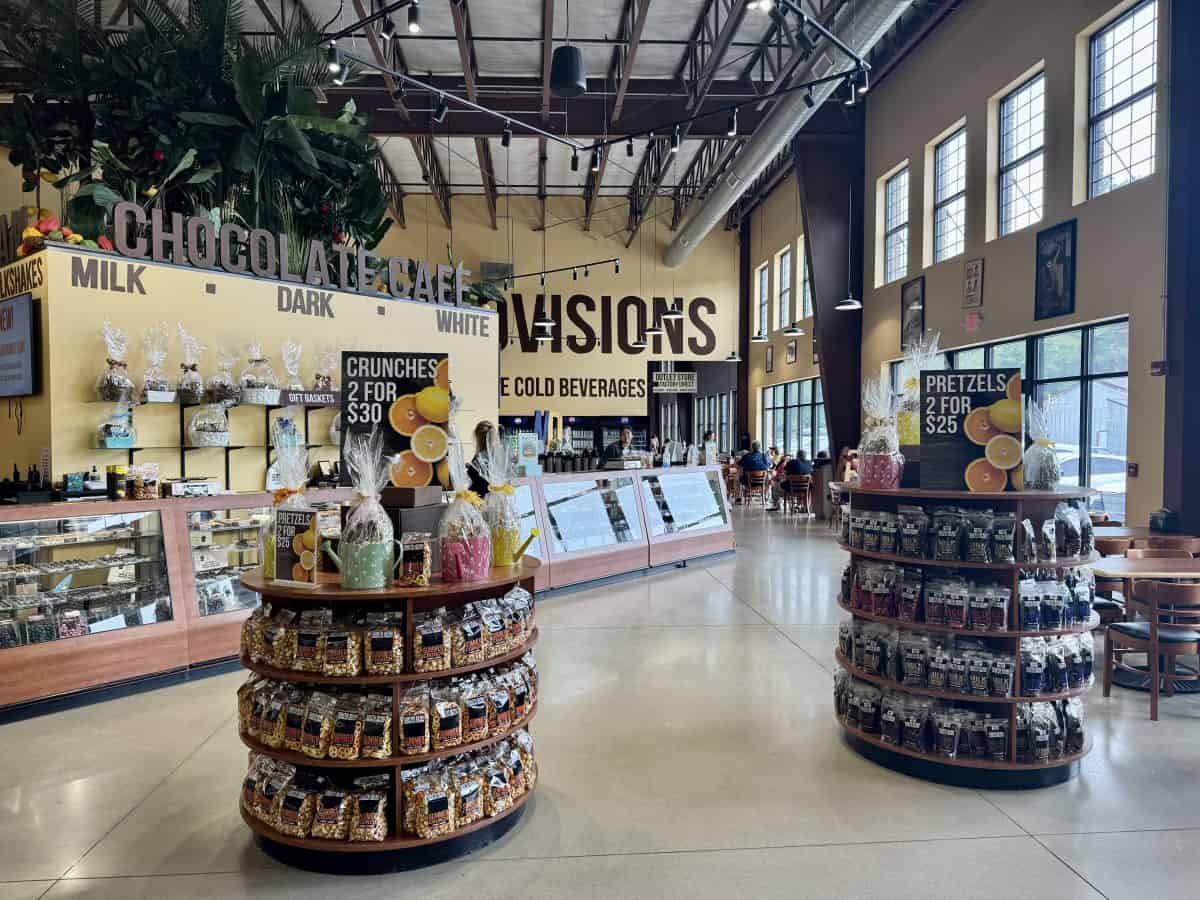
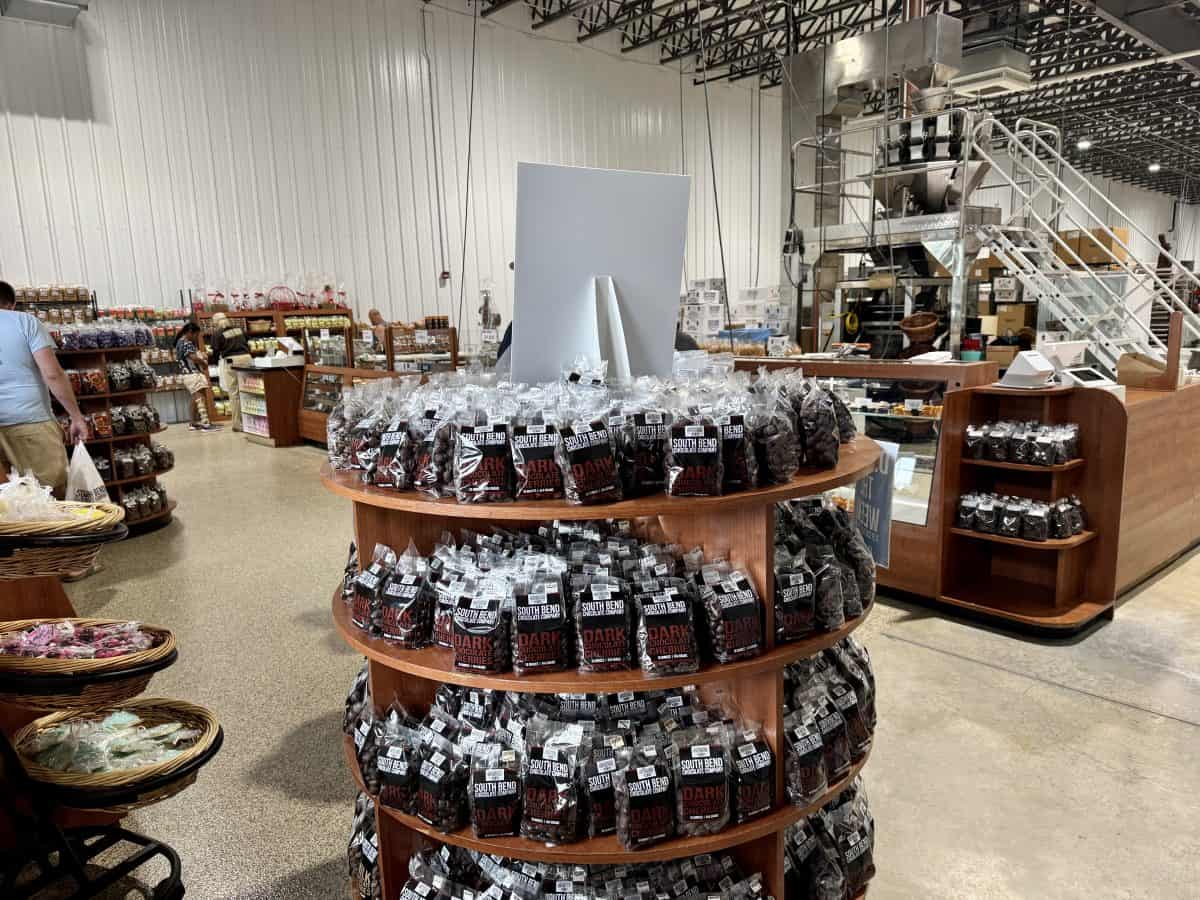
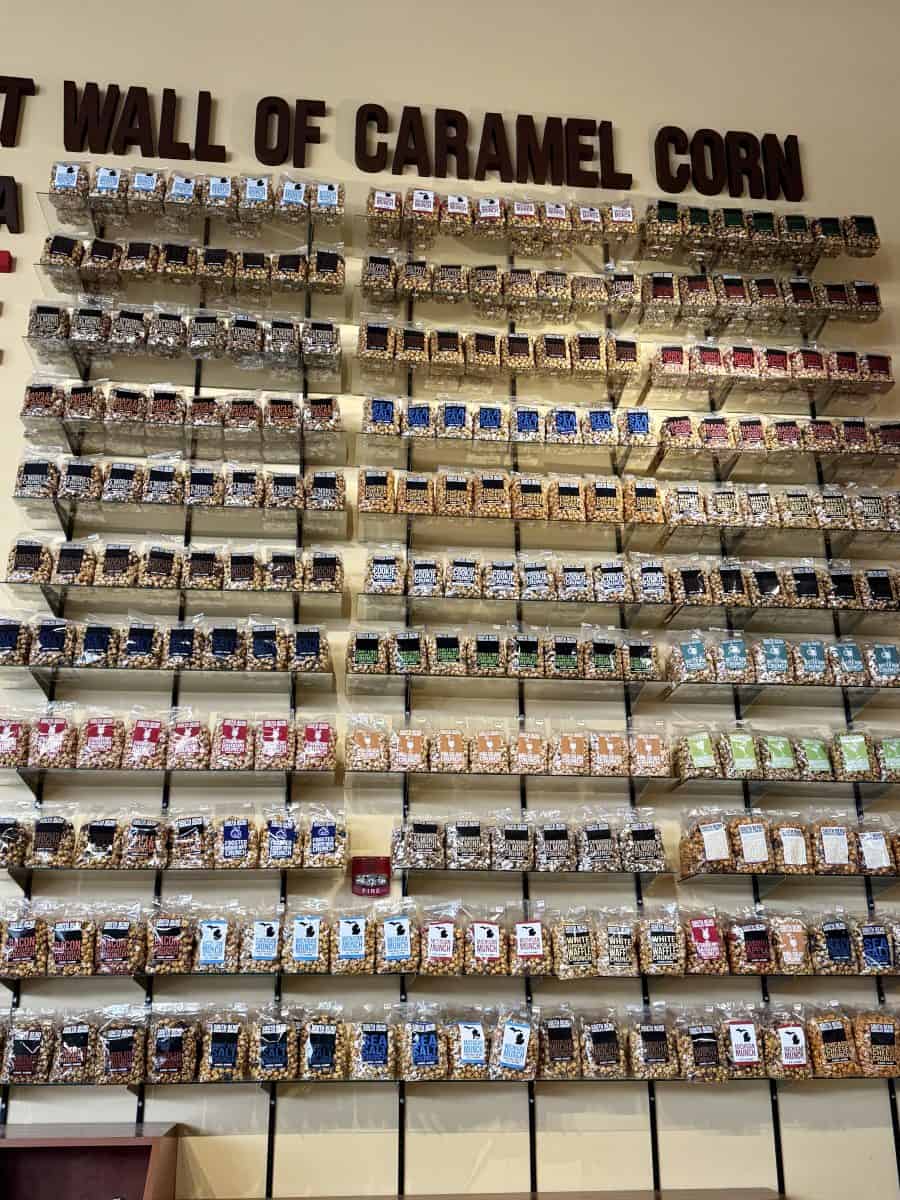
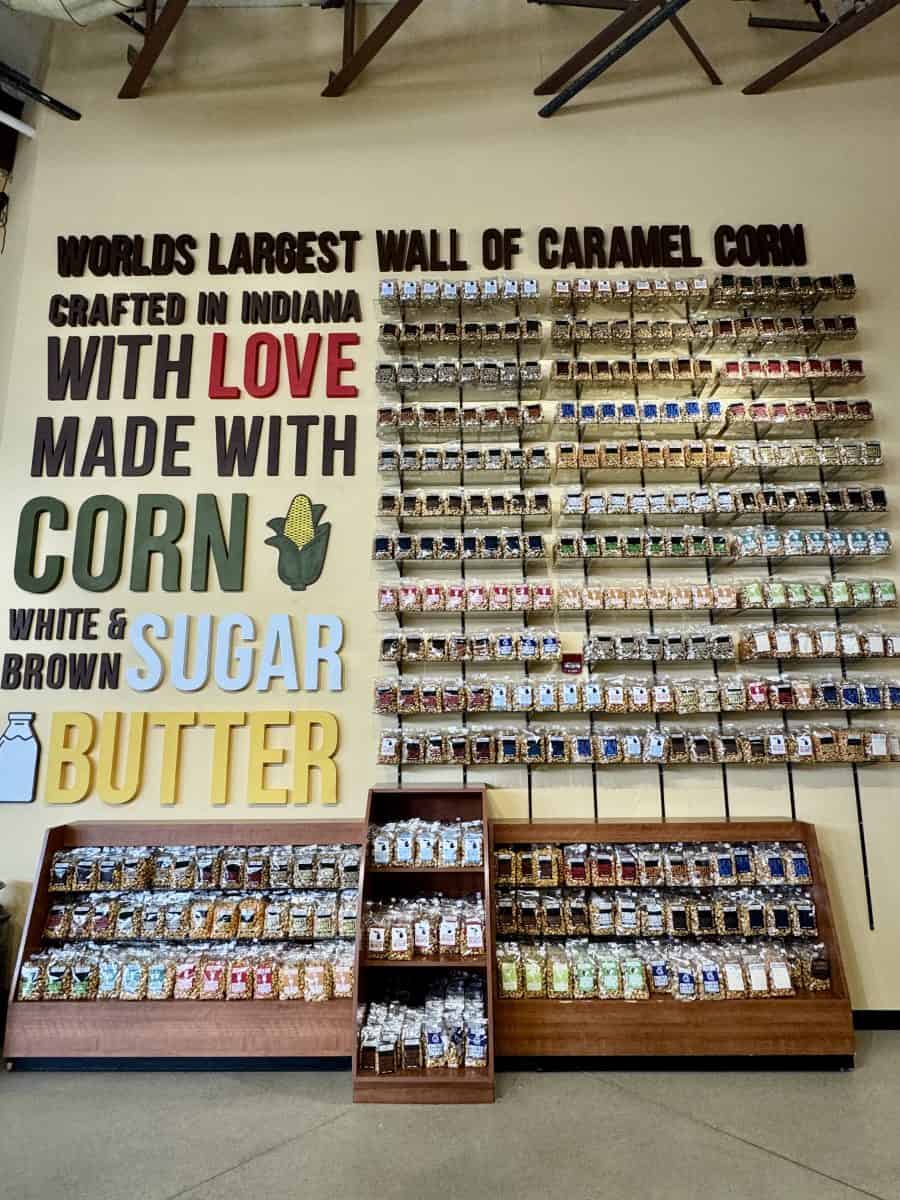
  • Spend some time shopping in the Outlet Store, which sells seconds/items with imperfections chocolate at a large discount. All items are considered edible/ “fresh” for two years. Check out  the world’s largest Wall of Caramel Corn and consider bringing some home. Shopping is also available online here. 
  • Check out the calendar of seasonal events and special programs.
    Plan on 60-75 minutes for a guided tour and time in the museum exhibits at the end of the tour. And definitely leave time to shop and eat!
  • There are several dining options in the complex and we definitely recommend checking them out:
  • The Chocolate Cafe sells sandwiches, snacks, and kids’ meals throughout the day. Plenty of seating in the cafe, as well as outdoor picnic tables near the entrance to the park. 
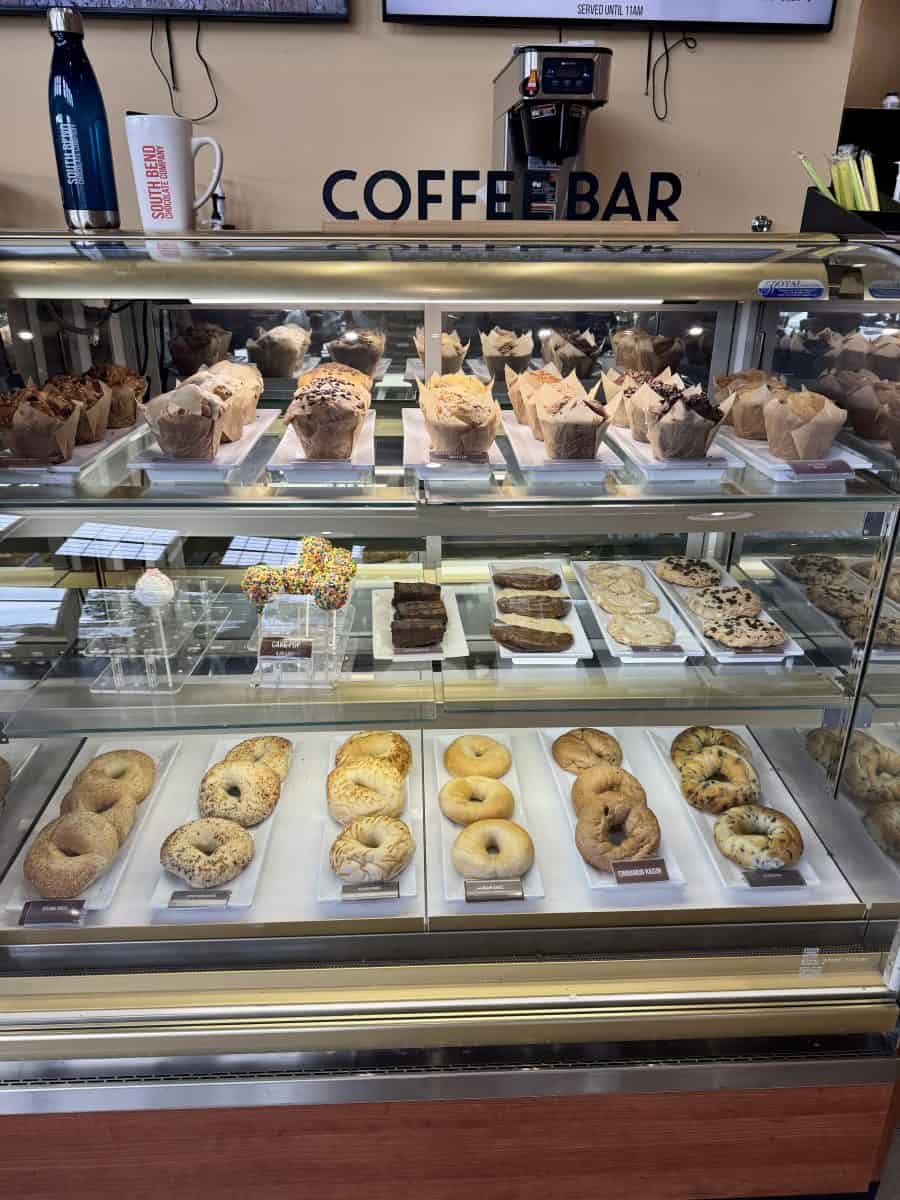
  • The Coffee Bar sells hot and cold drinks and a variety of homemade pastries and bagels.
  • The Ice Cream and Candy Station features a variety of ice cream and company products, as well as homemade desserts such as (huge!) slices of cake.
  • The South Bend Public House is located in a separate building across the parking lot. The full service restaurant offers lunch and dinner seven days a week, with indoor and outdoor seasonal seating.
  • Sound Bends Farms is also located in a separate building across from the museum and is home to over 300 chickens, whose eggs are used in the Cafe. The market offers seasonal produce and artisanal products and gifts, as well as freshly made pastries, jams, and sauces. 
Would you like to save this?

We'll email this post to you, so you can come back to it later.

10 Ways to Explore the Museum & Factory:

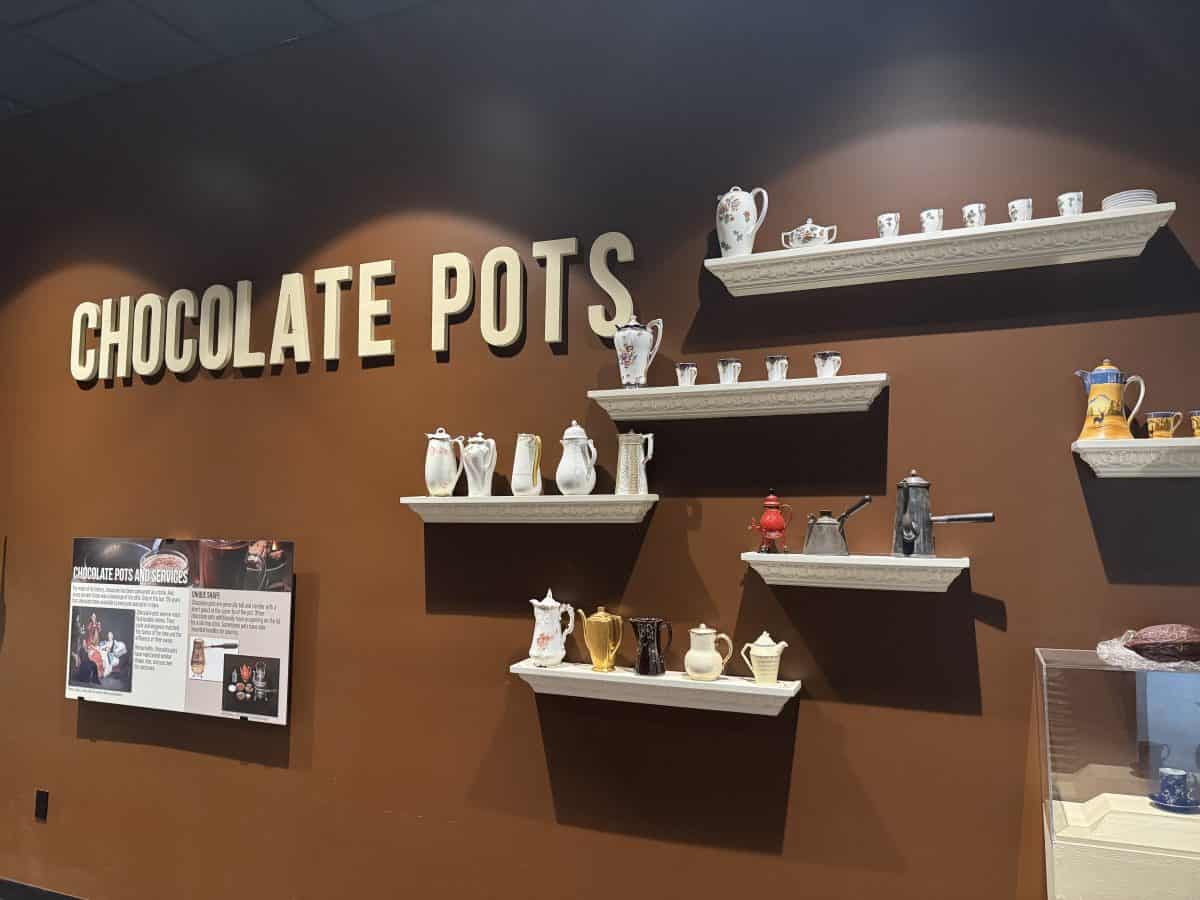
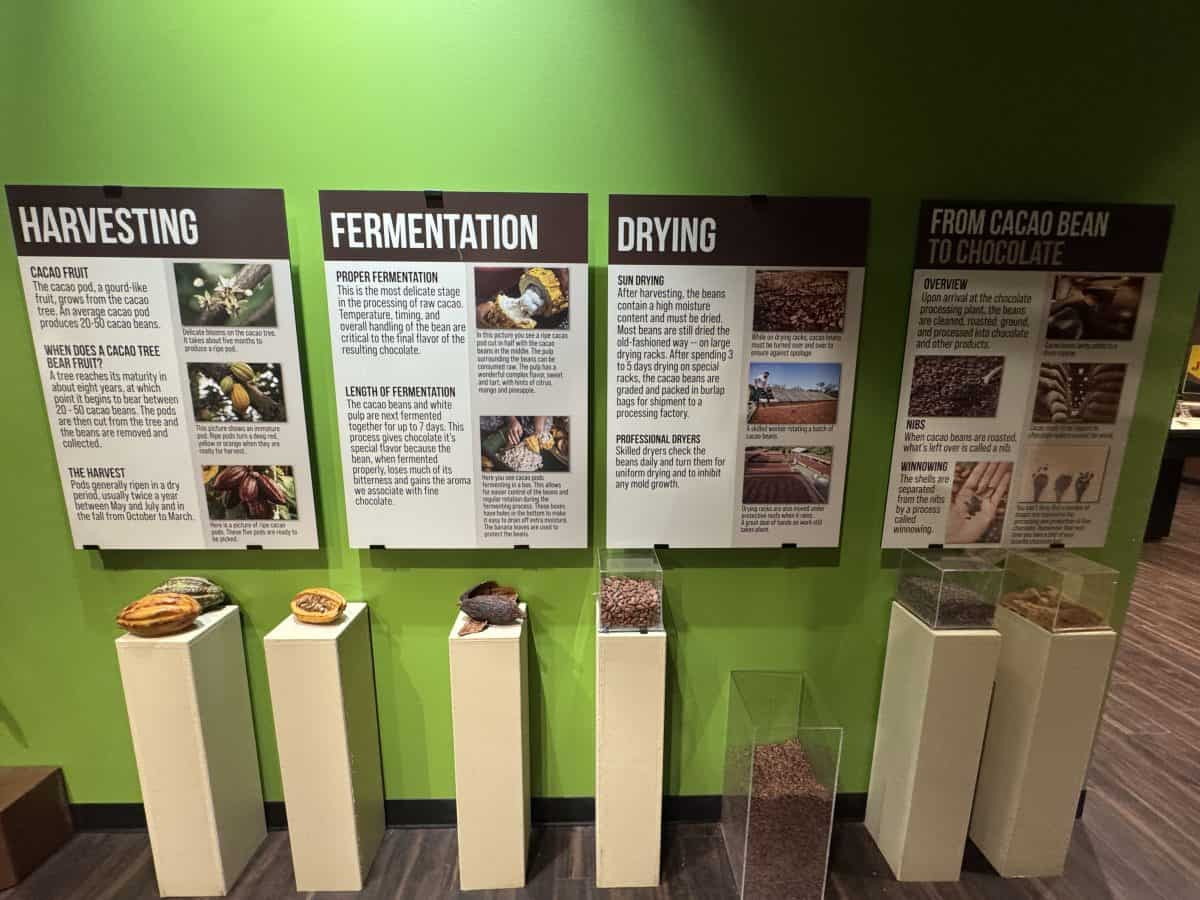
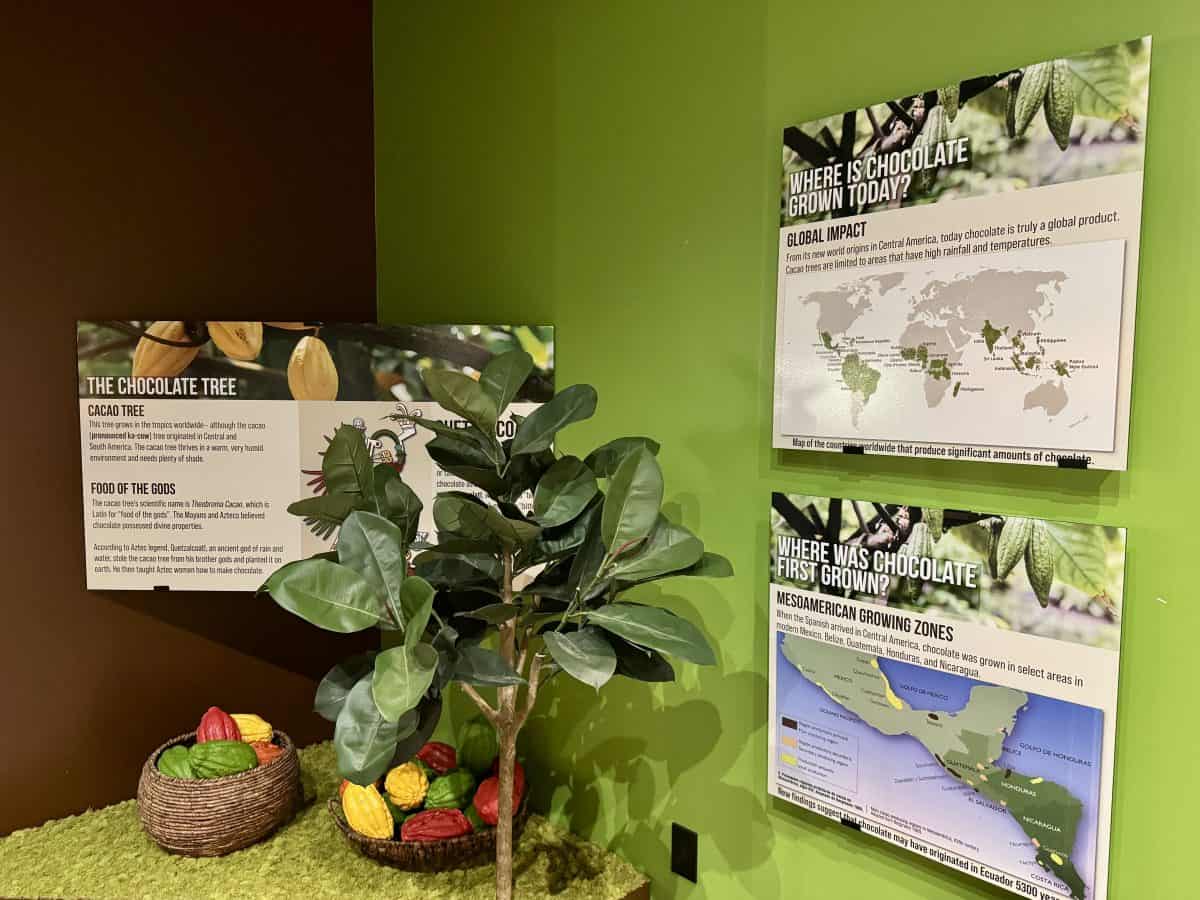
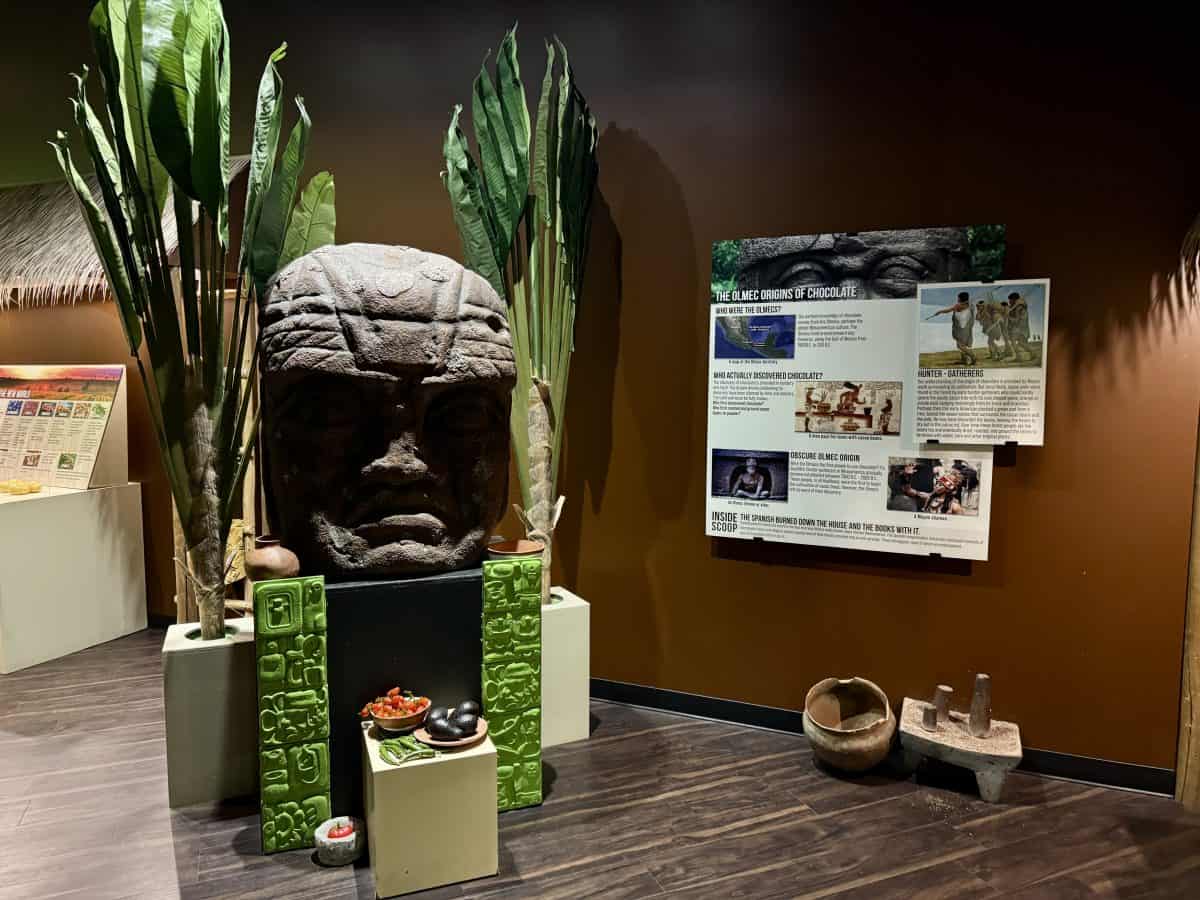
  1. Begin in the museum exhibit before the start of the factory tour. Learn about the origins of chocolates with explanations of the parts of a cacao tree and how cocoa grows. Check out the maps of where beans are grown in the world and the collection of chocolate pots (until the early 1400, chocolate was most commonly drunk, not eaten as a solid bar). 
  2. Prep for the factory tour by donning a hairnet and getting your goody bag from the tour guide. Throughout the tour, guides will share over a dozen pieces of chocolates and candies (pace yourself- you can bring the goody bag home with you!). Make sure to put your phones and cameras away- they’re not allowed on the tour. 
  3. Walk by the kitchens designated to make the centers for many of the chocolates and learn about the most popular fruit used in South Bend Chocolates. 
  4. Take a peek at the massive machines used to make flat chocolates.
  5. Watch the chocolate waterfalls and check for air bubbles that might sneak in. Factory chefs make sure, through multiple coats, that air bubbles don’t leave a bump in the smoothness of the chocolates. Chefs hand drizzle icing on top as the chocolates move down a conveyor belt. 
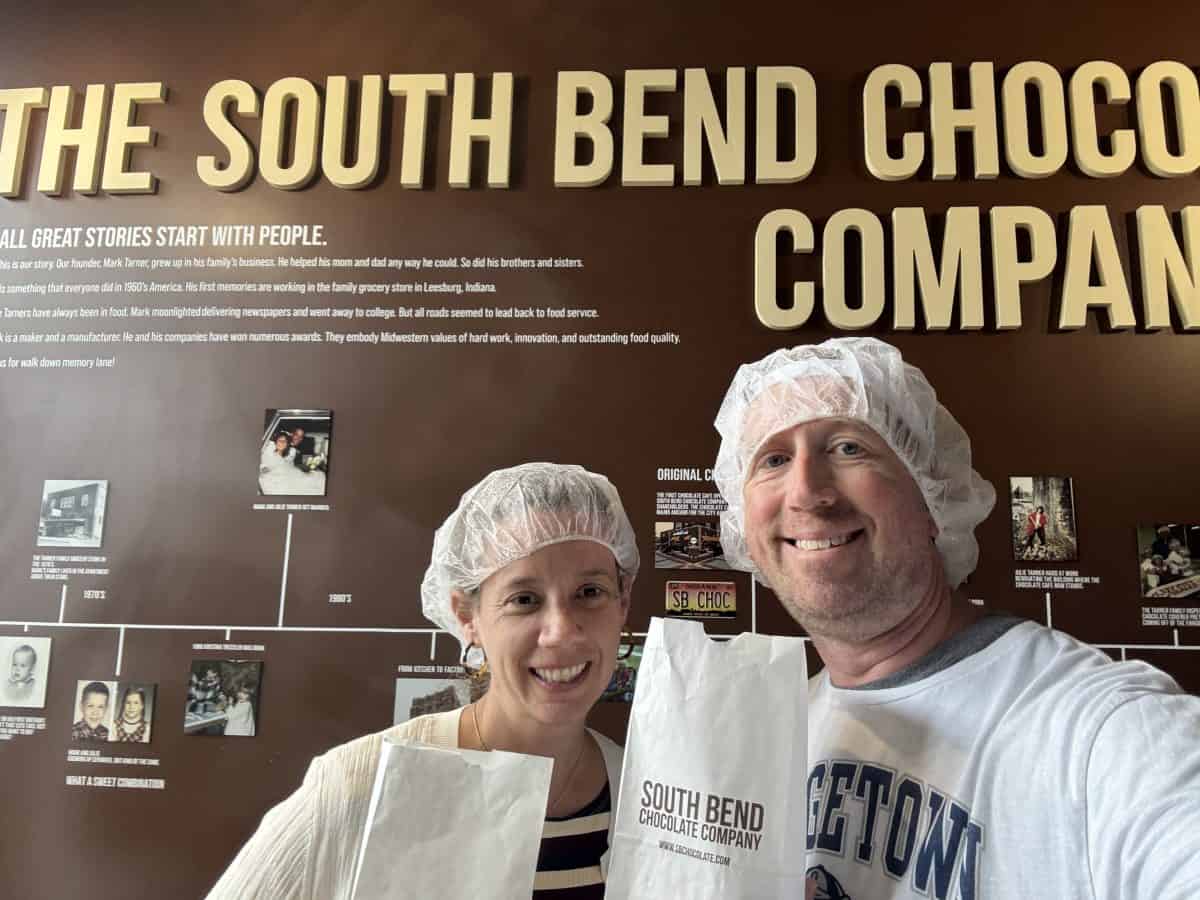
two people wearing hairnets posing with a bag of chocolate in front of the timeline of the South Bend Chocolate Factory in South Bend, IN

  1. Count the number of molds at the molding station. South Bend Chocolate Company has dozens of molds for holidays and special occasions, including a 65 pound Santa. The company uses a special agitator table to vibrate the solid chocolate figurines to make sure they’re no hidden bubbles.
  2. Check out the “Painting Room” where all fruit is coated evenly in chocolate and goes in a “tumbler” so every piece is about the same size. 
  3. Watch caramel crunch, another very popular item, made with only Indiana popcorn, being coated.
  4. See the Label and Package Station, where the largest number of company employees work to package and ship items all over the world.
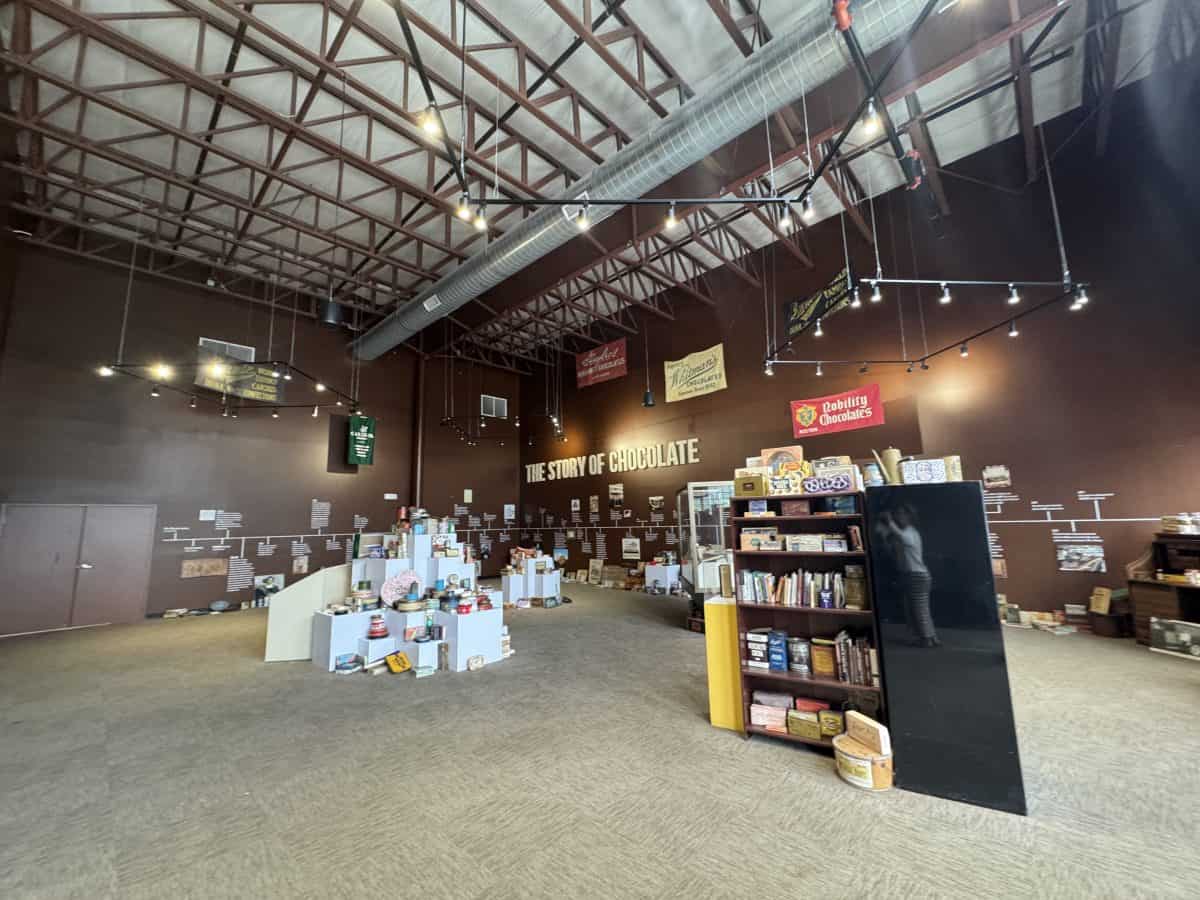
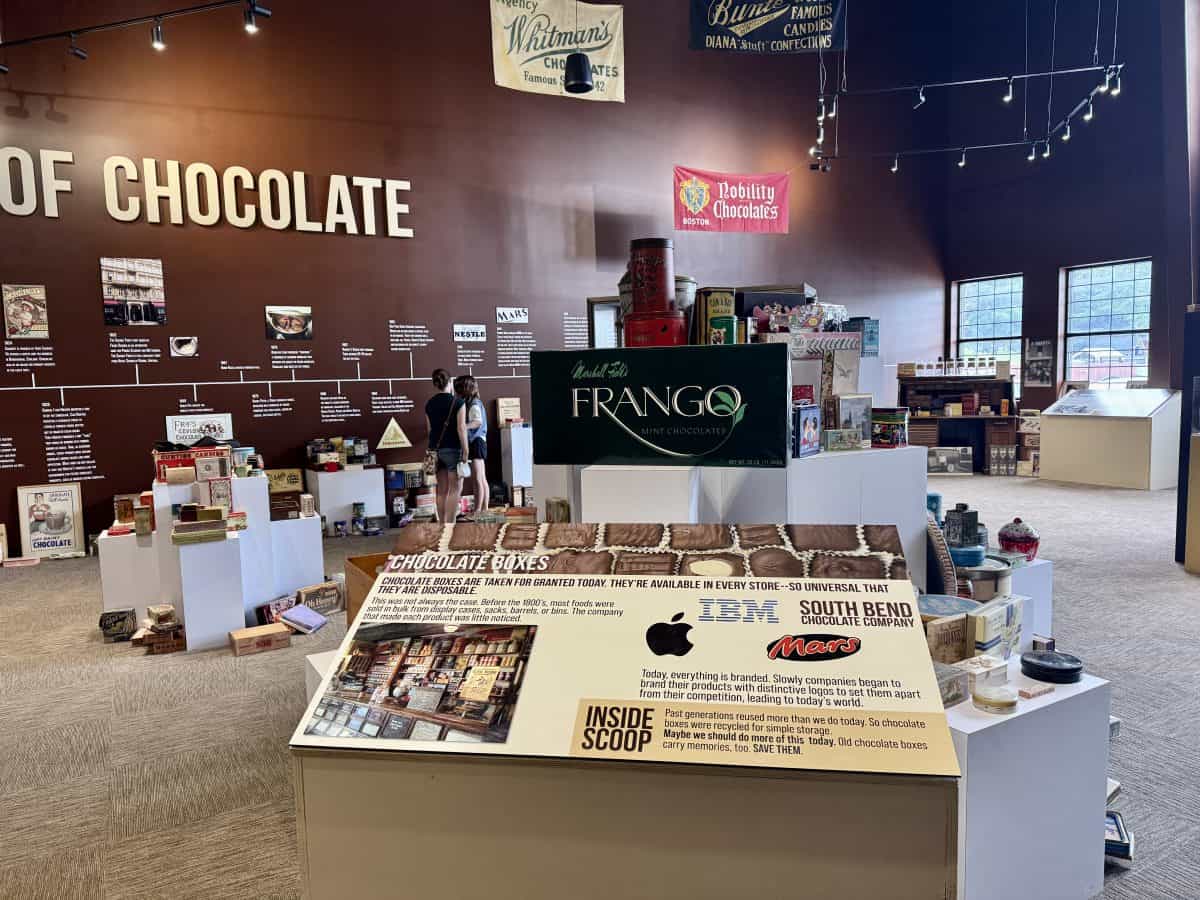
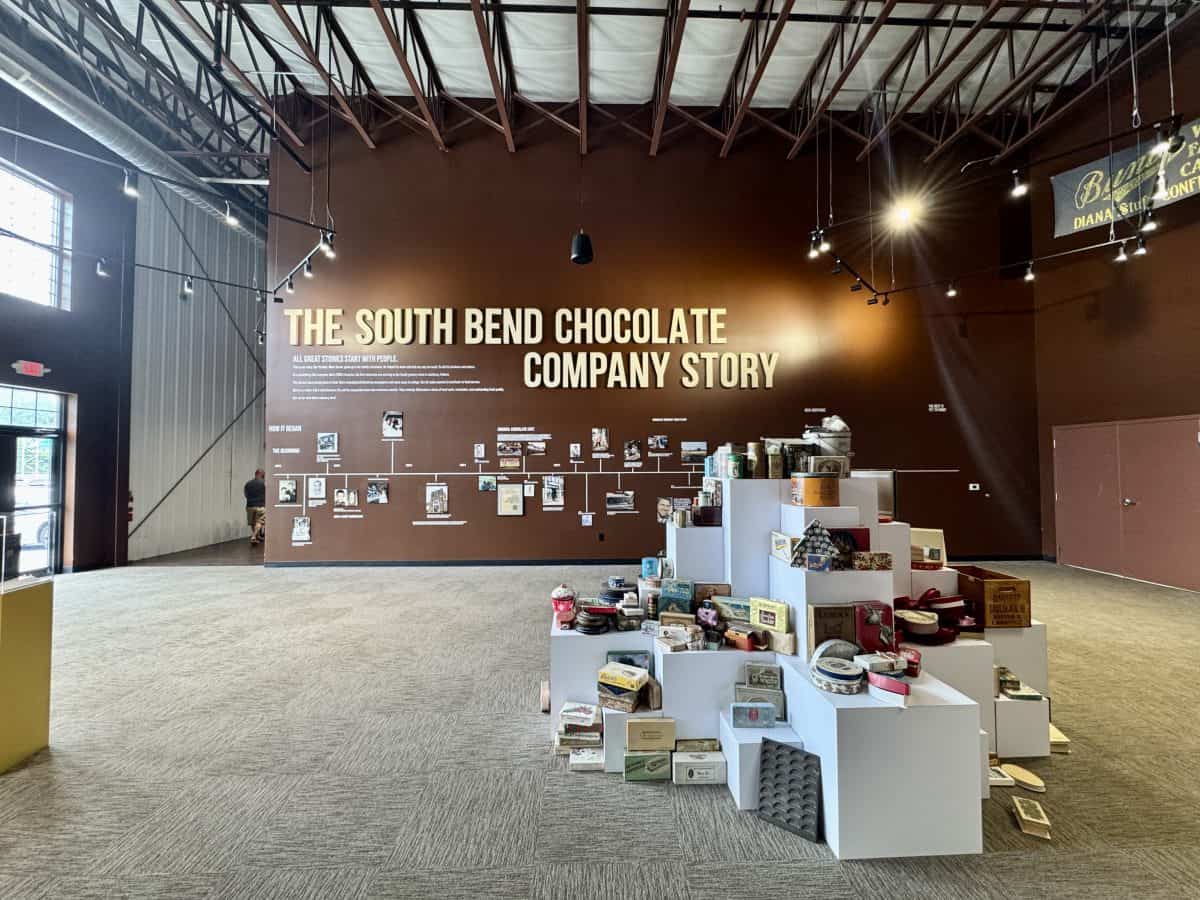
  5. Spend time in the museum exhibits featuring the history of the South Bend Chocolate Company. The large space has a timeline of the company, a collection of awards South Bend Chocolate Company has won, and even a case where company recipes are stored (just try and crack the code to break into the safe!). There’s a collection of and branding and marketing of chocolates over the decades, as well as a collection of old boxes and wrappers from chocolate products from a variety of companies.
Other Ways to Explore the Campus:

  1. Go shopping: South Bend Chocolate Company makes more than “just” chocolates: there’s crunchies (over a dozen varieties), pretzels (over two dozen varieties), cookies, and several seasonal specialties.
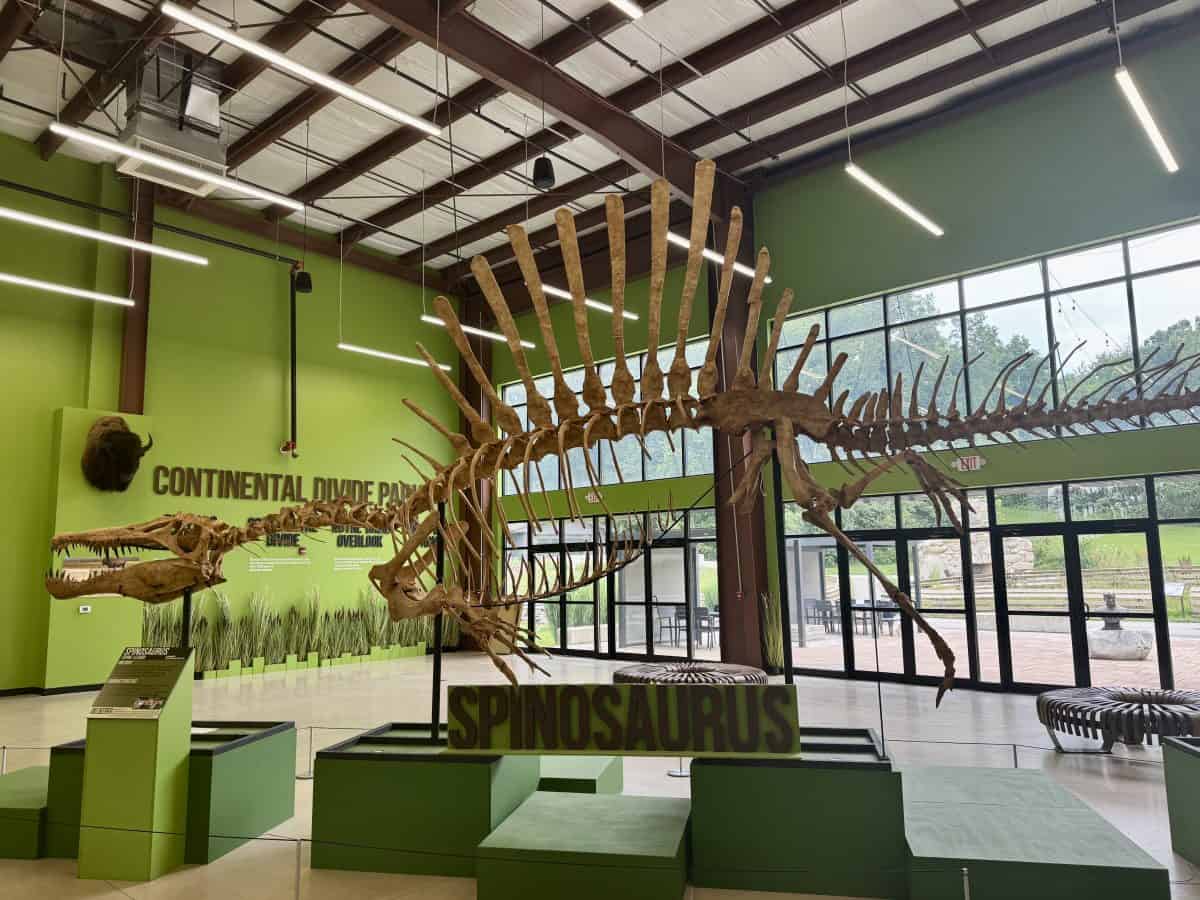
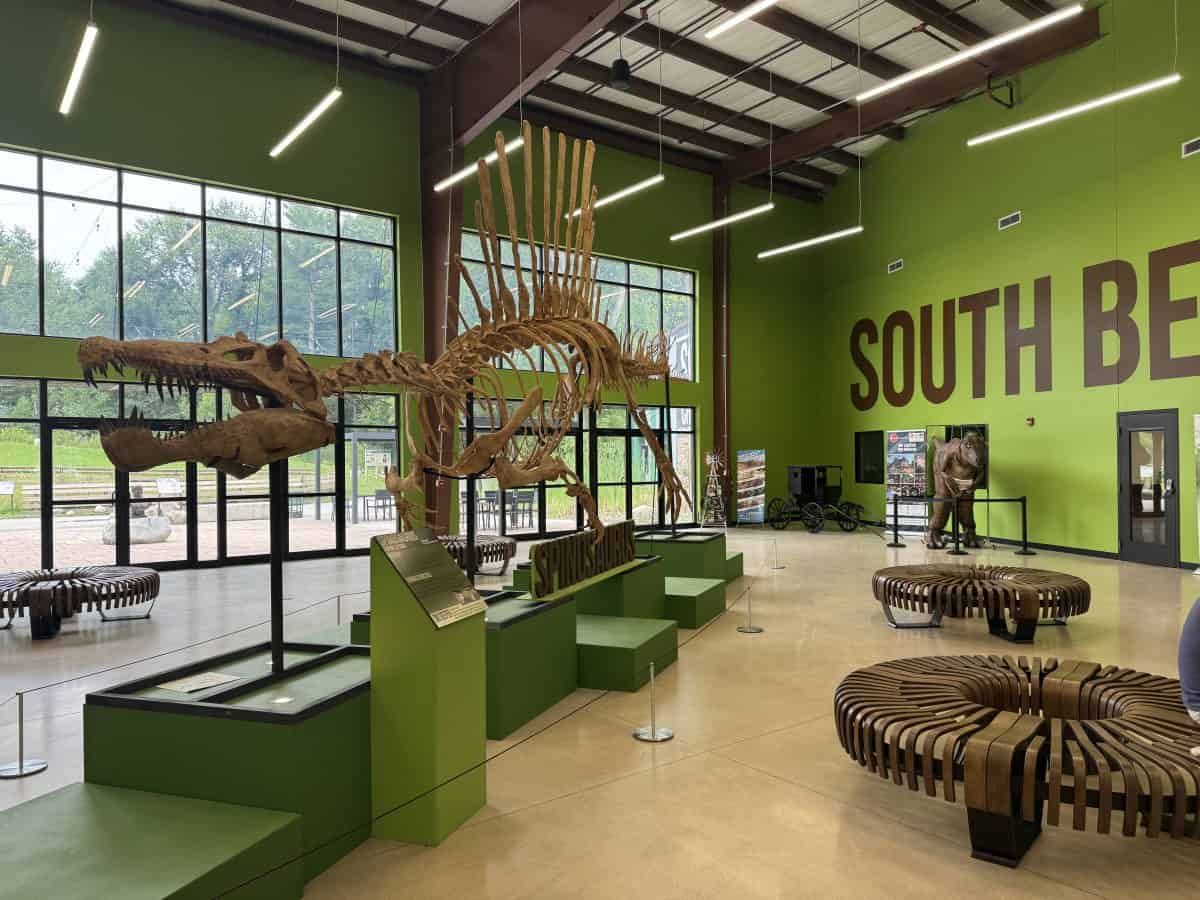
  2. Indiana Dinosaur Museum: There are over 40 life sized sculptures of various species of dinosaurs and 30 real skeletons on display. Exhibits feature an Archelon sea turtle, a working paleontology lab, and even a hands on digging site for kids. 
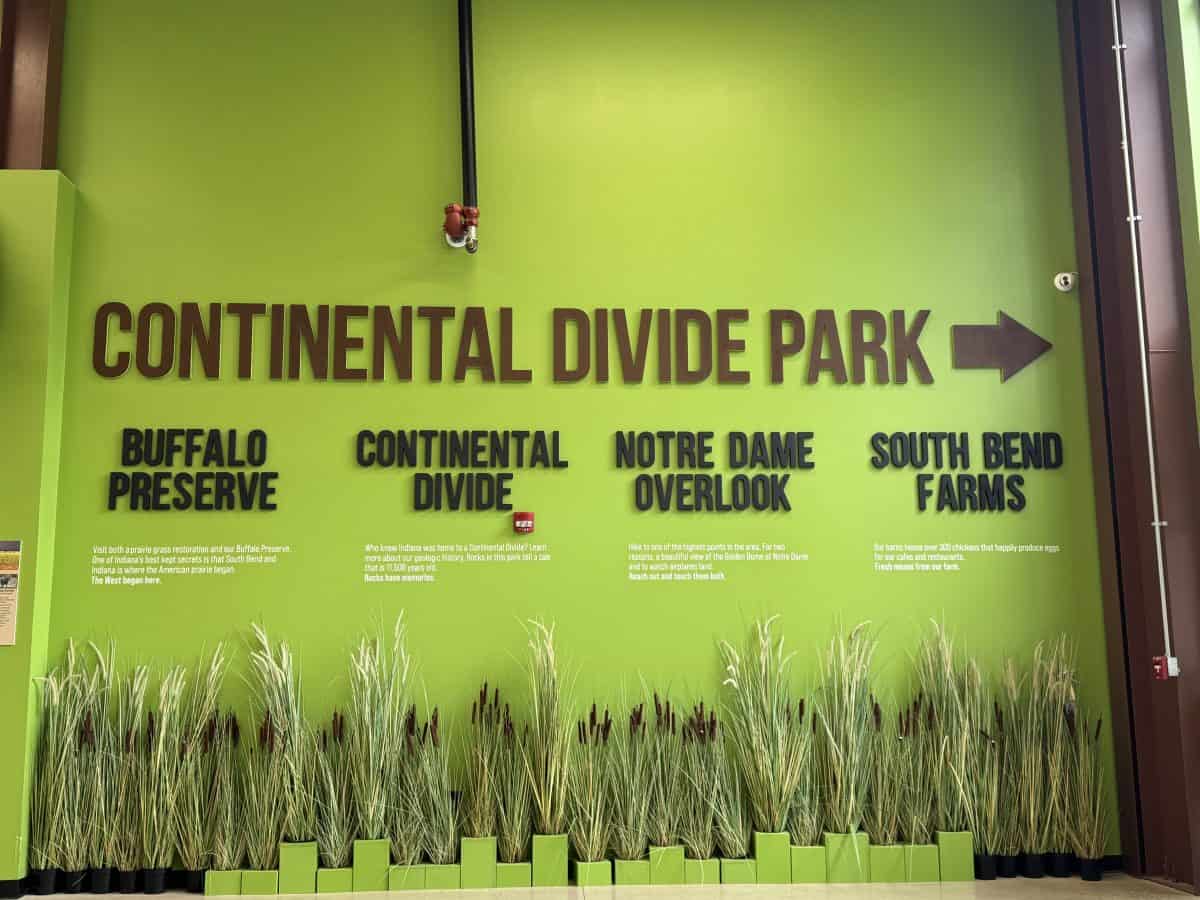
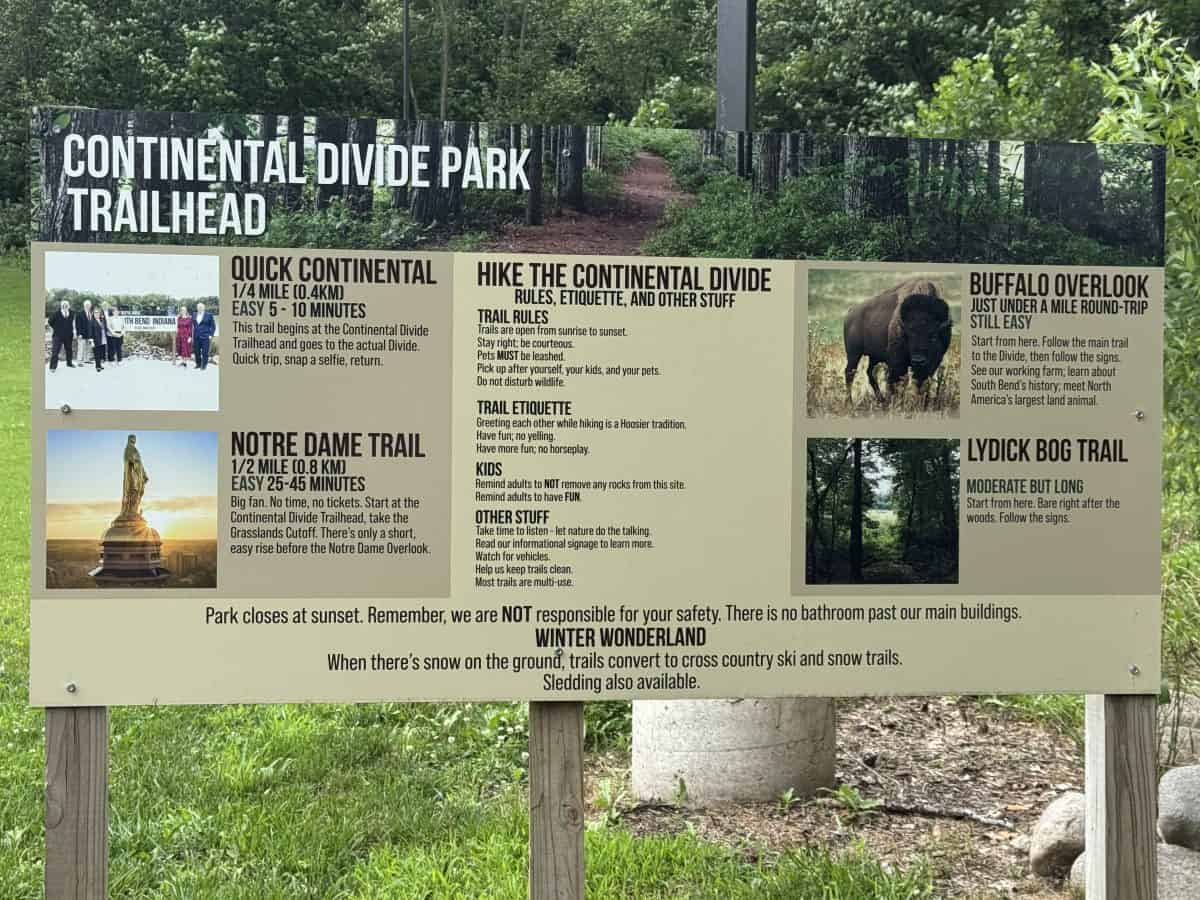
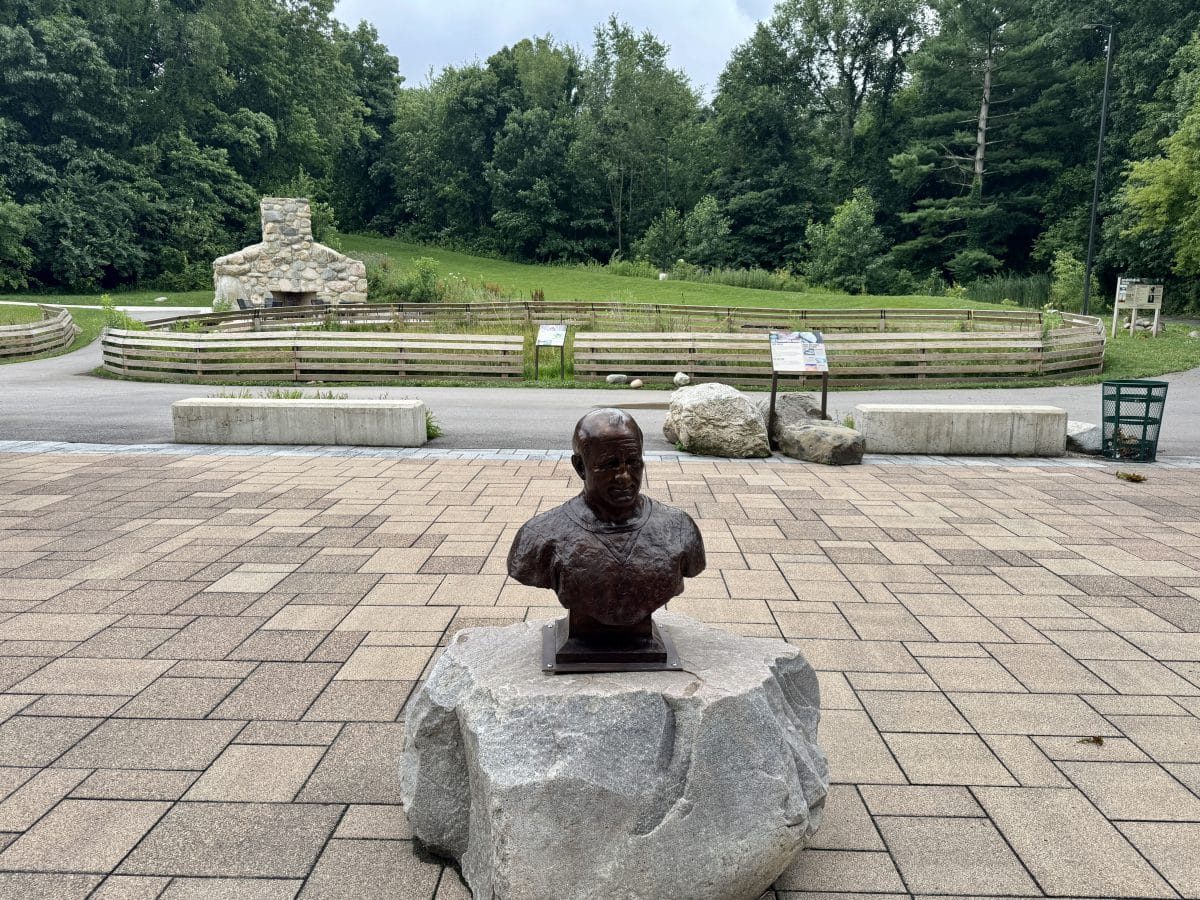
  3. Continental Divide Park: Take the doors opposite the entrance to the atrium to the Knute Rockne Courtyard, which features places to sit and relax as well as a bust of Notre Dame coach Knute Rockne. The 90+ acre park has several trails (from easy to moderate in difficulty)- see the list of trails here. Following the designated path, visitors can find great views of the University of Notre Dame’s Golden Dome and watch planes take off from nearby South Bend International Airport. Make sure to walk by Lydick Blog (a wetlands habitat) and the buffalo reserve and prairie. Trails convert to cross country skiing trails in the winter and there’s even a hill for sledding. 
Disclosure: We were given a media pass to explore the Chocolate factory; all opinions expressed are my own. 

Similar Posts

  • | | |

    12 Ways to Explore theNew England Air Museum in Connecticut

    Located in the same area as Bradley International Airport and the National Guard base, the New England Air Museum has 90,000 square feet of exhibition feet spread across 3 hangars, and an additional outdoor space, to display 60 of the 110+ aircrafts in the museum’s collections. The museum library includes a collection of over 6,000 aviation related books, over 10,000 aviation manuals, and thousands of pieces of artwork, drawings, blueprints, and photographs.

    The museum has tons of open space to spread out and explore the 60+ aircrafts at a leisurely pace. Guests are able to peer through, look under, and sit in many of the aircrafts. However, what is most impressive, and truly priceless, are the docents, many of whom are veterans who flew the aircrafts on display. They are eager to share their adventures and explain how the aircrafts work, and they are incredibly patient with children.

  • | | | | |

    Hogpen Hill Farms in Woodbury, Connecticut

    Hogpen Hill Farms, a 234 acre sculpture farm in the Litchfield County town of Woodbury, Connecticut, is home to a landscape park with over 100 pieces of beautiful landscape art created by Edward Tufte. 

    The works of art are positioned along a 1.5 mile diagonal and visitors can get up close (but don’t touch!) to the artwork by following some of the five miles of walking trails throughout the property (follow the signs and mowed grassy paths that traverse the property).  The property is open to the public during late spring, summer, and fall months and is a wonderful way to enjoy the beauty of nature and art.

  • | | | |

    13 Ways to Explore the Museum of the American Revolution in Philadelphia, PA

    In the winter of 2018 we spent a wonderful long weekend exploring the many historic sites in Philadelphia, Pennsylvania. One of the museums we enjoyed was the Museum of the American Revolution, which had recently opened in 2017. When we returned to Philly this past week for a family event, we stopped by the Museum of the American Revolution for another visit. 

  • | | | | | | |

    Five Things to Do in the Great Smoky Mountains National Park Besides Hiking

    I’m saying it from the start: I am not a hiker. Or a camper. I think I like to hike and camp. I think I like being in the wilderness and communing with nature. I think I like to be without technology and modern day conveniences like running water. But when push comes to shove, I like it for about a day.

    So here’s the disclaimer: I spent one day in the Great Smoky Mountains National Park. I want to be up front: you could spend weeks- months- inside this national park that spans over 500,000 acres across two states (Tennessee and North Carolina). But I know my limitations, and I knew at the start of an almost four week road trip it was going to be a marathon and not a sprint, so I couldn’t get burnt out right away. I researched the Great Smoky Mountains and found the most manageable places to explore that would still give me the sense of accomplishment of hiking/camping/communing with nature. Here’s what I recommend if you want to get a feel for the mountains without camping for days:

  • | | |

    Playing “I Spy” at the Vermont State Capitol

    Vermont, the 14th state in the union, chose Montpelier as the state capital because of its central location and accessibility to the nearby Winooski River. The first State House, a traditional wooden meetinghouse, was open from 1808-1835, and then moved and expanded to a nearby, larger space from 1836-1856, until a fire destroyed most of the State House in January of 1857. The third, and current, State House was completed in 1859, built in an Italian Renaissance revival style, with all features made from masonry and cast iron; only the dome (57 feet high and covered in gold leaf) is made of wood. (Even the doors and staircase railing were painted to look like mahogany!)

    The Vermont Senate Chamber, which has 30 members, is the oldest senate chamber in America that is still actively used and still has all of the original furniture and lighting from 1859 (except for two filing cabinets and a computer). The 150 member House Chamber is the largest room in the State House. Vermont legislators have no private offices at the State House; they conduct business at their chamber desks or in groups in large committee rooms on the first floor. And unlike most state Capitols, there is no rotunda inside the Vermont State House, the dome is an exterior ornament. 

    Hubbard Park, located behind the State House, is home to walking trails, a fitness trail, an interpretive trail, a 54 foot stone tower, and picnic shelters. The State House complex welcomes visitors all year and encourages exploration of its grounds.

Leave a Reply

Your email address will not be published. Required fields are marked *