
10 Children’s Museums, Aquariums, and Zoos to Virtually Explore
Last week, we shared a list of 10 National Parks sites that we have previously visited that now offer virtual tours. After the post went live, we found this massive collection of activities and Junior Ranger assignments that children (and adults!) can complete at home. Find the full list here.
This week, we have been looking through old scrapbooks of past trips. Our children have been reminiscing about specific children’s museums, aquariums, and zoos and their favorite activity or animal from each spot. This week we’re sharing our top 10 children’s spots to virtually explore:
1. Buttonwood Park Zoo in New Bedford, Massachusetts: It’s called one of the finest “small zoos” in America, and Buttonwood is definitely worth a visit in person in the future. The smaller size allows for plenty of up close and personal zookeeper talks, indoor exhibits focused on birds and fish, and Charlie’s Nature Play, a multi sensory, hands on play area. The carousel and zoo train are also very popular. Until you can visit in person, head online to the zoo’s YouTube channel, which has a great collection of 30 minute BPZoo Virtual Chats focused on various zoo inhabitants.
Bonus: The zoo recently hosted a weeklong Virtual Spring ZooCrew, which focused on the parental role animals take on for their families. There are videos, games, crafts and activities that make the learning process engaging and fun.
Find the link to BPZoo Virtual Chats here and download the daily agenda and links for the Spring ZooCrew here.
Read about our adventures in New Bedford and the Buttonwood Park Zoo here.

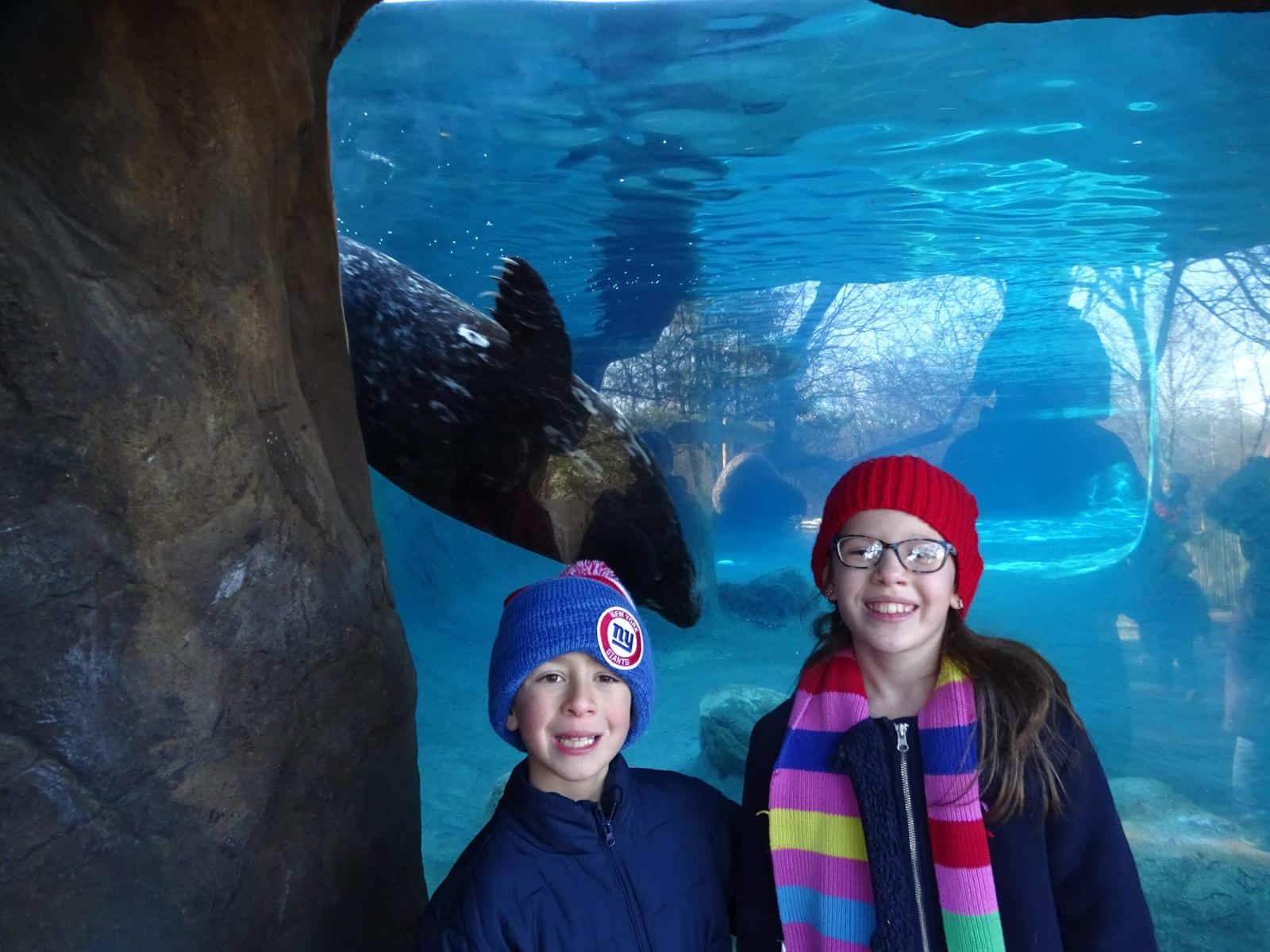
2. Mystic Aquarium in Mystic, Connecticut: It’s one of the most popular spots in Connecticut and is one of the few aquariums home to beluga whales and Steller sea lions. The aquarium has both indoor and outdoor exhibits and several daily animal feedings, touch tanks, and educational workshops. From home, viewers can log onto the aquarium’s Facebook page and see daily interviews, feedings, and encounters with the animals and staff.
Bonus: Check in on the penguins throughout the day with a live feed.
Find the link to the aquarium’s Facebook page here and the penguin live feed here.
Read about our adventures at Mystic Aquarium and travel tips here and our City Guide to Mystic here.


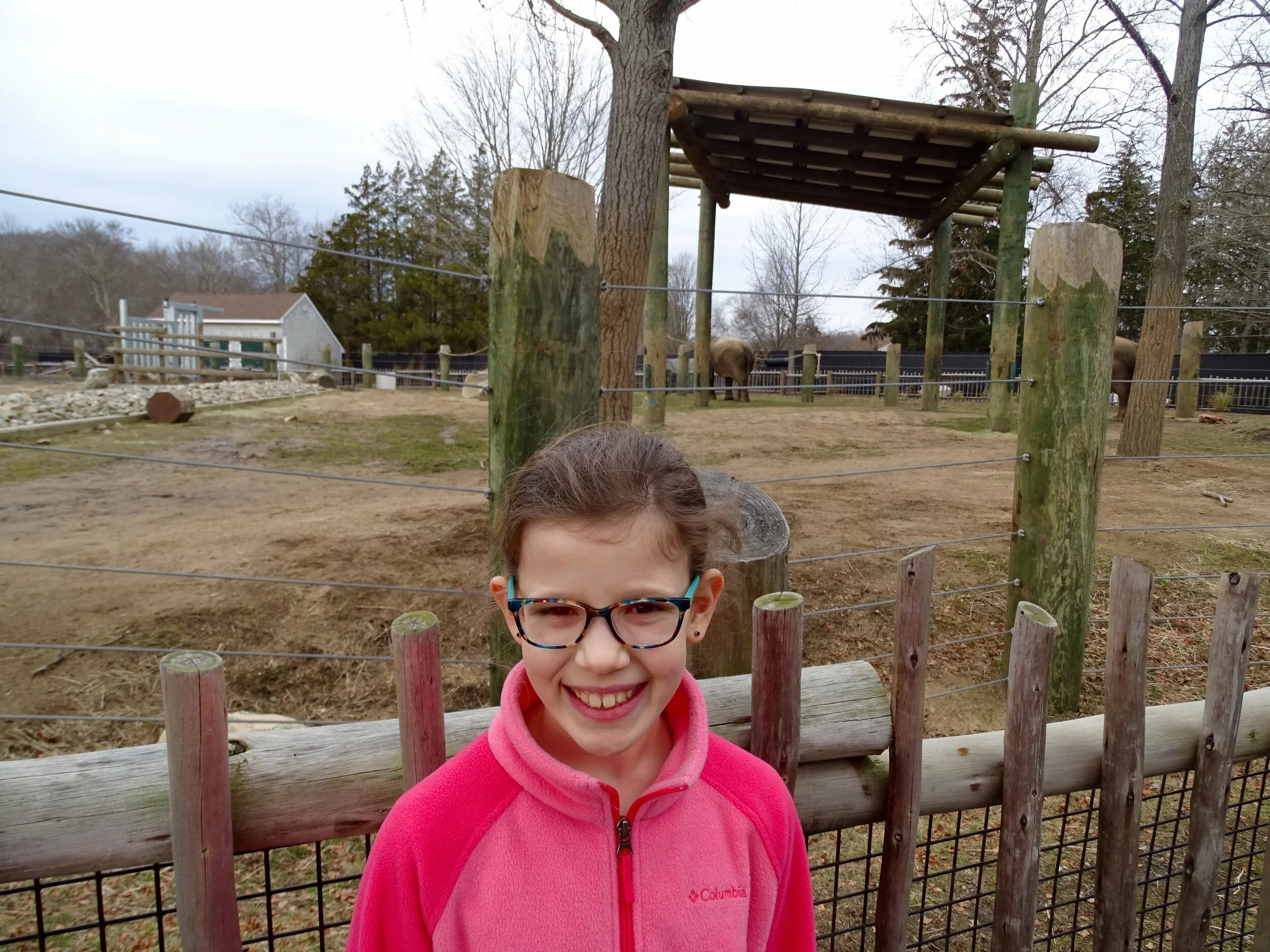
3. Roger Williams Zoo in Providence, Rhode Island: We had a great time exploring Rhode Island’s capital last year (read about our adventures here) and we spent a full day exploring Roger Williams Park. The zoo is home to over 150 animals and has a massive tree house, outdoor splash area, and tons of opportunities to get up close and feed various animals. The zoo now offers virtual “Zoo School” sessions every Tuesday and Thursday at 2pm on YouTube that include behind the scenes information and activities kids can complete at home.
Bonus: There are already a dozen Zoo School episodes.
Find the link here.
Read about our adventures at Roger Williams Zoo and travel tips here and more fun in Providence here.
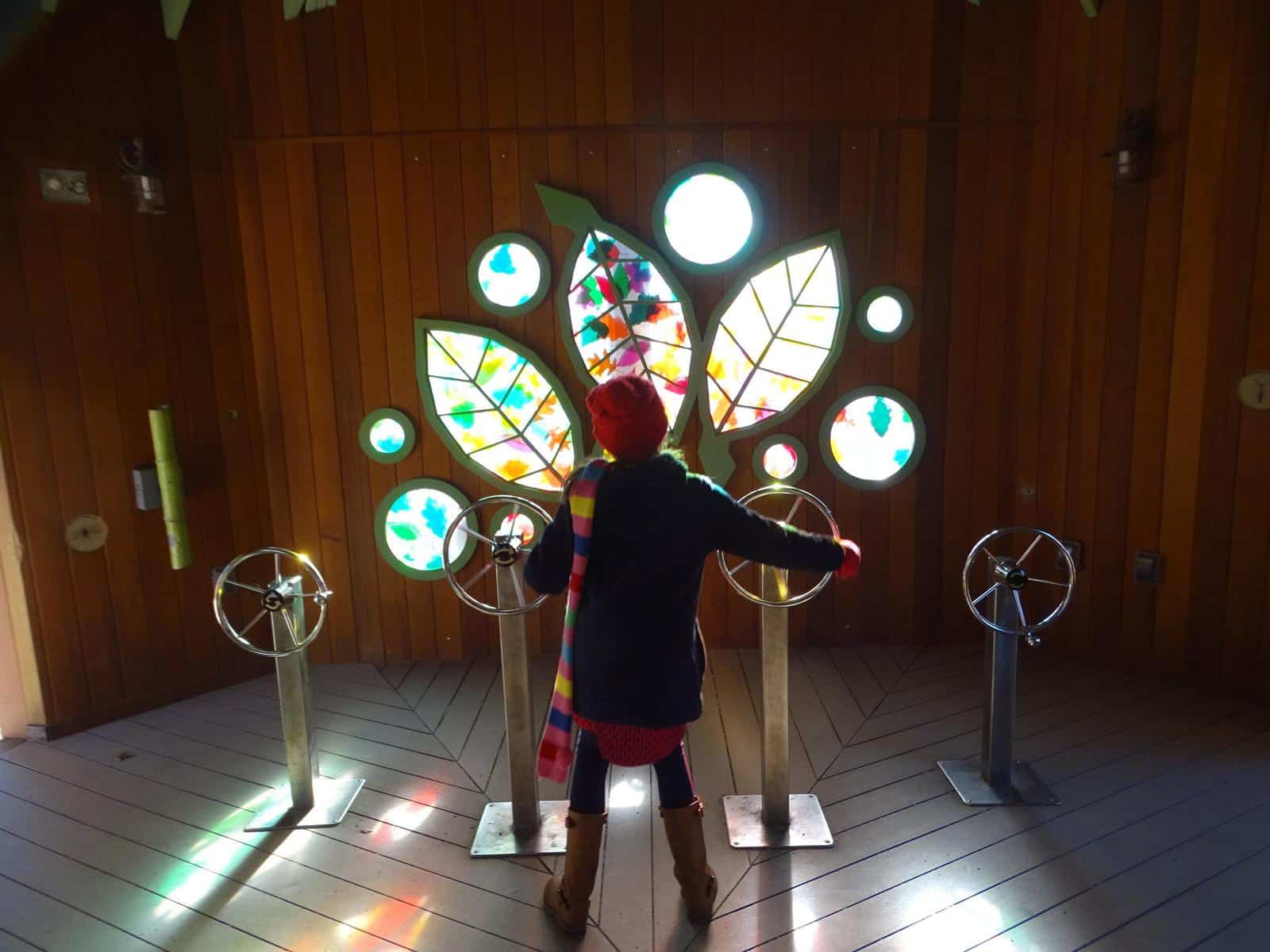
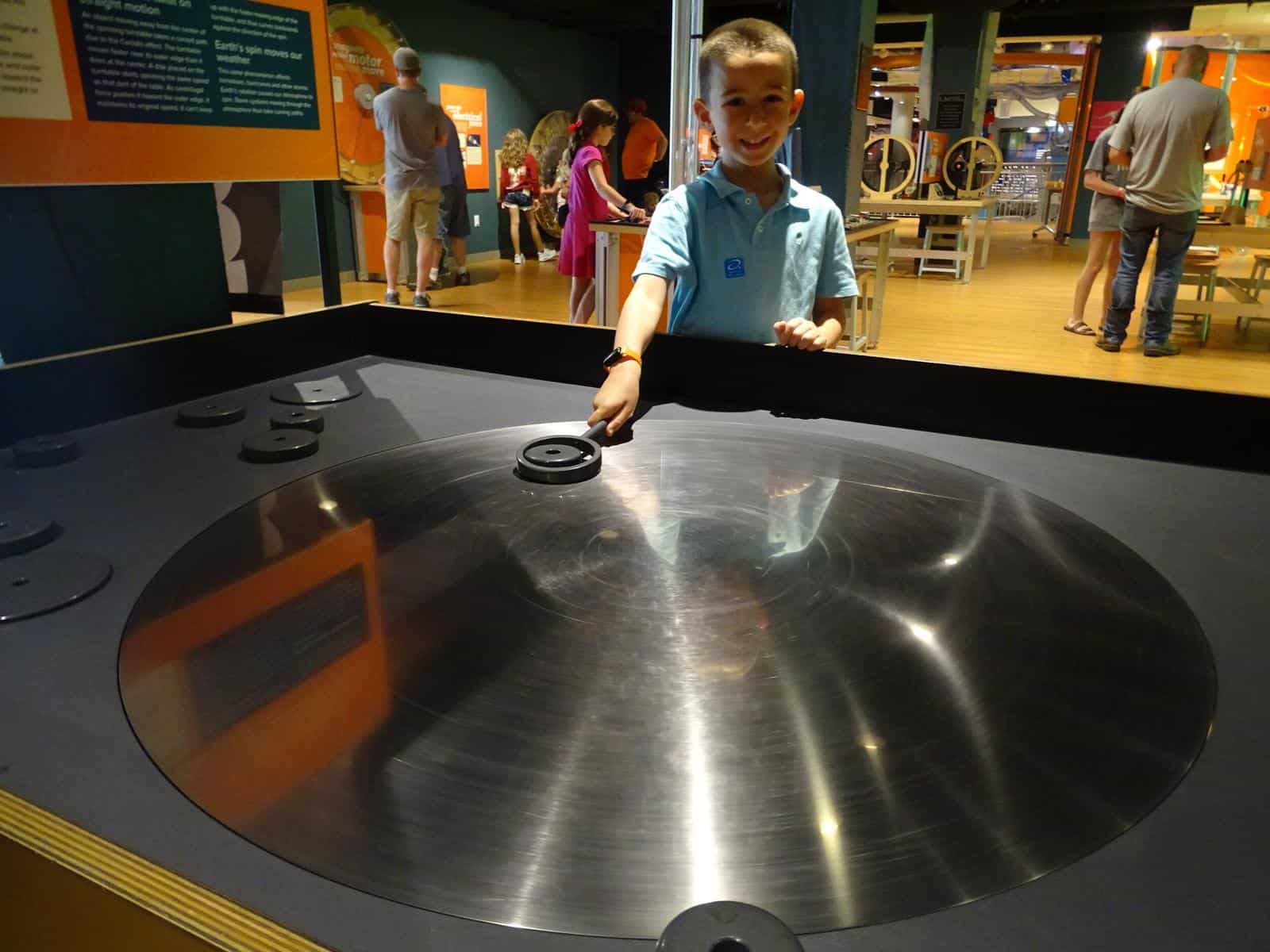
4. Museum of Discovery in Little Rock, Arkansas: The STEAM focused museum has 90 (!!) interactive exhibits, experiments and daily workshops. Kids (and adults) could easily spend an entire day lying on a bed of nails, exploring the geological features of Arkansas, recreating the effect of a tornado, and so much more. The museum’s Facebook page offers short film clips of various exhibits, live read alouds with staff, and construction contests with viewer voting.
Bonus: Daily “At Home Discoveries” include hands on arts and crafts projects and science experiments using regular household items.
Find the link here.
Read about our adventures at the Museum of Discovery here and our City Guide to Little Rock here.

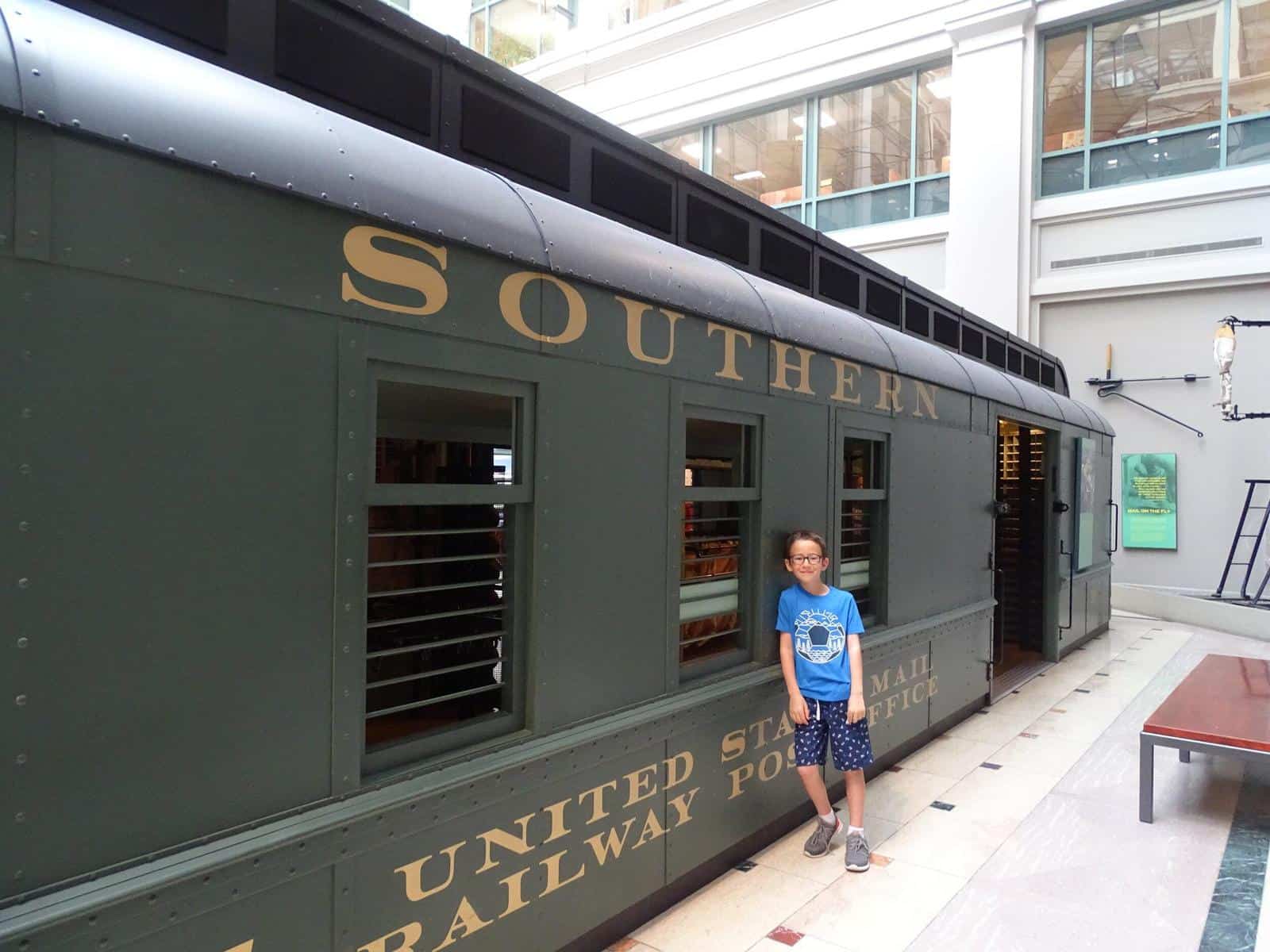
5. Smithsonian’s National Postal Museum in Washington DC: This Smithsonian museum is my favorite DC museum! We visit every time we’re in town and enjoy the historical exhibits and postal cars, trains, and trucks. The virtual tour has 360 views of every exhibit.
Bonus: The website for the museum has a great selection of at home arts and crafts activities related to postal services: stamp decoupaging, making your own mailbag and postcards, and online trivia quizzes.
Find the link to the virtual tour here and find the activities page here.
Read about our adventures at the National Postal Museum and travel tips here and other museums in DC that we enjoy here.

Would you like to save this?
6. Connecticut Science Center in Hartford, Connecticut: This is our “local” science center in Connecticut and there are plenty of exhibits to keep everyone busy for an entire day. There are exhibits dedicated to the toddler crew, legos, dinosaurs, music, exercise, Rube Goldberg machines, health, and space. Online, the center has a great Exhibit Insider series, which offers in depth information about exhibits throughout the museum, and interview clips. Most recently, the series profiled butterflies. Every Tuesday and Thursday, the Center hosts Lunch Bunch on their Facebook page.
Bonus: The Center’s website also included virtual field trips to National Parks and Smithsonian Institutes, like this week’s focus on Yellowstone National Park.
Find the link for Exhibit Insider here , Lunch Bunch here, and virtual field trips here.
Read about our adventures at the Connecticut Science Center and travel tips here.
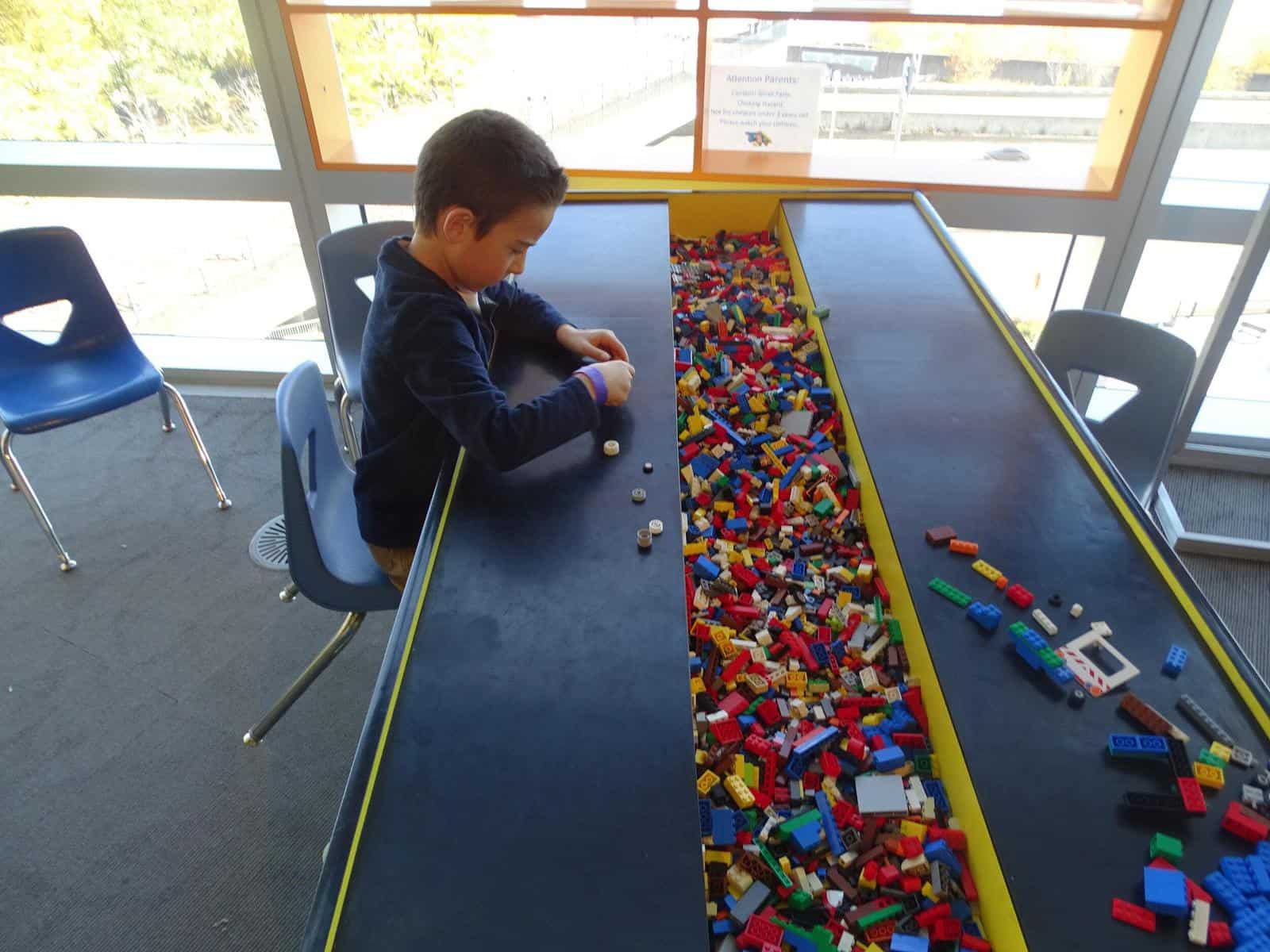

7. Perot Museum of Nature and Science in Dallas, Texas: You’ll need a full day to fully explore all 11 exhibition halls of the Perot Museum. There are exhibits devoted to everything from birds and dinosaurs to gems and minerals to astronauts, biologists, and engineers. At home, you’ll want to check out the Amaze Your Brain series, which includes weekly activities that require basic supplies that most people have at home. So far, there are four weeks of activities centered around chemistry, physics, weather, paleontology, and sustainability.
Bonus: The weekly series includes multiple film clips to guide viewers through the experiments and activities, and downloadable pdf packets of trivia quizzes.
Find the link here.
Read about our adventures at the Perot Museum and travel tips here and our City Guide to Dallas here.
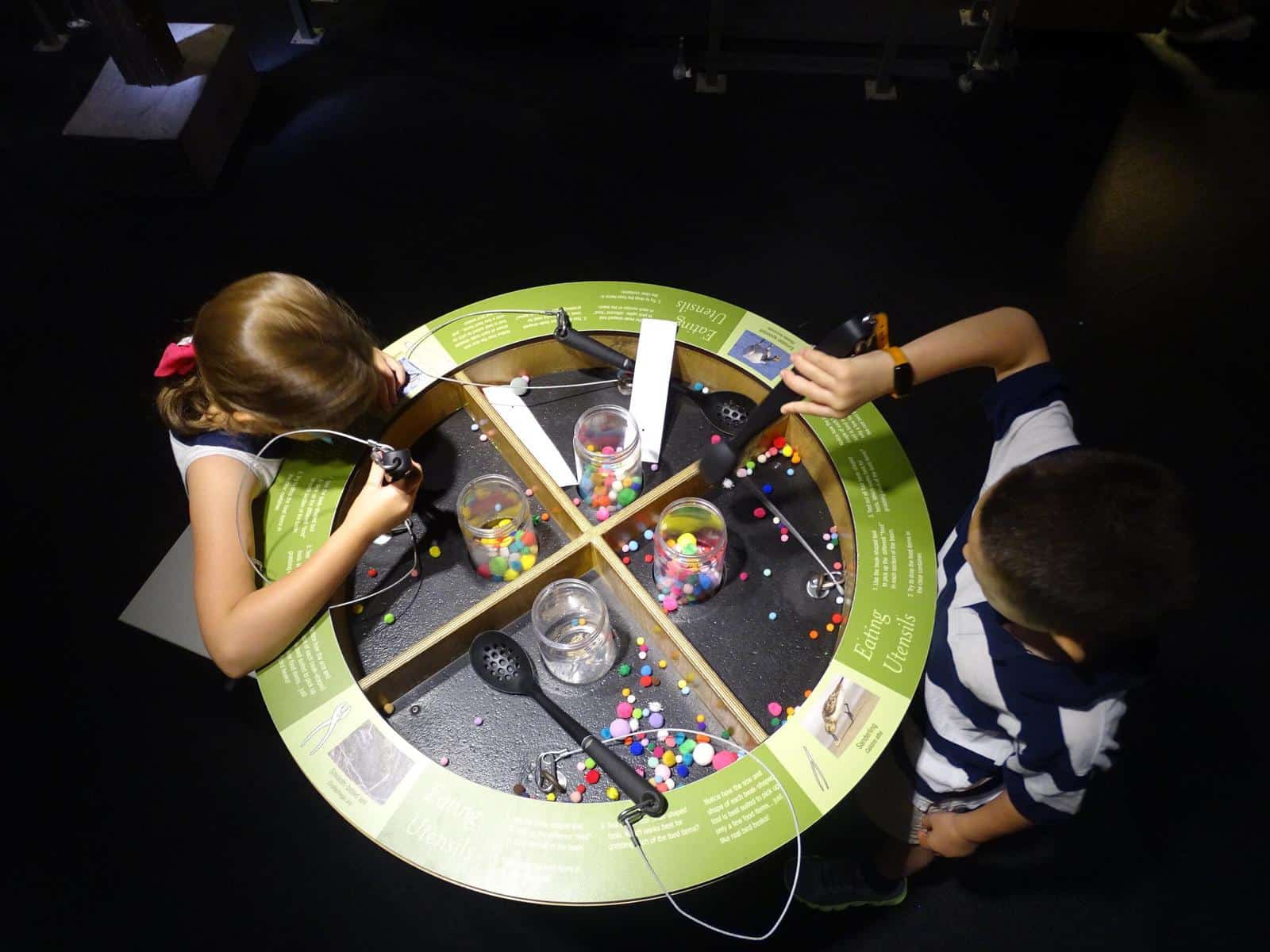
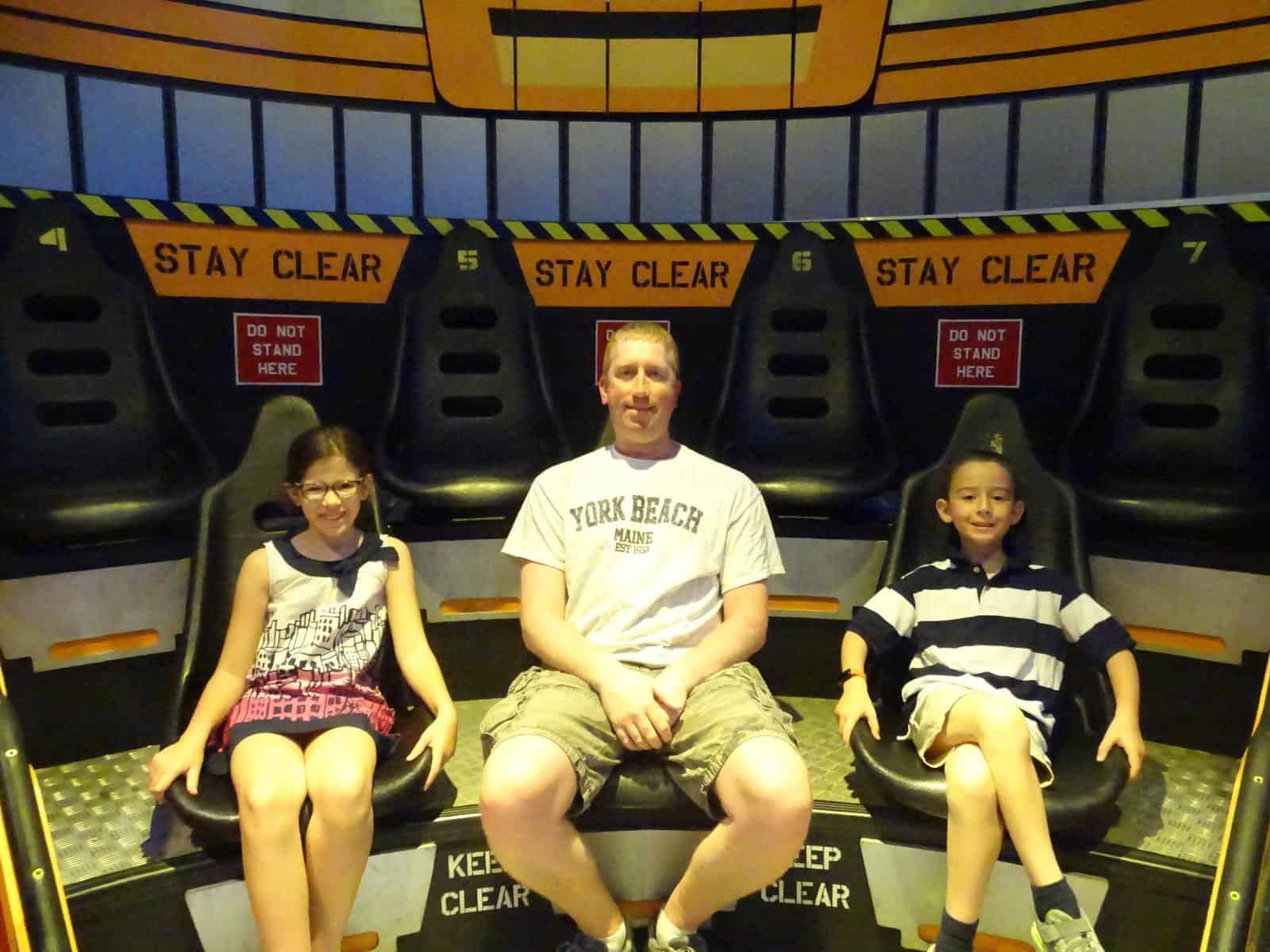
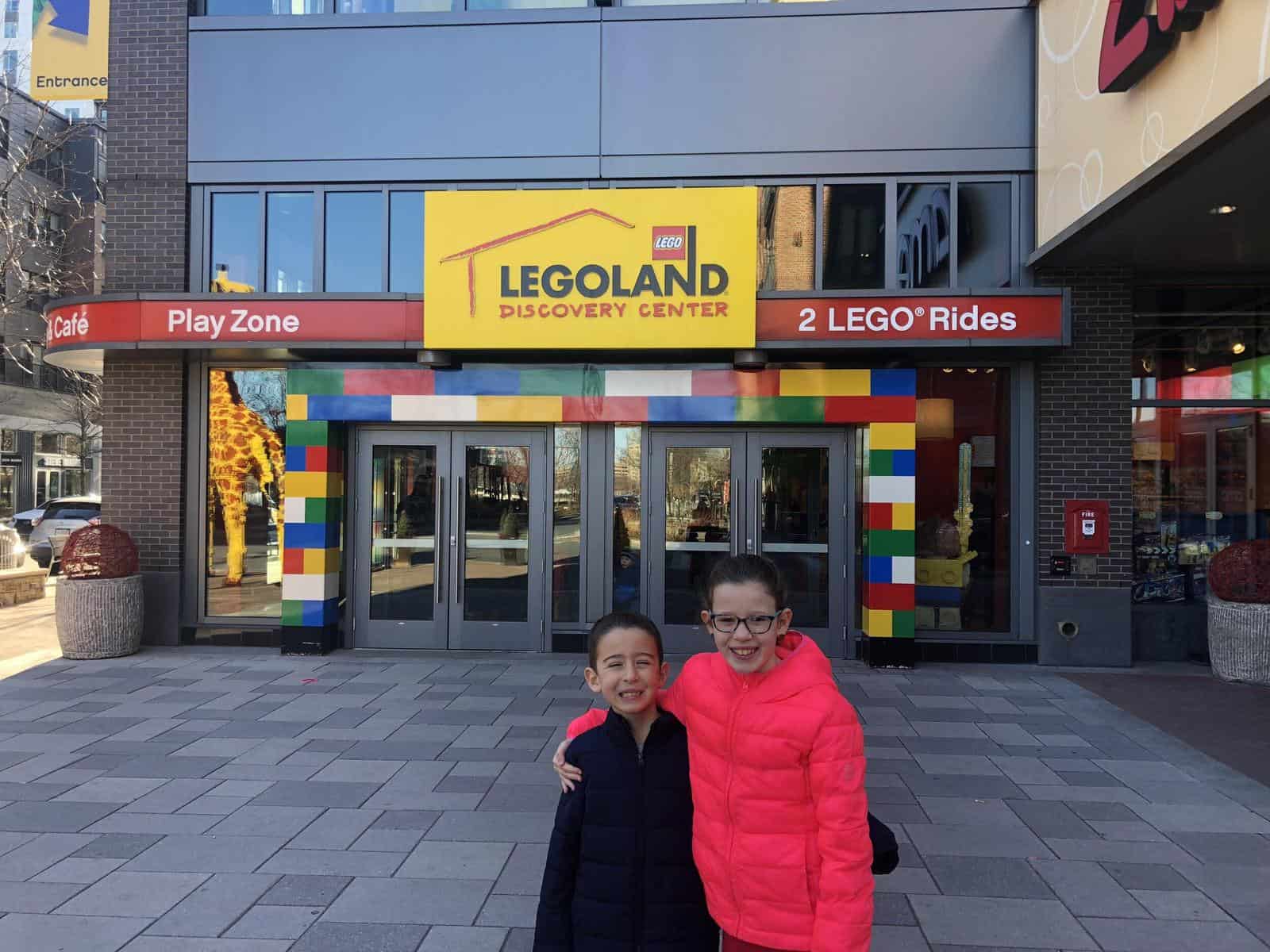
8. Legoland Discovery Center in Boston, Massachusetts: Our kids keep asking to return AGAIN to LegoLand- there are two rides, 4D movies, playscapes, a MiniLand with replicas of every popular site in town, and a seemingly endless supply of legos to build just about anything. If you have future Master Model Builder at home, (you can take live classes with a Master Model Builder at the Center) check out the site Little Bins, Little Hands. The site offers tons of lego related building and activity suggestions- even a calendar of daily lego challenges.
Bonus: The Lego website offers dozens of how-to videos to help Master Model apprentices build just about anything.
Find the link for Little Bins, Little Hands here and the Lego database of building videos here.
Read about our adventures at Legoland Discovery Center here and here.

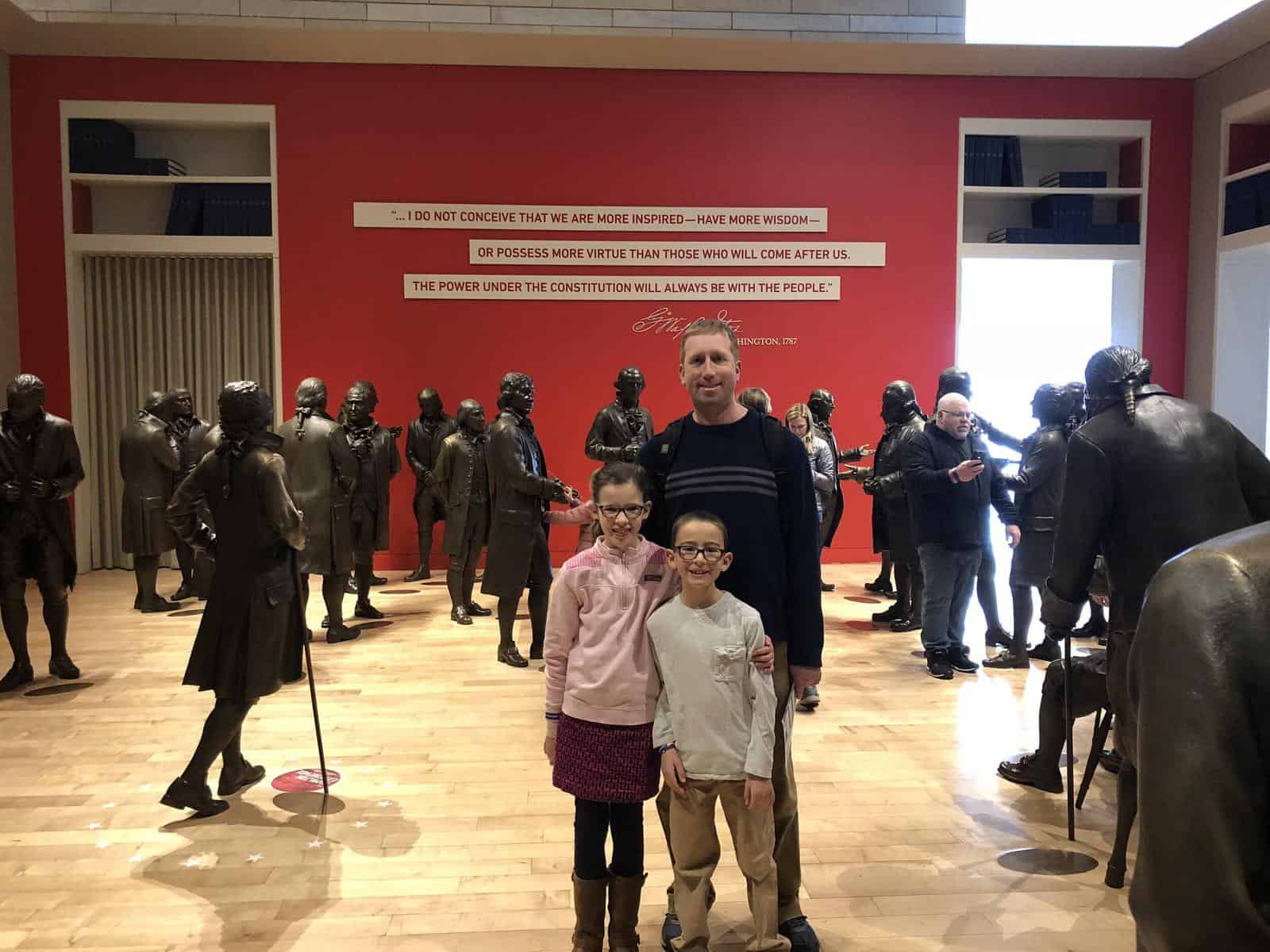
9. National Constitution Center in Philadelphia, Pennsylvania: The museum is thee spot to learn about the writing of the Constitution. There are trivia games, immersive performances, Signer’s Hall with 42 bronze statues from the Constitutional Convention, and tons of activity booklets for students of all ages. The website offers plenty of ways to learn about each article of the Constitution and debate the various interpretations.
Bonus: For older children, the entire Constitution (all 7 articles, and 27 amendments) is broken down and explained in greater details with easy to understand language and visuals. Two scholars offer opposing interpretations of the language.
Find the link to the Constitution overview here and the link to the Constitution interpretations here.
Read about our adventures at the National Constitution Center here.

10. Boston’s Children Museum in Boston, Massachusetts: My hometown children’s museum is one of the best! Located on Museum Wharf in the heart of Boston, the museum includes over 20 exhibits across three floors. There is a virtual tour that takes viewers through the various spaces, but kids will probably be more interested in the Activities Archives, which is a collection of hands on activities on topics ranging from composting to nature rubbings to shadow puppets. The Activities Archives also includes links to various daily story times and singalongs.
Bonus: Surely there is something on this list of 100 Ways to Play that your children haven’t tried yet!
Find the link to the virtual tour here, the Activities Archives here, and click here to sign up for daily emails with activity suggestions.
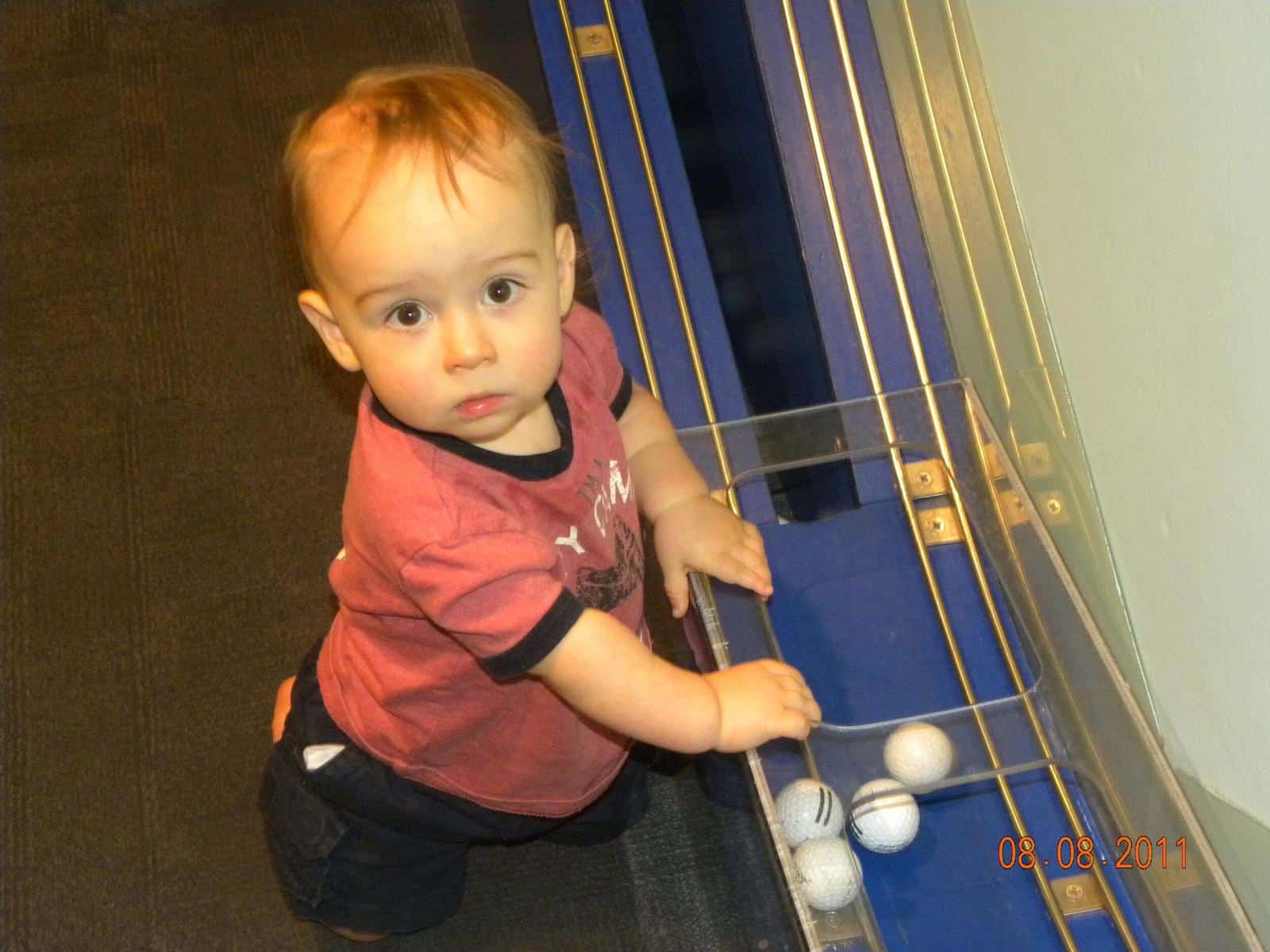
While we don’t have a post dedicated to the Boston Children’s Museum (we went many times before we started the blog, hence the photos below), we have tons of posts on other fun spots in Boston- Check out the list here.

Check back next week for another round up of 10 virtual tours of places we have visited. And follow along on our adventures on Instagram, Twitter, Facebook, and Pinterest.






Once again a terrific idea especially because you have the links to the virtual tours. Such great information and so readily available. Definitely a saver. Thank you again for doing such a great job
Once again a terrific idea especially because you have the links to the virtual tours. Such great information and so readily available. Definitely a saver. Thank you again for doing such a great job
Once again a terrific idea especially because you have the links to the virtual tours. Such great information and so readily available. Definitely a saver. Thank you again for doing such a great job
This is a game changer for kids. Love it!
This is a game changer for kids. Love it!
This is a game changer for kids. Love it!