City Guide: 10 FREE Things to Do in Washington D.C.
Disclaimer: There are hundreds of free things to do in Washington DC and this is NOT a comprehensive list. We frequently visit the nation’s capital to visit family and friends and love exploring the city. Over the past couple of visits, we have enjoyed visiting the following ten spots:


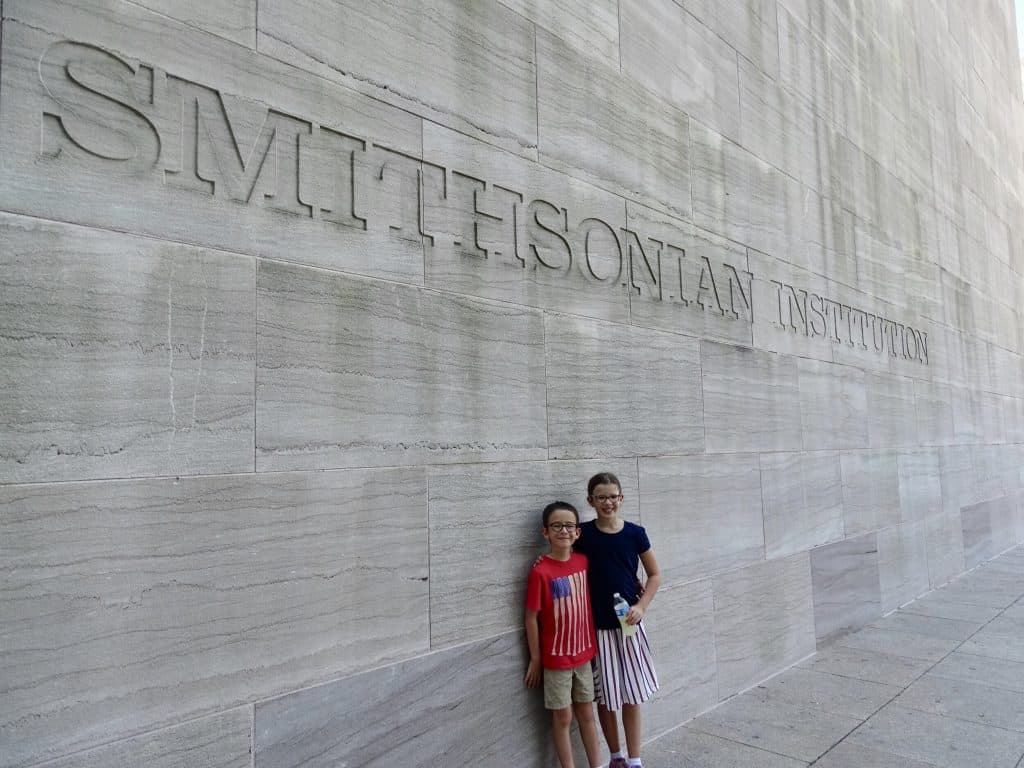
The Smithsonian Institute is the world’s largest museum complex, with over 150 million artifacts and 19 museums (and a zoo!) located in Washington DC and New York City. The Smithsonian was established in 1846 by James Smithsonian “for the increase and diffusion of knowledge.” All Smithsonian museums are FREE to visit (some fees might apply for special programming) and are usually open 364 days a year (closed on Christmas). All Smithsonian museums offer free daily tours, are handicap accessible, and are quite welcoming to children (and often have spaces and programs geared towards children).
Several spots on our list are part of the Smithsonian Institute (there are still some Smithsonian museums we have planned for future visits!) including:
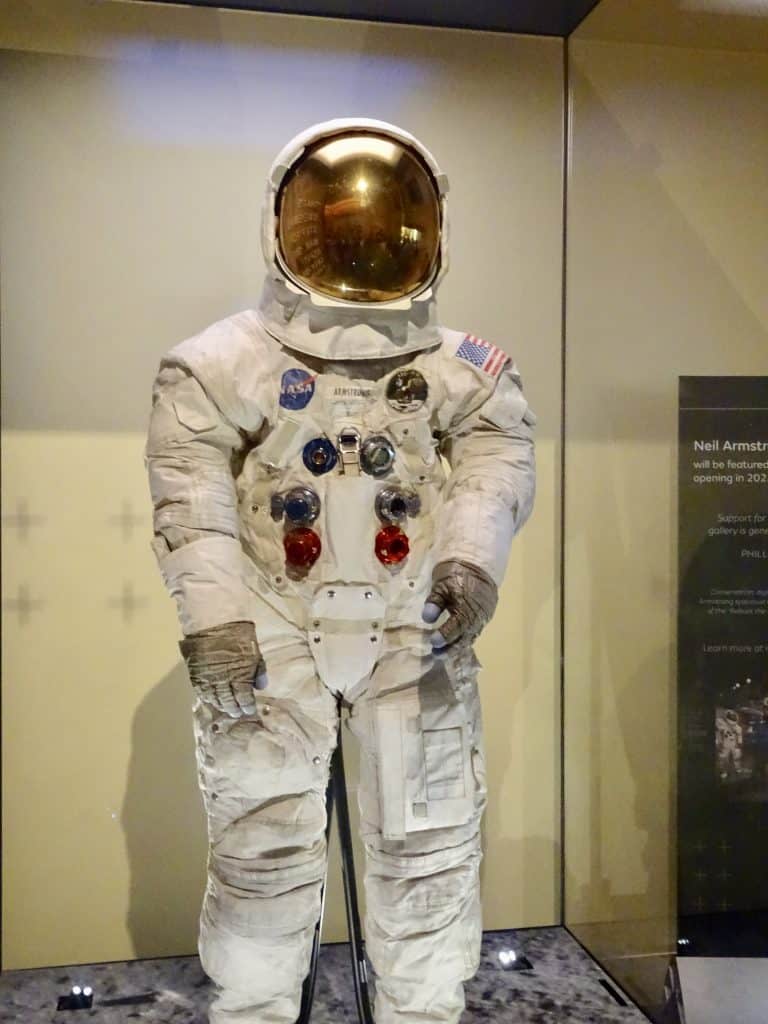
1. Air and Space Museum is one of the most popular spots in Washington D.C., and one of the most visited museums in D.C. (Part of the collection is on display at the Steven F. Udvar-hazy Center in Chantilly, Virginia, about 30 minutes west of the National Mall.) Parts of the museum are under construction for the next few years, but plenty of the 23 exhibitions are still open. Younger children will definitely want to explore the How Things Fly exhibit which has many hands on STEM activities. Check here for special events and presentations.
Travel Tips: There are often long lines when the museum opens. Try going later in the afternoon, but leave at least three hours to explore several of the exhibits and bring the stroller. There is a large gift shop, as well as a cafe that opens at 11am.

2. National Portrait Gallery and American Art Museum offers tons of daily programs geared toward children and an appreciation for art. Many of the exhibits will interest children, especially the Presidents Portrait gallery which features portraits of all 45 American Presidents. There are rotating exhibits, a scavenger hunt in the Luce Foundation Center, and a strong emphasis on accessibility and accommodations. Stop by Explore on the first floor (it’s the perfect space for younger children!) and make sure to check out the Kogod Courtyard– look up at the glass ceiling and splash your feet in the water features (it’s allowed!).
Travel Tips: Plan on 2-3 hours to explore some of the exhibits that will keep children engaged, although ideally you should spend most of the day here to fully see it all. Bring the stroller for the toddler crew.
Read our full post here.

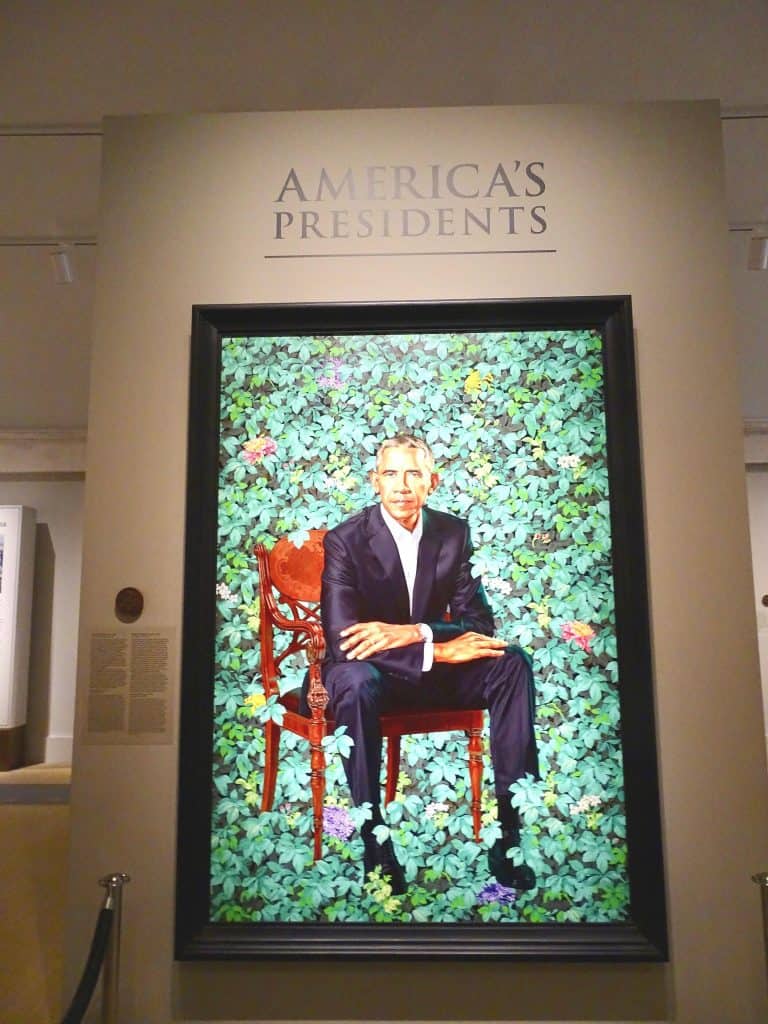

3. National Museum of American Indian is one of two Smithsonian museums (the other is located in New York City) and has collaborated with several native communities throughout the Western Hemisphere to share the heritage and history of Native art and artifacts. Start with the 360 projection video Who We Are and leave at least an hour for imagiNATIONS (don’t visit on a Monday, when this exhibit is closed!) which is specifically geared towards children and includes many hands on projects and passport challenge.
Travel Tips: Plan on 2-3 hours to explore most of the exhibits. Bring a stroller for the toddler set. The Mitsitam Cafe offers food from five regions of the Americans traditionally prepared (and chicken fingers and fries as a backup for kids) cafeteria style with a beautiful dining room looking out over the water features outside.
Read our full post here.


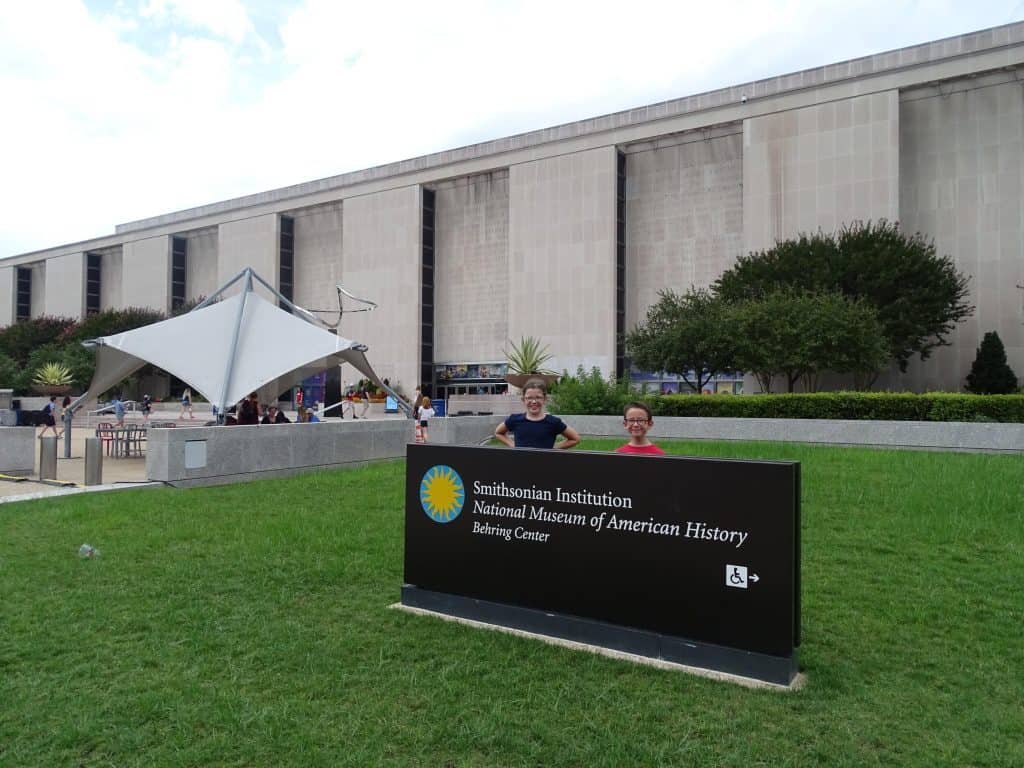
4. National Museum of American History is one of the largest Smithsonian museums, with over two million artifacts in its collection, and about a dozen galleries to explore. Kids will want to explore Spark!Lab (for older kids- note: it’s closed on Tuesday) and WonderLab (for younger kids). Everyone will be impressed by the collection of transportation vehicles in America on the Move, First Ladies’ ball gowns and White House china, Julia Child’s reproduced kitchen, Dorothy’s ruby red slippers from the Wizard of Oz, and the Batmobile to name a few. There’s also the Warner Brother 250 seat Theater, three gift shops, and at least three options for dining on site.
Travel Tips: Plan on at least 3-4 hours to explore most of the exhibits; ideally, you could spend a full day here.
Read our full post here.


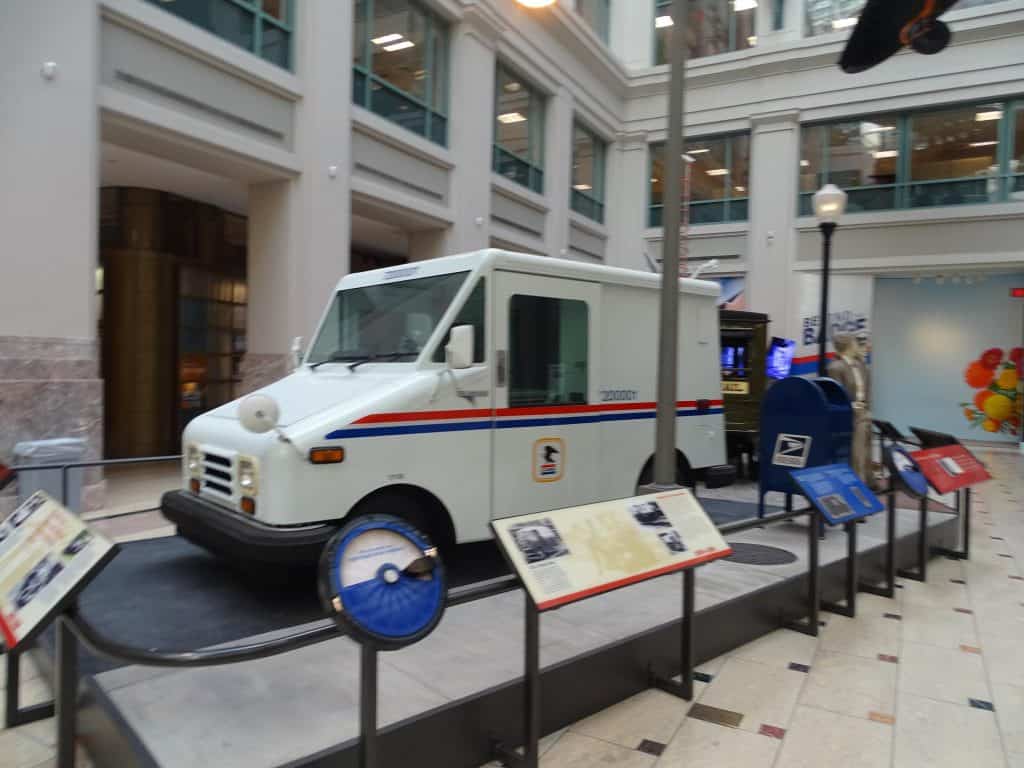
5. National Postal Museum is one of our favorite spots in all of DC! The postal service has so many direct impacts on the shaping of America’ history and the exhibits do a great job of showcasing them with hands on ways to keep children engaged. Plus, the museum building, which was once the main DC post office hub, is beautiful! Where else can you see three airplanes from the early 20th century, multiple postal trucks, a tracker trailer, stage coach, and railroad service car, all of which visitors can climb in and play pretend?! Start a stamp collection (don’t forget to check out the world’s largest stamp gallery!) and complete a scavenger hunt for a prize.
Travel Tips: No need for a stroller- children will be too busy to sit down. Plan on two hours to fully explore the museum and head next door to Union Station for more fun and tons of dining options.
Read our full post here.


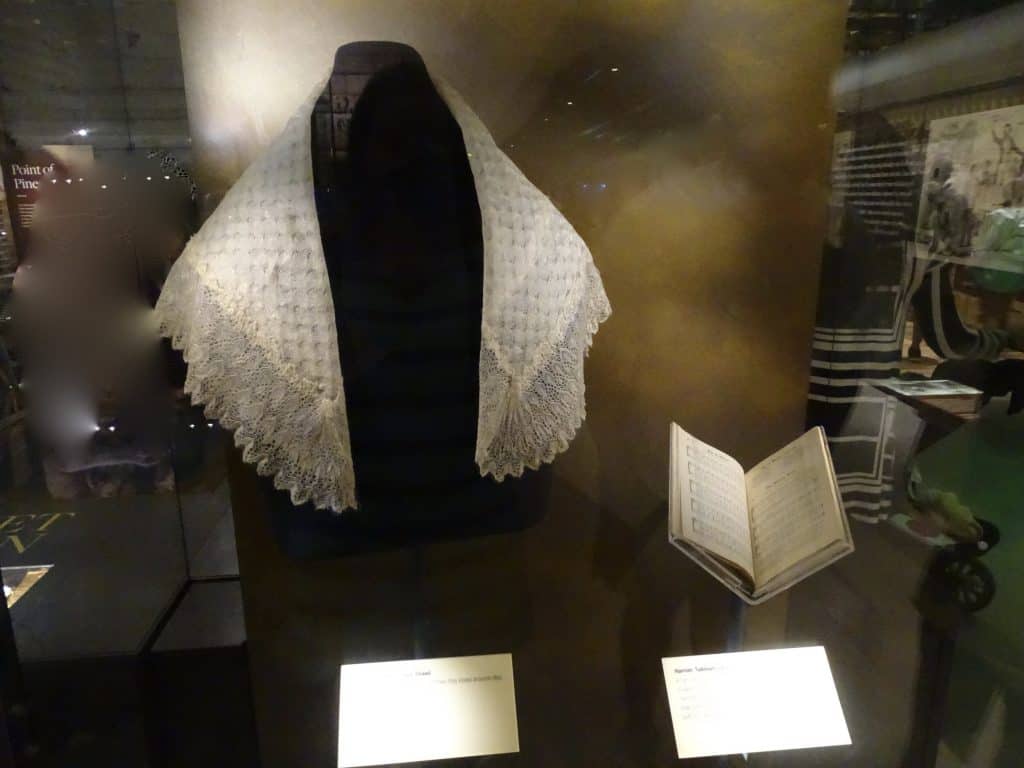
6. The National Museum of African American History and Culture is the newest museum in the collection, opening in late 2016 after almost a century of planning. The history galleries fill quickly, so start there and plan on at least two hours to walk through 600 years of history. There are over 3,000 artifacts on display throughout the museum, from Harriet Tubman’s shawl and bible to Oprah Winfrey’s television stage set, and from a Tuskegee Airmen Trainer Plane to a replica Greensboro Woolworth’s lunch counter and Jim Crow era railway car. Note: Some exhibits (like the Emmett Till Memorial) might be difficult for younger children. Explore More on the second floor has activities for children, and everyone will enjoy the sports exhibit in the Communities Galleries on the 3rd floor and music exhibit in the Cultural Galleries on the 4th floor.
Travel Tips: Plan on at least 4-5 hours to explore the whole museum and bring the stroller; younger children might be better suited for the 2nd, 3rd, and 4th floor galleries.
Read our full post here.


Would you like to save this?
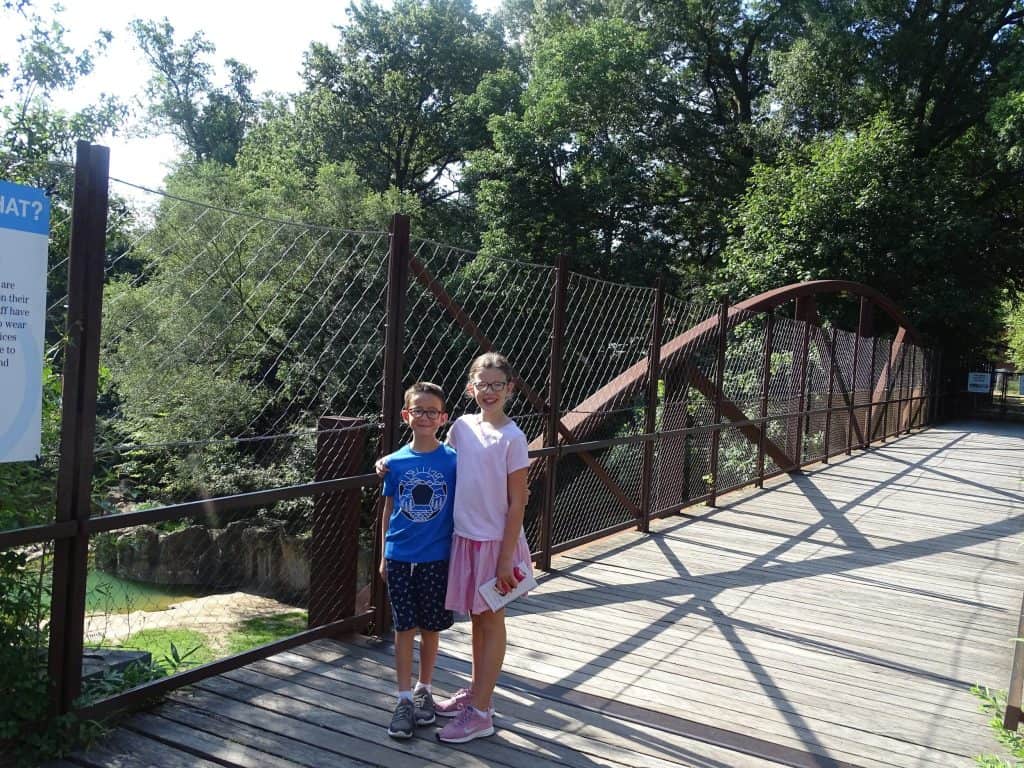
7. National Zoo is home to almost 2,000 animals of almost 300 species. The 163 acre zoo, located in the Rock Creek Park of DC (visitors will need transportation if coming from the National Mall), offers dozens of opportunities to see animals inside and outside and daily feedings and meet and greets. There are tons of special programs throughout the year (like ZOO Lights during November and December) and daily two hour tours. The toddler crew will love the Me and Bee playground and Speedwell Carousel.
Travel Tips: Bring the stroller, wear sneakers, and plan on at least 3-4 hours to make a full loop. There are plenty of dining options and places to picnic.
Read our full post here.


Other FREE Sites include
8. The United State Botanic Garden is one of the oldest gardens in America, established in 1820. It is located between First and Third Streets, at the east end of the National Mall. The Garden is divided into three sections: the outdoor National Garden, the indoor Conservatory, and the “secret garden” Bartholdi Park located across the street from the Conservatory. The Garden has over 65,000 plants in its collection and offers daily programs to learn more about plants by geography, interest, and season- check here for the schedule. Children will be most interested in the Children’s Garden where they can hone their gardening skills.
Travel Tips: The Children’s Garden is open spring through fall. Bring the stroller for the toddler set and wear layers and closed toe shoes, as the temperature changes based on the exhibit. There are no dining facilities or gift shops on site; however, there are tables and chairs and spaces to picnic for lunch- guests may bring their own food. Plan on 2-3 hours to walk through the exhibits, not including special programs or tours.


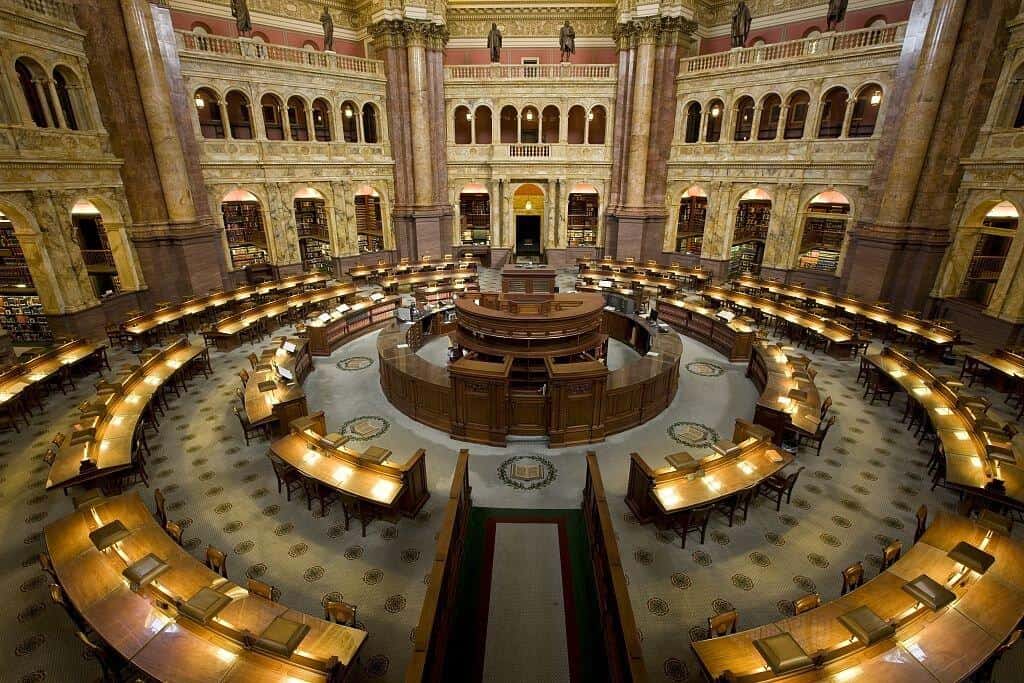
8. Library of Congress, established in 1800 by President John Adams, is the world’s largest library, with over 160 million items in its collection. Visitors may take self guided tours six days a week, using the guide here, and include stops in the Main Reading Room, Great Hall, and Minerva Mosaic. Guided tours of the Jefferson Building are offered hourly six days a week (closed on Sunday). Family tours, geared towards younger children, are offered on select days- check here for more information.
Travel Tips: Plan on 1-2 hours for a self guided tour; there are several small cafes and coffee shops options for dining, as well as a gift shop.


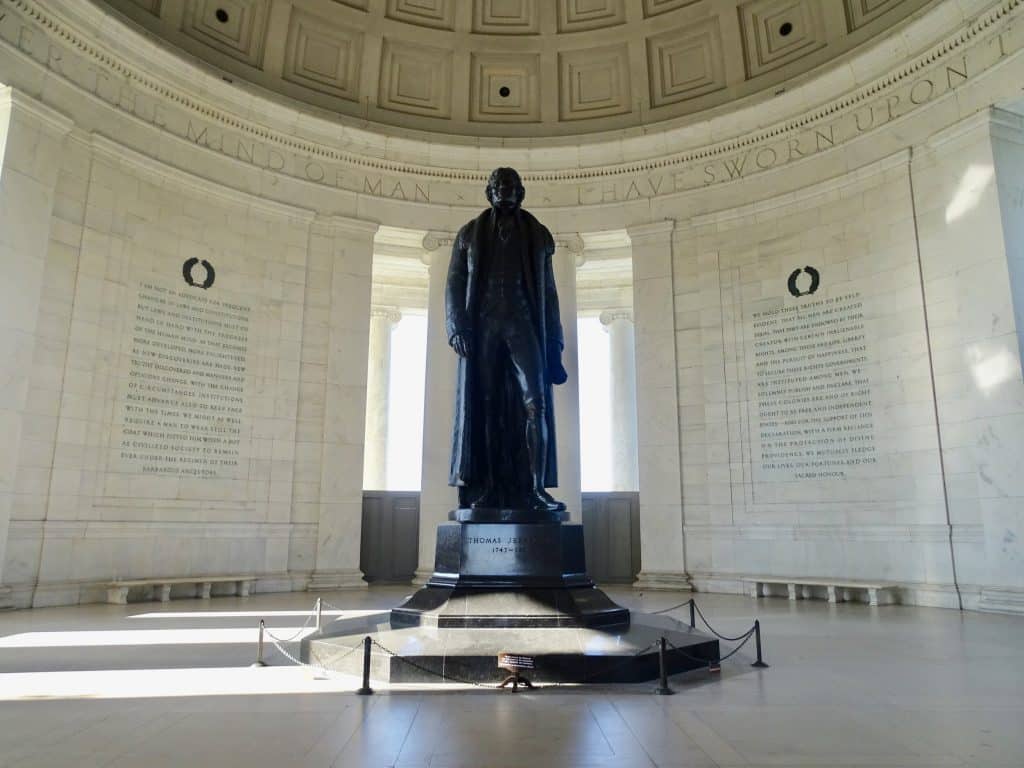
9. National Mall and Memorial Parks, part of the National Park Service, are probably the most recognizable icons of Washington DC. There are more than 80 historic structures and 11 memorials honoring people such as Washington, Lincoln, Jefferson, Roosevelt, MLK Jr, and to servicemen and women who served in Vietnam, Korea, WWI, and WWII.
Travel Tips: Bring the stroller and wear sneakers for walking through one memorial to another spot. The memorials are open 24 hours a day, but staffed museums, gift shops, restrooms, and other kiosks have limited daytime hours. Monuments are attended by park ranges from 9am-5pm and I highly recommend going early in the day (although the memorials are beautiful at night, too). Park rangers offer guided tours each day- check here. Make sure to collect National Park Passport stamps at each location.


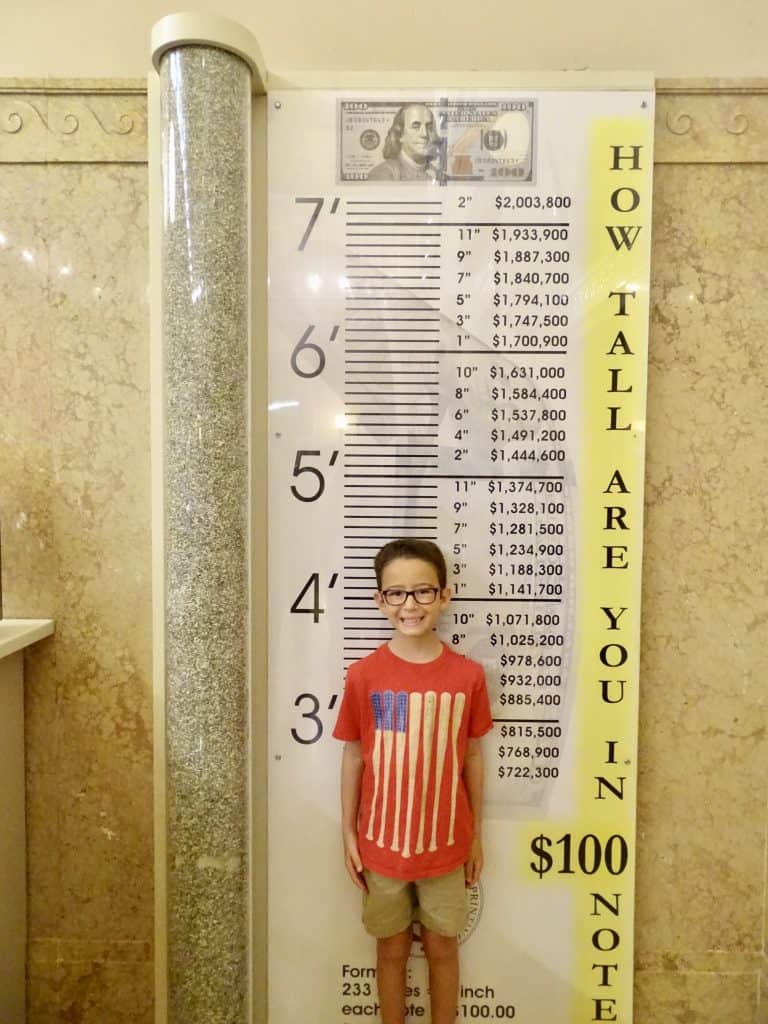
10. Bureau of Engraving and Printing offers free, guided tours every weekday from . Timed tickets become available every day at 8am and lines form as early as 7am- I recommend getting to the Bureau early to get tickets. The tour includes four stops a second floor looking down over the production floor. In my opinion, the toddler crew might not be as engaged in this tour, and will need to be held in order to see down into the production rooms. The gift shop has great photo opts and fun trivia, plus plenty of unique souvenirs.
Travel Tips: Visitors must be able to stand for the 30 minute tour (there is handicap accessibility). Restrooms are located at the start and end of the tour and the tour begins and ends in the gift shop.


Getting Around Town: The Circulator is a bus service offering six routes throughout the capital. Fares are usually $1 and reduced or free fares are offered for seniors, students, and children. During the summer, some of the Circulator routes, including the National Mall route, are free. Check here for more information.
Eating Locally: There are thousands of restaurants in Washington DC covering every ethnic background and every interest. We were only able to eat at a few places, but enjoyed them all for different reasons:
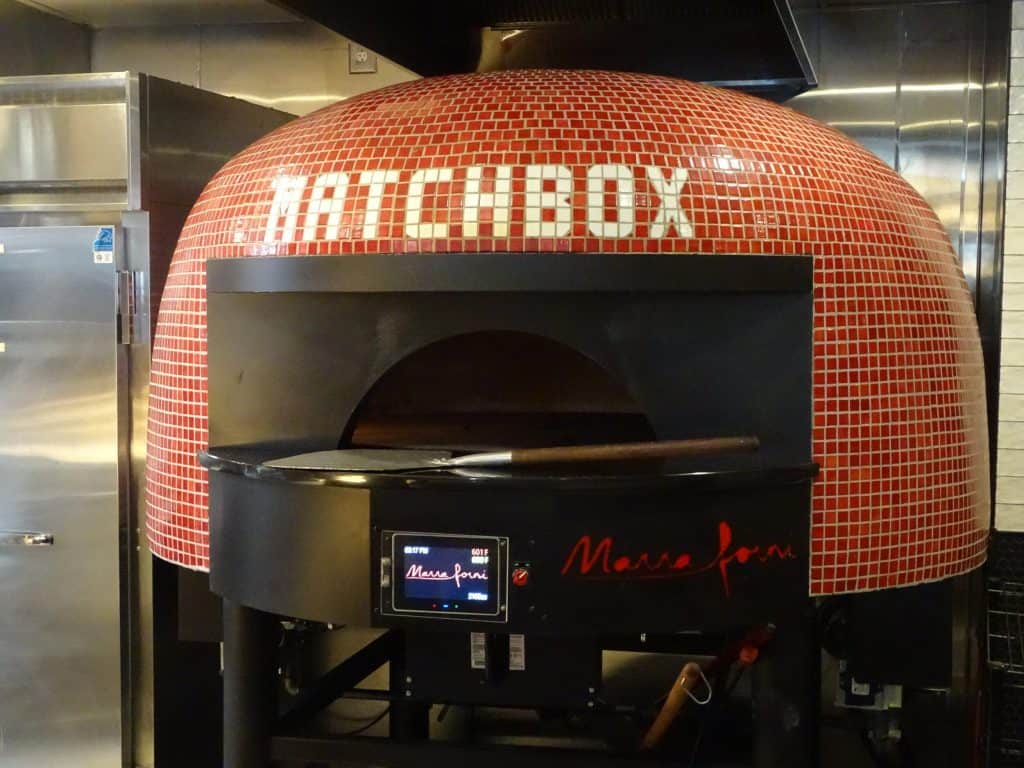
- Matchbox for yummy pizza (Gluten free options available) and huge salads.
- Bantam King for fast, fresh, yummy ramen at reasonable prices. Cool environment and very kid friendly.
- Carmine’s is an Italian, family style restaurant that began in New York City. It has since expanded to four other cities including Washington DC. The portions are HUGE and are meant to be shared- it’s hard to leave room for dessert, but try!
- Old Ebbitt Grill for dining like a president. The oldest saloon in Washington has hosted several presidents since its 1856 opening and the atmosphere in the restaurant includes dozens of impressionist painting of DC scenes. The food is delicious. Make sure to make a reservation as the restaurant is a very popular spot and wait times frequently exceed one hour.
- Fogo de Chao Brazilian Steakhouse for a special and unique experience. Dinner starts with the Market Table featuring fresh fruit and vegetables, charcuterie, and other side dishes and appetizers. The main meal includes a variety of ten to twelve steak and pork varieties and at least one or two fish options. Guests determine when and how much of each type of meat and fish they would like with a coaster set on the table. Kids pay a reduced price.


For more of our City Guides to over a dozen cities, check here.