The Amazing World of Dr. Seuss, Springfield, MA
Springfield, Massachusetts, located about 90 minutes west of Boston, is known as the birthplace of basketball and is home to the Basketball Hall of Fame (read about my visit here) and the Springfield Armory (read about my visit here). However, there are plenty of other places to visit if you’re in town; especially if you’re visiting with young children.
Since 2002, the Dr. Seuss National Memorial Sculpture Garden has been a popular spot for children to enjoy climbing and exploring 14 Seuss-themed sculptures. Featured in a grassy “quad”, the sculptures are surrounded by five museums: the George Walter Vincent Smith Art Museum, the Springfield Science Museum, the Michele & Donald D’Amour Museum of Fine Arts, the Lyman & Merrie Wood Museum of Springfield History, and the brand new Amazing World of Dr. Seuss Museum. Purchasing one ticket (or a membership) will allow you to explore all five museums and there is lots of free parking in nearby parking lots.
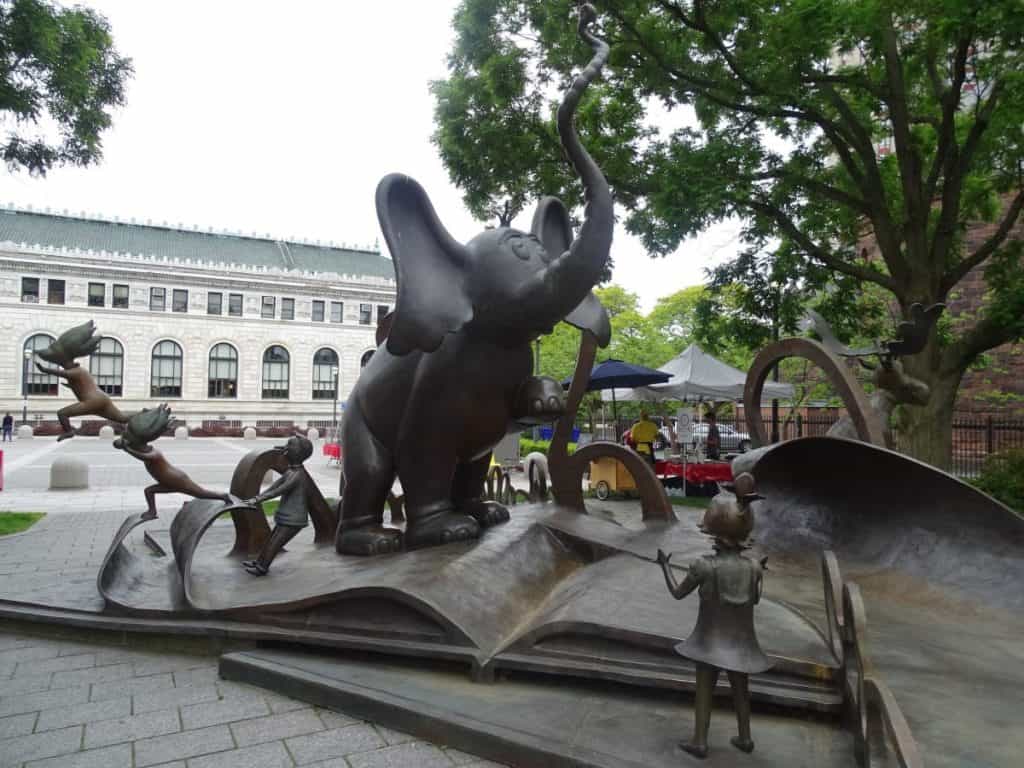
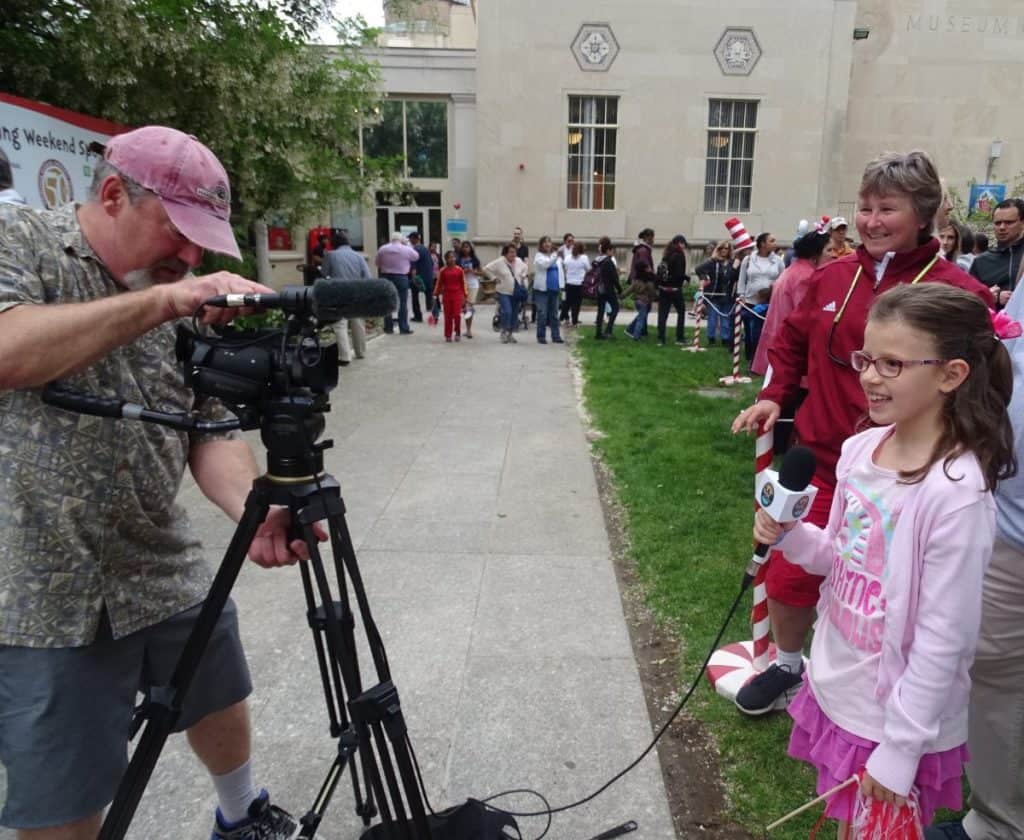
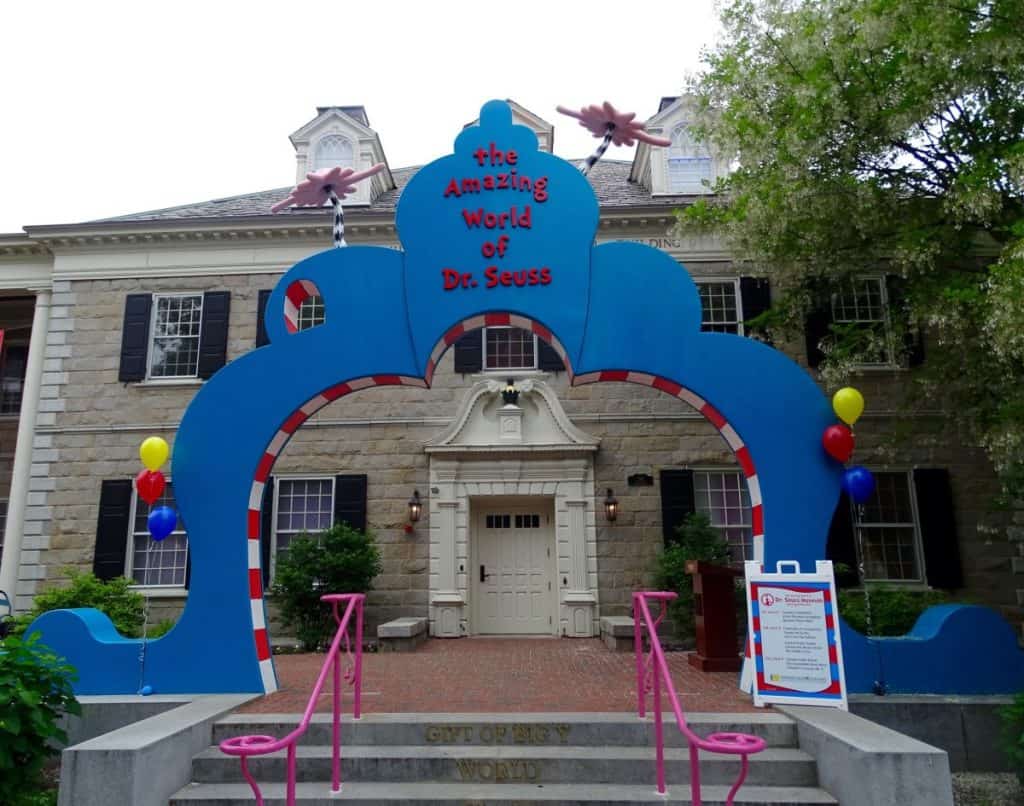
This past weekend, I had the opportunity to check out the opening of The Amazing World of Dr. Seuss Museum. We were excited to be the first ones in line, right behind the step-daughter of Theodore Geisel, aka Dr. Seuss.
The three floor museum (handicap accessible with elevator) has a little something for everyone. The entire museum- floors, walls, and ceilings- are covered in brightly colored, hand painted murals. There are at least half a dozen reading nooks stocked with the entire Dr. Seuss collection and many other early reader books. I would plan about an hour to see the whole museum, but there are some spaces where little ones may want to linger.
Would you like to save this?
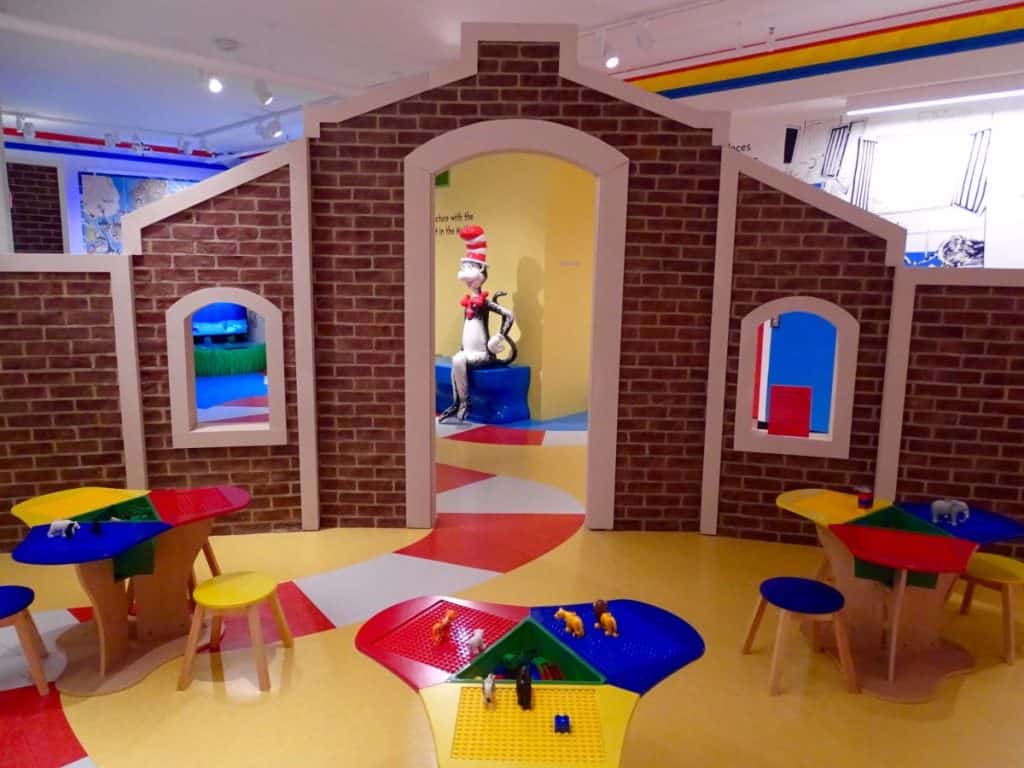
The main floor of The Amazing World of Dr. Seuss Museum is geared toward younger children. There are tons of sculptures children can climb in, under, over, and on and pose for photos: The Cat in the Hat, Horton, Thing 1 and Thing 2, and the Wump of Gump to name a few. (See what I did there?) The rooms are wide and encourage little ones to move around without the risk of getting into trouble. The “Things You Can Wish” station invites early writers to pause and write a wish to for their future; a fitting sentiment for “Oh the The Places You’ll Go” mural next to the wish boxes. There are rooms dedicated to Springfield and Geisel’s childhood home, replicas of the local zoo run by Geisel’s father, a huge tv where children can “draw”, and a room with lego tables to occupy the toddler crowd.
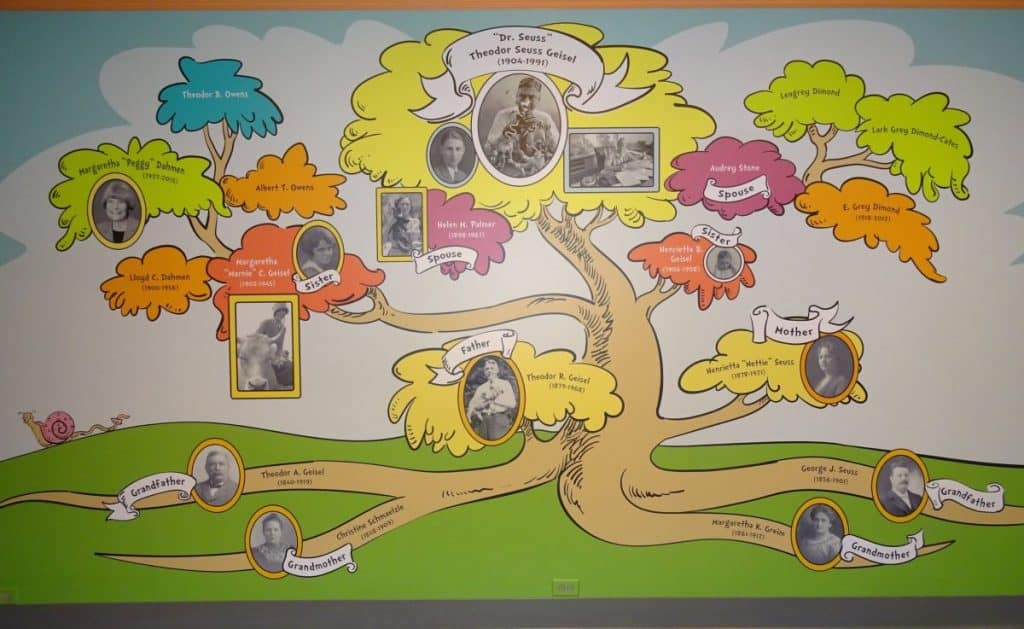
The upper floor is dedicated to the personal life of Geisel and will be more entertaining for adults. There are two replicas of rooms in Geisel’s home, complete with Geisel’s actual possessions, ranging from furniture to books to drawing supplies. You can’t physically go into the rooms, but can “peak” over the wire ropes, which are meant to preserve the collection. I witnessed a few toddlers attempting to crawl under them as their parents played defense, and space is a little tighter upstairs, so I might suggest switching off with another adult and keeping younger kids downstairs. The other half of the upper floor has glass enclosed cases with Geisel’s letters, sketches, drawings and various information on his heritage; there is a family tree painted on an entire wall. One final room has a display of how the sculptures (from the gardens) were cast.

The lower level aka “The Cat’s Corner” has tons of hands-on crafts and space for the museum’s school programs and education department. A quick glance at their calendar showed a summer full of classes, camps, and collaborations with other museums.


If you spend the day in Springfield and find yourself with a little extra time, consider taking a half hour drive to visit another famous children’s author’s museum, The Eric Carle Museum in Amherst, Massachusetts. They have a reading library, filled with comfy chairs and nooks that invite little visitors to plop down with a book. There is also an art studio, with tons of projects children can create, using a wide variety of new and recycled materials, and plenty of staff on hand to help. The auditorium holds lectures, films, and various performances. This museum is perfect for the preschool and younger elementary aged children, and will be a nice complement to The Amazing World of Dr. Seuss Museum.