Exploring Fort Mackinac State Park on Mackinac Island, Michigan
This past summer, we enjoyed exploring several areas in Michigan and one of our favorite highlights was an overnight trip to Mackinac Island in northern Michigan. We loved our stay at The Grand Hotel and we enjoyed learning more about the history of the island by exploring Fort Mackinac, part of the Mackinac State Historic Parks system.
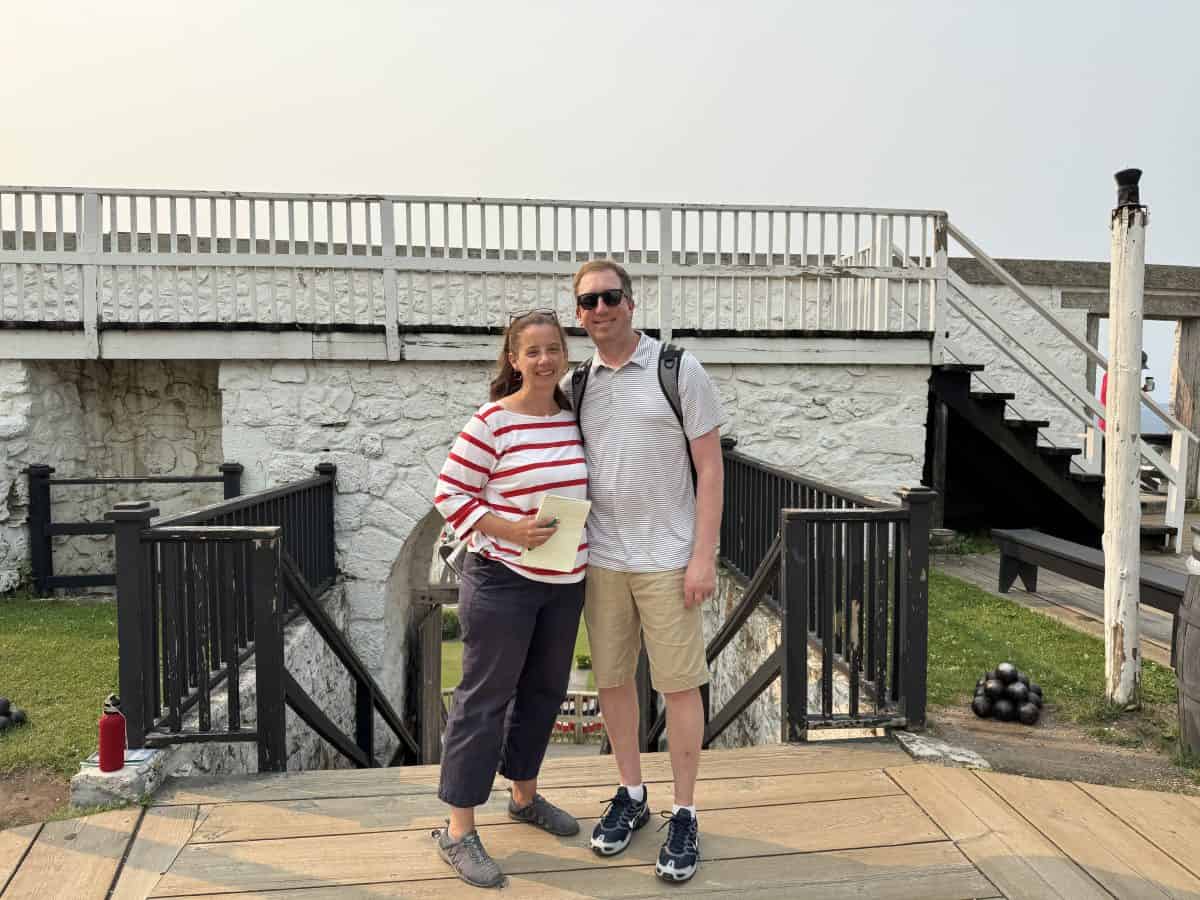
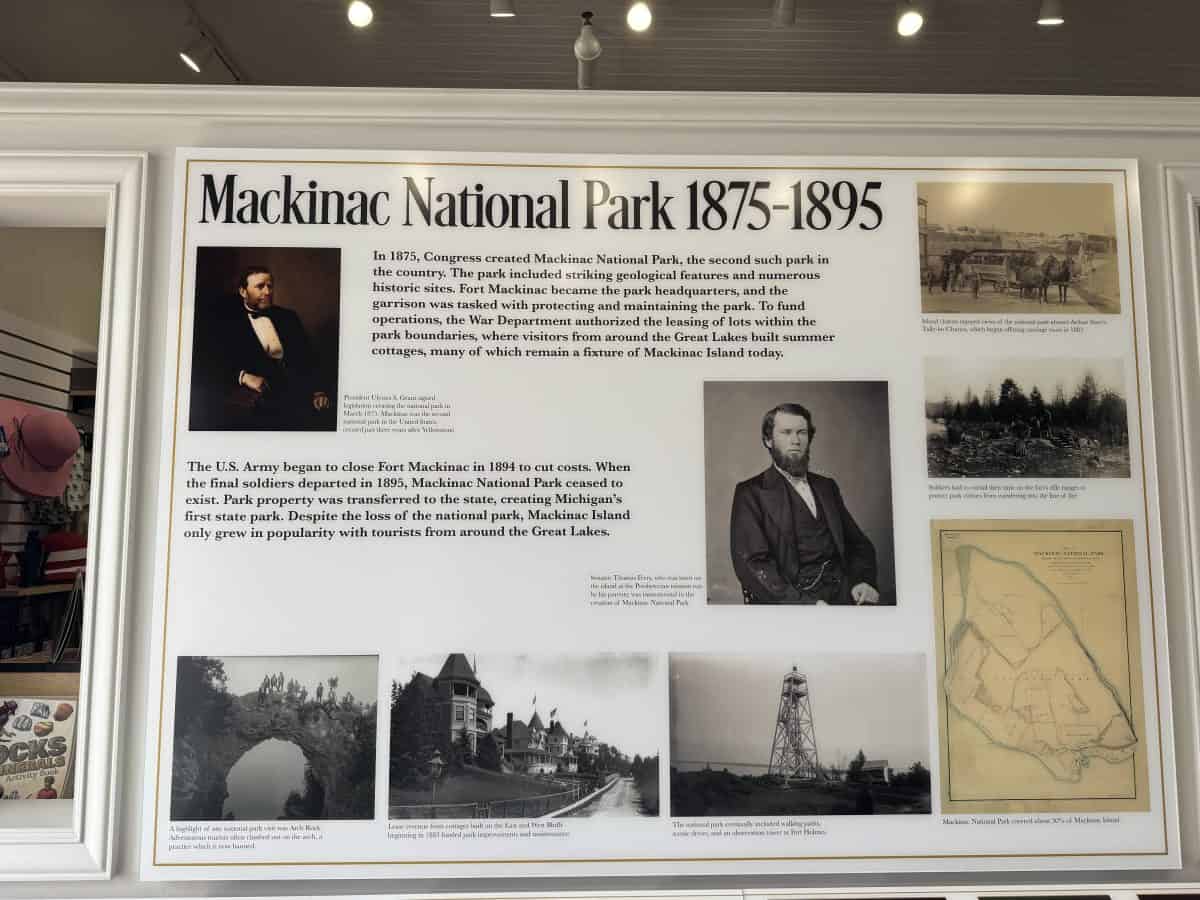
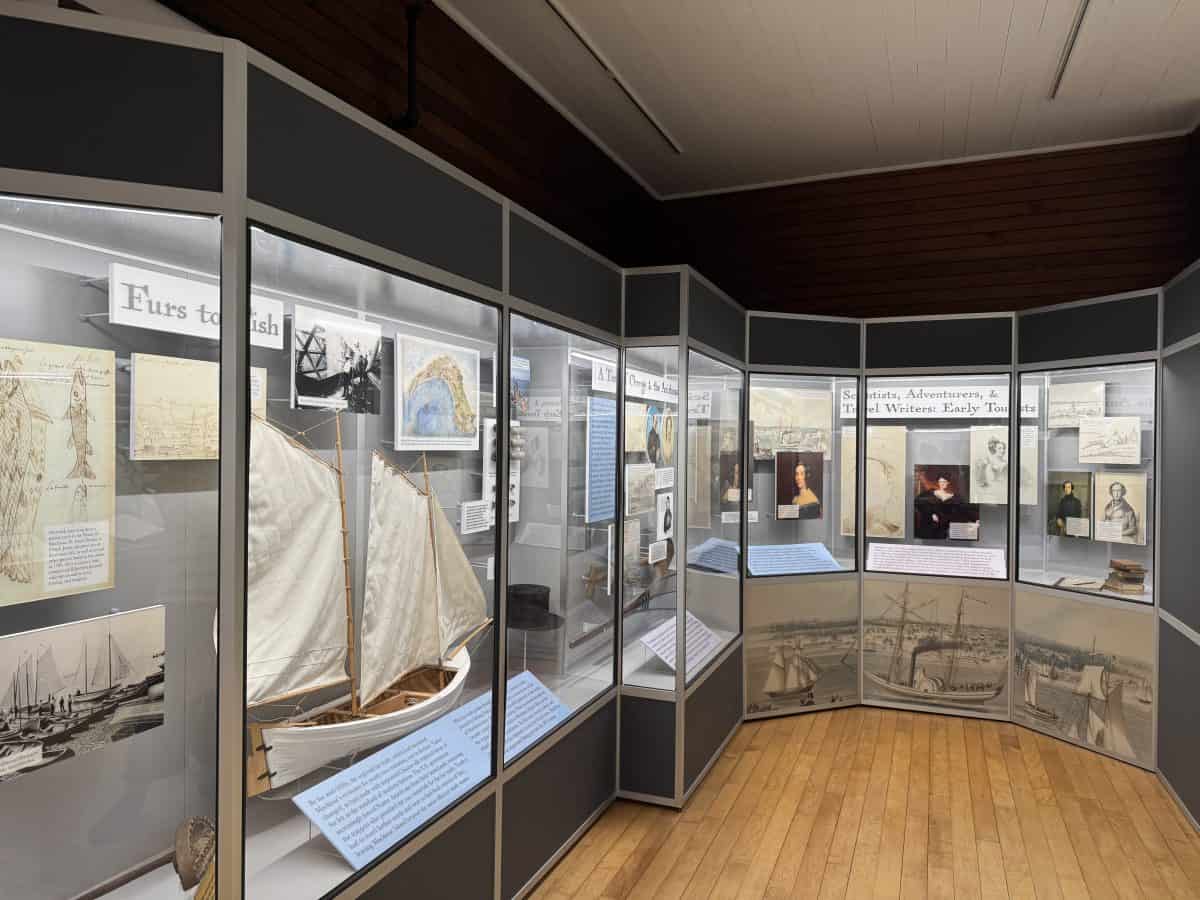
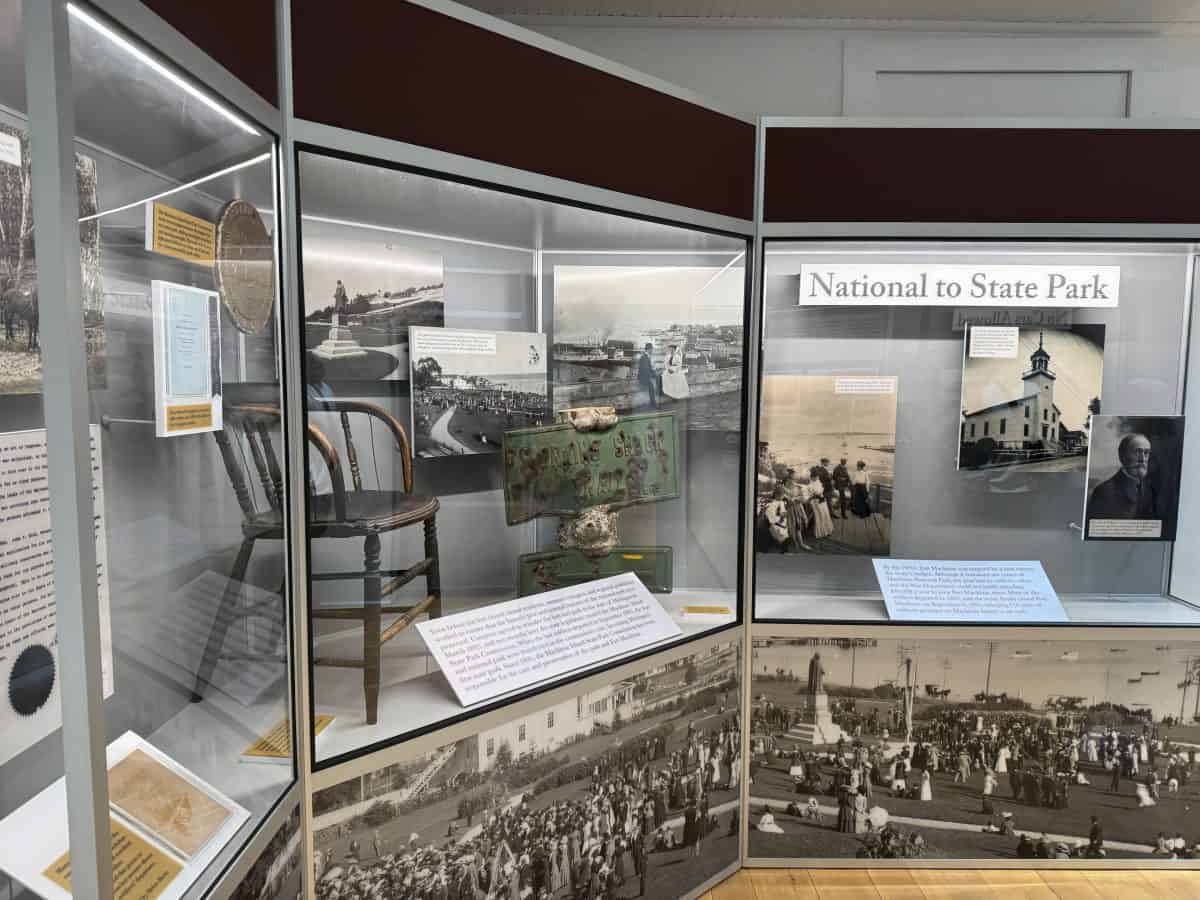
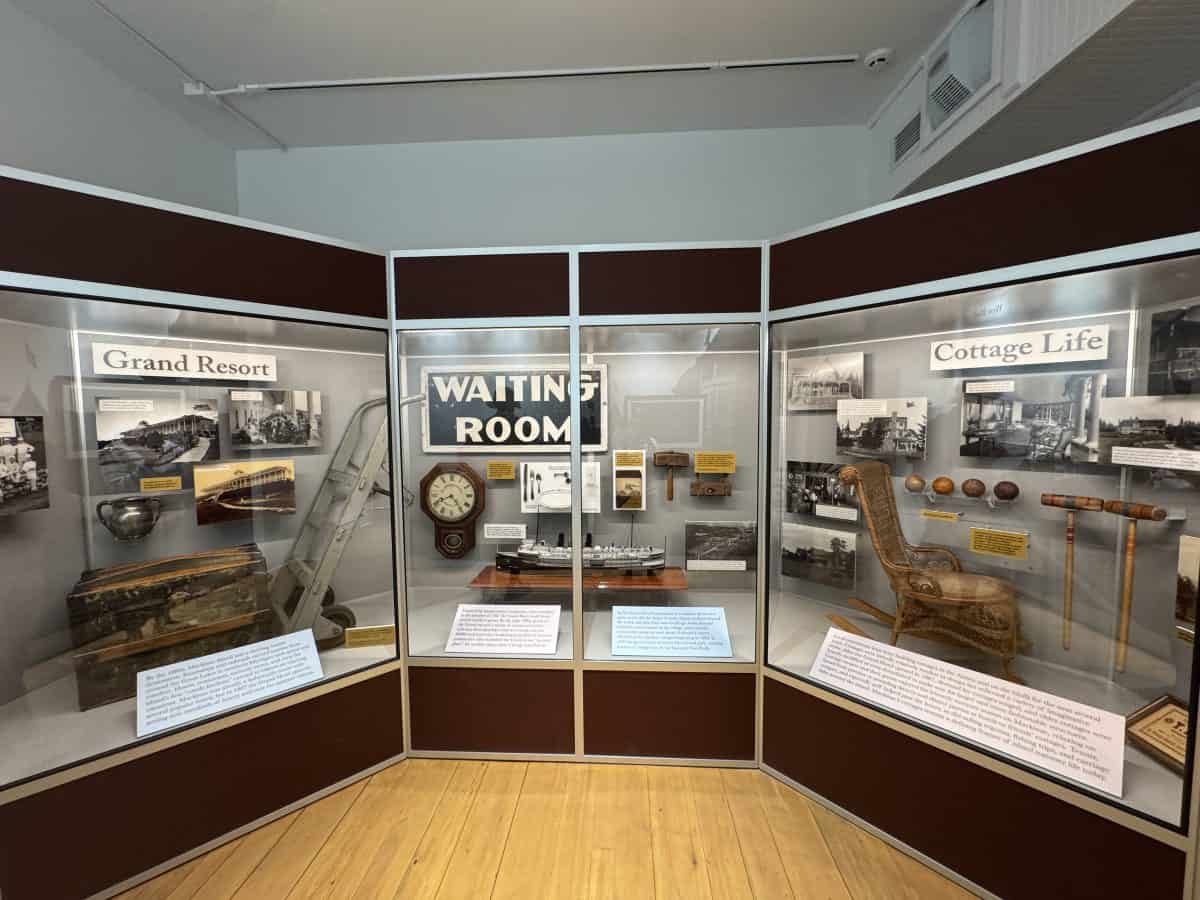
Founded during the American Revolution, the fort was originally built across Straits of Mackinac in Mackinaw City, but the British military moved the fort to the island in 1780 to better protect it from American troops, who, did in fact, take over the fort in 1796. The fort was temporarily reclaimed by the British during the War of 1812, but then returned to the United States after the war ended in 1814. In 1875, Mackinac National Park, the second National Park in America, opened and the island became a very popular tourist destination and summer home of many Michiganders. The fort remained active until 1895, when it closed and the park was returned to the state of Michigan and became a state park. Some of the buildings inside the fort were rented as summer cottages, until 1914 when the first historic museum was established inside the fort. During the 1930s and 1940s many structures were restored and the entire fort opened as a living history museum in 1959.
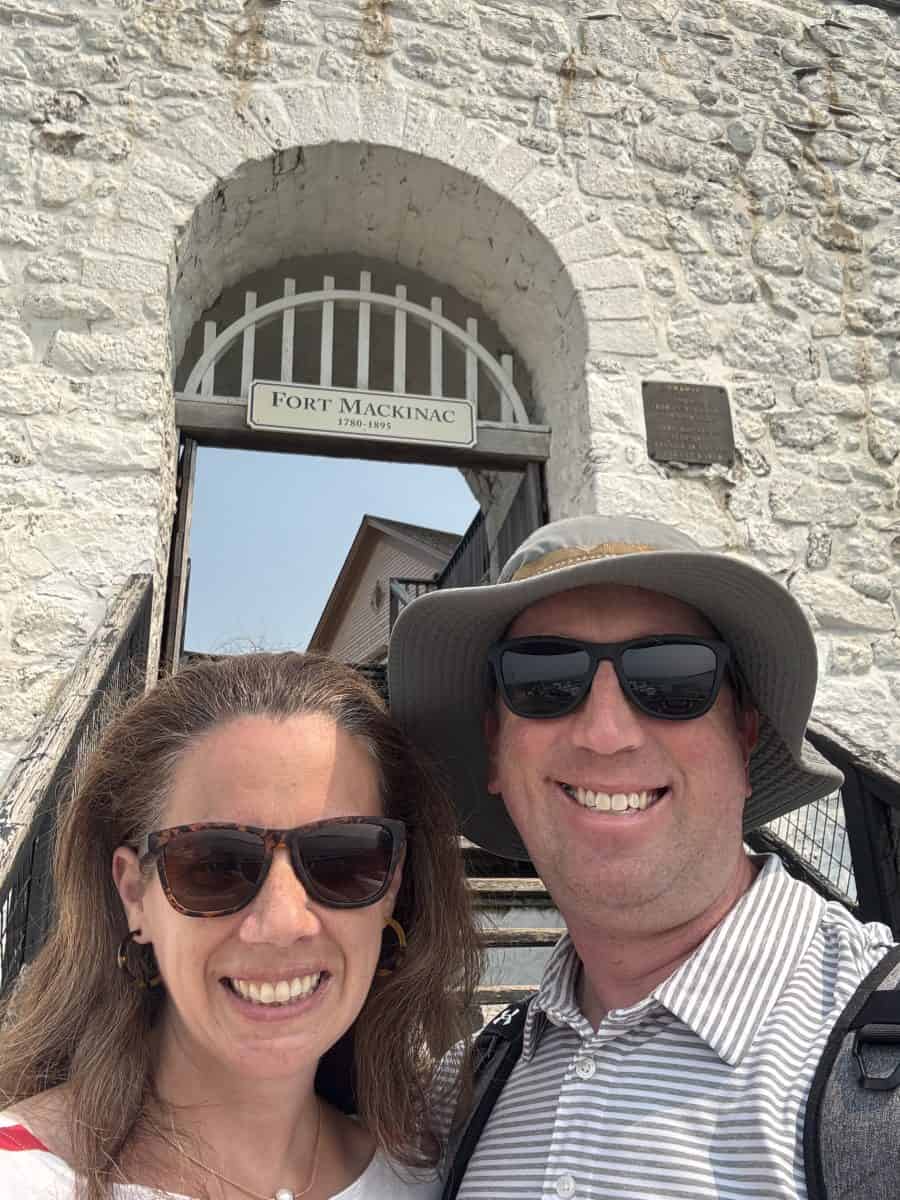
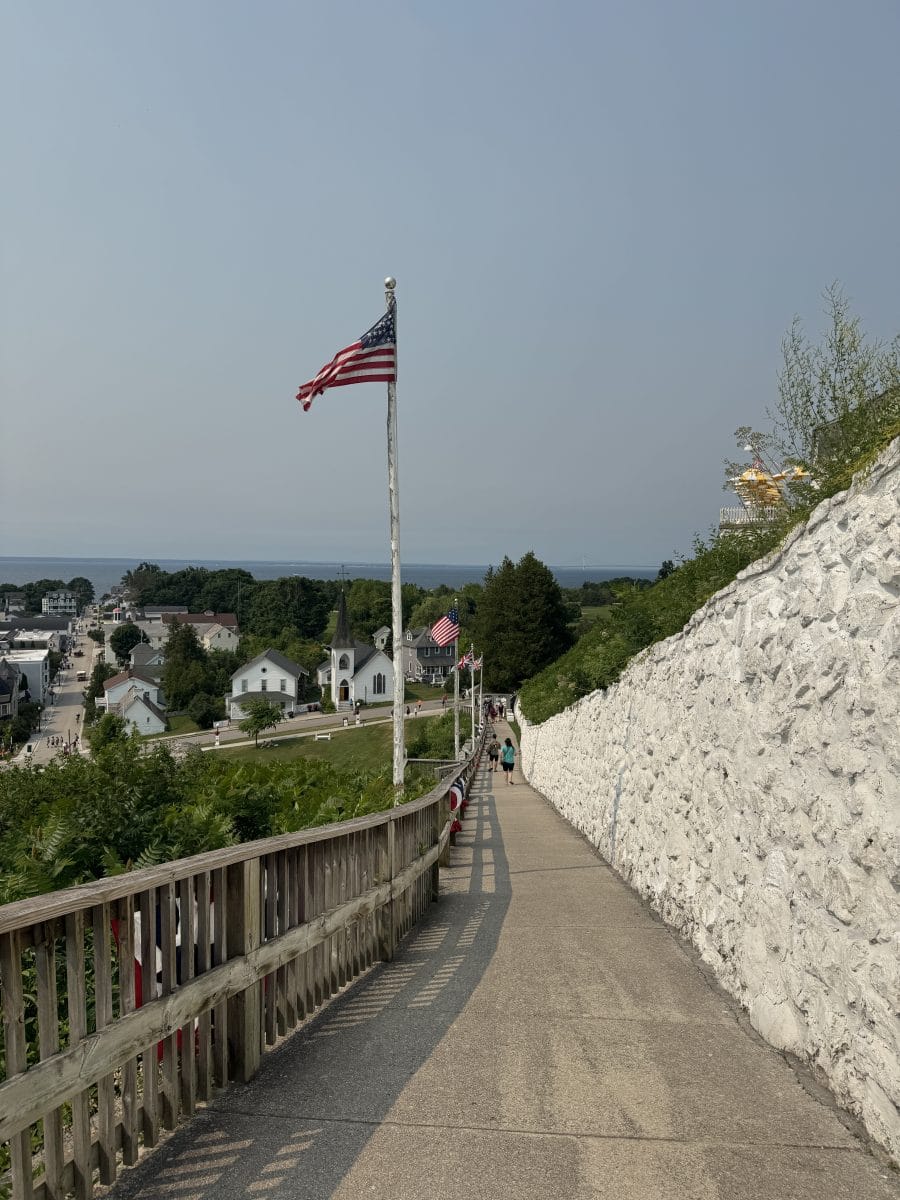
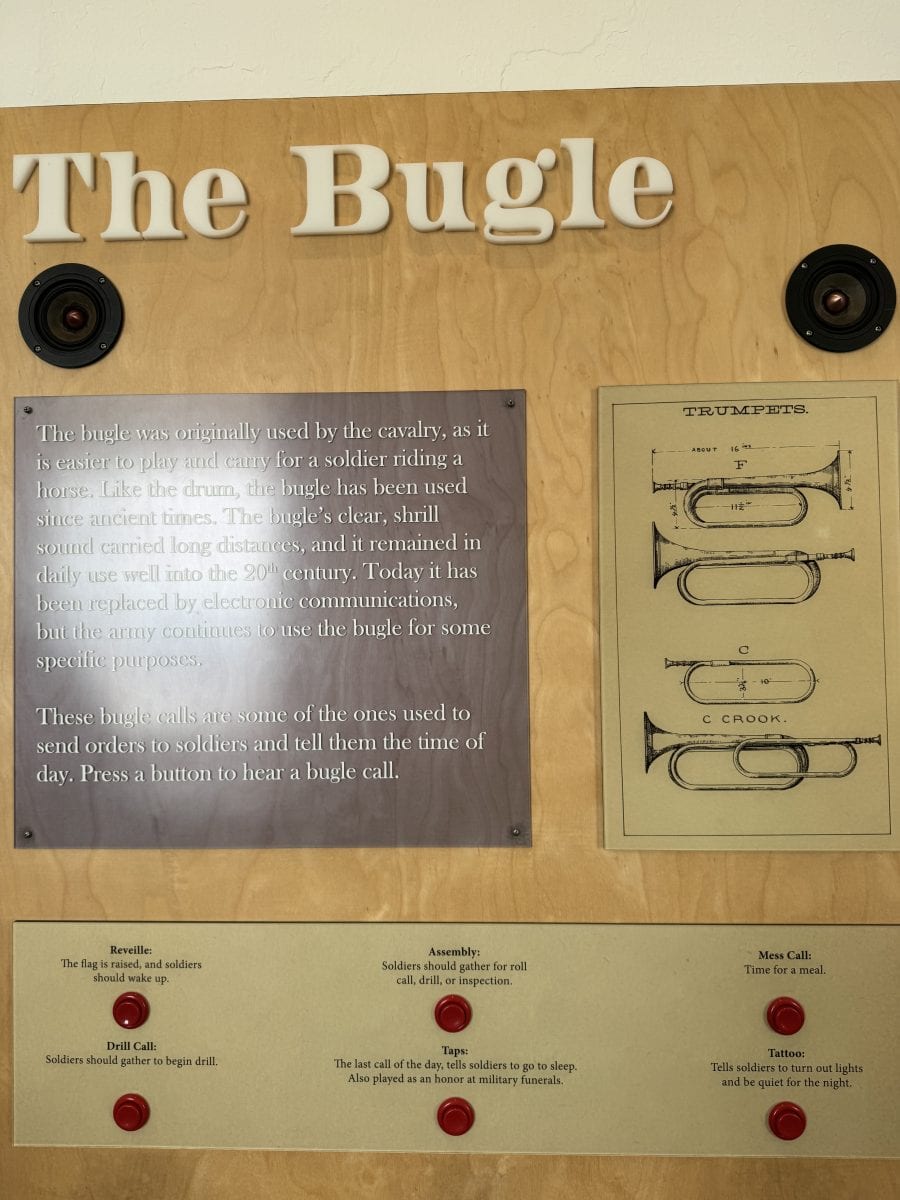
Fort Mackinac has restored 14 historic structures within the fort confines that are open to the public, recreating important parts of the island’s history: military training, medical services, and “typical” life for soldiers and their families. There are daily demonstrations, including cannon firing, hearth cooking, and soldier marches, as well as programs tailored to children. A visit to Fort Mackinac is a must when “on island” and the best way to learn about the history of the Anishnaabek people and the first traders and explorers to the island.
Travel Tips:
Would you like to save this?
10 Ways to Explore Fort Mackinac:
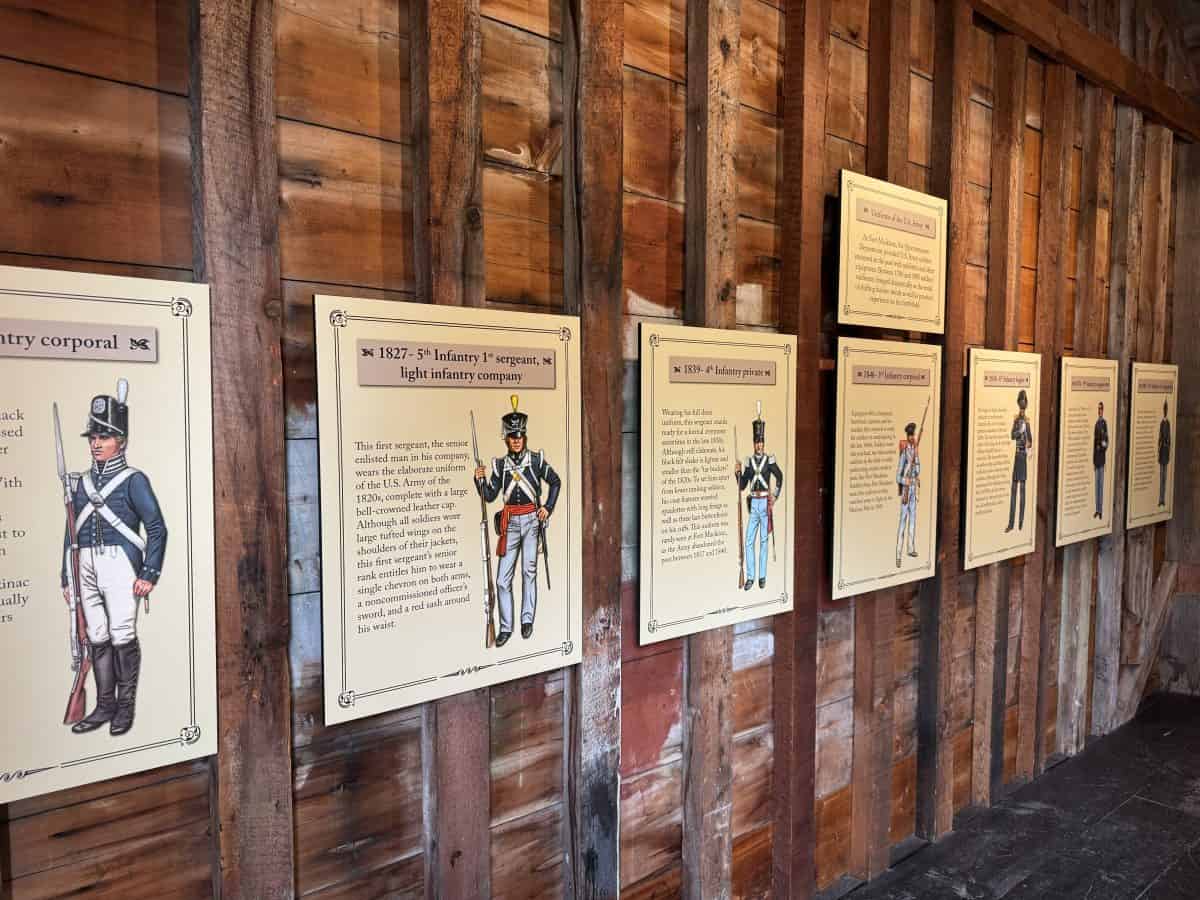
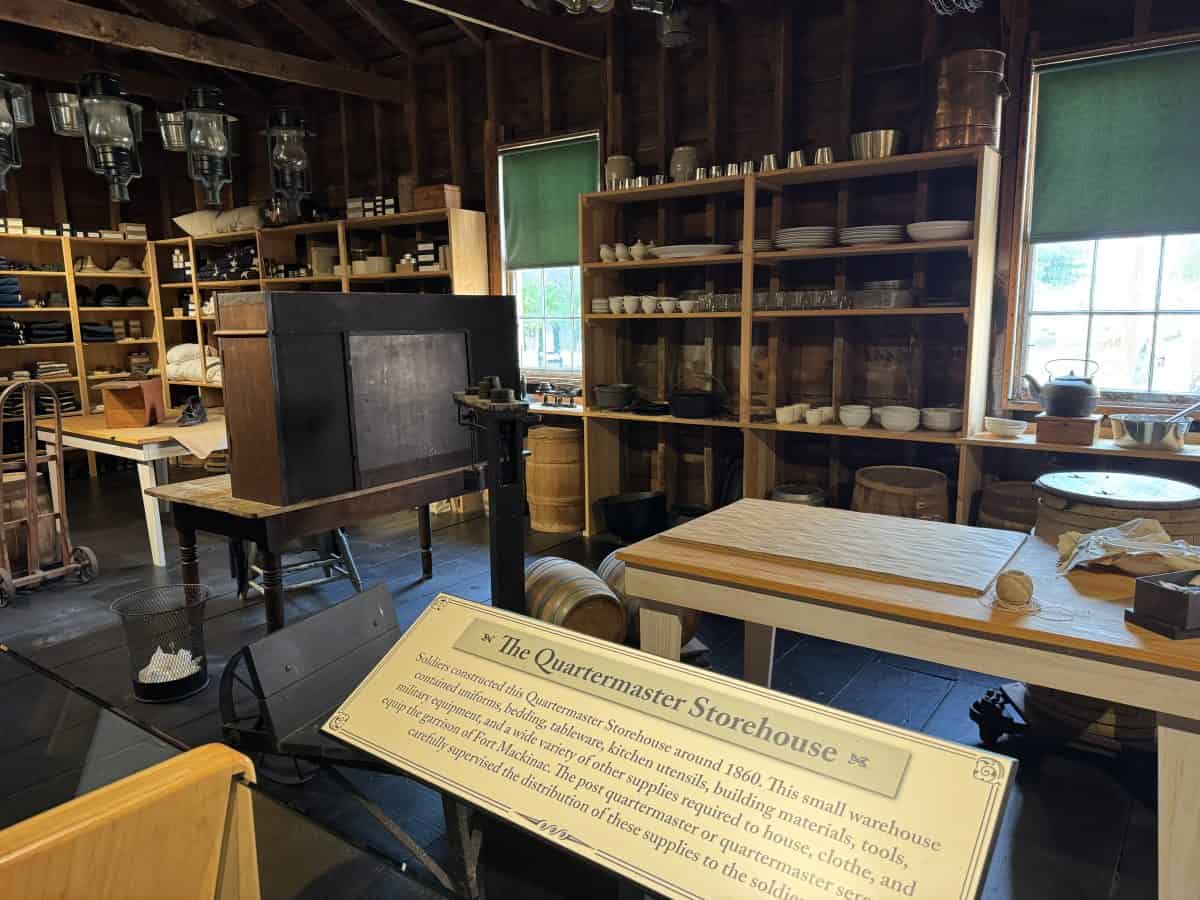
- Learn to identify the uniforms of the US army from an 1815 Infantry Corporal to a 1889 Sergeant in the Quartermaster’s Storehouse. The Storehouse, dating back to1860, shows all of the supplies used.
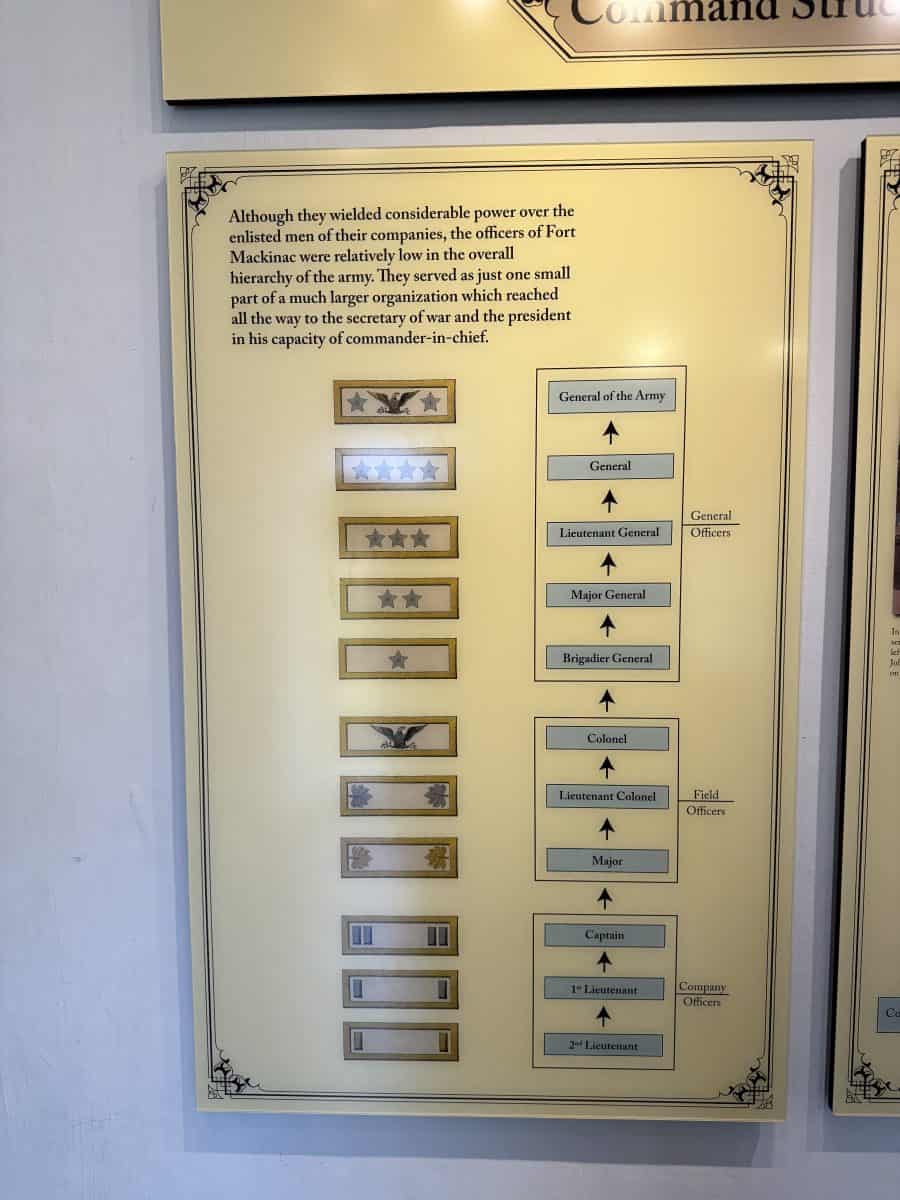
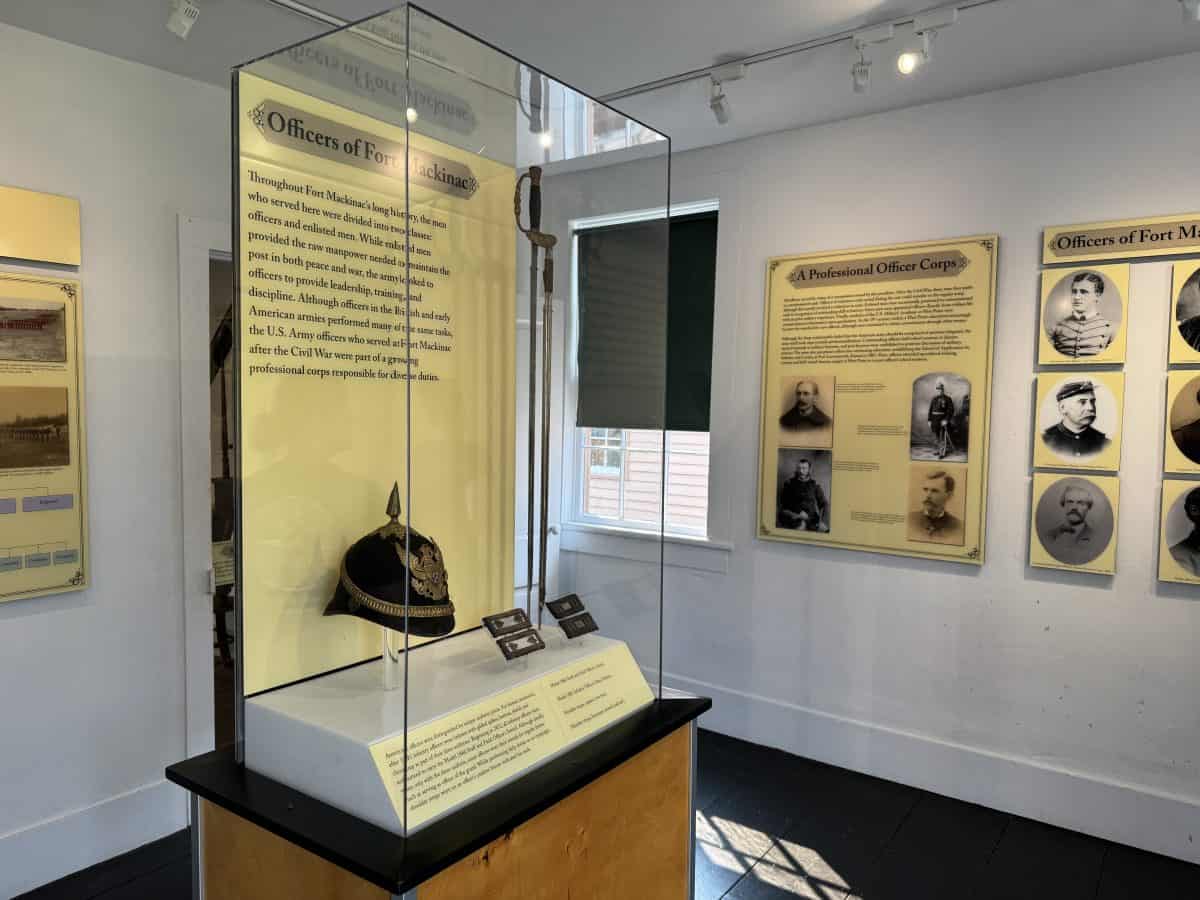
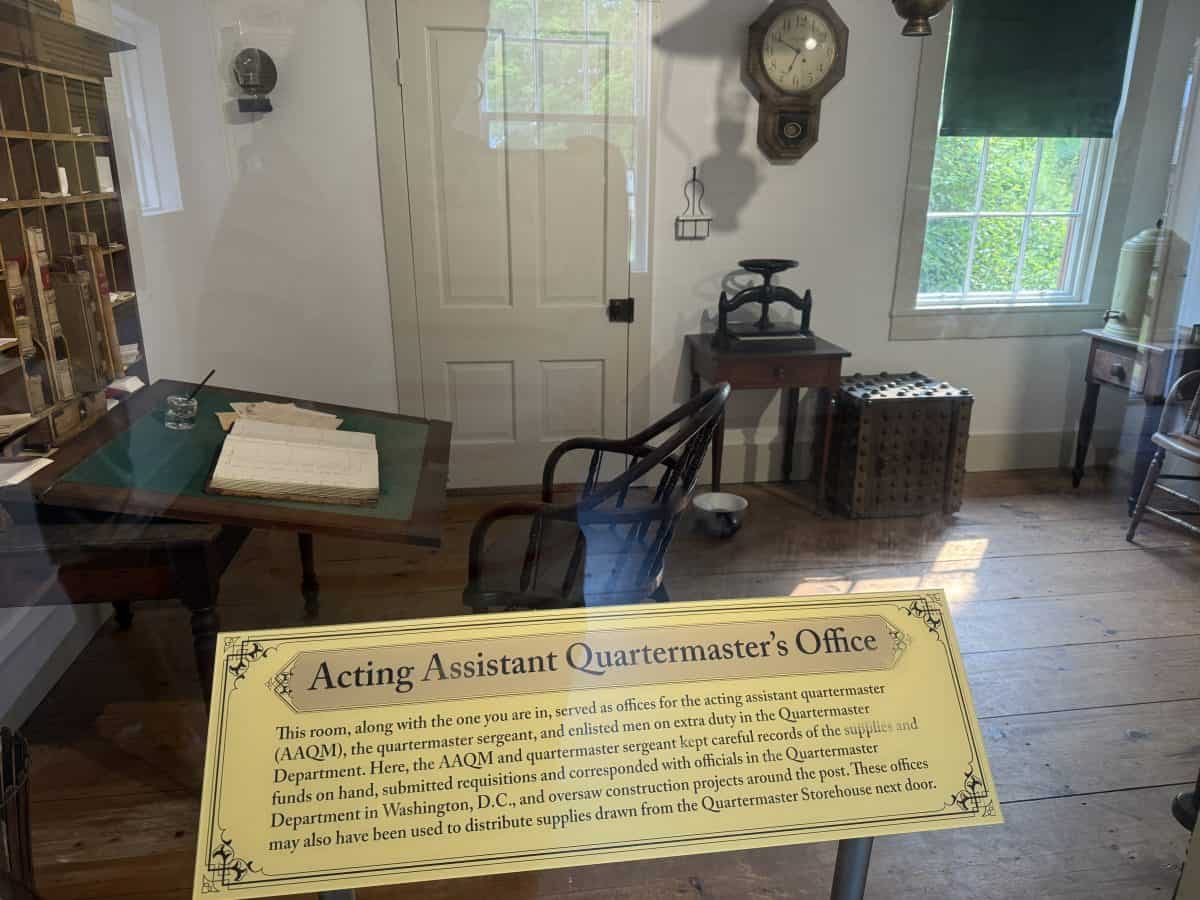
- Read the list of all Park Superintendents from 1875-1898 in the Acting Assistant Quartermaster’s Office and learn about the command structures. Visitors can also research their ancestors to see if they served on Fort Mackinac.
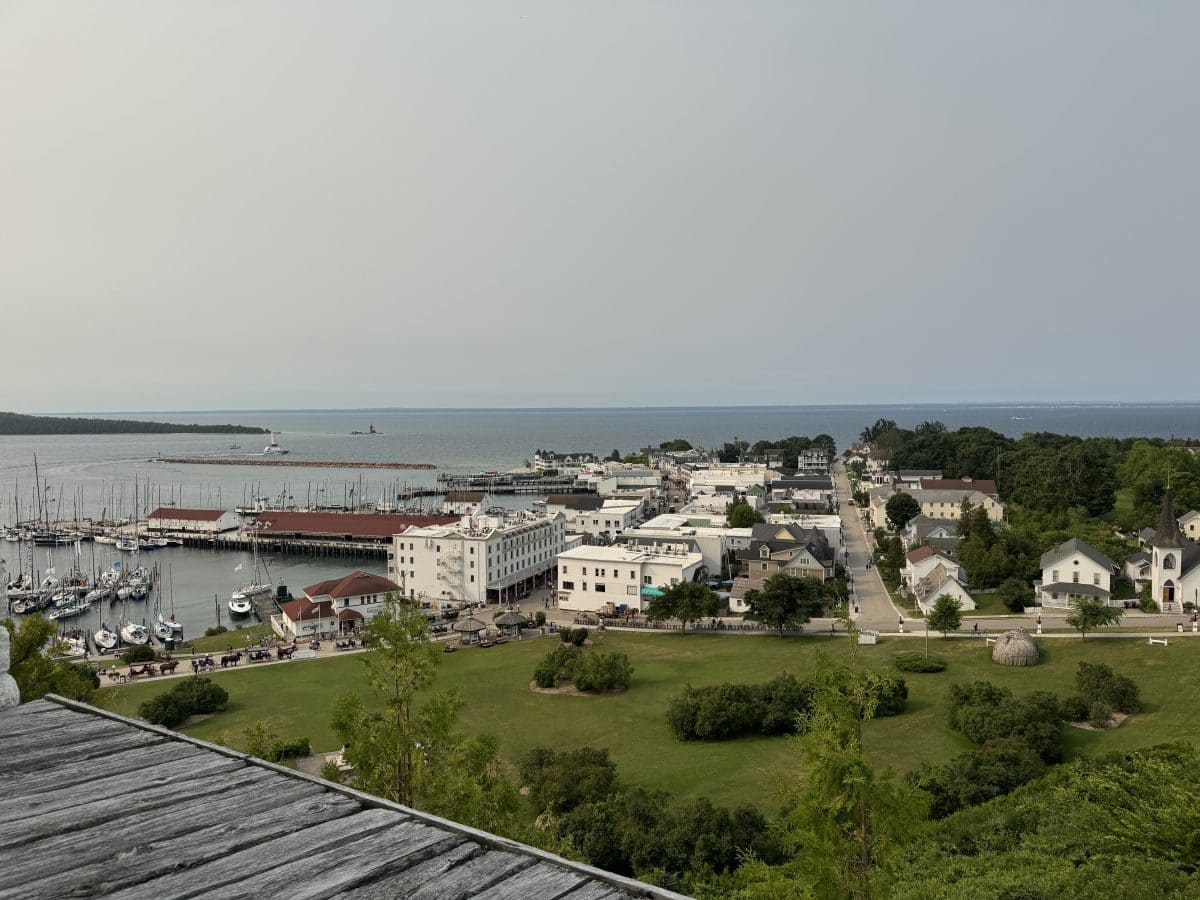
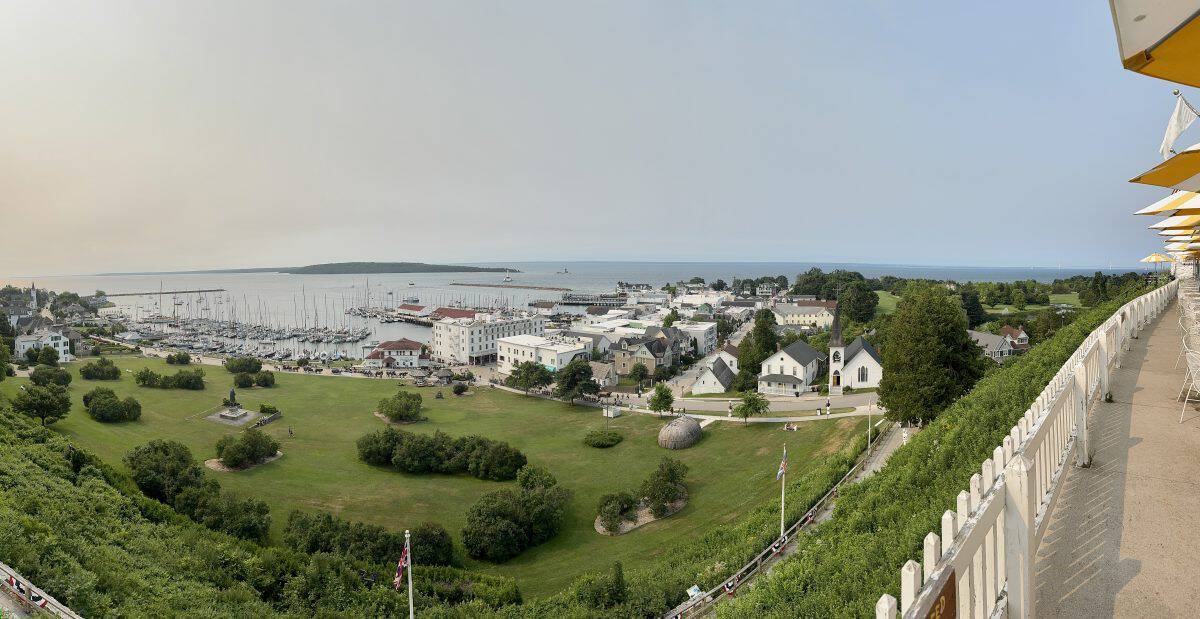
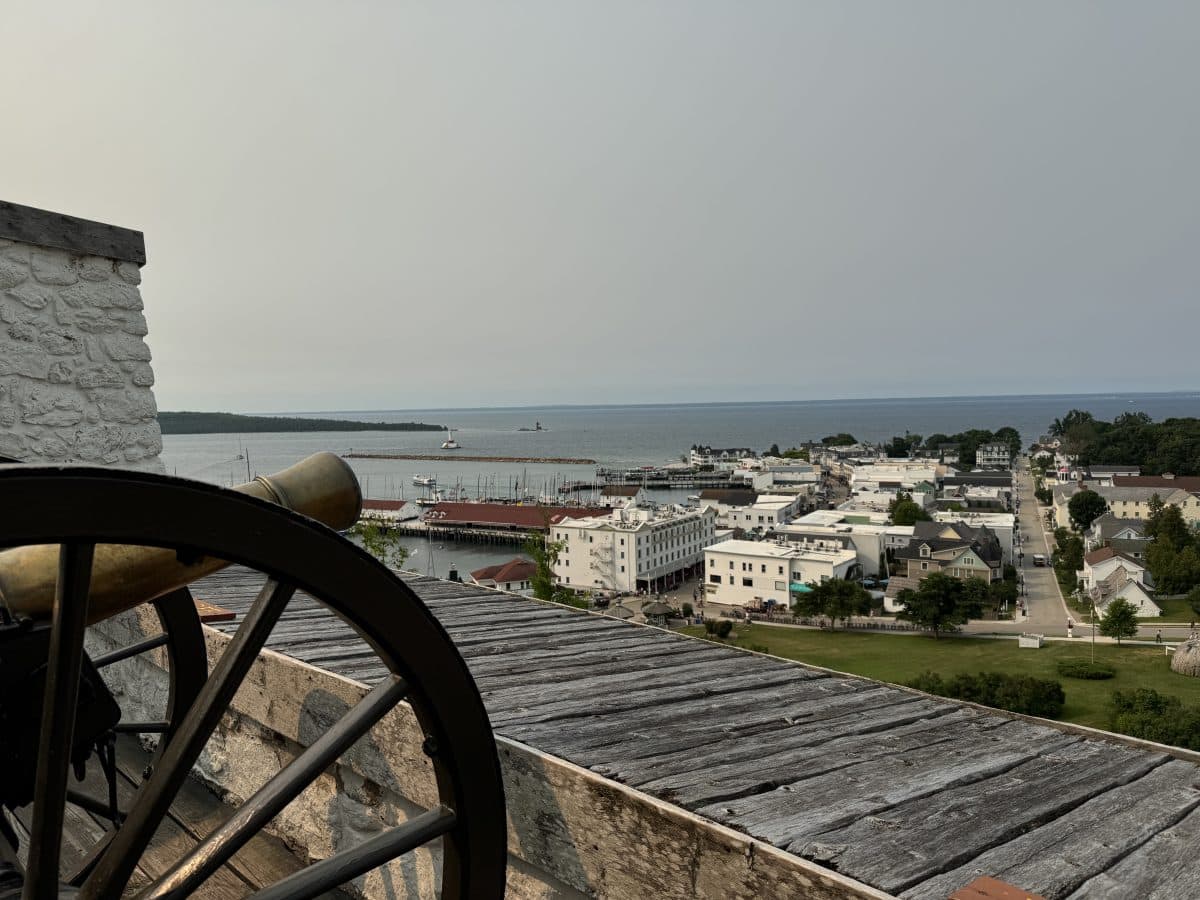
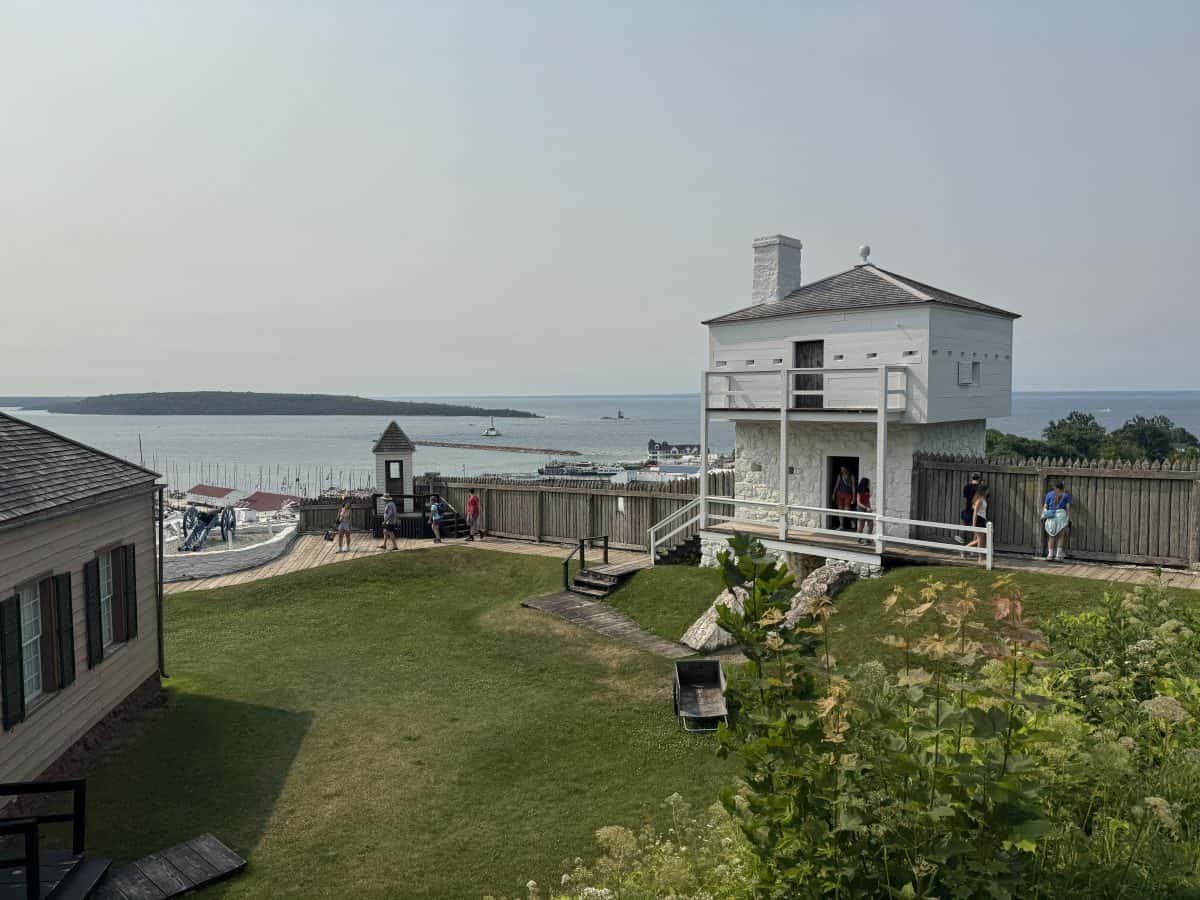
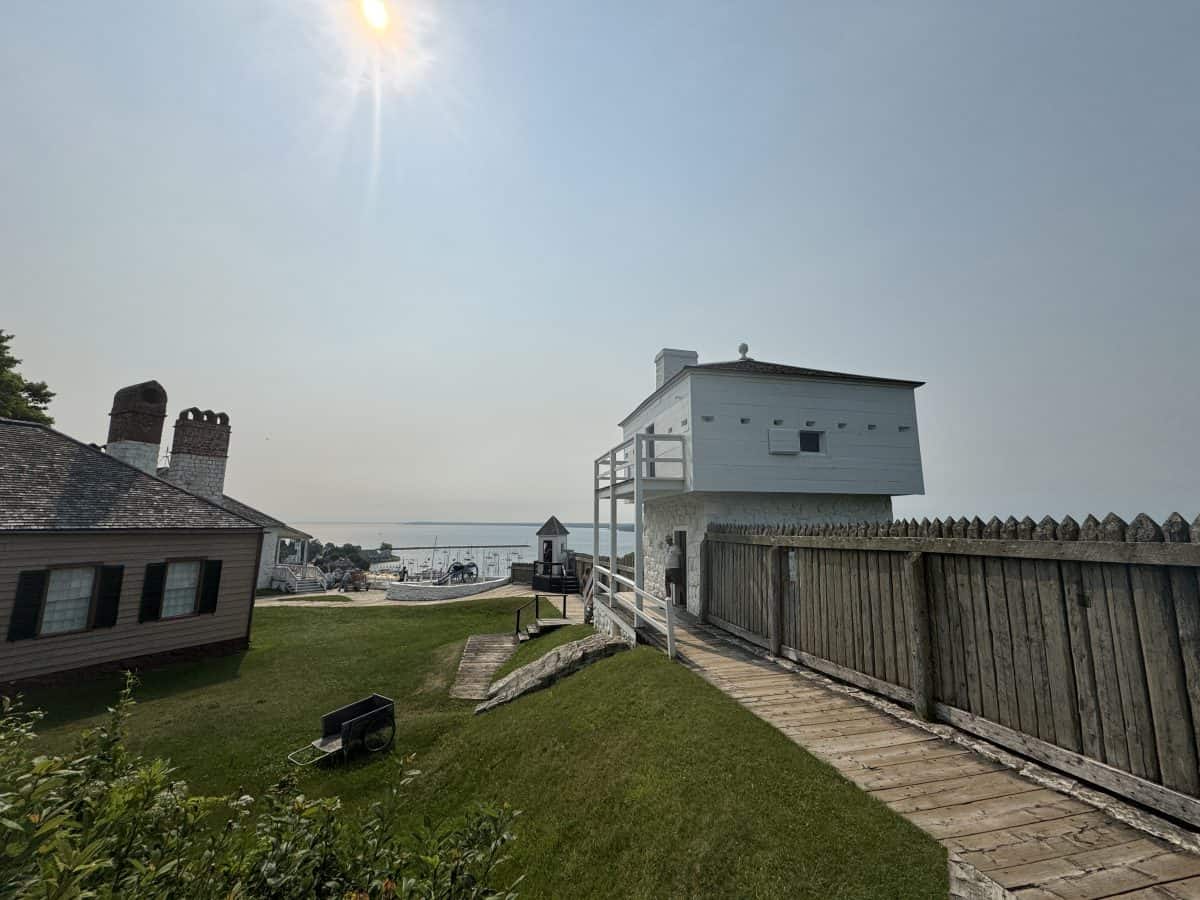
- Climb to the cannon firing platform for views of the harbor and to witness a live firing demonstration a few times throughout the day.
- See the list of daily guard duties and exhibits of soldiers on trial in 1888, as well as audio narrations of their time in jail, in the Guardhouse, built in 1828.
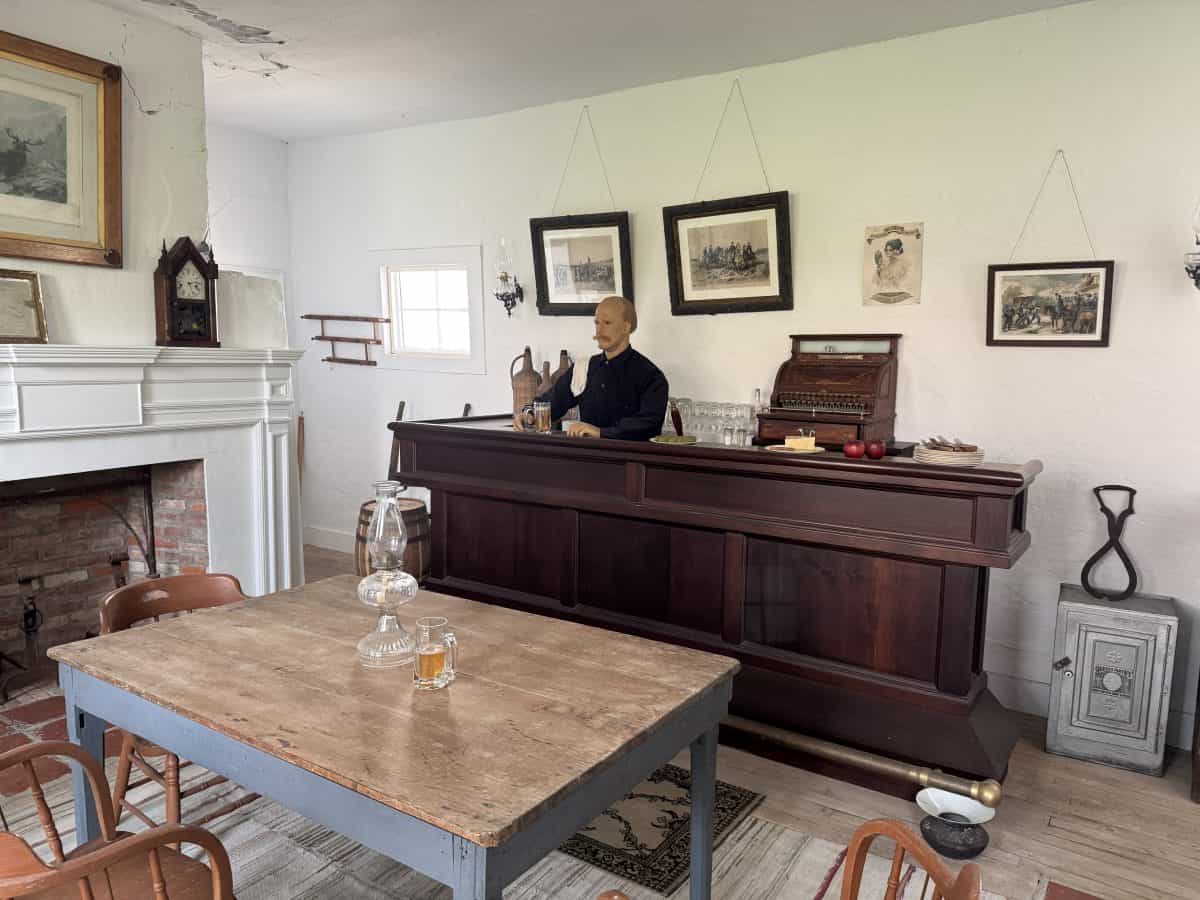
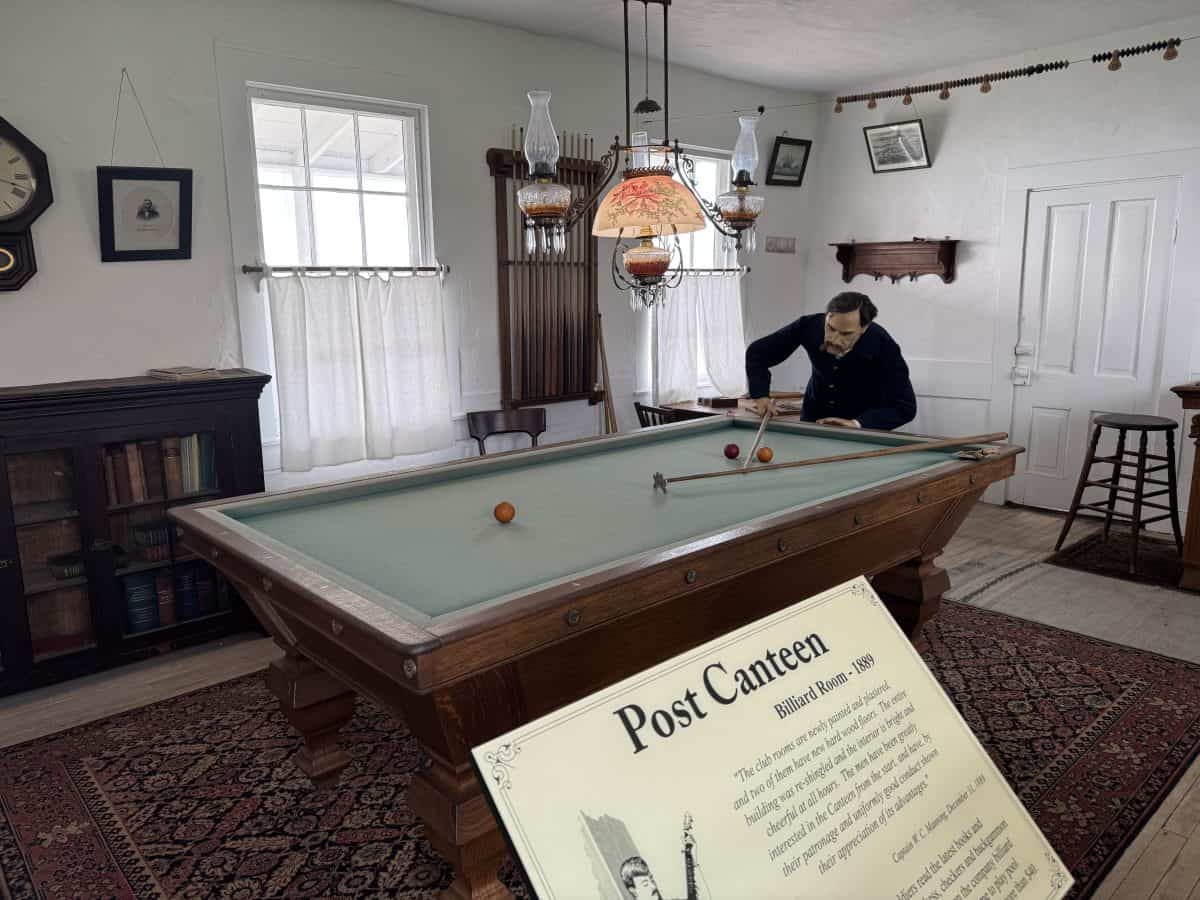
- Learn about the games soldiers would play, like chess, checkers, backgammon, and billiards and see a billiard table in the 1816 Canteen in the Wood Quarters.
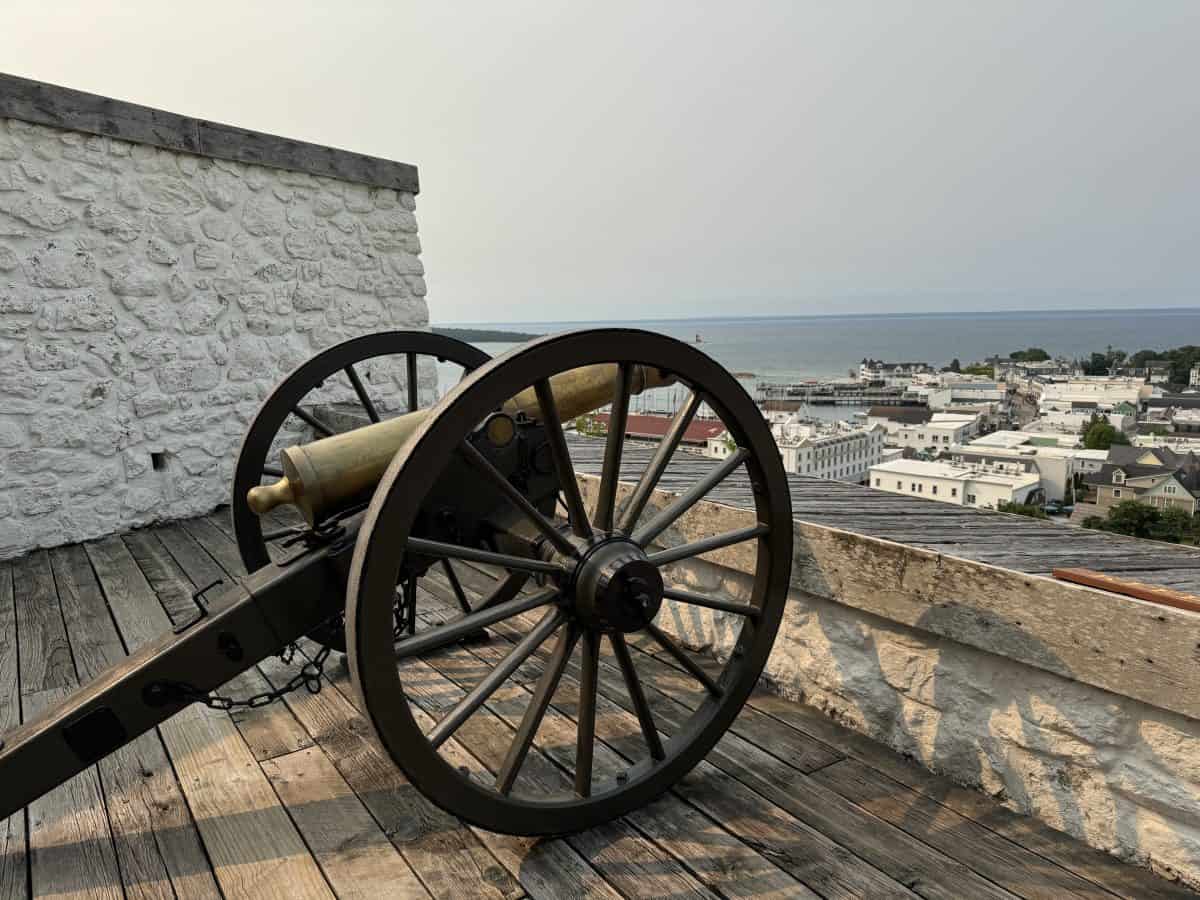
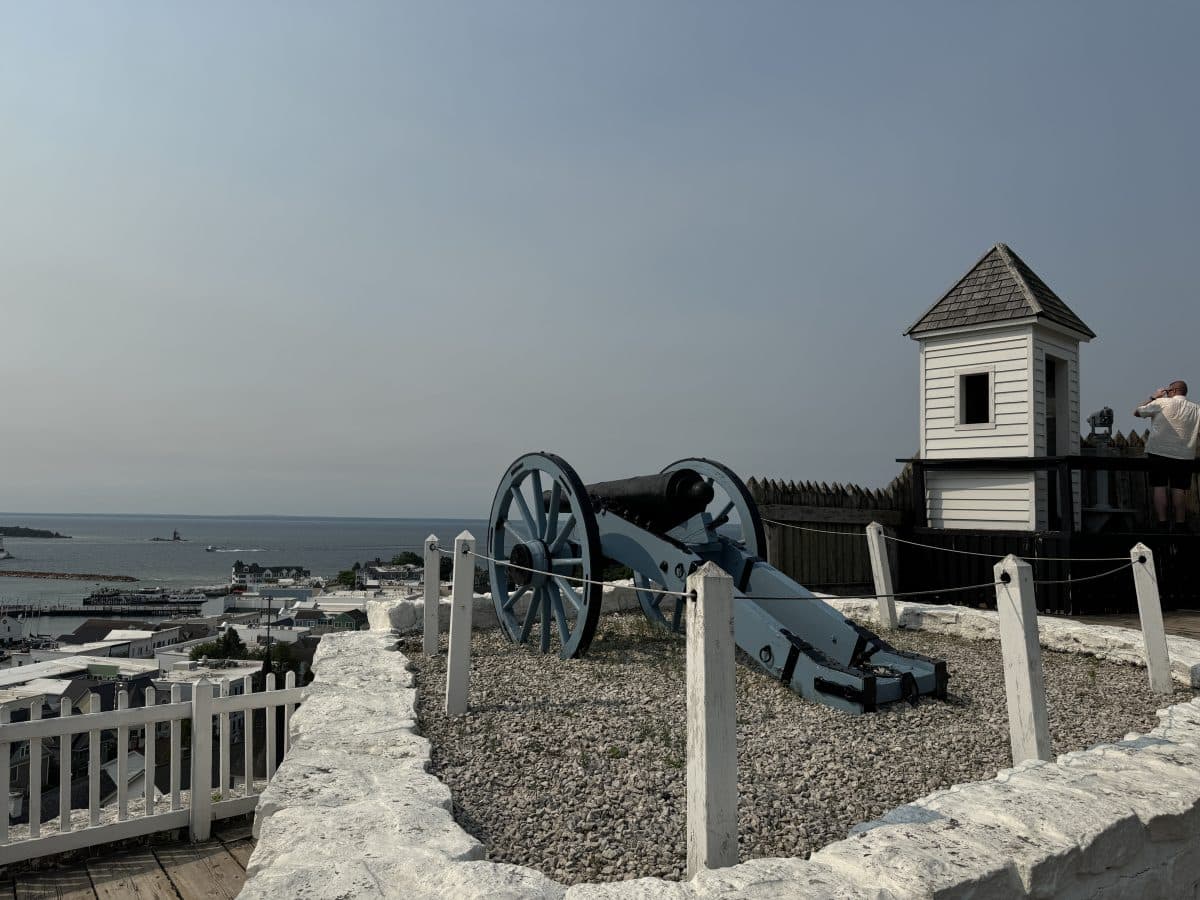
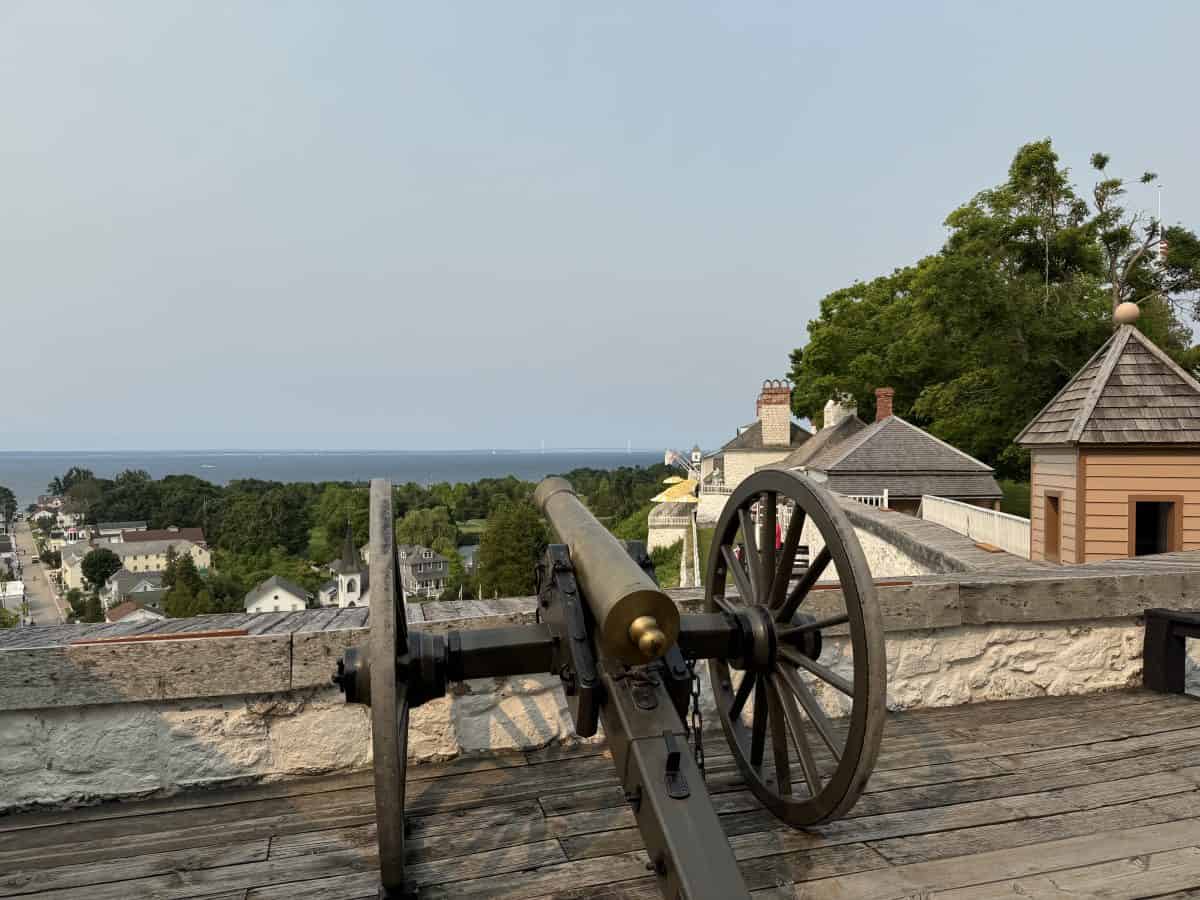
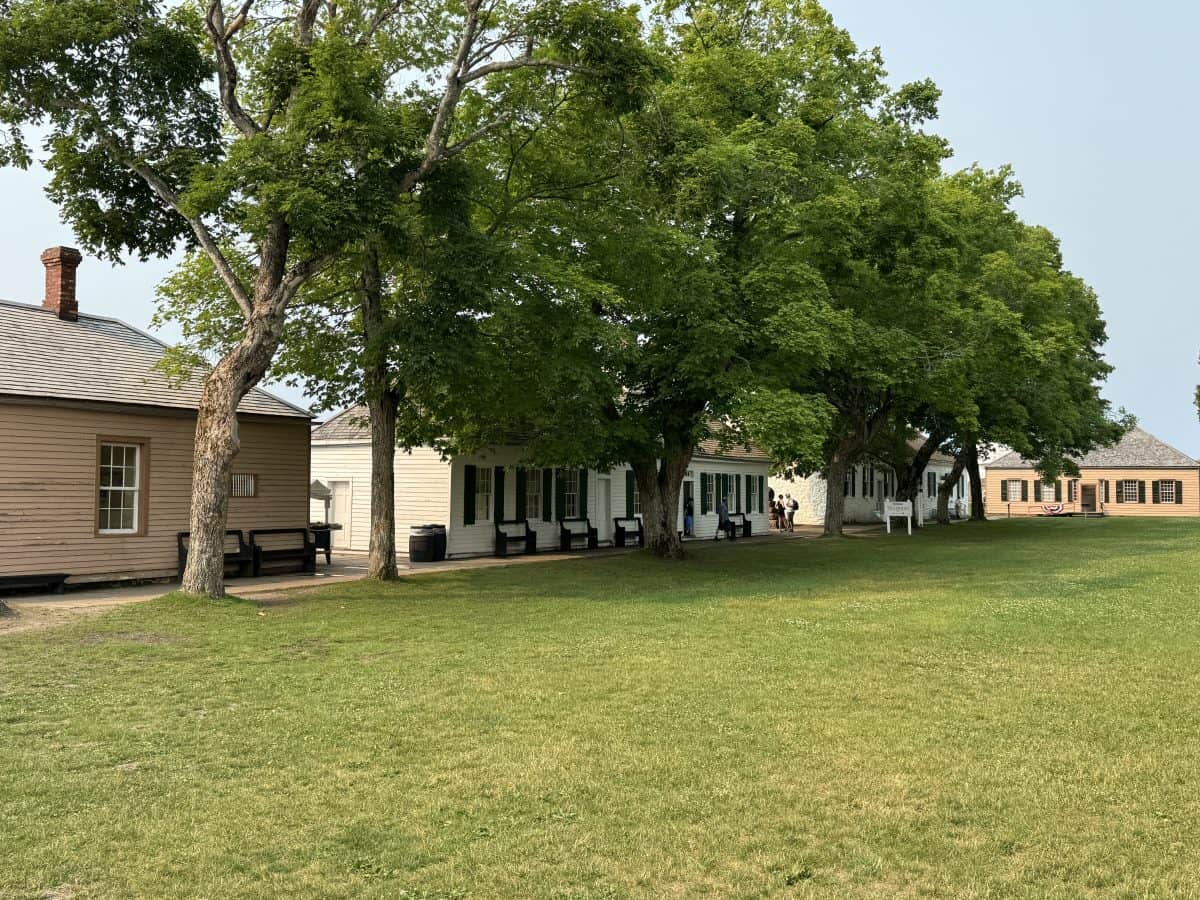
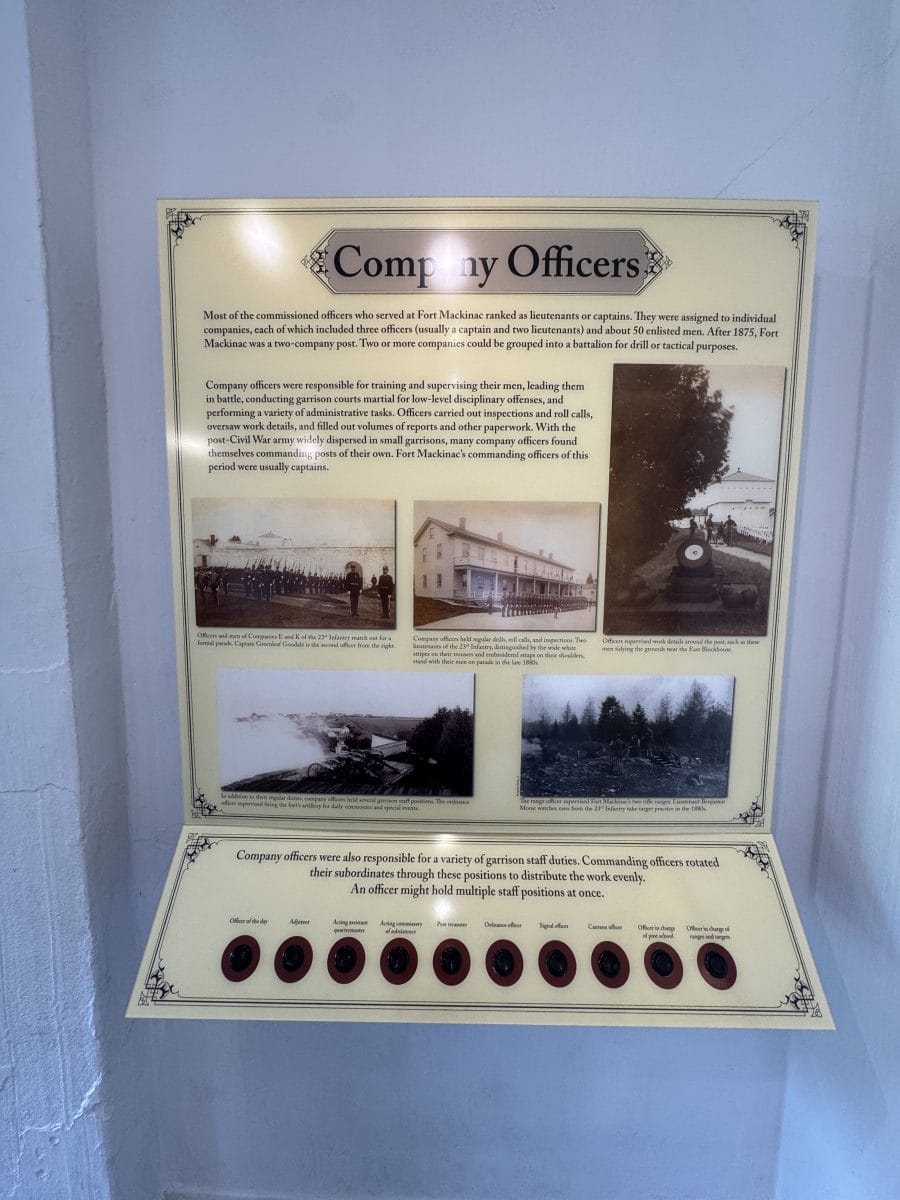
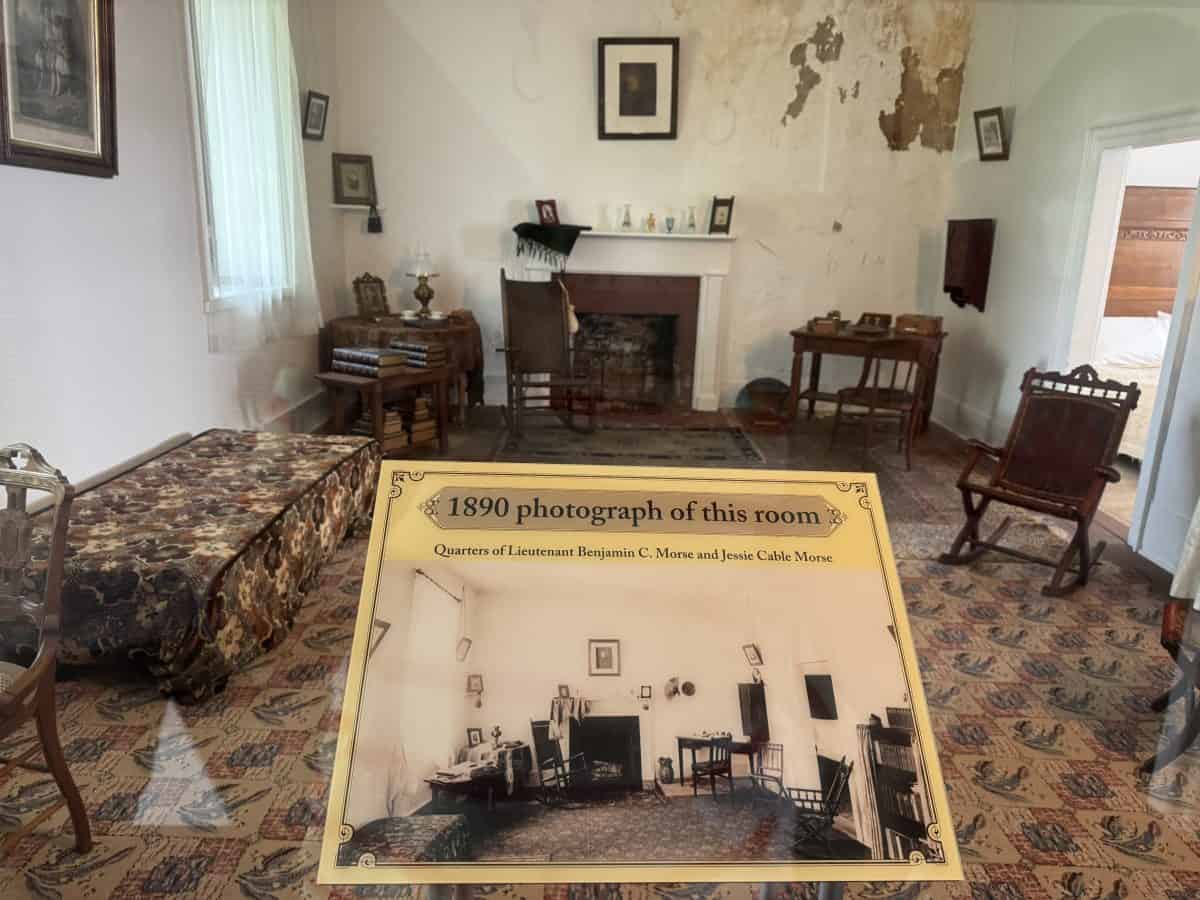
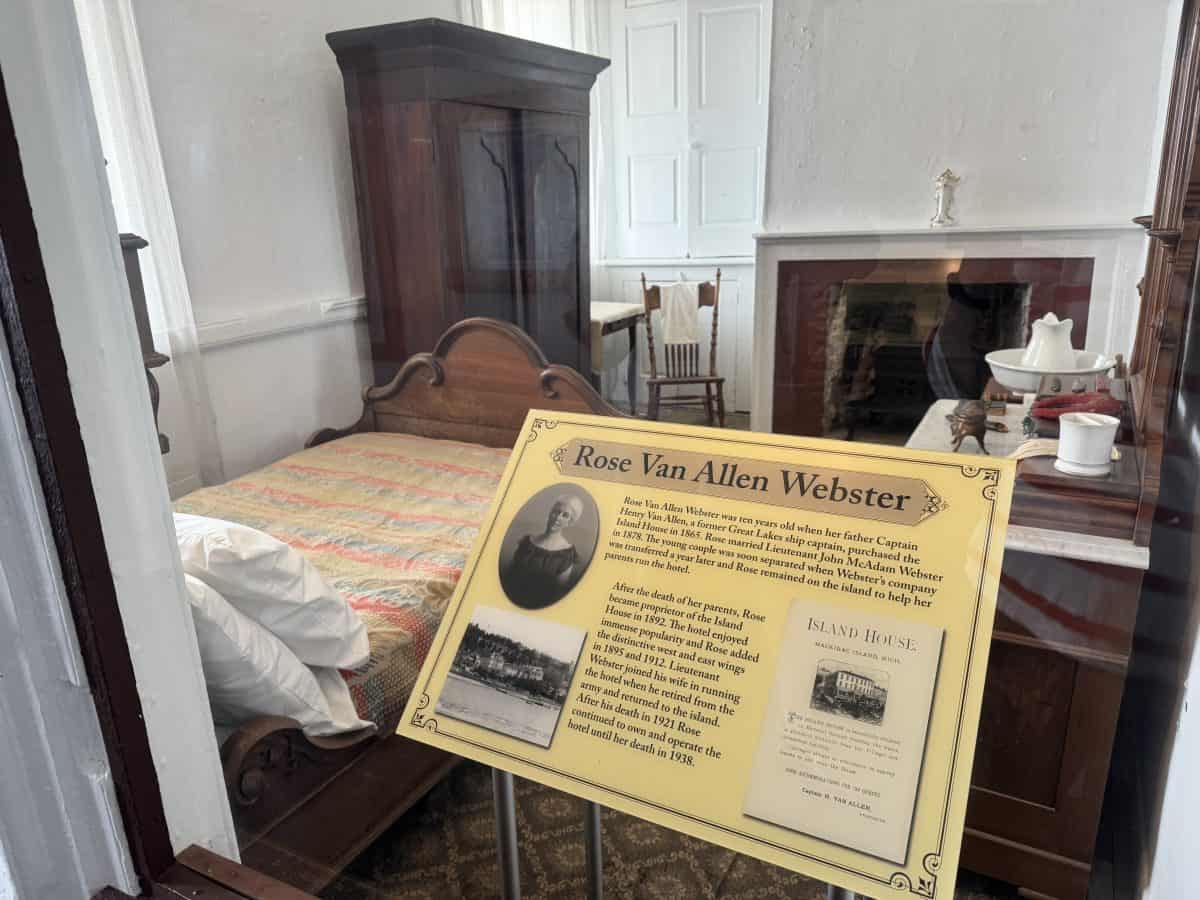
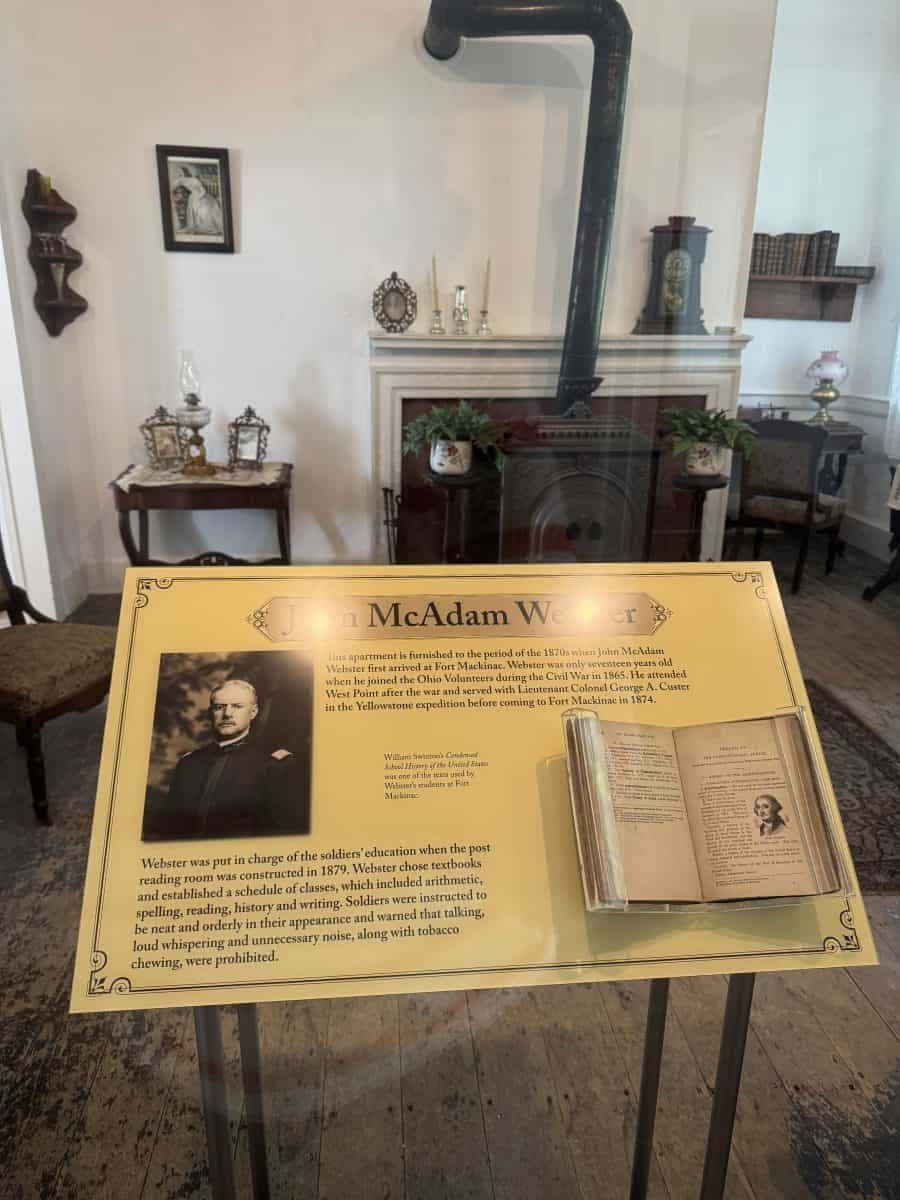
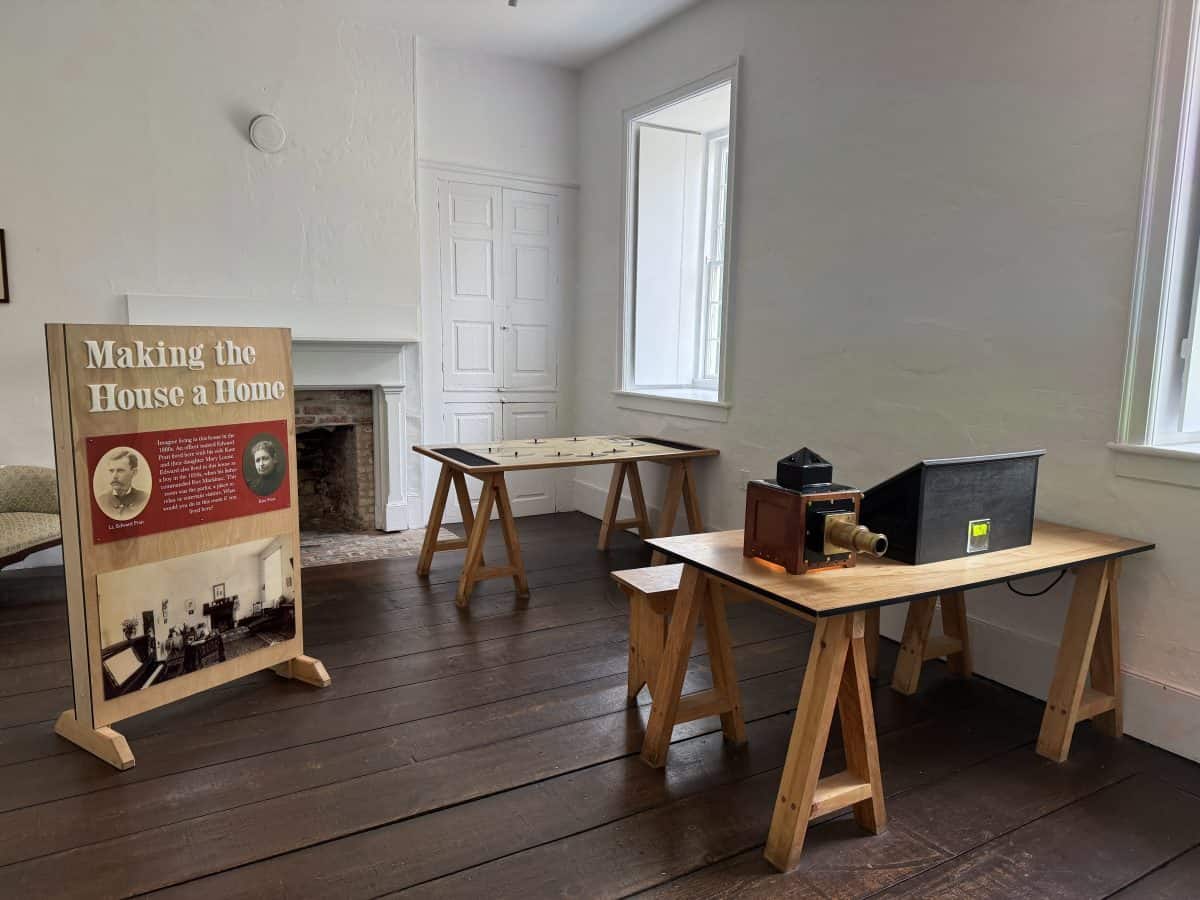
- Explore the Stone Quarters 1780 Officer’s Apartments, home of John McAdams Webster and his wife Rose Van Allen Webster, as well as the furnishings of the home.
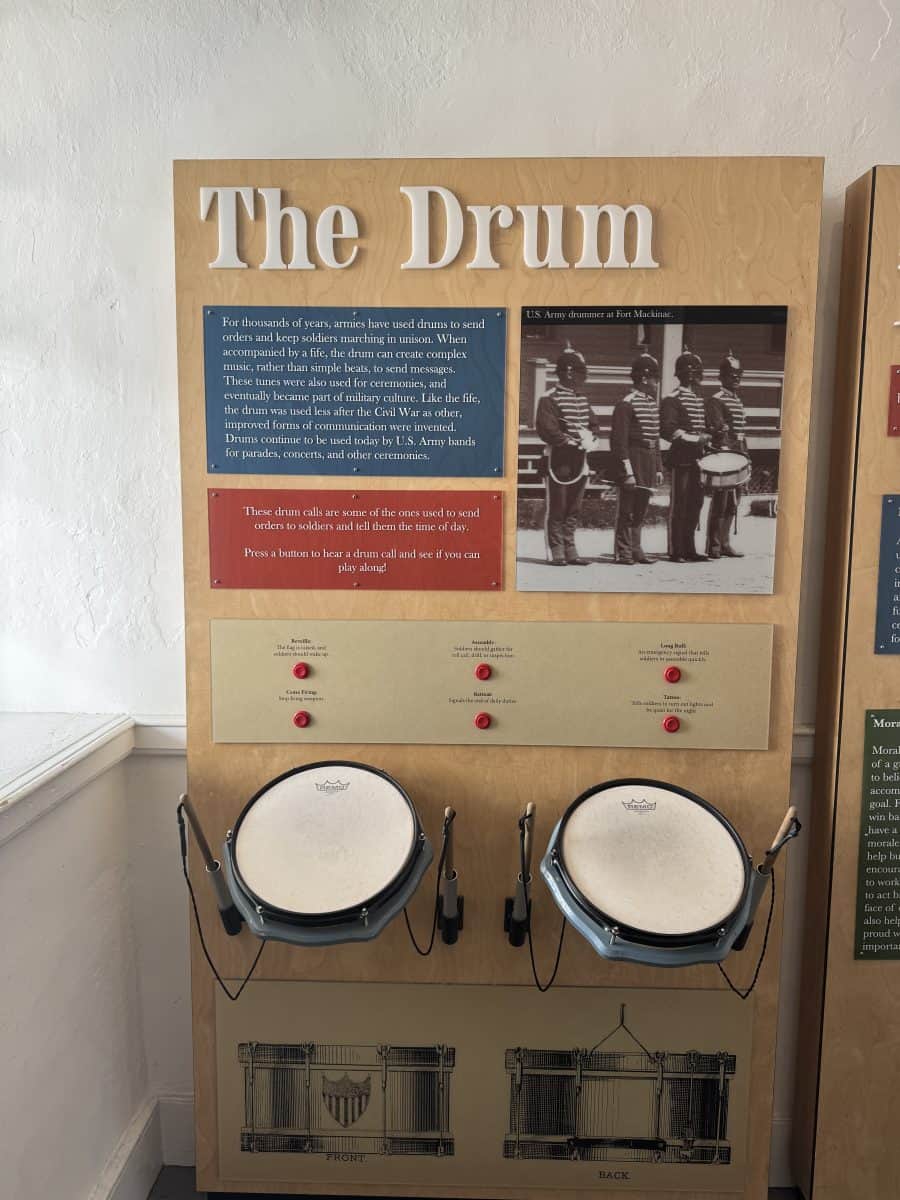
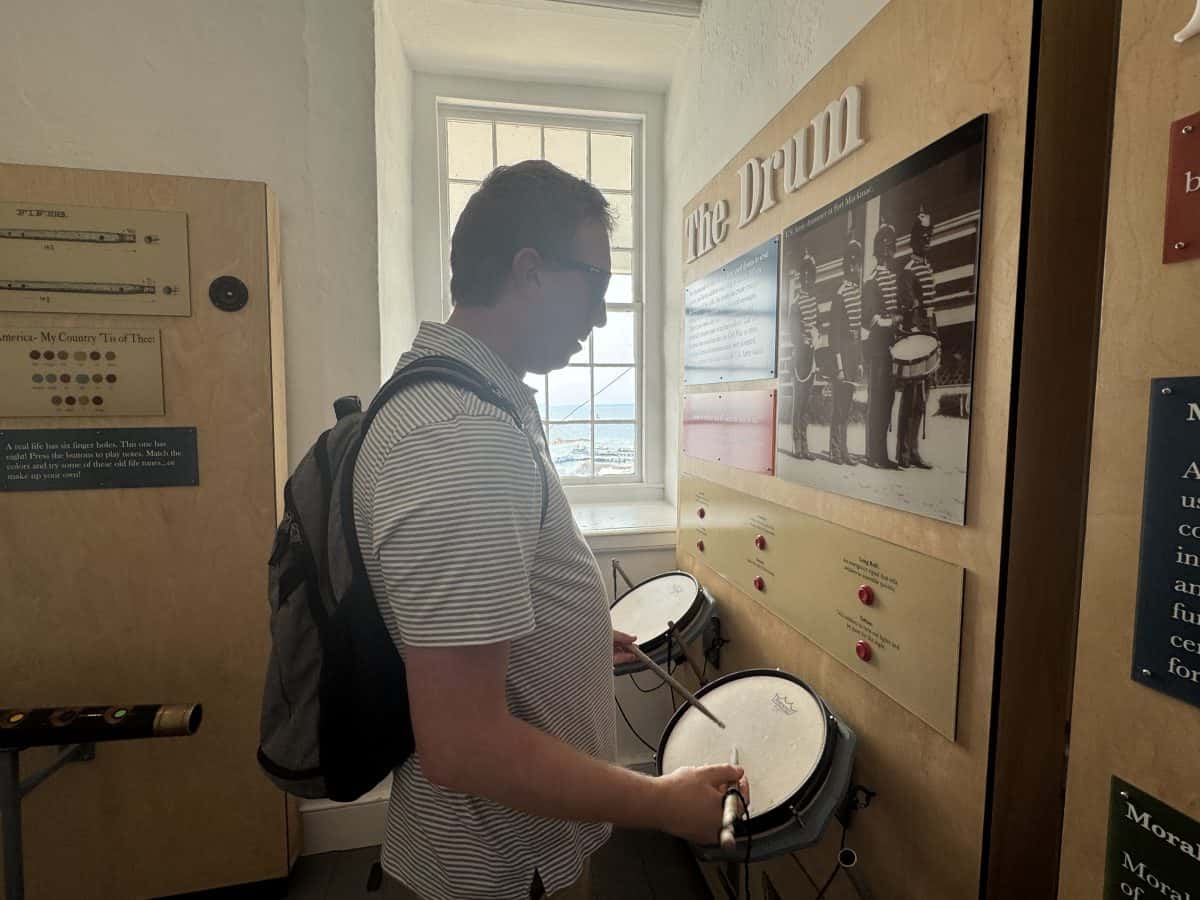
- Have kids design their own version of a fort using blocks, play in a replica drum and fife march, and dress like a soldier in the Kids Quarters.
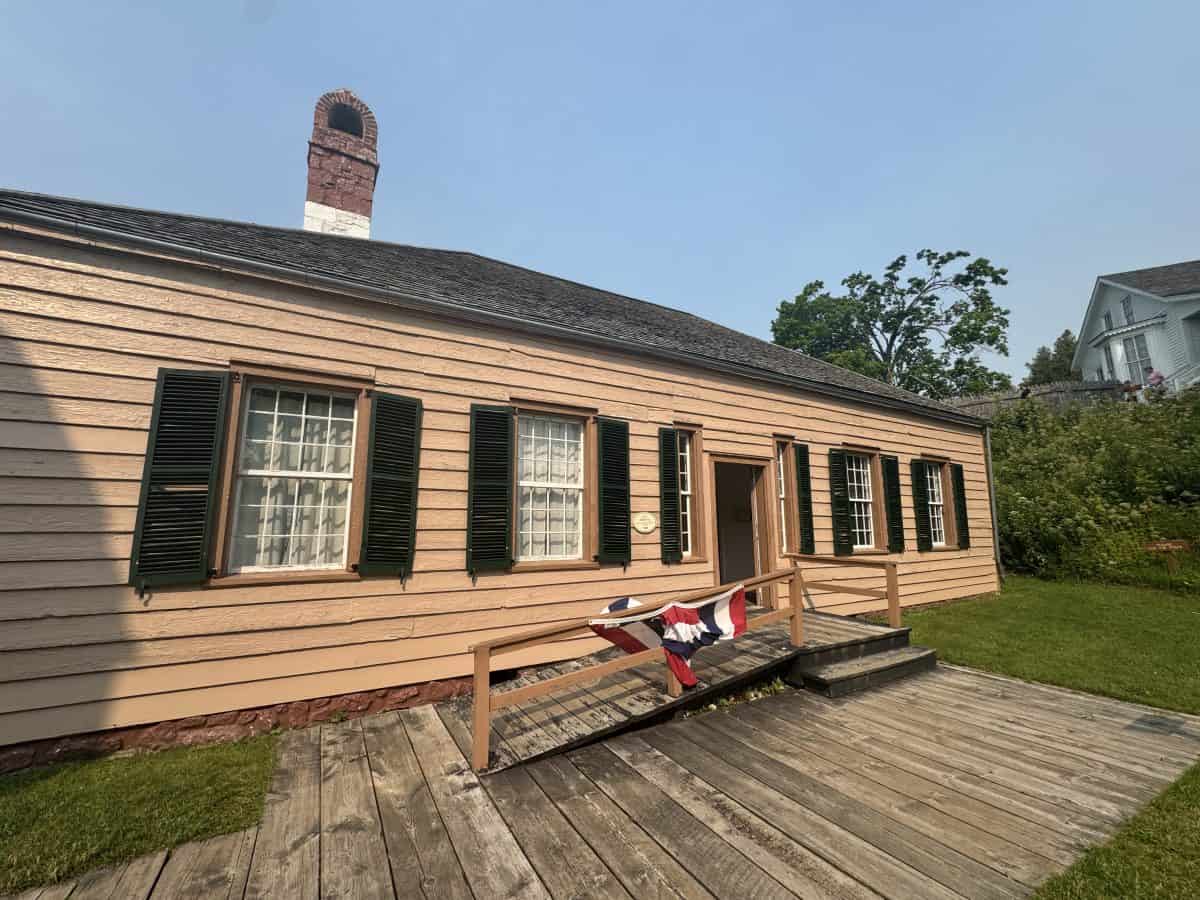
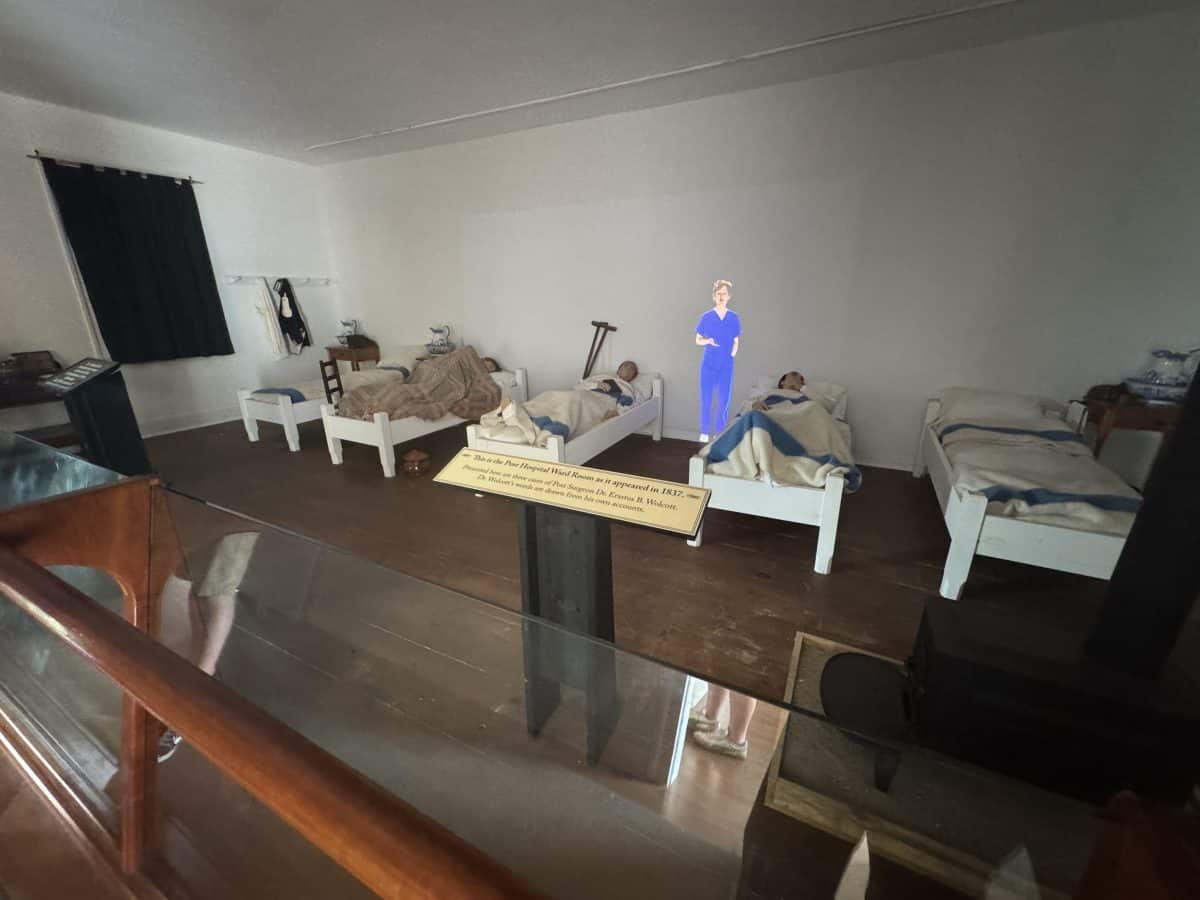
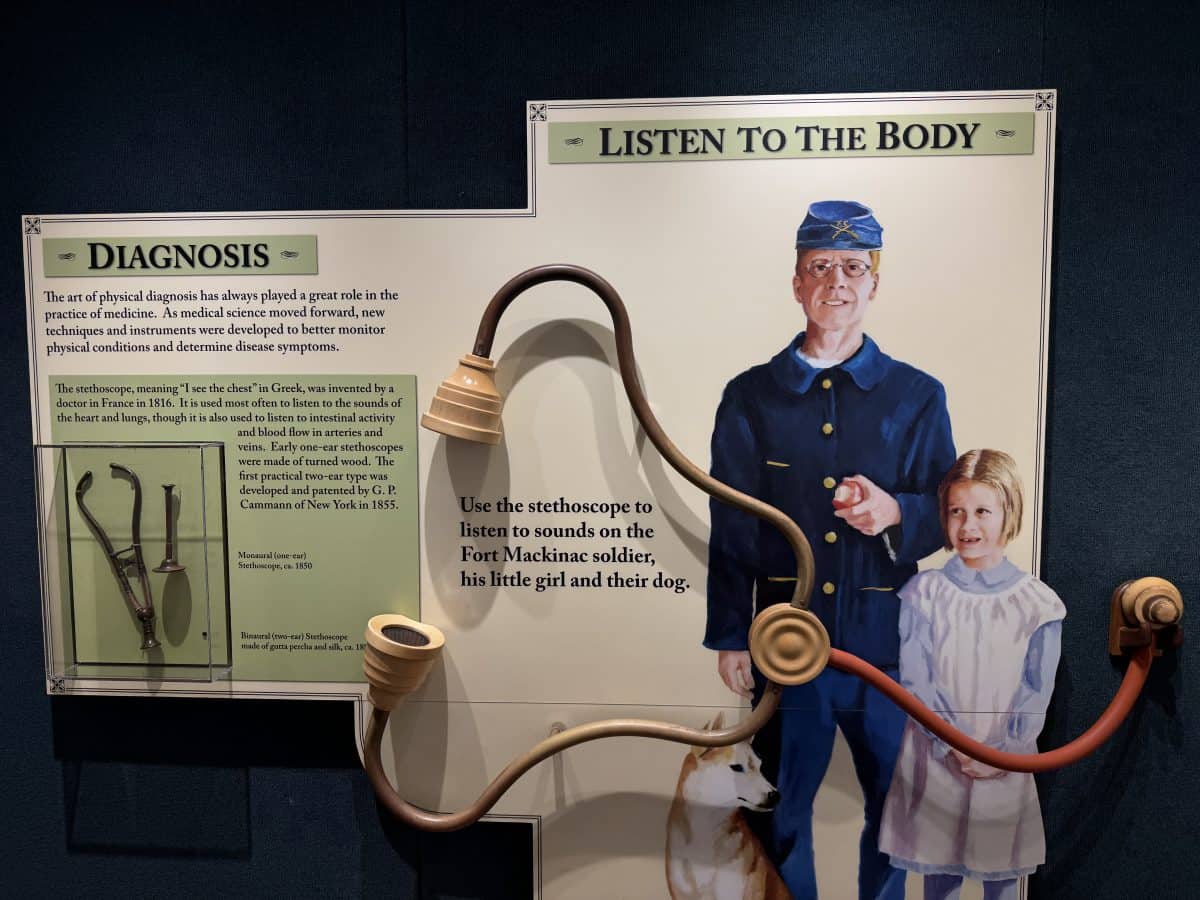
- Read about common illnesses of the time, and see exhibits explaining diagnosis and treatment in the Old Hospital, the oldest standing hospital in Michigan, dating back to 1828. The exhibit also celebrates the eradication of smallpox.
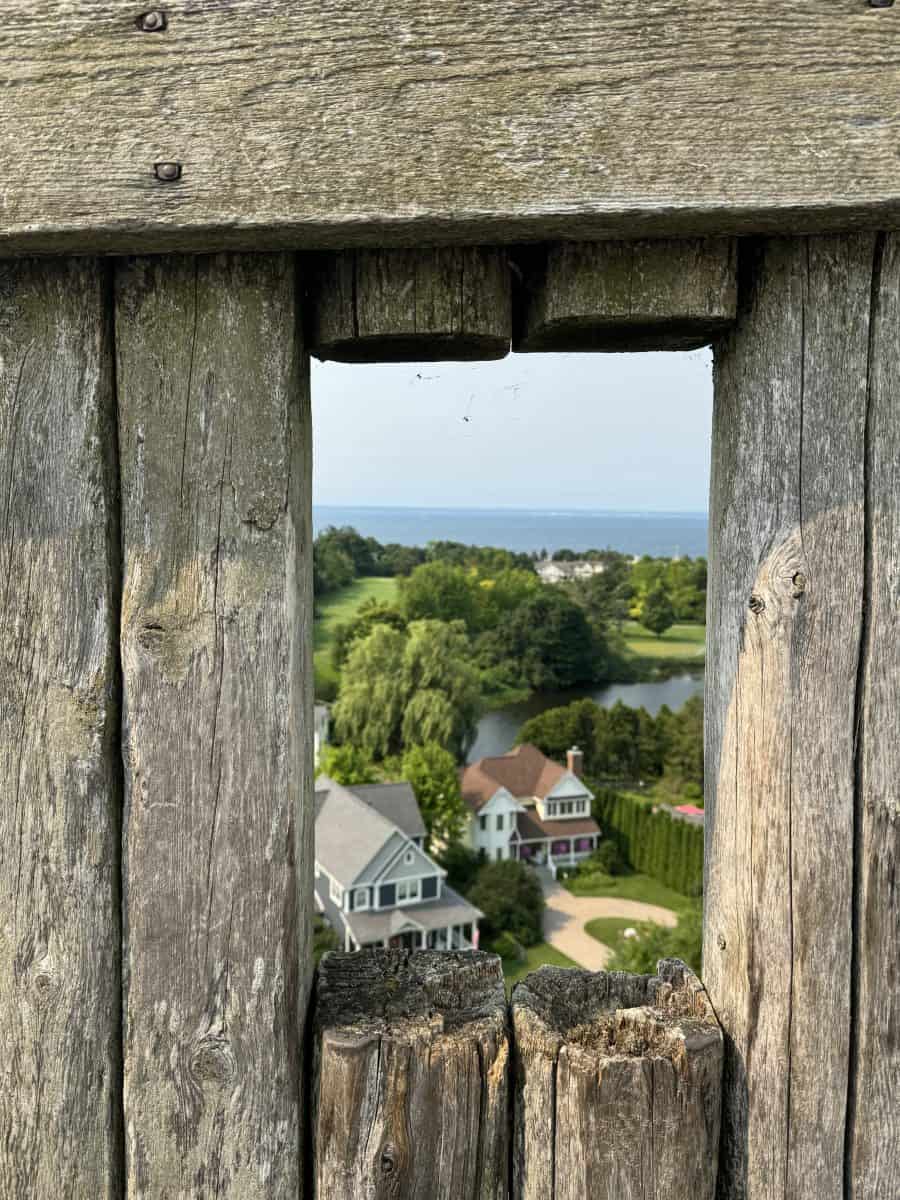
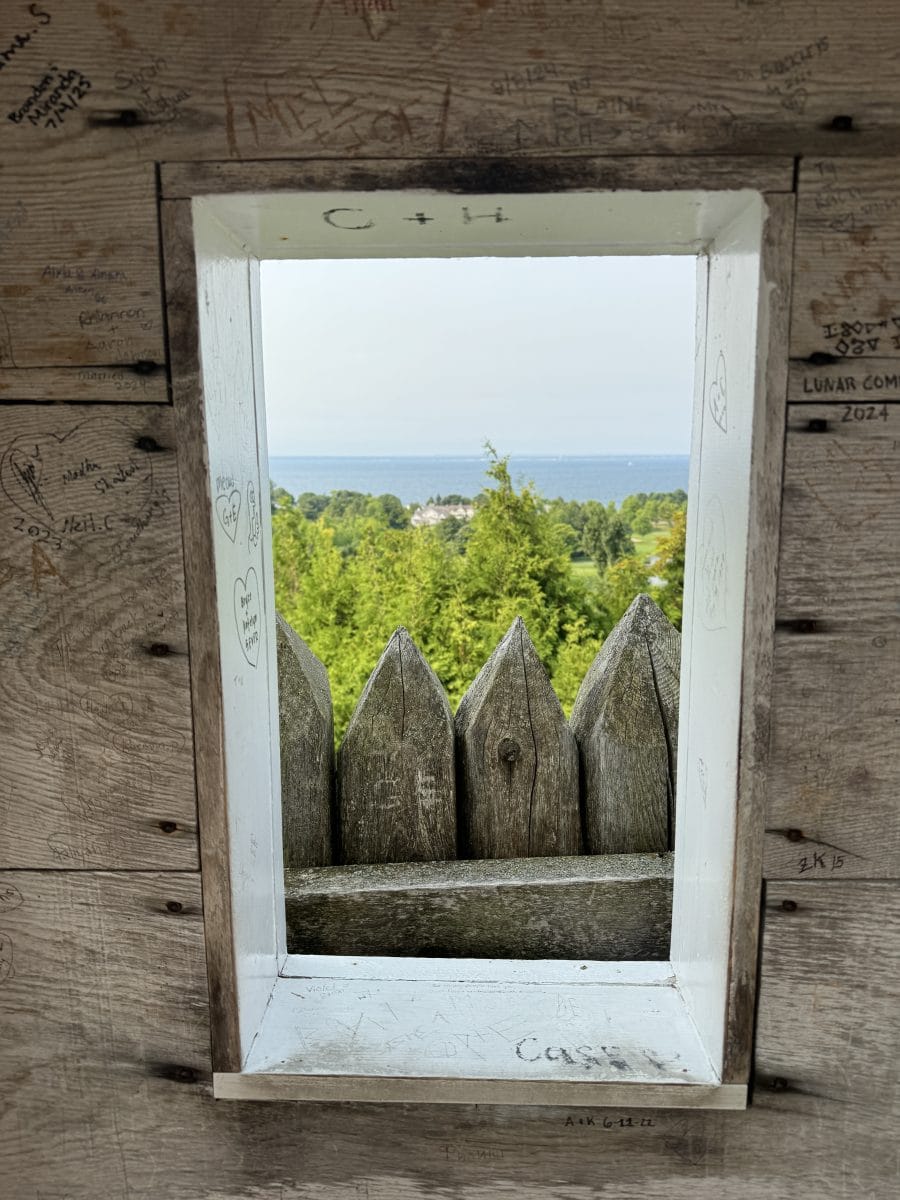
- Look through the square holes in the West Blockhouse out to the water and read the timeline of the changes to Fort Mackinac.
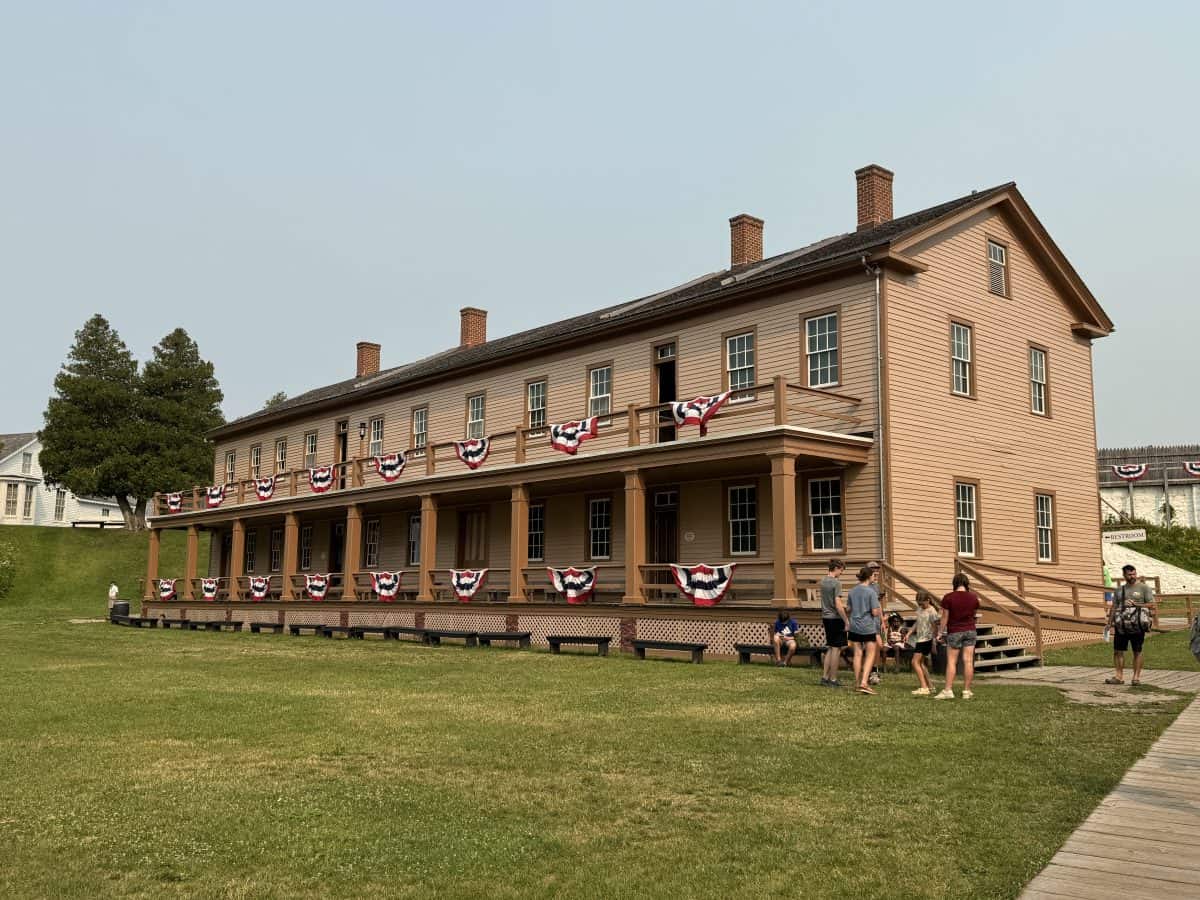
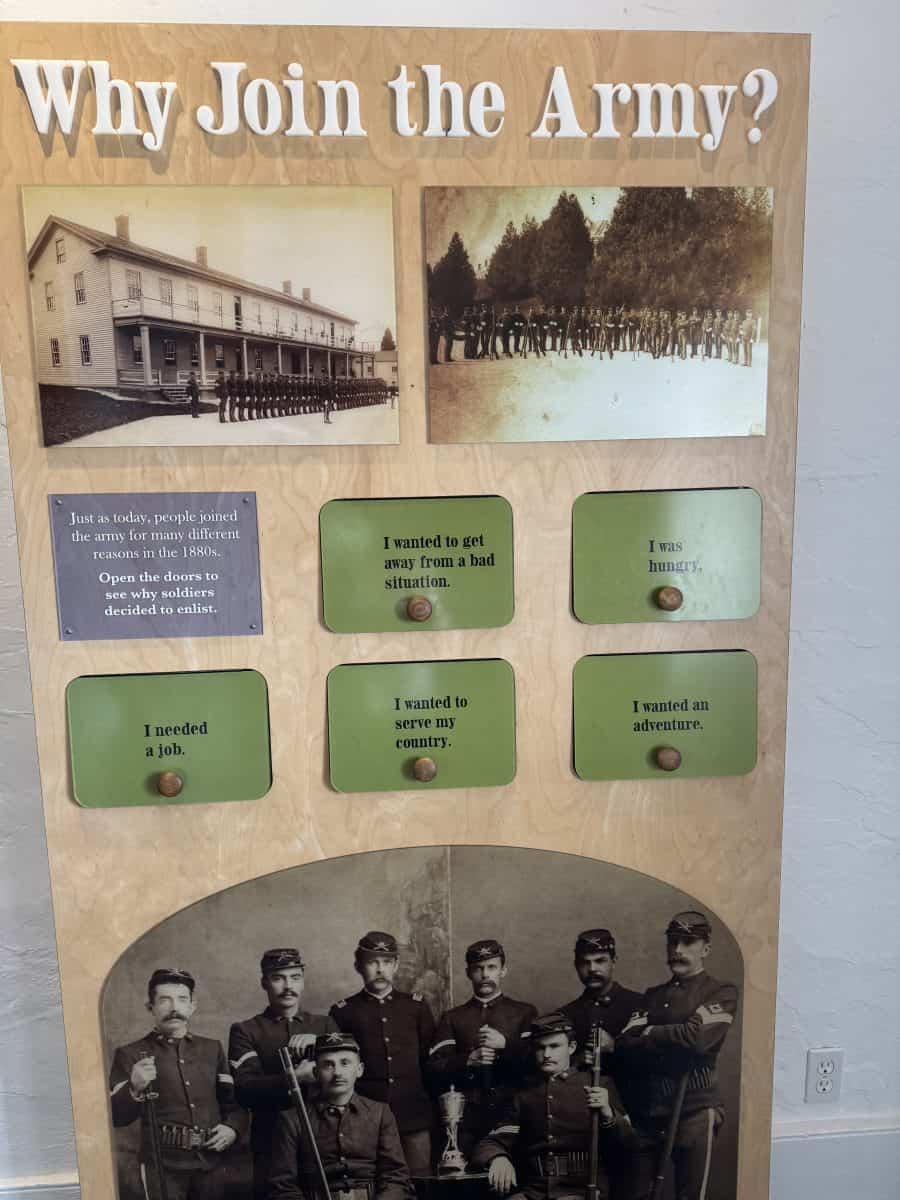
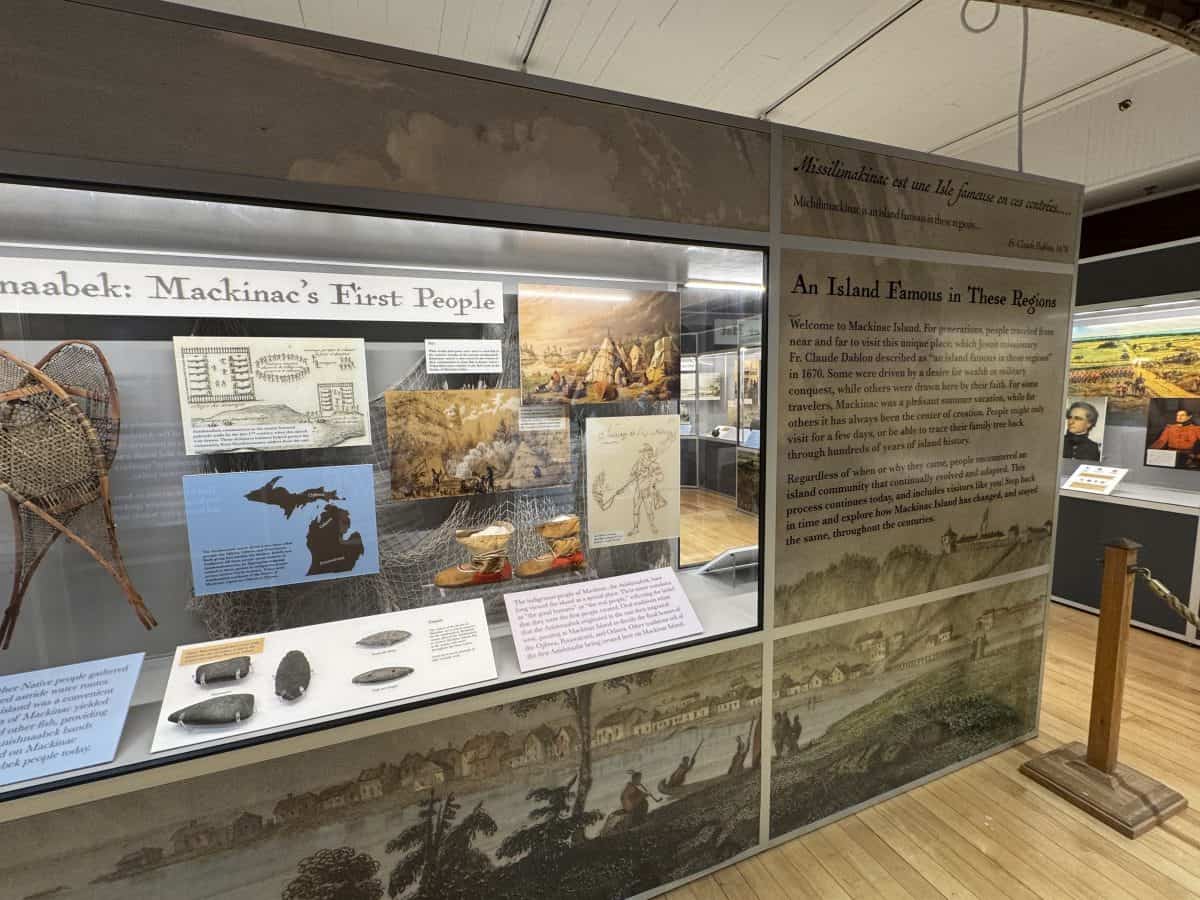
- Watch a show in the (air conditioned!) theater in the 1859 Soldiers Barracks. The Barracks building also has exhibits featuring the Anishnaabek people who gathered on the island every summer because of the ideal location for trading routes and fishing. Today, the burial grounds for the Anishnaabek people are located on the island and are considered sacred space.
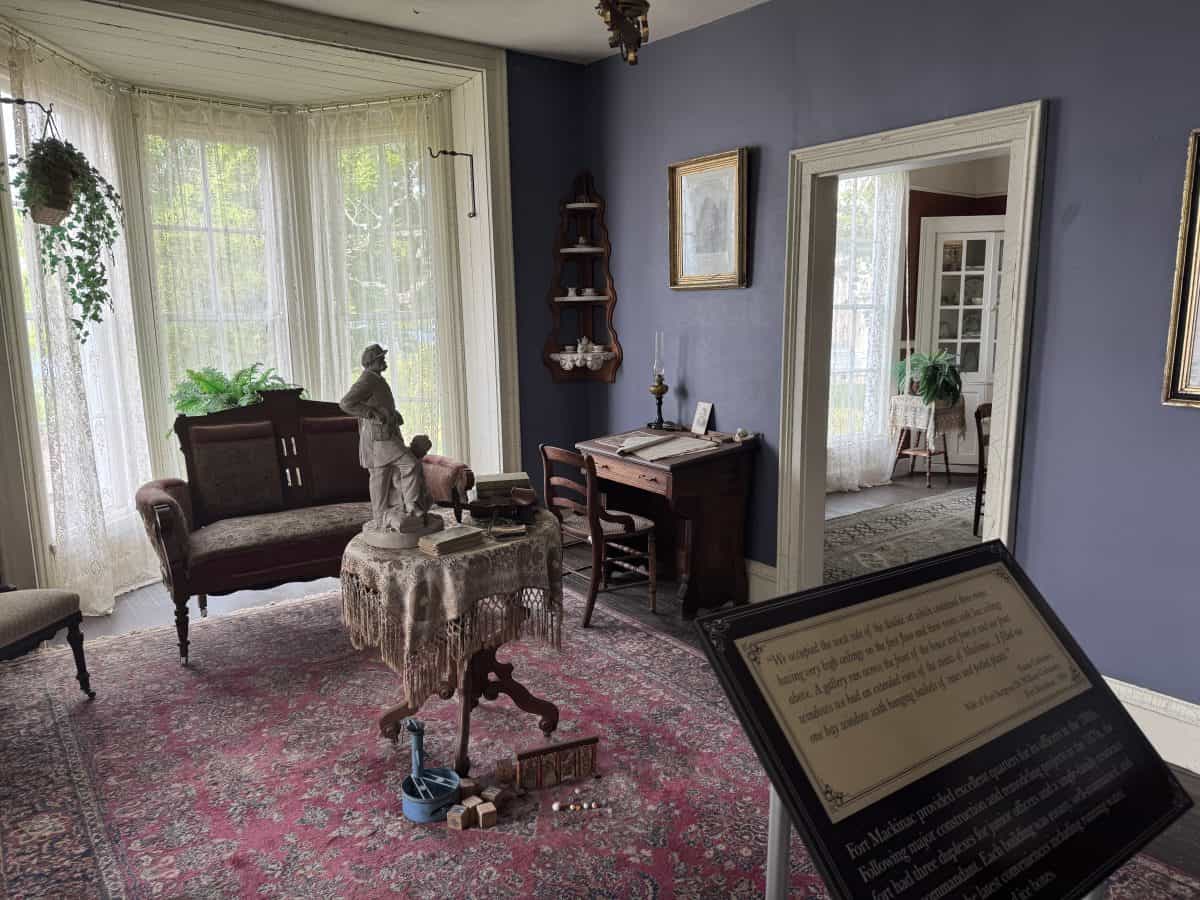
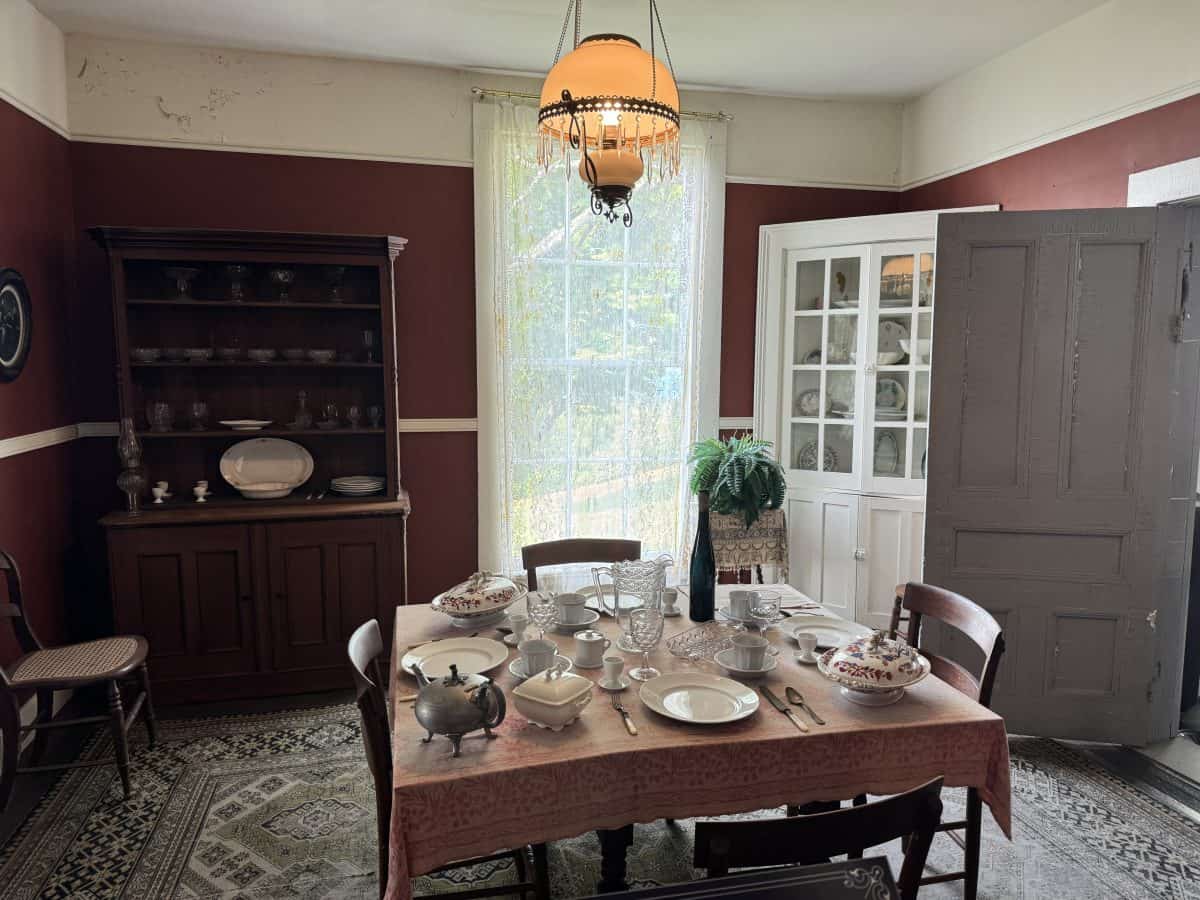
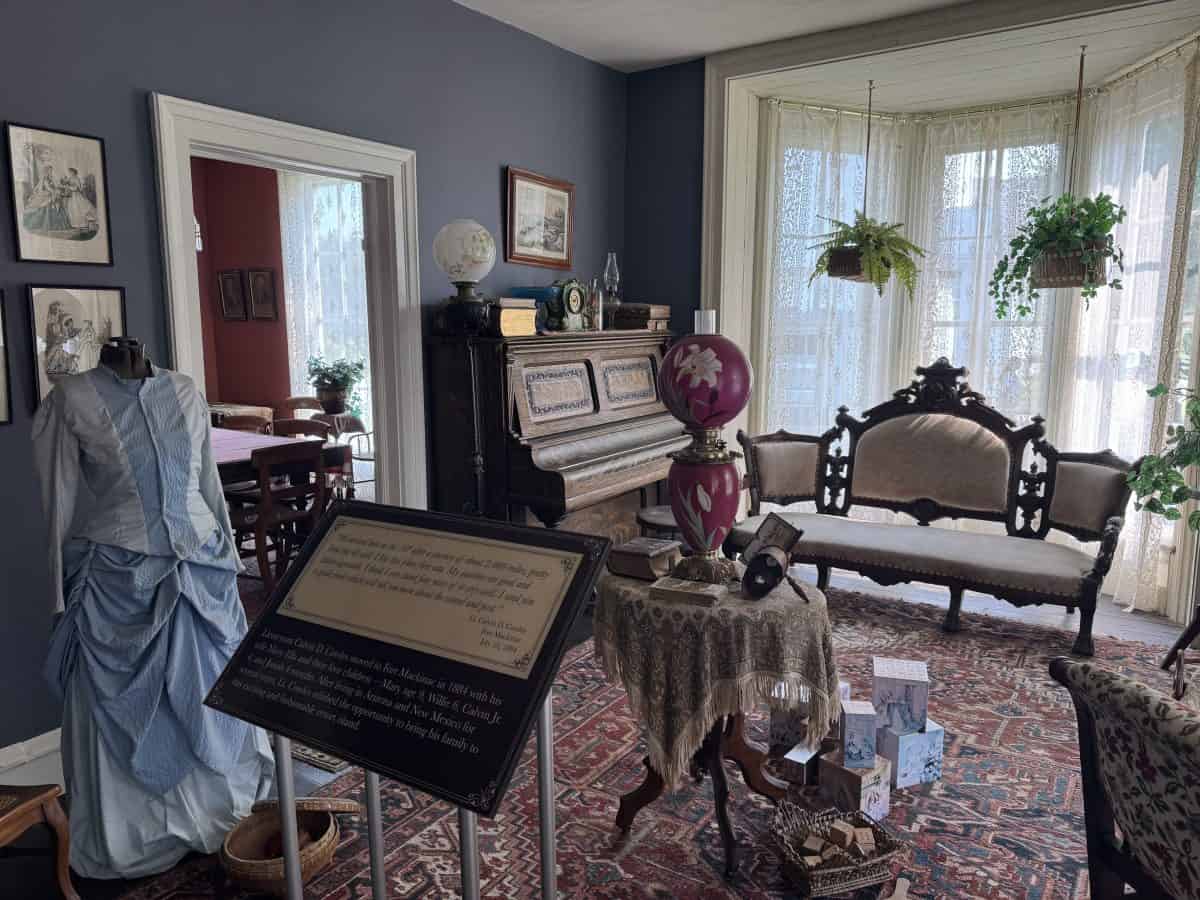
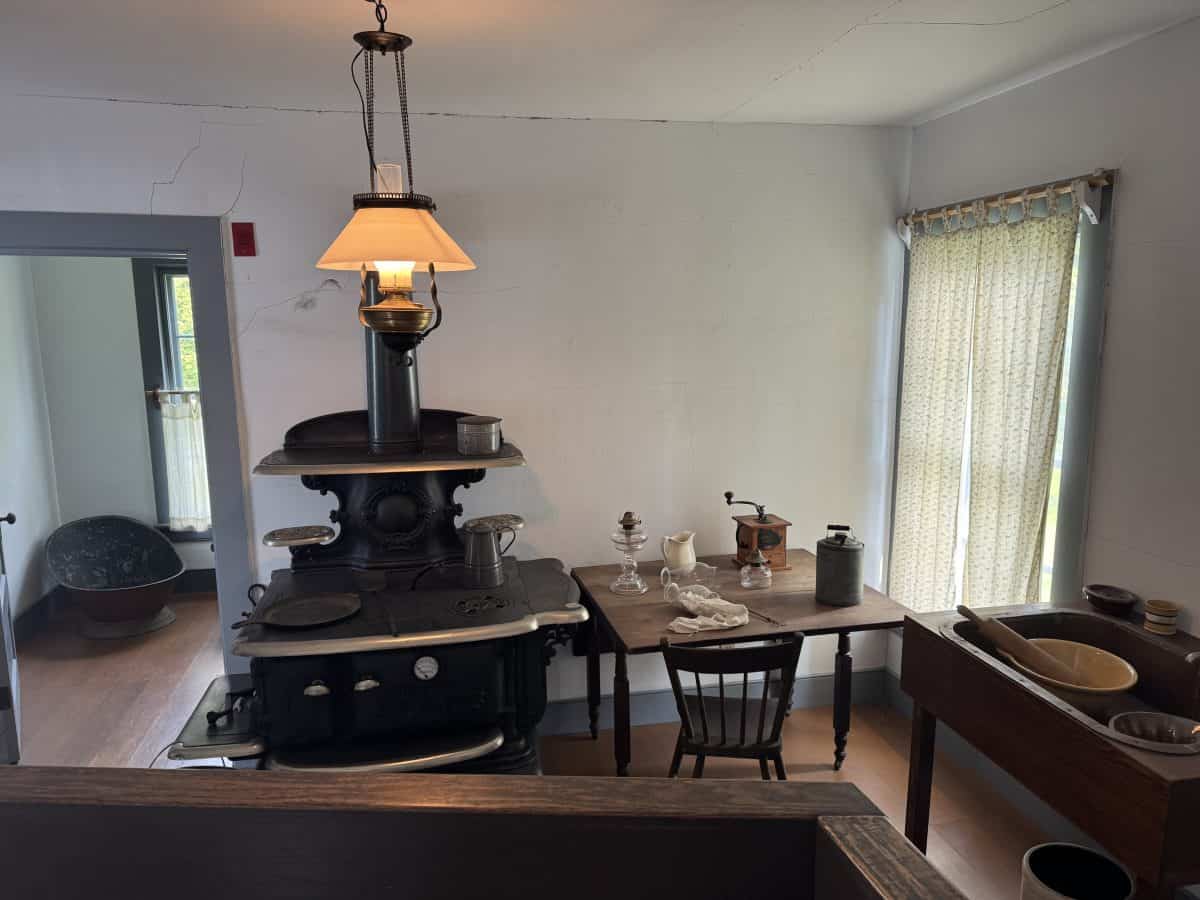
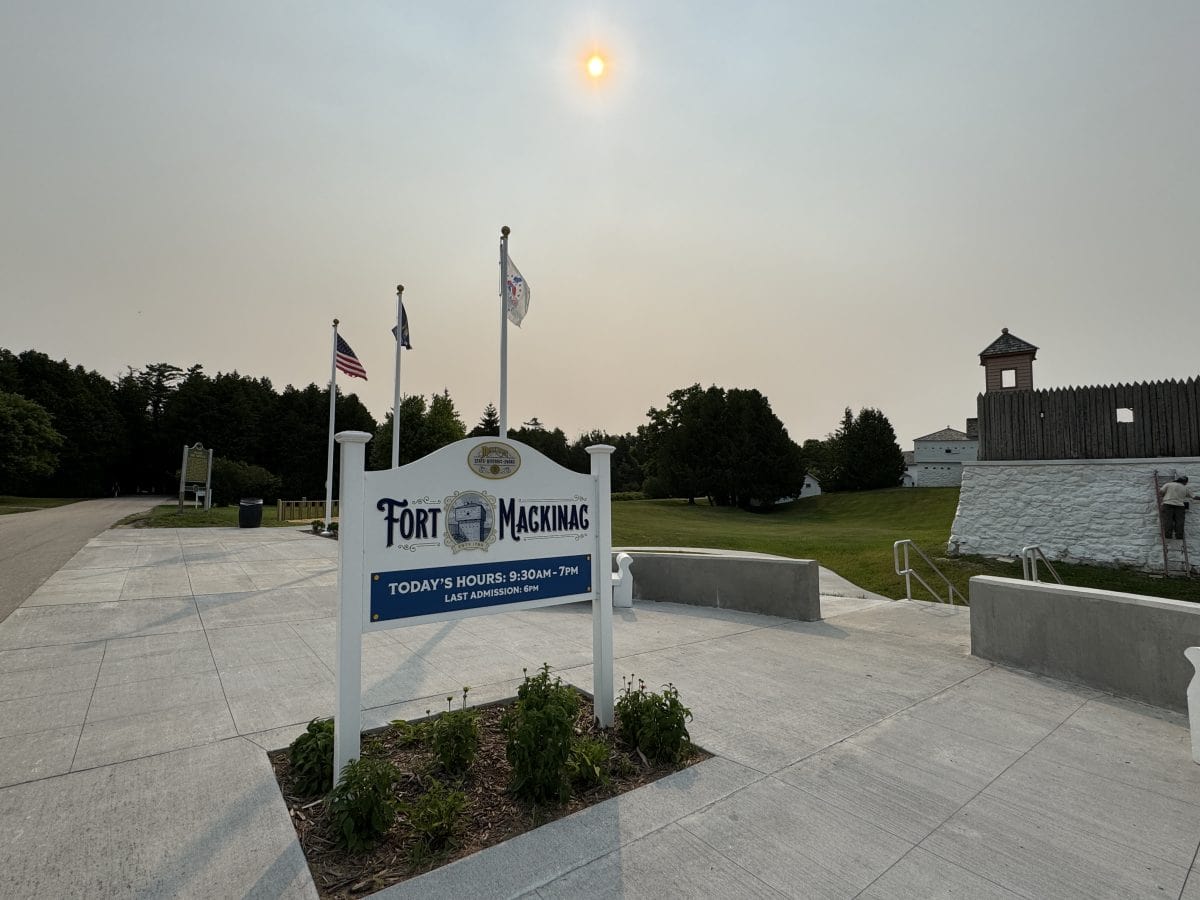
Admission tickets to Fort Mackinac also include admission to the following locations: Note: Hours and season of operation vary, check here for up to date information.
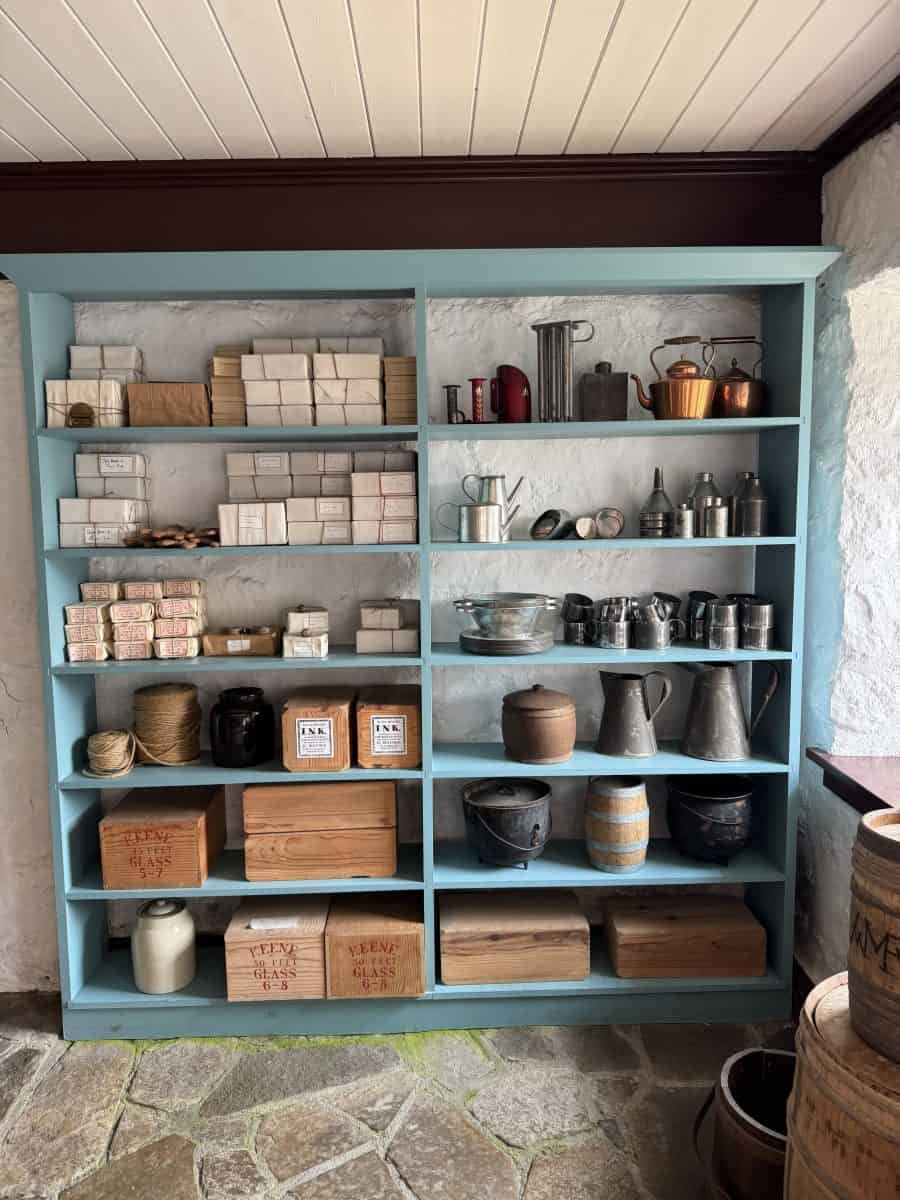
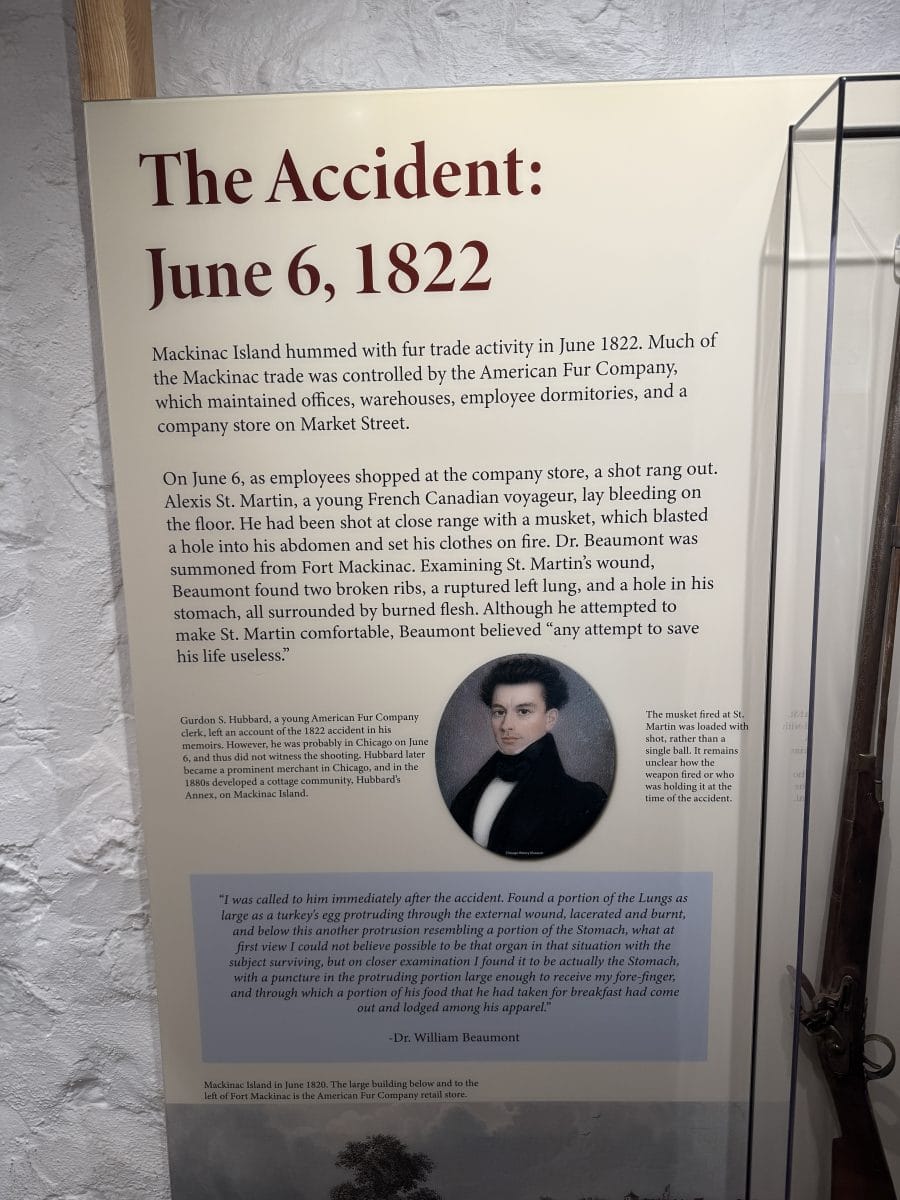
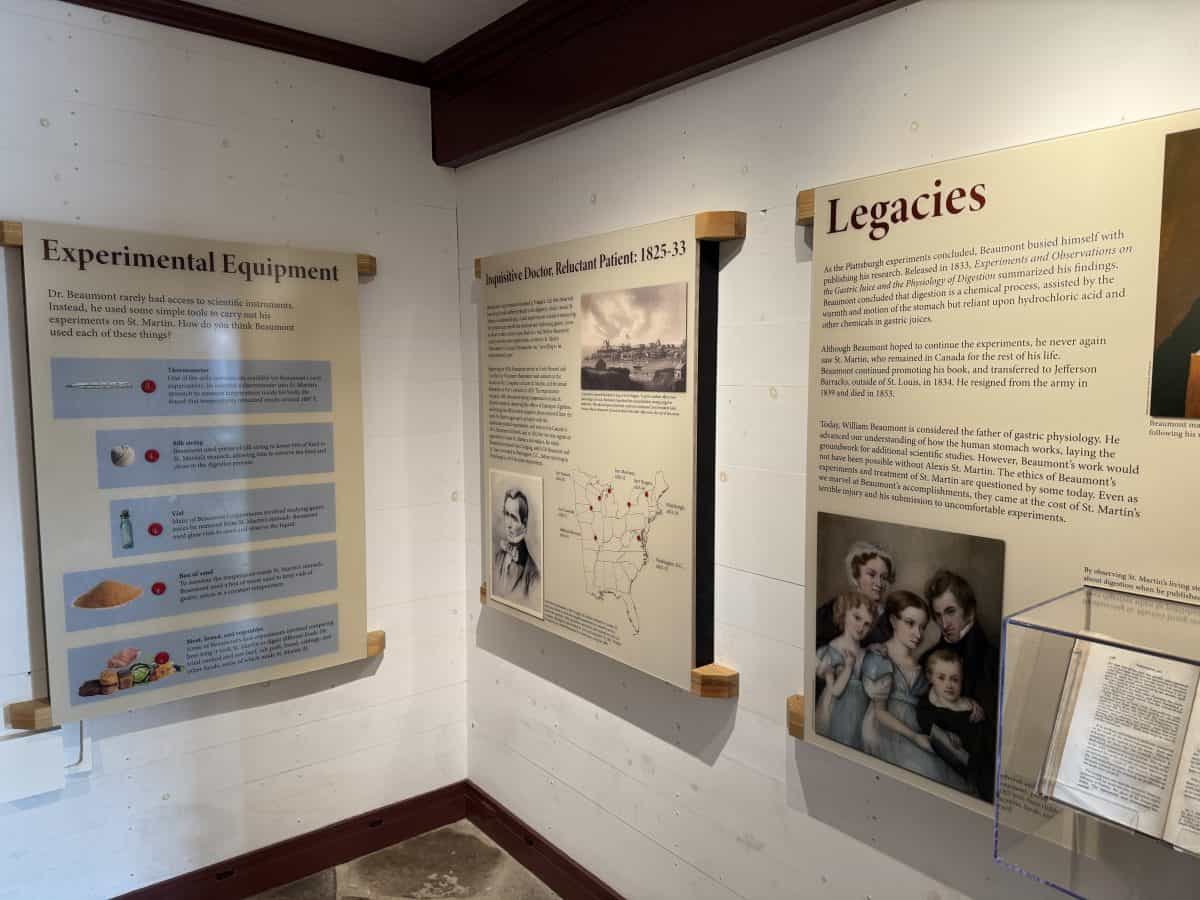
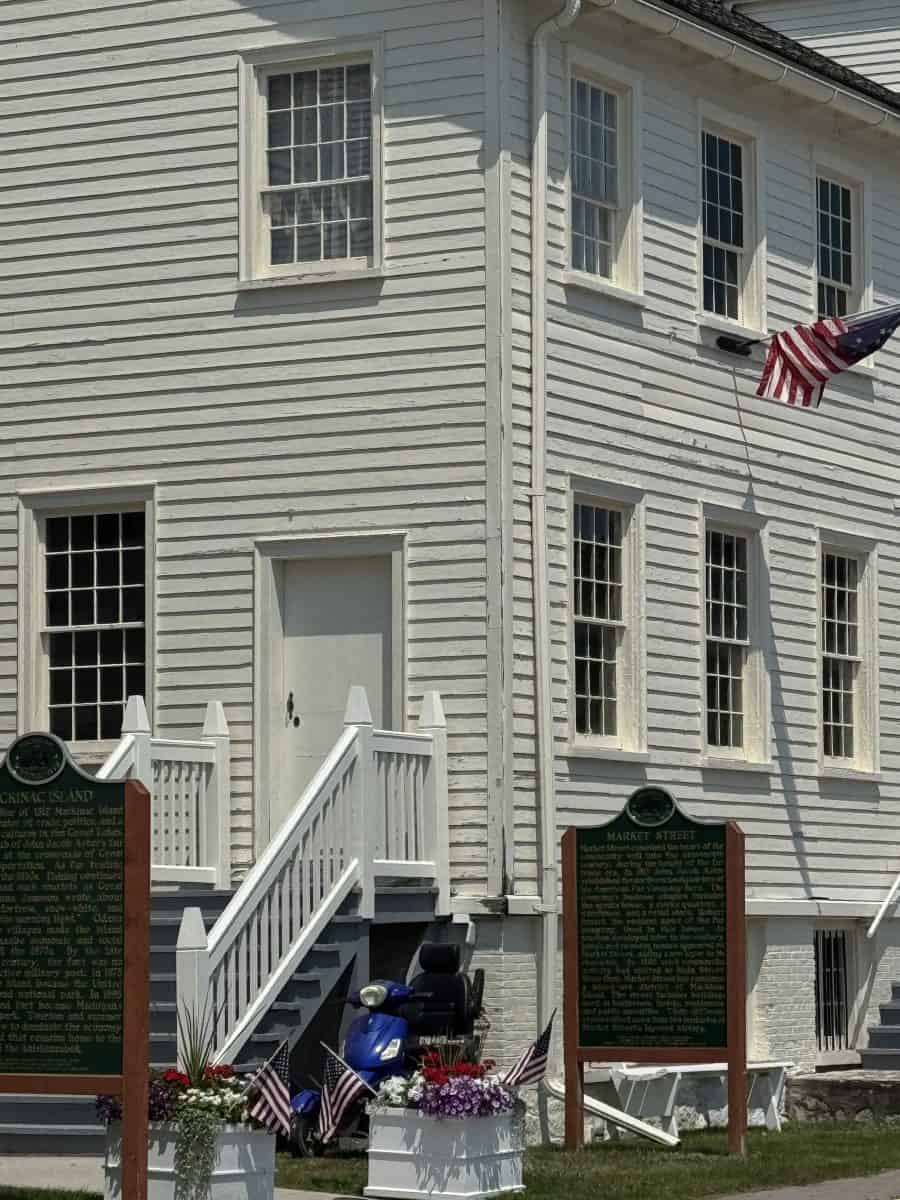
- American Fur Company Retail Store was one of the first American fur trade stores, selling a variety of items to locals on the islands In 1822, local surgeon Dr. Williams Beaumont helped save the life of French Canadian voyageur Alexis St. Martin, who had been shot in the stomach. Dr. Beaumont studied the digestive system through the hole in St. Martin’s stomach that never healed. Dr. Beaumont conducted 250 experiments and was instrumental in the ways the medical profession understands the digestive system.
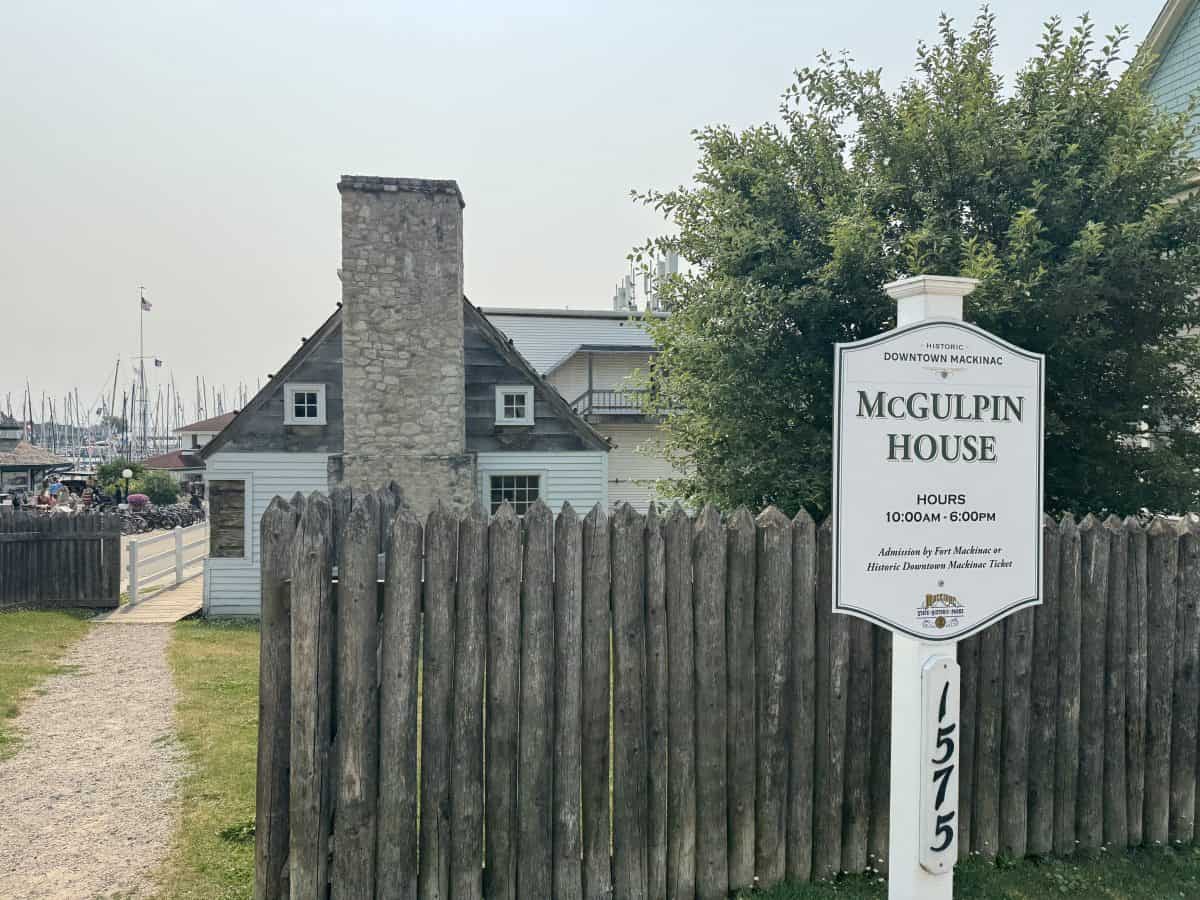
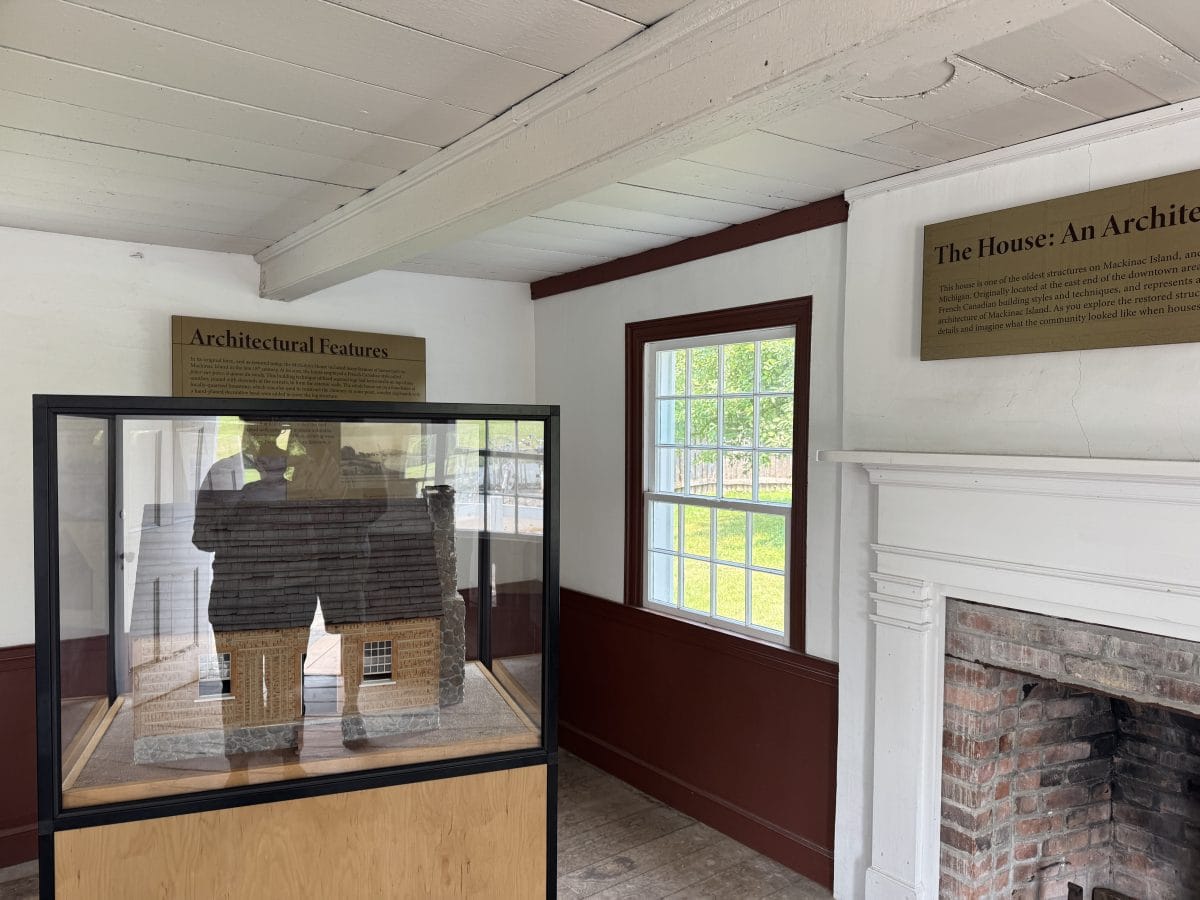
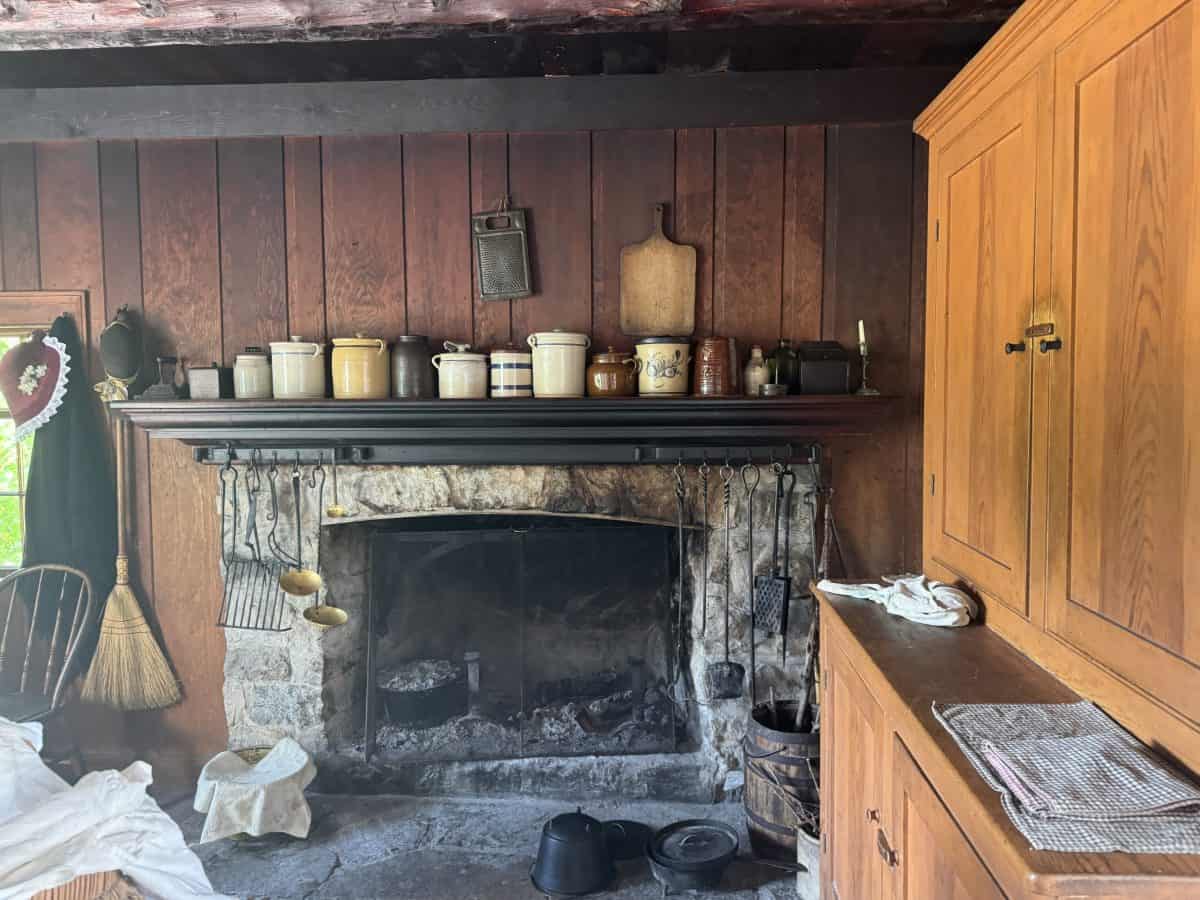
- McGulpine House is one of the oldest structures on Mackinac Island, dating back to the late 18th century. The French Canadian domestic style building was moved from the east end of town to its current location in 1982 when it was fully restored to show how the structure was used over three centuries. Displays inside the structure share the story of the house and the island.
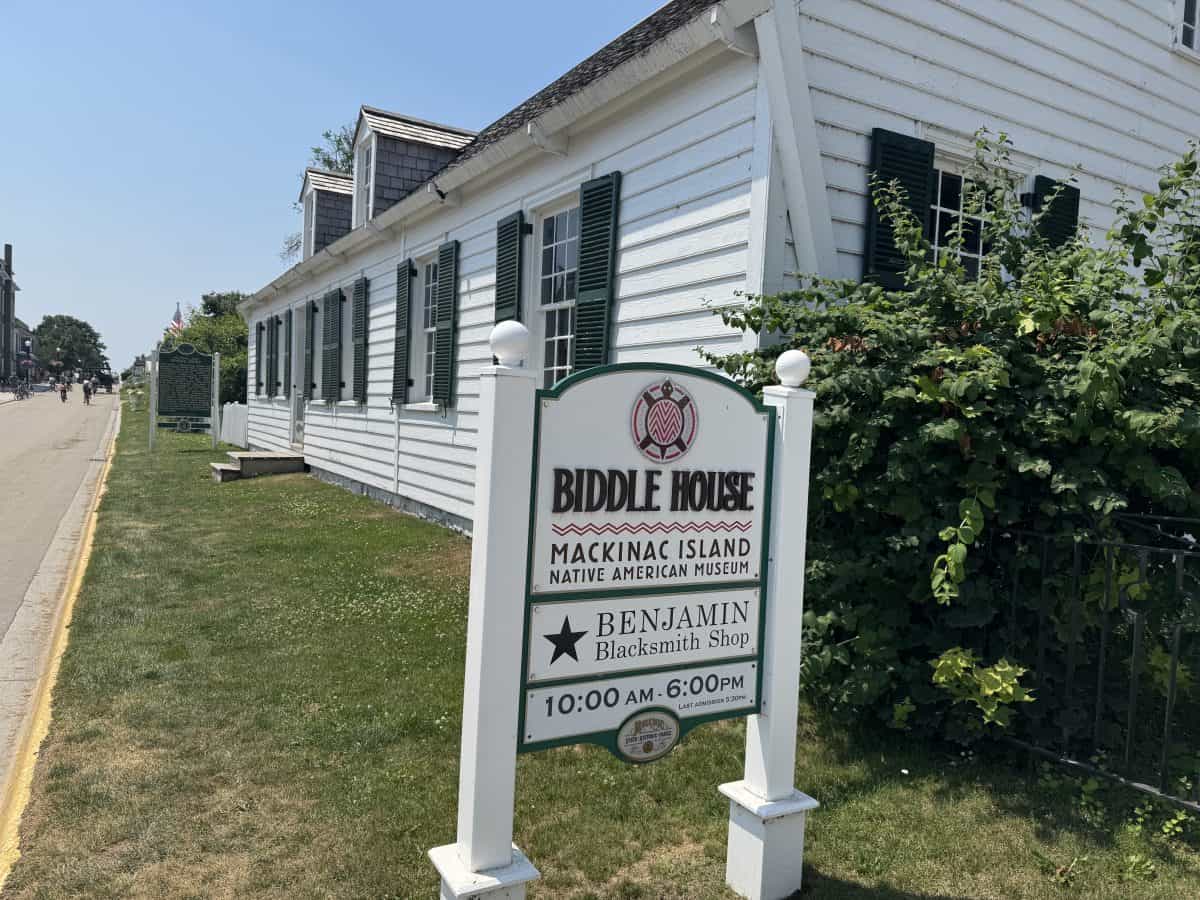
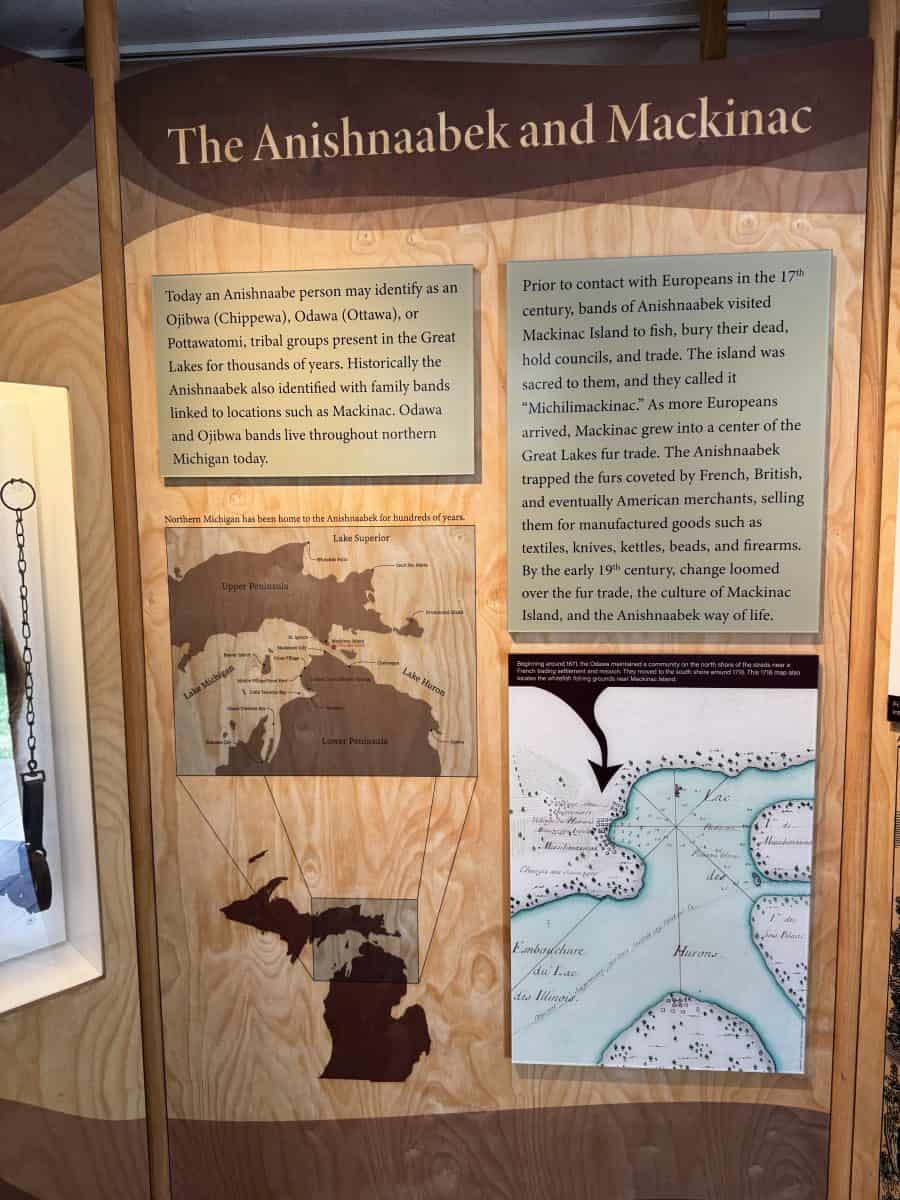
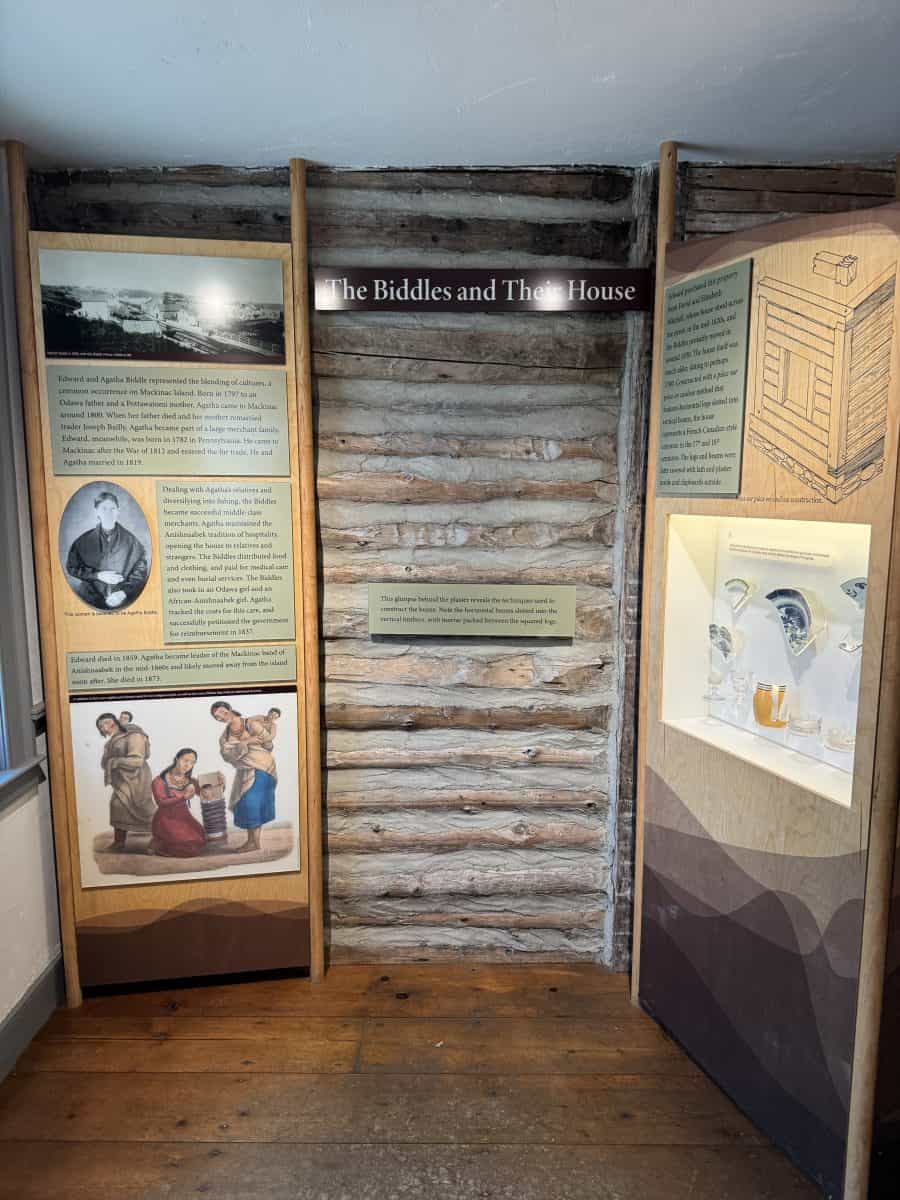
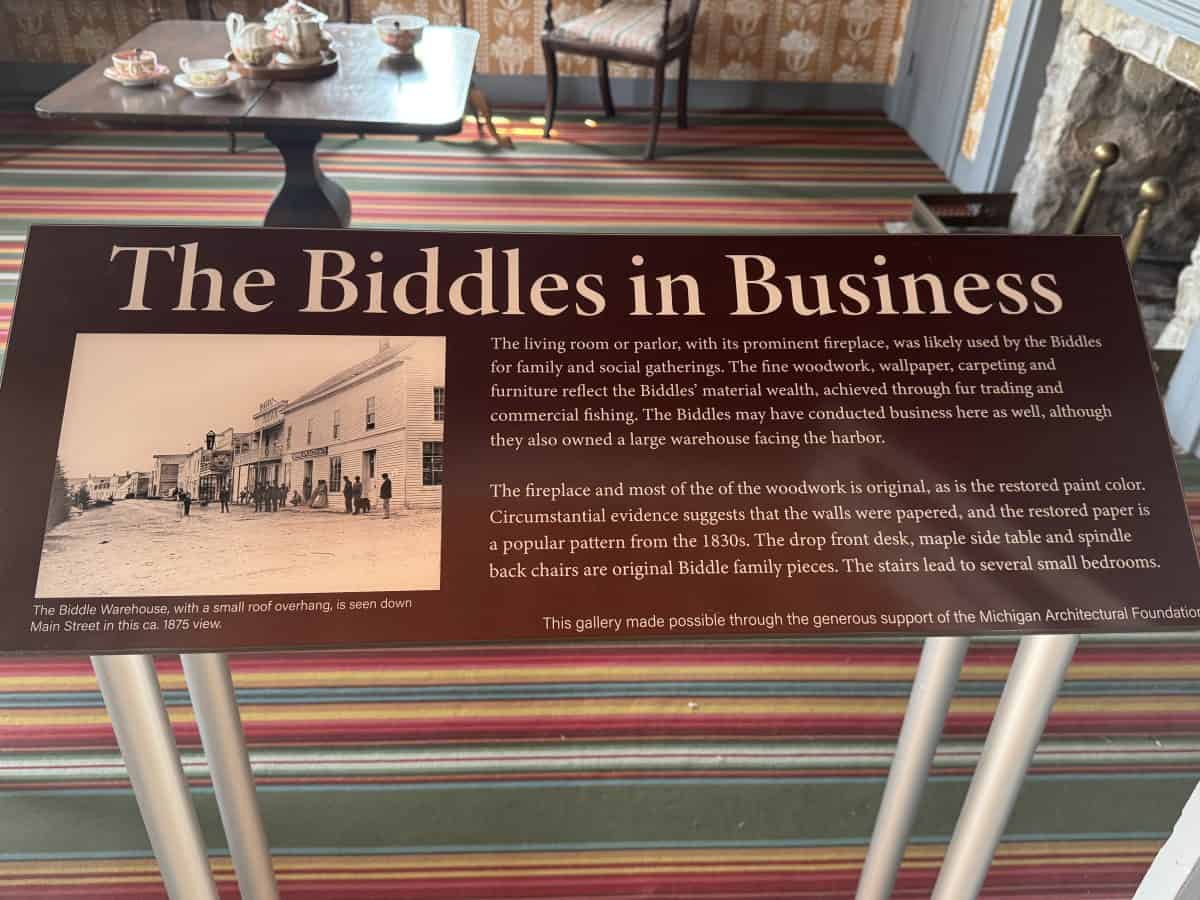
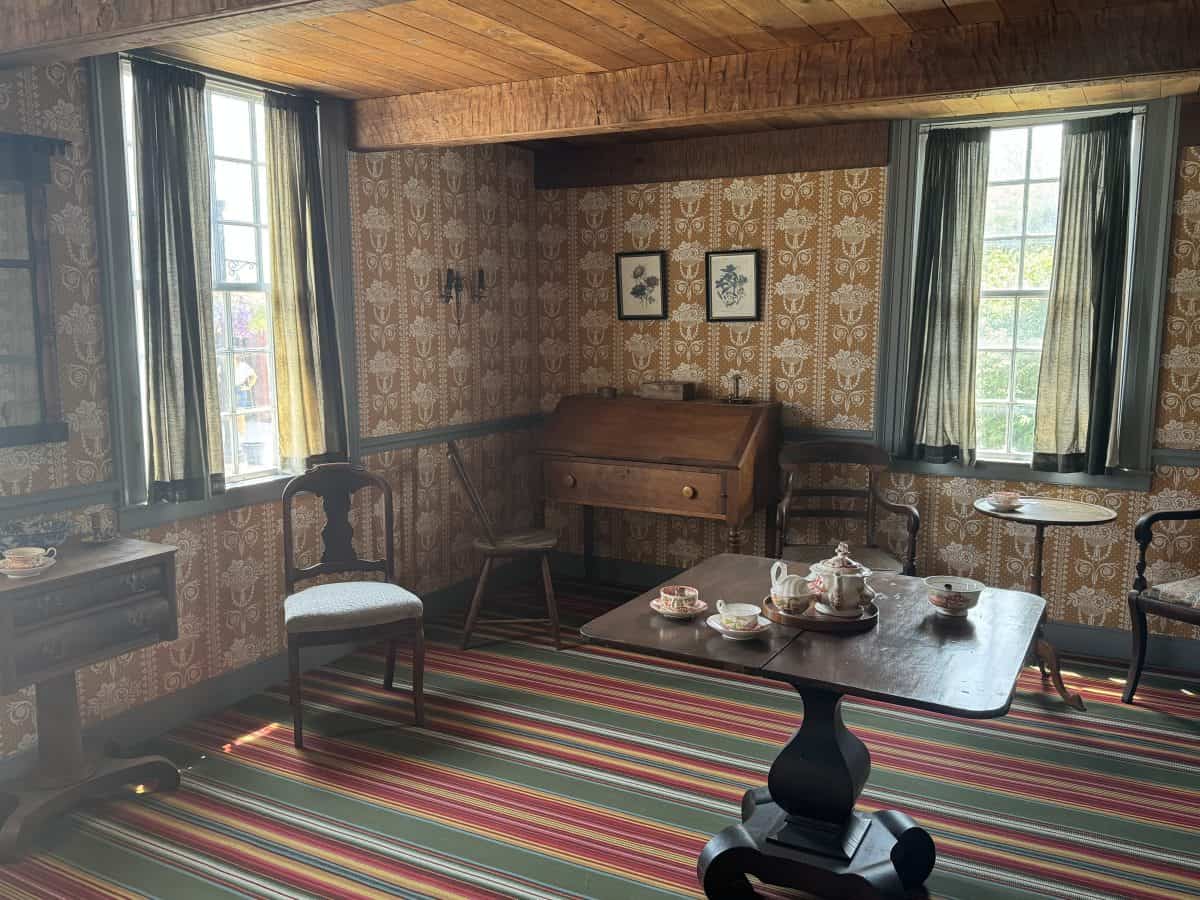
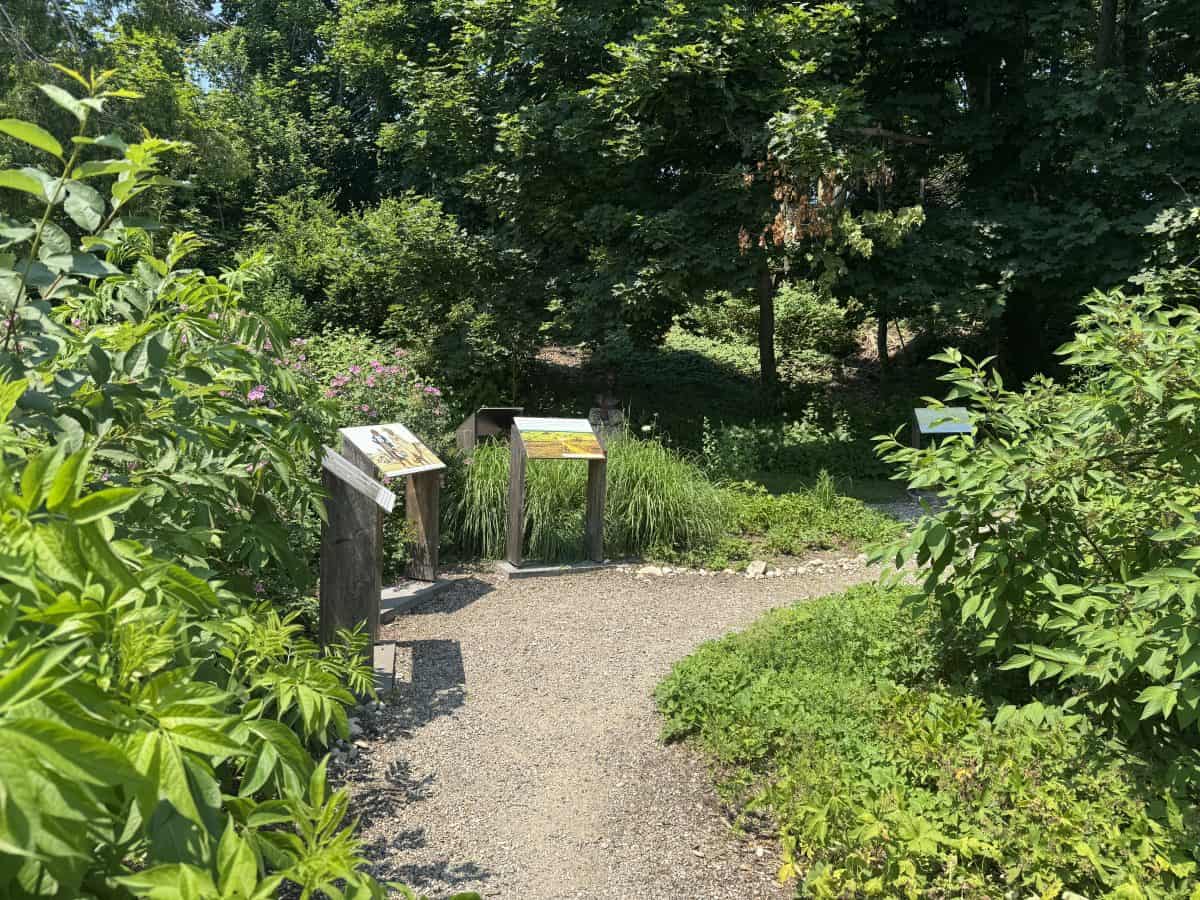
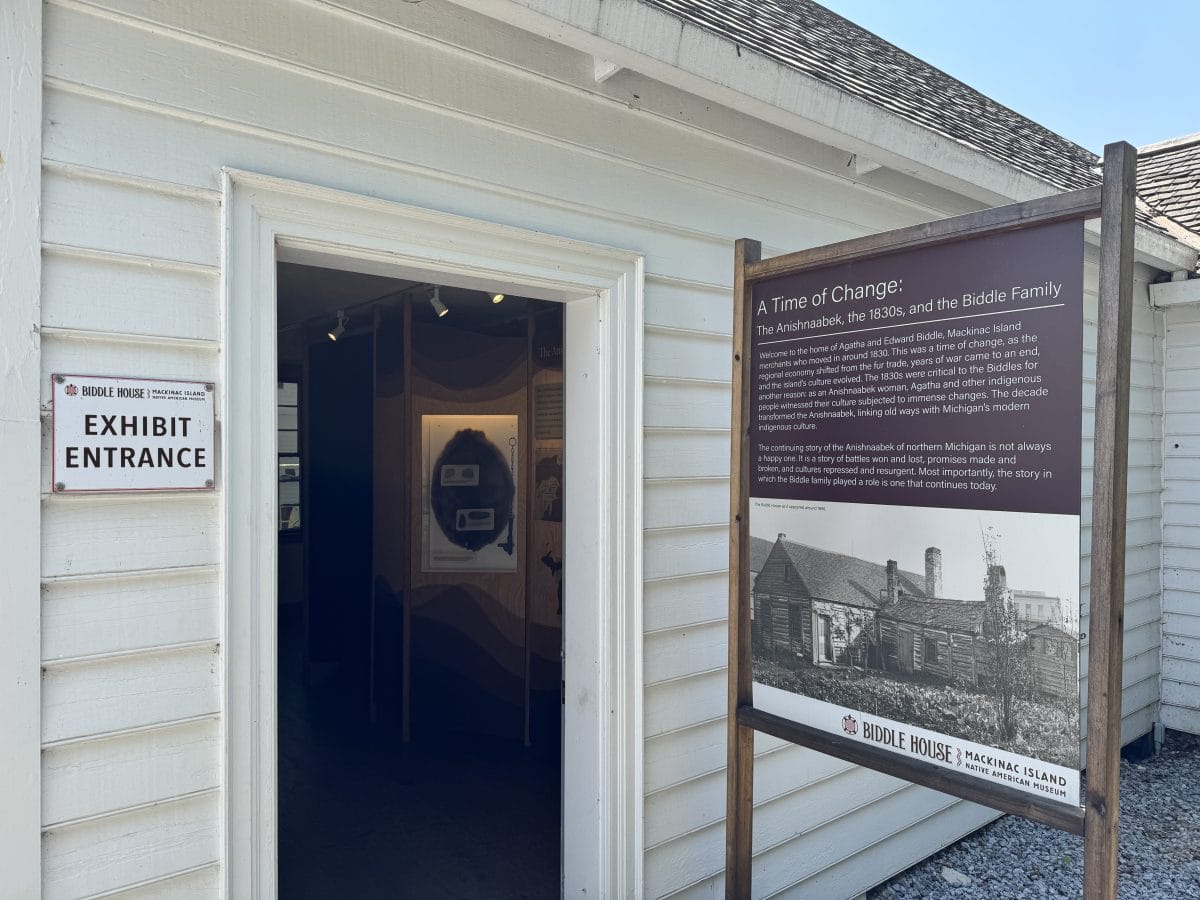
- Biddle House, featuring the Native American Museum, was the 1830s the home of Agatha and Edward Biddle. Exhibits follow two centuries of Anishnaabek living on the island and the impact traders had on their land and people. Costumed docents share cooking demonstrations, tours of the recreated house, and themed programs featuring policies and laws that impacted Anishnaabek people. Don’t miss the outdoor trail on the property.
- The Richard and Jane Manoogian Mackinac Art Museum, located on the east side of the island (not ideally walkable from the rest of the sites on this list), features a collective of photographs, decorative arts, maps, and Native American artwork.
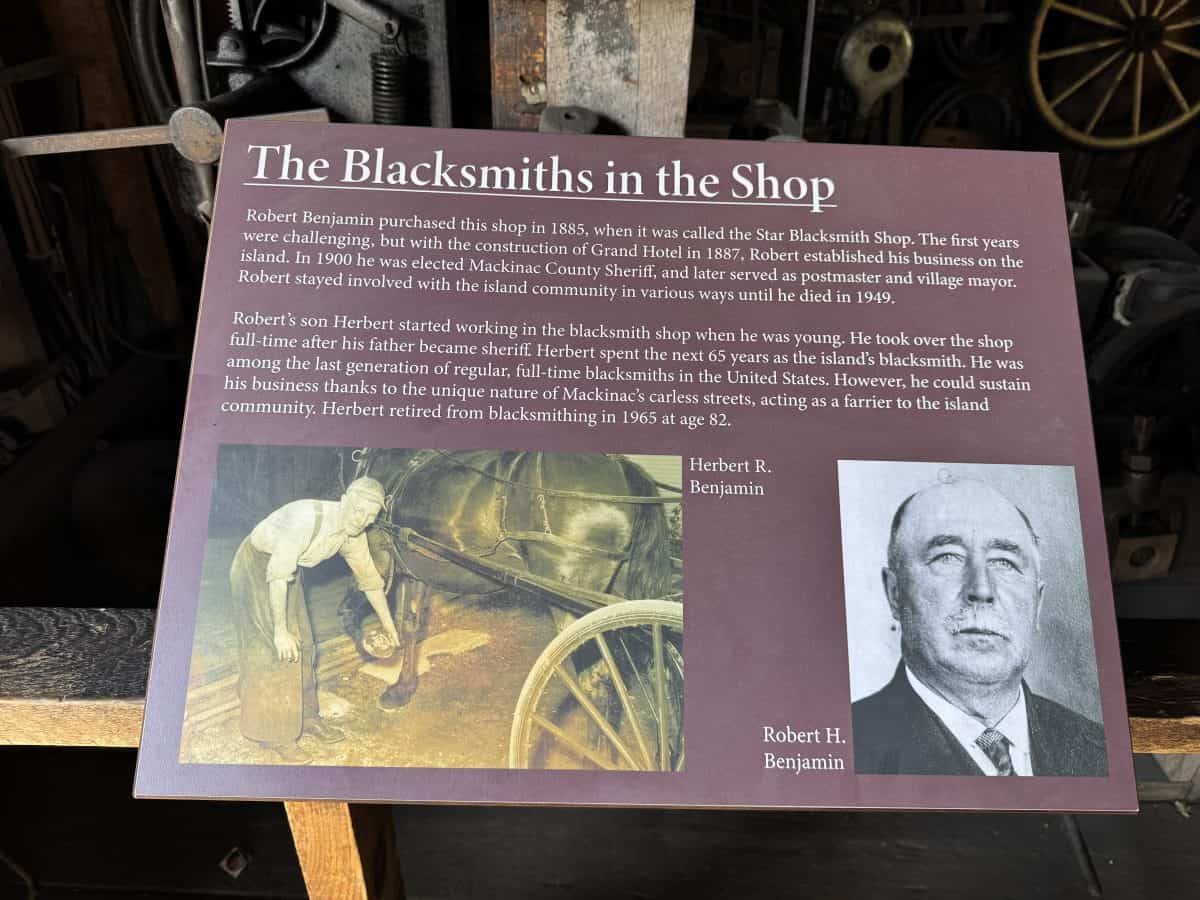
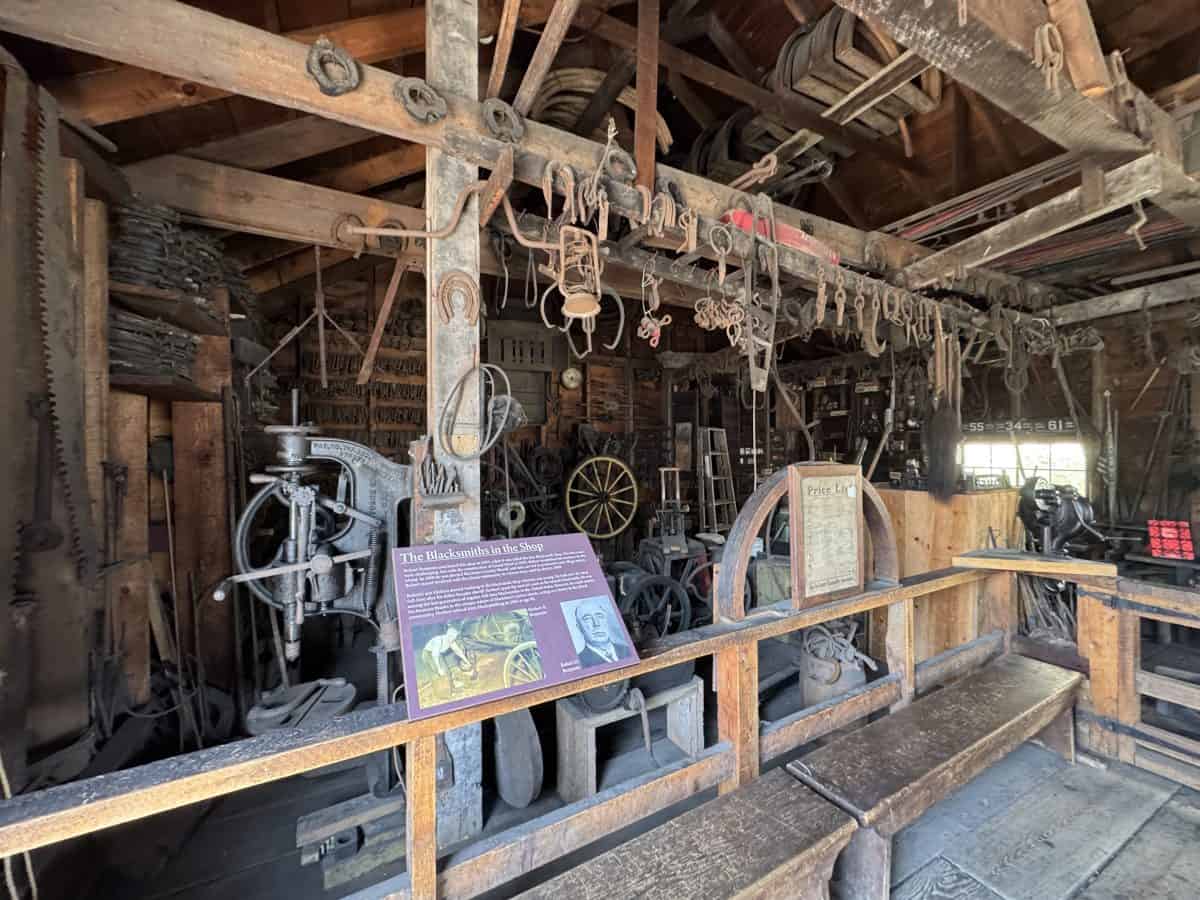
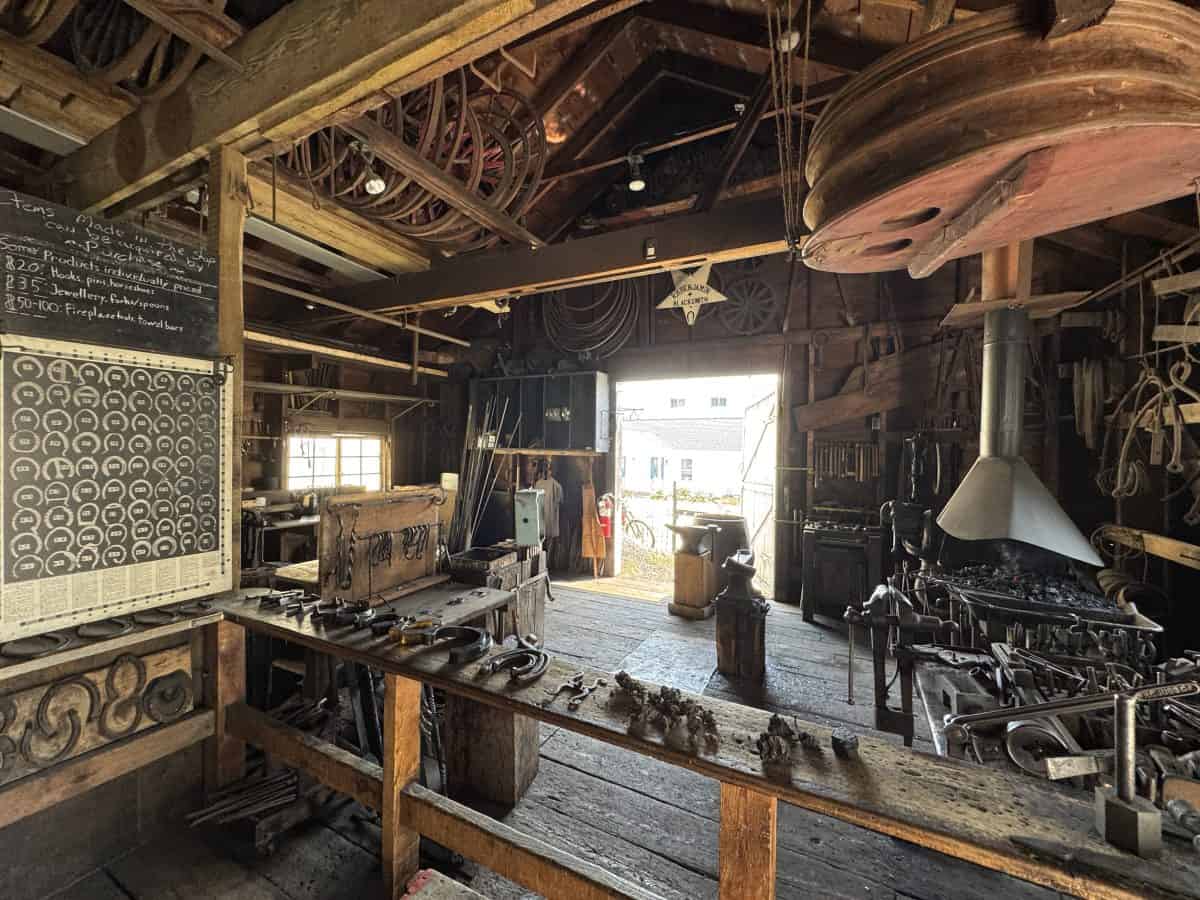
- The Benjamin Blacksmith Shop was originally built in the 1880s by Robert Benjamin to fix carriage wheels and horseshoes. Robert’s son Herbert took over the shop until the 1960s, expanding his skills to repair lawnmowers and boat motors into the 1960s. Visitors can see blacksmiths at work, demonstrating how to create various tools.
Looking for other adventures nearby? Check out our feature of Colonial Michilimackinac and Old Mackinac Point Lighthouse, located over the bridge in the city of Mackinaw. And follow along on our adventures on Instagram, Pinterest, and Facebook.