15 Ways to Explore Windmill Island Gardens in Holland, Michigan
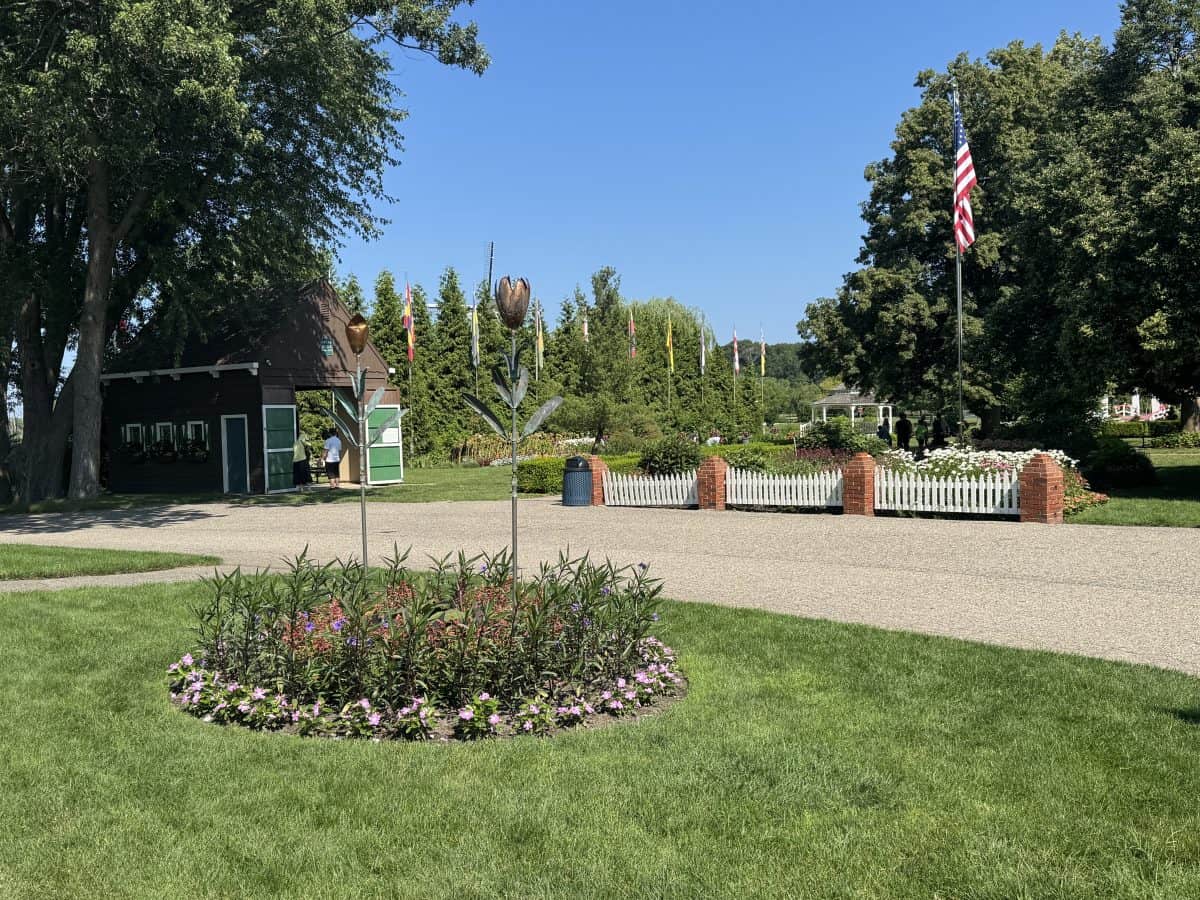
On a recent visit to Holland, Michigan, located on the Lower Peninsula of Lake Michigan, we had the opportunity to learn all about the mid 19th century Dutch settlers who came to Western Michigan to build a new community. One of the highlights of our visit was our time at Windmill Island Gardens.
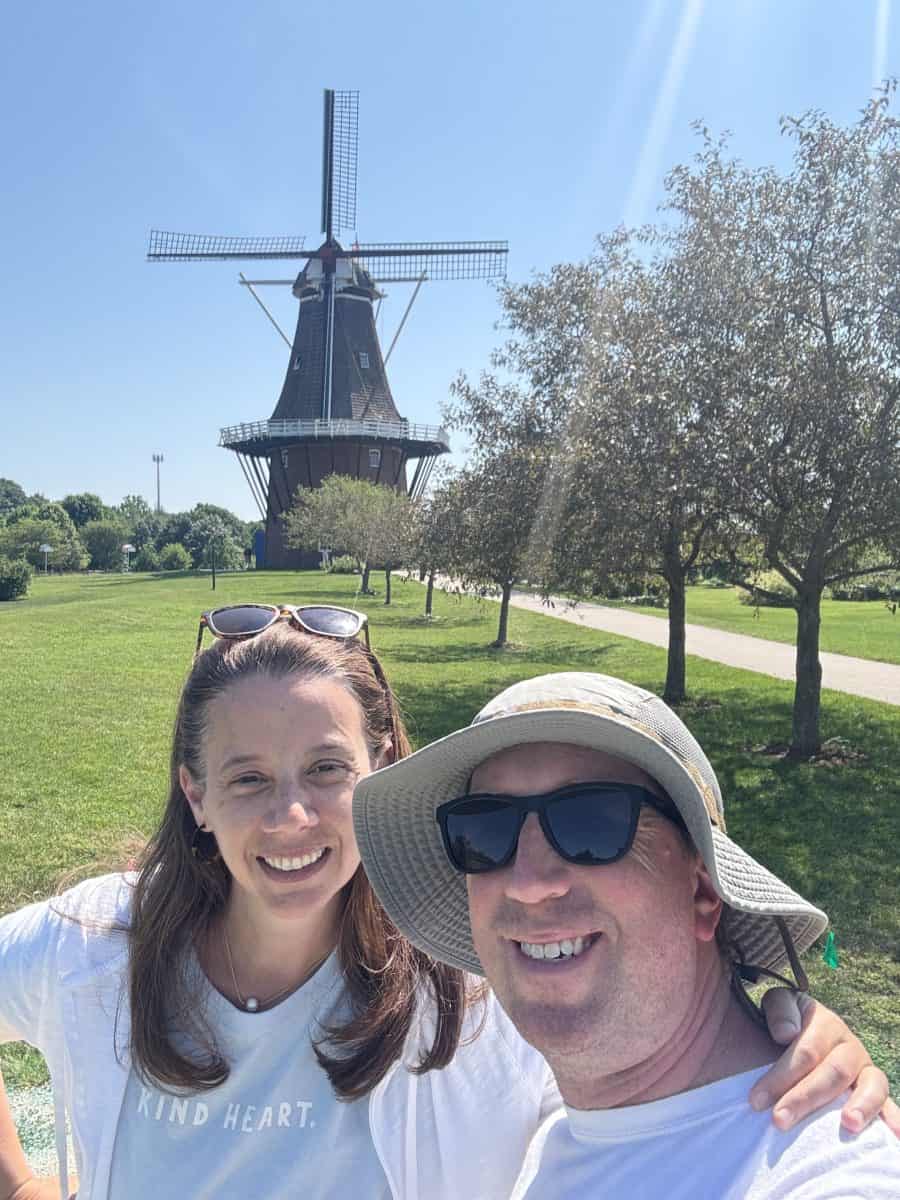
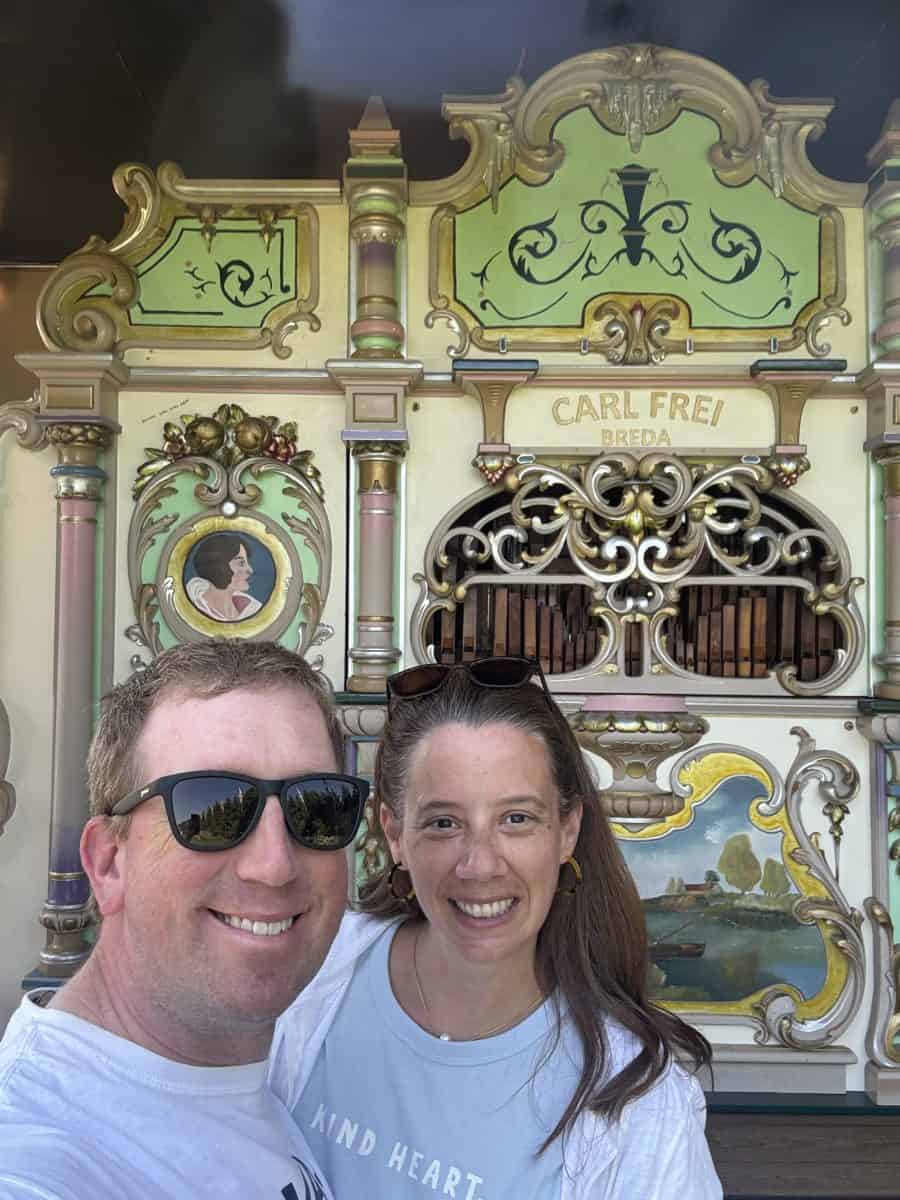
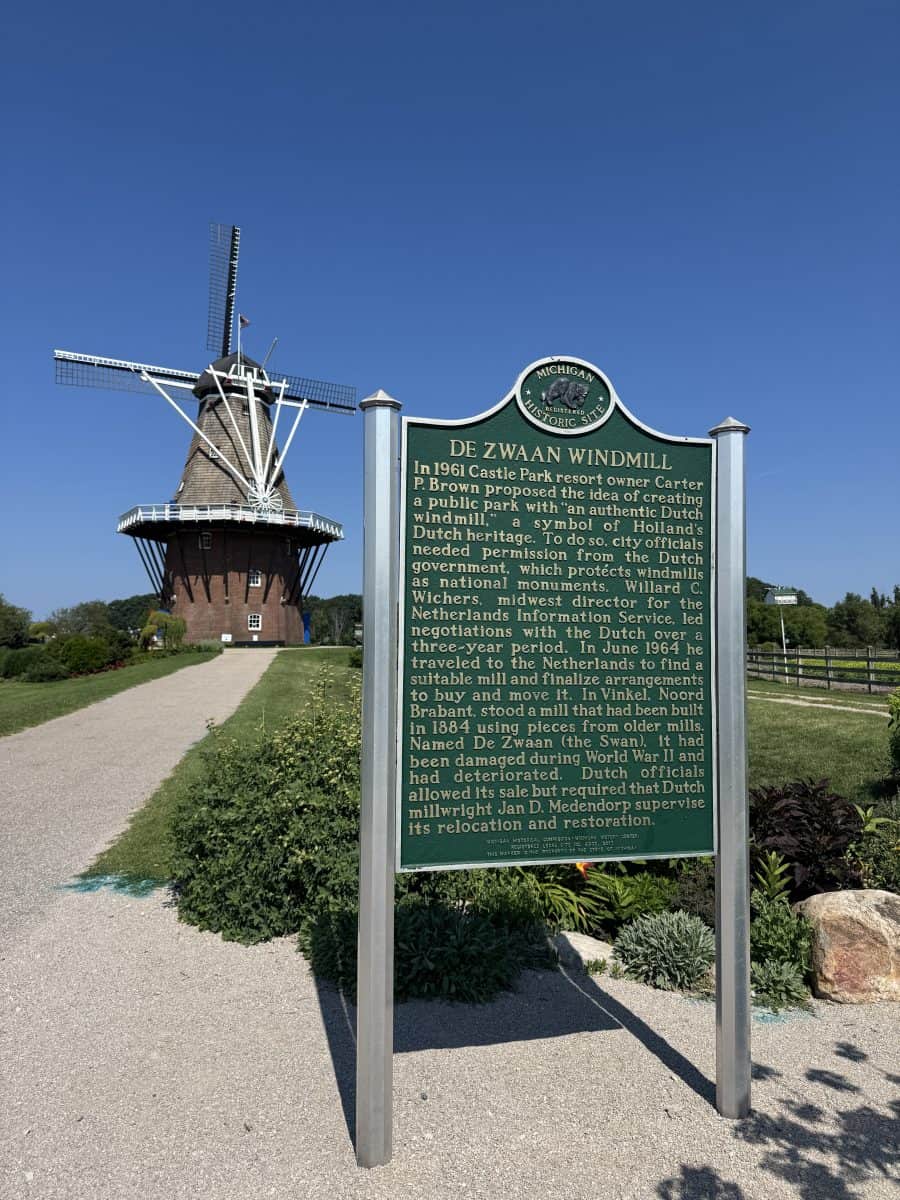
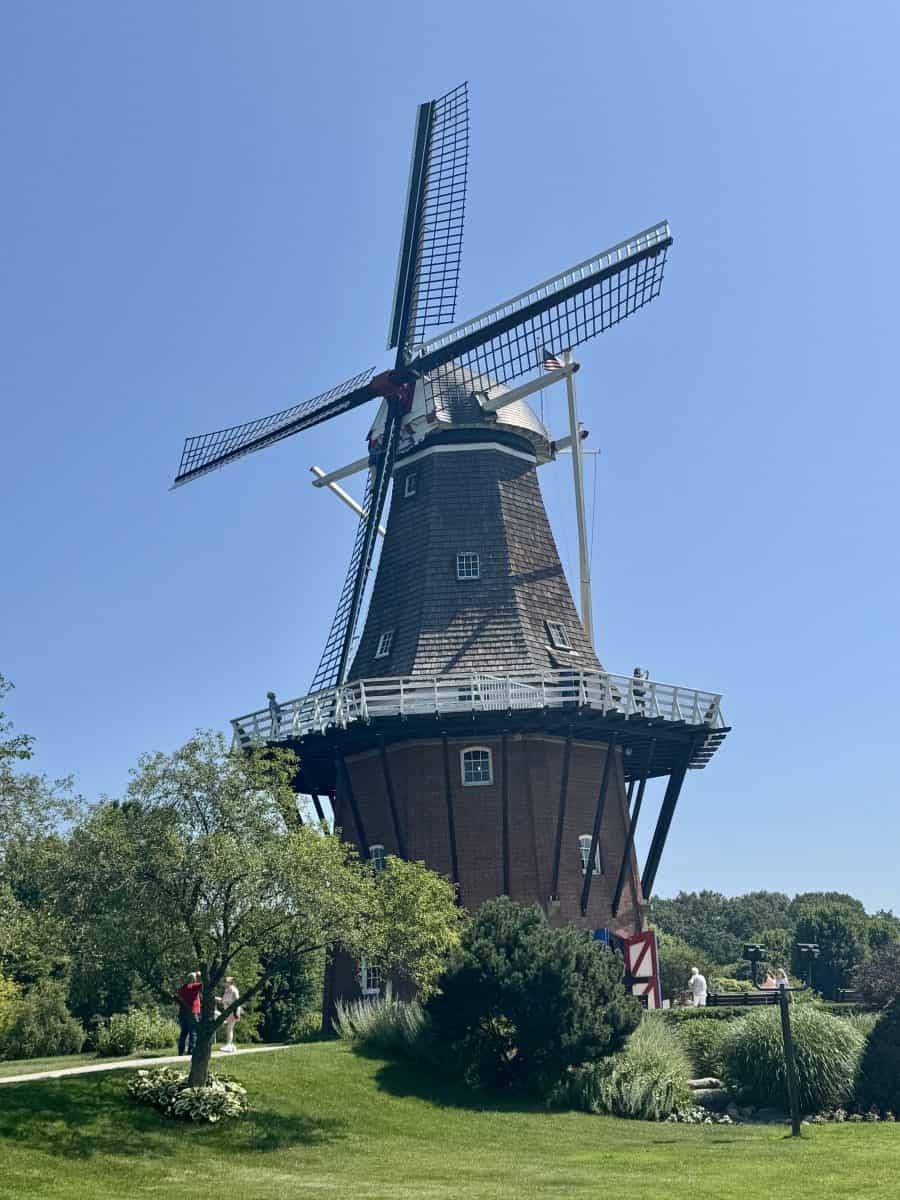
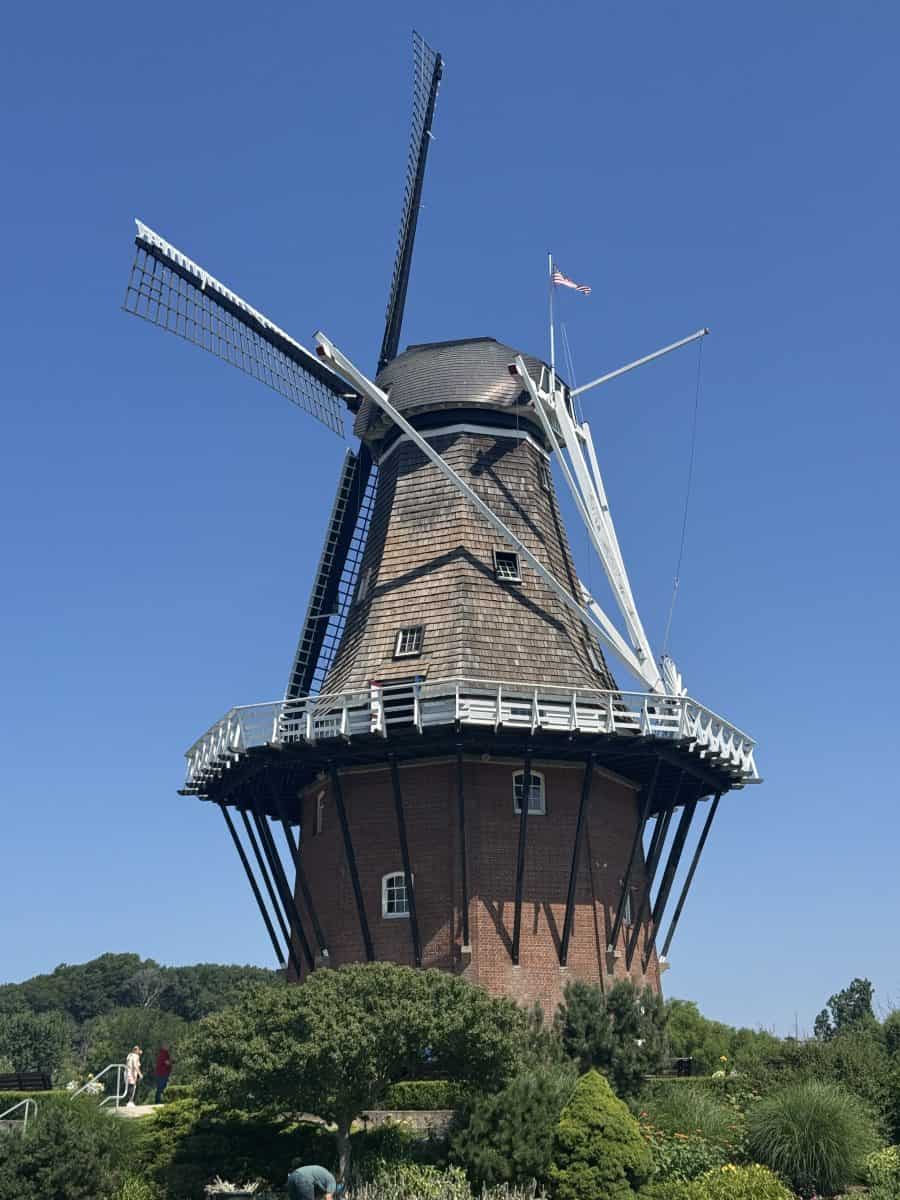
In 1965, Windmill Island Gardens opened to the public, with the deZwann windmill as the main attraction. The only authentic working Dutch windmill in America, the DeZwann was originally built in the town of Vinkel in the province of Noord Brabant, Netherlands. The City of Amsterdam gifted Holland a four column street organ in gratitude for the help of American troops after World War II and it was added to the gardens’ collection for the opening in 1965.
In 1971, a children’s carousel from Groningen Germany was added to the gardens, and over the years many buildings, gardens, and attractions were updated and added to the property. In 2013 major renovations were completed on the windmill to preserve its structural integrity and historical significance. Today, the 36 acre property welcomes visitors from around the world to enjoy the beautiful gardens, tour the exhibits, and celebrate Dutch culture and history. Windmill Gardens Island is a wonderful spot the whole family will enjoy.
Travel Tips:
15 Ways to Explore Windmill Island Gardens:
- Watch the video of the history of the windmill and the island in the Post House Visitor Center.
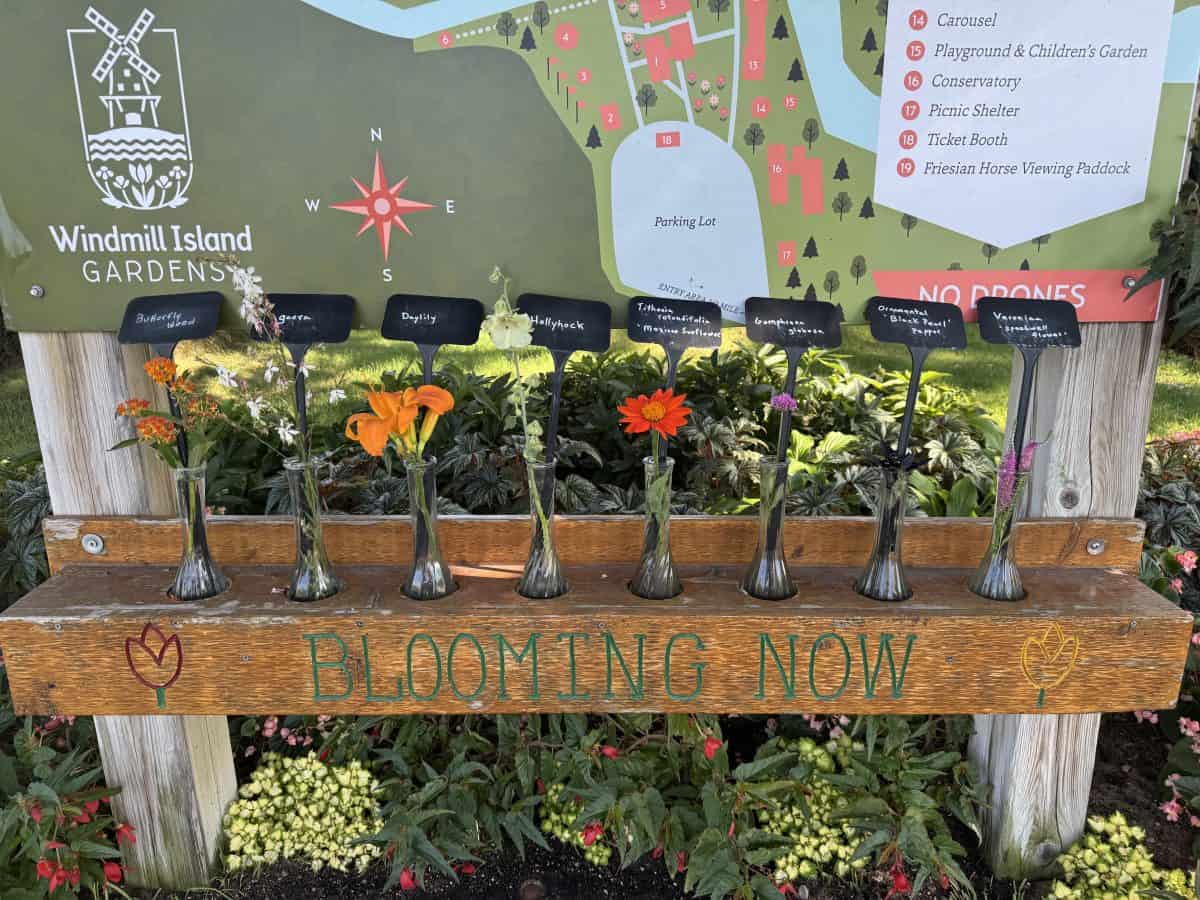
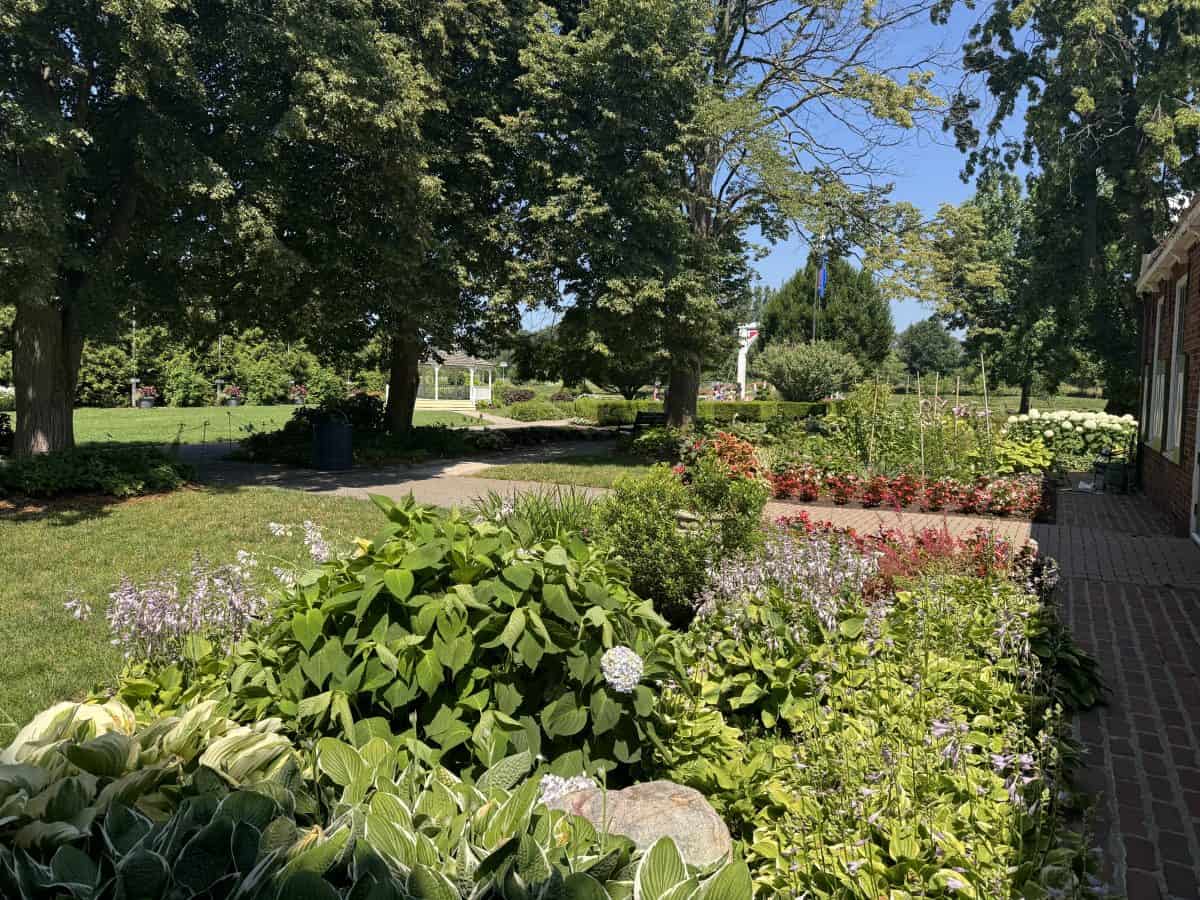
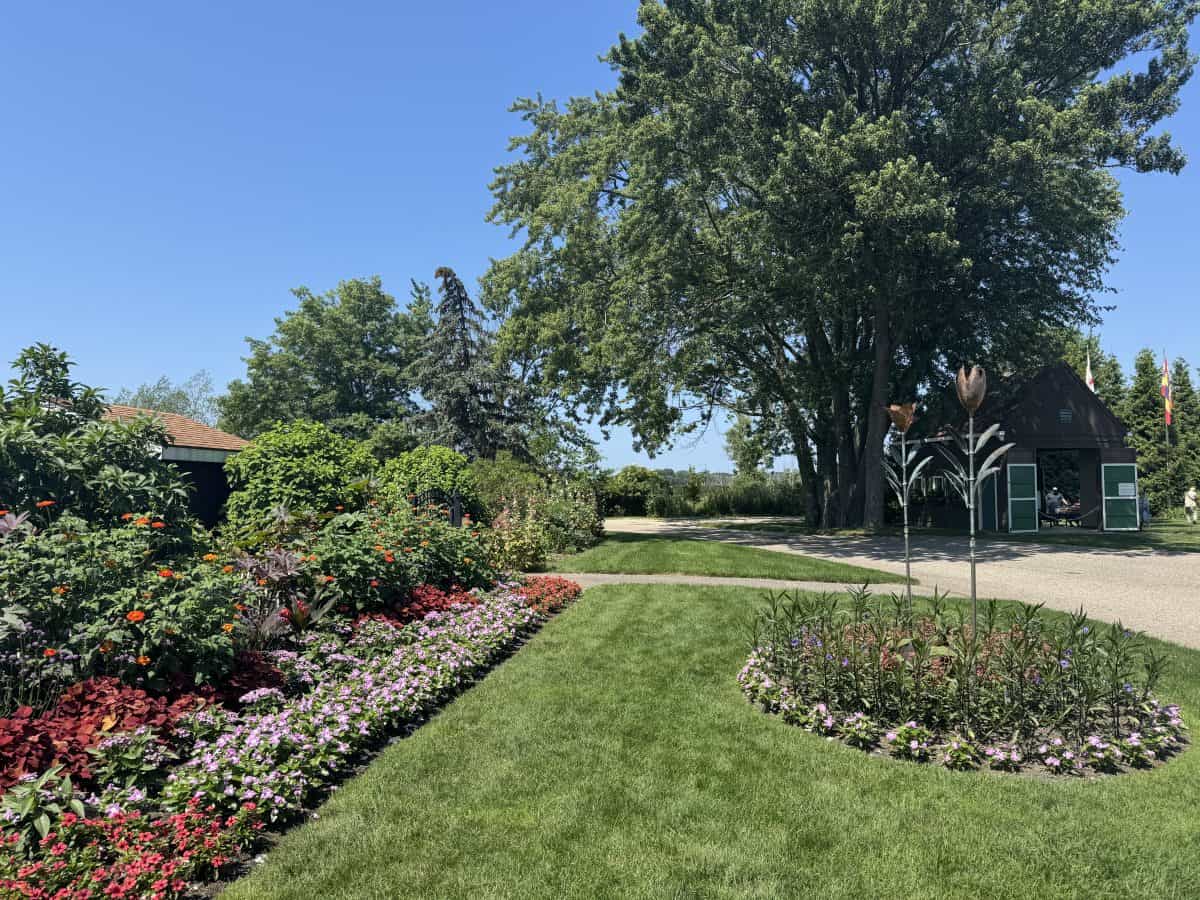
- See what’s in bloom depending on the season. The gardens are most famous for their thousands of tulips that bloom in the spring, but the gardens also include in the summer, and in the fall- see the full list here. Check out the seasonal What’s Blooming sign on site so you know what to look for during your visit.
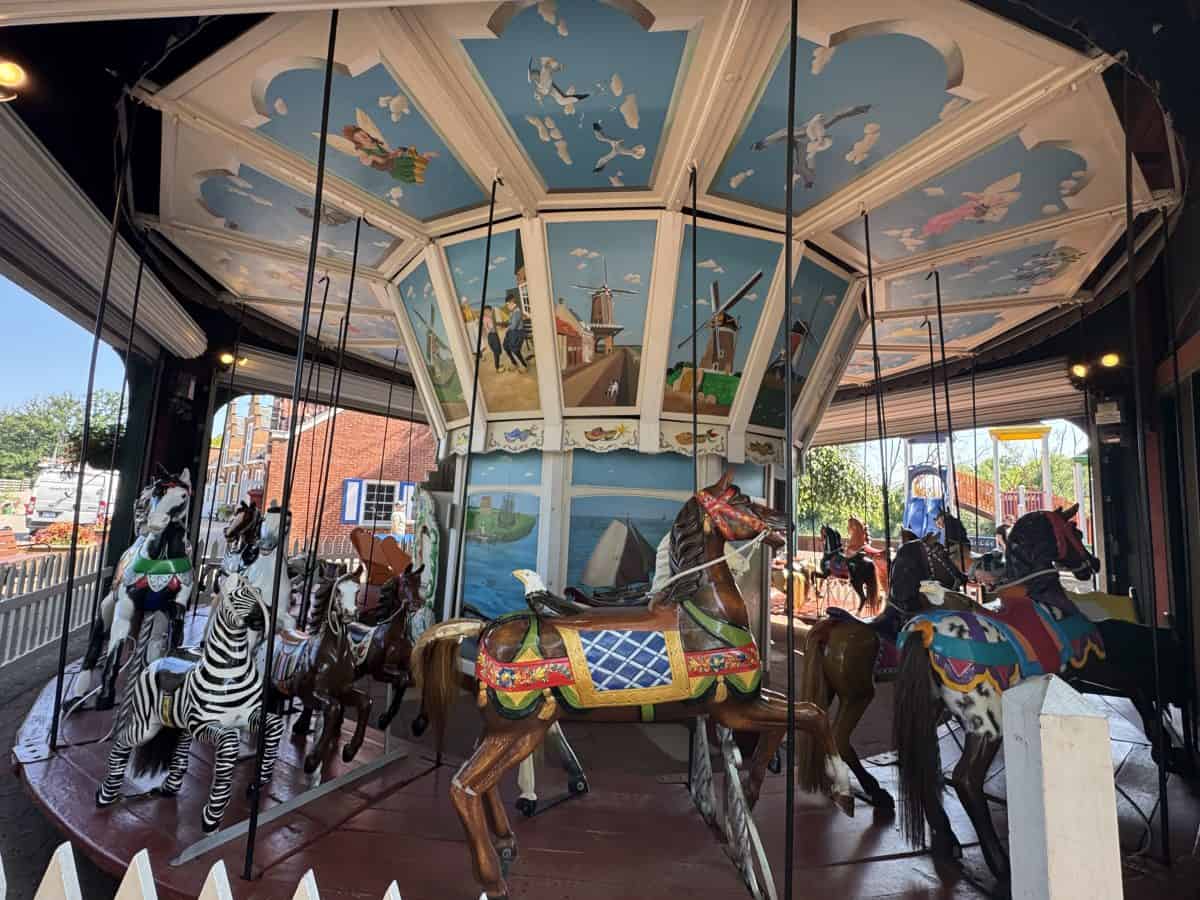
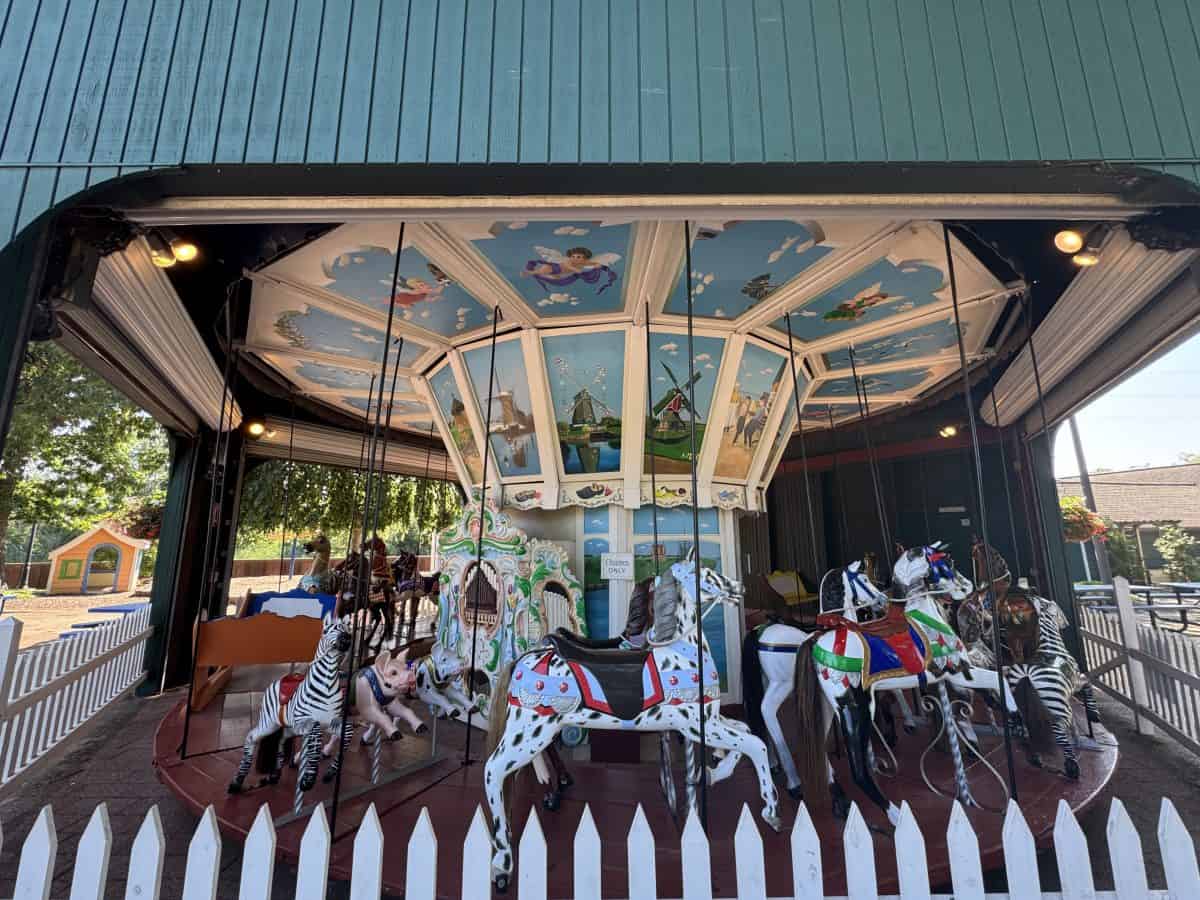
- Ride the carousel (kids only!) which arrived to the island in 1971, as a gift from a Mr. deBeers in the town of Oude Pekel, Groningen. The carousel has 28 carved animals (a majority of horses, two pigs, and a zebra).
- Mail a postcard home through the Brievenbus Dutch mailbox, still in use today.
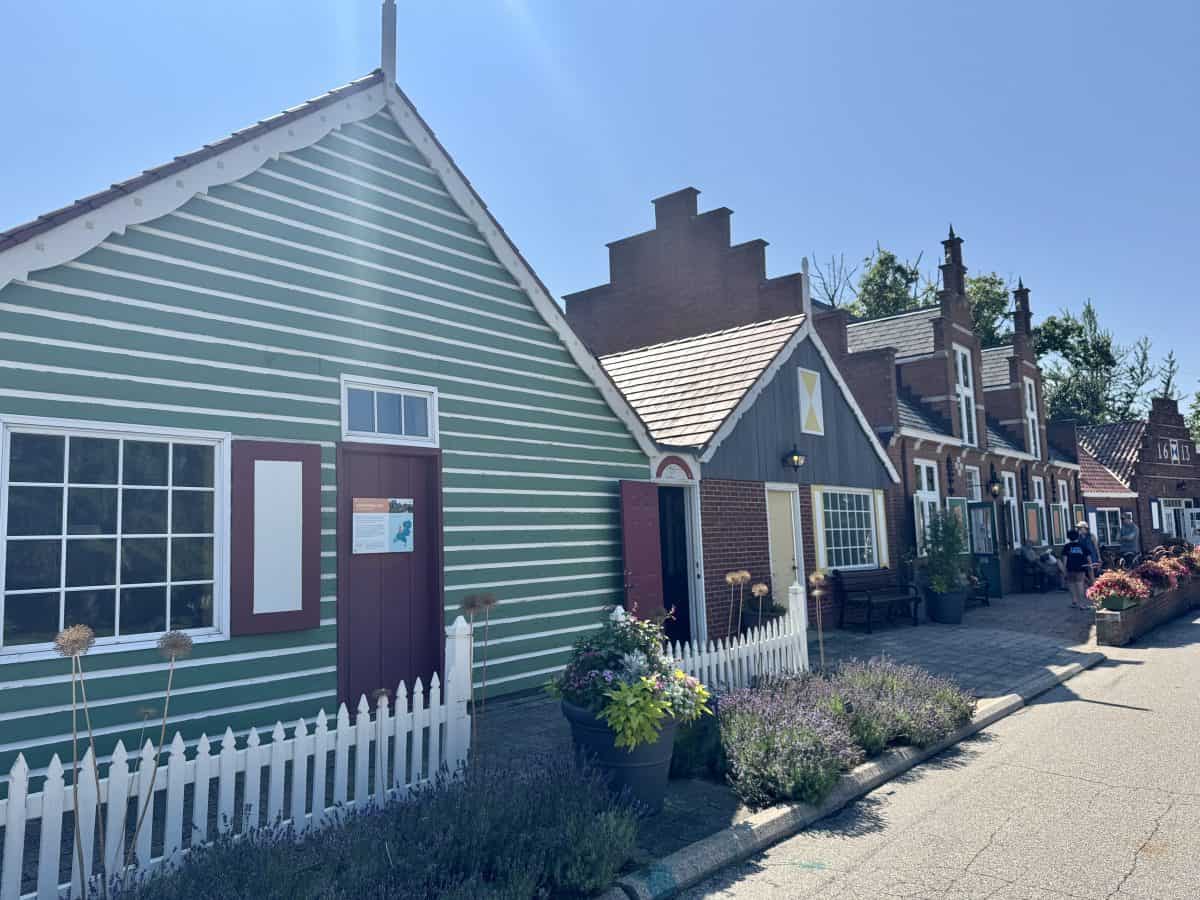
- Walk through Marken Dwellings, reproduction of homes on the island of Marken in the South Sea.
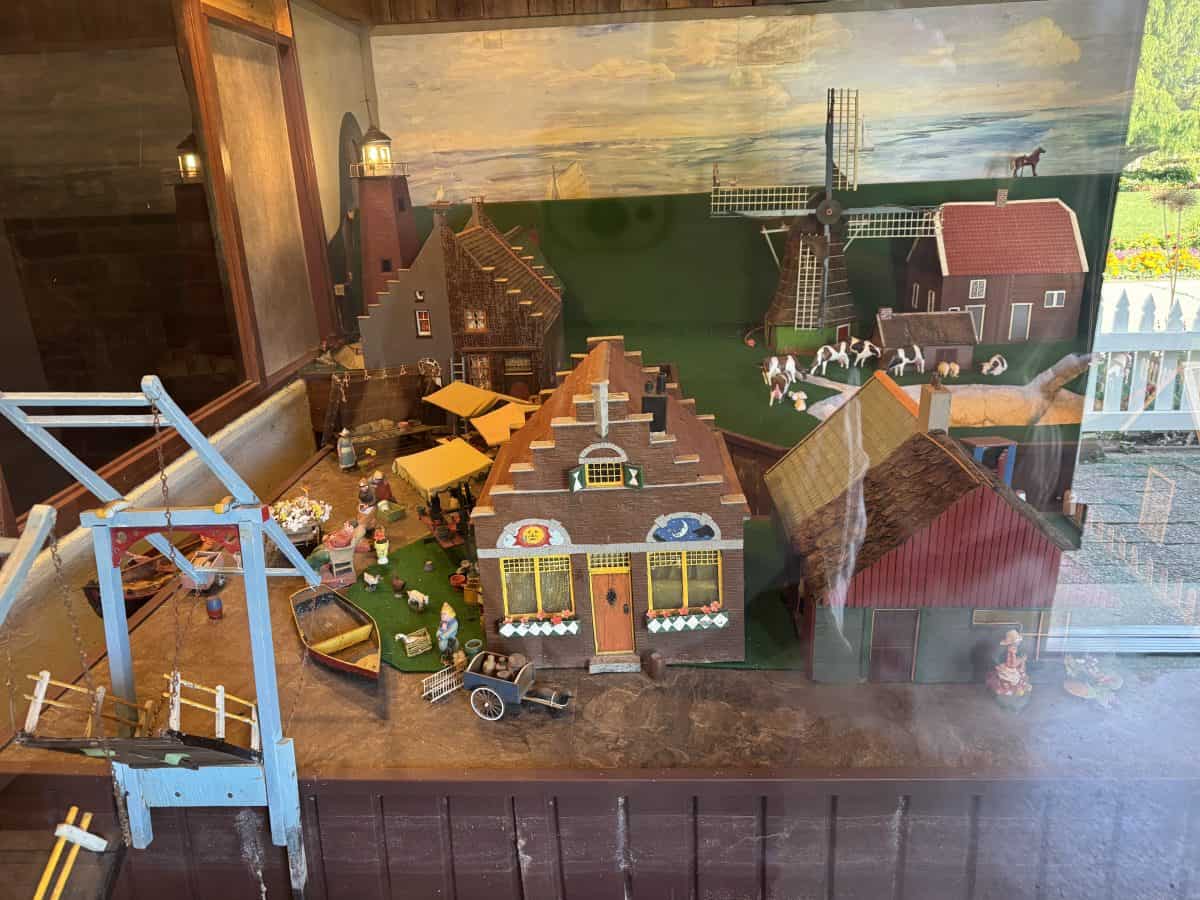
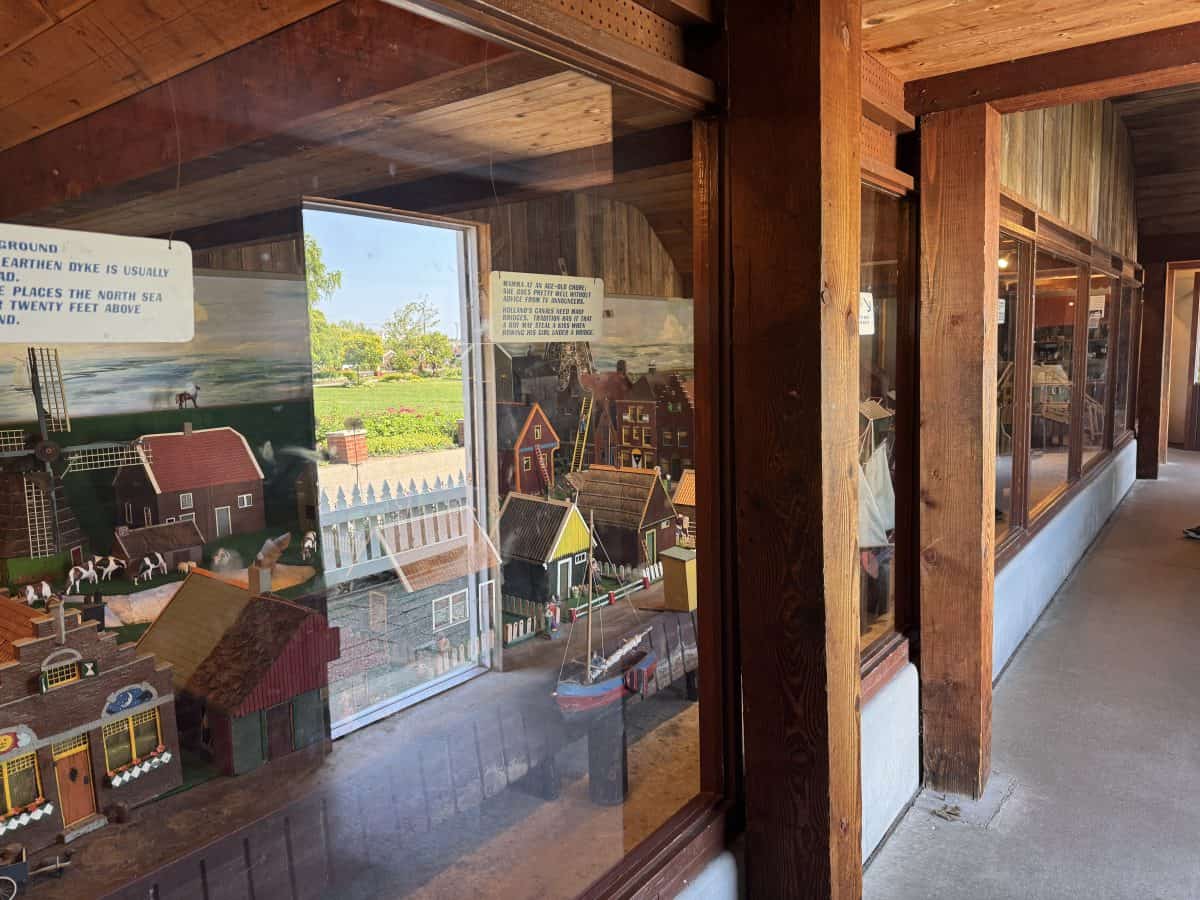
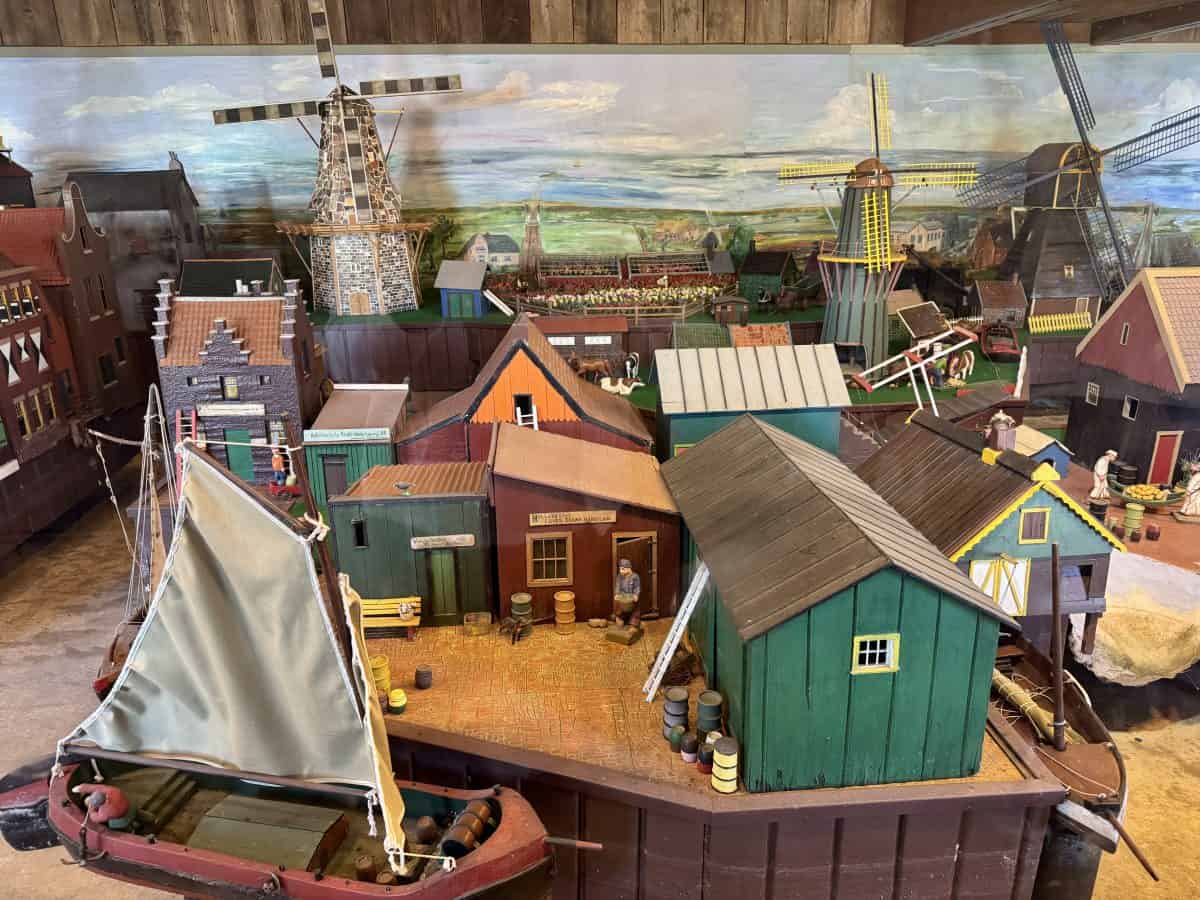
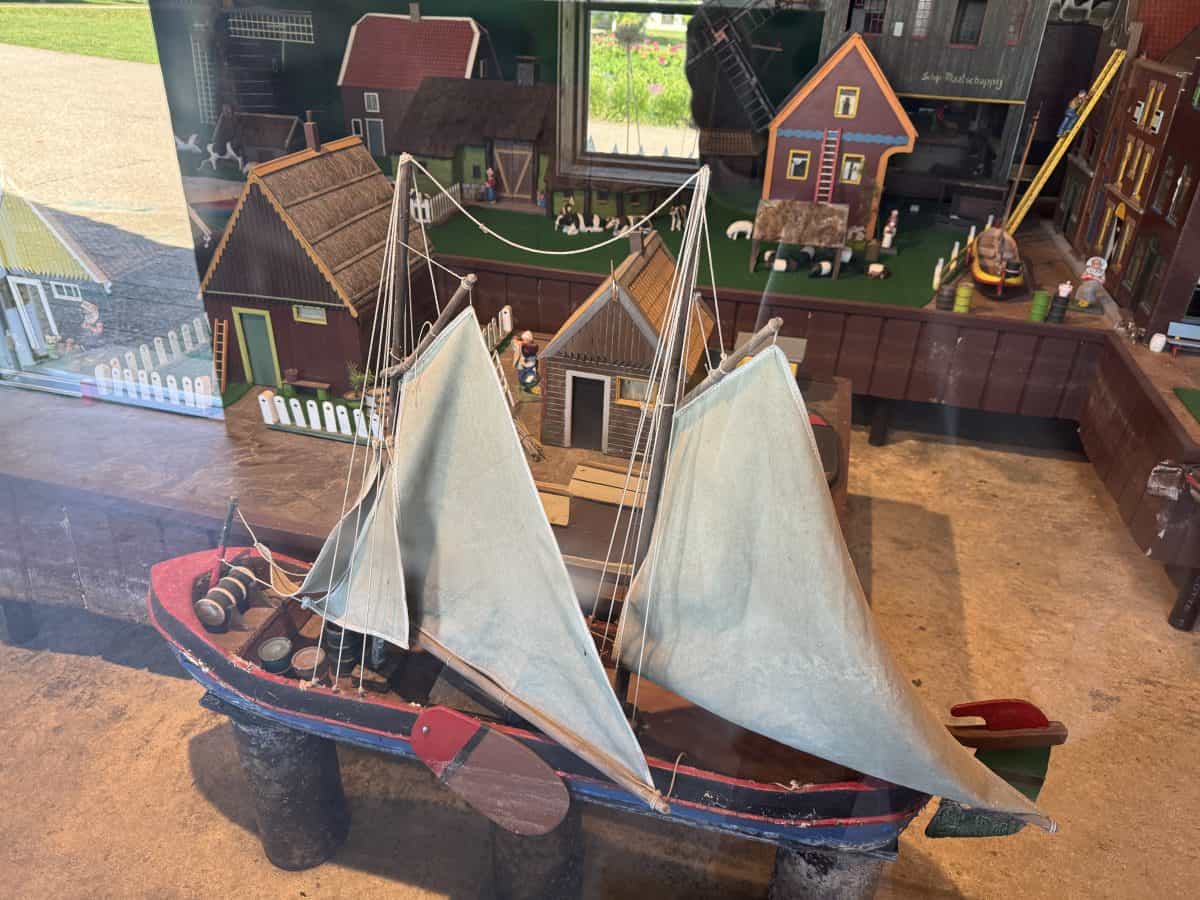
- Read the poems and rhymes above each scene in the Little Netherlands, a miniature replica of a Dutch community in the 1840s, when settlers first came to Holland, Michigan. The display was built in the 1930s and later moved to the gardens for permanent displays in 1966.
Would you like to save this?
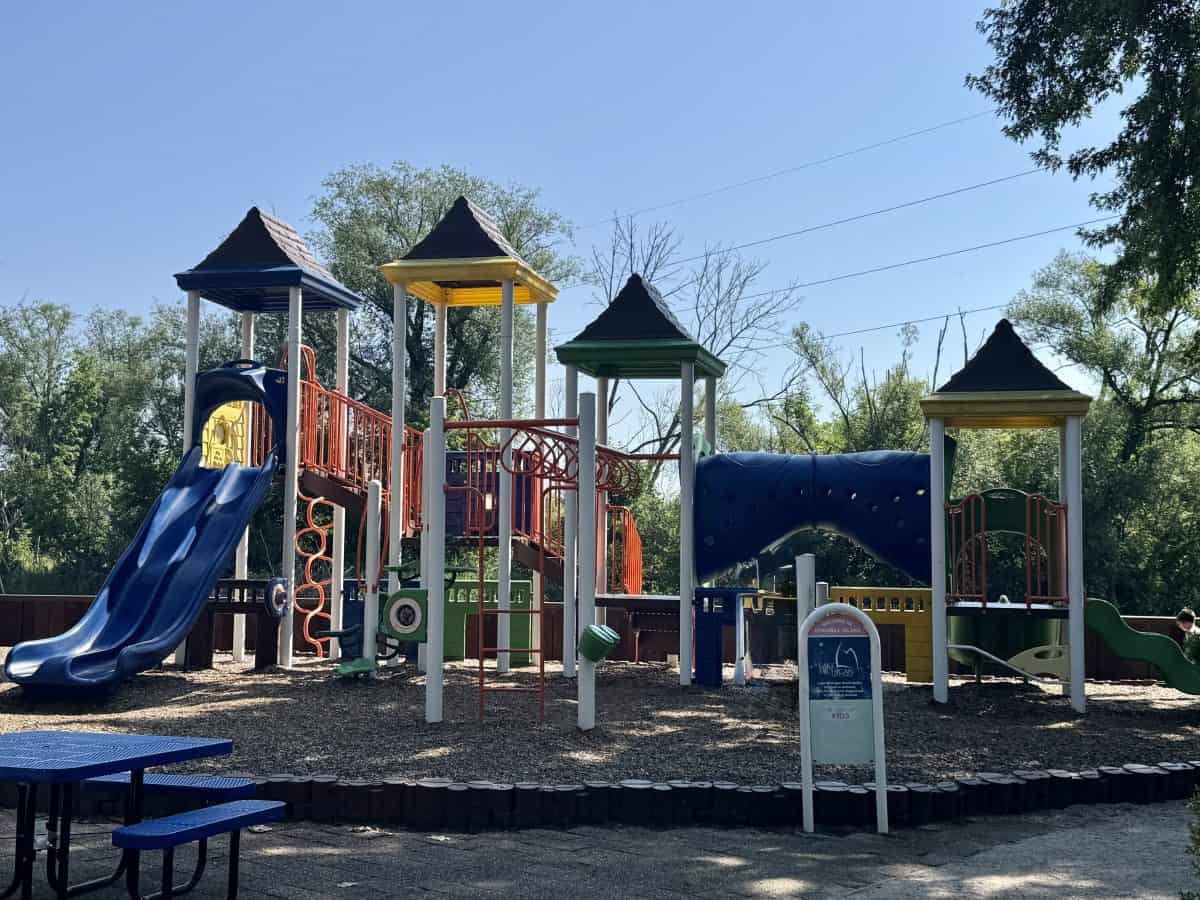
- Explore the playground and try and weave your way through the boxwood maze in the children’s garden.
- Compare the size of DeZwaantje (“the Little Swan”), a replica windmill one tenth the size of DeZwaan (“the Swan”).
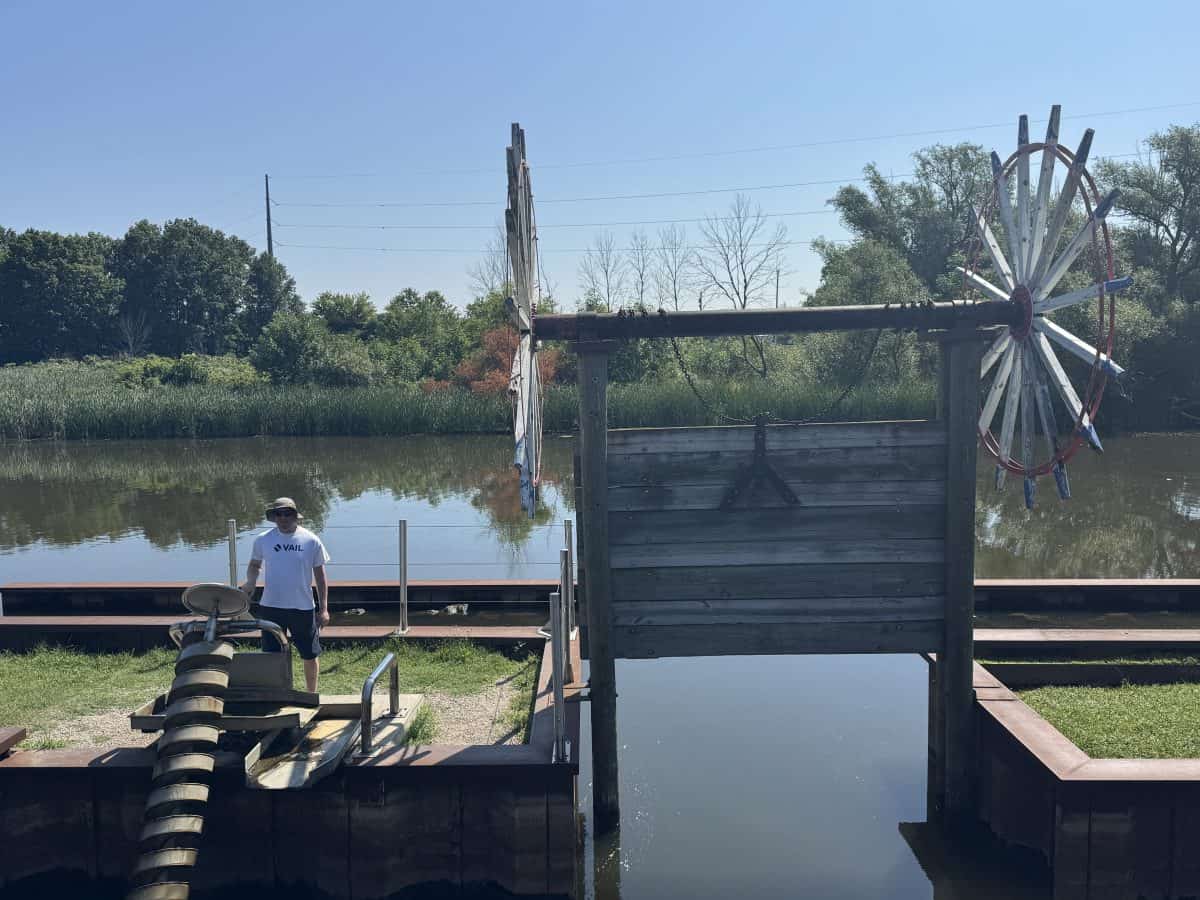
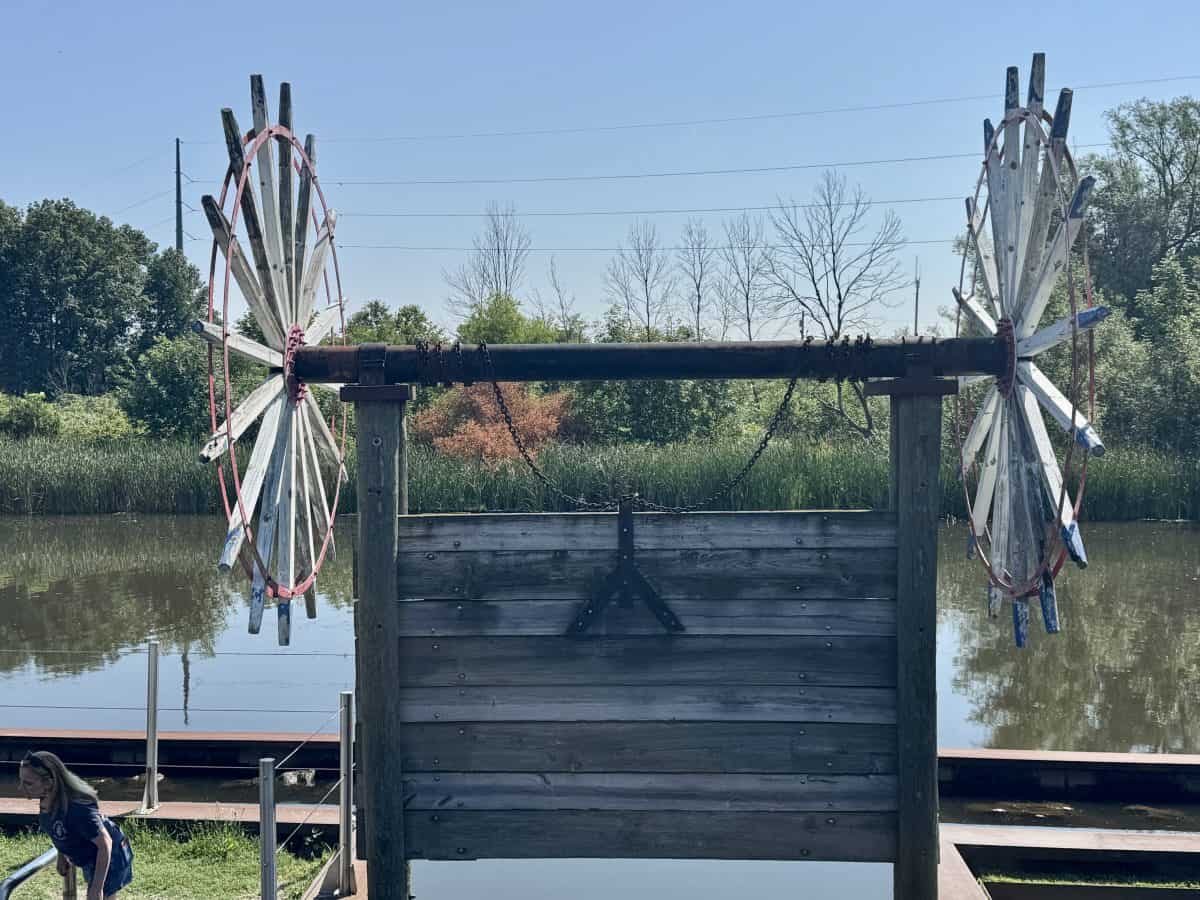
- Turn the wheels to adjust water flow in the Dutch Water Exhibit.
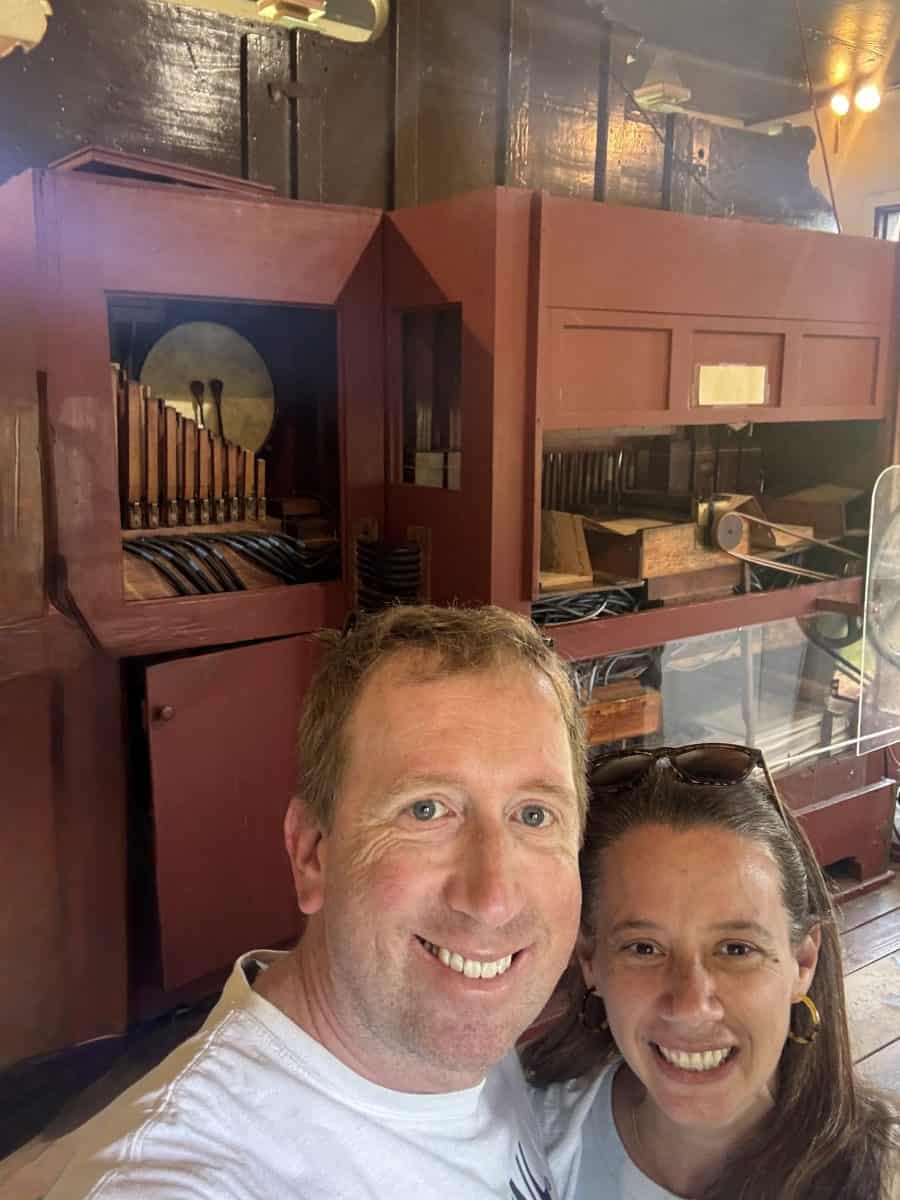
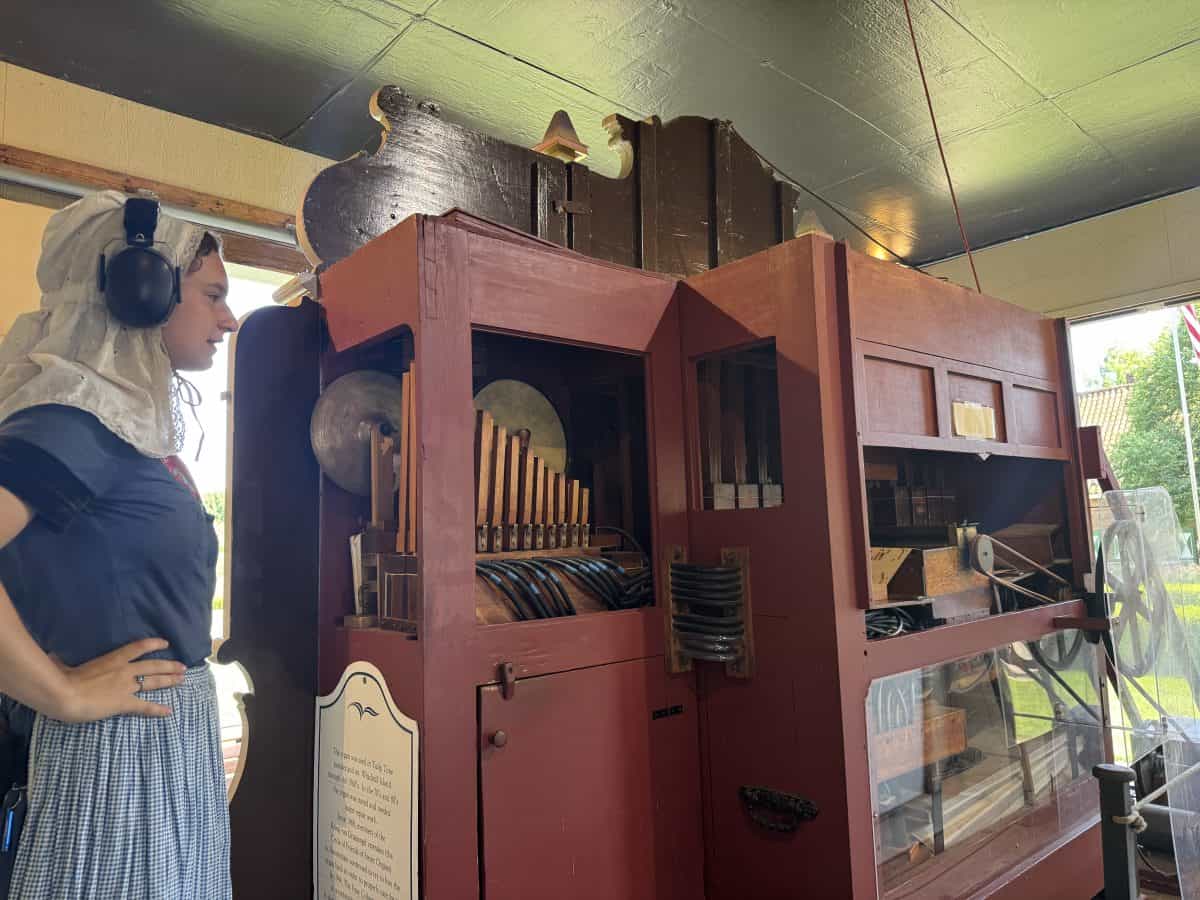
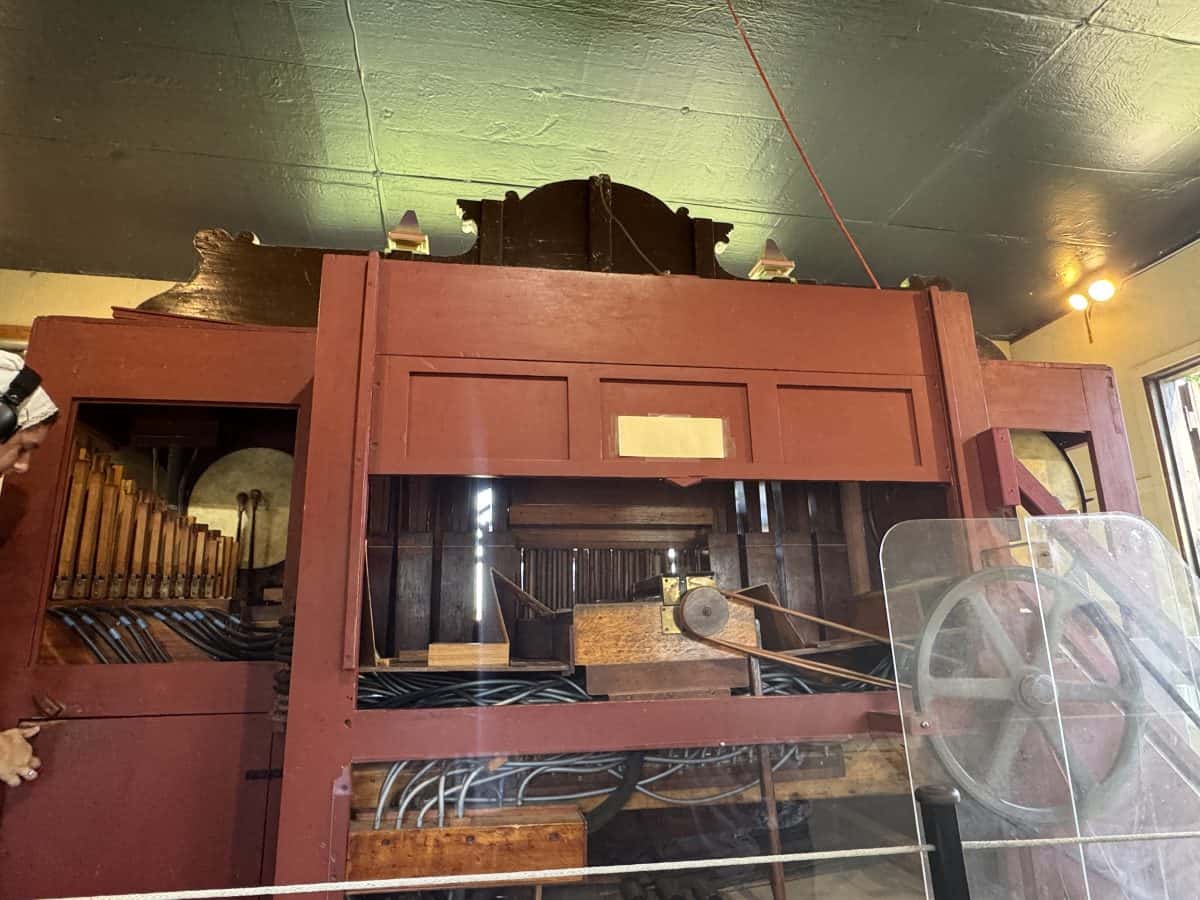
- Listen to the DeView Kolommen (“The Four Columns”), a 69 metal key organ built in 1928 by famed organ maker Carl Frel. It was played in Breda, Rotterdam and later given to the city of Holland, Michigan in 1947 by the city of Amsterdam for America’s help during World War II. There are live demonstrations twice each hour.
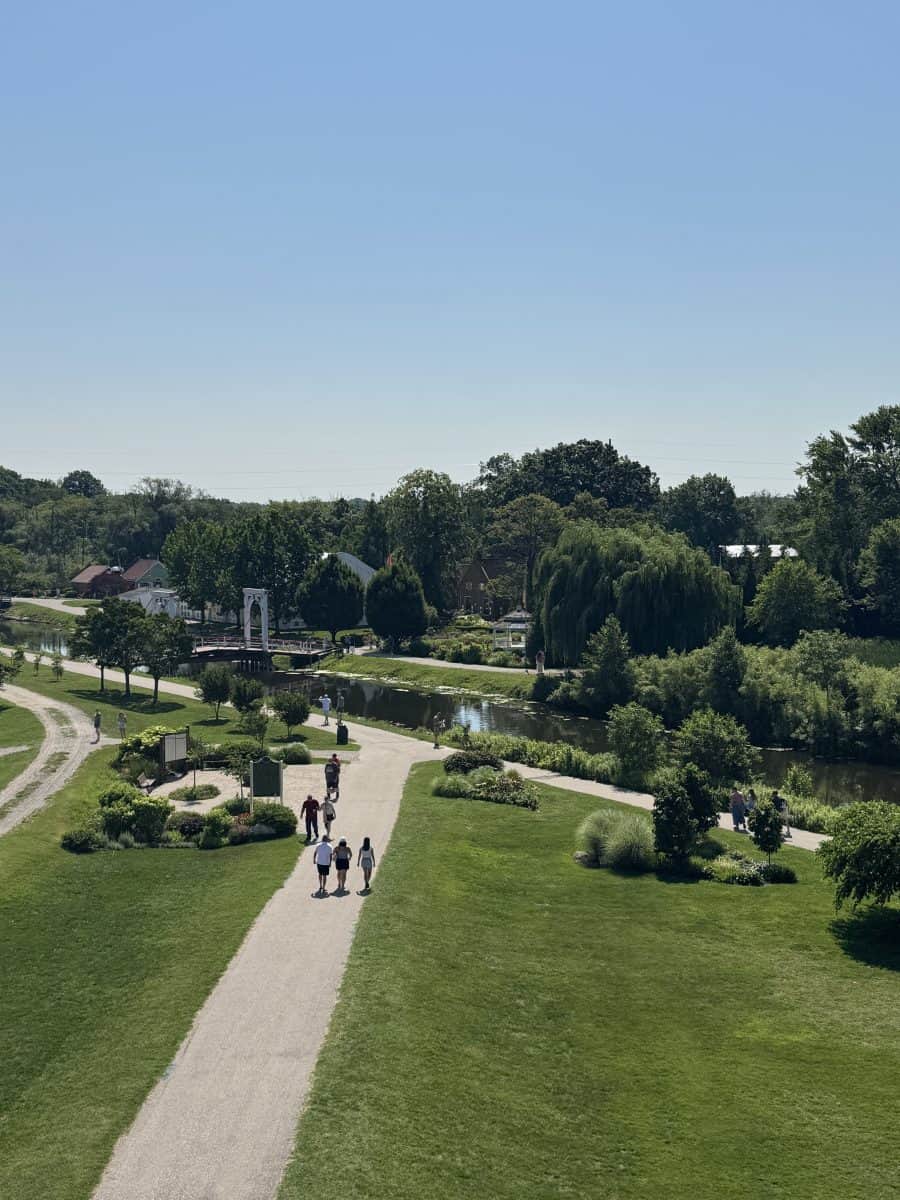
- Take a ramble through the one mile walking trail throughout the island that includes passing the Friesian Horse Pasture, where two Friesian horses sometimes reside during the summer months.
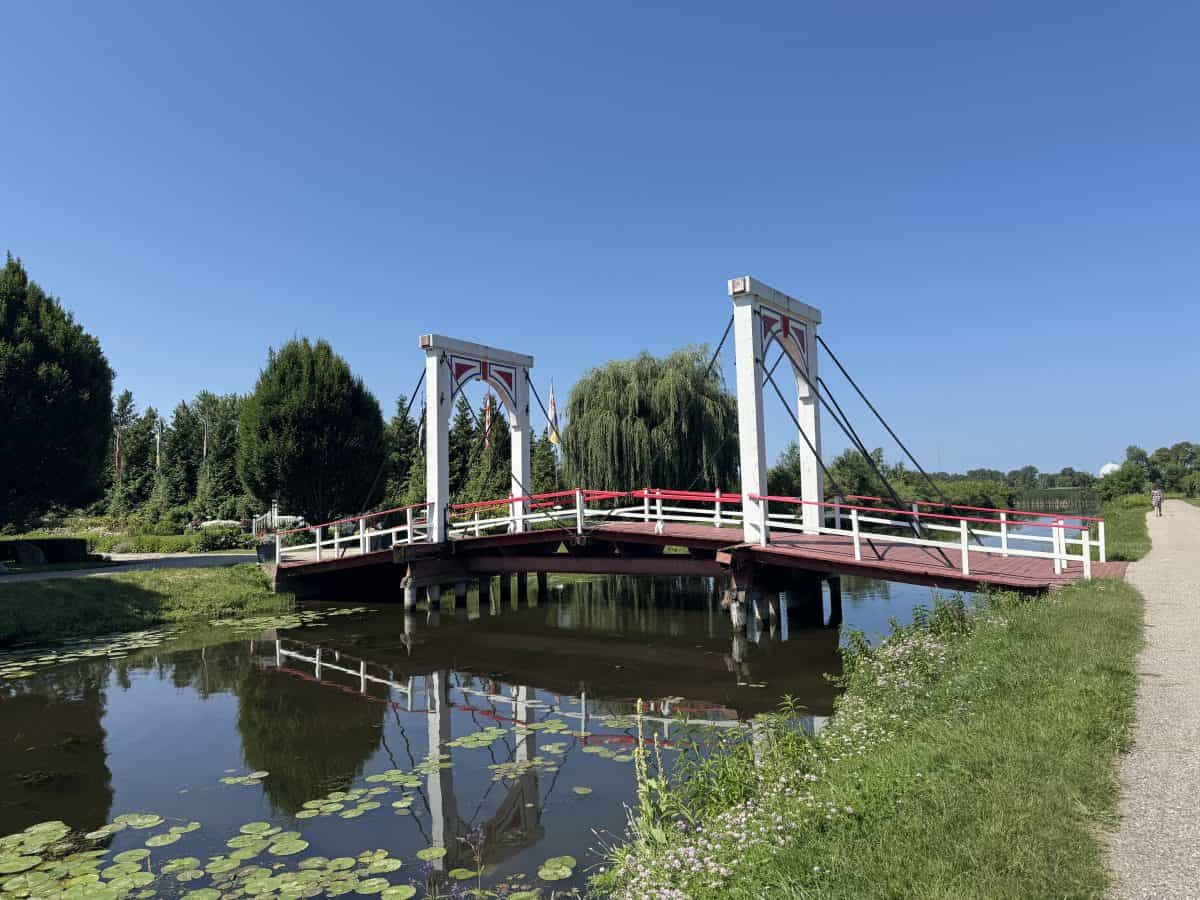
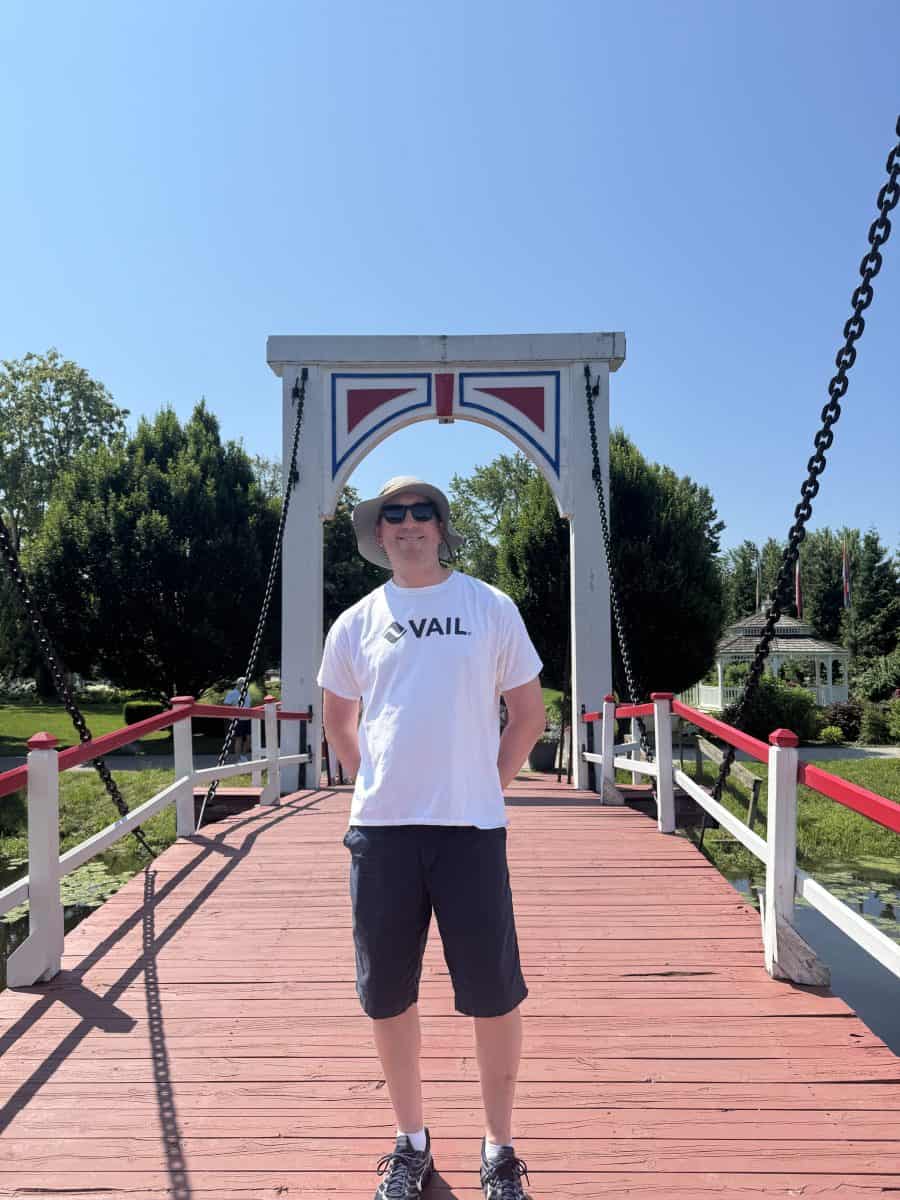
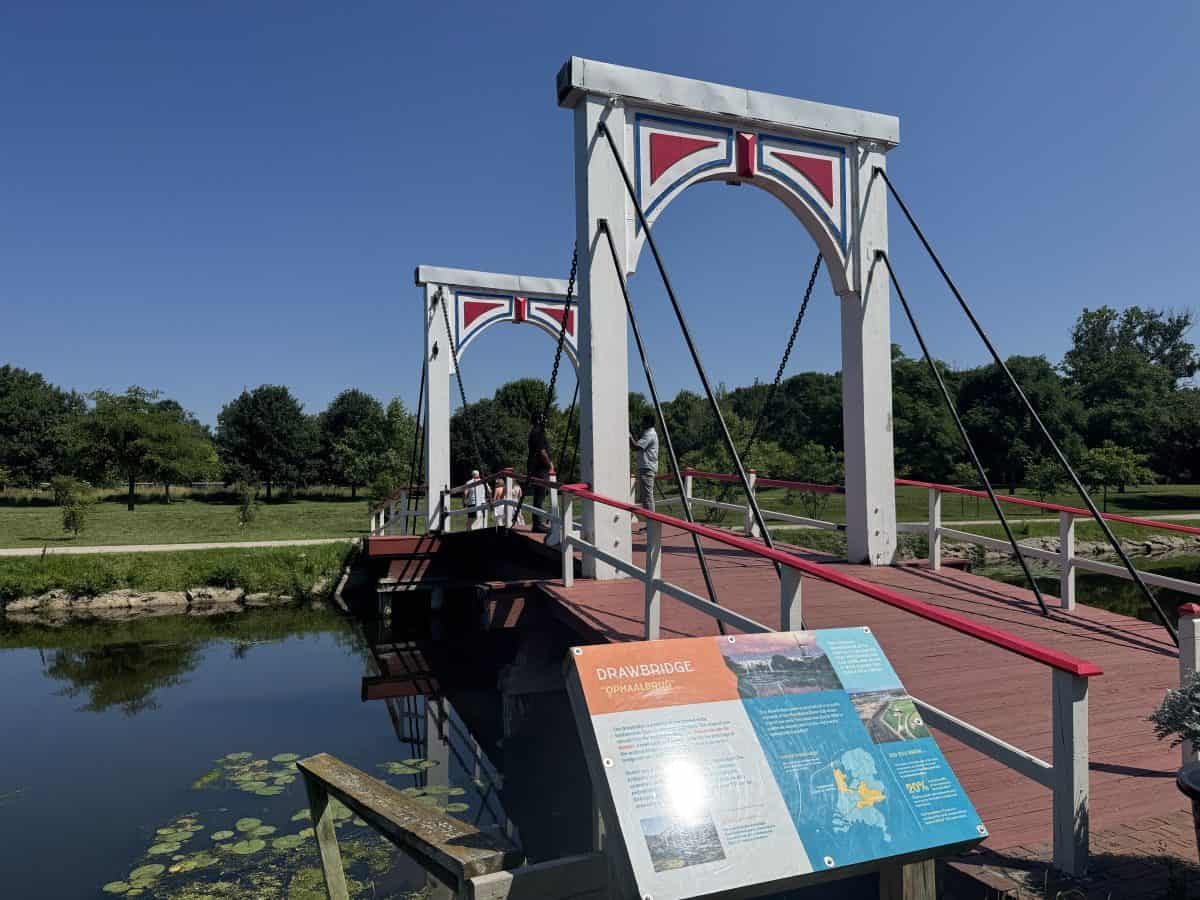
- Walk across the canal via a replica Amstel Drawbridge of the one in the province of Noord Holland.
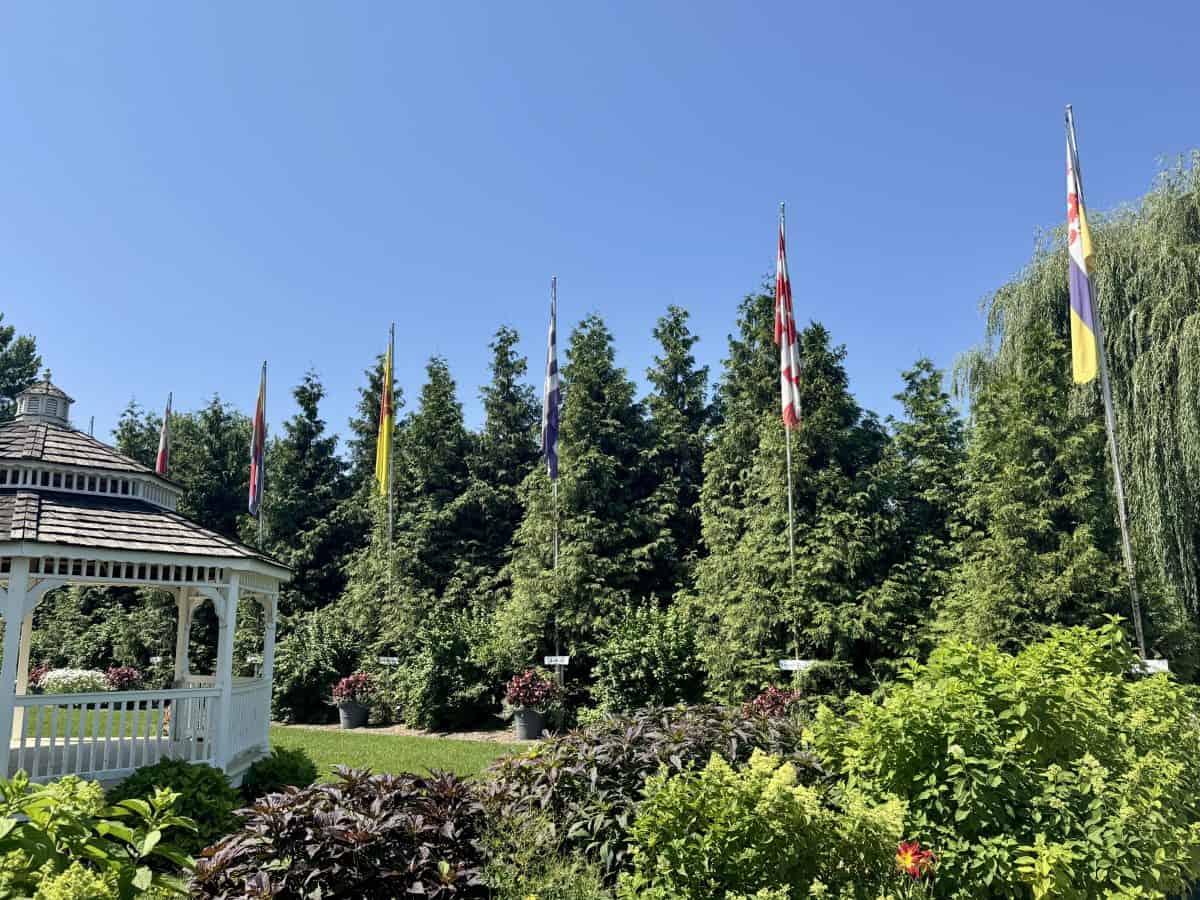
- Count the collection of Dutch province flags on display.
- Look for bullet holes in the original windmill blade on display in front of the windmill. The windmill was used as a lookout in the Netherlands during WWII and was shot at several times.
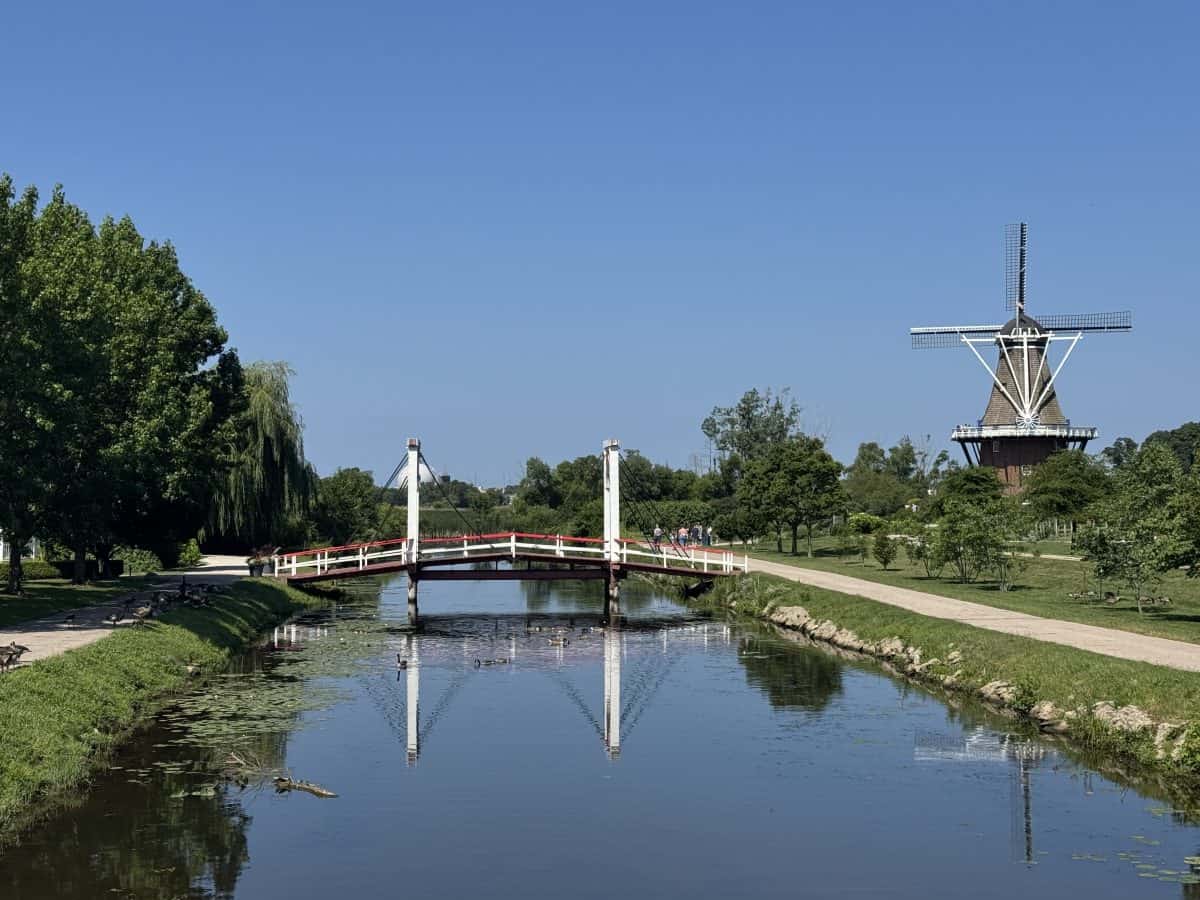
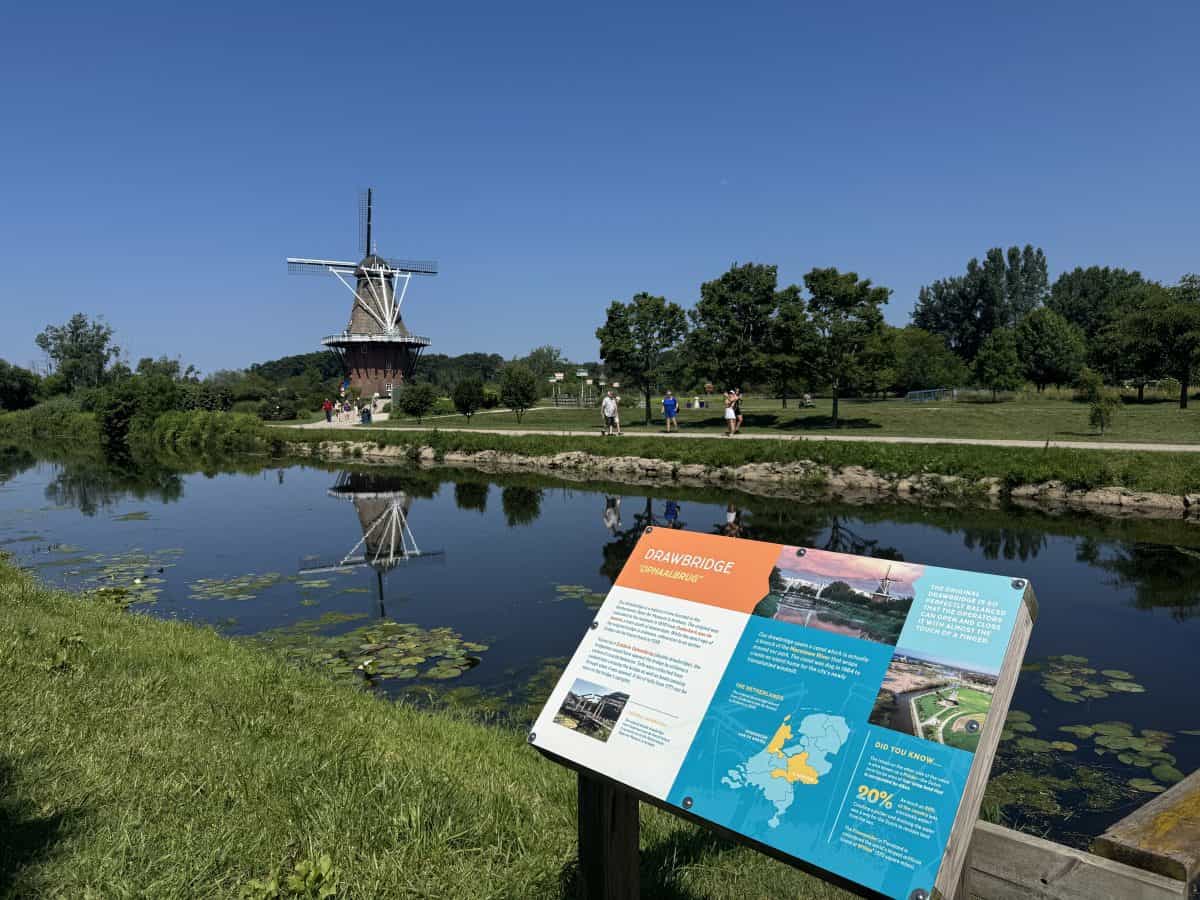
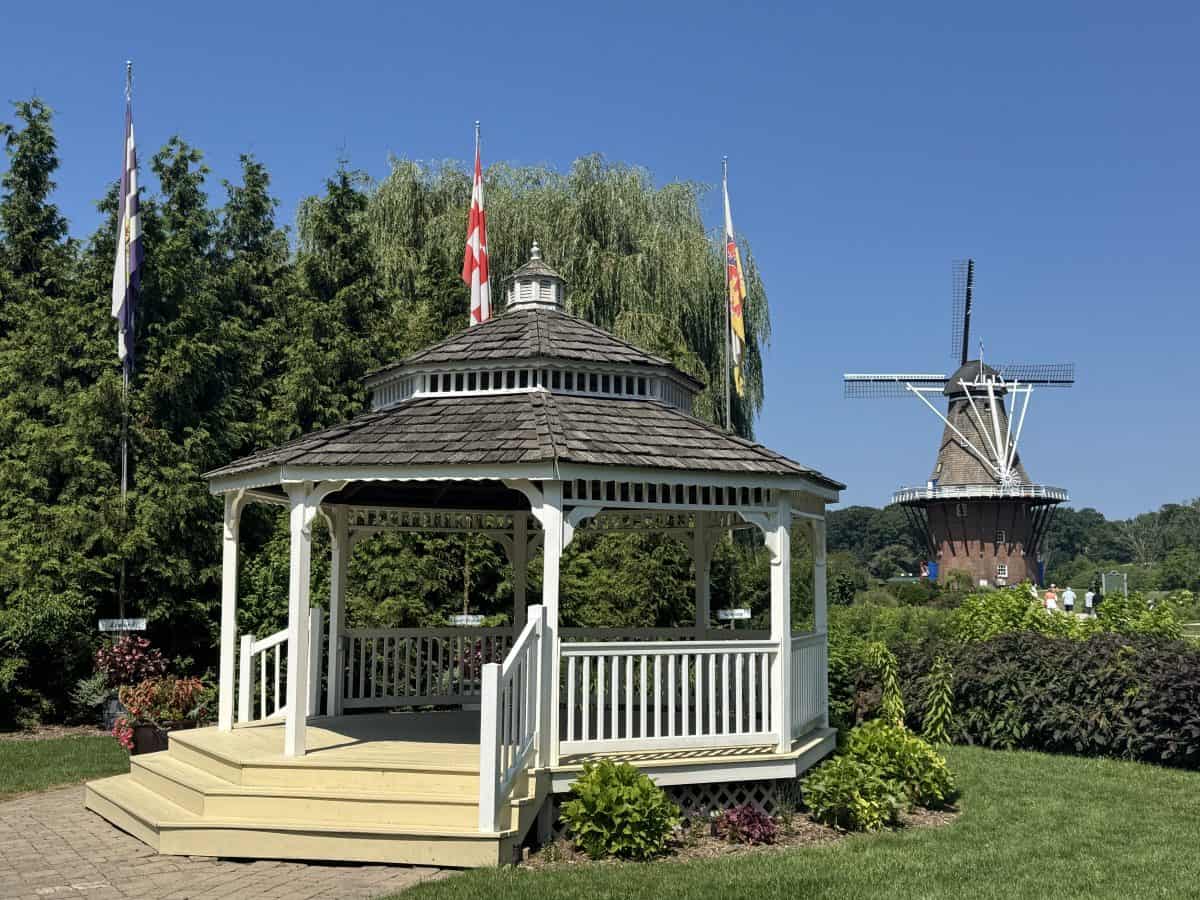
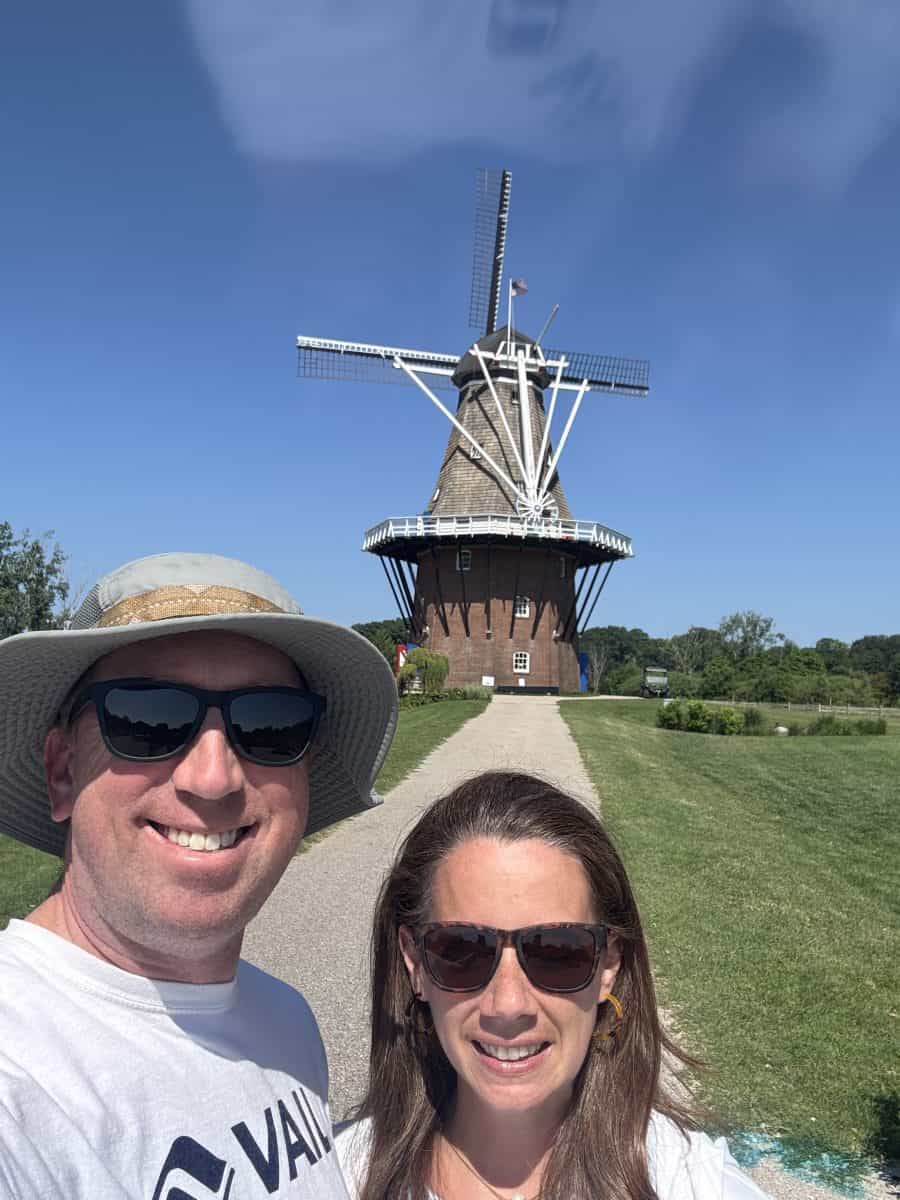
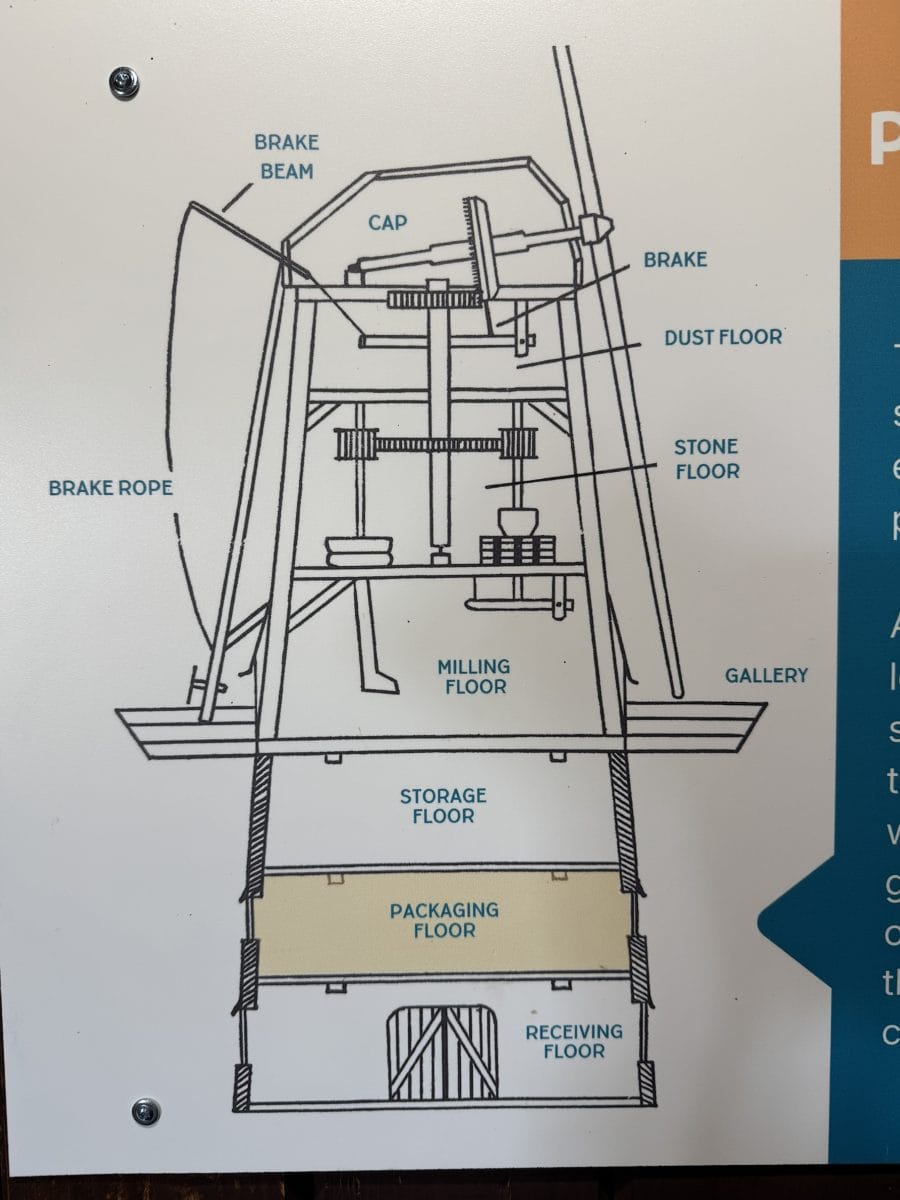
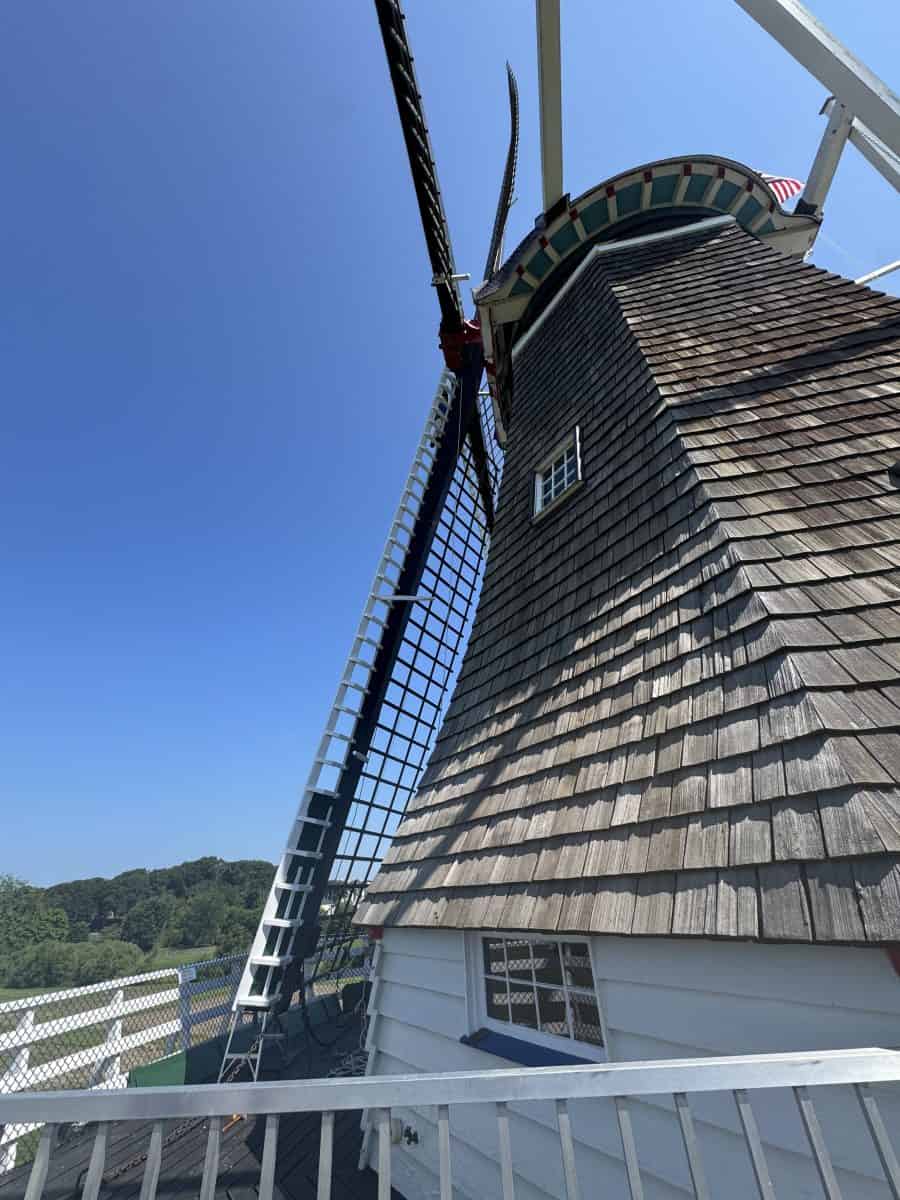
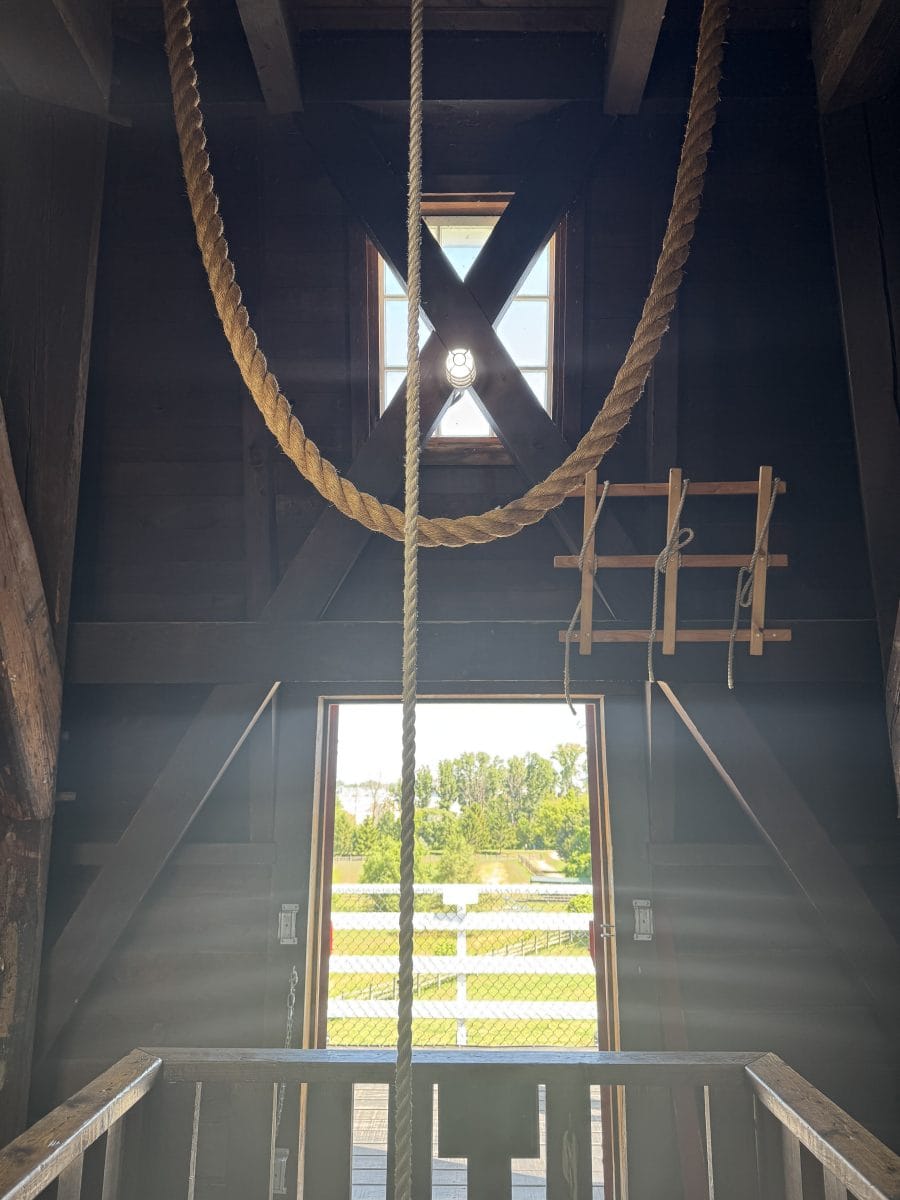
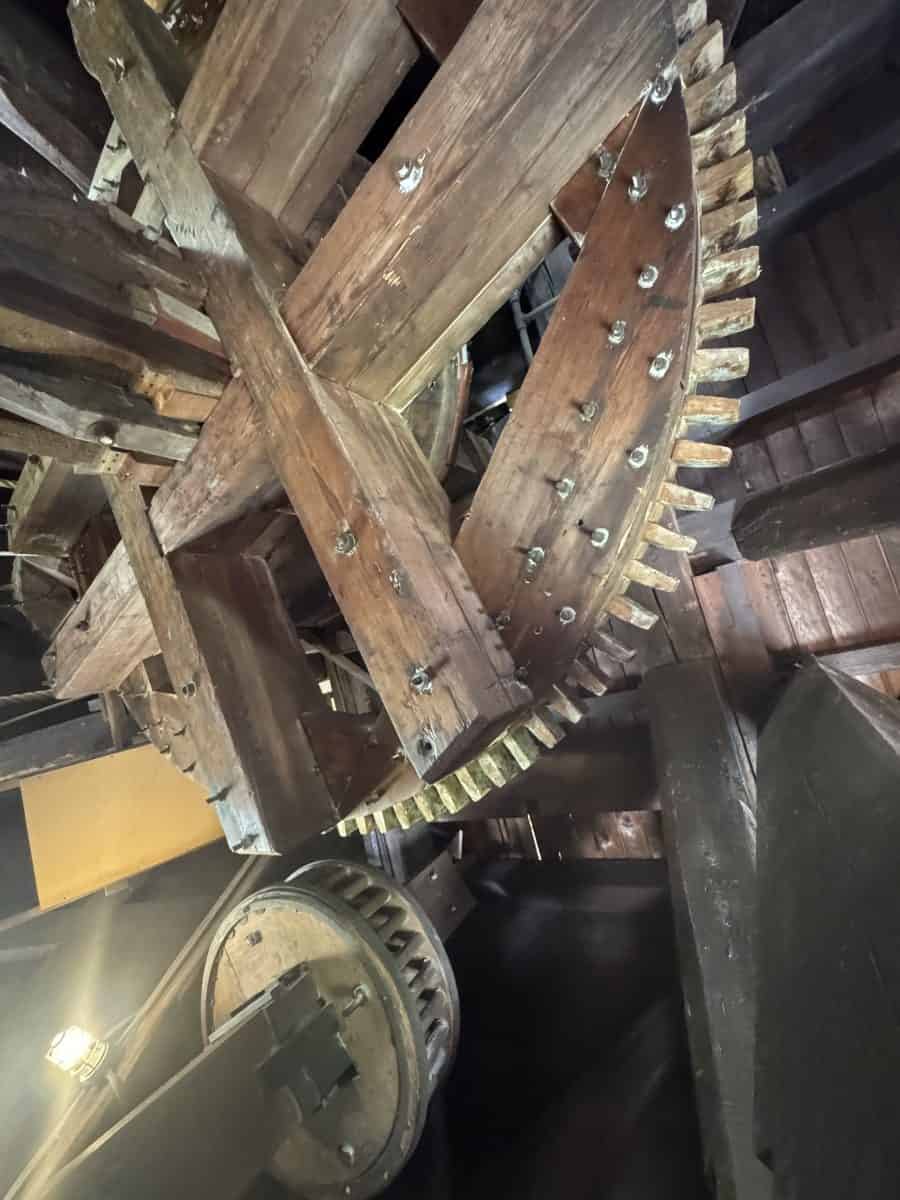
- Climb the five floors of the 125 foot tall DeZwaan “The Swan” windmill and learn all about the flouring making process. The first three floors were built once the windmill arrived in Holland; the fourth and fifth floors are original.
- The first floor is the Receiving Floor, used to welcome guests and give an overview of the windmill’s history.
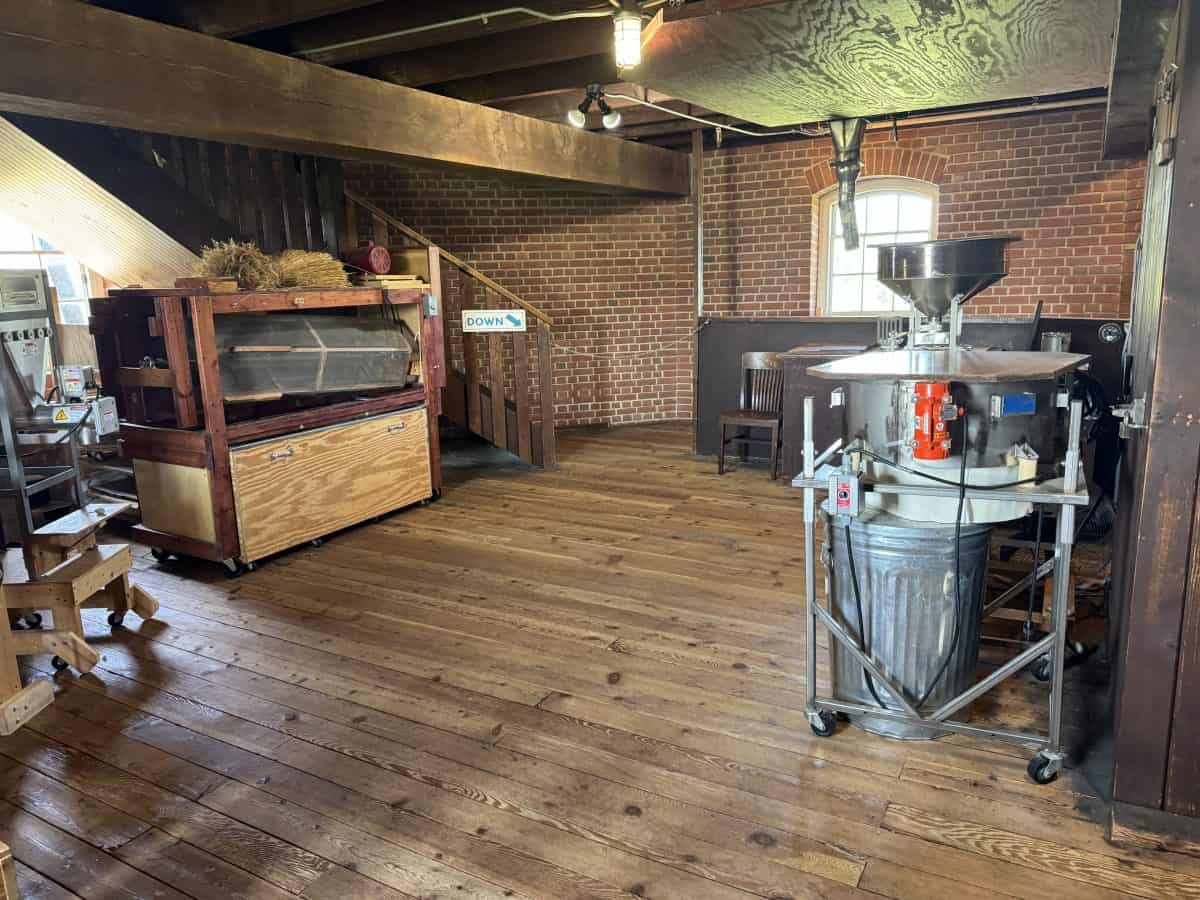
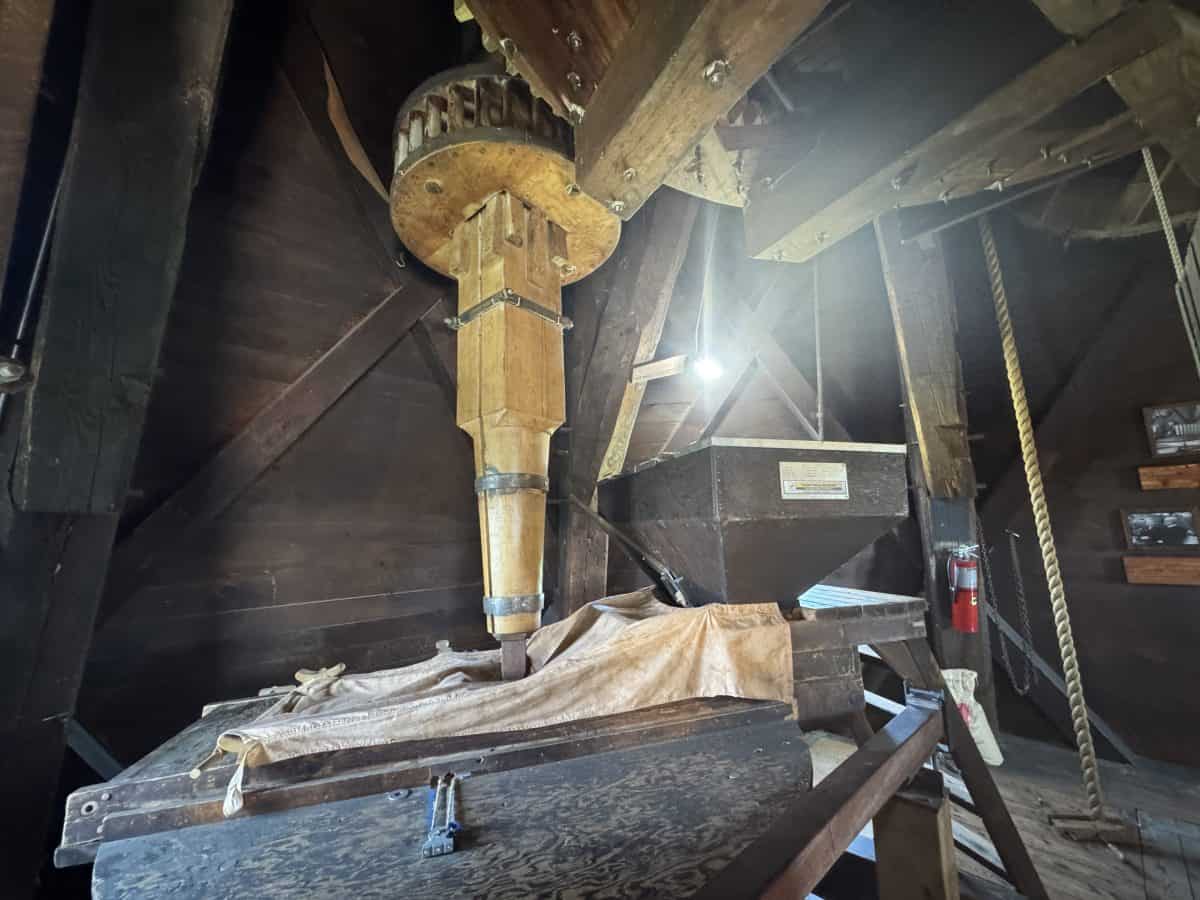
- The second floor is the Packaging Floor, where equipment used for sifting and packaging flour is on display. The equipment could also grind corn and barley.
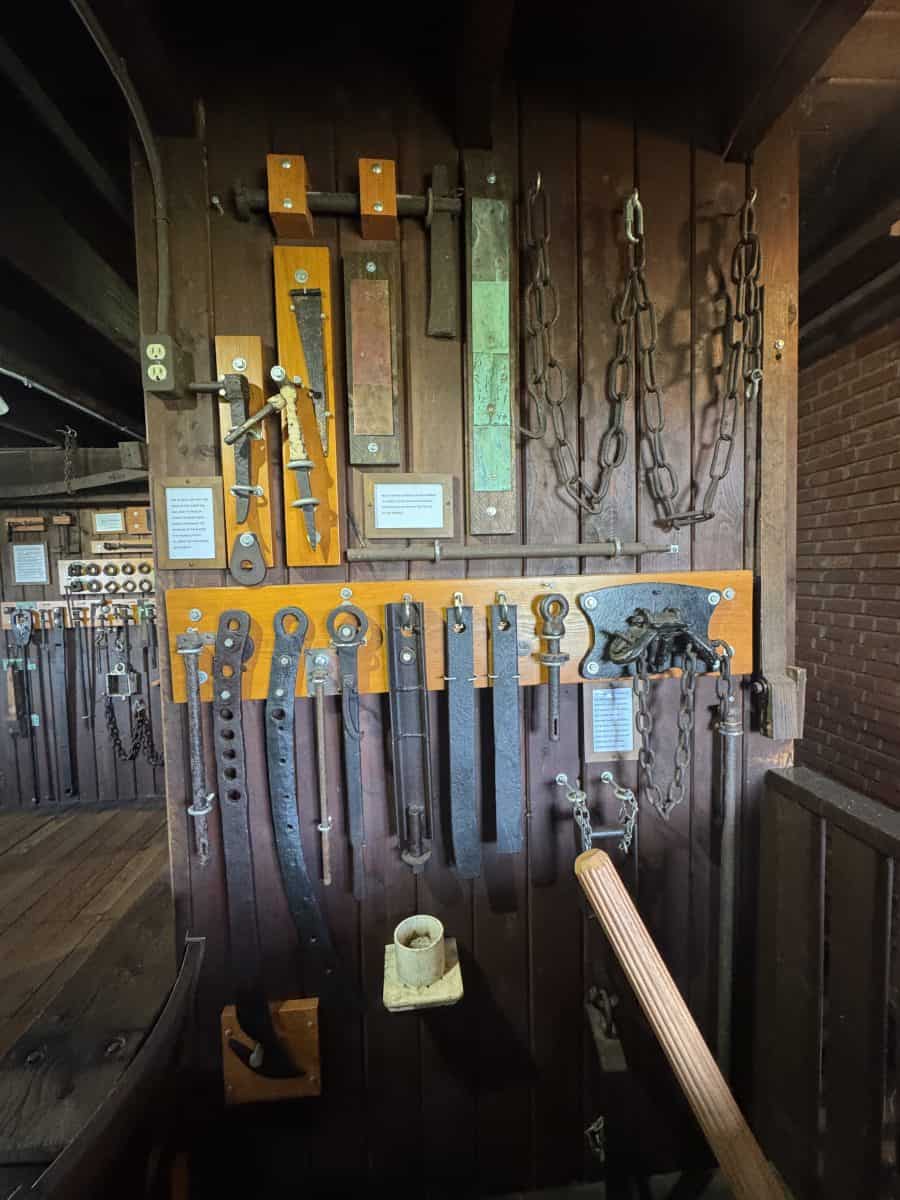
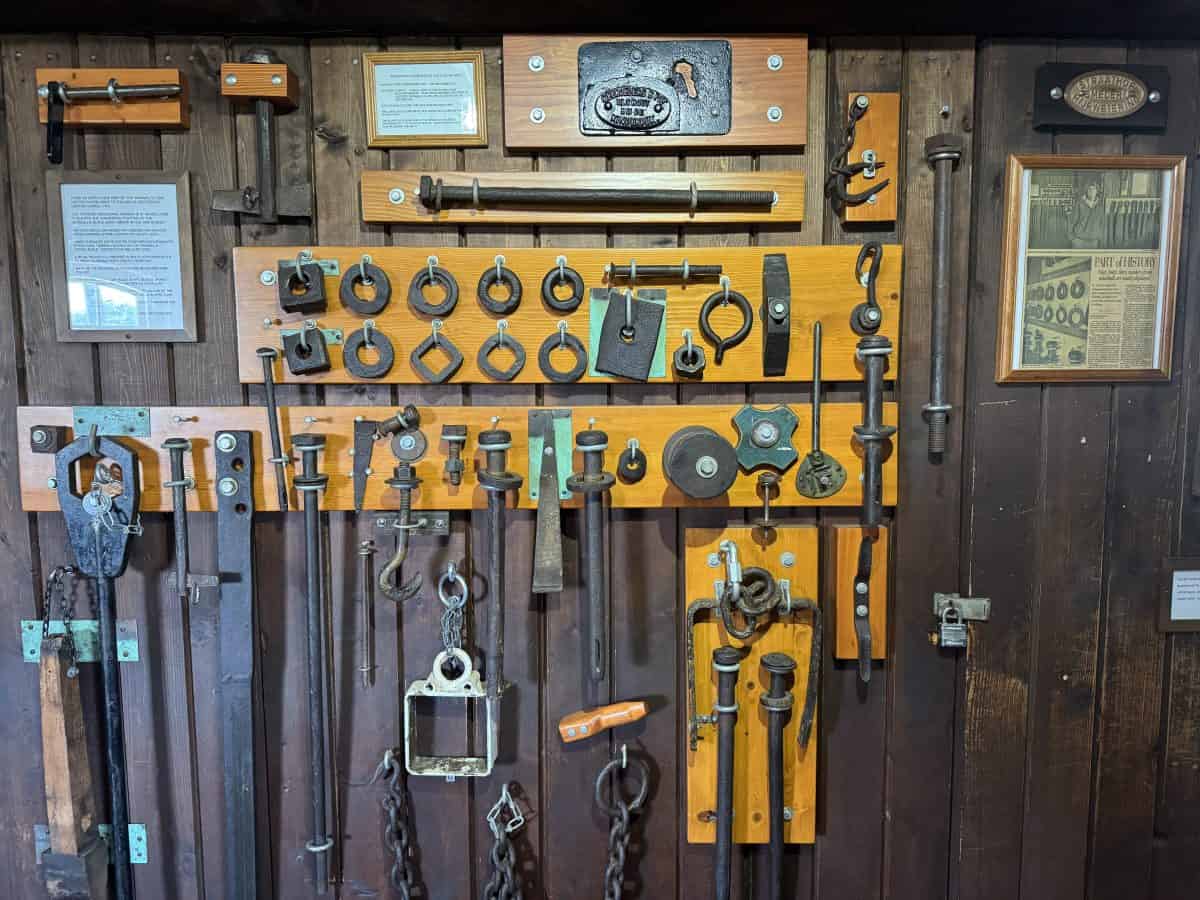
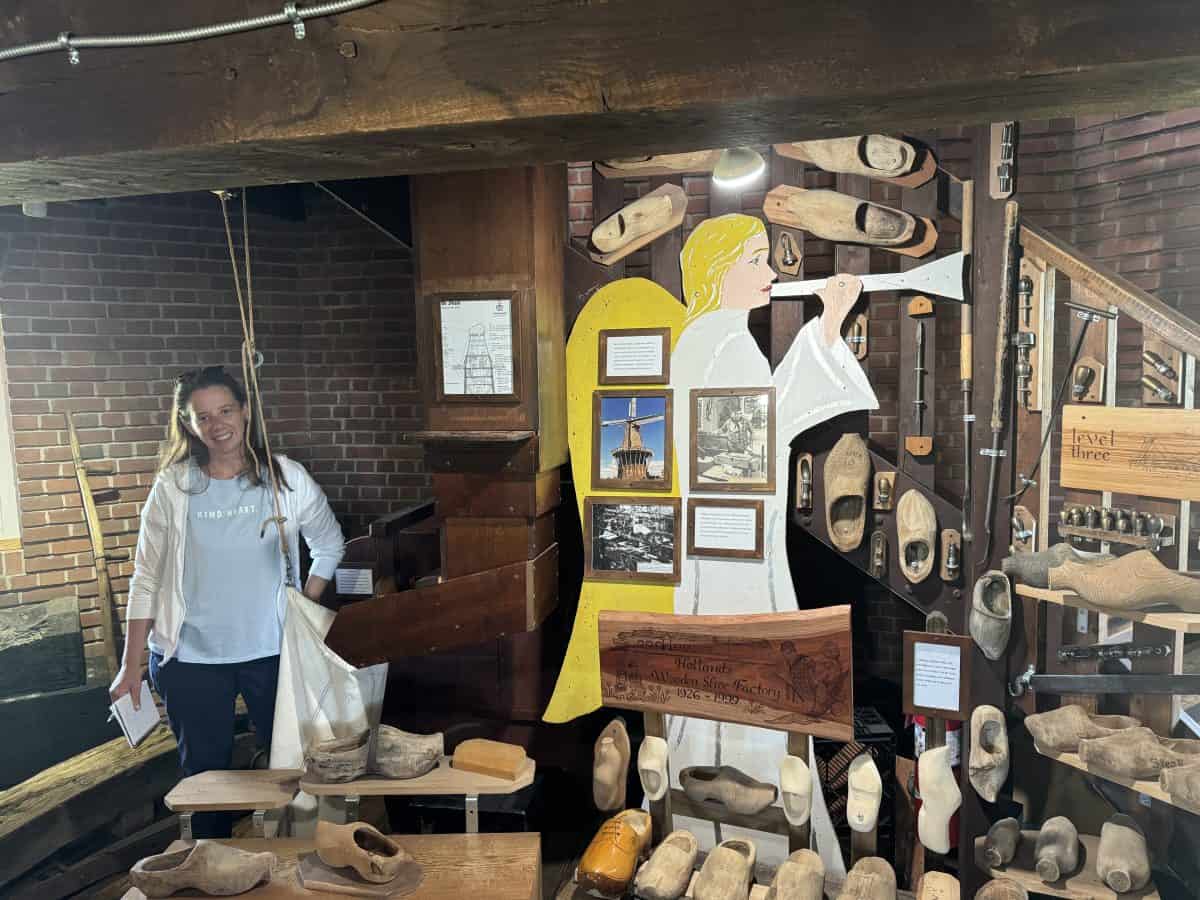
- The third floor is the Storage Floor, where thousands of pounds of flour are stored. There is also a large display of tools used in the flour making process.
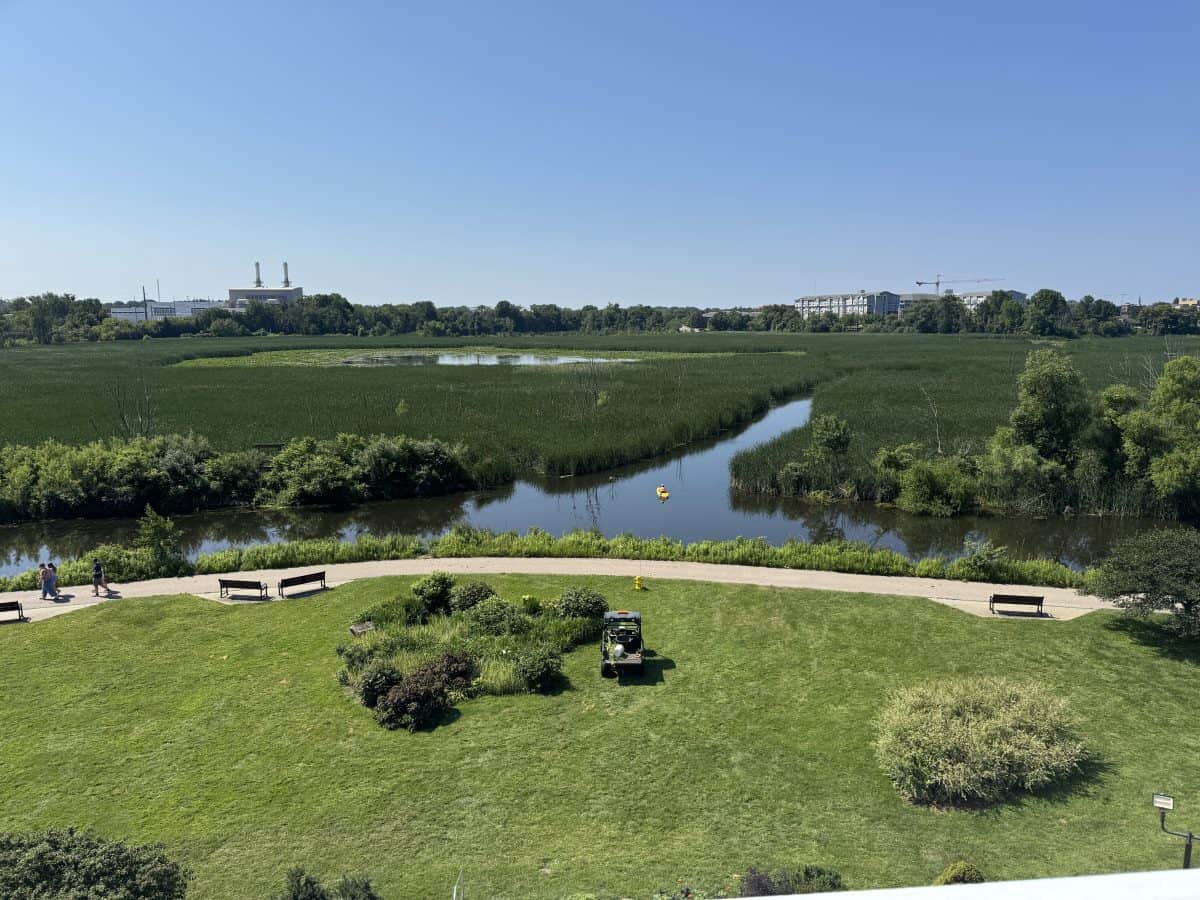
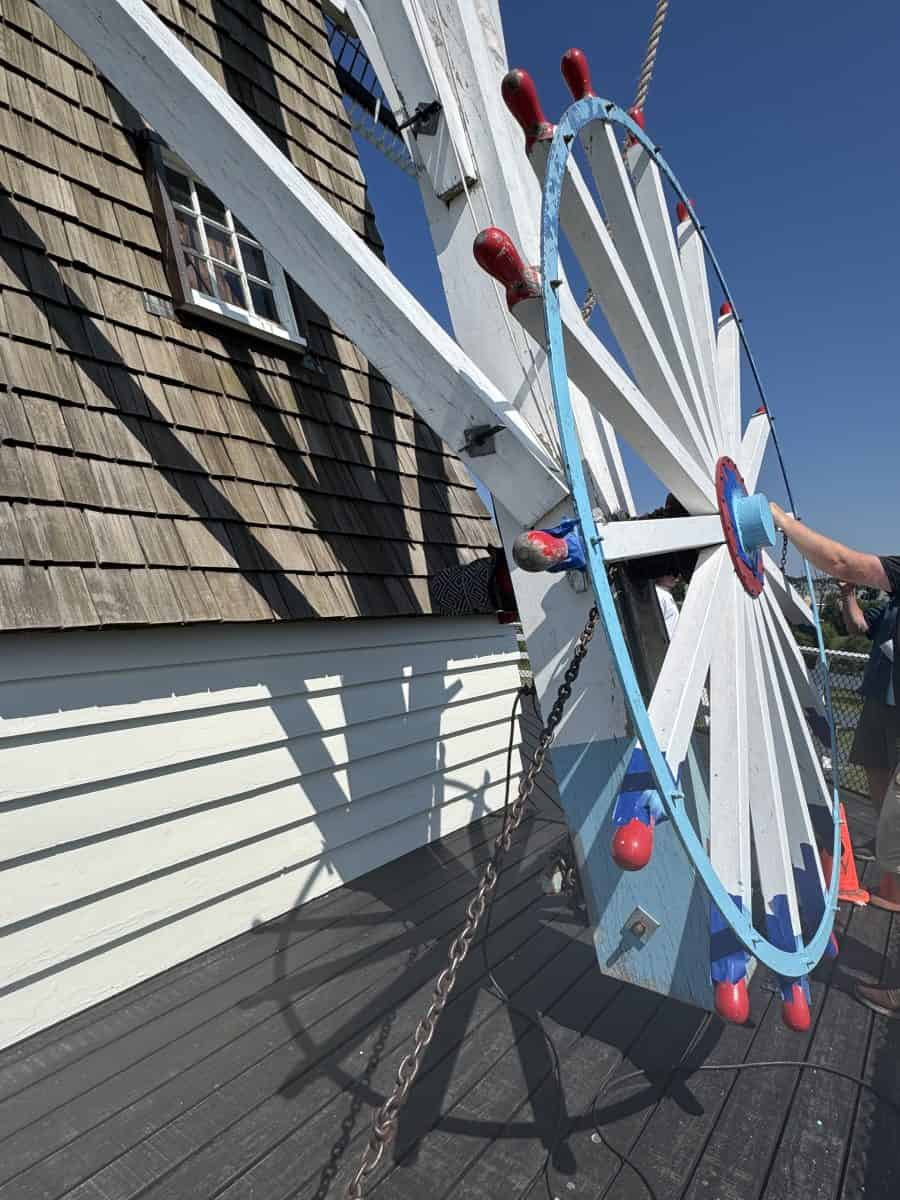
- The fourth floor is the Milling Floor, where millers grind the flour- typically a few times a month. Be sure to walk around the deck for 360 degree views of the park and Macatawa River and see the capstan wheel (being painted on the day we visited).
- The fifth floor is the Stone Floor, where two sets of grinding stones, used for milling, are on display. This floor is closed to the public when the millers are using the stones because of noise and dust.
- There are sixth and seventh floors, accessible only by ladder, used by staff only.
Looking for other adventures in Holland? Check out our feature of Nelis’ Dutch Village and follow along on our adventure on Instagram, Facebook, and Pinterest.
Disclosure: We were given a media pass to explore the Windmill Island Gardens; all opinions expressed are my own.