
15 Ways to Explore the Strawbery Banke Museum in Portsmouth, NH
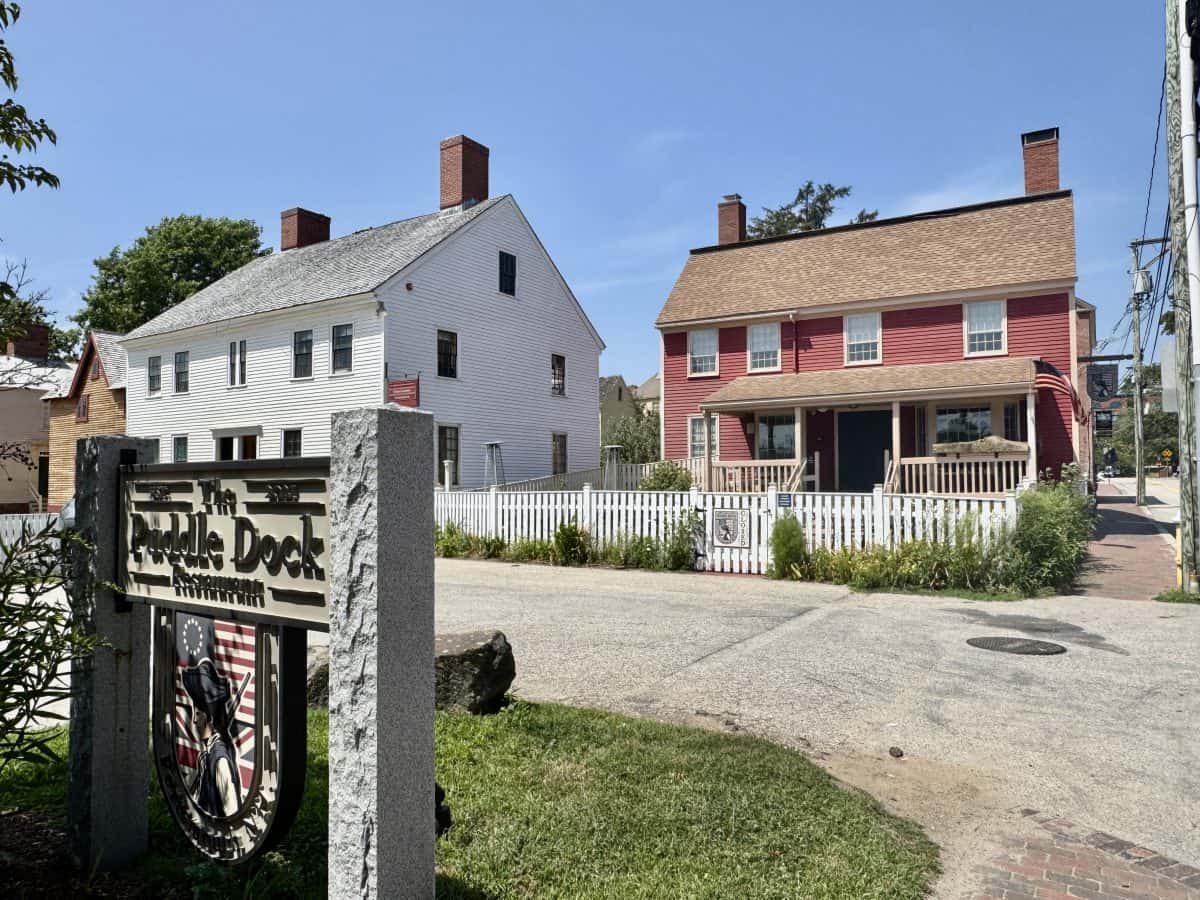
One of the most popular historical sites in New Hampshire, and New England, the Strawbery Banke Museum is a 10 acre living history museum that tells the story of the oldest neighborhood in New Hampshire, founded by English settlers in the 17th century. The property includes 16 restored buildings (all of which sit on their original foundation), almost a dozen gardens, daily demonstrations from skilled craftsmen, and engaging exhibits the whole family will enjoy.
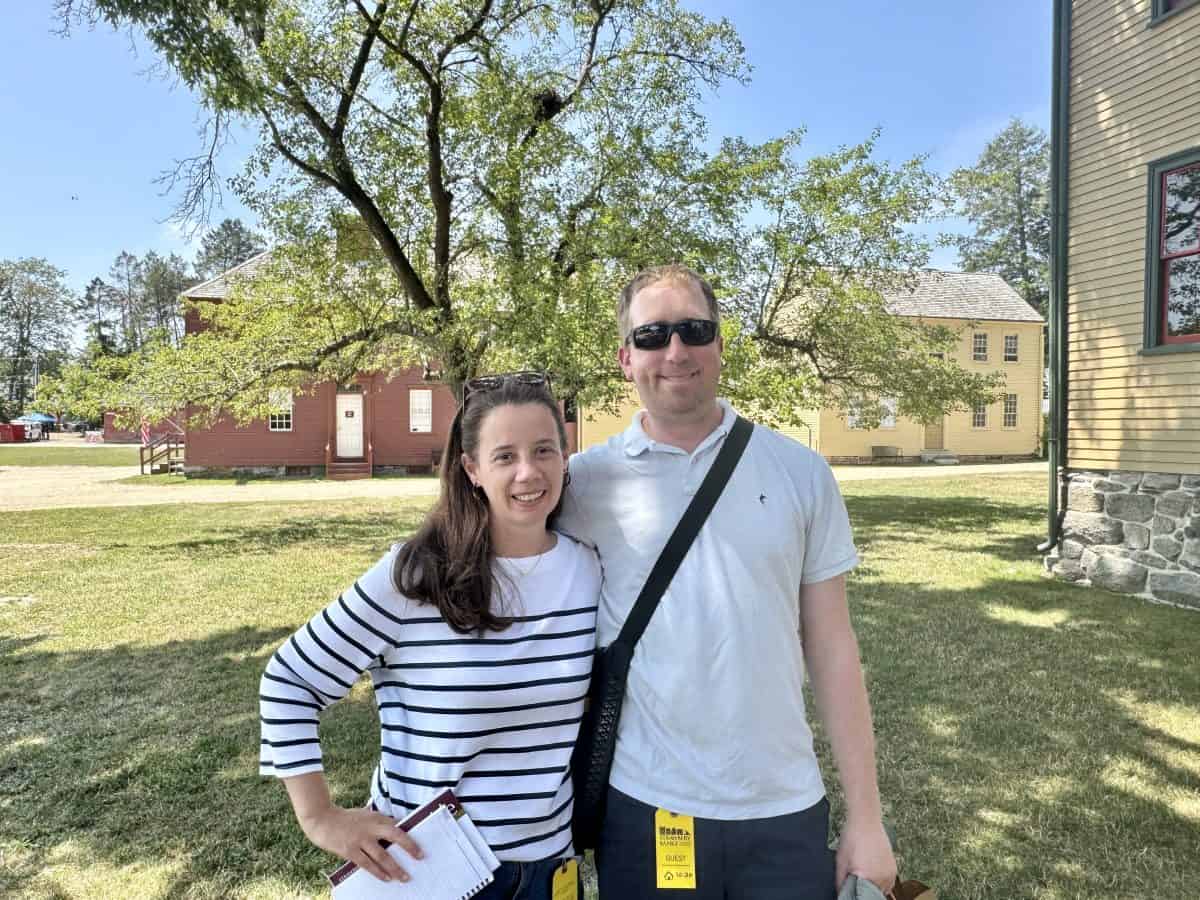
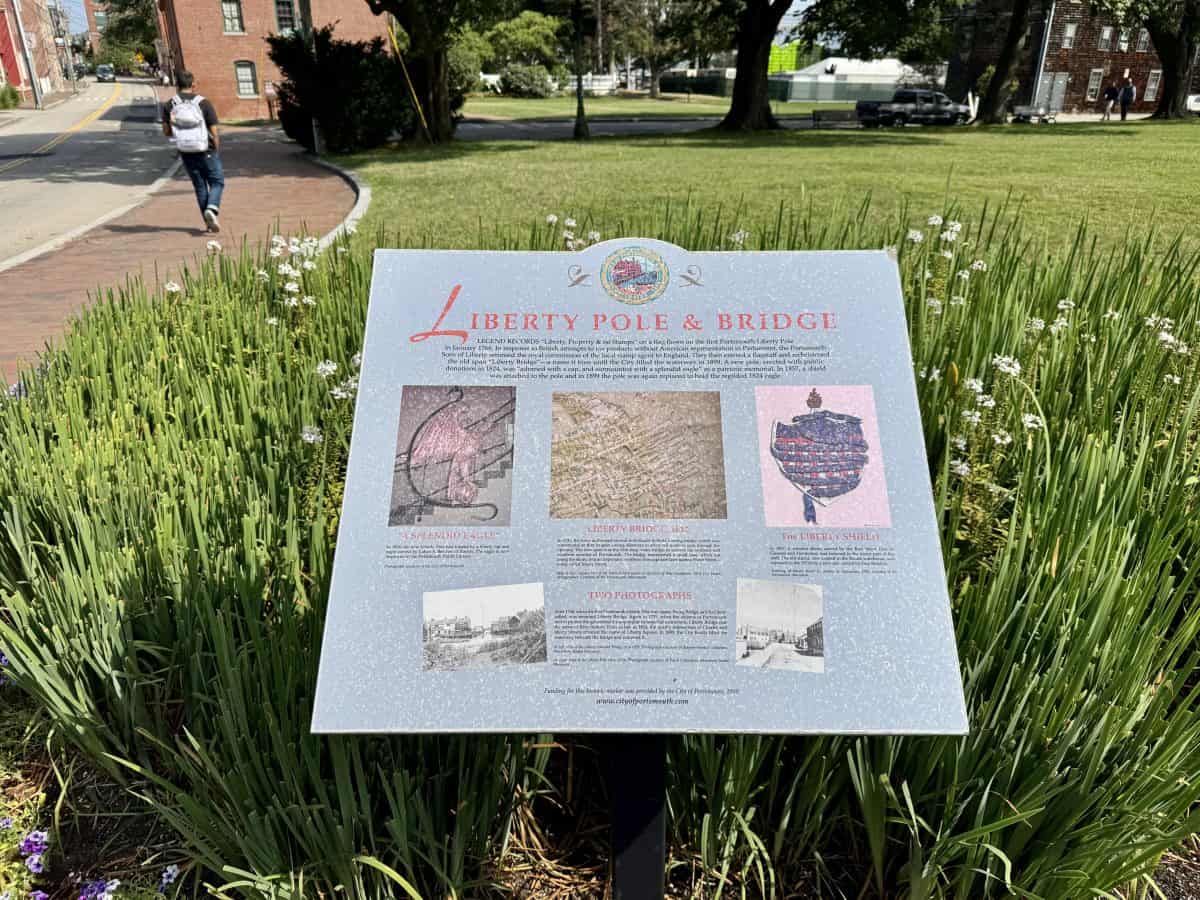
The property now known as Strawbery Banke was once the homelands of the Albenaki people, who spent their summers fishing near the water and traveled inland for the colder winter months. Samuel Champlain sailed up the Piscataqua River in 1618 and discovered the location as an ideal spot for maritime trading. English settlers returned to the area in 1623 and, seeing lots of strawberry bushes on the bank of the river, named it Strawbery Banke. They began building a waterfront settlement, including the Liberty Bridge across the Piscataque River in 1736, and the area thrived throughout the 18th and early 19th century. After the War of 1812 Portsmouth went through a recession as local maritime trading decreased and people began to move inland.
In the 1900s, the land was used as landfill, as the water had receded. The property became a junk yard and dumping ground until the 1950s, when the federal government announced plans to clean it up to be used for government housing (there are both Navy and Air Force bases nearby). However, local citizens prevented that takeover and bought the 20 acres to preserve the area and turn it into a museum, which opened as an outdoor living history museum in 1965.
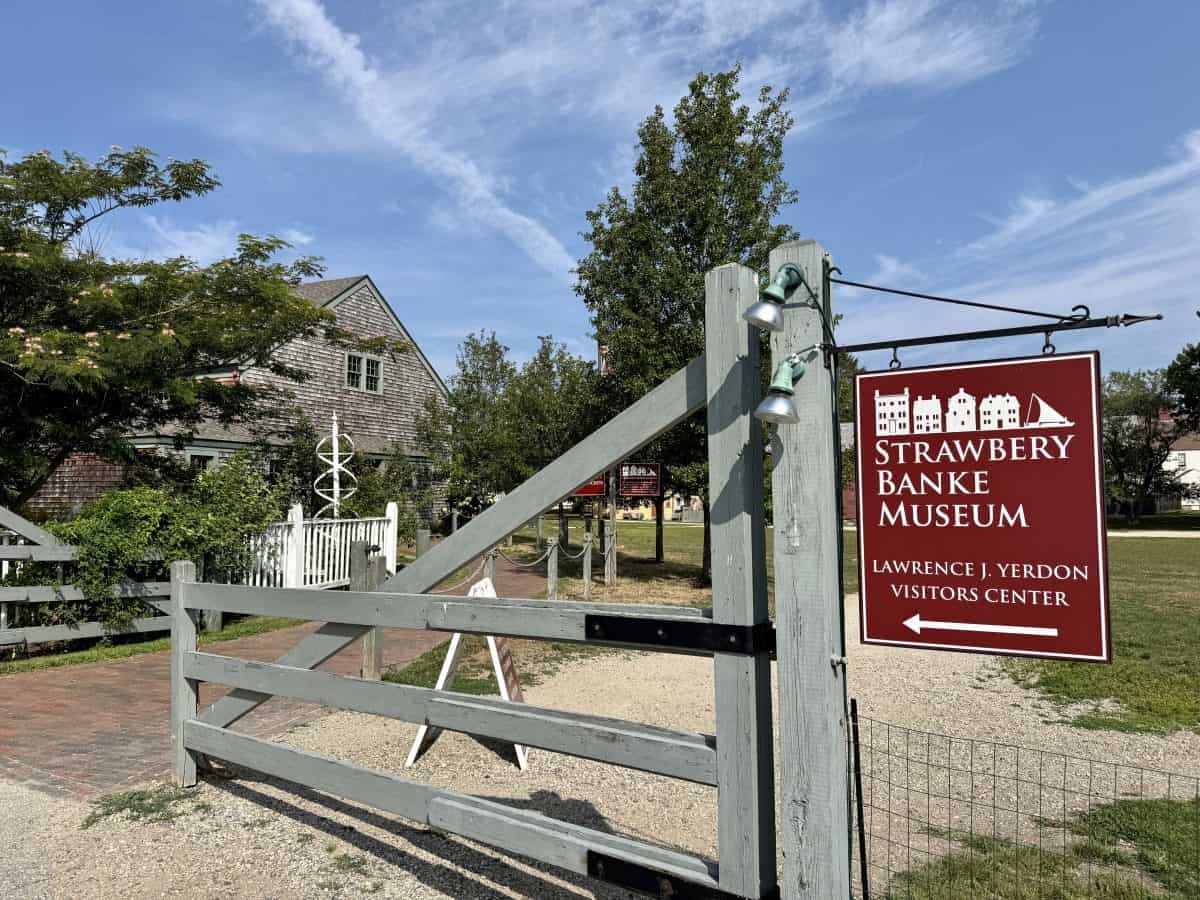
Today, visitors of all ages will enjoy the opportunities to learn from engaging and knowledgeable docents (dressed in period attire and conversing in period appropriate dialogue with visitors) about the early Puddle Dockers and their families, participate in hands-on workshops and daily activities, and explore a variety of permanent and rotating exhibits. There are sixteen buildings open to the public, and the museum has several additional restoration projects planned. The museum campus is very kid friendly and children will enjoy the engaging exhibits and hands on learning.
Travel Tips:

15 Ways to Explore the Strawbery Banke Museum
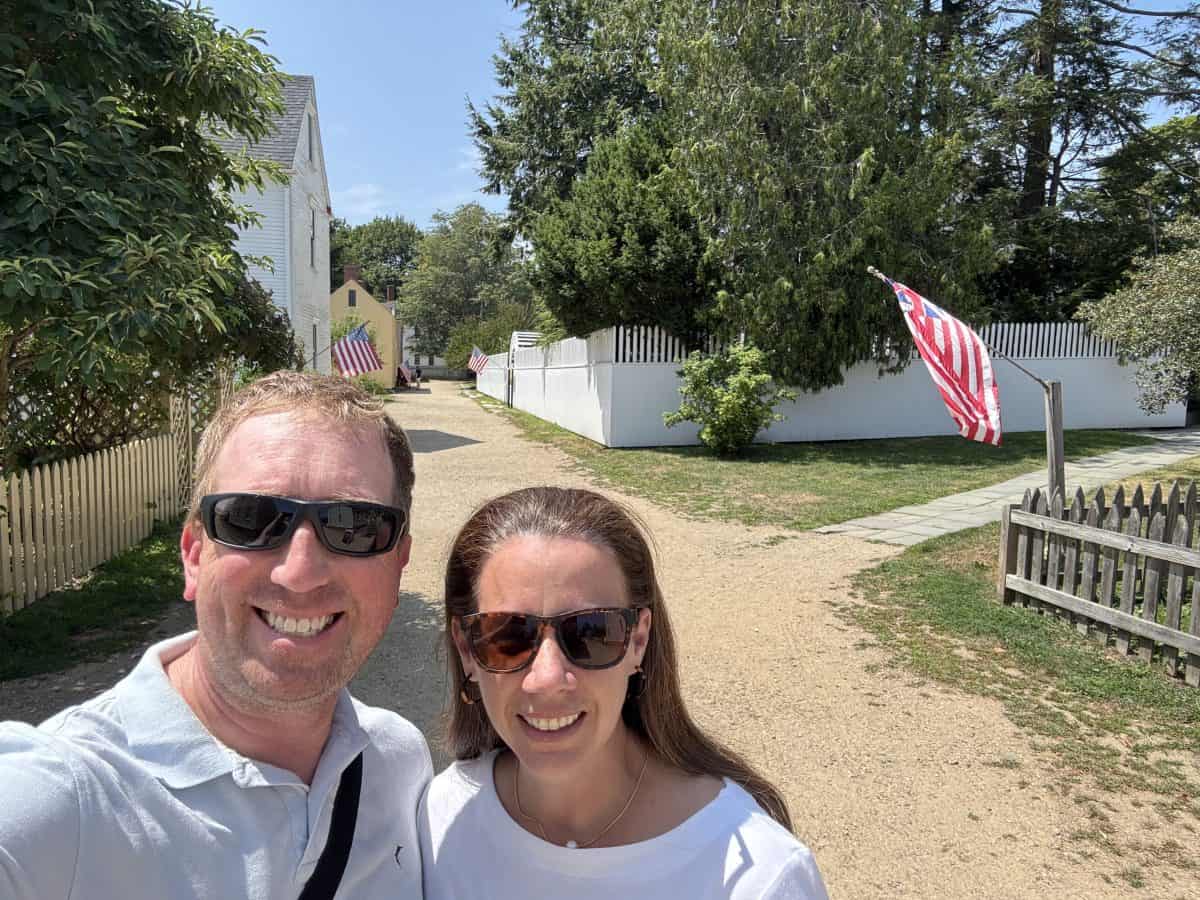
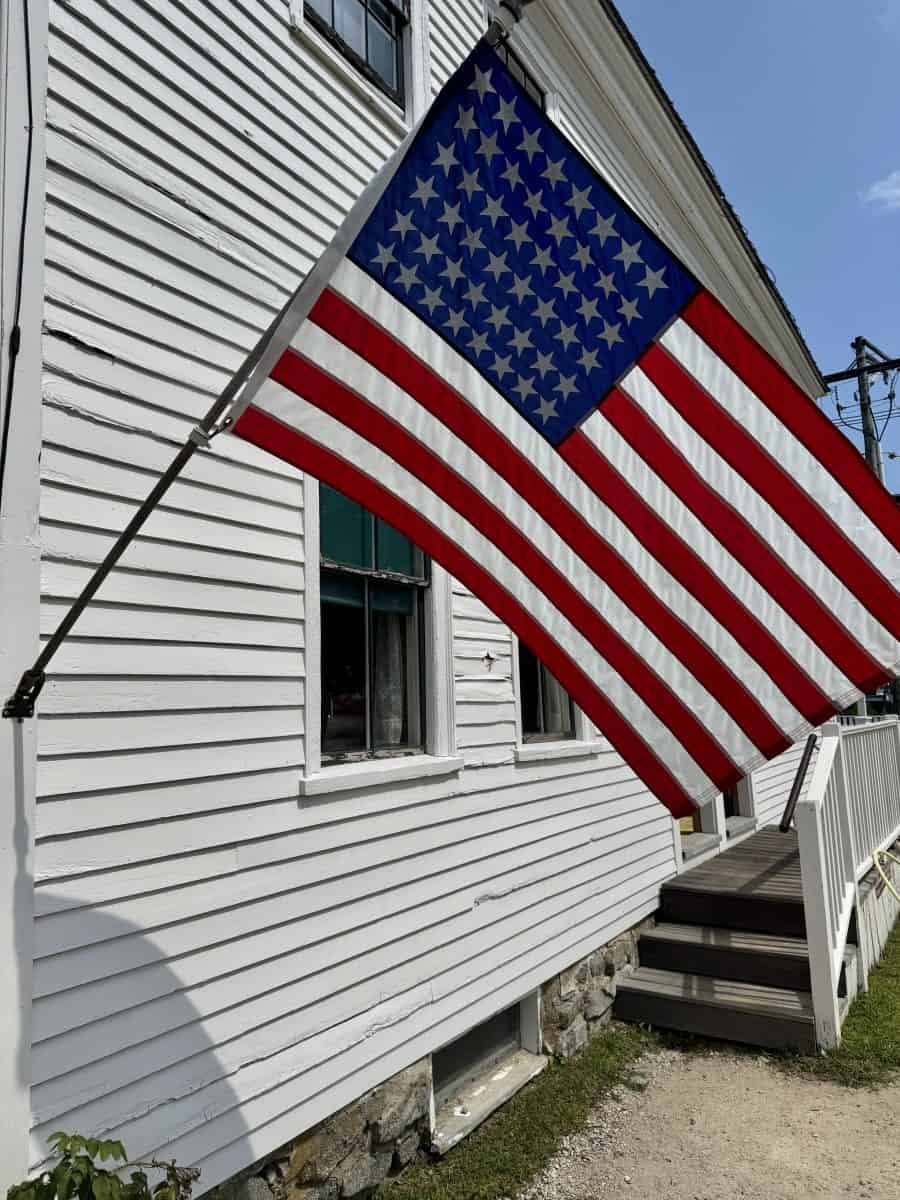
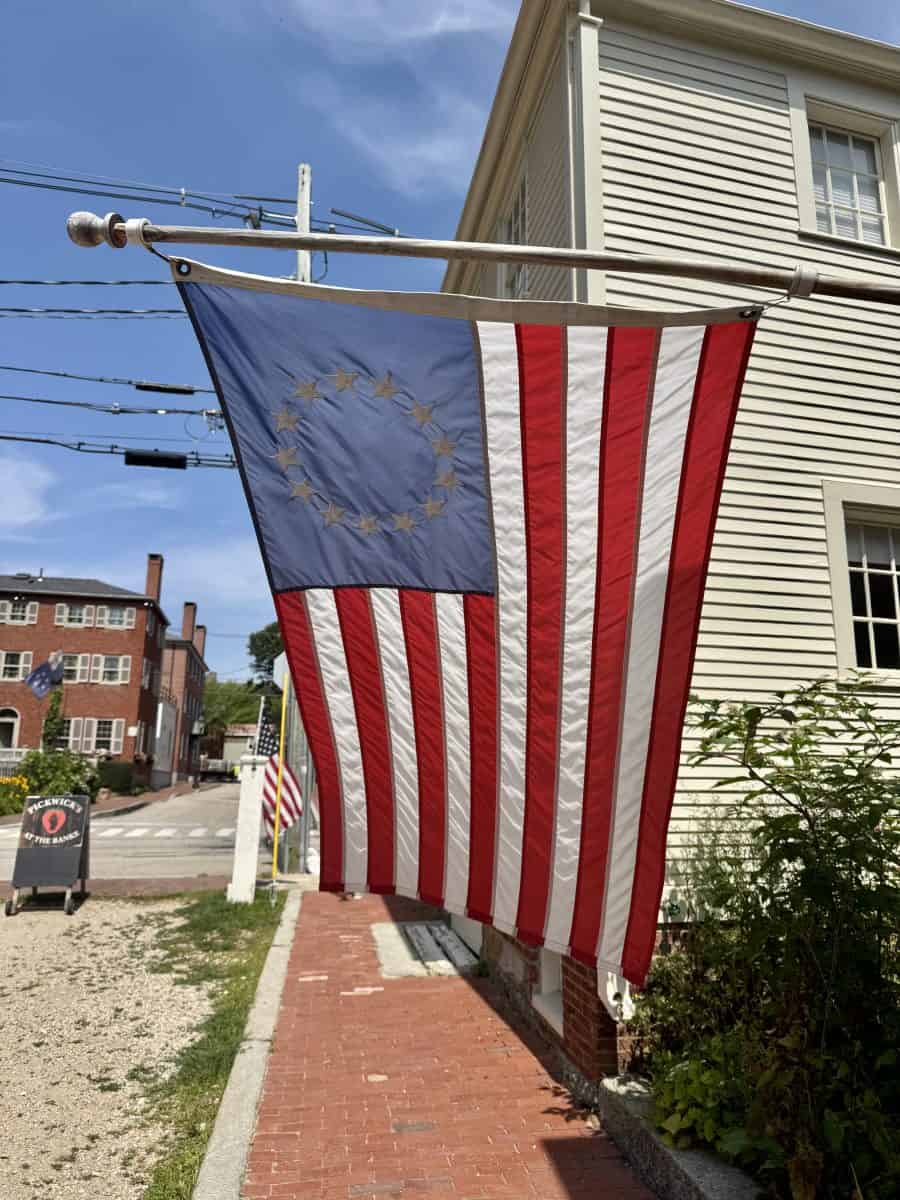
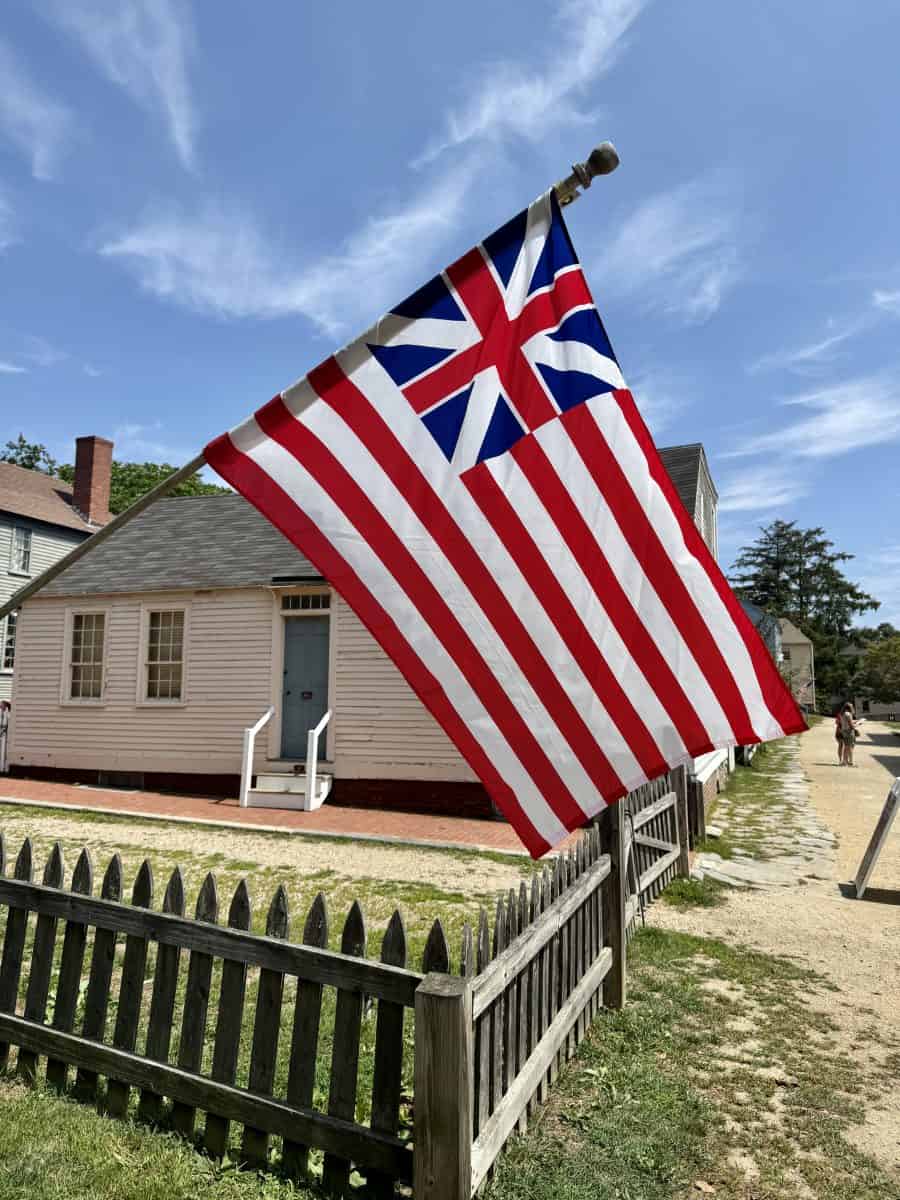
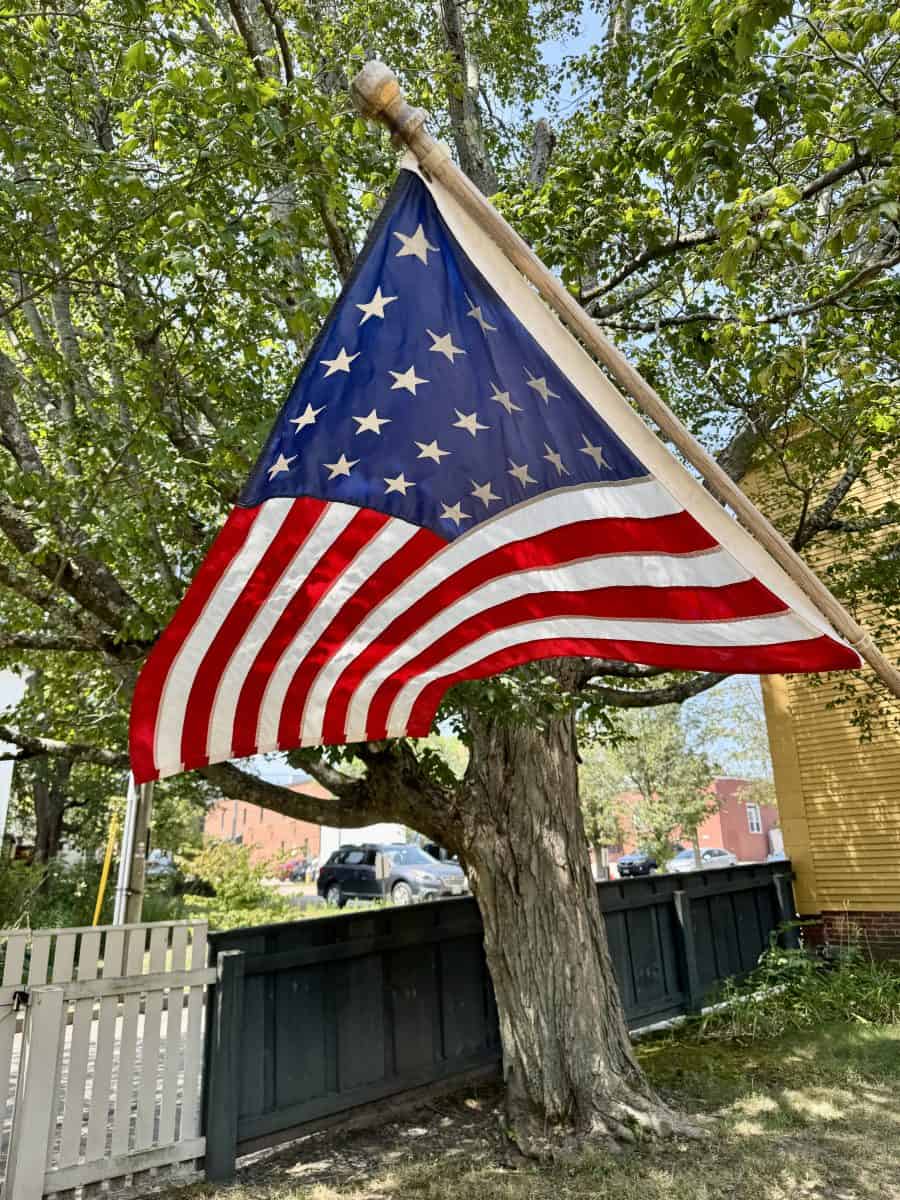
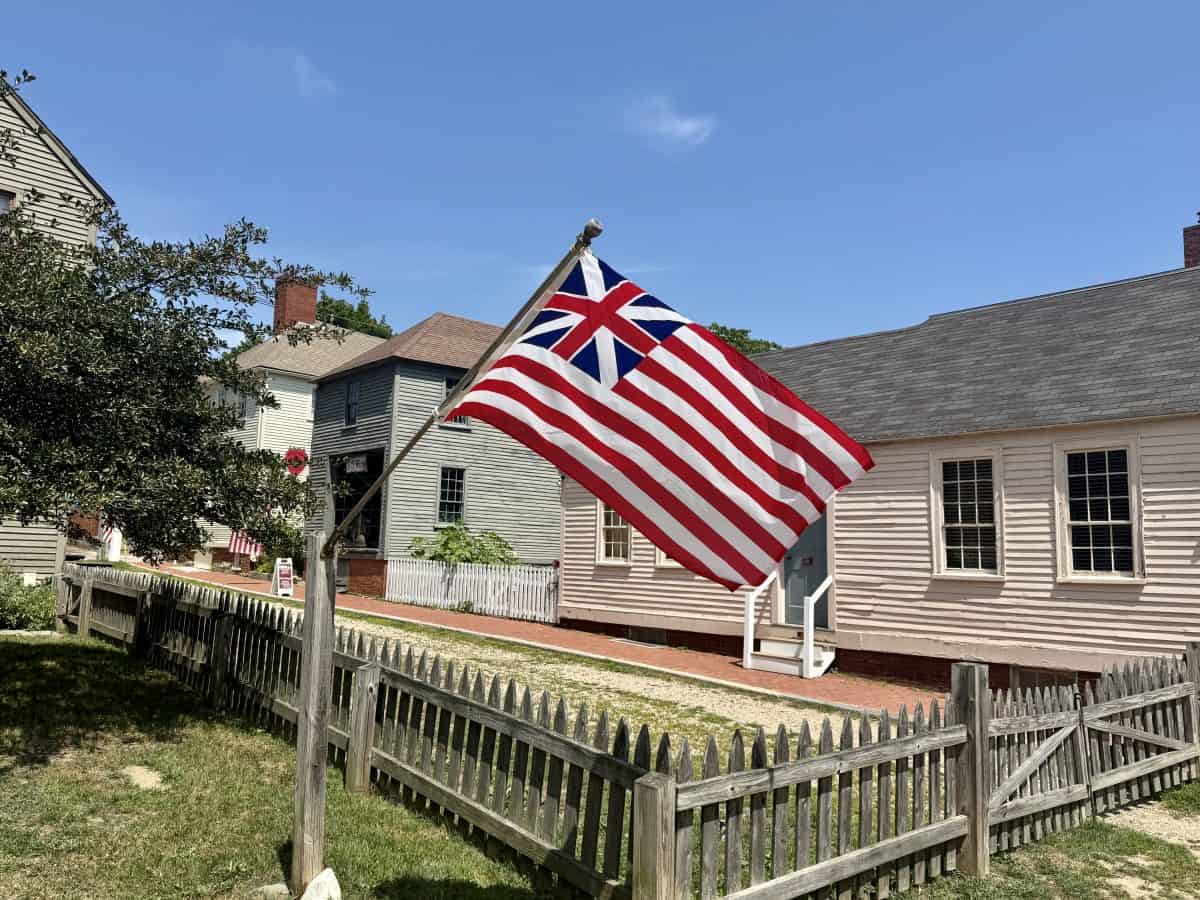
- Look for the various iterations of the American Flag: If an exhibit is open, there will be an American flag displayed outside, matching the time period of the exhibit inside the building. Note: there are several private residences and businesses located within the museum campus, so take note of “private residence” signs and buildings without flags.
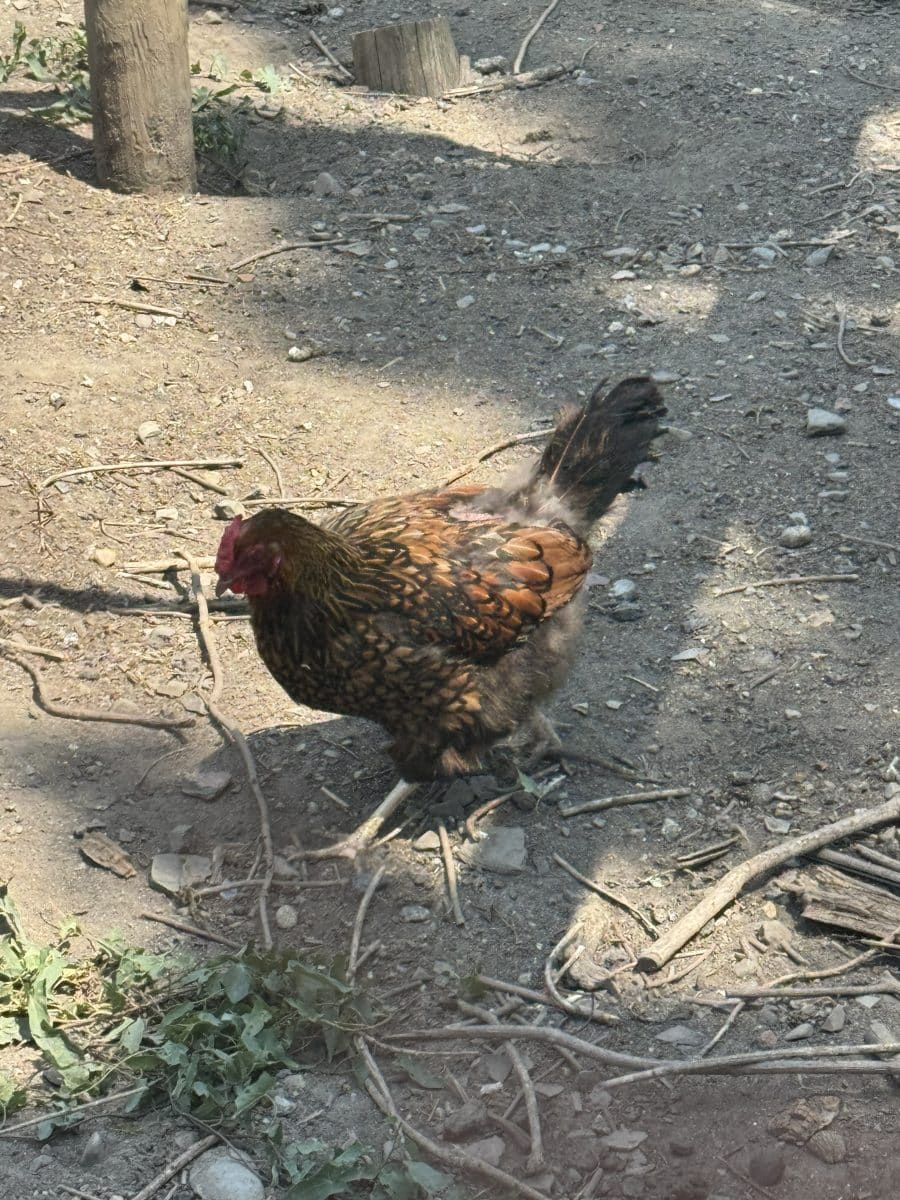
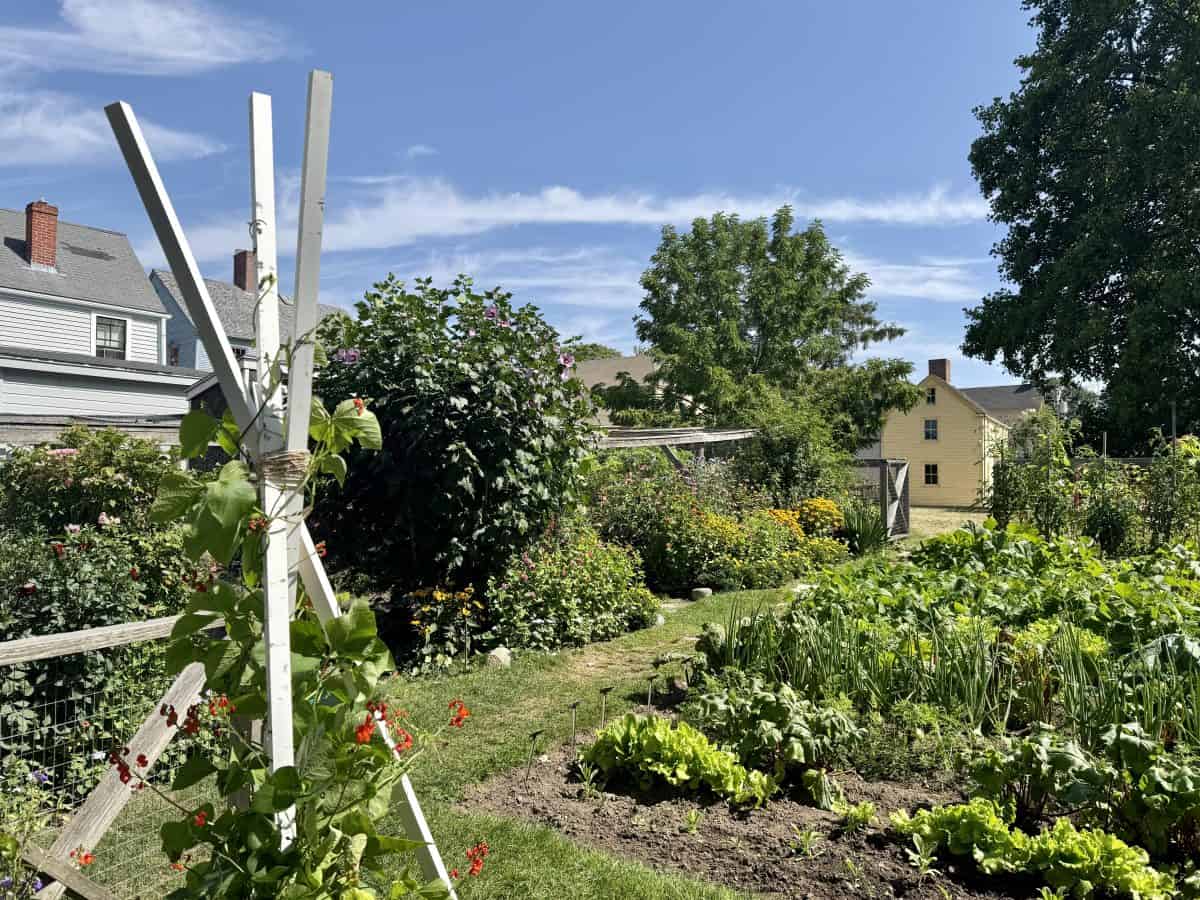
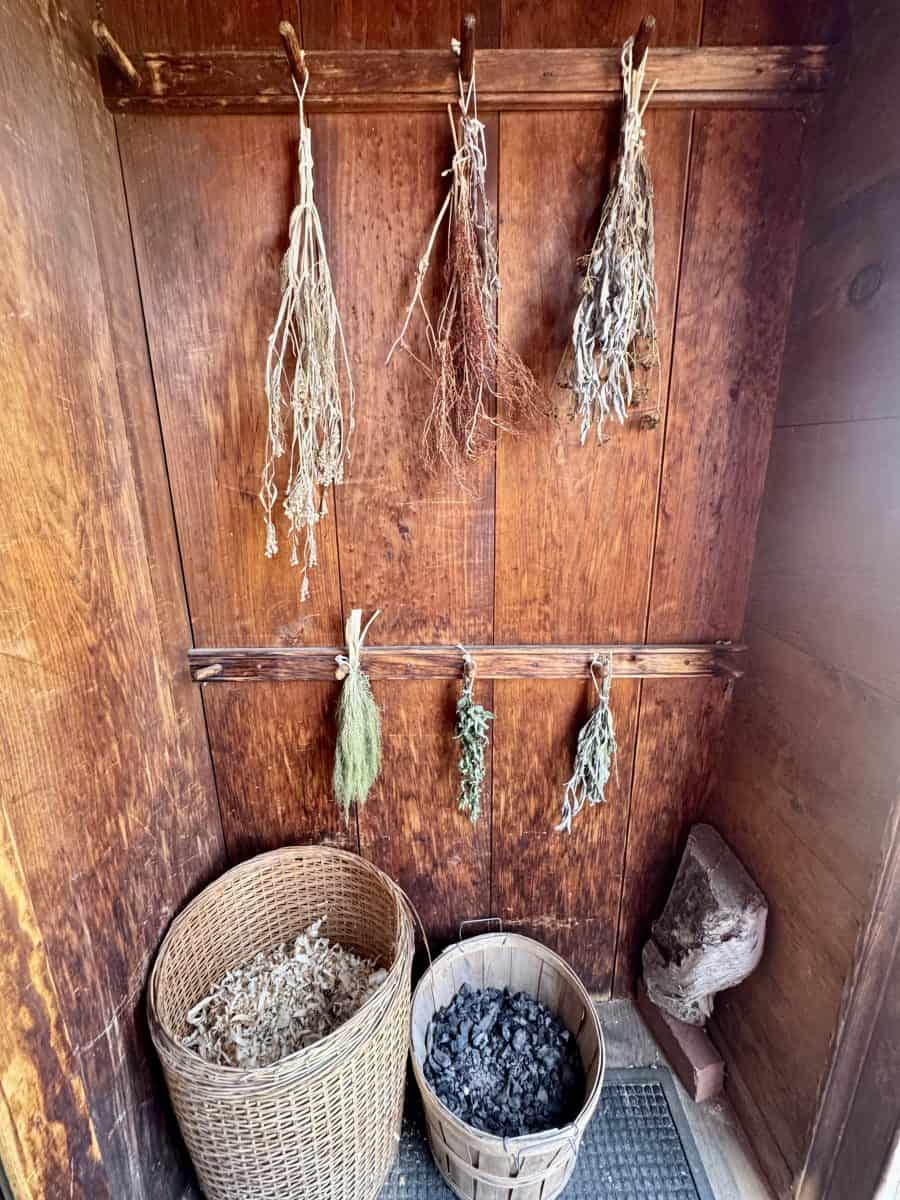
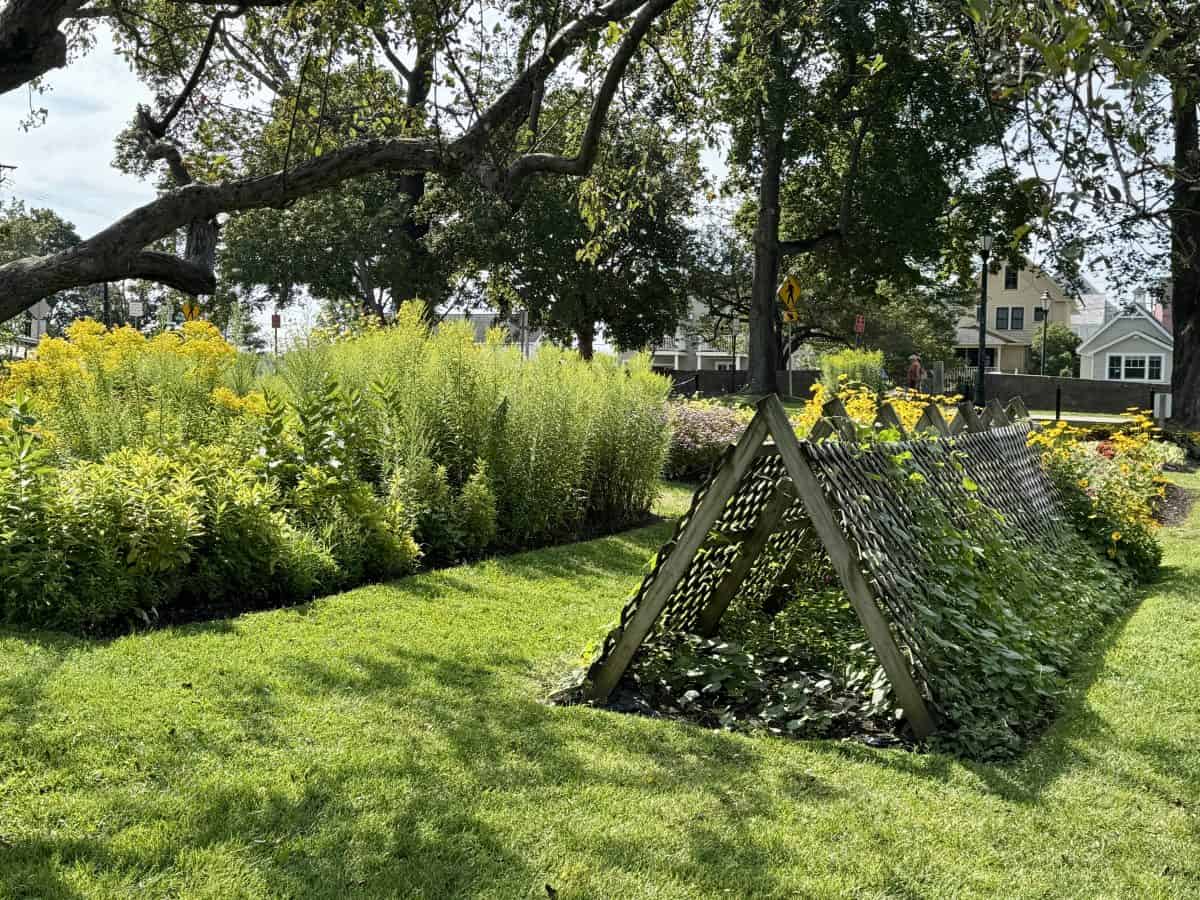
- Search for various vegetables, fruits, and flowers growing in the Victory Garden and the Herb Garden (and keep an eye out for chickens in the coop next to the Victory garden). When in season, visitors are allowed to pick a strawberry from the Herb Garden to try. There are also several smaller gardens ranging from a children’s garden to a hothouse to colonial kitchen gardens nestled amongst several buildings.
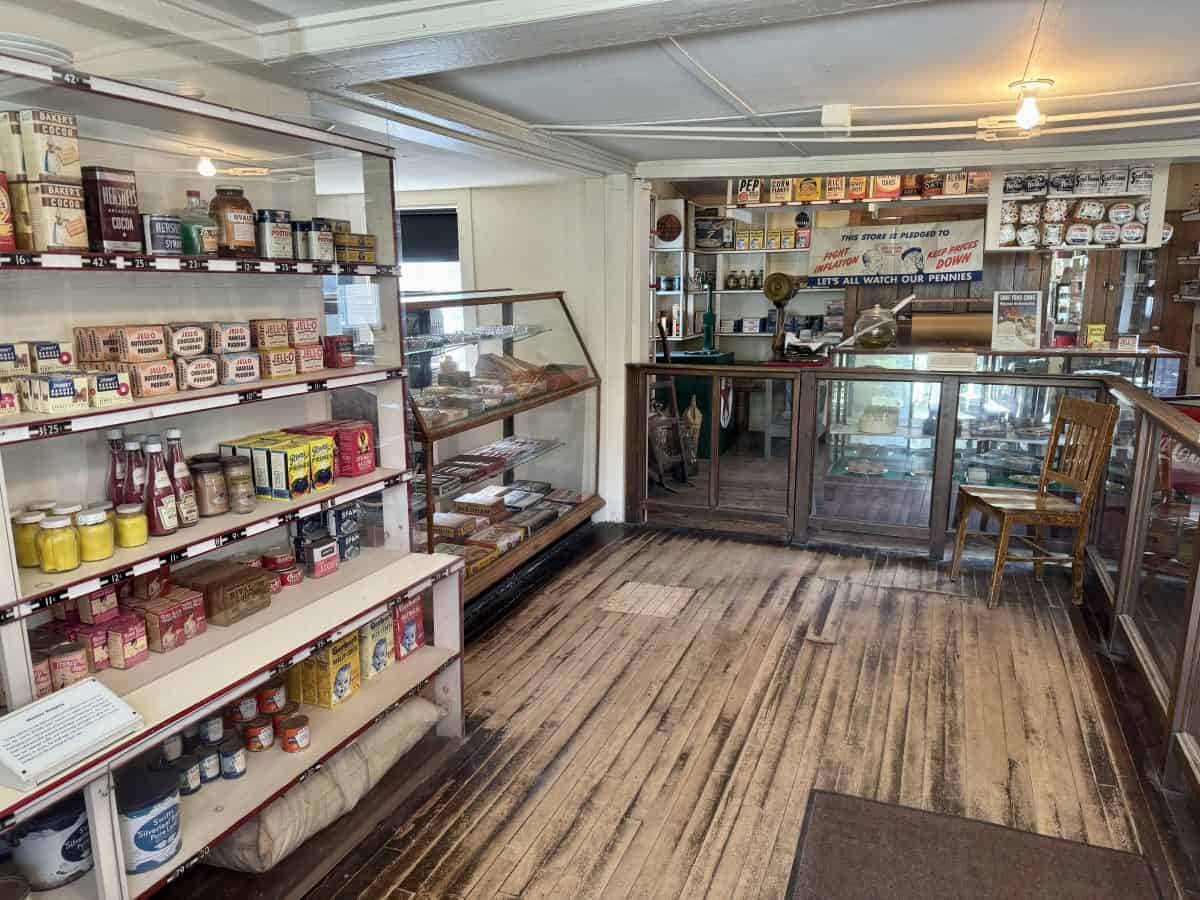
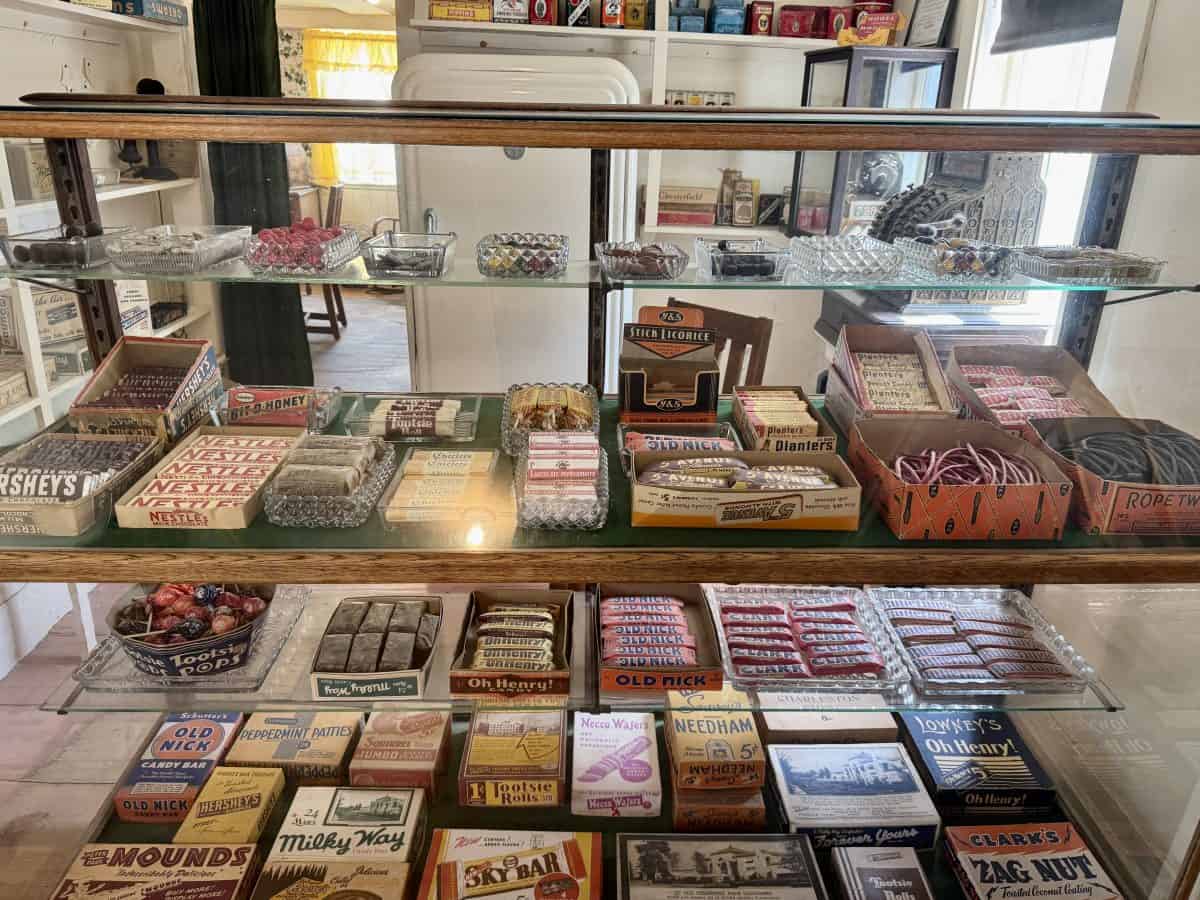
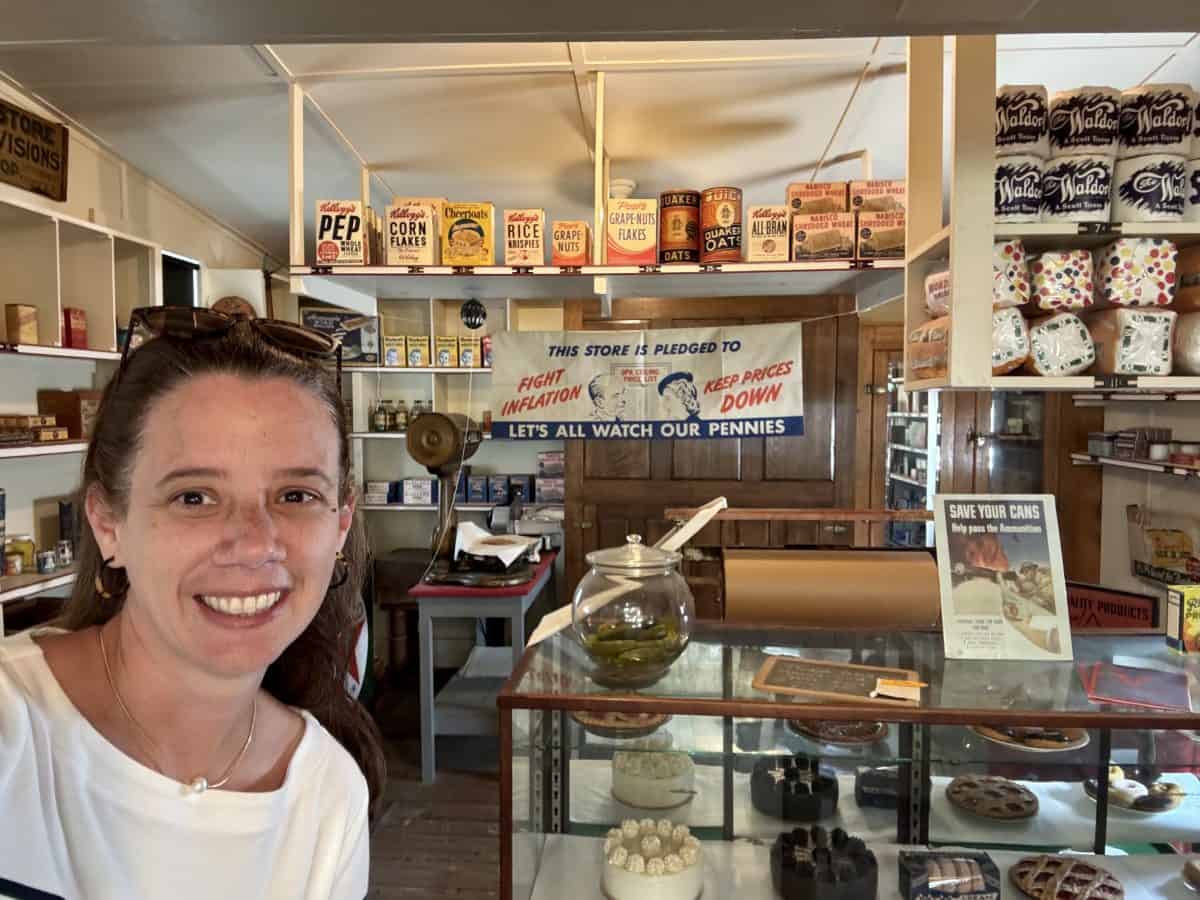
- Pretend to go shopping for wartime rations in the 1943 Abbott Store (originally built in 1792) and note the prices of pantry staples.
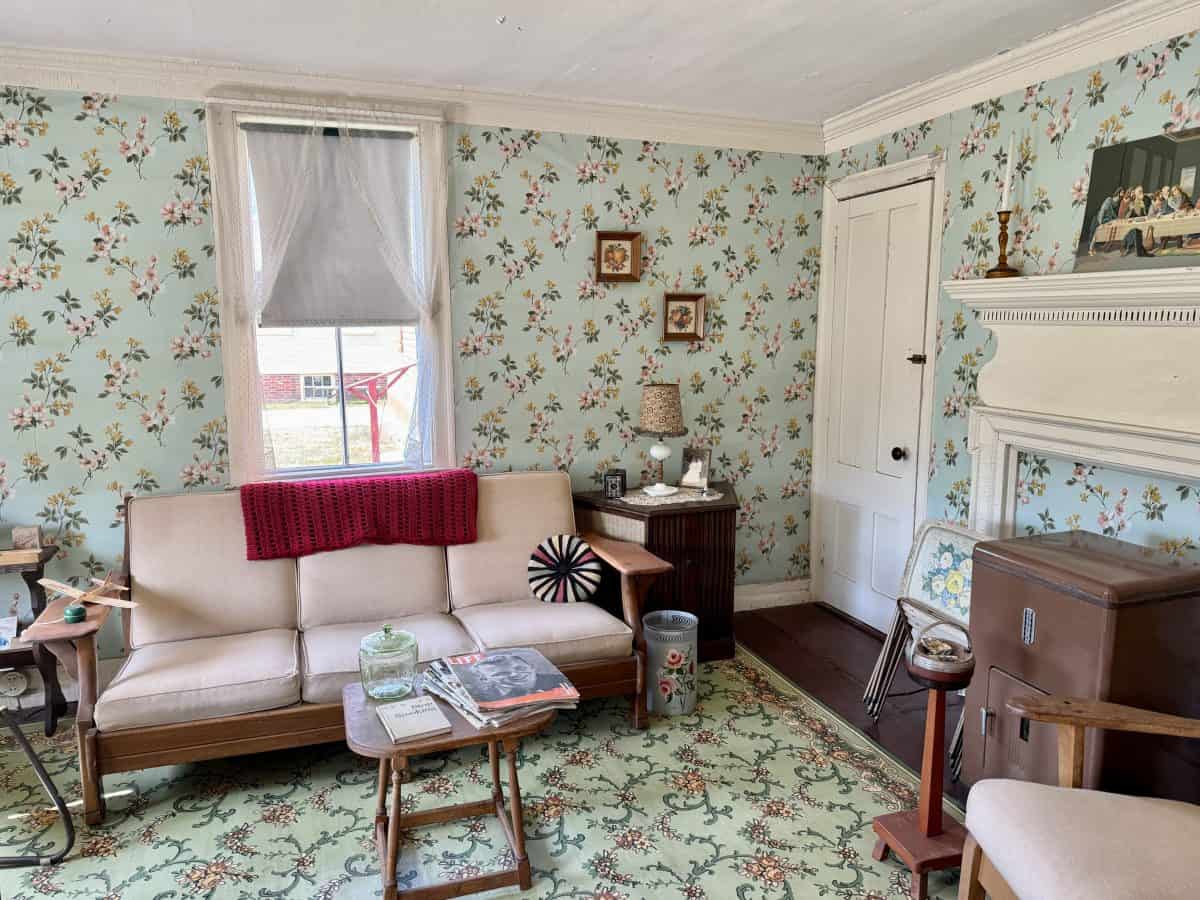
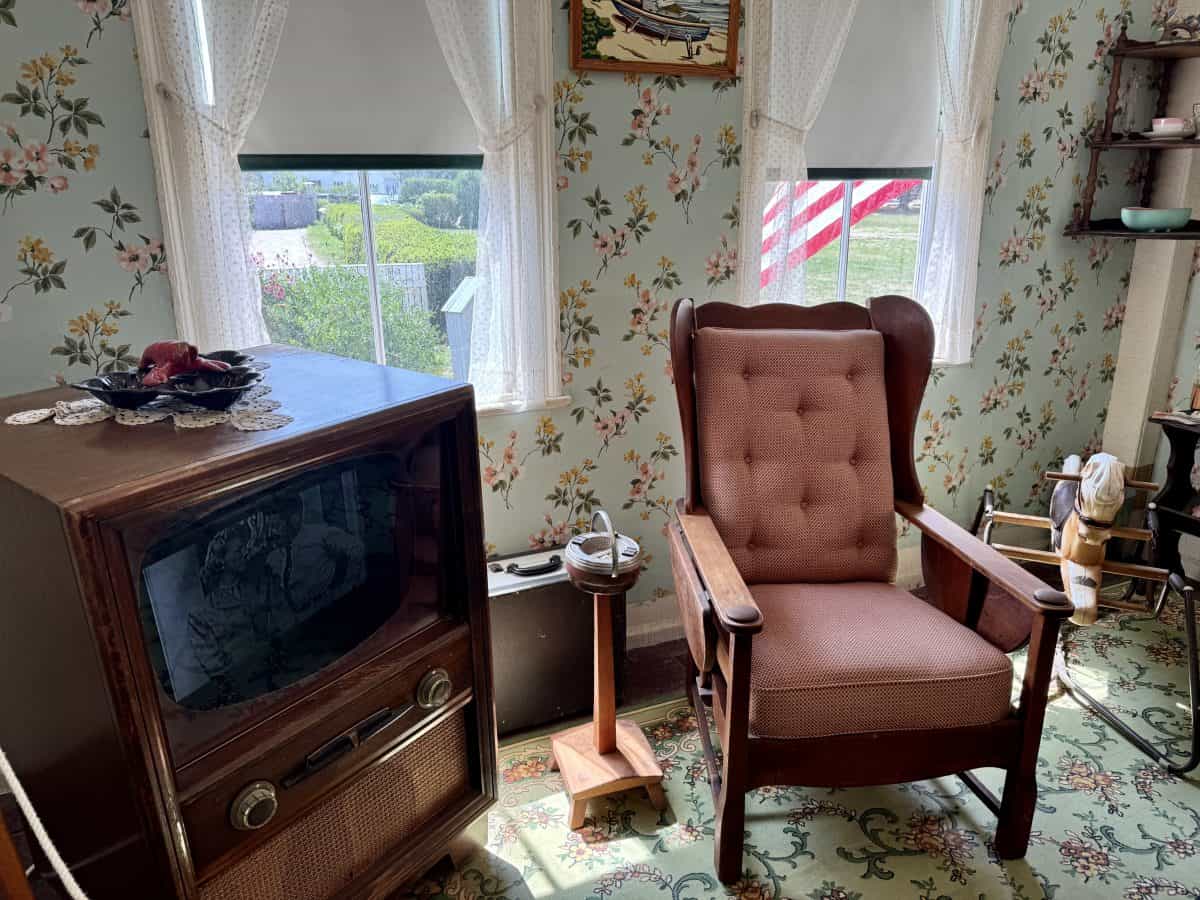
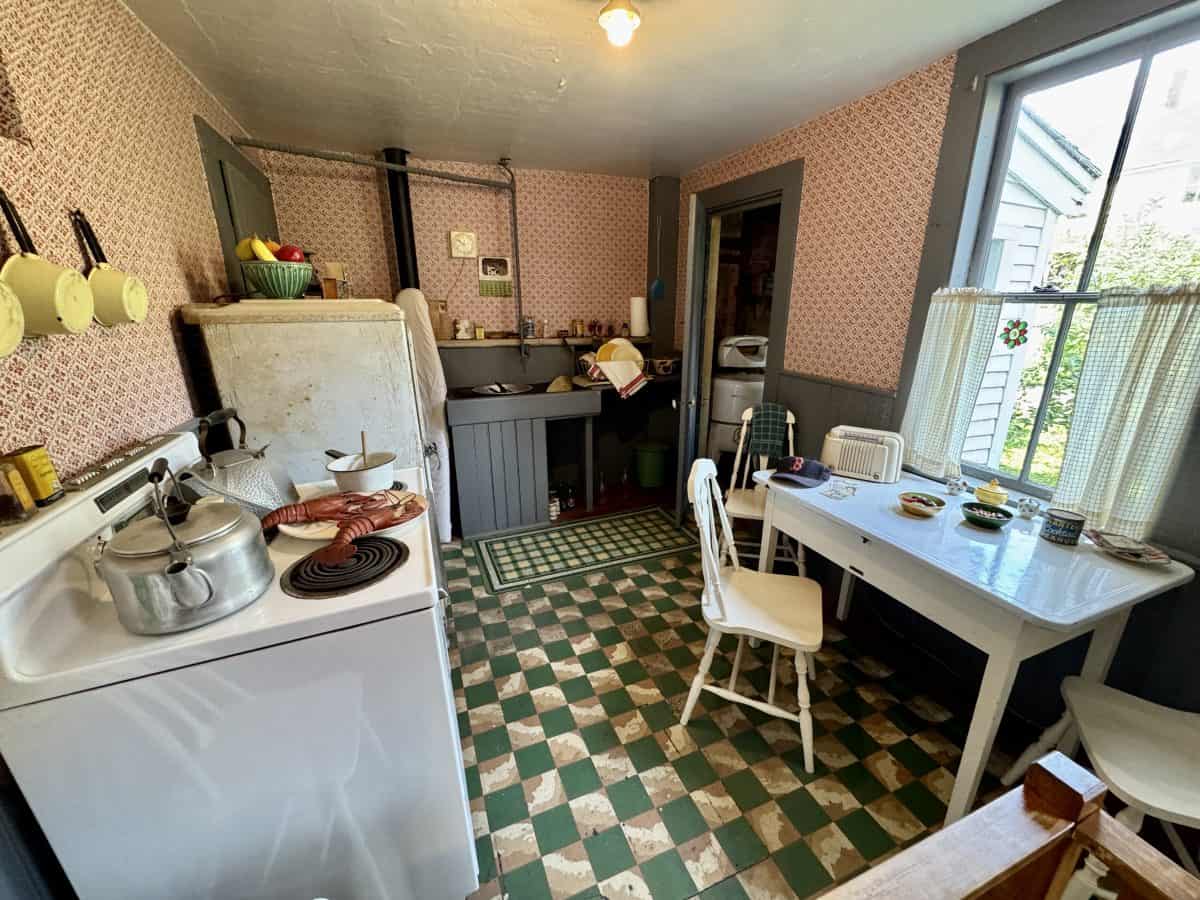
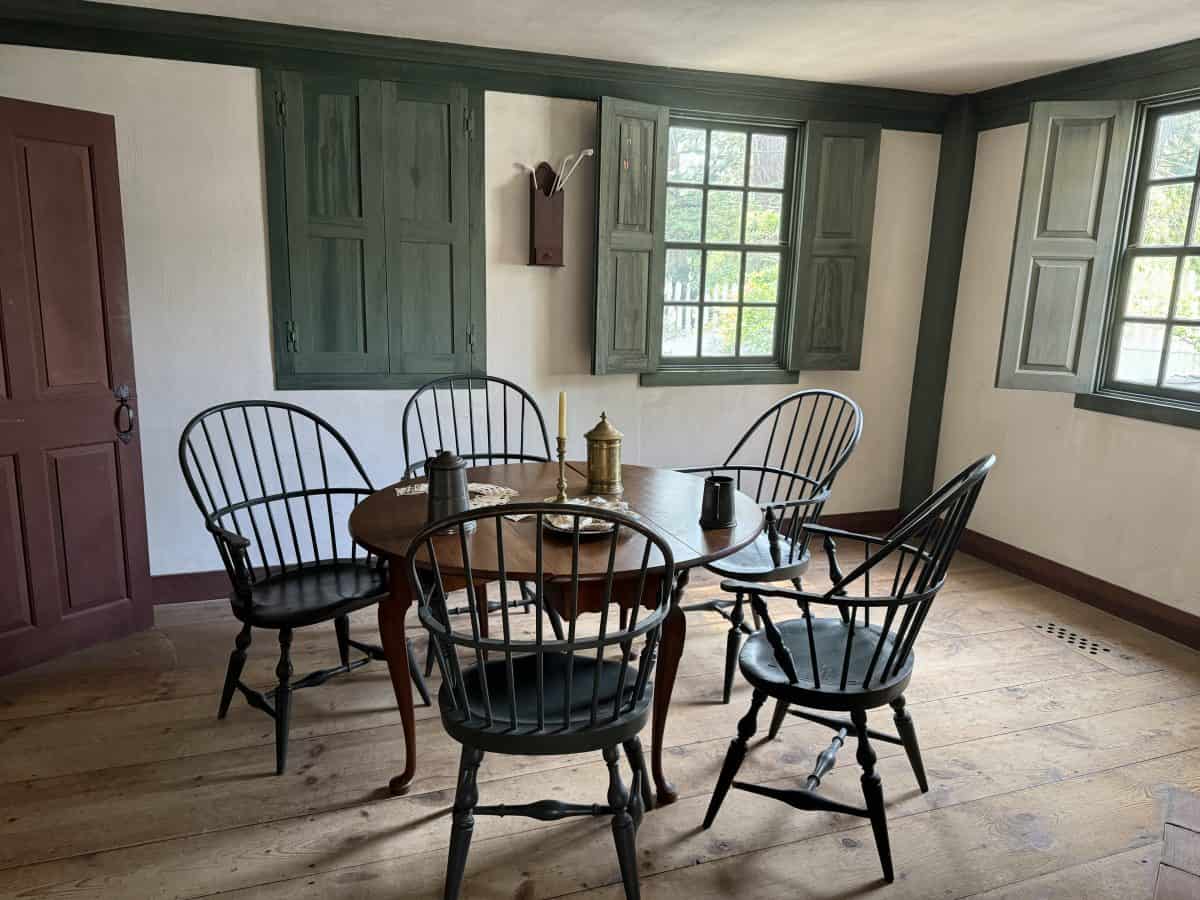
- Note the differences between the Shapley family’s lifestyle in the 1790s versus the Pridham family’s lifestyle in the 1950s in the Shapley Pridham House. The Shapleys lived there as a single family, waterfront home in the 1790s (look for backgammon set up on the table). Eventually the house was turned into a duplex. The Pridhams lived in the home once it became a duplex and visitors can see evidence of “modern” amenities such as a television, radio, electric stove and refrigerator.






Would you like to save this?
- See a collection of Kingsbury tools (planes, gauges, and squares) from the 19th century in the Lowd House. These tools were used in popular trades such as boat building, brewery work, cabinet making, and coppering.
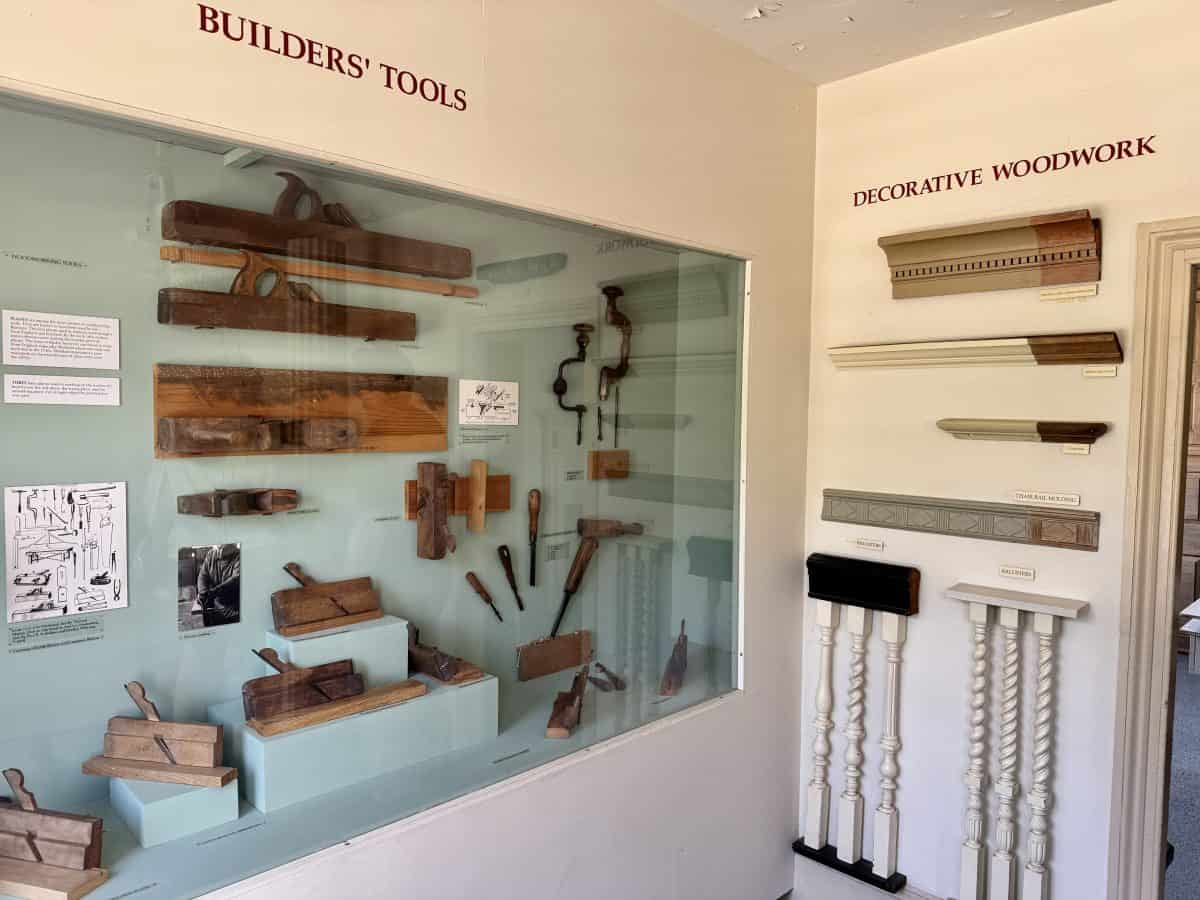
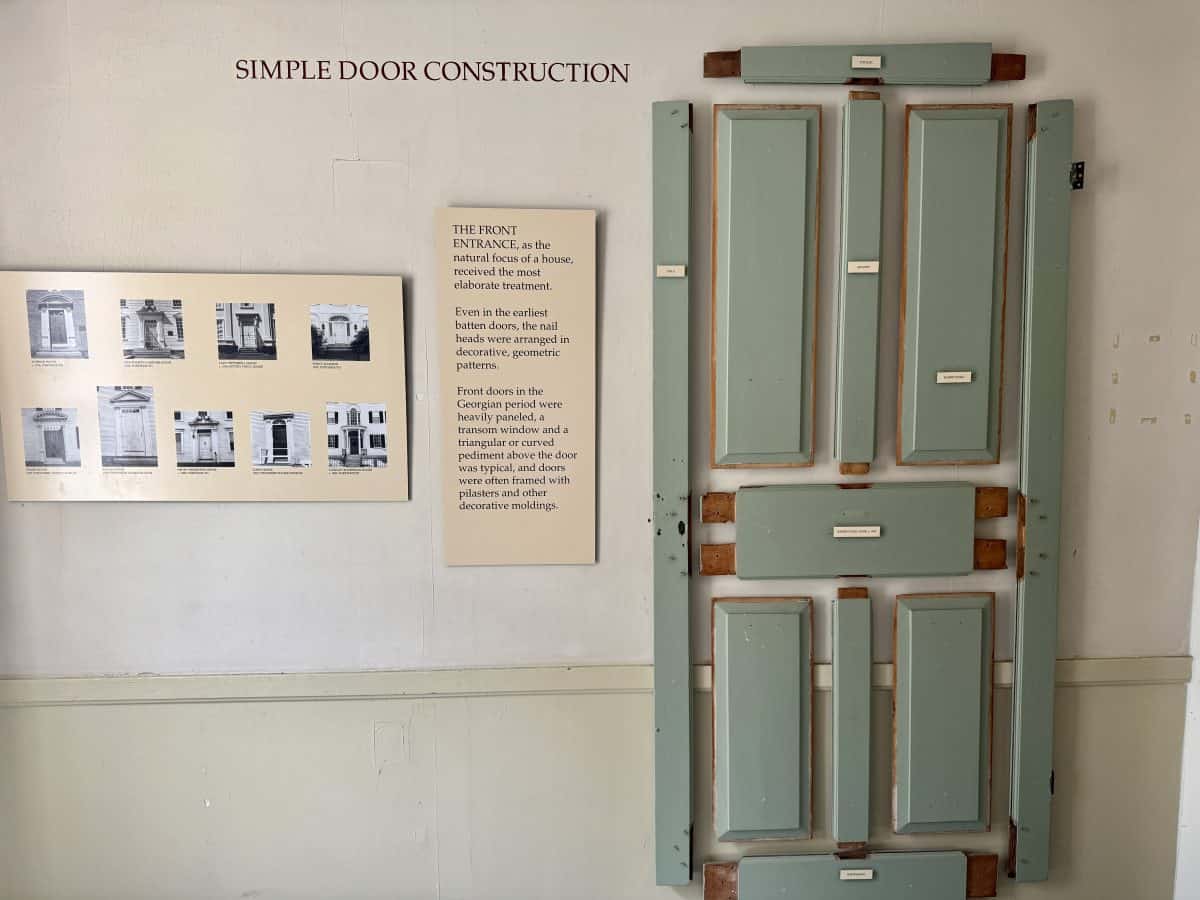
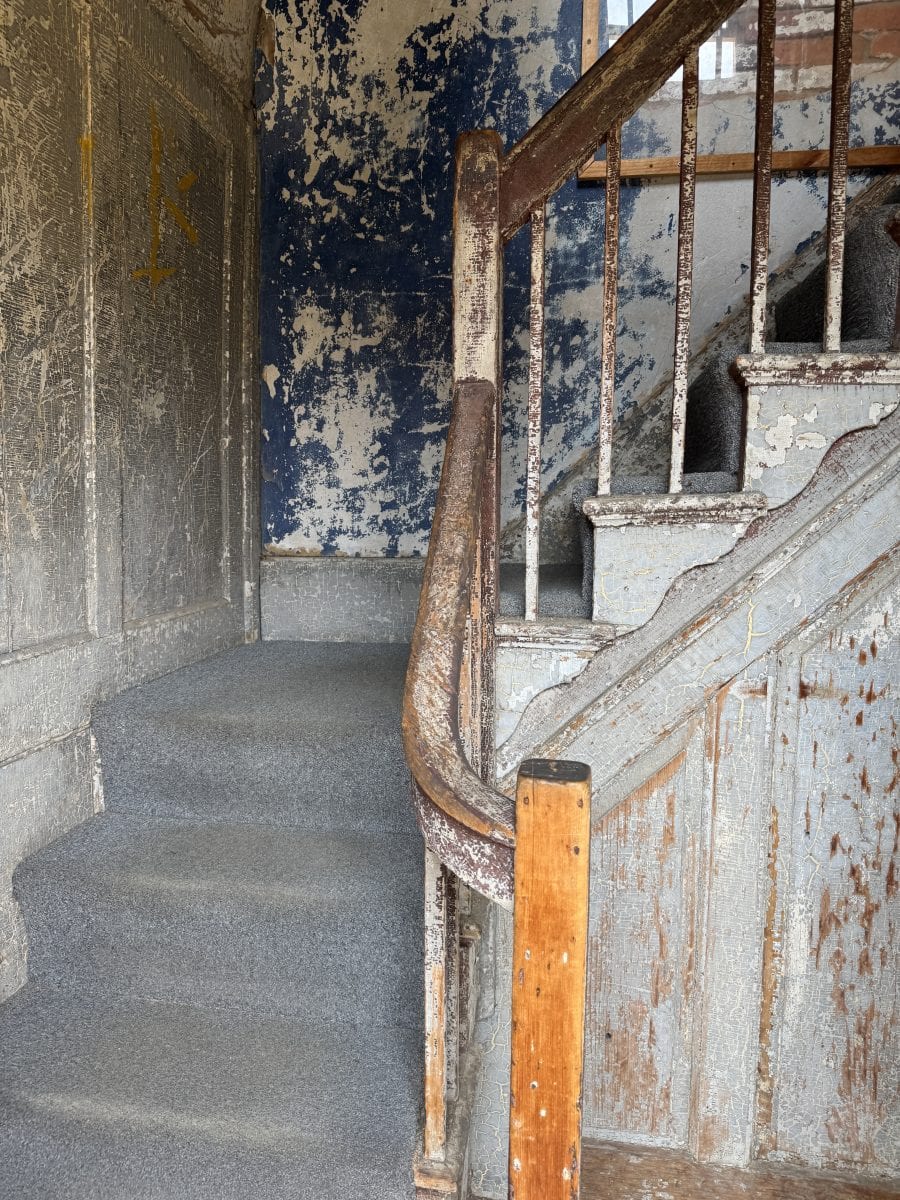
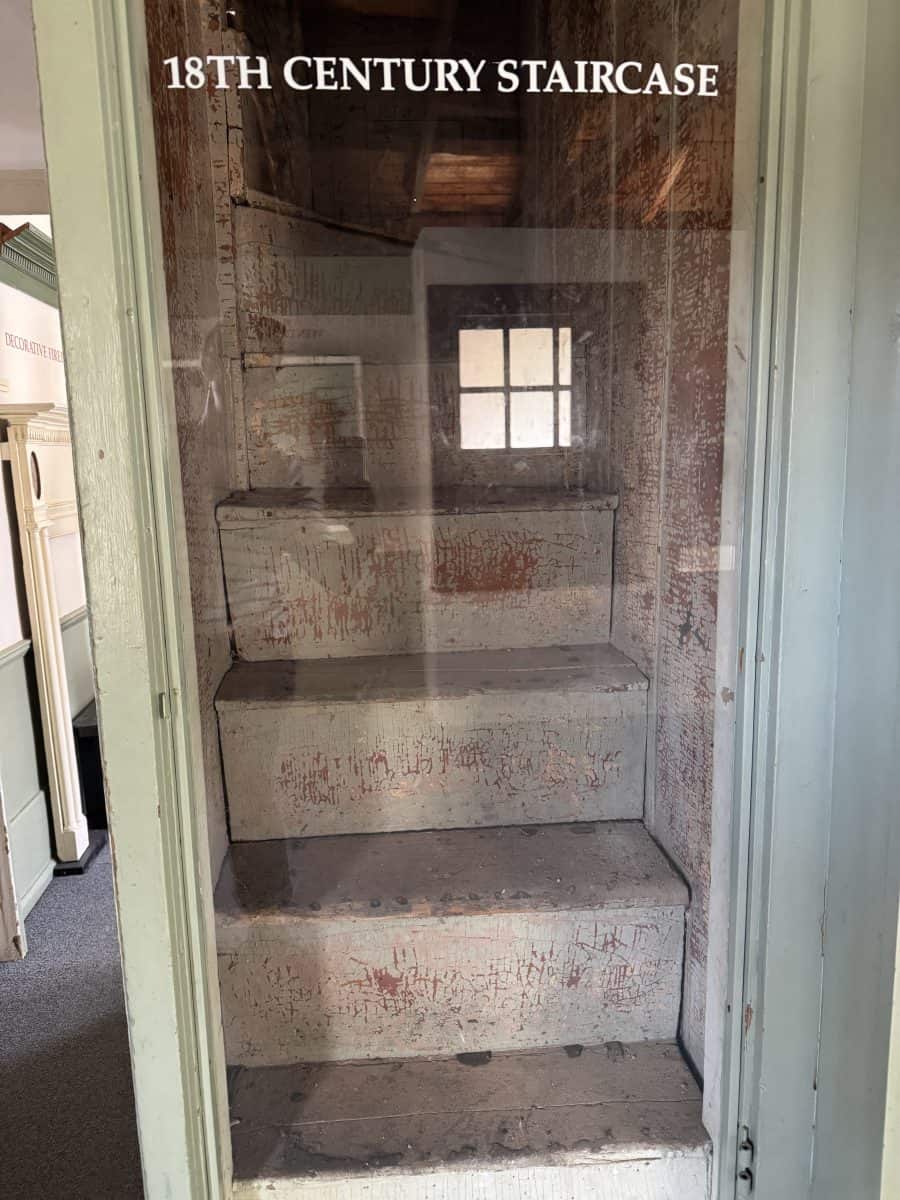
- Check out what an unrestored house looks like at the Jackson House. The 1970 home has preserved features including 18th century woodworking and 20th century decorations including wallpaper. Learn the steps for constructing doors and the various elements of decorative woodworking and home building in the Winn House’s collection of builder tools. Strawberry Banke has restored 16 buildings over the past century and is currently working on their 17th building, with plans to restore more buildings to expand the museum’s collection.
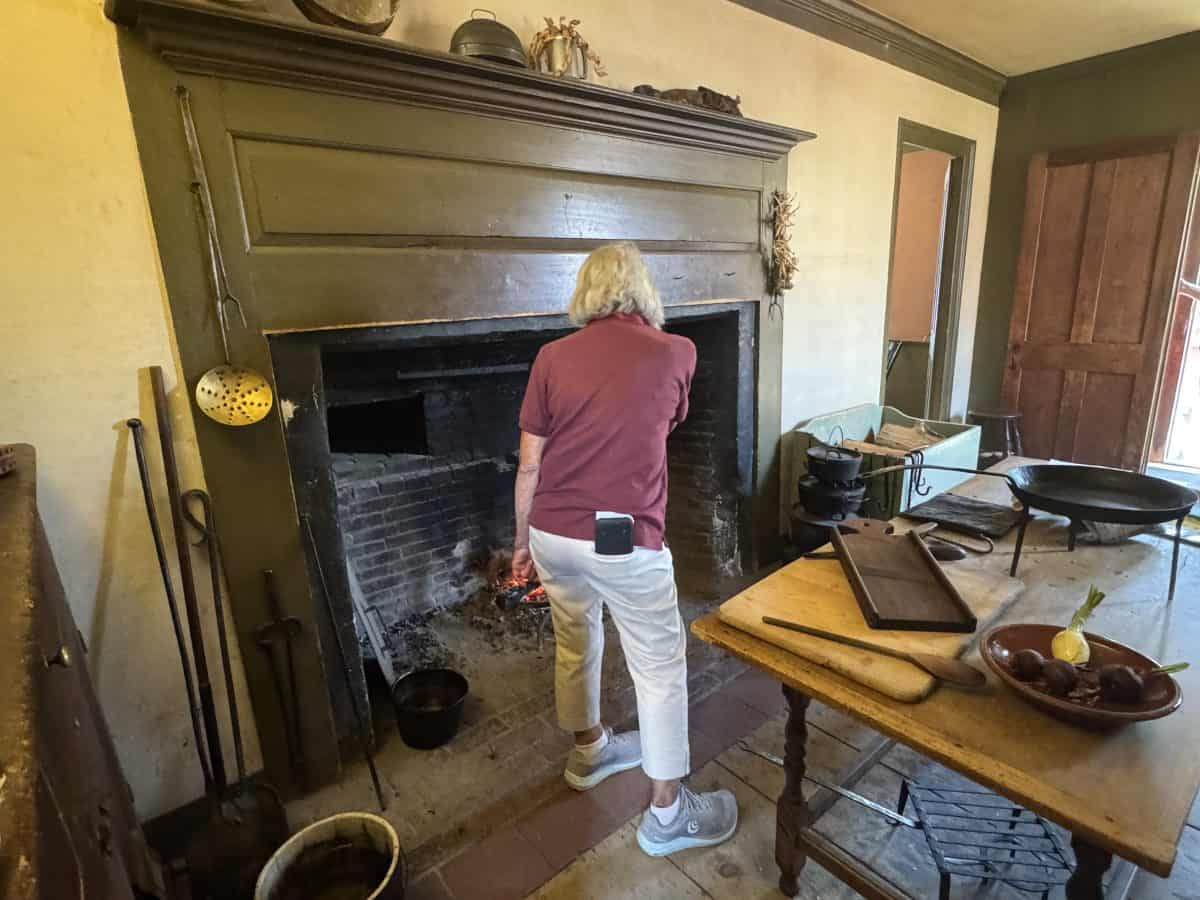
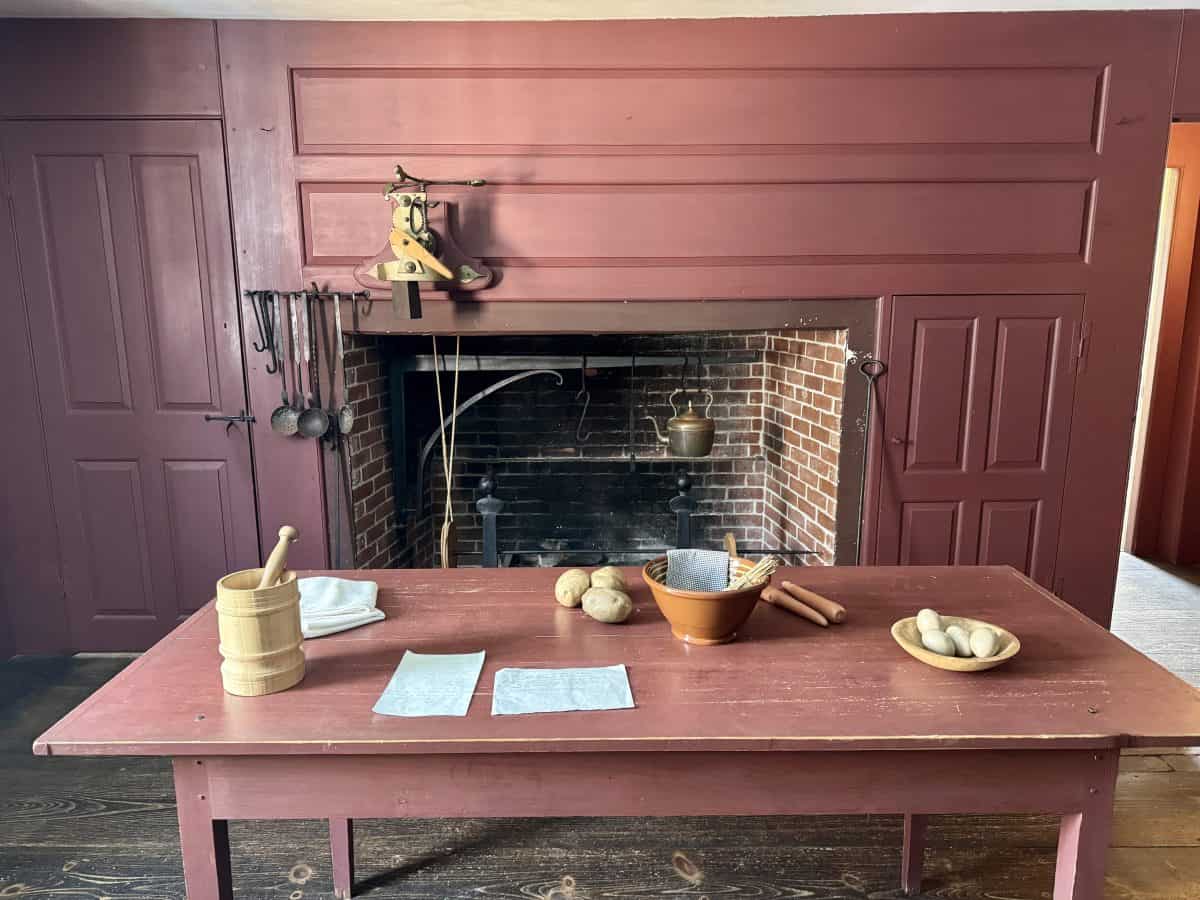
- Watch a cooking demonstration in the Wheelwright House. See various 18th and 19th century cooking tools in use and learn about the methods of preserving foods for the cold winter months. There are also blacksmith demonstrations in the nearby Dinsmore Shop, built in 1800 in Dundee, New Hampshire and moved to the Strawbery Banke in 1970. The shop was used by coopers and blacksmiths to build barrel staves, used to transport local products.
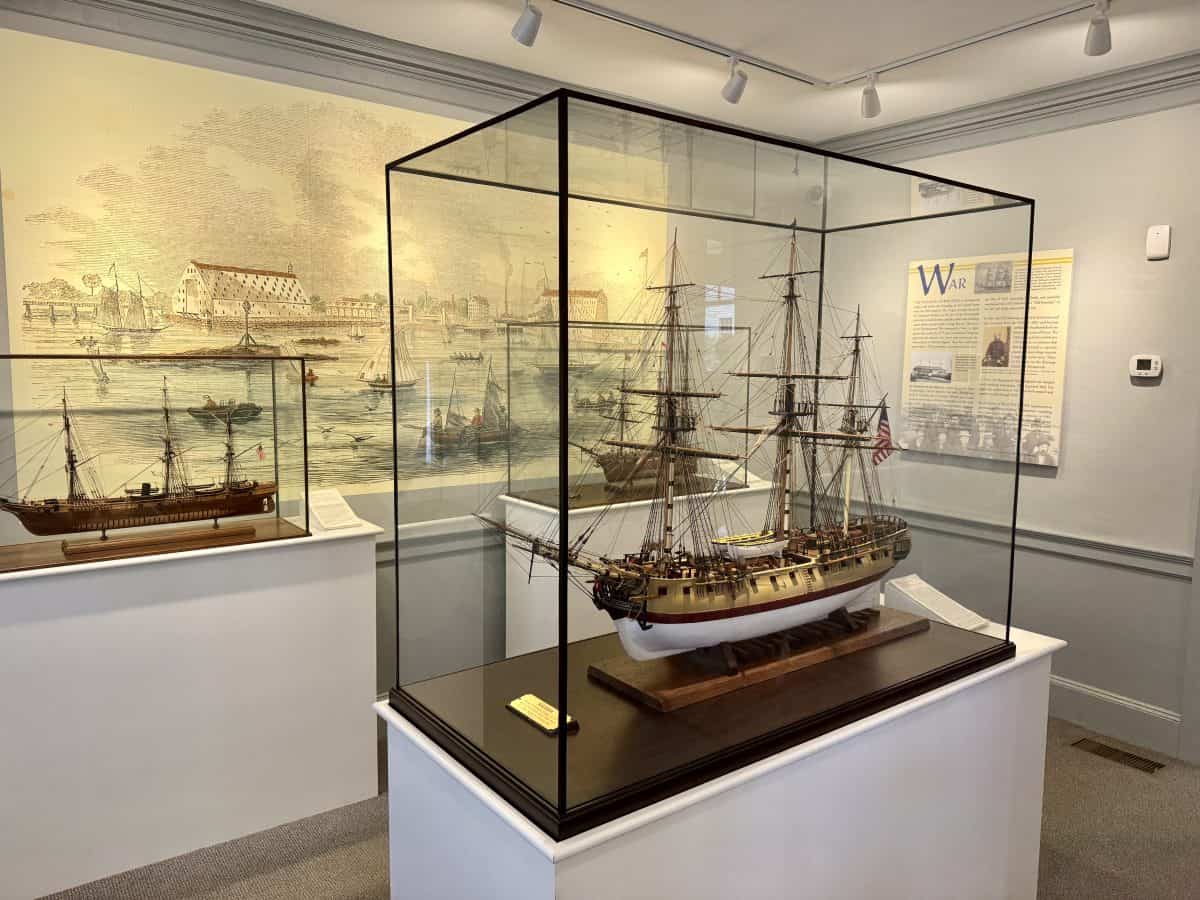
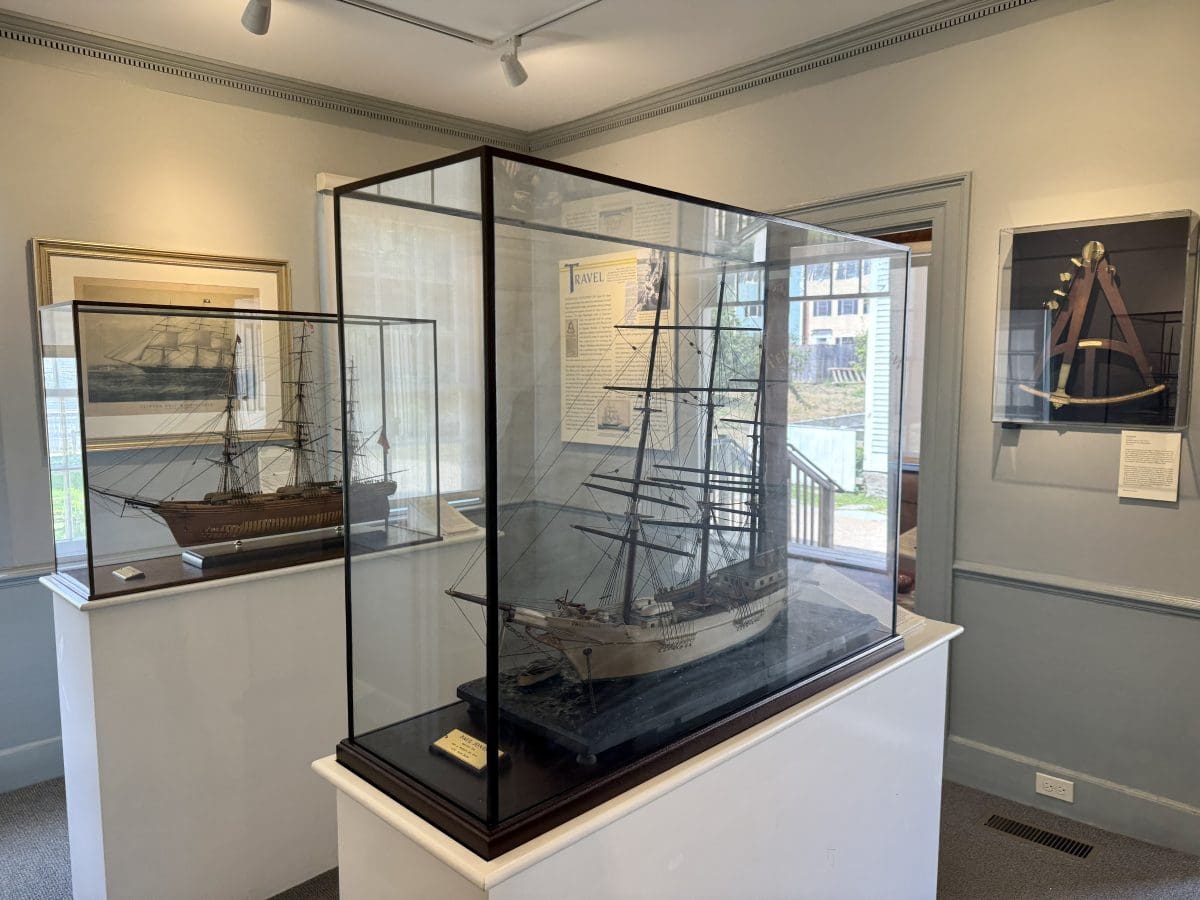
- Look closely at the replica model ships in the Yeaton House, including the famous Raleigh and Water Witch. There is also a replica of the shipping office of Fernald and Pettigrew, and items related to the Portsmouth Naval Shipyard.
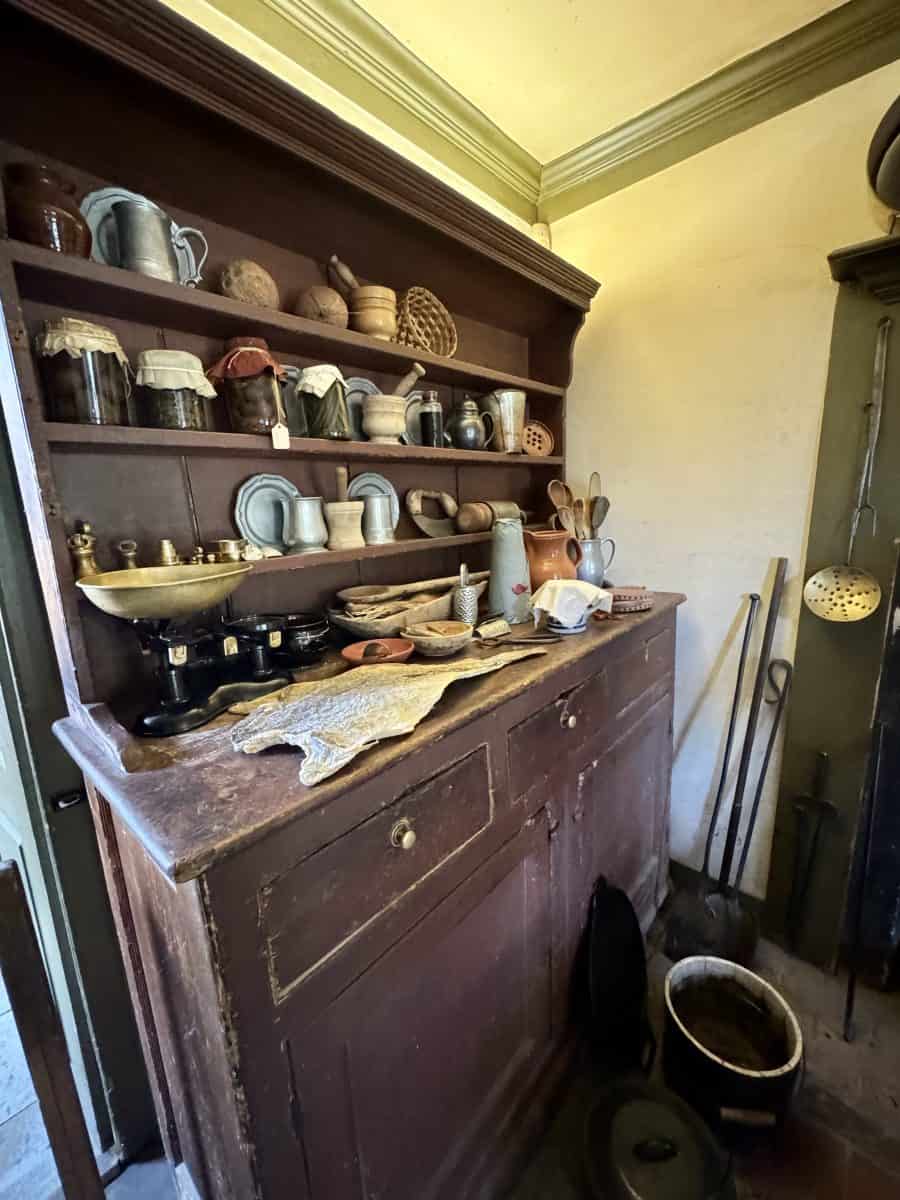

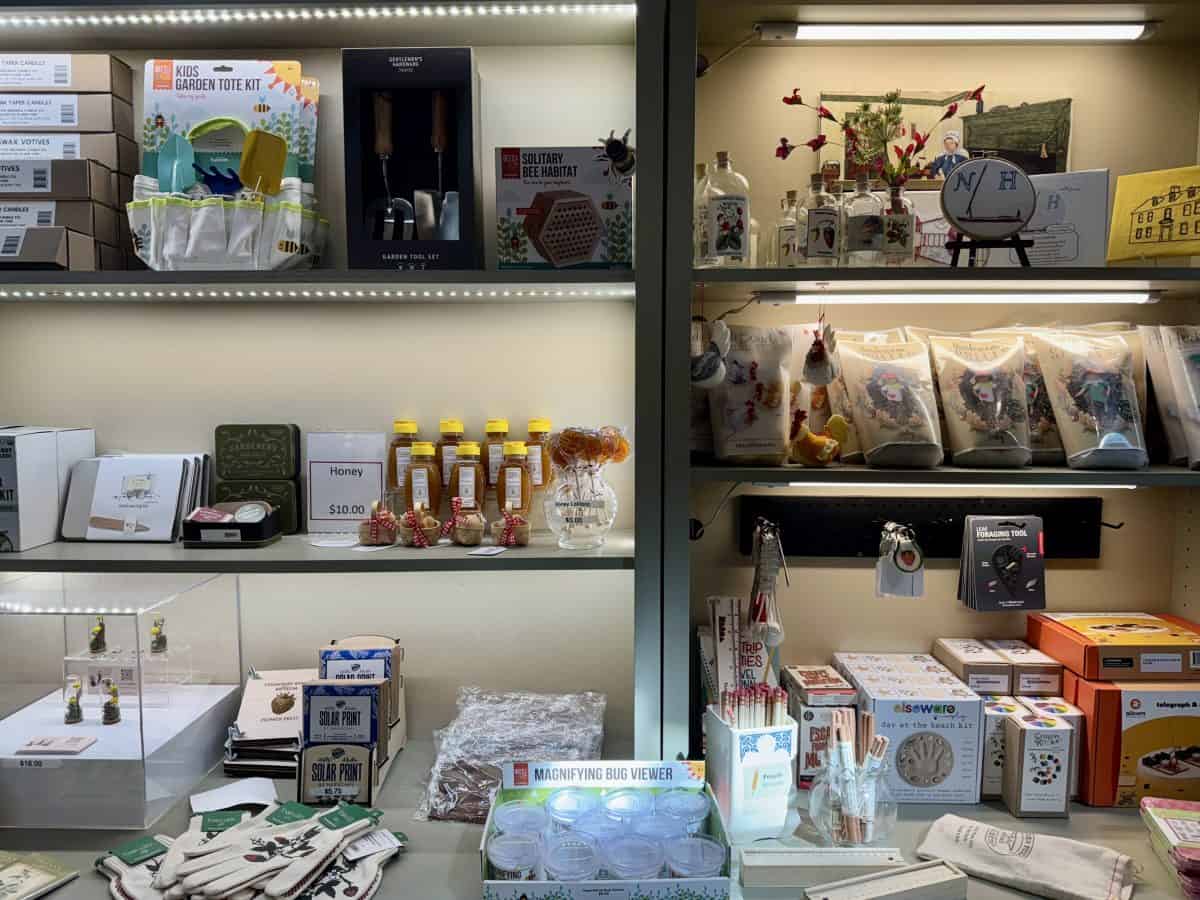
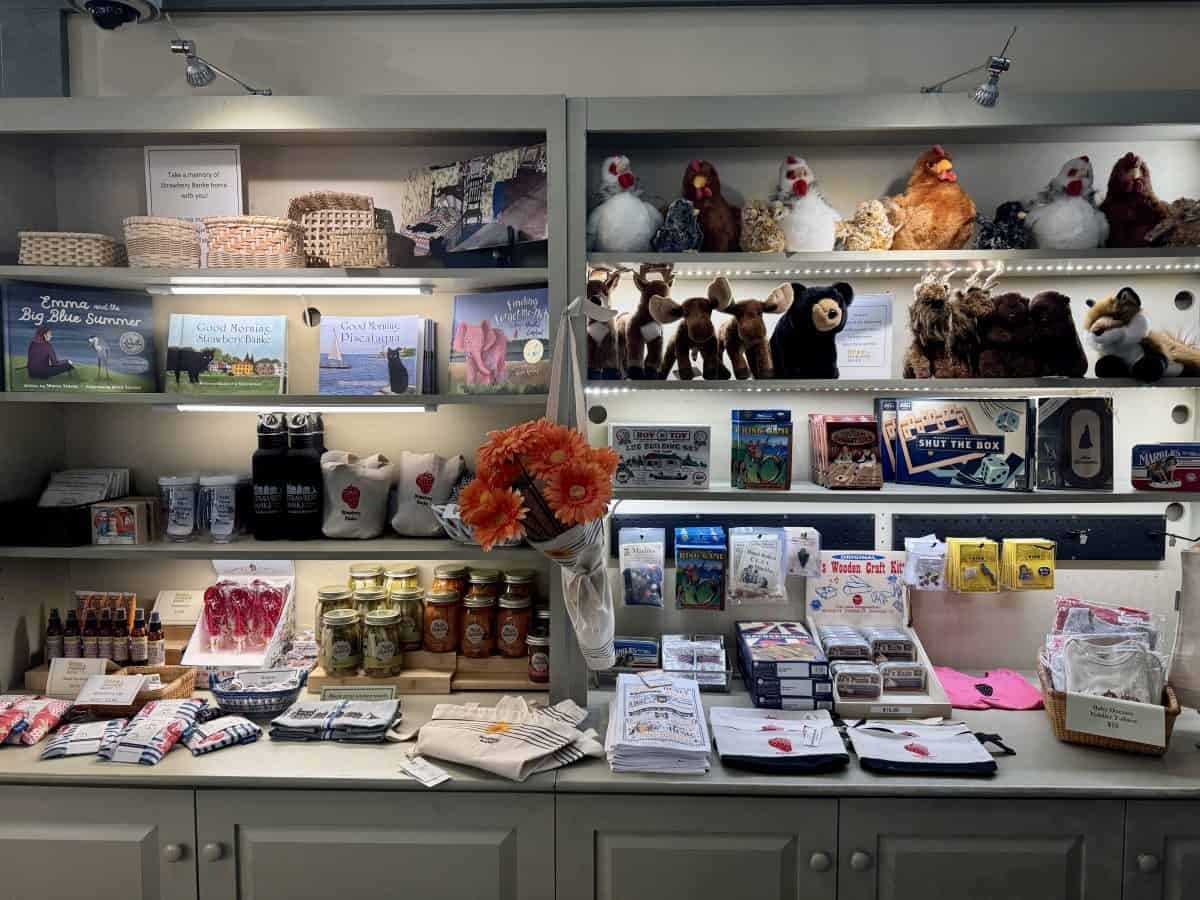
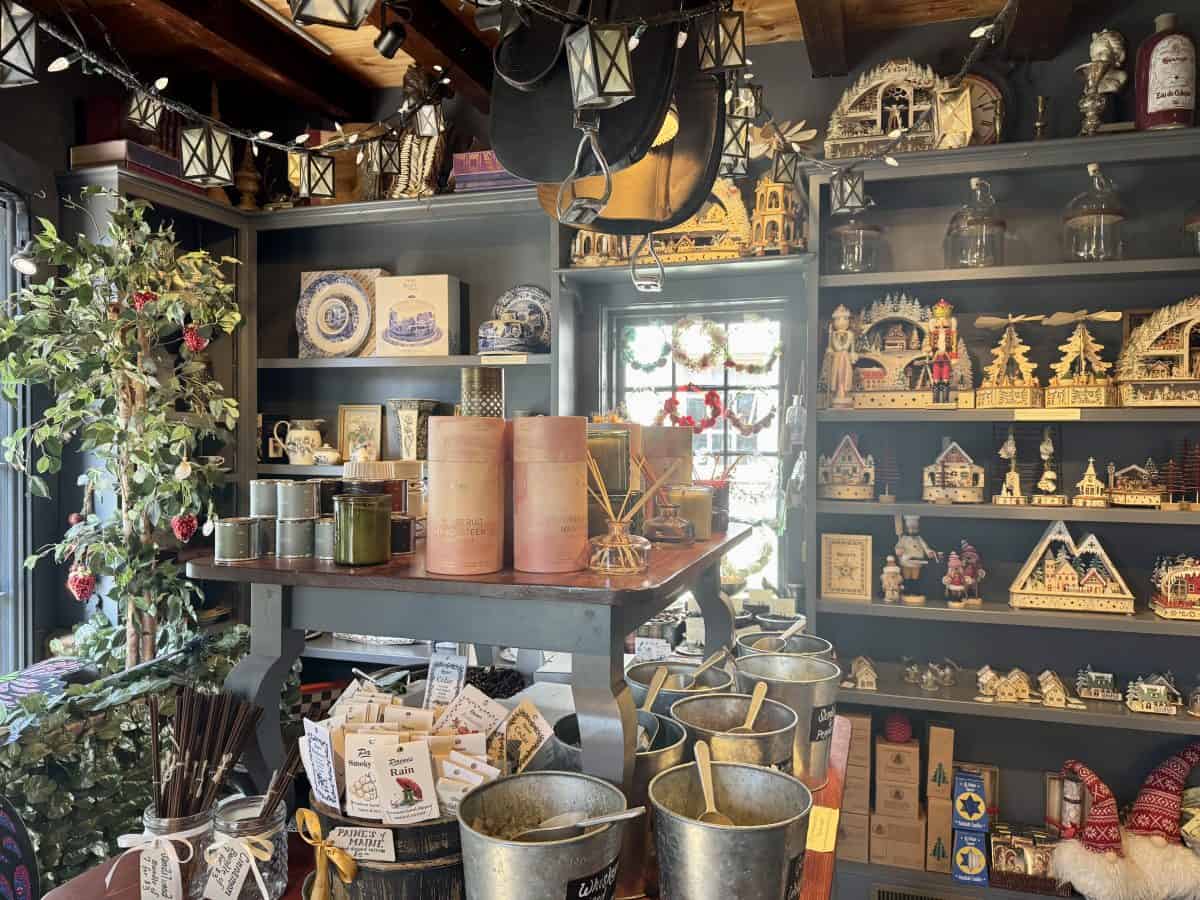
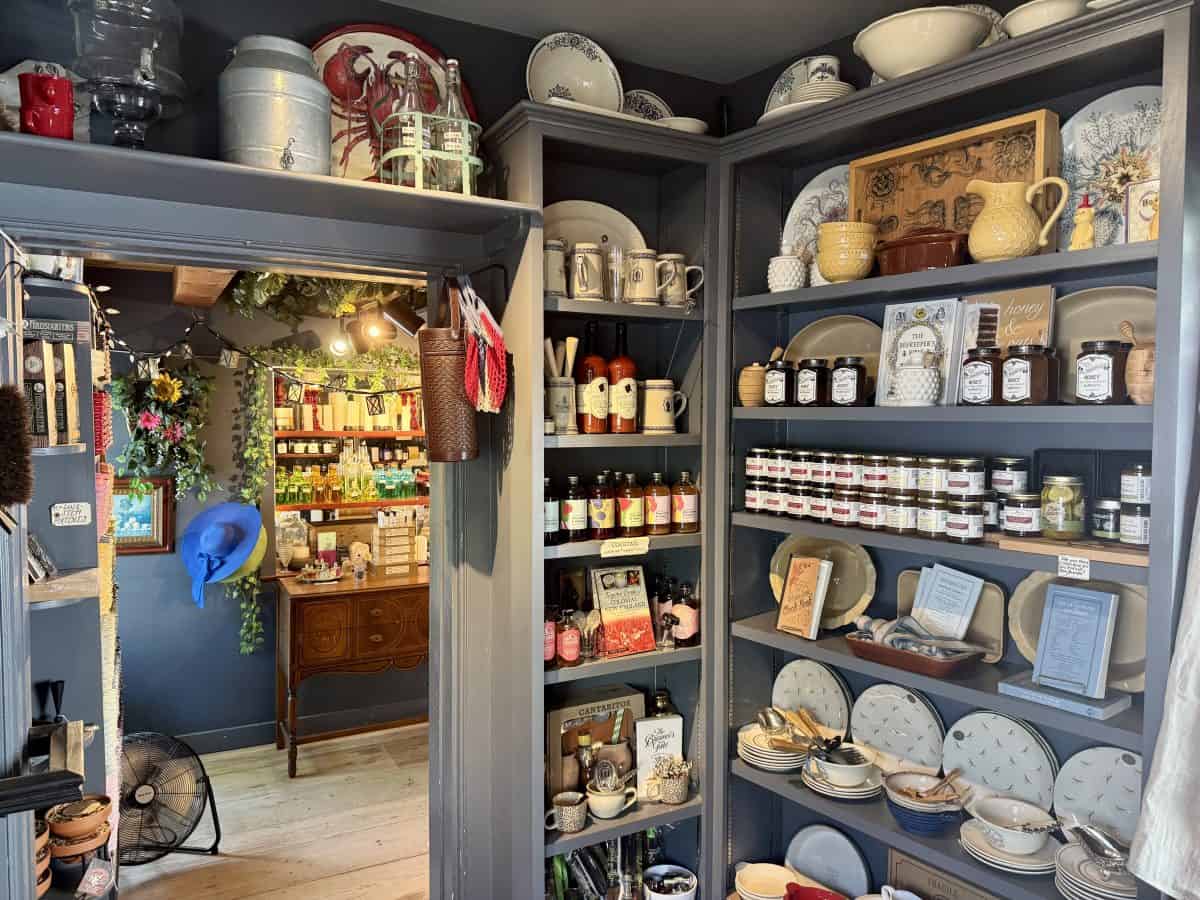
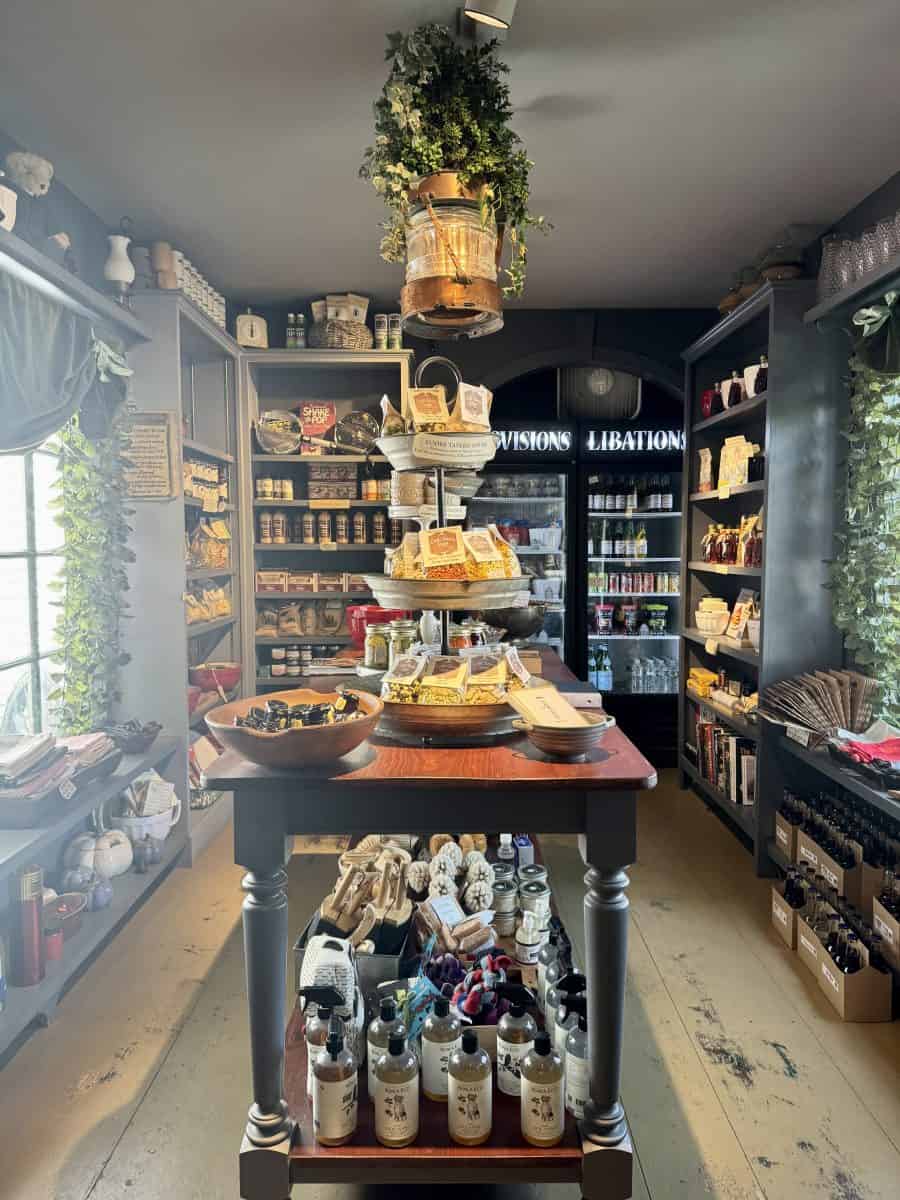
- Go shopping at PickWick’s in the 1790s Gookin House, which offers a curated selection of gifts, souvenirs, and snacks and drinks. A newly designed shop will open during the 2026 season.
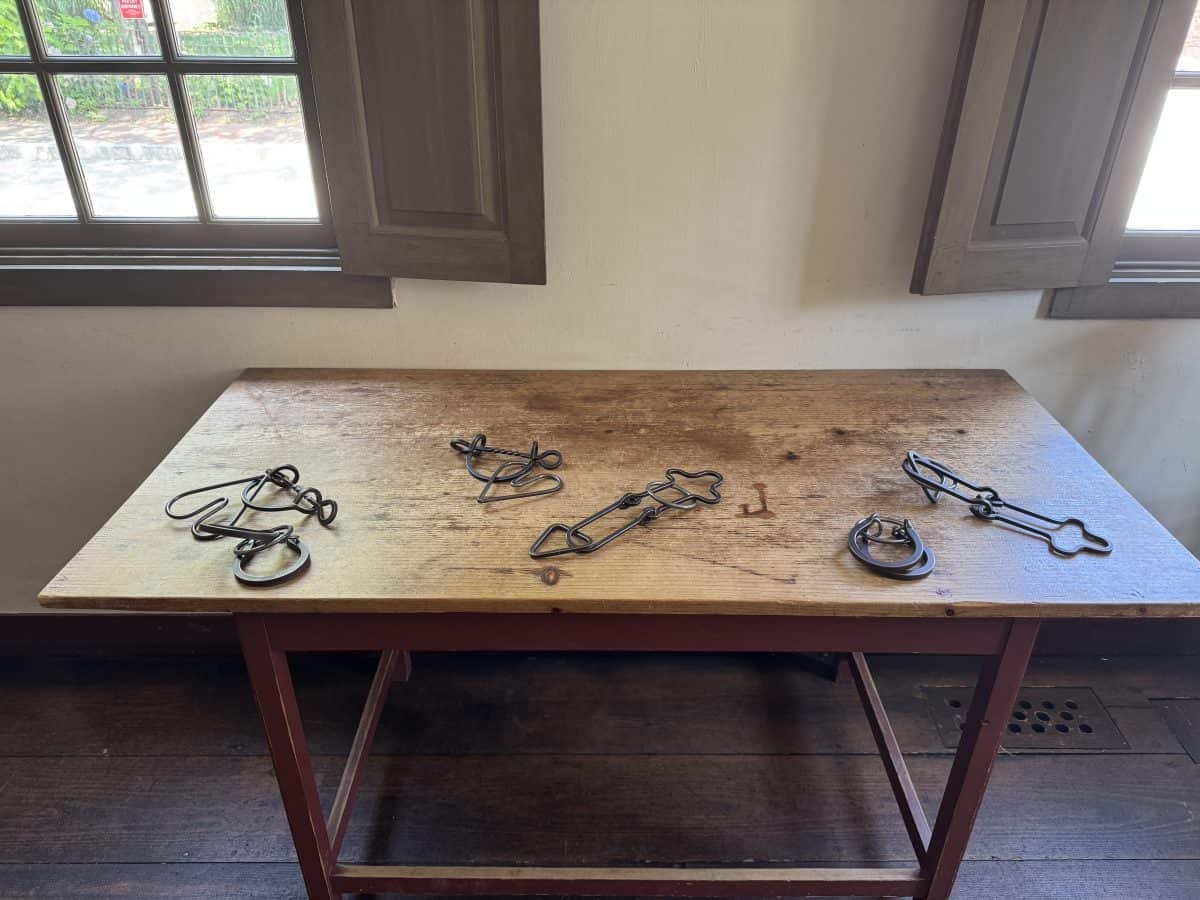
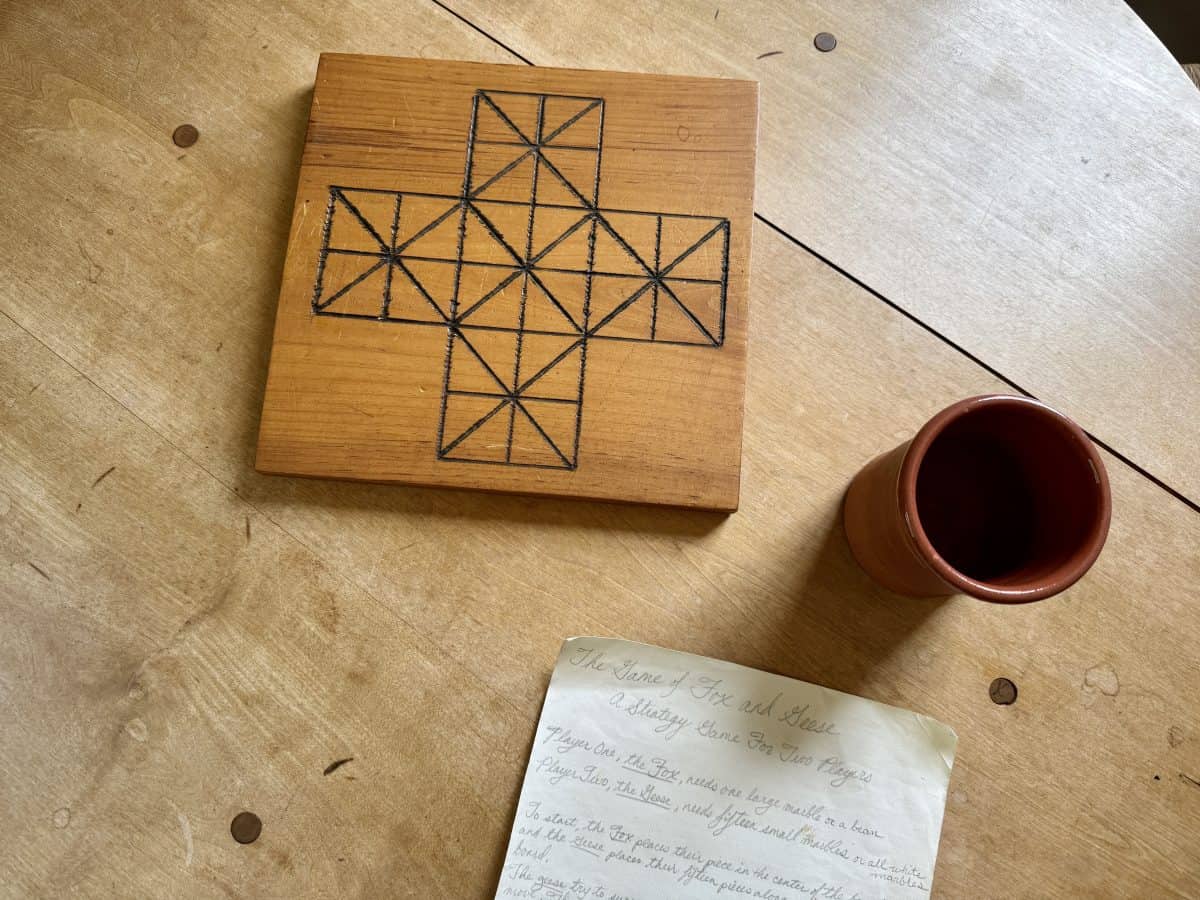
- Playing a variety of colonial games inside Pitt Tavern. Built in 1766 by John Stavers to host social gatherings and debates, the tavern also had beds and rooms that were rented (and when it was very busy, the tavern even rented space in a bed). Check out the mechanism above the hearth to spin meat- it dates back to the 1760s!
- Read the poetry of Thomas Bailey Aldrich in the Aldrich Memorial House and Garden. The house was built in 1797, but is staged for 1909 when poet Thomas Bailey Aldrich, a literary friend of Nathaniel Hawthorn and Mark Twain, would visit his grandfather who owned the home. Thomas wrote over 30 books and was most known for The Story of a Bad Boy. His poetry is on placards throughout the garden.
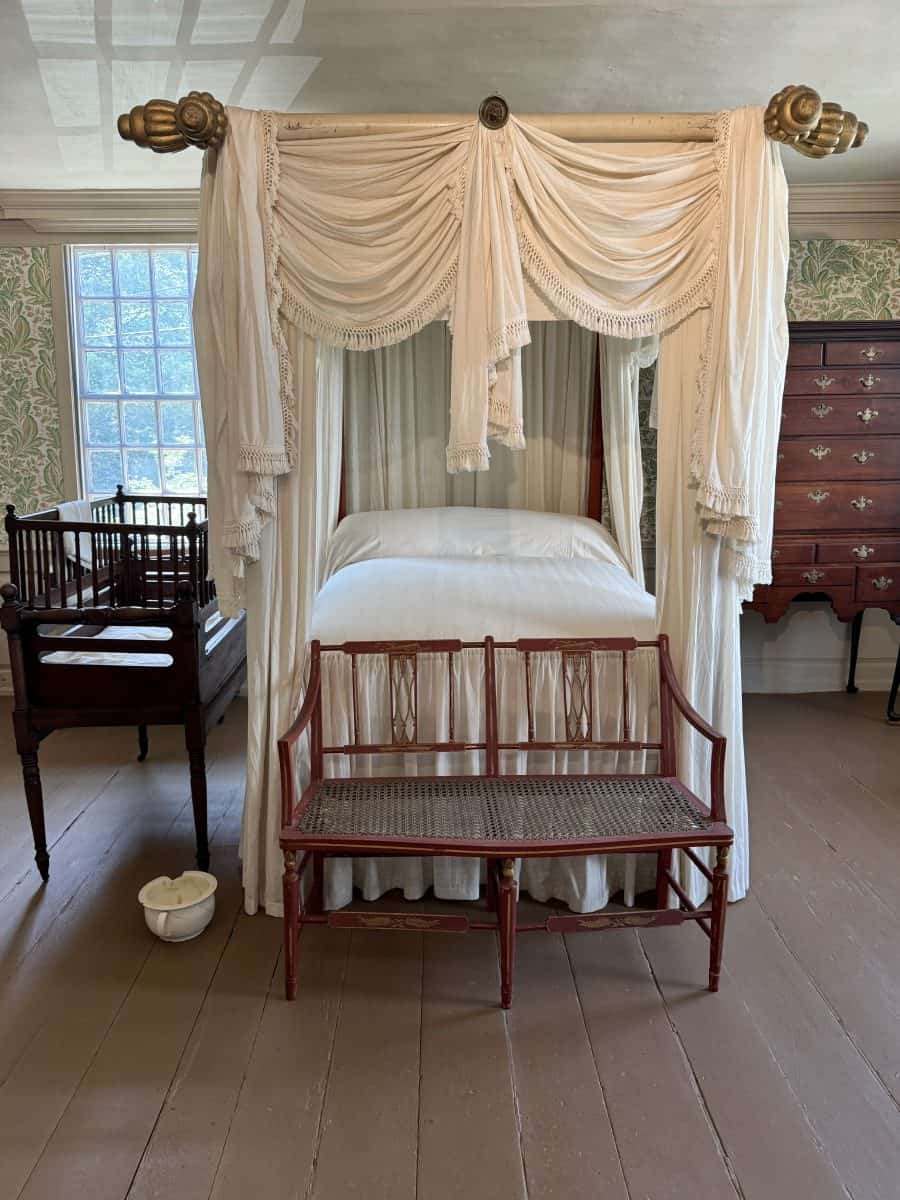
- Find the wash basin and commode in the upstairs bedroom in the Chase House. Built in 1762 but staged for the 1820s, the house was home to the Chase family, very wealthy Portsmouth merchants, who lived through until the 1800s, when the house was donated as a home for orphaned children.

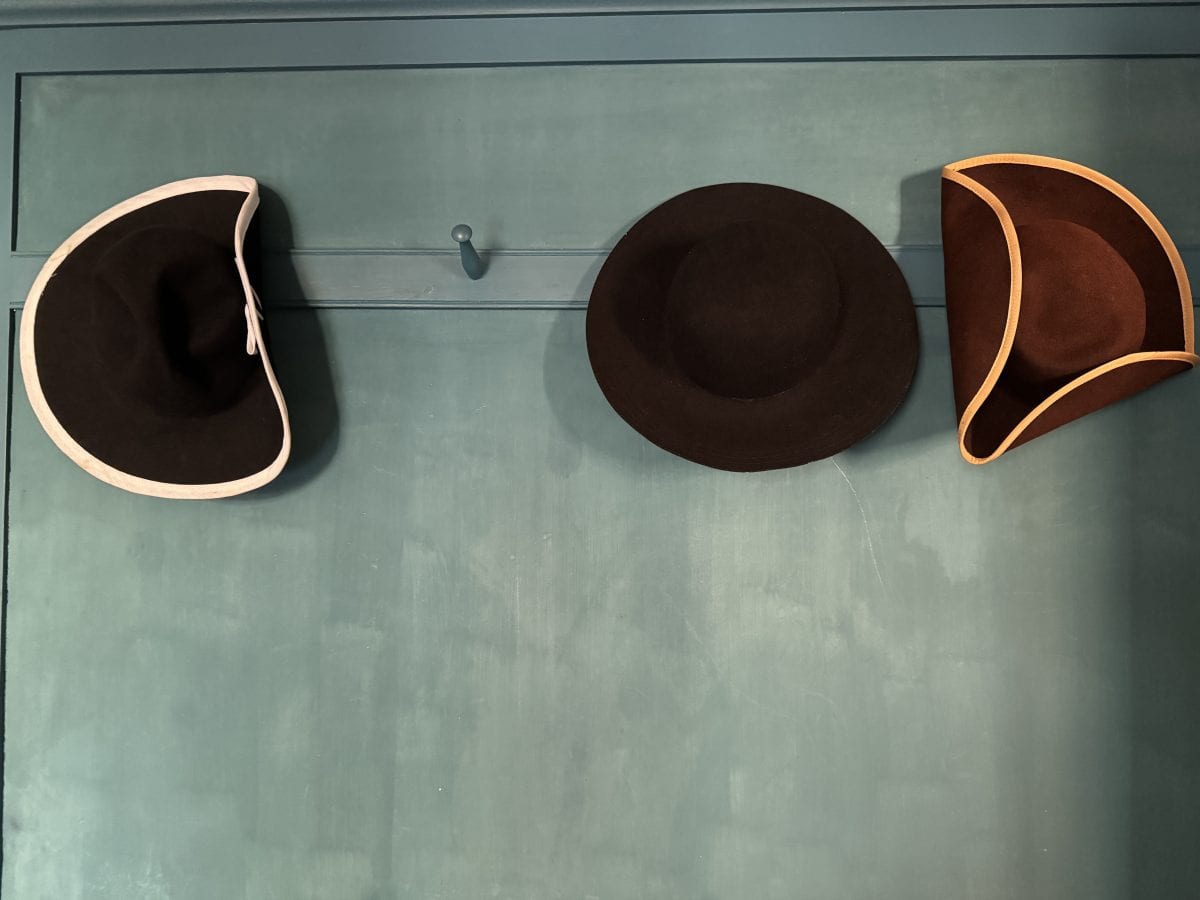
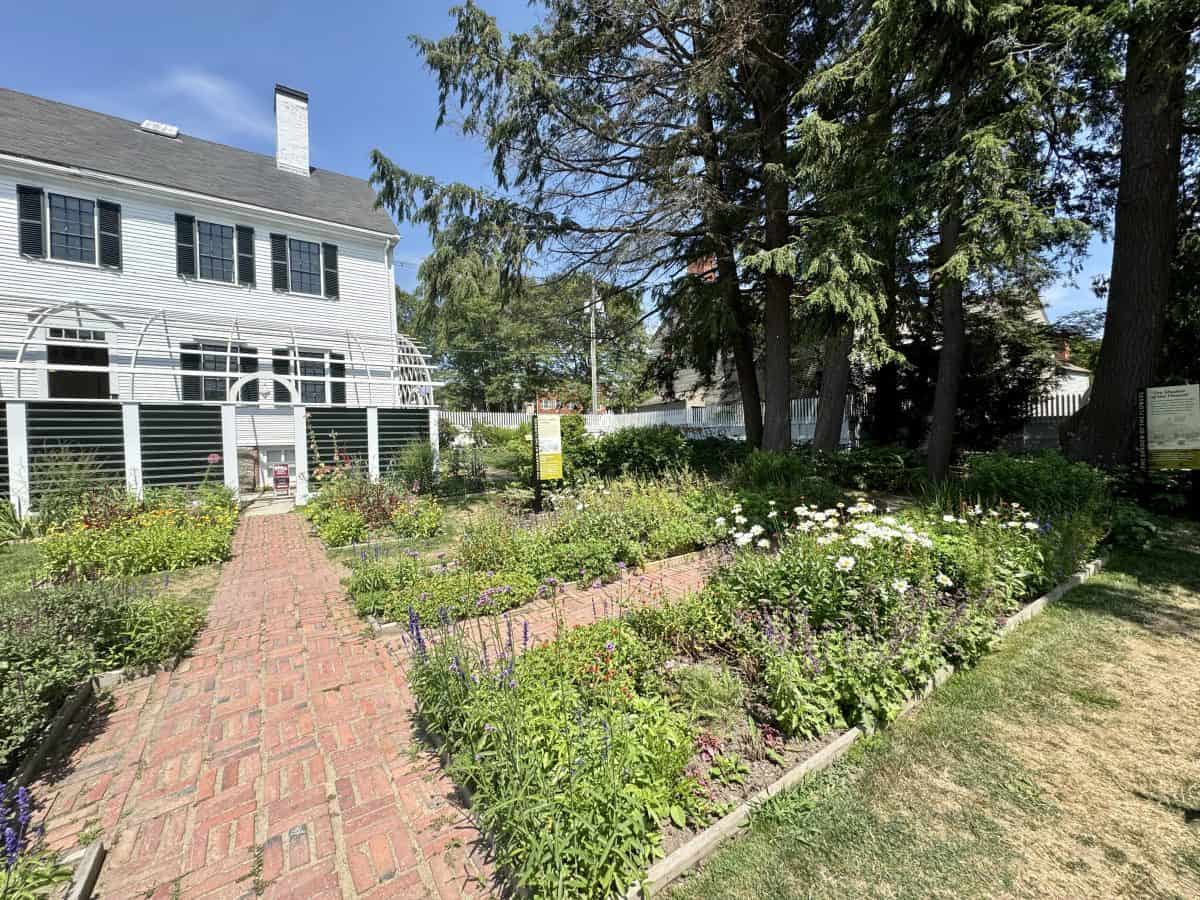
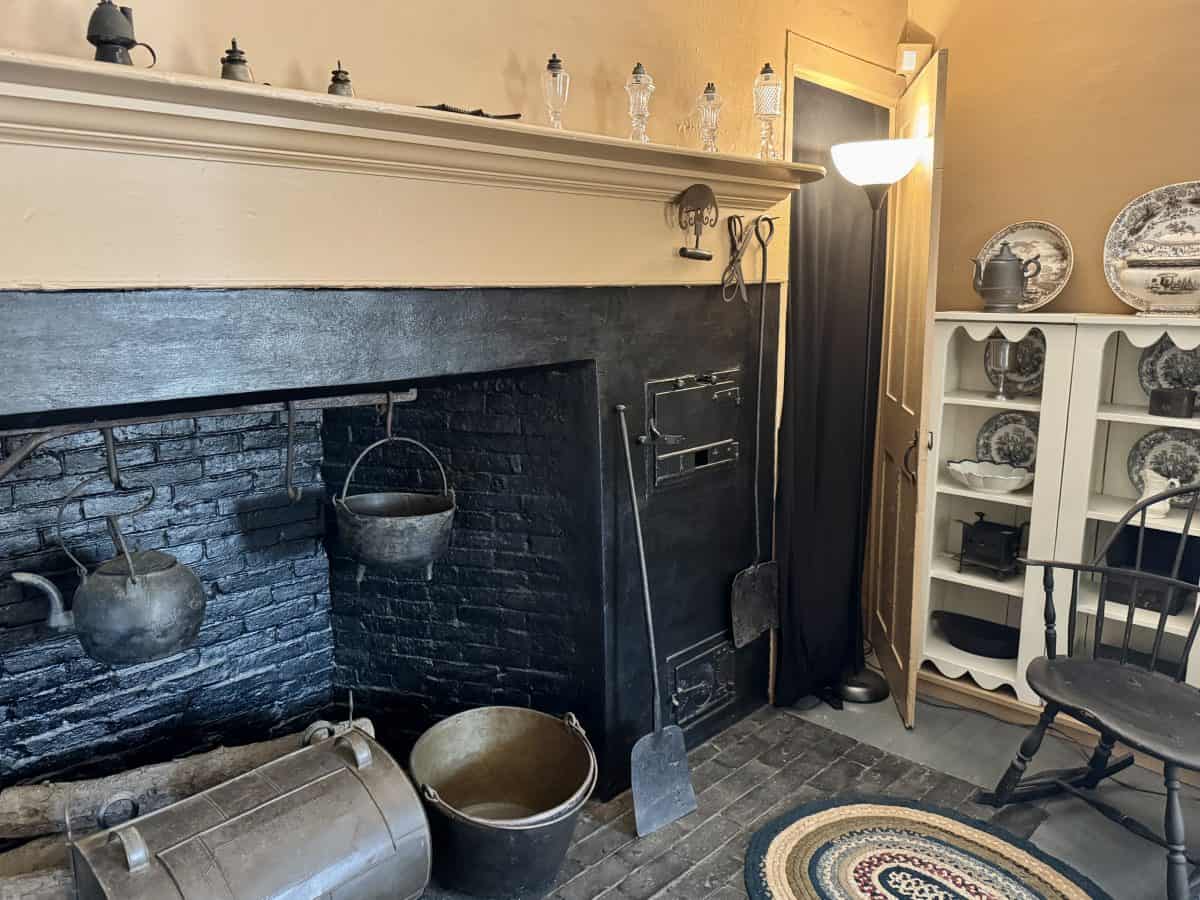
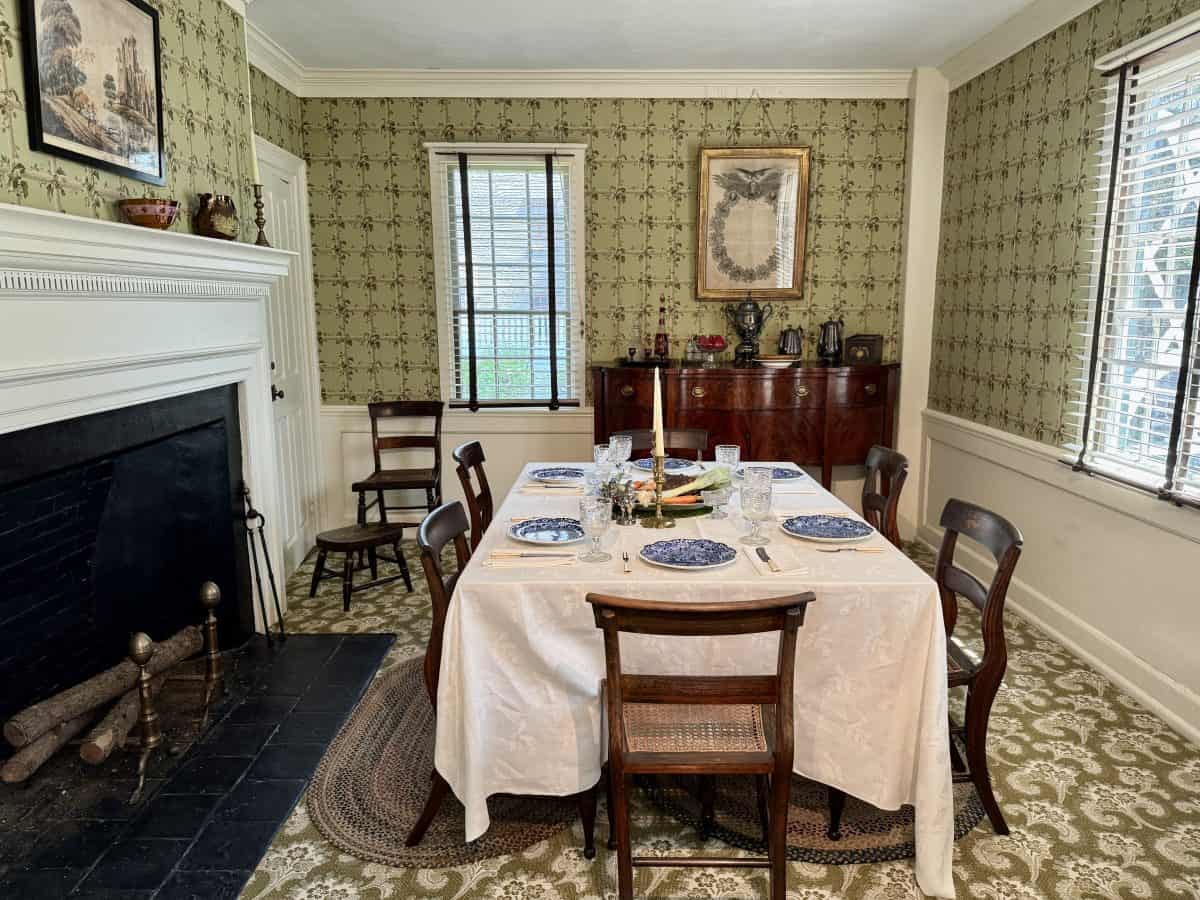
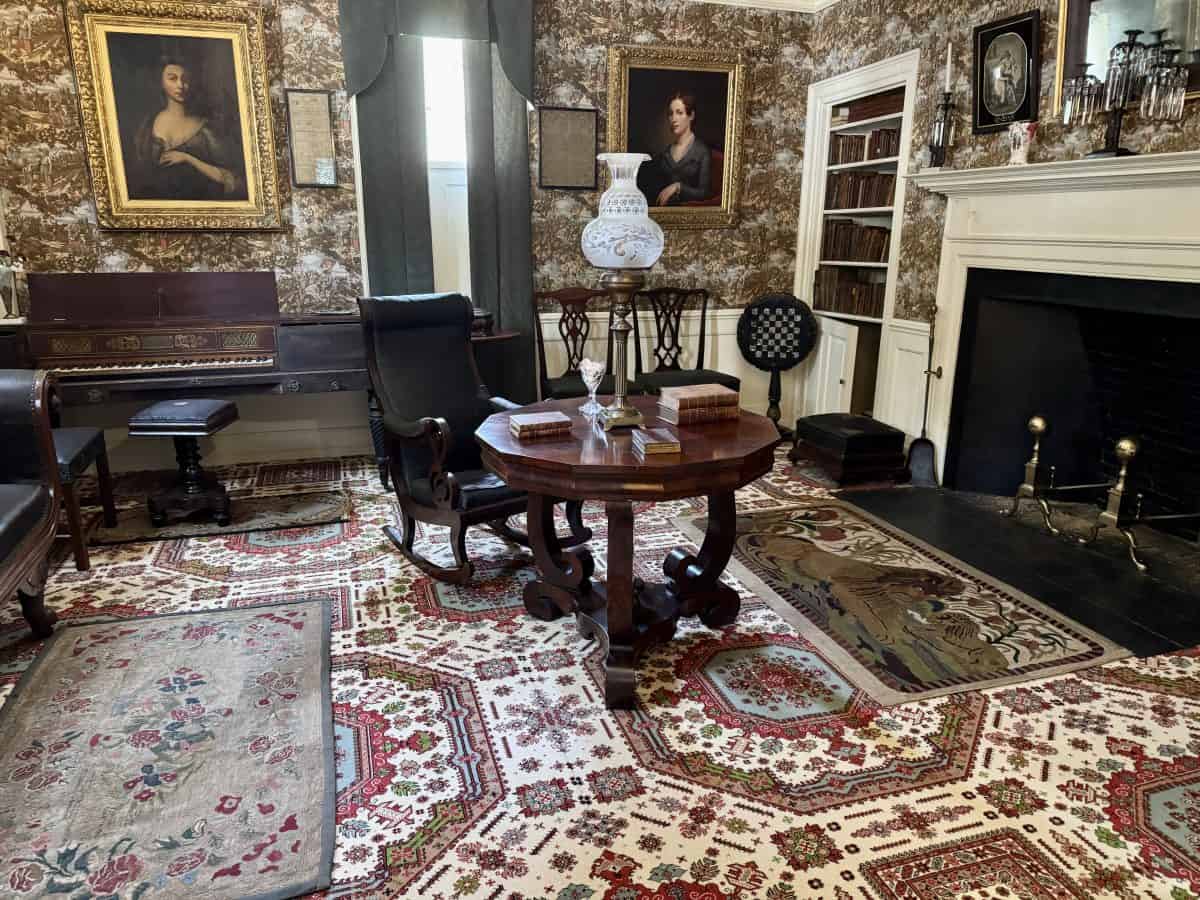
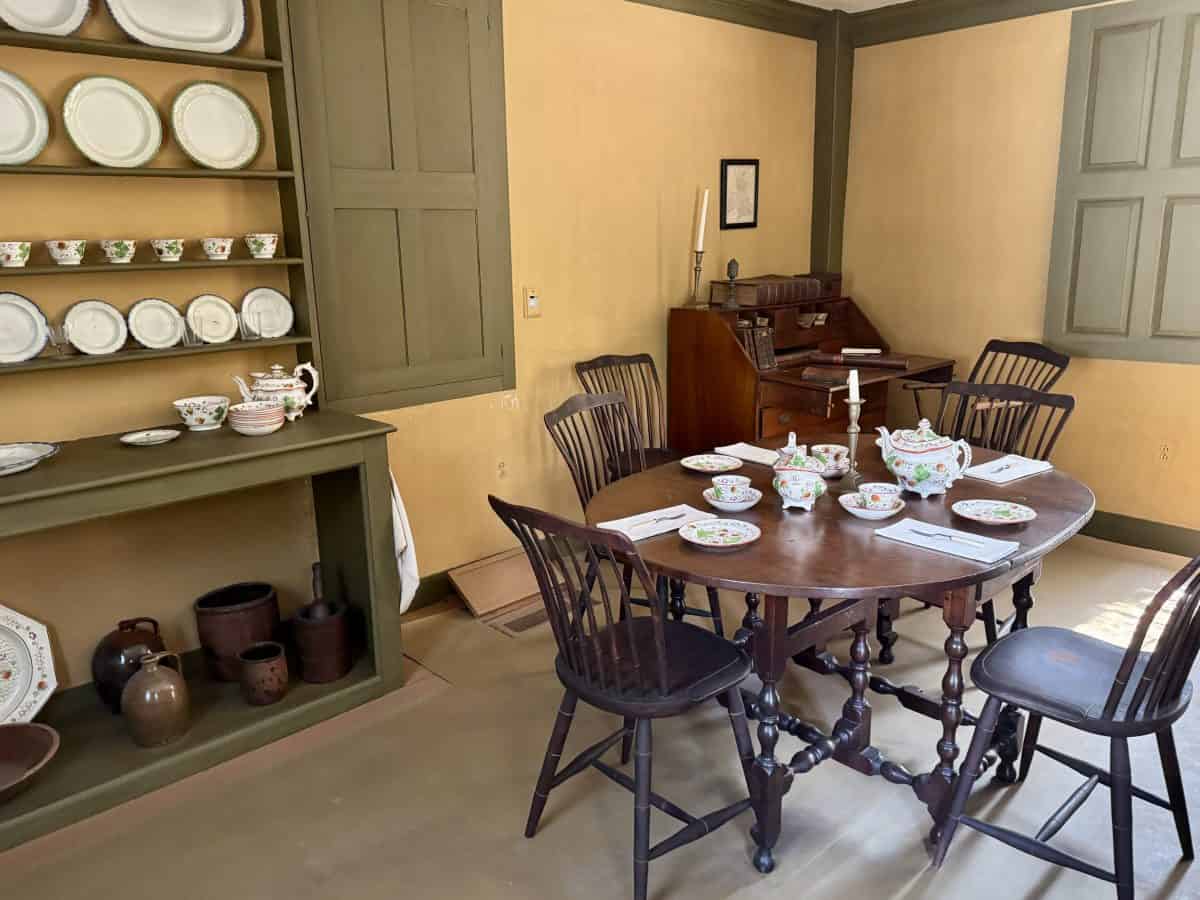
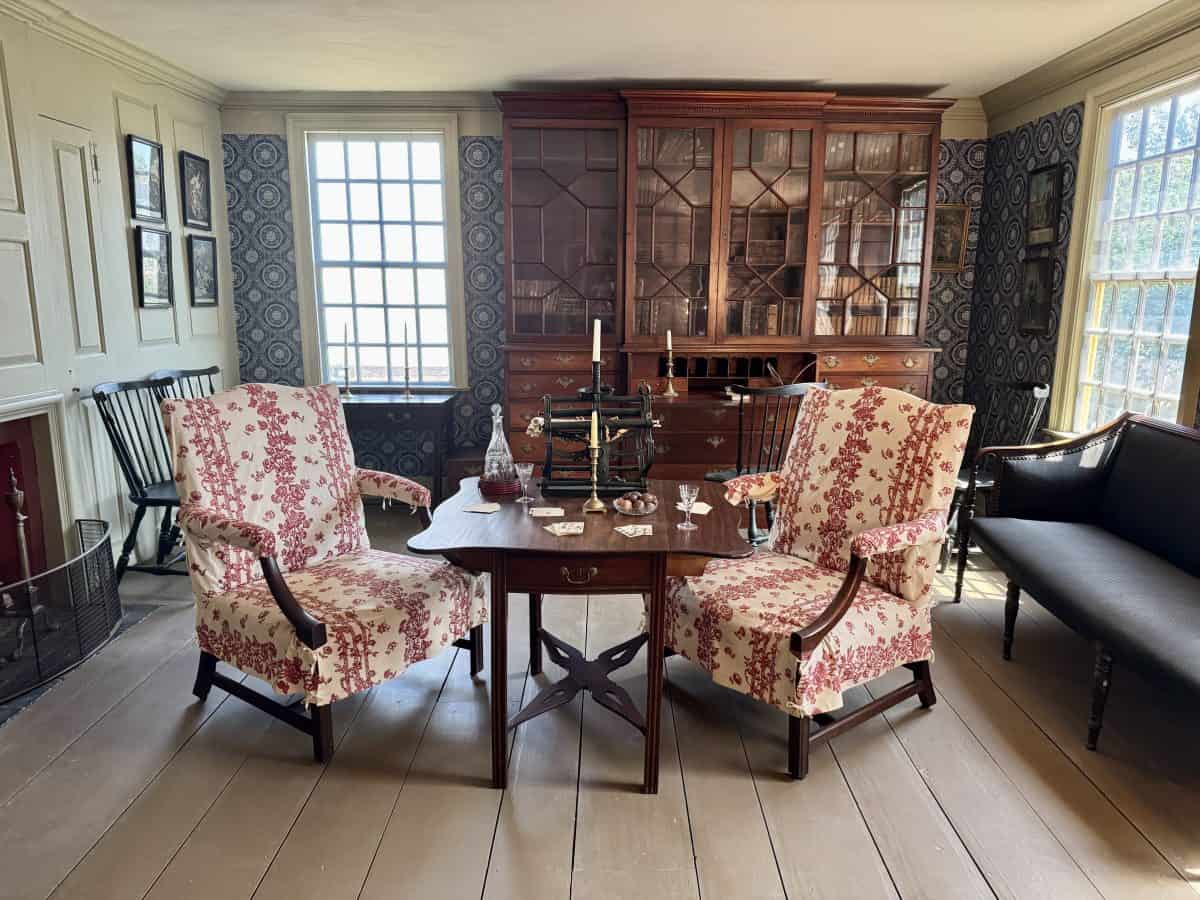
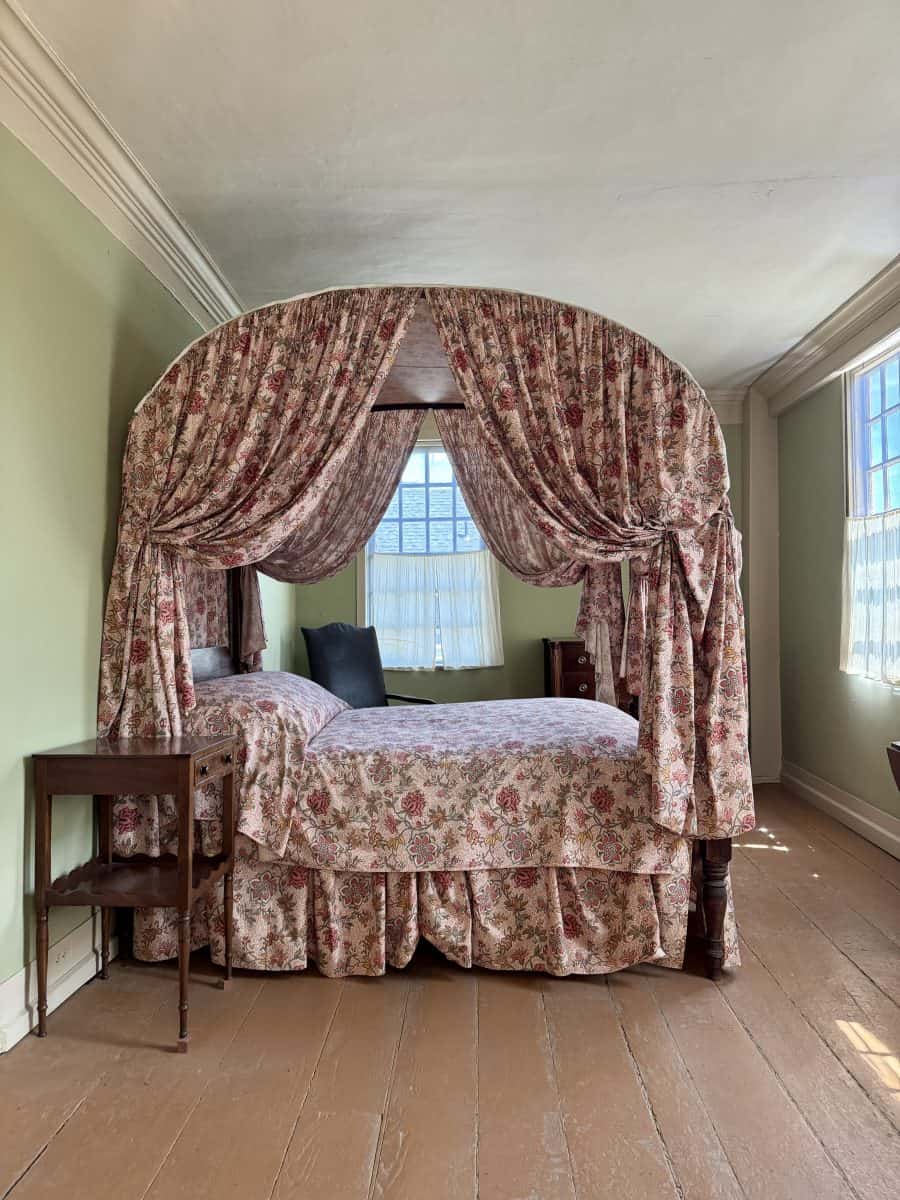

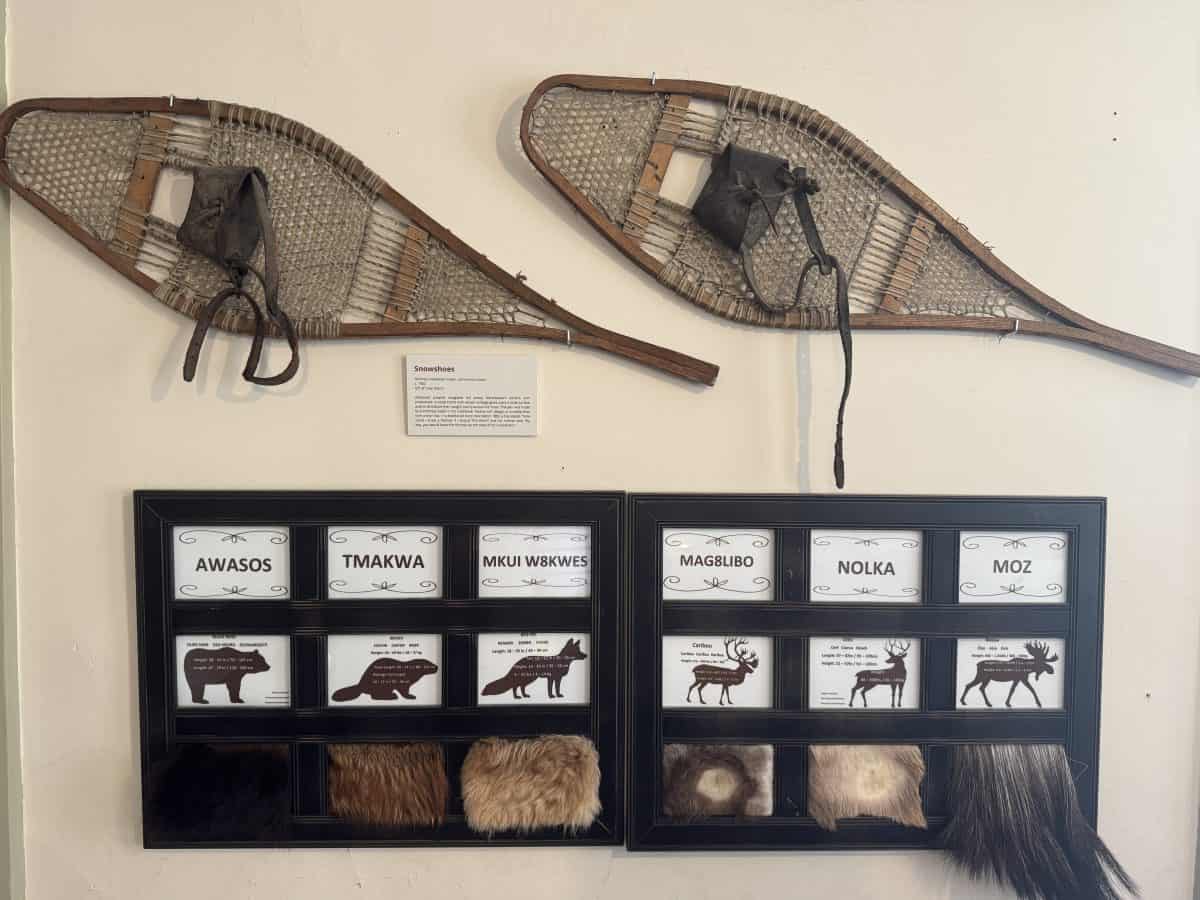
- Read children’s stories about Native American tribes in the reading nook at the Jones House. The exhibit also has a display of animal skins from animals hunted in the area, including beaver, red fox, deer, moose, bear, and caribou. There is also the People of the Dawnland” exhibit which teaches visitors about the Abenaki and Wabankai peoples of Northern New England and Canadian Provinces.
- Check out artifacts uncovered in an archeological dig on the property in the Rider-Wood House. John and Mary Rider, who emigrated from England in the early 1800s, added a shop to the house in 1830 and used the proceeds from the shop to bring many members of their family to America. During several digs in the 1980s and early 1990s, museum staff found household items such as ceramics, glassware, and even animal bones that told the story of the Riders’ daily lifestyle.
- Lie in a bed and sit at the dining room table inside the Walsh House. The home of late 1800 century sea captain Keyran Walsh, the house is the most “immersive” building in the museum’s collection, encouraging visitors to explore, touch, and learn all about the Walsh family in several rooms of interactive exhibits.
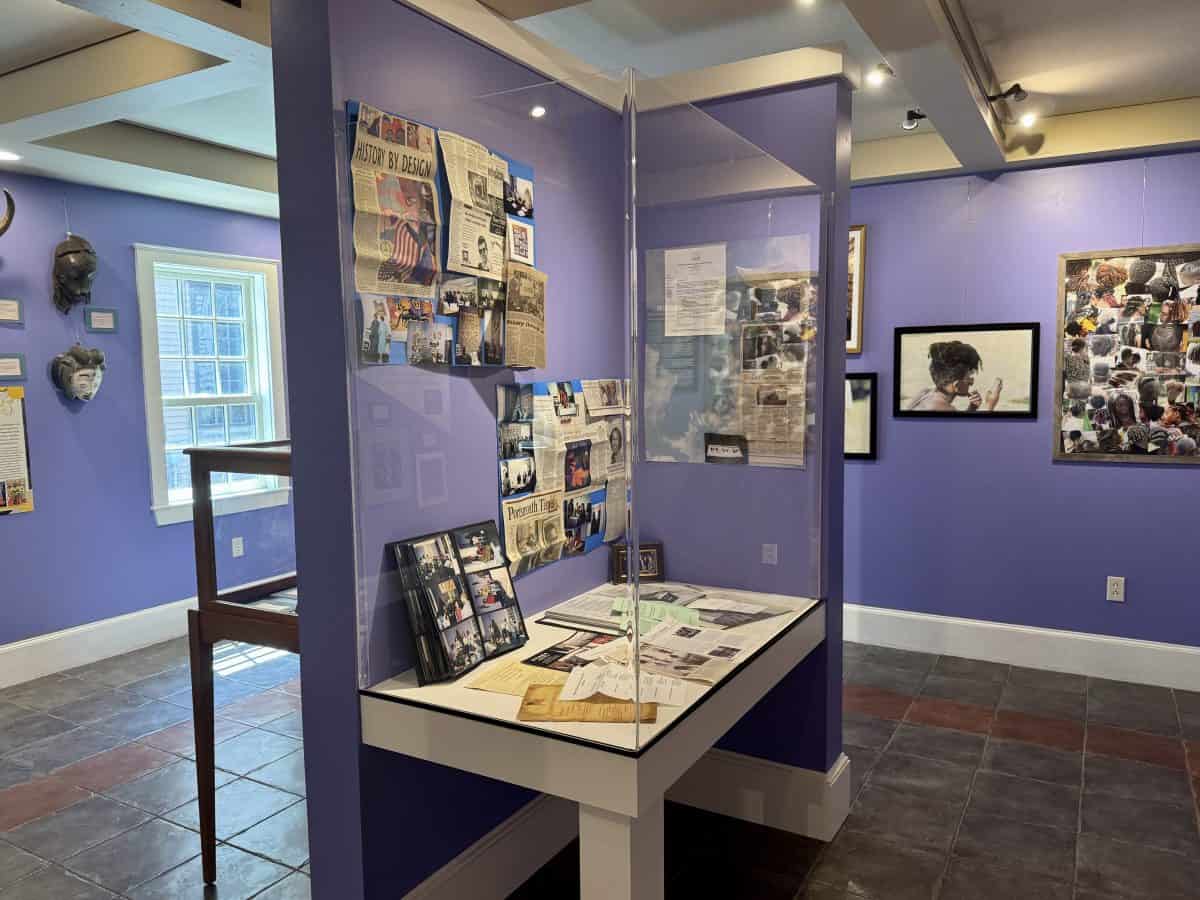

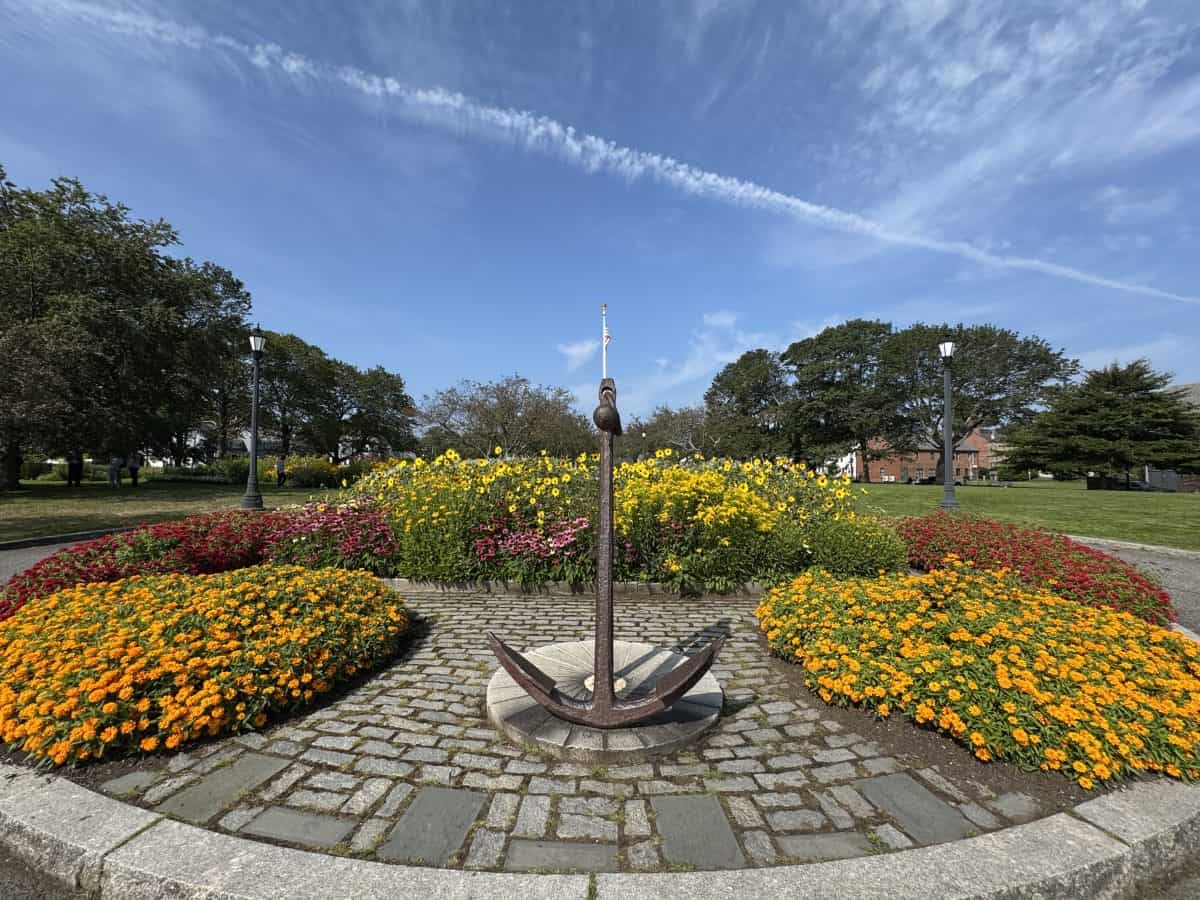
Bonus: Check the calendar for daily demonstrations including coppering, hearth cooking, weaving, and boat building. And be sure to leave time to walk across the street to Prescott Park and enjoy the beautiful gardens and views of the Piscataqua River.


Looking for other living history museums in New England? Check out our features of Old Sturbridge Village and Hancock Shaker Village in Massachusetts, Canterbury Shaker Village in New Hampshire, Old Fort Western in Maine, and Mystic Seaport in Connecticut. And for more adventures in Portsmouth, check our our features of the Seacoast Science Center and the USS Albacore Museum.
Disclaimer: We were given a media pass to explore Strawbery Banke Museum; all opinions expressed are my own.






We’ve visited Portsmouth countless times, though it’s been years since we’ve visited the Strawberry Banke museum. It is definitely worth the drive up from Boston to see it; or a great stopping point when driving up to Maine.
The Strawbery Banke Museum looks like such a fascinating place to explore, with its mix of restored buildings, gardens, and hands-on demonstrations. I love how it preserves the history of Portsmouth from its early English settlers to today—it feels like stepping back in time. The seasonal events like Ghosts of the Banke and the Candlelight Stroll sound especially magical. Definitely adding this museum to my New England bucket list!
Thanks for sharing, I went to Strawberry Banke Museum, whist on holiday in 2016, and loved it when I visited there was a lot to see when I was there and I think we had lunch in the smaller cafe and I did get a couple of gifts from the shop 🙂
It has been a long time since we have visited Strawberry Banke but this definitely encourages us to visit again. Great job Thank you!.