13 Ways to Explore the Museum of the American Revolution in Philadelphia, PA

| | | |

In the winter of 2018 we spent a wonderful long weekend exploring the many historic sites in Philadelphia, Pennsylvania. One of the museums we enjoyed was the Museum of the American Revolution, which had recently opened in 2017. When we returned to Philly this past week for a family event, we stopped by the Museum of the American Revolution for another visit. 
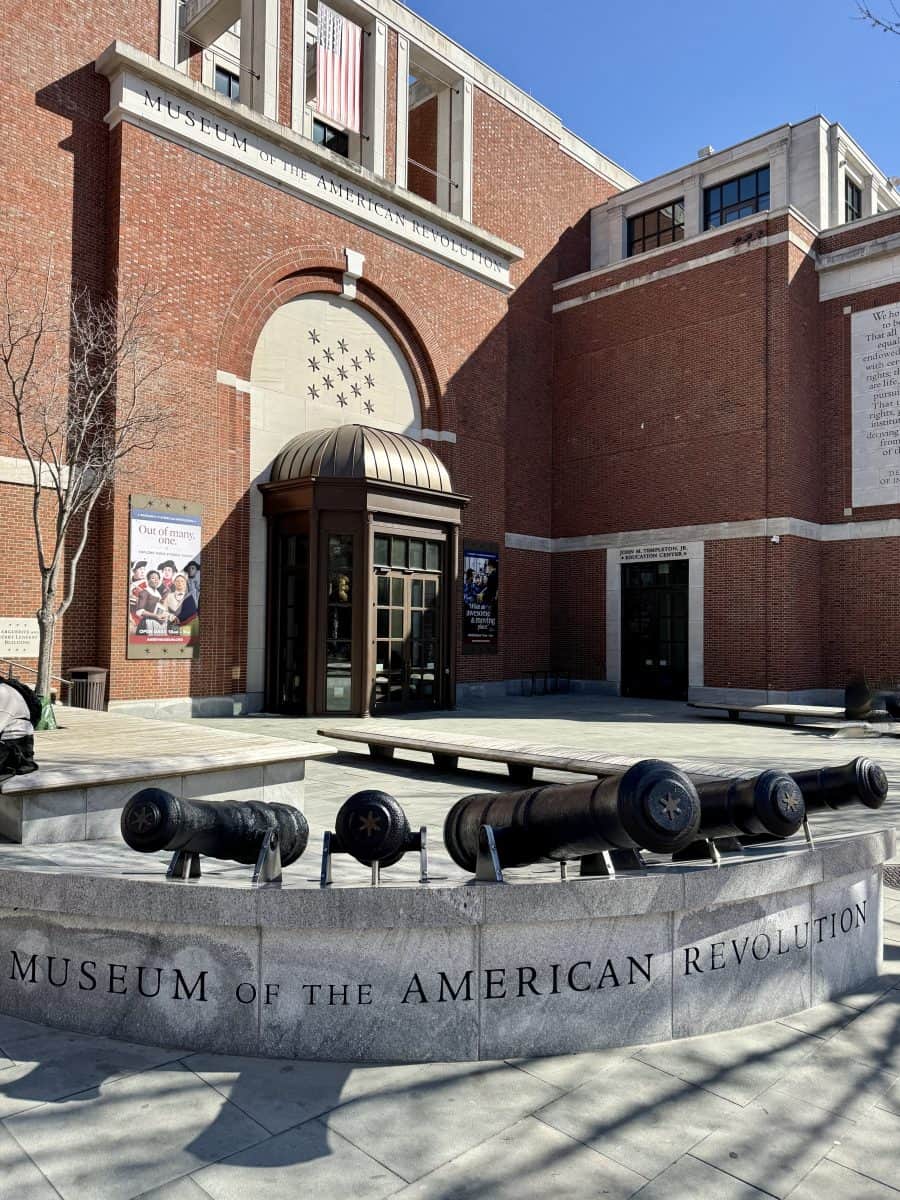
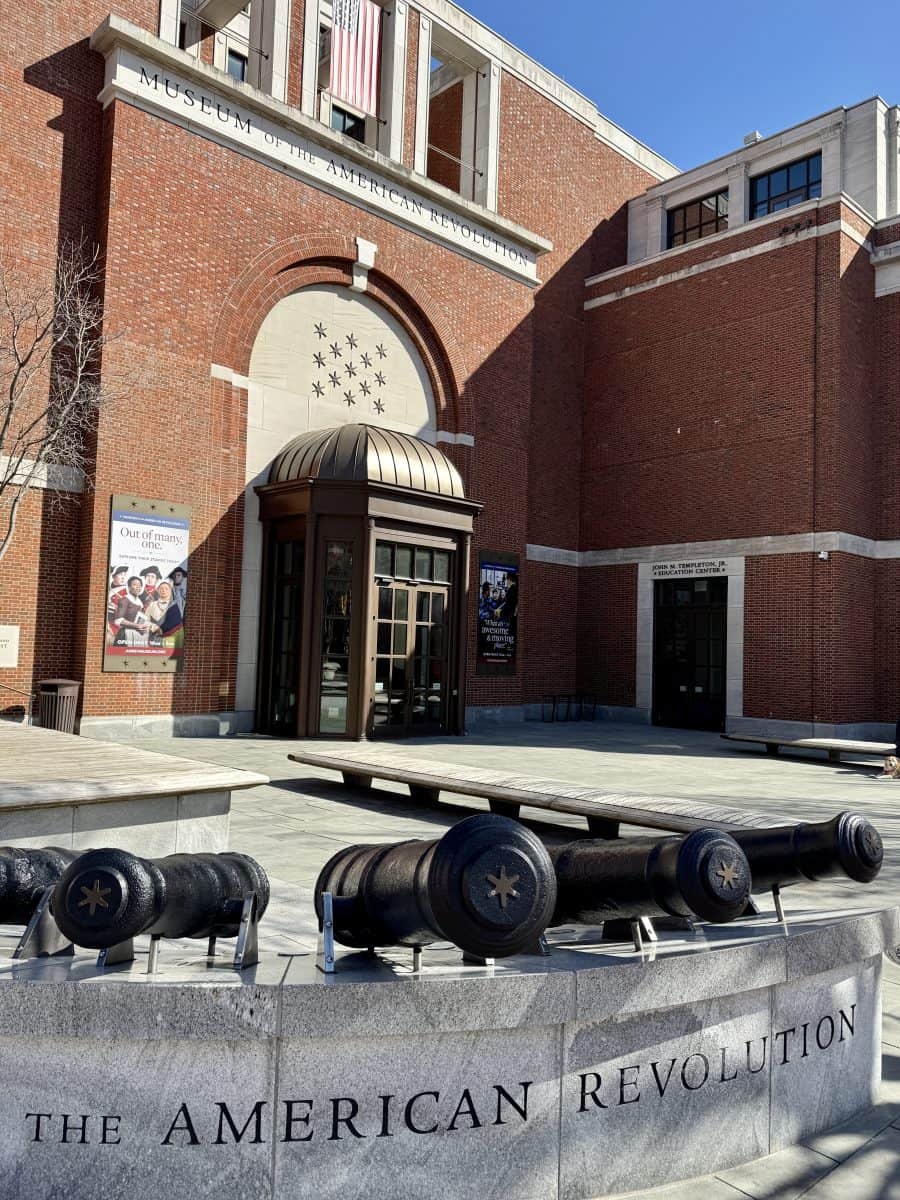
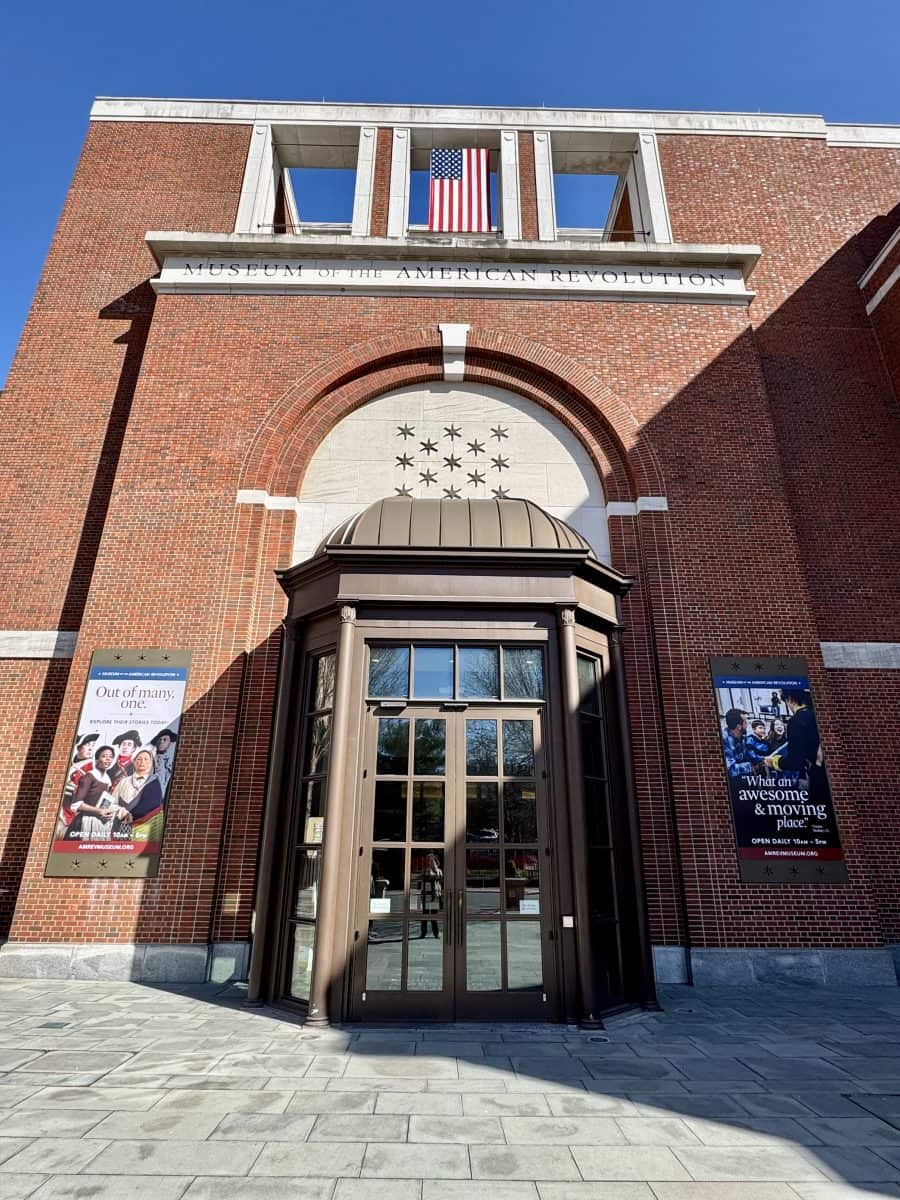
entrance to the Museum of the American Revolution in Philadelphia, PA

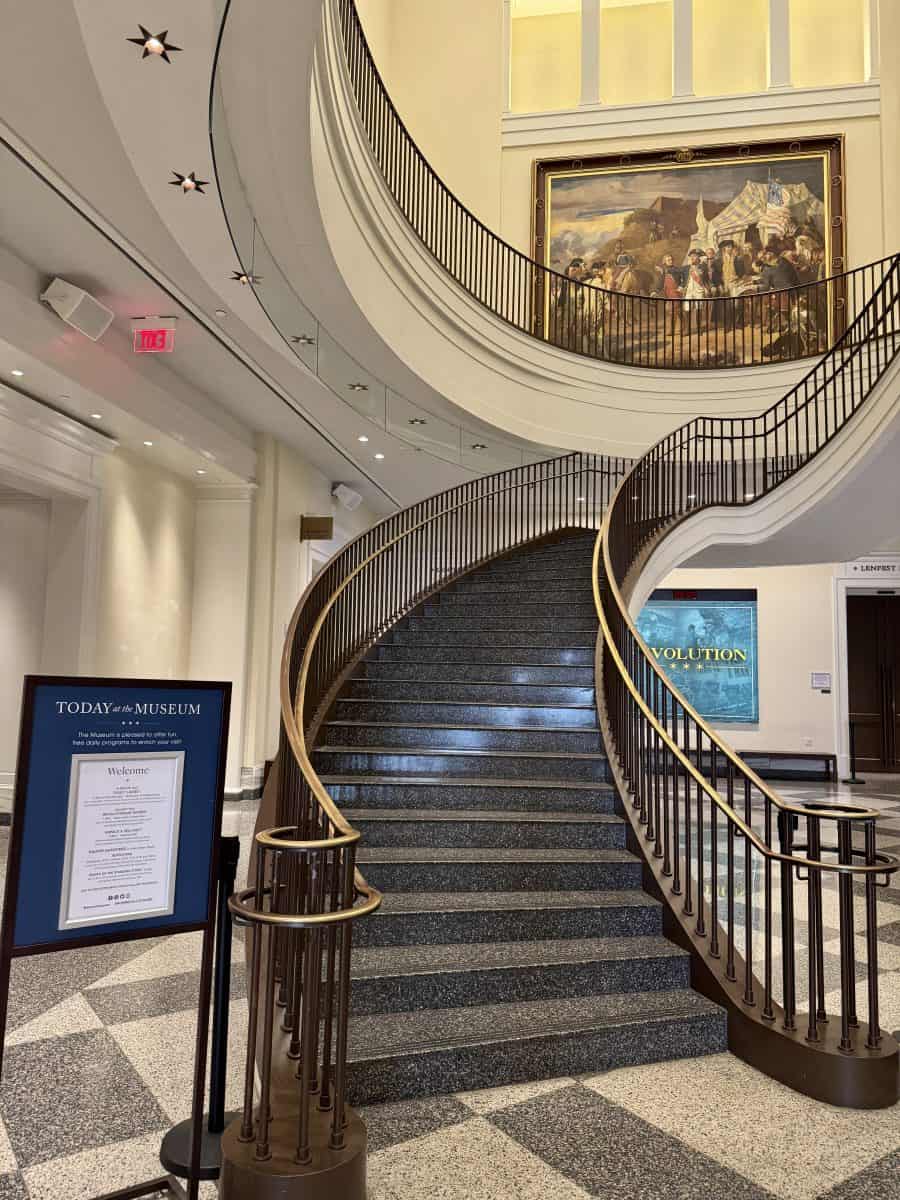
The museum, located just two blocks from Independence Hall in the center of the historic part of Philadelphia, celebrates the beginnings of America and our fight for freedom and independence from British rule. The majority of the galleries are located on the second floor and follow a chronological timeline of events (Becoming Revolutionaries 1760-1775, The Darkest Hours 1776-1778, A Revolutionary War 1778-1783, and A New Nation 1783-present) with over 500 artifacts, maps, eight short films, interactive touch screens, and anecdotal stories about the men, women, and children of that time period. The galleries are very kid friendly, beautifully laid out, and offer plenty of engaging opportunities to help children learn about America’s beginnings. Revolution Place, set to open in April 2025 on the first floor, will also be a must see for children- more information here

Travel Tips:

  • The museum is open from 10am-5pm seven days a week; see up to date information on admission fees, discounted tickets, and hours here
  • There is no designated parking area for the museum, but metered street parking is available (we found three hour parking for $4 on South Third Street) near the museum and several parking garages- see more information on garages here
  • The entire museum is handicap accessible via an elevator; restrooms and lockers are available on the first floor. Strollers are allowed, and the museum does have strollers to lend to guests.
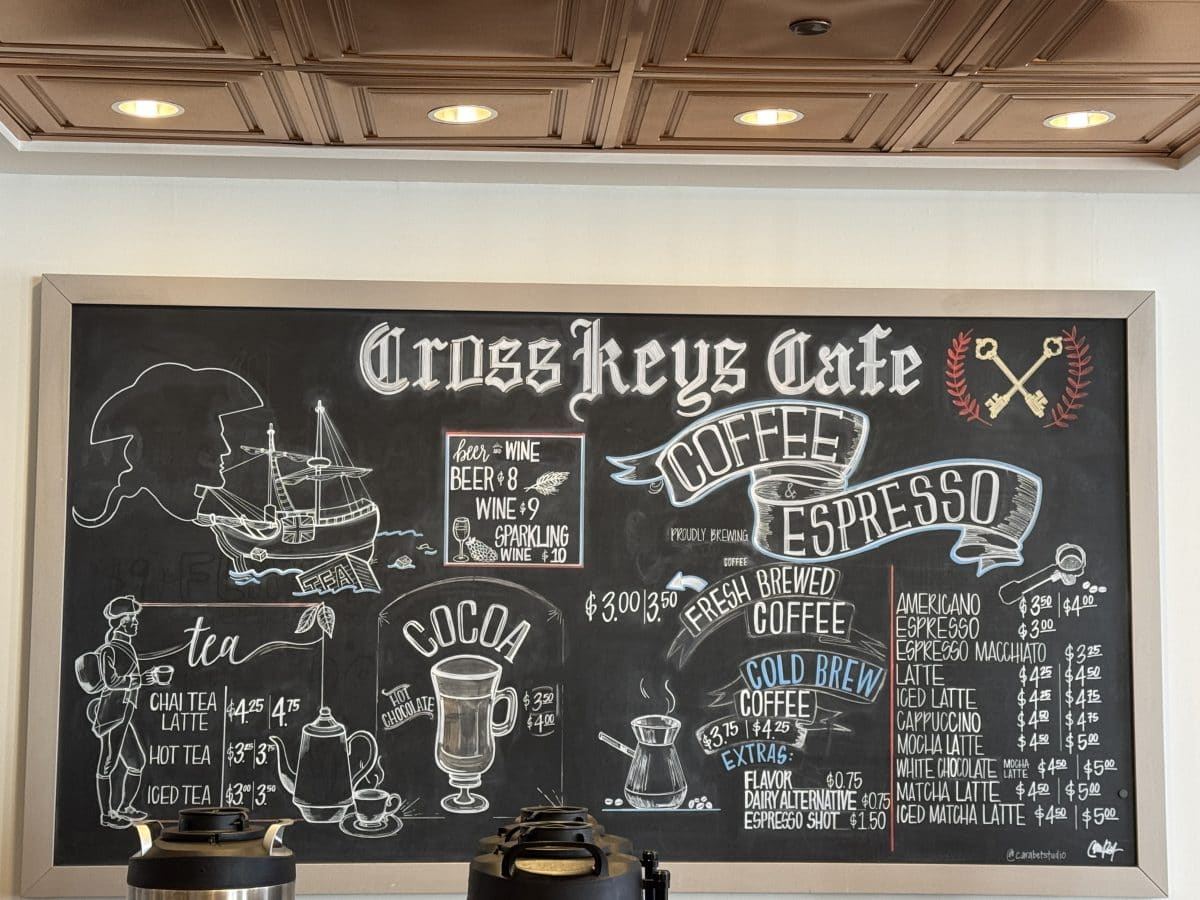
  • The Cross Keys Cafe offers sandwiches, salads, snacks and drinks and plenty of seating (outdoor seating available seasonally).
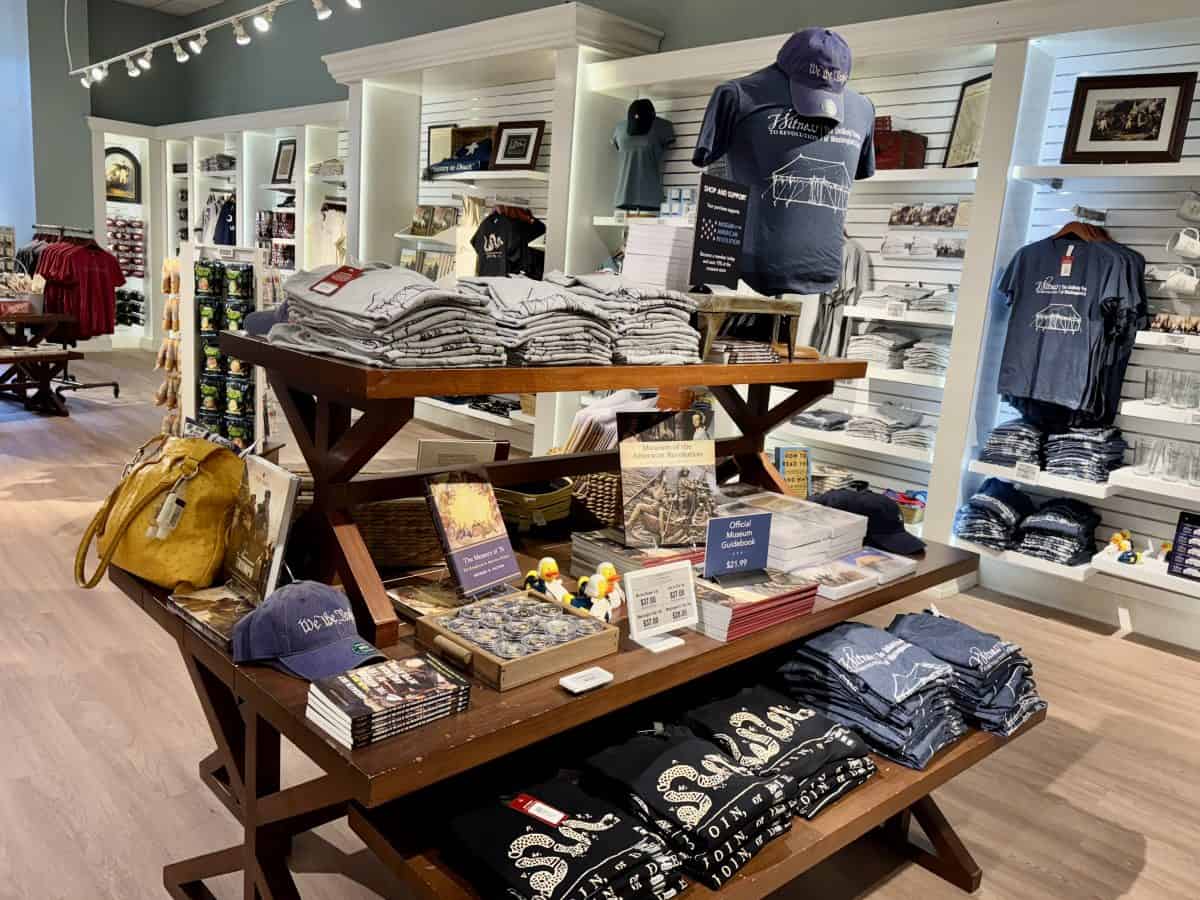
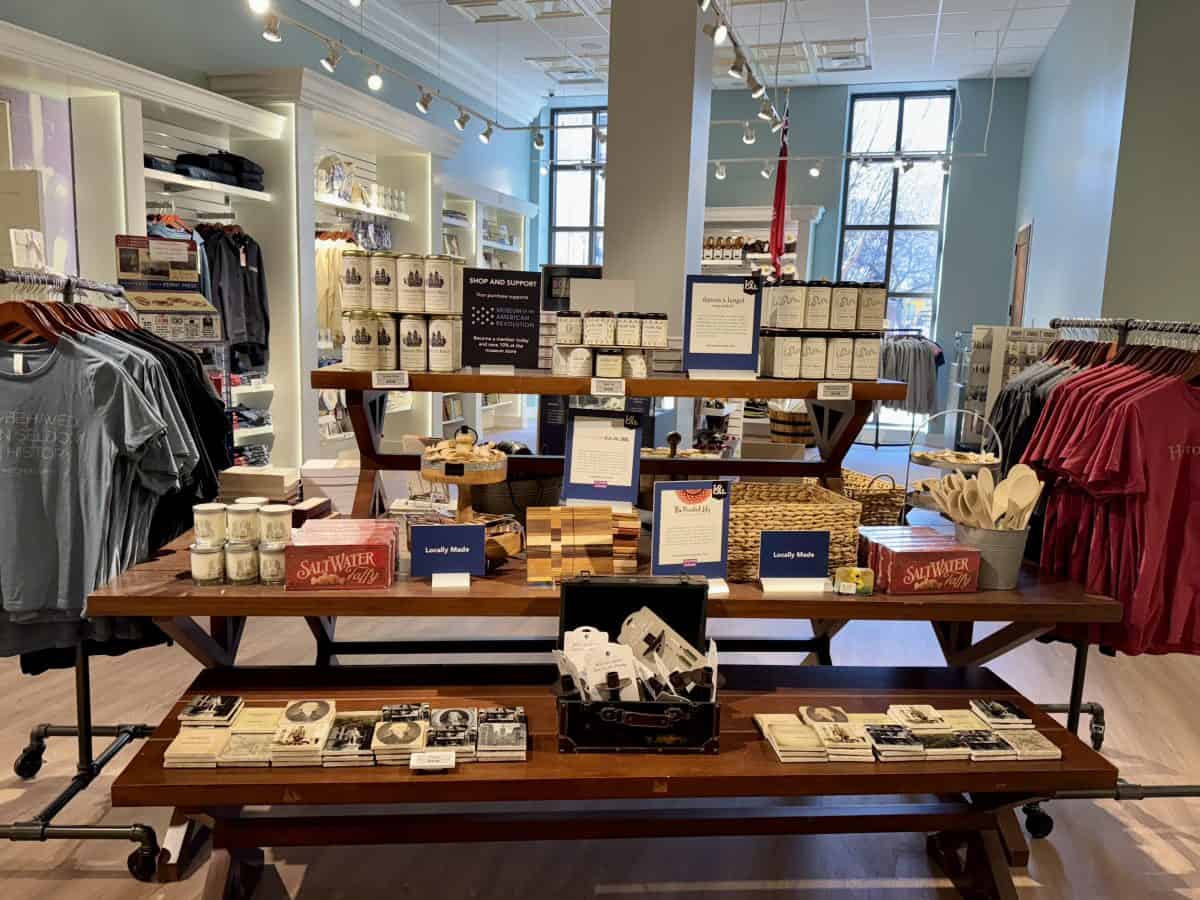
  • The Museum Shop offers a curated collection of gifts, apparel, and souvenirs. 
  • Make sure kids pick up a Scavenger Hunt and a Family Guide when checking in at admissions.
  • Check here for family friendly programs and events, here for the popular guided walking tours of the area, and here for the museum calendar.
  • Plan on 2 hours to fully explore the museum exhibits and watch some of the short films- see a full museum map here

13 Ways to Explore the Museum of the American Revolution:

  1. View one of the many short films in theaters throughout the museum:
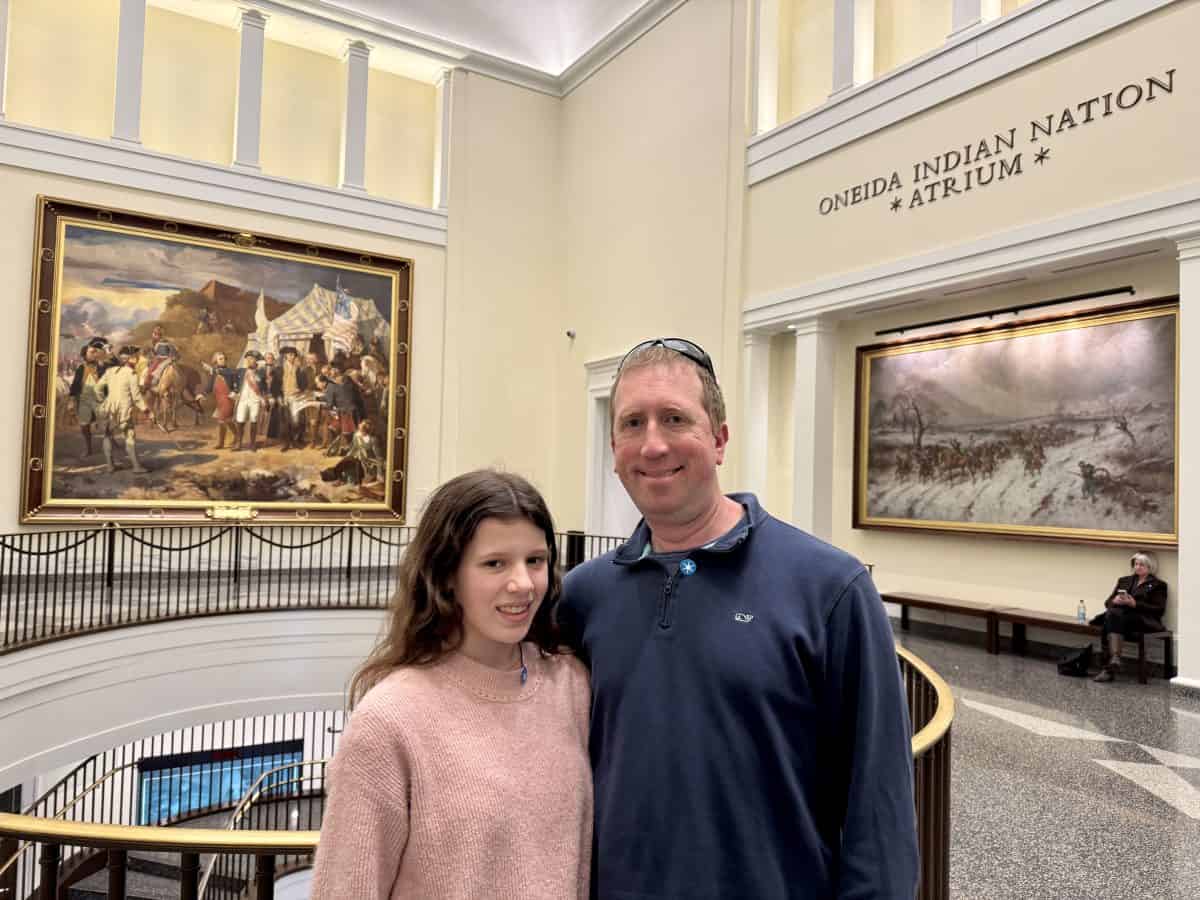
    1. Myers Theater: Revolution (15 minutes) explains the catalyst for the American Revolution and its legacy and People of the Standing Stone (25 minutes) tells the story of the Oneida Nation, who fought with the Patriots against the British. 
    2. Miller Theater: Washington’s War Tent (12 minutes) is a film about Washington’s creation of the army and significance of the tent where Washington slept with his troops during battle. Learn about the tent and the museum’s acquisition of it and see the actual tent on display (no personal photography allowed and guests must remain seated and cannot go too close to the tent- the photo below is used with permission from the museum.)
    3. There are also eight short films (all under 10 minutes) in galleries through the exhibits that go more in depth about specific battles, people, and controversies. 
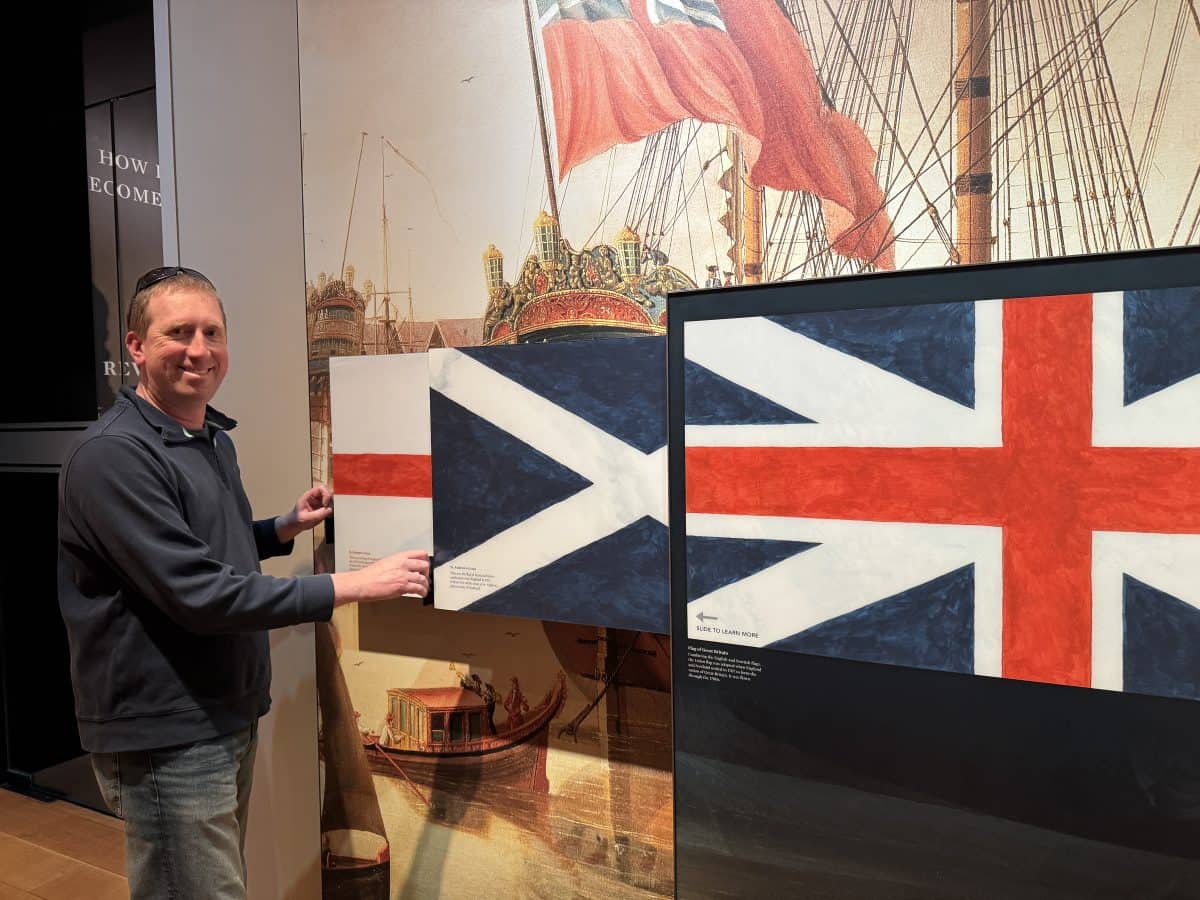
  2. See the evolution of the British flag and its various adaptations, including changing stripes and colors in the Rule Britannia! gallery.
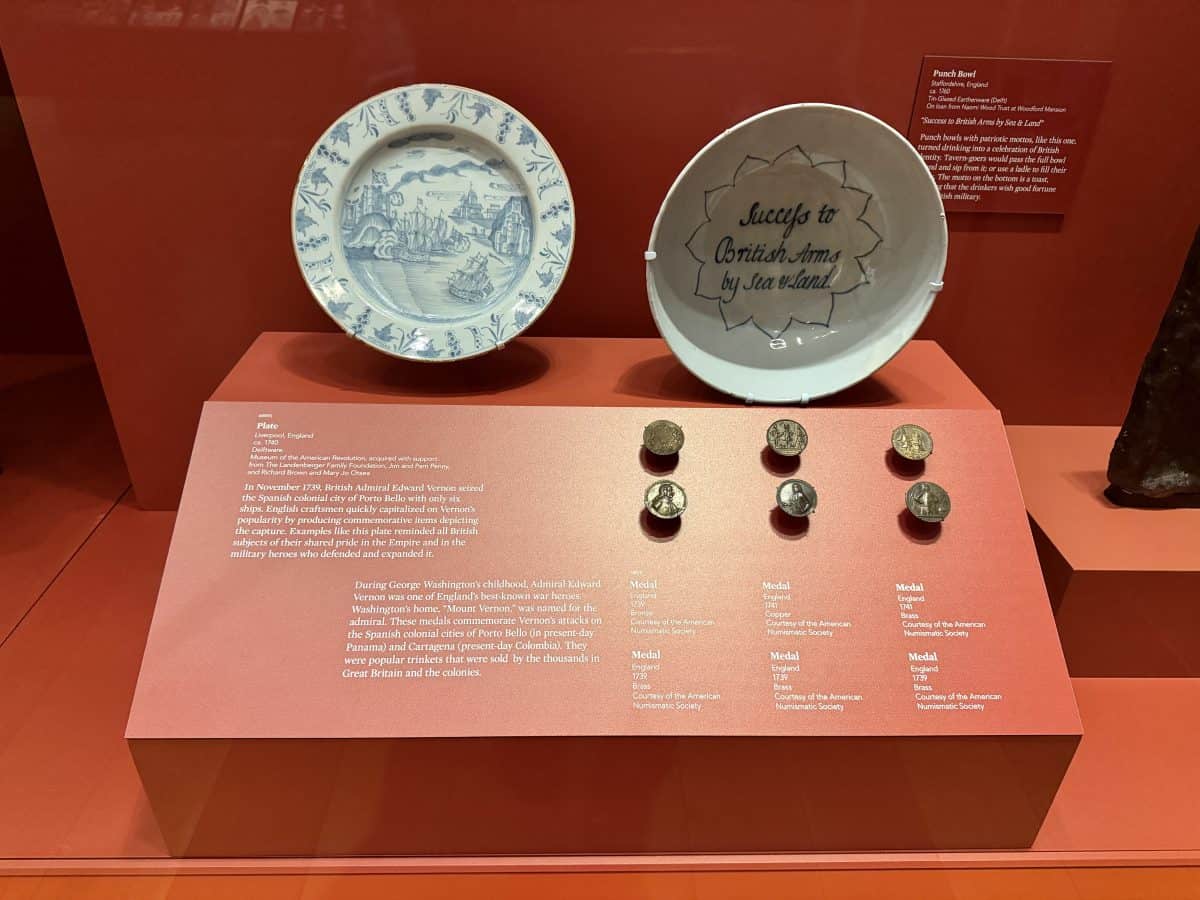
  3. See the collection of medals celebrating Admiral Edward Vernon’s attack on Spanish colonies. The medals were produced as commemorative souvenirs. Vernon was a war hero in England and America when Washington was a child and Washington’s older brother Lawrence served in the military under Vernon. Washington’s estate, Mount Vernon, in Virginia is named after Admiral Vernon. 
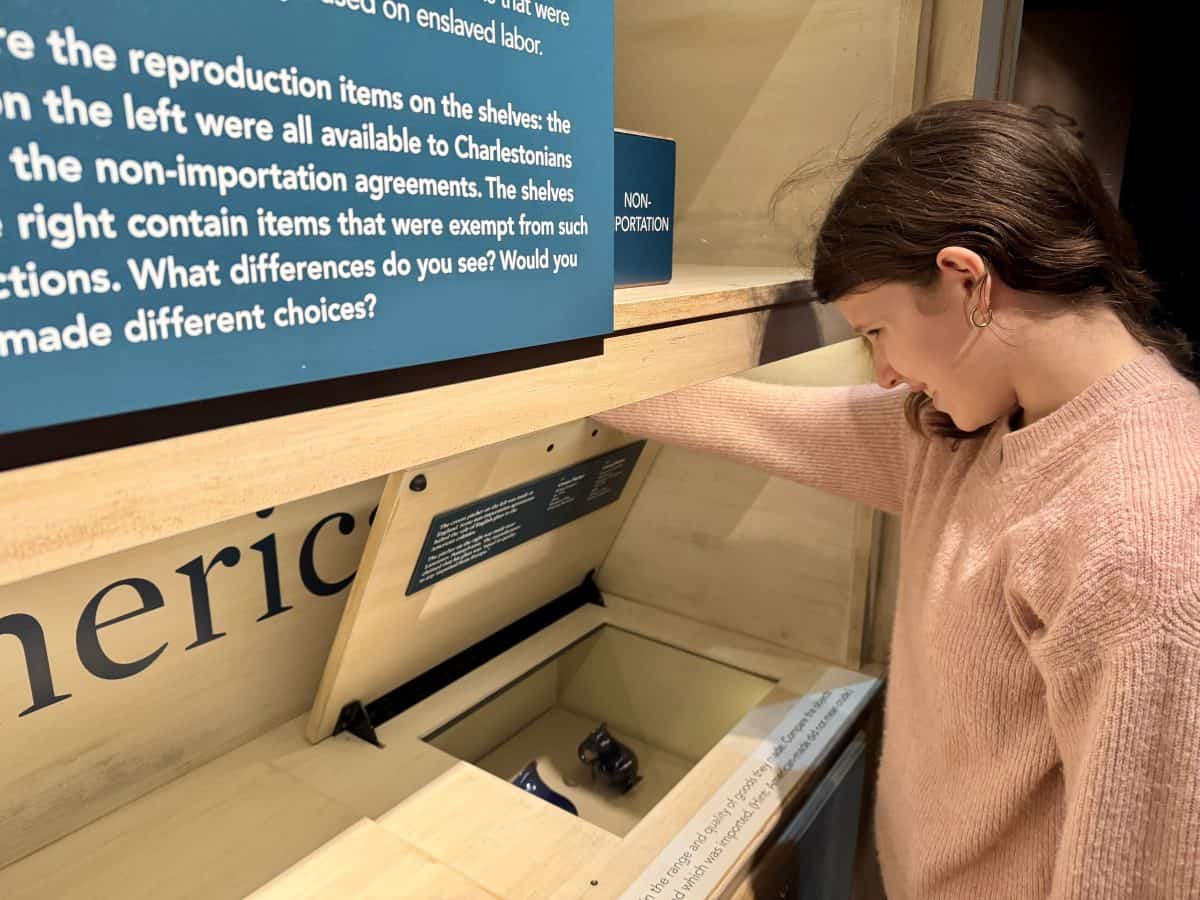
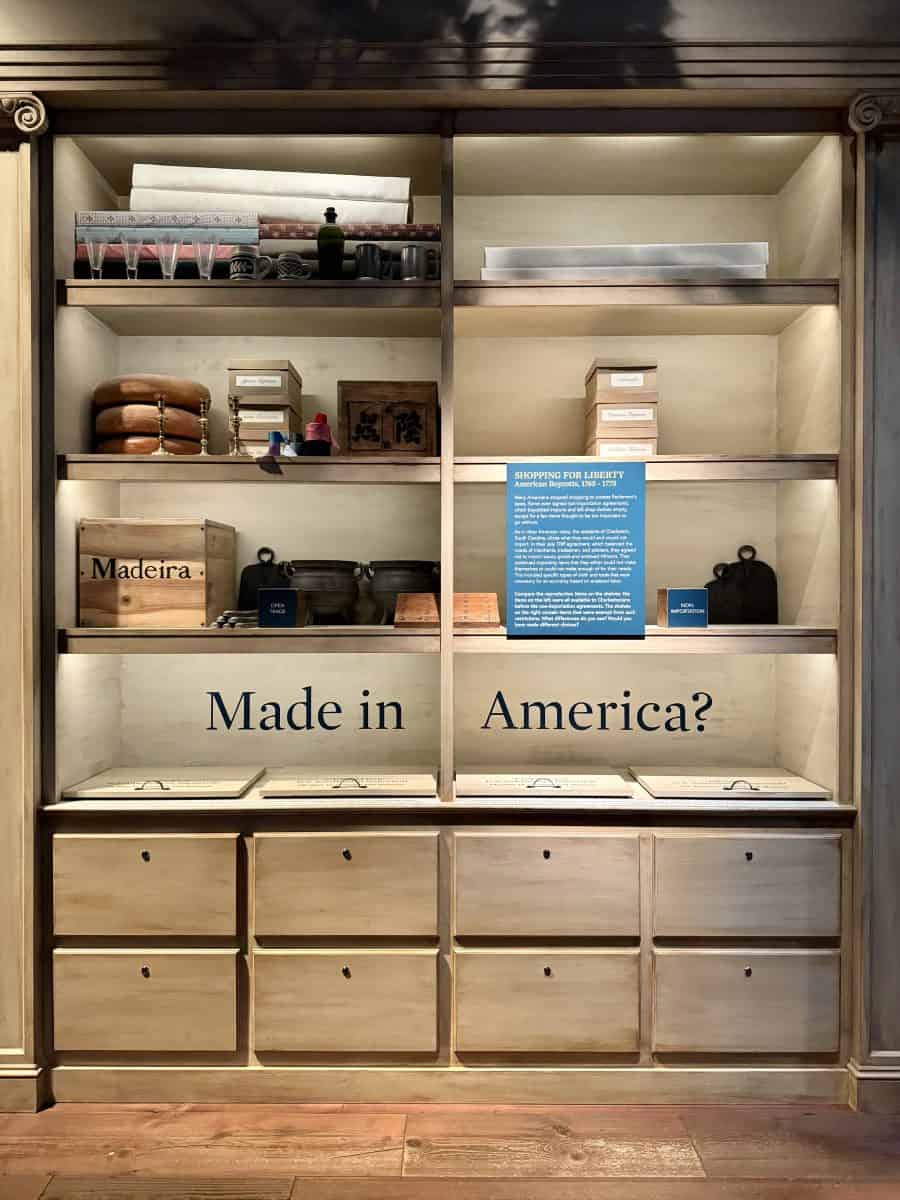
  4. Distinguish American made and imported textiles, glass, metals, and ceramics in the The Price of Victory exhibit. 
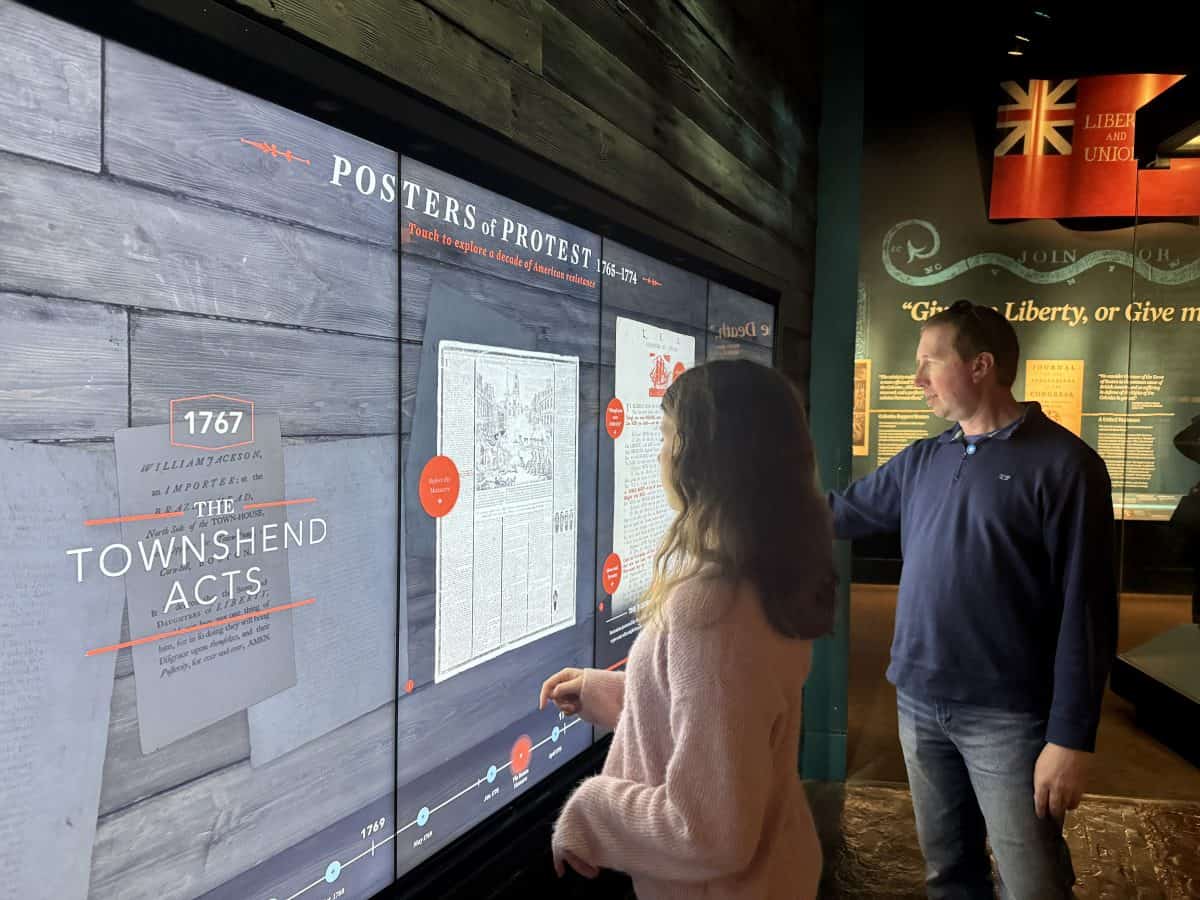
  5. Engage with Posters of Protest from the 1760s and 1770s on interactive touch screens.
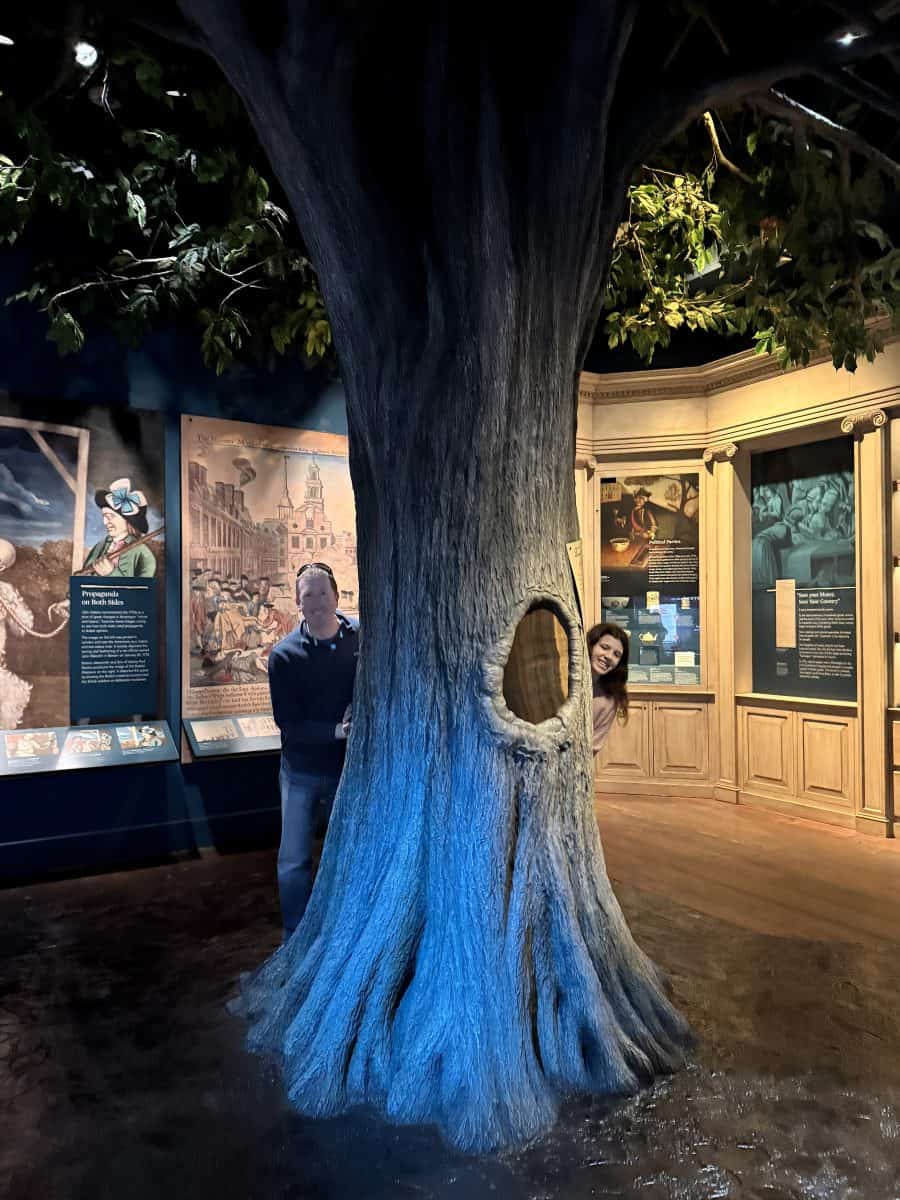
  6. Hide behind a life size replica “Liberty Tree”. The most famous Liberty Tree in Boston was a gathering place for the Sons and Daughters of Liberty; elm trees became a symbol of resistance to British tyranny.
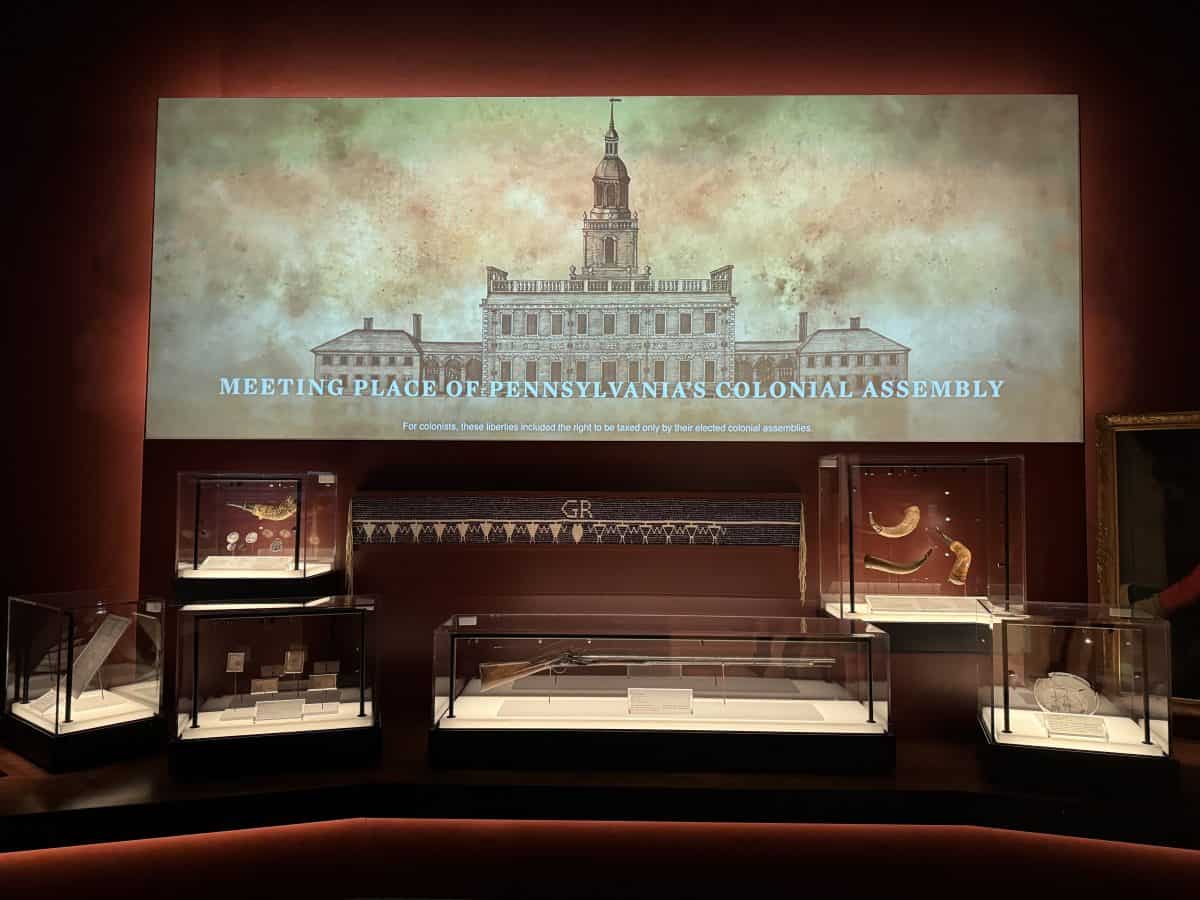
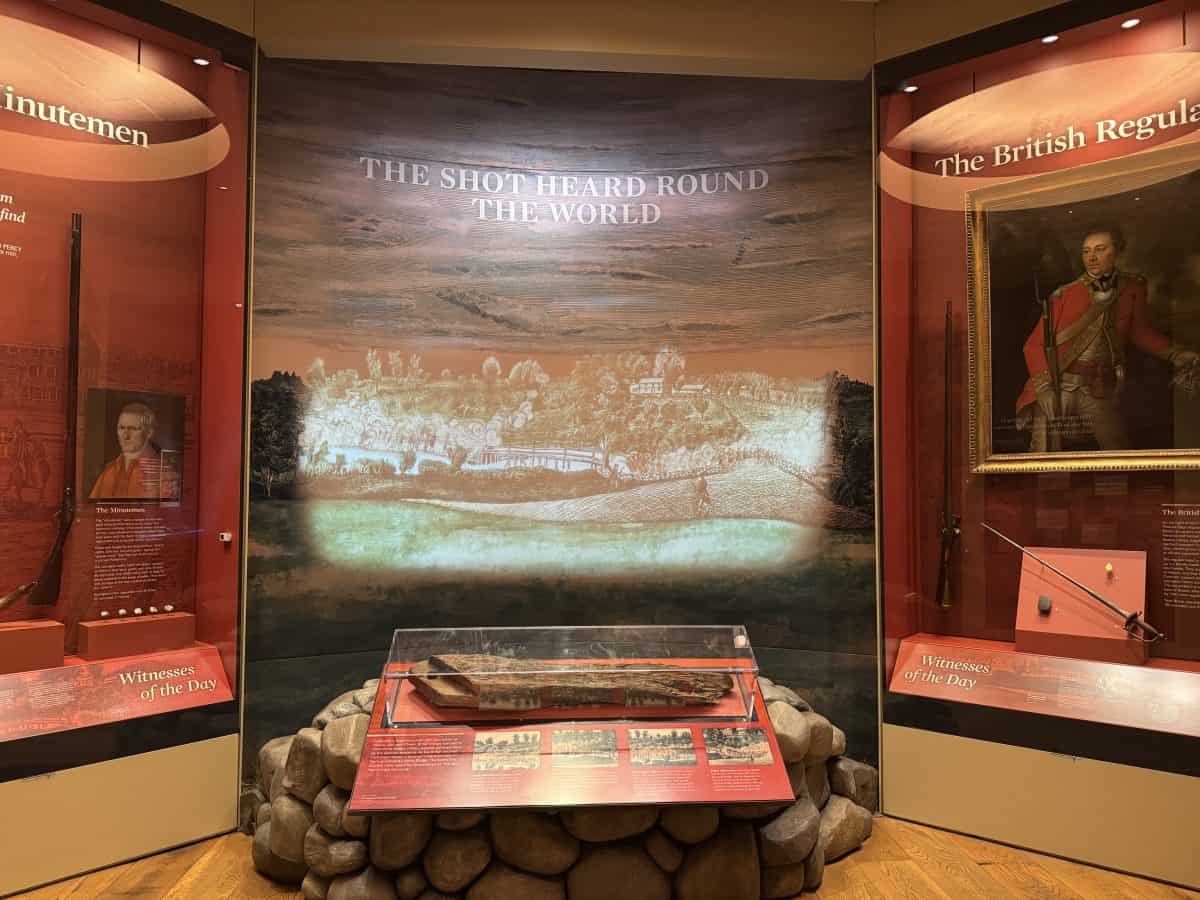
  7. Listen to the “shot heard round the world” from the Battle at Concord’s North Bridge in Concord, Massachusetts; the gun used by Captain David Brown is on display in the exhibit. Visitors can also trace the route of British advancement in Lexington and Concord.
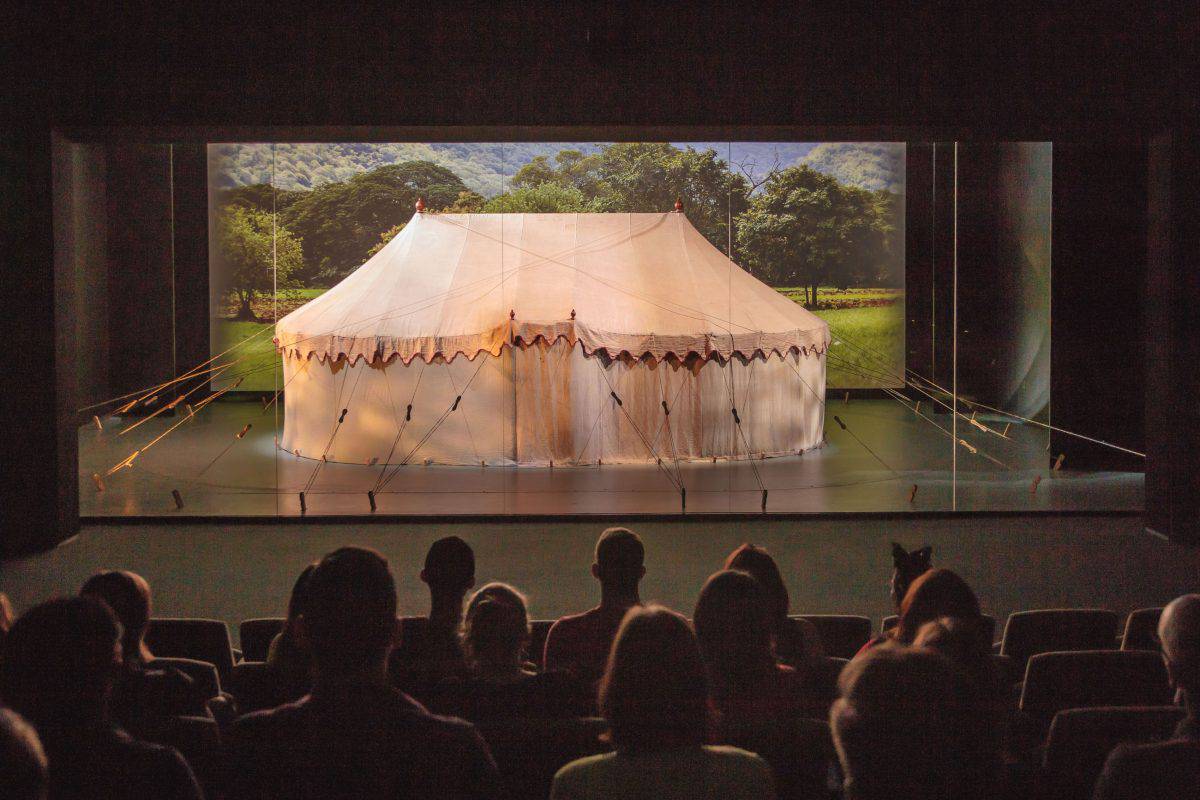
George Washington's tent on display at Museum of the American Revolution in Philadelphia, PA

Would you like to save this?

We'll email this post to you, so you can come back to it later.

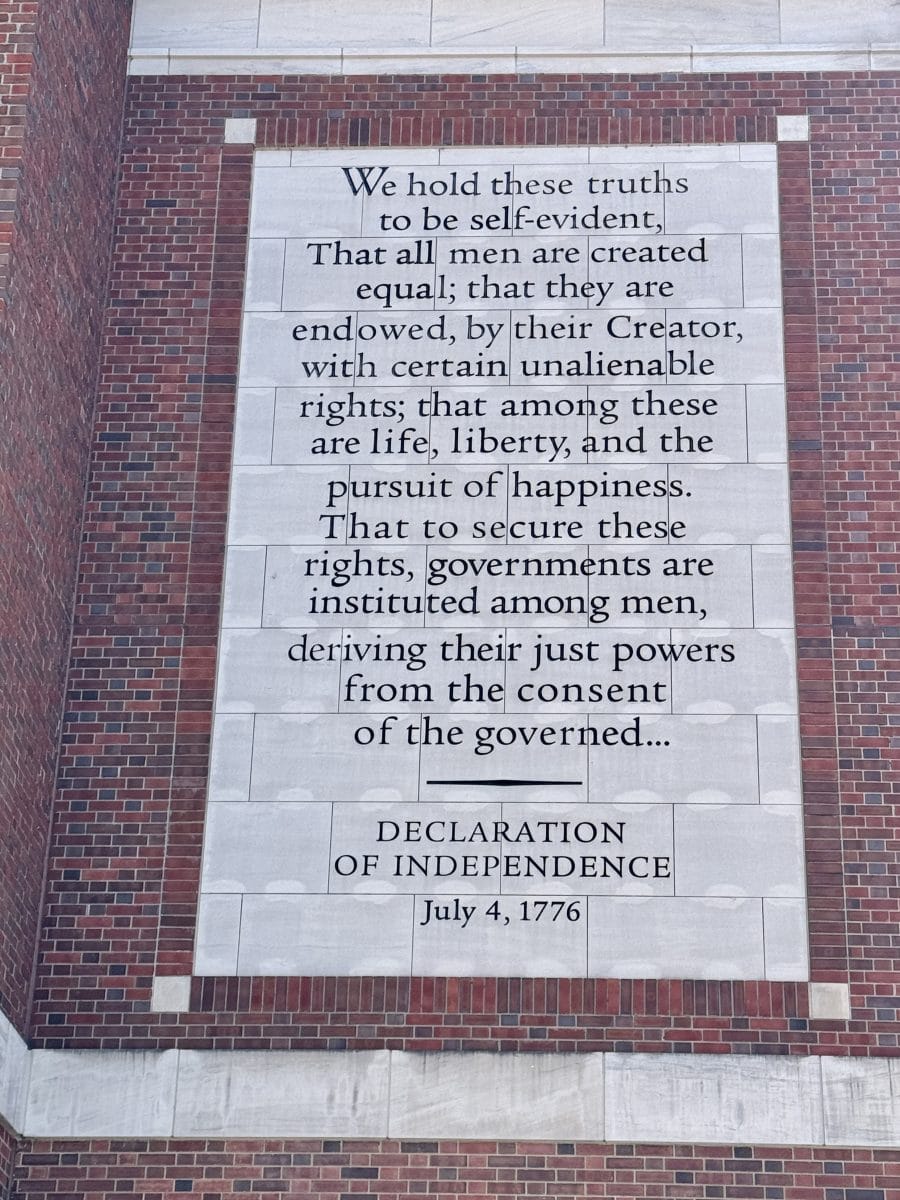
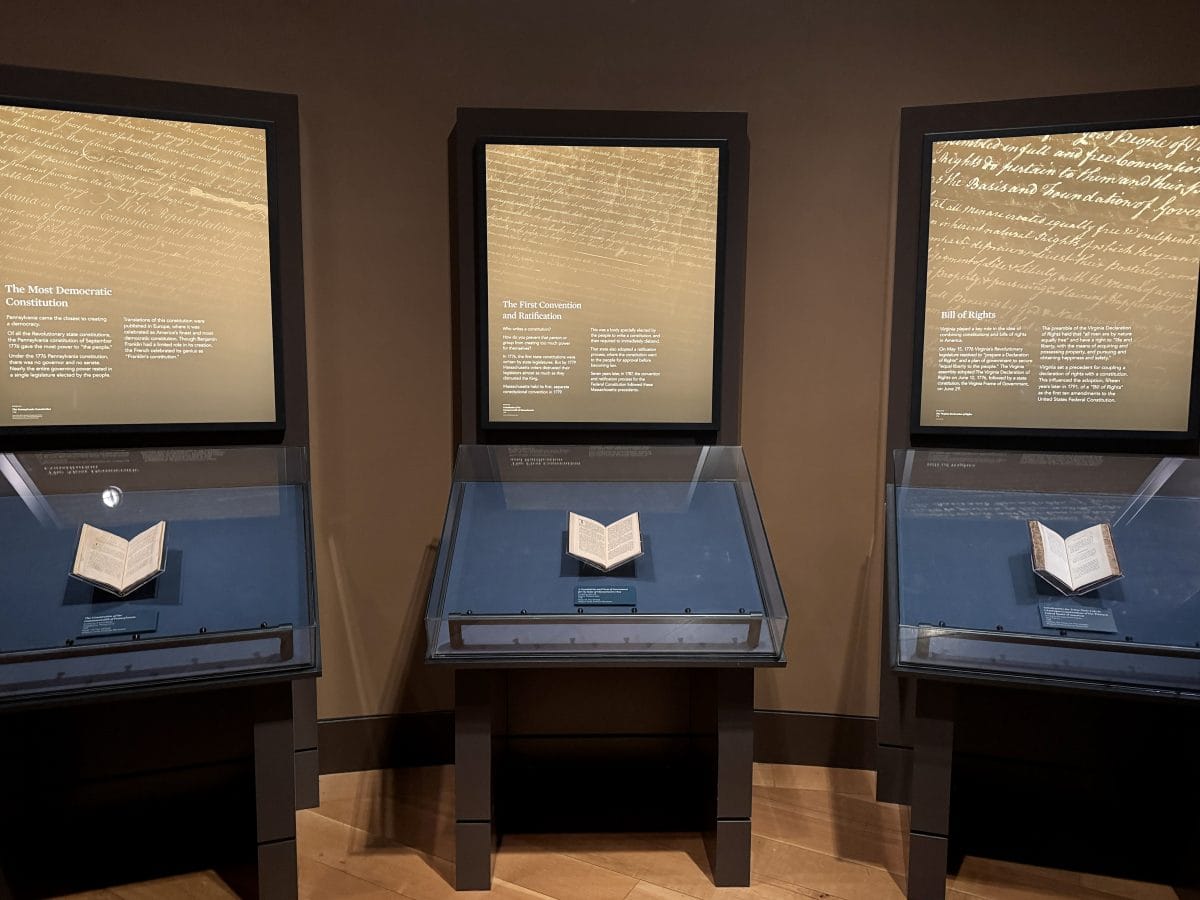
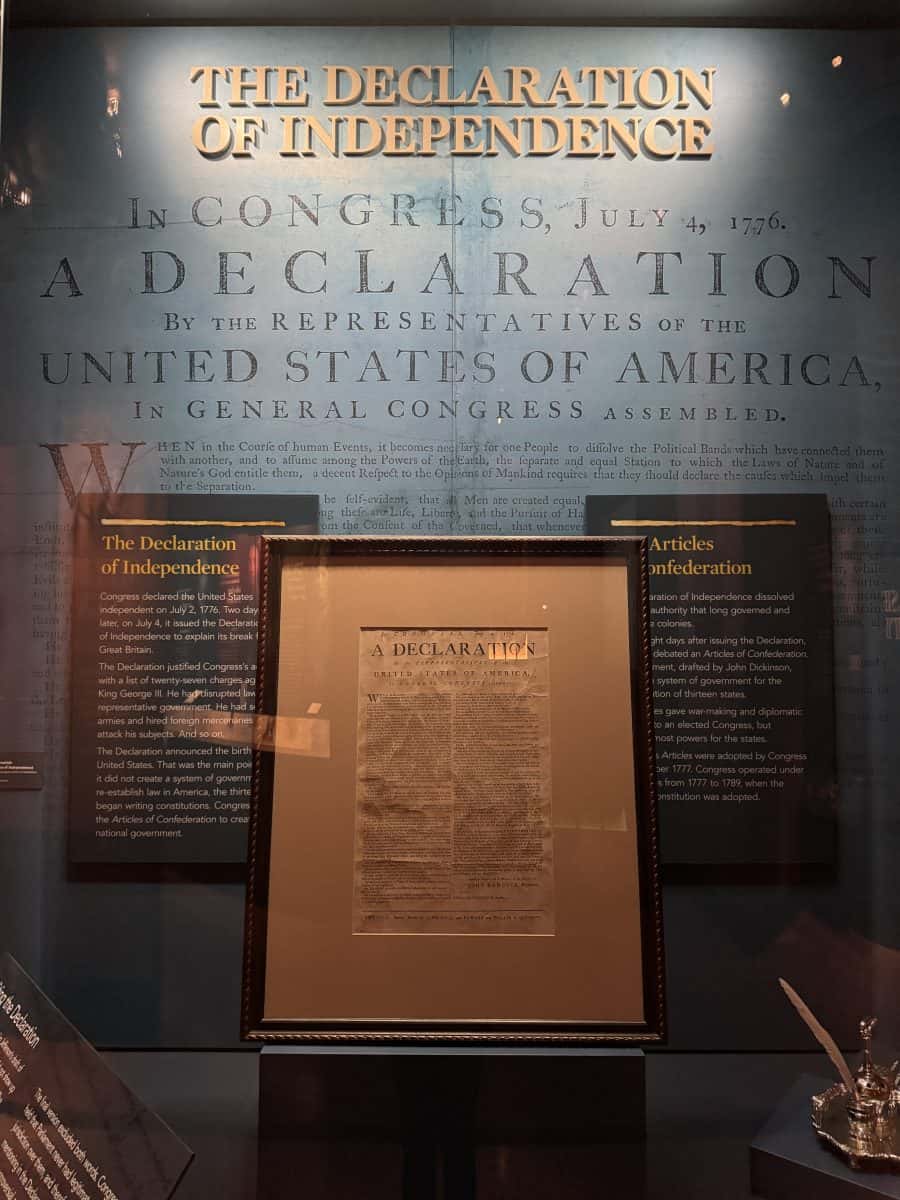
  1. Read a replica copy of the Declaration of Independence and learn about its printing and distribution in the 1770s. Note which two words used in Jefferson’s draft that were not included in the final version: “slavery” and “Parliament.” Also on display are the Constitution for the Commonwealth of Pennsylvania, the State of Massachusetts Bay, and the Thirteen United States of America. 
  2. Count the rings of the original colonies on the floor of the “Chilles” Gallery. 
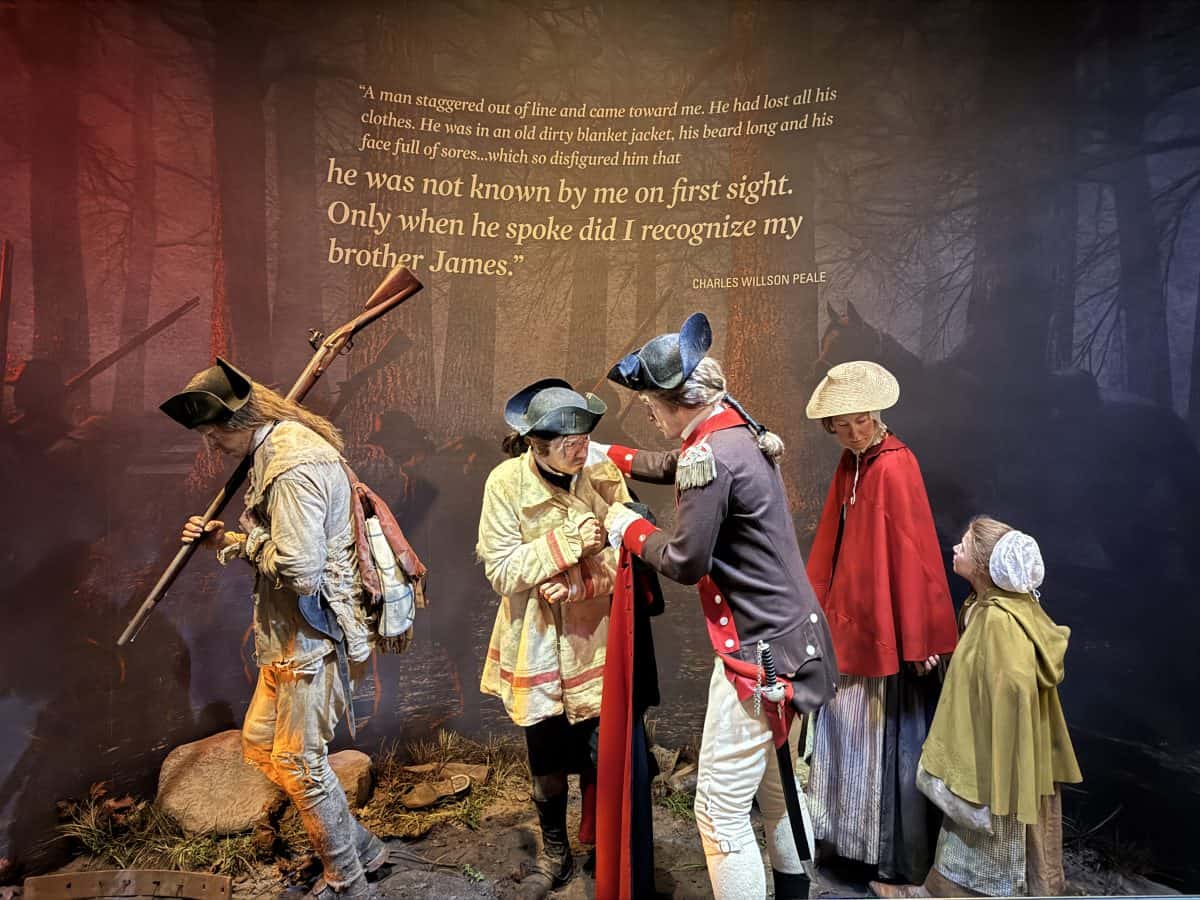
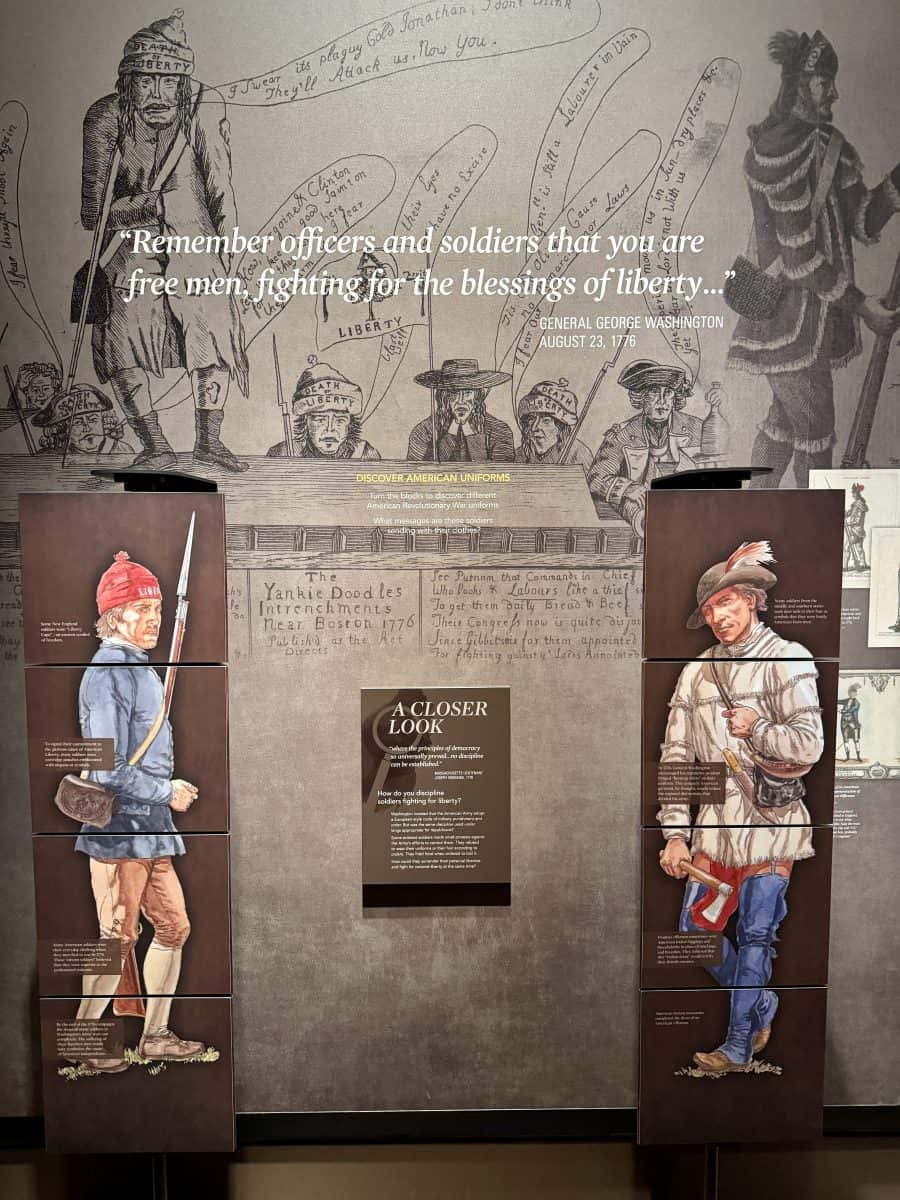
  3. Spin the various parts of the uniforms for the soldiers of the New England states and southern states. Note the differences in hats, shoes and coats. 
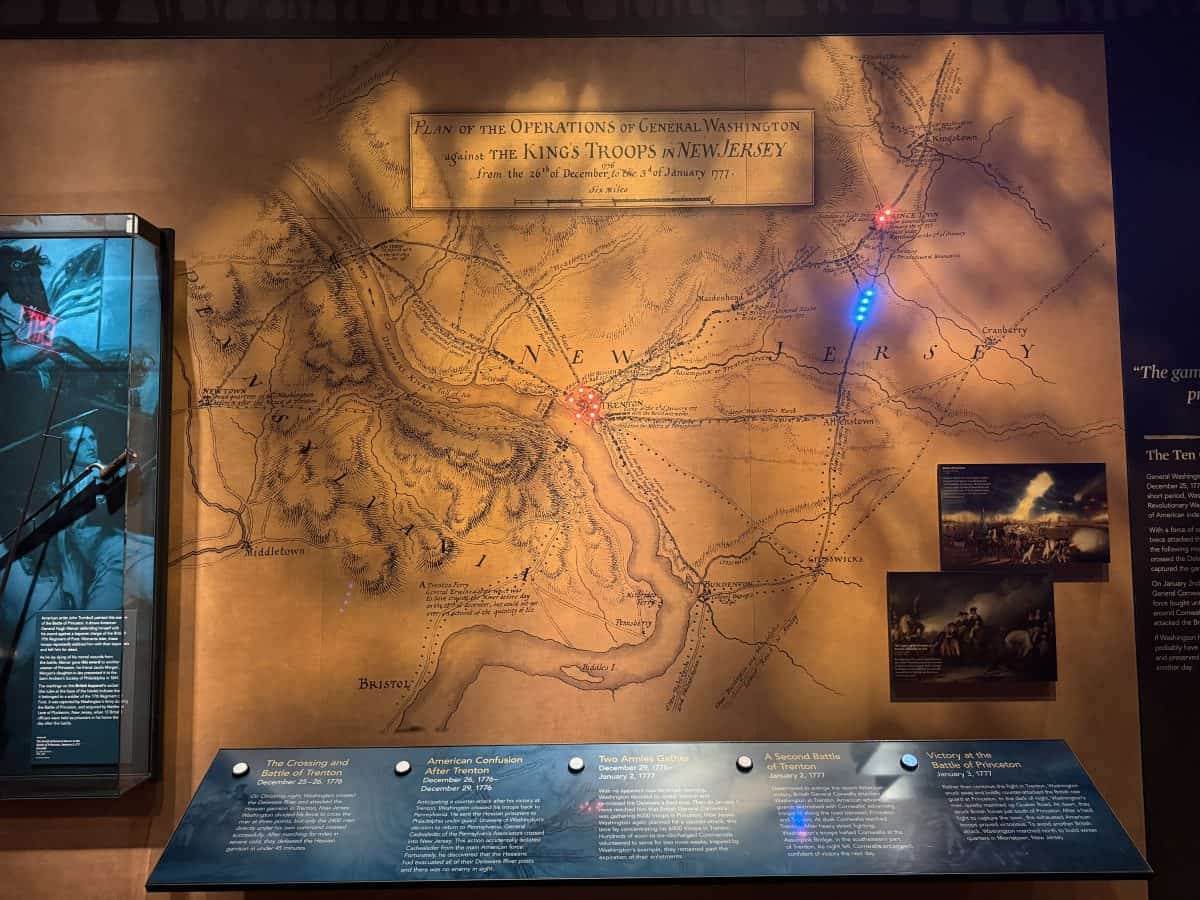
  4. Light the paths of various routes during the Battles of Trenton and Princeton in late December 1776 and January 1777. 
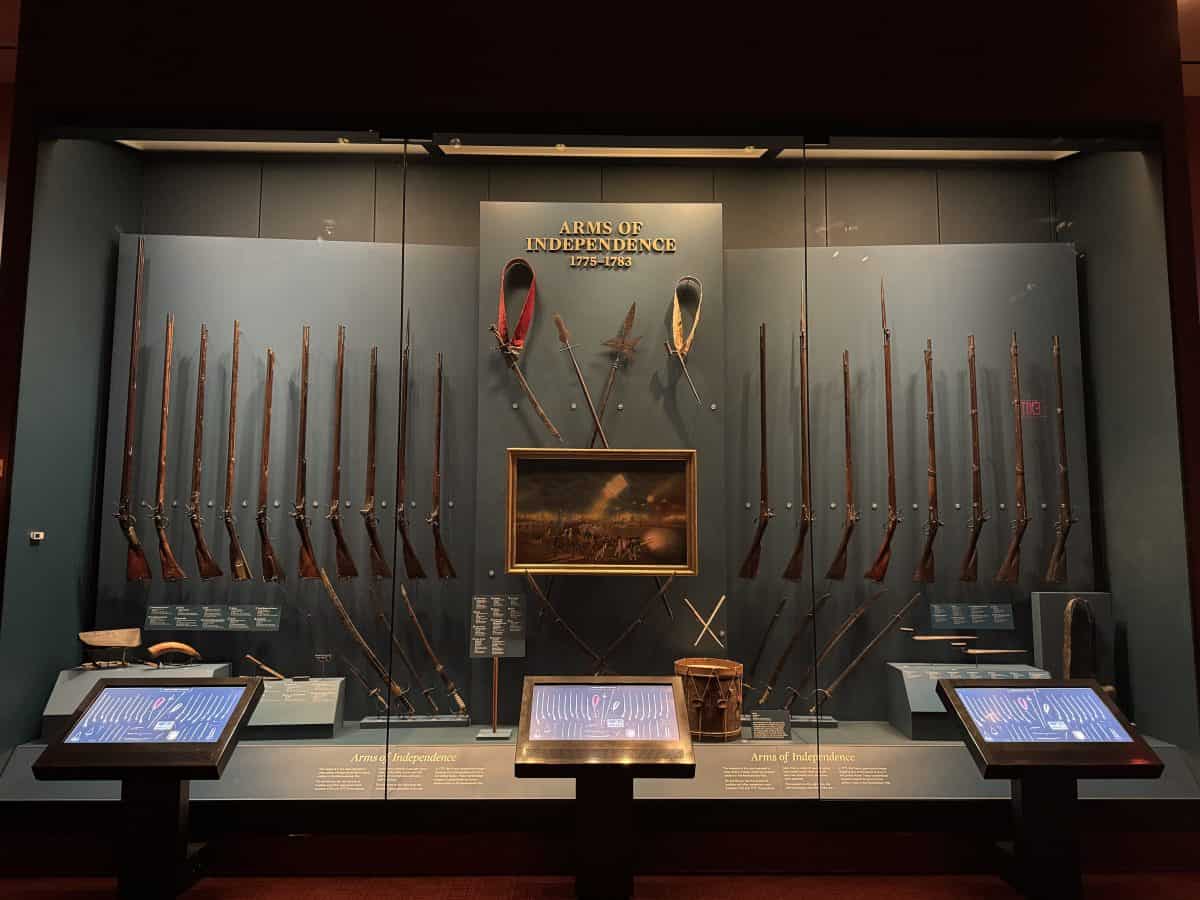
  5. Learn about the dozens of weapons on display in the Arms of Independence exhibit using interactive touch screens.
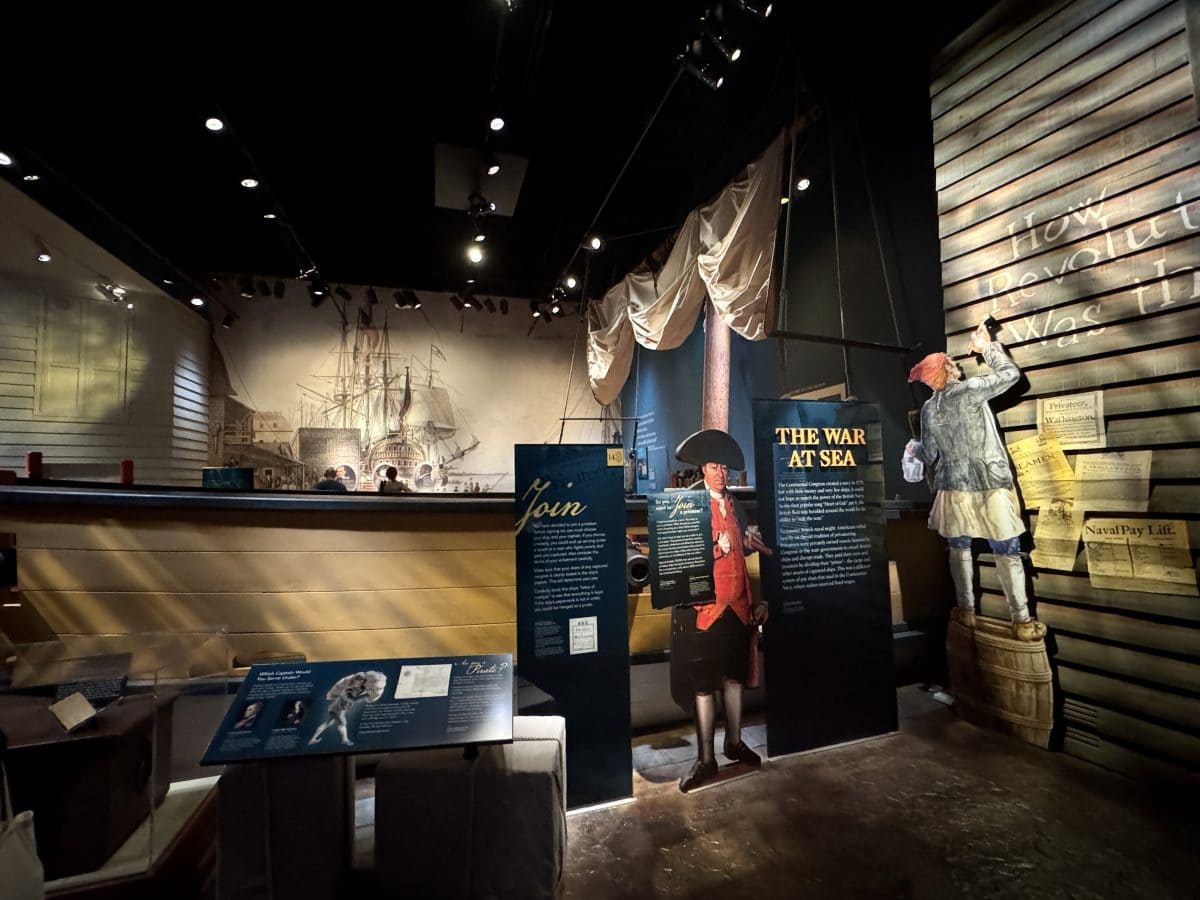
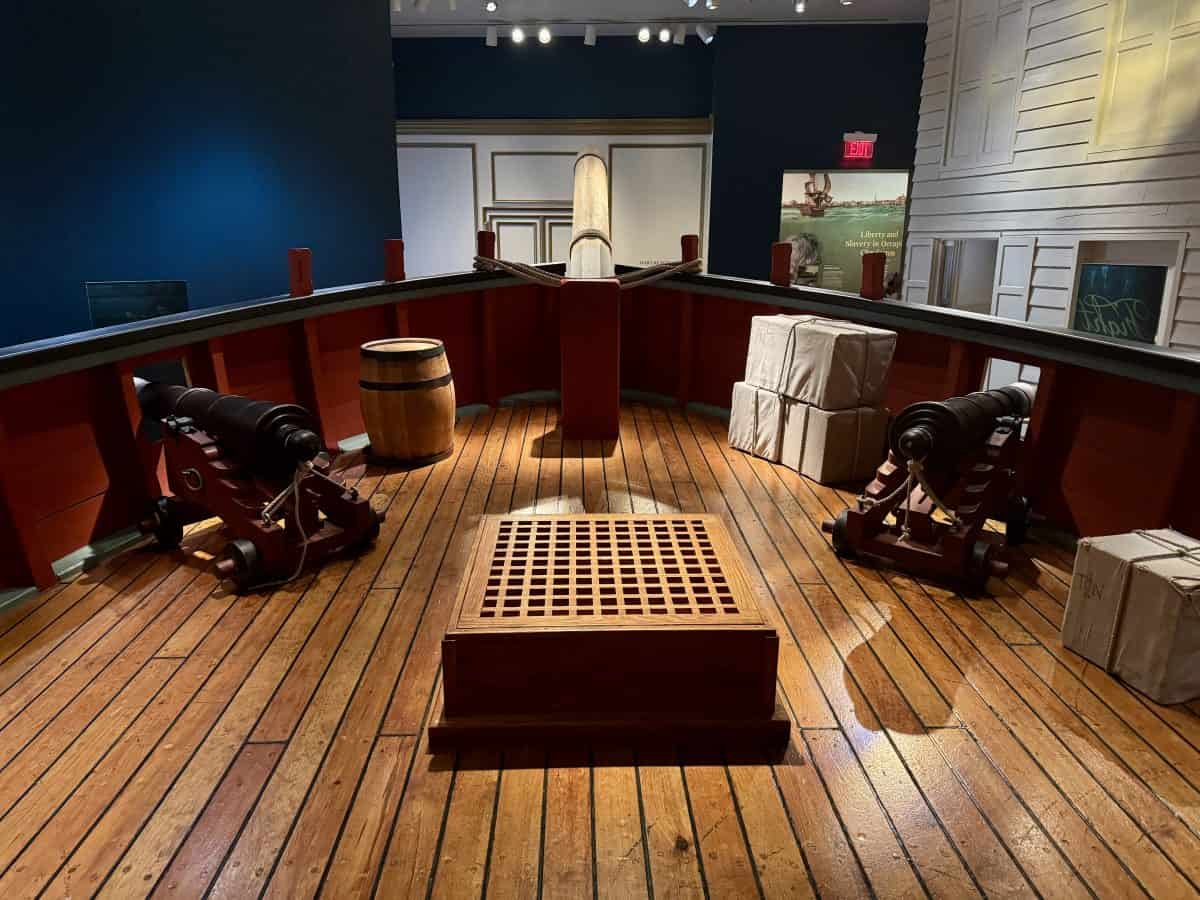
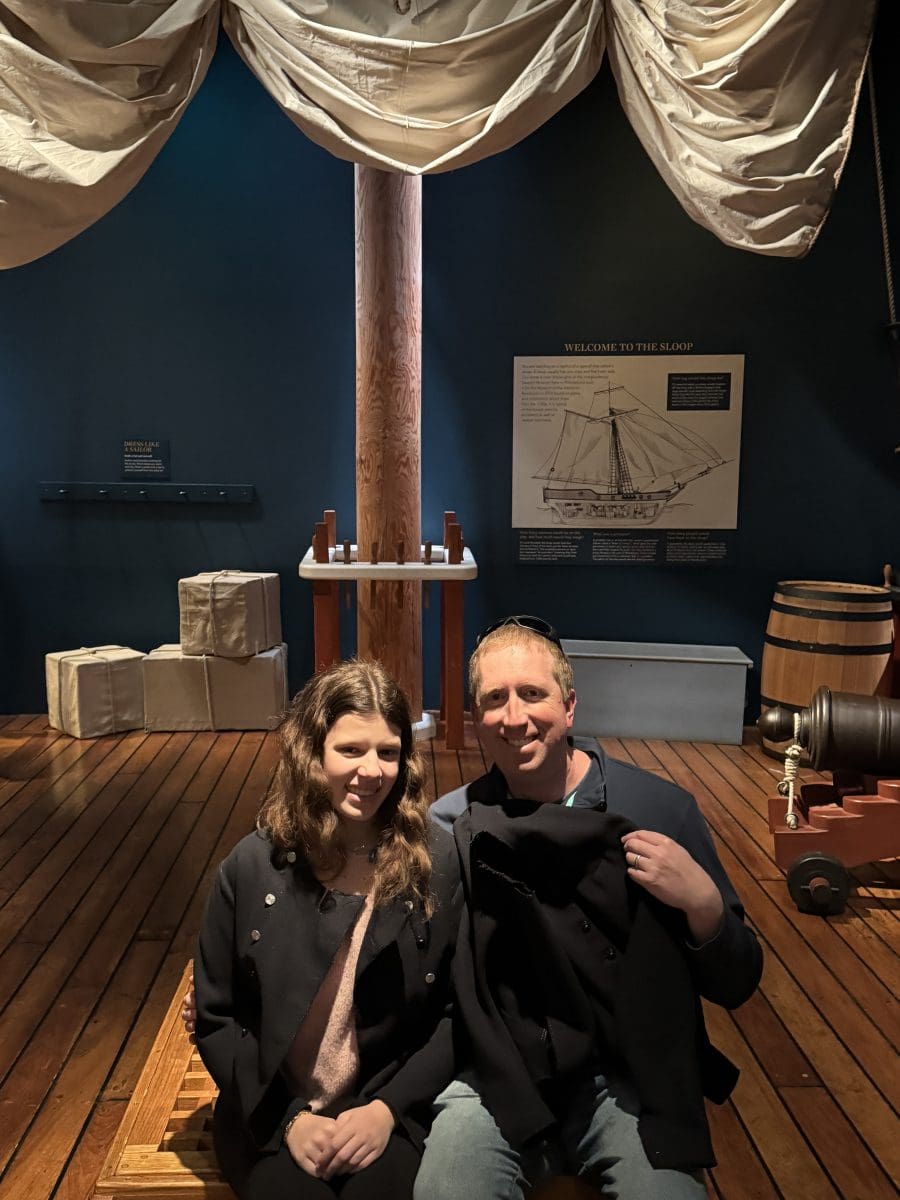
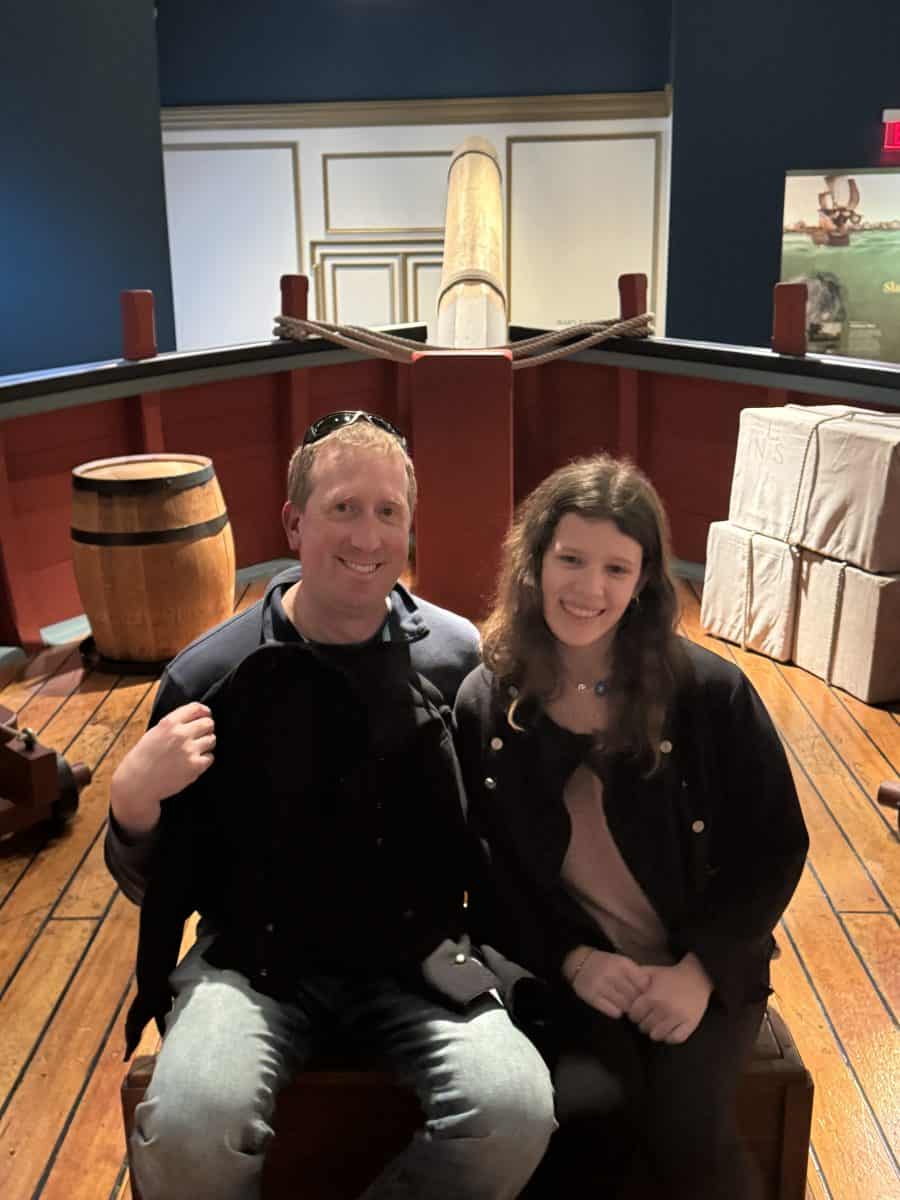
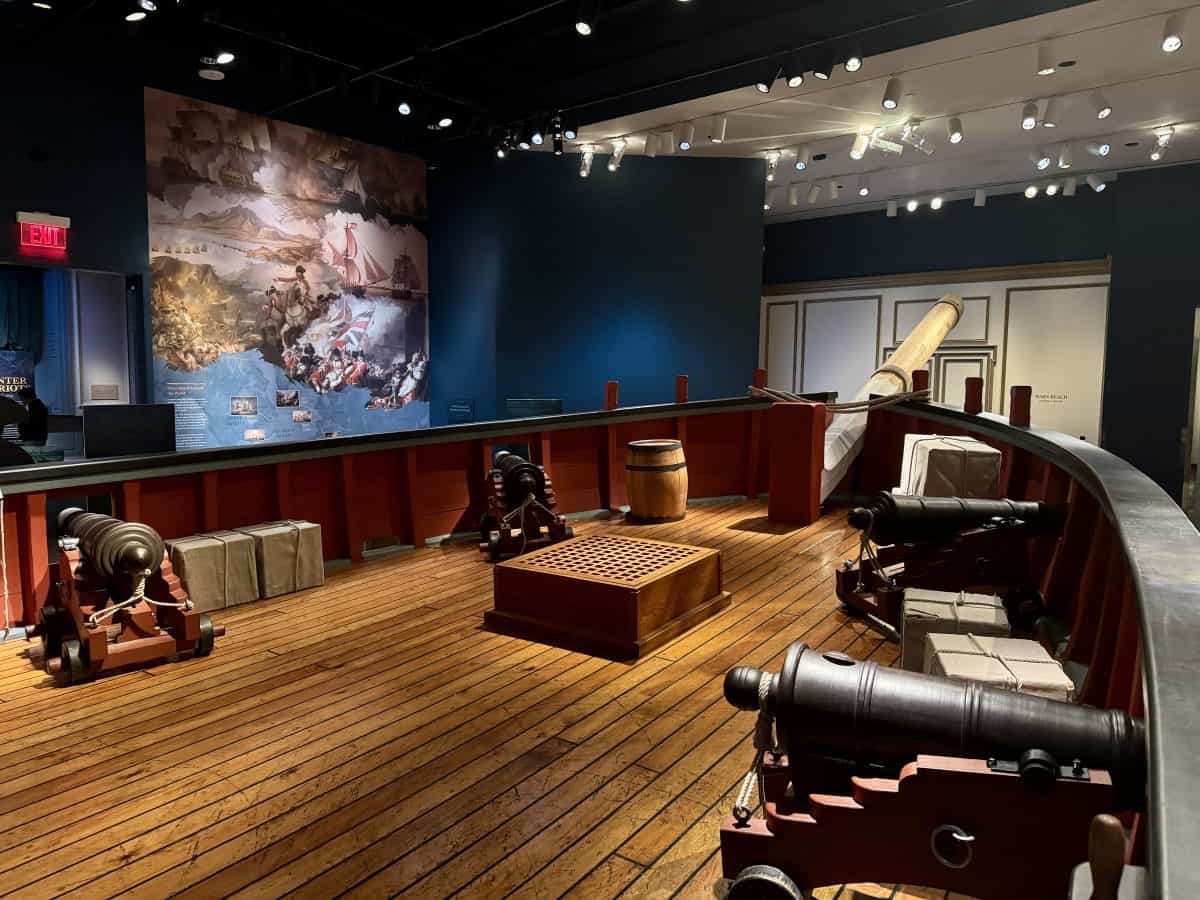
  6. Climb aboard a replica sloop and pretend to be a “privateer.” Approximately 70,000 men served aboard privateer ships during the American Revolution. Learn how to tie various knots and hoist the sails aboard the sloop.
replica spooner at the Museum of the American Revolution in Philadelphia , PA

Bonuses: 

  • Revolution Place, a special interactive exhibit geared towards kids ages 12 and younger, is set to reopen on the first floor in April 2025. The exhibit includes four recreated 18th century settings (tavern, church, parlor, and military encampment) with costumes, touch screens, activities, and special programs and events to help children better understand life in 18th century Philadelphia. 
  • The Patriots Gallery’s Banner of Liberty special exhibit featuring dozens of original Revolutionary War flags will open in April 2025. 

Looking for other adventures throughout Philadelphia? Check out our full City Guide here and our list of free things to do in Philadelphia here

Disclosure: Our family was given a media pass to explore the museum; all opinions expressed are my own.

Similar Posts

  • | | | | |

    Ten Ways to Explore the Fort Pitt History Museum in Pittsburgh, PA

    This past summer, we enjoyed several days exploring many historical and cultural attractions throughout the city of Pittsburgh, Pennsylvania. One important stop was the Fort Pitt Museum, which sits on the same land where the 1759 British fort, which included five barracks used to house hundreds of soldiers in the French and Indian War, was built. The fort was dismantled by the start of the 19th century. 

  • | | | |

    Whydah Pirate Museum In West Yarmouth MA

    Opened in June of 2016, the Whydah Pirate Museum showcases the ruins of the Whydah ship and the only full pirate treasure ever discovered in the world. The Whydah, a slave ship eventually overtaken by pirates, was built in 1715 in London and sailed to West Africa before heading to America. Captured by Sam Bellamy and fellow pirates, a Nor’Easter sank the ship off the shores of Cape Cod during the early morning hours of April 27, 1717. Only 2 of the 146 men (130 pirates and 16 prisoners) on the ship survived. 

    In 1984, Barry Clifford discovered the wreckage off the coast of Wellsfleet, Massachusetts. Archaeologists and divers search through the wreckage between June and October each year searching for more treasures and bring artifacts back to the lab for cleaning, preservation, and display at the museum. 

  • | | | | | |

    Crown Center in Kansas City, MO

    My favorite, major family trip (to date) was the first one we took in the summer of 2012. We logged 5700 miles in our trusty Chevy Equinox, driving from Connecticut to Phoenix, Arizona and back to Connecticut. On the back end of the trip, we spent a few days in Kansas City, Missouri. And we.loved.it. Love the people. Loved the food. Loved the family friendly places to explore. I blogged about our stay for Kidventurous here, but I thought I would revisit some of these suggestions and elaborate on them. Note: I did fact check as of June 2017.

    Today I want to focus on the Crown Center & Union Station area of the city. My suggestion for parking is to go to Crown Center.  There are two parking garages; I would park in the one labeled “Seal Life and Lego Land” which is on the East side of Grand Avenue. You can park on all day and walk to some of our favorite spots:

  • | | | | | | |

    Acadia National Park, Maine

    I may not be a huge hiker or camper, but I am a huge fan of the water, especially the ocean water, and love any view that involves water or mountains. I’m also a HUGE fan of the National Parks Service system and have been visiting historic sites, monuments, museums, and parks for years, learning all about our country’s history and collecting stamps for my National Parks Passport. So, it seemed logical to put Acadia National Park in Maine on my bucket list. This summer, I helped to plan a family reunion in York, Maine (post coming next week) and I seized the location and added a visit to Acadia National Park.

    Acadia National park is a 47,000 acre park (the only National Park located in New England) It’s located on Mount Desert Island, right next to the beautiful village of Bar Harbor. Acadia is unique in the sense that there is no one, defined entrance and exit site. There are multiple spots to enter and the park weaves in and out of the community. There are sections that require a park pass, which for 2017, was a $25 fee for a week pass for a noncommercial vehicle. Lucky for us, the Every Kid in a Park program allows fourth graders, and their families, to receive entrance to all National Parks all year long, so we got in for free! There is SO much to do in Acadia, it would take days to cover it all. Here are some of my family’s top spots:

  • | |

    5 Reasons I Love State Parks

    This past weekend Connecticut celebrated Connecticut Trails Day with almost 200 events in and around many of the 142 state parks, forests, and beaches. Overseen by the Connecticut Department of Energy and Environmental Protection, state parks, forests, and beaches cover 255,000 acres of public space and thousands of trails for hiking and biking. One perk of 2020 and 2021 has been our family’s focus on spending more time outdoors, exploring many of these public spaces. To date, we’ve visited about 30 state parks and you can read about our adventures (and trail recommendations and travel tips) in this post focused in Fairfield County, this post focused in western Connecticut, this post focused on central Connecticut, and this post focused on the Mystic area. We’ve also started to amass proper hiking equipment (headline: you’ll want more than just sneakers) and you can read about our hiking supply post here.

Leave a Reply

Your email address will not be published. Required fields are marked *