
10 Ways to Explore the NY Transit Museum in Brooklyn, New York
One of the most popular historical attractions in Brooklyn, New York, the NY Transit Museum celebrates the history of the Metropolitan Transportation Authority (MTA), which began in 1900 with the construction of the subway system. The NY Transit Museum was founded in 1976 and is housed in a decommissioned 1936 subway station in downtown Brooklyn. The museum features permanent exhibits that tell the stories of the over seven thousand workers who built the first subway line that opened in 1904 (today there are over 70,000 MTA employees!) as well as rotating exhibits about the changes in technology and the culture of New York City.
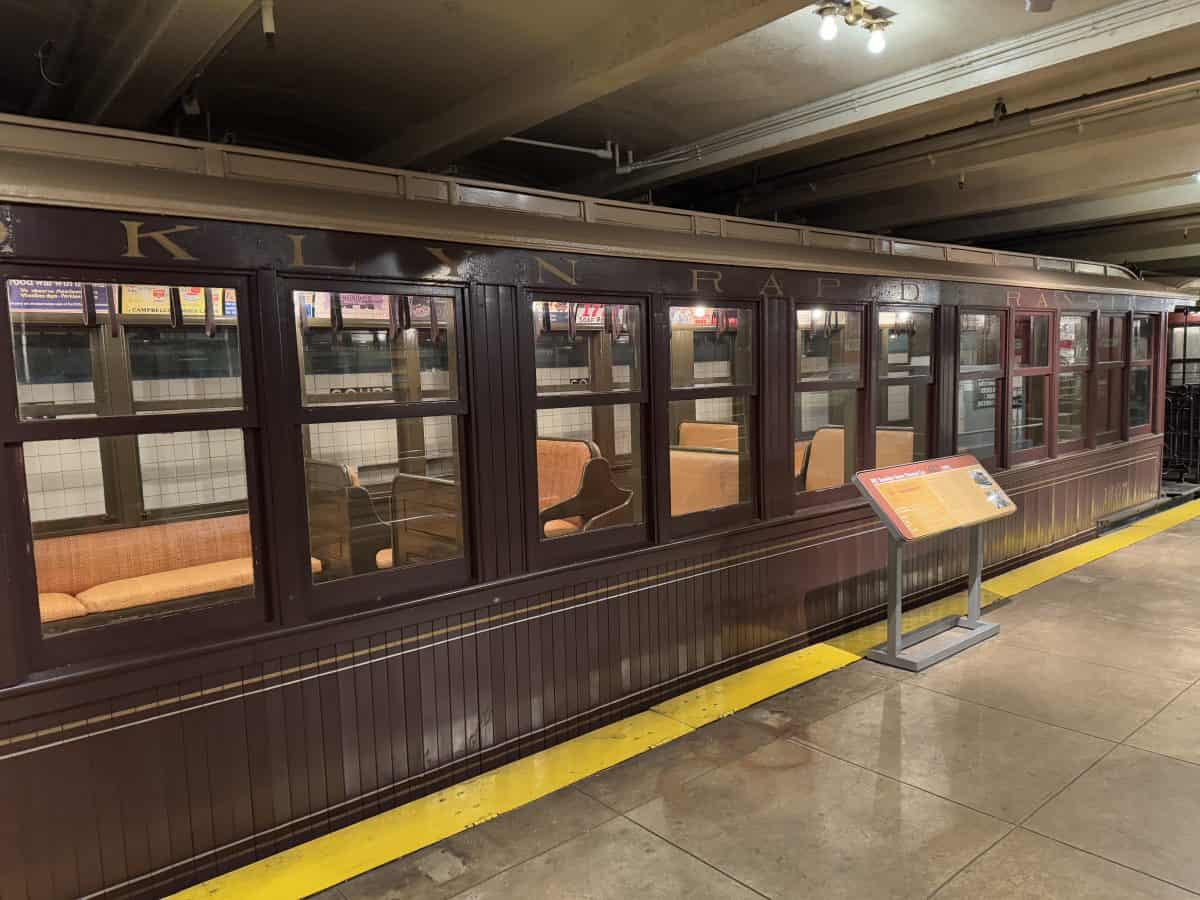
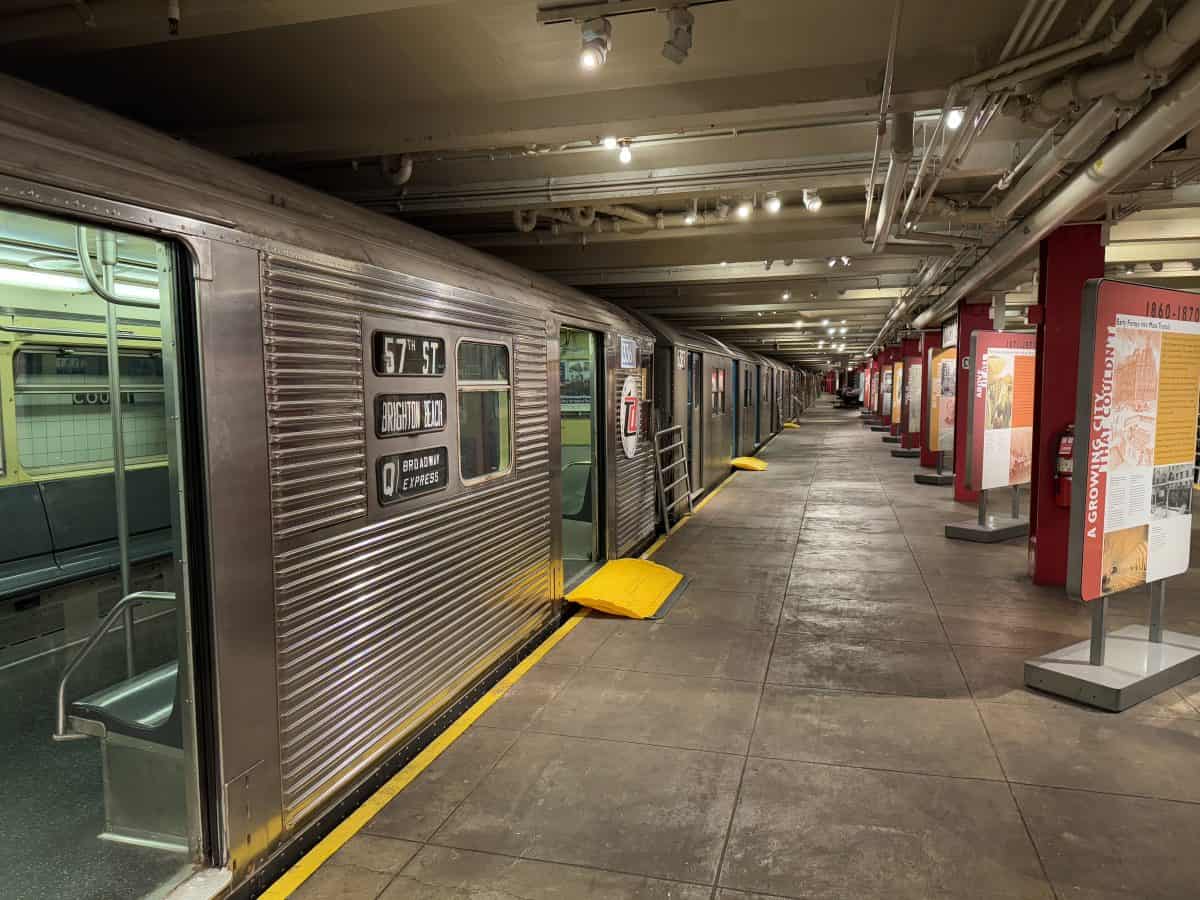
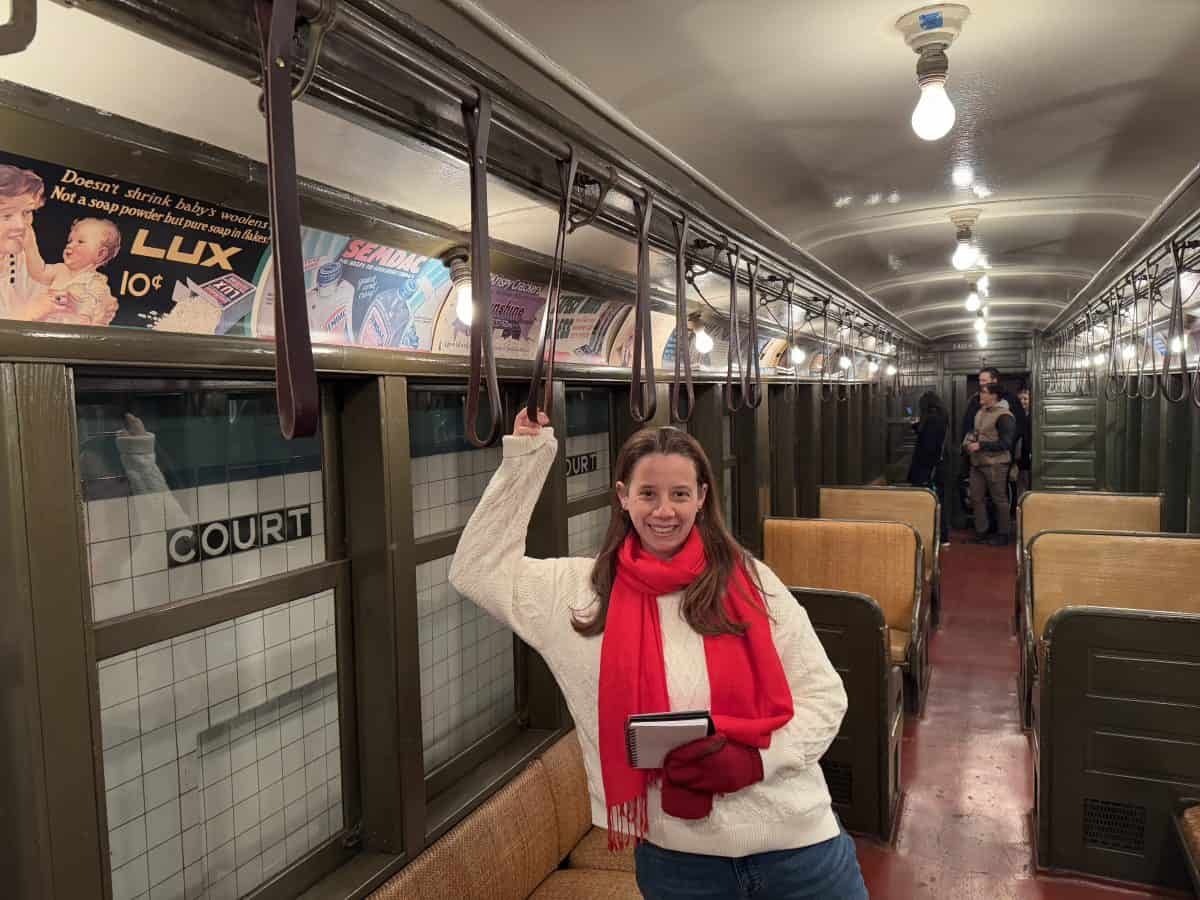
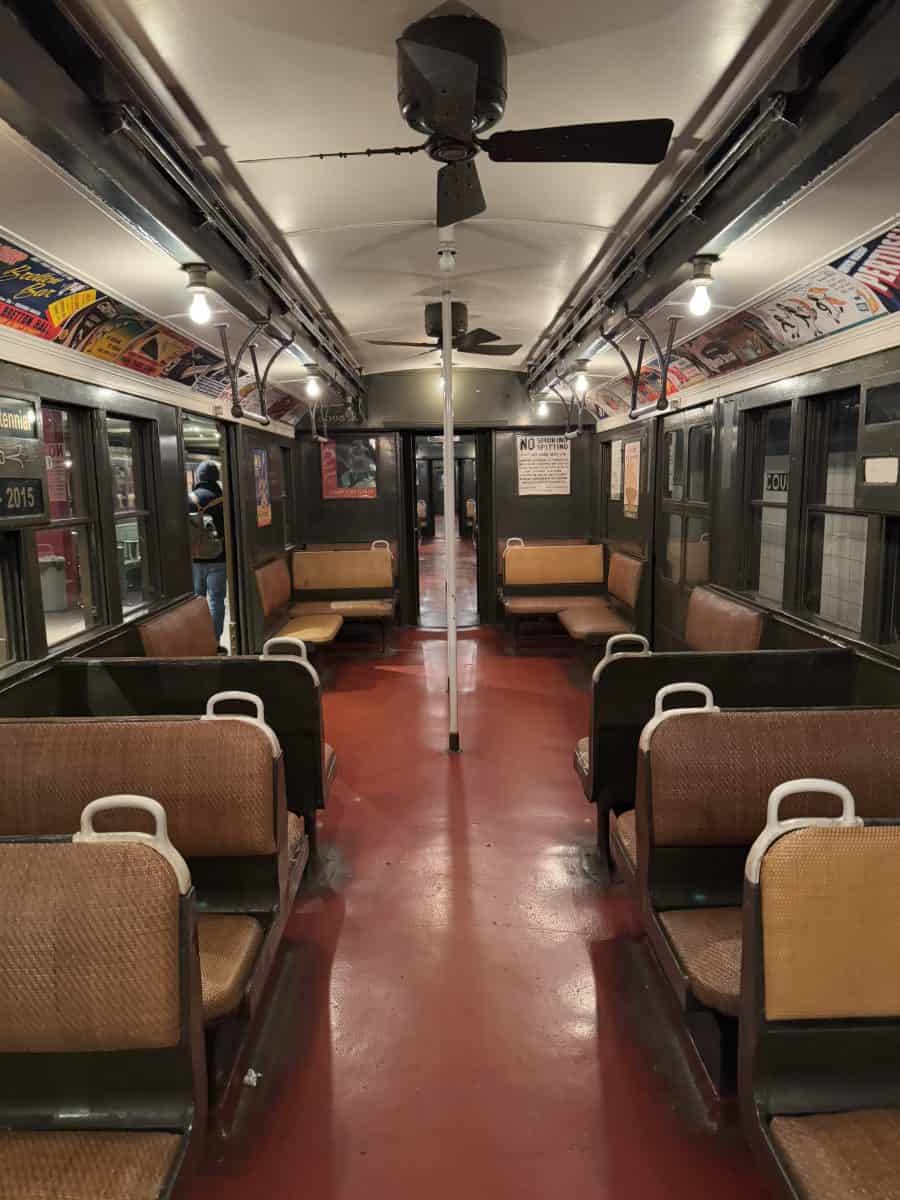
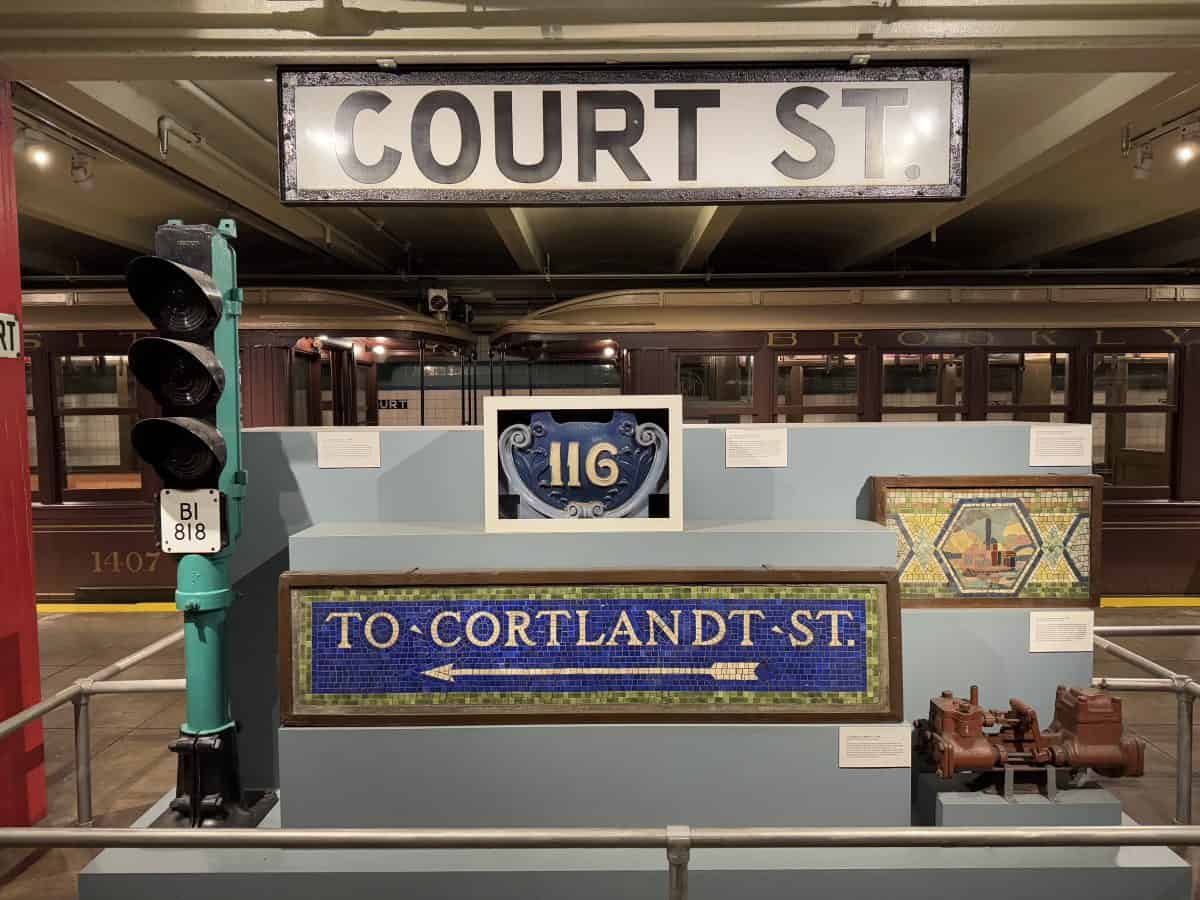
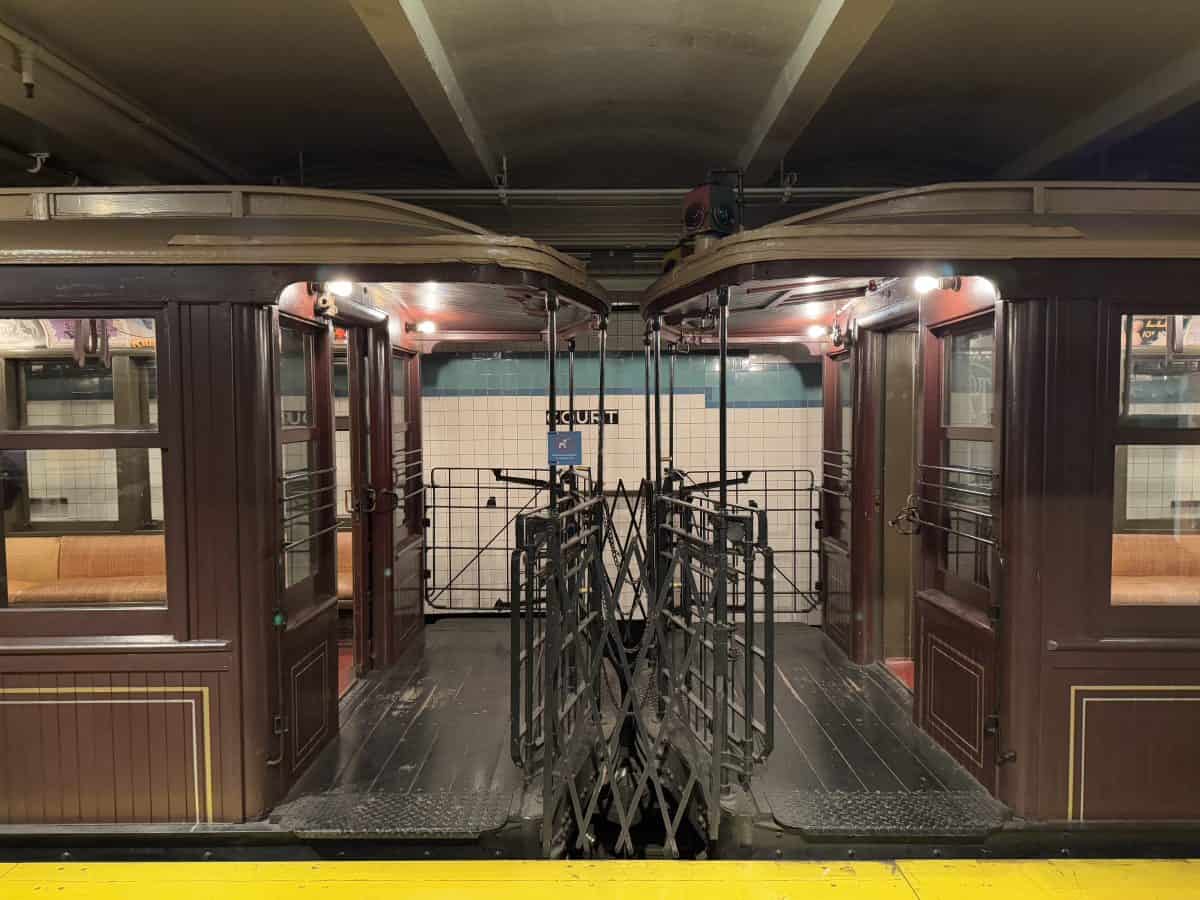
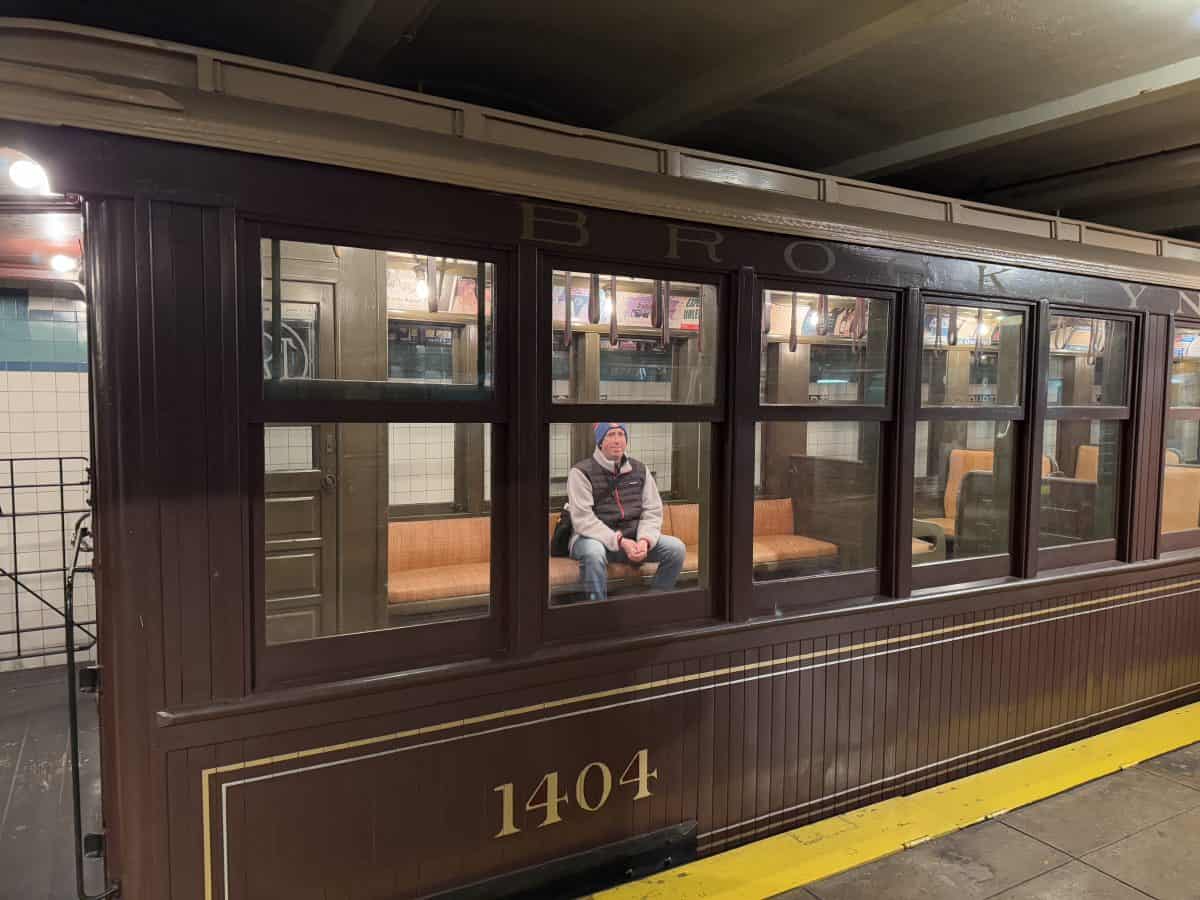
One highlight of the museum is the lower level platform of the station, spanning a fully city block, that displays over 20 vintage subway cars dating back to 1908. Guests are encouraged to walk through the cars and note the changes in style and features throughout the decades. An average of 3.6 million people use the subway each day, and in 2023, over two billion people rode on the subway in New York City. The NY Transit Museum features many interactive exhibits that the whole family will enjoy.
Travel Tips:
- The museum is open Wednesday through Sunday from 10am-4pm; get up to date information on hours and admission fees here.
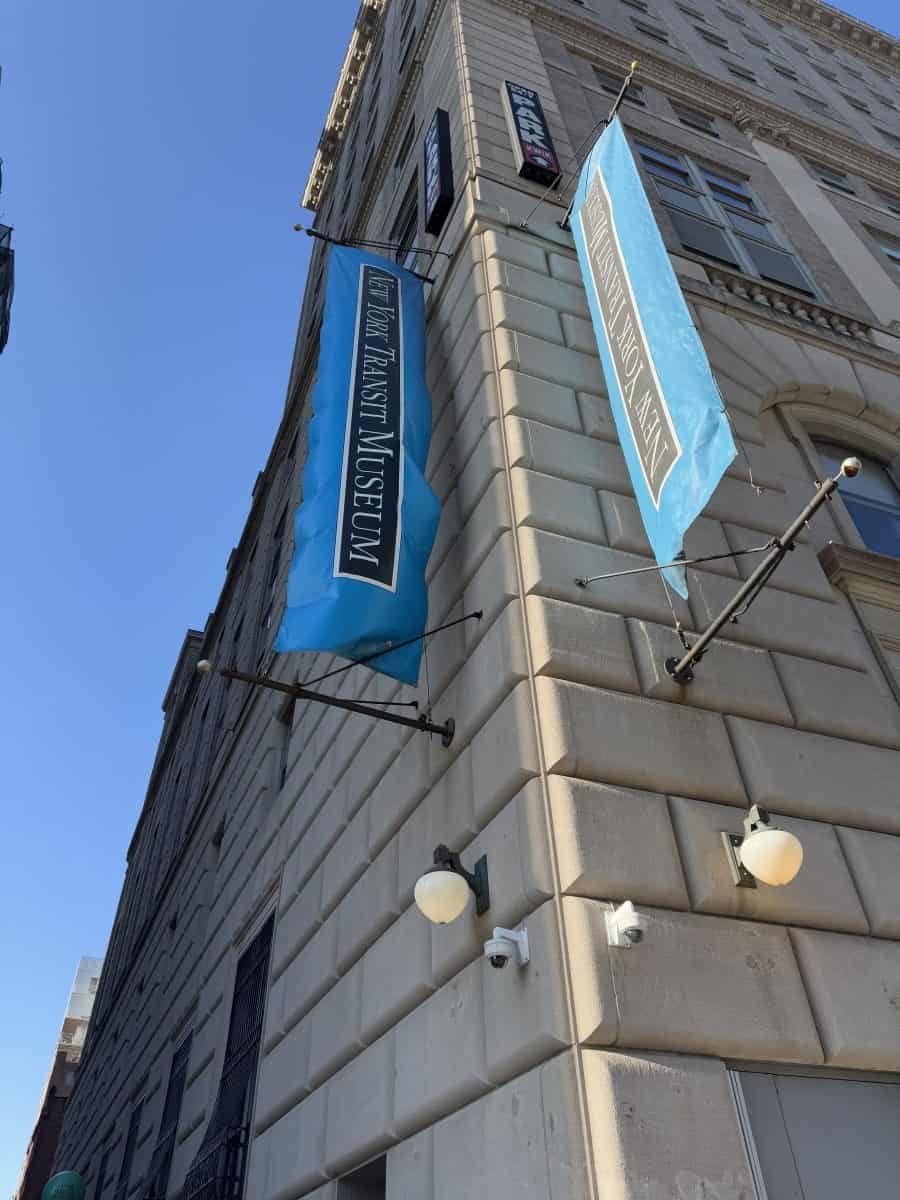
- The museum is located inside a decommissioned station The entrance is located on the corner of Boerum Place and Schermerhorn Street. Look for the sign on the corner of the building and head down the stairs or can use the handicap accessible on the corner of Schermerhorn and Court Streets. Strollers are allowed, and the lower level decommissioned cars have ramps for access inside the cars. More information on accessibility here.
- Restrooms are located behind the The Subway Is exhibit.
- The exhibit spaces are not heated well (again, the museum is inside a station) so dress accordingly. Also, there is nowhere to sit in the upper level exhibits (so little feet might get tired) other than one a replica bus. There are plenty of spaces to sit in the lower level decommissioned subway cars.
- There is no designated parking for the museum; info on nearby garages here and here.
- A gift shop is located across from the admissions desk and sells subway themed gifts and apparel. There is also a (free admission) gallery of rotating exhibits and a retail store located inside the Main Concourse of Grand Central Terminal, and another NY Transit Museum Shop at 2 Broadway, across the street from the Bowling Green subway station.
- No dining facilities on site, but tons of options surrounding the museum area. There are some good indexes here and here and here. We enjoyed a great meal at Babula, a quick walk from the museum. We stayed at the NY Marriott at the Brooklyn Bridge, which is a quick five minute walk from the museum, and enjoyed the hotel and its amenities.
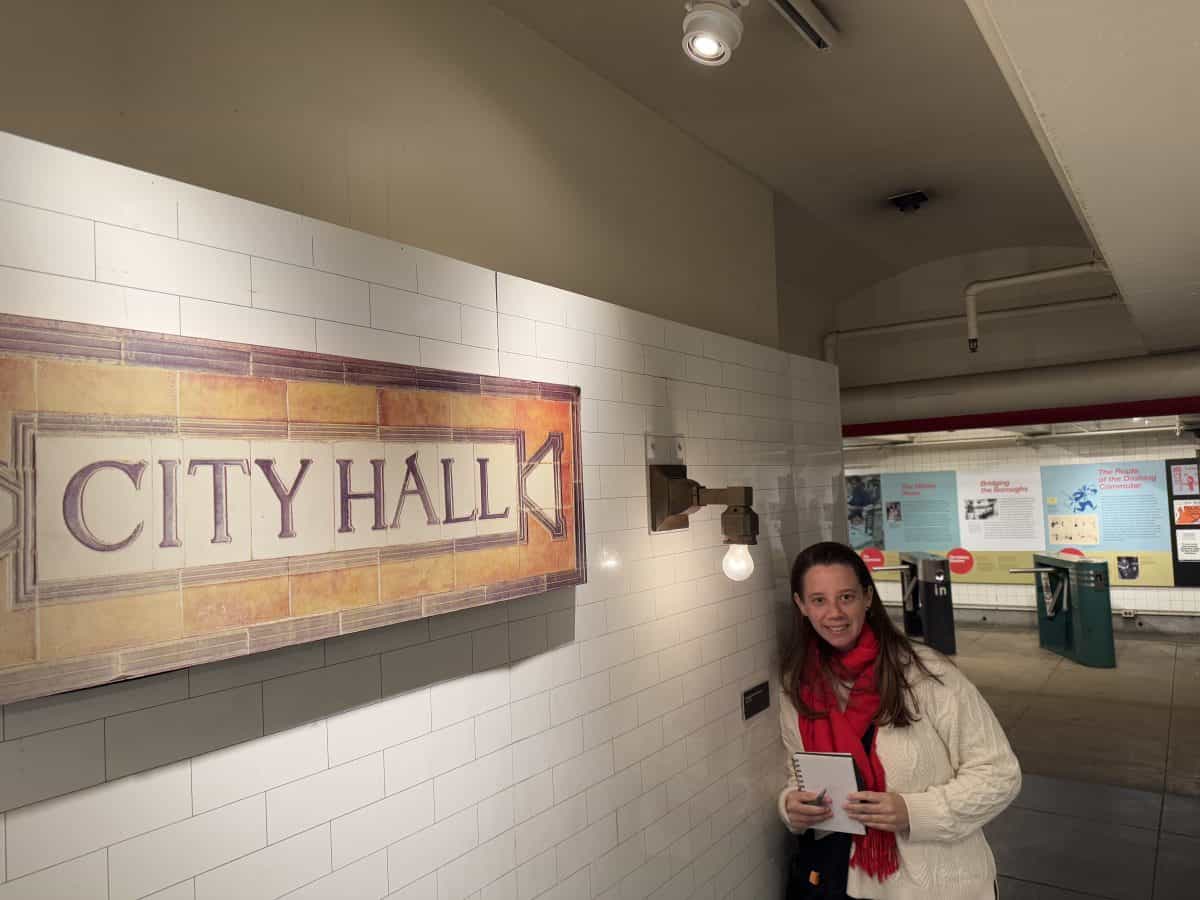
- The museum offers tons of family programs, like Creation Station every Saturday, and events, and the VERY popular Old City Hall Station tours (for members only). See the full calendar of events here.
- Plan on two hours to fully explore all museum exhibits.
10 Things to Do at the NY Transit Museum:
Would you like to save this?
- Check out the New York City population growth from 1880 to 1920s in the Steel, Stone, and Backbone: Building the Subway exhibit. New York City was the world’s largest city in 1810 with a population of 96,373 people.
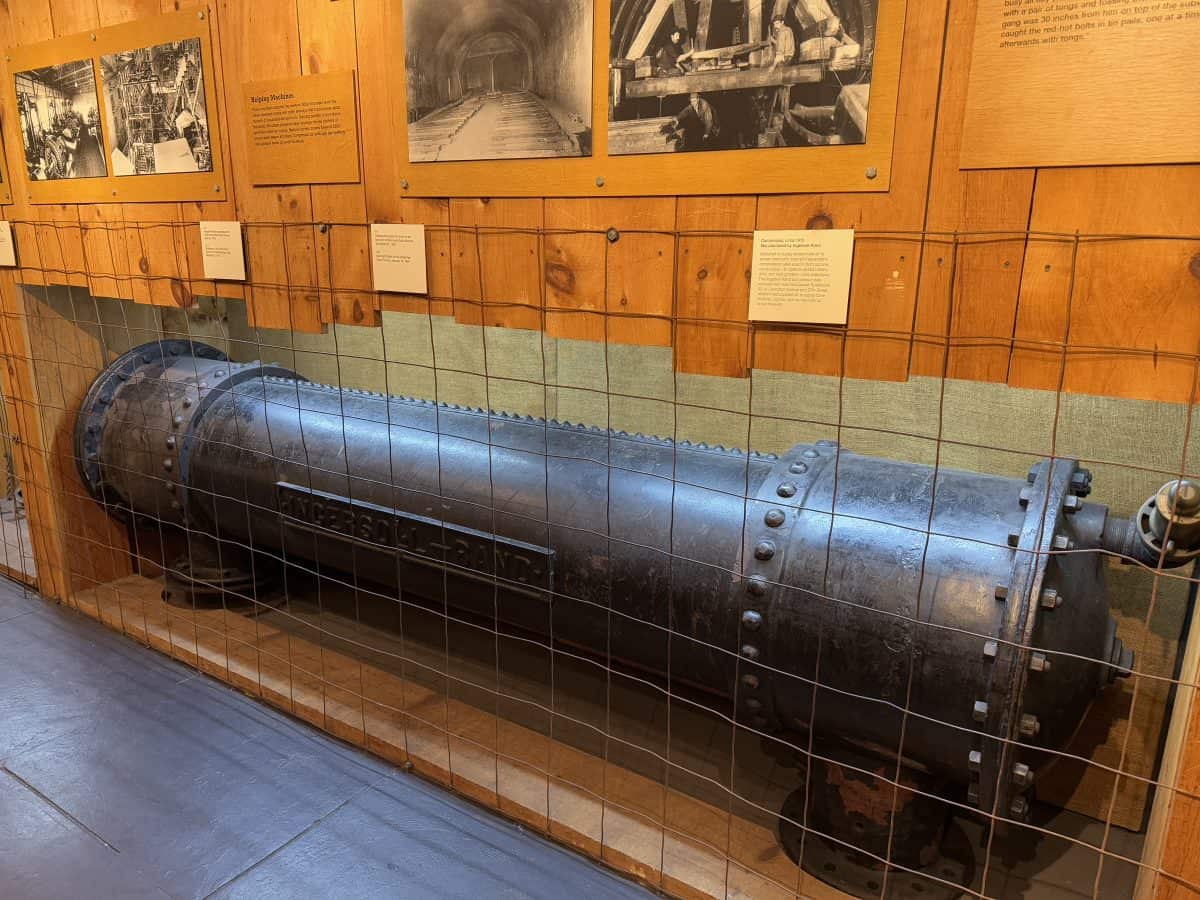
- See artifacts like a surveyor’s compass, a spool cart, lunch buckets and canteens, and materials found in the drilling of the underwater tunnel construction in the Steel, Stone, and Backbone: Building the Subway exhibit.
- Grab an activity guide in the The Subway Is exhibit to complete. The guide has games, trivia questions, spaces to create your own designs for the MTA.
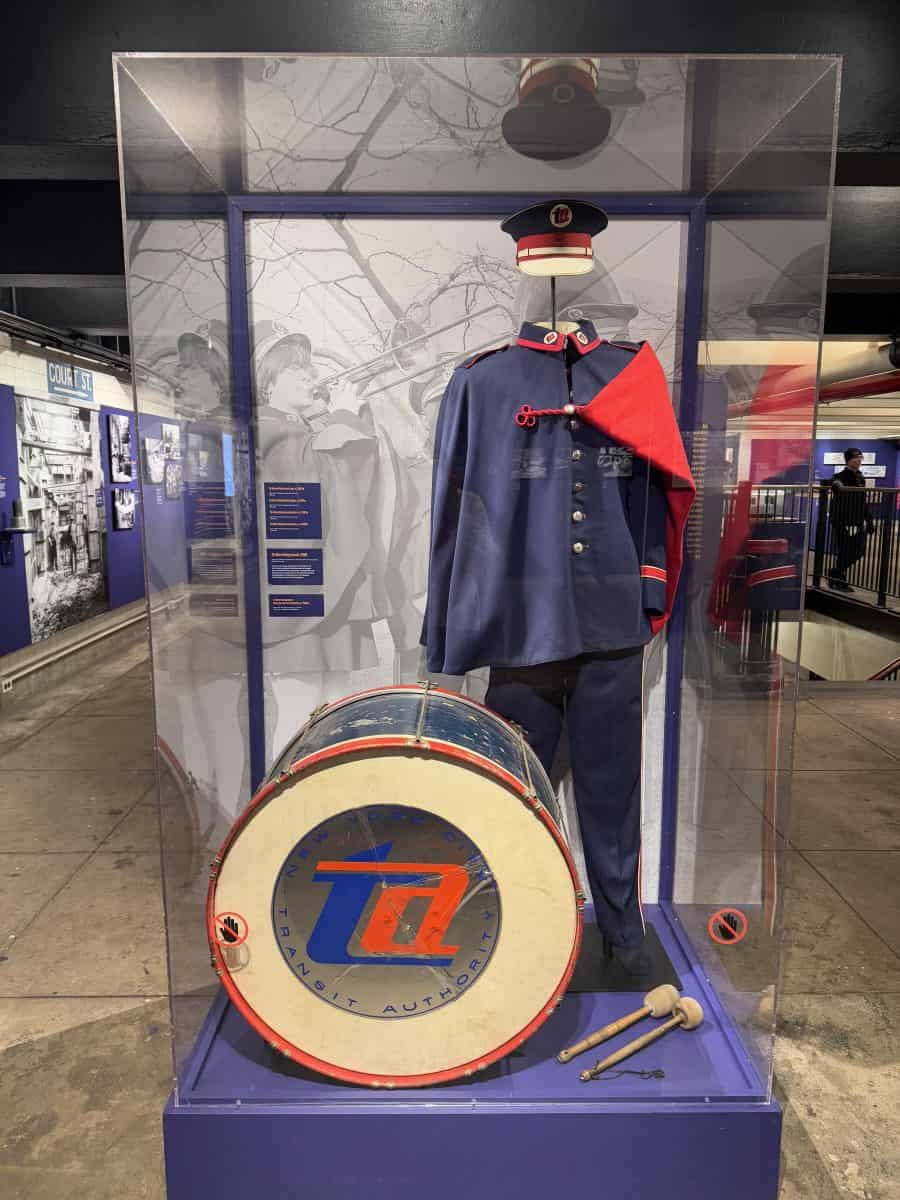
- Check out the collection of badges from the decades of various employees and the marching band uniform and bass drum in the The Subway Is exhibit.
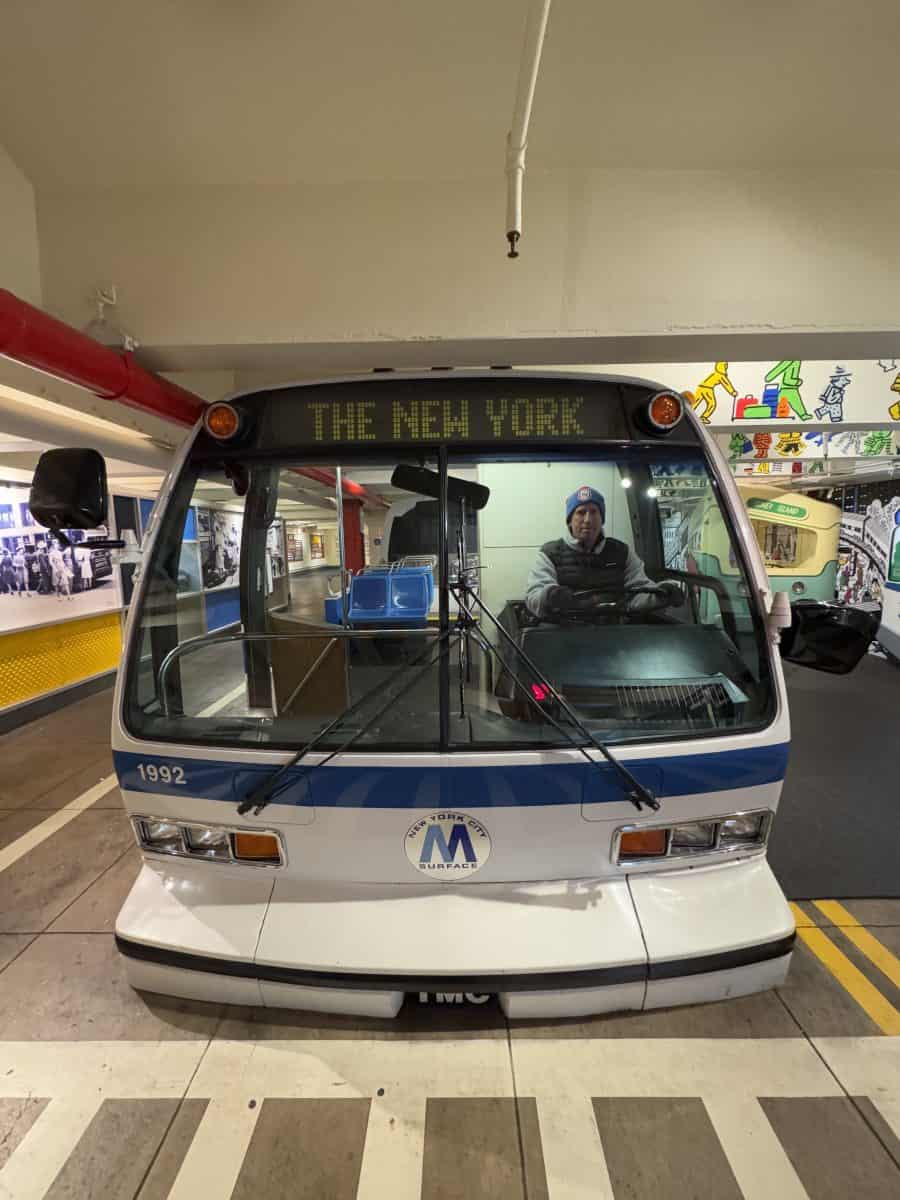
- Pretend to drive an old trolley and bus in the On the Streets exhibit. Pay attention to the signs and warnings from various decades.

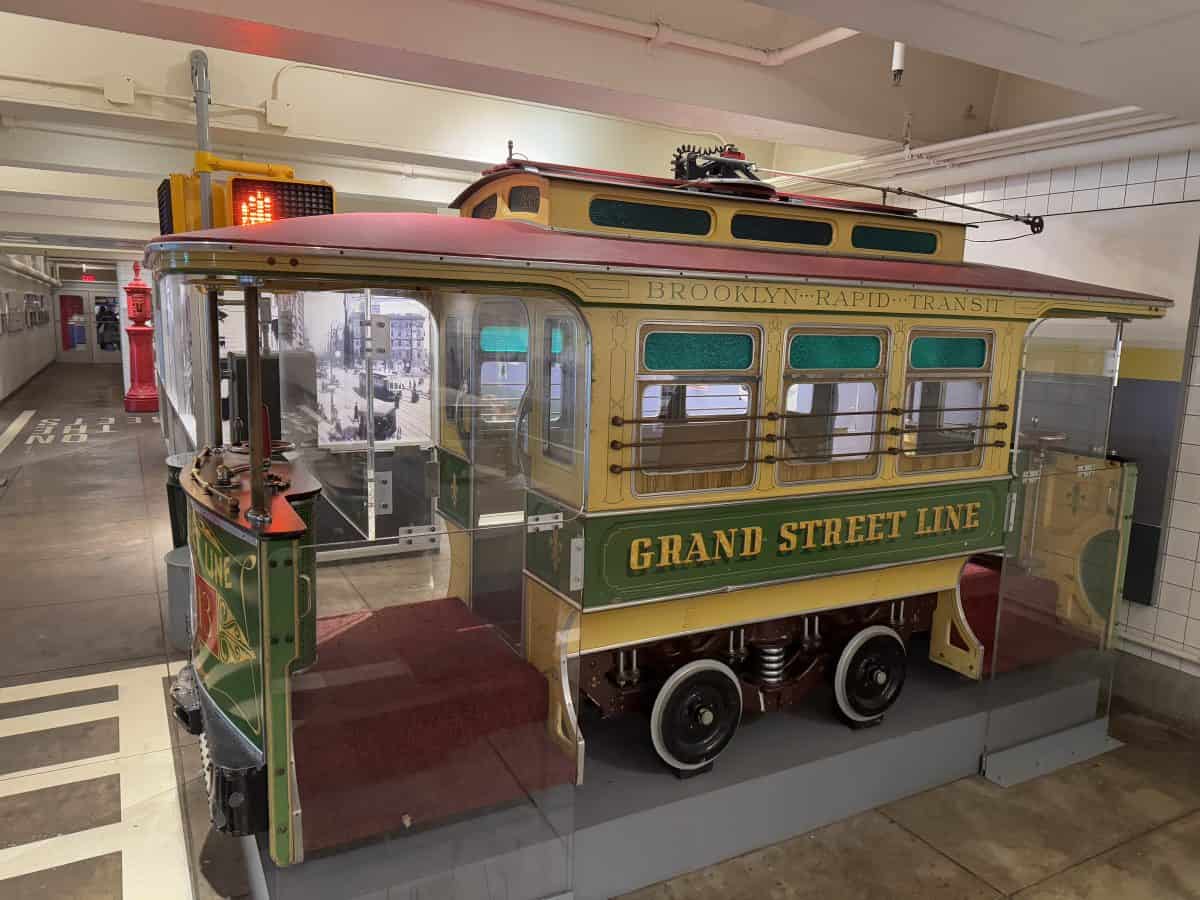
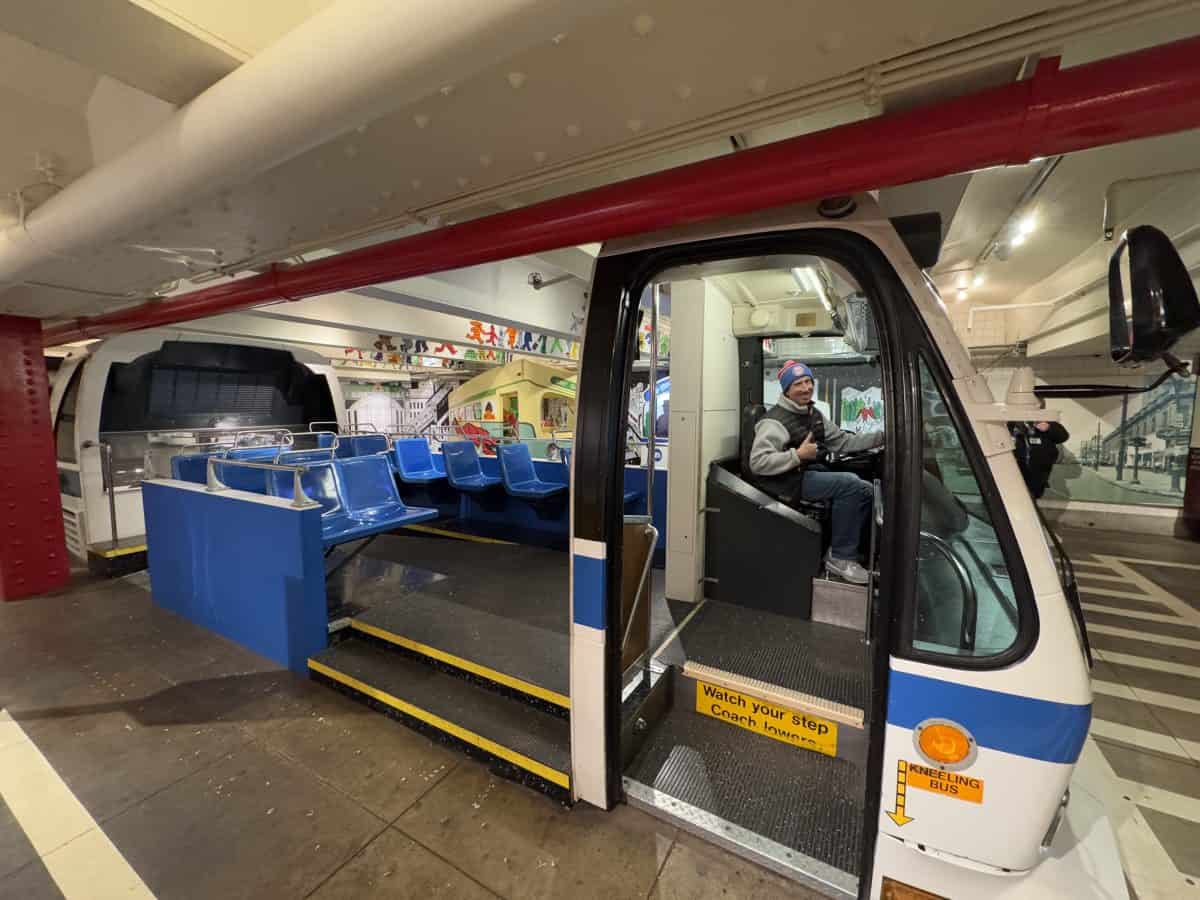
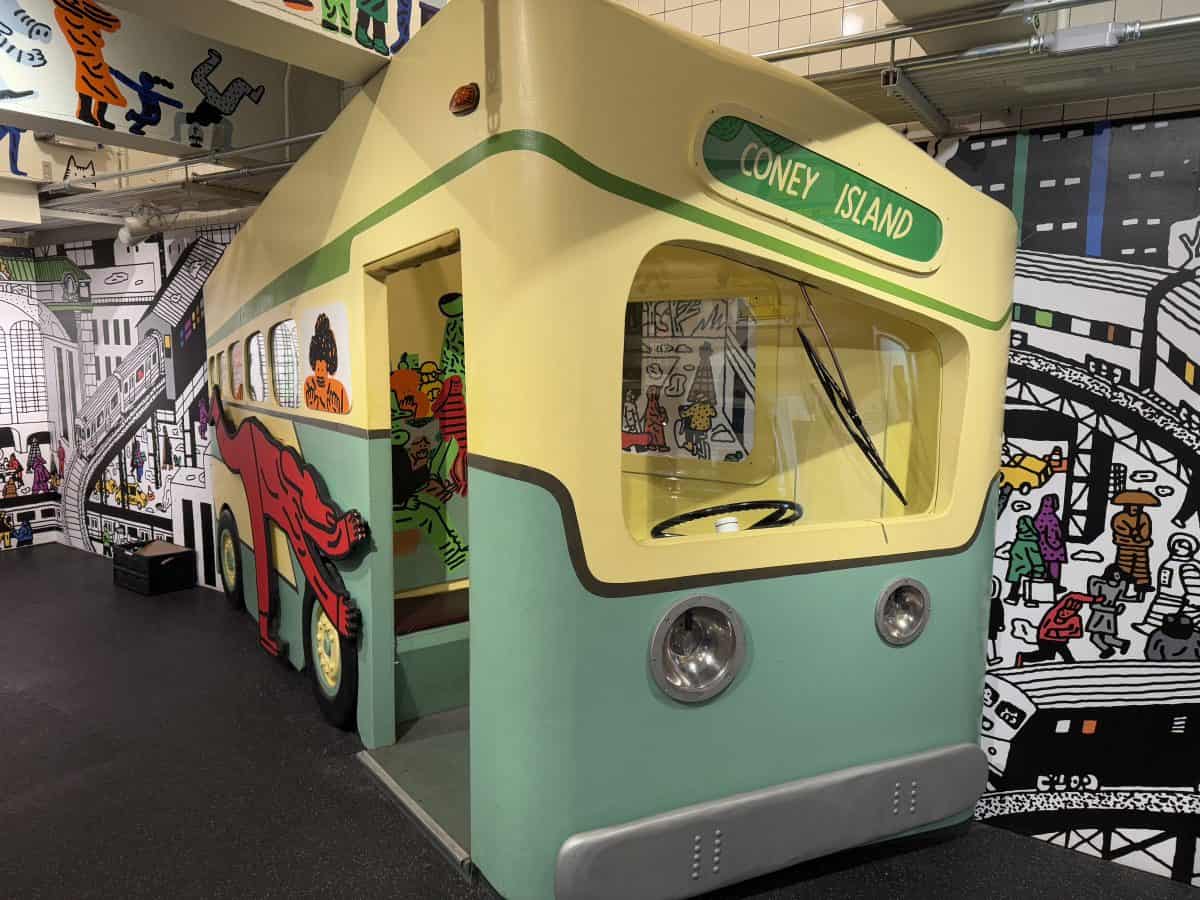
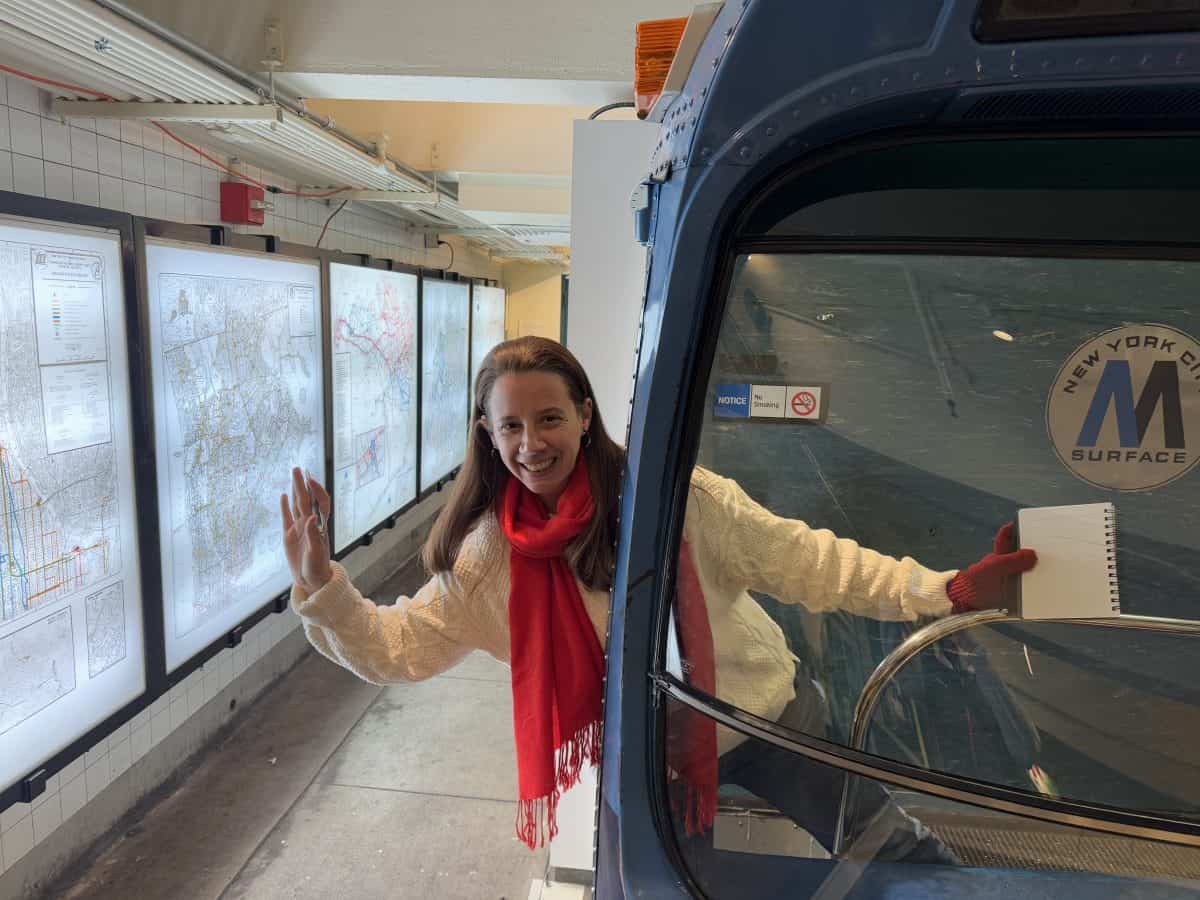
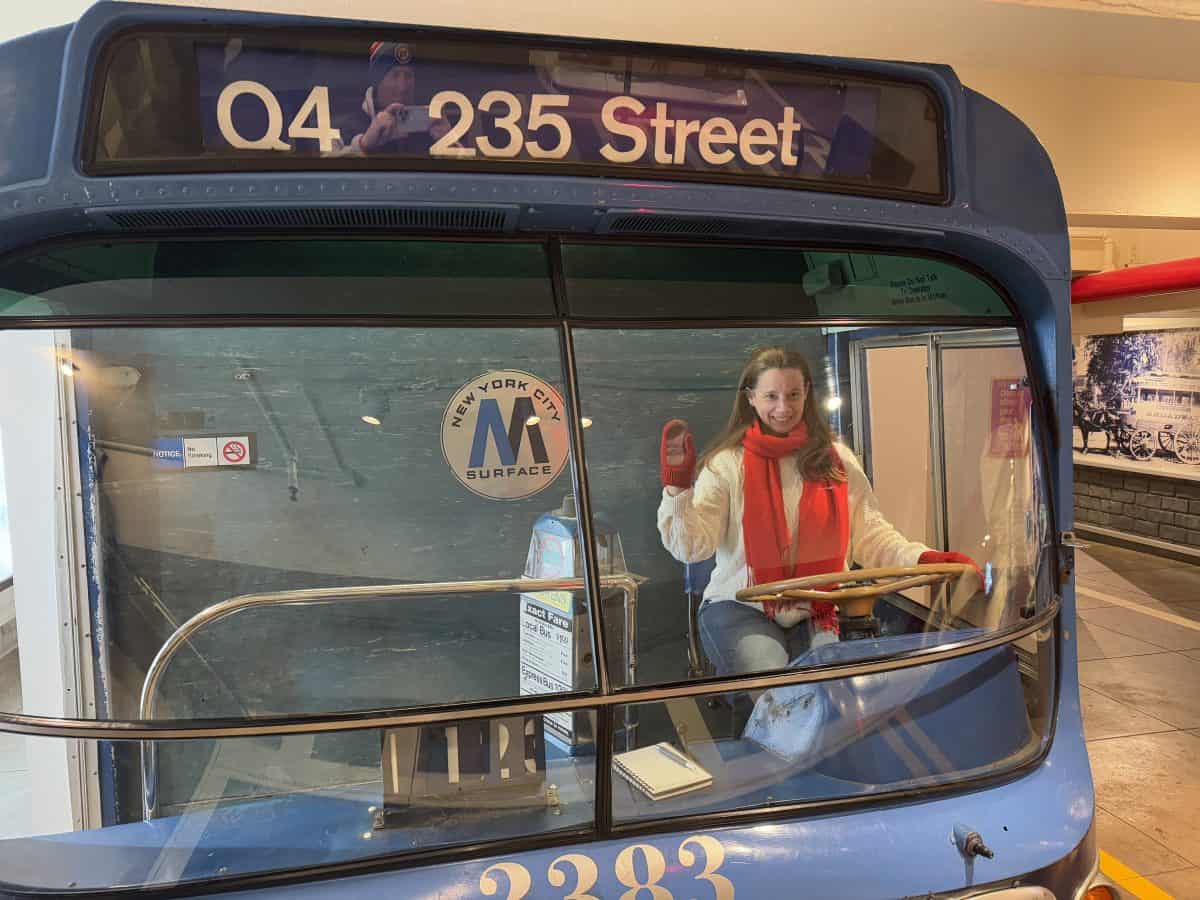
- Look carefully at a 1948 R-11 model of a subway car and a 1999 model of an entrance kiosk and see if you notice differences from today’s cars.
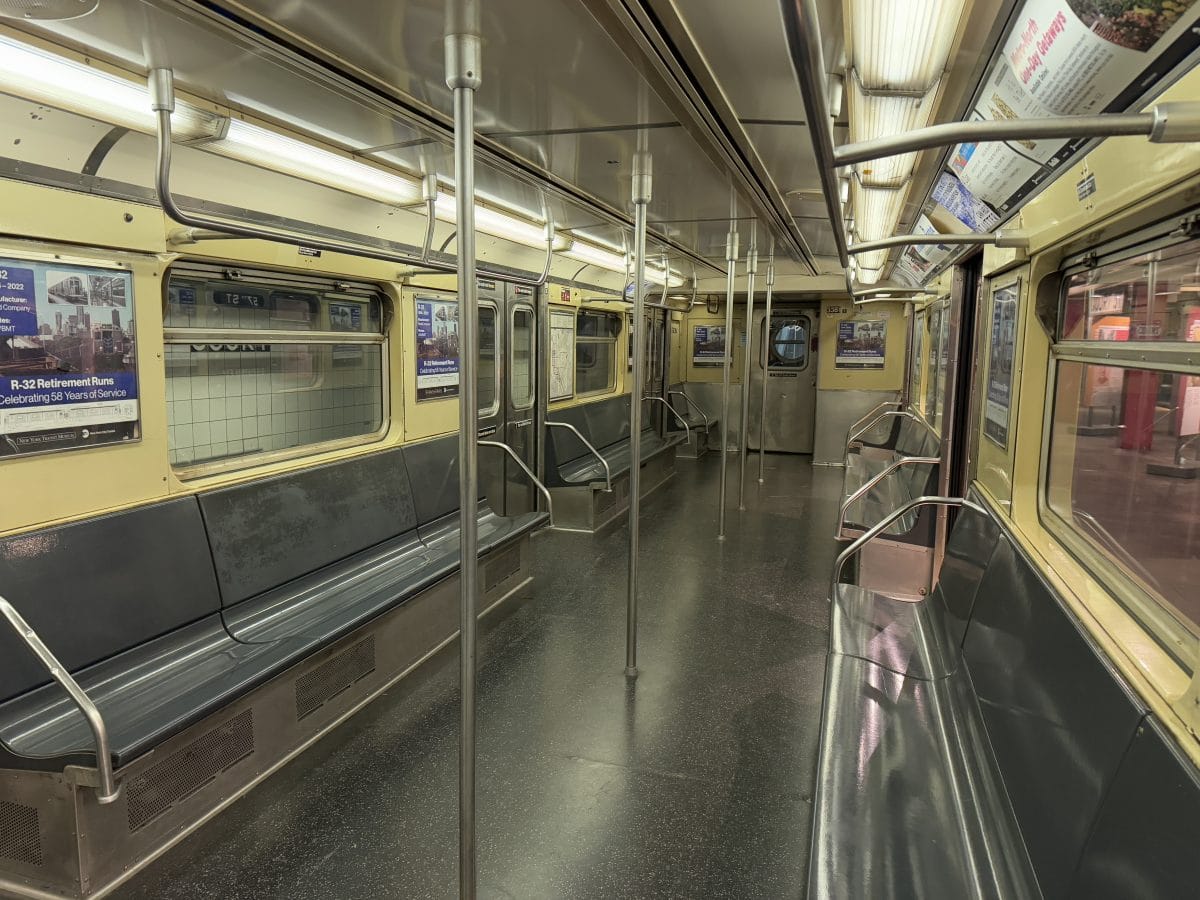
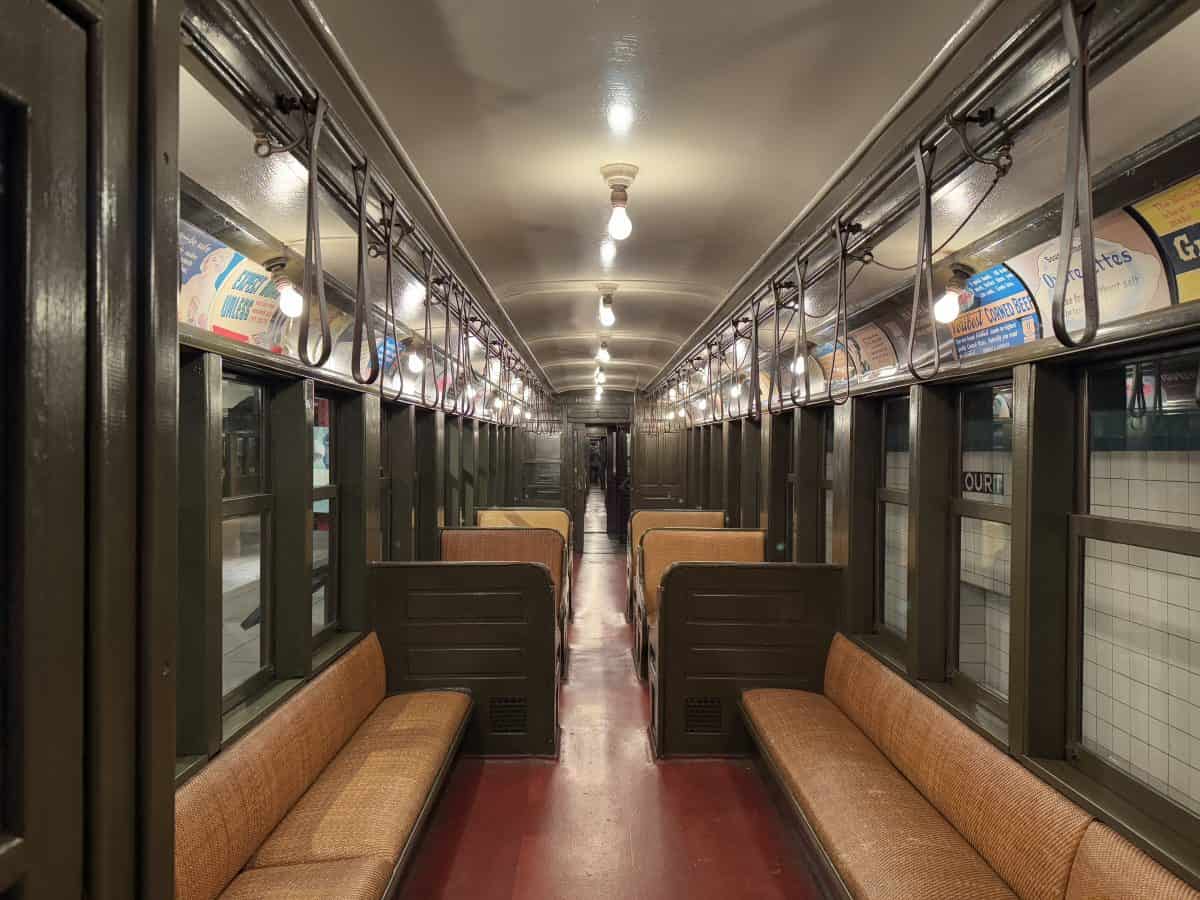
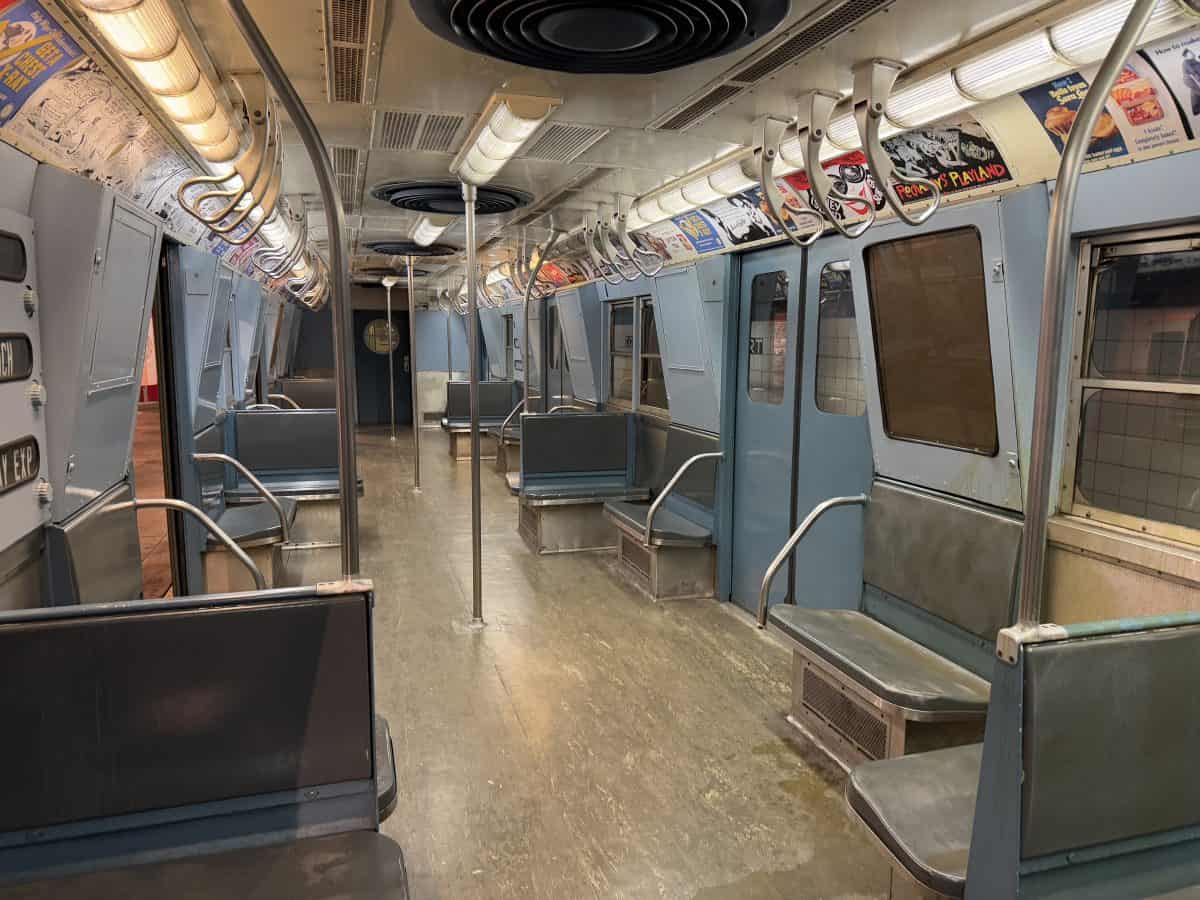
- Ring the bells on the platforms between subway cars.Head down the stairs to walk the platform and walk through over 20 vintage subway cars, dating all the way back to 1908. While walking through the various cars, look for various differences:
- Marketing ads above the seats and see the different products advertised.
- Materials used on the seats
- Size of the windows
- The flooring
- Handlebar styles
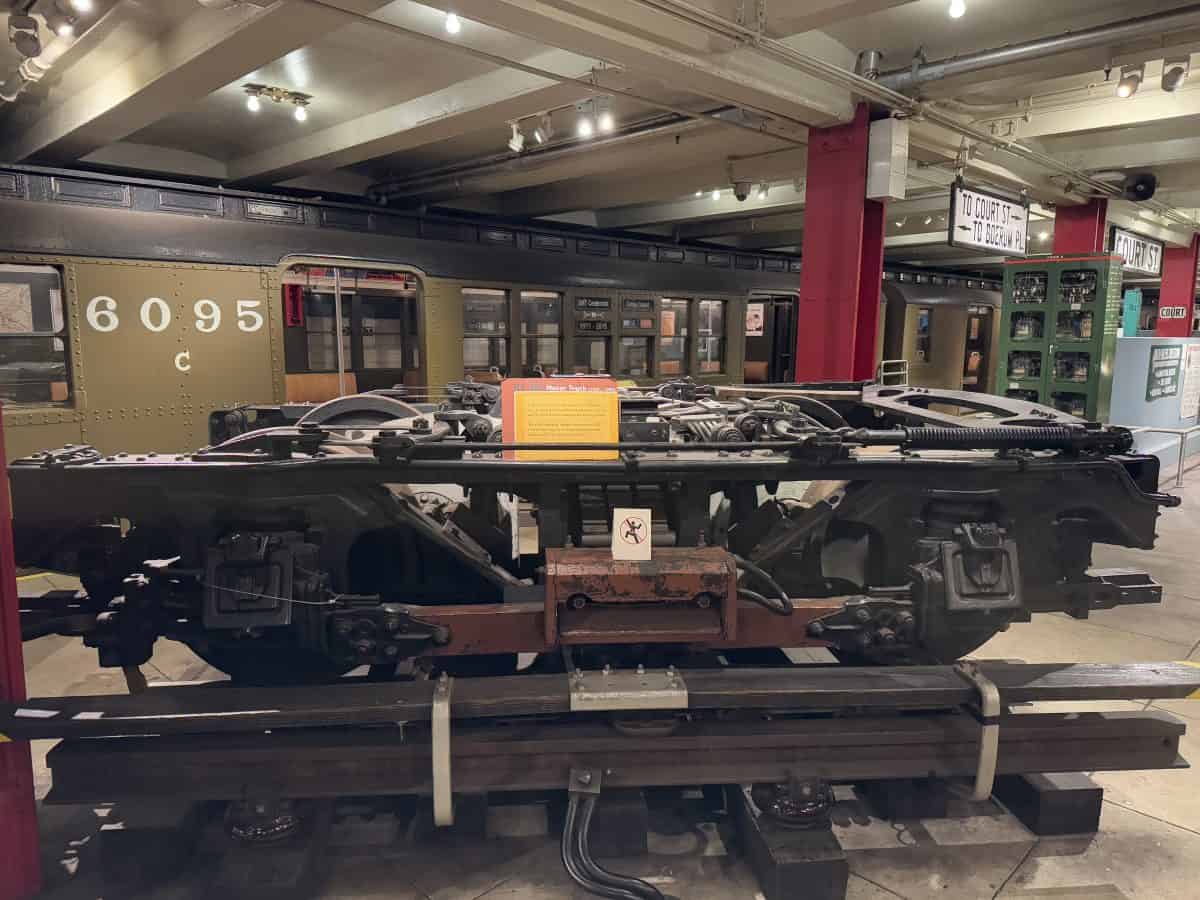
- See a 24,000 pound motor truck from the 1930s.
- Walk through the various turnstiles from the decades, and actually check the balance on your MetroCard if you still have one.
- See old “slugs” used to pay with coin operated machines, and tokens from as old as 1928. Tokens were introduced in 1953 (fact check compared to 1928) as a means of streamlining payment (once the fare rose to 15 cents and machines couldn’t accept multiple types of coins) and over the years, eight versions of tokens were used until 2003, when the MetroCard replaced tokens.


Looking for other adventures in Brooklyn? See our feature of the Brooklyn Museum here and our full Brooklyn City Guide here. And follow along on our adventures on Instagram, Facebook, and Pinterest.





Looks like such a fun spot to visit!
This looks like such a fun stop!
The NY transit museum looks like a fun place to explore with kids and a unique break from the busy city.