Fort Sumter National Park in Charleston, SC

| | | | |

There is plenty of architecture, southern cuisine, and water views to check out in Charleston, South Carolina but no trip would be complete without reliving a major turning point in our country’s history.

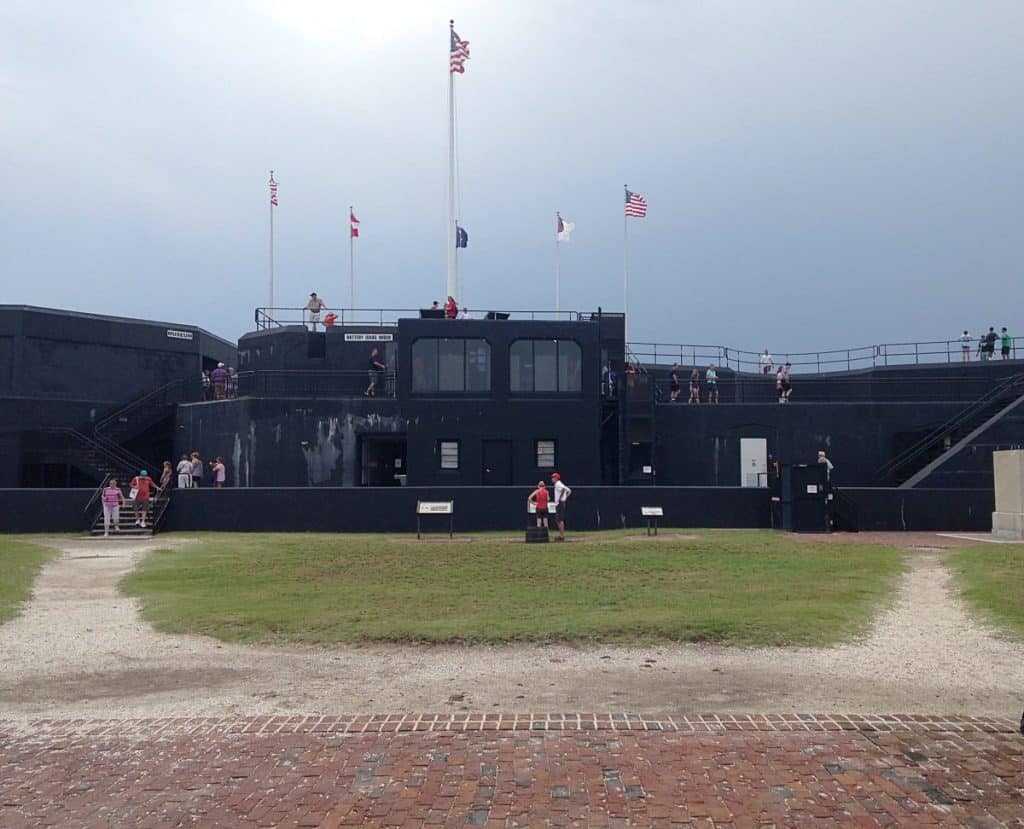
Fort Sumter National Monument is the only structure on the man-made island, which was created in the early 1800s as a defense for the city of Charleston. In April of 1861, the Confederate army bombed the still incomplete Fort, signaling the start of the Civil War.

Operated by the National Parks Service and Fort Sumter Tours, access to the island is by tour boats docked at both Liberty Square or Patriot’s Point. I would leave from the Liberty Square Visitor Center so you can spend some time checking out displays which chronicle the history of the fort and check out a small gift shop. Make sure you stamp your National Parks PassportNote: There are restrooms located at both locations and I would recommend using them before boarding the boat to the island. The Visitor’s Center at Liberty Square is located on the second floor, but there is an elevator.

The 40-minute narrated boat ride to the fort explains many details about the start of the Civil War.  Once you’re on the island, you can explore the fort on your own. There are park rangers stationed at various points to give short lectures and to answer any questions. There are also placards that give detailed information about structures and objects.  I would plan on spending 45-60 minutes at the fort. When you go, be sure to look out for:

1. Bottlenose dolphins, which are indigenous to the area. Keep your eyes peeled for them on the boat ride to the island. Manatees also frequent the area. 
2. Remnants of safety shelters build with bricks. While most of the original fort was ruined when the confederate forces bombarded Fort Sumter, there are still many formations of bricks made in the 1830s (perhaps from nearby Boone Plantation). Park rangers narrate certain sections, explaining how the shelters were built.

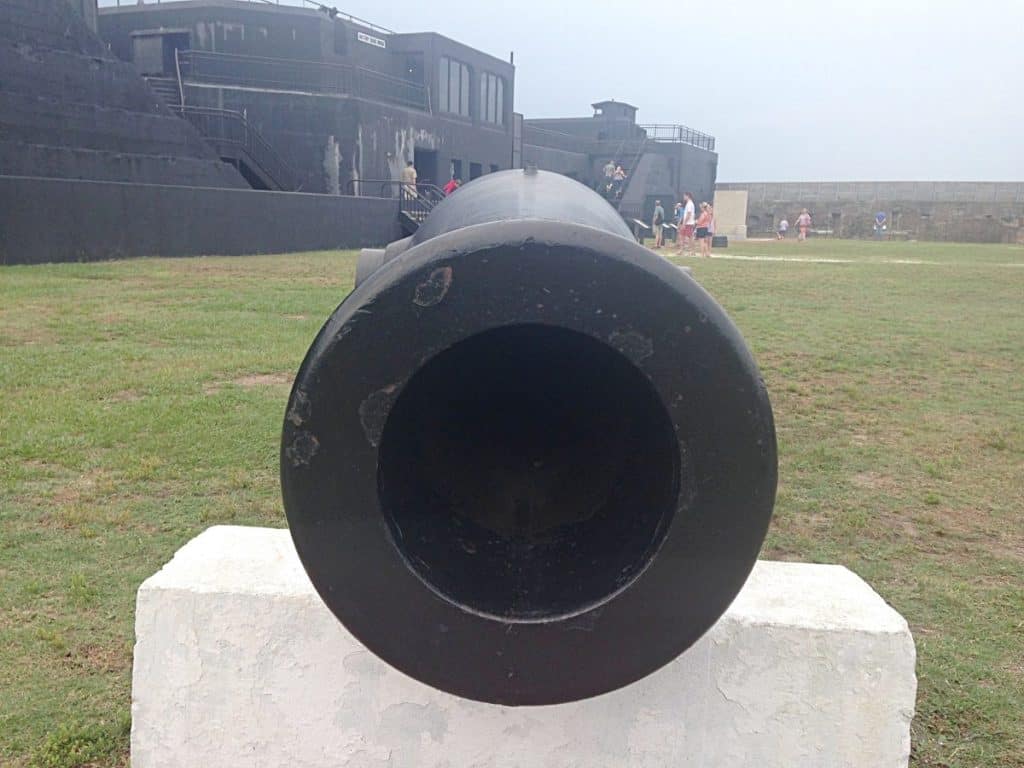
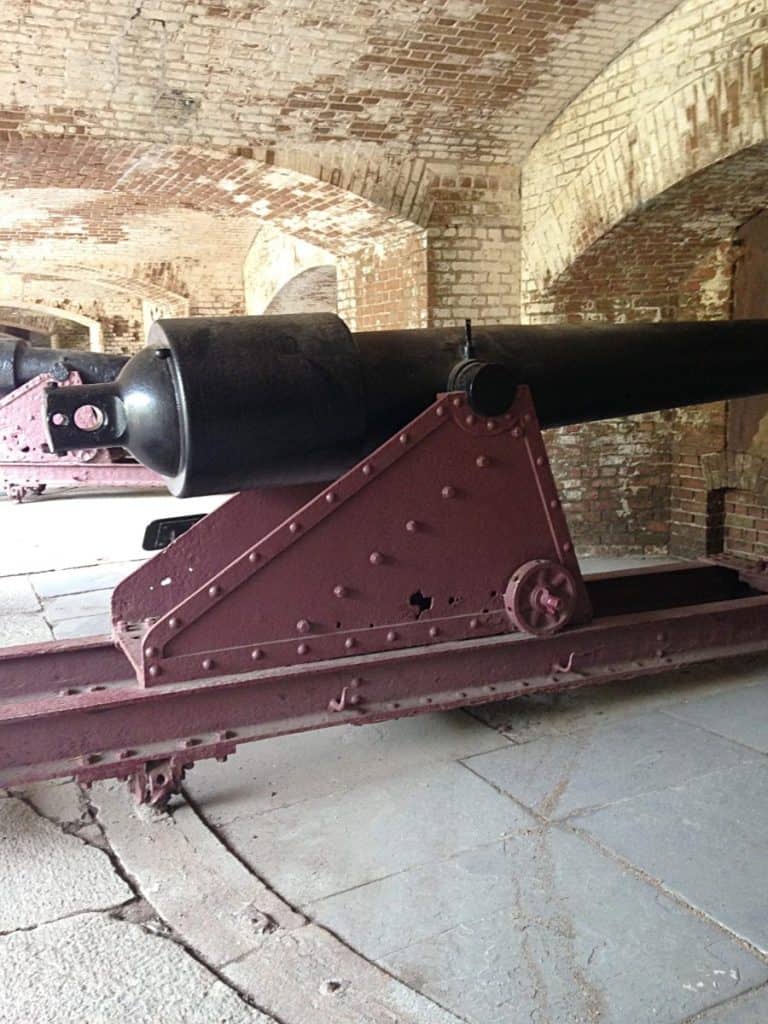
3. Several smooth bone cannons and rifled cannons from the war, stationed throughout the fort. Several placards explain the difference between the two cannons and how they were used in defense. 
Would you like to save this?

We'll email this post to you, so you can come back to it later.

4. The Battery Huger, built in 1899 in response to the Spanish American War, which became part of the seacoast defense system that protected the harbor. It’s the huge black, concrete structure in the middle of the fort and kids will love exploring the inside. There are narrow rooms and hallways inside, so leave the stroller outside. 
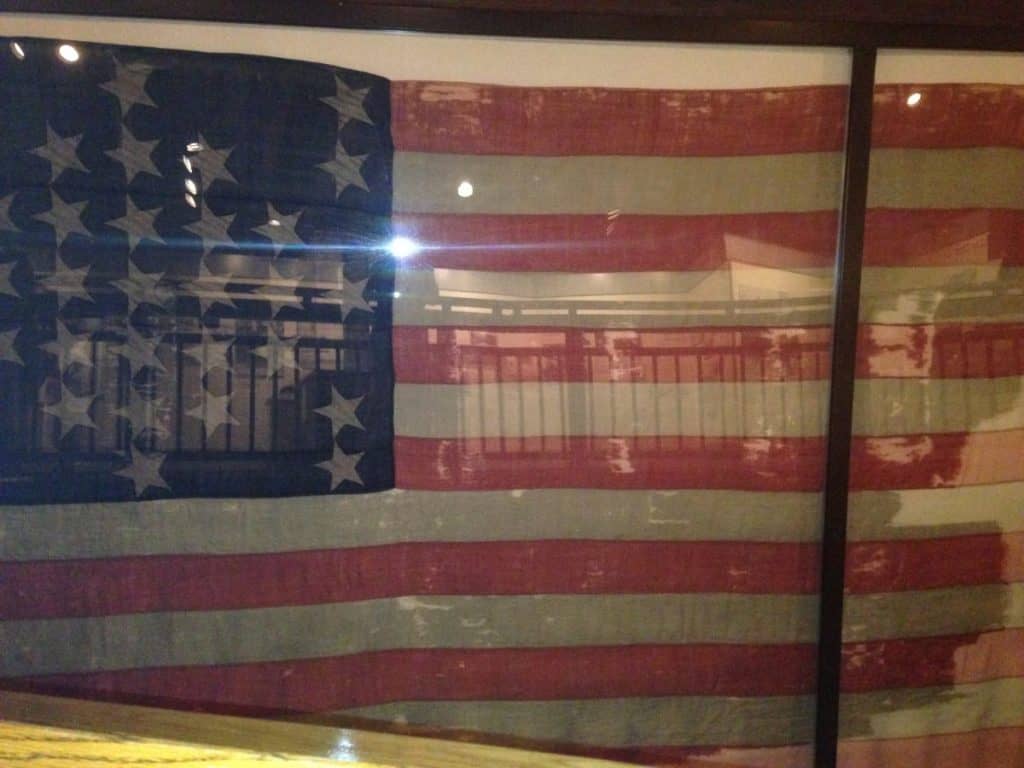
5. The air-conditioned museum, housed inside the Huger, which displays maps, profiles of soldiers, and numerous relics from the Civil War. There’s even a 10 x 10 foot flag that flew over the fort during the Civil War. 

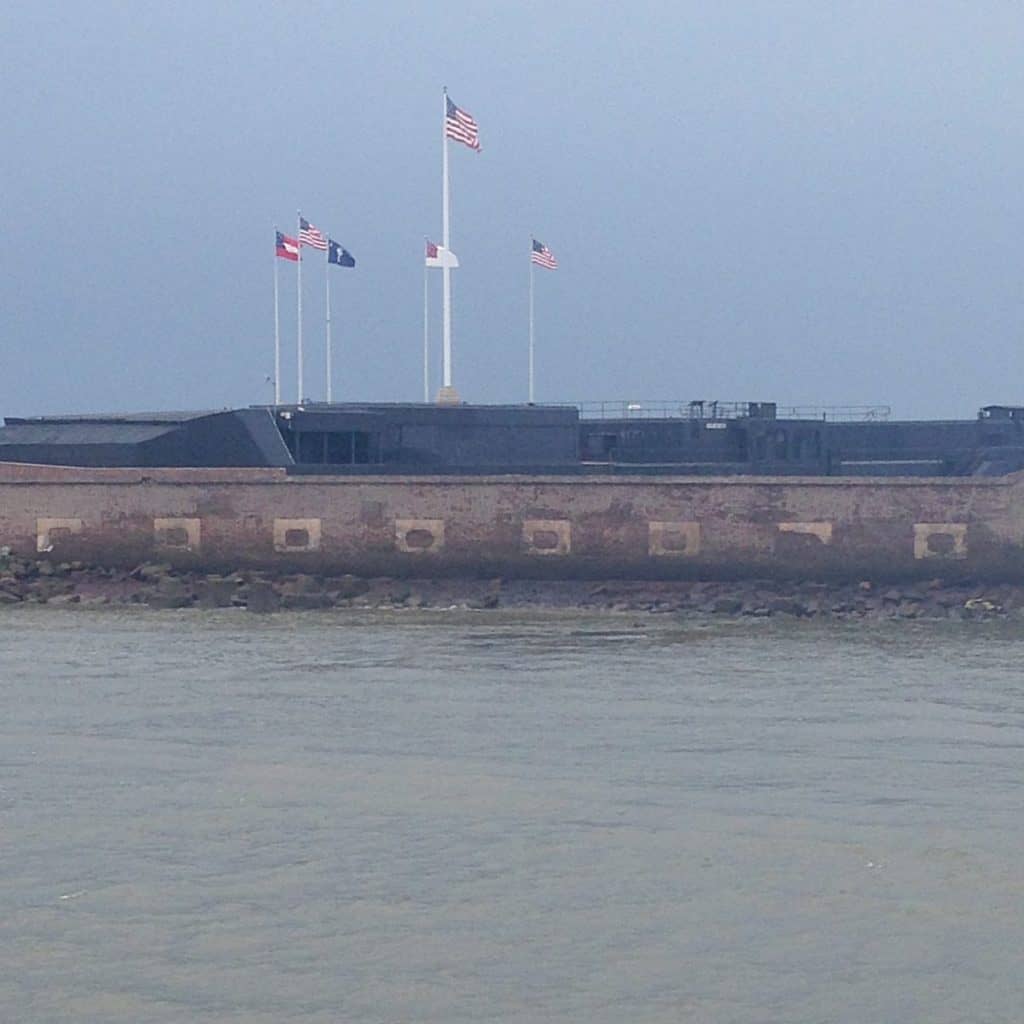
6. The five flags posted at the edge of the fort. Ask a park ranger to explain the real history behind the palmetto and star on the South Caroline state flag (and license plate, and many other state icons) and pay homage to local, state, and national patriotism.
Notes about navigating the island:  Wear sneakers. There are portions where you must climb steep stairs to access the museum, restrooms on the island, and the top deck of the fort. It can be difficult to navigate through parts of the fort with a stroller.  While there are chain fences to warn people of the sharp drop off on the upper level, children can easily slip through them so keep a close eye on the kids (and watch your footing too!)

Family friendly things to do nearby: There are several attractions near either boarding location:

  • The South Carolina Aquarium is next door at Liberty Square and is filled with sea life experiences for the whole family.

  • The USS Yorktown, an aircraft carrier used in WWII, is docked at Patriot’s Point and has self-guided tours throughout the entire ship

  • Boone Hall Plantation, in nearby Mount Pleasant, is a late seventeenth century plantation that will bring you back in time. Read my tips about my visit here.  

Disclosure: Parts of this post first appeared in an article I wrote for Kidventurous.com

Similar Posts

  • | | | | | |

    Crown Center in Kansas City, MO

    My favorite, major family trip (to date) was the first one we took in the summer of 2012. We logged 5700 miles in our trusty Chevy Equinox, driving from Connecticut to Phoenix, Arizona and back to Connecticut. On the back end of the trip, we spent a few days in Kansas City, Missouri. And we.loved.it. Love the people. Loved the food. Loved the family friendly places to explore. I blogged about our stay for Kidventurous here, but I thought I would revisit some of these suggestions and elaborate on them. Note: I did fact check as of June 2017.

    Today I want to focus on the Crown Center & Union Station area of the city. My suggestion for parking is to go to Crown Center.  There are two parking garages; I would park in the one labeled “Seal Life and Lego Land” which is on the East side of Grand Avenue. You can park on all day and walk to some of our favorite spots:

  • | | | | |

    Five Ways to Explore the South Street Seaport Museum in New York City

    Founded in 1967, the South Street Seaport Museum honors the legacy of one of the busiest seaports in the world, New York. Located in the heart of the historic Seaport District in downtown Manhattan overlooking the East River and the Brooklyn Bridge, the museum campus includes indoor exhibits, a fleet of vessels docked at adjacent Pier 16, a print shop, and tons of weekly and seasonal programs, sailing excursions, and family friendly activities. 

  • New Travel Must Have Items

    One of the recent perks of my blog has been the opportunity to discover new products for traveling. Some of the following items came to me by way of media contacts and some items I sought out myself, hoping to fulfill a need. In either case, I thought I would share new items I have packed for all of my summer travels (we’ll be on the road for six weeks this summer!)

  • | |

    30 Ways to Have Fun at Crystal Springs Resort in New Jersey

    Crystal Springs Resort, the largest golf resort in the Northeast, offers so much more than “just” golf for families, couples, and friends who vacation together. Located in the northern part of New Jersey, an hour from Manhattan, the resort includes two resorts, situated three miles apart: Grand Cascades Lodge and Minerals. The resorts feature six golf courses (4 courses with 18 holes and 2 courses with 9 holes); 10 restaurants, bistros, and grills; three pool complexes; and hundreds (literally!) of ways to have fun. I spent a wonderful weekend at Grand Cascades Lodge two years ago with college friends and have wanted to bring my family back ever since that visit.

  • | | |

    10 Ways to Explore Alligator Park in St. Augustine, Florida

    We’re not a huge zoo family, but every guide we read about St Augustine, Florida, as well as a couple of fellow travel writers, all suggested visiting Alligator Farm Zoological Park. So, on our recent visit to St. Augustine, we started one of our mornings at the park and agreed it’s a special place the whole family will enjoy.

    Established in 1893, Alligator Farm is one of the oldest zoos in the country. Originally opened as an exhibition space of native Florida reptiles at South Beach on Anastasia Island, Alligator Zoo quickly became a popular spot for tourists. After both a storm and fire destroyed much of the area in 1920, the owners moved the animals to the current, nine acre space. The zoo is home to 24 species of crocodilian, 40 species of birds, dozens of reptiles, and many other animals. The park has shaded paths that weave through the exhibits, with plenty of viewing areas and places to sit and enjoy the beauty of nature. There’s also a zip lining course, daily animal feedings, and various programs and special events that offer plenty of new things to see with each visit.

  • | | | | |

    Lowell National Historical Park in Lowell, Massachusetts

    The city of Lowell, Massachusetts, located just 30 miles north of Boston, was built as a factory city (because of its location next to the Merrimack River and Pawtucket Falls) and became synonymous with the American Industrial Revolution. Named for Francis Cabot Lowell, who is partially credited for creating the power loom, city locals began funding and building water-powered mills in the area in the early 1800s. By 1880 Lowell had over 100 mill buildings, 18 textile corporations, 2 machine shops, and a booming population (it was the second largest city in Massachusetts in the mid 1800s), employing over 10,000 workers in the mills. 

    However, newer technological advances in more northern cotton mills took away from the businesses in Lowell and production started to decline. By the 1950s, all of the original mills and most of the textile companies closed and the buildings fell into disrepair until local citizens and businesses worked together to form the Lowell Heritage State Park in 1974. Four years later, Congress designated the space as Lowell National Historical Park and the park has continued to expand its historical exhibits, research, tours and programs for the public.

3 Comments

Leave a Reply

Your email address will not be published. Required fields are marked *