
Fort Adams in Newport, Rhode Island
This is the 3rd post in a series detailing my recent visit to Newport, Rhode Island. To read about celebrating the holiday season in Newport click here, to read about the International Tennis Hall of Fame click here, and for my top 12 things to do in Newport, click here.
Fort Adams has the honor of being both the largest fort in the United States and the only fort never attacked. Although, because it was never attacked or “officially in use”, it is not part of the National Parks program like many other forts throughout America. Fort Adams, located in Newport, Rhode Island, is one of twenty fortresses built after the War of 1812, took over 30 years (from 1820-1850) to complete, and is named after the second American President, John Adams. It was most effectively used as a training facility for West Point graduates before their official postings.
The entire complex is a state park and is open to the public, free of charge. The public is welcome to use the restrooms, walk (leashed) dogs, fish, picnic, and even use the public beach. Sail Newport, housed on the property, rents sailboats and also gives lesson.
On a recent visit to Newport, my family took the 90 minute, guided tour. We loved it. All of us, adults and children alike, found it interactive, informative, and even a little scary. Steve Marino, our tour guide, made sure to engage our children throughout the tour. You’ll need to start in the Visitor’s Center to purchase tickets. They offer a AAA discount. There are restrooms and a gift shop with snacks, drinks, and souvenirs. Strollers are allowed on most aspects of the tour, and you can leave strollers outside some “indoor” and tight spaces.
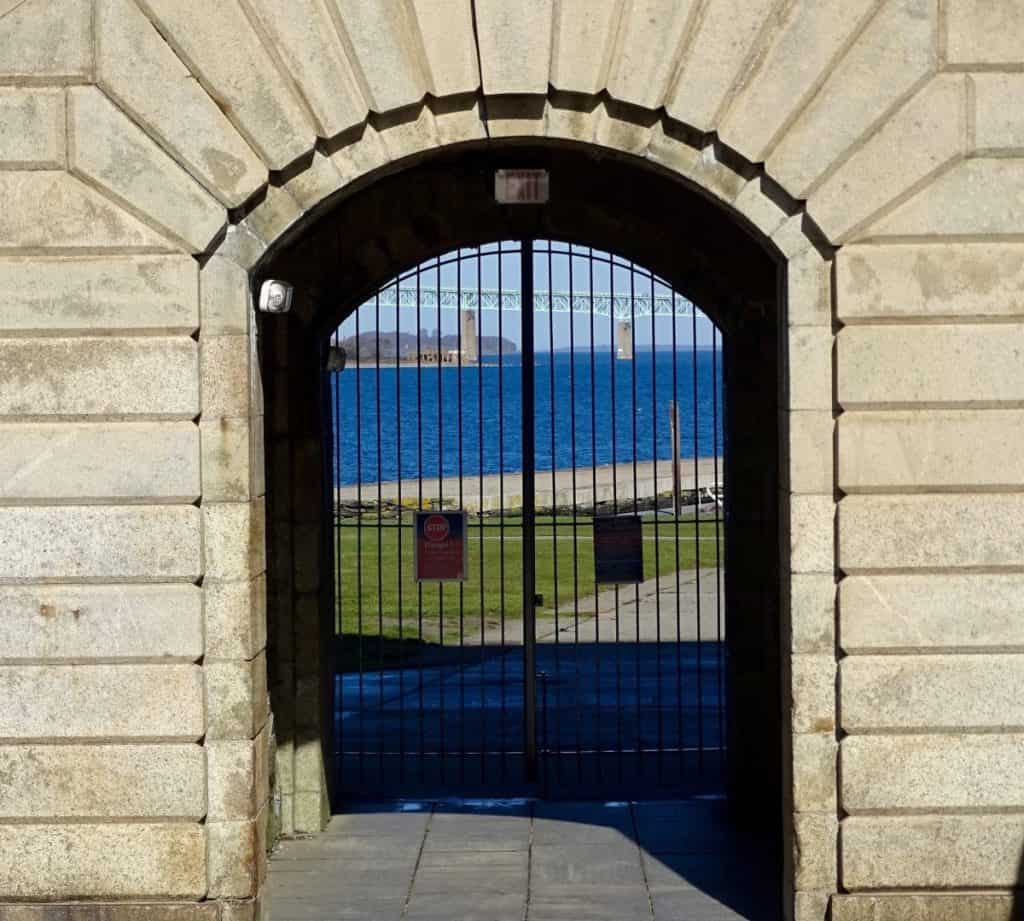
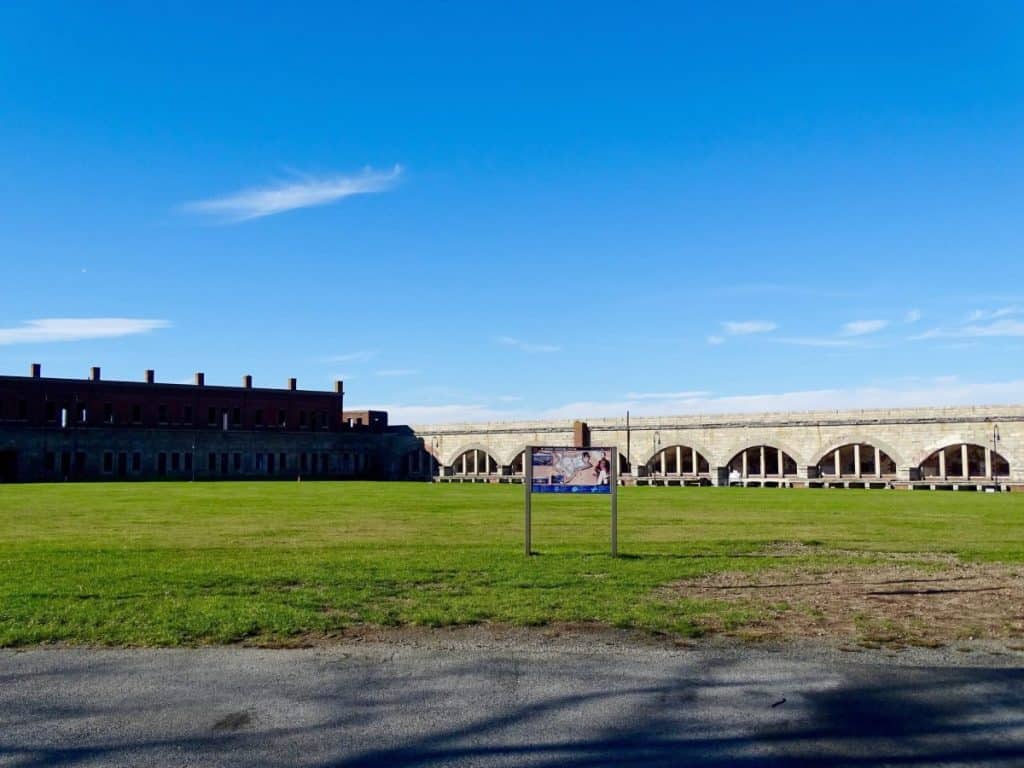
My family’s top 10 spots on the tour:
1. Look at the walls, ceilings, and floors of the fort; they’re made from three distinct materials: granite, shale, and over four MILLION bricks. The entire fort was built, by hand, by Irishmen who came to Newport specifically to build the fort.
2. Check out the hollow cannonballs on display. Most of the real cannonballs were fired off the fort and sunk in the Narragansett Bay outside of Jamestown.
3. Scope out the size of Fort Adams: other famous forts, including Fort Sumter and Fort McKinley could BOTH easily fit inside Fort Adams.

4. Read about the life of Joseph G. Totten, the chief engineer who lived inside the fort for 13 years on the placard commissioned in his honor.
Would you like to save this?
5. Look for the barracks, where Cub Scouts can actually stay overnight in bunks. (Scouts can also stay outside in tents.)
Note the differences between the barracks and officer’s quarters: check out the crown moldings, shutters, ceiling medallions, and pocket doors, all of which are hallmarks of high ranking officers’ quarters. The Fort Adams Trust is in the middle of restoring parts of the living quarters.
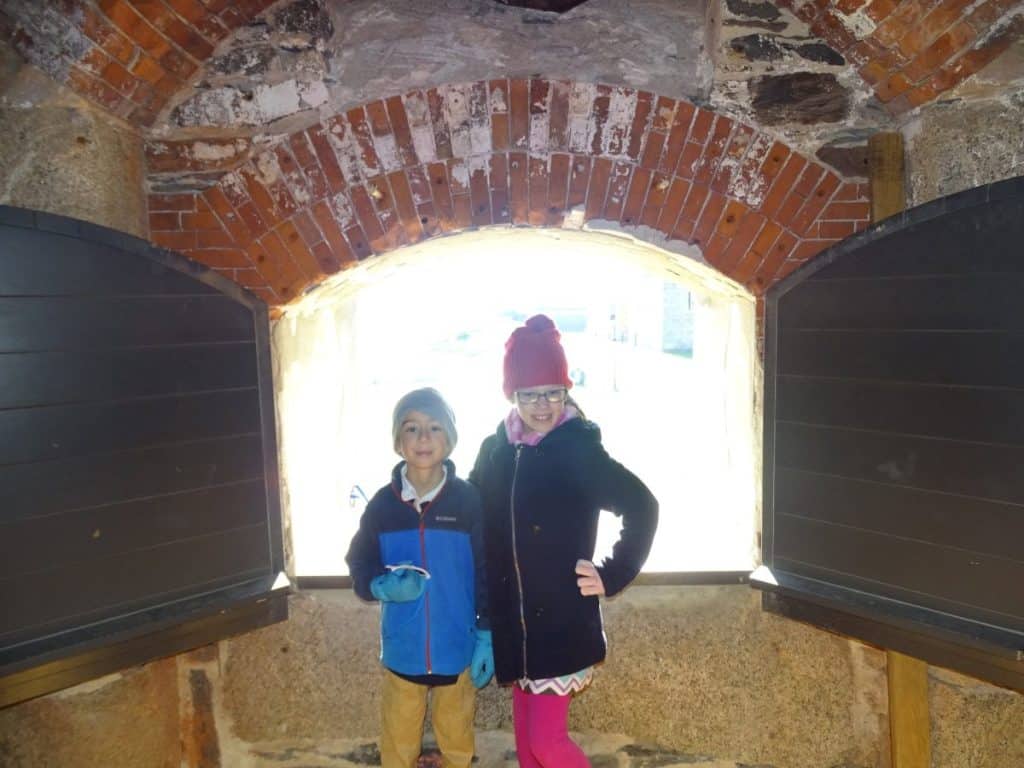

6. Climb the (very) steep staircase to the top of the fort for 360 degree views of Newport harbors.
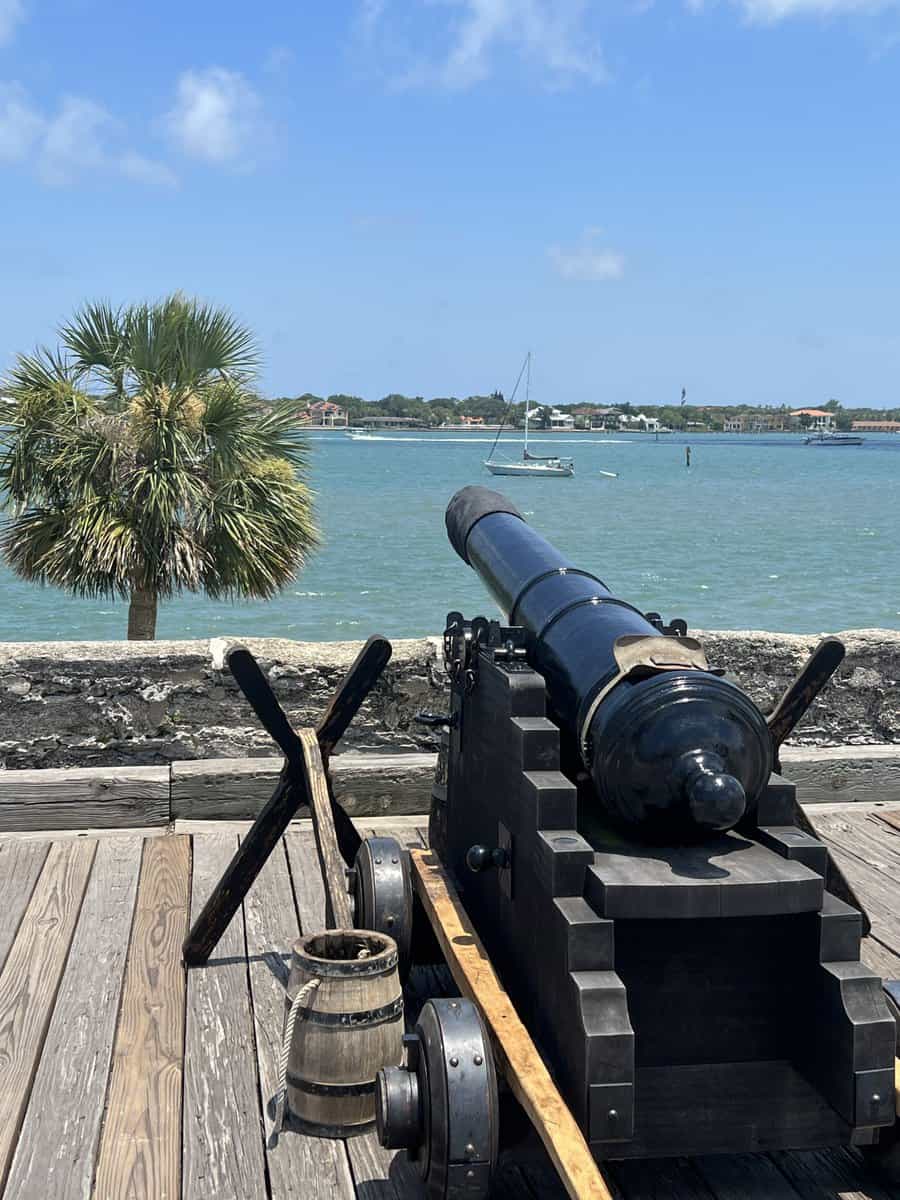
7. Pretend to load and fire one of the original cannons (and read about how to do it on the displays).
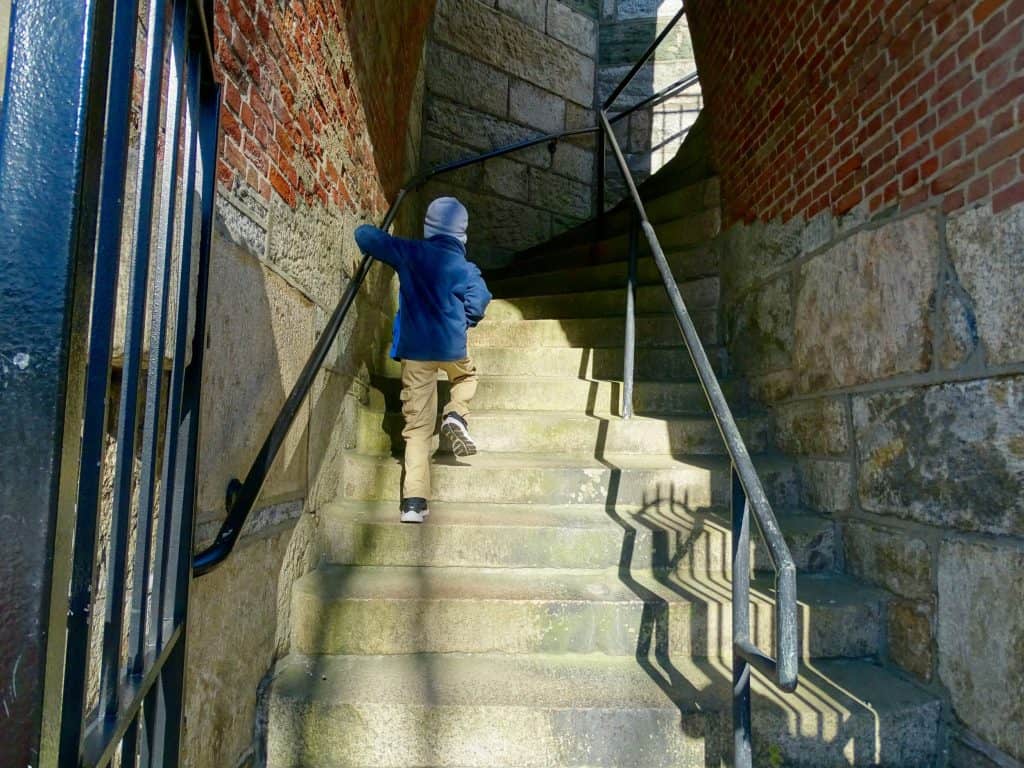
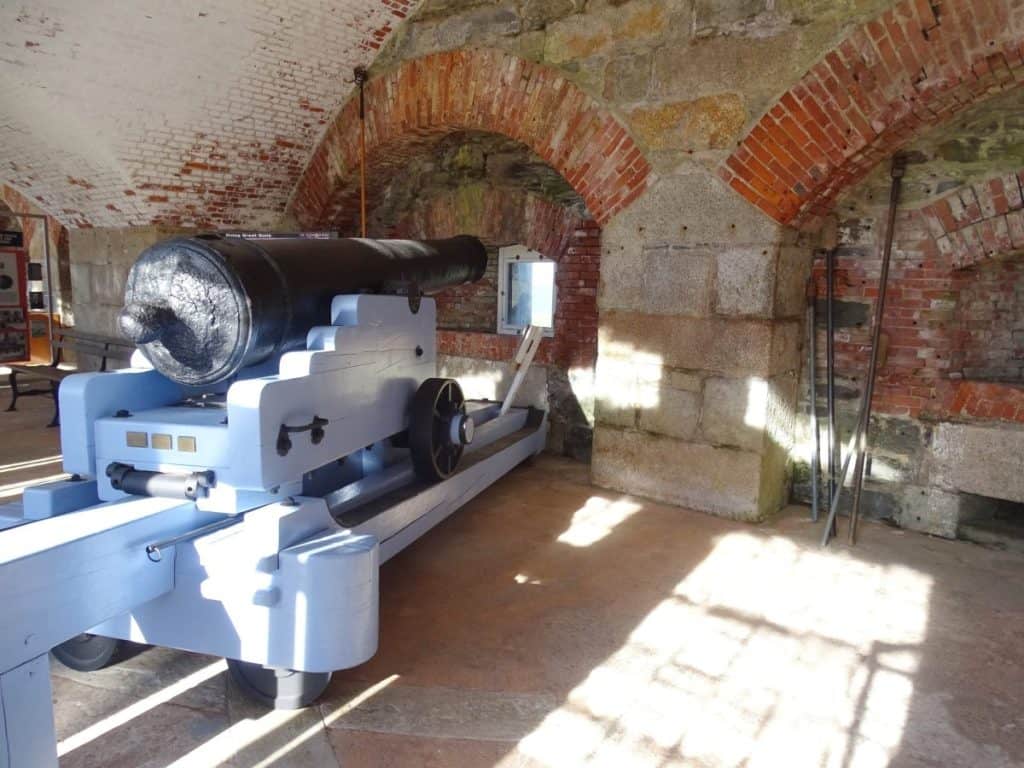
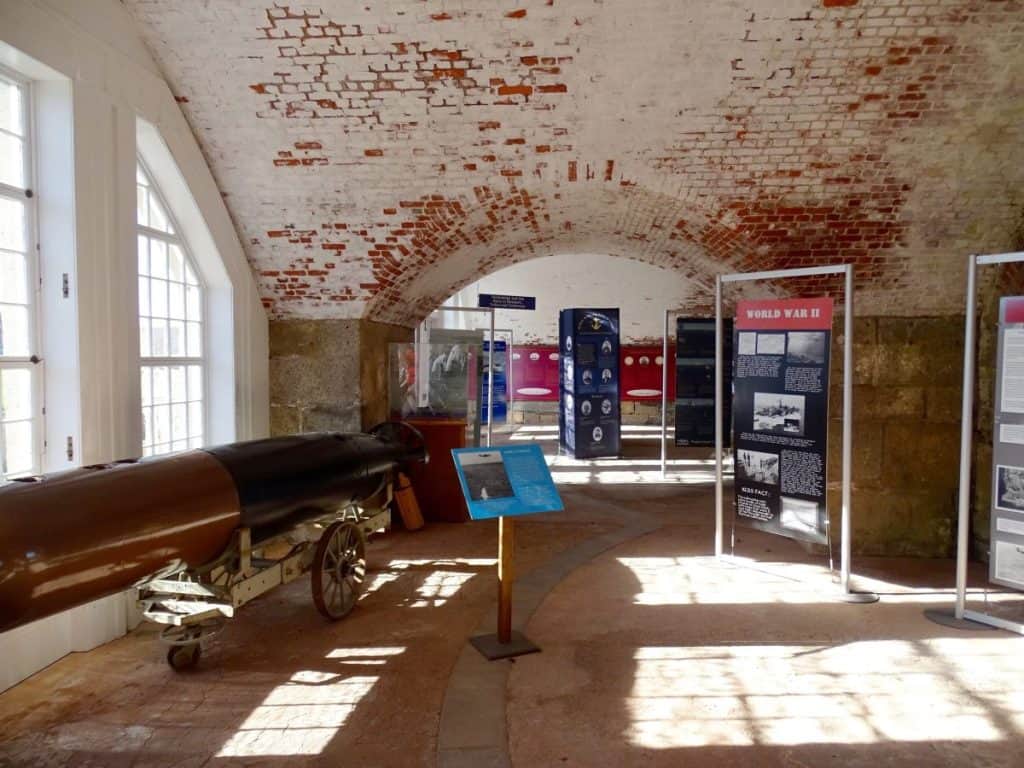
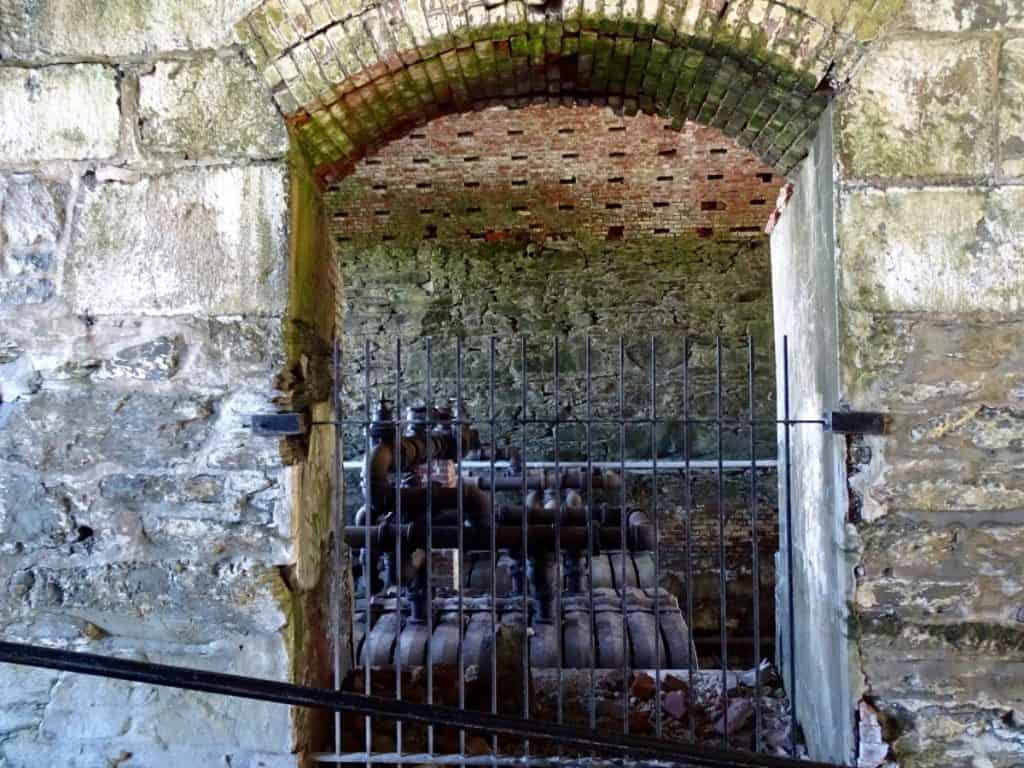
9. Check out Killzone #2: The interior ditch, which is the only land entrance to the fort.
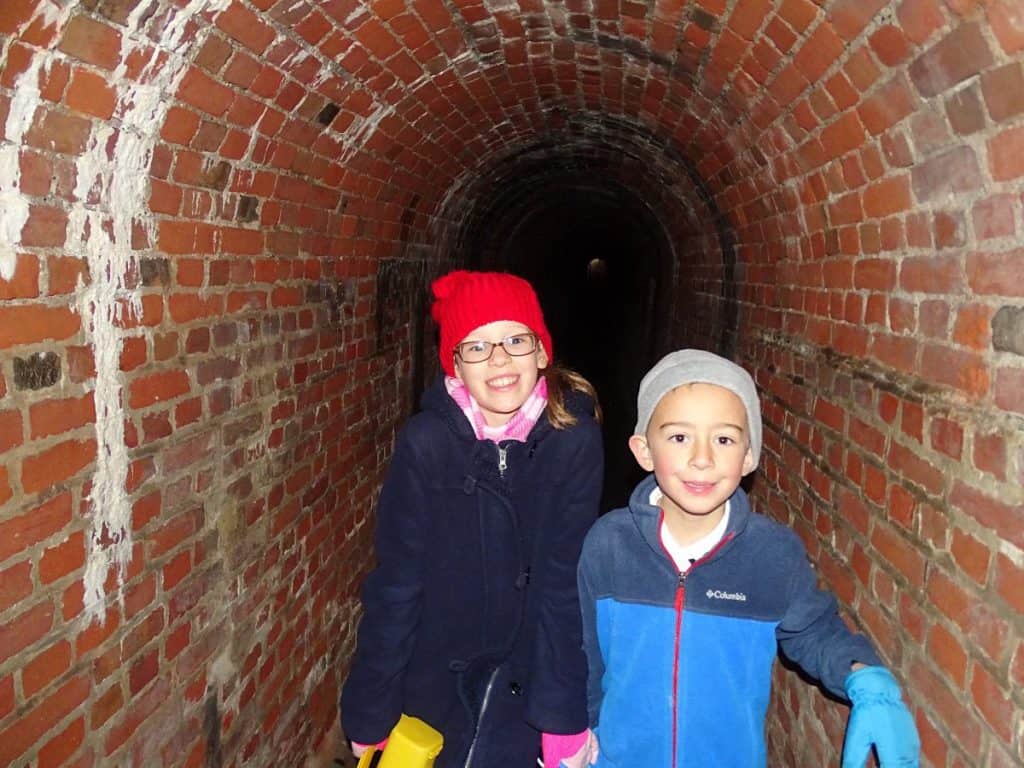
10. And if you dare: Venture underground through the listening tunnels, where soldiers would listen for people marching or tunneling above ground. The tour thoughtfully provides flashlights, and each person will definitely need one! The tunnel is very dark, only six feet tall, and you must walk single file on uneven terrain. If you prefer, you can wait outside on one of the benches for the group to check it out. Make sure your child receives a sticker proving they “survived.”

Bonus: You may (or maybe not if you’re a jazz fan) want to avoid specifically visiting the fort during late July and early August; Fort Adams host the very popular Newport Jazz Festival and Newport Folk Festival. Hundreds of thousands of music enthusiasts descend on the fort (and in boats in the waters that surround the fort). Brave souls might like to visit in the fall for Fort Adam’s Fortress of Nightmares; I hear it’s not for the faint of heart, though, and not appropriate for little children.
And if you enjoy checking out historical forts, check out our visits to Fort Stanwix in New York and Fort Sumter in South Carolina.




Loved reading all your comments before we visited Newport, RI this last week. We walked round the town after we first arrived and the Visitor Centre was sooooo helpful. We toured two houses, The Breakers and The Elms (two tours – Servant Life and House) and LOVED the Cliff Walk (walked the last two miles and it was beautiful). We were all a little weary! Enjoyed Fort Adams, particularly the tunnels at the end. Sooooooooo much more to explore but we ran out of time!
so glad you found me advice helpful and esp. glad you enjoyed Newport! I hope you make return trips!
Loved reading all your comments before we visited Newport, RI this last week. We walked round the town after we first arrived and the Visitor Centre was sooooo helpful. We toured two houses, The Breakers and The Elms (two tours – Servant Life and House) and LOVED the Cliff Walk (walked the last two miles and it was beautiful). We were all a little weary! Enjoyed Fort Adams, particularly the tunnels at the end. Sooooooooo much more to explore but we ran out of time!
so glad you found me advice helpful and esp. glad you enjoyed Newport! I hope you make return trips!
Loved reading all your comments before we visited Newport, RI this last week. We walked round the town after we first arrived and the Visitor Centre was sooooo helpful. We toured two houses, The Breakers and The Elms (two tours – Servant Life and House) and LOVED the Cliff Walk (walked the last two miles and it was beautiful). We were all a little weary! Enjoyed Fort Adams, particularly the tunnels at the end. Sooooooooo much more to explore but we ran out of time!
so glad you found me advice helpful and esp. glad you enjoyed Newport! I hope you make return trips!