National Museum of the American Indian in New York City

| | | | |

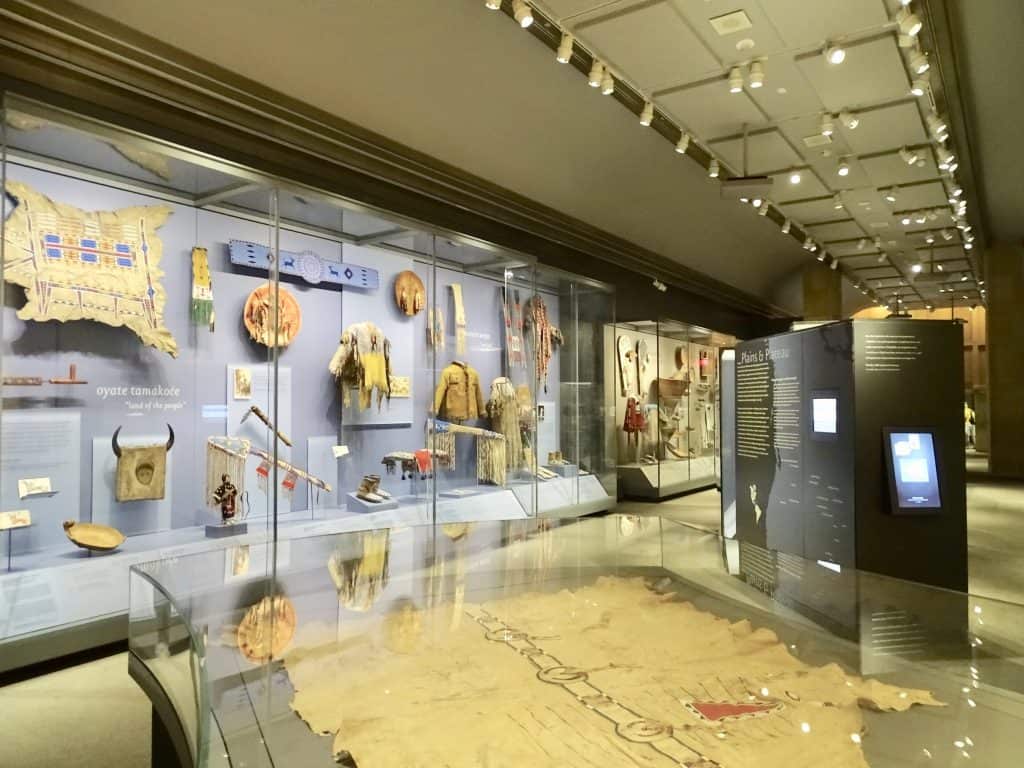
The Smithsonian Institute encompassed 17 museums (and a zoo!) located in Washington DC- check out the list here- and two locations in New York City: Cooper Hewitt, a design museum, and the National Museum of the Native American. Located in the Alexander Hamilton U.S. Custom House, the National Museum of the American Indian chronicles the history of indigenous peoples throughout the Western Hemisphere. 

Traveling with Kids:

  • The museum is FREE to visit, 364 days a year (closed on Christmas)
  • The museum is located in the lower east side of Manhattan. Take the subway, 4 or 5 lines, to the Bowling Green Station. The main entrance is up the stairs on 1 Bowling Green; the handicap entrance is to the right of the main staircase. More details on parking garages here.
  • All visitors must pass through metal detectors. Small backpacks are allowed.
  • Restrooms are located on both the first and second floors.
  • The entire museum is handicap accessible via elevators and the exhibits have plenty of room for strollers and wheelchairs.
  • A gift shop is located on the 2nd floor (near the main entrance)
  • Plan to spend an hour for the 2nd floor exhibits and 30-60 minutes in the imagiNATIONS exhibit on the first floor- although some children might want to spend all day there!

Five Can’t Miss Spots at the Museum:

1. Read some of the poetry that complements the artwork in the TC Cannon: AT the Edge of America exhibit. (temporary exhibit through September 2019) The exhibit showcases the art work (displayed alongside poetry) of the 20th century Native American and Vietnam Veteran artist who died unexpectedly in a car accident in the 1970s.  The exhibit was organized by the Peabody Essex Museum in Massachusetts. (See our post about visiting the Peabody Essex Museum here)

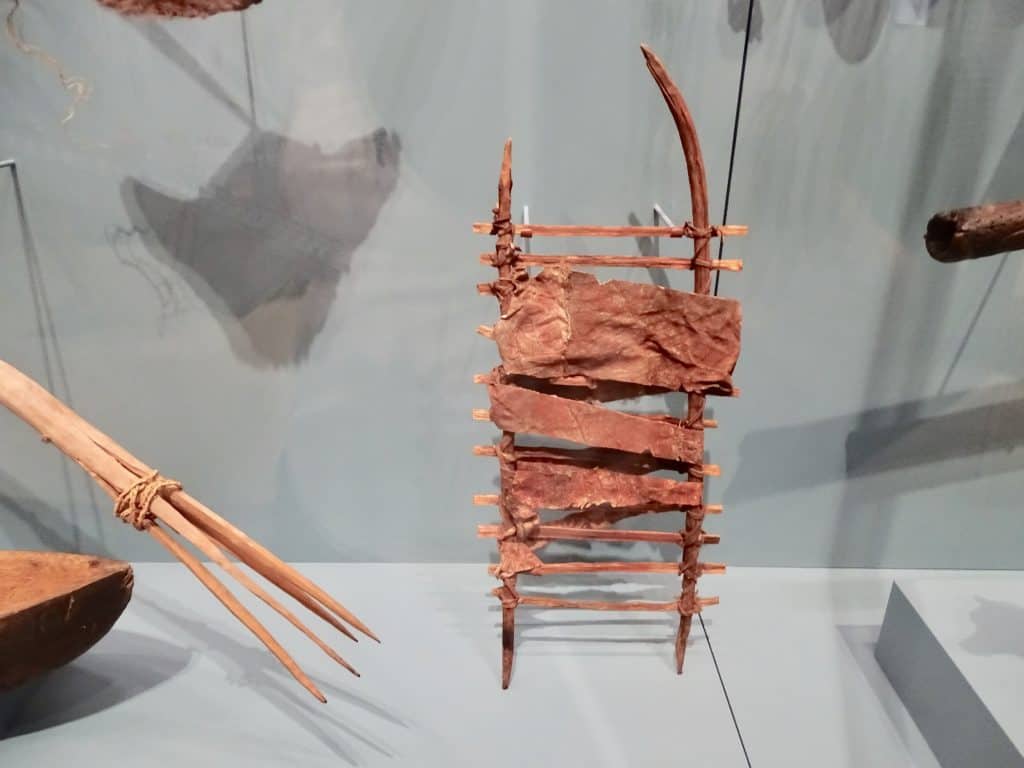
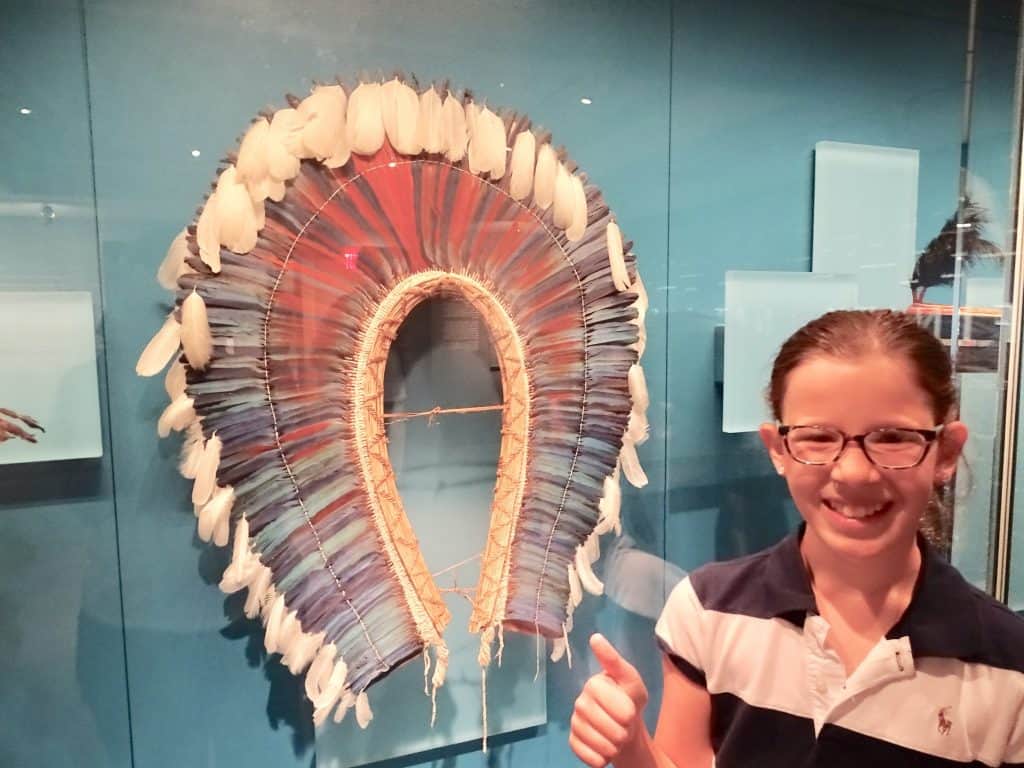
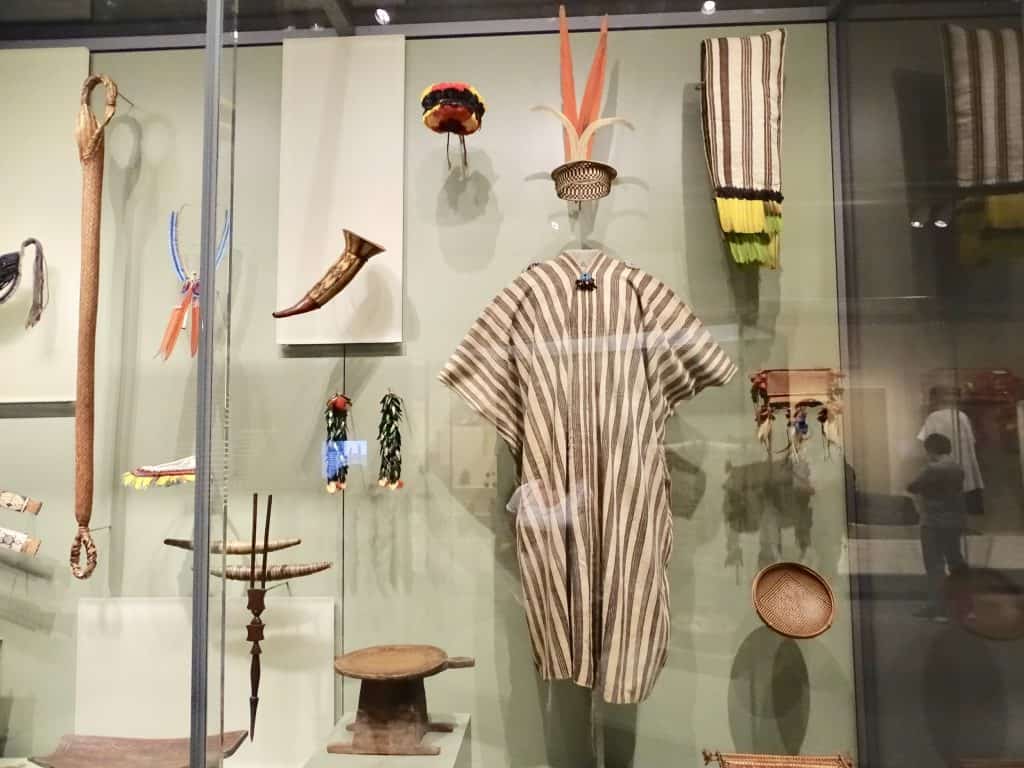
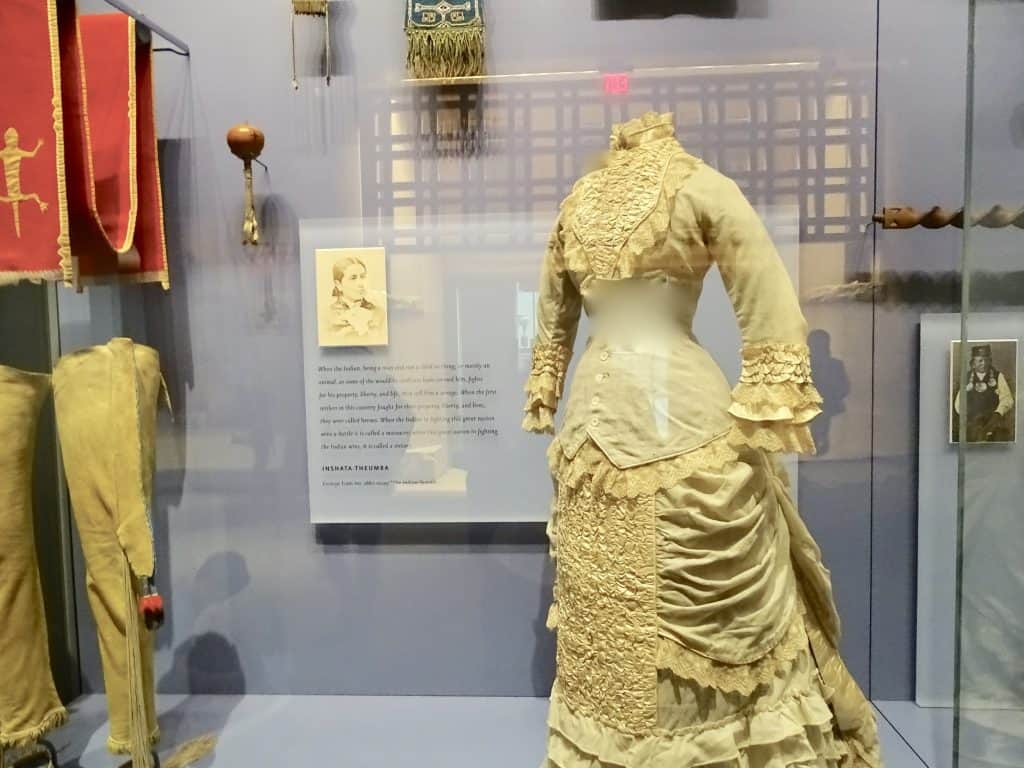
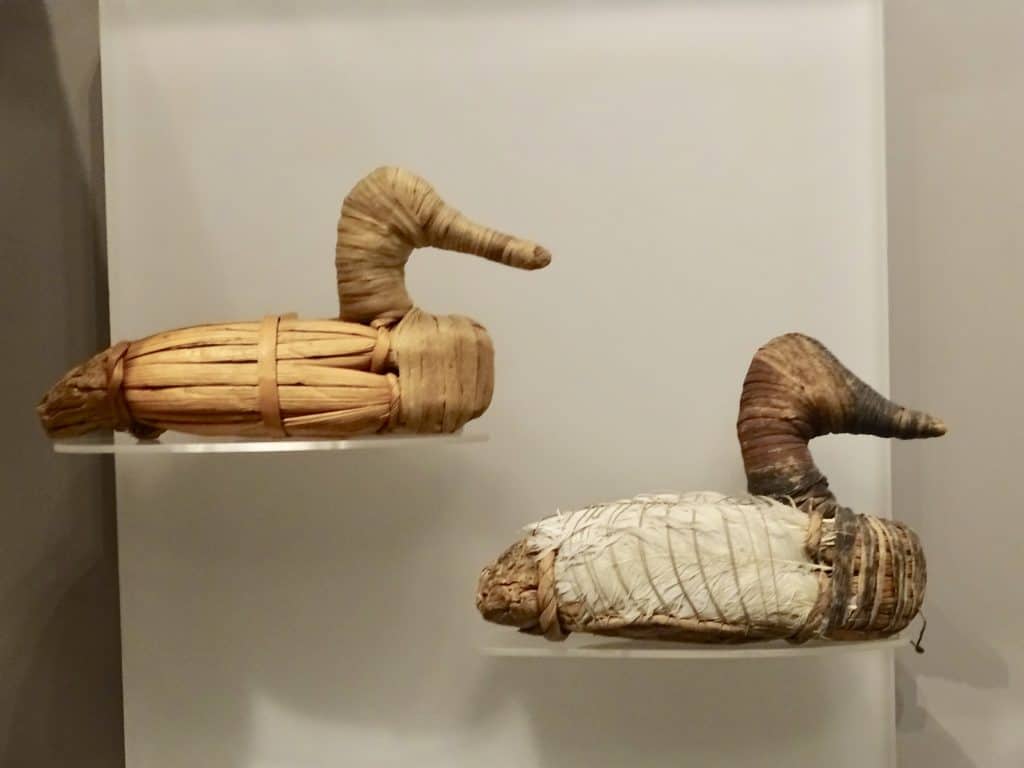
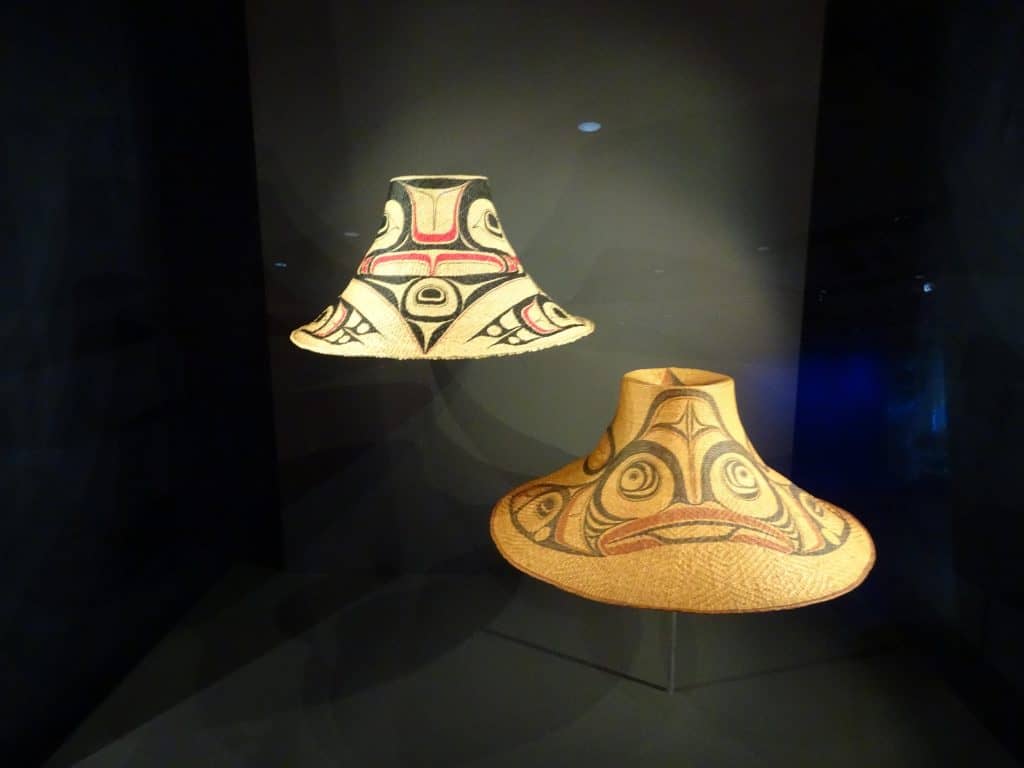
2. Choose a favorite headdress in the Infinity of Nations exhibit. There are over a dozen headdresses on display throughout the museum. The exhibit is organized into 10 geographic regions and includes items such as wedding dresses, a baby carrier from 1920, “ear ornaments”, and duck decoys that are over 2,000 years old. Some items in the exhibit date back to 11,000 B.C.! Make sure kids grab a scavenger hunt to complete.


Would you like to save this?

We'll email this post to you, so you can come back to it later.

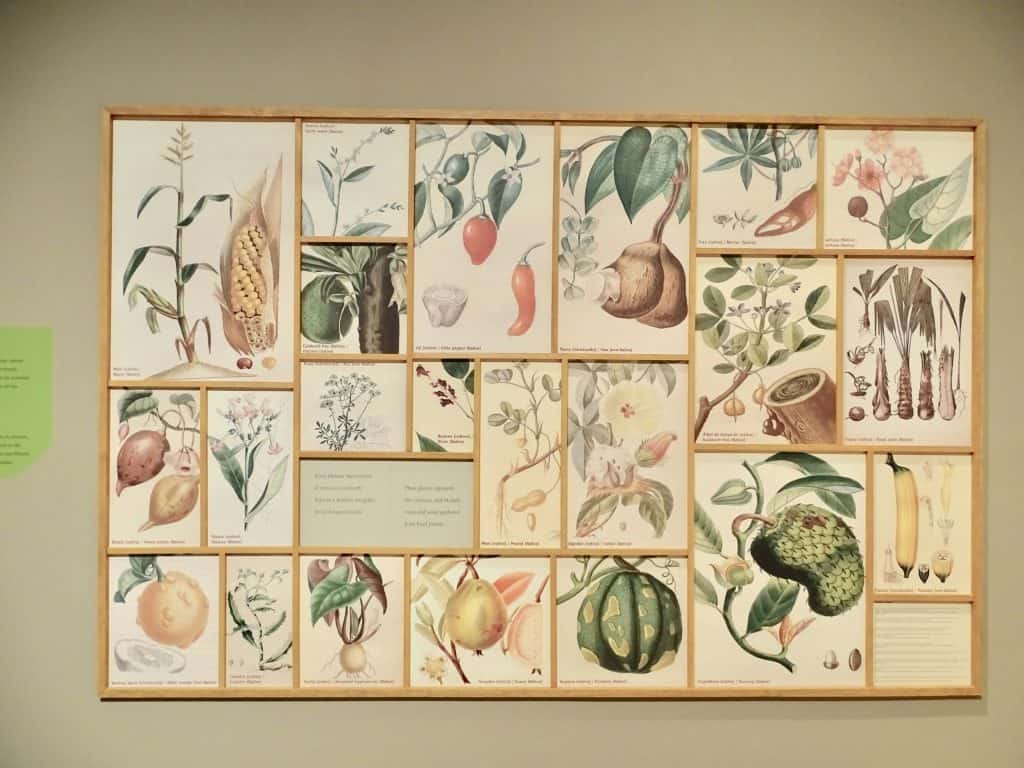
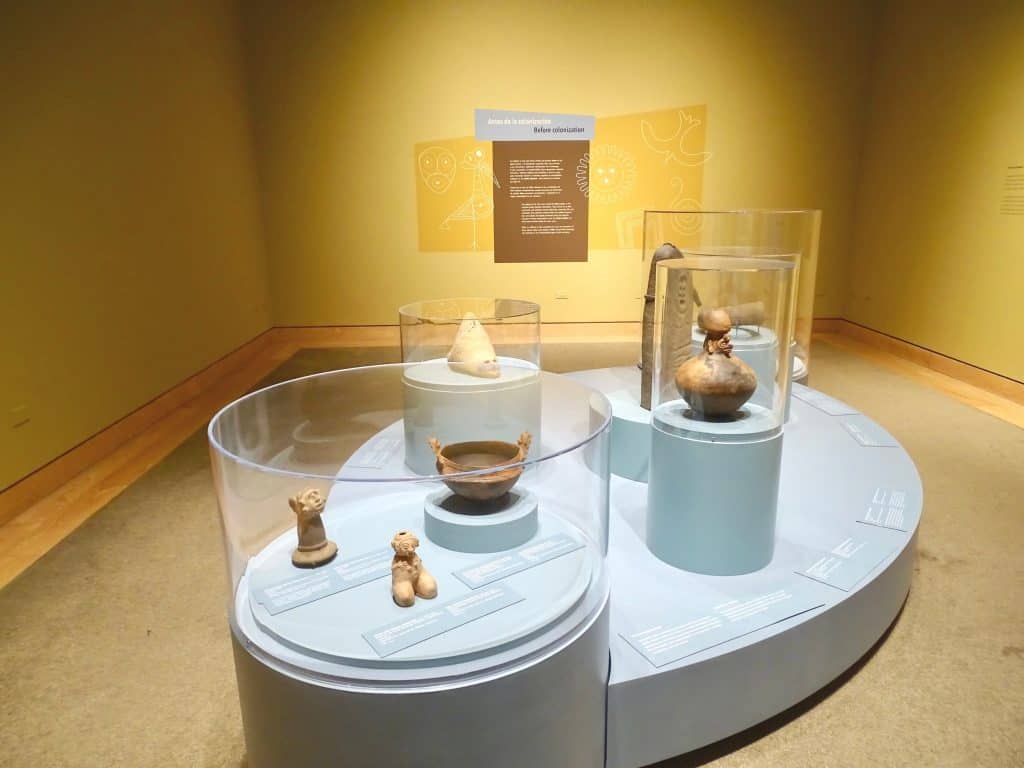
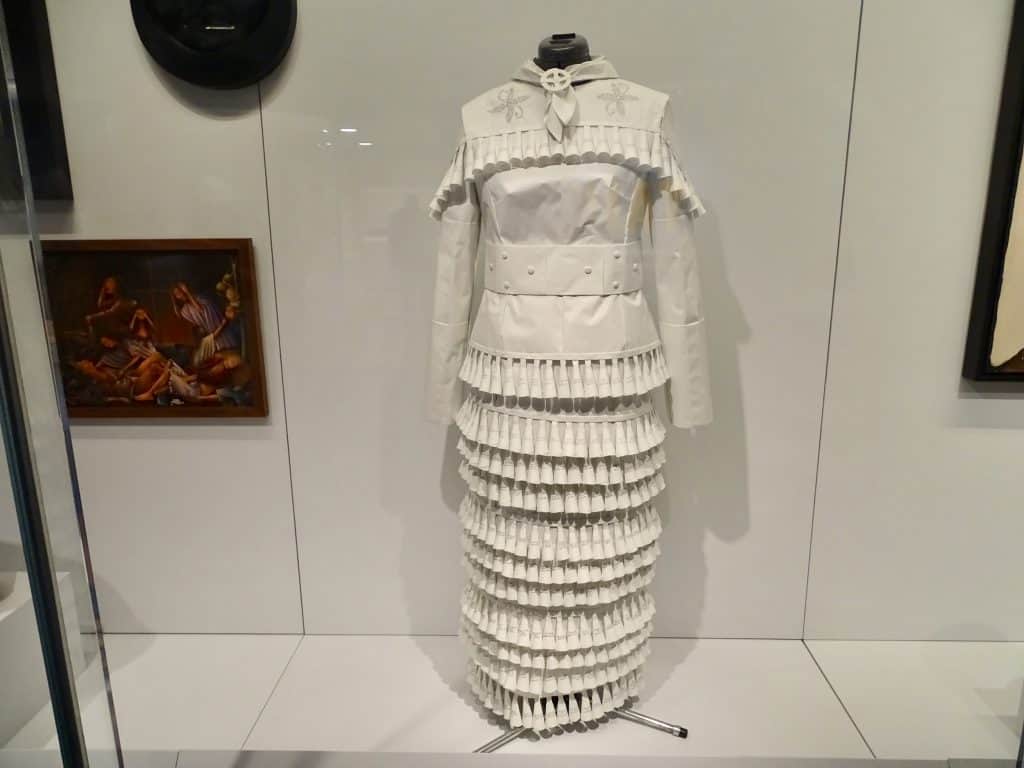
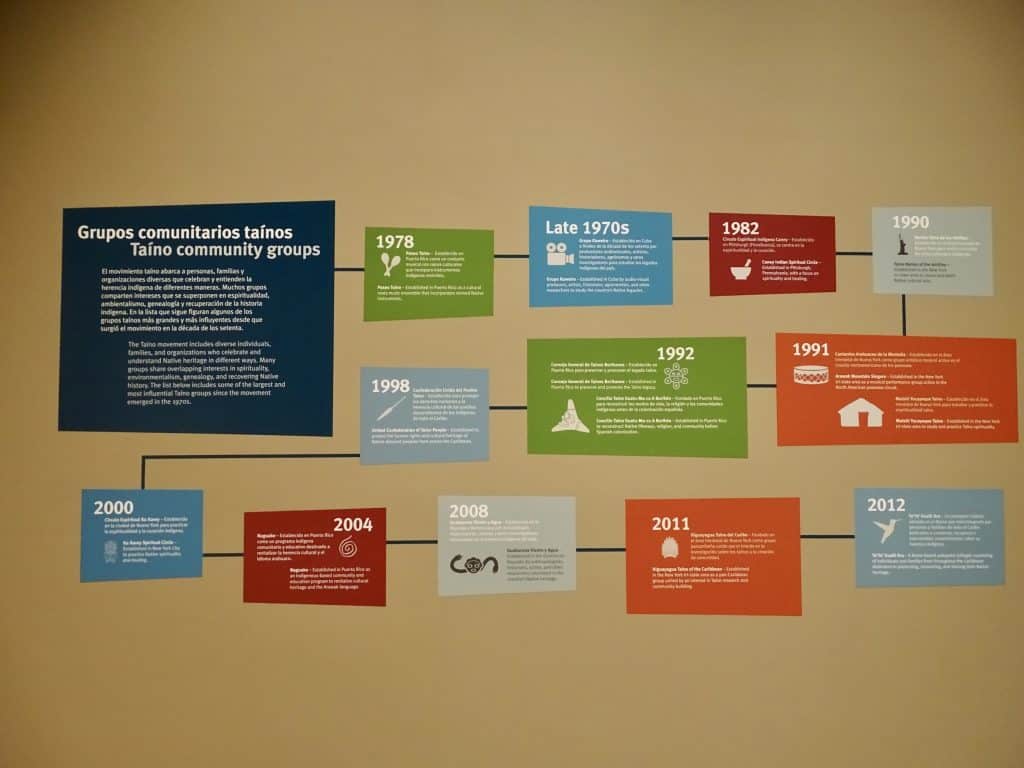
3. Look for the names of dozens of Native American poets written on scraps of loose leaf paper that collectively make a dress designed by Maria Hupfield in the Taino Exhibit: Native Heritage and Identity in the Caribbean. There is also a display of “Conuco” plants, used for harvests, that will intrigue children. The Taino (meaning “good people”) are Arawak speaking peoples from South American who began settling in Caribbean islands more than 2,000 years ago. Make sure children grab an activity booklet that accompanies the exhibit. 

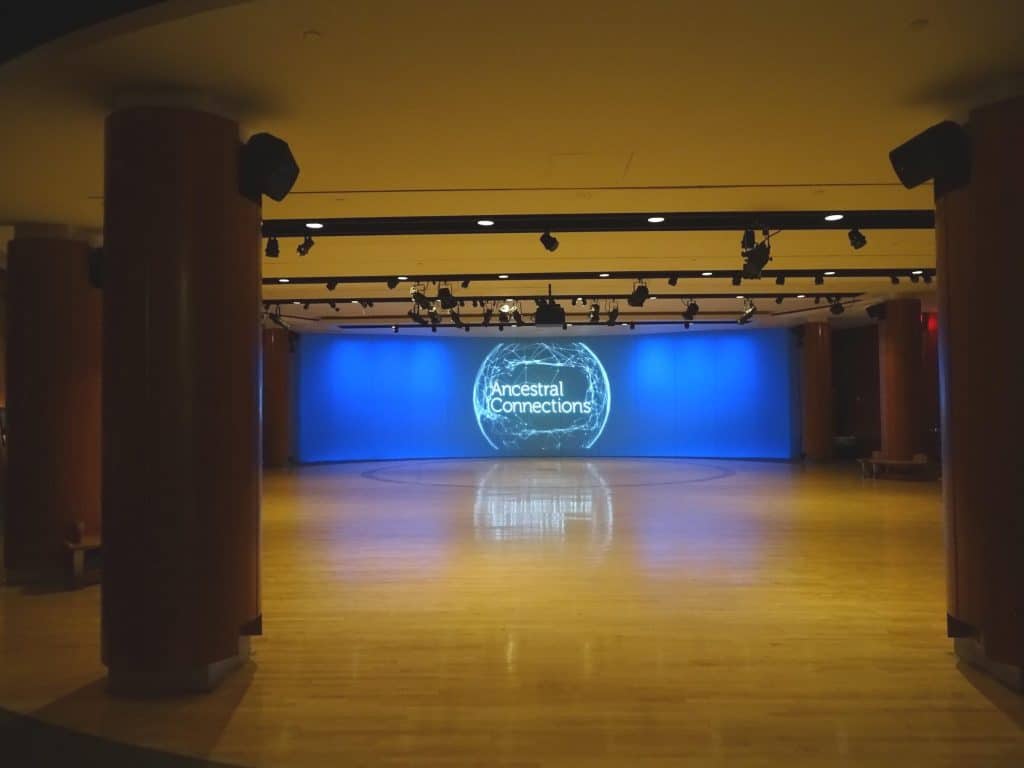
4. Pay attention to the details of the art work in the Ancestral Connections collection in the Diker Pavillion on the first floor. The room has plenty of space to sit and reflect. Contemporary artists will showcase their personal works with connections to their own ancestry starting with a Hawaiian papercut artist in October.
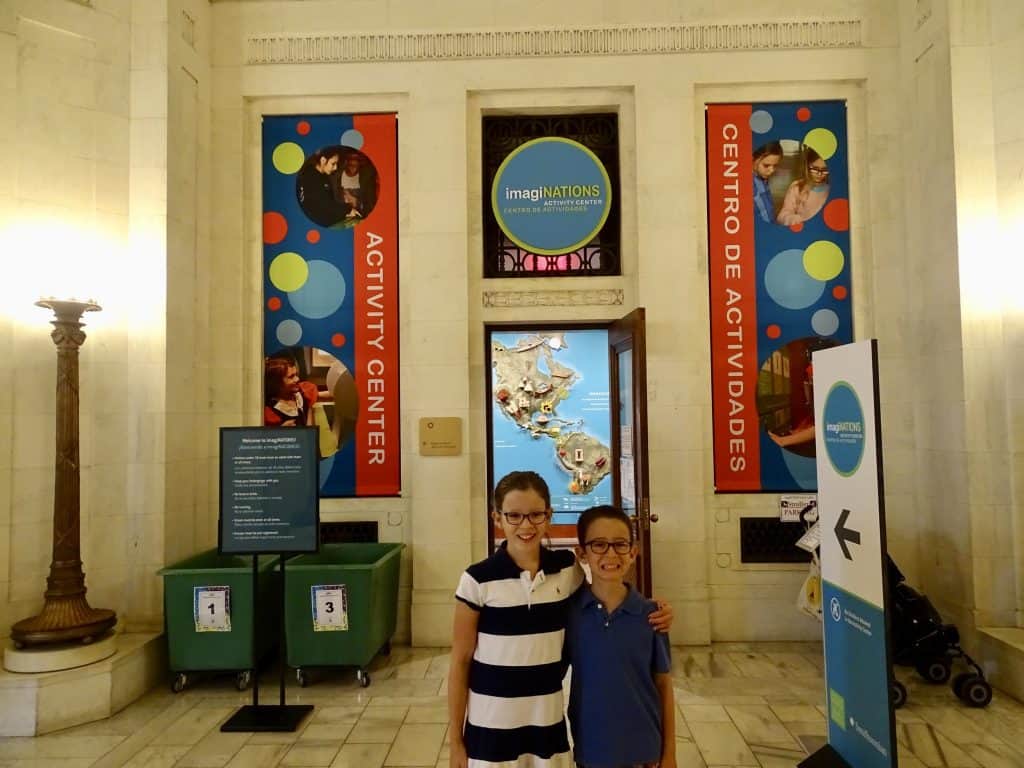
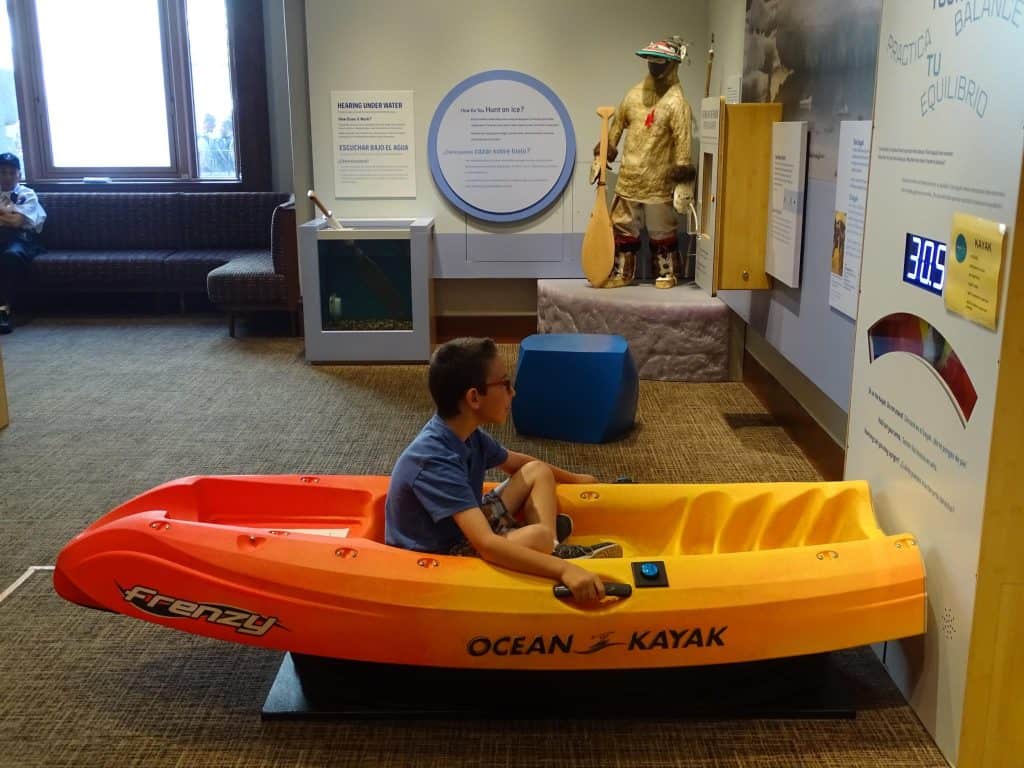
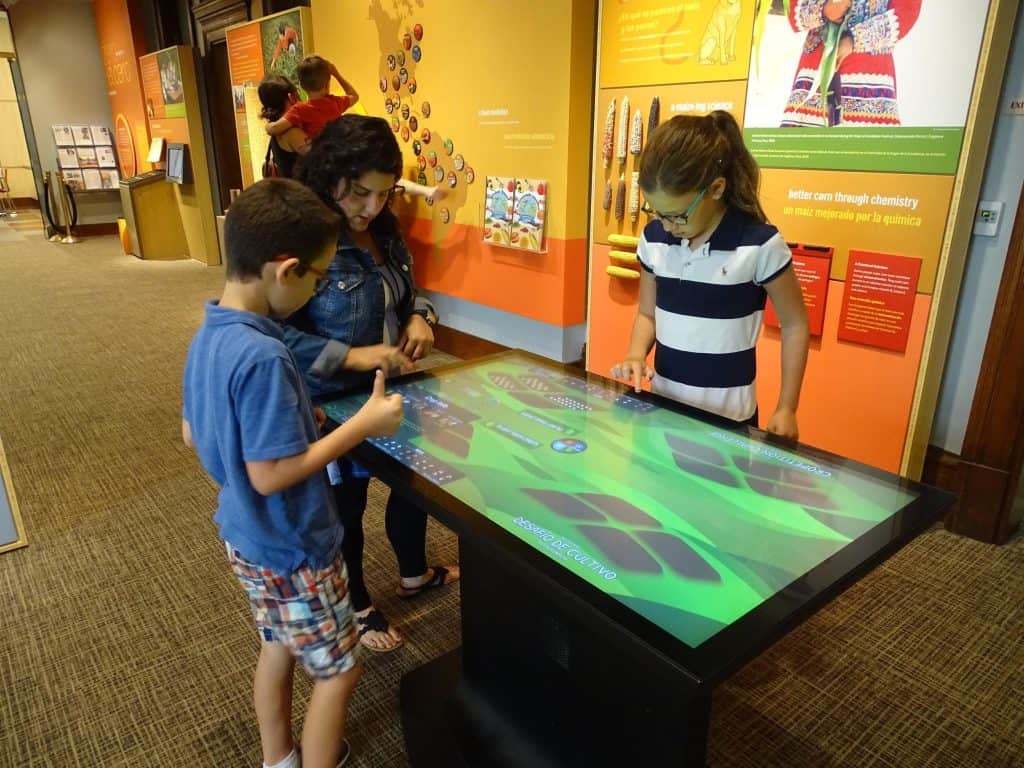
5. Explore the more than a dozen interactive exhibits in the imagiNATIONS Activity Center on the first floor This is THE spot for kids. The center has daily programming- check here. Some of our favorite activities included:

  • Guessing how many kernels of corn are in one ear
  • Practicing your balance in a kayak without “tipping over”
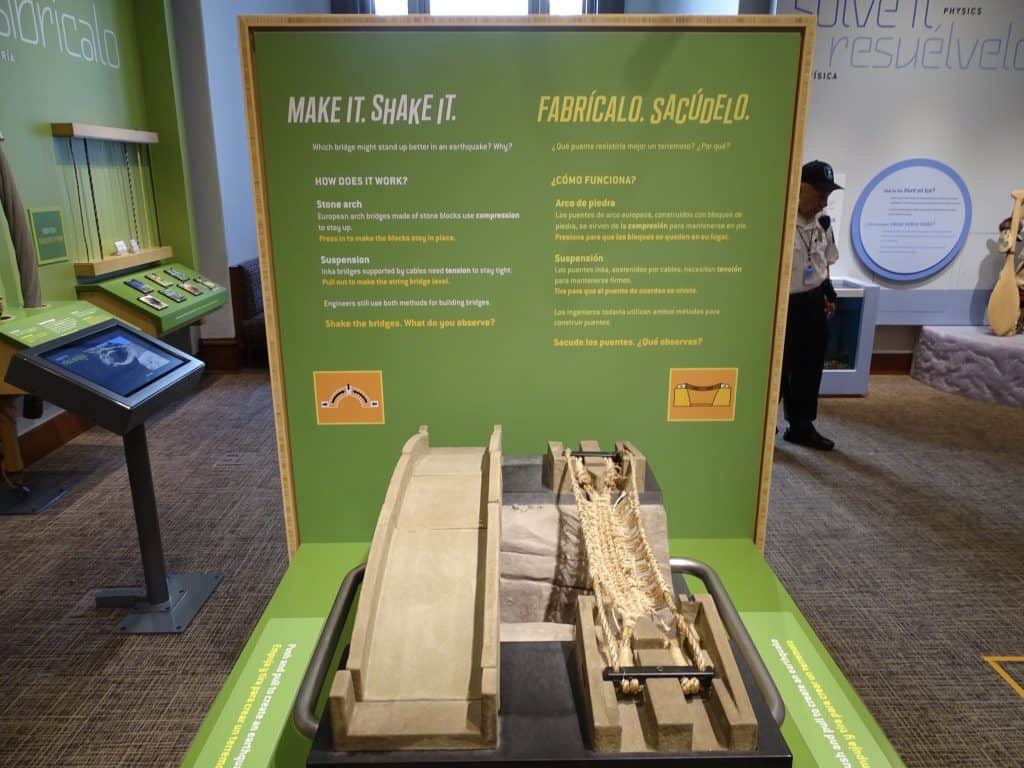
  • Compare which bridge will survive an earthquake: a stone bridge or suspension bridge
  • Making your own rope
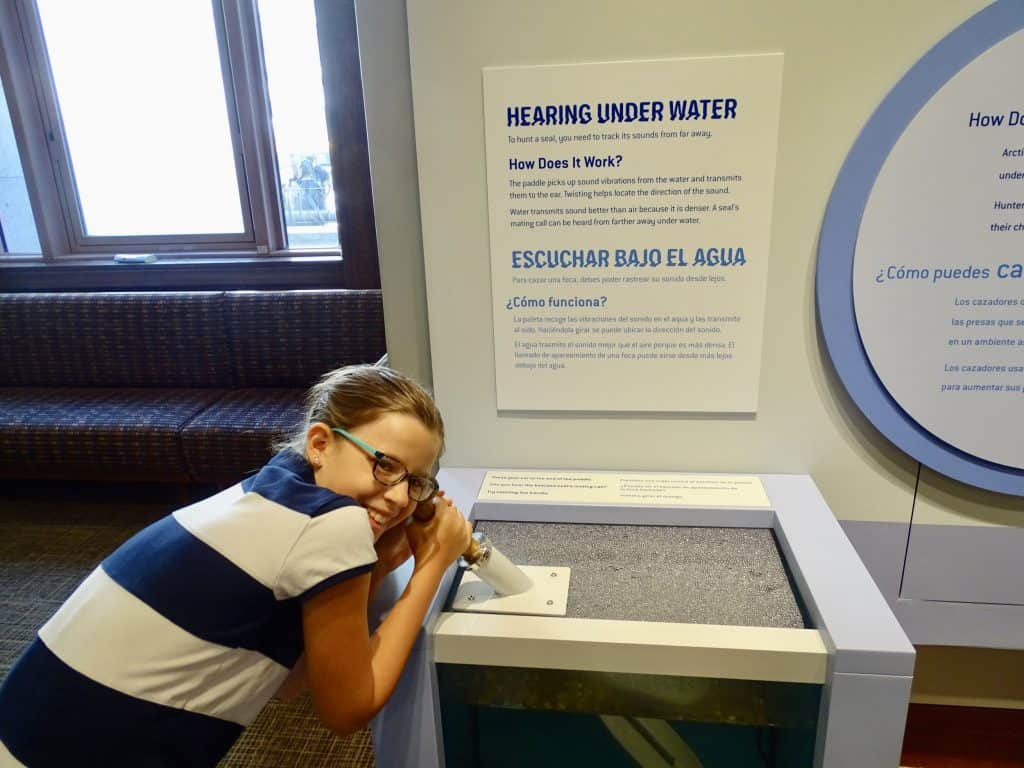
  • Listening- through a canoe paddle!- for the sound of a seal
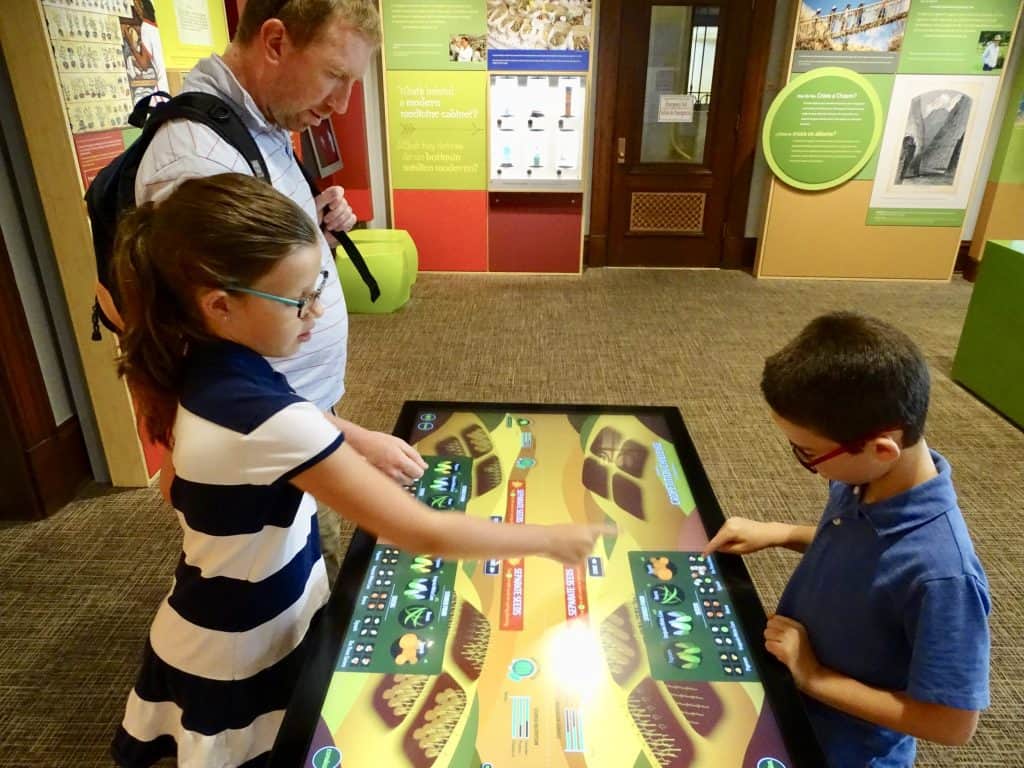
  • Planting a healthy garden in the “cropetition” challenge
  • Decoding the codex to find the most powerful medicine
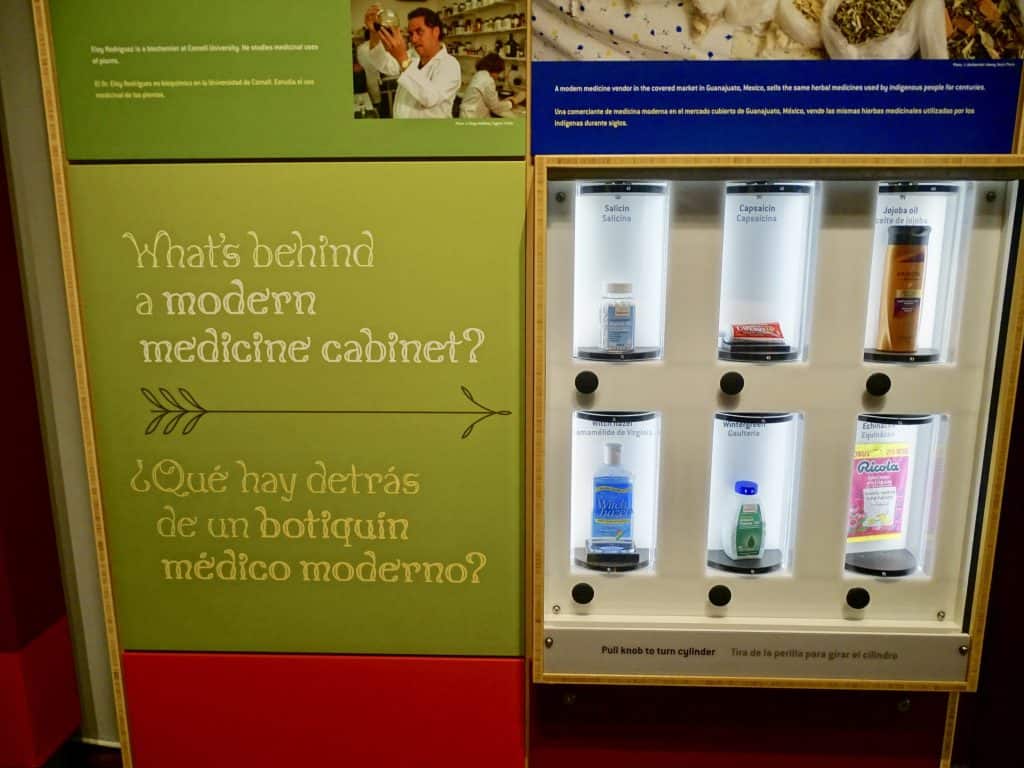
  • Seeing what’s behind commonly used items like shampoo and cough drops
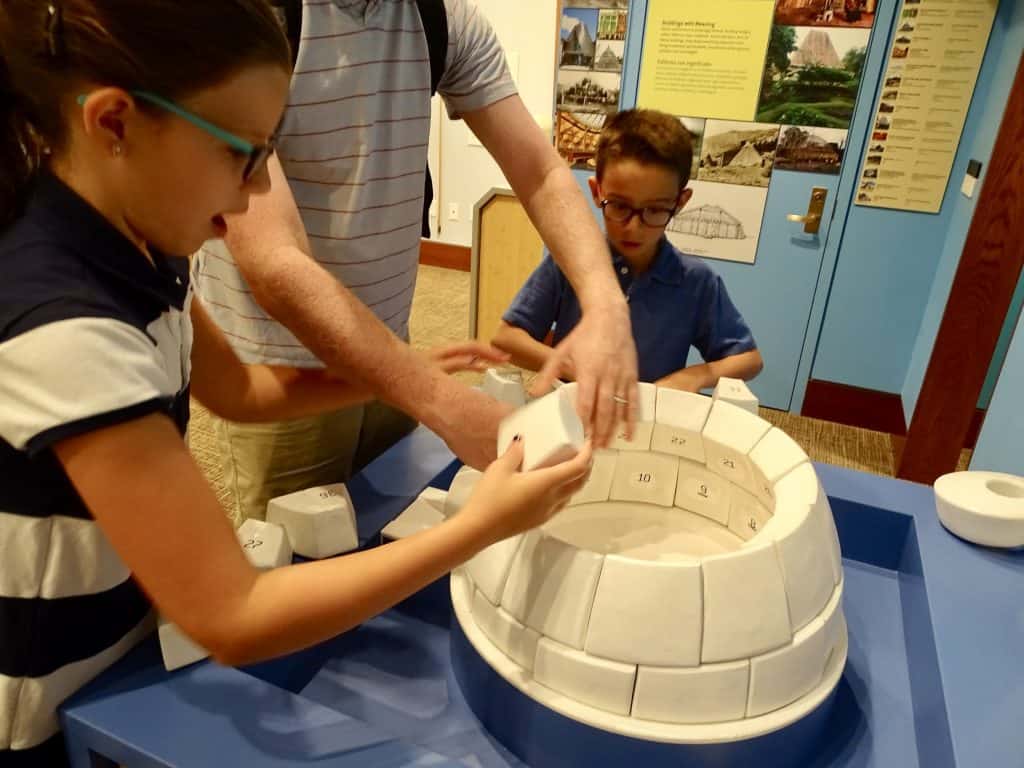
  • Building an igloo

For more lower Manhattan and Financial District fun, check out our full Financial District City Guide and our posts featuring the Fraunces Tavern Museum, Federal Hall National Memorial, Statue of Liberty National Monument, Ellis Island, and Eataly. And follow along on our adventures on Instagram, Pinterest, Facebook, and X.


 

Similar Posts

  • | | | | | | | |

    Take the Kids to the Ballgame

    Growing up in Boston, it was literally in my DNA to root for the Red Sox. When I first met my husband, and found out that he was also a Sox fan, I knew we were meant for each other. We’ve been going to Fenway Park for years, and when we made it our mission to see each and every ballpark in the country, the idea for summer road trips (and this blog) was born. Bringing our children along for the games has certainly given us a new perspective… But in many ways, the experience has become even more enjoyable.

    I wrote about kid-friendly aspects of ballparks for Kidventurous a couple of years ago. But since then, we’ve discovered several new perks to bringing the kids along to watch America’s Pastime.

  • | | |

    10 Ways to Explore Alligator Park in St. Augustine, Florida

    We’re not a huge zoo family, but every guide we read about St Augustine, Florida, as well as a couple of fellow travel writers, all suggested visiting Alligator Farm Zoological Park. So, on our recent visit to St. Augustine, we started one of our mornings at the park and agreed it’s a special place the whole family will enjoy.

    Established in 1893, Alligator Farm is one of the oldest zoos in the country. Originally opened as an exhibition space of native Florida reptiles at South Beach on Anastasia Island, Alligator Zoo quickly became a popular spot for tourists. After both a storm and fire destroyed much of the area in 1920, the owners moved the animals to the current, nine acre space. The zoo is home to 24 species of crocodilian, 40 species of birds, dozens of reptiles, and many other animals. The park has shaded paths that weave through the exhibits, with plenty of viewing areas and places to sit and enjoy the beauty of nature. There’s also a zip lining course, daily animal feedings, and various programs and special events that offer plenty of new things to see with each visit.

  • | | | | | | | | | |

    13 Ways to Have Fun in Pittsburgh, Pennsylvania this Summer

    We just returned from a wonderful visit to Pittsburgh, Pennsylvania, home to almost three dozen colleges and universities, popular athletic teams, historical sites dating back to the French and Indian War, almost 100 distinct neighborhoods, a thriving food scene with distinct specialities, and tons of family friendly attractions, special events, and annual traditions.

  • | | | | | | |

    10 Things to Do with Kids in Hartford, Connecticut

    Hartford, the capital city of Connecticut, is located smack in the middle of the Nutmeg State- less than two hours to Boston, New York City, and Providence, Rhode Island. First settled in the mid 1600s, Hartford has become known over the centuries as the home of authors Mark Twain and Harriett Beecher Stowe, the insurance capital of America and home to several colleges and universities including Trinity College, University of Hartford, and the University of Saint Joseph. 

    We’ve lived in Connecticut since 2004 and since having children, we have explored dozens of family friendly attractions and restaurants- see our index of CT blog posts.

    This week we are sharing 10 great spots in (or super near) Hartford the whole family will love.

  • | | | | |

    Lowell National Historical Park in Lowell, Massachusetts

    The city of Lowell, Massachusetts, located just 30 miles north of Boston, was built as a factory city (because of its location next to the Merrimack River and Pawtucket Falls) and became synonymous with the American Industrial Revolution. Named for Francis Cabot Lowell, who is partially credited for creating the power loom, city locals began funding and building water-powered mills in the area in the early 1800s. By 1880 Lowell had over 100 mill buildings, 18 textile corporations, 2 machine shops, and a booming population (it was the second largest city in Massachusetts in the mid 1800s), employing over 10,000 workers in the mills. 

    However, newer technological advances in more northern cotton mills took away from the businesses in Lowell and production started to decline. By the 1950s, all of the original mills and most of the textile companies closed and the buildings fell into disrepair until local citizens and businesses worked together to form the Lowell Heritage State Park in 1974. Four years later, Congress designated the space as Lowell National Historical Park and the park has continued to expand its historical exhibits, research, tours and programs for the public.

  • | | |

    Where to Stay inside Glacier National Park in Montana

    We just returned from an epic trip out west and enjoyed almost a full week at Glacier National Park in western Montana, one of our most favorite parks to date. Glacier National Park, one of the most popular American National Parks with close to three million visitors each year, covers over a million acres across 1,500 square miles (with over 750 miles of marked hiking trails!) There are over 750 lakes inside Glacier National Park (about 130 of them are named), many of which are glacier fed (which gives the lake water the appearance of the vibrant turquoise color in some of our photos). In 2024, there remain approximately 26 glaciers, but each year that number shrinks as the glaciers melt. 

3 Comments

  1. A museum needed to share such important history! Thank you for the blog, hope many enjoy the museum.

  2. A museum needed to share such important history! Thank you for the blog, hope many enjoy the museum.

Leave a Reply

Your email address will not be published. Required fields are marked *