Exploring the Saint Croix Island International Historic Site in Canada and the United States
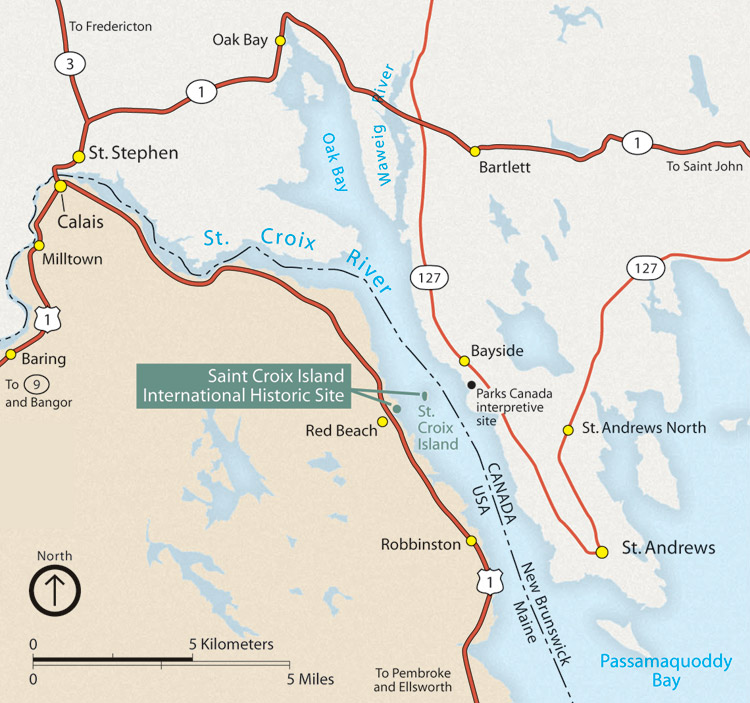
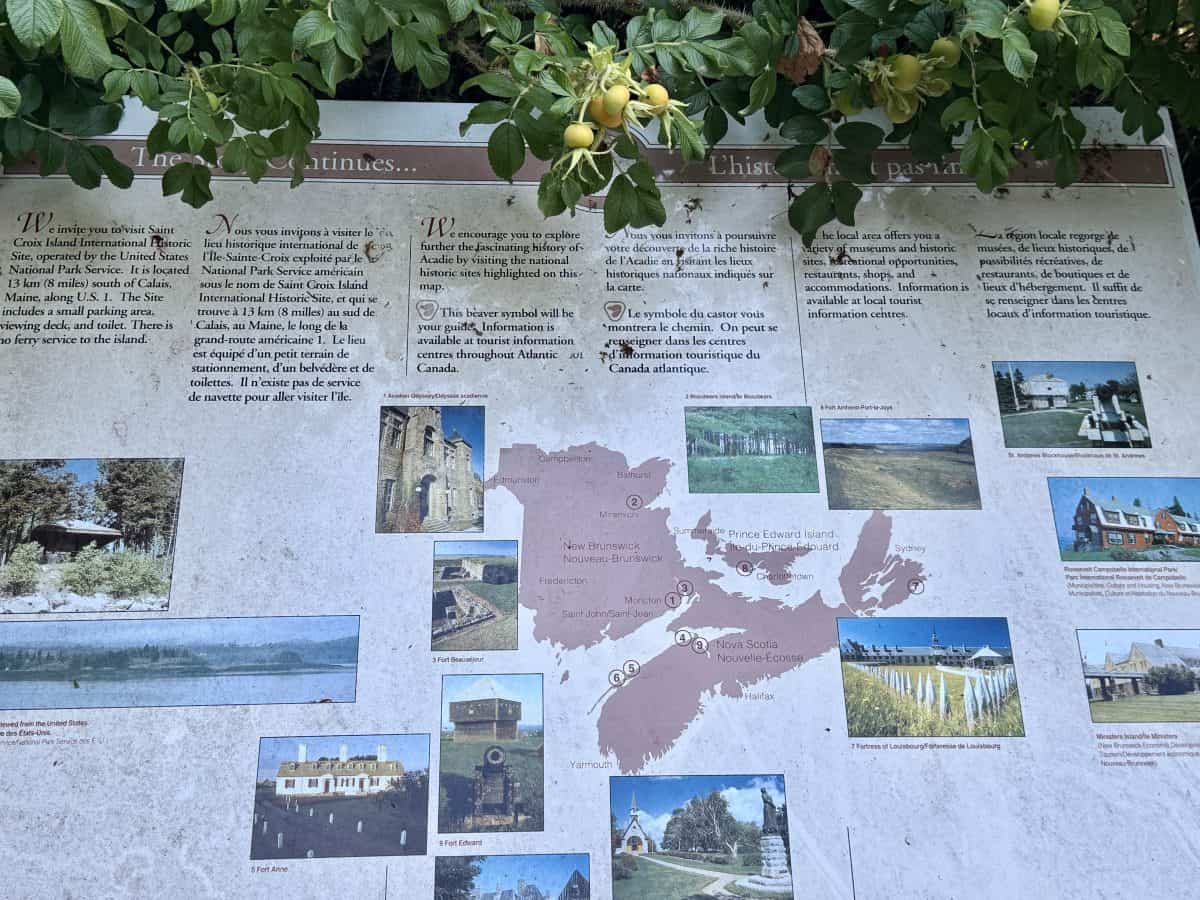
This past summer, we enjoyed a wonderful week exploring St. Andrews by the Sea in New Brunswick, Canada. On our drive into town, we passed the Canadian side of the Saint Croix Island International Historic Park and made a note to stop on our way home. We researched the area a little bit and realized we could also explore the American side of the park, with a very short detour, once we were back in America in the state of Maine- see a good map of both areas here. Saint Croix Island was declared a national monument in 1949 and then re-designated as an international historic site in 1984.
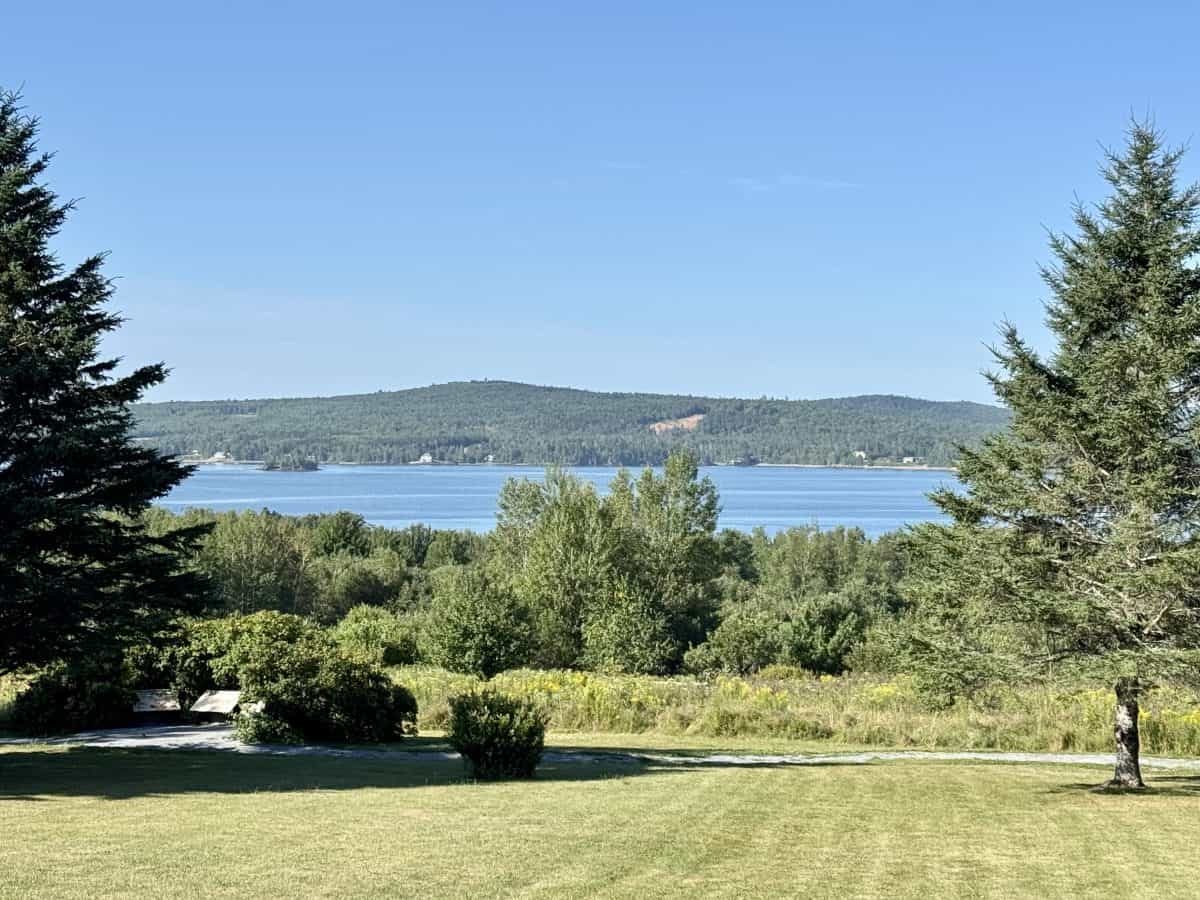
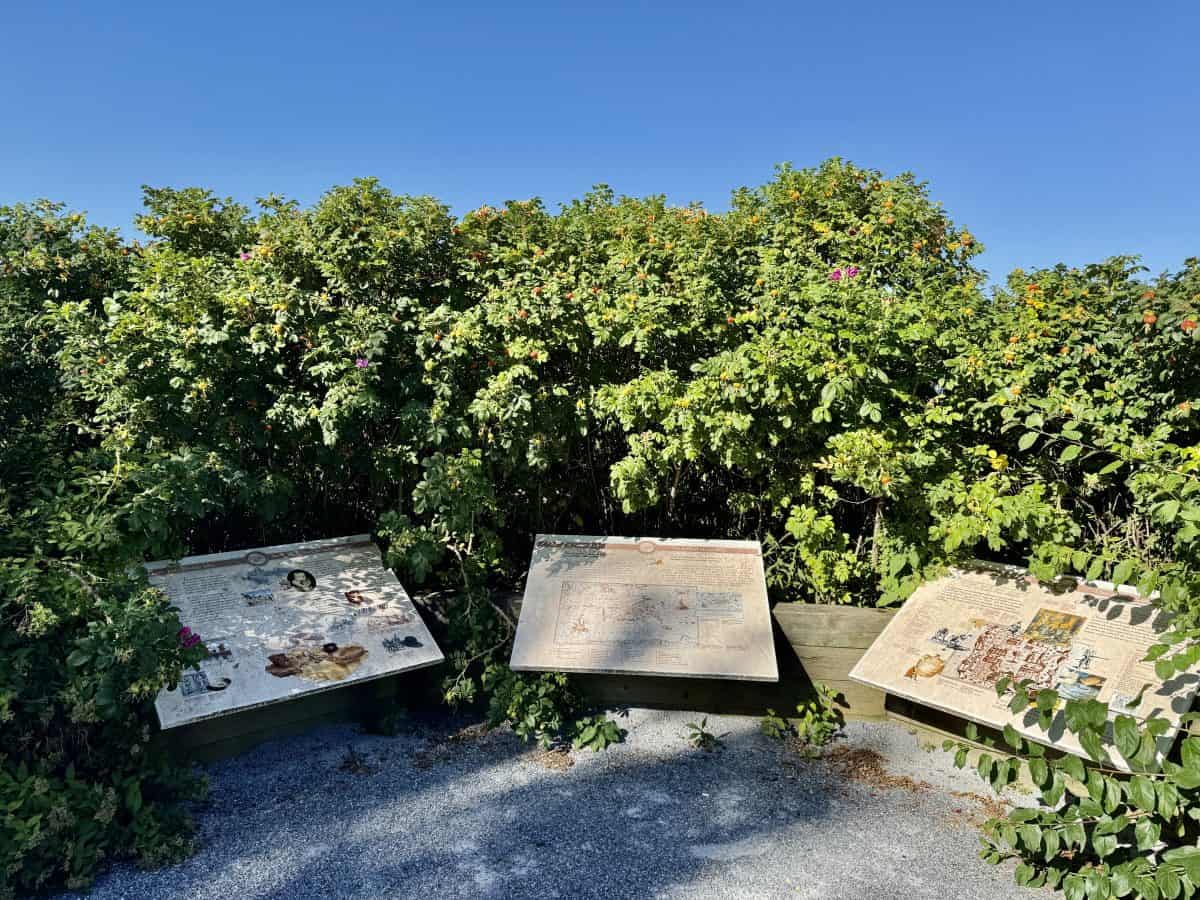
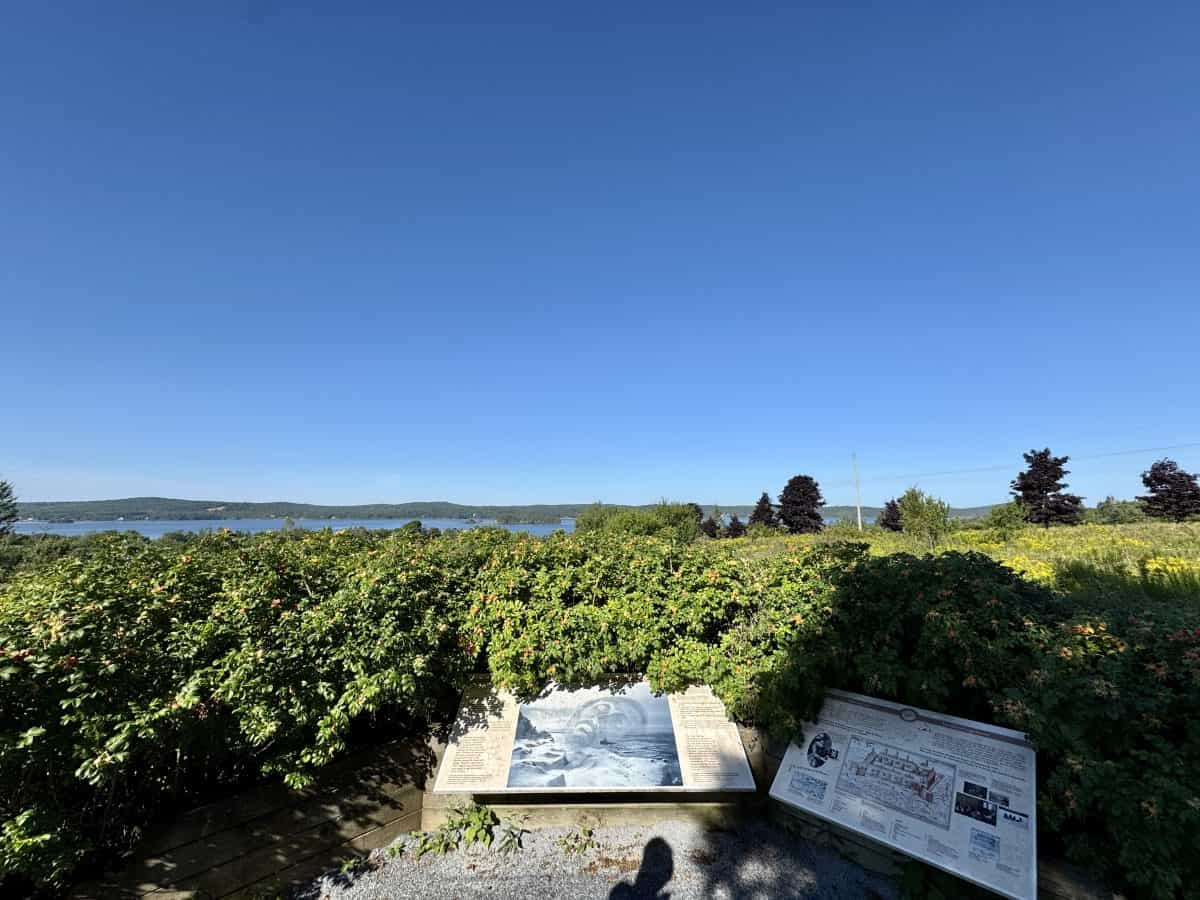
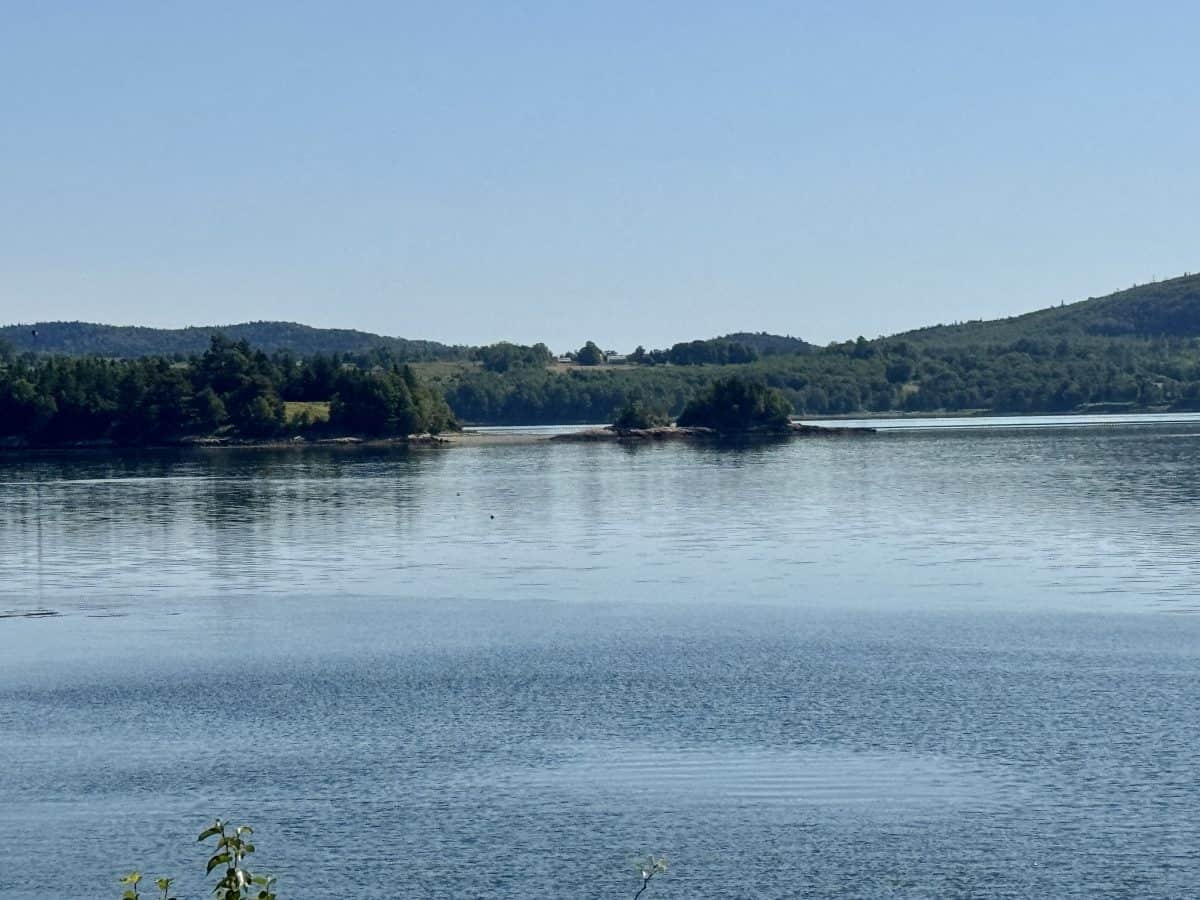
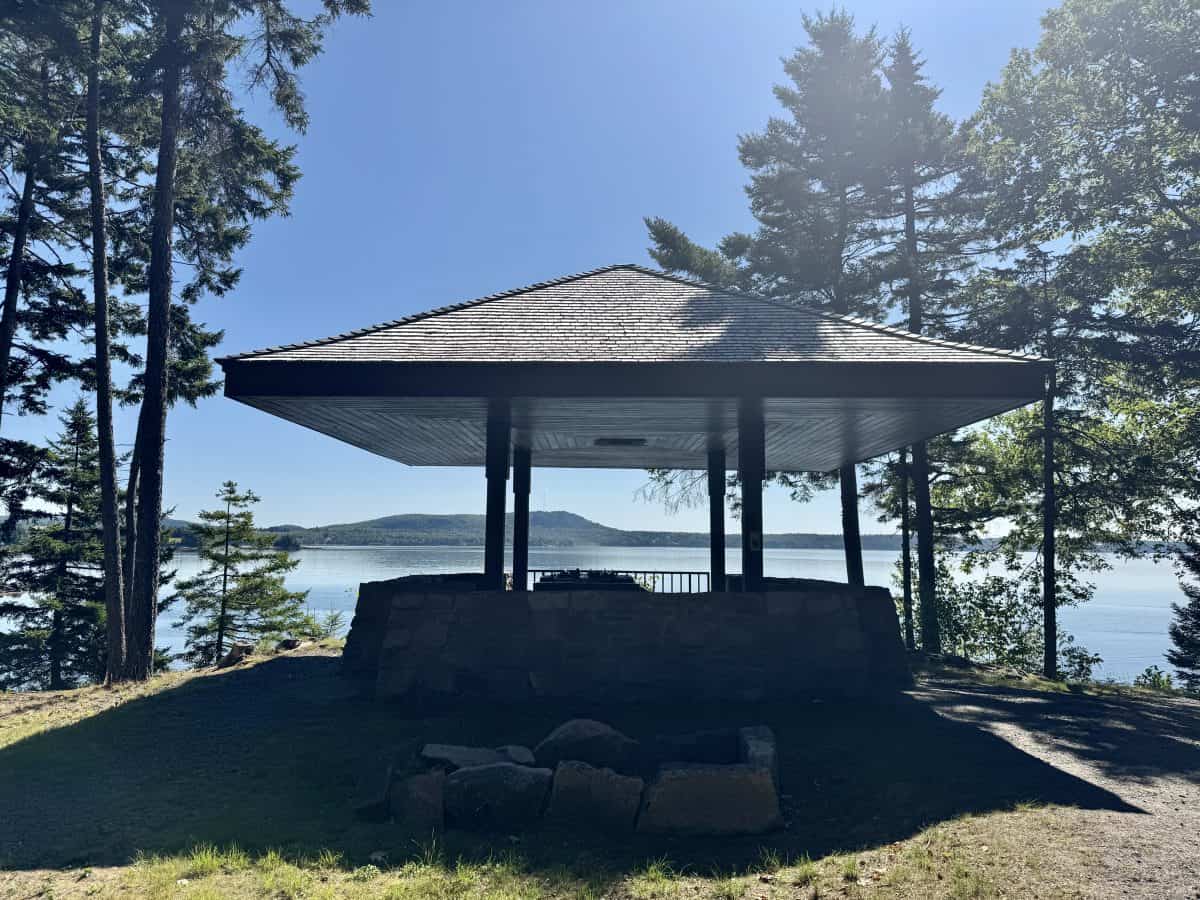
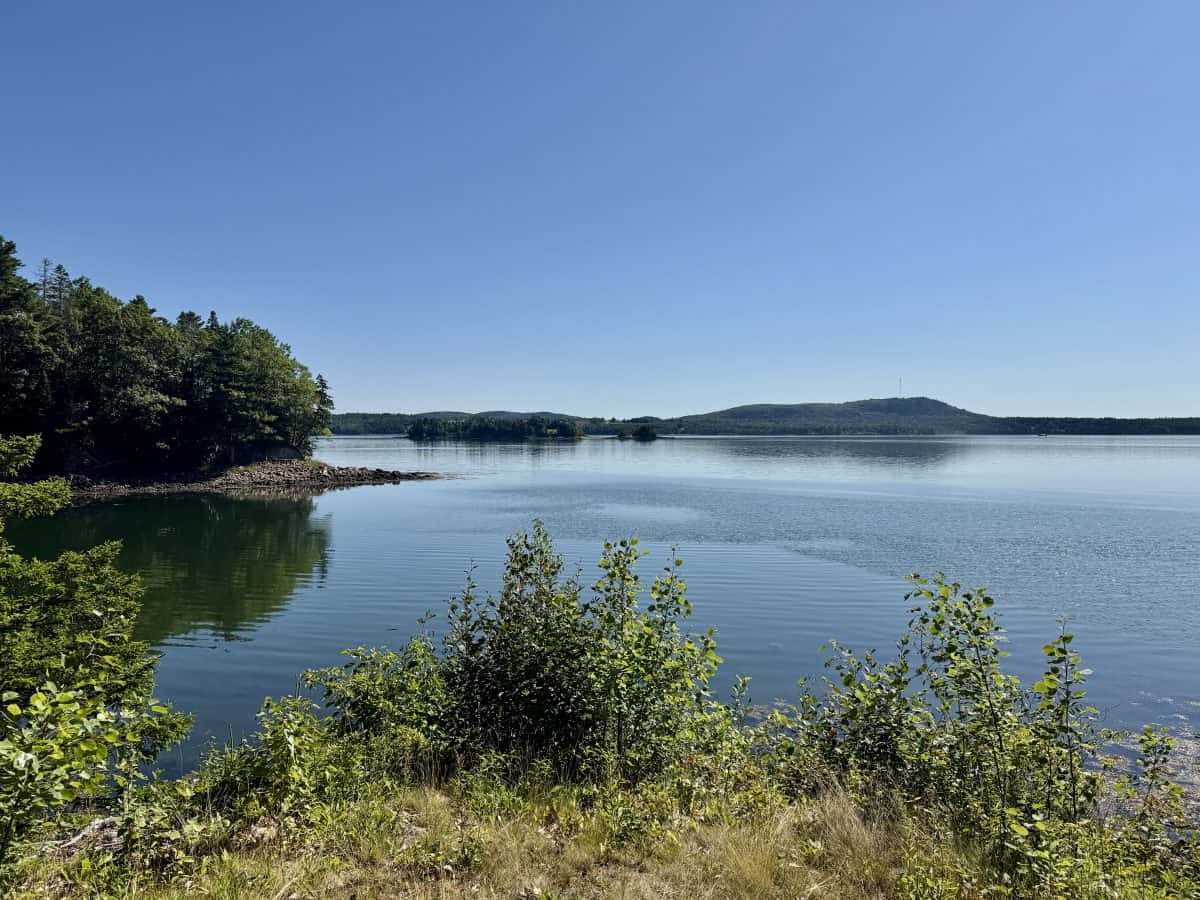
Both sites honor the 1604 expedition of Pierre Dudgua, Sieur deMons, and Samuel de Champlain who established a French settlement on the island, hoping to make it year round. Many of the 77 settlers died in the harsh winter of 1605 and the remaining settlers moved to Nova Scotia. While the island is not accessible to the public, visitors can stop at a designated area in the Canadian Site with views of the island and the American state of Maine.
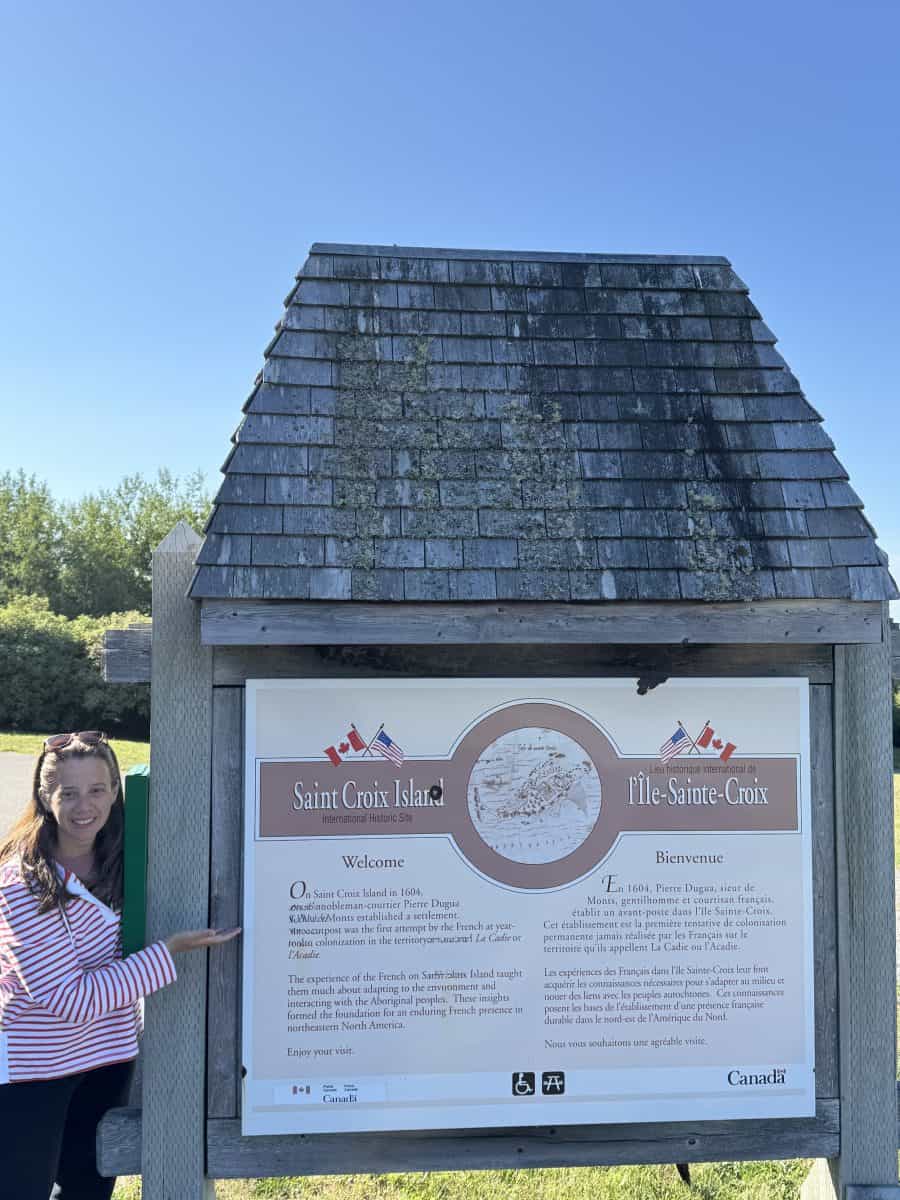
Travel Tips for the Canadian site:
Would you like to save this?
About 30 minutes past the US/ Canada border is the Saint Croix Island International Historic Site in Calais, Maine. The land originally belonged to the Passamaquoddy tribe, who lived on the land for over 15,000 years and used the Island to store and protect food from wolves. When Pierre Dugua’s expedition in the harsh winter of 1605 killed almost half of his settlers, he decided to continue on to other parts of the area in the warmer summer months.
Travel Tips for the American site:
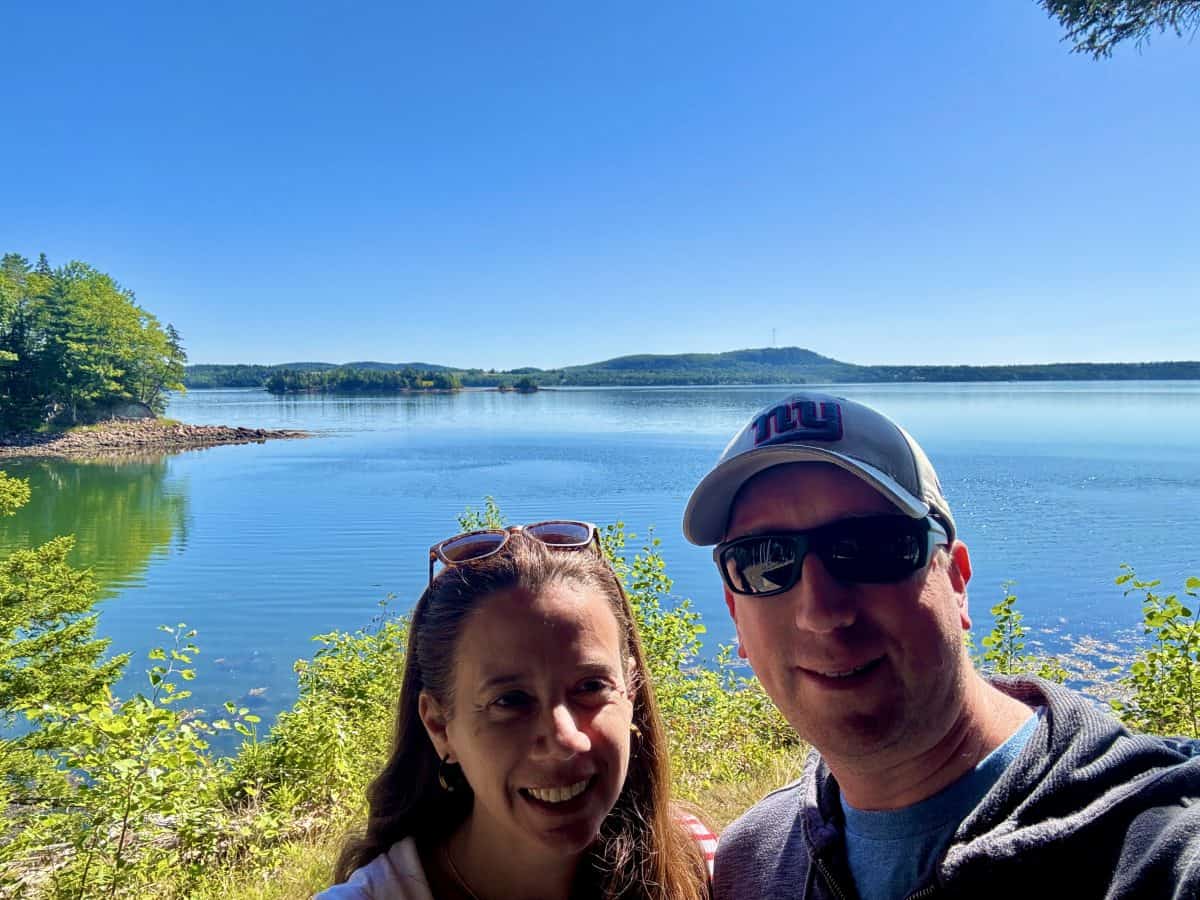
Things to Do on the American Side of the Site:
- Get two national Passport Stamps for your National Parks Passport book in the Visitor Center.
- Earn a Junior Ranger badge by completing the JR booklet. Start in the Visitor Center by picking five foods and seeing their ranking in order to know if you would have survived in the winter of 1604 and avoided scurvy. (Hint: the top choices need to be various fruits and vegetables)
- Watch a short video of the history of the park
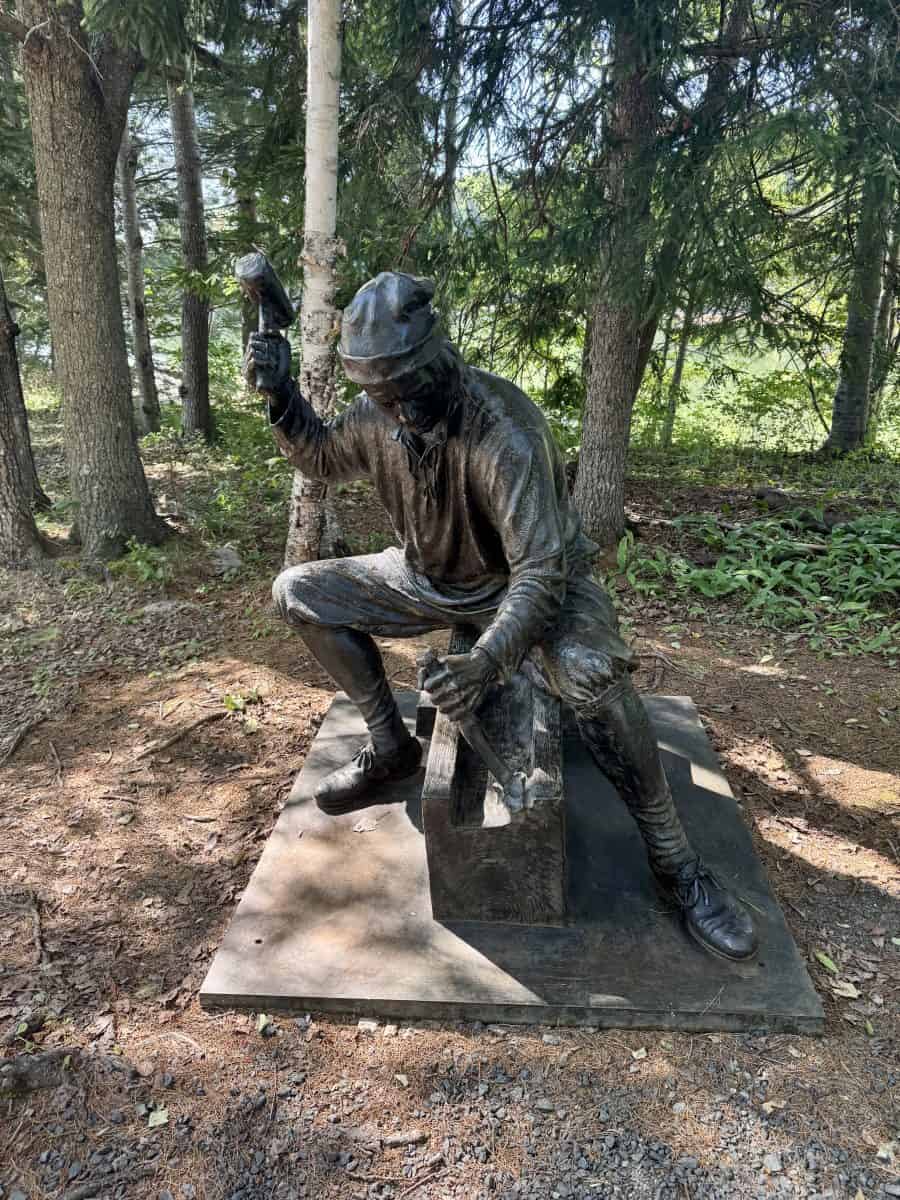
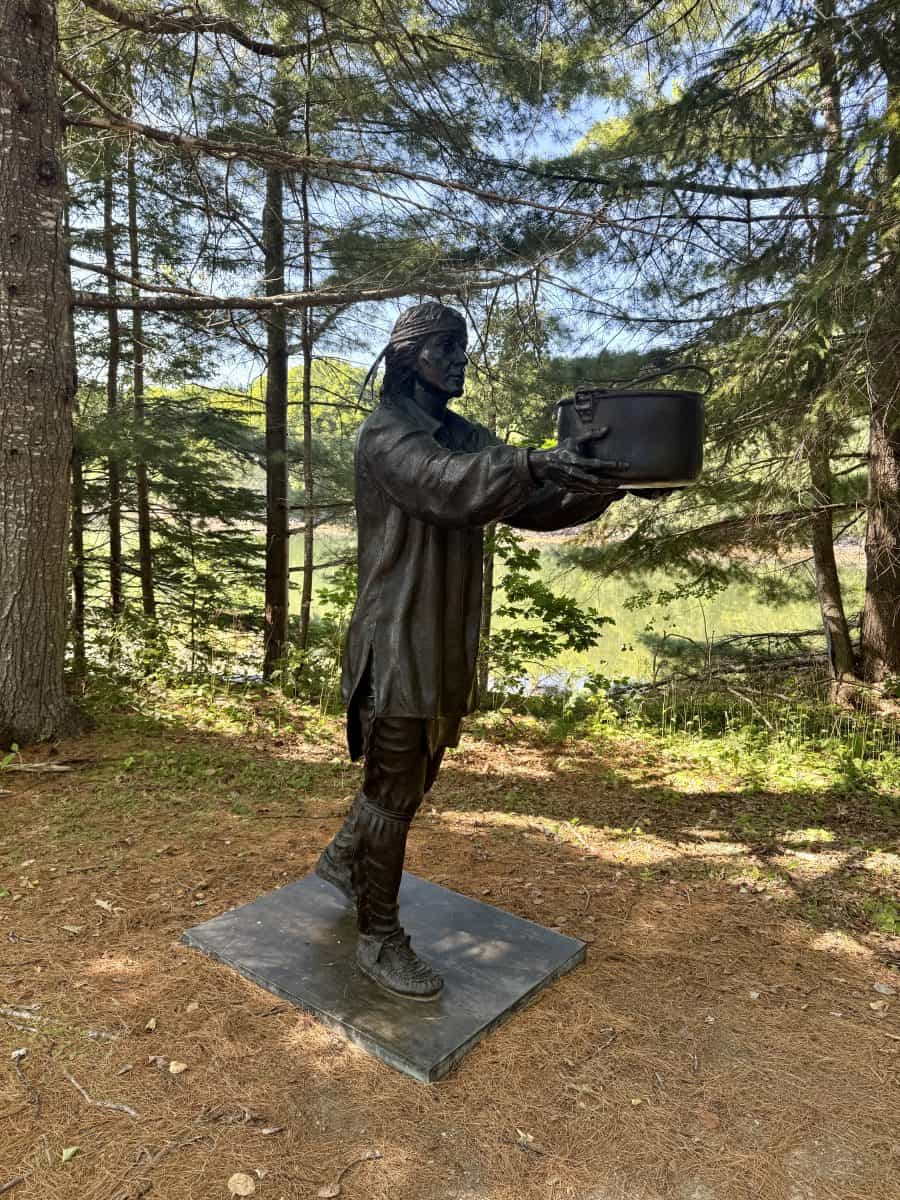
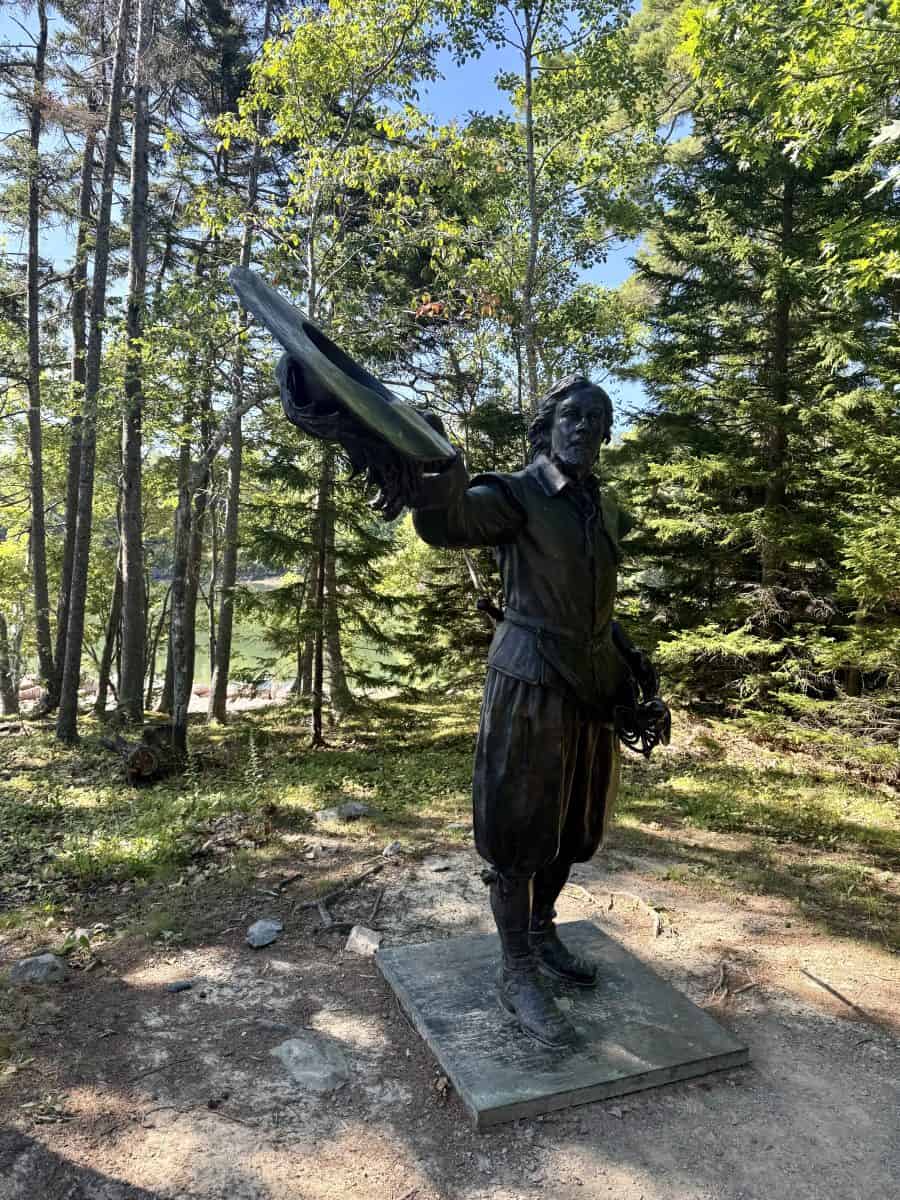
- Walk the interpretative trail (about 300 feet long) and find all seven bronze sculptures along the path that tell the start of the area.
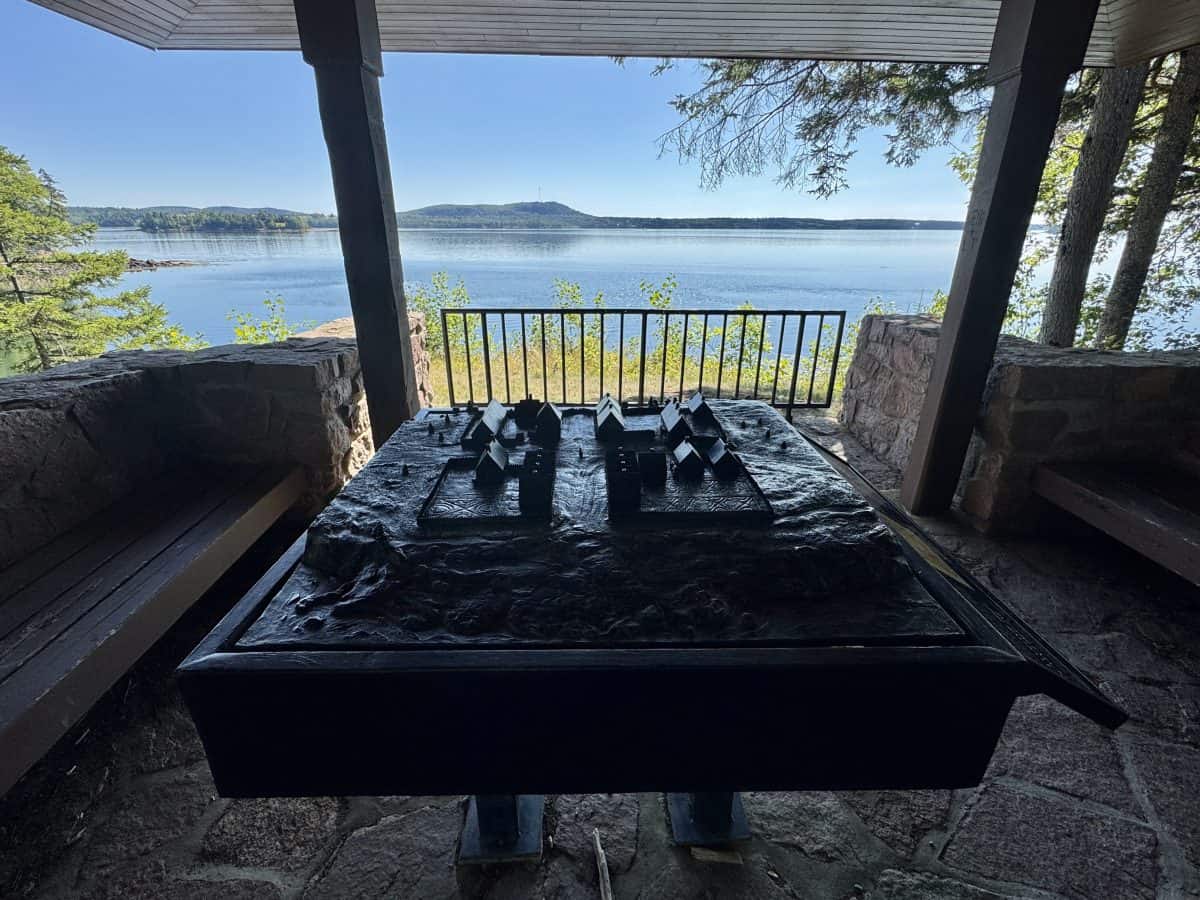
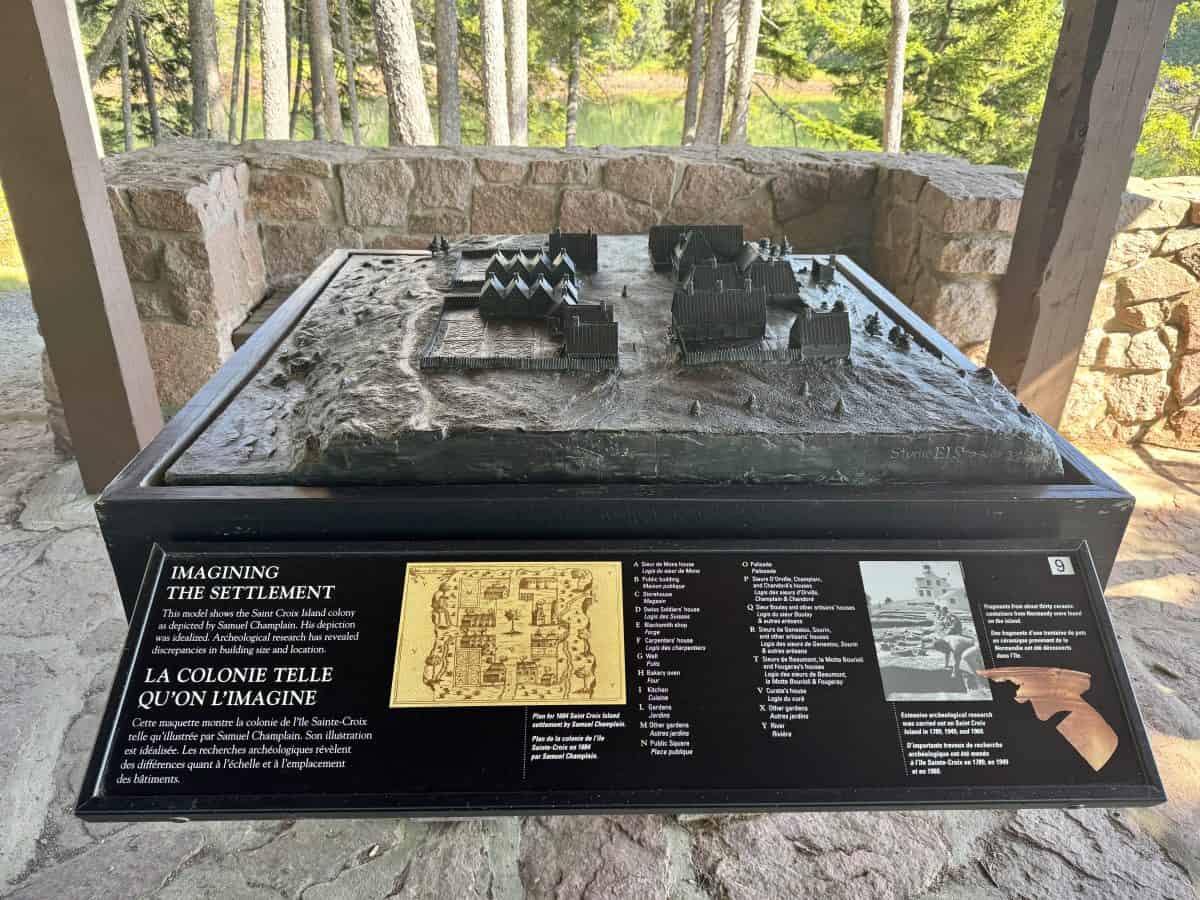
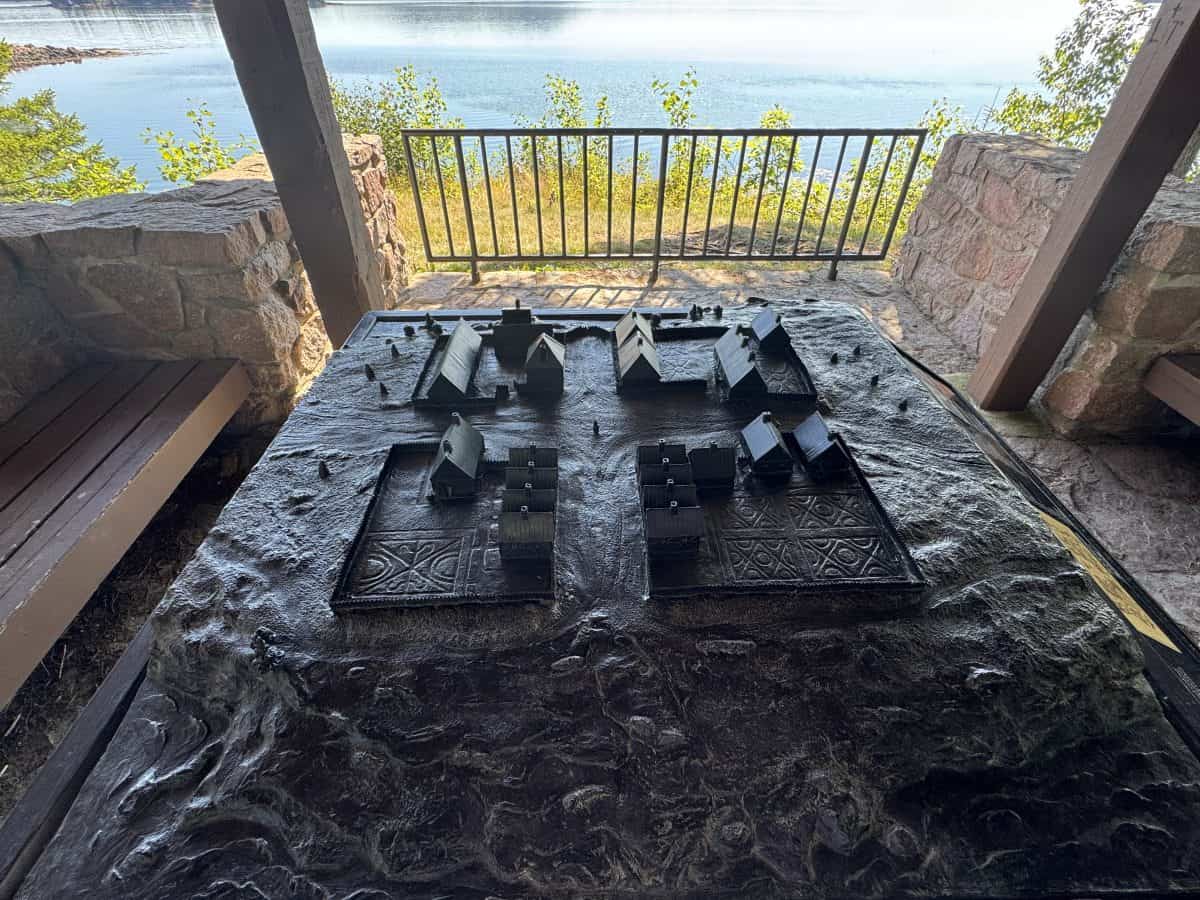
- See the model of the colony as depicted by Samuel de Champlain. Use the worksheet in the Junior Ranger booklet to map out your neighborhood.
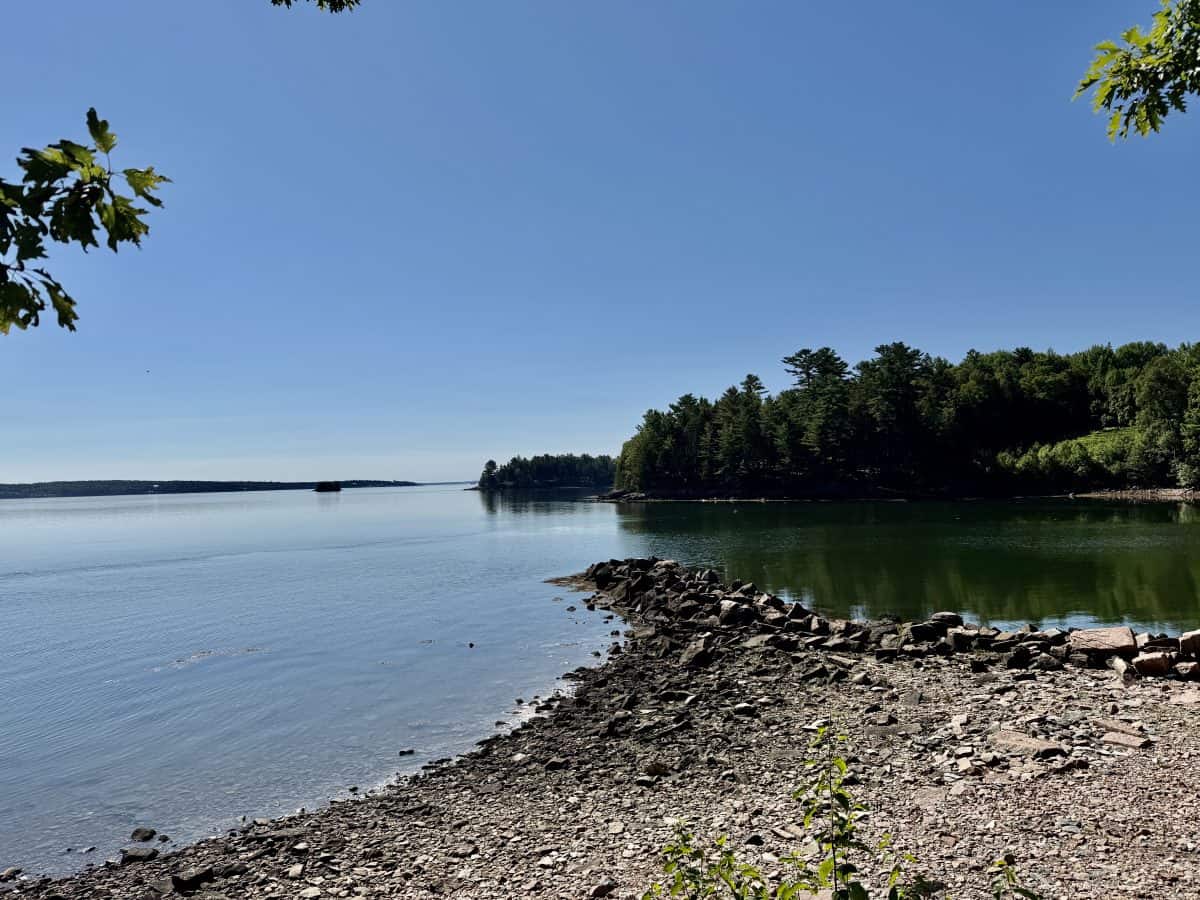
- Walk down to the rocky beach to wade in the water– take note of the tides that reveal the Maine coastline.
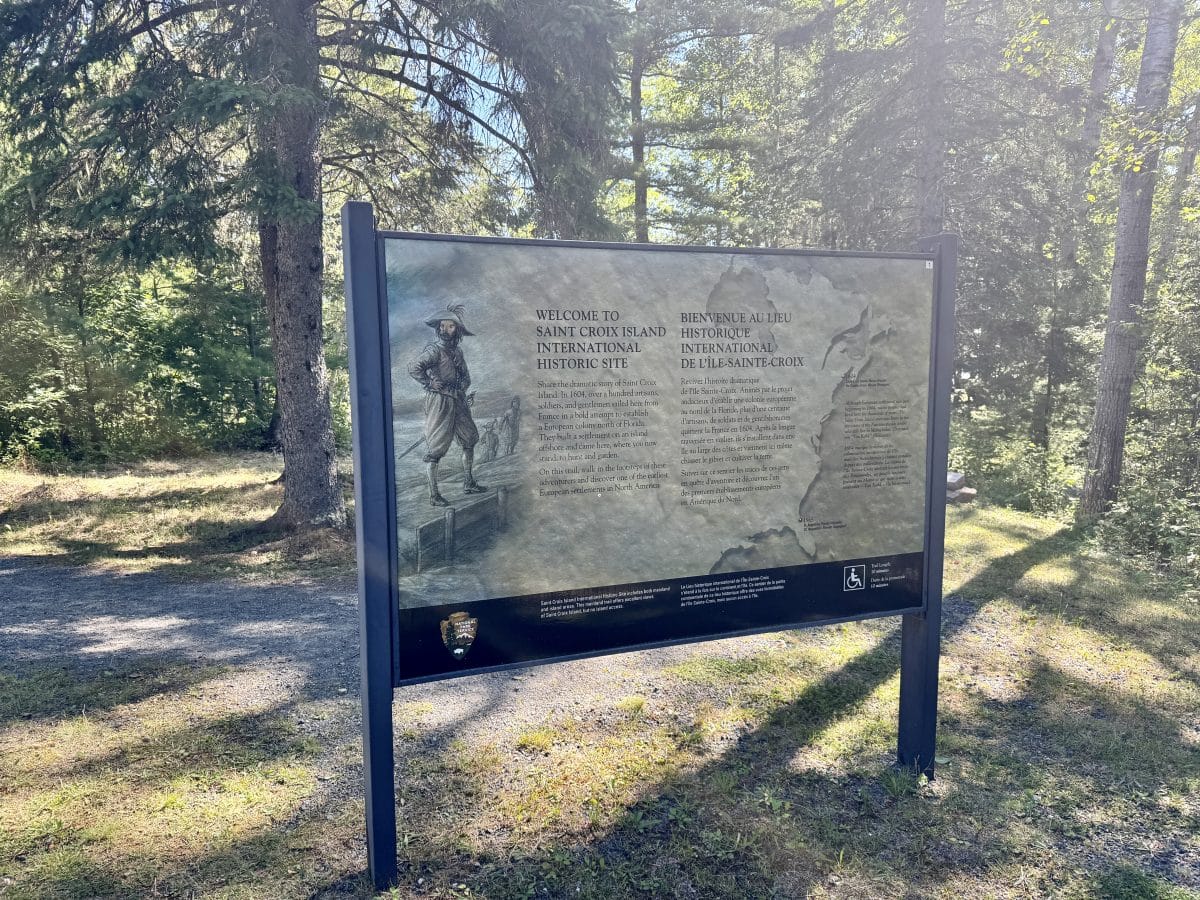
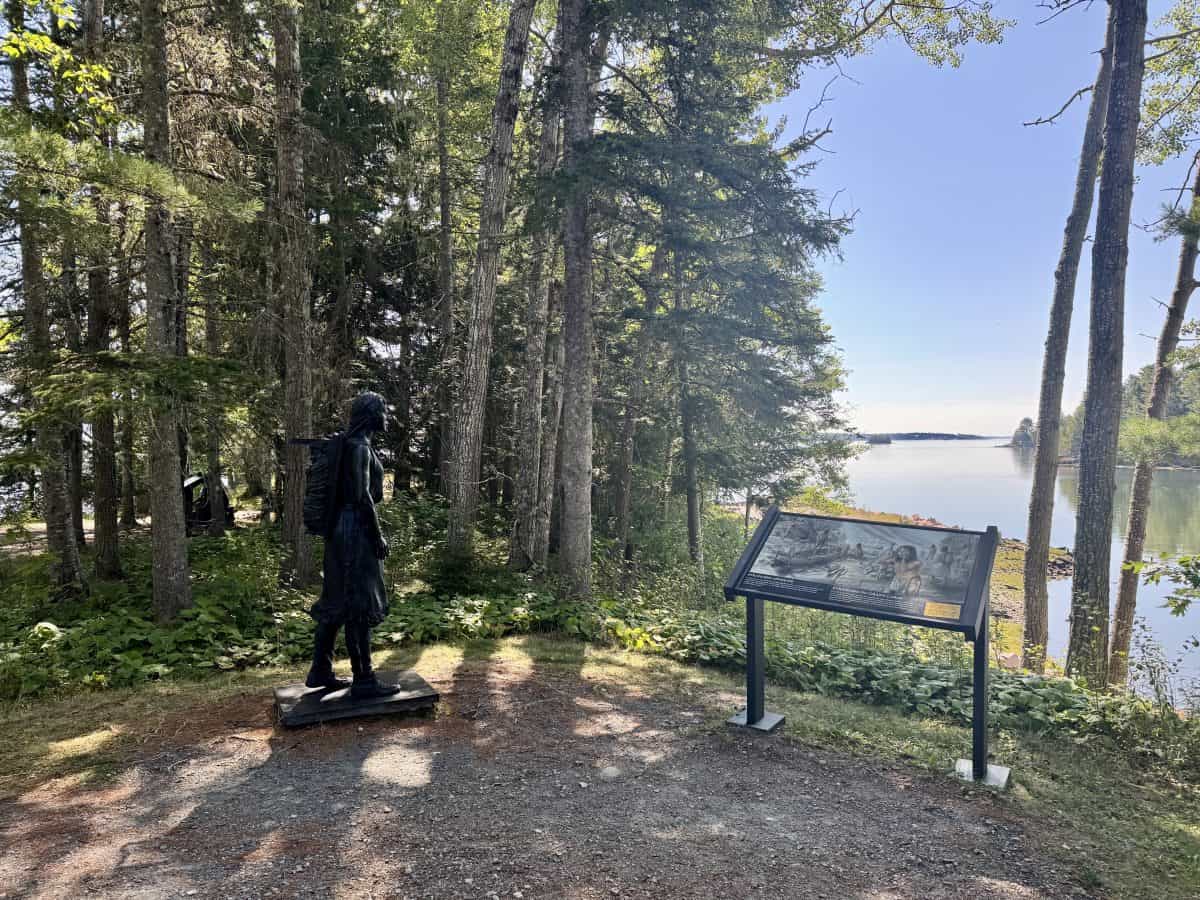
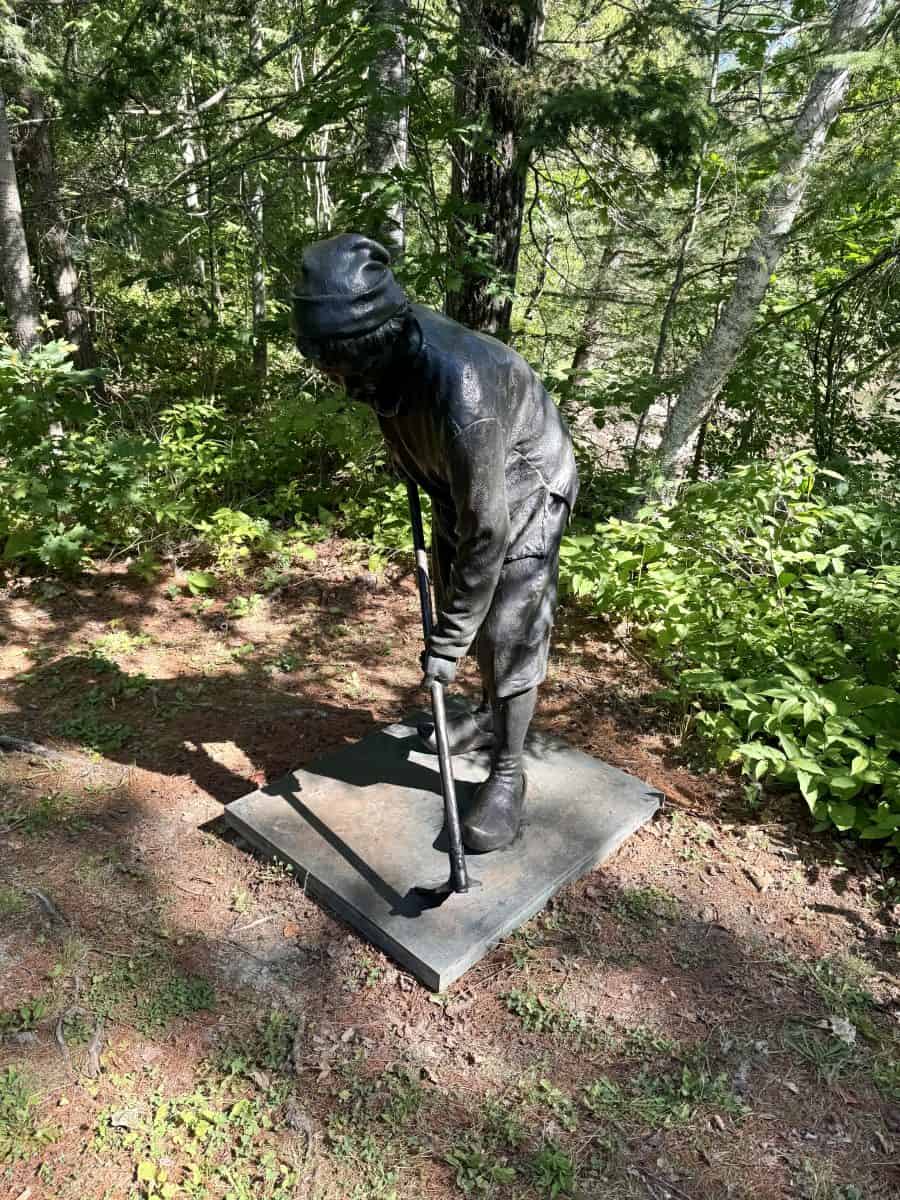
Looking for other International Historic Sites? Check out our feature of Waterton International Peace Park here and our index of National Park sites here.