Acadia National Park, Maine
I may not be a huge hiker or camper, but I am a huge fan of the water, especially the ocean water, and love any view that involves water or mountains. I’m also a HUGE fan of the National Parks Service system and have been visiting historic sites, monuments, museums, and parks for years, learning all about our country’s history and collecting stamps for my National Parks Passport. So, it seemed logical to put Acadia National Park in Maine on my bucket list. This summer, I helped to plan a family reunion in York, Maine (post coming next week) and I seized the location and added a visit to Acadia National Park.
Acadia National park is a 47,000 acre park (the only National Park located in New England) It’s located on Mount Desert Island, right next to the beautiful village of Bar Harbor. Acadia is unique in the sense that there is no one, defined entrance and exit site. There are multiple spots to enter and the park weaves in and out of the community. There are sections that require a park pass, which for 2017, was a $25 fee for the week for a noncommercial vehicle. Lucky for us, the Every Kid in a Park program allows fourth graders, and their families, to receive entrance to all National Parks all year long, so we got in for free! There is SO much to do in Acadia, it would take days to cover it all. Here are some of my family’s top spots:
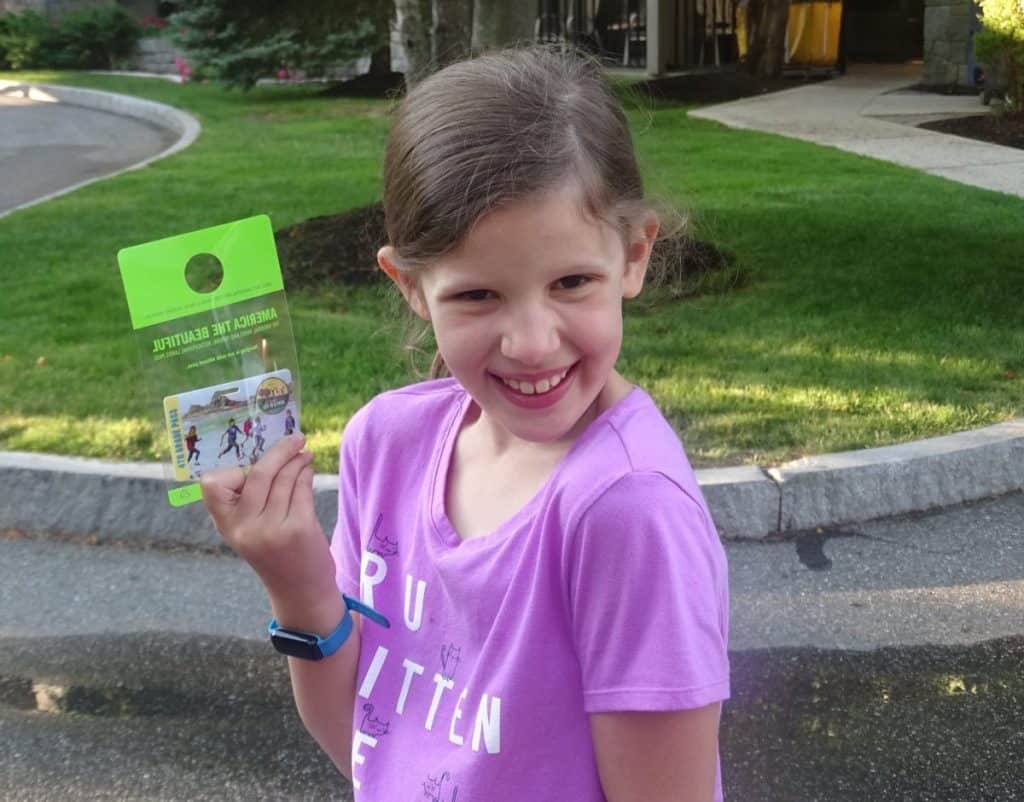
First stop: The Hull’s Cove Visitor Center to pick up maps, schedules of free family programs, and Junior Ranger booklets, get advice from park rangers, check out the gift shop for the new collector’s edition of the National Parks Passport to collect the 13 stamps in various locations in the park, and use the restroom facilities. There are a few Visitor Centers, but you most likely want the Hulls Cove one because it has the most information, Junior Ranger activity books and the biggest gift shop. The Island Explorer has lots of shuttles that leave from Hull’s Cove to various spots in the park and downtown Bar Harbor.
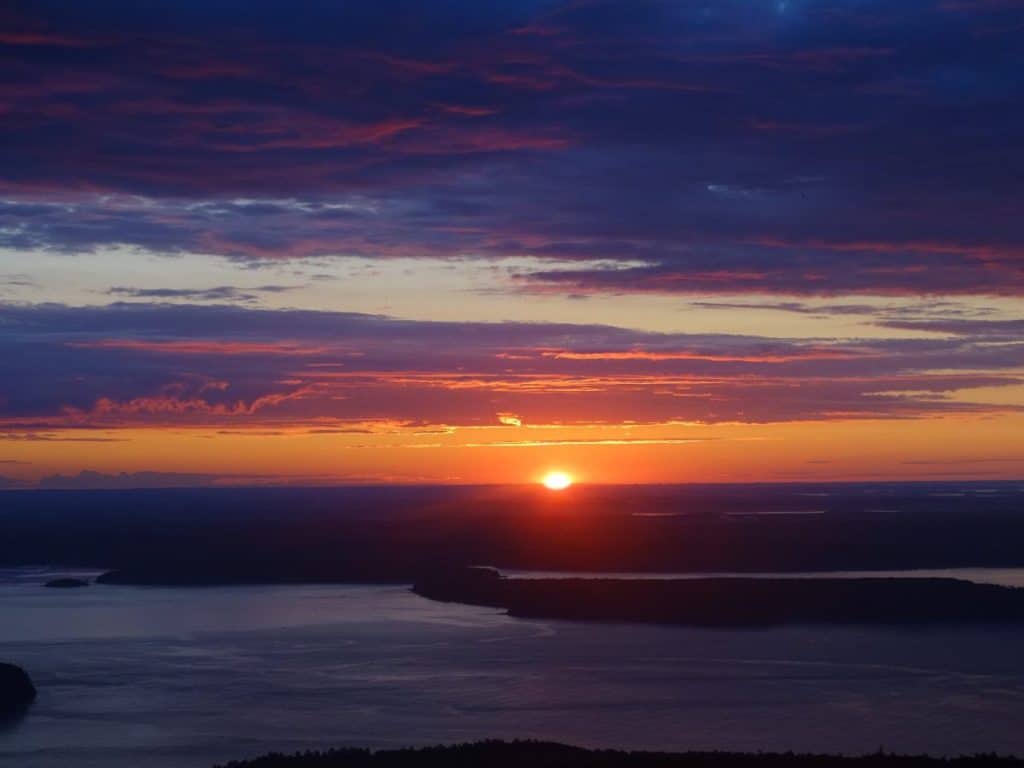
Cadillac Mountain: the highest point along the North Atlantic seaboard. Take in all the views of the park from the peak of Cadillac Mountain by driving up the three mile hill (don’t worry: it’s windey but not Mount Washington NH-uphill-scary) And if you want to be the first in the country to see the sunrise, do it early. Many of us with young kids are up with the sun anyways most days, why not see a breathtaking view while you’re at it? While we were at Acadia, the sun rose at 4:50am. We were warned to get there at least 30 minutes beforehand to ensure a parking spot. We arrived at 4:15am, and sure enough, by 4:40am the lot (and it’s a decent size lot for the park) was filled. Be sure to dress warmly, and bring a blanket to sit on and keep warm. There are lots of flat rocks and easy paths to spread out so you’re not in someone else’s view. I would guess a few hundred people were with us up there and everyone found their own niche. Hold off on the coffee unless you’ve got a great bladder- no facilities in the park are open that early. I hear the sunsets are beautiful too, and if you make the trek up during more mainstream hours, be sure to stamp your parks passport while you’re there.
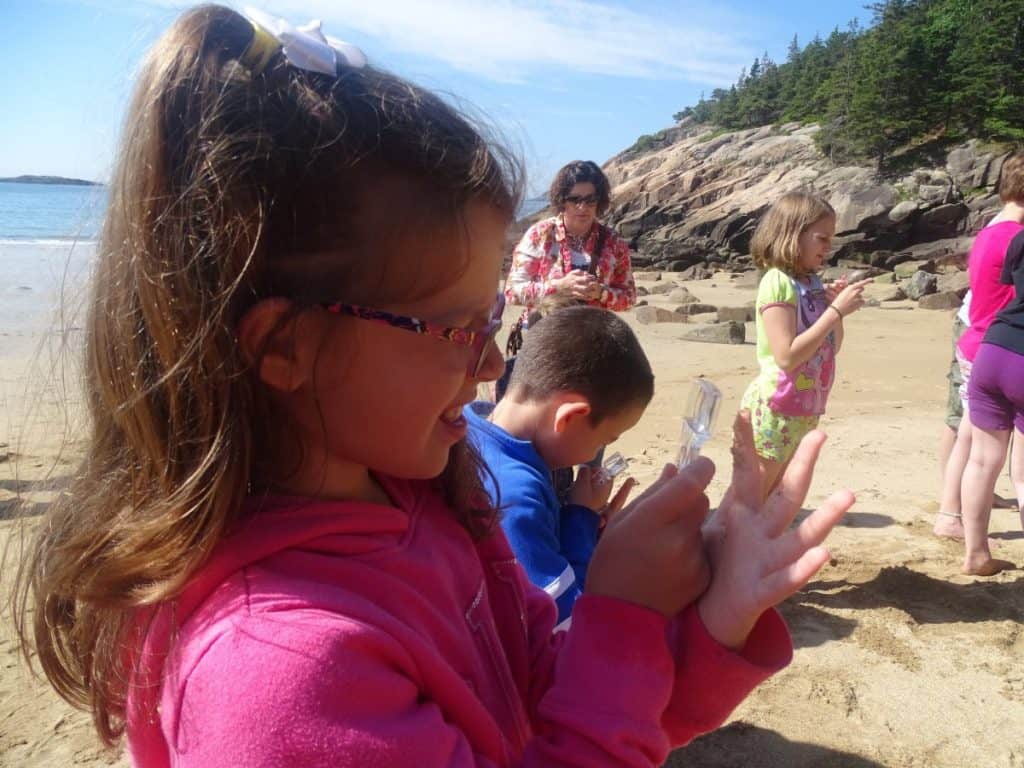
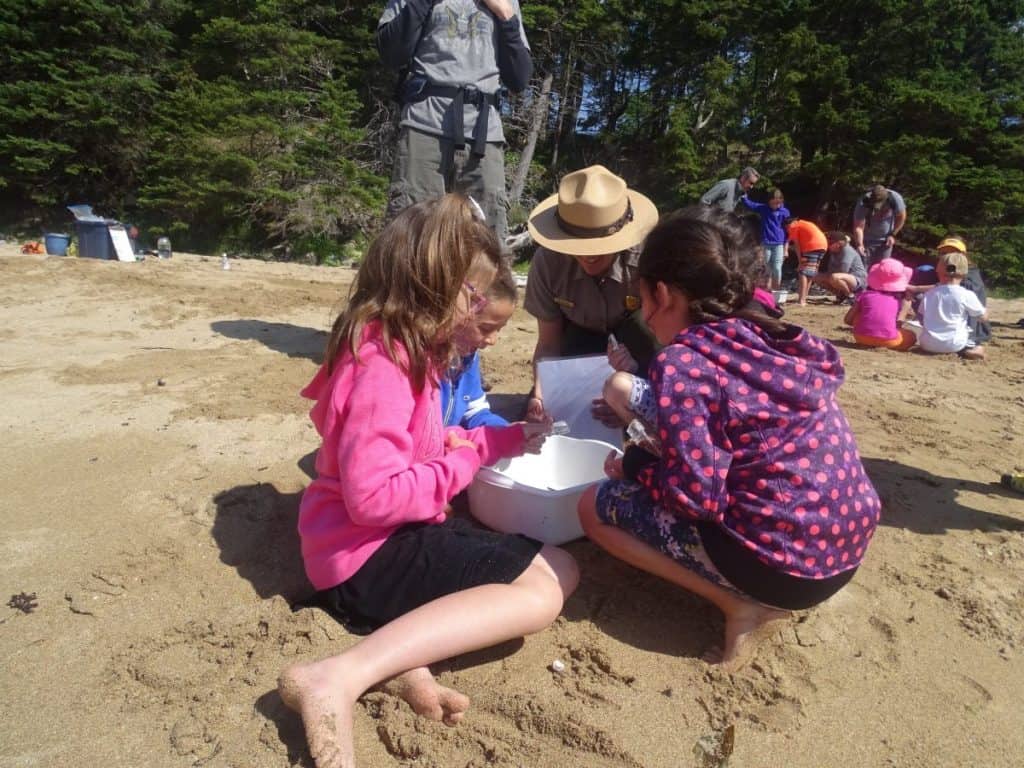
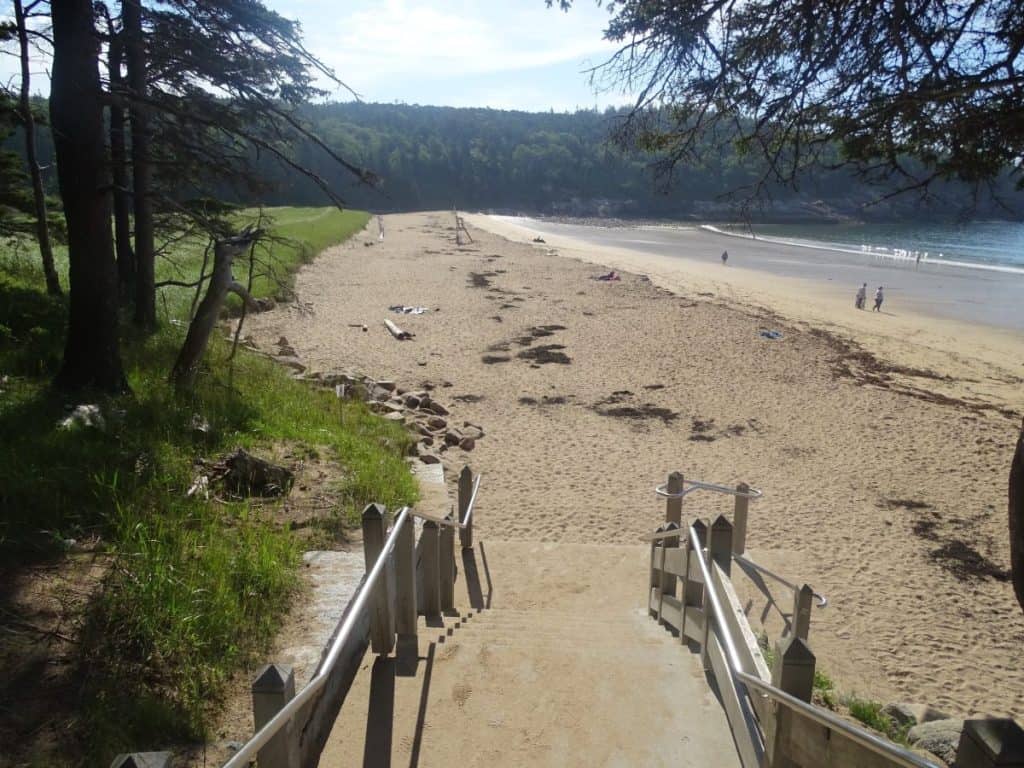
Sand Beach: a beautiful 290 yard “pocket” beach, made up of 80% crushed shells and 20% crushed rocks. There is a good size parking lot and bathroom facilities at the top and and it’s an easy walk down a staircase to the beach. Plan to go for low tide when the beach has much more room for visitors. The ocean is not for the faint hearted; on the day in late June we visited, the water temperature was 48 degrees! We participated in an hour long, park ranger led “Super Sands Sleuth” family activity. It was so much fun! The ranger led the children through an exploration of various parts of the beach to answer “mysteries” such as “Where does the sand come from?” and “When and how was the beach form?” It was the perfect way for kids 10 and under to learn all about the park, and specifically, the beach. The park offers many family centered activities each day.
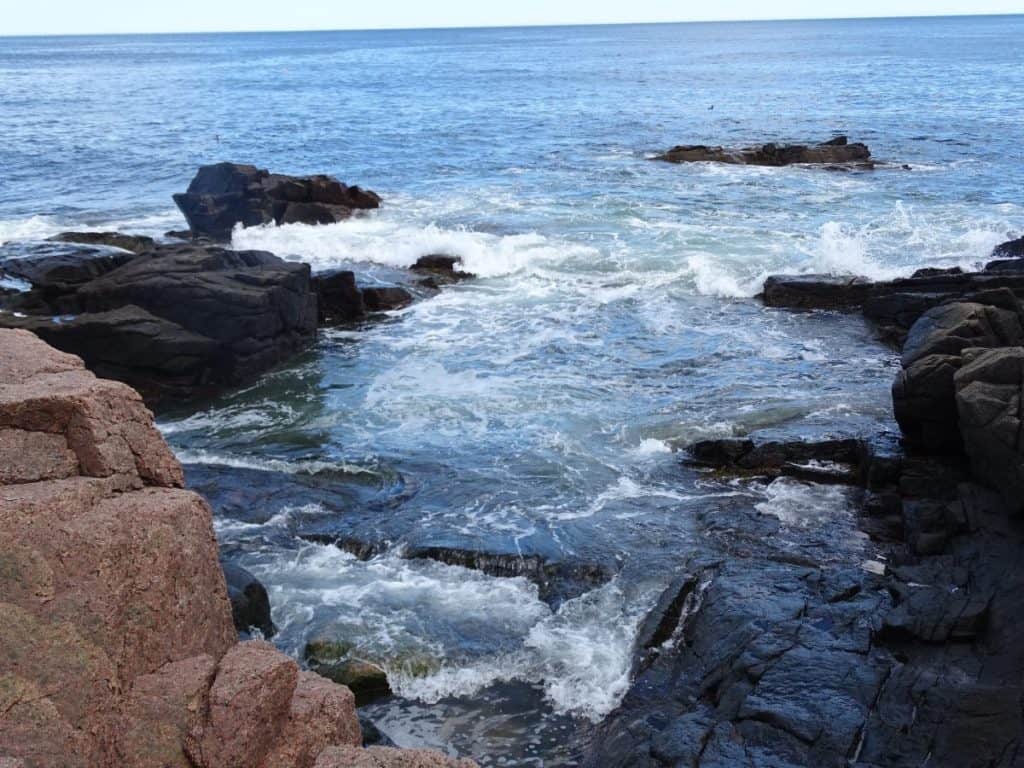
Thunder Hole: Best to check out this spot two hours before peak high tide to get the best effect. The waves crash in an inlet and make “thunder” sounds. Beware- the crashes can soak you! There is a parking lot and small gift shop- don’t forget to get your parks passport stamped. Be sure to follow the paved path with the hand rail. My family parked in the visitor lot and followed what we thought was the path- but it was a much steeper and rugged path and more challenging for our children. We saw many people climbing all over the rocks, and teetering on the very edge of them to get different photo opts, but one rock up was about all I would let my family risk. Even the paved path is steep and slippery so little little ones (and those with height aversions) might enjoy the panoramic view from the flat street level.
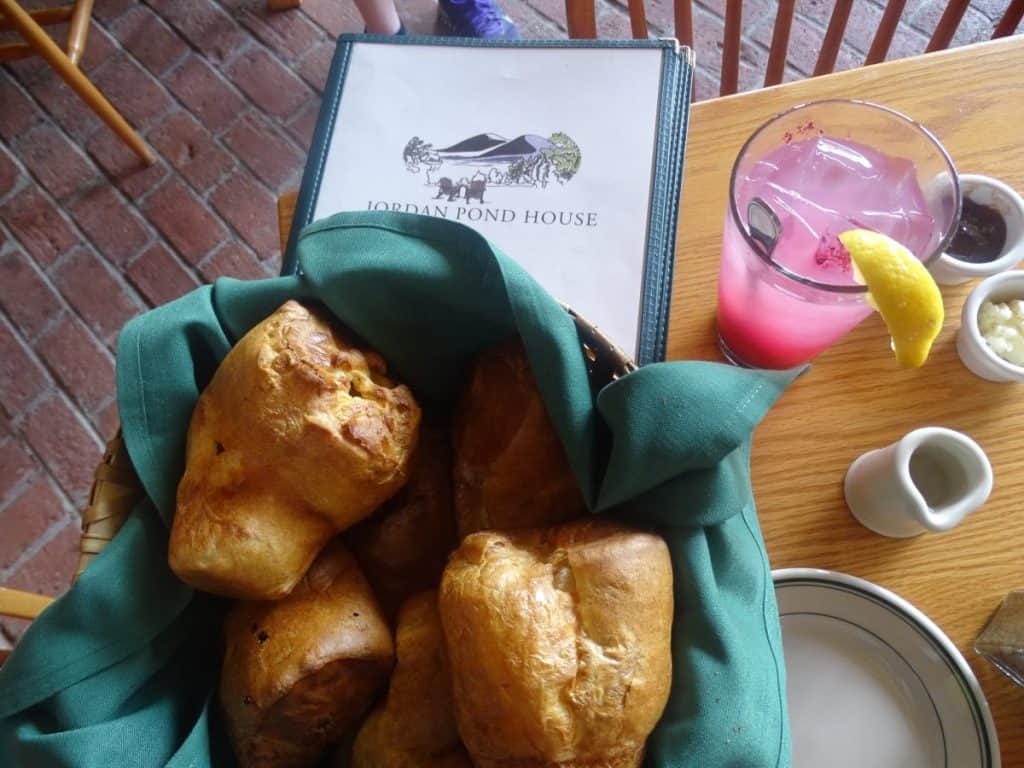
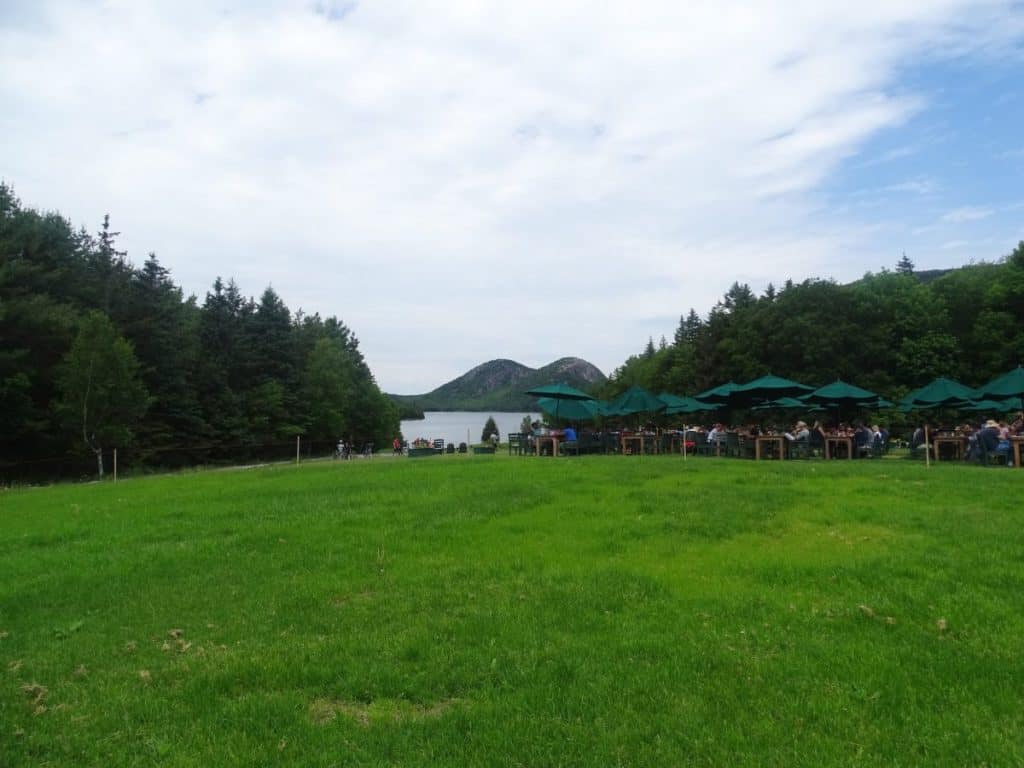
Jordan Pond House: Many people come for the restaurant, farm fresh food, and beautiful scenery, but just as many people stop as part of their 3.2 mile hike around Jordan Pond. They also have one of the larger gift shops in the park. Learn from my mistake: I knew it would be busy and I was told many times that it’s better to take the free Island Explorer shuttle than to drive. But I had good luck parking at Thunder Hole and Cadillac Mountain so I decided to gamble and park for a noon reservation (definitely make a reservation ahead of time- they open mid April for the season and I made reservations right away!). Big mistake going for lunch and bigger mistake taking my own car. It took my husband over 30 minutes to find a spot a half mile away. Our waitress told us that parking is far more readily available for dinner than for lunch. It’s a MUST to order popovers (yes, they are that good!) and if you go for dinner, it’s all you can eat popovers (bonus since they charge $2.50+ for each popover at lunch). I loved the farm fresh menu, but children’s options were limited and smaller portions (although my kids did like their pasta and cheese). Again, don’t forget the park passport stamp in the gift shop.
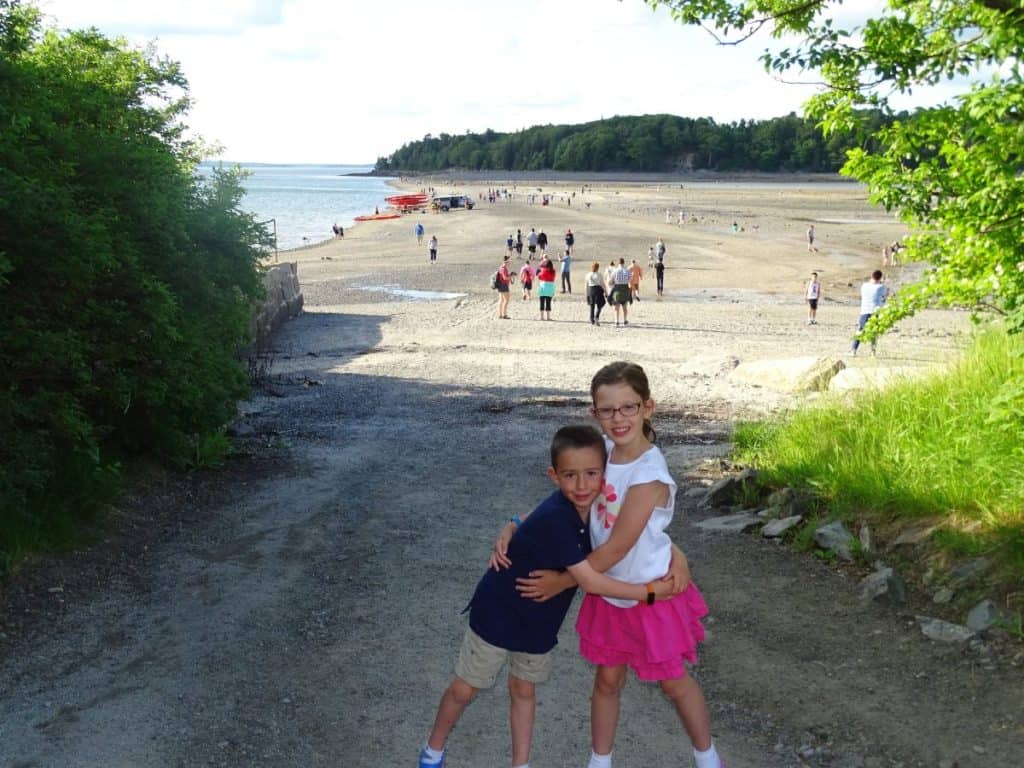
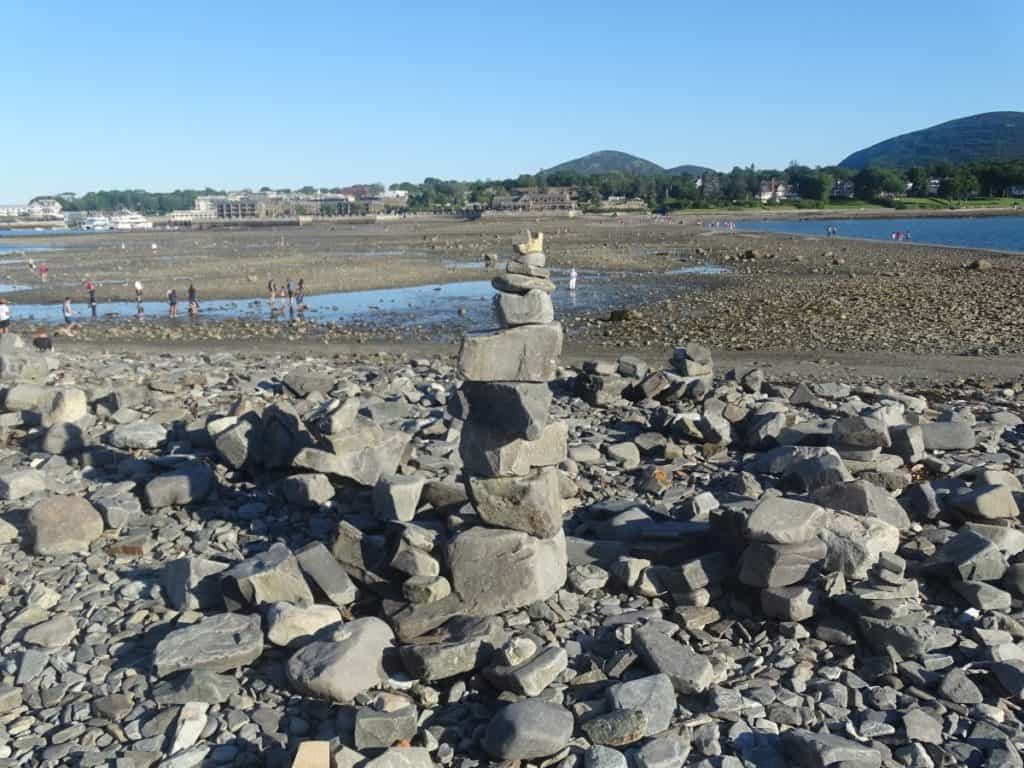
Bar Harbor Island: Travel past the downtown commercial craziness about half a mile, find a parking spot on the street (good luck during peak hours of the day!) and walk down Bridge Street (there will be signs indicating Bar Island Path). You’ll need to wait for low tide (or up to two hours before and after low tide) to be able to cross the sand bar to Bar Harbor Island, which is part of Acadia Park. It’s about a ½ mile walk to the island and there is plenty of space (and softer sand if you walk in the middle of the path) for little ones to run free without the worry of someone getting hurt (no promises about getting wet). We paused about halfway through and had a rock throwing contest. There’s a marked, relatively easy, (says this non hiker) one mile path to the top. At the base of the island, it seems to be a tradition to build your own rock tower- my son added his own creation to the collection. We hit the island at perfect time our first night in Bar Harbor- 6pm. It was cool, calm, and beautiful. Don’t linger too long; if you get stranded at high tide, it’ll cost you $50 for a water taxi ride back to the mainland, and signs warn that water taxis can take up to an hour to arrive.
Would you like to save this?
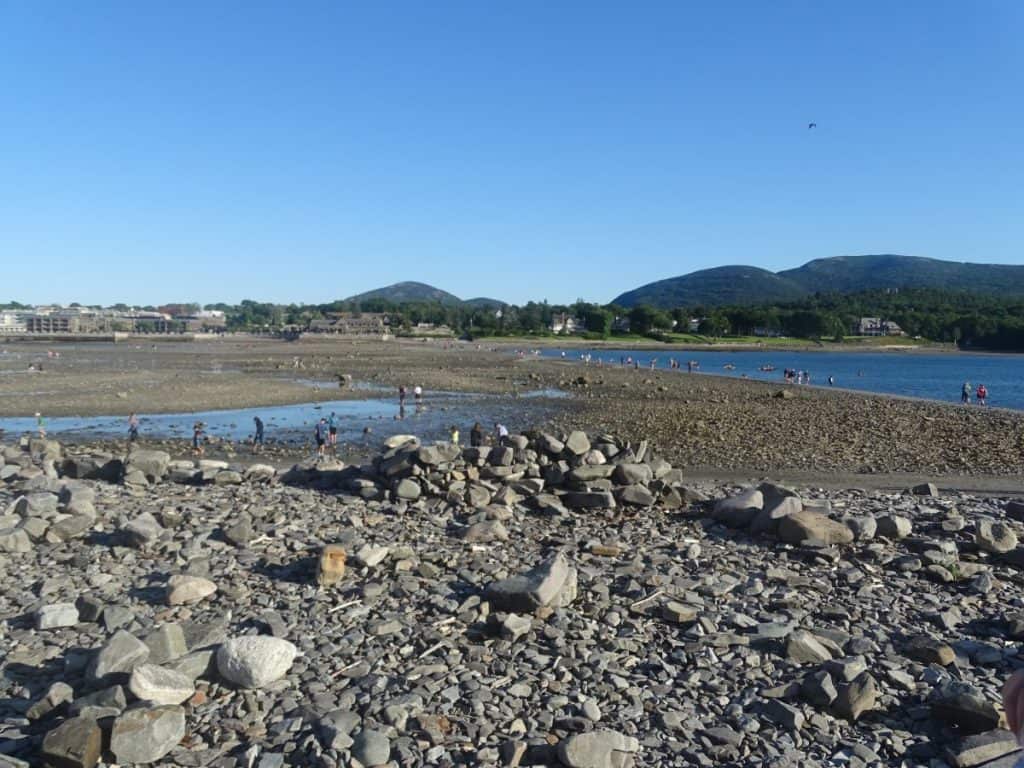
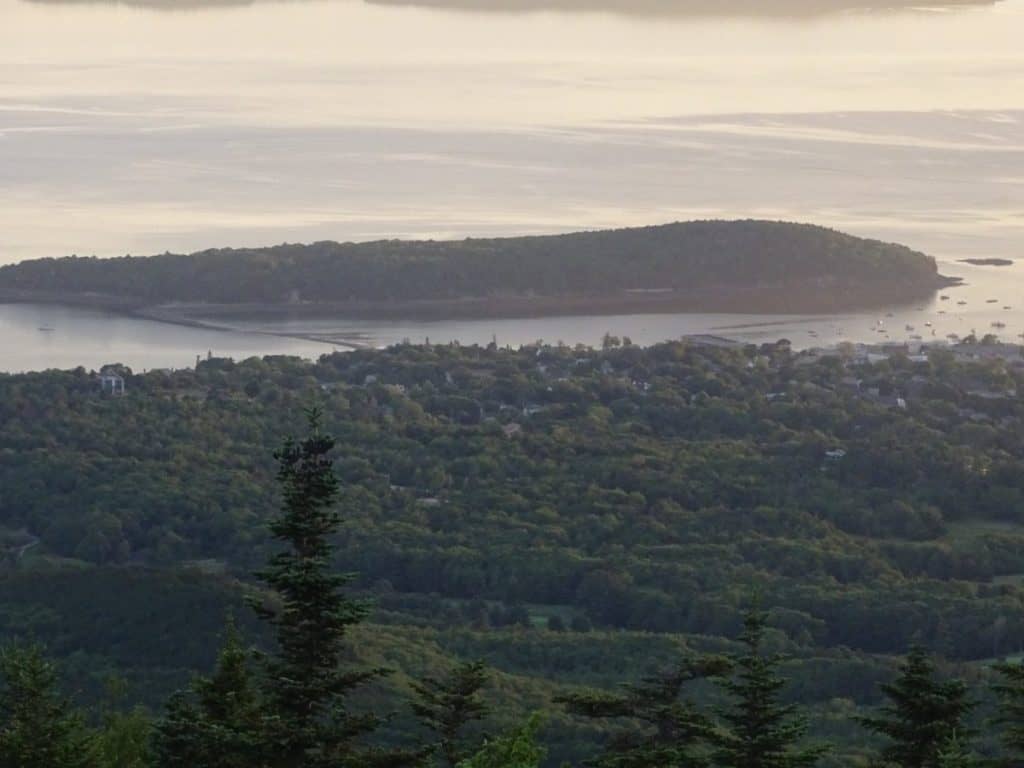
If you’ve got a free morning (or even a couple of hours), hop in the car (or on the Island Explorer Shuttle, which makes stops too) and head to Seawall, part of Acadia Park and Bass Harborhead Lighthouse, operated by the Coast Guard. The area is located in the southern part of Mount Desert Island. You’ll pass through a bunch of quiet, quaint villages- my favorite spot was Southwest Harbor. We stopped for a yummy, very reasonably priced breakfast at Sips with a very helpful staff who cater to families before driving another ten minutes to the Seawall. The seawall was created by ocean storms that “pile” the rocks on the sandy beach and create a “wall.” The heavier boulder tend to rest at the top, closest to the road, and the smaller pebble lie closer to the water’s edge. During some recent severe storms, the seawall has even spilled into and covered the paved road.
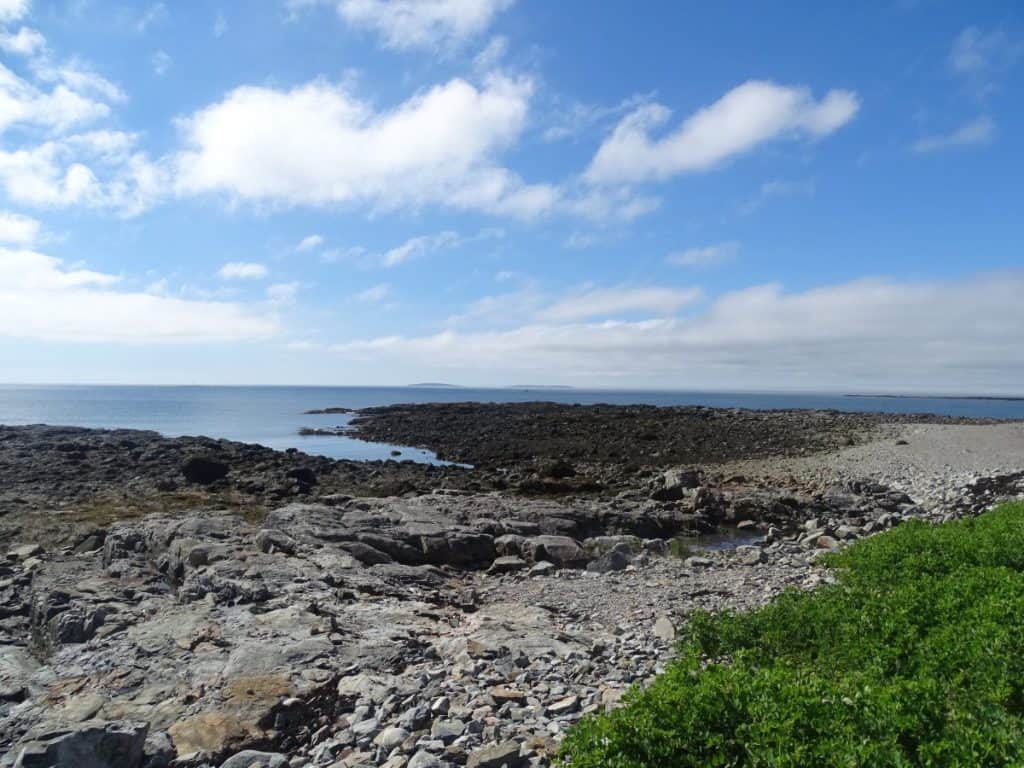
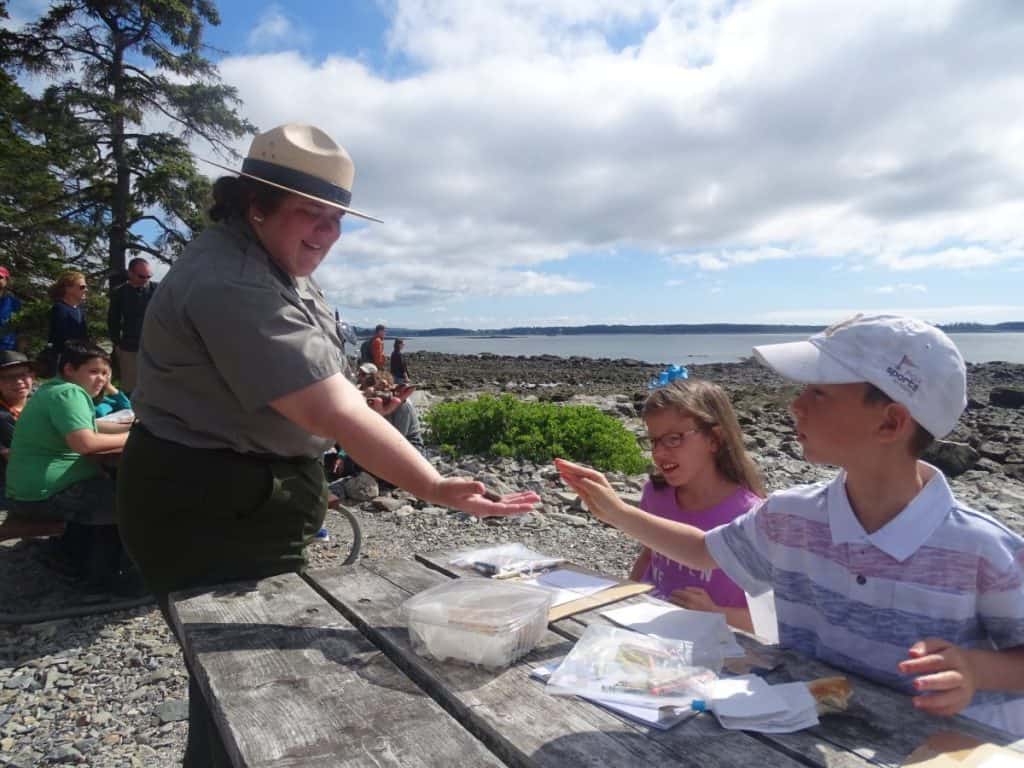
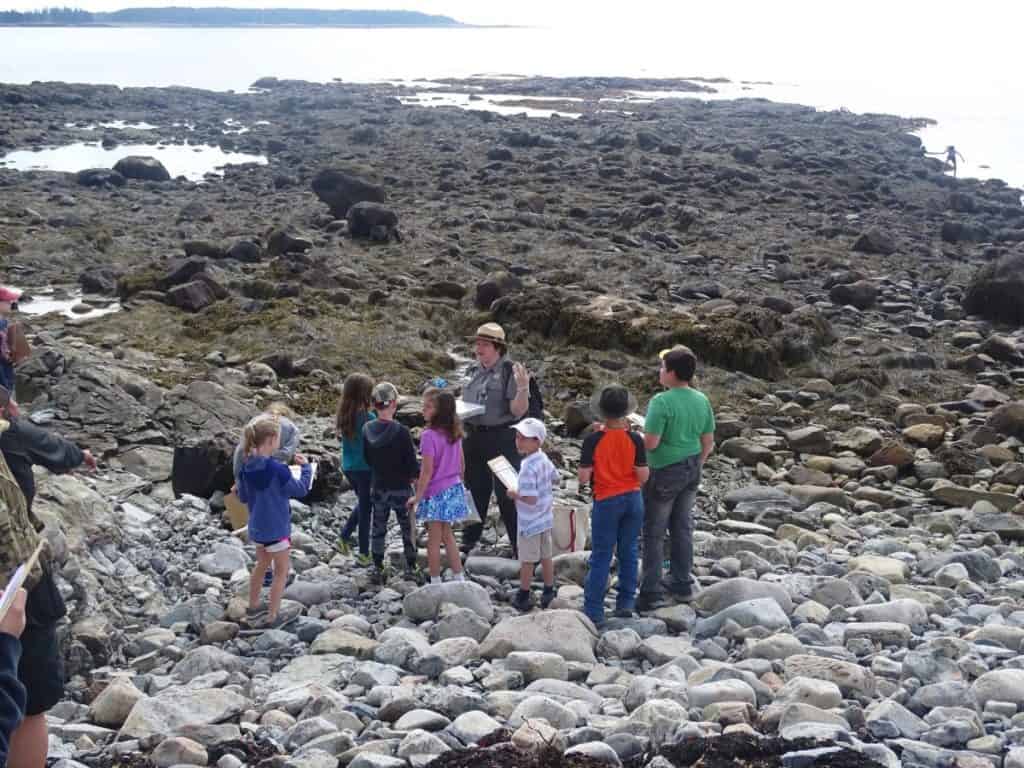
The park rangers had another family outing (again, free!) called “Kids Rock” where we spent an hour learning the geology of Acadia Park and exploring parts of the beach. Each child received a geology journal, clipboard, and crayons to record observations and rubbing of various rocks. The ranger explained how the beach was formed, and our kids learned about different types of rocks. There is plenty of parking and camping sites right next to the beach (along with bathroom facilities). See if your child can figure out how to open the trash receptacles. Hint: they take preventive measures so the bears don’t get into the trash. Speaking of trash, don’t leave ANY food lying around. We were admiring a seagull, which we thought was posing for our camera. The minute we walked away from our picnic table, it swooped in and stole the remains of my daughter’s breakfast.
There is a huge camping facility at Seawall (be sure to stop at the ranger station at the entrance and get your park passport stamp!) and there are a few areas you can hike and check out ocean views (Wonderland Trail and Ship Harbor Nature Trail) before you get to Bass Harborhead Lighthouse.
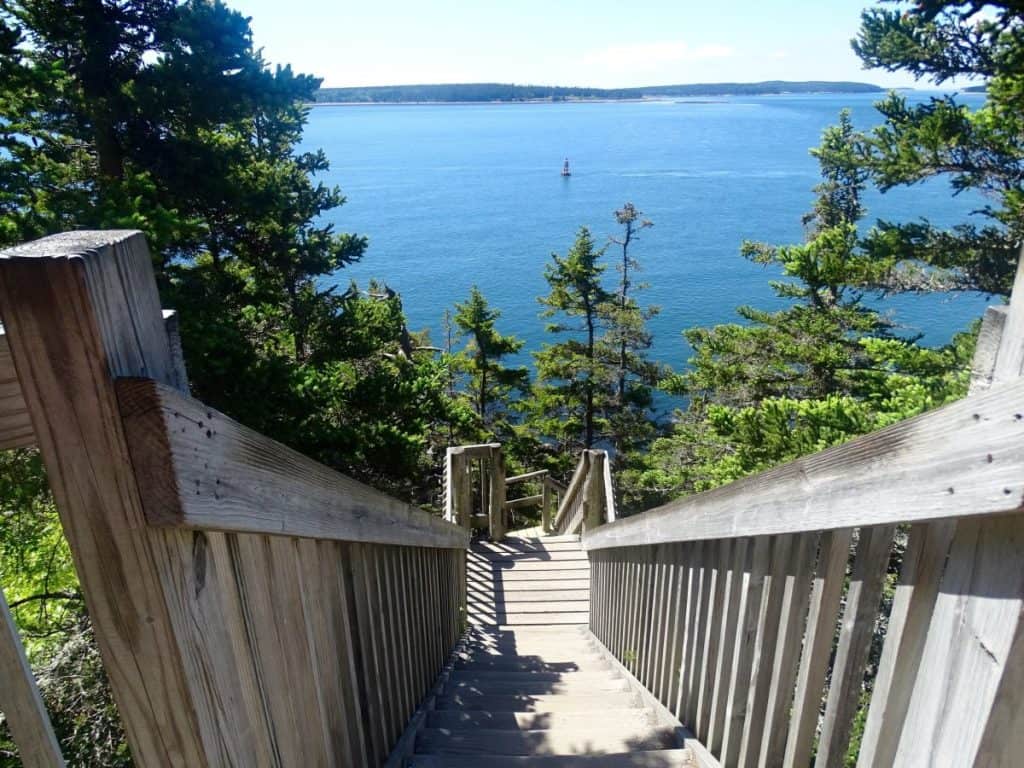
Bass Harborhead Lighthouse, built in 1858 and modernized in 1974, has a hand bell to signal to sailors and a red light that signals every four seconds. There is a small parking lot and a restroom. Follow the path on the right of the lighthouse to get up close to the lighthouse and learn about it’s history. There is another path to the left of the parking lot that you can follow to get amazing views of the water. Be warned, though: it is a very steep staircase and a challenging climb over the rocks, especially for little ones. I’d stick with the designated, official path on the right side of the parking lot. Note: this lighthouse is not staffed and you cannot go inside the lighthouse (according to a sign on the door, rotating Coast Guard families live there year round).
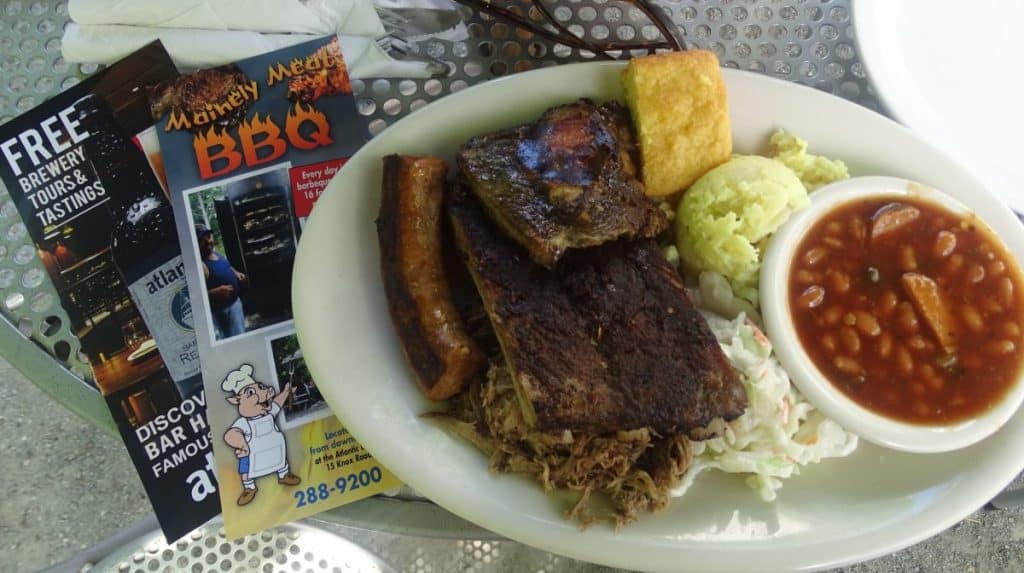
On our way back into Bar Harbor, we stopped at Atlantic Brewing Company for a (free) sample of their beer (they had seven varieties on tap and a decent selection to take home in variety packs and cases) and to eat at the adjacent Mainely Meat BBQ. The outdoor seating area was nice, the food was very good (they’ve got the usual burgers, dogs, and grilled cheese for the children), and score: a fenced in playground for the children right next to some of the tables! They offer tours a few times each afternoon. Another two miles down the road is the Bar Harbor Cellars, which also has a tasting room, gift shop, and restaurant, Sweet Pea Cafe.
Acadia has so much more to offer (carriage rides, ranger led hikes, and various boating activities) that we’ll surely be making another trip back soon. The park is so clean, the rangers are so patient, knowledgeable, and helpful, and the views are just breathtaking. Be sure to add Acadia National Park to your family’s travel list!
Other related posts you might enjoy:
Acadia National Park in Maine
Great Smoky Mountains National Park in Tennessee and North Carolina
Bryce Canyon National Park in Utah
Mount Rushmore National Memorial in South Dakota