Exploring Lost River Gorge and Boulder Caves in New Hampshire

| | | |

Ever since our love of National Parks began over a decade ago, we have started to enjoy hiking a little bit more, especially anytime hiking involves exploring water features like waterfalls and lakes. So, when I recently heard about Lost River Gorge and Boulder Caves in the White Mountains of New Hampshire and saw its close proximity to a family event we were attending, I knew we had to stop and explore the area.
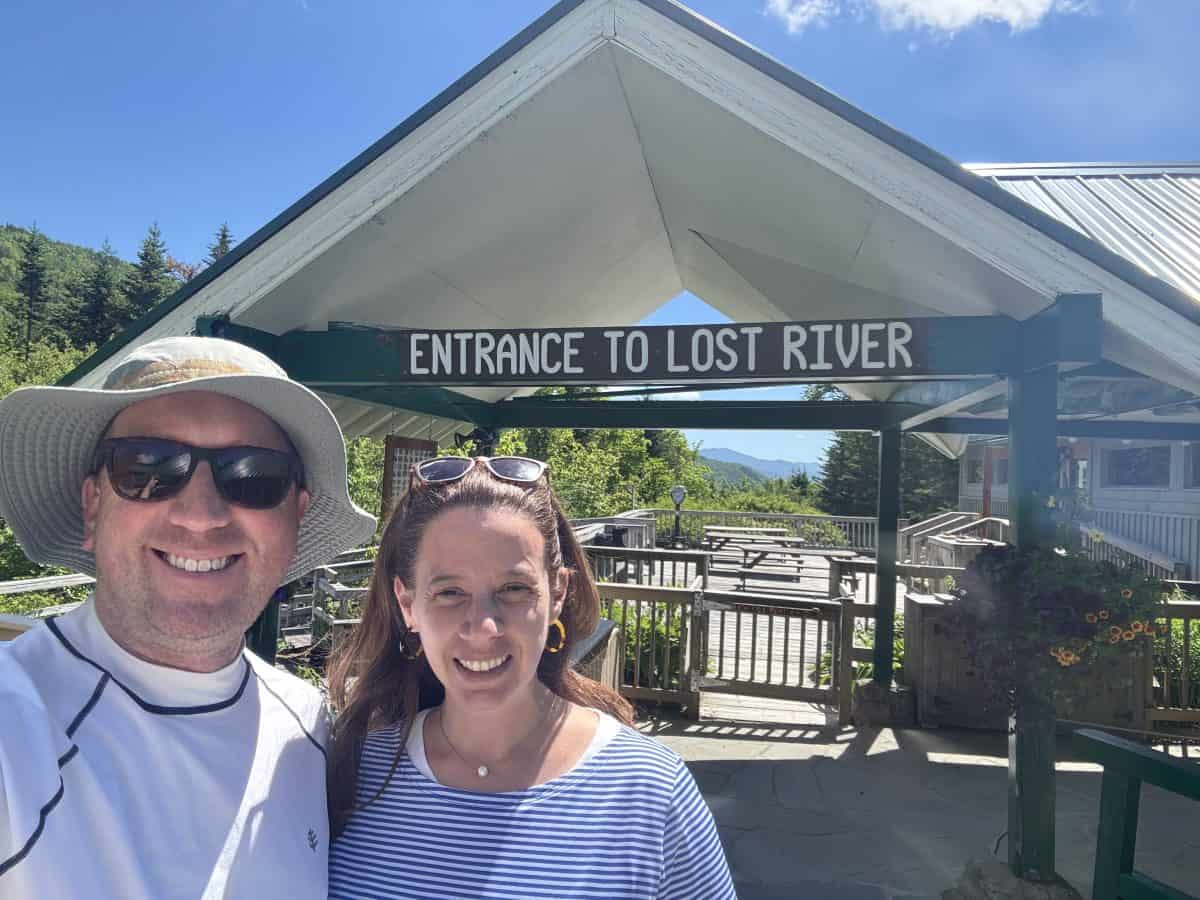
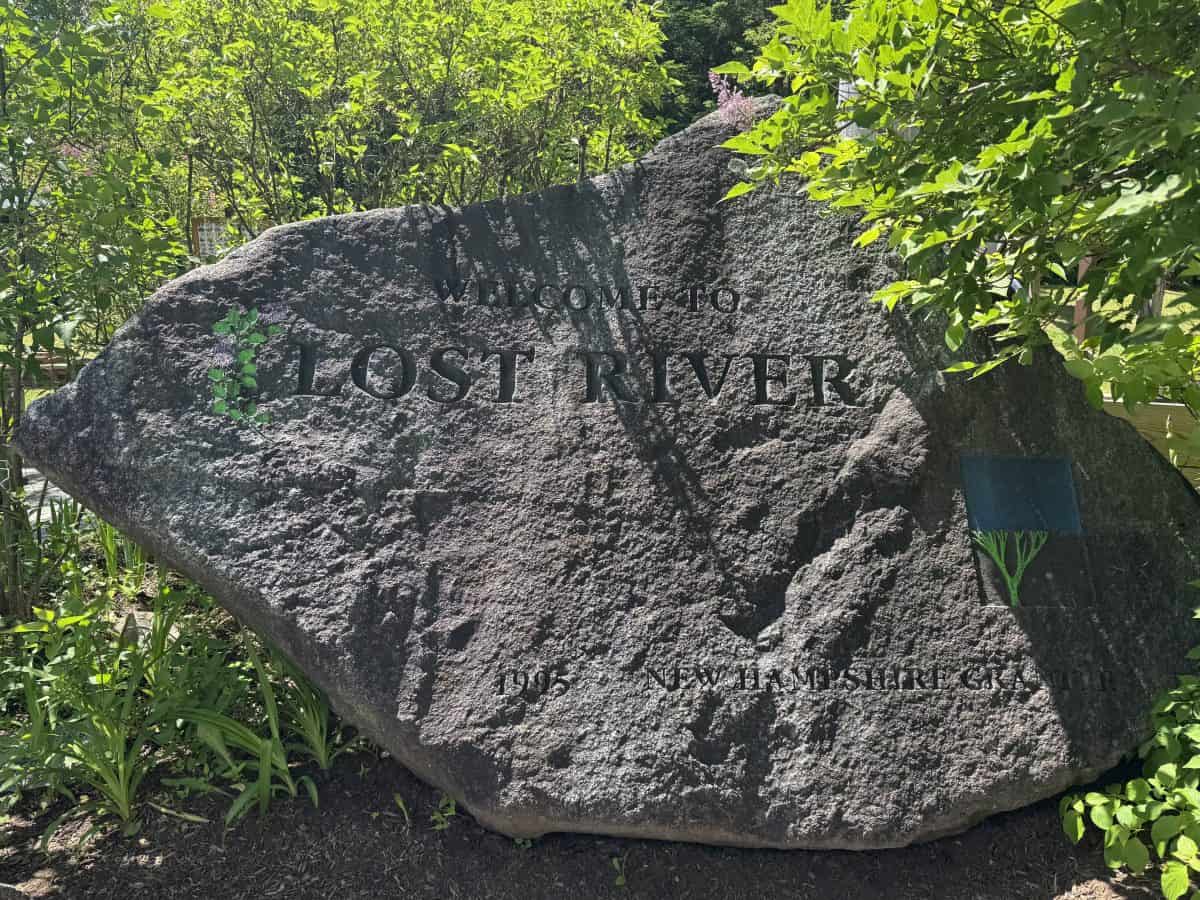
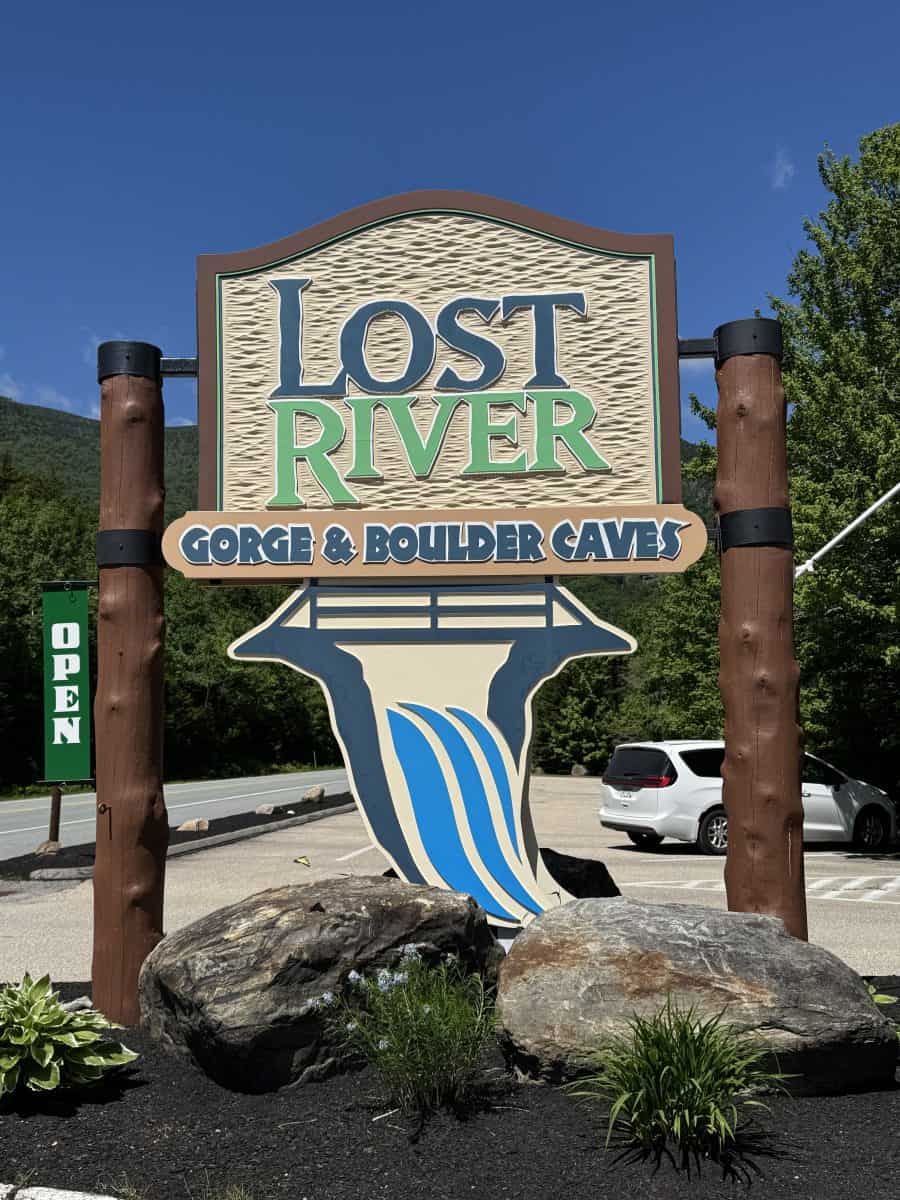
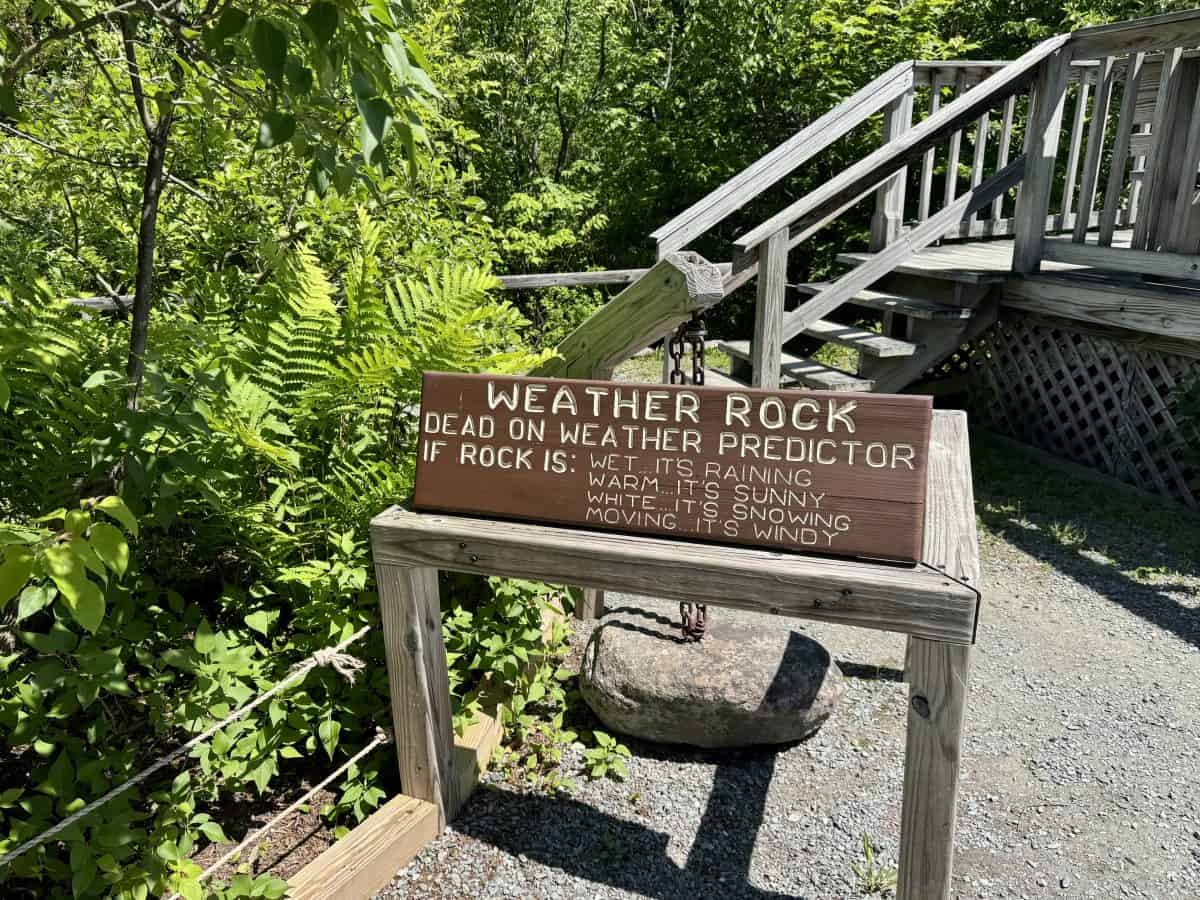
outside the entrance to Lost River Gorge and Caves in NH

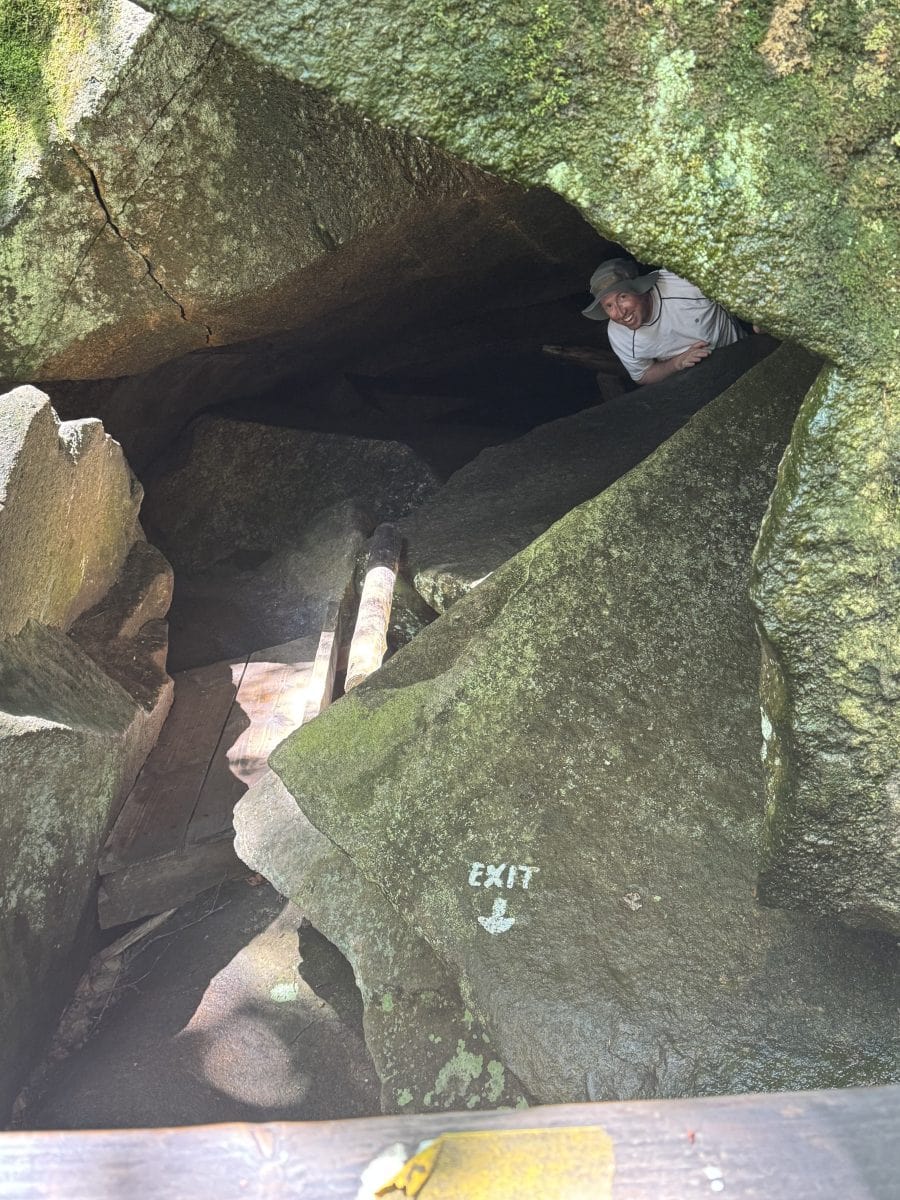
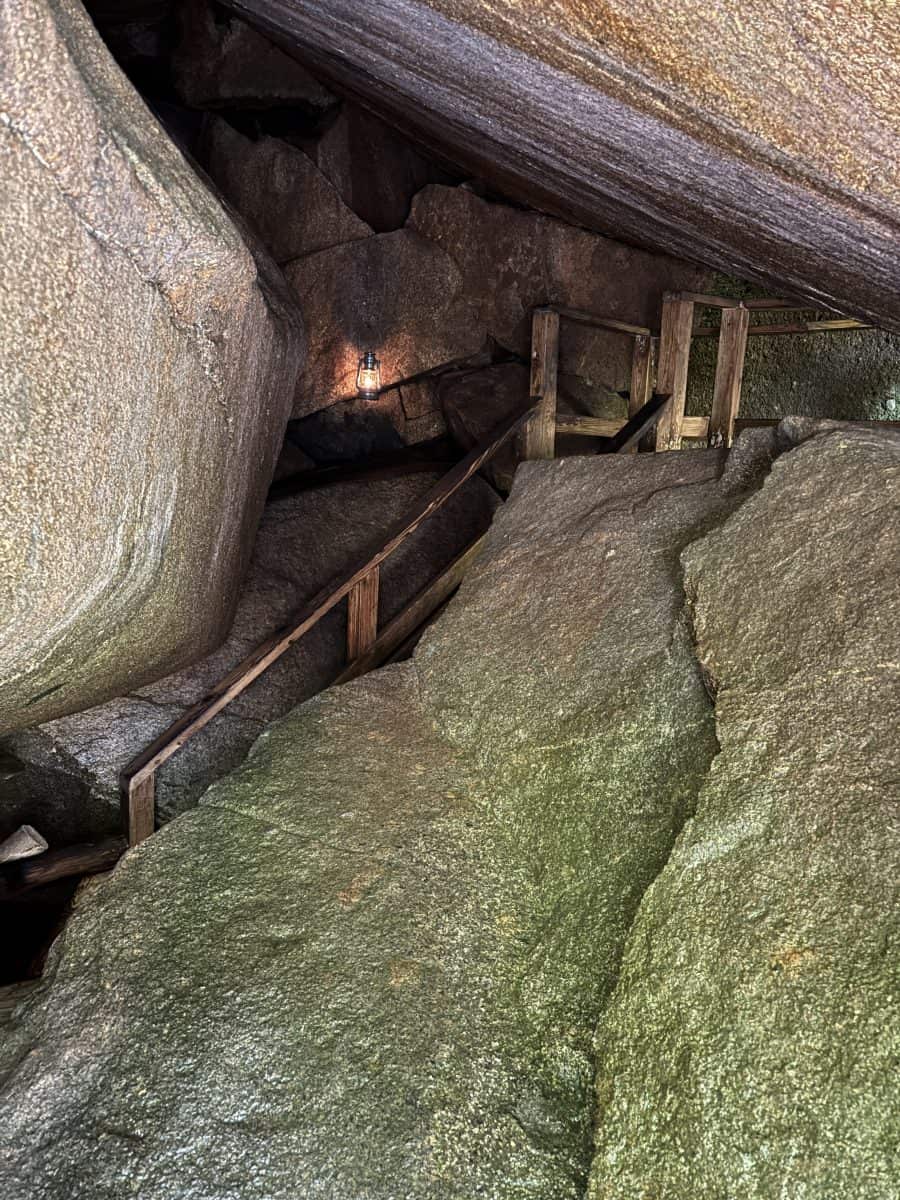
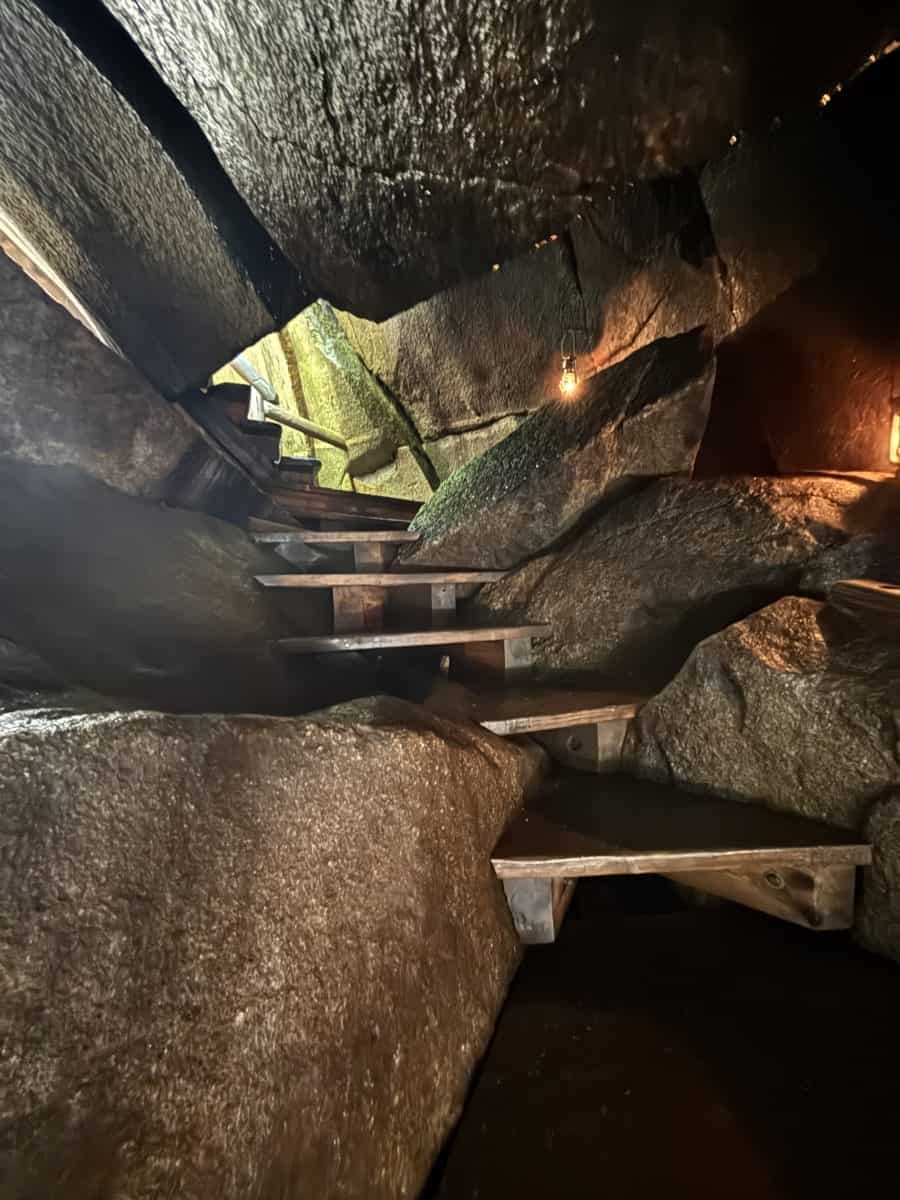
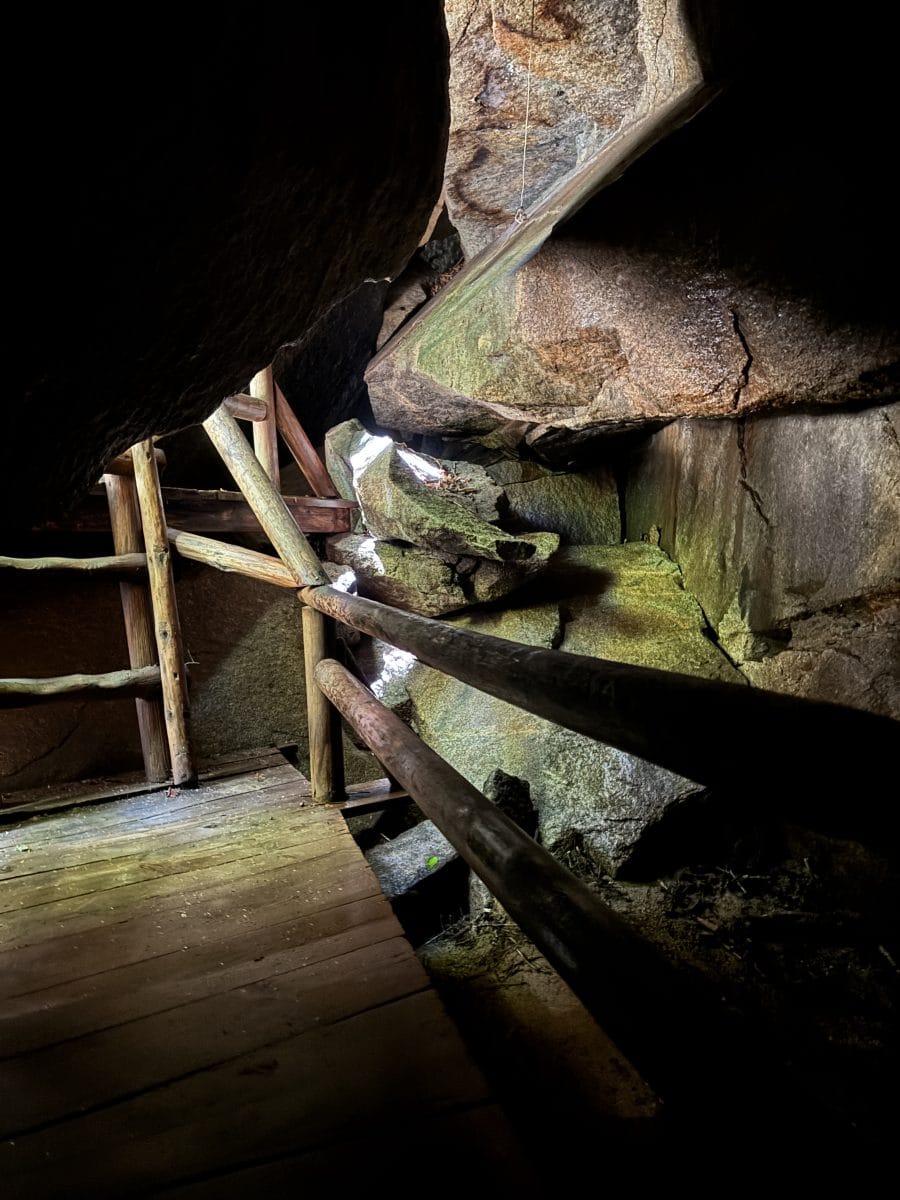
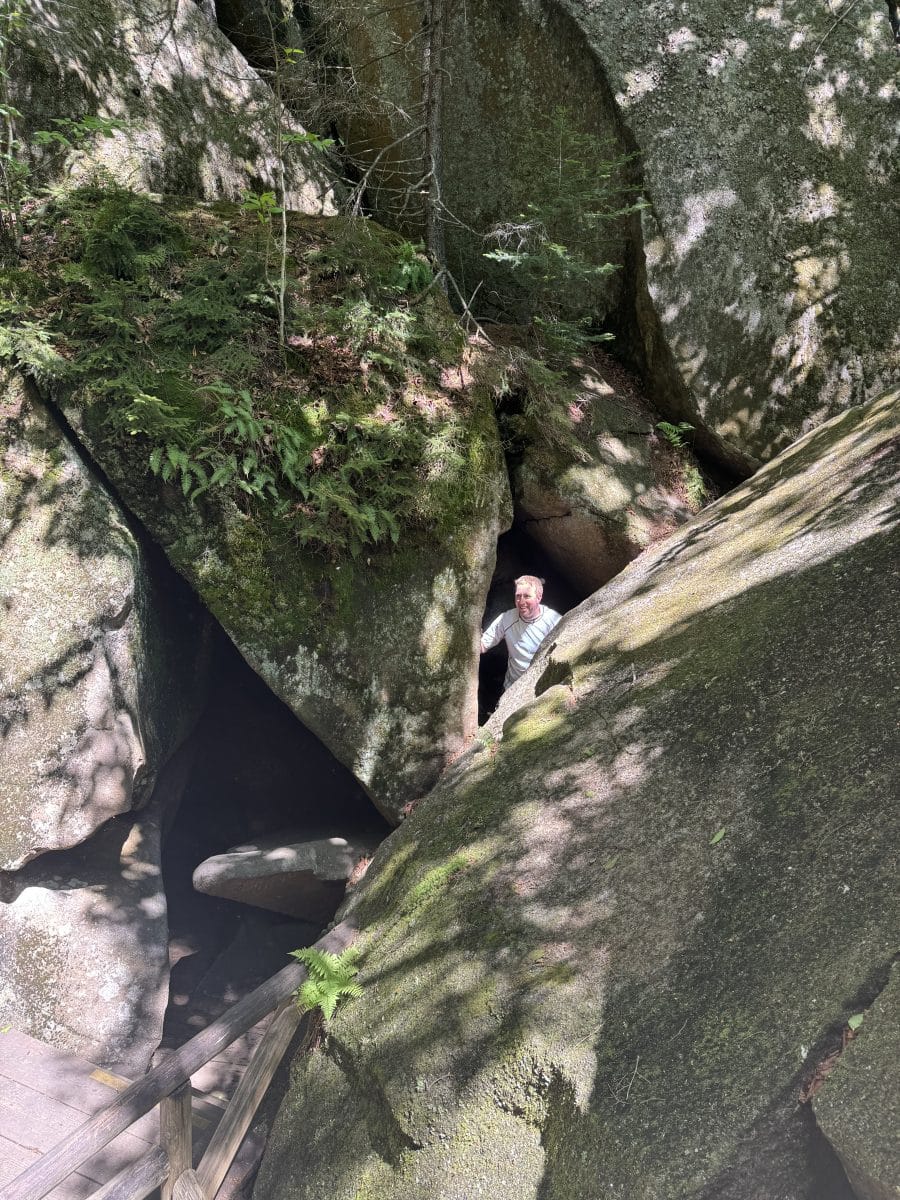
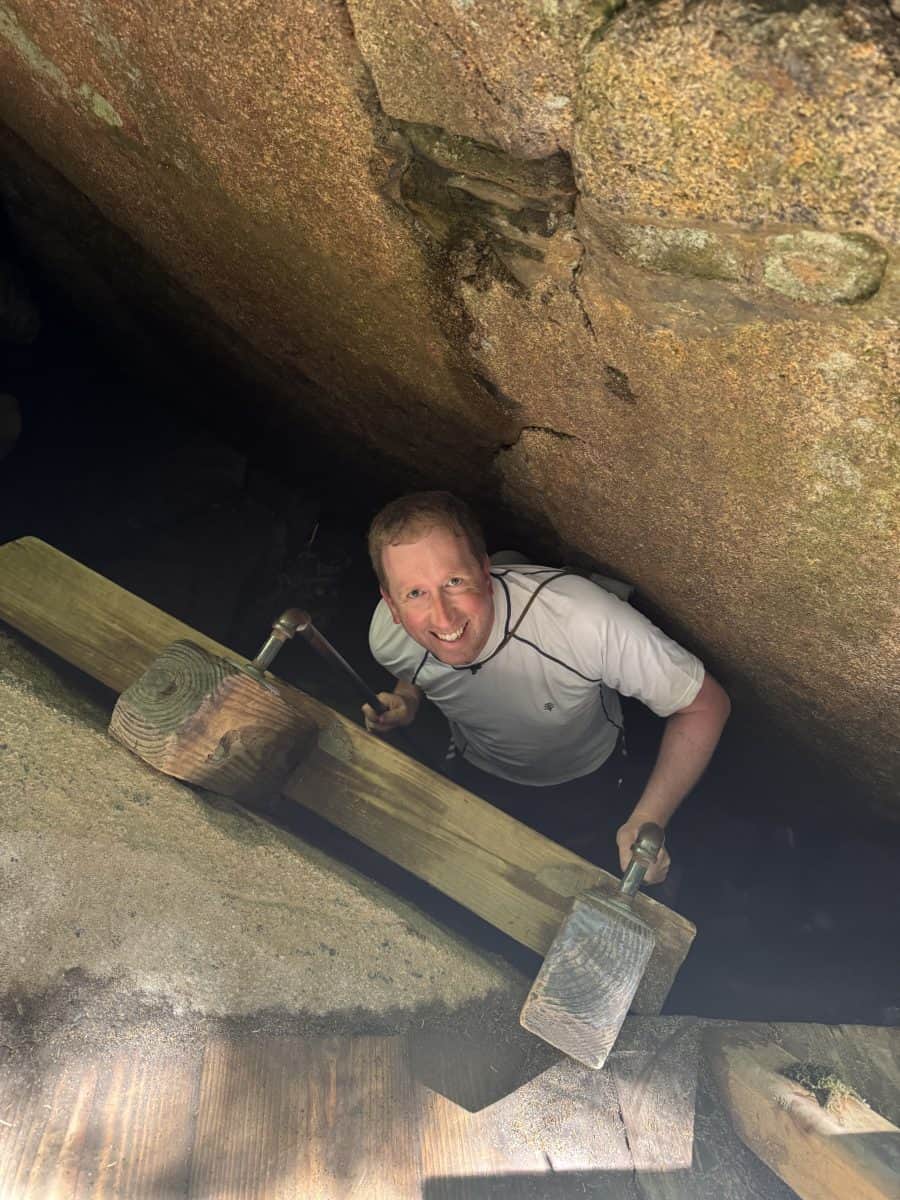
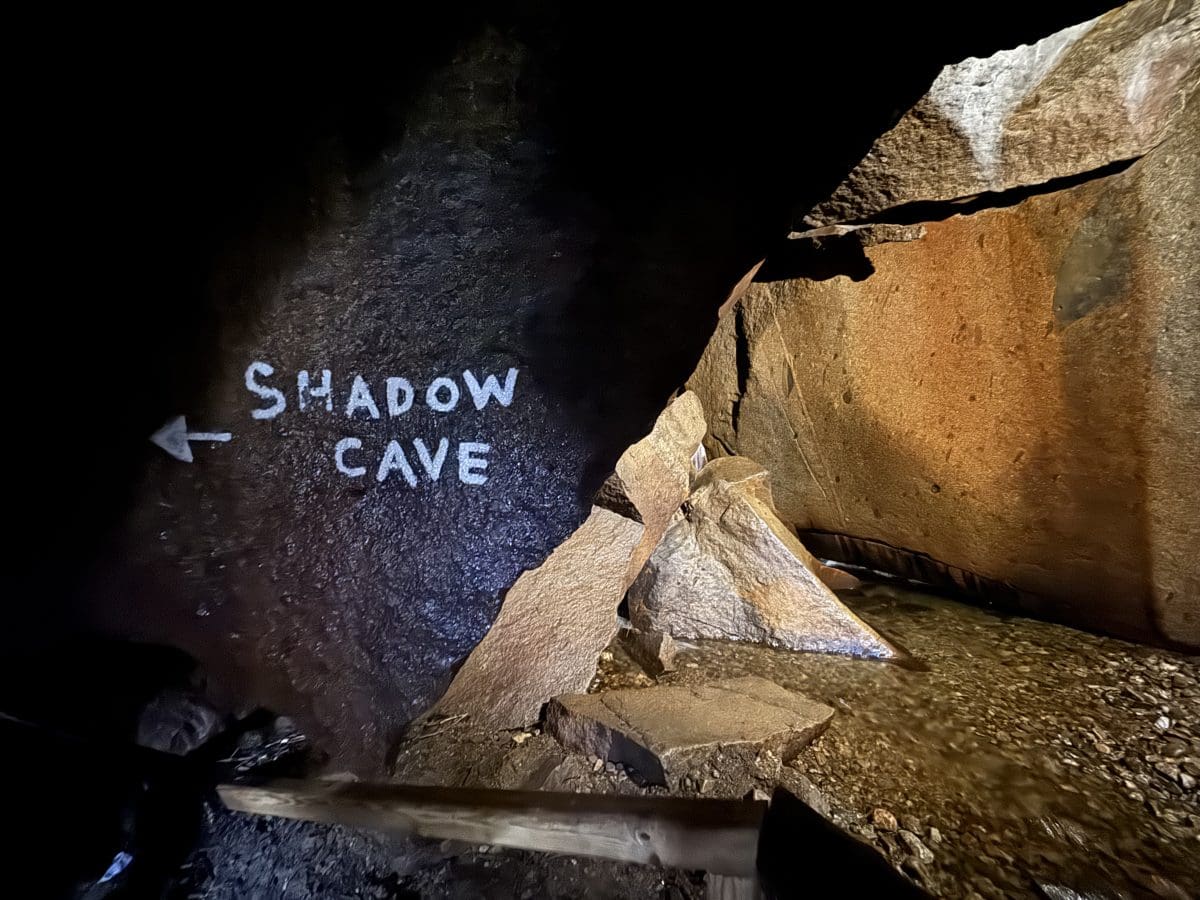
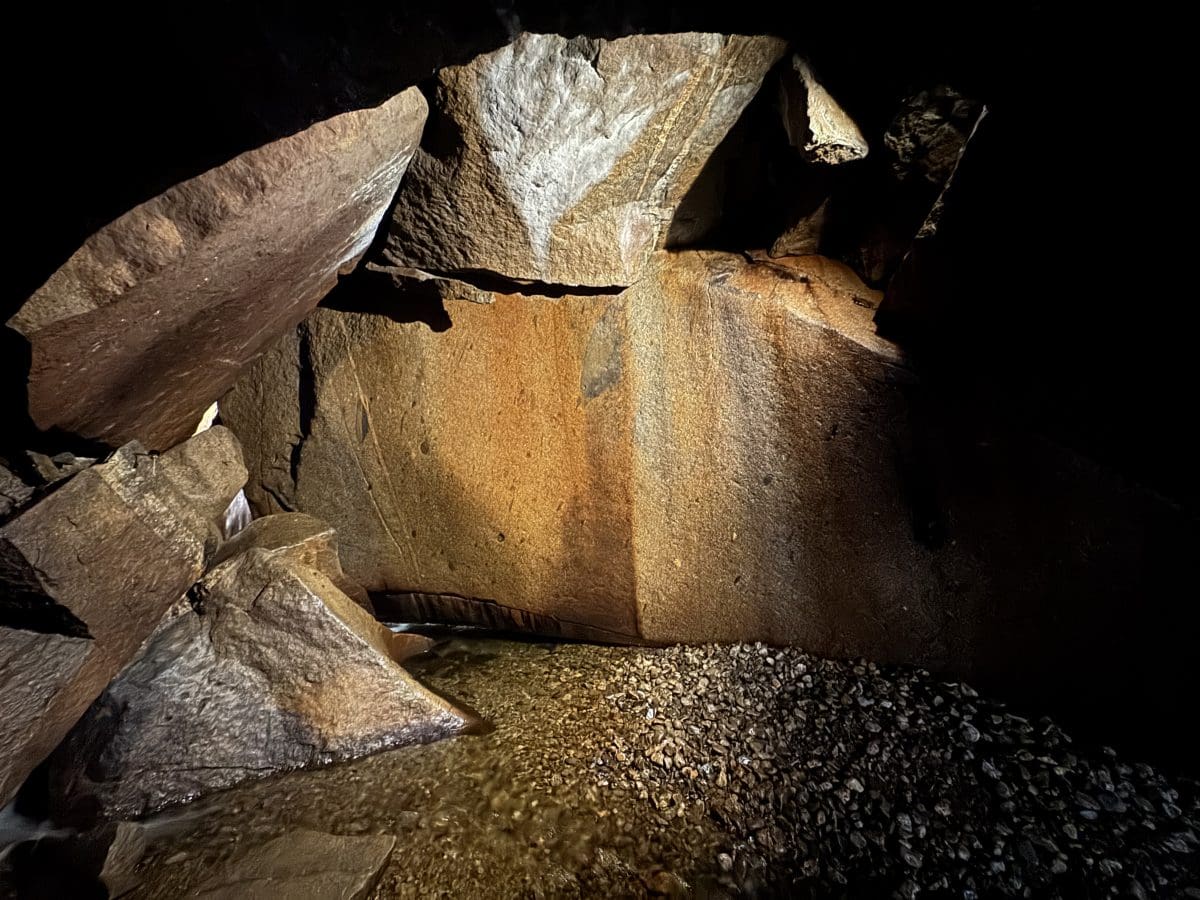
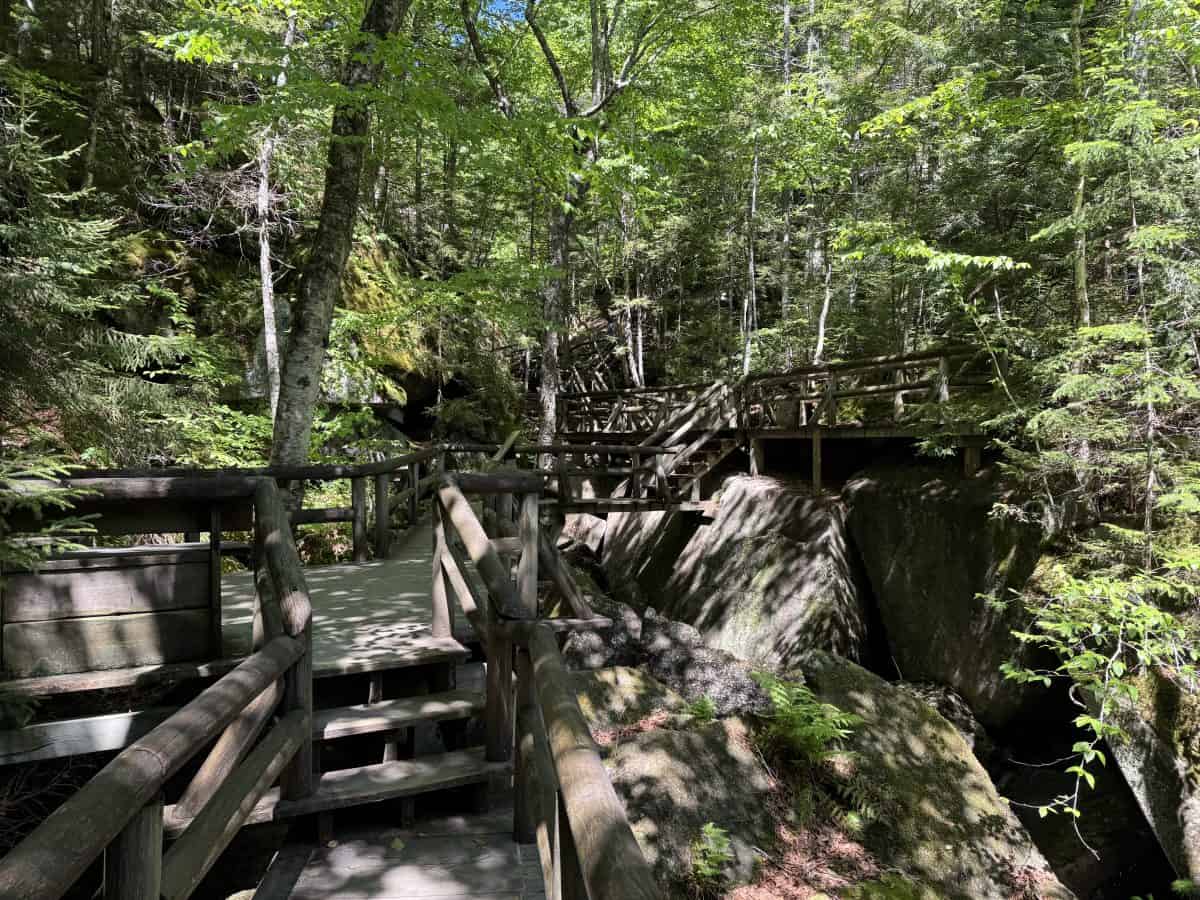
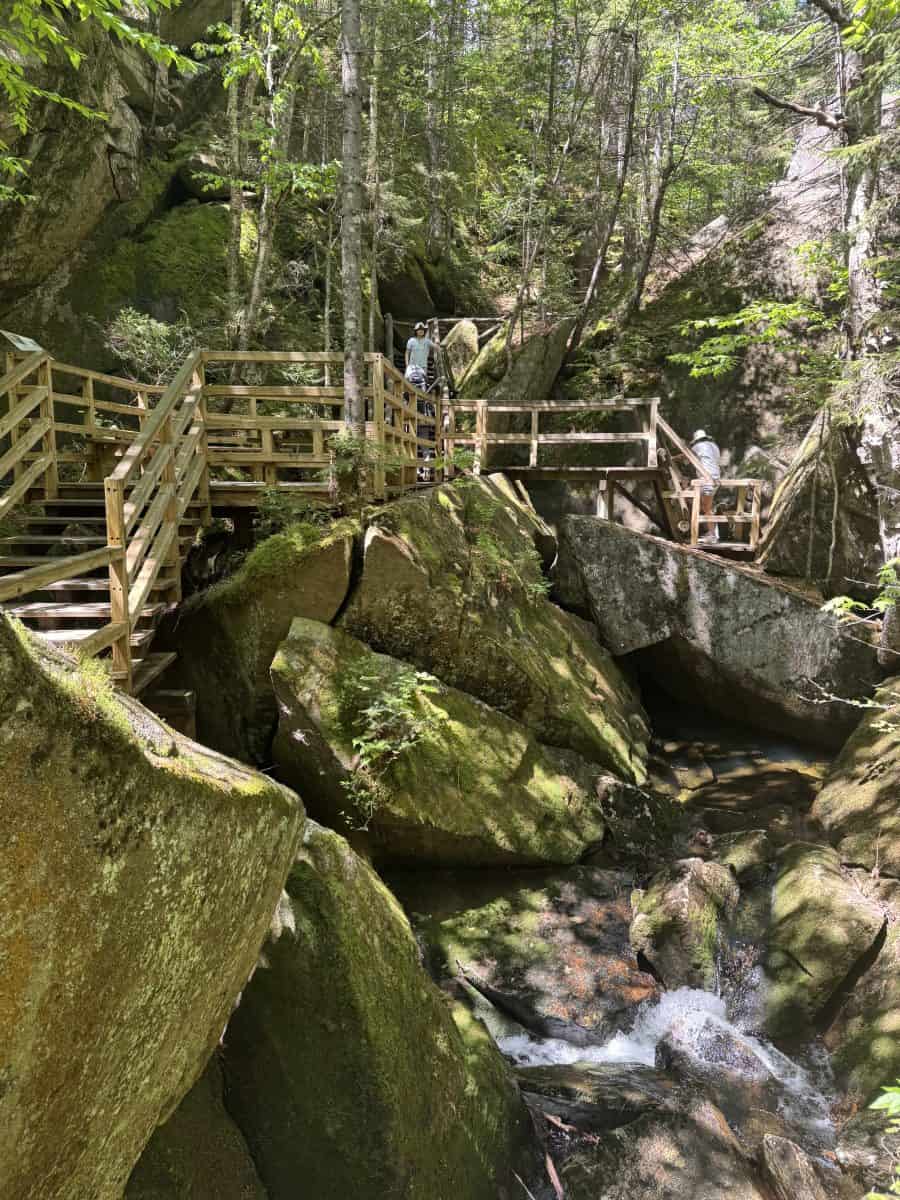
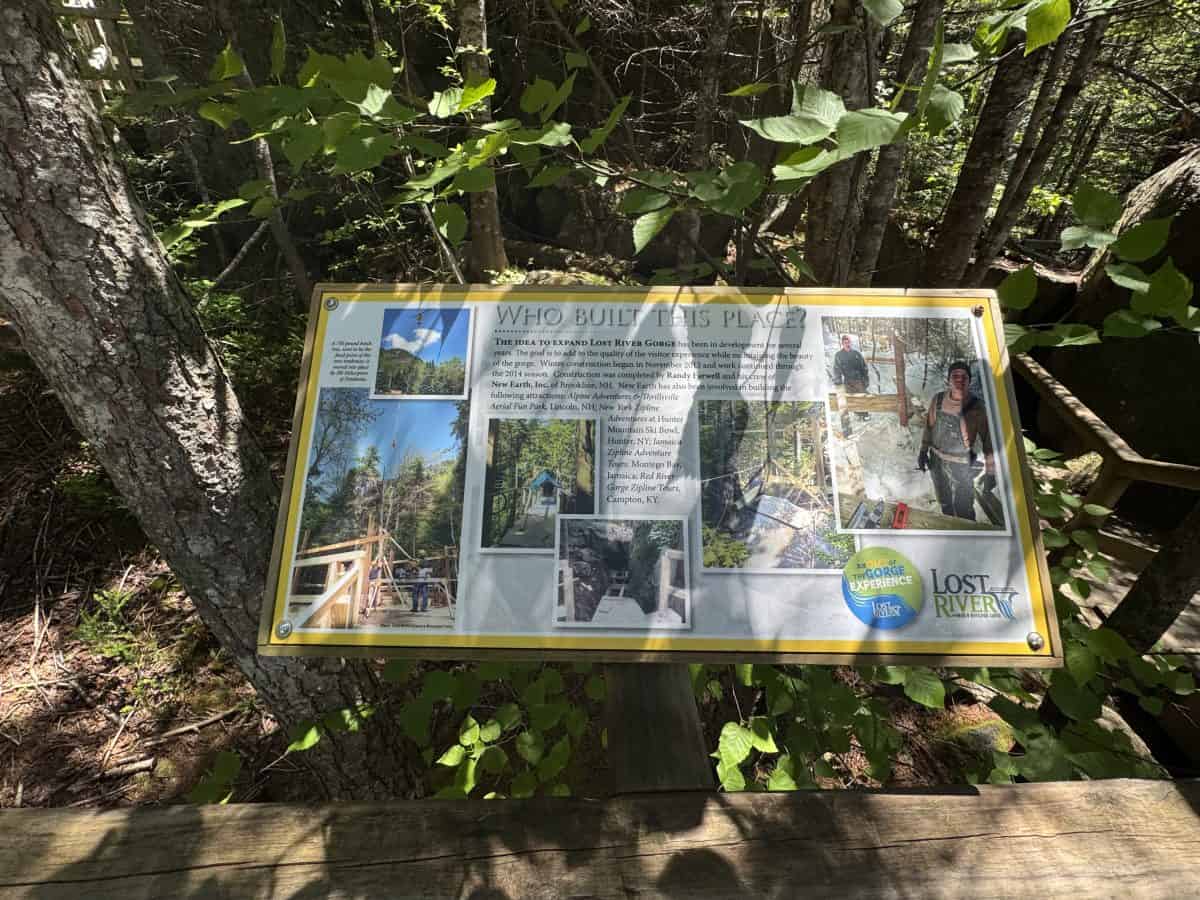
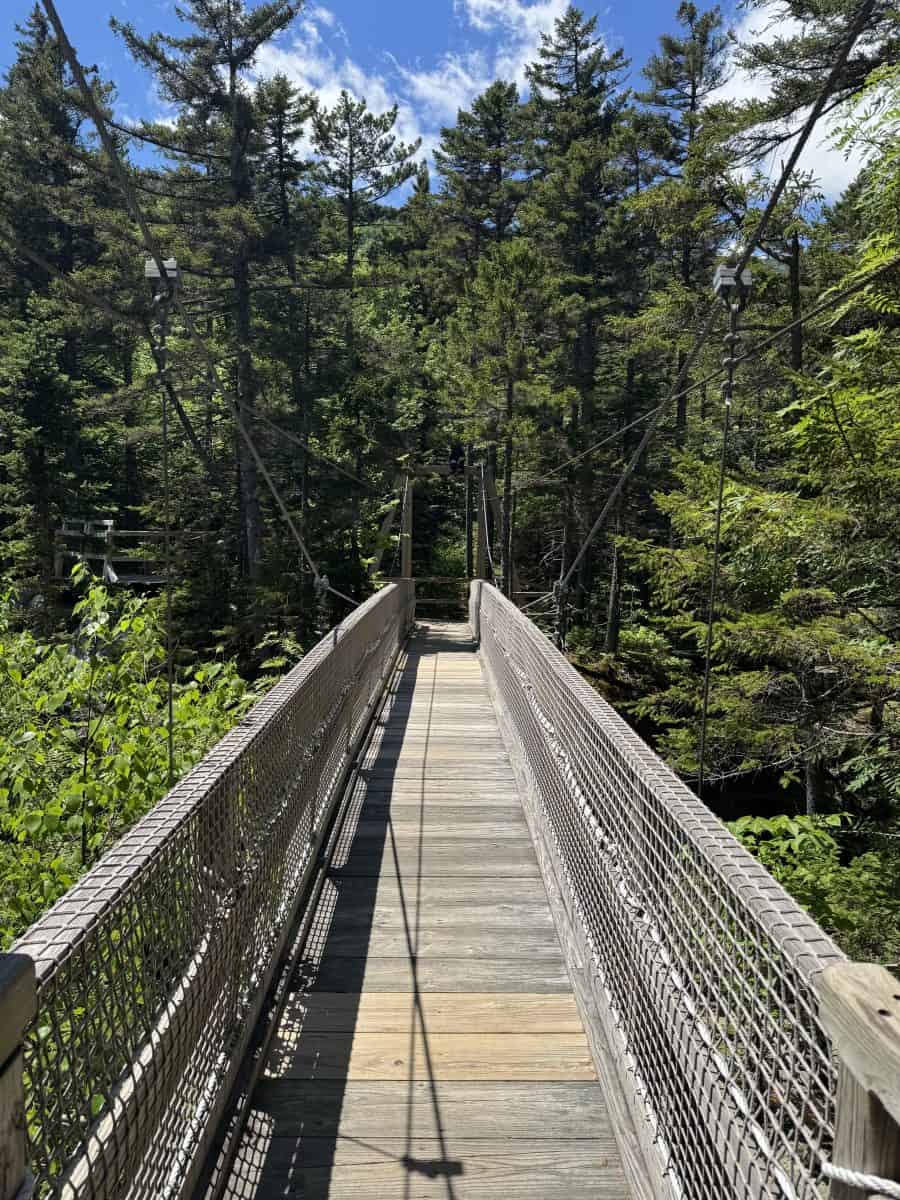
Lost River Gorge and Caves, in Kinsmans Notch in North Woodstock New Hampshire, was formed millions of years ago during the Ice Age. Glaciers moved rocks that created notches and mountain ranges and melting ice helped to form Lost River, aptly named because the water flow often goes below the ground. The area was discovered by locals in the mid 1800s and later protected from the logging industry by conservationists in the early 1900s. Over the 20th century the path through the gorge, including wooden boardwalks, handrails, 1,000 steps, a suspension bridge, and access to 11 caves, expanded and was opened to the public to enjoy. The gorge was expanded in 2013-2014 to lengthen the boardwalk and build additional structures. 

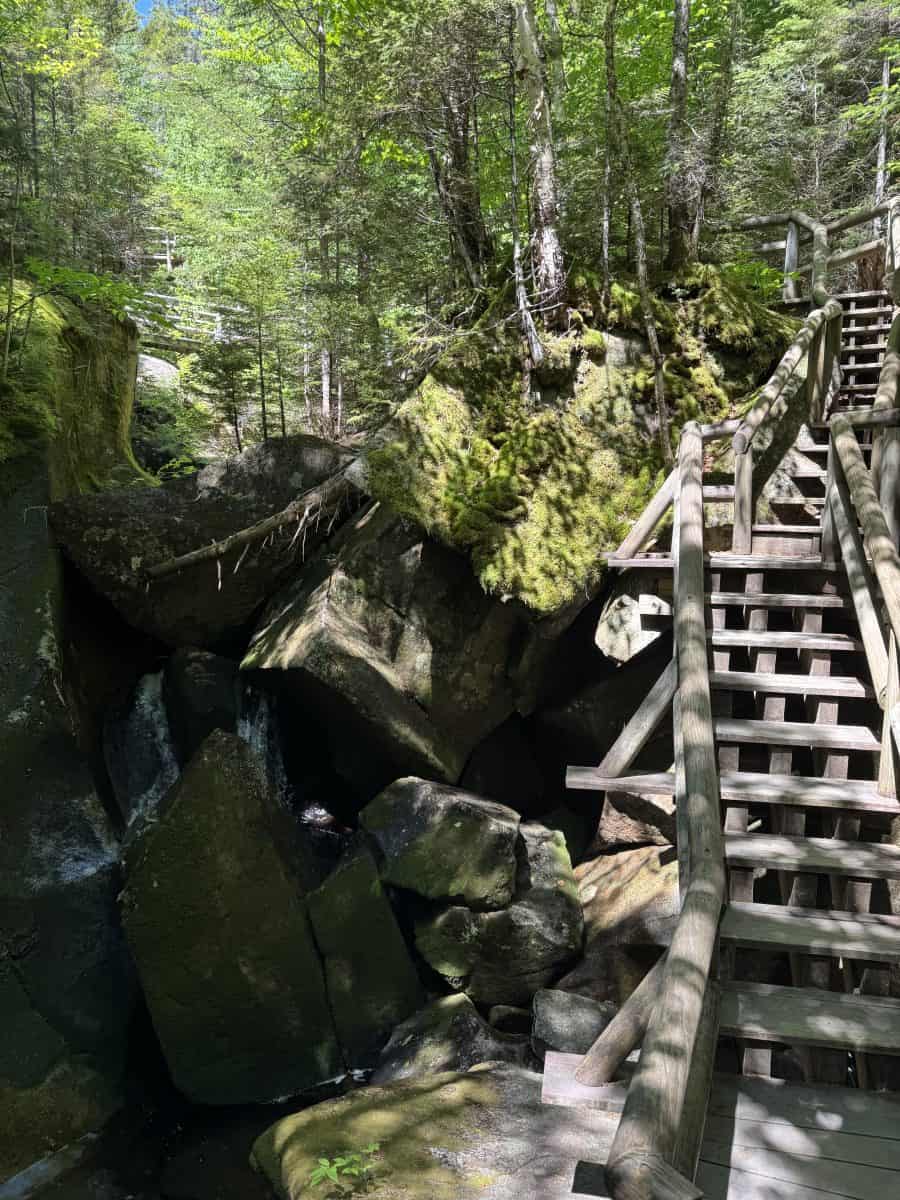
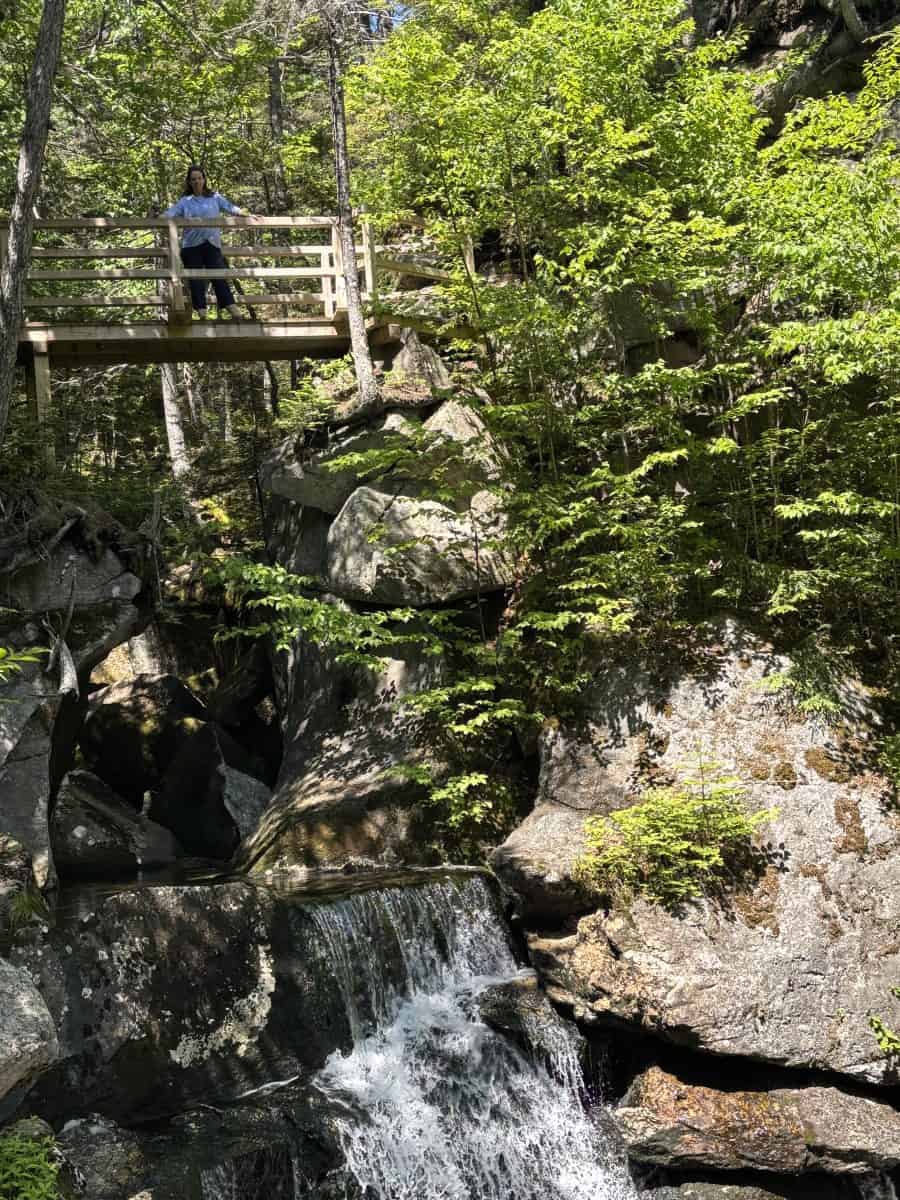
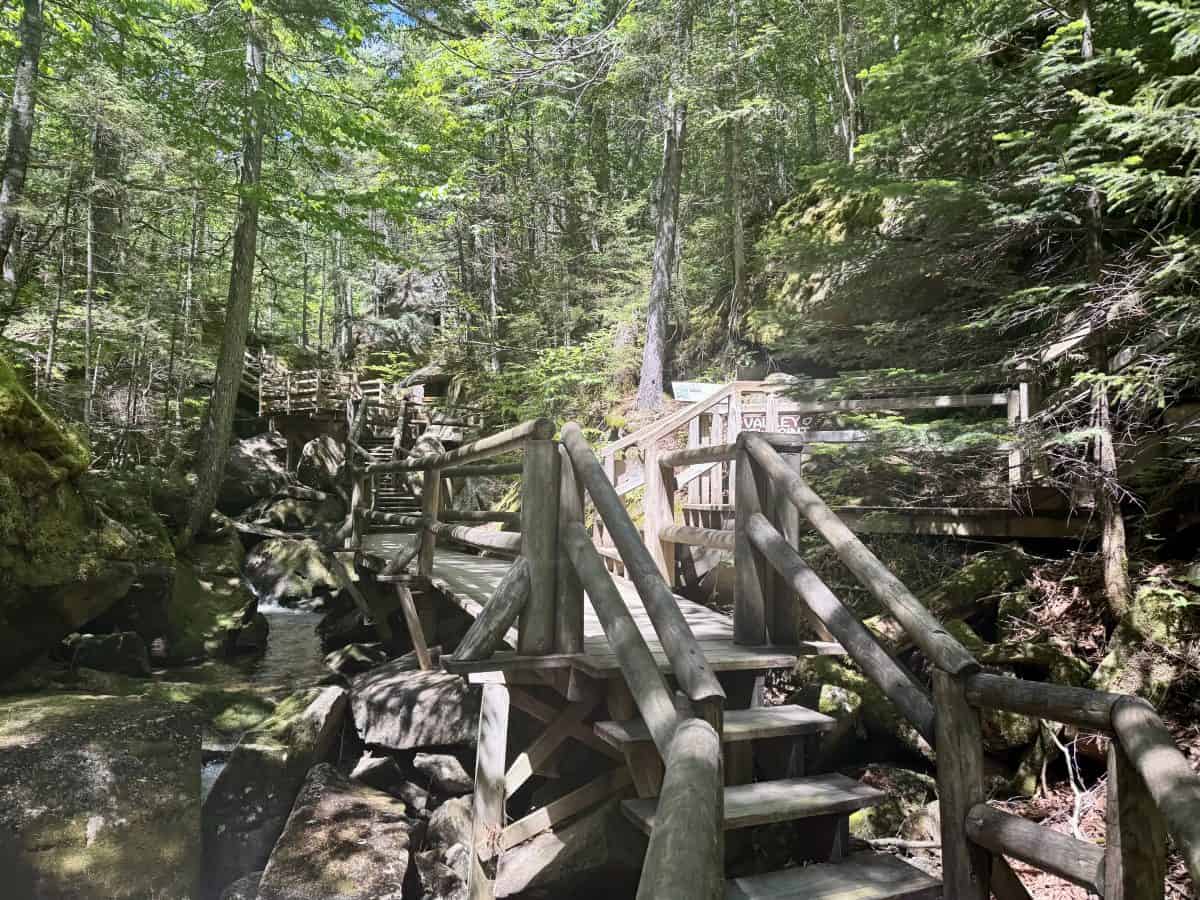
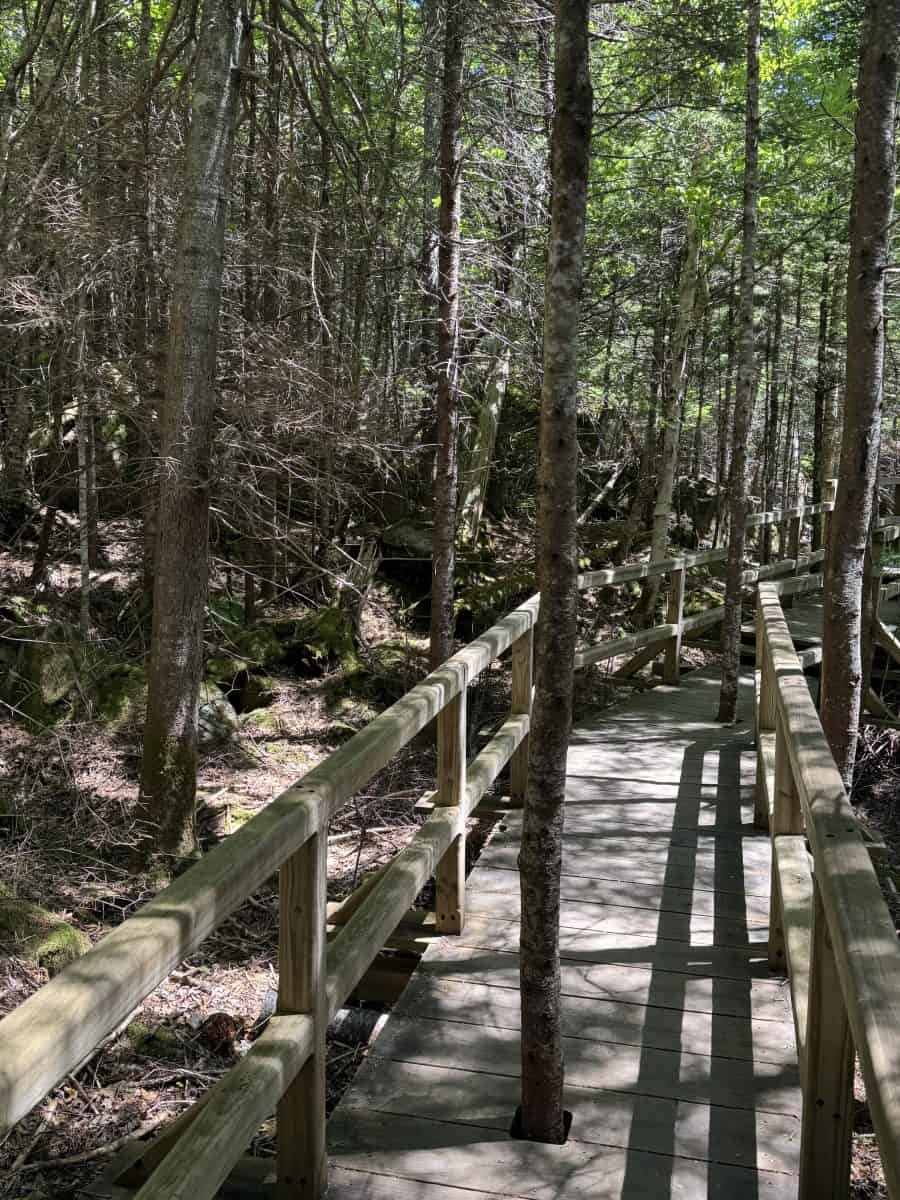
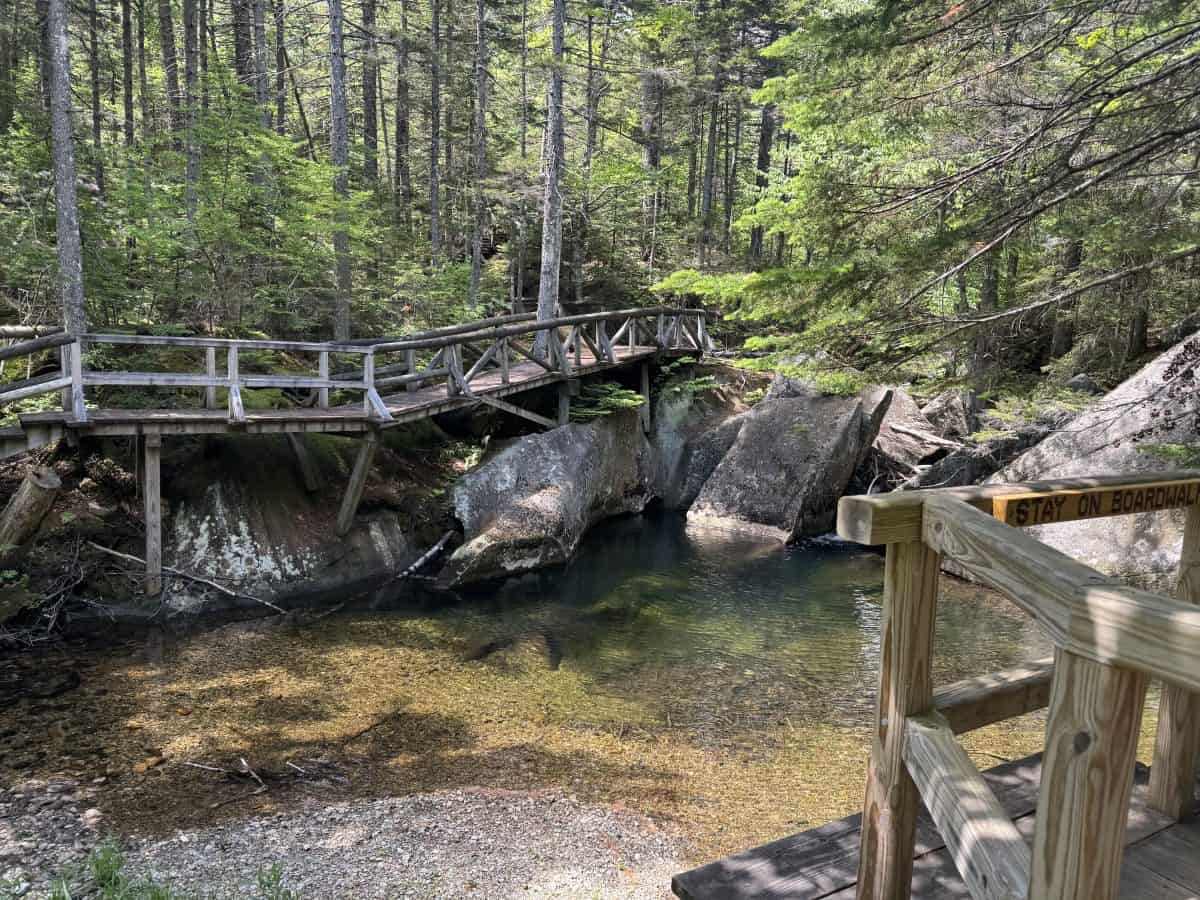
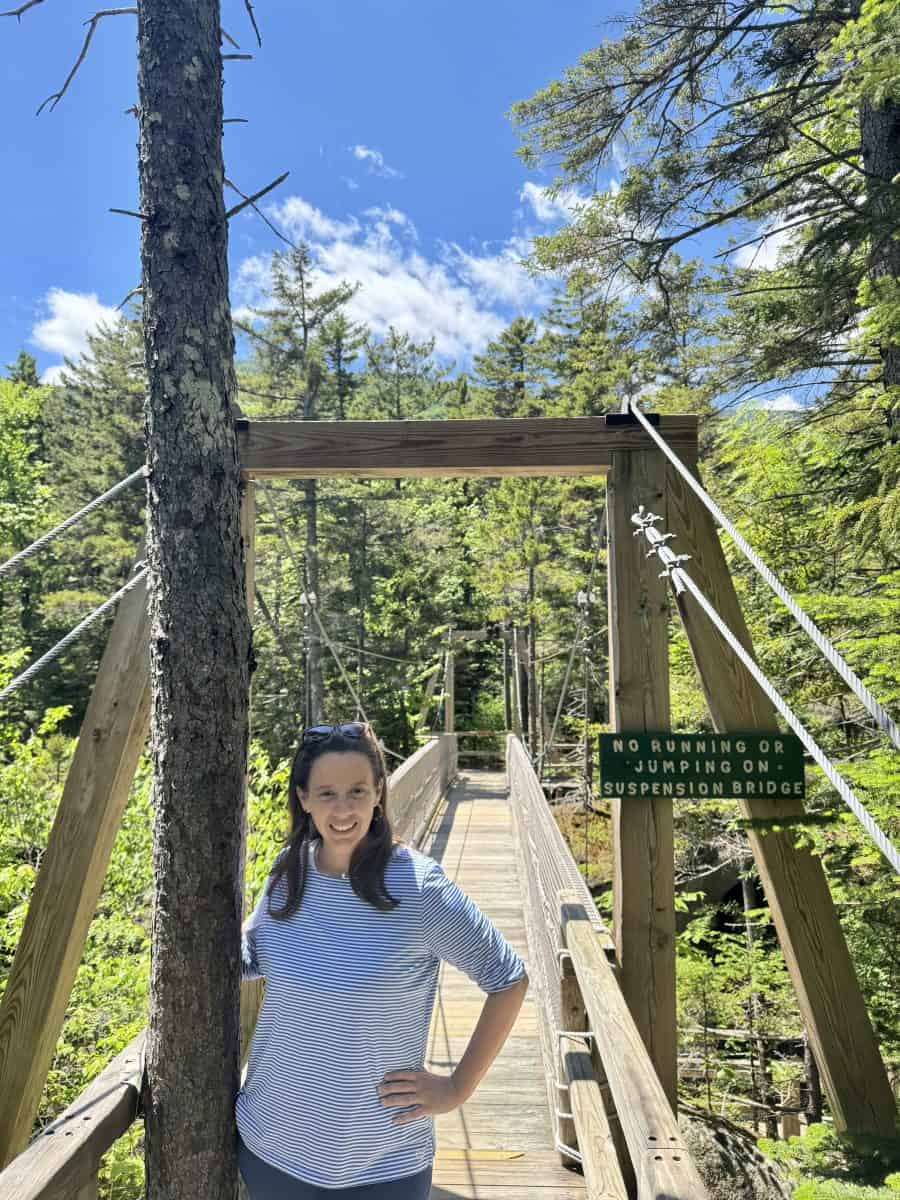
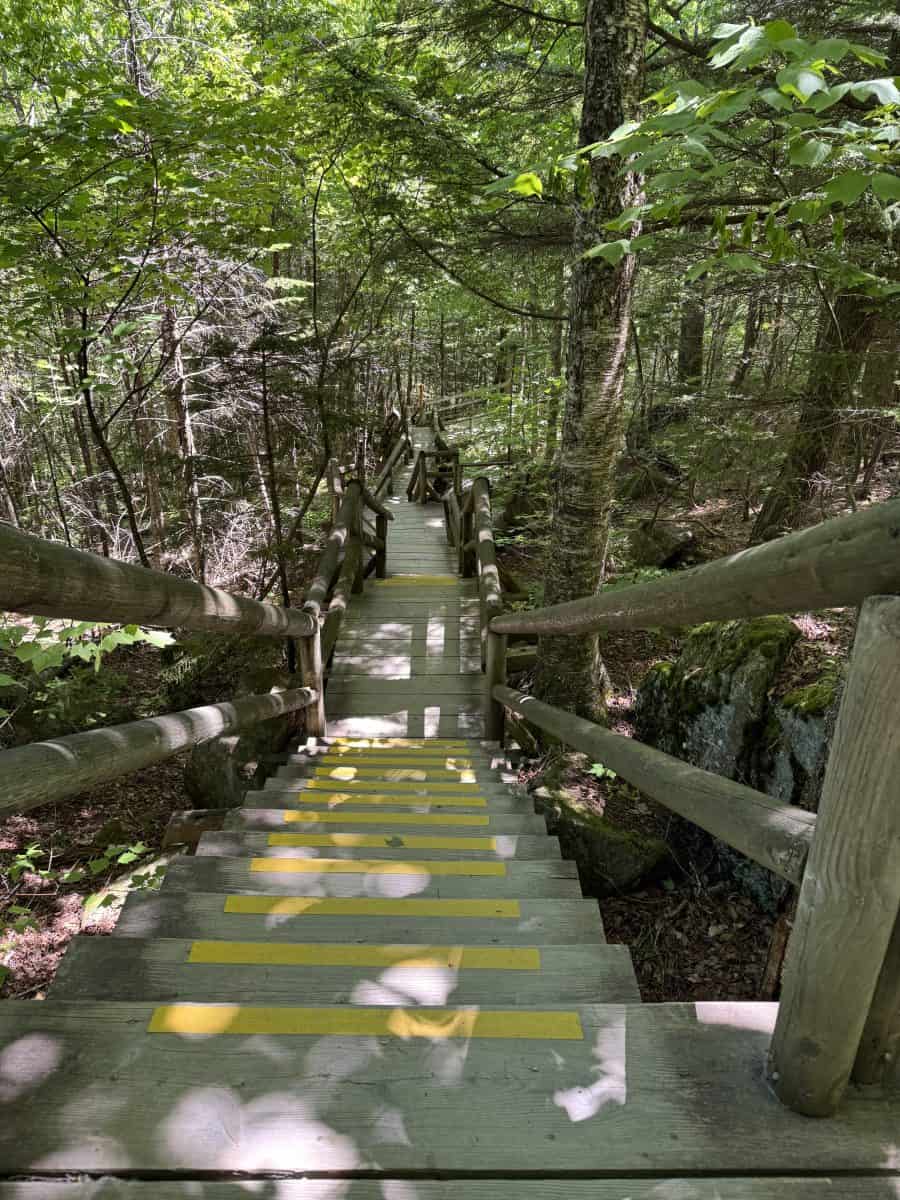
The one mile boardwalk trail follows along Lost River and includes over 1,300 steps down 300 vertical feet into the gorge and then slowly weaves and transverses back up to the Visitor Center. Along the way, take note of all eleven caves and several spots to sit and enjoy the serene beauty of nature. Make sure to walk across the suspension bridge and covered bridge, and enjoy the stunning views of the White Mountains at the various viewing points. 
General Travel Tips:
  • Lost River Gorge and Boulder Caves is open from May through October– get up to date information on hours and rates here.
  • Plenty of free parking near the Visitor Center. Information on GPS directions and driving directions here
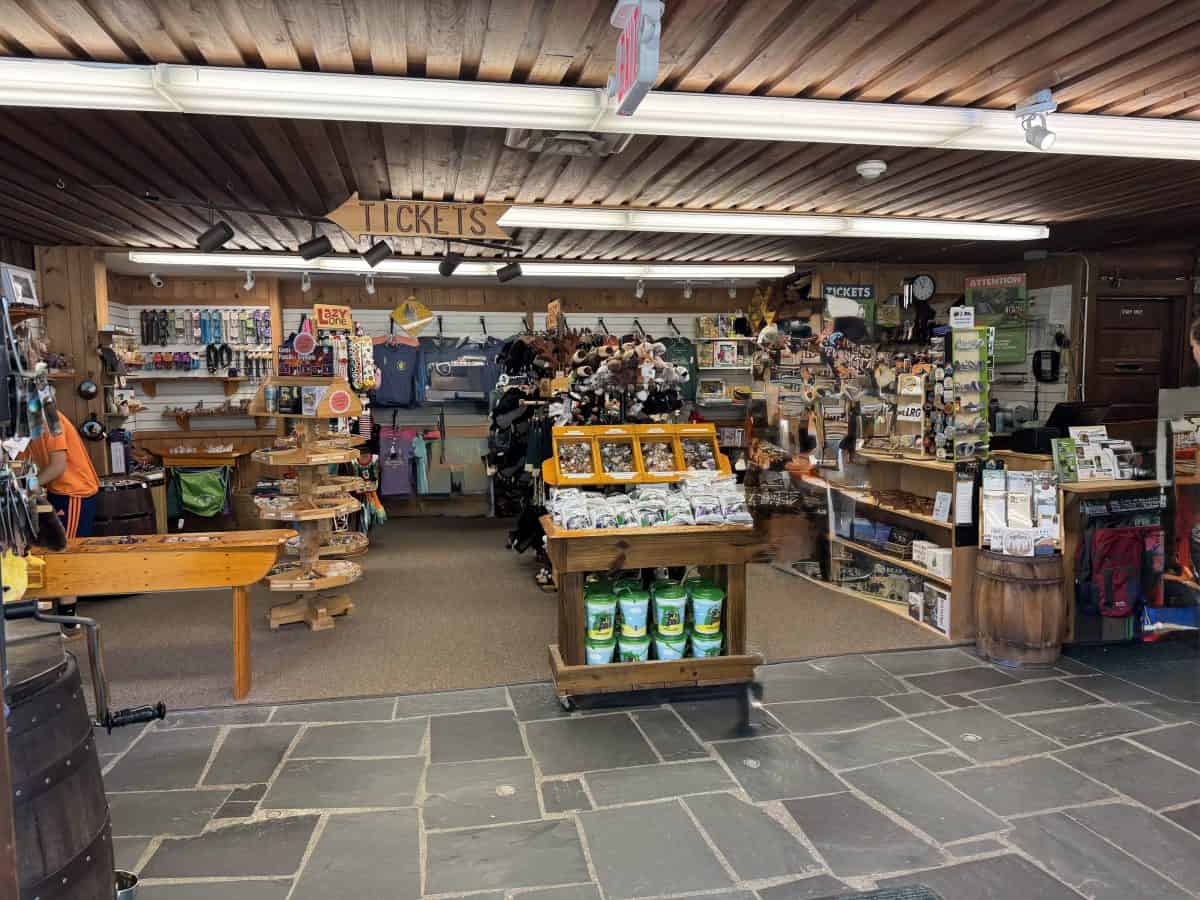
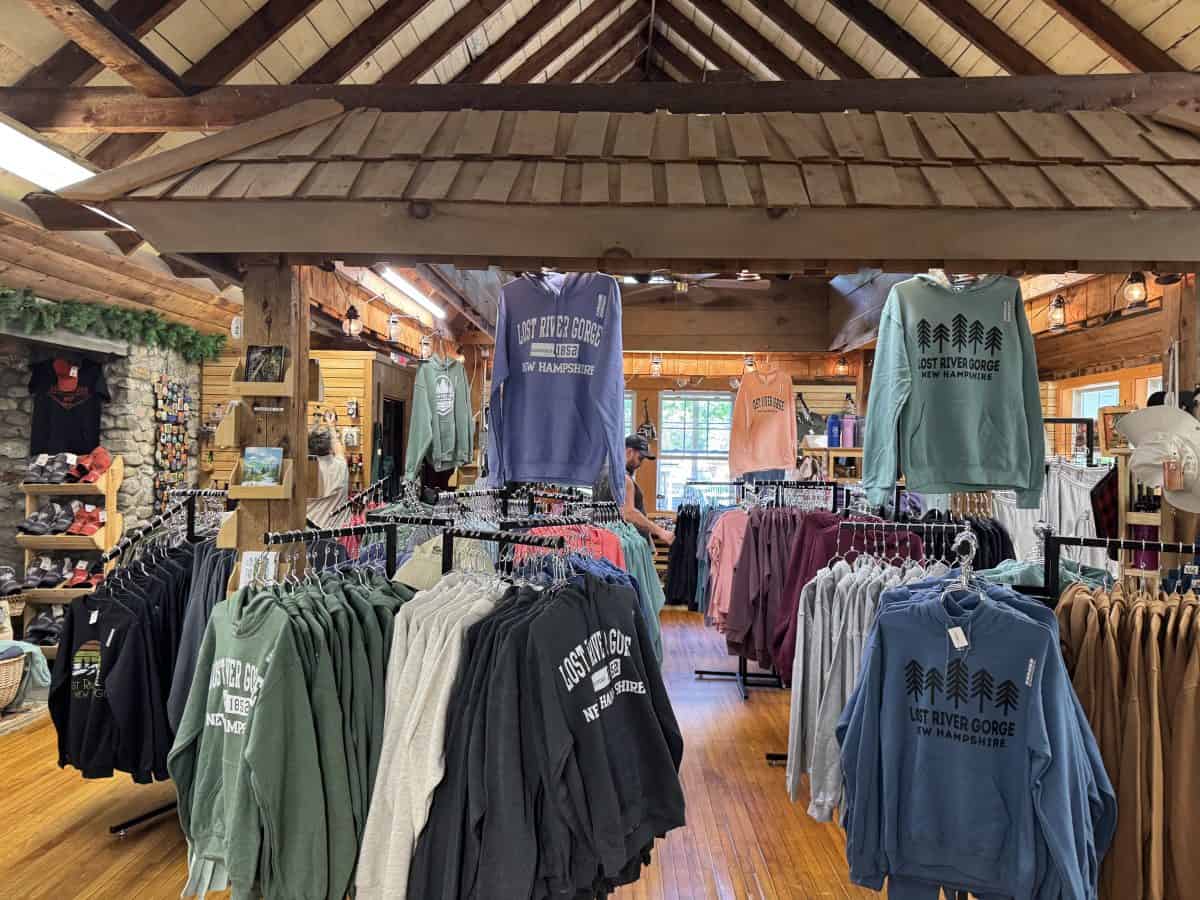
  • Start at the Visitor Center to check in and purchase a day of ticket; the Visitor Center also has restrooms (the only ones on site), and a Gift Shop.
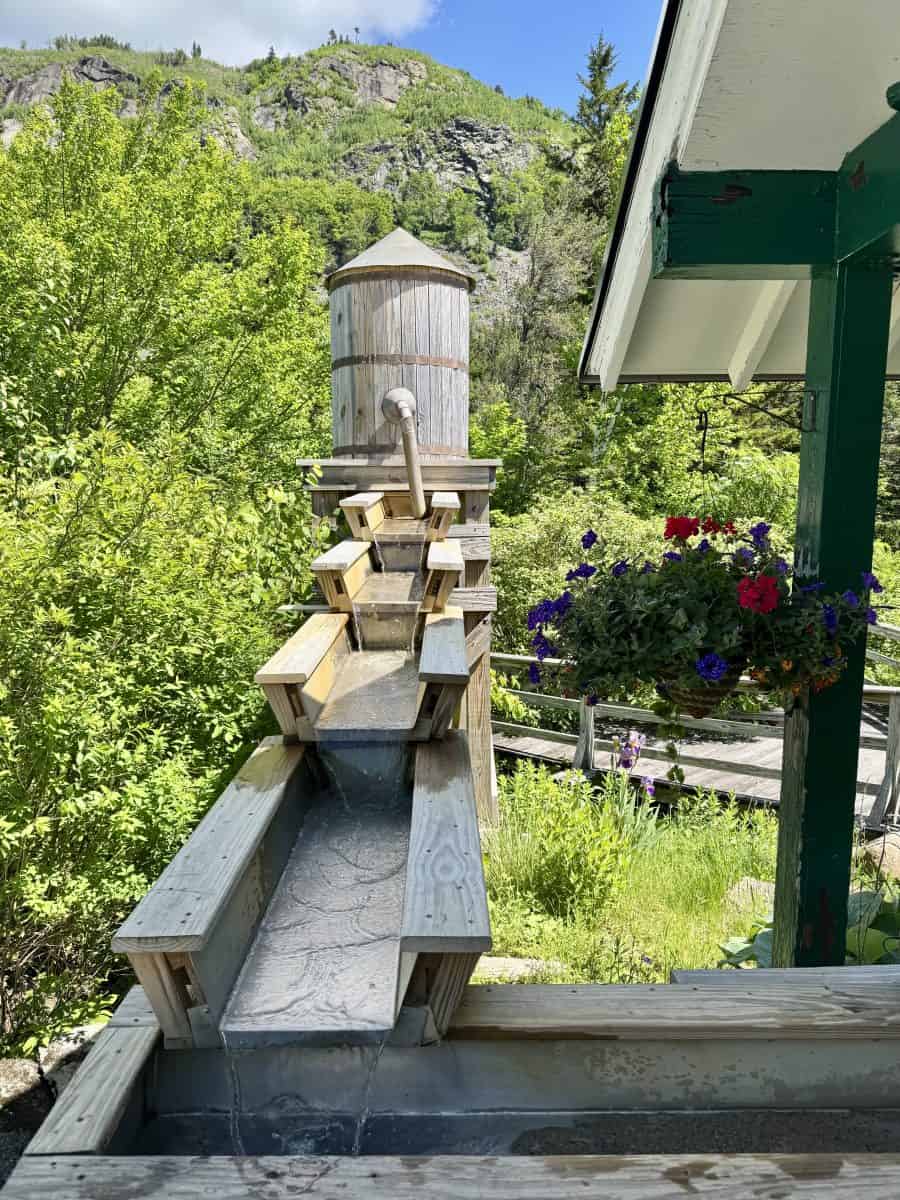
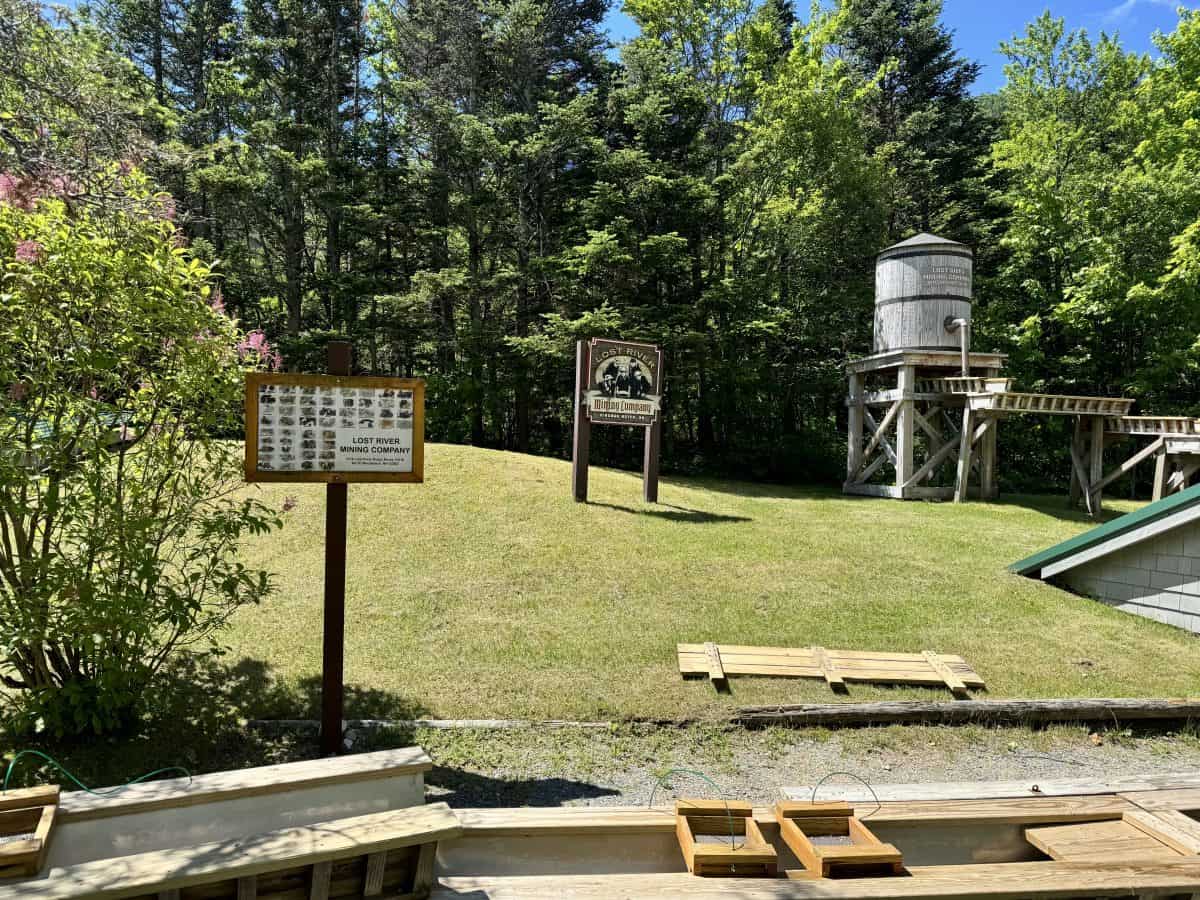
  • Kids might also enjoy panning for gems and minerals in the Lost River Mining Sluice- see more information here
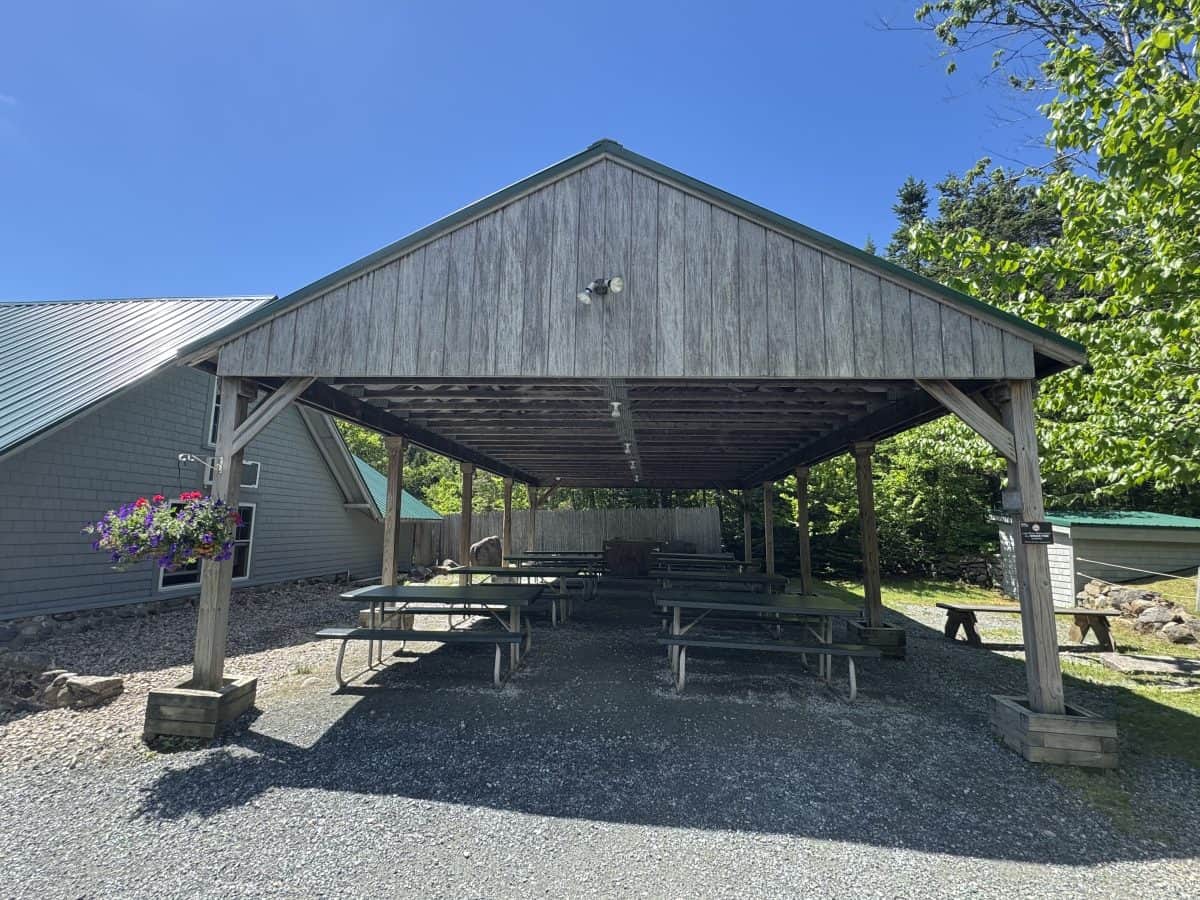
  • Picnic tables are available near the Visitor Center; no dining facilities on site
  • Check out special events like Yoga in the Woods and Live Animal Presentations throughout the summer- see the full calendar here
  • Plan on 90 minutes to complete the full trail and exploration of all 11 caves- see the trail map here

Our Tips and Recommendations:

  1. Purchase tickets online ahead of time: During peak summer season, there can be large crowds at Lost River and the staff does limit the number of people who can be on the trail at one time. Purchasing tickets online does guarantee an entrance time and saves a few dollars per ticket (and no service fees!). 
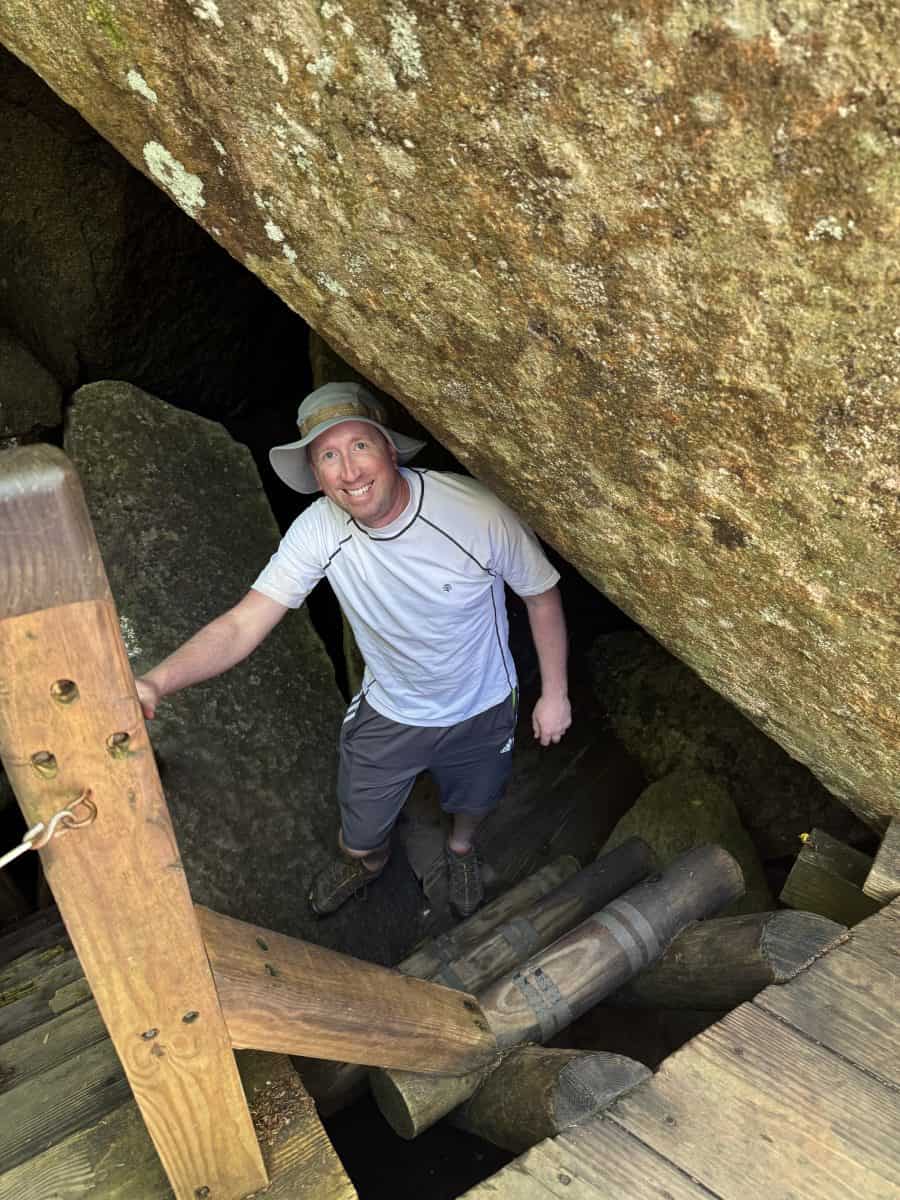
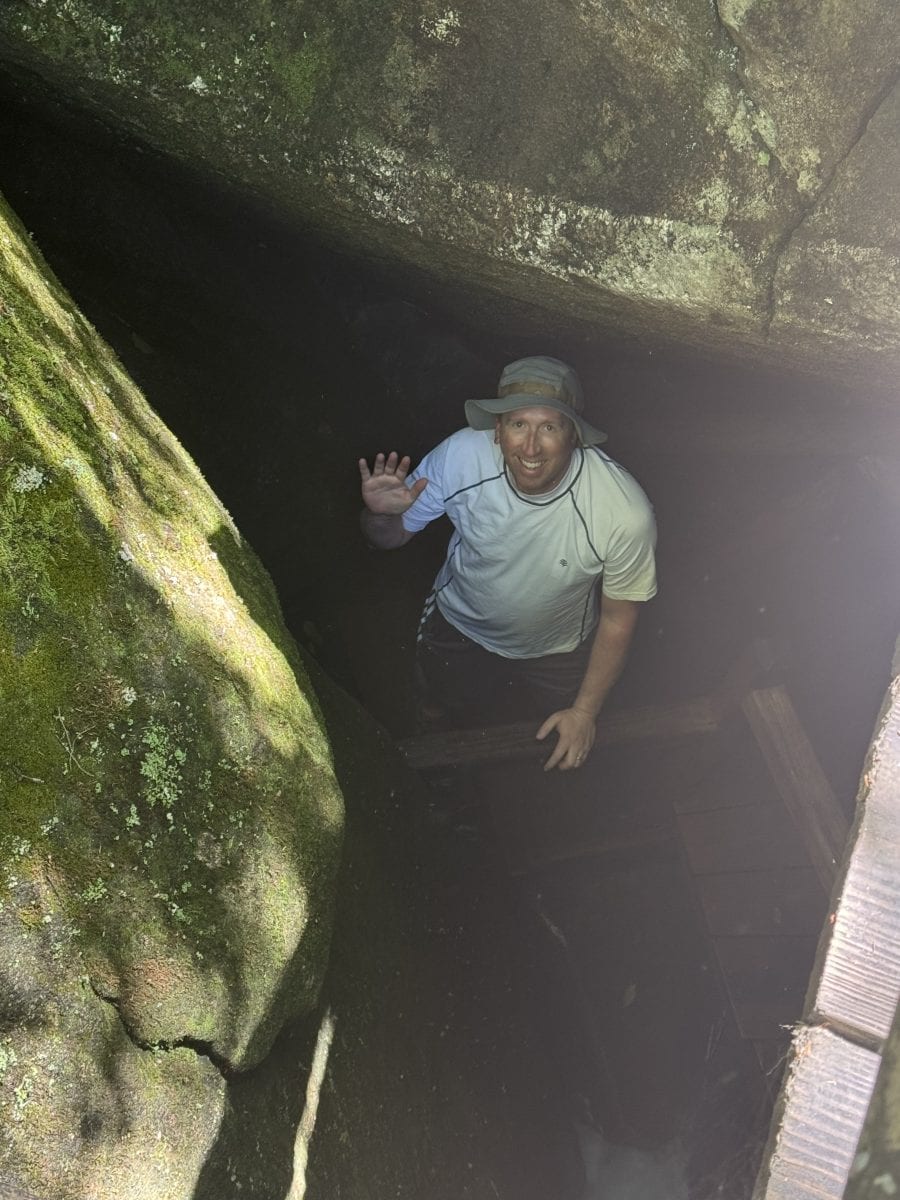
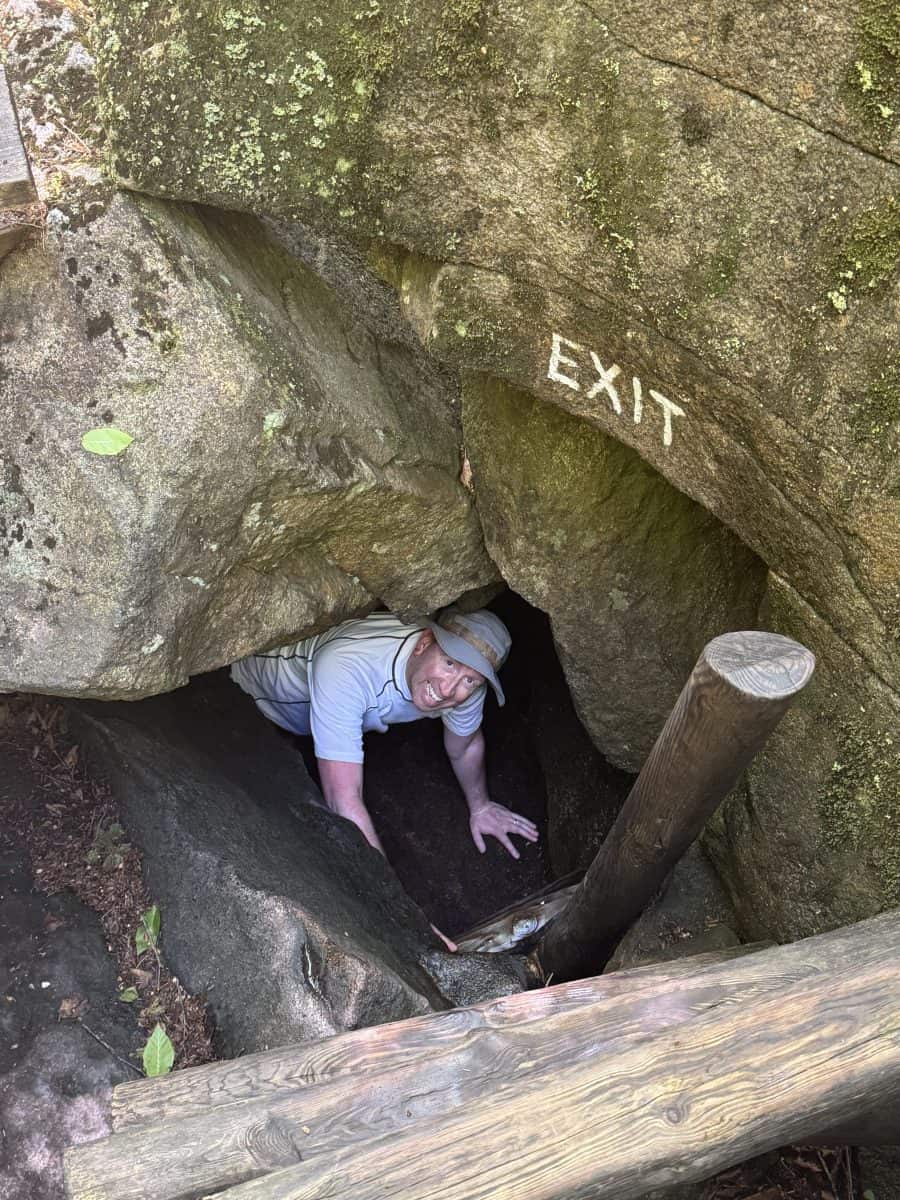
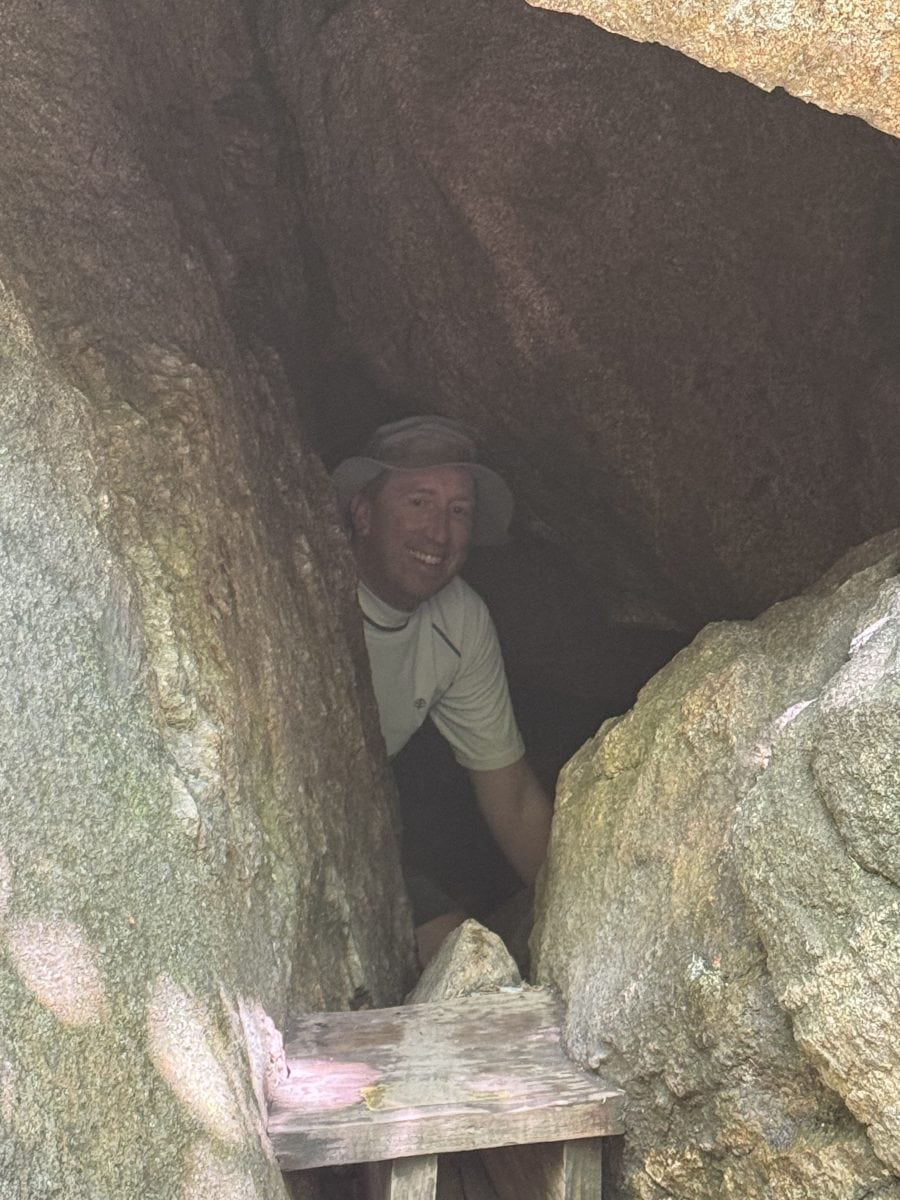
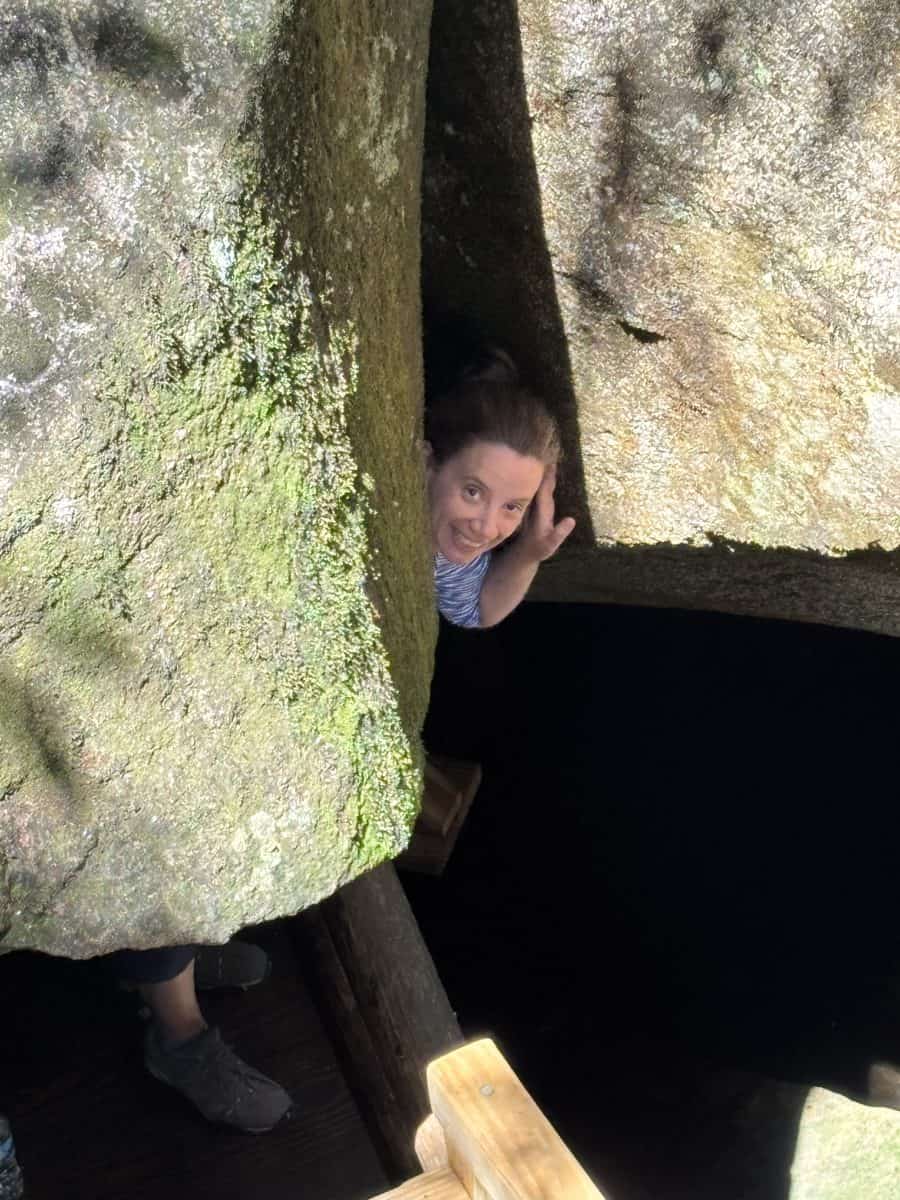
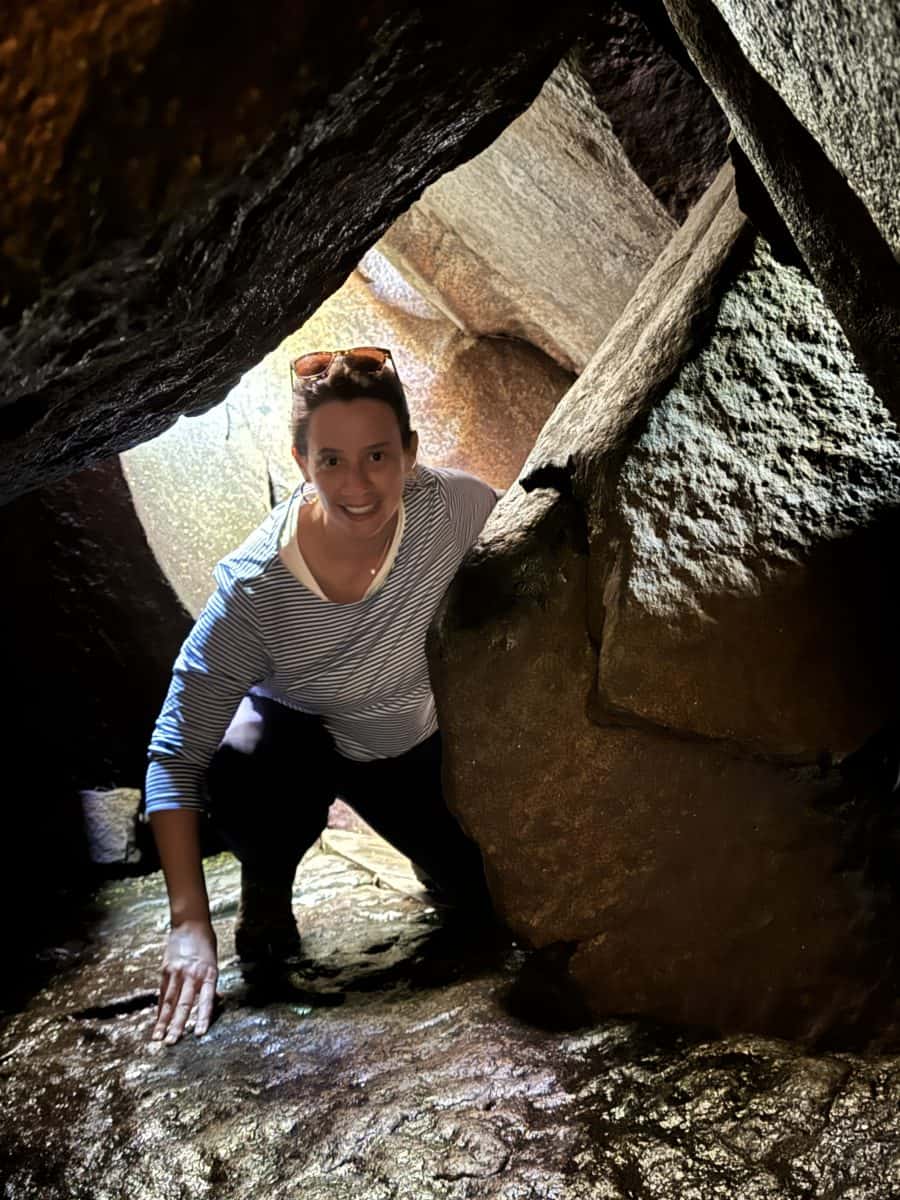
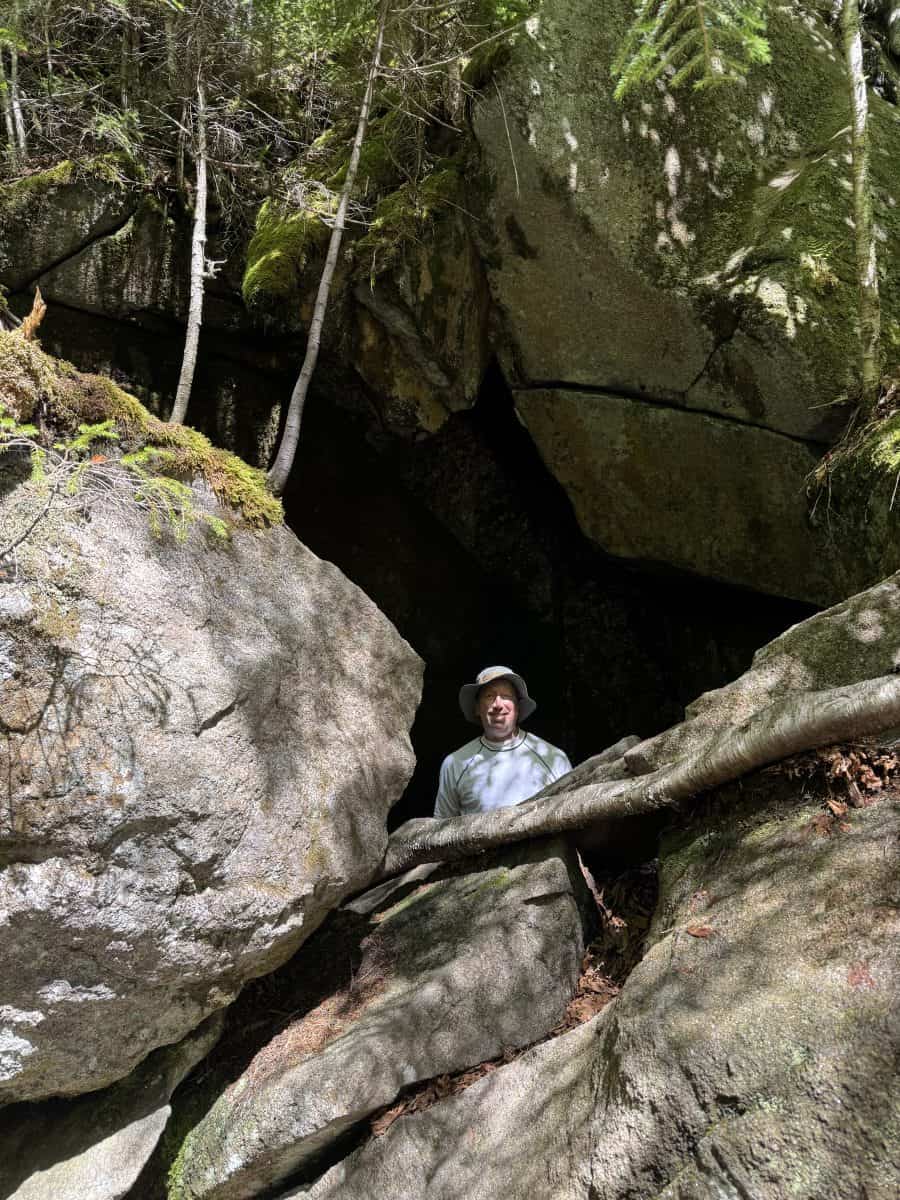
  2. Dress Appropriately: Sturdy sneakers (or hiking boots) are a must. Layers when hiking are also a good idea- the caves are cool and damp- and a hat will provide shade. Several caves involve crawling on hands and knees (and sometimes even “army crawling”) so consider whether you prefer your knees to be covered or not. 
  3. Apply bug spray and sunscreen before entering: There are tons of bugs (we’re on their home turf!) and while most sections of the boardwalk are in the shade, there is still plenty of sun. Apply bug spray and sunscreen before starting the trail so you don’t have to bring any tubes or canisters with you.
Would you like to save this?

We'll email this post to you, so you can come back to it later.

  1. Leave everything else in the car: You’ll want your hands free to crawl through the caves and a backpack may limit your ability to fit through the openings. Strollers are not allowed and the trail is not handicap accessible.
  2. Eat before or after your visit: Food is not allowed on the trail (food will attract animals and bugs, and there is nowhere to throw away trash), so it’s best to eat before or after you complete the trail. The gift shop does sell snacks and drinks and there are picnic tables under a tent near the Visitor Center.
  3. Use your camera’s phone: Again, if you’re planning on climbing through the caves, you don’t want a lot of extra items to bring with you, nor would I want to risk getting an expensive camera wet or damaged by the mist or sharp edges of rocks. Most phones’ cameras will take great photos.
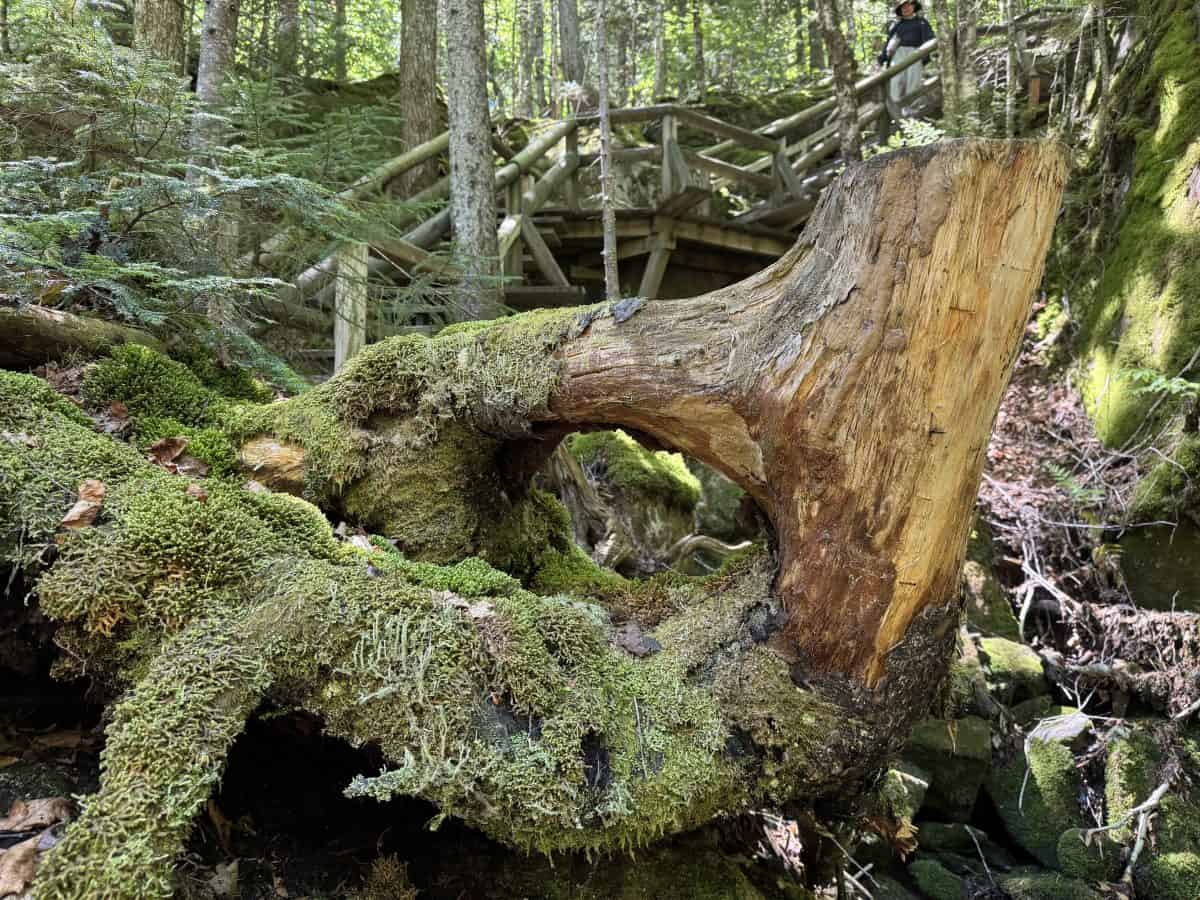
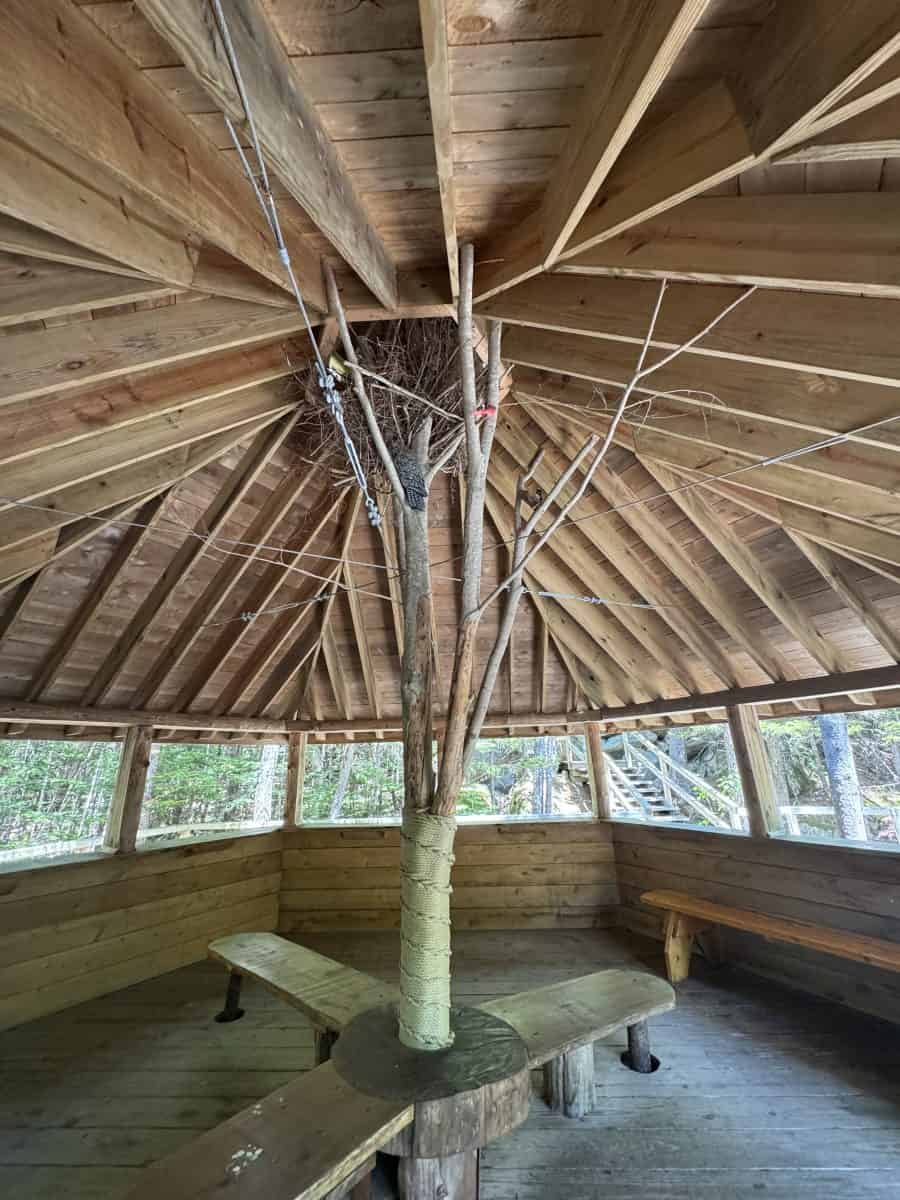
inside the treehouse at Lost River Gorge and Caves in NH
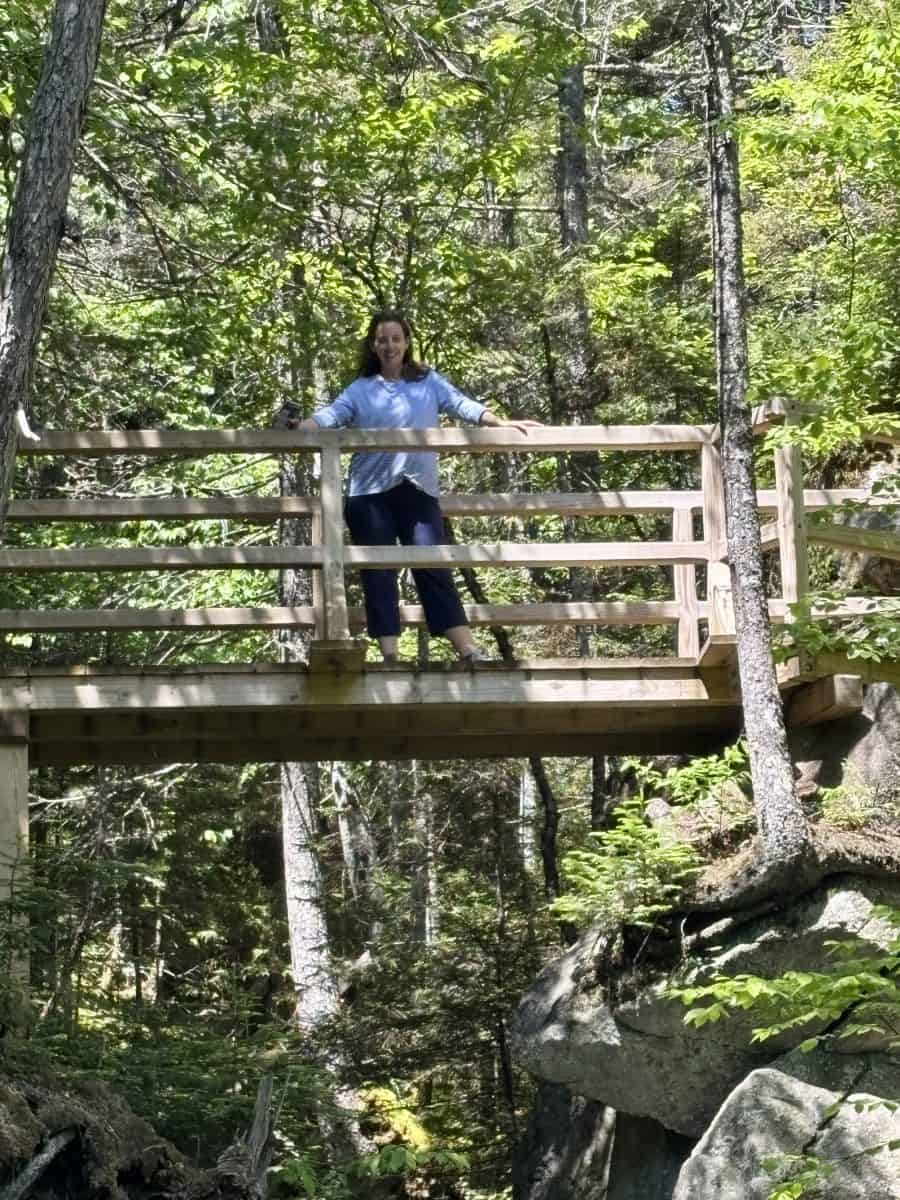
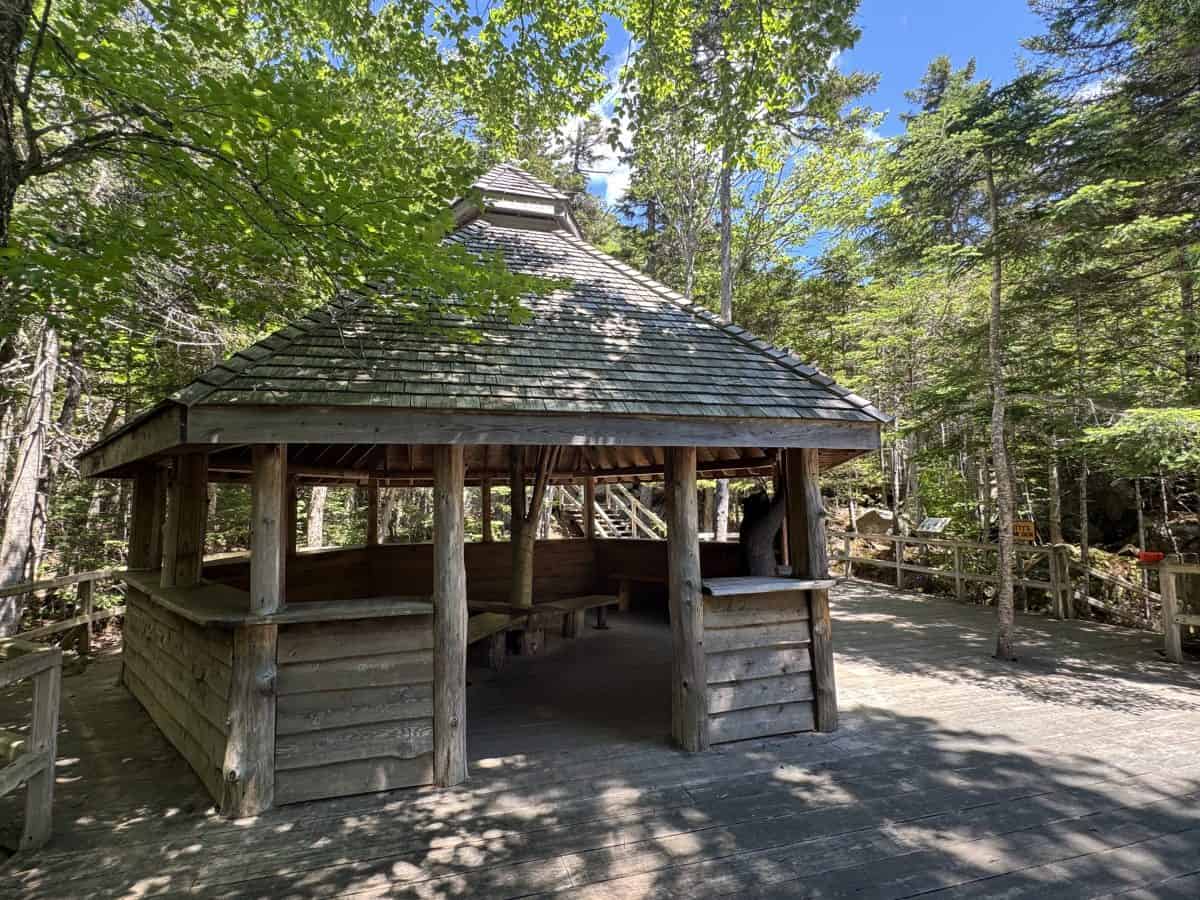
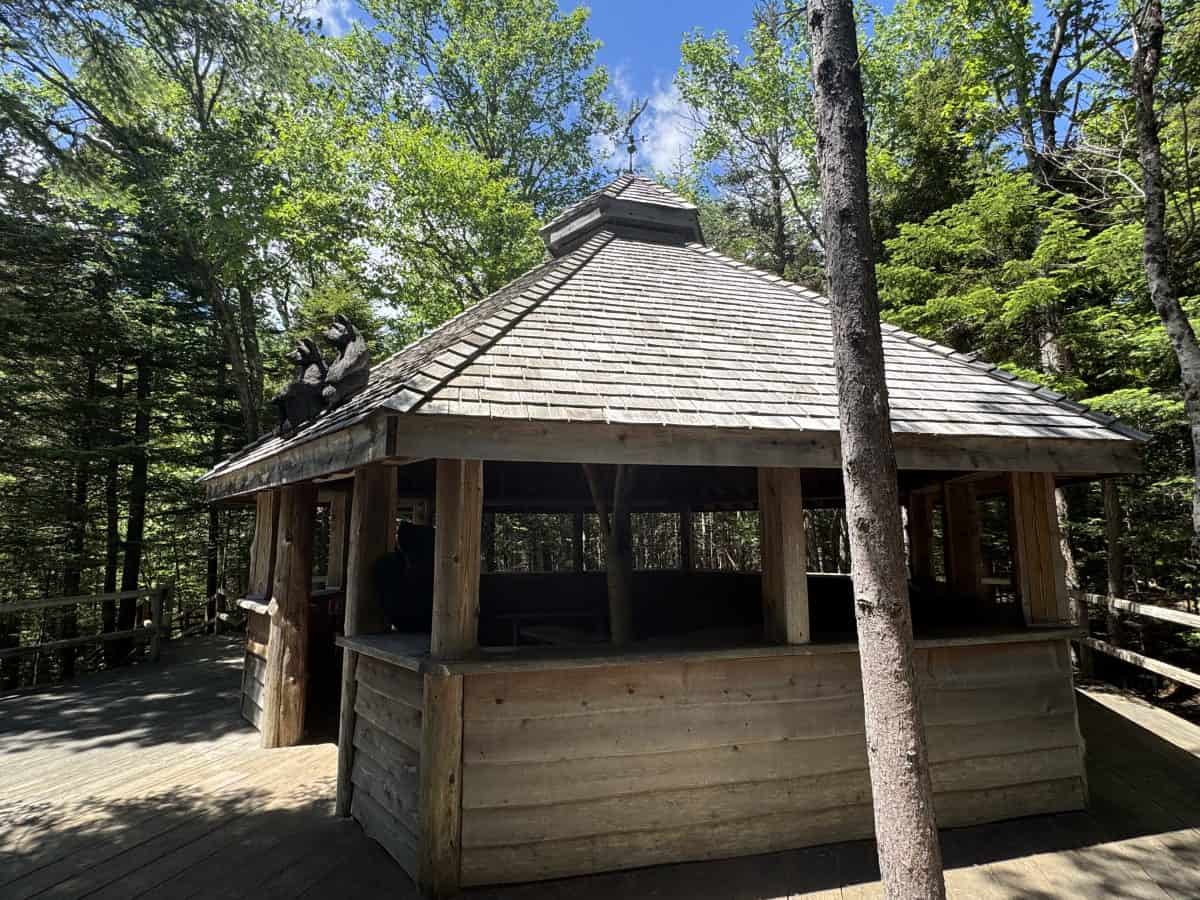
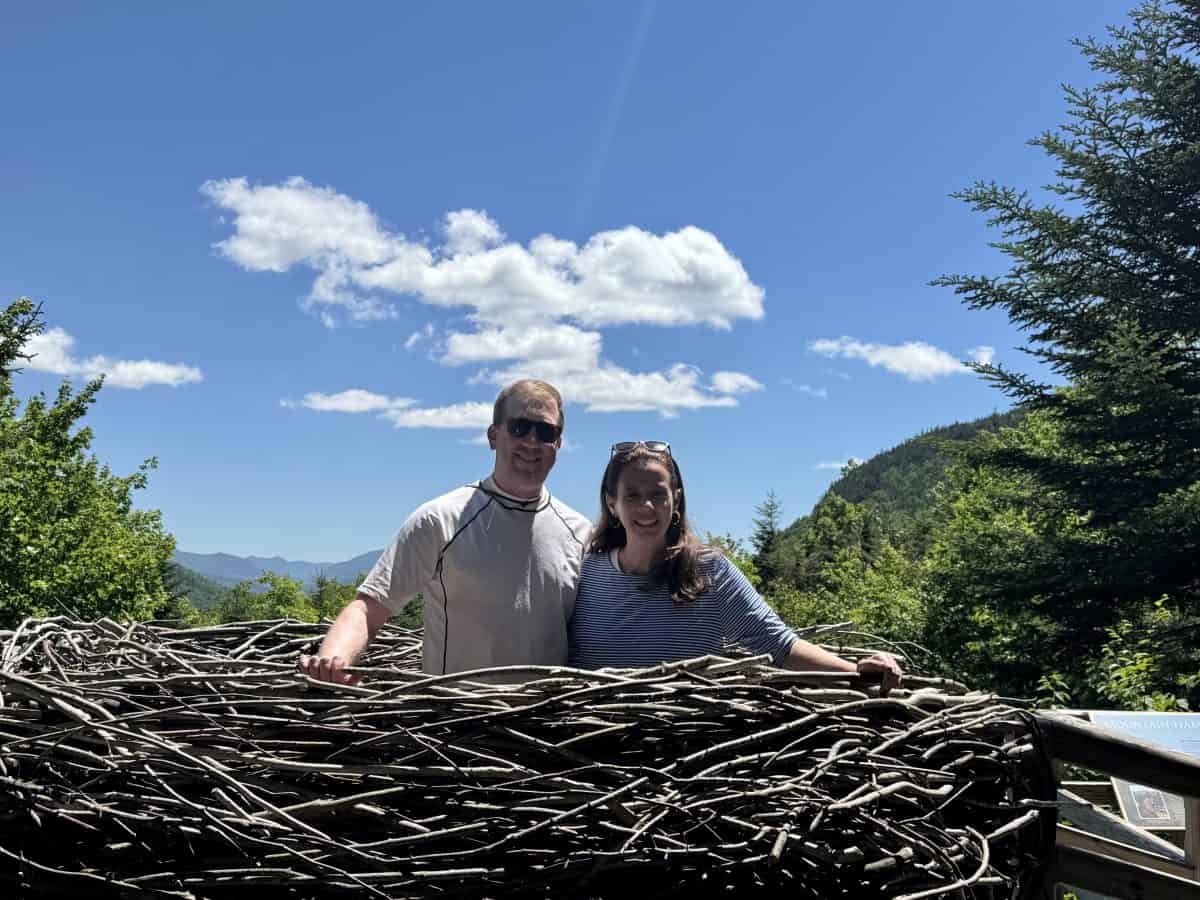
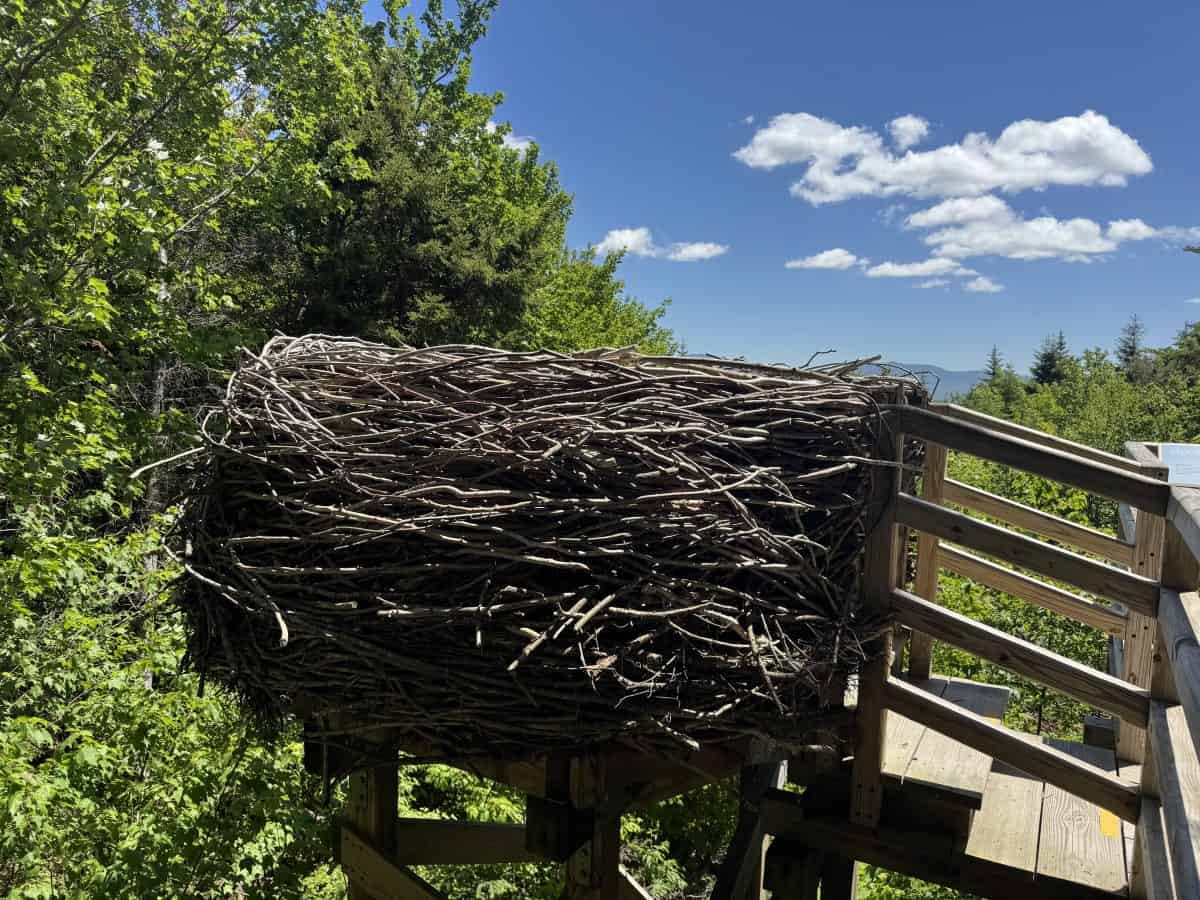
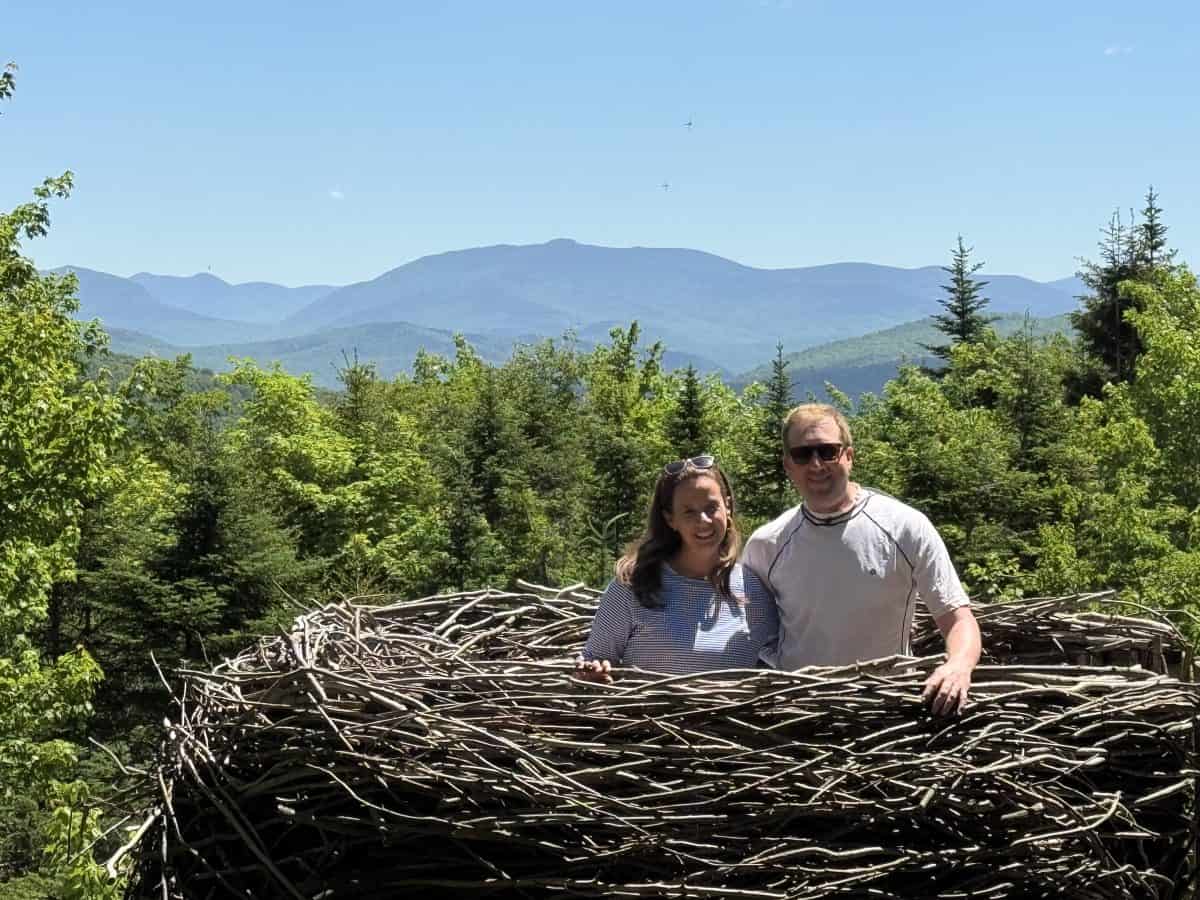
  1. Great Photo Spots: Lookout Point, Paradise Falls, Valley Viewpoint, Forest Treehouse, Covered Bridge, Suspension Bridge, and end with the Giant Bird Nest.
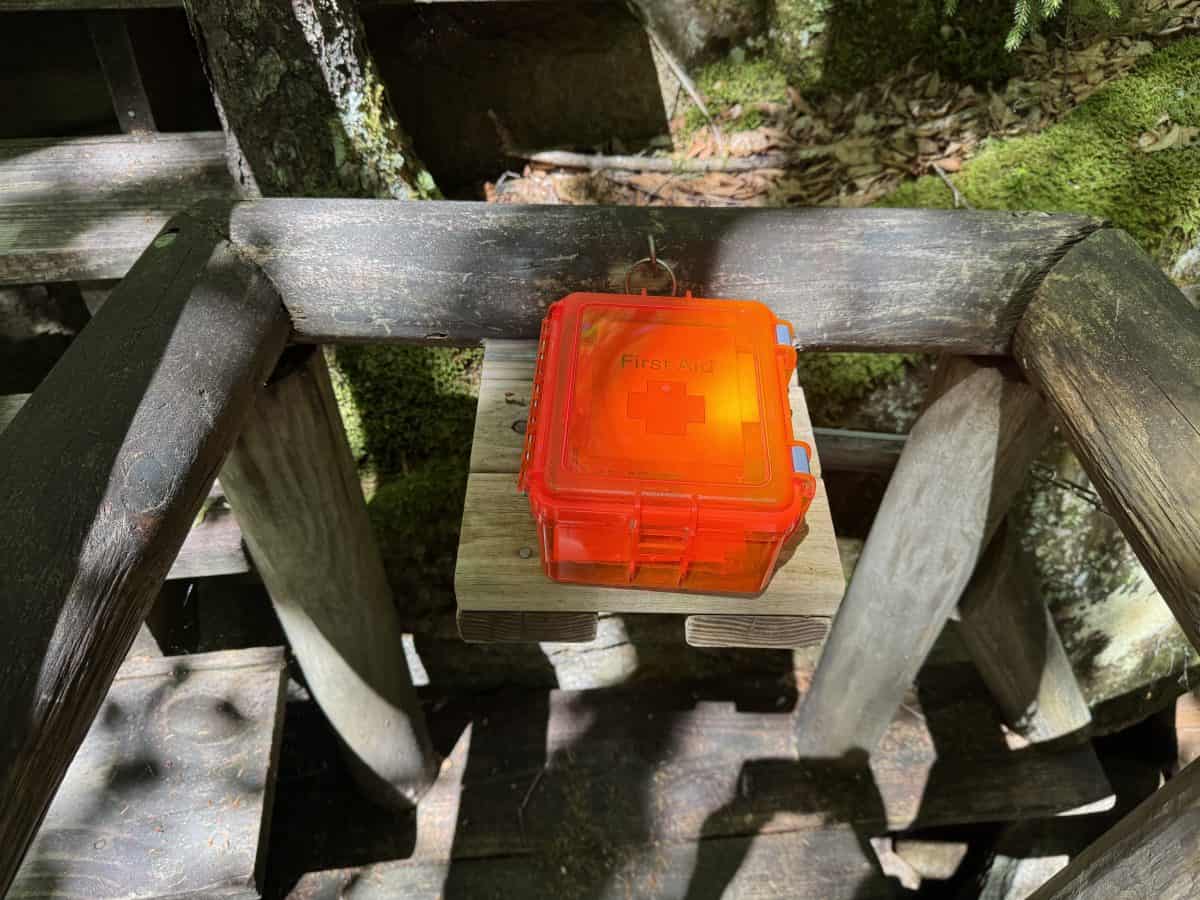
  2. First aid: There are first aid stations near several of the caves that include supplies like bandages and creams. 
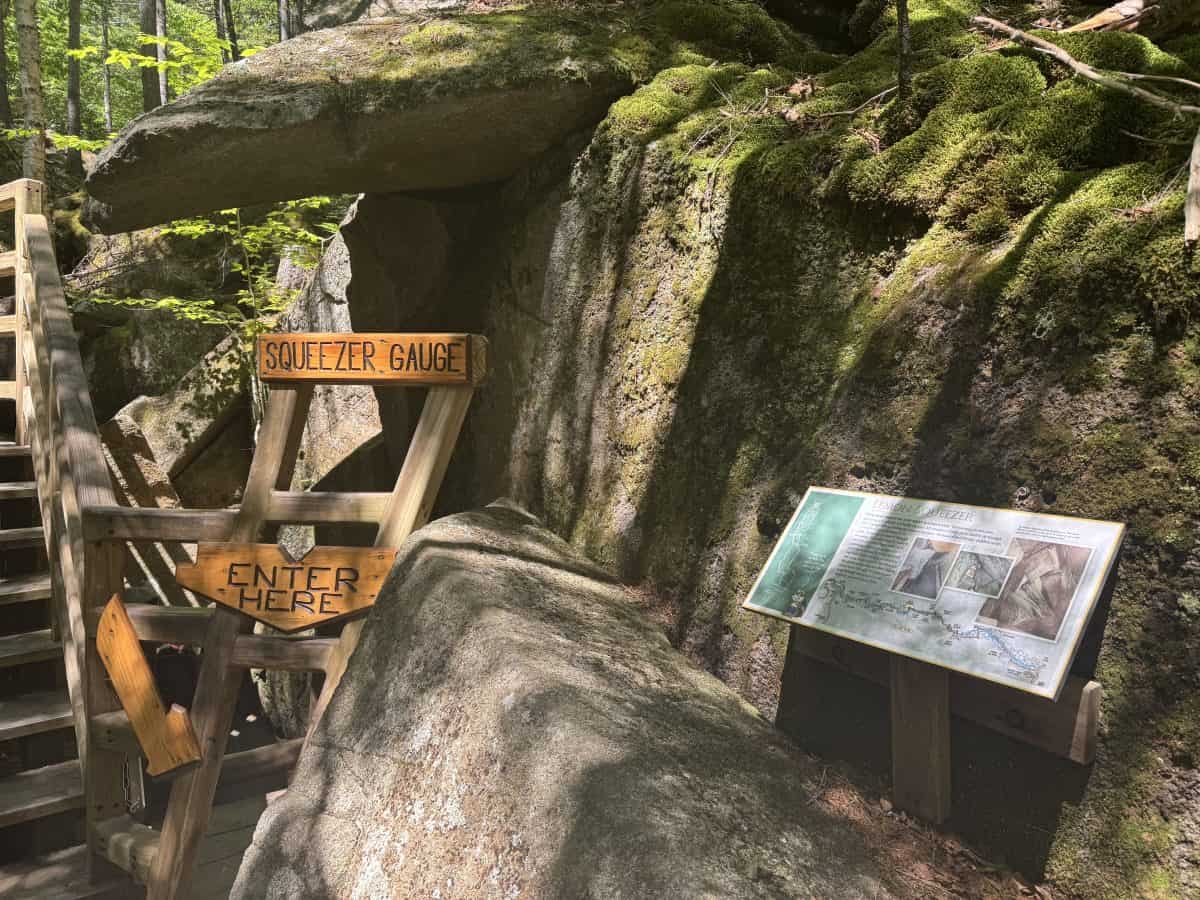
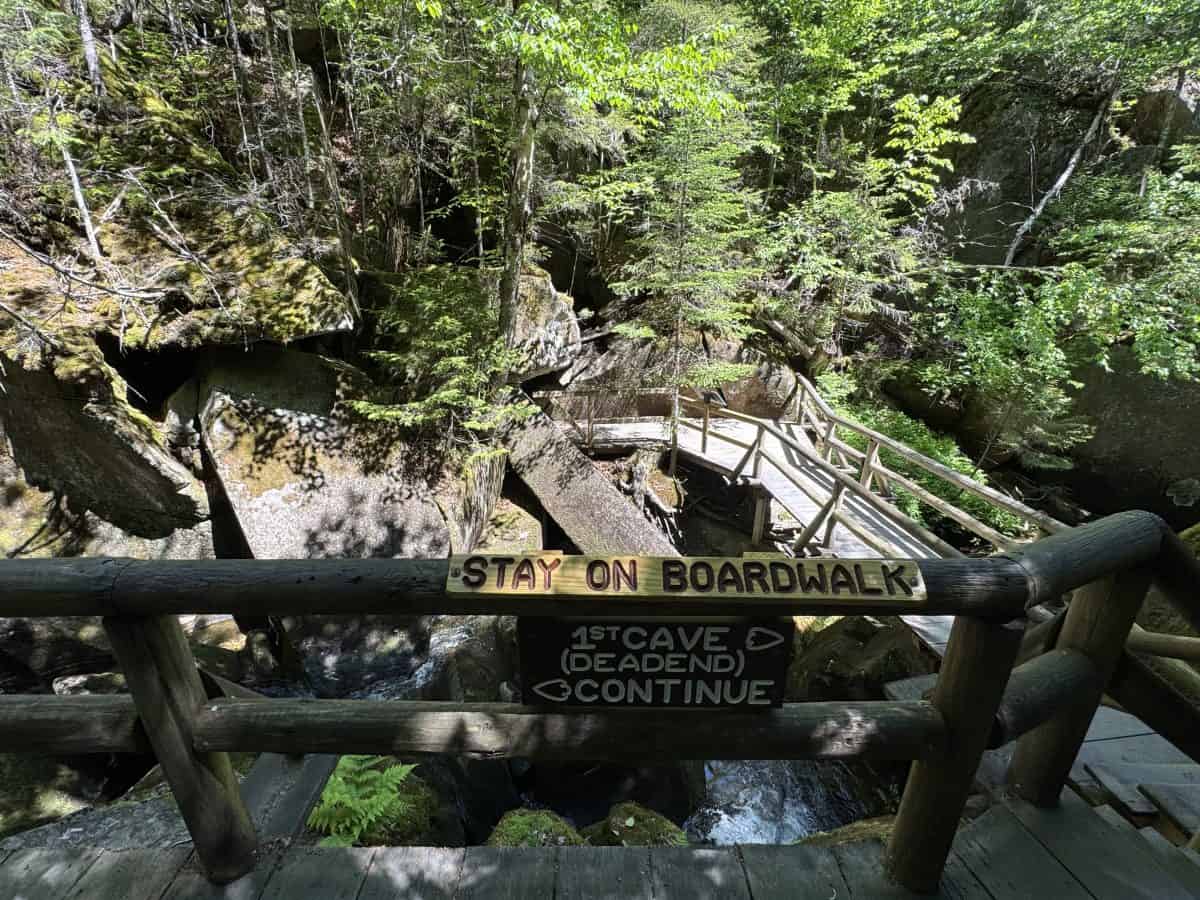
  3. Read the signage: There are placards in front of every cave that explain the historical formation and discovery of the cave, as well as the meaning behind the cave’s name.  There are also several signs that describe the local wildlife, birds, trees and their ability to grow all around rock formations, and other unique natural formations like the Giant Pothole and Granite Bowls. 
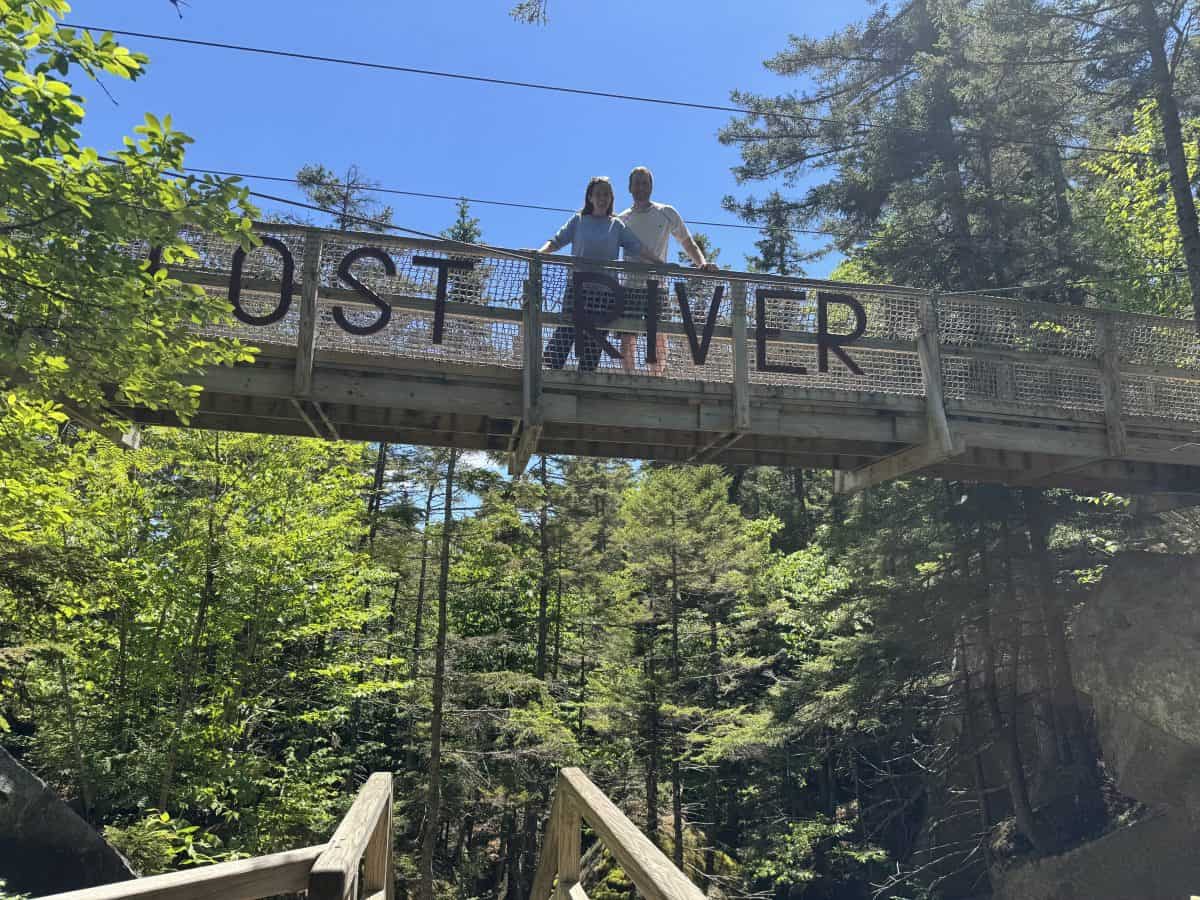
suspension bridge at Lost River Gorge and Caves in NH

Bird's Nest at Lost River Gorge and Caves in NH

Looking for our list of hiking supplies? Check out our recommendations here. Looking for other adventures in New Hampshire? Kids will love StoryLand and everyone will love exploring historic sites in Concord and Portsmouth.


Similar Posts

  • | | | | |

    25 Ways to Have Fun at Mystic Seaport in Mystic, Connecticut This Summer

    The largest maritime museum in America, Mystic Seaport Museum is an indoor and outdoor living history museum that is one of the most popular attractions in Connecticut. Spread across 19 acres on the banks of the Mystic River in Mystic, Connecticut, the property was originally the site of the Charles Mallory & Sons shipyard and nearby Greenman shipyard, both of which built wooden clipper ships, barks, and steamships during the 19th century. Founded in 1929, the museum has expanded several times to include more historic structures, exhibits, and sailing vessels in its fleet.

  • | | | | | | | | | | |

    15 Free Things to Do with Kids in Connecticut this Summer

    We officially moved to the Nutmeg State back in 2002 and have enjoyed exploring dozens of its 169 cities and towns, many of which border New York, Massachusetts, Rhode Island and the Long Island Sound. We’re working on an updated master list of all the places we’ve visited and all of our travel tips for later in the summer, but this index, this list, and this list are good places to start. You might also like our City Guides featuring Mystic and Coastal Connecticut.

    As summer nears and temps rise, we wanted to share 15 FREE things to do this summer (really, all year, but summer offers some additional perks and better hours) and a few bonus spots we’re hoping to check out ourselves this summer.

  • | | | |

    Smithsonian American Art Museum and National Portrait Gallery in Washington, D.C.

    Disclaimer: I have chosen to continue my weekly blog posts sharing our recent adventures exploring America. Our family has been safely quarantined for over a month and we will continue to do so until it safe to head out on our next adventure. The travel tips and recommendations we share were current at the time of visitation in 2019-2020. We recommend helping our country (and world) by staying home and planning for future adventures. We hope these posts bring you inspiration and motivation to plan your next trip!

    One of the oldest buildings in Washington DC and now a National Historic Landmark building, The Donald W. Reynold Center for American Art and Portraiture is home to both the Smithsonian American Art Museum and National Portrait Gallery. The complex first opened to the public in 1968 and completed renovations in the early 2000s. Both institutions, overseen by the Smithsonian Institute, are housed in the same complex. The Portrait Gallery has over 23,000 pieces of art in its collection and began officially commissioning portraits of presidents, beginning with George H.W. Bush. The American Art Museum is home to one of the largest collection of American art in the world and includes The Luce Foundation Center for American Art, housed on the 3rd floor. The Luce collection has more than 3,000 pieces of art in mediums from paintings to sculptures to medals to jewelry.

  • | | | | |

    12 Things to Do at the Delaware Museum of Nature and Science

    The Delaware Museum of Nature and Science, which originally opened in 1972 as the Delaware Museum of Natural History, was renovated in 2020-2022 and reopened as the Delaware Museum of Nature and Science in May of 2022. The museum galleries offer dozens of hands-on activities and exhibits that showcase “how nature connected us all through exploring dynamic and diverse ecosystems.” (delmns.org) The museum galleries are inviting with plenty of space to spread out and lots of light, while still being easy for parents to keep a close eye on children. Be sure to leave time to explore the outdoor walking trails and sculptures.

  • | | | |

    National Park Guide: Bryce Canyon National Park in Utah

    This post is the first in a series we’ll be sharing about our adventures of summer 2021, when we embarked on a 4 week road trip that included 9 National Parks (bringing our total to 12) and many other cool sites across the country. We must disclose that we are NOT serious hikers, even after this trip. The pandemic afforded our family the opportunity to enjoy the outdoors more, and that let to a whole new appreciation of nature. While we researched, experienced, and fact checked all information in this post, many parts of it are still only our personal opinions (how difficult a trail is, how long it takes to complete, what we chose to do and not do). We’ve provided links to the NPS site so our readers can make their own decisions about what adventures they want to experience in the park.

  • | | |

    Playing “I Spy” at the Vermont State Capitol

    Vermont, the 14th state in the union, chose Montpelier as the state capital because of its central location and accessibility to the nearby Winooski River. The first State House, a traditional wooden meetinghouse, was open from 1808-1835, and then moved and expanded to a nearby, larger space from 1836-1856, until a fire destroyed most of the State House in January of 1857. The third, and current, State House was completed in 1859, built in an Italian Renaissance revival style, with all features made from masonry and cast iron; only the dome (57 feet high and covered in gold leaf) is made of wood. (Even the doors and staircase railing were painted to look like mahogany!)

    The Vermont Senate Chamber, which has 30 members, is the oldest senate chamber in America that is still actively used and still has all of the original furniture and lighting from 1859 (except for two filing cabinets and a computer). The 150 member House Chamber is the largest room in the State House. Vermont legislators have no private offices at the State House; they conduct business at their chamber desks or in groups in large committee rooms on the first floor. And unlike most state Capitols, there is no rotunda inside the Vermont State House, the dome is an exterior ornament. 

    Hubbard Park, located behind the State House, is home to walking trails, a fitness trail, an interpretive trail, a 54 foot stone tower, and picnic shelters. The State House complex welcomes visitors all year and encourages exploration of its grounds.

One Comment

Leave a Reply

Your email address will not be published. Required fields are marked *