Exploring the Old New-Gate Prison and Copper Mine in East Granby, Connecticut
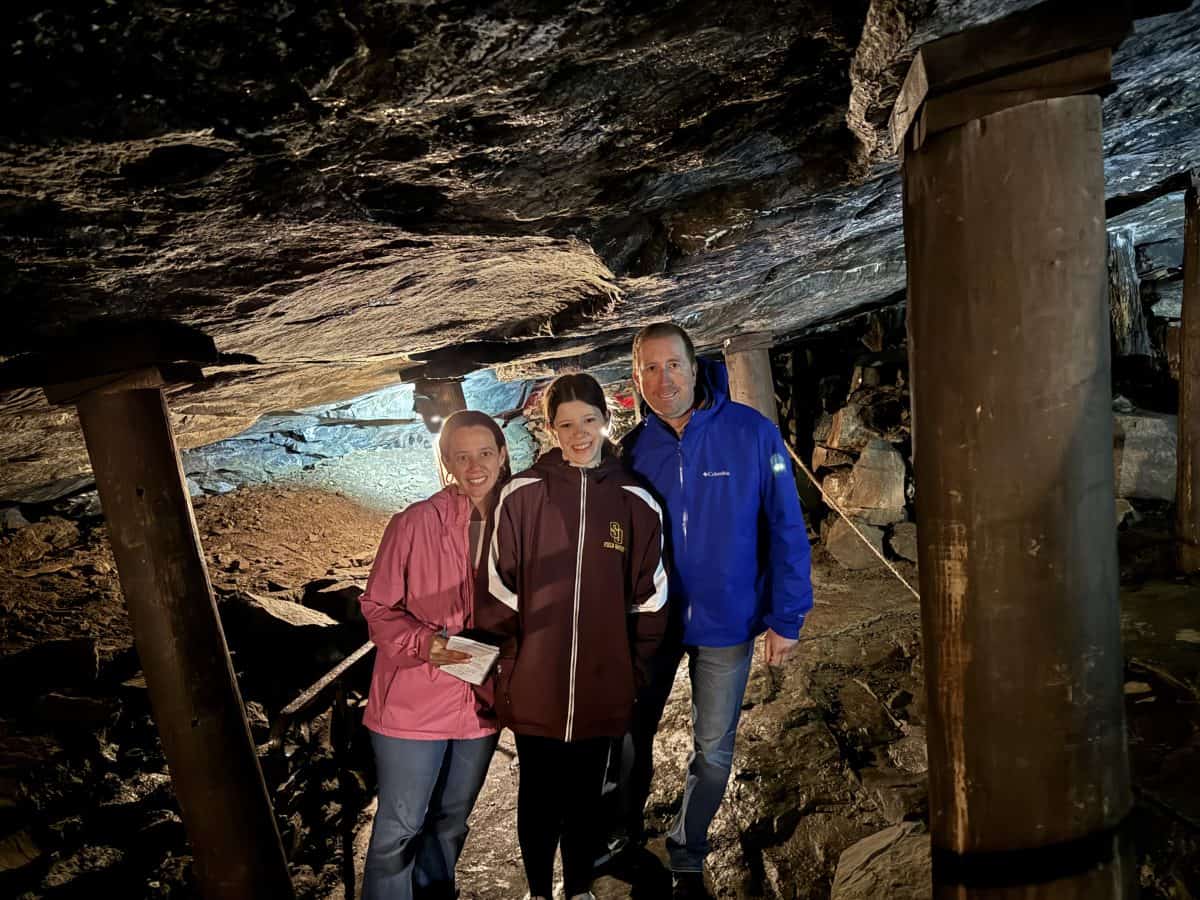
Over a year ago, we saw mention of an opportunity to tour old jail in Connecticut- the first state prison in North America – and we put it on our 2026 list of places to explore. This past weekend, the Old New-Gate Prison and Copper Mine opened for its 2026 season and we immediately drove north to a “quieter, country” part of Connecticut to visit. We LOVED exploring the entire property and taking the guided tour of the mine cave; we’re already putting the Old New-Gate Prison and Copper Mine on our top 10 favorite spots of the year.
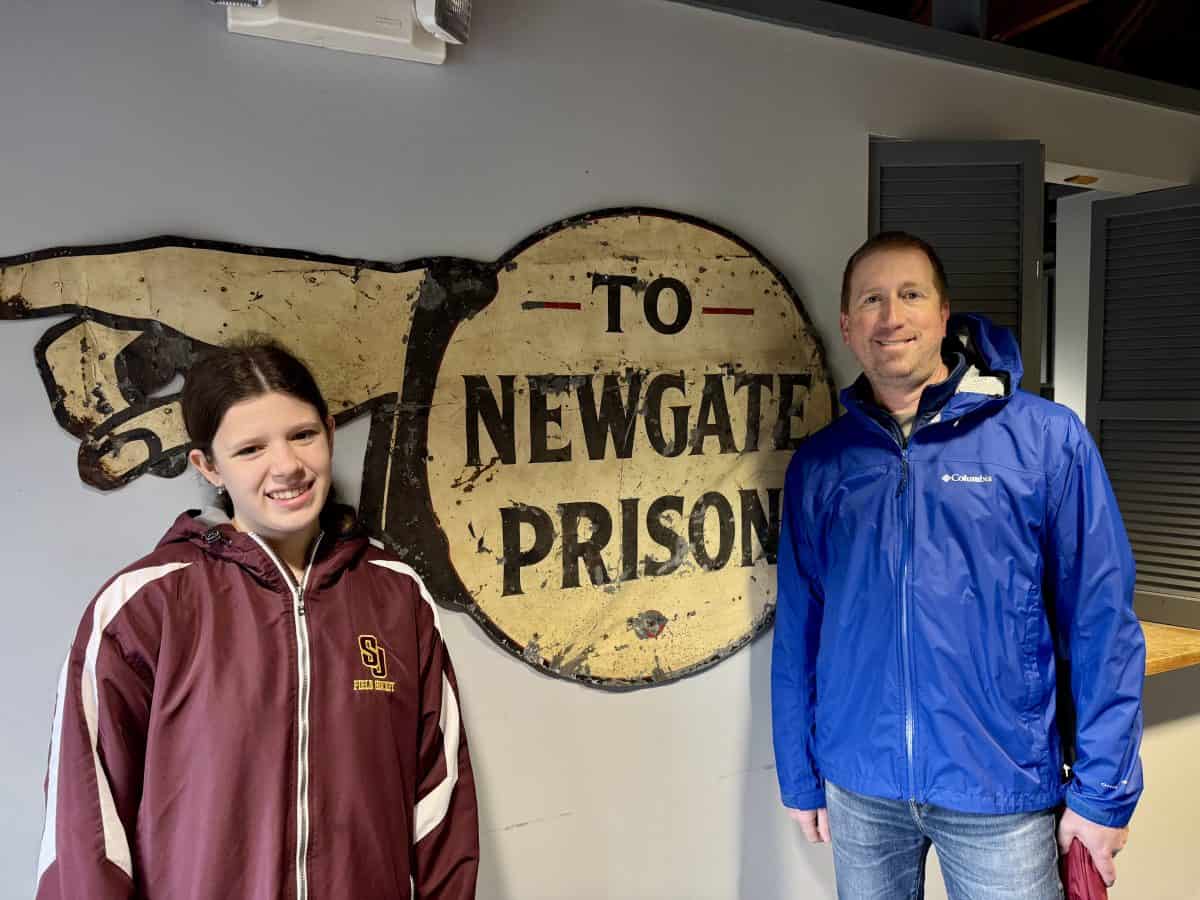
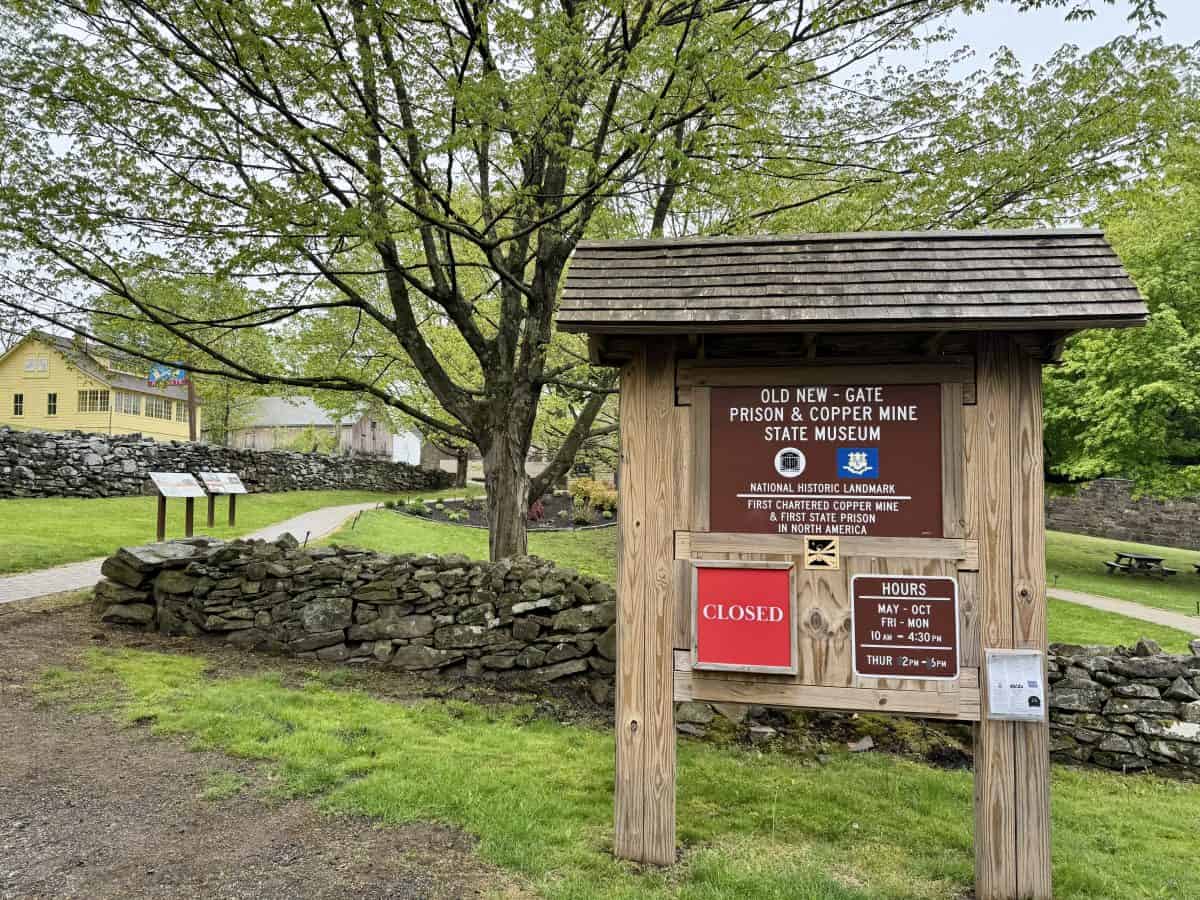
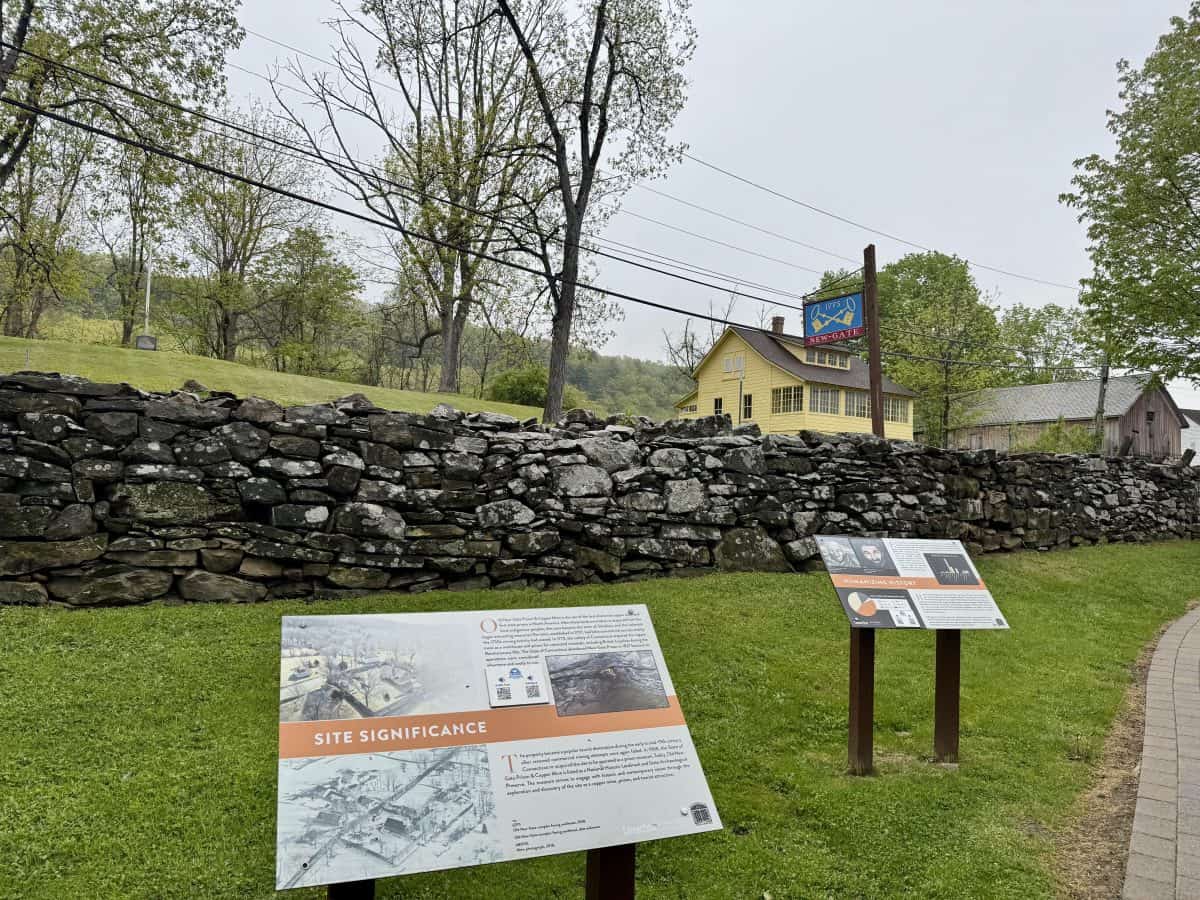
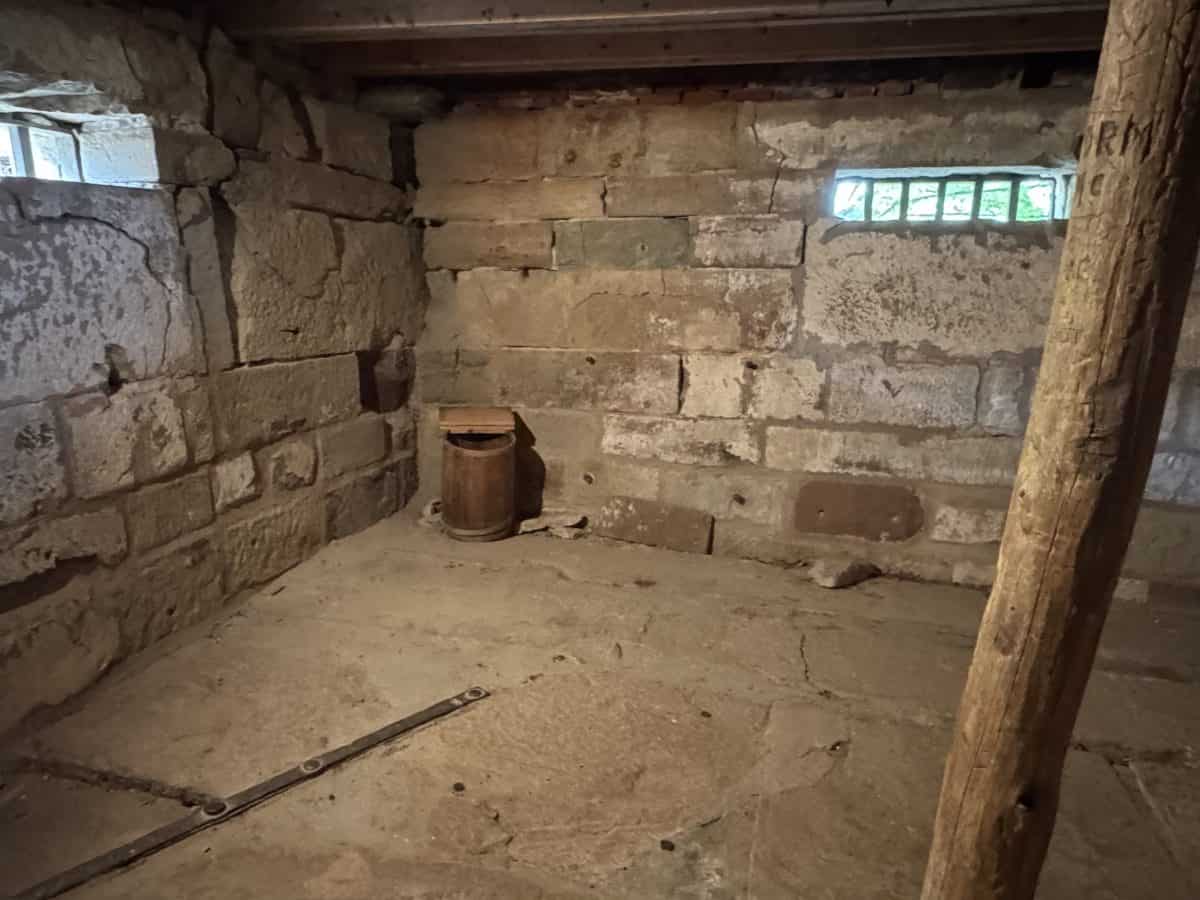
Opened in 1707 as a copper mine by three clergymen in the area that was originally a part of Simsbury, the mine was abandoned in the 1750s because of its lack of profitability and purchased by the state and reopened as a prison in 1773. Prisoners, including Revolutionary War British loyalists, worked above ground in workshops from 4am-4pm each day and then were shackled and returned to the underground cave, in the dark, from 4pm-4am.
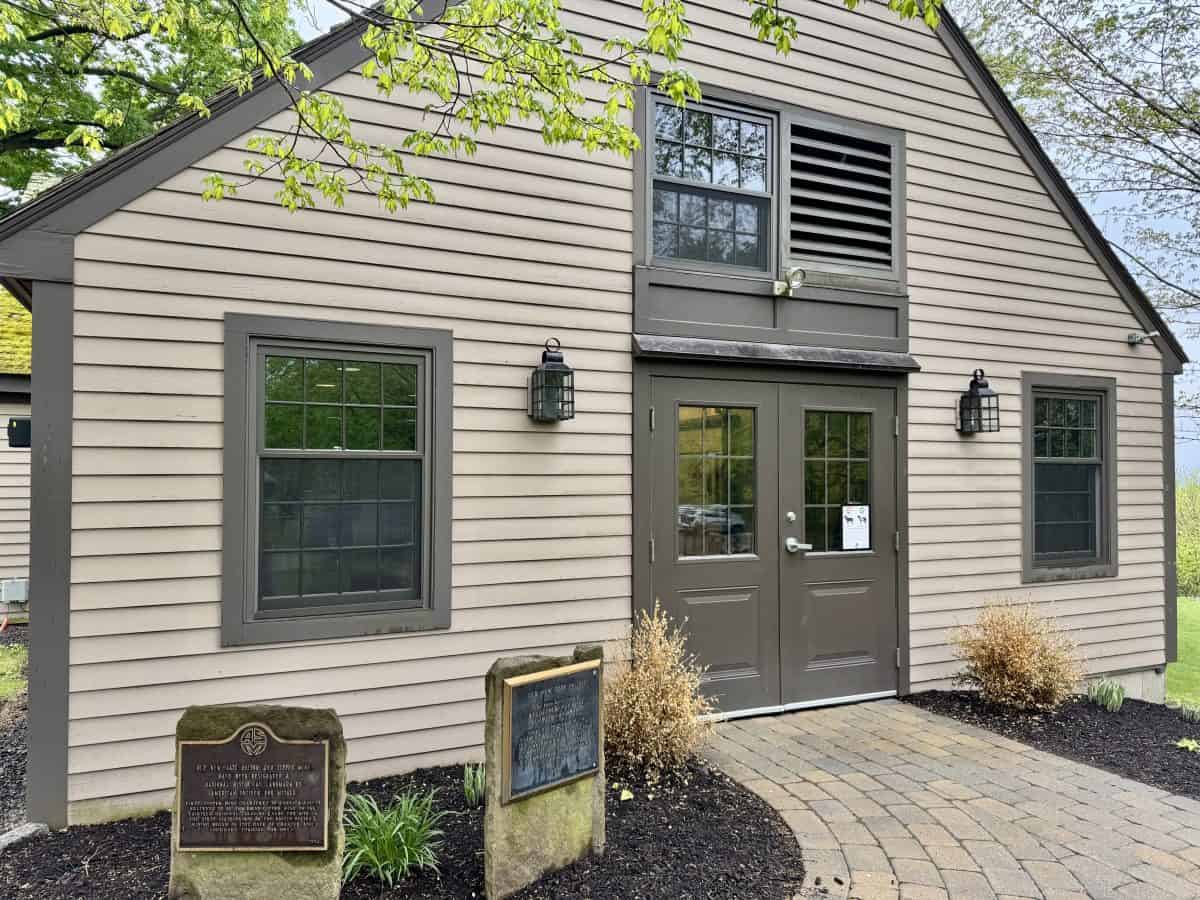
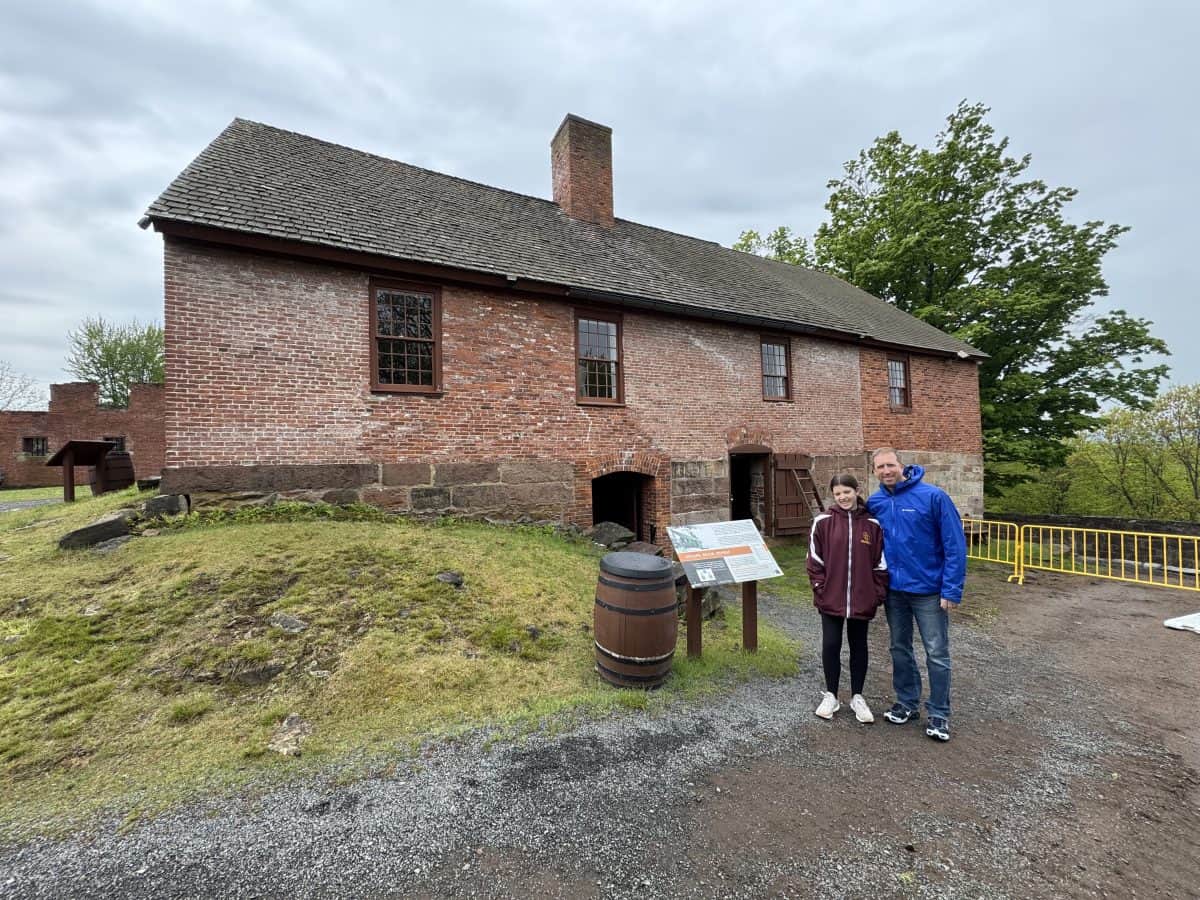
A Guard House was built for the warden and prison guards who oversaw the prisoners. To make additional income, guards offered tours of the prison and cave tunnels to tourists passing through the area. When the prison and mine closed in 1827, several families privately owned the property until it became a property of the state again in 1968. The walk-in entrance for tourists opened in 1972 and was later designated as a National Historic Landmark and State Archaeological Preserve.
Travel Tips:
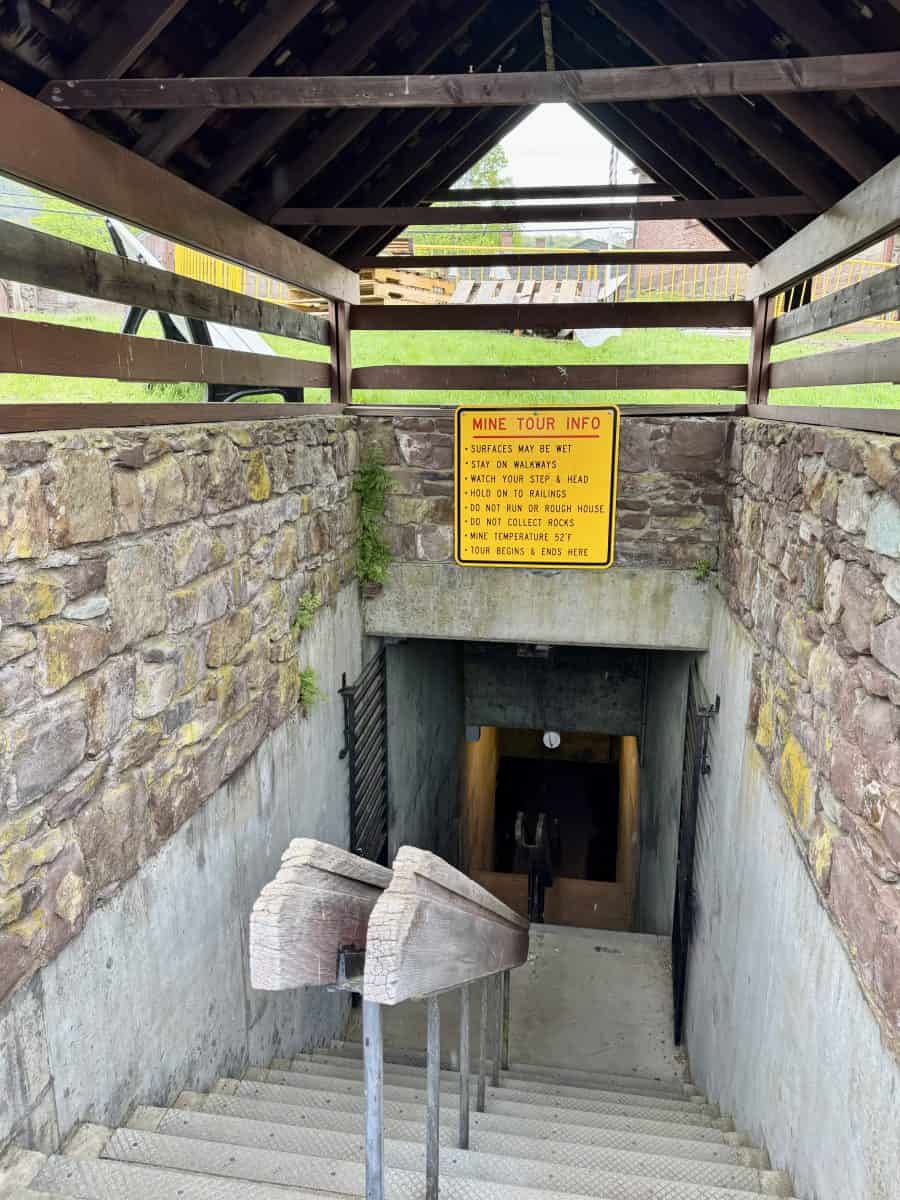
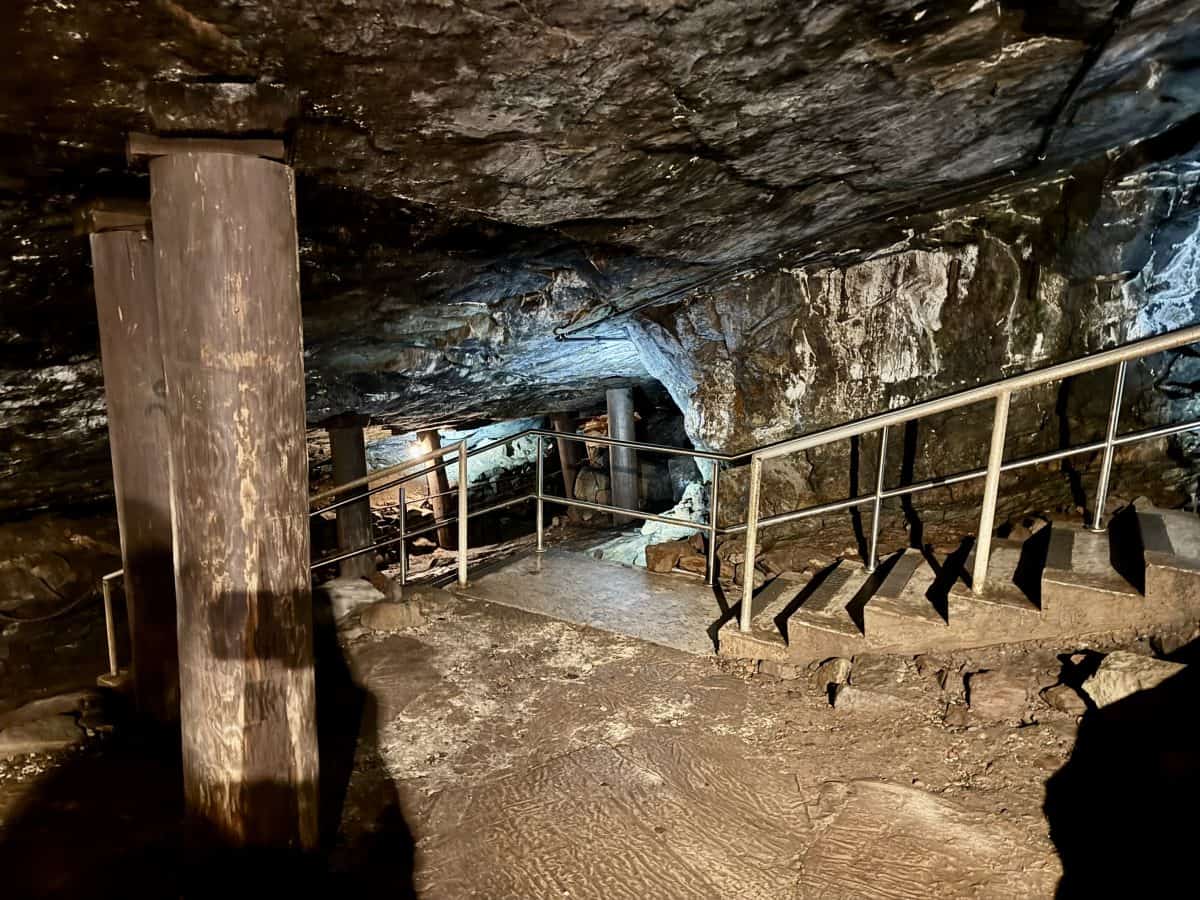
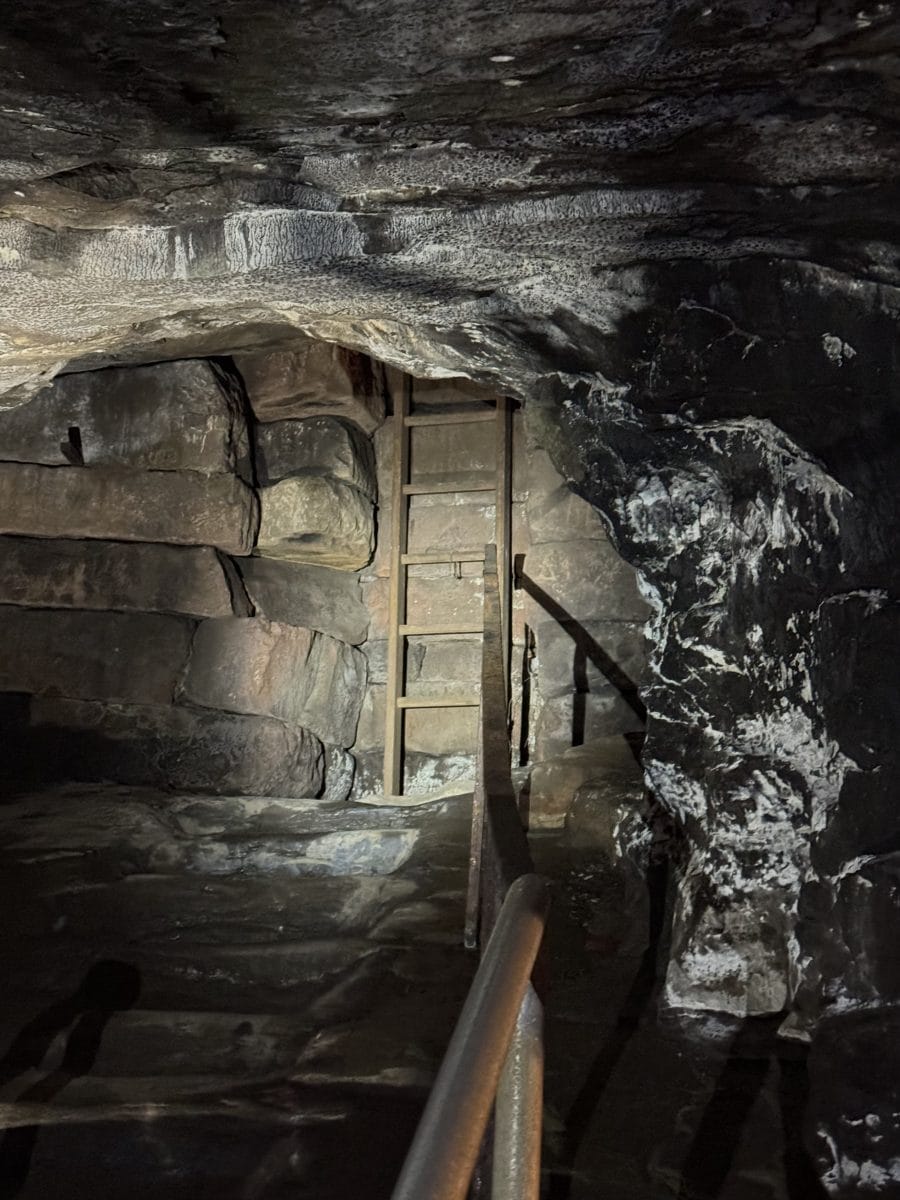
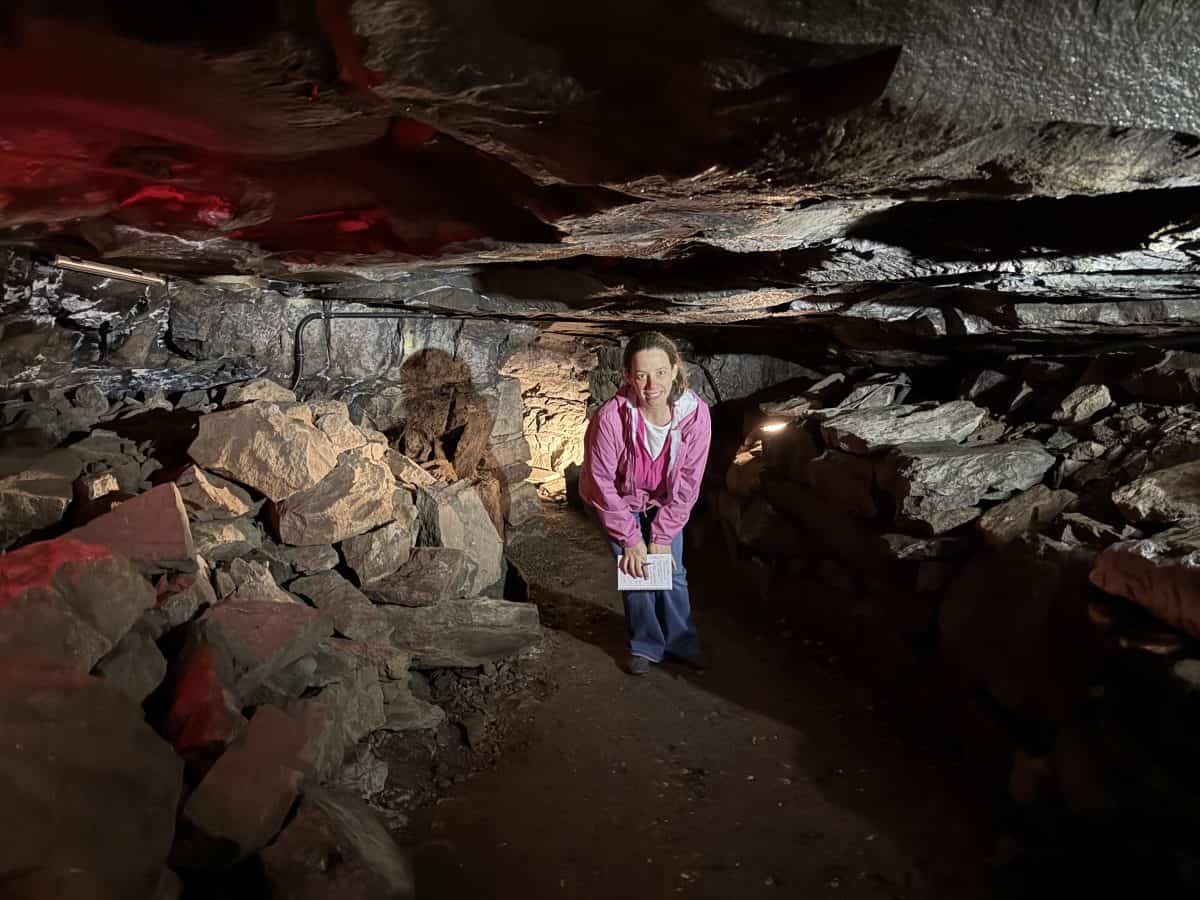
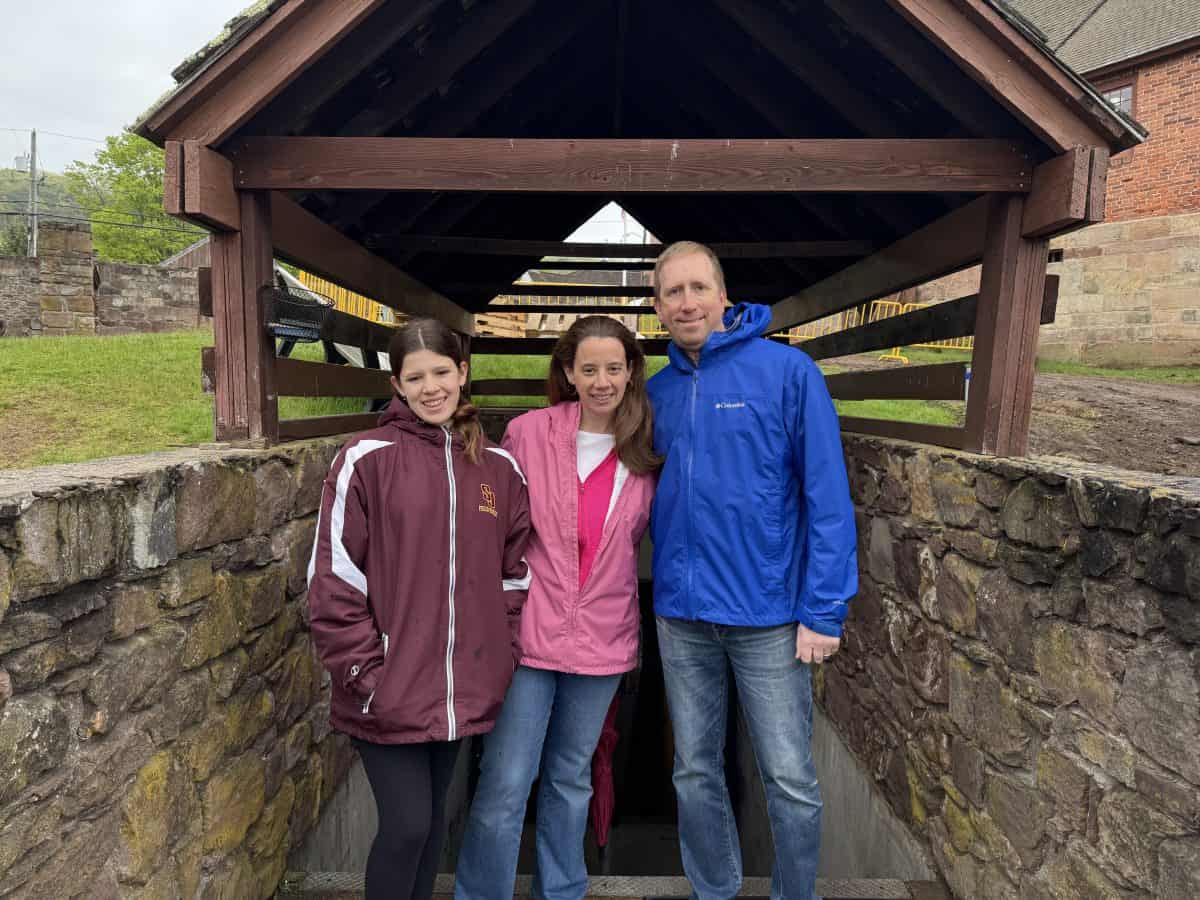
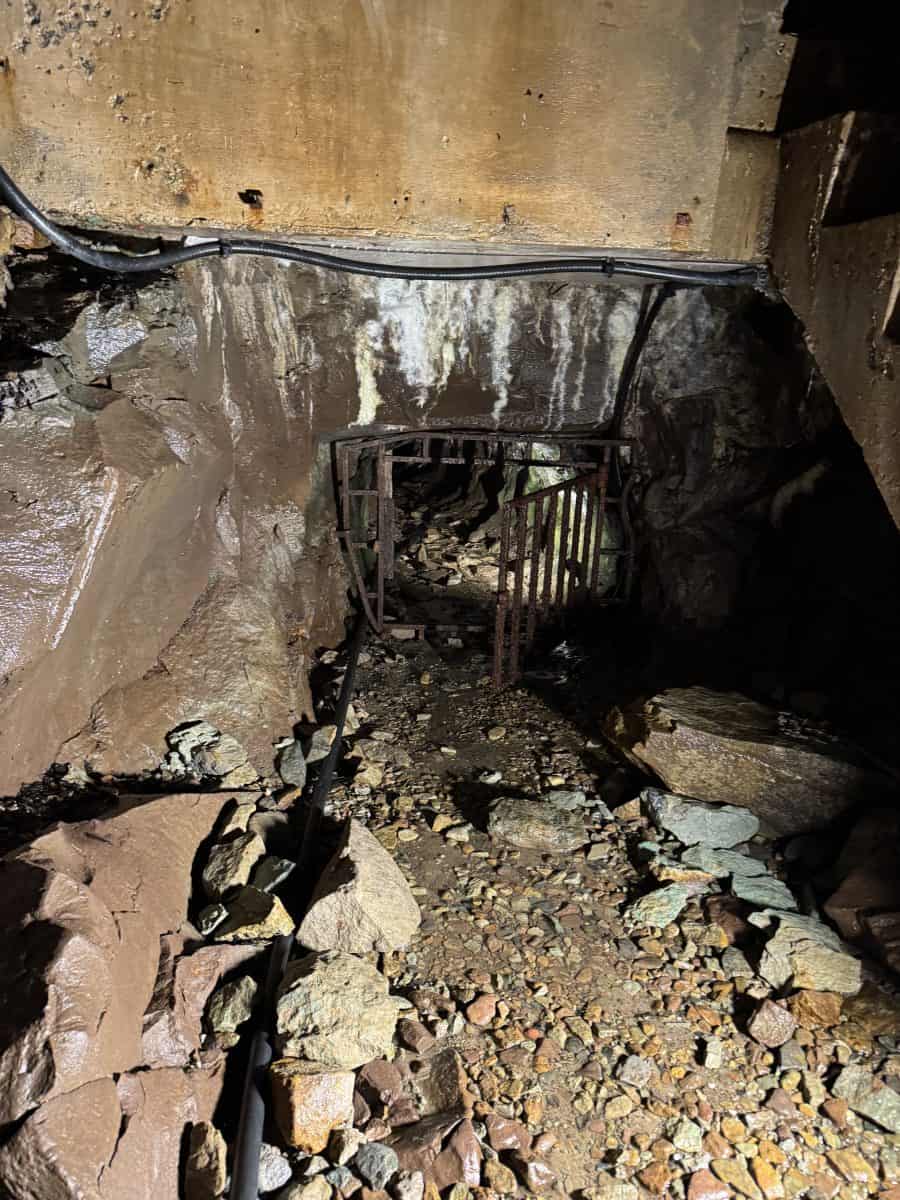
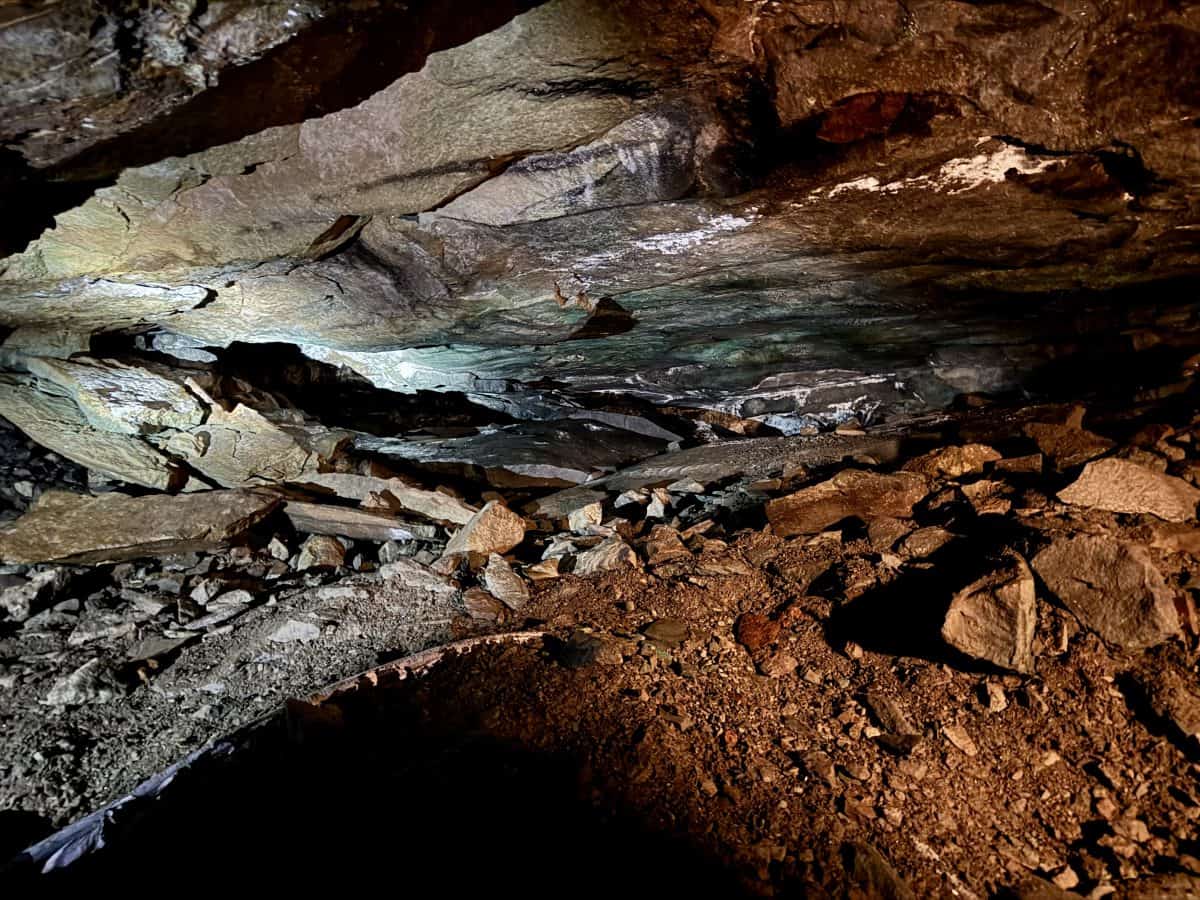
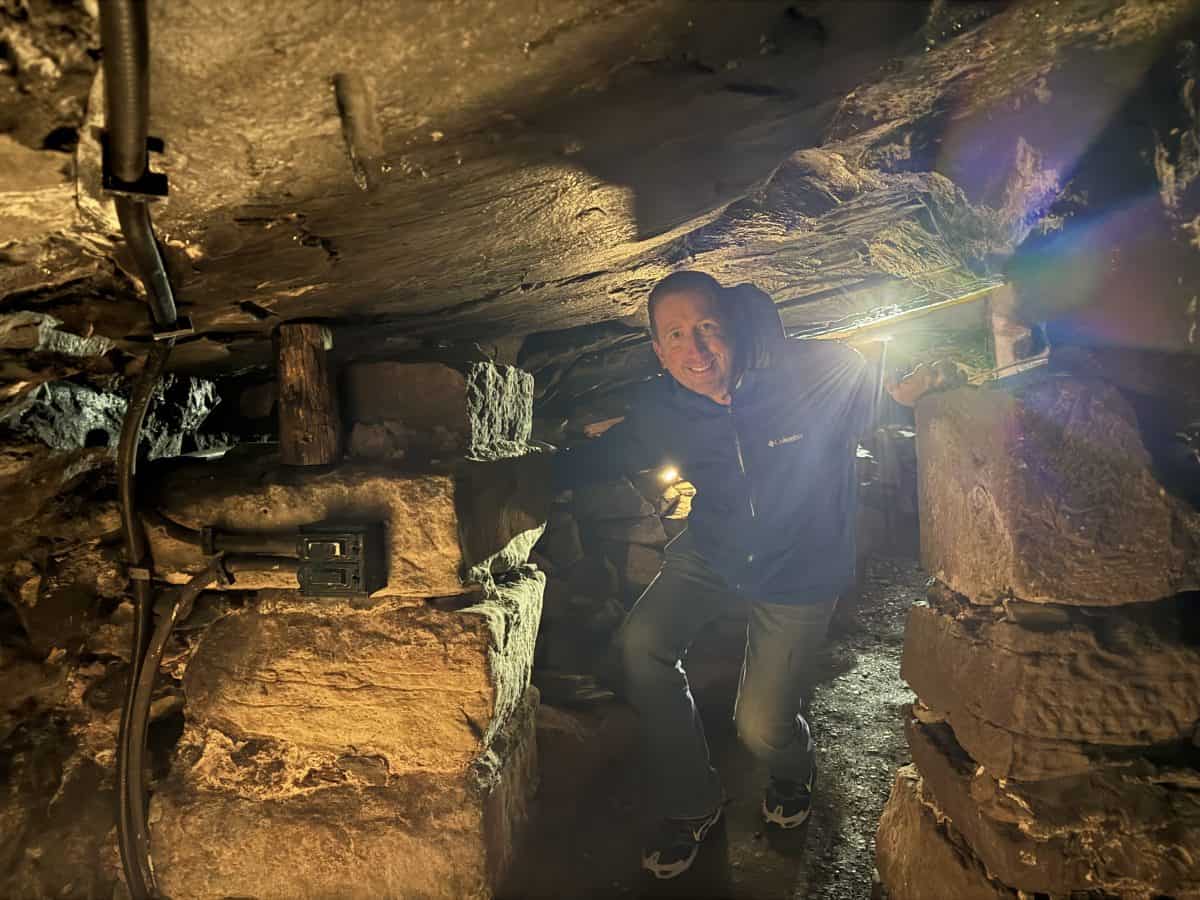
Important Note: The Copper Mine is dark, wet, and has narrow and short (some are just four feet tall) tunnels and very uneven footing throughout the sloped, 100 yard loop path (there are railing to help steady footing). Each visitor must go down (and back up) 33 steps into the mine. Each family should make their own judgement about bringing a younger child into the mine.
Would you like to save this?
Playing “I Spy” while Touring the Old New-Gate Prison and Copper Mine:
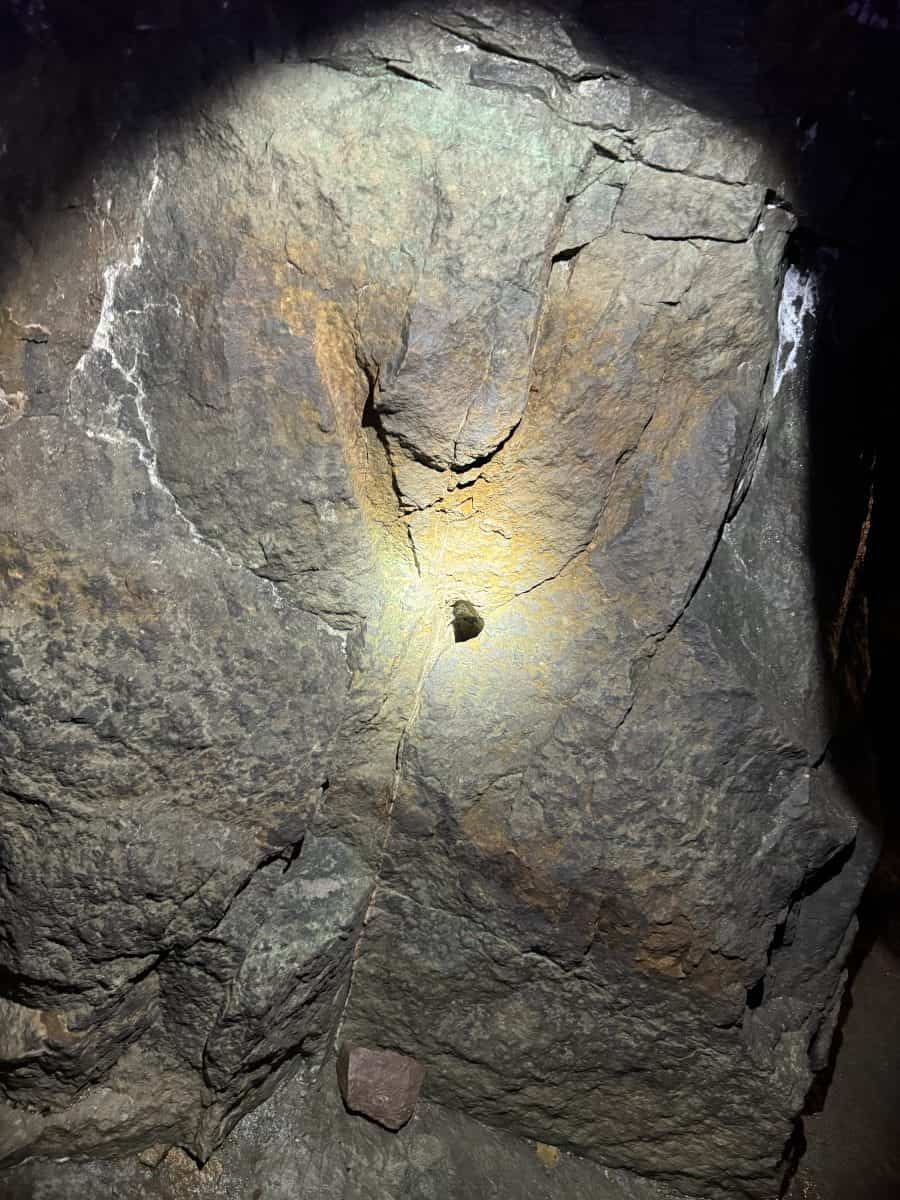
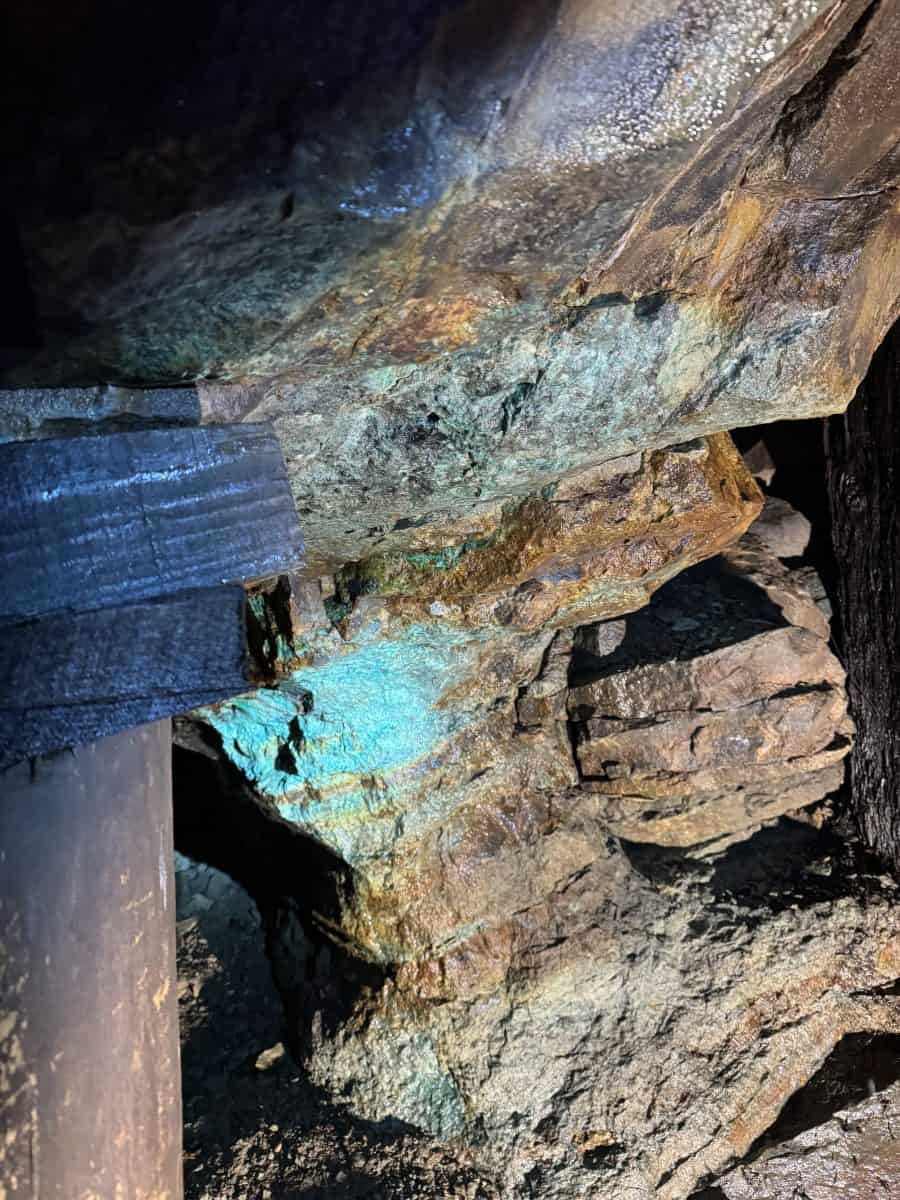
- Search for signs of green copper on the top of the tunnels and veins of malachite copper along the tunnel paths.
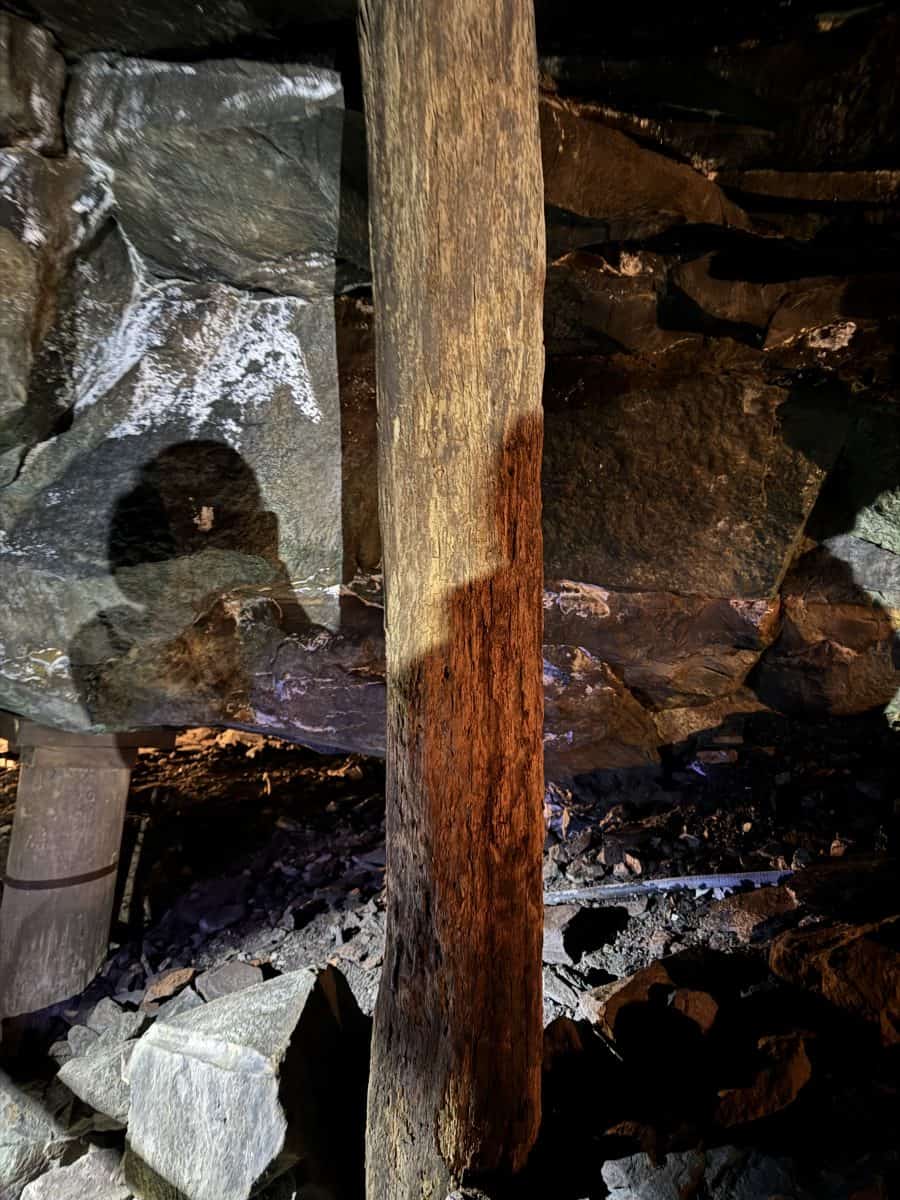
- Check out the original American chestnut wood post that was placed in the cave in 1776 to secure several of the rocks.
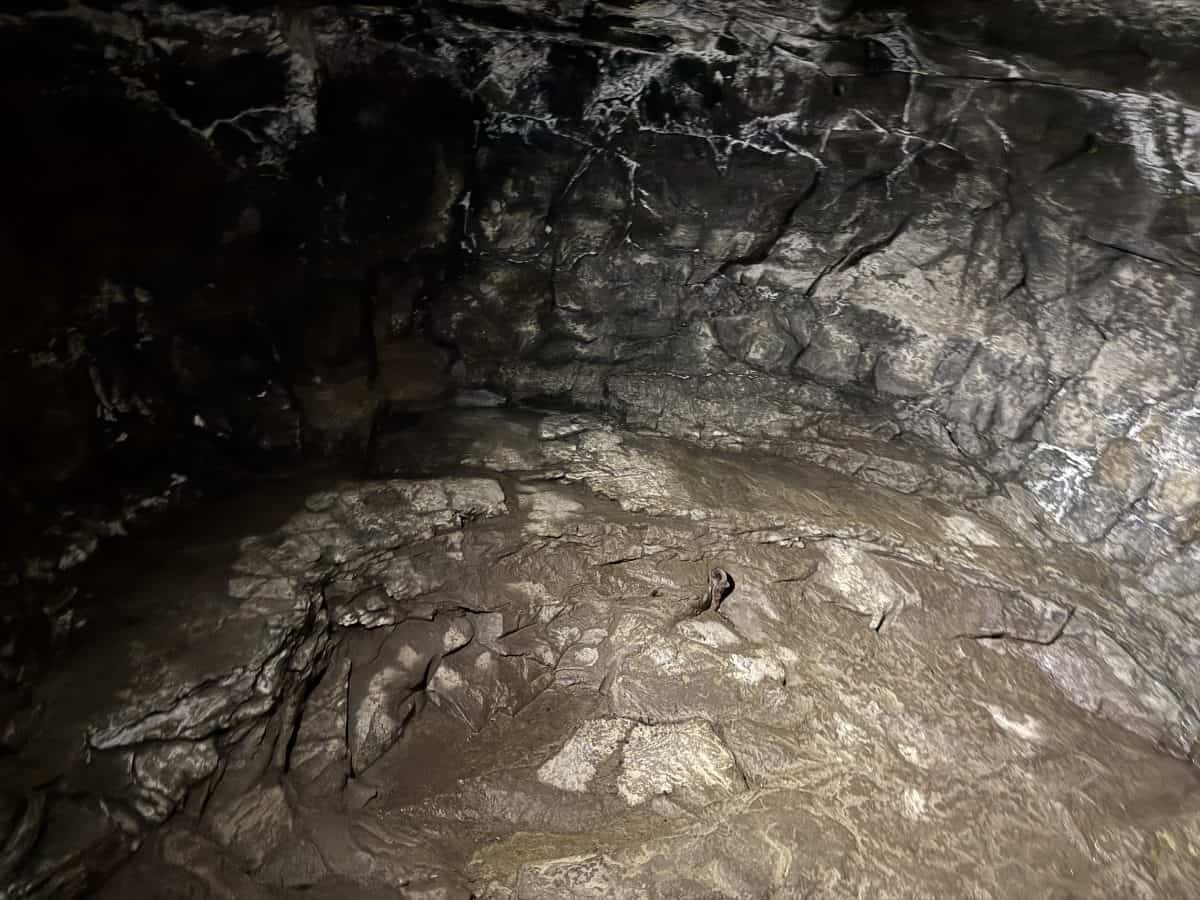
- Peek inside one of the star drill holes that never exploded from the gun powder stuffed inside it. Some of the star drill holes went as far deep as two feet!
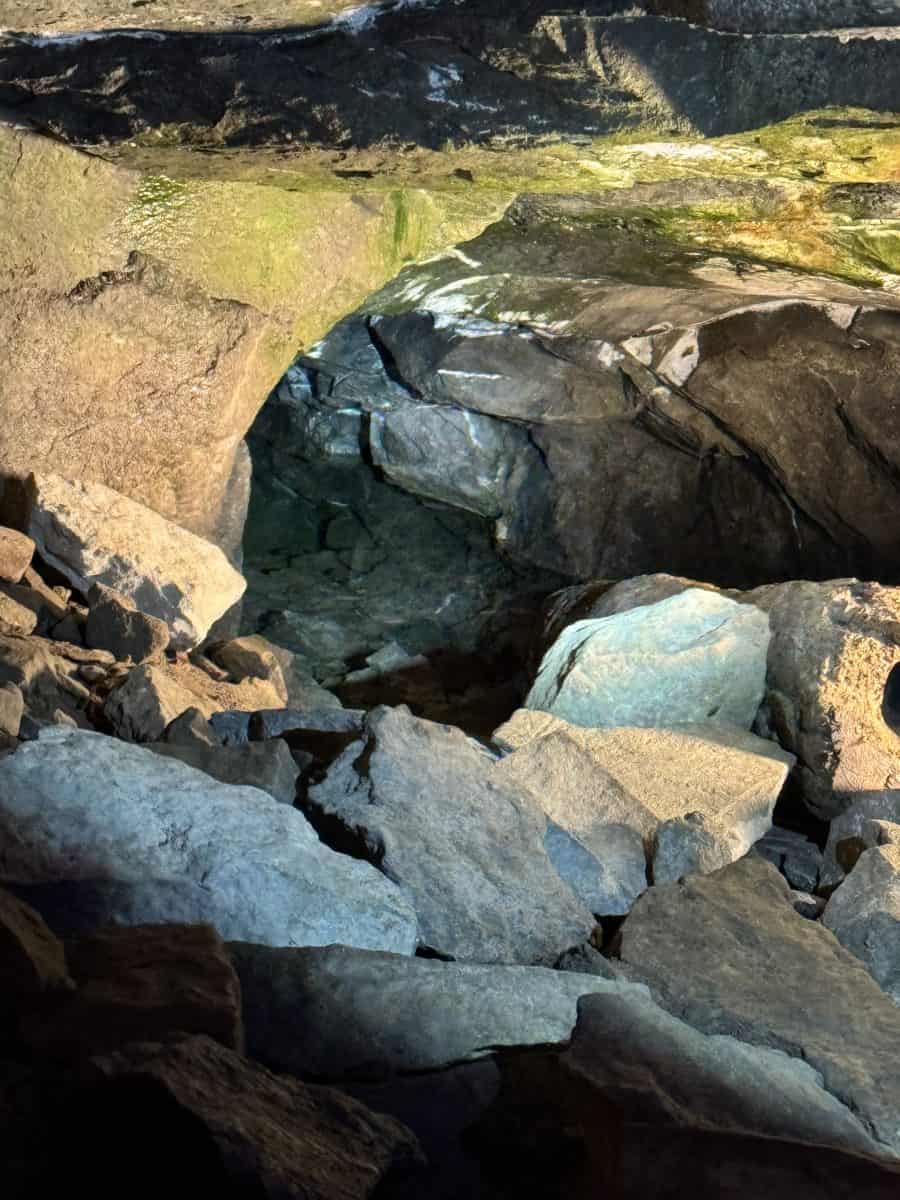
- Peer deep into the cave and find the watertable, over 80 feet underground and one of the deepest spots in the cave, which lies directly underneath New Gate Road. Prisoners hollowed out a wooden log to use as a funnel to move the water.
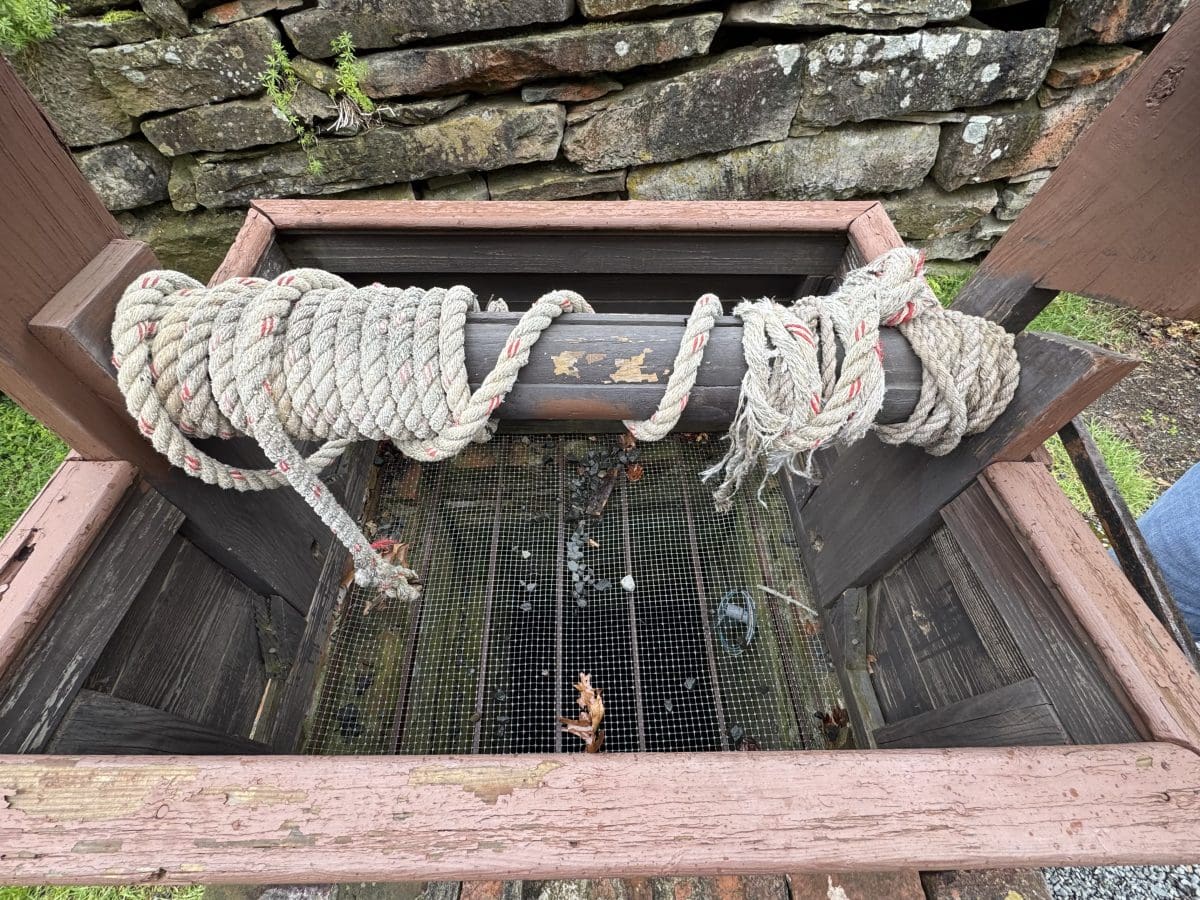
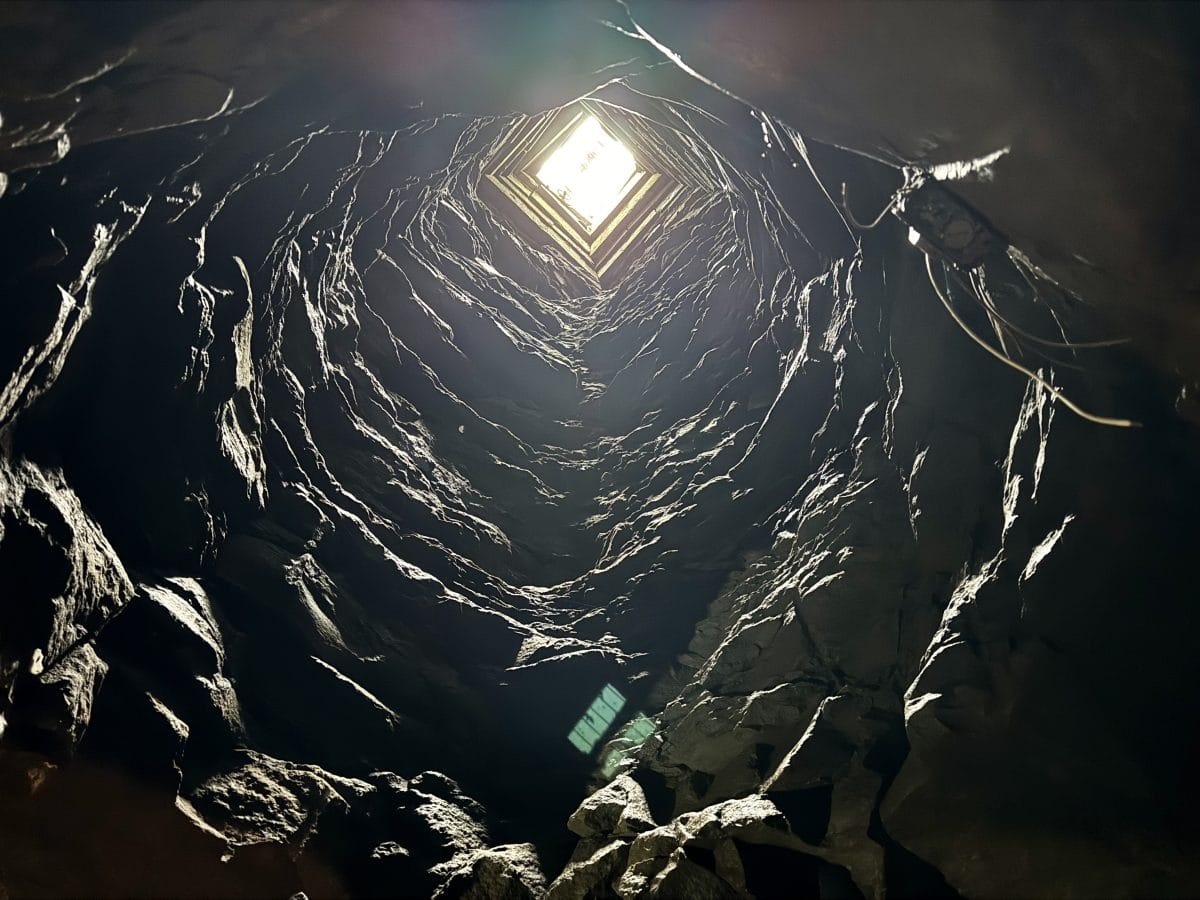
- Look up into the well, one of the only sources of natural light in the cave. The start of the 50 foot well can be seen above ground, near the remains of the workshop. One prisoner, Abel Starkey tried to escape by climbing up the well rope, but it broke and he fell to his death at the bottom of the well.
- Find part of the 300 foot tunnel for drainage of rain water, which often overflowed and left the prisoners sitting in the water for days in the cave.
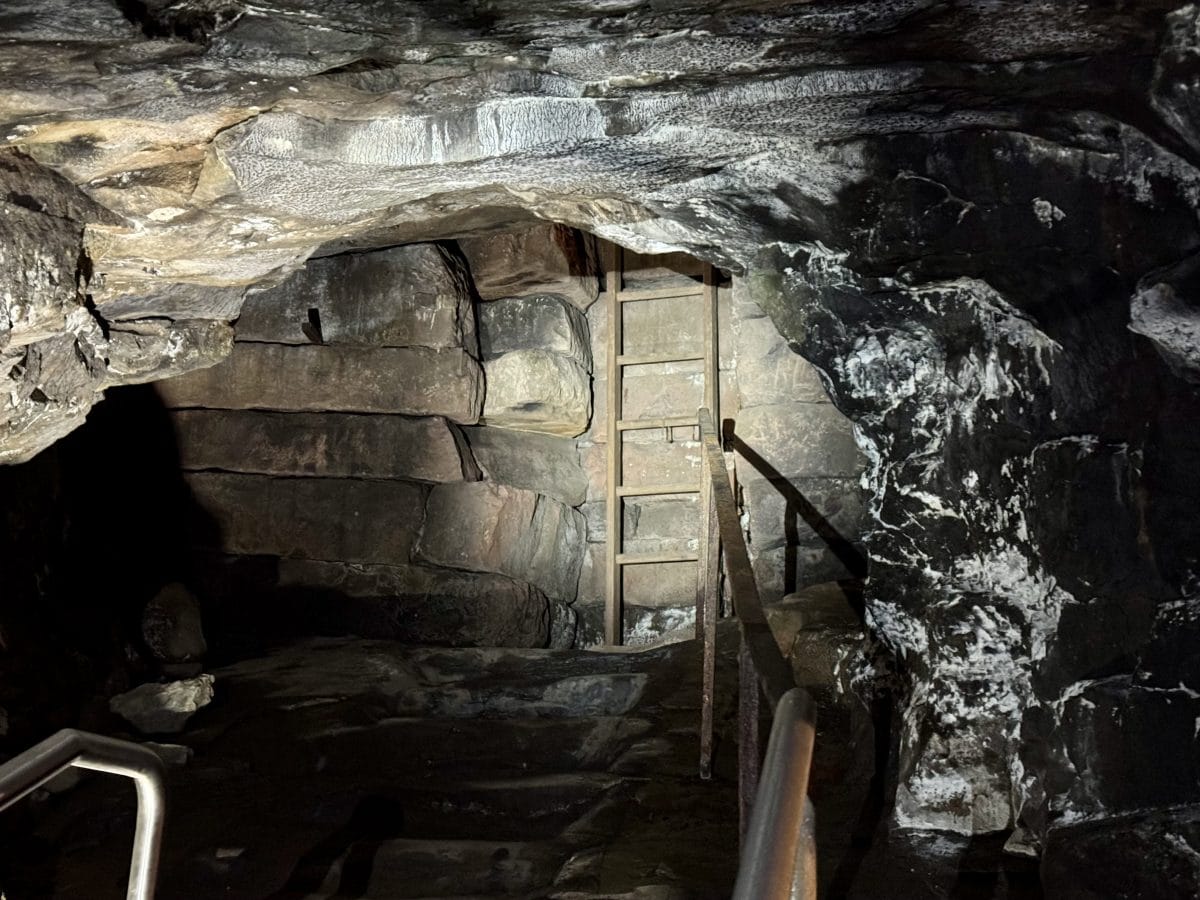
- Avoid getting stuck in solitary confinement, a section of the cave designated for the most hardened criminals who would be isolated there for up to eight weeks with only a quick visit once a day from a guard who brought meager food for the prisoner.
- Listen to the story of John Hinson, both the first prisoner at New-Gate and the first escapee.
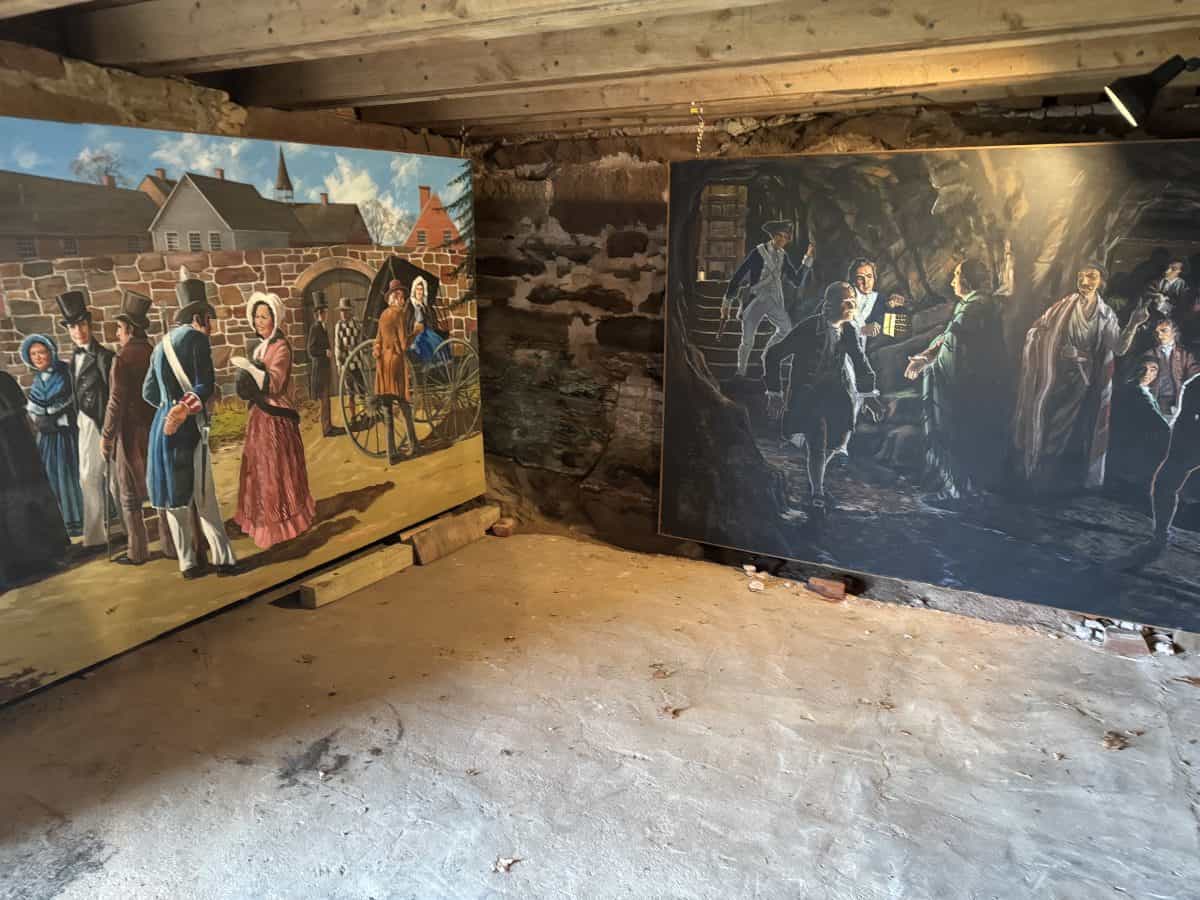
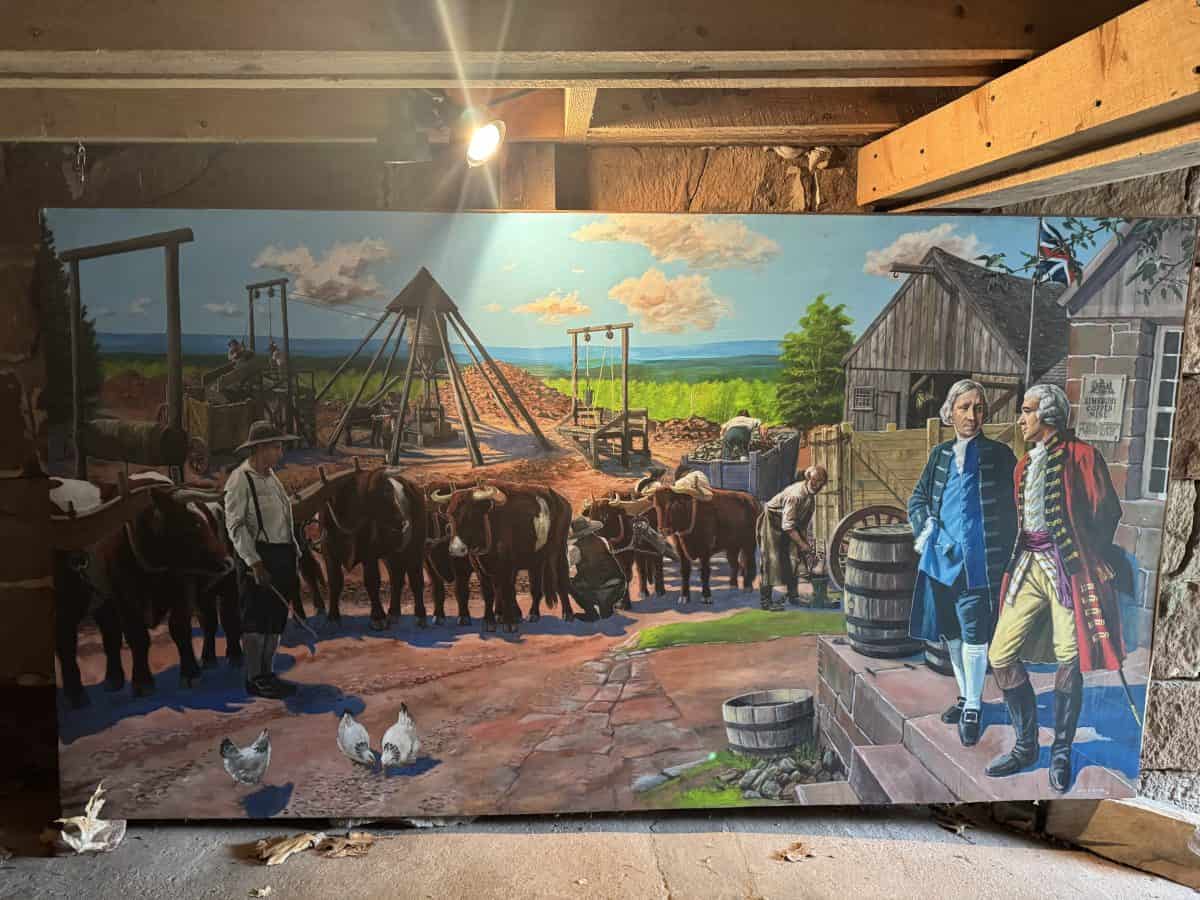
- Look closely at the four murals, painted by David Wagner in 1976, on display in the lower level of the Guard House. Each mural depicts a various era of the property.
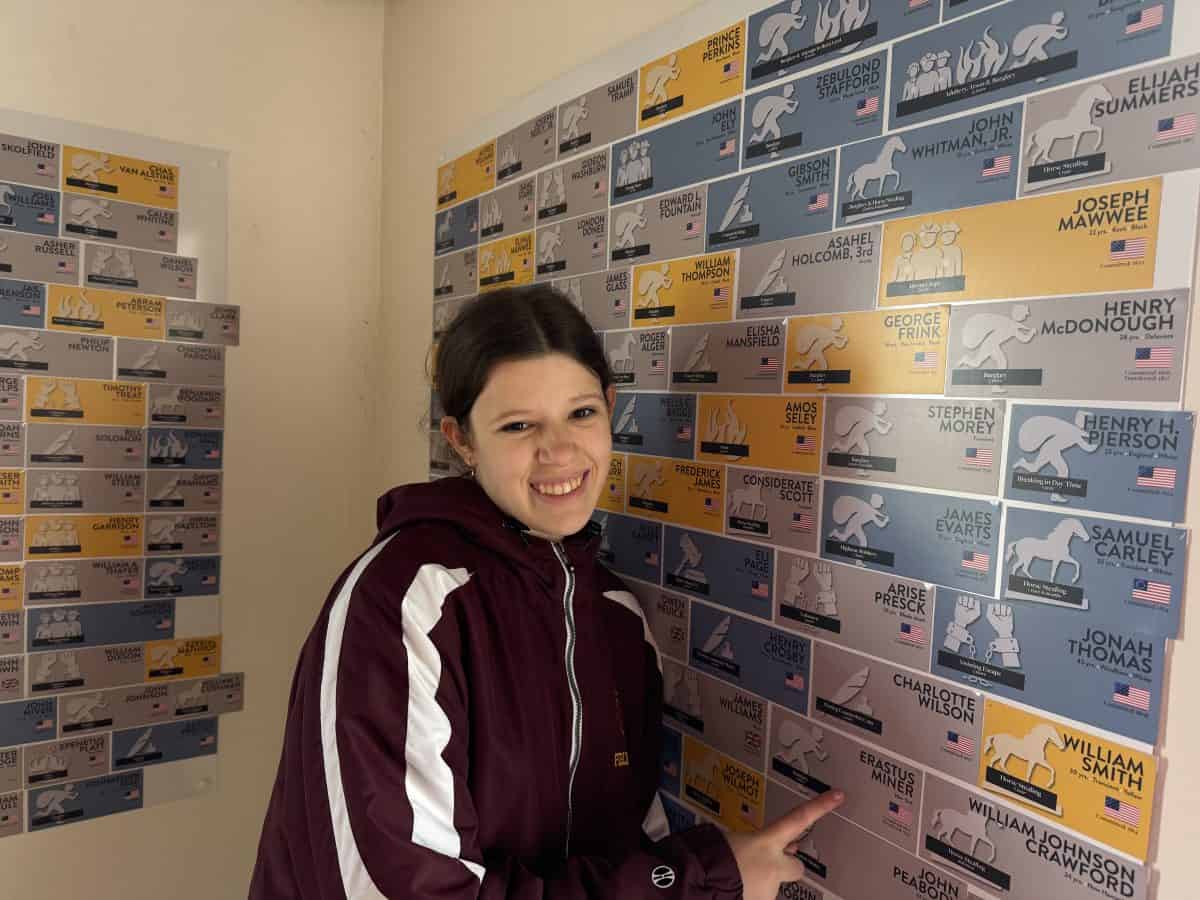
- Count the number of incarcerated individuals in the prison from 1773-1827 (and see how few women were imprisoned) in the Guard House. Read the Profile Cards that include the name, race, age, nativity, time period (check out the various flags), and accused crime of each prisoner.
- Little kids will enjoy playing Bat Trivia, reading books in the Book Nook, and building their own creation with Legos in the Guard House.
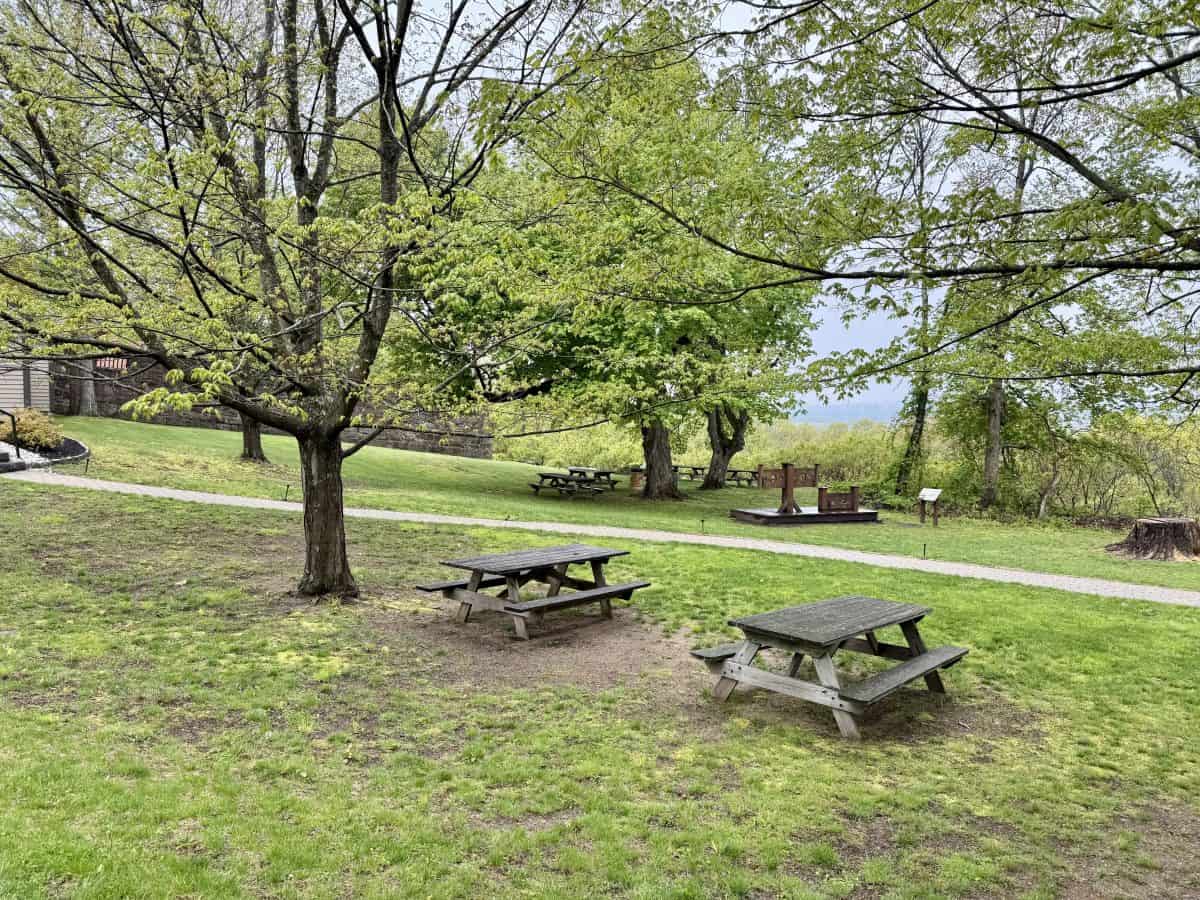
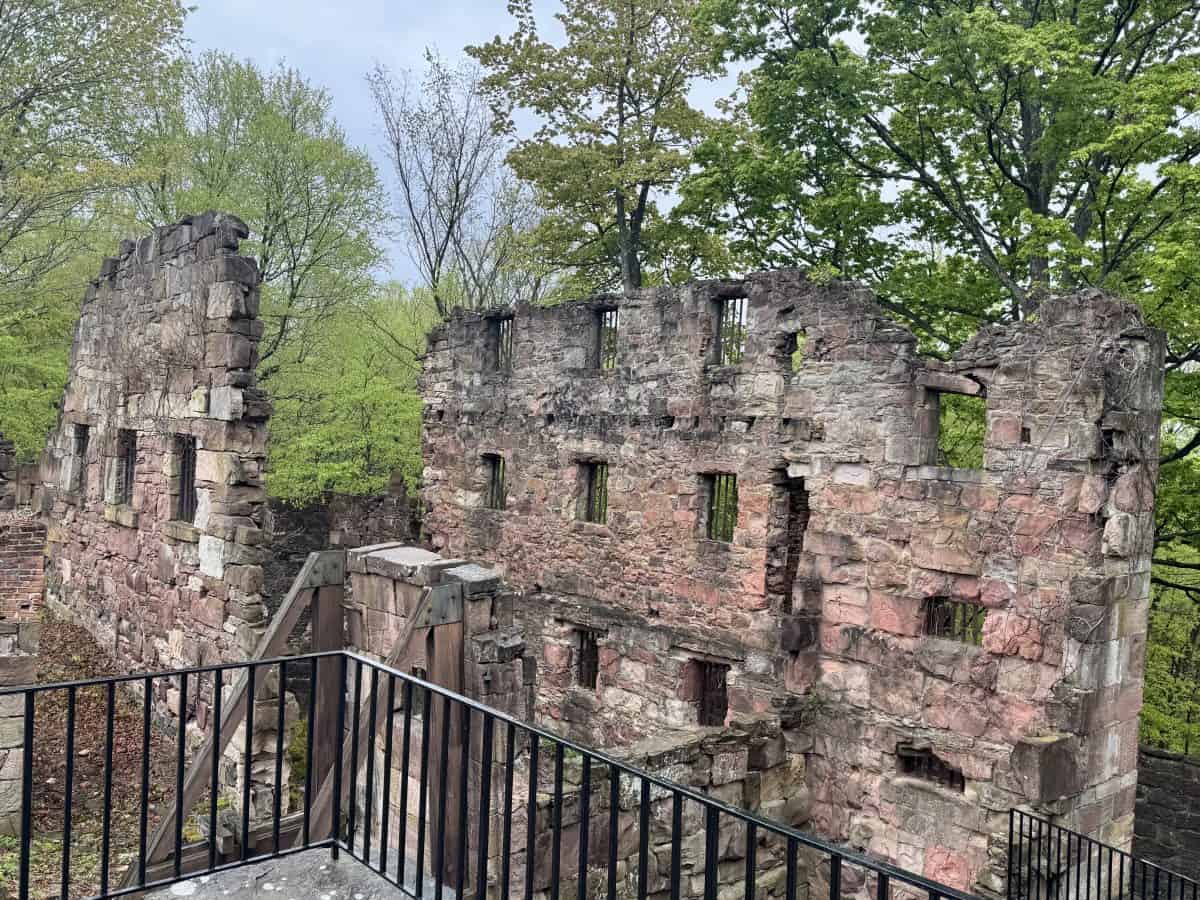
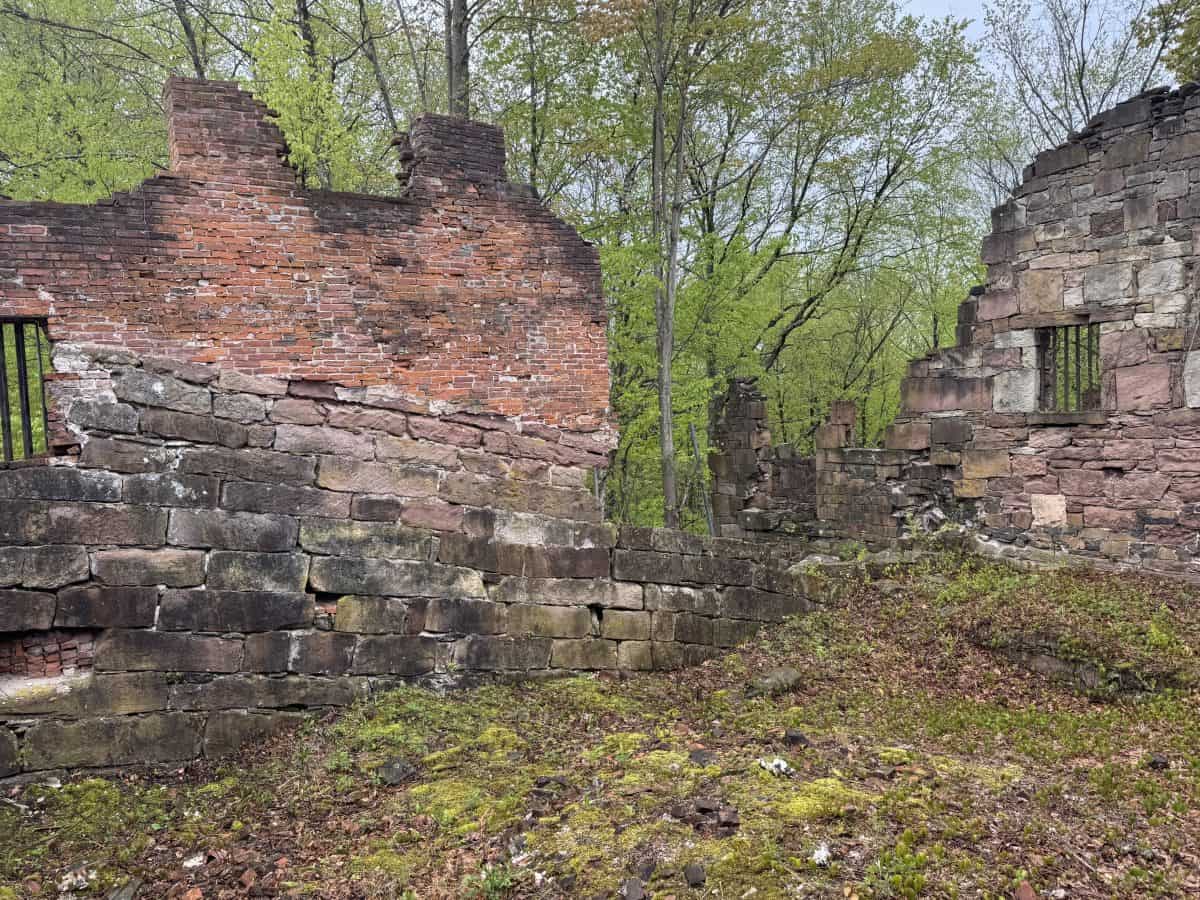
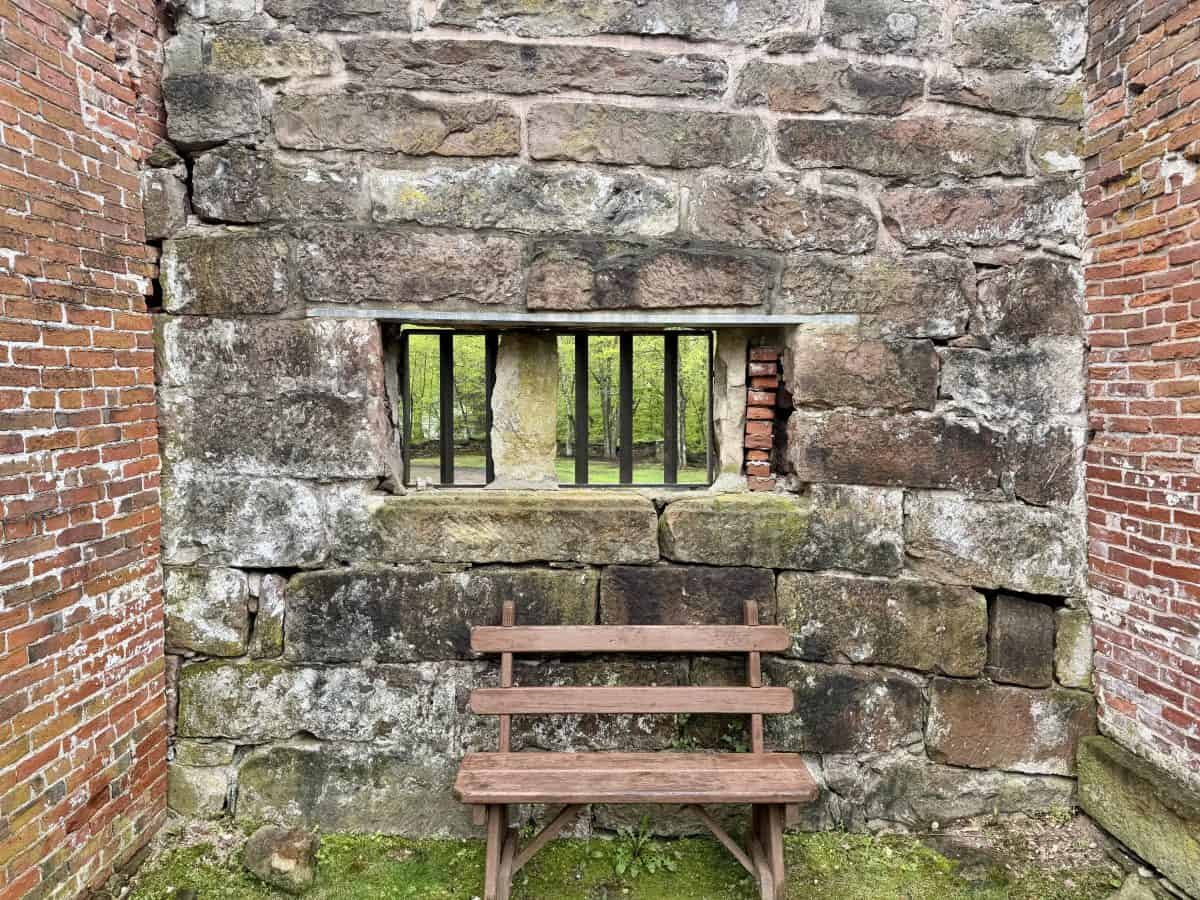
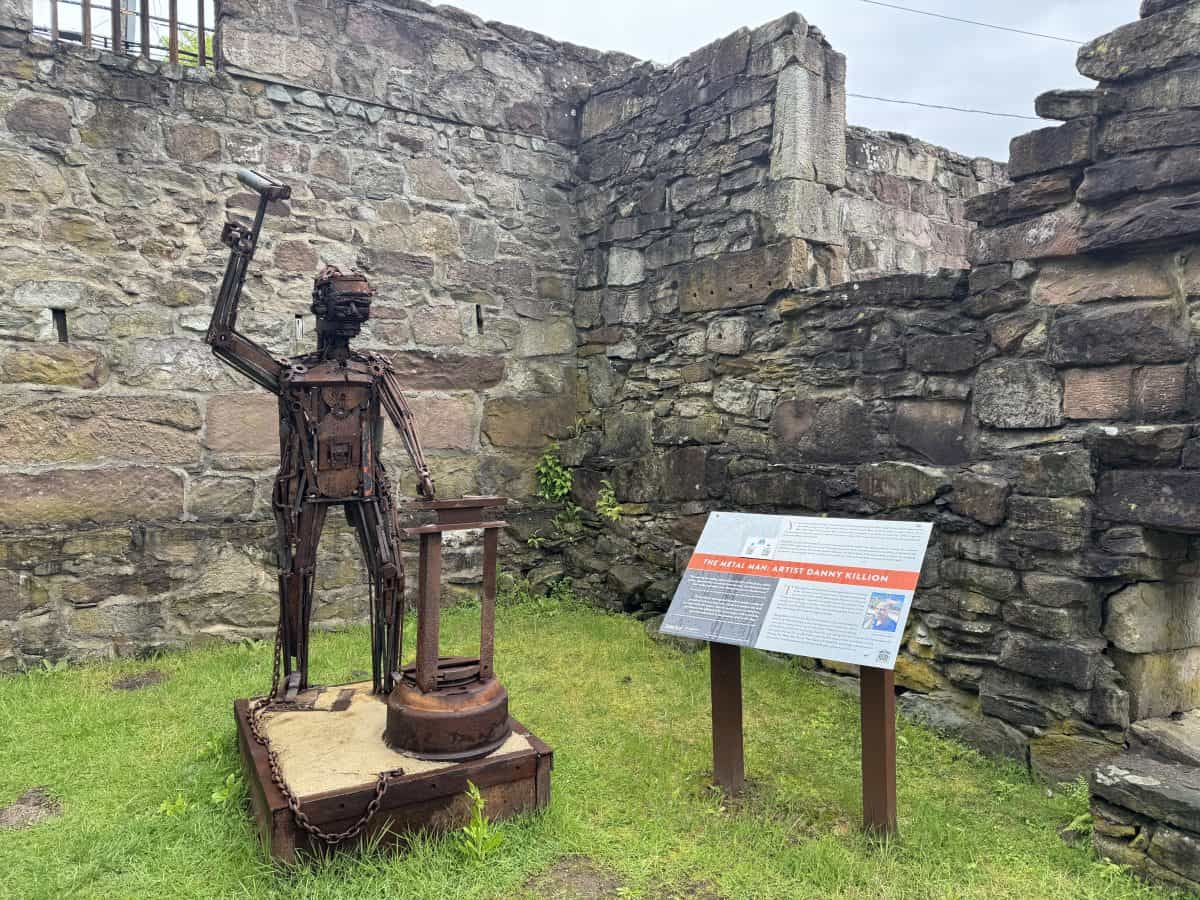
- Explore the ruins around the property, once the “Upper Prison” built in 1805, which included a four story cell block, a chapel, a hospital, and workshops for prisoners to make nails.
Looking for other adventures nearby? Check out our City Guides to Hartford, Connecticut and Springfield, Massachusetts and our feature of the nearby New England Air Museum.
Disclosure: Our family was given a media pass to explore the Prison and Copper Mine; all opinions expressed are my own.