
Exploring the Dumbarton Oaks Museum and Gardens in Washington, D.C.
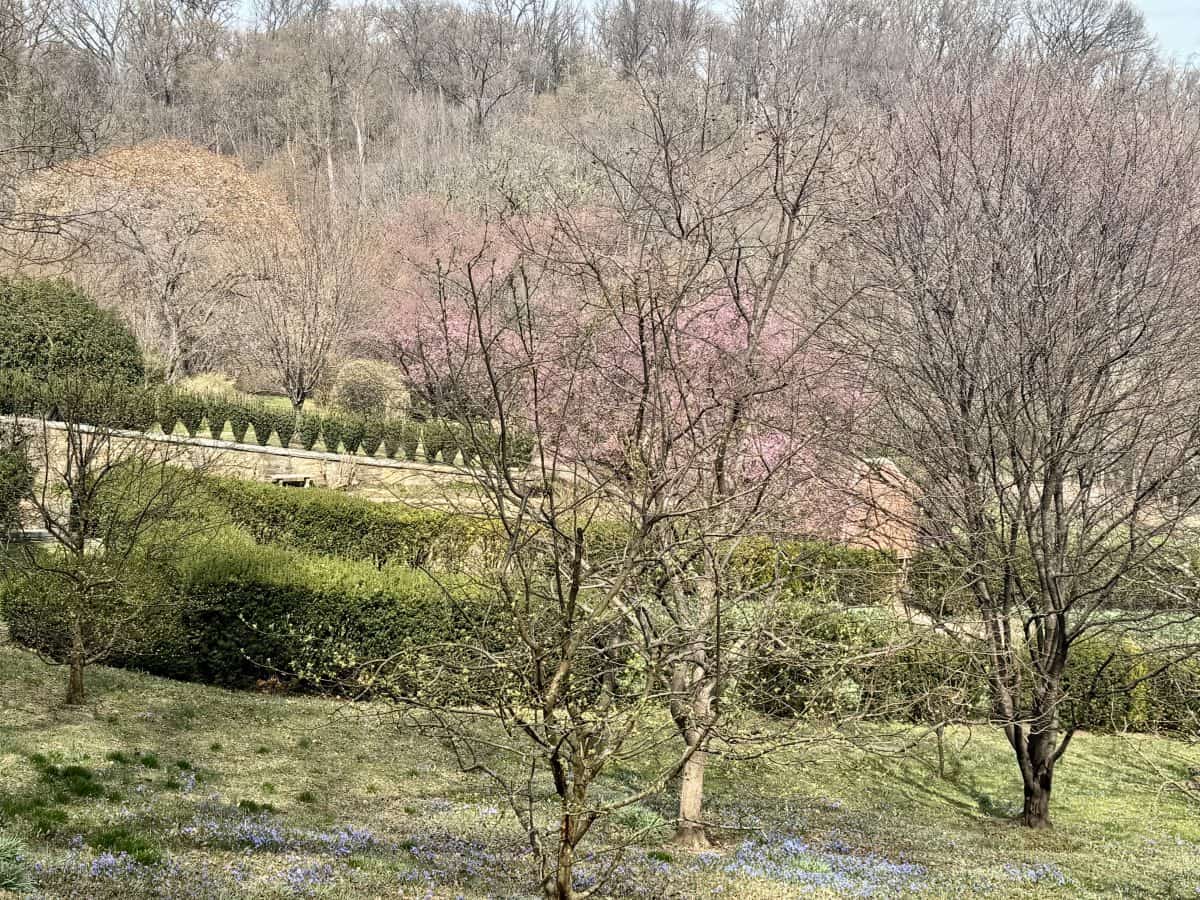
We just returned from a weekend in Washington DC (we frequently visit the nation’s capital as it is a short-ish drive from our home in Connecticut and we have several family members and friends who live in the area) and we discovered a new-to-us museum and gardens in the Georgetown area of DC: Dumbarton Oaks. We visited the museum and gardens at the very beginning of the spring season, just as everything has started to come alive and bloom.
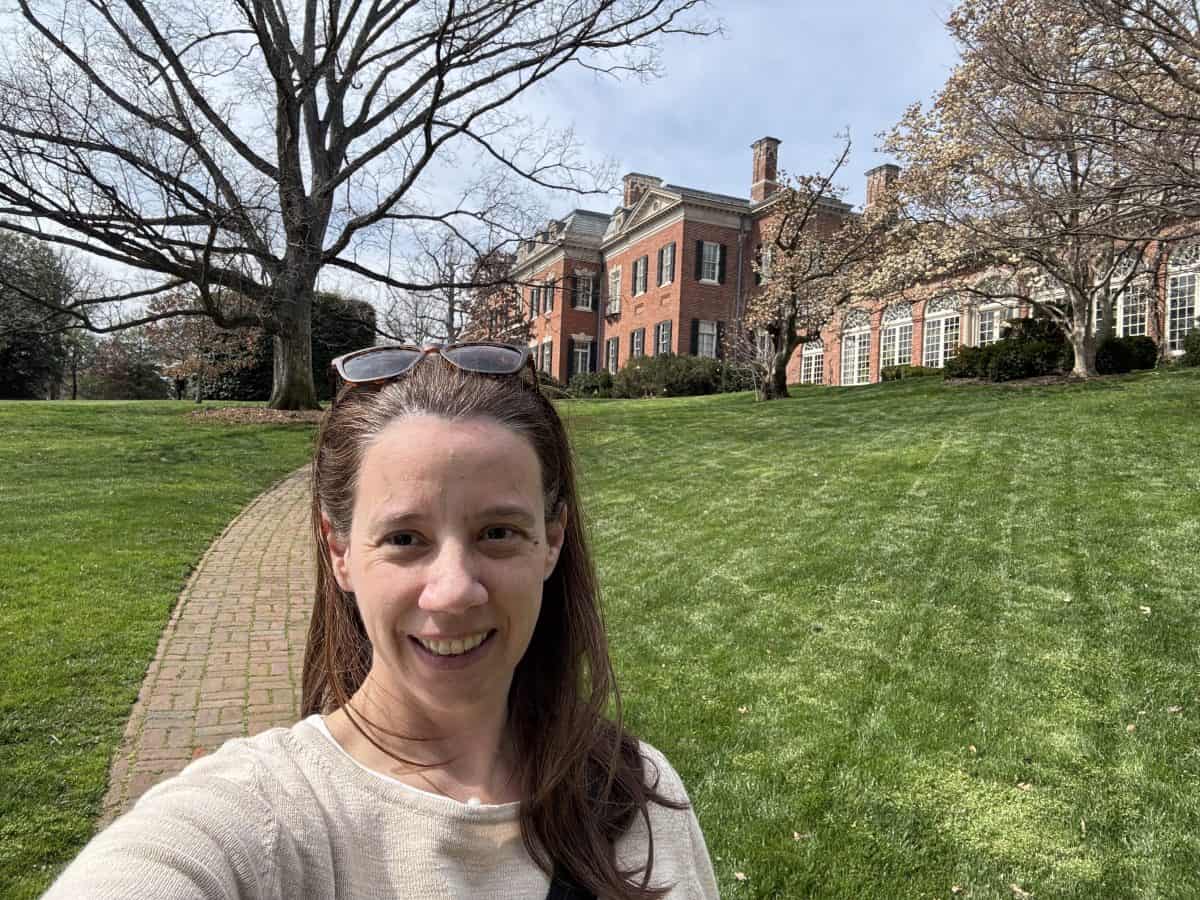
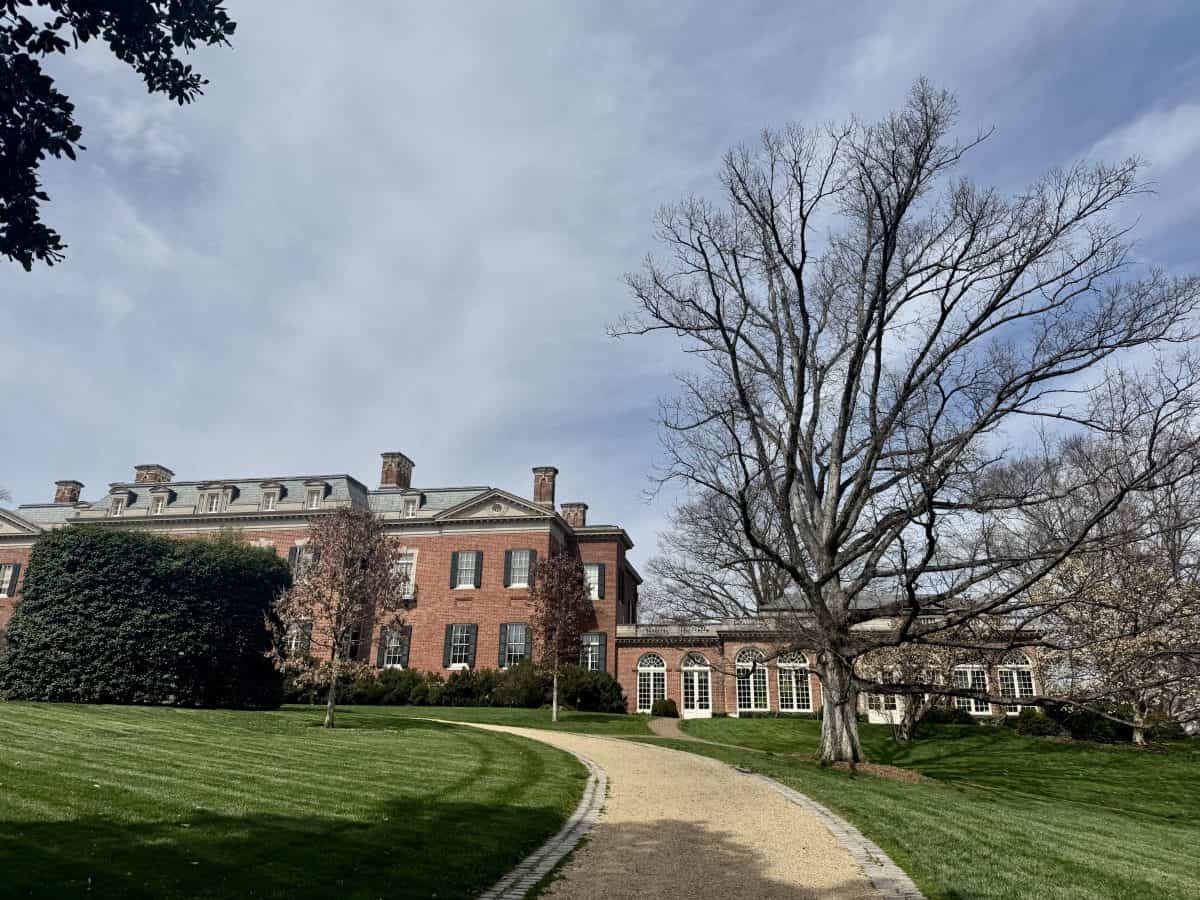
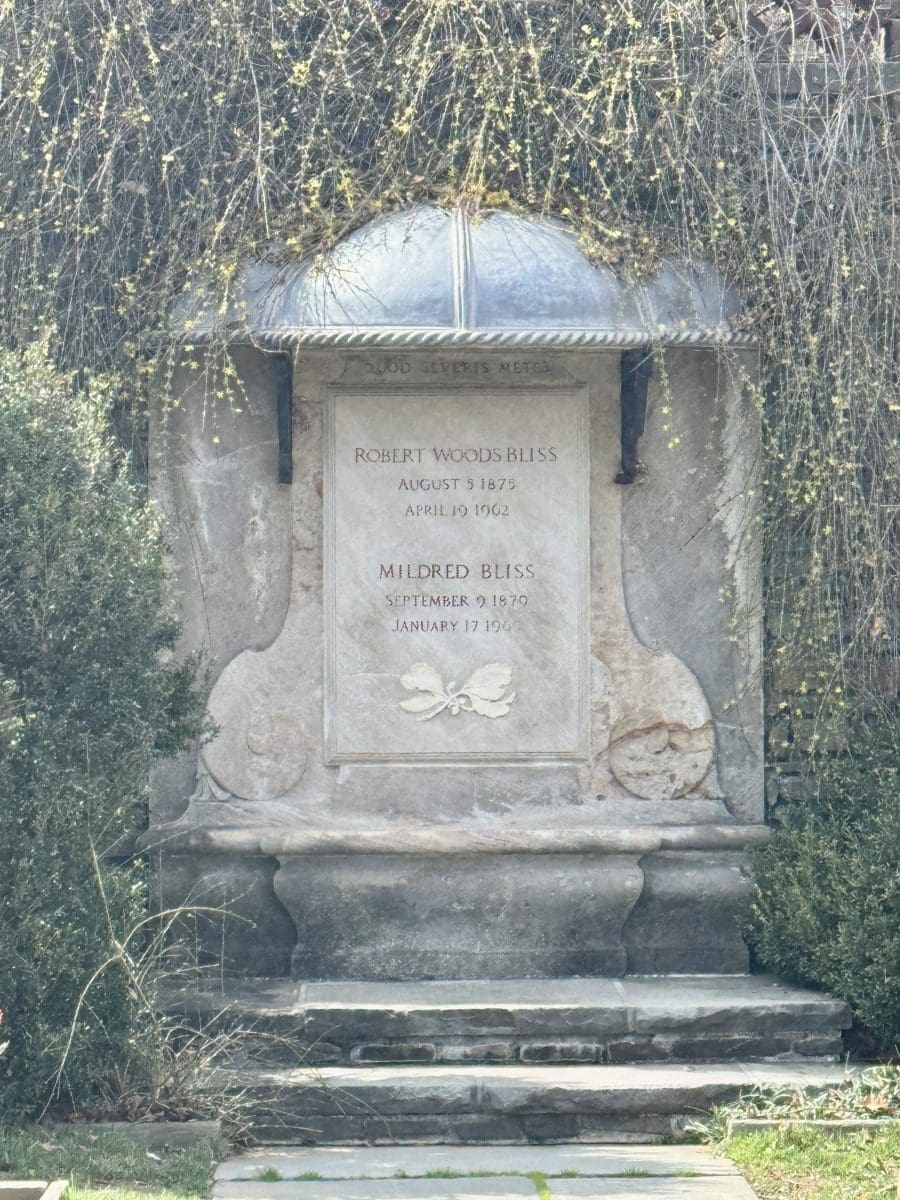
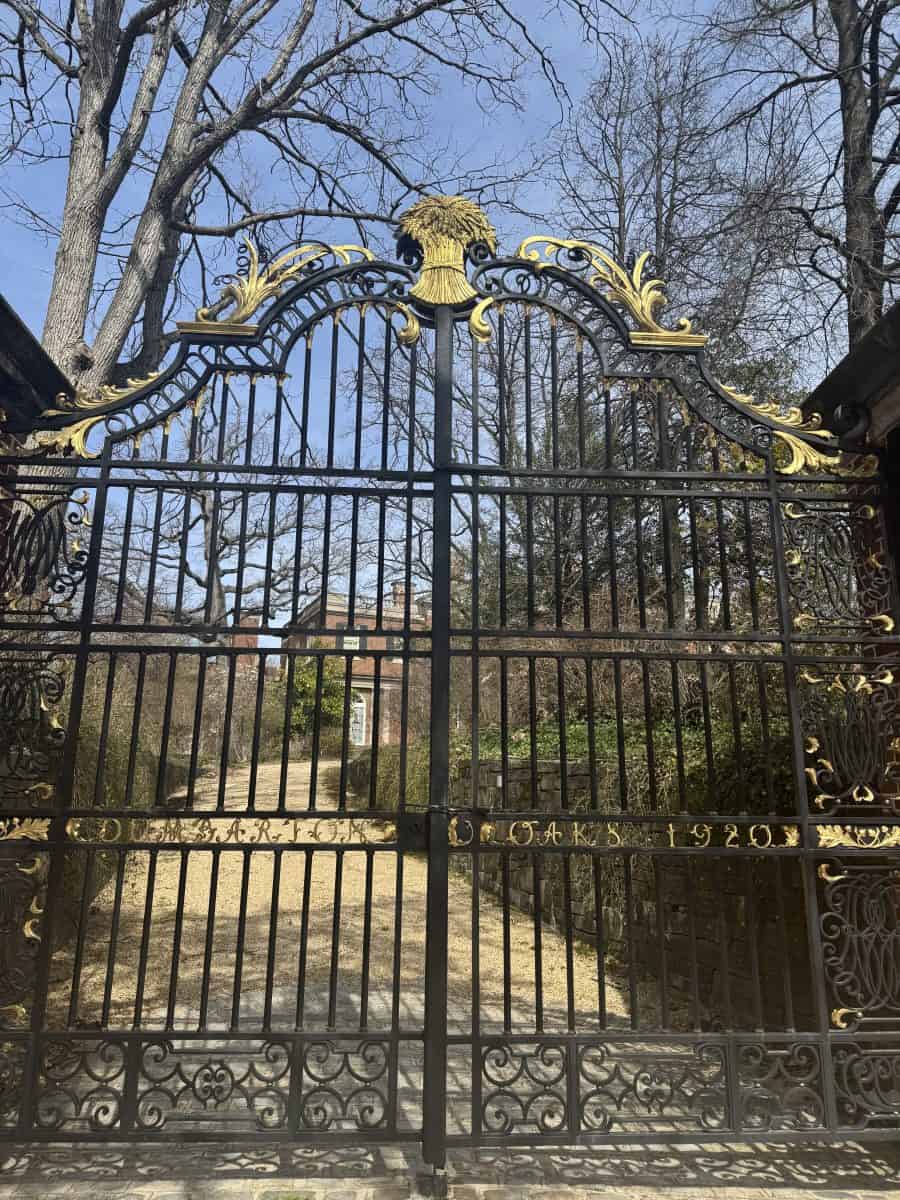
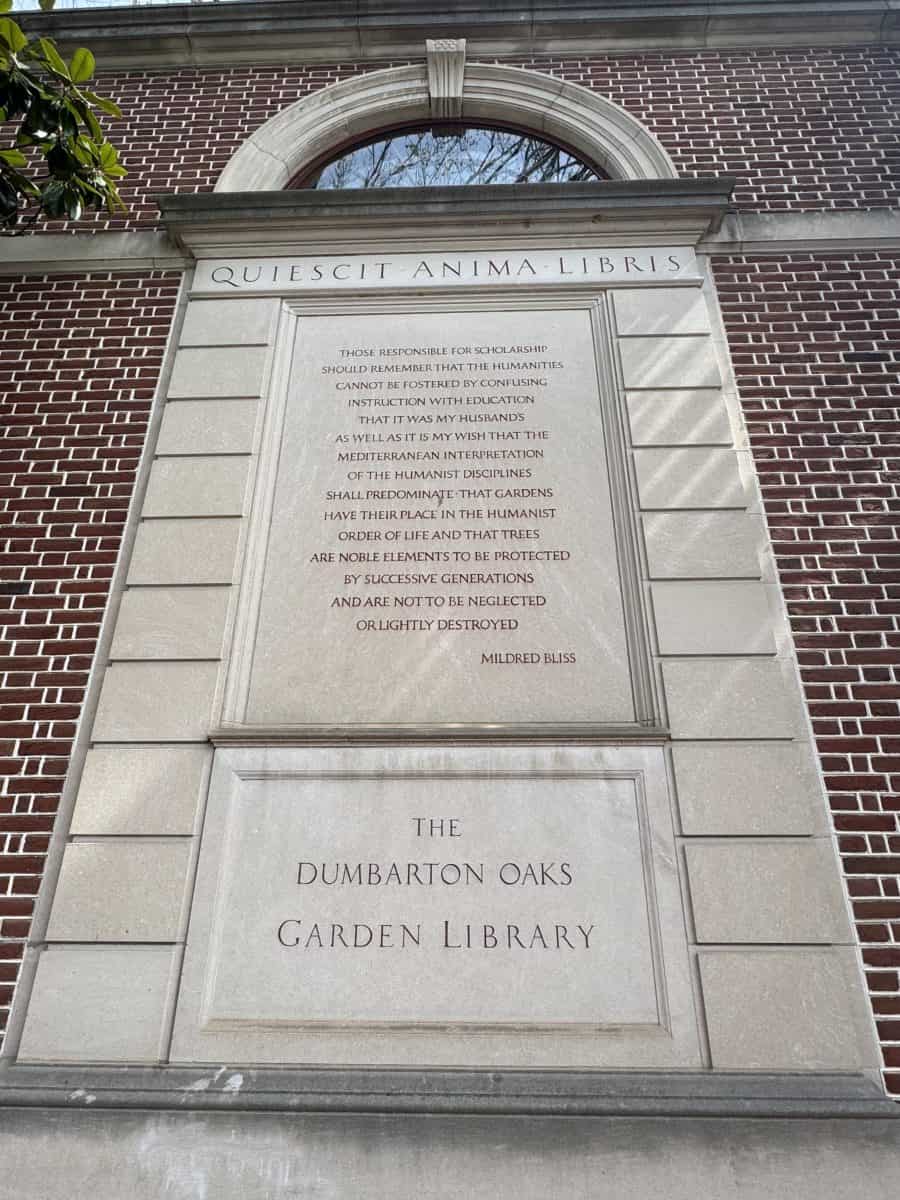
The Dumbarton Oaks property was originally owned by a Colonel Ninian Beall, who named it after a place in his native country of Ireland. A century later, in early 1800, the main house was built by William Dorsey. Several families lived there until it was bought by philanthropists Robert and Mildred Bliss. Robert and Mildred purchased the now 53 acre property in 1920 and redesigned the grounds and gardens over the course of many years with landscape gardener Beatrix Farrand. In 1940, they donated the property and their private art collections to Harvard University to create a research institute focused on Byzantine and Pre-Columbian Studies and Landscape Studies.
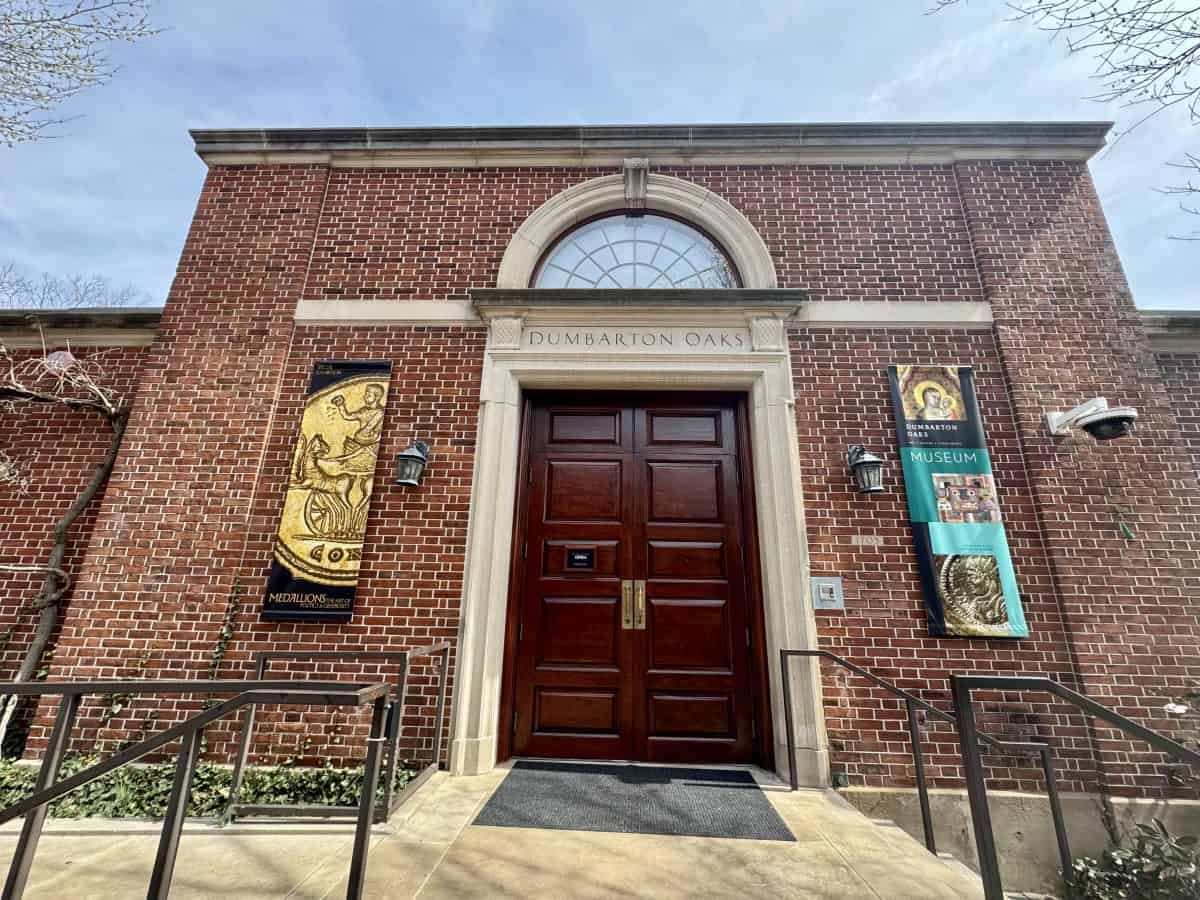
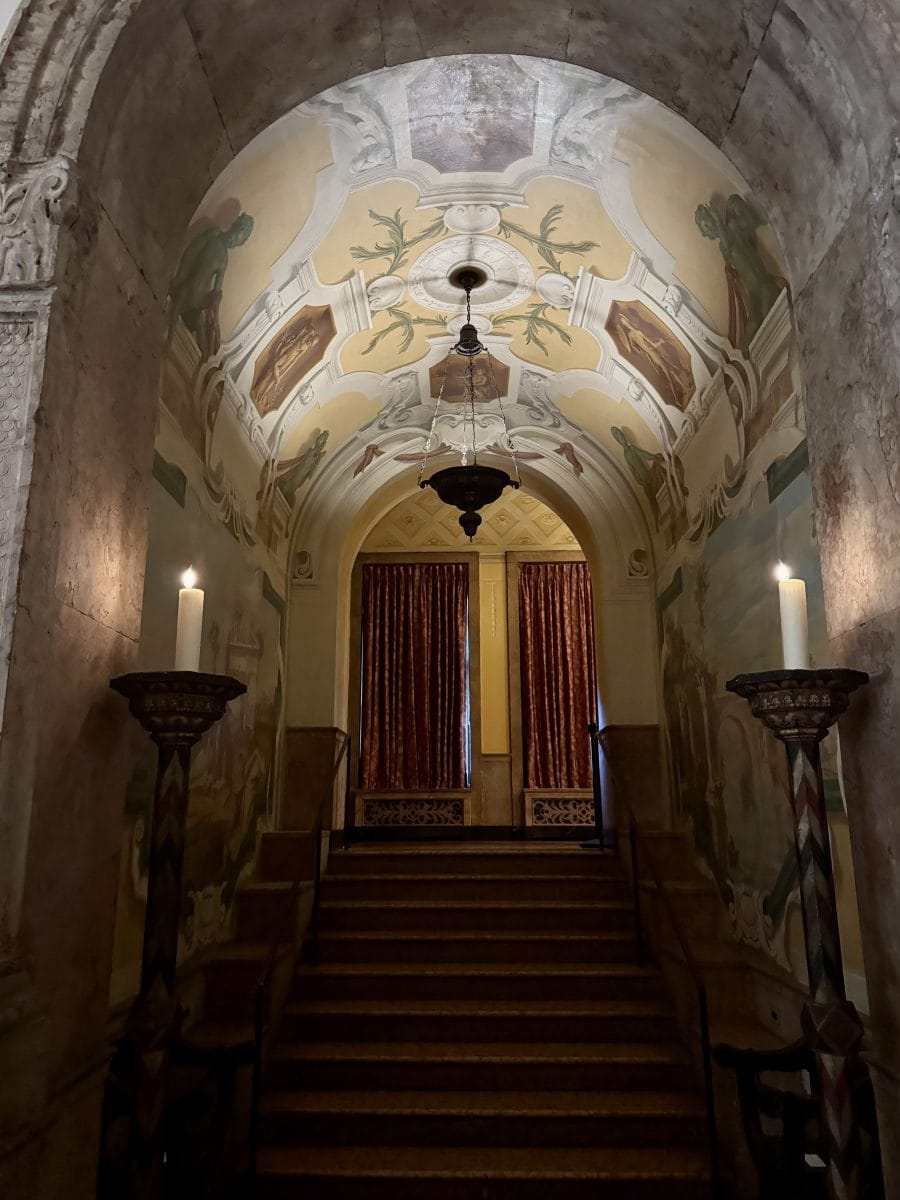
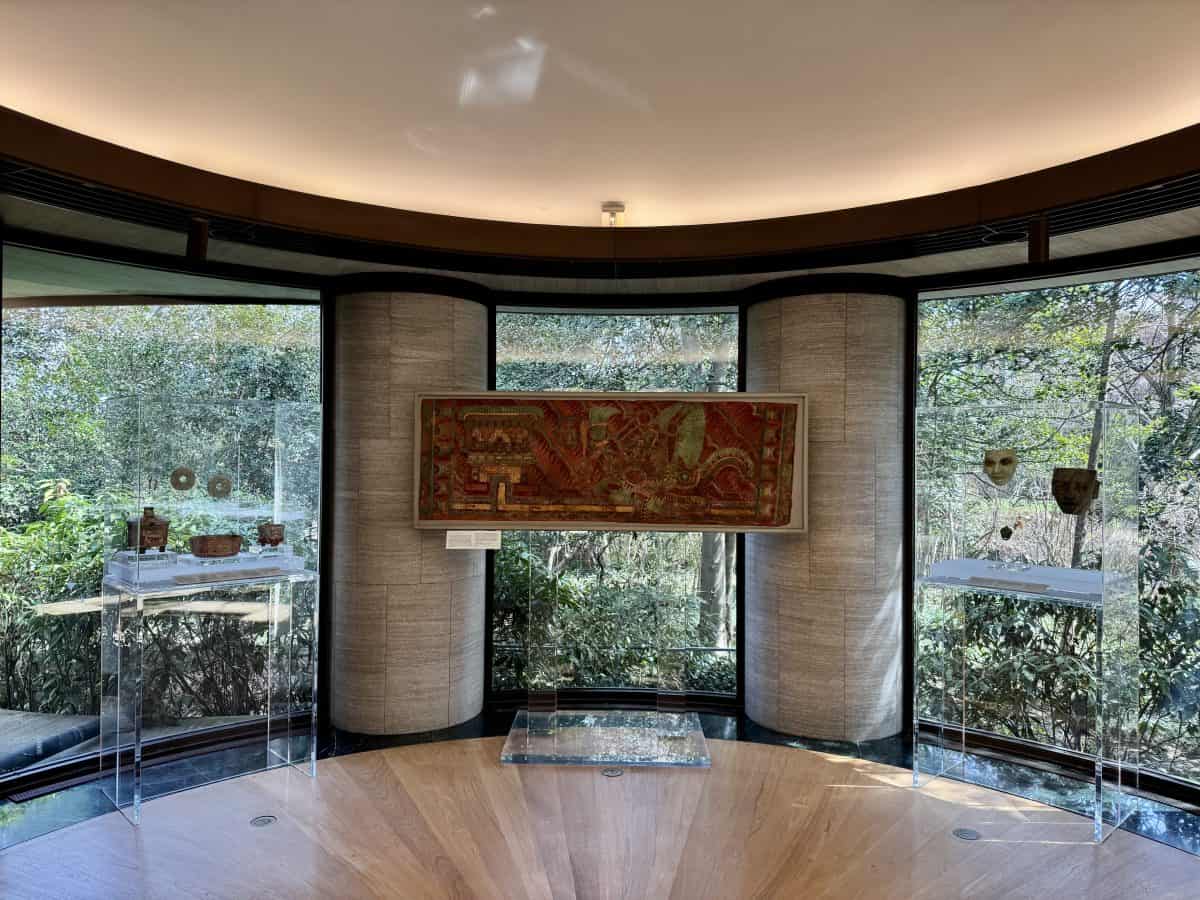
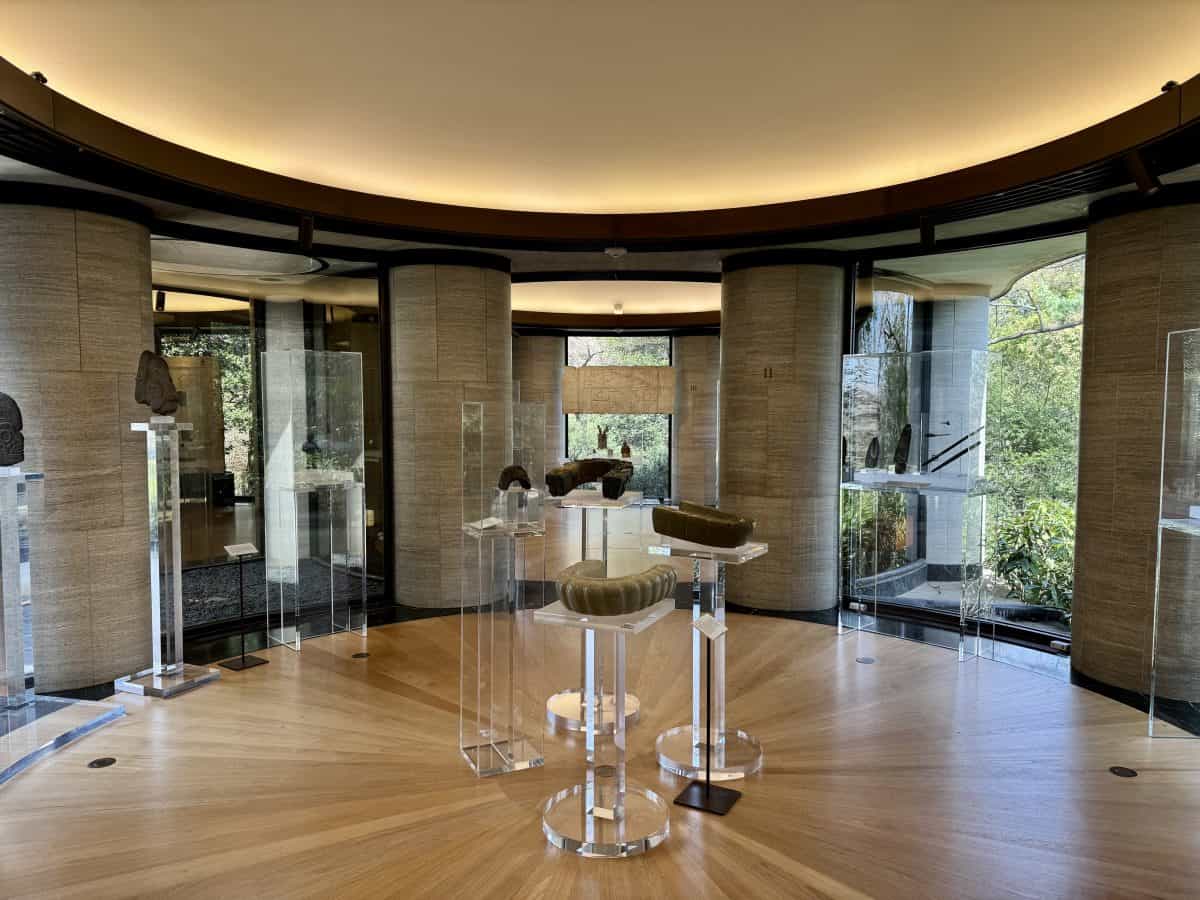
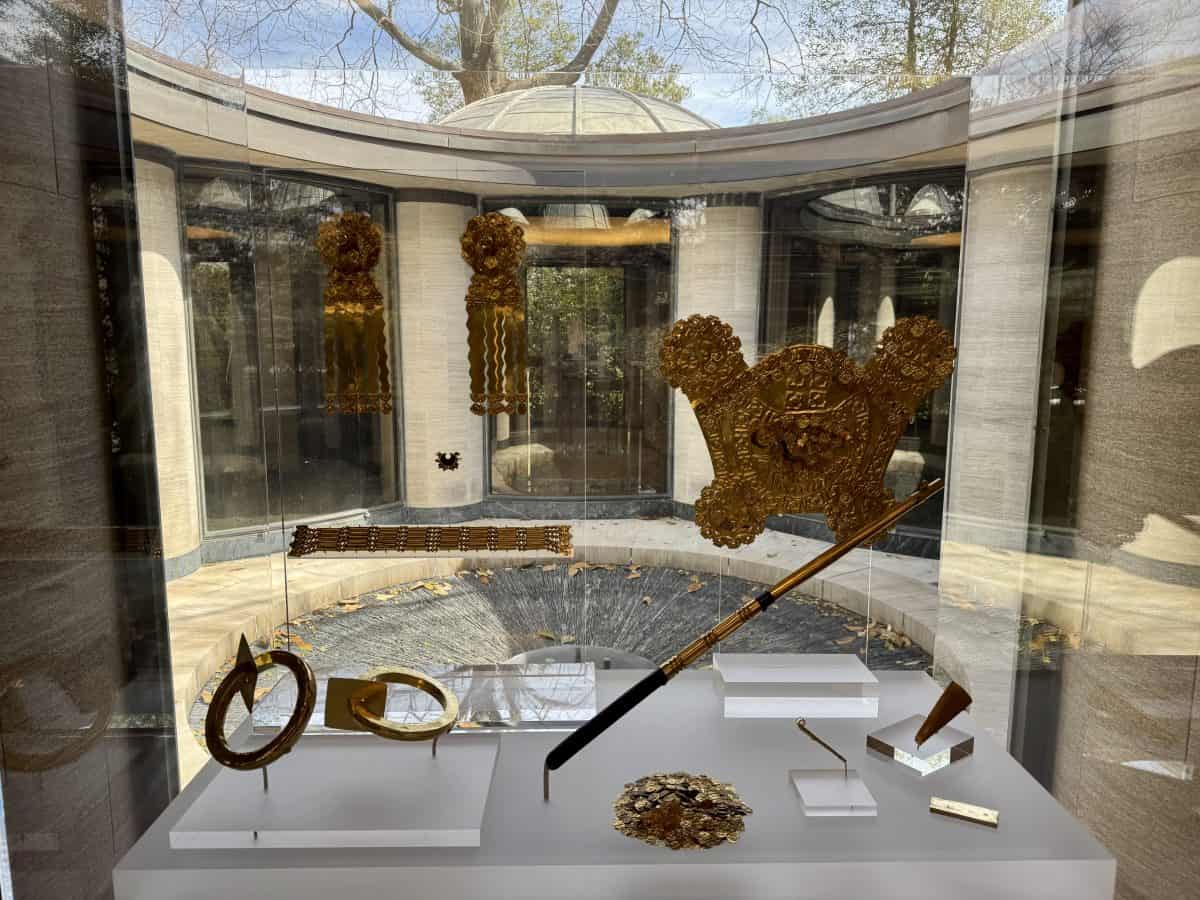
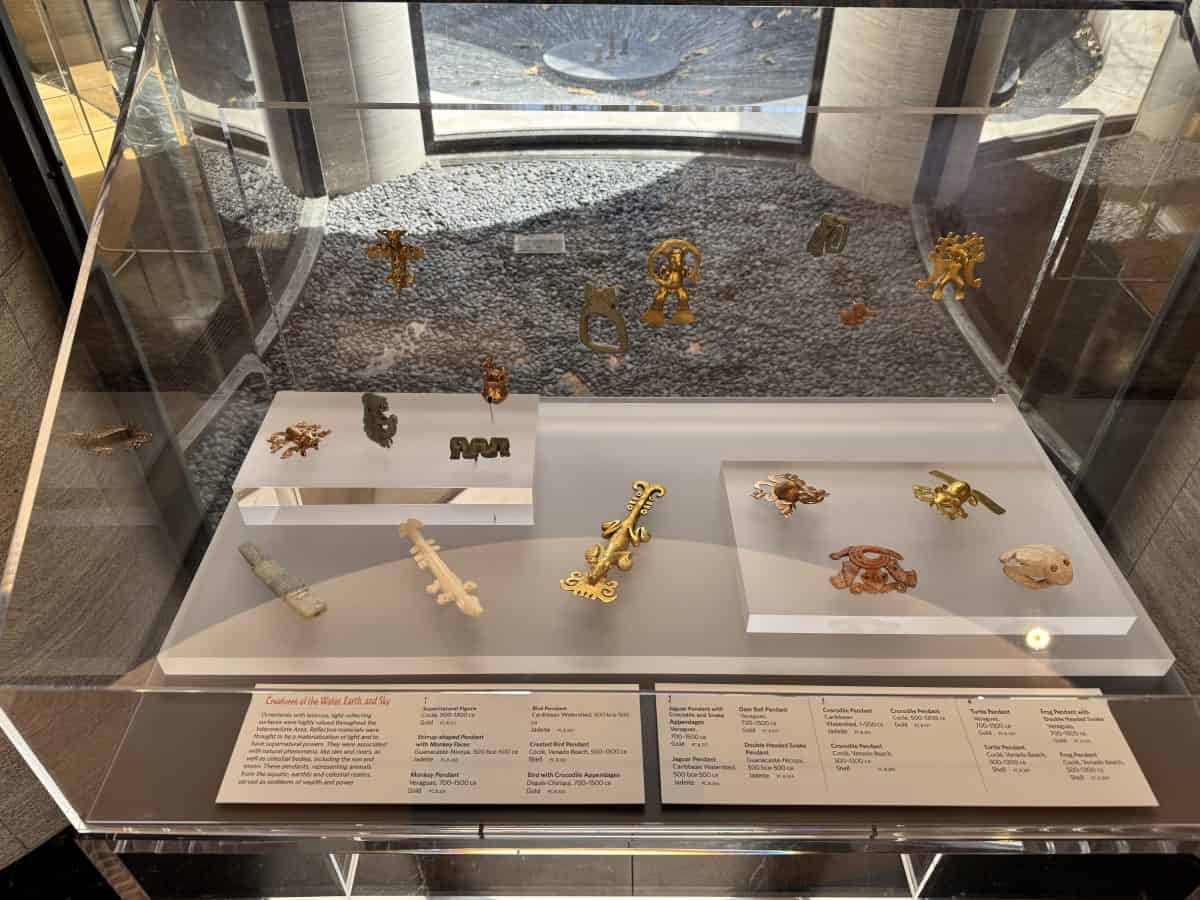
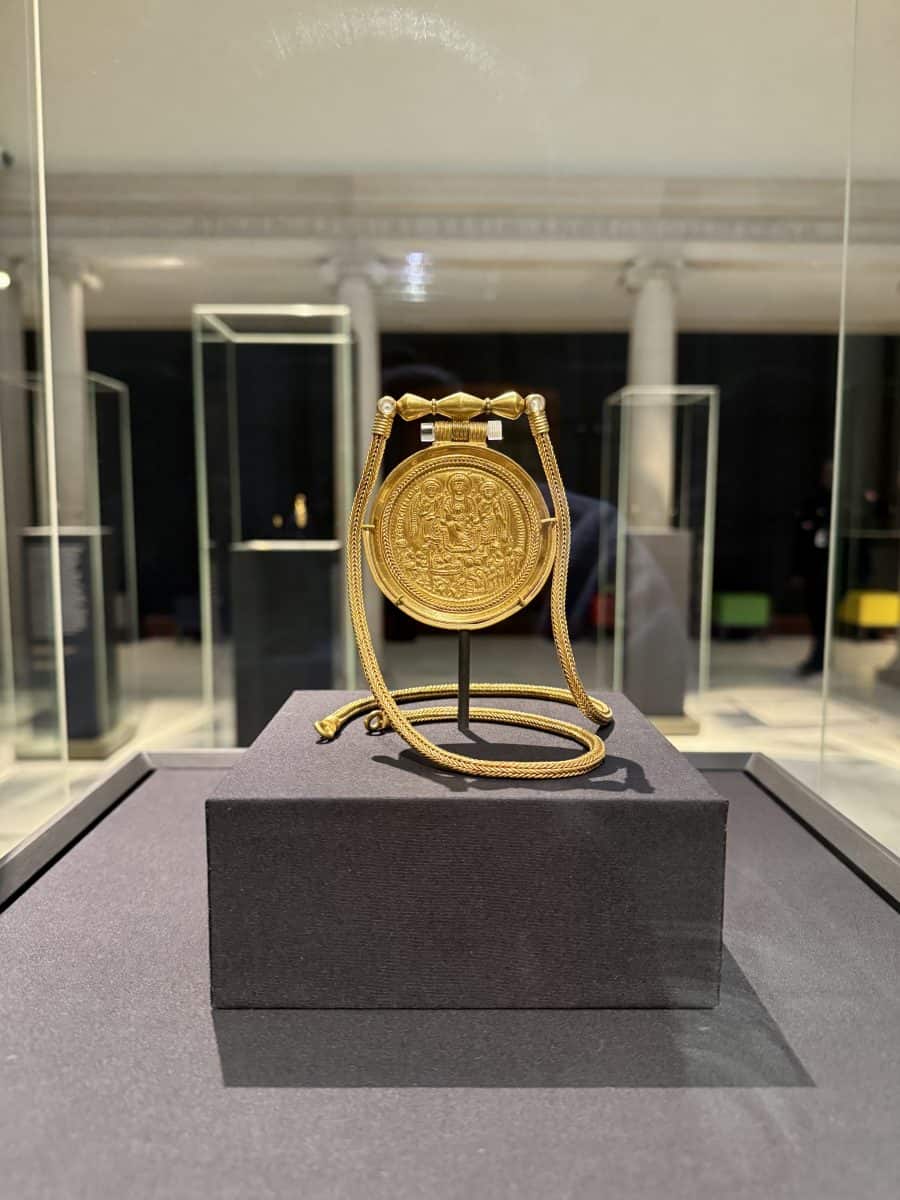
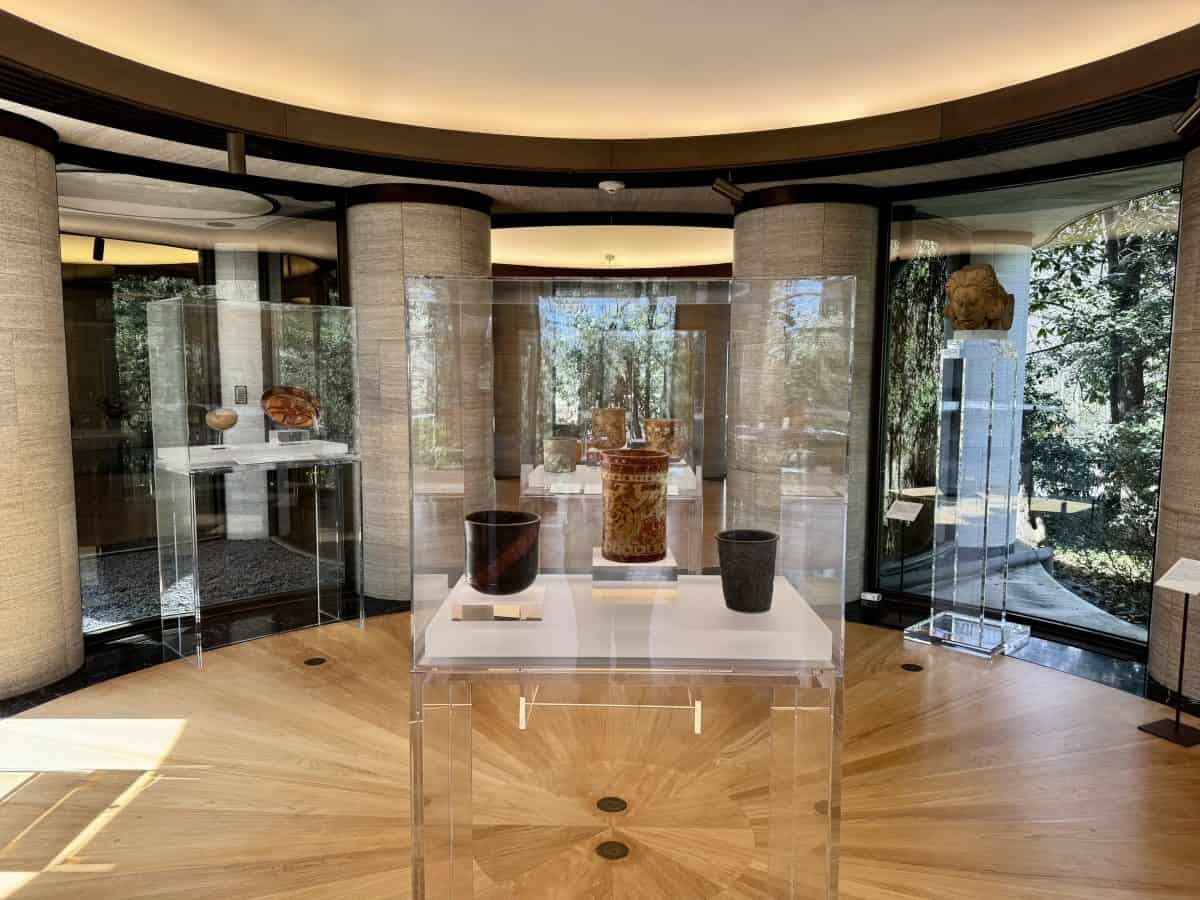
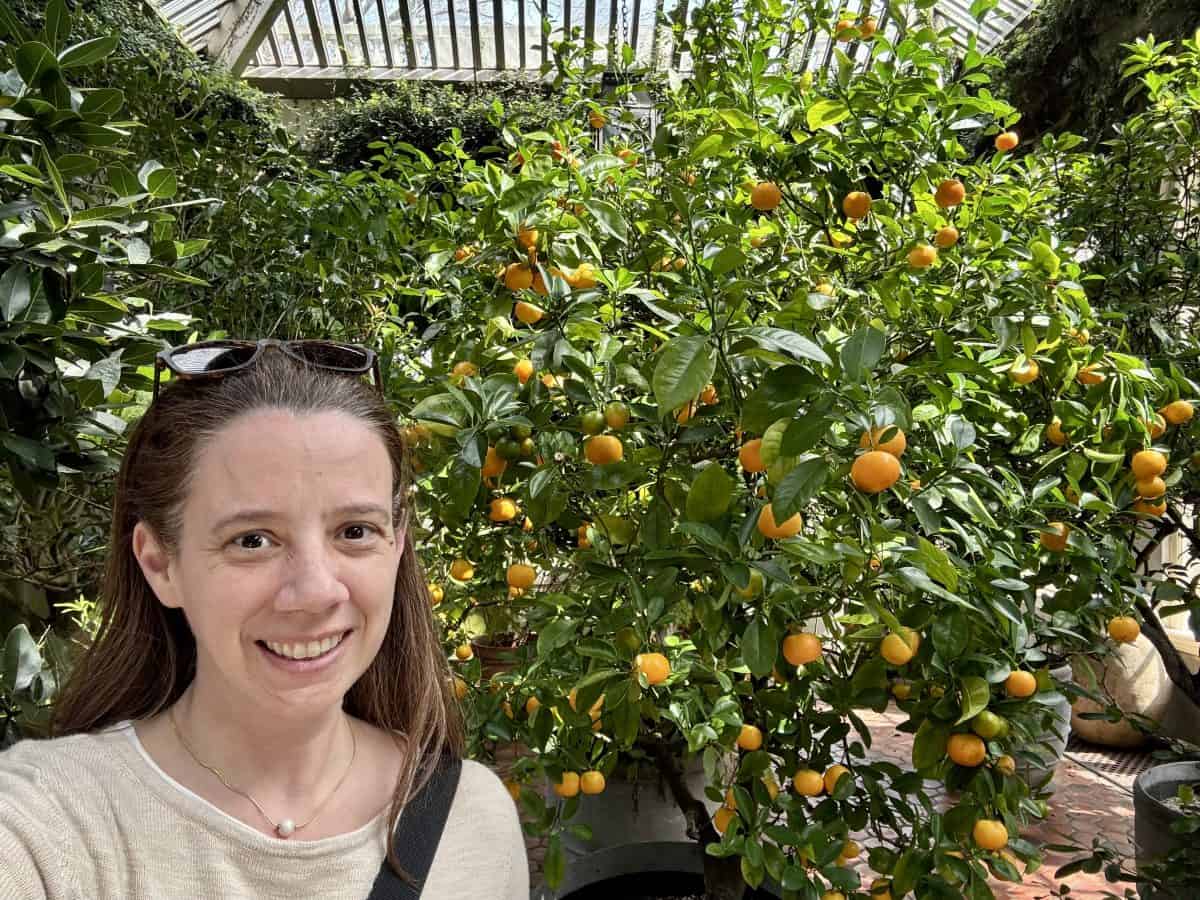
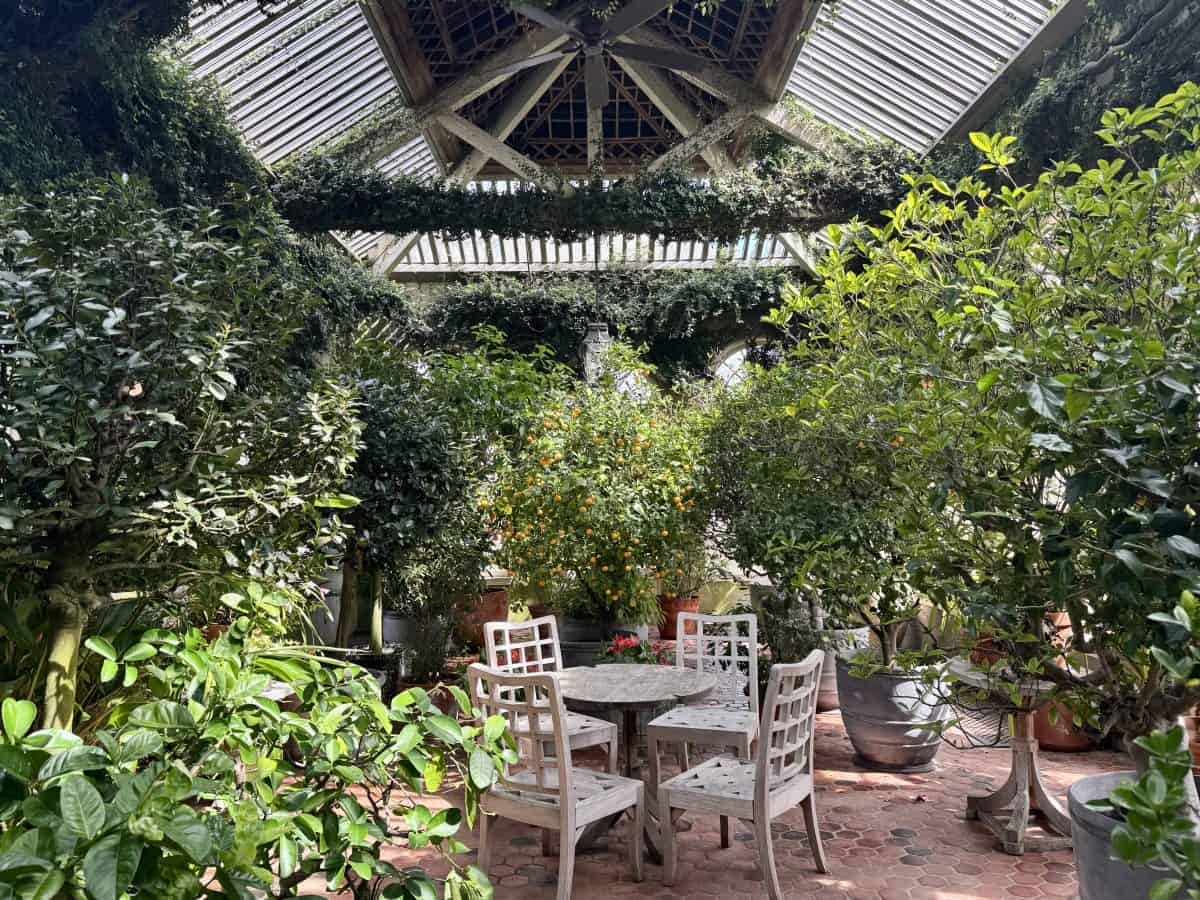
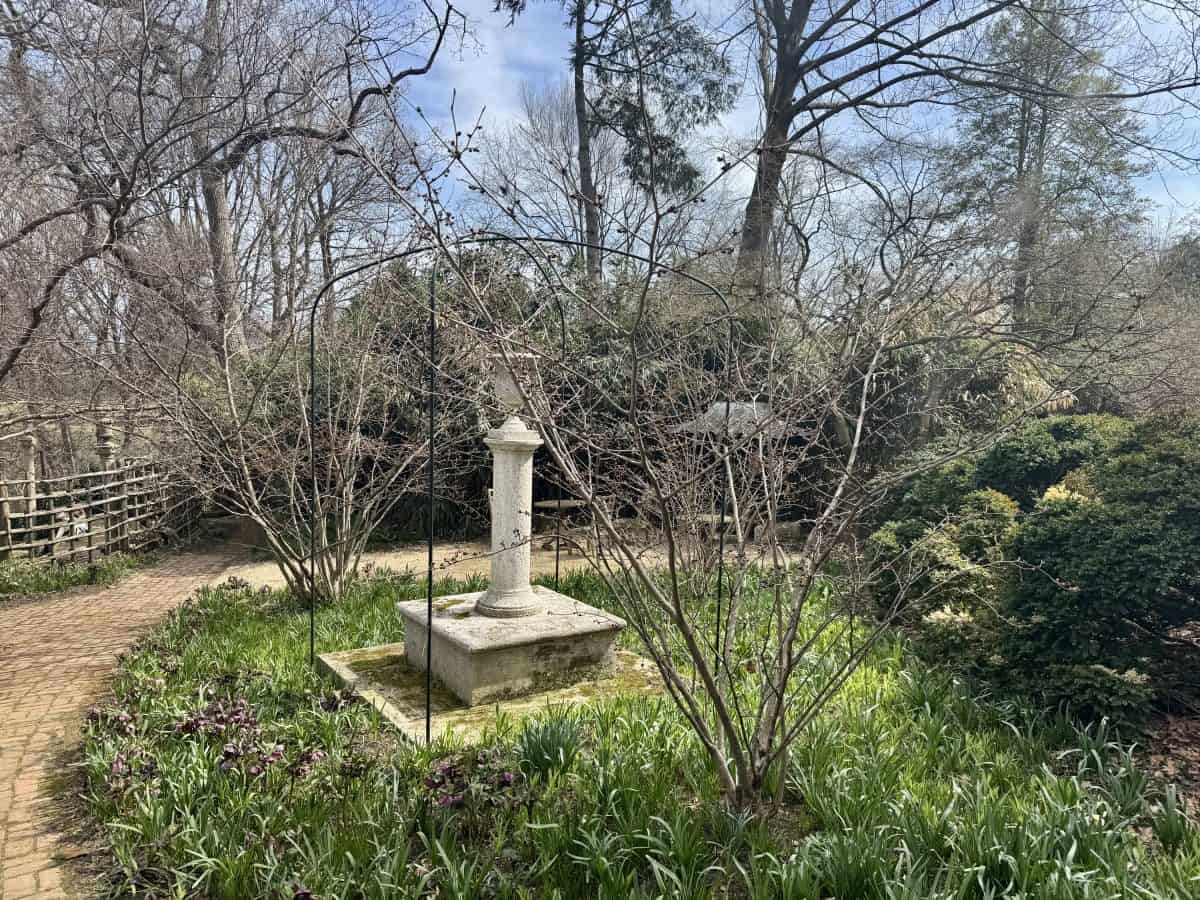
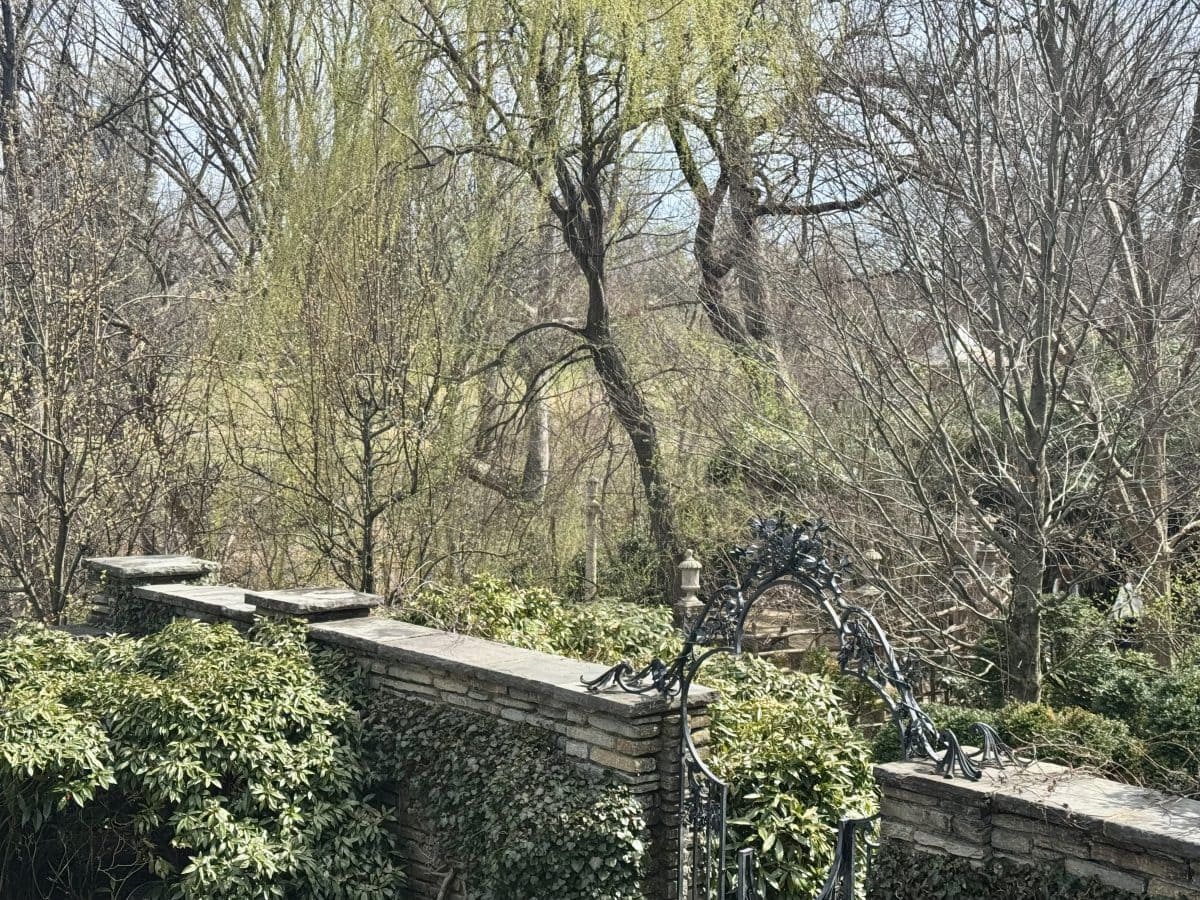
The museum displays a vast collection of Byzantine and Pre-Columbia art, including tapestries, paintings, furniture and artifacts, jewelry, and coins and medallions from the Blisses’ private collections. There are sixteen acres of gardens, orchards, meadows, and paths to explore around the property- see the interactive map here and the overview map here. Be sure to stop inside the Orangery, which protects orange trees and smaller plants during colder winter months. We recommend timing your visit to coincide with free, daily guided tours of either the museum or the gardens- or both! The docents are knowledgeable, enthusiastic, and engaging.
Travel Tips:
Nine Spots at Dumbarton Oaks that Kids Will Enjoy:
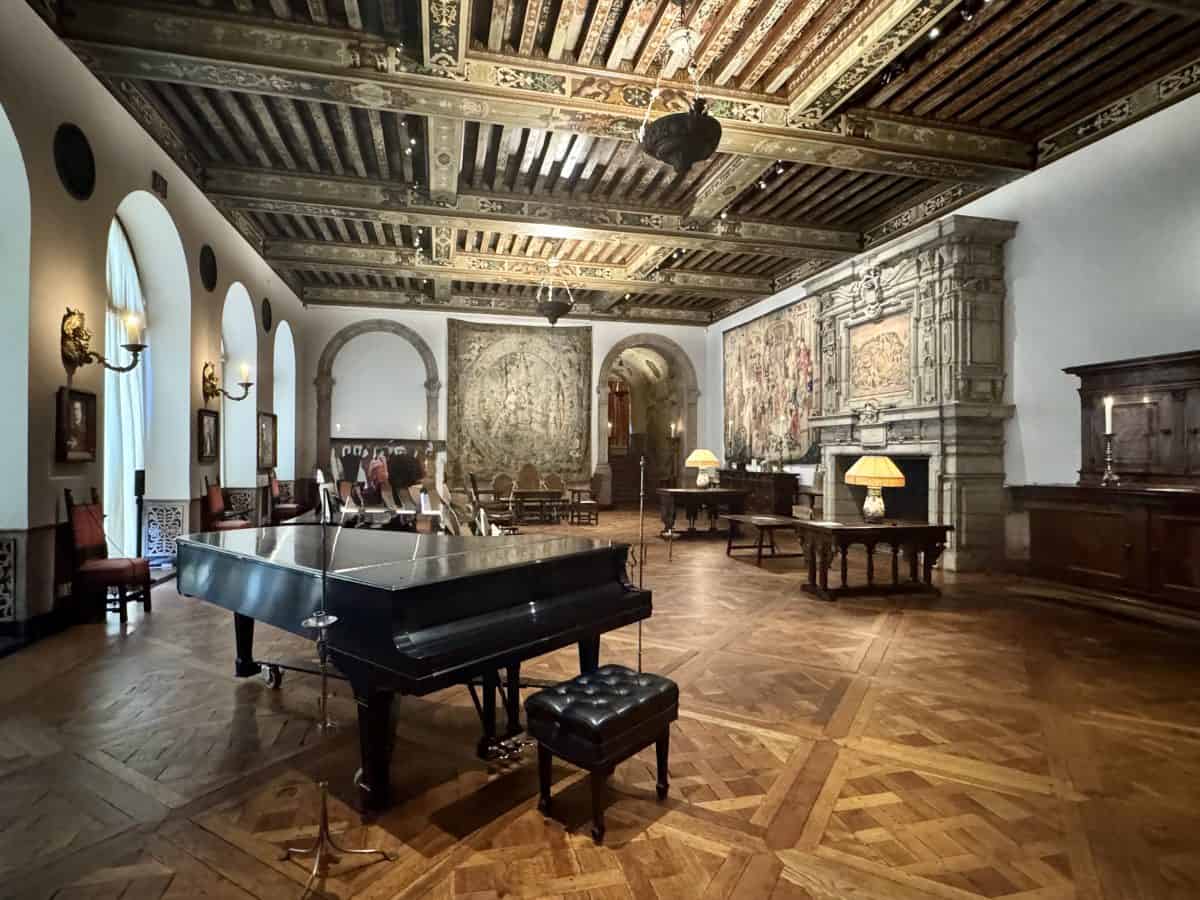
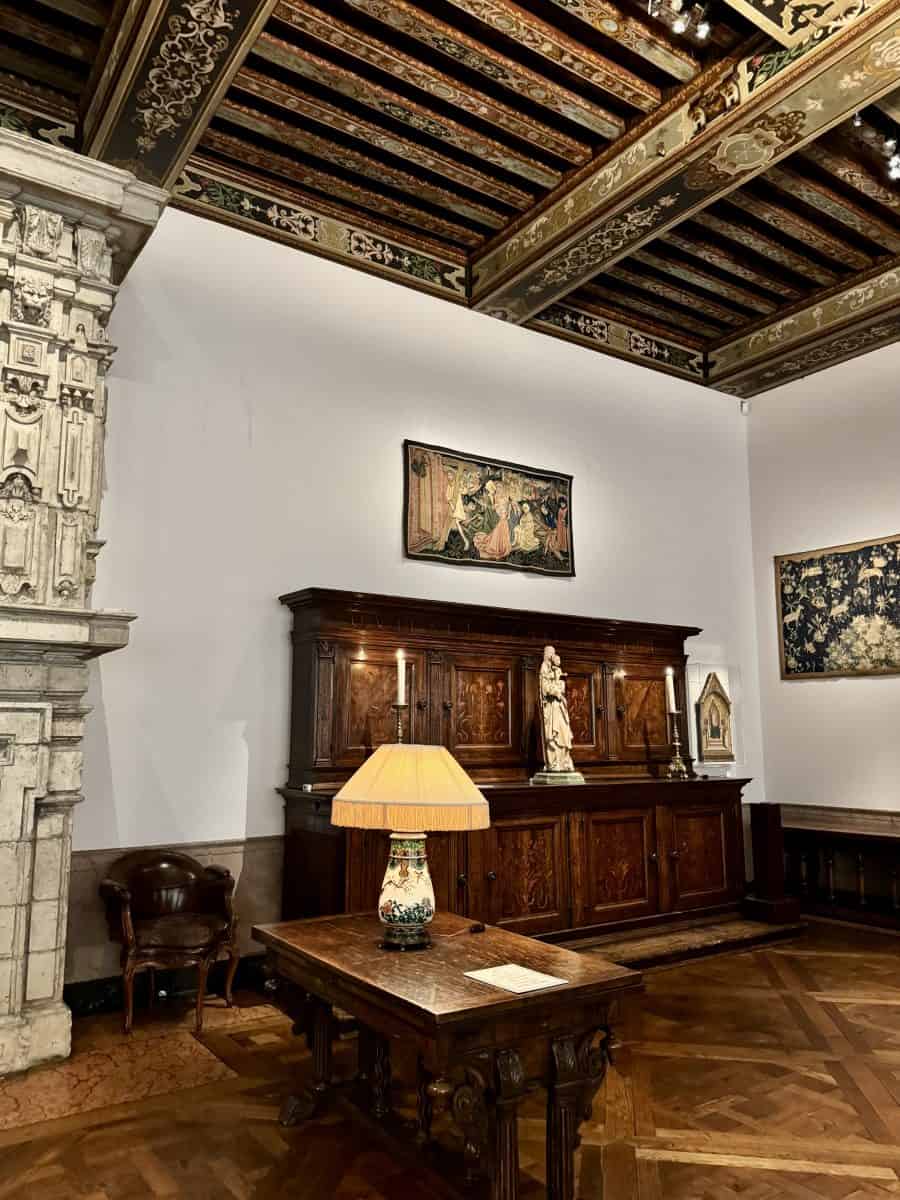
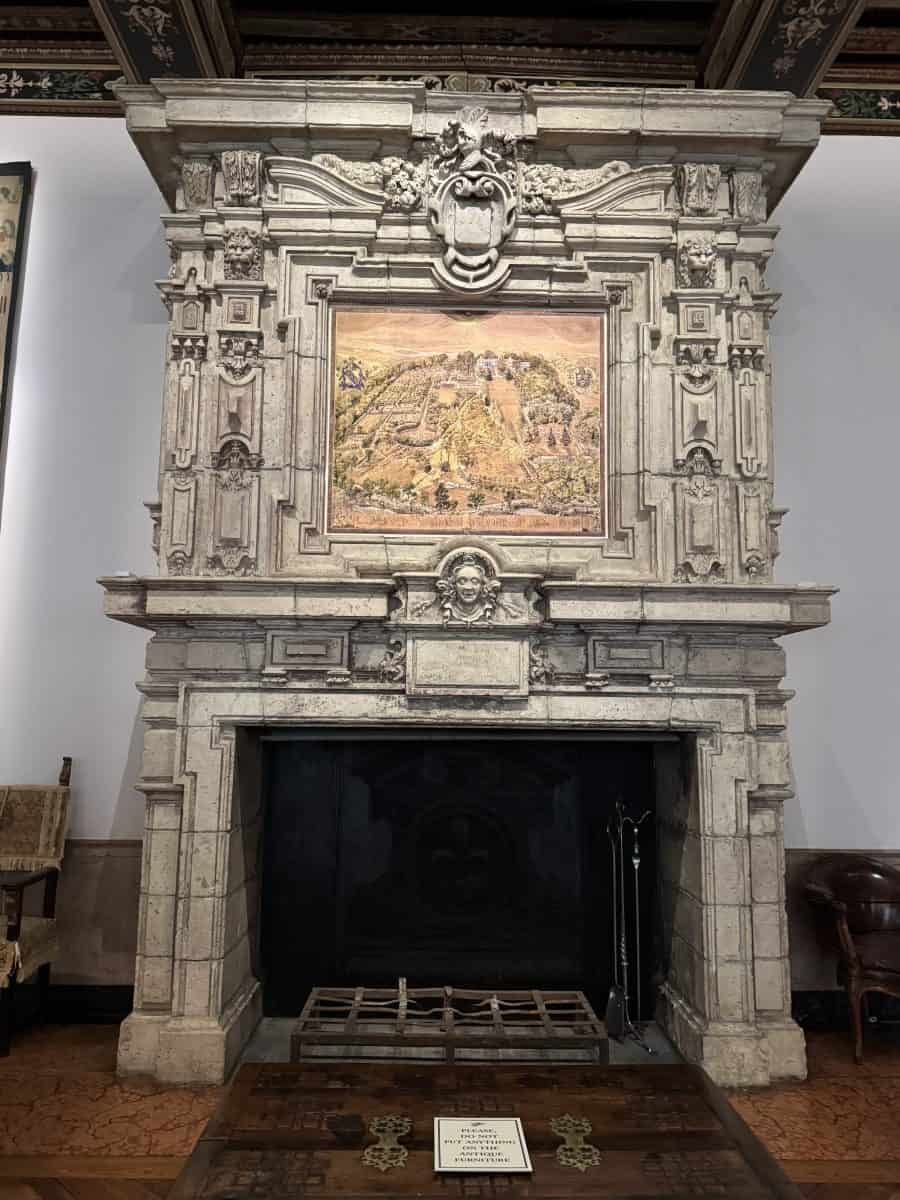
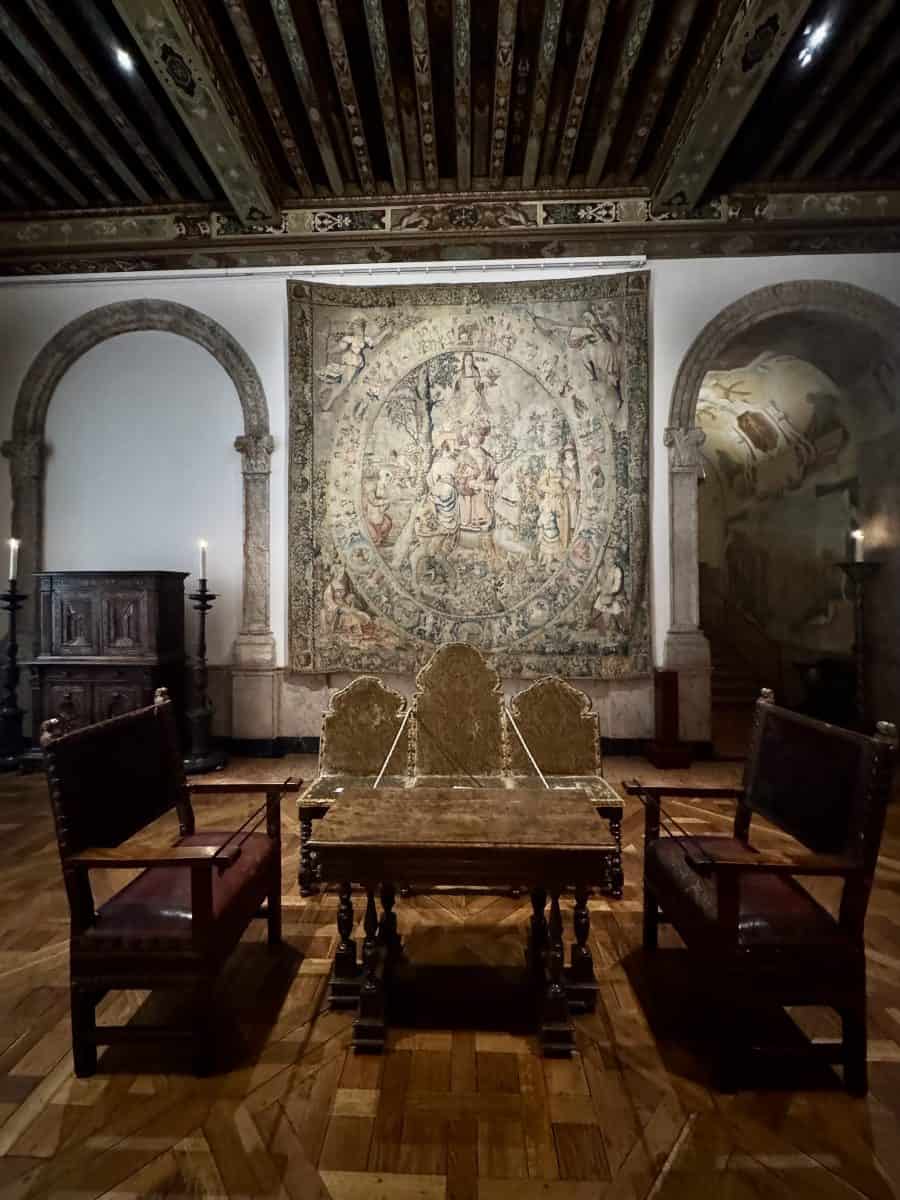
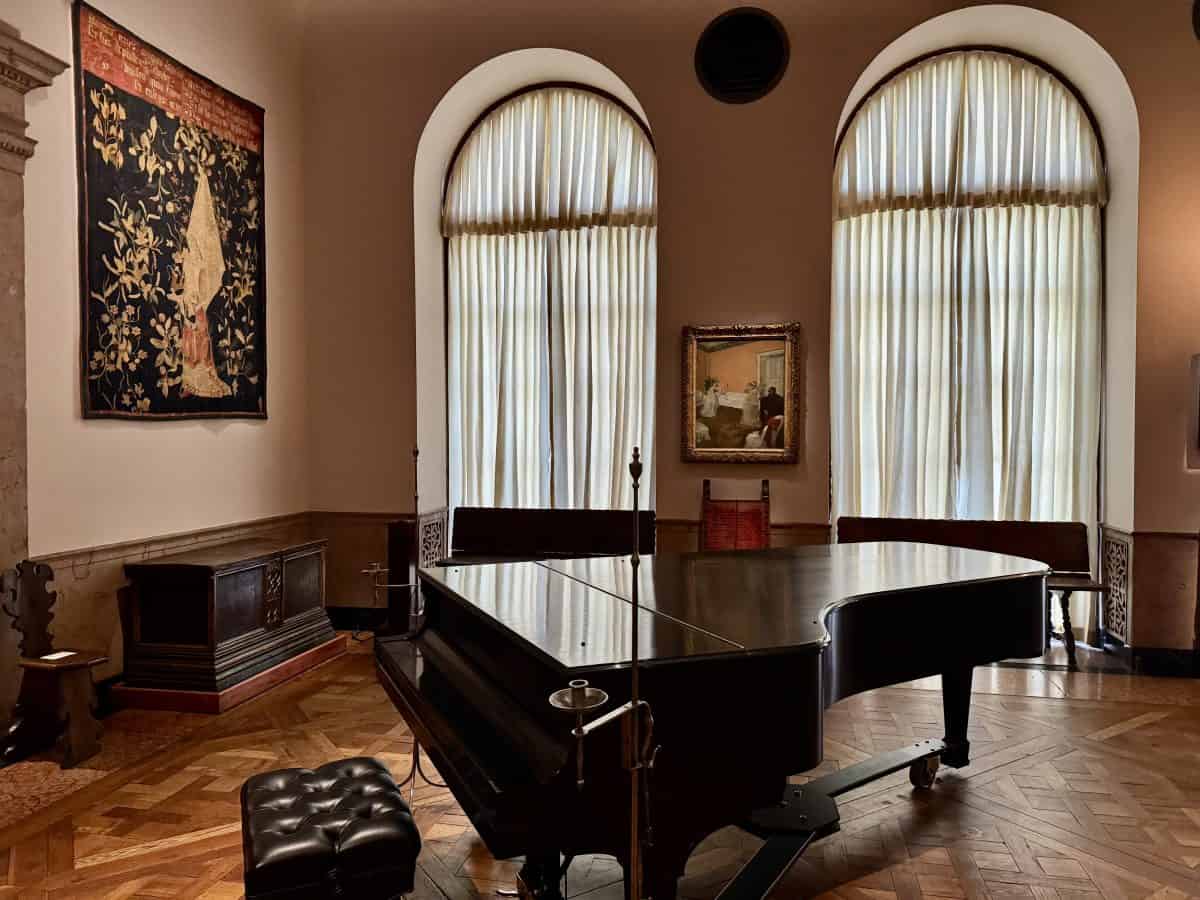
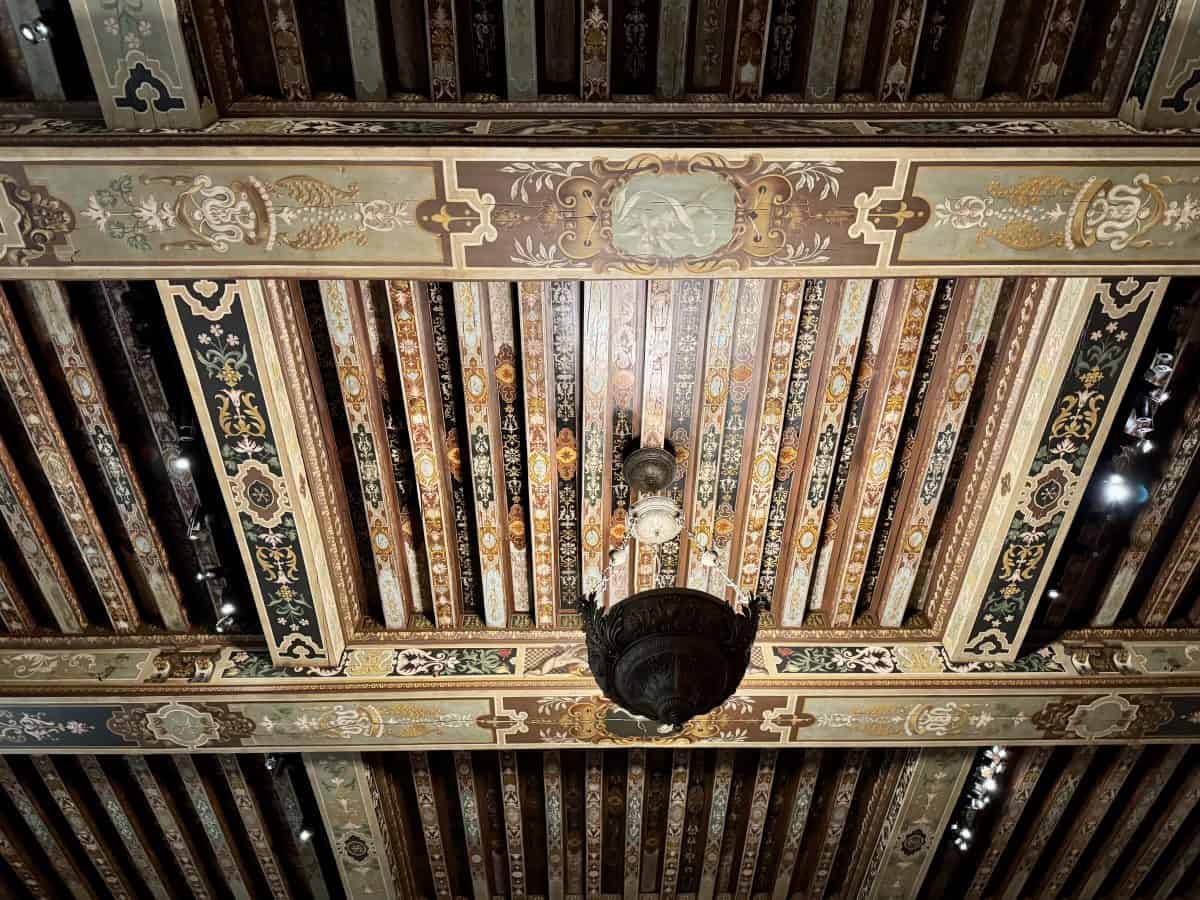
- The Music Room, which includes a massive fireplace, several large Byzantine tapestries, and a 1926 Steinway piano. Be sure to look up at the ceiling!
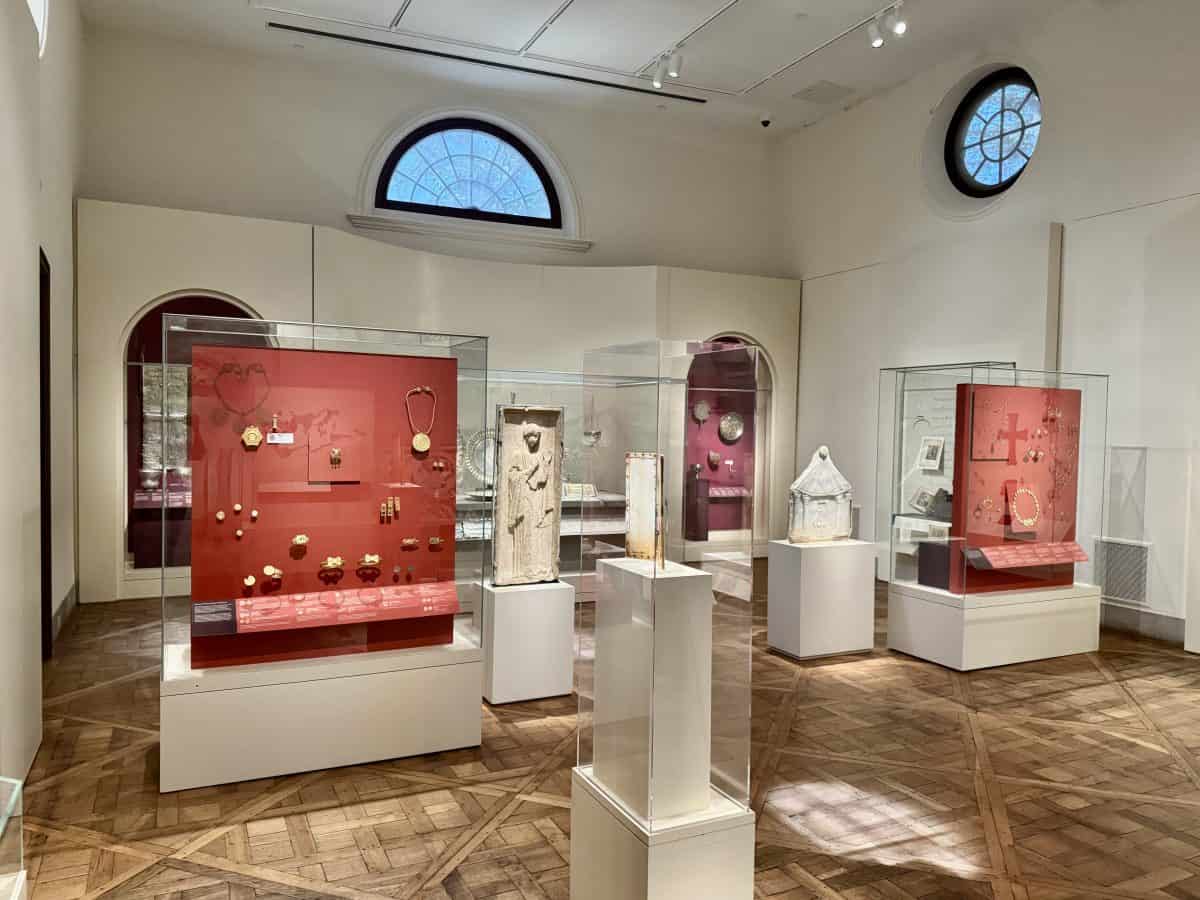
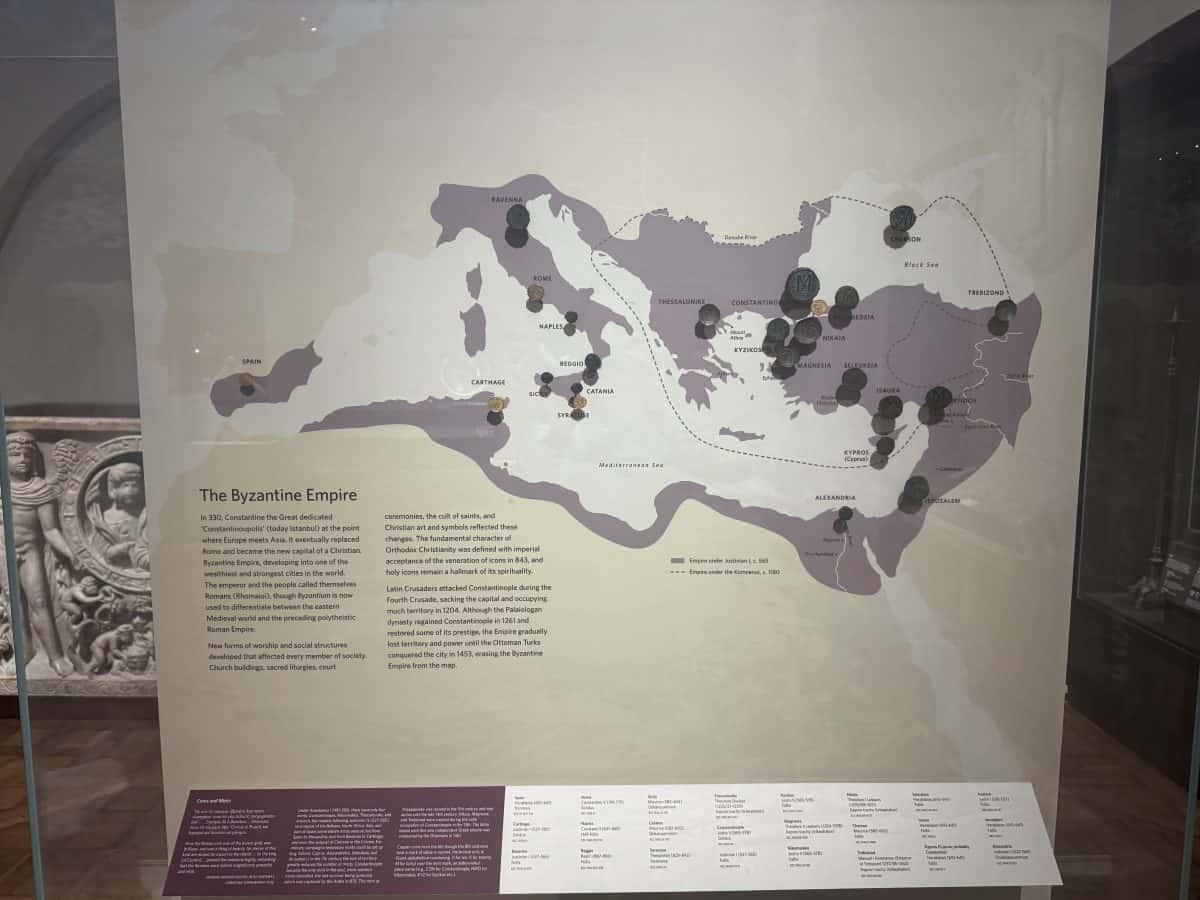
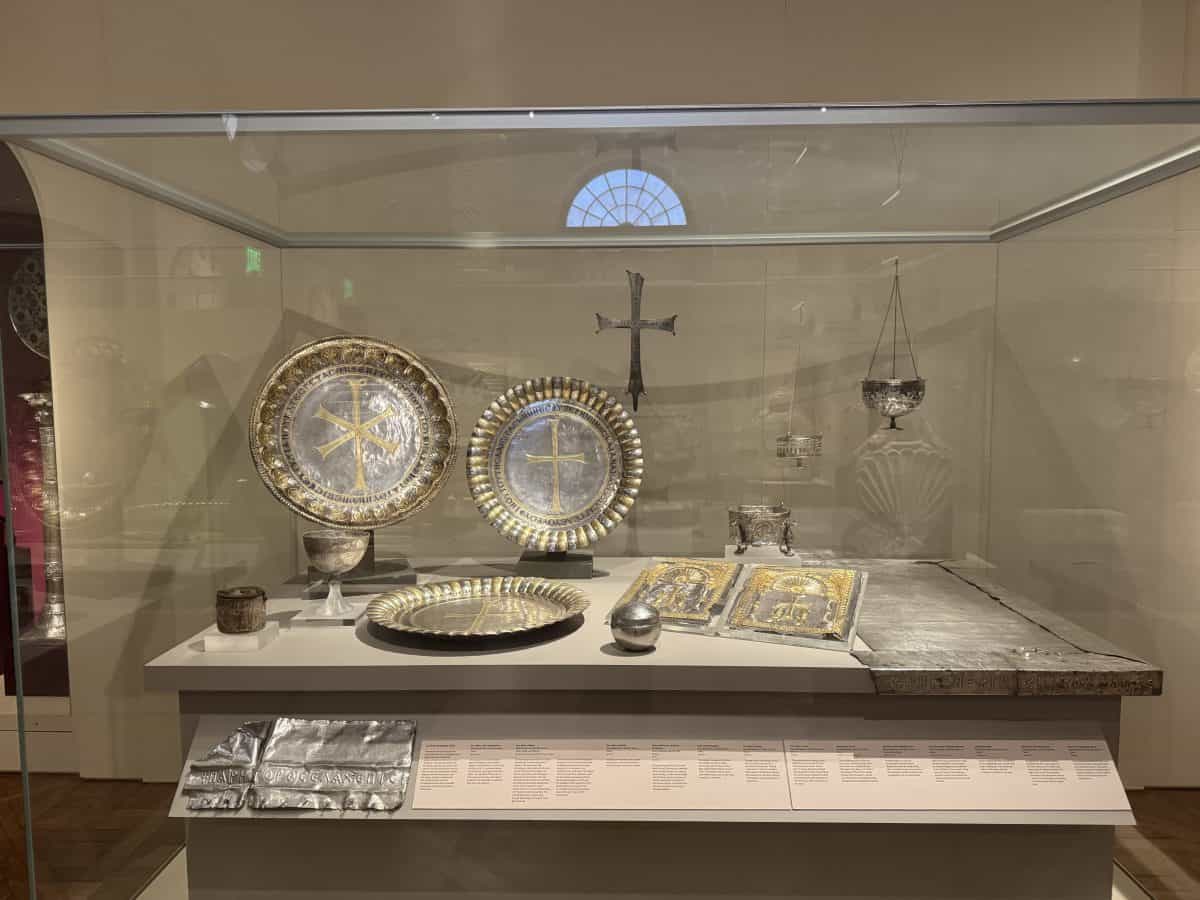
- The Byzantine Gallery, which includes impressive items of interest like lamps, chalices, platters, crosses and even book covers made from silver. Kids will also enjoy seeing coins and mints of various eras and the corresponding map of the Byzantine Empire.
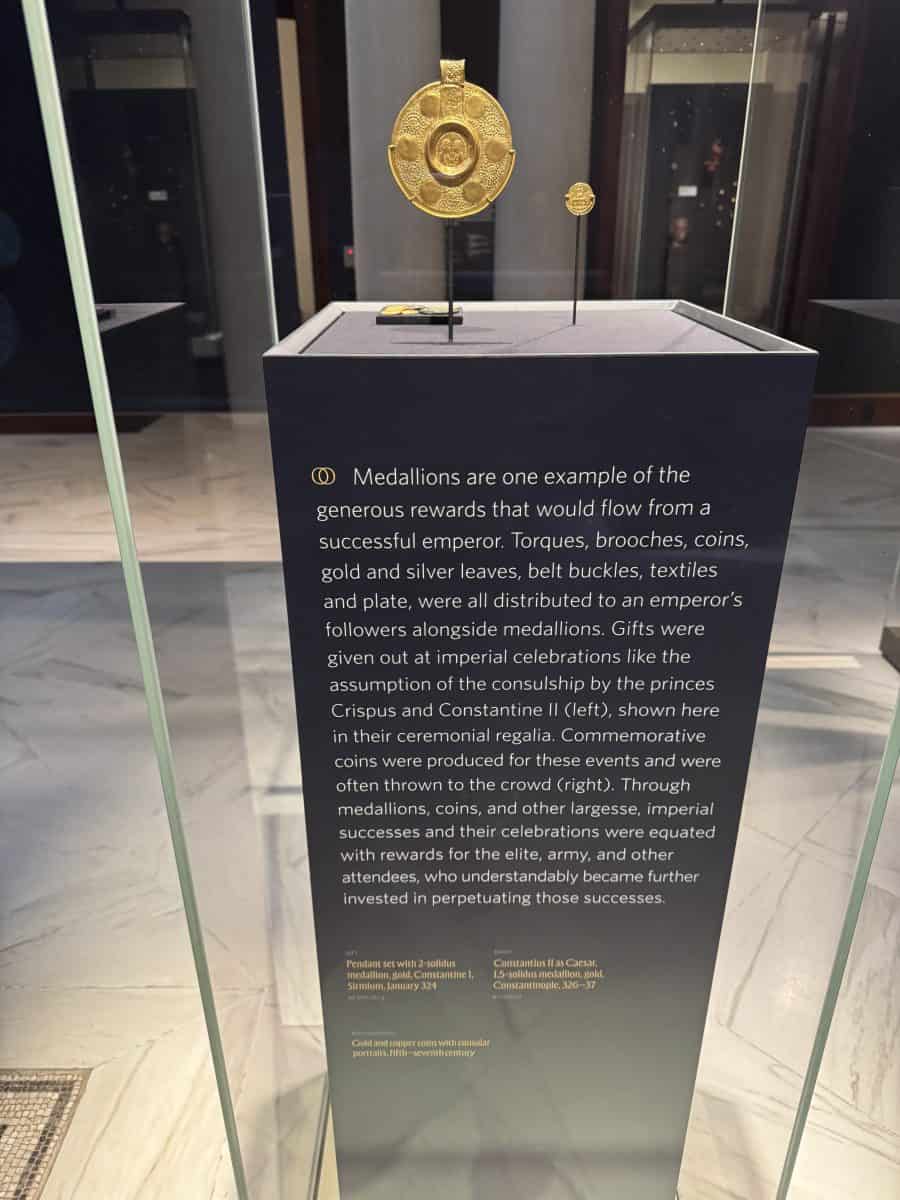
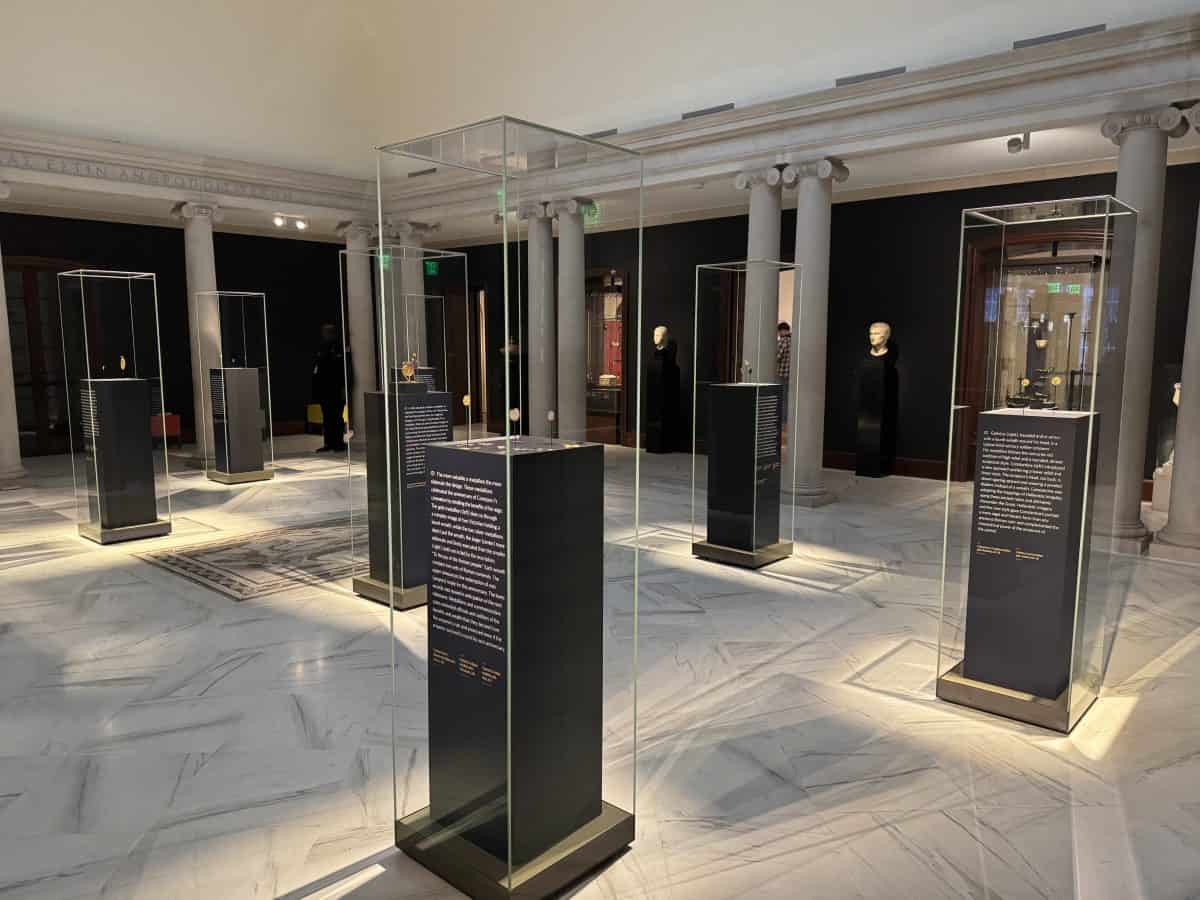
- The Courtyard Gallery, which currently displays the exhibit Medallions: The Art of Politics and Generosity includes dozens of medallions- the more elaborate the design, the more valuable the medallion. There are medallions honoring the baptism of an emperor’s son, military victories, and even rewards for the emperor’s followers.
- The Textile Gallery, which displays a massive floor mosaic depicting hunting scenes.
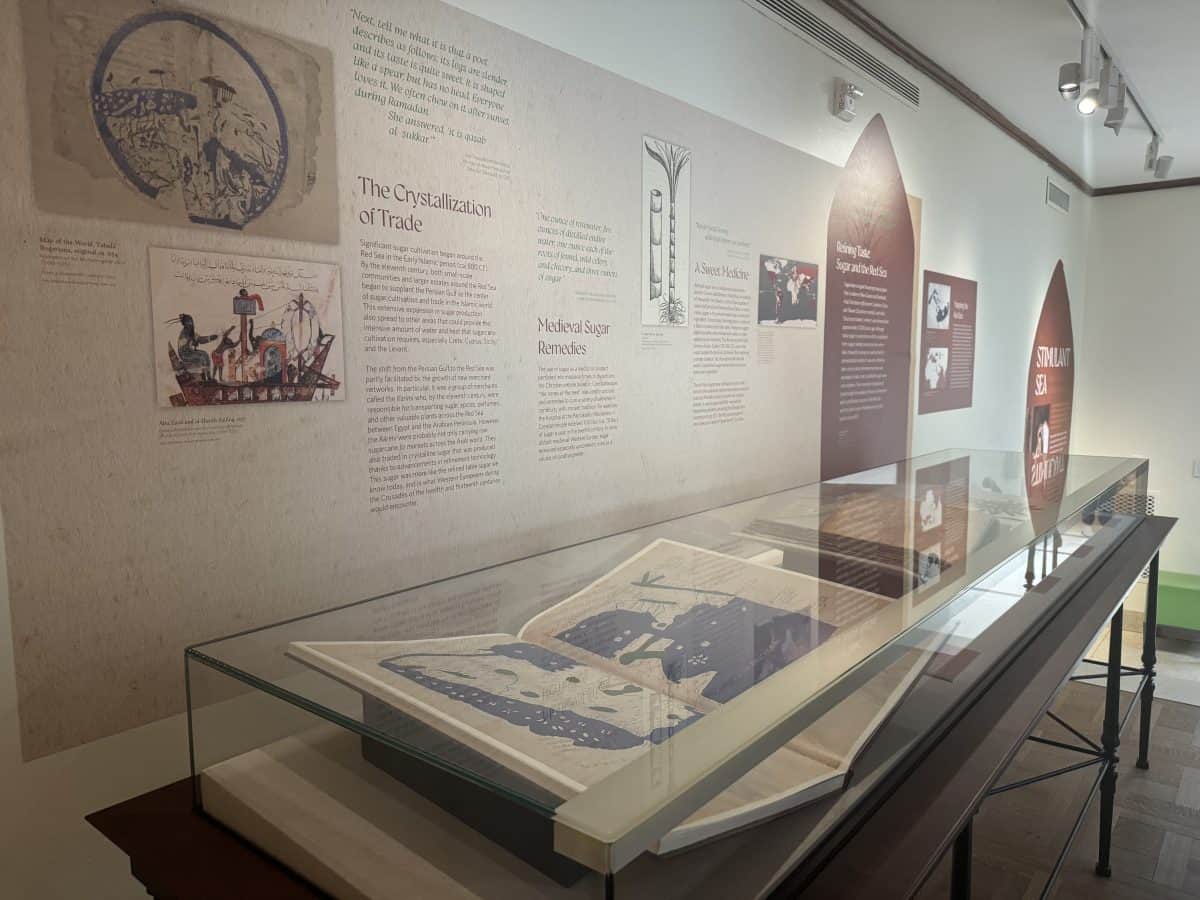
- The Acquisition of Taste exhibit, which explains the production of growing sugar and coffee beans and has a replica diagram of a sugar plantation.
Would you like to save this?
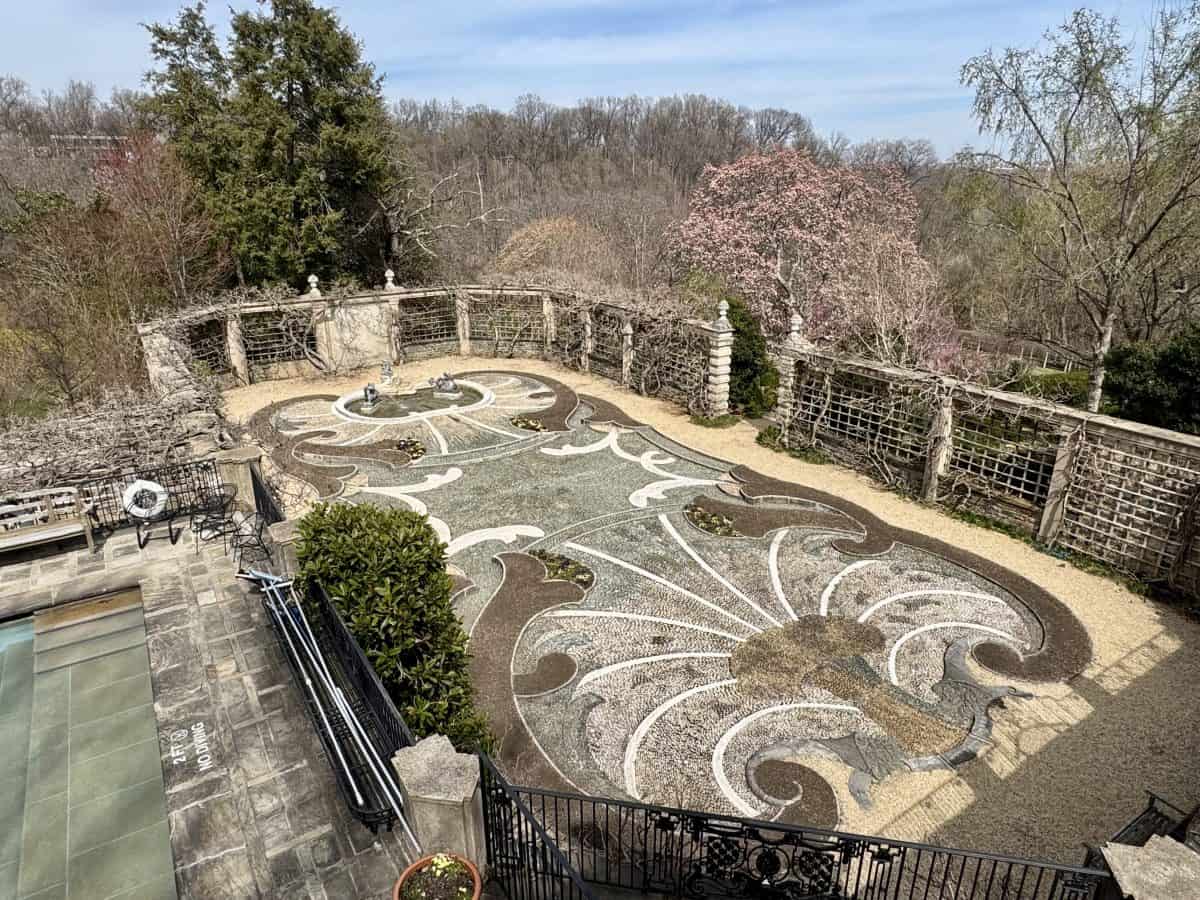
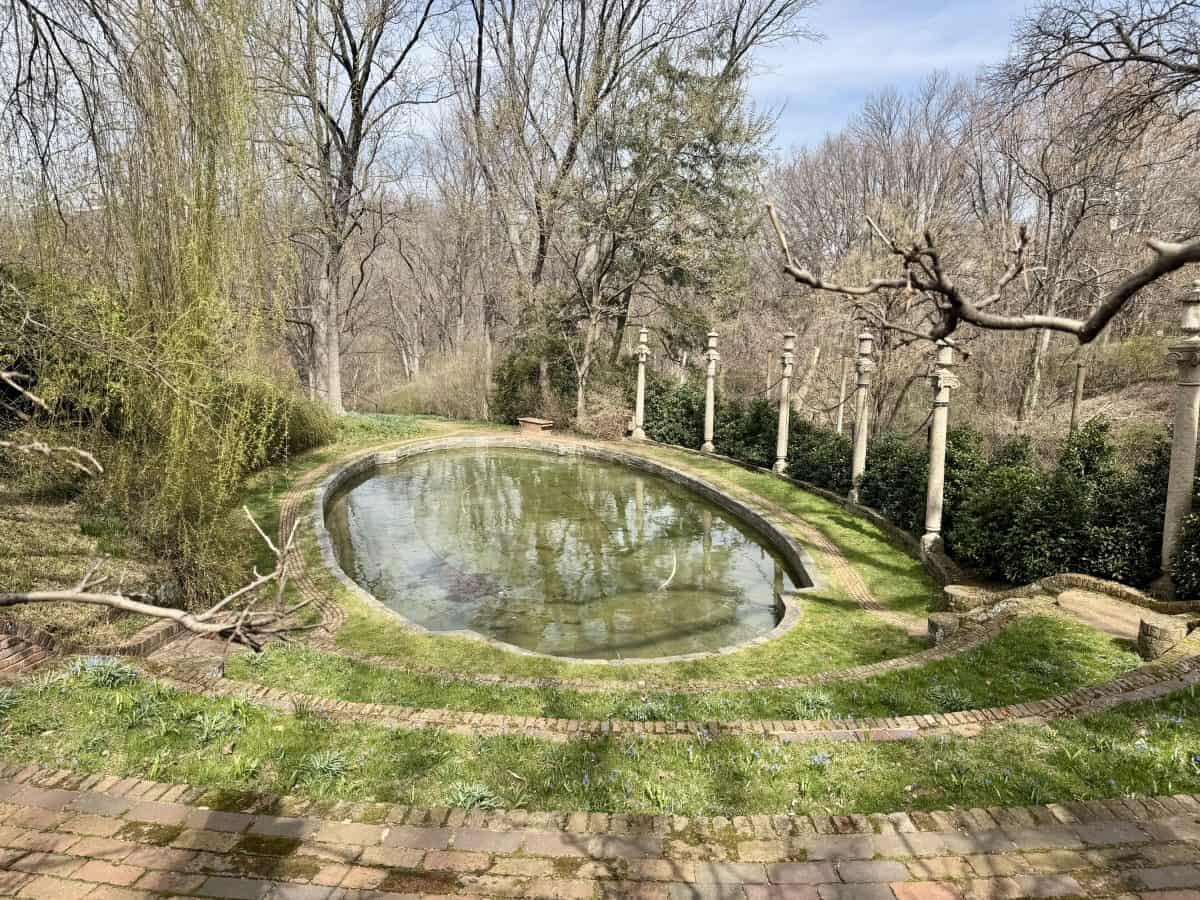
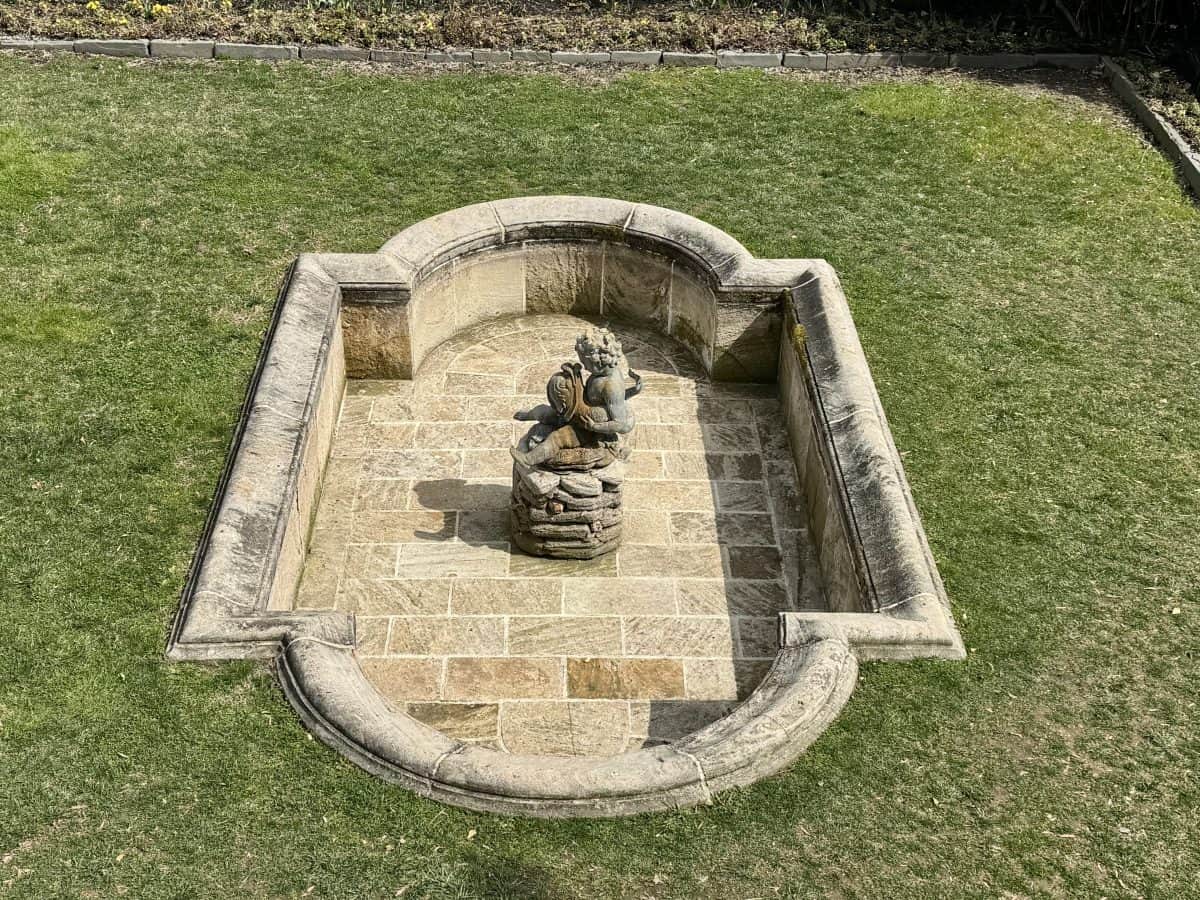
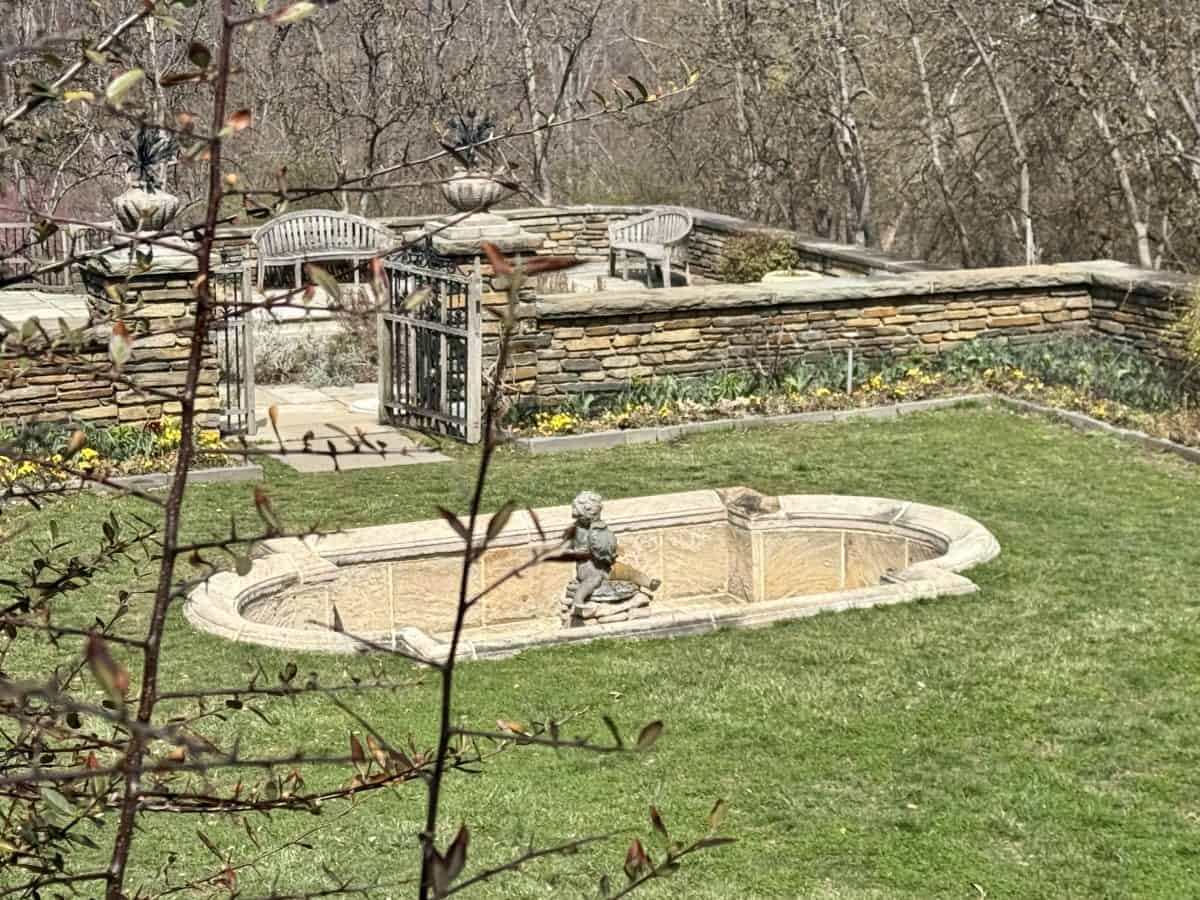
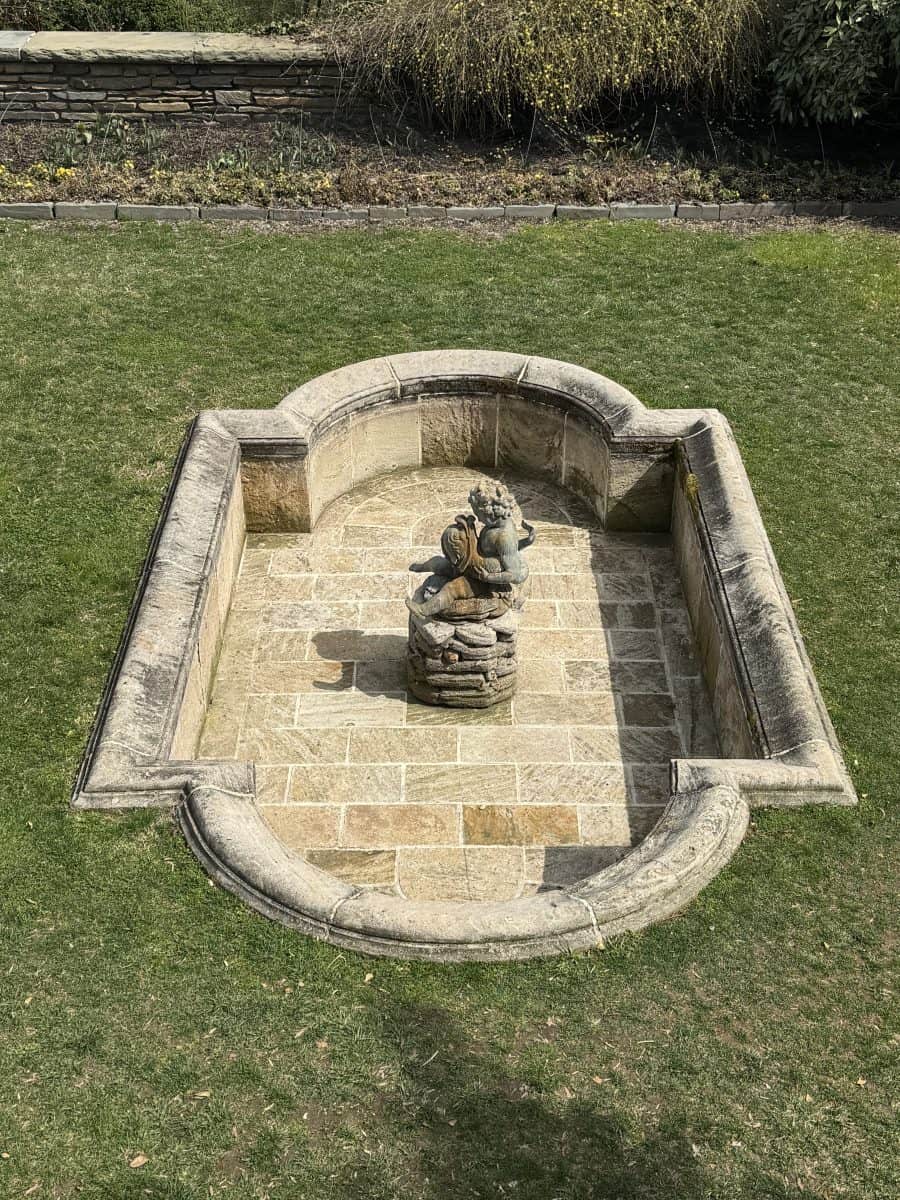
- The Fountain Terrace overlooking two elliptical pools, dating back to the 1920s.
- The Kitchen Garden, when in bloom, which grows a variety of fruits, vegetables, and herbs.
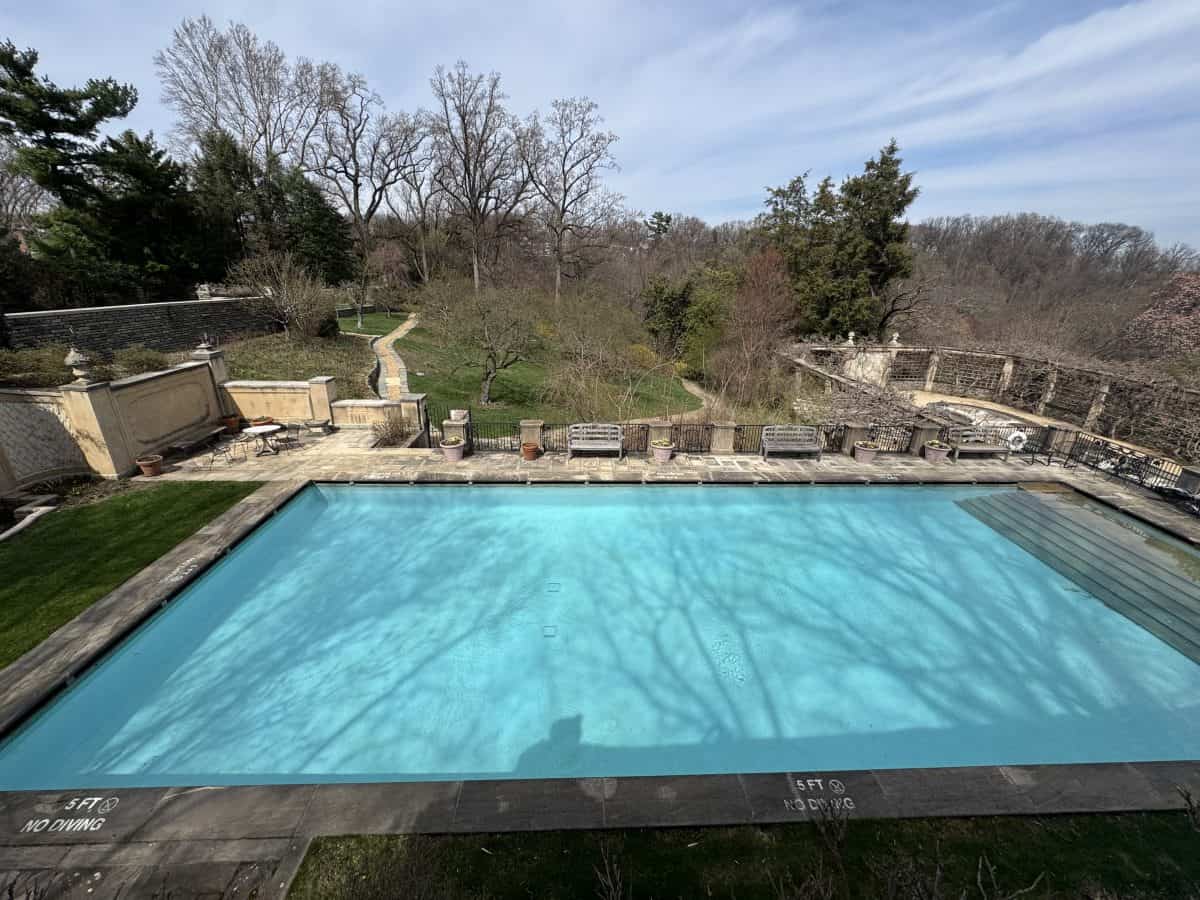
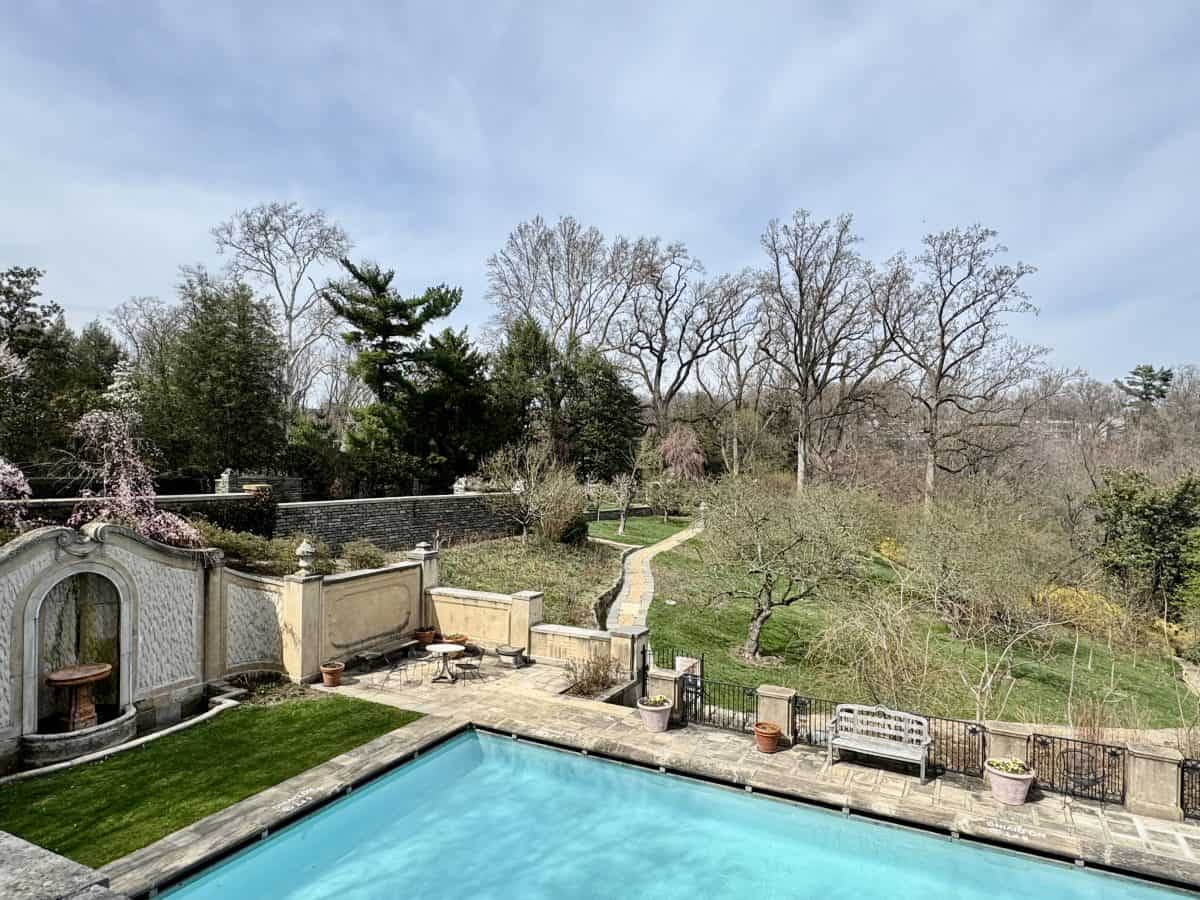
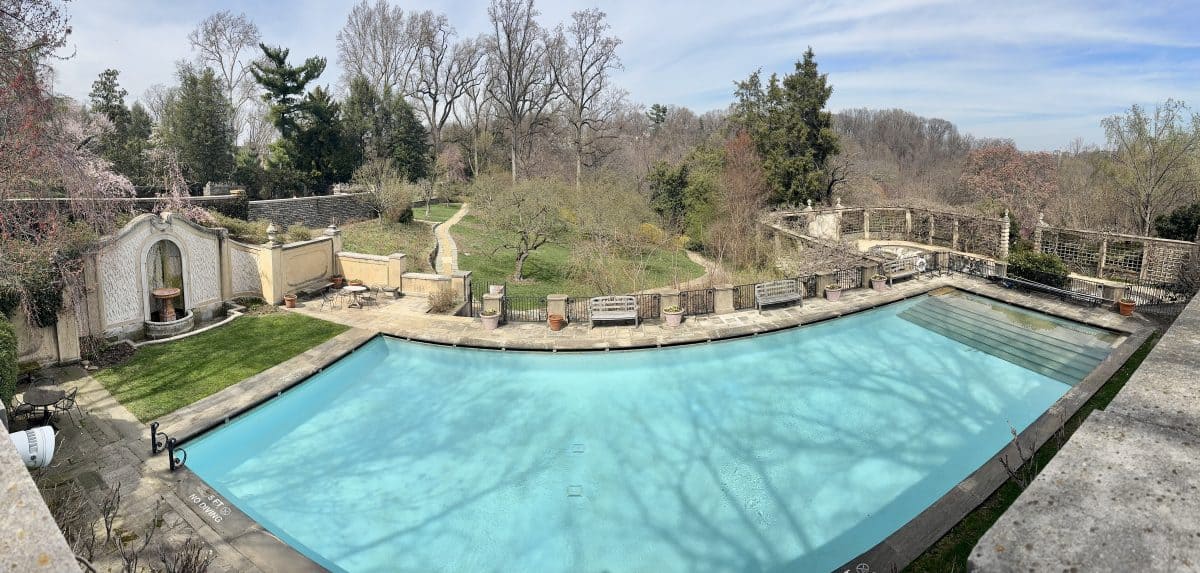
- The Swimming Pool and Loggia, open to Dumbarton fellows during the summer. Be on the lookout for the verse from poet laureate Joseph Auslander’s poem Reprieve carved into the wall on the steps leading from the pool to the orchard. The Lover’s Lane Pool is a perfect oval shaped shallow pool with many hidden spots to sit and enjoy the sounds of the water and rustling trees.
- The Orangery, the oldest building on the property dating back to 1812, which serves as a winter reprieve for some of the citrus plants during the cold winter months.
Looking for other adventures in Washington DC? See our City Guide here and our index of all of our features here. And follow along on our adventures on Instagram, Facebook, and Pinterest.
Disclosure: I was given a media pass to explore the museum and gardens; all opinions expressed are my own.



Great post with beautiful picture. I am looking forward to travelling more soon and seeing the DC area is always a pleasure .