Exploring the Saint Croix Island International Historic Site in Canada and the United States

| | | | |

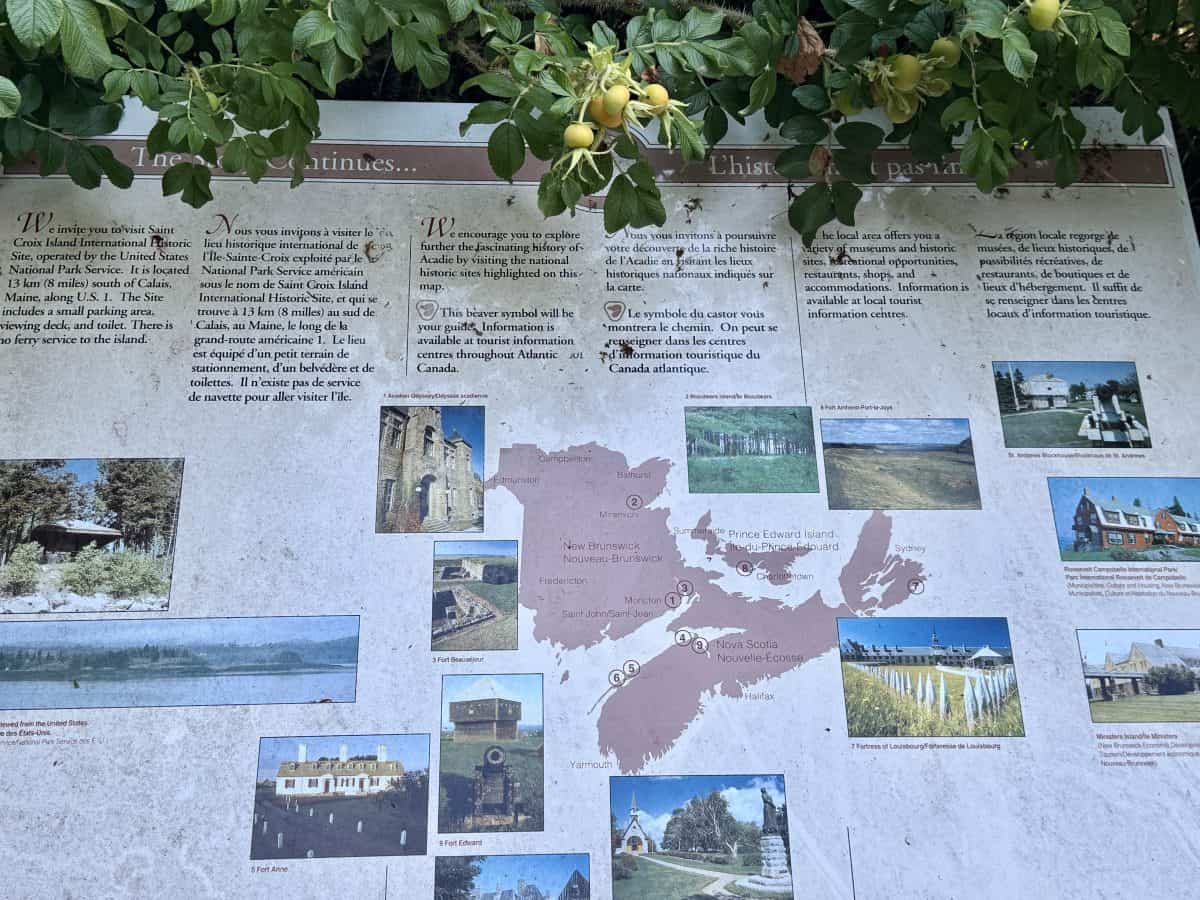
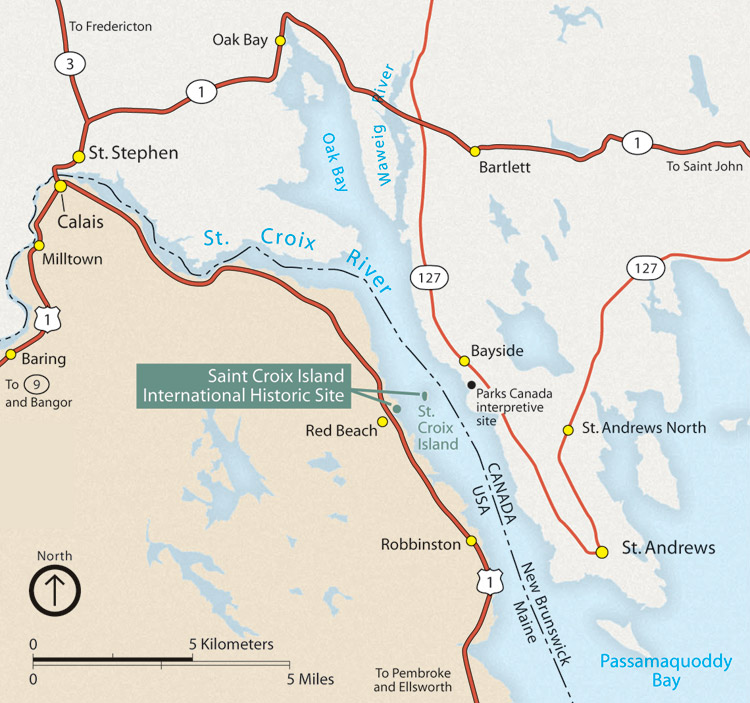
This past summer, we enjoyed a wonderful week exploring St. Andrews by the Sea in New Brunswick, Canada.  On our drive into town, we passed the Canadian side of the Saint Croix Island International Historic Park and made a note to stop on our way home. We researched the area a little bit and realized we could also explore the American side of the park, with a very short detour, once we were back in America in the state of Maine- see a good map of both areas here. Saint Croix Island was declared a national monument in 1949 and then re-designated as an international historic site in 1984. 
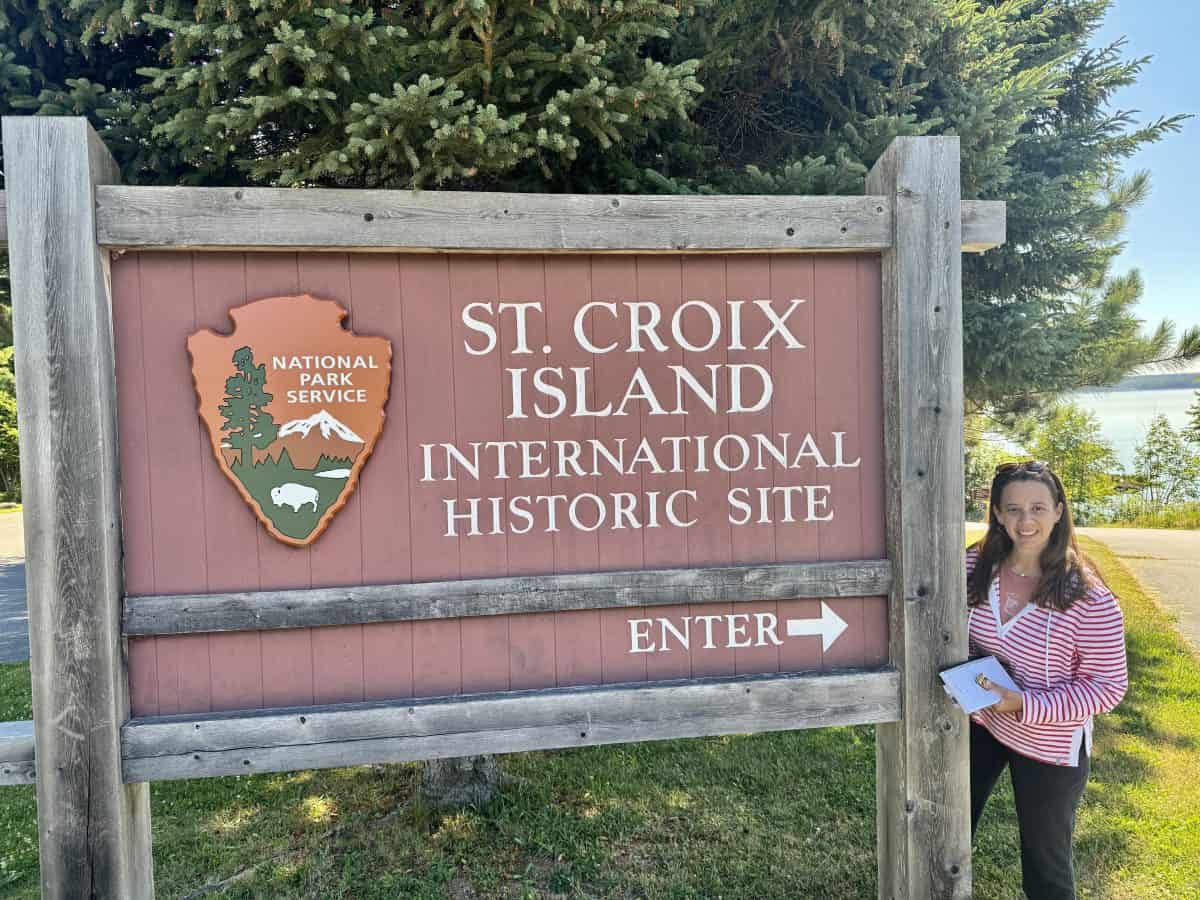
posing in front of the entrance sign to the view of the Saint Croix International Historic Park in Canada and Maine, USA
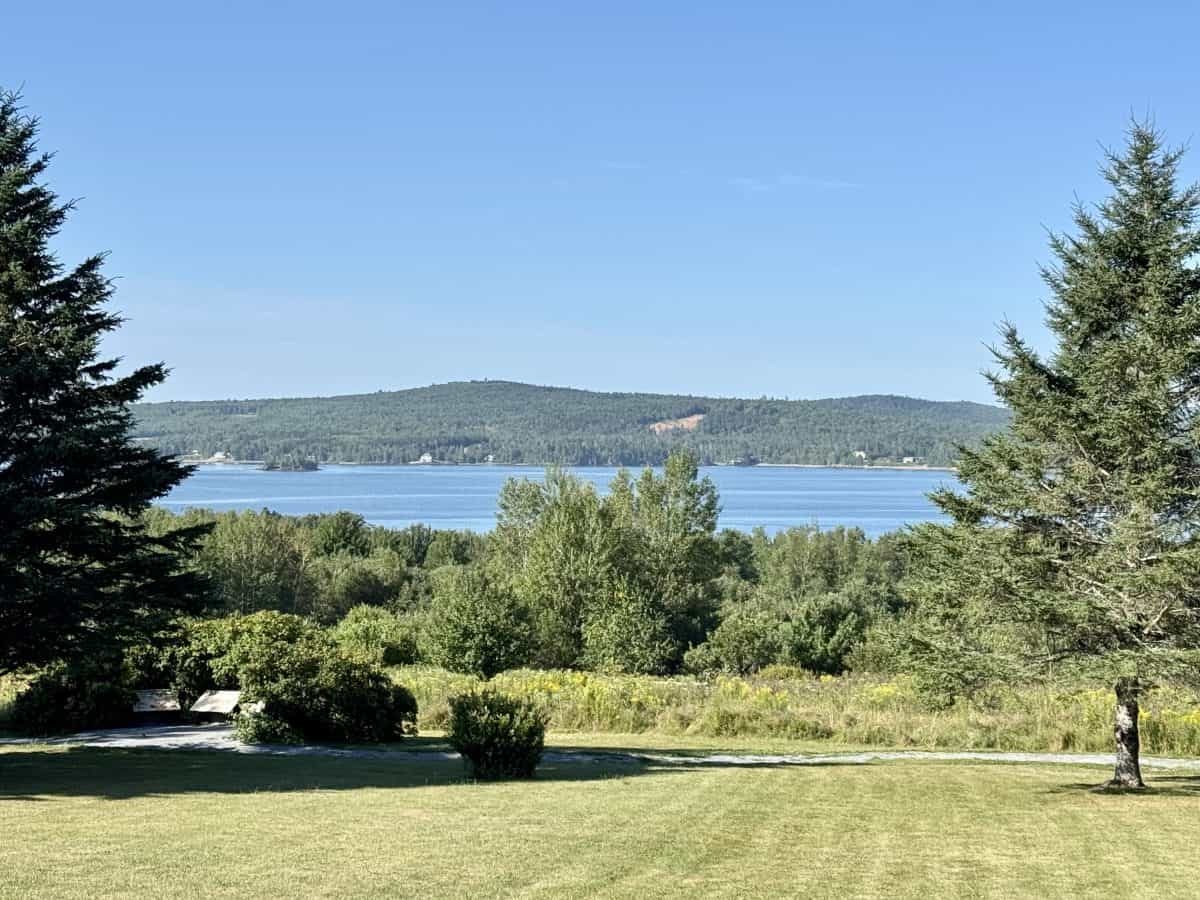
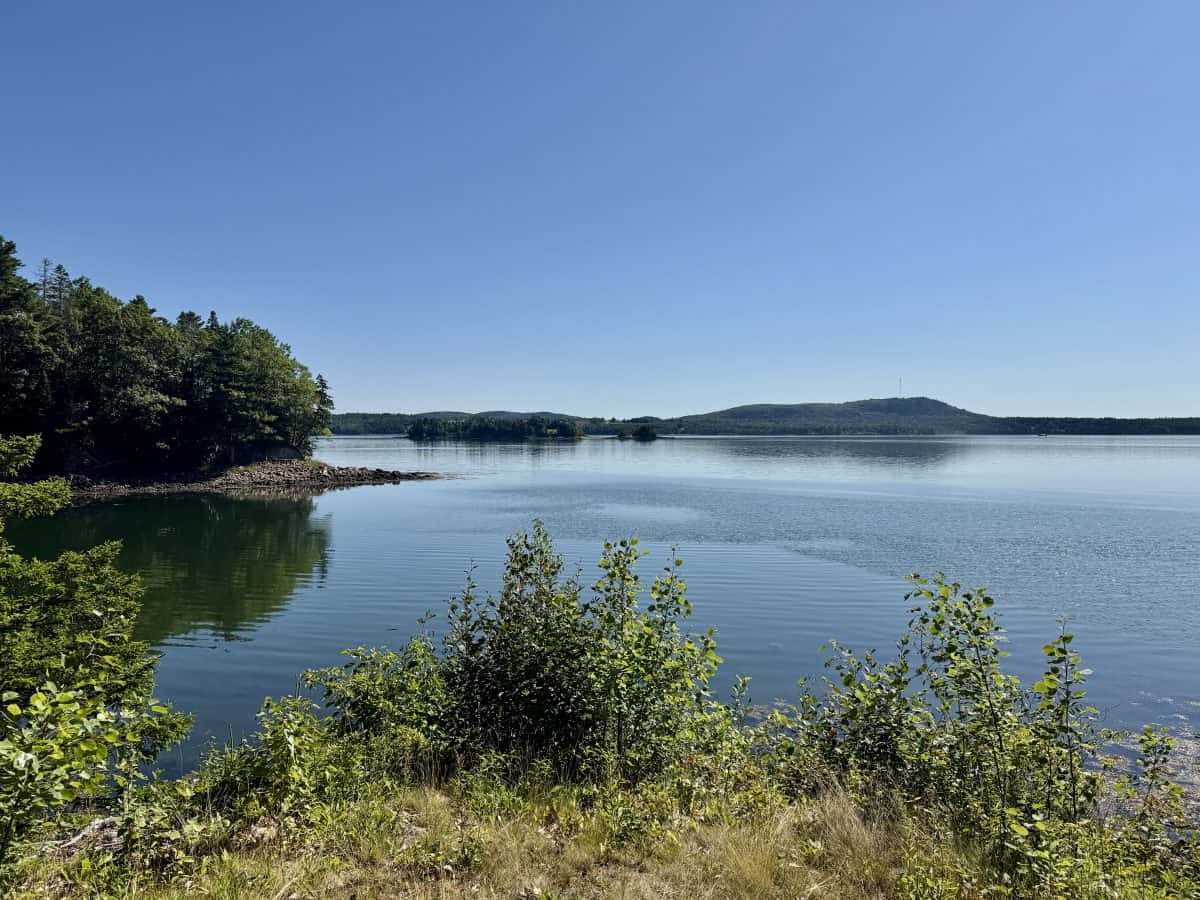
view of the view of the Saint Croix International Historic Park in Canada and Maine, USA

Both sites honor the 1604 expedition of Pierre Dudgua, Sieur deMons, and Samuel de Champlain who established a French settlement on the island, hoping to make it year round. Many of the 77 settlers died in the harsh winter of 1605 and the remaining settlers moved to Nova Scotia. While the island is not accessible to the public, visitors can stop at a designated area in the Canadian Site with views of the island and the American state of Maine.
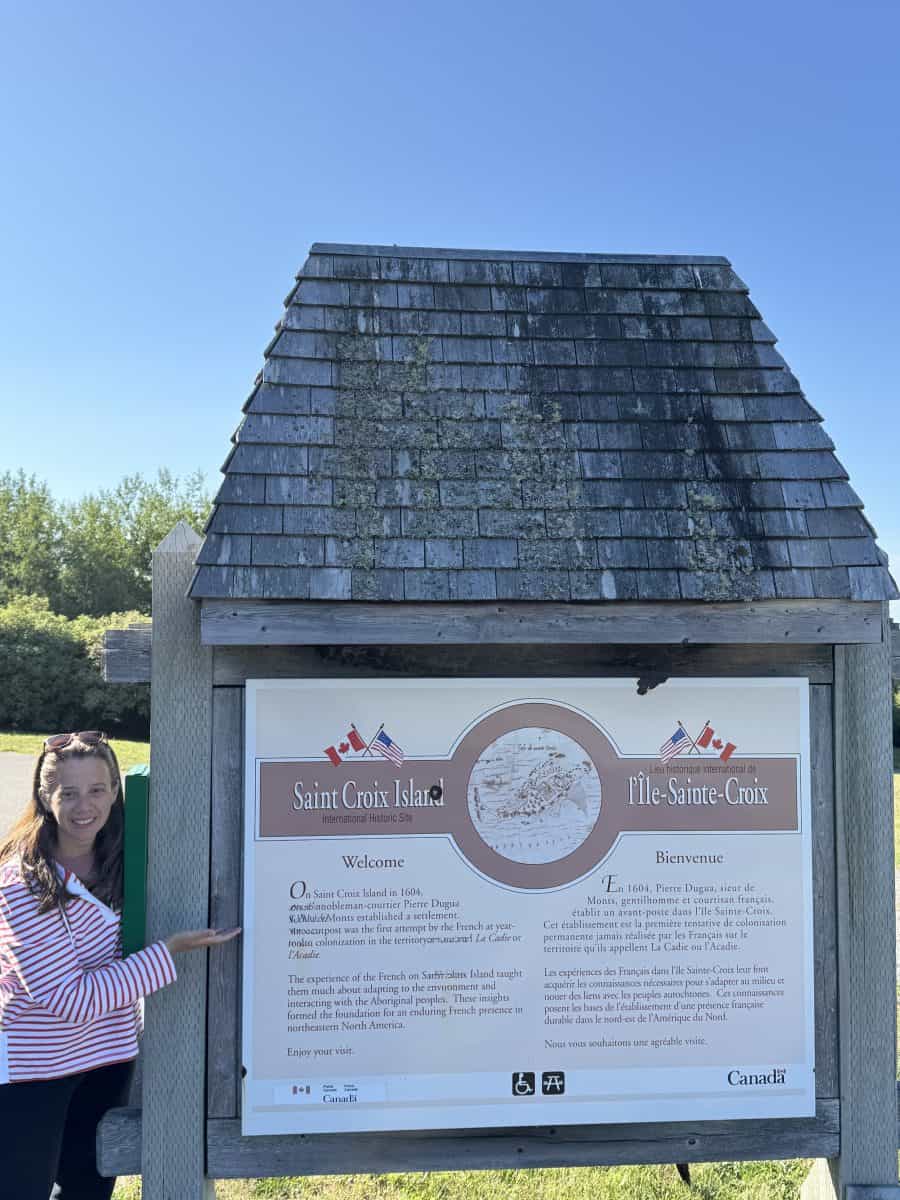
me standing in front of the Canadian entrance to view of the Saint Croix International Historic Park in Canada and Maine, USA

Travel Tips for the Canadian site:
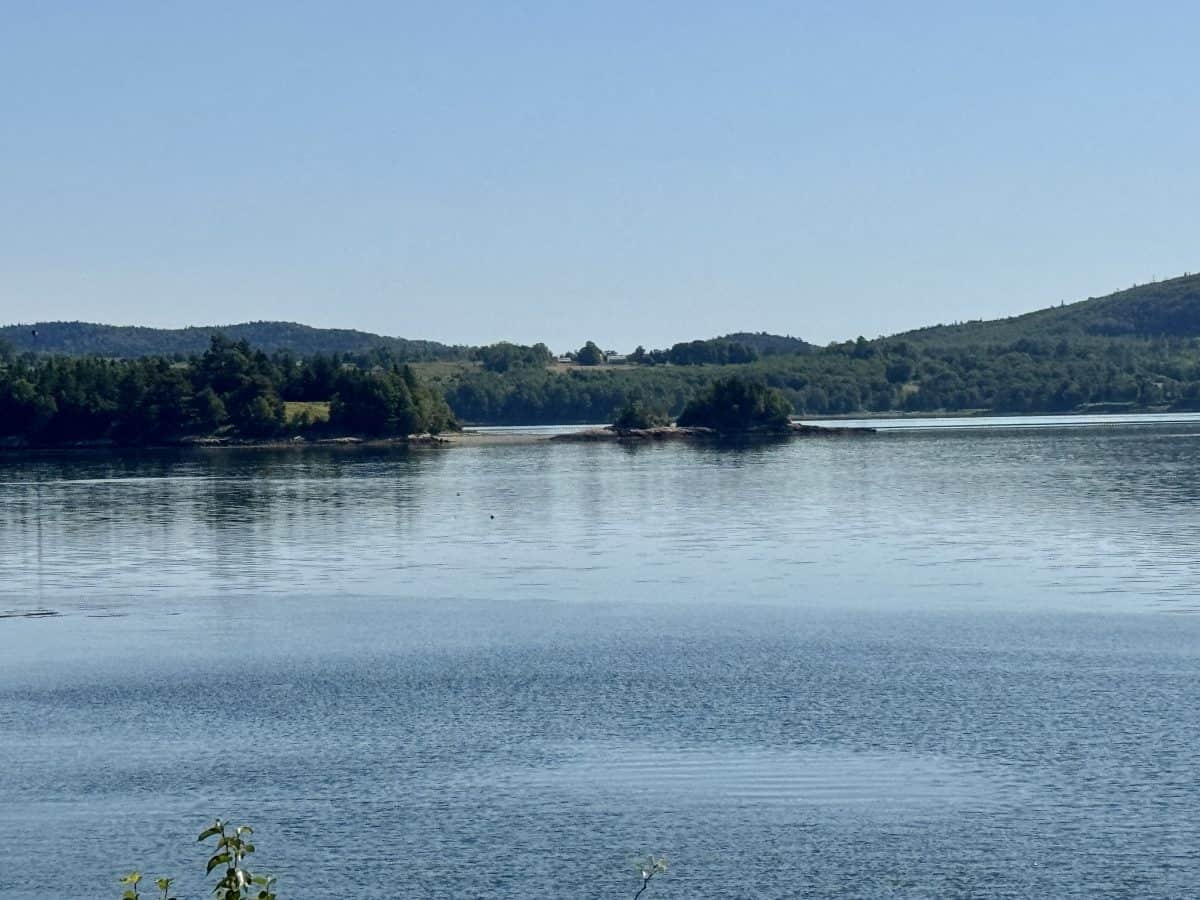
  • The public entrance is located about 15 minutes outside of downtown St. Andrews in Bayside, New Brunswick. The park is about a half hour from the Canadian/US border.
  • There is a large, gravel parking lot.
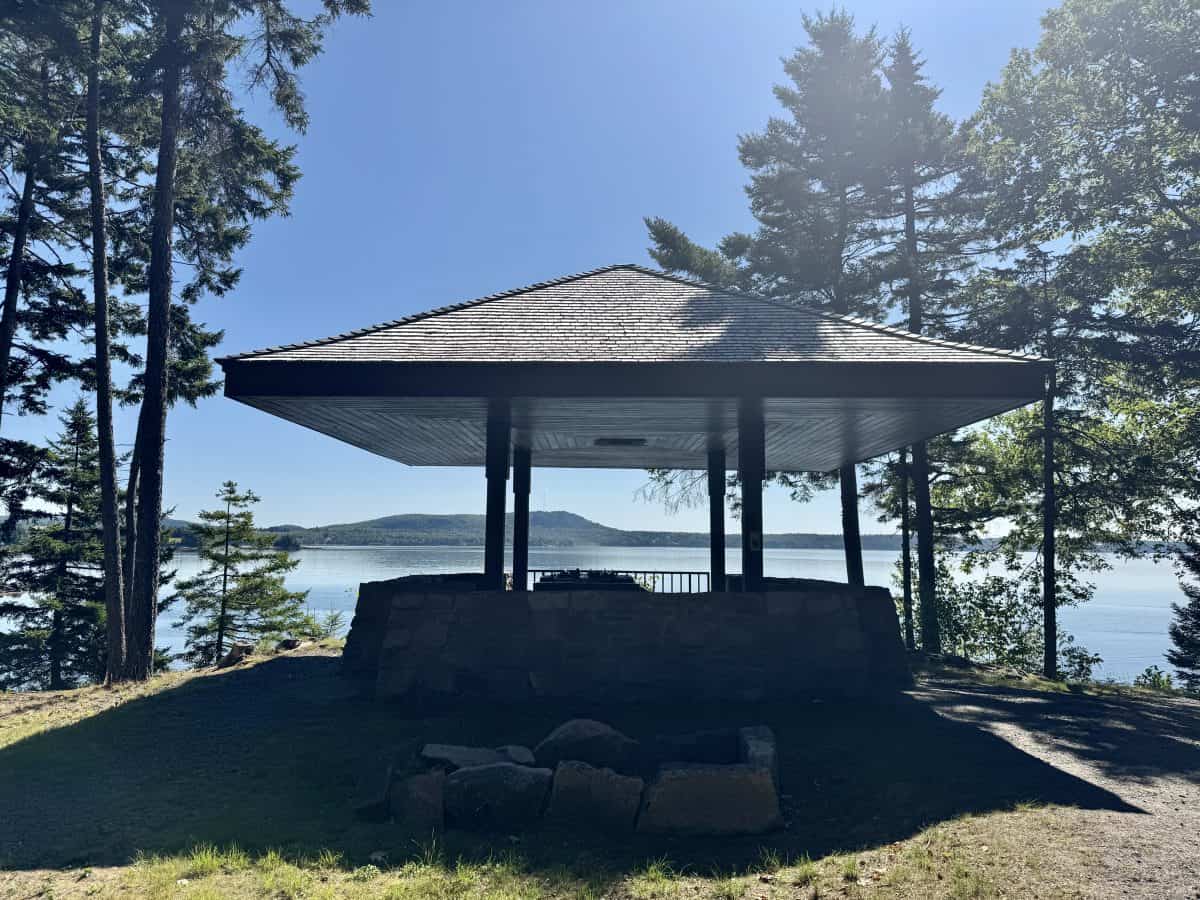
  • There are picnic tables under a shaded structure and restrooms open in season.
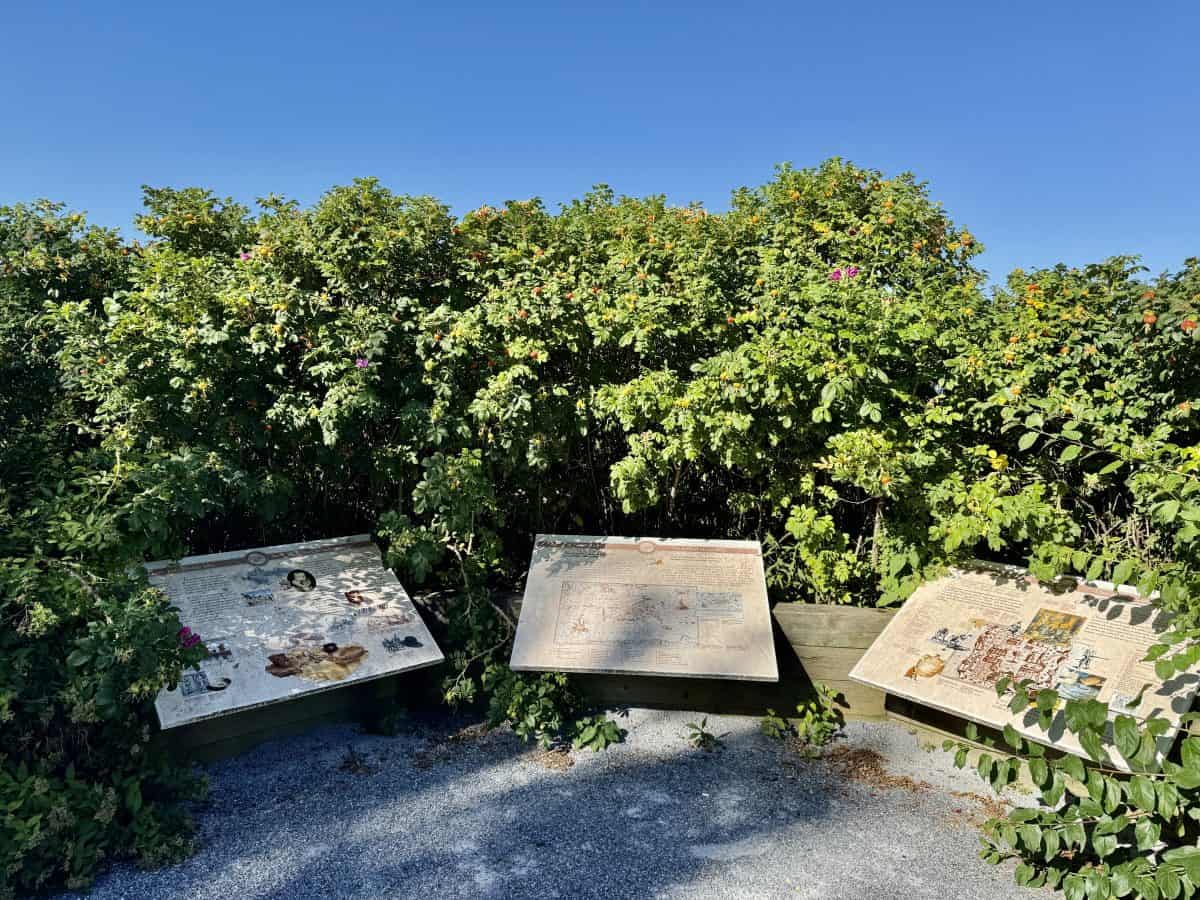
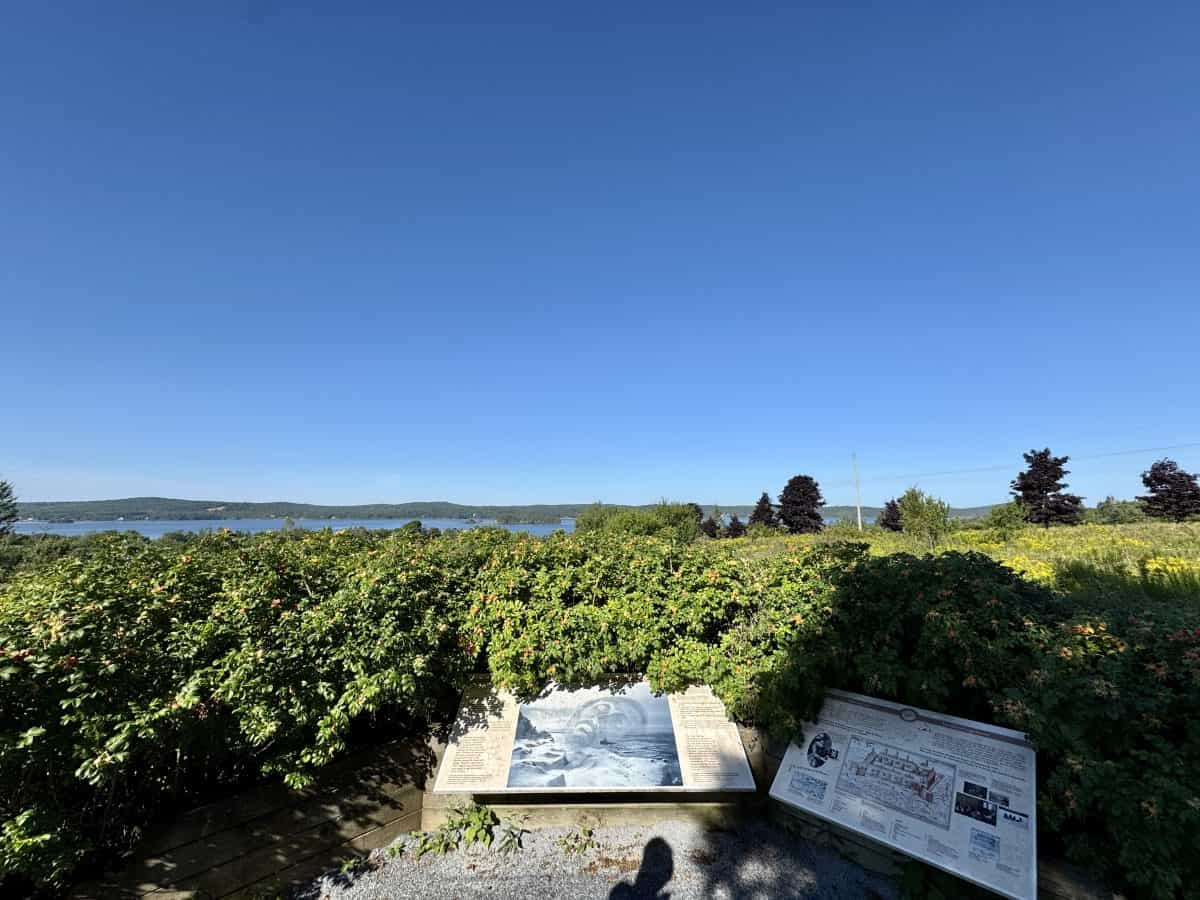
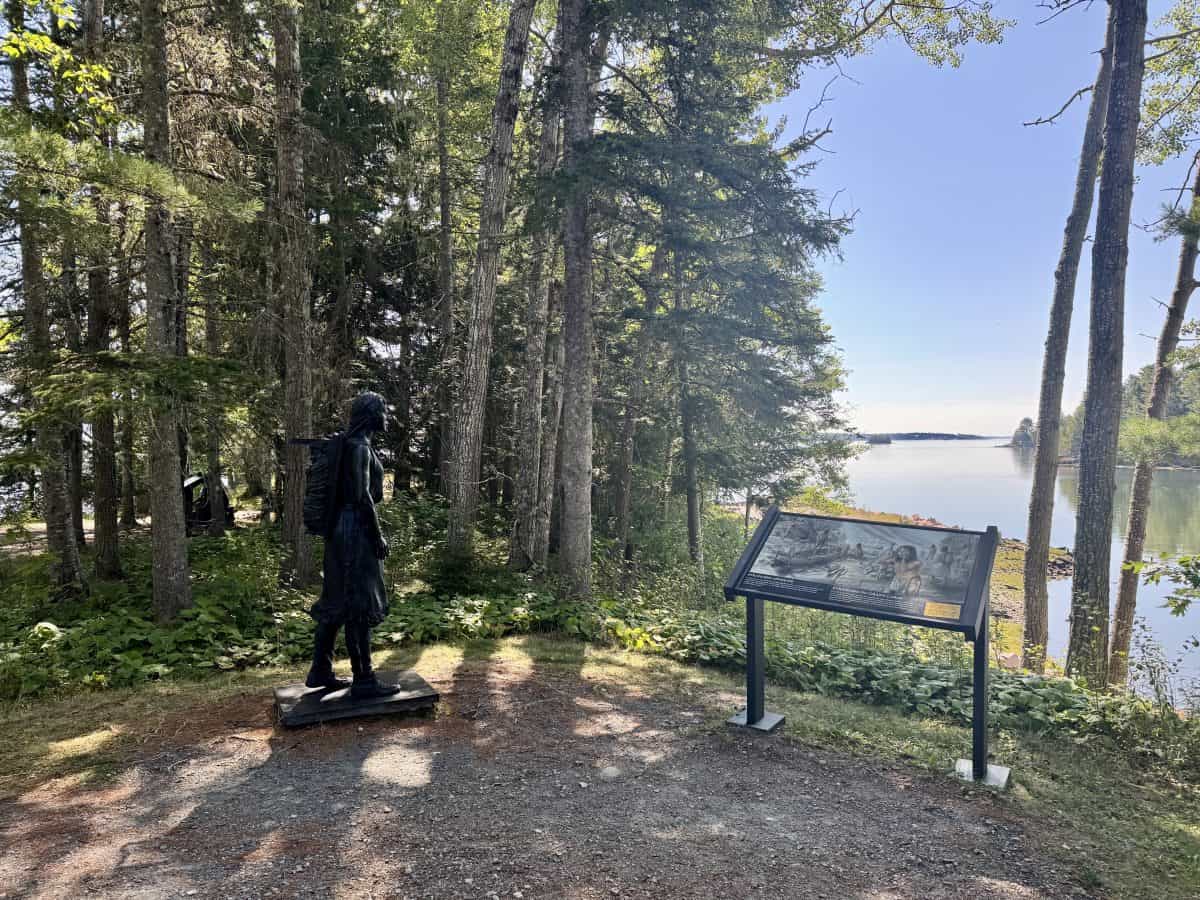
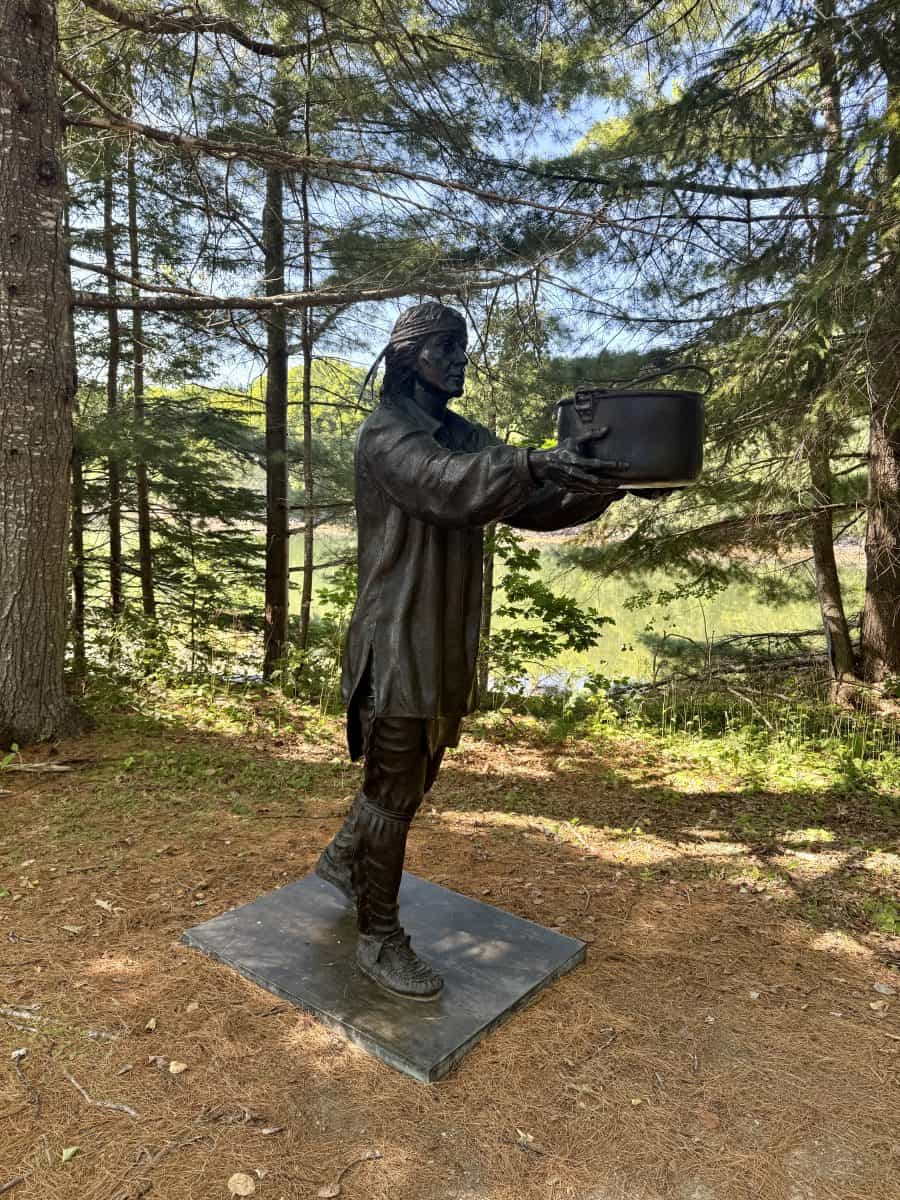
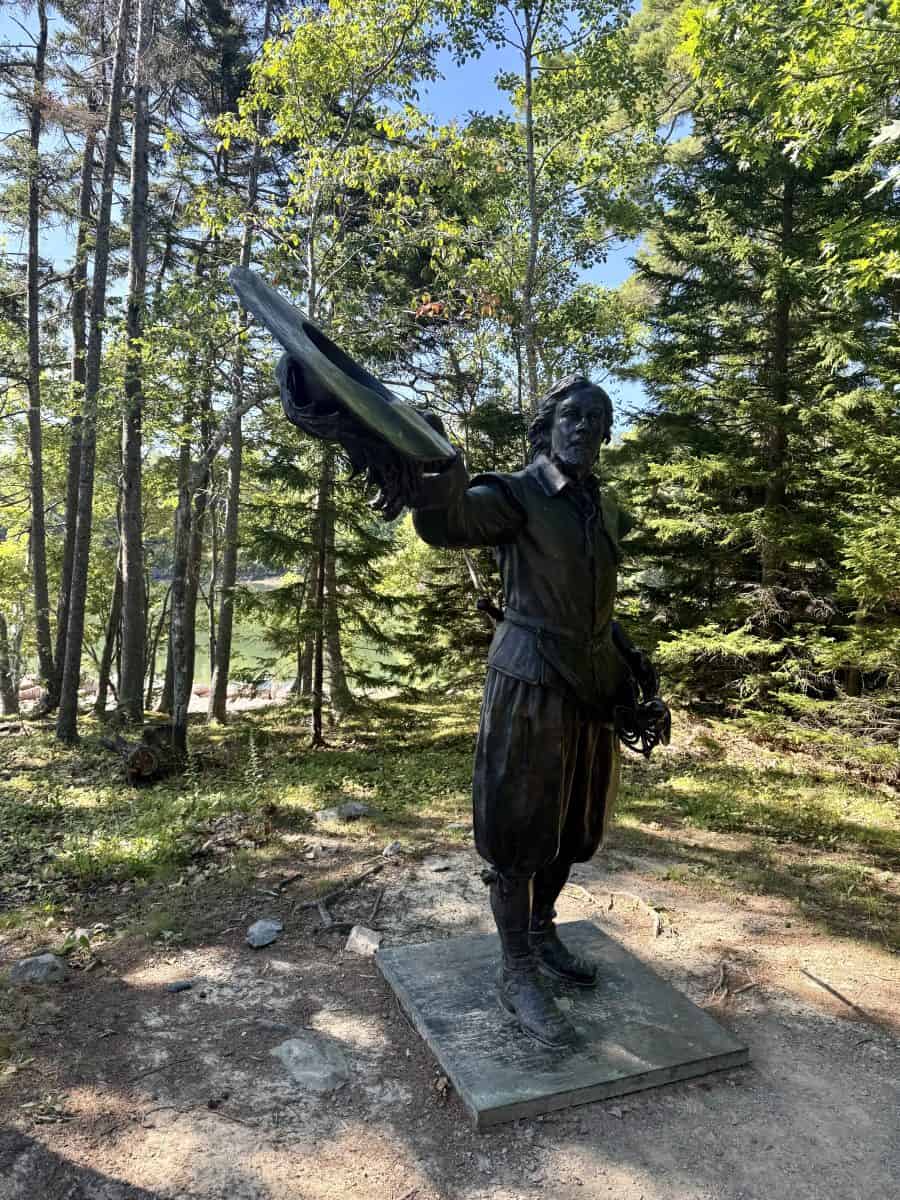
  • A short, gravel interpretive walking path with placards and bronze statues describes the history of the area.
  • No dining facilities on site, but lots of options in St. Andrews by the Sea- see a good list here
  • The area is not routinely staffed by rangers. 

Would you like to save this?

We'll email this post to you, so you can come back to it later.

About 30 minutes past the US/ Canada border is the Saint Croix Island International Historic Site in Calais, Maine. The land originally belonged to the Passamaquoddy tribe, who lived on the land for over 15,000 years and used the Island to store and protect food from wolves. When Pierre Dugua’s expedition in the harsh winter of 1605 killed almost half of his settlers, he decided to continue on to other parts of the area in the warmer summer months. 

Travel Tips for the American site:
  • The public entrance is about 8 miles off Route 1 in Calais, Maine.
  • There is a small parking lot in front of the Visitor Center building.
  • The Visitor Center is open Thursday through Monday from Late May through October- see up to date information on hours here.
  • The Visitor Center includes restrooms, a small gift shop, and a ranger station with activities for kids.
  • No dining facilities on site. 
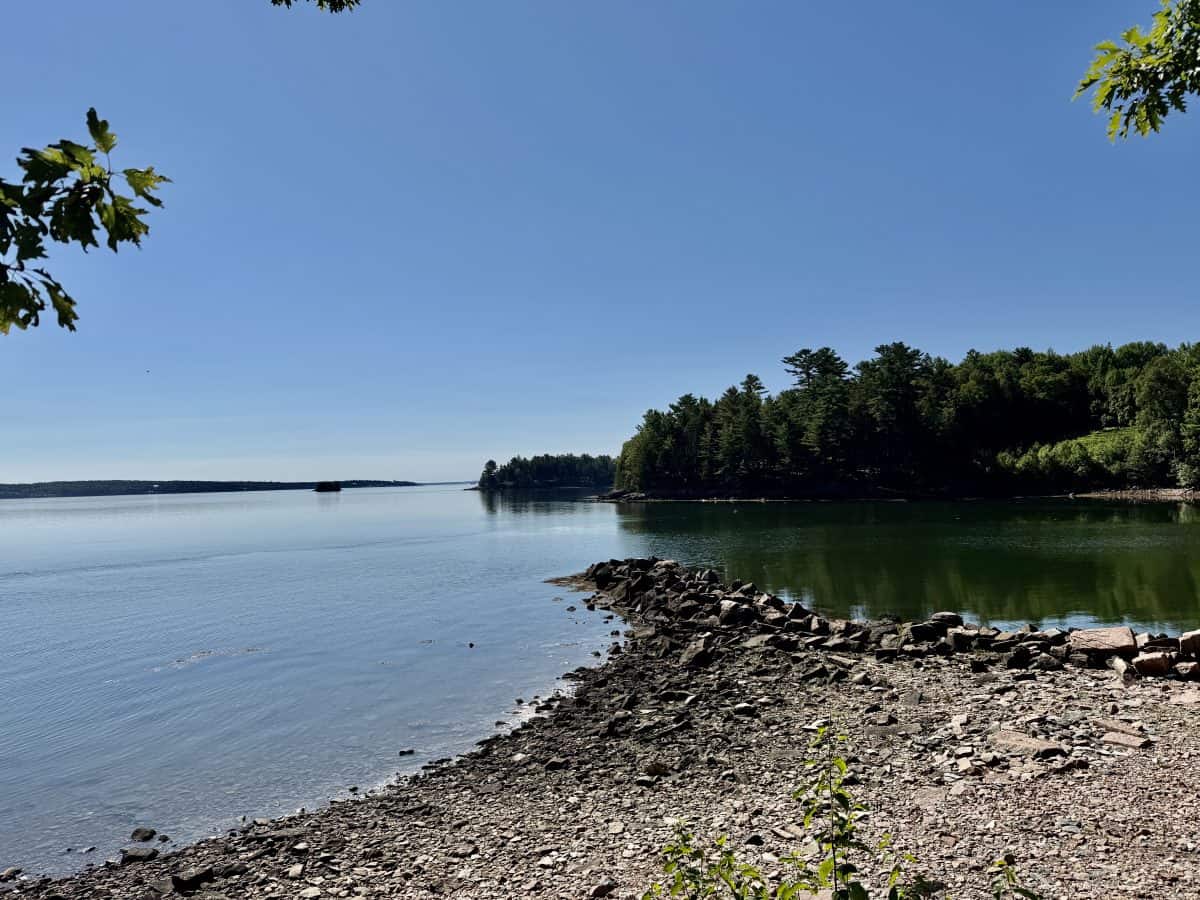
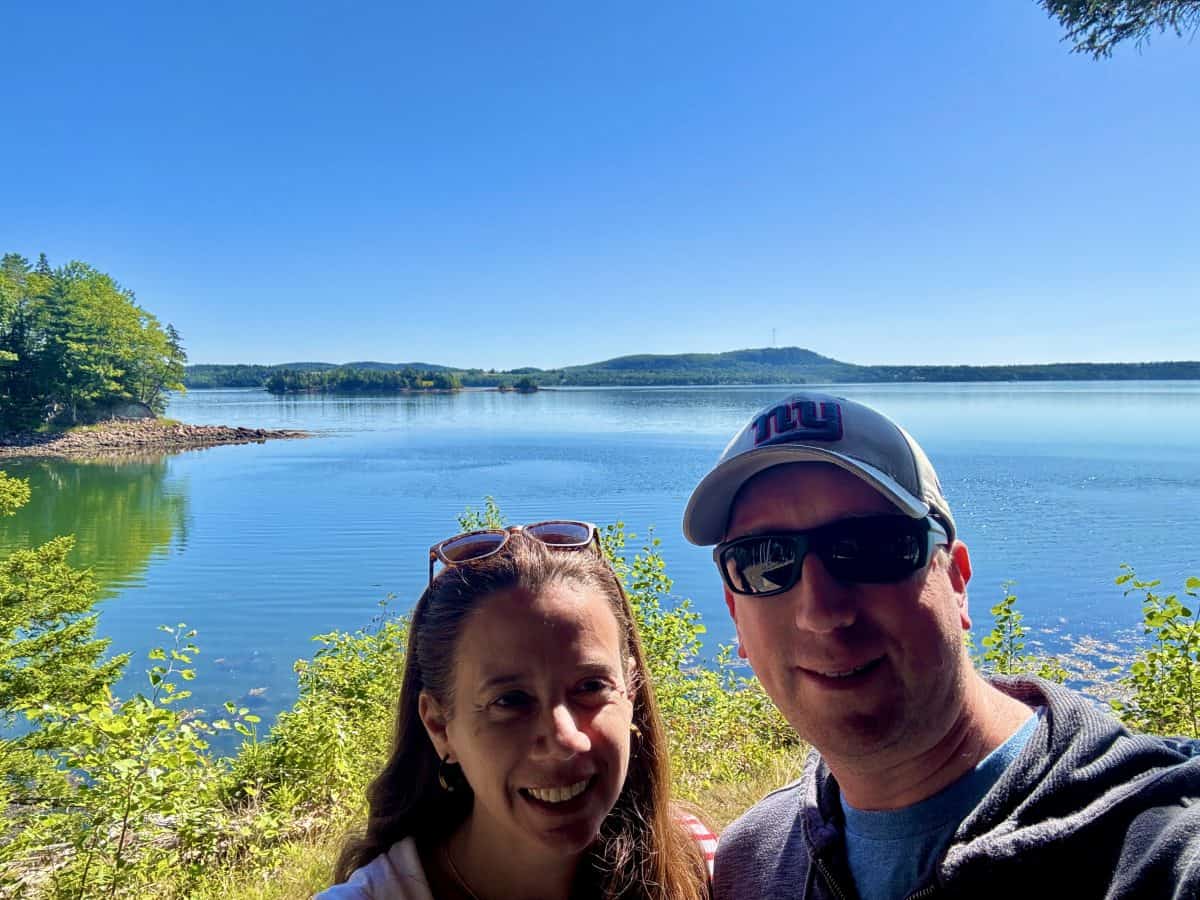
posing at the edge of the American side of the view of the Saint Croix International Historic Park in Canada and Maine, USA

Things to Do on the American Side of the Site:

  • Get two national Passport Stamps for your National Parks Passport book in the Visitor Center. 
  • Earn a Junior Ranger badge by completing the JR booklet. Start in the Visitor Center by picking five foods and seeing their ranking in order to know if you would have survived in the winter of 1604 and avoided scurvy. (Hint: the top choices need to be various fruits and vegetables)
  • Watch a short video of the history of the park
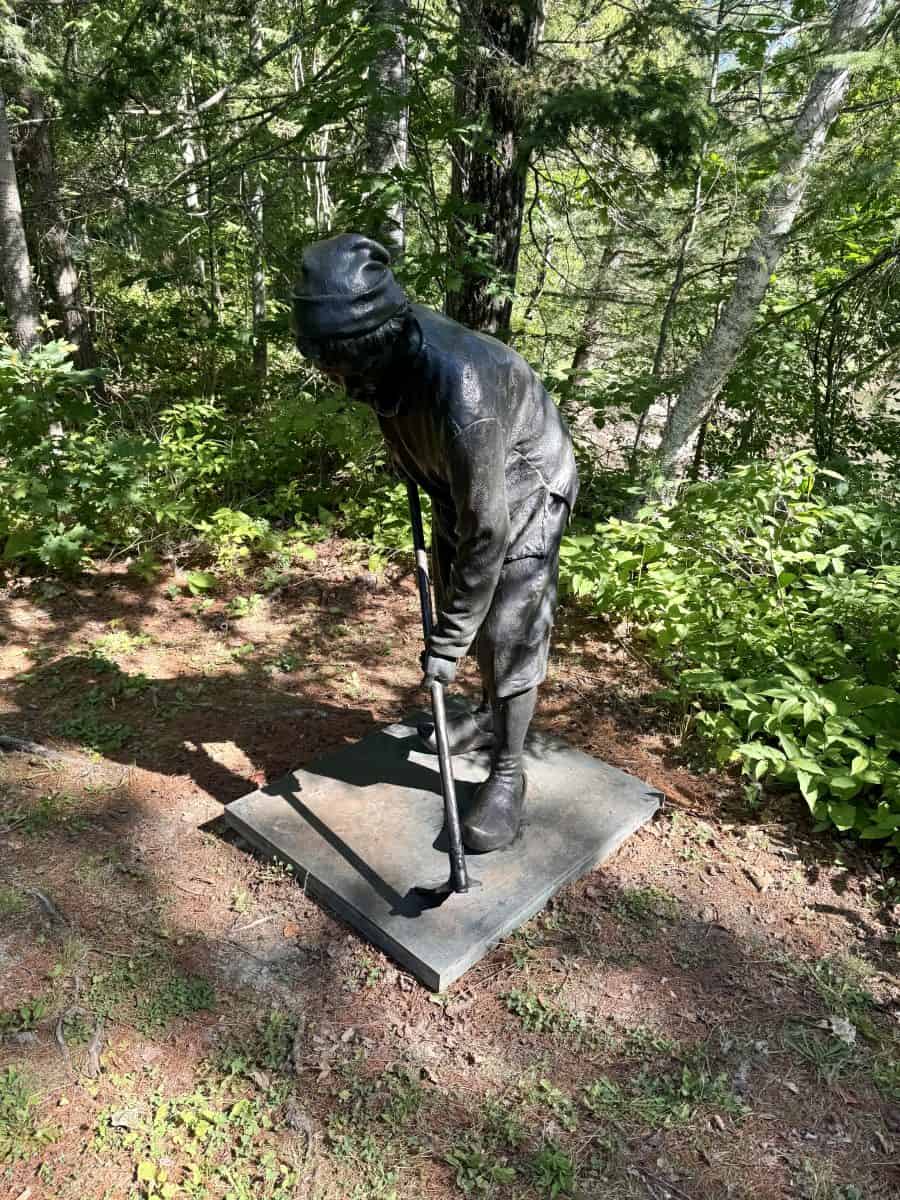
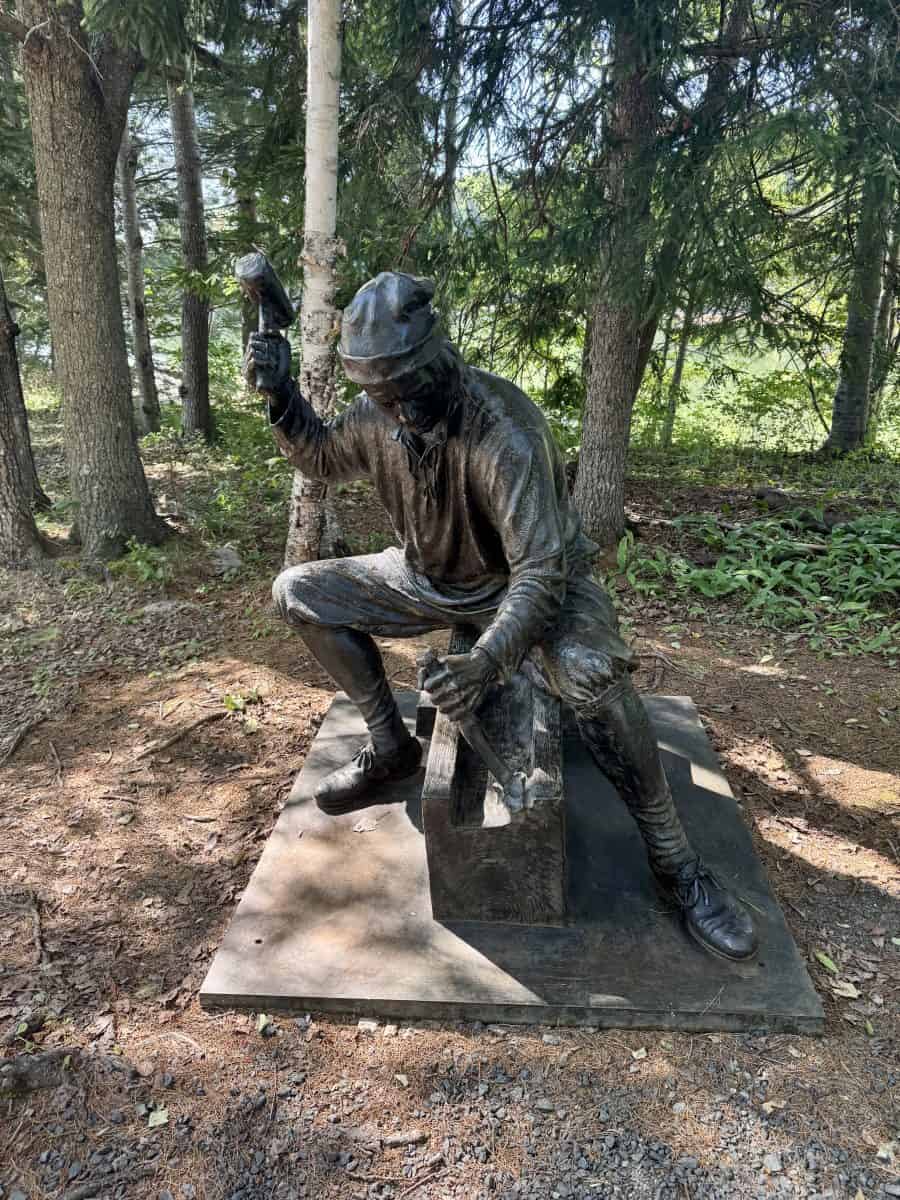
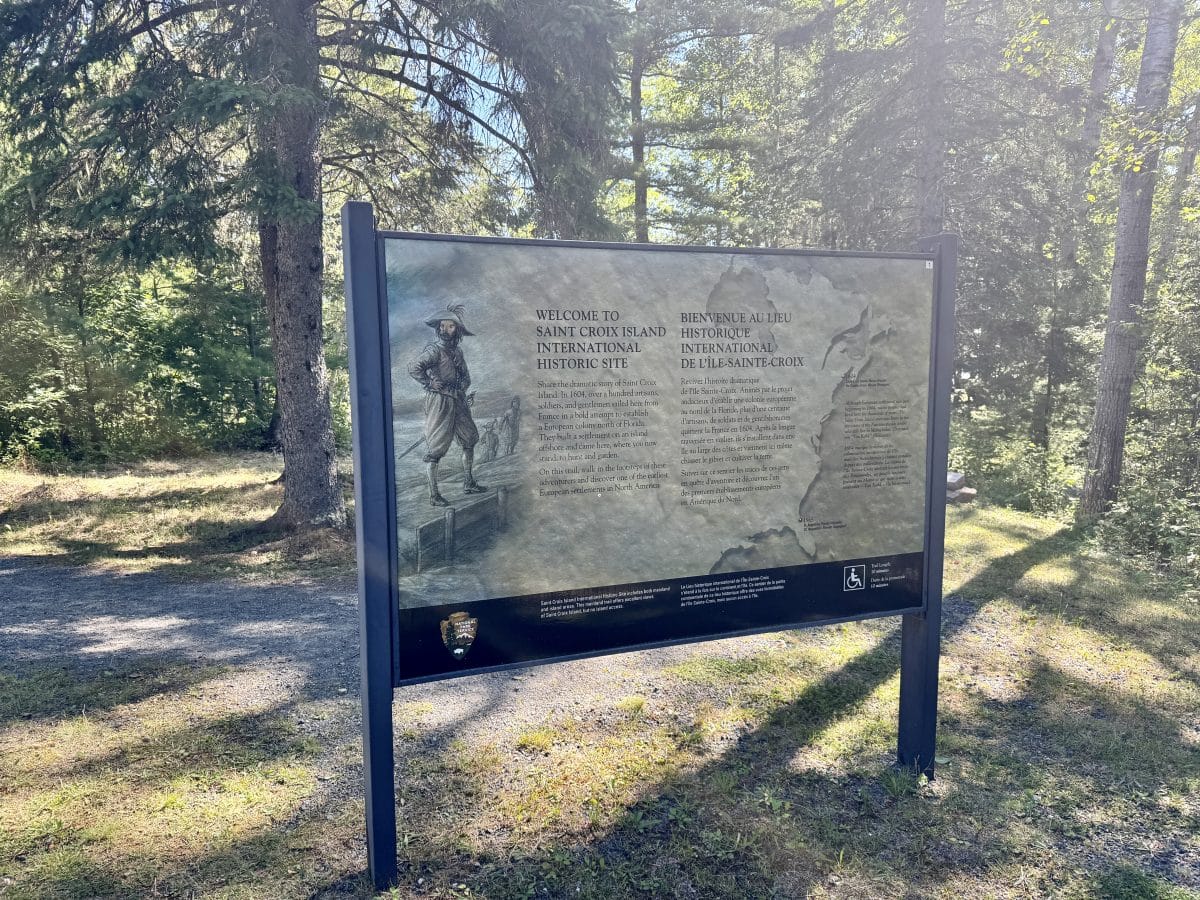
  • Walk the interpretative trail (about 300 feet long) and find all seven bronze sculptures along the path that tell the start of the area.
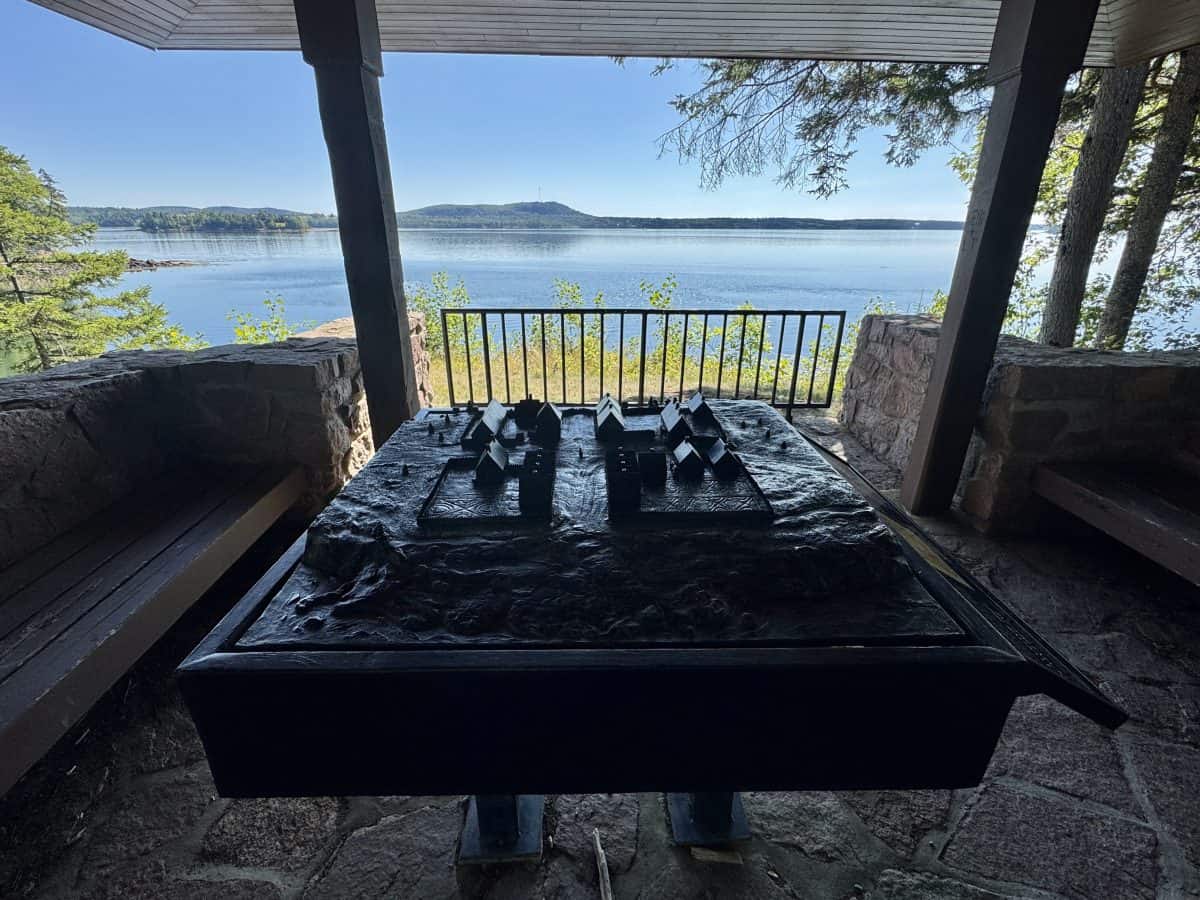
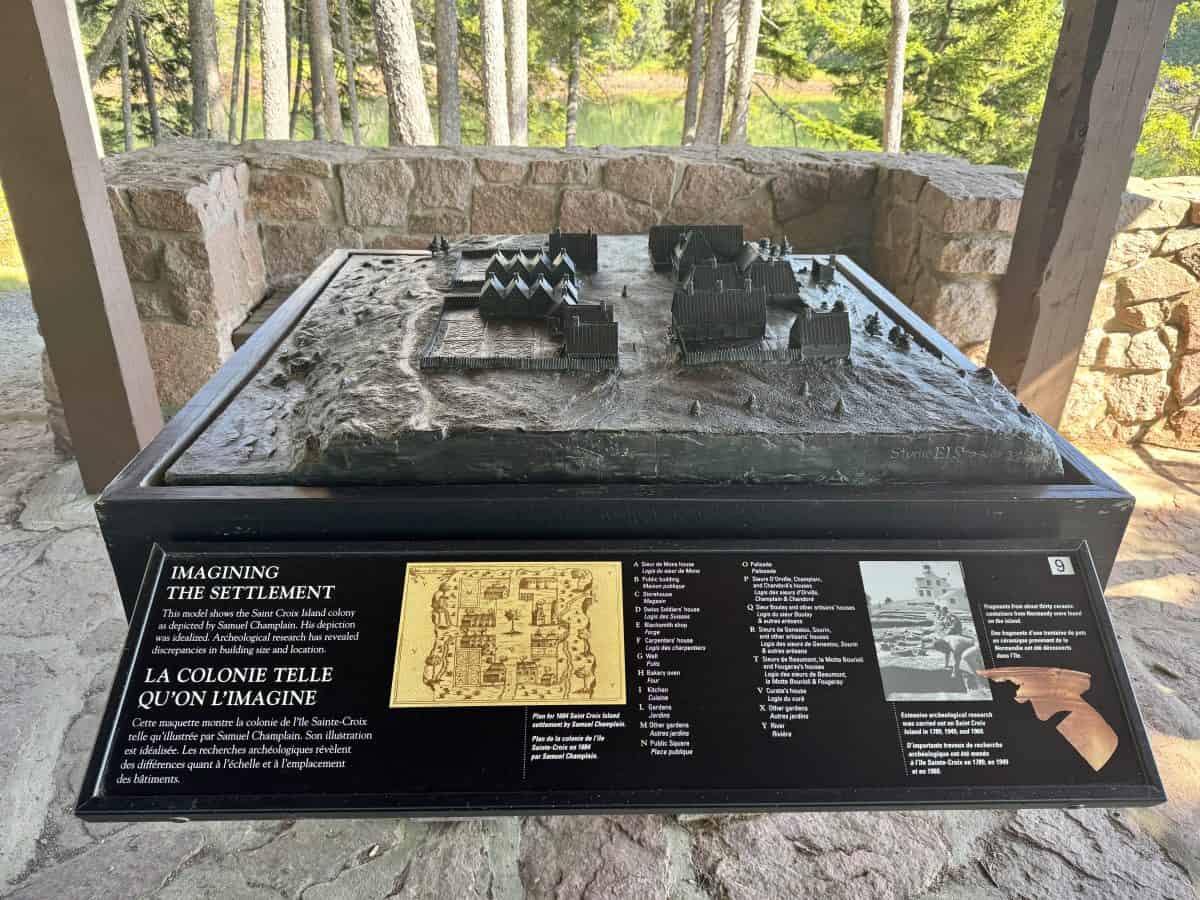
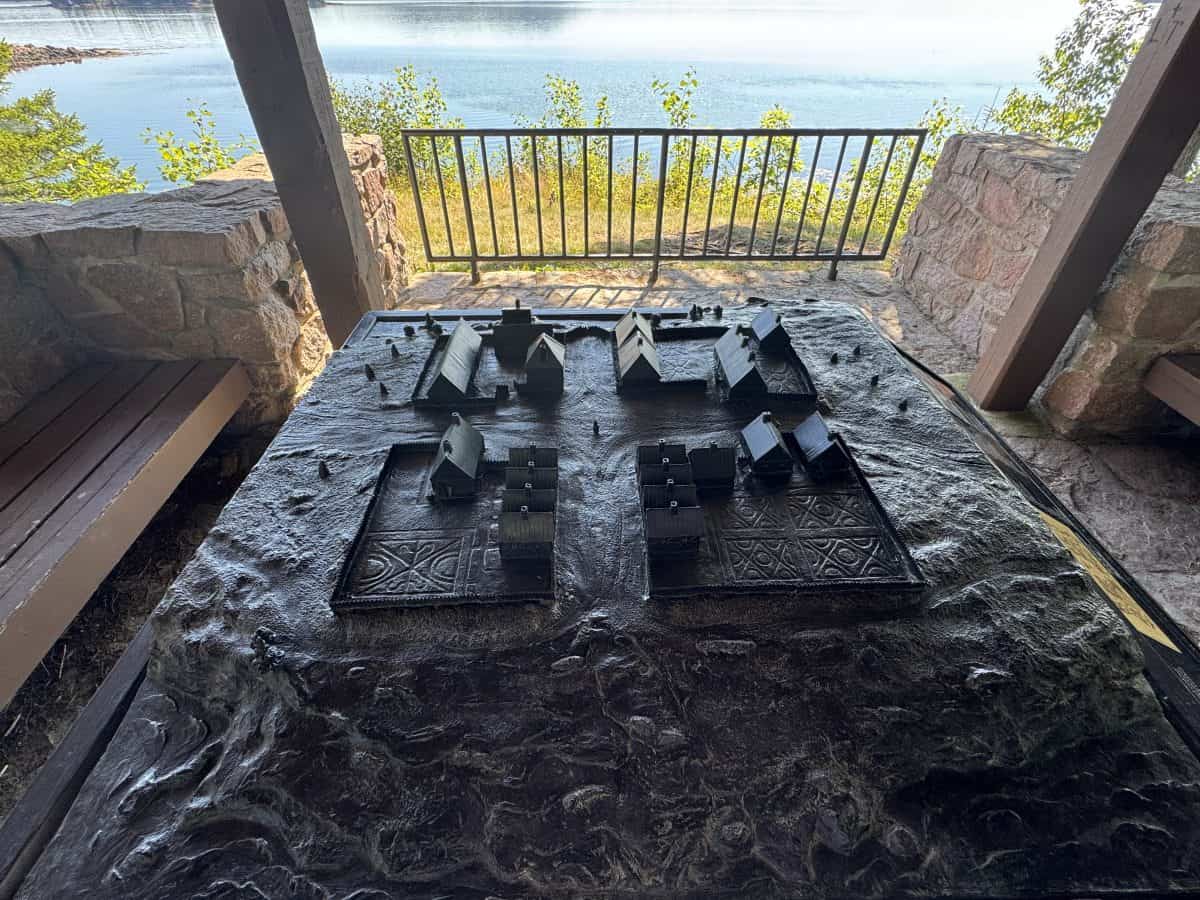
  • See the model of the colony as depicted by Samuel de Champlain. Use the worksheet in the Junior Ranger booklet to map out your neighborhood. 
  • Walk down to the rocky beach to wade in the water– take note of the tides that reveal the Maine coastline. 
Looking for other International Historic Sites? Check out our feature of Waterton International Peace Park here and our index of National Park sites here

Similar Posts

  • | | |

    10 Spots to See on the Tour of the Kennedy Center in Washington, D.C.

    One of the premier performing arts centers in the world, the Kennedy Center for the Performing Arts was the vision of President Dwight D. Eisenhower. It was originally going to be named the National Cultural Center, but after John F. Kennedy’s assassination in 1965, the center was named in Kennedy’s honor as a living memorial to the former president. Over 30 countries donated various gifts (mostly art work) which are on display throughout the Kennedy Center and over a dozen reception rooms.  The Kennedy Center has three instinct performing centers: The Concert Hall, the Opera House, and the Eisenhower Theater. The Kennedy Center is also home to the National Symphony Orchestra and the National Washington Opera.

  • | |

    Touring La Citadelle de Québec

    The biggest military base in North America, La Citadelle was built by the British from 1820-1831  on Cape Diamond, the city’s highest point. La Citadelle was built to control who had access to the northern parts of Canada and to protect Quebec from future American invasions, after the invasion during the War of 1812.  La Citadelle, which is the Italian word for “city”, is star-shaped, with “bashtons” (pointy tips of the star) and Curtain walls.  Citadelle has been inhabited by the military since 1693 and has been the home of the Royal 22e Régiment since 1920.

  • | | | |

    10 Ways to Explore the Cape Cod National Seashore

    The Cape Cod National Seashore is one of the most popular spots on the Cape, attracting 4.5 million visitors each year. The 43,608 acres of the Seashore are spread out across six towns and on both the Cape Cod Bay and Atlantic Ocean sides of Cape Cod, the “flexed arm” of Massachusetts. Overseen by the National Park Service and established in 1961, the National Seashore encompasses 40 miles of beach, 12 self guided hiking trails, six public beaches (Coast Guard, Nauset Light, Marconi, Head of the Meadow, Race Point, and Herring Cove), 6 lighthouses, three biking trails, fishing and hunting, and two Visitor Centers (Province Lands  and Salt Marsh). 

    The Visitor Centers are free to visit, as are many ranger led programs and activities, and showcase the history of the Cape, beginning with the English pilgrims who arrived at Provincetown on the Mayflower in November of 1620 . Visiting National Park Service sites (there are over 400!) are one of our favorite activities in a new spot and we really enjoyed our recent to the area. Most people explore the Seashore during peak summer months, but there is still plenty to see and do during the quieter winter months.

  • | | | |

    20 Reasons Kids Will Love ECHO Leahy Center in Burlington, Vermont

    The ECHO Leahy Center for Lake Champlain, a 34,000 square foot science and nature museum located right on the waterfront of Lake Champlain, has over 100 interactive exhibits, experiments and activities and is home to over 70 species of fish, turtles, frogs, and snakes. There are tons of hands-on activities for all ages, a special toddler space, a weather forecast television studio, a resource library room, rotating exhibits and tons of aquarium tanks. On a recent trip to Burlington, Vermont we enjoyed exploring ECHO think it is a must visit spot in Burlington. 

  • Playing “I Spy” at the Harvard Museum of Natural History in Cambridge, MA

    The Harvard Museums of Science and Culture are a collection of four renowned museums on the campus of Harvard University in Cambridge, Massachusetts. The museum showcase the wide variety of collections of its members and donors and the ongoing research and work of Harvard educators, students, and curators. The largest museum, the Harvard Museum of Natural History, has 16 galleries spread across three floors (and the adjacent Peabody Museum) dedicated to dinosaurs, meteorites, gemstones, animals and insects in addition to several rotating exhibits. There are also several family programs and special events offered throughout the year that the whole family will enjoy.

  • | | | | | | |

    10 Things to Do in Alexandria, Virginia

    Alexandria was established as a town along the northernmost part of the Potomac River in 1749, named after the Alexander family whose land formed the majority of the area. It was considered the first major seaport of British America. Known for its 18th and 19th century architecture (we could have spent days just walking the neighborhoods and checking out window boxes and front doors), it is a nationally designated historic district.

Leave a Reply

Your email address will not be published. Required fields are marked *