10 Ways to Explore St Andrews in New Brunswick, Canada
We just returned from a few days in St. Andrews, one of Canada’s first seaside resort areas. We originally were using the stop as a layover before another destination, but ended up spending three days enjoying all of the historical sites, attractions, and beautiful beaches and parks. One of the most popular maritime communities in Canada, St. Andrews is a designated National Historic District in the province of New Brunswick, less than 30 minutes from the American border.
The area now known as St. Andrews was originally the home of the Passamaquoddy Nation tribe, who traveled throughout the area based on the season and what they could hunt (clam digging and fishing on the coast in the spring and summer and hunting caribou and tapping maple inland in the winter months). In the 18th century, loyalists to the British crown and king from all over the American colonies moved north to the area now known as Calais Maine, believing it would become part of Canada after the American Revolution. After the war, territory lines were drawn and the area was established as part of America. The loyalists were so upset that they put their houses on barges and moved further north, establishing the town of St. Andrews as a traditional British colonial settlement. During the early 19th century the area was a popular spot for British and American merchants to trade goods and as a garrison stop for British soldiers, but then went through a recession in the mid 1800s after trade laws softened. When the railroad was built nearby in the 1800s, tourists began traveling to the area to enjoy the warm summer months and built summer homes to return to each year.
St. Andrews is located at the mouth of the St. Croix River, with St. Andrews Harbor and Brady Cove to the west and Passamquoddy Bay to the east. Today, the quaint town welcomes visitors from around the world to learn about its rich history with several restored historical sites and maritime adventures and to enjoy the beautiful beaches, nature preserves, and parks.
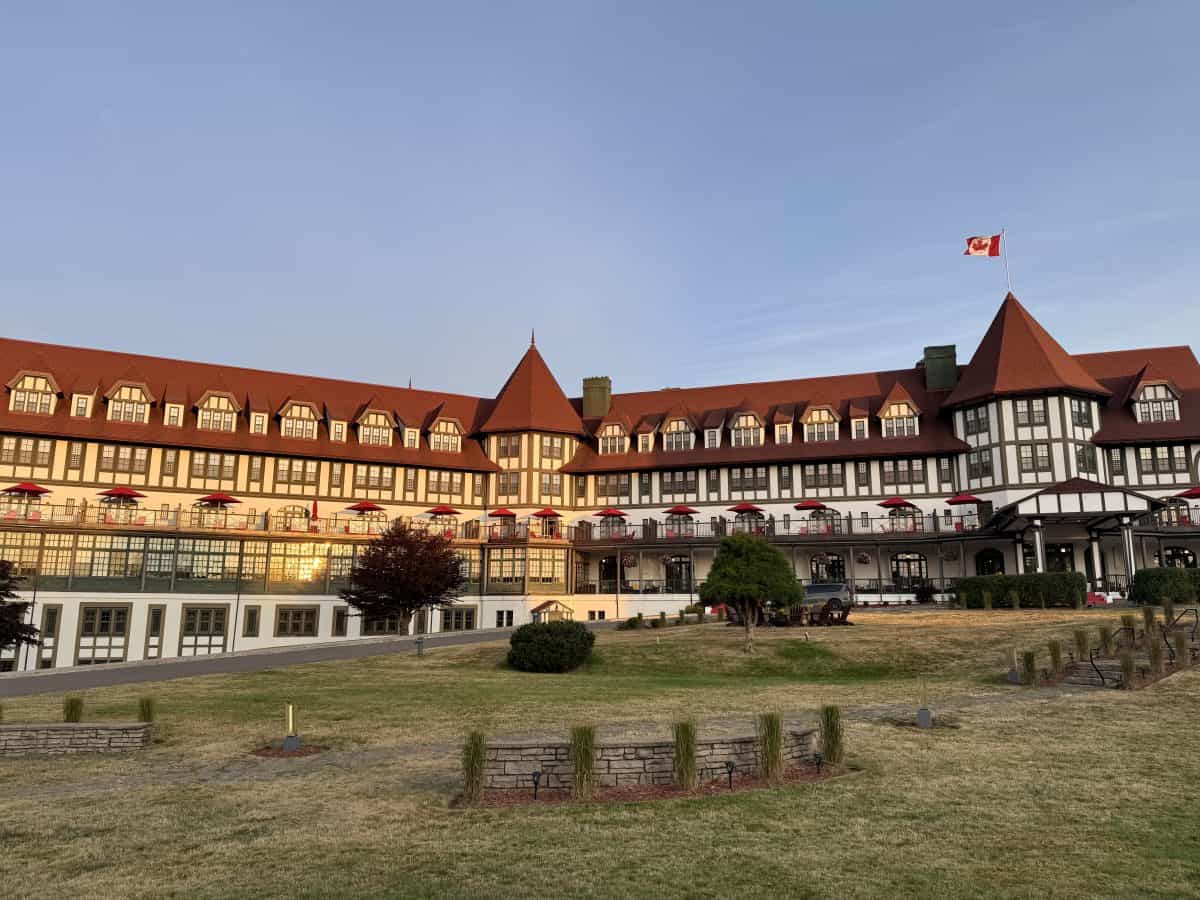
Staying Local: We enjoyed our stay at The Algonquin Resort, a Marriott Autograph Collection property. The 230+ room resort has many amenities, several dining options, a rich history connected to the history of St. Andrews, and tons of activities for families. Read our full resort guide here on the blog. Check here for other lodging options.
Eating local: Water Street is the most popular spot for dining with a water view. There are also several options around town and at local hotels and bed and breakfasts and inns. See a good index of restaurants here.
Getting around town: There is a free hop on and off bus, operating Thursday through Saturday by the Huntsman Marine Science Center, that makes seven stops throughout the area (including the Algonquin Resort, Kingsbrae Garden, and Oceanfront Camping). Drive slowly around St. Andrews- many streets are narrow and there are many bicycle riders and walkers enjoying the beauty of St Andrews. The town is very walkable, with many attractions on this list within walking distance of one another. There is street parking in popular areas and many attractions have designated lots. More information about travel distances and flying to the area here.
Of note:
- Don’t forget that New Brunswick follows Atlantic Daylight Time (which is one hour ahead of the East Coast of America).
- Most of the locations on this list, and most of St. Andrews, are open from “May weekend” (mid May) through Canadian Thanksgiving (in mid October). Be sure to check hours online and call to confirm before heading to any location.
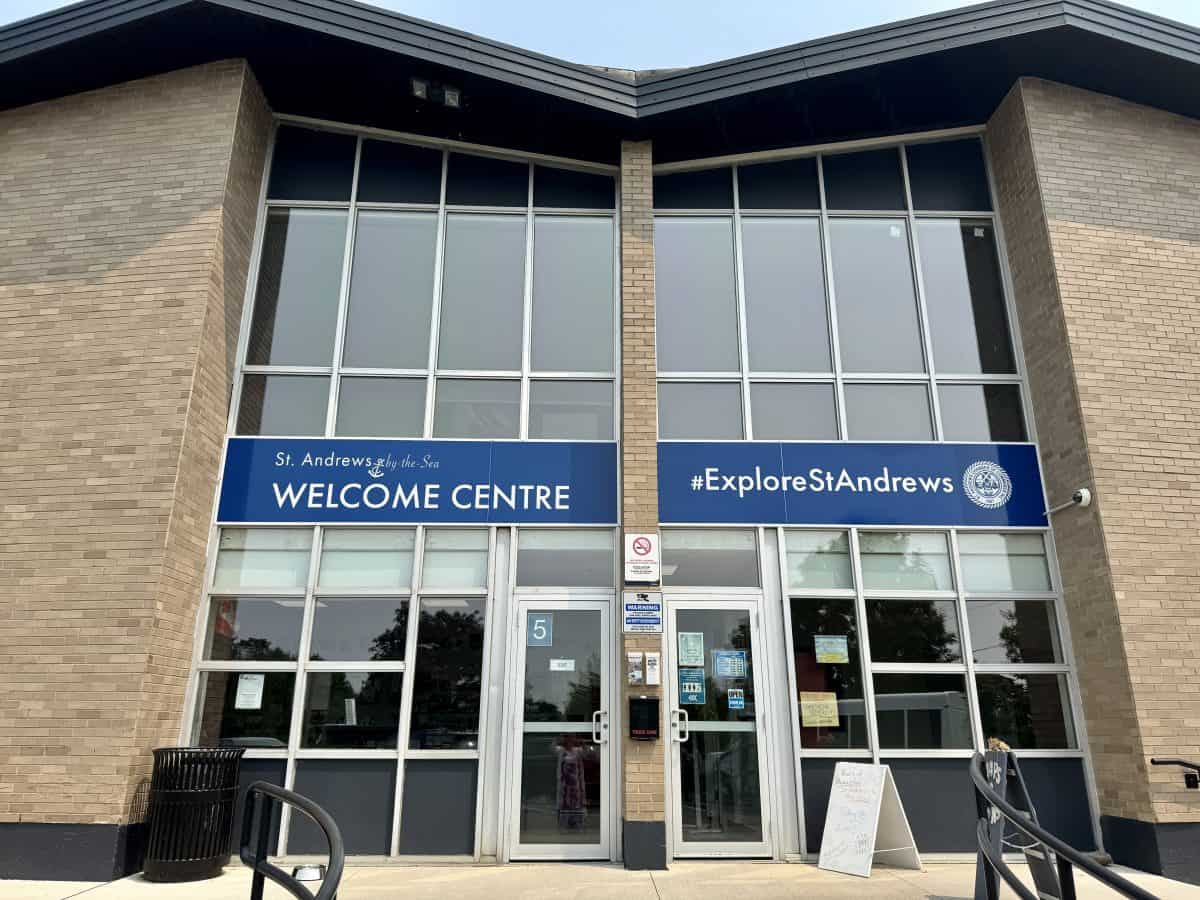
- Stop by the Welcome Center for brochures, maps, and very helpful advice from locals. See good maps of the St. Andrews area here and here and a calendar of activities here.
- Helpful websites for up to date information here and here.
10 Ways to Explore St. Andrews in the Summer:
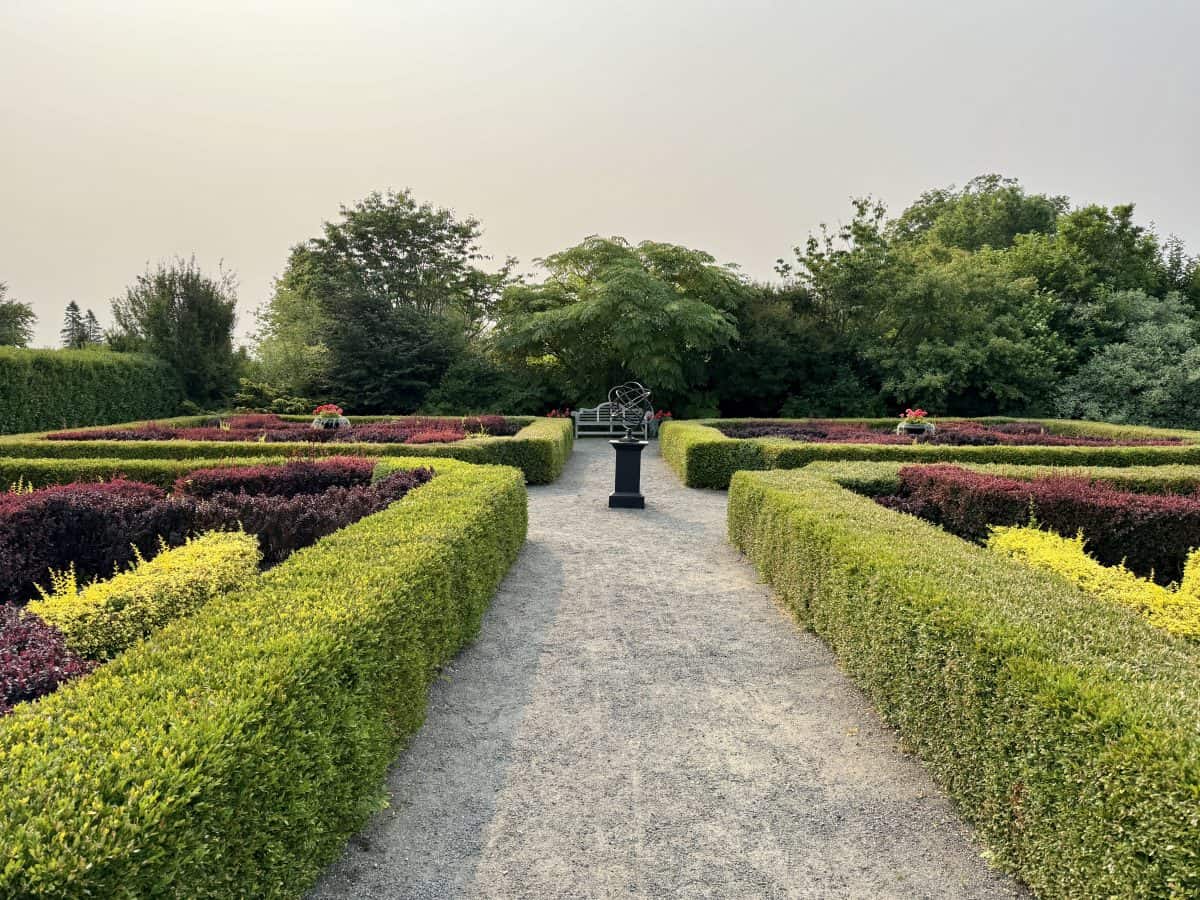
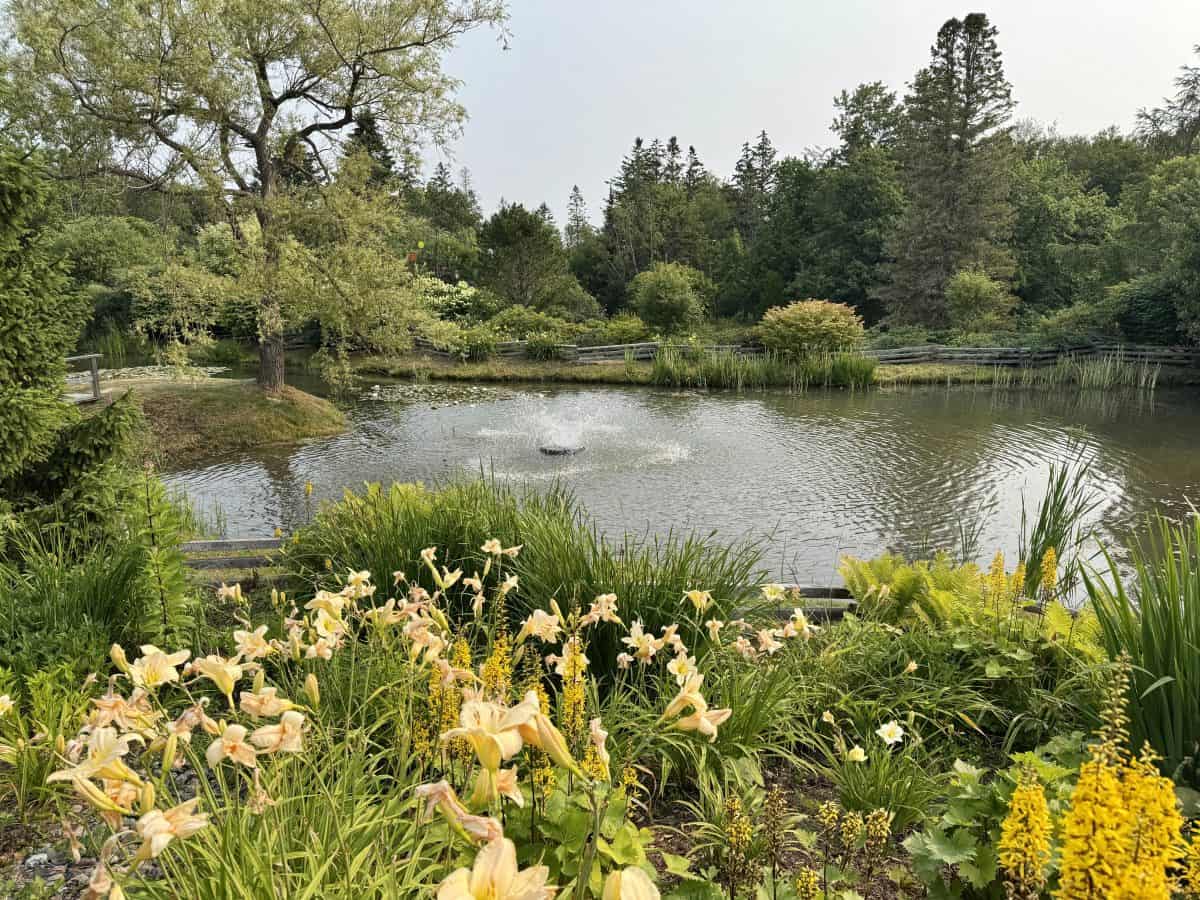
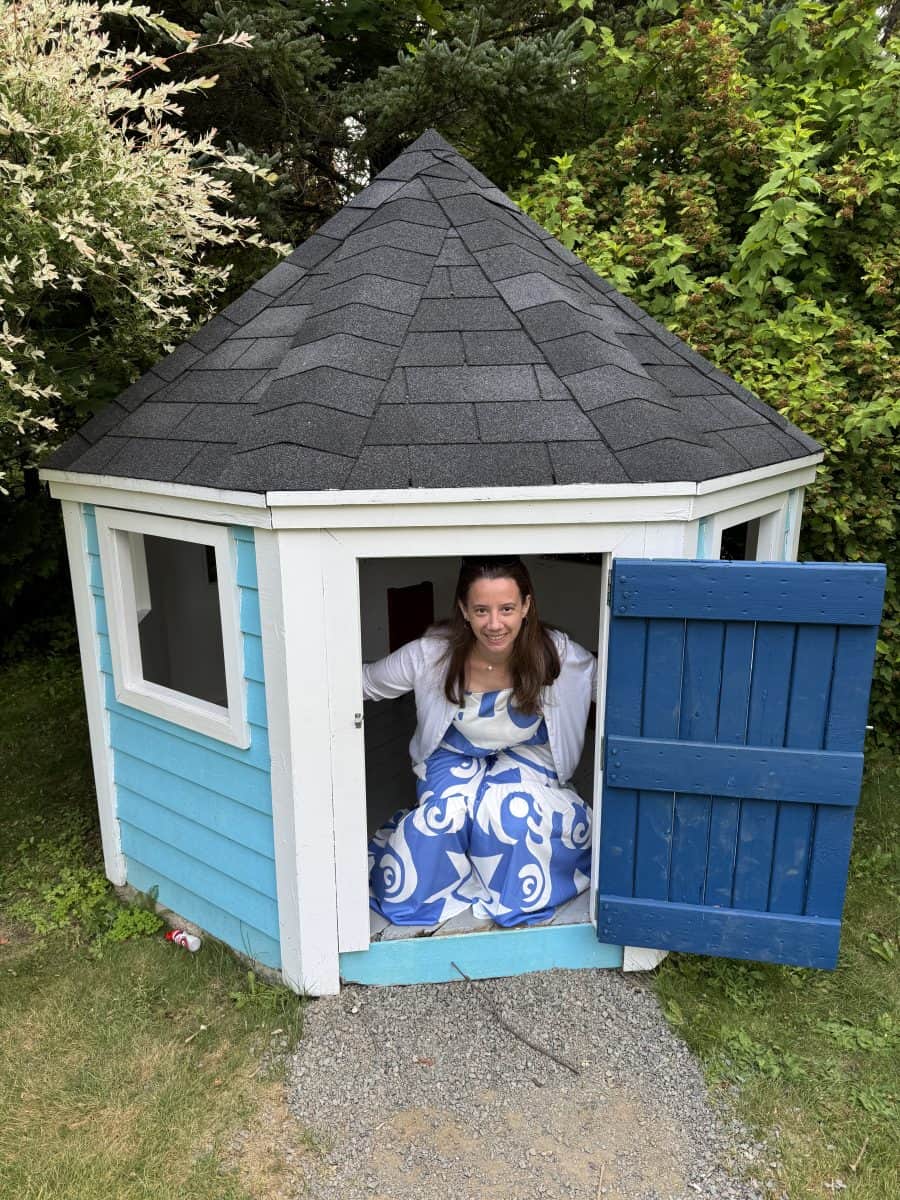
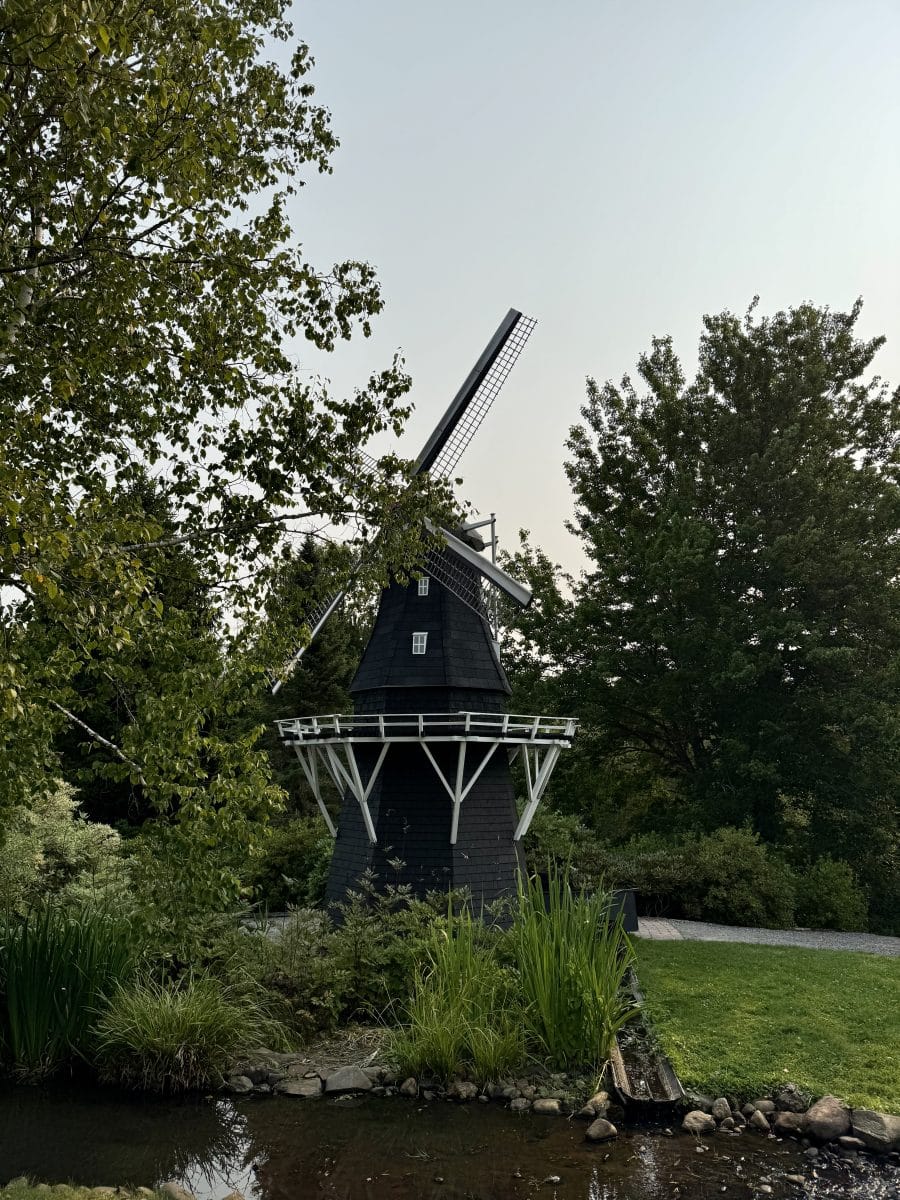
- Walk the gardens of Kingsbrae Garden, one of Canada’s most popular public gardens. Opened in 1998 by John and Lucinda Flemer to preserve their family’s former estate and share it with the public, the 27 acre property has over 50,000 perennials spread throughout the property, in addition to gardens dedicated to hydrangeas, roses, rhododendrons, and a therapy garden with vegetables and herbs. Kids will love the Children’s Fantasy Garden, with miniature houses for pretend play, a castle themed play structure, and a rabbit habitat, home to three rabbits. Farm exhibits include llamas and pigmy goats, and peacocks and ducks roam the property. There’s also gardens designed to attract bees and butterflies, two beautiful ponds, a working windmill made in Holland and shipped to Kingsbrae in 1998, and a designated sculpture garden, in addition to several sculptures displayed throughout the property. Kingsbrae also has a well known and respected Artist-in-Residence program, welcoming artists from all over the world to the property for a one month residency to create their art while also engaging with the local community.
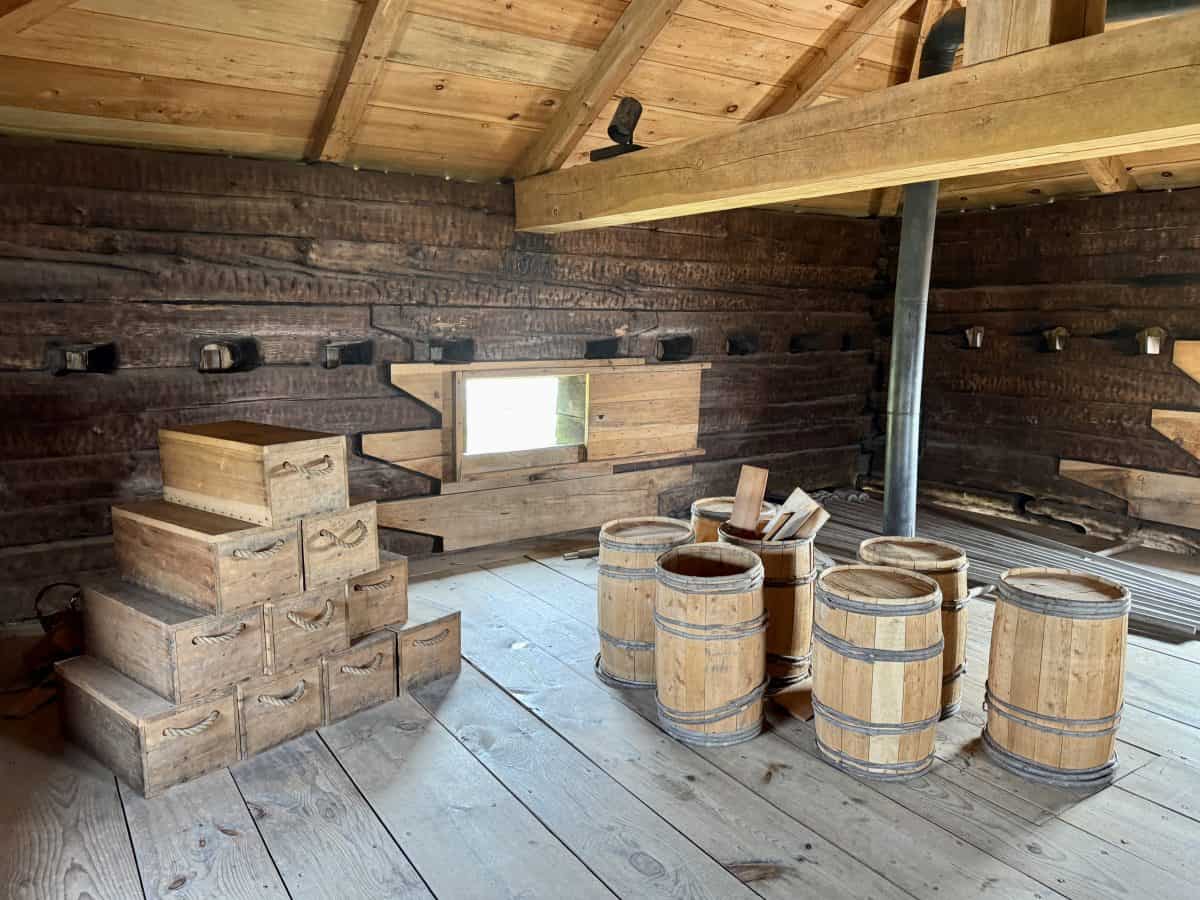
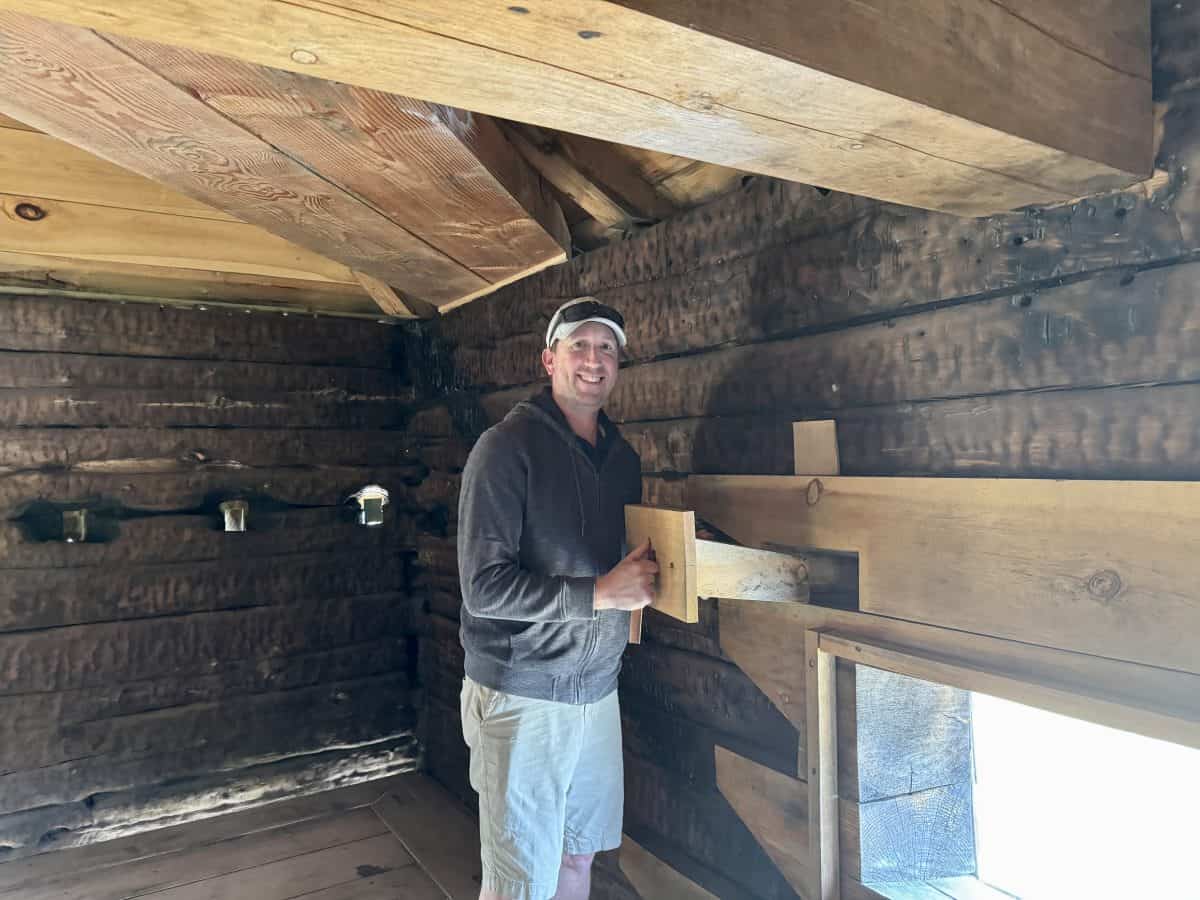
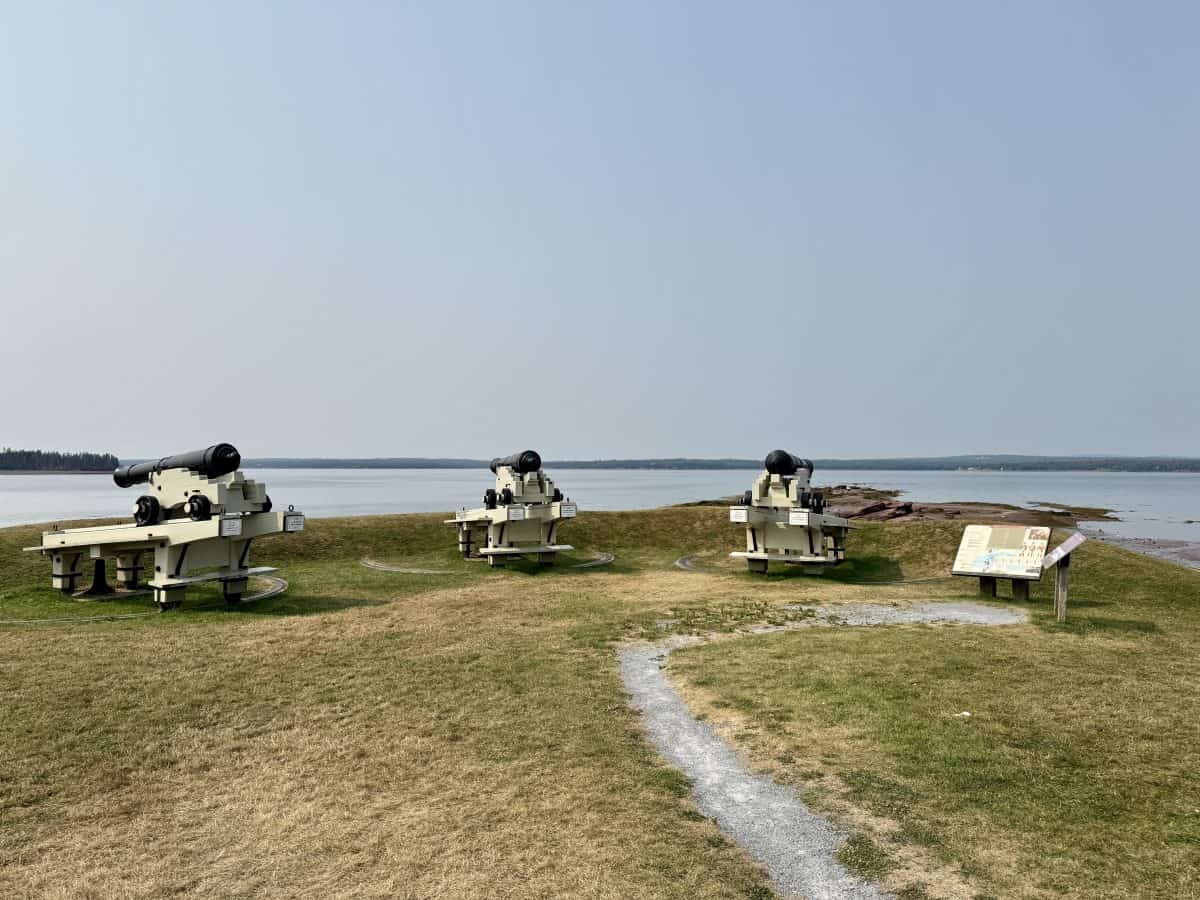
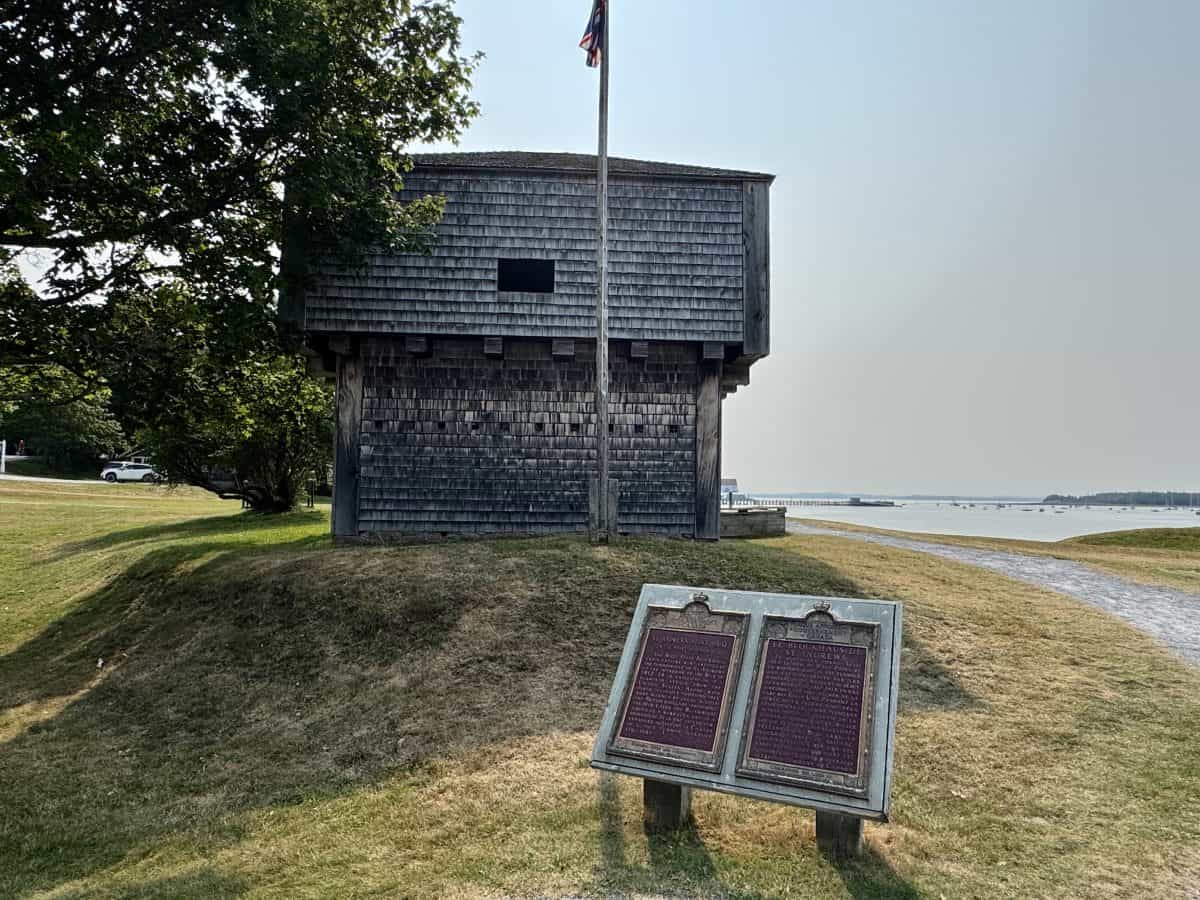
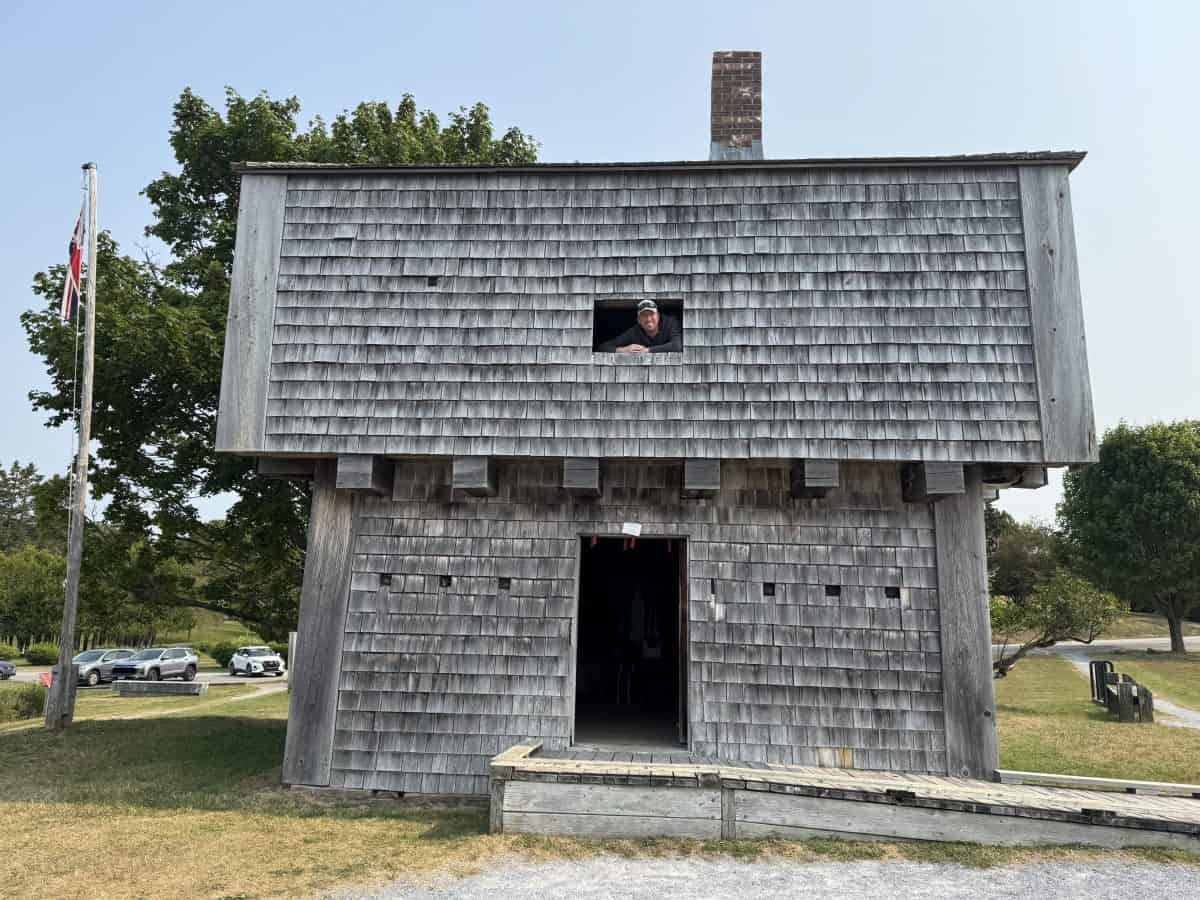
Travel Tips: The garden complex is open every day from 9am-6pm mid May through mid October; plenty of free parking at the entrance; bring the stroller for the toddler crew and wear sneakers (most paths are loose stone); gift shop and washrooms located inside the Visitor Center; a garden Cafe, Sage, offers full service lunch from 11am-5pm daily; see the daily calendar or programs and events here; the 1100 seat KIRA amphitheater offers a wide variety of concerts and performances- see the list here; plan on 75-90 minutes to tour the garden; see a garden map here. - Peek out the loop holes on the second floor of the St. Andrews Block House. A Canadian National Historic Site, the blockhouse was built at the outbreak of the War of 1812 in “anticipation of a seaborn attack from the United States.” Luckily, an attack never happened and the house was used as a barracks in the and then later as a storehouse. Visitors can learn about the daily obligations of soldiers from docents and see a recreation of how the house would have been furnished (uniforms, table settings, bedding). Climb the stairs to the second floor for better views of the St. Andrew Harbour and America (the state of Maine is across the harbor) Outside, walk to the three canons and read the placards about the history of the Block House.
Travel Tips: The house is open everyday from 9:30-4:30pm from mid May through mid October; in the summer of 2025, the property was free to visit; limited parking available directly in front of the house; first floor of the house is handicap accessible; no facilities available (washrooms or dining); plan on 45 minutes to fully explore the property.

Would you like to save this?
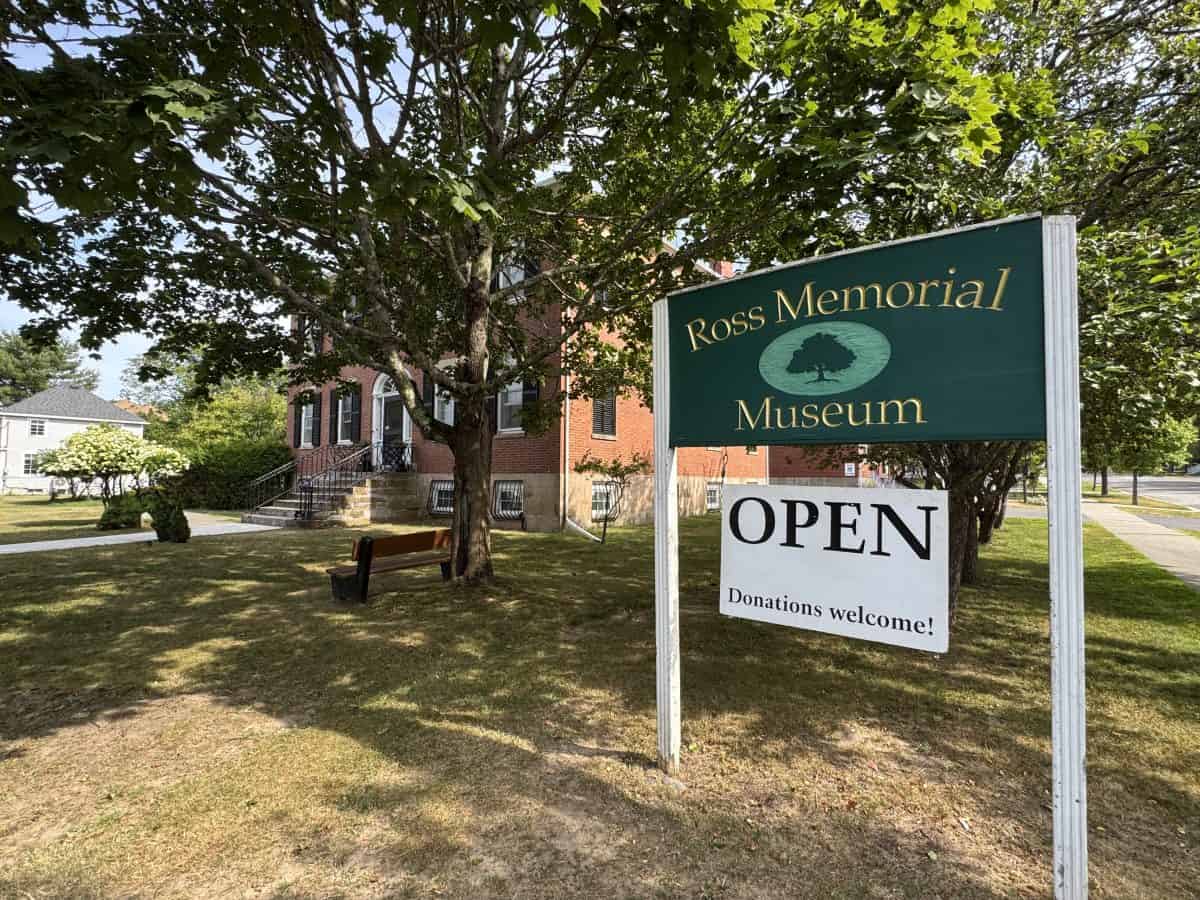
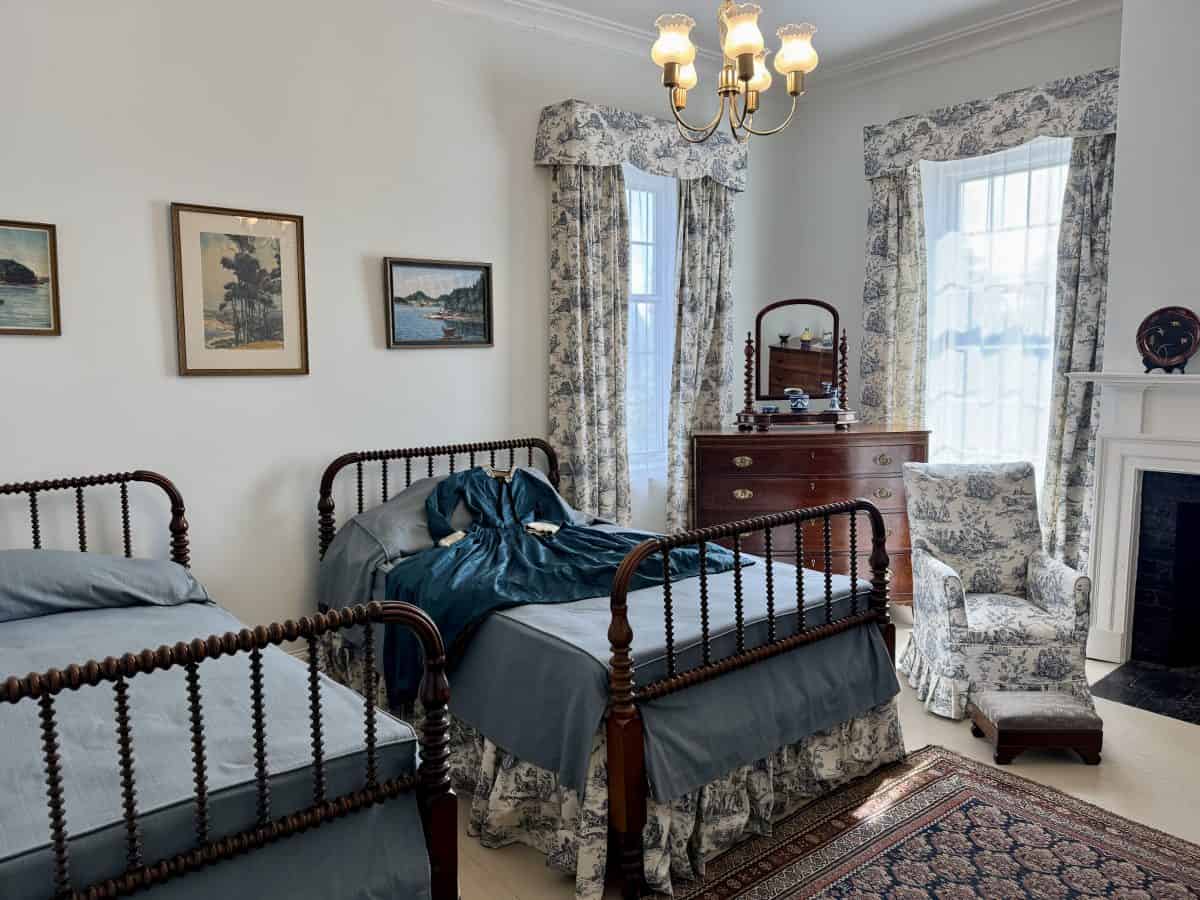
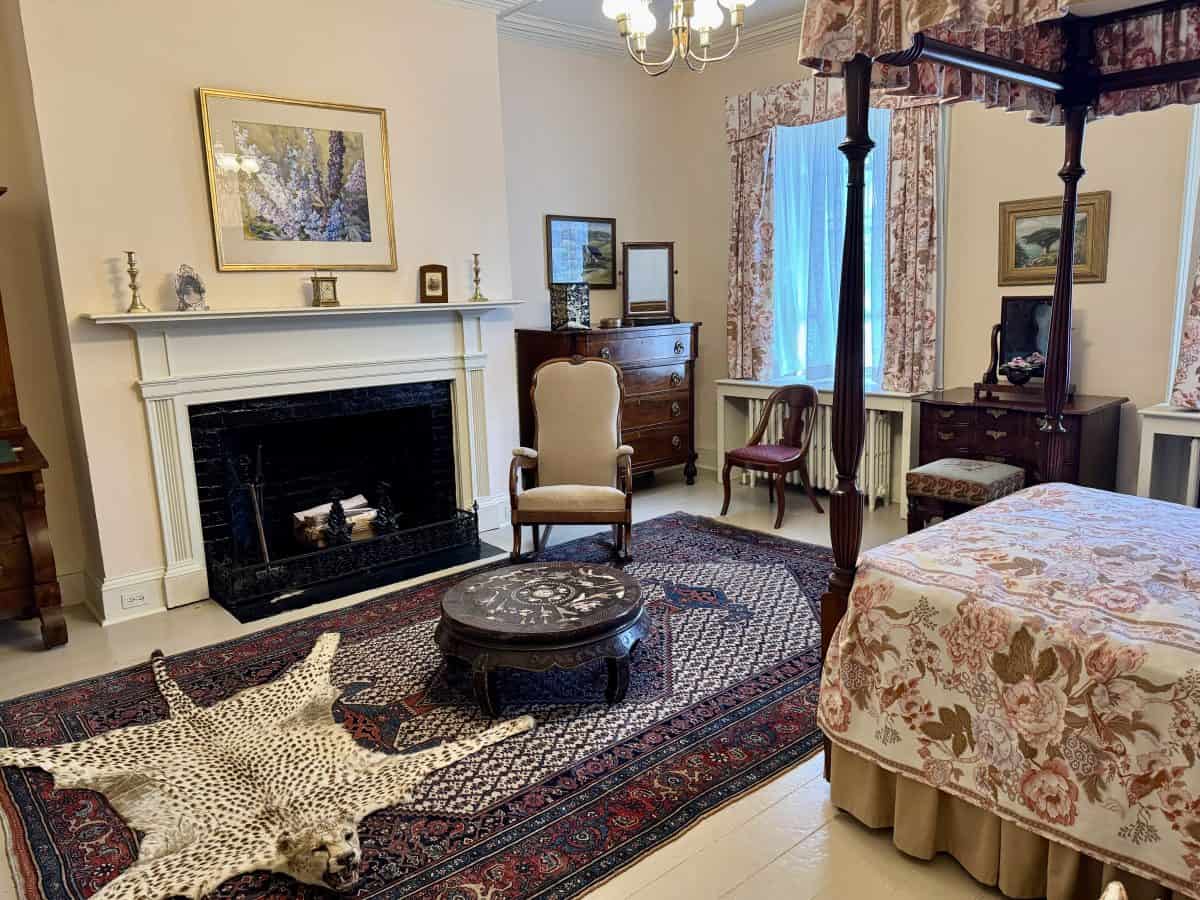
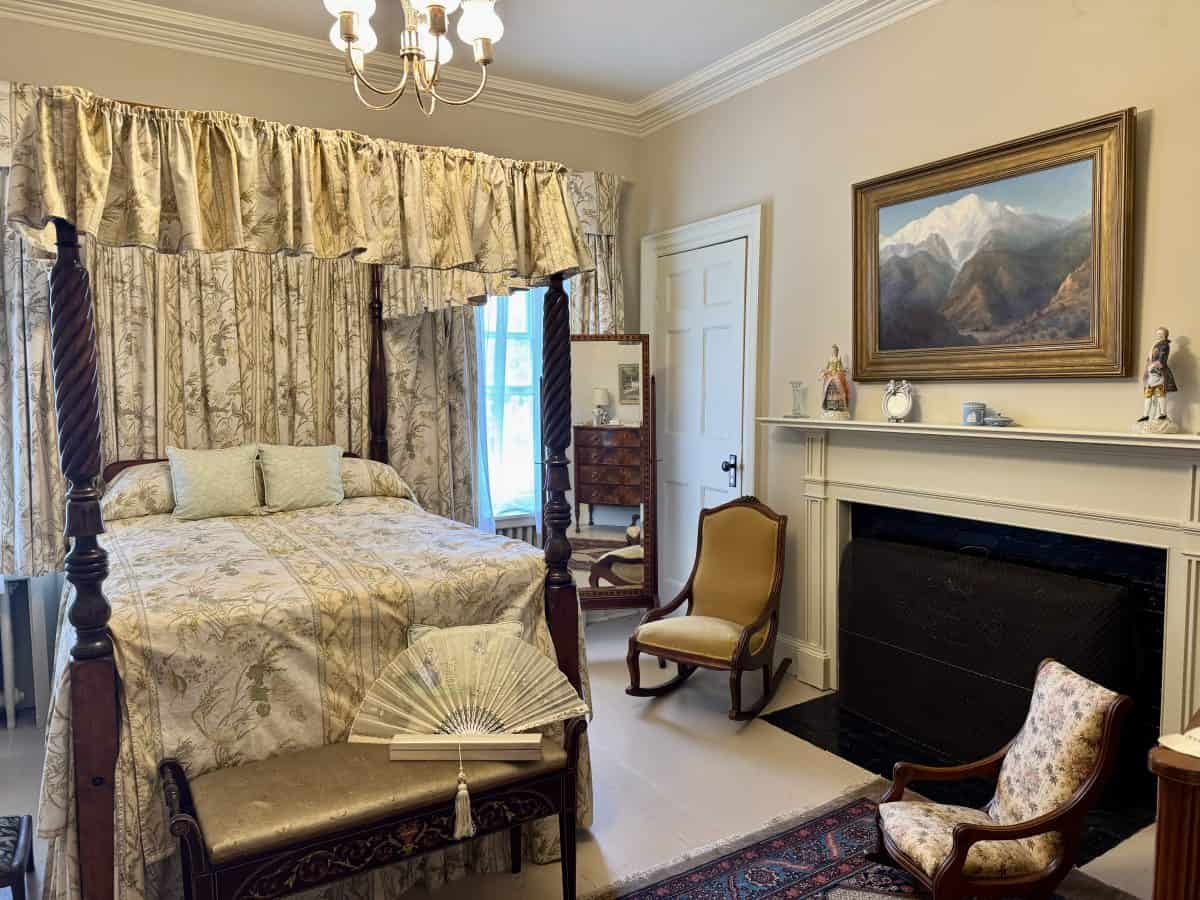
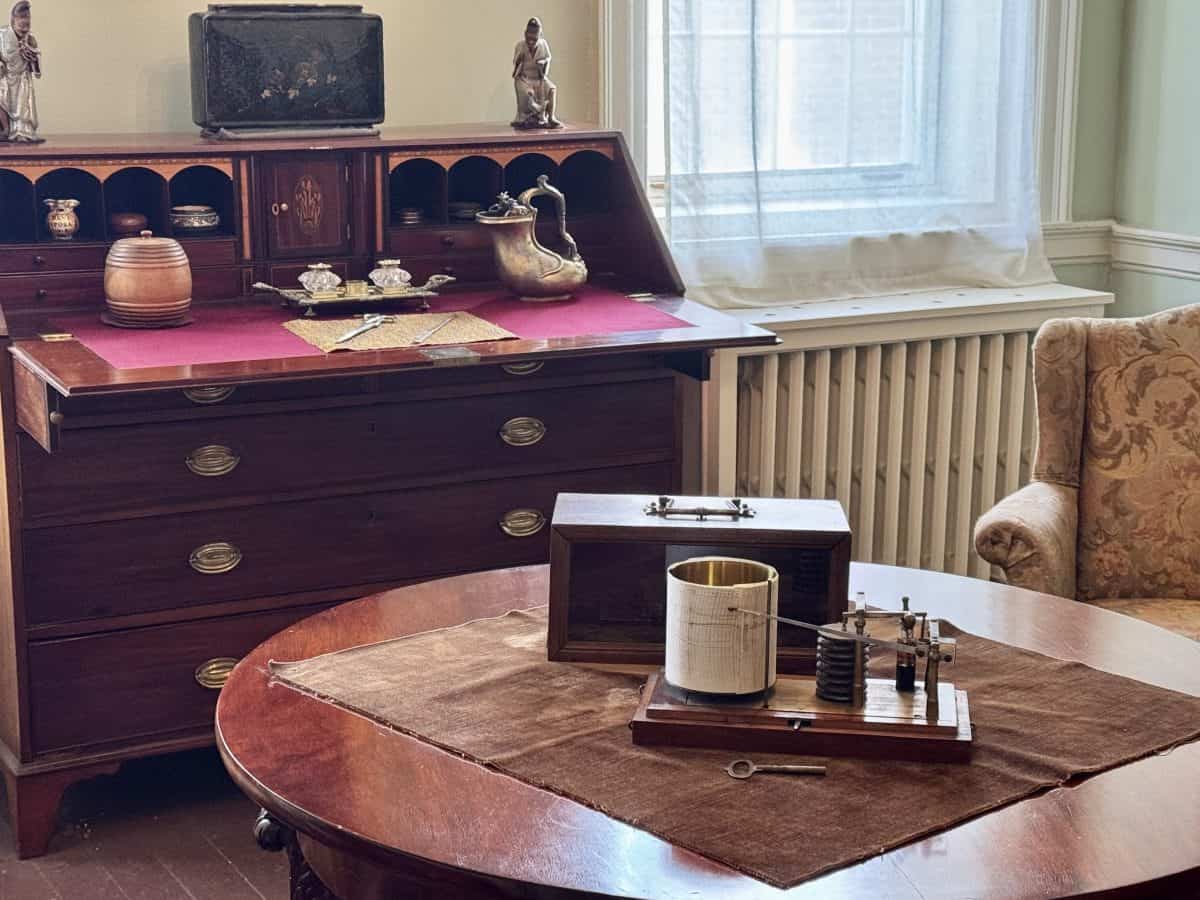
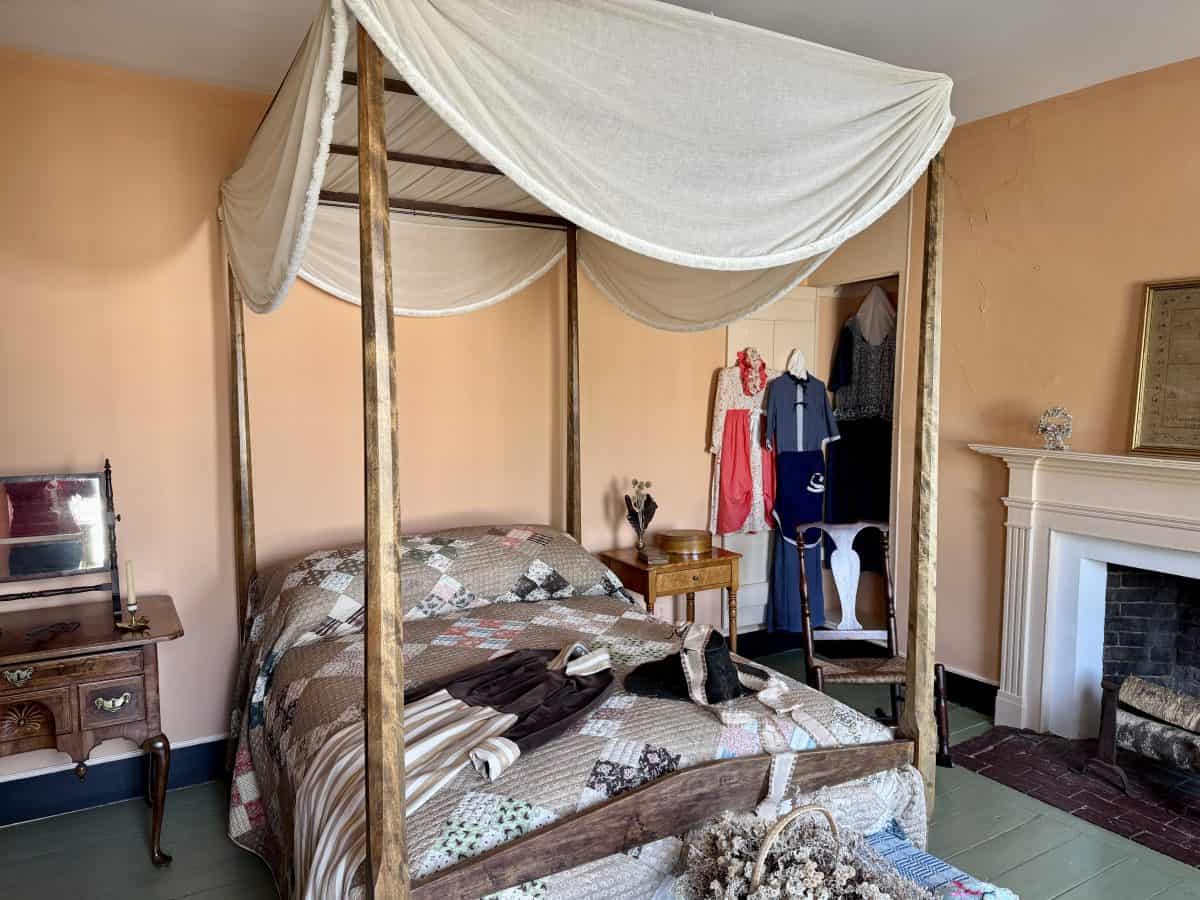
- Tour the fully furnished Ross Memorial Museum: The 1824 two story home was built for Harris Hatch, an influential lawyer. Three generations of the Hatch family lived on the property until 1922. Henry Phipps and Sarah Juliet Ross, originally from New Jersey in the United States, bought the home in the 1940s to display the collections of furnishings, artwork they bought while traveling the world. The Rosses wanted to give the home, fully furnished with their private collections from their travels and furniture made locally, to New Brunswick to turn into a museum for public enjoyment. Upon their deaths in 1945 (one week apart), the home and furnishings were given to the province to be overseen by the Ross’s servants and family who lived in the home until 1976. The museum officially opened to the public in 1981. Kids will enjoy playing I Spy and searching for the pianofort (morning room), wedding dress (blue guest room), tiffin carrier used to carry fruit (sitting room), cheetah skin (master bedroom), 18 piece shaving kit (sleigh bedroom), chamber pot (lady’s suite), and hygrometer, used to measure humidity, first invented by Leonardo Da Vinci (study).
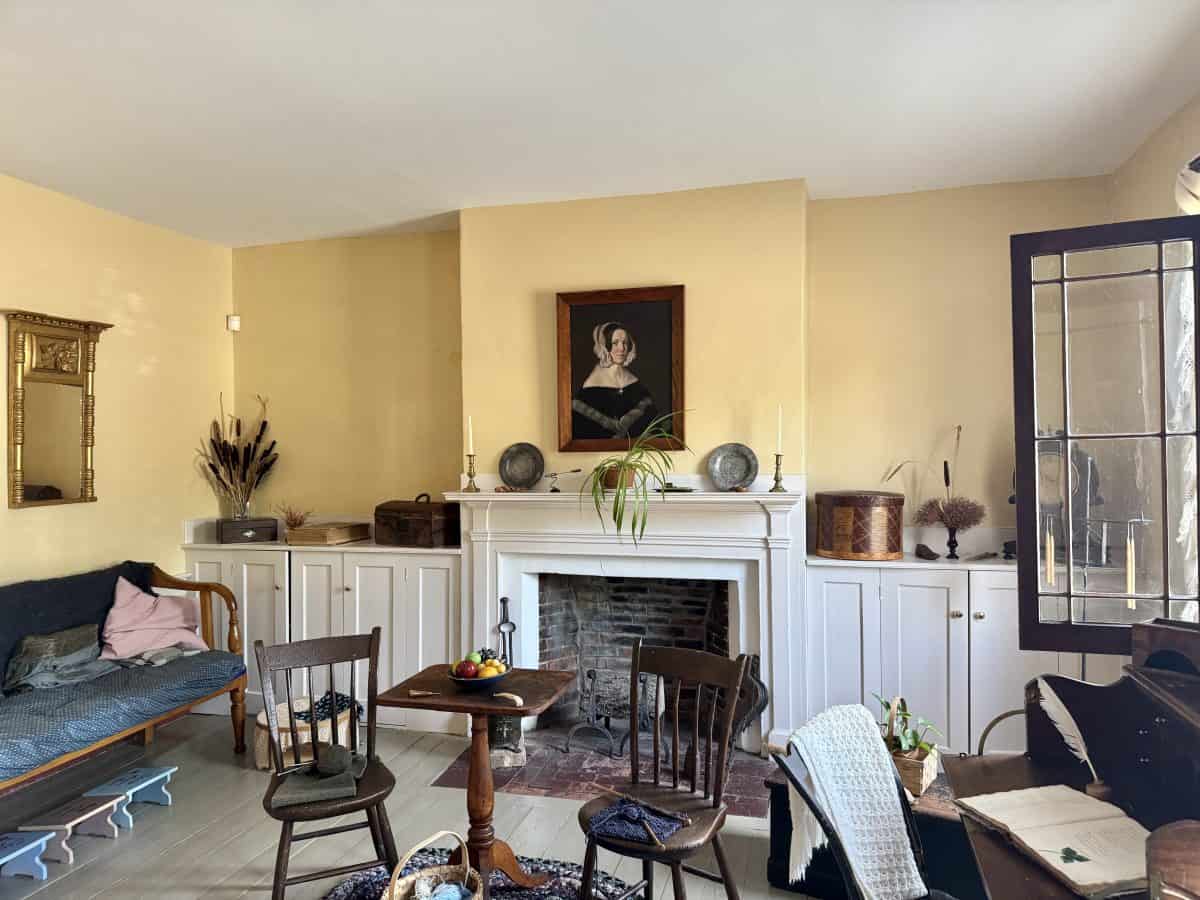
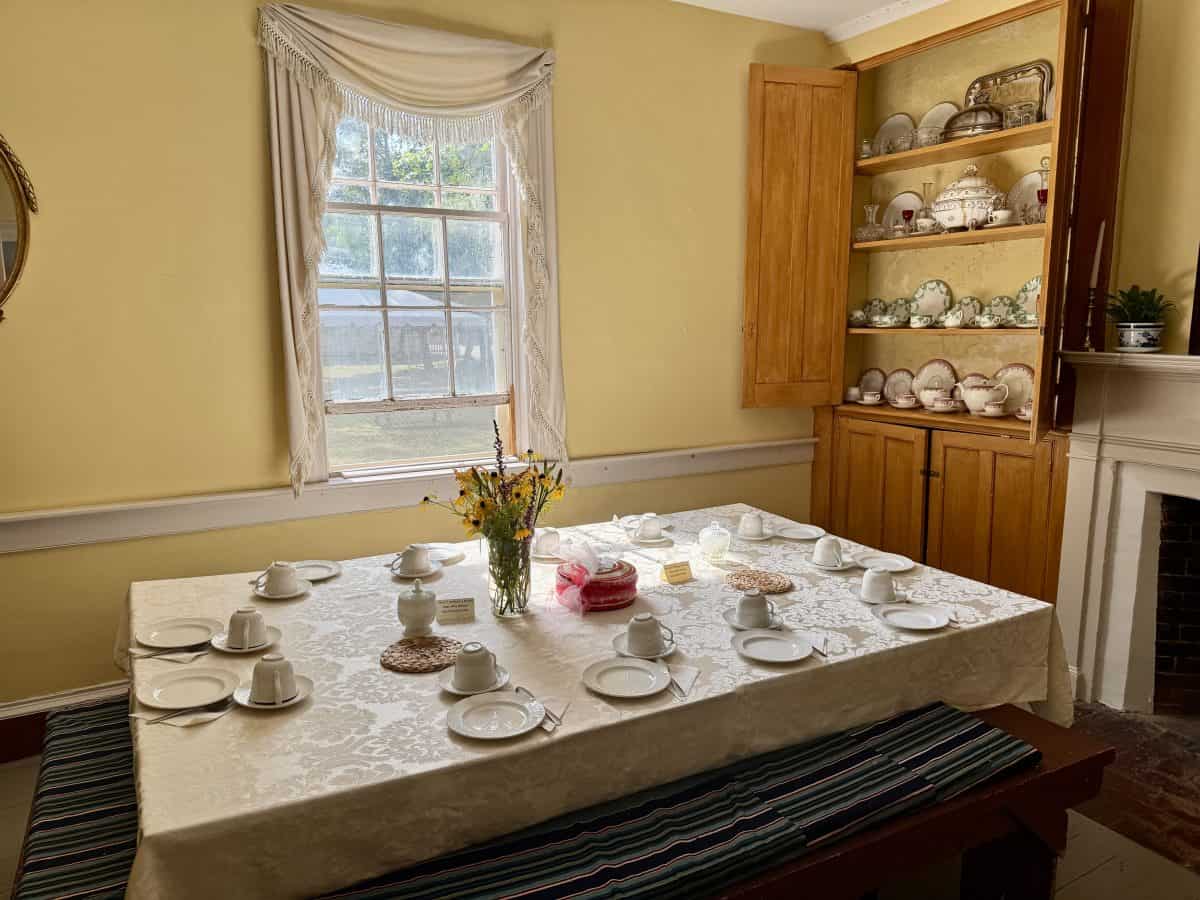
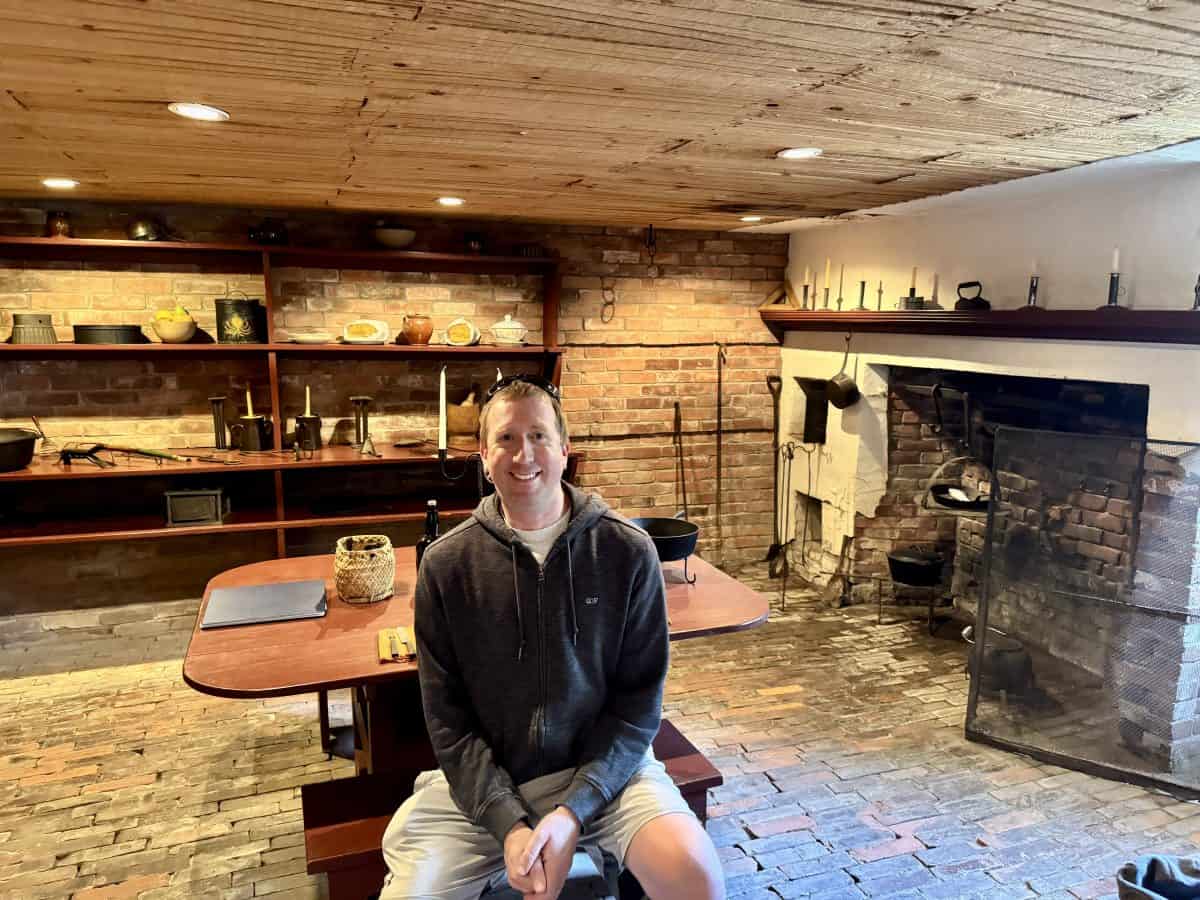
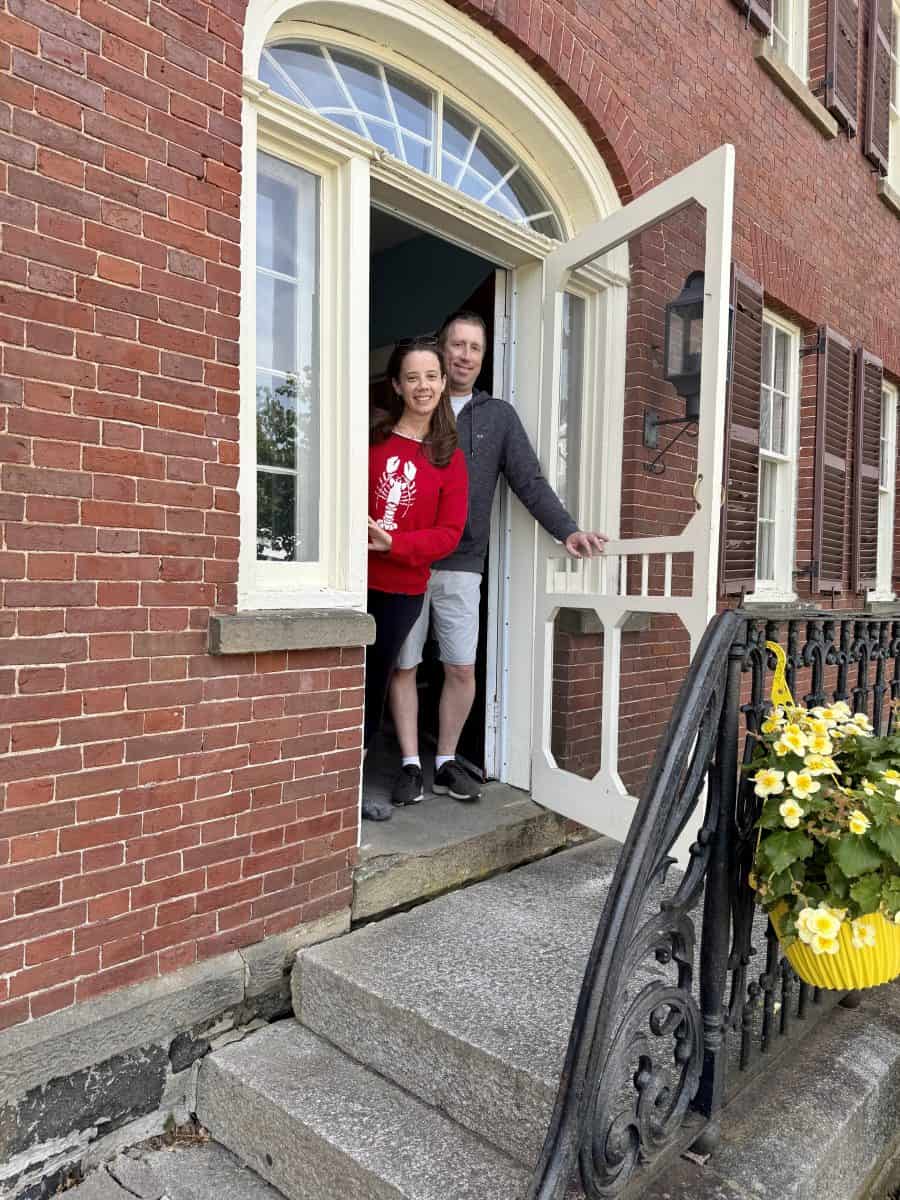
Travel Tips: The museum is open from 9:30am-4:30pm with free admission (donations suggested) from mid May through mid October; small parking lot in the rear of the building; no washrooms or dining options on site (one block from the popular Water Street); plan on 30 minutes to tour the home. - Count the fireplaces in Sheriff Andrews House: The 1820s home, just a few houses in from Water Street, was built for Elisha Andrews, one of the first High Sheriffs of Charlotte County. Andrews and his family were originally from the state of Connecticut in America and moved to Minister’s Island when he was first appointed sheriff. The four floor home has almost a dozen fireplaces and is fully furnished with 18th and early 19th century furniture, housewares, and clothing. Be sure to tour the sitting room, nursery, boys room, girls room (the only room with a closet, since the government would tax home owners for every closet), dining room (offering full tea service every day at 2pm), and lower level main kitchen (peek down into the 20 foot well). Take note of the fire brigade buckets, marked for each male of the home who had to assist in any fire emergencies in the village.
Travel Tips: The museum is open mid May through mid October Tuesday through Saturday from 9:30am-4:30pm with free admission (donations suggested); on street parking available; no public washrooms or dining options on site (Sea Breeze Restaurant is next door and great option for late breakfast/lunch); plan on 30 minutes to tour the home.
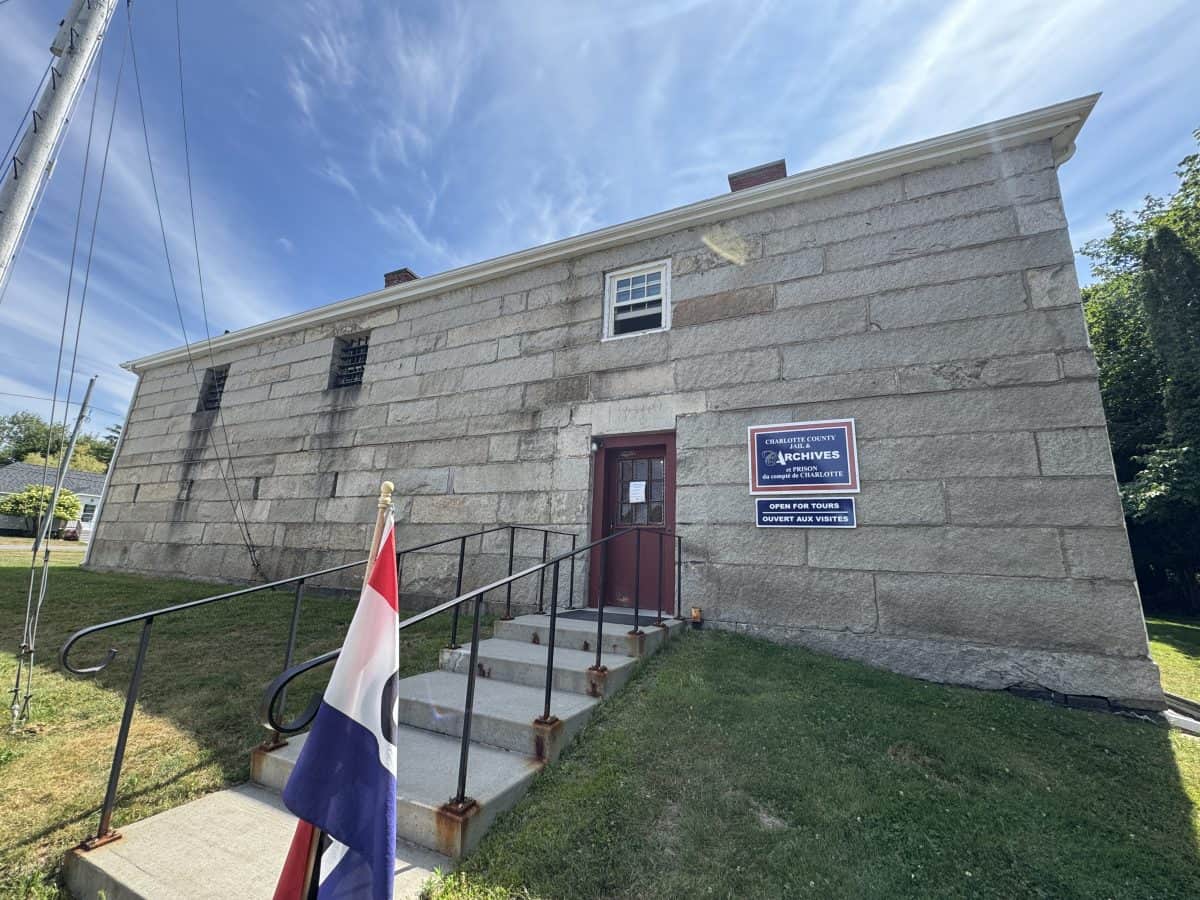
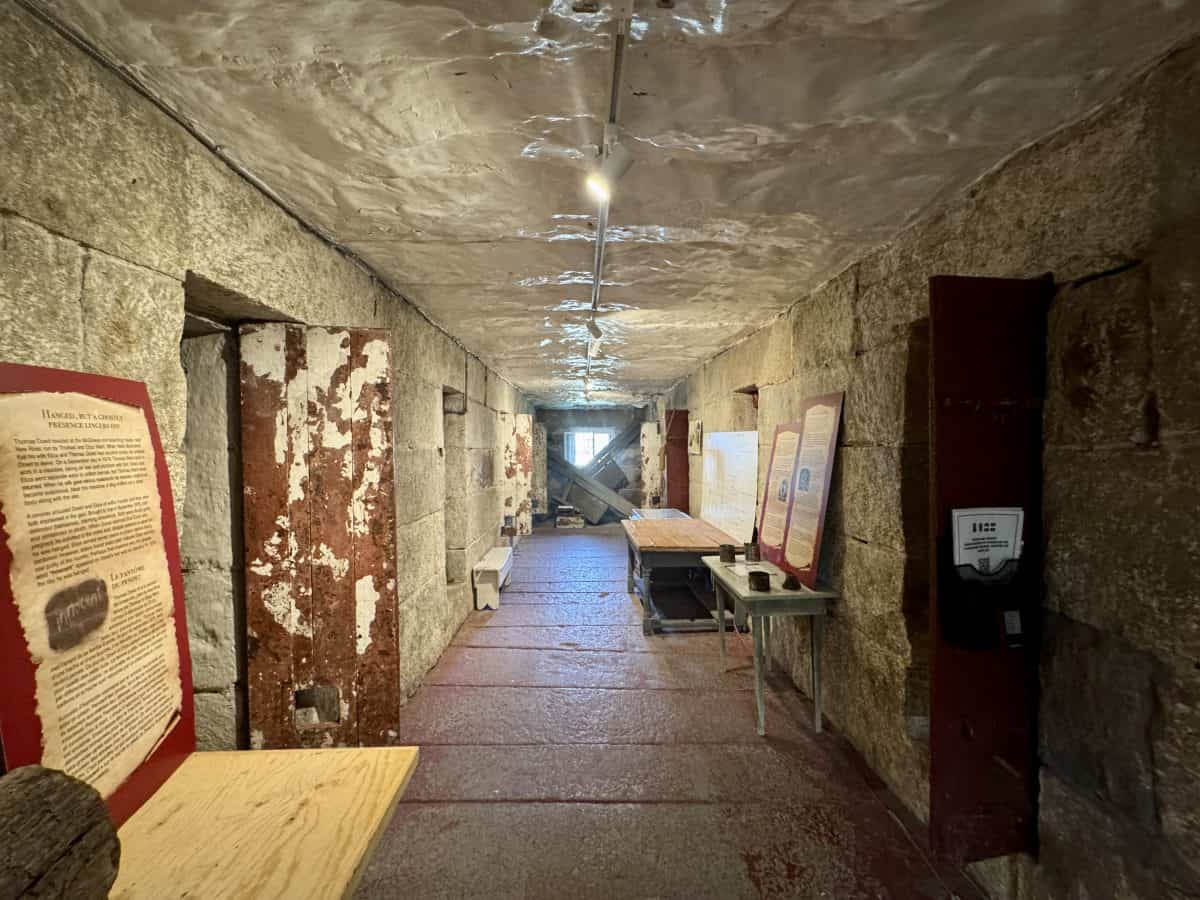
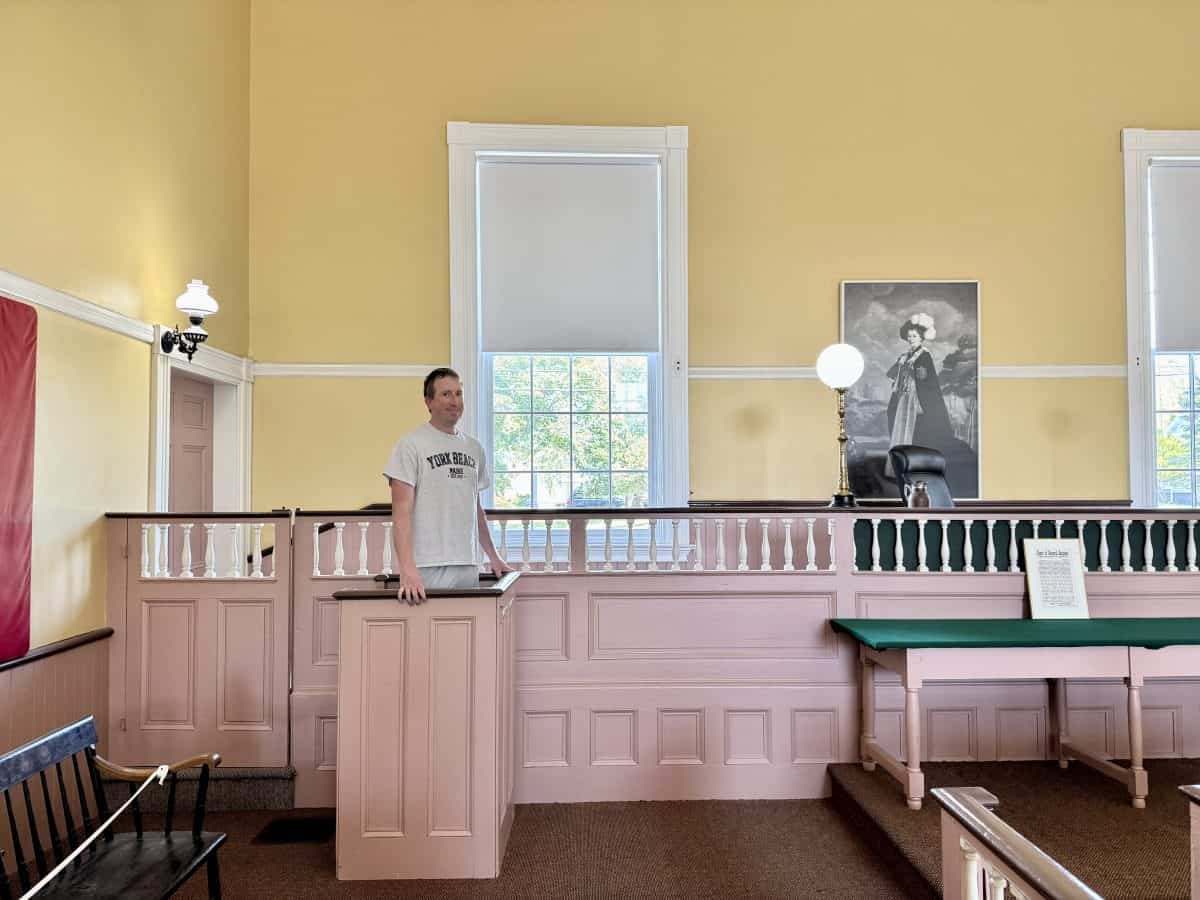
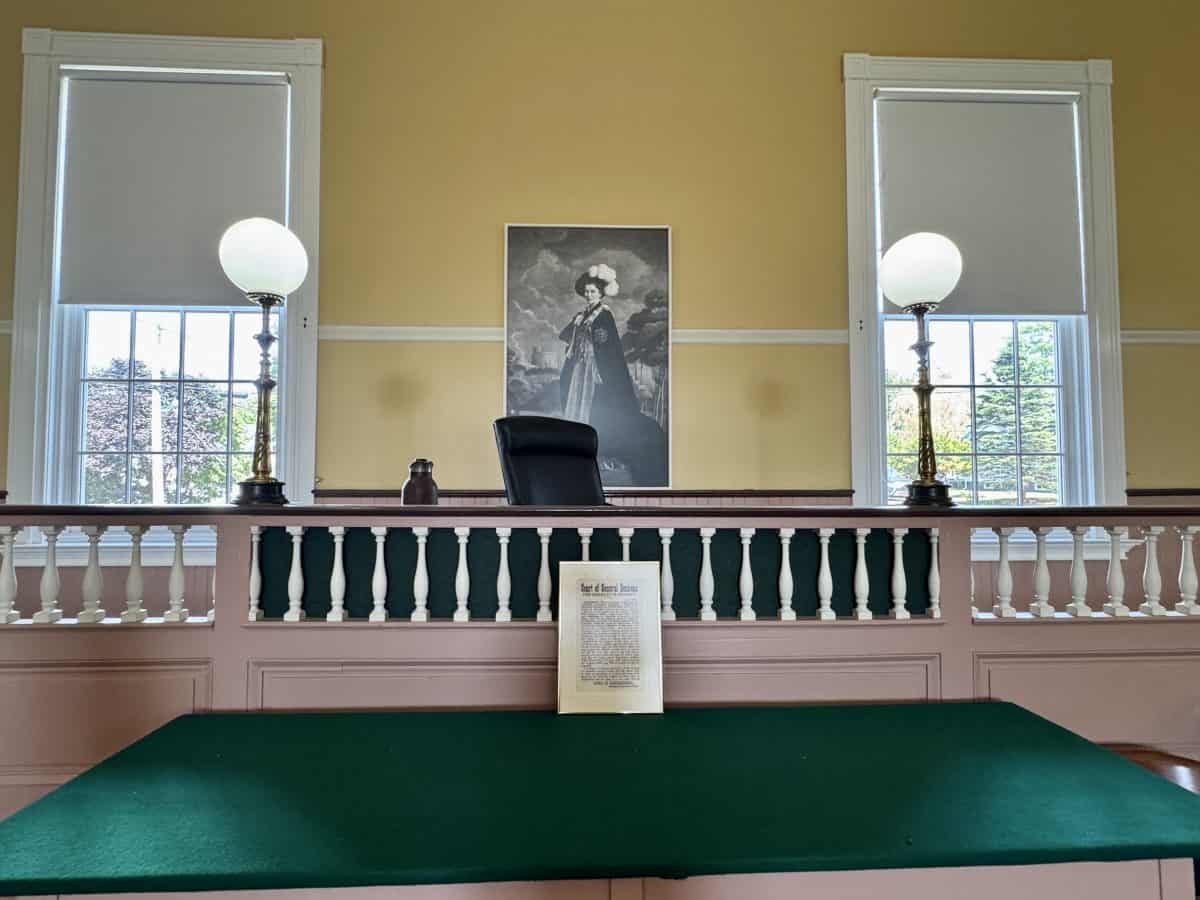
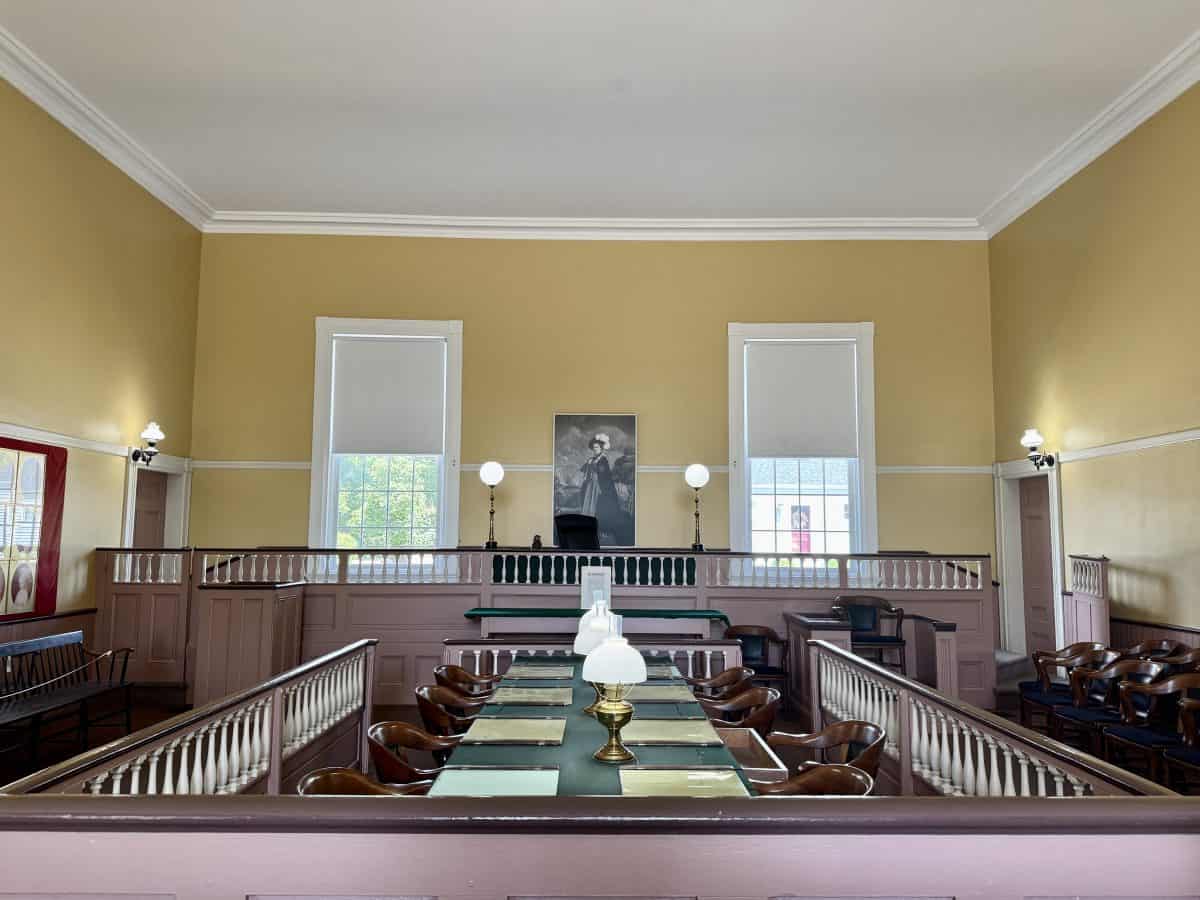
- Pretend to be stand trial and be jailed at the Charlotte County Archives, Courthouse, and Gaol: The “gaol” (term for jail) was in use from 1834-1979 and had 10 single cells for men with no electricity and very little natural light on the first floor and seven cells for women, children, and debtors upstairs. The cells on the first floor are now open to the public and the second floor now houses the Charlotte County archives with a vast collection of architectural drawings, letters, diaries, and photographs. The adjacent 1839 courthouse, built in the typical 19th century maritime courthouse, was the focal point of the town and used for all official business. It looks similar to many American courthouses, with a few notable differences: all lawyers sat at the same table (albeit facing each other), there were two witness boxes (one required witnesses to stand), the defendant stood in the back in a “hot box” (literally hot because of the furnace directly under the area), the replica jury boxes (the 1840s original jury box on the left and the 1950s jury on the right), and the portrait of the Queen under the judge’s seat.
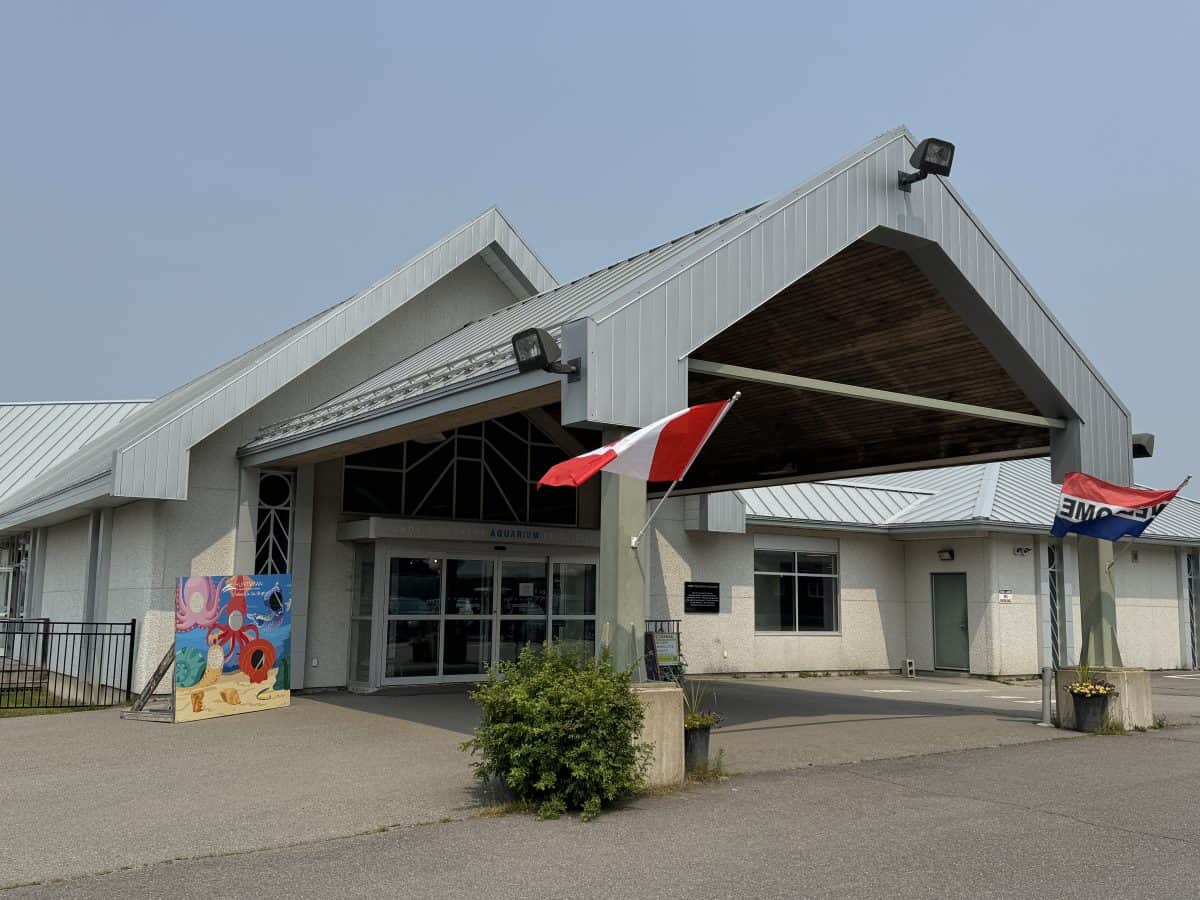
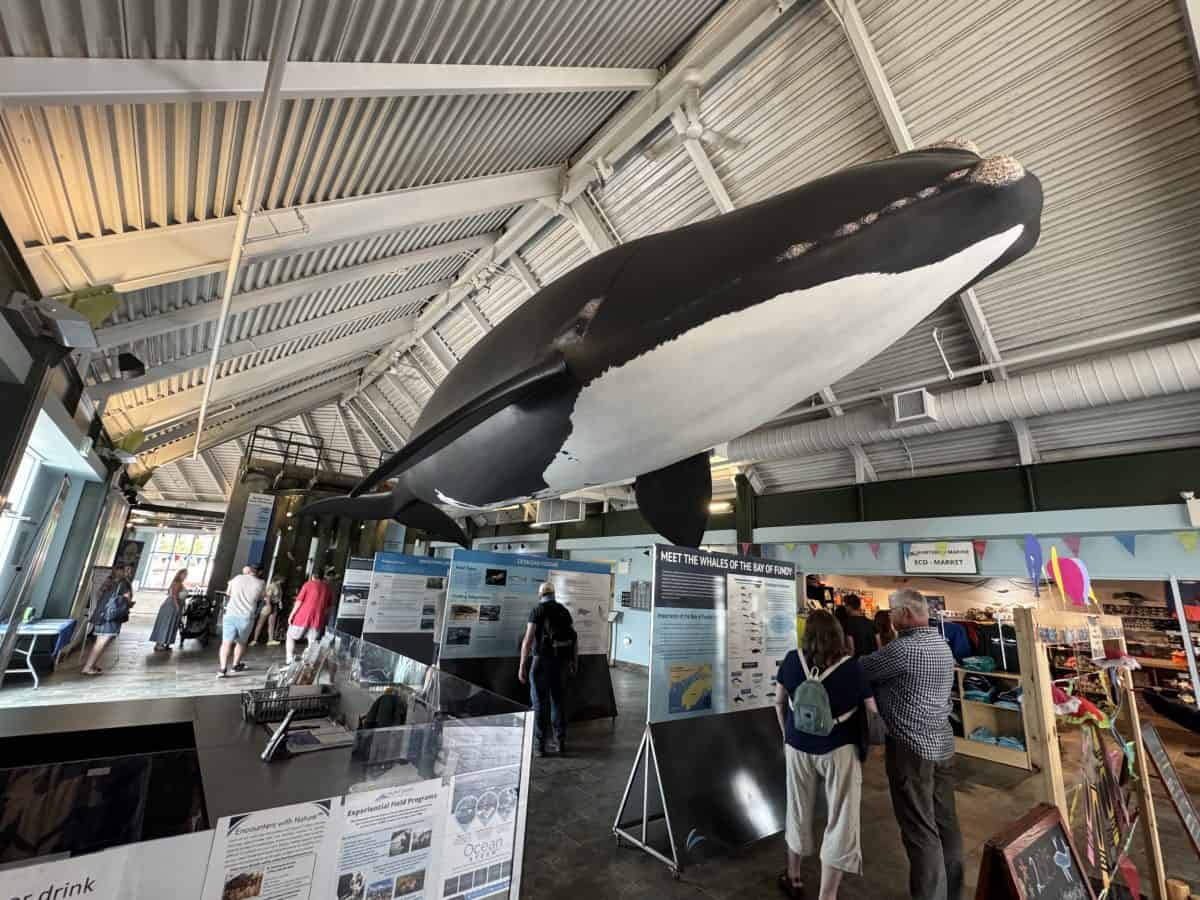
Travel Tips: The Goal is open mid May through mid October from 10am-5pm with free admission (donations suggested); the Courthouse is open from 10:30am-12:30pm and 1:30pm-3:30pm with free admission (donations suggested); street parking available; washroom in the Courthouse building; no dining options on site (one block from the popular Water Street); plan on one hour to tour both spots. - Attend a creature feature talk at the Huntsman Maritime Science Center and Fundy Discovery Aquarium. Located on the Bay of Fundy, the aquarium offers daily workshops with marilife ranging from fish and seals and whales to seahorses and lobsters, often given at low tide down on the beach. There are also touch tanks and interactive exhibits celebrating the vast maritime life that call St. Andrews and the Bay of Fundy, which has the world’s largest tide, home. The upper deck offers beautiful views of St. Croix River and there is an outdoor play area and walking trail down to the beach. Huntsman Maritime Experiences offer visitors the opportunity to get out on the water with scientists and see marine life up close; there are experiences ranging from two hours to full days.
Travel Tips: The aquarium is open mid May through mid October everyday from 9:30am-4:30pm; plenty of free parking in front; washrooms and a gift shop located inside the aquarium; no dining options on site, but the Club House at the Algonquin Golf Course is super close and has a great menu (and views!); tons of annual special events and programs;
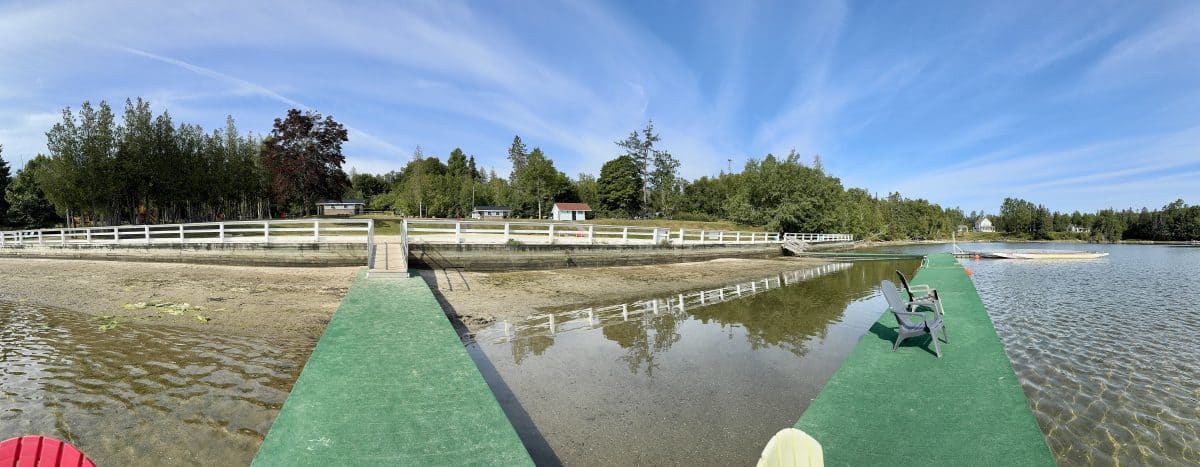
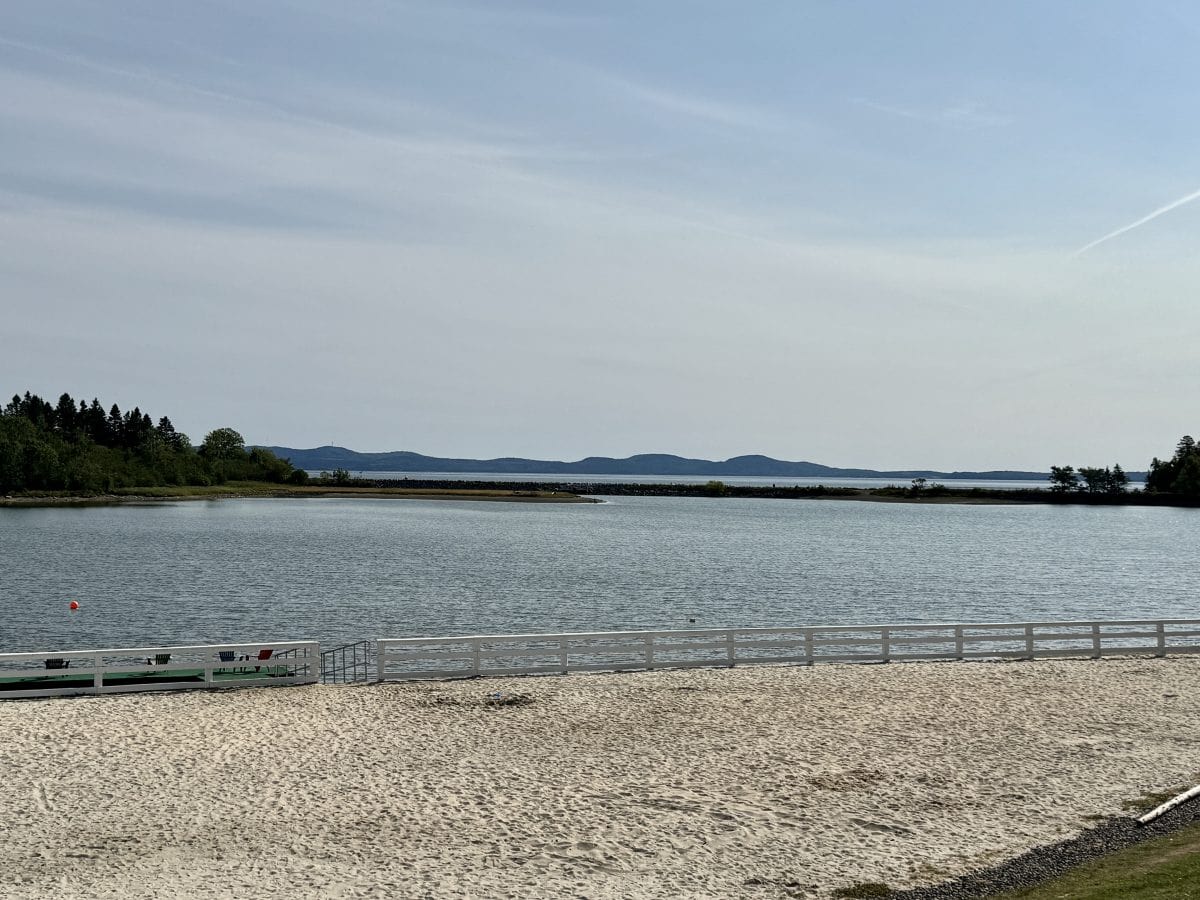
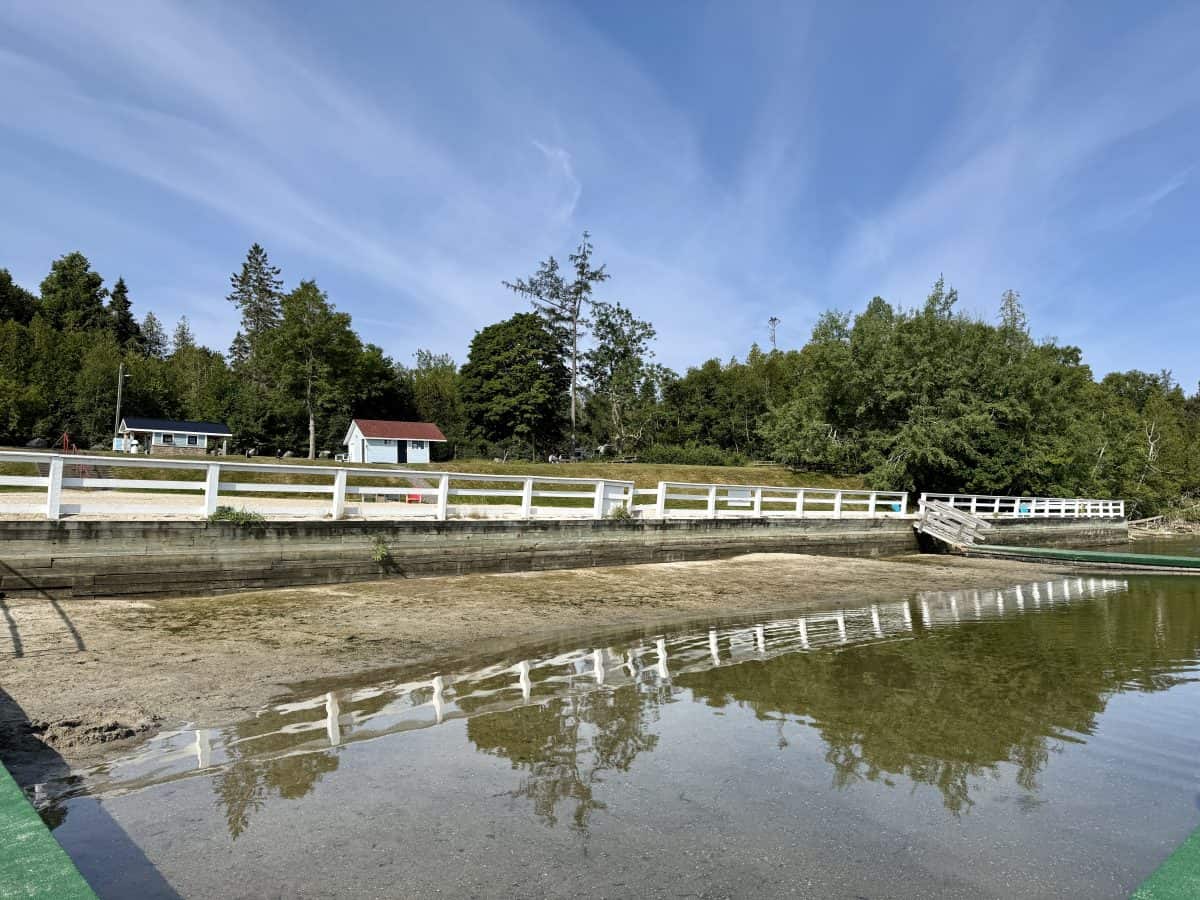
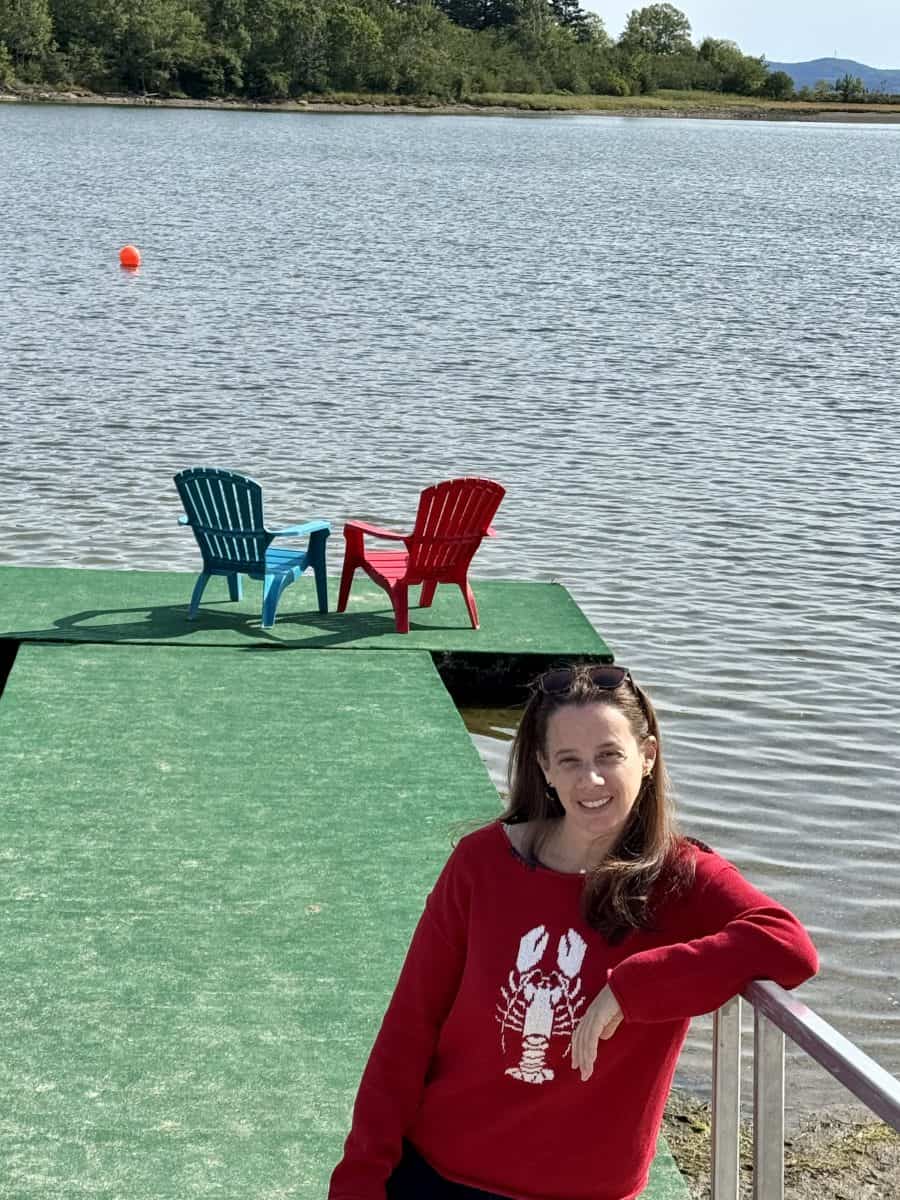
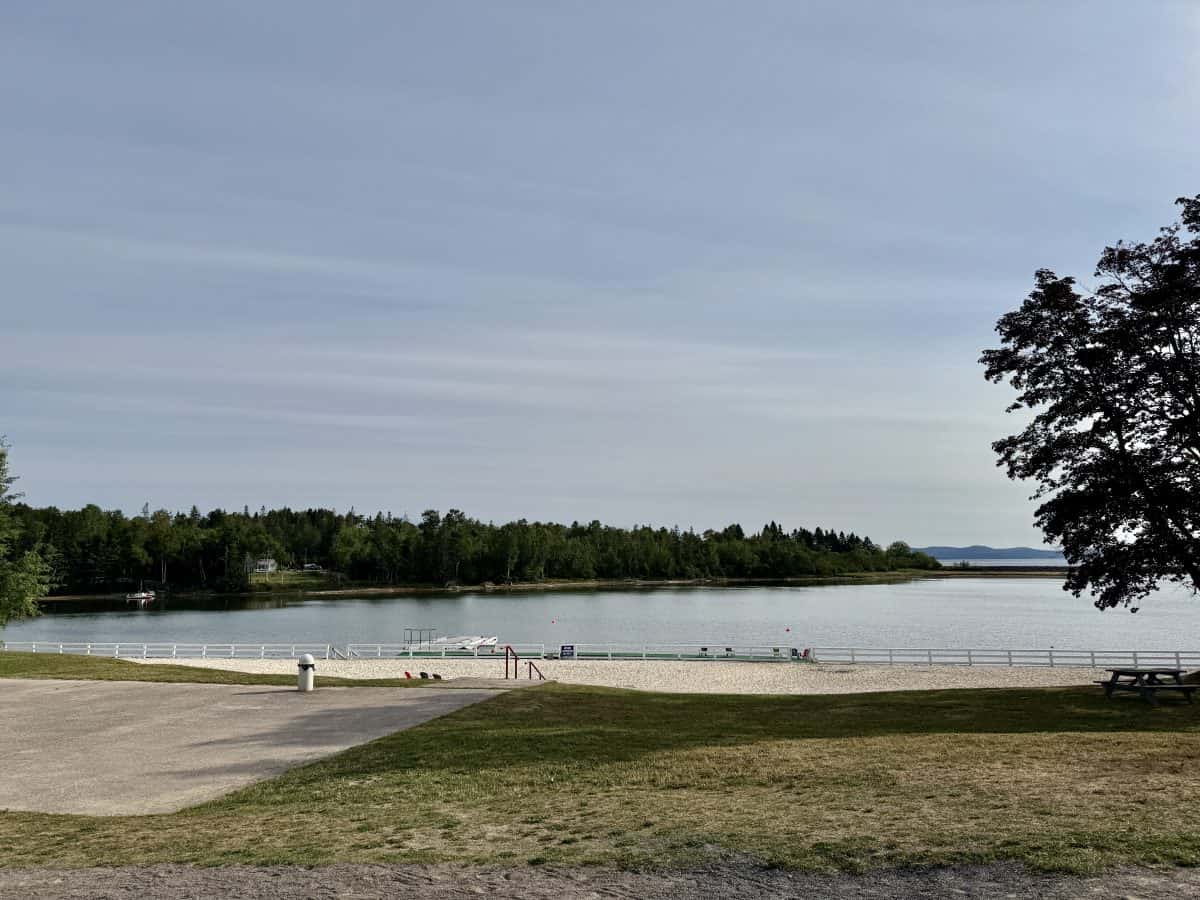
- Splash in the cool waters of Passamaquoddy Bay at Katy’s Cove Beach: What was once a paid amenity for guests of the Algonquin Resort, the beach is now free and open to the public. The property includes three separate playgrounds and picnic tables on the grassy area in front of the parking lot. The sandy beach is small but is great for younger children; a dock separates a shallow area for wading from the main saltwater bay. There is also an entrance to the popular Van Horne Trail near the parking lot; the trail weaves through the area, including Pagan Point Nature Reserve.
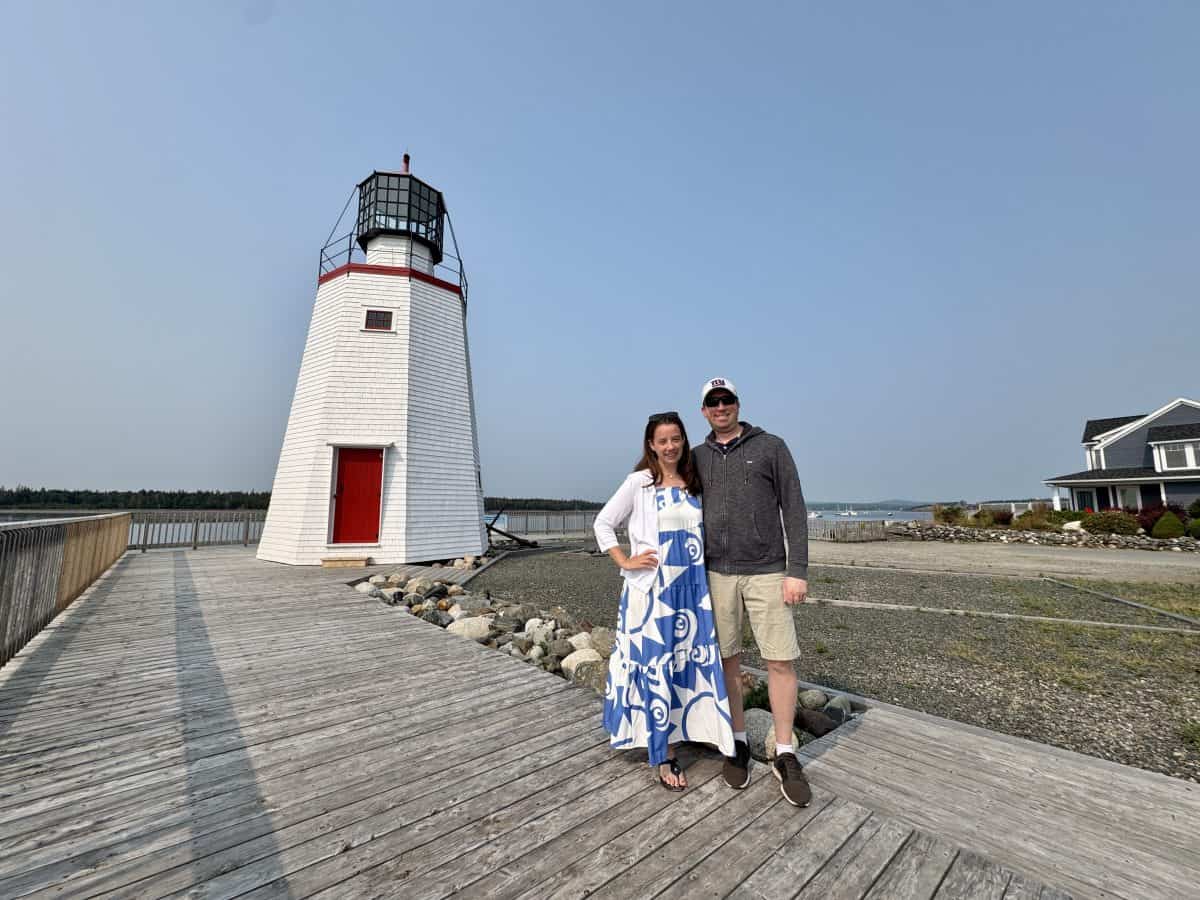
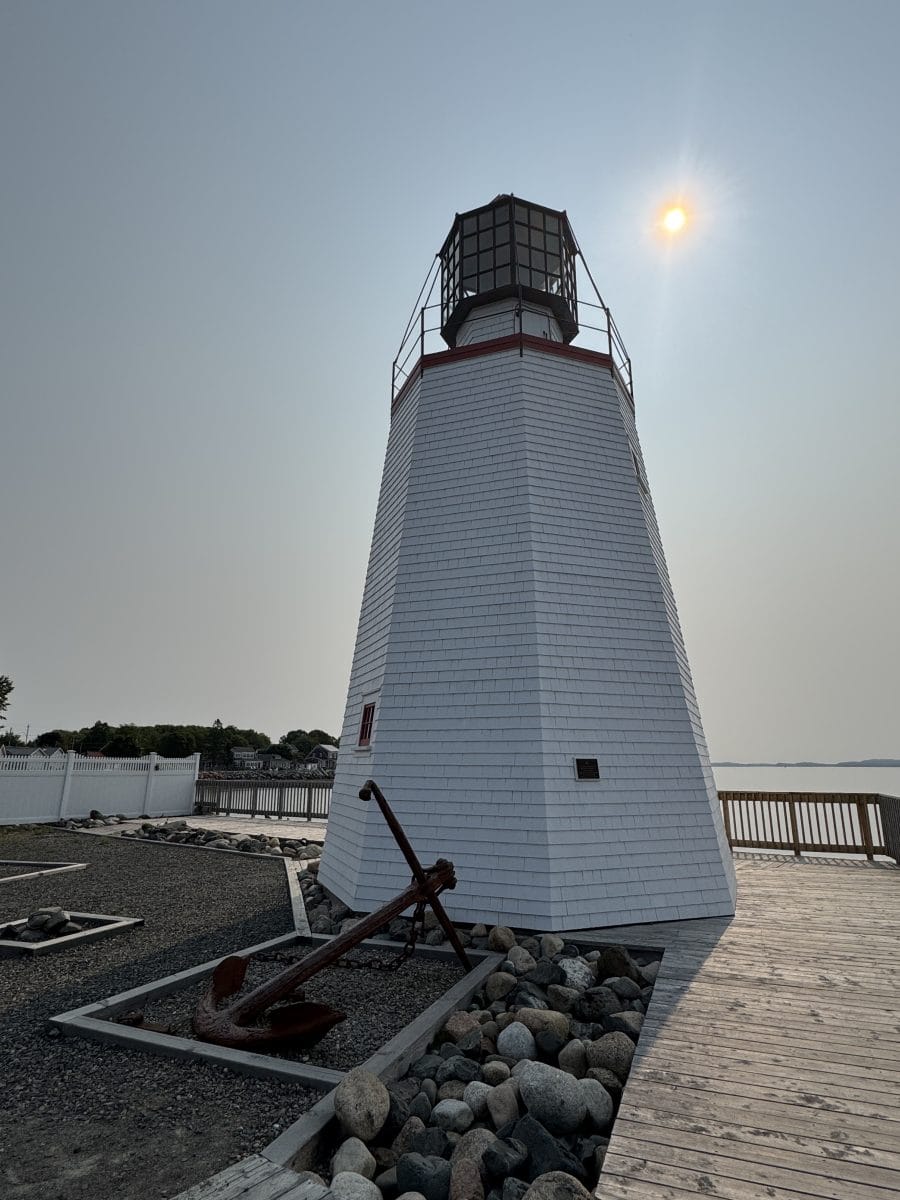
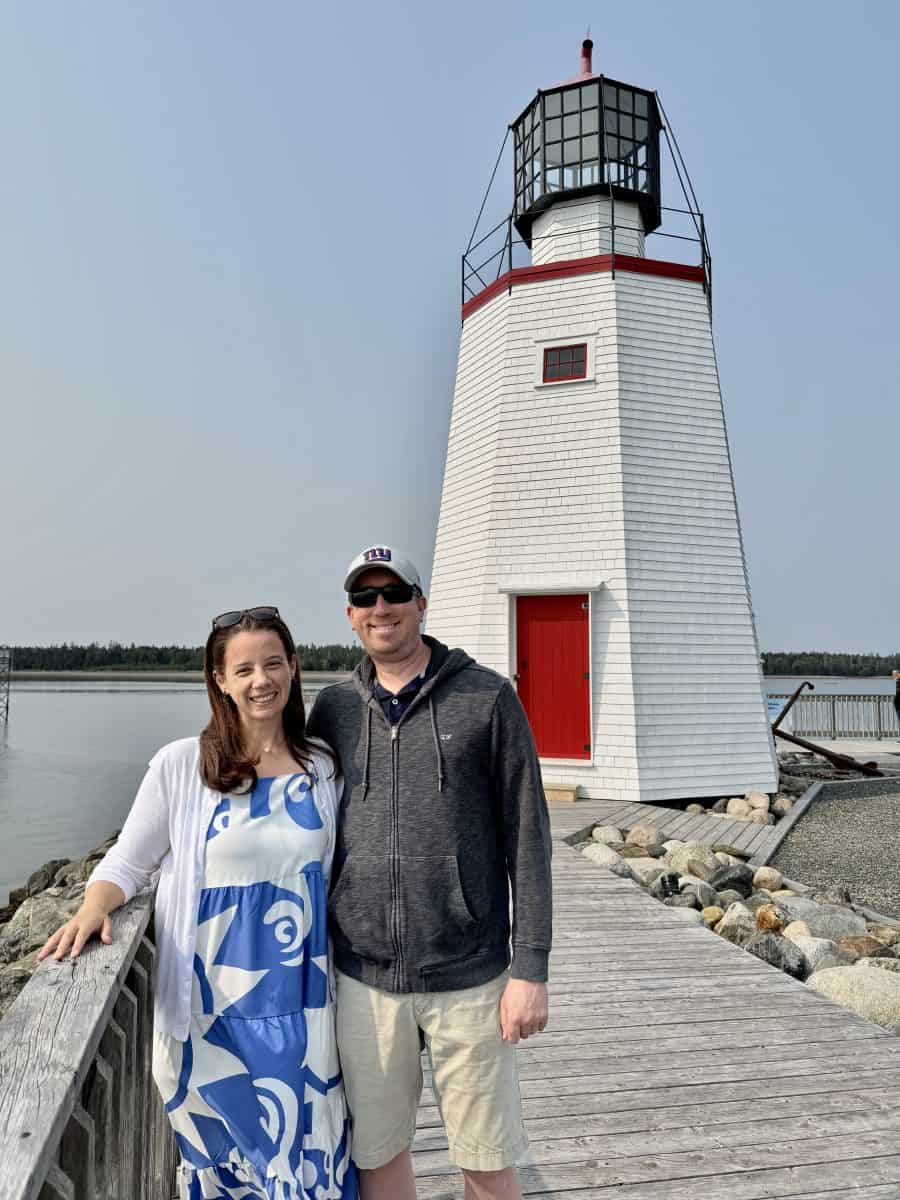
Travel Tips: There is a small parking lot directly in front of the beach; it’s also an easy 10 minute walk from popular Water Street and the Algonquin Resort; washrooms available; no dining options. - Check out the Pendlebury Lighthouse, the oldest mainland lighthouse in New Brunswick. Built in 1833 and named after the family that kept up the lighthouse for 100 years, Pendlebury Lighthouse is located in a small park, donated by the town for public use, at the end of Patrick Street. The small park offers beautiful views of the bay and has access to a small rocky beach. Other popular lighthouses in the area include St. Stephen Lighthouse (about 20 minutes away), and Green’s Point Lighthouse, Pea Point Lighthouse and Bliss Island Lighthouse (about 35 minutes away). See a good index of lighthouses here.
Travel Tips: No facilities on site; small parking area for a few cars at the end of Patrick Street.

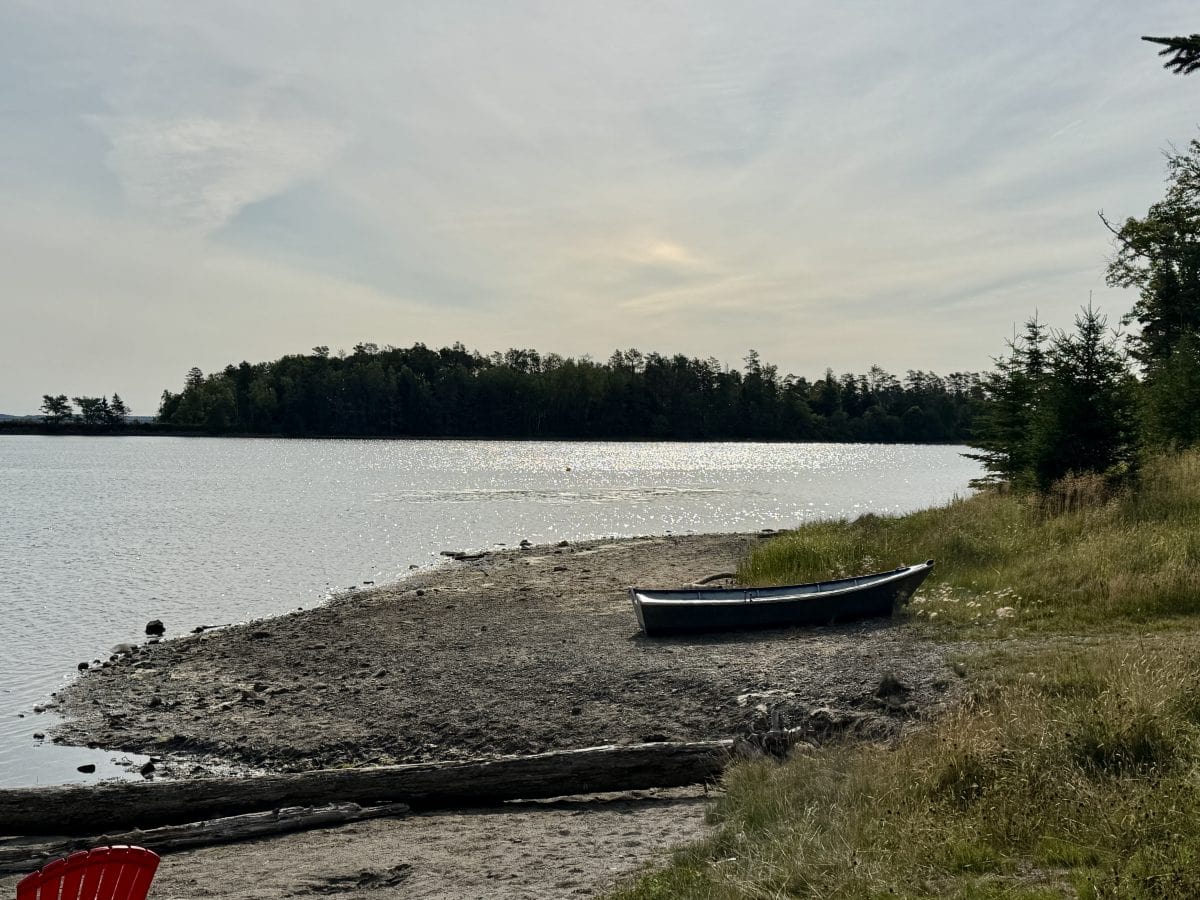
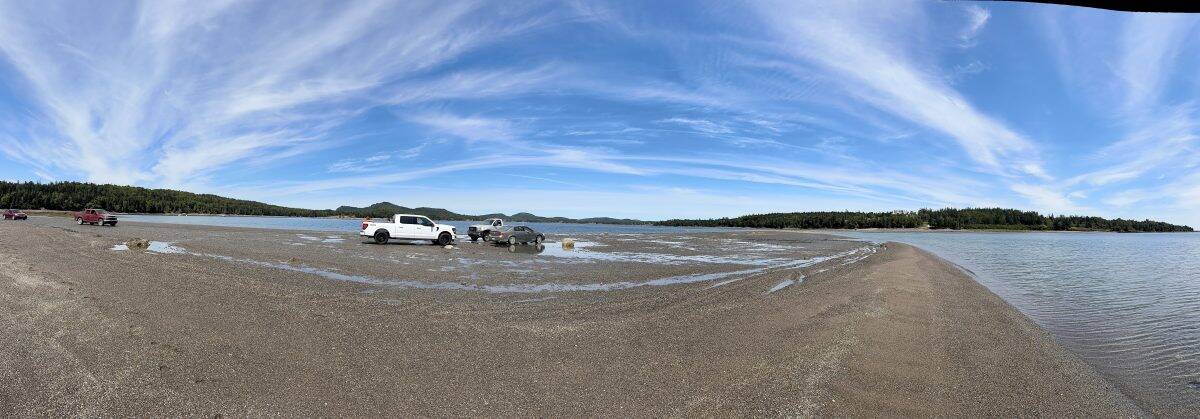
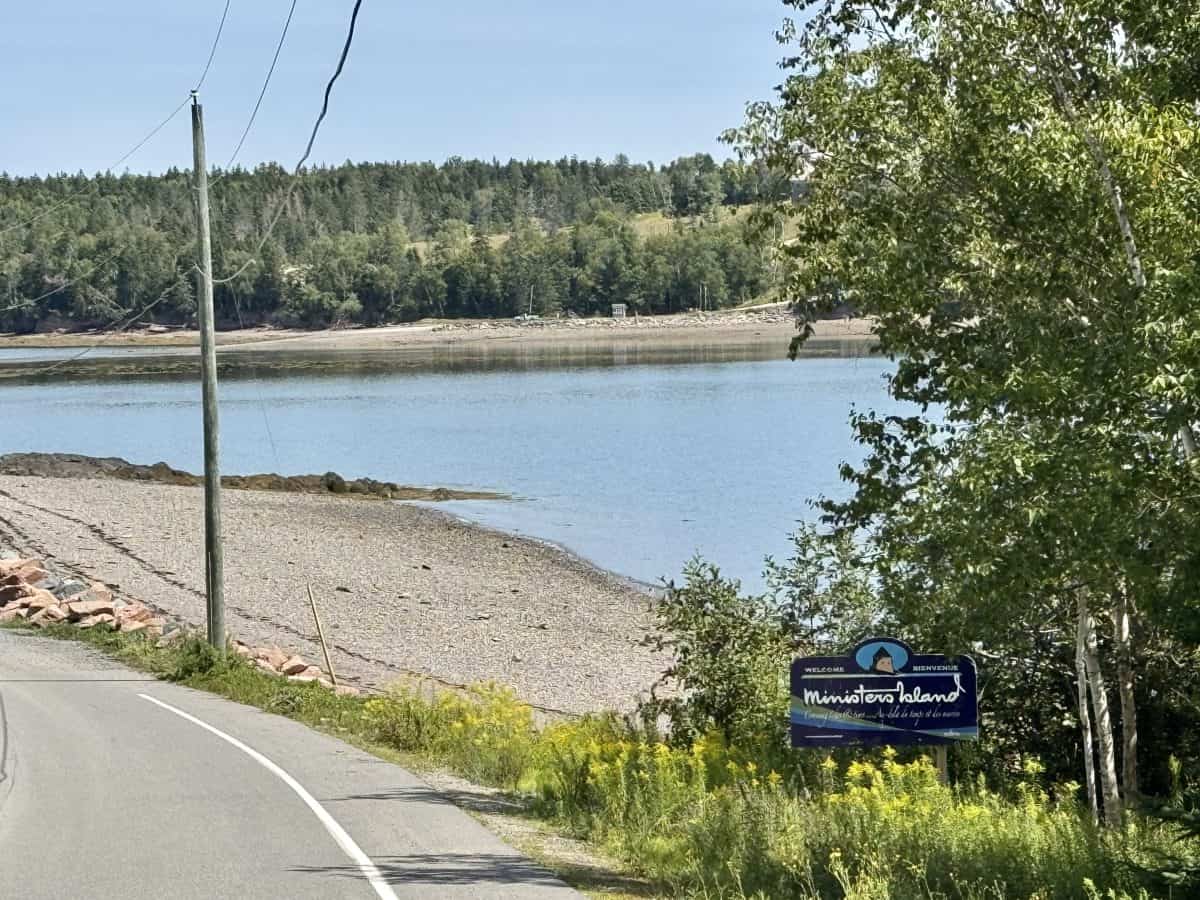
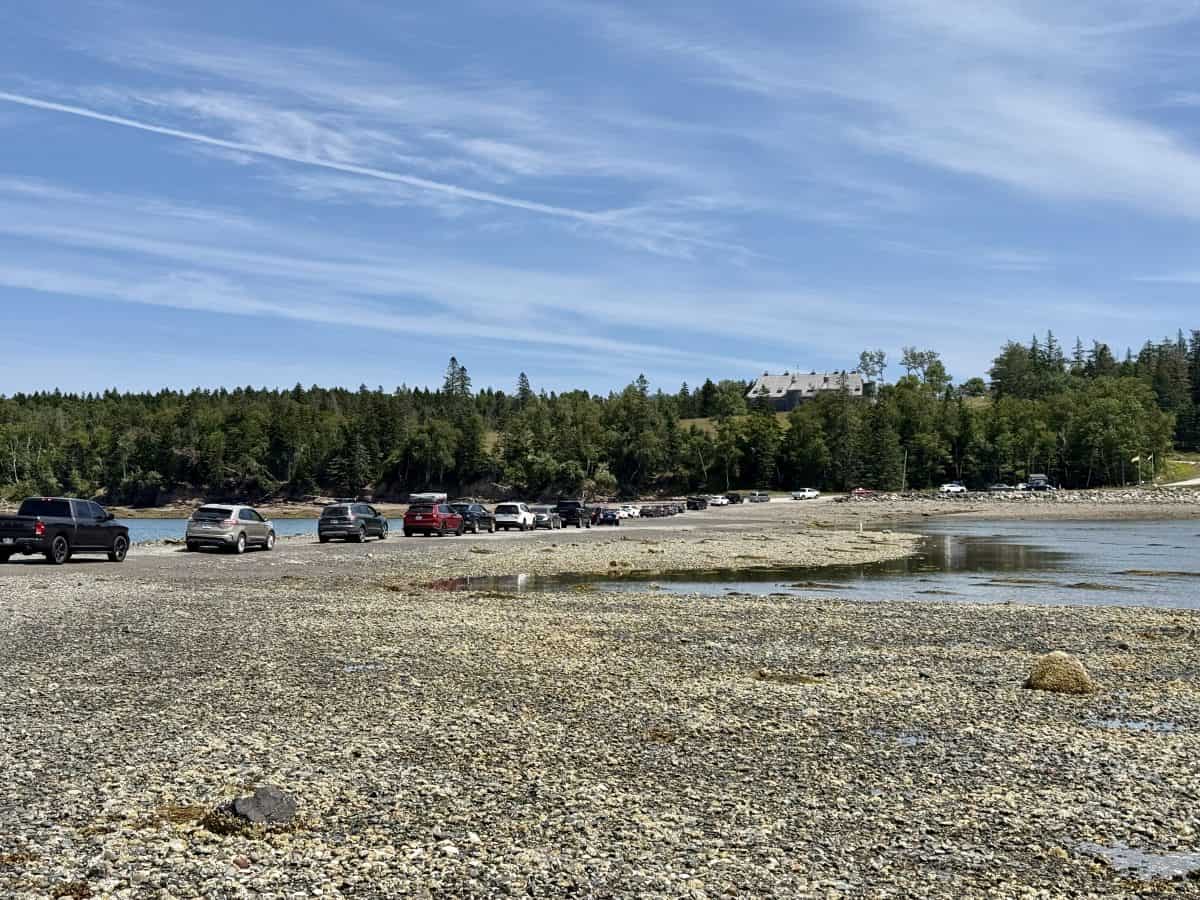
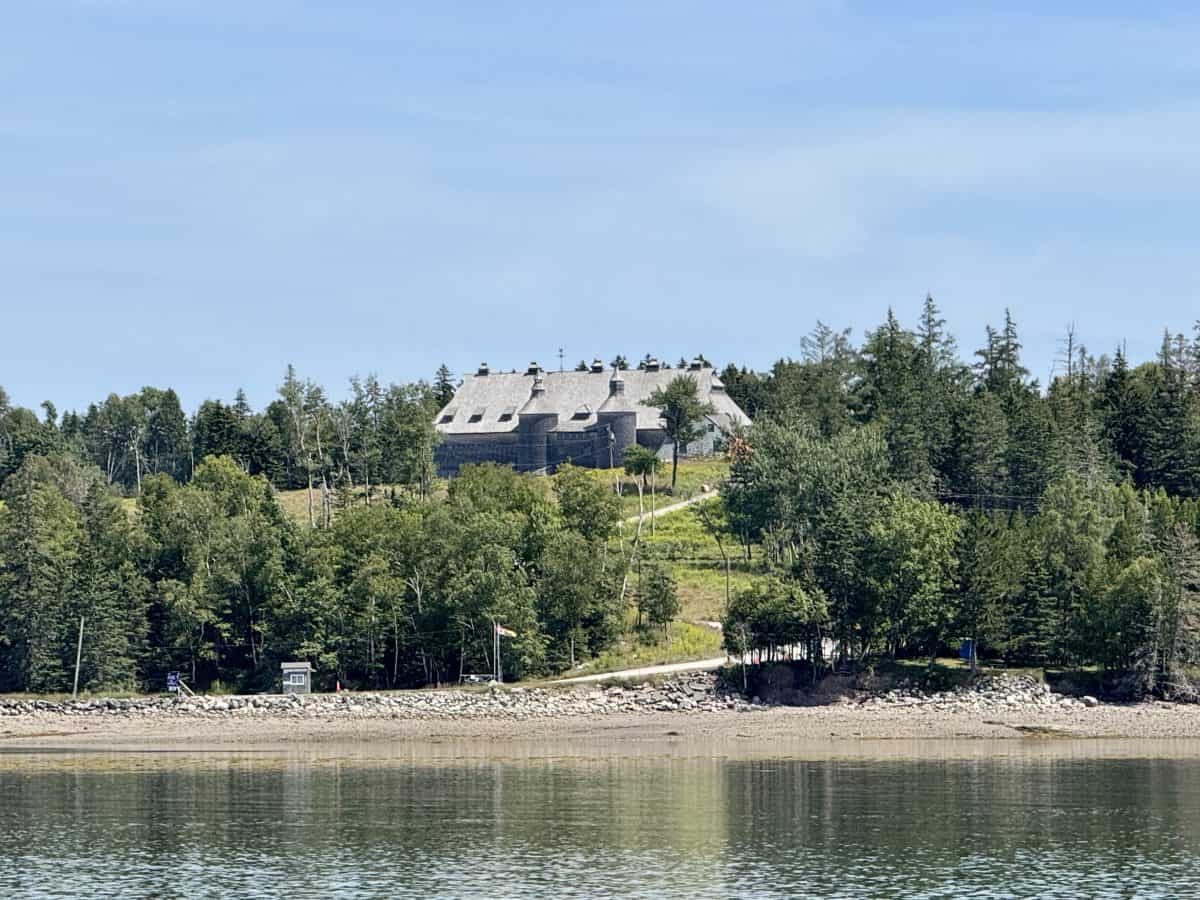
- Walk across the ocean floor of Passamaquoddy Bay to Minister’s Island. For two hours on either end of peak low tide, visitors can walk, hike, or drive their car over the ocean floor to the 500 acre island. At high tide, the path is under 14 feet of cold saltwater. While on the island, tour the Van Horne Estate (a 50 room mansion), three story barn, and bathhouse that overlooks the water); walk or hike 12 miles of trails; or picnic overlooking the water.
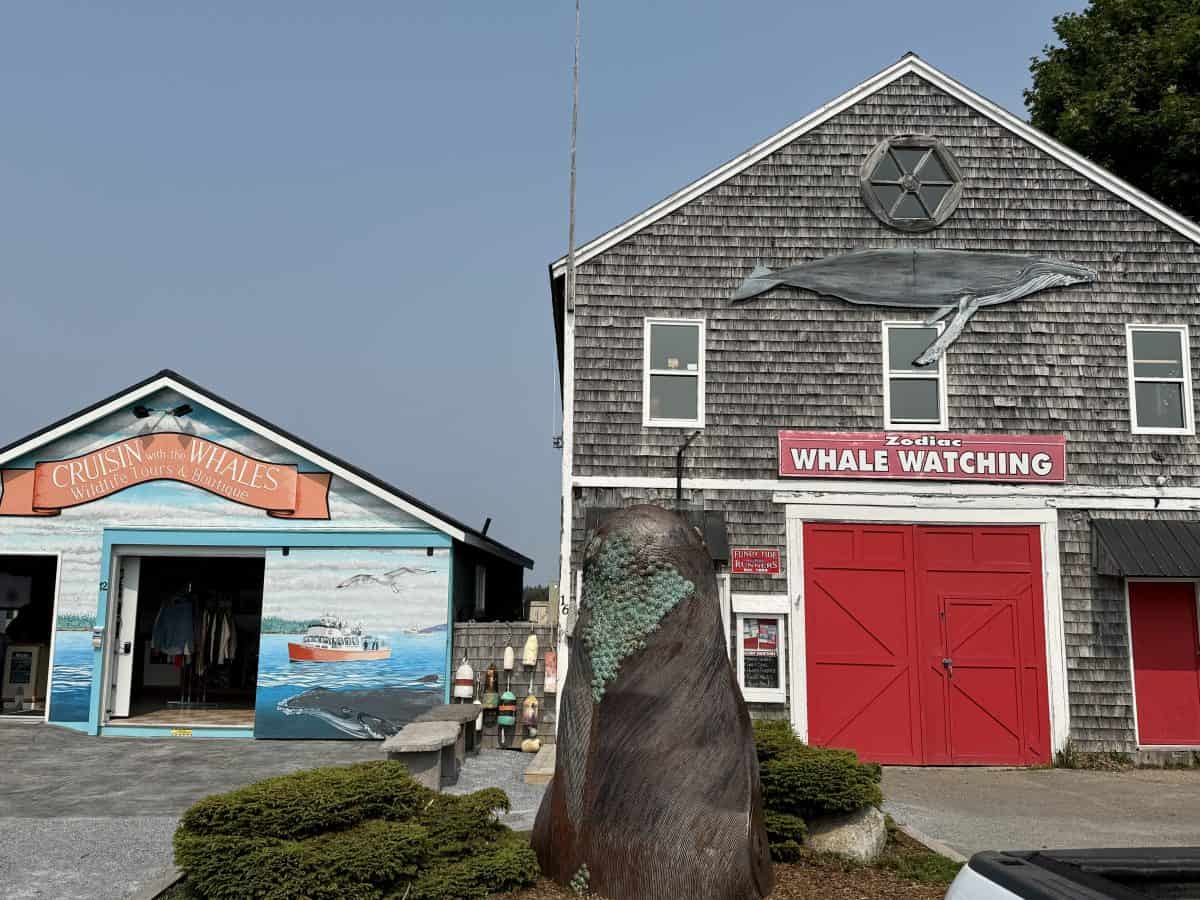
Travel Tips: The island is only accessible during low tide via Bar Road- check the timetable here; cars start to line up about 20-30 minutes before the path opens; visitors must pay a fee once on island; washrooms are located in the mansion and porta potties available throughout the island; there is a food truck available on island Monday through Saturday; Sunday Island concerts are especially popular; plan on spending a few hours once on island to tour the mansion and buildings and check out some of the beautiful views from the hiking trails. - See whales up close on a whale watch: While we didn’t personally have the chance to go on a whale watch, we’ve heard they are one of the most popular activities in the area. Jolly Breeze Whale Adventures, Cruisin with the Whales, and Quoddy Link Marine offer tall ship and speed boat cruises out on the Bay of Fundy throughout peak summer months, with a variety of half day and full day excursions.
Looking for other adventures in Canada? See our guides to Old Québec and Banff. And follow along on our adventures on Instagram, Facebook, and Pinterest.