
10 Things to Do at theAfrican Burial Ground National Monument in New York City
The African Burial Ground National Monument, located in Lower Manhattan (New York City) honors the millions of enslaved men, women, and children who made up more than a quarter of New York’s labor force in the 17th and 18th centuries. In the early 17th century, Dutch settlers, who founded “New Amsterdam”, brought slave laborers to (what would become) Lower Manhattan, where they were forced to work clearing farmland and building the city, and fulfilling domestic jobs in the homes; even children, as soon as they could walk, were forced to work.
Because British law prevented African burials in public cemeteries in New York City, Africans and their descendants had to bury their family members outside of the official city limits, in an area that is now the African Burial Ground National Monument, located near Wall Street, which literally was named for the wall that separates the urban areas from the suburban areas. In 1795, those burial grounds were closed and the land was sold as New York City began to develop.

At one point, the area became a landfill and the legacies of the 15,000 men, women, and children who were buried there were forgotten until the 1991 construction of an office building led to the discovery of the remains of over 400 enslaved men, women, and children. Construction was stopped and the site was preserved through an excavation that took over 20 years, uncovering a six acre burial site. A traditional African reburial was held in 2003 for all 419 lives, followed by the establishment of the African Burial Ground National Monument. The Memorial opened in 2007 followed by the Visitor Center opening in 2010. Today, the site, outdoor memorial and monument, Visitor Center, and museum exhibits are overseen by the National Park Service and open to the public year round.

Travel Tips:
- The Visitor Center is open Tuesday through Saturday from 10am-4pm except Christmas Day and Thanksgiving Day, and the memorial is open from Tuesday through Saturday from April through October and weather permitting in the winter; both areas are free to visit.
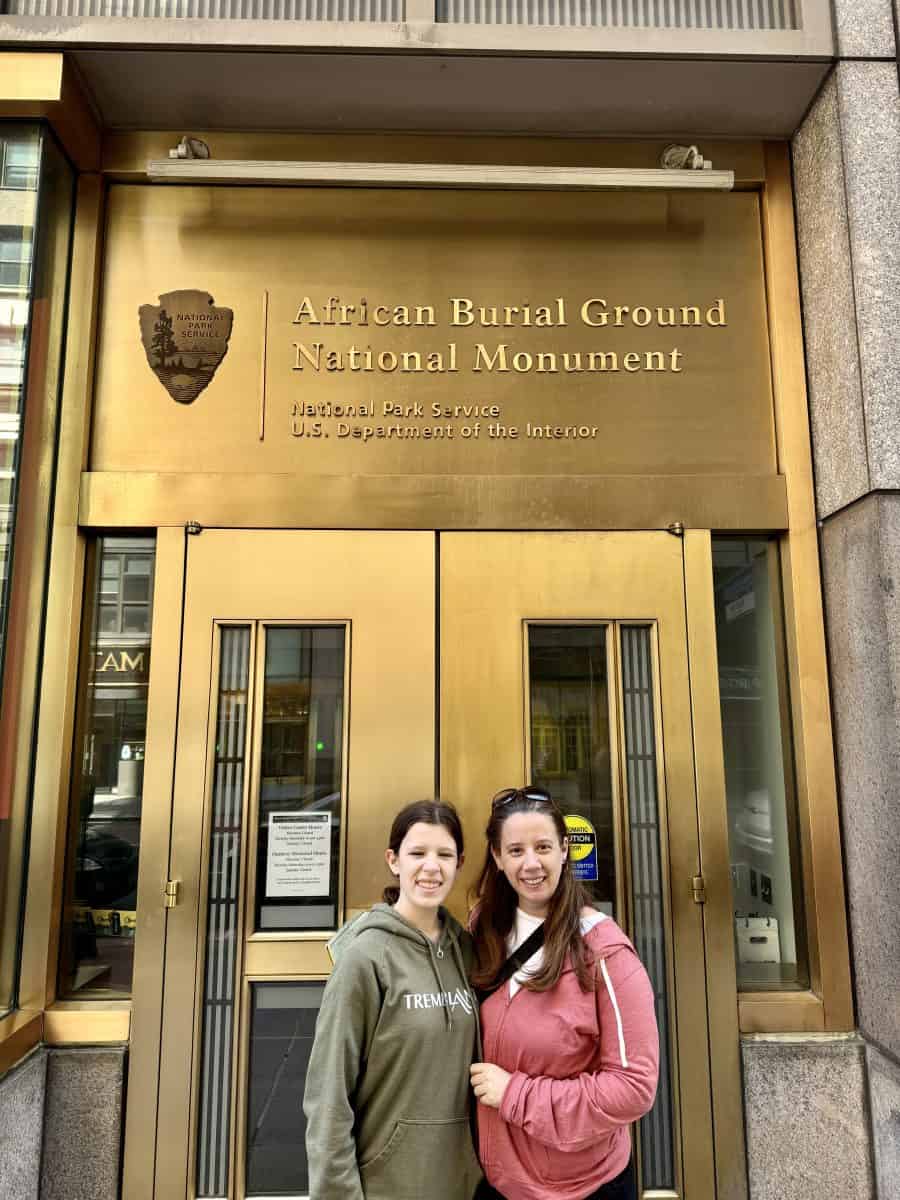
- Visitors must pass through security to enter the Visitor Center, located at 290 Broadway in the Ted Weiss Federal Building.
- Restrooms and a small gift shop are located past security check in the Visitor Center.
- Information on nearby parking and public transportation here.
- No dining facilities on site; check here and here and here for indexes of nearby restaurants.
- The grounds offer many programs and events; check here for the calendar and up to date information.
- Be sure kids grab a Junior Ranger booklet to earn prizes and get your Passport Stamps.
- Plan on 90 minutes to see all exhibits and outdoor memorials and watch the video. Note: Check here for updates as to what is open at the outdoor exhibits. As of late summer 2024, the Ancestral Chamber is closed due to safety concerns.
10 Things to Do at the Museum and Monument:
Would you like to save this?
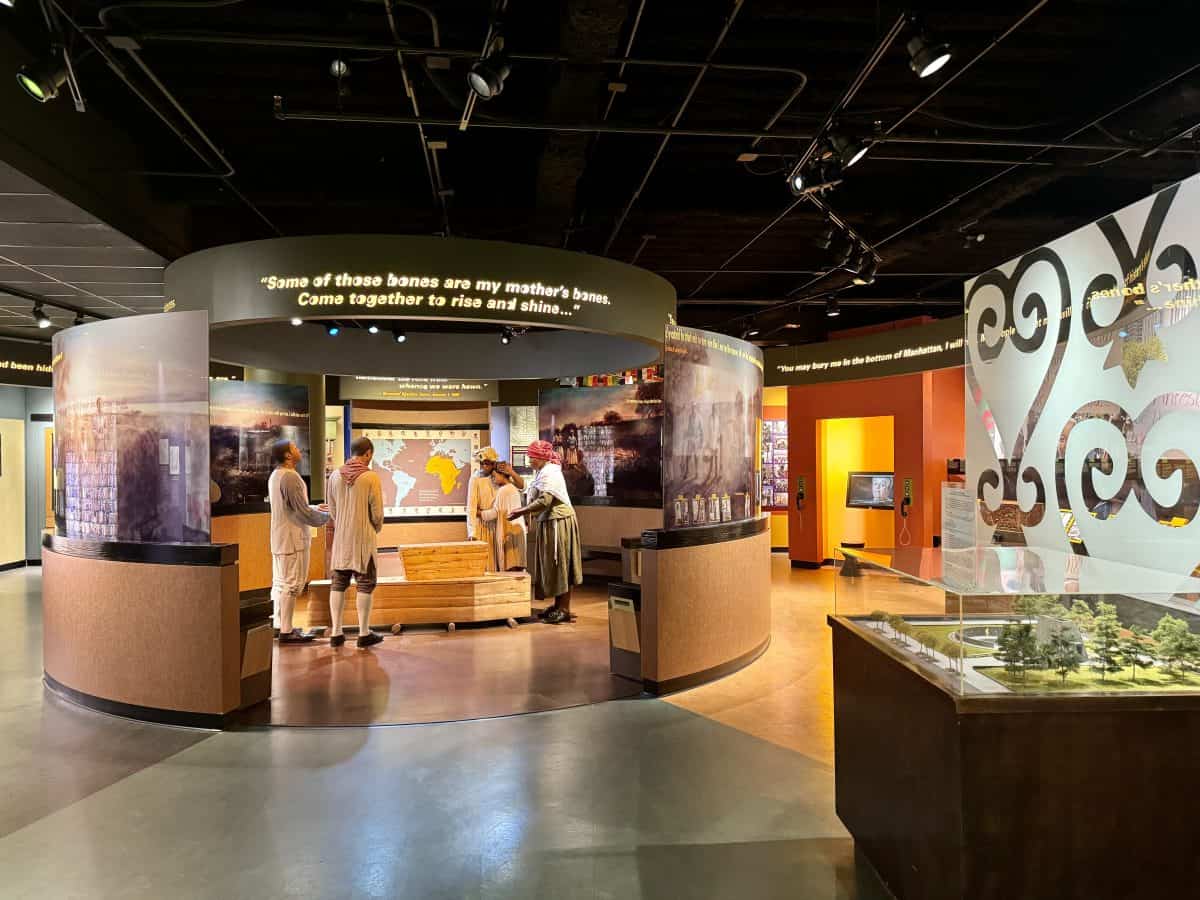
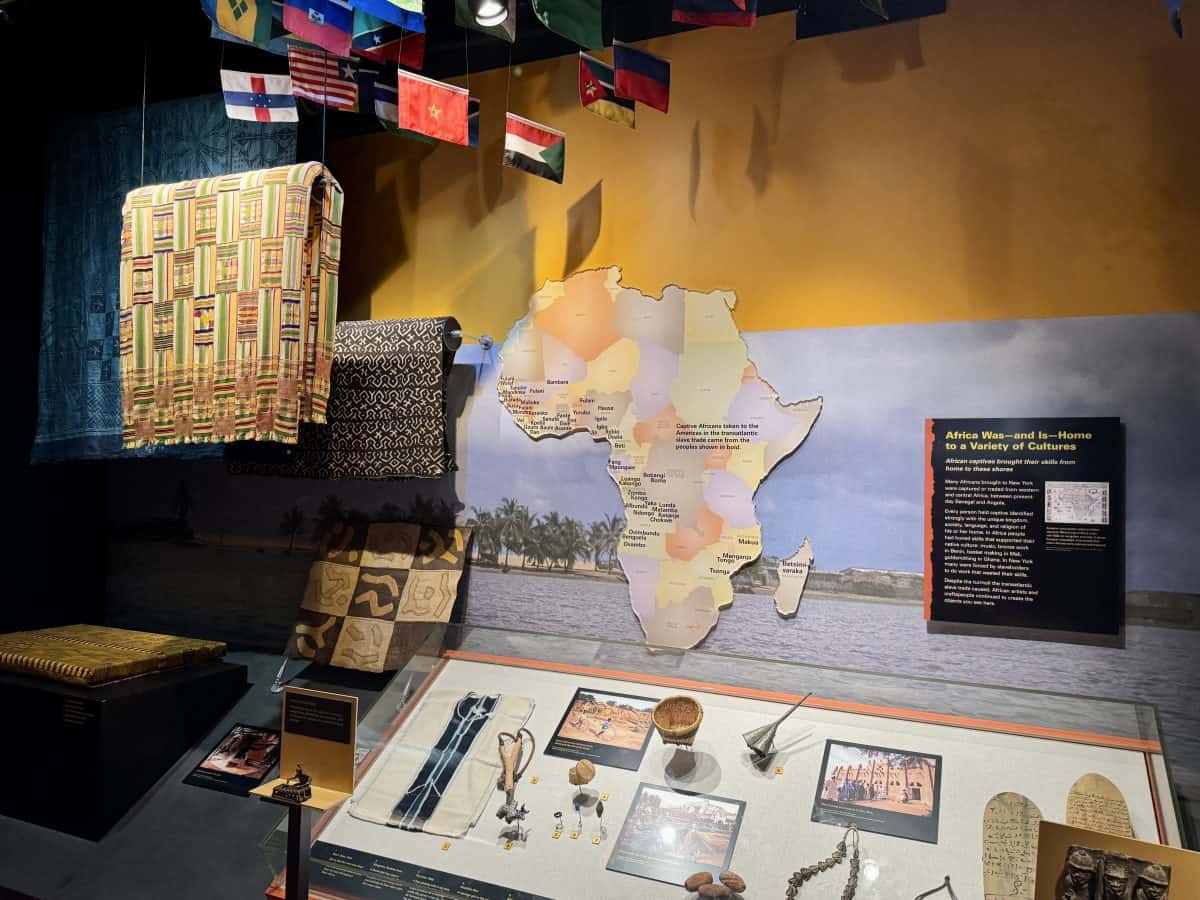
- Begin by watching the 20 minute introductory film “Our Time at Last” in the Visitor Center, which provides good contextual background to the grounds.
- Pull out drawers in the indoor exhibit to see artifacts of personal belongings of those buried on site, including buttons, cufflinks, and pins.
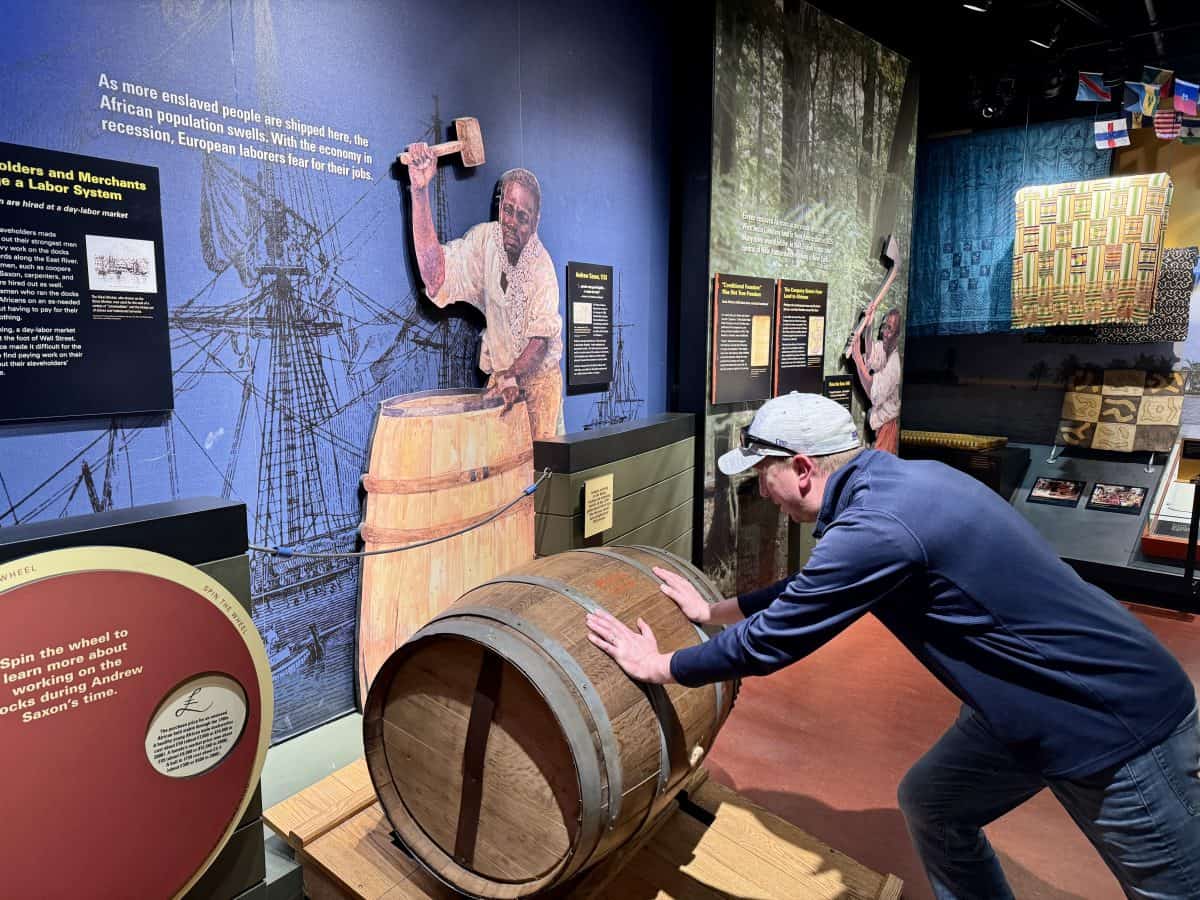
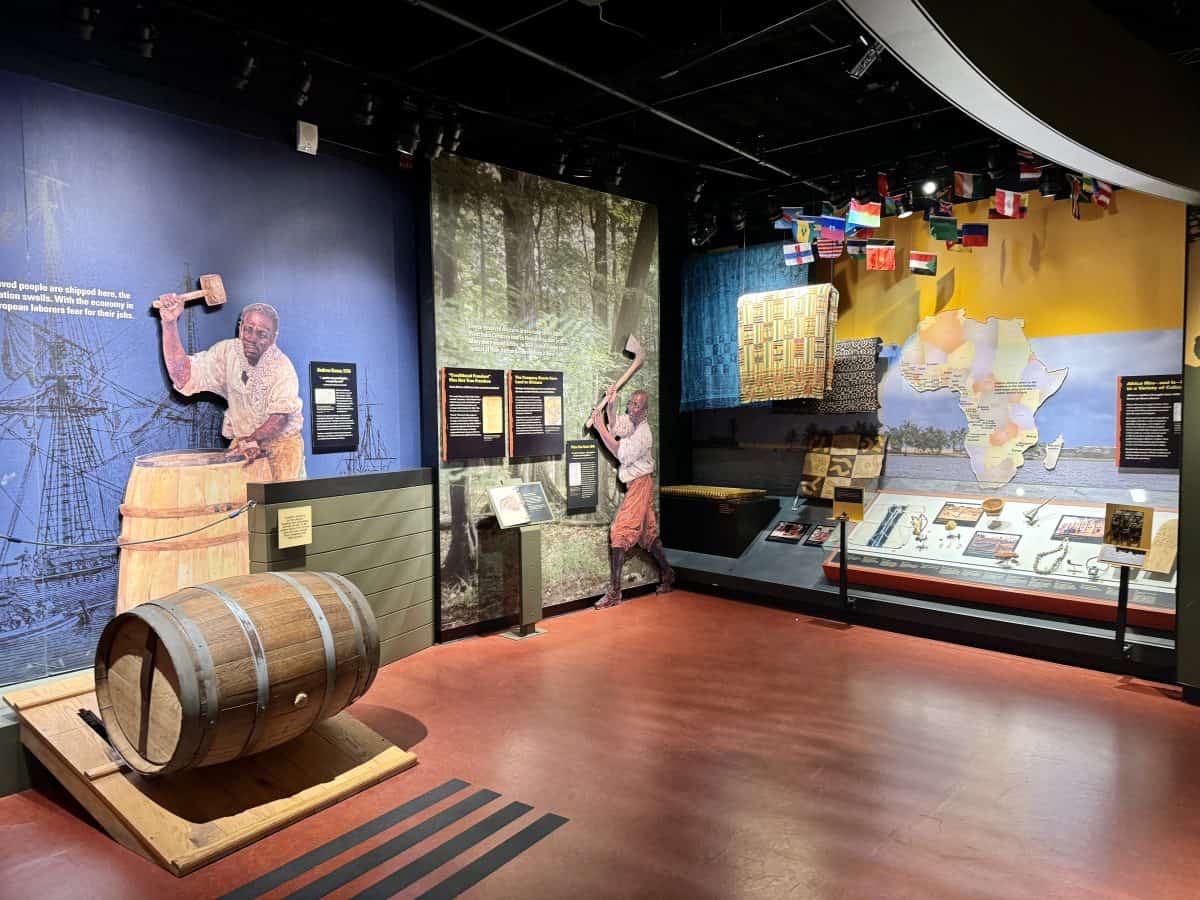
- Push the 50 pound barrel to get a feel of what it was like to work on the docks, and read about the physical labor and work of enslaved children.
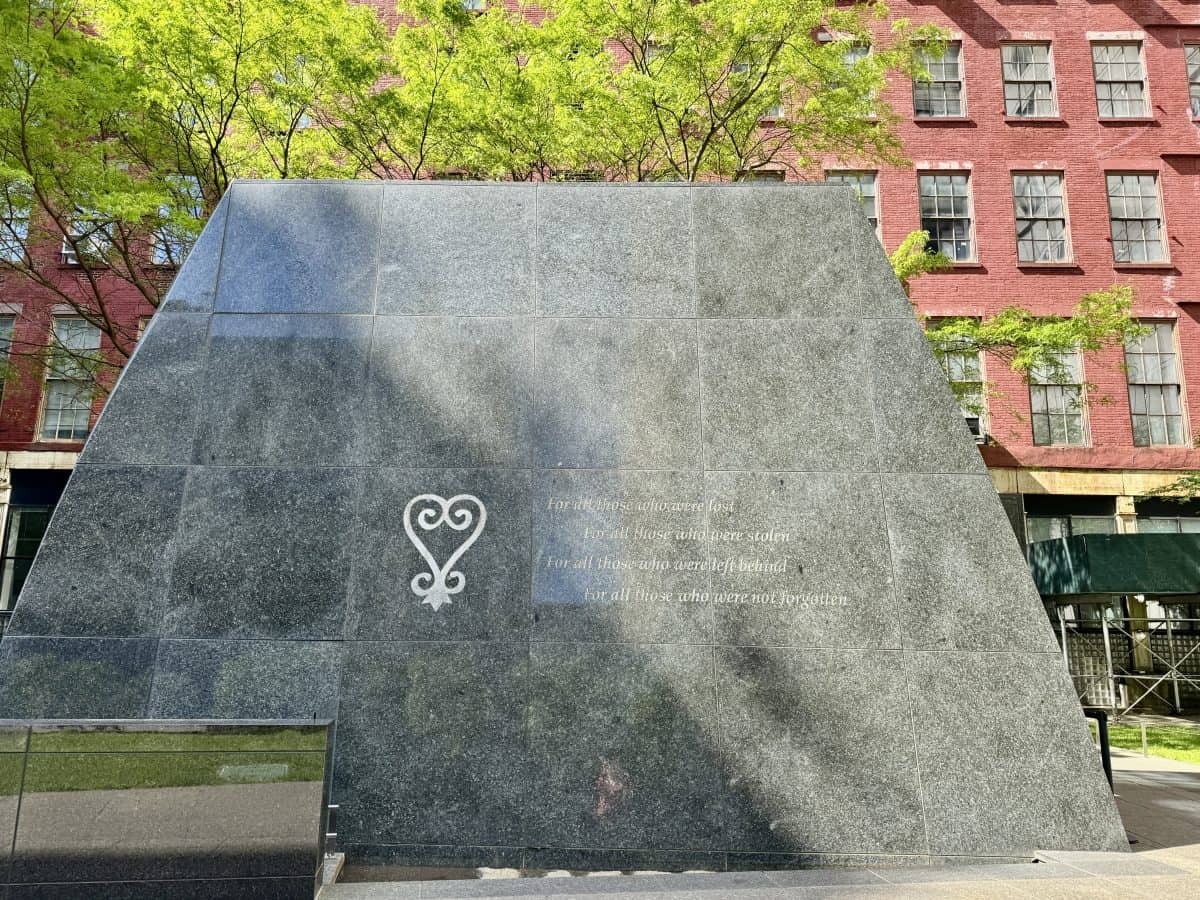
- Find the Sankofa heart shaped symbol, which means “learn from the past and prepare for the future” displayed several times throughout the exhibits.
- Follow the timeline from 1989-2010 to learn about the excavation of 290 Broadway and the process of building the Memorial and Visitor Center.
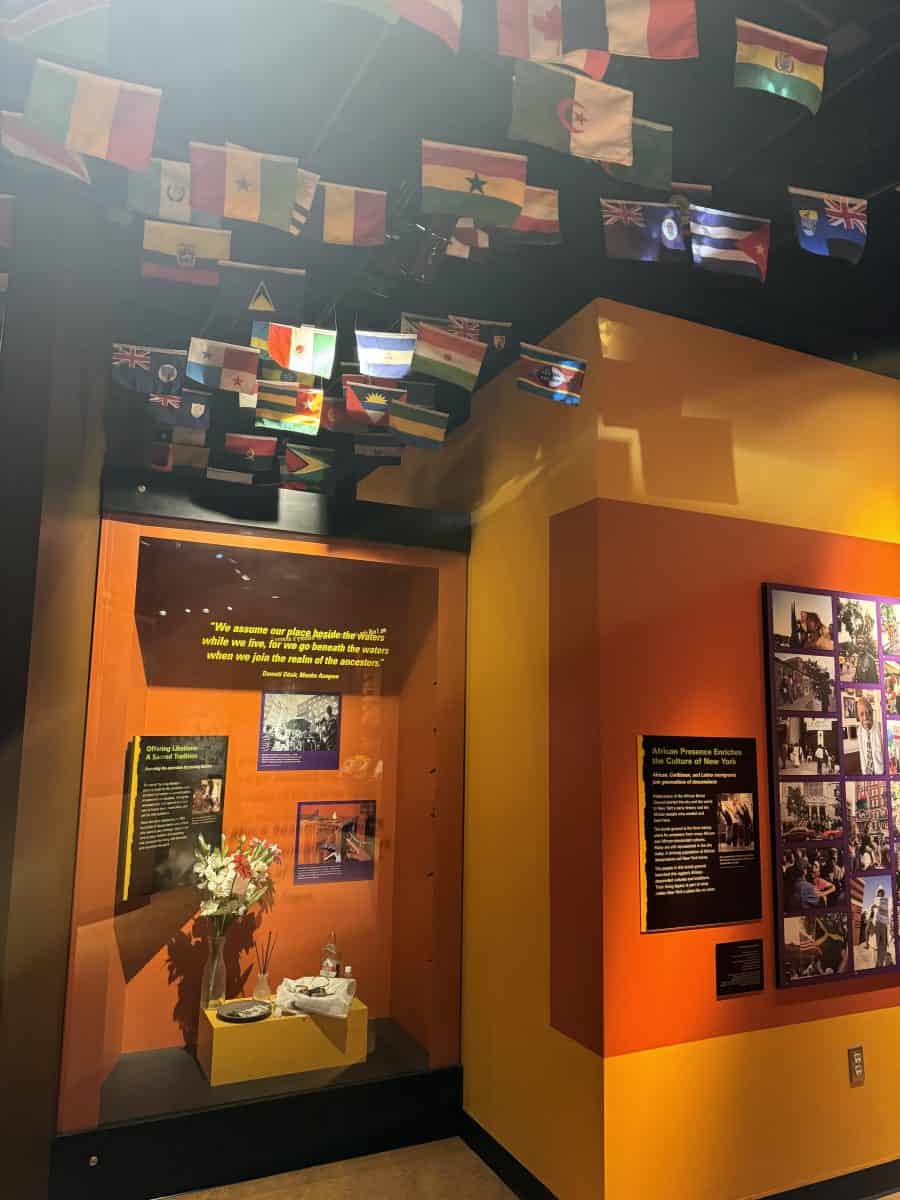

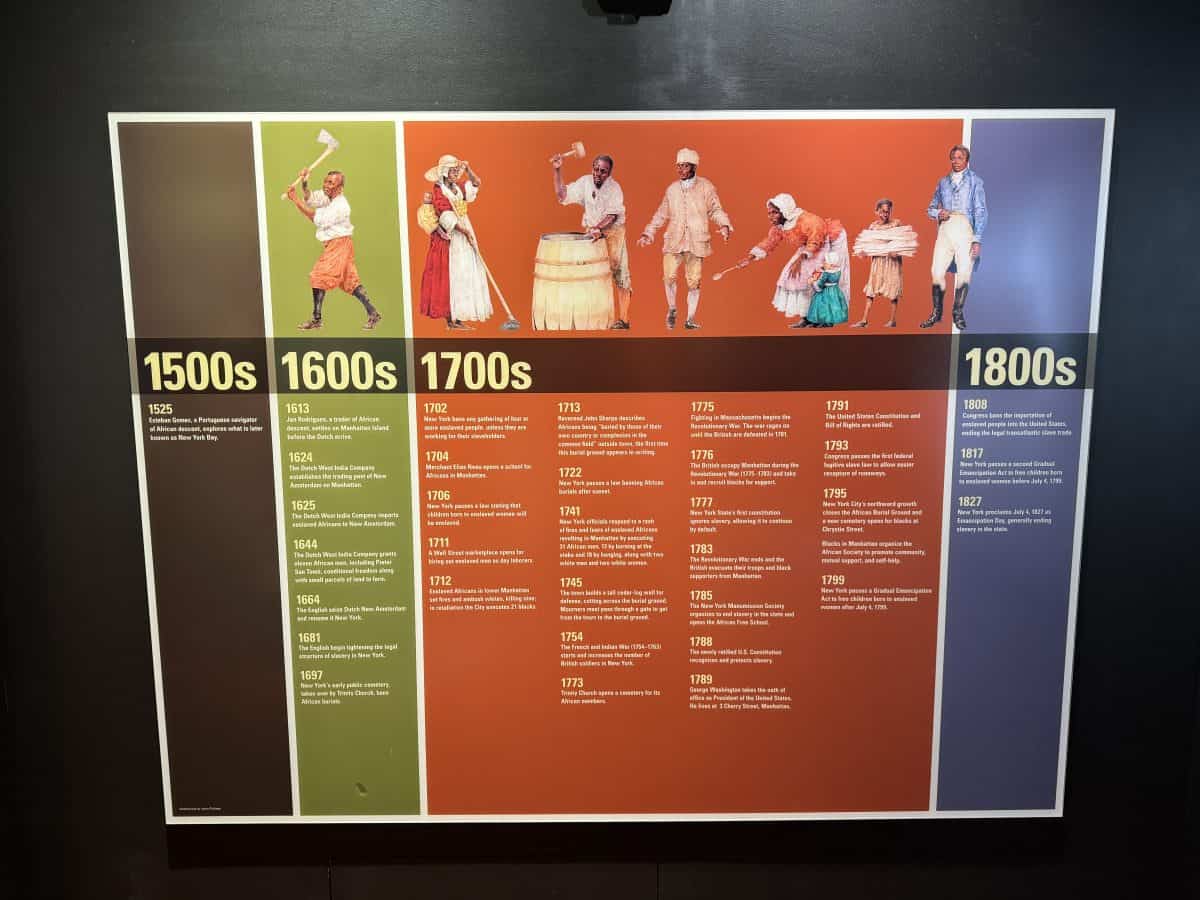
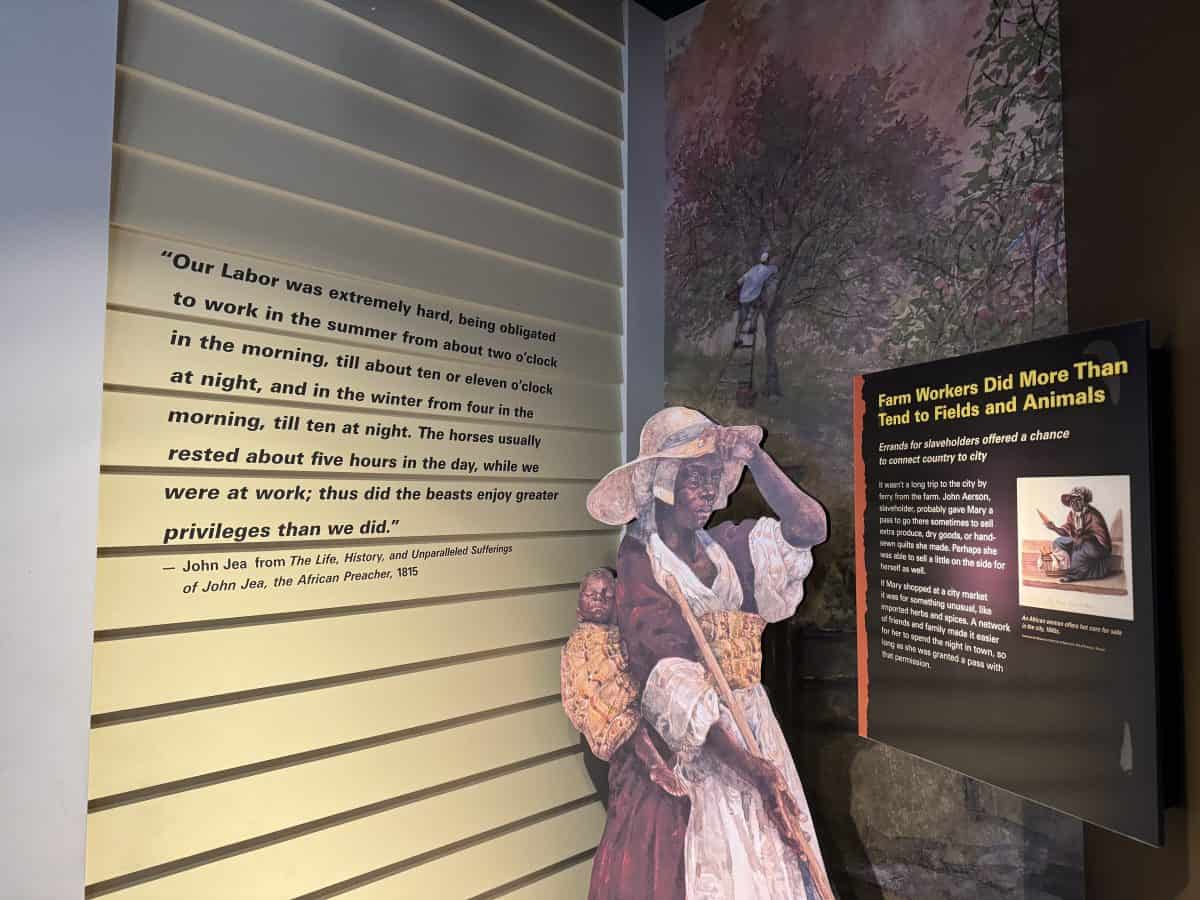
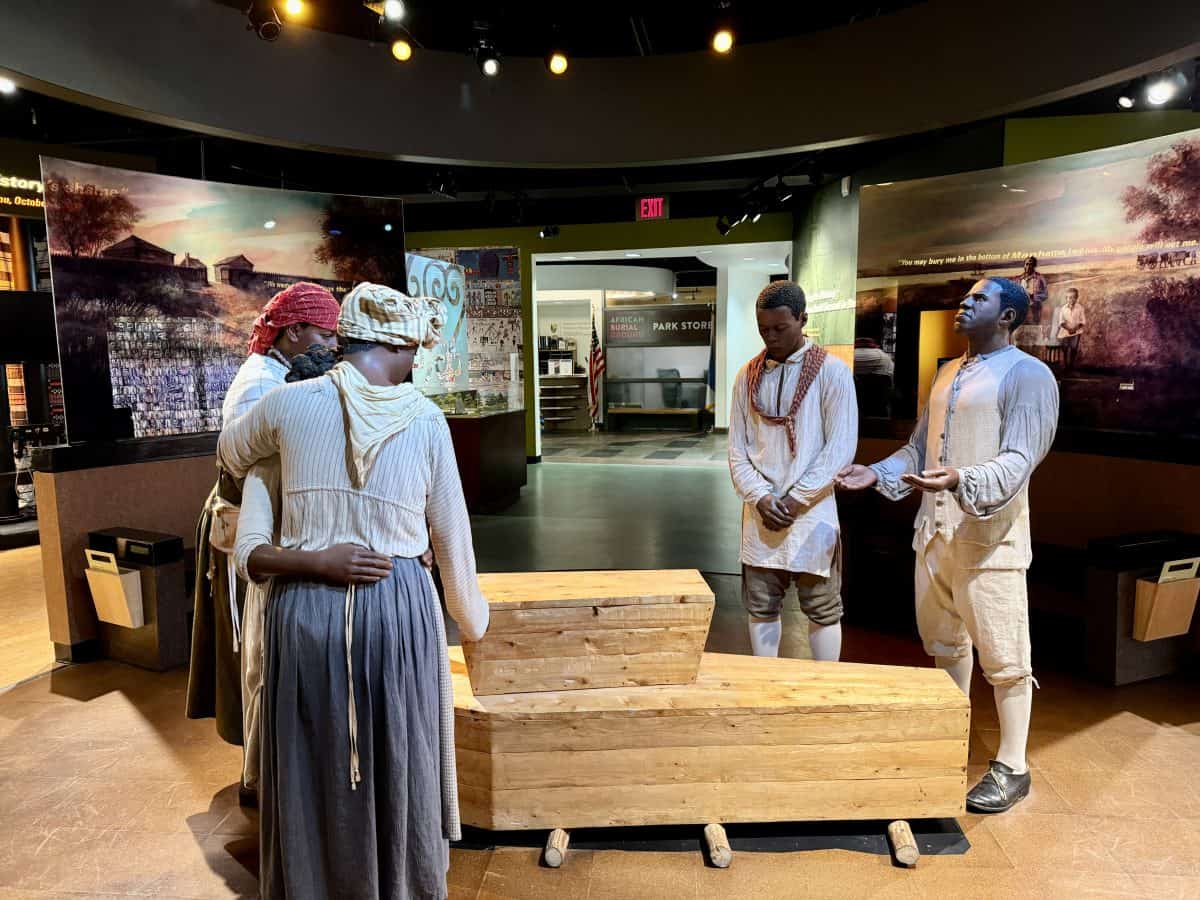
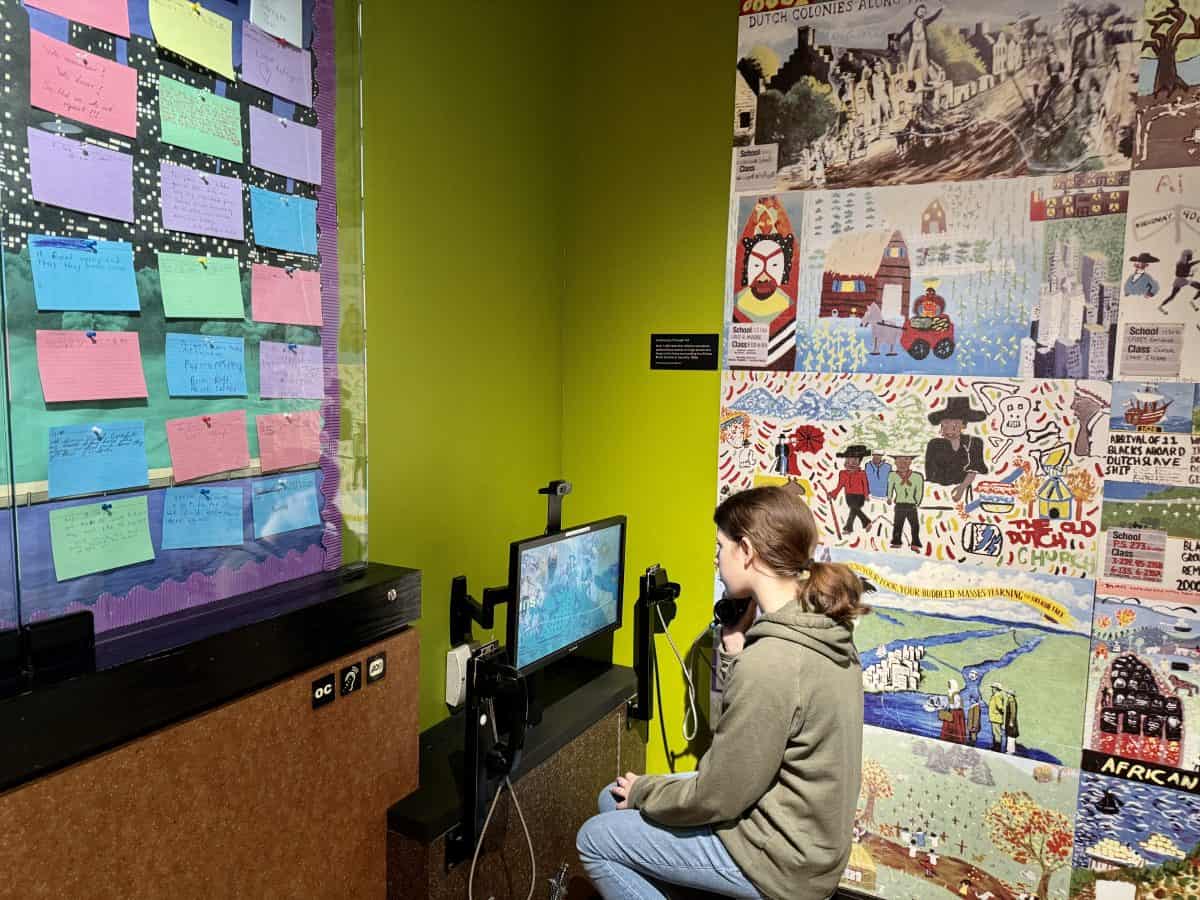
- Record your personal thoughts about the museum, or write a note, to leave a legacy.
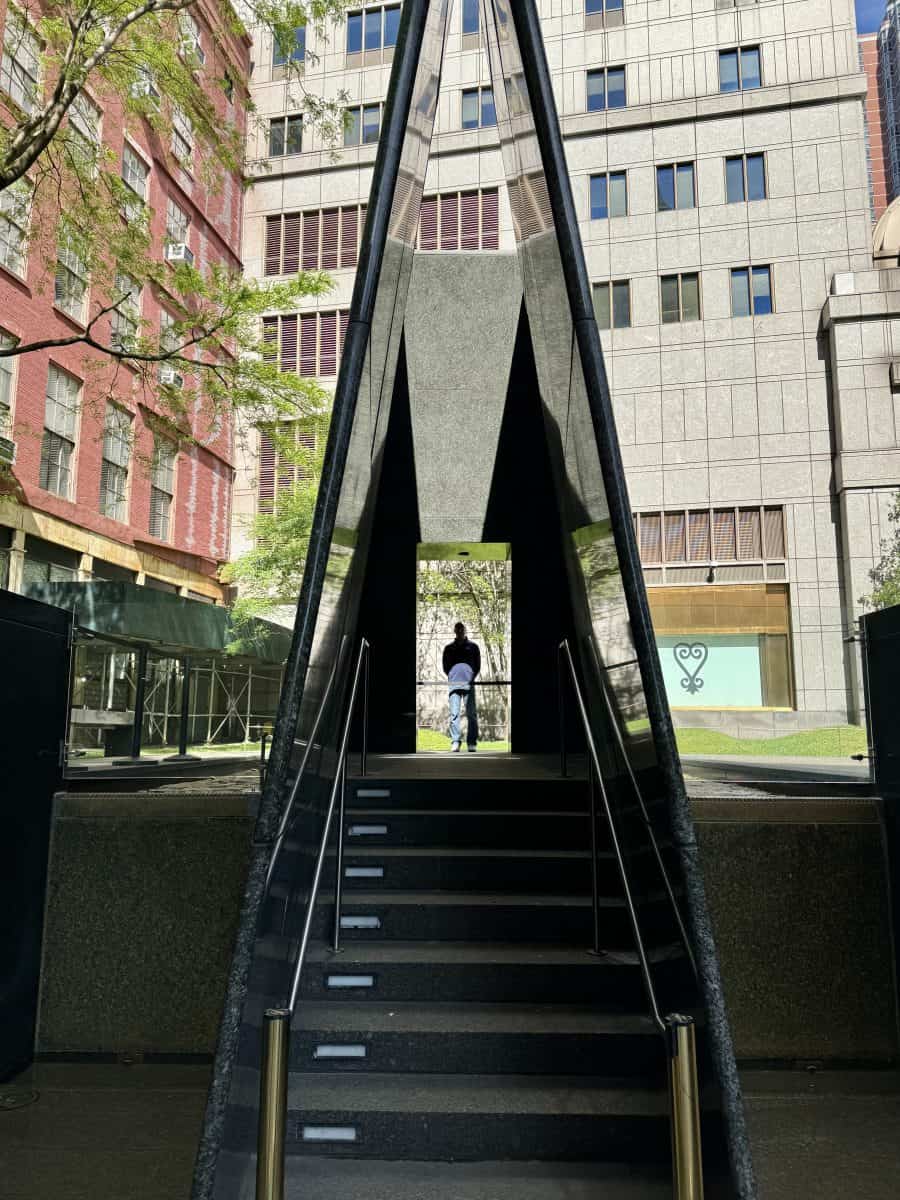
- Read the libation text on the Wall of Remembrance outside: For all those who were lost, for all those who were stolen, for all those who were left behind, for all those who were not forgotten; and along the Memorial Wall, which explains the vastness of the memorial site and the burial ground’s actual size.
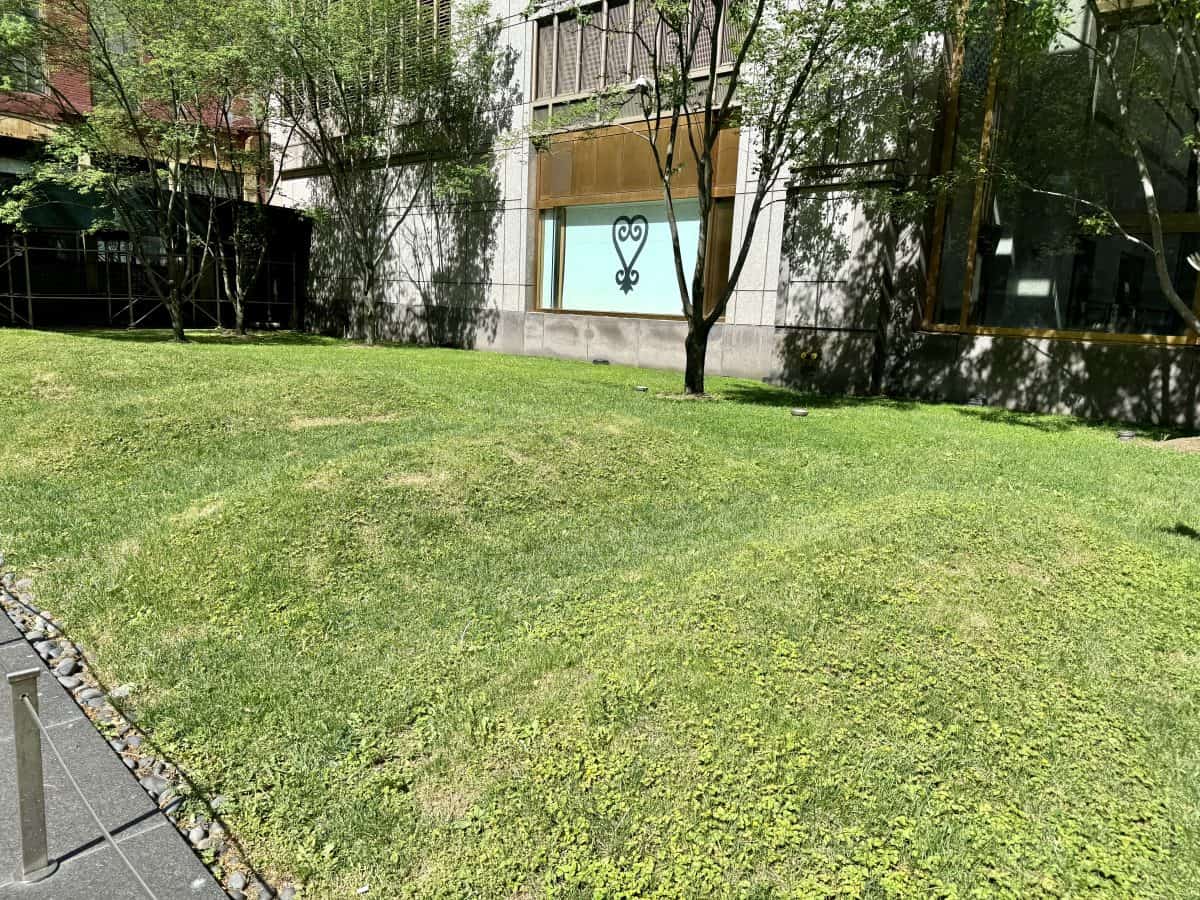
- Pause at the path of seven burial mounds, marking the location of the remains of 419 African descendants who were re-interred in 2003. Many visitors leave flowers and other gifts of remembrance in front of the burial mounds and along the Ancestral Re-interment Grove.
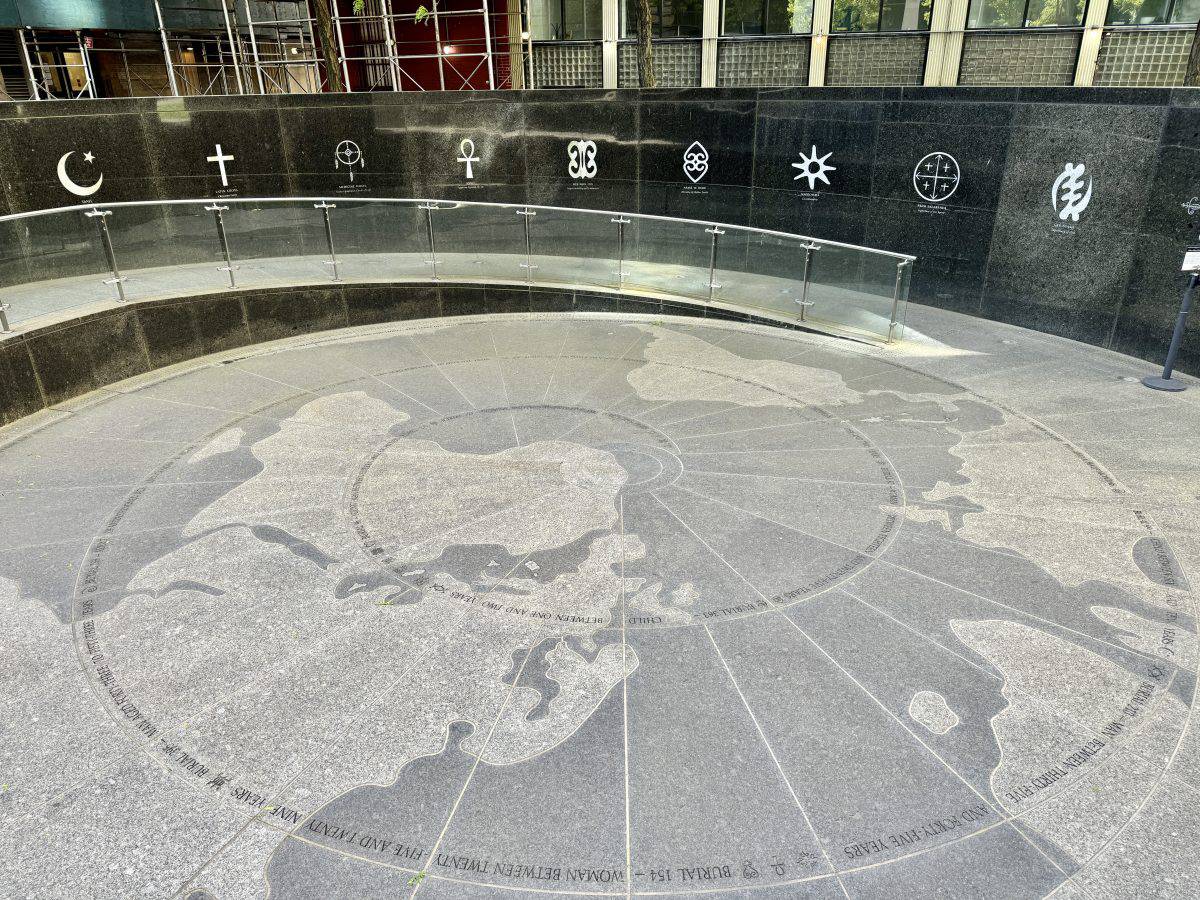
- Walk down the Circle of the Diaspora, which displays symbols from African, Latin American, and Caribbean cultures. The term diaspora “describes the forced and deliberate transporting of Africans during the slave trade from theri homeland, and dispersing them throughout the new world”, according to the NPS website. Visitors can follow the spiral ramp down to the Ancestral Libation Court, which is intentionally positioned four feet below street level. Many cultural ceremonies take place each year in the Libation Court.
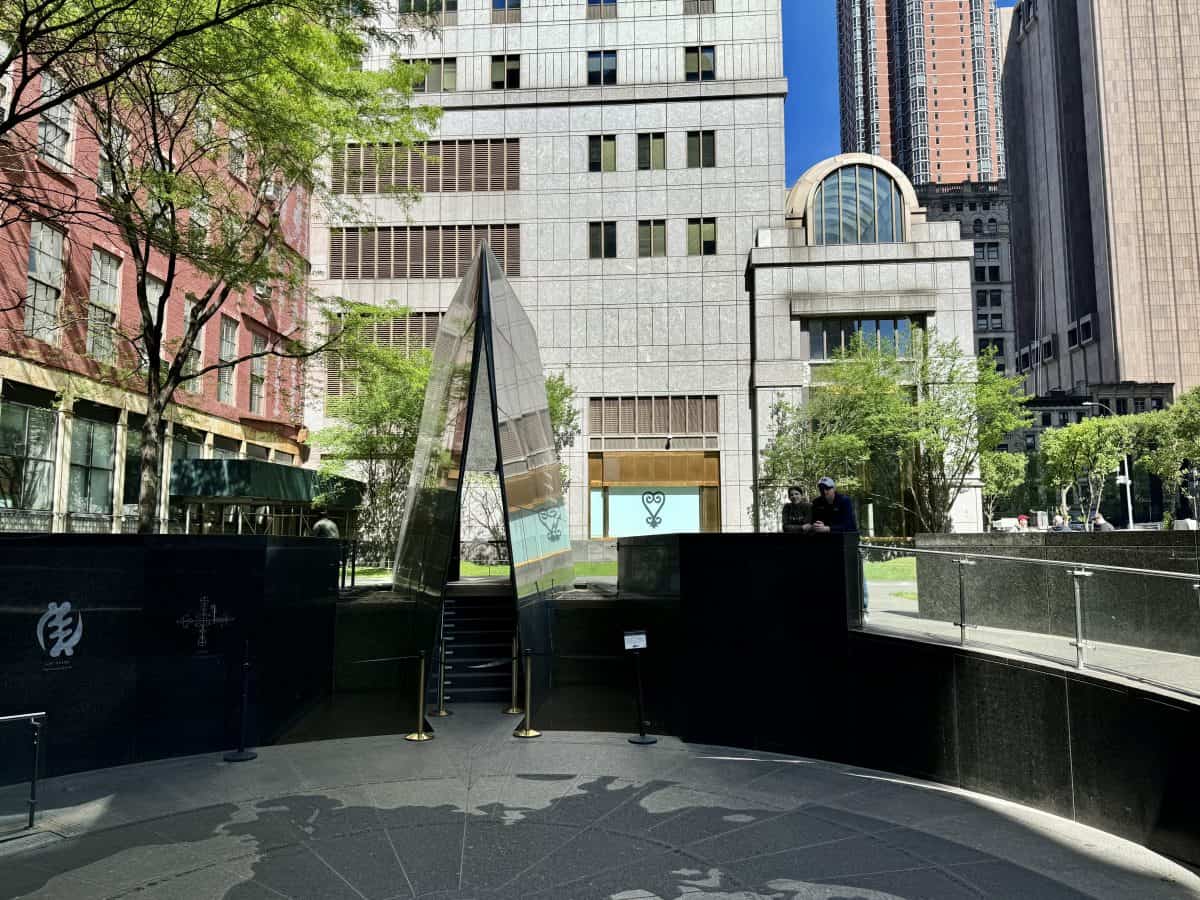
- Step inside the Ancestral Libation Chamber, which is 24 feet tall to represent the “soaring African spirit and the distance below the ground’s surface where the ancestral remains were discovered.” Visitors are asked to remain a quiet, reflective attitude while at the Libation Chamber. Note for 2024: the chamber is closed for visitors to step inside, but can be viewed from a distance.
Looking for other things to do in the Financial District? Check out our full Financial District City Guide and our index of New York City posts. And follow along on our adventures on Instagram, Pinterest, Facebook, and X.





Very interesting post! I never knew this monument existed.
Wow, had no idea about this monument – thanks for sharing and for all the info!
The African Burial Ground National Monument is such an interesting monument! I wish I had visited when I was in New York.
I’ve been to NYC countless times and didn’t know about the African Burial Ground National Monument. Definitely adding this poignant and important experience to my itinerary the next time.
Pushing the heavy 50 lb barrel to experience the hard work must have been a crazy experience. I need to check out this monument when I visit NYC.
I hadn’t heard of this before, but it looks very interesting! And very cool about the kid’s ranger books and things to do with kids.