10 Reasons Why I Love the National Parks Service System
Seven years ago I planned my first major road trip. My children were toddlers and we were planning on traveling almost cross country to visit good friends who were temporarily relocated to Albuquerque, New Mexico. Sharing my itinerary with my Uncle Bob, he asked if I planned on visiting any National Parks. I knew of the National Park Service system, but didn’t know much information about the various locations. Uncle Bob pulled out a worn, tattered, small blue spiral book and about an hour went by before I spoke again. (Full disclosure: Uncle Bob is a good storyteller and he does have a TON of travel experience.) His National Parks Passport book was filled with stamps dating back to the early 1970s. It was the perfect memento of his travels and I knew I had to start my own passport book.
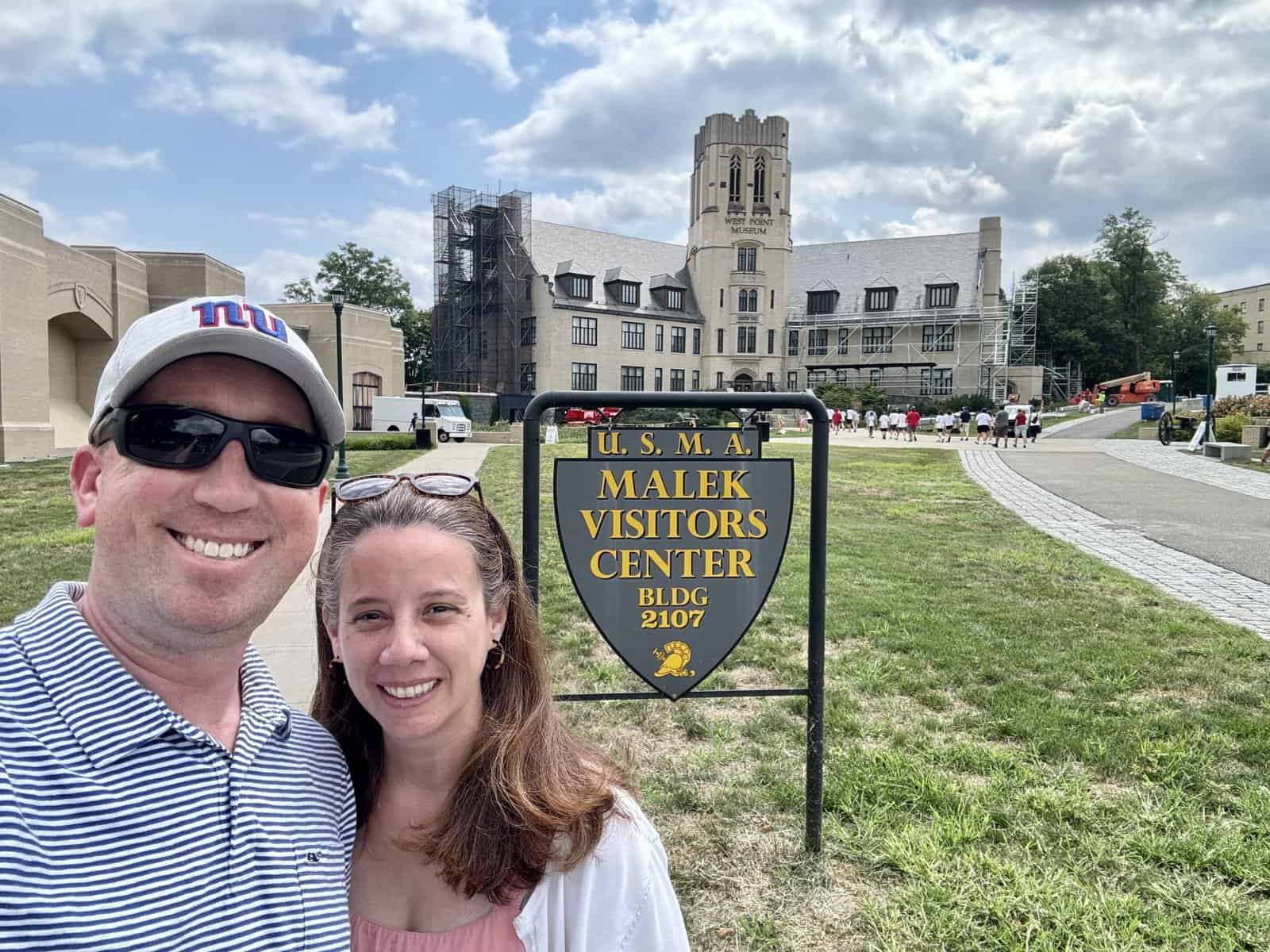
Since 2012, I have collected dozens of passport stamps from various stops in the National Park Service system. There are over 400 locations in the United States and American owned islands. These locations include parks, monuments, battlefields, historic sites, lakeshores, seashores, recreation areas, scenic rivers and trails, and even the White House. With every stop, I became a bigger and bigger fan of the National Parks system. Here are my top 10 reasons why:
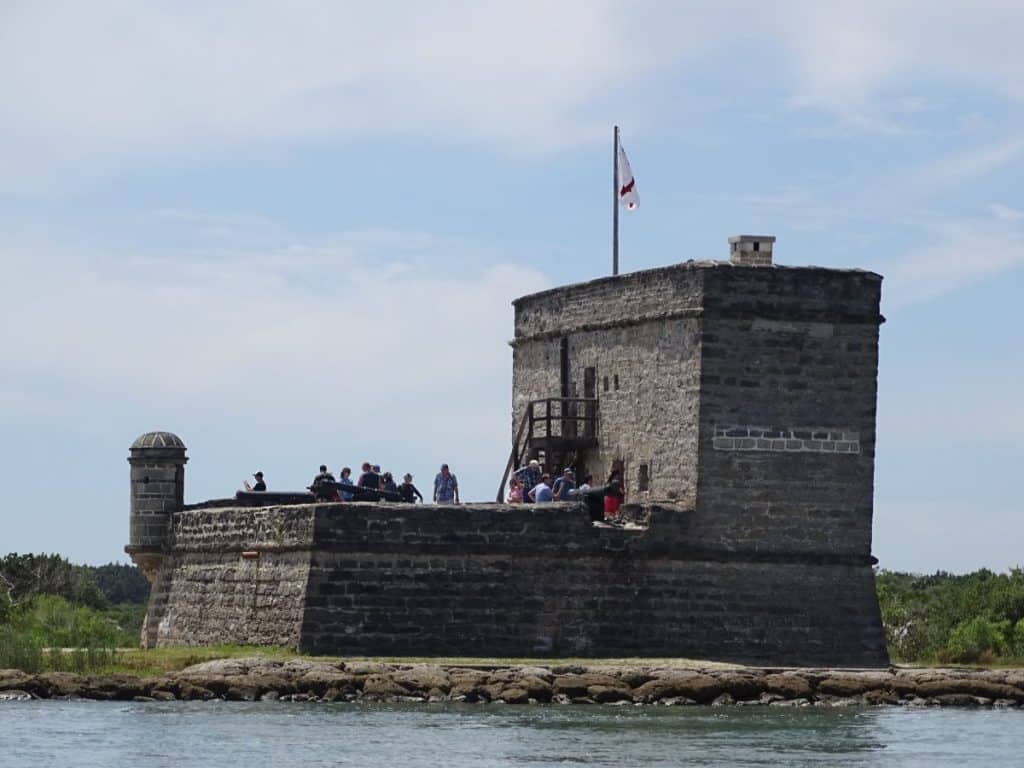
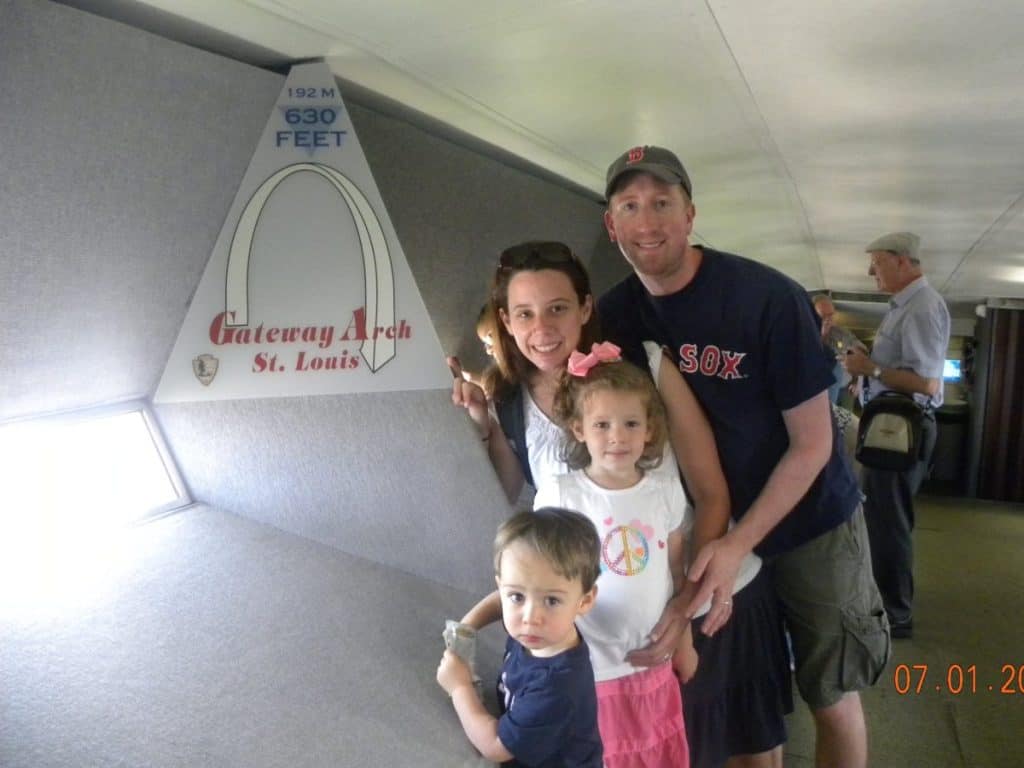
1. Hands on History: Each building, monument, park, location is part of the program for a common reason: it has a direct, important part of our country’s history. They aren’t re-creations; the places you visit, the objects you touch (or see) are the real deal, like Fort Mantanzas National Monument in Florida (my kids loved the boat ride too!) and the St. Louis Arch in Missouri. I love that these places and objects will be preserved for everyone to see.
2. Cleanliness and Safety: So far, the Parks Service is at 100% for cleanliness in my record book. Every place we visit is clean and well maintained. Traveling with children, we’re always looking for access to clean bathrooms. We feel confident that the Parks Service will have clean bathrooms; many of them have changing tables, too.
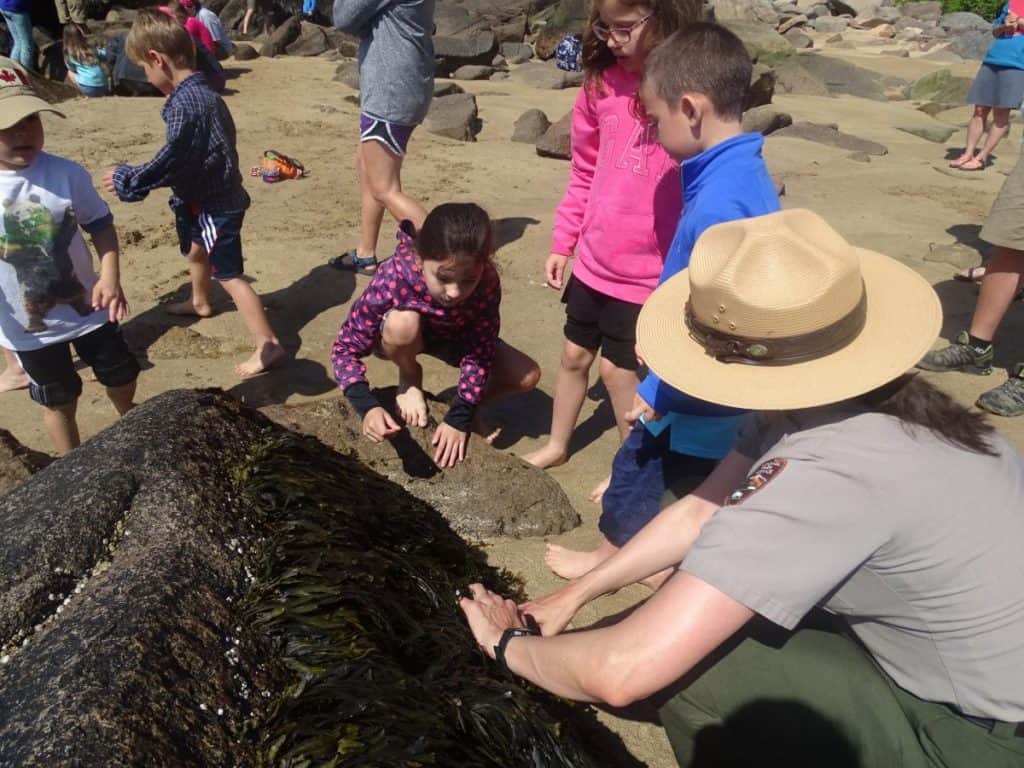
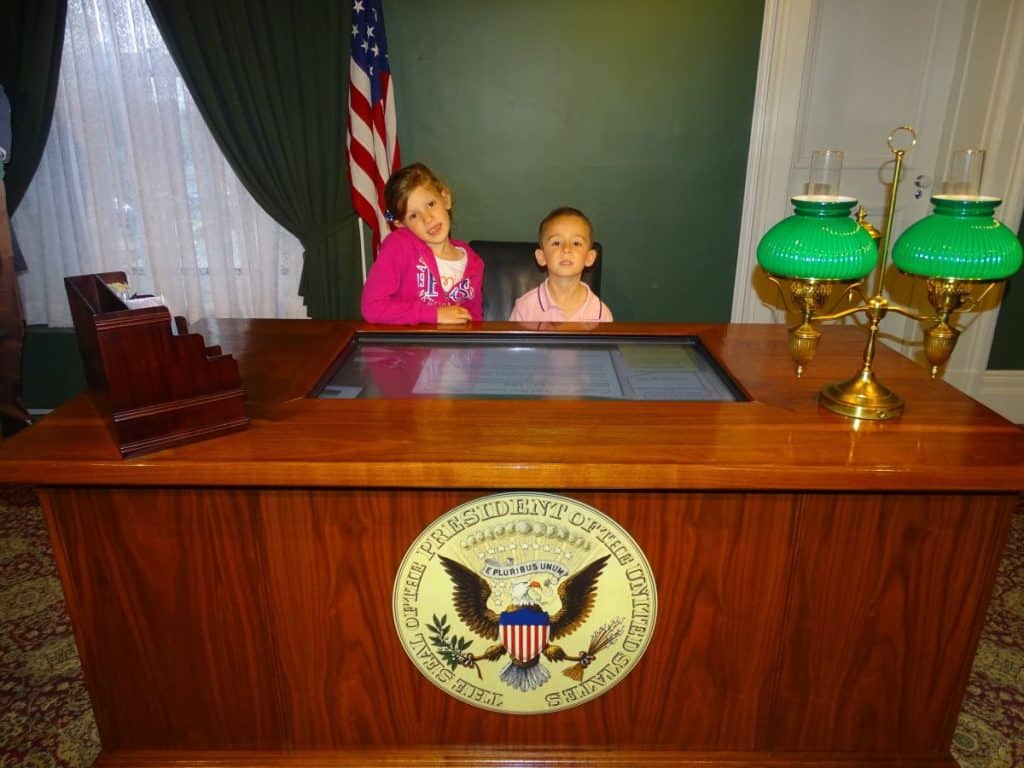
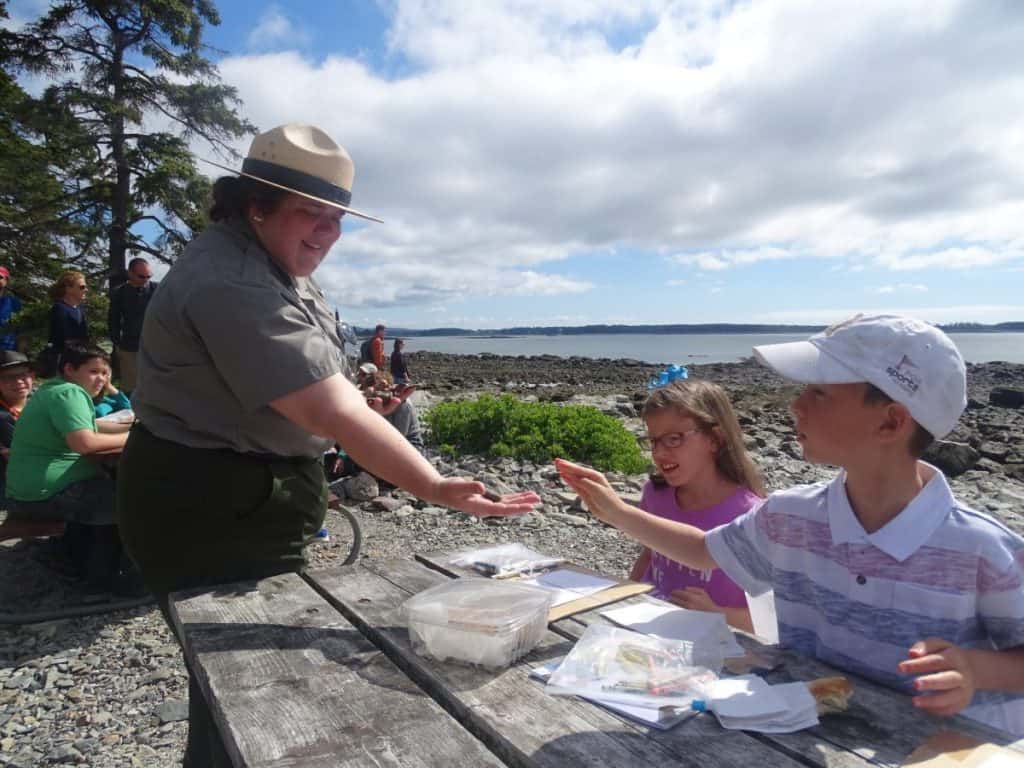
3. Exhibits and programs: Many of the park rangers are great with children. My kids LOVED the workshop held right on Sand Beach inside Acadia National Park. Many exhibits are interactive and have short films to catch you up to speed on the history of the location. At Theodore Roosevelt’s Inaugural National Historic Site, my kids sat at the “oval office desk” and learned all about signing executive orders. Some sites even involve a boat ride, like visiting Fort Sumter in South Carolina and Fort Mantanzas in Florida.
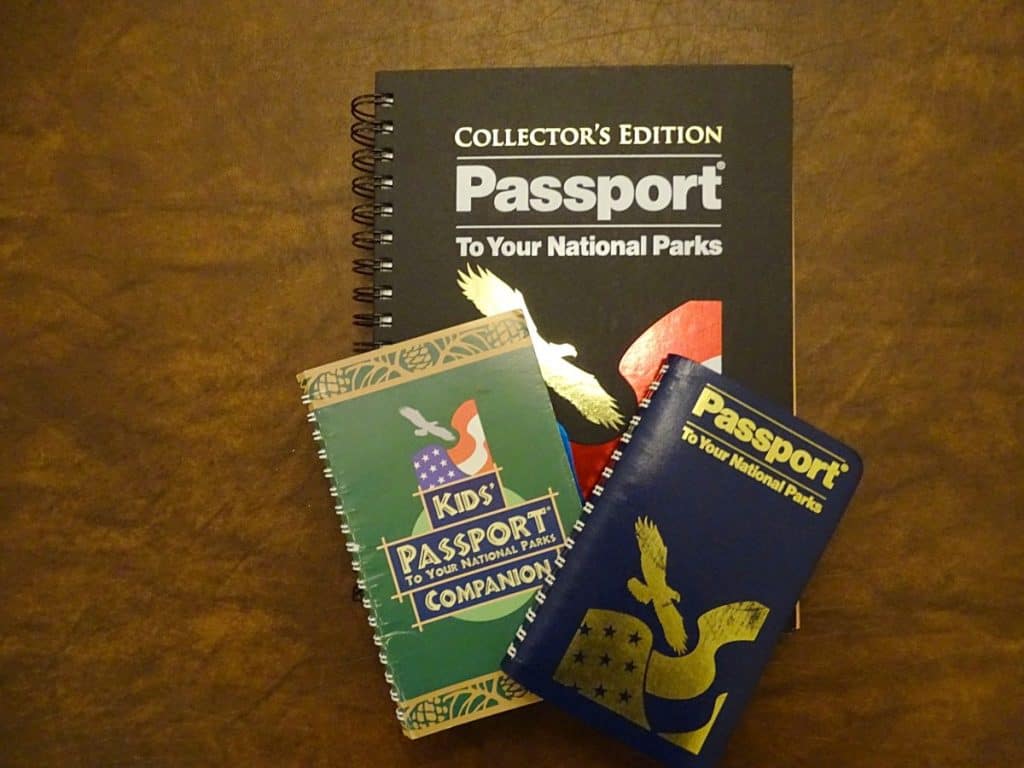
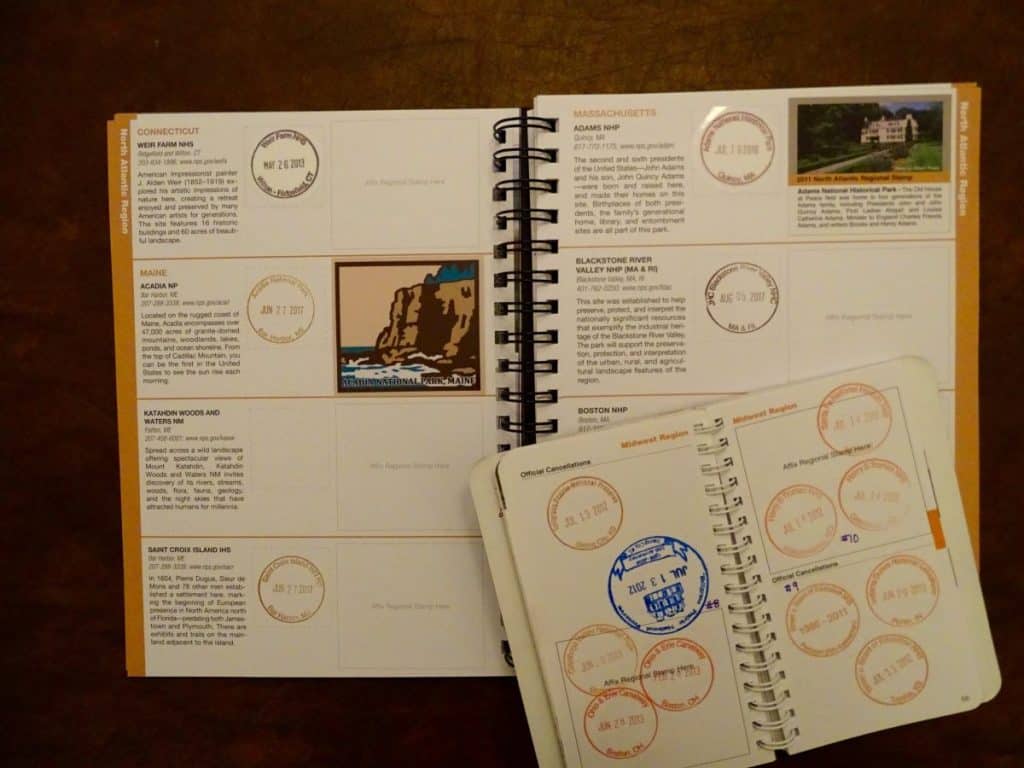
4. Stamp Collecting: As I mentioned in my post on Preserving Memories, my National Passport is one of my most treasured possessions. I started with the pocket size book that my uncle introduced me to, and last year, when visiting Acadia National Park, I found a Collector’s Editions. It has more space and is better organized, but it is bulky. There is also a Kids’ Passport, where kids can journal about what they see.
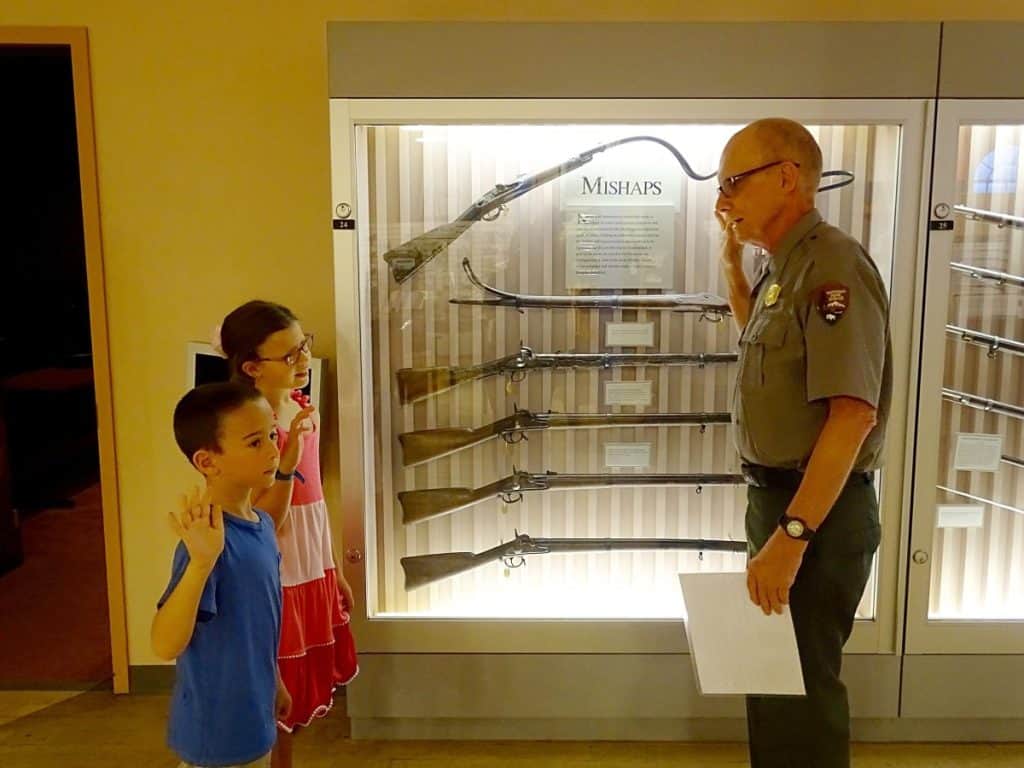
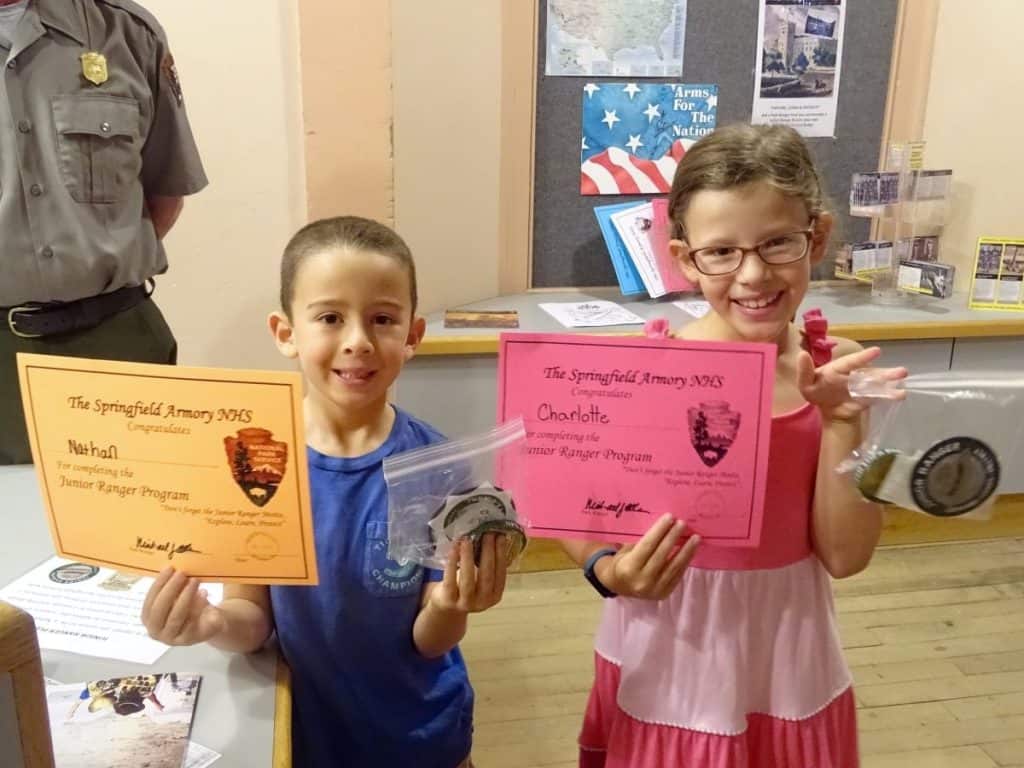
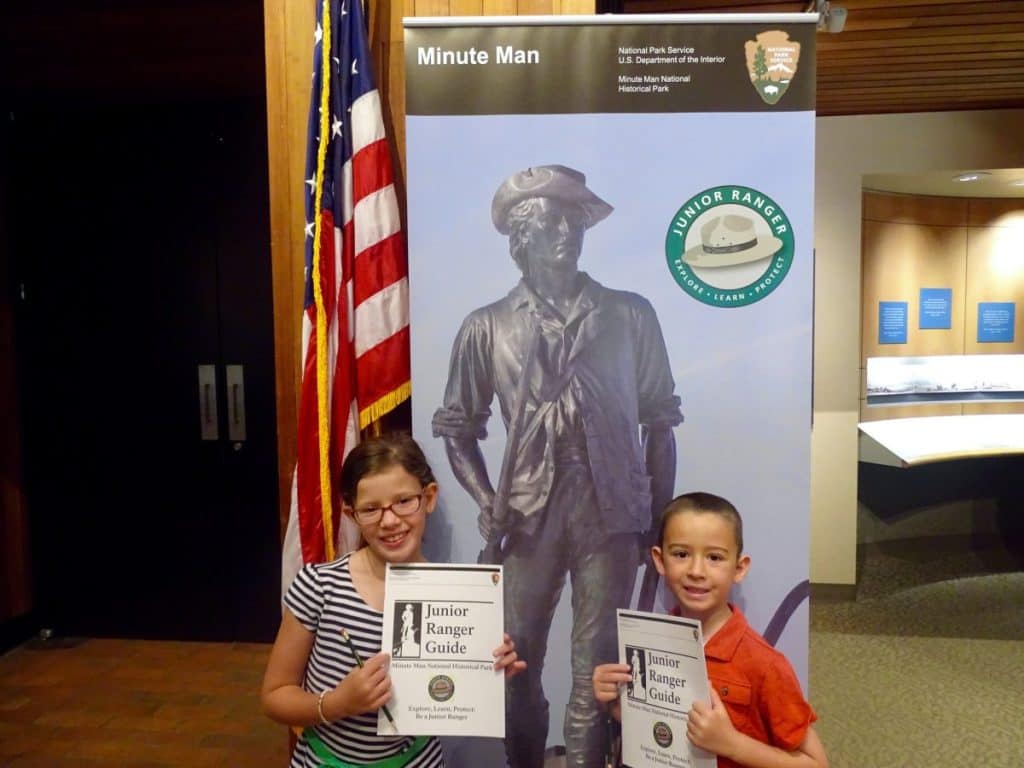
5. Junior Ranger Program: My children love earning badges, pins, decals, and certificates. Most locations have scavenger hunts or activity books to keep children focused while you explore the site.
Would you like to save this?
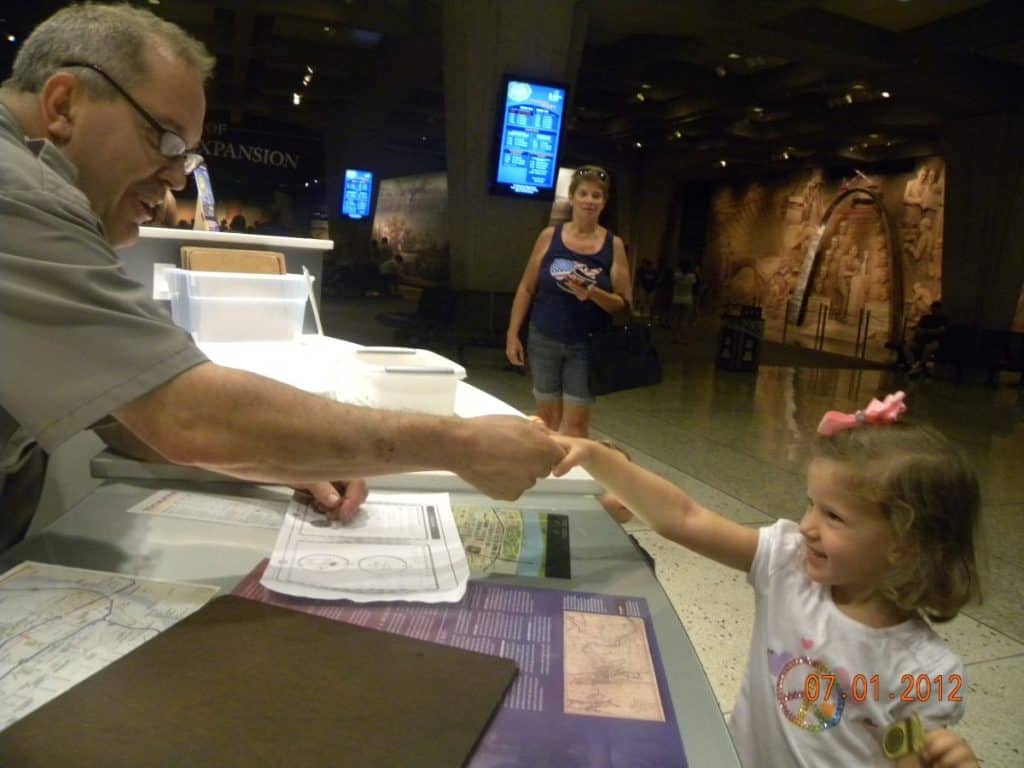
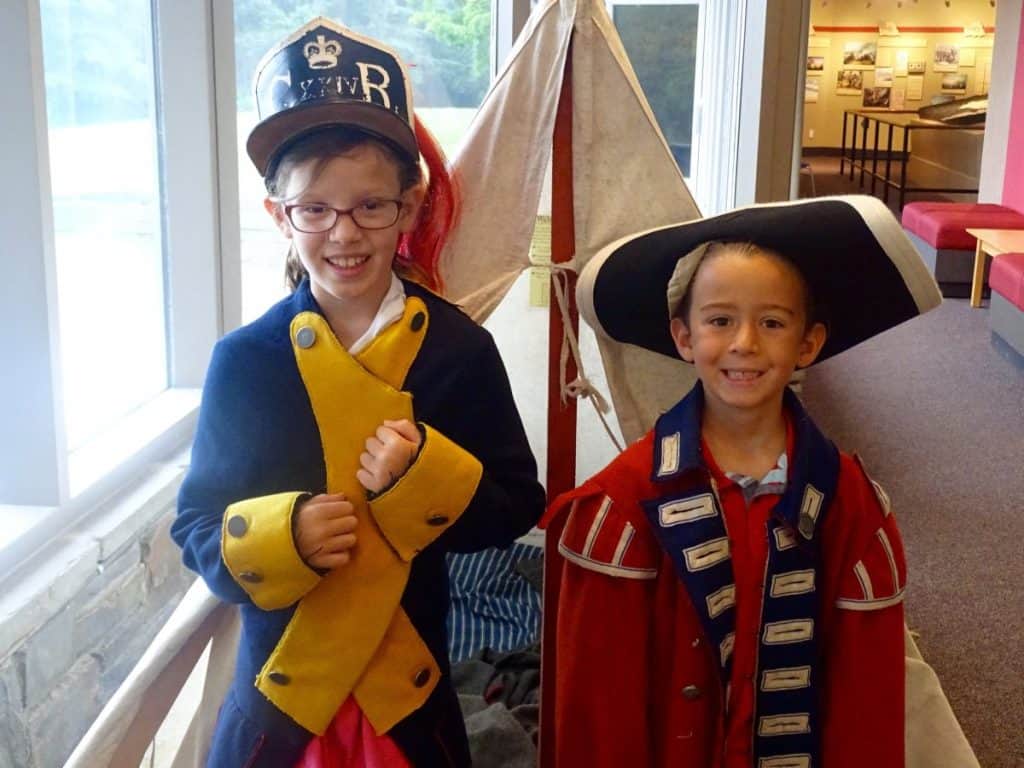
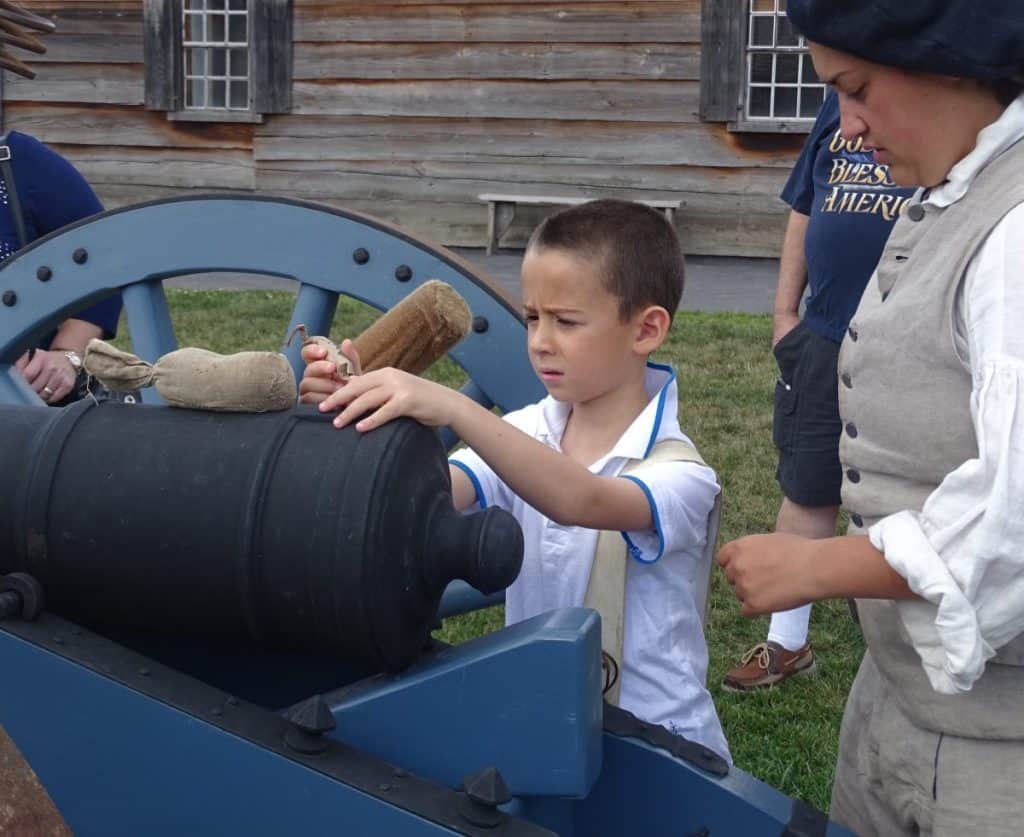
6. Other Child Centered Activities: Many locations have a designated spot to engage children. Usually, there is a book nook with period appropriate books, coloring stations and puzzle tables, and dress up costume closets. This past summer, my kids loved getting into period costumes at Saratoga National Park and the Springfield Armory and learning how to build a fort and fire a canon at Fort Stanwix.
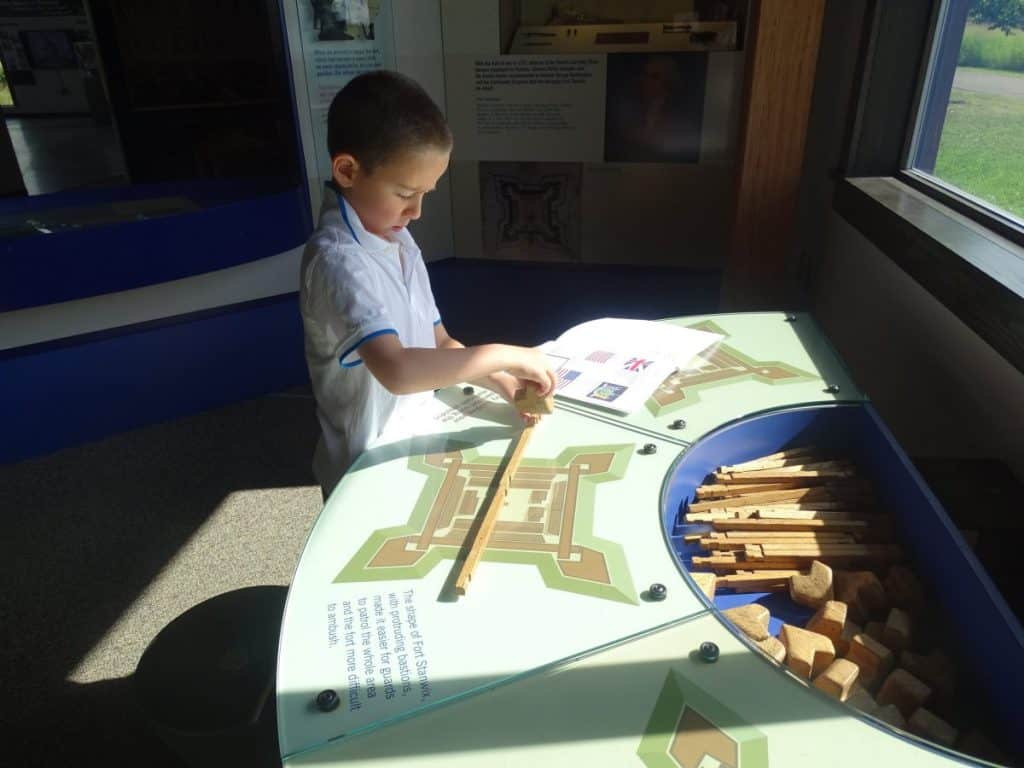
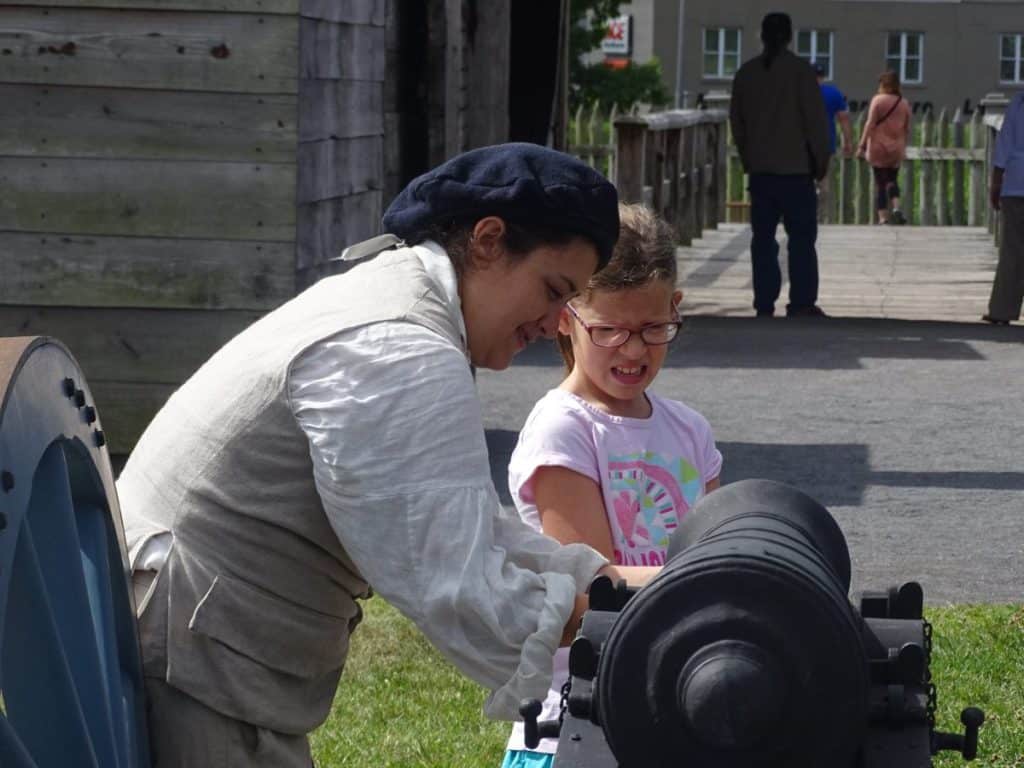

7. Learning about the Location: Not only will you learn about our country’s history, but you’ll learn about the area. Park rangers give great advice about other thing to do in the area, and where (and what) to eat that is popular with locals. Many locations are miles (and miles!) off a major interstate, so you really get a feel for the landscape. (put that technology away!)
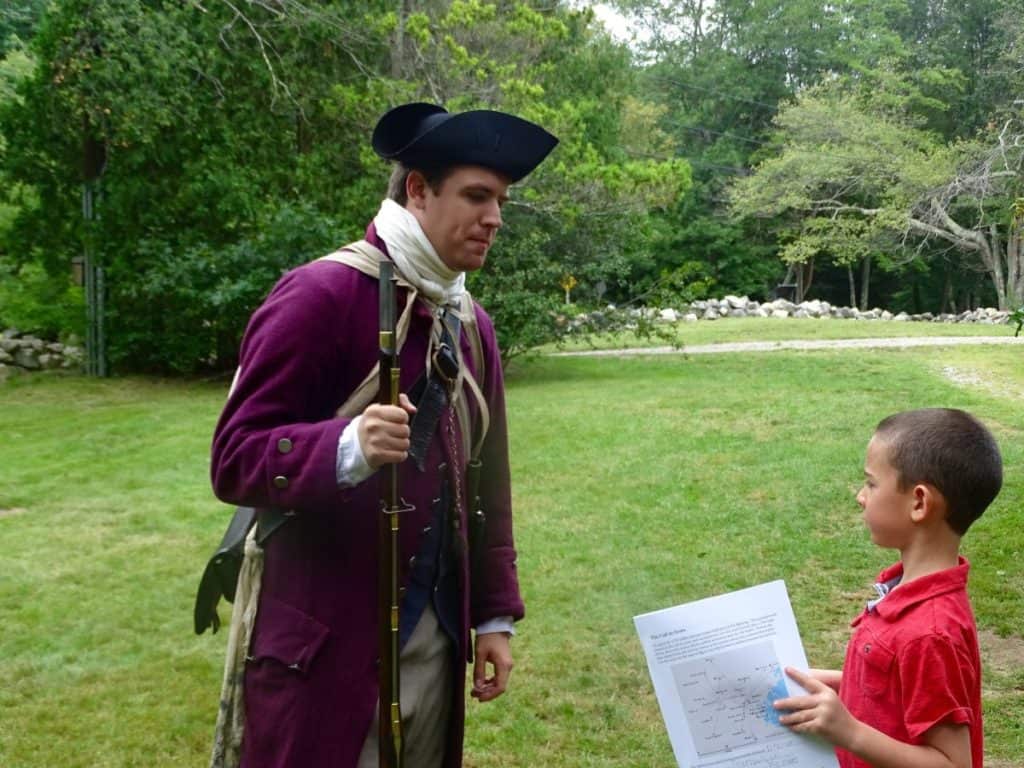
8. Park Rangers: Staffing a site is usually based on its location and size. Acadia has dozens of Park Rangers in the Visitor’s Centers, and many rangers “out in the field” conducting tours, hikes, talks, and keeping people (and the sites) safe. When we visited Minute Man National Historic Site, we met with park rangers who demonstrated gun firing, explained how a 1780 kitchen worked, and explained the significance of statues on property.
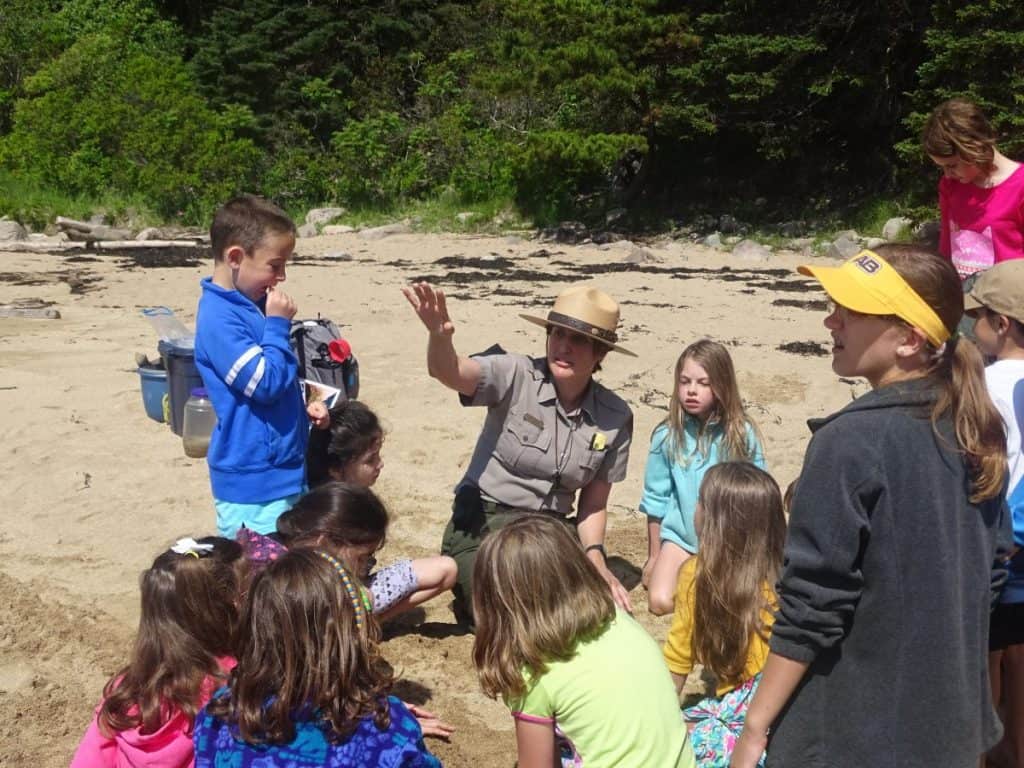
9. Places for children to run free: Many of our stops come after hours in the car. My children are pretty good about being “cooped up” for a while, but even they need time to roam free. Many parks and properties have plenty of space to walk, run, and hike. And the staff is usually pretty supportive if you want to lay down a blanket and have a picnic lunch, or toss a frisbee.
10. The cost: According to the National Park Service website, only 25% of the 400+ locations charge a fee, and most of the sites that do charge, cost only a nominal amount of money. With the Every Kid in a Park program, 4th graders receive a free pass for the entire year.
Other related posts you might enjoy:
Acadia National Park in Maine
Great Smoky Mountains National Park in Tennessee and North Carolina
Bryce Canyon National Park in Utah
Mount Rushmore National Memorial in South Dakota
If you liked this post, or want to follow our adventures, please like Coast2CoastwithKids on Facebook and follow our adventures on Twitter and Instagram.