
10 Winter Activities in Woodstock, Vermont
Woodstock, Vermont is a quintessential New England town. Located one hour south of the Vermont capital of Montpelier and just over two hours from Boston, Massachusetts and Hartford, Connecticut, Woodstock has a population of just over 3,000 but swells with visitors in both the popular foliage and summer seasons. Many of the activities center around nature: skiing, hiking, fishing, biking, and swimming, but there are also plenty of historical museums, hands-on centers, tons of family fun, and plenty of beautiful shops (if the kids can be entertained). We visited Woodstock in the summertime many years ago, but found that winter is also a great time to visit when we returned last month.
Inspiration: While fact checking logistics, we found woodstockvt.com helpful with places to explore, dining and shopping suggestions, and calendars of events. A fellow blogger, BackoftheBike.net offers tons of suggestions for hiking trails, views of waterfalls, bike routes (they travel by motorcycle!), and dining options throughout Vermont, with features on Woodstock. And we always love reading Yankee Magazine with features Vermont, including a recent spread on Woodstock.
Transportation: There is no public transportation, so visitors will need a car. There is plenty of metered (coins and credit cards accepted at meters and kiosks) throughout the main village for two hour parking. Parking is usually free early mornings, evenings, and on Sundays., with additional free parking on Elm Street and off Pleasant Street. There is a Visitor Center with tons of print materials, helpful staff, and public restrooms located inside the Chamber of Commerce. Get the full Visitor Guide with tons of resources and maps here.
Where to eat: Check out this post with our recommendations of where to dine in and around Woodstock and Hanover.
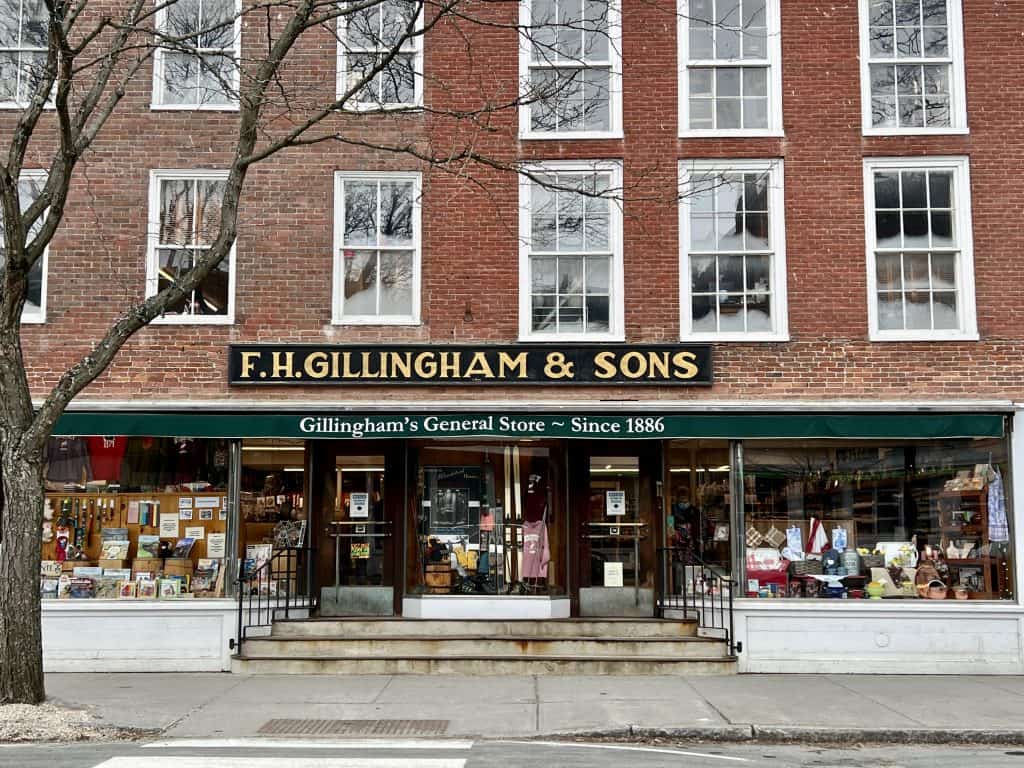

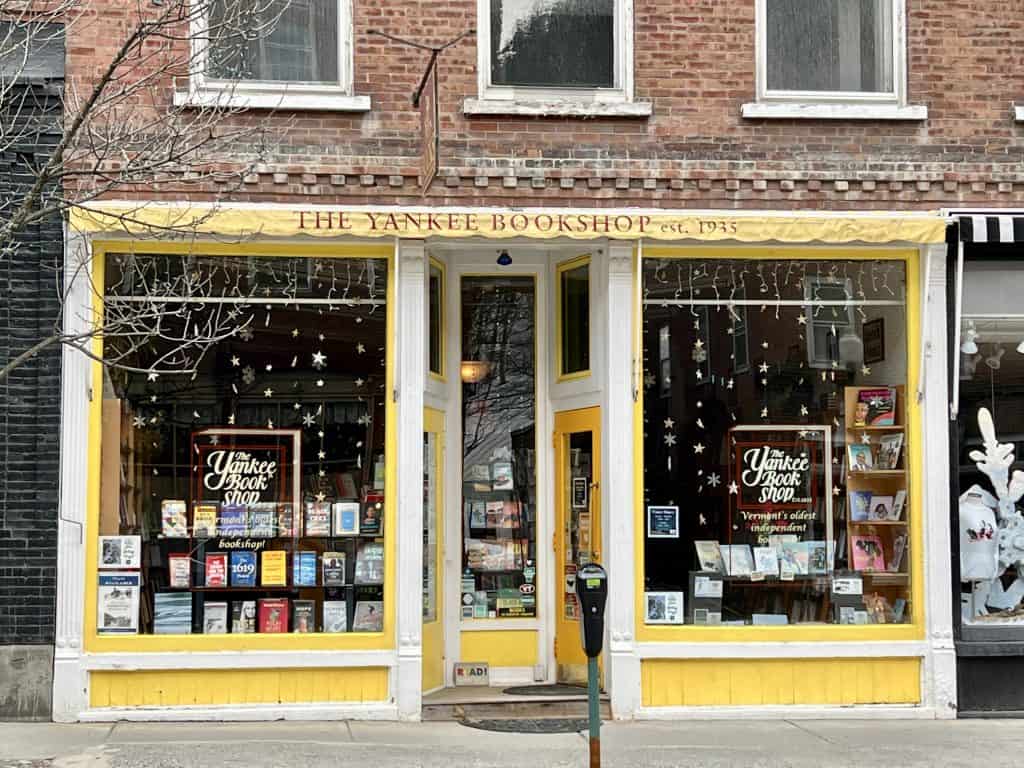
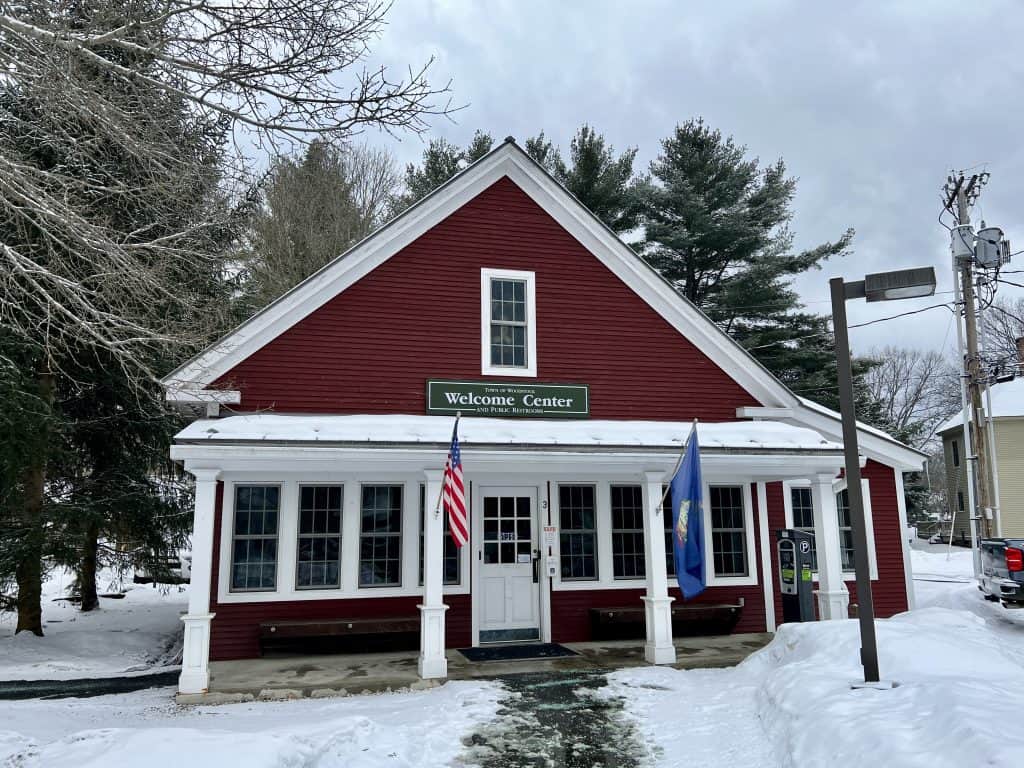
10 Family Friendly Winter Activities in Woodstock:
- Ski at Woodstock Inn and Resort’s Nordic Center or Suicide Six Ski Area in South Pomfret, Vermont. The Nordic Center features almost 20 miles of trails through Mount Tom and Mount Peg for cross country, snowshoeing, and fat bikes- see the trail map here. Suicide Six includes 24 trails, with two chairlifts and a J-bar, with 70% of trails considered beginner or intermediate terrain- see the trail map here. Both facilities offer daily lessons, activities, rentals, and dining on site.
Kids will love the variety of trails for all abilities.
Why you should return in the summer: Suicide Six is just as busy in the summer as it is in the winter, with hiking and mountain bike trails, a fly fishing school, and summer camps. Read more about summer fun here.
Travel Tips: Guests can rent skis, snowshoes, and bikes at both locations. Suicide Six has a ski lodge with full service restaurant on site. Free parking and restrooms facilities at both sites.
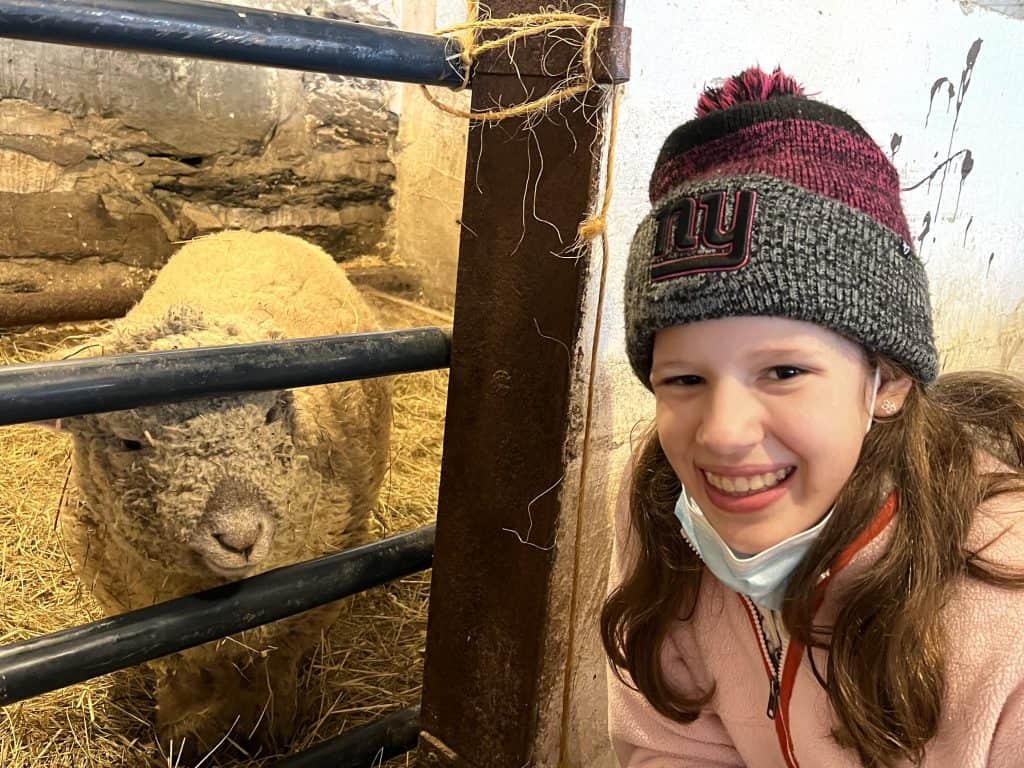
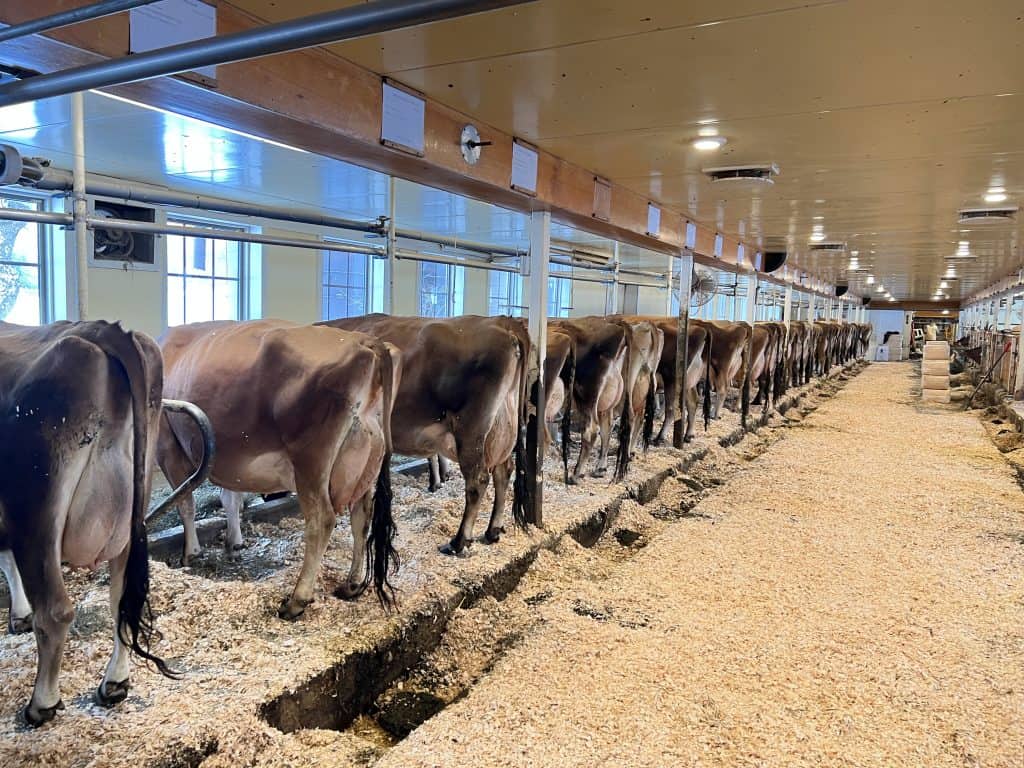
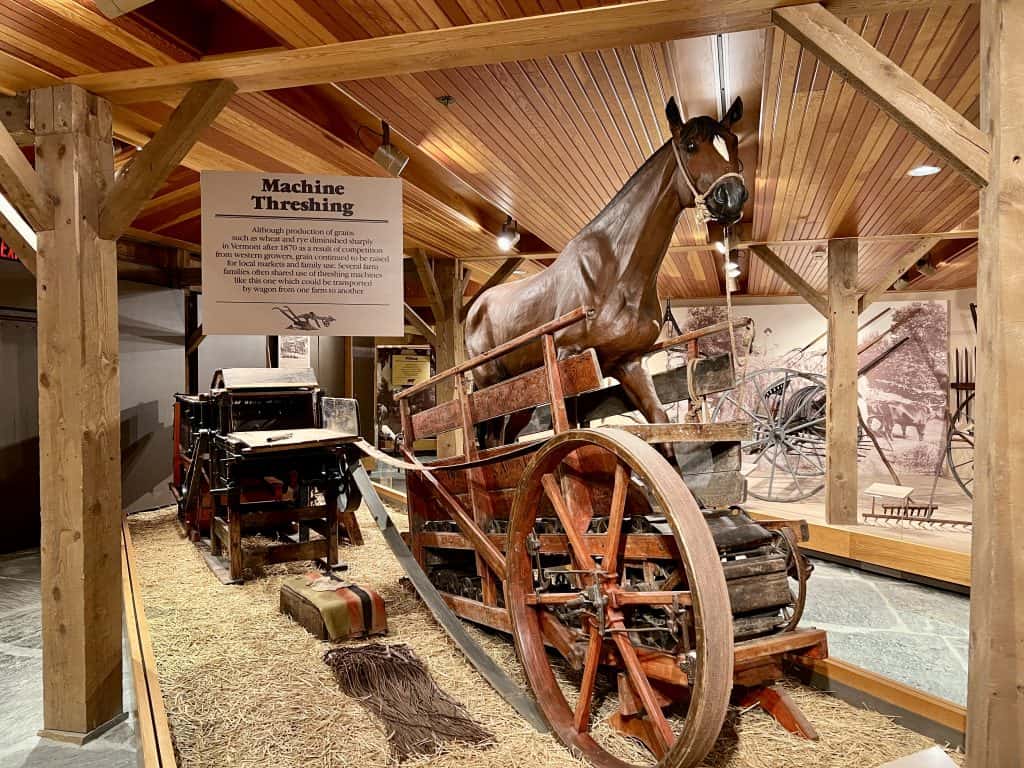
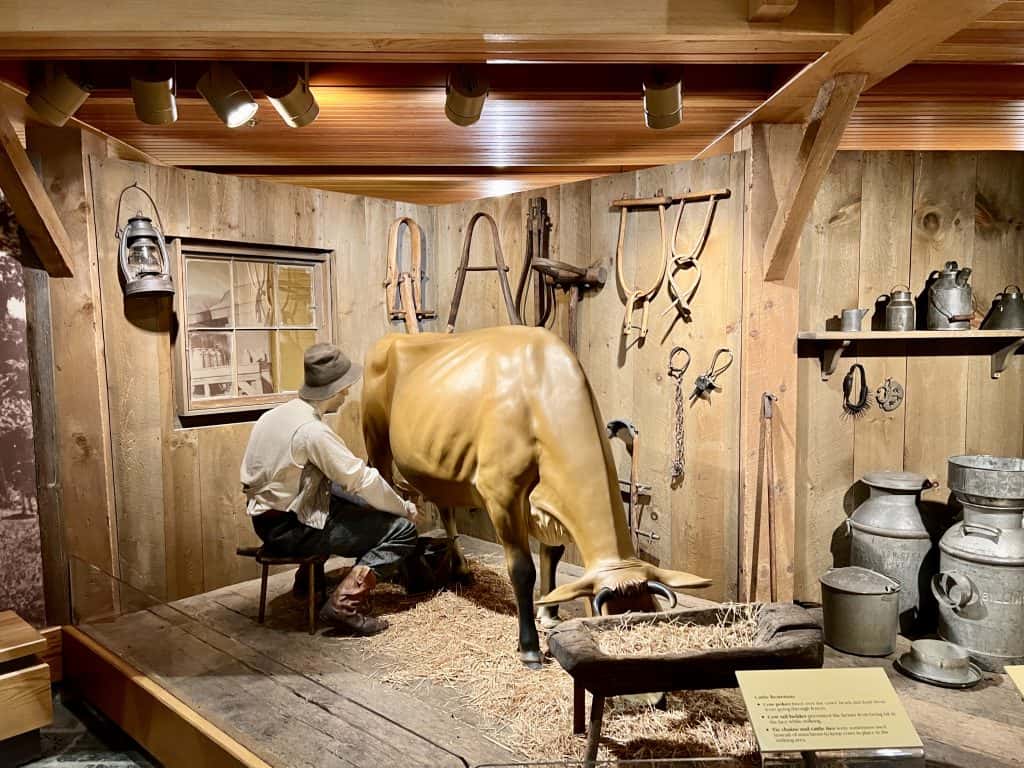
- Learn about life on a late 19th century farm at Billings Farm and Museum. The original home to American conservationist George Perkins Marsh and later transformed by Frederick Billings post Civil War, the museum opened in 1983 . Located right outside the downtown village of Woodstock, Vermont the 200+ acre complex includes indoor and outdoor exhibits, plenty of opportunities to engage farm animals, and daily activities and special programs
Kids will love meeting all of the animals and watching the cows being milked and learning about how maple sugar, ice cream, and butter are all made on site.
Why you should return in the summer: There are tons of daily demonstrations and activities throughout the year at Billings, but the farm really becomes alive in the summer. The Dairy Barn offers homemade ice cream, the orchards are in bloom, and the Sunflower House (with over 100 varieties creating a literal house!) is open.
Travel Tips: The complex closed for six weeks in late winter and has longer hours during popular summer months; plenty of free parking; restrooms and gift shop inside the main museum building; wear closed toe shoes; plan on 3-4 hours to explore the whole complex- more time to walk the trails.
Read our full post here.
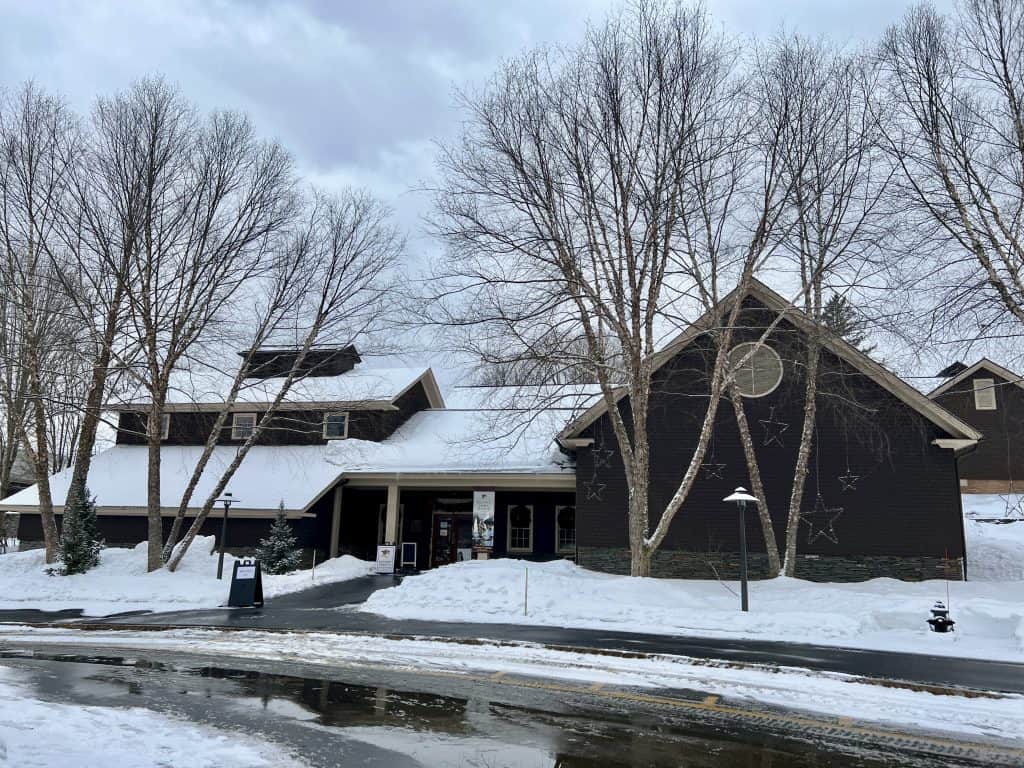
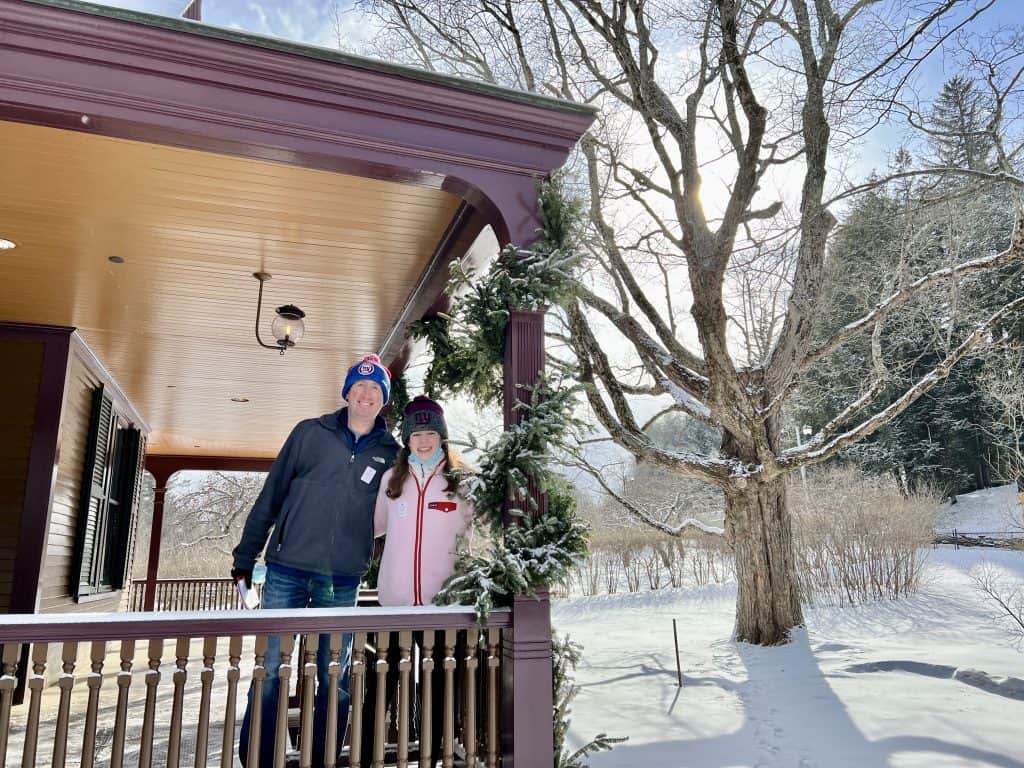
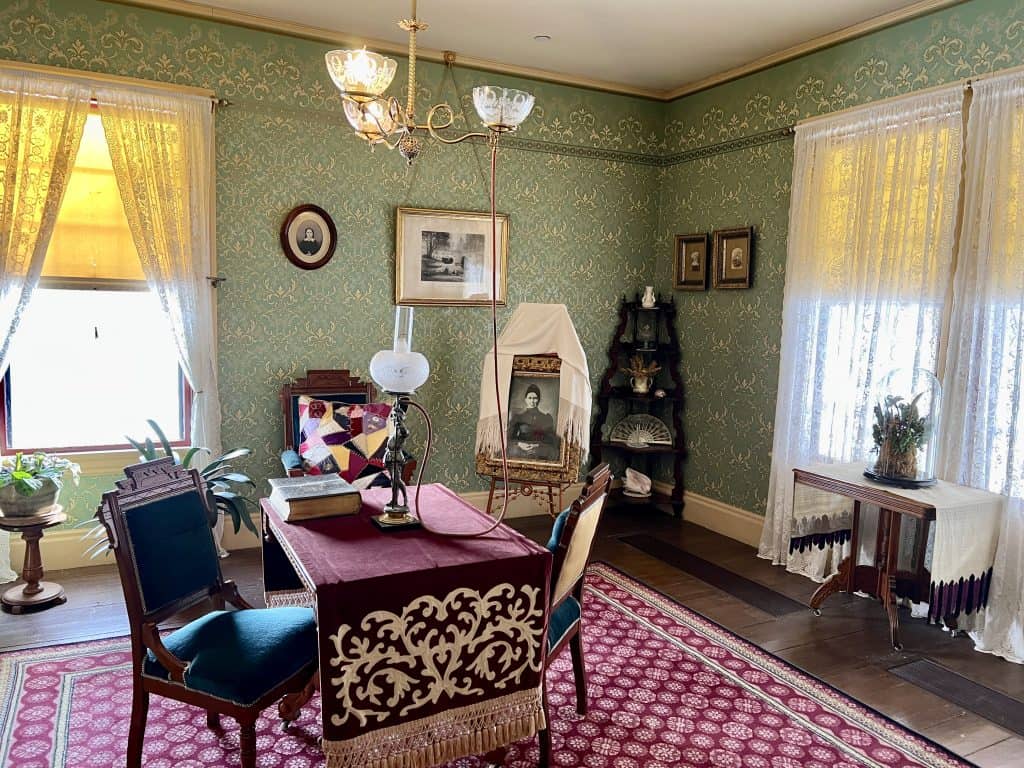
- Tour the 1805 Queen Anne style mansion of Charles Marsh at the Marsh-Billings-Rockefeller National Historical Park in Woodstock, Vermont. The only National Park site in Vermont, the mansion was home to several generations of the Marsh and Billings families, who collected American landscape paintings that are still on display throughout the home. During warmer months guests can explore the 1895 Carriage Barn Visitor Center with the “Celebrating Stewardship” exhibit, bookstore and gift shop. During the winter months the main mansion is closed, but visitors are able to explore the grounds via hiking, cross country skiing and snowshoeing.
Kids will love walking to mountain top pond, The Pogue, and completing the Junior Ranger booklet and earning a National Park Junior Ranger badge. Grab both from the Billings Farm and Museum Visitor Center.
Why you should return in the summer: The mansion is open for guided tours from late May through the end of October. The mansion is handicap accessible, with closer parking for handicap vehicles.
Travel Tips: Parking, facilities, and a check in area are available at Billings Farm and Museum across the street. Make sure to get your National Park passport stamped and have kids pick up a Junior Ranger booklet to earn a badge.
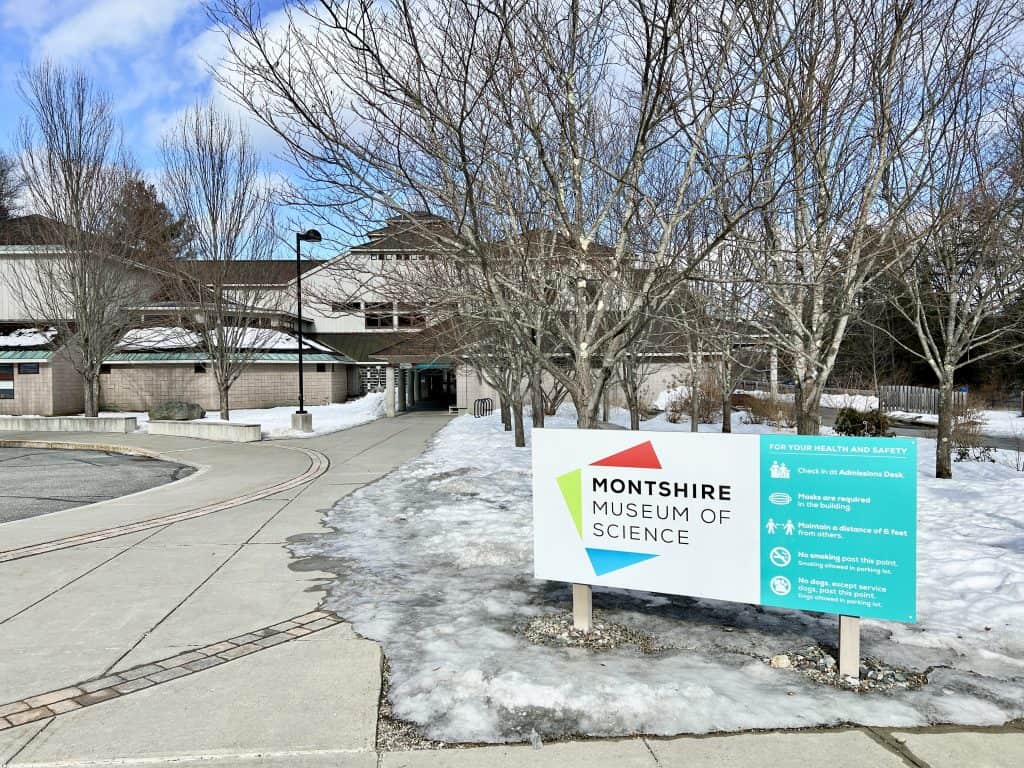
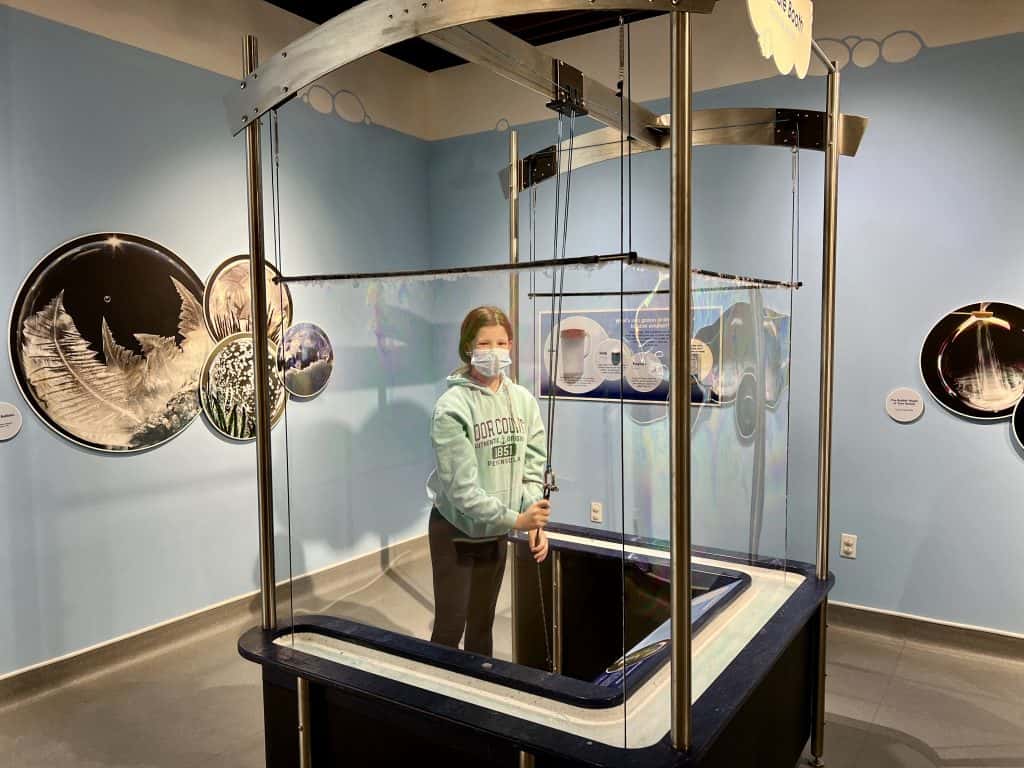
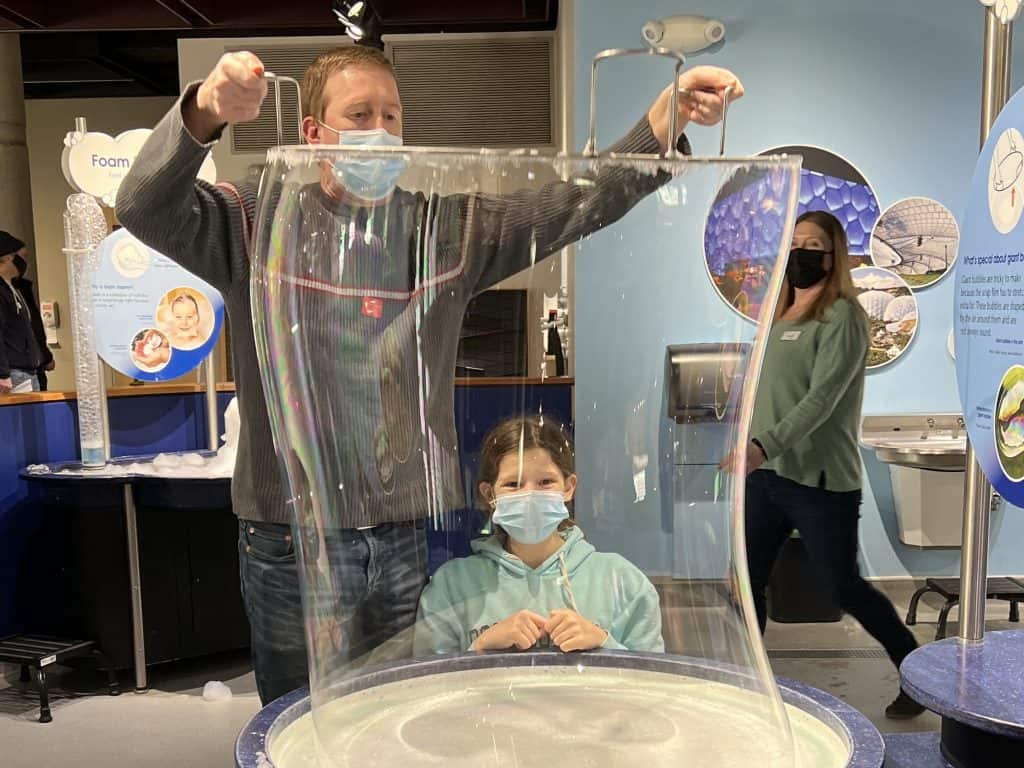
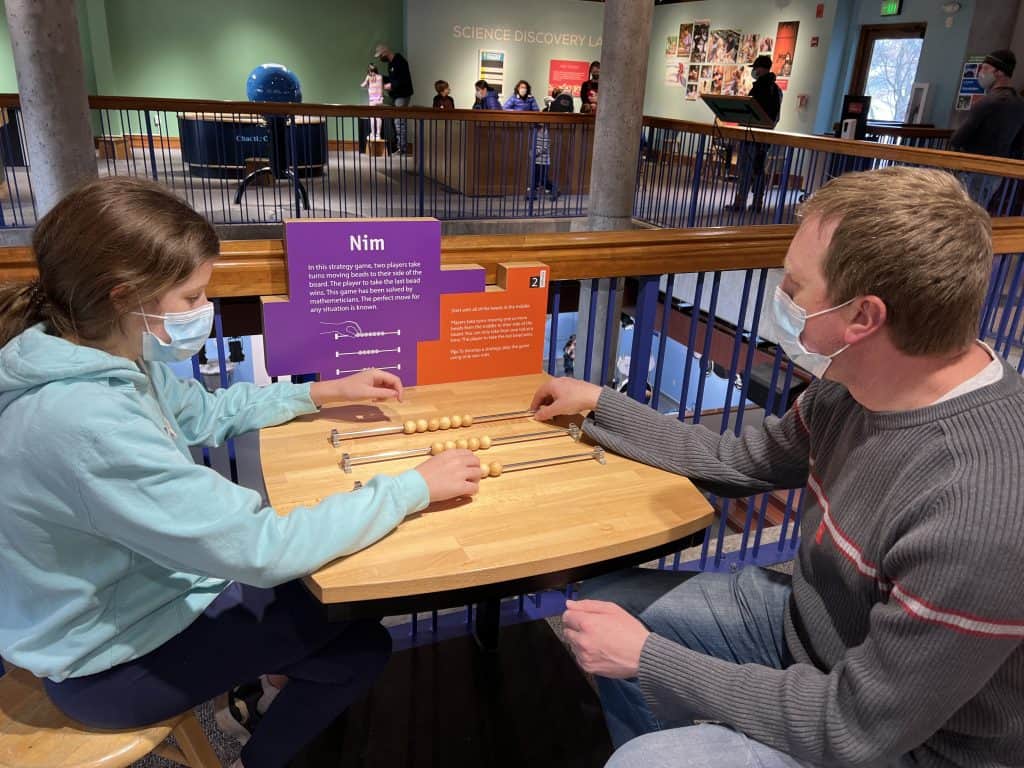
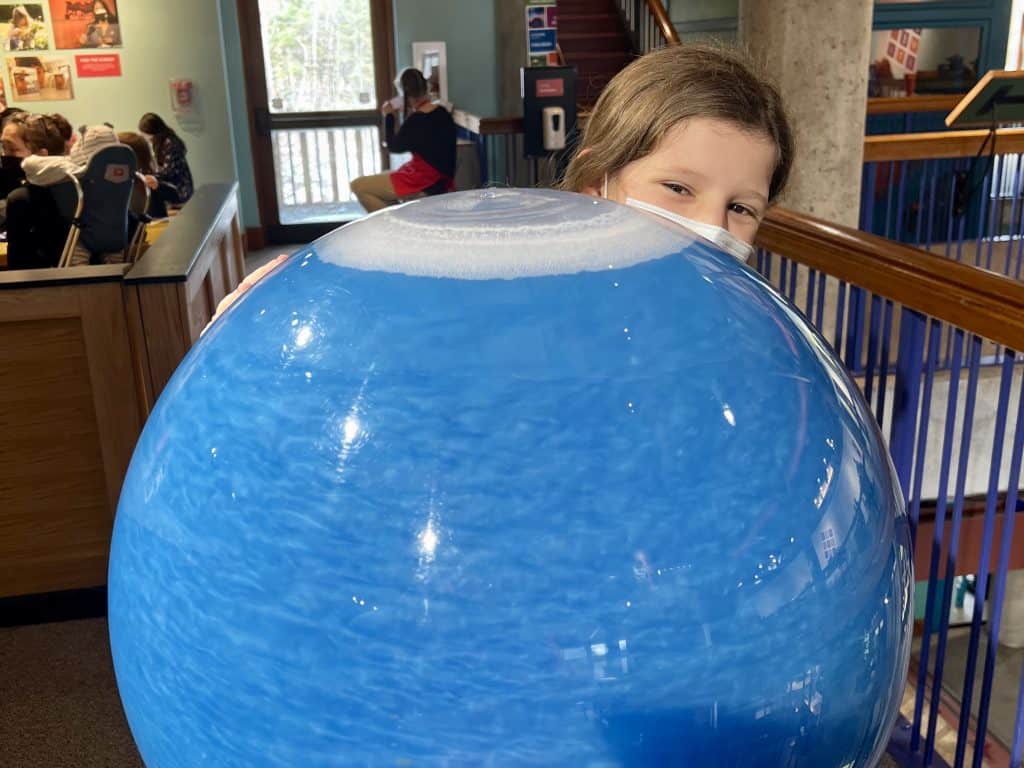
- Try dozens of hands-on experiments at Montshire Museum of Science in Norwich, VT. The museum, which opened in its current location in 1989, features four floors of exhibits. The main floor and second floor are light filled spaces, with tons of space to rotate through the exhibits, and smaller singular exhibits on the 3rd and 4th floor. The fifth floor is an outdoor observation deck overlooking the Connecticut River and some of the walking trails.
Kids will love every one of the exhibits. Our favorites include Bubbles and Solve It!
Why you should return in the summer: The complex includes 100 acres of woodlands, several walking trails, and the David Goudy Science Park, with the 250 foot watercourse The Rill and exhibits on light, sound, motion, and natural history.
Travel Tips: The museum is closed on Tuesdays; plenty of free parking; restrooms and a gift shop but no dining facilities; bring a stroller for the outdoor walking trails; plan on 2-3 hours to explore the indoor exhibits.
Read our full post featuring Montshire here.
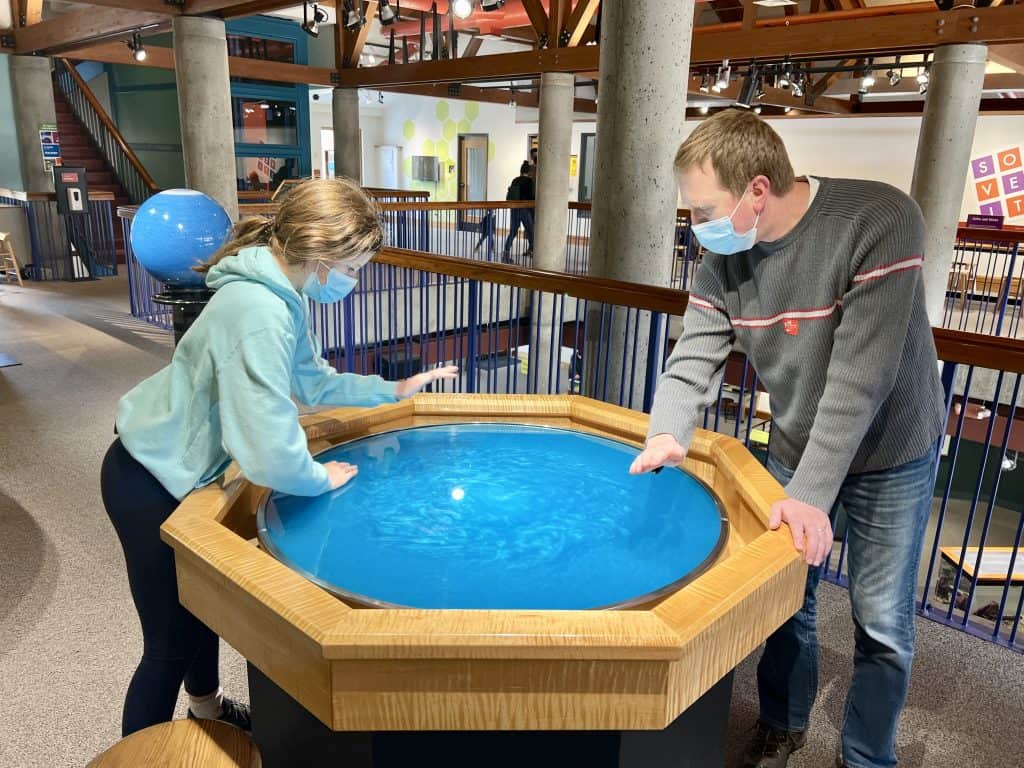
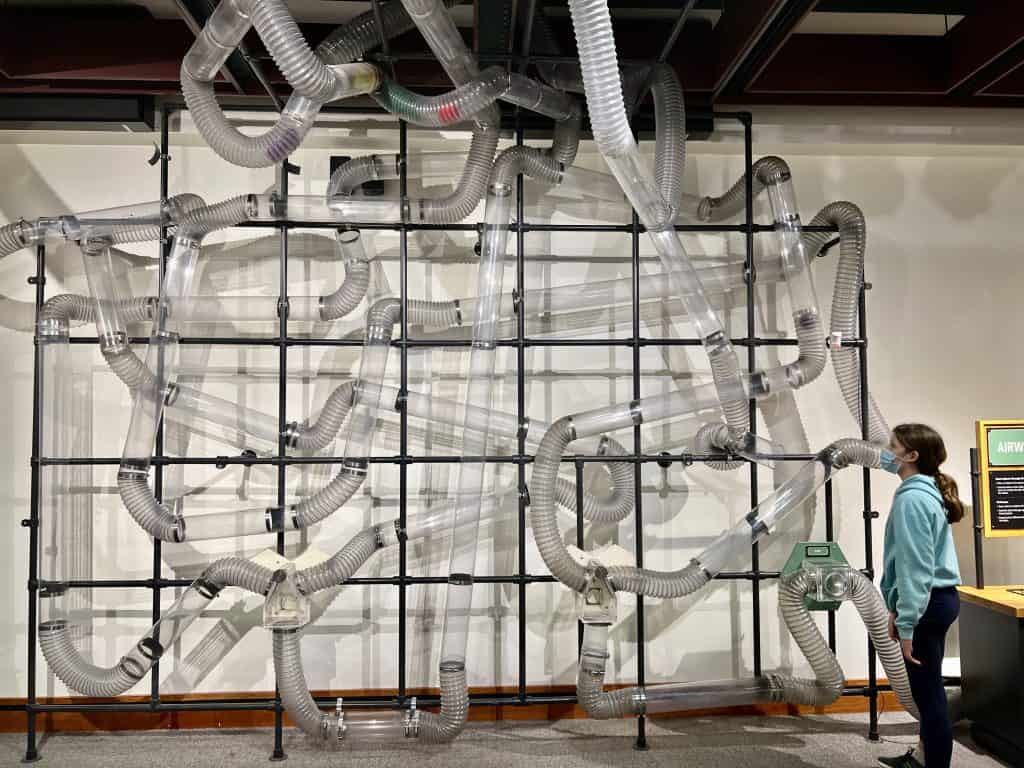
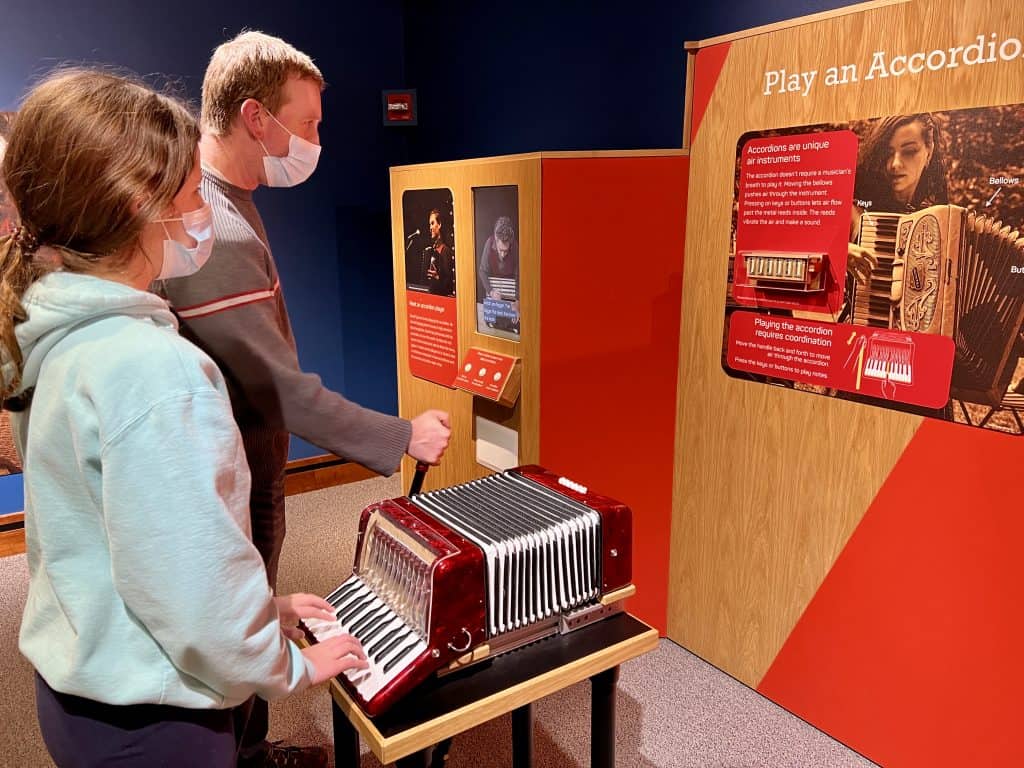
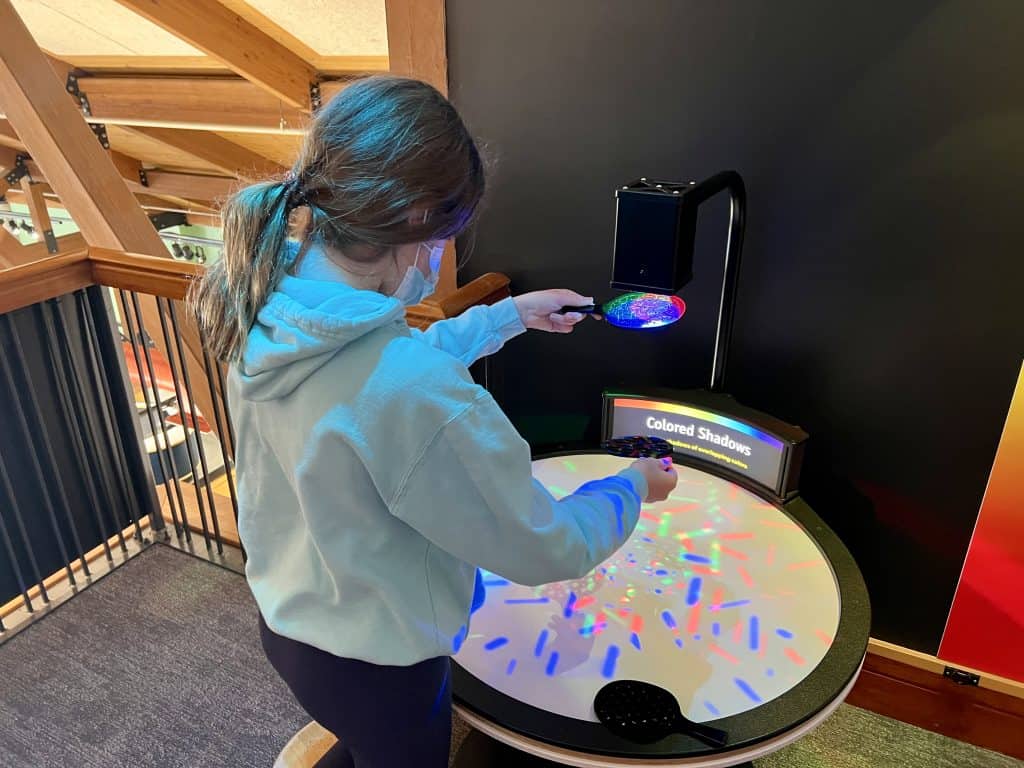
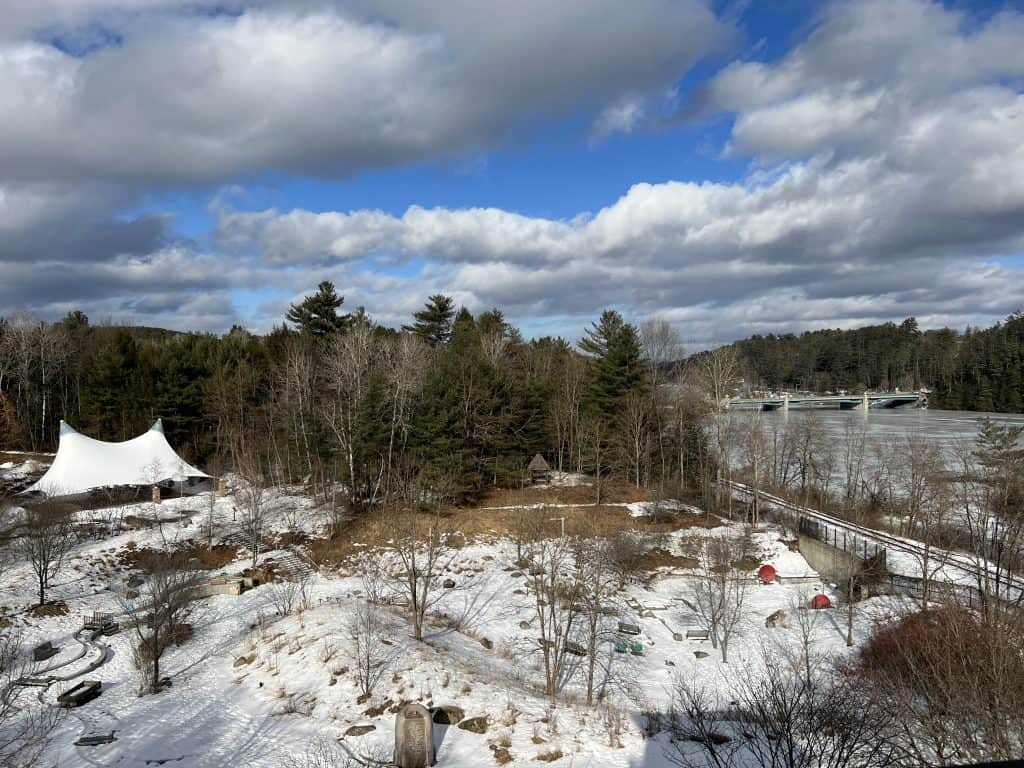
5. Hike through almost forty miles of trails throughout the village of Woodstock and the surrounding towns. Note: it is challenging to walk and hike some of these trails during colder winter months. A slight thaw and then refreeze will make the trails slippery and dangerous. We’re including a few options that come highly recommended for warmer months and during wintertime when not iced over:
- One easy option for children is the Eshqua Bog Natural Area, a one mile round trip trail that includes a 460 foot accessible boardwalk and loops around the bog. The entire property, overseen by the Nature Conservatory, is 41 acres. The trailhead is located at 2410 Garvin Hill Road in Hartland, VT with limited parking and no facilities.
- Kids will also like the 1.25 mile “Junior Ranger Loop” at the Marsh-Billings-Rockefeller NHP. The trail will take guests past various Billings Farm buildings and barns and through the woods. If the Visitor Center is open, grab a Junior Ranger booklet and fill out the scavenger hunt. Parking and facilities located across the street at Billings Farm and Museum.
- The Marsh-Billings-Rockefeller National Historical Park has over 20 miles of hiking trails, ranging from moderate 1.7 miles to 4 miles and difficult 2 mile hikes. Check the full list here and map here.
- The Ottauquechee River Trail is a three mile loop that starts at East End Park and has scenic overlooks of Mount Tom and Mount Peg. The trail is mainly flat and a good choice for children.
- Walk Woodstock is a network of over 30 miles of trails that include the National Historical park. Several trail heads are located in the village of Woodstock and traverse through meadows and woodlands and up to several scenic overlooks. Find a great map here.
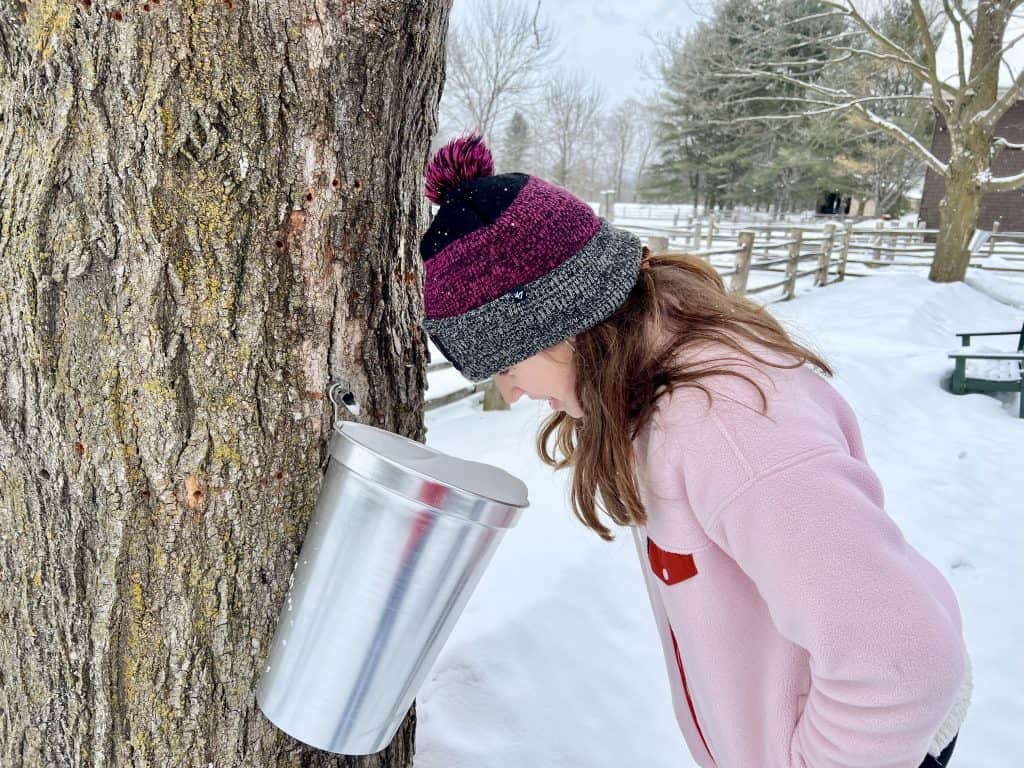
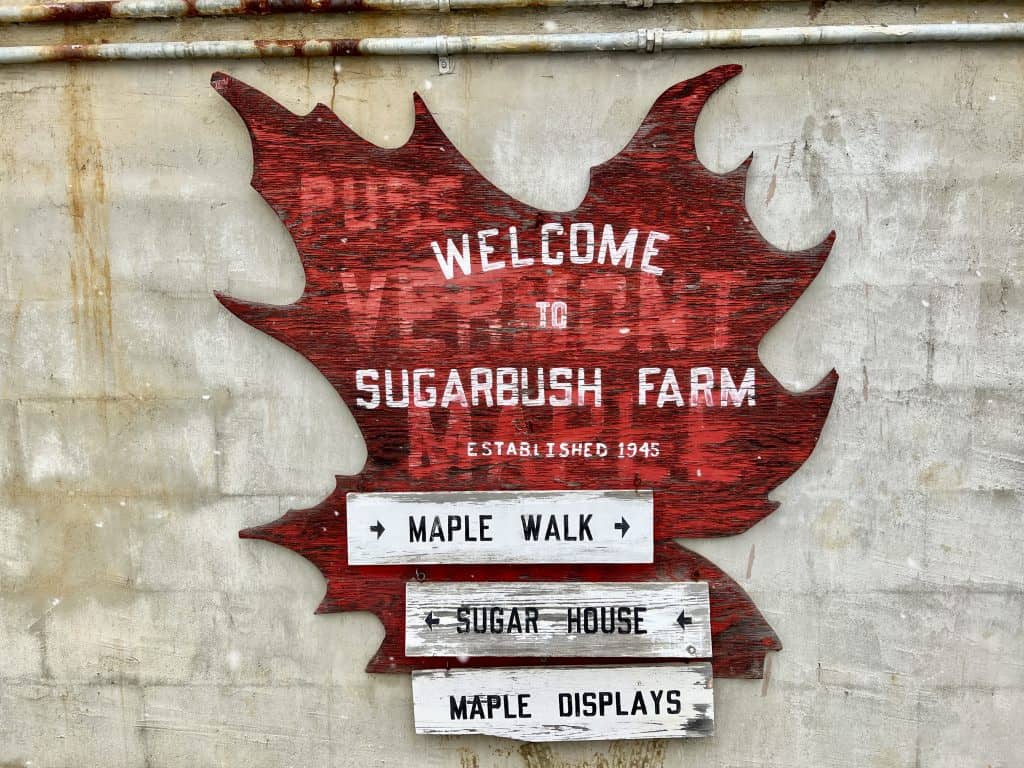
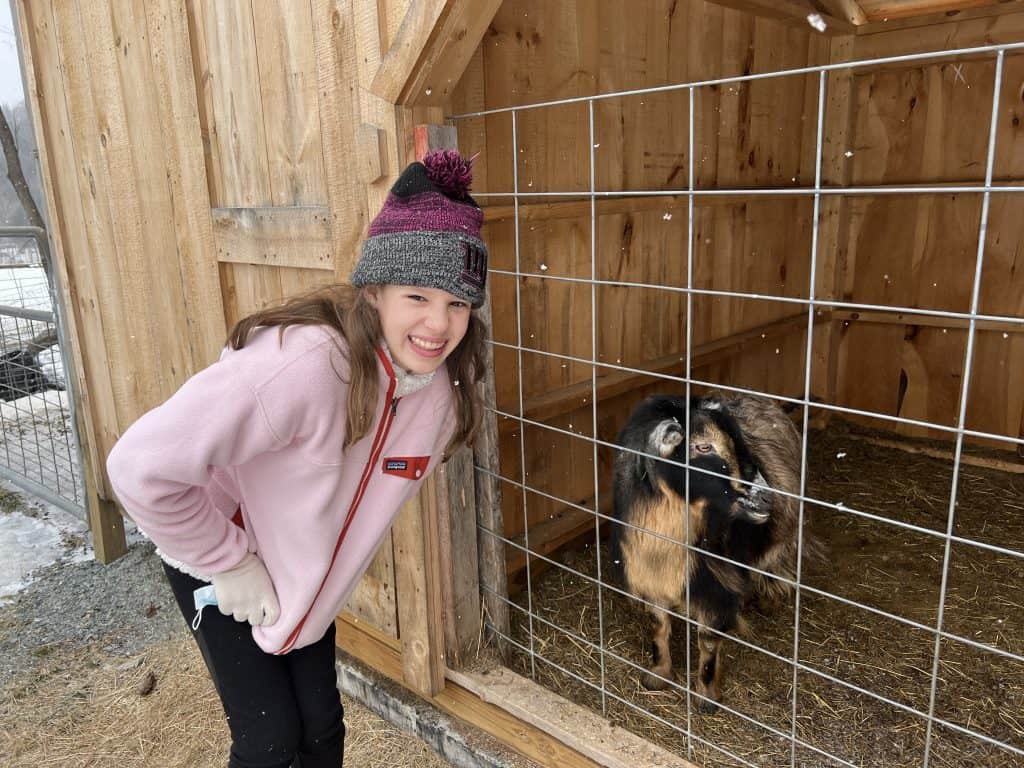
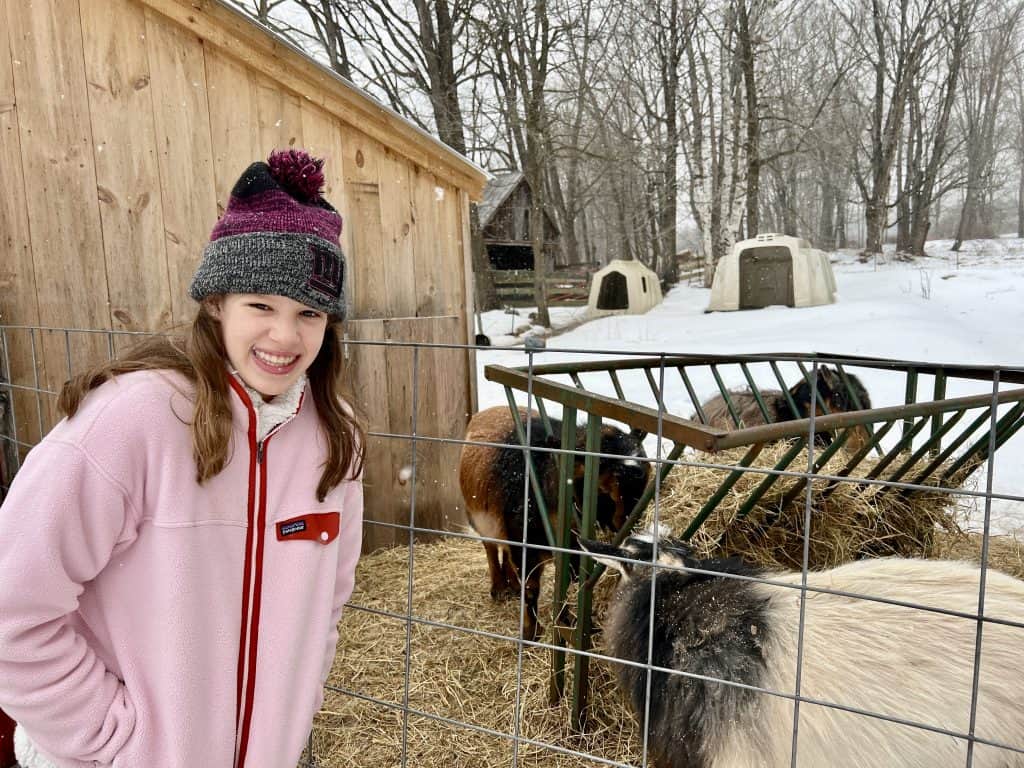
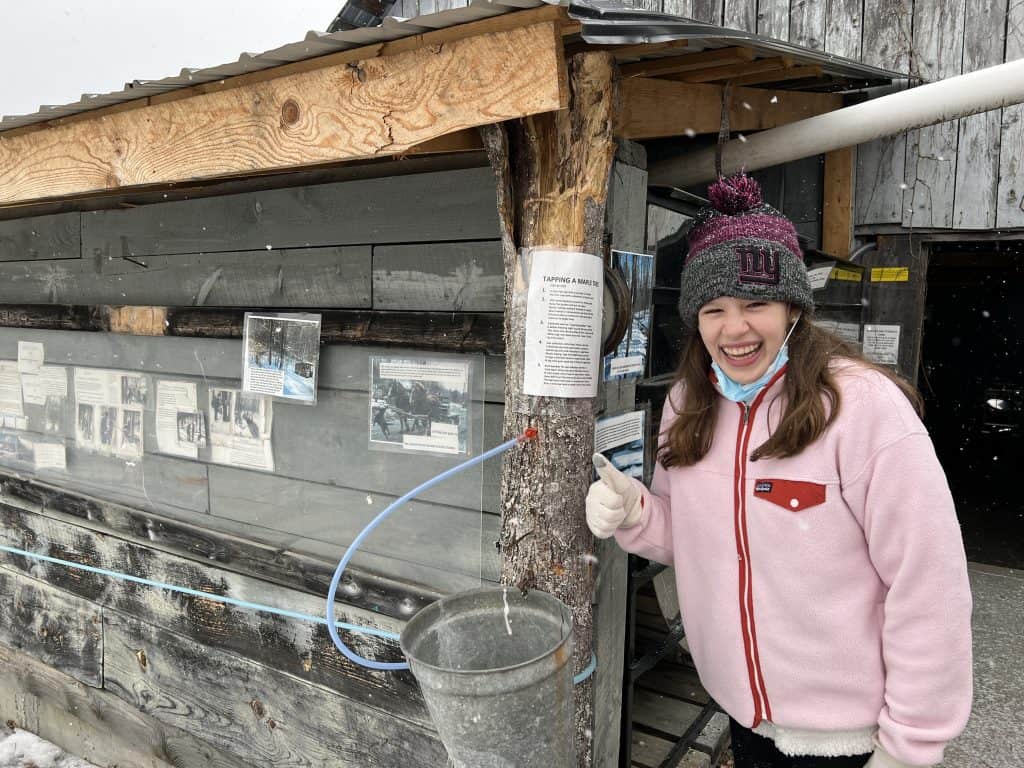
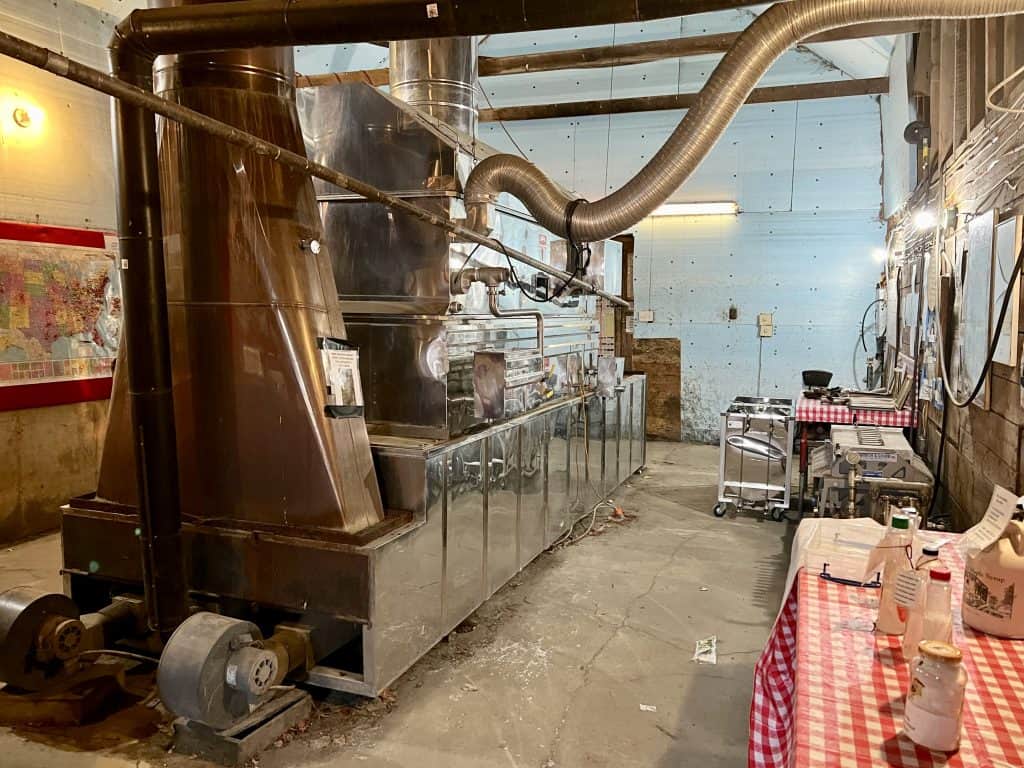
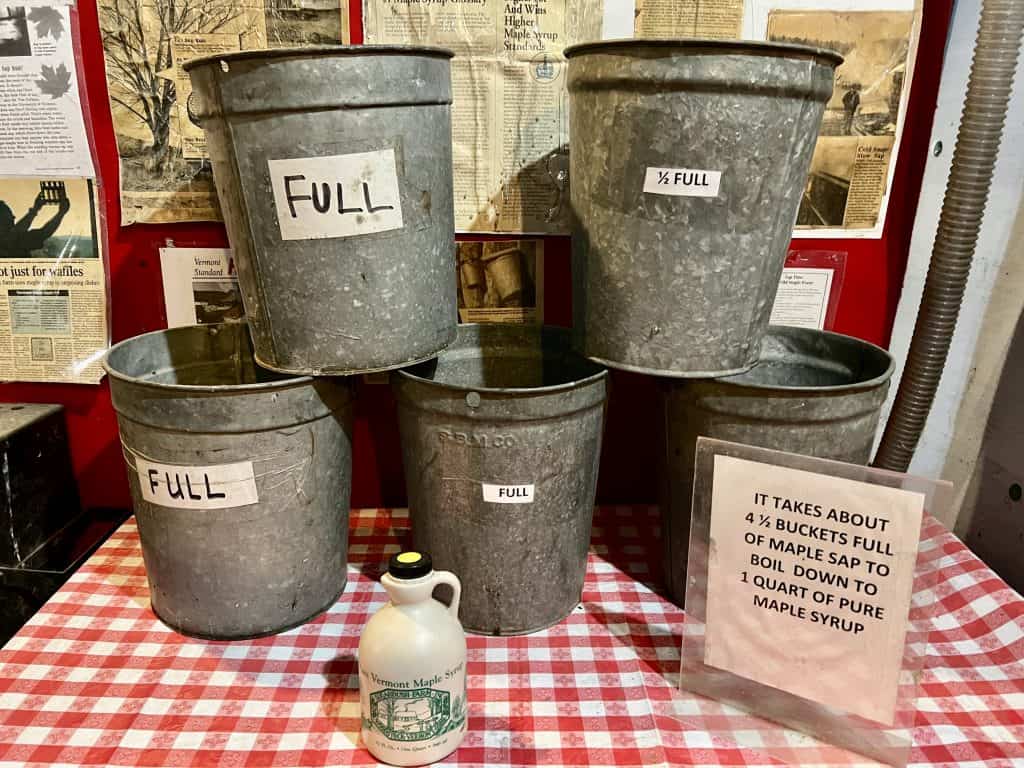
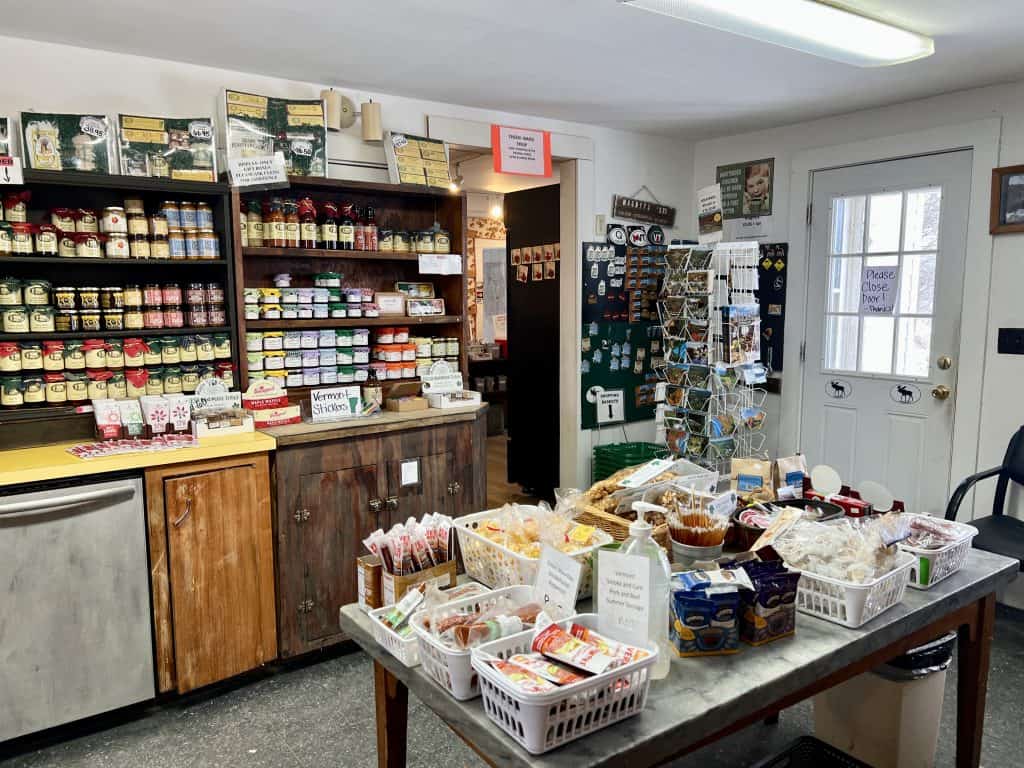
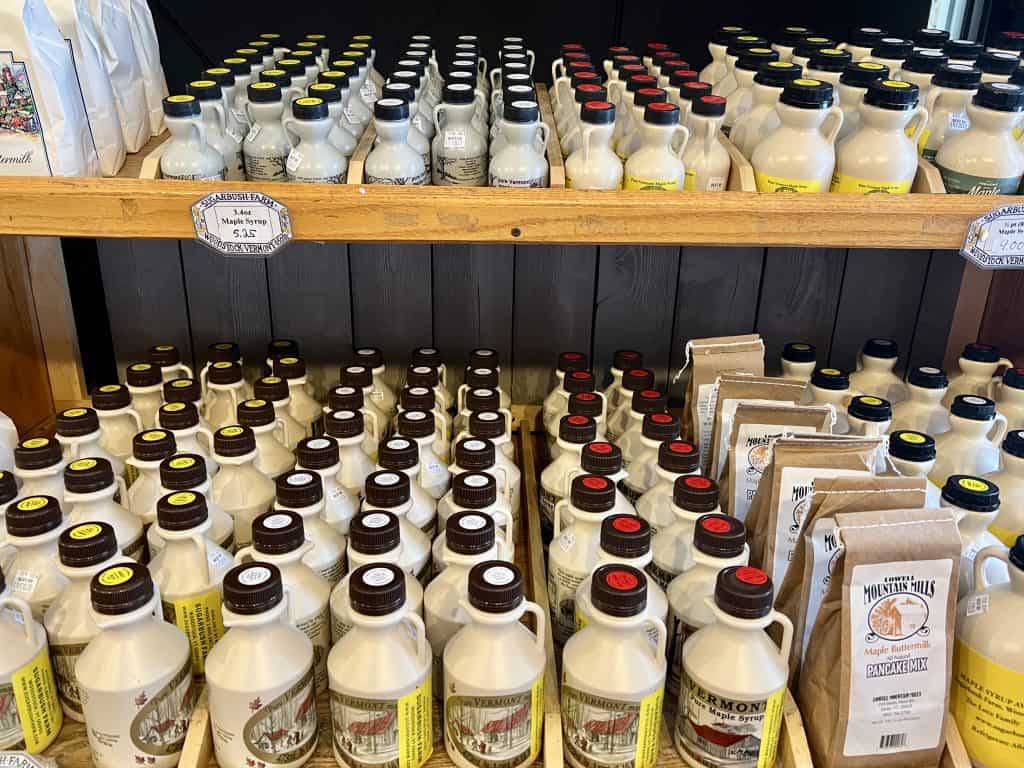
6. Sample 14 varieties of cheese and 4 grades of maple syrup at Sugar Bush Farm in Woodstock, VT. The 550 acre farm run by the Luce family opened in 1954 and is home to 9,000 maple trees, three goats, 2 horses, and up to 80 cows during warmer summer months. Guests can tour the packaging room (and taste samples), and explore the sugar barn which has an 8 minute overview video of the farm, and a vaperator and osmosis (used for making maple syrup) on display.
Kids will love playing on the playground, petting the sheep and horses, and sampling cheese and maple syrup!
Why you should return in the summer: To picnic, hike the mile long sugar trail, and see up to 80 cows who return to the farm for the warmer months.
Travel Tips: The farm is open year round from 9am-5pm (but closed on some Sundays in winter months) and is located at the end of a hilly, windy dirt road (which does have great signage). The farm is free to visit and samples are complimentary. There are restroom facilities and a large gift shop selling plenty of homemade treats and sweets, hot and cold drinks, and souvenirs.
Would you like to save this?
- Peer down (or hike to the bottom depending on the weather conditions) into Vermont’s steepest gorge, 165 feet, into the Ottauquechee River at Quechee Gorge State Park (Quechee, Vermont). According to the website, “the land on which the park is located was originally owned by the A. G. Dewey Company, a major wool processor in the 19th century. Dewey settled in the Quechee area around 1869, establishing a woolen mill. Water from falls and the mill pond just above the gorge were used to power the facility. Numerous machinery and product inventions were created here, including Sheep’s Grey or Dewey’s Gray which was trademarked in 1875.” The mill closed in 1952, but some of the remains can still be seen on property. The 612 acre state park is a popular spot for hiking, fishing, and boating during warmer months.
Why you should return in the summer: Quechee State Park has 45 tent and trailer camping sites, plenty of fishing and boating activities; the Hot Air Balloon Festival held each June and the Scottish Festival held each August.
Travel Tips: The gorge is more challenging to see during colder weather and especially when the trail is covered in snow. Best to check in with park rangers at the office before heading to the trail; even the short path to the bridge can be very slippery; plenty of parking throughout the campgrounds, but smaller lot in off season; restroom and park offices are open 10am-4pm seven days a week; plan an hour to walk to the bridge and hike the ½ mile down to the bottom of the gorge and then back to the top; helpful map here;
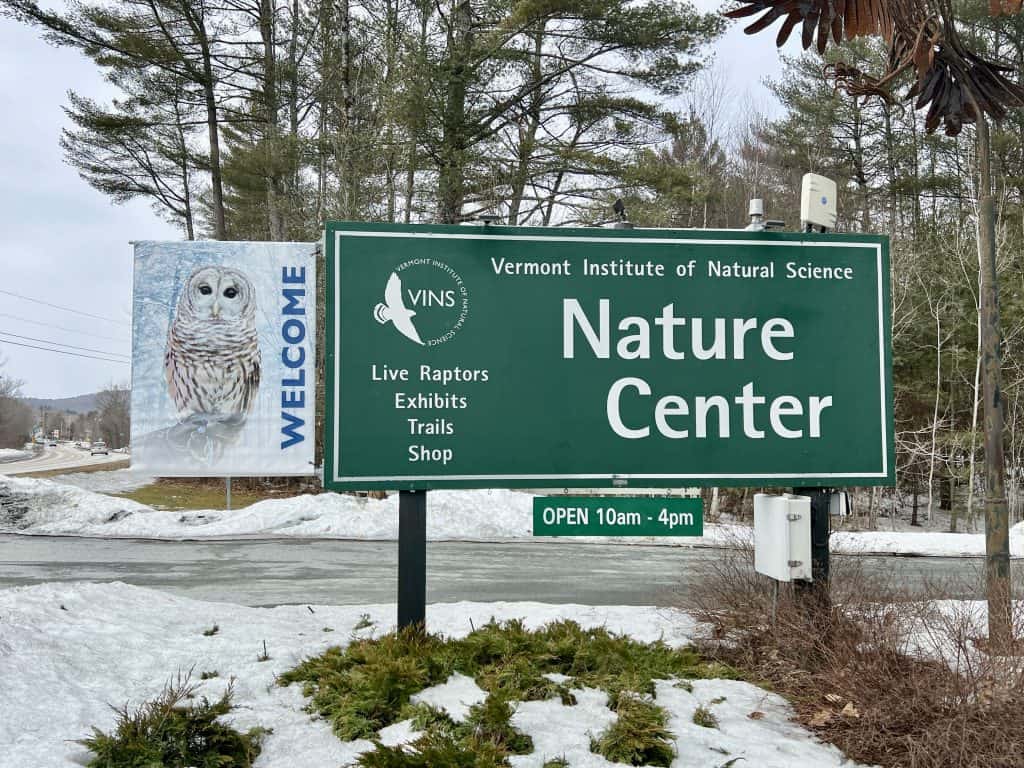
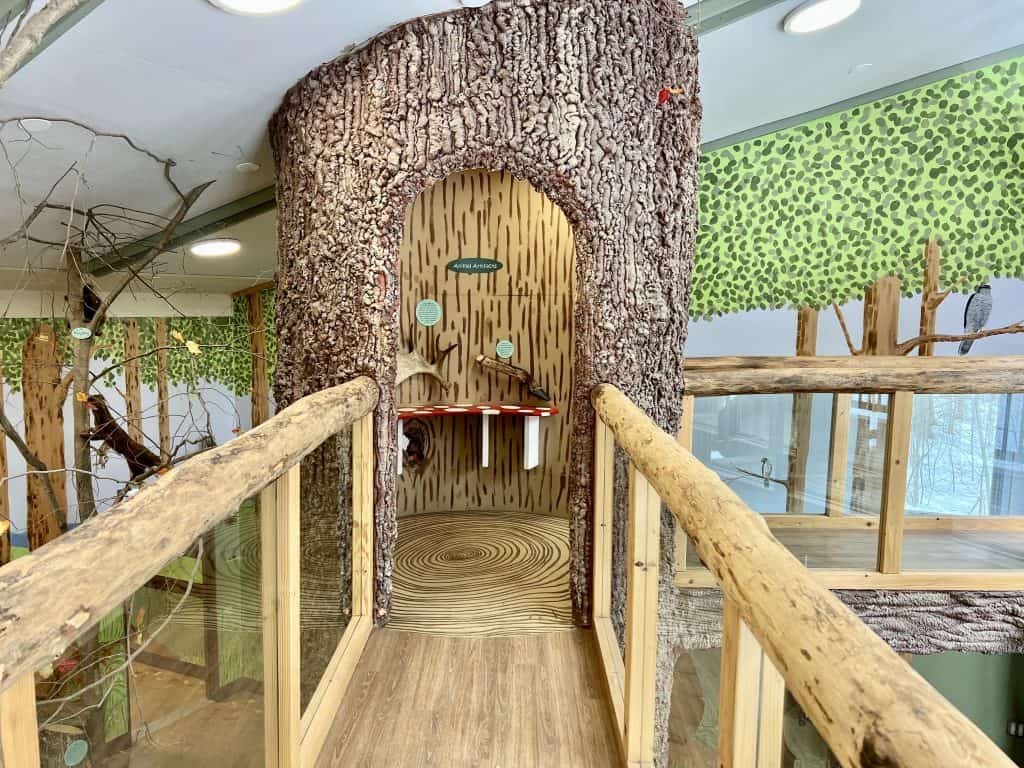
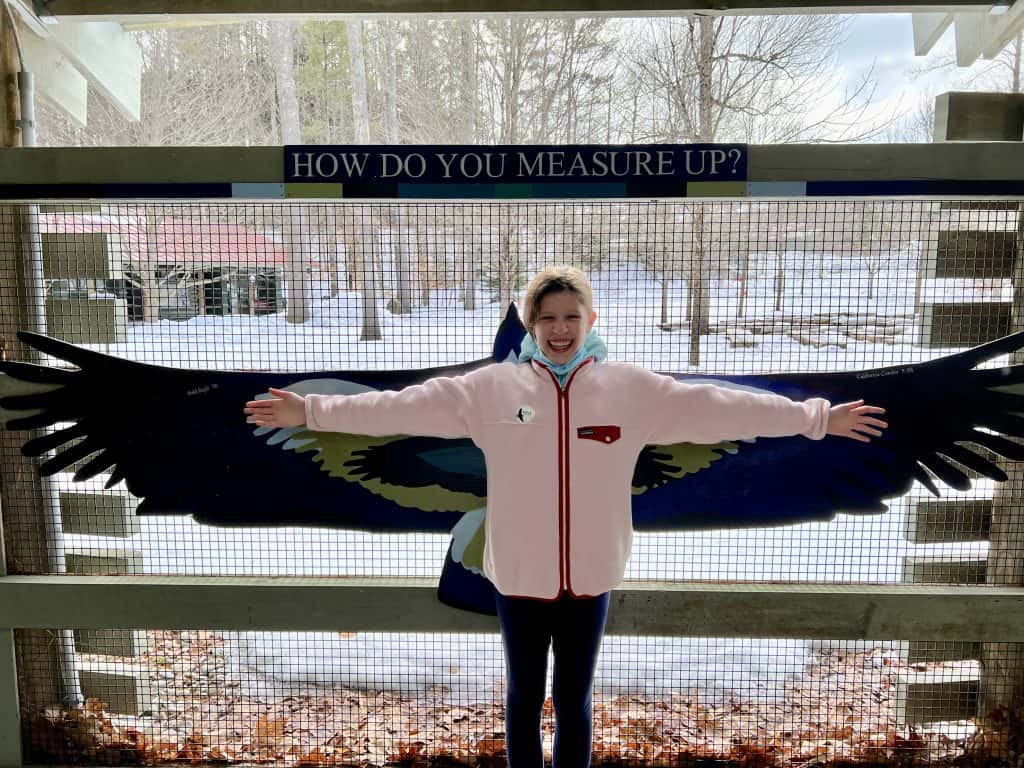
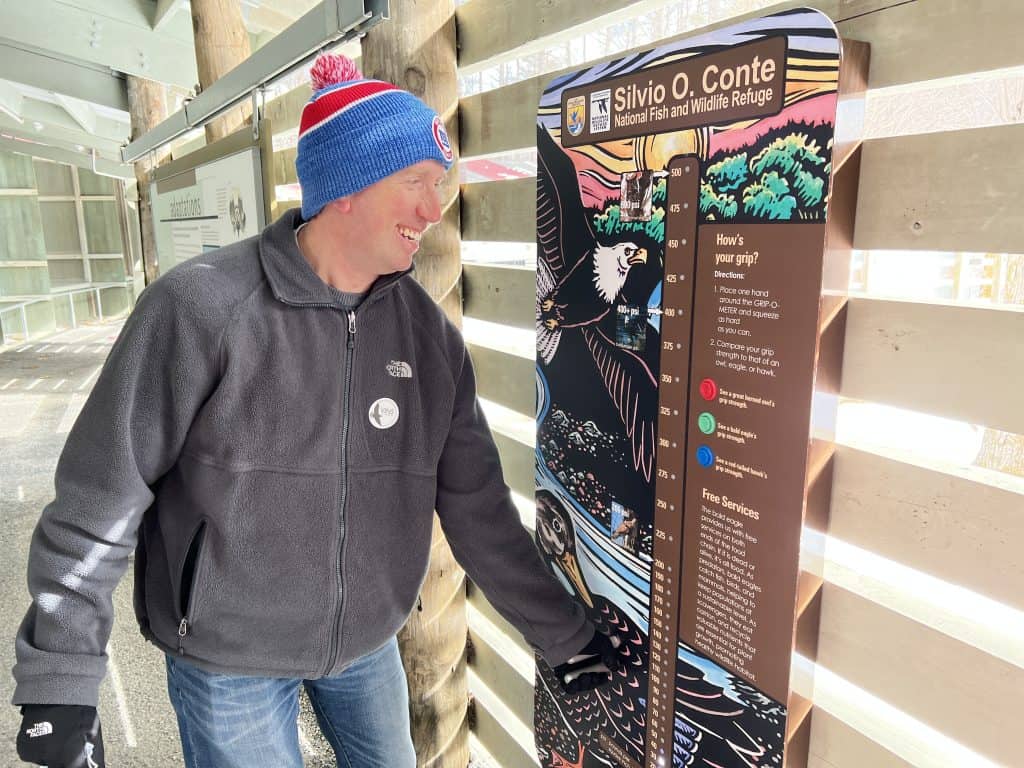
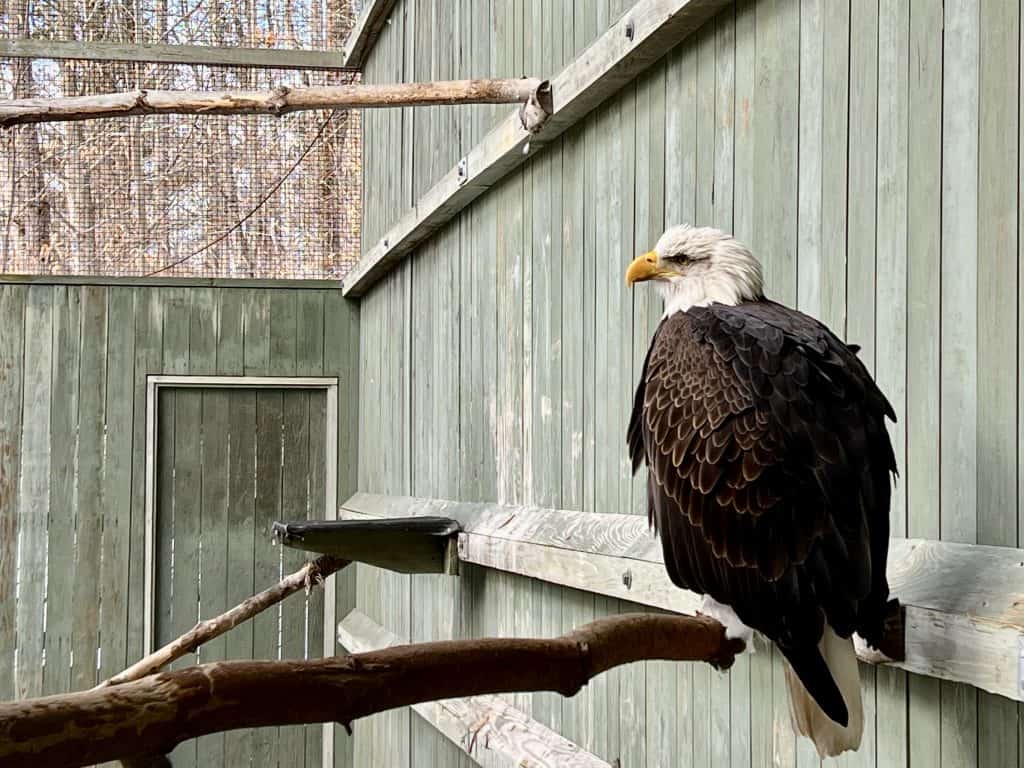
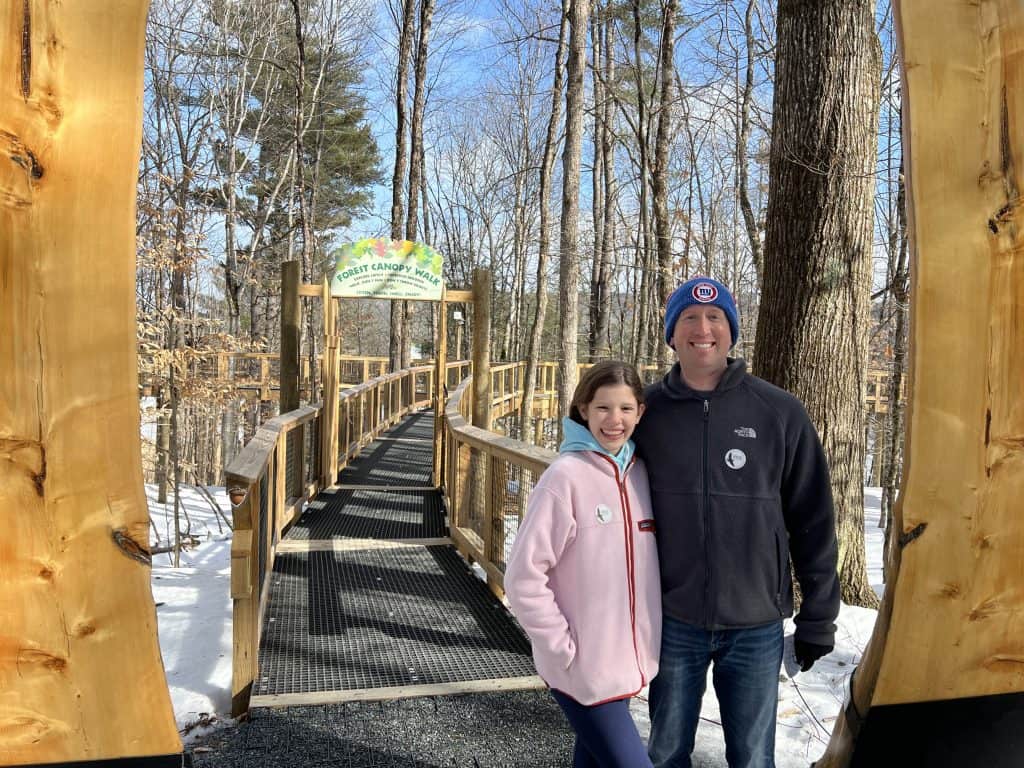
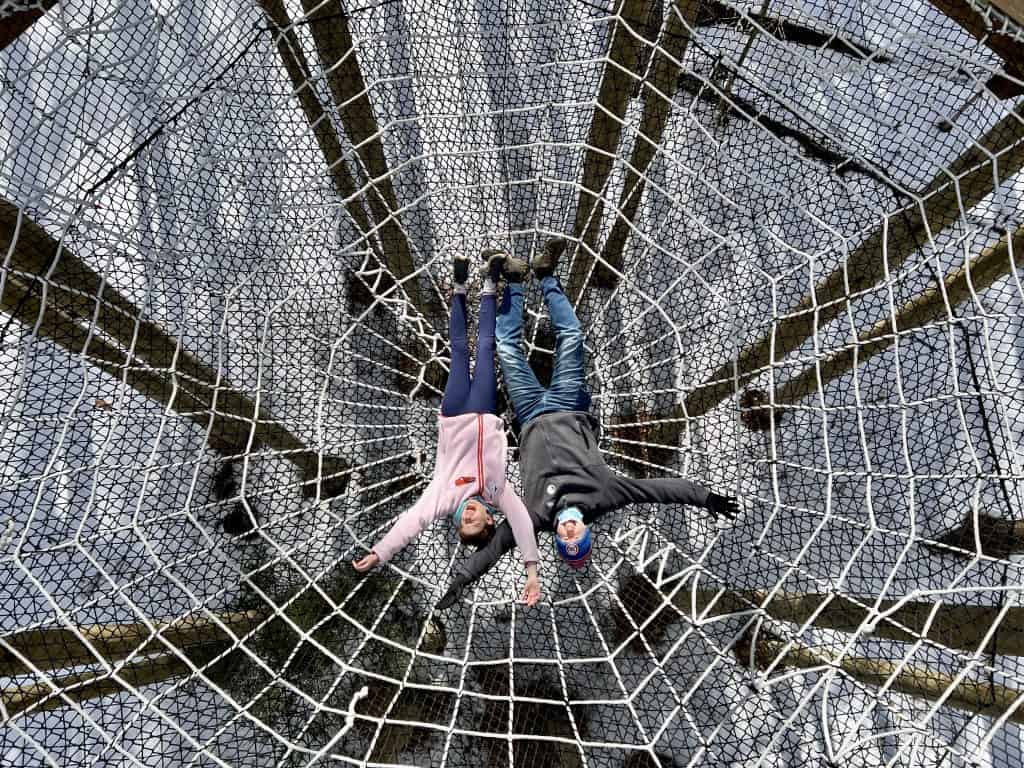
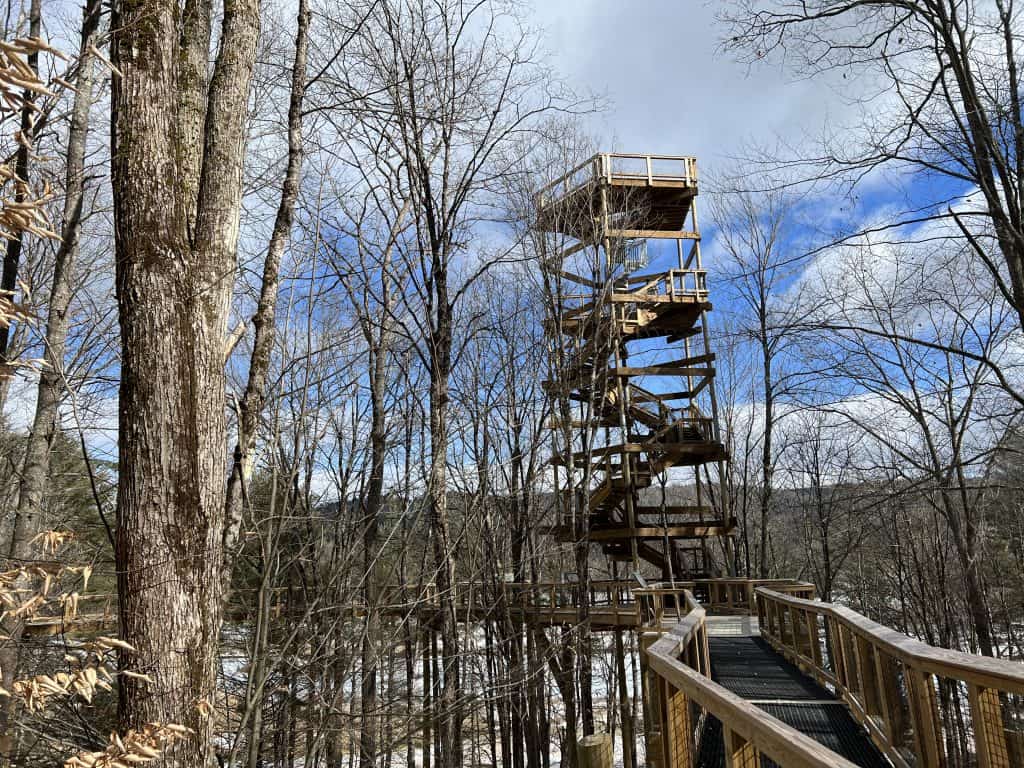
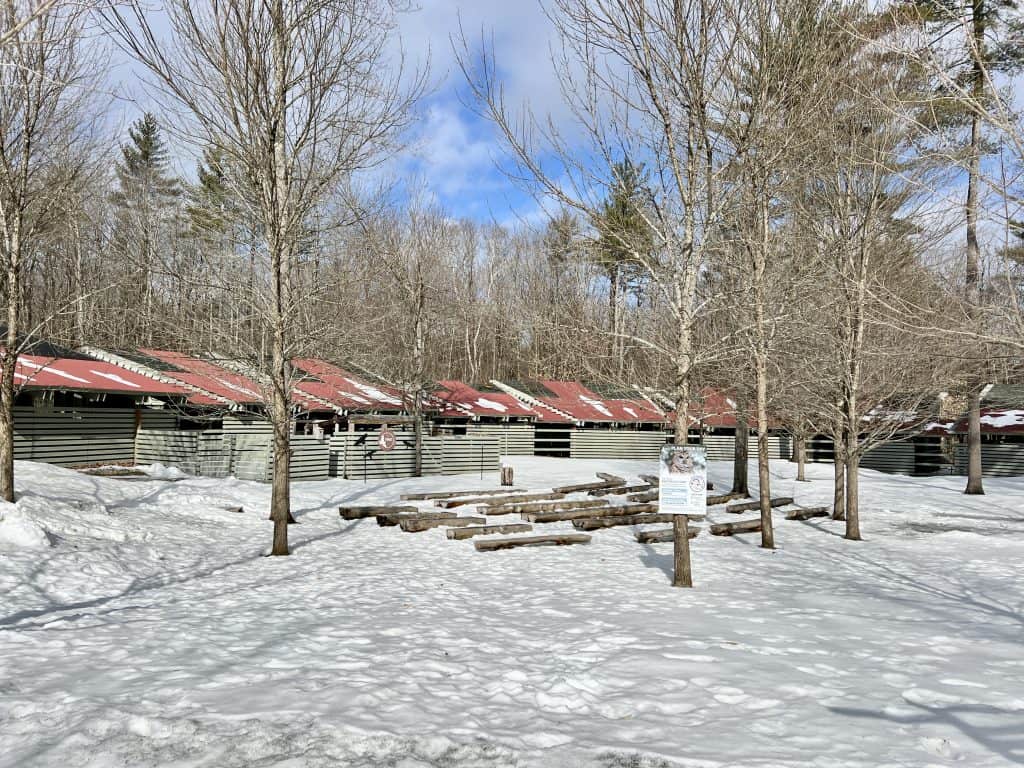
- Meet over thirty various raptors at the Vermont Institute of Natural Science in Quechee, Vermont is a 47 acre complex that includes indoor and outdoor exhibits, the Forest Canopy Walk, three hiking trails, a Meadow Walk, a Center for Wild Bird Rehabilitation, adventure playscape, and plenty of classrooms and exhibition spaces. Opened in 1972, the programs featured at VINS focus on conservation, preservation, and rehabilitation of wildlife.
Kids will love the indoor Forest Exhibit, meeting all of the raptors, and exploring the Forest Canopy Walk.
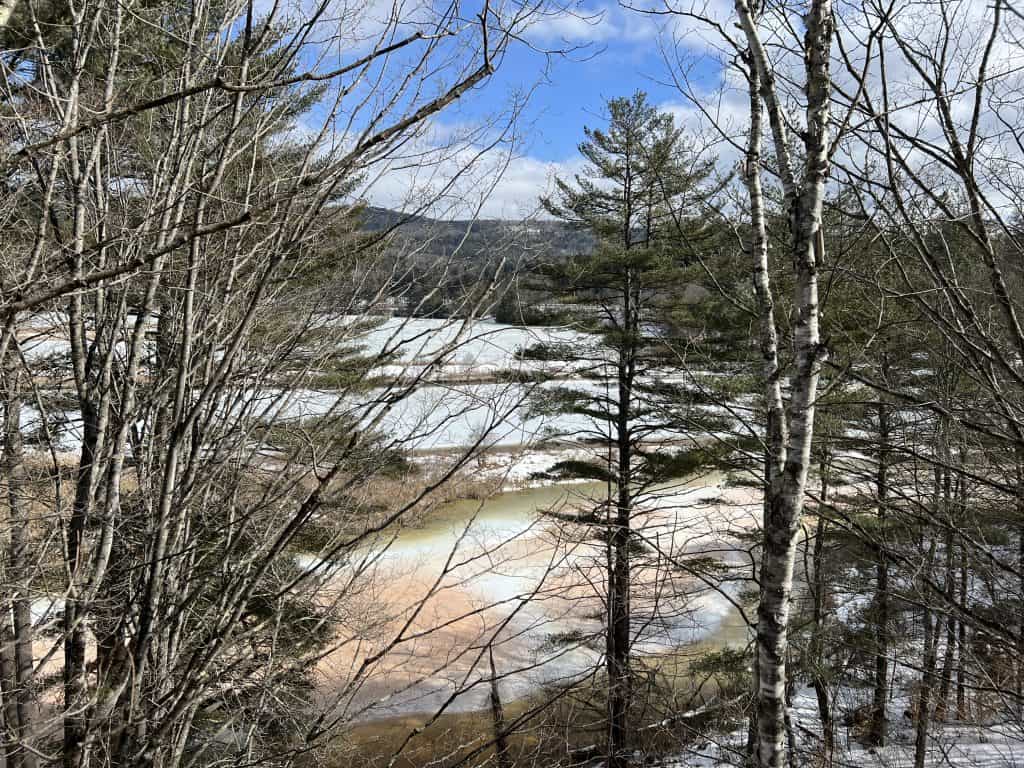
Why you should return in the summer: Hike the three outdoor trails, totally about 1.5 miles with beautiful view of the Ottauquechee River and Dewey’s Pond
Travel Tips: The museum is open seven days a week all year; plenty of free parking; restrooms and a small gift shop and snacks available at the Visitor Center; plan on 2 hours to explore the main exhibits.
Read our full post featuring VINS here.
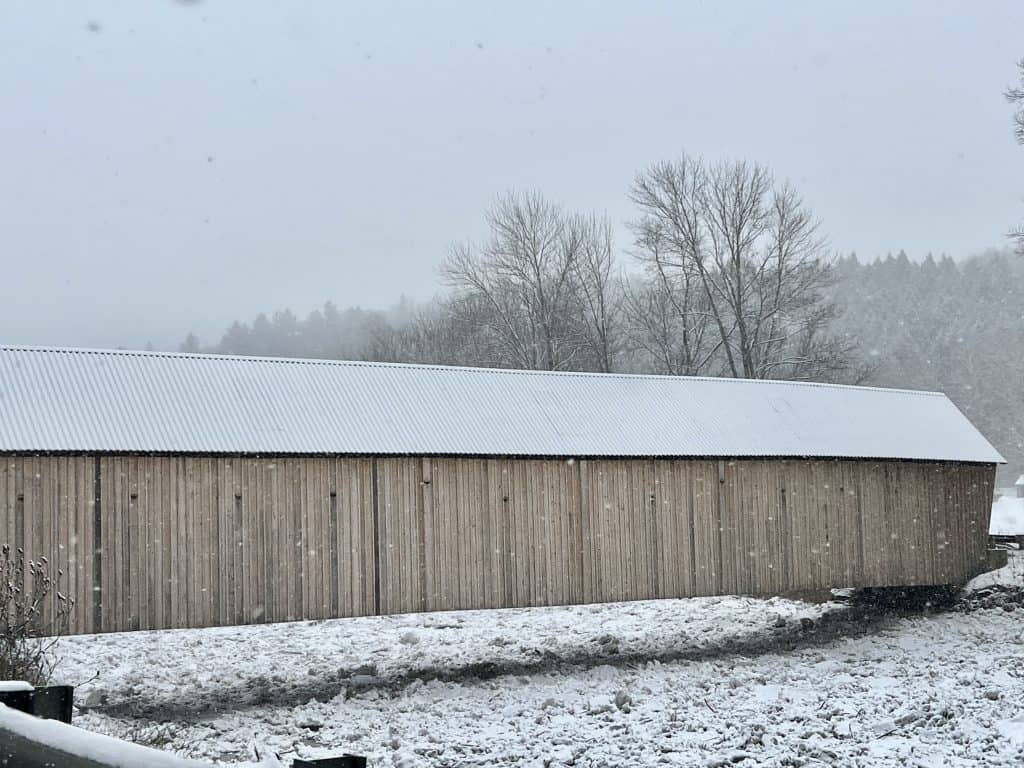
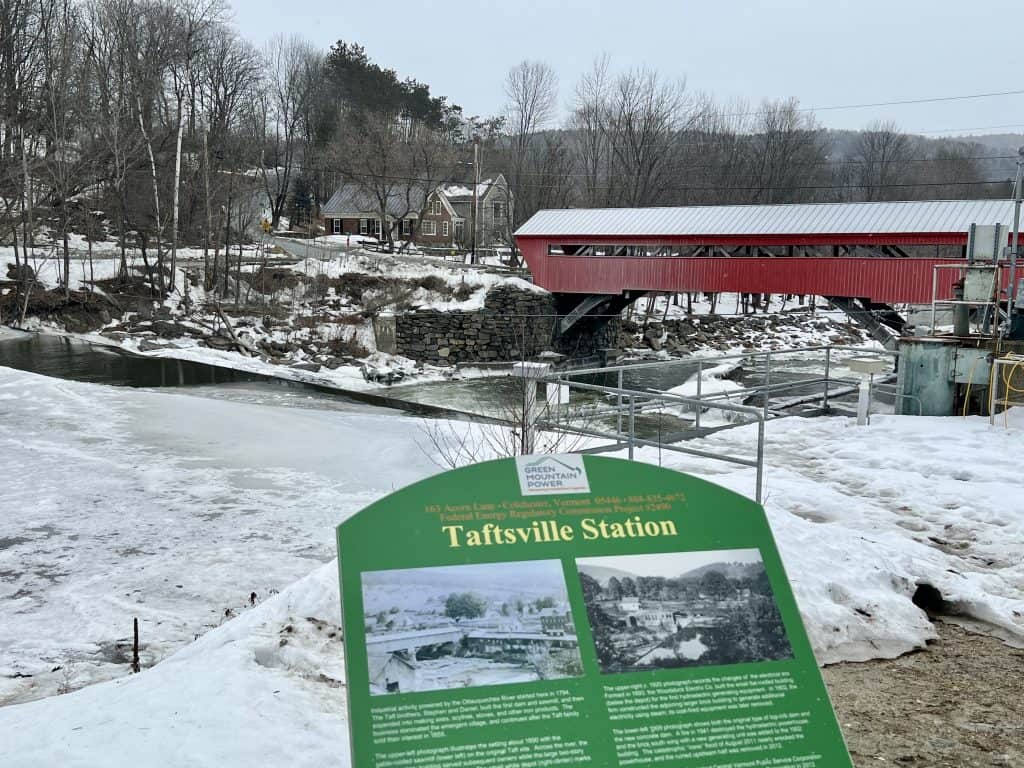
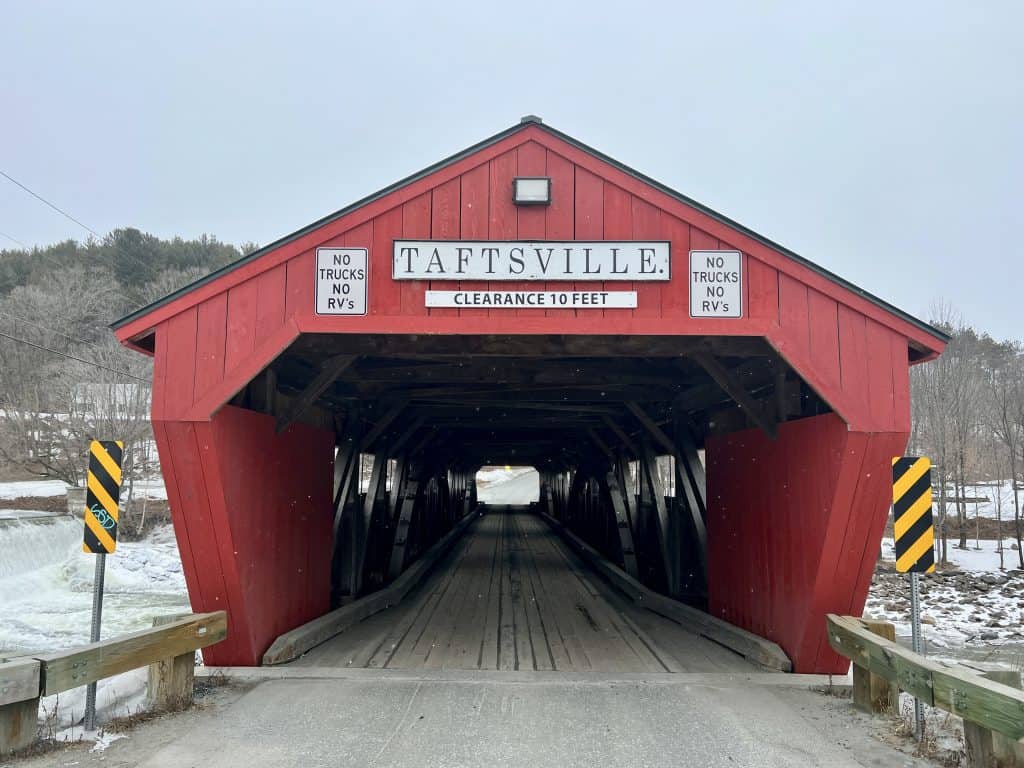
- Walk through one (or several) of Vermont’s 100 covered bridges. There are three located in and near Woodstock, all of which cross over the Ottauquechee River: Middle Bridge and Taftsville Bridge in Woodstock and Lincoln Bridge in West Woodstock. The Taftsville Bridge is the oldest, built in 1836, and Middle Bridge is the newest all-peg constructed bridge in Vermont. All three bridges were updated in the mid 1900s, and allow for single car passage,
For more tips on exploring covered bridges throughout New England (and more!) check out my friend’s blog, BackoftheBike which features tons of recommendations throughout New England, with a heavy emphasis on Vermont.
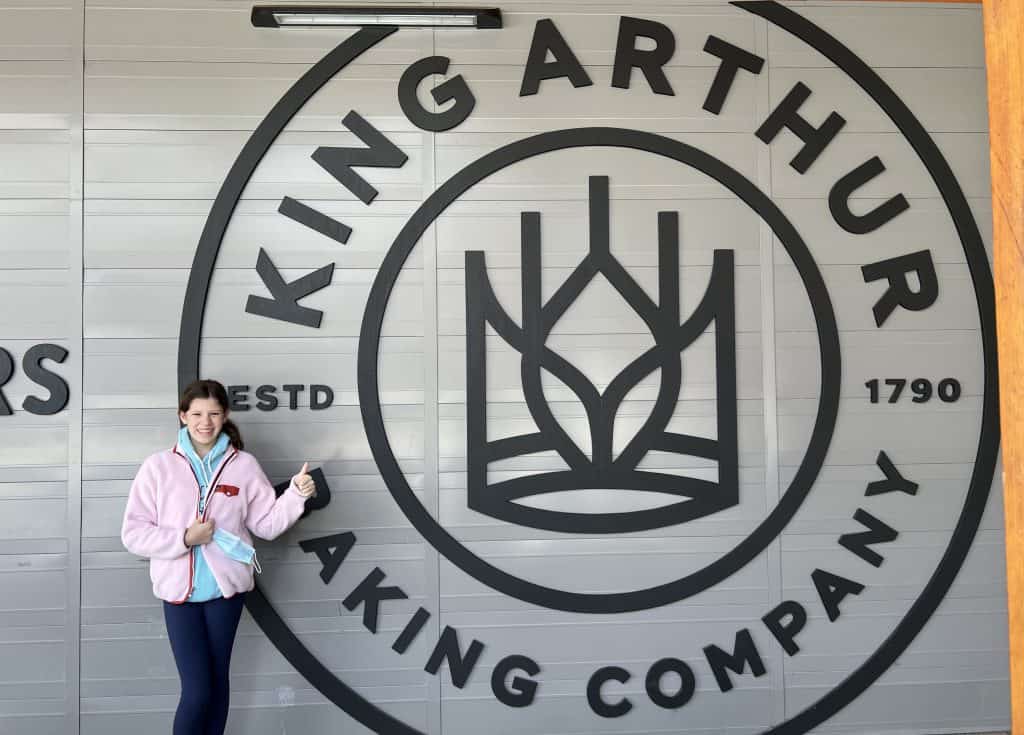
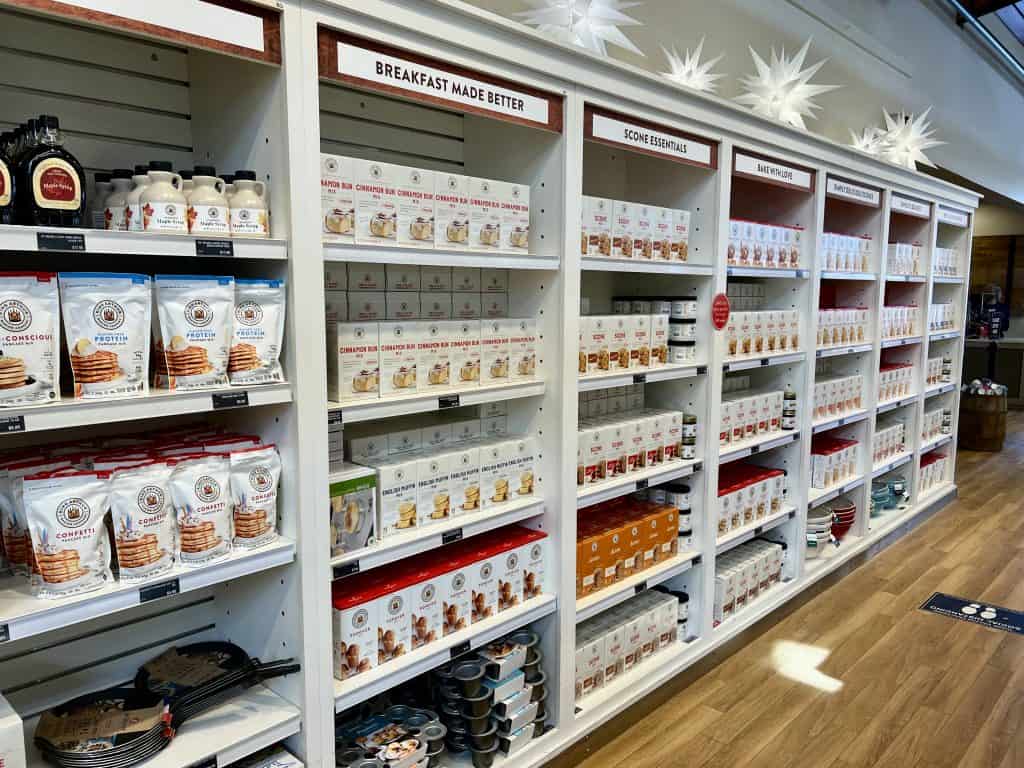
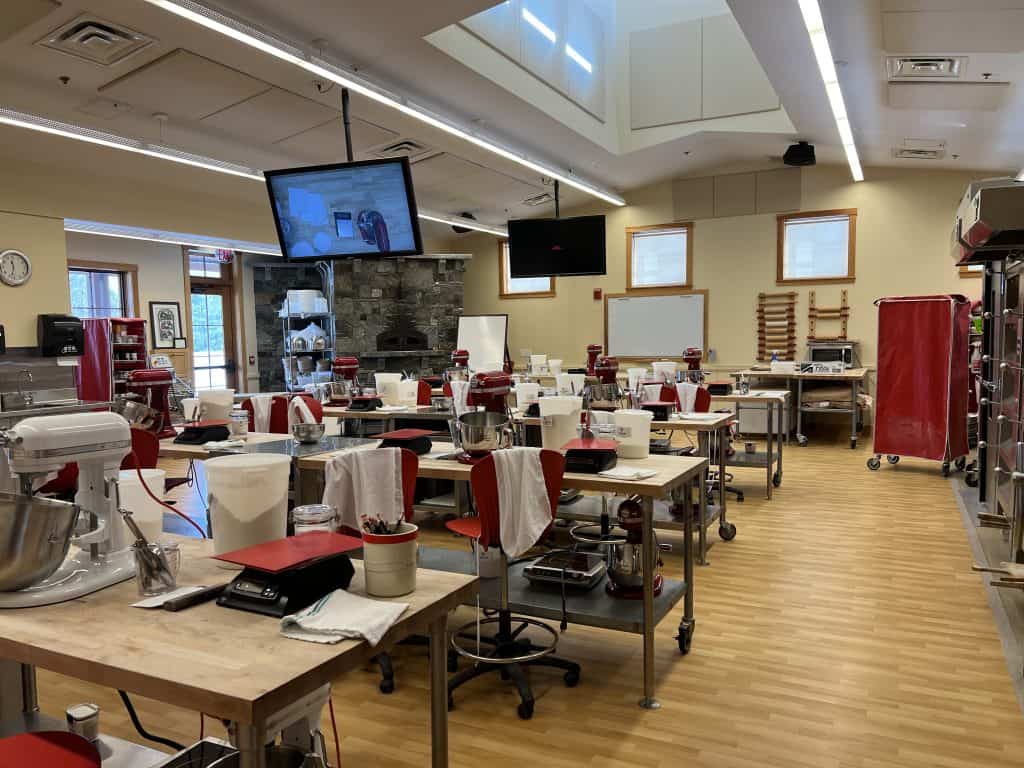
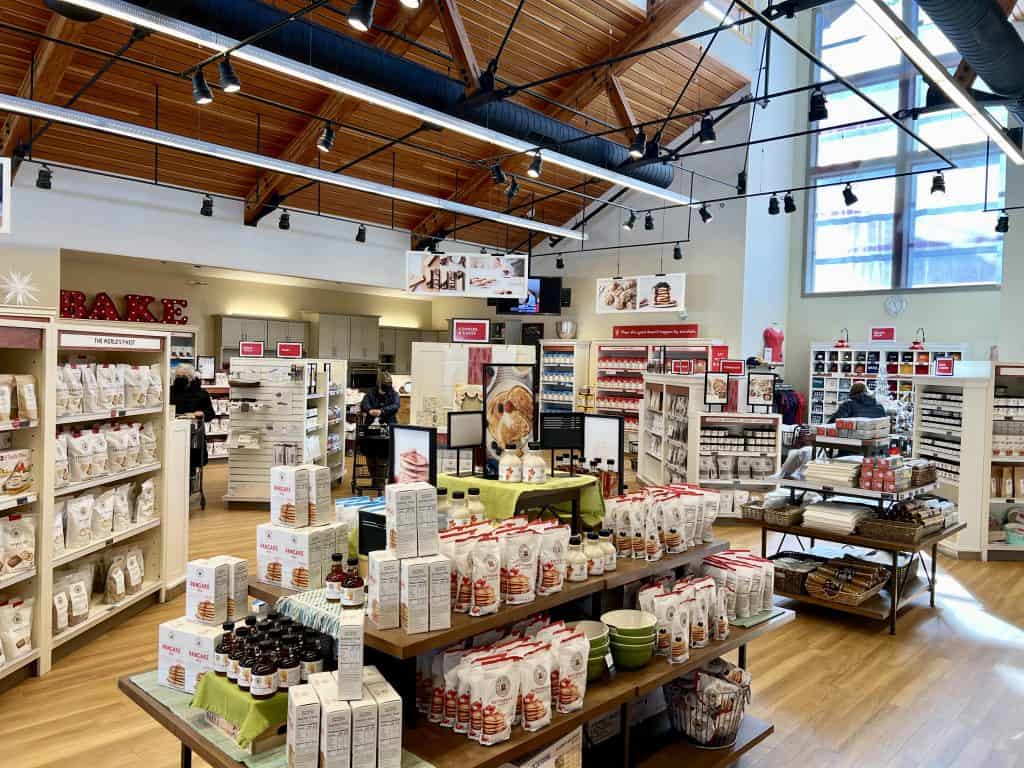
- Watch how breads, cookies, brownies, pizzas, and pastries are made at King Arthur Baking Company in nearby Norwich. The flagship campus includes a massive kitchen, a cafe open for breakfast and lunch seven days a week, a large retail store, and the famous Baking School, offering daily classes in everything from dough to pie crust to pastries.
Kids will love watching the chefs form the dough into sweet treats, and then buying bakery treats in the adjacent cafe.
Why you should return in the summer: To picnic outside on the grounds.
Travel Tips: Hours listed here; plenty of free parking and restrooms; the retail shop offers every item made by the company (be sure to grab compliment recipe cards displayed throughout the shop); currently (winter 2022) the Cafe is counter service only, but there are outdoor seating areas. Check here for a list of baking school classes.
Other popular attractions that are only open in the late spring and throughout summer are the Woodstock History Center, President Calvin Coolidge State Historic Site, and the Old Constitution House
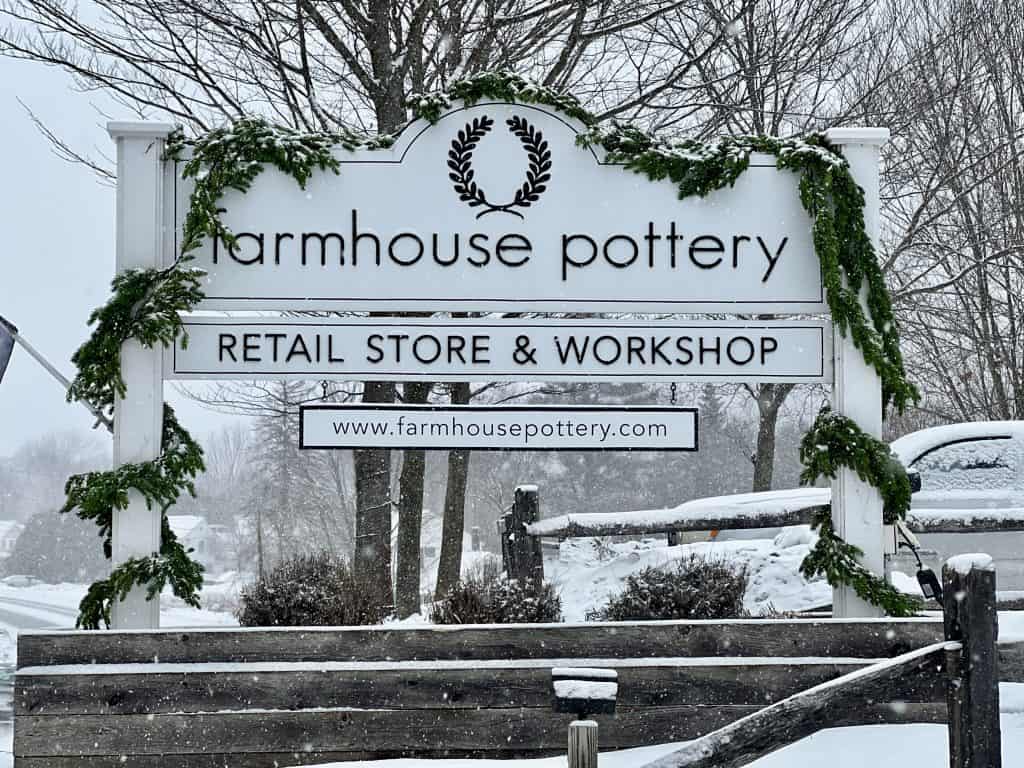
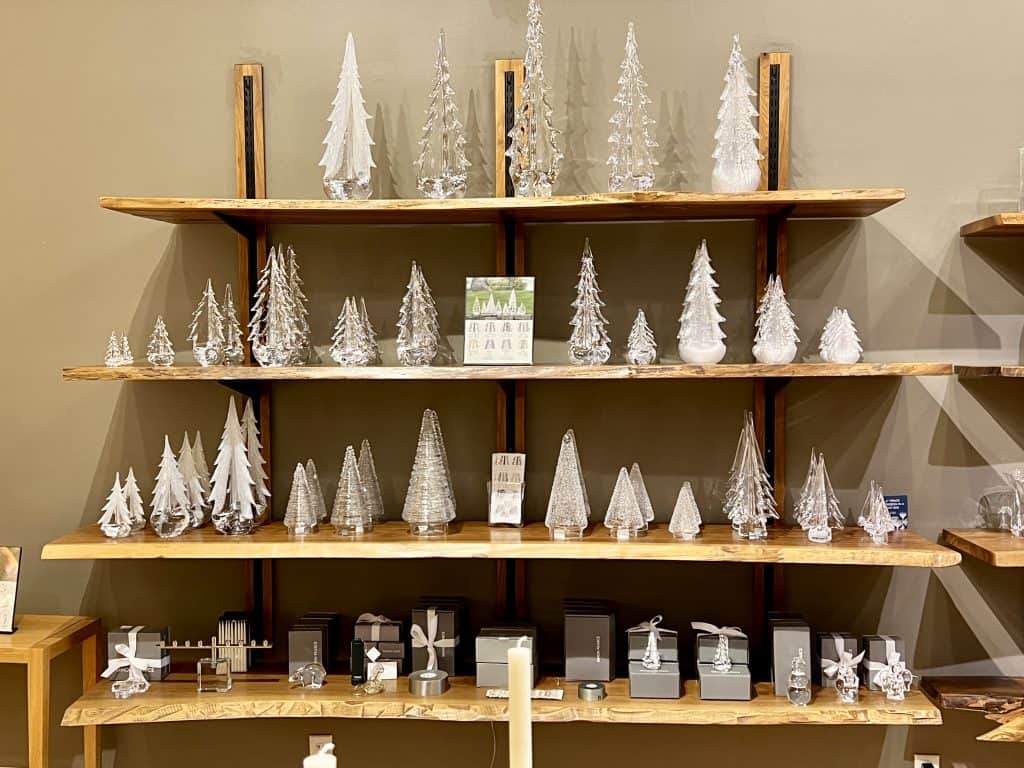
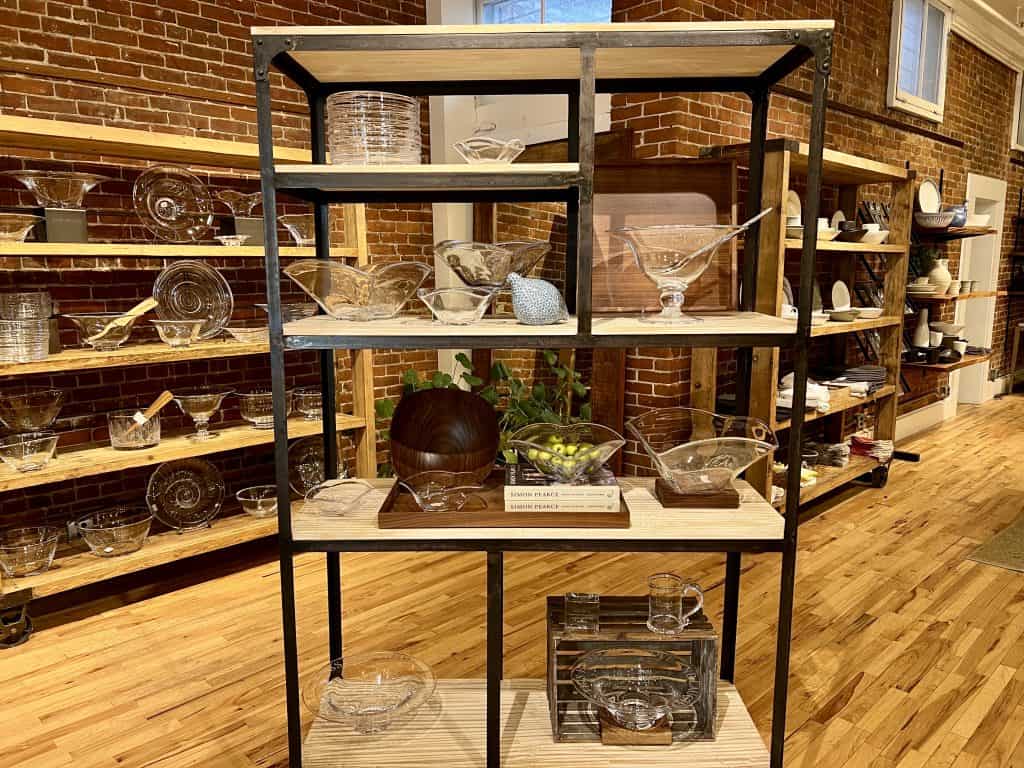
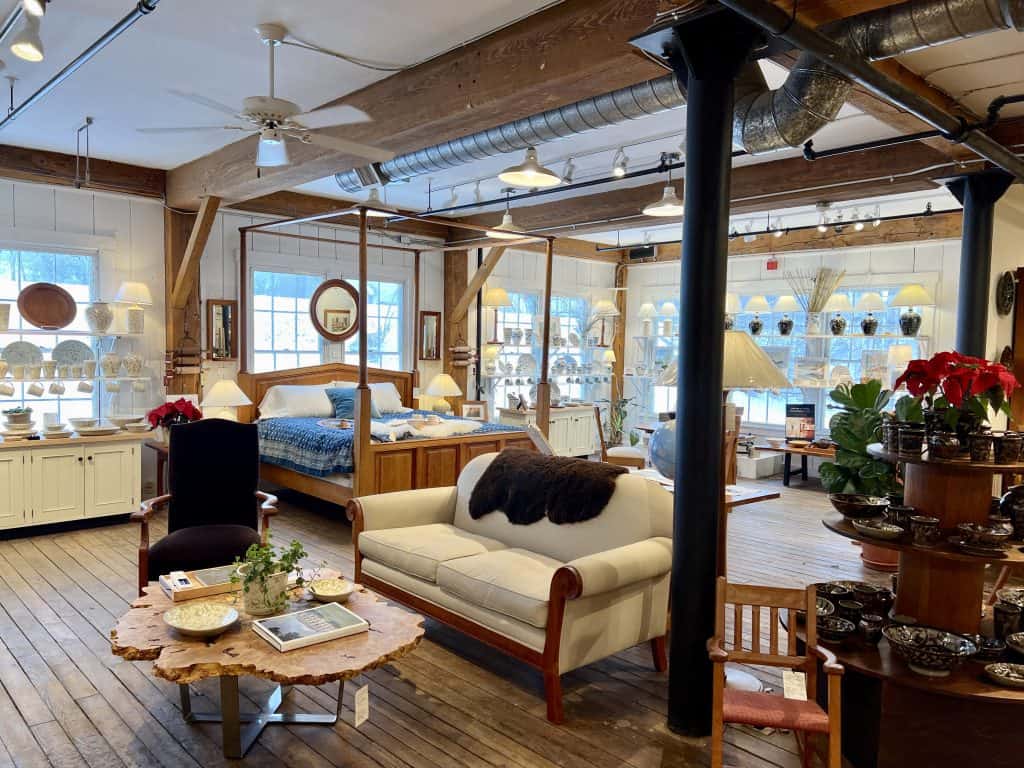
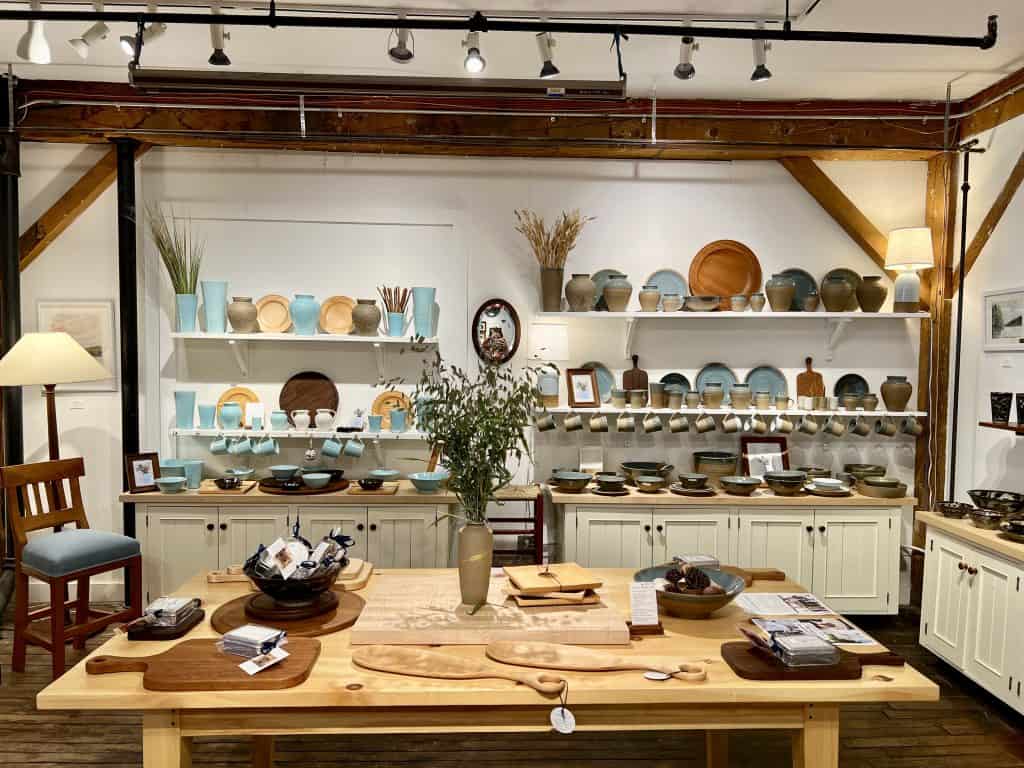
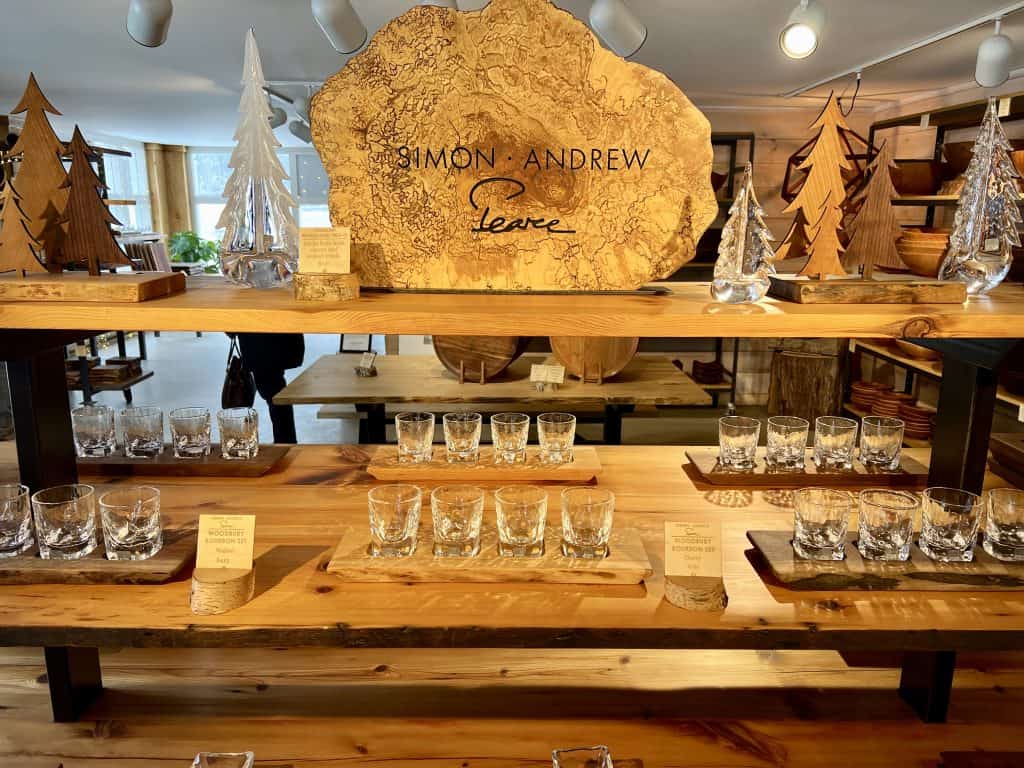
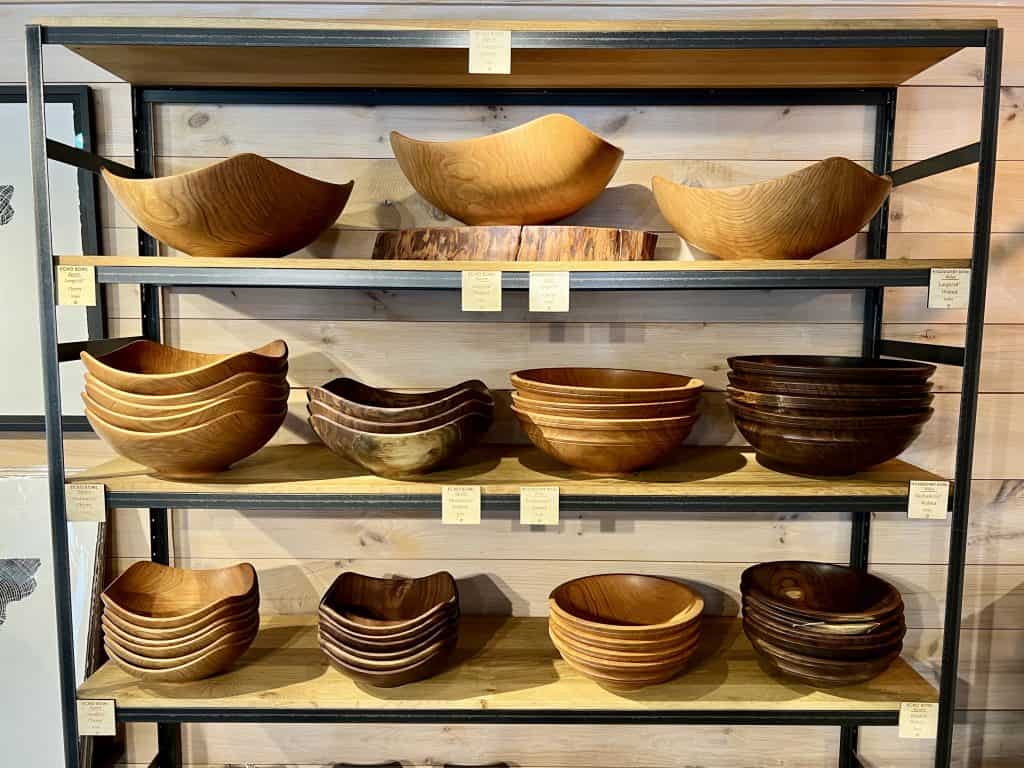
My favorite shops: While not the most child friendly spaces, leave time to peek into Farmhouse Pottery (Flagship store and studio in Woodstock, and retail shop in Hanover, NH) for handmade pottery, Simon Pearce (Flagship store, glassblowing workshop, and restaurant in Quechee, VT; retail shop in Hanover, NH) for beautiful glass, Shackleton Thomas (retail store and studio in Bridgewater, Vermont) for handmade furniture and pottery; and Andrew Pearce (retail store and studio in Taftsville, Vermont) for housewares and furniture.

Where to Stay: For a complete list of lodging options can be found here. Two popular resorts in Woodstock are:
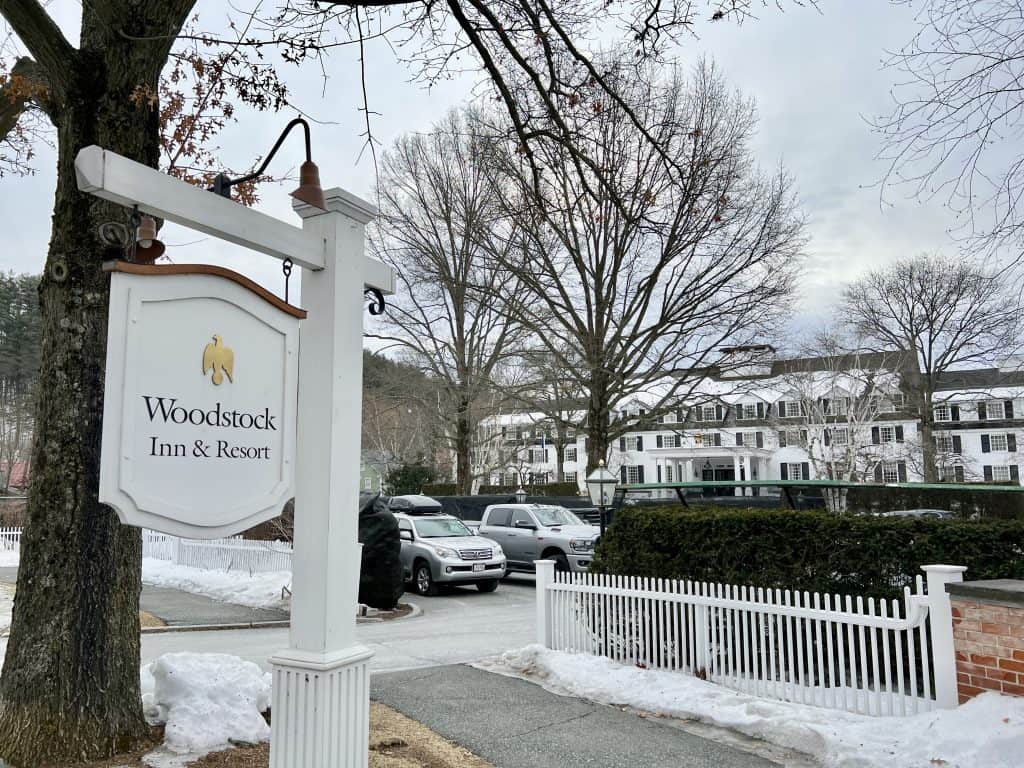
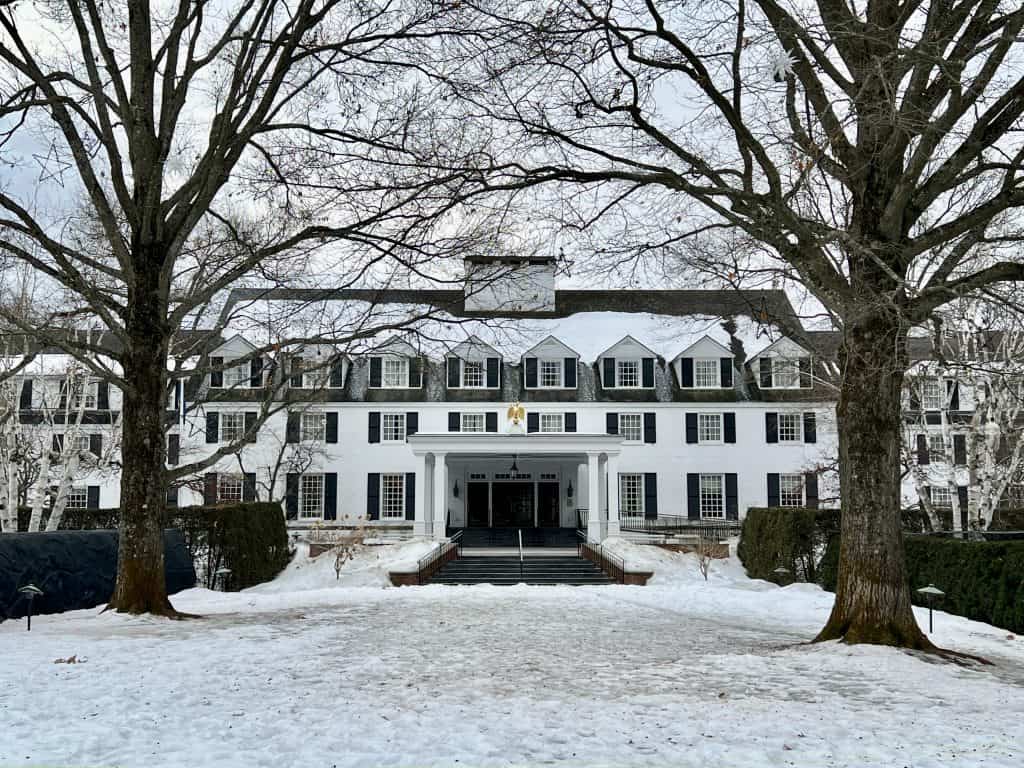
- The Woodstock Inn & Resort, located in the heart of Woodstock Village. The resort includes rooms and suites, a full service spa on site, two restaurants (Red Rooster Inn and Richardson’s Tavern), and tons of daily activities. Nearby, the resort also features an 18 hole golf course, Suicide Six ski area, Nordic Center for cross country skiing and snowshoeing, Athletic Club (with tennis and pickleball courts, indoor pool, gym, and tons of daily classes), and the Kelly Way Gardens.
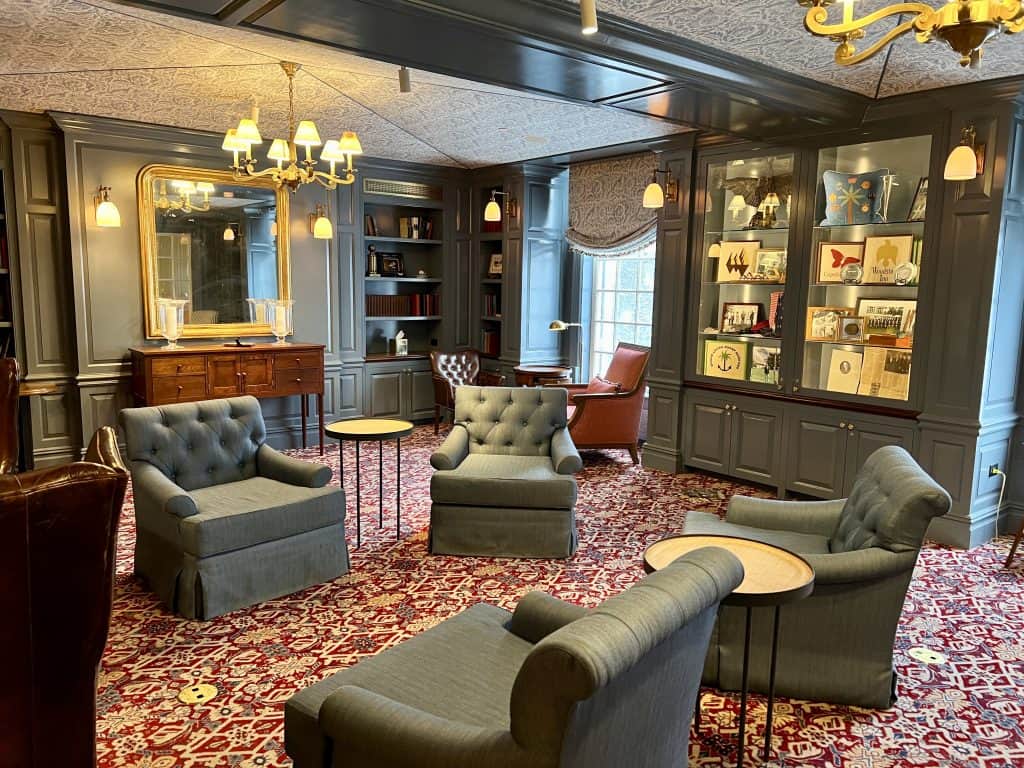
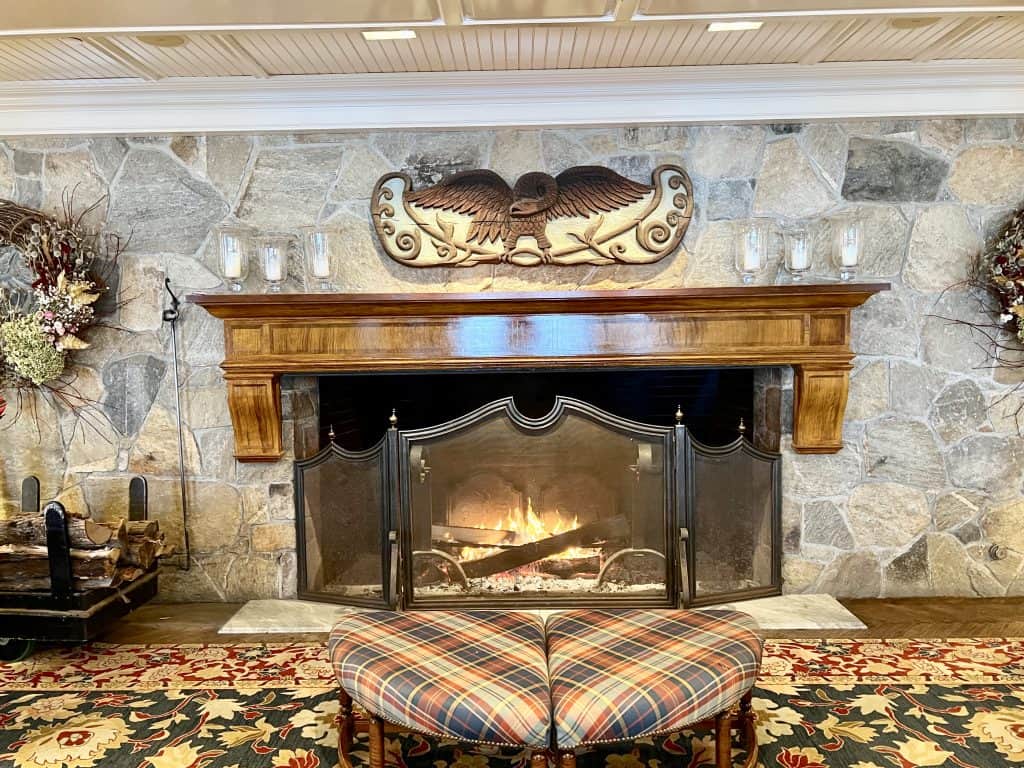
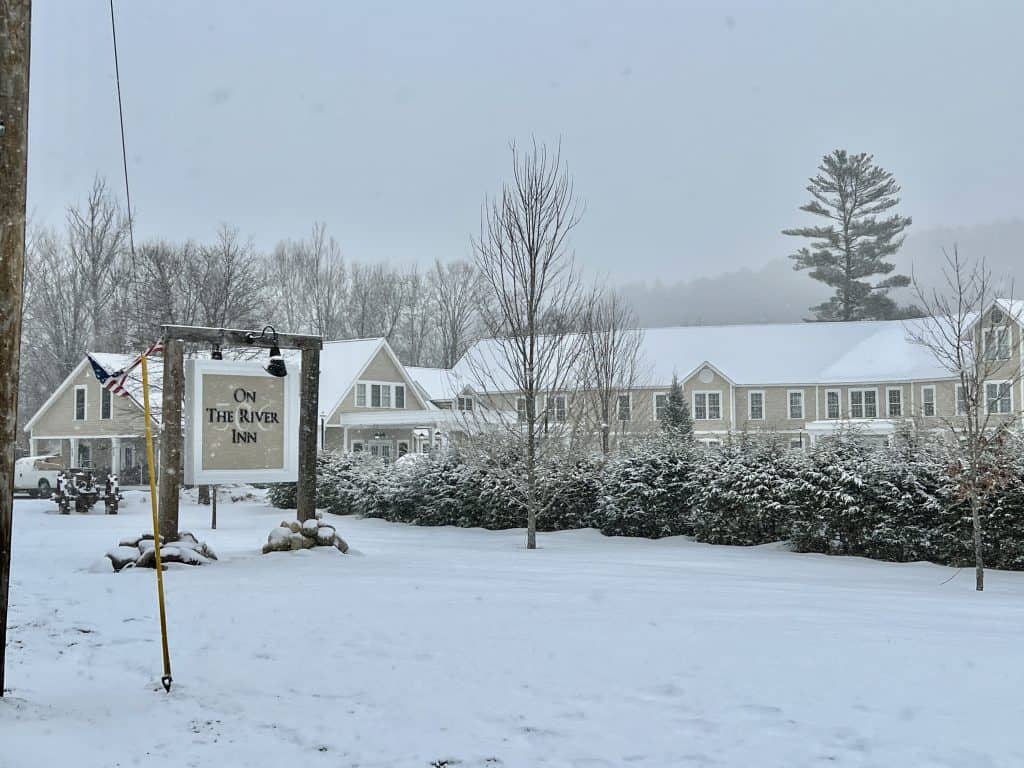
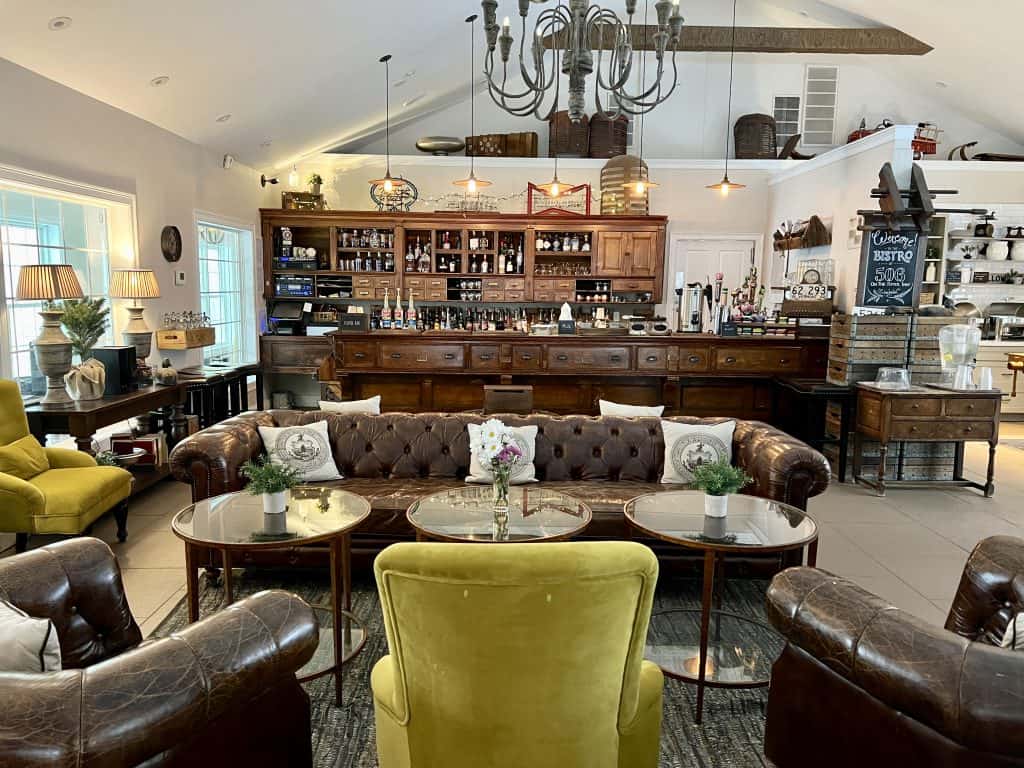
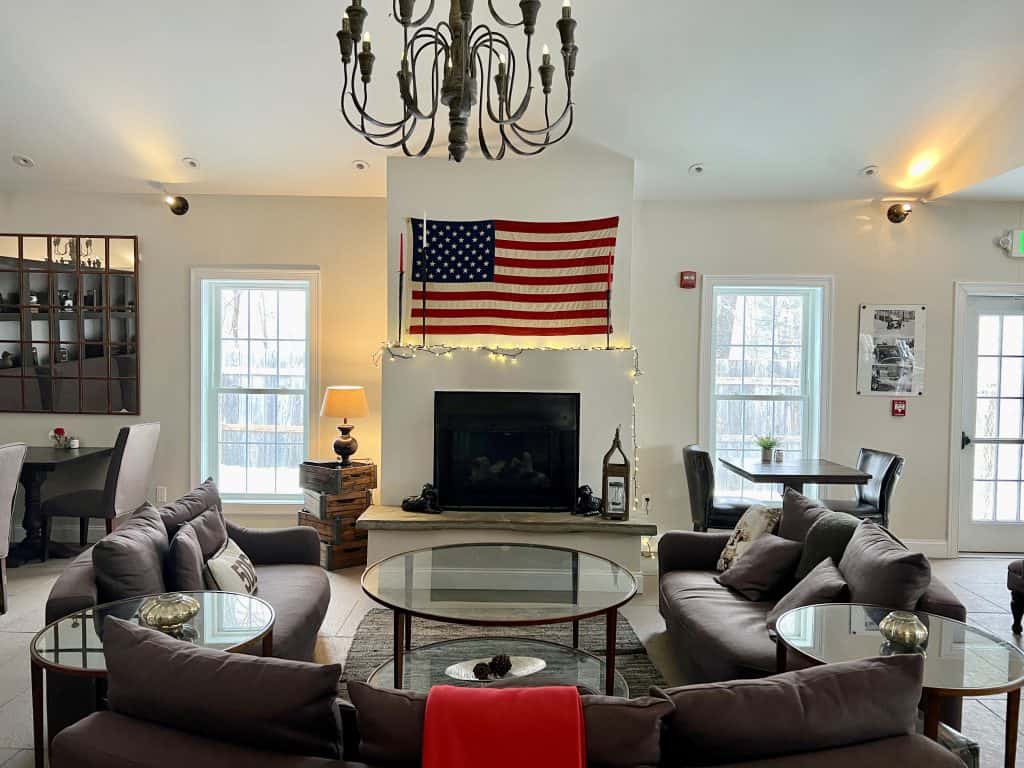
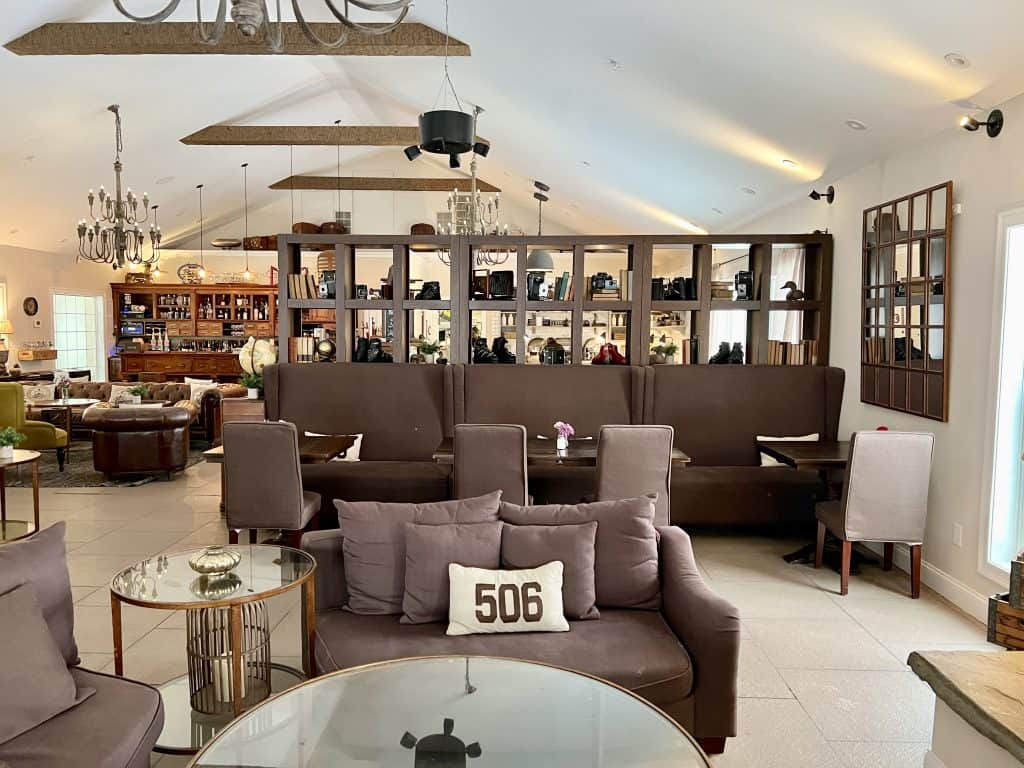
- 506 On the River Inn, located five minutes outside the village of Woodstock and spread out across six acres facing the Ottauquechee River. The resort includes 45 river facing rooms and several farmhouse suites, the 506 bistro and bar serving breakfast (included in each stay) and dinner and drinks, pool and sauna, and activity center for children.
Looking for recommendations in where to eat in the area? Check out our list of 13 great spots here. And follow along on our adventures on Instagram, Facebook, Twitter, and Pinterest.
Disclosure: My family was given media passes to Montshire, VINS, and Billings Farm and Museum. All opinions expressed are my own.




What a great list, I would love to go skiing here one year! I think doing a class at the King Arthur Baking Company would also a cool experience.
We always had Vermont on our radar for a fall leaf visit. But I can see we need to consider a winter visit too. Certainly lots to see and do for all members of the family. Who can pass on the maple syrup?
So many amazing activities and I like so many!!!! Animals, science museum, and the baking company. It’s great how any things there are to do. I would love to do a baking/cooking class.
I’ve never been to Woodstock but would like to visit one day. Your post provides a lot of great information and tips for a winter visit. Thanks for sharing your insight!
Such a lovely post! I really enjoyed reading about the science museum and the nature centre! Those two in particular are places I would.love to visit. Thanks for sharing!
Beautiful post!
What an amazing list of activities for every season! It reminds me how much we’ve missed since our last visit years ago. Looking forward to new adventures. Thank you