
10 Family Friendly Ways to Explore Jamestown Settlement and Chippokes Plantation State Park in Virginia
One of the most popular living history museums in America, Jamestown Settlement tells the story of the first permanent English settlement in 1607 and the cultures that converged there. It originally opened as a museum in 1957 and was expanded in 2007, in commemoration of its Quadricentennial. Named in honor of King James I of England, the complex includes immersive indoor and outdoor exhibits, and daily interactive demonstrations.

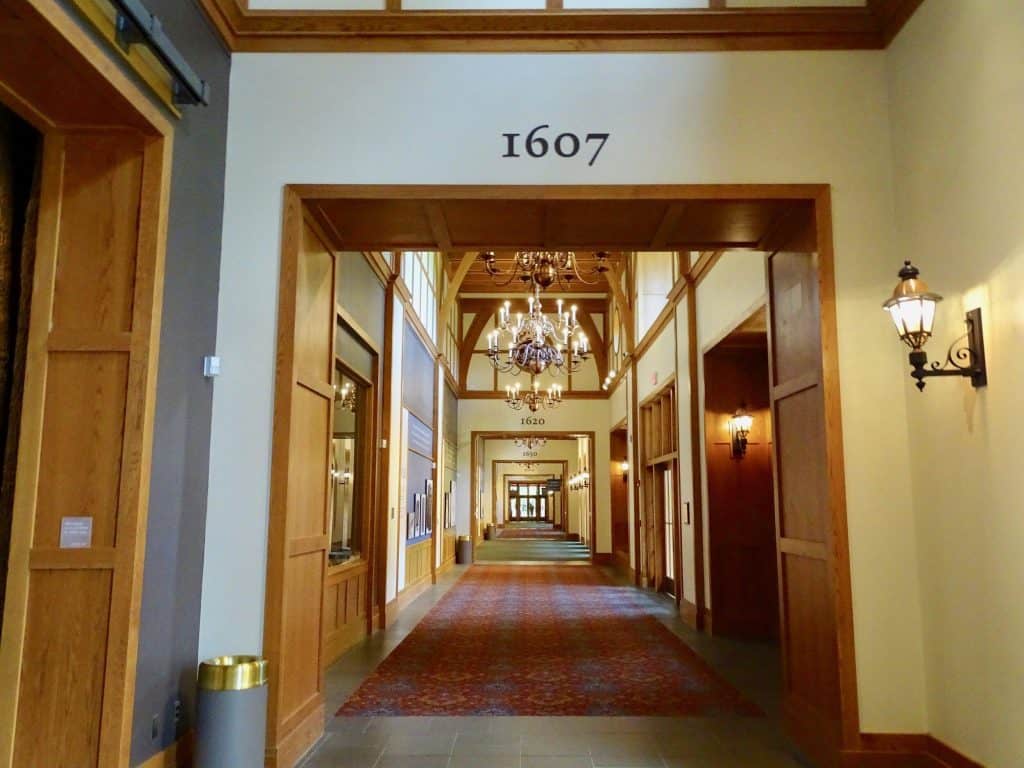
1. Explore the museum’s lobby, which includes a large gift shop, restroom facilities, and an orientation film. The film 1607: A Nation Takes Root follows the Virginia Company of London, which sponsored the Jamestown Colony as it arrived in 1607 and encounters among the Powhatan Indians, English and West Central African cultures. The film Bacon’s Rebellion describes the 1676 rebellion, led by Nathaniel Bacon, against Governor William Berkeley. Both films are under 30 minutes and run on a continuous loop throughout the day.
2. Test your knowledge of Jamestown with interactive quizzes throughout the museum. The indoor galleries showcase chronological timelines of the Powhatan people, English colonists and West Central Africans. Touch screens challenge visitors with true and false questions, geared towards children, about Virginia’s past.
3. Grind corn inside a reed covered house in the re-created Paspahegh Town, home to the Powhatan Indians. Costumed interpreters offer visitors demonstrations on everything from tool making and pottery to cooking and scraping of a dugout canoe each day from 10am to 4:30pm.
4. Climb aboard re-creations of the Susan Constant, Godspeed, Discovery, the Virginia Company ships that brought the first permanent English colonists to Jamestown in 1607. The ships are docked along the James River and guests can board and explore one of the ships. Costumed interpreters share details about the 144-day journey to Jamestown.
5. Experience daily life of the 1600 colonists in the recreated fort, depicting the 1610-1614 timeframe, located near the waterfront. The fort includes seven structures and interpreters who demonstrate everyday chores such as blacksmithing and leathery. Kids can pretend to give a sermon from the pulpit, sweep the kitchen of the governor’s house, and play a round of quoits or ringtoss when their chores are done.
Travel Tips:
The museum is open 363 days a year (closed on Christmas Day and New Year’s Day). Consider purchasing the America’s Historic Triangle ticket, which allows guests to explore five historical locations, including Jamestown Settlement.
The museum and access to the indoor gallery exhibits and outdoor living-history areas are handicap and stroller accessible.
Restroom facilities are located in the museum lobby, near exhibition galleries, and the Riverfront Amenities Pavilion.
Food and drink are not allowed in the indoor museum galleries.
The Cafe, located adjacent to the museum lobby, features a variety of hot and cold meals and snacks, including kids meals and gluten free options.



Would you like to save this?
Just across the James River from Jamestown Settlement is the 1950 acre Chippokes Plantation State Park, which dates back to 1619, when English Captain William Powell established the plantation. He named it after Choapoke, an Algonquian Indian Chief who was friendly with the English settlers in Jamestown. Chippokes is one of the oldest continually farmed plantations in the country, and today, visitors can explore some of the 37 historically significant structures, the main mansion, and enjoy time outdoors hiking, boating, swimming, and even camping overnight inside the park. There is a $7 parking fee, payable at the main entrance and at the Visitor Center.
1. Start in the Visitor Center, which includes restroom facilities, a gift shop, and three introductory videos, running between 10-15 minutes each, that provide an overview of the park and historical background. Check for daily demonstrations and special events, such as Brick Kitchen demonstrations, Harvest celebrations, and holiday events.
2. Learn about the various farming tools on display at the Farm and Forestry Museum at Chippokes State Park. There are over 600 antiques in the collection that showcase daily life on one of the oldest continuously used farms in America. Guests can take self guided tours of the museum and learn about both farming and domestic life in the 1600s. The museum is open early March through the beginning of December, but is currently closed due to pandemic restrictions.
3. Visit with some of the resident animals, including cows, rabbits, donkeys, pigs, goats, and chickens. On the weekends, interpretation rangers lead tours that include a visit with the animals and background information on the 1400 acre farm.
4. Hike or bike along the Forestry Trail and check out a 1930s portable sawmill used by farm owner Victor Stewart, and is still in use for special events at the park. The park includes a variety of shorts trails, all of which are between a half and 1.5 miles long. Equestrians are welcome to bring their horse and ride on ten miles of designated trails.
5. Tour the Jones Stewart mansion, home of the owners who donated the entire property to be used as a state park. Visitors can tour the home on the weekend and explore the extensive gardens every day.


Travel Tips:
The park is open all year to visitors; the campground is open from March 1st through the end of November.
There is a $7 parking fee, payable at the main entrance and at the Visitor Center.
The Visitor Center includes restroom facilities and a gift shop. Guests staying overnight at the campground can check in at the Visitor Center.
There are no dining options inside the park, but guests may bring in food for picnicking or camping.
This is a sponsored post written by me on behalf of The Founder’s District. All opinions are 100% mine.
https://lnk2.io/yKCYvXf




These pictures look so gorgeous! So much beautiful history here. Thanks so much for sharing these tips!
These pictures look so gorgeous! So much beautiful history here. Thanks so much for sharing these tips!
These pictures look so gorgeous! So much beautiful history here. Thanks so much for sharing these tips!
Such a charming place, love the boat and to explore its history..
Such a charming place, love the boat and to explore its history..
Such a charming place, love the boat and to explore its history..
How cool! This seems like such a neat place to visit. I had never thought about visiting James Town until now. So fun and historical!
How cool! This seems like such a neat place to visit. I had never thought about visiting James Town until now. So fun and historical!
How cool! This seems like such a neat place to visit. I had never thought about visiting James Town until now. So fun and historical!