
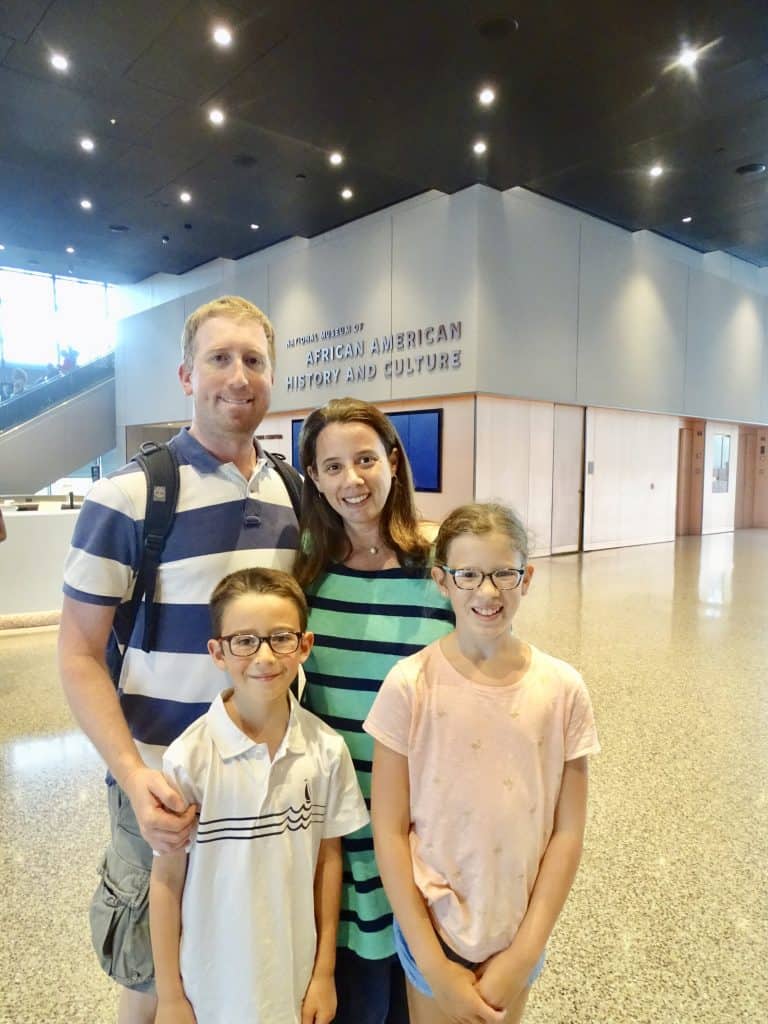
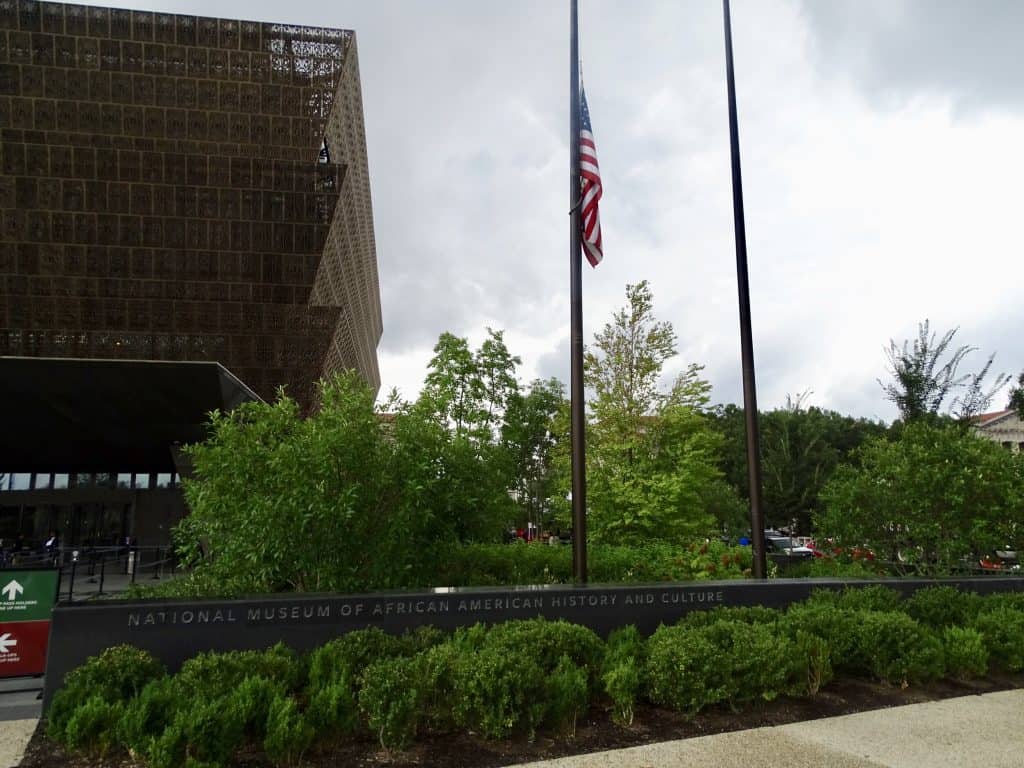
National Museum of African American History & Culture in Washington D.C.
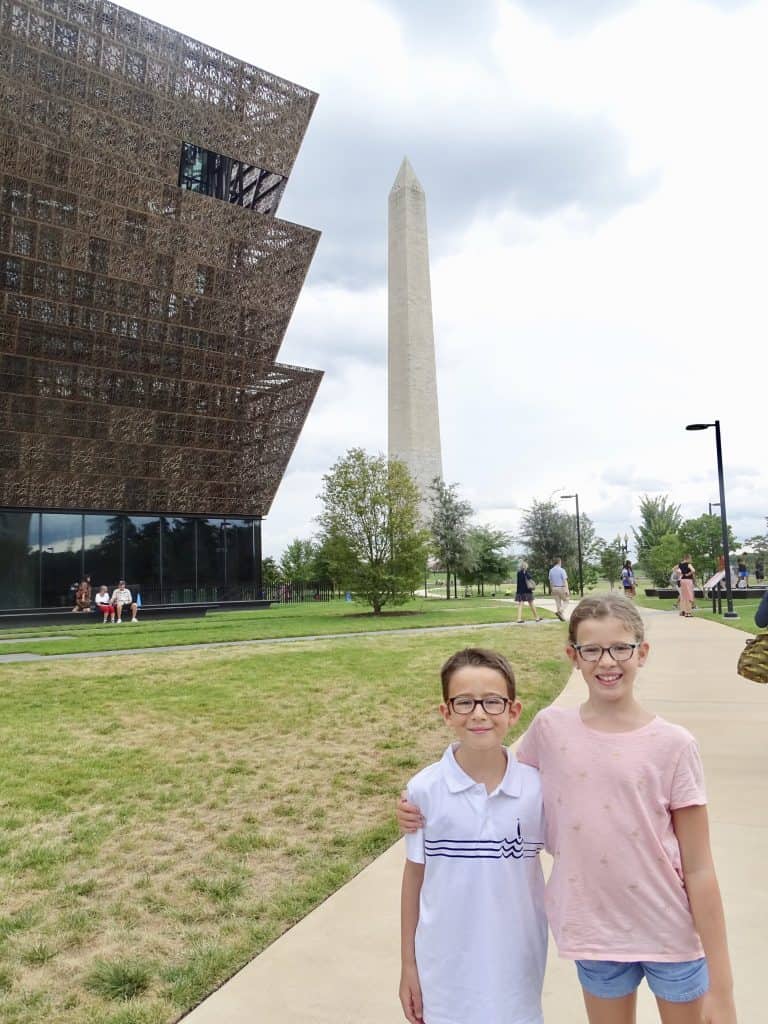
Part of the Smithsonian Institute, the National Museum of African American History and Culture is one of the newer museums in Washington DC and opened in September of 2016. The museum was first conceptualized in 1915 but almost 100 years of obstacles and debates prevented it from becoming a reality until a presidential commission in 2001. Since its opening, the museum has welcomed over three million visitors in three years. The location was chosen for its intersection with the Lincoln Memorial, Jefferson Memorial, Capitol building, and White House. The museum is nearly 400,000 square feet and currently displays 3,000 of the 37,000 items in its collection.

Traveling with Kids:
The museum requires FREE, timed passes to visit- go here to order passes (they frequently sell out months in advance). There are limited walk up passes available each week day (no weekends) at 1 pm.
All visitors must pass through security screenings and have bags checked by security.
The nearest parking garage is the Ronald Reagan garage 14th Street. Metro options include Smithsonian or Federal Triangle on the Orange/Blue line or L’Enfant on Yellow/Green line. More information here.
Restrooms are located on all floors including inside the History Galleries and lockers are available on the main level to store items.
Consider downloading the app (info and link) and check here for daily activities and special events.
The entire museum is handicap accessible and strollers are allowed- I strongly recommend a stroller for the toddler crew. The lower concourse has wide walkways and low lighting and young children can easily wander off.
Two films are shown in the first floor galleries: August 28th: A Day in the Life of a People (which is 25 minutes) and Creating a National Museum (which is 35 minutes).
Plan on at least four hours to explore the museum- longer to really linger in the exhibits. Visitors will need at least two hours to walk through the History Galleries on the lower concourse.
Six Important Places to Visit in the Museum:
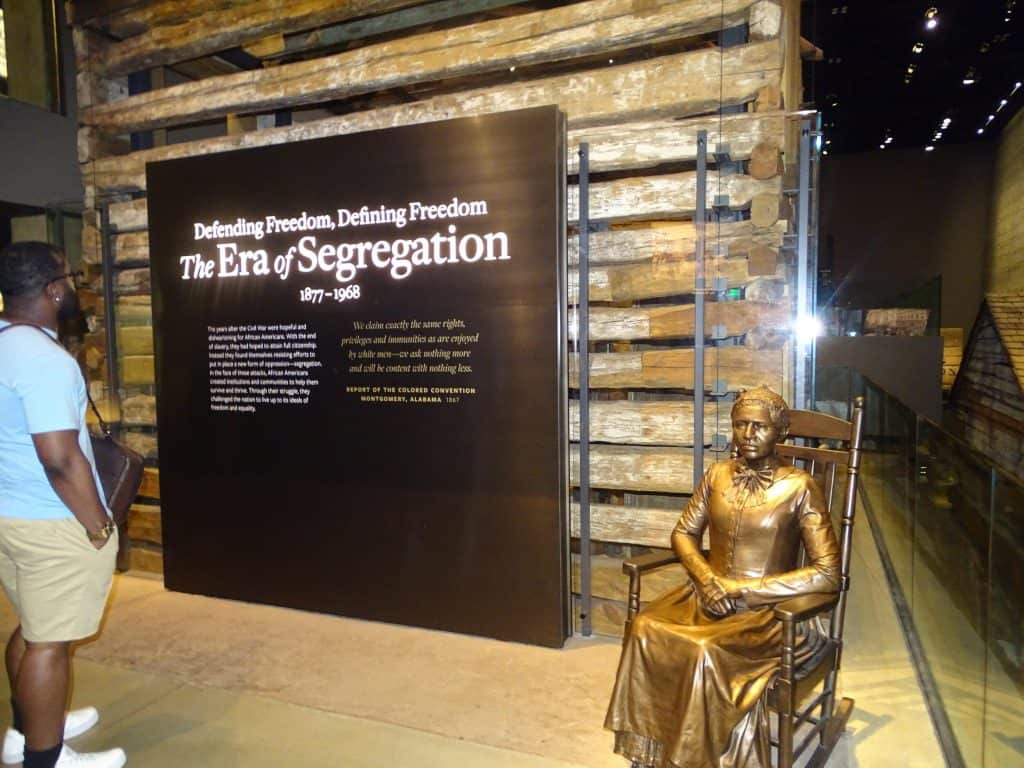
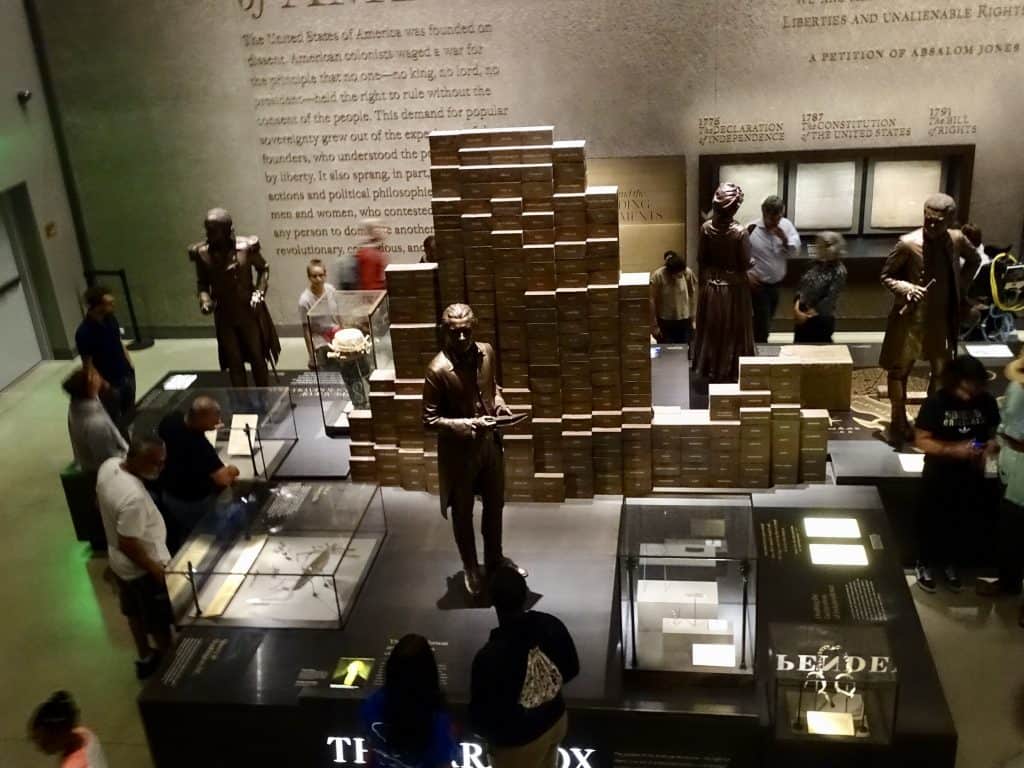
1. Start in the History Galleries on the lower concourse. Visitors must take a large elevator down to the lower level and follow the chronological timelines starting in the 1400s and ending in 2008. There are dozens of displays with artifacts, television and interview clips, and larger items such as train cars, planes, and small buildings. There are also several viewing areas with projection videos of specific events and profiles of influential people. Note: Some displays have a red square around them indicating that the material may not be suitable for younger audiences.
Some artifacts we learned the most from include:
1. Massive sugar pot from the 1400s
2. Guinea coins
3. Display of slave ship names
4. Cotton gin
5. Musical instruments of the 1850s
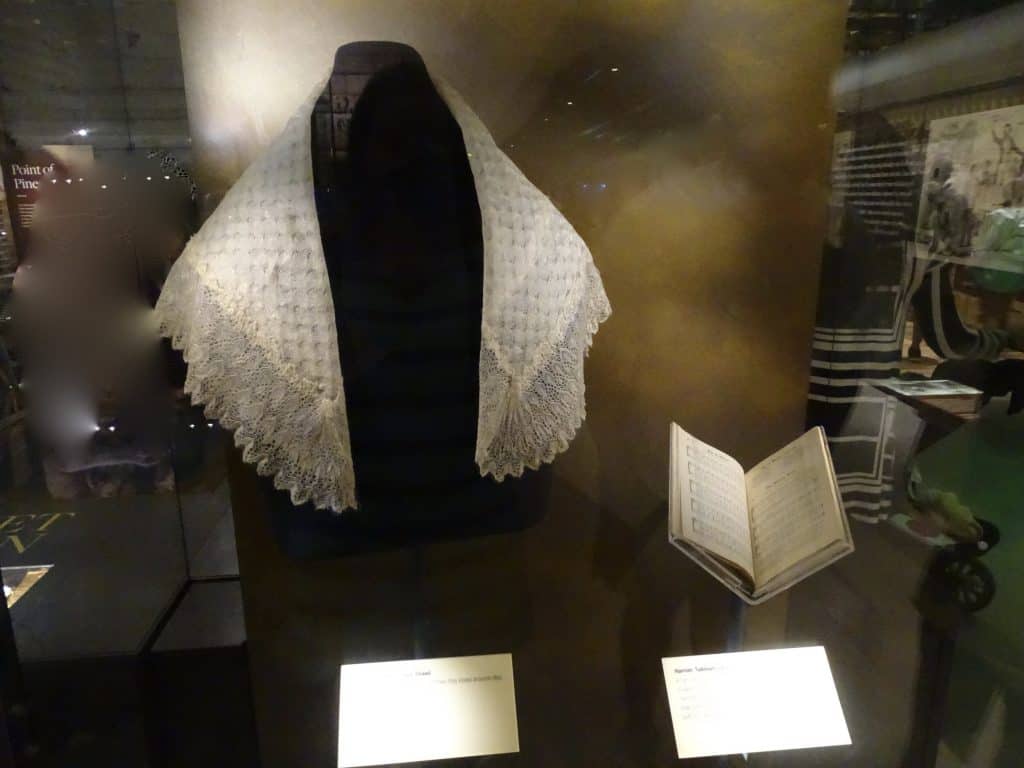
6. Harriet Tubman’s lace shawl and hymnal given to her by Queen Victoria
7. Points of Pins Cabin from a South Carolina Plantation in the 1850s
8. Sibley tent that African Americans used in the Civil War
9. Jones Hall Sims House from Jonesville Maryland in 1874 (visitors can step inside the home!)
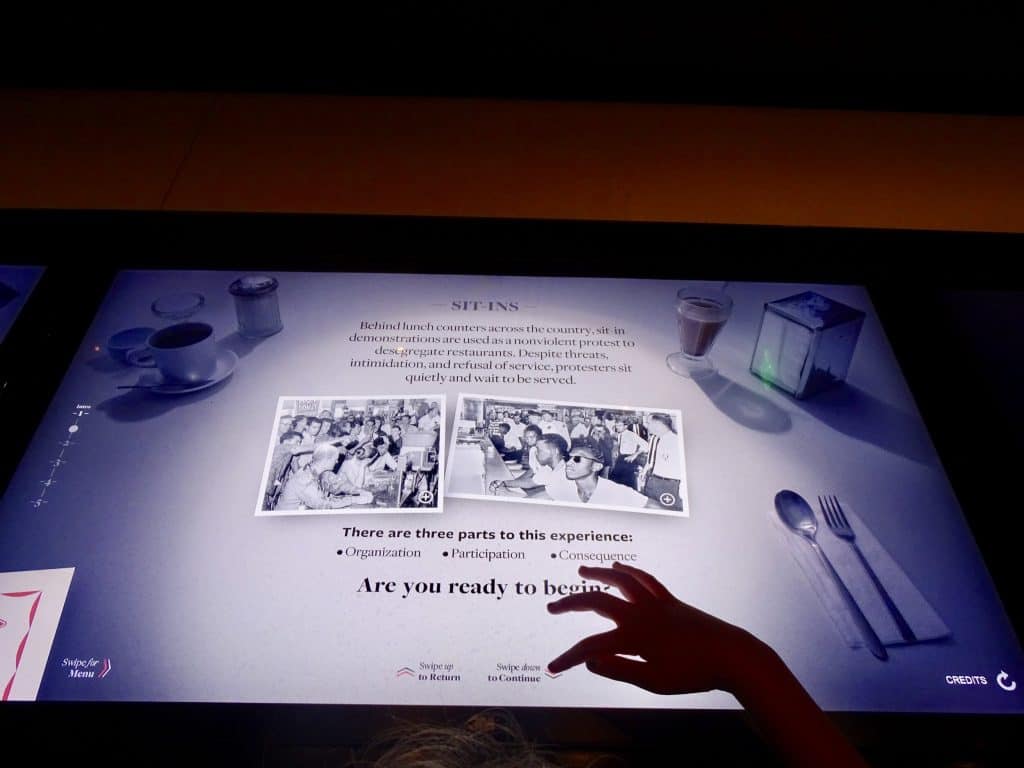
10. A replica Greensboro Woolworth’s lunch counter- visitors can sit at the counter and learn about various civil rights sit ins through the interactive touch screens
11. Southern Railway Car No. 1200, built in 1923, and used as a segregated passage coach car from the Jim Crow Era. Walk through the car and note the difference between the “white” and “negro” sections.
12. Emmett Till Memorial (no photography allowed) with his casket
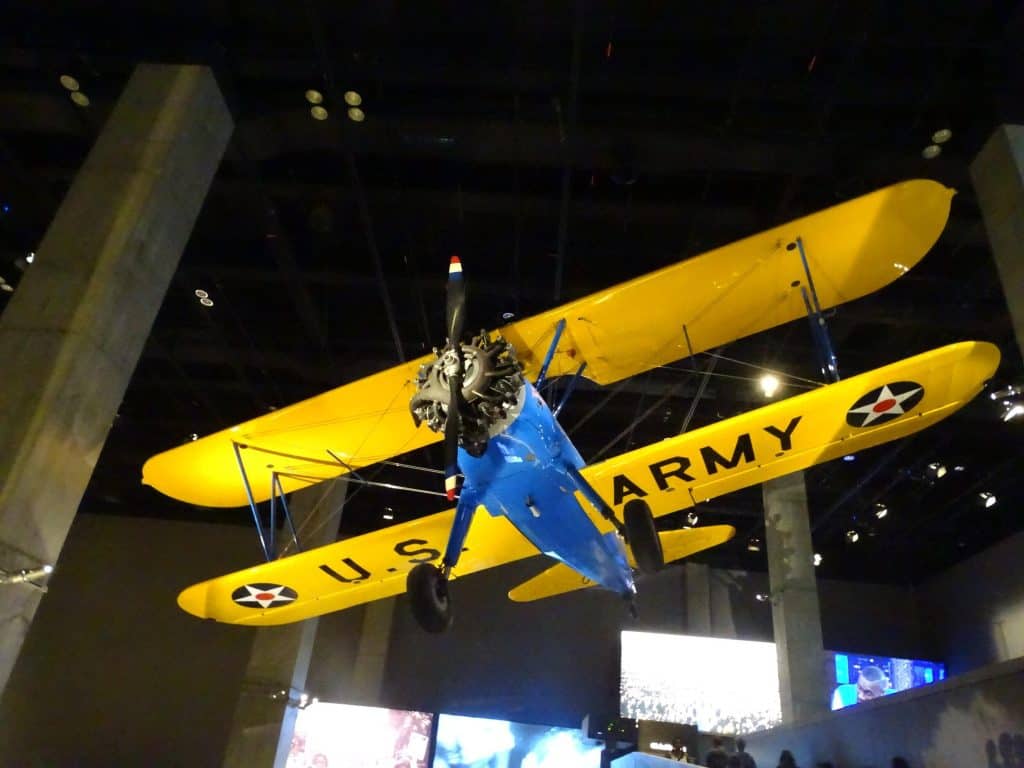
12. Tuskegee Airmen Trainer Plane used to prepare the Tuskegee Airman for WWII
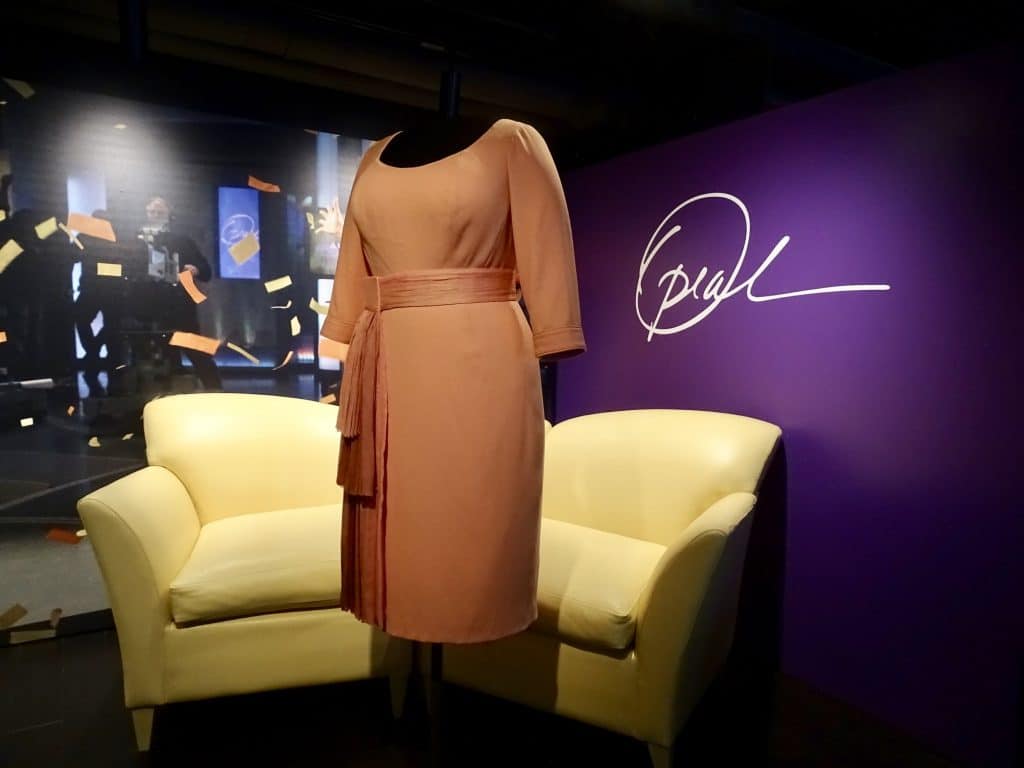
14. Oprah Winfrey talk show set from the finale
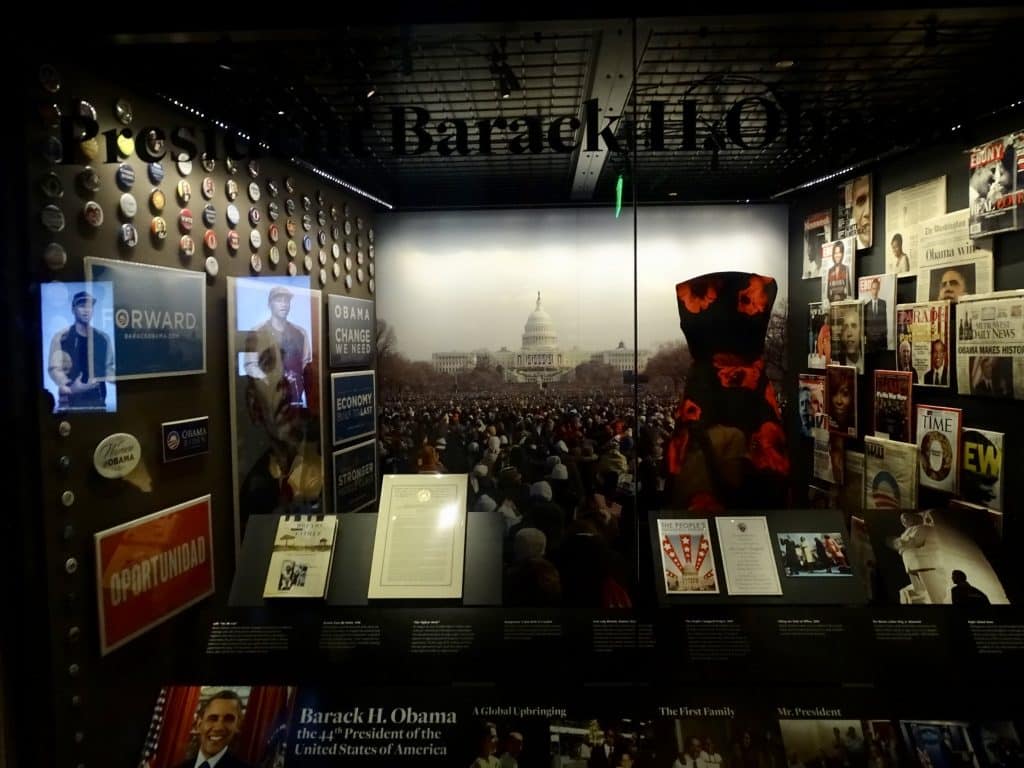
15. Mementos from Barack Obama’s Inauguration
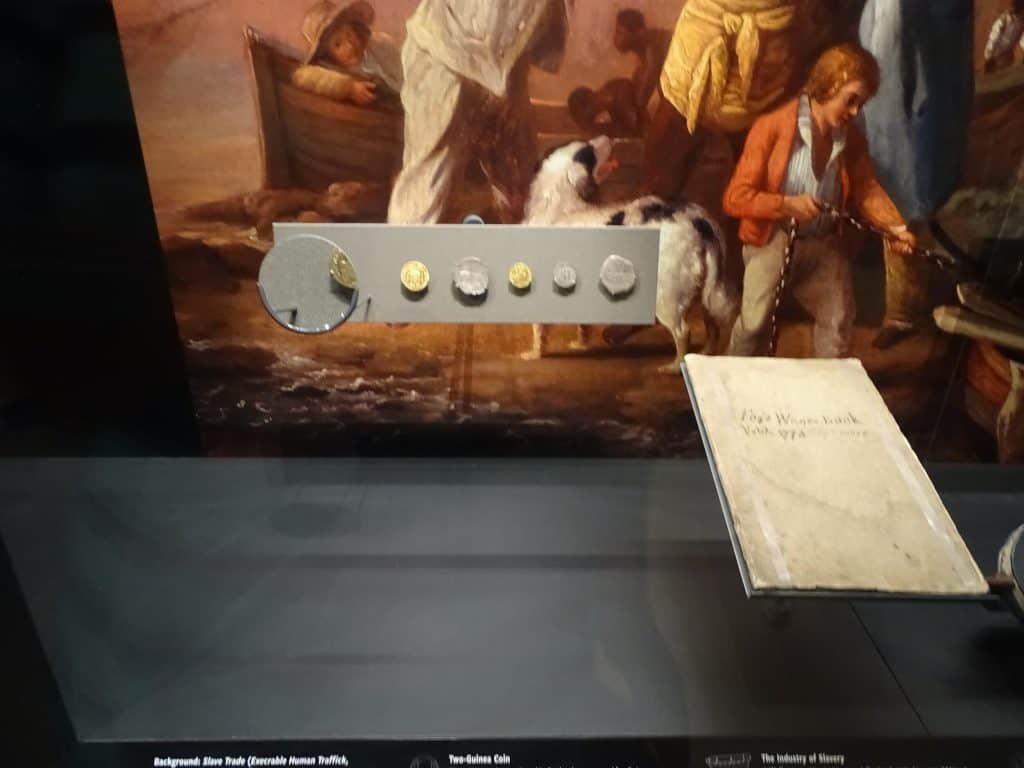
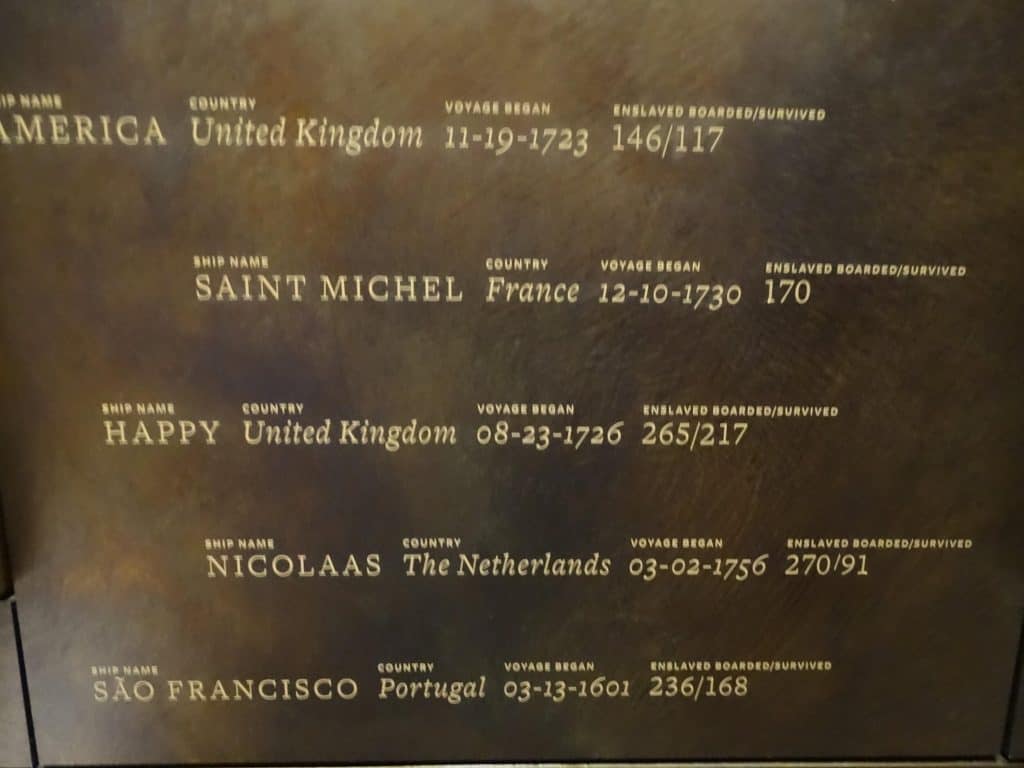
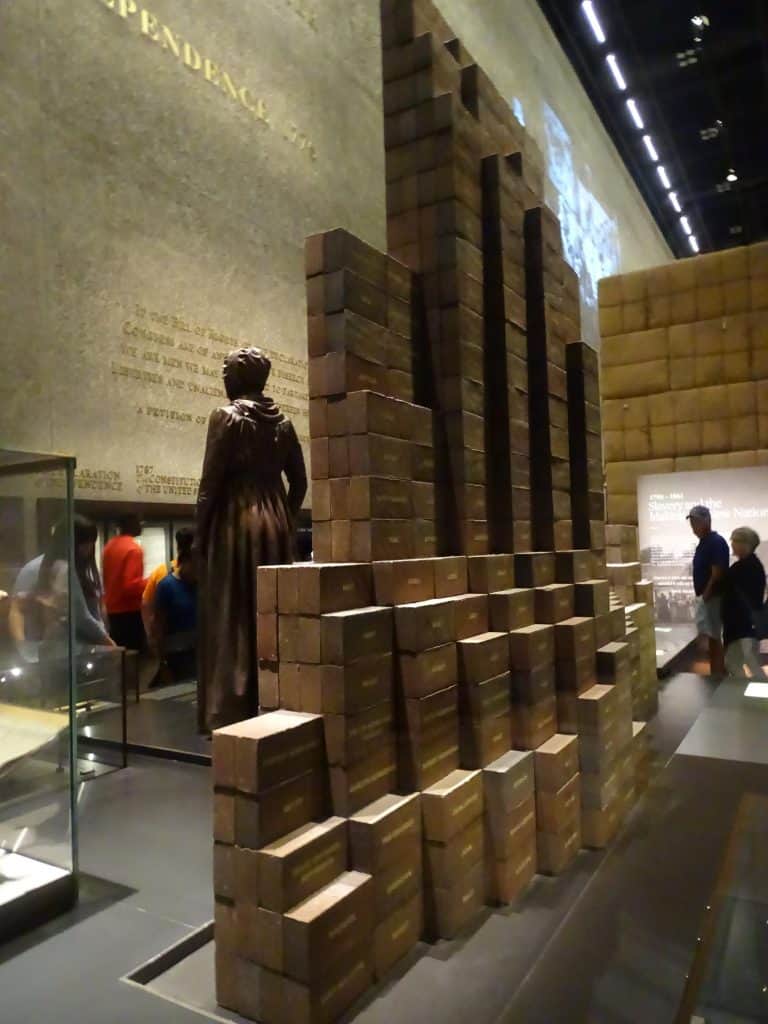
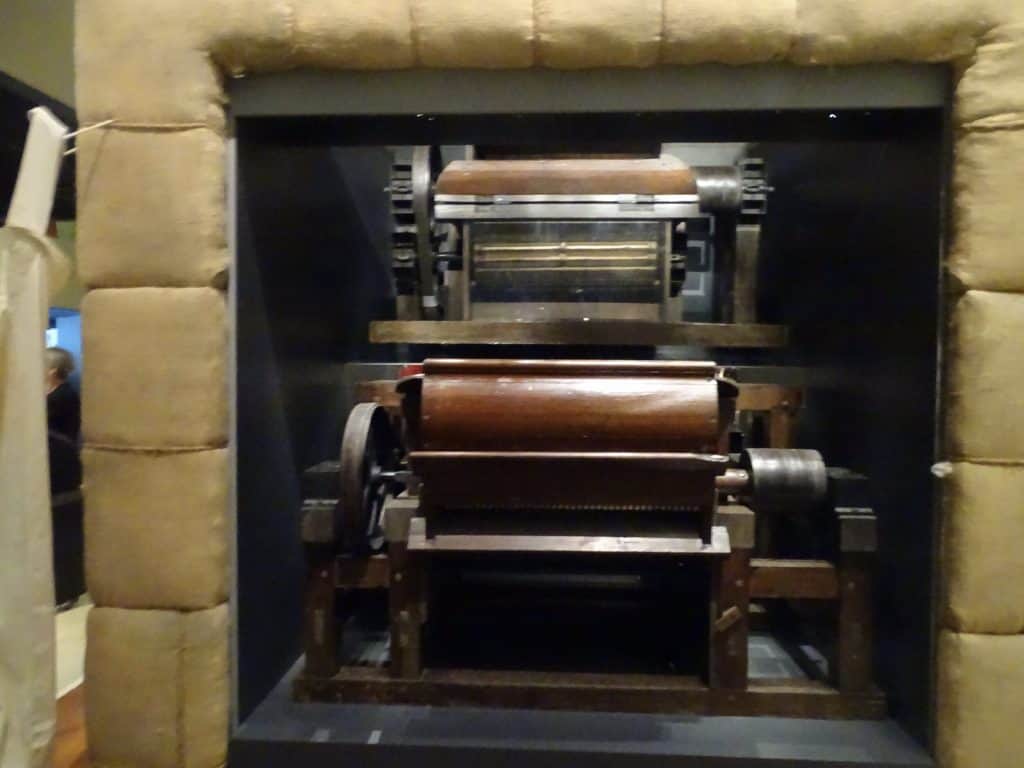

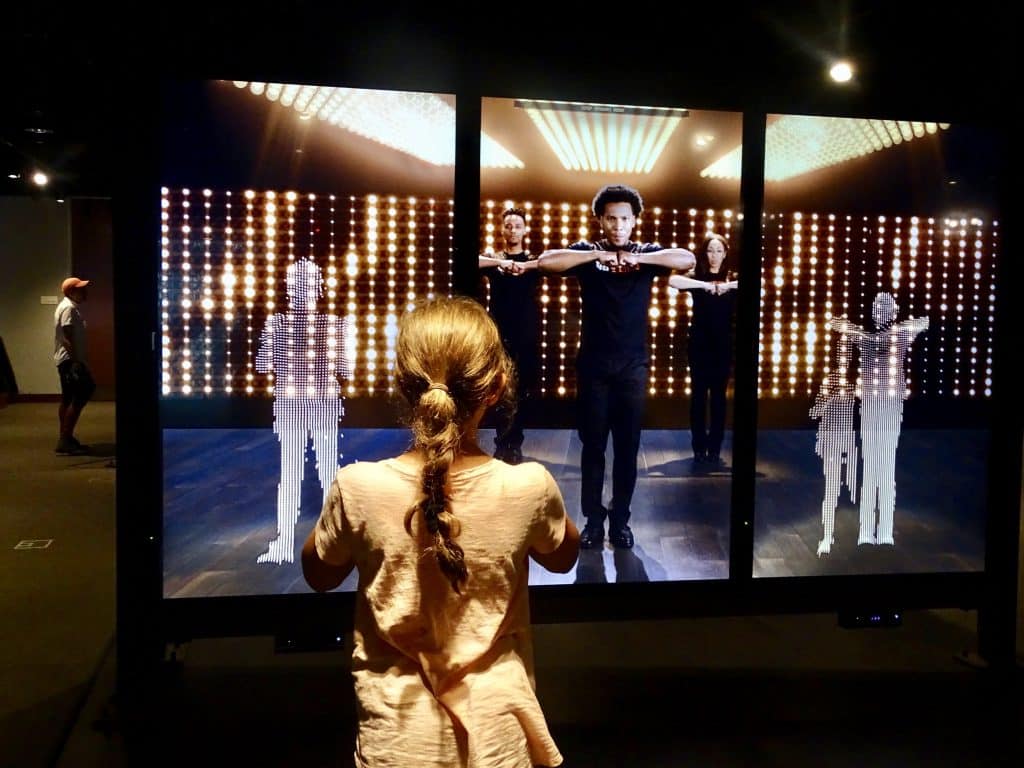
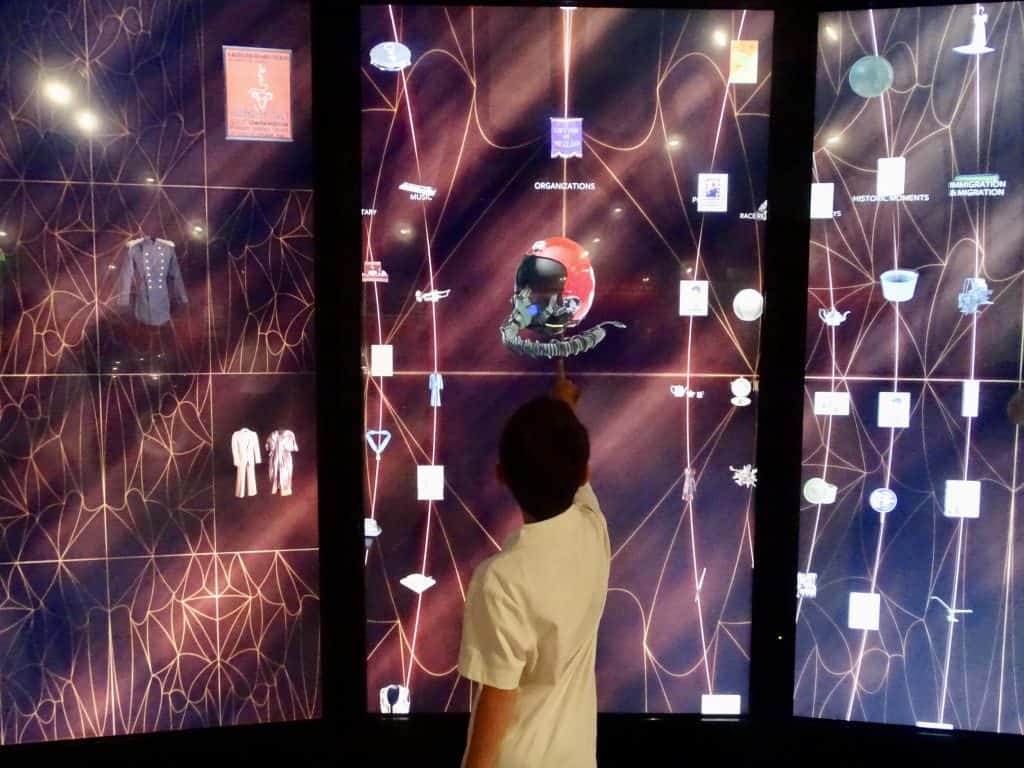
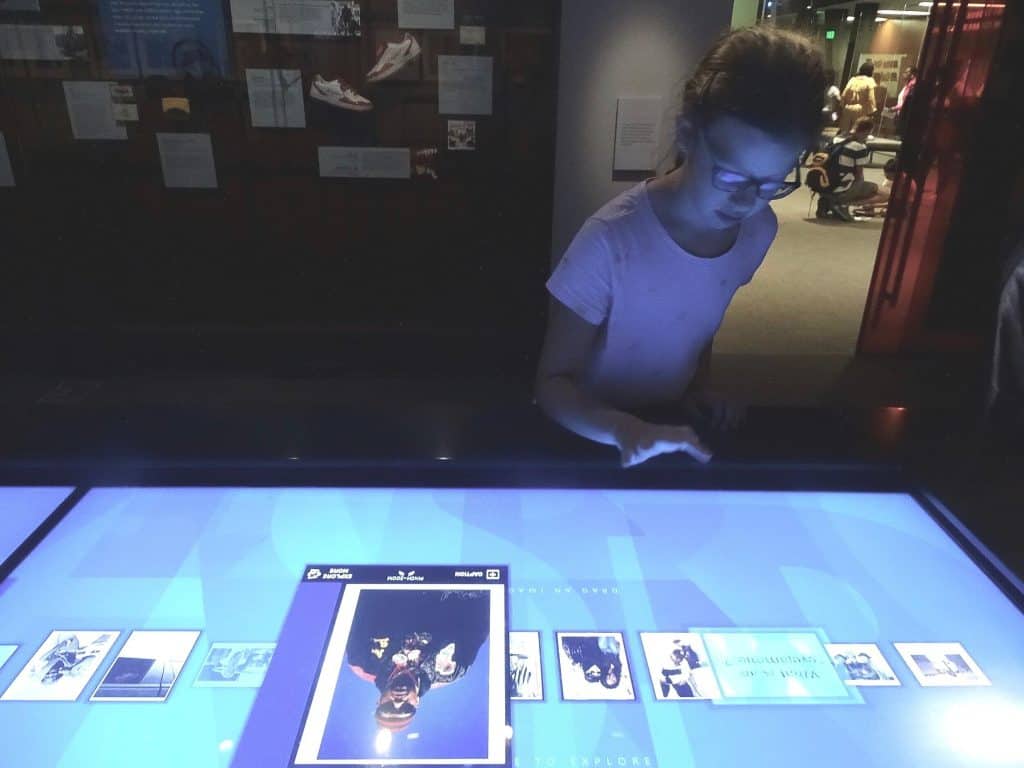
2. Explore More on the second floor is geared towards children. There’s a Step Show simulator, massive touch screens to learn about organizations such as the Negro American Baseball League and to search the archives of wreckage sites, and a Family History Center, where visitors can sign up for 35 minute sessions and search digital resources to trace their ancestry.
Would you like to save this?
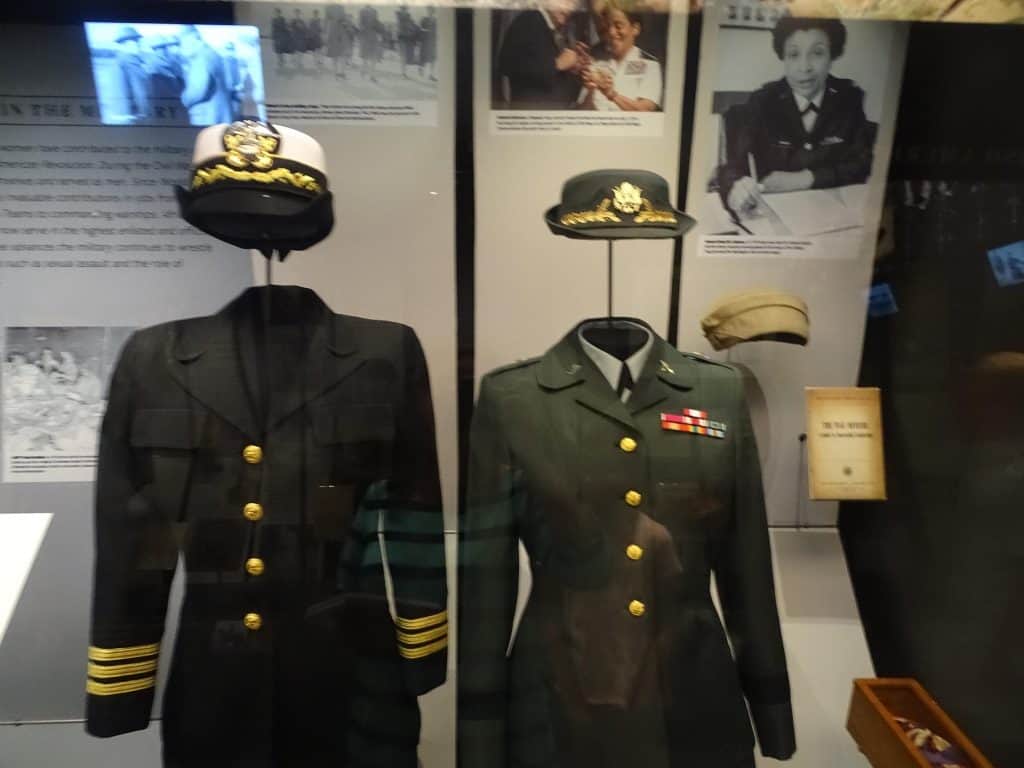
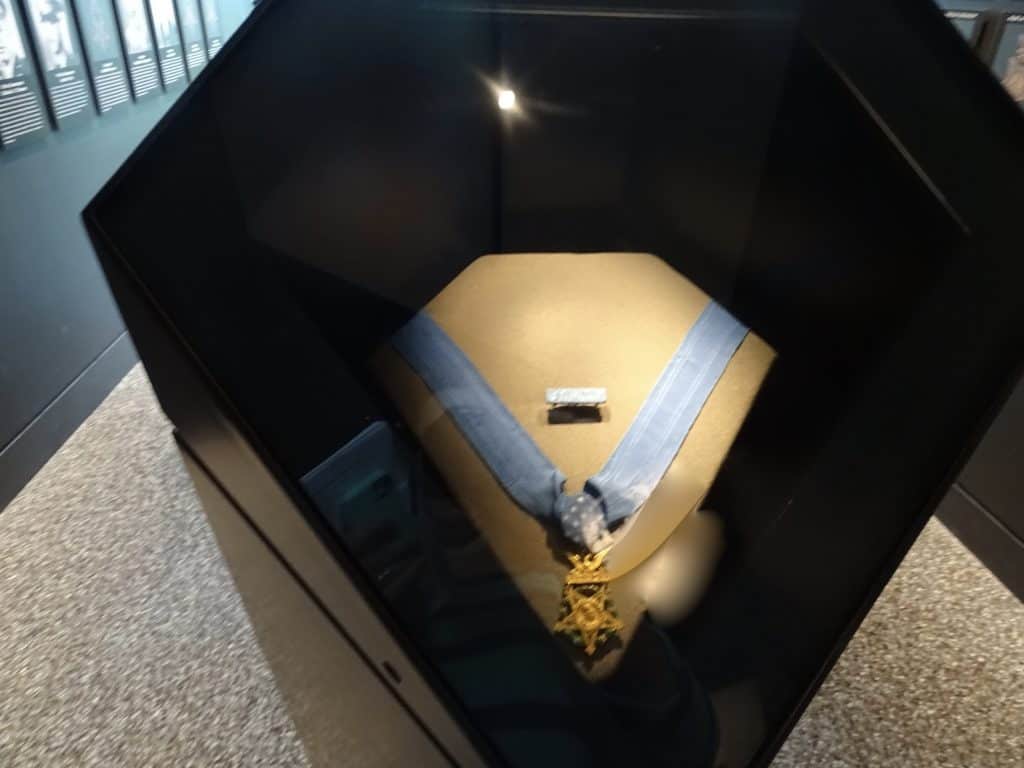
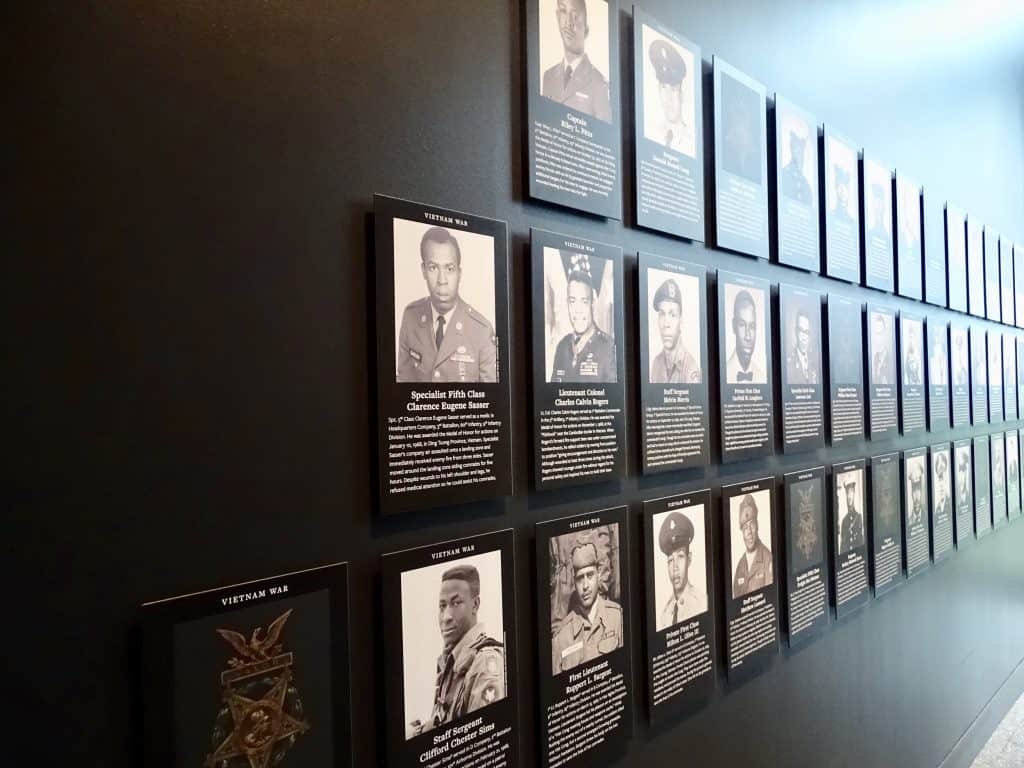
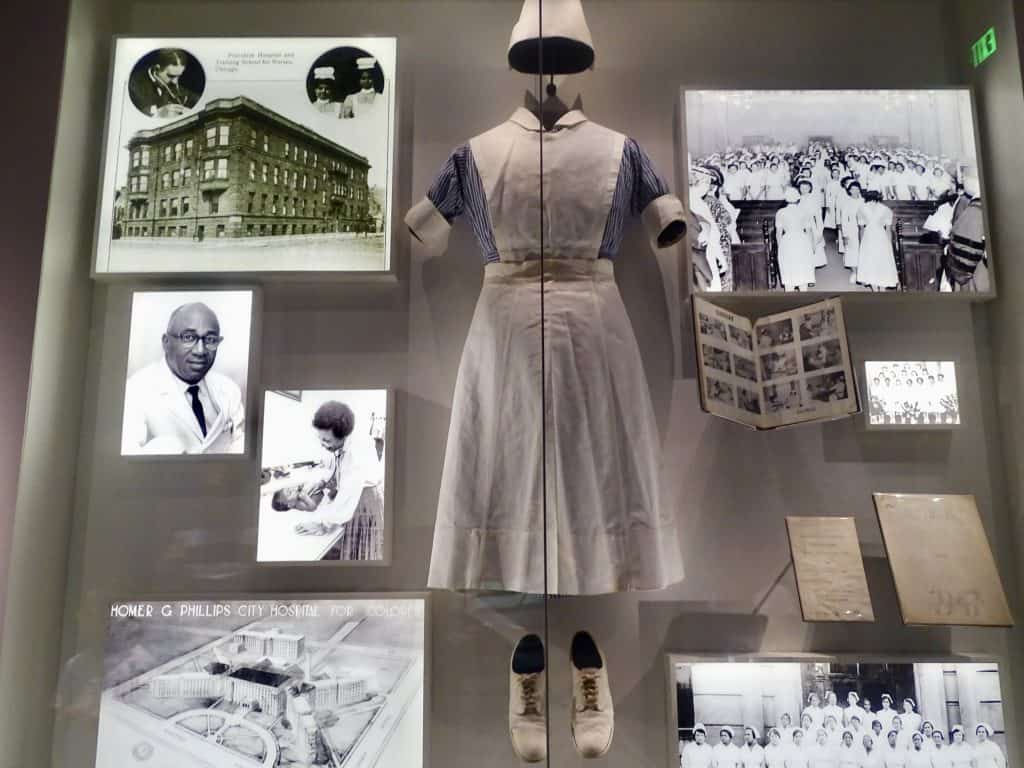
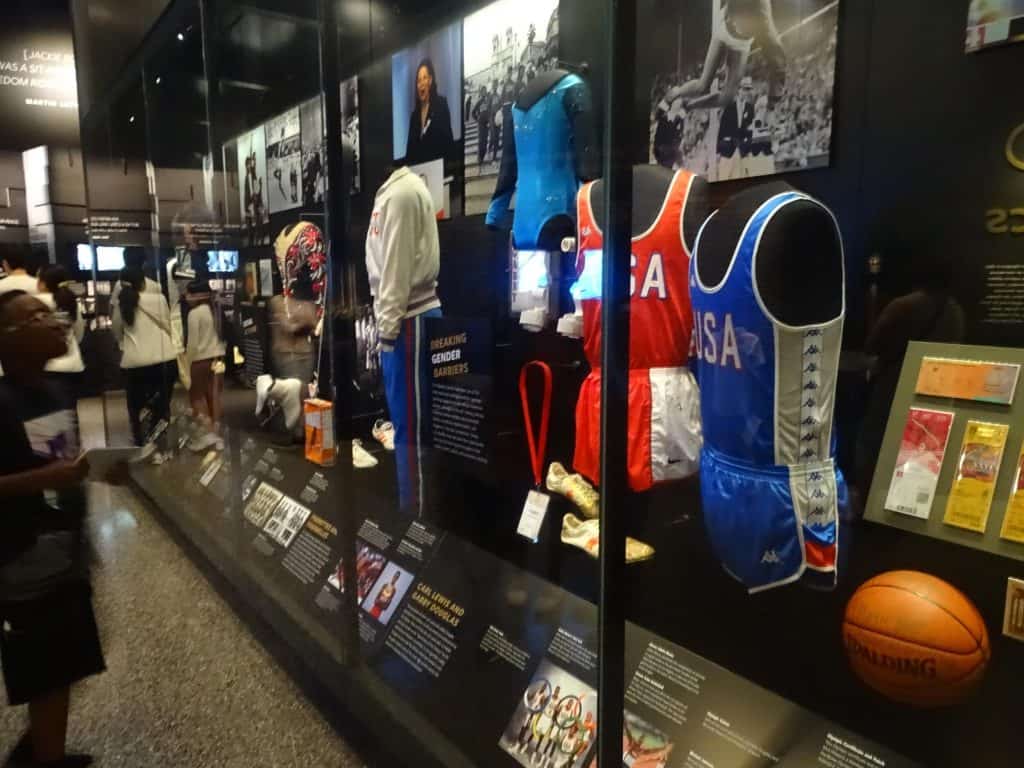
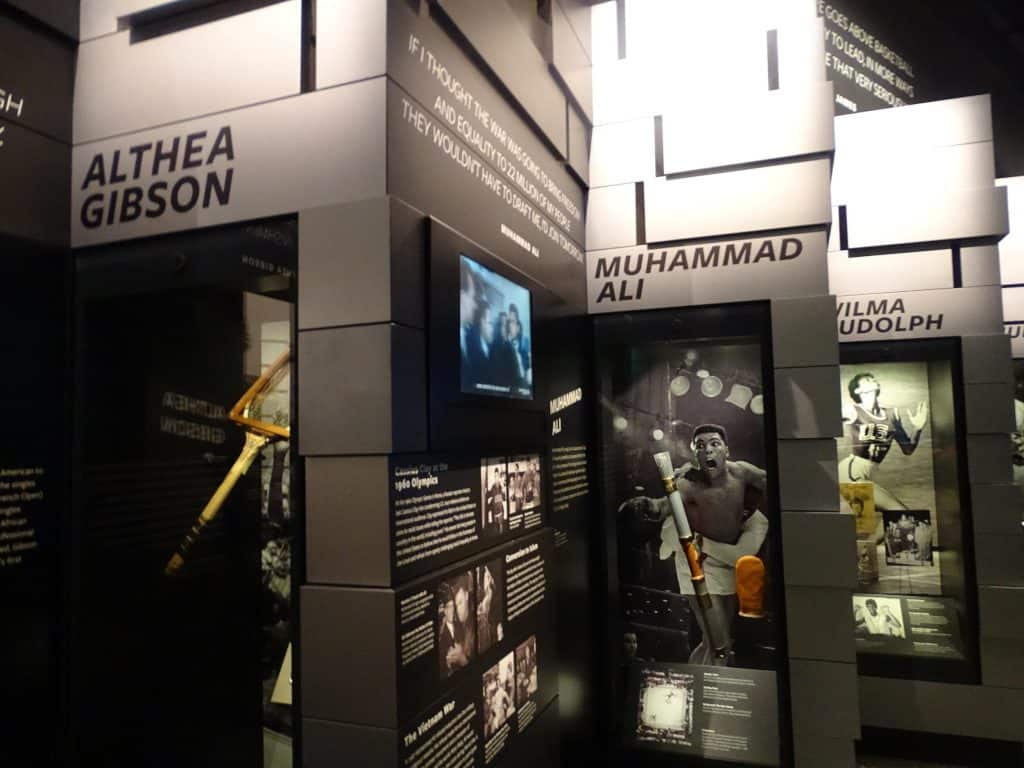
3. The Community Galleries on the third floor focus on the African American impact on the military and sports worlds. There are displays of African Americans who fought in every battle from the American Revolution through the War on Terror, a list of Medal of Honor recipients, exhibits on segregated school houses in the south, the black hospital movement, and the National Council of Negro Women’s 10 Point Action Program. The Sports exhibit is massive and includes uniforms, equipment, tickets, and other memorabilia related to individual African American athletes and group teams. There are narrated films about basketball, baseball, and football in viewing galleries.
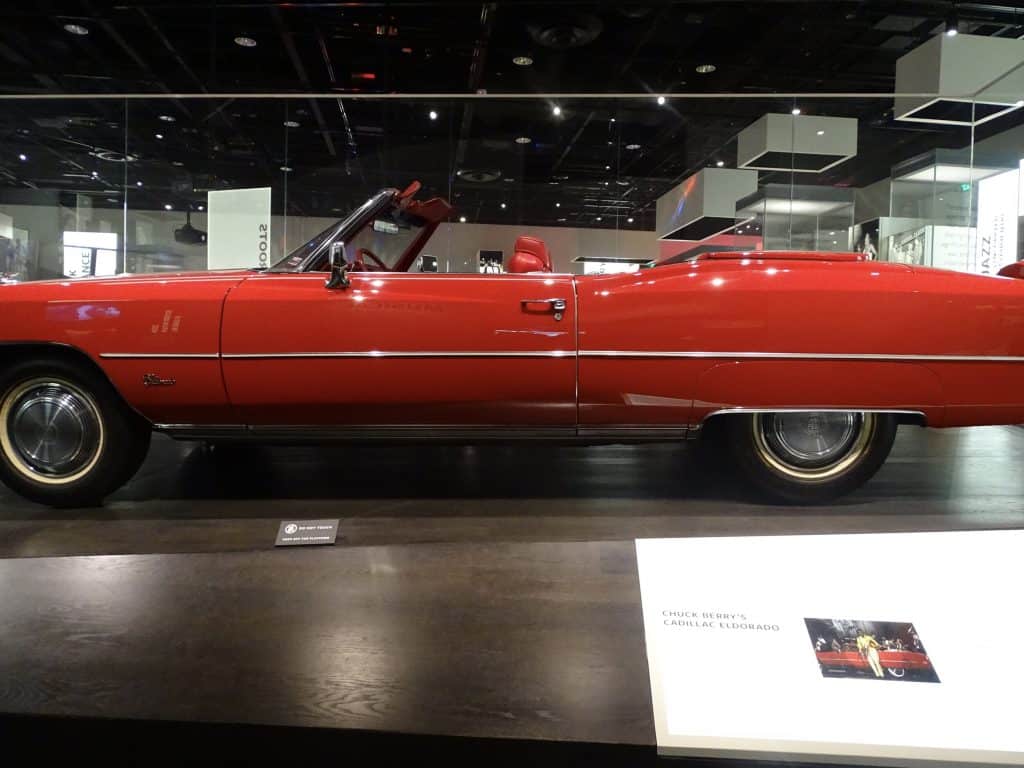
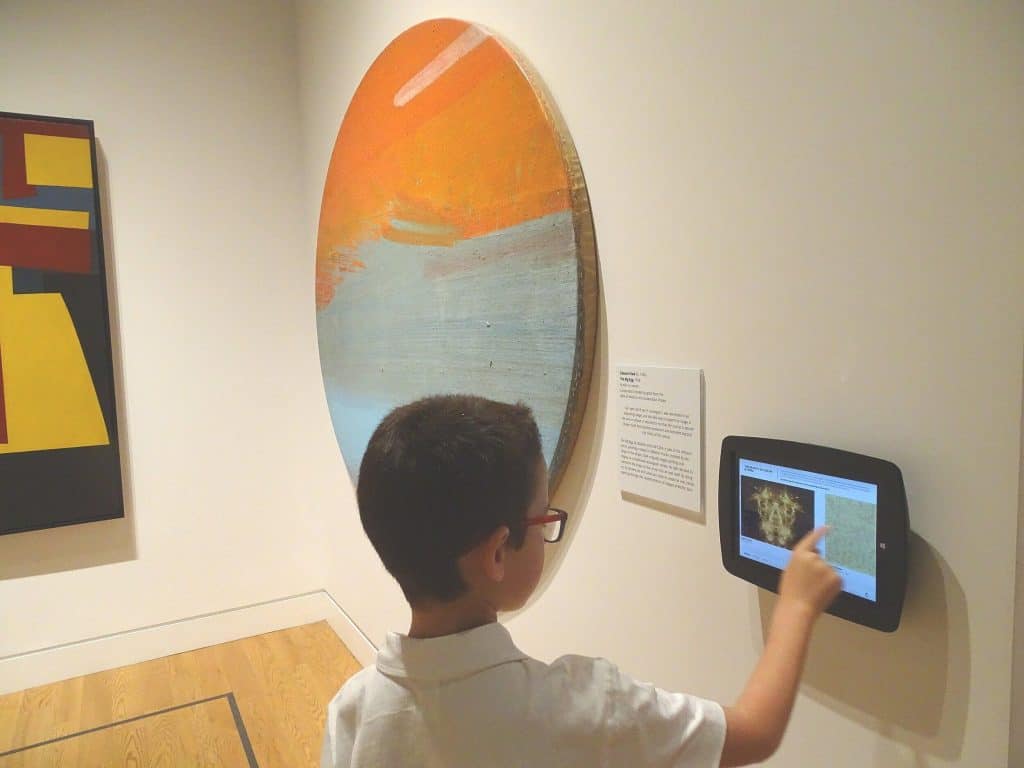
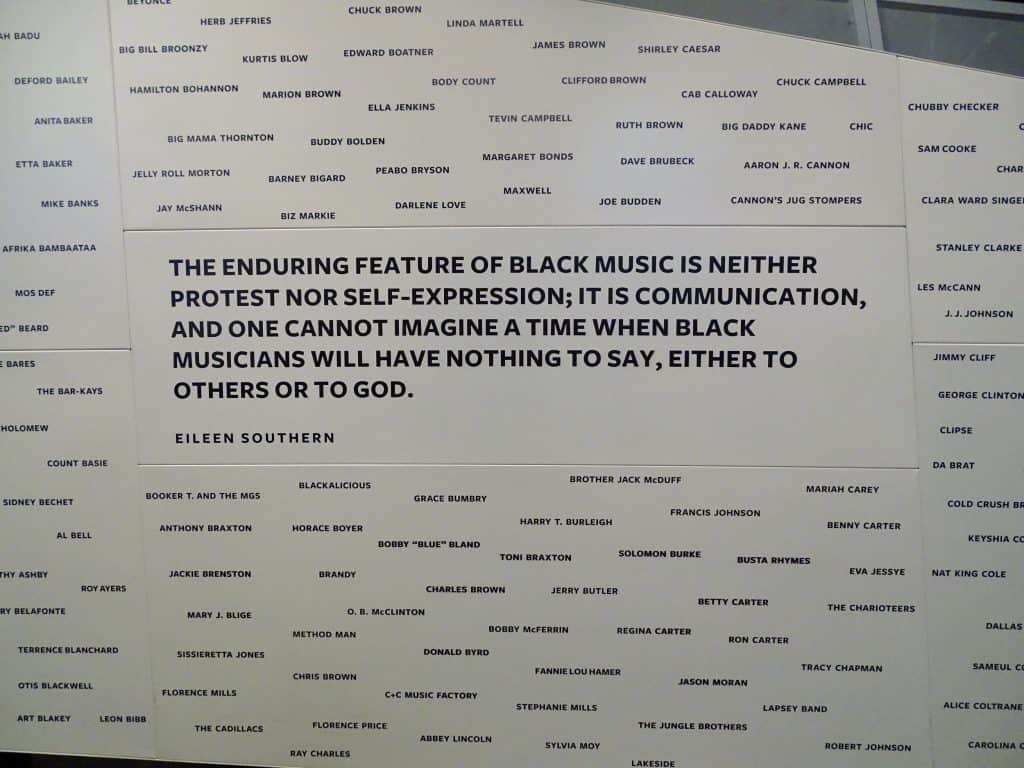
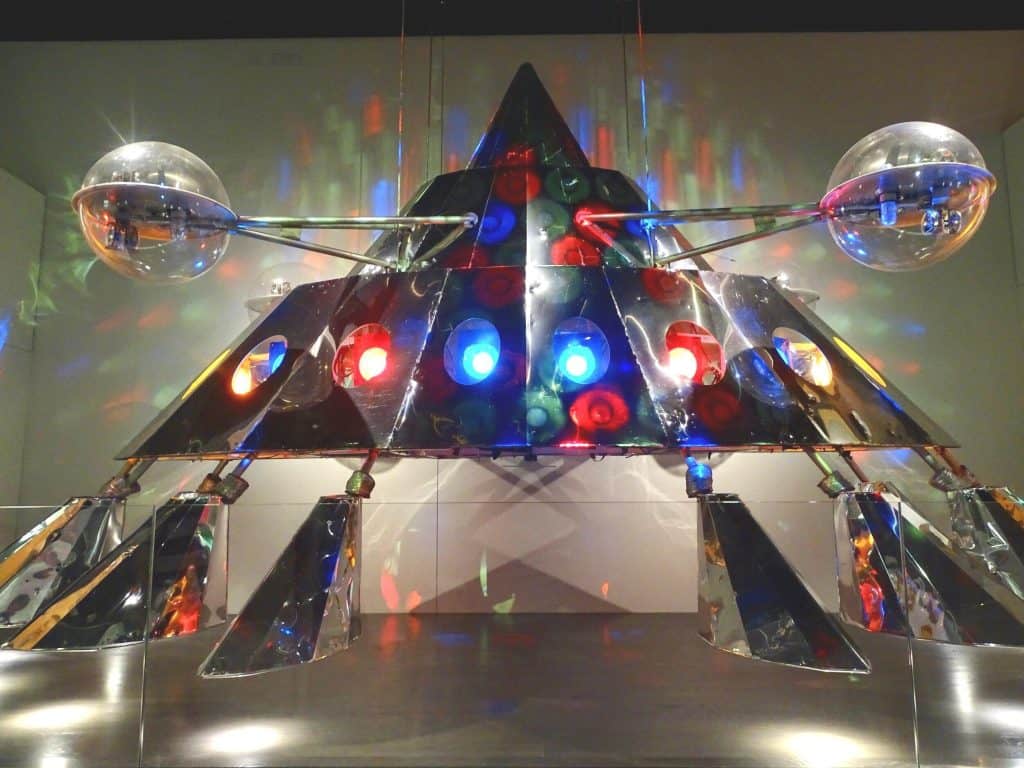
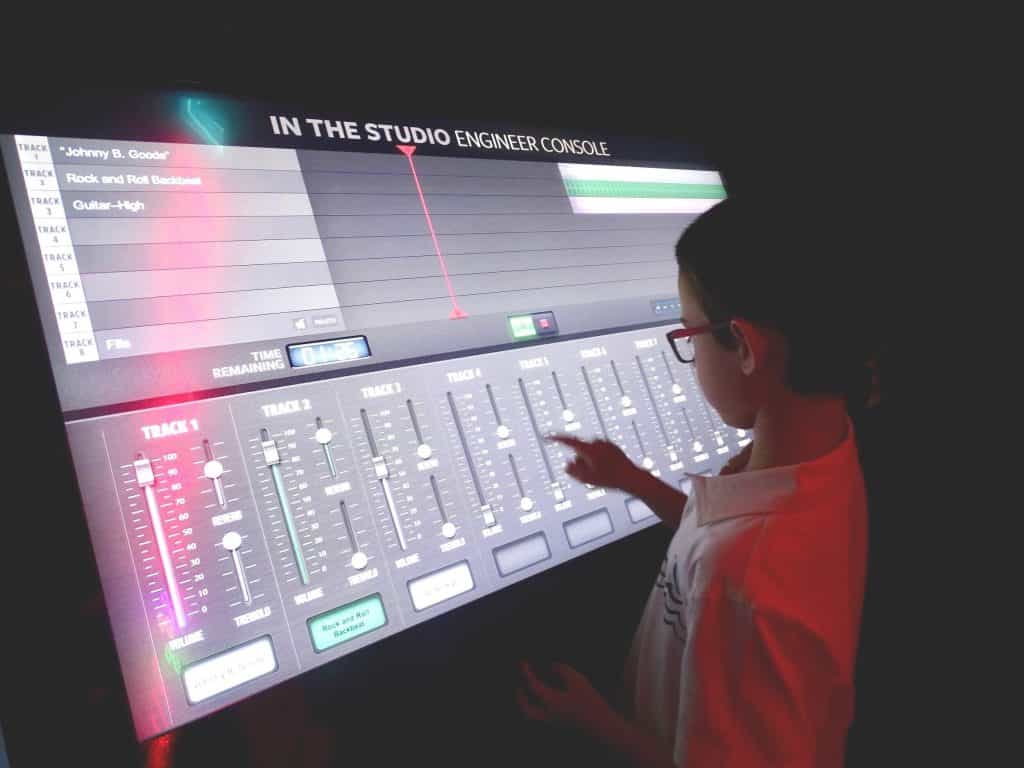
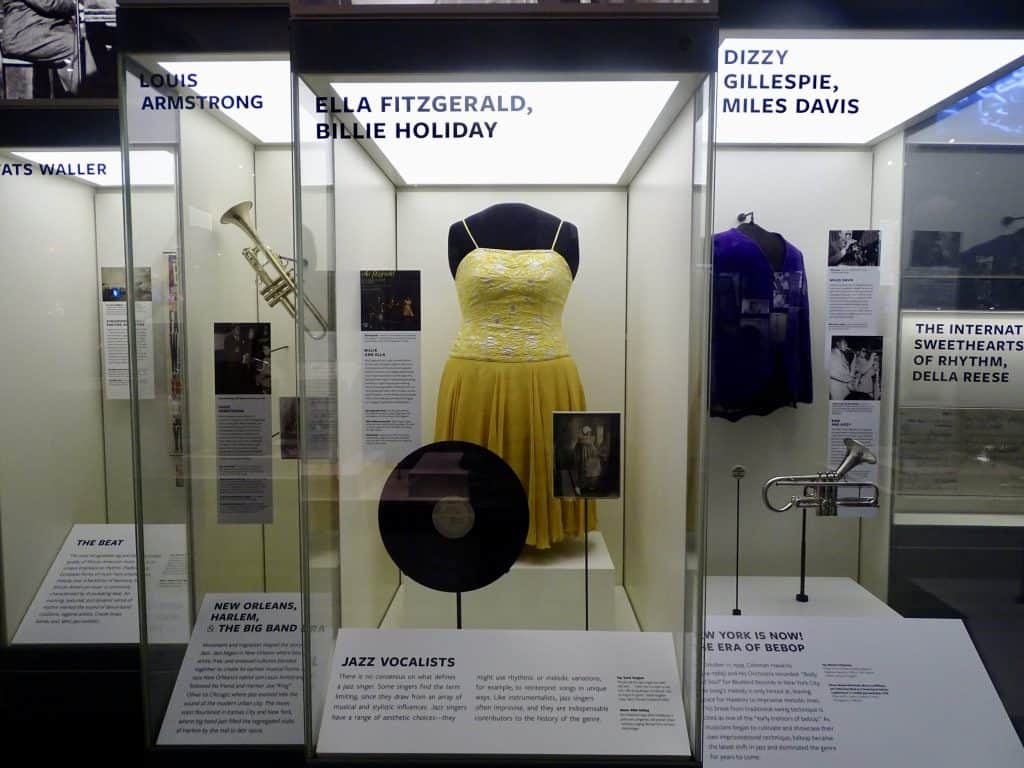
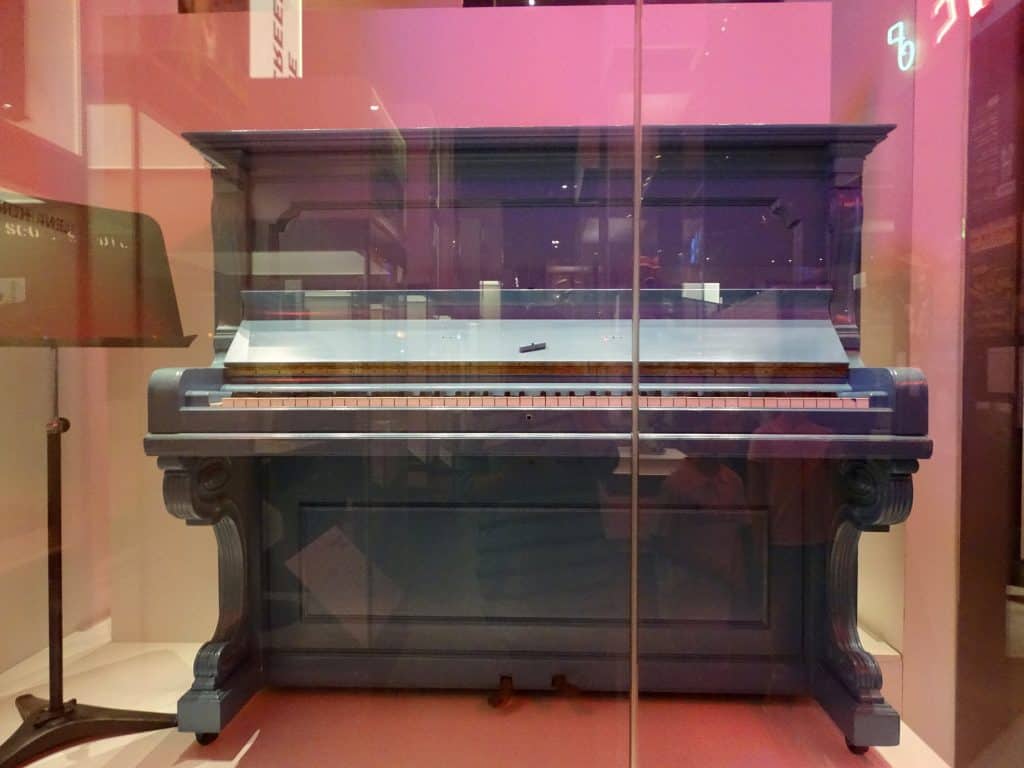
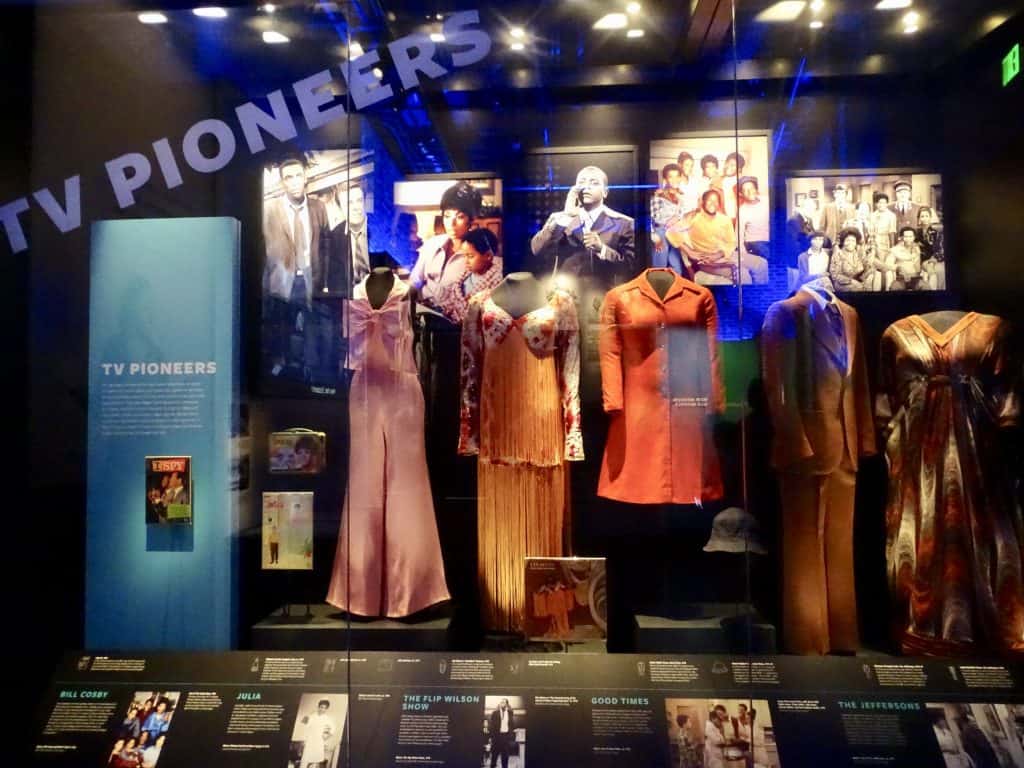
4. The Cultural Galleries on the fourth floor center on music, television, and art. The music exhibit is the largest with items such as Chuck Berry’s Cadillac Eldorado, P-Funk’s Mothership, Thom Bell’s piano, and various musicians’ costumes, performances reels, and musical instruments. Visitors can mix melodies, rhythms, and harmonies to create their own song in a “studio” with interactive touch screens and play parts of their favorite songs over the loud speakers. Be sure to check out the replica album covers- there are hundreds- and see the changes from 8 track tapes to cassette tapes to CDs over the past 50 years. The Visual Art exhibit includes seven thematic sections including paintings, sculptures, mixed and digital media, and photography and iPad stations provide additional information. Taking the Stage includes Playbills, costumes, and props from Broadways shows, television clips and costumes, and reels of comedian performances.
5. A gift shop is located to the left of the main entrance and includes many books written by and about prominent people featured in the exhibits, as well as souvenirs and apparel. There are numerous notecards with biographical information next to many of the items.
6. Walk around the perimeter of the museum and admire the architecture of the building and its close proximity to other historical sites.
Eating at the Museum: The Sweet Home Cafe offers a wide variety of lunch and snack options and there is plenty of seating. No food or drink is permitted in the museum.
Looking for other adventures in Washington DC? See our index of posts here, our full Washington DC City Guide here, and our features of the National Building Museum, National Museum of American History, National Museum of the American Indian, National Postal Museum, Mount Vernon, and the International Spy Museum.


I love the highlights and it would be on our list next time we are in DC. It was a very long time coming. I love the emphasis on the history and struggles, though music and sports has its place.However the struggle was long -too long. Thank you for this post.
Oh wow, this looks like such a fabulous trip. I didn’t make it to the National Museum of African American History on my last visit. Now I wish I had. Thanks for sharing!