
10 Lessons We Learned from Exploring National Parks
We just wrapped up a pretty great summer that included an awesome (in the real denotation of that word) road trip from Nevada to Connecticut. We explored nine National Parks, bringing our total to 12 National Parks. You can read about our adventures at Acadia, Great Smoky Mountains, Zion, Bryce Canyon, Capitol Reef, Canyonlands, Arches, Mount Rushmore, Wind Cave, and Badlands. We wrote a post about why we love National Parks a few years ago. We thought we’d start with some of lessons we learned and how they translate outside of the parks, too:

10 Lessons We Learned from Exploring Parks:
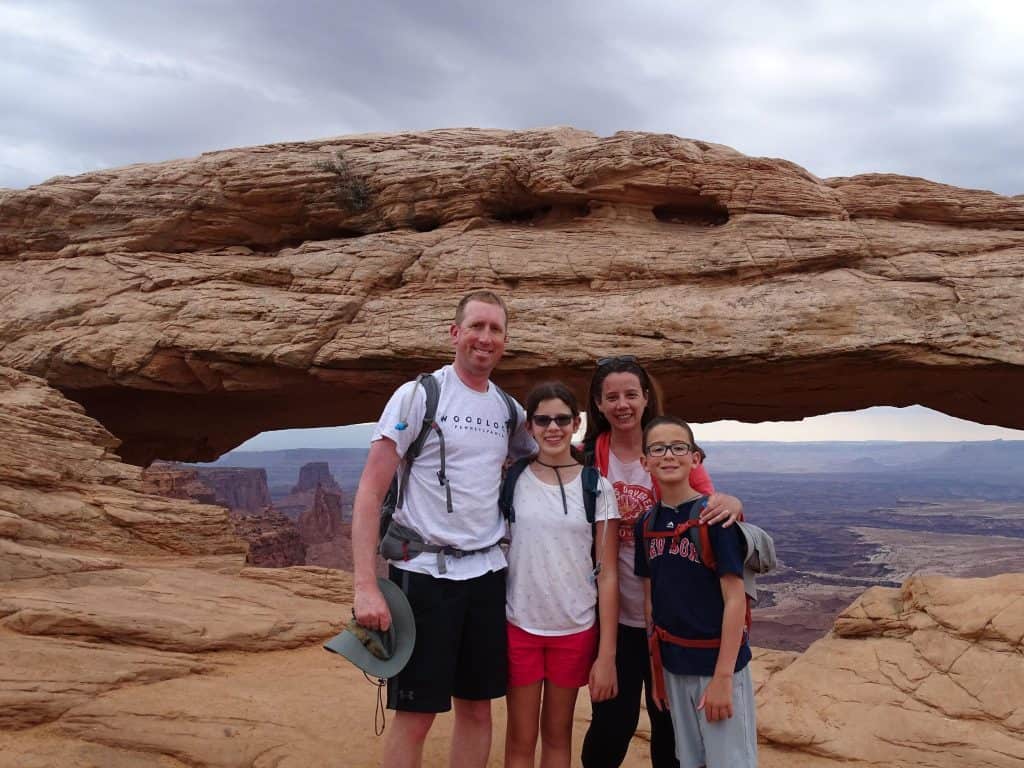
1. Get out of your comfort zone. For us, that meant hiking UP great elevations and looking down (far down!) into canyons. I am not comfortable with heights, and didn’t fully comprehend that many parks include steep elevations with narrow paths that have no barriers. Many of these hikes were big challenges, but the rewards and the memories were totally worth it. Now, whenever someone in the family complains about something, one of us will exclaim “Hey, this ‘ain’t’ no Delicate Arch!”
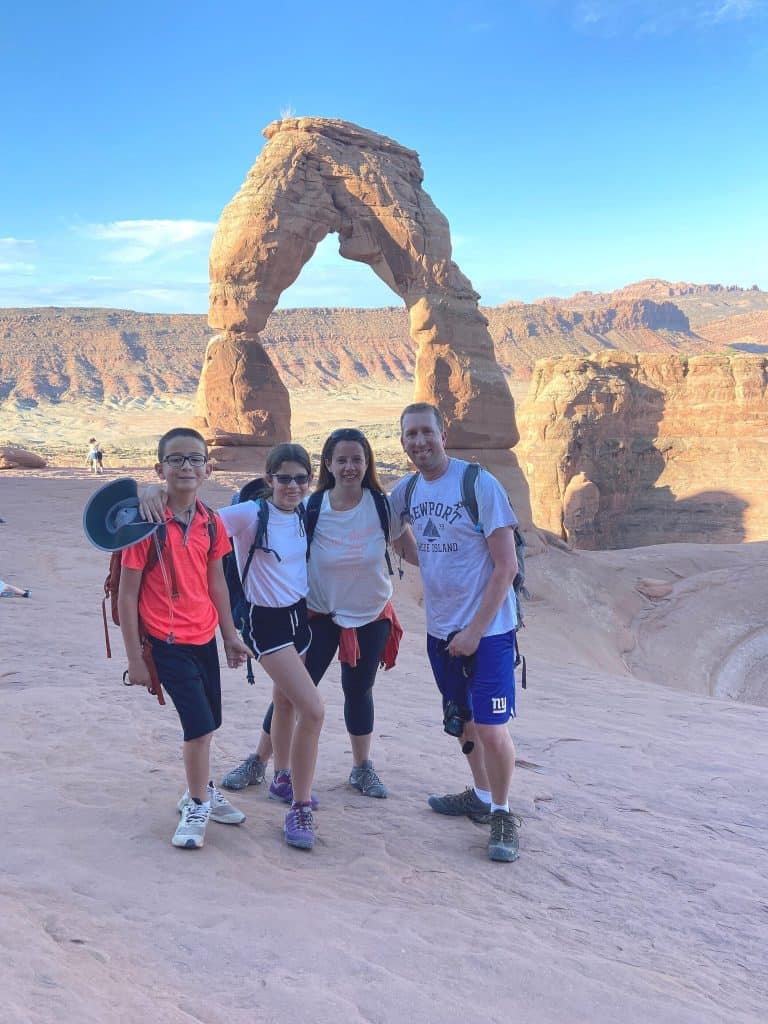
2. Know your limits and know when to stop. It’s one thing to challenge yourself, but going too far can be dangerous on many levels. In researching some of the parks, I quickly eliminated some of the hikes (talking about you, Angels Landing at Zion!) because I knew it would be TOO much of a challenge for us. We also quickly learned how much hiking, how much sun, how long without a break was too much for our family. “Quit while you’re ahead!” was a motto we quickly adopted.
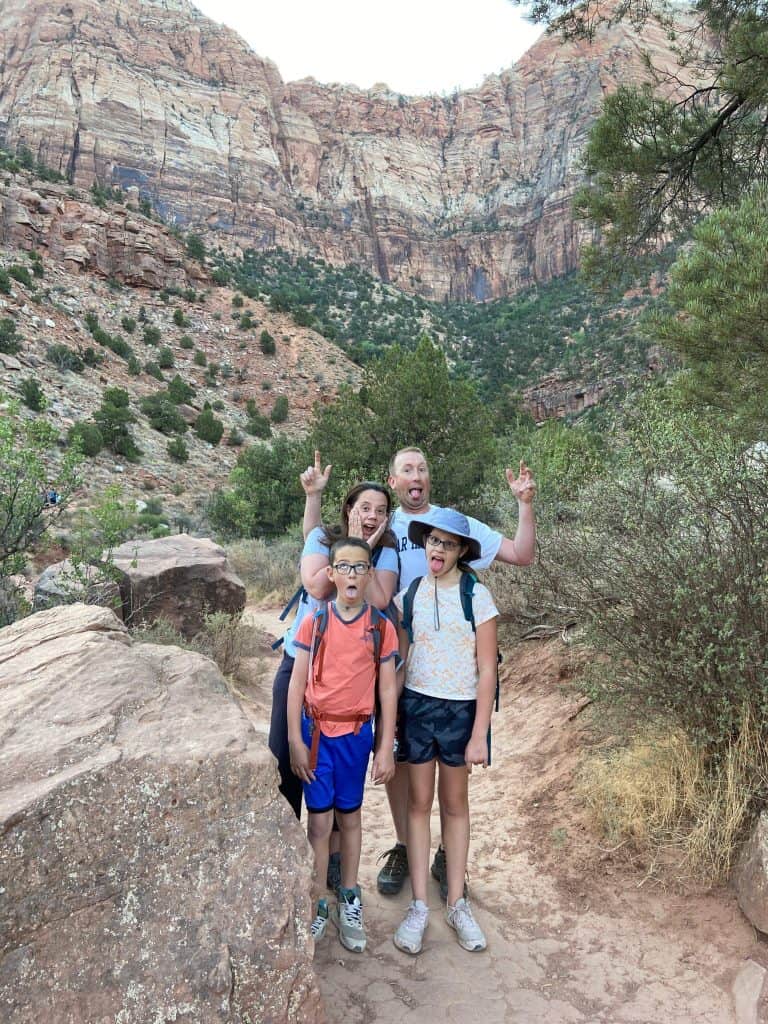
3. Stay hydrated. We’ve been told practically our whole lives how important it is to stay hydrated and to drink more water, and we knew this would be critical during our hikes in the dry heart of the western parks during the peak summer months. Coupled with high altitudes, it was critical we stay well hydrated. Dehydration can show its form such as headaches, eye and skin irritation and dizziness. We purchased hydration bladders and drank close to 2 liters each day. We believe staying hydrated contributed to our overall health throughout the whole trip.
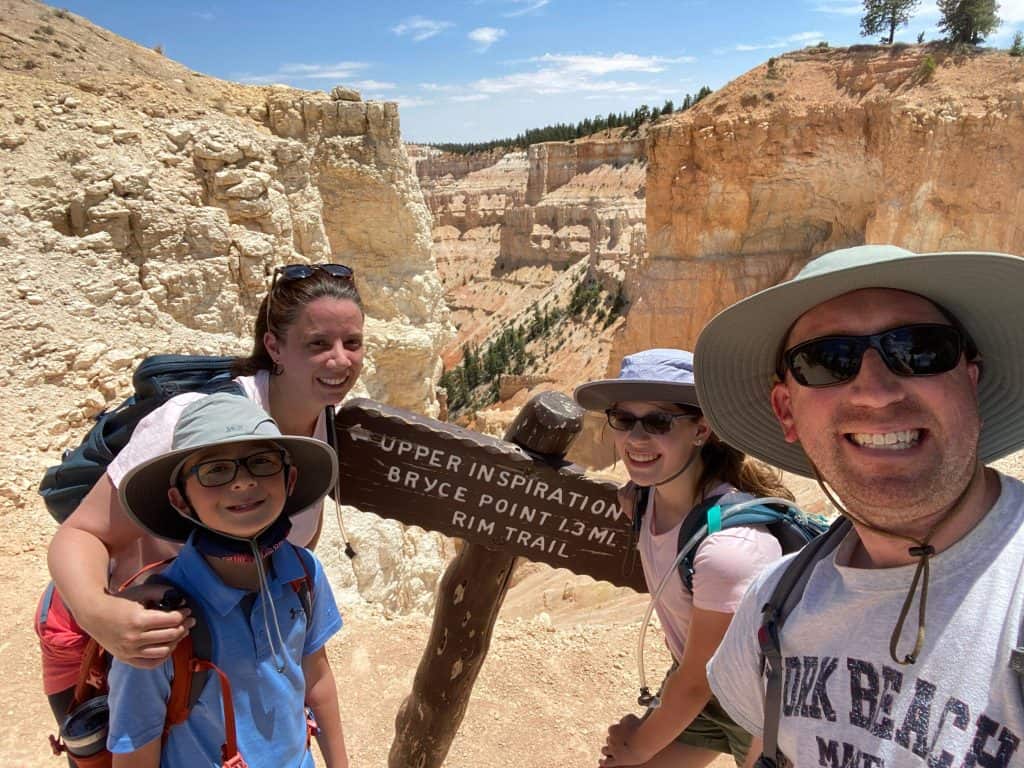
4. You don’t need a lot of “stuff.” Yes, I bought some hiking gear for our trip (read about it in this post) but I did limit myself to what would keep us healthy, happy, and safe. Luckily we didn’t end up needing some of the first aid materials (but Murphy’s Law, if we didn’t have it, we would have needed it) but I was very grateful we had the hydration bladders backpacks. We chose to forgo most souvenirs and buy a couple of mementos that we would really use and enjoy. We also tried our best to stay off the electronics. Sure, we took photos on our phone, but we stayed off email and social media for most of the day and tried to just be present.
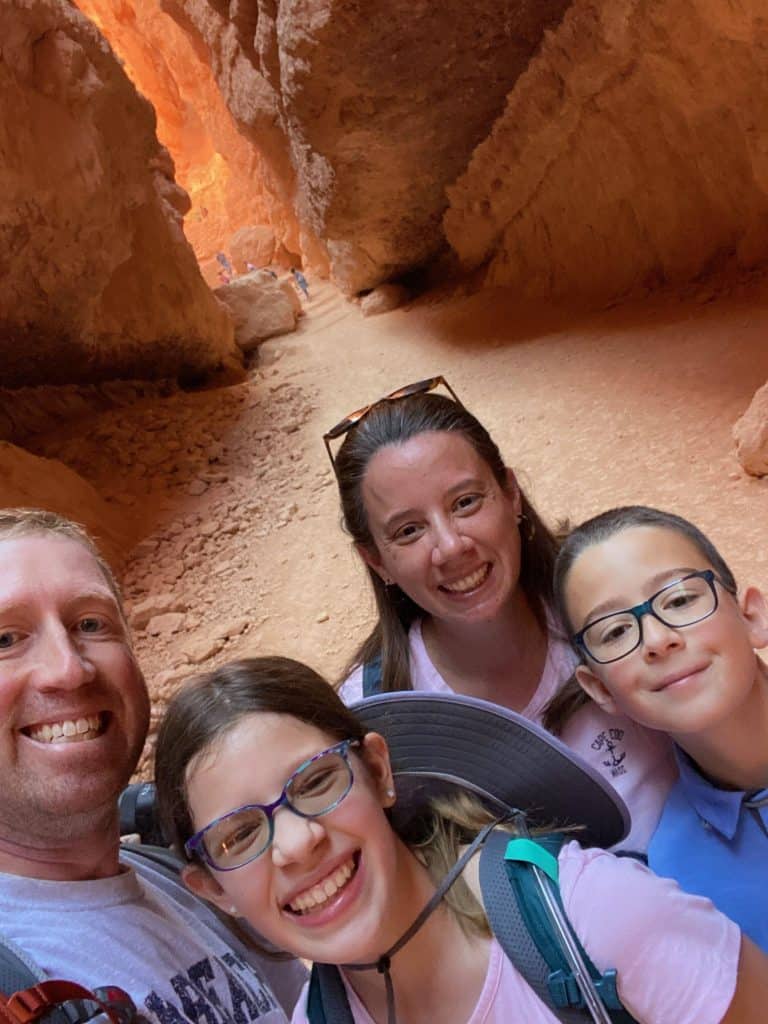
5. Bring snacks. Wherever you go, whatever you are doing, bring a snack. “Hangriness” is real, and it usually comes on quickly. Even though we just said not to bring a lot of extra baggage with you, there is always room for a little candy, granola bar, or bag of salty snacks.
Would you like to save this?
6. Take out what you bring in. The National Park System’s motto is “leave no trace” and we think this is a great attitude toward the environment as well. Nature counts on us to be respectful and considerate and relies on us to take responsibility for ourselves and for “footprint.” We learned on this trip to be respectful of the land; some of the places we explored are in danger of being ruined by many factors and we realized how fortunate we are to have visited them. We all have an obligation to protect our national resources.
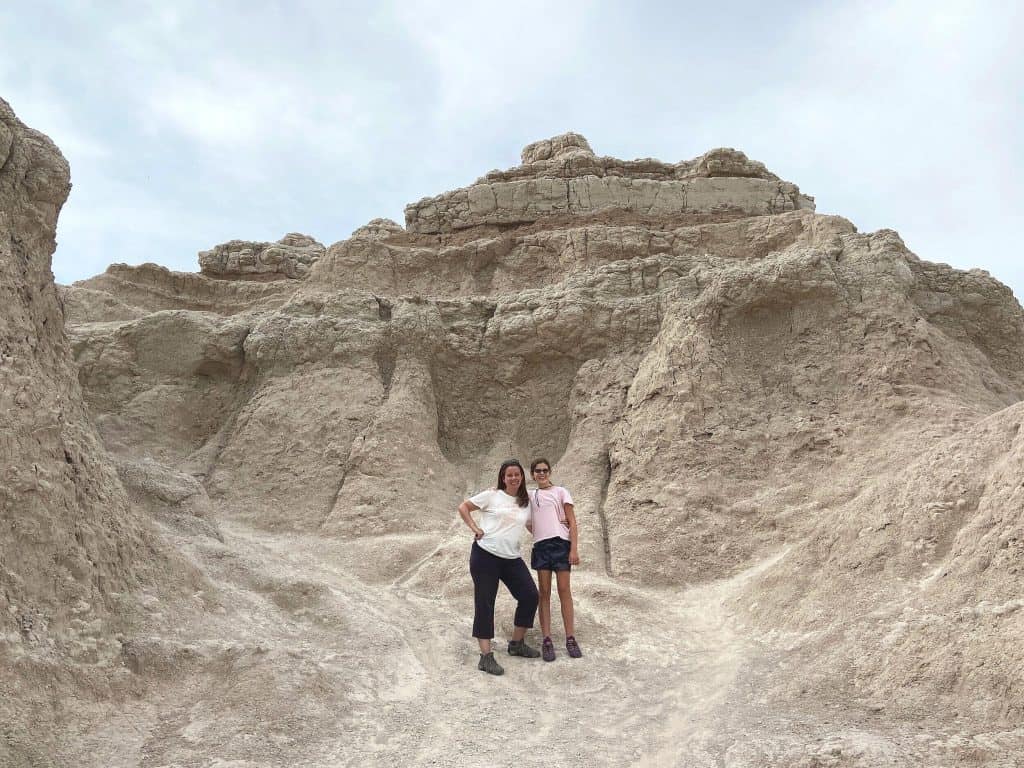
7. Slow down and appreciate the little things. We are guilty, on a daily basis, of rushing and can miss the important details. Hiking through National Parks, slowing down was a safety issue at first. Every time we reminded our children to walk carefully, pay attention to the path, and watch out for objects that might cause them to fall. In taking my own advice, I realized there were so many beautiful and unique elements of nature: the seemingly endless varieties of flowers and plants growing in dry land; the rocks that formed natural stairs and paths through the parks; the stunning sunrises and sunsets.
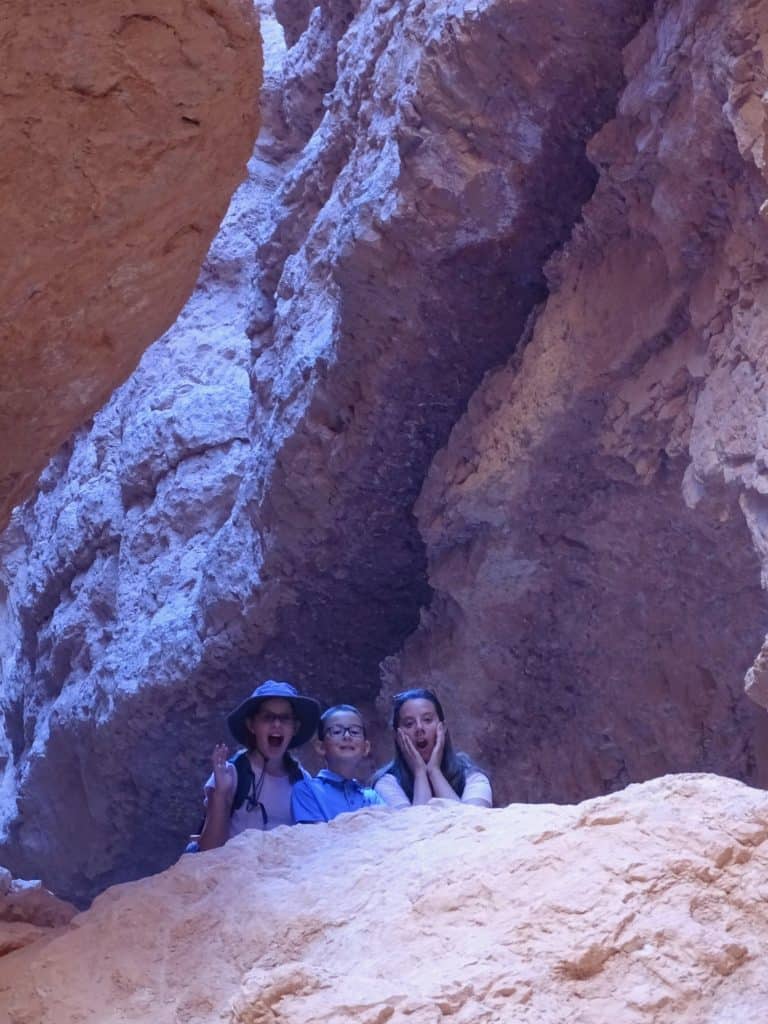
8. Read signs and heed their warnings. National Parks are closely monitored and protected by trained rangers who know the land and know the risks. National Parks are well marked with trail guides and warnings about weather related concerns and protecting the wildlife that inhabit the land. We learned first hand how quickly flash floods can form and how quickly weather can change. We take these warnings seriously now, even at home at our local parks.
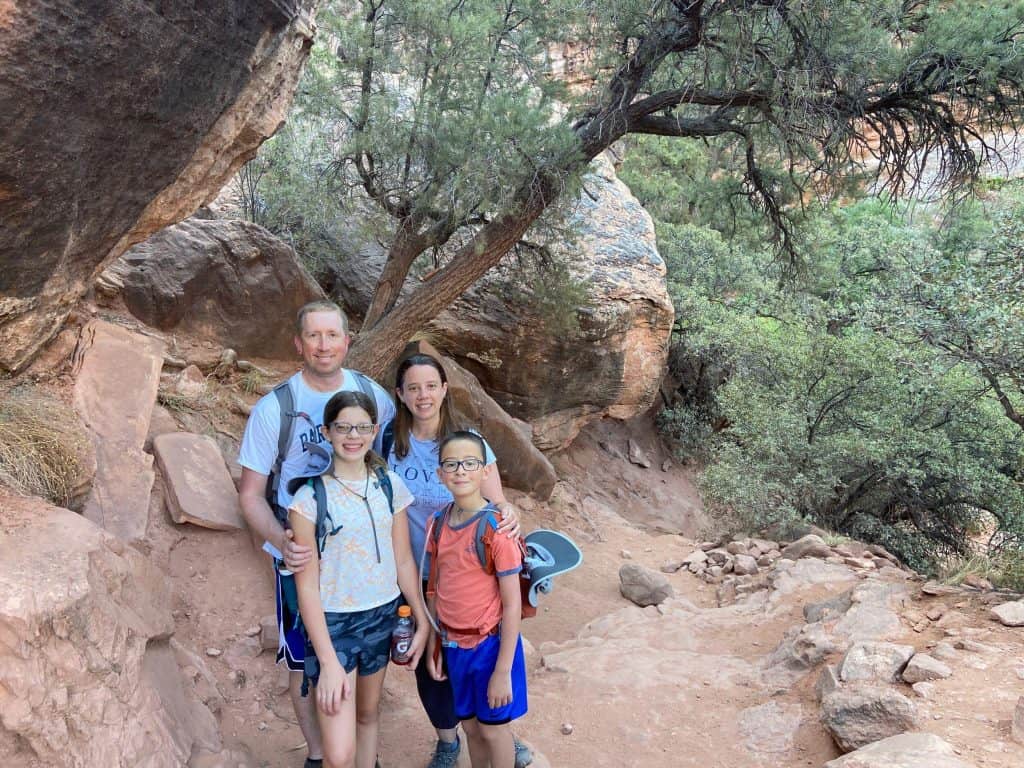
9. Never be afraid to ask for help. People want to share their advice and their lessons learned from personal experience. One of the primary components we love about National Parks is the park rangers. Park rangers are knowledgeable, approachable, and patient. But we have found over our 10+ years of road tripping, that just about everyone we have come across is eager to share advice and offer help. Sometimes it helps to be wearing the hometown team’s baseball cap or asking where to get the best local dish, but America truly is a friendly country with people eager to share what makes their hometown special.
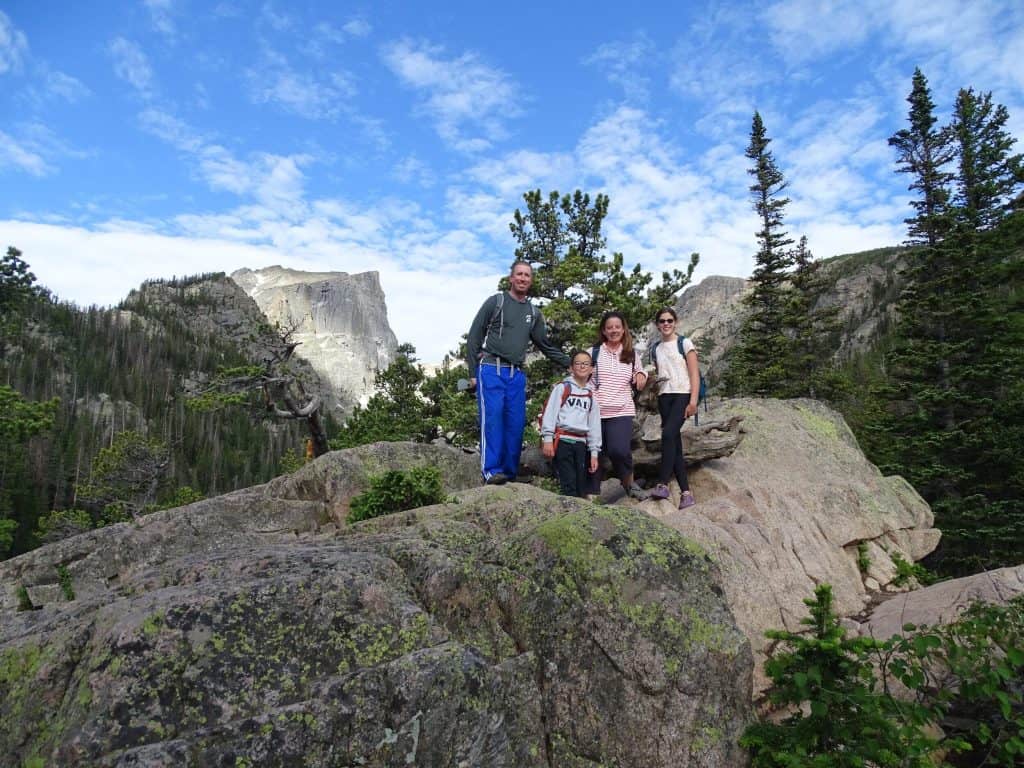
10. Greet your neighbor. We would venture to estimate 99 out of 100 people we passed on a trail, in a Visitor Center, or at a parking lot greeted us with a “good morning” or a “you’re almost at the top- only a few more steps!” and we started to notice it made a difference in our mood- in a good way. Sometimes it led to a brief conversation where we learned about shortcuts or the best local spot for BBQ. Sometimes we commiserated with other families about the heat or the length of the trail and it felt reassuring to know we weren’t alone in our inexperience. And more than once, we met someone who lives less than 15 miles from our home and we swapped stories. We found “it’s a small world after all” in the best possible ways.
National Park posts you might enjoy:
- 10 Hiking Supplies we use
- Acadia National Park in Maine
- Great Smoky Mountains National Park in Tennessee and North Carolina
- Bryce Canyon National Park in Utah
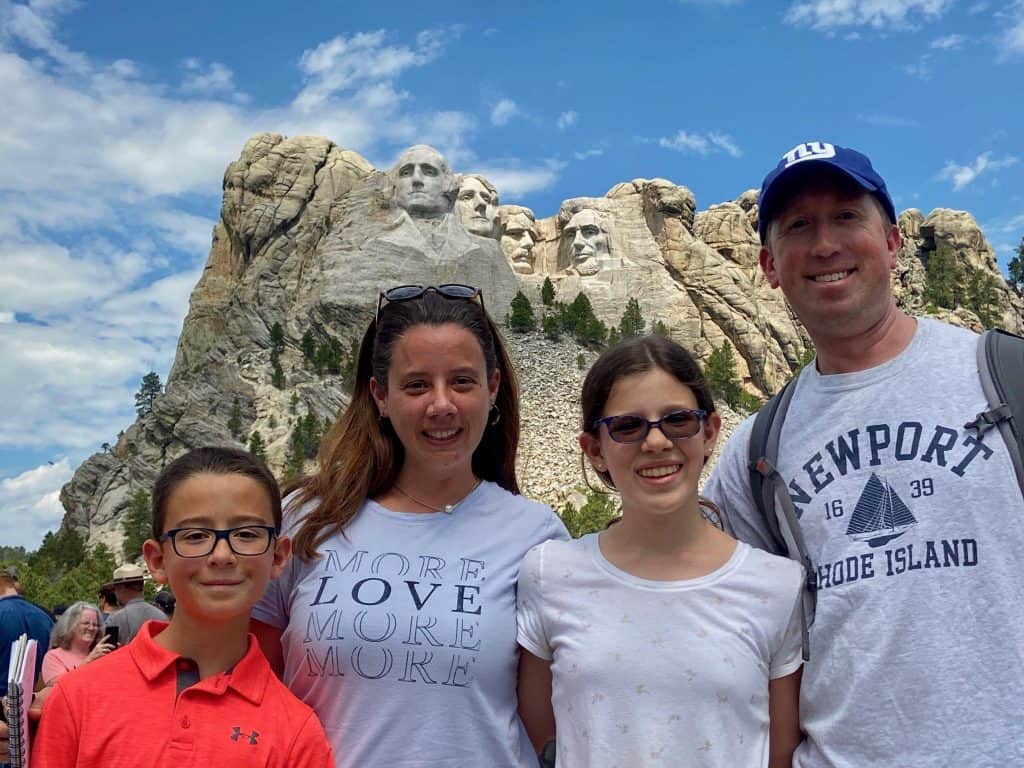
- Mount Rushmore National Memorial in South Dakota
- 10 Reasons Why We Love National Parks
Stay tuned for our posts about guides and follow along on our adventures on Instagram, Twitter, Facebook, and Pinterest.




This was an amazing post. It shows the openness with which you approached this fascinating experience and the appreciation of the challenge, the beauty and the fascination each day presented. This was indeed a once in a lifetime experience and the lessons from which your children will repeat for years to come. Thank you so much for the beautiful rendering of a such a unique travel family trip.
This was an amazing post. It shows the openness with which you approached this fascinating experience and the appreciation of the challenge, the beauty and the fascination each day presented. This was indeed a once in a lifetime experience and the lessons from which your children will repeat for years to come. Thank you so much for the beautiful rendering of a such a unique travel family trip.
This was an amazing post. It shows the openness with which you approached this fascinating experience and the appreciation of the challenge, the beauty and the fascination each day presented. This was indeed a once in a lifetime experience and the lessons from which your children will repeat for years to come. Thank you so much for the beautiful rendering of a such a unique travel family trip.
This blog took me to an adventure just by reading it! Thank you for sharing this xx
what a compliment- thank you!
This blog took me to an adventure just by reading it! Thank you for sharing this xx
what a compliment- thank you!
This blog took me to an adventure just by reading it! Thank you for sharing this xx
what a compliment- thank you!
My family also loves to explore parks but I tend to forget to ow down and appreciate the little things. Thanks for the reminder! 💛
My family also loves to explore parks but I tend to forget to ow down and appreciate the little things. Thanks for the reminder! 💛
My family also loves to explore parks but I tend to forget to ow down and appreciate the little things. Thanks for the reminder! 💛
That trip looks incredible! I love going on little adventures like these with my family, this will definitely being going on my list of trips
That trip looks incredible! I love going on little adventures like these with my family, this will definitely being going on my list of trips
That trip looks incredible! I love going on little adventures like these with my family, this will definitely being going on my list of trips
Greet your neighbor. I love that. And it is weird I find the same thing when taking my kids for hikes. Even though we are tired and worn out we always manage to give a smile or say hello to fellow hikers.
such a motivator!
Greet your neighbor. I love that. And it is weird I find the same thing when taking my kids for hikes. Even though we are tired and worn out we always manage to give a smile or say hello to fellow hikers.
such a motivator!
Greet your neighbor. I love that. And it is weird I find the same thing when taking my kids for hikes. Even though we are tired and worn out we always manage to give a smile or say hello to fellow hikers.
such a motivator!
My husband and I love National Parks too and buy an annual pass every year. It gives us ideas of where to go on vacation so that we can visit as many parks as possible.
Check out the America the Beautiful lifetime pass 😉 I bet you’d love it..and save money
My husband and I love National Parks too and buy an annual pass every year. It gives us ideas of where to go on vacation so that we can visit as many parks as possible.
Check out the America the Beautiful lifetime pass 😉 I bet you’d love it..and save money
My husband and I love National Parks too and buy an annual pass every year. It gives us ideas of where to go on vacation so that we can visit as many parks as possible.
Check out the America the Beautiful lifetime pass 😉 I bet you’d love it..and save money
Such great lessons! We love state and national parks too. Amazing places to explore and see our beautiful country. Taking time to appreciate the little things and greet your neighbor are so valuable and great lessons to share with your kids too.
agreed 🙂
Such great lessons! We love state and national parks too. Amazing places to explore and see our beautiful country. Taking time to appreciate the little things and greet your neighbor are so valuable and great lessons to share with your kids too.
agreed 🙂
Such great lessons! We love state and national parks too. Amazing places to explore and see our beautiful country. Taking time to appreciate the little things and greet your neighbor are so valuable and great lessons to share with your kids too.
agreed 🙂
You have a lovely family and of course great photos! This national park is in my bucket list 🙂
You have a lovely family and of course great photos! This national park is in my bucket list 🙂
You have a lovely family and of course great photos! This national park is in my bucket list 🙂
Love me some national parks! My family and I are full-time RVers and we love to do the parks. I love your tip to greet your neighbor. A friendly hello goes a long way on a hike. We did the badlands in the fall, and you’re making me want to head back out west!
such a cool spot! It felt like another world! Safe travels!
Love me some national parks! My family and I are full-time RVers and we love to do the parks. I love your tip to greet your neighbor. A friendly hello goes a long way on a hike. We did the badlands in the fall, and you’re making me want to head back out west!
such a cool spot! It felt like another world! Safe travels!
Love me some national parks! My family and I are full-time RVers and we love to do the parks. I love your tip to greet your neighbor. A friendly hello goes a long way on a hike. We did the badlands in the fall, and you’re making me want to head back out west!
such a cool spot! It felt like another world! Safe travels!