
25 Ways to Have Fun at Mystic Seaport in Mystic, Connecticut This Summer
The largest maritime museum in America, Mystic Seaport Museum is an indoor and outdoor living history museum that is one of the most popular attractions in Connecticut. Spread across 19 acres on the banks of the Mystic River in Mystic, Connecticut, the property was originally the site of the Charles Mallory & Sons shipyard and nearby Greenman shipyard, both of which built wooden clipper ships, barks, and steamships during the 19th century. Founded in 1929, the museum has expanded several times to include more historic structures, exhibits, and sailing vessels in its fleet.
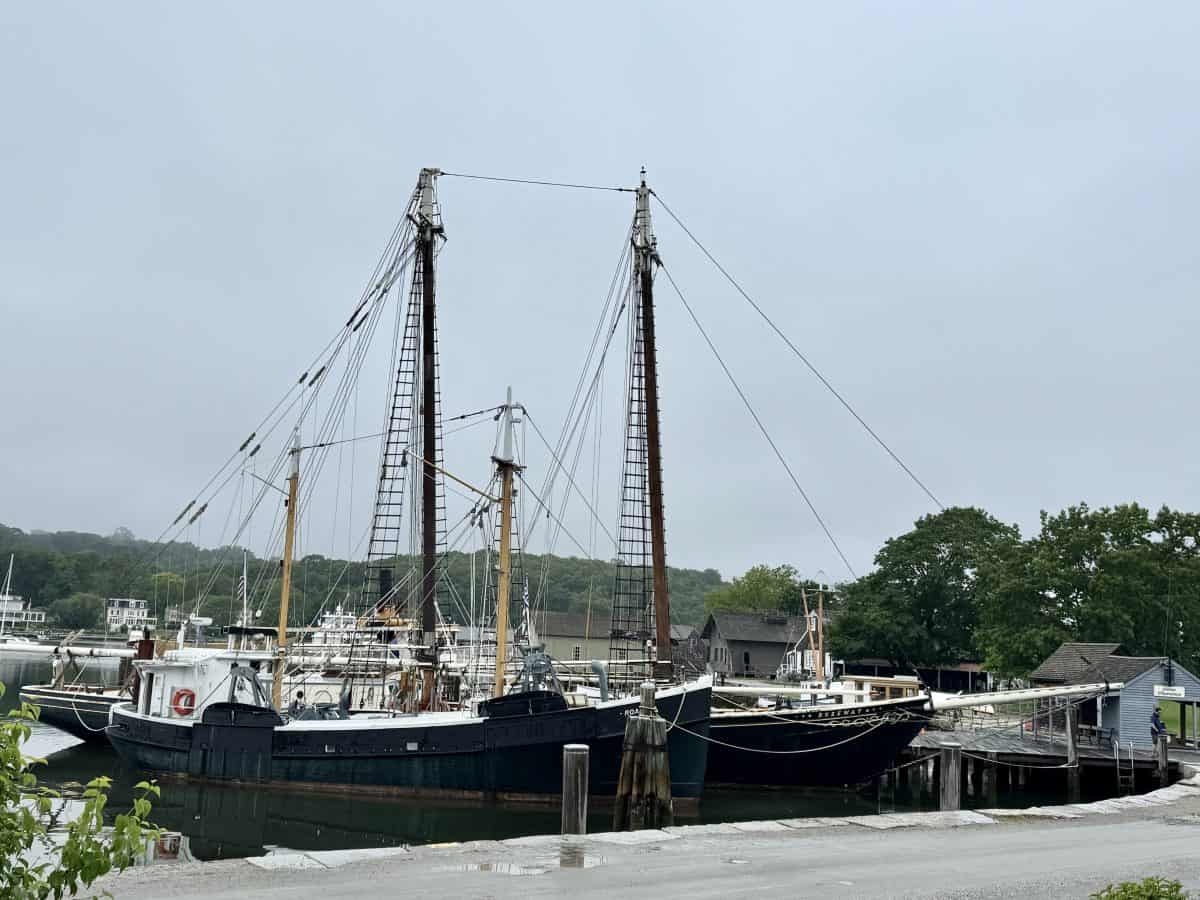
Today, there are over 60 exhibits for visitors to explore:
- A 1870s Seaport Village with close to 40 structures that highlight maritime trades with live docents and daily demonstrations
- The Joseph Conrad and the Charles W Morgan (the oldest wooden whaling ship in the world still afloat) to climb aboard and explore and dozens of small ships, boats, and vessels for public excursions and sails
- An active, working shipyard that restores ships and other artifacts vital to maritime industries
- Close to a dozen indoor permanent and rotating exhibits that celebrate specific people, eras, and industries associated with maritime life
- Daily programs and seasonal events the whole family will enjoy
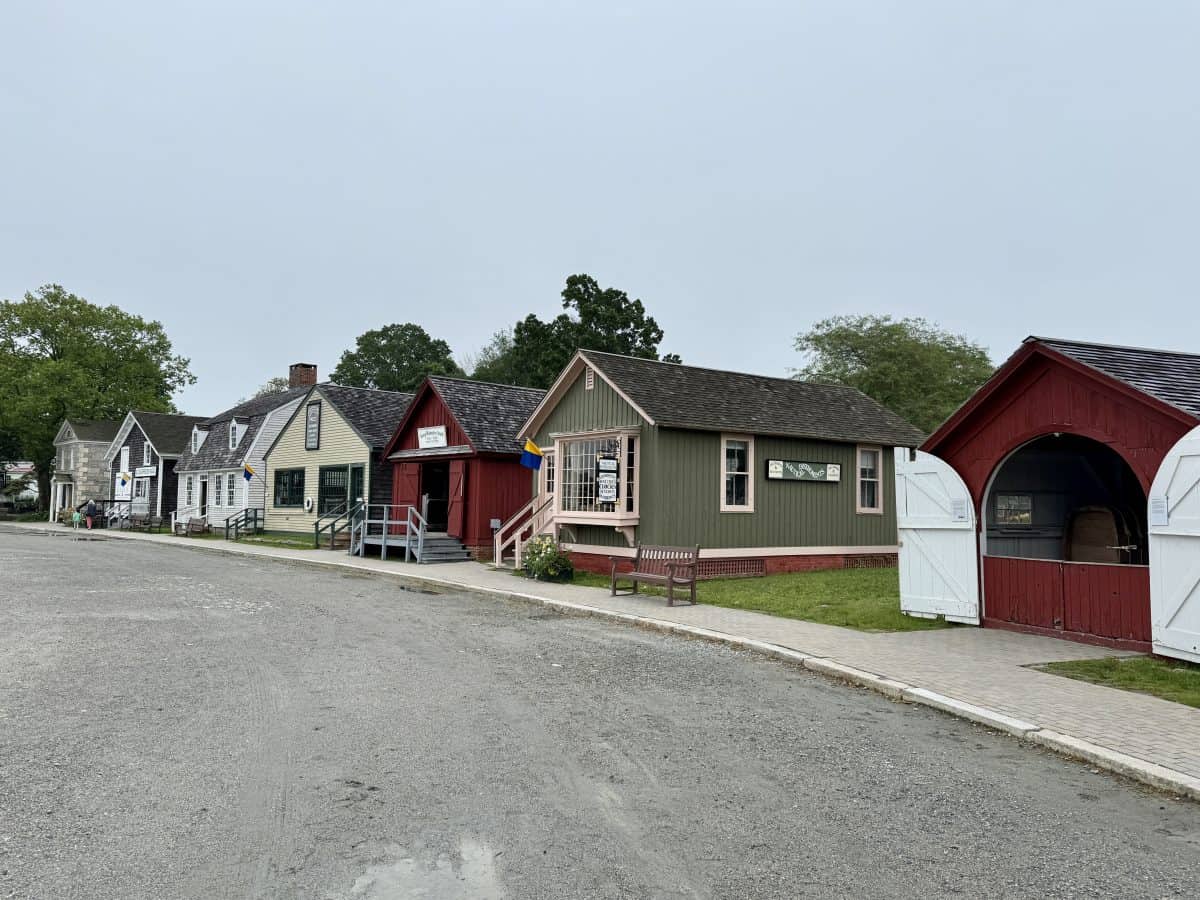
The museum complex has tons of family friendly exhibits, and several attractions geared specifically towards children. While the preschool crowd will have fun, and there are exhibits and a children’s museum geared towards them, be sure to keep a close eye and firm hand on them near the open spaces near the water and on the ships. We think children ages elementary school and older will really enjoy the hands -on learning, the ability to get up close and touch just about everything, and the docents and educational scholars who make maritime history come alive. The museum is well worth the admission price, as a family could easily spend the entire day exploring all the exhibits (and still have reasons for return visits!) and we highly recommend planning to spend the whole day at Mystic Seaport Museum to get the full experience.
Travel Tips:
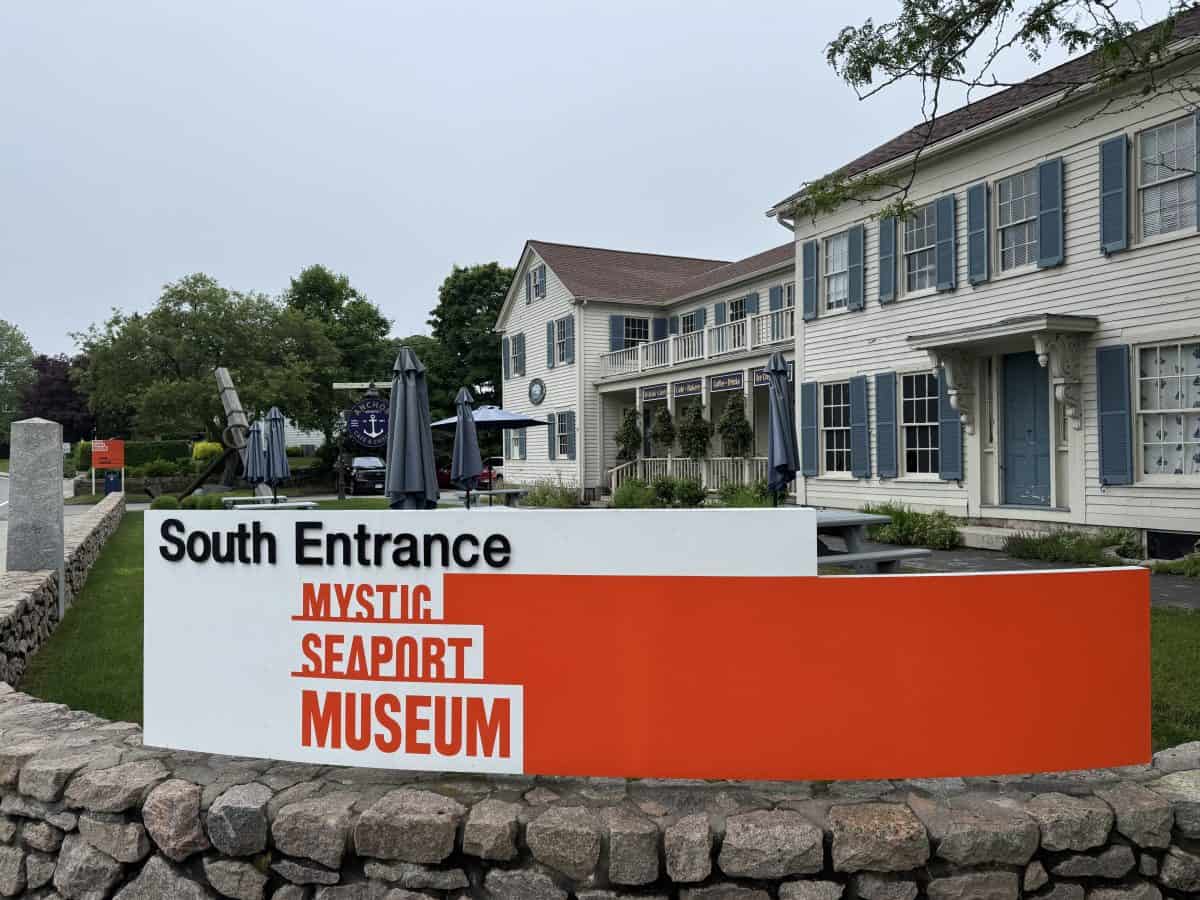
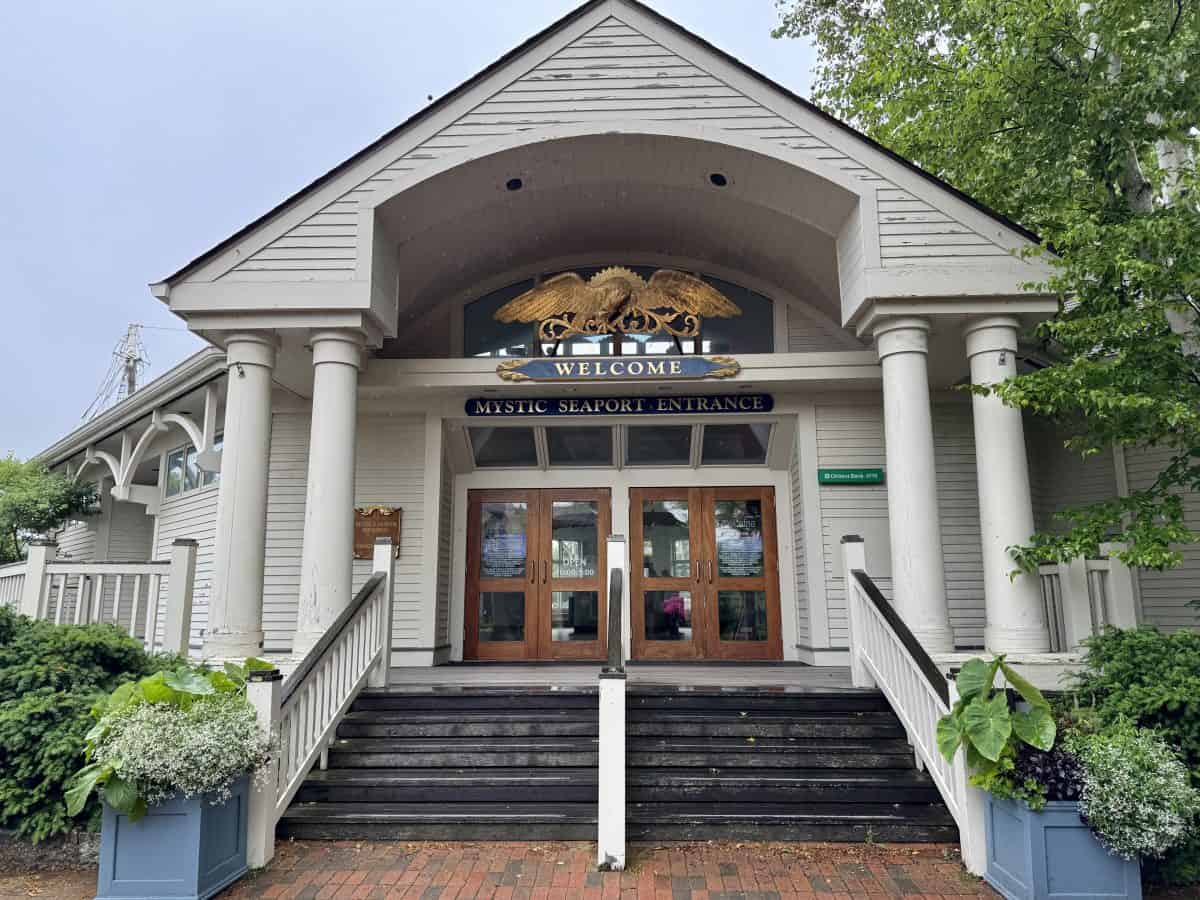
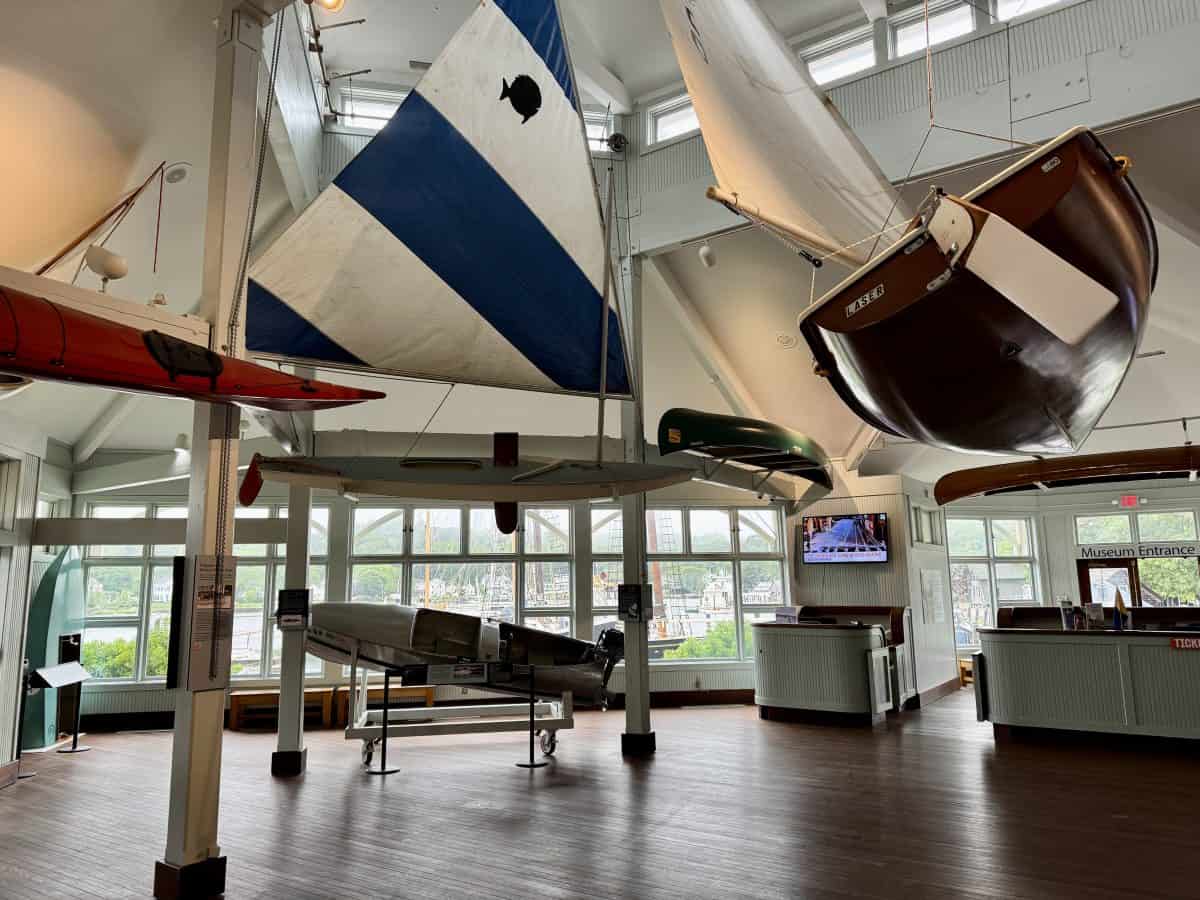
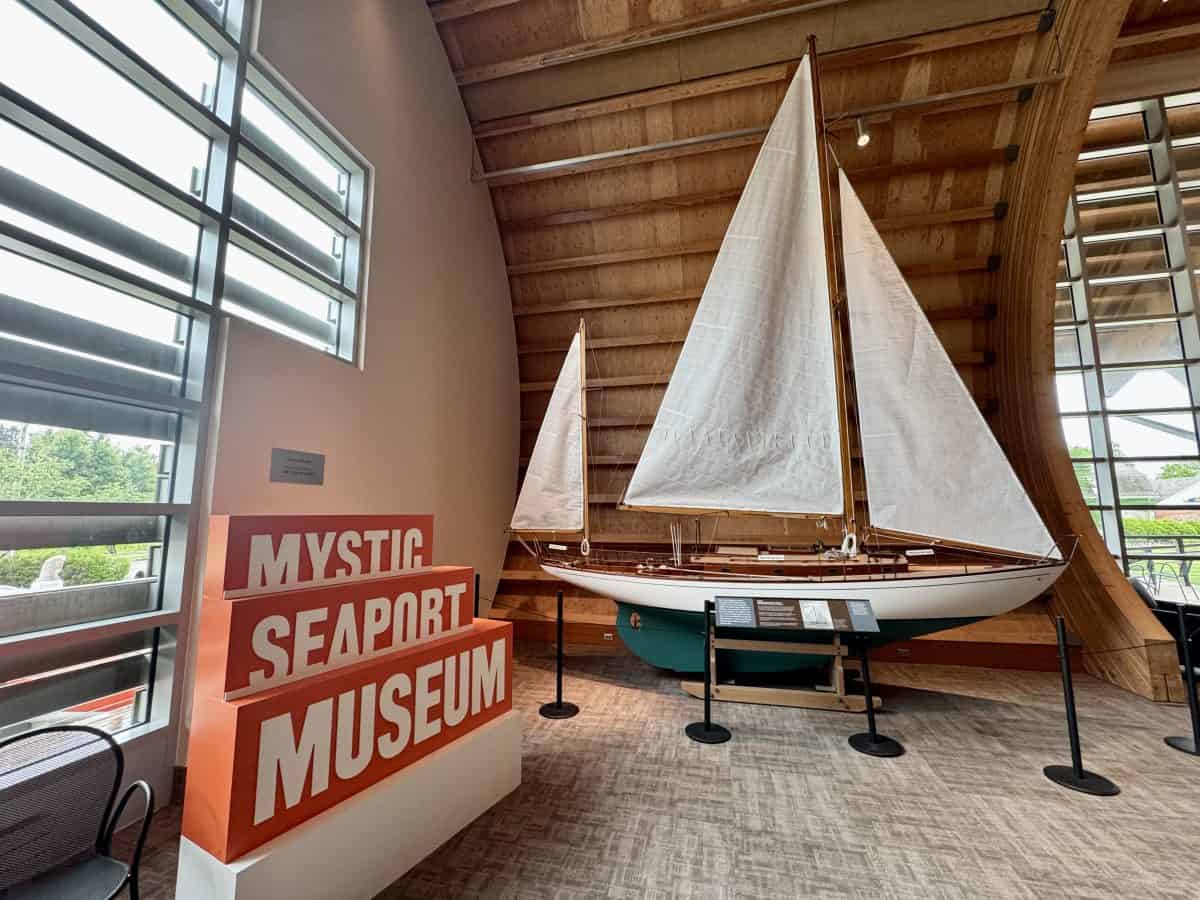
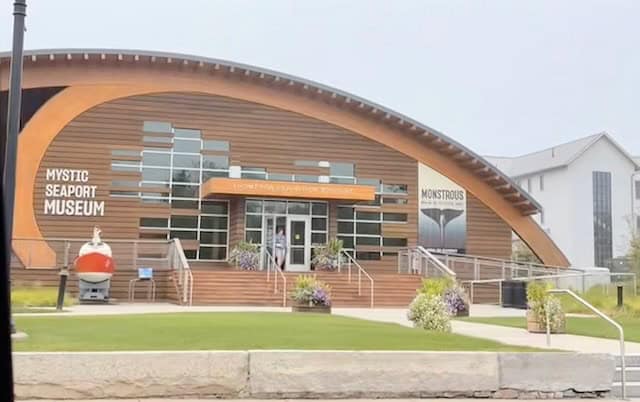
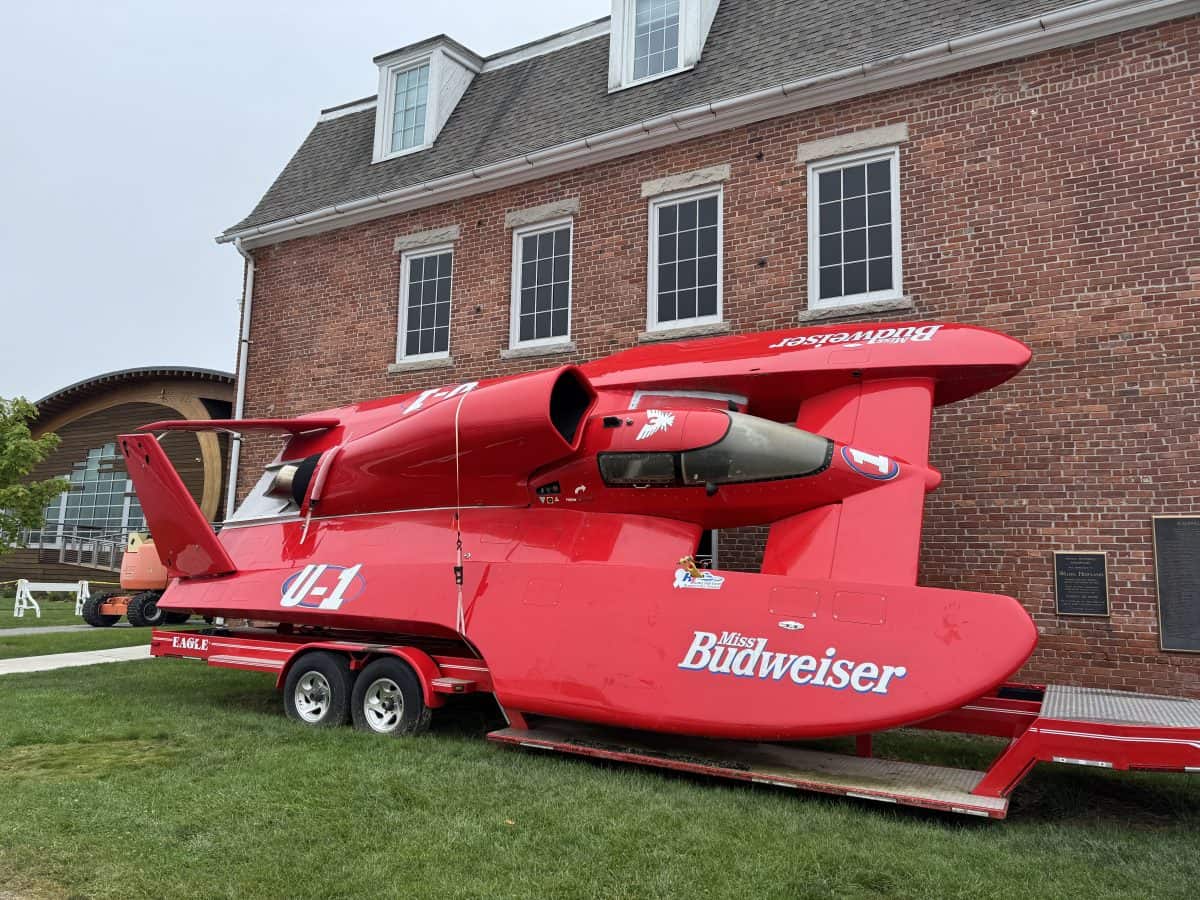
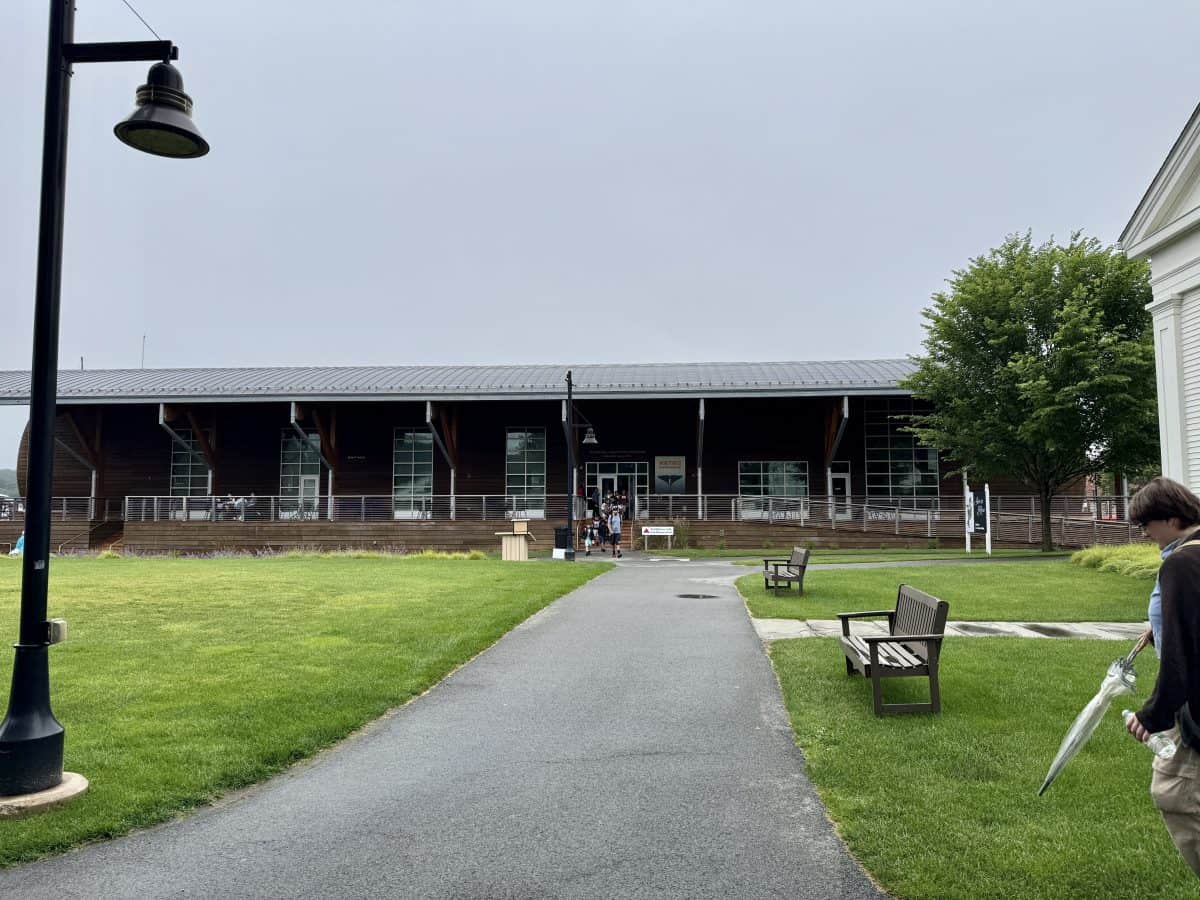
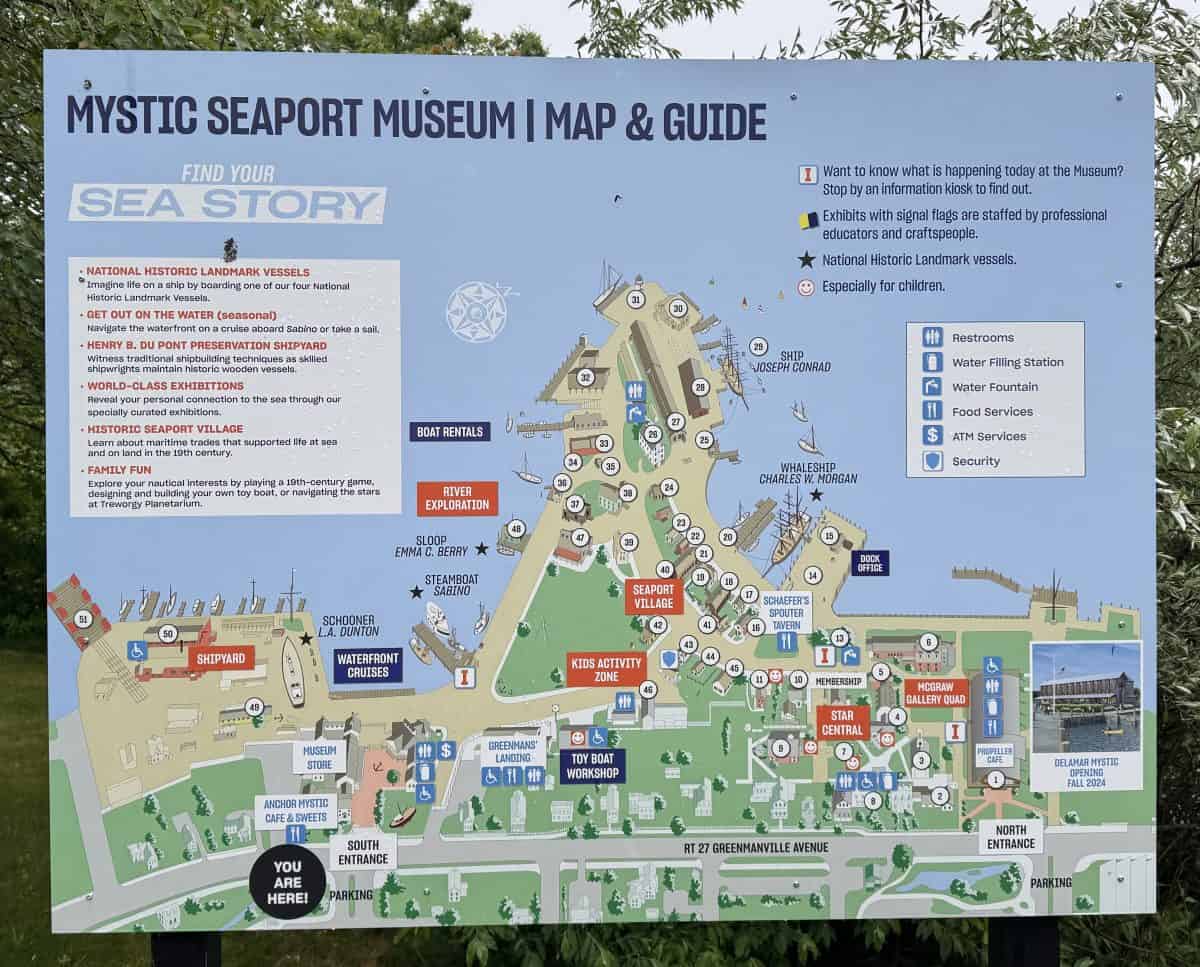
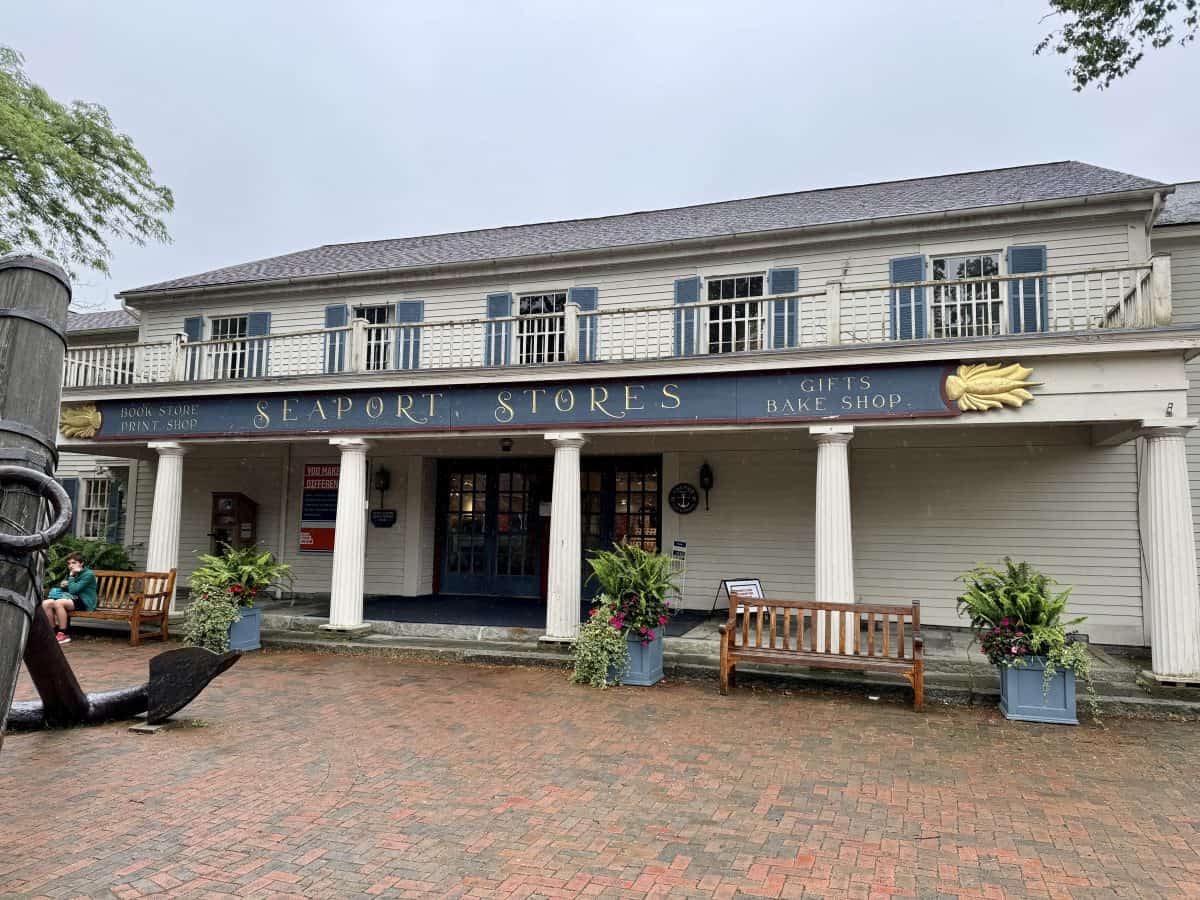
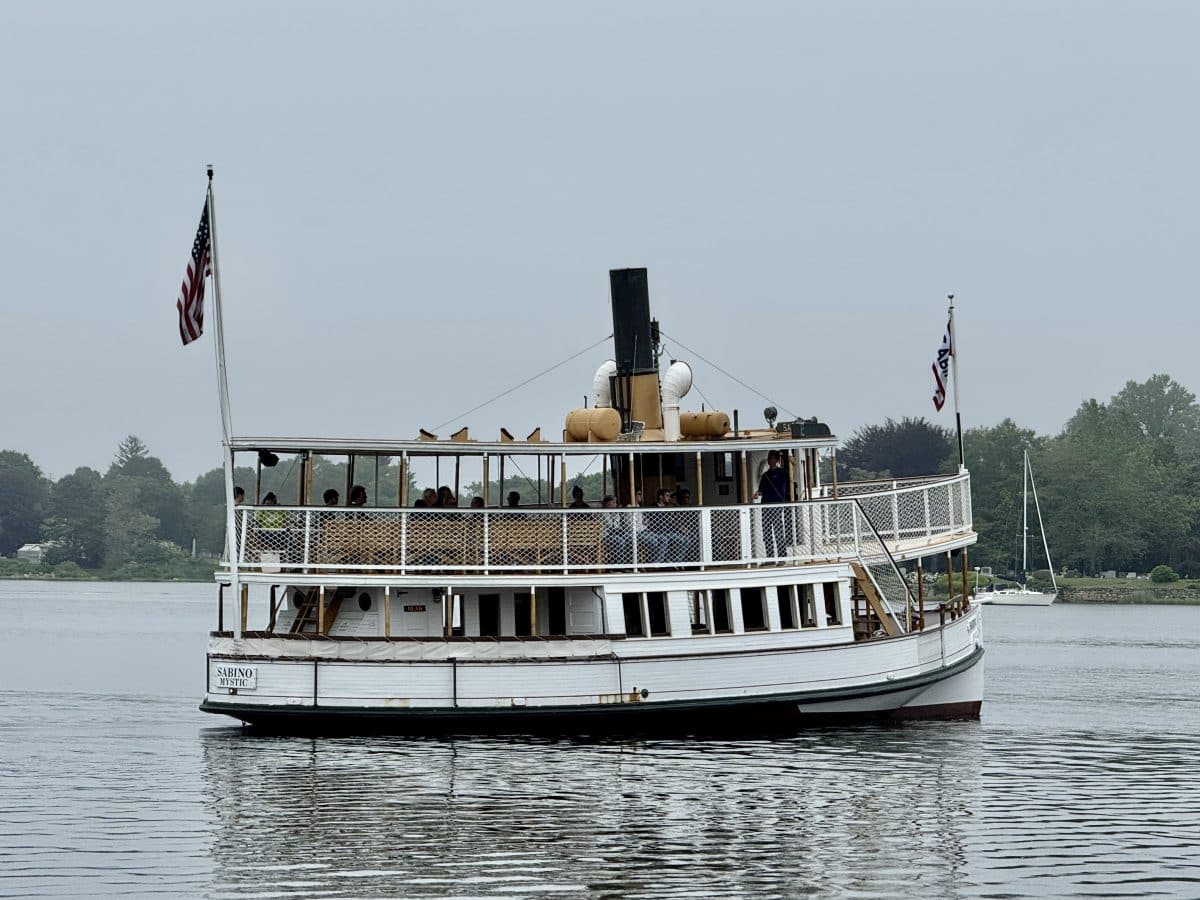
Dining options on site include: ** Note: Some options are open seasonally and have limited hours- check here for updates.
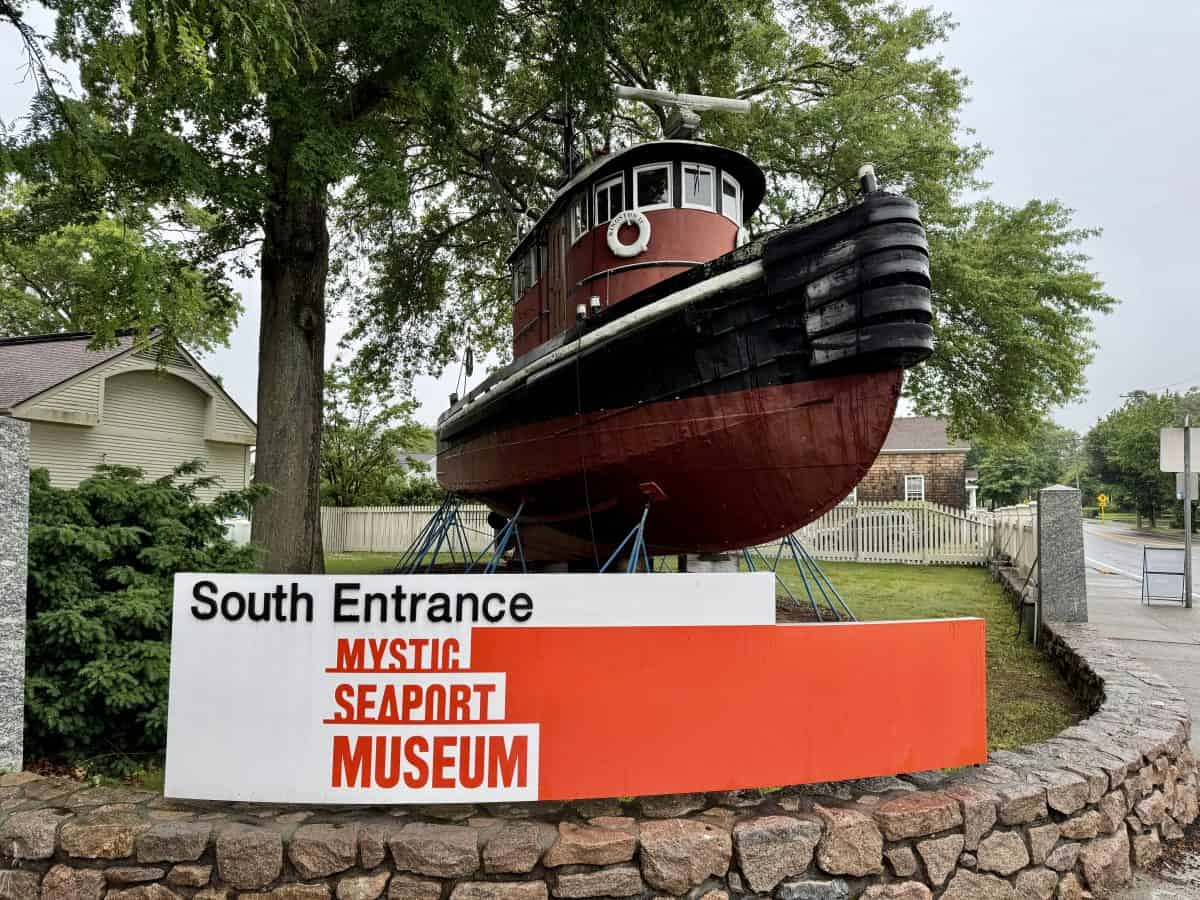
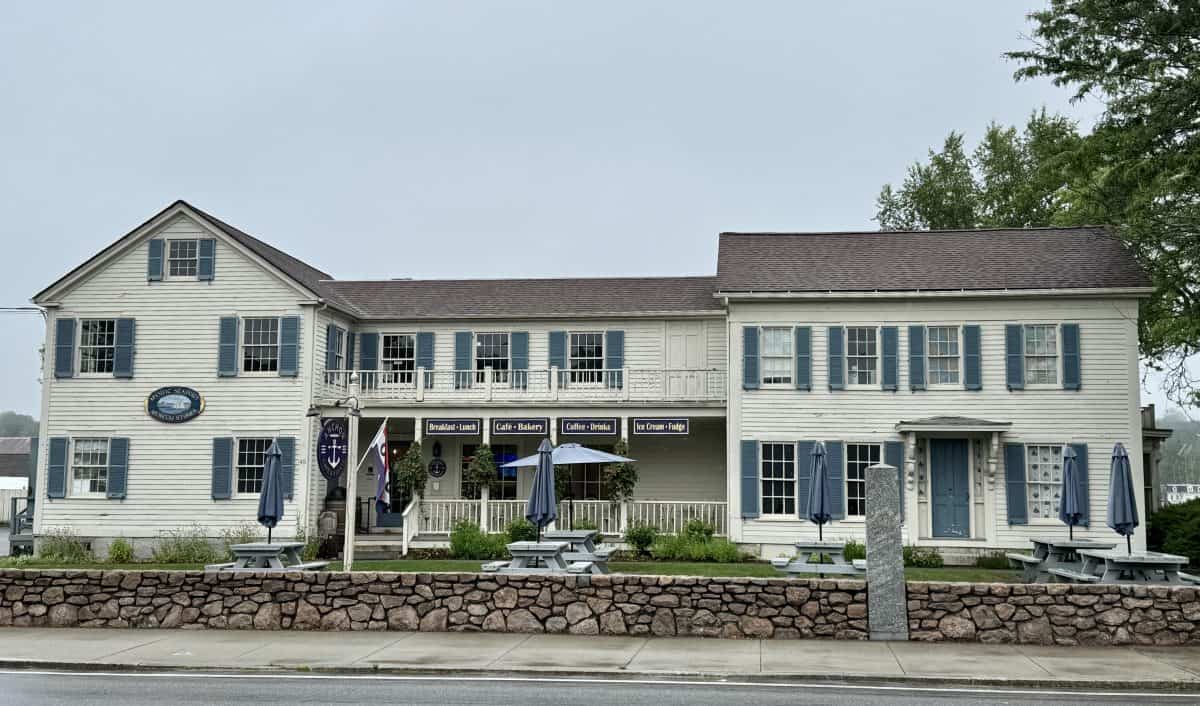
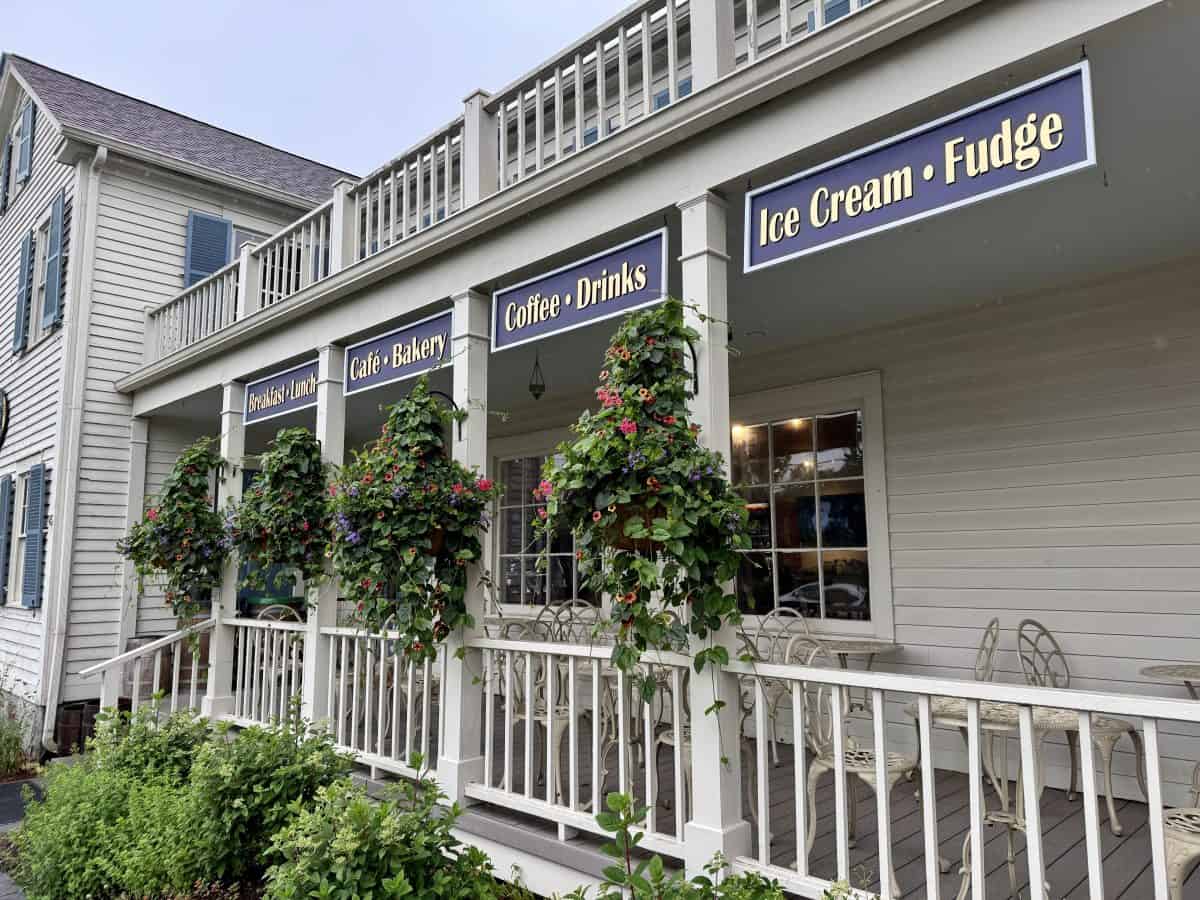
- The Anchor Mystic Cafe and Sweets, located next to the “South” entrance, offers a full breakfast and lunch menu and lots of sweet treats. Museum entrance is not required and the cafe is open earlier than the museum. There are about a dozen tables for inhouse eating.
- The Propeller Coffee Bar, located inside the “North” entrance Sanger Visitor Reception Center, and offers drinks and quick service snacks, with about 6-7 tables.
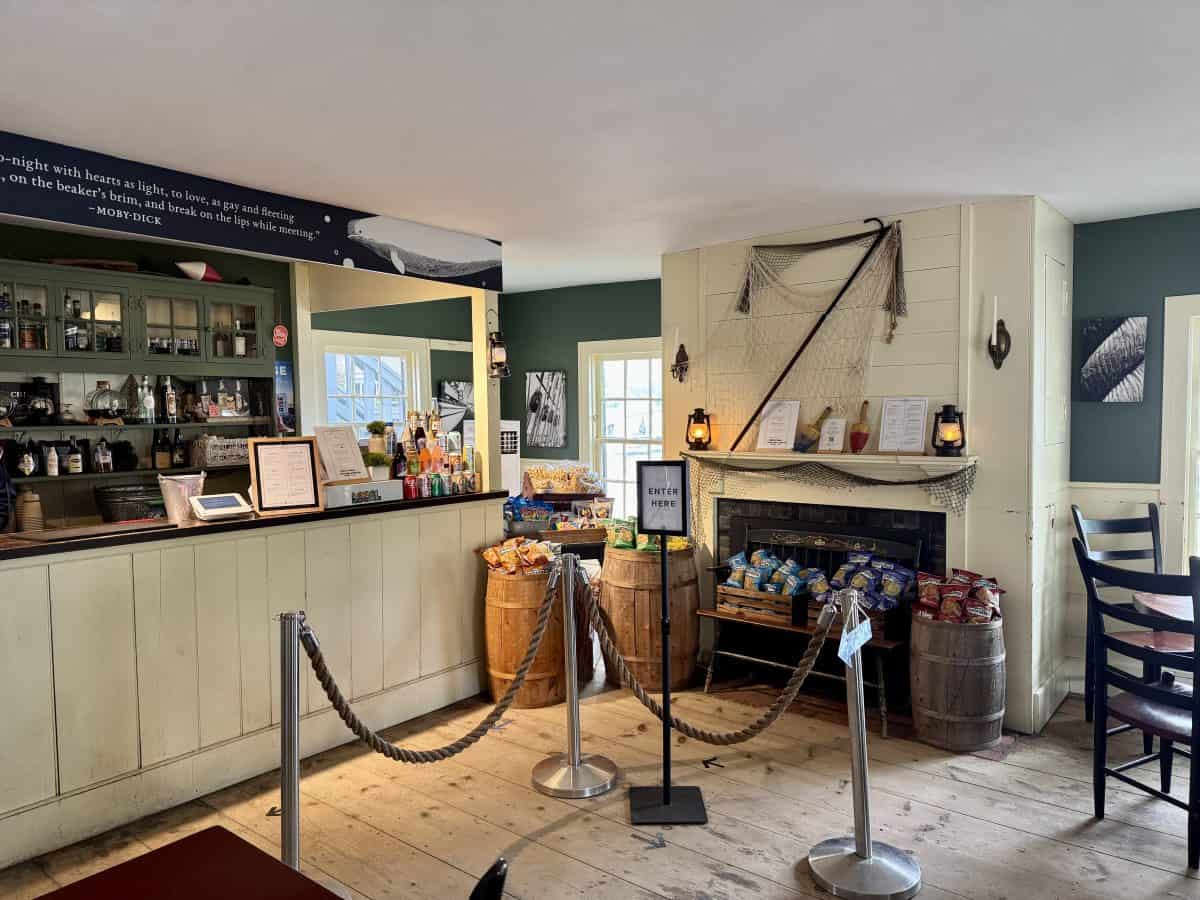
- Schaefer’s Spouter Tavern, located inside the Seaport Village, is modeled after a 19th century seaport tavern built in 1956. The tavern offers sandwiches, salads, and soups, and a full bar. Several indoor seating options and space to picnic outdoors.
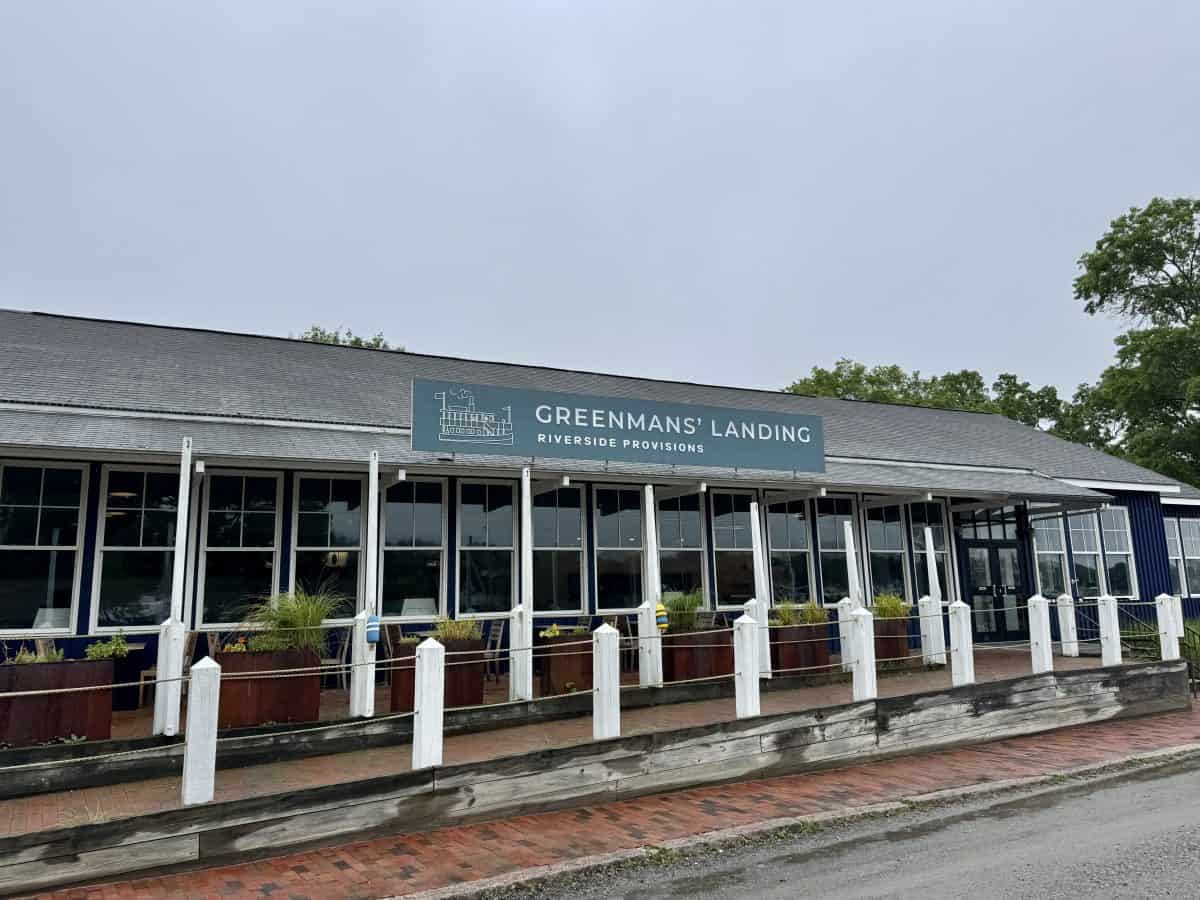
- Greenman’s Landing, located inside the museum complex on the way to the Seaport Village, is a quick service option for lunch and snacks, with a full grill and sandwiches and snack options, and the most seating (indoors and outdoors) of the museum options.
- Lots of dining options in and around Mystic– see good indexes here and here.
25 Ways to Explore Mystic Seaport Museum: Starting at the “South” end of the complex
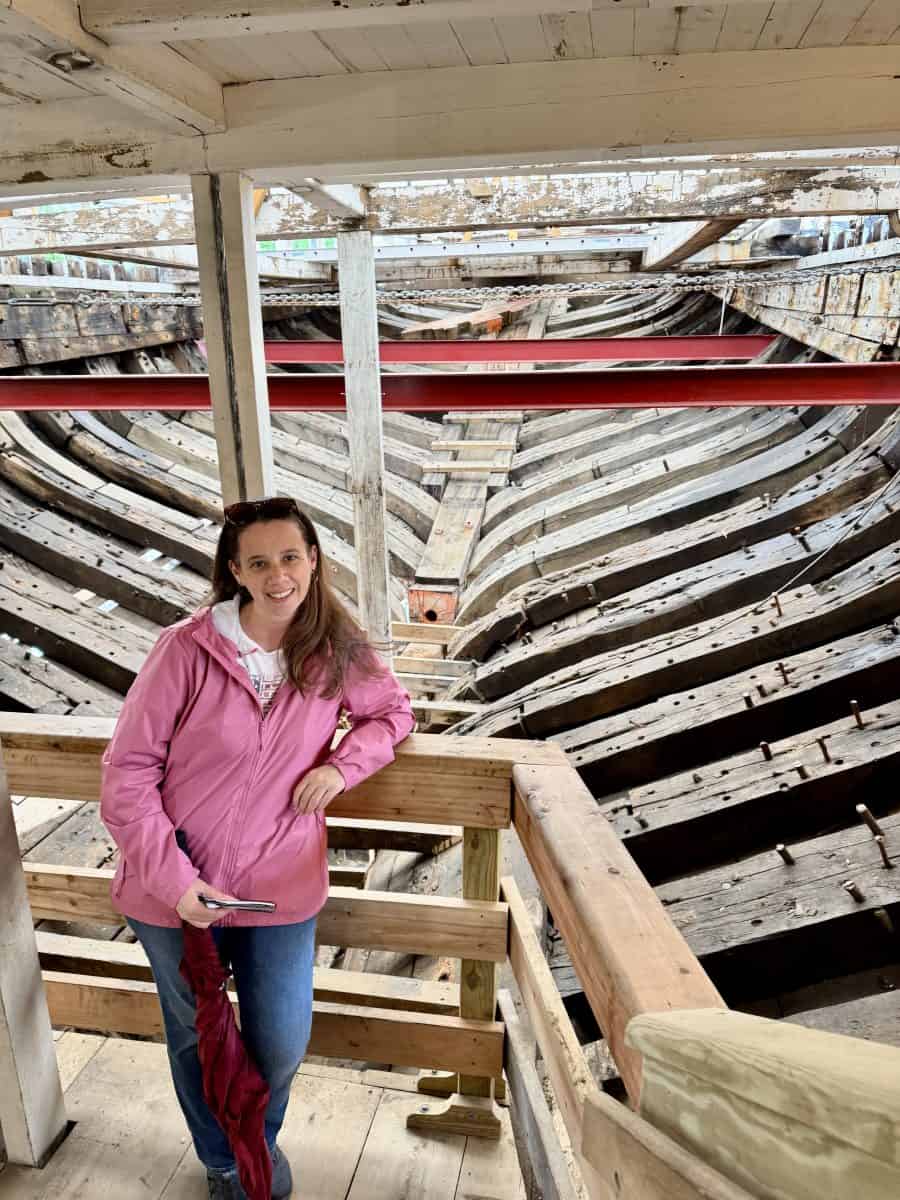
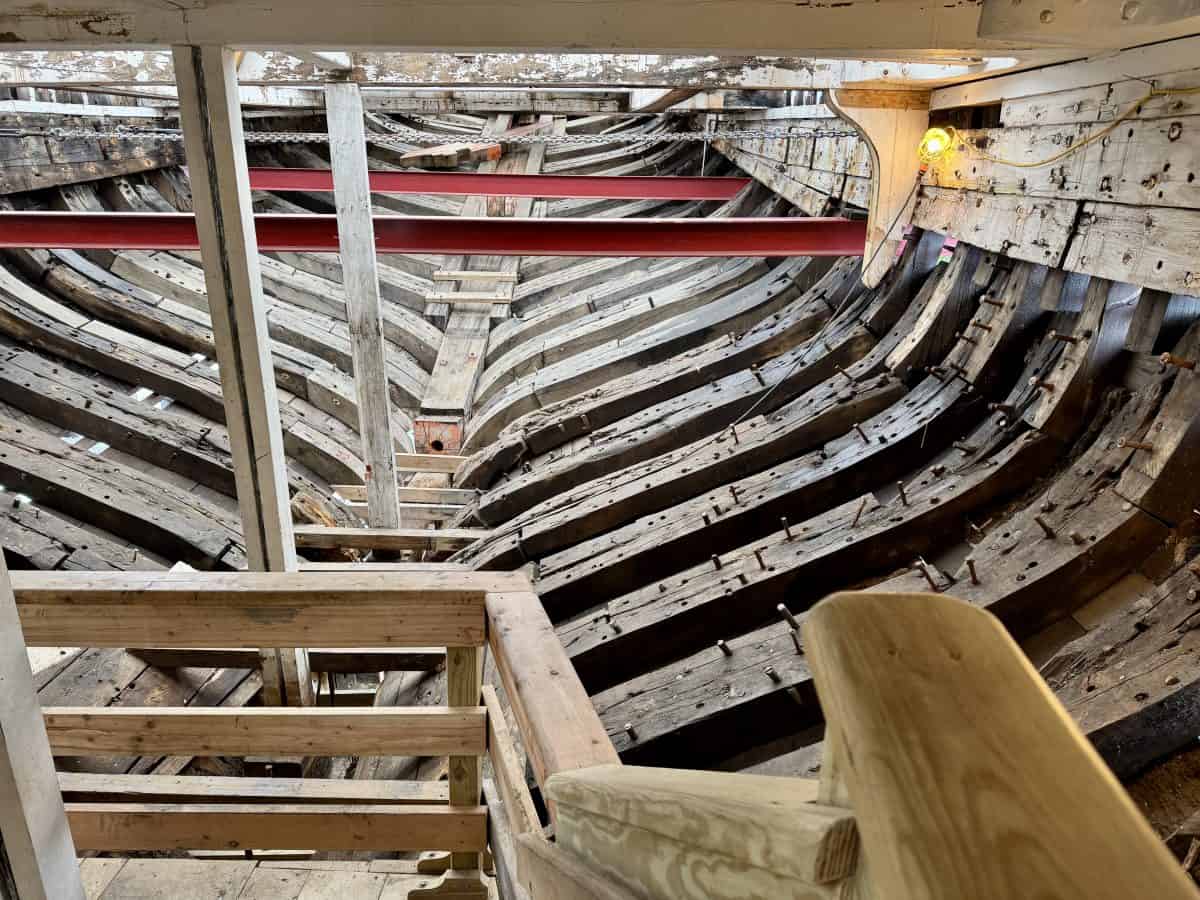
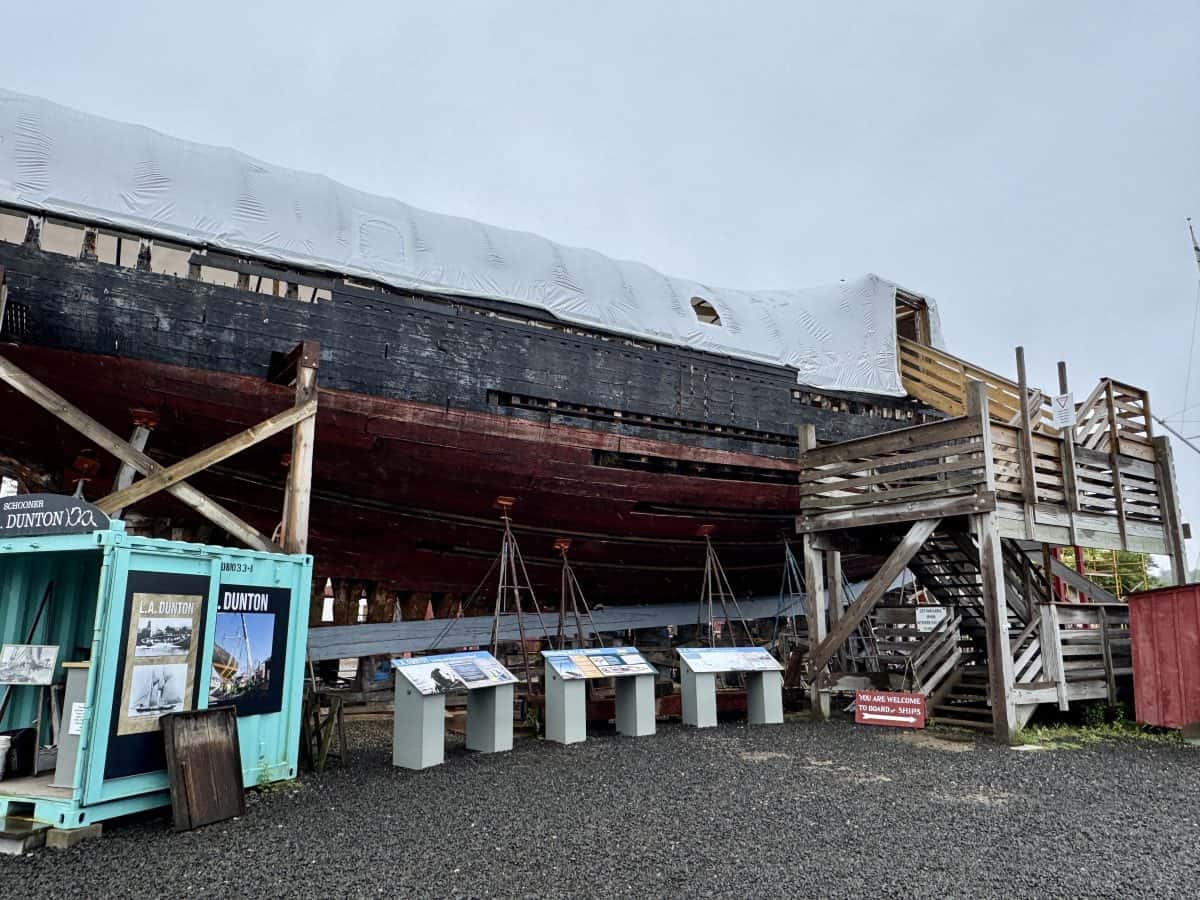
- Climb (up and then) down to see the hull of the LA Dunton, a fishing schooner used in the George Banks from the 1830s-1930s. The Seaport acquired the 104 foot schooner in 1963, which is currently under a seven year restoration project.
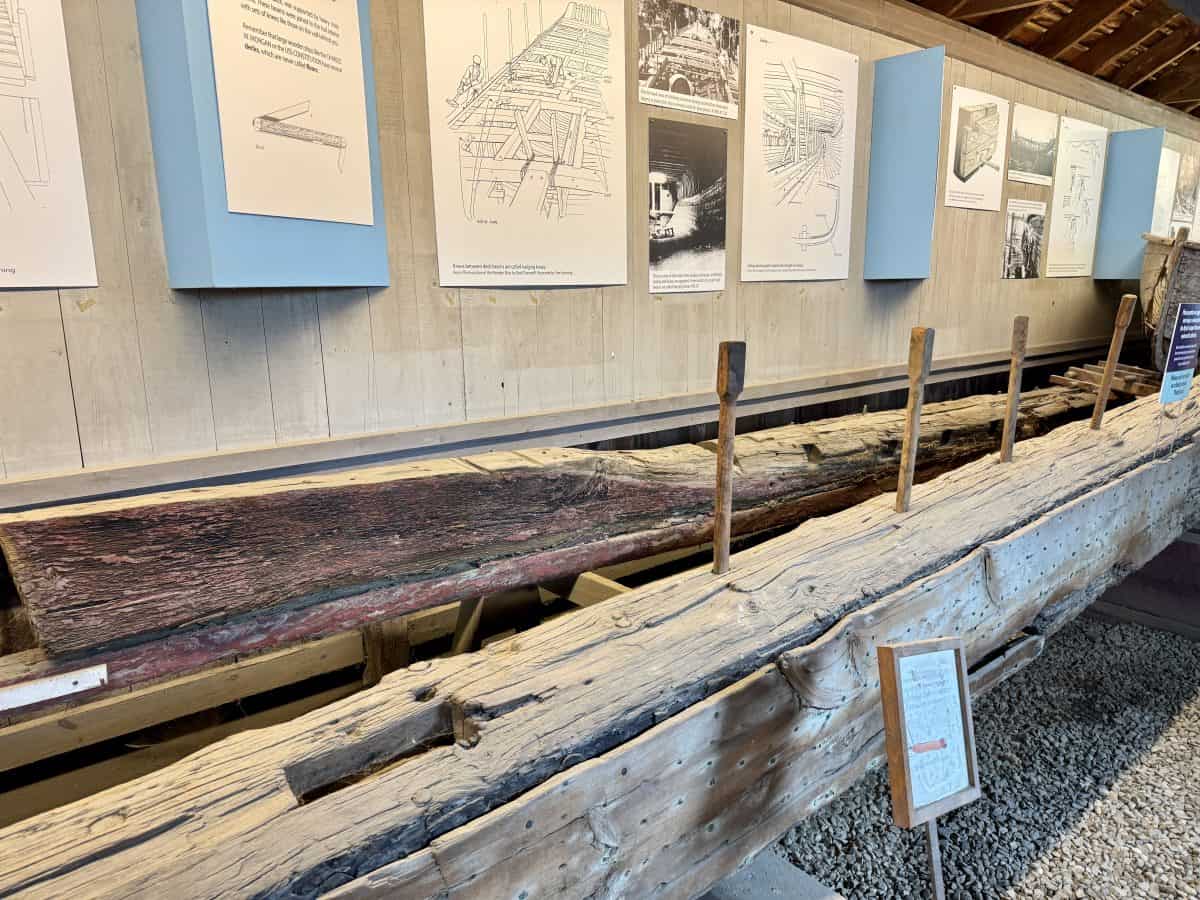
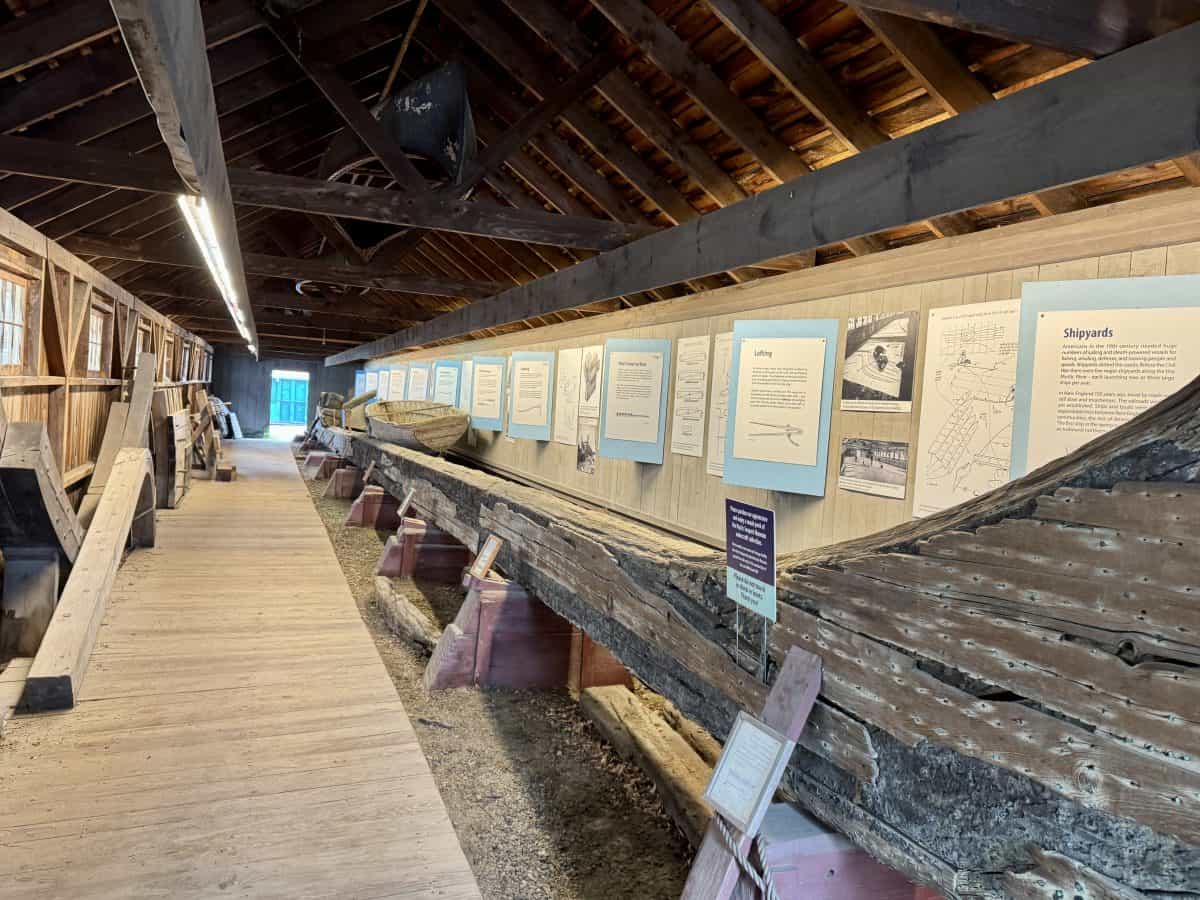
- Attempt to count the worm holes in the 90 foot keel from the Thames in the Shipbuilding Exhibit. The underwater worms would eat the wood and bury deep inside the keel, the long wooden plank at the bottom of a ship. What looks like one continuous piece of wood is actually several pieces of wood joined together using scarf joints. The only way to prevent the decay was for ship builders to place copper sheets along the keel.
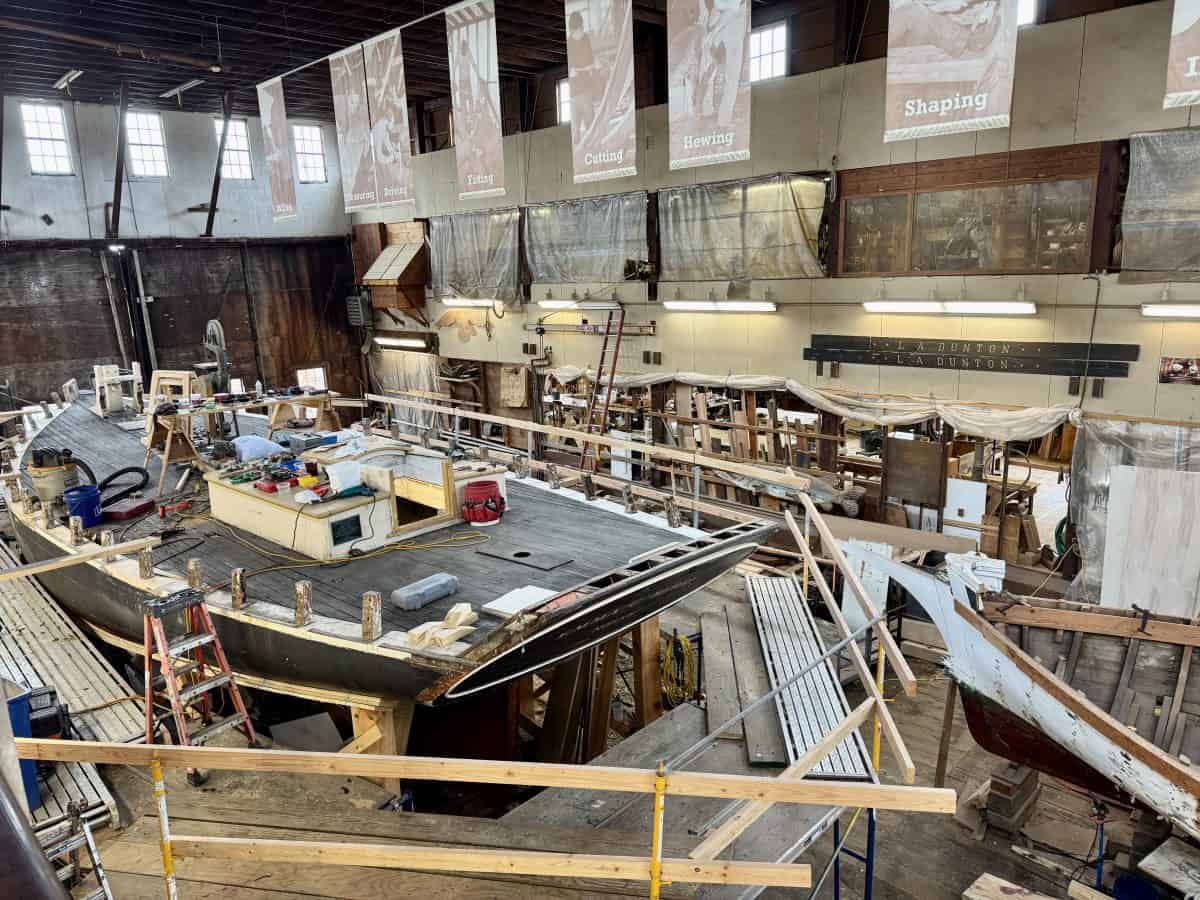
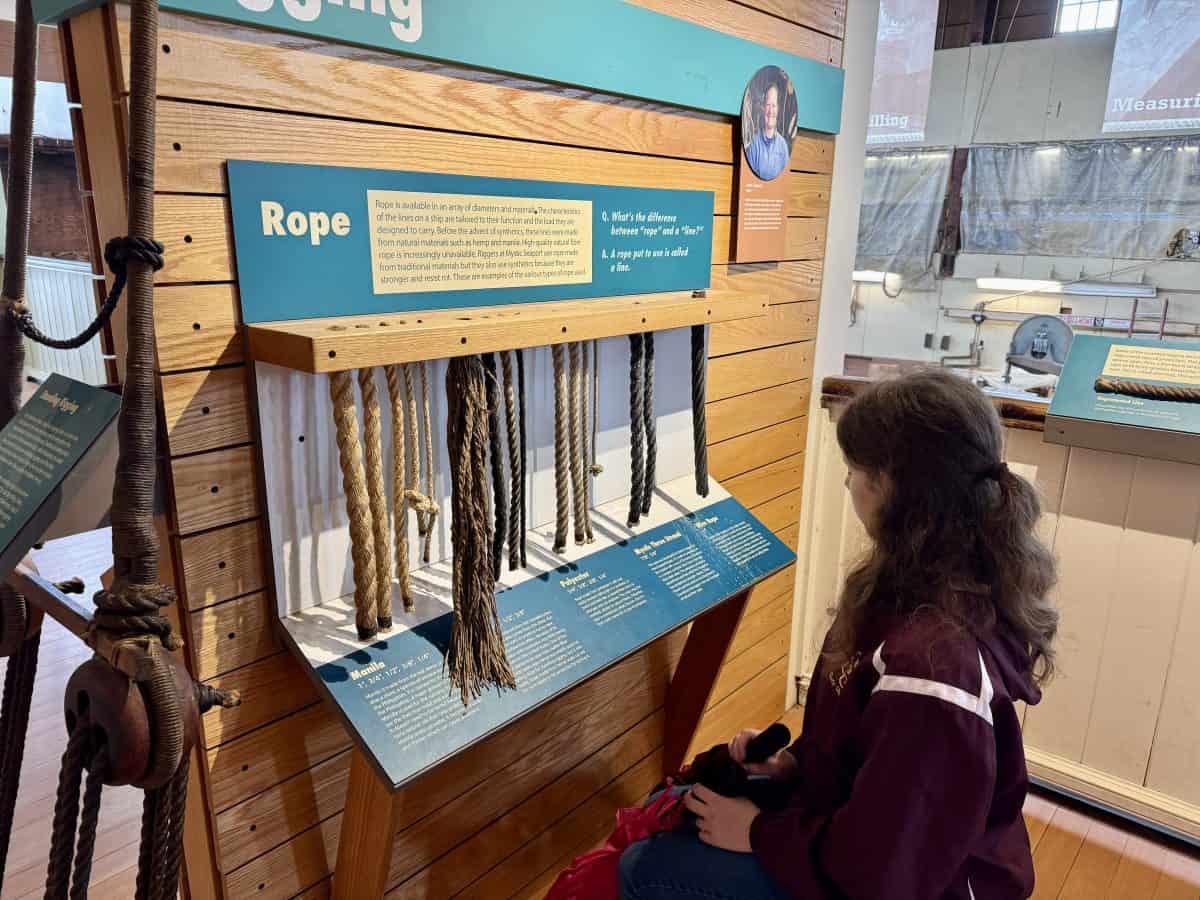
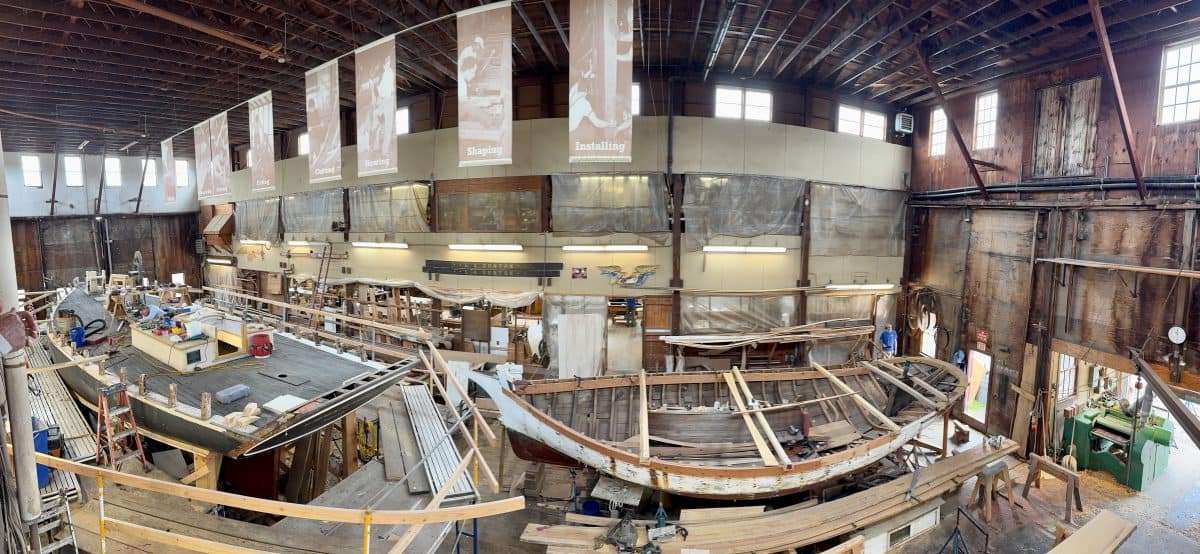
- Watch the restoration of the Emma C. Berry, the 1866 commercial turned fishing vessel, from the second floor of the Shipbuilding Exhibit. Skilled craftsmen work on the boat each day, with steps including milling, measuring, driving, fitting, cutting, hewing, shaping, and installing. The exhibit also includes displays about the types of wood used for ships, the differences between ropes and lines, and a collection of drills, saws, and sanders used to restore ships.
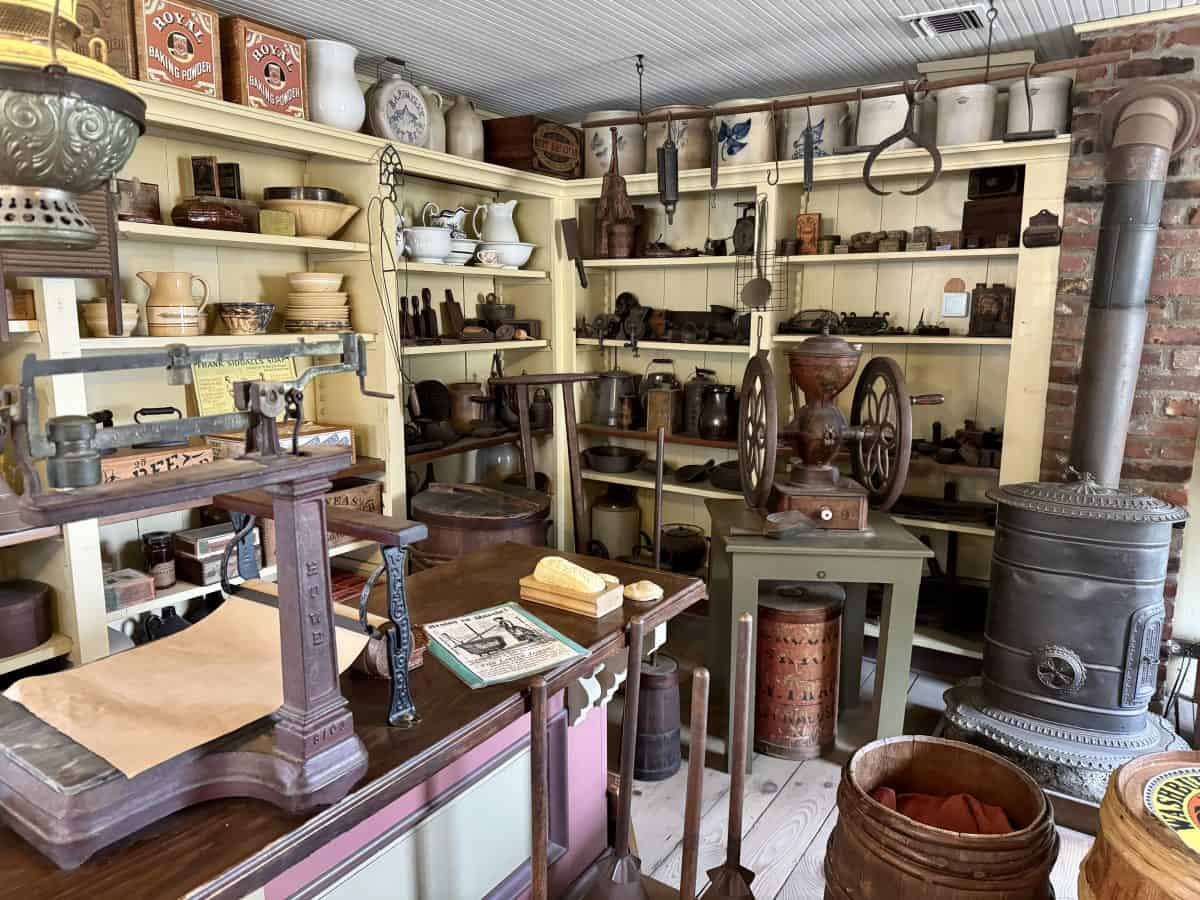
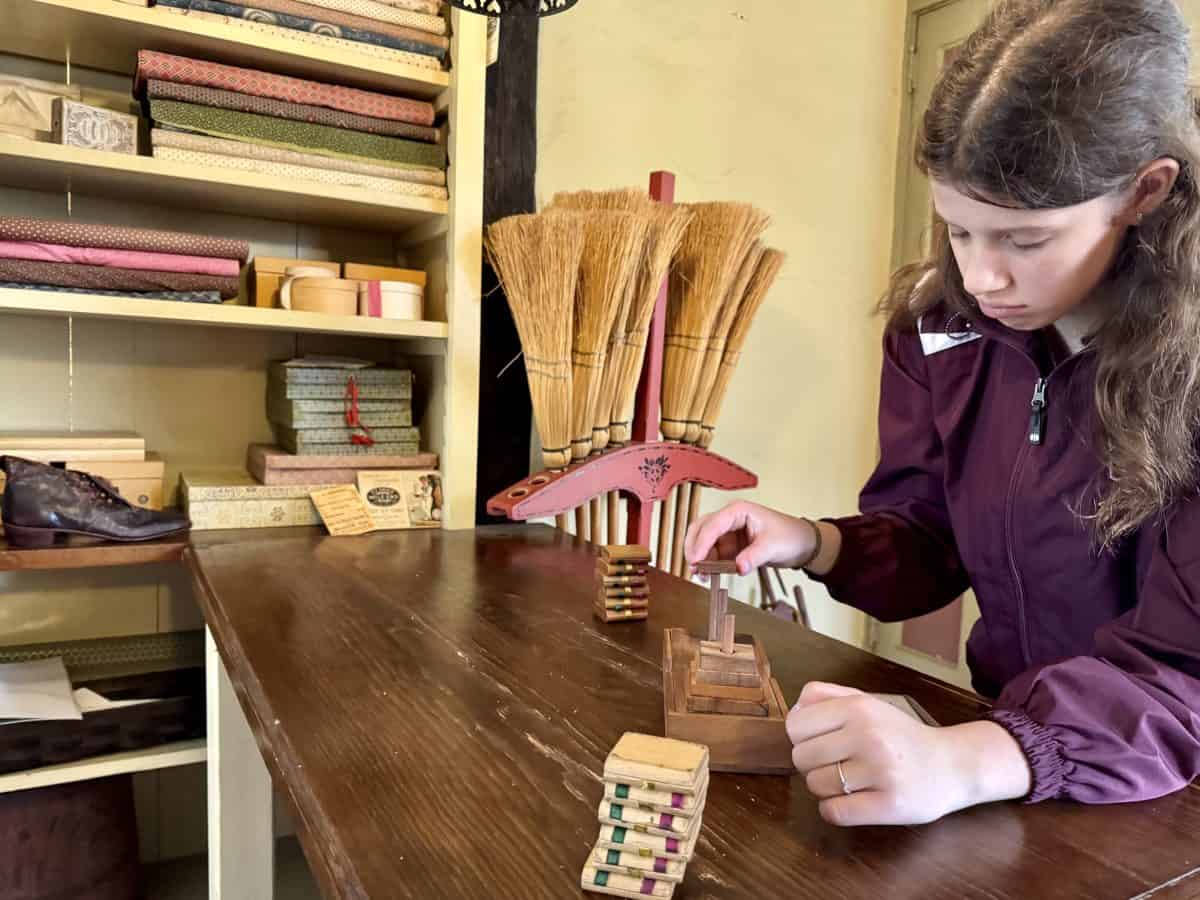
- Play the “Towers of Hand” games in the Groceries Crockery building in the Seaport Village and see the “latest” in coffee grinding and washing machines (for the 1870s)- check out the price list!
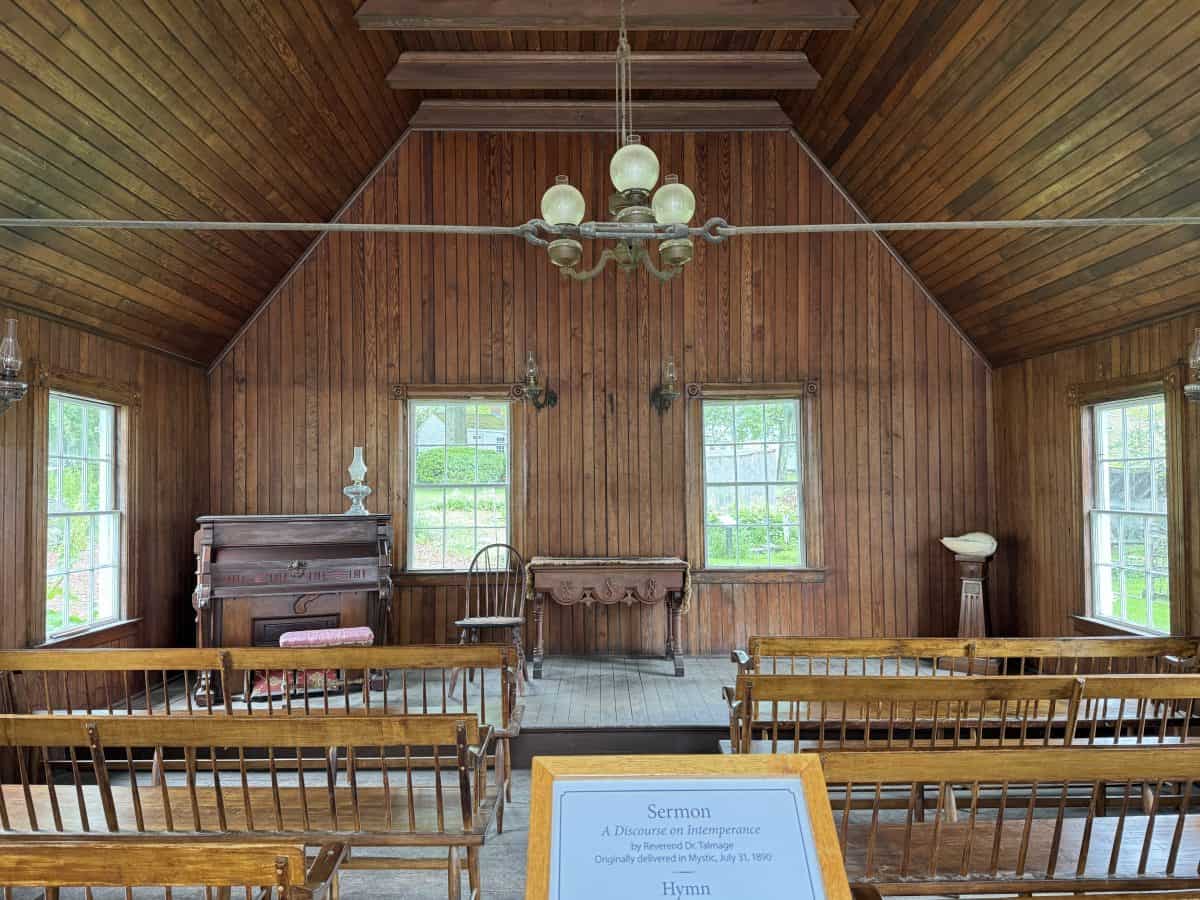
- Listen to the eight minute recorded sermon from Reverend Dr. Talmage given in July 1890 in the Chapel in the Seaport Village.
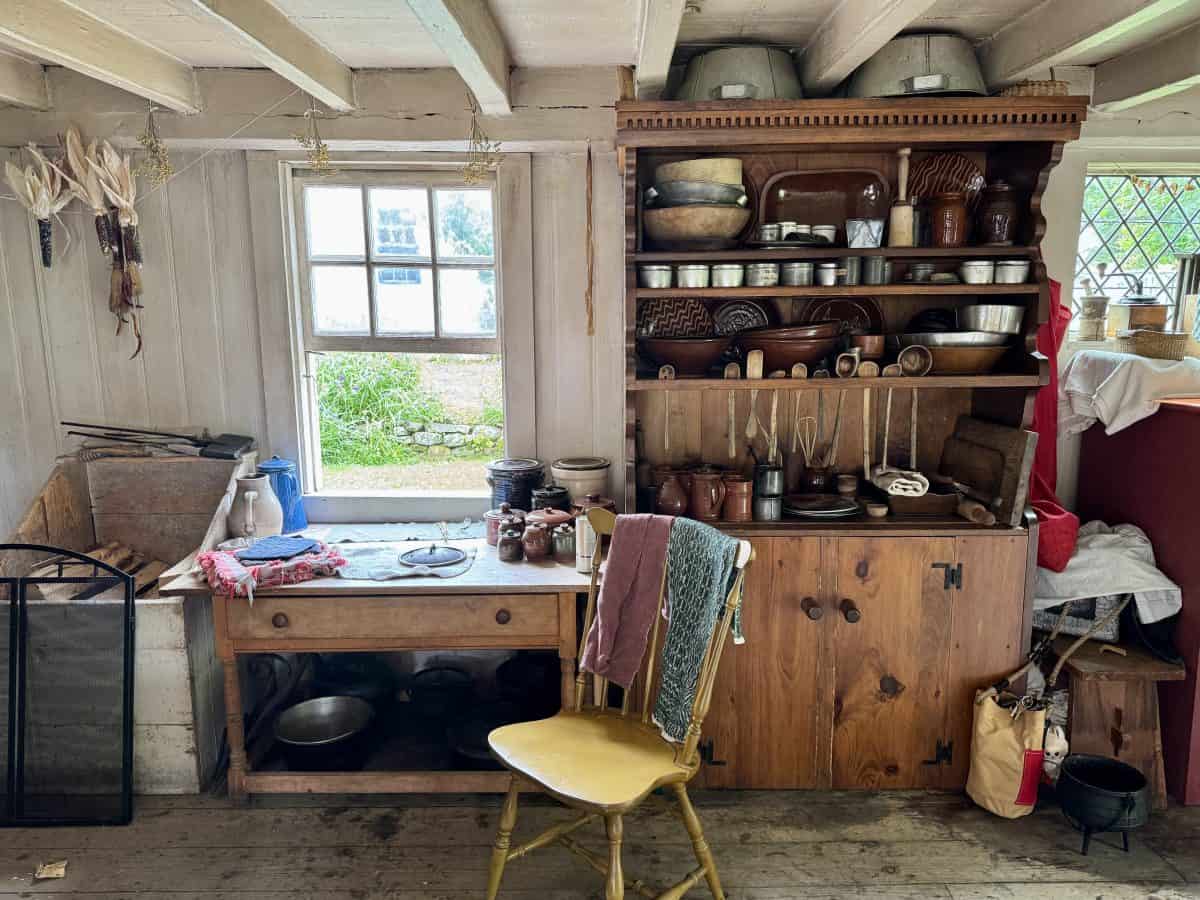
- Watch as “rusks” (the 1800s version of English muffins) being made in the hearth of the kitchen in the Buckingham- Hill House in the Seaport Village. The house, dating back to the late 17th century, was originally built in Old Saybrook and moved to the Seaport in the 1950s. Unlike the rest of the village, which is authentic to the 1870s time period, the Buckingham-Hill House reflects the family’s use in the 1830s, including the kitchen, which had no ice boxes and no standard way of measuring ingredients.
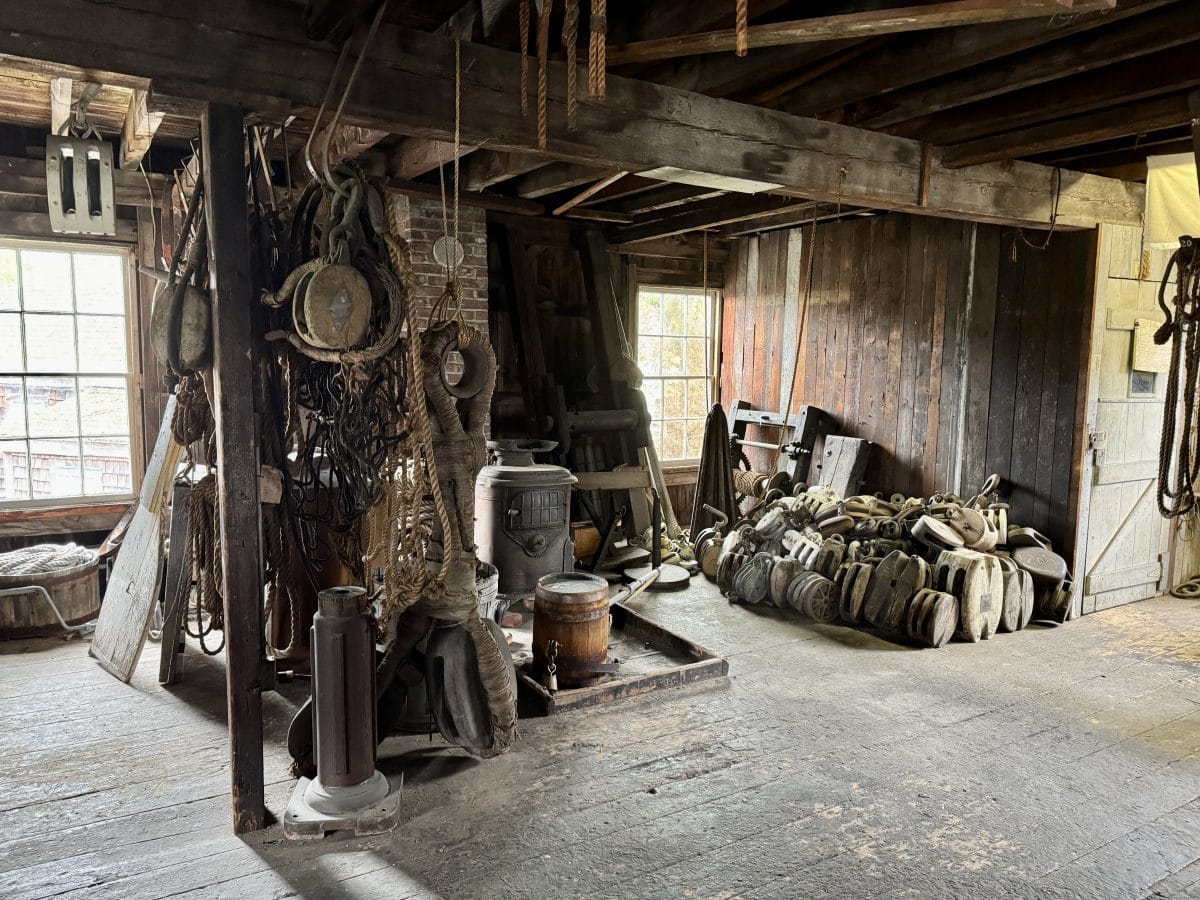
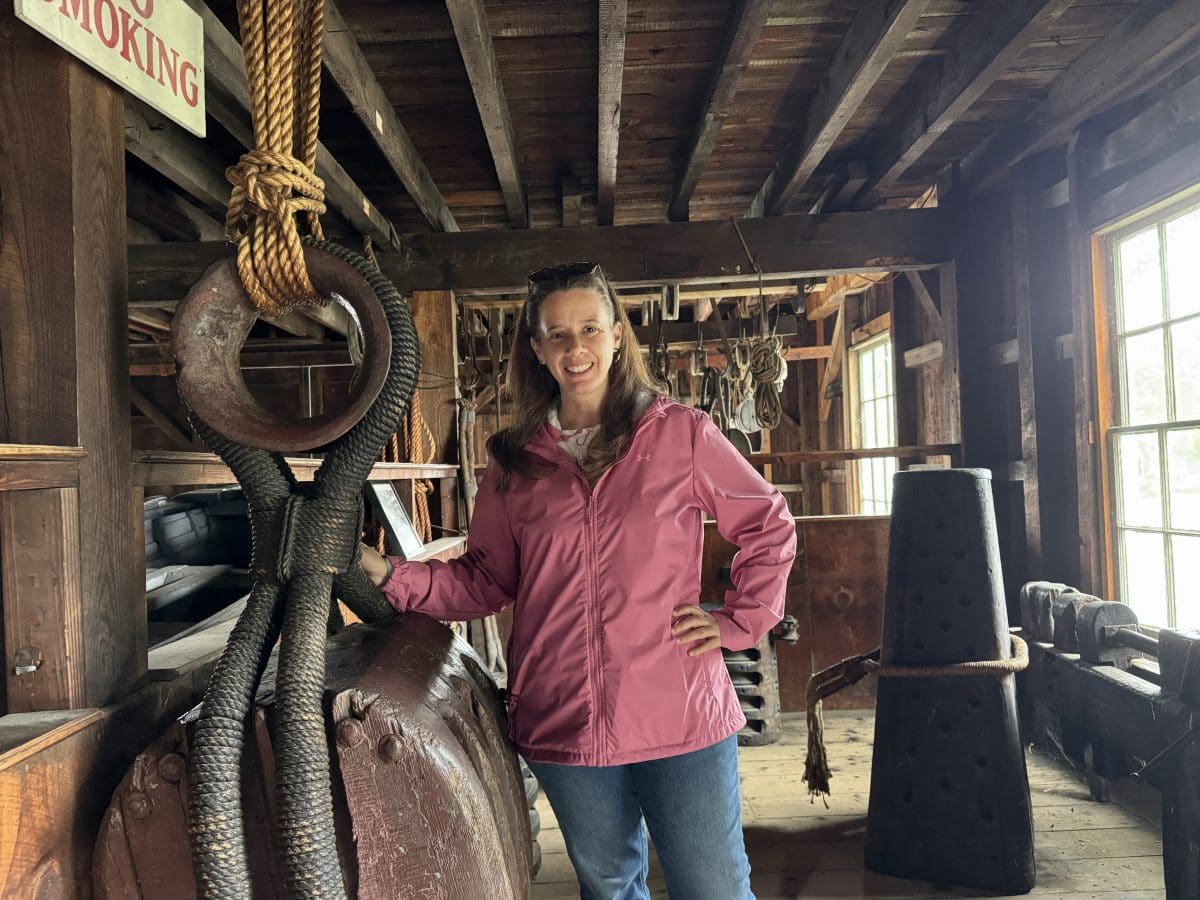
- Measure your height against rigging on display in the Bill White Rigger Loft in the Seaport Village. Rigging is the common term for ropes and chains used to operate sails, and some are as large as 12 feet.
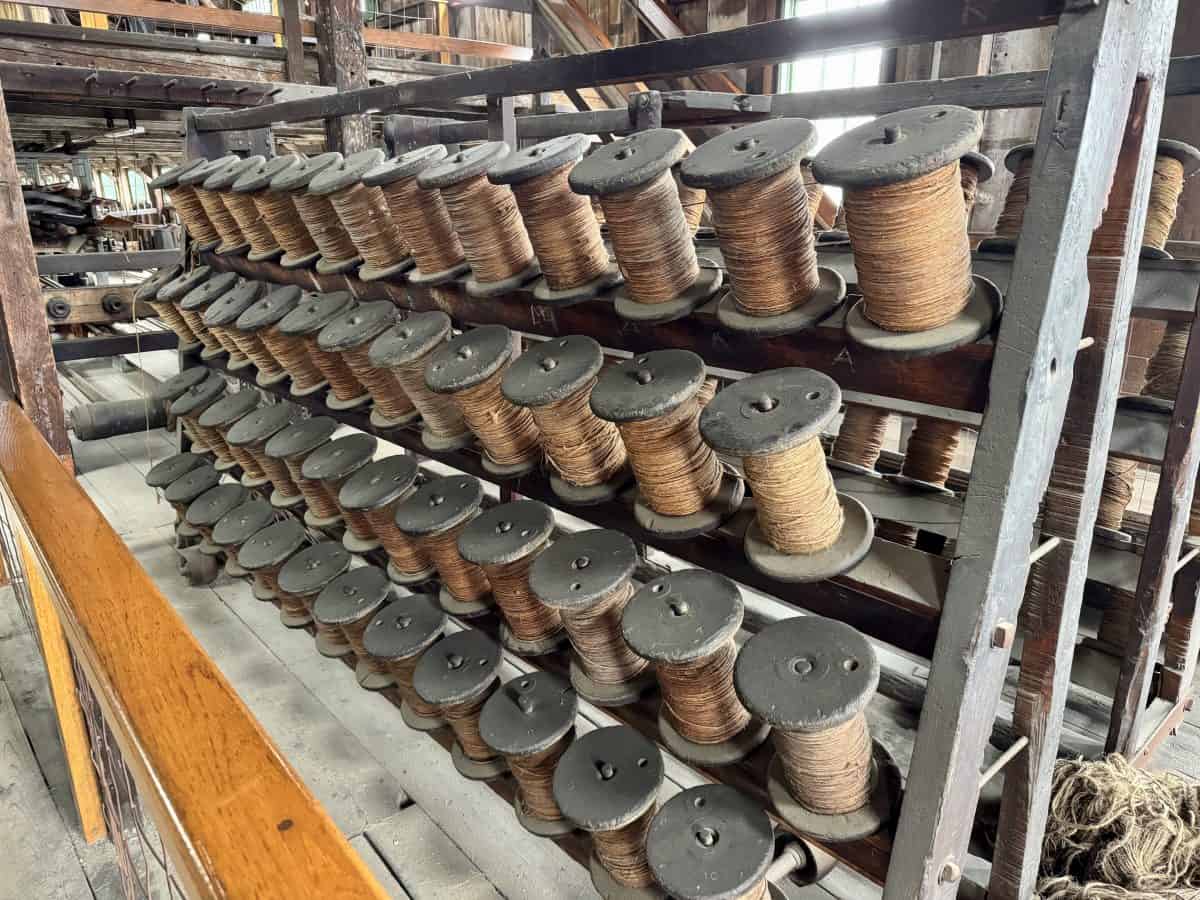
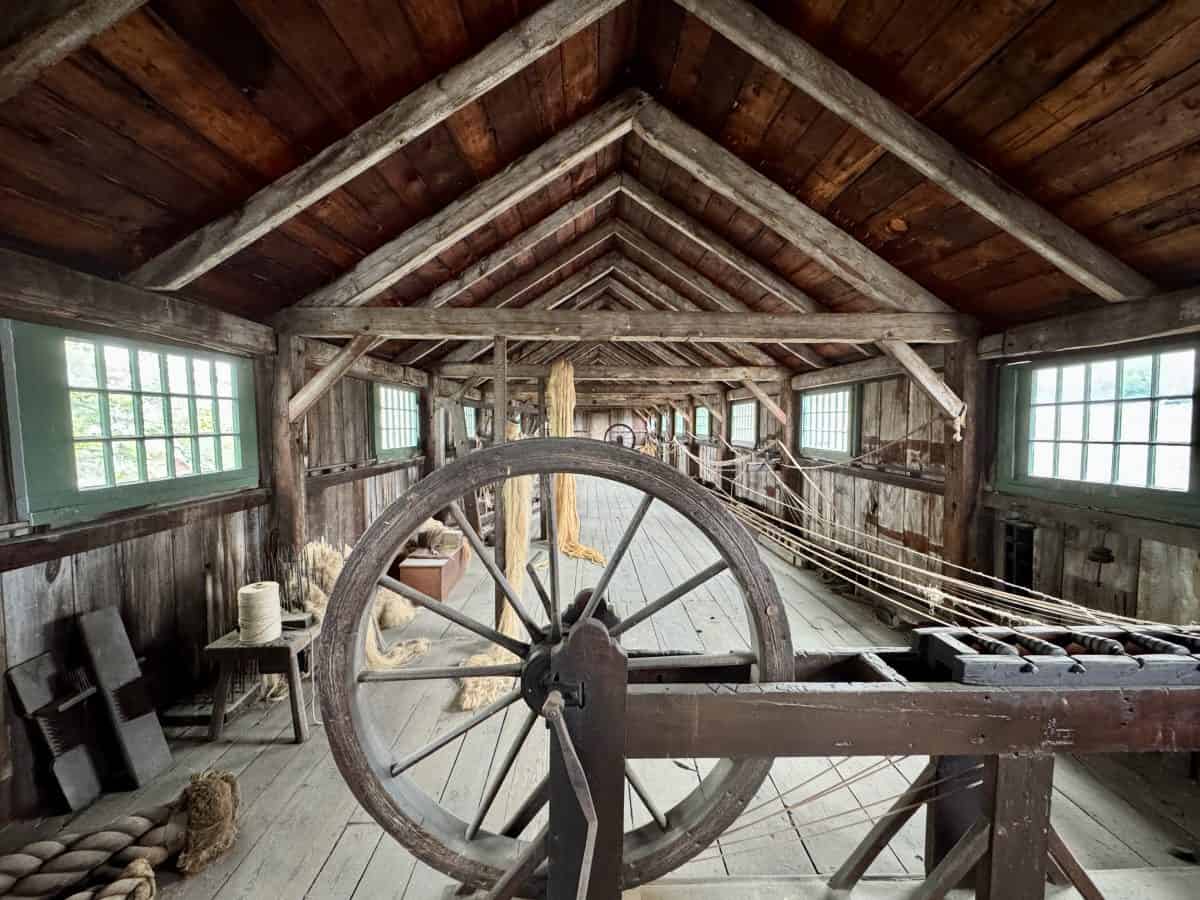
- Count the spools of rope made in the Plymouth Cordage Company Ropewalk in the Seaport Village. The 250 foot part of the original building, which was over 1,000 feet long, from Plymouth, Massachusetts, was moved to the Seaport in 1950 and explains the process of rope making.
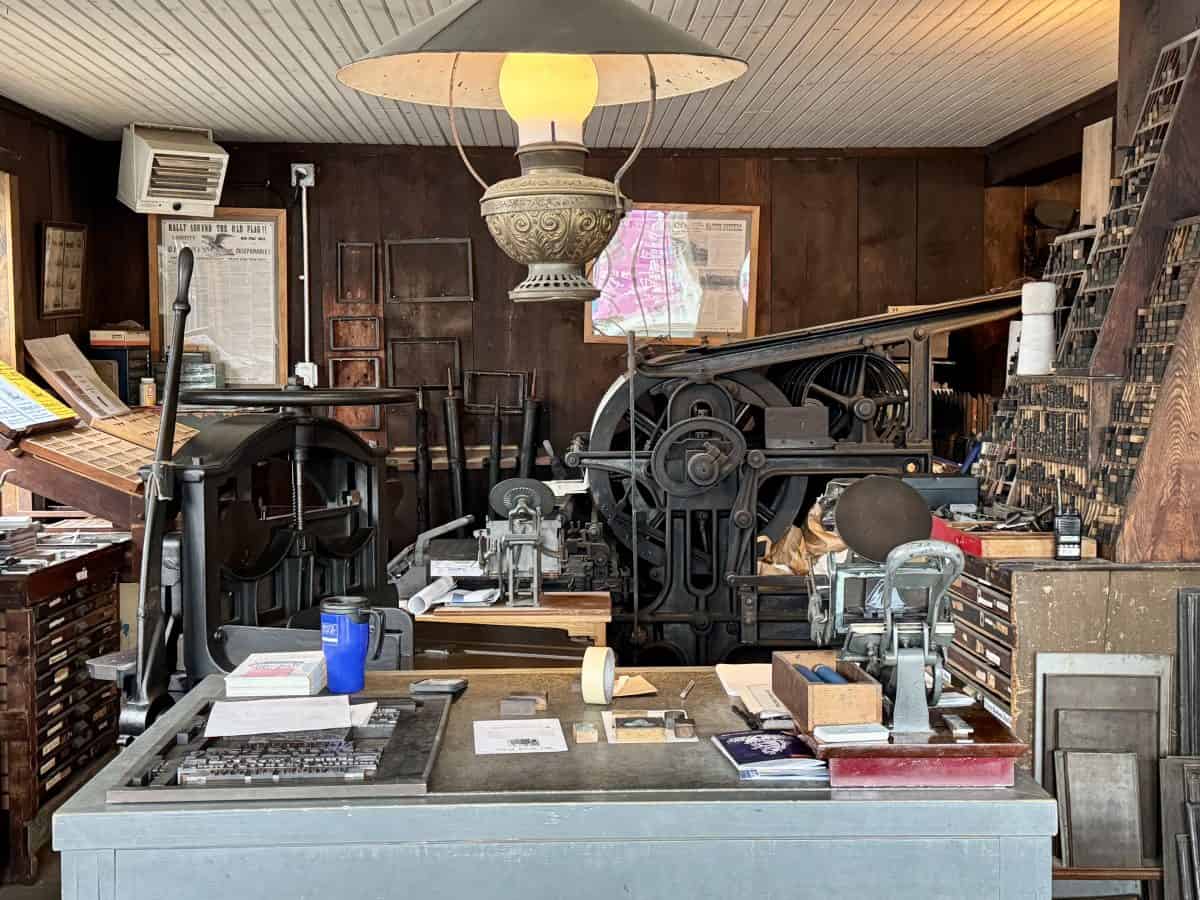
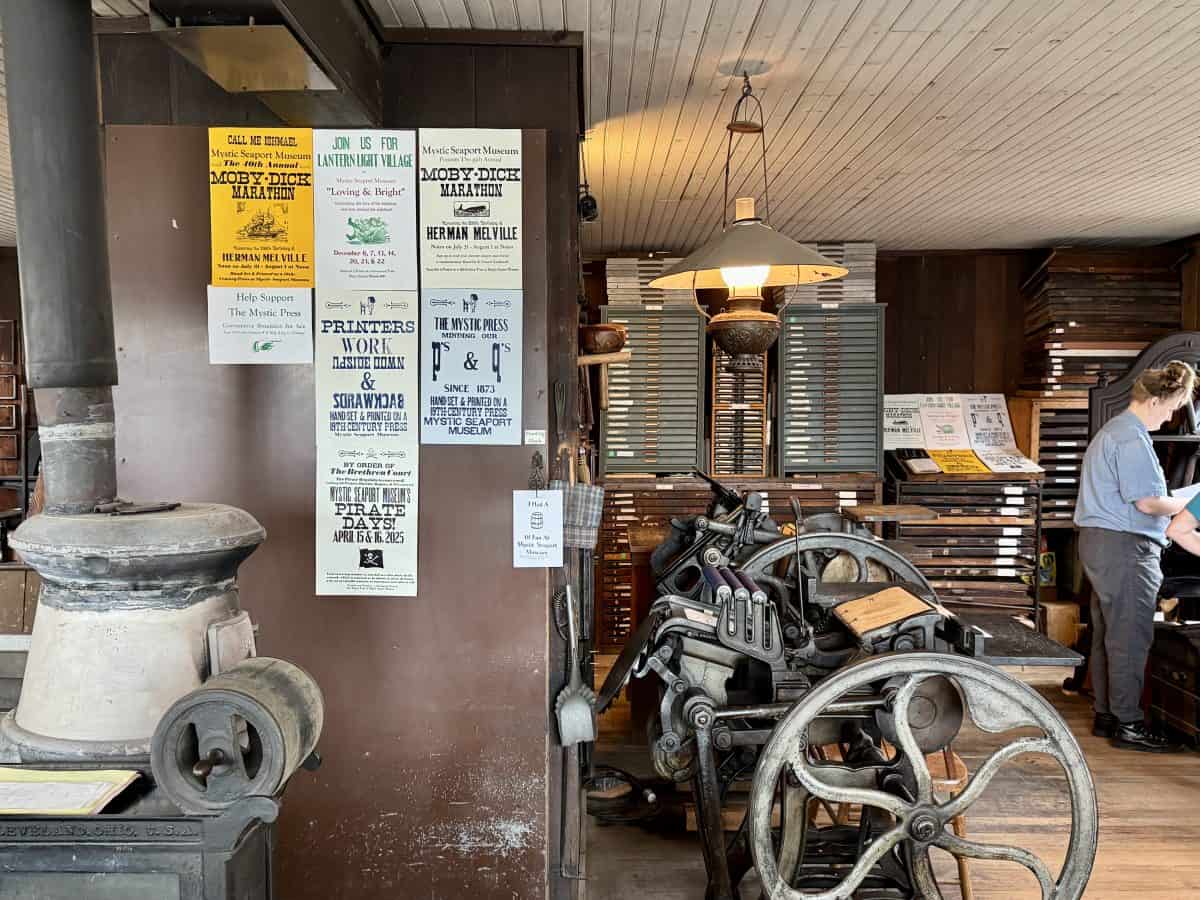
- Play a matching game in the Printing Office and learn about all the various type sets and materials the print shop produces for the museum in the Seaport Village.
- Notice the direction of the entrance to the New Shoreham Life-Saving Station in the Seaport Village. One of the last Atlantic Coast sea stations (it dates back to the 1870s!), “surfman” would stand guard to watch the coast for capsized ships and people who had gone overboard, and to help ships navigate the coastline. This exact station was used on nearby Block Island, and was bought over to the Seaport in the late 1960s. It faces inland for easier access for the breech buoys and surfboats and beach cars to be able to the town roads.
Would you like to save this?
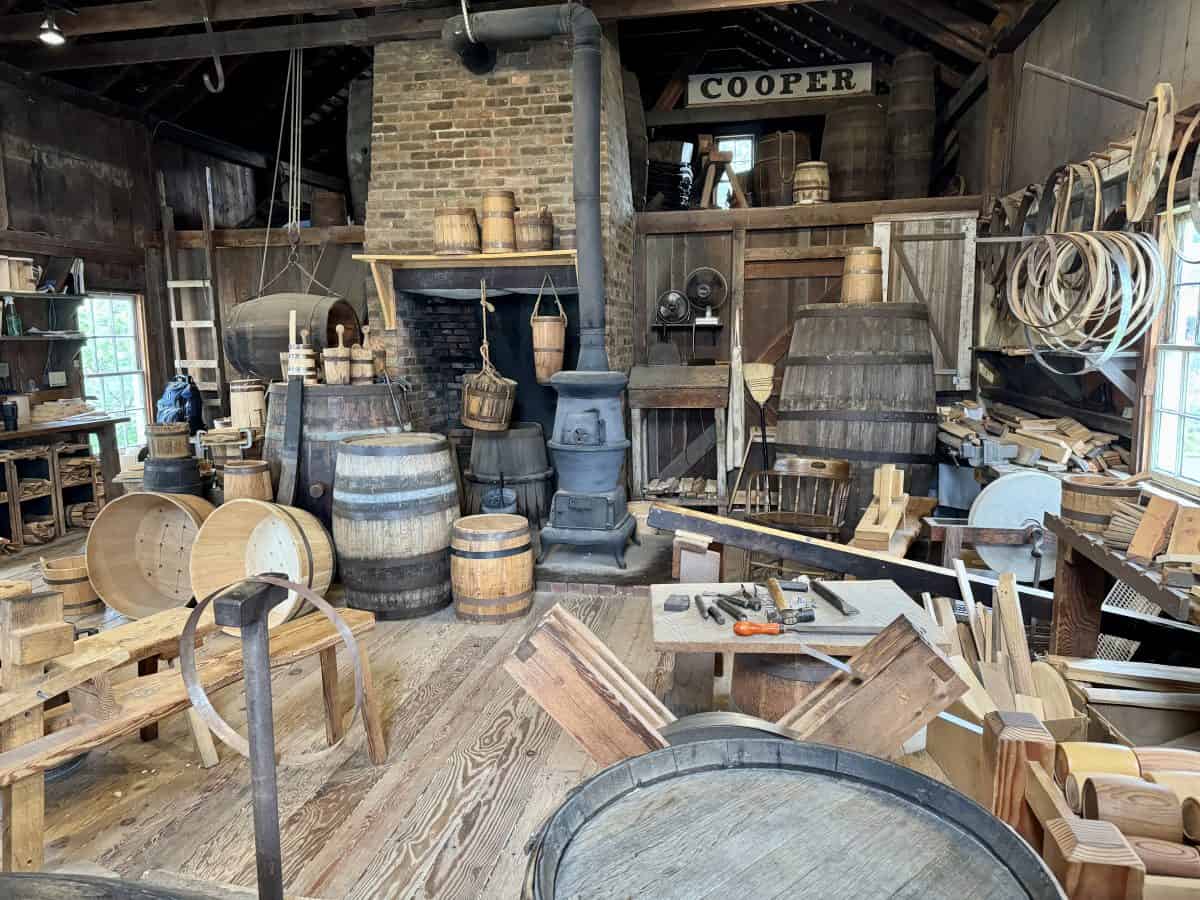
- Watch a craftsman make a barrel, used for a variety of purposes including storing food, cargo and even caught fish, in the Cooperage in the Seaport Village.
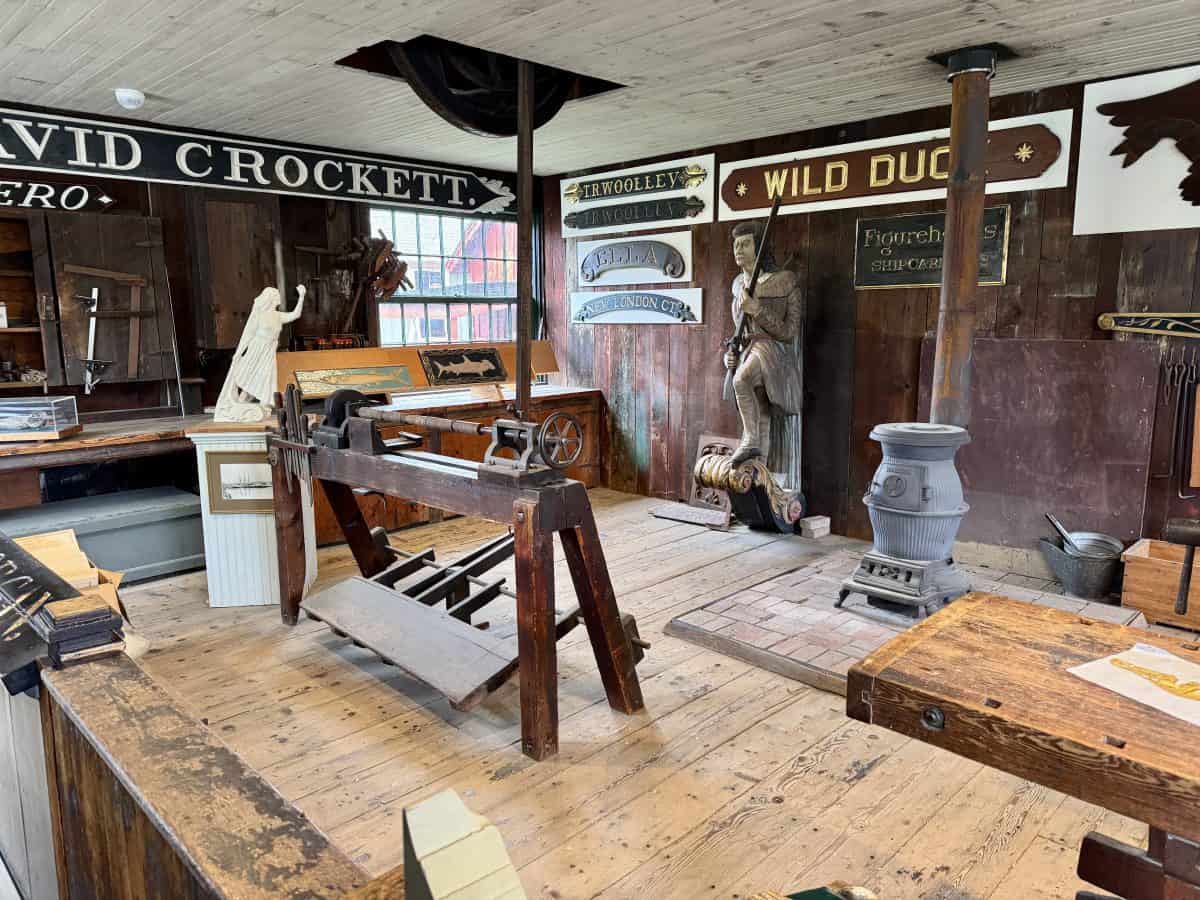
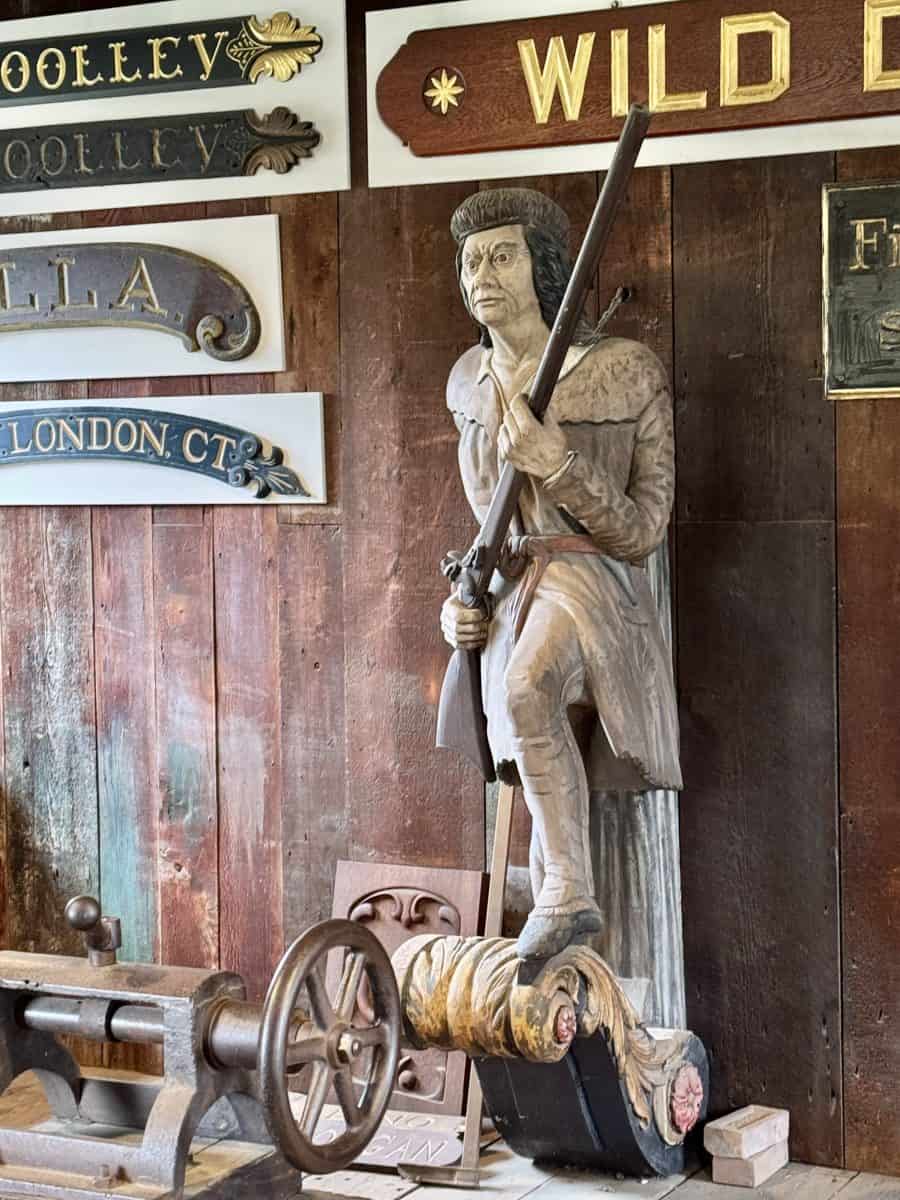
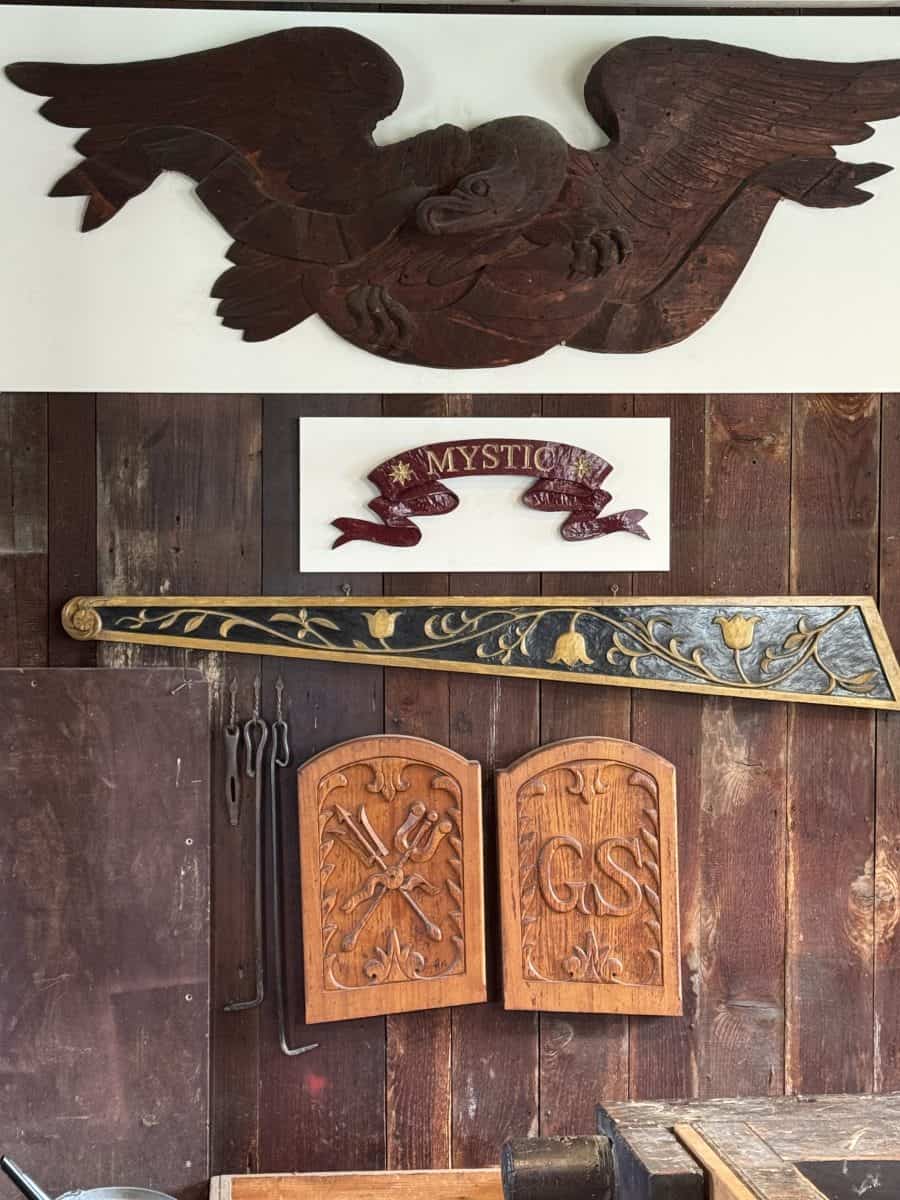
- Observe a craftsman restoring some of the figureheads in the museum’s collection in the Shipcarver’s Studio in the Seaport Village. The 80 year old studio was built on the museum property as a space to work on the figureheads, used to help identify ships and as a marketing strategy for shipping and whaling companies.
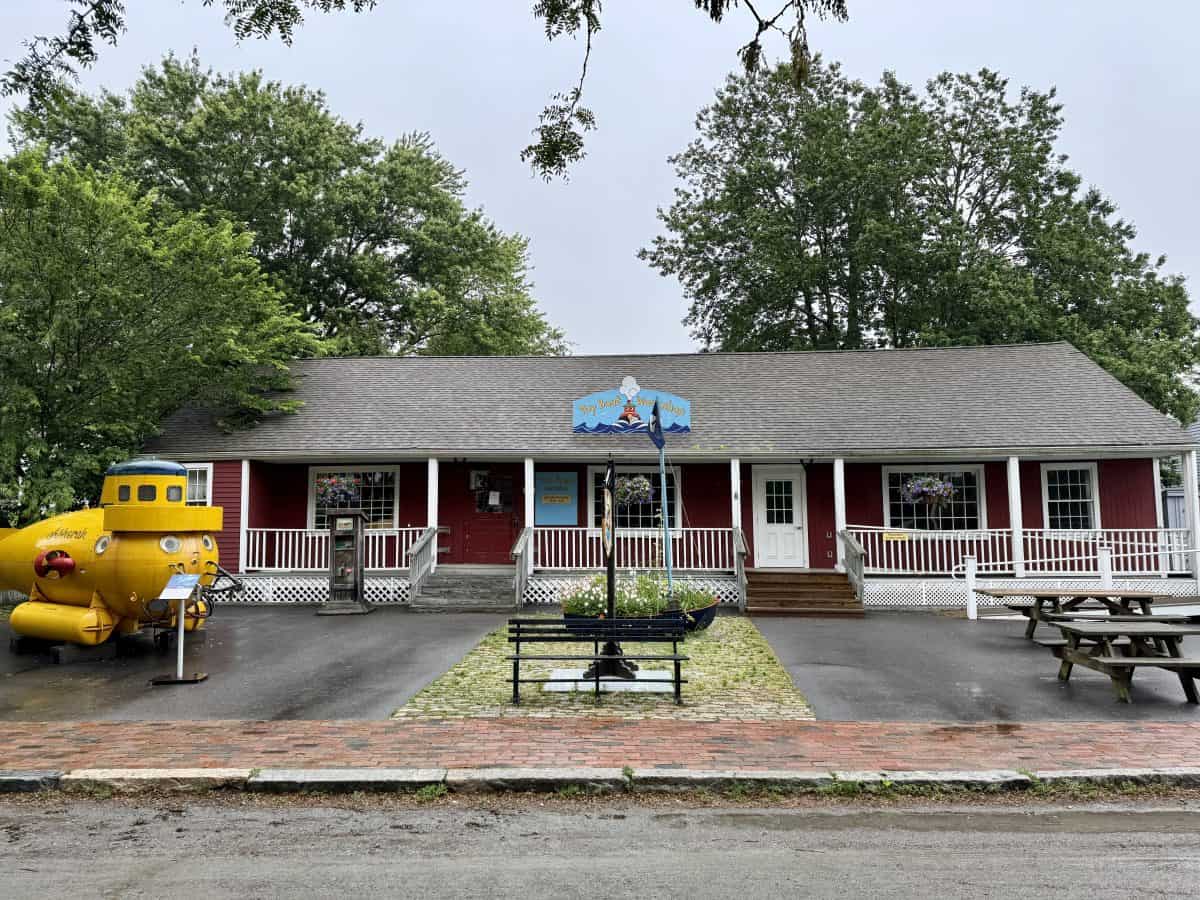
- Make your own souvenir in the Toyboat Workshop, which is open seasonally. **Nominal fee applies.
- Complete hands on challenges about the sailing industry in the Discovery Barn. Open seasonally, the exhibit includes using a pulley system to lift yourself, steering a vessel, loading fish from the nets, and reading nautical flags.
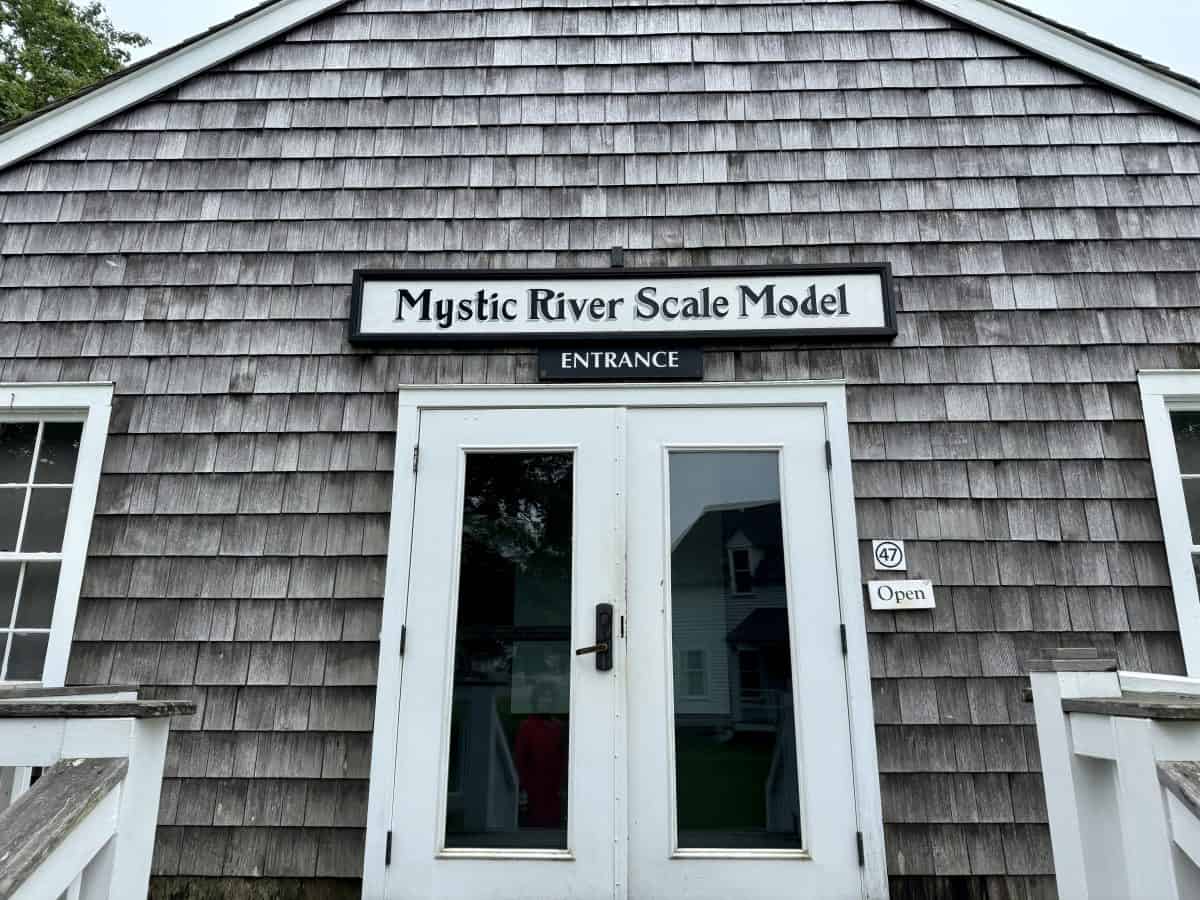
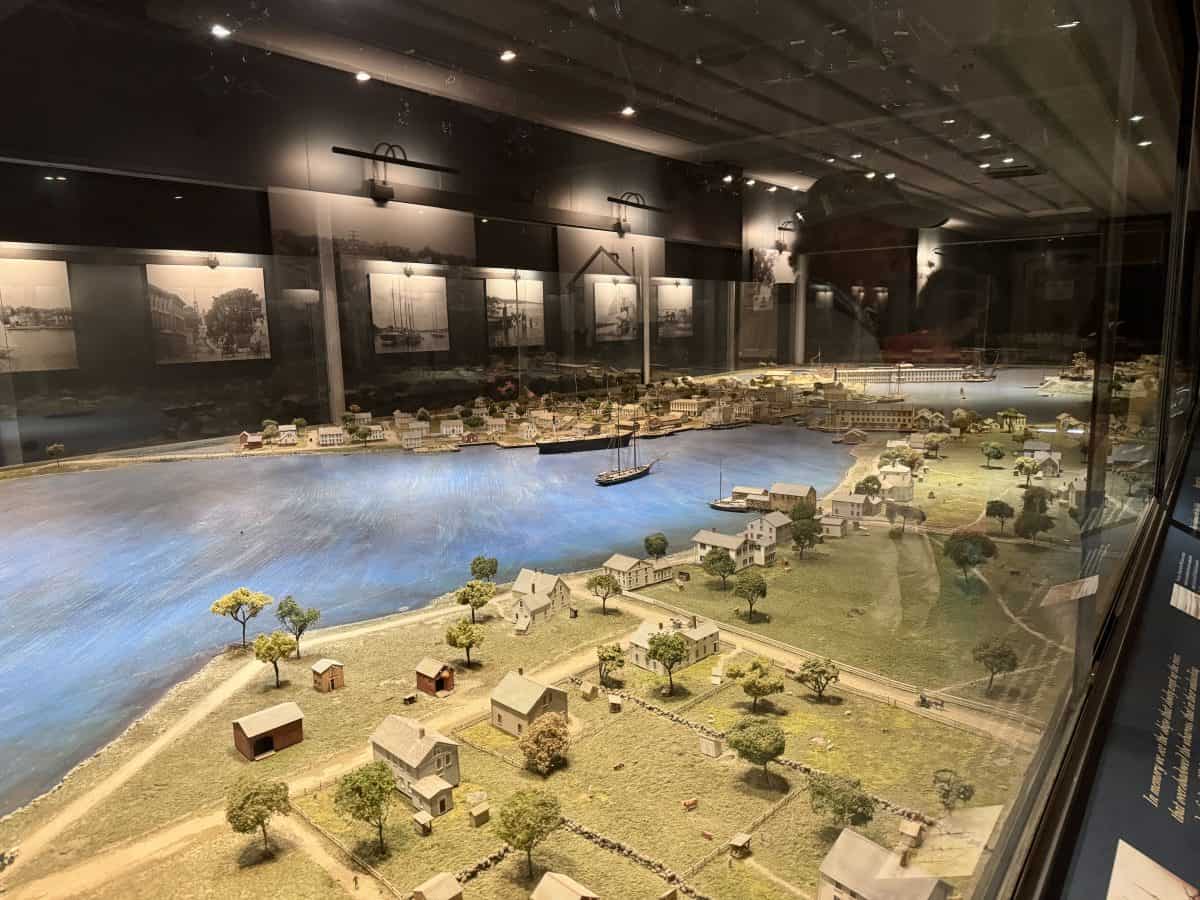
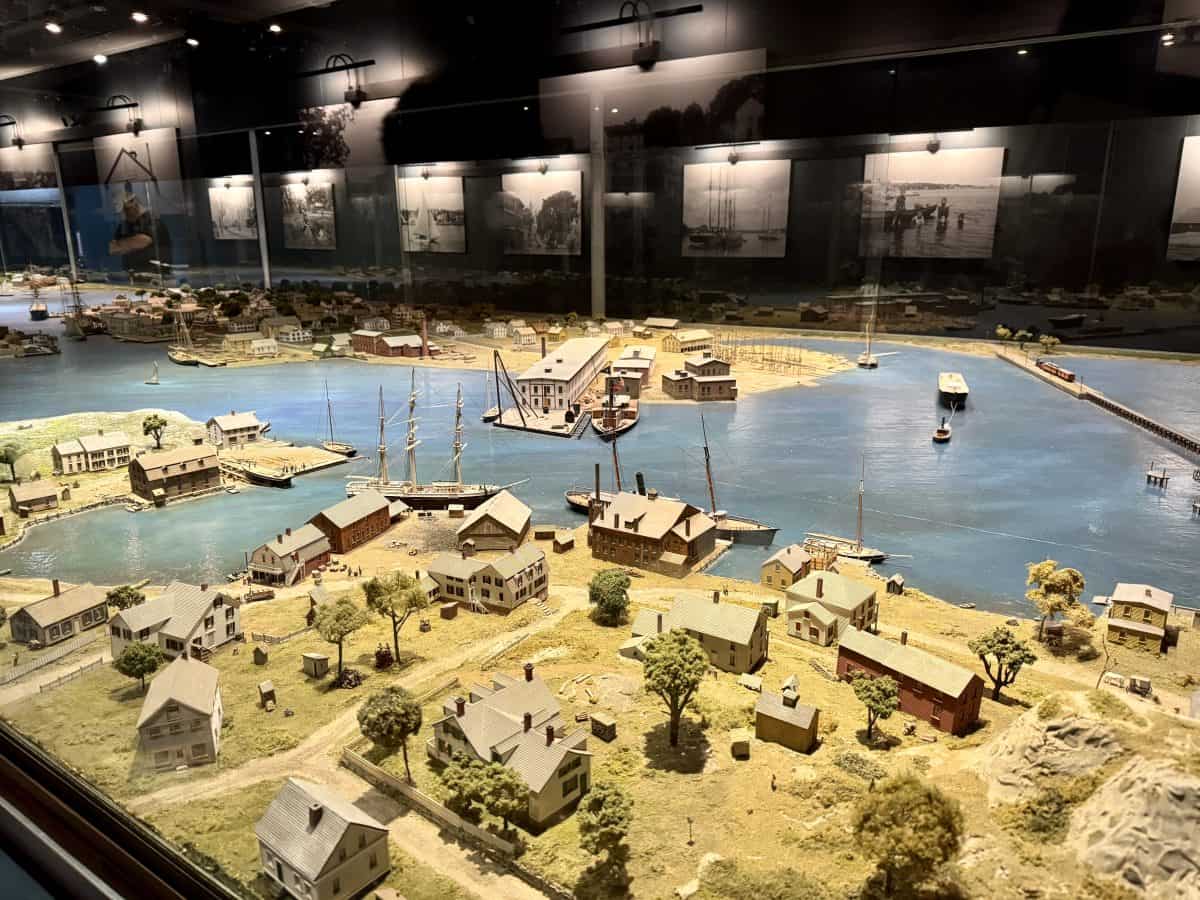
- Pay attention to the tiniest of details on the Mystic River Scale Model, which replicates one mile along the Mystic river as it was in the 1850s in a 40 foot long by 12 foot wide diorama. Listen to the narratives of the people who lived there as retold by interpreters.
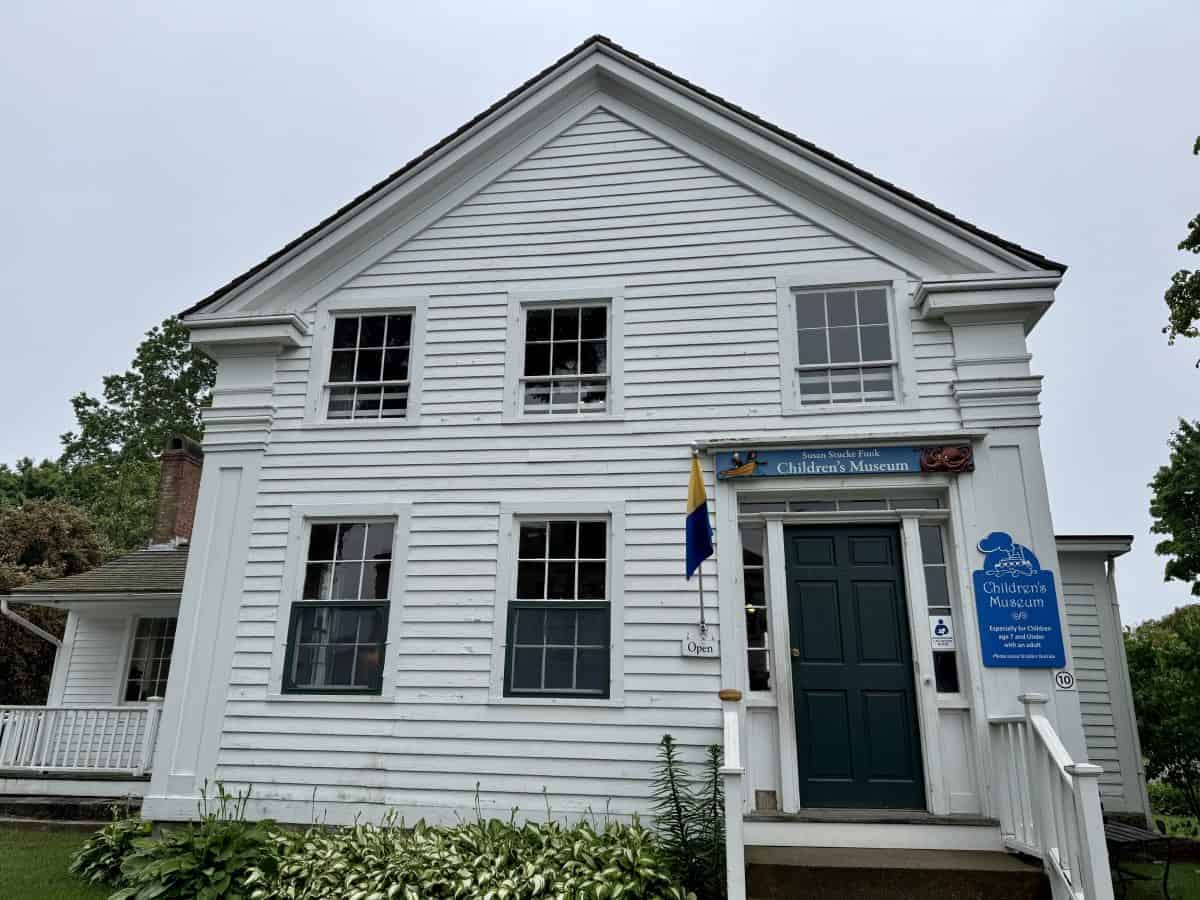
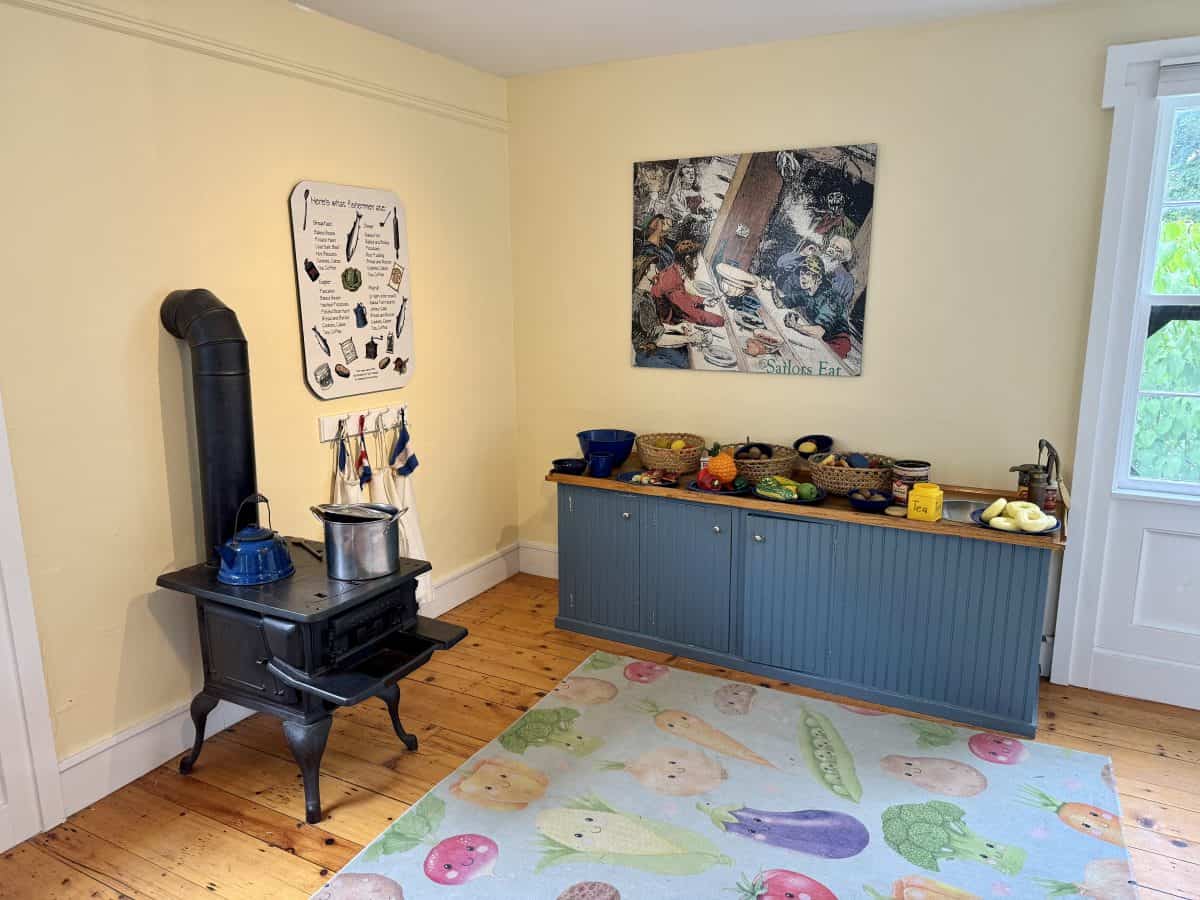
- Take kids ages (geared towards age seven and younger) to the Funk Children’s Museum, which has play structures, a replica kitchen, costumes, and tons of puzzles and games.
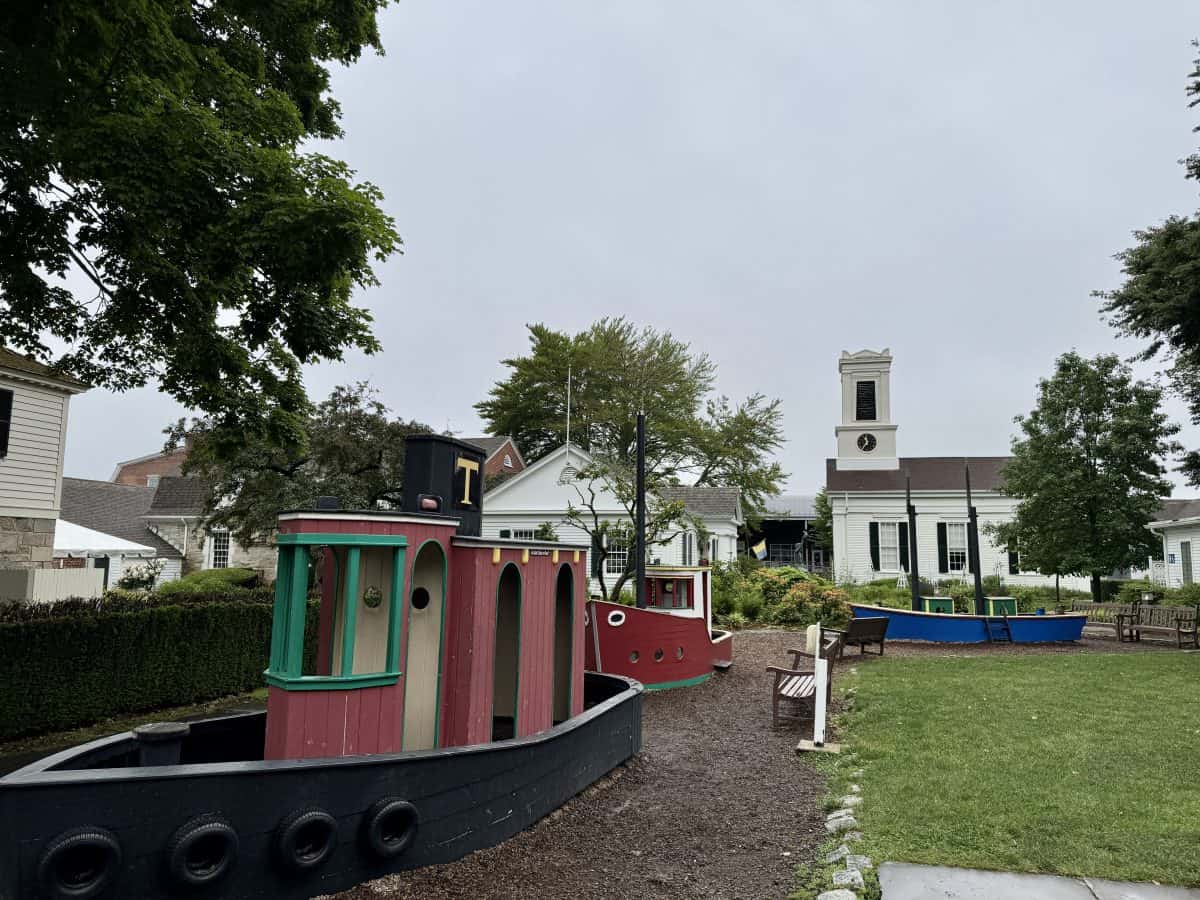
- Burn off some energy with the outdoor Ships Playscape, located in front of the children’s museum and planetarium. There are several nautical themed play structures and places to sit, relax, and picnic.
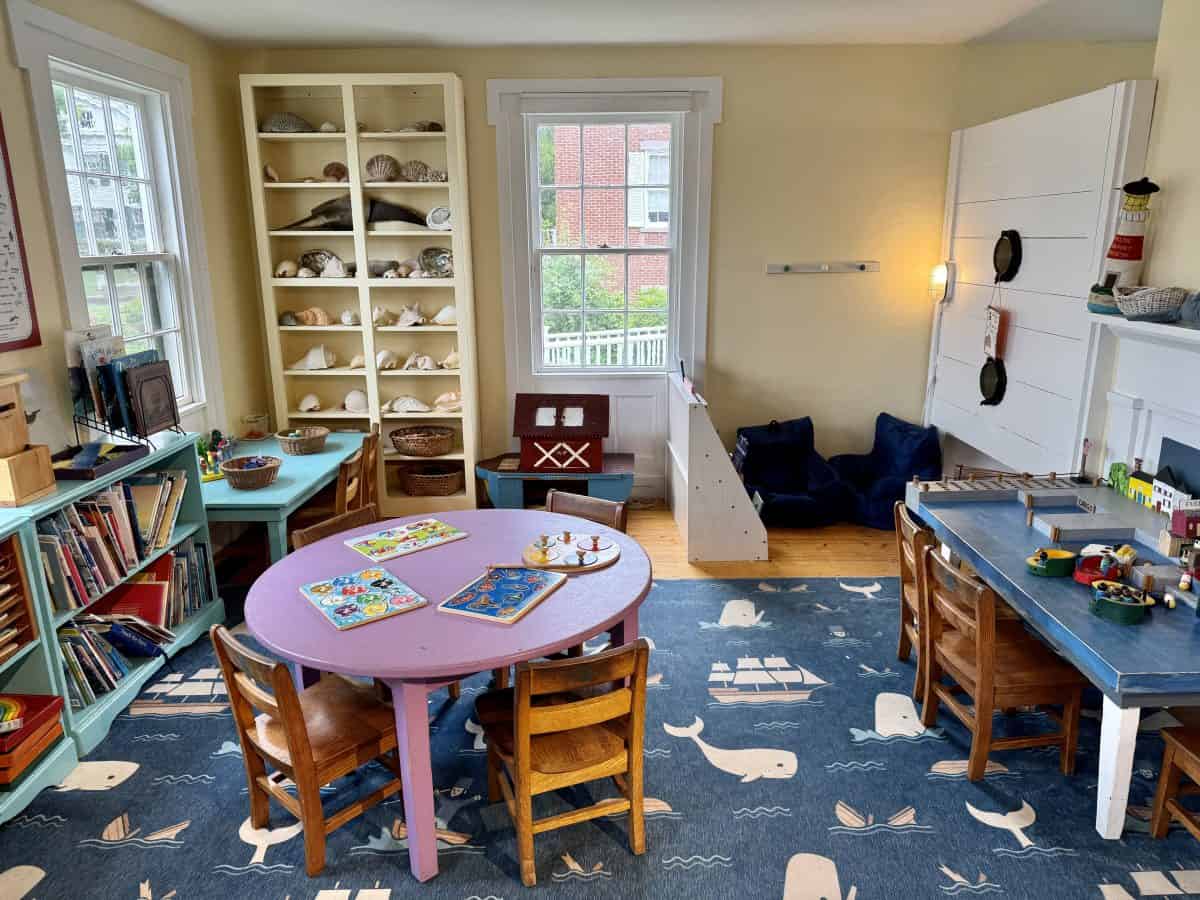
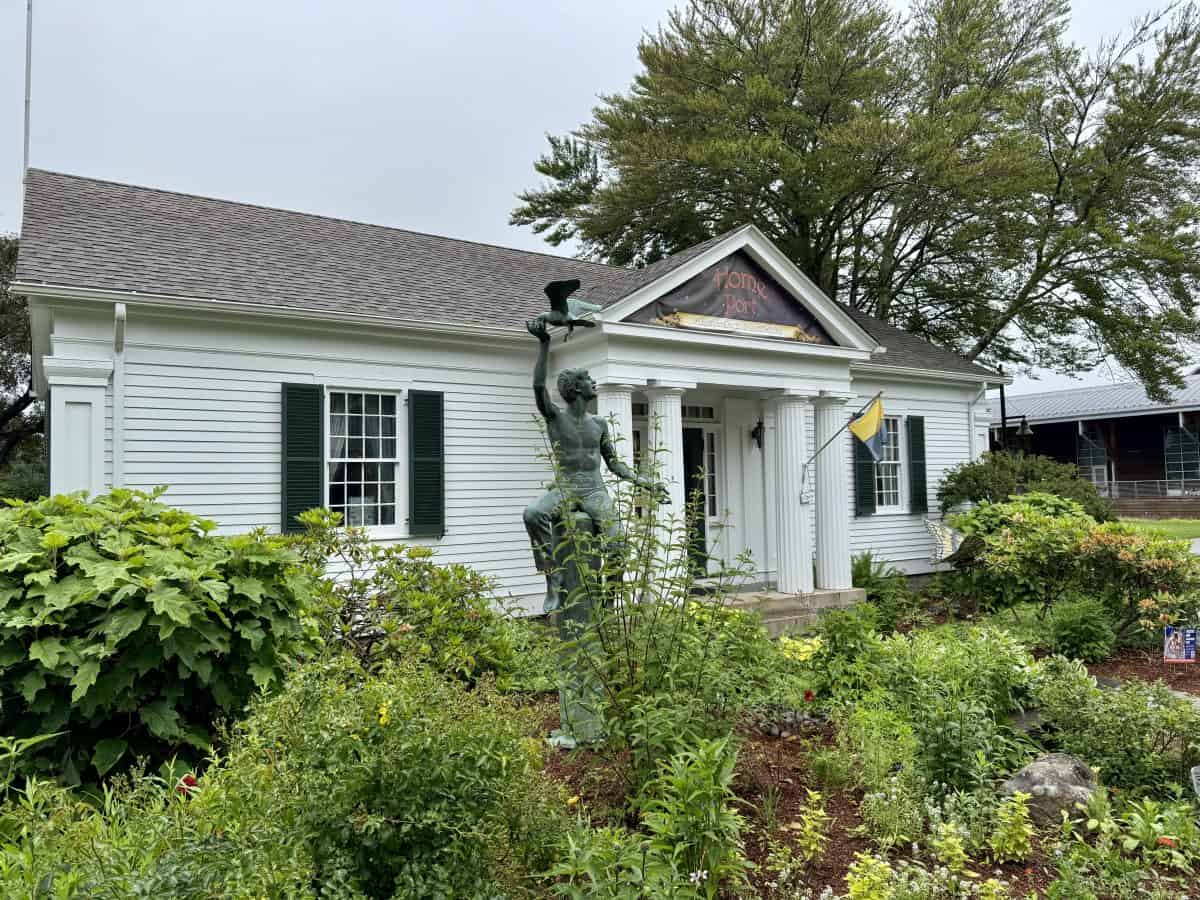
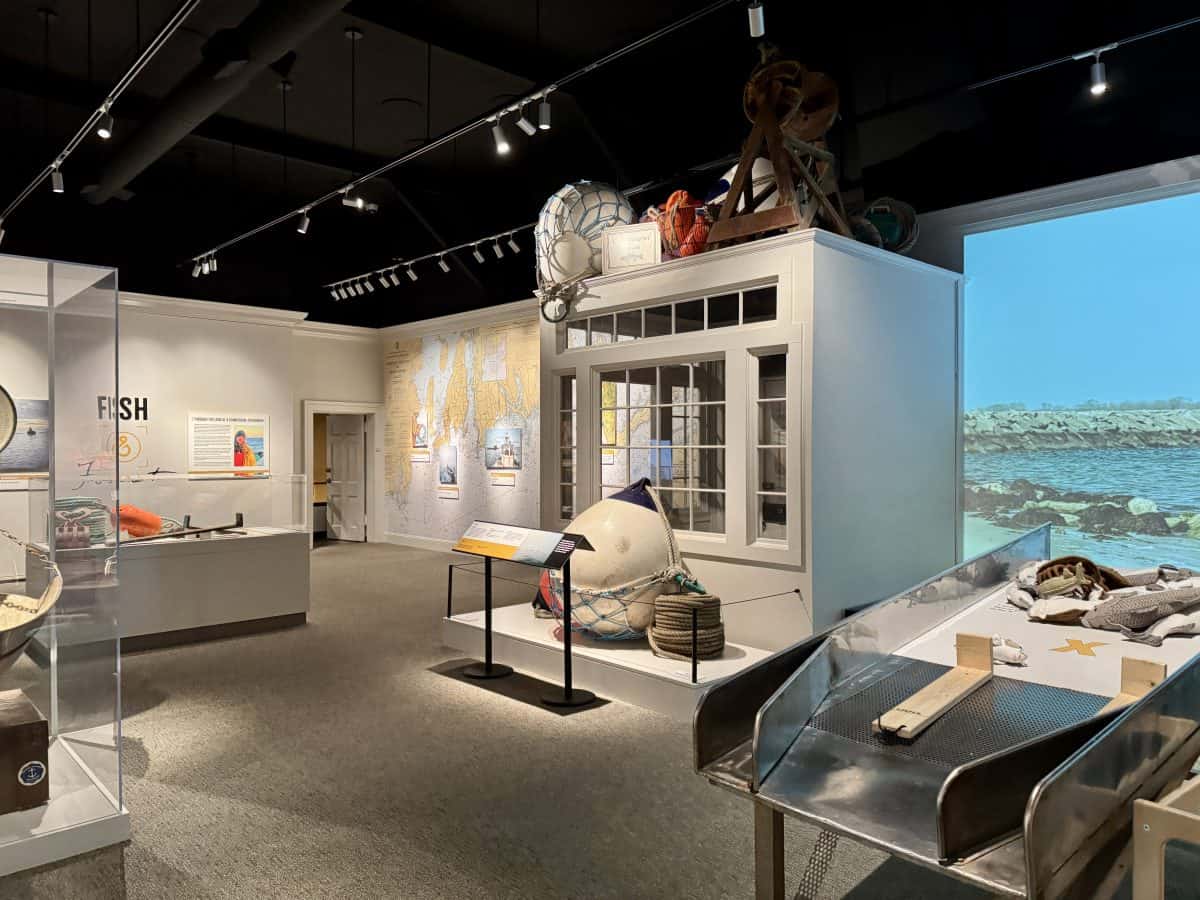
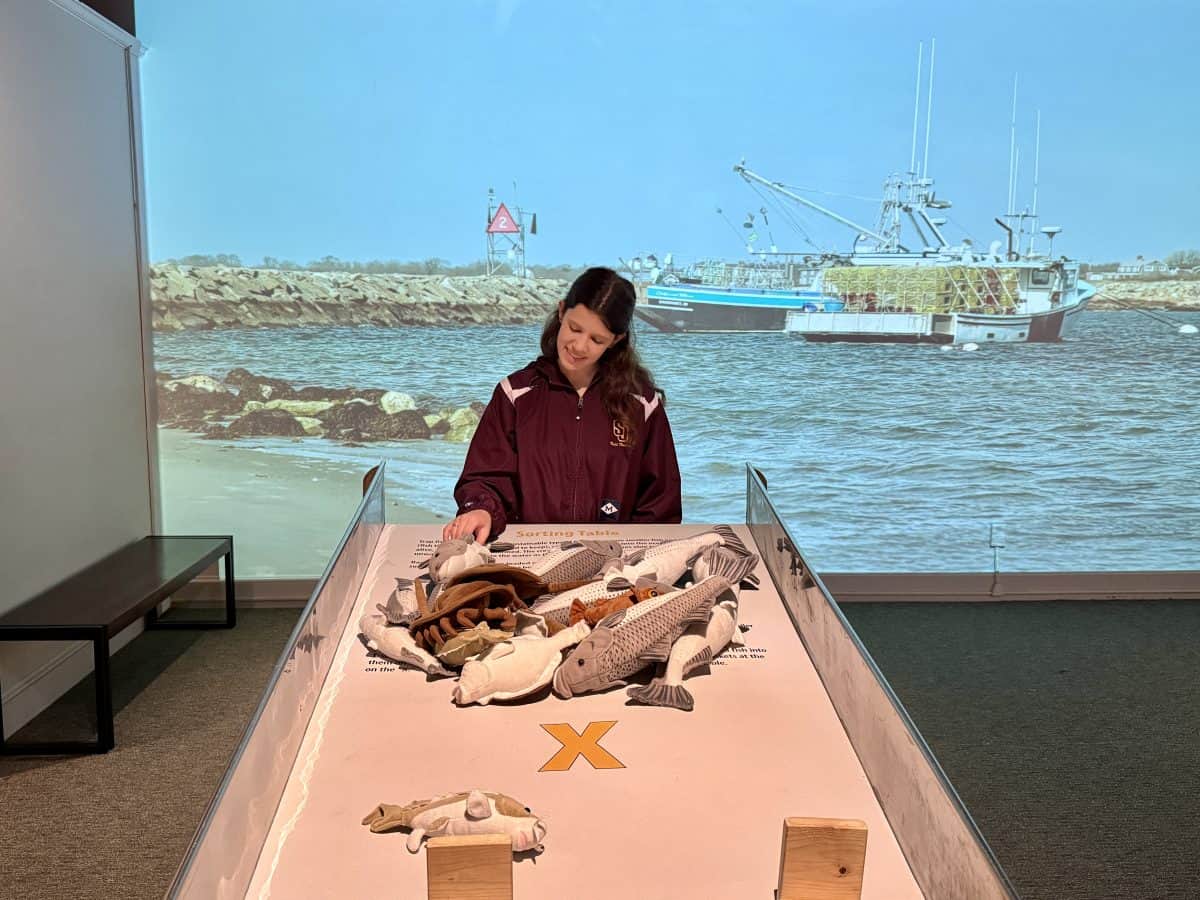
- Play old fashioned board games and practice sorting fish in the Home Port exhibit inside the Mallory Building. There’s also a puppet playhouse, a reading nook, and craft tables.
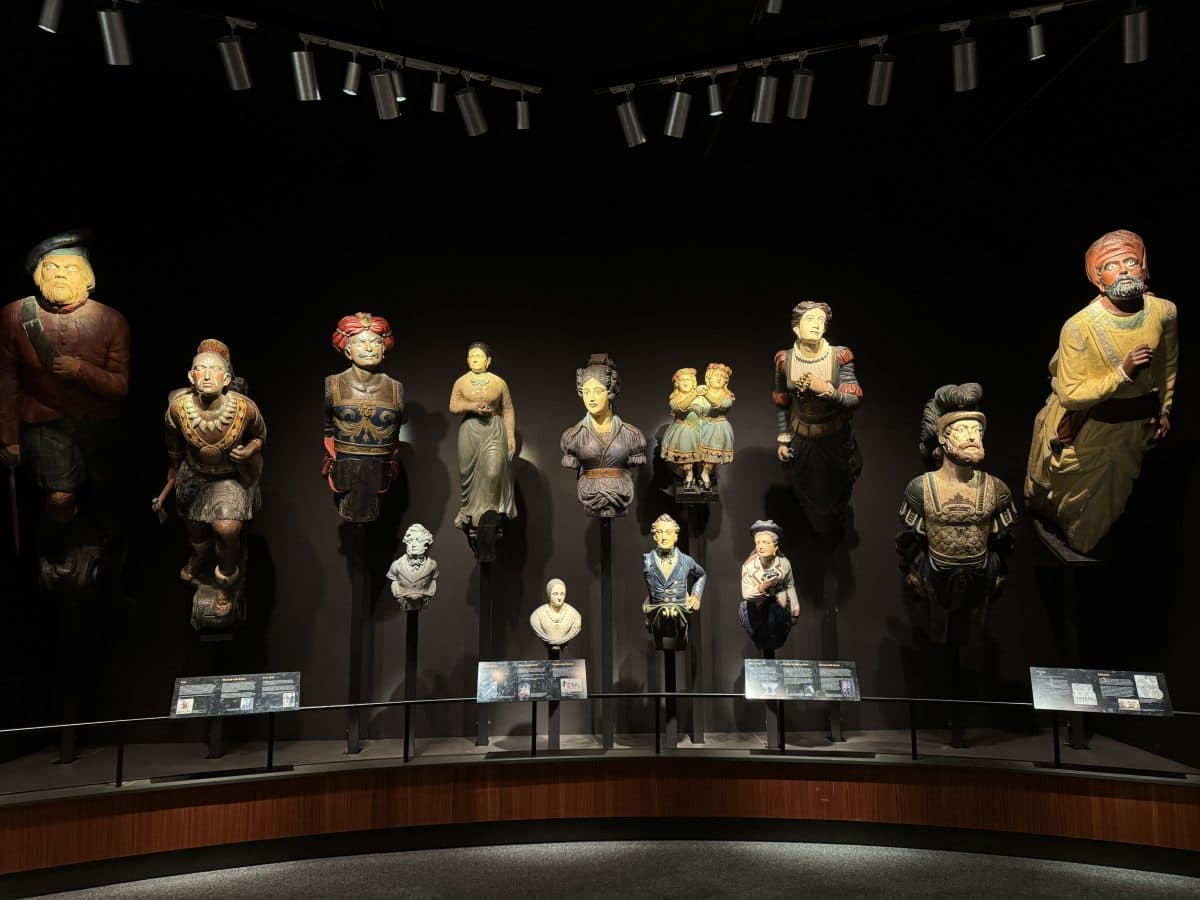
- Choose a favorite figurehead from the display of over two dozen figureheads from around the world in the Foregueads and Shipcarvings exhibit, located inside the Mallory Building.
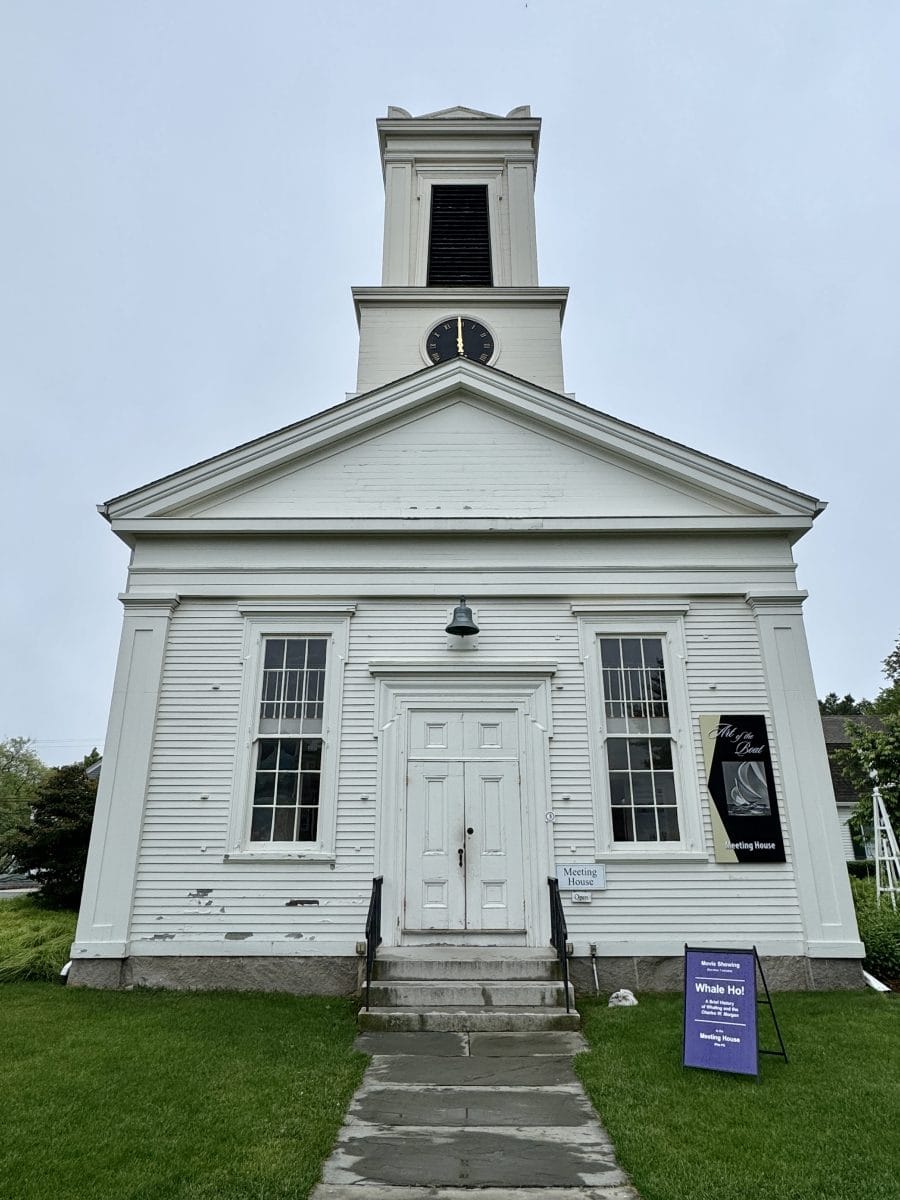
- Watch the seven minute “Whale Ho!” video that tells the history of the Charles W. Morgan, nicknamed The Lucky Ship, and its 47 voyages to hunt whales, in the Meeting House.
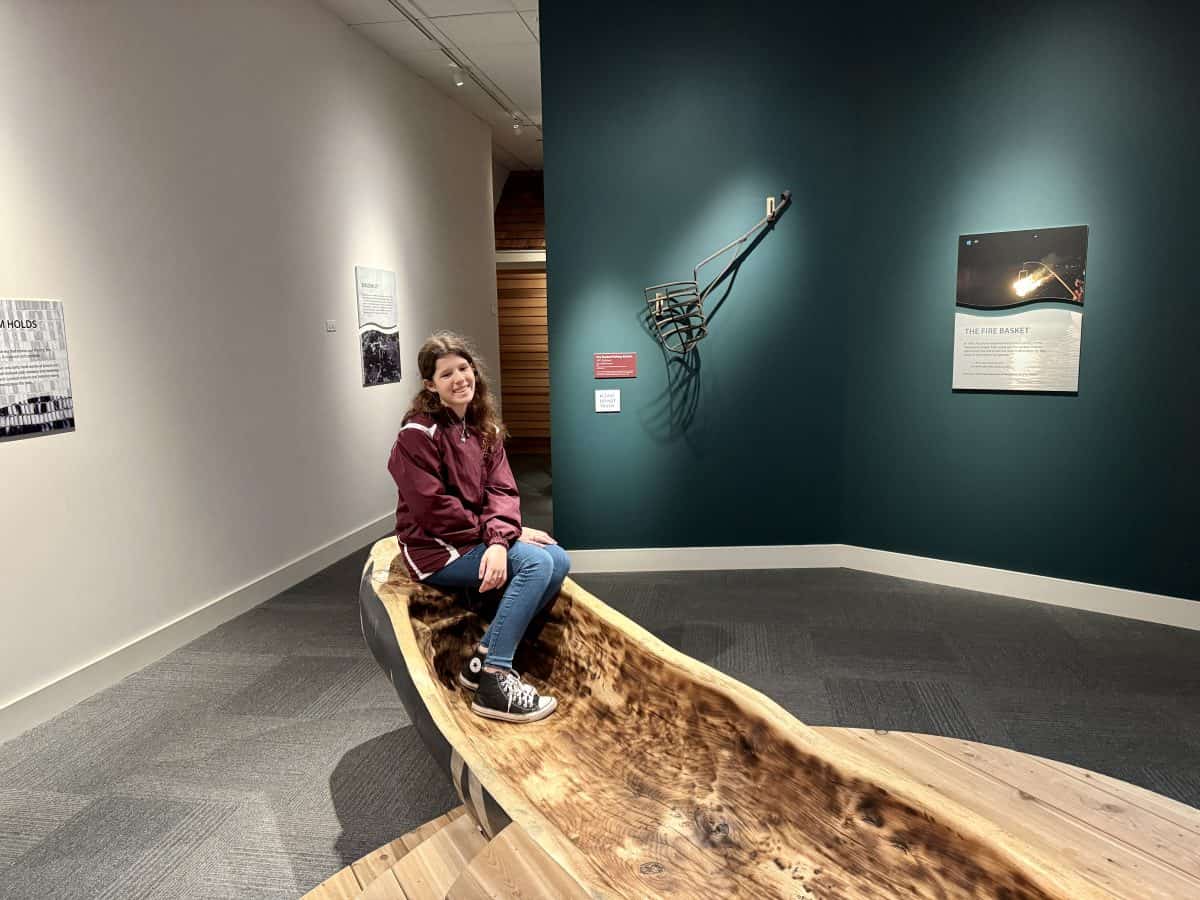
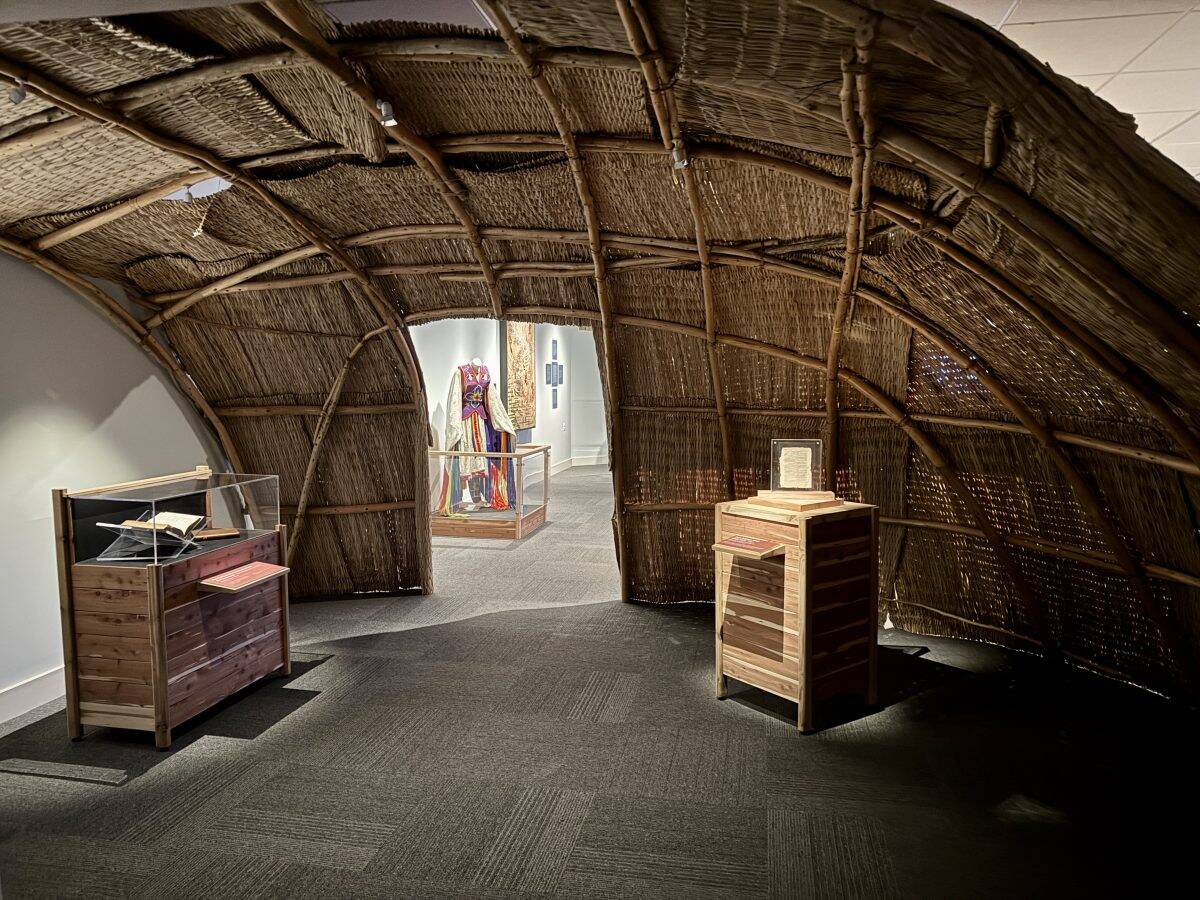
- Walk through a replica “weetu” hut in the Entwines: Freedom, Sovereignty and the Sea exhibit. The exhibit highlights the maritime history of Indigenous and African peoples, focused on “racialized slavery and voices and histories that have been silenced.” **Note: this exhibit is on display through January 2026.
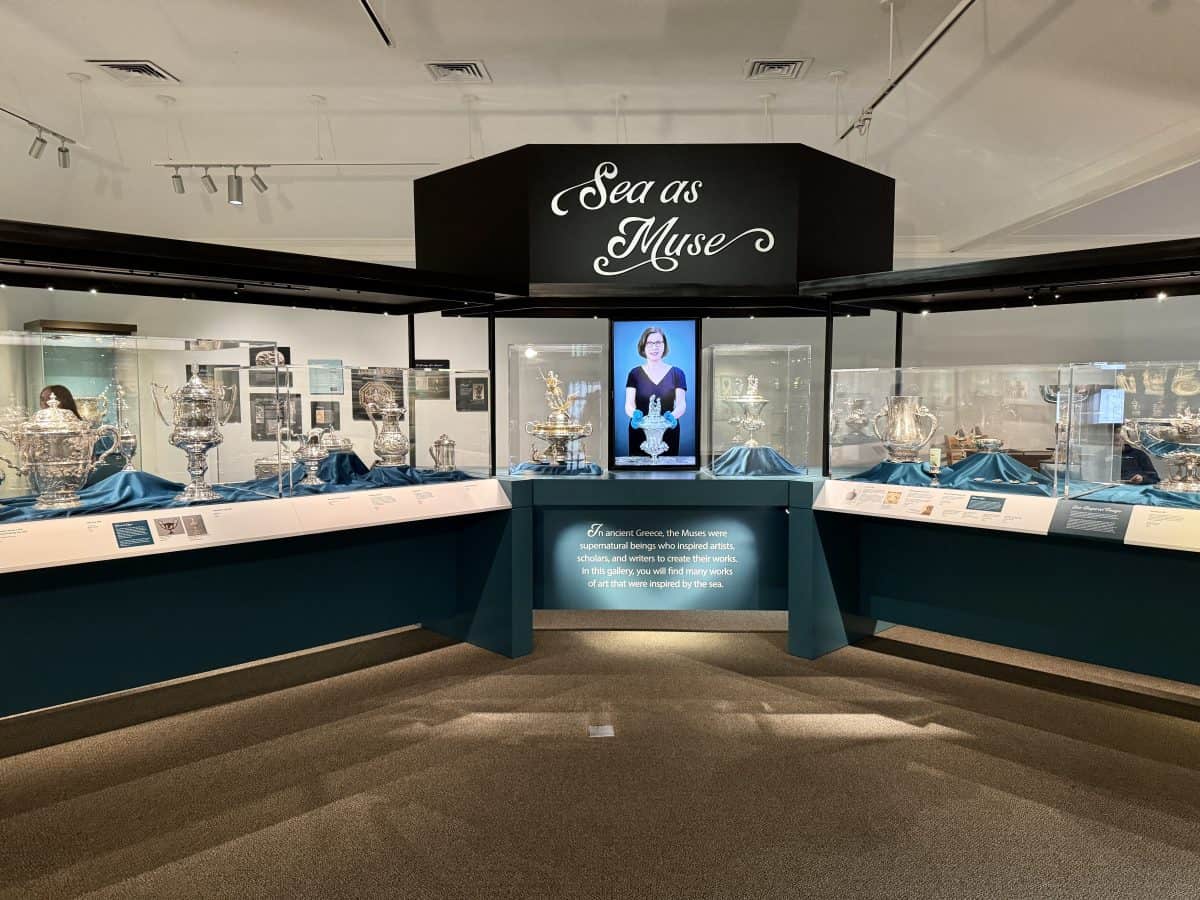
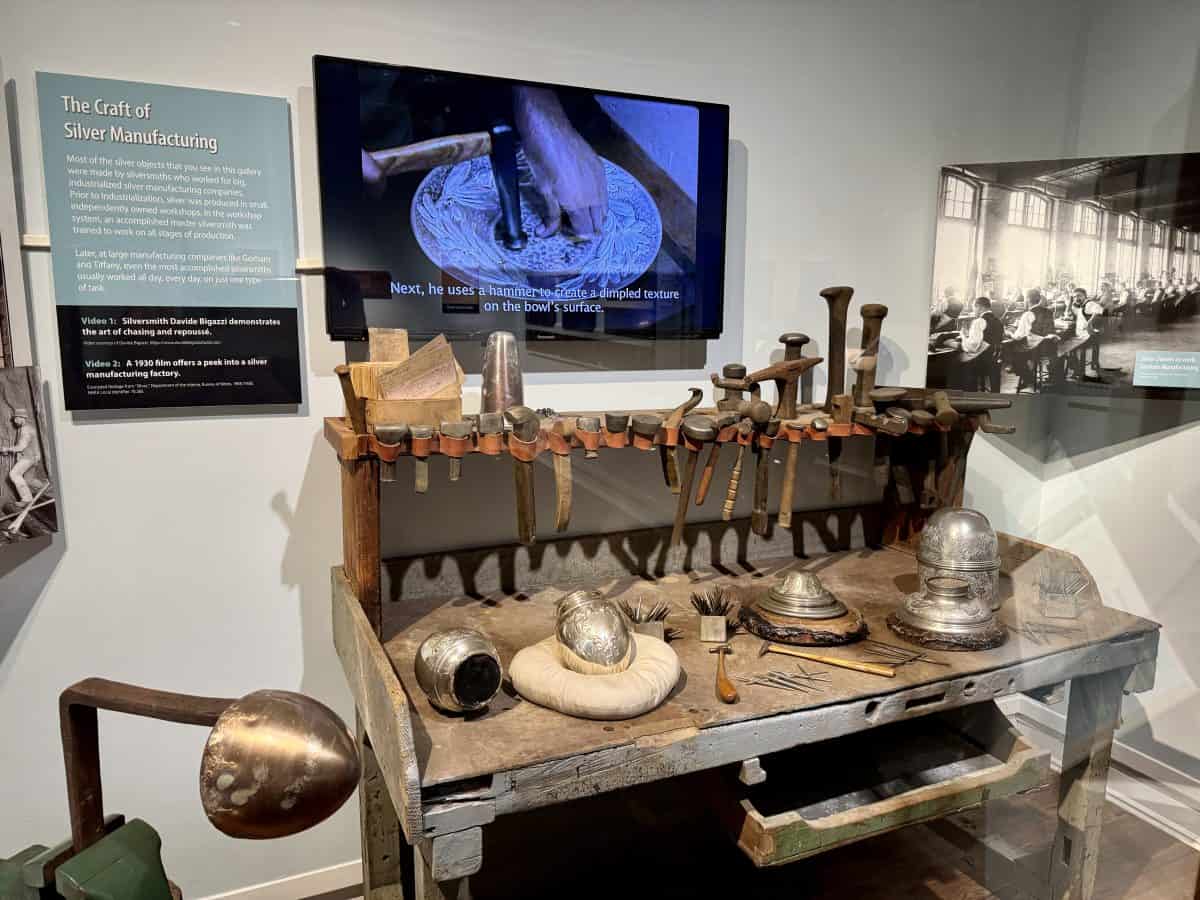
- Find the spelling mistake on a trophy on display in the Sea as Muse exhibit in the Schaefer Building. Have kids grab a scavenger hunt to complete. The exhibit displays works of art inspired by the sea, including silver pitchers, vases, cups, and trophies. **Note: this exhibit is on display through July 2025
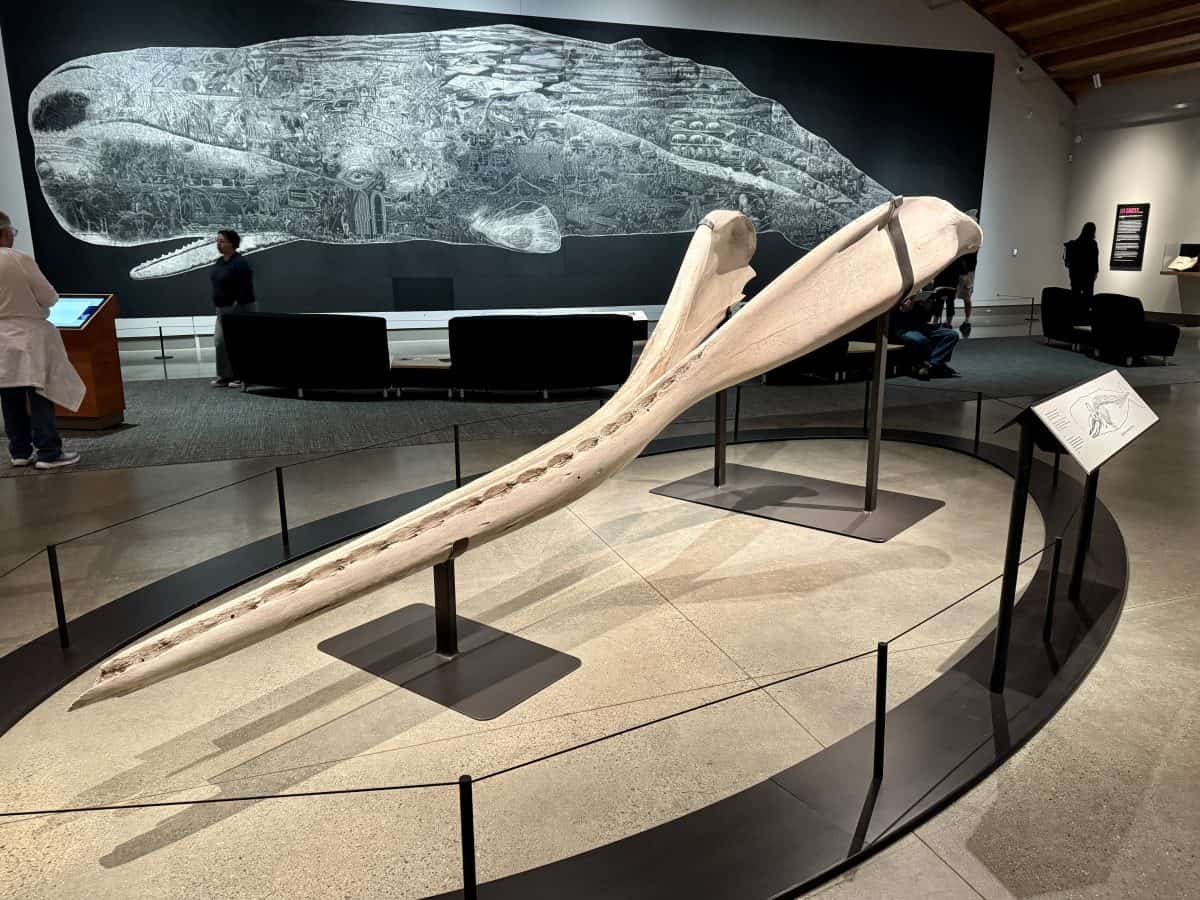
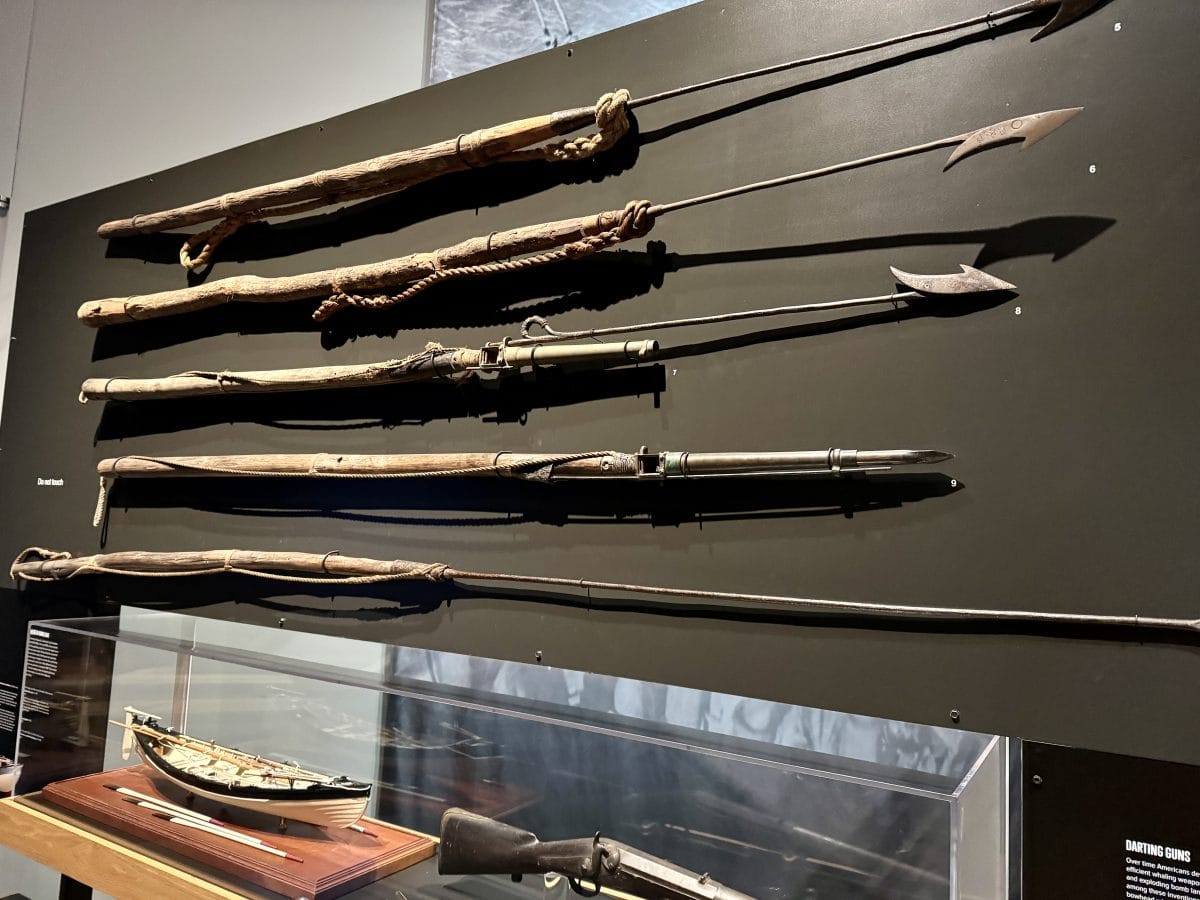
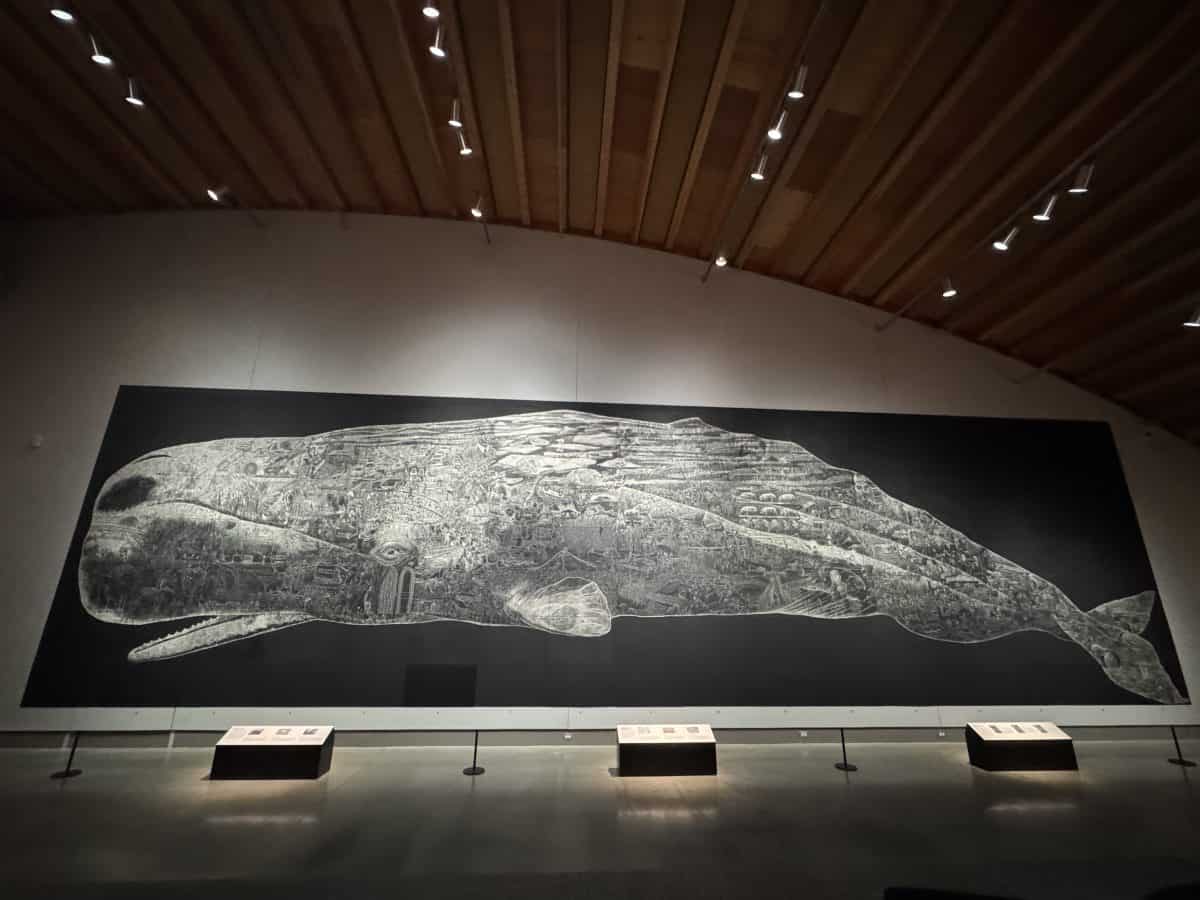
- Compare your height to the length of a sperm whale inside Monstrous: Whaling and its Colossal Impact exhibit inside the Thompson Exhibit Building. The exhibits features tons of trivia about sperm whales, a collection of scrimshaw and harpoons, shipmodels, and the 51 foot “Or, the Whale” mural by Jos Sances that includes over 100 scratchboard panels that tell the story of American history inside the outline of a sperm whale.

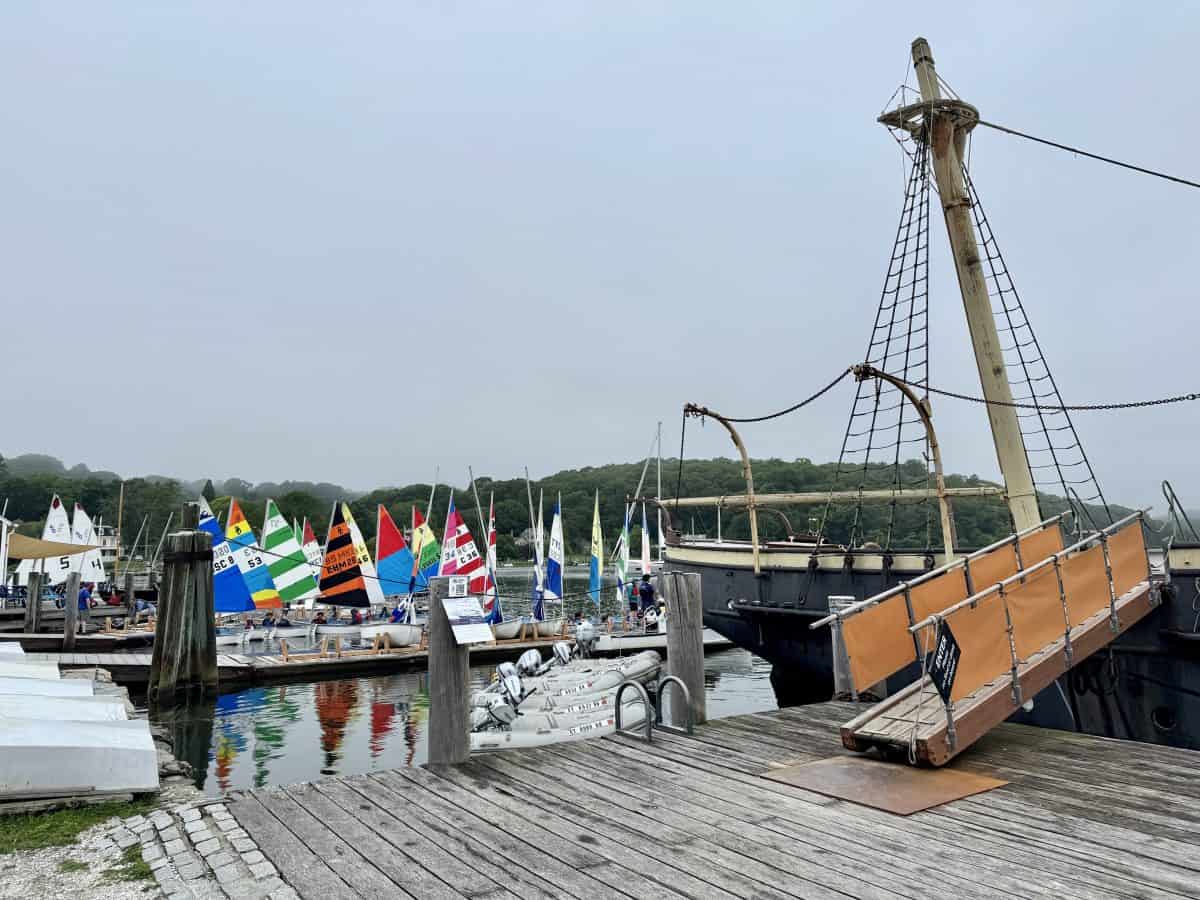
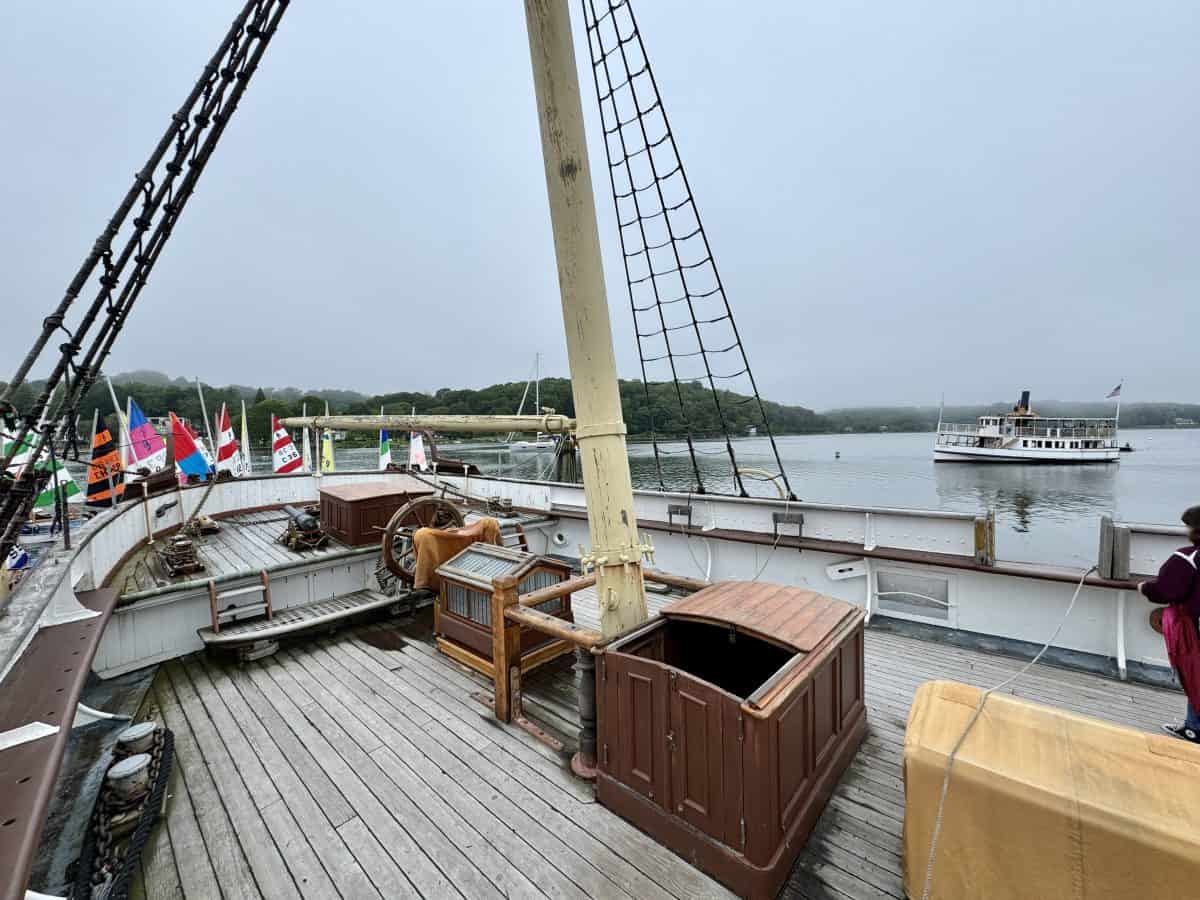
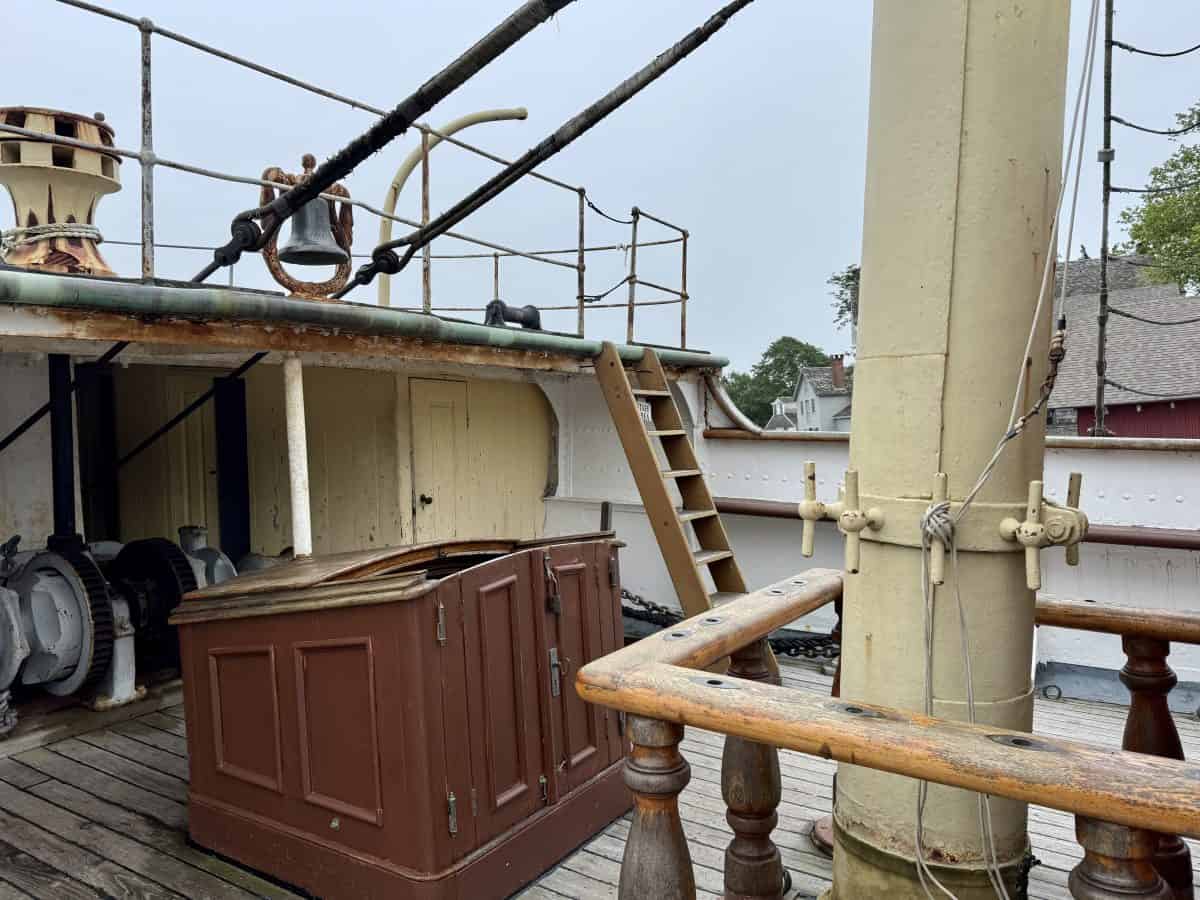
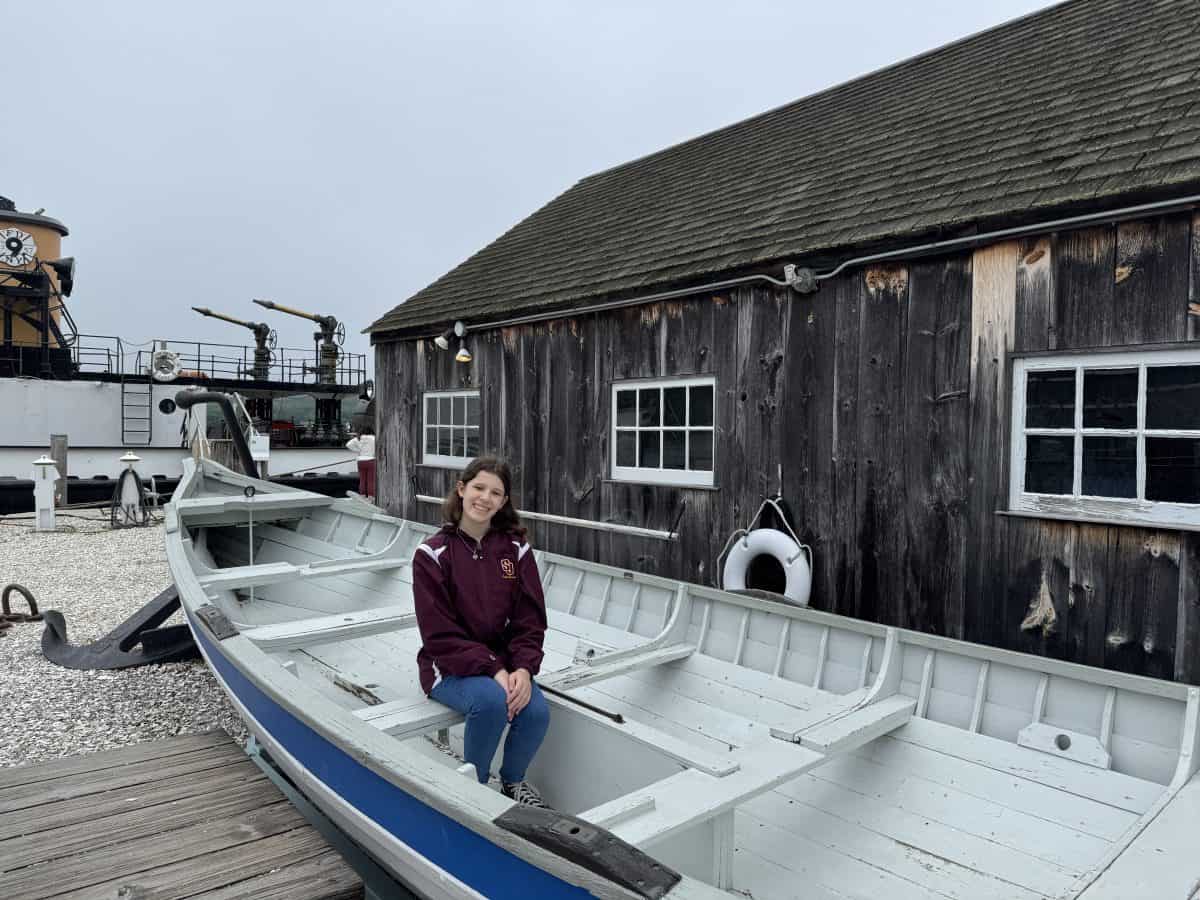
- Climb aboard the Joseph Conrad and watch the adjacent sailing school set sail. Built in the 1880s in Copenhagen, the 110+ foot ship was in operation until the 1930s and was bought by the Seaport in 1945. Visitors can explore the upper deck of the ship.
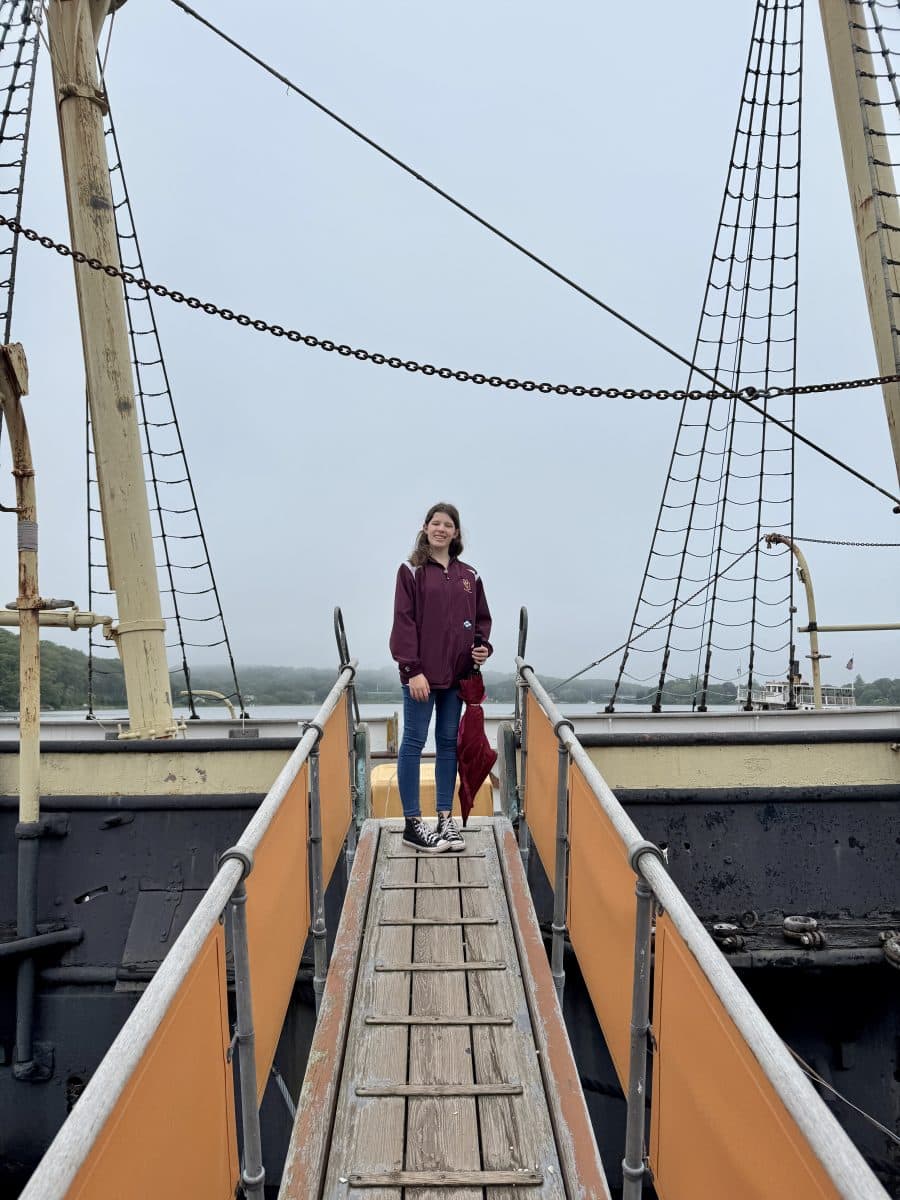
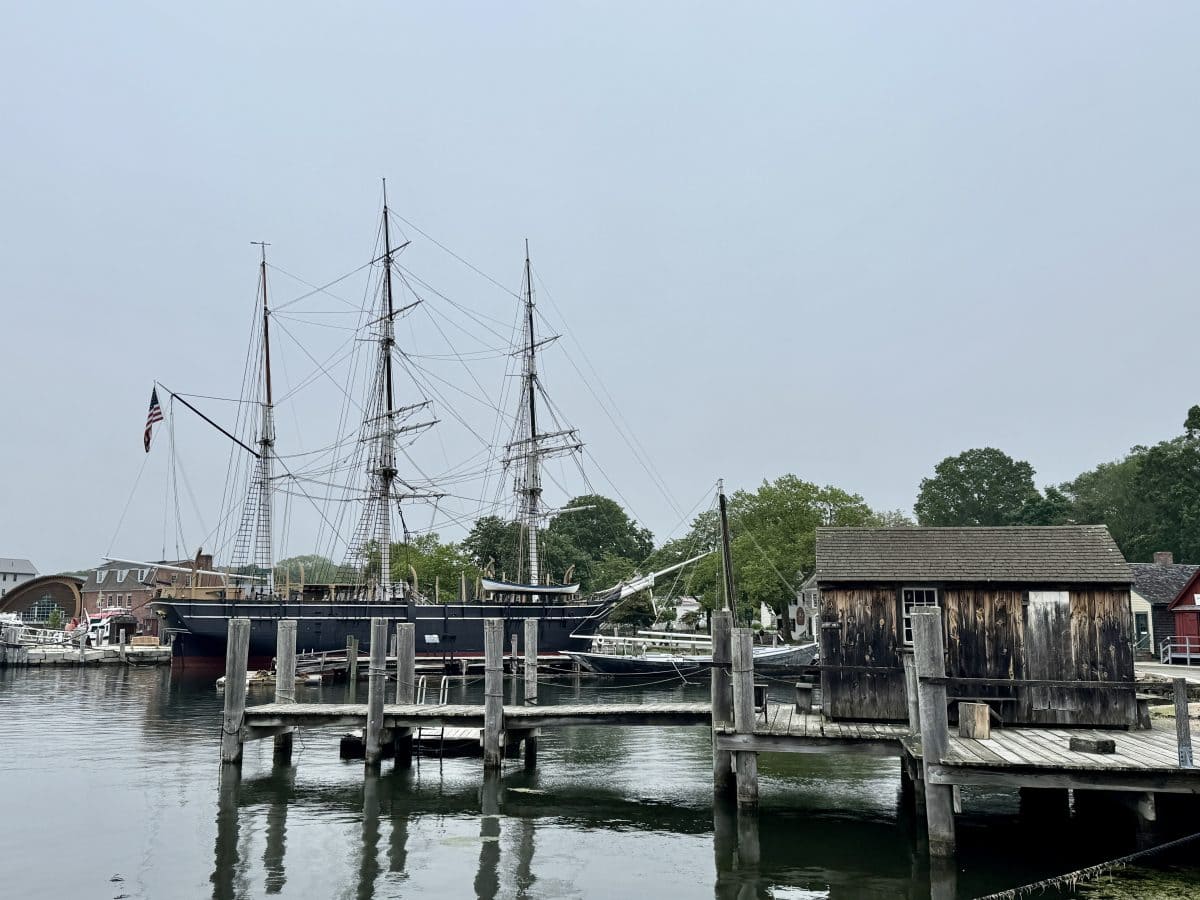
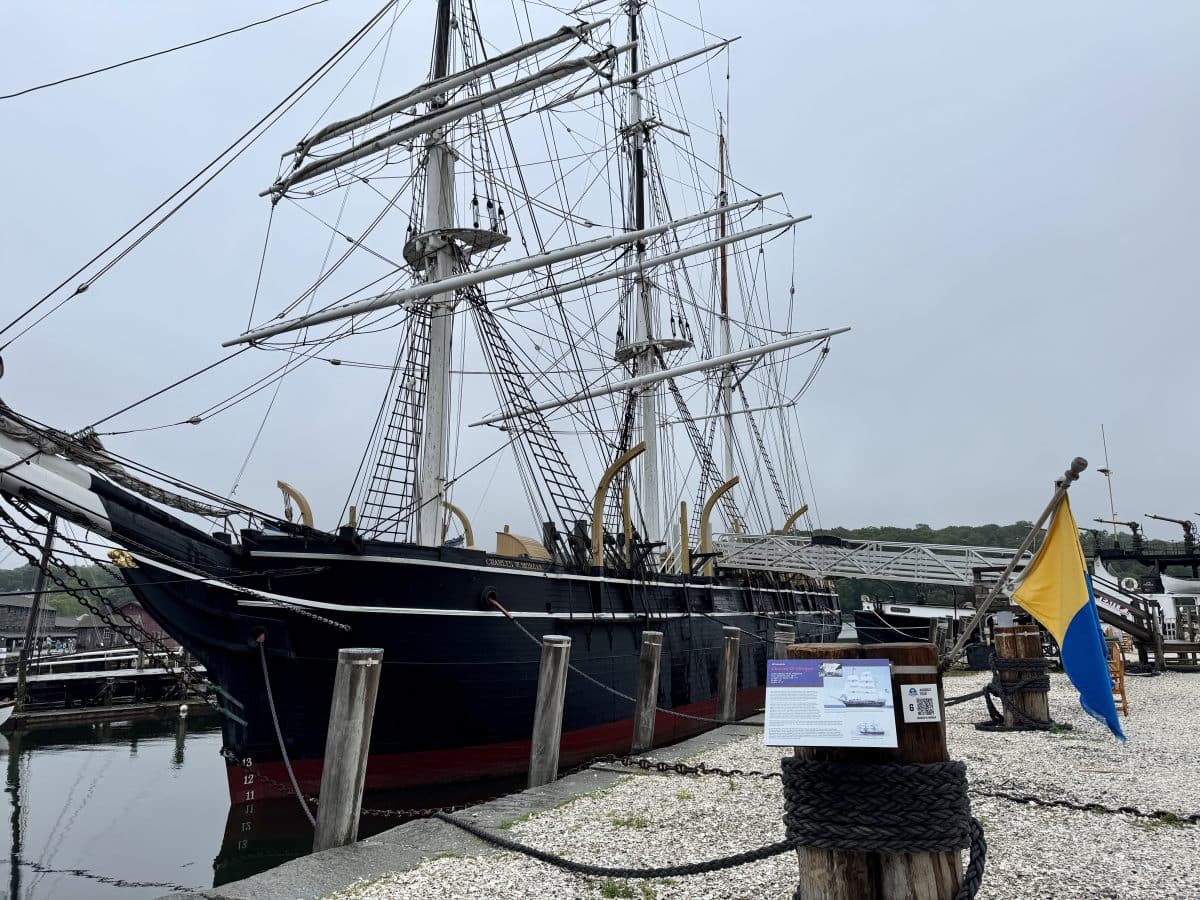
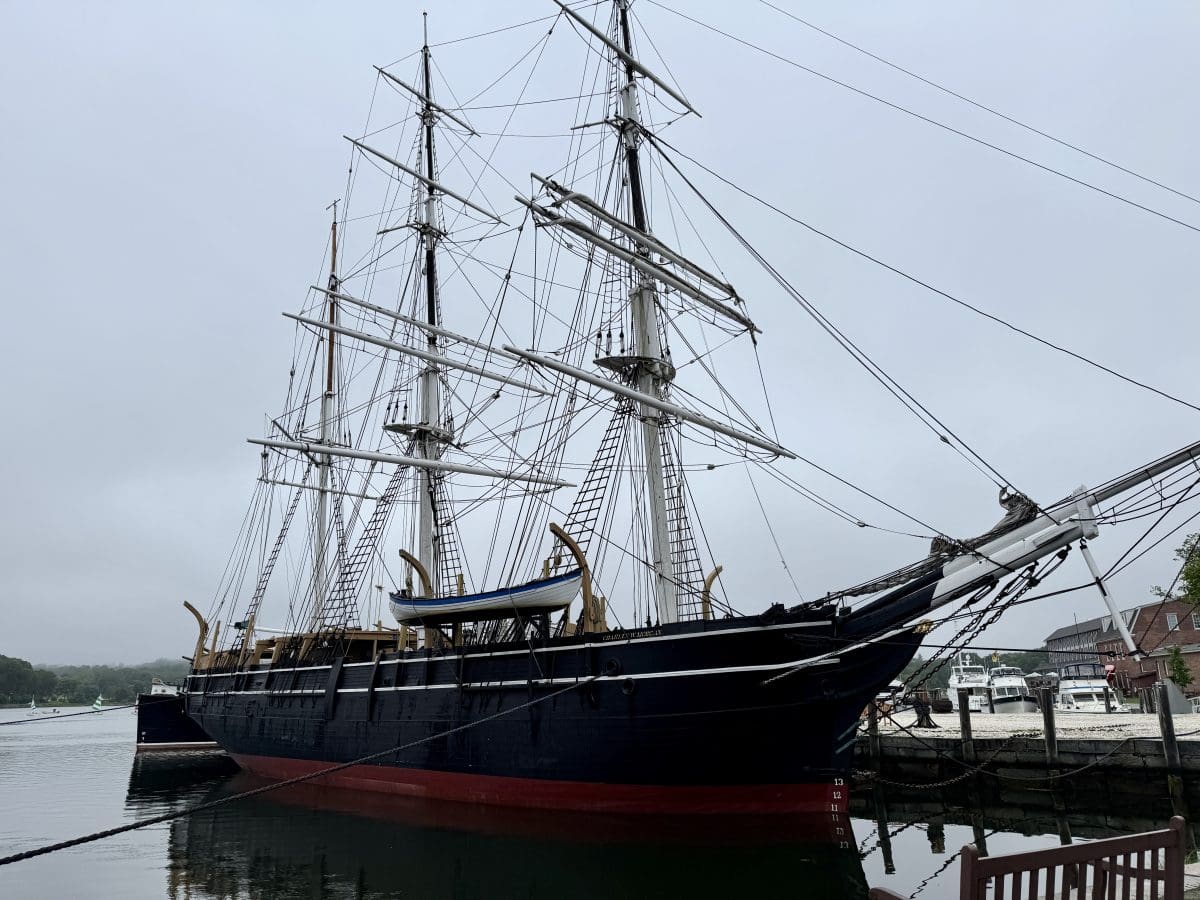
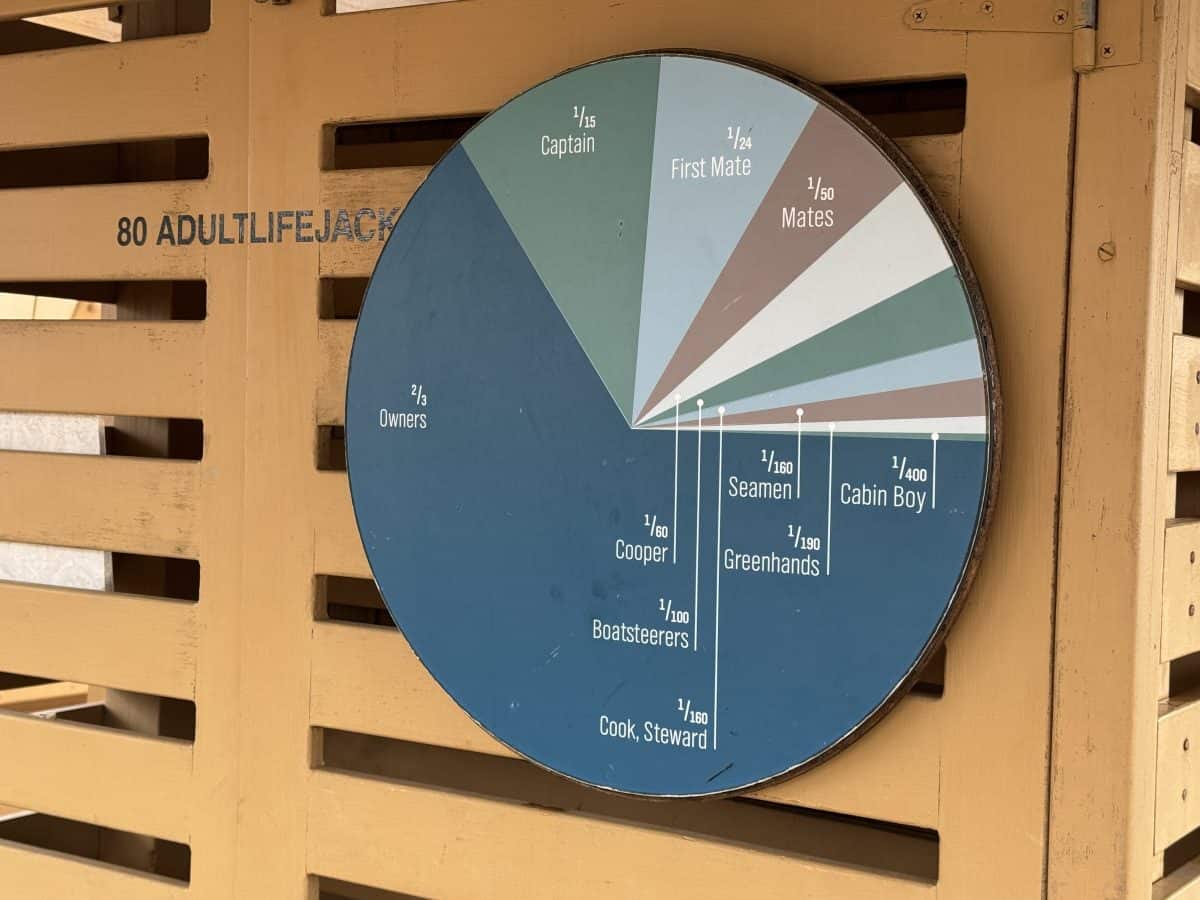
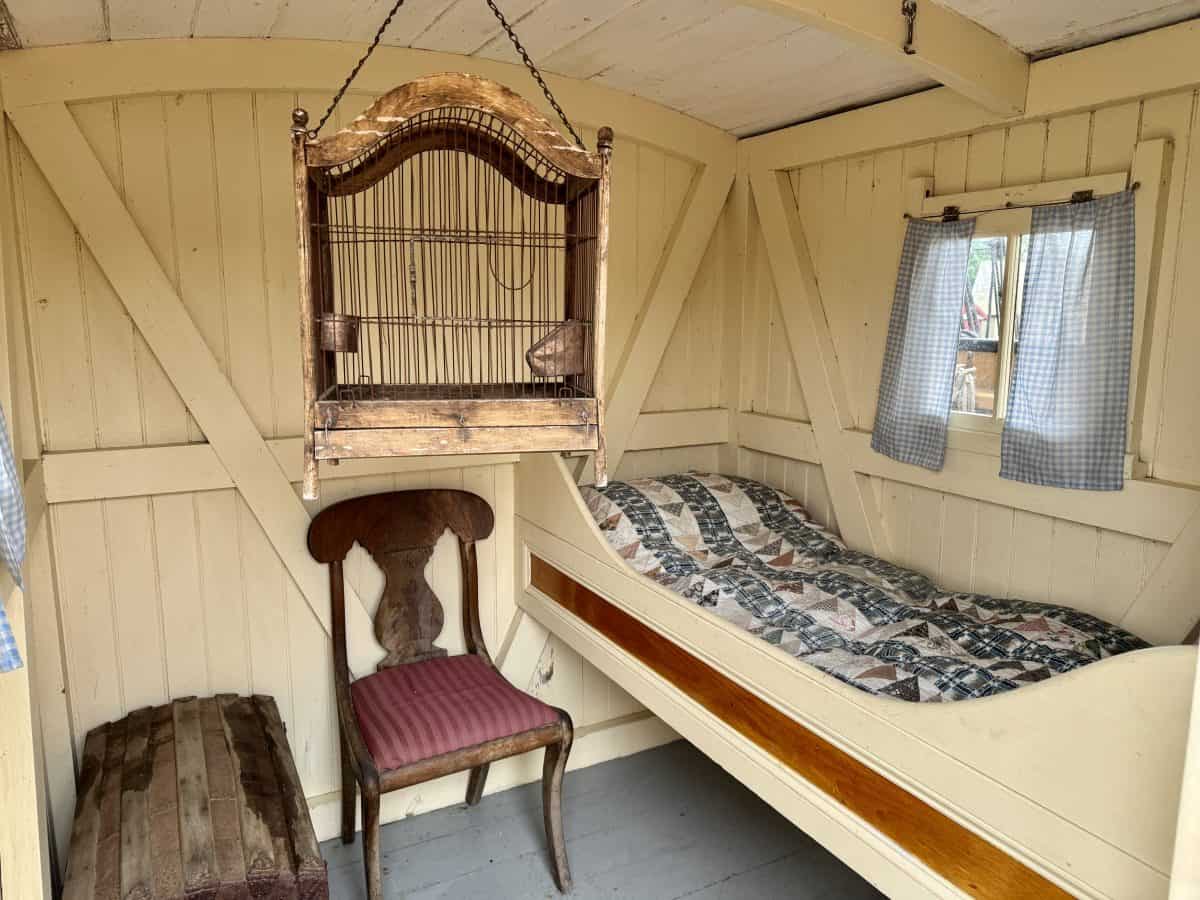
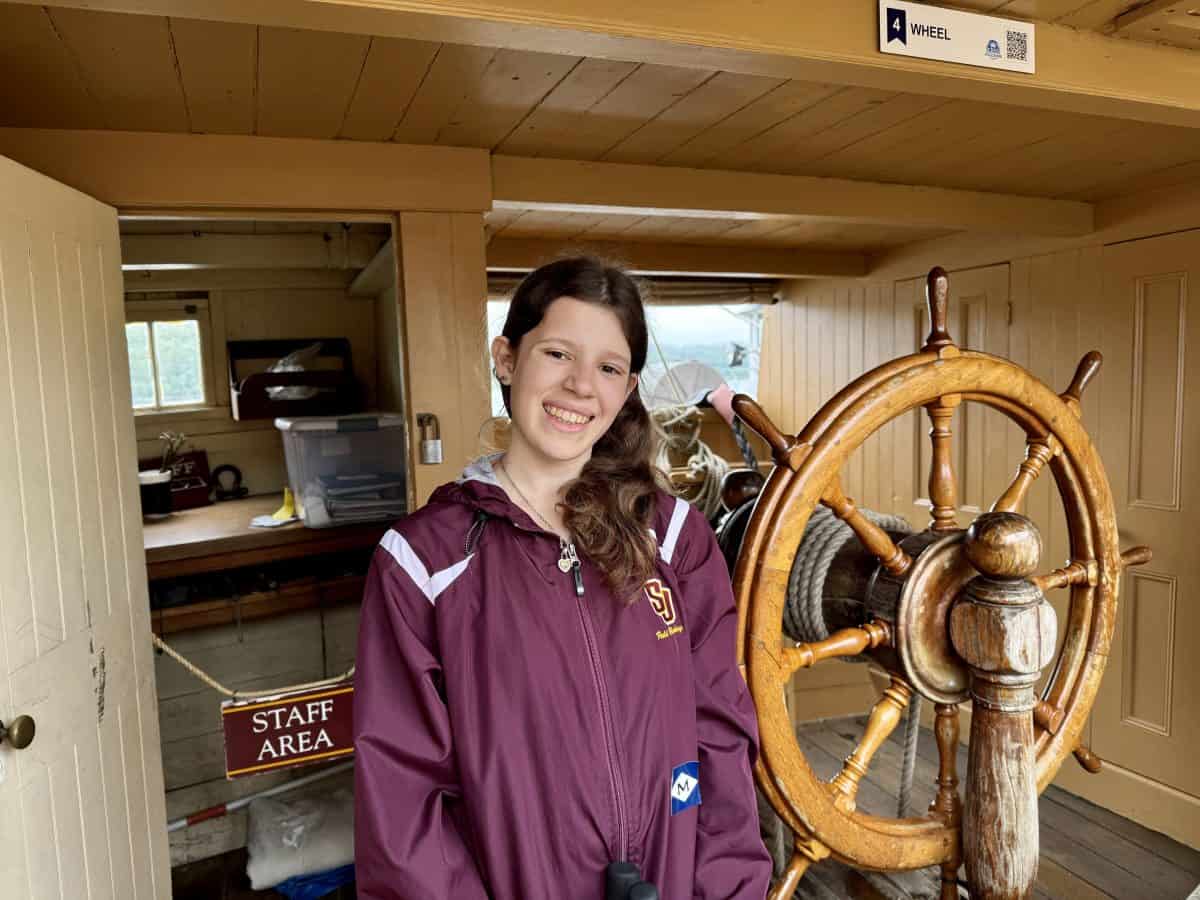
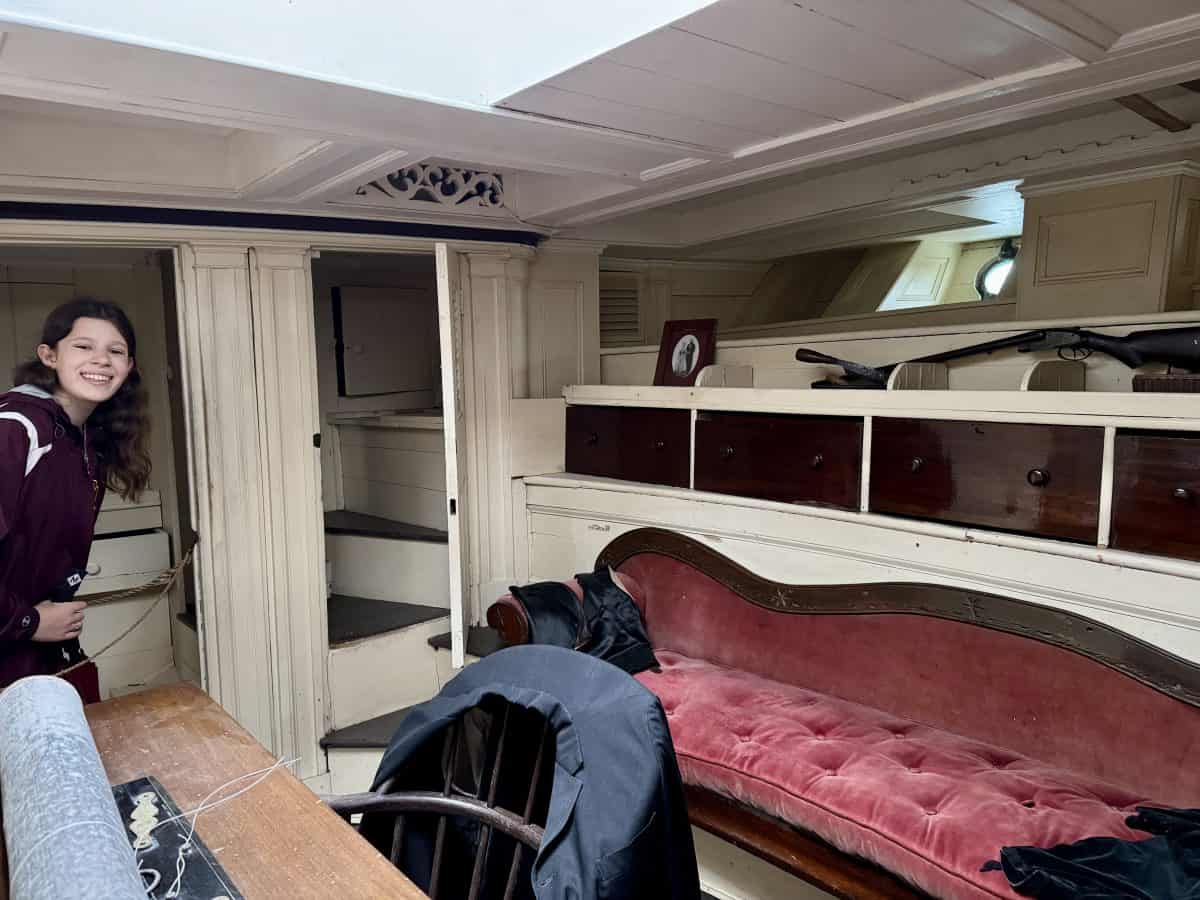
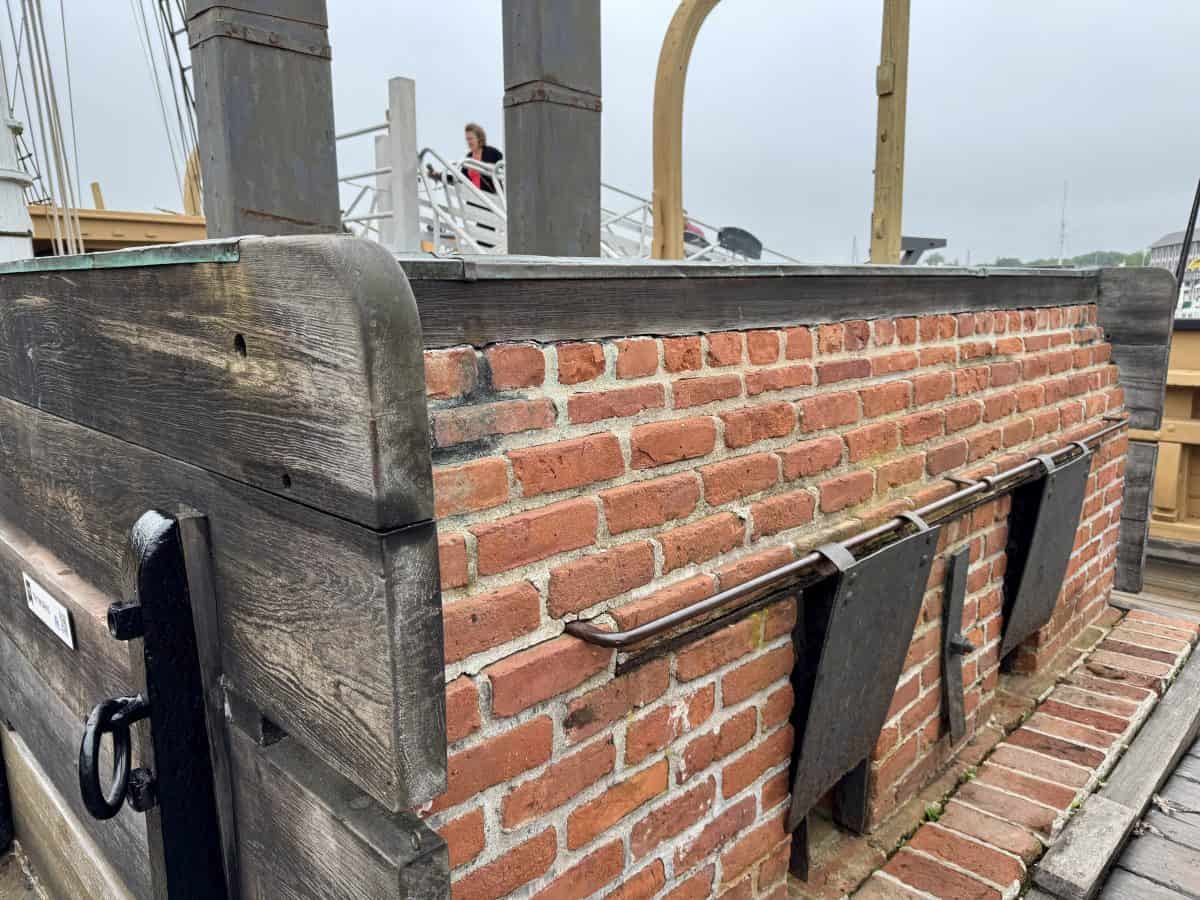
- Take a self guided tour of the Charles F. Morgan. The icon of the museum, the 113 foot whaling ship sailed on almost 40 voyages from 1841 to 1921, capturing hundreds of whales. Visitors can take self-guided tours of two decks of the ship and see everything from the galley to the captain’s quarters to the blubber room. Take note of the pay wheel displaying the payout for various employees. Watch your head below, as the ceiling is less than five feet in some areas.!
Looking for other adventures in Mystic? Check out our full Mystic City Guide and our Mystic hiking guide. And check out our feature of other maritime museums on the East Coast. And follow along on Instagram, Pinterest, and Facebook.
Disclosure: Our family was given a media pass to explore Mystic Seaport Museum; all opinions expressed are my own.





What a great guide and tons of valuable tips – what a great day trip it would be!
My family and I love outdoor history museums and the Mystic Seaport in Mystic looks absolutely incredible! I love boats and sailing so I can´t wait to visit!
This sounds like such a fun day, awesome that there are so many attractions for kids. Loved seeing so many photos too.
I love museums especially with history and Mystic Seaport museum looks like one of those. The views, history, exhibits, interactive stuff – all sound awesome. I will make it a point to visit this museum when I am in Connecticut. Lovely photos!
Sounds like a great day out with children to learn about the local history, through interactive exhibitions.
I just went a couple of weekends ago for the first time in 12 years!! We spent the entire day there and I still feel like I really only scratched the surface of what they have to offer in the museum. My sister and I built our own toy boats at the Toyboat Workshop and I think that was one of my sister’s favorite things to do. I loved taking in all of the history and I’m already planning another trip soon.
Look very fun and educational!